B21, China Town Mall, Midrand

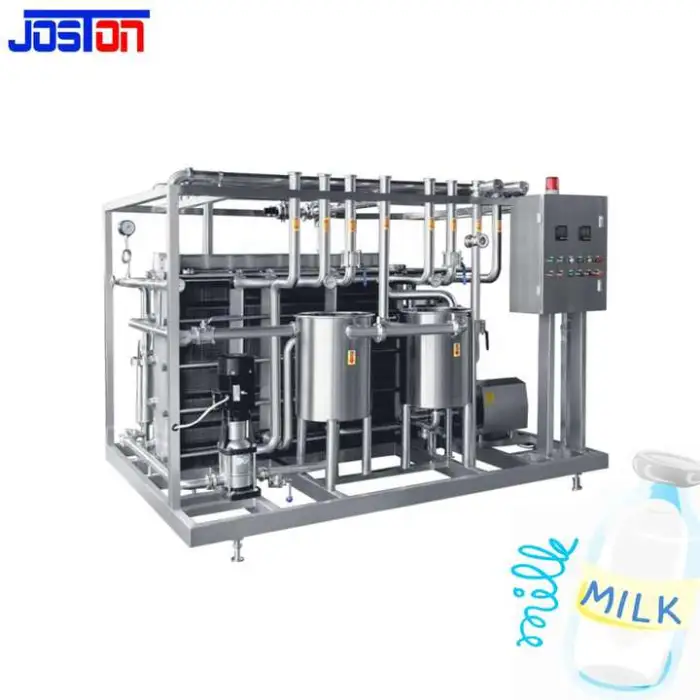
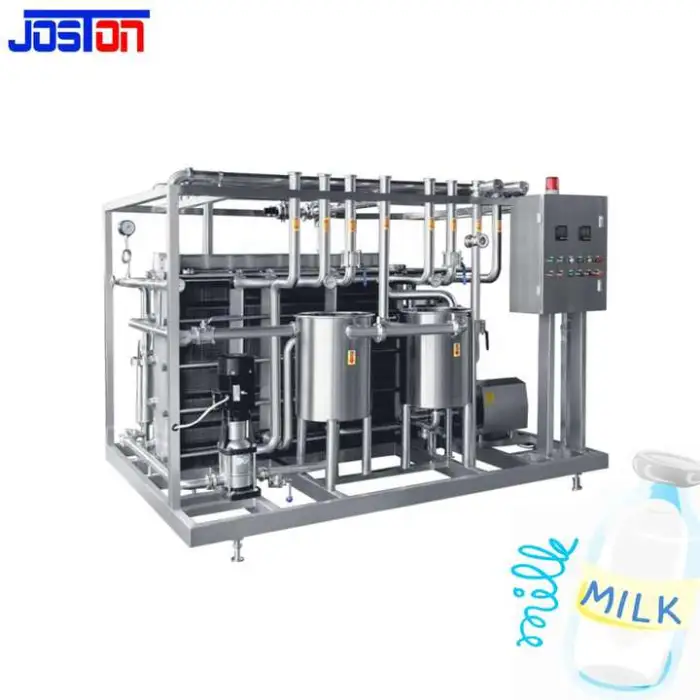
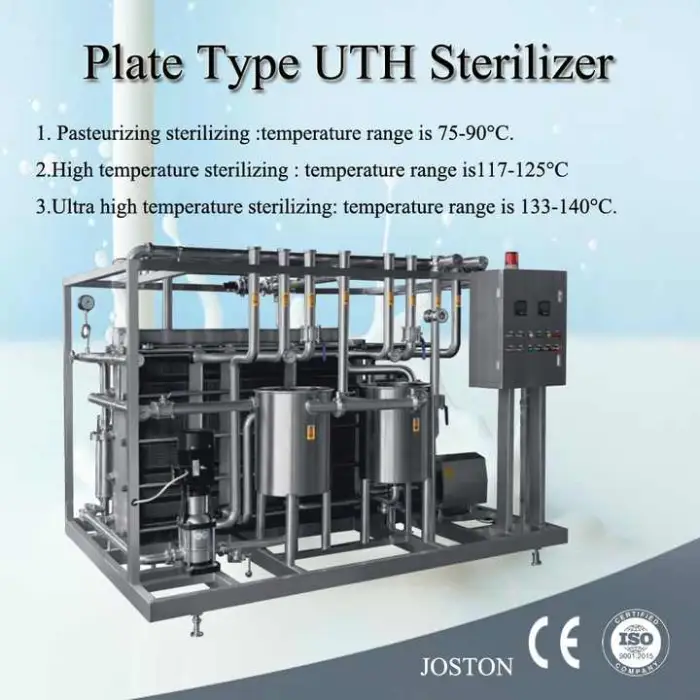
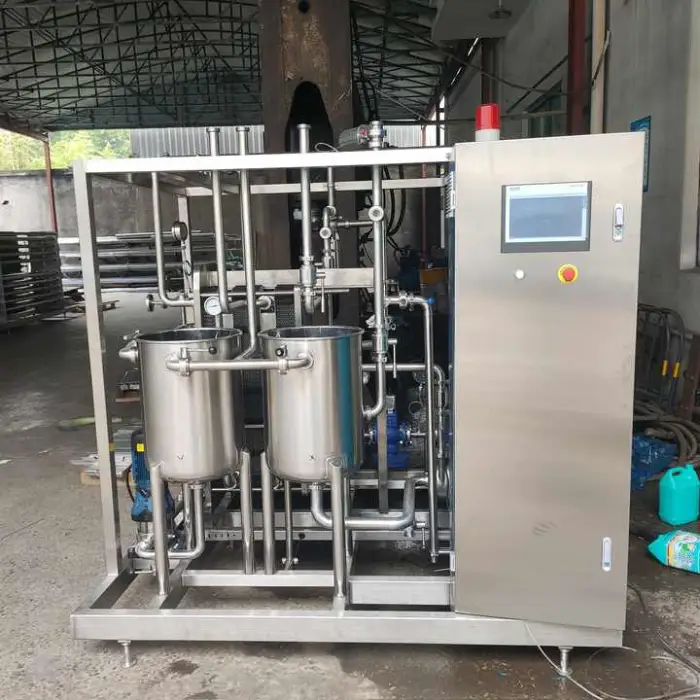
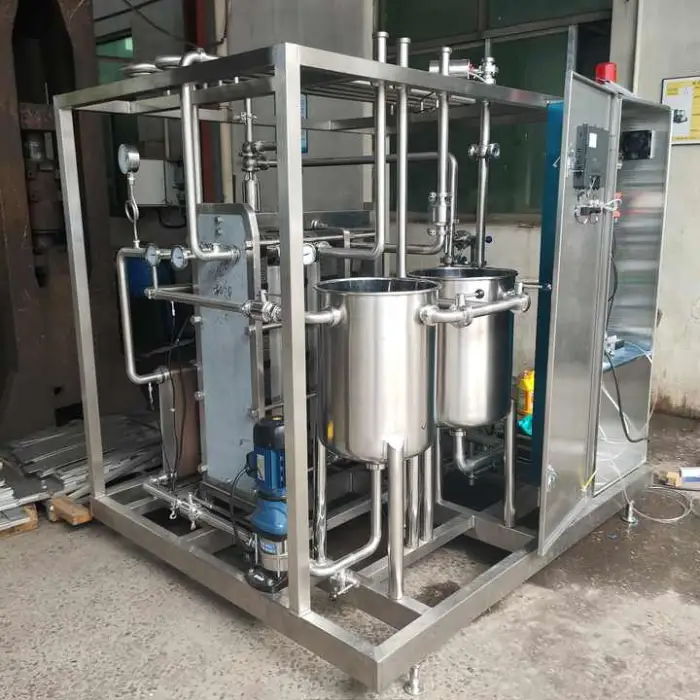
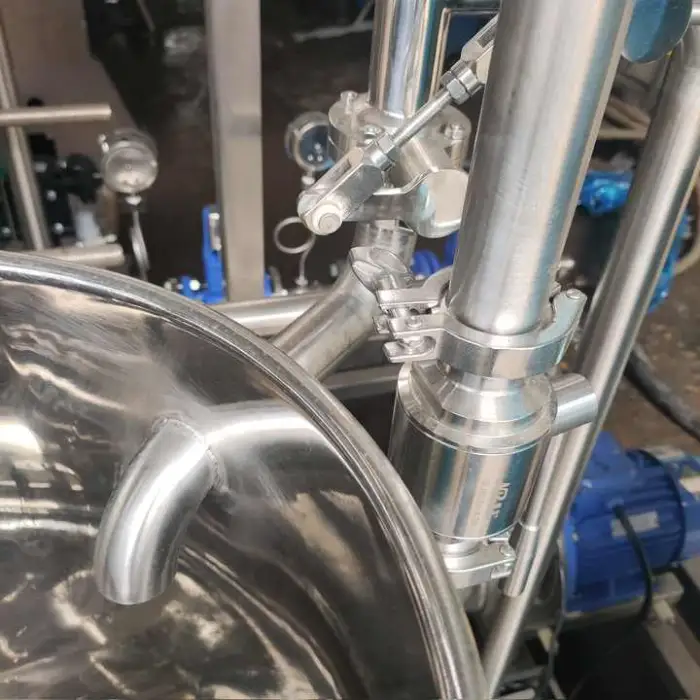
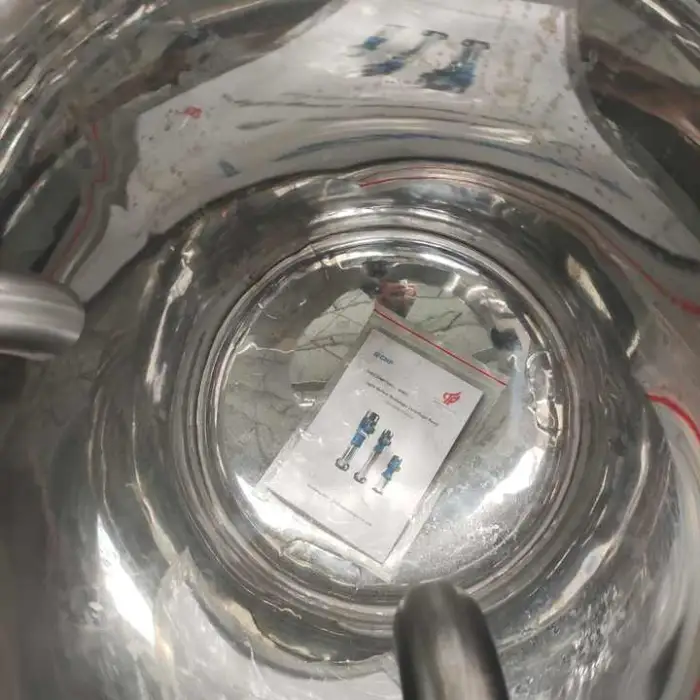
JOSTON SS316L Fruit Vegetable Milk Beverage Industrial Pate Food Plate Sterilizer Uht Machine Plate Sterilizer
Asset finance available
Do you want funding for this equipment?
Afrimart can connect you with trusted funding partners who specialise in asset finance for businesses like yours. Compare options and apply in minutes — final approval is subject to provider review.
Check funding options
Secure & no obligation

- Section : Machinery
- Category : Other Food Processing Machinery
- SKU : 1600948368403

JOSTON SS316L Fruit Vegetable Milk Beverage Industrial Pate Food Plate Sterilizer UHT Machine Plate Sterilizer
The JOSTON SS316L Fruit Vegetable Milk Beverage Industrial Pate Food Plate Sterilizer UHT Machine is designed for high-temperature sterilization. This machine is perfect for dairy products, juices, and other liquid solutions. With its efficient design and low noise level, it is an ideal choice for industrial use.
Specifications
| Attribute | Details |
|---|---|
| Condition | New |
| Weight | 300 KG |
| Brand Name | JOSTON |
| Voltage | 220V/330V/380V/440V |
| Material | 304/316L Stainless Steel |
| Heating Model | Steam/Hot Water |
| Function | Sterilizer for Dairy, Juice, etc. |
| Usage | High Temperature Sterilization of Dairy Products |
| Advantage | Low Consumption, High Efficiency |
| Processing | High Temperature Sterilizer |
| Selling Units | Single item |
| Single Package Size | 200X120X170 cm |
| Single Gross Weight | 40.000 KG |
Key Features
- New condition for optimal performance.
- Low noise level during operation.
- Heavy-duty design weighing 300 KG.
- Versatile voltage options: 220V, 330V, 380V, and 440V.
- Made with durable 304/316L stainless steel.
- Efficient heating with steam or hot water.
- Automatic juice pasteurizer function.
Applications
- Sterilizing dairy products like milk and yogurt.
- Processing fruit and vegetable juices.
- Preparing liquid solutions for beverages.
- Enhancing food safety in industrial settings.
- Meeting high-temperature sterilization standards.
Product Info Gallery
- Shipping Timeframes: All orders are processed within 2-5 business days (excluding weekends and holidays). After your order has been processed, the estimated delivery time is before 12 Jul, 2026, depending on customs, Please note that due to high demand, some items may experience longer shipping times, which will be communicated at order confirmation email.
- Order Processing Time: Please allow 2-5 business days for us to process your order before it is shipped . Orders placed after 16:00 on Fridays, or during weekends and public holidays, will begin processing on the next business day. Processing times may be extended during peak seasons or sales events.
- Manufacturing Time: Some products needs manufacturing time, the manufacturing process will take approximately 10-30 business days depending on the product. This timeframe may vary depending on the complexity of the product and current demand. but this will be communicated with you during order confirmation.
- Returns and Exchanges: We offer a 30-day return policy for most items. If you are not completely satisfied with your purchase, you may return it within 30 days of receipt for a refund or exchange. Items must be unused, in their original packaging, and accompanied by proof of purchase. Return shipping costs are the responsibility of the customer, unless the item was damaged or defective upon arrival.
1. What is the JOSTON SS316L Plate Sterilizer used for?
It is a high-temperature UHT/plate sterilizer designed for sterilizing dairy (milk, yogurt), fruit and vegetable juices, beverage liquids and other liquid food solutions in industrial production.
2. What materials is the machine made from?
Key wetted parts are manufactured from food-grade 304 or 316L stainless steel to meet hygienic processing requirements and resist corrosion.
3. What heating methods does the machine support?
The unit supports steam or hot water heating models, allowing integration with plant steam or thermal fluid/hot water systems depending on your setup.
4. What voltage and power options are available?
Voltage options listed are 220V, 330V, 380V and 440V. Exact electrical power consumption depends on model size and process parameters — supply details should be confirmed with the vendor.
5. What are the machine weight and dimensions?
The machine is listed with a net weight of approximately 300 kg and a single package size of 200 x 120 x 170 cm. Confirm packaged gross shipping weight with the supplier for logistics planning.
6. What product throughput or capacity does this sterilizer handle?
Throughput/capacity is not specified in the listing and depends on the selected model and process settings. Contact the supplier with your target L/h (liters per hour) so they can recommend the right configuration.
7. What typical sterilization temperature and holding time does it use (UHT)?
UHT processes commonly operate in the 135–150°C range with holding times of a few seconds (e.g., 2–10 s) for true UHT. Exact temperature/time profiles depend on product characteristics and must be validated per product.
8. Is the machine easy to operate and does it have automatic controls?
The product description references automatic juice pasteurizer functionality. Most industrial plate UHT sterilizers include PLC control and HMI for automatic operation and recipe control; confirm control features and optional automation packages with the vendor.
9. How hygienic/cleanable is the unit (CIP/SIP)?
Built from 304/316L stainless steel for hygienic design. For best practice, the unit should be integrated with CIP (clean-in-place) systems; SIP (sterilize-in-place) capability depends on system design — confirm if these features are factory-fitted or optional.
10. What maintenance and spare parts are required?
Regular maintenance includes inspection of plates and gaskets, routine replacement of sealing gaskets, checking pumps/valves, and steam/hot-water connections. Request a spare-parts list and recommended maintenance schedule from the supplier.
11. Which types of packaging is this sterilizer compatible with?
The sterilizer treats liquid products prior to filling. It is compatible with products destined for bottle, carton, or aseptic filling lines, but compatibility with a specific filler or packaging line should be confirmed as part of a complete production layout.
12. What safety features does the machine include?
Typical safety features for this equipment include temperature and pressure monitoring, automatic shutdown on fault, safety interlocks, and relief valves. Verify the exact safety devices included with your unit and any local regulatory requirements.
13. Does this machine meet food and industry certifications (e.g., CE, ISO, GMP)?
Certifications are not listed in the brief. If required, request copies of applicable certifications (CE, ISO, GMP, etc.) from the supplier prior to purchase.
14. How noisy is the machine during operation?
The description notes a low noise level during operation. For exact decibel (dB) ratings or onsite noise mitigation requirements, request measured noise data from the manufacturer.
15. What should I provide for installation (utilities and site requirements)?
Typical installation requirements include suitable electrical supply (match chosen voltage), steam or hot water supply and return, condensate/drain connections, compressed air (if required), adequate floor space and load-bearing foundation, and access for service. Ask the supplier for a detailed installation checklist and utilities specification.
Latest Order Arrivals
Discover our latest orders
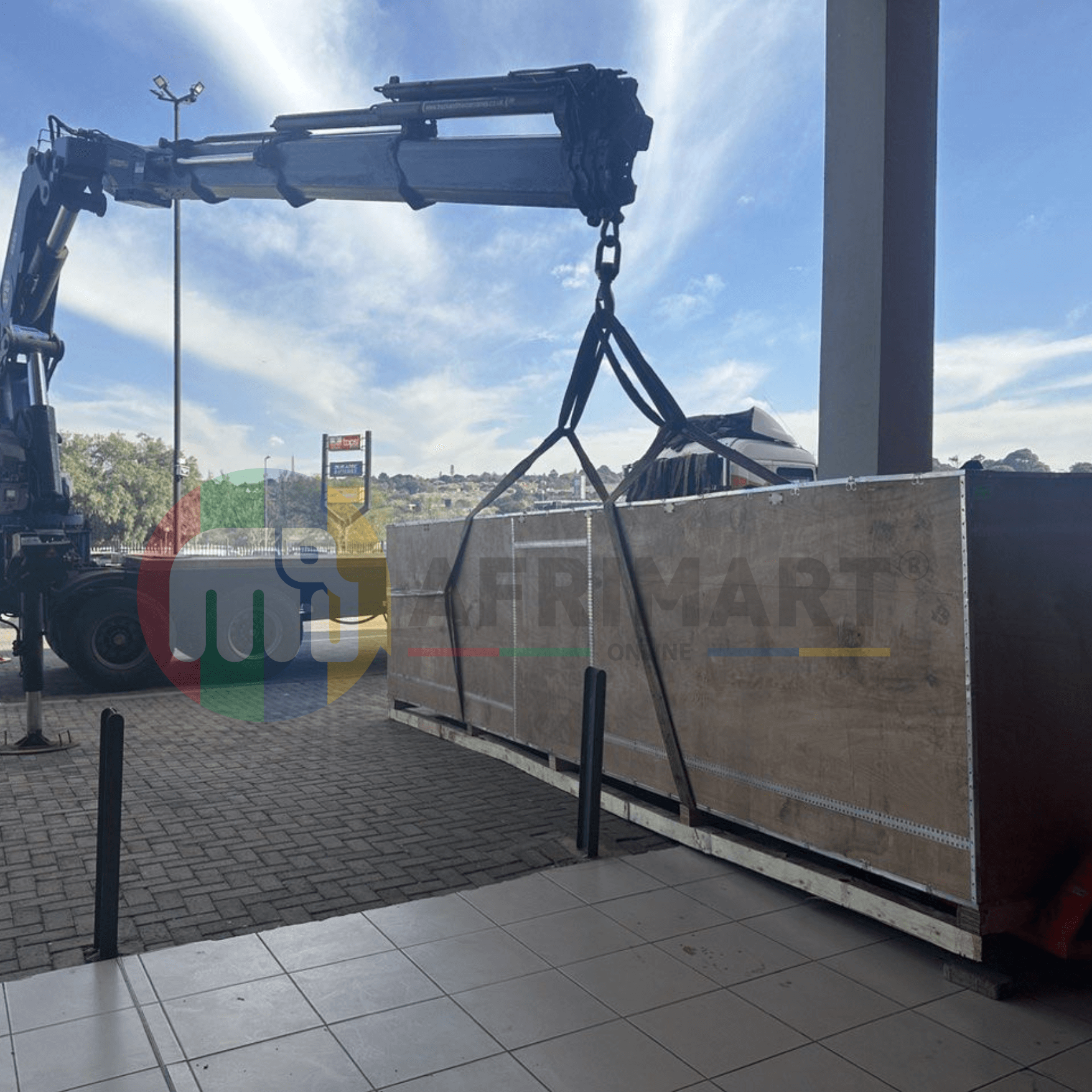
12 Heads Embroidery Machine
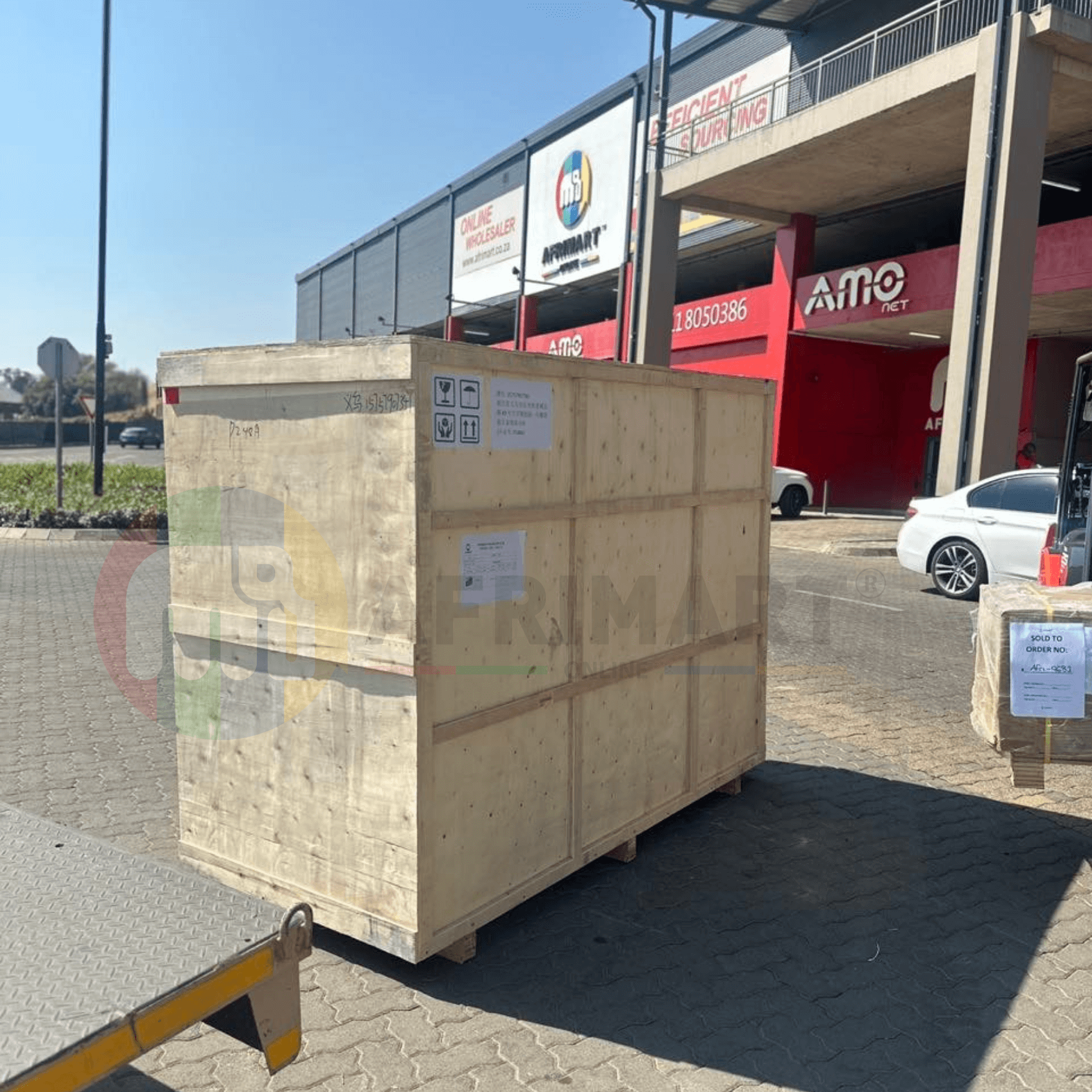
Dewatering Pump Machine
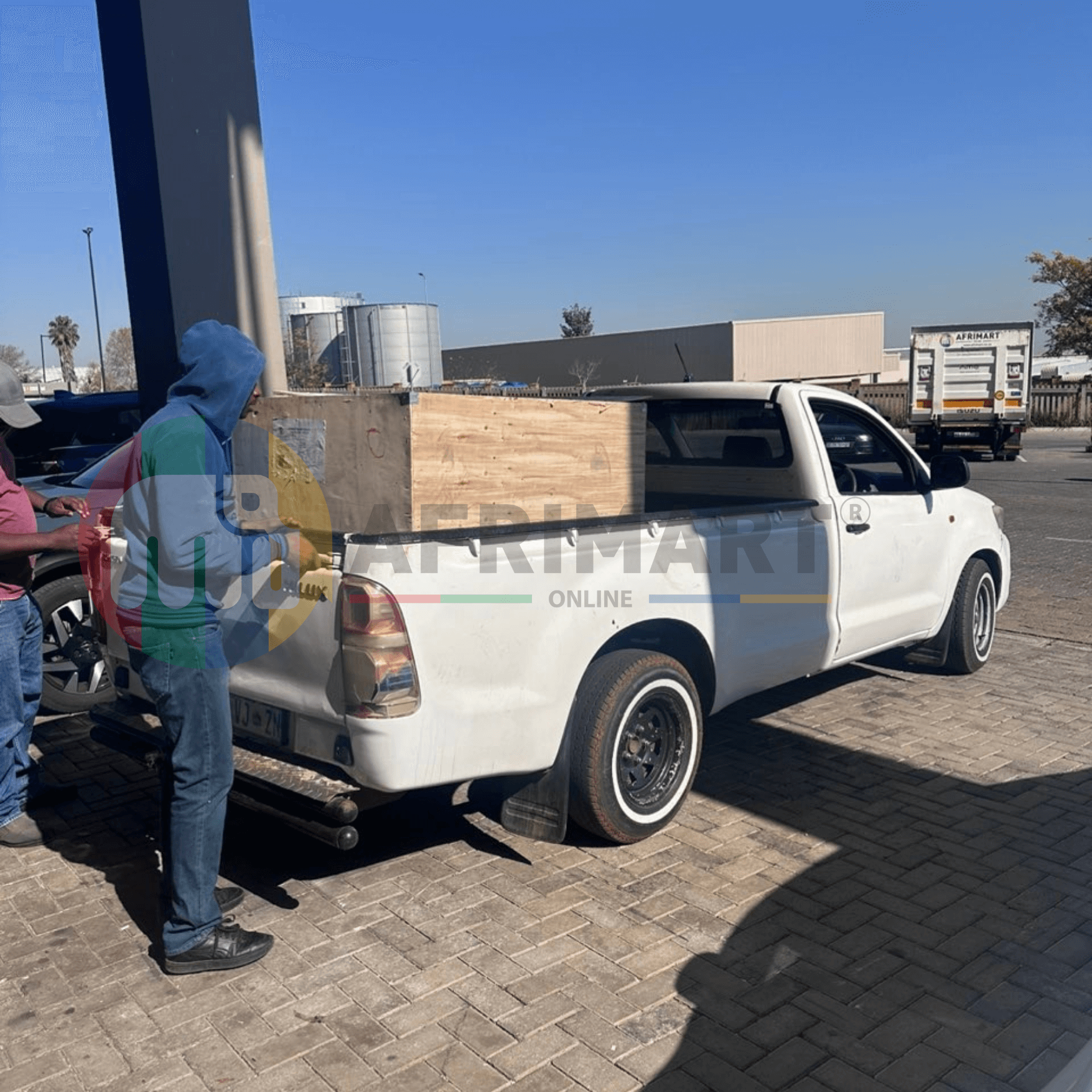
Order Collection
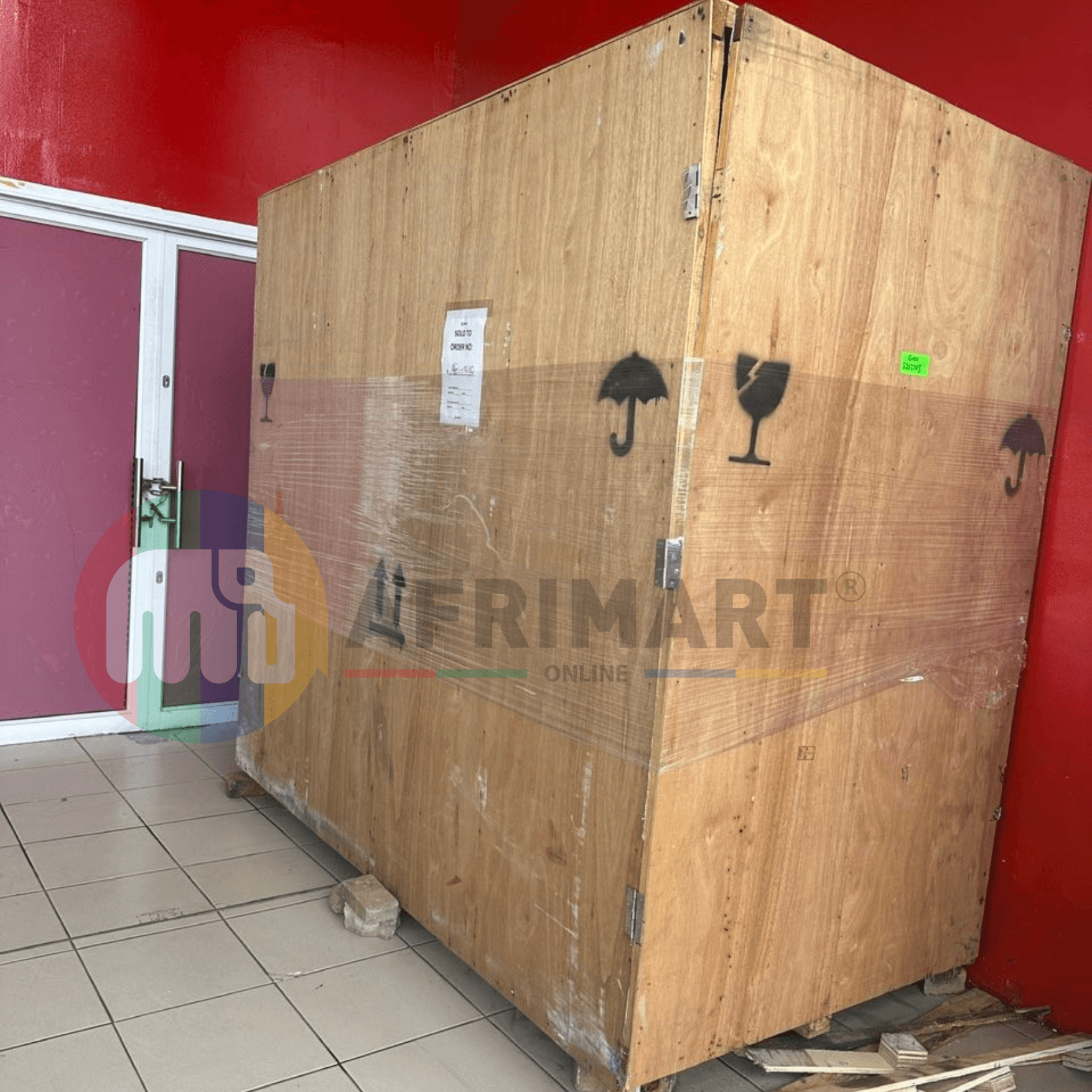
Portable Water Drilling Rig
Order Usefully Collected
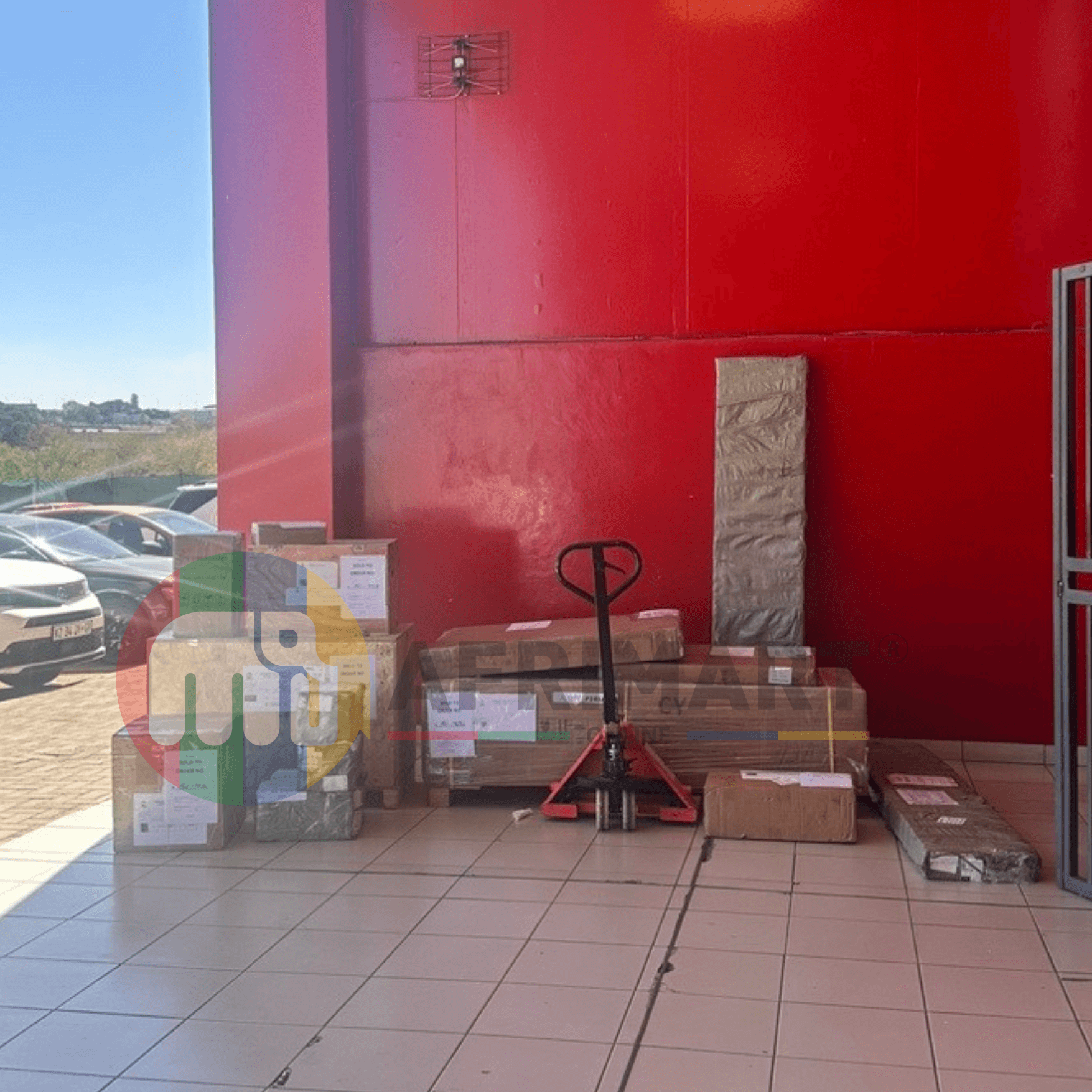
Batch of Orders
Agriculture Processing Machines
Meat Grinder Machine
Water Pump Equipment
Packaging Machine and accessories
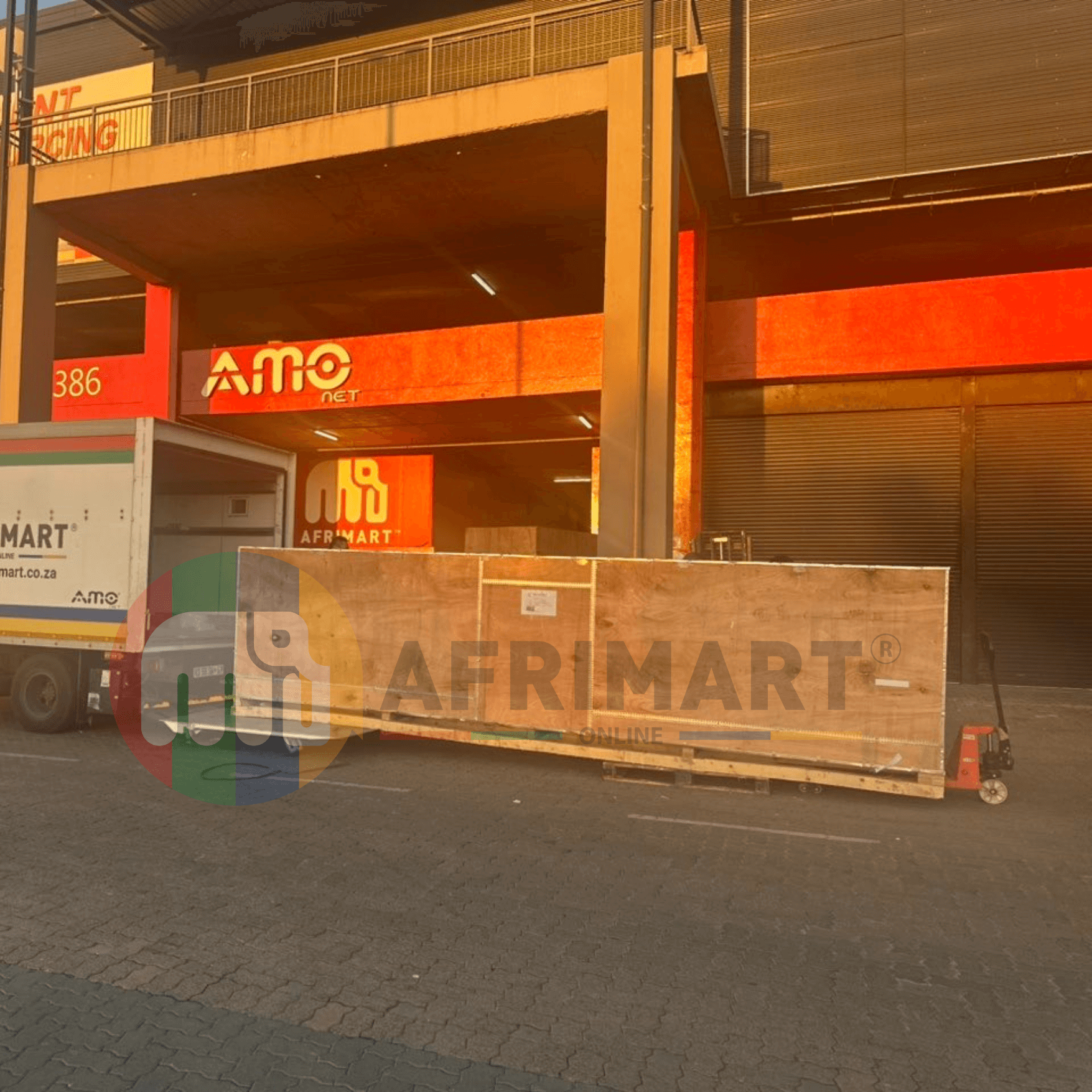
Fabrics Manufacturing Equipment
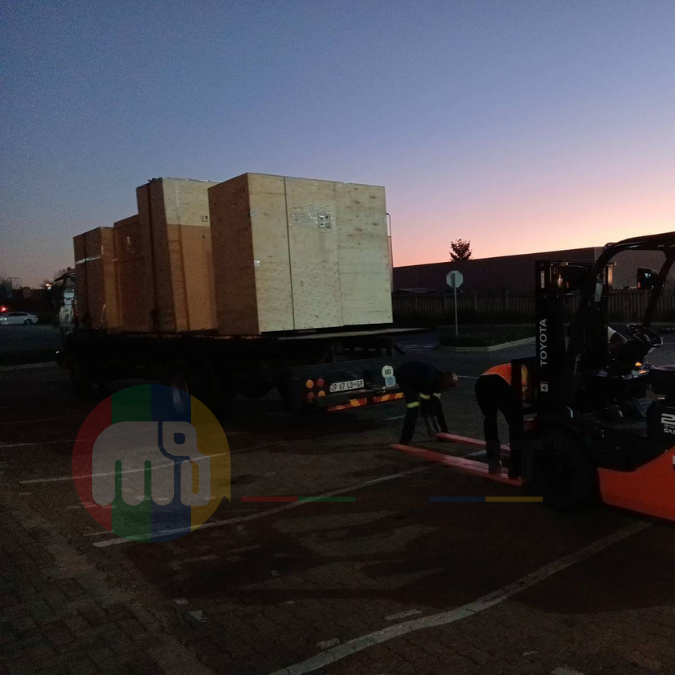
Mining Equipments
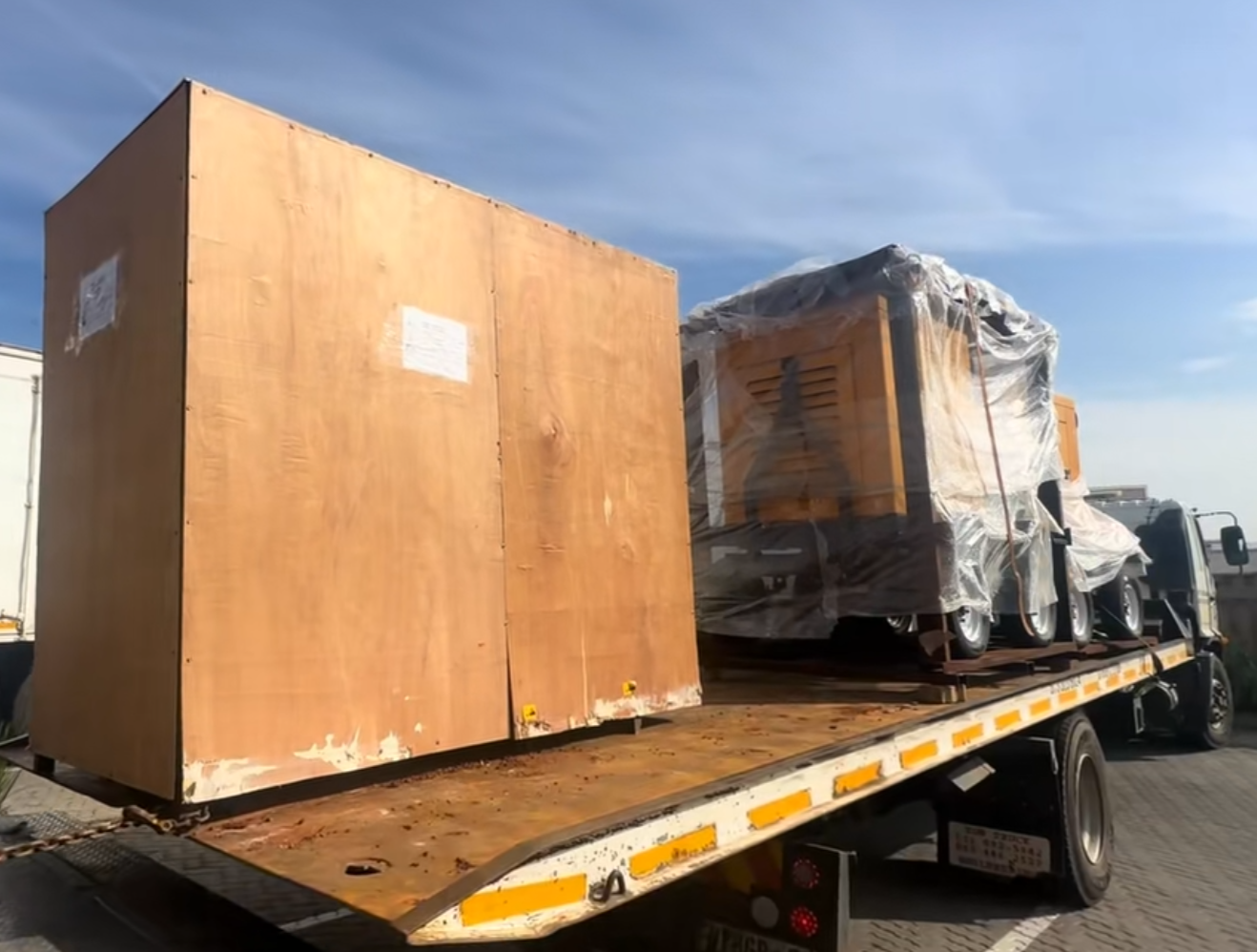
Food Processing Machine
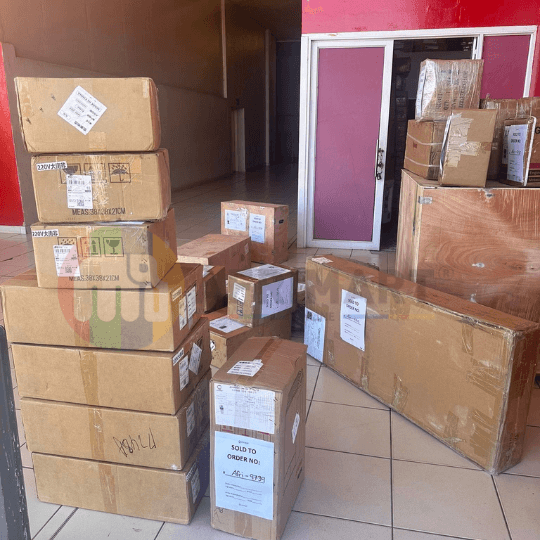
Batch of Orders
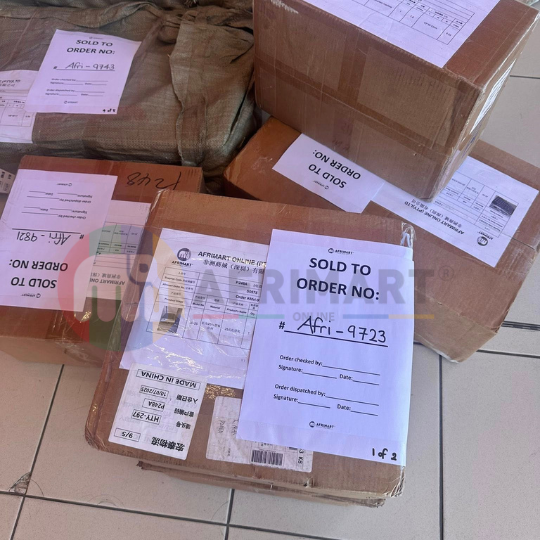
Batch of Orders
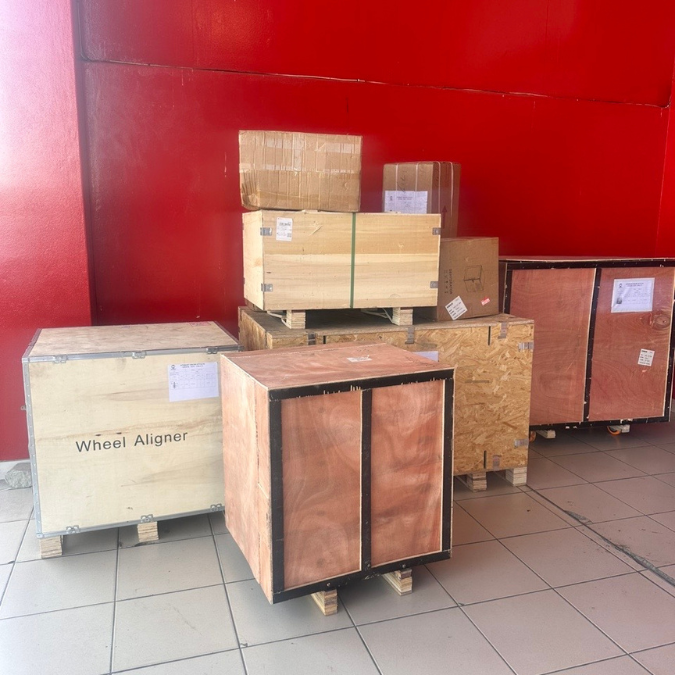
Latest Orders Labelled
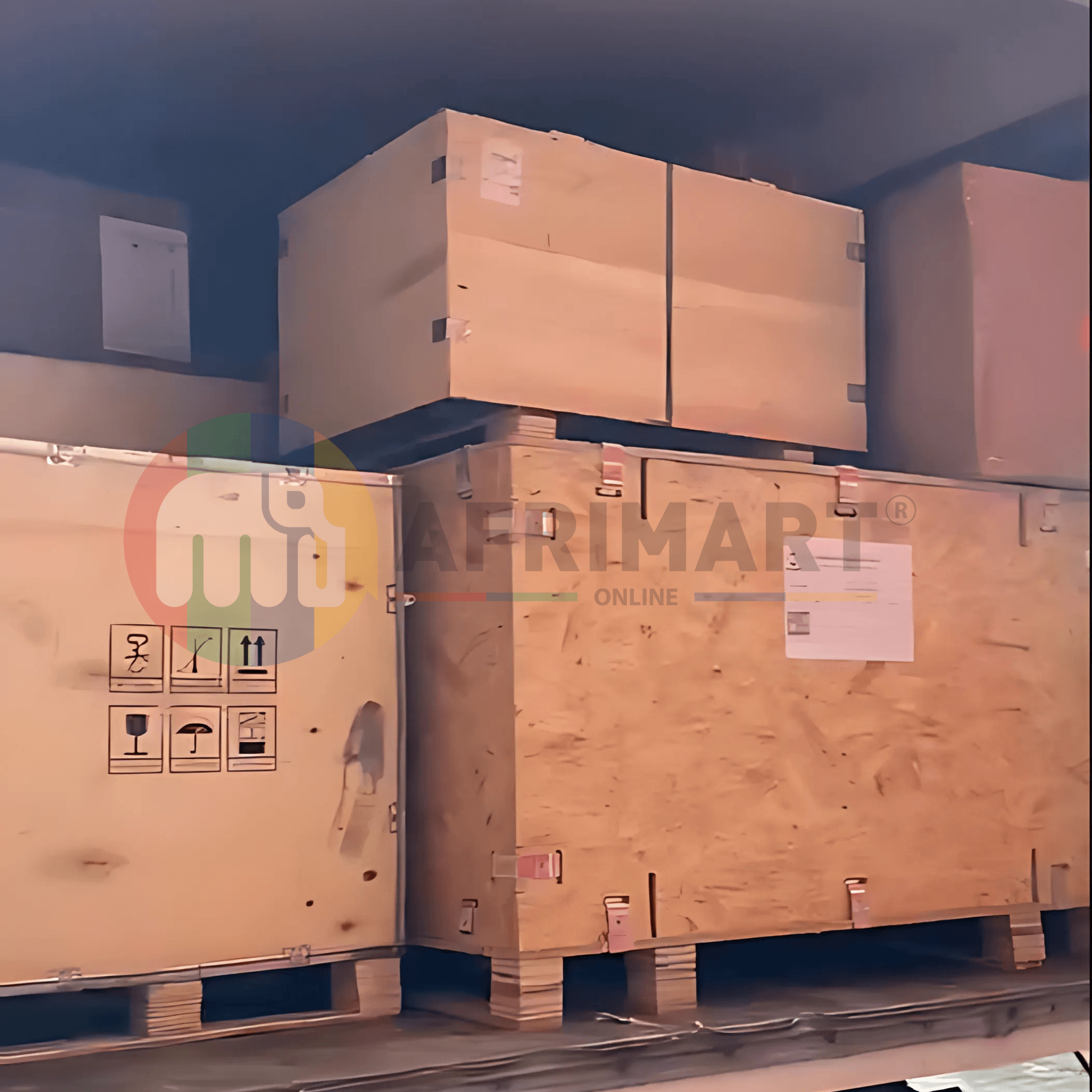
wheel alignment machines
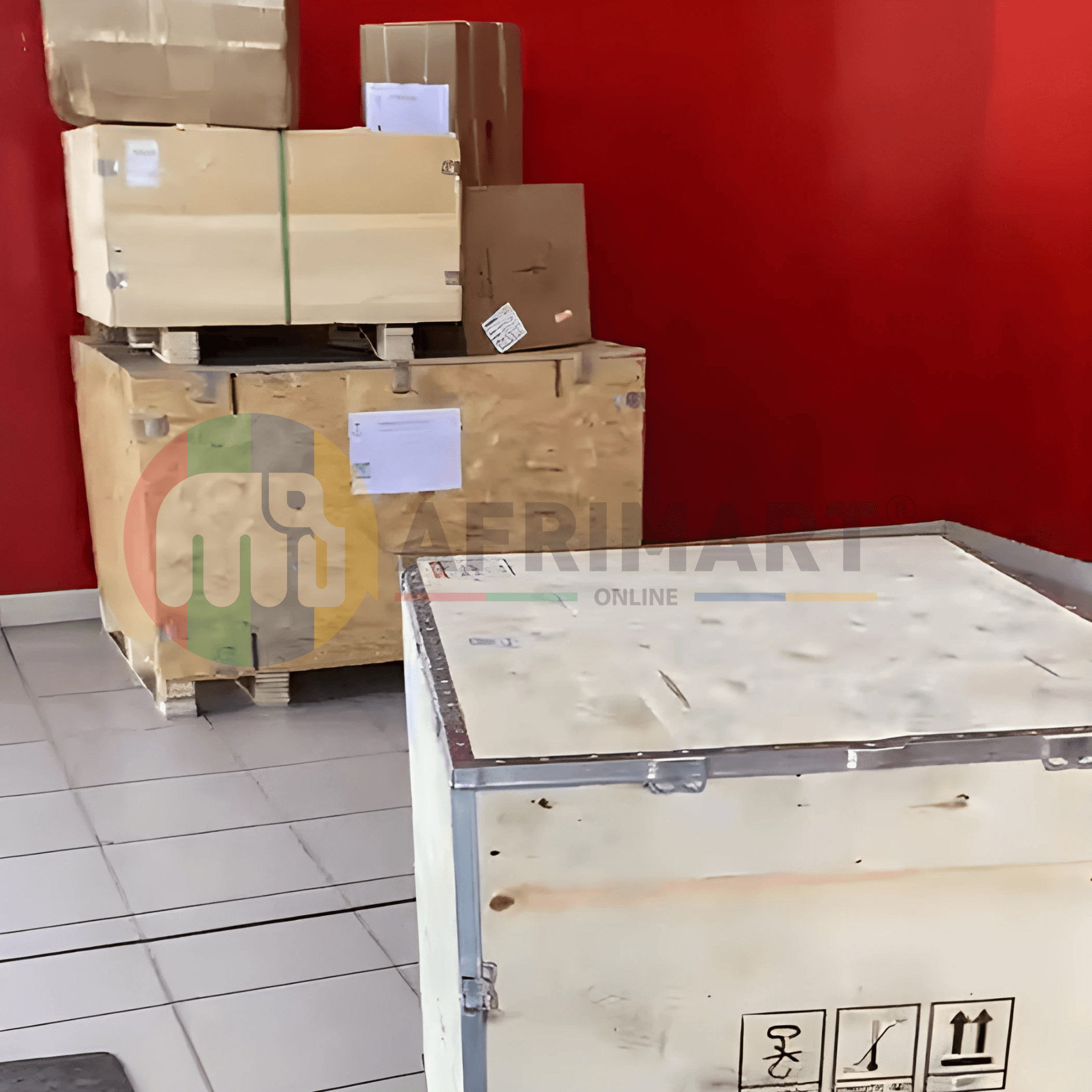
new arrivals
Pre Orders Offloading
Latest Arrivals
Latest Arrivals
Latest Arrivals
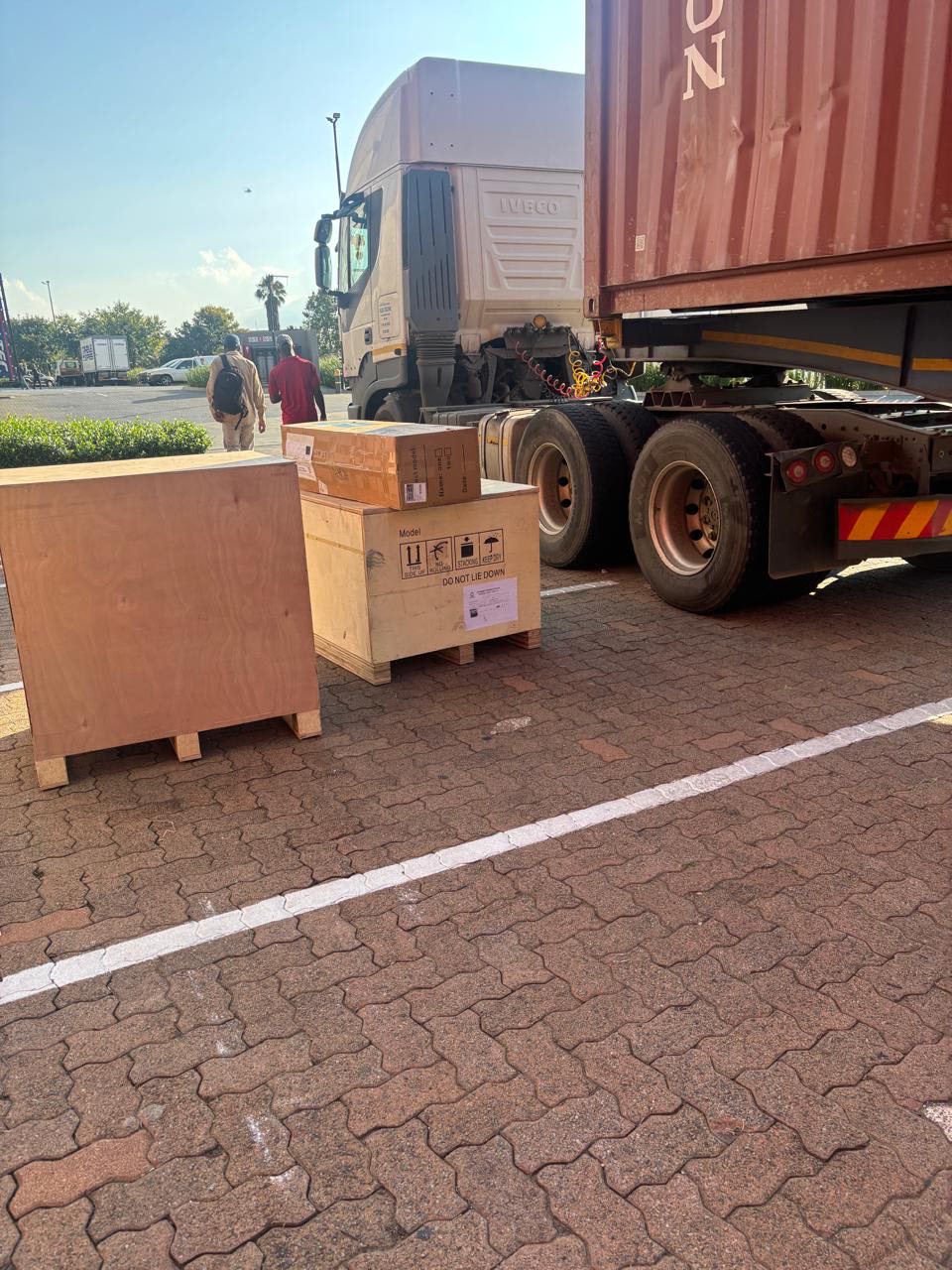
26 January 2026
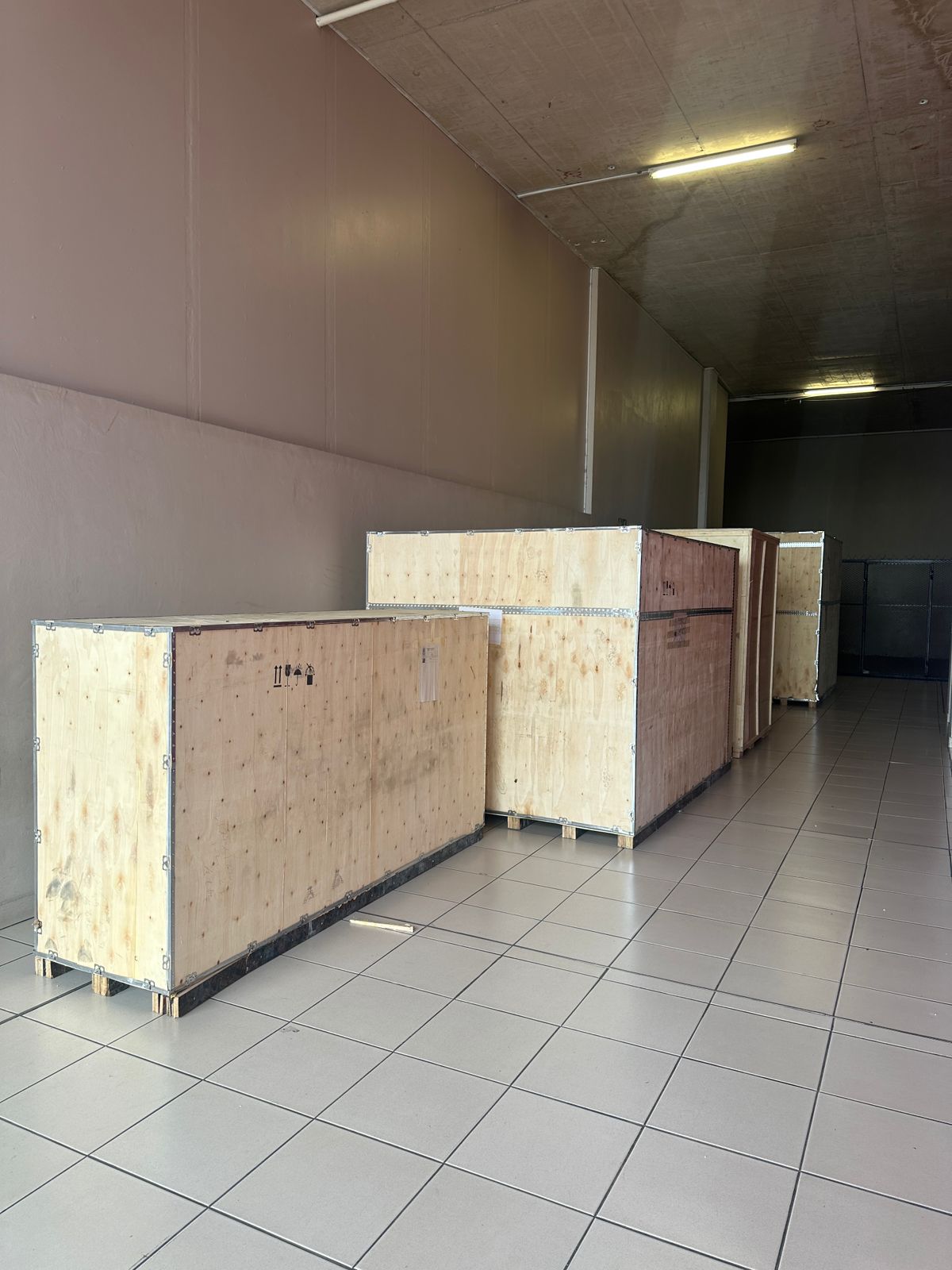
Toilet paper making machine
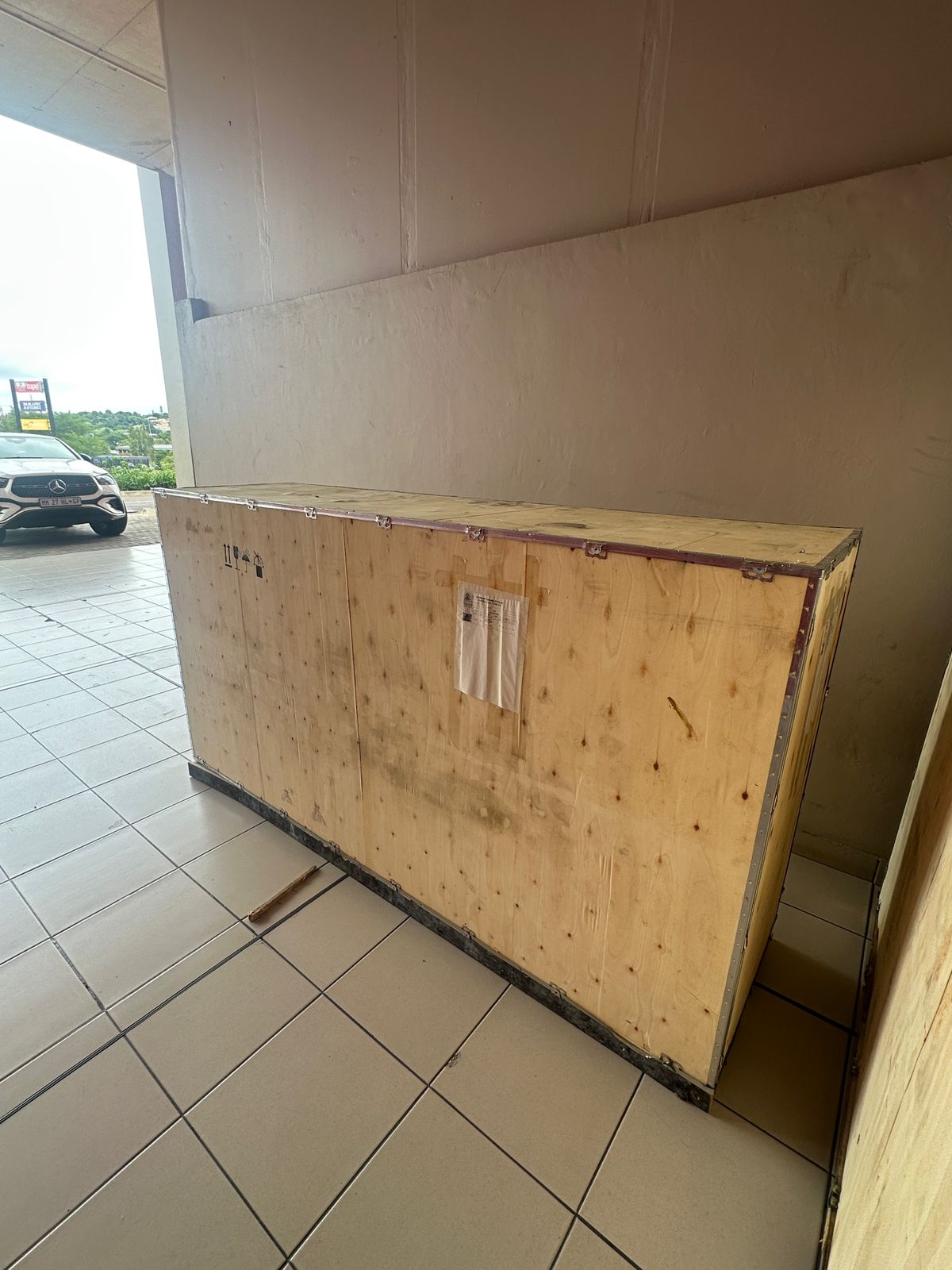
Toilet paper making machine
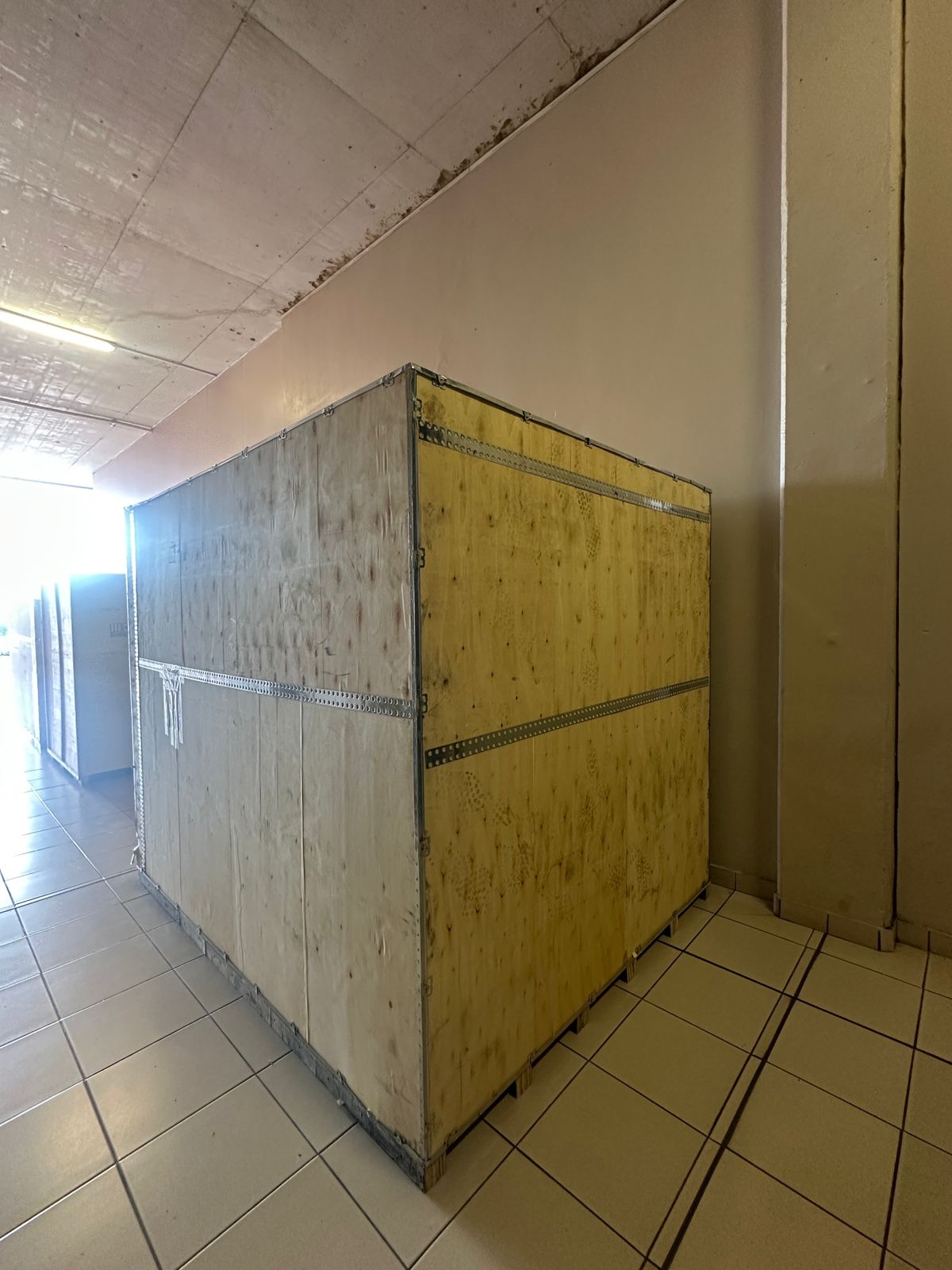
Toilet paper Rewinding Machine
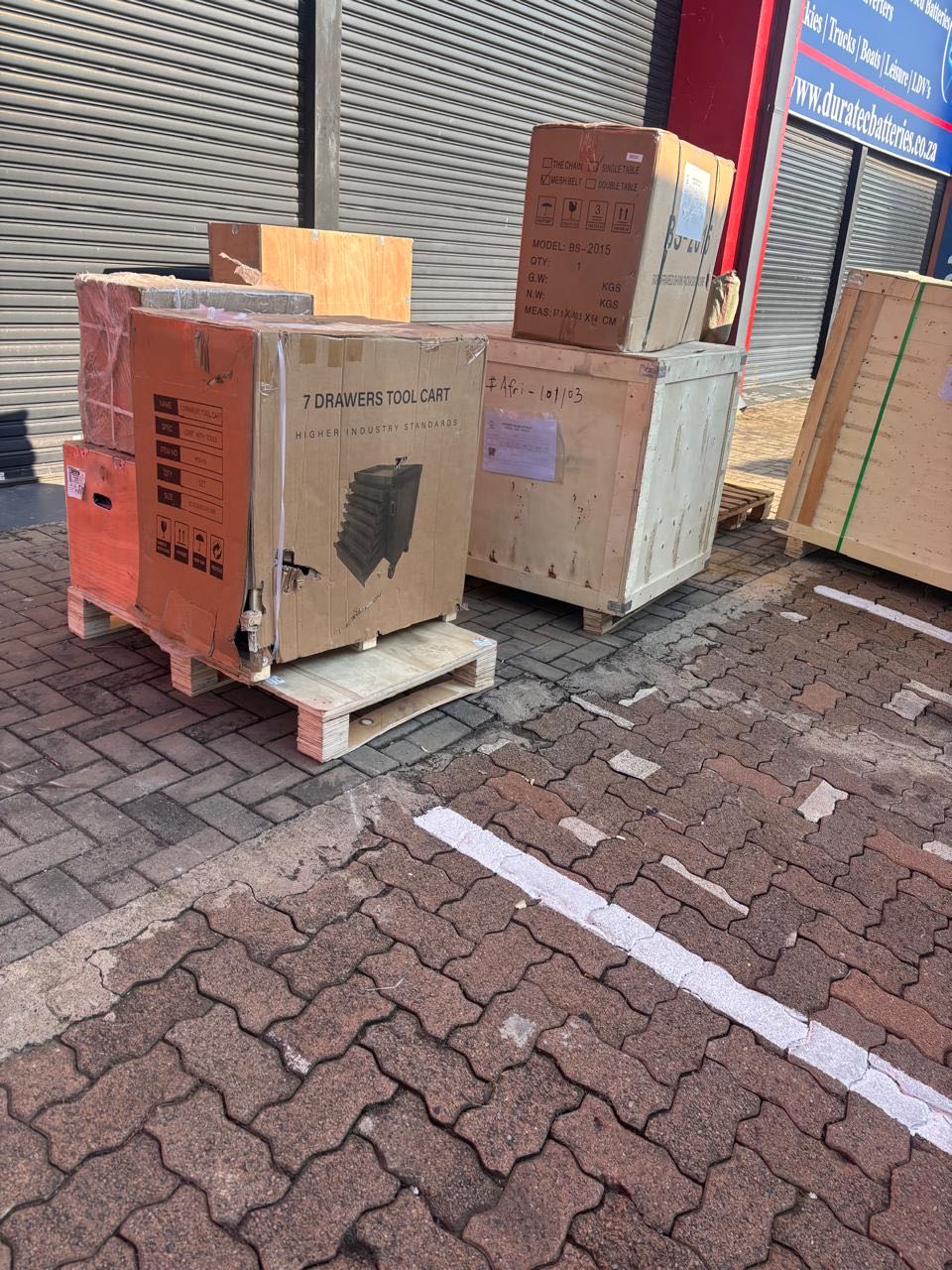
latest arrivals
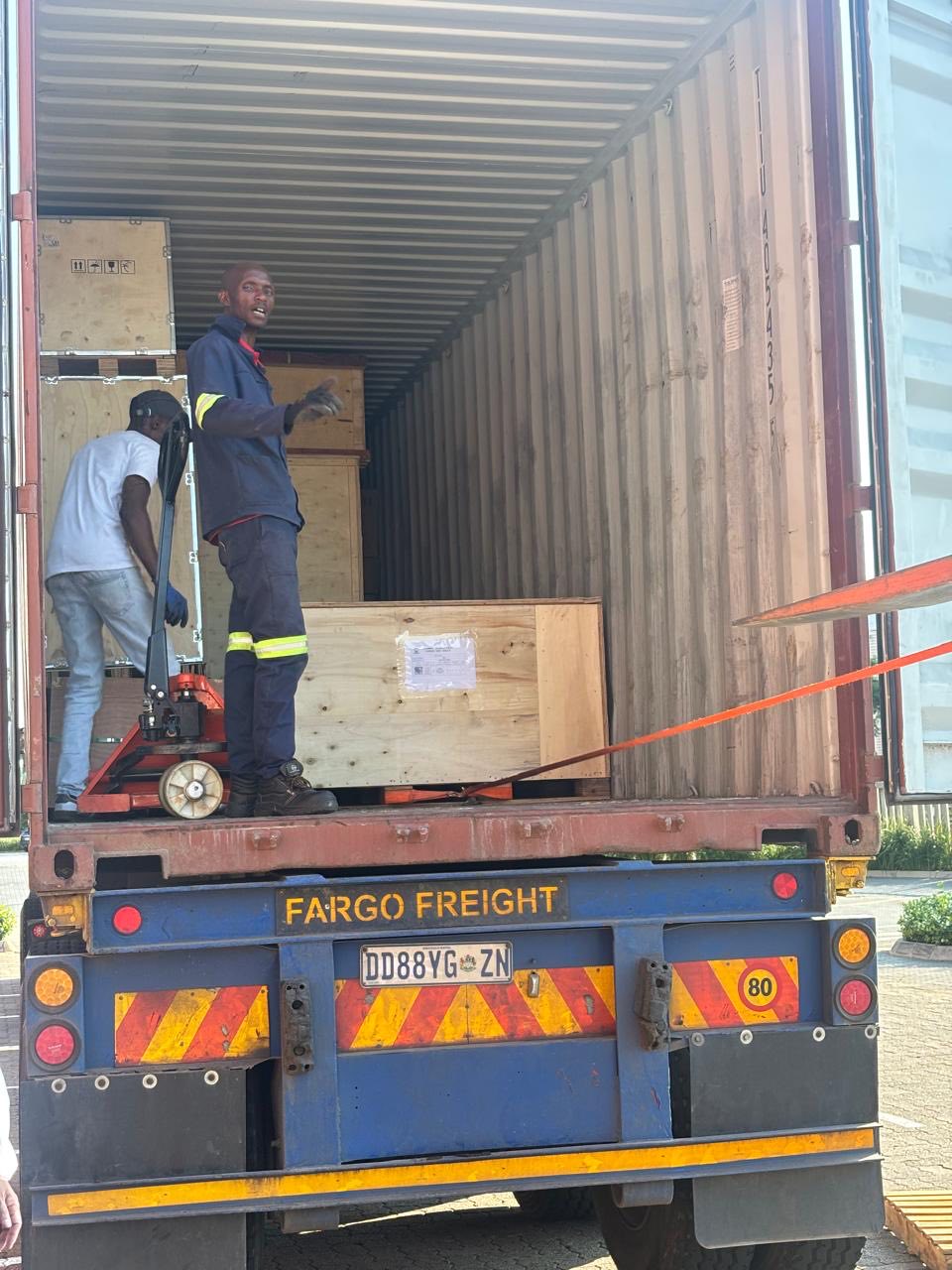
offloading
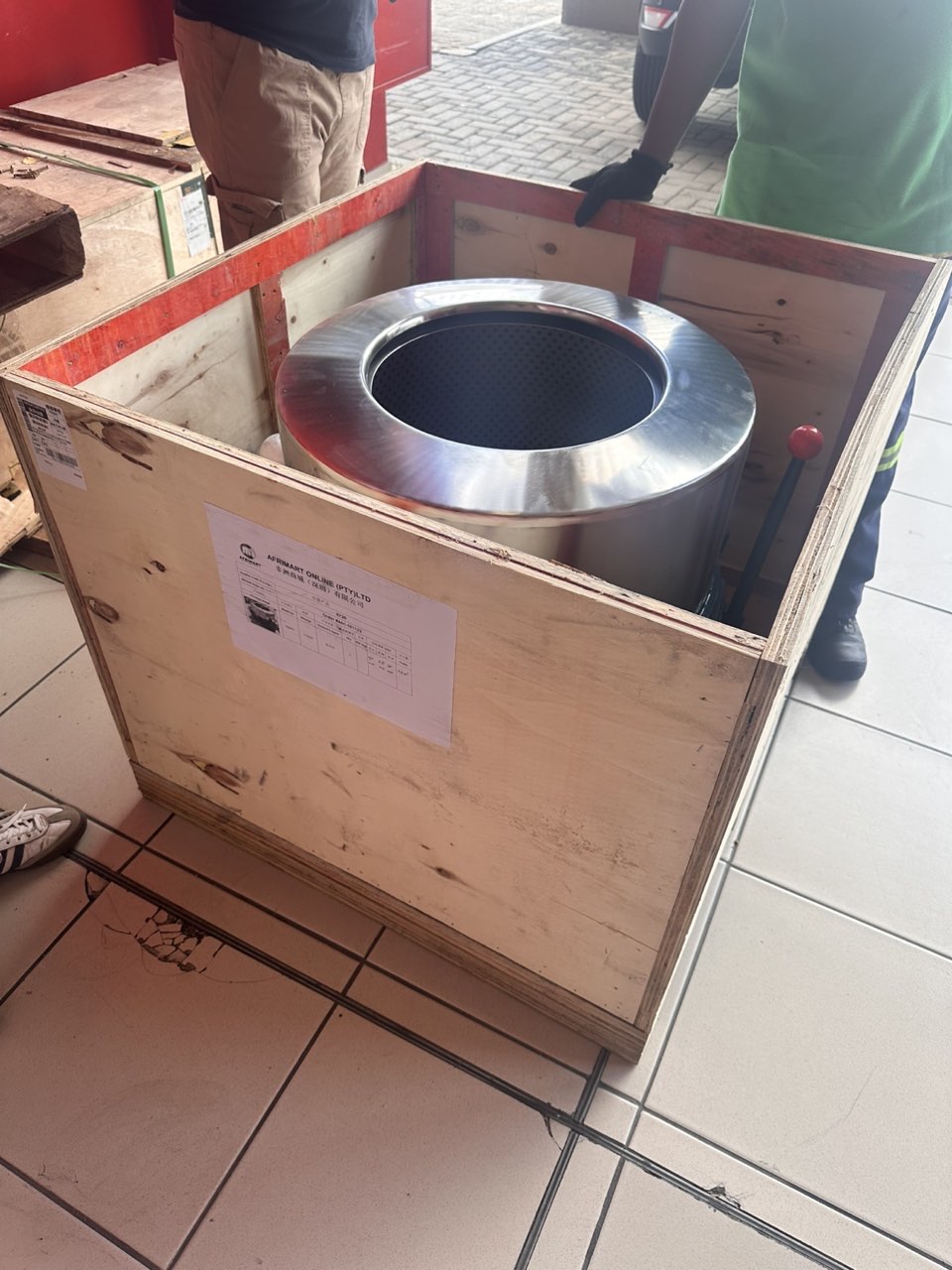
order success
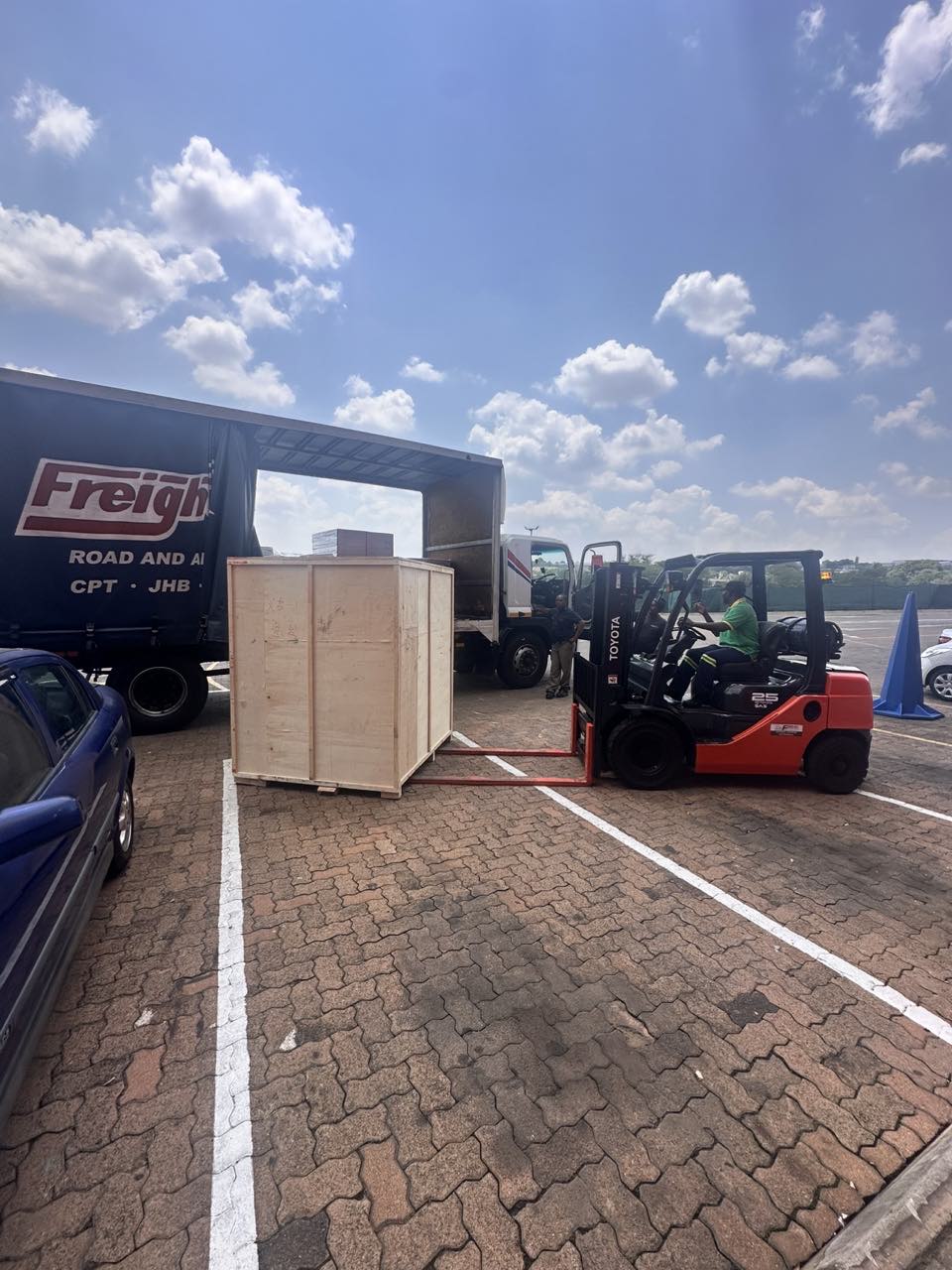
order collection
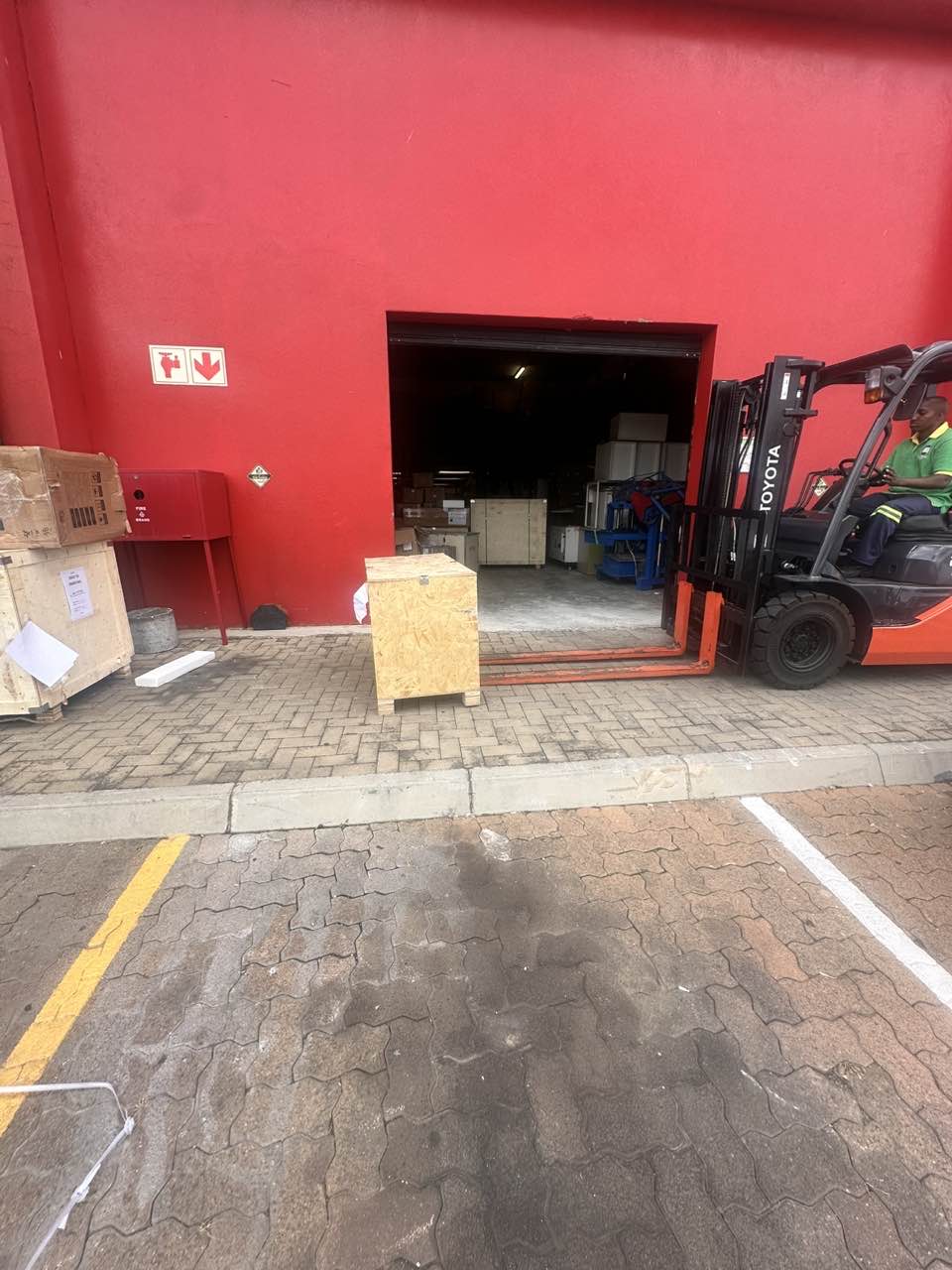
order offloading