B21, China Town Mall, Midrand


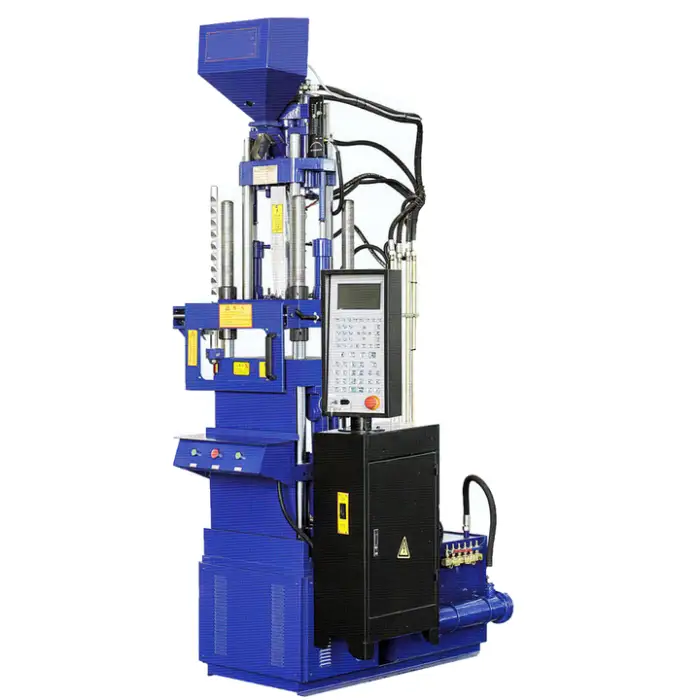
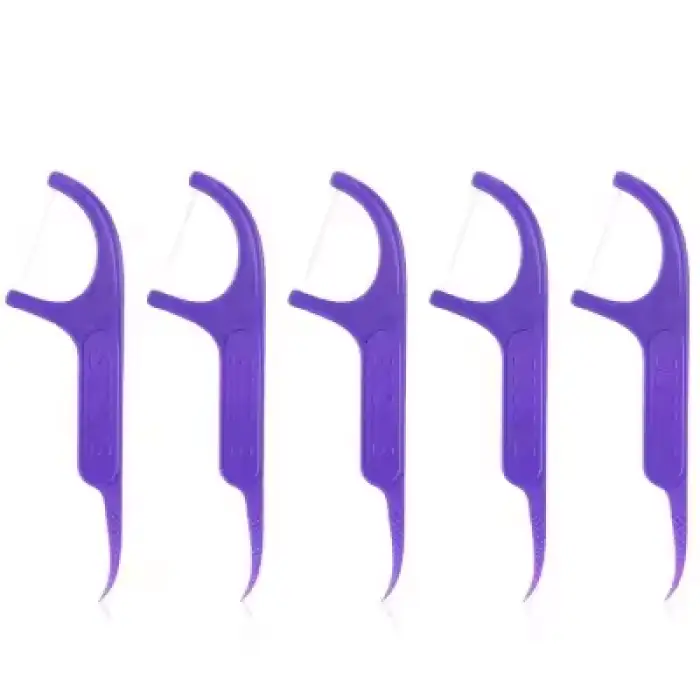
Interdental Tooth Brush Making Machine Dental Floss Pick Flossor Automatic Plastic Injection Making Molding Machine
Asset finance available
Do you want funding for this equipment?
Afrimart can connect you with trusted funding partners who specialise in asset finance for businesses like yours. Compare options and apply in minutes — final approval is subject to provider review.
Check funding options
Secure & no obligation

- Section : Machinery
- Category : Plastic & Rubber Processing Machinery
- SKU : 1600215068370

Interdental Tooth Brush Making Machine Dental Floss Pick Flossor Automatic Plastic Injection Making Molding Machine
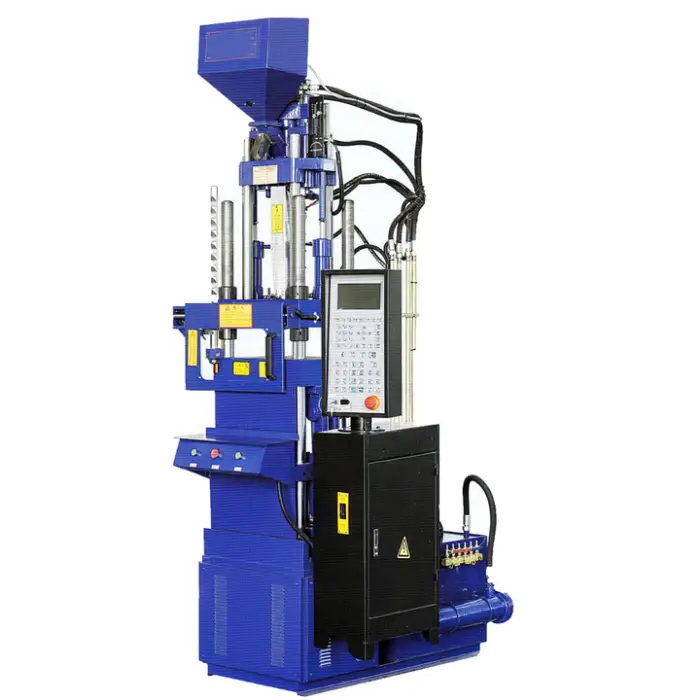
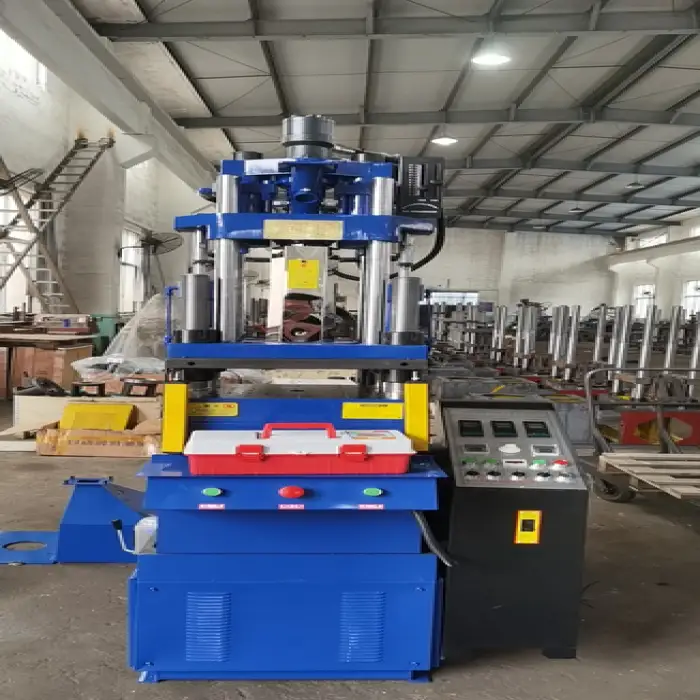
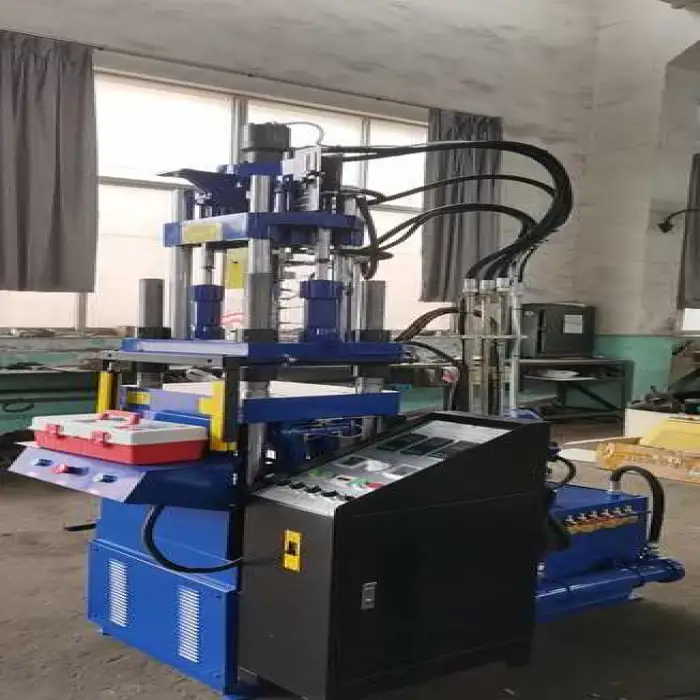
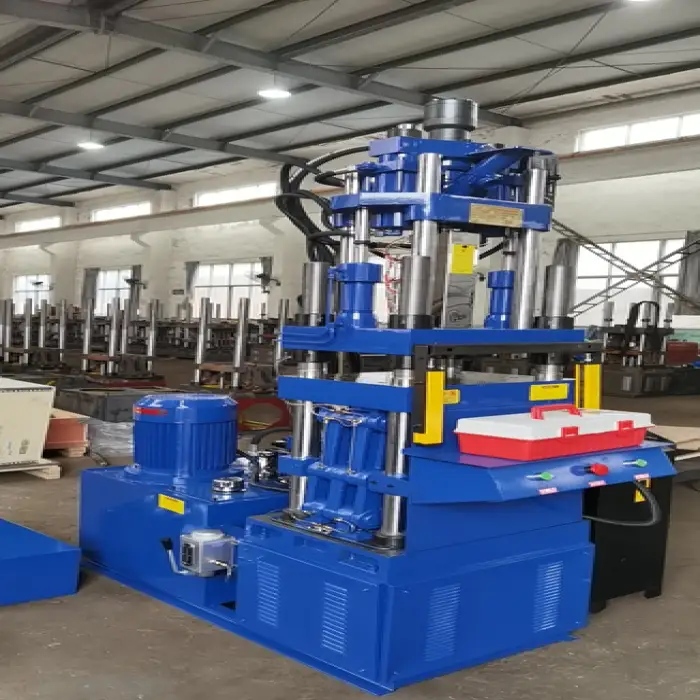
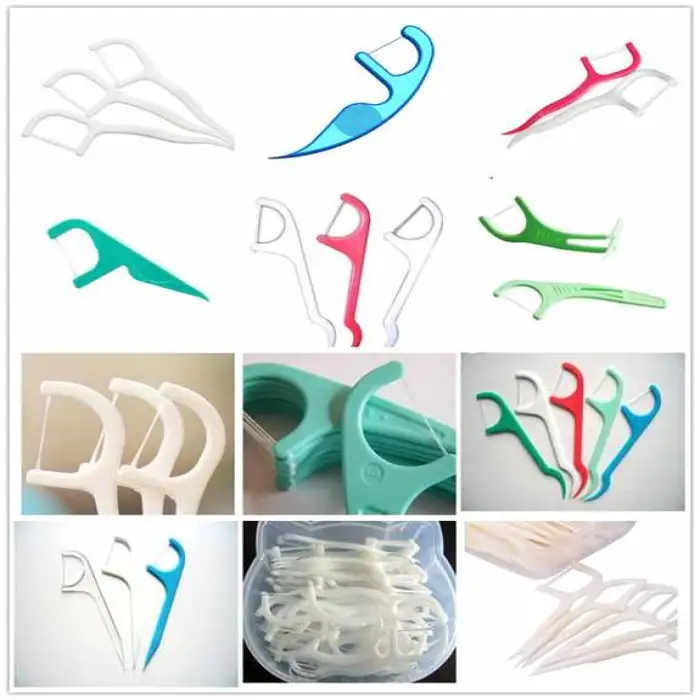
The Interdental Tooth Brush Making Machine is a powerful tool for creating dental products like floss picks and interdental brushes. This automatic plastic injection molding machine helps you produce high-quality dental flossers with ease. It is efficient, reliable, and designed to meet the needs of modern dental product manufacturing.
Specifications
| Attribute | Details |
|---|---|
| Machine Type | Hydraulic |
| Core Components | Bearing, Motor, Pump, PLC, Pressure Vessel, Engine, Gearbox |
| Ejector Number | 2 |
| Video Outgoing Inspection | Provided |
| Style | Vertical |
| Machinery Test Report | Provided |
| Plastic Processed | PP, PC, ABS, PVC, FRPP/PVC, PPR, EVA, HDPE, MLLDPE, PA, PE, LDPE, HDPE/PP, ABS/PP, PE/PP, Polylactic Acid, AS PS PPS PBT POM PMMA |
| Key Selling Points | Automatic |
| Distance Between Tie Bars | 365*245 mm |
| Plasticizing Capacity (g/s) | 105/120 |
| Injection Weight (g) | 135 g |
| Selling Units | Single Item |
| Single Package Size | 145X115X260 cm |
| Single Gross Weight | 1350.000 KG |
Key Features
- Automatic operation for efficient production.
- Vertical design saves space in your workshop.
- Processes a variety of plastics for versatile use.
- Includes advanced components for reliable performance.
- Comes with a machinery test report for quality assurance.
Applications
- Manufacturing dental floss picks.
- Producing interdental brushes.
- Creating other dental hygiene products.
- Used in various plastic product industries.
Product Info Gallery
- Shipping Timeframes: All orders are processed within 2-5 business days (excluding weekends and holidays). After your order has been processed, the estimated delivery time is before 03 Aug, 2026, depending on customs, Please note that due to high demand, some items may experience longer shipping times, which will be communicated at order confirmation email.
- Order Processing Time: Please allow 2-5 business days for us to process your order before it is shipped . Orders placed after 16:00 on Fridays, or during weekends and public holidays, will begin processing on the next business day. Processing times may be extended during peak seasons or sales events.
- Manufacturing Time: Some products needs manufacturing time, the manufacturing process will take approximately 10-30 business days depending on the product. This timeframe may vary depending on the complexity of the product and current demand. but this will be communicated with you during order confirmation.
- Returns and Exchanges: We offer a 30-day return policy for most items. If you are not completely satisfied with your purchase, you may return it within 30 days of receipt for a refund or exchange. Items must be unused, in their original packaging, and accompanied by proof of purchase. Return shipping costs are the responsibility of the customer, unless the item was damaged or defective upon arrival.
1. What products can this Interdental Tooth Brush Making Machine produce?
This automatic hydraulic injection molding machine is designed to produce dental floss picks, interdental brushes and other small dental hygiene plastic parts. It can also be used for a variety of small plastic consumer items within the machine's size and weight limits.
2. What plastics can the machine process?
The machine processes a wide range of thermoplastics including PP, PC, ABS, PVC, FRPP/PVC, PPR, EVA, HDPE, MLLDPE, PA, PE, LDPE, HDPE/PP, ABS/PP, PE/PP, polylactic acid (PLA), AS, PS, PPS, PBT, POM and PMMA.
3. What are the key technical specifications I should know?
Key specs: hydraulic vertical design, injection weight 135 g, plasticizing capacity 105/120 g/s, distance between tie bars 365 × 245 mm, 2 ejectors. Core components include bearing, motor, pump, PLC, pressure vessel, engine and gearbox.
4. How many cavities or parts can I produce per shot?
The nominal injection weight is 135 g; the number of cavities depends on part weight and runner system. Calculate cavities by dividing usable shot weight by single-part weight (allowing head and runner losses). For precise cavity count, share part weight and runner design with the supplier.
5. Is the machine fully automatic?
Yes. The machine is described as automatic and includes PLC control for automated injection-molding cycles, which supports efficient high-volume production when paired with appropriate molds and peripheral equipment.
6. What size molds does the machine accept?
Mold size must fit within the tie-bar spacing (365 × 245 mm) and the vertical platen area. For exact platen dimensions, clamping force and acceptable mold thickness, confirm with the supplier or refer to the detailed machine drawing.
7. Does the machine come with quality verification documents?
Yes. The machine includes a machinery test report and video of outgoing inspection to verify performance prior to shipment.
8. What are the machine's physical shipping dimensions and weight?
Single package size is 145 × 115 × 260 cm and the single gross weight is 1,350 kg.
9. What safety features are included?
The machine includes standard safety devices common to hydraulic injection equipment (safety interlocks, emergency stop and guarded moving parts). For specifics and compliance with local regulations, request the supplier's safety specification sheet.
10. What installation and site requirements are needed?
Specific electrical, hydraulic and foundation requirements depend on the machine model and options. The supplier should provide an installation checklist detailing power supply, oil type and capacity, floor load, ventilation and space for maintenance.
11. What maintenance is required and how often?
Regular maintenance includes hydraulic oil checks and changes, filter and breather replacement, lubrication of moving parts, inspection of heaters and barrel, and PLC/software backups. Daily, weekly and monthly tasks are recommended; obtain the supplier's maintenance schedule for exact intervals.
12. Is training provided for operation and maintenance?
Many suppliers offer operator and maintenance training either at their facility, onsite, or via remote sessions. Confirm training options and any associated costs with the manufacturer or sales representative.
13. Are spare parts and after-sales service available?
Core components listed include standard parts (bearings, motor, pump, PLC, gearbox). Suppliers typically provide spare parts packages and after-sales support—confirm lead times, recommended spare parts list and service contracts with the vendor.
14. Can the machine be customized for different floss pick or brush designs?
Yes. The machine can accommodate different molds and tooling to produce various floss pick and interdental brush designs. Work with the mold/tooling supplier to ensure part geometry is compatible with the machine’s shot size and clamping dimensions.
15. How do I estimate production output (parts per hour)?
Estimate parts/hour by calculating cycle time (injection, cooling, ejection) for your part and mold plus any automation time (robot/picker). Example: if cycle time is 20 seconds, theoretical output is 180 parts/hour per cavity. For accurate projection, test with your mold and material or ask the supplier for trial-run data.
Latest Order Arrivals
Discover our latest orders
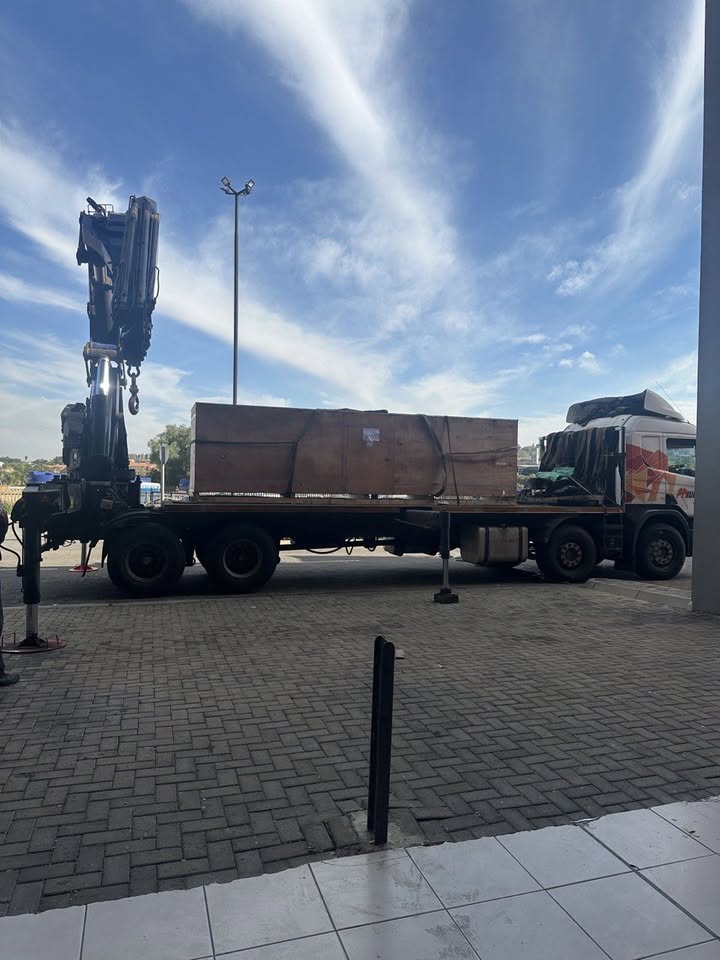
12 Heads Embroidery Machine
Toilet Paper Machine Machine
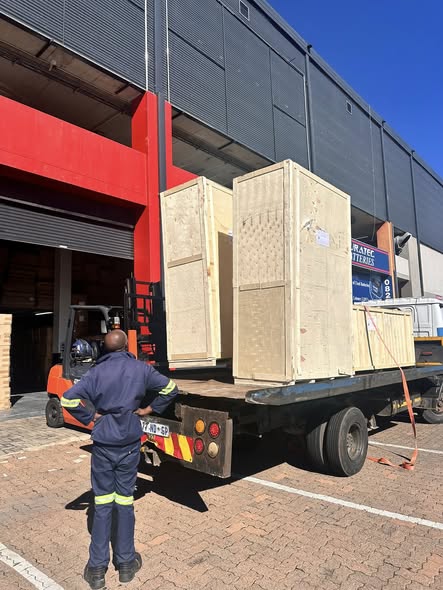
Order Collection
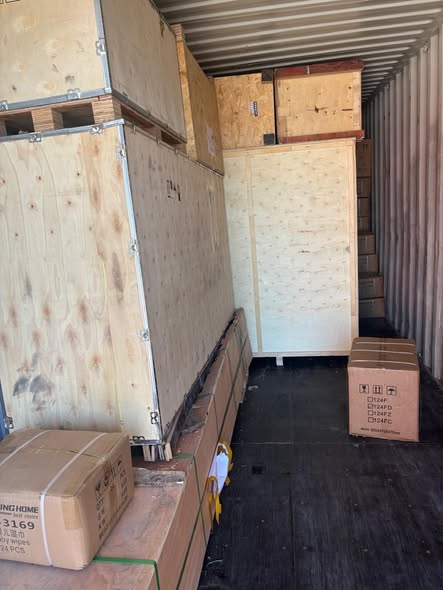
Cross Border Clients
Order cros border countries Collected
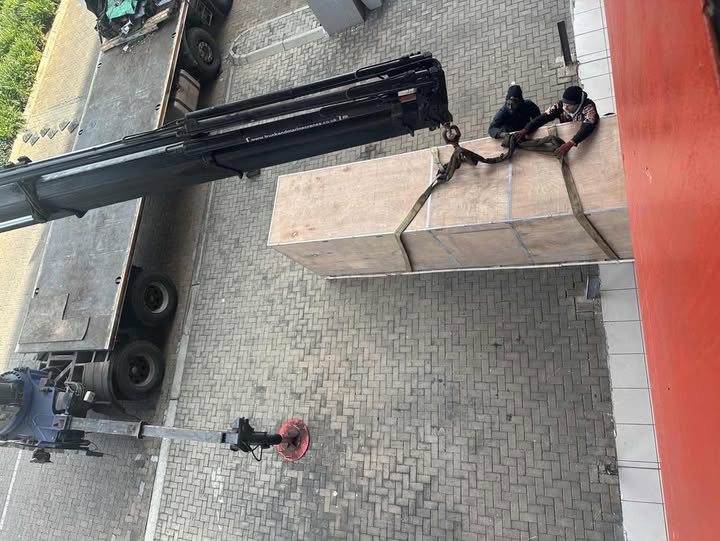
Industrial Machine Cllection
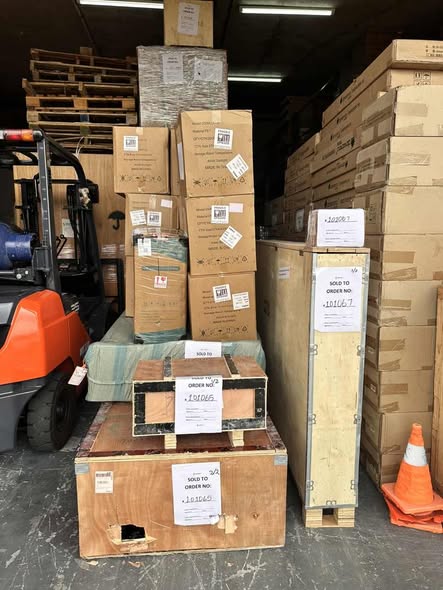
Agriculture Processing Machines
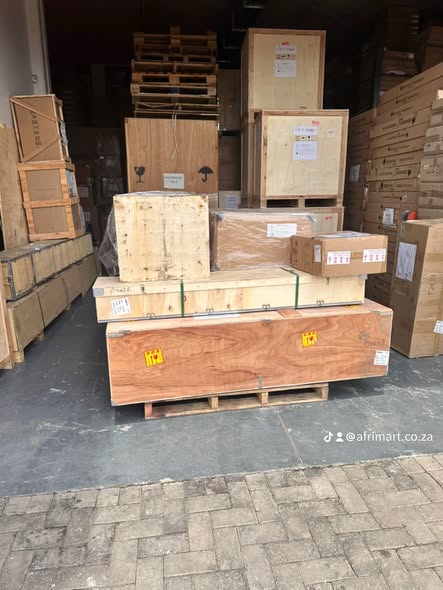
Ready for collection
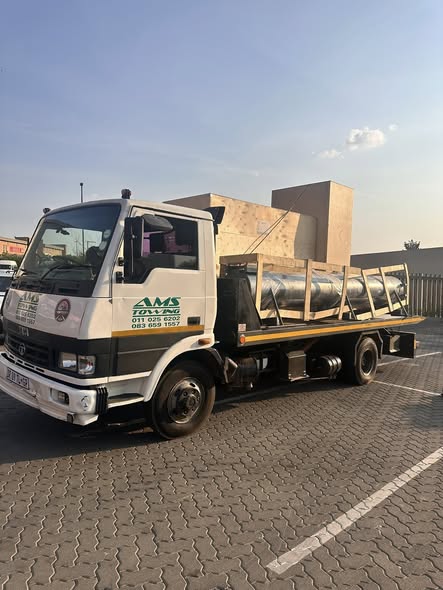
Water Pump Equipment
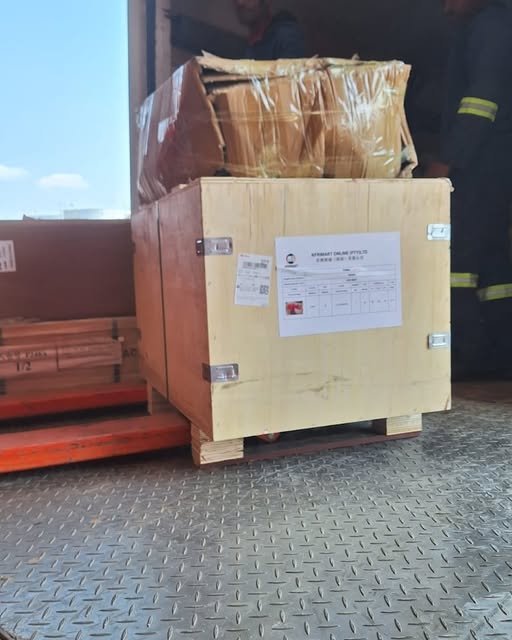
Packaging Machine and accessories
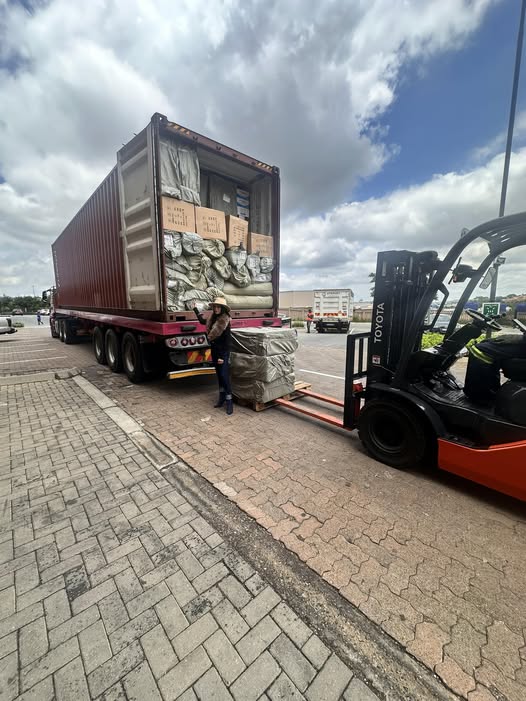
Fabrics Manufacturing Equipment
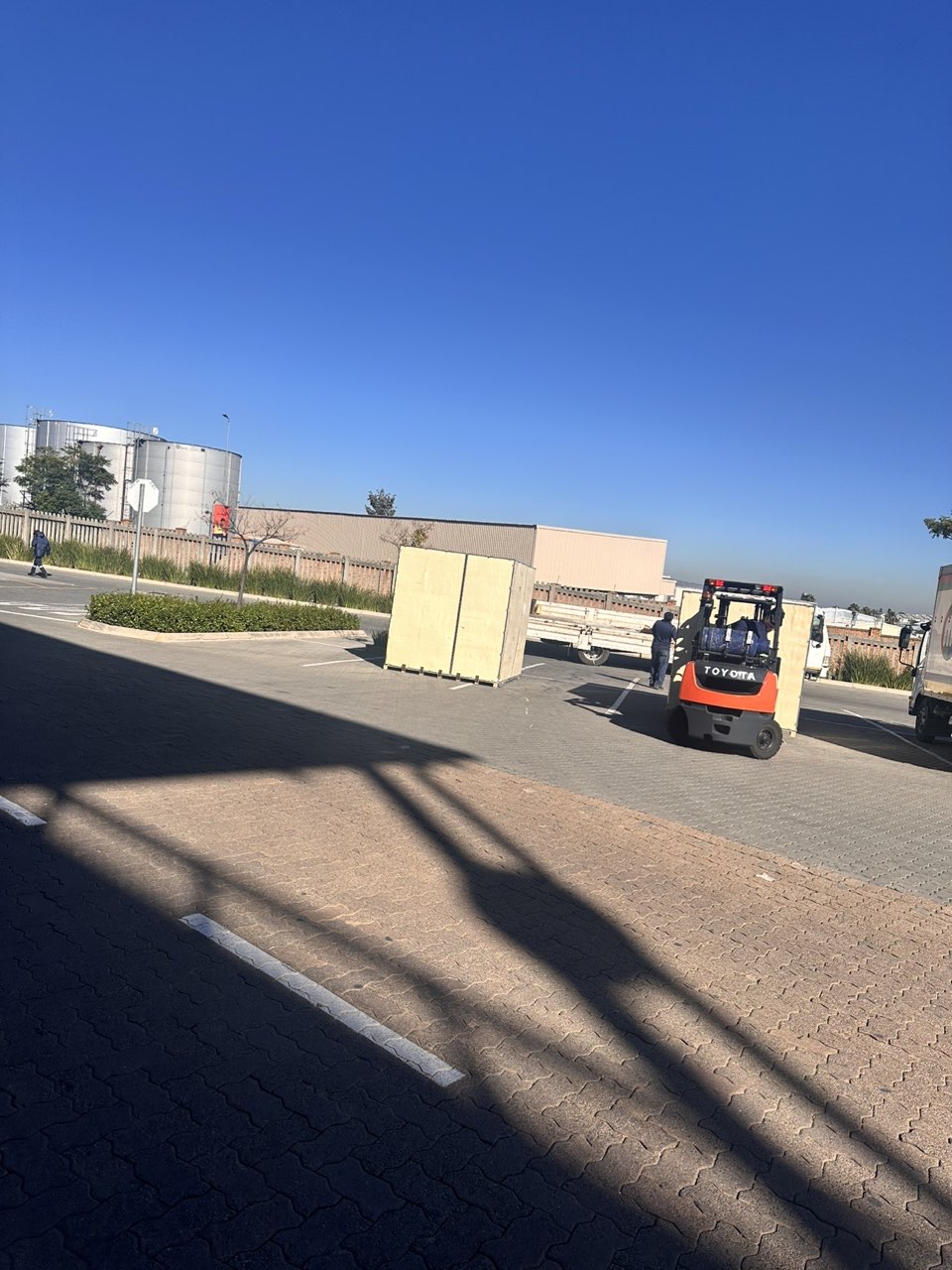
Mining Equipments
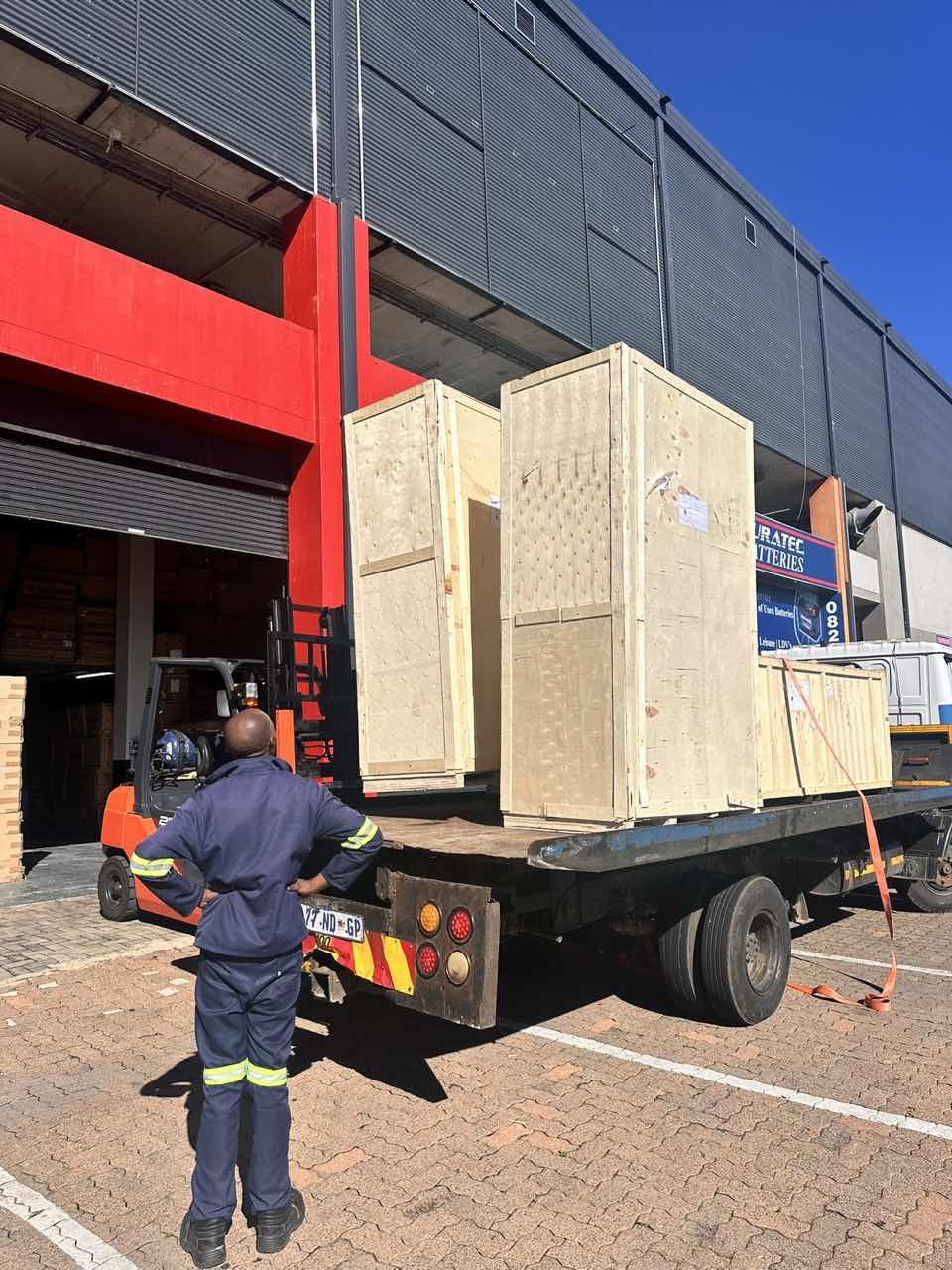
Food Processing Machine
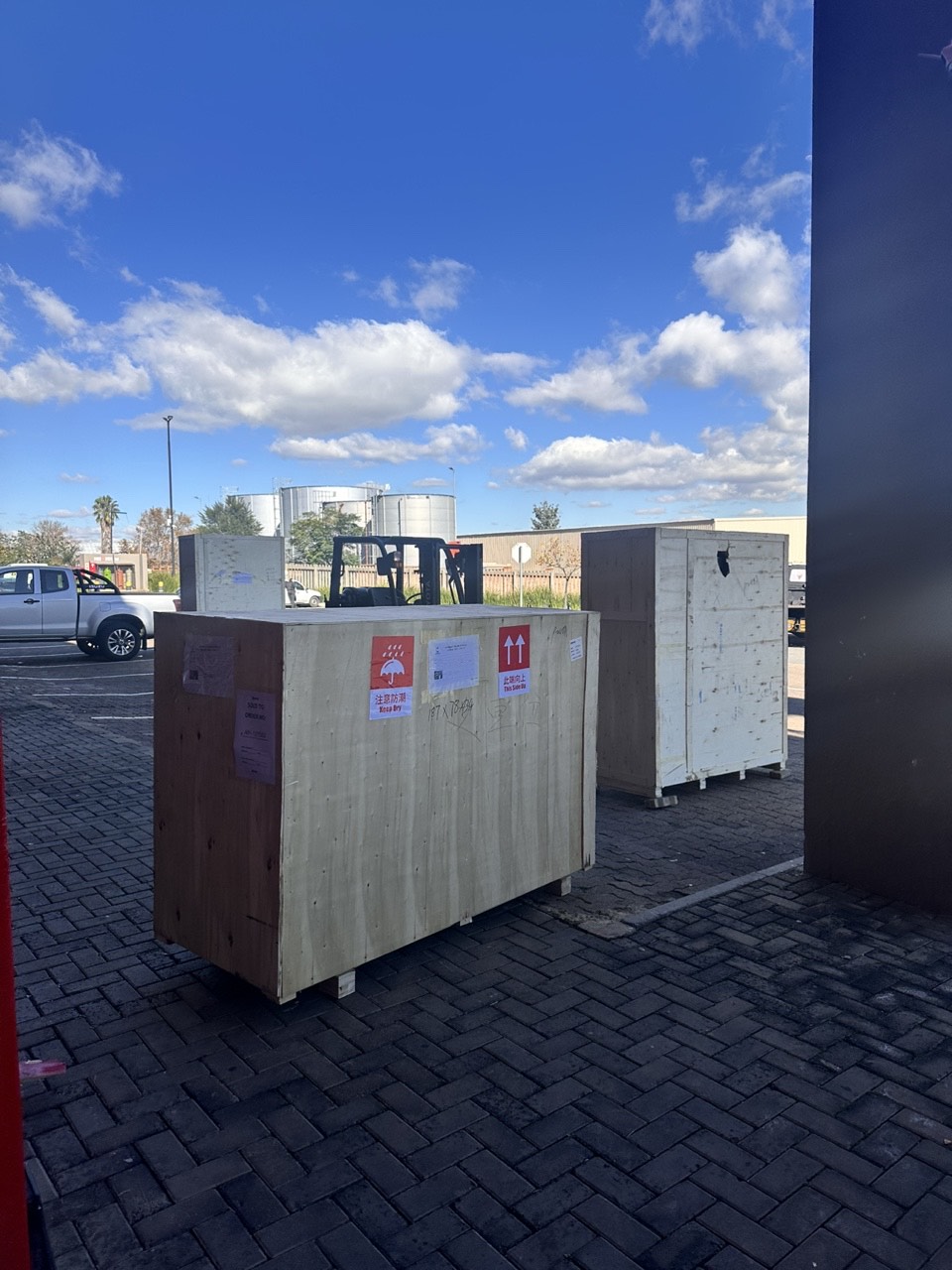
Batch of Orders
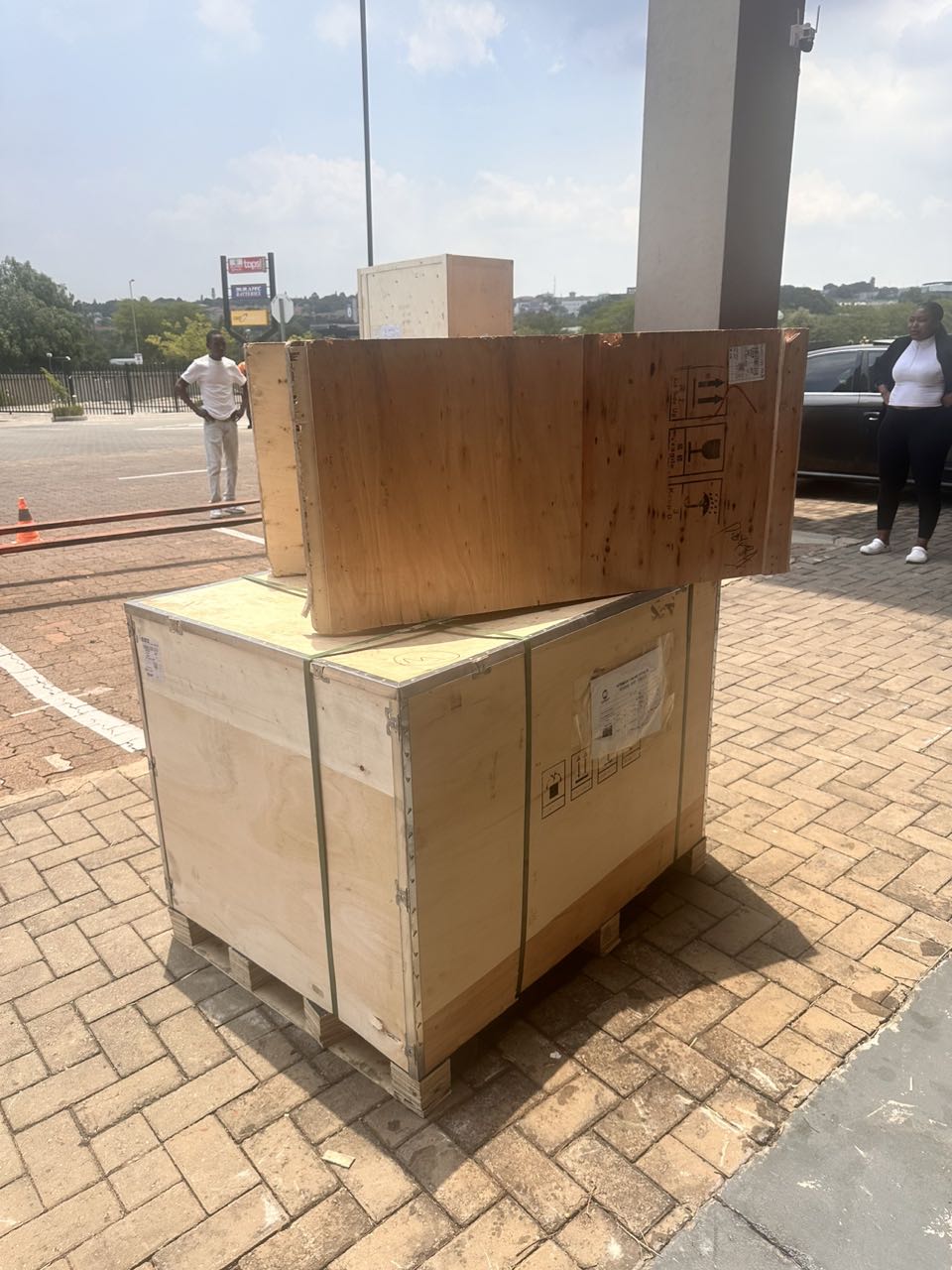
Batch of Orders
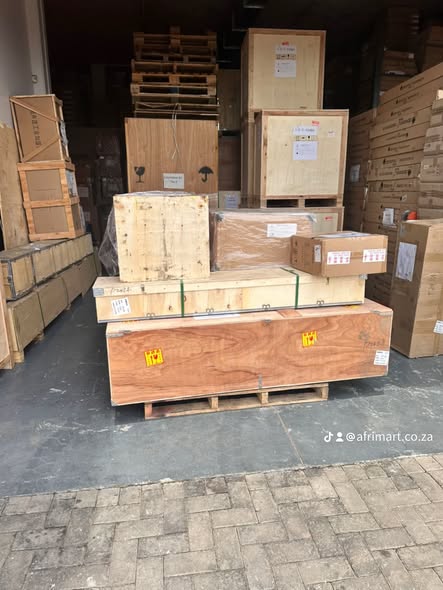
Latest Orders Labelled
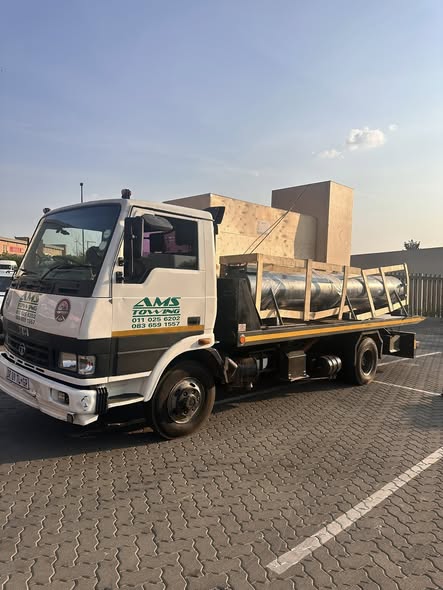
wheel alignment machines
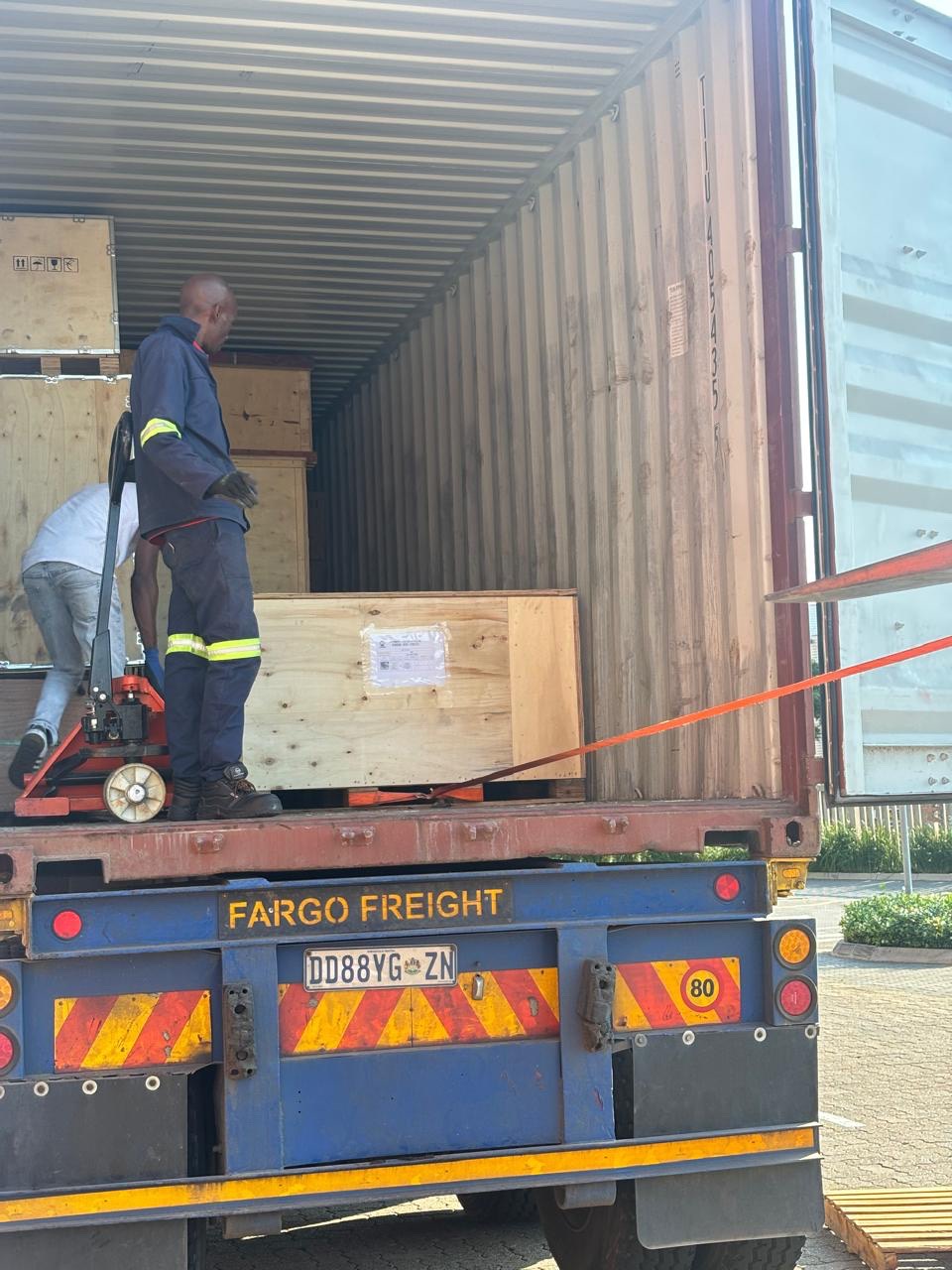
new arrivals
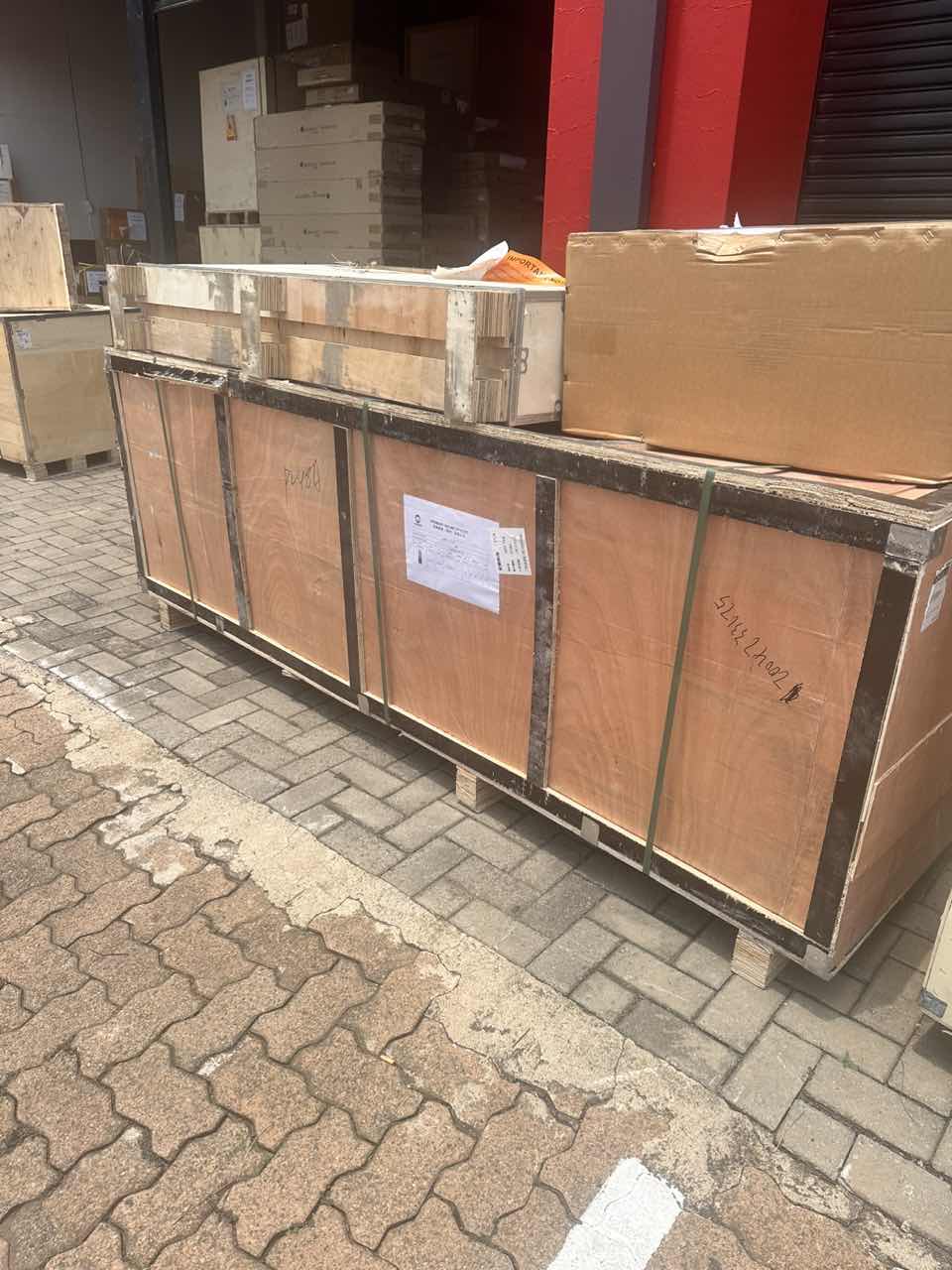
Pre Orders Offloading
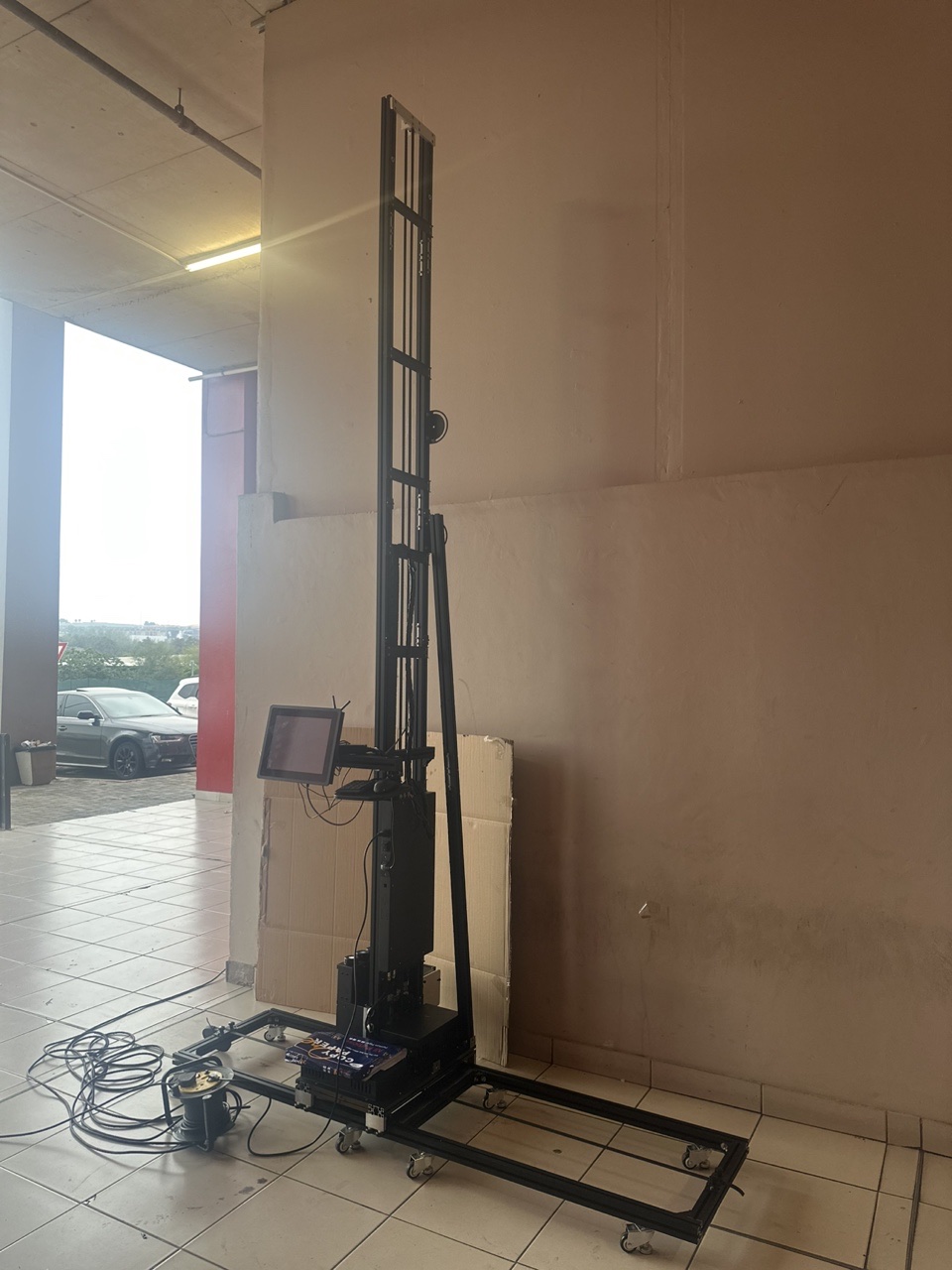
Latest Arrivals
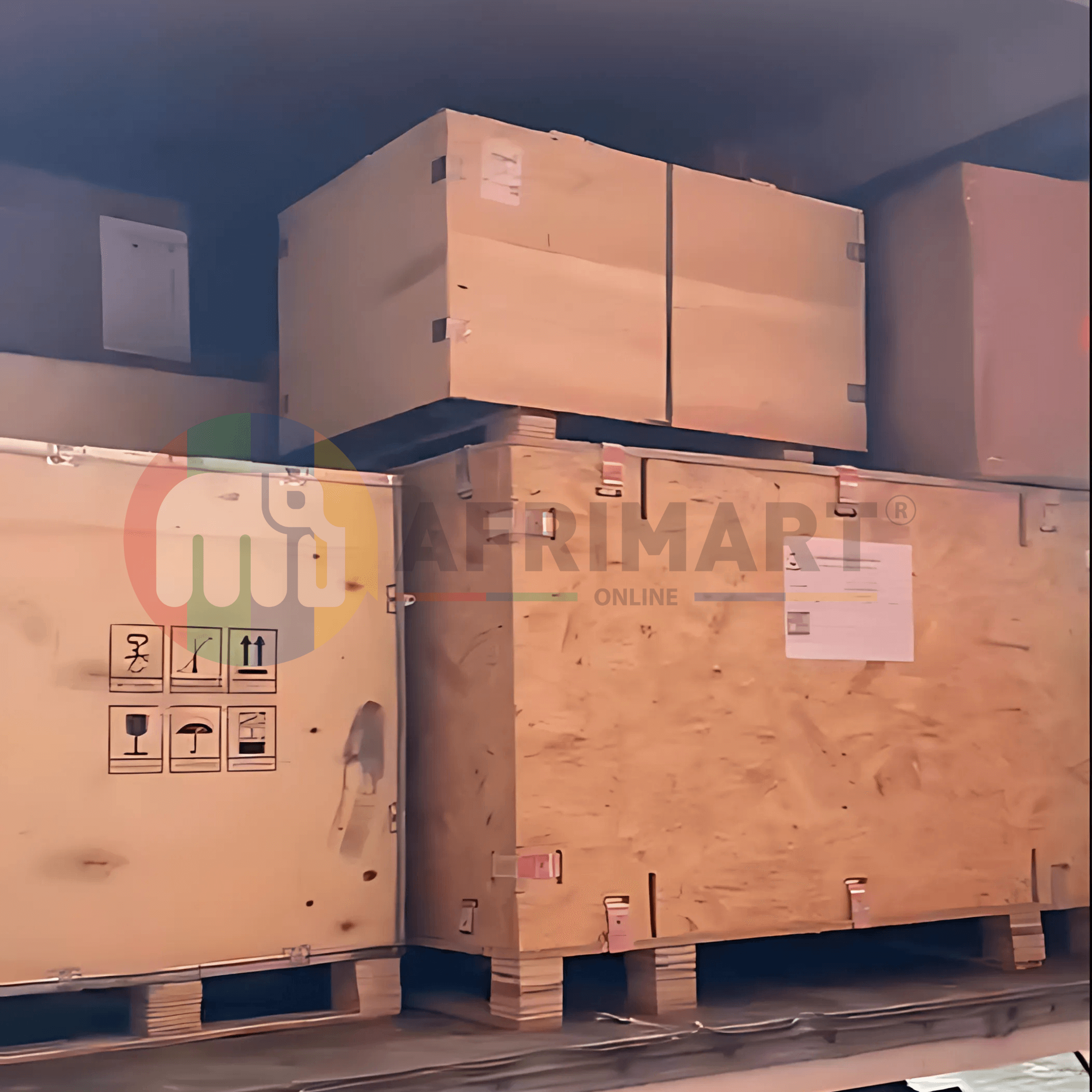
Latest Arrivals
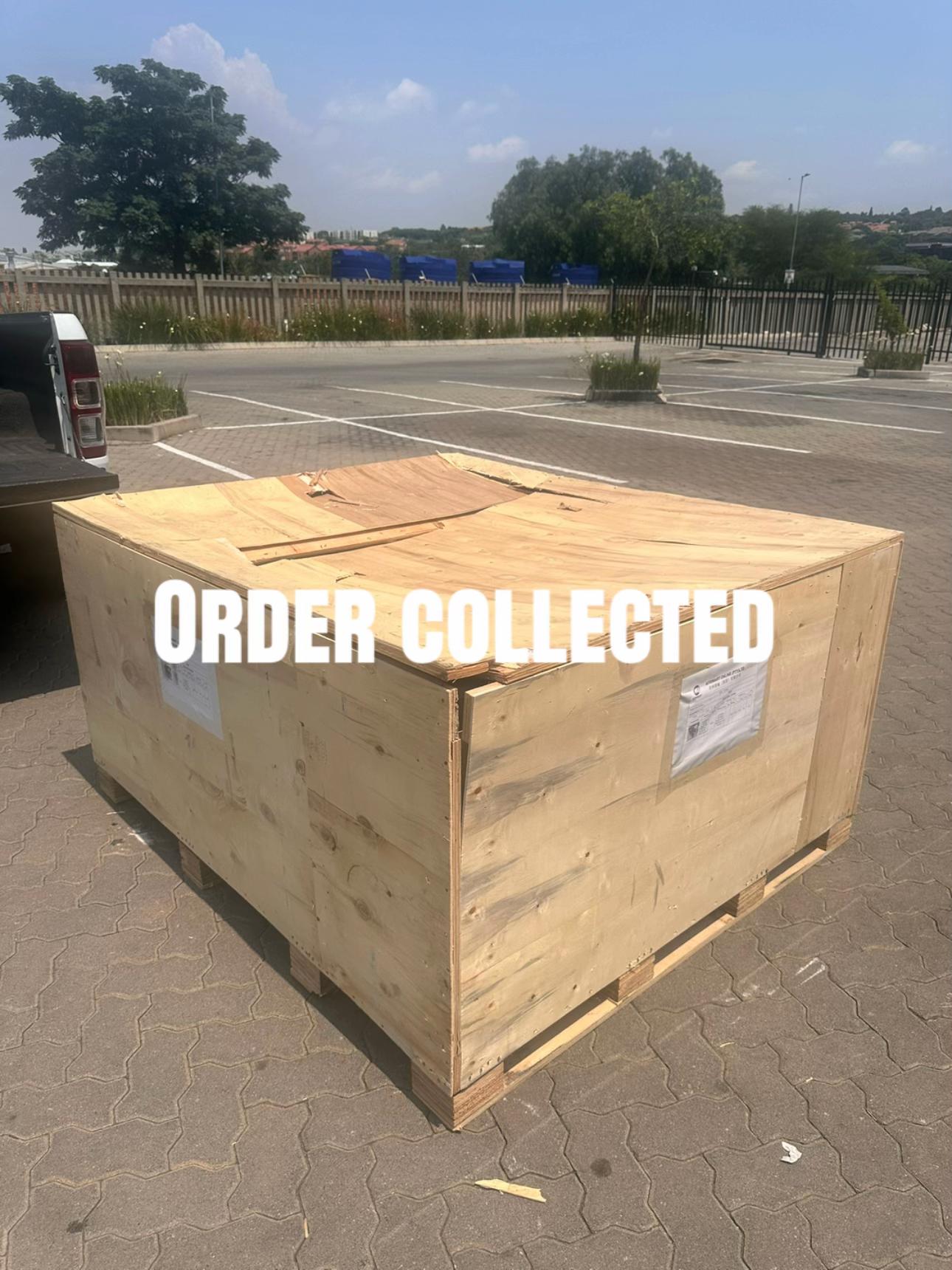
Latest Arrivals
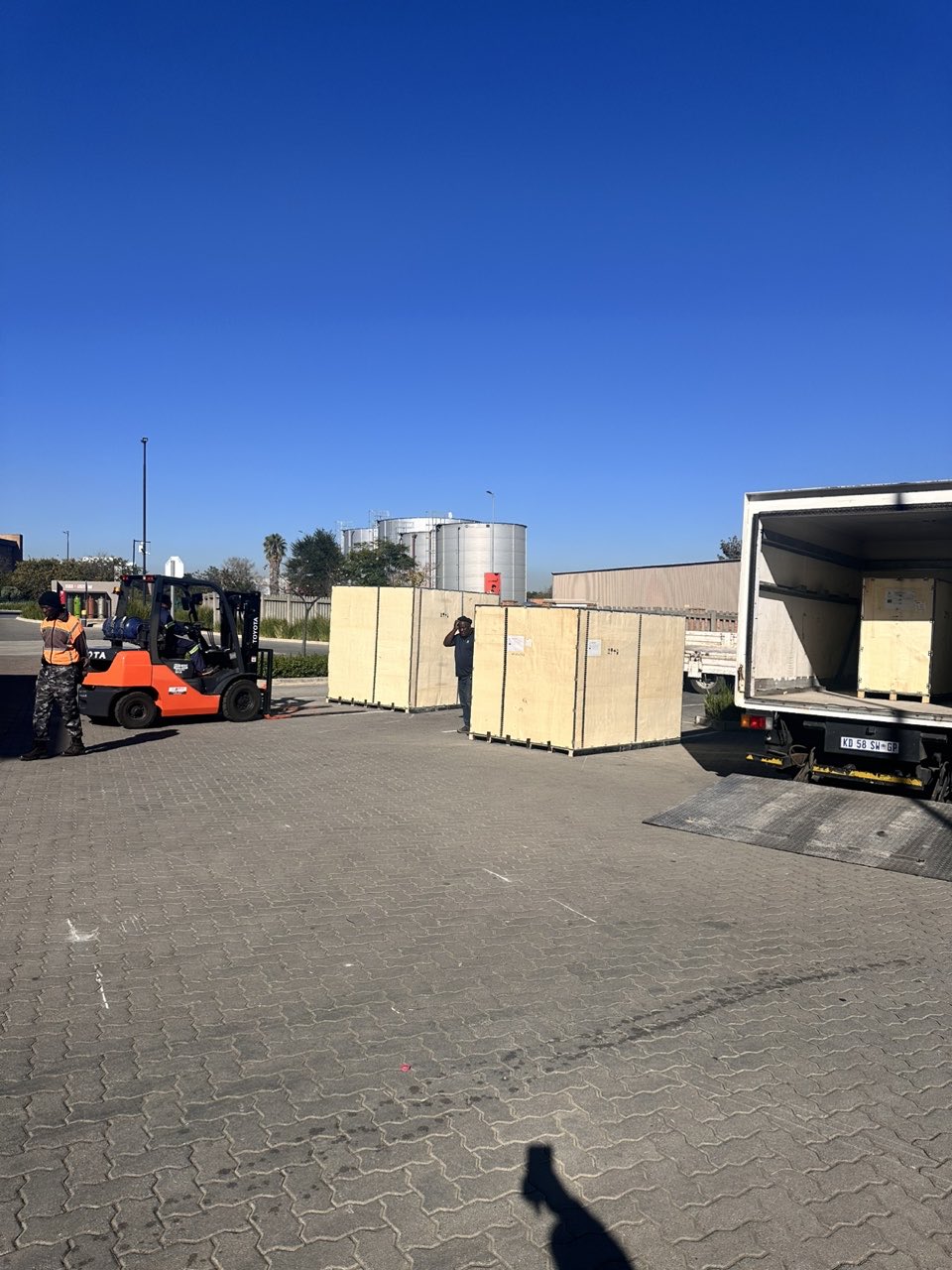
Loading
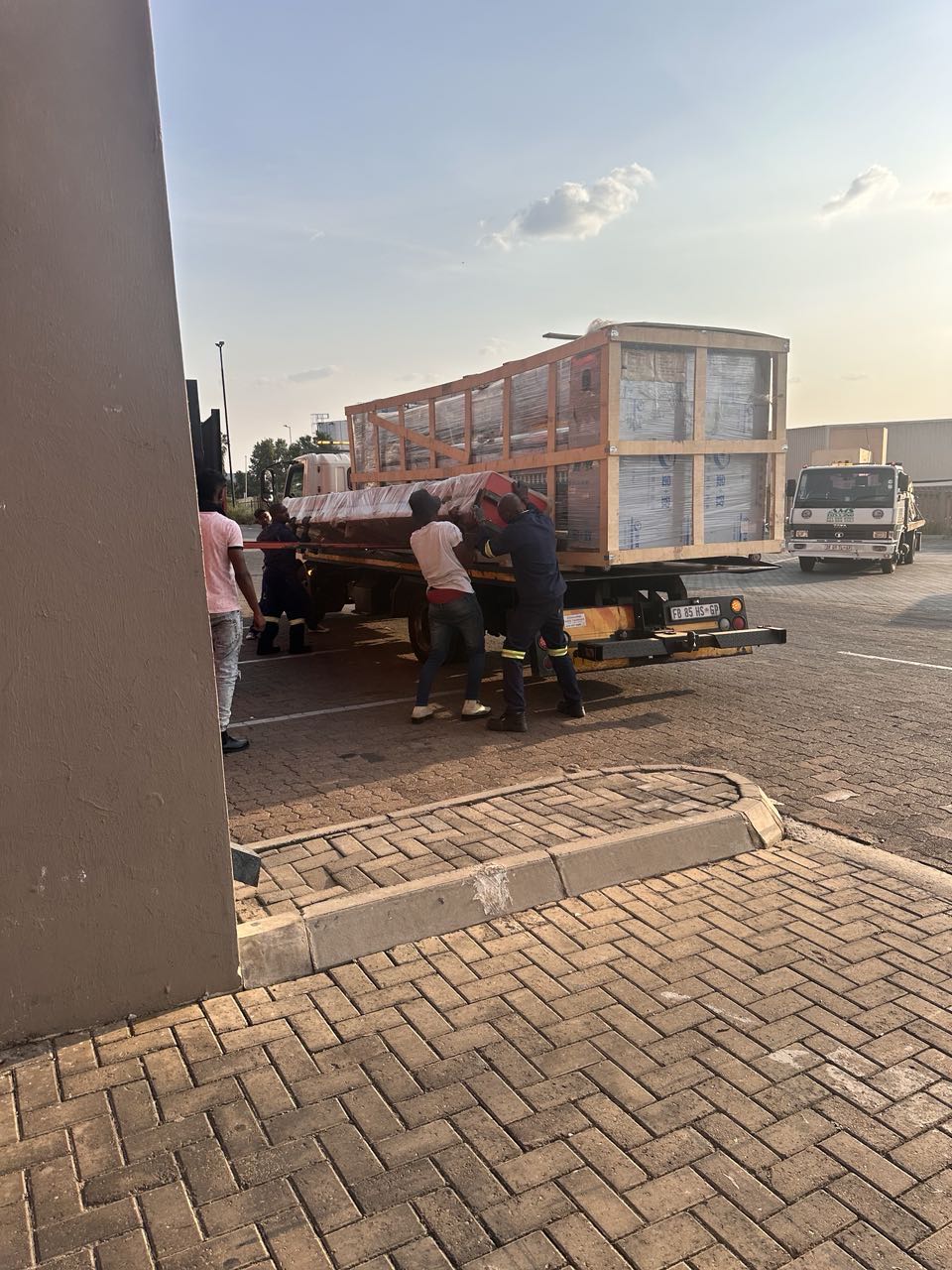
Toilet paper making machine
Toilet paper making machine
Toilet paper Rewinding Machine
latest arrivals
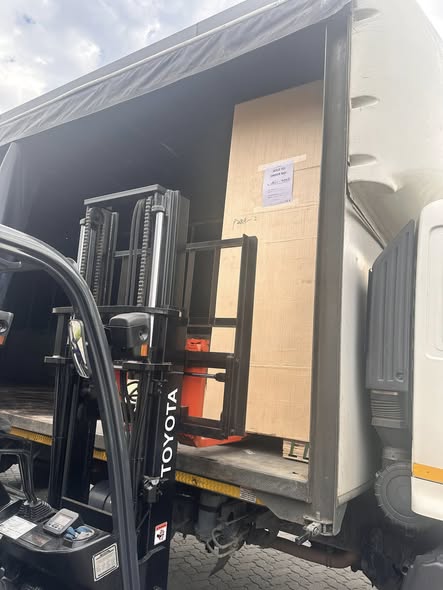
offloading
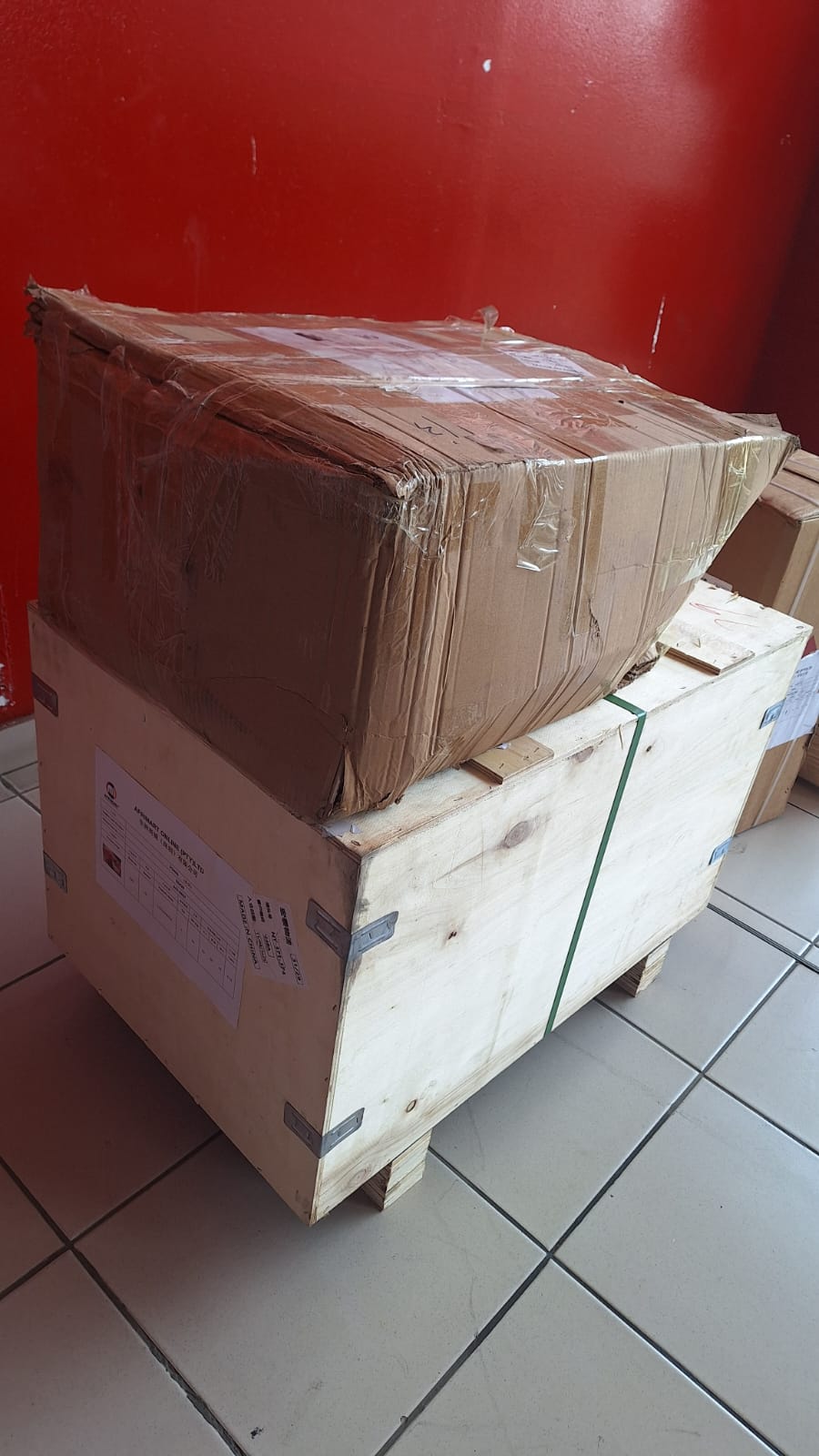
order success
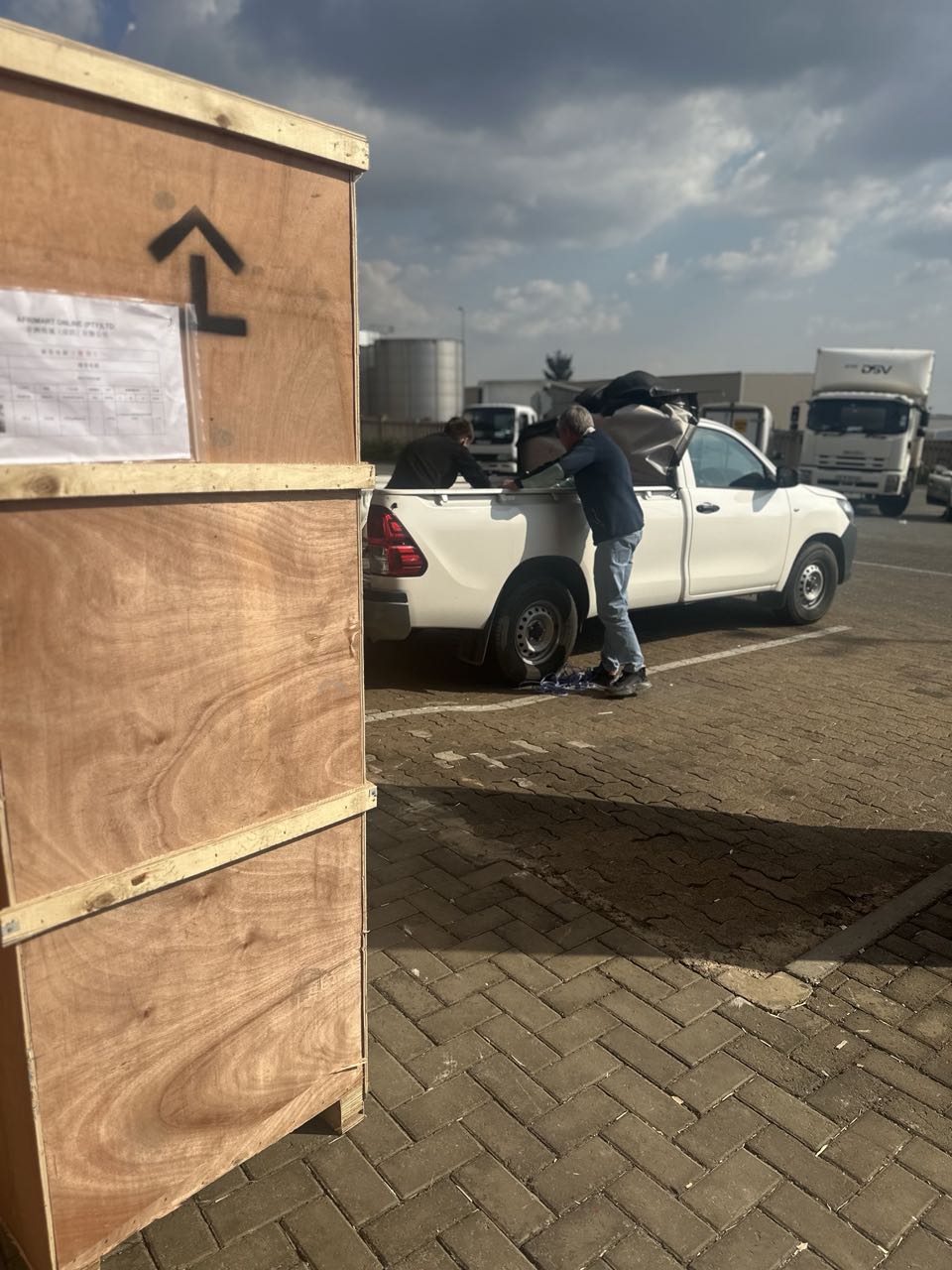
order collection
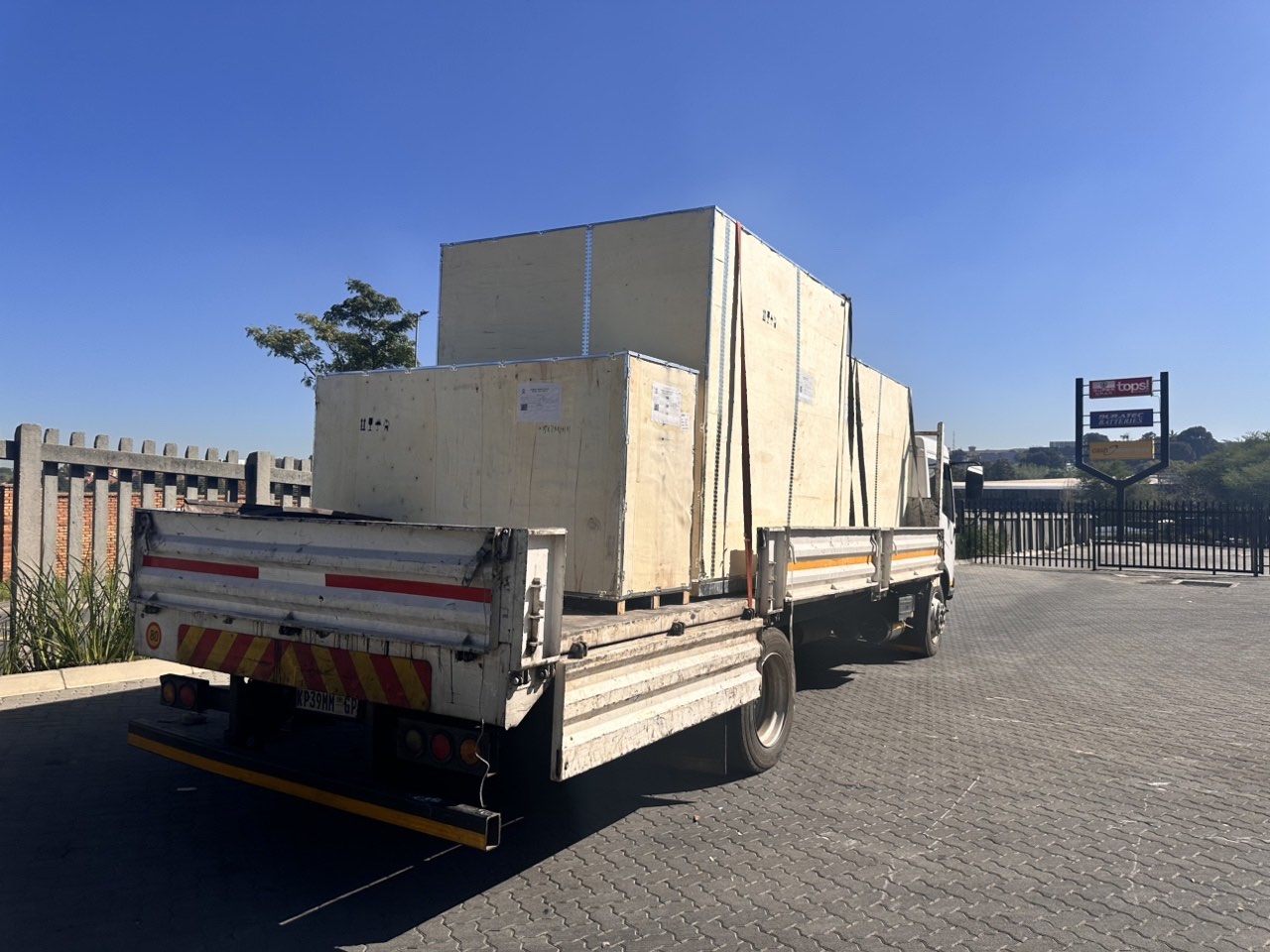
order offloading