B21, China Town Mall, Midrand


Industrial Automatic Steam Machine Laundry Flat Ironing Clothes
Asset finance available
Do you want funding for this equipment?
Afrimart can connect you with trusted funding partners who specialise in asset finance for businesses like yours. Compare options and apply in minutes — final approval is subject to provider review.
Check funding options
Secure & no obligation
- Section : Machinery
- Category : Apparel & Textile Machinery
- SKU : 1601282165690

Industrial Automatic Steam Machine Laundry Flat Ironing Clothes
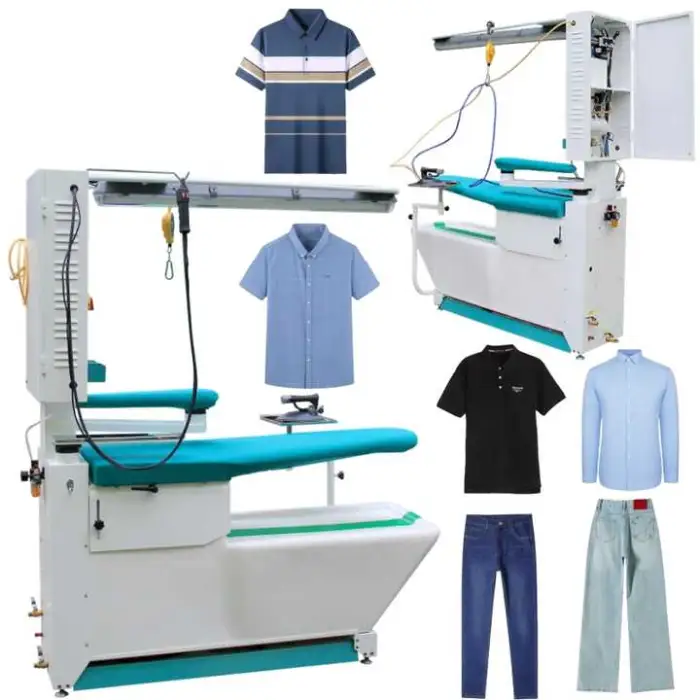
The Industrial Automatic Steam Machine Laundry Flat Ironing Clothes is a powerful and efficient solution for all your ironing needs. Designed for commercial use, this machine helps you achieve perfectly pressed shirts and garments quickly. With its user-friendly operation, it is ideal for garment shops, retail stores, and even home use. Say goodbye to wrinkles and hello to perfectly ironed clothes!
Specifications
| Attribute | Details |
|---|---|
| Power (W) | 4.6 kW |
| Voltage | 220V/380V |
| Weight (kg) | 190 kg |
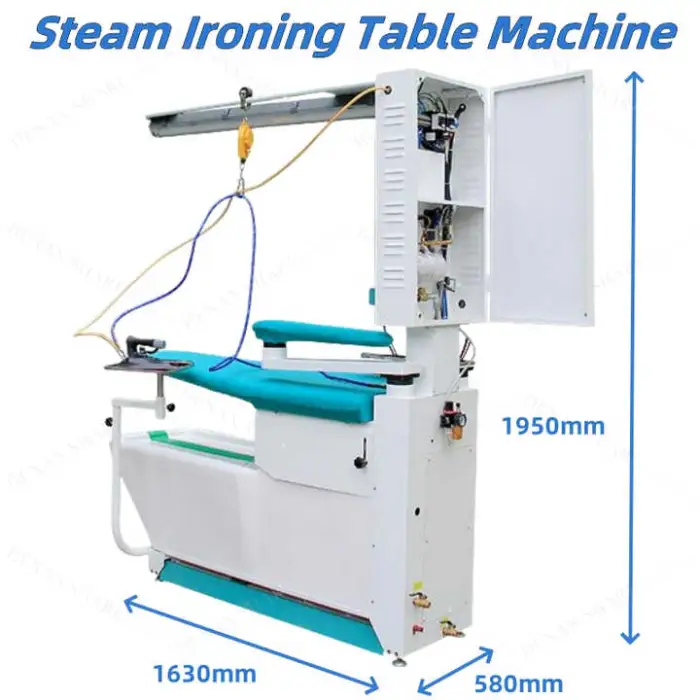
| Dimension (L*W*H) | 1630*580*1950 mm |
| Table Size | 1380*490 mm |
| Steam Pressure | 0.3-0.6 MPa |
| Compressed Air Inlet | 8 inch |
| Condition | New |
Key Features
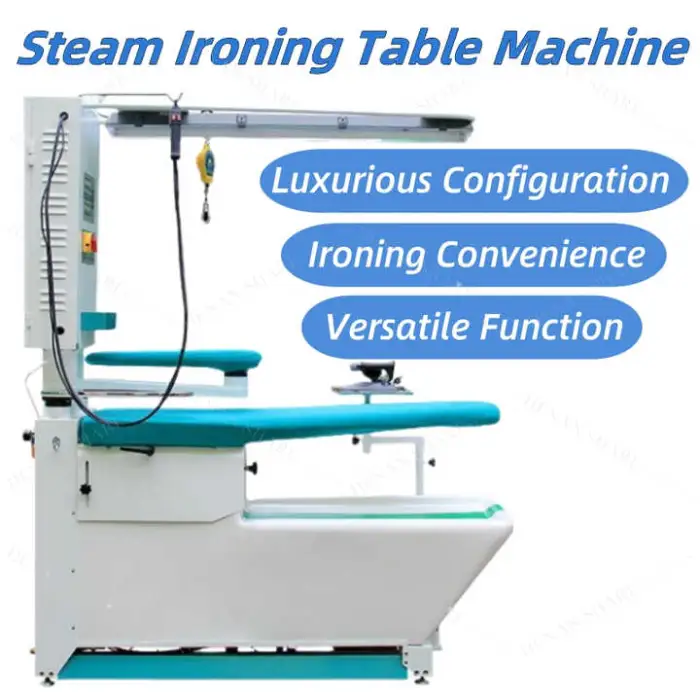
- Easy to operate with user-friendly controls.
- Powerful steam output for efficient ironing.
- Compact design for space-saving storage.
- Durable construction for long-lasting performance.
- Ideal for commercial and home use.
Applications
- Perfect for garment shops and boutiques.
- Suitable for laundry services and dry cleaners.
- Great for retail stores needing quick ironing.
- Useful for home use to maintain clothes.
- Applicable in hotels and hospitality industries.
Product Info Gallery

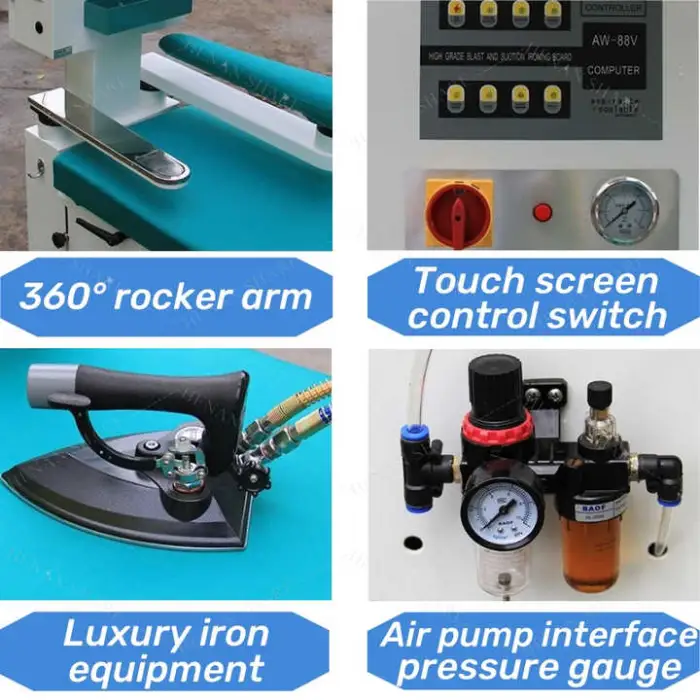
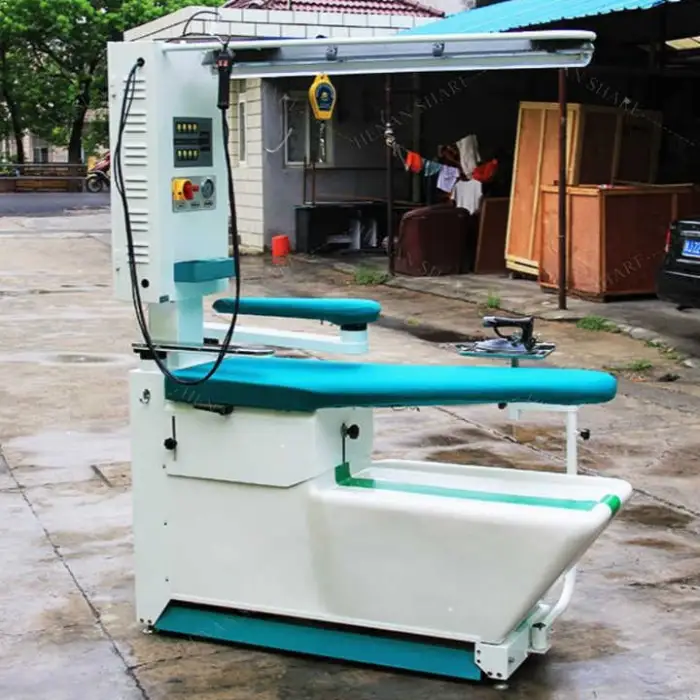
- Shipping Timeframes: All orders are processed within 2-5 business days (excluding weekends and holidays). After your order has been processed, the estimated delivery time is before 03 Aug, 2026, depending on customs, Please note that due to high demand, some items may experience longer shipping times, which will be communicated at order confirmation email.
- Order Processing Time: Please allow 2-5 business days for us to process your order before it is shipped . Orders placed after 16:00 on Fridays, or during weekends and public holidays, will begin processing on the next business day. Processing times may be extended during peak seasons or sales events.
- Manufacturing Time: Some products needs manufacturing time, the manufacturing process will take approximately 10-30 business days depending on the product. This timeframe may vary depending on the complexity of the product and current demand. but this will be communicated with you during order confirmation.
- Returns and Exchanges: We offer a 30-day return policy for most items. If you are not completely satisfied with your purchase, you may return it within 30 days of receipt for a refund or exchange. Items must be unused, in their original packaging, and accompanied by proof of purchase. Return shipping costs are the responsibility of the customer, unless the item was damaged or defective upon arrival.
1. What is the Industrial Automatic Steam Machine Laundry Flat Ironing Clothes used for?
A commercial-grade steam ironing machine designed to quickly and efficiently press shirts and other garments. It's ideal for garment shops, laundries, retail stores, hotels and can also be used in homes if electrical and space requirements are met.
2. What are the key specifications of the machine?
Power: 4.6 kW; Voltage: 220V/380V; Weight: 190 kg; Dimensions (L*W*H): 1630*580*1950 mm; Table size: 1380*490 mm; Steam pressure: 0.3–0.6 MPa; Compressed air inlet: listed as "8 inch". Condition: New.
3. Which voltage should I choose: 220V or 380V?
The machine is available for 220V or 380V supply. Choose the version that matches your facility's mains voltage. Confirm the exact electrical requirements and required breaker size with the supplier or an electrician before purchase and installation.
4. What does the steam pressure 0.3–0.6 MPa mean for performance?
Steam pressure between 0.3 and 0.6 MPa (approx. 3–6 bar) provides strong, consistent steam output for efficient wrinkle removal and faster ironing. Higher pressure improves speed and finish on heavy fabrics; settings may be adjusted depending on fabric type.
5. What are the compressed air requirements?
The product spec lists a compressed air inlet described as "8 inch." This likely refers to a specific fitting or inlet size — confirm the exact connector type, pressure and flow requirements with the supplier. You will typically need a stable compressed air supply sized to match the machine's inlet and operating pressure.
6. What installation requirements should I prepare for?
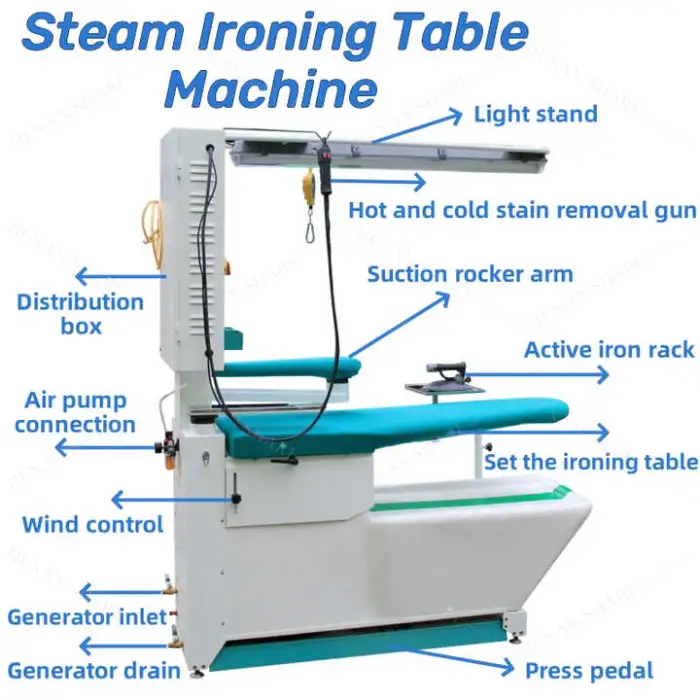
Prepare appropriate electrical supply (220V or 380V), stable compressed air connection, suitable water supply/drain for steam/condensate if required, adequate floor space and ventilation. Professional installation and grounding by qualified technicians is recommended.
7. Which fabrics and garments can be ironed on this machine?
It works well on shirts, trousers, jackets and many woven garments. For delicate fabrics (silk, some synthetics) use lower steam settings and test on inconspicuous areas first. Follow fabric care labels and the machine's fabric-setting guidance.
8. How many garments can it process per hour?
Throughput depends on garment type, operator skill and settings. The machine can press dozens of garments per hour in typical commercial workflows. For a precise hourly capacity for a specific garment mix, request measured production rates from the supplier.
9. What routine maintenance is required?
Daily: drain condensate, wipe surfaces and check for leaks. Weekly/monthly: descale steam circuits as recommended, inspect/replace seals and gaskets, check filters and compressed air lines, and lubricate moving parts per the manual. Schedule professional servicing annually or as specified by the manufacturer.
10. What type of water should I use?
Use distilled or demineralized water where possible to minimize scale and prolong boiler/steam component life. If using tap water, follow a regular descaling schedule and consult the manual for water-treatment recommendations.
11. What safety precautions should operators follow?
Ensure the machine is properly grounded and installed by a qualified technician. Keep hands and skin away from steam outlets and hot surfaces, do not open pressurized compartments, isolate power before maintenance, use personal protective equipment as needed, and follow all safety instructions in the operator manual.
12. Can this machine be used at home?
Yes, if your home can supply the required electrical voltage, compressed air (if needed), space and ventilation. Note that the unit is heavy (190 kg) and sized for commercial use; ensure floor loading and space are suitable and consider professional installation.
13. What are the energy and noise characteristics?
Rated electrical power is 4.6 kW — running at full load it will consume up to about 4.6 kWh while operating. Noise levels are typical for commercial steam ironing equipment; exact dB figures should be requested from the supplier if noise-sensitive placement is needed.
14. Are spare parts and accessories available?
Most suppliers provide standard spare parts (seals, heating elements, valves, gaskets) and optional accessories (nozzles, additional tables or fittings). Confirm availability, lead times and part numbers with your vendor before purchase.
15. Does the machine have certifications and warranty?
Certification (CE, ISO, etc.) and warranty coverage vary by manufacturer and region. Ask the seller for documentary proof of certifications, local compliance, and full warranty terms prior to purchase.
Latest Order Arrivals
Discover our latest orders
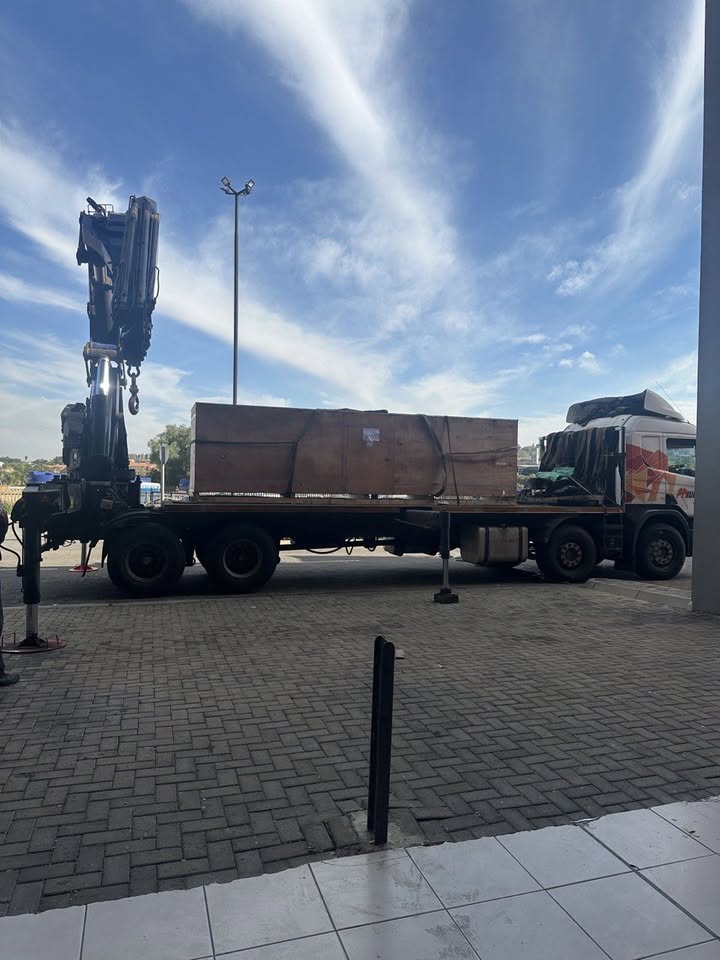
12 Heads Embroidery Machine
Toilet Paper Machine Machine
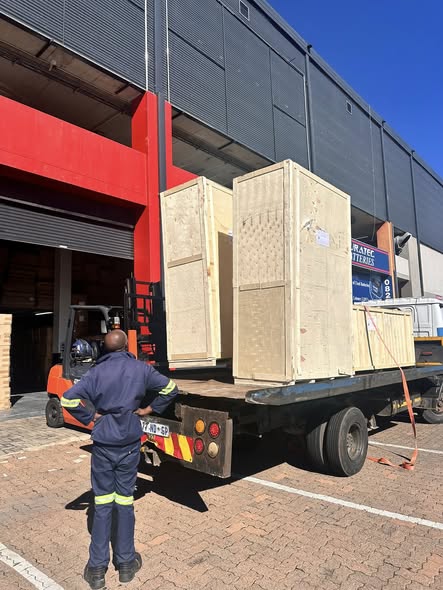
Order Collection
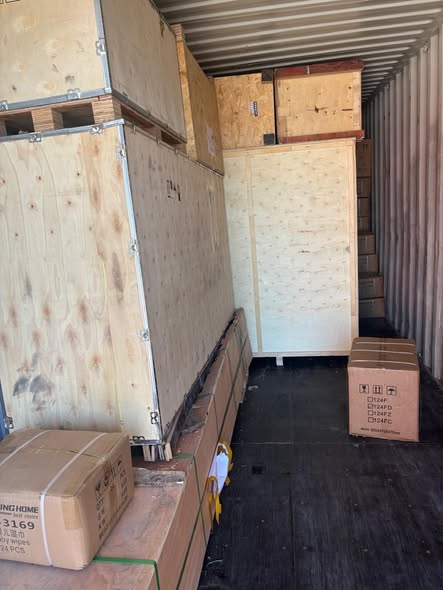
Cross Border Clients
Order cros border countries Collected
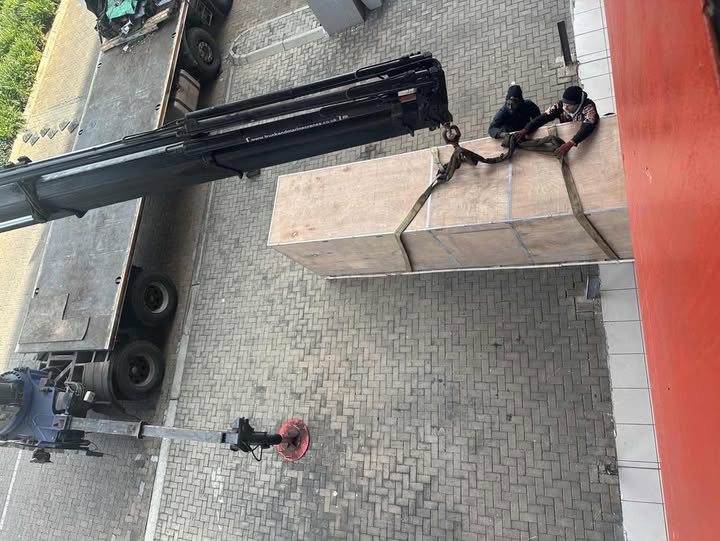
Industrial Machine Cllection
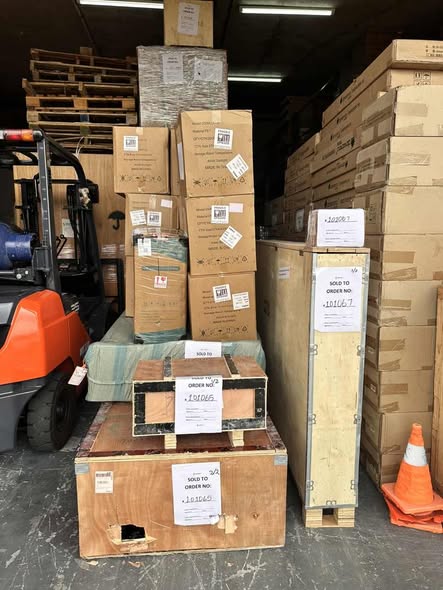
Agriculture Processing Machines
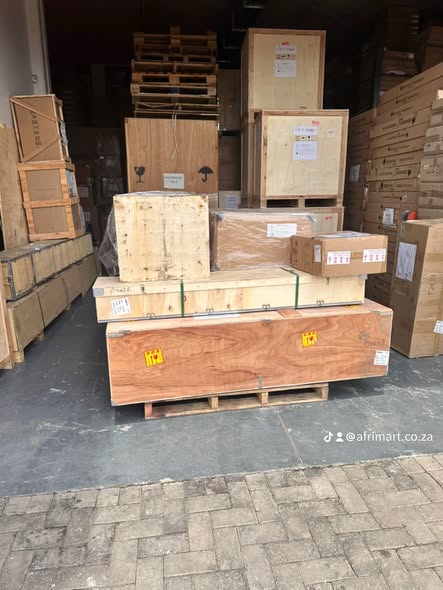
Ready for collection
Water Pump Equipment
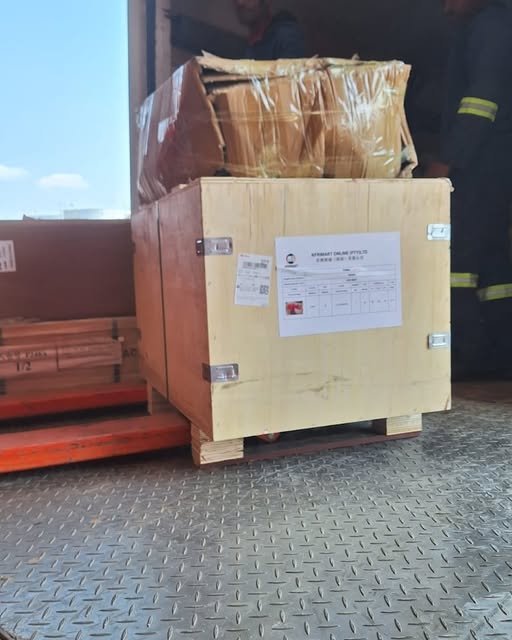
Packaging Machine and accessories
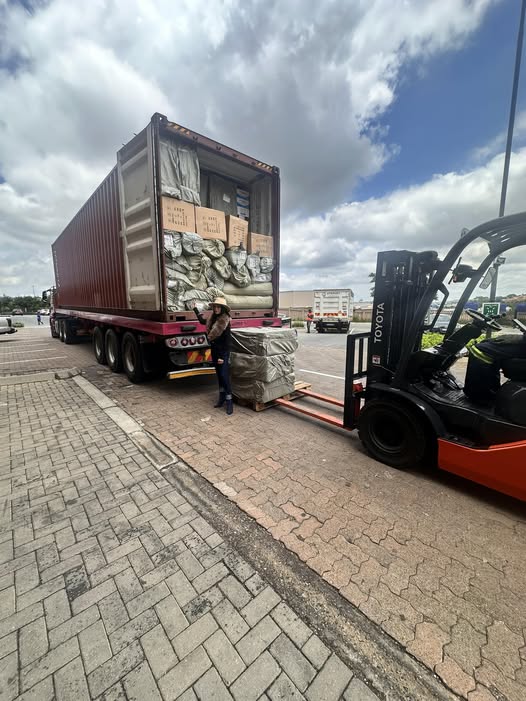
Fabrics Manufacturing Equipment
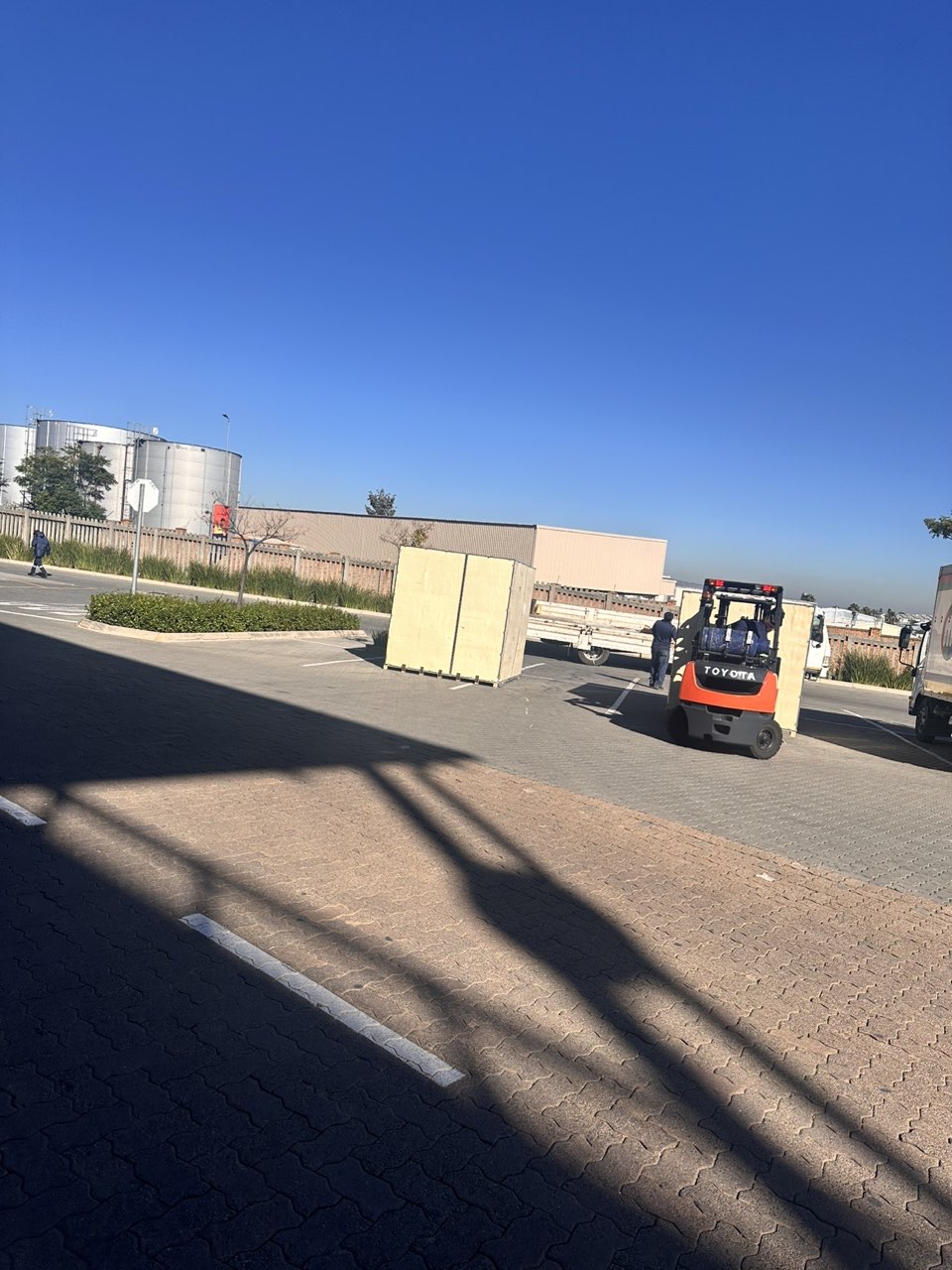
Mining Equipments
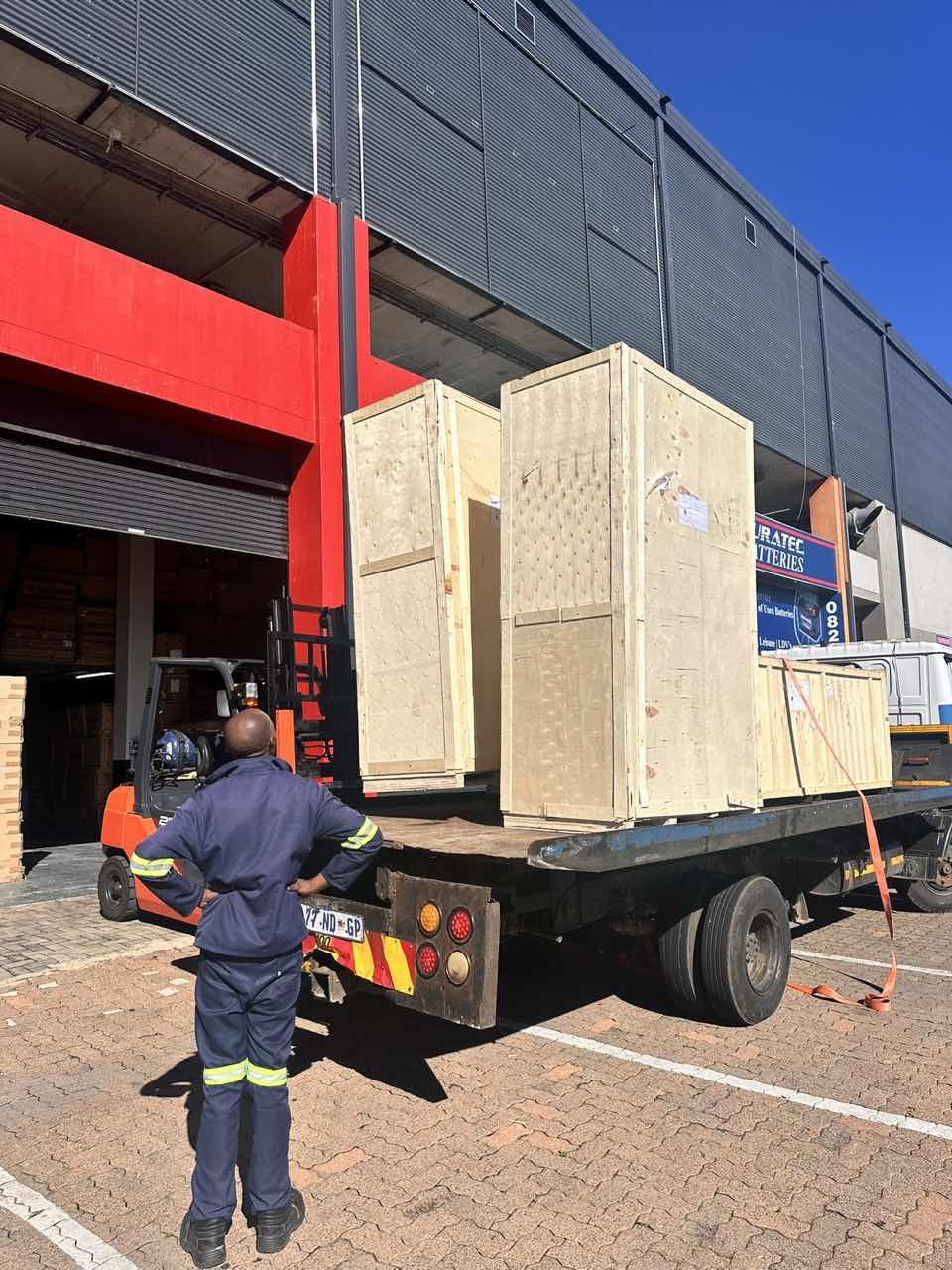
Food Processing Machine
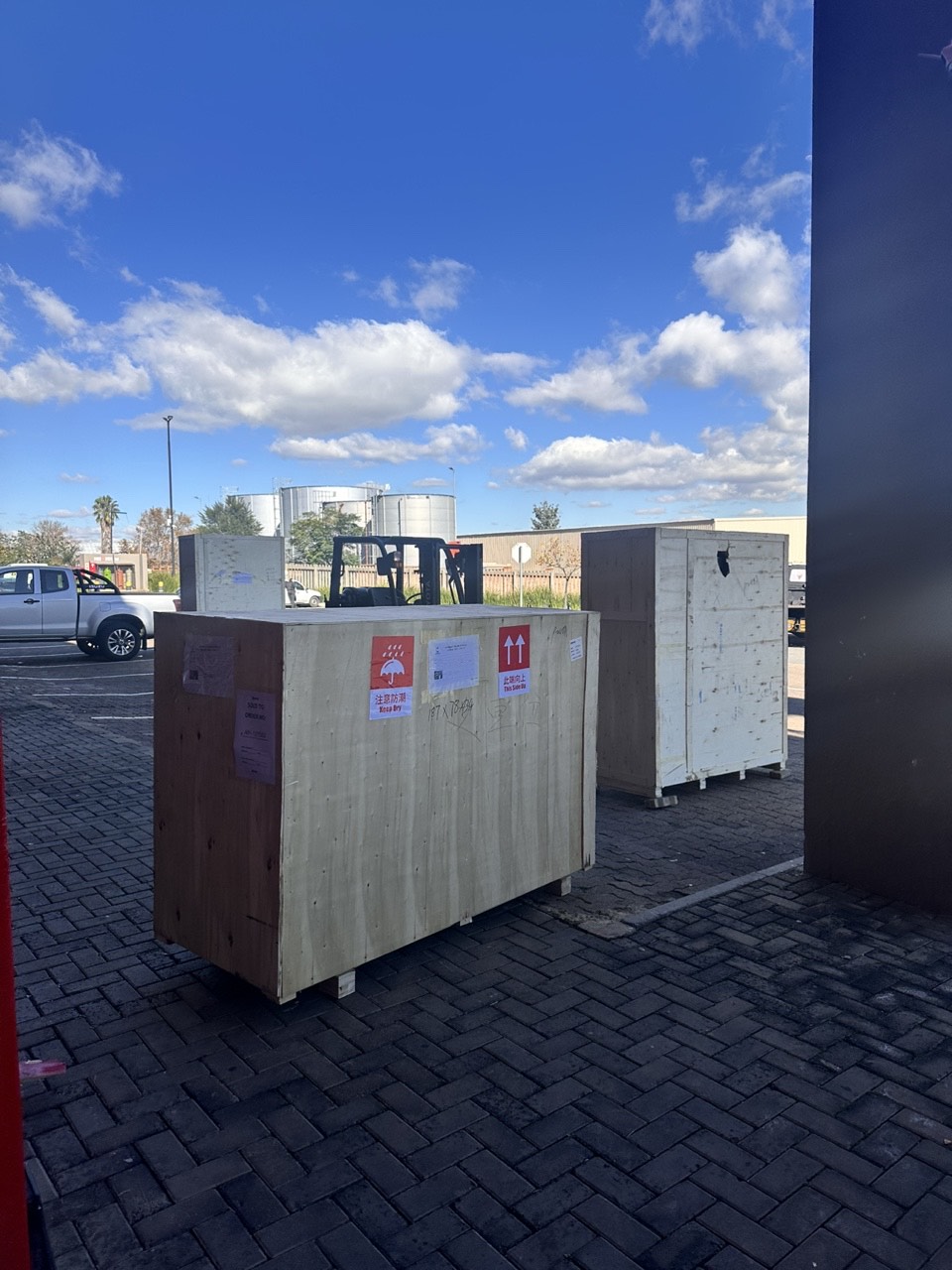
Batch of Orders
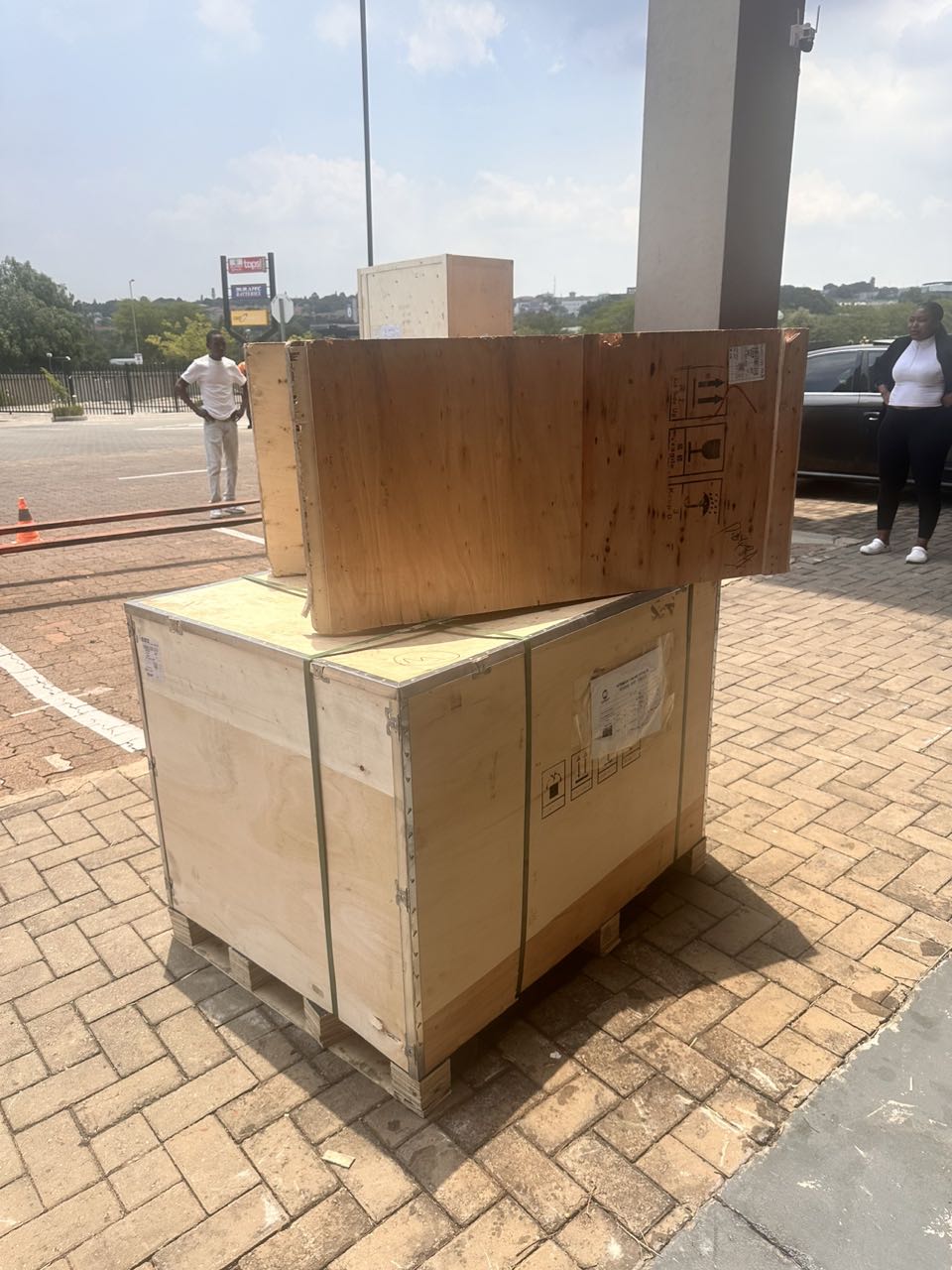
Batch of Orders
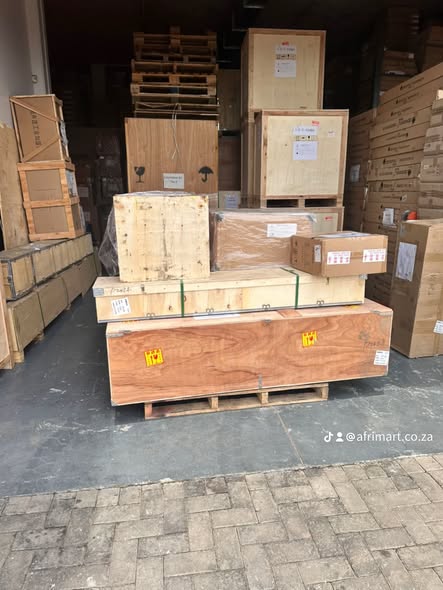
Latest Orders Labelled
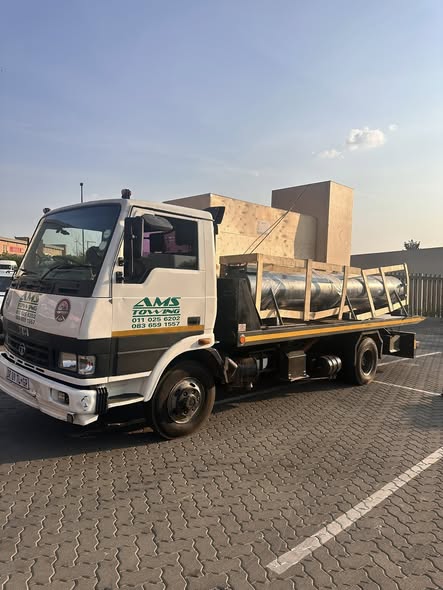
wheel alignment machines
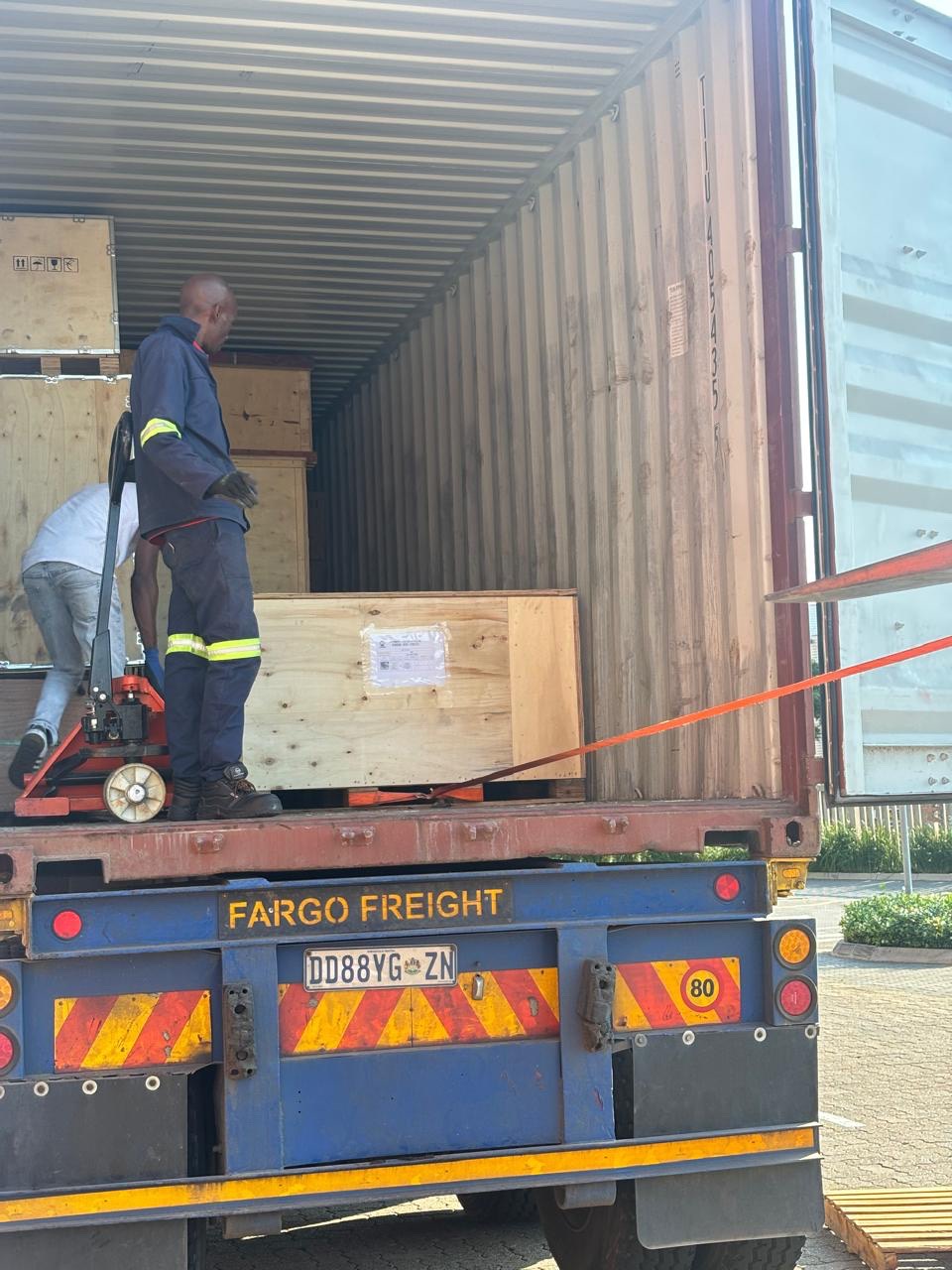
new arrivals
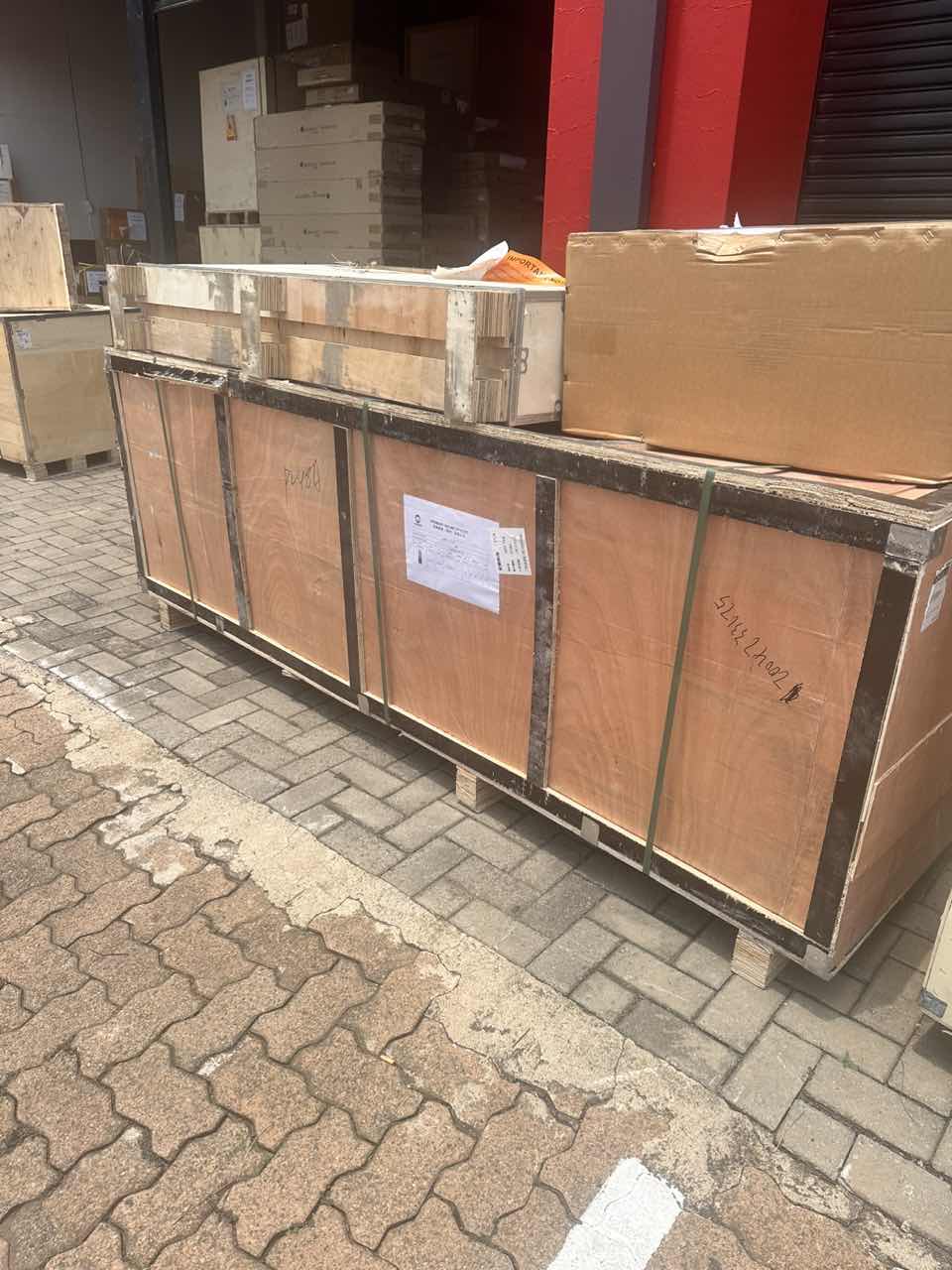
Pre Orders Offloading
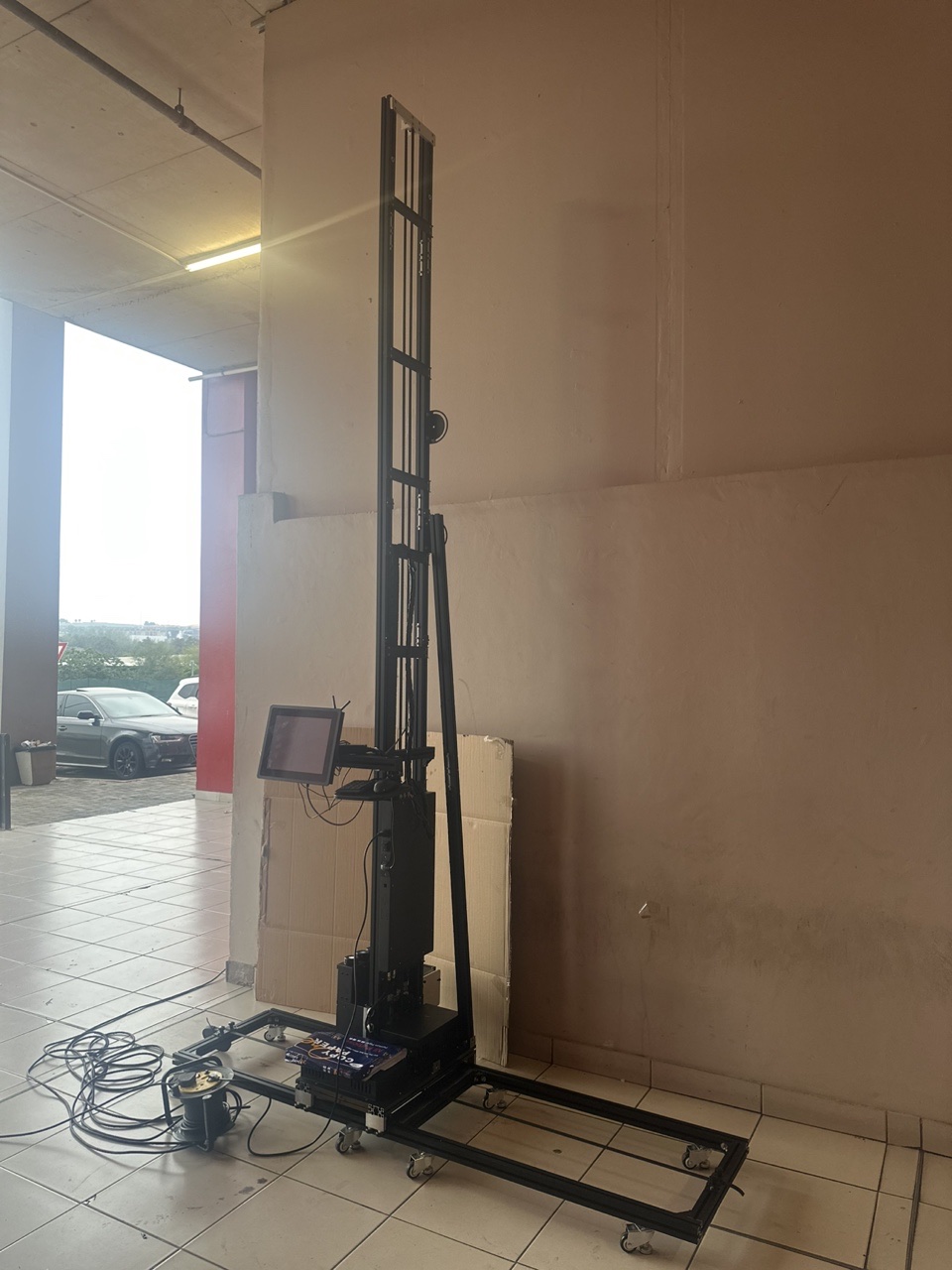
Latest Arrivals
Latest Arrivals
Latest Arrivals
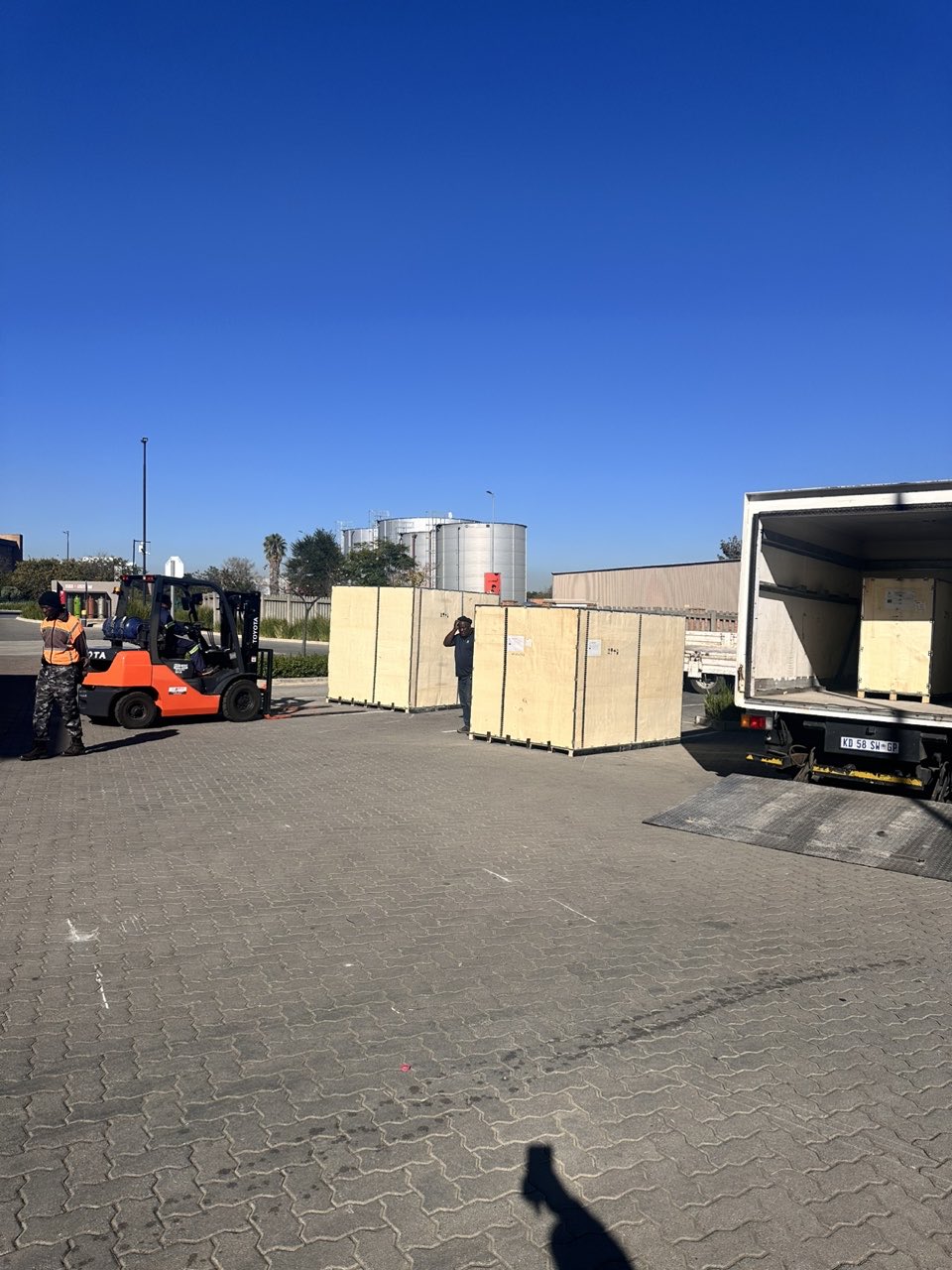
Loading
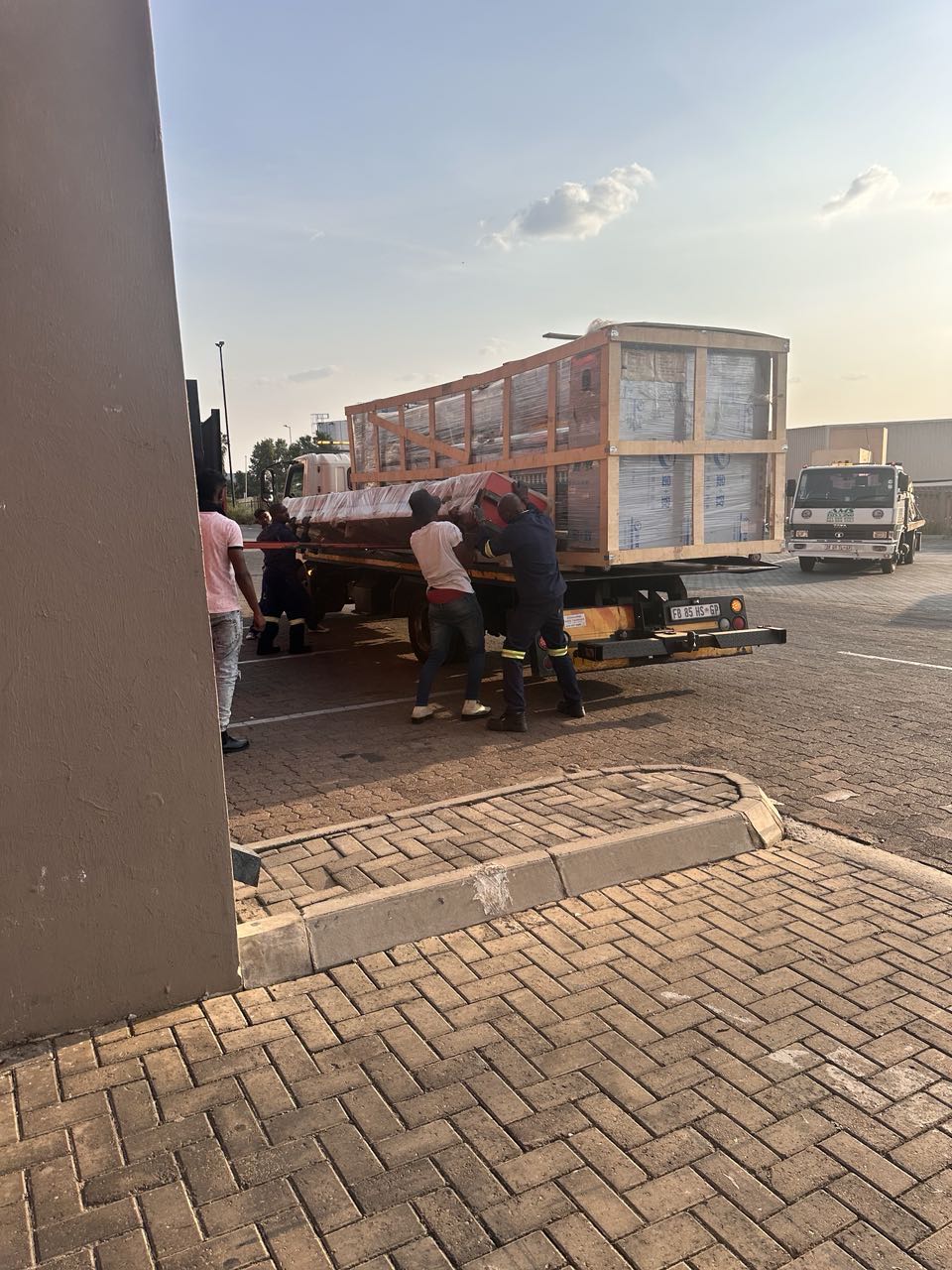
Toilet paper making machine
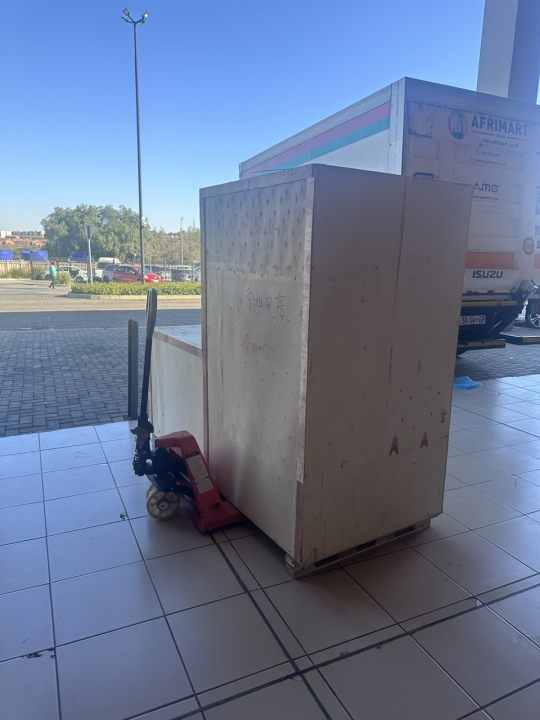
Toilet paper making machine
Toilet paper Rewinding Machine
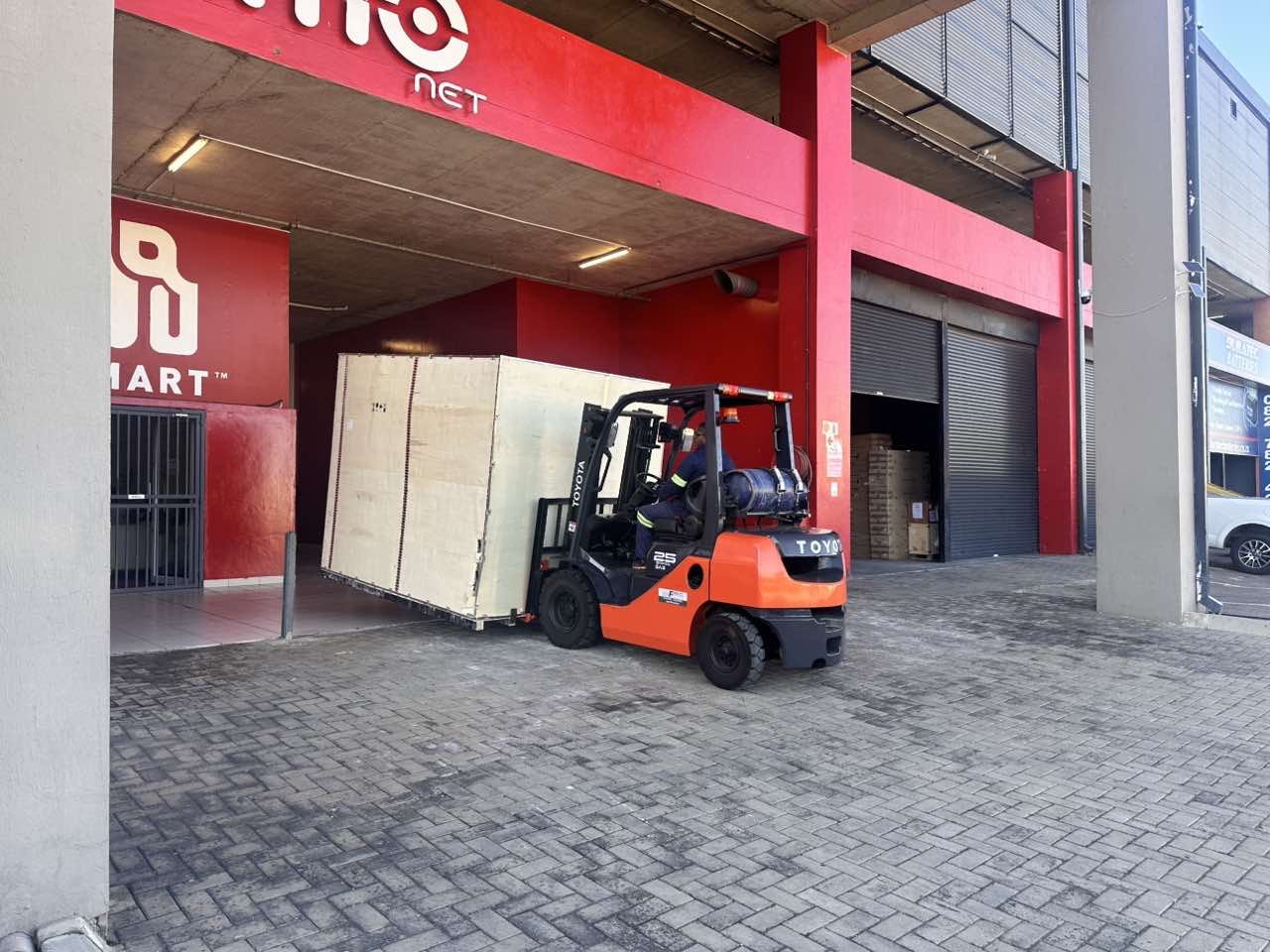
latest arrivals
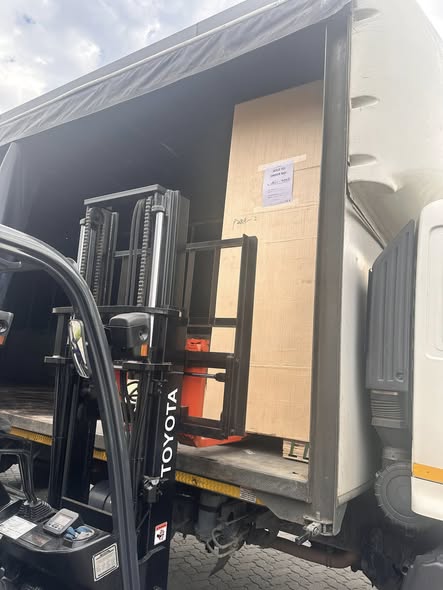
offloading
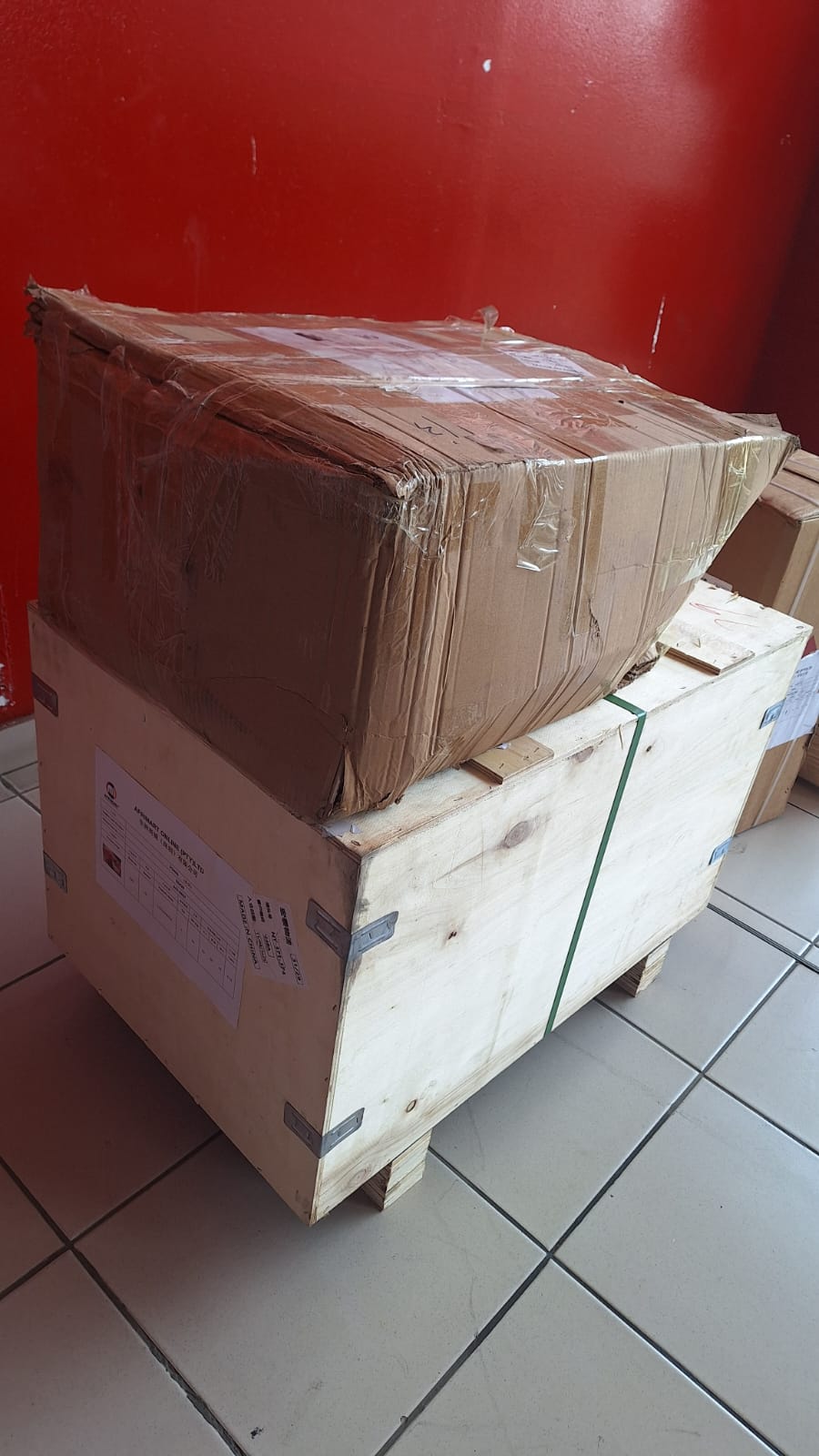
order success
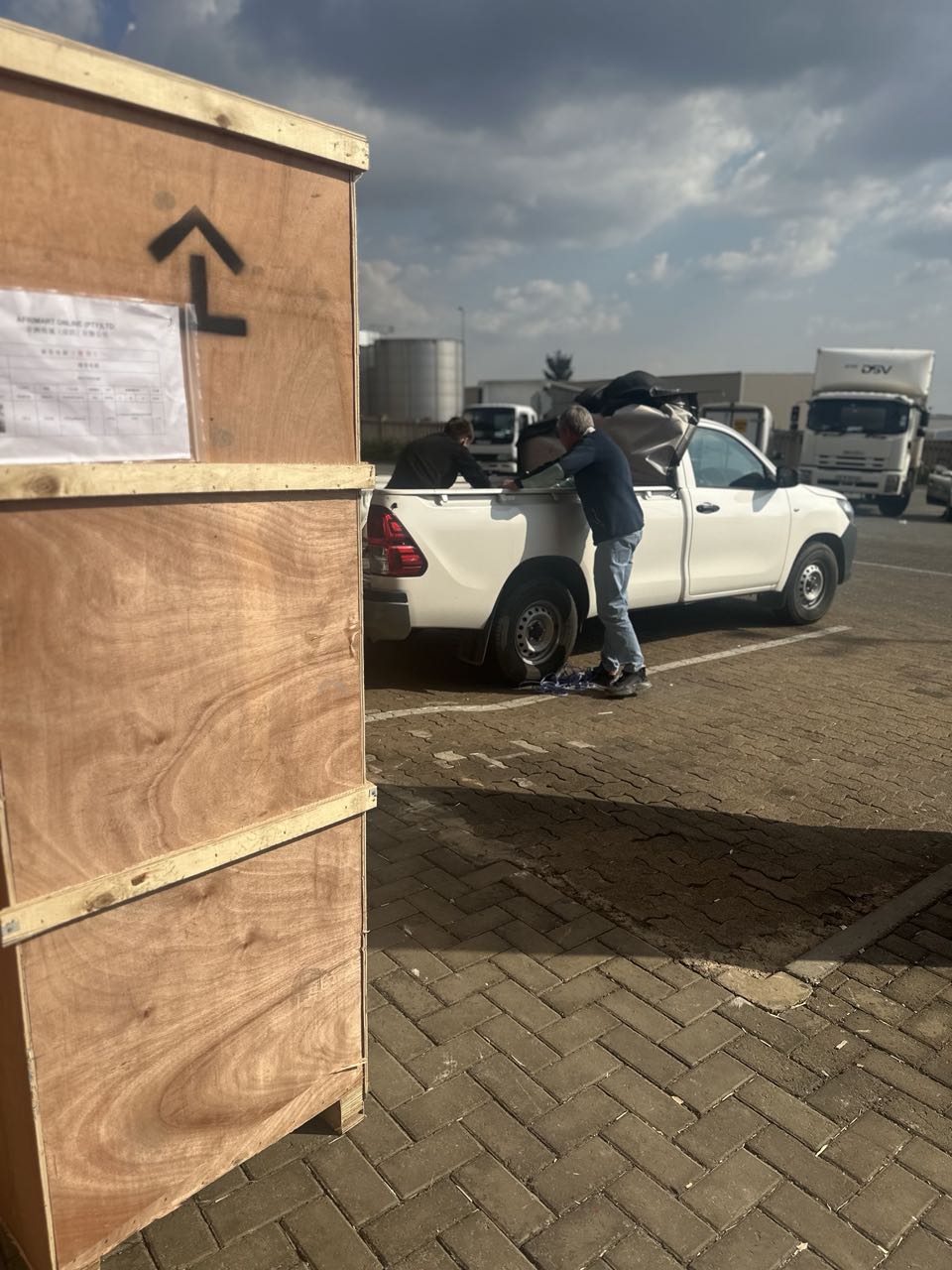
order collection
order offloading