B21, China Town Mall, Midrand

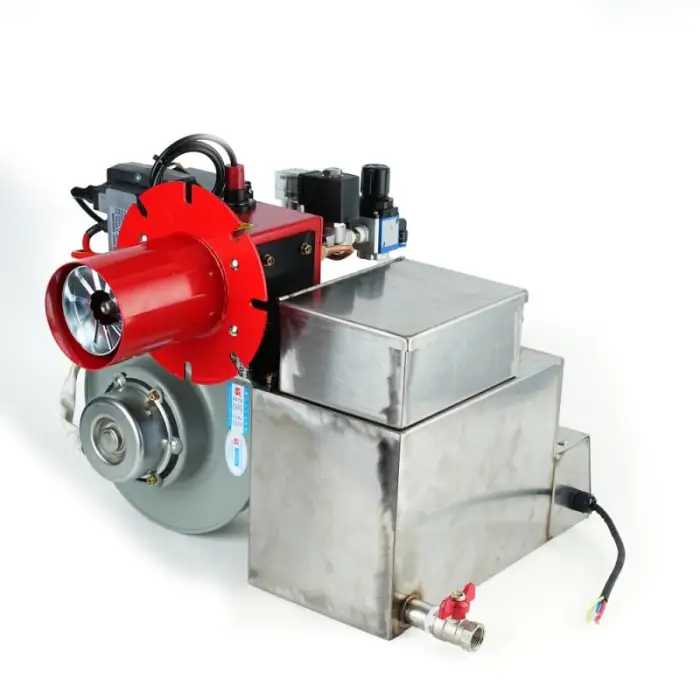
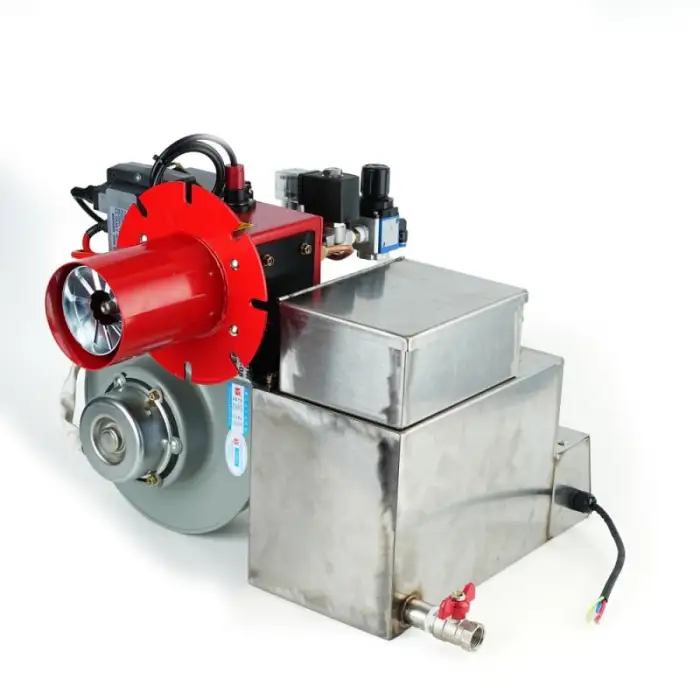
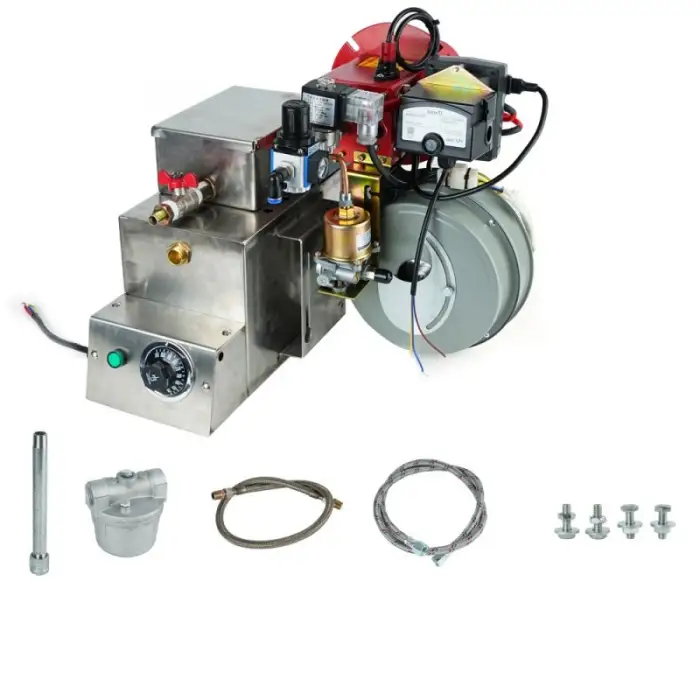
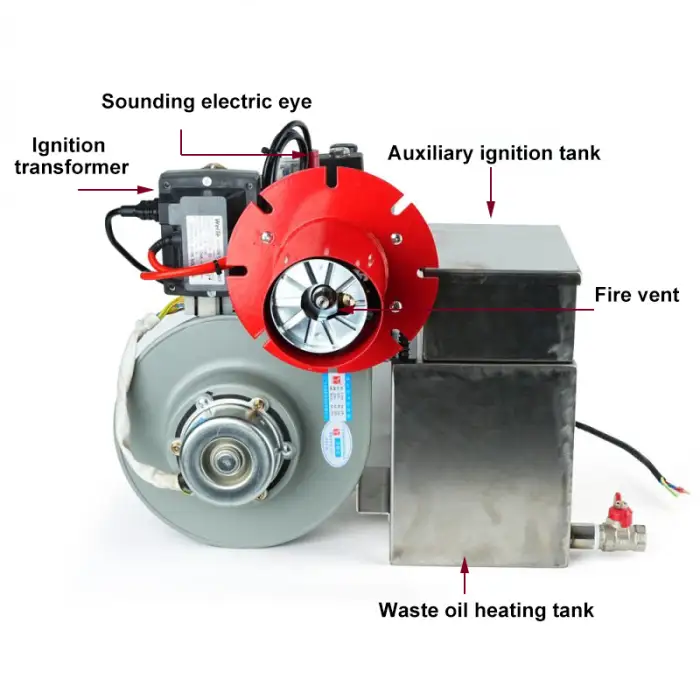
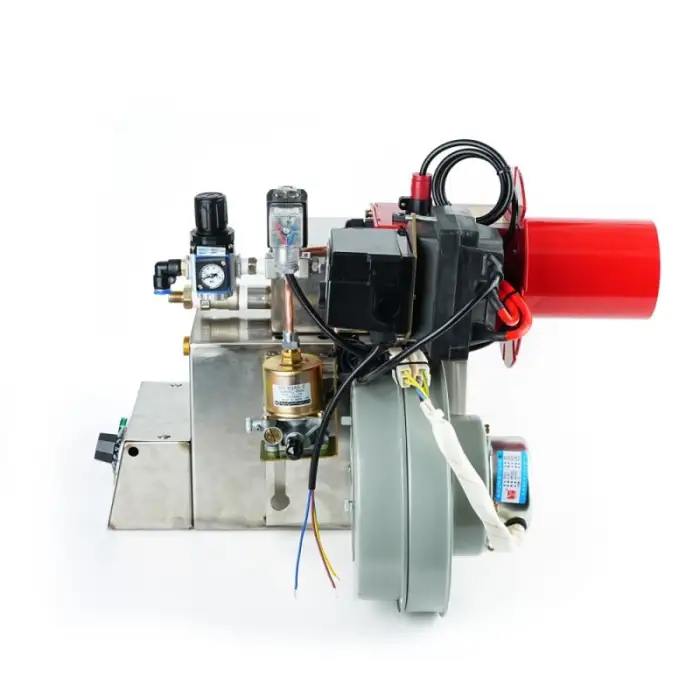
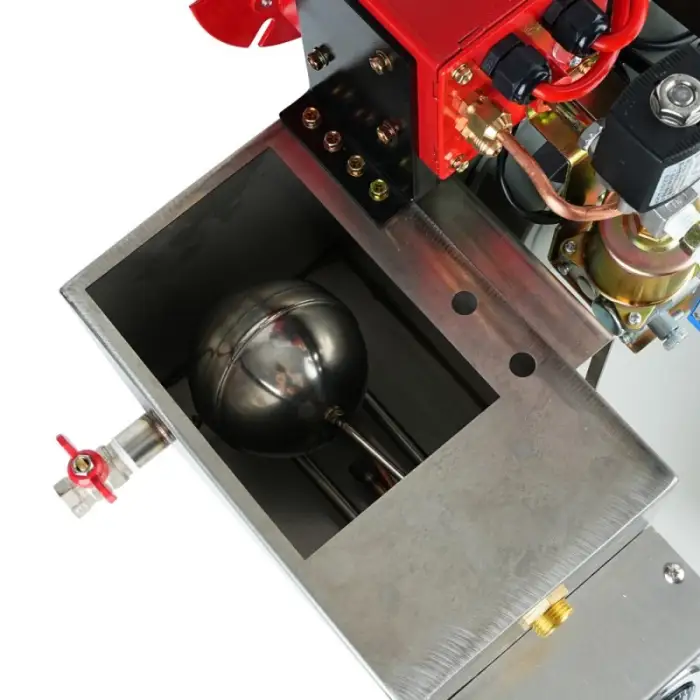
Industrial 30,000~50,000kcal Stage Fire Waste Engine Oil Burner
Asset finance available
Do you want funding for this equipment?
Afrimart can connect you with trusted funding partners who specialise in asset finance for businesses like yours. Compare options and apply in minutes — final approval is subject to provider review.
Check funding options
Secure & no obligation

Model:
- Section : Electrical & Tools
- Category : Tools & Hardware
- SKU : 1601407221568

Industrial 30,000~50,000kcal Stage Fire Waste Engine Oil Burner
The Industrial 30,000~50,000kcal Stage Fire Waste Engine Oil Burner is a powerful and efficient solution for burning various types of waste oil. This burner is designed to provide high heat output while being easy to use. It is suitable for different applications, making it a versatile choice for industrial needs.
Specifications
| Attribute | Details |
|---|---|
| Product Name | Waste Oil Burner |
| Output Heat | 30,000 ~ 50,000 kcal/h |
| Power Output | 18~58 kW |
| Voltage Supply | 180~240V 50Hz |
| Oil Consumption | 1.5~4 kg/h |
| Operation Pressure | 3~8 bar of compressed air pressure |
| Nozzle | Waste oil burner nozzle |
| Single Package Size | 43X60X40 cm |
| Single Gross Weight | 25.000 KG |
Key Features
- High heat output ranging from 30,000 to 50,000 kcal/h
- Efficient power output between 18 to 58 kW
- Compatible with various waste oils, including motor oil and heavy oil
- Adjustable oil consumption for different needs
- Easy to operate with a reliable nozzle design
Applications
- Industrial heating processes
- Waste oil recycling facilities
- Heavy machinery maintenance
- Energy recovery systems
- Commercial heating applications
Product Info Gallery
- Shipping Timeframes: All orders are processed within 2-5 business days (excluding weekends and holidays). After your order has been processed, the estimated delivery time is before 03 Aug, 2026, depending on customs, Please note that due to high demand, some items may experience longer shipping times, which will be communicated at order confirmation email.
- Order Processing Time: Please allow 2-5 business days for us to process your order before it is shipped . Orders placed after 16:00 on Fridays, or during weekends and public holidays, will begin processing on the next business day. Processing times may be extended during peak seasons or sales events.
- Manufacturing Time: Some products needs manufacturing time, the manufacturing process will take approximately 10-30 business days depending on the product. This timeframe may vary depending on the complexity of the product and current demand. but this will be communicated with you during order confirmation.
- Returns and Exchanges: We offer a 30-day return policy for most items. If you are not completely satisfied with your purchase, you may return it within 30 days of receipt for a refund or exchange. Items must be unused, in their original packaging, and accompanied by proof of purchase. Return shipping costs are the responsibility of the customer, unless the item was damaged or defective upon arrival.
1. What is the heat output and power rating of the burner?
The burner delivers between 30,000 and 50,000 kcal/h (approximately 18 to 58 kW) depending on operating settings and fuel quality.
2. Which types of fuel can this burner use?
It is designed for various waste oils, including motor oil and heavy oil. Use only appropriate waste oil that is free of excessive water, large solid contaminants or hazardous additives; consult your supplier for compatibility of specific waste streams.
3. What is the fuel consumption range?
Fuel consumption typically ranges from 1.5 to 4 kg/h, depending on selected output and the specific gravity/viscosity of the waste oil used.
4. What are the electrical and compressed air requirements?
Electrical supply: 180–240 V, 50 Hz. Compressed air: 3–8 bar (operational air pressure required for atomization and stable combustion).
5. What nozzle type does the burner use and is it replaceable?
The unit uses a waste oil burner nozzle designed for atomizing heavier oils. Nozzles are replaceable and should be inspected and replaced as part of regular maintenance; contact your supplier for compatible nozzle part numbers.
6. What industrial applications is this burner suitable for?
Typical applications include industrial heating processes, waste oil recycling facilities, heavy machinery maintenance, energy recovery systems and commercial heating where high heat from waste oil is required.
7. What are the physical dimensions and shipping weight?
Single package size is 43 x 60 x 40 cm and the single gross weight is 25.0 kg.
8. What are the recommended installation considerations?
Install in a properly rated combustion chamber or heating appliance with adequate ventilation, exhaust and safety interlocks. Installation should be performed by qualified technicians in accordance with local codes, and include proper electrical connection (180–240 V), compressed air supply (3–8 bar), secure mounting, and safe fuel handling.
9. What routine maintenance is required?
Regular maintenance includes inspecting and cleaning the nozzle and flame sensor, checking fuel lines and filters for contamination, verifying air supply and pressure, and periodic inspection of seals and electrical connections. Frequency depends on usage; heavy or dirty fuels may require weekly checks and cleaning, with more thorough inspections quarterly or annually.
10. How should I clean or unclog the nozzle?
Shut down the burner and isolate fuel and power before servicing. Remove the nozzle per the manufacturer's instructions, soak or clean with an appropriate solvent to remove deposits, and inspect for wear or damage. Replace the nozzle if cleaning does not restore proper spray pattern. If unsure, have a trained technician perform servicing.
11. What safety precautions should operators follow?
Follow standard industrial safety practices: ensure proper ventilation and exhaust, use flame and over-temperature protection, maintain correct air pressure and electrical isolation before servicing, store waste oil in approved containers, avoid mixing incompatible materials, and have trained personnel operate the unit. Comply with local fire and environmental regulations.
12. What about emissions and environmental compliance?
Emissions depend on fuel quality and combustion setup. Use appropriate combustion chambers, exhaust treatment (e.g., filters, scrubbers) and monitoring to meet local regulations. Operators are responsible for ensuring the installation complies with applicable environmental and air-quality standards.
13. Can the burner be integrated with external control systems or thermostats?
Yes — the burner’s output and fuel feed are adjustable and it can typically be interfaced with industrial controllers, thermostats or building automation systems. Verify compatibility and required control interfaces with your supplier or installer before integration.
14. Are spare parts and service available?
Spare parts such as nozzles, filters and ignition components are generally available through the manufacturer or authorized distributors. For service, use qualified technicians or authorized service centers; contact your supplier for part numbers and service arrangements.
15. How do I get warranty, ordering and technical support information?
Warranty terms, lead times and technical support vary by supplier and region. Contact the seller or manufacturer directly for up-to-date warranty details, ordering information, installation guidance and after-sales support.
Latest Order Arrivals
Discover our latest orders
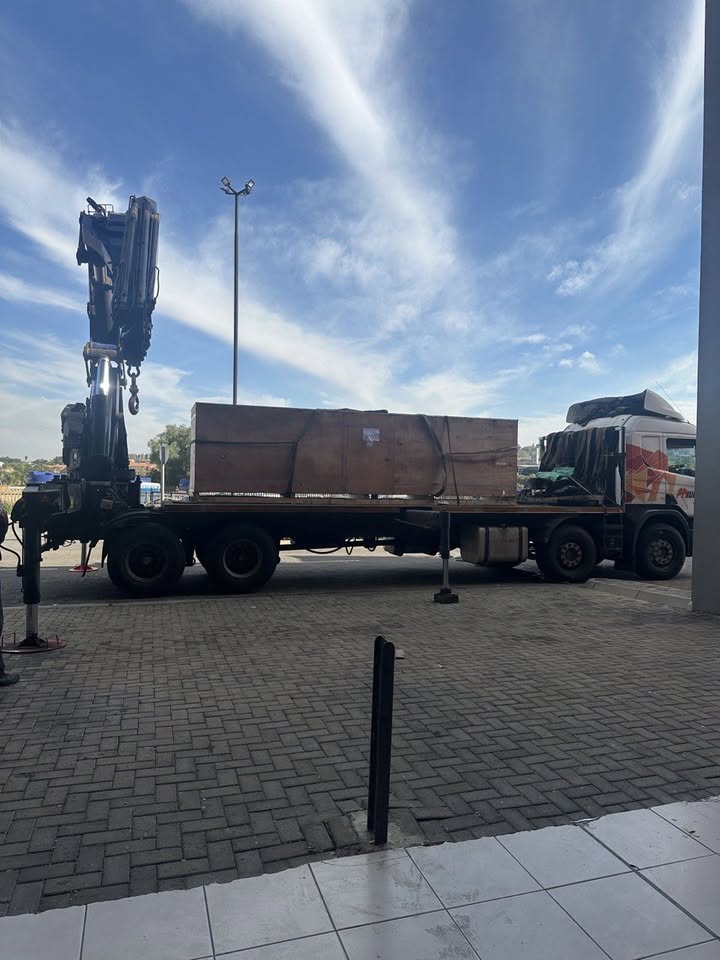
12 Heads Embroidery Machine
Toilet Paper Machine Machine
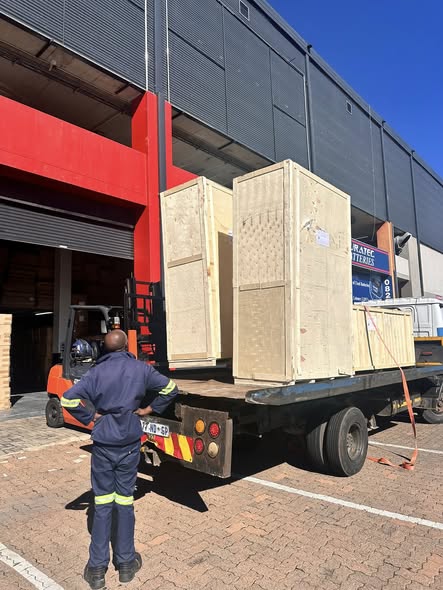
Order Collection
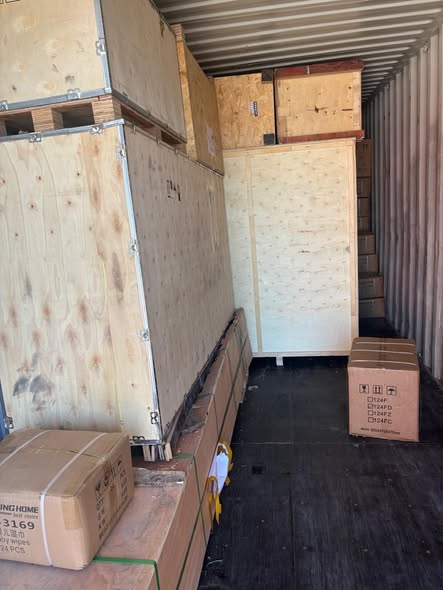
Cross Border Clients
Order cros border countries Collected
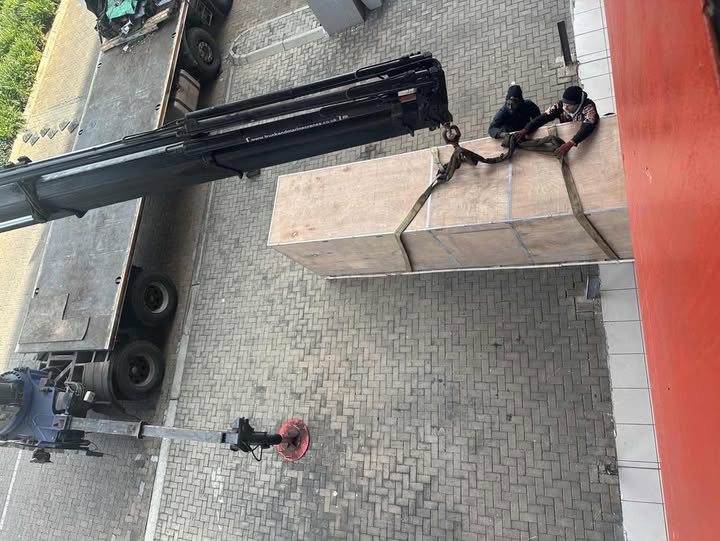
Industrial Machine Cllection
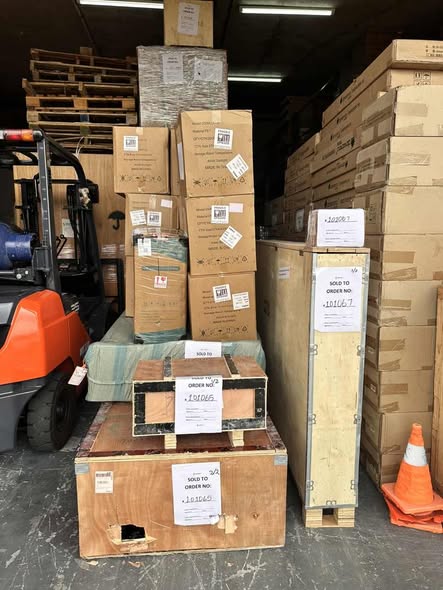
Agriculture Processing Machines
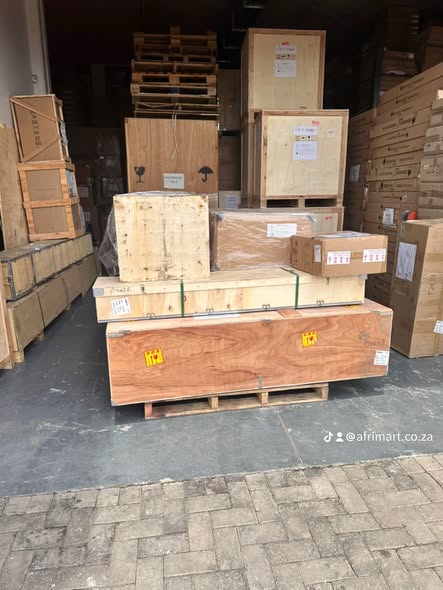
Ready for collection
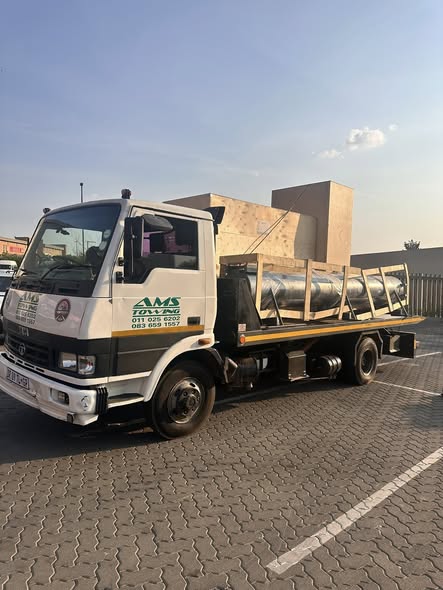
Water Pump Equipment
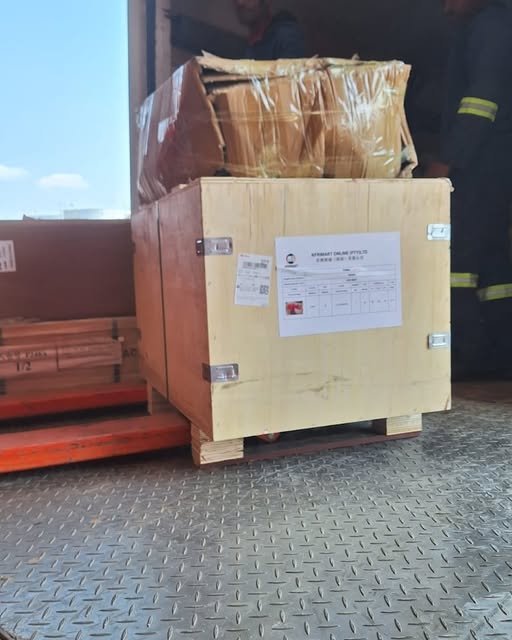
Packaging Machine and accessories
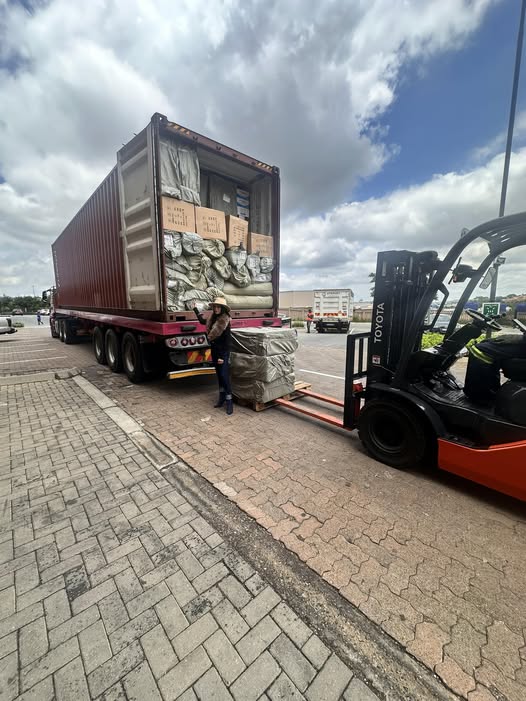
Fabrics Manufacturing Equipment
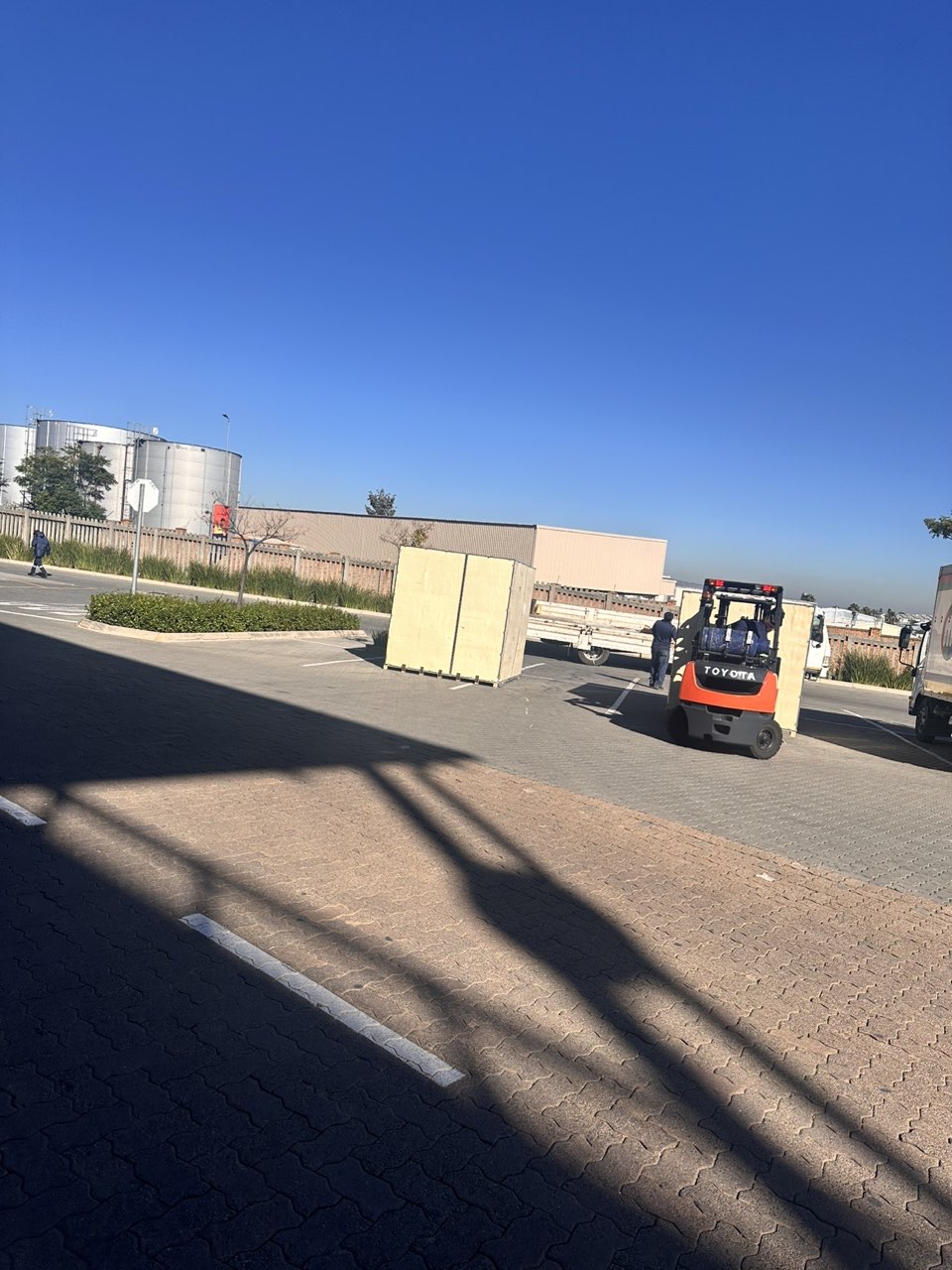
Mining Equipments
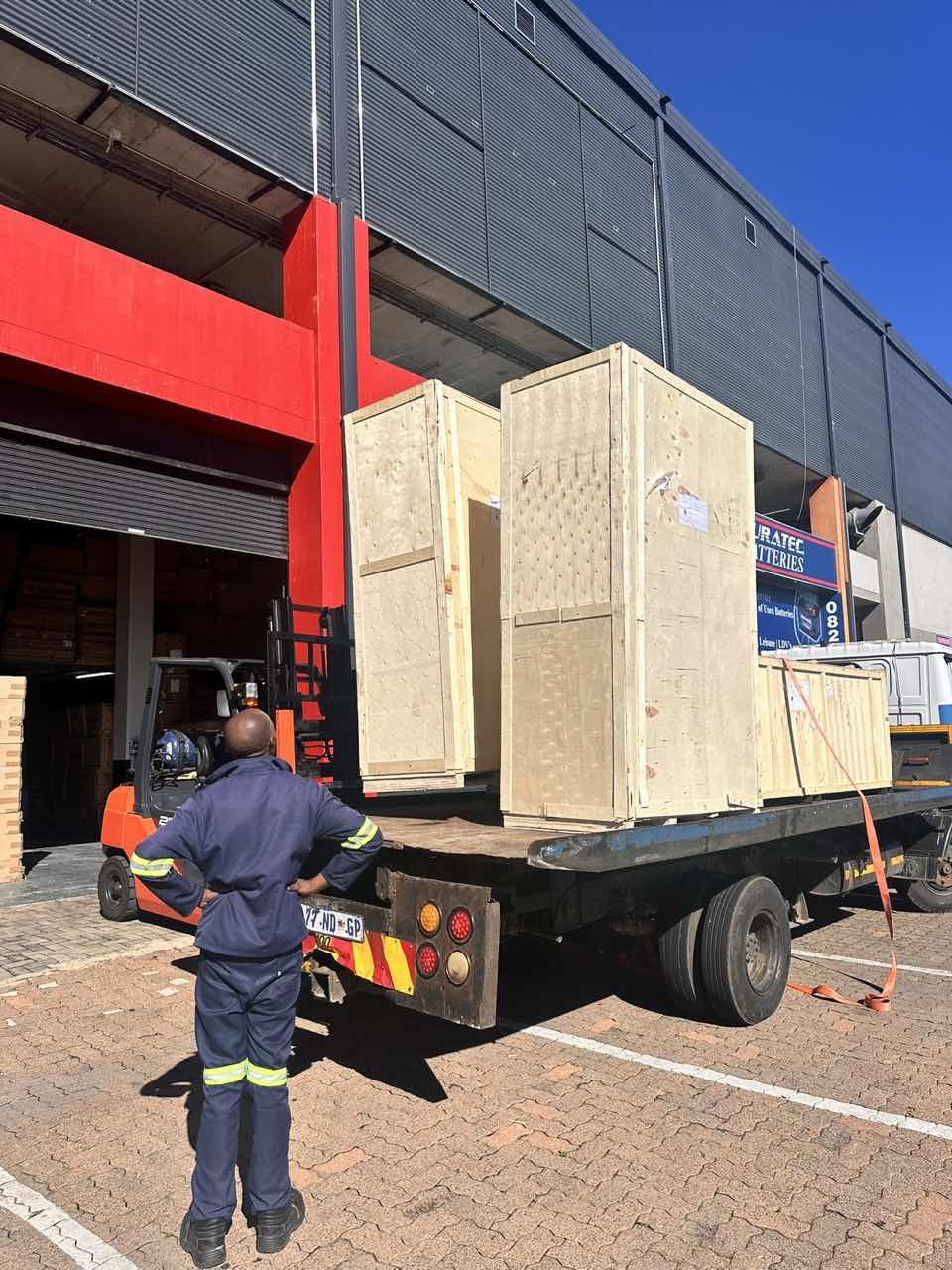
Food Processing Machine
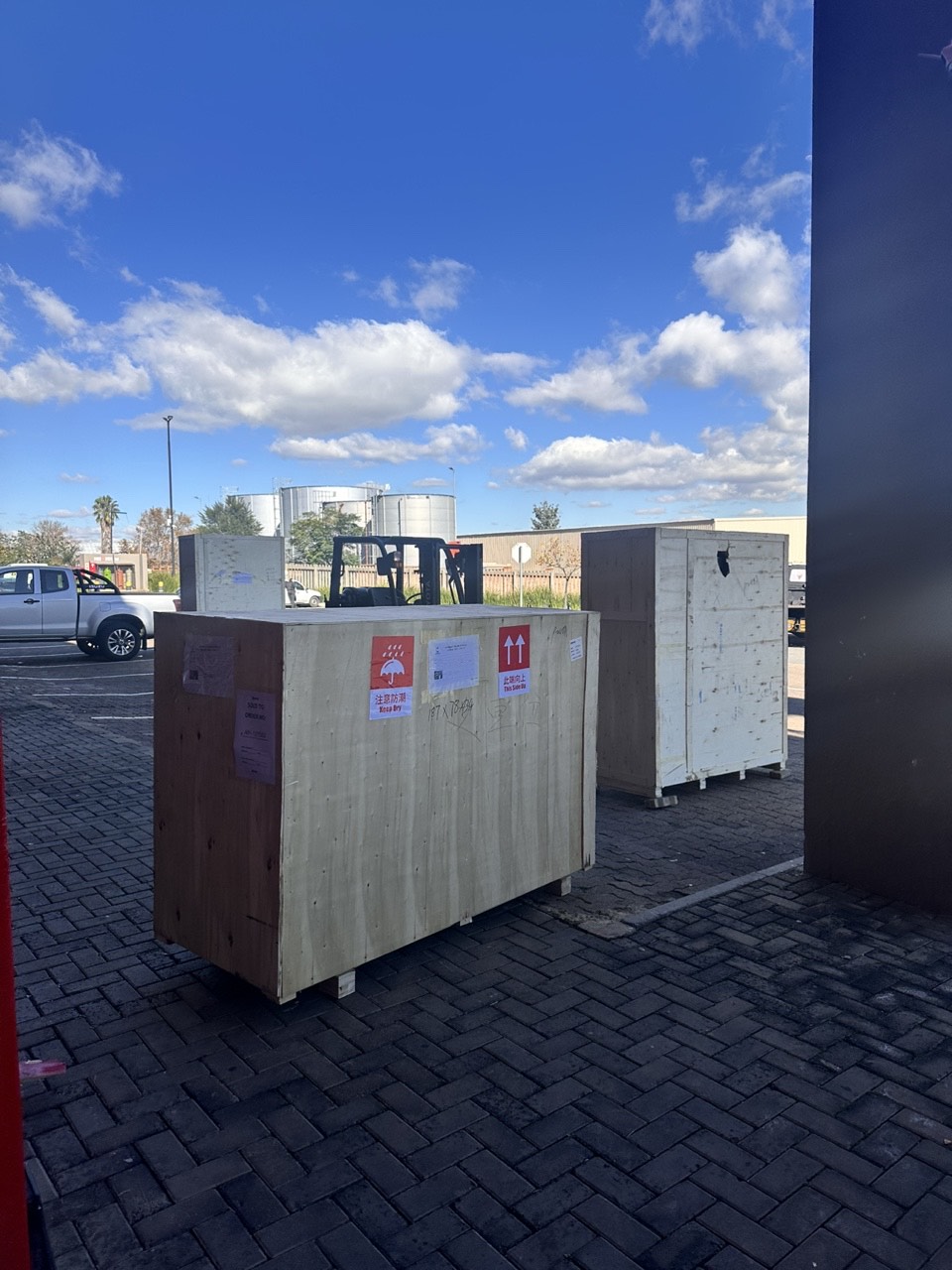
Batch of Orders
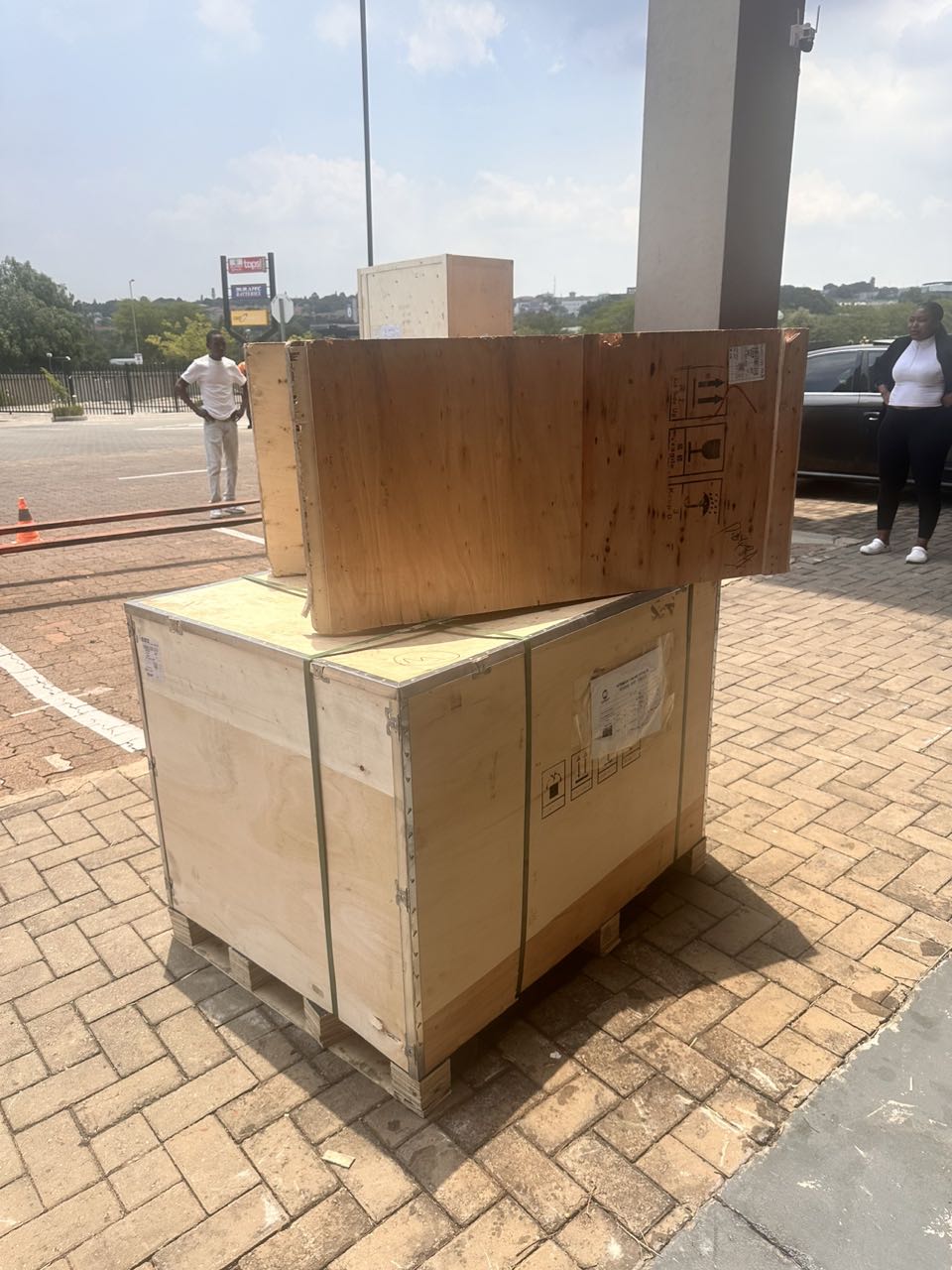
Batch of Orders
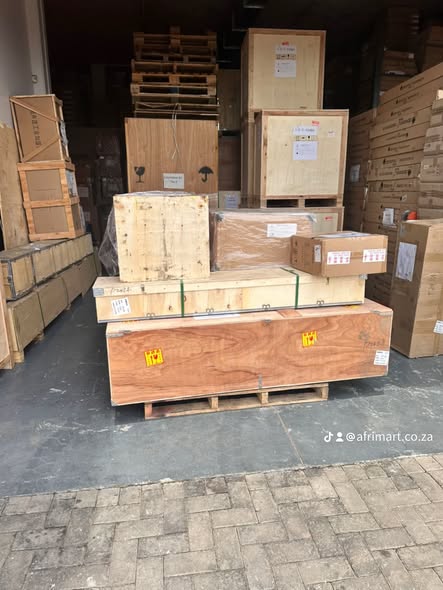
Latest Orders Labelled
wheel alignment machines
new arrivals
Pre Orders Offloading
Latest Arrivals
Latest Arrivals
Latest Arrivals
Loading
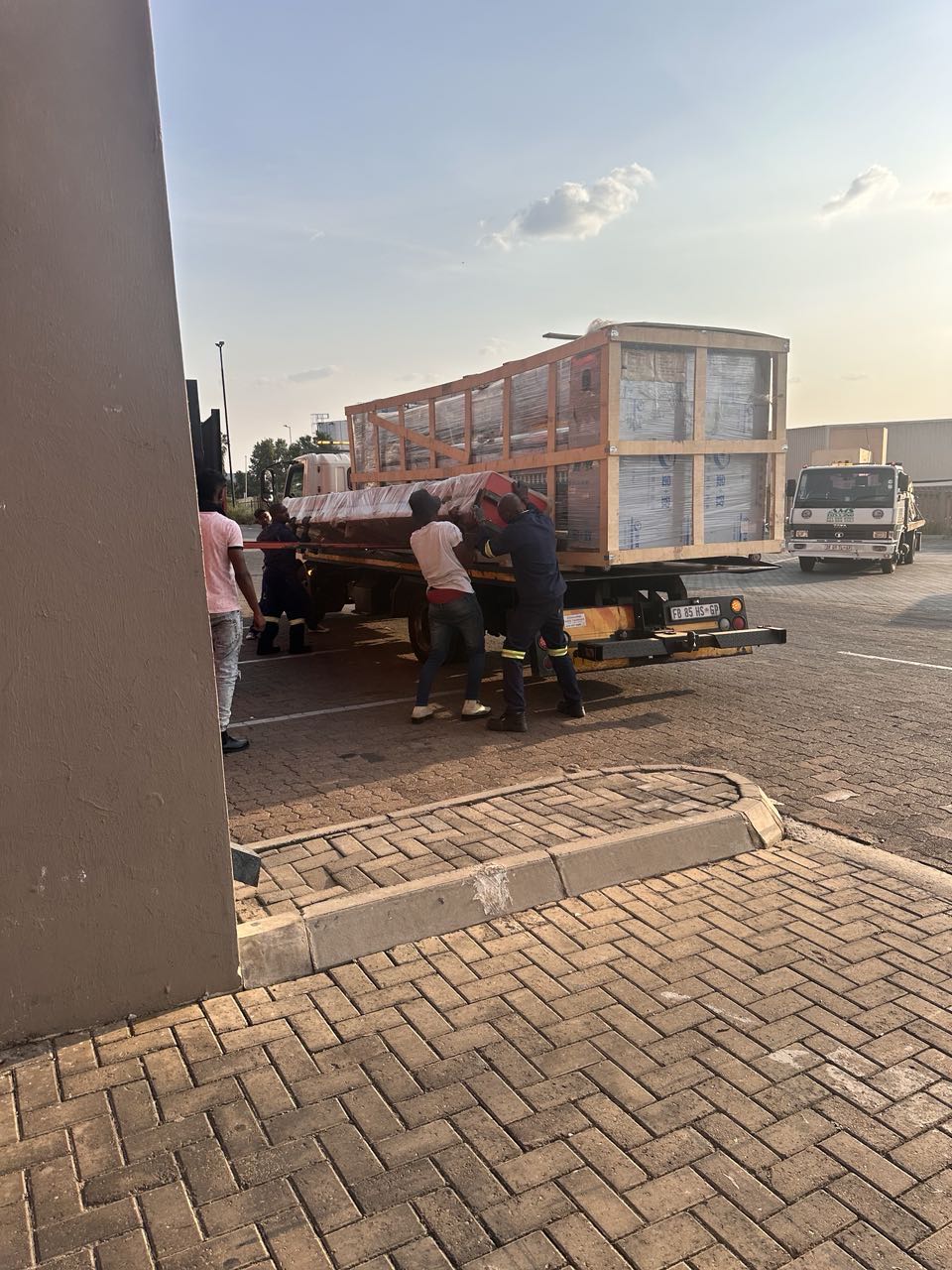
Toilet paper making machine
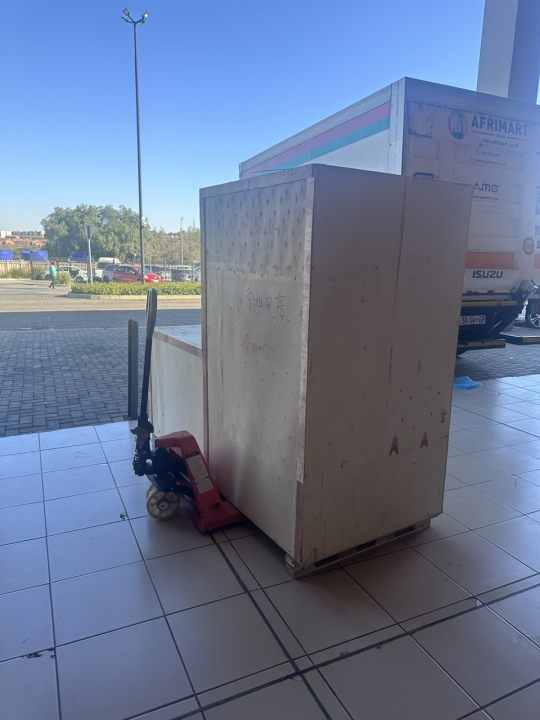
Toilet paper making machine
Toilet paper Rewinding Machine
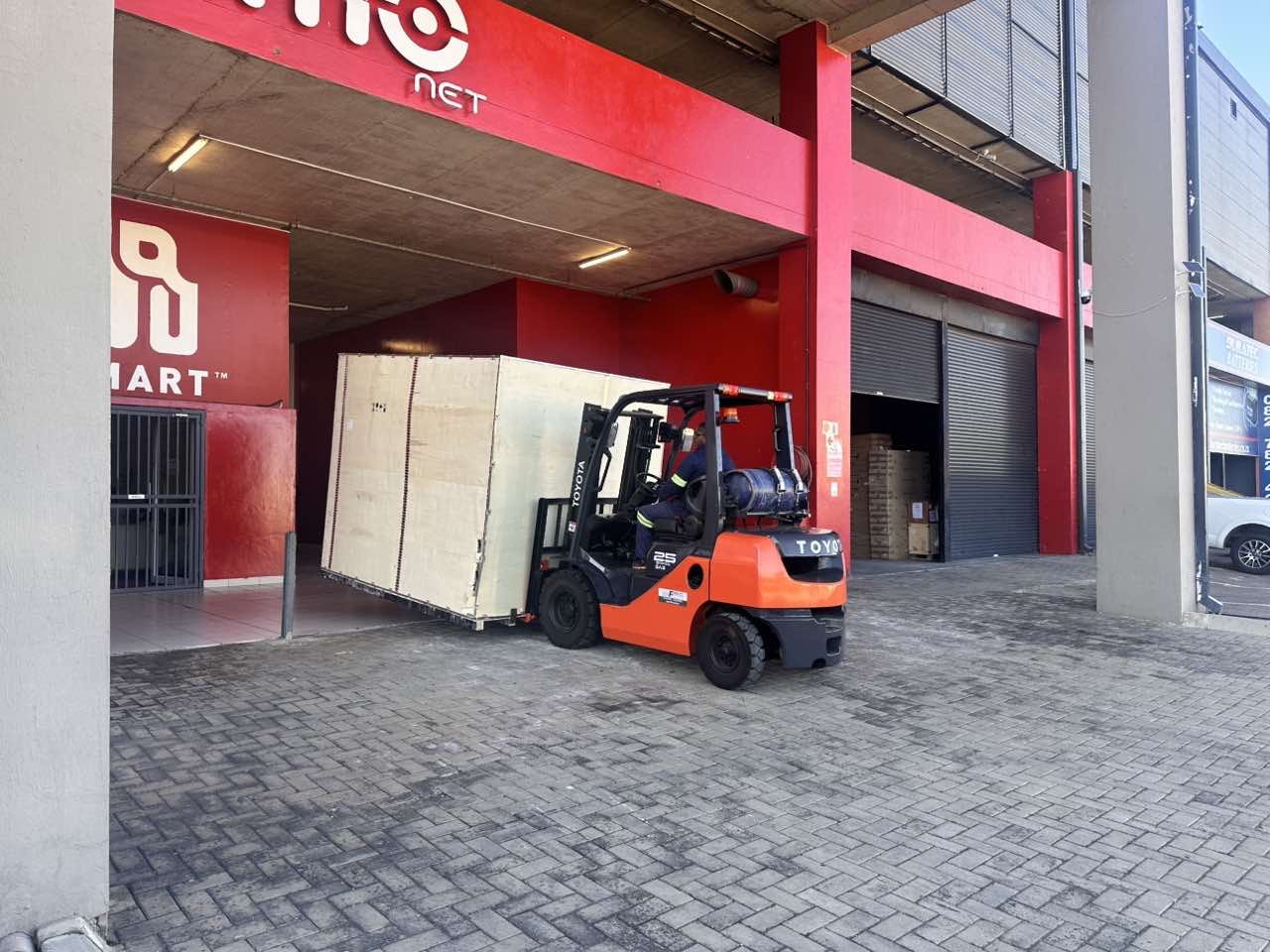
latest arrivals
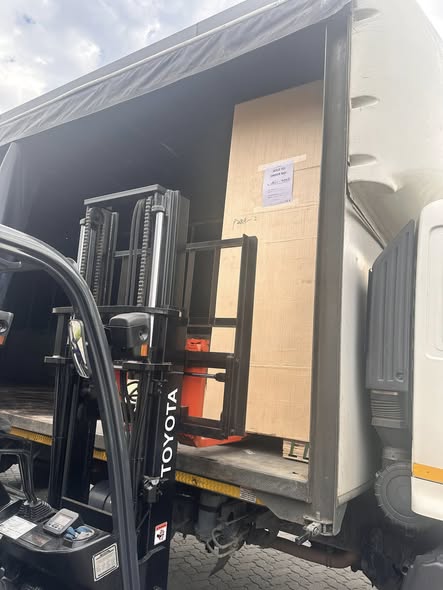
offloading
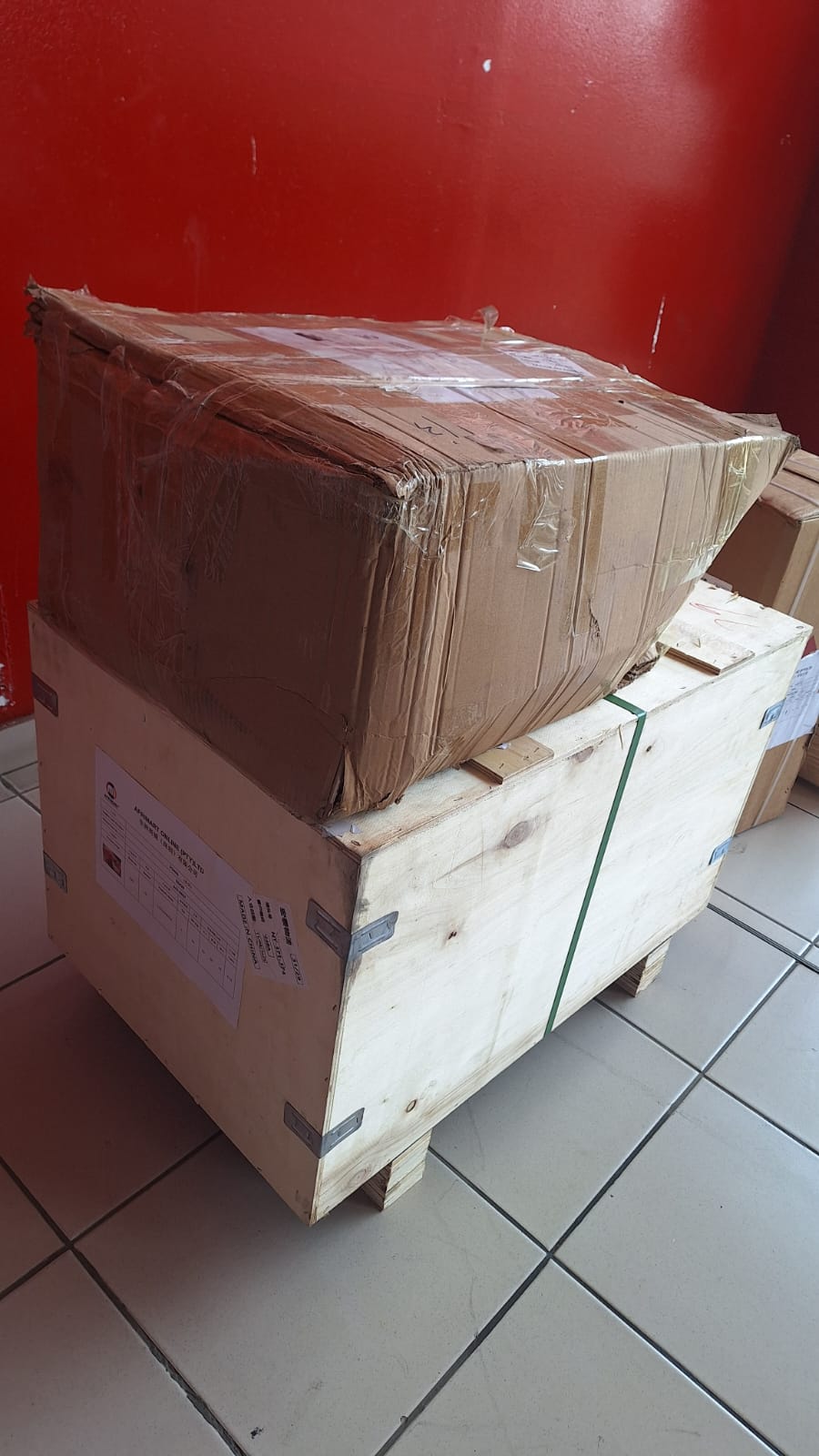
order success
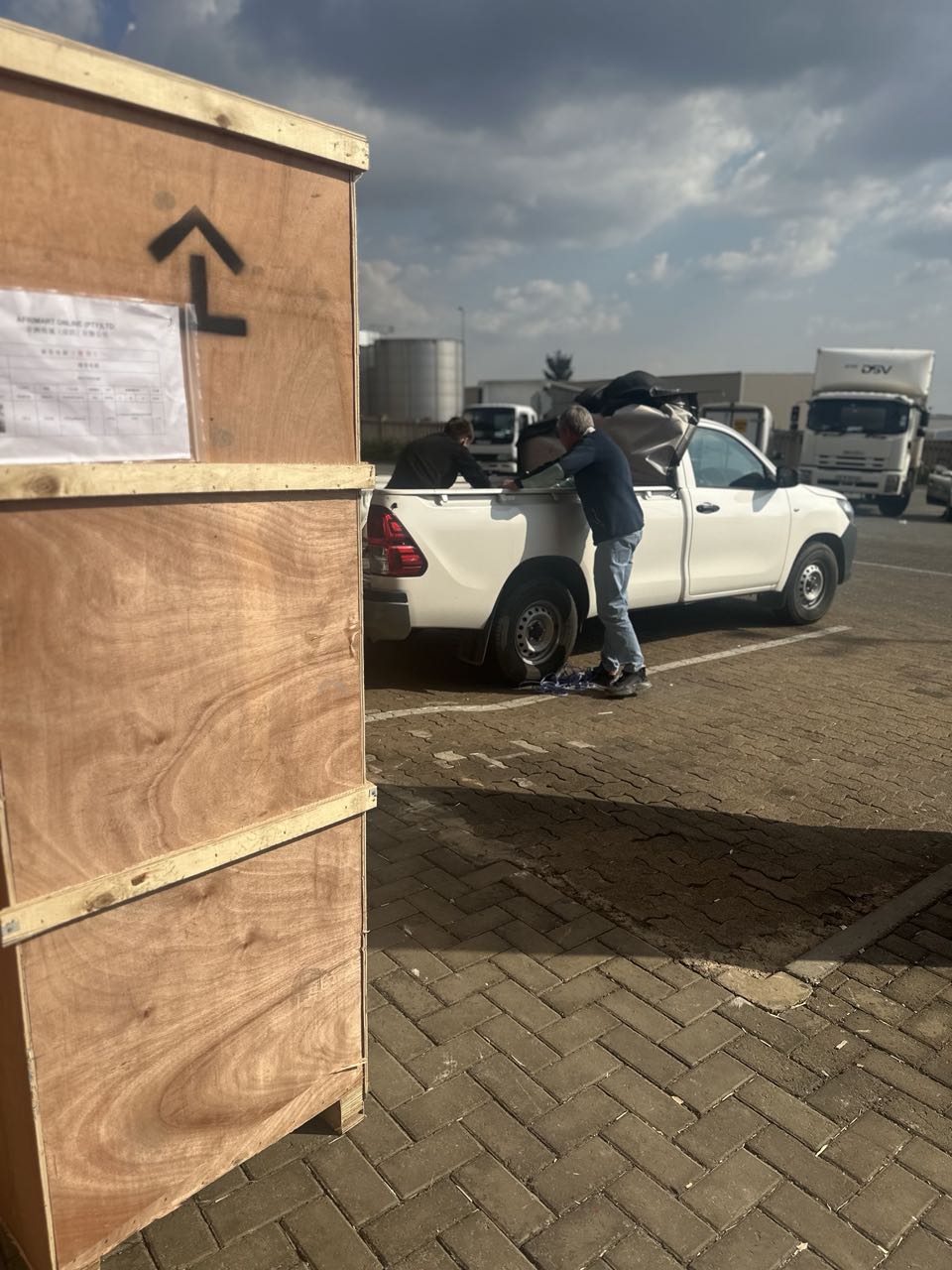
order collection
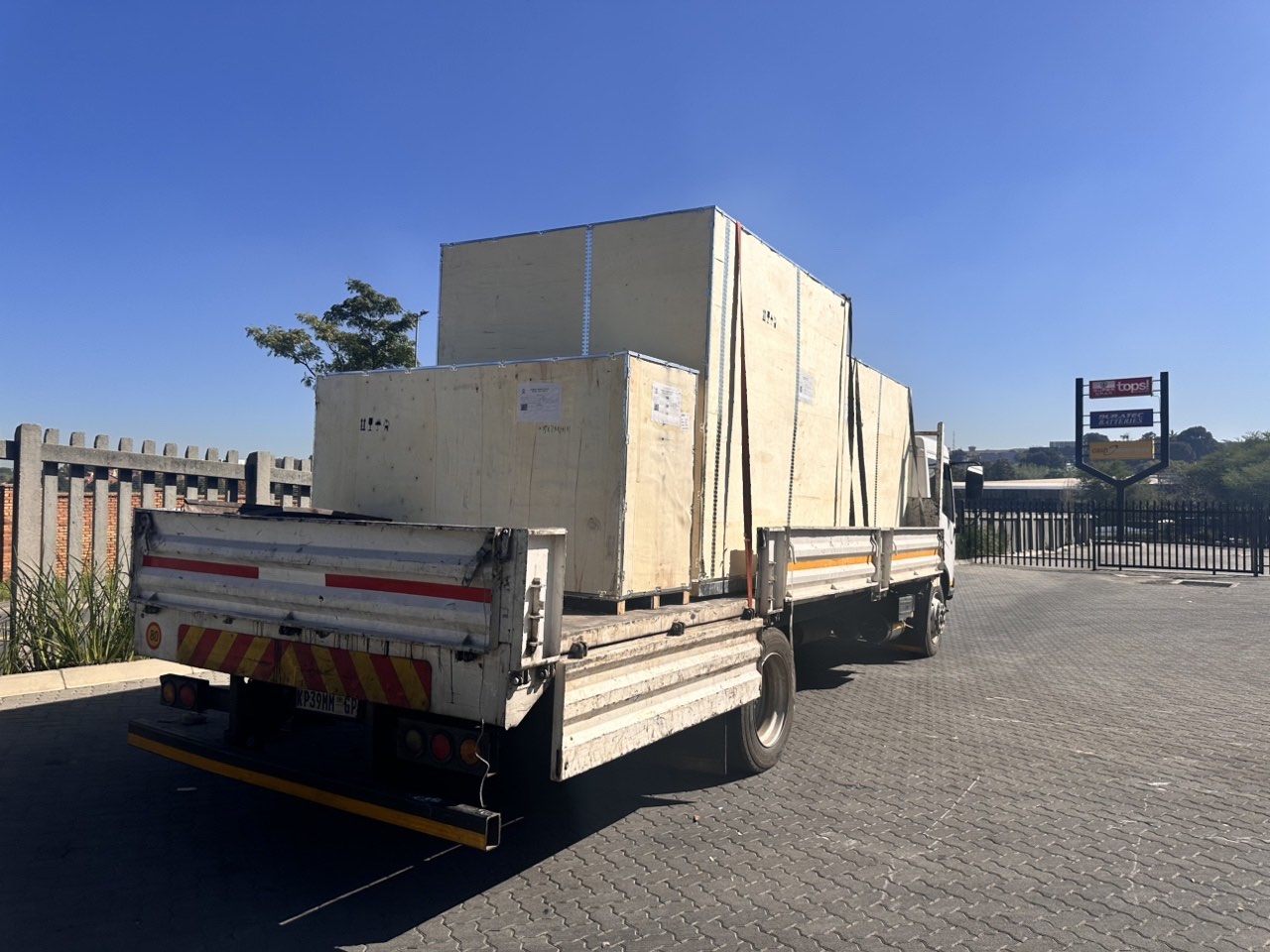
order offloading