B21, China Town Mall, Midrand

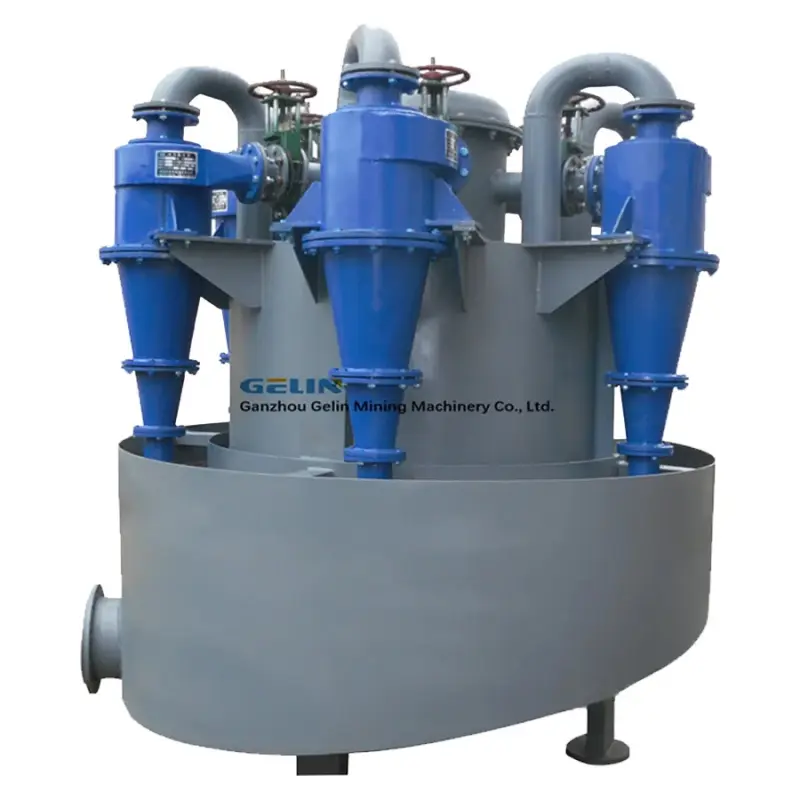
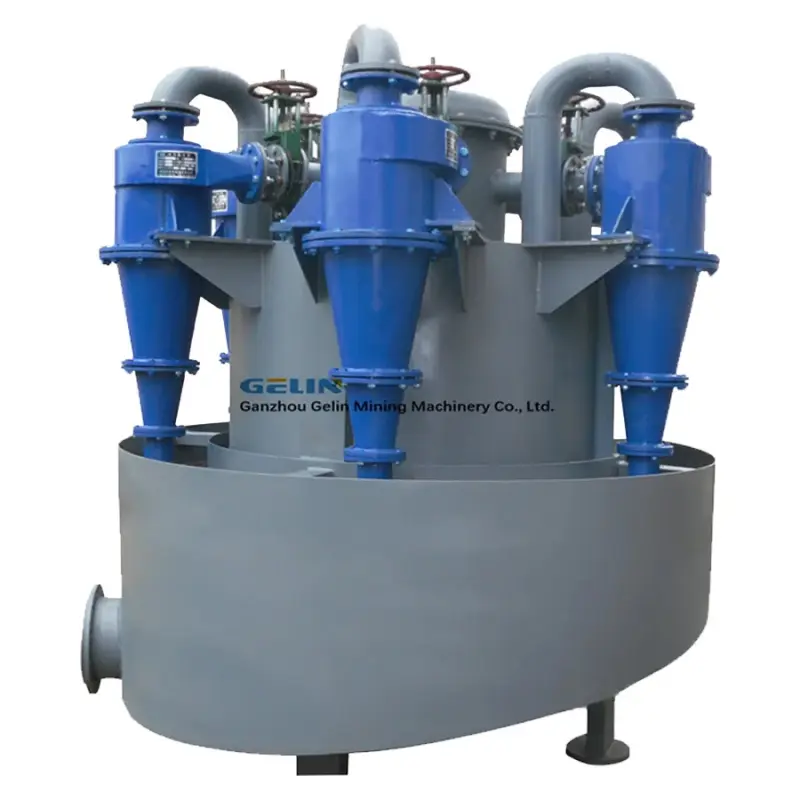
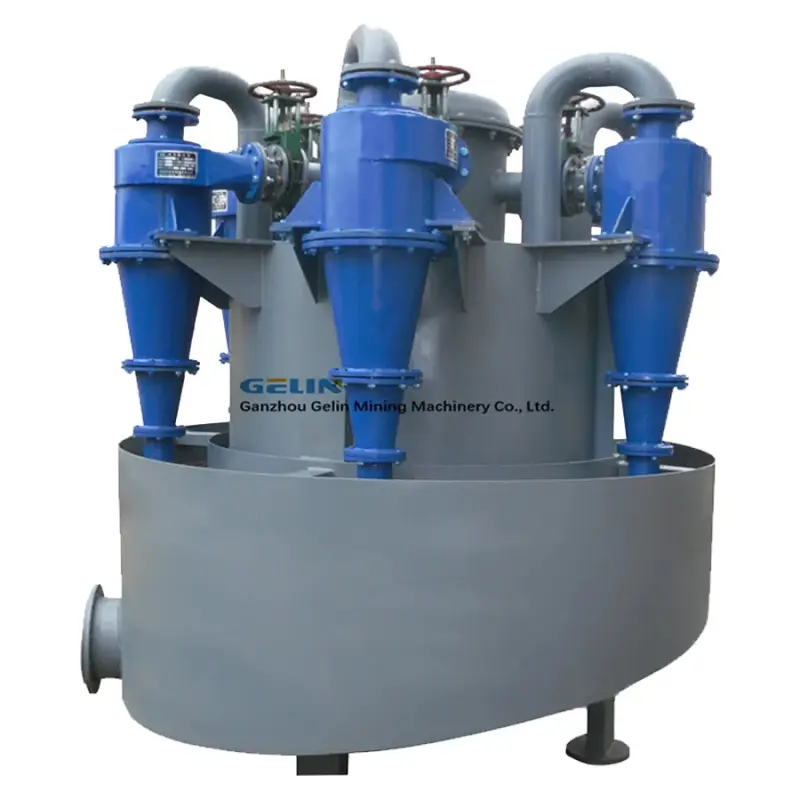
Hydrocyclone Filter Separator Cyclone Gold Washer Mineral Separator

- Section : Machinery
- Category : Construction Machinery
- SKU : 1600574583775

Hydrocyclone Filter Separator Cyclone Gold Washer Mineral Separator
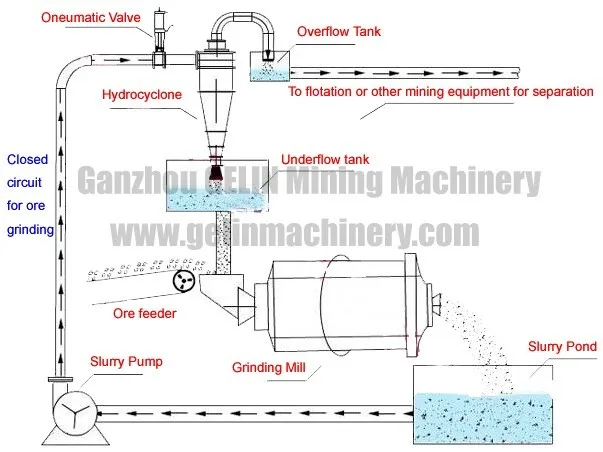
Hydrocyclones are specialized equipment used to separate and grade ore pulp using centrifugal force. These devices do not require an additional power unit but must be used in conjunction with a slurry pump. They are widely used in ore dressing industries for tasks such as grading, separating, concentrating, and desliming.
Working Principle:
The hydrocyclone consists of:
- A hollow cylinder at the top and an inverted cone at the bottom connected to form the main structure.
- Feed pipes, overflow pipes, and sinks allow the slurry to enter and exit.
- The slurry enters the device tangentially, creating a high-speed rotational motion, which generates centrifugal force.
- Coarse and heavy ore particles are thrown outward, separating from the lighter particles, which exit through the overflow pipe.
Key Applications:
- Ore Dressing: Separating valuable minerals from waste.
- Slurry Processing: Desliming and concentrating in various industries.
Technical Data:
| Model | Interior Dia. (mm) | Cone Angle (°) | Overall Pipe Dia. (mm) | Feeding Size (mm) | Feeding Pressure (MPa) | Capacity (m³/h) | Range (um) | Dimensions (LWH) (mm) | Weight (kg) |
|---|---|---|---|---|---|---|---|---|---|
| FX660 | 660 | 20 | 180-240 | 16 | 0.03-0.2 | 250-350 | 74-220 | 12508902650 | 995 |
| FX500 | 500 | 20 | 130-200 | 10 | 0.03-0.3 | 140-220 | 74-200 | 8507902050 | 540 |
| FX350 | 350 | 20 | 80-120 | 6 | 0.04-0.3 | 60-100 | 50-150 | 7756051765 | 230 |
| FX300 | 300 | 20 | 65-115 | 5 | 0.04-0.3 | 45-85 | 50-150 | 6655851310 | 108 |
| FX250 | 250 | 20 | 60-100 | 3 | 0.06-0.35 | 40-60 | 40-100 | 5404801180 | 72 |
| FX200 | 200 | 20 | 40-65 | 2 | 0.06-0.35 | 25-40 | 40-100 | 4353601050 | 60 |
| FX150 | 150 | 20 | 30-45 | 1.5 | 0.06-0.35 | 11-20 | 30-74 | 280295690 | 22 |
| FX125 | 125 | 17 | 25-40 | 1 | 0.06-0.35 | 8-15 | 20-100 | 210185620 | 12 |
| FX100 | 100 | 20 | 20-40 | 1 | 0.06-0.35 | 5-12 | 20-100 | 260210525 | 8 |
| FX75 | 75 | 15 | 15-22 | 0.6 | 0.1-0.4 | 2-5 | 20-74 | 240230465 | 7 |
| FX50 | 50 | 15 | 11-16 | 0.3 | 0.1-0.4 | 1-2 | 10-74 | 160155350 | 2 |
Applications:
- Ore Dressing: For grading and separating minerals.
- Water Treatment: Used for desliming and classification of particles.
- Gold Processing: To wash and separate gold ore.
Additional Features:
- Efficient centrifugal separation.
- Simple operation with a low maintenance requirement.
- Available in various sizes to meet specific processing needs.
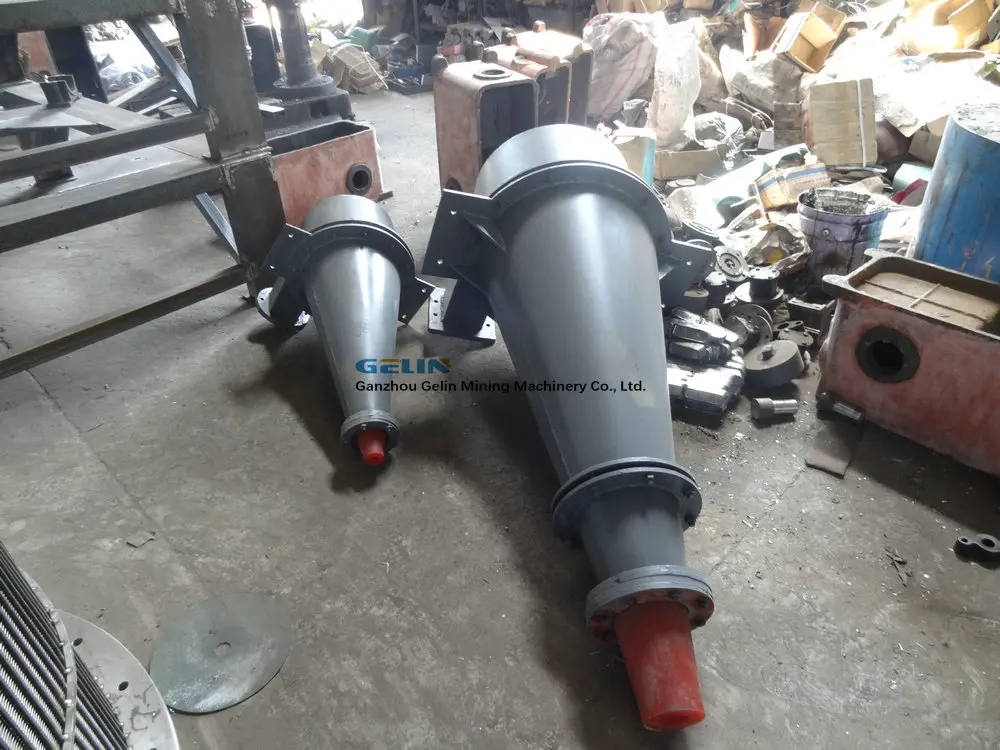
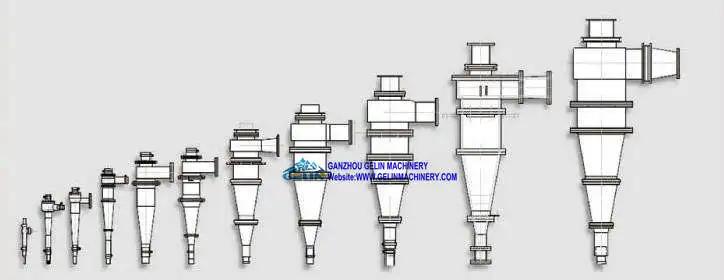
Technical Data
| Model | Interior Dia.(mm) | Cone Angle (°) | Overall Pipe Dia (mm) | Feeding Size (mm) | Feeding Pressure (Mpa) | Capacity (m3/h) | Range
(um) | Dimensions (L*W*H)(mm) | Weight (kg) | ||||||||||||||||
| FX660 | 660 | 20 | 180-240 | 16 | 0.03-0.2 | 250-350 | 74-220 | 1250*890*2650 | 995 | ||||||||||||||||
| FX500 | 500 | 20 | 130-200 | 10 | 0.03-0.3 | 140-220 | 74-200 | 850*790*2050 | 540 | ||||||||||||||||
| 15 | 74-150 | 850*790*2380 | 540 | ||||||||||||||||||||||
| FX350 | 350 | 20 | 80-120 | 6 | 0.04-0.3 | 60-100 | 50-150 | 775*605*1765 | 230 | ||||||||||||||||
| 15 | 50-120 | 775*605*2115 | 230 | ||||||||||||||||||||||
| FX300 | 300 | 20 | 65-115 | 5 | 0.04-0.3 | 45-85 | 50-150 | 665*585*1310 | 108 | ||||||||||||||||
| 15 | 40-100 | 665*585*1505 | 108 | ||||||||||||||||||||||
| FX250 | 250 | 20 | 60-100 | 3 | 0.06-0.35 | 40-60 | 40-100 | 540*480*1180 | 72 | ||||||||||||||||
| 15 | 40-100 | 540*480*1220 | 72 | ||||||||||||||||||||||
| 10 | 30-100 | 540*480*1380 | 72 | ||||||||||||||||||||||
| FX200 | 200 | 20 | 40-65 | 2 | 0.06-0.35 | 25-40 | 40-100 | 435*360*1050 | 60 | ||||||||||||||||
| 15 | 30-100 | 435*360*1115 | 60 | ||||||||||||||||||||||
| 10 | 30-100 | 435*360*1205 | 60 | ||||||||||||||||||||||
| FX150 | 150 | 20 | 30-45 | 1.5 | 0.06-0.35 | 11-20 | 30-74 | 280*295*690 | 22 | ||||||||||||||||
| 15 | 30-74 | 280*295*900 | 22 | ||||||||||||||||||||||
| 8 | 30-74 | 280*295*1270 | 22 | ||||||||||||||||||||||
| FX125 | 125 | 17 | 25-40 | 1 | 0.06-0.35 | 8-15 | 20-100 | 210*185*620 | 12 | ||||||||||||||||
| 8 | 20-74 | 250*240*985 | 12 | ||||||||||||||||||||||
| FX100 | 100 | 20 | 20-40 | 1 | 0.06-0.35 | 5-12 | 20-100 | 260*210*525 | 8 | ||||||||||||||||
| 15 | 20-100 | 268*215*720 | 8 | ||||||||||||||||||||||
| 8 | 20-100 | 268*215*100 | 8 | ||||||||||||||||||||||
| FX75 | 75 | 15 | 15-22 | 0.6 | 0.1-0.4 | 2-5 | 20-74 | 240*230*465 | 7 | ||||||||||||||||
| 6 | 5-40 | 240*230*800 | 7 | ||||||||||||||||||||||
| FX50 | 50 | 15 | 11-16 | 0.3 | 0.1-0.4 | 1-2 | 10-74 | 160*155*350 | 2 | ||||||||||||||||
| 6 | 5-30 | 160*155*590 | 2 |
Technical Data
| Model | Interior Dia.(mm) | Cone Angle (°) | Overall Pipe Dia (mm) | Feeding Size (mm) | Feeding Pressure (Mpa) | Capacity (m3/h) | Range (um) | Dimensions (L*W*H)(mm) | Weight (kg) | ||||||||||||||||
| FX660 | 660 | 20 | 180-240 | 16 | 0.03-0.2 | 250-350 | 74-220 | 1250*890*2650 | 995 | ||||||||||||||||
| FX500 | 500 | 20 | 130-200 | 10 | 0.03-0.3 | 140-220 | 74-200 | 850*790*2050 | 540 | ||||||||||||||||
| 15 | 74-150 | 850*790*2380 | 540 | ||||||||||||||||||||||
| FX350 | 350 | 20 | 80-120 | 6 | 0.04-0.3 | 60-100 | 50-150 | 775*605*1765 | 230 | ||||||||||||||||
| 15 | 50-120 | 775*605*2115 | 230 | ||||||||||||||||||||||
| FX300 | 300 | 20 | 65-115 | 5 | 0.04-0.3 | 45-85 | 50-150 | 665*585*1310 | 108 | ||||||||||||||||
| 15 | 40-100 | 665*585*1505 | 108 | ||||||||||||||||||||||
| FX250 | 250 | 20 | 60-100 | 3 | 0.06-0.35 | 40-60 | 40-100 | 540*480*1180 | 72 | ||||||||||||||||
| 15 | 40-100 | 540*480*1220 | 72 | ||||||||||||||||||||||
| 10 | 30-100 | 540*480*1380 | 72 | ||||||||||||||||||||||
| FX200 | 200 | 20 | 40-65 | 2 | 0.06-0.35 | 25-40 | 40-100 | 435*360*1050 | 60 | ||||||||||||||||
| 15 | 30-100 | 435*360*1115 | 60 | ||||||||||||||||||||||
| 10 | 30-100 | 435*360*1205 | 60 | ||||||||||||||||||||||
| FX150 | 150 | 20 | 30-45 | 1.5 | 0.06-0.35 | 11-20 | 30-74 | 280*295*690 | 22 | ||||||||||||||||
| 15 | 30-74 | 280*295*900 | 22 | ||||||||||||||||||||||
| 8 | 30-74 | 280*295*1270 | 22 | ||||||||||||||||||||||
| FX125 | 125 | 17 | 25-40 | 1 | 0.06-0.35 | 8-15 | 20-100 | 210*185*620 | 12 | ||||||||||||||||
| 8 | 20-74 | 250*240*985 | 12 | ||||||||||||||||||||||
| FX100 | 100 | 20 | 20-40 | 1 | 0.06-0.35 | 5-12 | 20-100 | 260*210*525 | 8 | ||||||||||||||||
| 15 | 20-100 | 268*215*720 | 8 | ||||||||||||||||||||||
| 8 | 20-100 | 268*215*100 | 8 | ||||||||||||||||||||||
| FX75 | 75 | 15 | 15-22 | 0.6 | 0.1-0.4 | 2-5 | 20-74 | 240*230*465 | 7 | ||||||||||||||||
| 6 | 5-40 | 240*230*800 | 7 | ||||||||||||||||||||||
| FX50 | 50 | 15 | 11-16 | 0.3 | 0.1-0.4 | 1-2 | 10-74 | 160*155*350 | 2 | ||||||||||||||||
| 6 | 5-30 | 160*155*590 | 2 |
- Shipping Timeframes: All orders are processed within 2-5 business days (excluding weekends and holidays). After your order has been processed, the estimated delivery time is before 03 Mar, 2026, depending on customs, Please note that due to high demand, some items may experience longer shipping times, which will be communicated at order confirmation email.
- Order Processing Time: Please allow 2-5 business days for us to process your order before it is shipped . Orders placed after 16:00 on Fridays, or during weekends and public holidays, will begin processing on the next business day. Processing times may be extended during peak seasons or sales events.
- Manufacturing Time: Some products needs manufacturing time, the manufacturing process will take approximately 10-30 business days depending on the product. This timeframe may vary depending on the complexity of the product and current demand. but this will be communicated with you during order confirmation.
- Returns and Exchanges: We offer a 30-day return policy for most items. If you are not completely satisfied with your purchase, you may return it within 30 days of receipt for a refund or exchange. Items must be unused, in their original packaging, and accompanied by proof of purchase. Return shipping costs are the responsibility of the customer, unless the item was damaged or defective upon arrival.
1. What is a hydrocyclone filter separator?
A hydrocyclone filter separator is a device used to separate and grade ore pulp using centrifugal force, effectively separating heavy particles from lighter ones without requiring an additional power unit.
2. How does a hydrocyclone work?
The hydrocyclone operates by allowing slurry to enter tangentially, creating a high-speed rotational motion that generates centrifugal force, which separates coarse particles from lighter ones.
3. What industries use hydrocyclone filter separators?
Hydrocyclones are primarily used in ore dressing, slurry processing, water treatment, and gold processing industries for tasks such as grading, separating, and concentrating materials.
4. What is the capacity range of the hydrocyclone models?
The capacity of the hydrocyclone models ranges from 20 m³/h to 350 m³/h, depending on the specific model chosen.
5. Do I need an additional power unit to operate a hydrocyclone?
No, hydrocyclones do not require an additional power unit; they operate in conjunction with a slurry pump.
6. What are the key applications of a hydrocyclone?
Key applications include ore dressing, desliming, concentrating minerals, and washing gold ore.
7. What are the different models available?
Available models include FX660, FX500, FX350, FX300, FX250, FX200, FX150, FX125, FX100, FX75, and FX50, each with varying specifications to suit different processing needs.
8. What is the maximum feeding pressure for the hydrocyclone?
The maximum feeding pressure varies by model, with values typically ranging between 0.03 MPa to 1.5 MPa.
9. What is the recommended feeding size for the hydrocyclone?
The recommended feeding size varies by model, generally falling between 20 mm to 240 mm.
10. How do I choose the right model for my application?
Choosing the right model depends on factors like the size and type of materials to be processed, desired capacity, and specific application needs. Consult with a specialist if needed.
11. What maintenance is required for a hydrocyclone?
Hydrocyclones require minimal maintenance, but regular checks for wear, blockages, and ensuring proper operation conditions are recommended.
12. What is the weight of the hydrocyclone models?
The weight of the hydrocyclone models varies, with weights typically ranging from about 22 kg to 995 kg depending on the model.
13. Can a hydrocyclone be used for water treatment applications?
Yes, hydrocyclones can be effectively used for water treatment applications, especially for desliming and classification of particles.
14. What materials can be processed using a hydrocyclone?
Hydrocyclones can process a variety of materials, including various ores, minerals, and slurries, effectively separating valuable components from waste.
15. How does the cone angle affect the performance of a hydrocyclone?
The cone angle affects the flow dynamics within the hydrocyclone, influencing separation efficiency and the size of particles that can be separated.
Latest Order Arrivals
Discover our latest orders
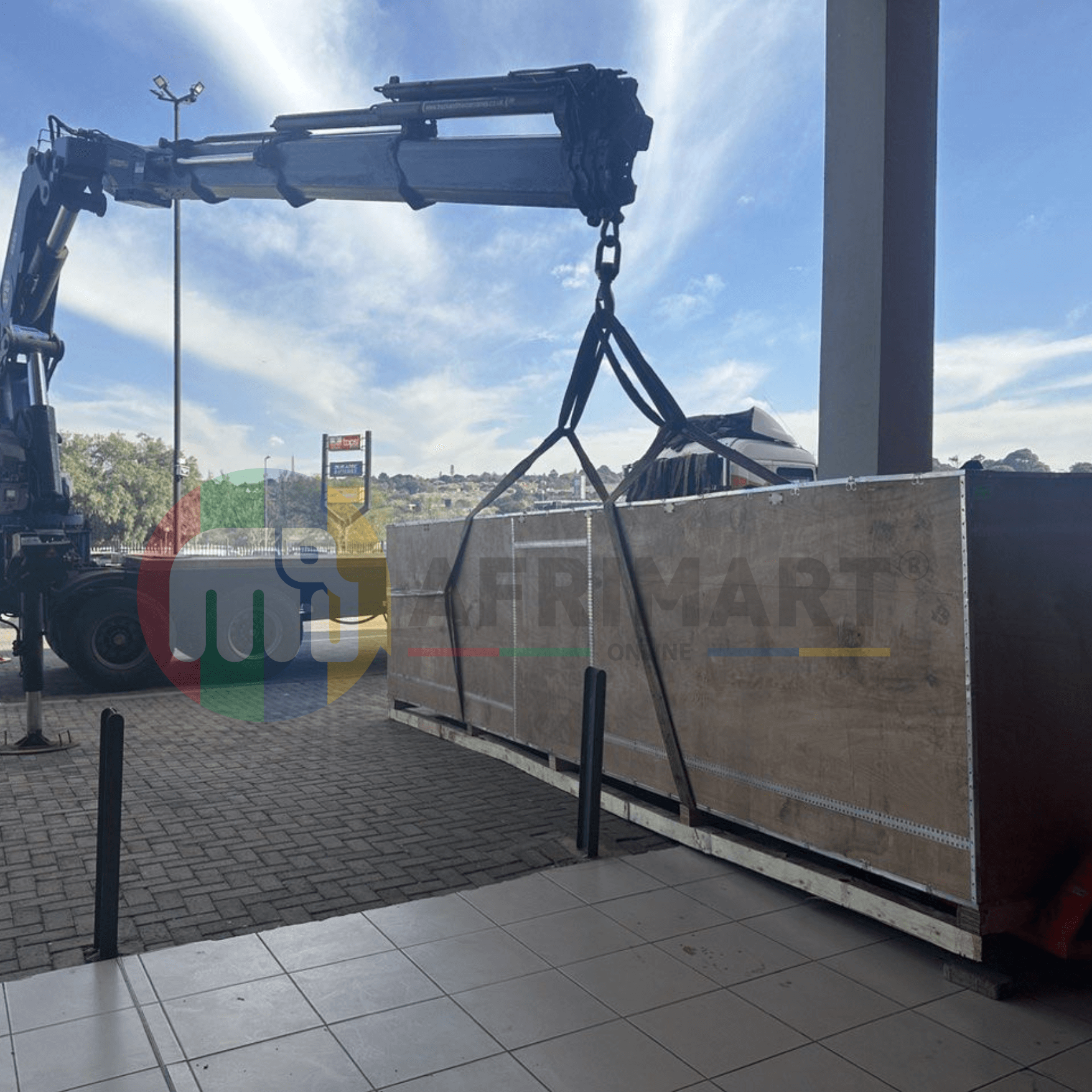
12 Heads Embroidery Machine
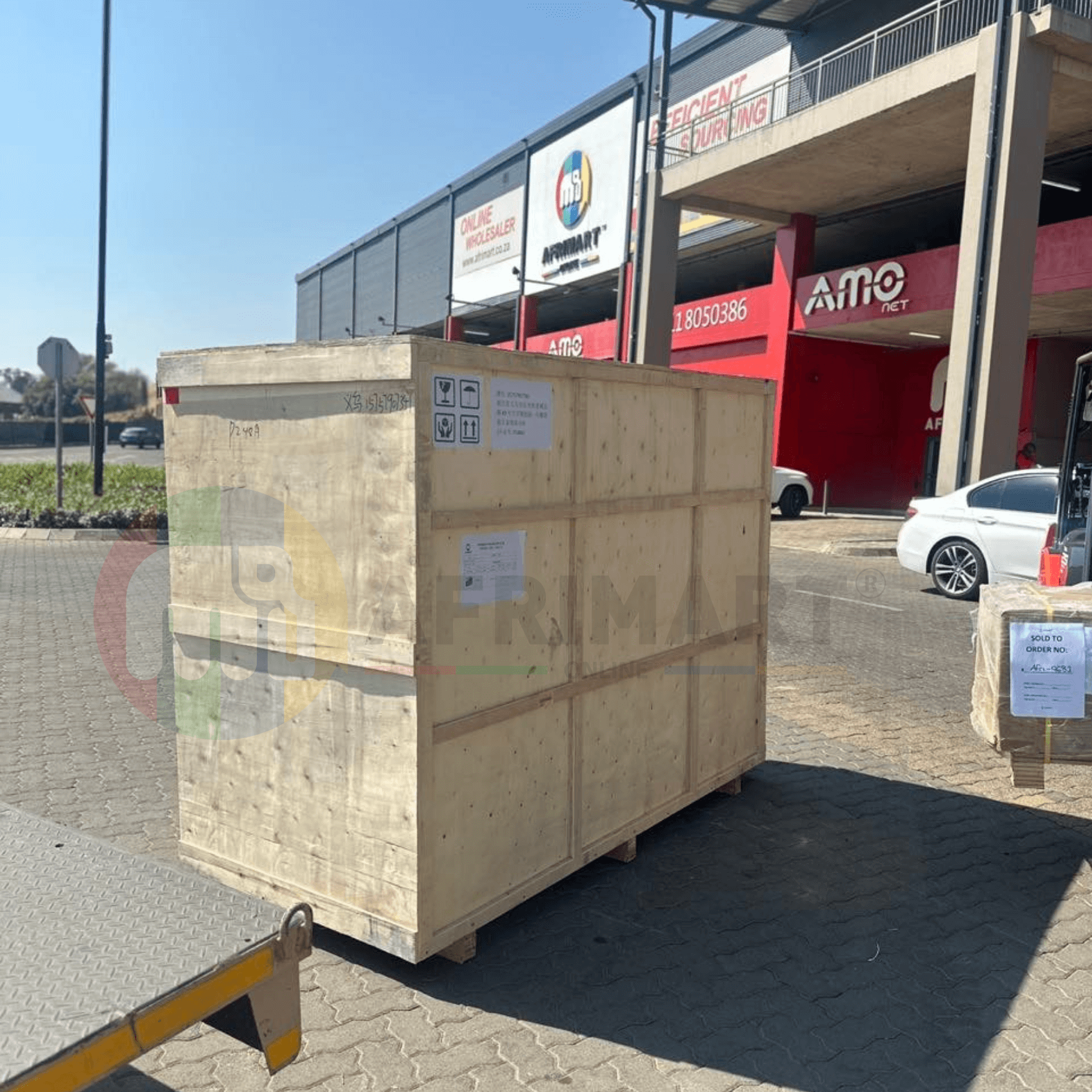
Dewatering Pump Machine
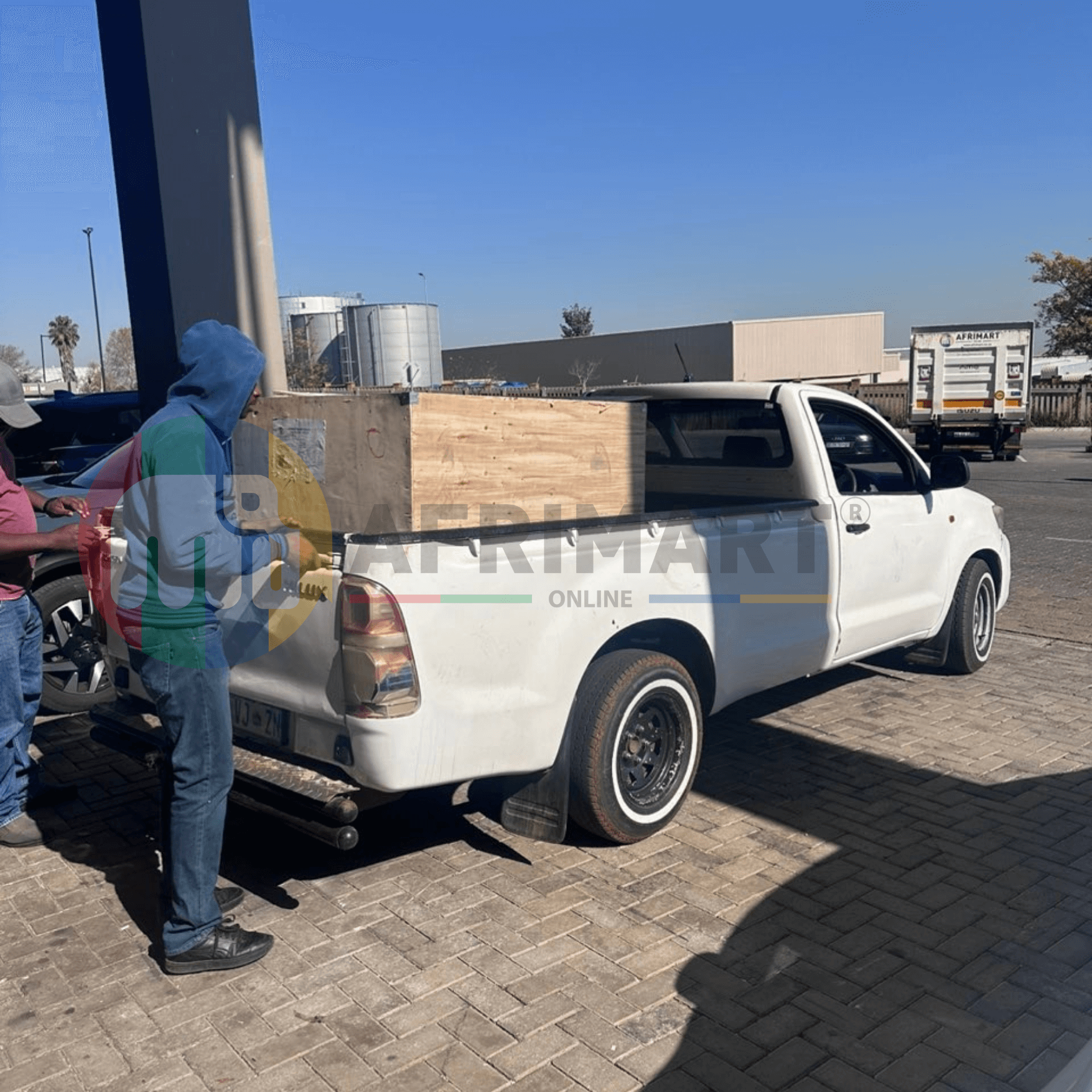
Order Collection
Portable Water Drilling Rig
Order Usefully Collected
Batch of Orders
Agriculture Processing Machines
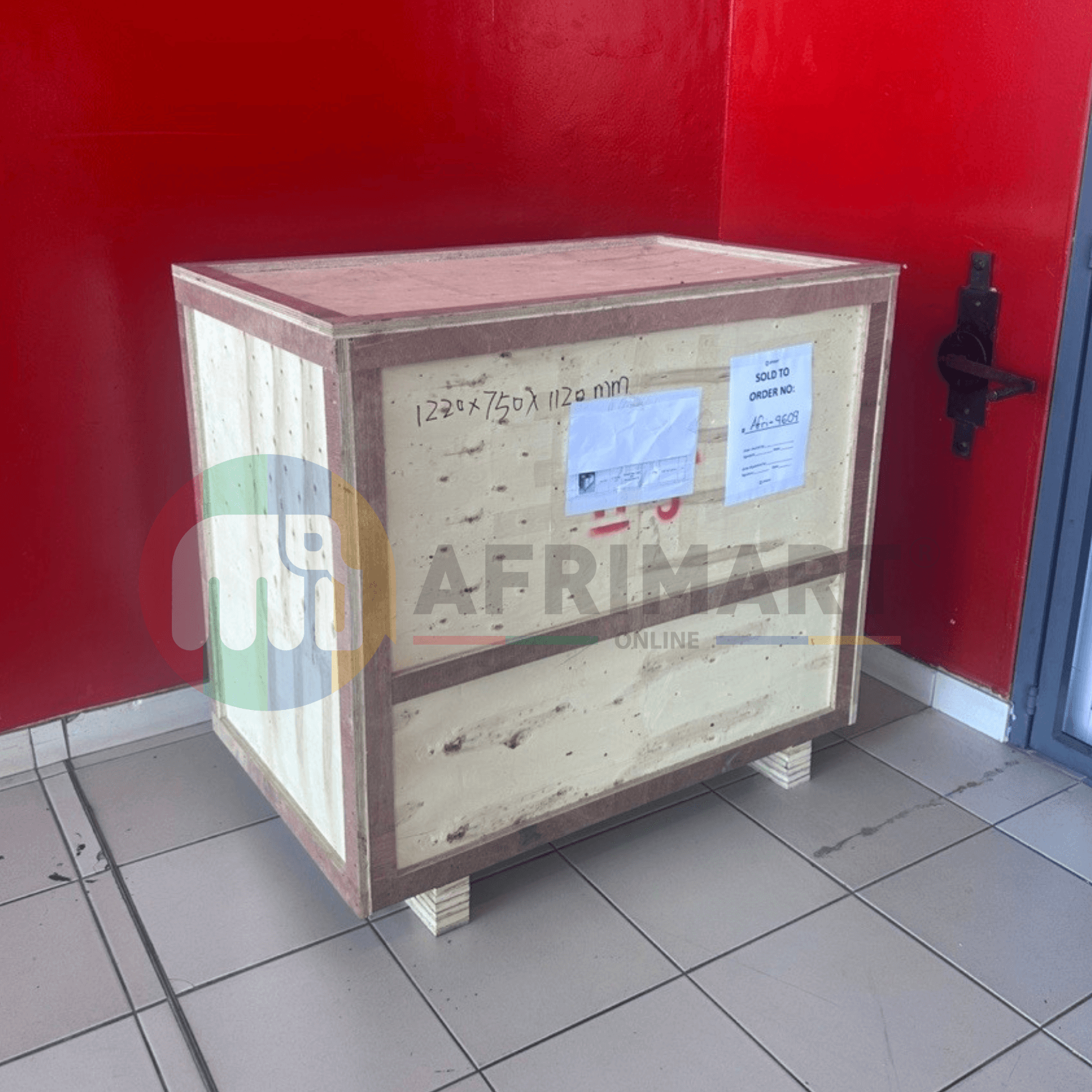
Meat Grinder Machine
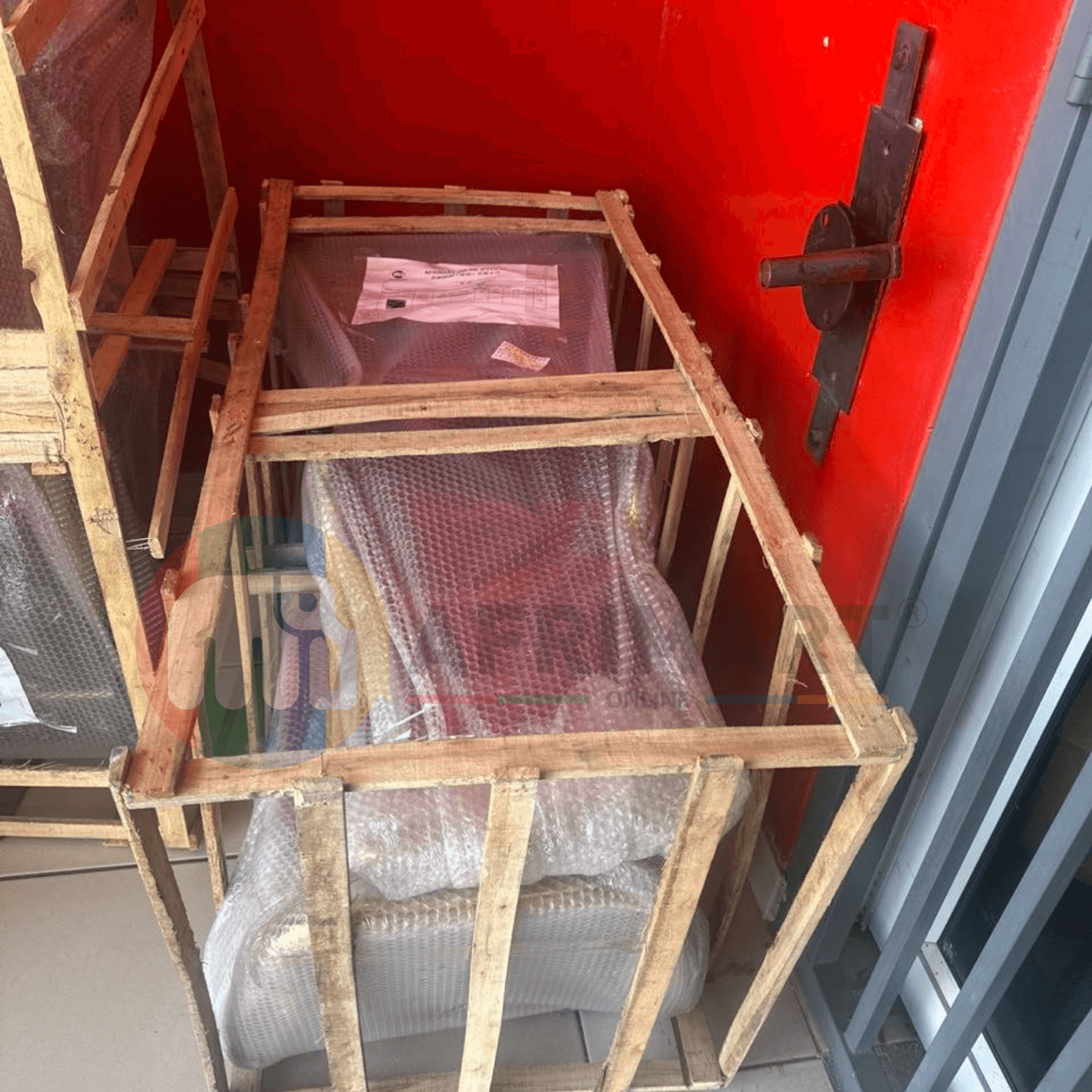
Water Pump Equipment
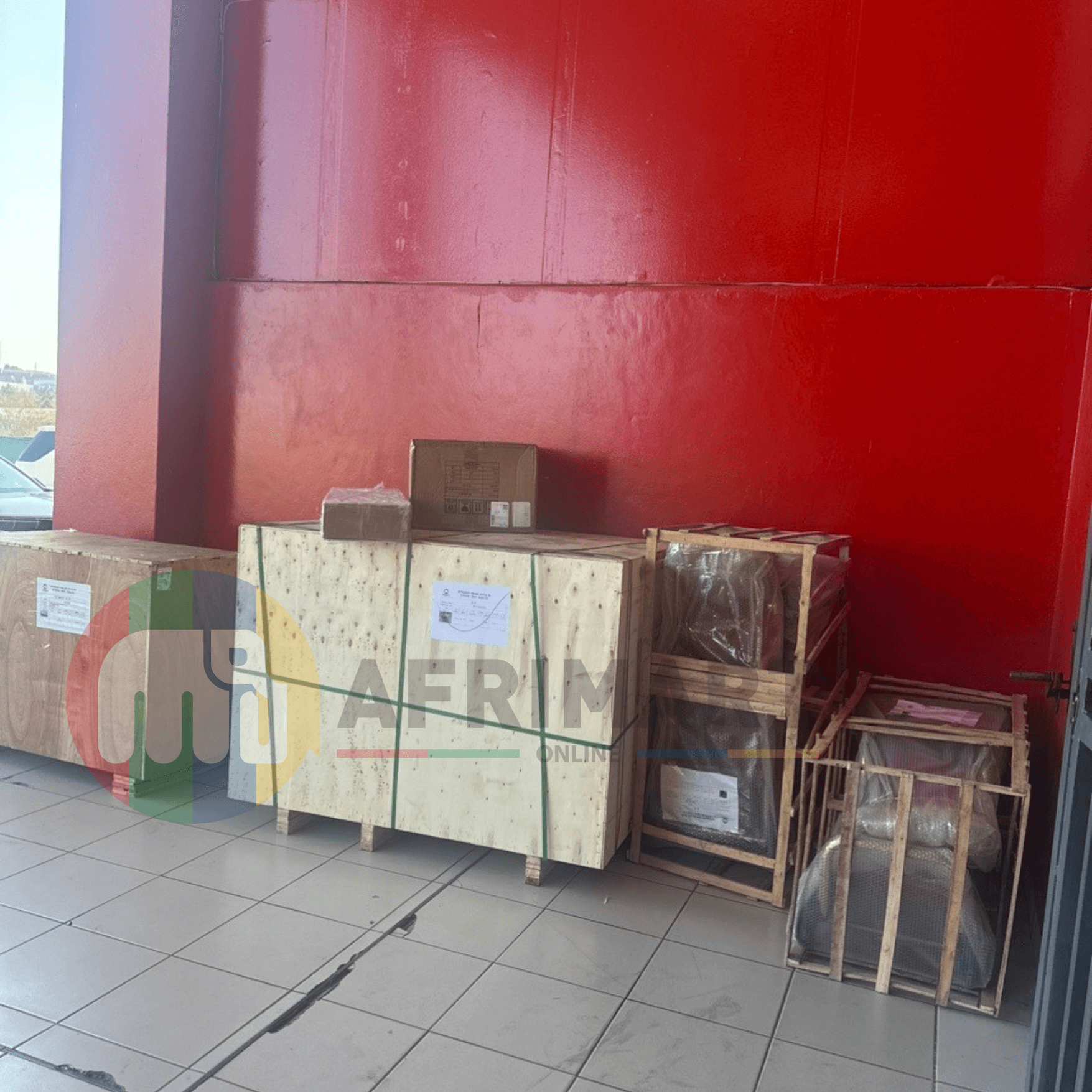
Packaging Machine and accessories
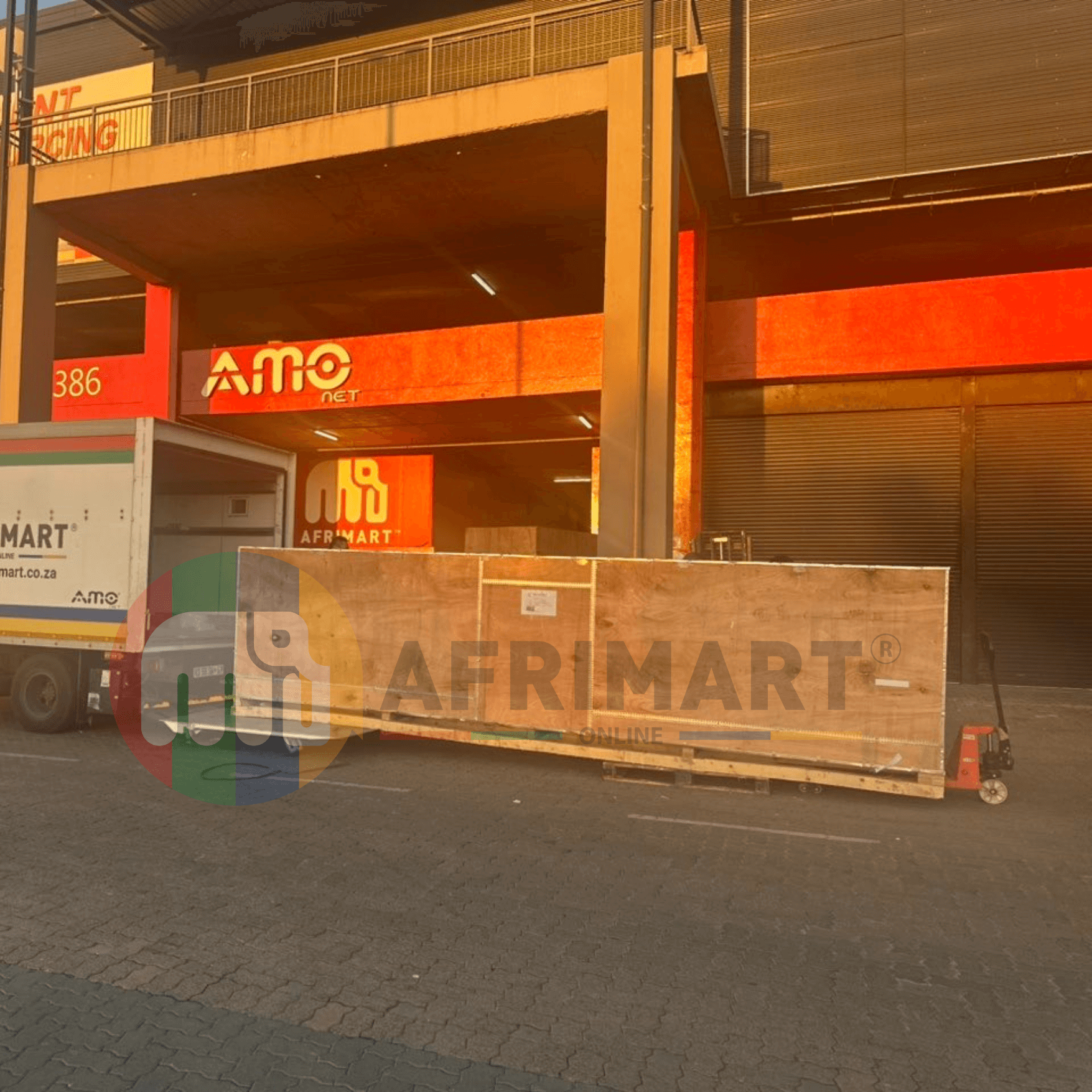
Fabrics Manufacturing Equipment
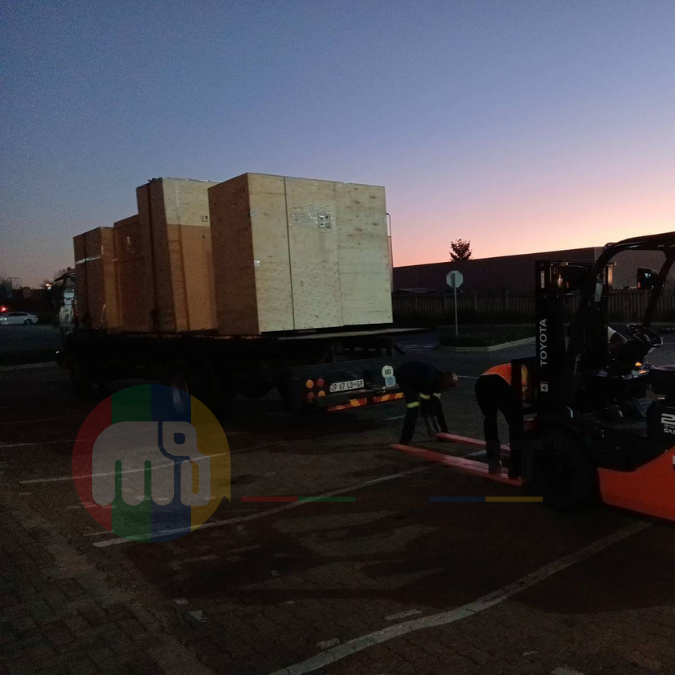
Mining Equipments
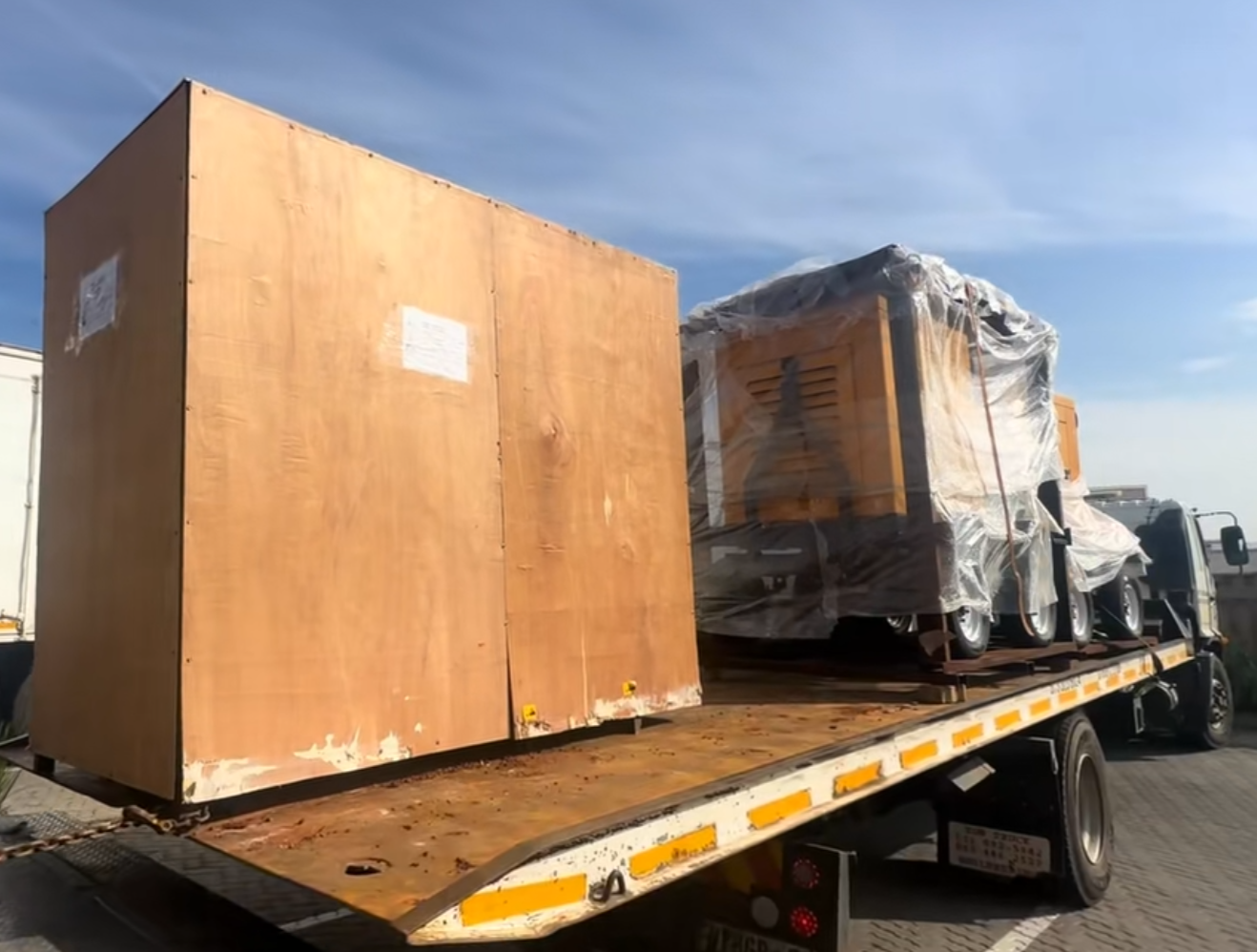
Food Processing Machine
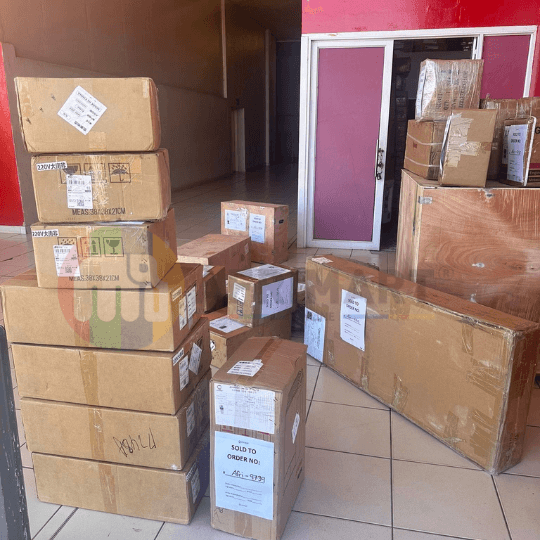
Batch of Orders
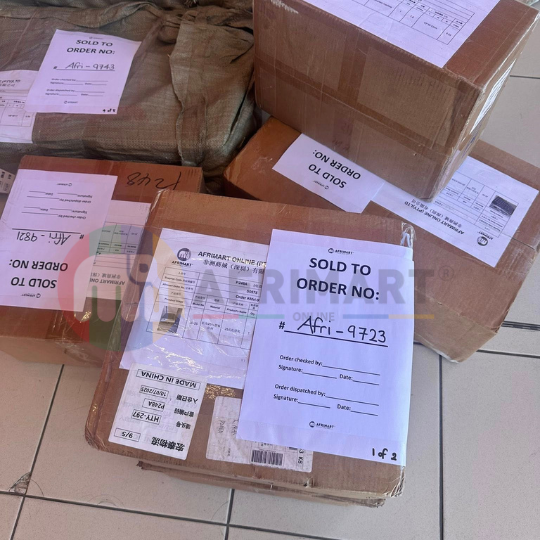
Batch of Orders
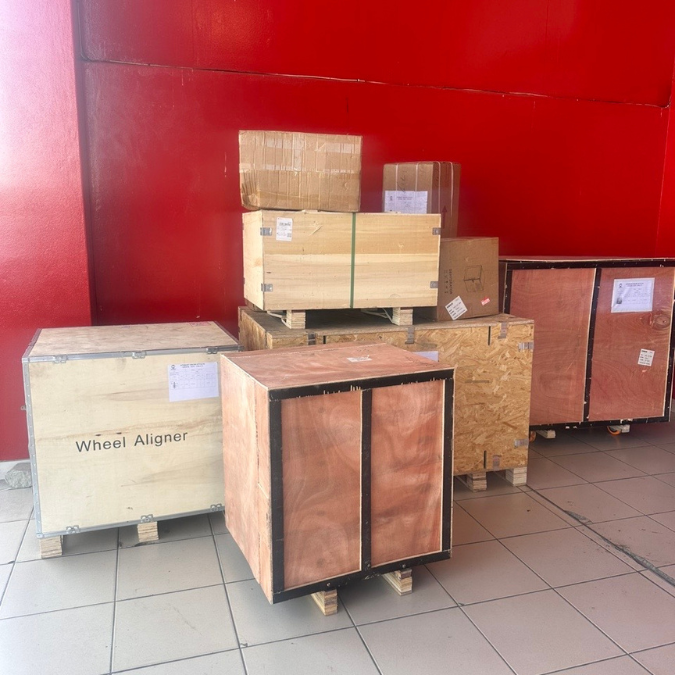
Latest Orders Labelled
wheel alignment machines
new arrivals
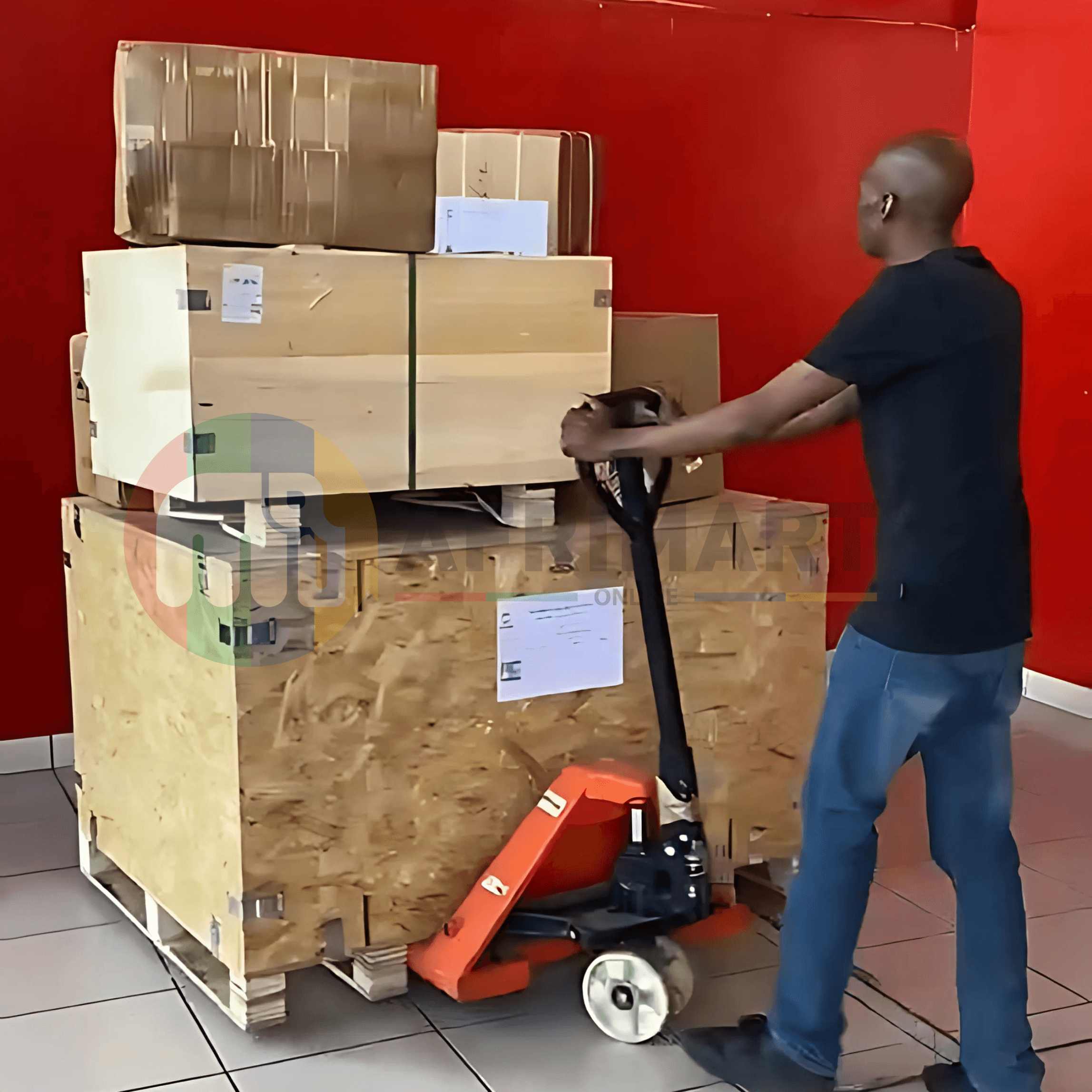
Pre Orders Offloading
Latest Arrivals
Latest Arrivals