B21, China Town Mall, Midrand

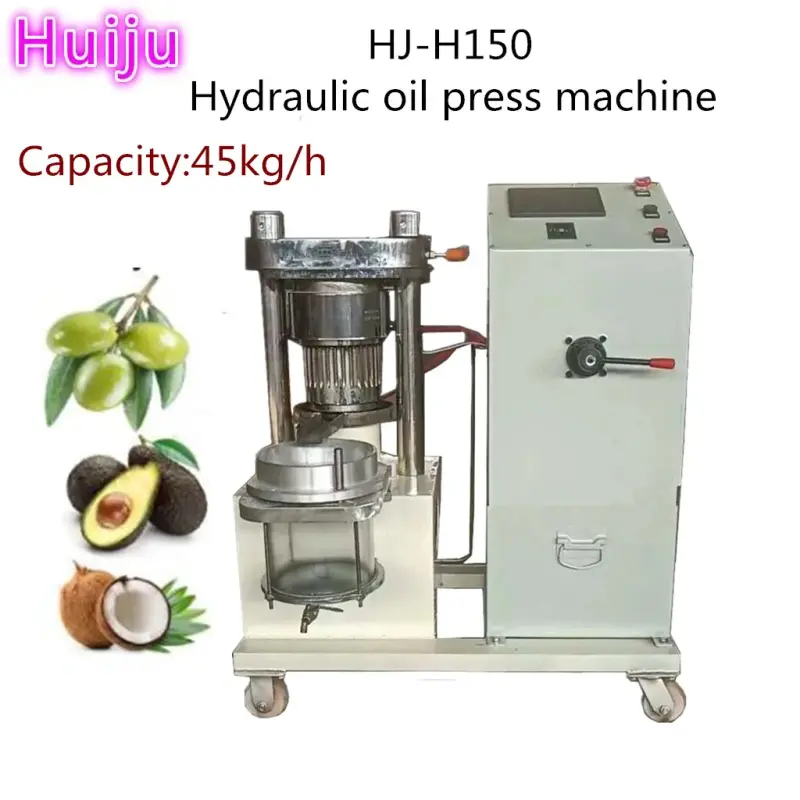
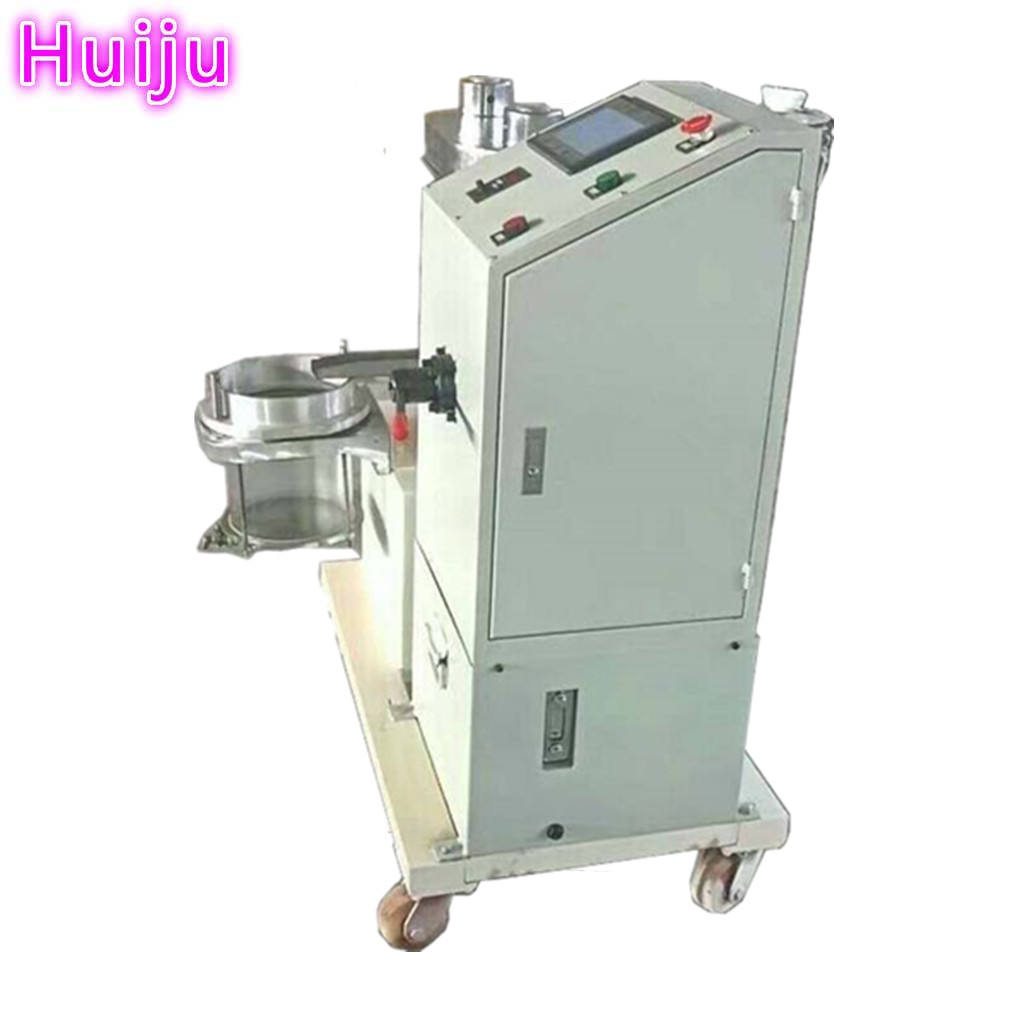
Hydraulic Oil Press Machine
Asset finance available
Do you want funding for this equipment?
Afrimart can connect you with trusted funding partners who specialise in asset finance for businesses like yours. Compare options and apply in minutes — final approval is subject to provider review.
Check funding options
Secure & no obligation

- Section : Machinery
- Category : Extractors
- SKU : 1600480681457

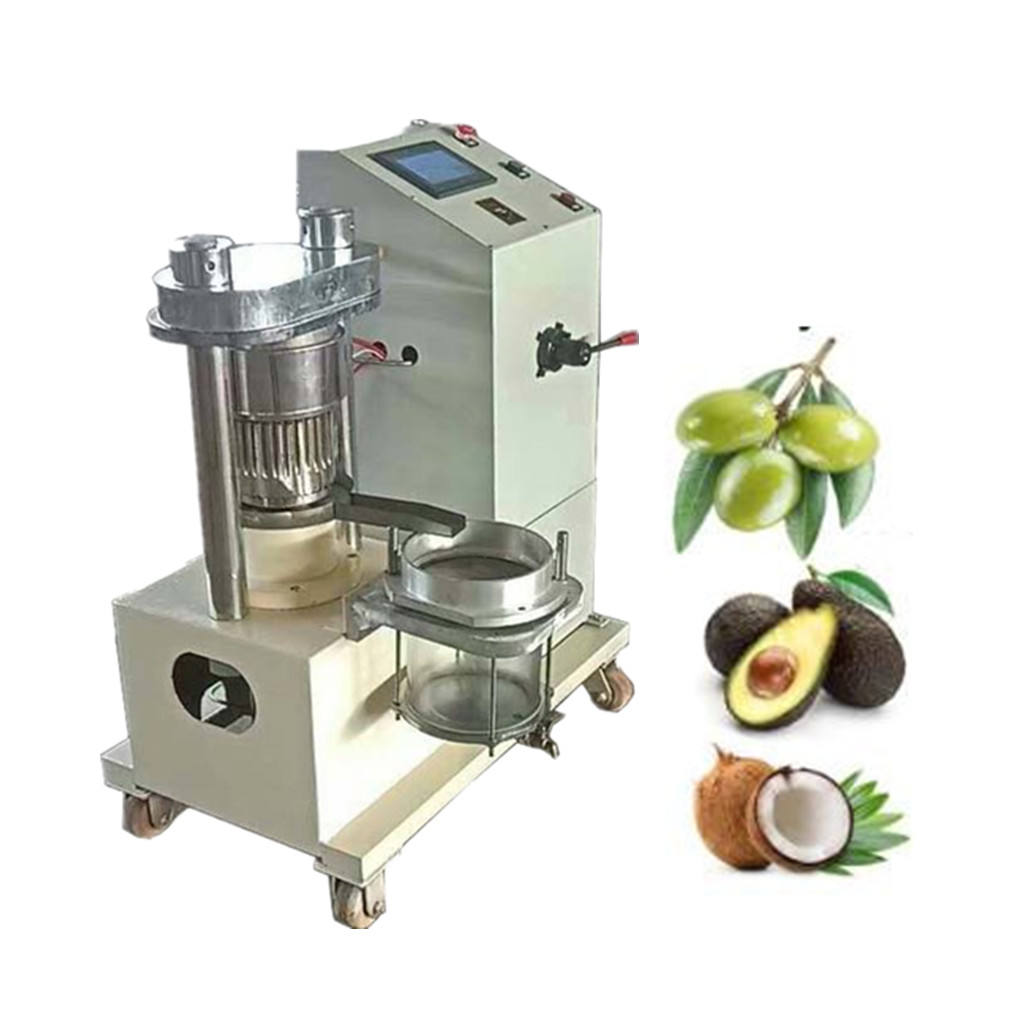
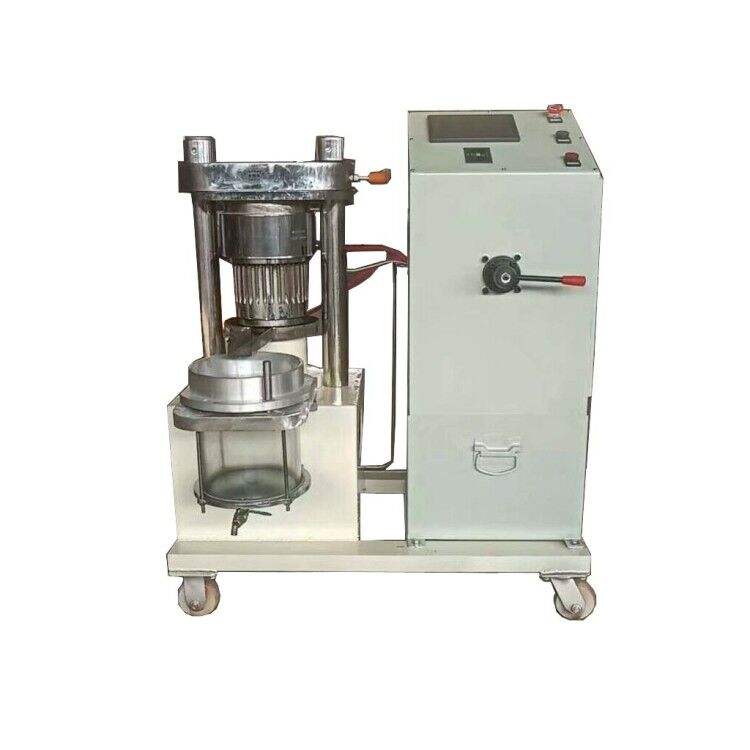
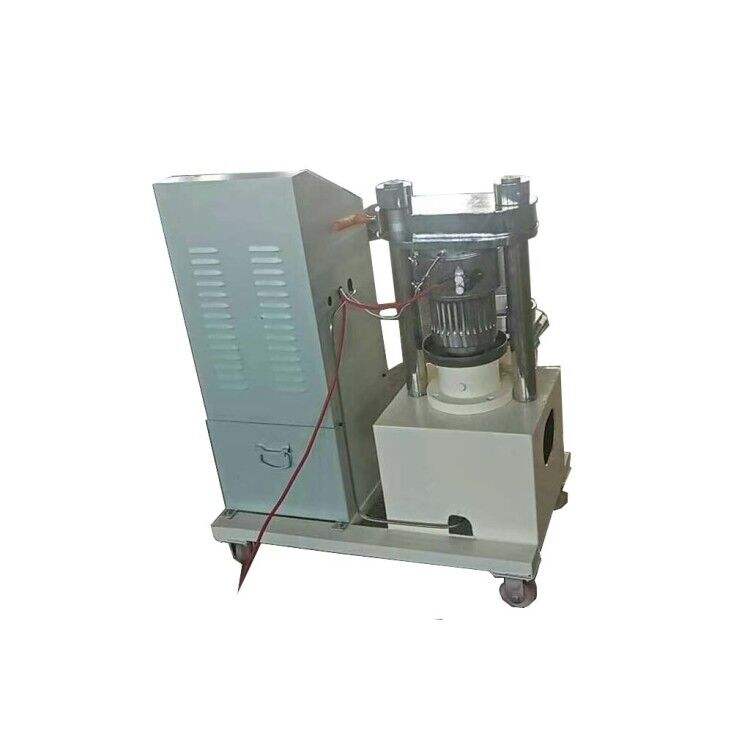
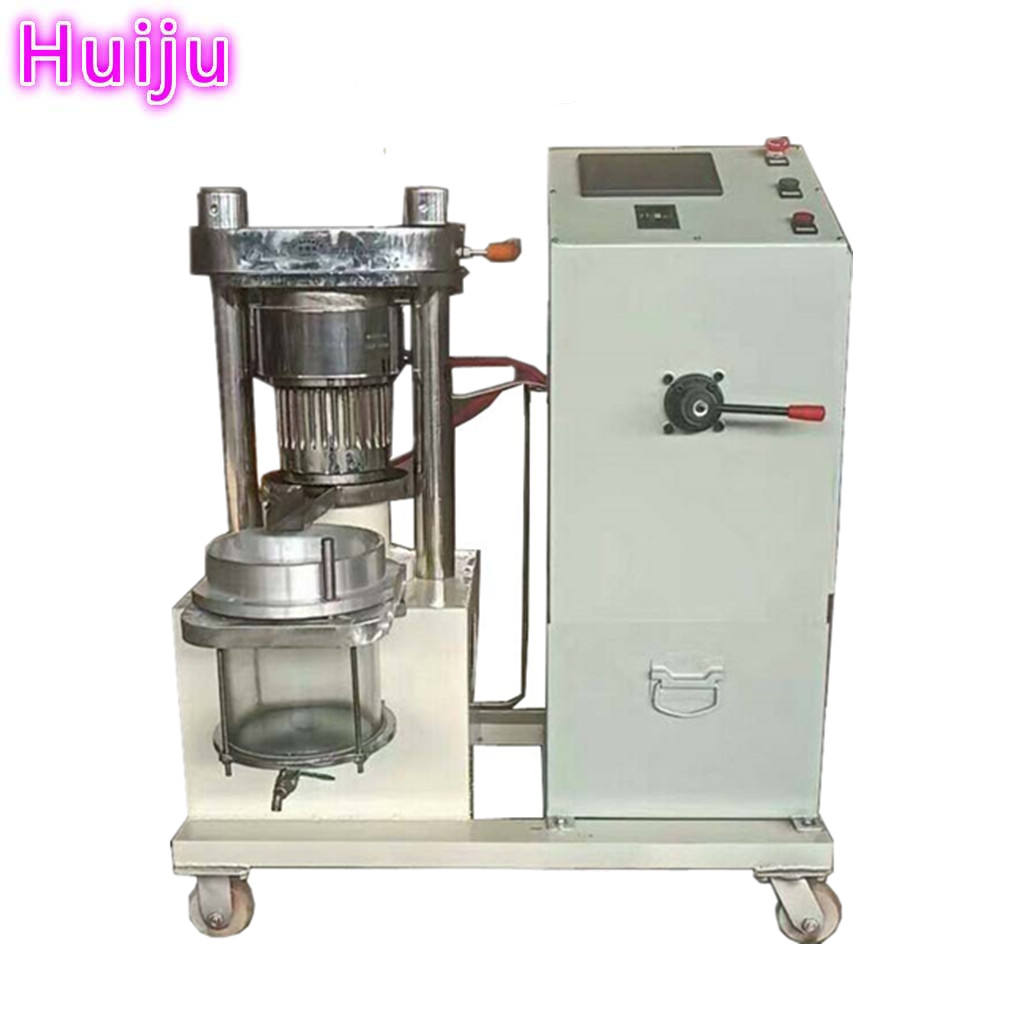
Hydraulic Oil Press Machine
The Hydraulic Oil Press Machine is designed for efficient oil extraction from a variety of seeds and nuts, making it an essential tool for those in the food production and processing industry. This automatic machine is built for high capacity and reliability, ensuring optimal performance in oil extraction.
Key Features:
High Capacity: Capable of extracting up to 45 kg of oil per hour, this machine is perfect for small to medium-scale oil production.
Versatile Oil Extraction: Suitable for a wide range of oils, including Flax Seed, Soybean, Rapeseed, Tea Seed, Basil, Sesame, Pine Nut, Sunflower, Almond, Walnut, Peanut, Coconut, Olive, and Palm oils.
Automatic Operation: Designed for ease of use, the automatic grade ensures consistent and efficient oil extraction with minimal manual intervention.
Long Service Life: Constructed with durable materials to ensure longevity and reliable operation over time.
Product Specifications:
- Model: Hydraulic Oil Press Machine
- Weight: 700 KG
- Dimensions: 1000mm (L) x 100mm (W) x 1200mm (H)
- Voltage: 220V
- Motor Power: 1500W
- Pressure: 55-60 Pa
- Production Capacity: 55%
Enhance your oil extraction process with the Hydraulic Oil Press Machine, designed for efficiency and versatility in producing high-quality oils.
- Shipping Timeframes: All orders are processed within 2-5 business days (excluding weekends and holidays). After your order has been processed, the estimated delivery time is before 04 Jul, 2026, depending on customs, Please note that due to high demand, some items may experience longer shipping times, which will be communicated at order confirmation email.
- Order Processing Time: Please allow 2-5 business days for us to process your order before it is shipped . Orders placed after 16:00 on Fridays, or during weekends and public holidays, will begin processing on the next business day. Processing times may be extended during peak seasons or sales events.
- Manufacturing Time: Some products needs manufacturing time, the manufacturing process will take approximately 10-30 business days depending on the product. This timeframe may vary depending on the complexity of the product and current demand. but this will be communicated with you during order confirmation.
- Returns and Exchanges: We offer a 30-day return policy for most items. If you are not completely satisfied with your purchase, you may return it within 30 days of receipt for a refund or exchange. Items must be unused, in their original packaging, and accompanied by proof of purchase. Return shipping costs are the responsibility of the customer, unless the item was damaged or defective upon arrival.
1. What is the hourly oil output of the Hydraulic Oil Press Machine?
The machine is rated to extract up to 45 kg of oil per hour under optimal conditions. Actual hourly output will vary by seed/nut type, seed oil content, pre-treatment (drying, crushing, dehulling) and operator settings.
2. What does the specification "Production Capacity: 55%" mean?
The 55% figure most likely refers to an expected extraction yield (percentage of available oil recovered) under ideal conditions. Actual extraction percentage depends on the raw material's inherent oil content and preparation; confirm with the supplier for test data on specific seeds.
3. Which seeds and nuts can this machine process?
It is designed for a wide range of seeds and nuts including flax, soybean, rapeseed, tea seed, basil, sesame, pine nut, sunflower, almond, walnut, peanut, coconut, olive and palm. Some materials may require specific pre-treatment for best results.
4. What pre-treatment is needed before pressing (drying, crushing, dehulling)?
Pre-treatment is recommended: dry seeds to recommended moisture levels, crush or flake hard seeds, and dehull when appropriate. Proper pre-treatment significantly improves extraction efficiency and reduces wear.
5. Is the machine fully automatic and does it require constant supervision?
The machine is described as automatic for consistent operation, but an operator should monitor start/stop cycles, inspect feeds, manage discharged cake, and intervene for maintenance or blockages. Minimal manual intervention is required during normal operation.
6. What are the electrical requirements and motor power?
The specified voltage is 220 V and the motor power is 1500 W (1.5 kW). Confirm whether this is single-phase or three-phase with your supplier and verify local electrical compatibility.
7. What are the machine dimensions, footprint and weight for installation planning?
Listed dimensions are 1000 mm (L) x 100 mm (W) x 1200 mm (H) and weight is 700 kg. Note the listed width of 100 mm appears unusually small for this machine class—confirm exact footprint with the manufacturer before site preparation.
8. What is the specified pressure and is that value correct?
The spec lists a pressure of 55–60 Pa, which is likely a typo (Pascal is extremely small). Typical hydraulic presses use much higher pressures (for example MPa or bar). Please confirm the correct pressure unit and range with the supplier.
9. What maintenance is required and how often?
Routine maintenance includes daily cleaning of pressing chamber and filters, regular inspection and replacement of wear parts (pressing screws, seals, filters), periodic hydraulic oil checks/changes, and lubrication as per the manufacturer's schedule. Frequency depends on usage intensity—ask for the maintenance manual.
10. What consumables and spare parts should I keep on hand?
Common consumables are hydraulic oil, gaskets/seals, filter elements, pressing screws/plates, and drive belts (if applicable). Keep a small stock of high-wear components to minimize downtime.
11. What safety features should I expect and what precautions are recommended?
Expect emergency stop controls and guards around moving parts; however safety features vary by model. Follow lockout/tagout procedures, wear appropriate PPE, keep hands clear of pressing areas, and follow the supplied safety instructions and local regulations.
12. What is the expected oil quality and is further filtration needed?
The press produces crude oil that typically contains fine solids and moisture; additional clarification (settling/decantation), cloth filtration or centrifugation is recommended to reach food-grade clarity depending on the intended use.
13. What happens to the leftover cake and can it be used?
Residual press cake is generally suitable for animal feed, fertilizer, or further processing (expelling/extraction) depending on seed type and local regulations. Cake oil content will vary, so testing is recommended for downstream use.
14. Do you provide installation, operator training and after-sales support?
Many suppliers offer installation, commissioning and operator training as part of the purchase or as an add-on service. Confirm available after-sales support, spare-part supply and warranty terms with the vendor before purchase.
Latest Order Arrivals
Discover our latest orders
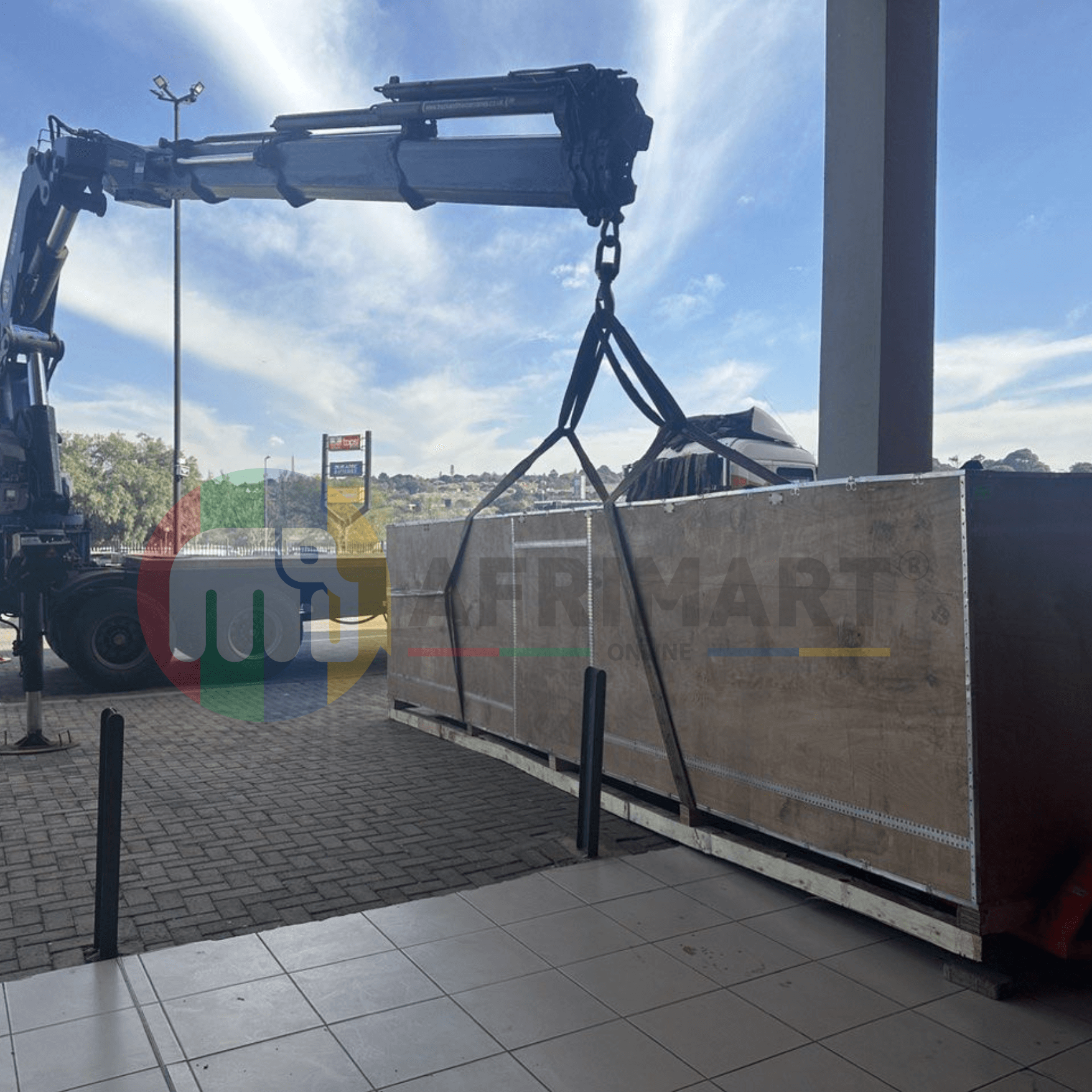
12 Heads Embroidery Machine
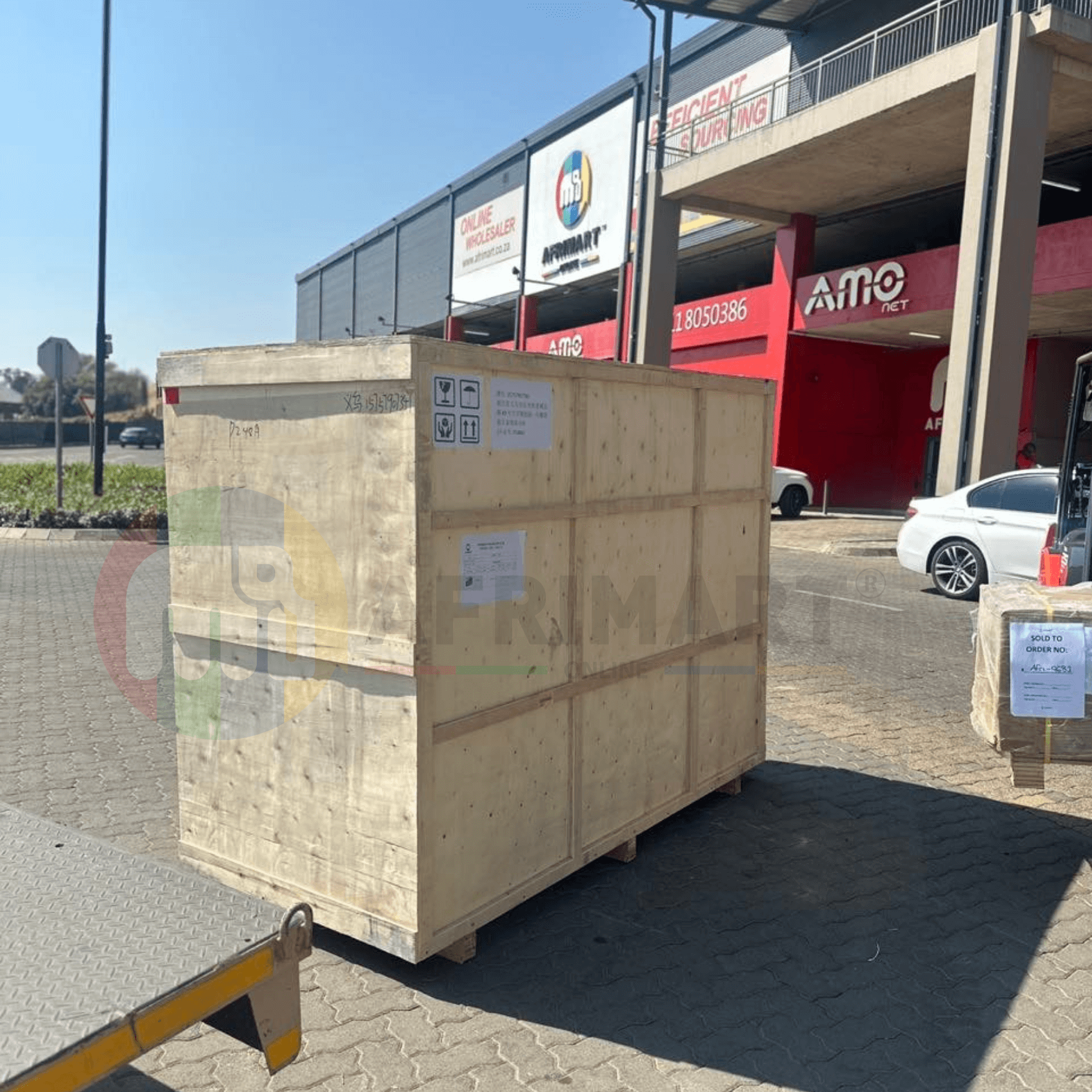
Dewatering Pump Machine
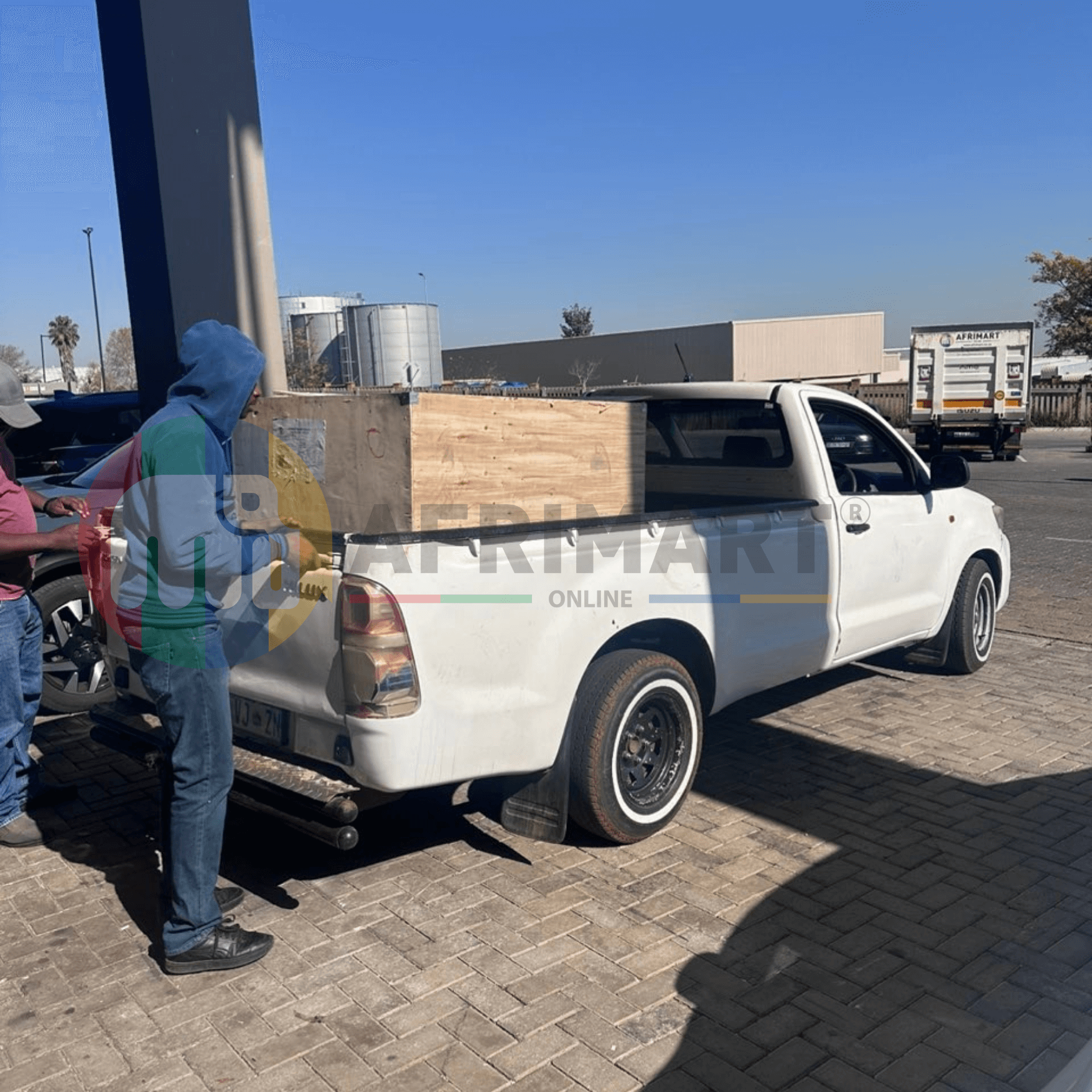
Order Collection
Portable Water Drilling Rig
Order Usefully Collected
Batch of Orders
Agriculture Processing Machines
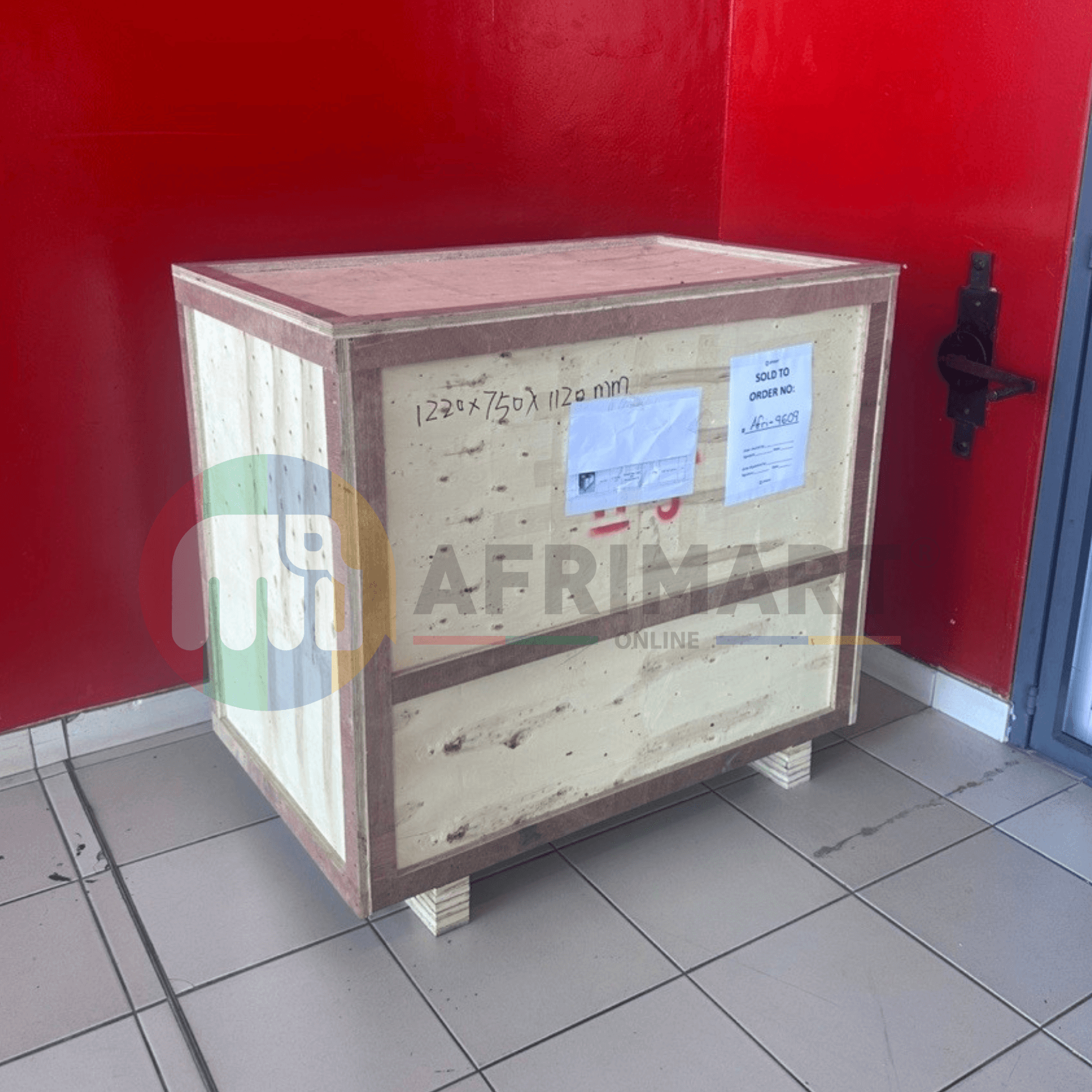
Meat Grinder Machine
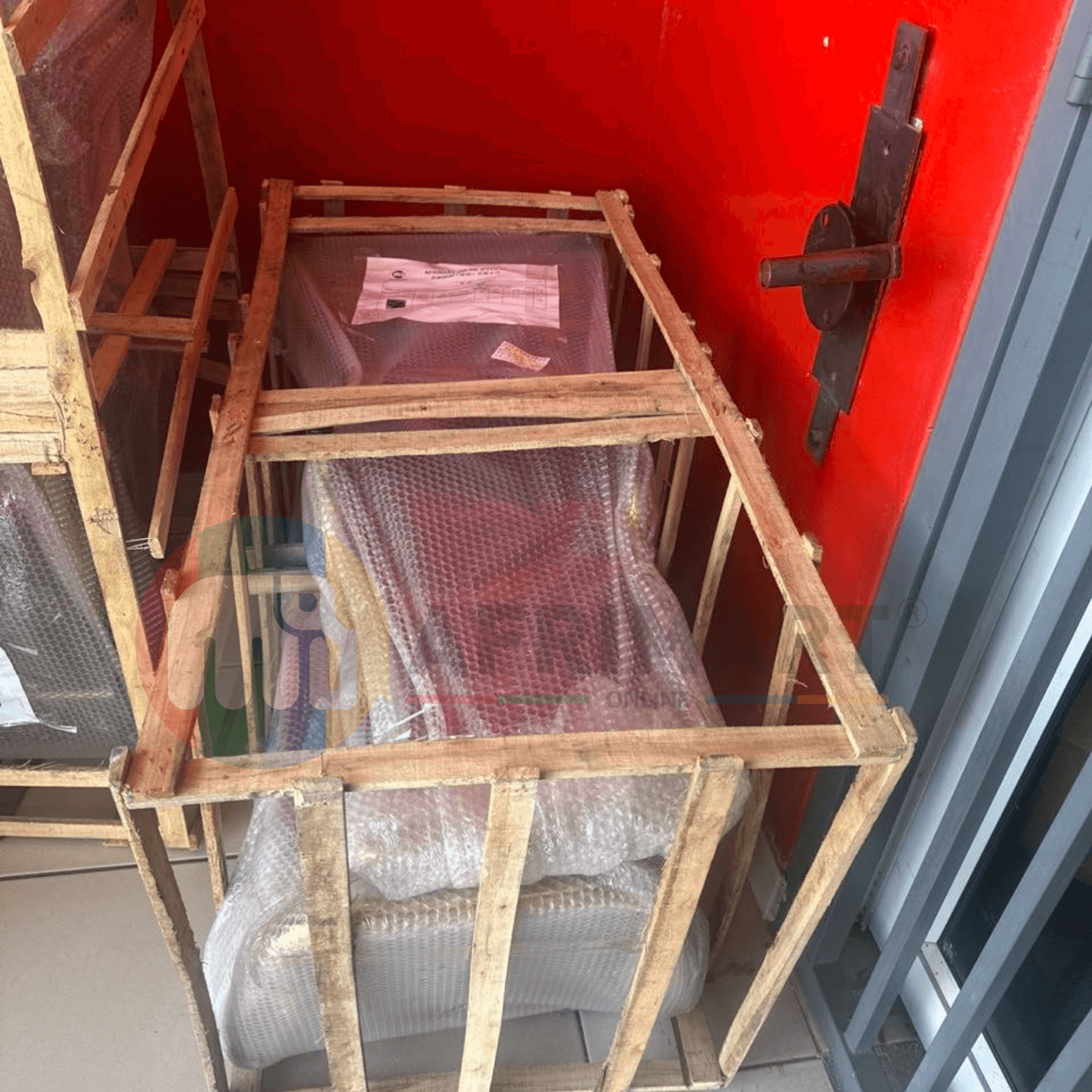
Water Pump Equipment
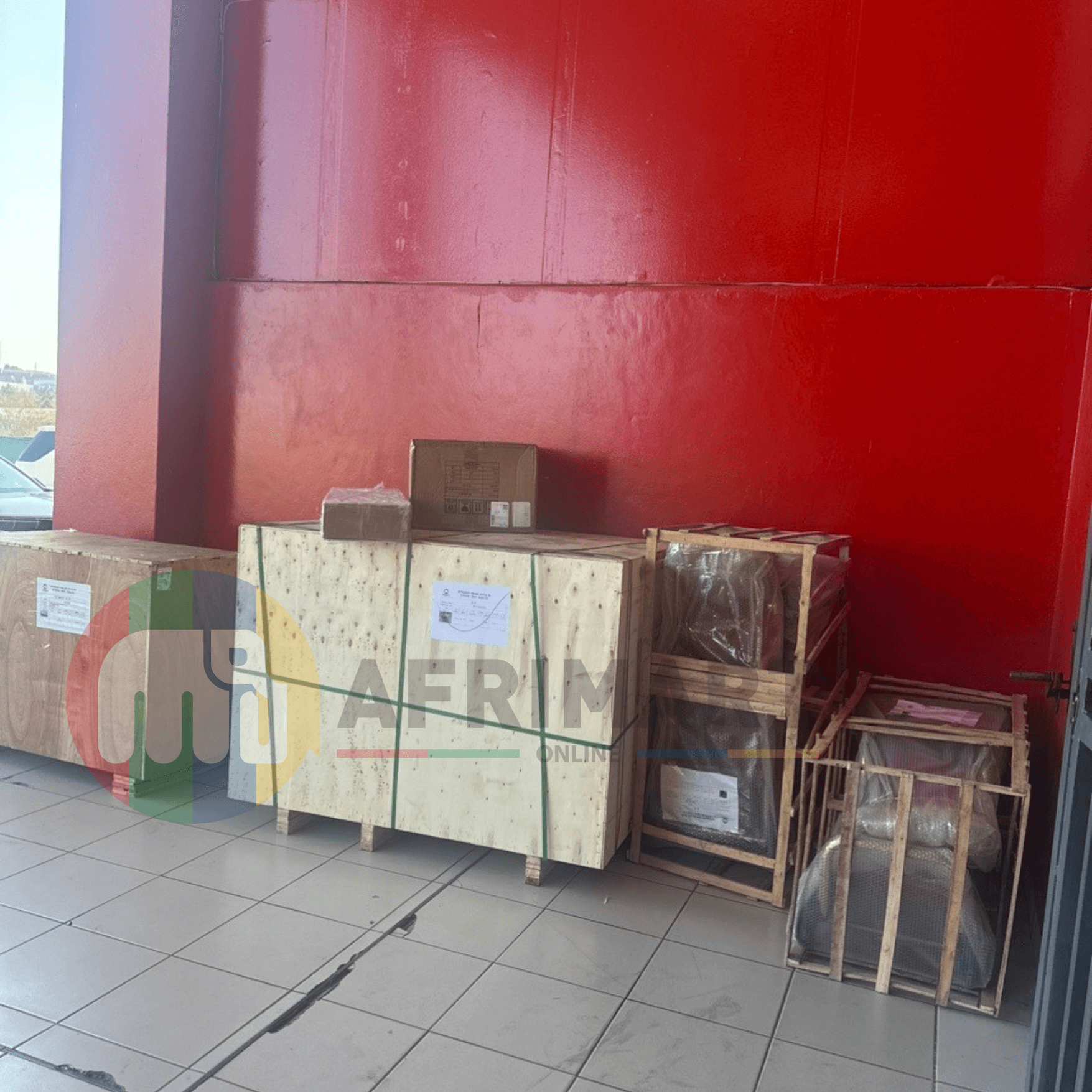
Packaging Machine and accessories
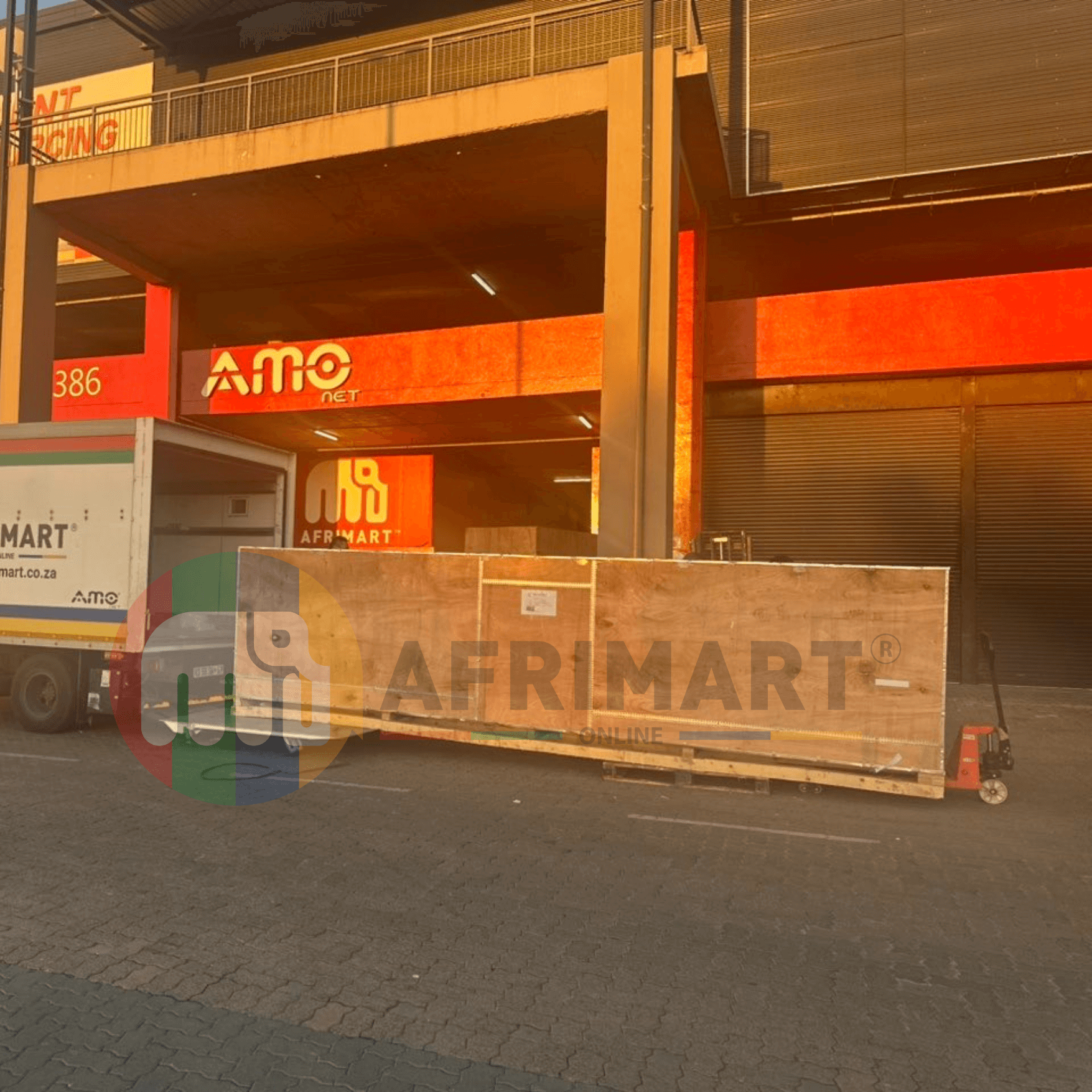
Fabrics Manufacturing Equipment
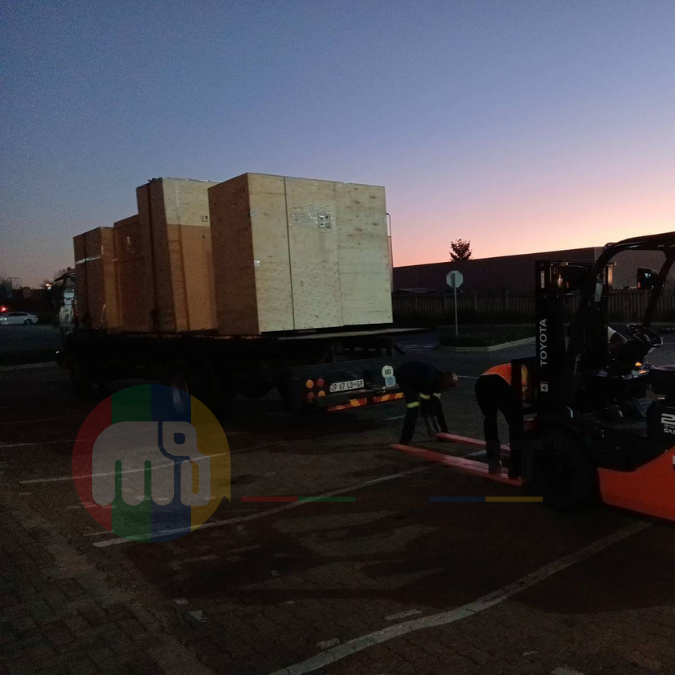
Mining Equipments
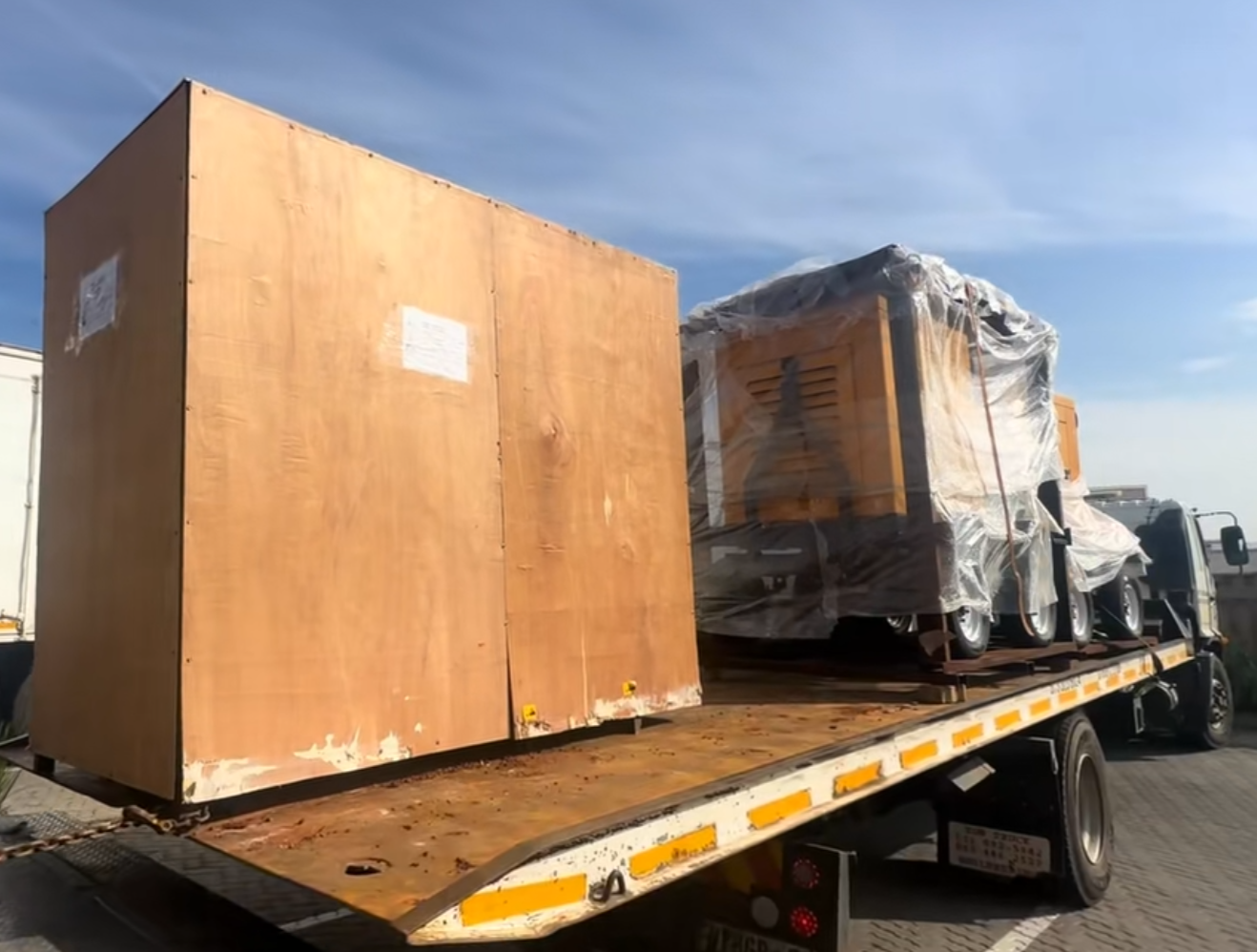
Food Processing Machine
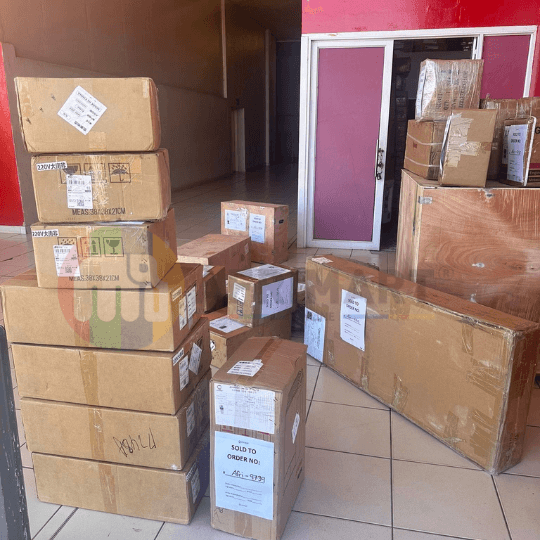
Batch of Orders
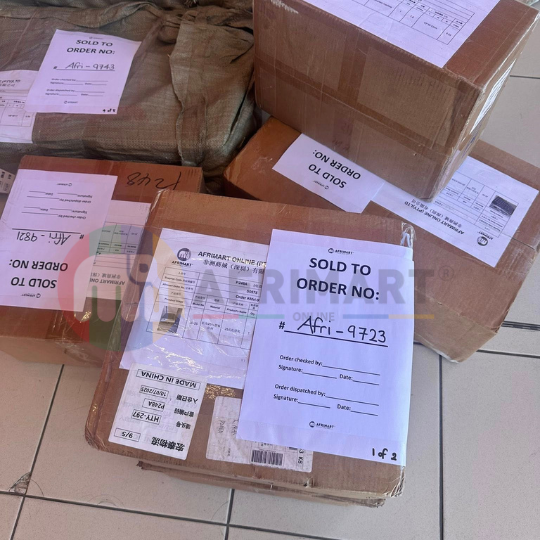
Batch of Orders
Latest Orders Labelled
wheel alignment machines
new arrivals
Pre Orders Offloading
Latest Arrivals
Latest Arrivals
Latest Arrivals
26 January 2026
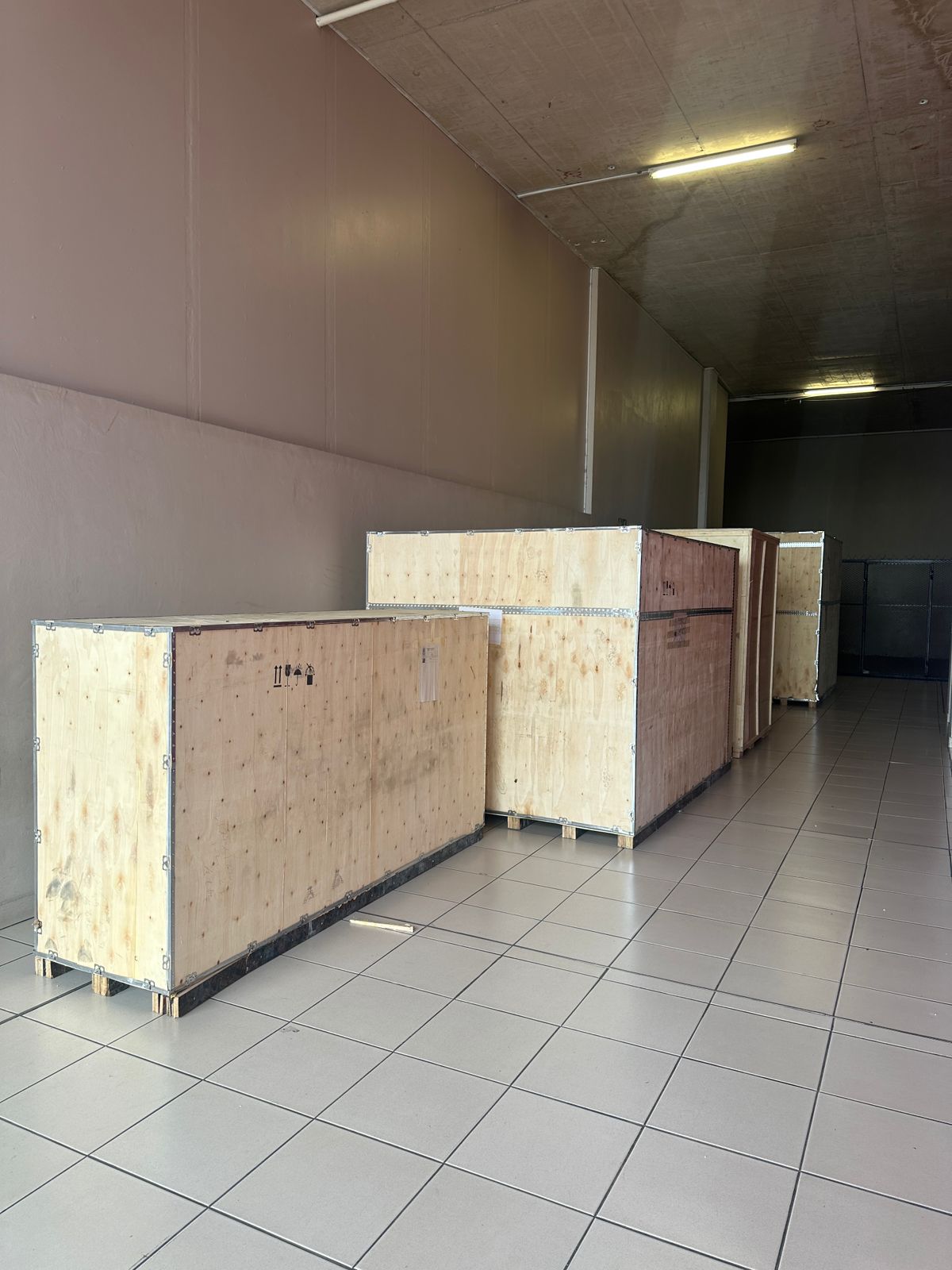
Toilet paper making machine
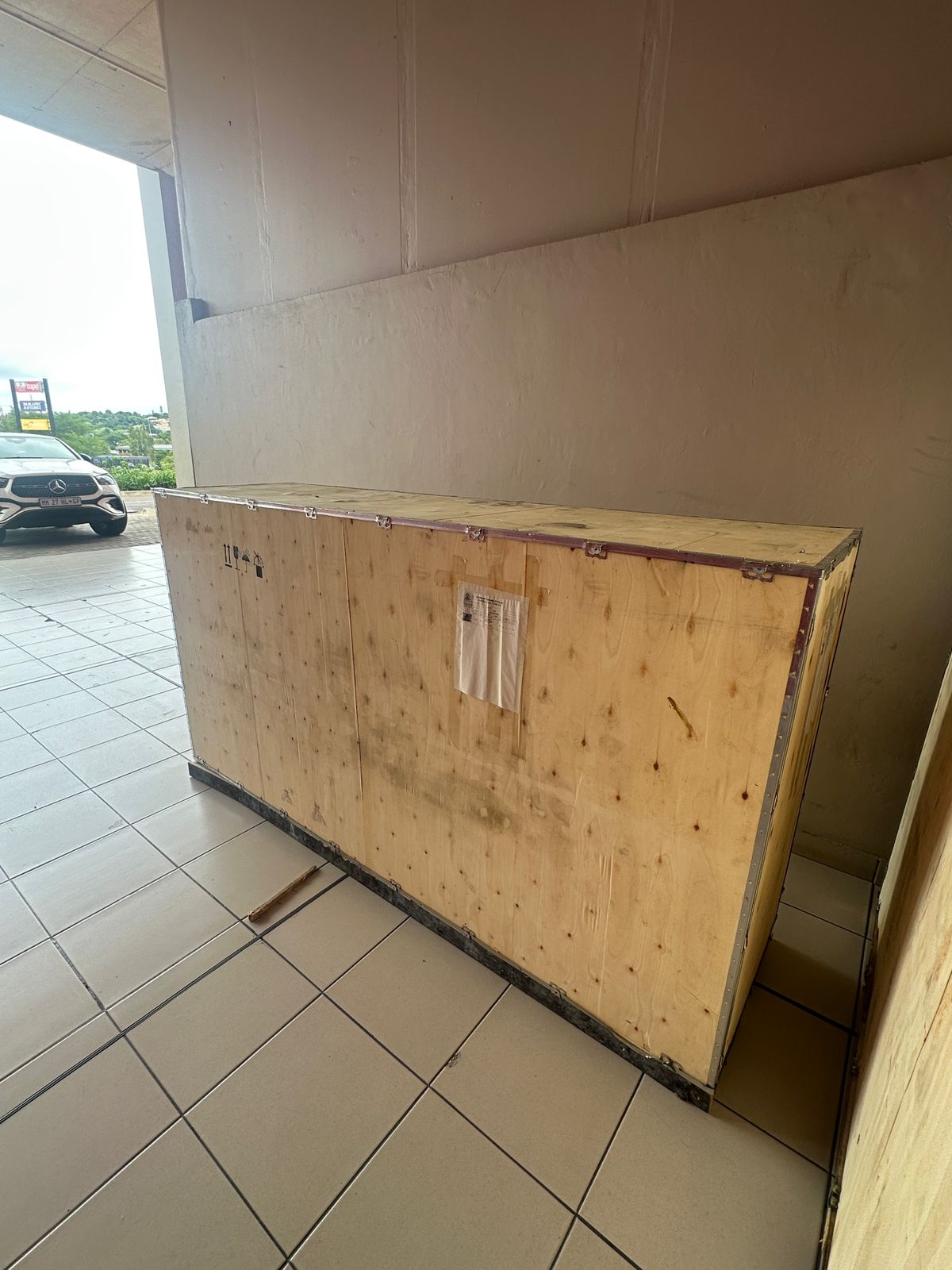
Toilet paper making machine
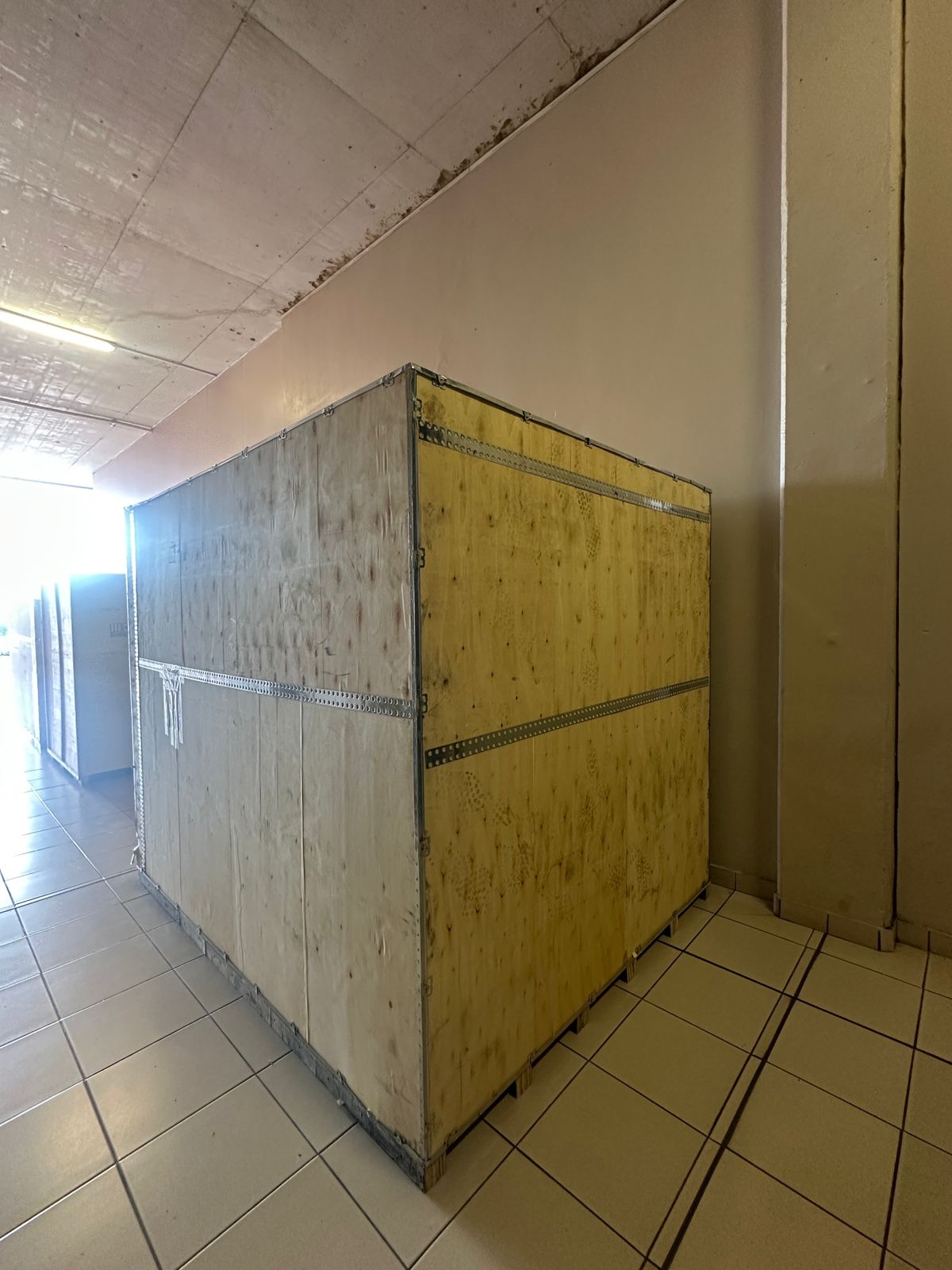
Toilet paper Rewinding Machine
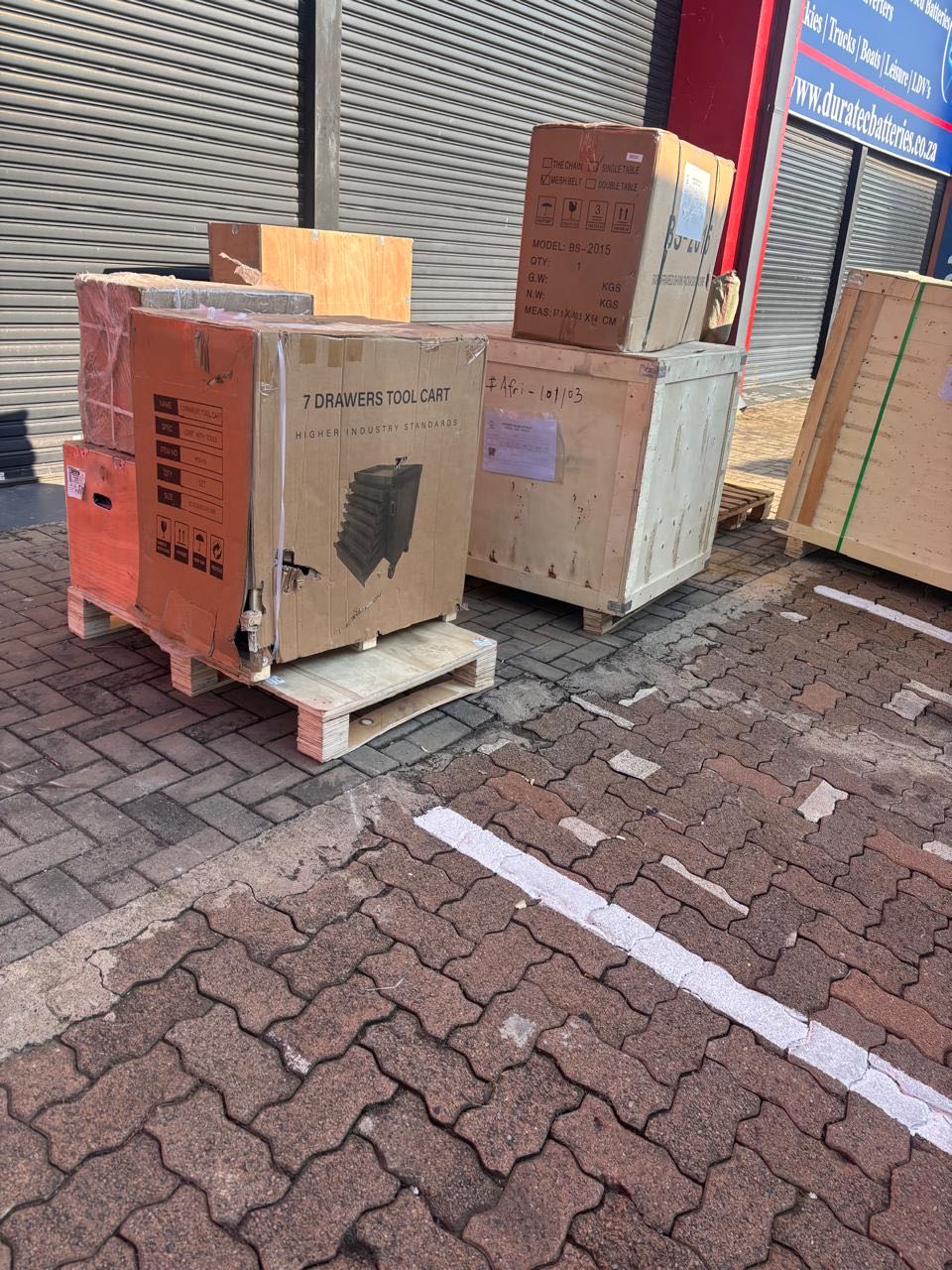
latest arrivals
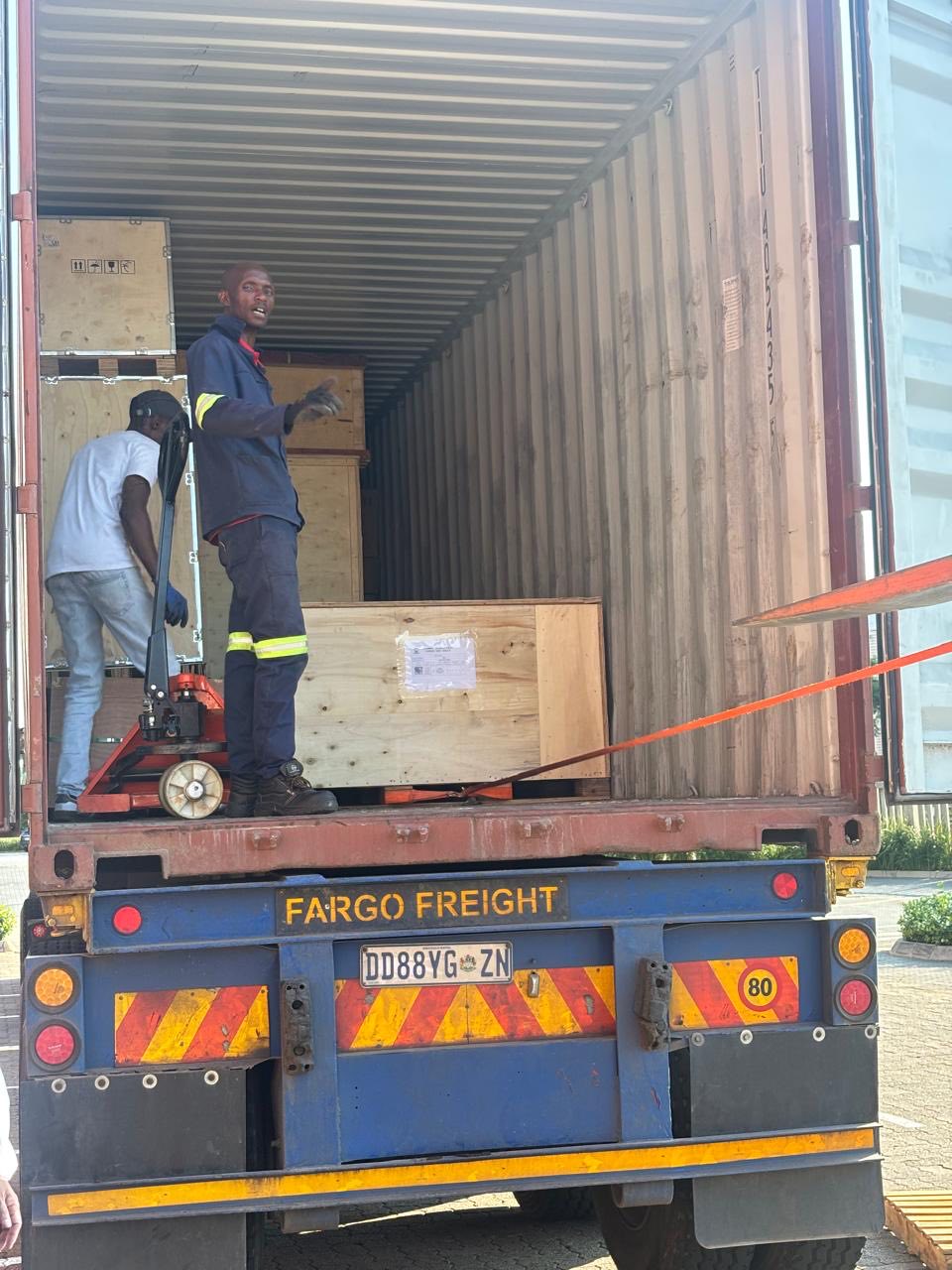
offloading
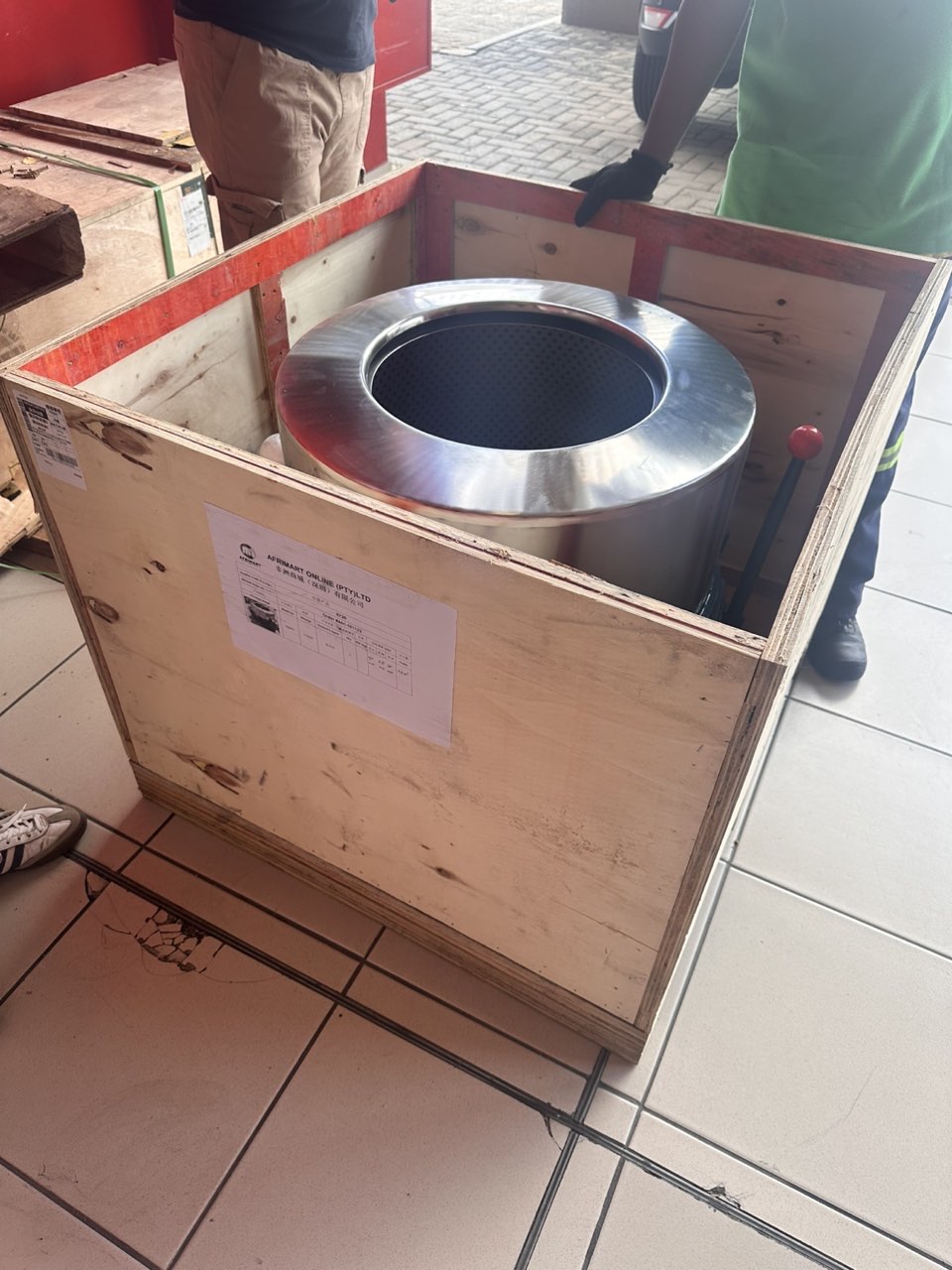
order success
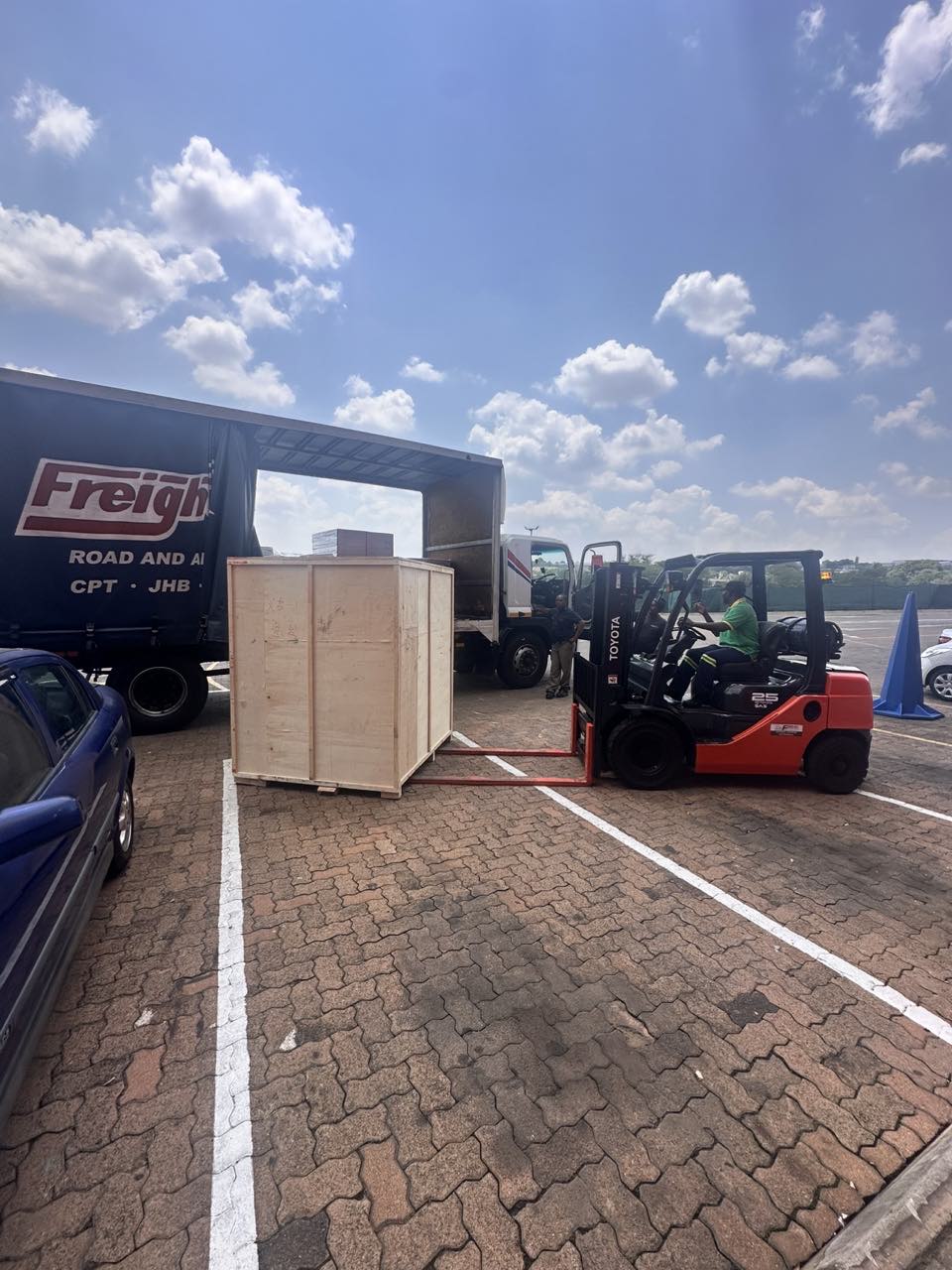
order collection
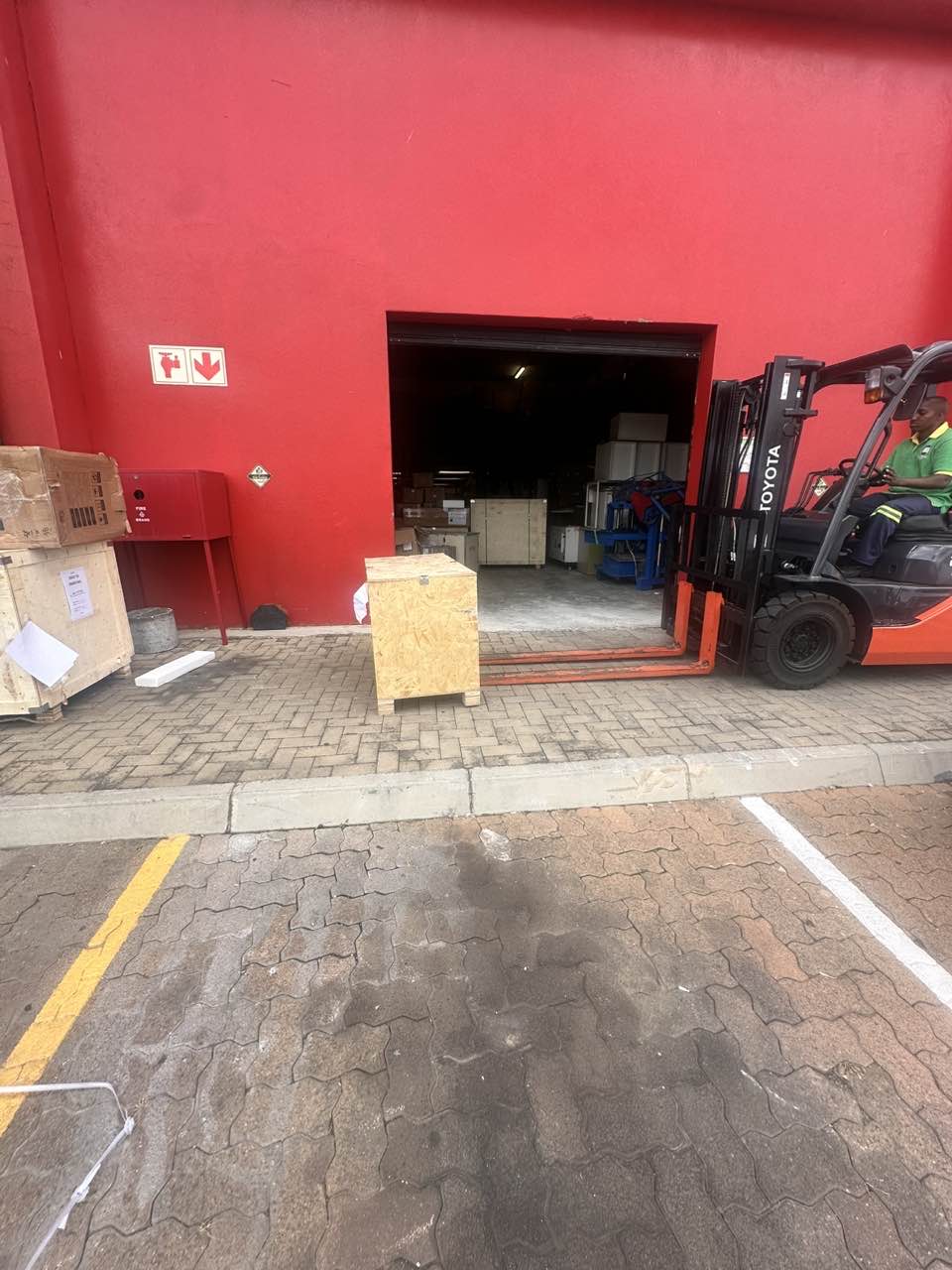
order offloading