B21, China Town Mall, Midrand


Hydraulic Lifting Light Weight Concrete Wall Panel Installation Machine
- Section : Machinery
- Category : Construction Machinery
- SKU : 1600257269078

- Shipping Timeframes: All orders are processed within 2-5 business days (excluding weekends and holidays). After your order has been processed, the estimated delivery time is before 03 Aug, 2026, depending on customs, Please note that due to high demand, some items may experience longer shipping times, which will be communicated at order confirmation email.
- Order Processing Time: Please allow 2-5 business days for us to process your order before it is shipped . Orders placed after 16:00 on Fridays, or during weekends and public holidays, will begin processing on the next business day. Processing times may be extended during peak seasons or sales events.
- Manufacturing Time: Some products needs manufacturing time, the manufacturing process will take approximately 10-30 business days depending on the product. This timeframe may vary depending on the complexity of the product and current demand. but this will be communicated with you during order confirmation.
- Returns and Exchanges: We offer a 30-day return policy for most items. If you are not completely satisfied with your purchase, you may return it within 30 days of receipt for a refund or exchange. Items must be unused, in their original packaging, and accompanied by proof of purchase. Return shipping costs are the responsibility of the customer, unless the item was damaged or defective upon arrival.
1. What is the Hydraulic Lifting Light Weight Concrete Wall Panel Installation Machine used for?
It is a mechanized installation device for lightweight concrete partition wall panels that reduces manual labor, improves installation speed and safety, and enables modern machine-based installation of partition boards in construction projects.
2. What panel thicknesses and heights does the machine support?
The machine supports lightweight partition panels approximately 80–200 mm thick and is suitable for panels with heights typically from 1 m up to 5–6 m depending on the model and configuration. Installation accuracy is about ±2 mm.
3. Which models are available and what are their basic specifications?
Available models include AQ200, AQ300, AQ350 and AQ600. Typical specs: AQ200 (sheet thickness ~120 mm, sheet length 3 m, dimensions 2400×700×800 mm, weight 160 kg), AQ300 (150 mm / 3.3 m / 2280×850×1500 mm / 240 kg), AQ350 (200 mm / 3.5 m / 1500×700×1500 mm / 580 kg), AQ600 (200 mm / 6 m / 3300×1250×1900 mm / 950 kg). All models use electric button operation, 360° rotation and have continuous working capability of about 8–12 hours.
4. How is the machine operated?
Operation is via electric button controls. The lifting head can clamp the panel, rotate 360°, raise/lower and move it into position. The machine is designed for simple operation by trained personnel.
5. How many operators are required to use the machine?
The machine can be operated and installed by two people in typical use, which significantly reduces labor intensity compared with manual installation.
6. What safety and accuracy features does it have?
The equipment uses secure ground clamping to grab panels, controlled lifting/rotation, and precise positioning with about ±2 mm accuracy. Using the machine reduces manual handling, lowers risk of injury and decreases damage to panels.
7. Can this machine be used in small indoor spaces or on high-rise sites?
Yes — the machine is designed to be compact and adjustable so it can be moved and used in relatively small indoor spaces. It is also suitable for installation work on multi-storey buildings when used according to site safety procedures.
8. What types of wall materials are compatible?
It is intended for lightweight concrete partition boards, slatted lightweight wall materials and similar prefabricated partition panels within the supported thickness and size ranges.
9. How much labor cost can this machine save?
Manufacturers estimate one machine can save roughly ¥50,000–¥100,000 in labor costs per year, depending on project scale, usage hours and local labor rates.
10. What are the machine's working hours and duty cycle?
Typical continuous working hours are about 8–12 hours per day. Exact duty cycle depends on the model, workload and maintenance schedule.
11. What maintenance is required?
Routine maintenance includes daily inspection of clamps and securing elements, checking hydraulic/electric connections, keeping moving parts lubricated, verifying control and safety devices, and scheduling periodic professional servicing per the supplier manual.
12. How is the machine transported and installed on site?
Models are moveable and designed for indoor maneuverability. Because model weights vary (from ~160 kg to ~950 kg), on-site handling may require a forklift, crane or lifting trolley. Follow the supplier's transport and installation instructions and local safety regulations.
13. What about warranty, spare parts and customization options?
Warranty terms, spare parts availability and customization (panel size, height range, control options) depend on the manufacturer/supplier. Contact the supplier or dealer to discuss warranty coverage, lead times for parts and any required custom configurations.
Latest Order Arrivals
Discover our latest orders
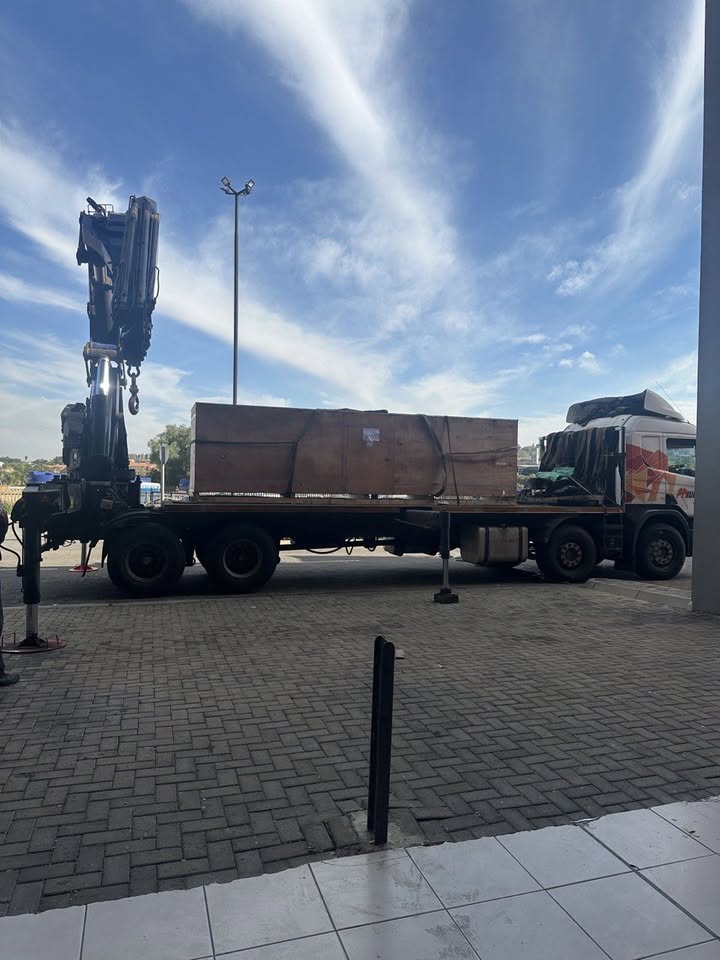
12 Heads Embroidery Machine
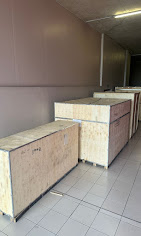
Toilet Paper Machine Machine
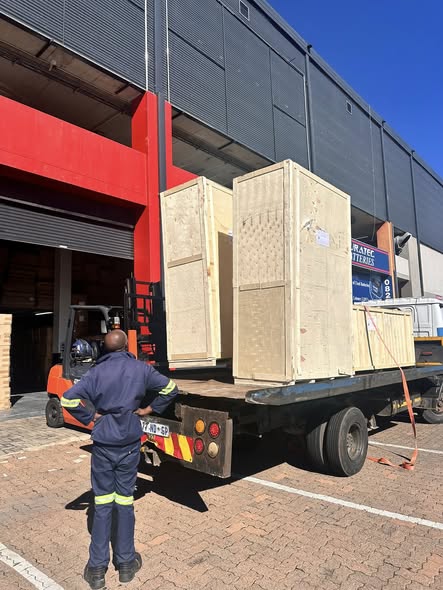
Order Collection
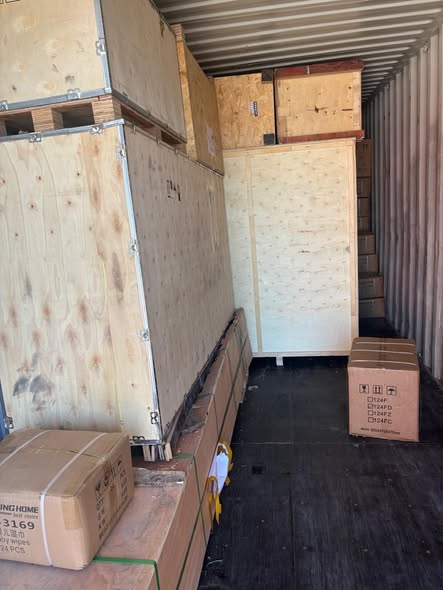
Cross Border Clients
Order cros border countries Collected
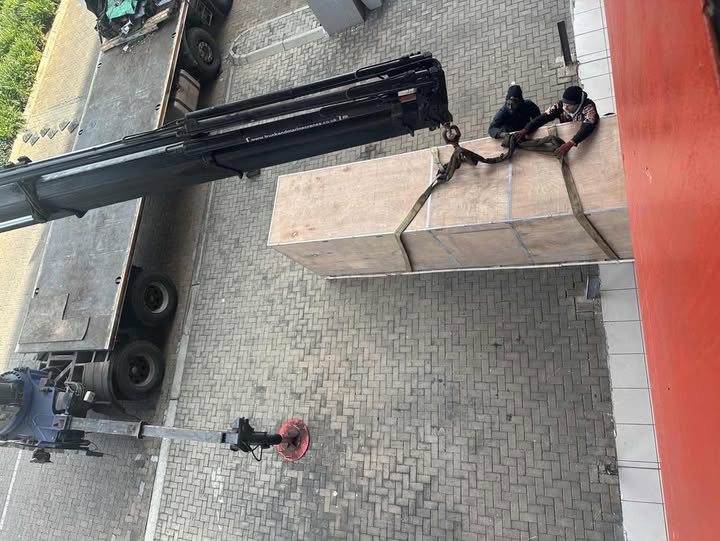
Industrial Machine Cllection
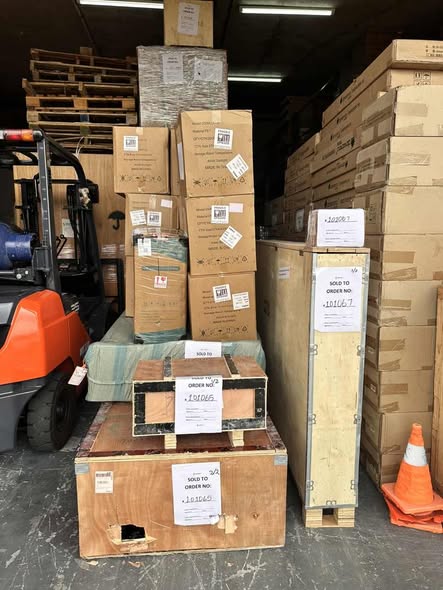
Agriculture Processing Machines
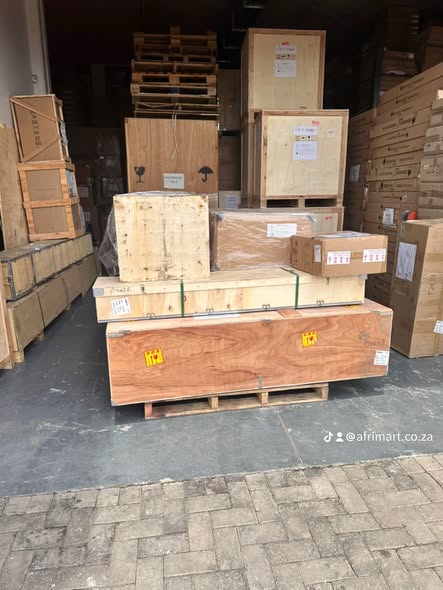
Ready for collection
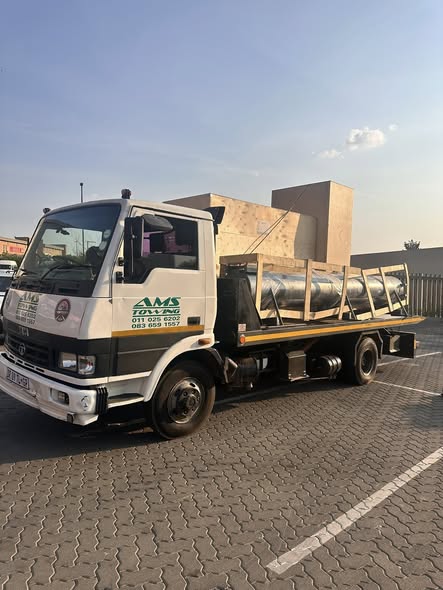
Water Pump Equipment
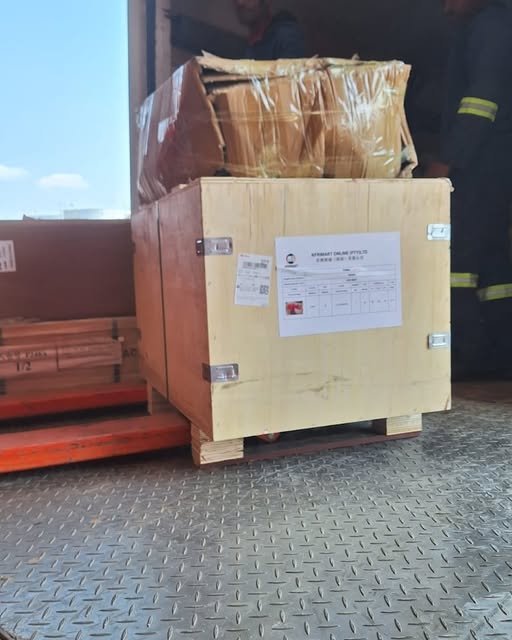
Packaging Machine and accessories
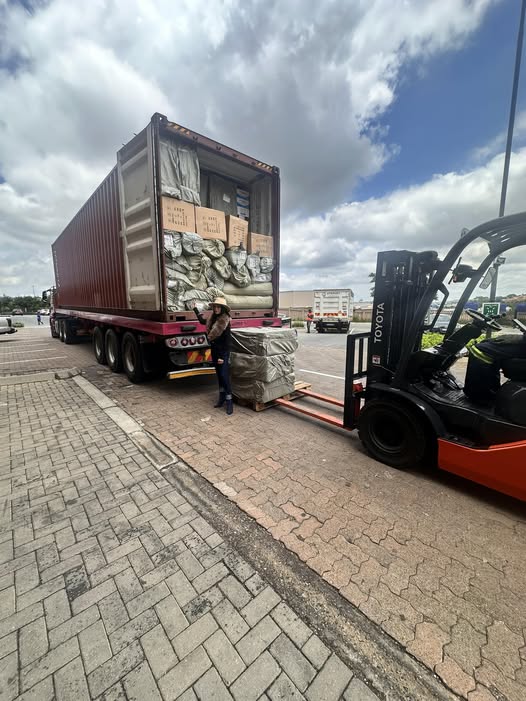
Fabrics Manufacturing Equipment
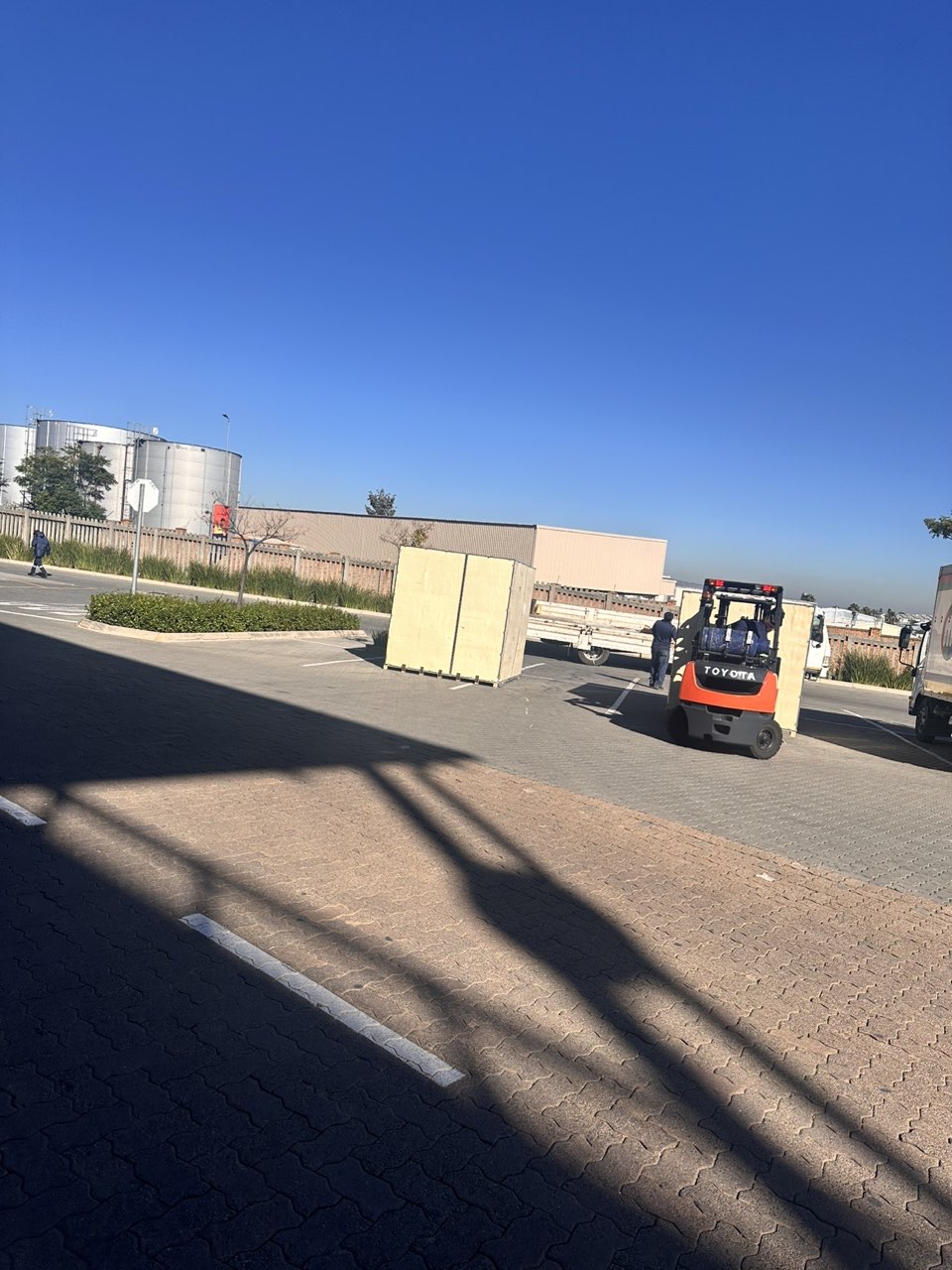
Mining Equipments
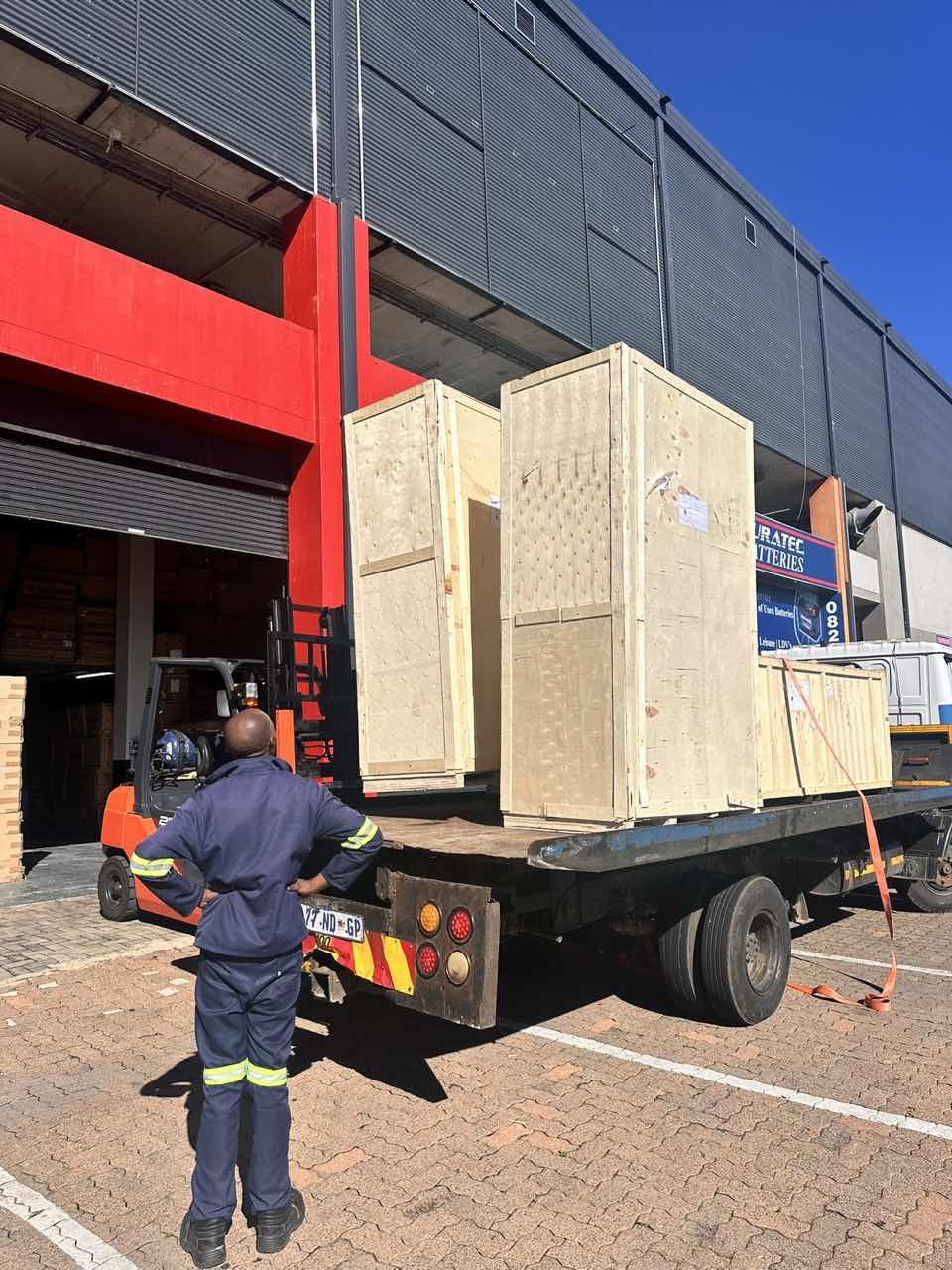
Food Processing Machine
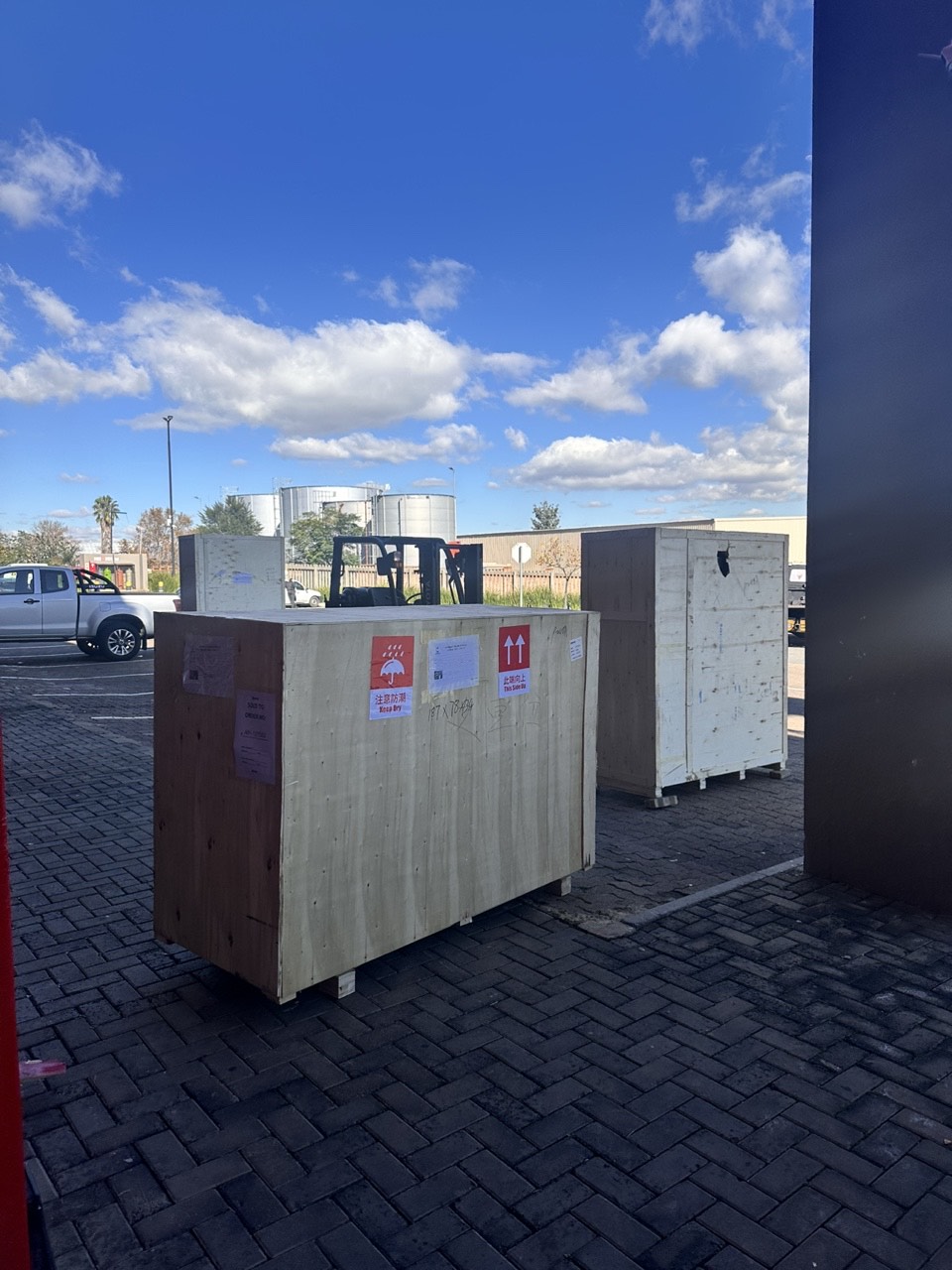
Batch of Orders
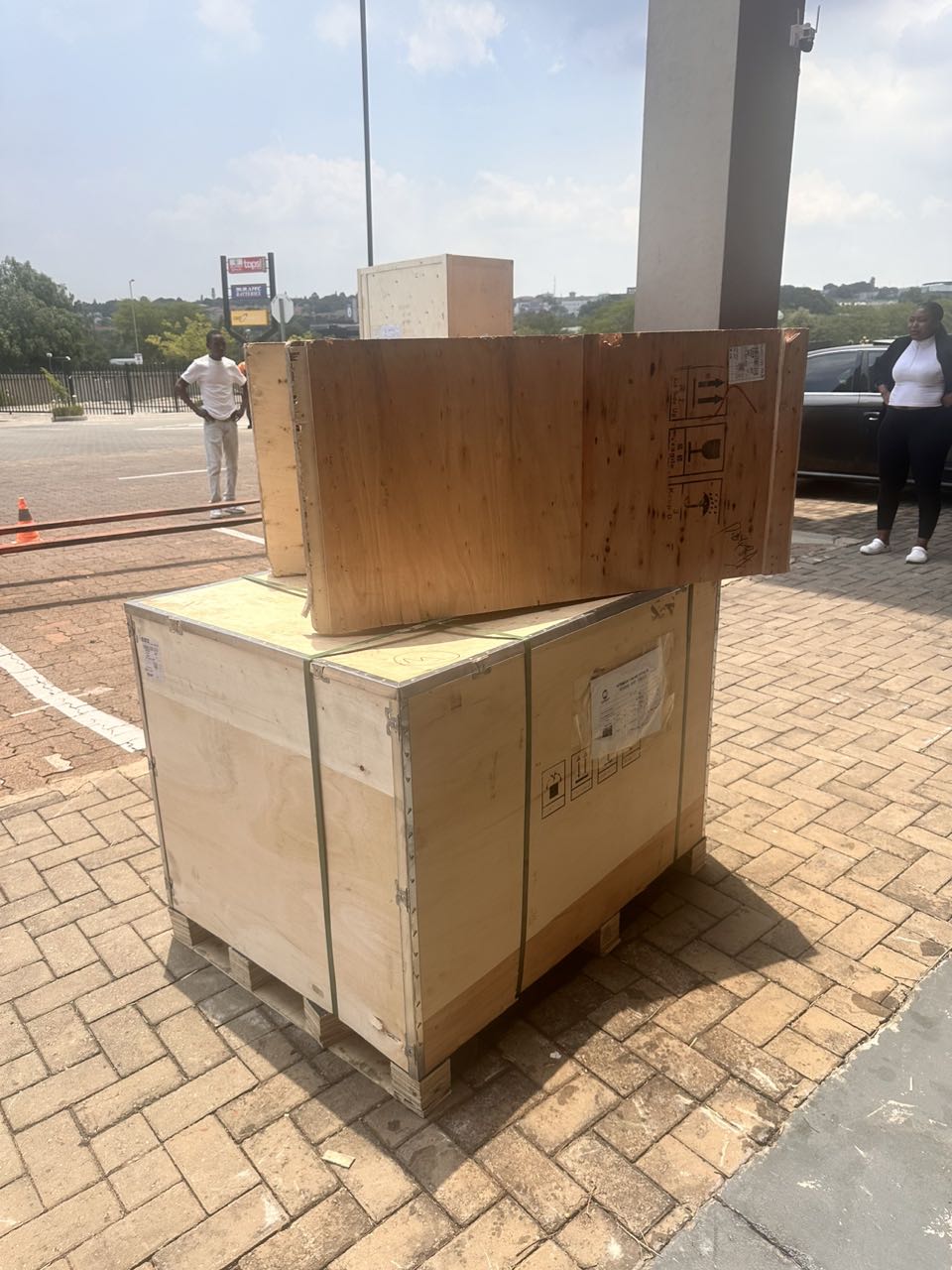
Batch of Orders
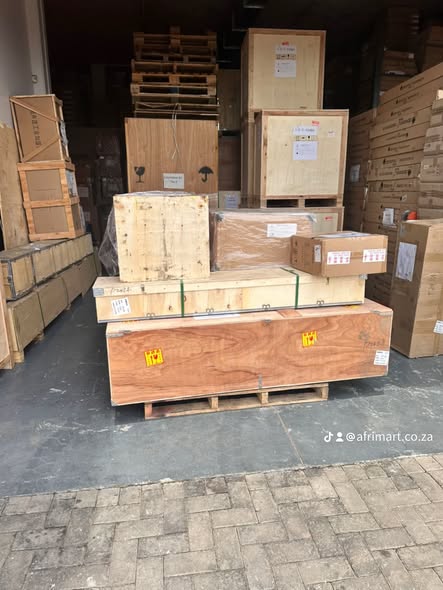
Latest Orders Labelled
wheel alignment machines
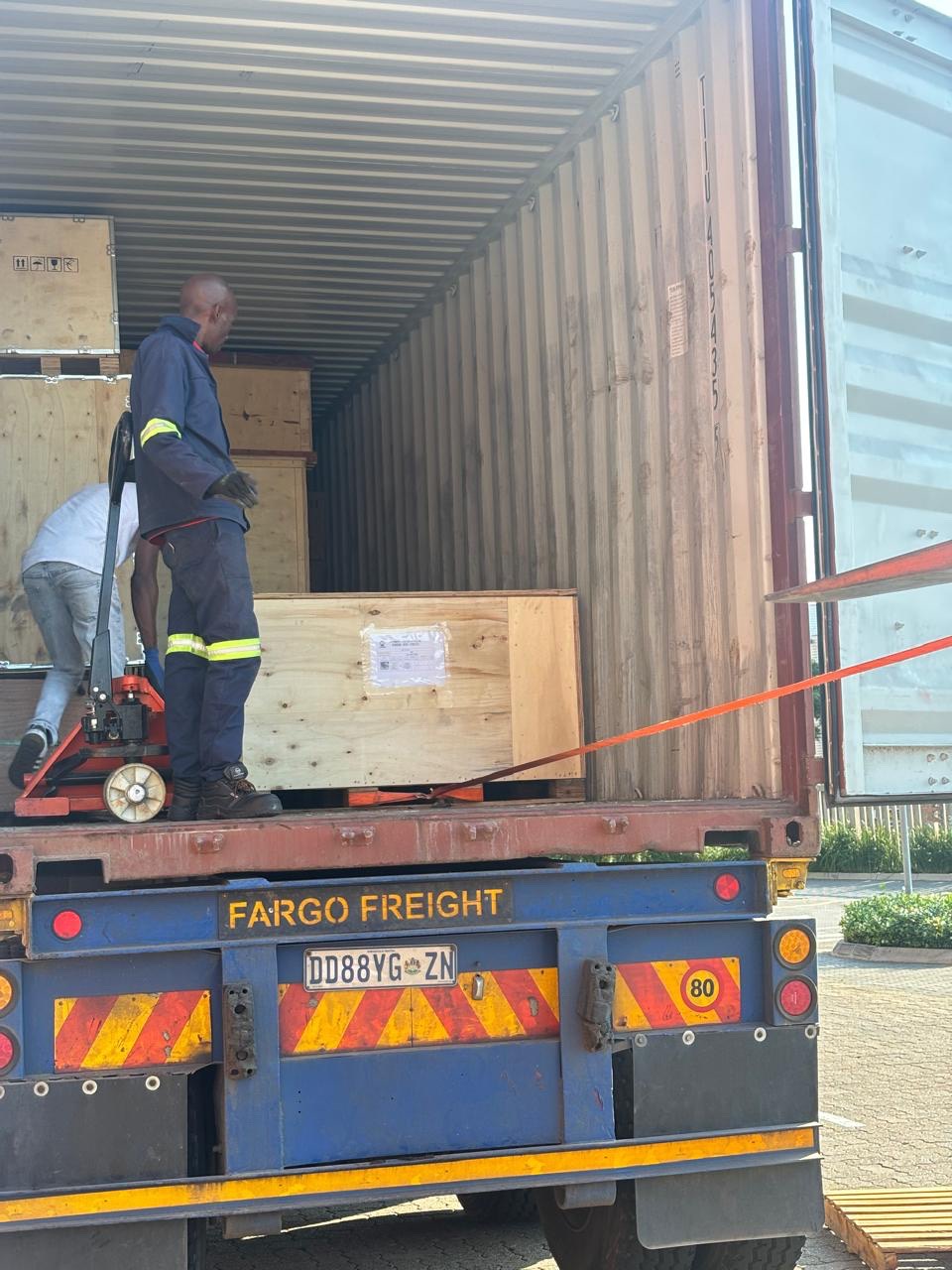
new arrivals
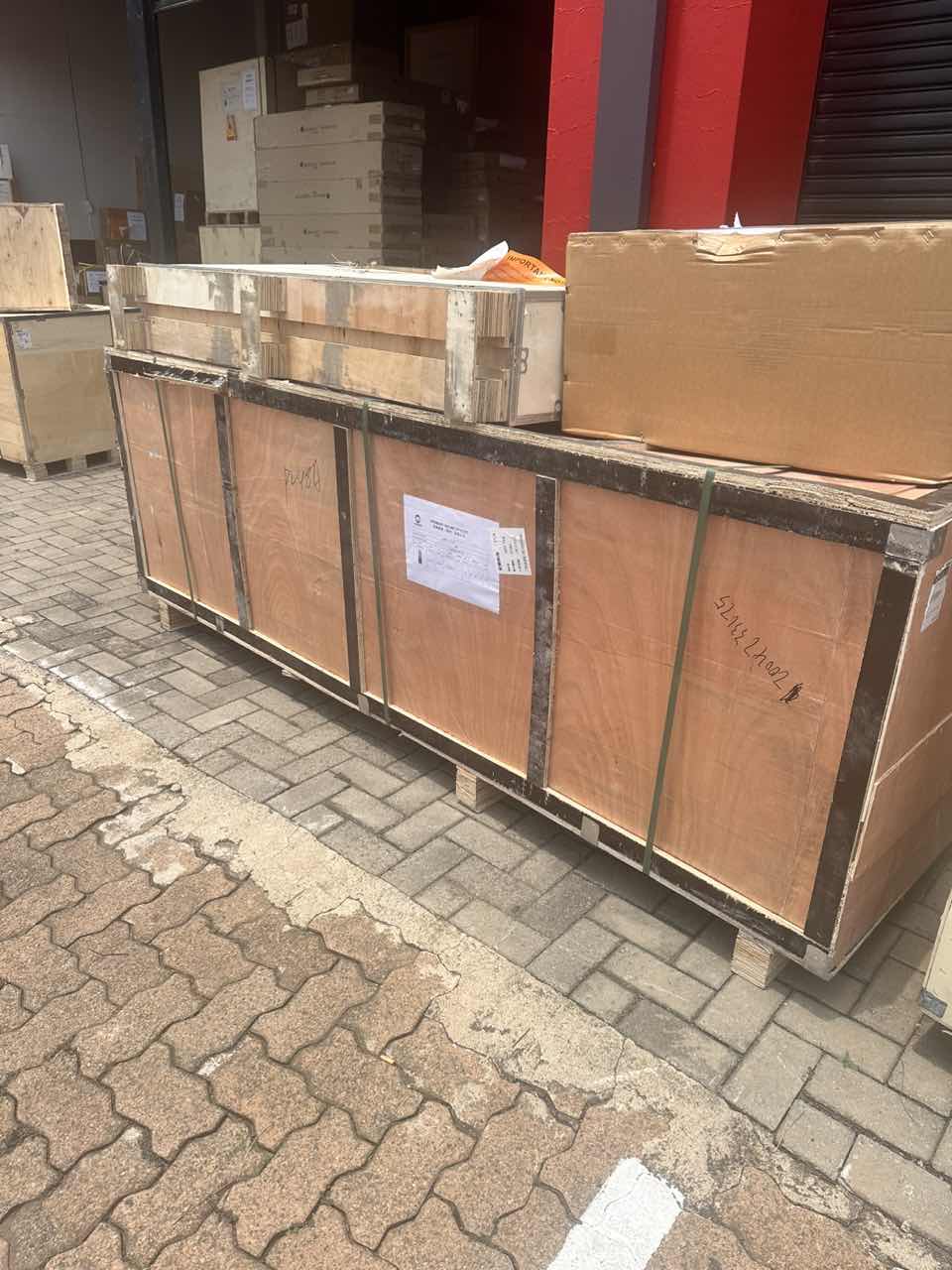
Pre Orders Offloading
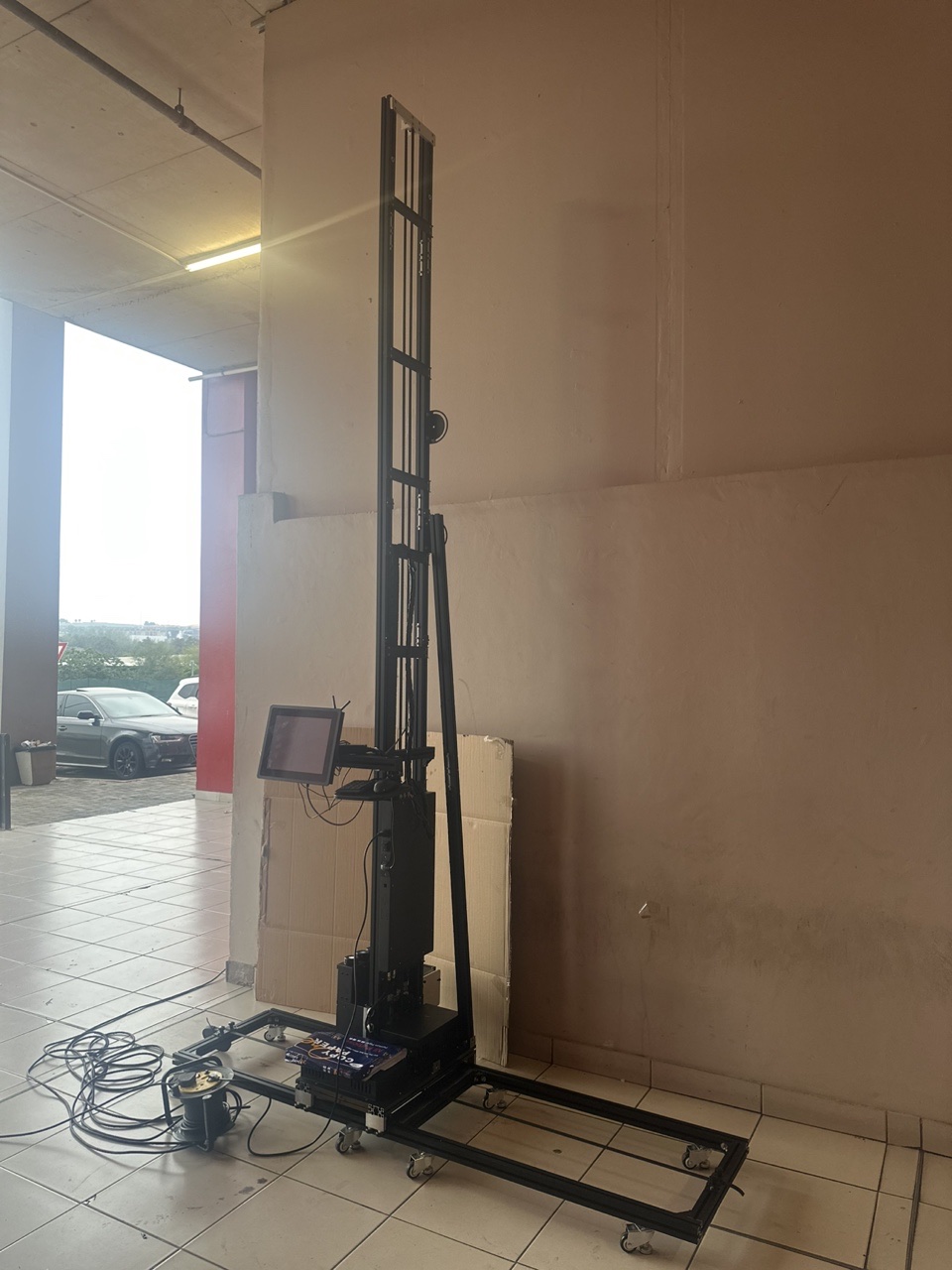
Latest Arrivals
Latest Arrivals
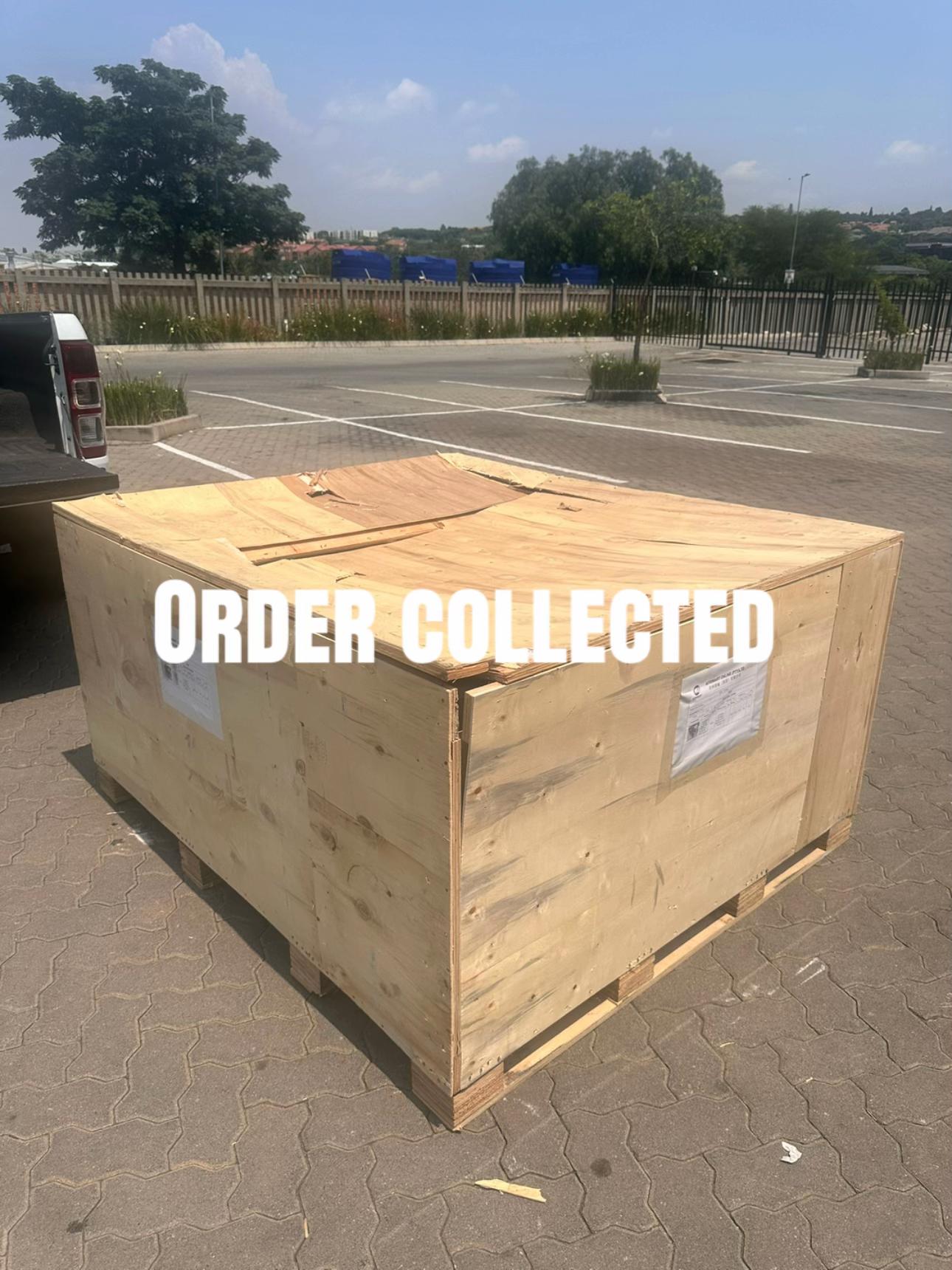
Latest Arrivals
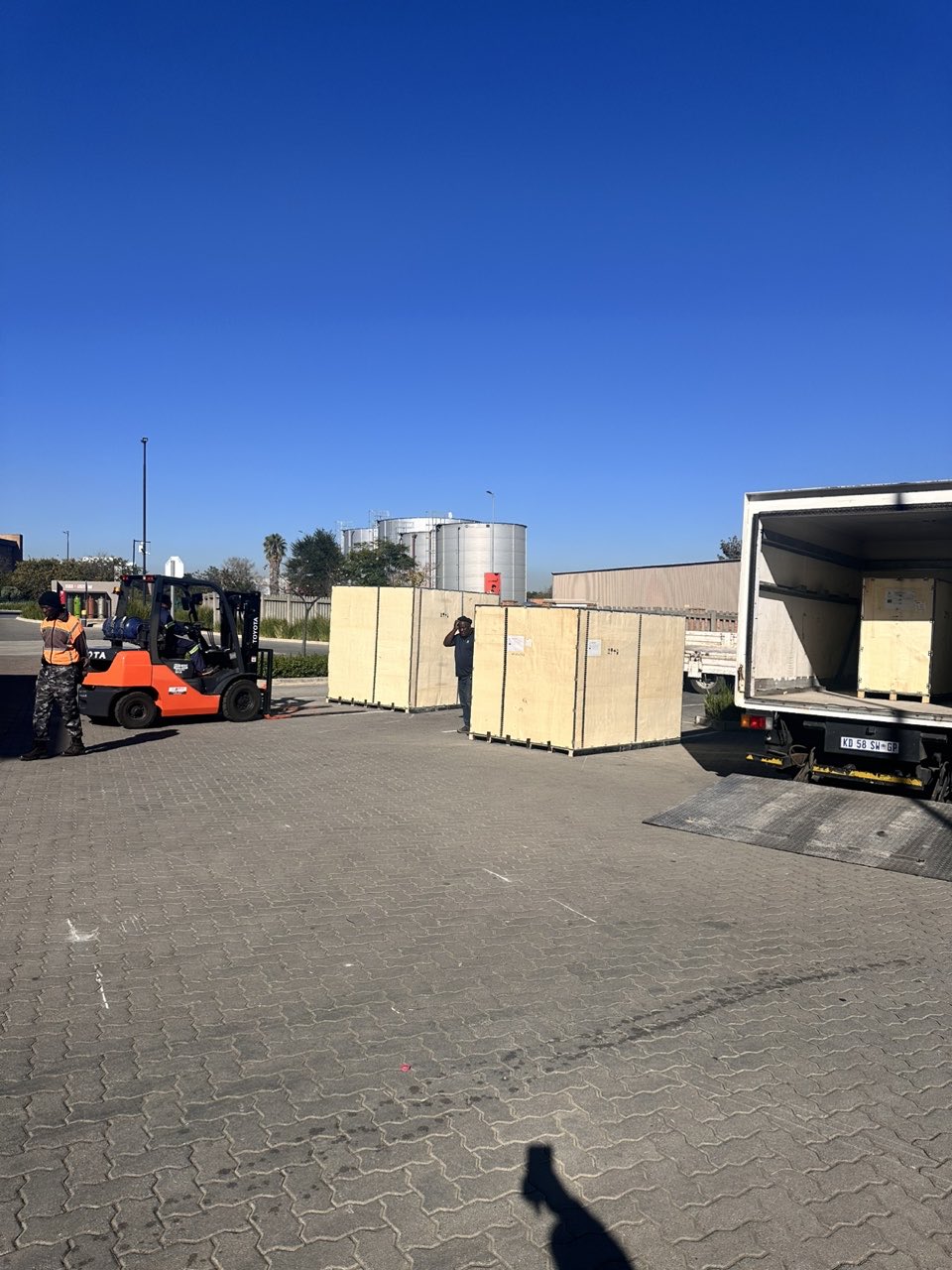
Loading
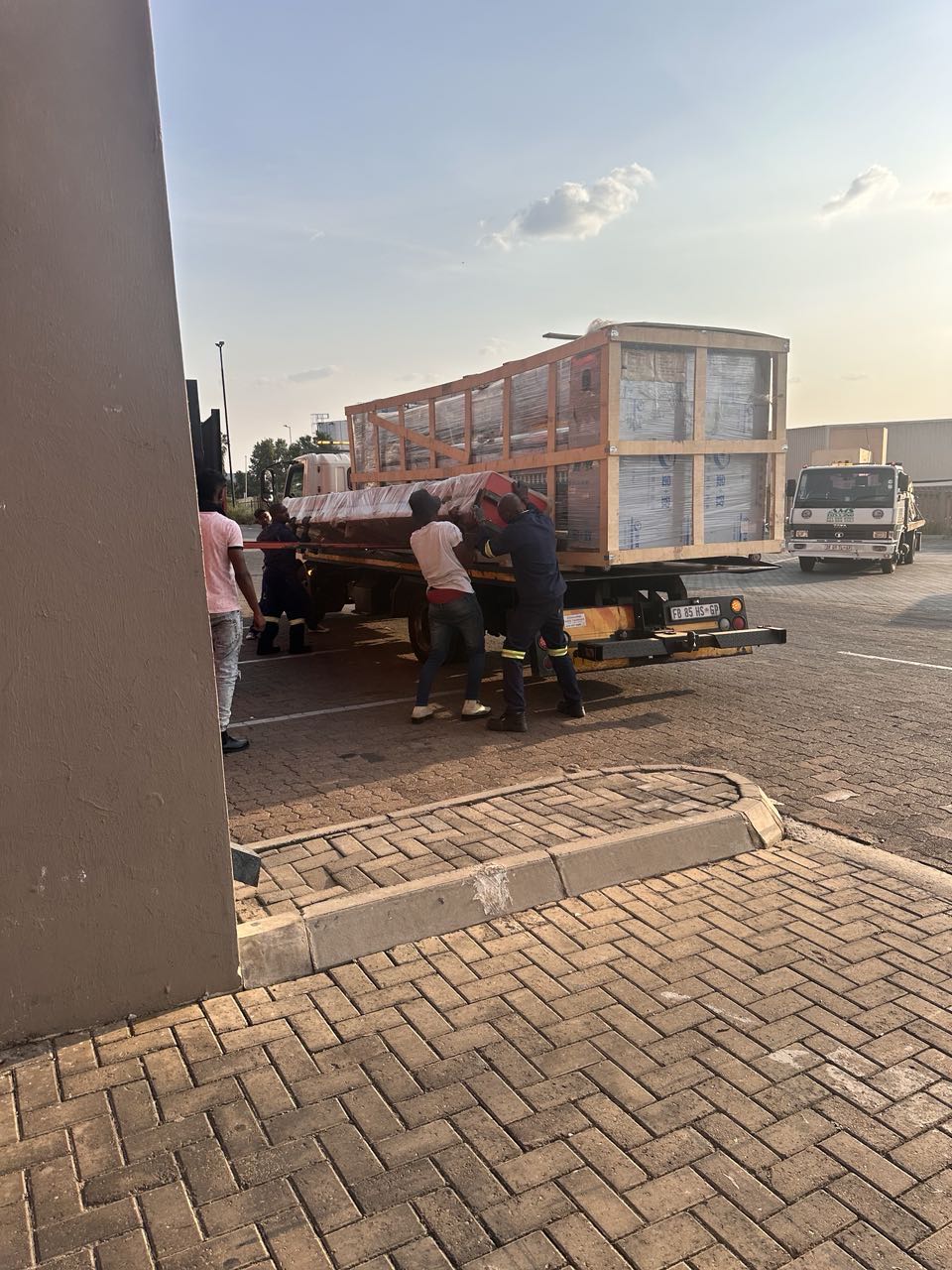
Toilet paper making machine
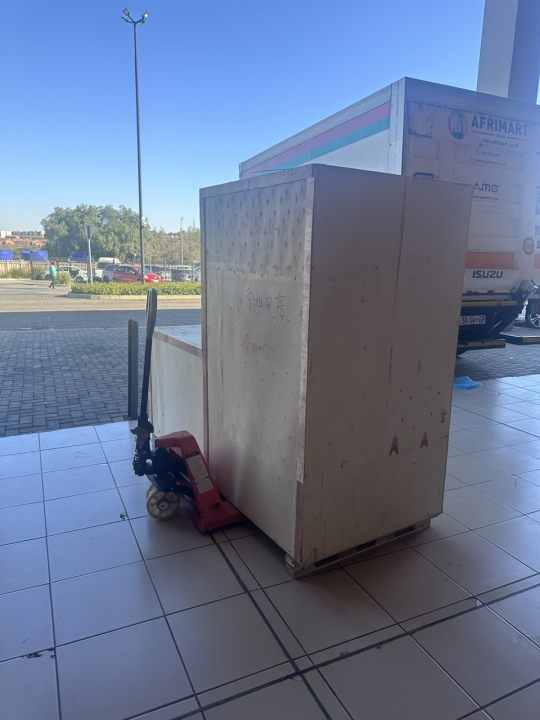
Toilet paper making machine
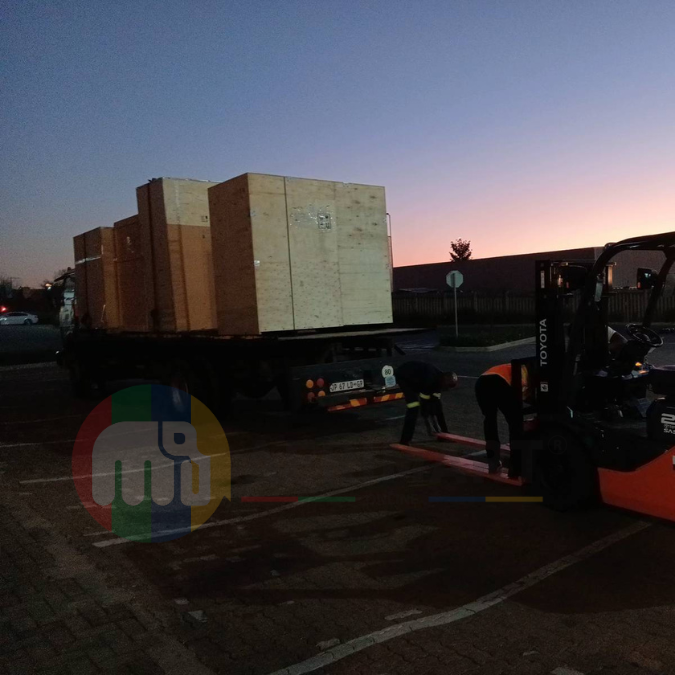
Toilet paper Rewinding Machine
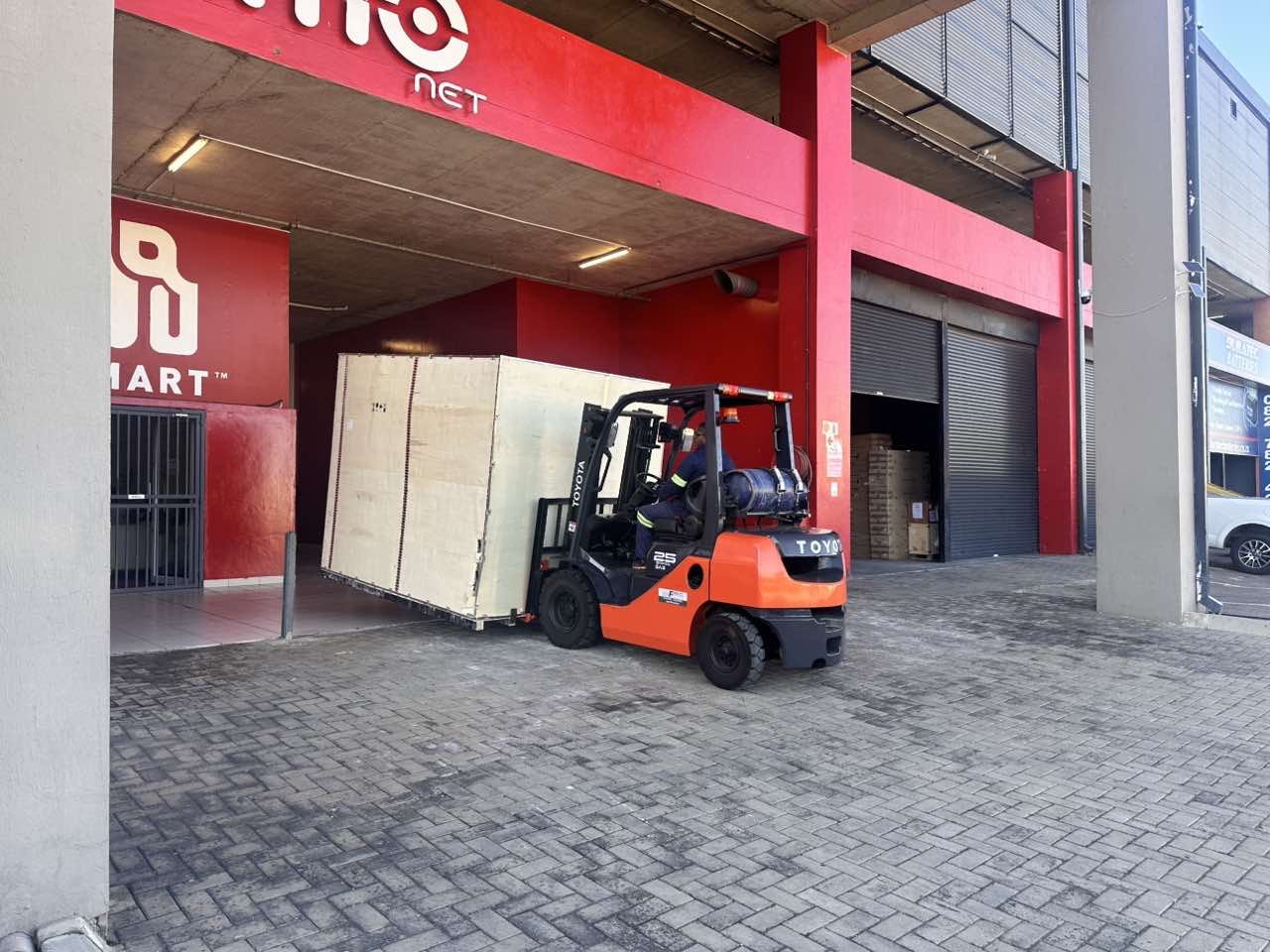
latest arrivals
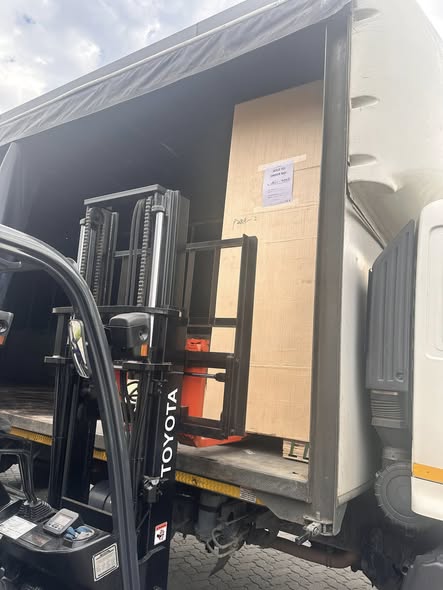
offloading
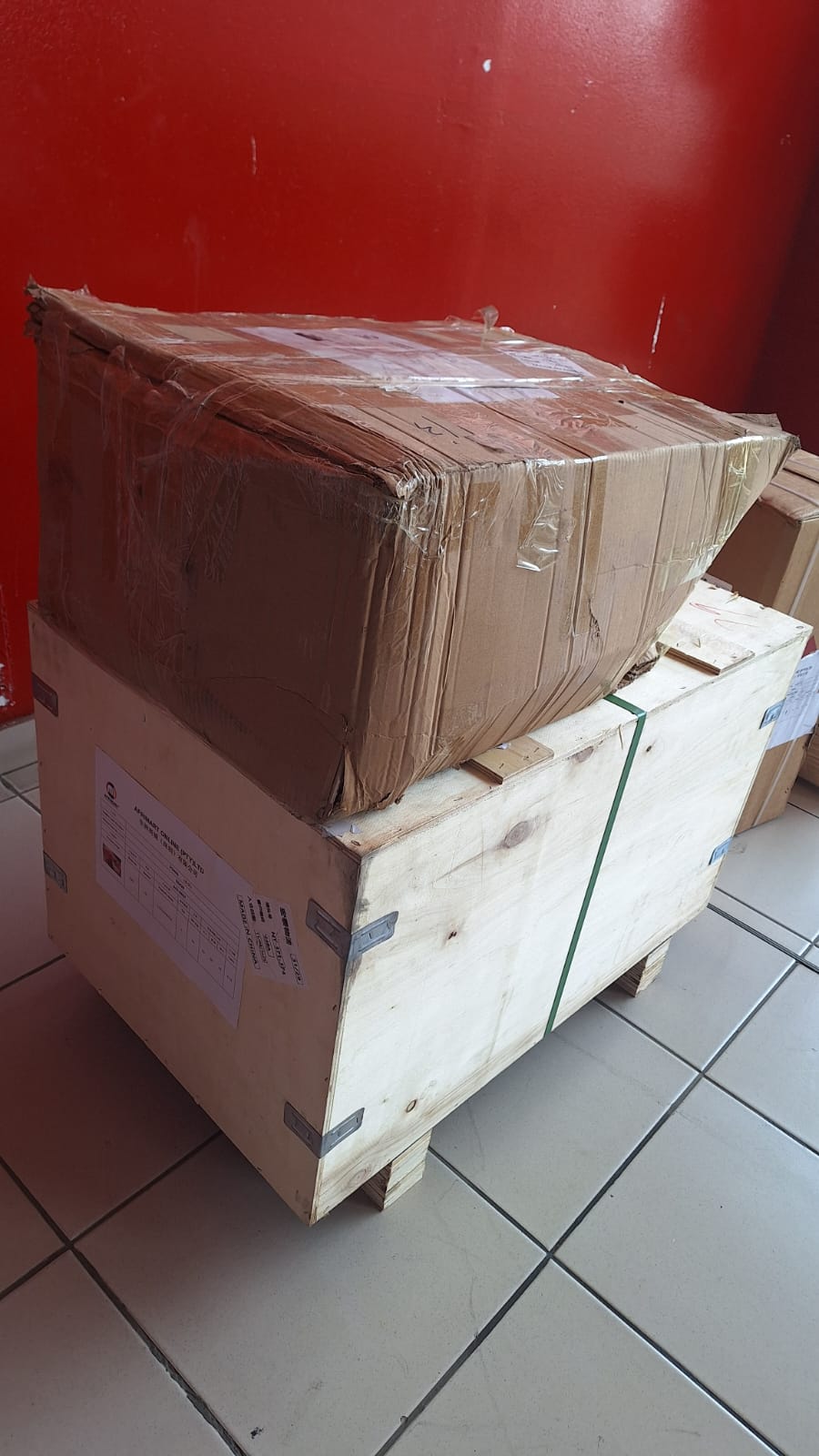
order success
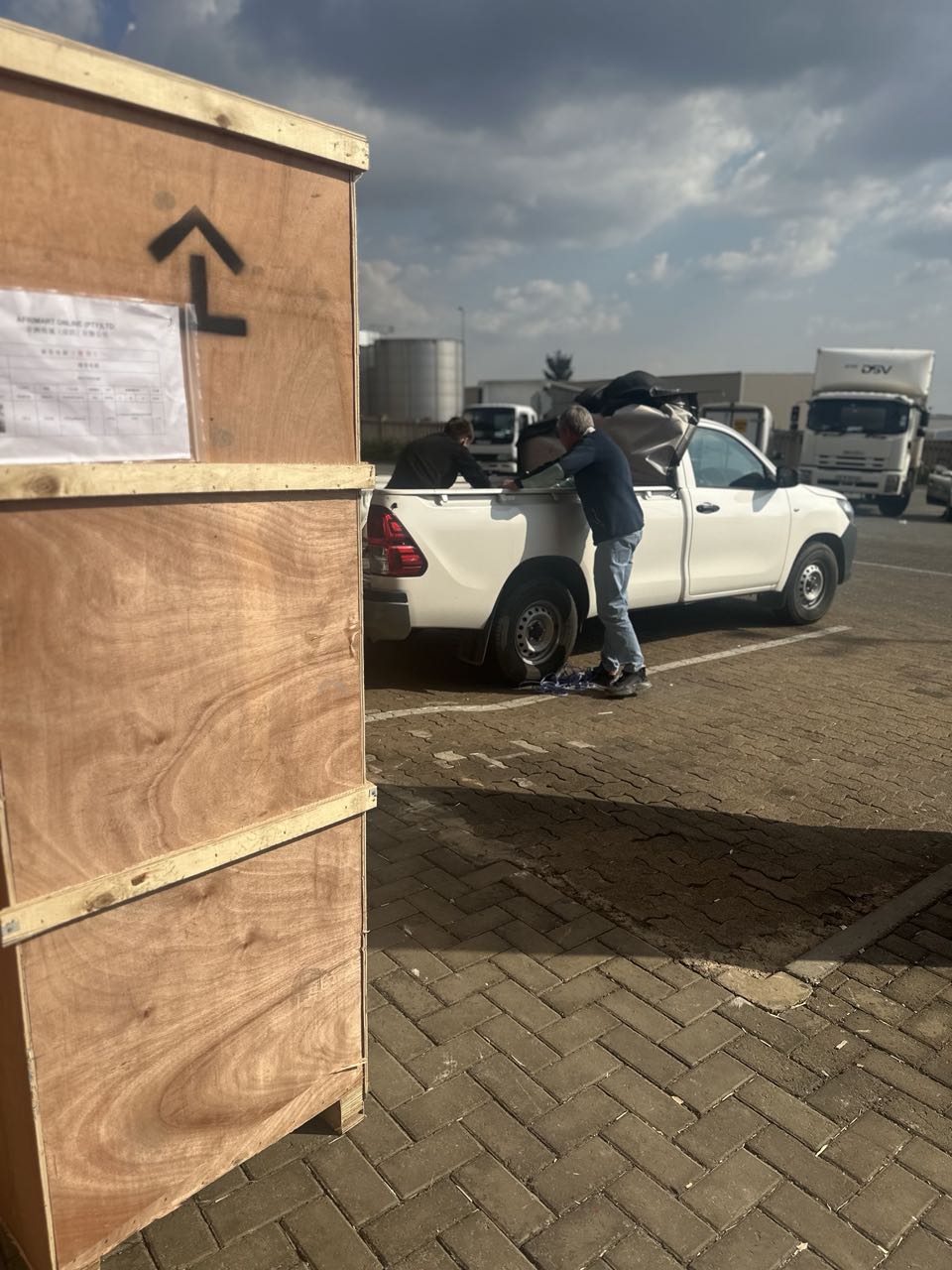
order collection
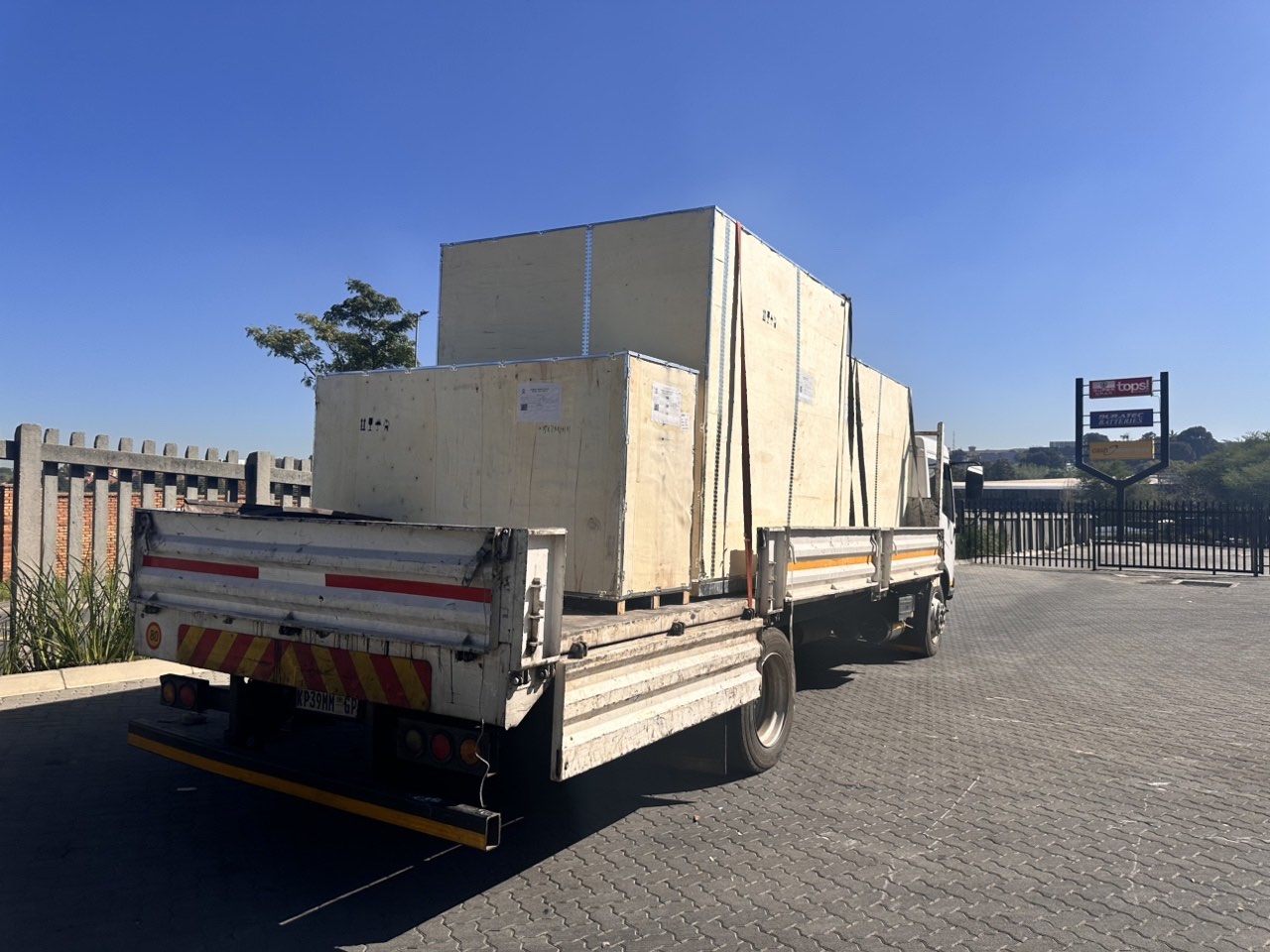
order offloading