B21, China Town Mall, Midrand

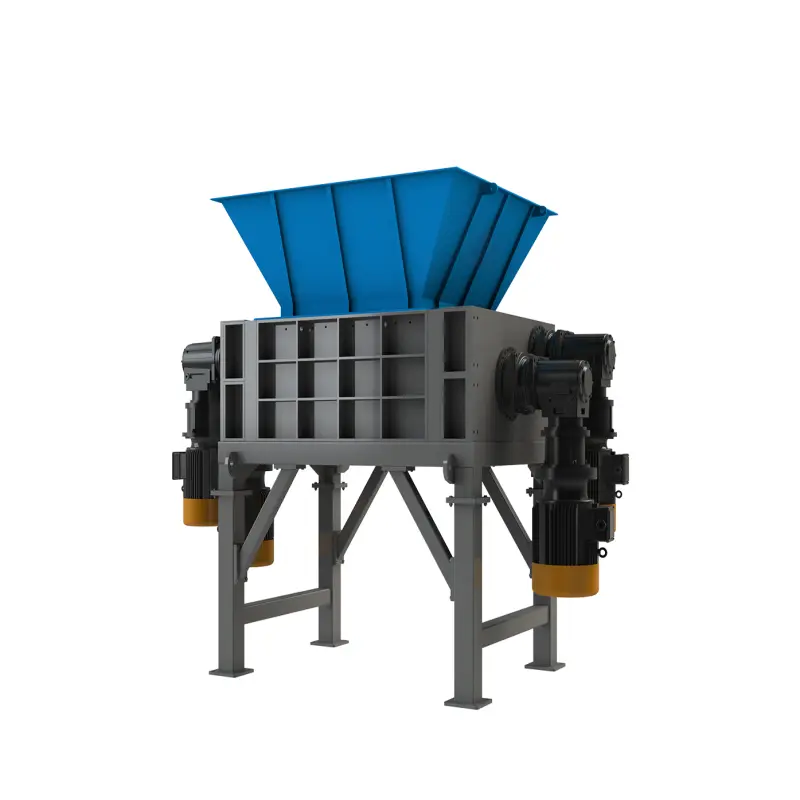
High-Performance Plastic Shredder Machine
Asset finance available
Do you want funding for this equipment?
Afrimart can connect you with trusted funding partners who specialise in asset finance for businesses like yours. Compare options and apply in minutes — final approval is subject to provider review.
Check funding options
Secure & no obligation

- Section : Machinery
- Category : Crushers
- SKU : 1600726238553

High-Performance Plastic Shredder Machine
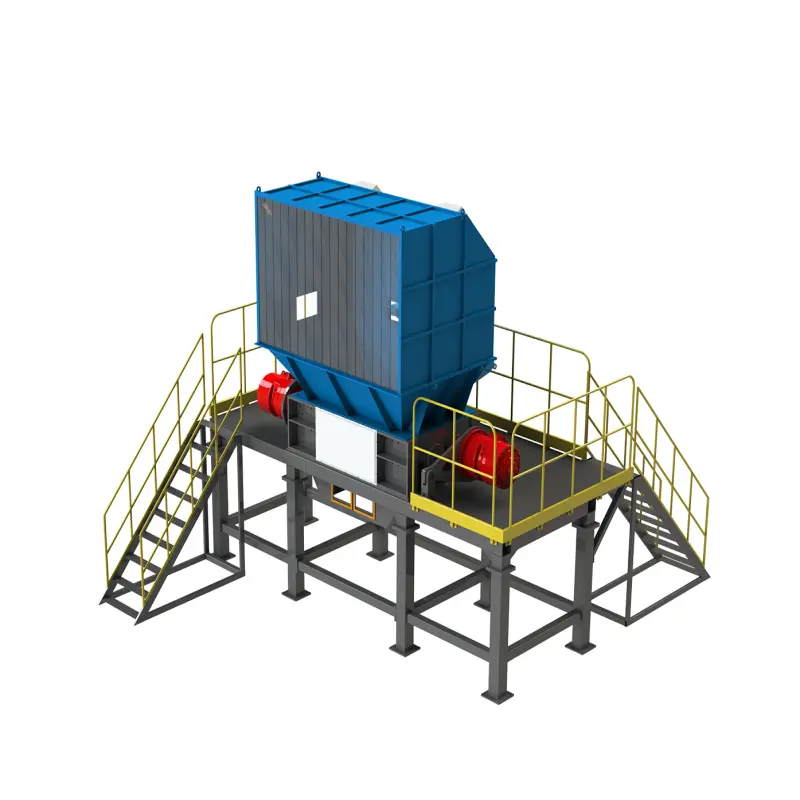
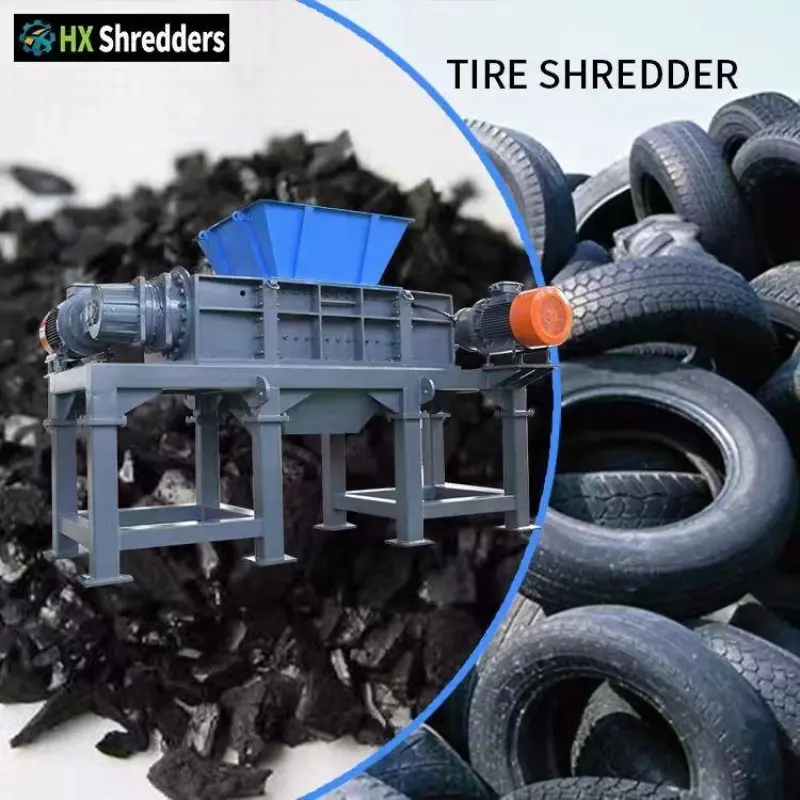
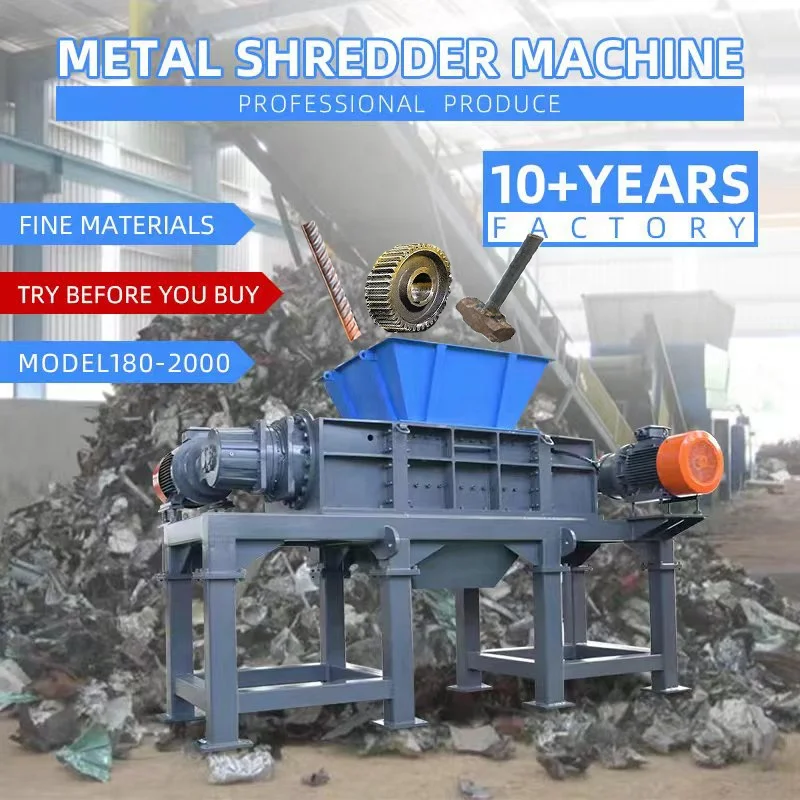
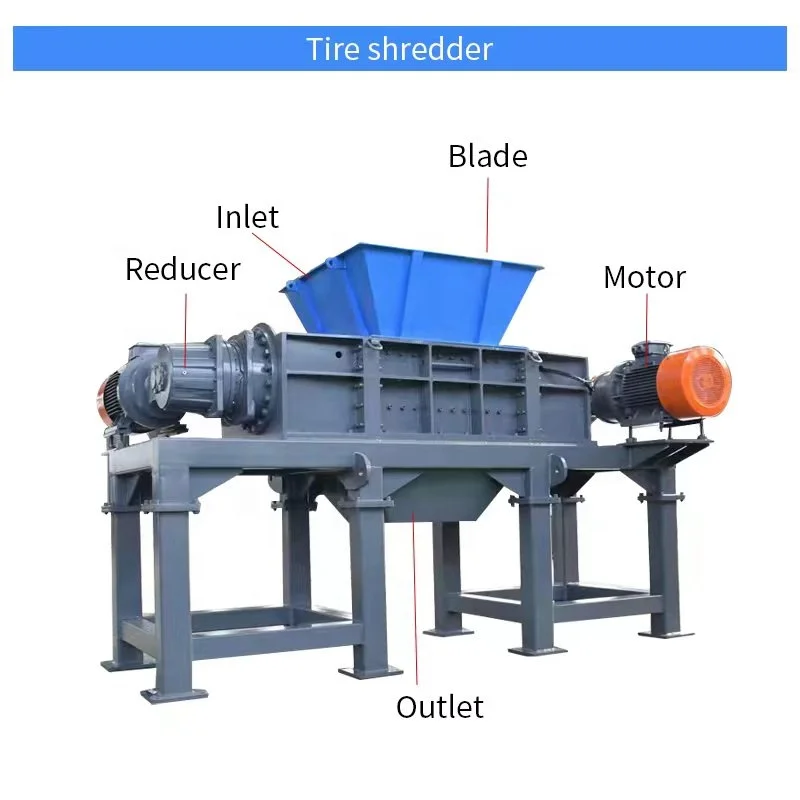
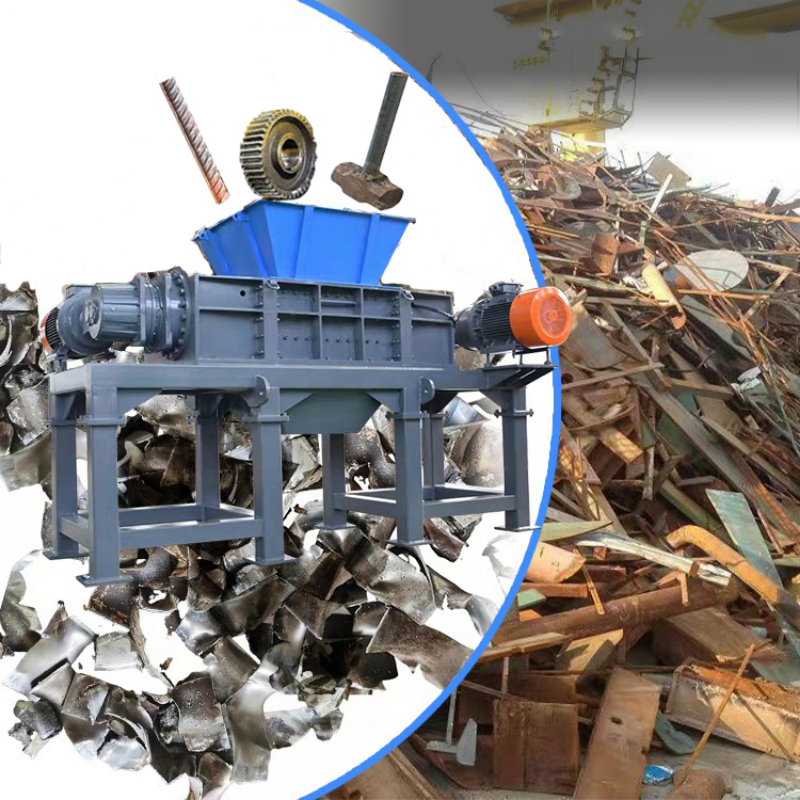
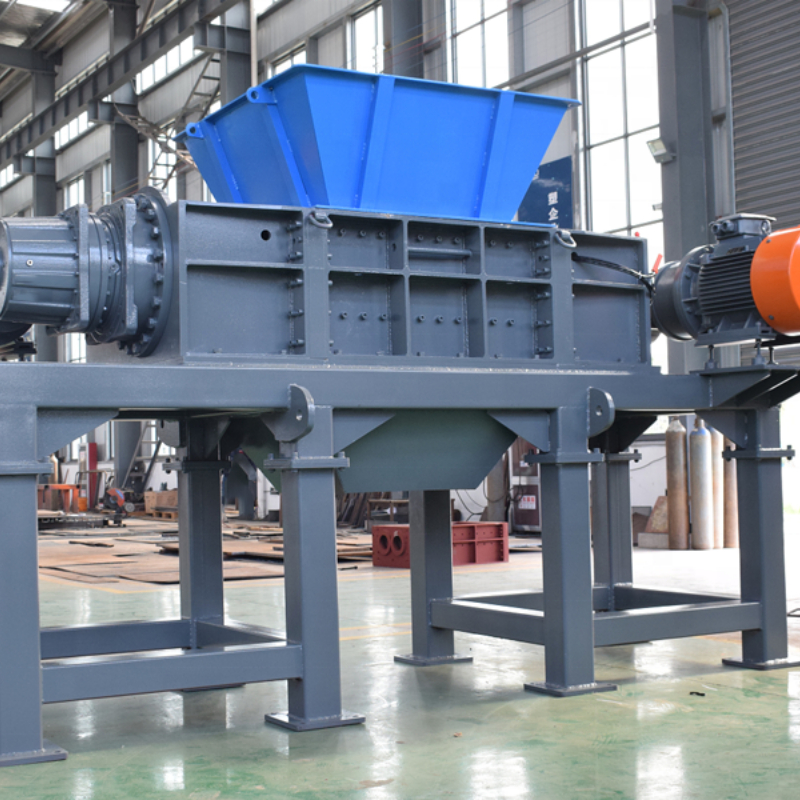
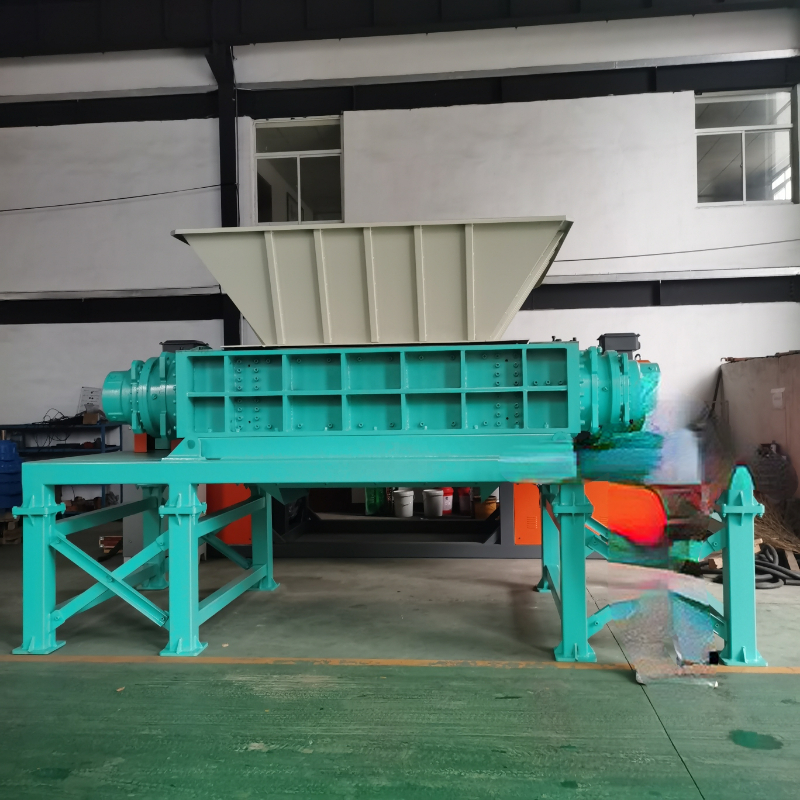
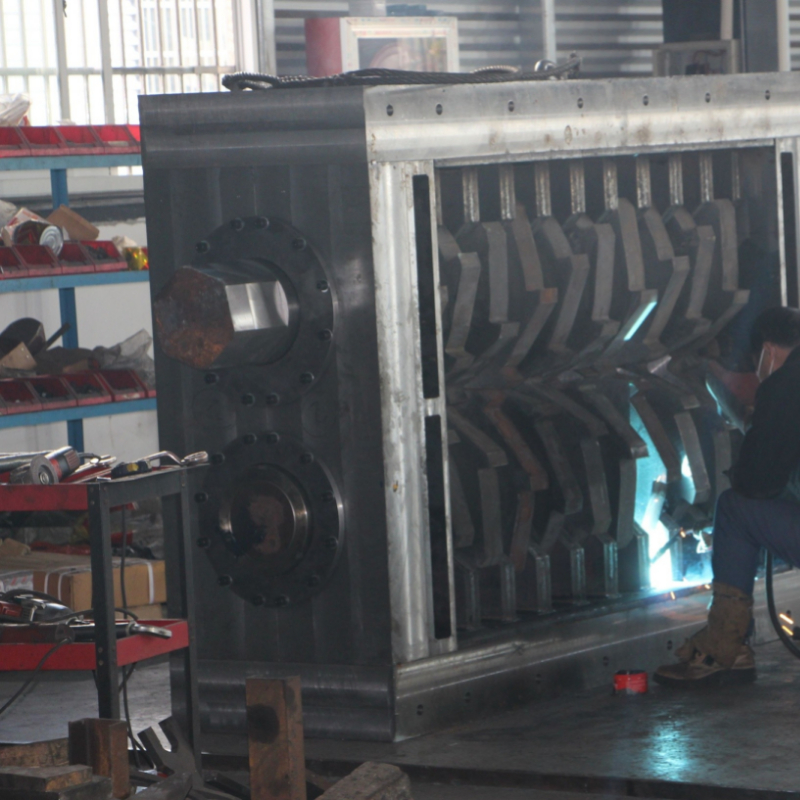
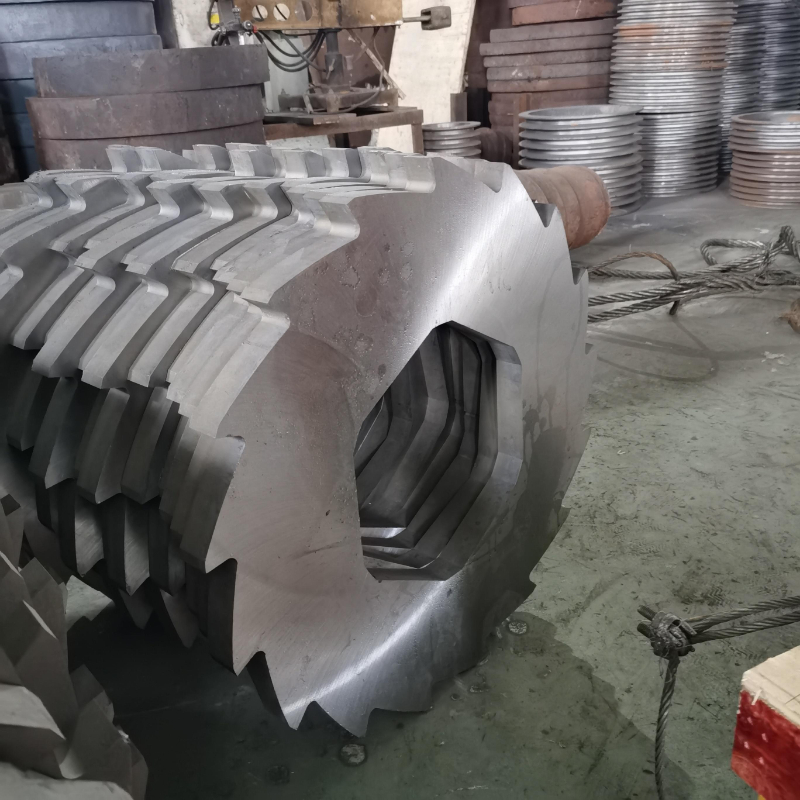
The High-Performance Plastic Shredder Machine is designed to process various materials efficiently and effectively. With its robust build and advanced features, this shredder is ideal for industrial use, handling everything from plastic waste to car shells and tires. Its versatility and reliability make it a valuable addition to any operation requiring powerful waste management solutions.
Key Features of the High-Performance Plastic Shredder Machine:
- Impressive Capacity: Processes up to 3000 kg/h, making it suitable for high-demand operations.
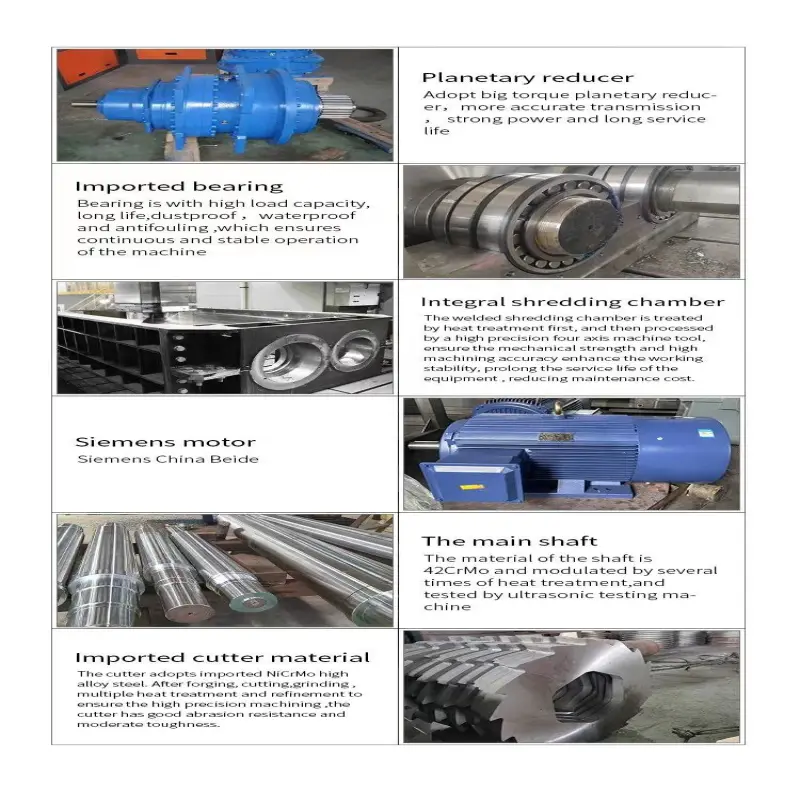
- Durable Construction: Equipped with a NiCrMo alloy blade and hard alloy cutters for long-lasting performance.
- Versatile Material Handling: Handles a range of materials, including PVC, PET, ABS, and more, ensuring broad applications.
- Hydraulic/Electric Drive: Offers flexibility and efficiency with two drive options.
- Compact Design: Dimensions of 315021502500 mm for optimized workspace utilization.
- Powerful Motor: Operates with a 60 kW motor to handle heavy-duty tasks.
- Customizable Output: Produces tailored end products for specific requirements.
- Automatic Operation: Enhances productivity with minimal manual intervention.
- Reinforced Cutting Chamber: Dimensions of 1580*1060 mm for effective shredding of larger items.
This High-Performance Plastic Shredder Machine is built to deliver consistent, high-quality results. It is an essential tool for industries like manufacturing, recycling, and construction, ensuring efficient material processing with minimal downtime.
Product Info Gallery
- Shipping Timeframes: All orders are processed within 2-5 business days (excluding weekends and holidays). After your order has been processed, the estimated delivery time is before 05 Jul, 2026, depending on customs, Please note that due to high demand, some items may experience longer shipping times, which will be communicated at order confirmation email.
- Order Processing Time: Please allow 2-5 business days for us to process your order before it is shipped . Orders placed after 16:00 on Fridays, or during weekends and public holidays, will begin processing on the next business day. Processing times may be extended during peak seasons or sales events.
- Manufacturing Time: Some products needs manufacturing time, the manufacturing process will take approximately 10-30 business days depending on the product. This timeframe may vary depending on the complexity of the product and current demand. but this will be communicated with you during order confirmation.
- Returns and Exchanges: We offer a 30-day return policy for most items. If you are not completely satisfied with your purchase, you may return it within 30 days of receipt for a refund or exchange. Items must be unused, in their original packaging, and accompanied by proof of purchase. Return shipping costs are the responsibility of the customer, unless the item was damaged or defective upon arrival.
1. What materials can the High-Performance Plastic Shredder Machine process?
It is designed for a wide range of materials including PVC, PET, ABS, general plastic waste, car shells and body parts, tires, and other similar industrial materials. Some heavily reinforced metals or large embedded steel components should be pre-sorted to avoid blade damage.
2. What is the shredding capacity (throughput)?
Maximum throughput is up to 3000 kg/h. Actual throughput varies with material type, density, moisture content and feed method.
3. What are the machine dimensions and cutting chamber size?
Overall machine dimensions are approximately 3150 x 2150 x 2500 mm, and the reinforced cutting chamber measures 1580 x 1060 mm.
4. What motor and power requirements does the machine need?
The unit is driven by a 60 kW motor. Electrical configuration (voltage, frequency) is adaptable to common industrial supplies—typically three-phase supply such as 400 V/50 Hz or 480 V/60 Hz. Exact electrical requirements will be confirmed at order/configuration.
5. What drive options are available and how do they differ?
Two drive options are offered: hydraulic and electric. Electric drives are energy-efficient and simpler to maintain; hydraulic drives provide higher torque control and can be better for very heavy or intermittent loads. Choice depends on application and site preferences.
6. Can the output particle size be customized?
Yes. Output size is customizable via cutter configuration, screen selection and rotor speed. We can tailor end-product sizes to suit downstream processing or recycling specifications.
7. Is the machine suitable for continuous automatic operation?
Yes. It supports automatic feeding and operation with PLC controls and safety interlocks to minimize manual intervention and maximize productivity.
8. What materials are the blades and cutters made from, and how long do they last?
Blades are made from NiCrMo alloy and hard alloy cutters for extended wear life. Actual lifetime depends on materials processed and operating conditions; abrasive or metal-contaminated loads reduce blade life. Replacement blades and regrinding services are available.
9. What routine maintenance is required?
Routine maintenance includes daily visual inspections, clearing jams, lubrication of bearings and moving parts, weekly checks of blades and cutter condition, hydraulic fluid checks (if hydraulic drive), and scheduled blade sharpening or replacement based on wear.
10. What safety features are included?
Standard safety features include emergency stop buttons, safety interlocks on access doors, guards around the cutting area, overload protection, and PLC monitoring. Operators should follow lockout/tagout procedures and wear appropriate PPE.
11. Can the shredder handle tires and car shells without pre-processing?
It can process tires and car shells, but depending on size and embedded metal (e.g., wheel rims, belt steel), pre-sorting or pre-cutting may be recommended to avoid excessive wear or damage. Discuss your feedstock mix so we can recommend the best setup.
12. How noisy is the machine and are noise reduction options available?
Noise levels vary with material and site conditions and are typical of heavy industrial shredding equipment. Hearing protection is recommended for operators. Acoustic enclosures or sound dampening packages can be provided as options to reduce noise.
13. Are spare parts and after-sales support available?
Yes. Spare parts (blades, cutters, screens, hydraulic components, electrical parts) and technical support are available. We recommend stocking common wear parts for fast replacement to minimize downtime.
14. What installation and site preparation are required?
A level, stable foundation with sufficient load-bearing capacity is required. Provide appropriate electrical supply, grounding, space for maintenance access, ventilation and dust control as needed. Specific site drawings and installation instructions are supplied prior to delivery.
15. What customization, lead times and warranty options are offered?
Customization options include drive type, screen size, automation level, feeding systems and soundproofing. Lead times depend on configuration and production schedule—please contact the supplier for current lead times. Warranty and service packages are offered; terms vary and will be provided with quotation.
Latest Order Arrivals
Discover our latest orders
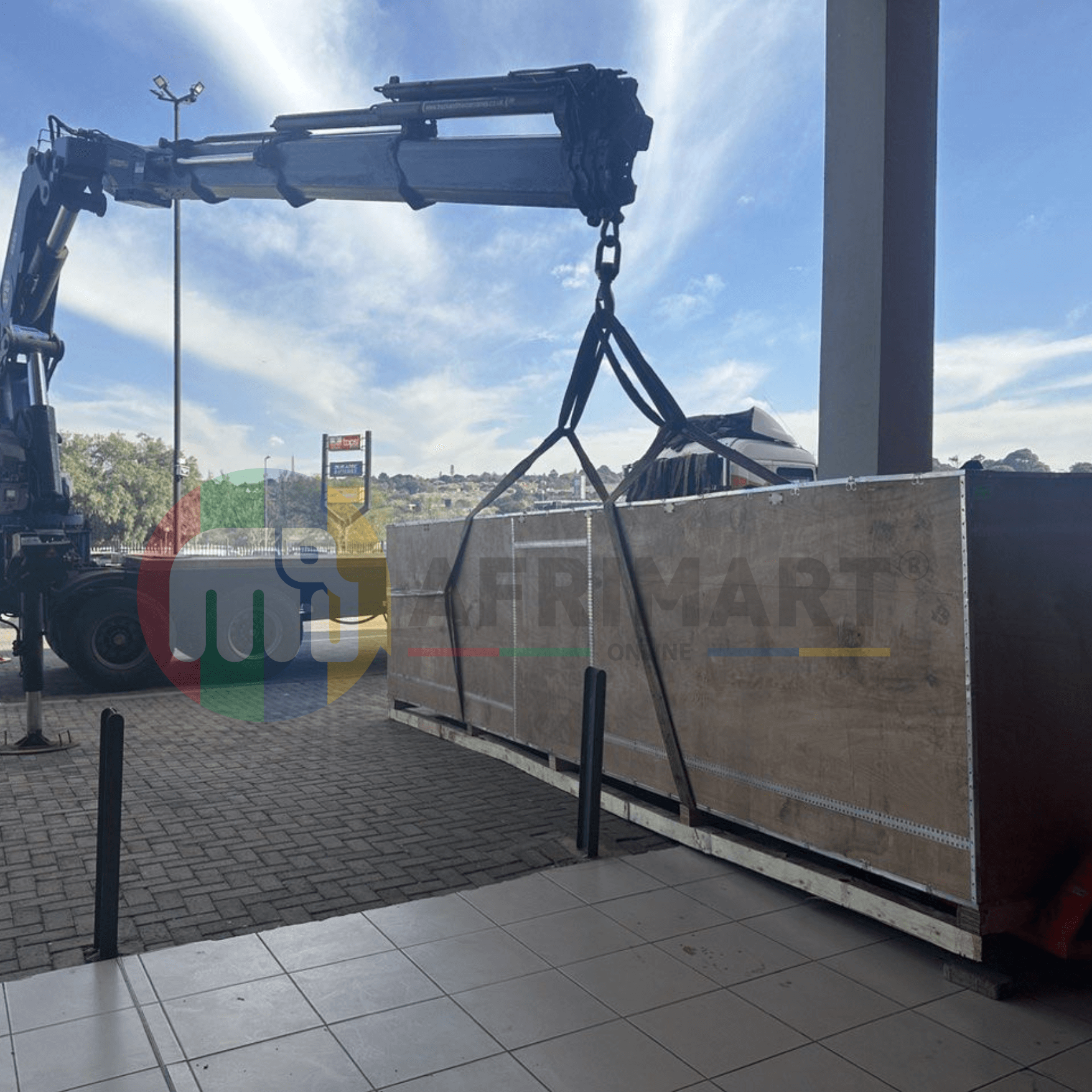
12 Heads Embroidery Machine
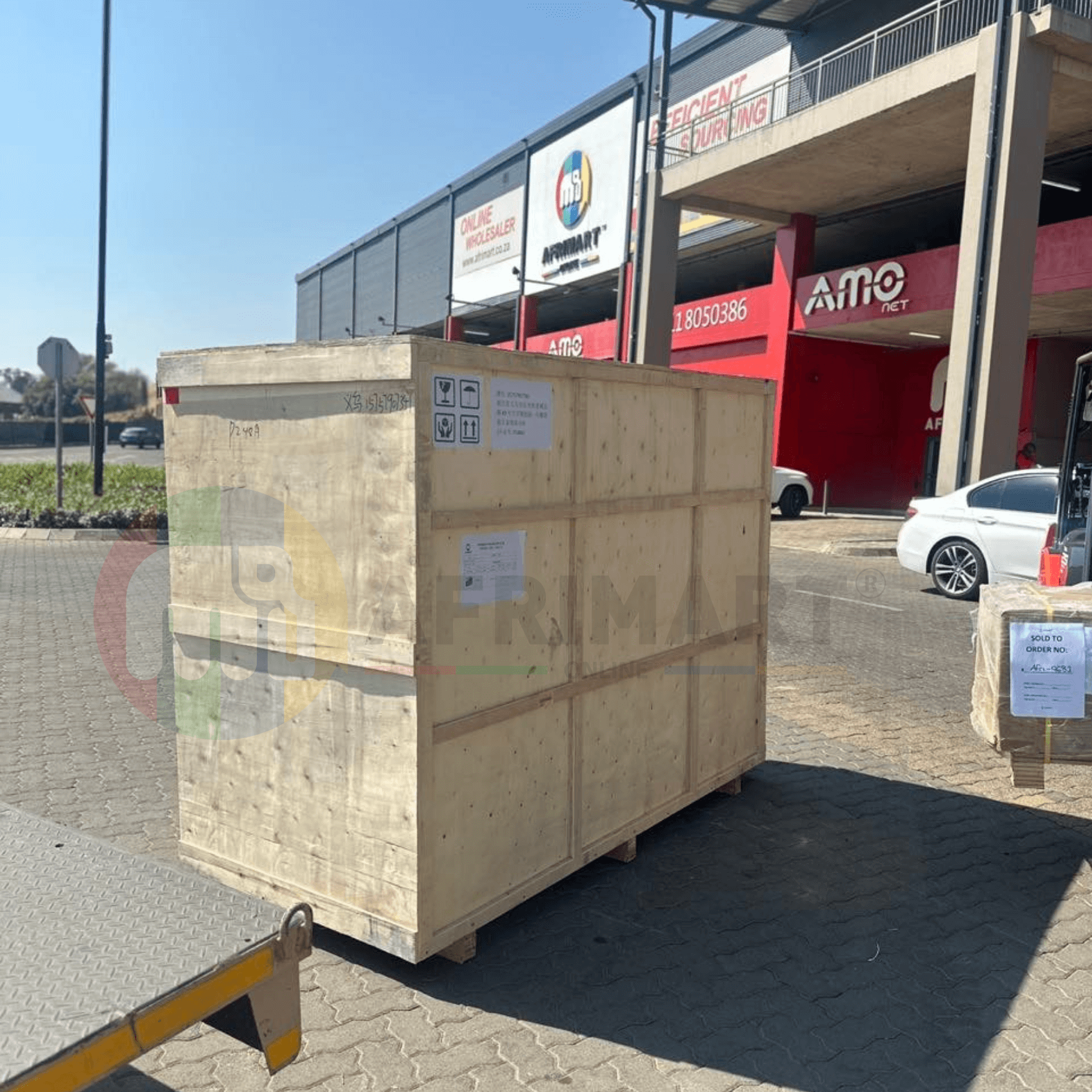
Dewatering Pump Machine
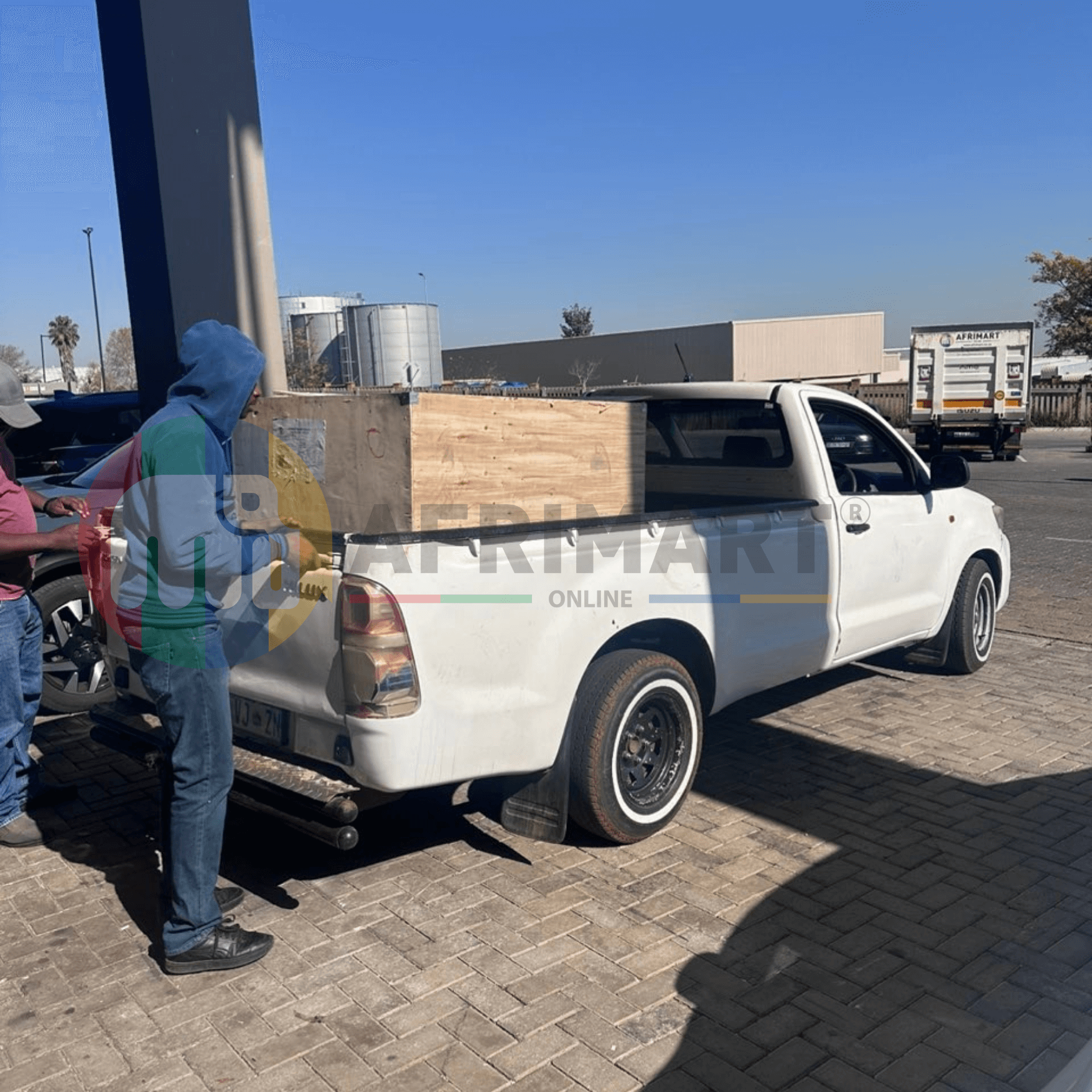
Order Collection
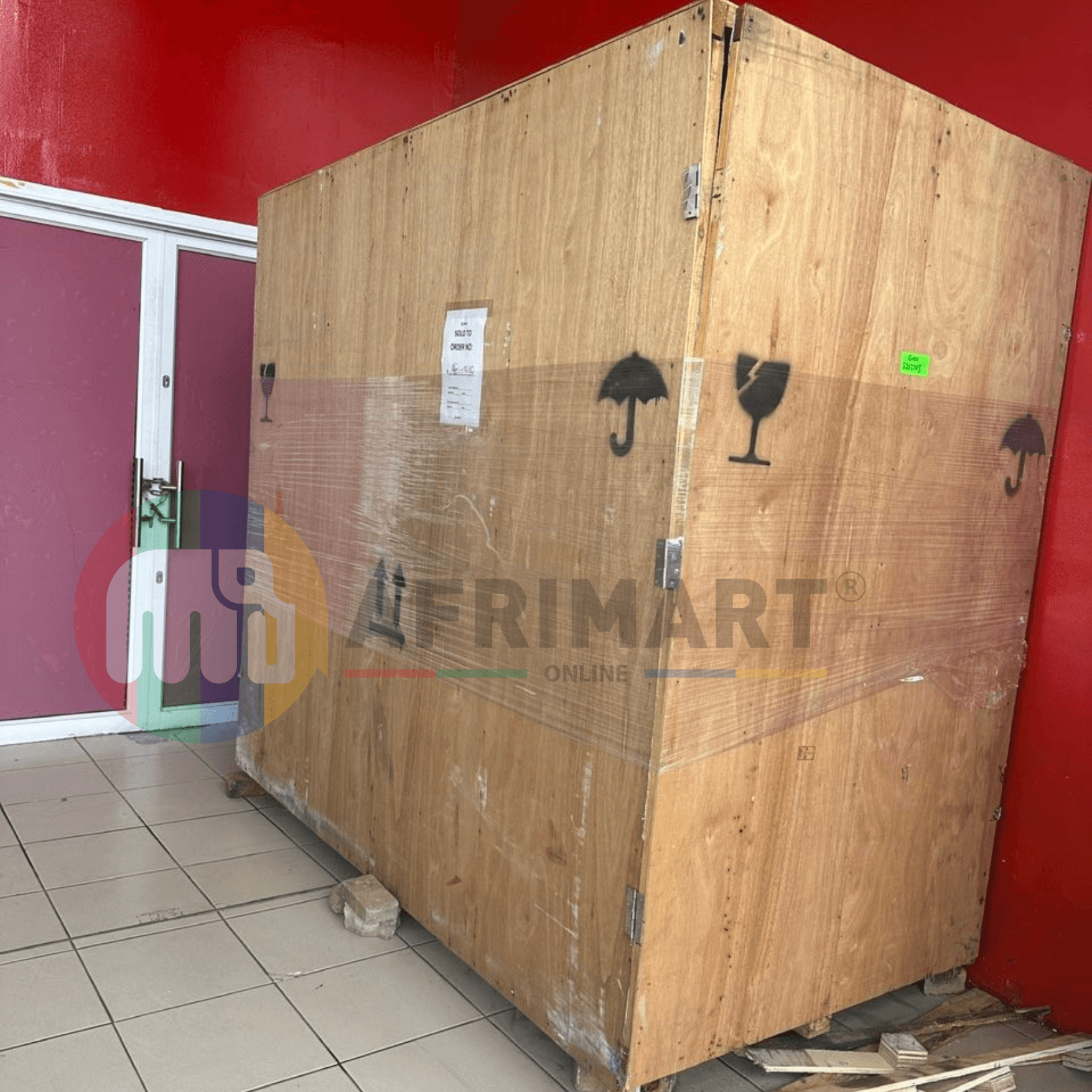
Portable Water Drilling Rig
Order Usefully Collected
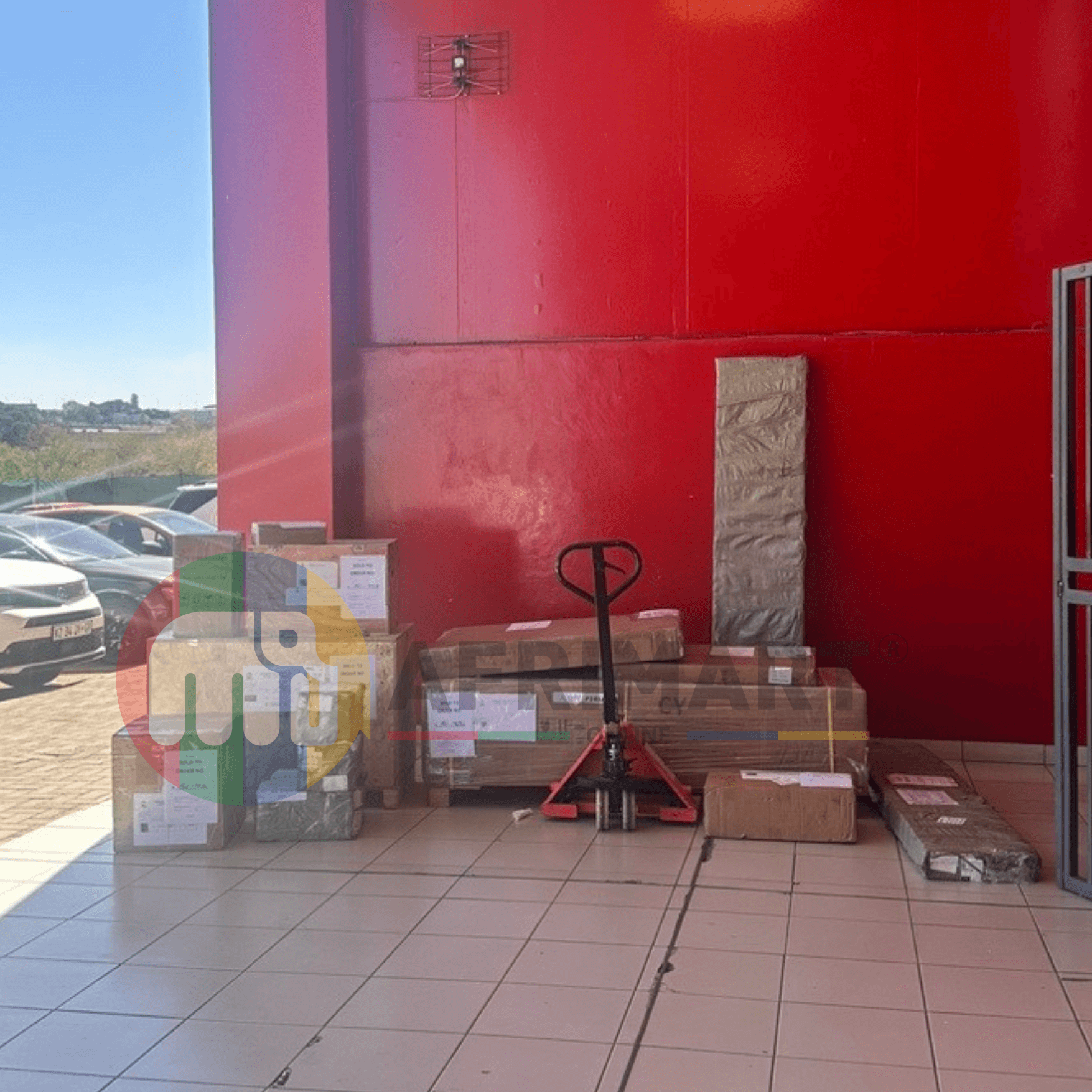
Batch of Orders
Agriculture Processing Machines
Meat Grinder Machine
Water Pump Equipment
Packaging Machine and accessories
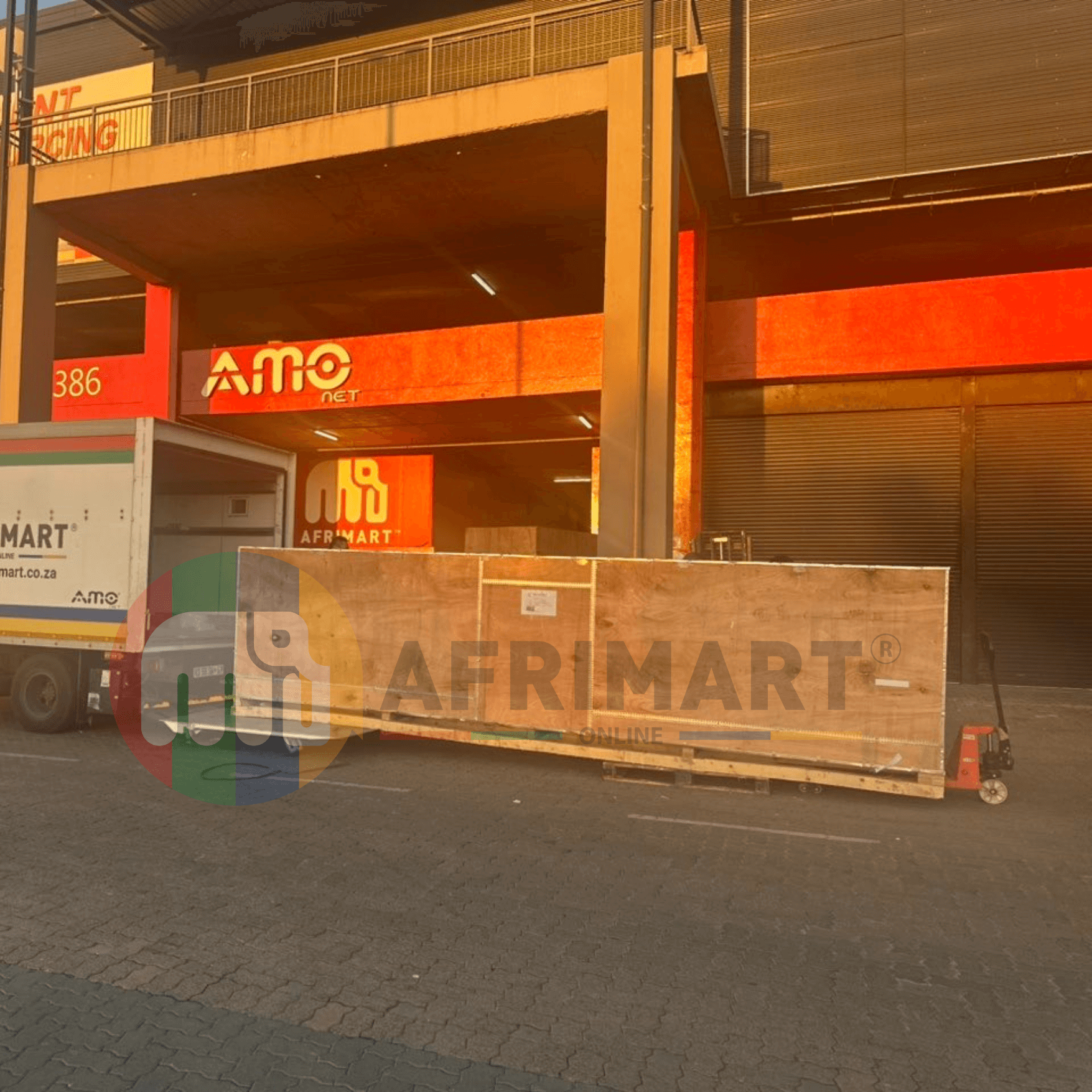
Fabrics Manufacturing Equipment
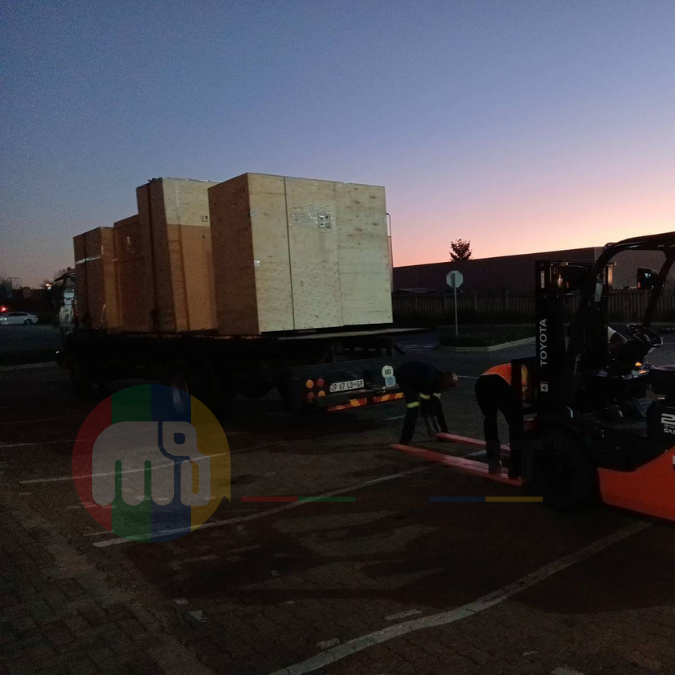
Mining Equipments
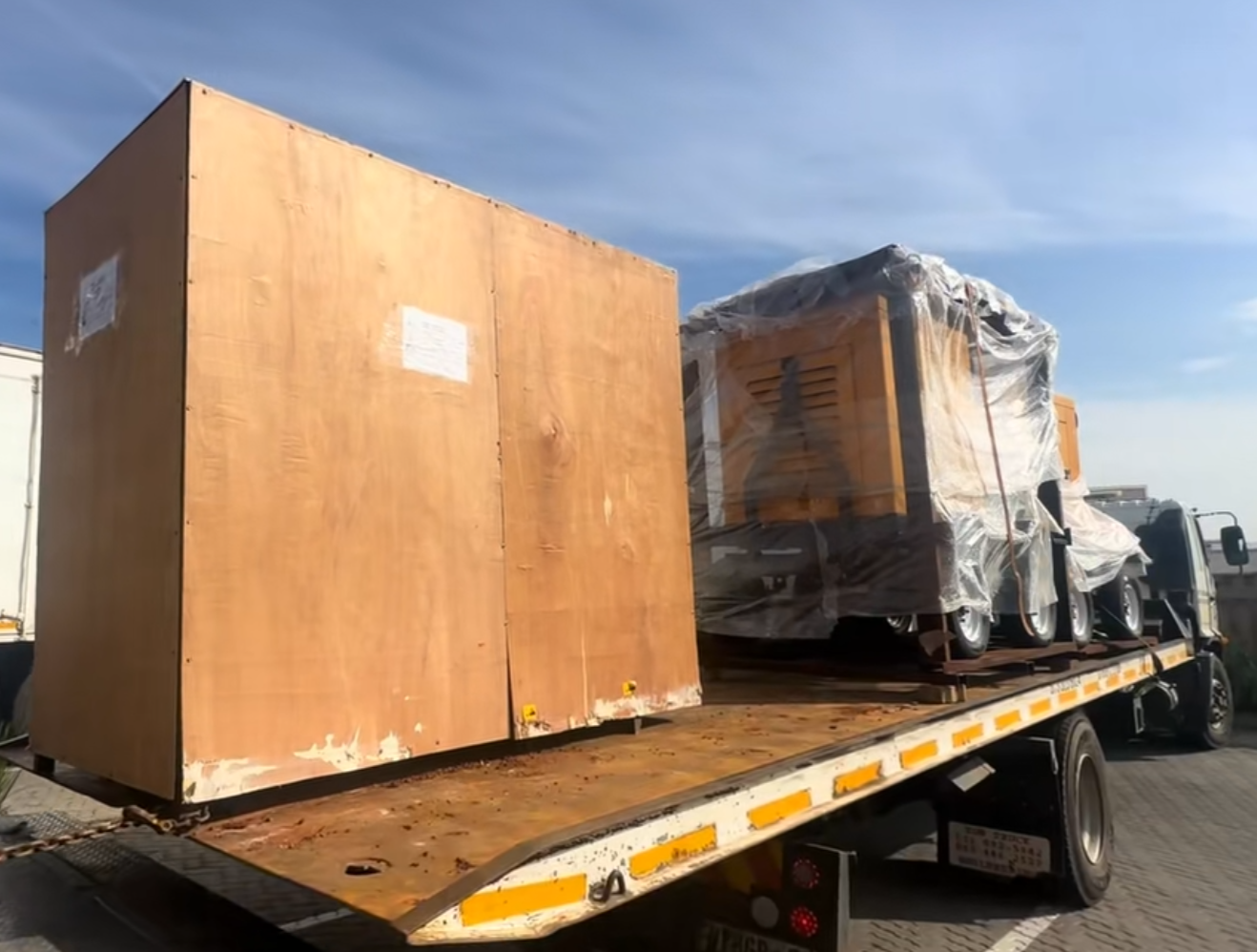
Food Processing Machine
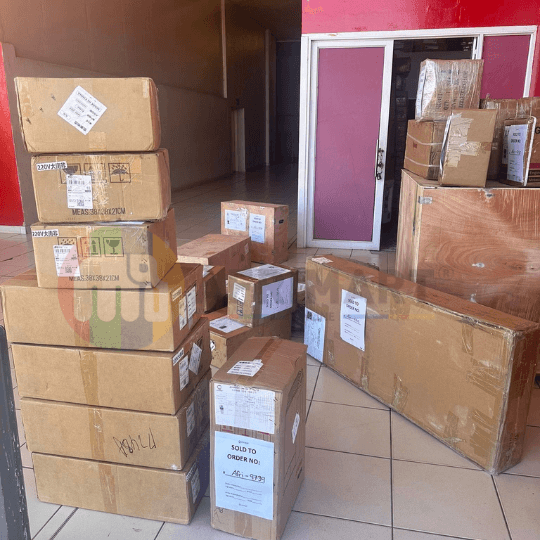
Batch of Orders
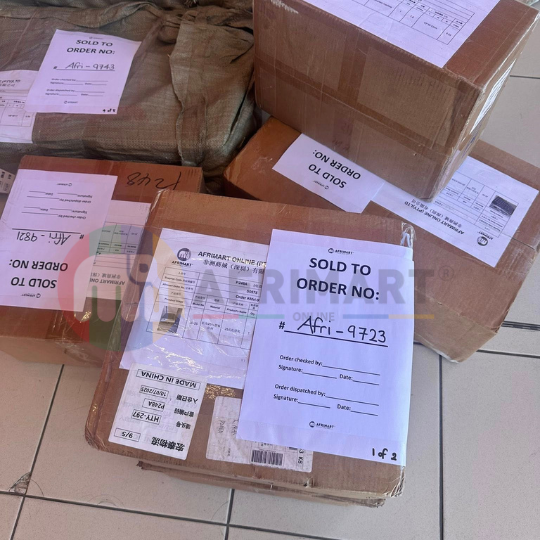
Batch of Orders
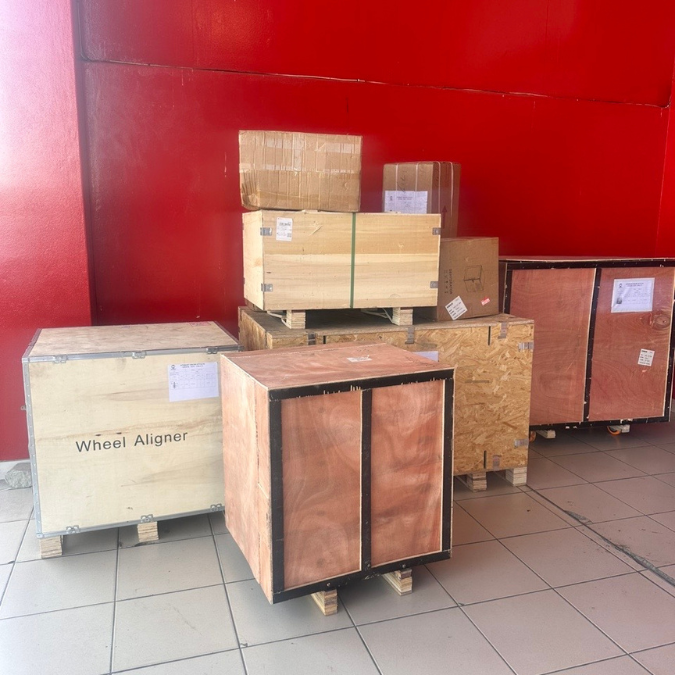
Latest Orders Labelled
wheel alignment machines
new arrivals
Pre Orders Offloading
Latest Arrivals
Latest Arrivals
Latest Arrivals
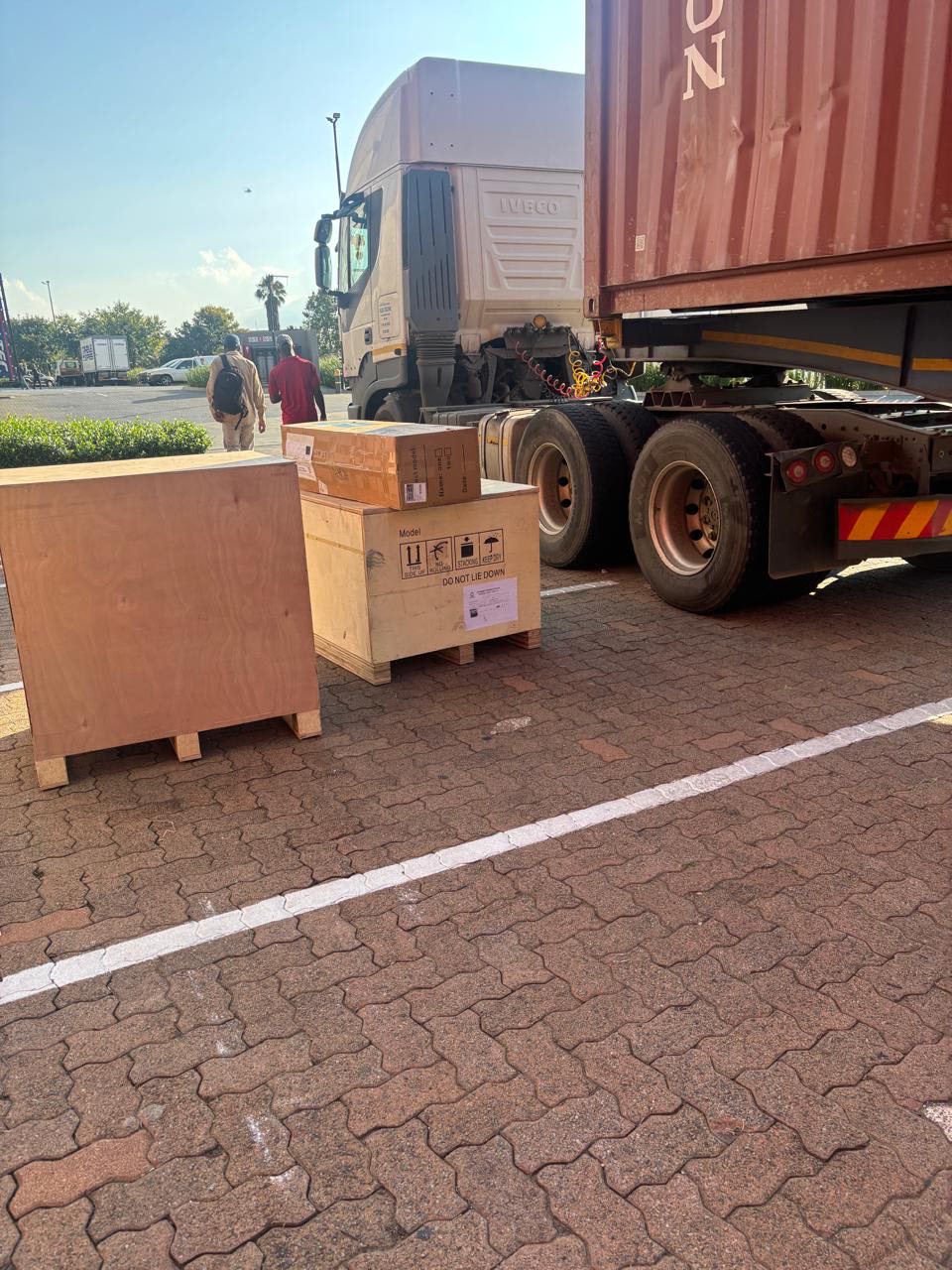
26 January 2026
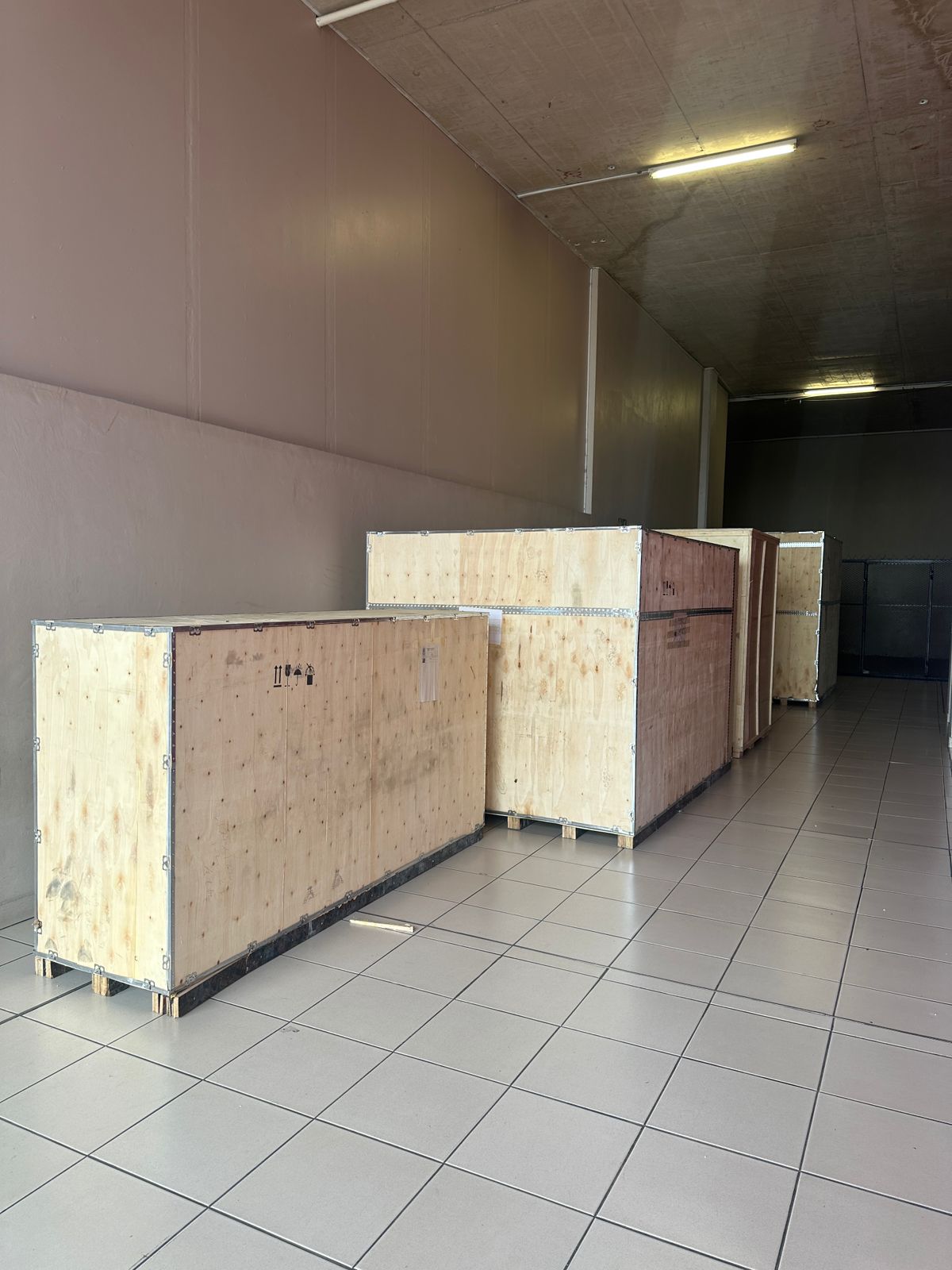
Toilet paper making machine
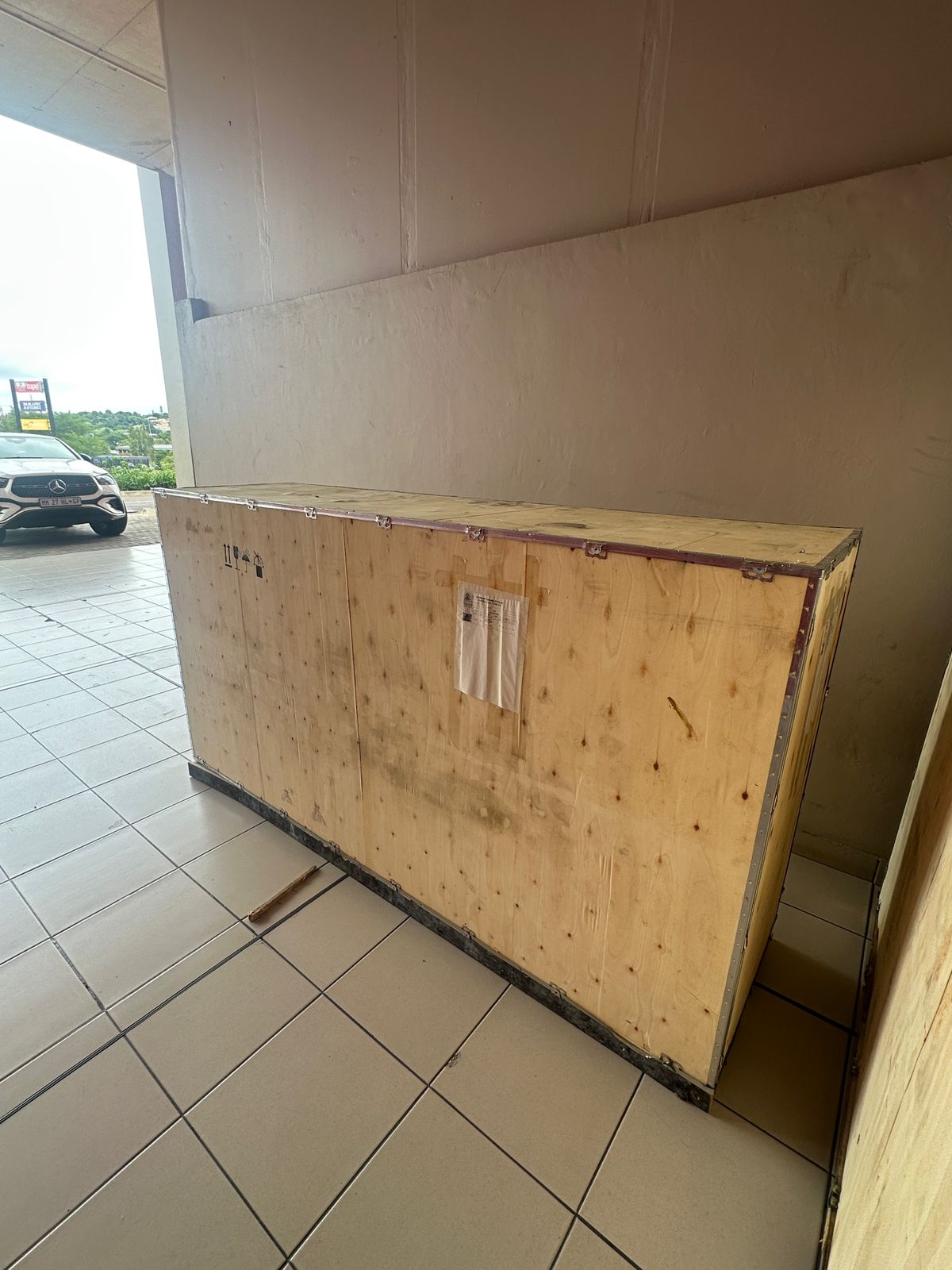
Toilet paper making machine
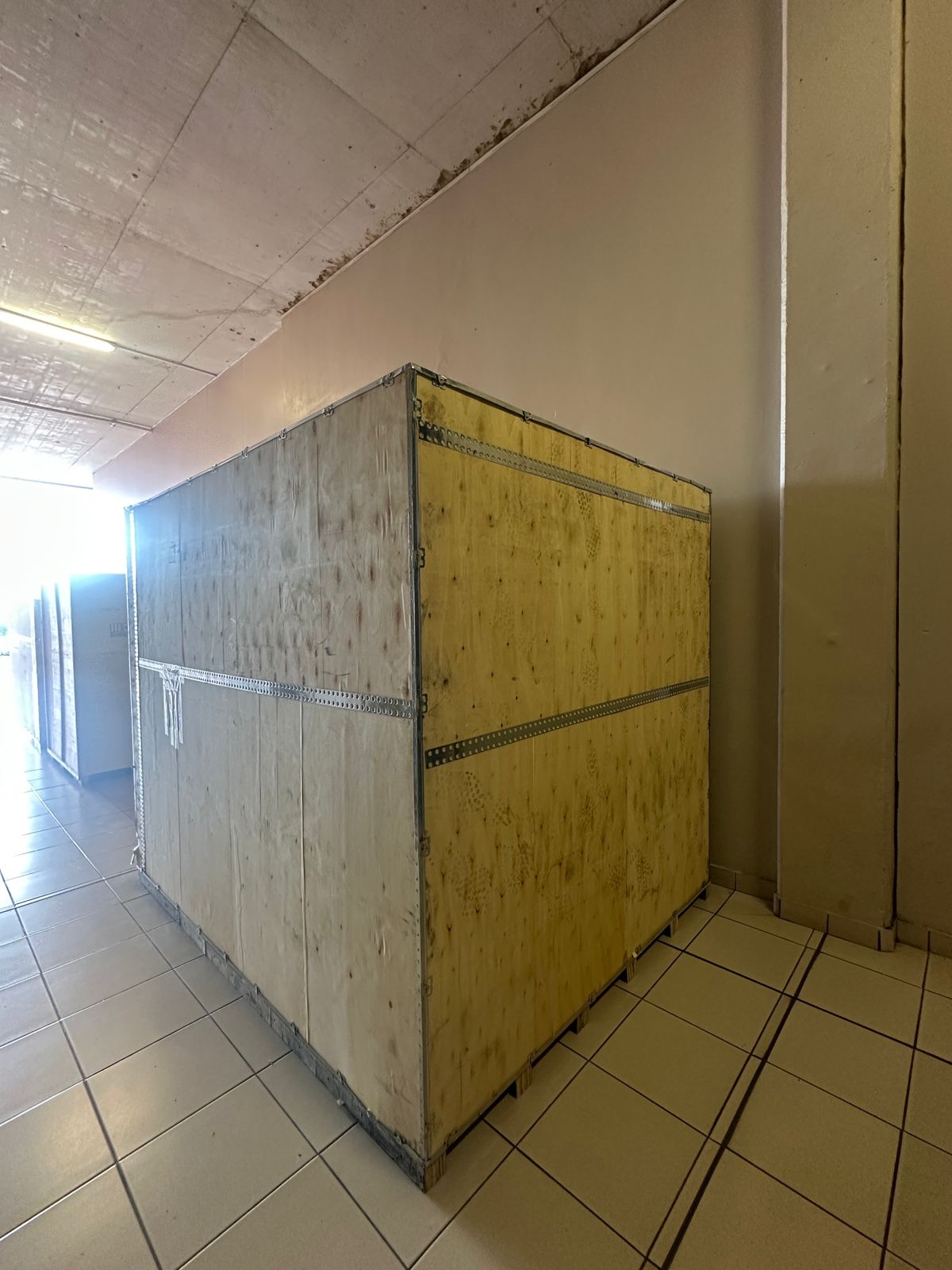
Toilet paper Rewinding Machine
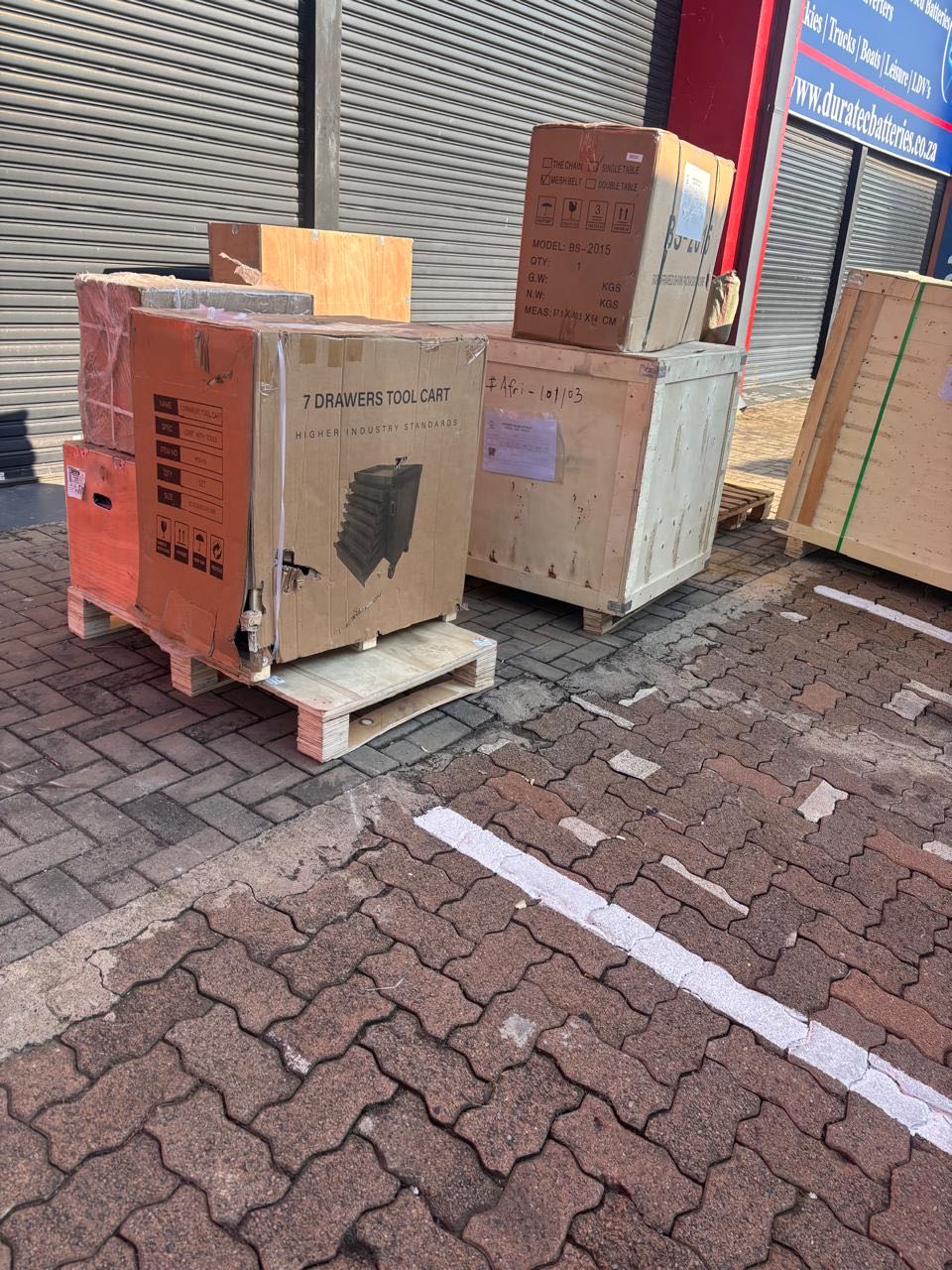
latest arrivals
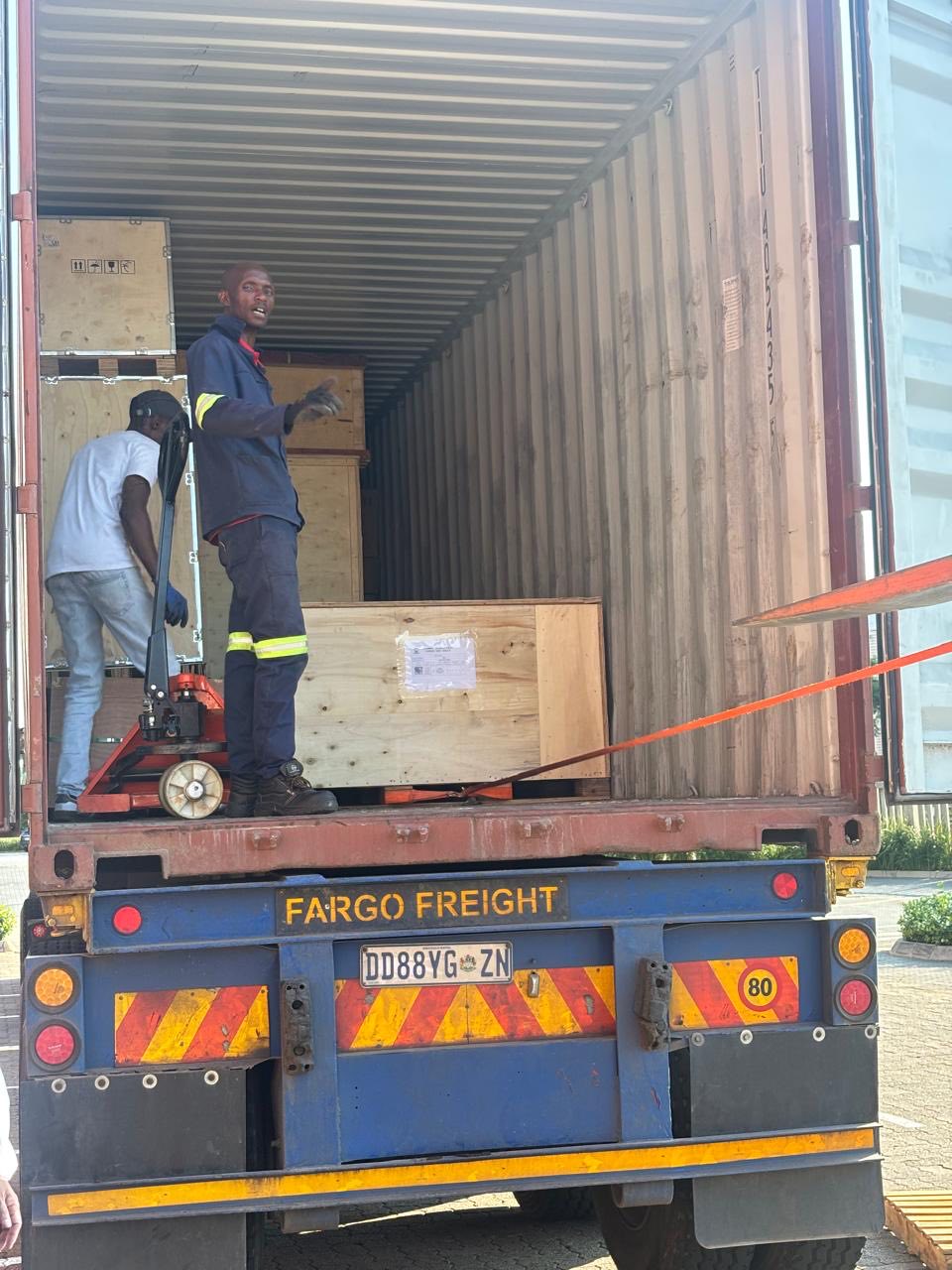
offloading
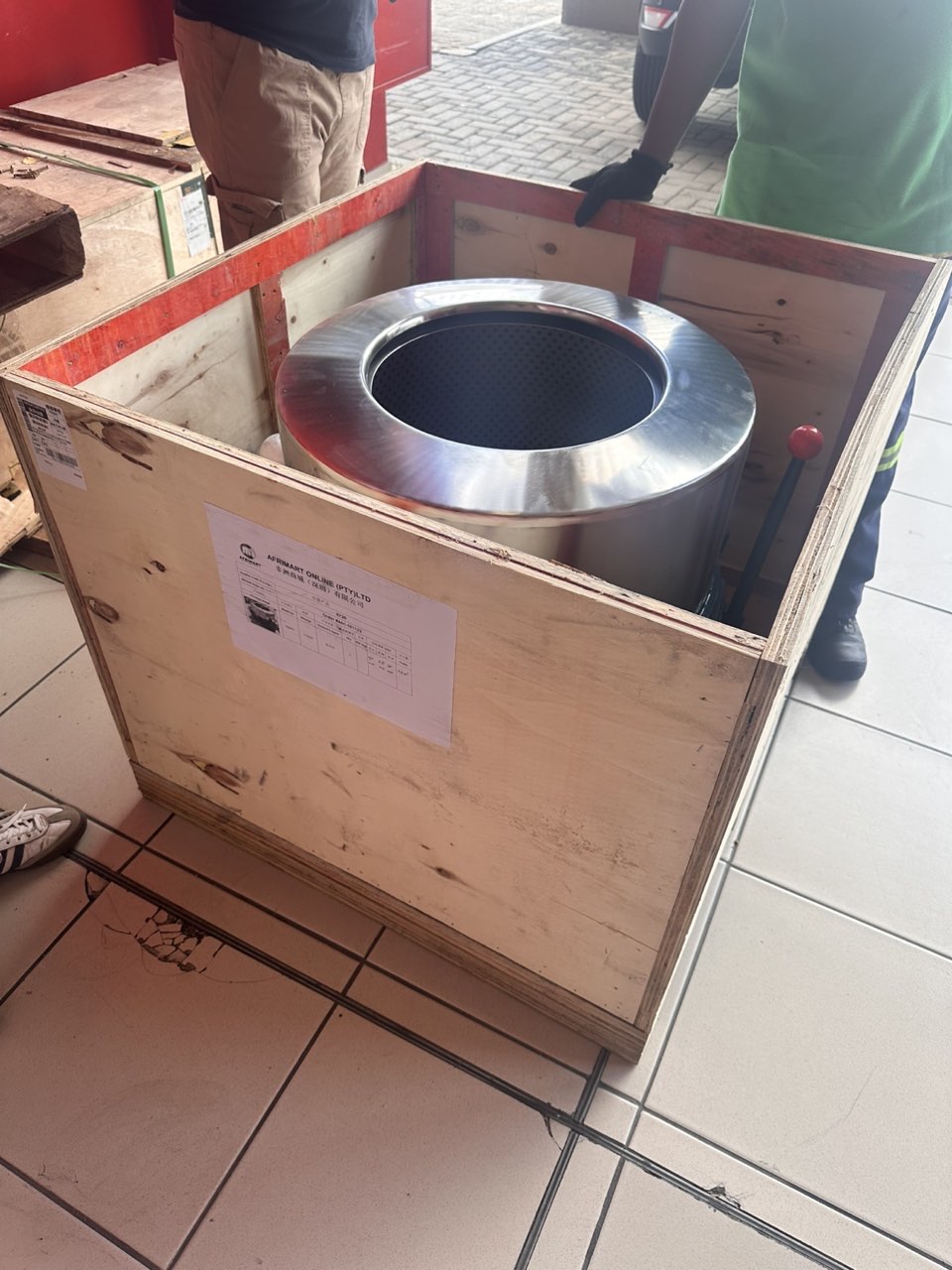
order success
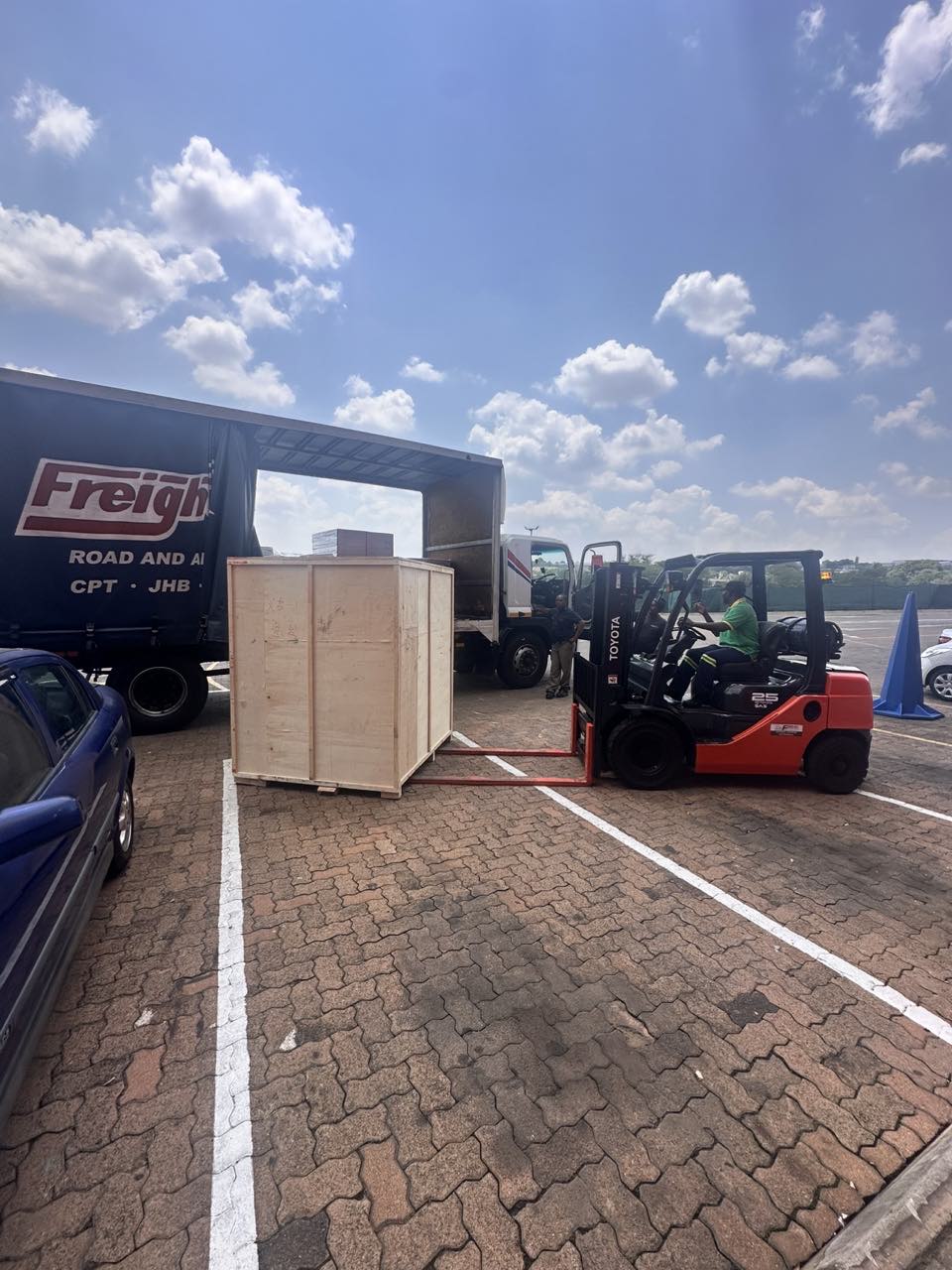
order collection
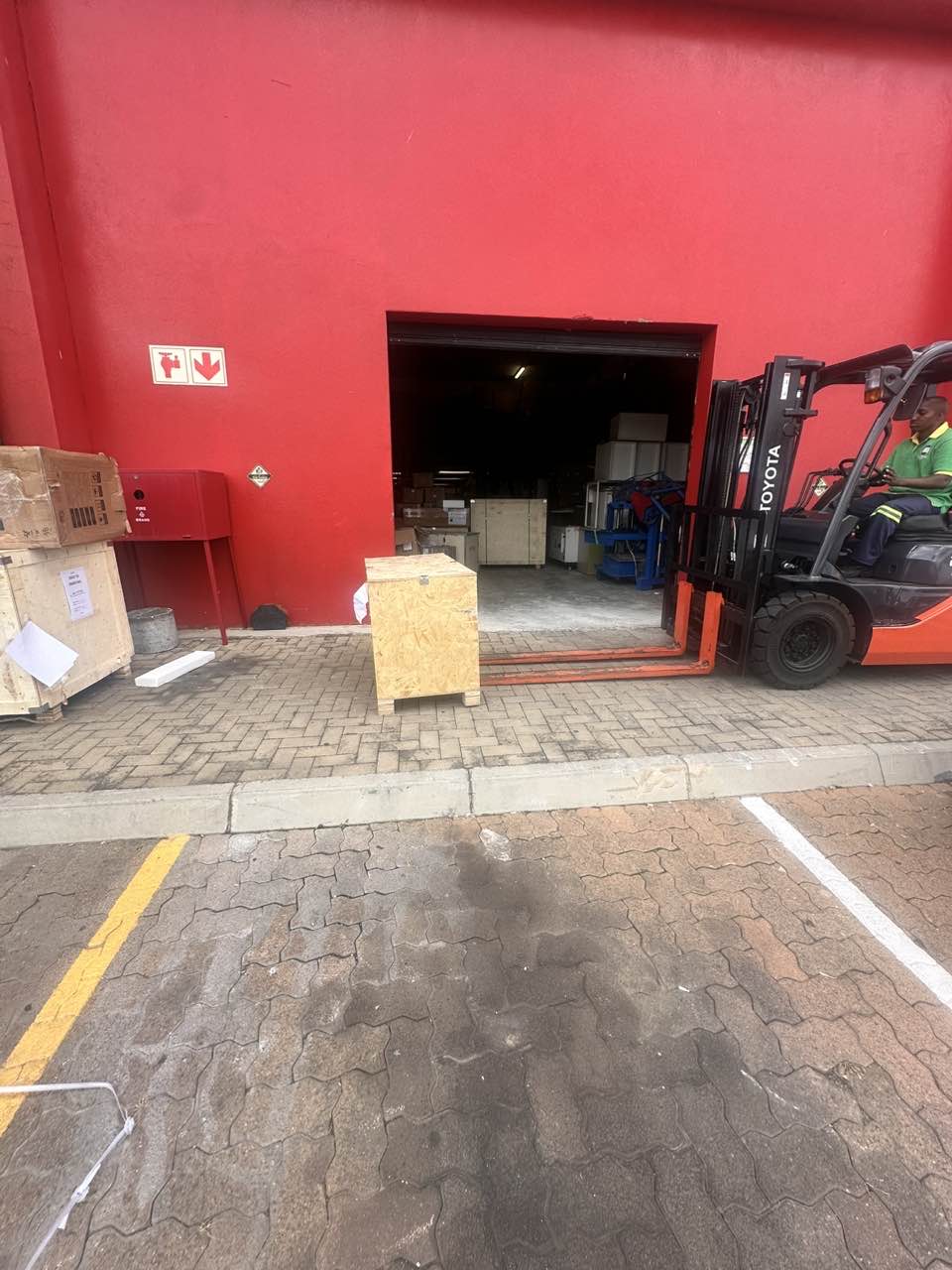
order offloading