B21, China Town Mall, Midrand


"High-Efficiency 20 Tons per Hour Fully Automatic Wood Chipper for Copper Log Processing"
Asset finance available
Do you want funding for this equipment?
Afrimart can connect you with trusted funding partners who specialise in asset finance for businesses like yours. Compare options and apply in minutes — final approval is subject to provider review.
Check funding options
Secure & no obligation

- Section : Machinery
- Category : Industrial Machinery
- SKU : 1601068066932

Products Description


Wood Crushers
This wood chipper shredder is one of commercial wood chipper, industial wood chipper. It suits for different diameter logs, whole tree, wood pallet, different boards, timber harvesting, processed residues (such as branches, skin, slats, waste veneer, wood skins, waste wood, etc.), which can also be used to cut non-wood raw materials (such as sugarcane, reed, bamboo, etc.).This nailed wooden pallet waste crushing machine can chip the raw material into small chips, these chips are raw material of chipboard, density beaverboard and wood fiber board, also could be burning material as sort of fuel. It is suitable for a wide range and the raw material can be diversified.
Technical Parameters
| Model | SWC1000 (stationary) | SWC1300 (stationary) | SWC1600 (stationary) |
| Infeed size | 1000*400 mm | 1300*400 mm | 1600*400 mm |
| Main Motor | 110 kw (electric) | 160 kw (electric) | 200 kw (electric) |
| Infeed roller motors | 5.5*2 kw | 7.5*2 kw | 11*2 kw |
| Infeed conveyor | Steel chain conveyor, length 4m, width 1m | Steel chain conveyor, length 4m, width 1.2m | Steel chain conveyor, length 6m, width 1.5m |
| Blade/Hammer | Made of H13 | ||
| Rotor diameter | φ850mm | φ850mm | φ1000mm |
| Discharging motor power | 1.5 kw | 2.2 kw | 3 kw |
| Rotary speed of rotor | 510 rpm | 510 rpm | 365 rpm |
| Working capacity | 10-40tons per hour (according to material) | ||
| Weight | 9000kg | 12000kg | 16000kg |
| Dimension | 6000*2150*1750mm | 6000*2350*1750mm | 6000*2950*1950mm |
| Model | SWC1000 (trailed) | SWC1300 (trailed) | SWC1600 (trailed) |
| Infeed size | 1000*400 mm | 1300*400 mm | 1600*400 mm |
| Main Motor | 220HP (diesel engine) | 380HP (diesel engine) | 580HP (diesel engine) |
| Infeed roller motors | 5.5*2 kw | 7.5*2 kw | 11*2 kw |
| Infeed conveyor | Length 4m, width 1m | Length 4m, width 1.2m | Length 6m, width 1.5m |
| Discharge conveyor | 6meter length, hydraulic control foldable belt conveyor | ||
| Rotor diameter | φ850mm | φ850mm | φ1000mm |
| Blade/Hammer | Made of H13 | ||
| Foldable discharging conveyor motor | 1.5 kw | 2.2 kw | 3 kw |
| Rotary speed of rotor | 510 rpm | 510 rpm | 365 rpm |
| Working capacity | 10-40 tons per hour (according to material) | ||
| Weight | 9000kg | 12000kg | 16000kg |
| Dimension | 6000*2150*1750mm | 6000*2350*1750mm | 6000*2950*1950mm |
Details Show


Wood Chipper
Kowloon machinery SWC series wood waste crushing machine is sort of multi-functional biomass waste reduction equipment, the rotor designed to be modular style, equipped with different rotors to realize chipping, grinding, chopping functions, widely used to downsize various of materials like wood tree log, nailed wooden waste, green or yellow corn silage, tree bark…etc.
Features
1. Modular rotors, one machine provide three kinds of rotors for options: hammer rotor, chipping rotor, fine grinding rotor, the blades/hammers are replaceable.2. Cover of crushing chamber could be opened by hydraulic, ease for maintenance and changing blades.3. Thick strengthen screen, sieve size is customizable for different requirements to get different size output4. Forced feeding system is our proven technique; ensure continuously feeding and large working capacity, even big roll of tree logs or high wooden case is no problem to infeed for this monster.5. High Capacity with larger feeding port than traditional type, which could process big log in arrange of 450mm to 700mm diameter.
Raw Mterial
1. Chipping whole tree, tree log, branch, tree stump root...etc
2. Crushing nailed wooden pallet, nailed wooden waste, ferrous composited wood, tree bark ...etc
3. Fine chopping animal feed like tree branch, elephant grass, corn silage, wheat straw, paddy stalk, sugarcane, palm leaf..etc.


Installed Projects


Packaging and Shipping

- Shipping Timeframes: All orders are processed within 2-5 business days (excluding weekends and holidays). After your order has been processed, the estimated delivery time is before 03 Aug, 2026, depending on customs, Please note that due to high demand, some items may experience longer shipping times, which will be communicated at order confirmation email.
- Order Processing Time: Please allow 2-5 business days for us to process your order before it is shipped . Orders placed after 16:00 on Fridays, or during weekends and public holidays, will begin processing on the next business day. Processing times may be extended during peak seasons or sales events.
- Manufacturing Time: Some products needs manufacturing time, the manufacturing process will take approximately 10-30 business days depending on the product. This timeframe may vary depending on the complexity of the product and current demand. but this will be communicated with you during order confirmation.
- Returns and Exchanges: We offer a 30-day return policy for most items. If you are not completely satisfied with your purchase, you may return it within 30 days of receipt for a refund or exchange. Items must be unused, in their original packaging, and accompanied by proof of purchase. Return shipping costs are the responsibility of the customer, unless the item was damaged or defective upon arrival.
1. What materials can the High-Efficiency 20 Tons per Hour Fully Automatic Wood Chipper process?
Designed primarily for biomass: whole trees, logs (450–700 mm typically), branches, stumps, nailed wooden pallets, wood waste, veneer, bark, sugarcane, reed, bamboo, corn silage and other fibrous plant material. It is not intended for processing metals (e.g., copper) or large steel objects.
2. What are the available models and key differences?
Models: SWC1000, SWC1300, SWC1600 in stationary and trailed versions. Key differences: infeed width (1000/1300/1600 mm), main motor power (electric: 110/160/200 kW for stationary; diesel: 220HP/380HP/580HP for trailed), rotor diameter (φ850 mm for 1000/1300, φ1000 mm for 1600), conveyor widths/lengths, weight and dimensions.
3. What is the machine's throughput (tons per hour)?
Rated working capacity is 10–40 tons per hour, but actual throughput depends on feed material type, moisture content, density, feed size and chosen rotor/screen configuration.
4. Can I choose electric or diesel power?
Yes. Stationary versions use electric main motors (models listed with kW ratings). Trailed/mobile versions use diesel engines (rated in HP). Choose based on site power availability and mobility needs.
5. How do I control output chip size and quality?
Output size is controlled by rotor type (hammer, chipping, fine grinding) and the thickness/mesh size of the replaceable screen. Screens are customizable to achieve the required chip size for chipboard, fiberboard or fuel chips.
6. What rotor and blade options are available and what material are blades made of?
Three rotor options: hammer rotor, chipping rotor and fine grinding rotor. Blades/hammers are replaceable and made of H13 tool steel for durability.
7. How does the feed system work and what are its advantages?
The machine uses a forced feeding system with infeed rollers and a steel chain conveyor (lengths and widths vary by model). Forced feeding ensures continuous intake of large logs or bulky waste and reduces manual feeding labor and jamming.
8. What safety and maintenance features are included?
Safety: emergency stop and hydraulic cover for safe access. Maintenance: hydraulic-opening crushing chamber for easy blade replacement and inspection, modular rotor design for quick swaps. Regular lubrication, daily visual checks and scheduled blade inspection/replacement are recommended.
9. What are the machine dimensions and weights for transport planning?
Stationary/trailed dimensions (approx): SWC1000: 6000×2150×1750 mm, weight ~9000 kg; SWC1300: 6000×2350×1750 mm, weight ~12000 kg; SWC1600: 6000×2950×1950 mm, weight ~16000 kg. Confirm exact specs with supplier before transport.
10. Is installation and on-site commissioning provided?
Typical practice: supplier/manufacturer offers installation guidance, commissioning and operator training. Availability varies by seller and contract—confirm included services before purchase.
11. What spare parts should I keep on hand and are they available?
Recommended spares: extra blades/hammers (H13), screens, belts, bearings, seals and standard hydraulic/electrical components. Many suppliers stock common spare parts; lead times vary—order critical spares in advance.
12. How often do blades need replacing or sharpening?
Depends on material abrasiveness, moisture and hours of operation. Inspect blades daily/weekly under heavy use; replace or resharpen when cutting performance drops or chips quality degrades. High-abrasion materials will shorten blade life.
13. What are the expected fuel consumption and operating costs for the trailed diesel versions?
Fuel consumption depends on engine size, load and operating conditions. The trailed models use 220HP/380HP/580HP engines; estimate fuel use by consulting the specific engine's consumption curve or ask supplier for typical liters per hour under expected loads.
14. Can the machine handle nailed or composite wood waste?
Yes—the machine is designed to process nailed wooden pallets and some ferrous-composited wood. However, frequent exposure to large metal pieces will damage blades and rotors; pre-sorting to remove large metal debris is recommended.
15. What noise, dust and environmental controls are recommended?
Wood chippers produce significant noise and dust. Use hearing protection for operators, dust suppression (water spray or extraction) and reasonable setback/barriers for noise control. Compliance with local environmental and noise regulations is the buyer's responsibility.
Latest Order Arrivals
Discover our latest orders
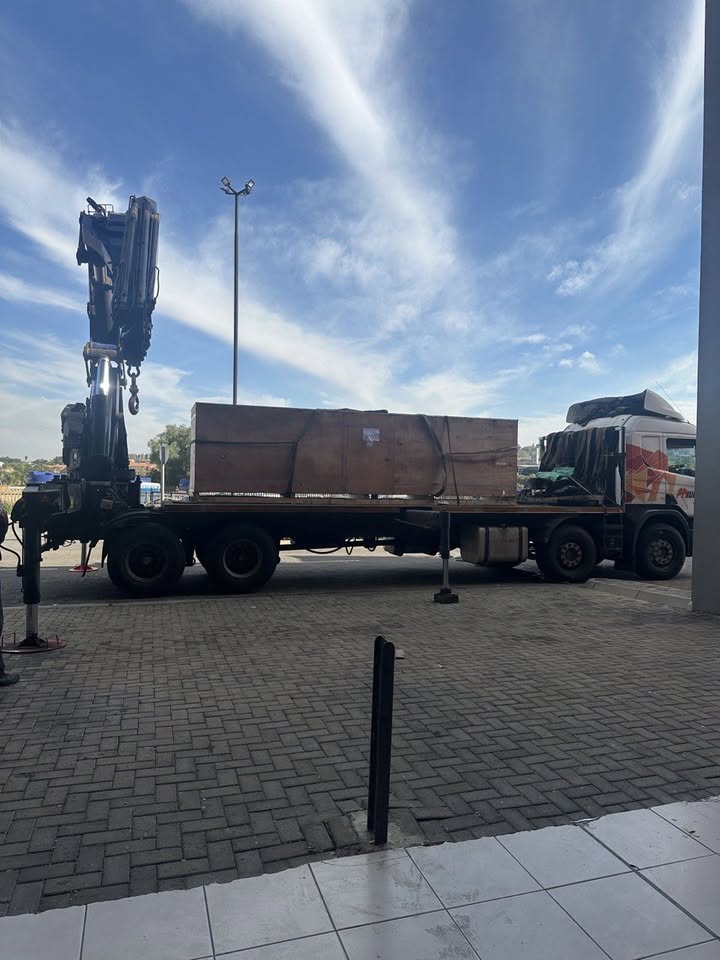
12 Heads Embroidery Machine
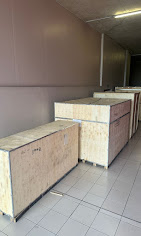
Toilet Paper Machine Machine
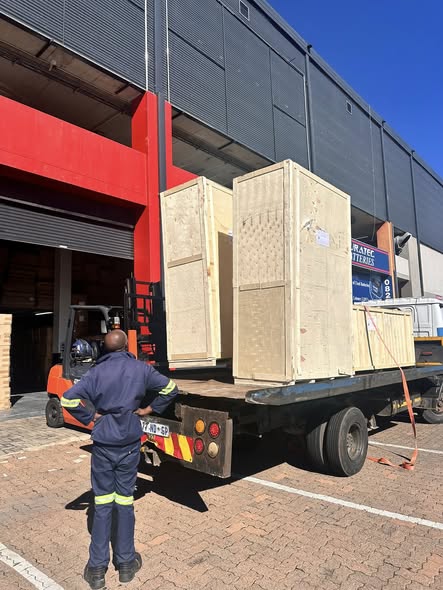
Order Collection
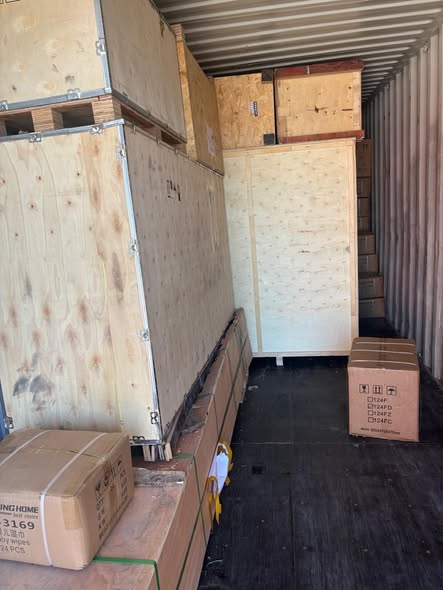
Cross Border Clients
Order cros border countries Collected
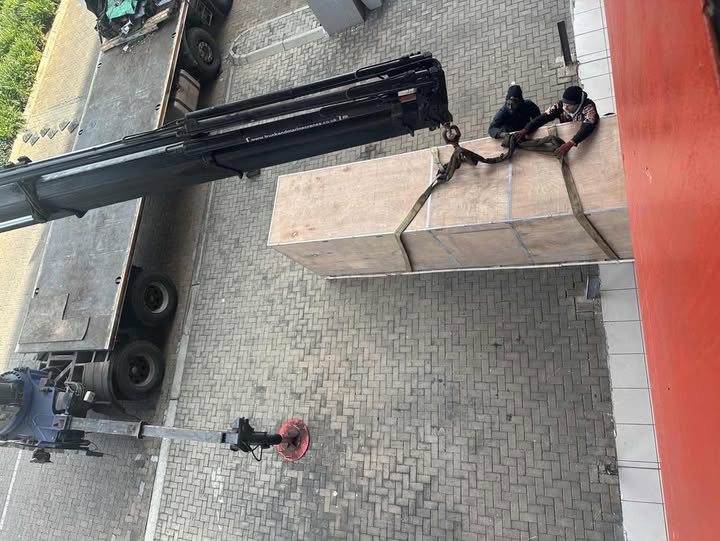
Industrial Machine Cllection
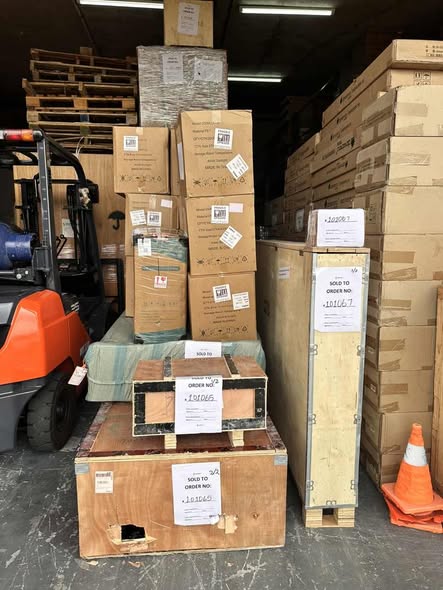
Agriculture Processing Machines
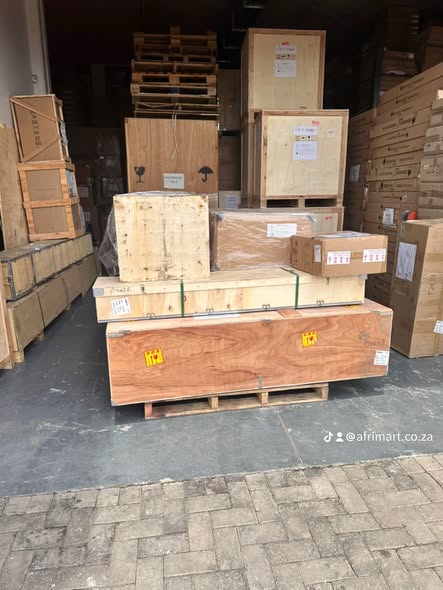
Ready for collection
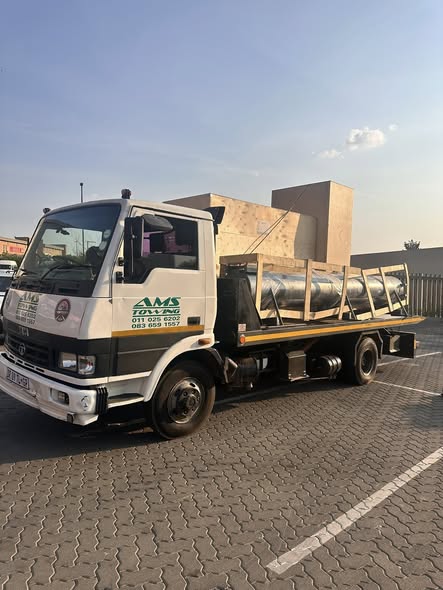
Water Pump Equipment
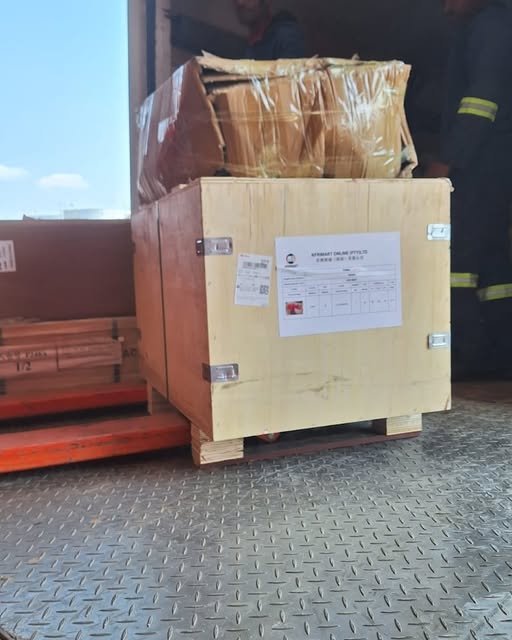
Packaging Machine and accessories
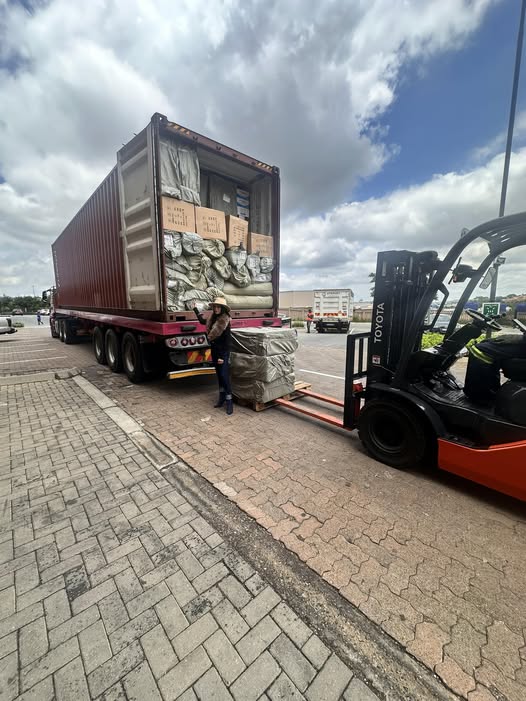
Fabrics Manufacturing Equipment
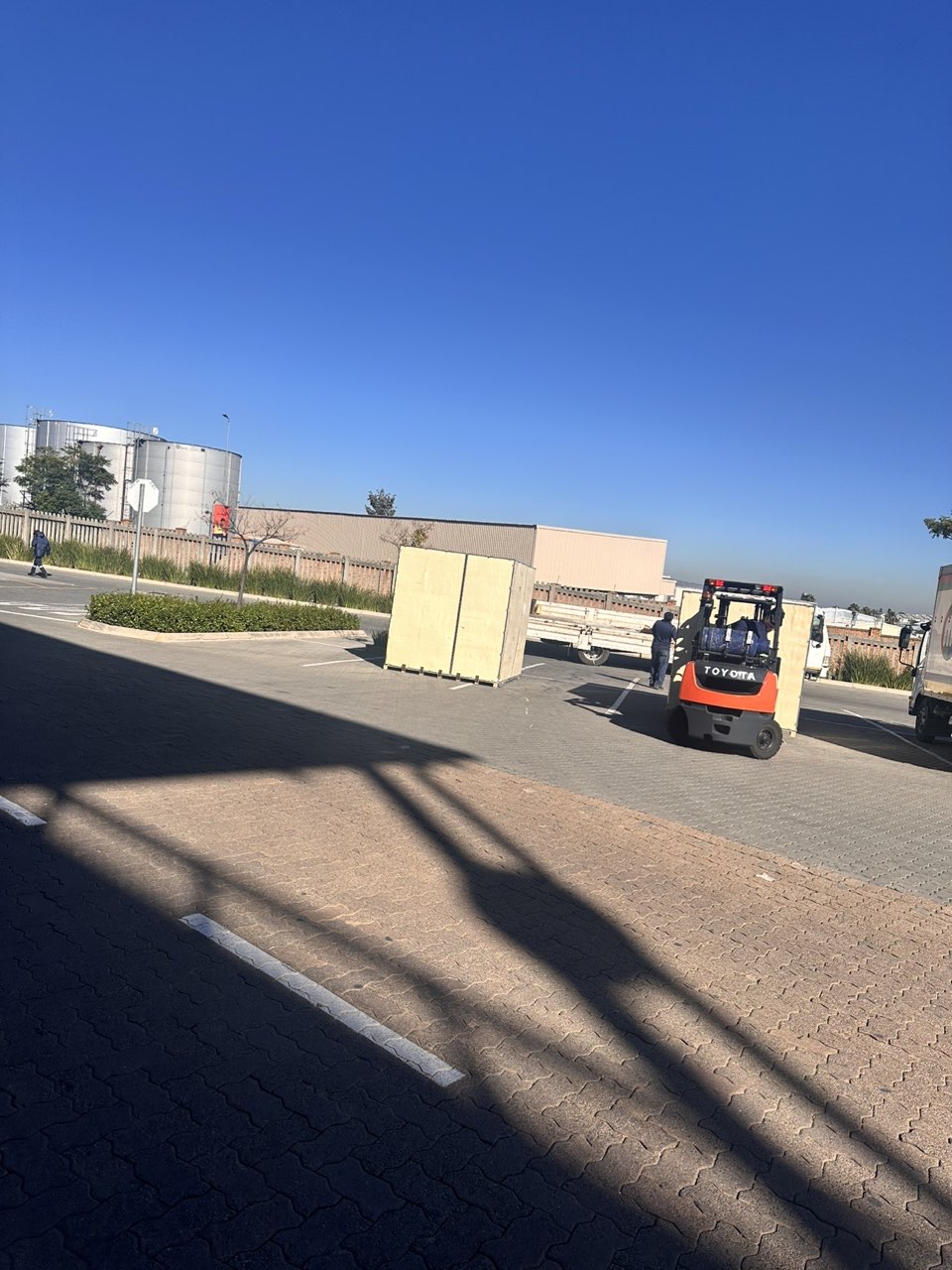
Mining Equipments
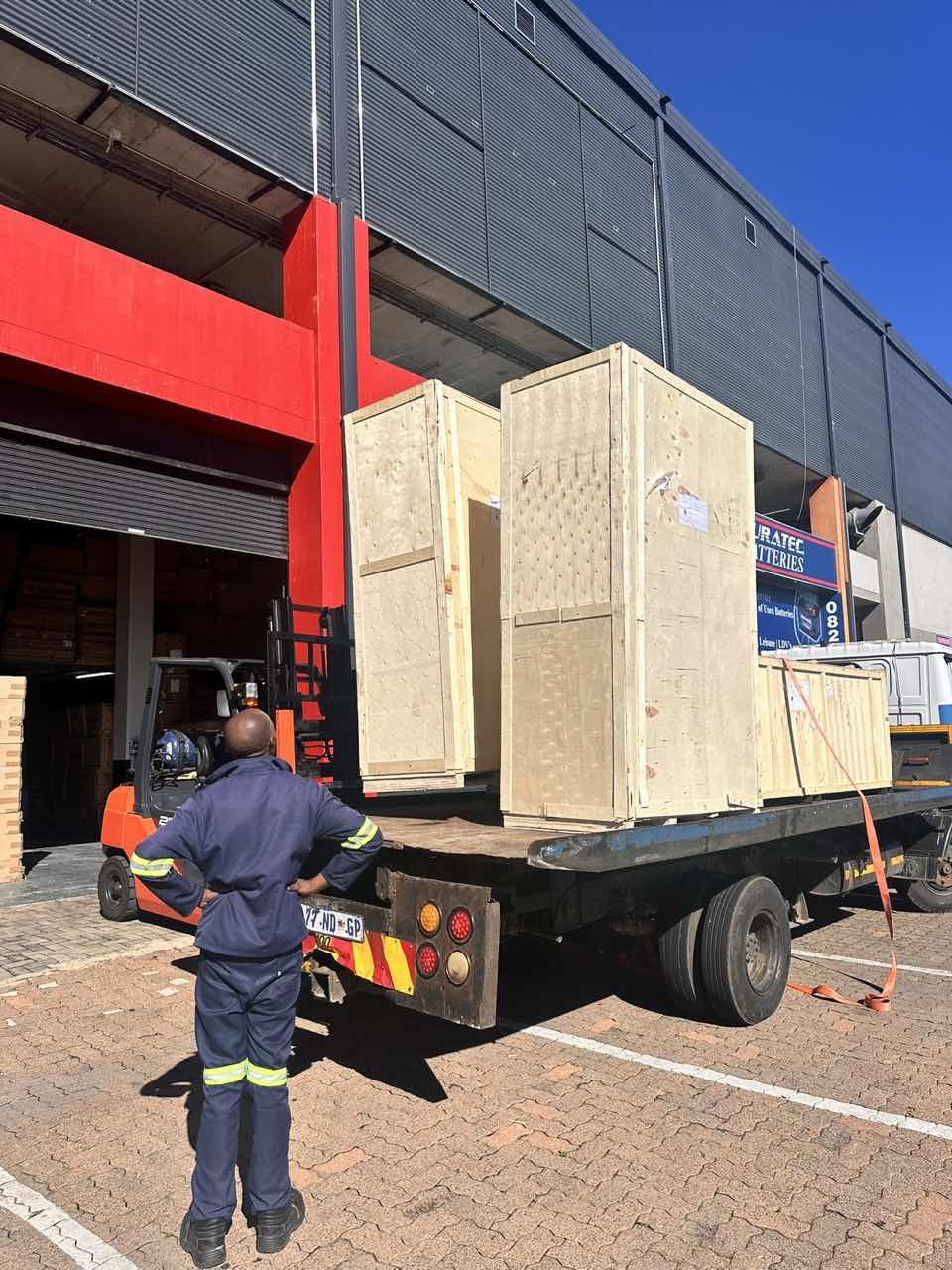
Food Processing Machine
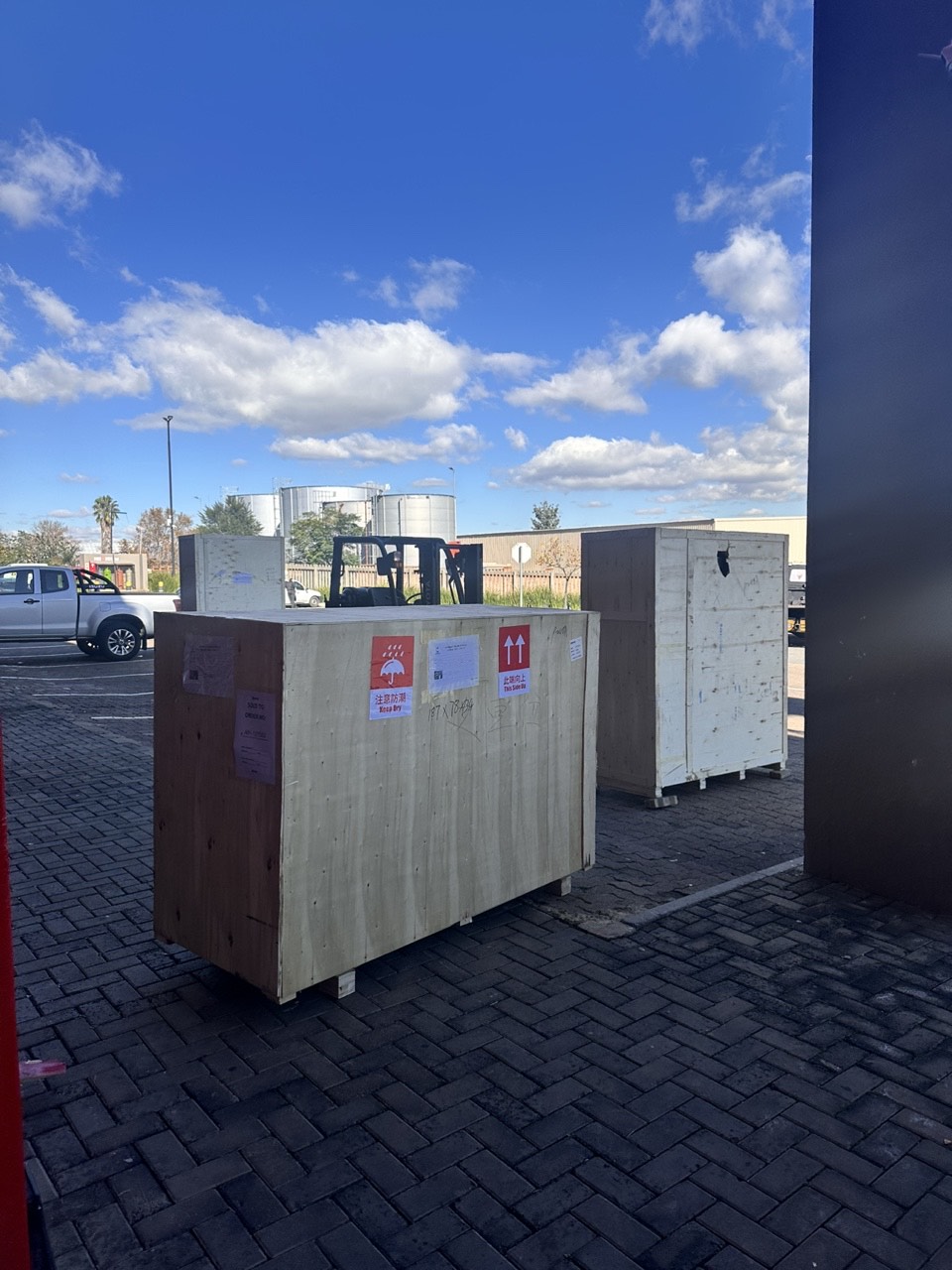
Batch of Orders
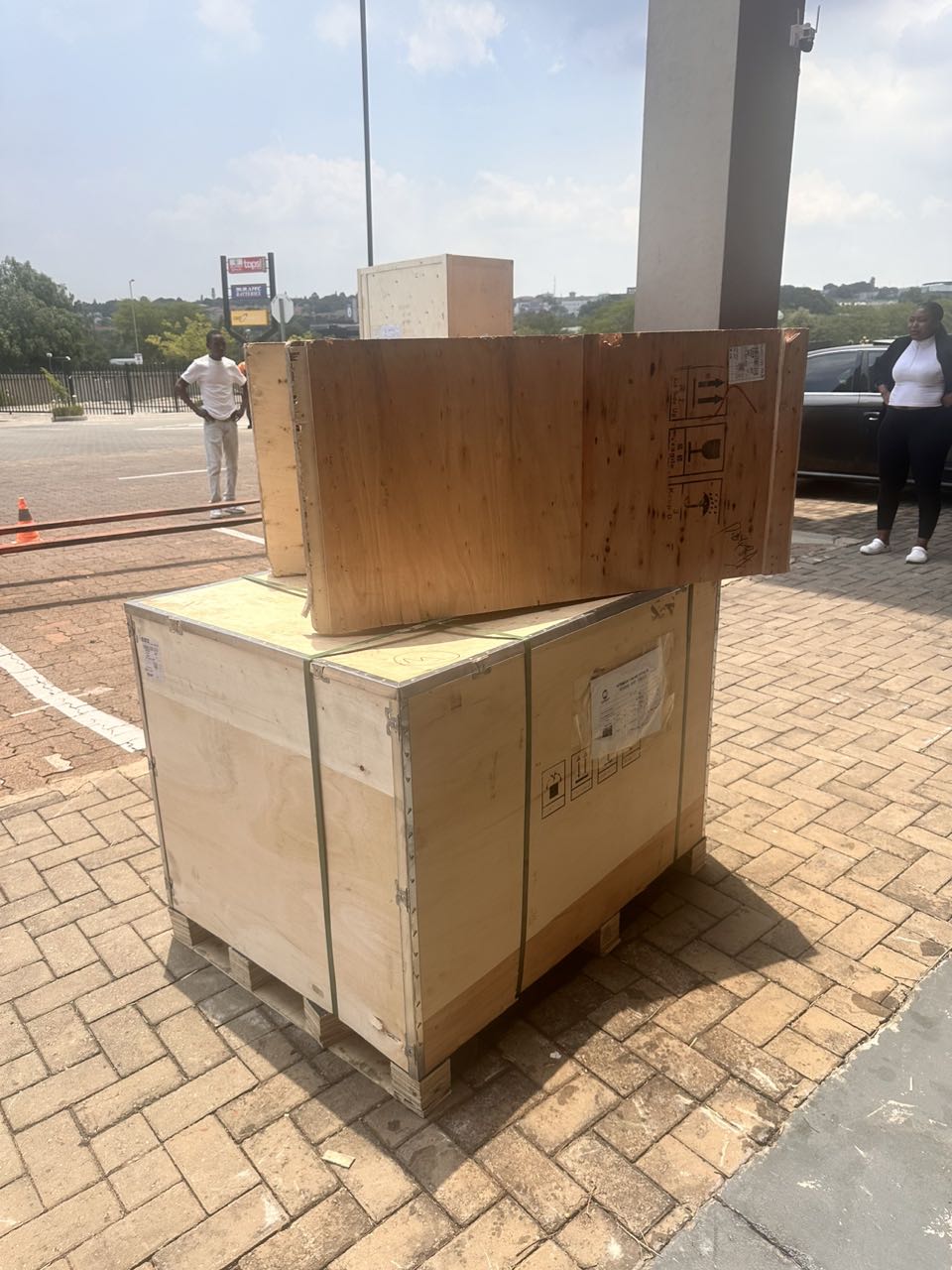
Batch of Orders
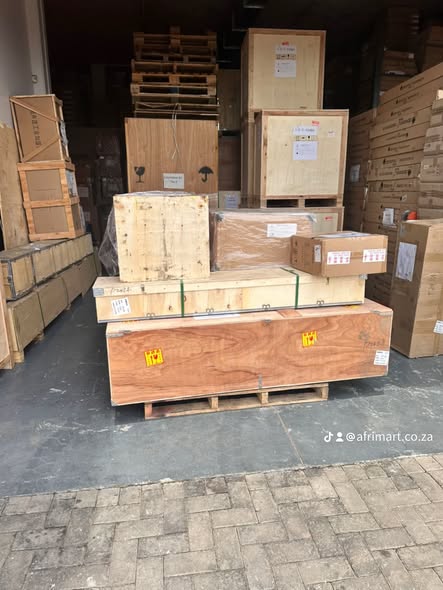
Latest Orders Labelled
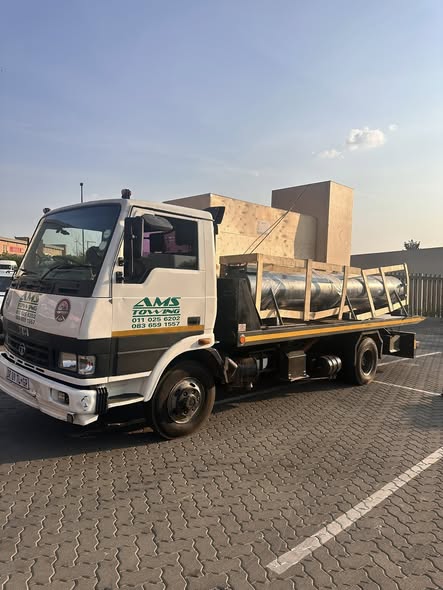
wheel alignment machines
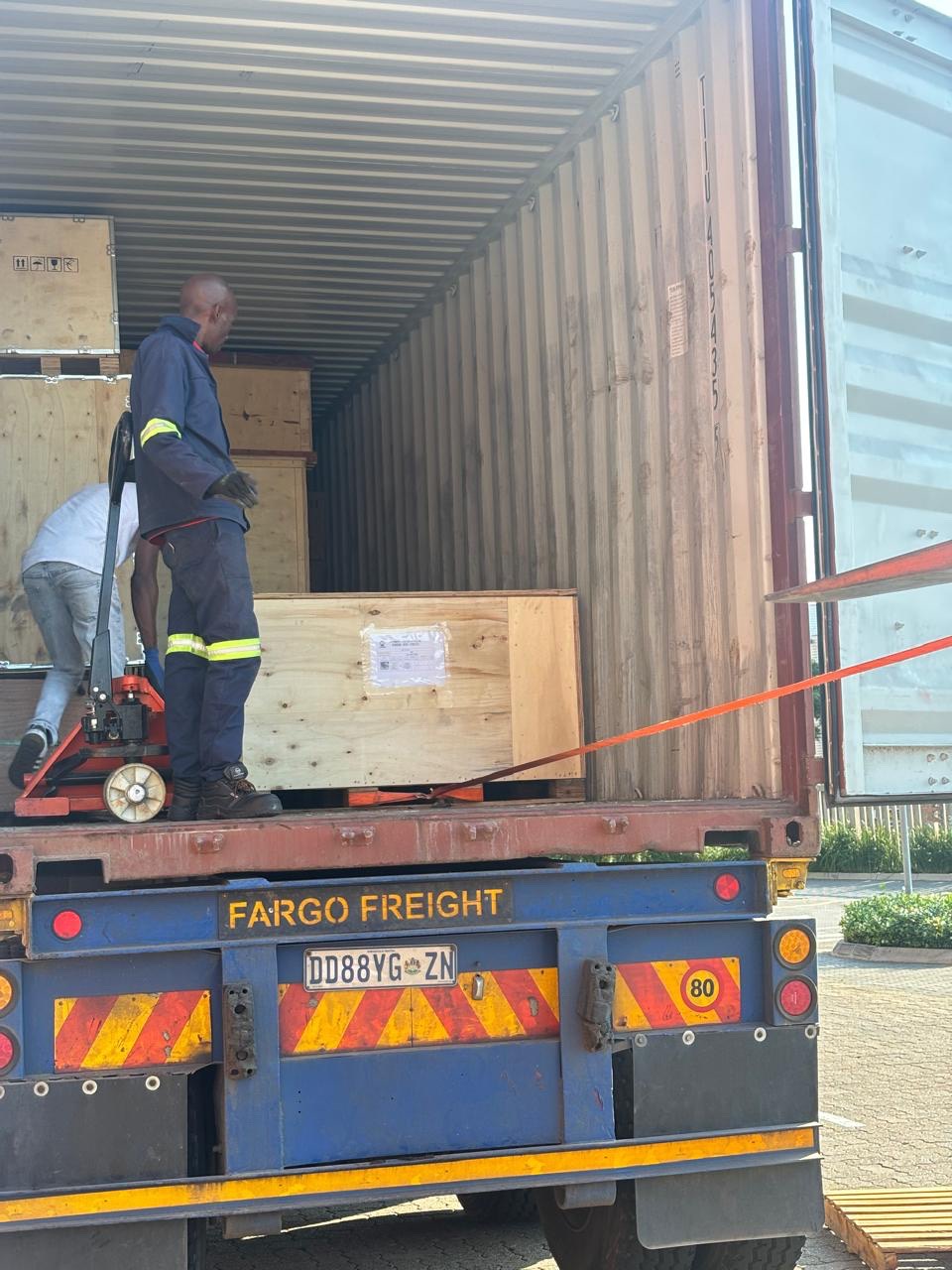
new arrivals
Pre Orders Offloading
Latest Arrivals
Latest Arrivals
Latest Arrivals
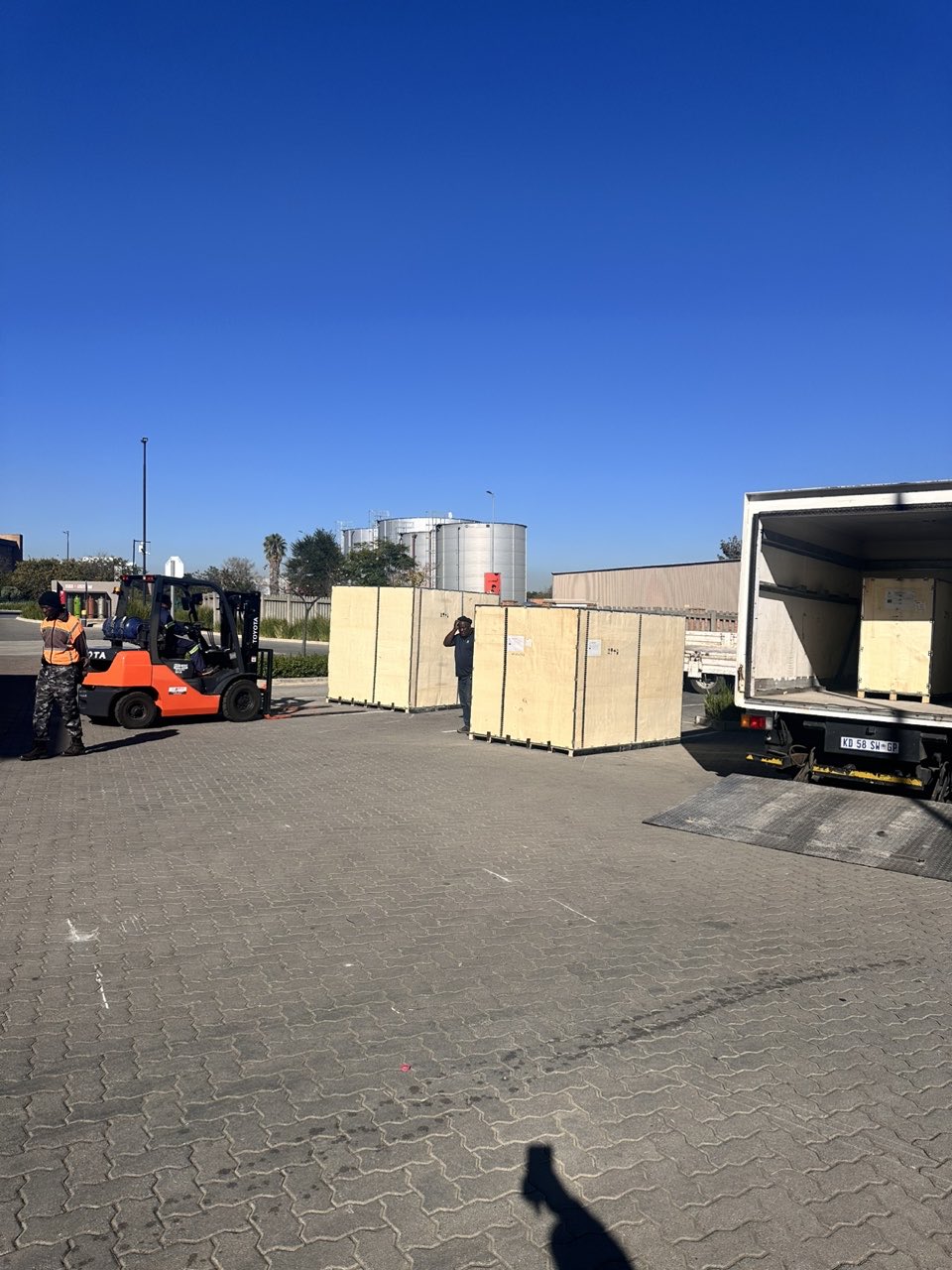
Loading
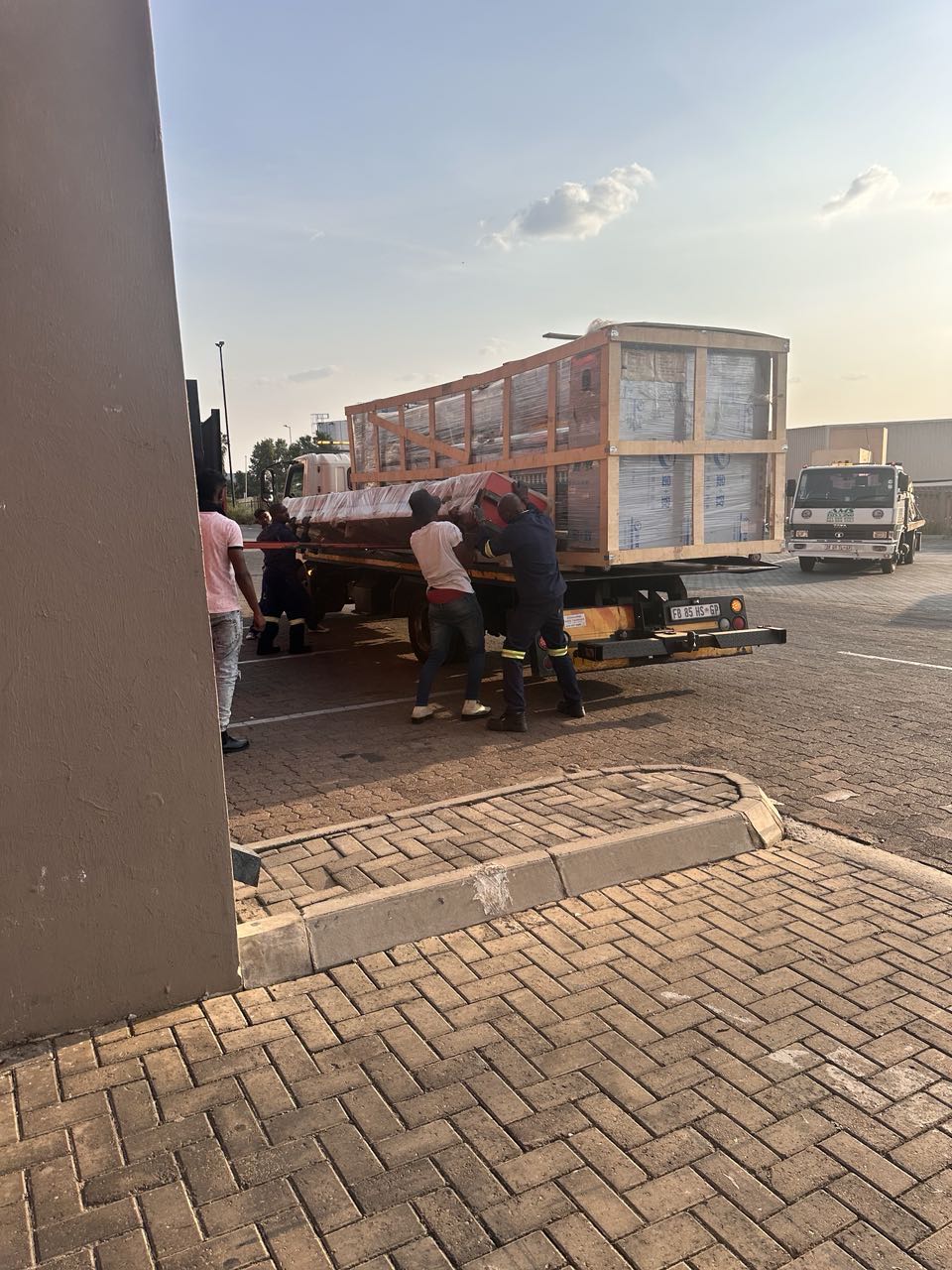
Toilet paper making machine
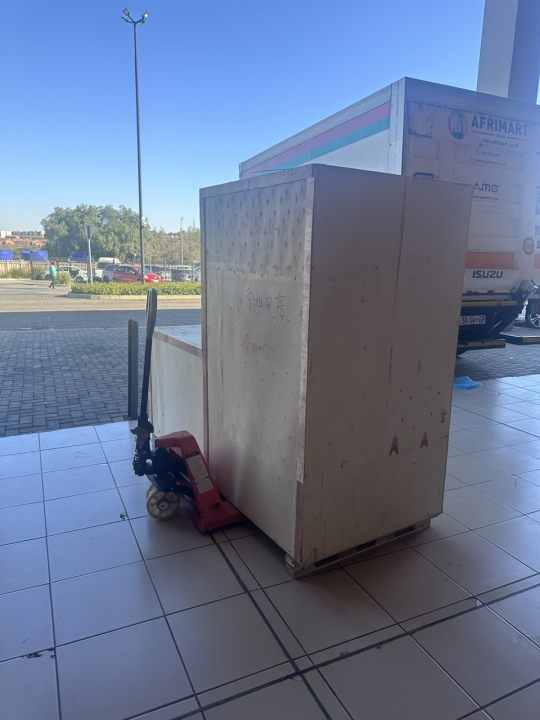
Toilet paper making machine
Toilet paper Rewinding Machine
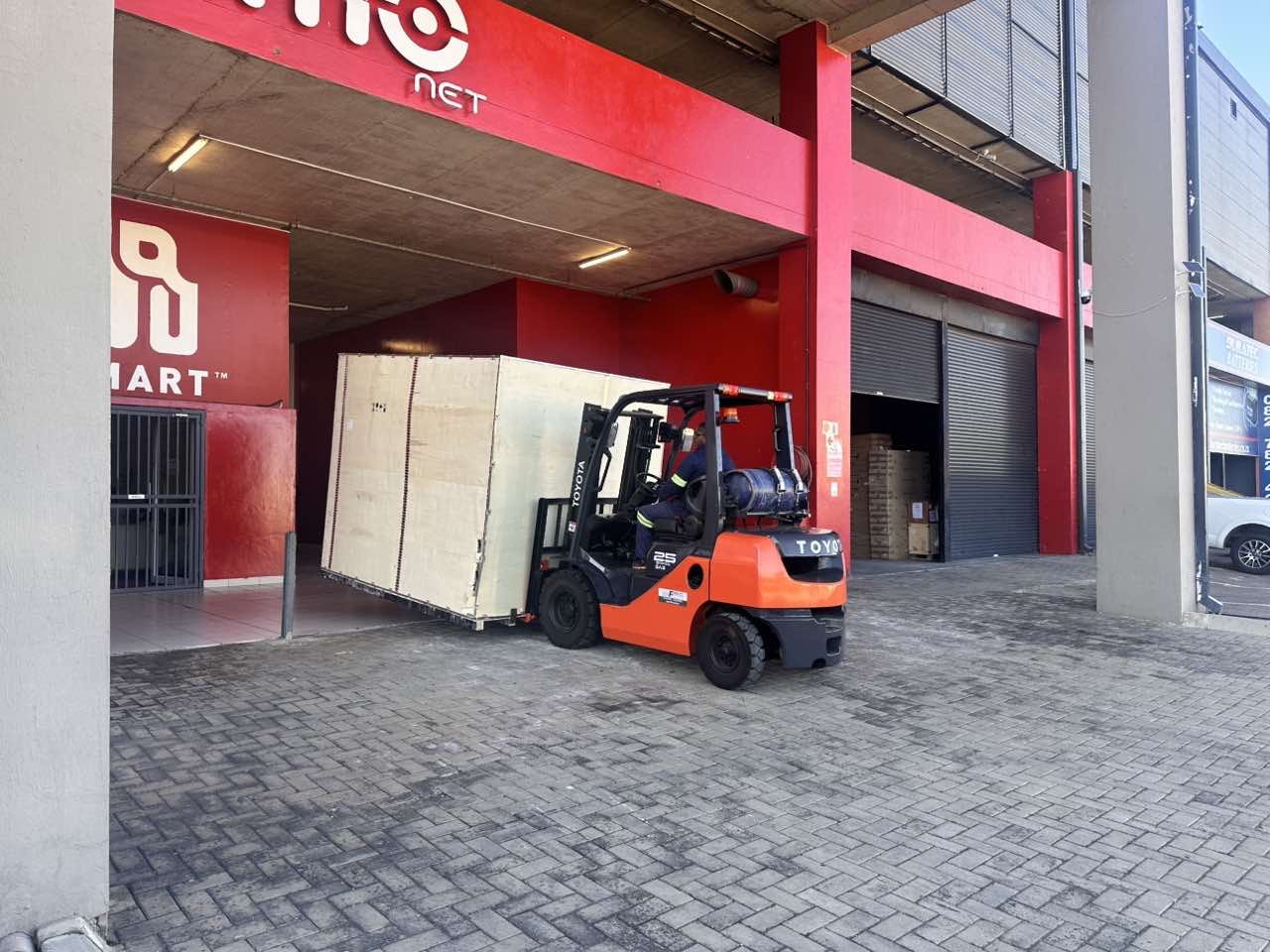
latest arrivals
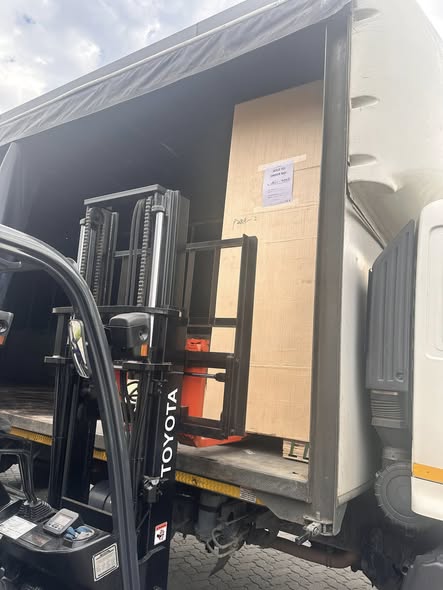
offloading
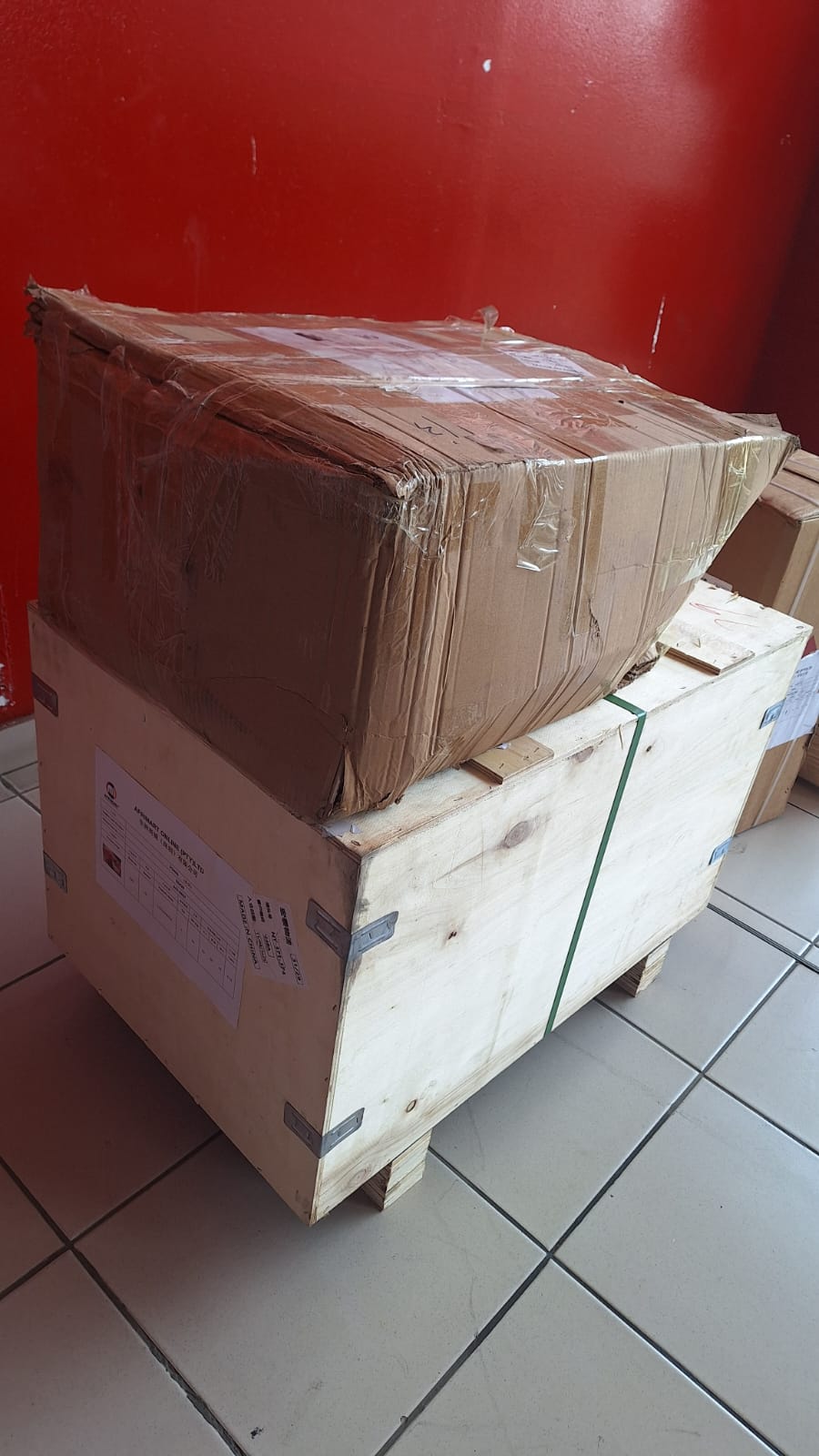
order success
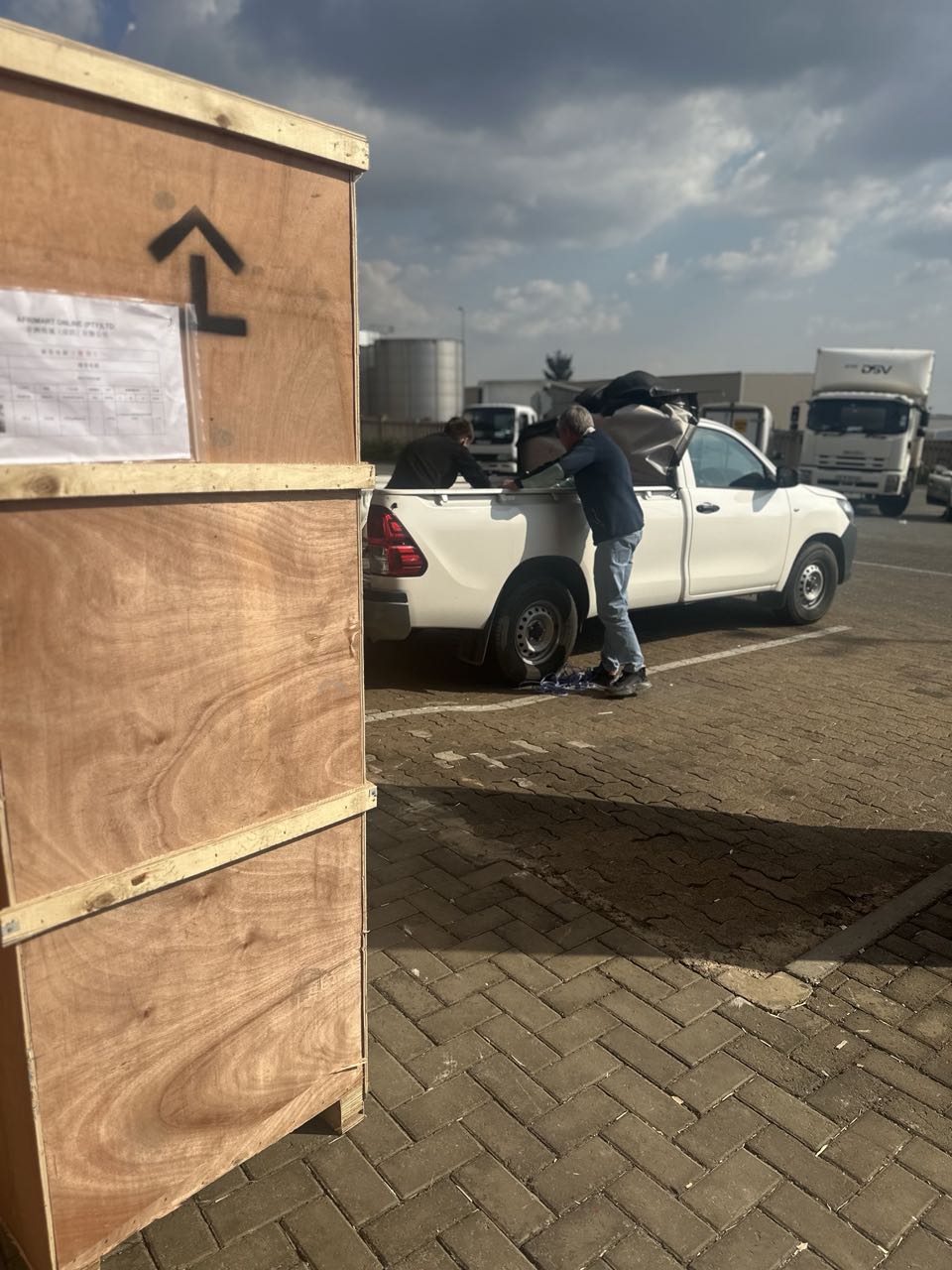
order collection
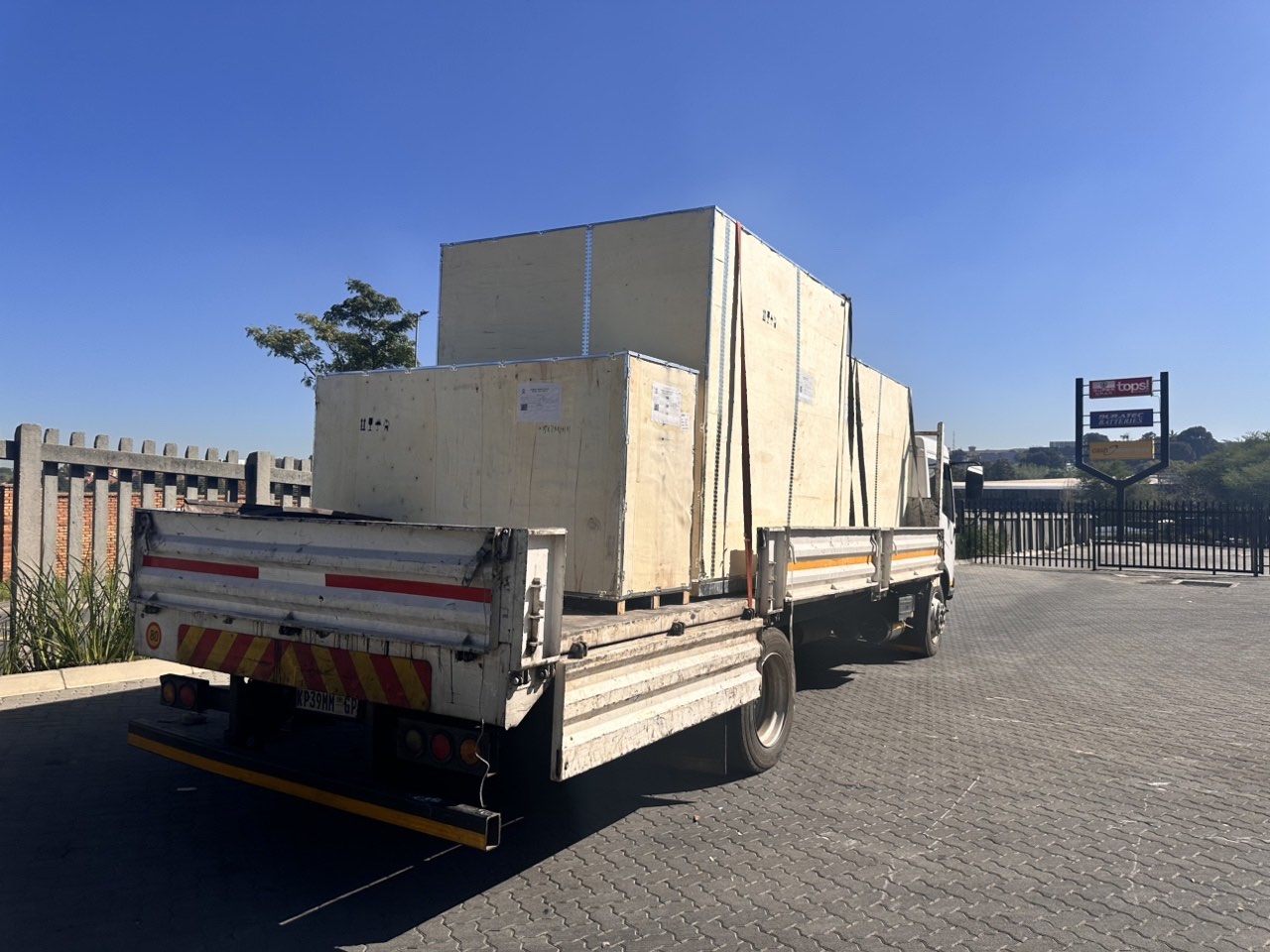
order offloading