B21, China Town Mall, Midrand

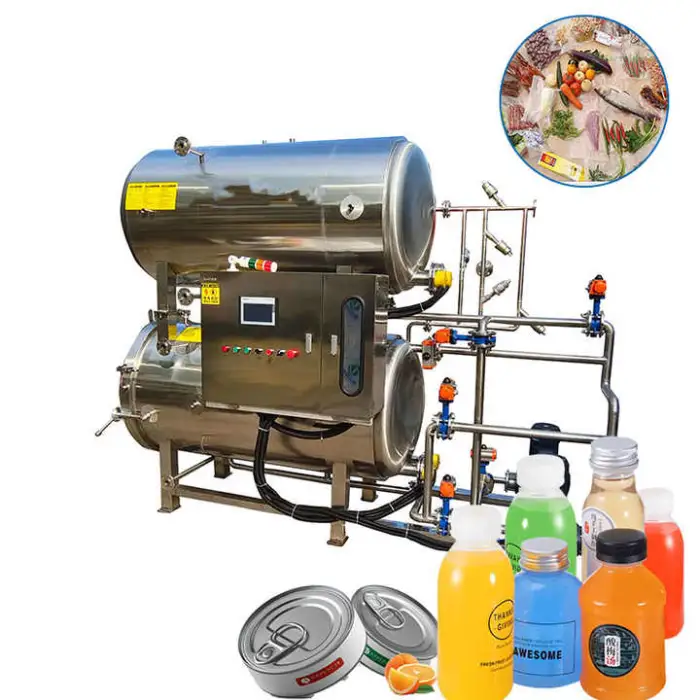
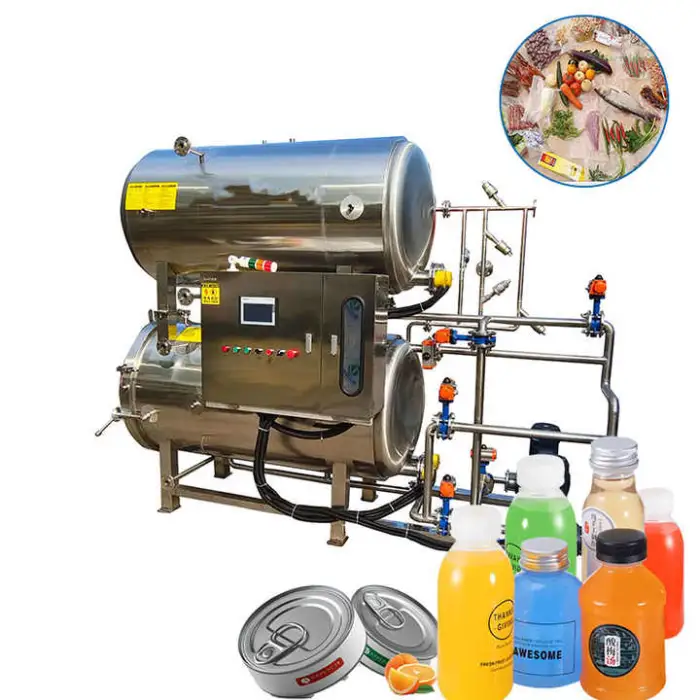
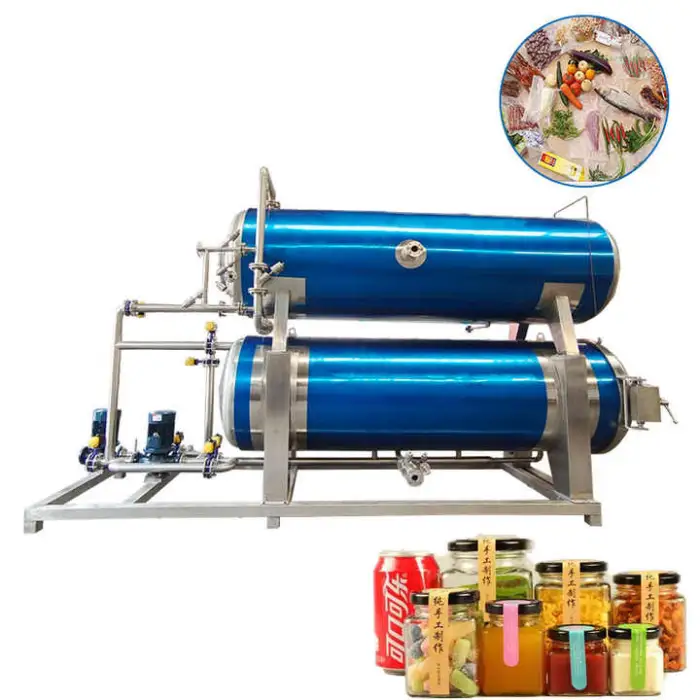
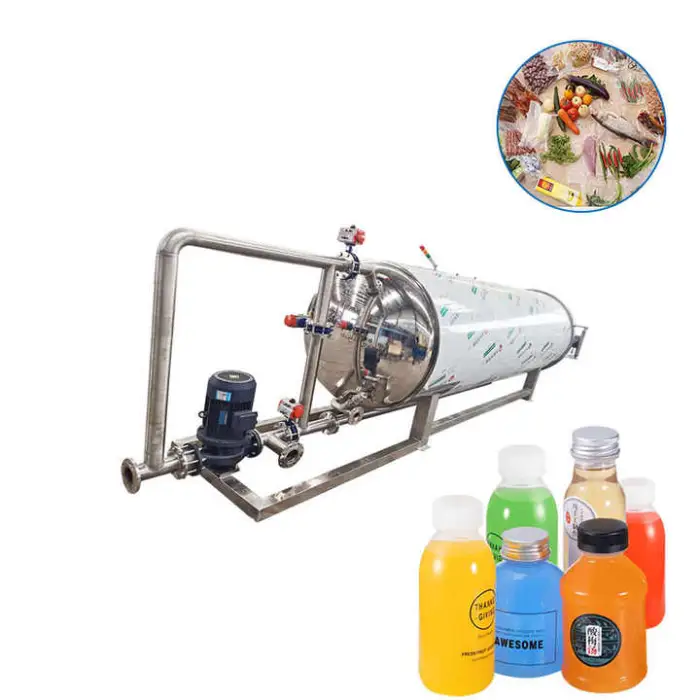
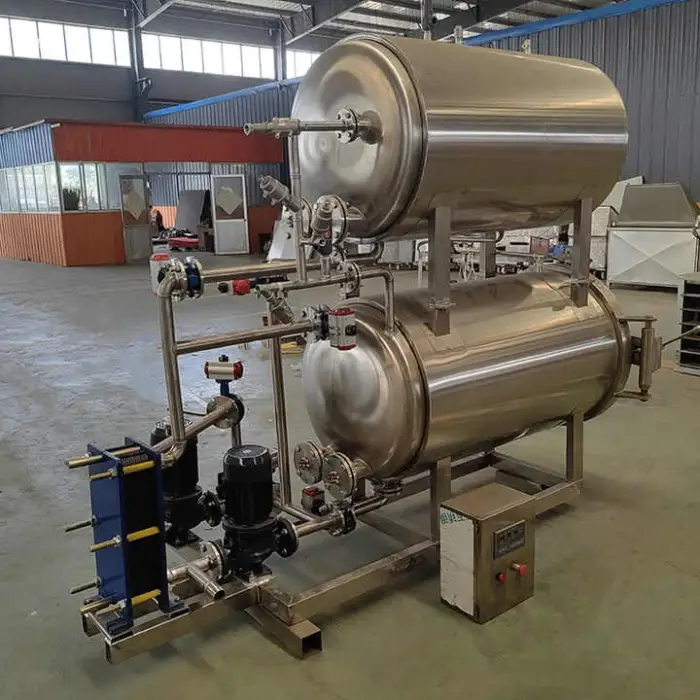
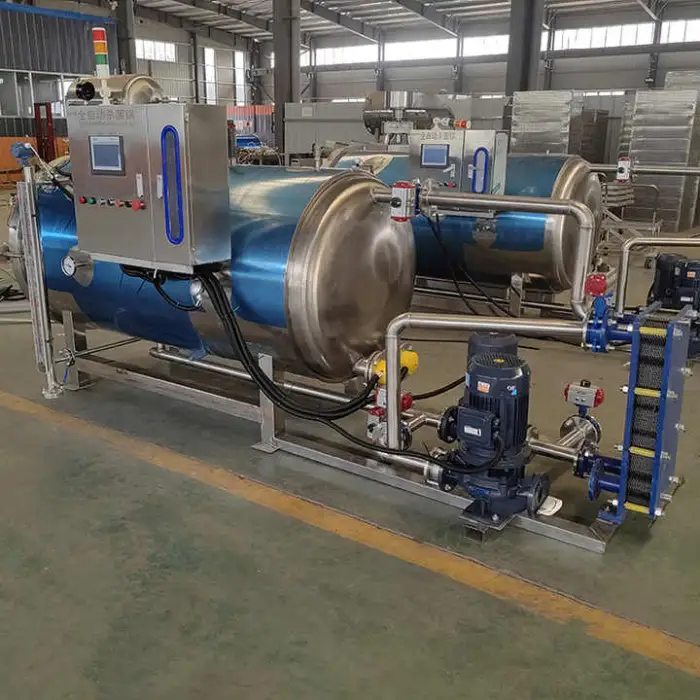
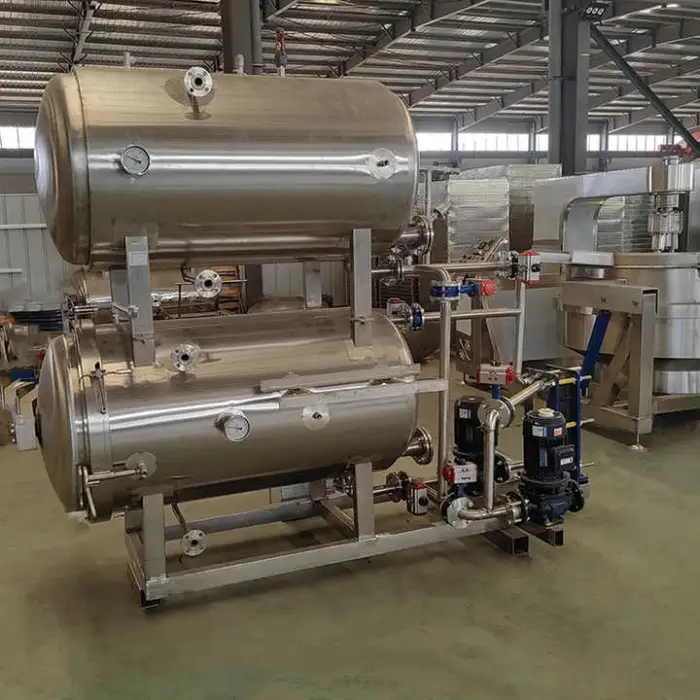
High Temperature Autoclave Sterilization Pot Juice Milk Bottle Cans Pouch Steam Retort Sterilizer Machine for Food Packaging
Asset finance available
Do you want funding for this equipment?
Afrimart can connect you with trusted funding partners who specialise in asset finance for businesses like yours. Compare options and apply in minutes — final approval is subject to provider review.
Check funding options
Secure & no obligation

- Section : Machinery
- Category : Other Food Processing Machinery
- SKU : 1601052613302

High Temperature Autoclave Sterilization Pot Juice Milk Bottle Cans Pouch Steam Retort Sterilizer Machine for Food Packaging
The High Temperature Autoclave Sterilization Pot is a powerful machine designed for effective food sterilization. It is perfect for processing juice, milk bottles, cans, and pouches. This machine ensures that your food packaging is safe and free from harmful germs. With a capacity of 30 kW, it operates at high temperatures of 134-135°C. The stainless steel material ensures durability and a long service life.
Specifications
| Attribute | Details |
|---|---|
| Brand Name | SUNRISE |
| Model | SRS-700 |
| Power | 30 kW |
| Voltage | 220V/380V |
| Weight | 320 kg |
| Temperature Range | 134-135°C |
| Sterilization Method | STEAM |
| Condition | New |
| Application | Laboratory, Industry, Food Industry |
| Material | Stainless Steel |
| Feature | Long Service Life |
Key Features
- Automatic operation for easy use.
- Multifunctional for various food items.
- High sterilization temperature for effective cleaning.
- Durable stainless steel construction.
- Designed for long-lasting service life.
Applications
- Food processing and packaging.
- Sterilizing juice and milk bottles.
- Preparing sauce and canned goods.
- Used in laboratories for sterilization.
- Suitable for industrial food production.
Product Info Gallery
- Shipping Timeframes: All orders are processed within 2-5 business days (excluding weekends and holidays). After your order has been processed, the estimated delivery time is before 12 Jul, 2026, depending on customs, Please note that due to high demand, some items may experience longer shipping times, which will be communicated at order confirmation email.
- Order Processing Time: Please allow 2-5 business days for us to process your order before it is shipped . Orders placed after 16:00 on Fridays, or during weekends and public holidays, will begin processing on the next business day. Processing times may be extended during peak seasons or sales events.
- Manufacturing Time: Some products needs manufacturing time, the manufacturing process will take approximately 10-30 business days depending on the product. This timeframe may vary depending on the complexity of the product and current demand. but this will be communicated with you during order confirmation.
- Returns and Exchanges: We offer a 30-day return policy for most items. If you are not completely satisfied with your purchase, you may return it within 30 days of receipt for a refund or exchange. Items must be unused, in their original packaging, and accompanied by proof of purchase. Return shipping costs are the responsibility of the customer, unless the item was damaged or defective upon arrival.
1. What is this machine and what is it used for?
This is a High Temperature Autoclave Sterilization Pot (steam retort) designed for sterilizing food packaging such as juice and milk bottles, cans and pouches, as well as use in laboratories and food industry processing.
2. What are the key technical specifications?
Model SRS-700 by SUNRISE; rated power 30 kW; voltage options 220V/380V; weight 320 kg; sterilization temperature range 134–135°C; constructed from stainless steel; sterilization method: steam.
3. What packaging types are compatible with this sterilizer?
It is suitable for glass and plastic bottles (juice, milk), metal cans, and flexible pouches. Compatibility depends on packaging materials and required cycles — validation tests are recommended for new product-pack combinations.
4. How does the sterilization process work?
The unit uses high-temperature saturated steam at 134–135°C to inactivate microorganisms. The automatic control runs programmed sterilization cycles (heat-up, sterilization hold, depressurization/cooling) to achieve required sterilization assurance.
5. What is the machine's capacity (chamber size / throughput)?
The specification lists rated power and weight but not chamber volume or throughput. Capacity depends on chamber dimensions and chosen cycle. Please contact the supplier for chamber size, rack options and estimated throughput for your products.
6. How long is a typical sterilization cycle?
Cycle times vary by product, load density and required F0 (lethality). High-temperature steam cycles at 134–135°C typically have shorter holding times than lower-temperature retorts — your process validation will determine the exact cycle length.
7. What utilities and site requirements are needed for installation?
You will need the selected electrical supply (220V or 380V), adequate water supply and drainage, steam generation or boiler (if not integrated), appropriate floor loading capacity and safe venting. Confirm exact site requirements with the manufacturer before installation.
8. What safety features does the machine have?
Typical safety features include pressure and temperature sensors, safety valves, interlocks to prevent door opening under pressure, and automatic shutoffs. Operators should be trained in pressure vessel safety and emergency procedures. Ask the supplier for the detailed safety spec and certifications.
9. How is the unit controlled and operated?
The product description states automatic operation for easy use. Most models use a PLC or microprocessor-based control with programmable sterilization cycles, display and alarms. Request the exact control interface and options (touchscreen, remote monitoring) from the vendor.
10. What maintenance and cleaning are required?
Routine maintenance includes cleaning and descaling (if hard water is used), inspecting door seals, testing safety valves and sensors, checking steam traps and drains, and periodic calibration of temperature and pressure instrumentation. Follow the supplier's maintenance schedule for longevity.
11. Is the machine made from food-grade materials?
Yes — the sterilizer is constructed from stainless steel, which is standard for food-processing equipment due to its corrosion resistance and hygienic properties.
12. How can I validate sterilization effectiveness?
Validation is done using biological indicators, chemical indicators, temperature mapping, and recording cycle parameters to demonstrate required lethality (e.g., F0 value). Work with a process engineer or the supplier to develop a validation protocol for your products.
13. What about energy consumption?
The unit is rated at 30 kW power. Actual energy consumption per cycle depends on cycle length, load and heat recovery/insulation. Use the 30 kW rating as the maximum electrical power draw for planning; request more detailed energy usage estimates from the manufacturer.
14. Are spare parts, tooling (racks/trays) and after-sales support available?
Most suppliers offer spare parts, accessory racks/trays and after-sales service. Confirm warranty length, availability of spare parts, field service, and optional accessories with the seller prior to purchase.
15. Does the machine have certifications and what compliance should I check?
The listing does not specify certifications. For food industry use, verify certifications relevant to your region (pressure vessel codes, CE, ASME, sanitary standards, electrical safety). Ask the manufacturer for test certificates, material certificates and compliance documentation.
Latest Order Arrivals
Discover our latest orders
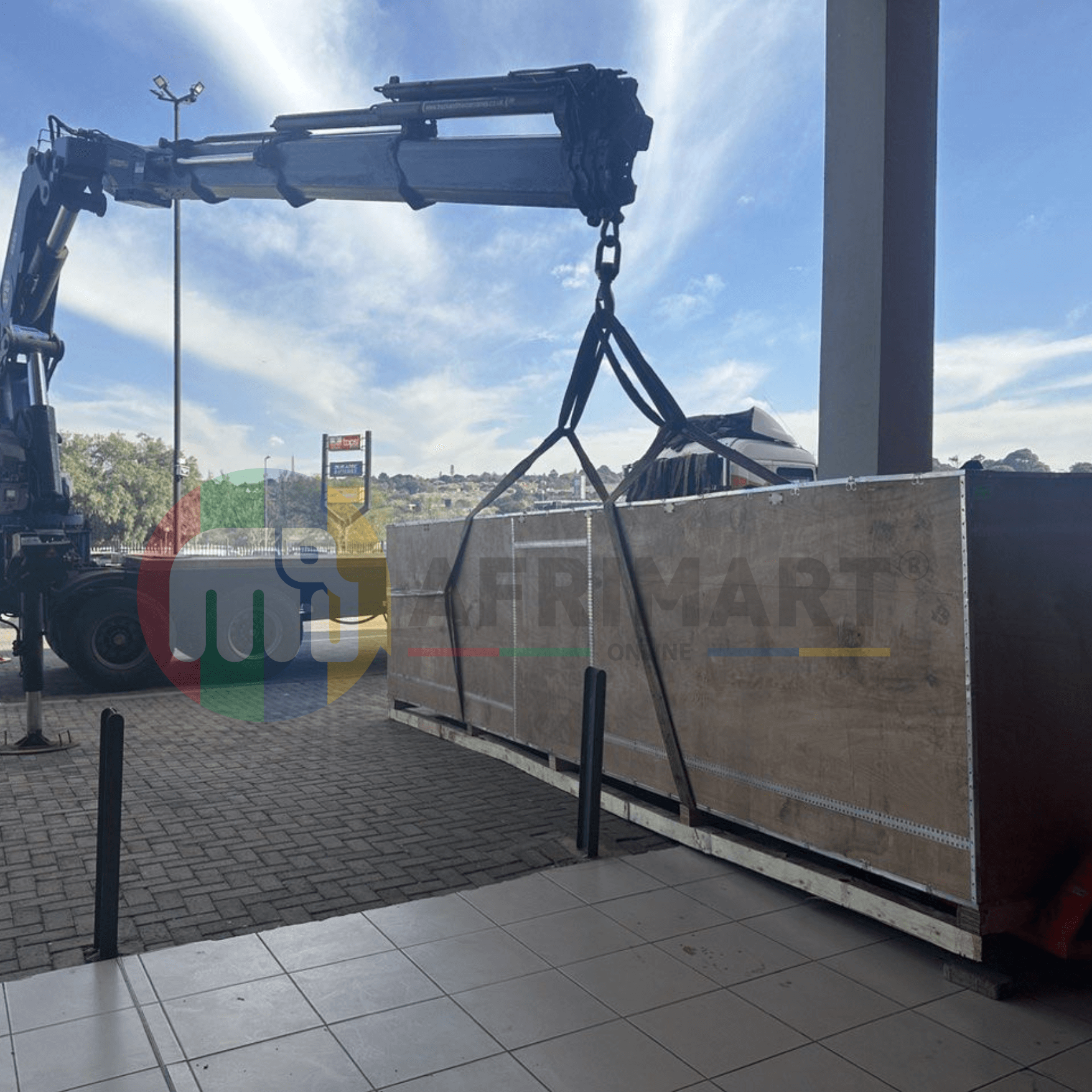
12 Heads Embroidery Machine
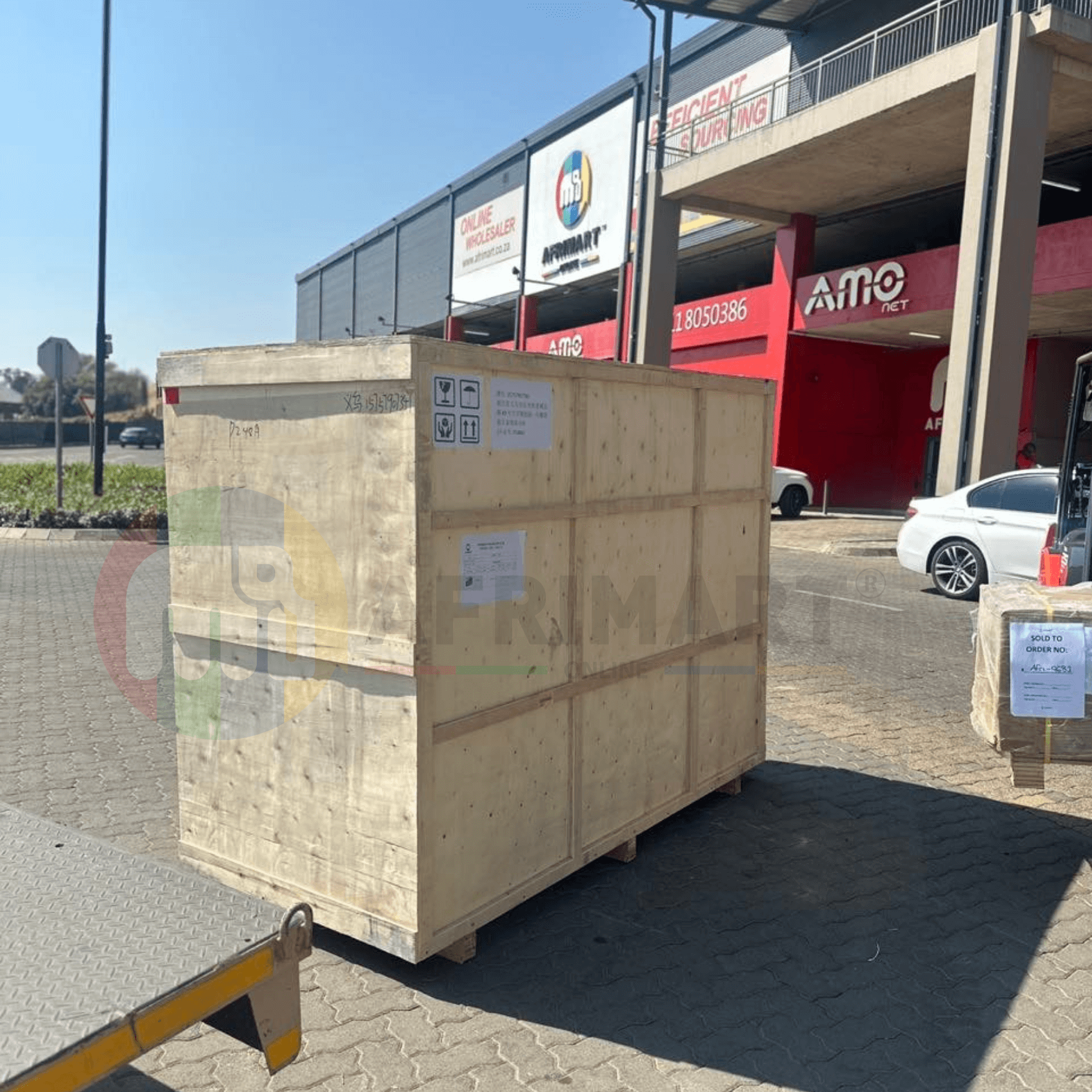
Dewatering Pump Machine
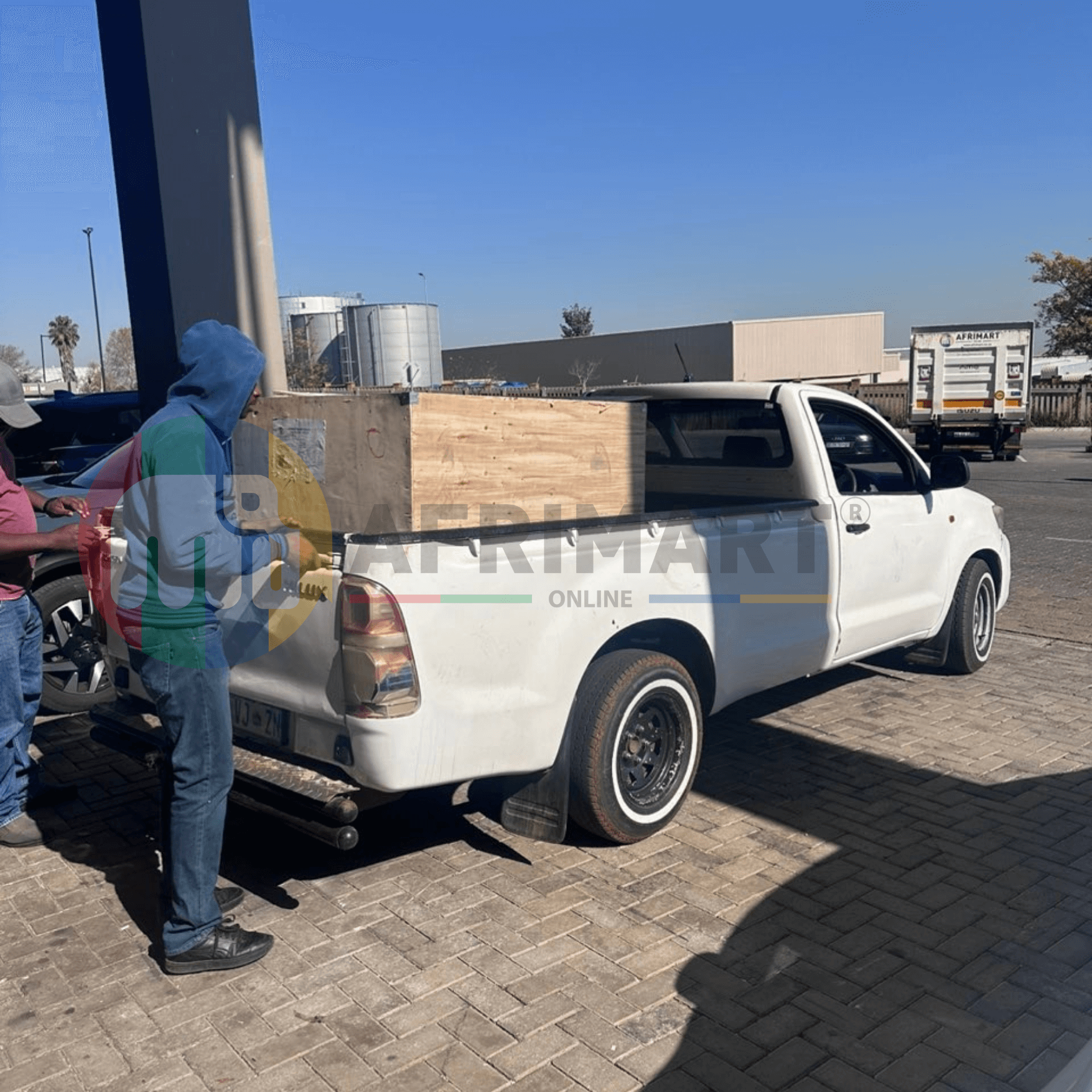
Order Collection
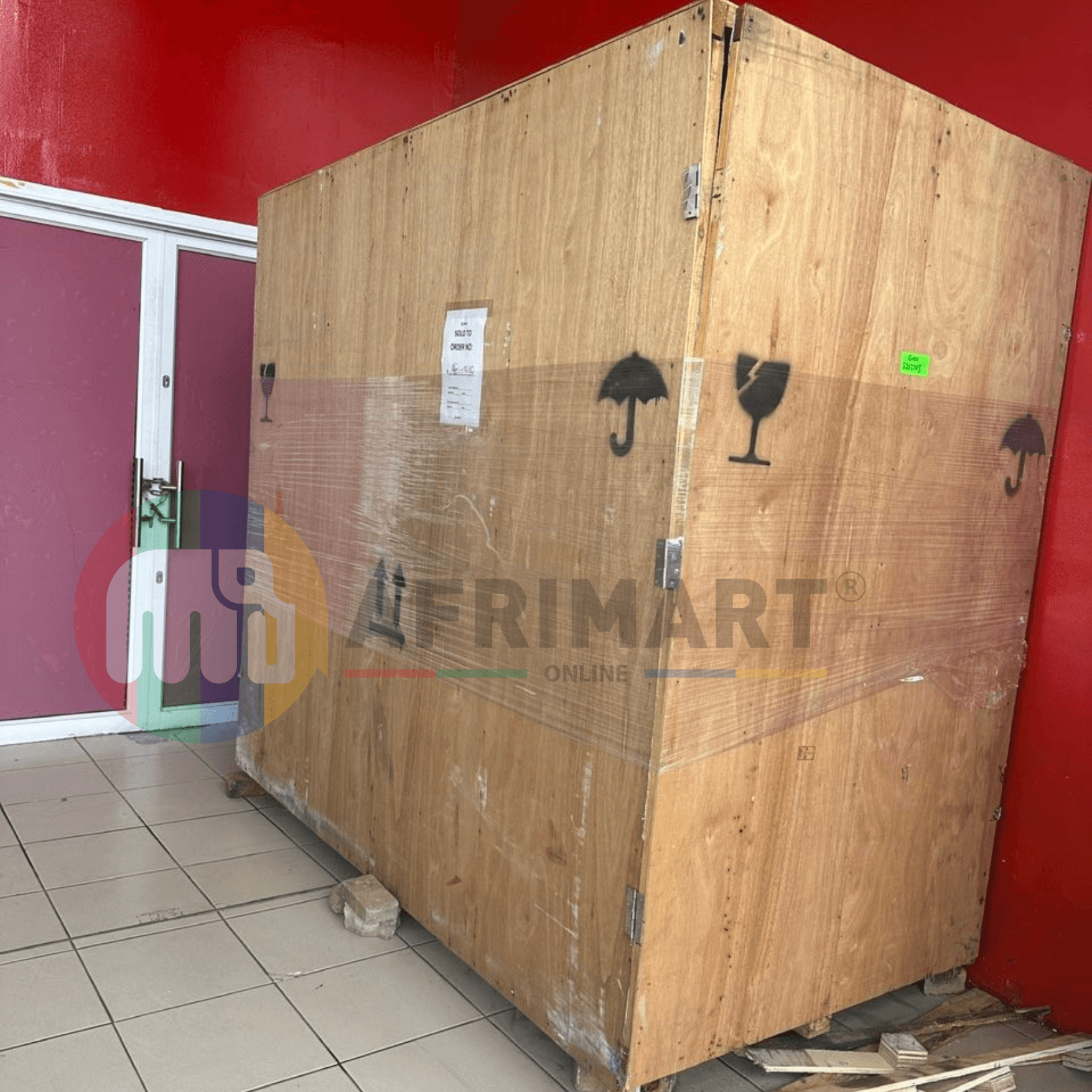
Portable Water Drilling Rig
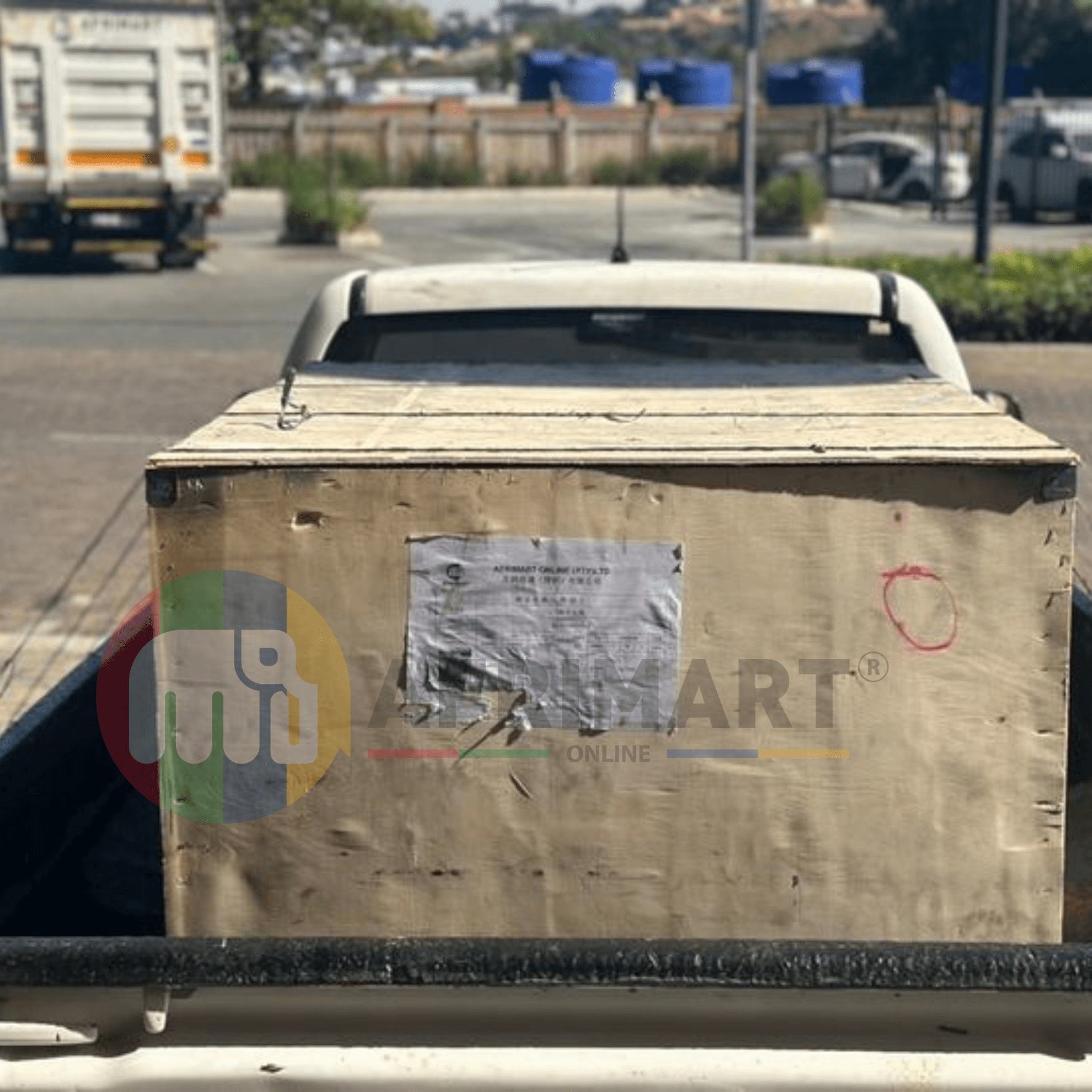
Order Usefully Collected
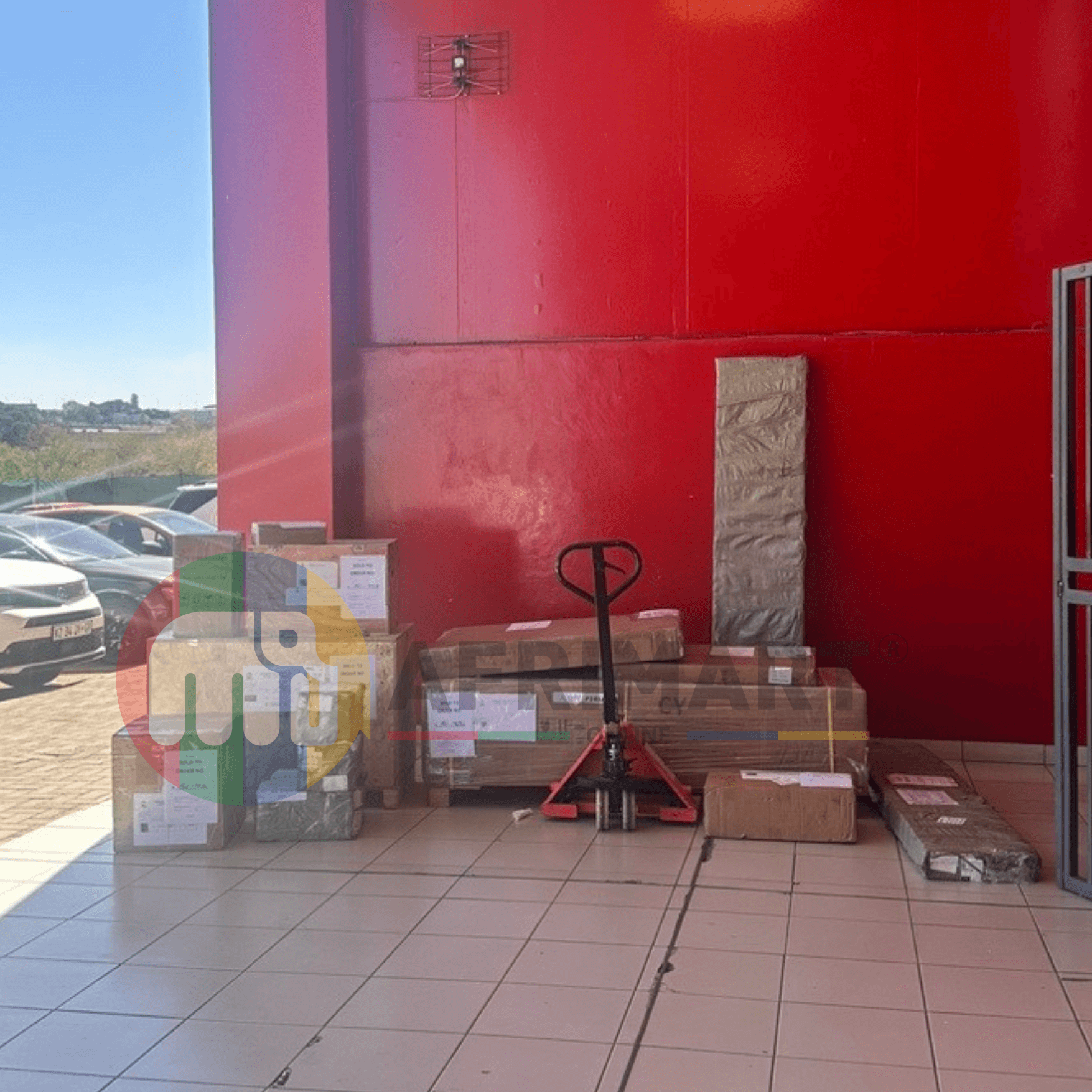
Batch of Orders
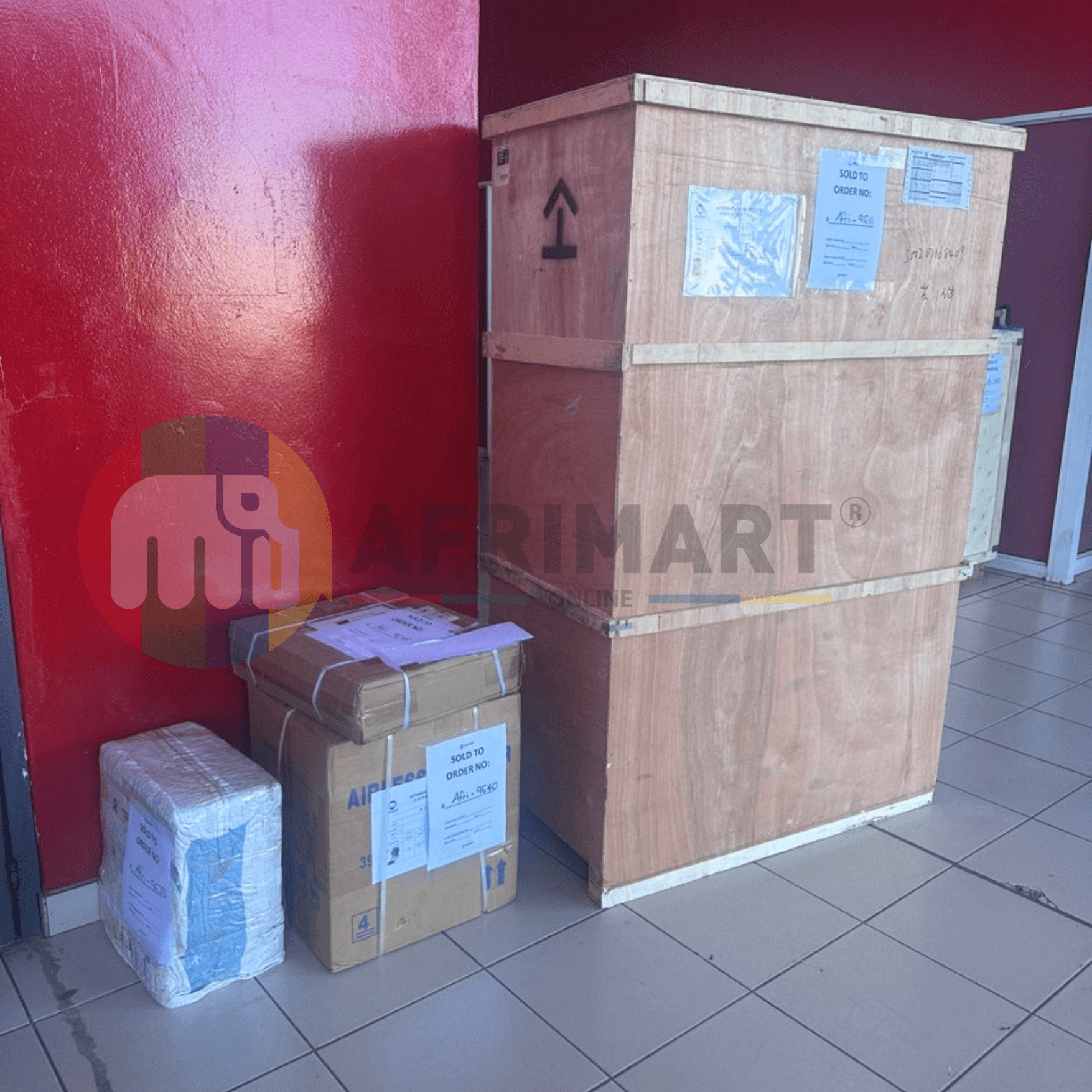
Agriculture Processing Machines
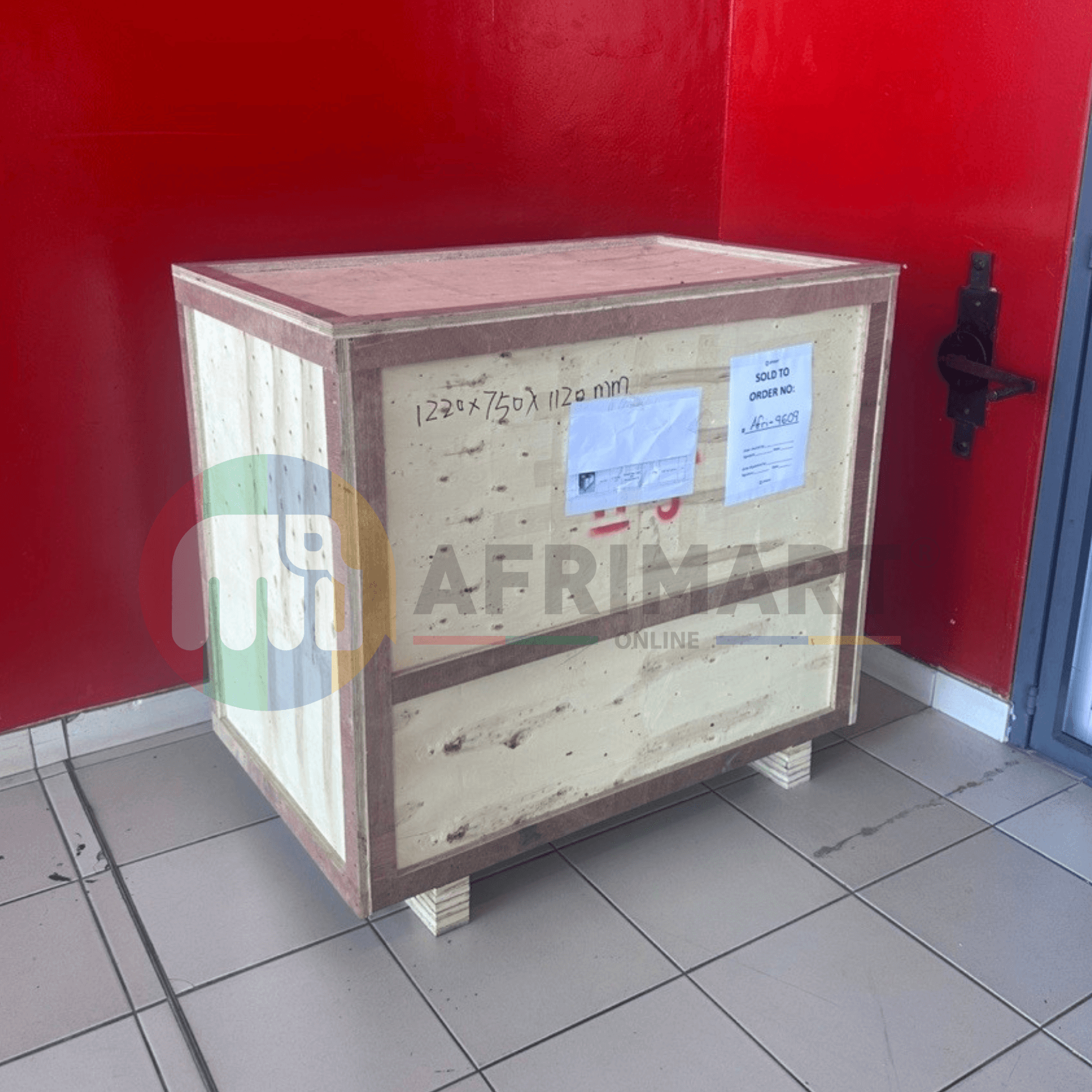
Meat Grinder Machine
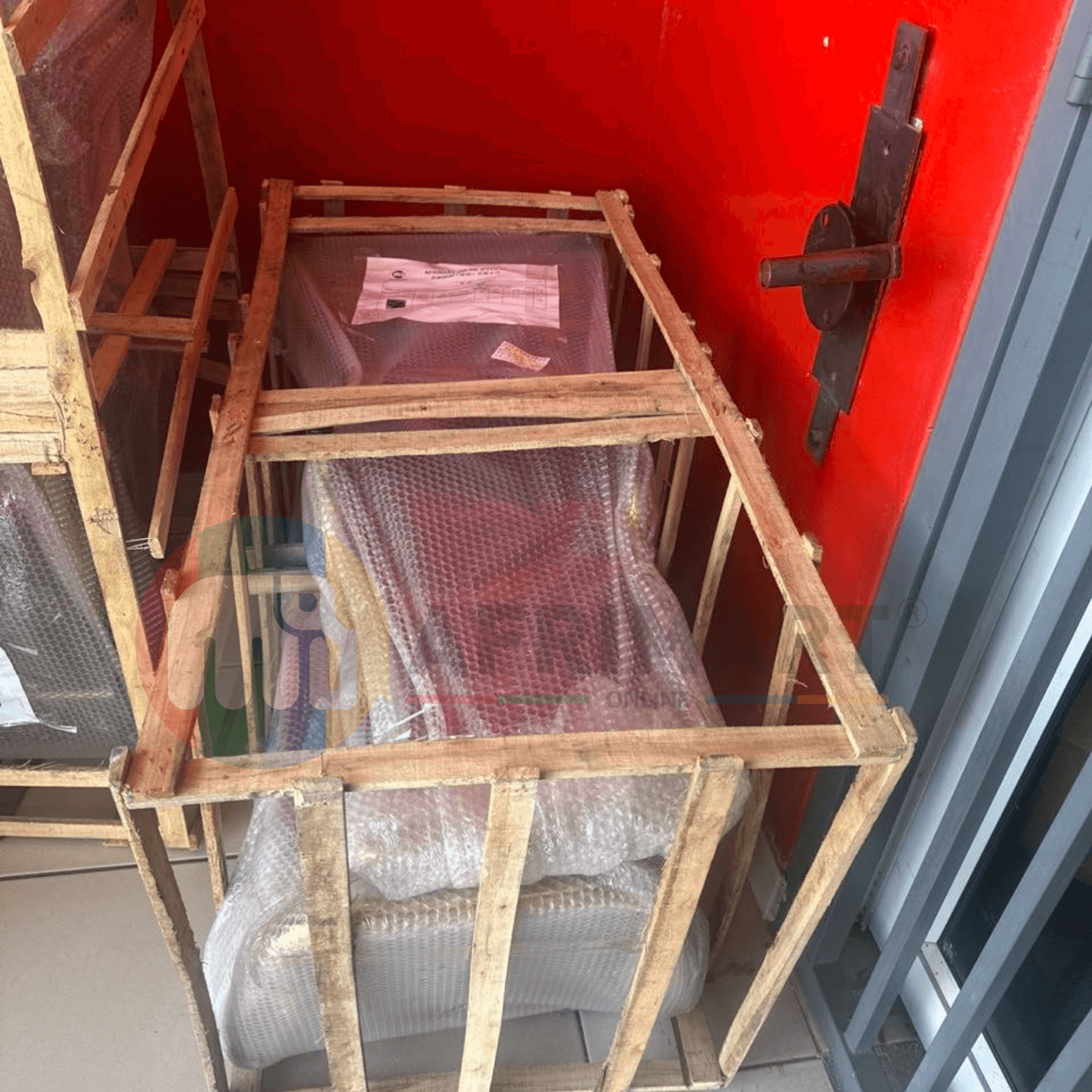
Water Pump Equipment
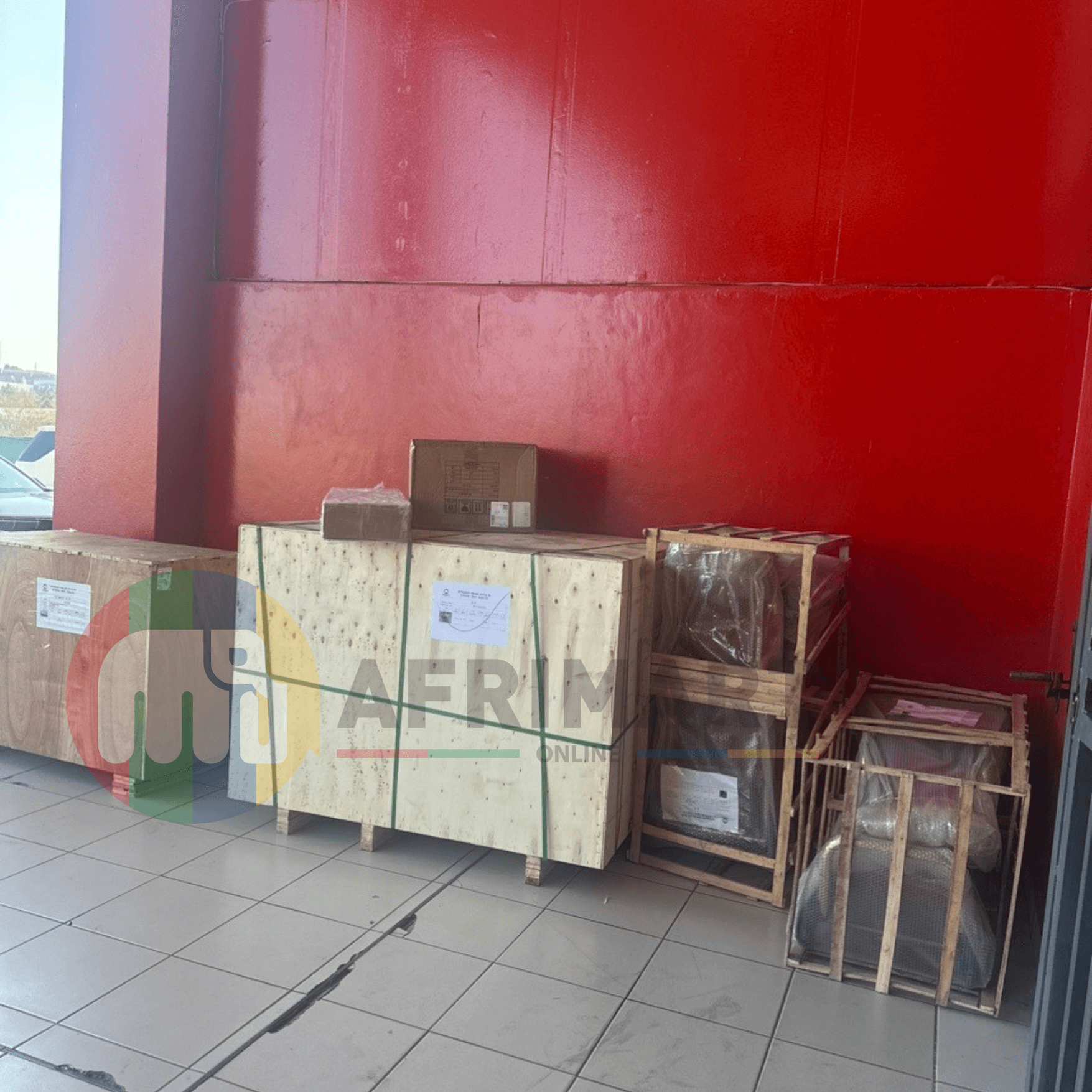
Packaging Machine and accessories
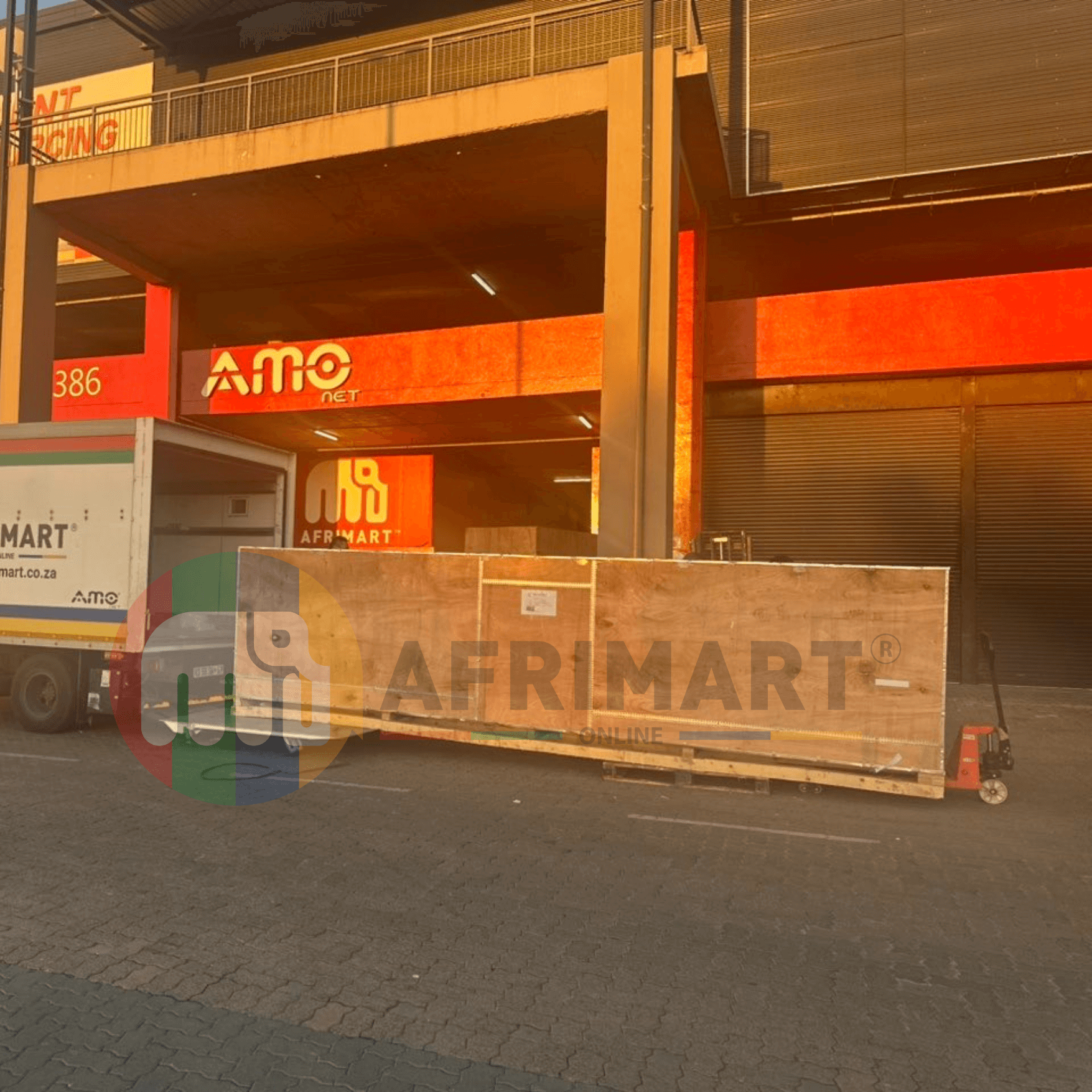
Fabrics Manufacturing Equipment
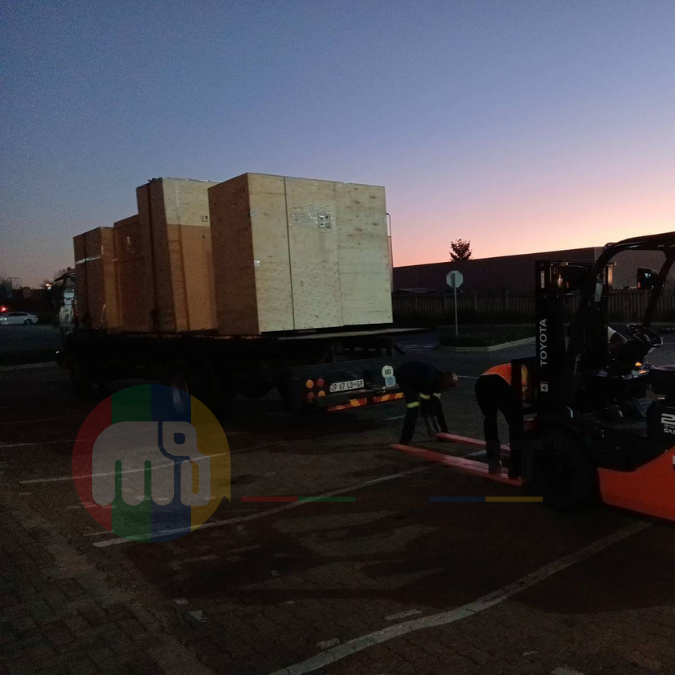
Mining Equipments
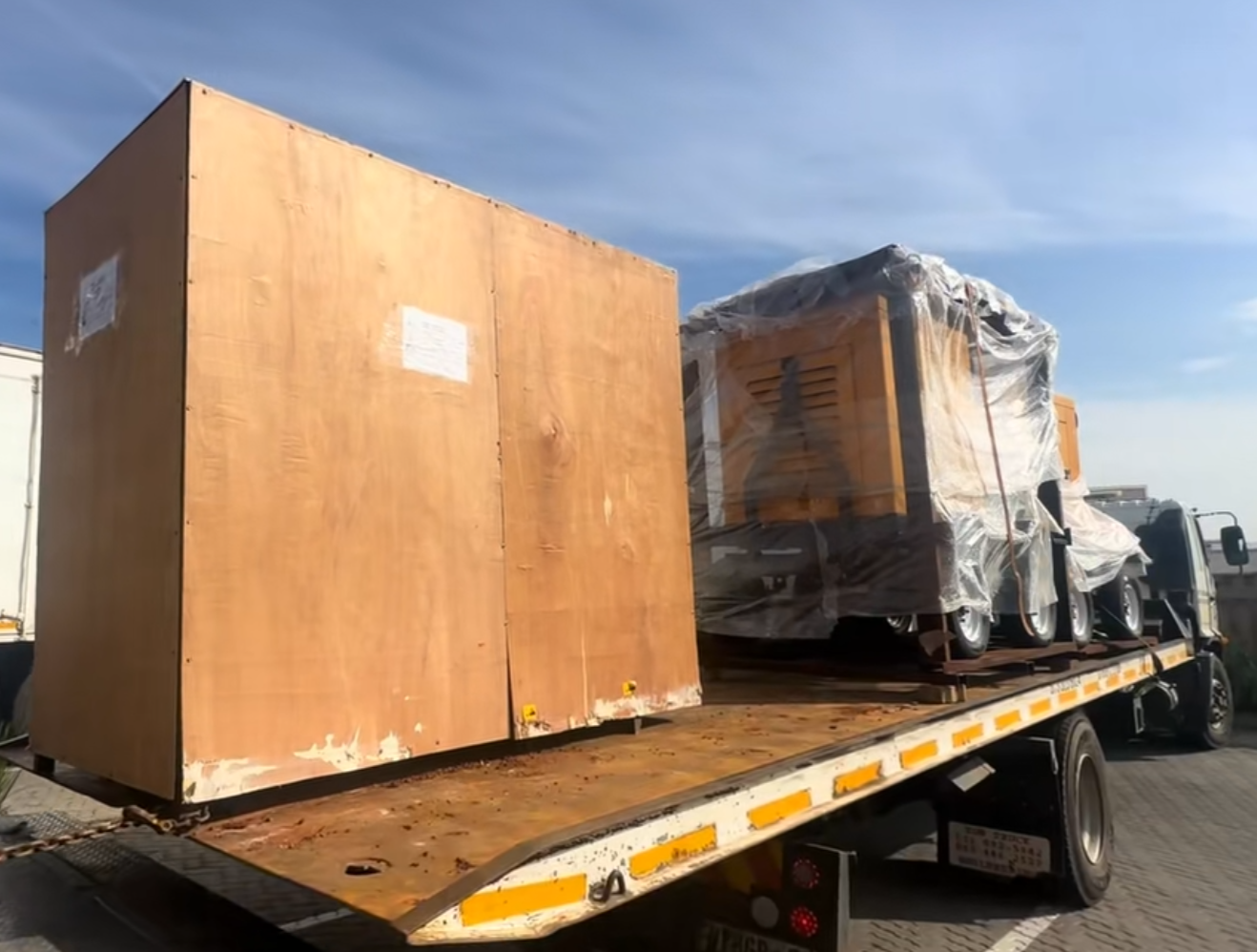
Food Processing Machine
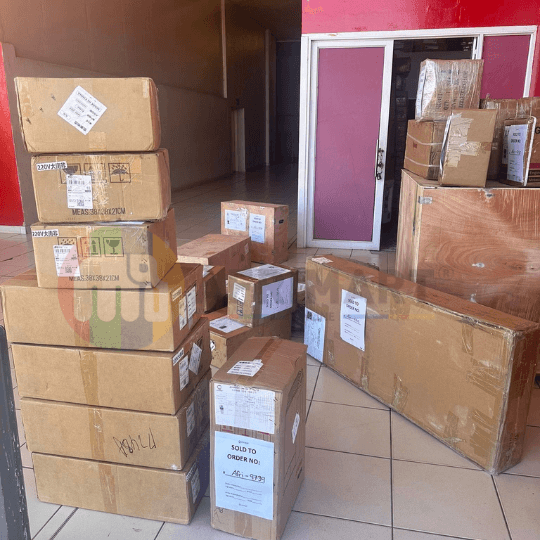
Batch of Orders
Batch of Orders
Latest Orders Labelled
wheel alignment machines
new arrivals
Pre Orders Offloading
Latest Arrivals
Latest Arrivals
Latest Arrivals
26 January 2026
Toilet paper making machine
Toilet paper making machine
Toilet paper Rewinding Machine
latest arrivals
offloading
order success
order collection
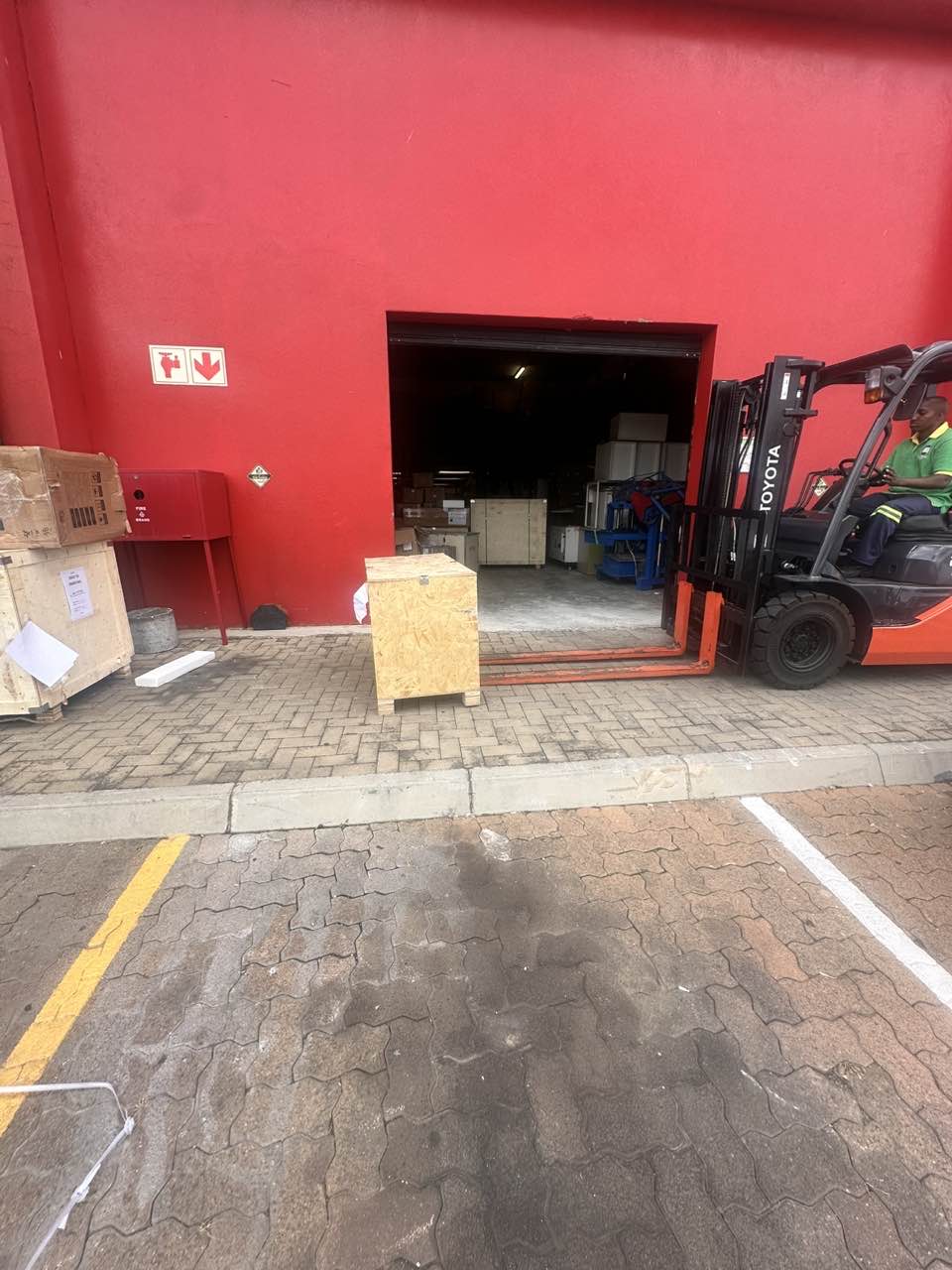
order offloading