B21, China Town Mall, Midrand

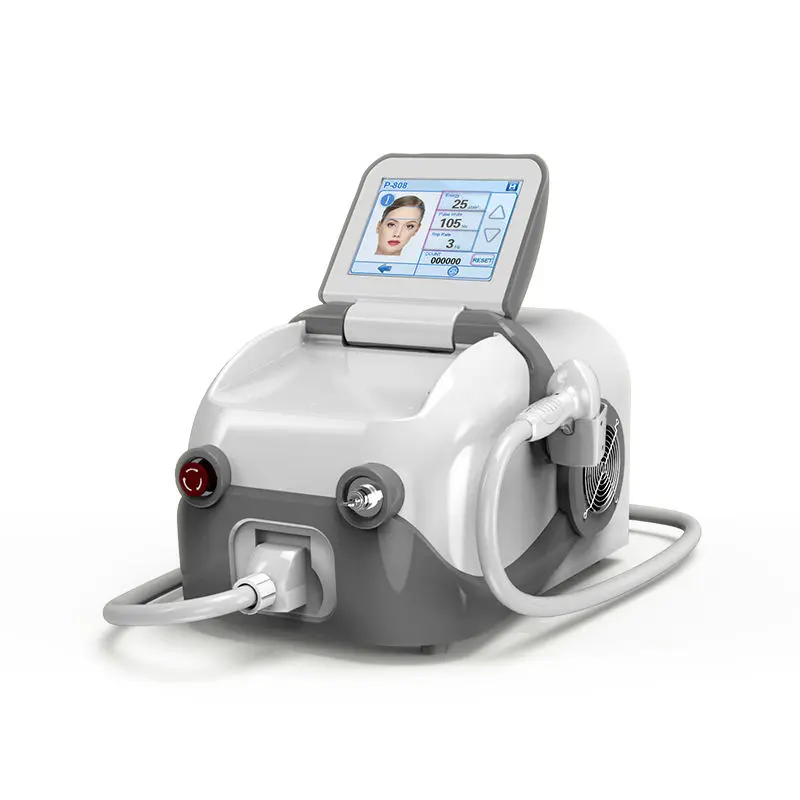
HIDL-600-808 600W Hair Removal Laser (808nm)
Asset finance available
Do you want funding for this equipment?
Afrimart can connect you with trusted funding partners who specialise in asset finance for businesses like yours. Compare options and apply in minutes — final approval is subject to provider review.
Check funding options
Secure & no obligation

- Section : Beauty & Personal Care
- Category : Laser Beauty Equipment
- SKU : 62563404062


Product Function Description

Treatment Theory

Specification
| Name | 808nm Diode Laser Hair Removal System |
| Laser Generator Power | 1200w |
| Machine Type | P-808s diode laser |
| Laser Type | Semi-conductor laser |
| Laser wavelength | 808nm |
| Sapphire size | 12*12mm or 12*23mm |
| Energy Density | 10~120j/cm2 (continuous adjustable) |
| 10~120j/cm2 (continuous adjustable) | 10~1200ms(continuous adjustable) |
| Repetition frequency | 0.5~10HZ |
| Cooling way | Sealed inner-circle water cooling system |
| Treatment head temperature | -10~4℃ |
| Power rating | 2000w |
| Power supply | AC220V±10%,50Hz,10A |
| Security Classification | ClassⅠ, type BF |
| Weight | 45 kg |
| External dimensions | 693mm×460mm×550mm (length*width*height) |
Our Advantages


FAQ
WHAT IS DIODE LASER HAIR REMOVAL?
Hair removal is among the most common aesthetic concerns worldwide and concerns both men and women.like diode laser hair removal, wax hair removal, SHR hair removal,
TREATMENT OPTIONS
There are several options available for hair removal, and many over the counter options, although most are not permanent. Permanent hair reduction can only be achieved through the application of energy directly to the hair follicle.
HOW DOES DIODE LASER WORK?
The removal or permanent reduction of unwanted hair by laser light depends on the scientific principle of selective photothermolysis. When the correct wavelength of laser light is applied to hair in the treatment area, melanin in the hair absorbs the light, which is converted into heat energy. Buildup of thermal energy causes the destruction of hair follicles as well as associated stem cells and dermal papillae, while the surrounding skin is undamaged. Some follicles will only be damaged or may regrow, so numerous treatments are required to reduce or eliminate unwanted hair effectively for a persistent result.
To successfully remove unwanted hair by laser treatment, one must carefully apply energy so that hair follicles are damaged but nearby skin and tissues are spared. This can be more or less difficult depending on each patient's individual characteristics such as skin color, hair color, and hair thickness. When treating hair with a laser, one can account for these characteristics by
adjusting treatment parameters such as fluence, pulse width, and repetition rate. Many devices are limited in their utility because the different parameters cannot be adjusted independently (if at all). Understandably, treatment of darker skin is more challenging due to the higher concentration of melanin in the skin as a competing chromophore; in those cases treatment may be too painful or cause burning.but our diode laser can do it.
- Shipping Timeframes: All orders are processed within 2-5 business days (excluding weekends and holidays). After your order has been processed, the estimated delivery time is before 12 Jul, 2026, depending on customs, Please note that due to high demand, some items may experience longer shipping times, which will be communicated at order confirmation email.
- Order Processing Time: Please allow 2-5 business days for us to process your order before it is shipped . Orders placed after 16:00 on Fridays, or during weekends and public holidays, will begin processing on the next business day. Processing times may be extended during peak seasons or sales events.
- Manufacturing Time: Some products needs manufacturing time, the manufacturing process will take approximately 10-30 business days depending on the product. This timeframe may vary depending on the complexity of the product and current demand. but this will be communicated with you during order confirmation.
- Returns and Exchanges: We offer a 30-day return policy for most items. If you are not completely satisfied with your purchase, you may return it within 30 days of receipt for a refund or exchange. Items must be unused, in their original packaging, and accompanied by proof of purchase. Return shipping costs are the responsibility of the customer, unless the item was damaged or defective upon arrival.
1. What is the HIDL-600-808 600W Hair Removal Laser (808nm)?
The HIDL-600-808 is an 808 nm diode laser hair removal system designed for professional permanent hair reduction. It uses a semiconductor diode laser and a sapphire contact tip to deliver adjustable energy to hair follicles while protecting surrounding skin.
2. How does diode laser hair removal work?
Diode laser hair removal uses selective photothermolysis: melanin in the hair shaft absorbs the 808 nm laser light, converting it to heat that damages the hair follicle, stem cells and dermal papilla. Repeated treatments are required because hair grows in cycles and not every follicle is active at once.
3. What are the main technical specifications?
Wavelength: 808 nm. Laser type: semiconductor diode. Sapphire tip sizes: 12×12 mm or 12×23 mm. Energy density (fluence): 10–120 J/cm² (continuously adjustable). Pulse width: 10–1200 ms (continuously adjustable). Repetition frequency: 0.5–10 Hz. Cooling: sealed inner-circle water cooling; treatment head temperature -10 to 4 °C. Laser generator power listed as 1200 W; power rating 2000 W. Power supply: AC 220 V ±10%, 50 Hz, 10 A. Weight: 45 kg. Dimensions: 693 × 460 × 550 mm.
4. The model name says 600W but the specs list 1200W and 2000W — what does that mean?
Model names often reflect nominal diode output categories (HIDL-600 indicates a 600 W-class diode output). The "laser generator power" (1200 W) refers to internal generator capacity, and the "power rating" (2000 W) refers to electrical power consumption capability. For exact performance metrics and electrical planning, confirm with the supplier.
5. Which skin and hair types can be treated with this device?
808 nm diode lasers are effective for a wide range of hair types and skin phototypes. Darker, coarser hair responds best. Treatment on darker skin tones is possible but more challenging due to higher epidermal melanin; careful parameter adjustment, appropriate pulse widths/fluence and effective cooling are required to minimize risks.
6. How many treatment sessions are typically required?
Most clients need multiple sessions because of hair growth cycles. Typical protocols call for 6–10 sessions spaced about 4–8 weeks apart, though the exact number varies by hair density, hair thickness, treated area and individual response.
7. Does treatment hurt, and how is discomfort managed?
Sensation varies from mild to moderate stinging or heat. The sapphire contact tip and sealed water cooling (treatment head temperature down to around -10 to 4 °C) reduce pain and protect the epidermis. Topical anesthetics can be used if needed, and parameter selection also affects comfort.
8. What are common side effects and risks?
Common temporary effects include redness, slight swelling and follicular edema. Less commonly, transient hyperpigmentation or hypopigmentation, blistering or crusting can occur if parameters are inappropriate. Proper pre- and post-care and a trained operator greatly reduce risks.
9. Who should not receive treatment (contraindications)?
Contraindications include pregnancy, active skin infections or open wounds in the treatment area, recent tanning or sunburn, use of photosensitizing medications or isotretinoin (recent history), and certain autoimmune disorders. Patients with implanted electronic medical devices should consult a physician. A full medical screening is required before treatment.
10. How fast are treatments and what are practical treatment times?
Treatment speed depends on handpiece size and repetition rate. With a 12×23 mm spot and higher repetition (up to 10 Hz), sessions are faster. Small areas (upper lip) can take a few minutes; larger areas (full legs) may take 30–60 minutes. Operator technique and parameter choices also affect total time.
11. What maintenance does the machine require?
Regular maintenance includes monitoring and replacing cooling water and filters, checking and servicing the sealed water-cooling loop, inspecting and cleaning the sapphire tip, verifying diode performance, and following the manufacturer's preventive maintenance schedule. Professional servicing is recommended for diode checks and electrical components.
12. What are the electrical and installation requirements?
Power supply: AC 220 V ±10%, 50 Hz, 10 A. The unit has a power rating of 2000 W; ensure your facility electrical circuit can handle the load and that proper grounding is provided. Manufacturer installation instructions must be followed.
13. What safety measures and operator training are required?
Operators should be trained in laser safety and clinical protocols. Use appropriate laser safety eyewear for 808 nm for both operator and patient, post warning signs, and follow local regulations for medical laser use. The unit is listed as Class I, type BF for electrical safety of applied parts; still, trained personnel must perform treatments.
14. What aftercare is recommended following treatment?
Aftercare typically includes avoiding sun exposure and tanning for several weeks, using broad-spectrum sunscreen, avoiding hot baths/saunas for 24–48 hours, gentle skin care to reduce irritation, and following any topical or cooling instructions given by the clinician. Report unusual pain, blistering or prolonged pigment changes to your provider.
Latest Order Arrivals
Discover our latest orders
12 Heads Embroidery Machine
Dewatering Pump Machine
Order Collection
Portable Water Drilling Rig
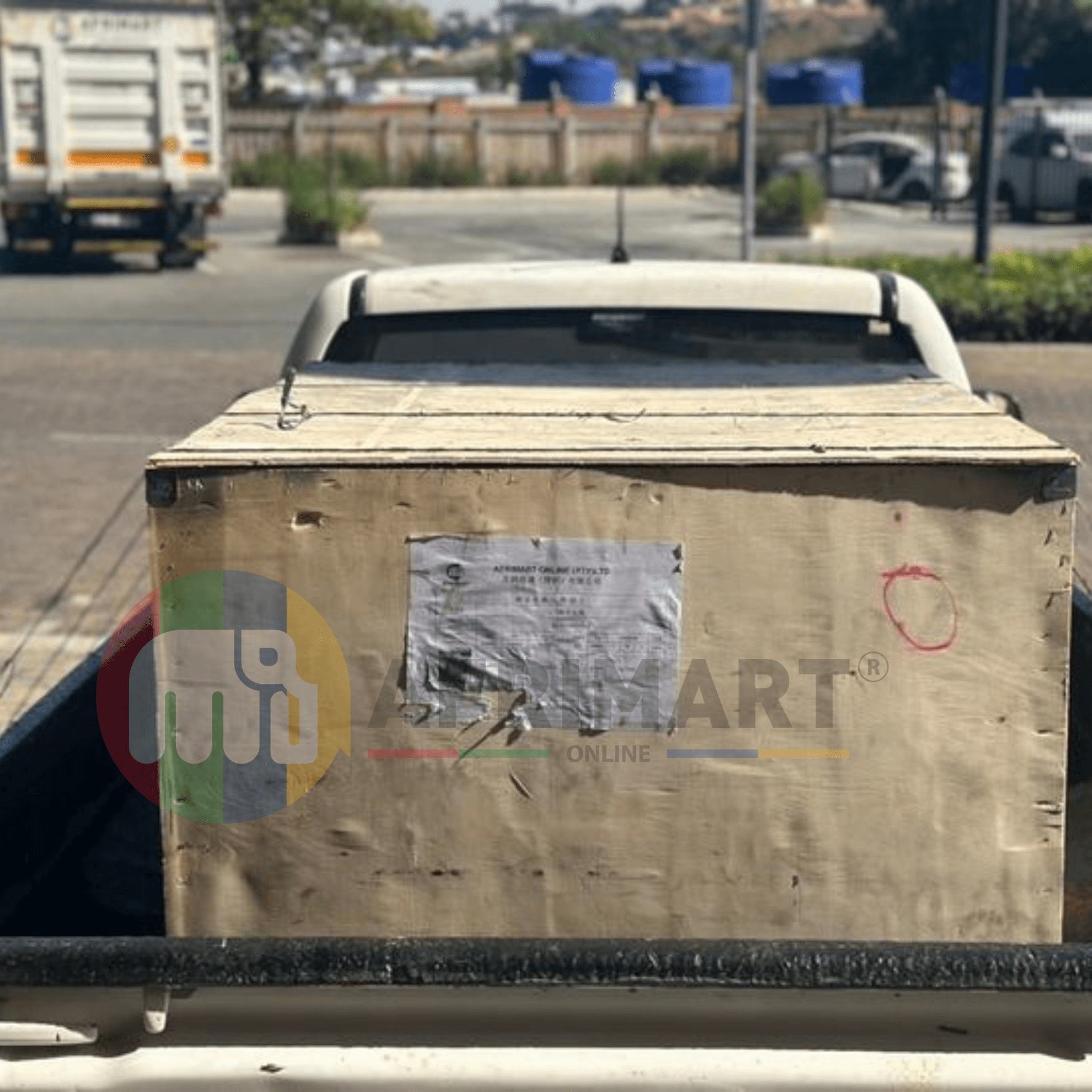
Order Usefully Collected
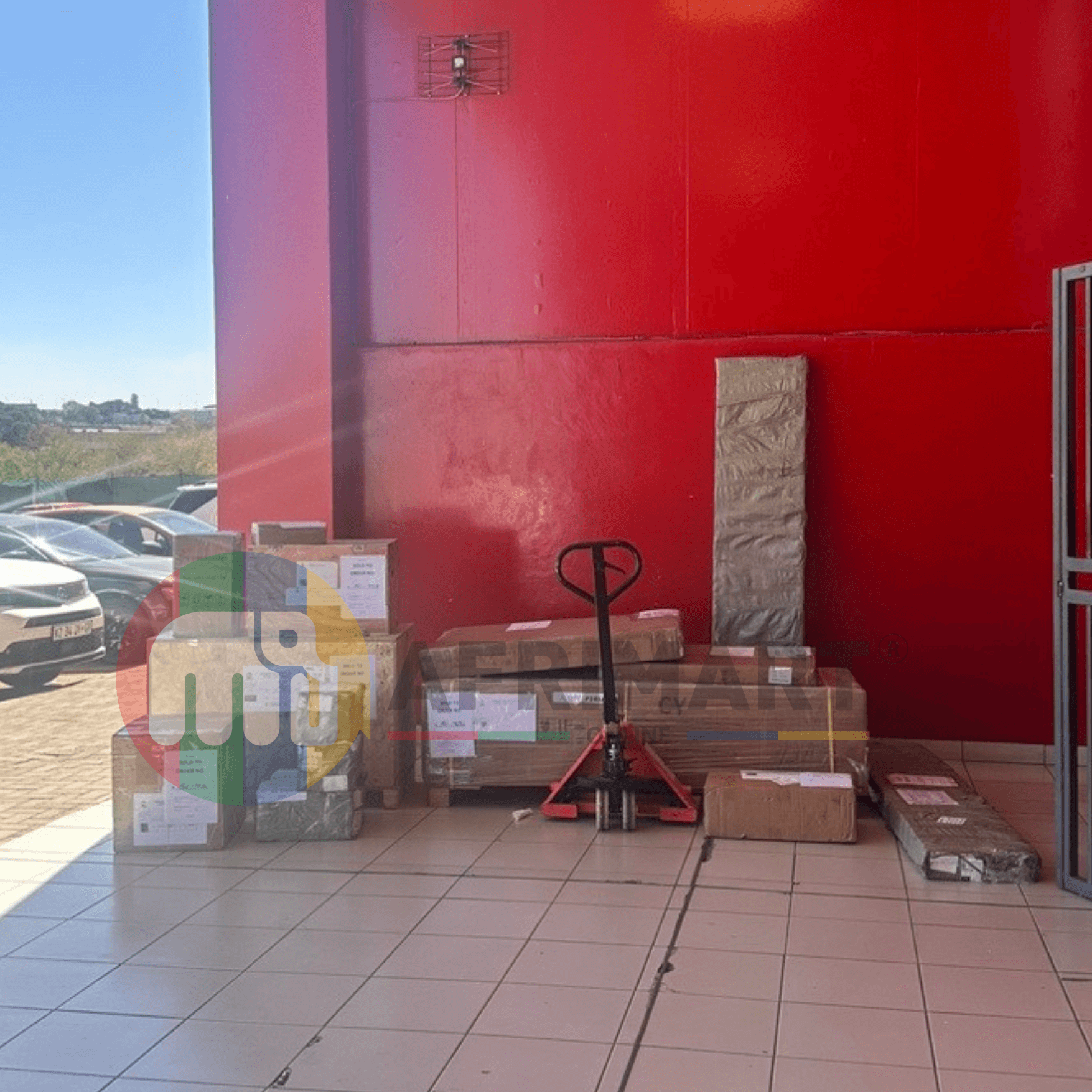
Batch of Orders
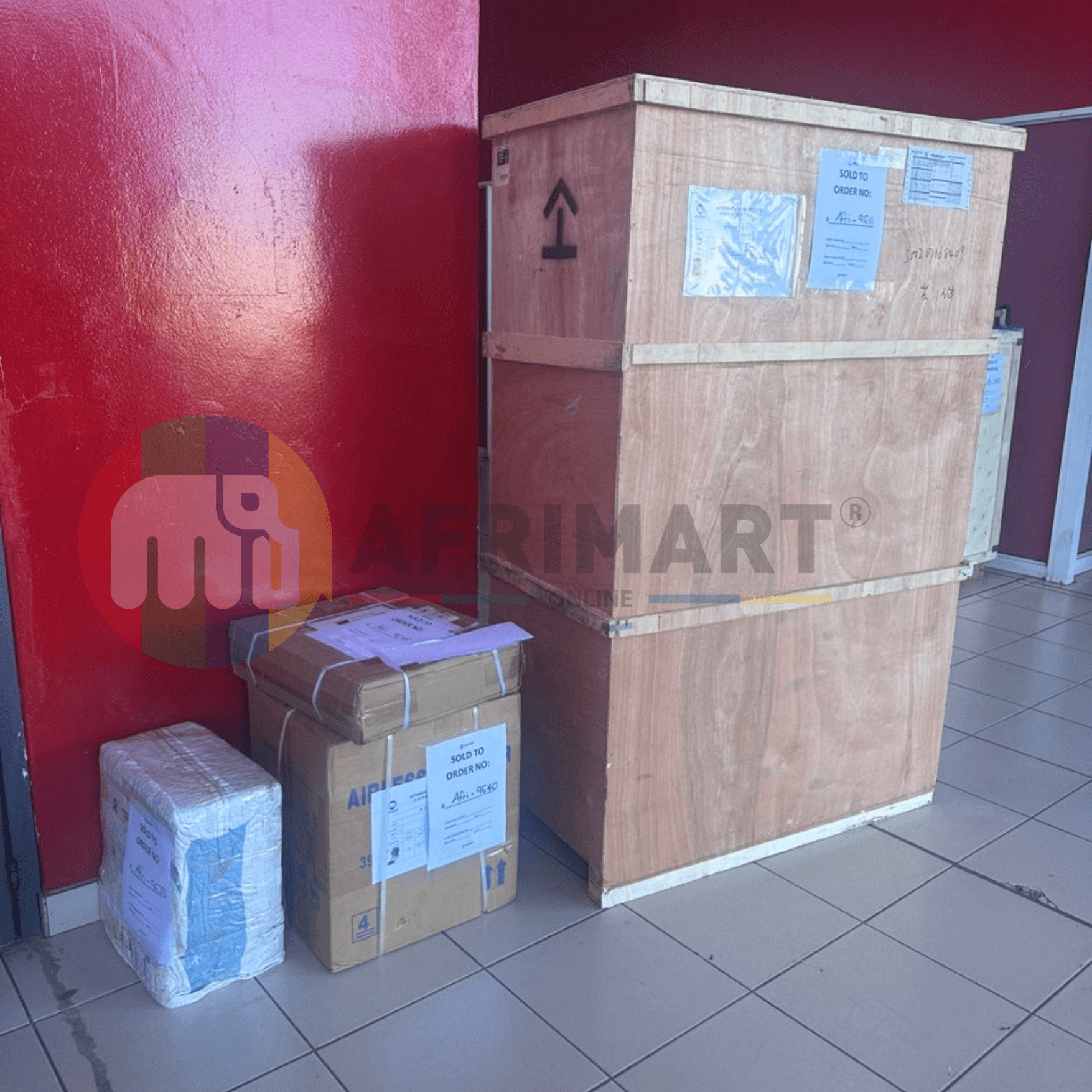
Agriculture Processing Machines
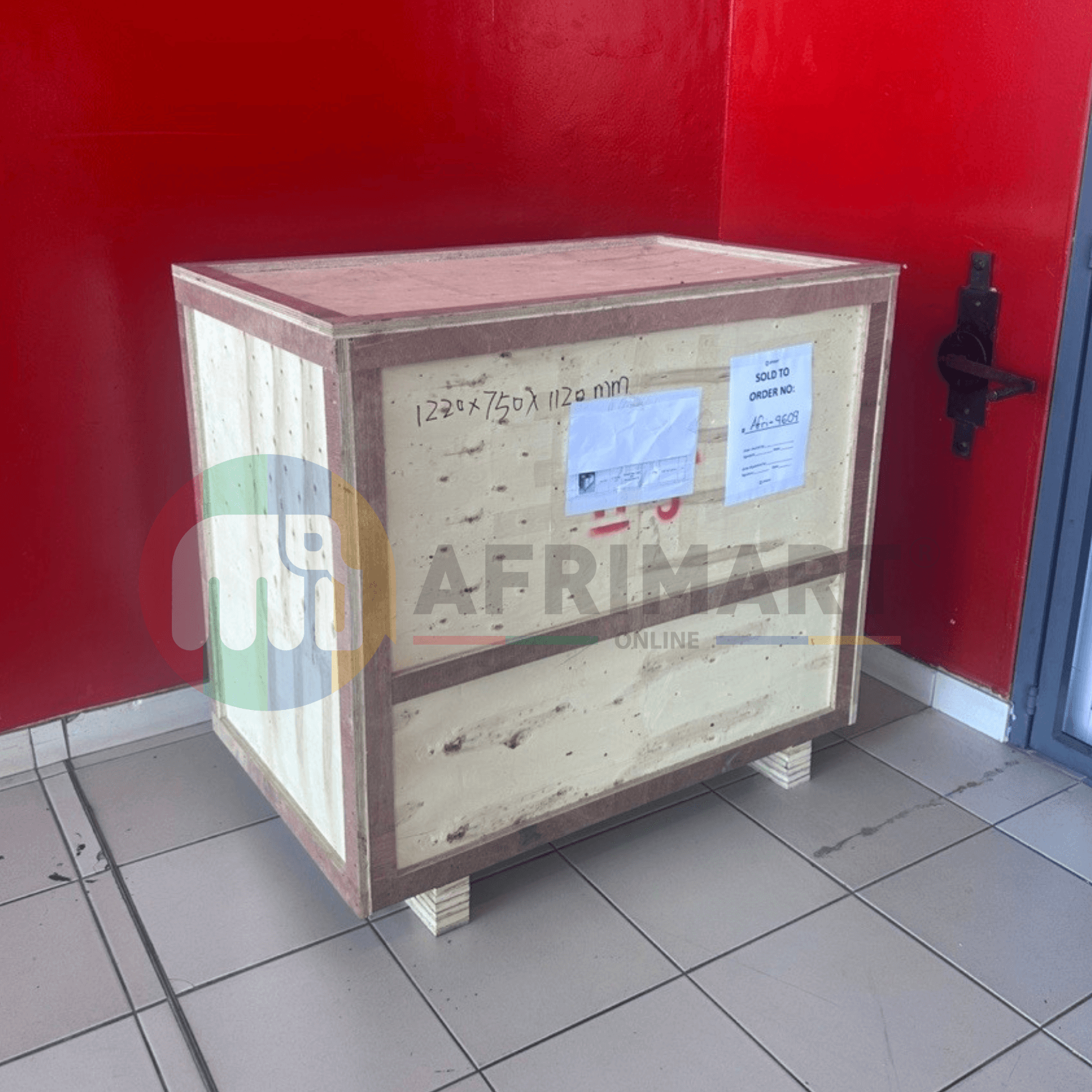
Meat Grinder Machine
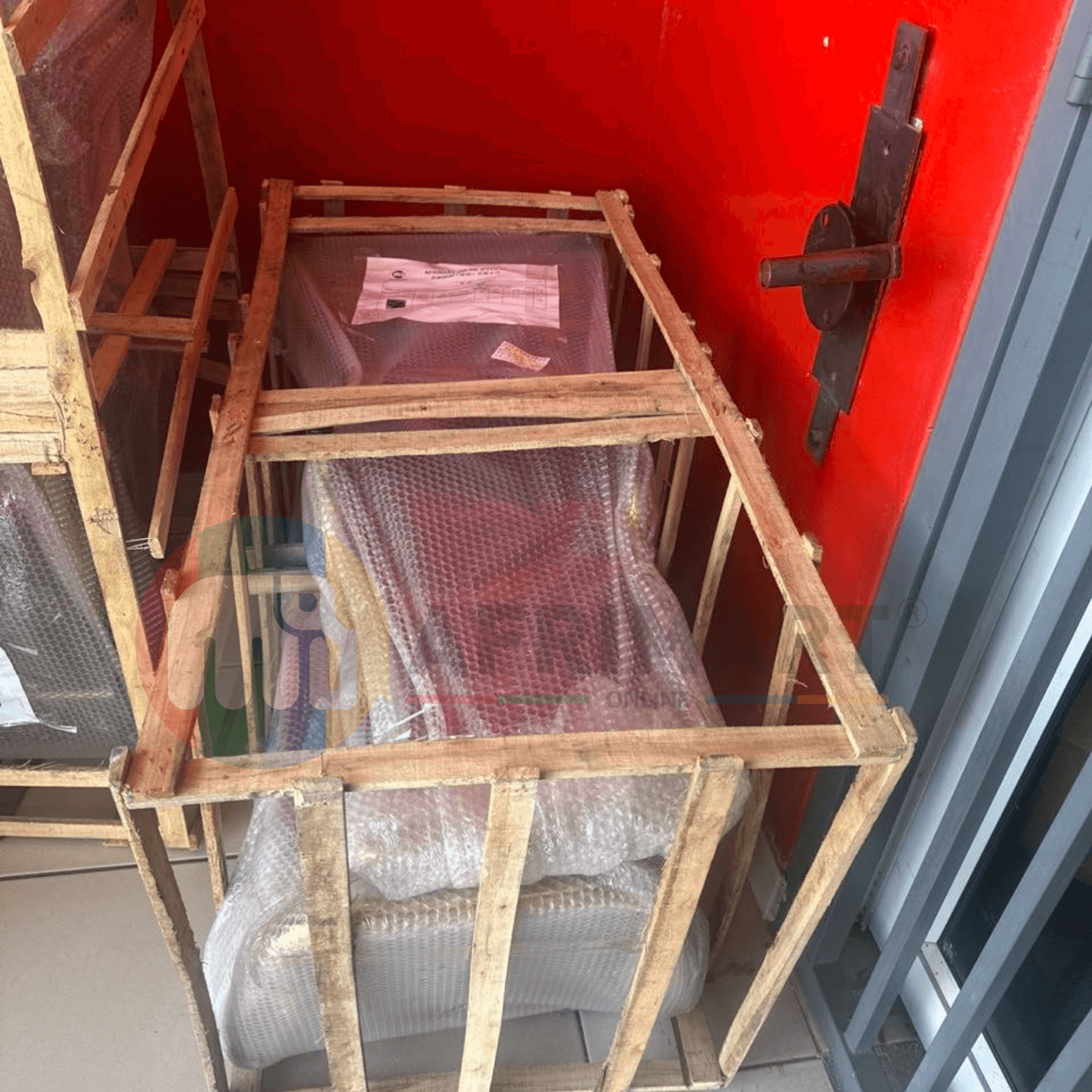
Water Pump Equipment
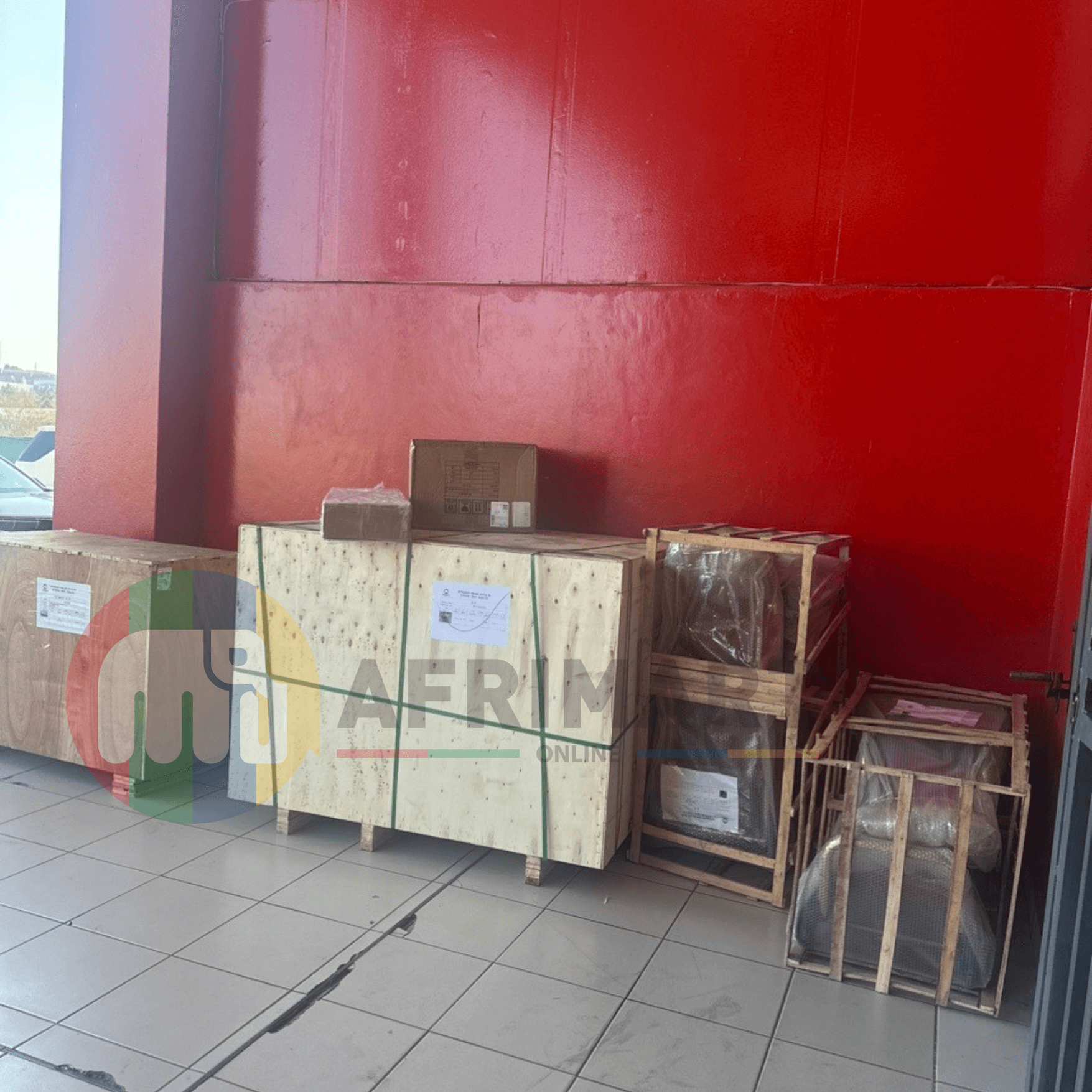
Packaging Machine and accessories
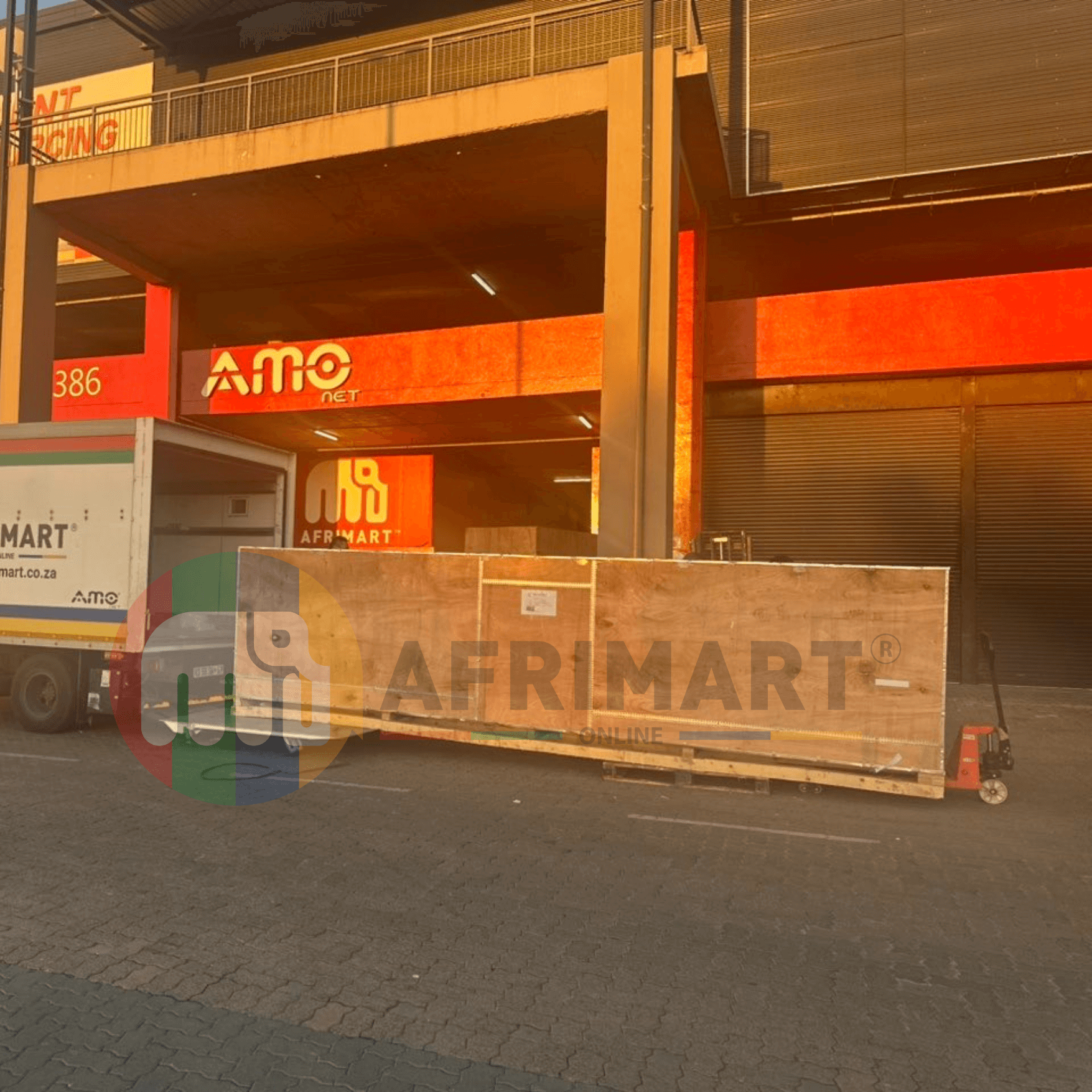
Fabrics Manufacturing Equipment
Mining Equipments
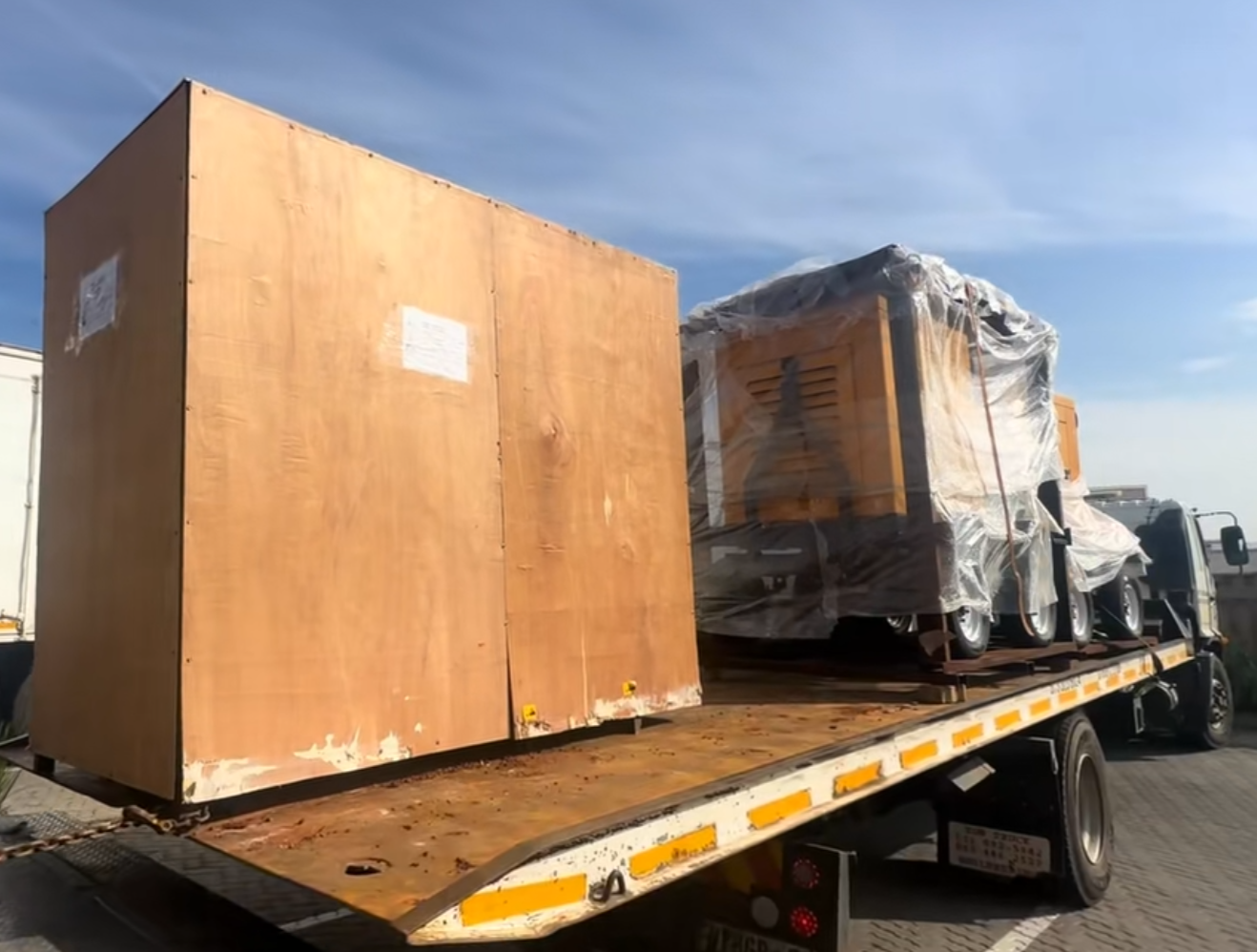
Food Processing Machine
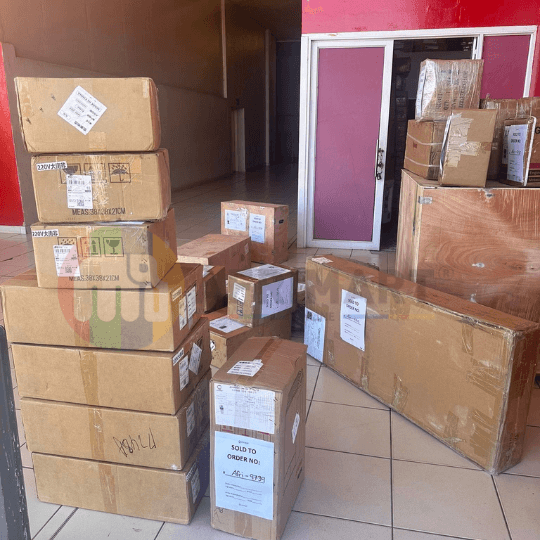
Batch of Orders
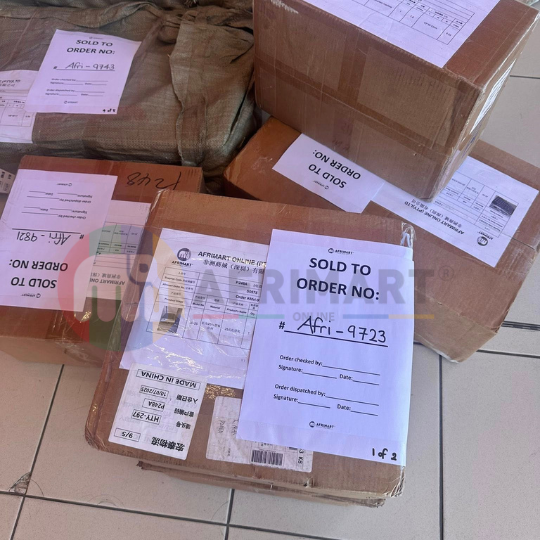
Batch of Orders
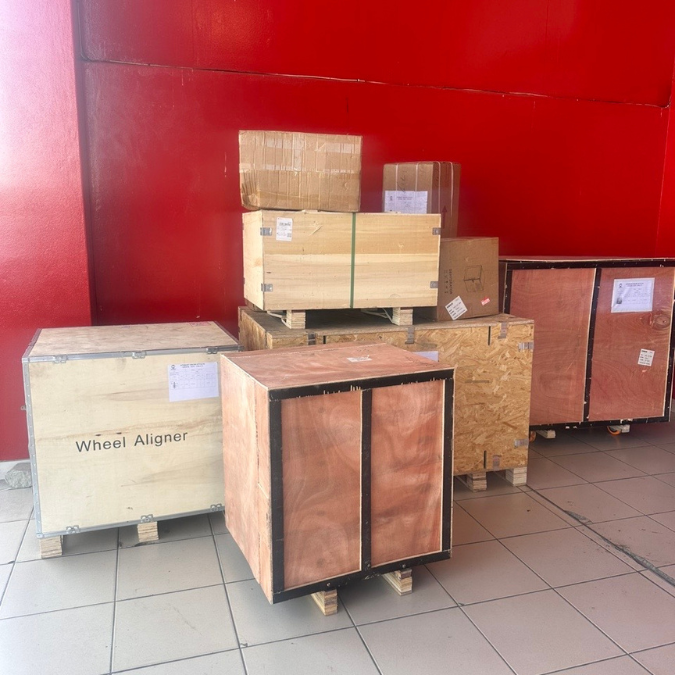
Latest Orders Labelled
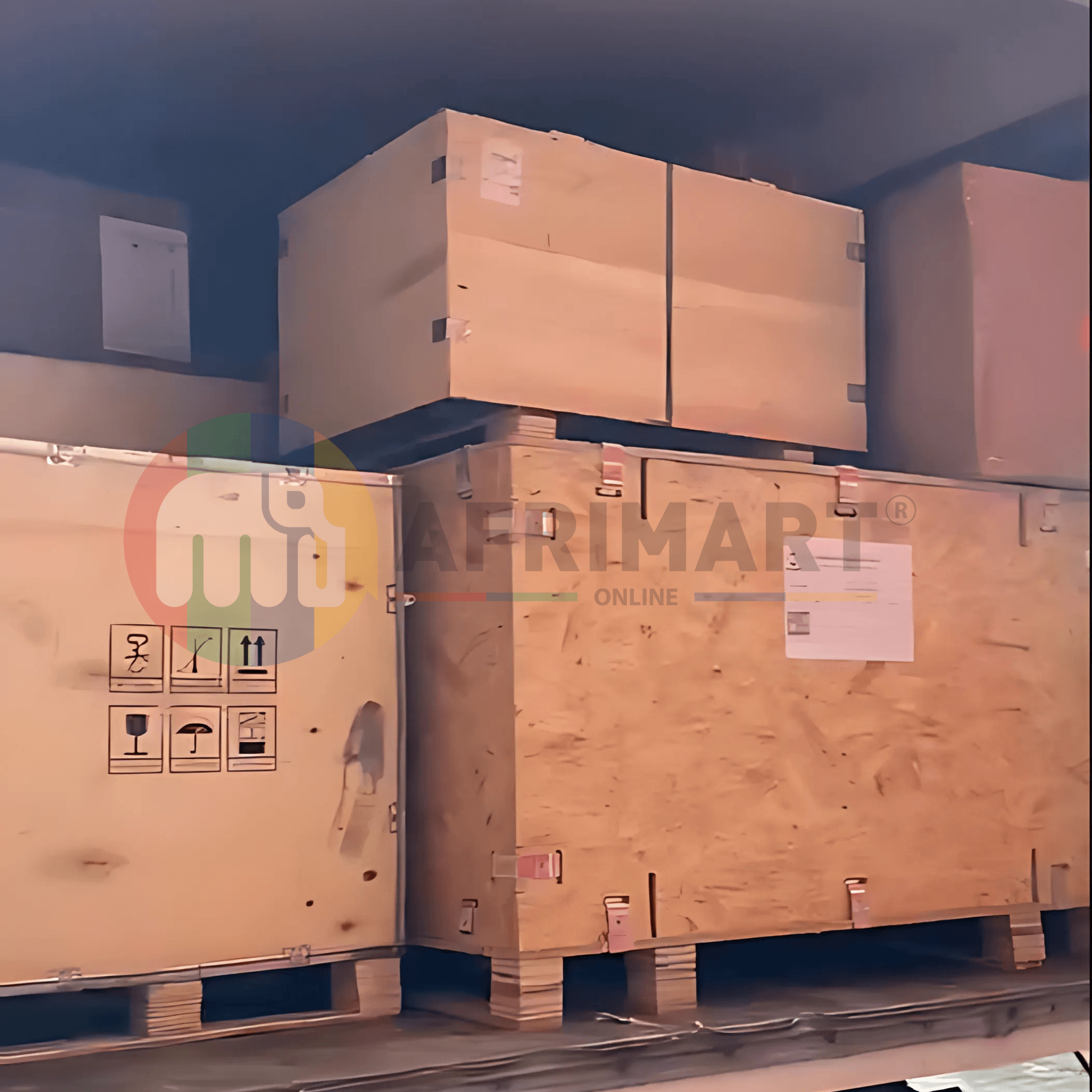
wheel alignment machines
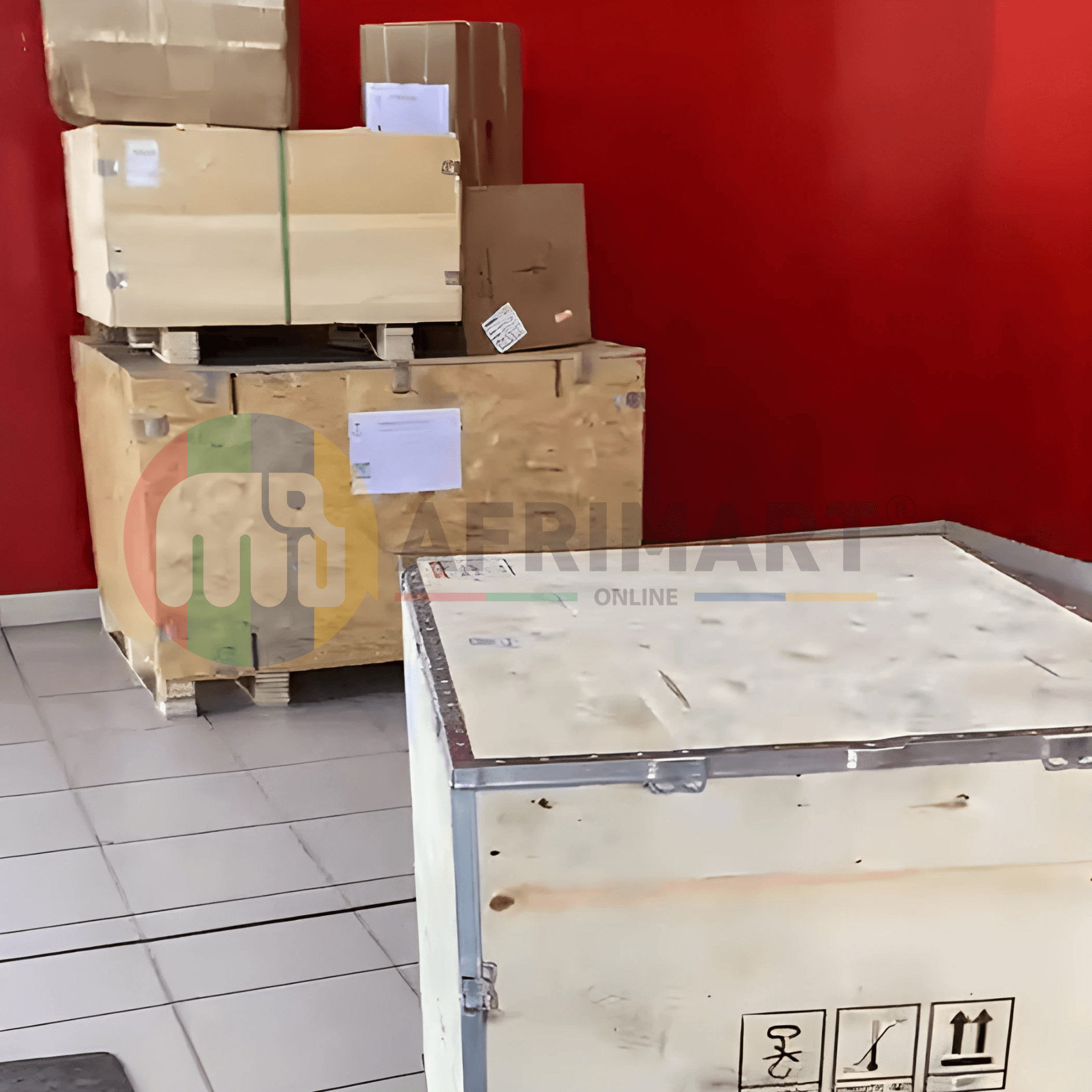
new arrivals
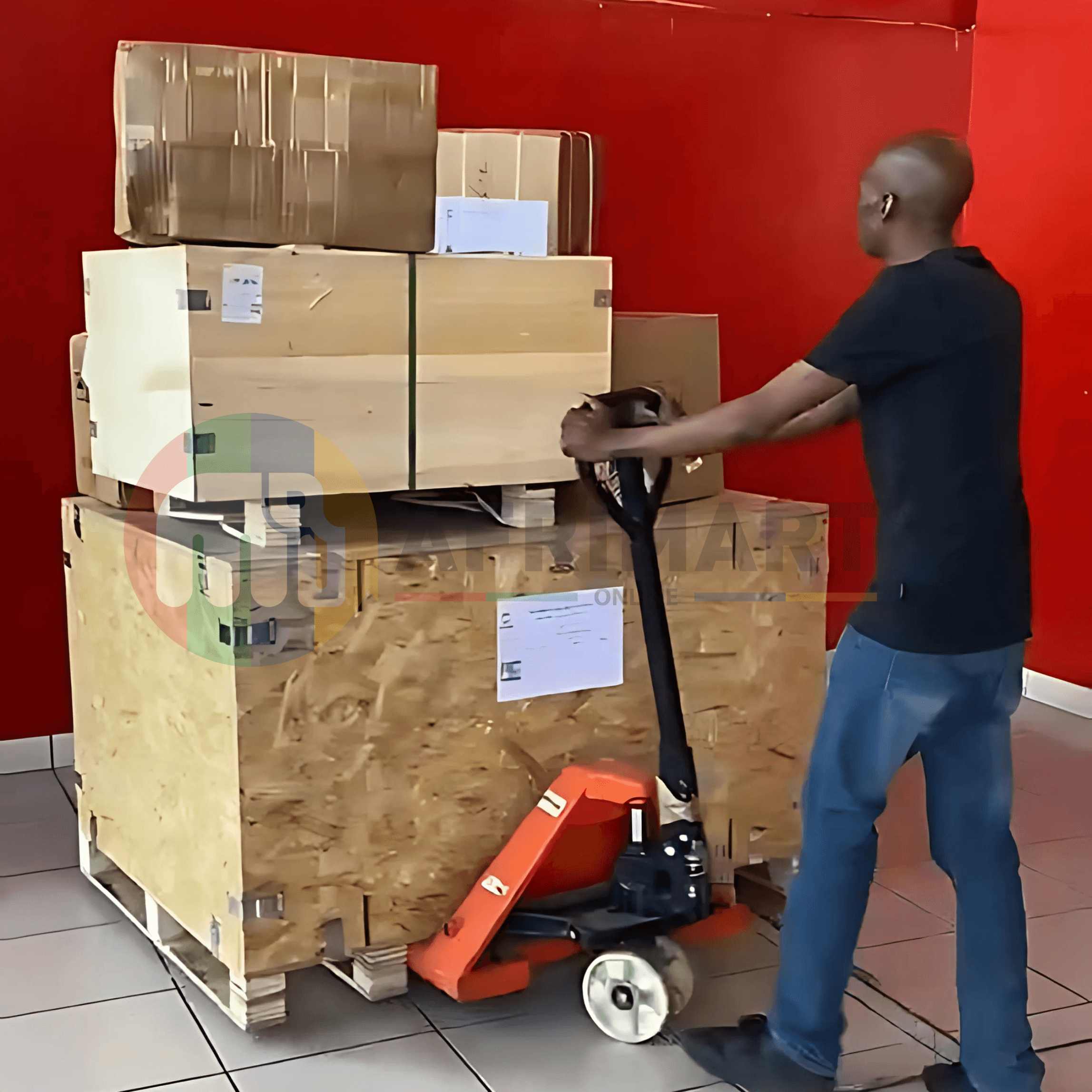
Pre Orders Offloading
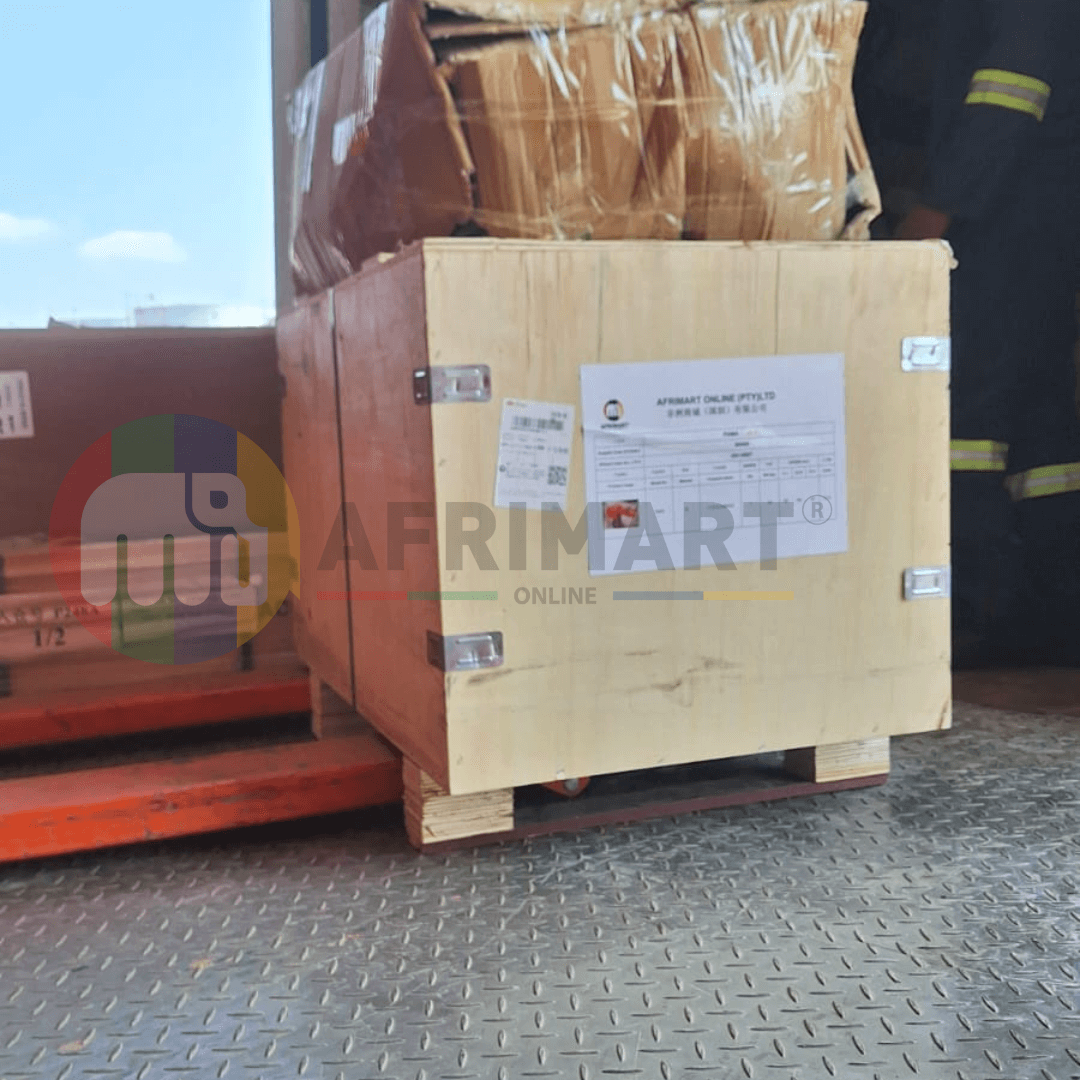
Latest Arrivals
Latest Arrivals
Latest Arrivals
26 January 2026
Toilet paper making machine
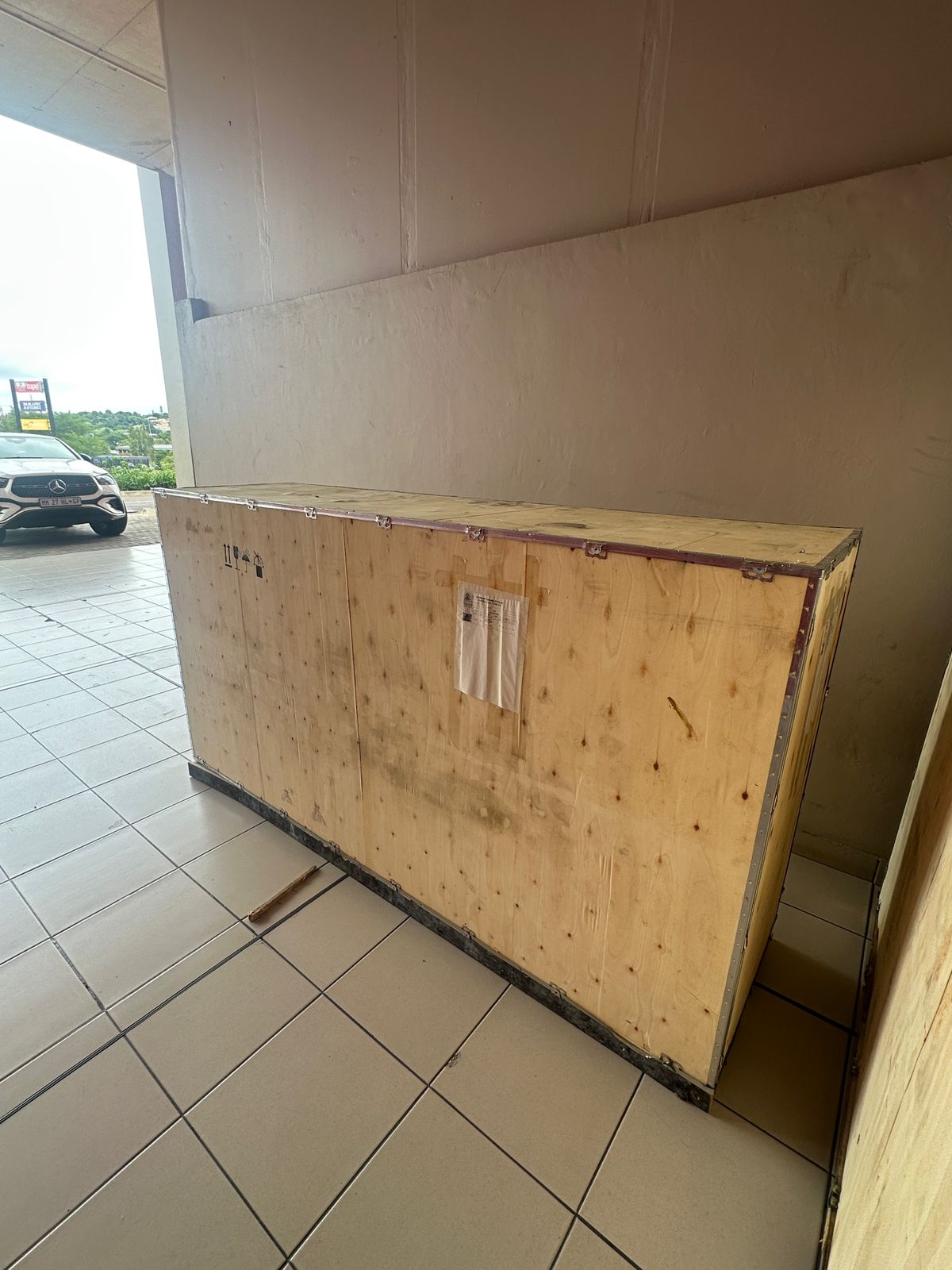
Toilet paper making machine
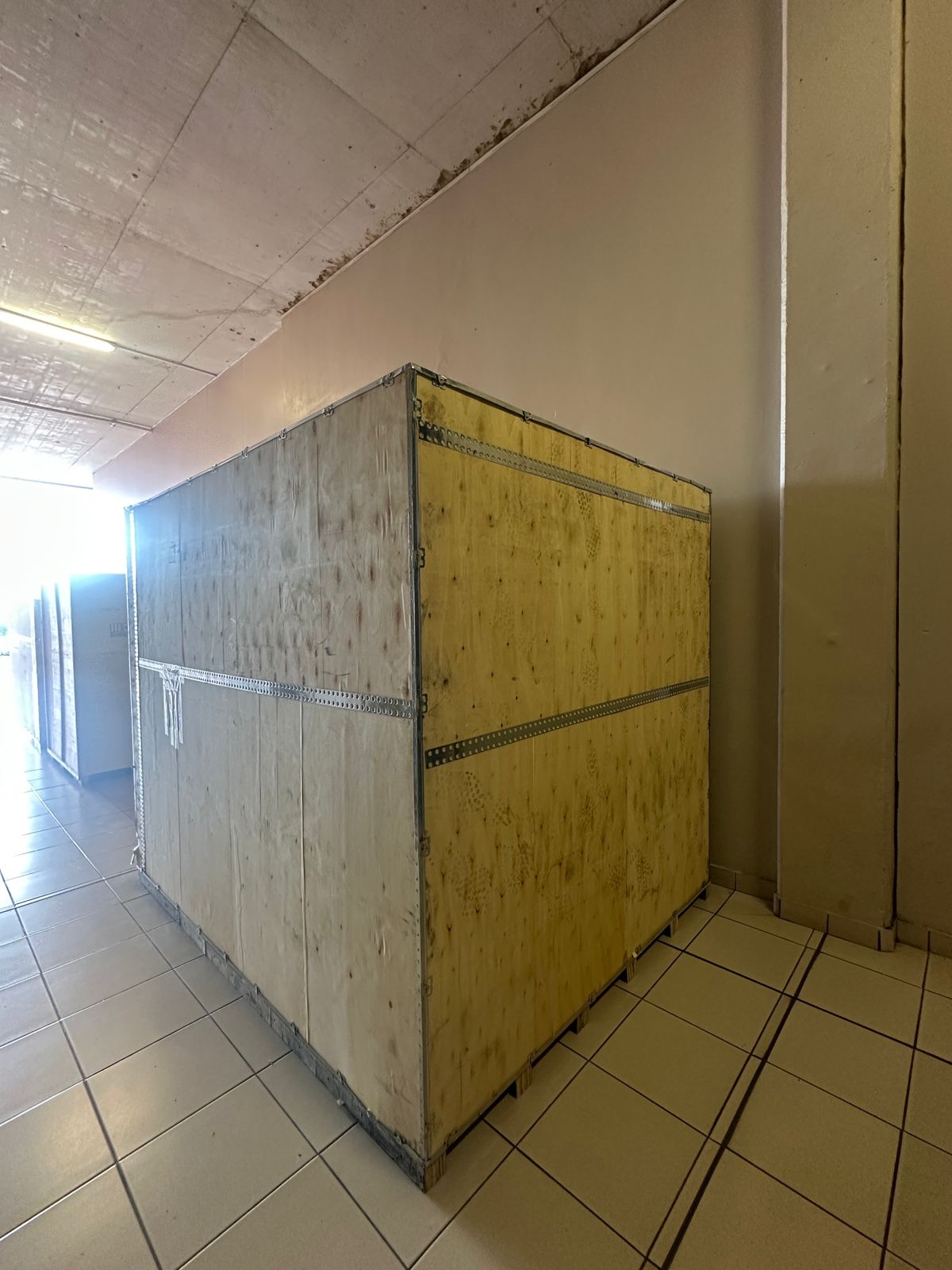
Toilet paper Rewinding Machine
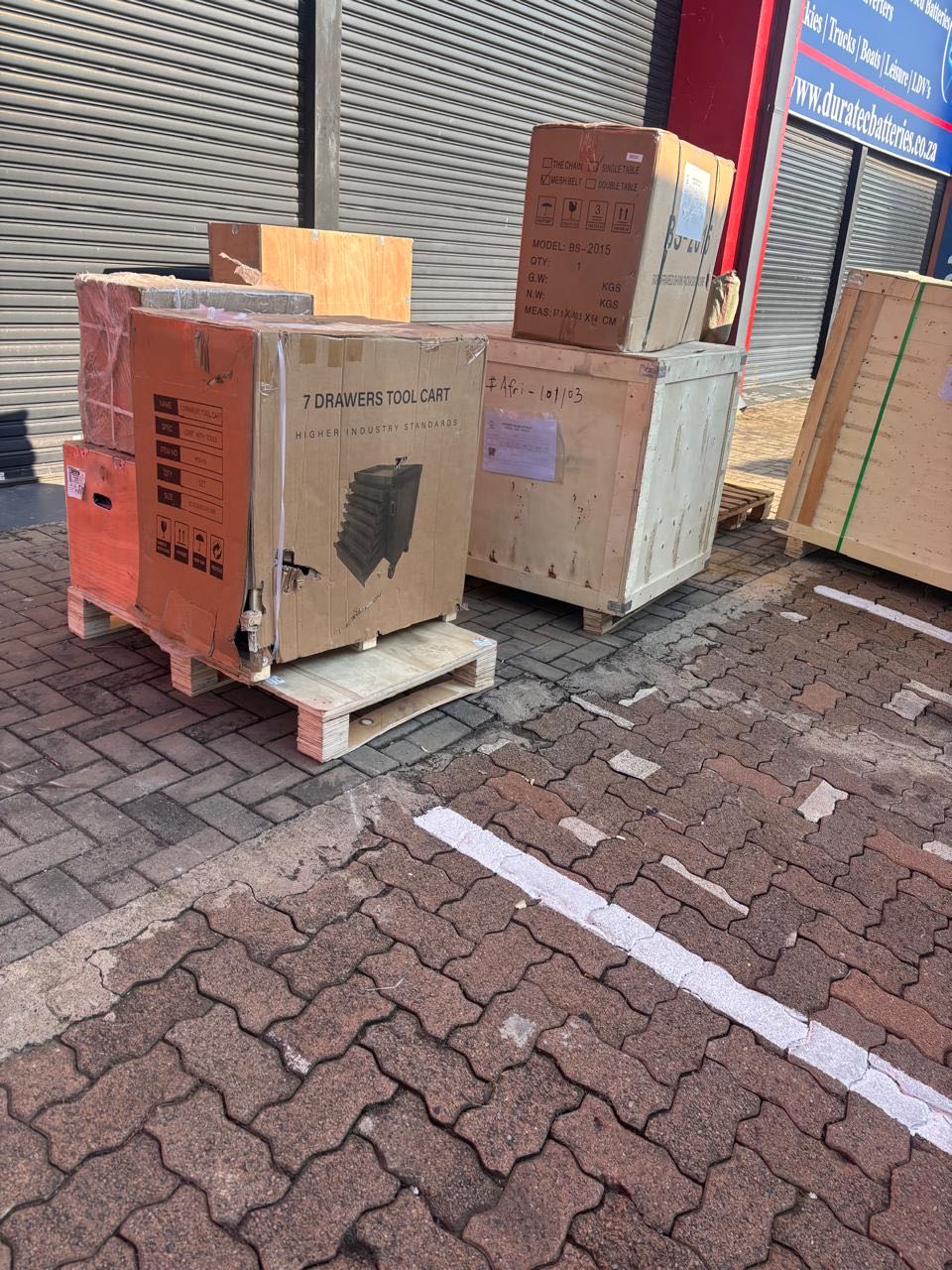
latest arrivals
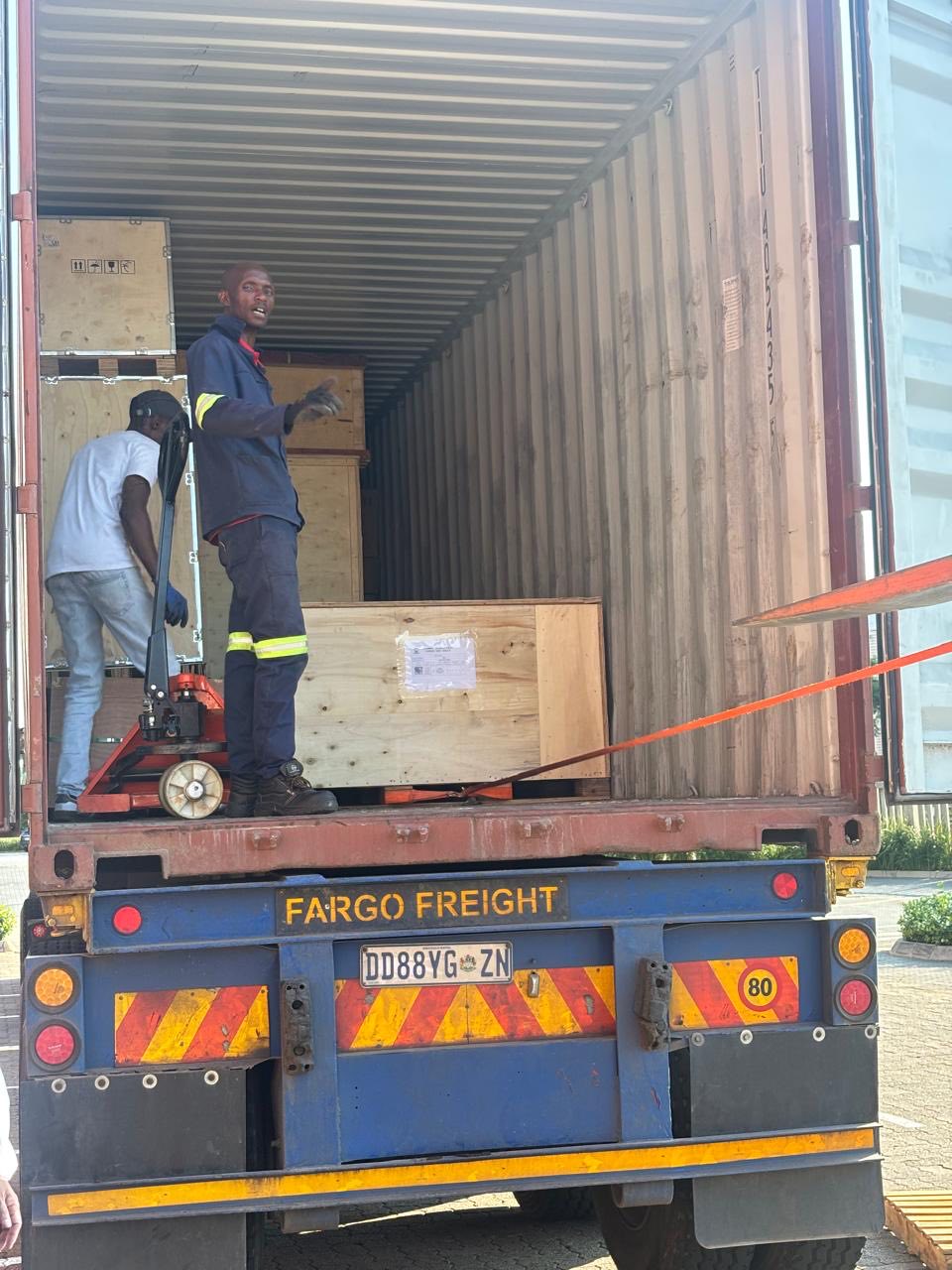
offloading
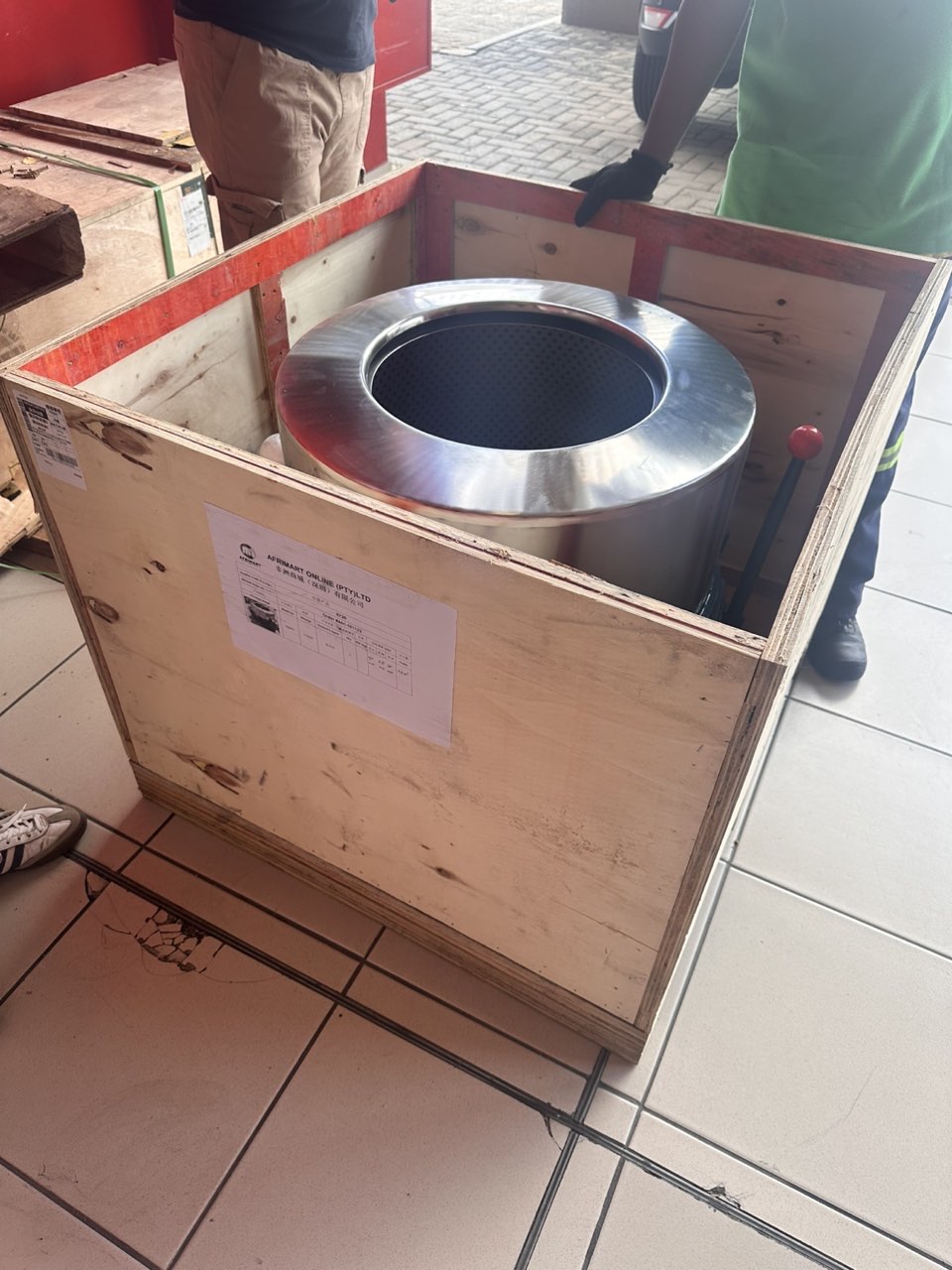
order success
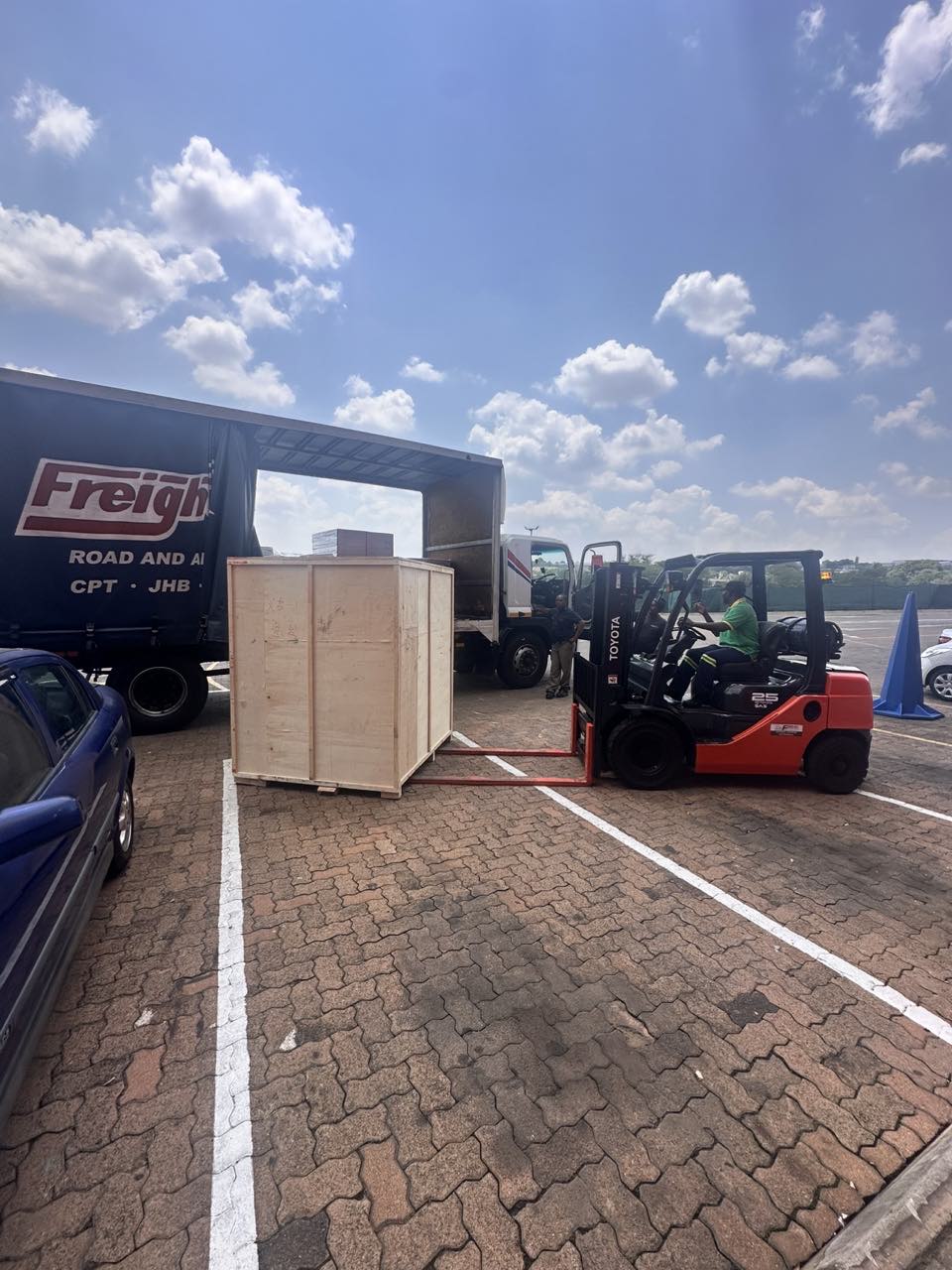
order collection
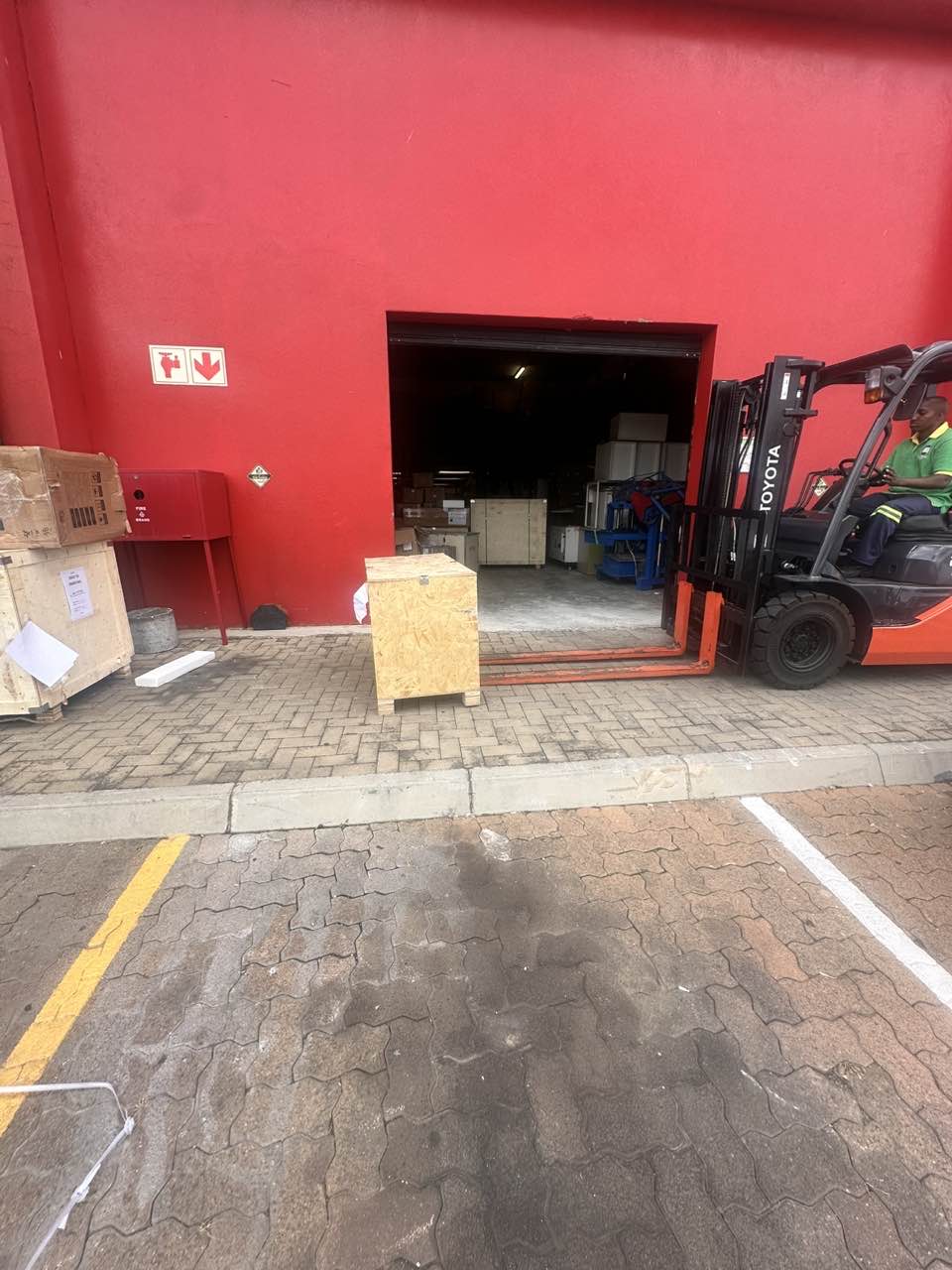
order offloading