B21, China Town Mall, Midrand

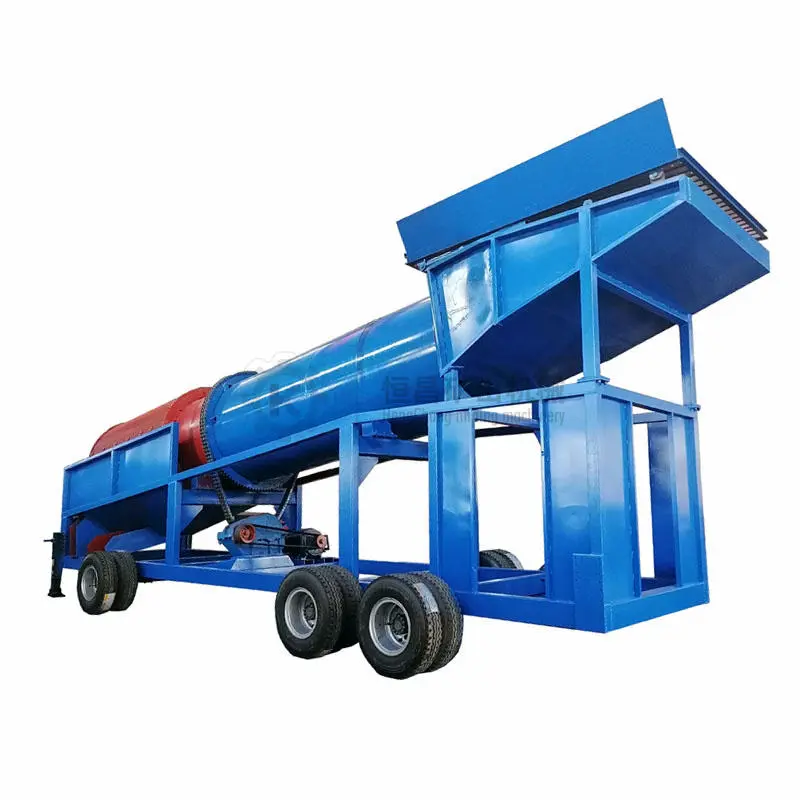
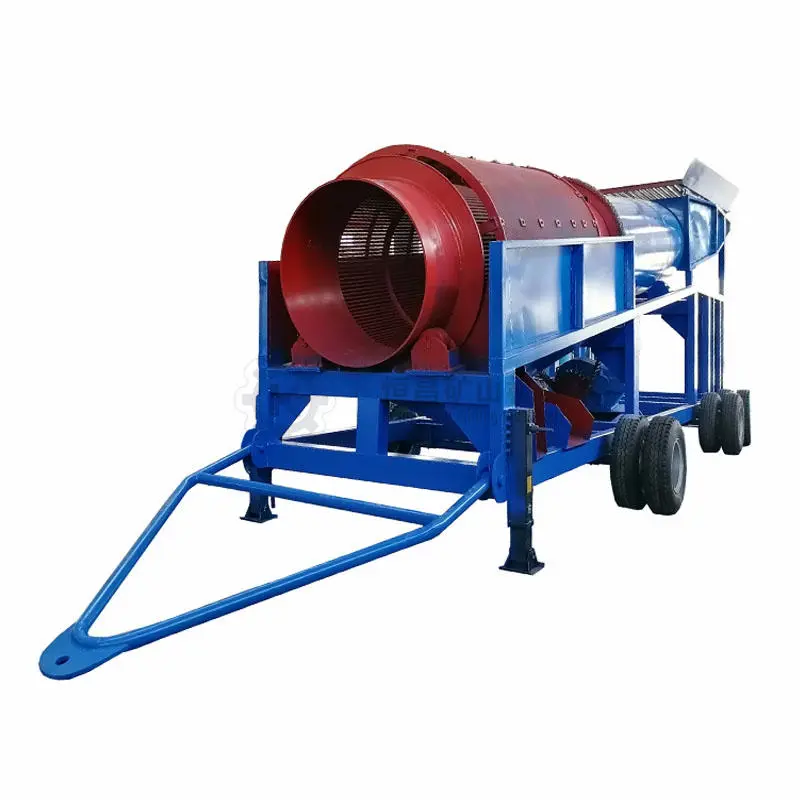
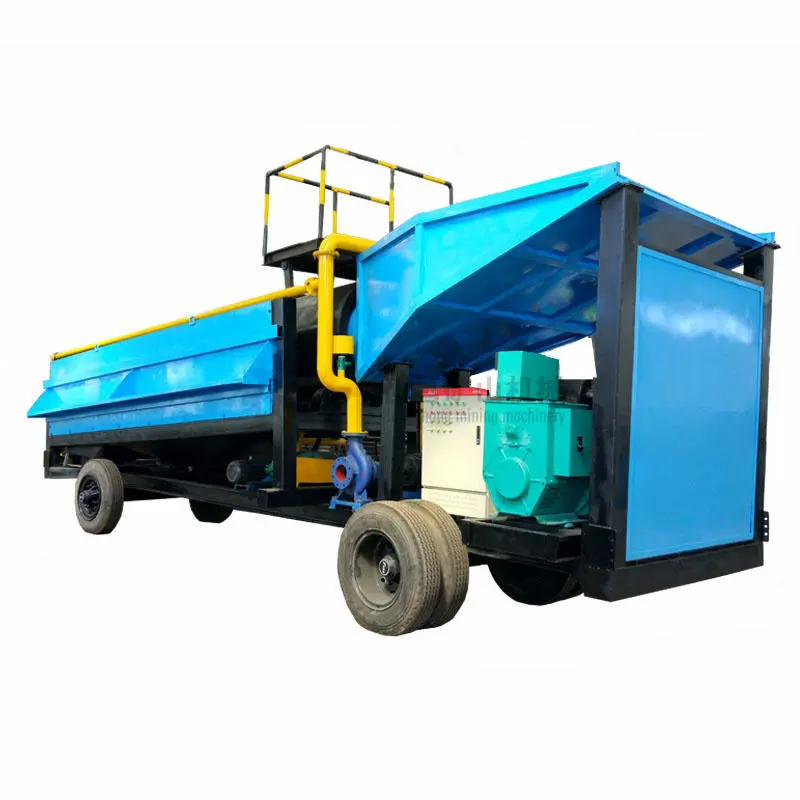
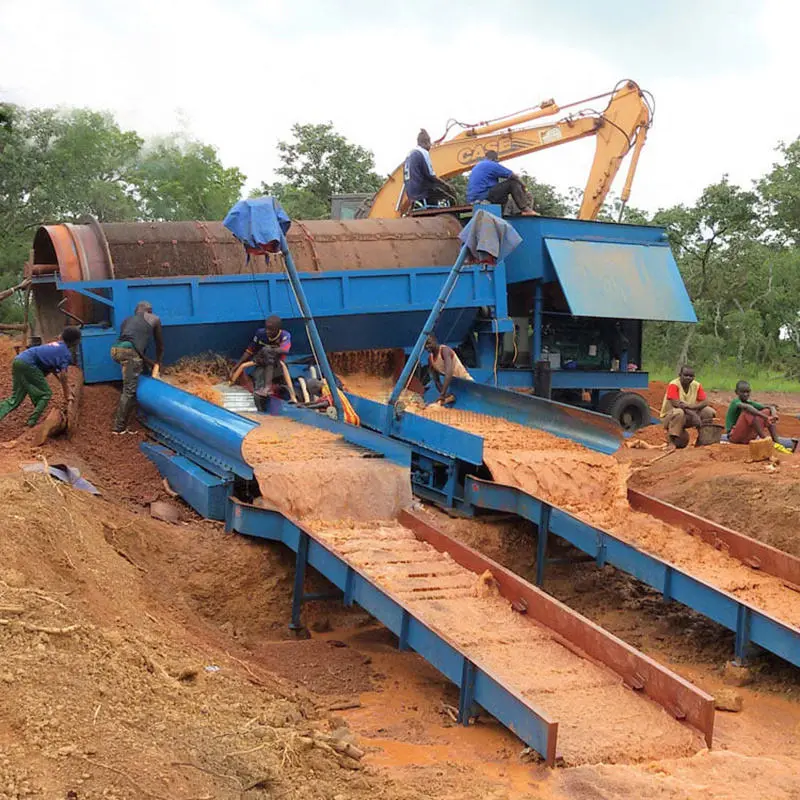
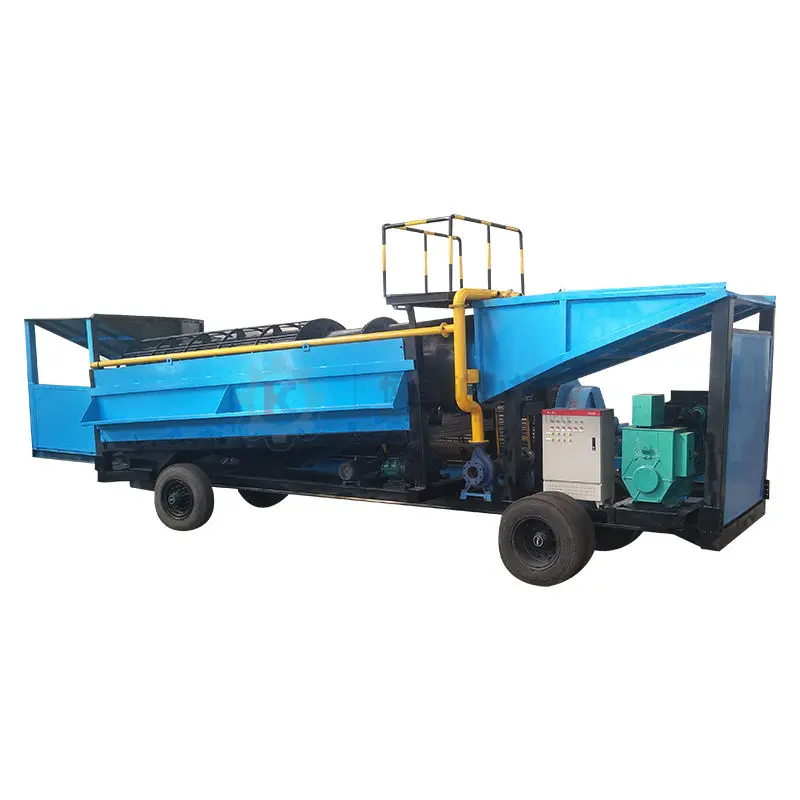
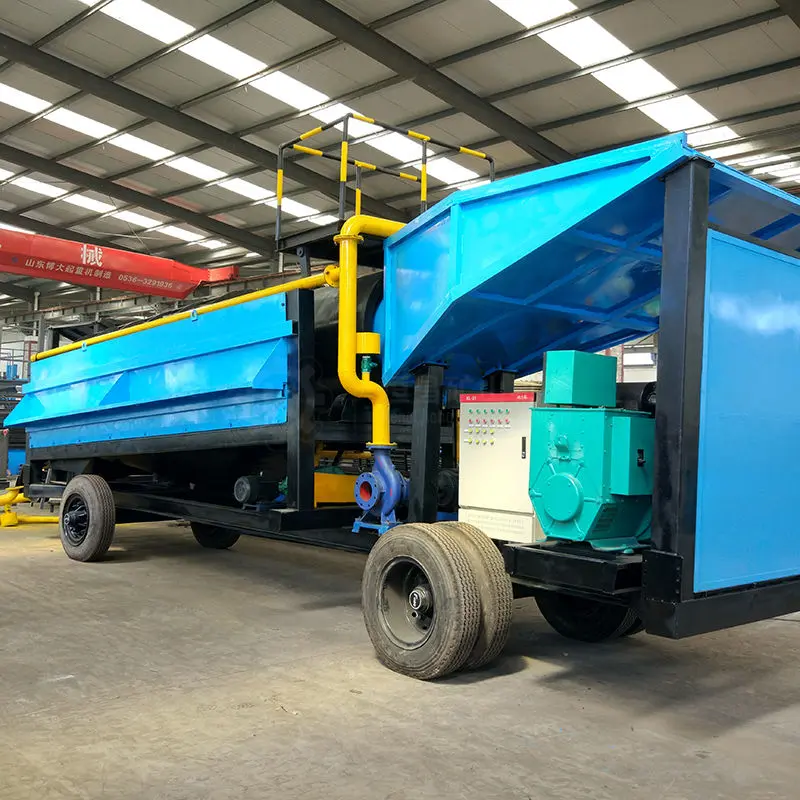
Gold Separator Machine
Asset finance available
Do you want funding for this equipment?
Afrimart can connect you with trusted funding partners who specialise in asset finance for businesses like yours. Compare options and apply in minutes — final approval is subject to provider review.
Check funding options
Secure & no obligation

- Section : Machinery
- Category : Separation Equipment
- SKU : 1600381456330

Gold Separator Machine
Introducing the Gold Separator Machine, a powerful tool designed for efficiently extracting gold and other valuable minerals from alluvial deposits. This innovative machine utilizes a rotating drum scrubber to break up and separate materials, ensuring high recovery rates in various mining operations.
Key Features
Autogenous Rotating Drum: Functions like a giant washing machine, using pebbles and rocks to disintegrate clays and soft oxides.
High Capacity: Engineered for high power scrubbing, allowing for effective processing of large volumes of material.
Efficient Washing: The long drum design retains material for longer periods, providing thorough washing and complete separation.
Durable Construction: Made with thickened steel plates, ensuring longevity and reliability in harsh mining environments.
Heavy Duty Components: Equipped with robust bearings, gears, and rollers that withstand intense operation.
Wearable Screening: Features a durable screen at the exit of the drum to effectively separate oversize materials from fines.
Powerful Motor: One high-output electrical motor drives a gear system for efficient torque delivery.
High-Pressure Water Flushing: The machine uses high-pressure water to clean the drum's interior, enhancing the separation process.
Large Material Acceptance: Capable of handling materials up to 230 mm in size.
Compact Design: Shell design requires less mass compared to conventional roller-supported units, reducing installation requirements.
Conclusion
The Gold Separator Machine is an essential addition for any mining operation focused on maximizing mineral recovery. Its innovative design and robust features ensure efficient processing and high yield, making it a top choice for miners seeking to optimize their extraction processes.
Product Info Gallery



| Model | Feeding size (mm) | Water pressure (Mpa) | Capacity (T/h) | Rotation speed (r/min) | Power (Kw) | Weight (T) |
| RXT1030 | ≤100 | 0.4~0.5 | 30~50 | 25~28 | 15 | 4800 |
| RXT1230 | ≤100 | 0.4~0.5 | 50~70 | 23~25 | 18.5 | 5800 |
| RXT1545 | ≤150 | 0.4~0.5 | 70~120 | 18~22 | 30 | 6900 |
| RXT1560 | ≤150 | 0.4~0.5 | 80~130 | 18~22 | 37 | 8300 |
| RXT1845 | ≤170 | 0.4~0.5 | 90~130 | 20~21 | 45 | 11800 |
| RXT1860 | ≤170 | 0.4~0.5 | 100~140 | 20~21 | 45 | 12800 |
| RXT2060 | ≤210 | 0.4~0.5 | 120~160 | 19~20 | 55 | 14800 |
| RXT2265 | ≤230 | 0.4~0.5 | 160~180 | 19~20 | 55 | 16500 |

- Shipping Timeframes: All orders are processed within 2-5 business days (excluding weekends and holidays). After your order has been processed, the estimated delivery time is before 03 Aug, 2026, depending on customs, Please note that due to high demand, some items may experience longer shipping times, which will be communicated at order confirmation email.
- Order Processing Time: Please allow 2-5 business days for us to process your order before it is shipped . Orders placed after 16:00 on Fridays, or during weekends and public holidays, will begin processing on the next business day. Processing times may be extended during peak seasons or sales events.
- Manufacturing Time: Some products needs manufacturing time, the manufacturing process will take approximately 10-30 business days depending on the product. This timeframe may vary depending on the complexity of the product and current demand. but this will be communicated with you during order confirmation.
- Returns and Exchanges: We offer a 30-day return policy for most items. If you are not completely satisfied with your purchase, you may return it within 30 days of receipt for a refund or exchange. Items must be unused, in their original packaging, and accompanied by proof of purchase. Return shipping costs are the responsibility of the customer, unless the item was damaged or defective upon arrival.
1. What is the Gold Separator Machine and how does it work?
The Gold Separator Machine is a rotating drum scrubber designed to wash, disintegrate and separate gold-bearing alluvial material. The autogenous rotating drum uses pebbles/rocks and high-pressure water to scrub material, break up clays and soft oxides, retain fines for longer washing, and discharge oversize material via a screen for downstream processing.
2. What types of deposits and minerals can this machine process?
It is optimized for alluvial gold deposits but is also effective for other heavy and valuable minerals commonly found in placer deposits (for example tin, tungsten, columbite, and similar dense minerals). Suitability depends on material characteristics and downstream separation methods.
3. What is the maximum feed size the machine can accept?
Maximum feed size is model-dependent. In general the line is engineered to accept large material and can handle feed sizes up to approximately 230 mm (model-dependent). Check the specific model spec for exact limits.
4. What are the typical capacity and throughput ranges?
Capacity varies by model and feed characteristics. Typical machine models process roughly from about 30 t/h on smaller units up to around 160–180 t/h on larger units. Exact throughput depends on feed size, material composition, and operation settings.
5. What water pressure is required for proper operation?
The machines are designed to operate with a high-pressure water flushing system. Typical recommended water pressure is in the range of about 0.4–0.5 MPa, though exact requirements should be confirmed per model and site conditions.
6. What kind of power supply and motor does the machine use?
Each unit is driven by a single high-output electrical motor coupled to a gear system to deliver efficient torque. Motor power varies by model; consult the model specifications for exact kW ratings and electrical supply requirements.
7. What are the main wear parts and how often do they need replacing?
Primary wear parts include the drum liners (if fitted), the screening plate at the drum exit, rollers, and bearing seals. Replacement intervals depend on abrasive nature of feed and operating hours; inspect wear parts regularly and replace them at the first signs of excessive thinning, perforation or reduced screening efficiency.
8. How durable is the machine and what materials is it made from?
The machine features thickened steel plate construction and heavy-duty components (bearings, gears, rollers) to withstand harsh mining environments. It is built for longevity but durability will depend on operation practices and maintenance.
9. What routine maintenance is required?
Routine maintenance includes daily visual inspections, lubrication of bearings and gearboxes as per schedule, checking and tightening fasteners, cleaning high-pressure water nozzles and drum interior, checking screen integrity, and monitoring motor temperature and vibration.
10. How compact is the machine and what are the installation requirements?
The shell design is compact and requires less supporting mass than conventional roller-supported units, reducing installation footprint and foundation work. Still, a stable, level foundation and access to power and pressurized water are required. Refer to the installation manual for anchor bolt patterns and lifting points.
11. Can the machine be customized for specific site needs?
Yes. Many parameters (drum length/diameter, screen aperture, motor rating, feed inlet configuration and auxiliary piping) can be customized to match specific feed characteristics and throughput requirements. Discuss your site conditions with the supplier for configuration options.
12. What safety features and precautions should operators follow?
Standard safety precautions include lockout/tagout before maintenance, guarding around moving parts (drum, gears, belts), electrical protection, safe access for inspection, and wearing appropriate PPE (gloves, eye protection, hearing protection). Ensure operators are trained on startup/shutdown and emergency stop procedures.
13. What common problems might occur and how can they be troubleshooted?
Common issues include poor recovery (adjust feed distribution, water flow, drum speed and retention time), drum clogging (increase water pressure, clean nozzles, inspect screen), excessive vibration or noise (check bearings, rollers, alignment), and motor overheating (reduce duty cycle, check ventilation and electrical supply). Consult the troubleshooting section of the manual for model-specific procedures.
14. Are spare parts and after-sales support available?
Spare parts for wear items and critical components are typically available from the manufacturer or authorized dealers. Most suppliers provide after-sales support, maintenance guidance and parts provisioning—confirm lead times and warranty details at purchase.
15. How does the machine impact overall recovery and downstream processing?
By thoroughly scrubbing and washing material and separating oversize from fines, the drum increases liberation of gold and heavy minerals and improves the effectiveness of downstream concentration or sluicing circuits. Final recovery still depends on downstream equipment, sluice design, and process controls.
Latest Order Arrivals
Discover our latest orders
12 Heads Embroidery Machine
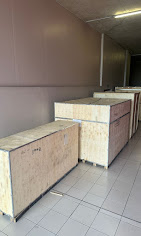
Toilet Paper Machine Machine
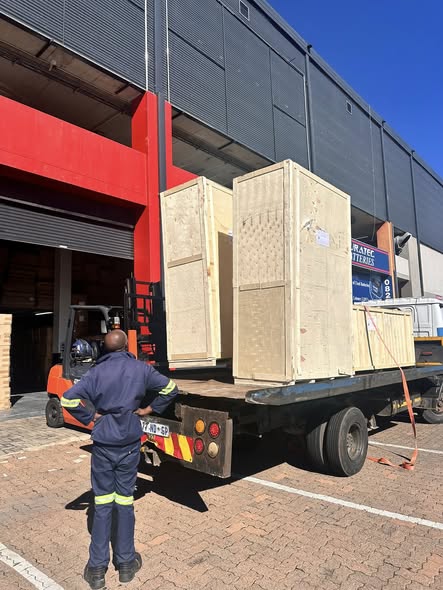
Order Collection
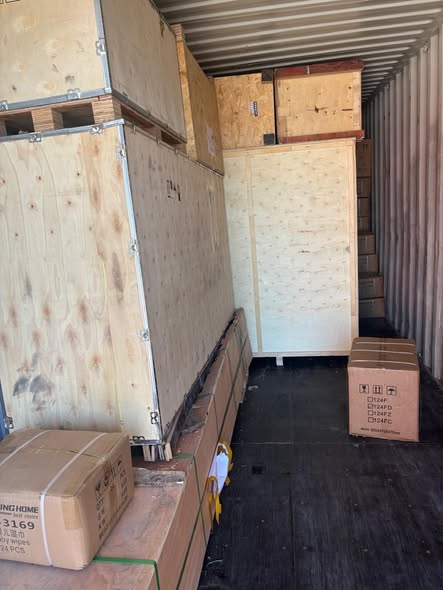
Cross Border Clients
Order cros border countries Collected
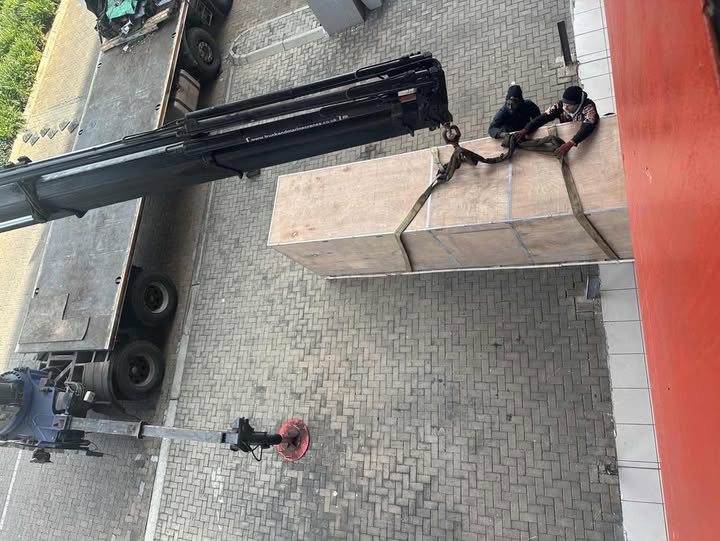
Industrial Machine Cllection
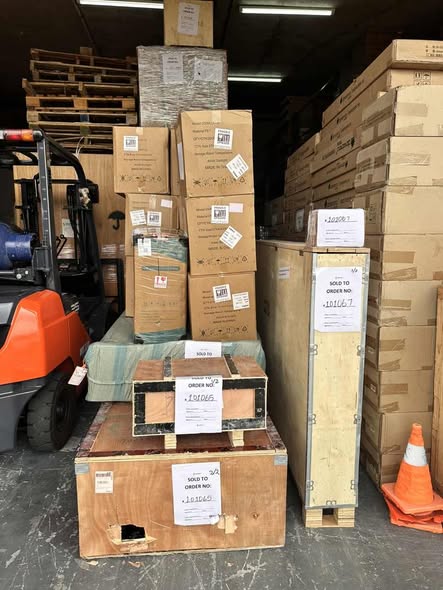
Agriculture Processing Machines
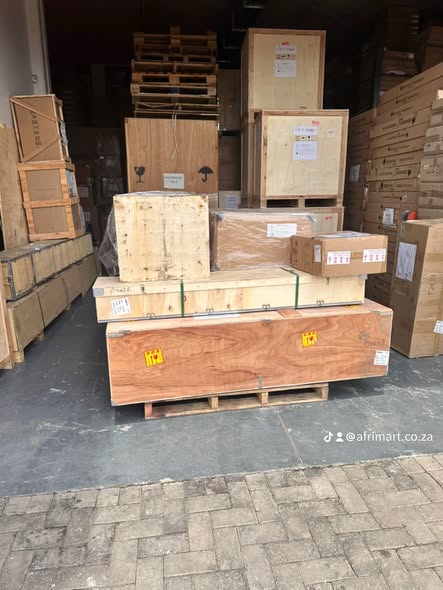
Ready for collection
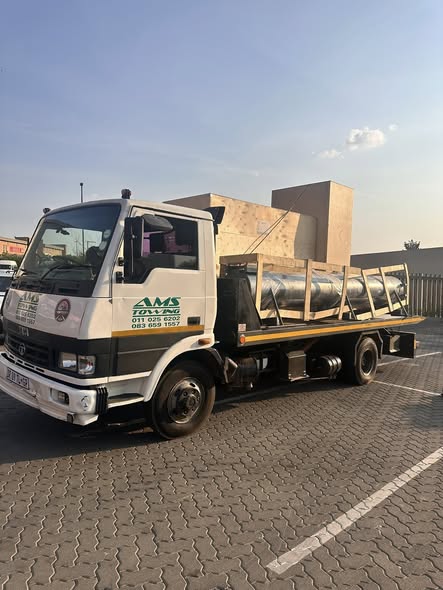
Water Pump Equipment
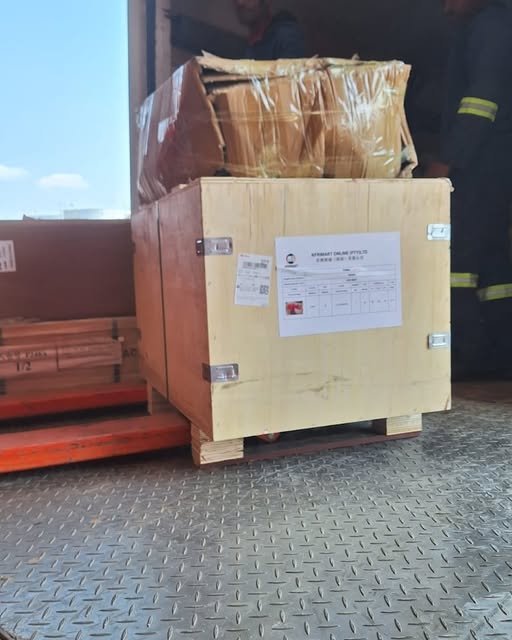
Packaging Machine and accessories
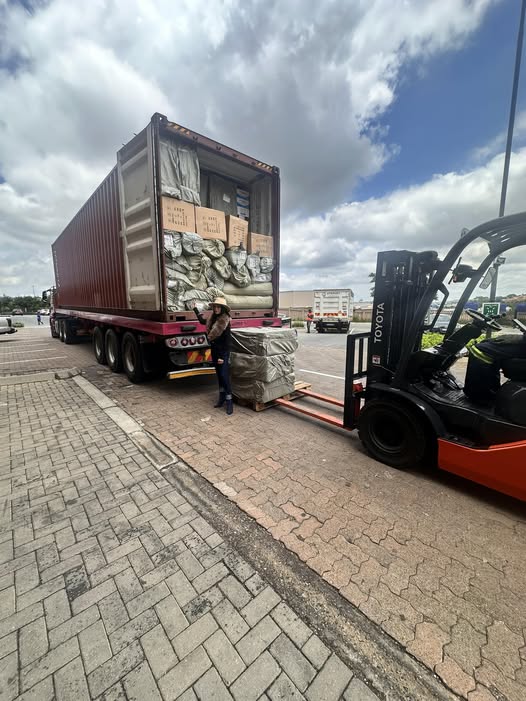
Fabrics Manufacturing Equipment
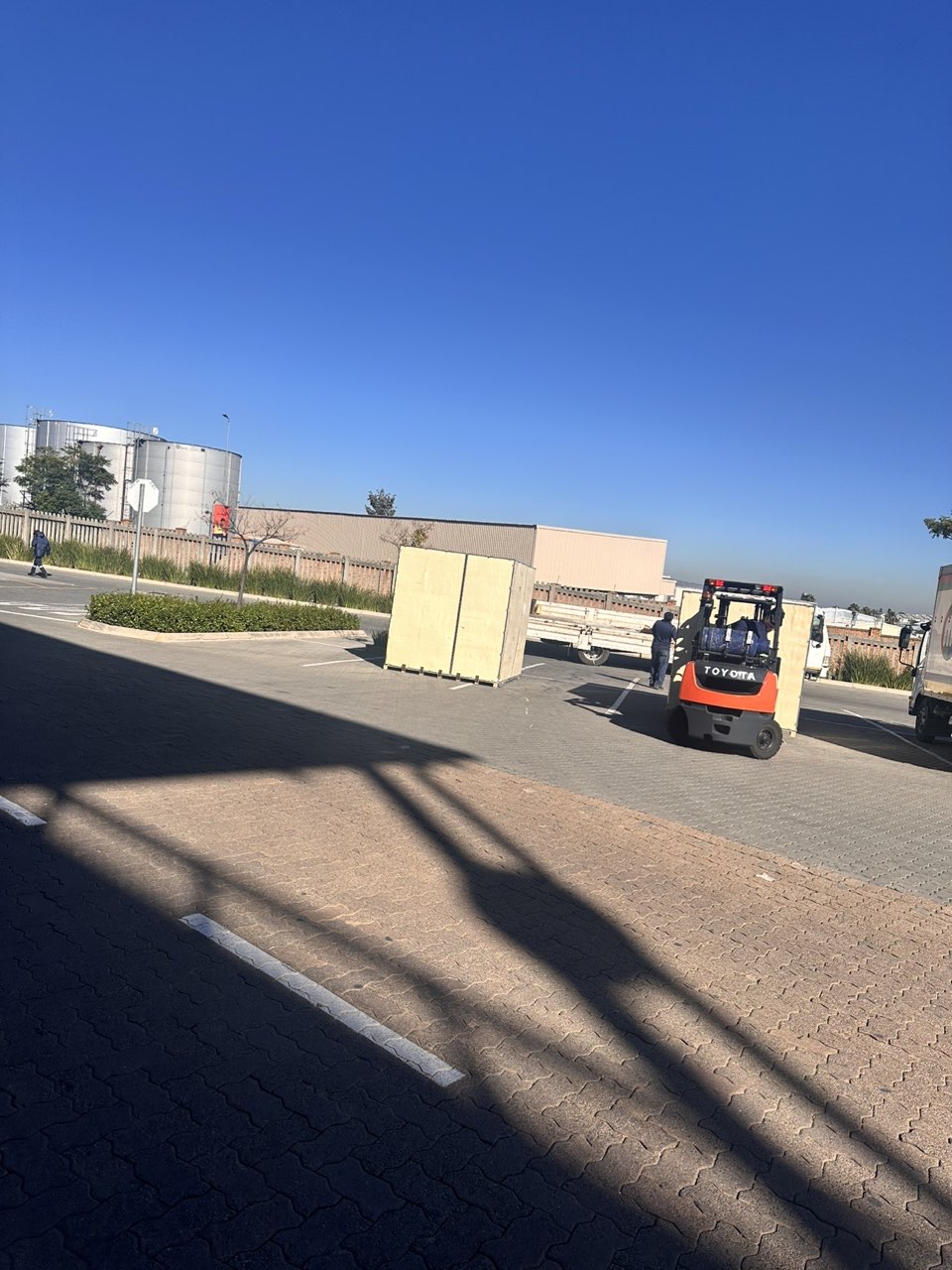
Mining Equipments
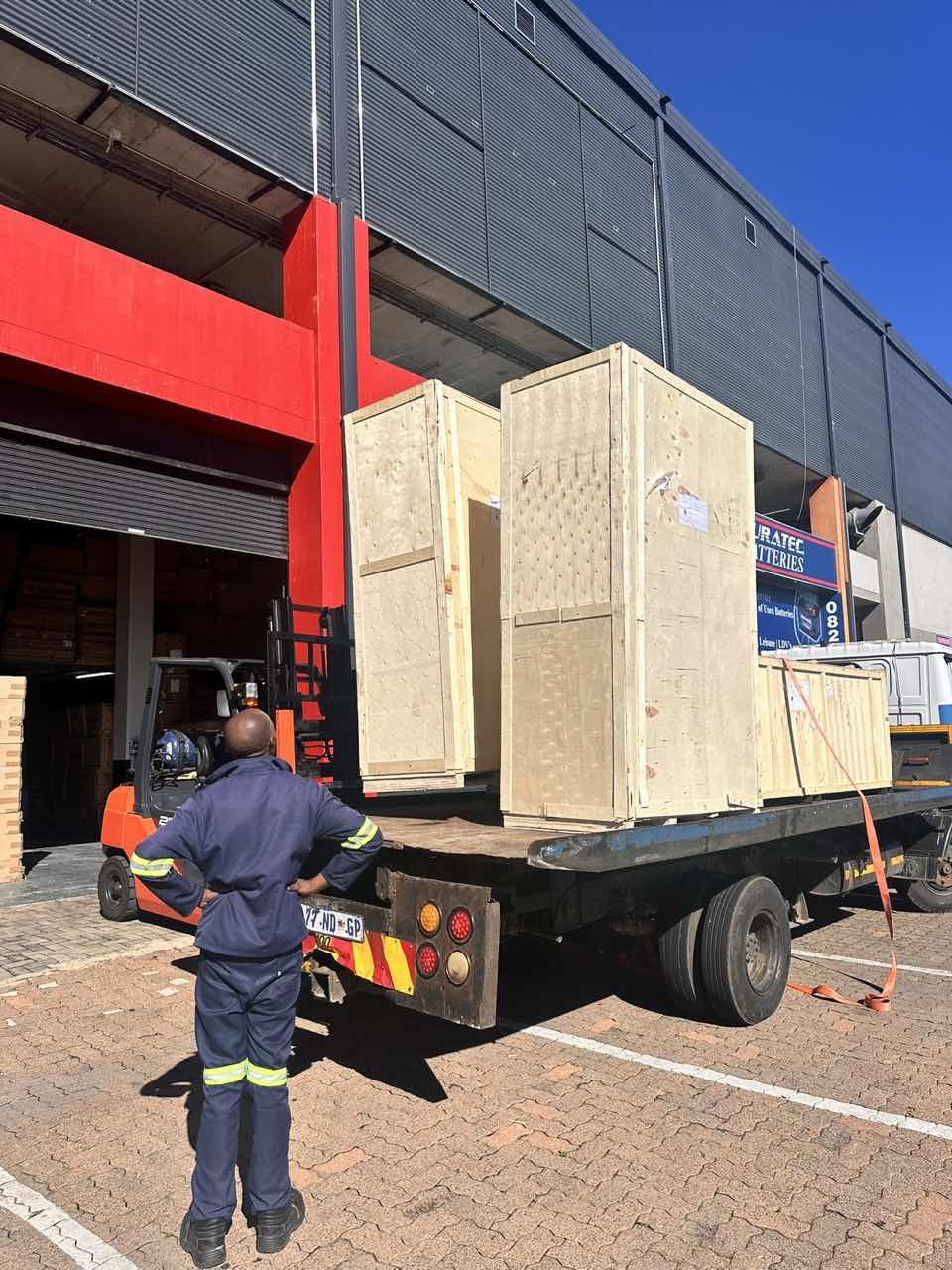
Food Processing Machine
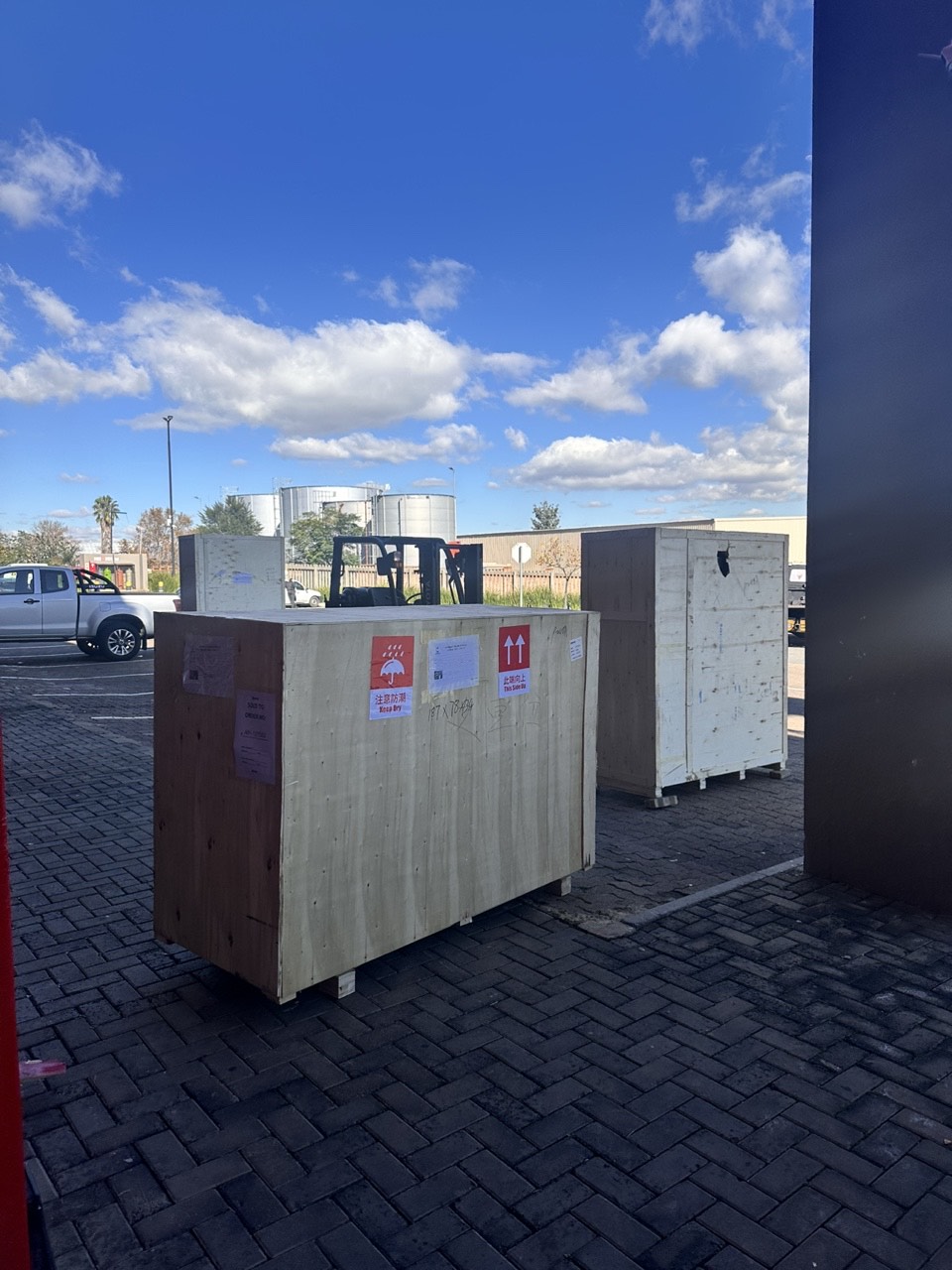
Batch of Orders
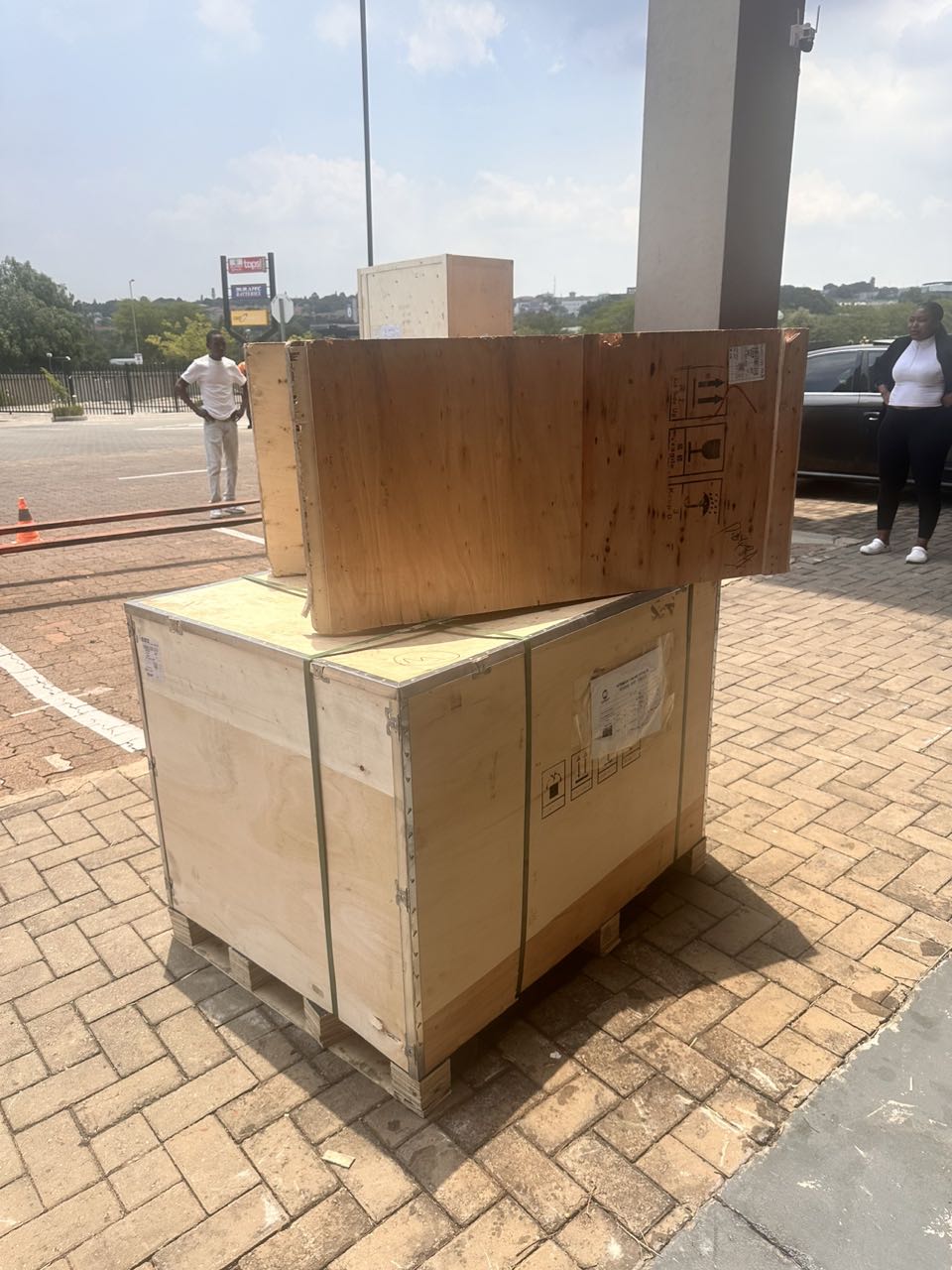
Batch of Orders
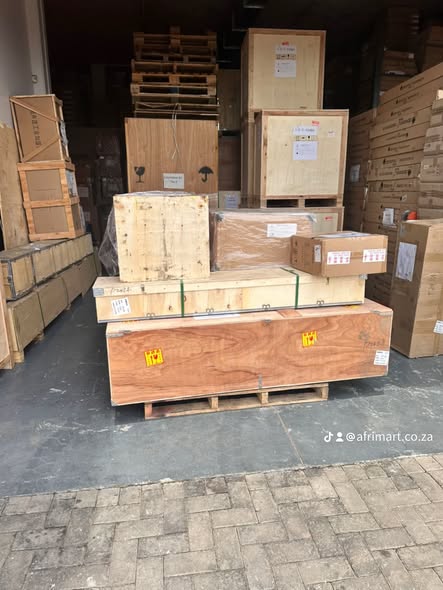
Latest Orders Labelled
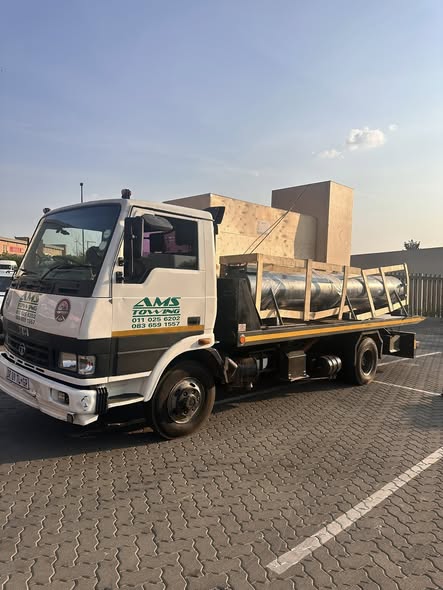
wheel alignment machines
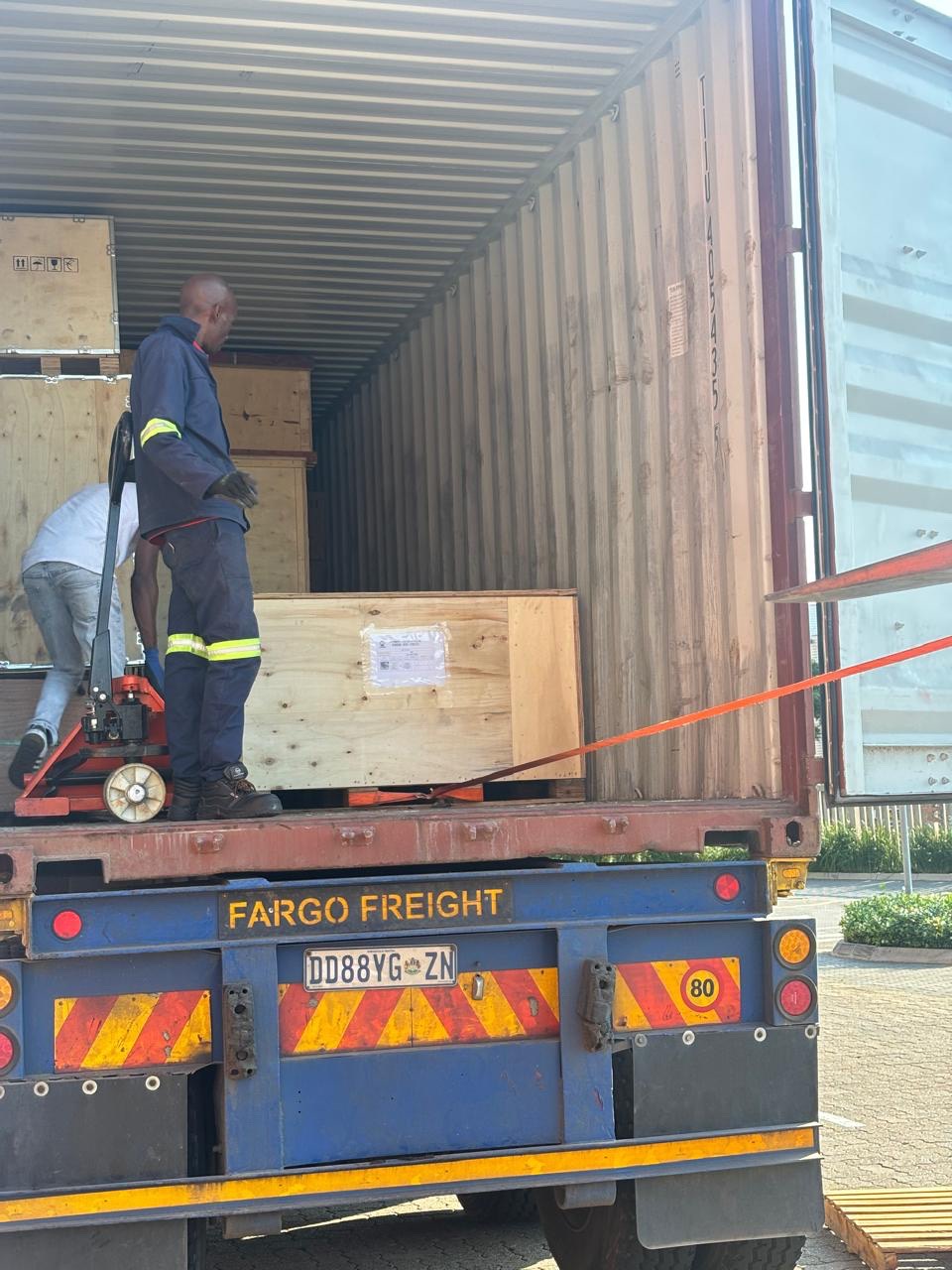
new arrivals
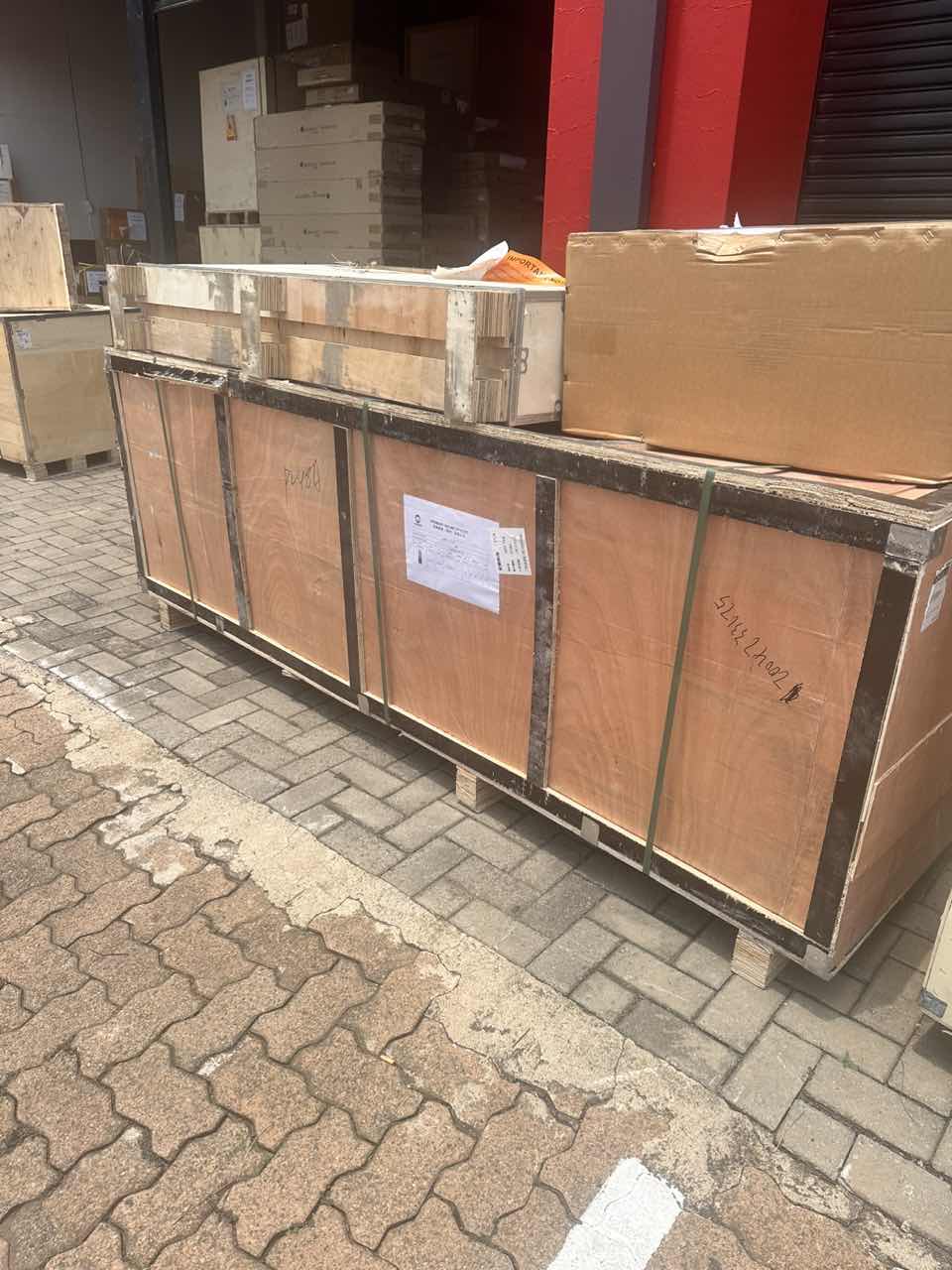
Pre Orders Offloading
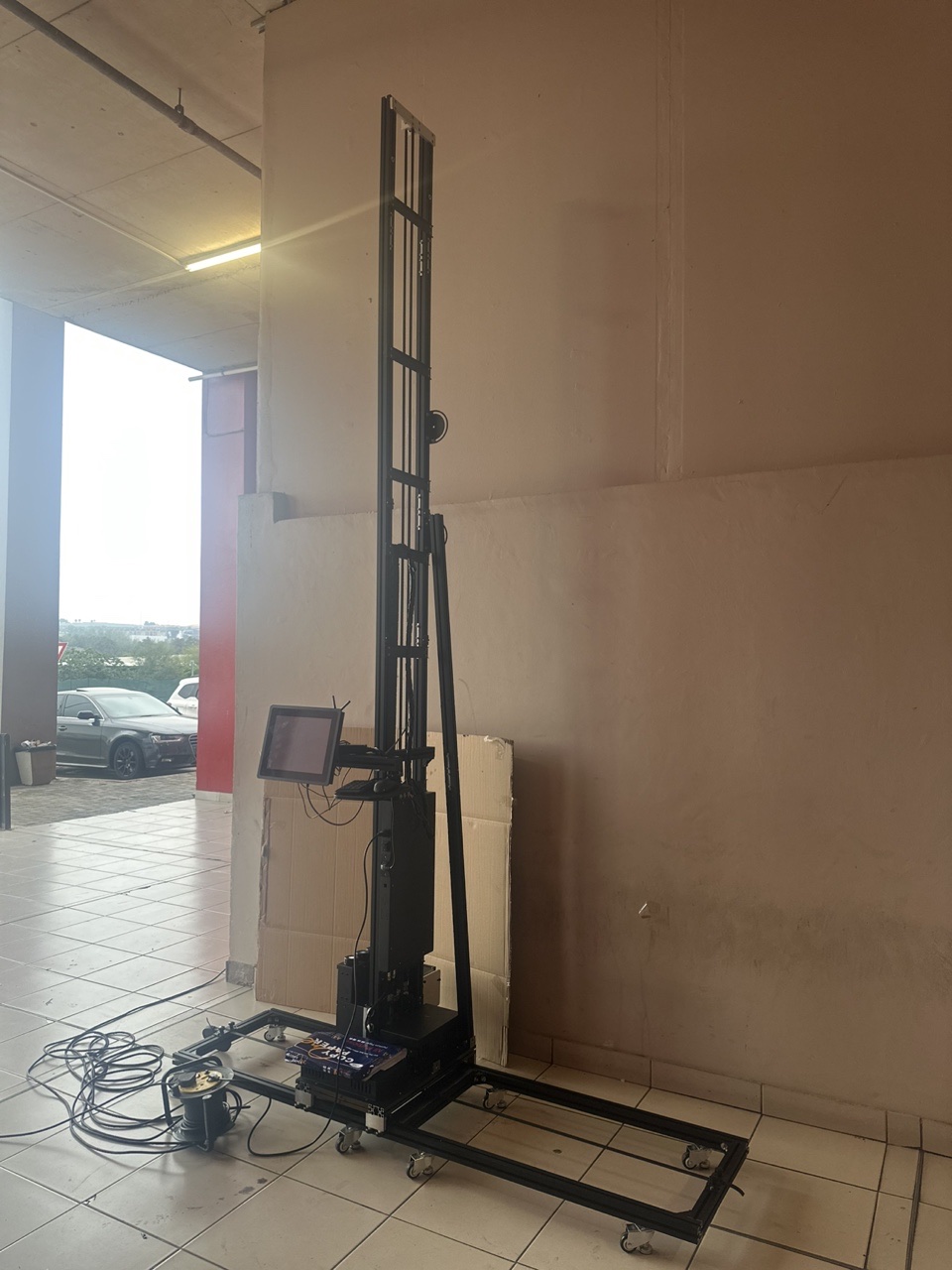
Latest Arrivals
Latest Arrivals
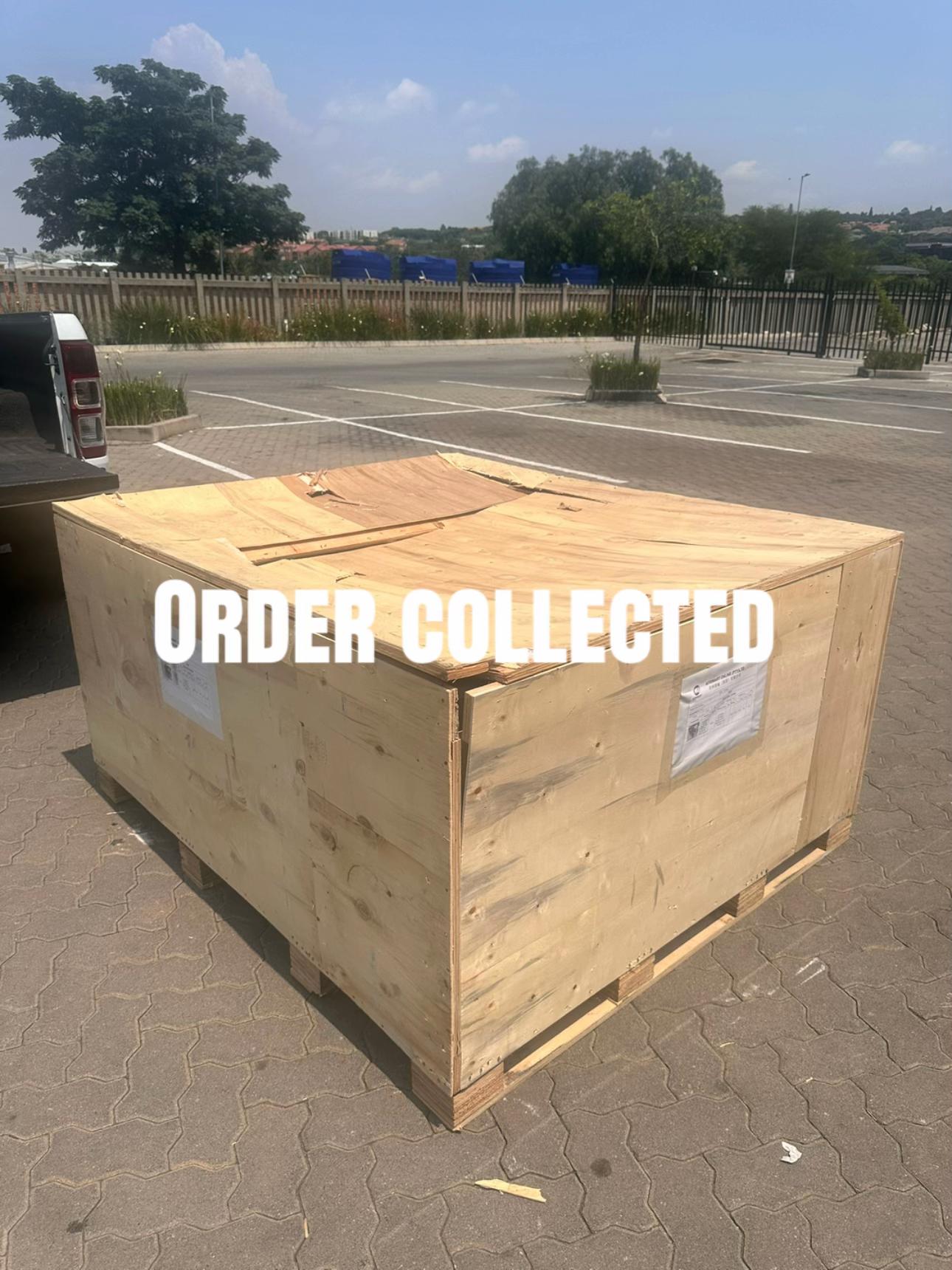
Latest Arrivals
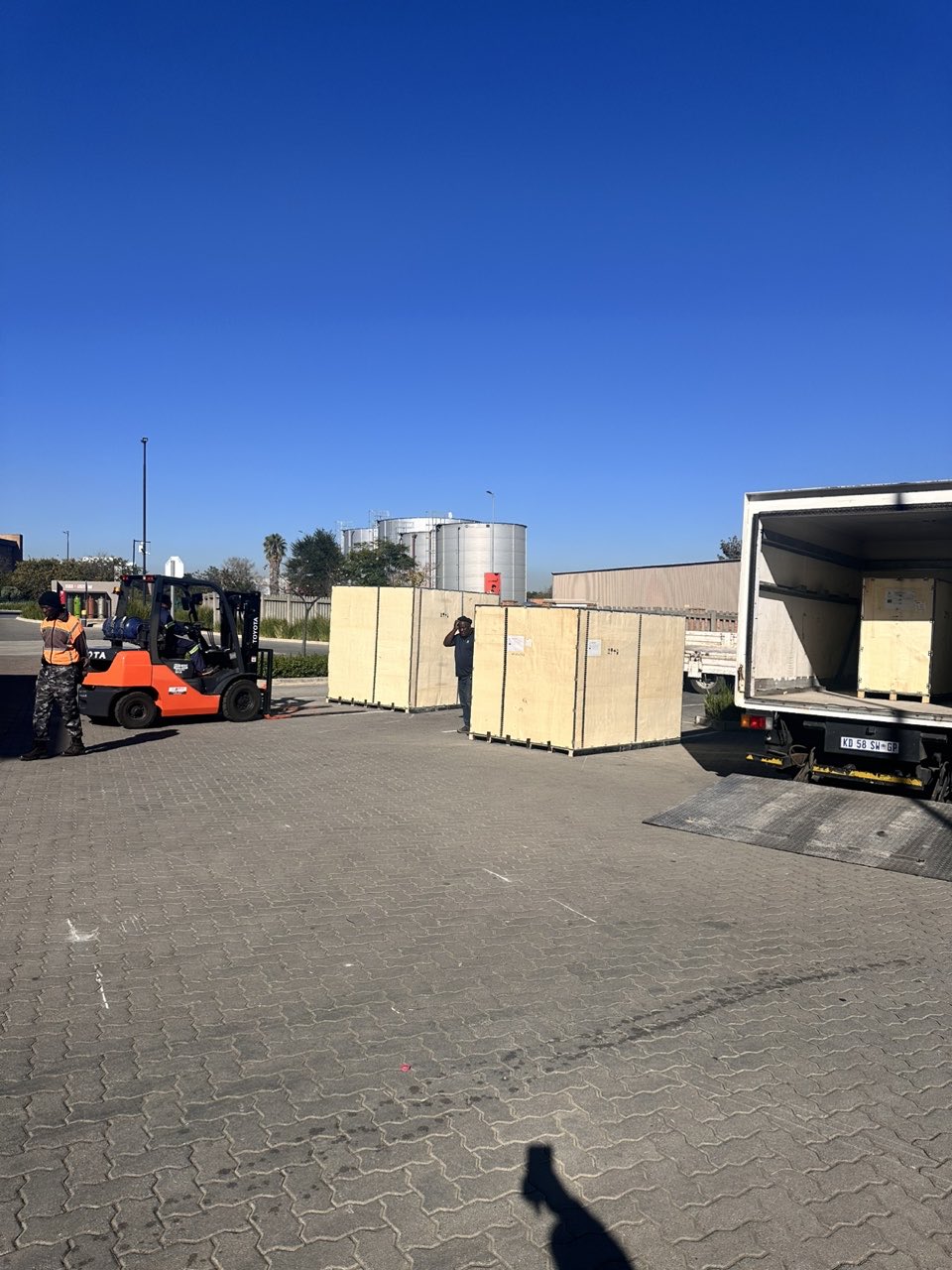
Loading
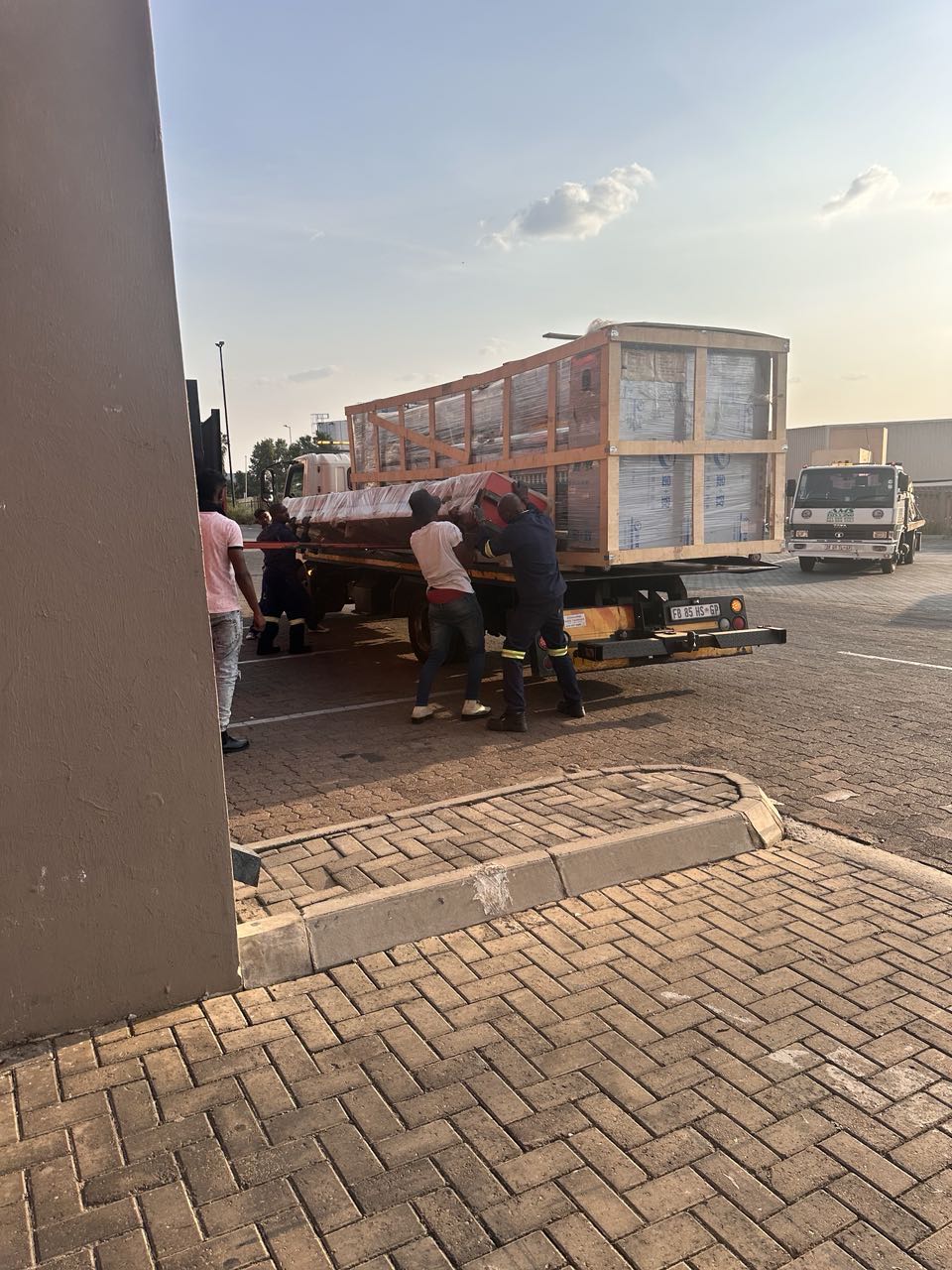
Toilet paper making machine
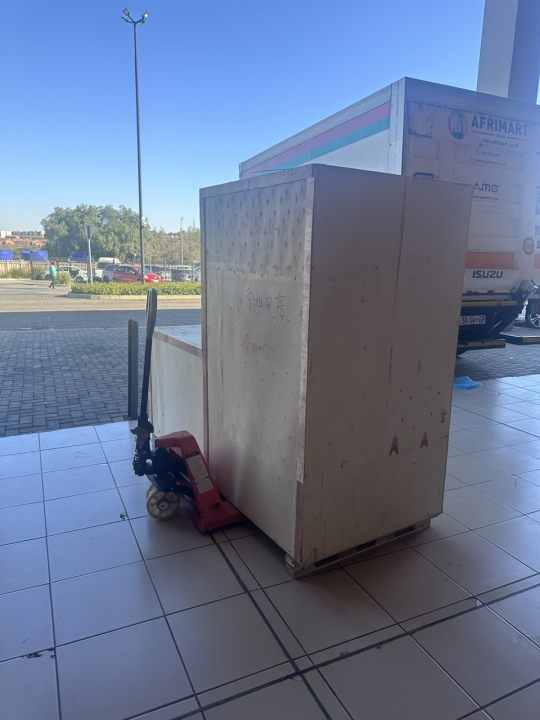
Toilet paper making machine
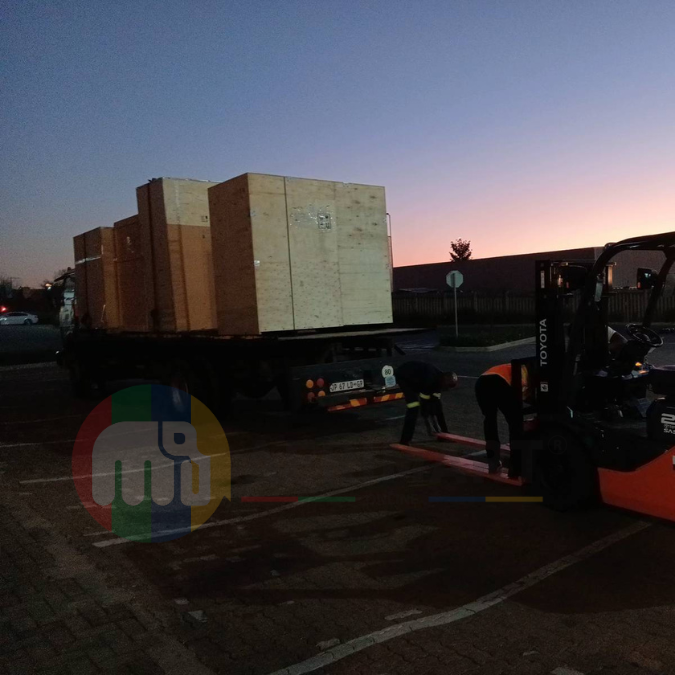
Toilet paper Rewinding Machine
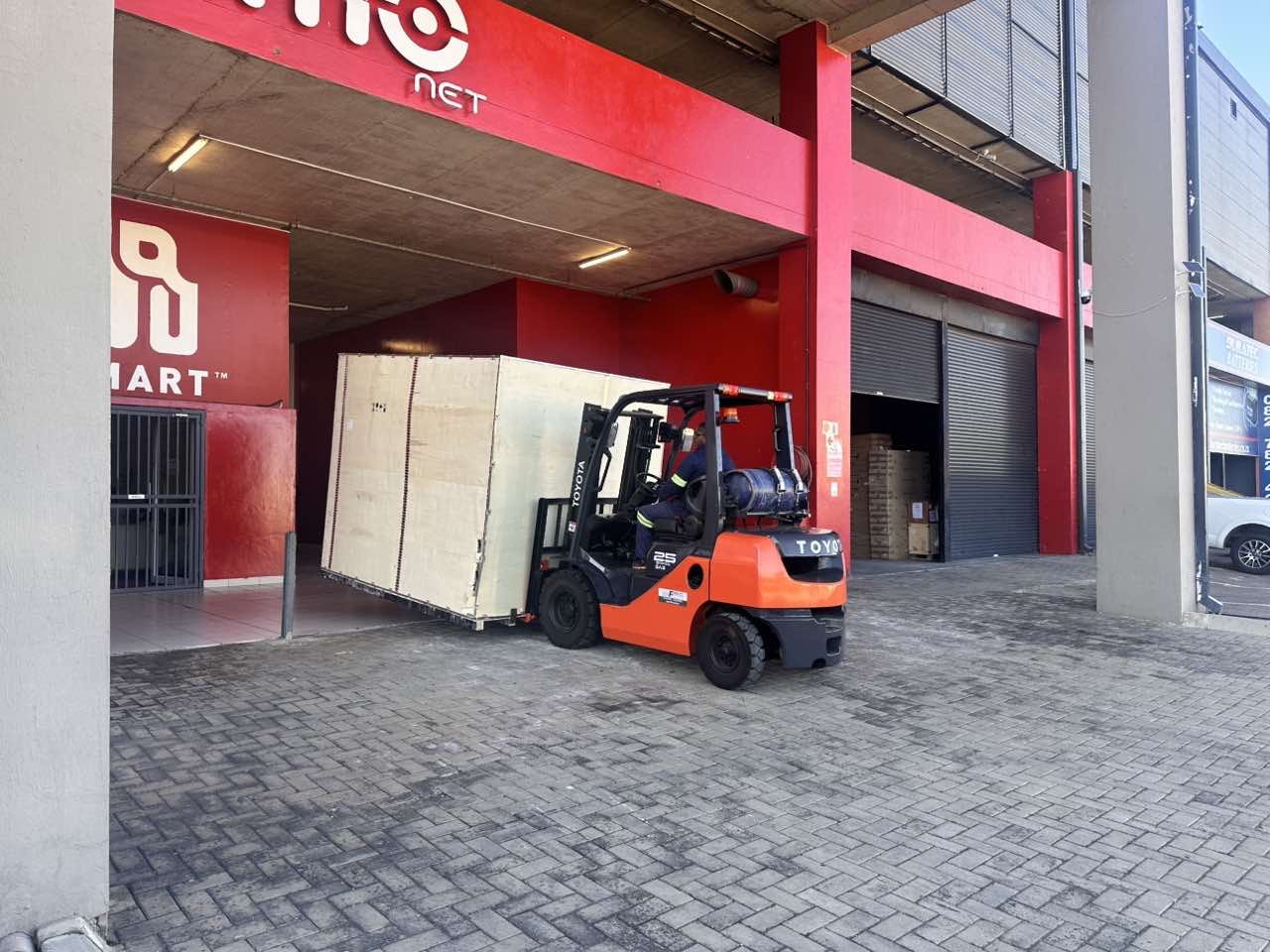
latest arrivals
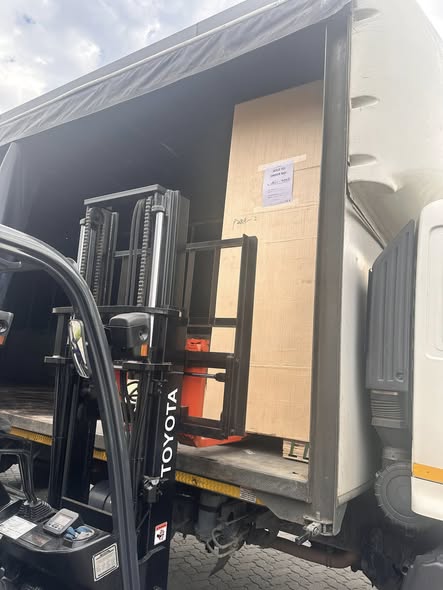
offloading
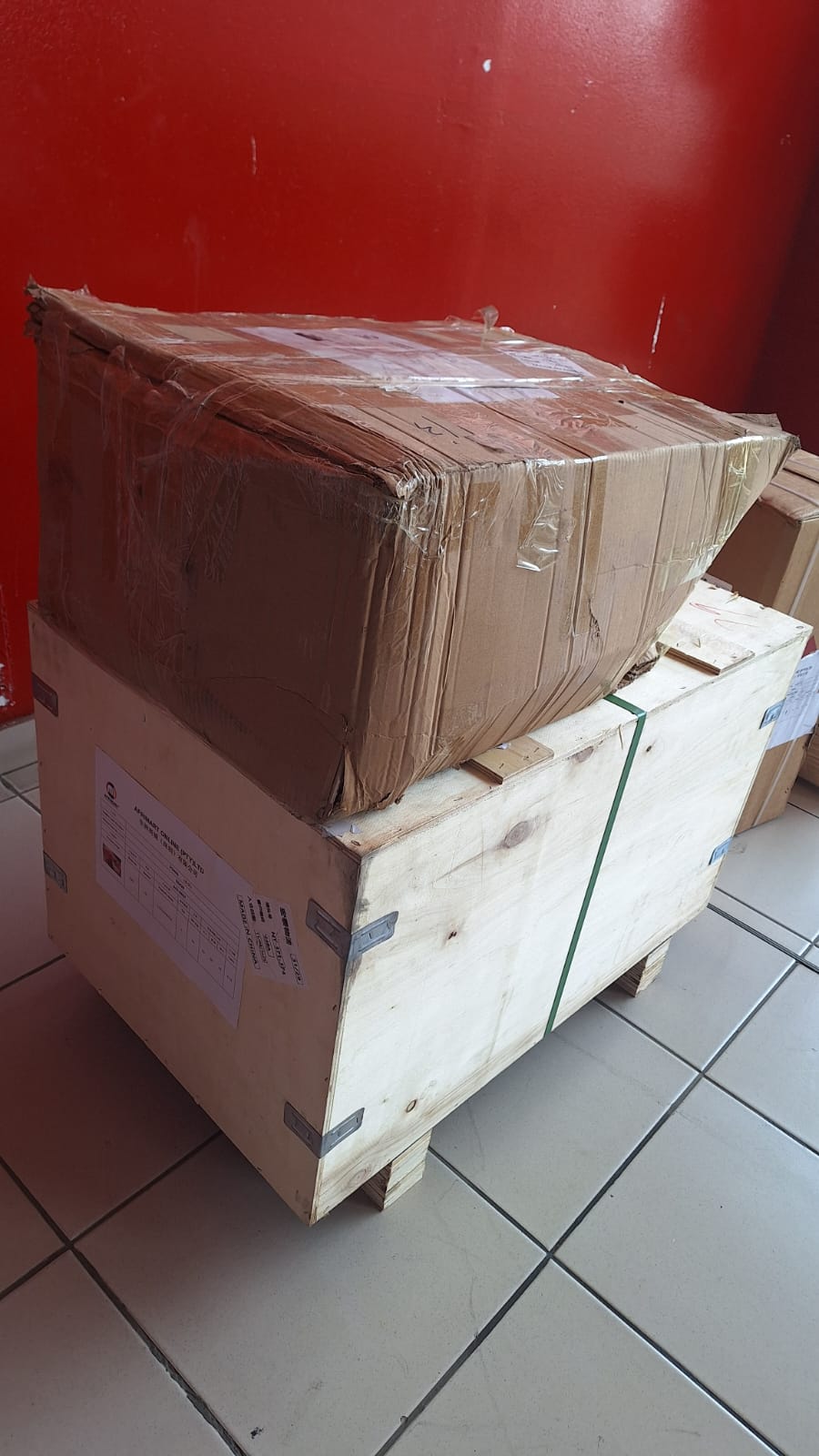
order success
order collection
order offloading