B21, China Town Mall, Midrand


Gold Mining Equipment Mineral Separator spiral gold panning machine
Asset finance available
Do you want funding for this equipment?
Afrimart can connect you with trusted funding partners who specialise in asset finance for businesses like yours. Compare options and apply in minutes — final approval is subject to provider review.
Check funding options
Secure & no obligation

- Section : Machinery
- Category : Mining Machinery
- SKU : 1601197908262

Product Description
1.Mining processing sand spiral washer overview:
• Mining processing sand spiral washer are designed to provide the most effective pool area and overflow velocity requirements by combining the proper submergence of the spiral with one of the tanks, a choice of 63 combinations is possible in straight, modified or full flare tank designs.
• The proper combination of pool depth, area and spiral construction is important to secure a controlled turbulence in the slurry flow for accurate size separation.
• This spiral classifier is widely used with a ball mill to classify mineral sand, or classify ore sand and fine silt in gravity mill. It is also applied in classifying granularities in mineral separation, or desliming and dewatering in ore washing.


2.Mining processing sand spiral washer classification:
Spiral classifier has four types: high weir single-spiral classifier, high weir double-spiral classifier, immersed type single-spiral classifier and immersed type double-spiral classifier.
♥ High weir type: It's mainly used for the separation of ores with particle size between 0.83-0.15mm;
♥ Submerged type: It is mainly applied to the separation of ores with particle size between 0.15-0.07mm.
Single type
Double type

3.Mining processing sand spiral washer structure:
Mining processing sand spiral washer is mainly composed of transmission system, spiral part, chute, lifting part, upper support and ore discharging valve.

4.Mining processing sand spiral washer features:
a) Simple structure,energy saving
b) Reliable working condition,convenient operation.
c) Heavy duty, rugged construction
d) Powerful self-contained spiral lifting device
e) Continuous spiral raking
f) Optimal particle size ranges from 800 to 75 microns

5.Mining processing sand spiral washer working principle:
• According to the principle that different grains are with different specific gravity and sedimentation rate in the liquid, the fine ore flows in the water and the coarse ore sinks to the bottom.
• The classifier that has machine grading by discharging from the top can filtrate the materials and send coarse materials to the feeding mouth and discharge the fine material from the pipe.
• The seat of the machine adopts channel steel and the body adopts armor plate and the spiral axle adopts wrought iron, so it's durable.
6.Mining processing sand spiral washer technical parameters:

 Successful
- Shipping Timeframes: All orders are processed within 2-5 business days (excluding weekends and holidays). After your order has been processed, the estimated delivery time is before 03 Aug, 2026, depending on customs, Please note that due to high demand, some items may experience longer shipping times, which will be communicated at order confirmation email.
- Order Processing Time: Please allow 2-5 business days for us to process your order before it is shipped . Orders placed after 16:00 on Fridays, or during weekends and public holidays, will begin processing on the next business day. Processing times may be extended during peak seasons or sales events.
- Manufacturing Time: Some products needs manufacturing time, the manufacturing process will take approximately 10-30 business days depending on the product. This timeframe may vary depending on the complexity of the product and current demand. but this will be communicated with you during order confirmation.
- Returns and Exchanges: We offer a 30-day return policy for most items. If you are not completely satisfied with your purchase, you may return it within 30 days of receipt for a refund or exchange. Items must be unused, in their original packaging, and accompanied by proof of purchase. Return shipping costs are the responsibility of the customer, unless the item was damaged or defective upon arrival.
1. What is the primary function of the Gold Mining Equipment Mineral Separator spiral gold panning machine?
The primary function of this machine is to classify mineral sand, classify ore sand, and fine silt in gravity mills, as well as to facilitate desliming and dewatering in ore washing.
2. What types of spiral classifiers are available with this equipment?
This equipment offers four types of spiral classifiers: high weir single-spiral classifier, high weir double-spiral classifier, immersed type single-spiral classifier, and immersed type double-spiral classifier.
3. What is the particle size range for the high weir type spiral classifier?
The high weir type spiral classifier is mainly used for the separation of ores with particle sizes between 0.83 mm and 0.15 mm.
4. What is the particle size range for the submerged type spiral classifier?
The submerged type spiral classifier is mainly applied to the separation of ores with particle sizes between 0.15 mm and 0.07 mm.
5. What are the key structural components of the spiral gold panning machine?
The machine is mainly composed of a transmission system, spiral part, chute, lifting part, upper support, and ore discharging valve.
6. What are the main features of the mining processing sand spiral washer?
Key features include a simple structure, energy-saving operation, reliable working conditions, heavy-duty construction, and a powerful self-contained spiral lifting device.
7. How does the spiral classifier work?
The spiral classifier works on the principle that different grains have different specific gravities and sedimentation rates in liquid, allowing fine ores to flow while coarse ores sink, which are then sorted accordingly.
8. What materials are used in the construction of the spiral classifier?
The seat of the machine is made from channel steel, the body from armor plate, and the spiral axle from wrought iron, ensuring durability.
9. What is the optimal particle size range for effective separation?
The optimal particle size range for effective separation is from 800 microns to 75 microns.
10. Is the operation of the spiral gold panning machine easy?
Yes, the spiral gold panning machine is designed for convenient operation, making it user-friendly.
11. Can this equipment be used for both mineral separation and ore washing?
Yes, this equipment is versatile and can be used for mineral separation as well as for desliming and dewatering in ore washing.
12. What type of maintenance does the spiral classifier require?
Regular maintenance includes checking for wear and tear on the spiral, ensuring proper lubrication of moving parts, and inspecting the structural components for any damage.
13. Is this equipment suitable for small-scale operations?
Yes, the spiral gold panning machine can be used in both small-scale and large-scale mining operations, providing effective separation for various types of ores.
14. What is the expected lifespan of the spiral gold panning machine?
With proper maintenance and care, the spiral gold panning machine can have a long lifespan, typically several years, depending on usage conditions.
15. Where can I find replacement parts for the spiral classifier?
Replacement parts can typically be sourced from the manufacturer or authorized distributors of the spiral classifier equipment.
Latest Order Arrivals
Discover our latest orders
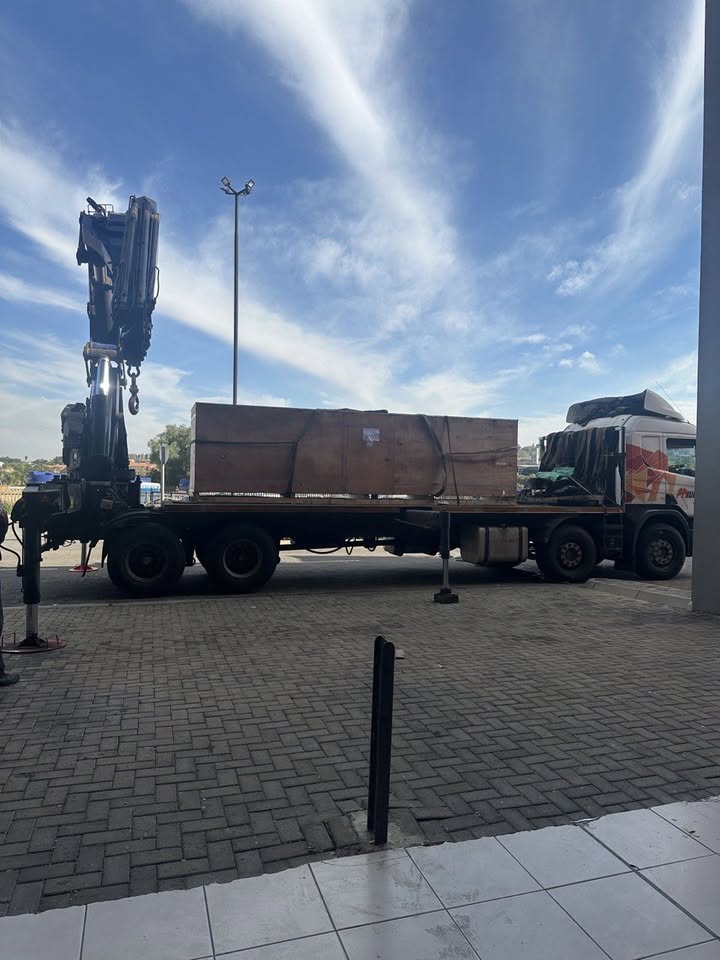
12 Heads Embroidery Machine
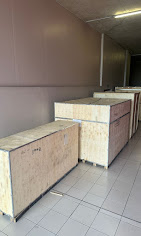
Toilet Paper Machine Machine
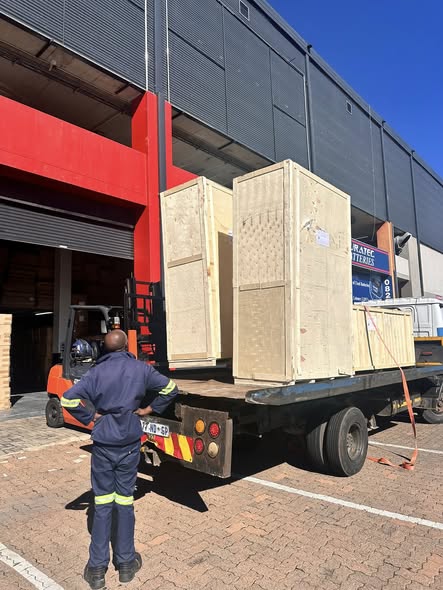
Order Collection
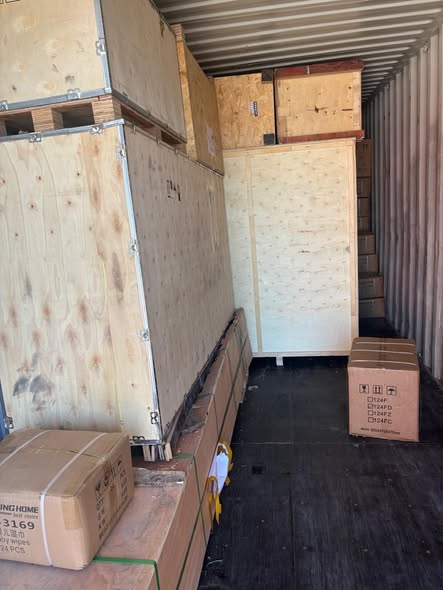
Cross Border Clients
Order cros border countries Collected
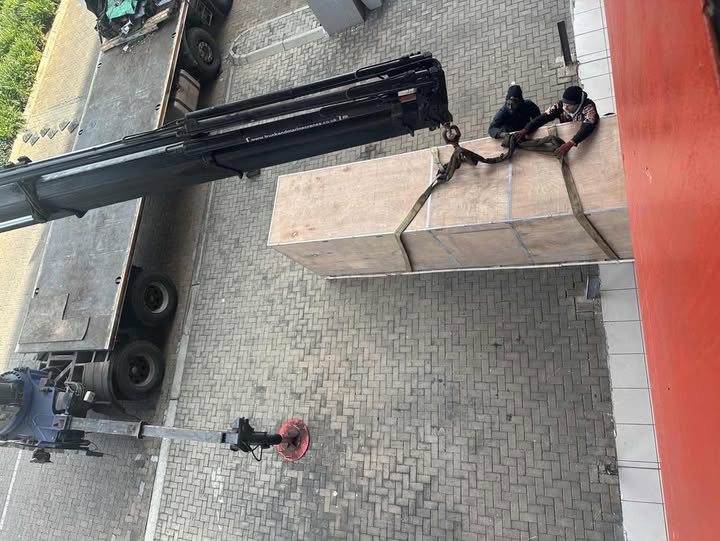
Industrial Machine Cllection
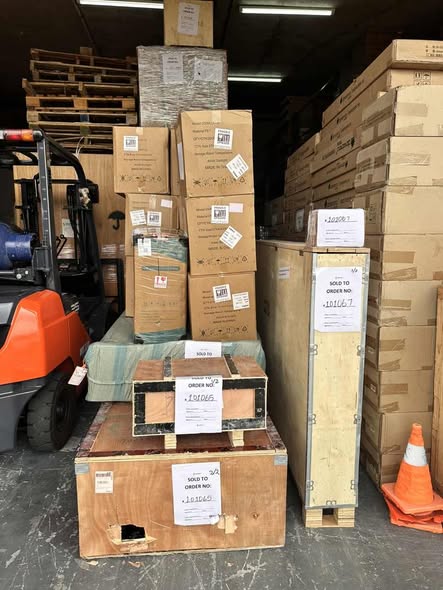
Agriculture Processing Machines
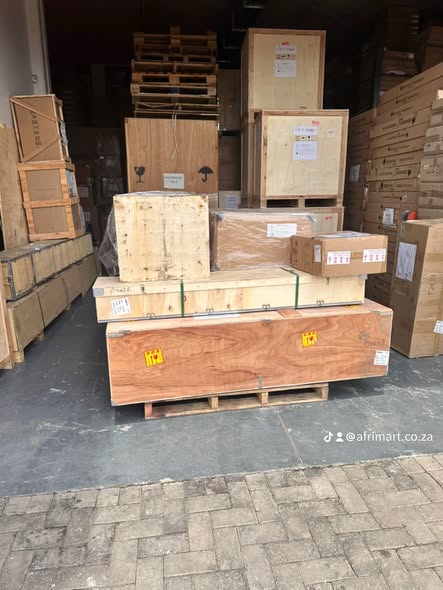
Ready for collection
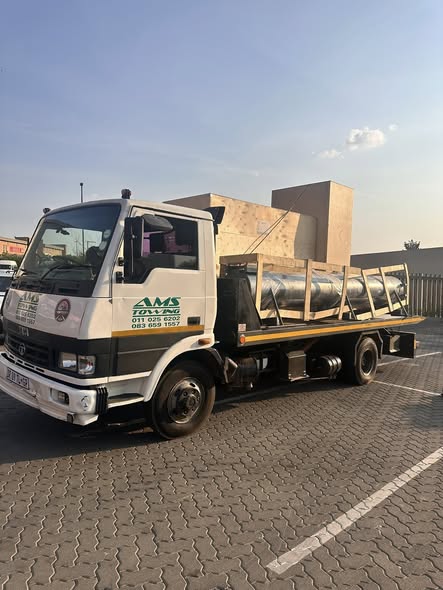
Water Pump Equipment
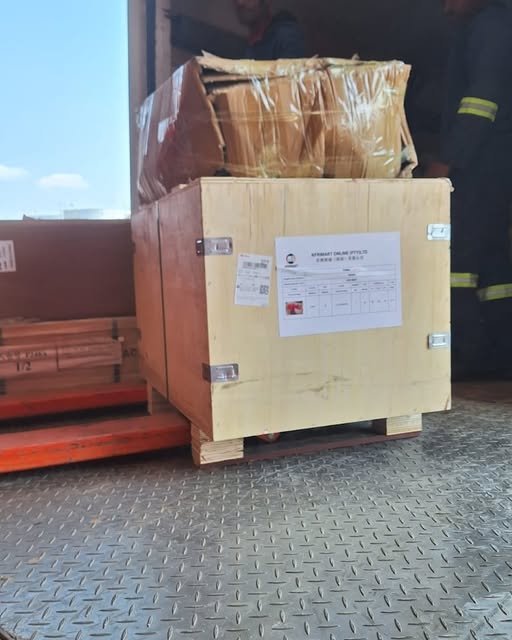
Packaging Machine and accessories
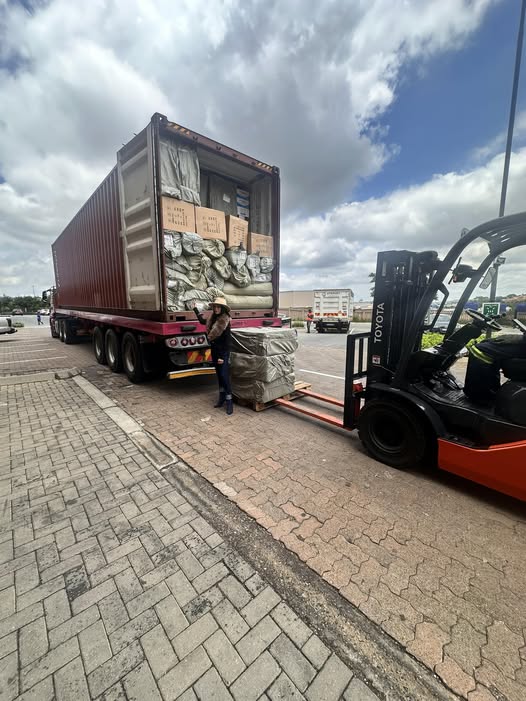
Fabrics Manufacturing Equipment
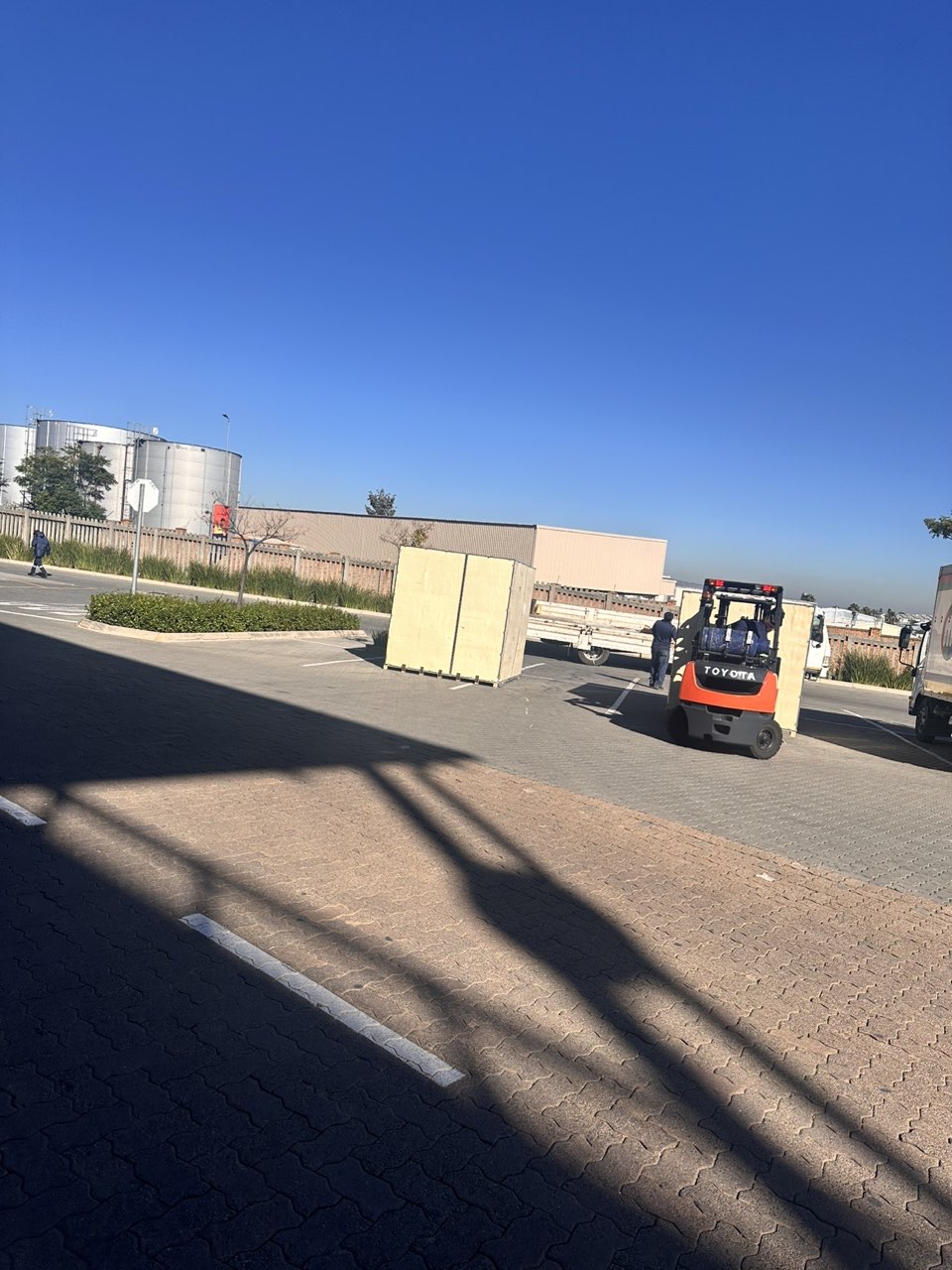
Mining Equipments
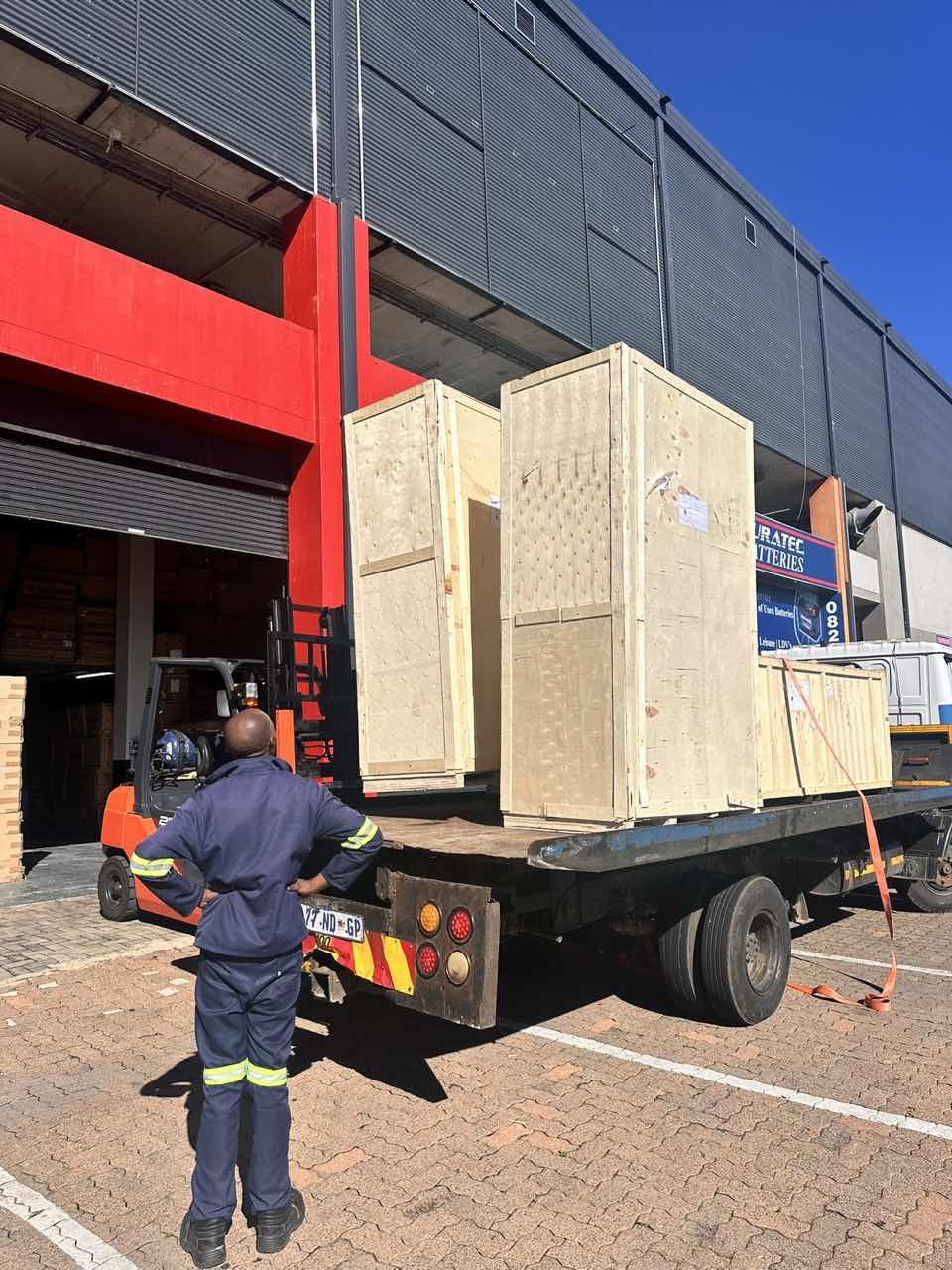
Food Processing Machine
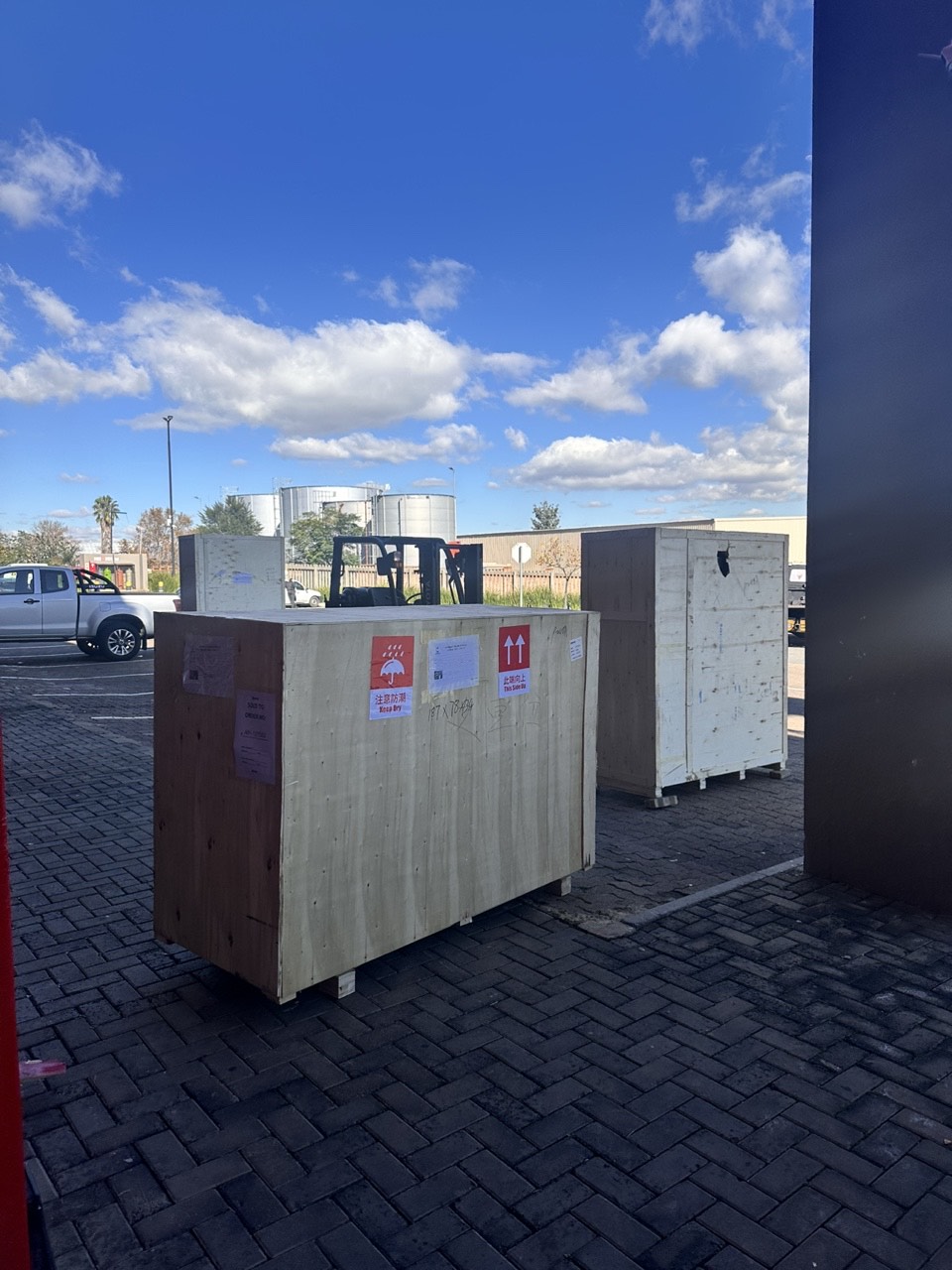
Batch of Orders
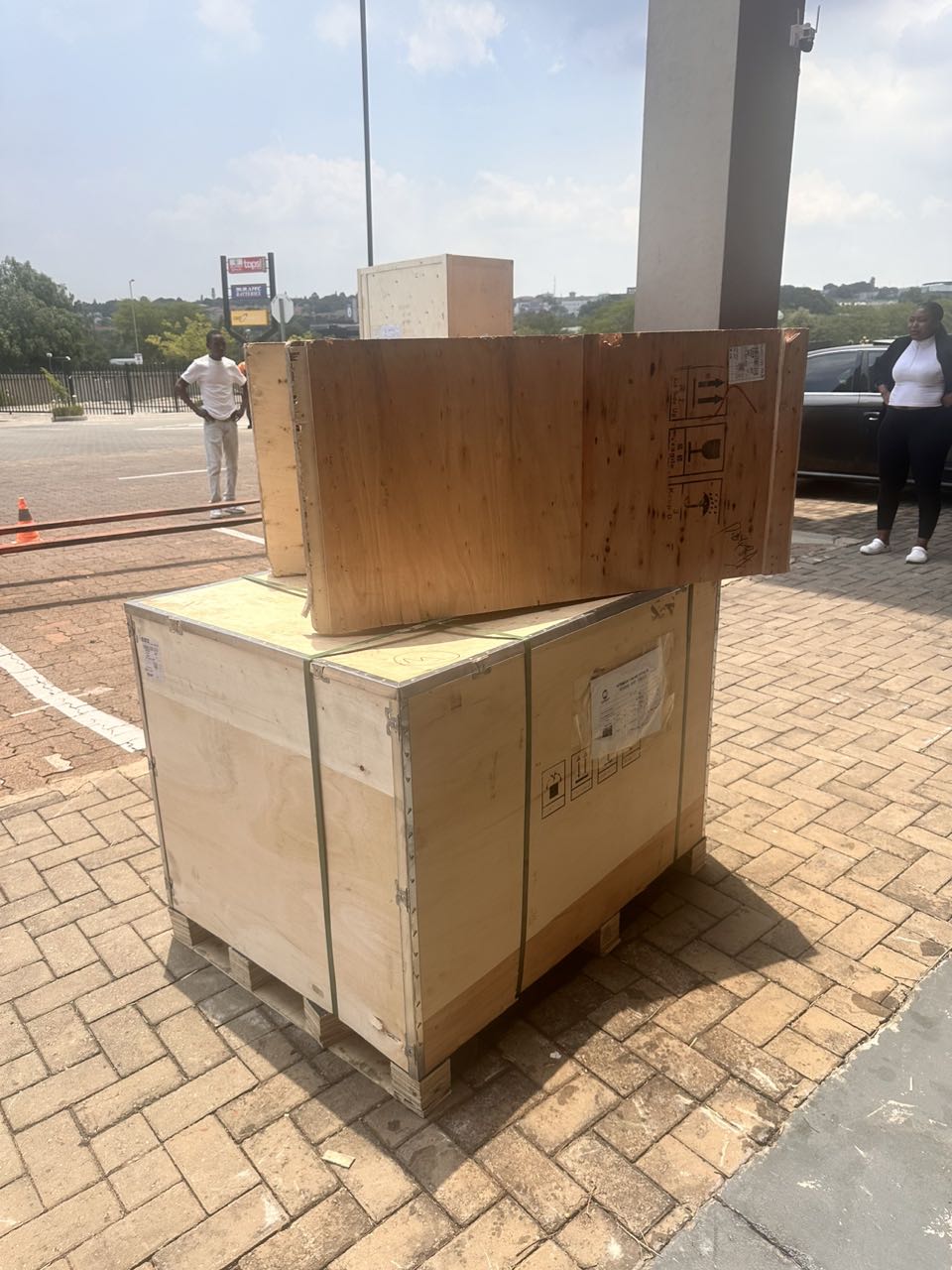
Batch of Orders
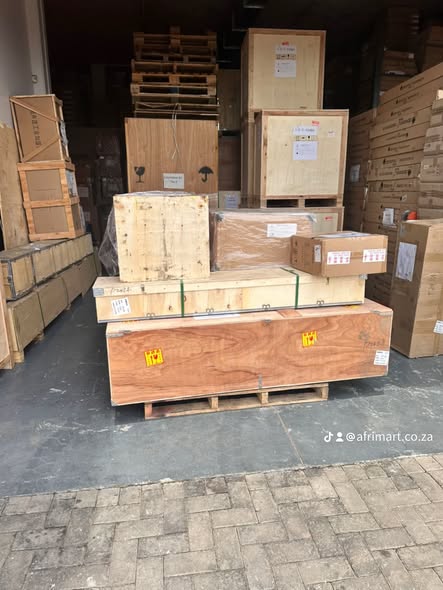
Latest Orders Labelled
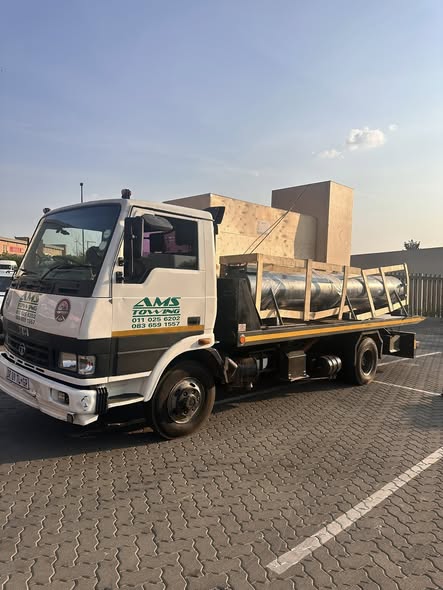
wheel alignment machines
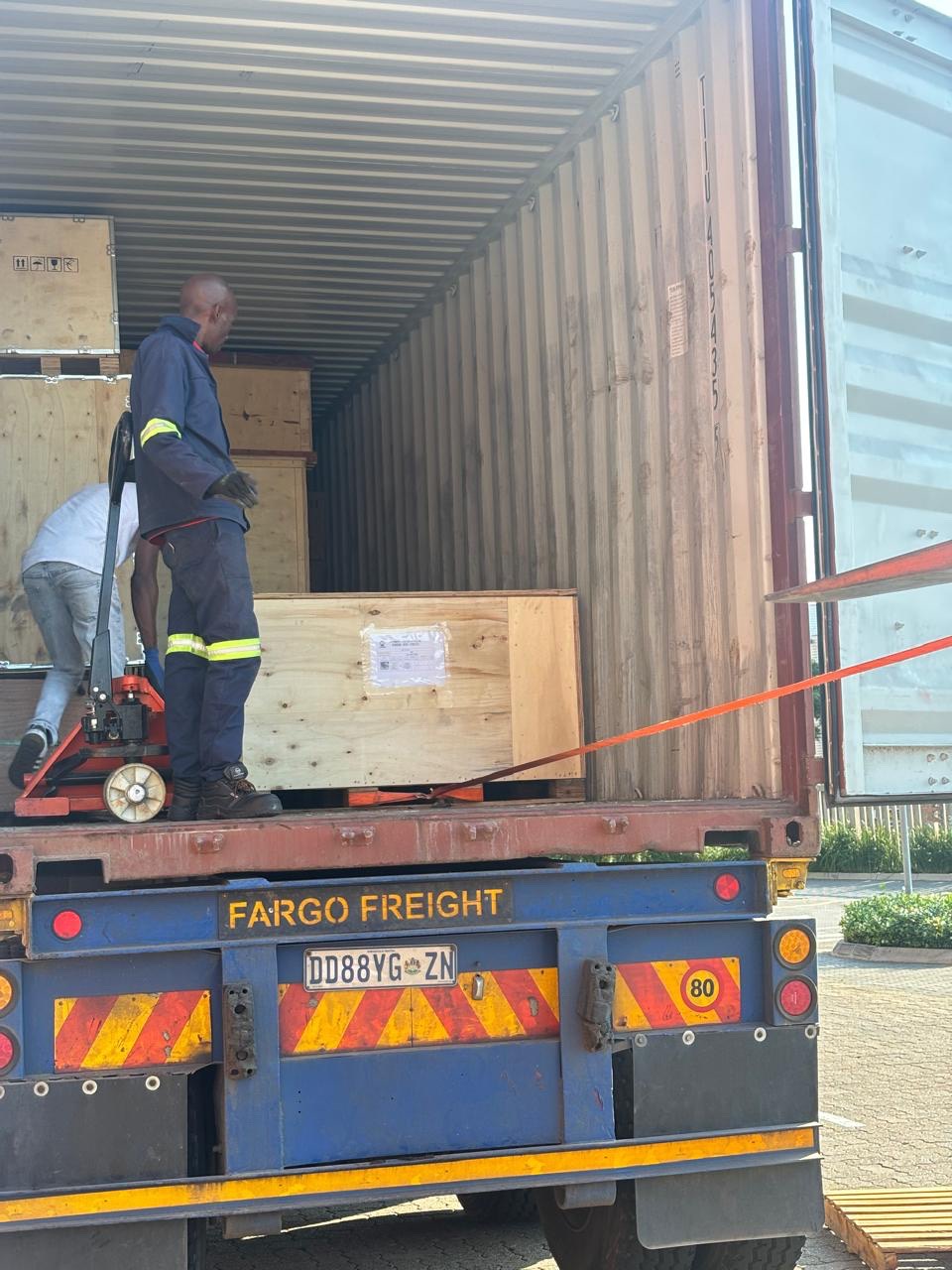
new arrivals
Pre Orders Offloading
Latest Arrivals
Latest Arrivals
Latest Arrivals
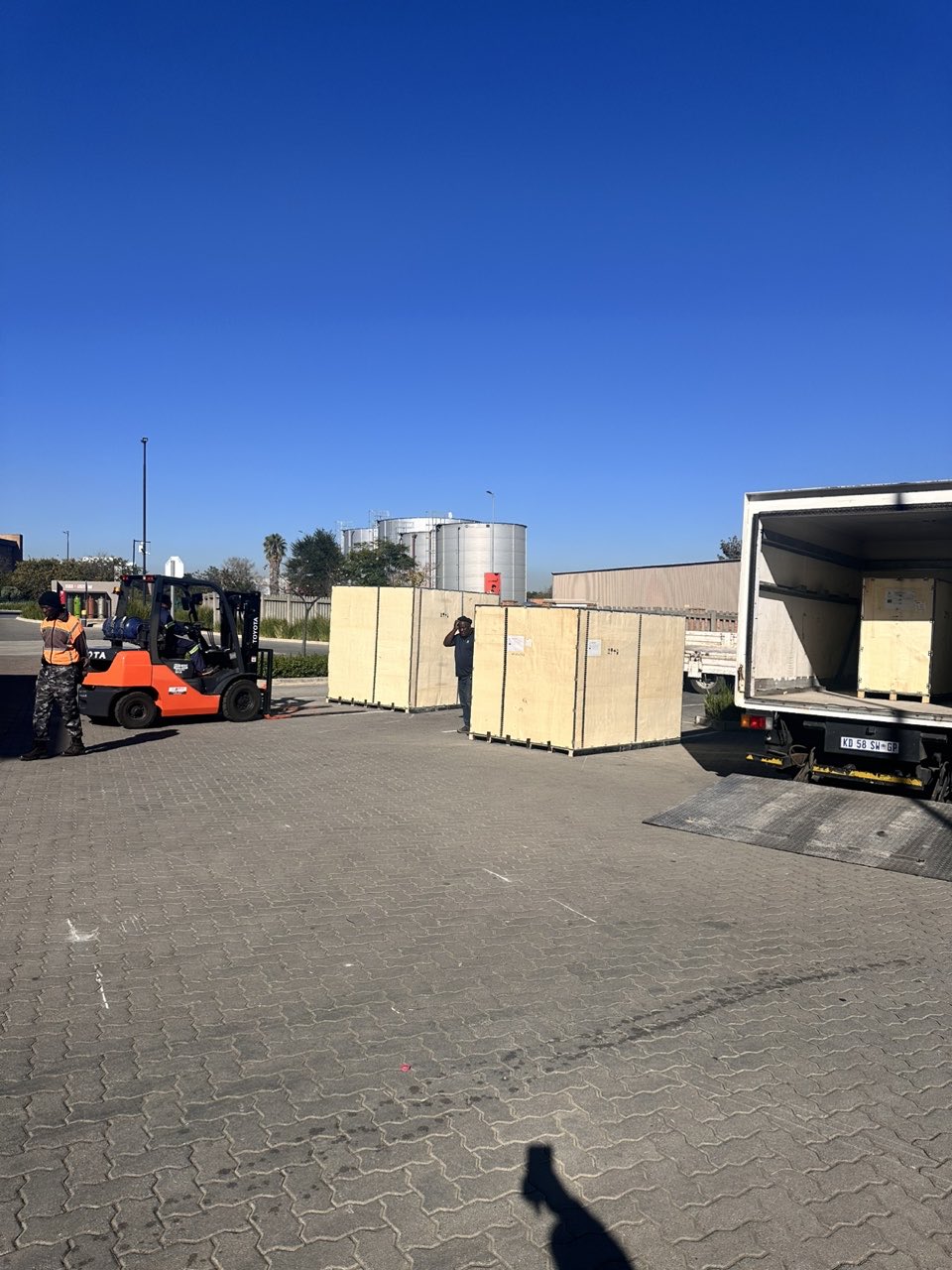
Loading
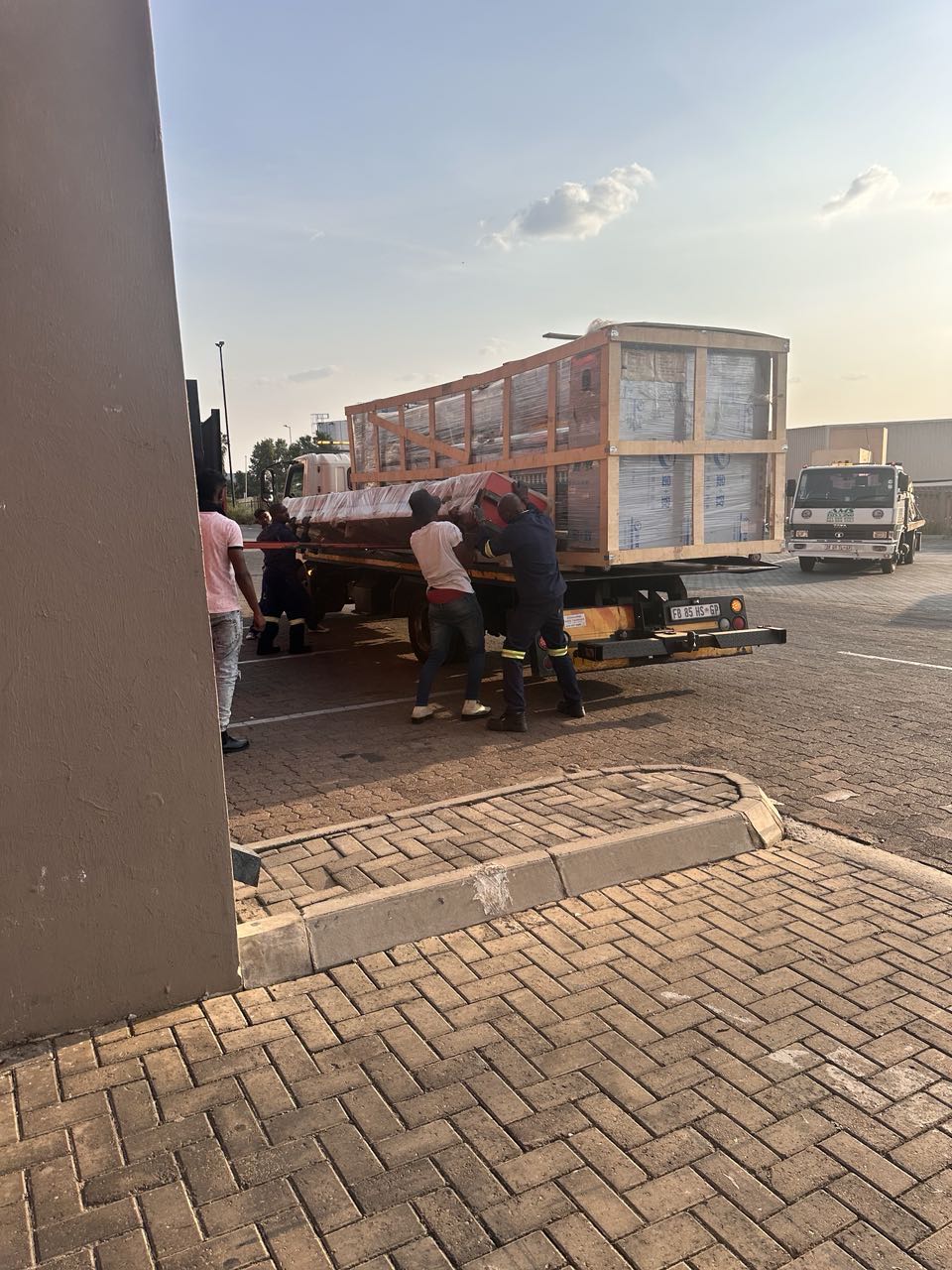
Toilet paper making machine
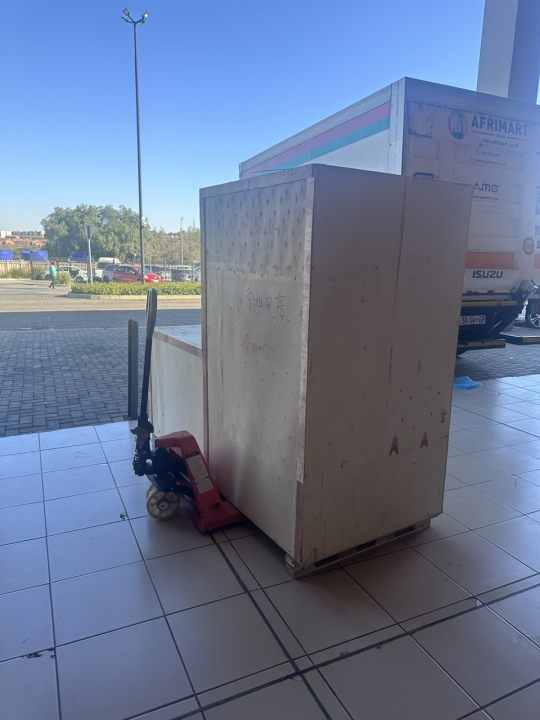
Toilet paper making machine
Toilet paper Rewinding Machine
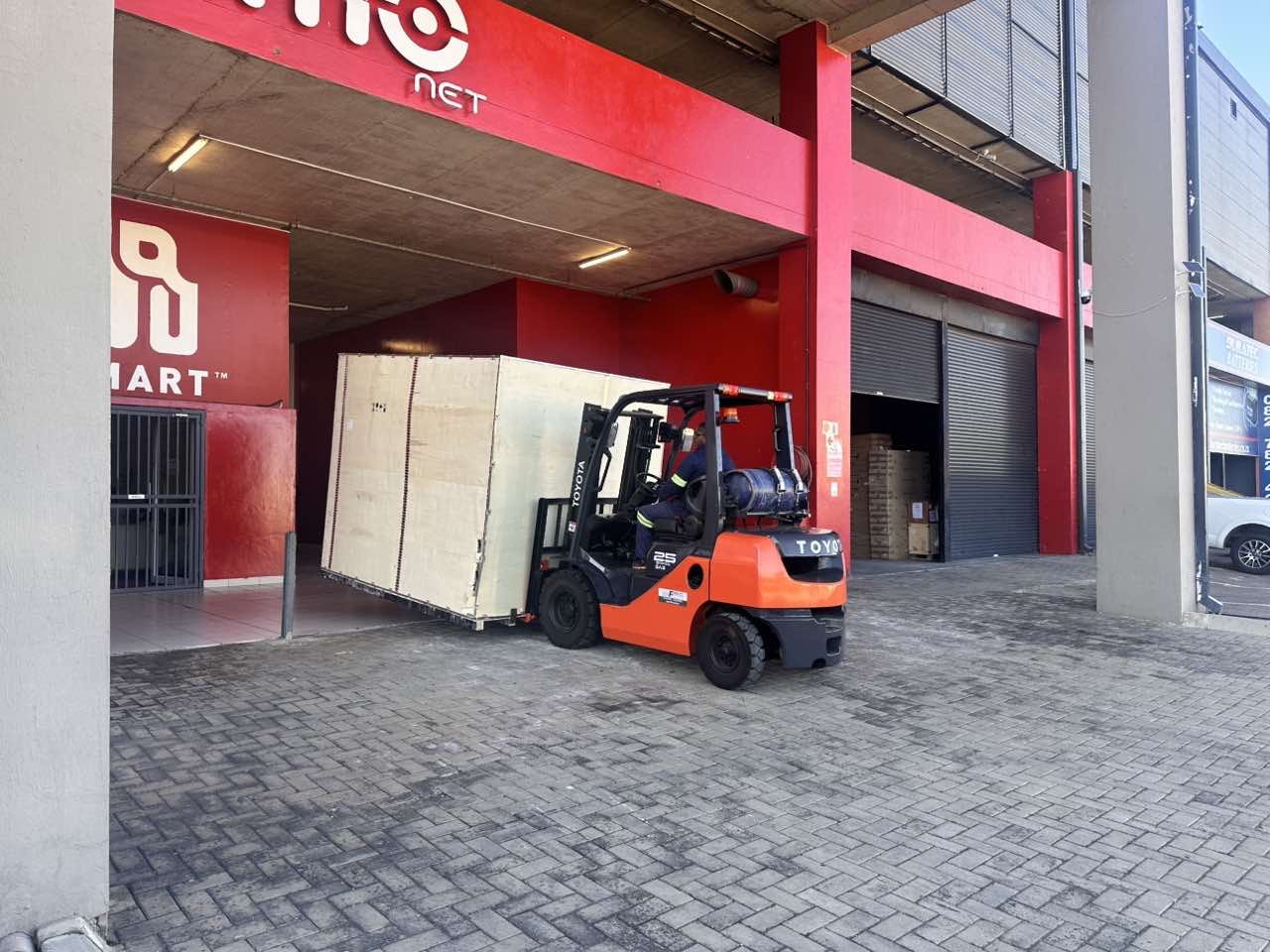
latest arrivals
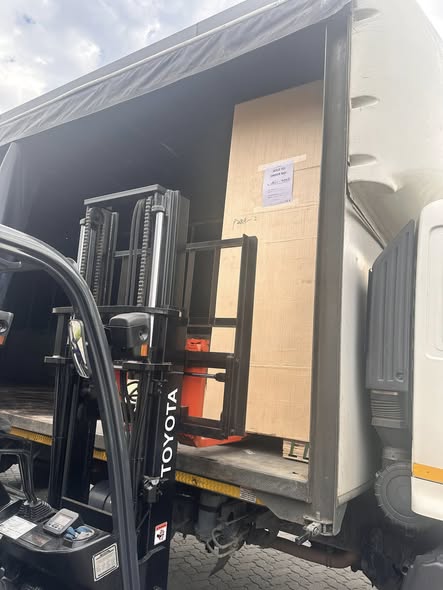
offloading
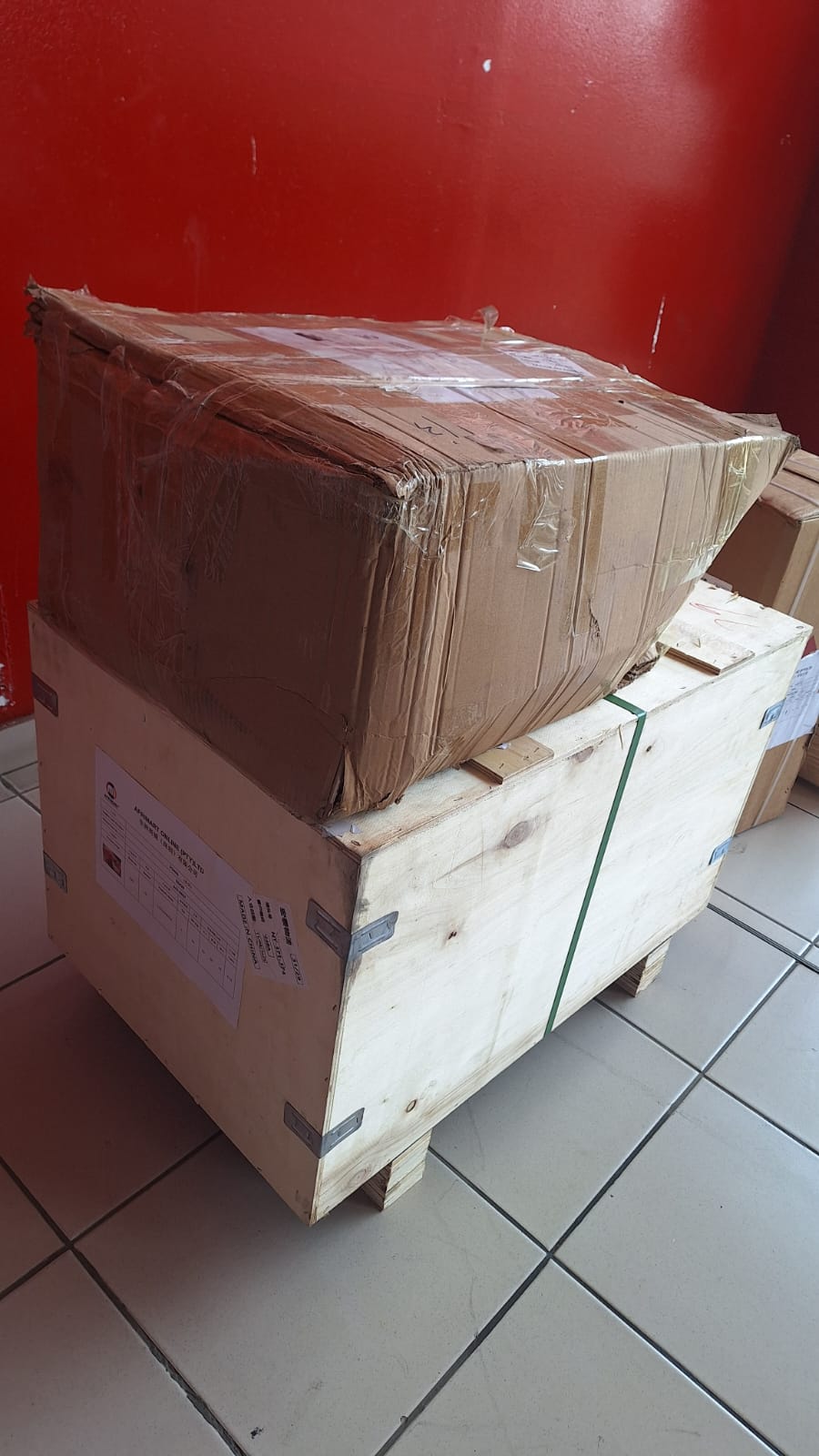
order success
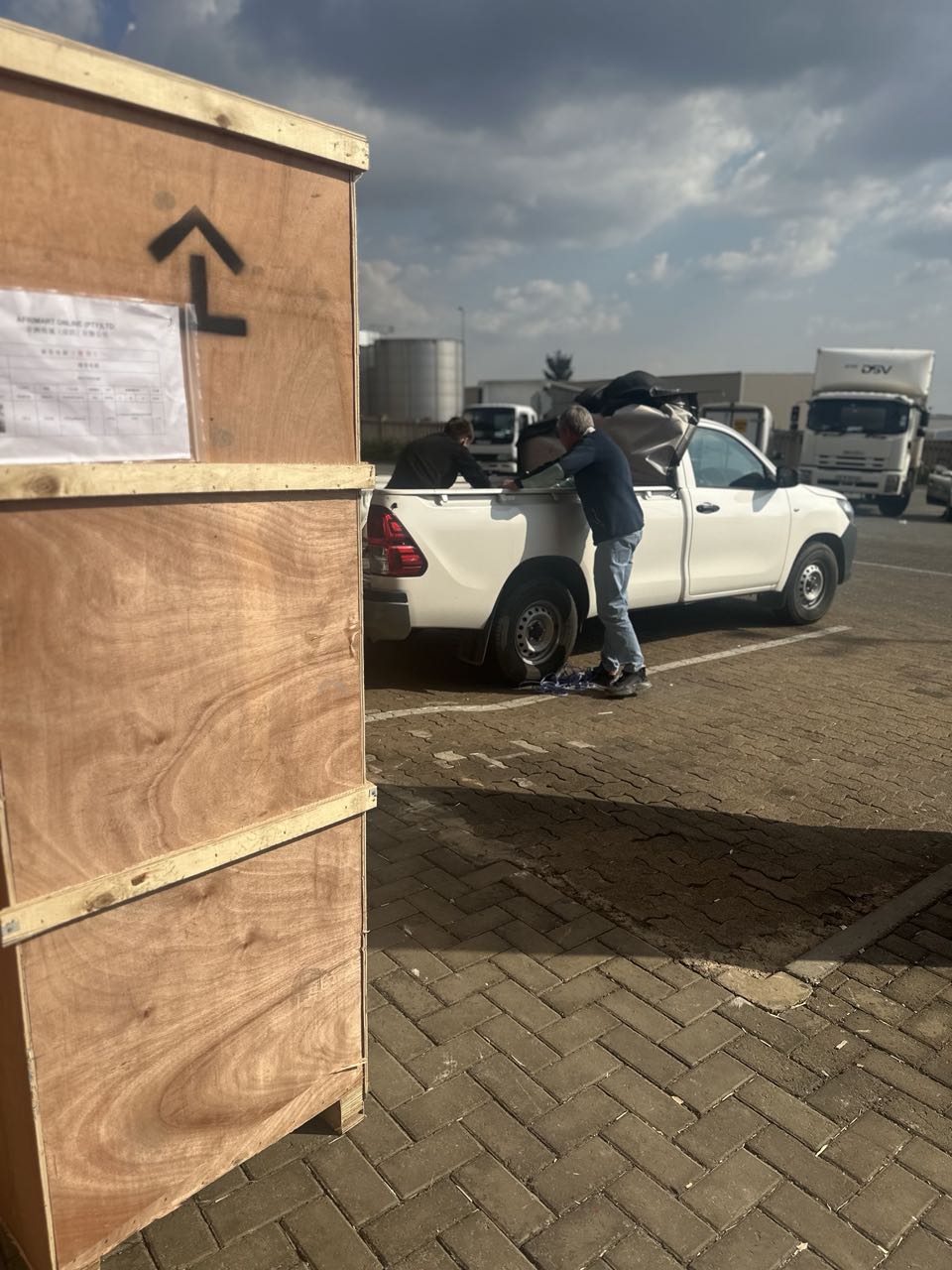
order collection
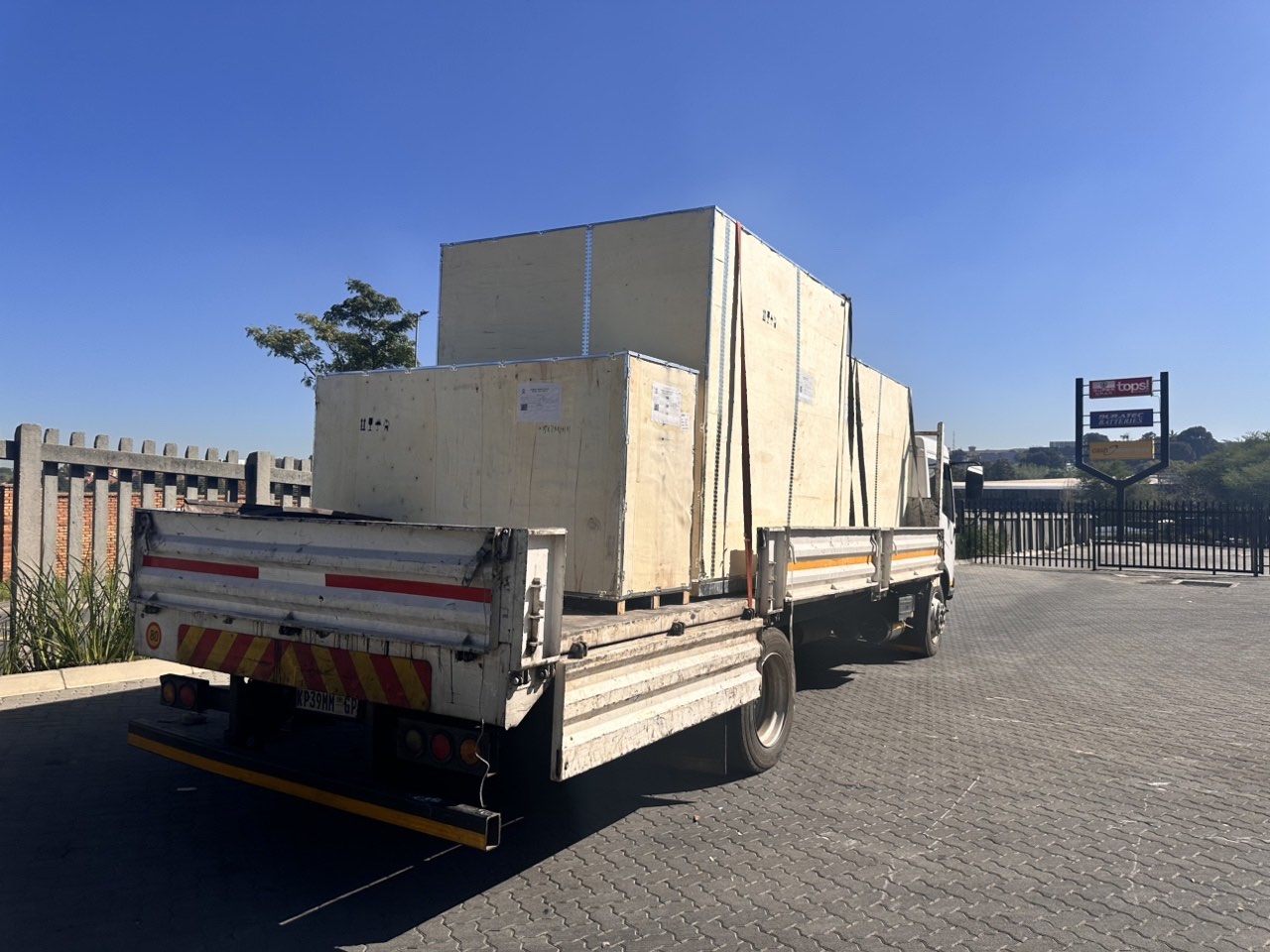
order offloading