B21, China Town Mall, Midrand

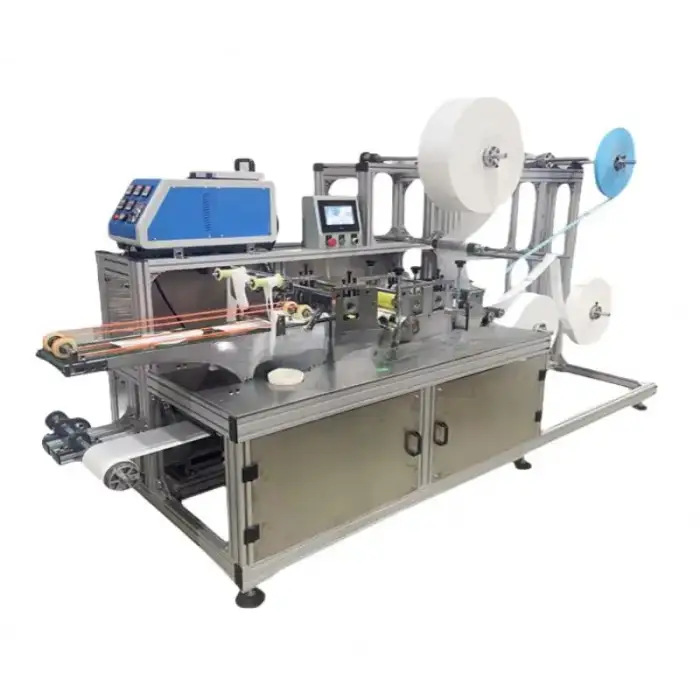
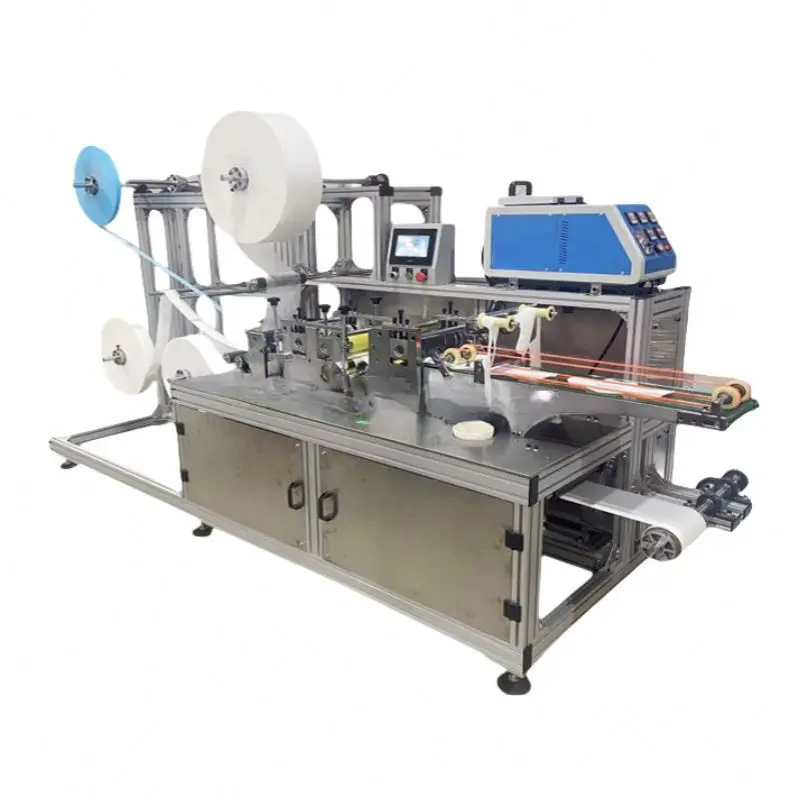
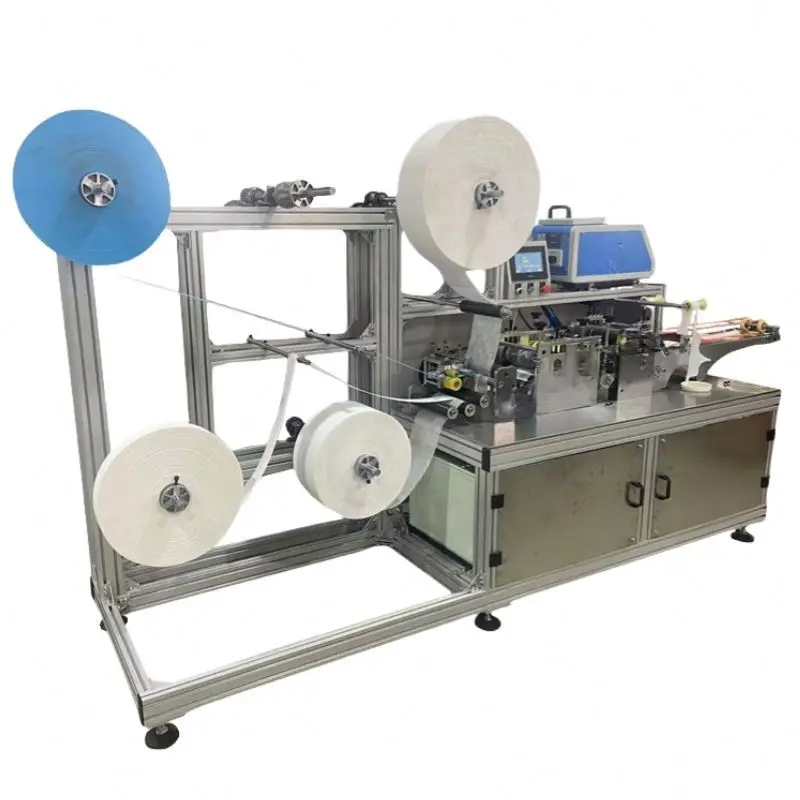
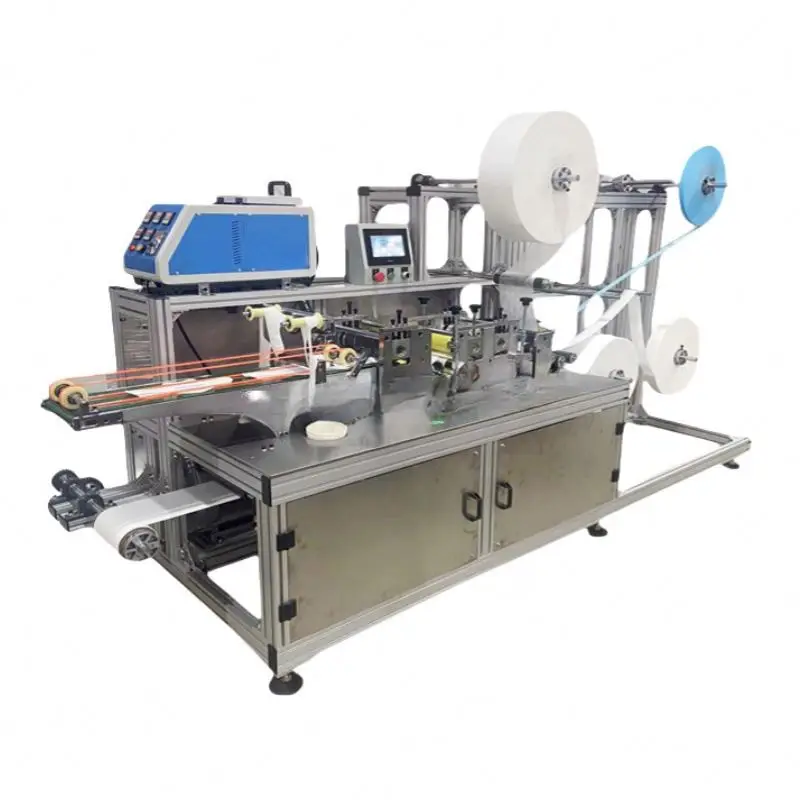
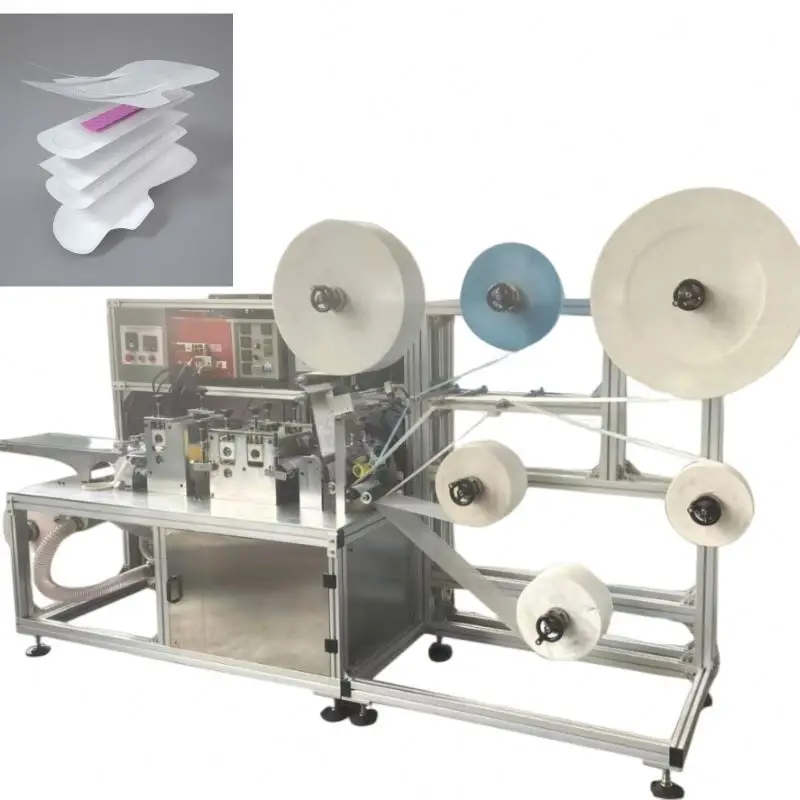
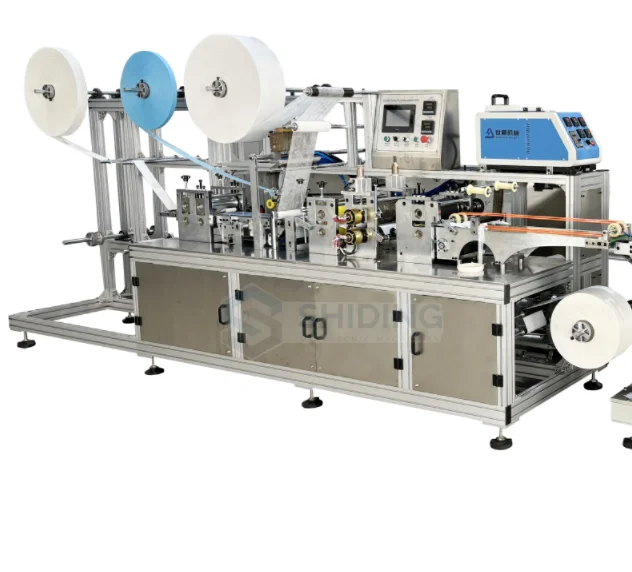
Full Automatic Women Sanitary Napkin Making Machine Production Line
- Section : Machinery
- Category : Paper Production Machinery
- SKU : 1601215310472

Full Automatic Women Sanitary Napkin Making Machine Production Line
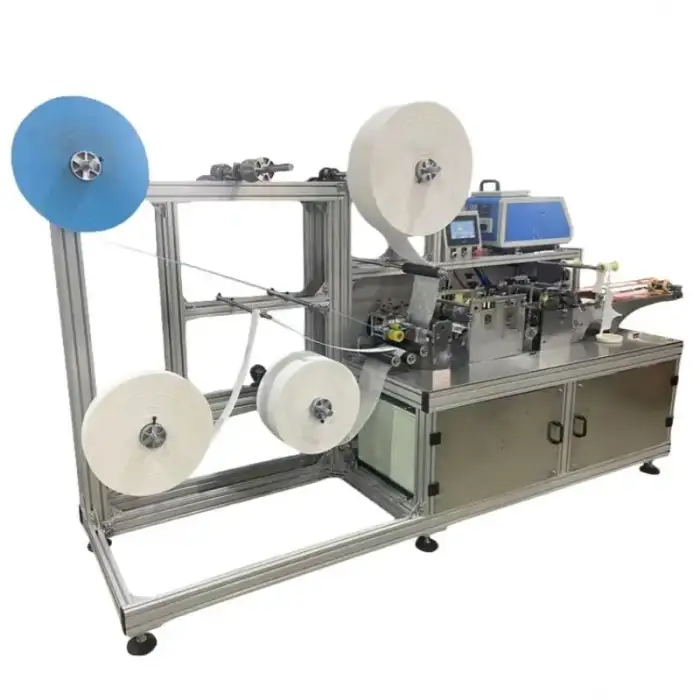
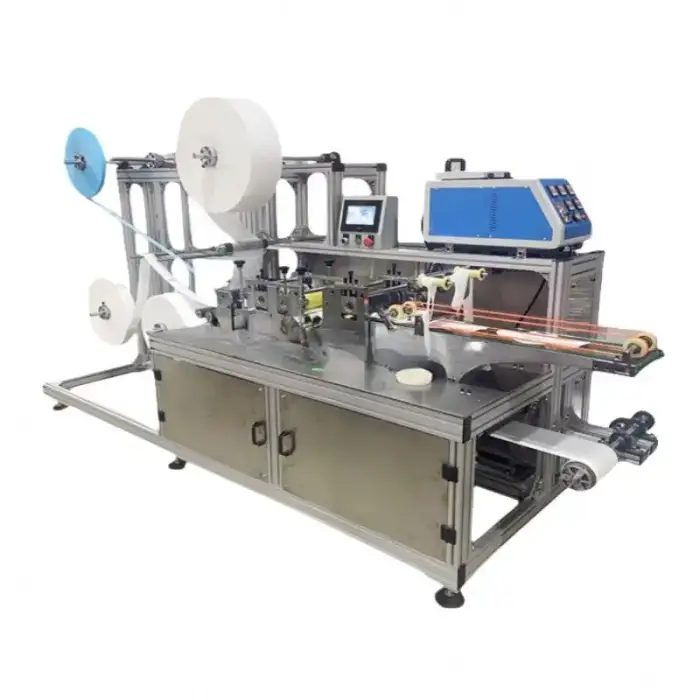
The Full Automatic Women Sanitary Napkin Making Machine Production Line is designed to produce high-quality sanitary napkins efficiently. This advanced machine combines speed, precision, and ease of use, making it an excellent choice for any production facility. With state-of-the-art technology, it ensures that every napkin meets the highest standards of quality and comfort.
Specifications
| Attribute | Details |
|---|---|
| Power Supply | 220V |
| Output | 7000W |
| Productivity | 60/120 pcs/min |
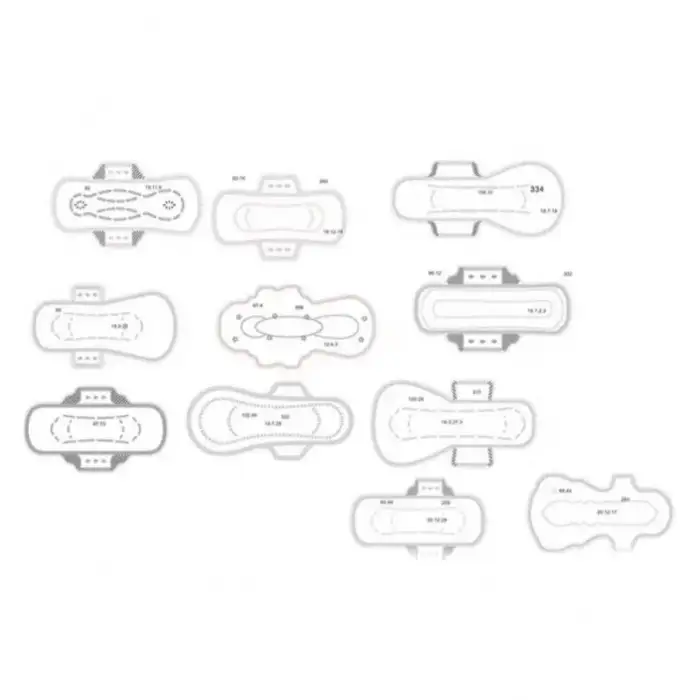
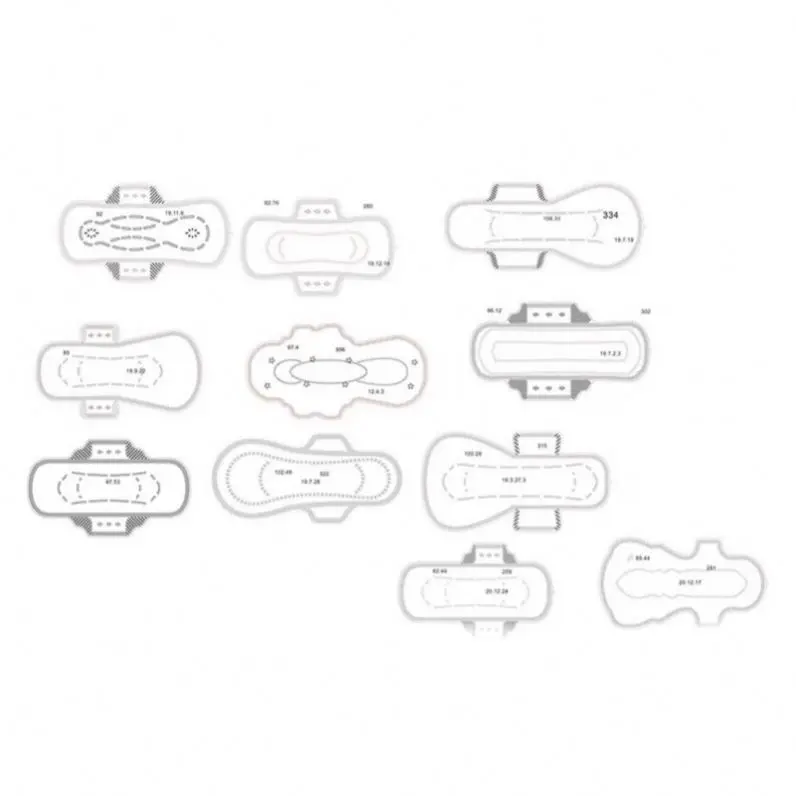
| Napkin Size (LxW) | 260x155mm |
| Machine Size | 2.7x 1.4 x1.9m (7.2 CBM) |
| Machine Weight | 800kg |
Key Features
- PLC touch-screen for easy operation and high precision.
- Quick and efficient SAP paper cutting length settings.
- Strong sealing with glue pad welding and special steel roller embossing.
- Long-lasting separate steel cutting mould for better flatness and beauty.
- Automatic anion chip layer attaching for enhanced comfort.
- Auto backside glue and release paper/film attachment for higher efficiency.
- Fabric feeding rolls with adjustable tension for optimal performance.
- Correction adjuster to ensure the straightness of the fabrics.
- Compatible with various materials like nonwoven and hydrophilic fabrics.
Applications
- Production of sanitary napkins for personal hygiene.
- Manufacturing for large-scale distribution to retail stores.
- Use in medical facilities that require disposable hygiene products.
- Custom manufacturing of napkins in various sizes and styles.
Product Info Gallery
- Shipping Timeframes: All orders are processed within 2-5 business days (excluding weekends and holidays). After your order has been processed, the estimated delivery time is before 22 Apr, 2026, depending on customs, Please note that due to high demand, some items may experience longer shipping times, which will be communicated at order confirmation email.
- Order Processing Time: Please allow 2-5 business days for us to process your order before it is shipped . Orders placed after 16:00 on Fridays, or during weekends and public holidays, will begin processing on the next business day. Processing times may be extended during peak seasons or sales events.
- Manufacturing Time: Some products needs manufacturing time, the manufacturing process will take approximately 10-30 business days depending on the product. This timeframe may vary depending on the complexity of the product and current demand. but this will be communicated with you during order confirmation.
- Returns and Exchanges: We offer a 30-day return policy for most items. If you are not completely satisfied with your purchase, you may return it within 30 days of receipt for a refund or exchange. Items must be unused, in their original packaging, and accompanied by proof of purchase. Return shipping costs are the responsibility of the customer, unless the item was damaged or defective upon arrival.
1. What is the production capacity of this machine?
The line can produce 60 to 120 pieces per minute depending on configuration, napkin size, material thickness and whether single- or multi-lane operation is used.
2. What are the power and electrical requirements?
The machine is designed for a 220V power supply with a total installed power of approximately 7000W (7 kW). A stable supply and appropriately rated circuit breaker are recommended; exact electrical wiring requirements will be provided by the supplier.
3. What napkin sizes does the machine support?
Standard product size shown is 260 x 155 mm (L x W). The machine supports size adjustments via PLC settings and interchangeable moulds to accommodate other sizes within design limits.
4. What raw materials and consumables are compatible?
The line is compatible with nonwoven, hydrophilic fabrics, SAP (super absorbent polymer) pads, anion chip layers, hot-melt glue, release paper/film and common backing materials used for sanitary napkins.
5. How does the machine ensure napkin quality and consistency?
Quality is maintained with PLC touch-screen control for precise settings, correction adjusters for fabric straightness, precise SAP cutting and placement, strong glue-pad welding, steel roller embossing, and a long-lasting steel cutting mould for flatness and consistent appearance.
6. How easy is it to change product size or style (changeover time)?
Changeovers are designed to be quick thanks to PLC-controlled settings, adjustable tension feeders and replaceable cutting moulds. Typical changeover time is short—usually under 30 minutes for routine size changes—depending on operator skill and the extent of mechanical adjustments required.
7. What are the machine dimensions and space requirements?
The machine footprint is approximately 2.7 x 1.4 x 1.9 meters (machine volume ~7.2 CBM). Allow additional clearance space for material rolls, operator access, infeed/outfeed, packaging and maintenance—plan the factory layout accordingly.
8. What safety features are included?
Standard safety features include guarded moving parts, emergency stop buttons, and interlocks. Additional protective measures and local compliance (machine guarding, signage, PPE) should be implemented per workplace safety regulations; specific safety certifications are available on request.
9. What maintenance is required and how often?
Routine maintenance includes daily cleaning of sensors and glue areas, weekly inspection and lubrication of moving parts, periodic sharpening/replacement of cutting moulds and blades, and monitoring of feeder tensions. A supplier-provided maintenance schedule and recommended spare parts list are normally supplied.
10. What spare parts should I keep on hand?
Common recommended spares include cutting moulds/blades, glue nozzles and pads, sensors, drive belts, bearings, fuses, and spare steel rollers. Your supplier can provide a tailored spare-parts kit based on expected production volumes.
11. Is training provided for operators and maintenance staff?
Yes. Typical supplier packages include on-site installation assistance and operator/maintenance training. Basic operator training can usually be completed in 1–3 days; comprehensive maintenance training may require additional sessions.
12. What level of automation does the line offer?
The production line is full automatic with PLC touchscreen controls, automatic SAP cutting and placement, anion chip layer attaching, auto backside glue and release paper/film attachment, and automatic fabric feeding with tension control—minimizing manual intervention during production.
13. Can the machine be customized for different napkin styles or features?
Yes. The line is designed to accept customization such as different sizes, embossing patterns, anion chip options, and additional layers or features. Discuss specific customization needs with the supplier for feasibility, lead time and pricing.
14. What is the expected machine life and durability of key parts?
The machine is built with robust components (separate steel cutting moulds, steel rollers, quality drives). Key wear parts (blades, moulds, glue components) will require periodic replacement; overall machine life depends on maintenance, operating conditions and production volume. Suppliers typically provide guidance on part lifetimes.
15. How do I get warranty, service and spare-parts support?
Warranty, after-sales service and spare-parts support are provided by the manufacturer or authorized distributor. Specific warranty terms, response times and support packages vary—please request the supplier's standard warranty and service options before purchase.
Latest Order Arrivals
Discover our latest orders
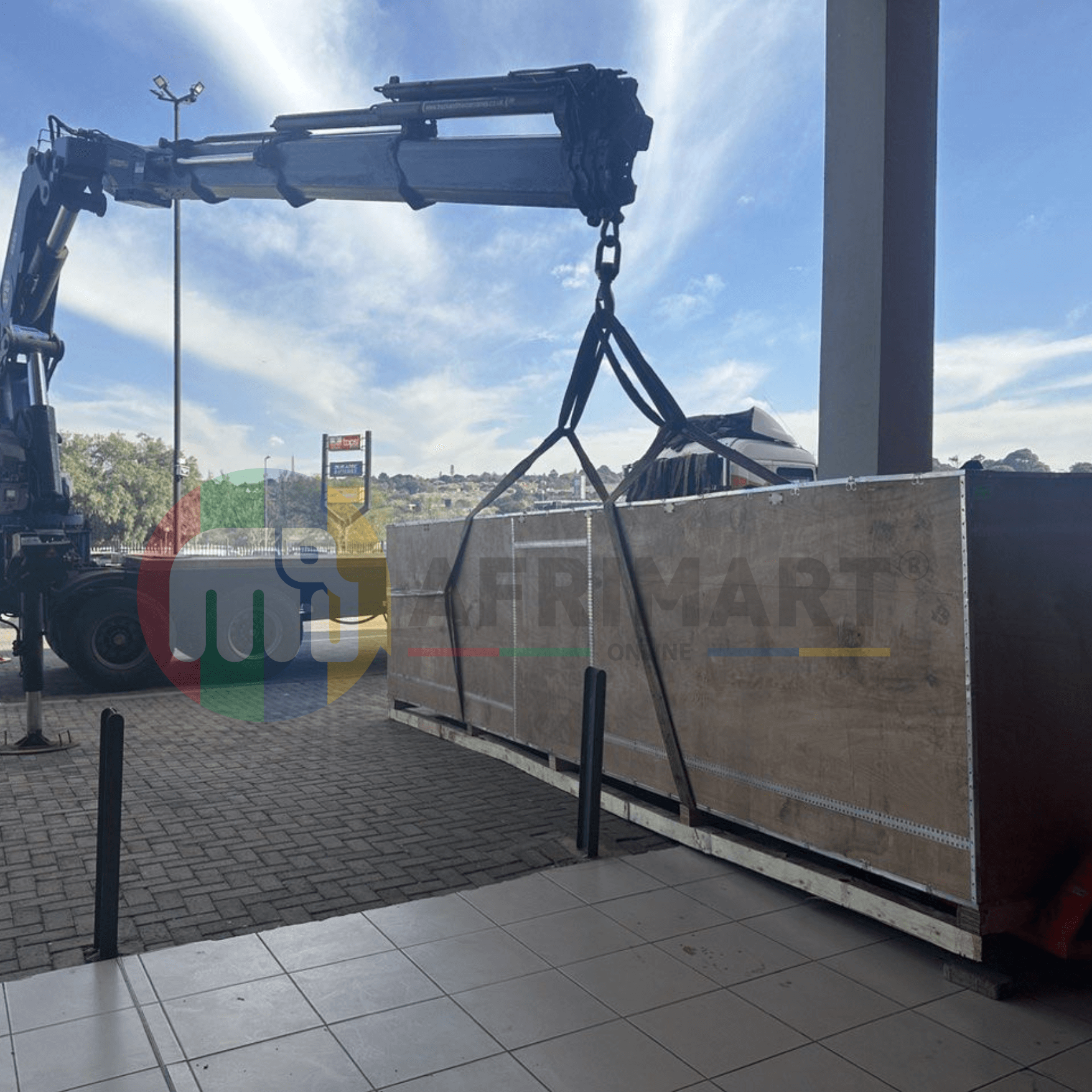
12 Heads Embroidery Machine
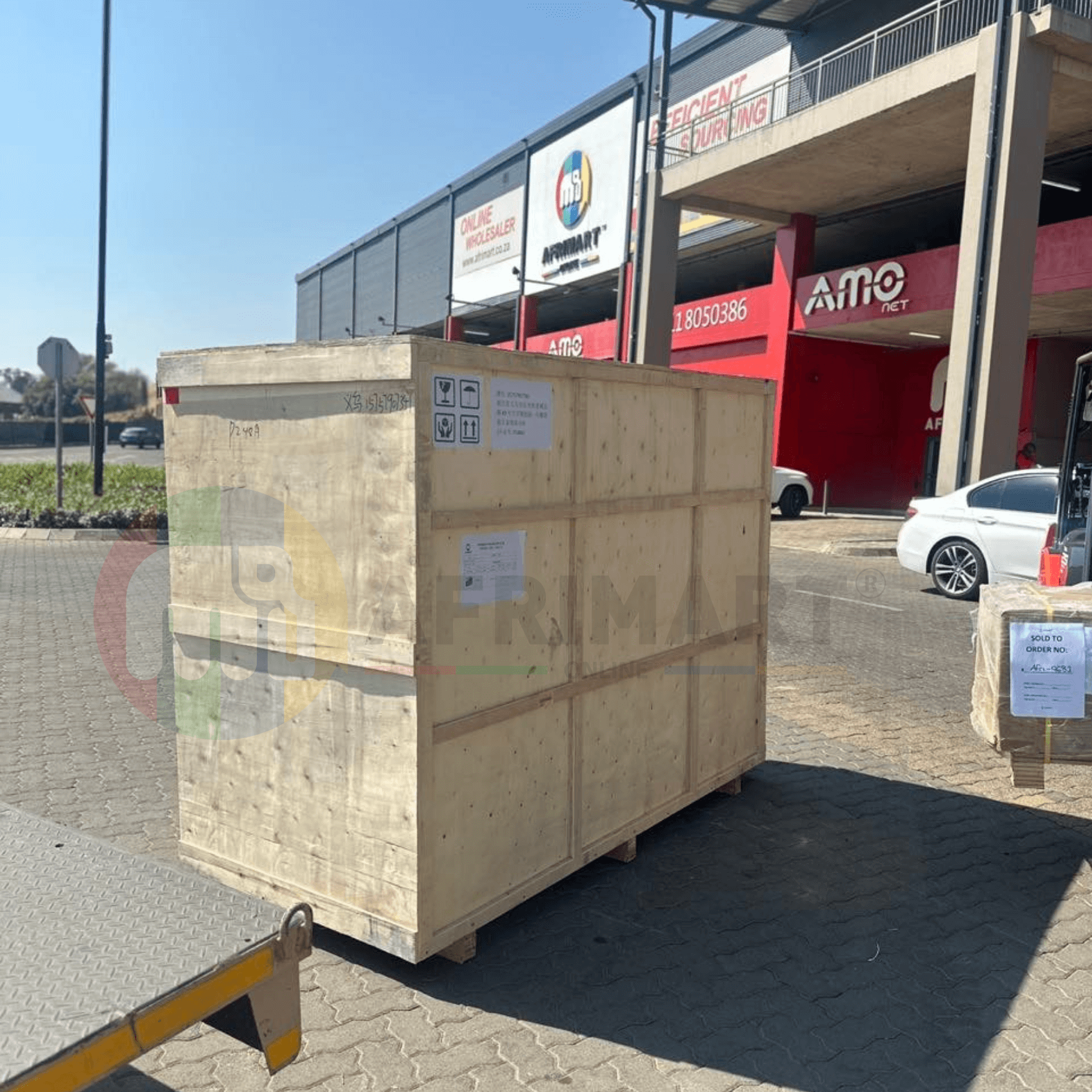
Dewatering Pump Machine
Order Collection
Portable Water Drilling Rig
Order Usefully Collected
Batch of Orders
Agriculture Processing Machines
Meat Grinder Machine
Water Pump Equipment
Packaging Machine and accessories
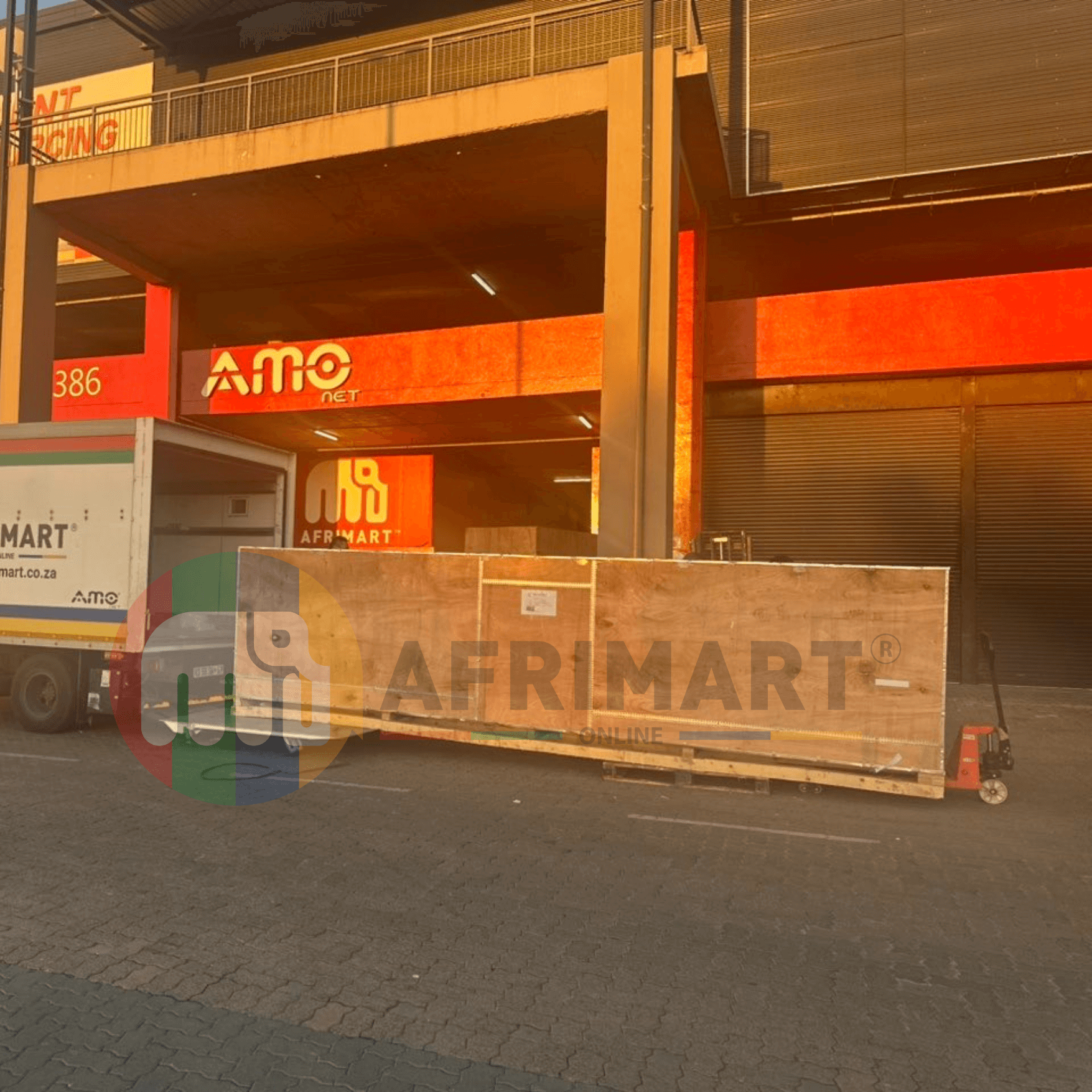
Fabrics Manufacturing Equipment
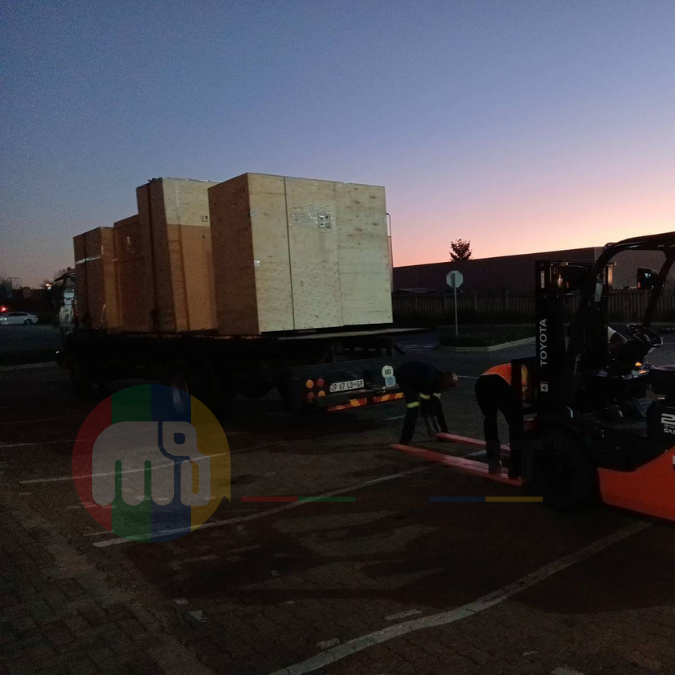
Mining Equipments
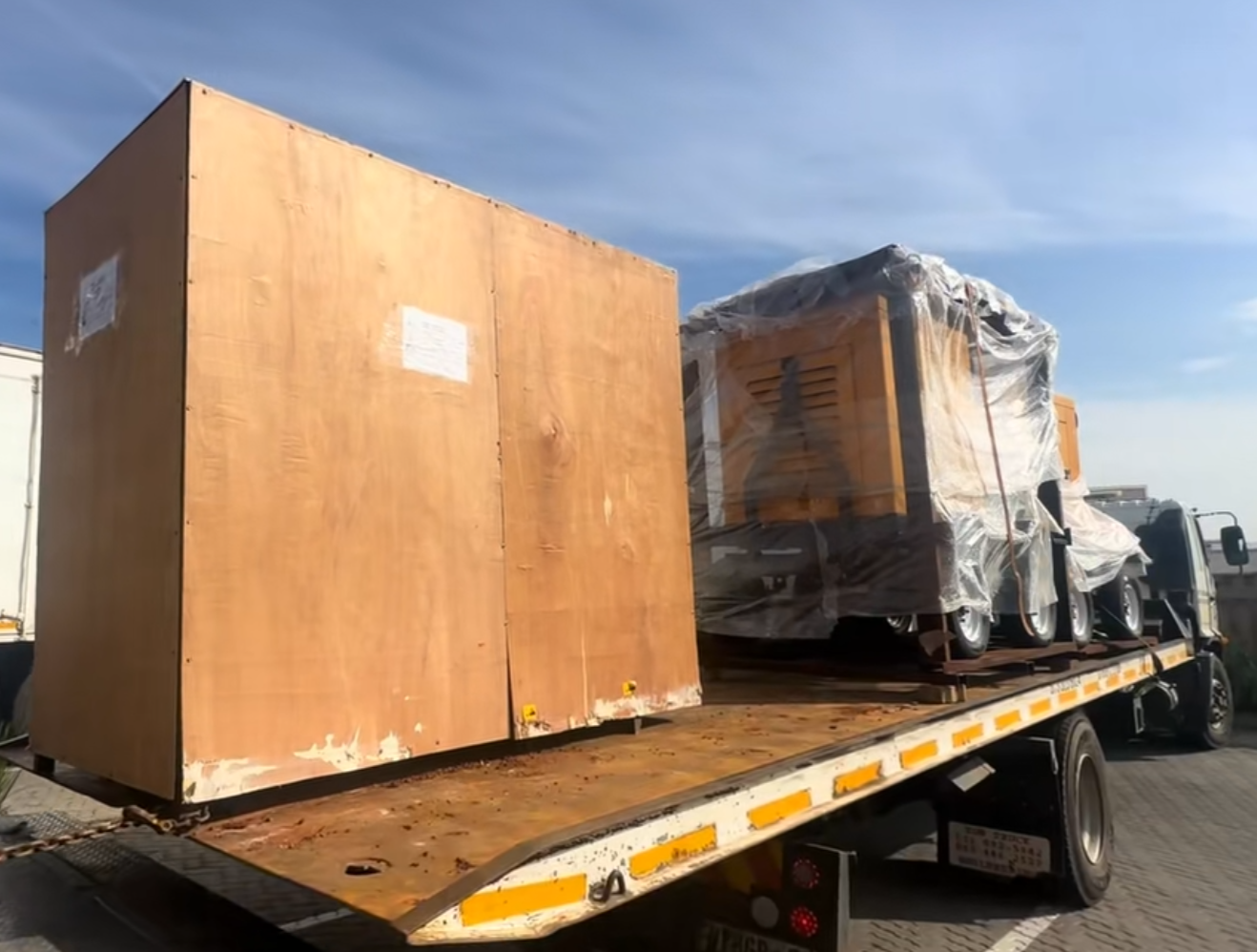
Food Processing Machine
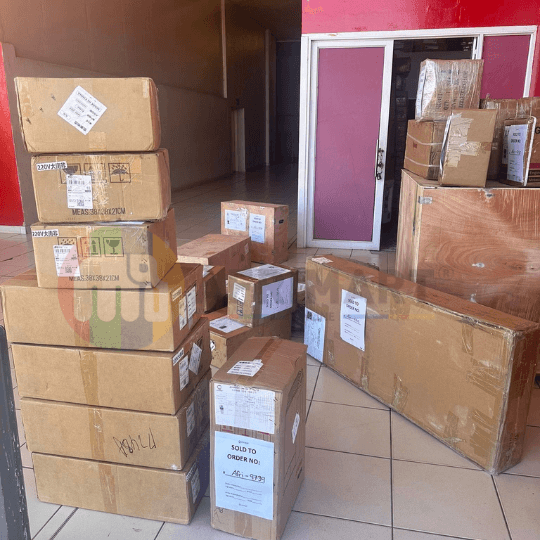
Batch of Orders
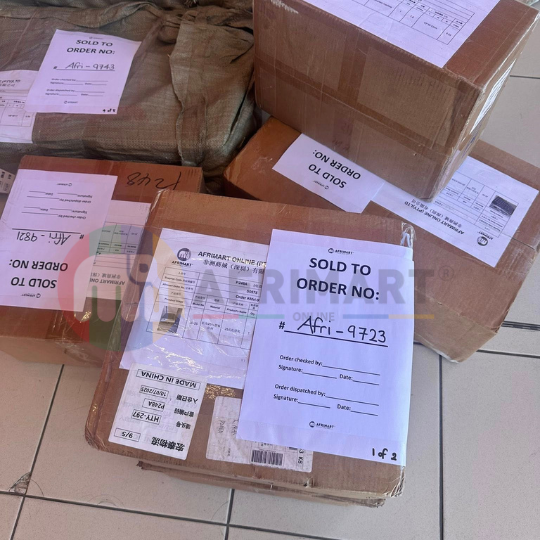
Batch of Orders
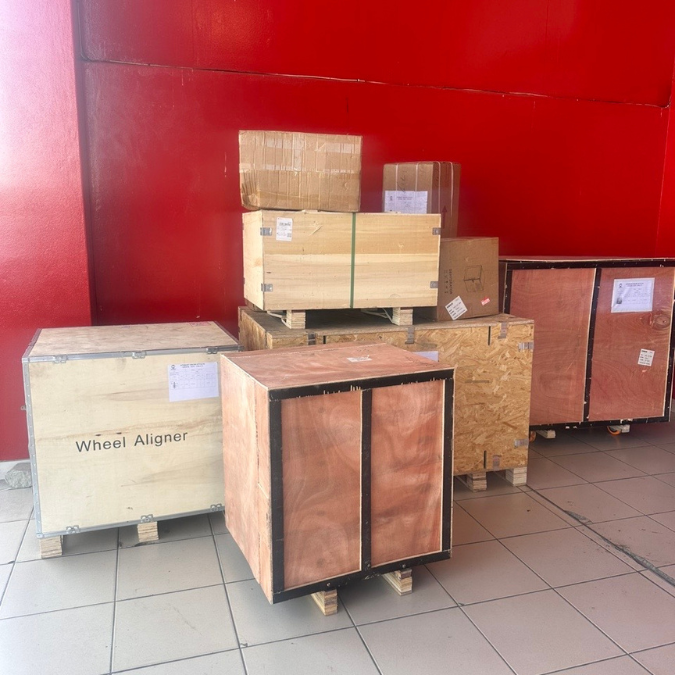
Latest Orders Labelled
wheel alignment machines
new arrivals
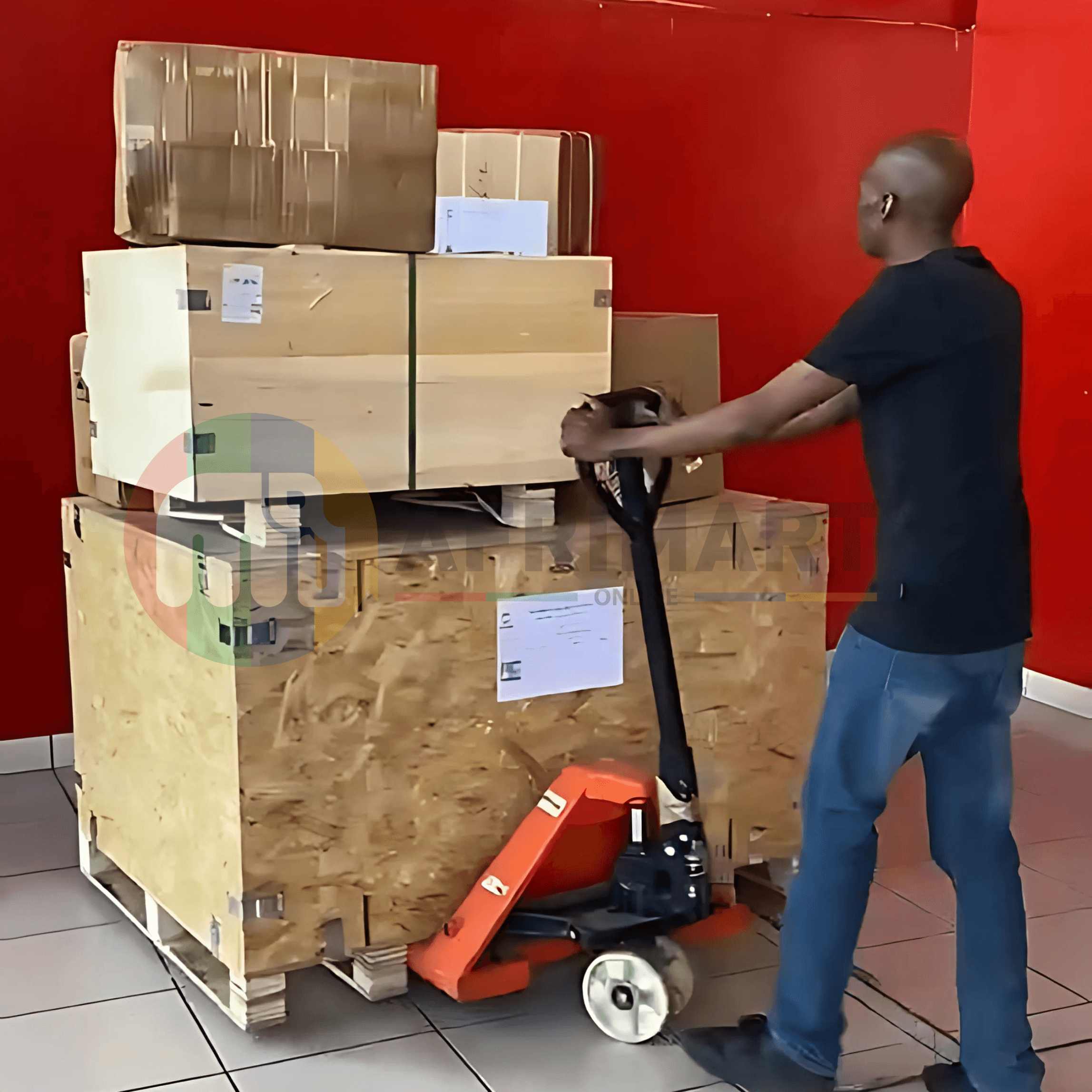
Pre Orders Offloading
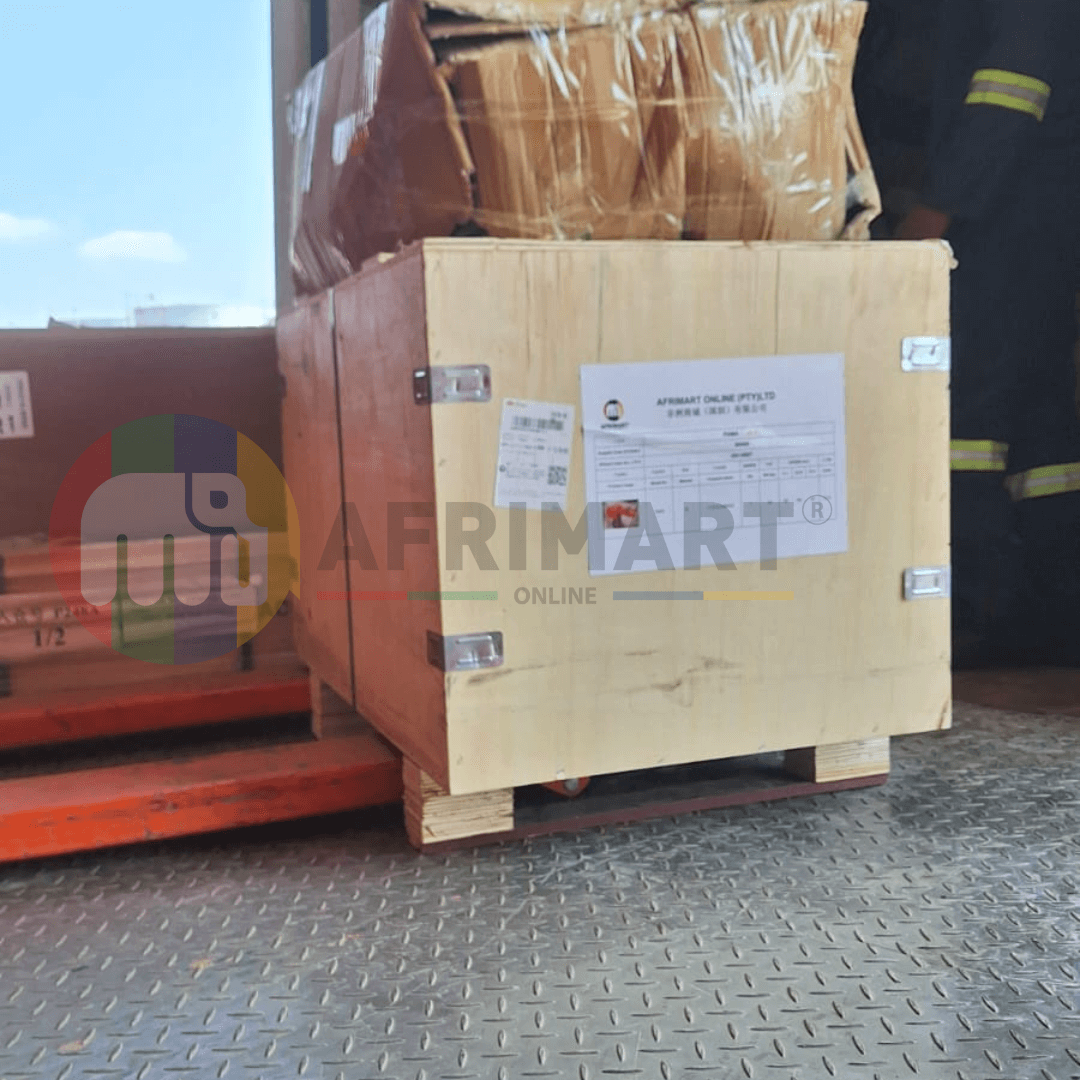
Latest Arrivals
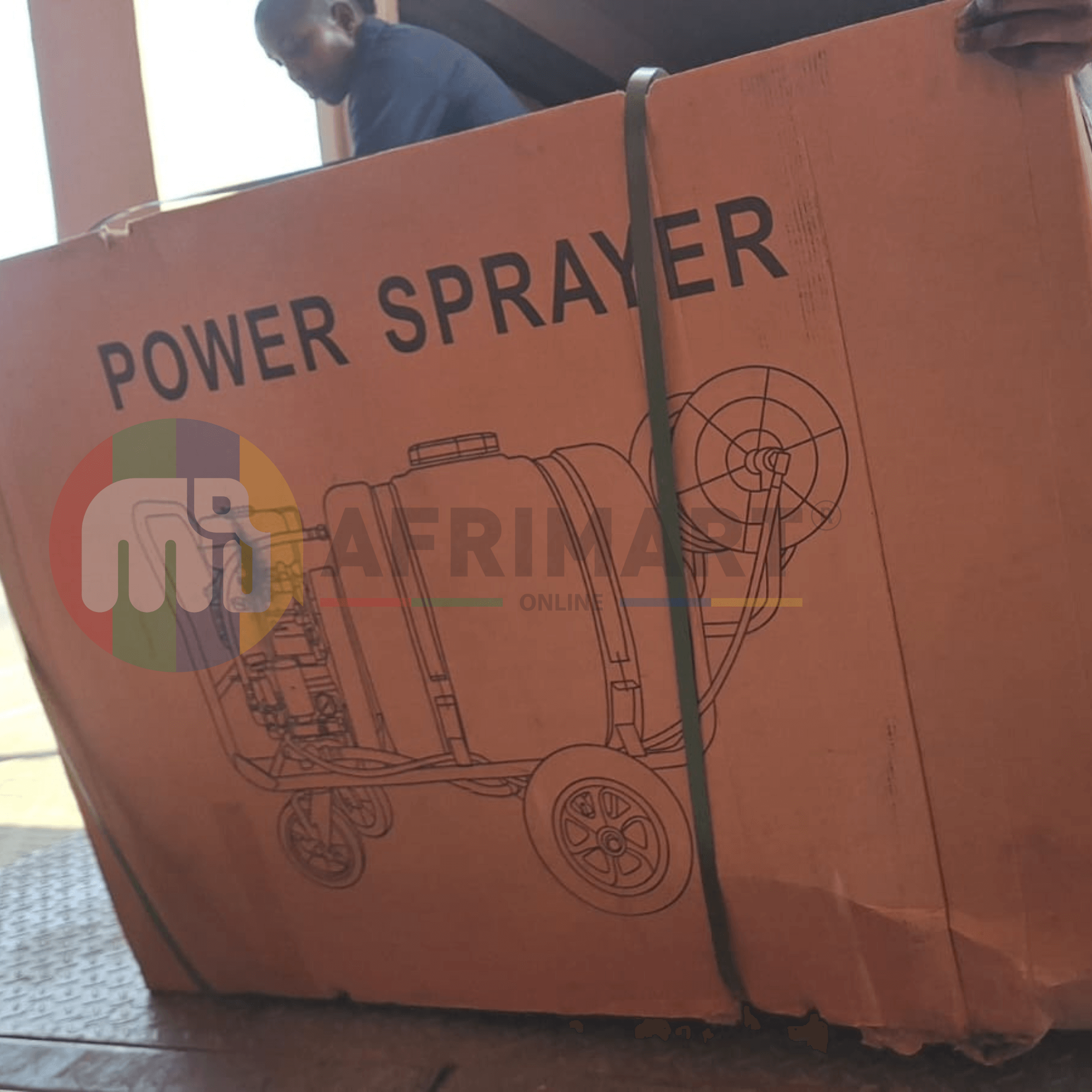
Latest Arrivals
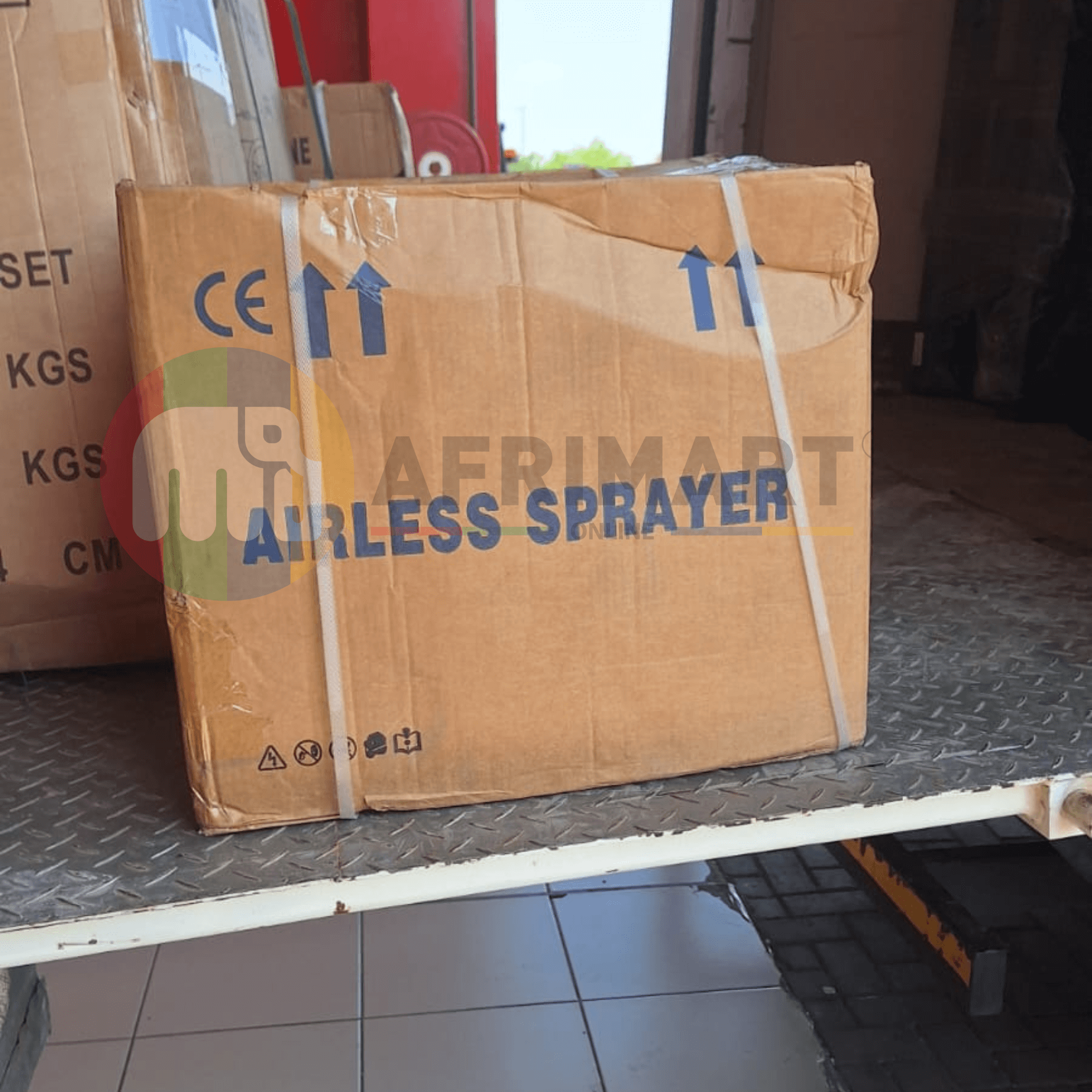
Latest Arrivals
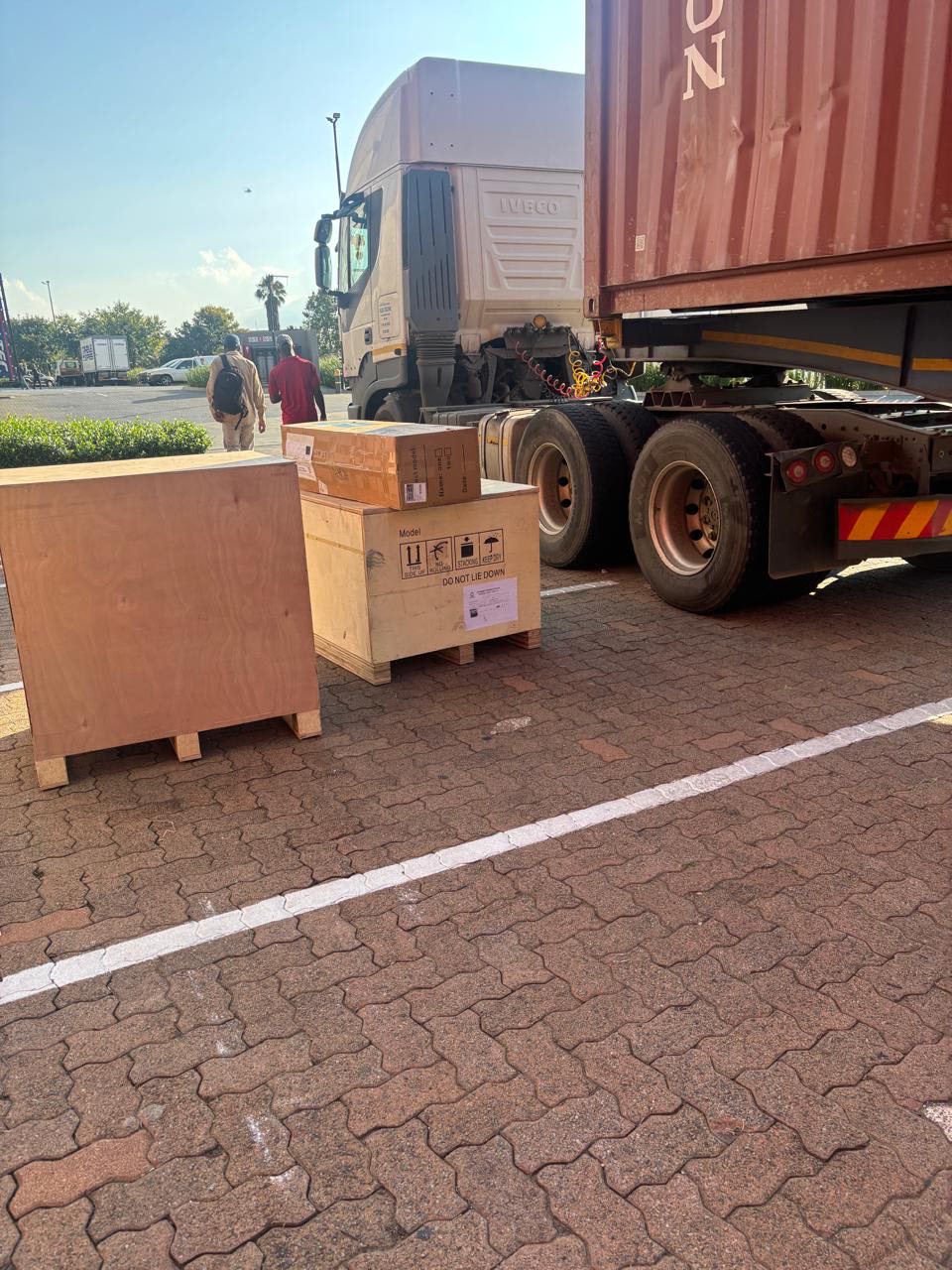
26 January 2026
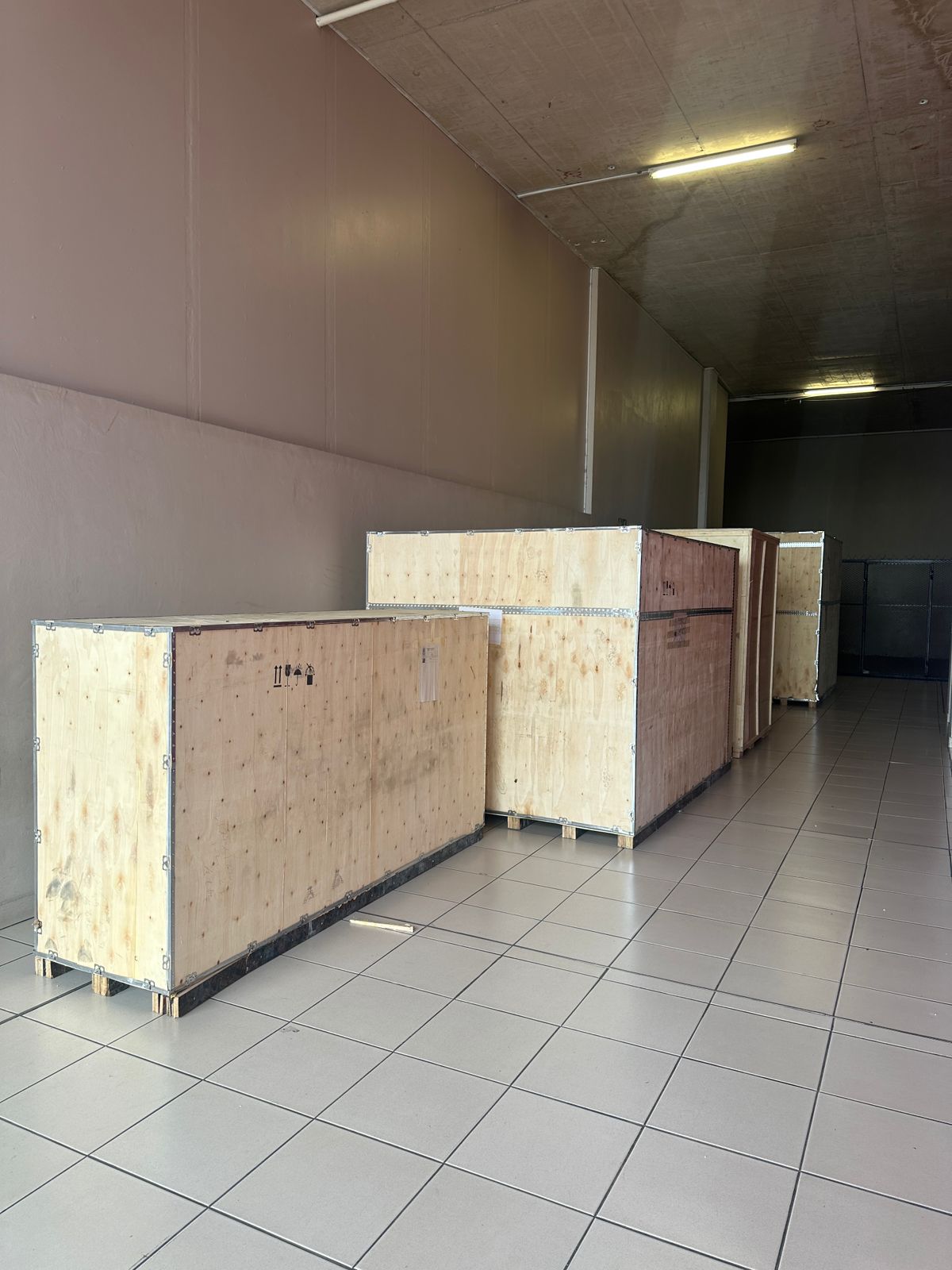
Toilet paper making machine
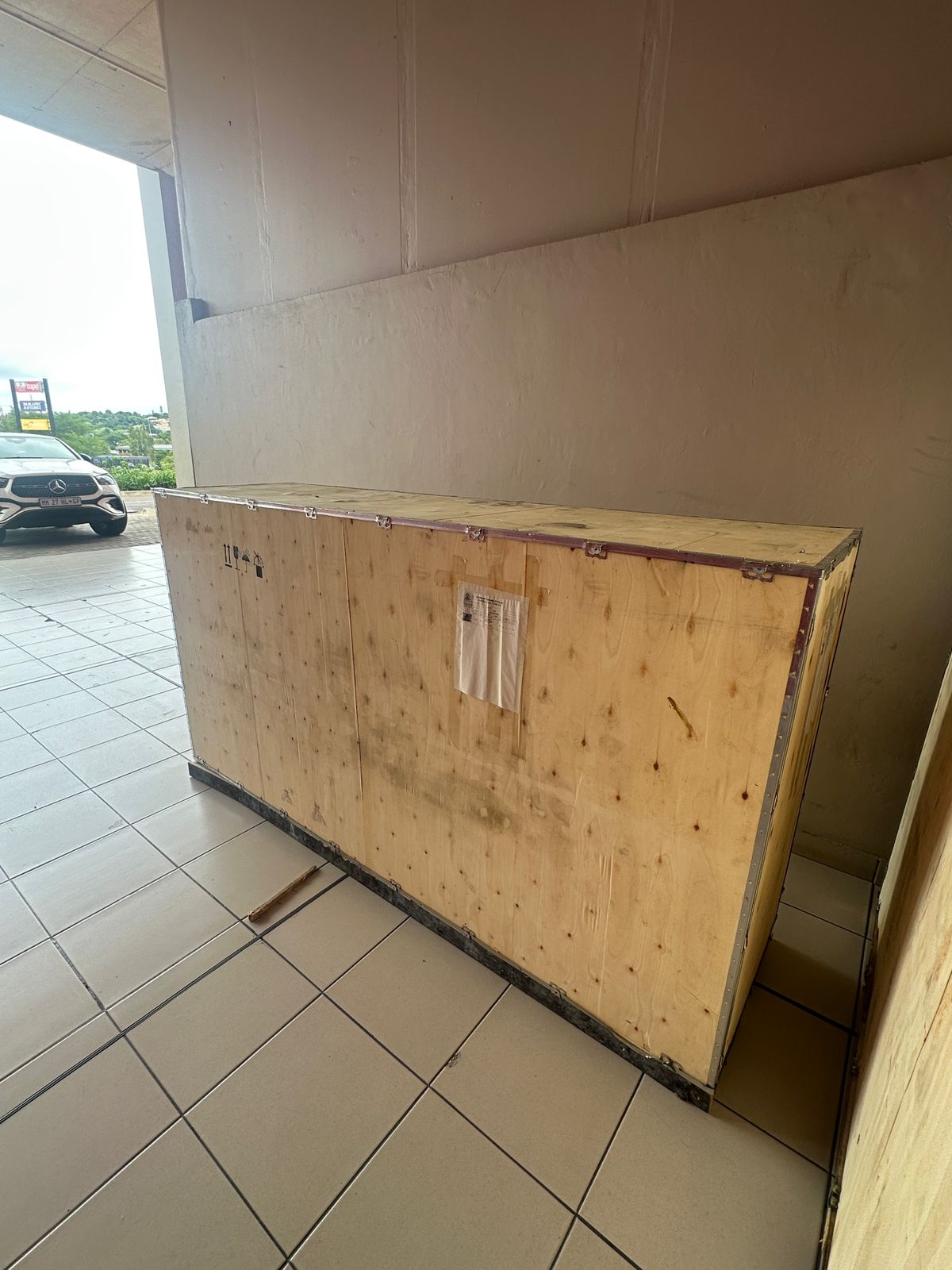
Toilet paper making machine
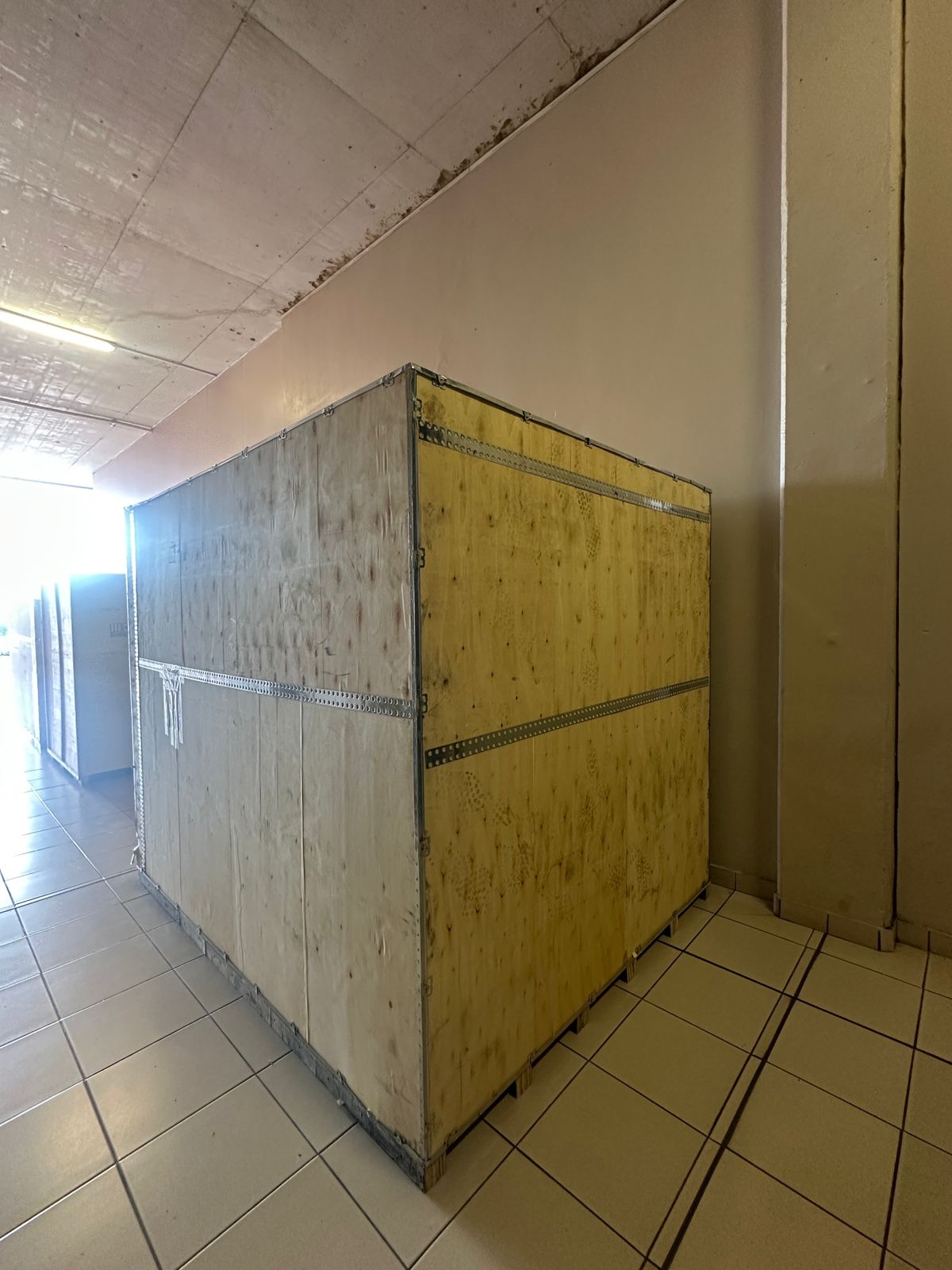
Toilet paper Rewinding Machine
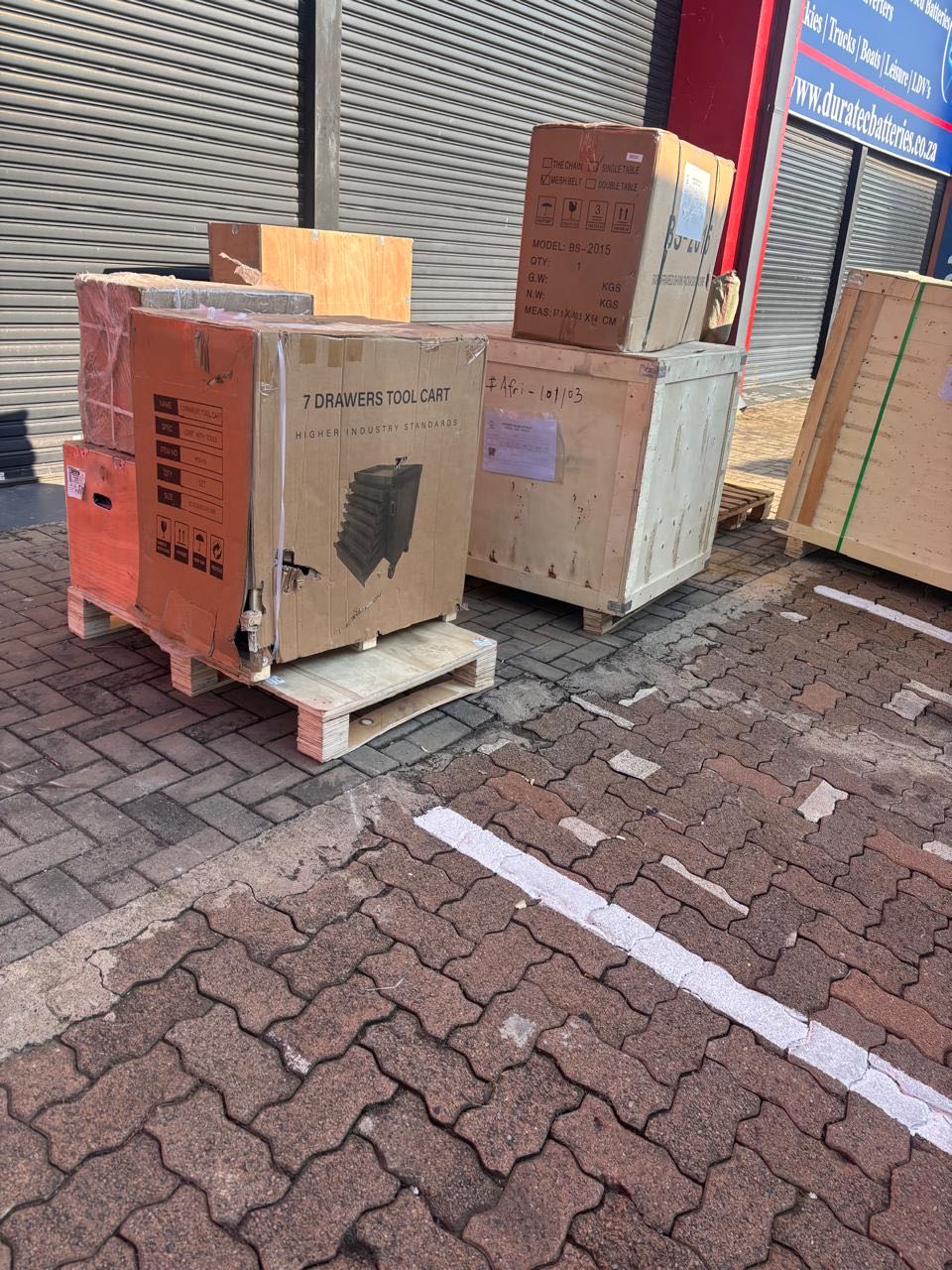
latest arrivals
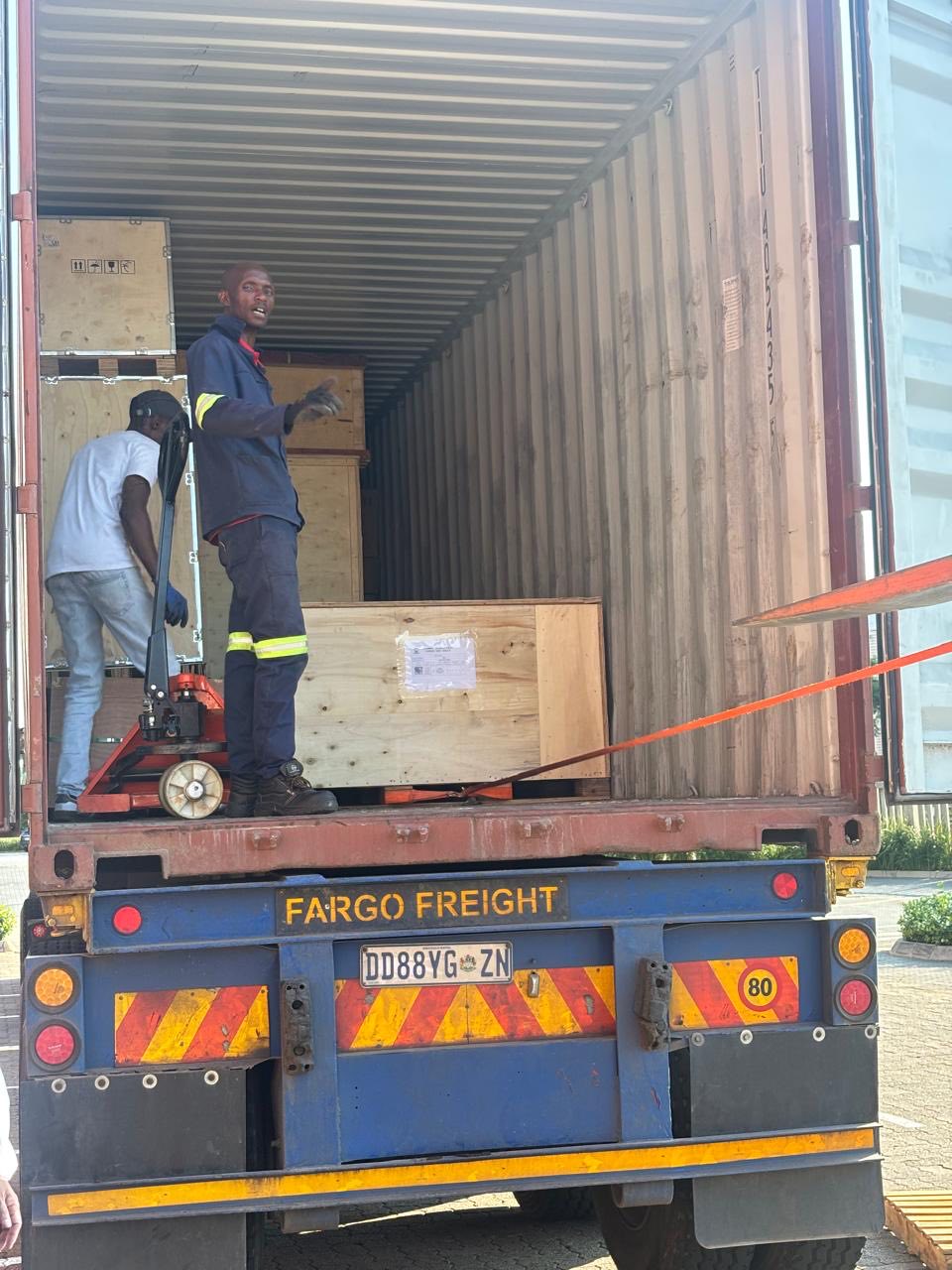
offloading
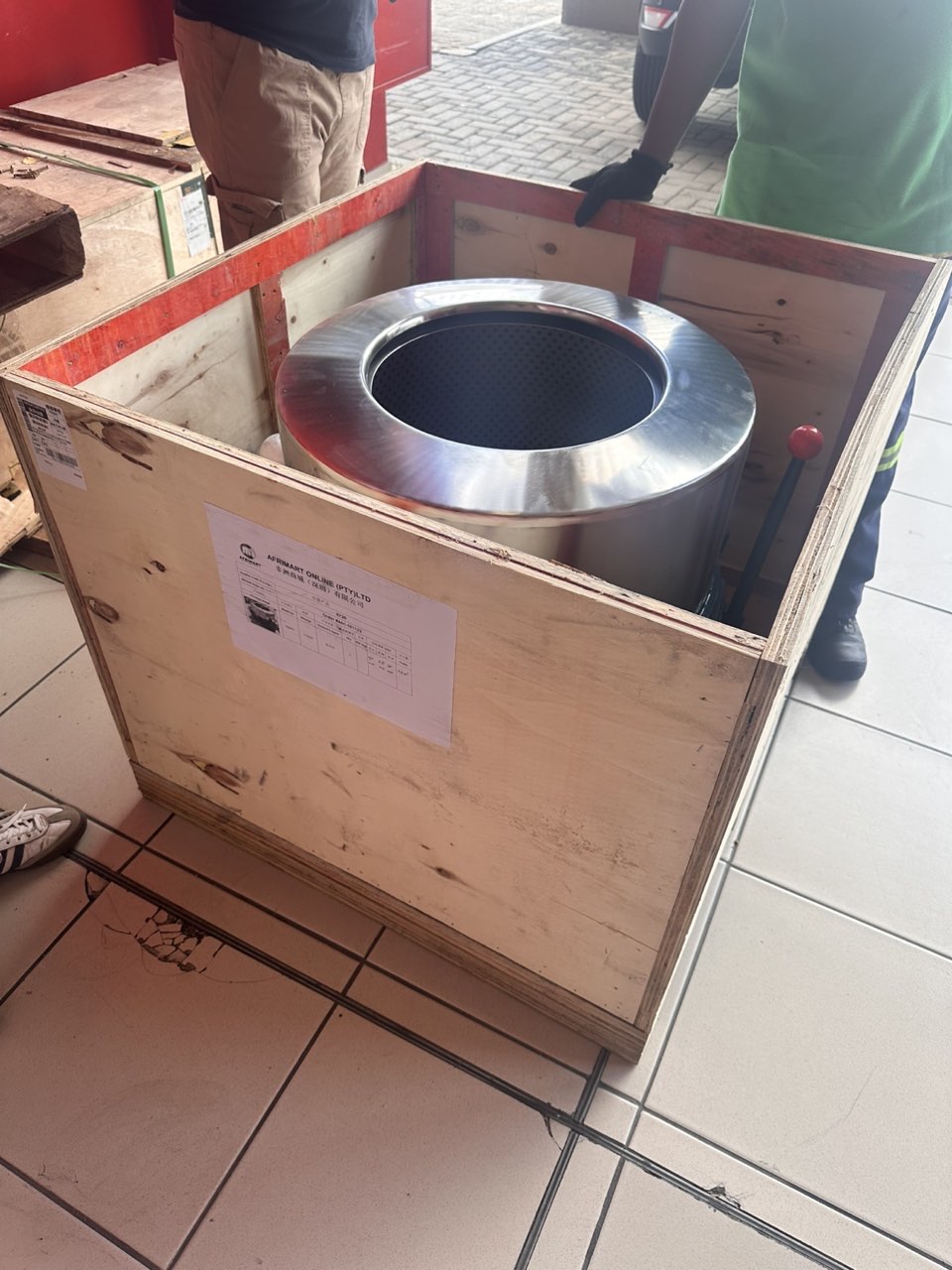
order success
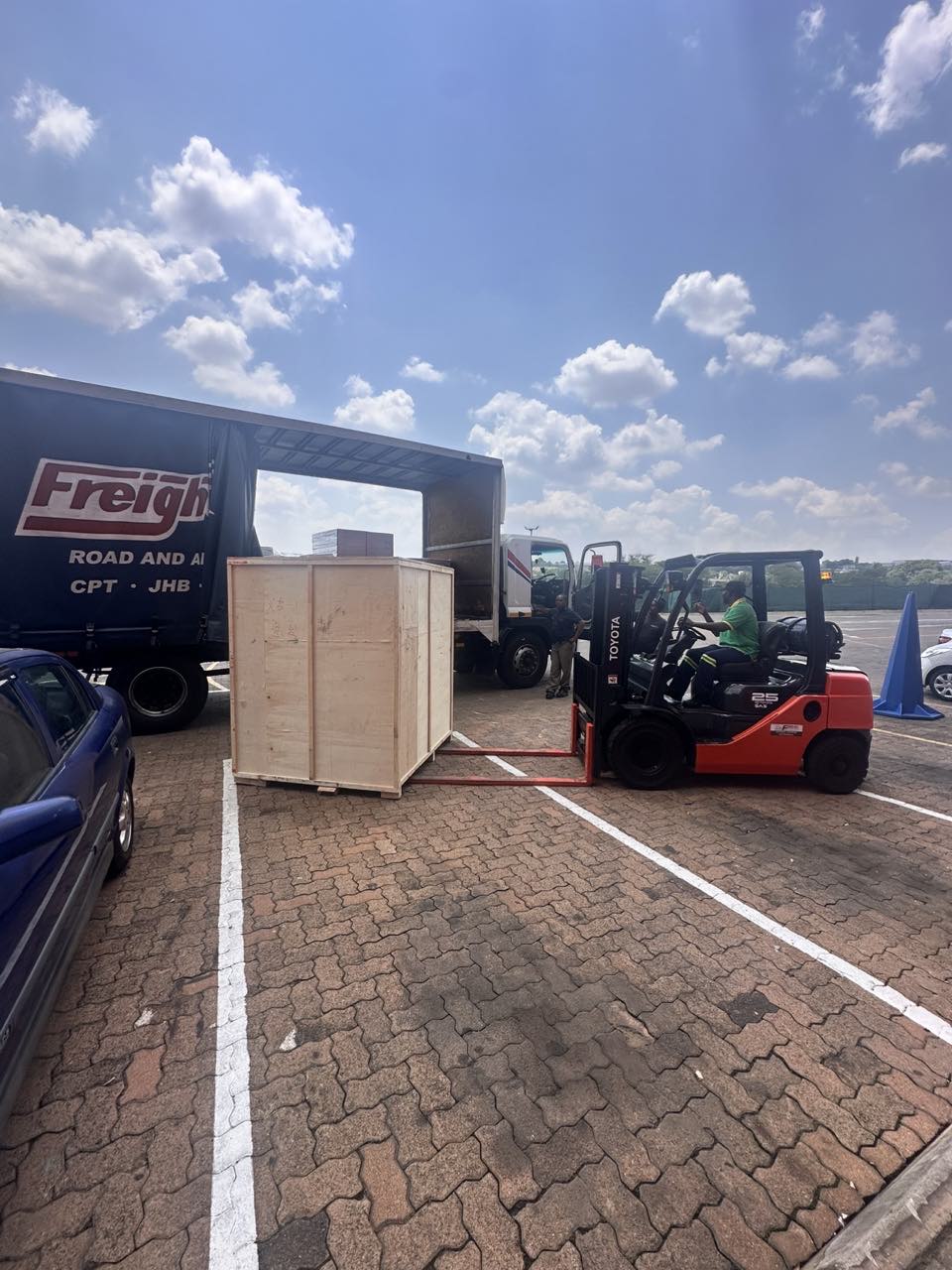
order collection
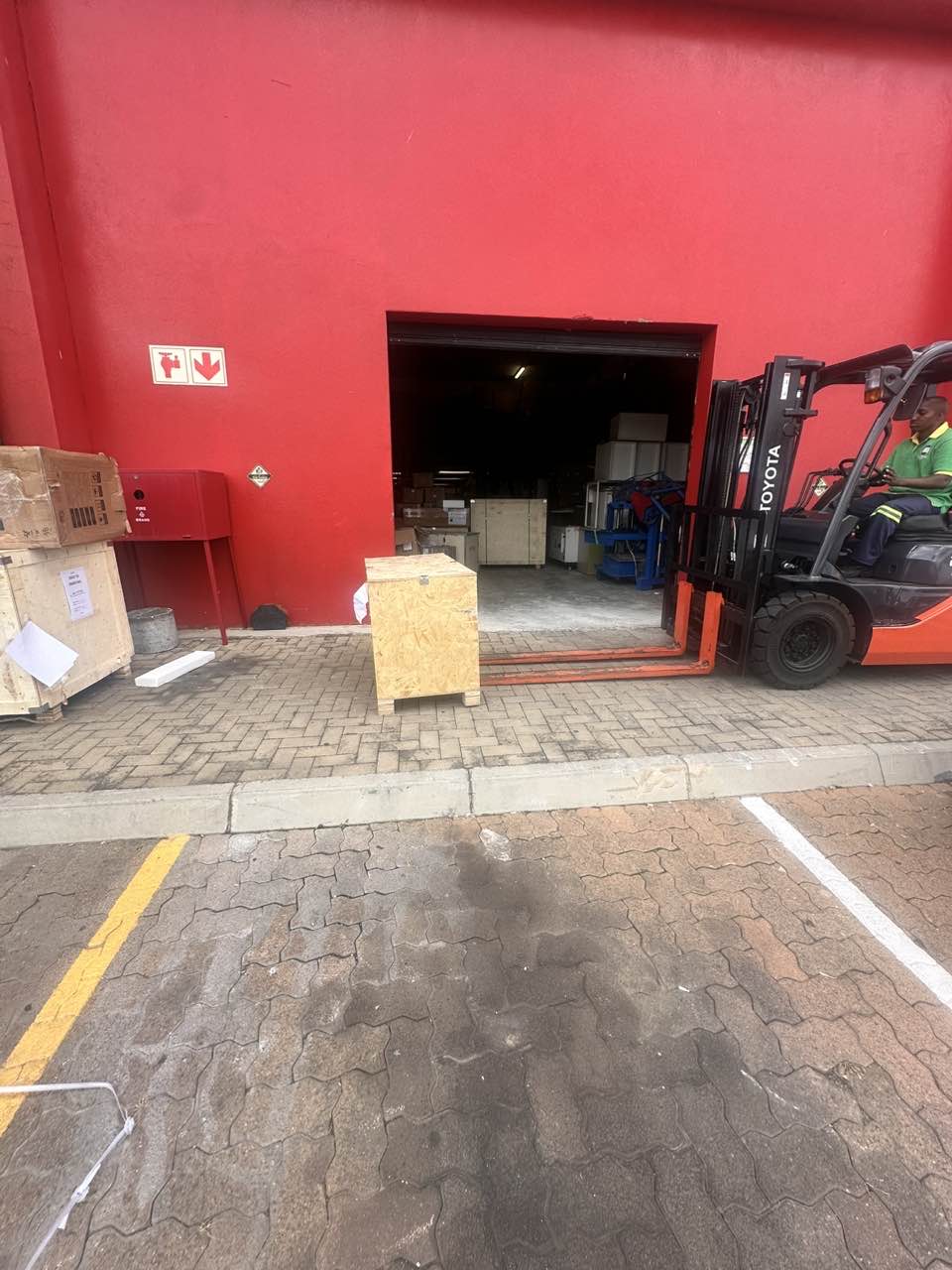
order offloading