B21, China Town Mall, Midrand

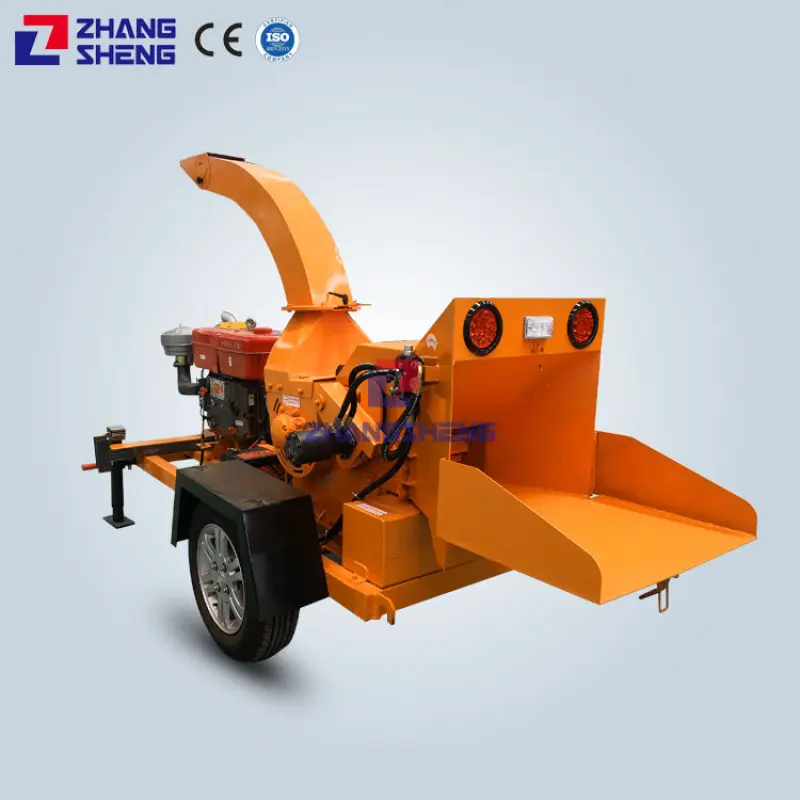
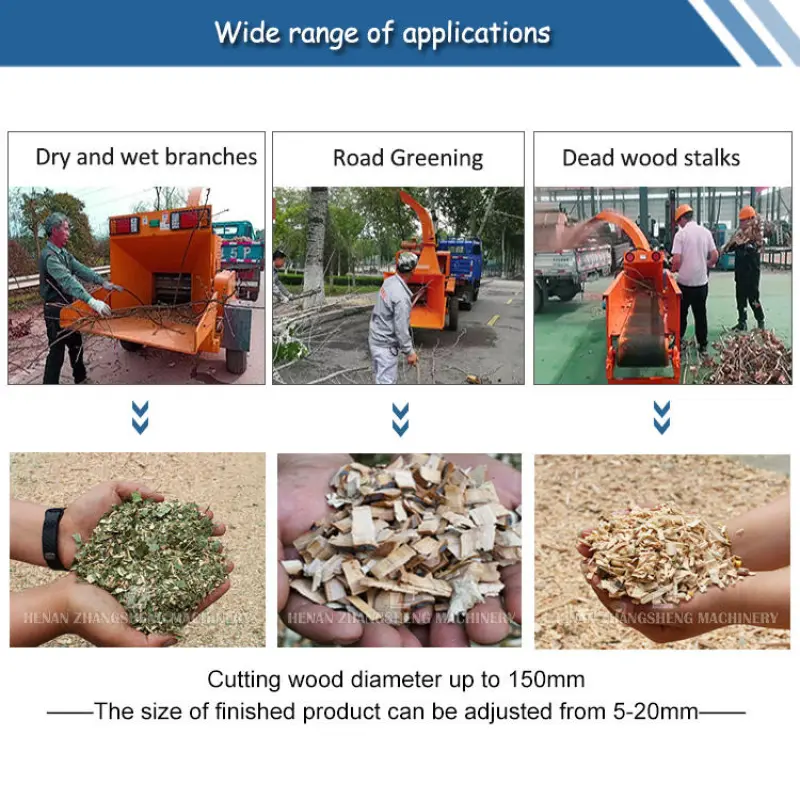
Forestry Mobile Diesel Engine Wood chipper shredder Branch Wood Chip Crusher Machine
Asset finance available
Do you want funding for this equipment?
Afrimart can connect you with trusted funding partners who specialise in asset finance for businesses like yours. Compare options and apply in minutes — final approval is subject to provider review.
Check funding options
Secure & no obligation
- Section : Machinery
- Category : Forestry Machinery
- SKU : 62350550657

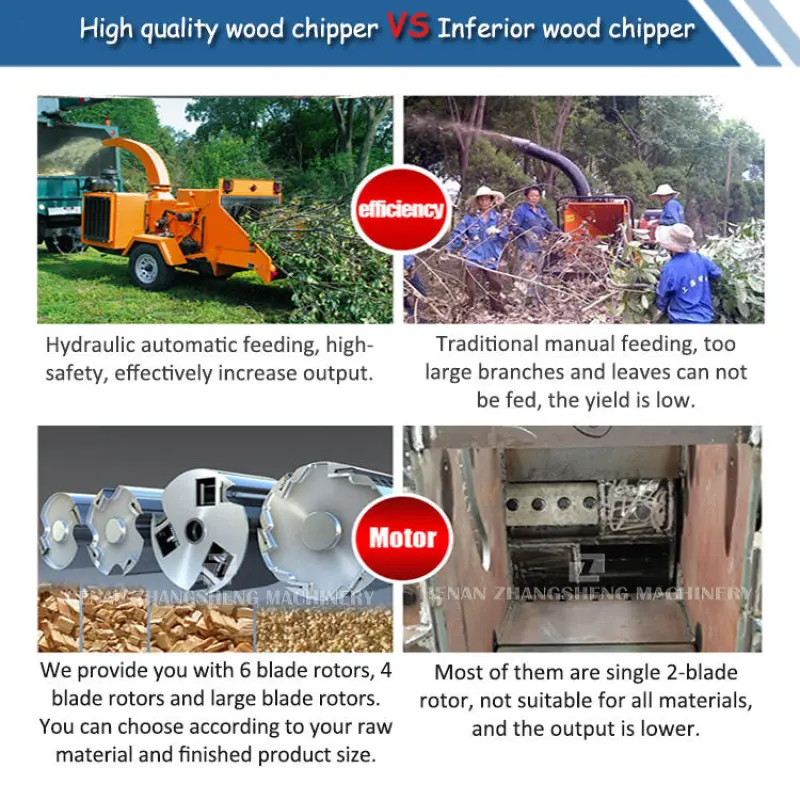
The hydraulic forced feeding system is conducive to reducing the volume of fluffy branches and feeding quickly. The front pressing roller can prevent the material from flowing back and ensure the safety of use. The drum cutter rotor structure optimizes the cutting effect and can easily crush 15 cm logs to obtain higher output. The finished product is more suitable for making organic fertilizer and ground cover.
Product Advantage


360° any place discharge material. Jet distance up to 2.5M can be directlyUnloading and loading
Aluminum alloy wheels, car tires, 2 inch traction loading more than 5000kgs.

Well-known Weifang Diesel Engine in China. Single cylinder 35 hp or 54 hp four-cylinder as option.
The hydraulic feeding speed is uniform and the roller diameter is large

The intelligent operation panel (optional) displays the operating conditions of the whole machine (oil volume, water temperature, working hours, etc.) in time to find abnormalities and reduce maintenance.
Equipped with an intelligent hydraulic forced feeding system, the 1-10 speed adjustment gear can adjust the speed freely to avoid material jams.

Blades, as wear parts of the wood chippers, it maintains high strength while also with high toughness, not break and curl during work.
Bearings, the rotor speed usually reaches 2000-2200 rpm. bearings from internationally renowned brands to ensure reliable bearing capacity and limit speed.
Clutch. When the transmission load exceeds the torque that can be transmitted by the friction, the clutch friction plate will automatically slip, preventing transmission overload and protecting the engine.


| Model | 600 | 800 | 1000 | 1200 | 1500 |
| Feeding Size (mm) | 150 | 200 | 250 | 300 | 350 |
| Discharge Size(mm) | 5-50 | 5-50 | 5-50 | 5-50 | 5-50 |
| Diesel Engine Power | 35HP | 65HP | 102HP 4-cylinder | 200HP 6-cylinder | 320HP 6-cylinder |
| Rotor Diameter(mm) | 300*320 | 400*320 | 530*500 | 630*600 | 850*600 |
Minimum Inlet Size (mm) | 300*200 | 350*250 | 450*350 | 470*400 | 600*500 |
| Feeding Method | Horizontal hydraulic feed | ||||
| NO. Of Blade | 4 | 4 | 4 or 6 | 6 | 8 or 10 |
| NO. of Fixed Blades | 1 | 1 | 1 | 1 | 2 |
| Speed(r/min) | 2200 | 2200 | 2200 | 2200 | 2000 |
| Capacity (kg/h) | 800-1000 | 1500-2000 | 4000-5000 | 5000-6500 | 6000-8000 |
| Fuel Tank Volume | 25L | 25L | 80L | 80L | 120L |
| Hydraulic Tank Volume | 20L | 20L | 40L | 40L | 80L |
| Start Method | Electric start | ||||
| Weight(kg) | 1650 | 1950 | 3520 | 4150 | 4800 |
- Shipping Timeframes: All orders are processed within 2-5 business days (excluding weekends and holidays). After your order has been processed, the estimated delivery time is before 02 Jul, 2026, depending on customs, Please note that due to high demand, some items may experience longer shipping times, which will be communicated at order confirmation email.
- Order Processing Time: Please allow 2-5 business days for us to process your order before it is shipped . Orders placed after 16:00 on Fridays, or during weekends and public holidays, will begin processing on the next business day. Processing times may be extended during peak seasons or sales events.
- Manufacturing Time: Some products needs manufacturing time, the manufacturing process will take approximately 10-30 business days depending on the product. This timeframe may vary depending on the complexity of the product and current demand. but this will be communicated with you during order confirmation.
- Returns and Exchanges: We offer a 30-day return policy for most items. If you are not completely satisfied with your purchase, you may return it within 30 days of receipt for a refund or exchange. Items must be unused, in their original packaging, and accompanied by proof of purchase. Return shipping costs are the responsibility of the customer, unless the item was damaged or defective upon arrival.
1. What is this machine used for?
This is a forestry mobile diesel engine wood chipper/shredder designed to crush branches, small logs and woody waste into chips suitable for mulch, ground cover, organic fertilizer feedstock, composting or biomass fuel.
2. What feeding and cutting capacity can I expect?
Capacity depends on model: Model 600: 800–1,000 kg/h; 800: 1,500–2,000 kg/h; 1000: 4,000–5,000 kg/h; 1200: 5,000–6,500 kg/h; 1500: 6,000–8,000 kg/h. The machine easily chips logs up to about 150 mm (model-dependent inlet and rotor size).
3. What are the inlet (feeding) and discharge sizes?
Typical feeding mouth sizes by model are roughly 150–350 mm (model 600–1500 respectively). Finished discharge size is adjustable in the range of about 5–50 mm depending on settings and screen used. Always check the specific model inlet/minimum inlet size before feeding.
4. Which diesel engines are available?
Multiple Weifang diesel engine options are available across models: common powers include 35 HP, 65 HP, 102 HP (4-cylinder), 200 HP (6-cylinder) and 320 HP (6-cylinder). Engine selection depends on the model and required capacity.
5. How does the hydraulic forced feeding system work and why is it beneficial?
The hydraulic forced feeding system actively pulls material into the rotor, compressing fluffy branches to reduce volume and ensuring steady, fast feed. It reduces the chance of jams, improves throughput and the front pressing roller prevents material from flowing back, improving safety.
6. Is there any adjustment for feed speed to avoid jams?
Yes. The intelligent hydraulic forced feeding system offers adjustable feed speed (1–10 gears) so you can fine‑tune feeding to match material type and avoid blockages.
7. What safety features does the machine include?
Key safety features include a front pressing roller to prevent backflow of material, hydraulic forced feeding to stabilize input, a clutch that slips if transmission load is excessive to protect the engine, and optional intelligent panel alarms for abnormal oil level, water temperature or other faults.
8. What are the rotor speed and blade details?
Rotor speed typically runs around 2,000–2,200 rpm. Blades are high-strength, tough wear parts designed to resist breakage and curling. The exact number and configuration of rotating and fixed blades vary by model to match capacity and rotor size.
9. What kind of bearings and transmission protection are used?
Bearings are sourced from internationally known brands to handle high rotor speeds and loads reliably. A friction clutch is fitted so that if transmission torque exceeds safe limits the clutch will slip, preventing overload and protecting the engine/transmission.
10. How is the finished material discharged and how far can it be projected?
The machine offers 360° discharge capability so chips can be directed in any direction. Jet distance can reach up to about 2.5 meters, allowing direct unloading into trailers or piles.
11. Is the machine mobile and towable?
Yes. It comes with aluminum-alloy wheels and car tires and uses a 2-inch traction hitch. The chassis and wheels are designed to support loading and towing; towing/loading capacity exceeds 5,000 kg (depending on configuration).
12. What are the fuel, hydraulic tank volumes and start method?
Fuel tank volumes vary by model (typical examples: 25 L, 80 L, or 120 L). Hydraulic tank volumes also vary (e.g., 20 L, 40 L, 80 L). All models use electric start.
13. What maintenance is required and how often should I service wear parts?
Regular maintenance includes checking and replacing blades when worn, greasing bearings per the lubrication schedule, inspecting hydraulic hoses and oil levels, checking clutch condition, and monitoring engine oil and coolant. Frequency depends on workload, but inspect blades and bearings daily in high-use operations and perform full service at manufacturer-recommended intervals.
14. How do I choose the right model for my needs?
Choose by feed size, desired throughput, and available engine power. Smaller models (600–800) are suited to lighter branch/chipping tasks (under ~2,000 kg/h), while larger models (1000–1500) are for heavy-duty operations (4,000–8,000 kg/h) and larger inlet sizes. Also consider fuel/hydraulic tank needs, transportability and whether you need the optional intelligent operation panel.
Latest Order Arrivals
Discover our latest orders
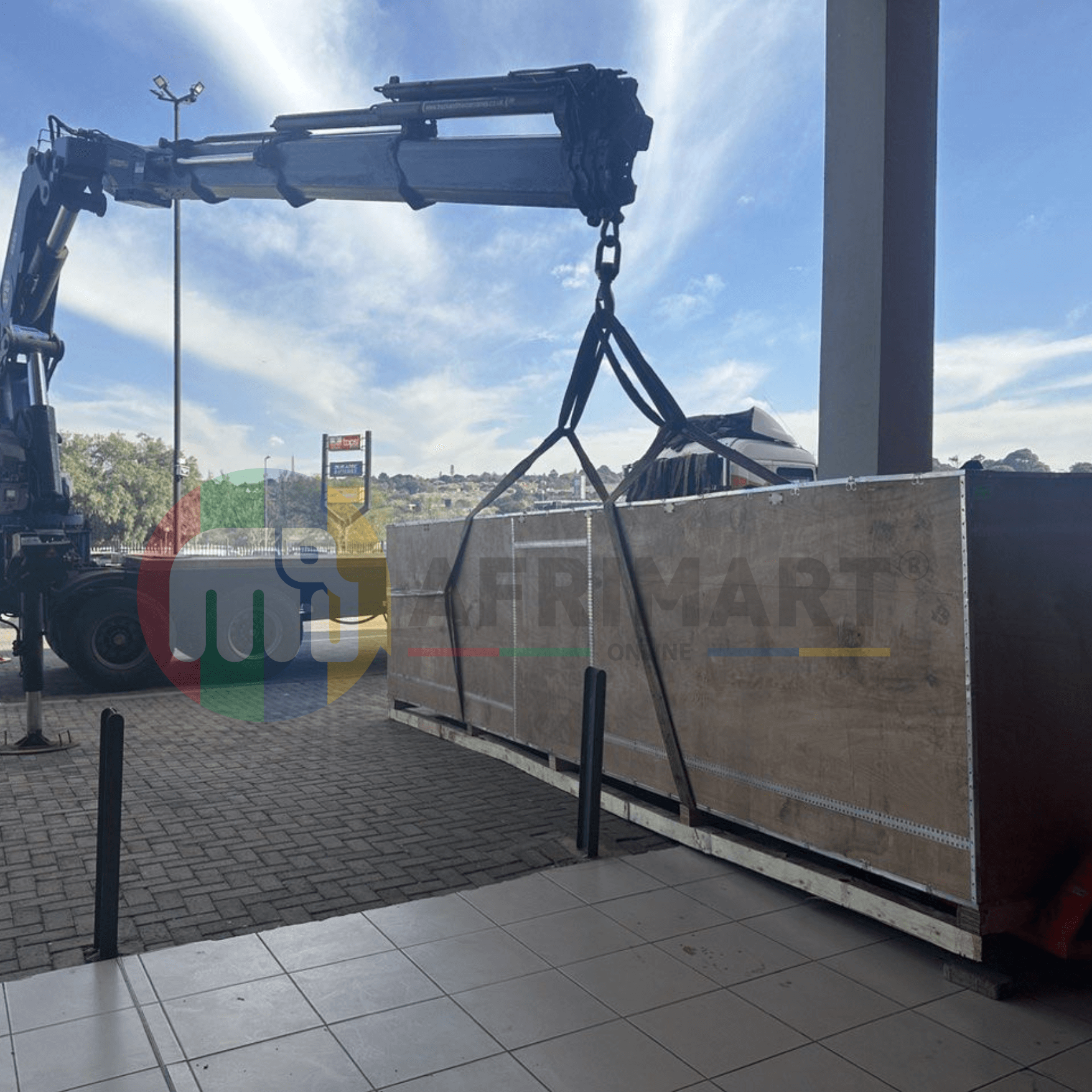
12 Heads Embroidery Machine
Dewatering Pump Machine
Order Collection
Portable Water Drilling Rig
Order Usefully Collected
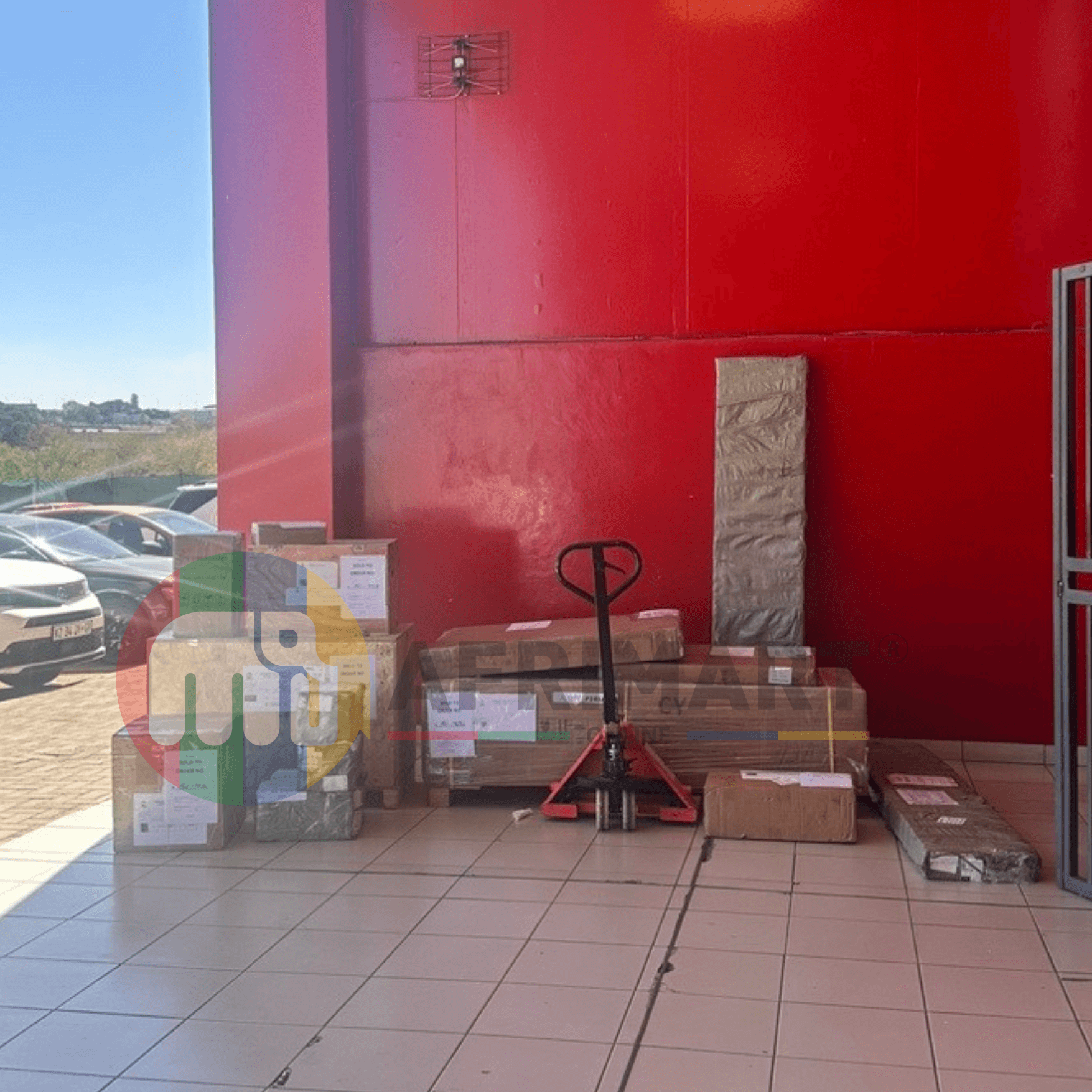
Batch of Orders
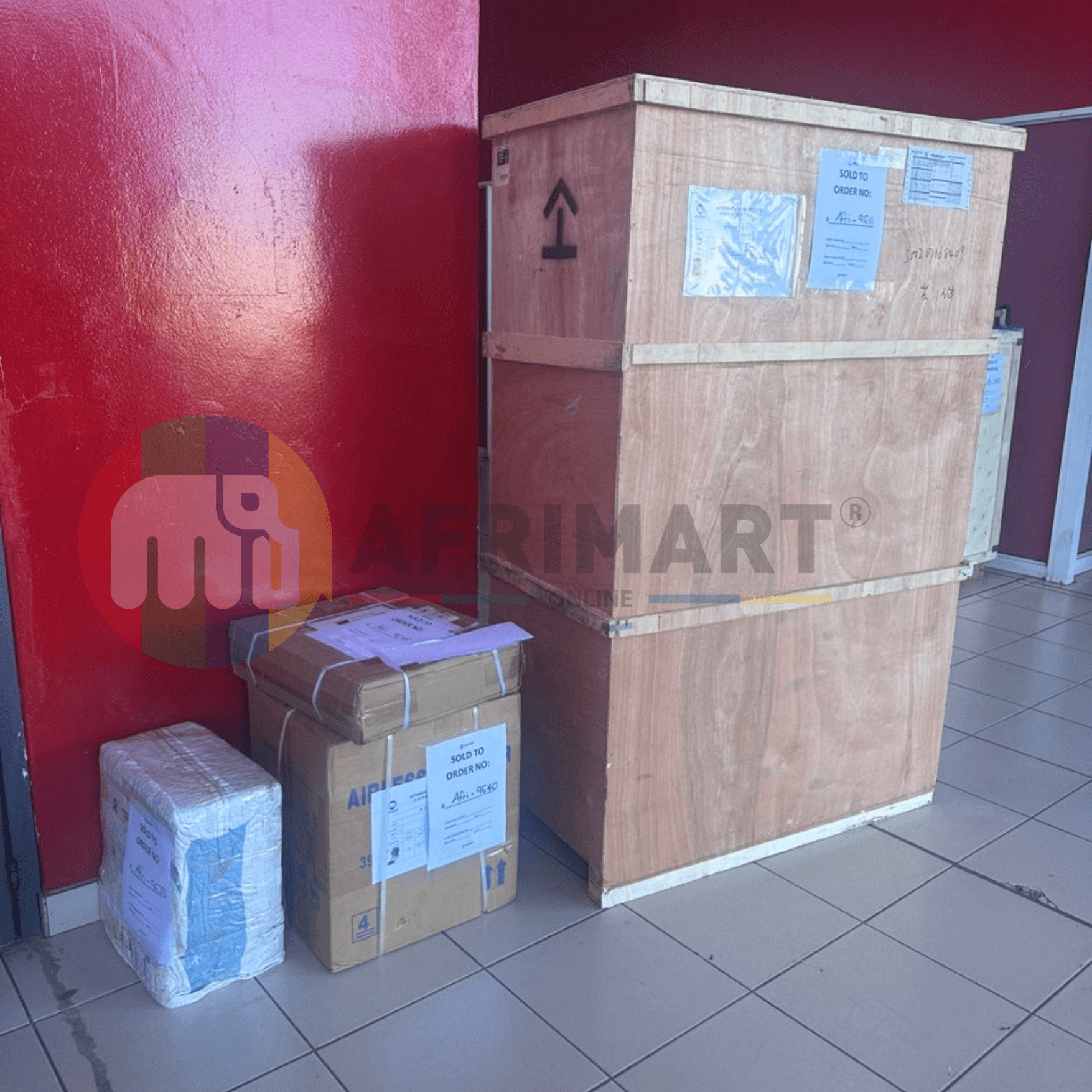
Agriculture Processing Machines
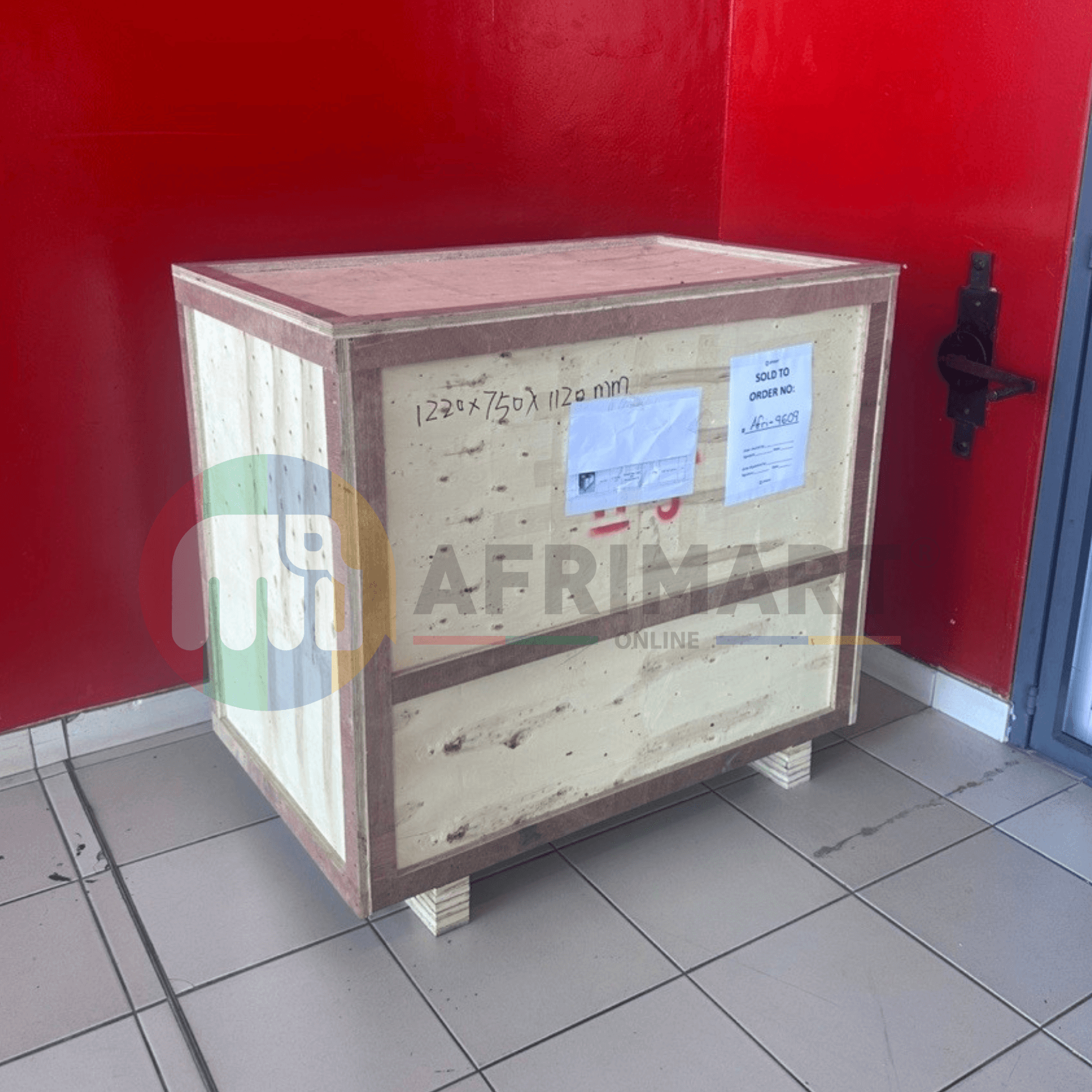
Meat Grinder Machine
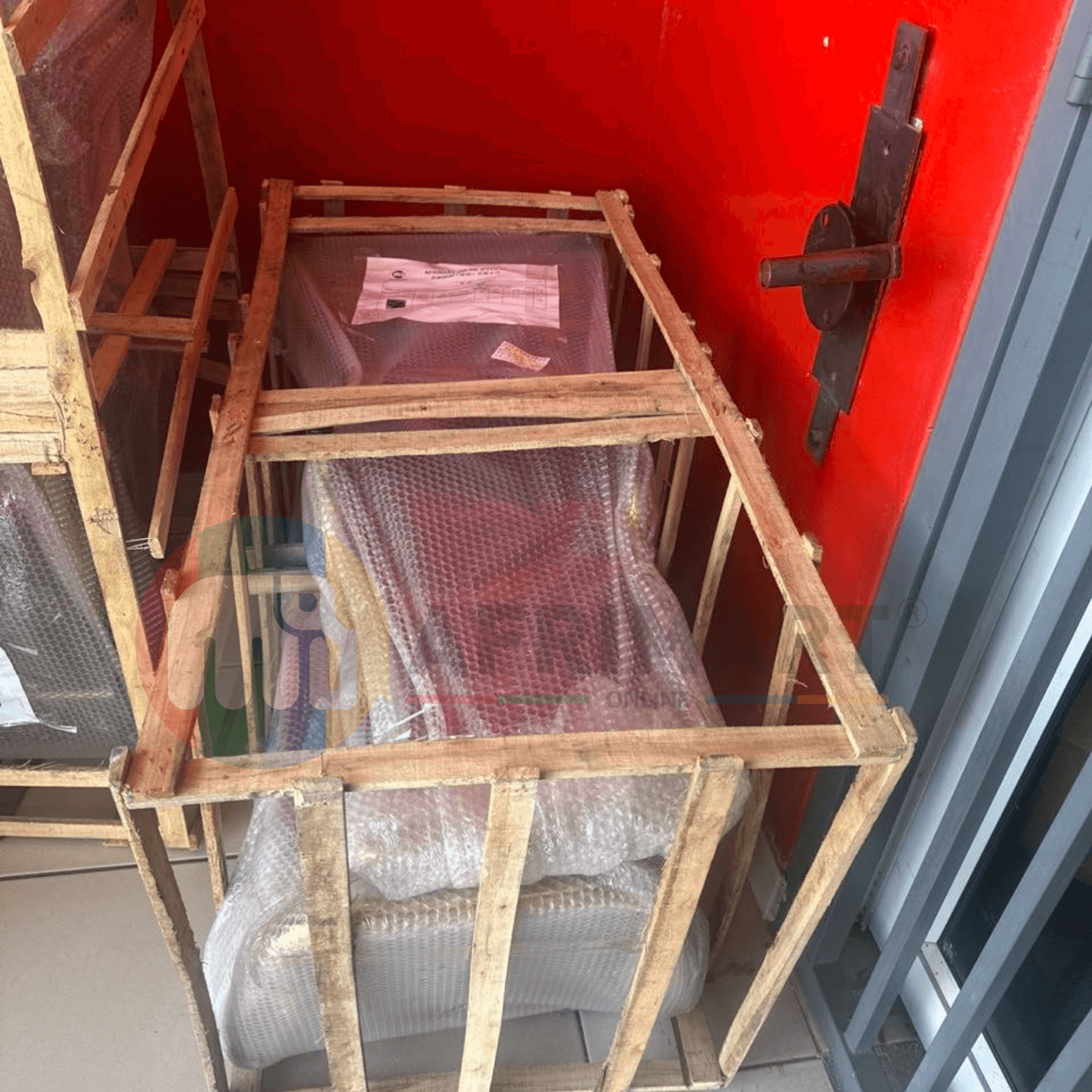
Water Pump Equipment
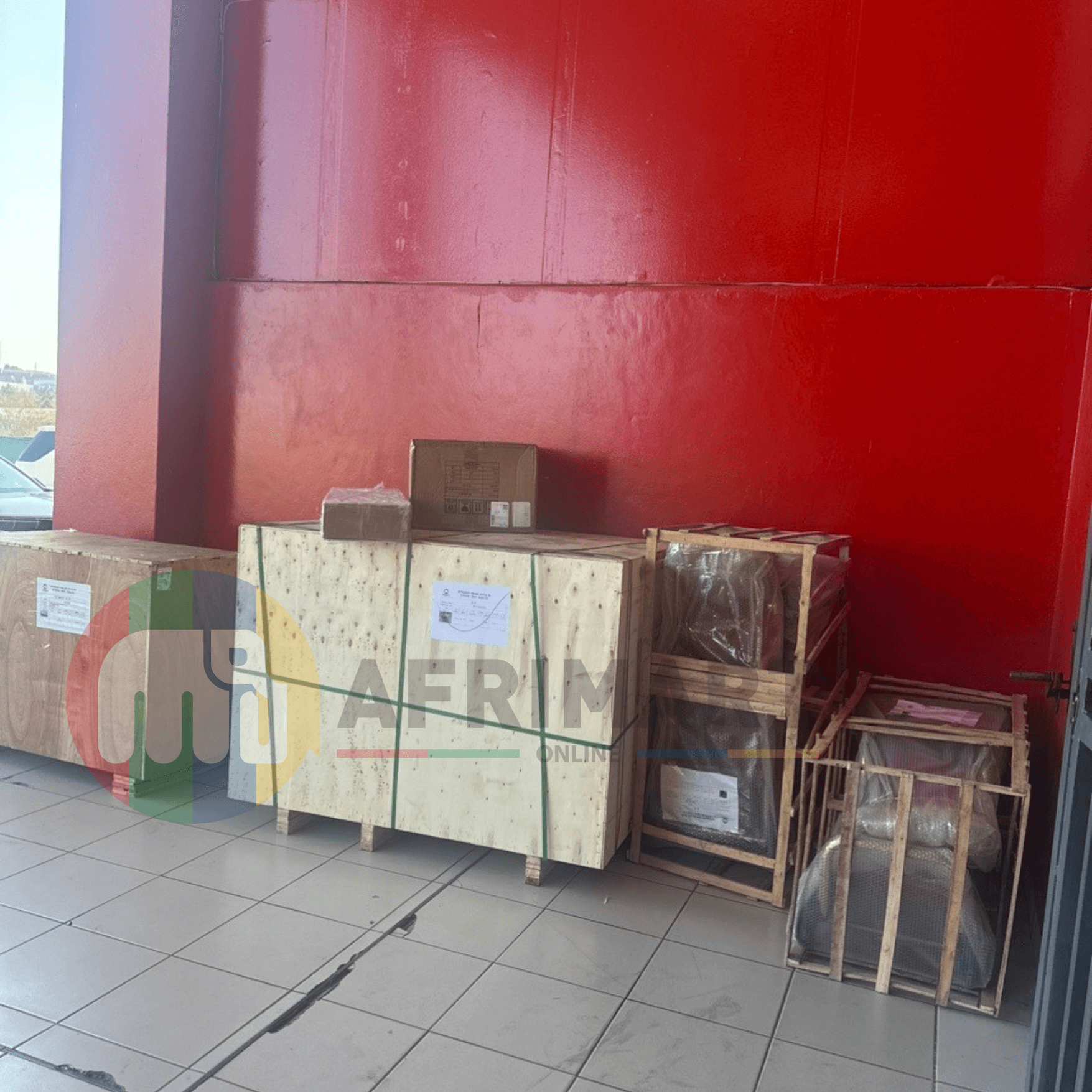
Packaging Machine and accessories
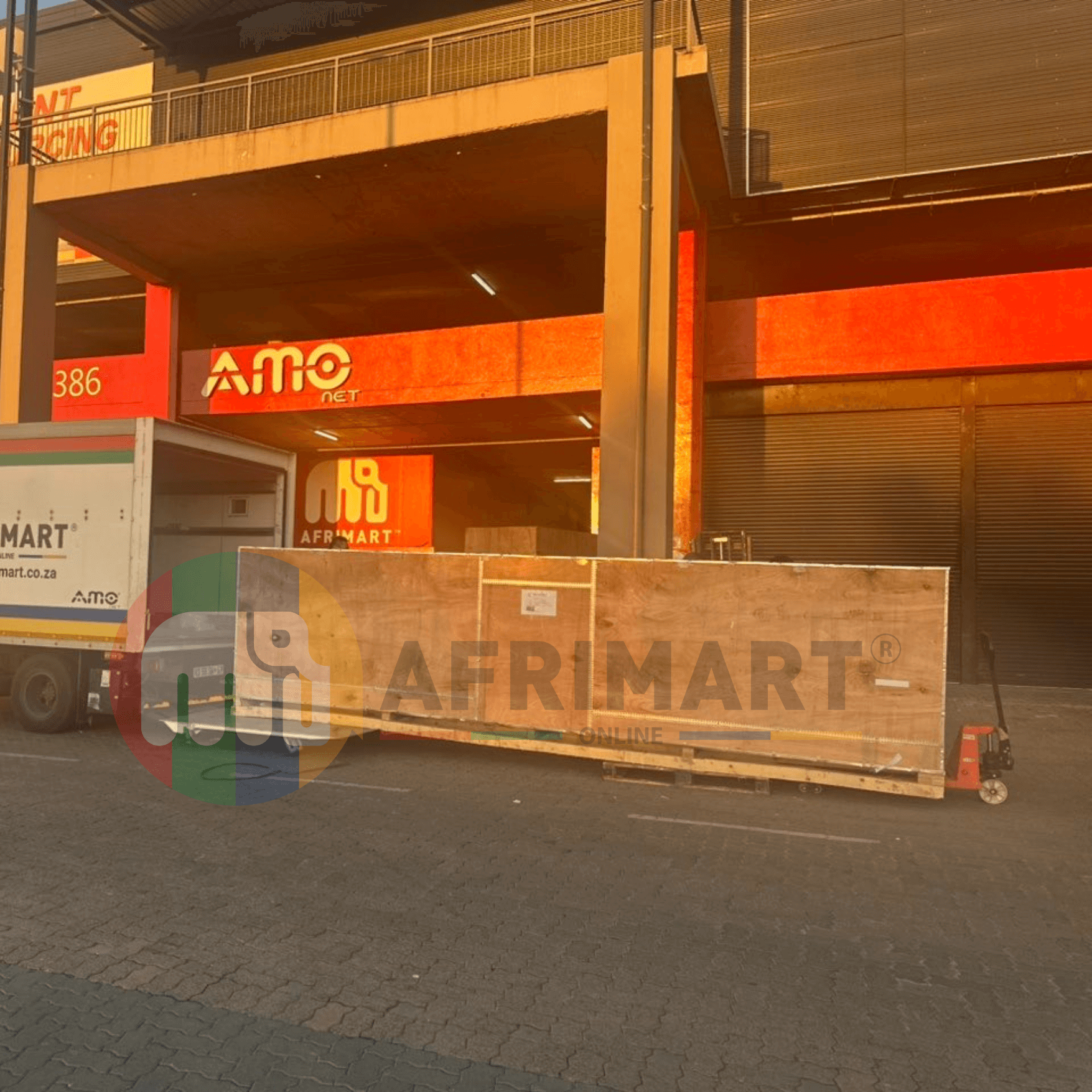
Fabrics Manufacturing Equipment
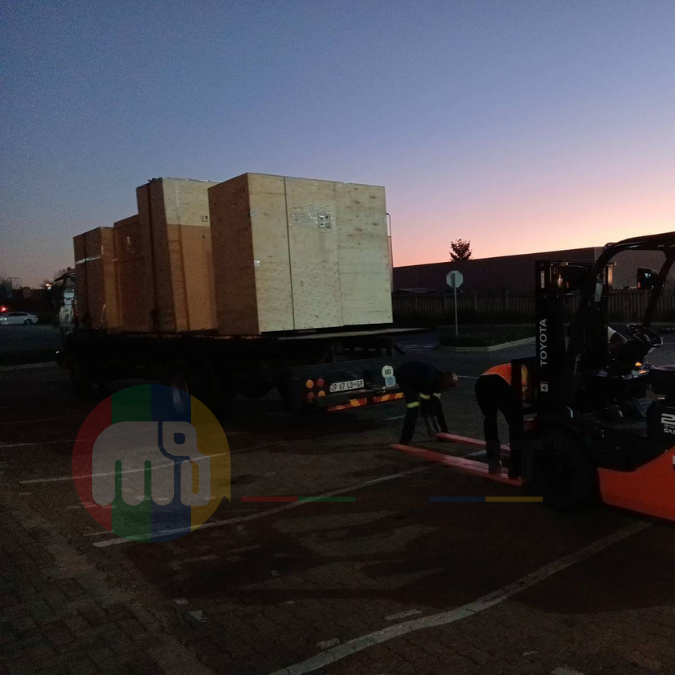
Mining Equipments
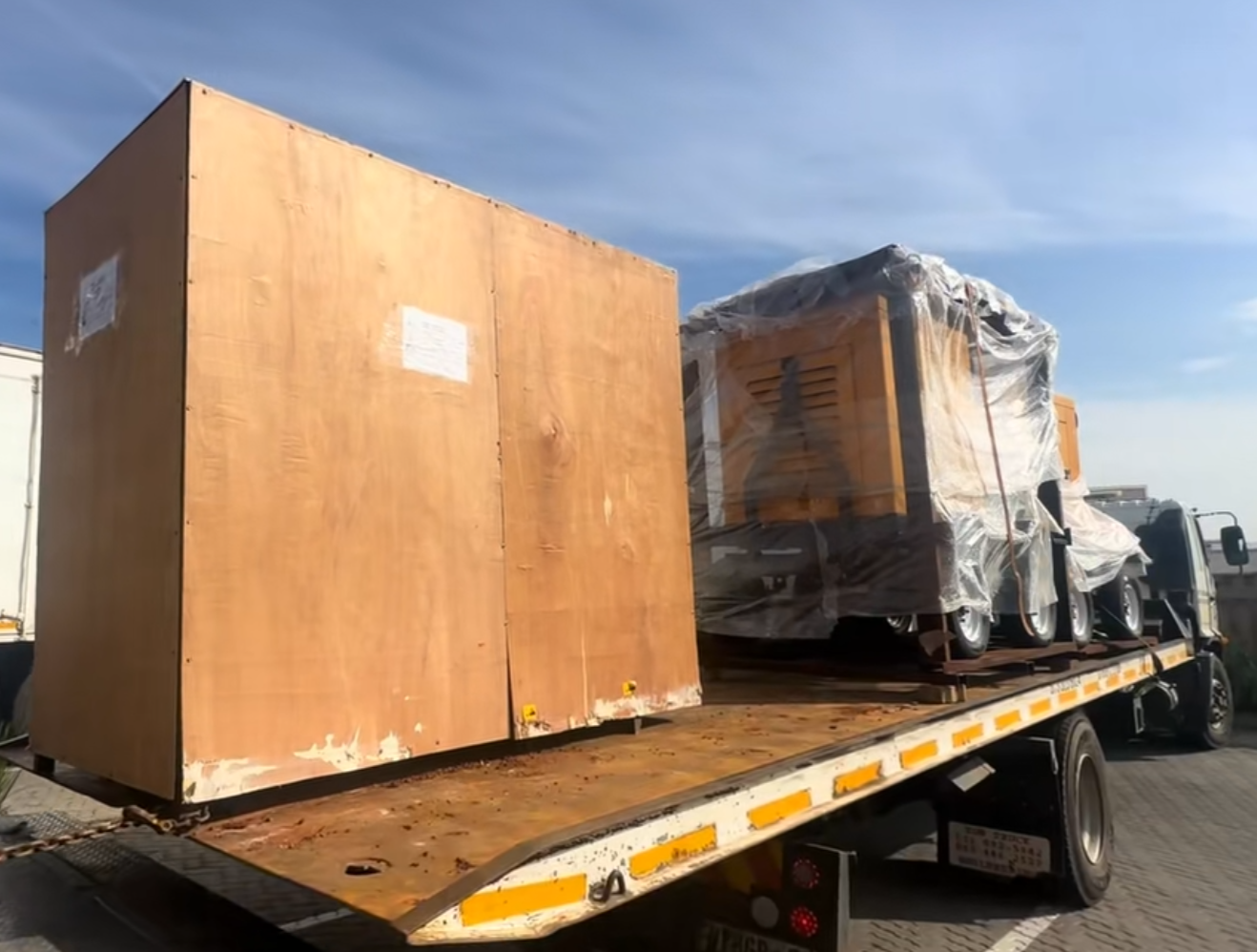
Food Processing Machine
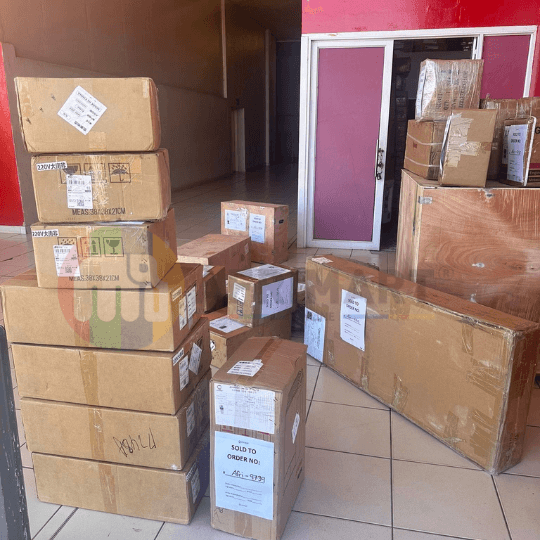
Batch of Orders
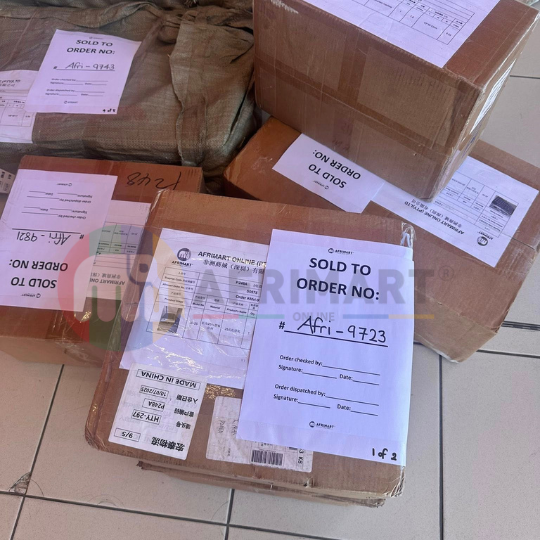
Batch of Orders
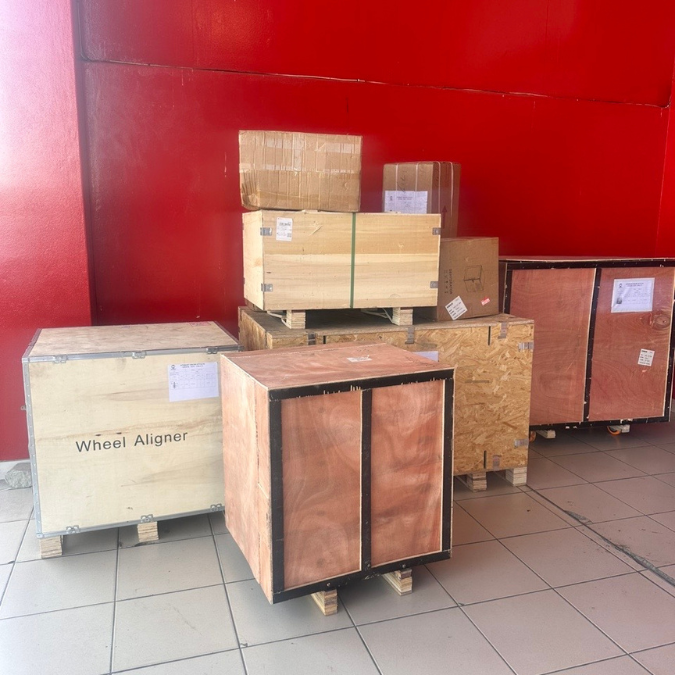
Latest Orders Labelled
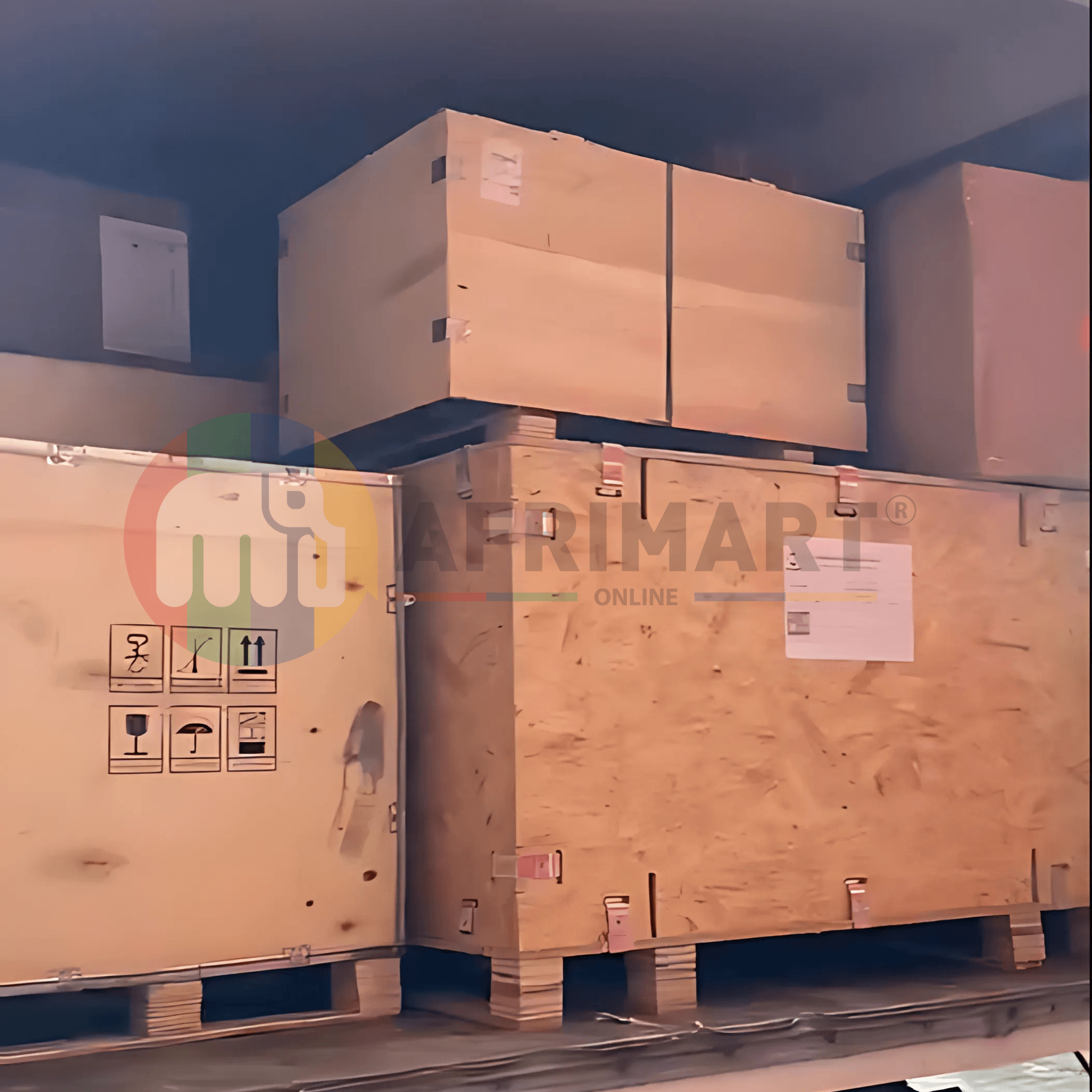
wheel alignment machines
new arrivals
Pre Orders Offloading
Latest Arrivals
Latest Arrivals
Latest Arrivals
26 January 2026
Toilet paper making machine
Toilet paper making machine
Toilet paper Rewinding Machine
latest arrivals
offloading
order success
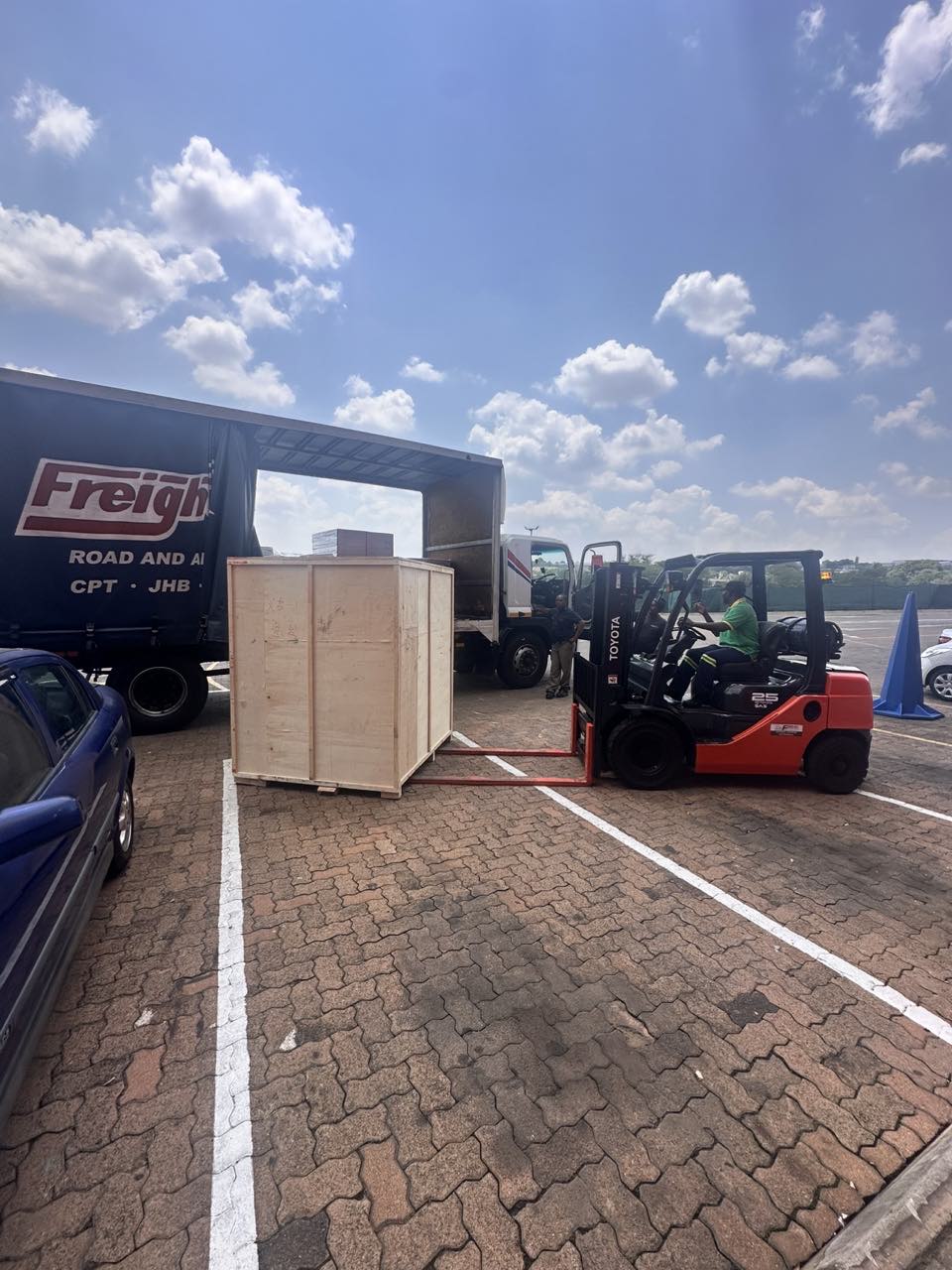
order collection
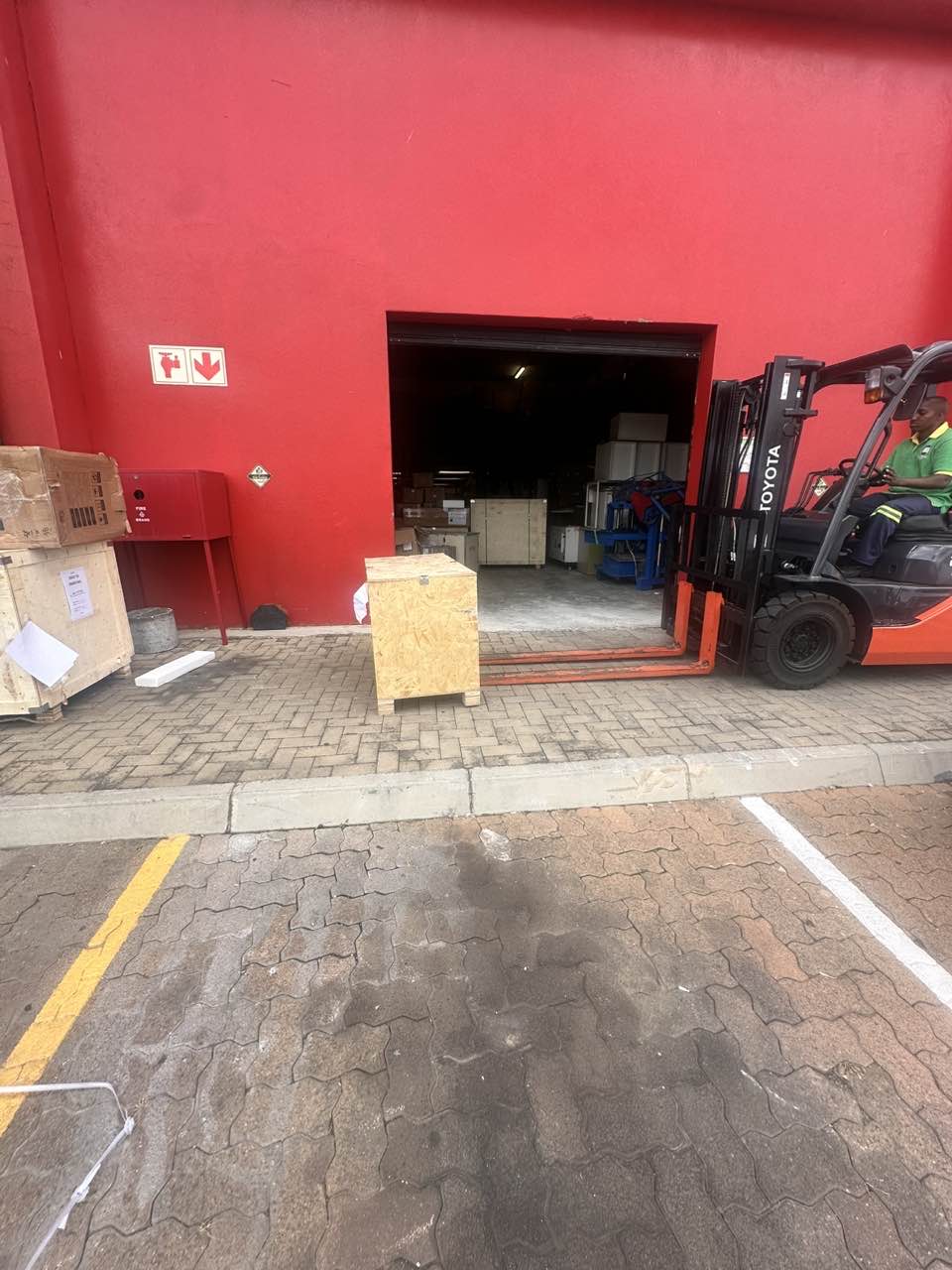
order offloading