B21, China Town Mall, Midrand


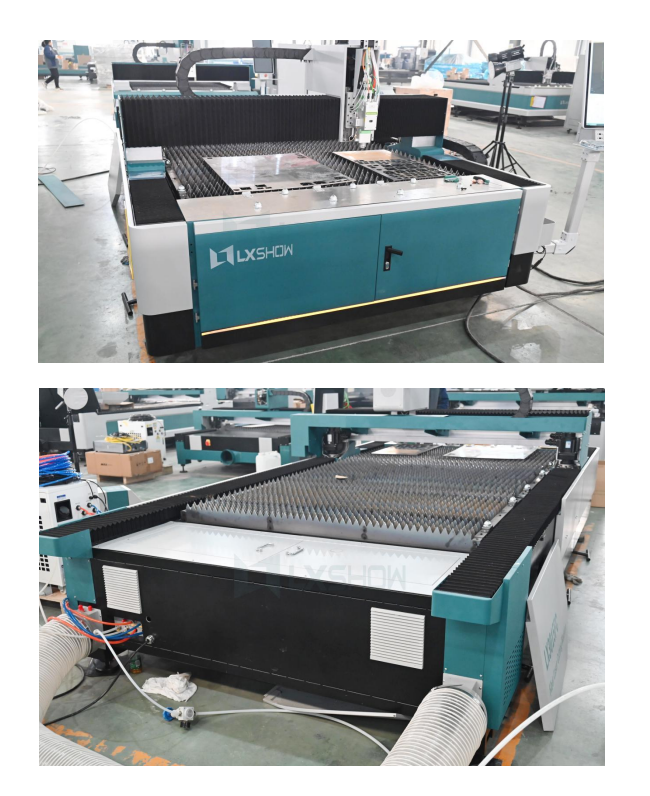
Fiber laser cutting machine -Model: LX3015FC-1500W
Asset finance available
Do you want funding for this equipment?
Afrimart can connect you with trusted funding partners who specialise in asset finance for businesses like yours. Compare options and apply in minutes — final approval is subject to provider review.
Check funding options
Secure & no obligation

- Section : Machinery
- Category : Industrial Machinery
- SKU : 1601044449774

Product Description
- Shipping Timeframes: All orders are processed within 2-5 business days (excluding weekends and holidays). After your order has been processed, the estimated delivery time is before 03 Aug, 2026, depending on customs, Please note that due to high demand, some items may experience longer shipping times, which will be communicated at order confirmation email.
- Order Processing Time: Please allow 2-5 business days for us to process your order before it is shipped . Orders placed after 16:00 on Fridays, or during weekends and public holidays, will begin processing on the next business day. Processing times may be extended during peak seasons or sales events.
- Manufacturing Time: Some products needs manufacturing time, the manufacturing process will take approximately 10-30 business days depending on the product. This timeframe may vary depending on the complexity of the product and current demand. but this will be communicated with you during order confirmation.
- Returns and Exchanges: We offer a 30-day return policy for most items. If you are not completely satisfied with your purchase, you may return it within 30 days of receipt for a refund or exchange. Items must be unused, in their original packaging, and accompanied by proof of purchase. Return shipping costs are the responsibility of the customer, unless the item was damaged or defective upon arrival.
1. What are the main specifications of the Fiber laser cutting machine - Model: LX3015FC-1500W?
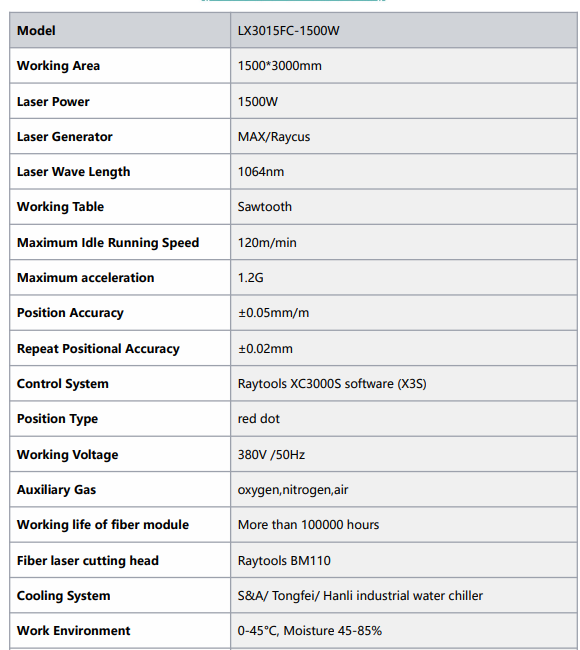
The LX3015FC-1500W is a fiber laser cutter with a working area approximately 3000 x 1500 mm and a 1500 W fiber laser source. It includes a CNC motion system, laser head with autofocus, operator control pendant/software, cooling unit requirement, and typical safety features such as protective enclosures and interlocks. Exact specs (bed size, overall footprint, electrical requirements) can vary by configuration.
2. Which materials can this 1500W fiber laser cut?
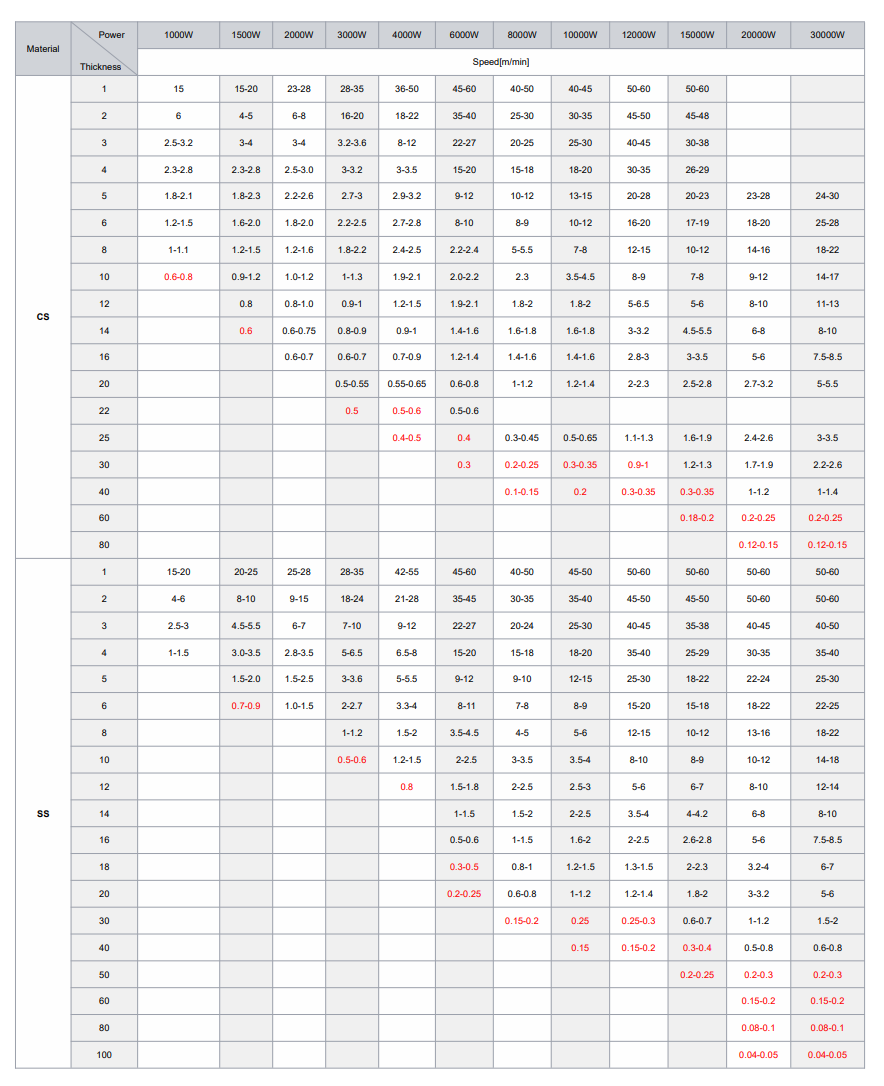
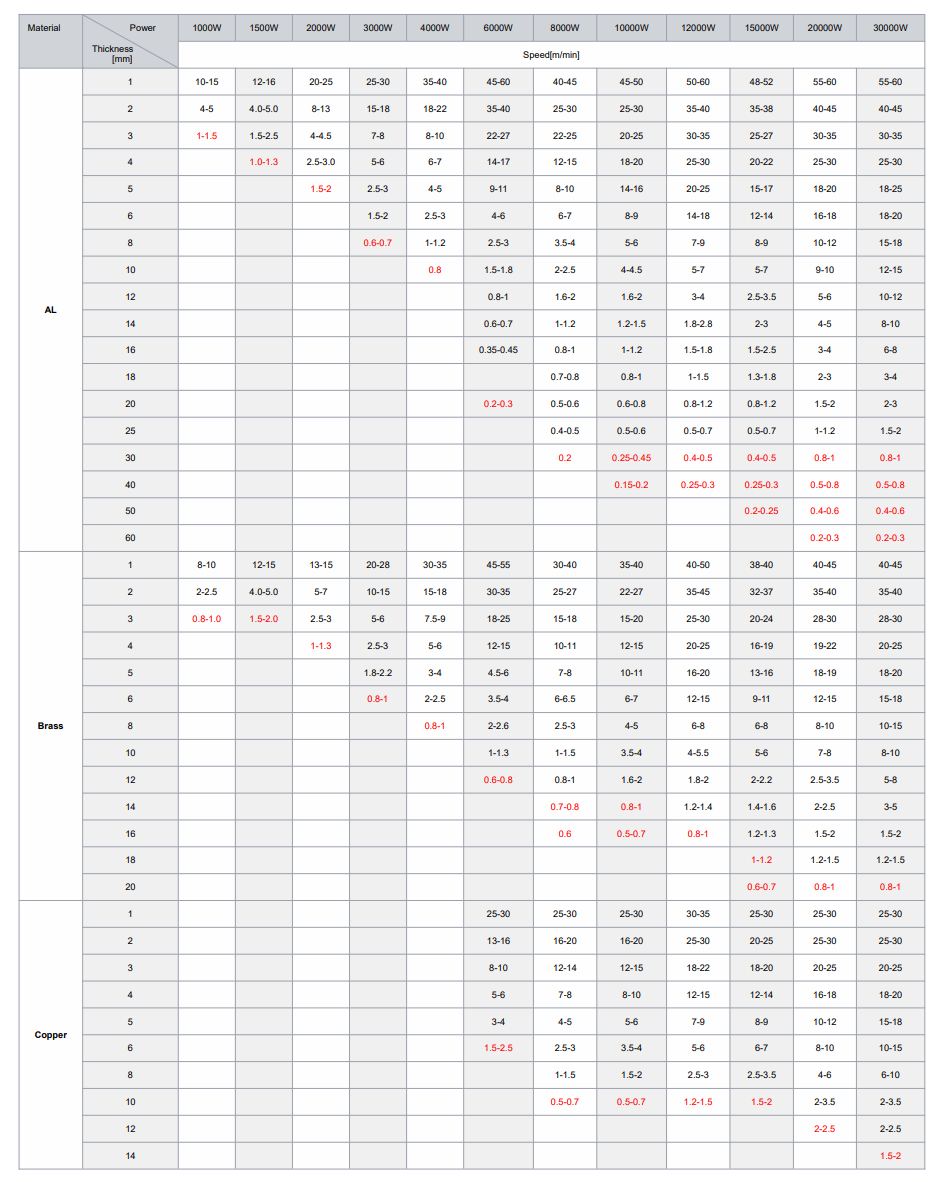
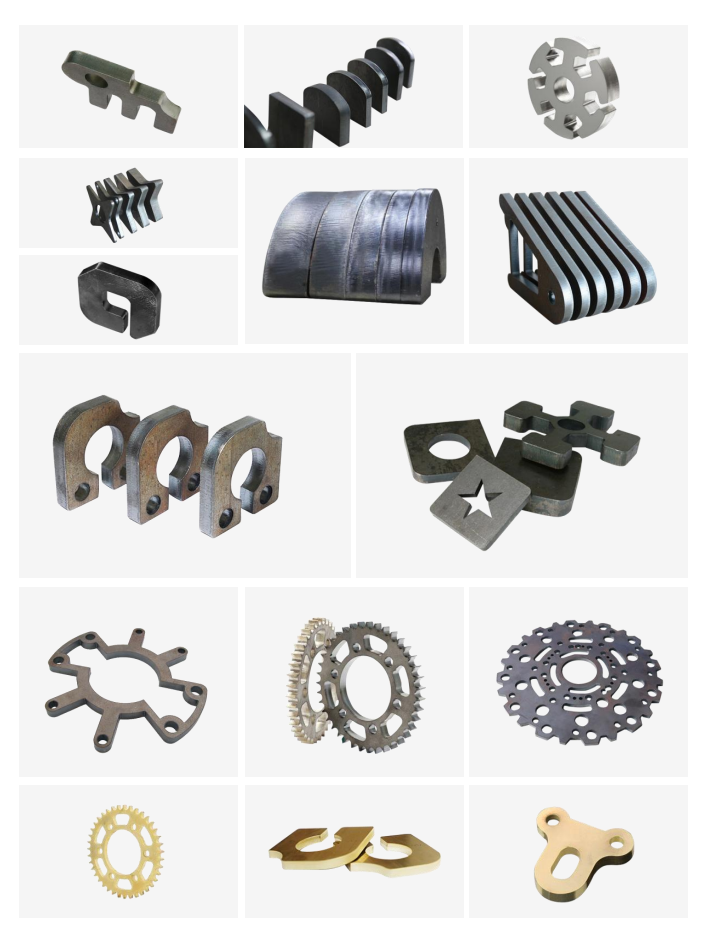
It can cut a wide range of metals including mild/carbon steel, stainless steel, aluminum, brass and copper. Non-metallic materials are generally not suitable for fiber lasers. Cutting performance varies by material, thickness and assist gas.
3. What are the typical cutting thickness ranges for different metals?
Typical (approximate) practical ranges: mild/carbon steel 0.5–20 mm (with oxygen assist up to ~25 mm in some cases); stainless steel 0.5–12 mm; aluminum 0.5–8 mm; copper/brass 0.5–6 mm. Actual maximum thickness and edge quality depend on material grade, gas type/pressure, nozzle, and cutting parameters.
4. What cutting speed can I expect from a 1500W fiber laser?
Cutting speed depends strongly on material and thickness. For thin sheet (≤1–3 mm) speeds can be very high (tens of meters per minute); for mid thicknesses (3–10 mm) speeds drop significantly. Typical top travel speeds for thin materials may be in the 20–30 m/min range, but expect much lower effective cutting speeds for thicker plates.
5. How precise is the LX3015FC-1500W?
Fiber lasers provide high precision. Typical positioning accuracy for machines of this class is around ±0.03 mm with repeatability around ±0.02 mm, though real-world precision depends on machine calibration, temperature stabilization, and tooling.
6. What laser source does this model use and what is its lifetime?
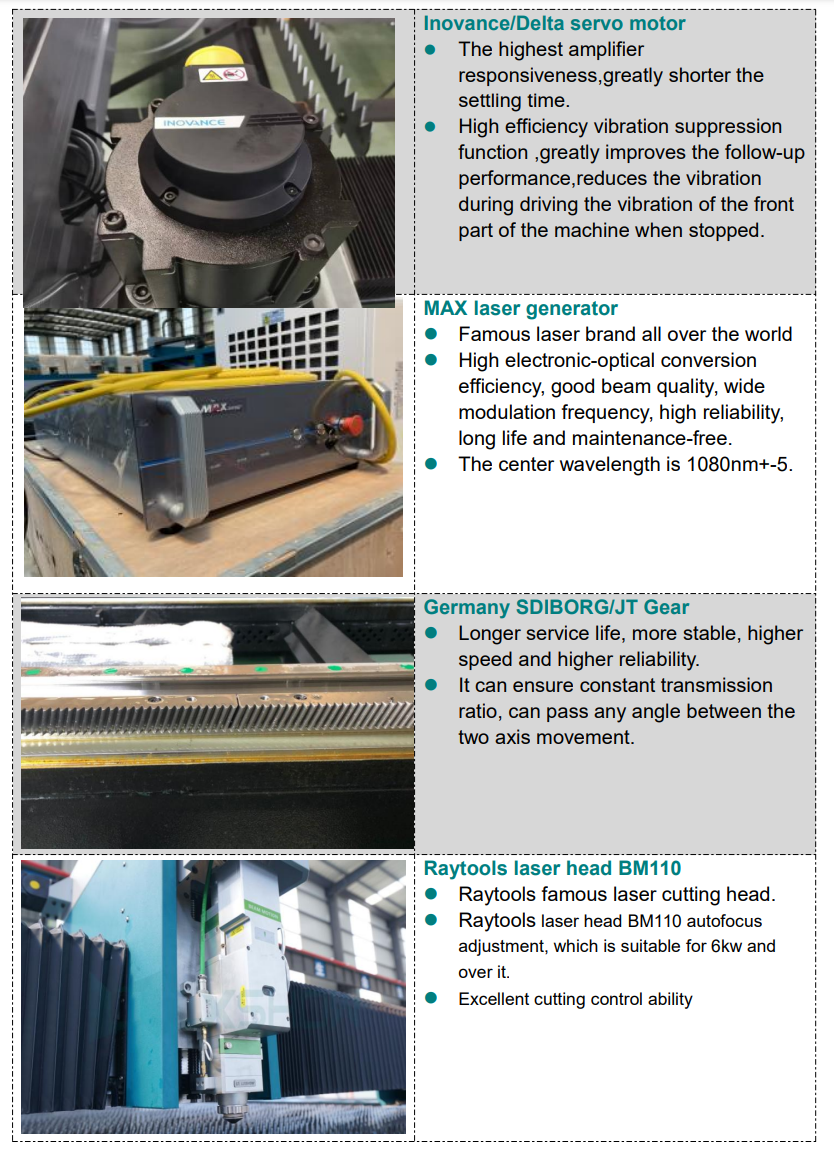
The machine uses a 1500 W fiber laser source (supplier/brand varies by configuration). Modern fiber laser modules typically offer tens of thousands of hours of service (often 50,000–100,000 hours) before significant power decline, depending on operating conditions and supplier warranties.
7. What auxiliary systems are required (cooling, gas, extraction)?
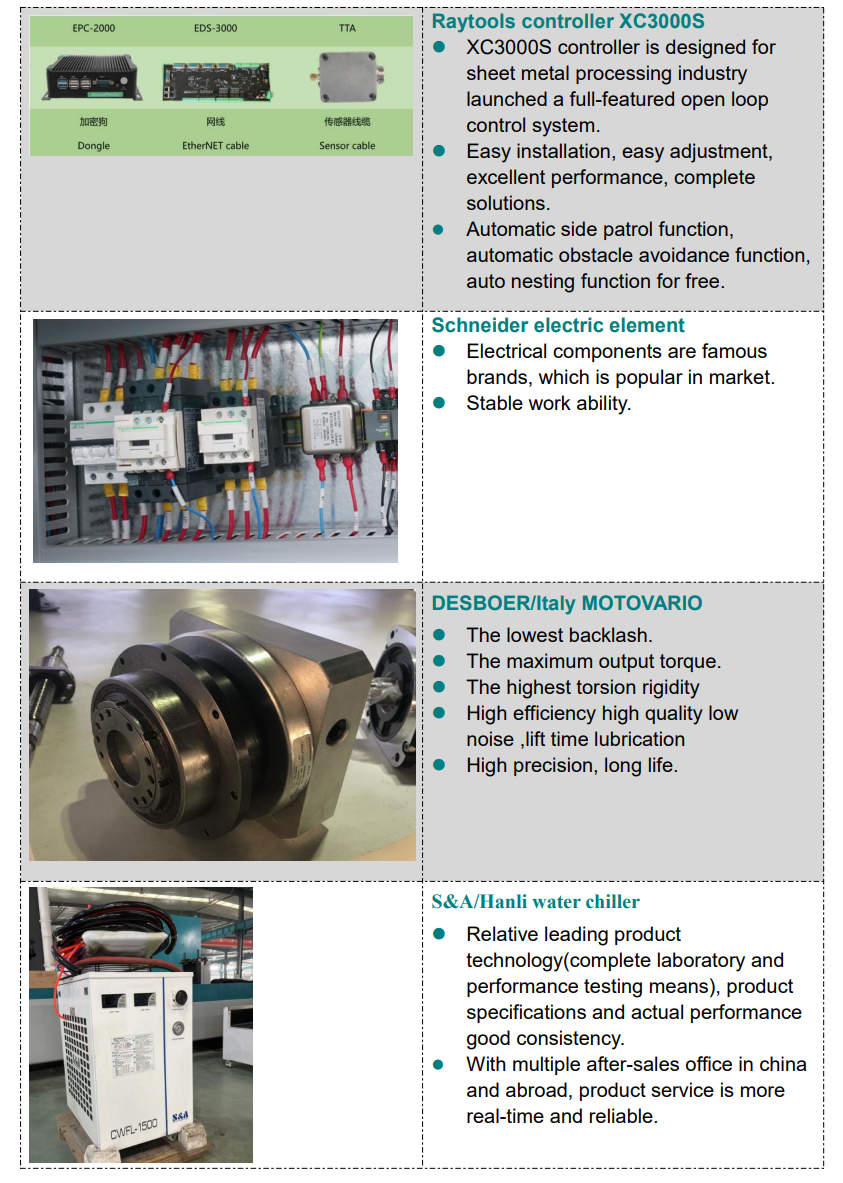
Required auxiliaries include a chiller/water-cooling unit for the laser source, compressed assist gases (commonly oxygen, nitrogen, or air depending on material), and a fume/dust extraction system to remove smoke and particulates during cutting. Proper ventilation and filtration are essential for safety and part quality.
8. What software and file formats does the machine support?
The LX3015FC-1500W is compatible with common laser/CNC control software (examples include CypCut, proprietary systems or similar CAD/CAM interfaces) and accepts standard vector file formats such as DXF, DWG, and sometimes DST or PLT. Post-processing/nesting software may be used for production efficiency.
9. What are the typical maintenance requirements and consumables?
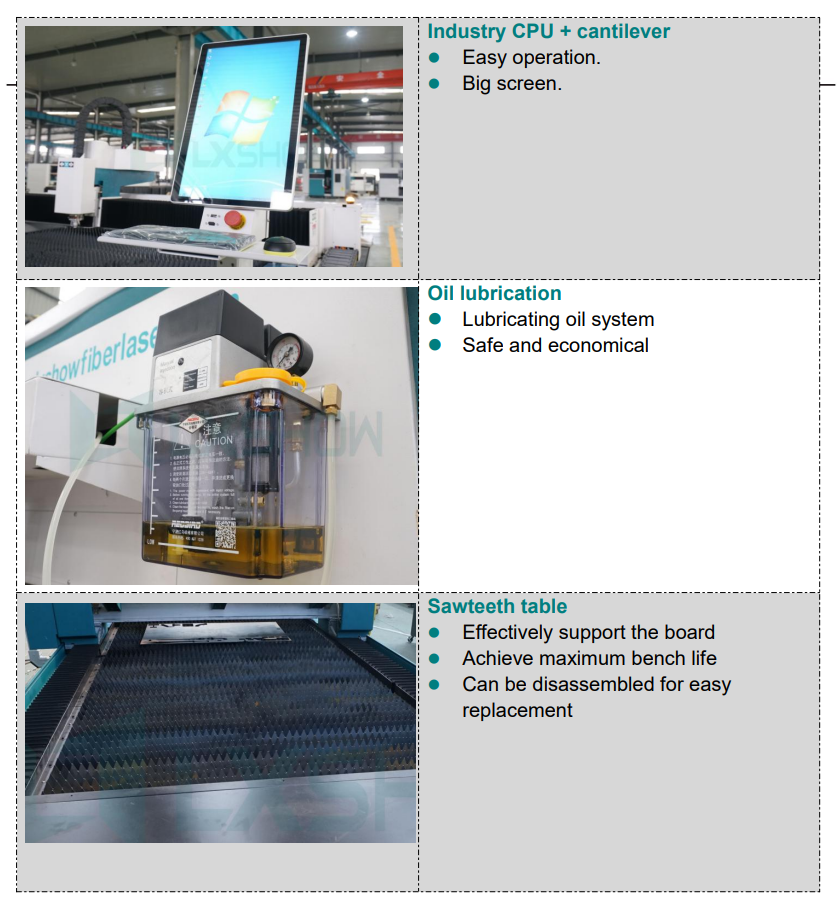
Regular maintenance includes cleaning/changing protective lenses and windows, replacing nozzles and nozzle tips, checking and replacing filters in extraction systems, inspecting and lubricating rails and bearings, and monitoring laser source cooling and water quality. Consumables: nozzles, protective lenses/windows, filters, and occasional gas usage.
10. Is the machine safe to operate and what safety features are included?
Yes — standard safety measures include full or partial protective enclosures, interlock switches on doors, emergency stop buttons, laser-safe windows, key switches, and proper grounding. Operators should also use appropriate PPE and ensure exhaust and fire suppression protocols are in place.
11. How much electrical power does the LX3015FC-1500W consume?
Total power consumption depends on configuration and peripherals (chiller, exhaust, controller). Typical installed power for a 1500 W fiber laser system is in the range of about 8–12 kW during operation, but exact requirements should be confirmed from the supplier and electrical load calculations provided before installation.
12. What installation space and site preparation are needed?
Allow space for the machine footprint (approximate working area plus service access — often ~3.5 x 2.5 m or larger), room for the chiller and extraction unit, clearance for loading/unloading materials, and safe operator walkways. Site prep includes stable level flooring, adequate power supply, compressed air, ventilation/extraction points, and proper grounding. Supplier/site survey will provide exact requirements.
13. What warranty and after-sales support are available?
Warranty terms vary by supplier. Typical packages include a 12-month machine warranty and specific coverage for the laser source depending on the source manufacturer (sometimes longer). Suppliers commonly offer installation, operator training, spare parts kits, and paid maintenance/service contracts or remote technical support. Confirm details with the seller.
14. Can the machine be customized or equipped with optional accessories?
Yes — common options include automatic pallet changers, exchangeable tables, automated nozzle changers, high-pressure nitrogen systems for improved stainless/aluminum cutting, fume extraction units, material loading/unloading automation, CCTV/monitoring, and specialized laser heads for thicker materials. Ask the supplier about available upgrades.
15. How does operating cost compare to CO2 lasers and what are typical running costs?
Fiber lasers are generally more energy-efficient and have lower maintenance (no gas-filled mirrors) compared with CO2 lasers, often resulting in lower running costs. Major running costs include electricity, assist gases, consumables (nozzles, lenses), and periodic parts/service. Exact hourly costs depend on usage profile and local utility/gas prices.
Latest Order Arrivals
Discover our latest orders
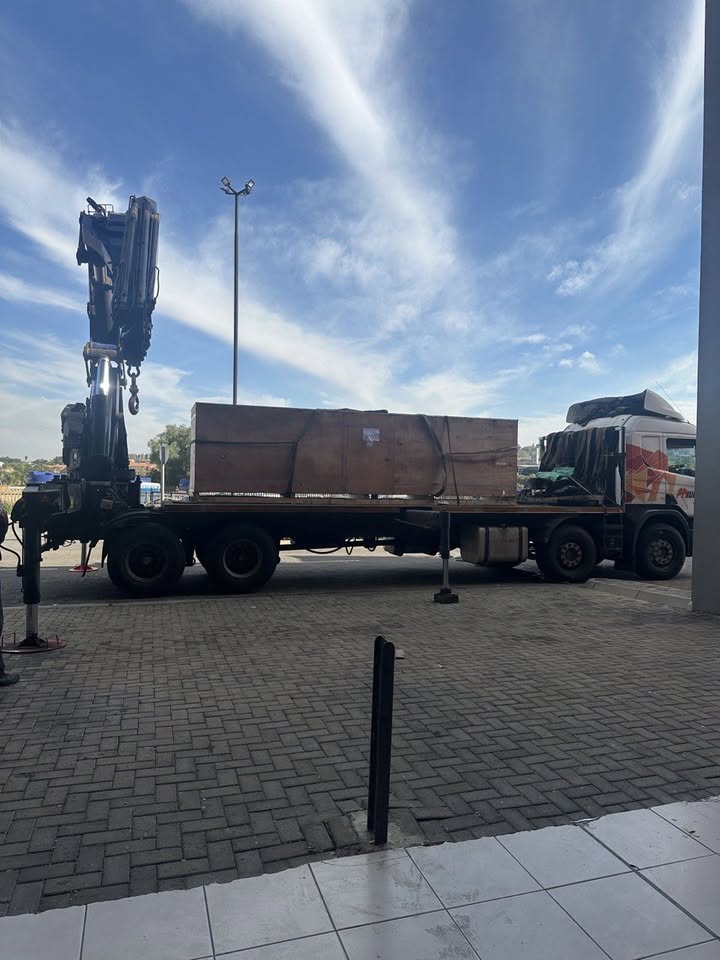
12 Heads Embroidery Machine
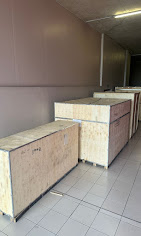
Toilet Paper Machine Machine
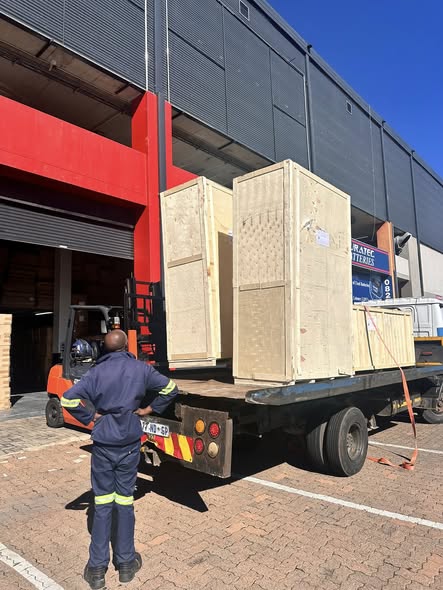
Order Collection
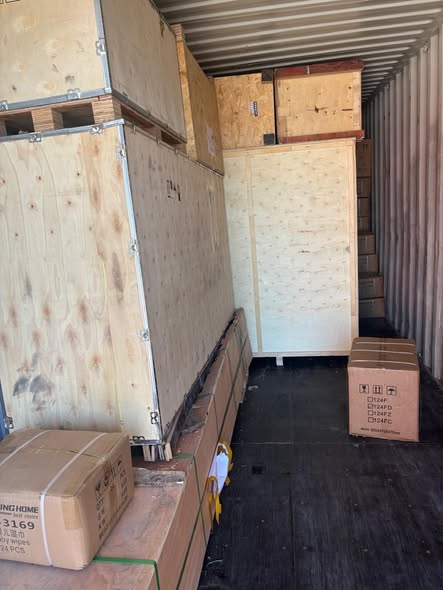
Cross Border Clients
Order cros border countries Collected
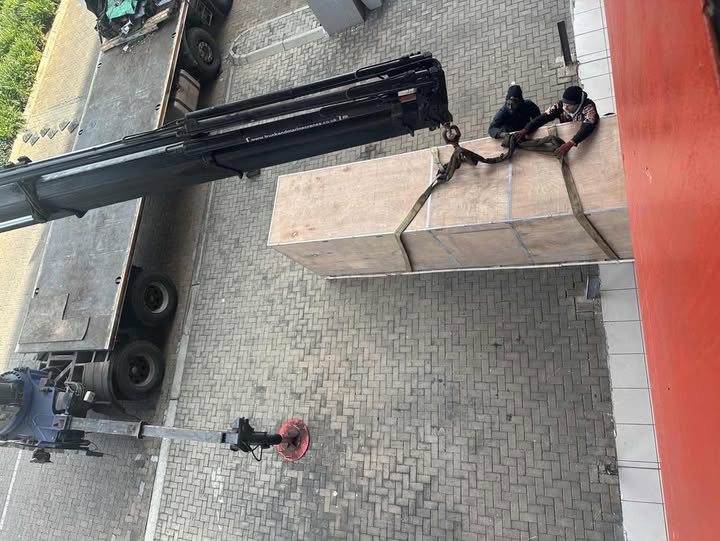
Industrial Machine Cllection
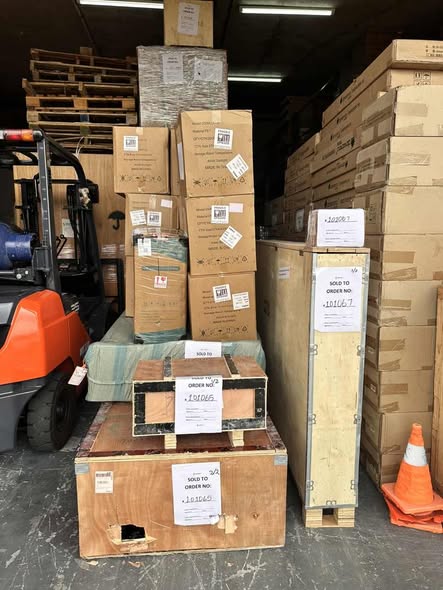
Agriculture Processing Machines
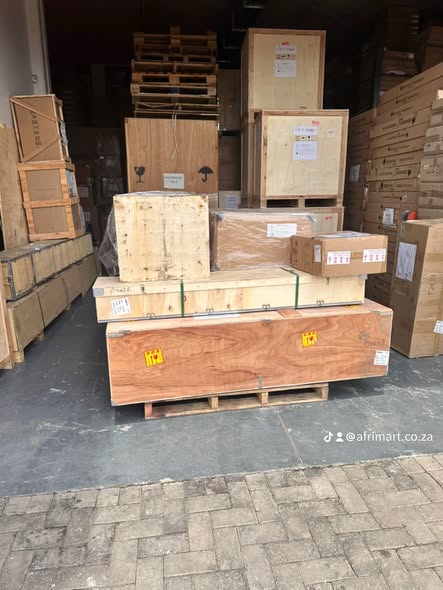
Ready for collection
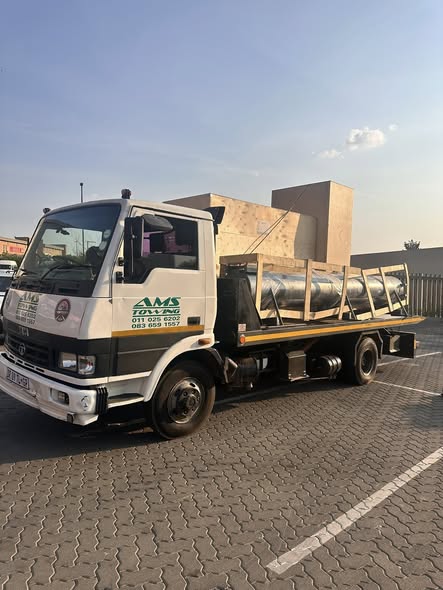
Water Pump Equipment
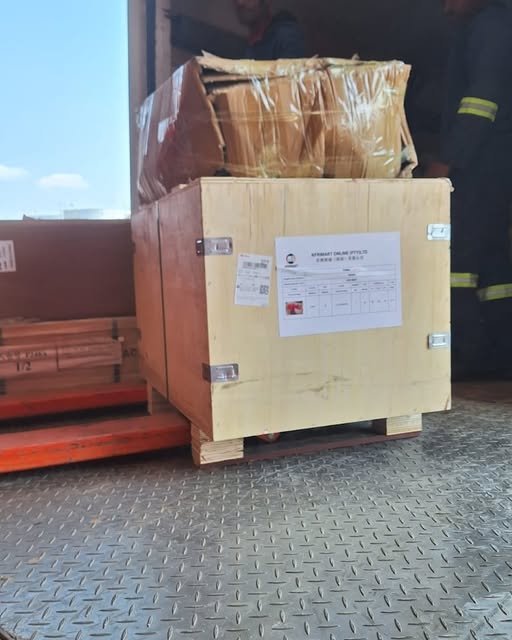
Packaging Machine and accessories
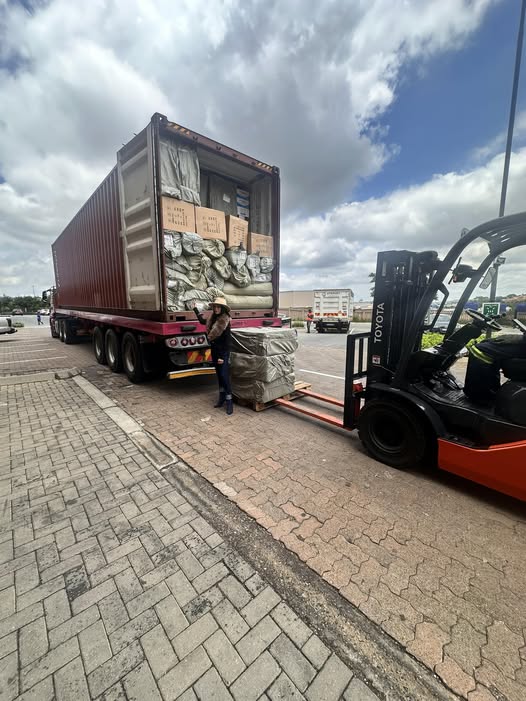
Fabrics Manufacturing Equipment
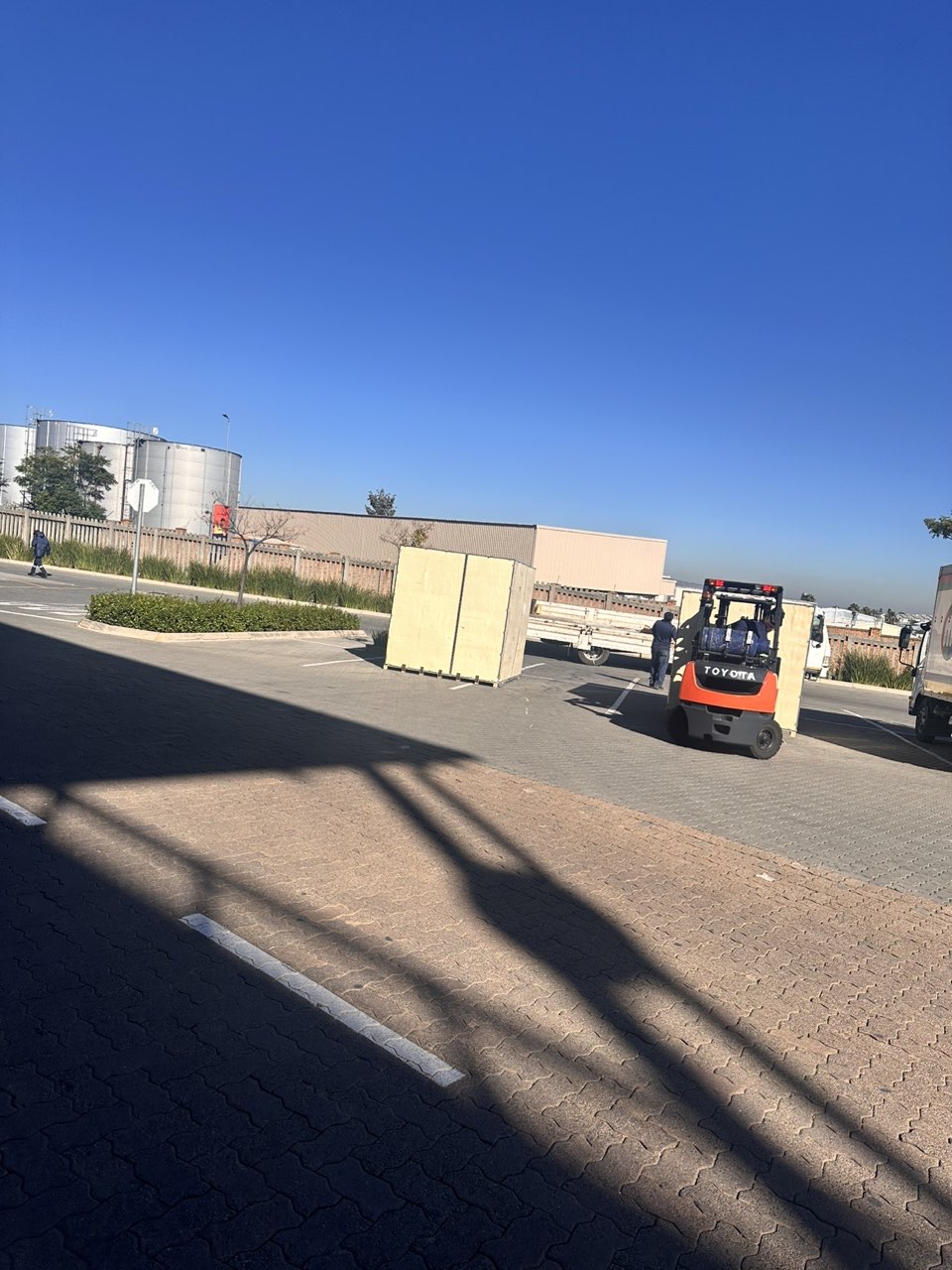
Mining Equipments
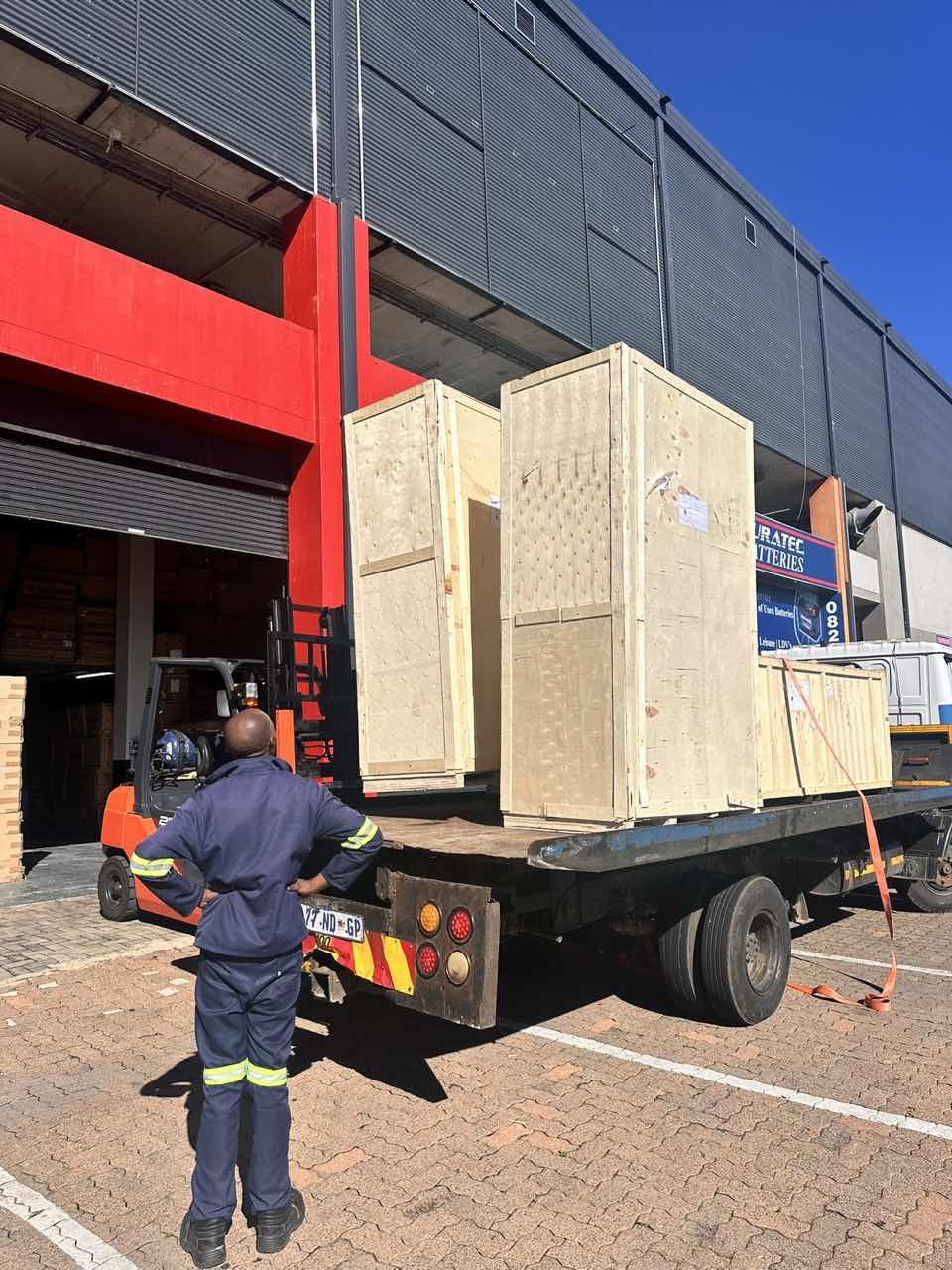
Food Processing Machine
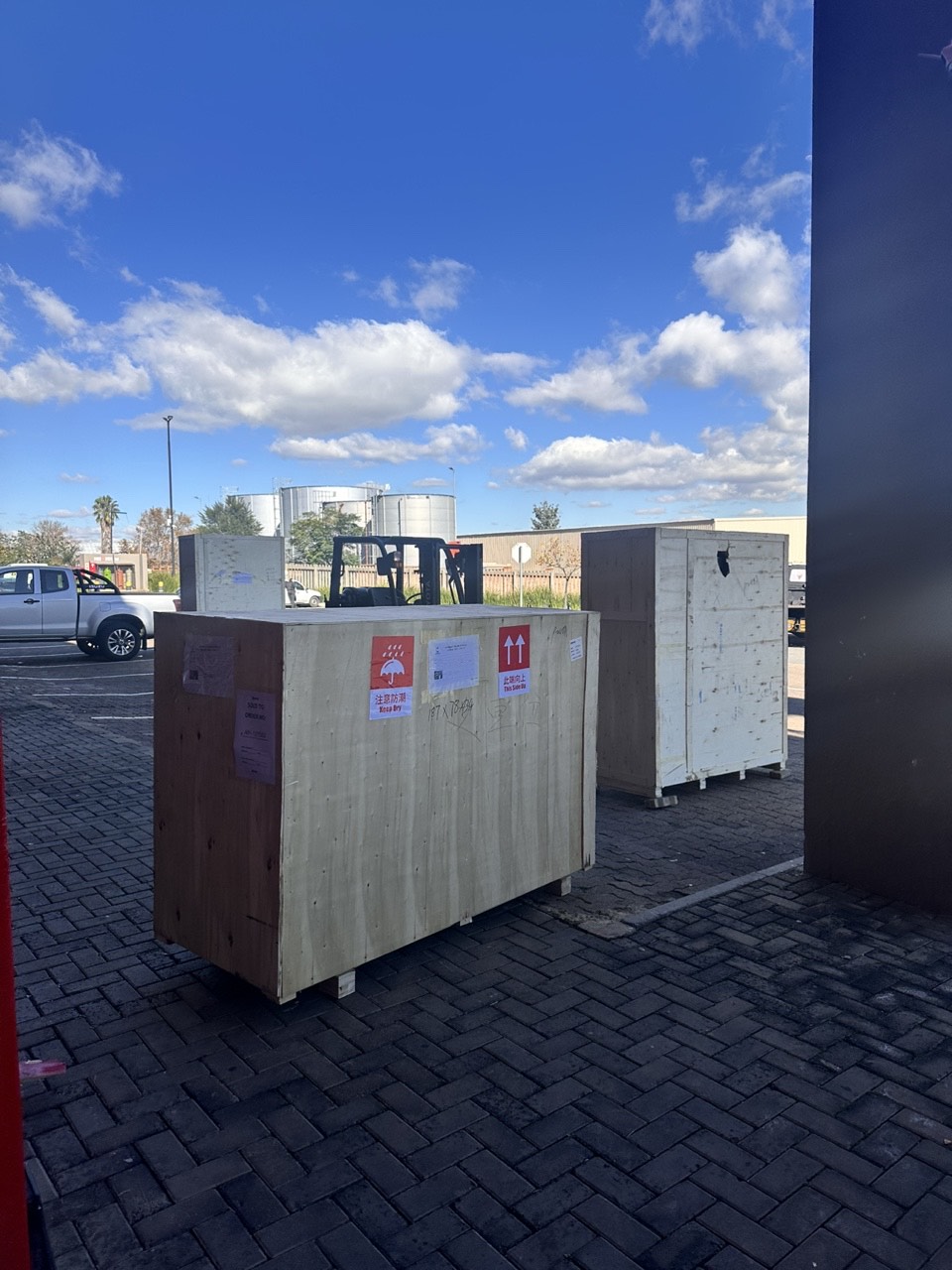
Batch of Orders
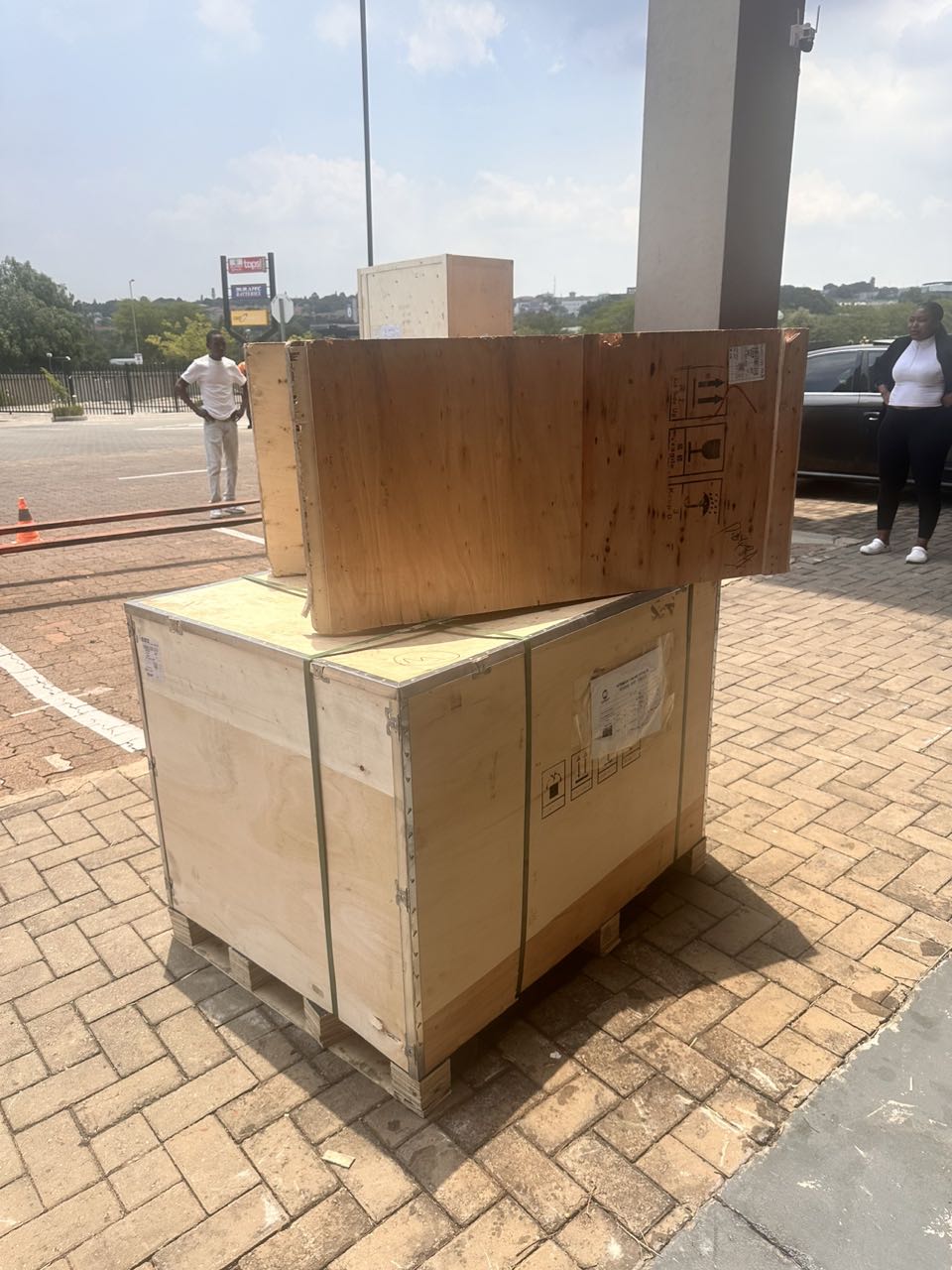
Batch of Orders
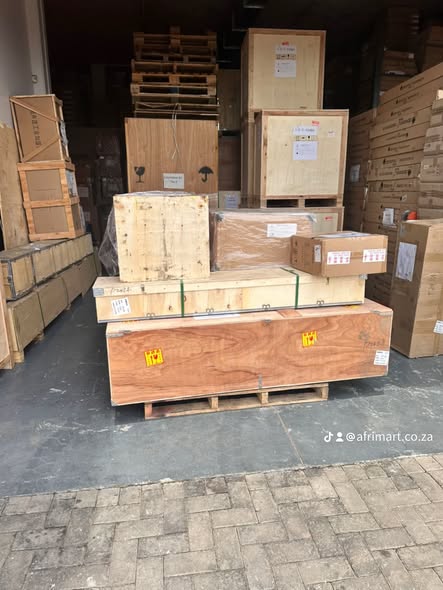
Latest Orders Labelled
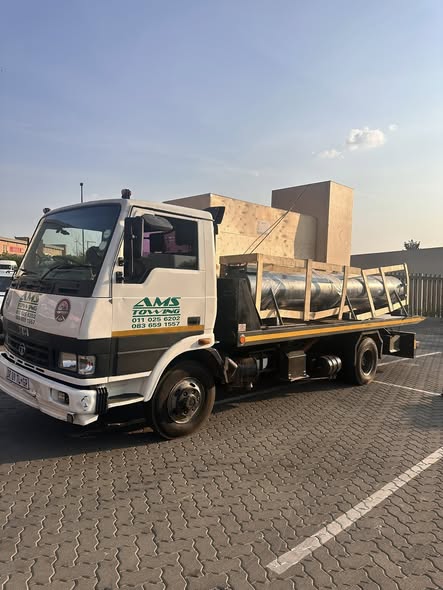
wheel alignment machines
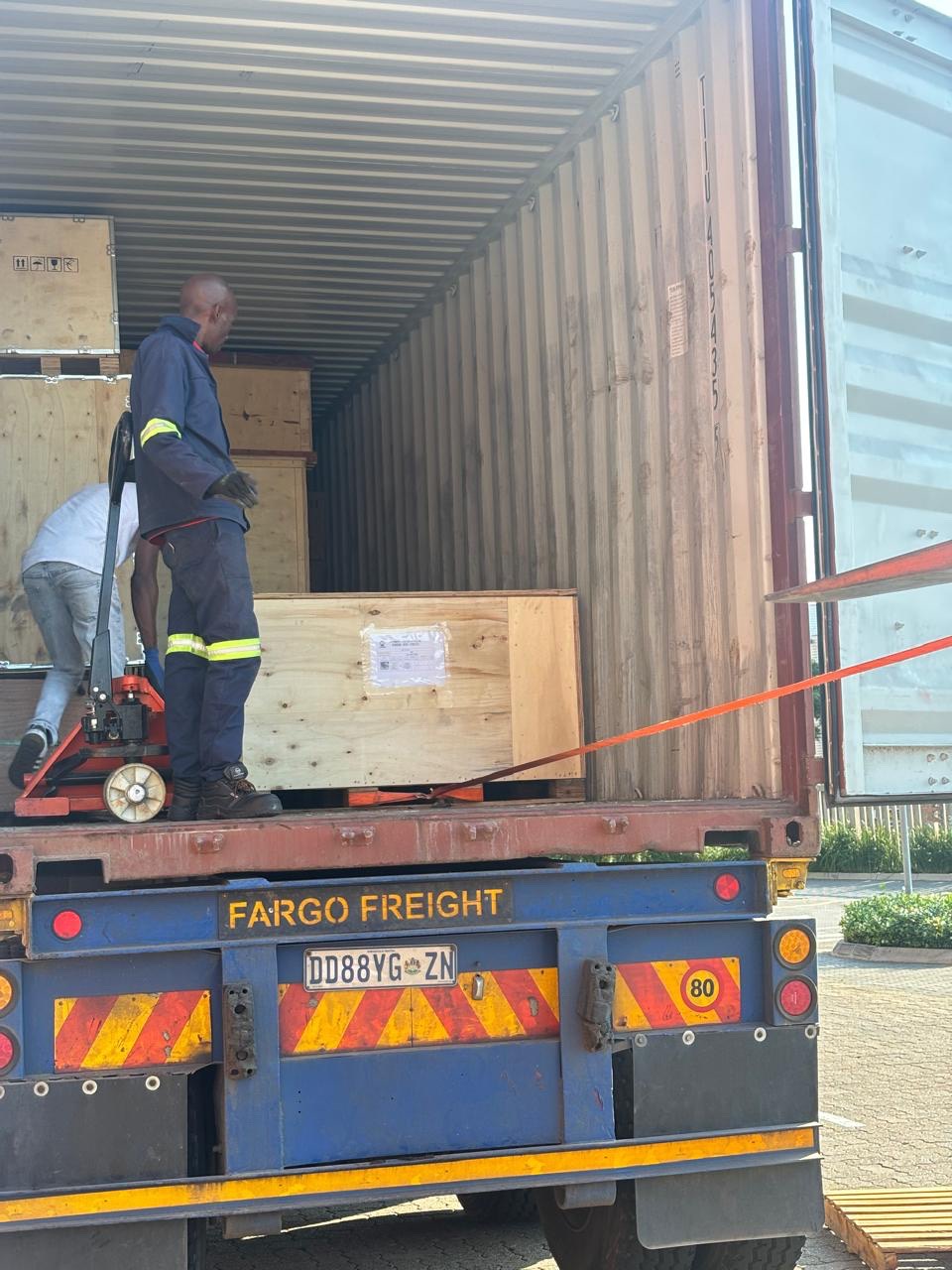
new arrivals
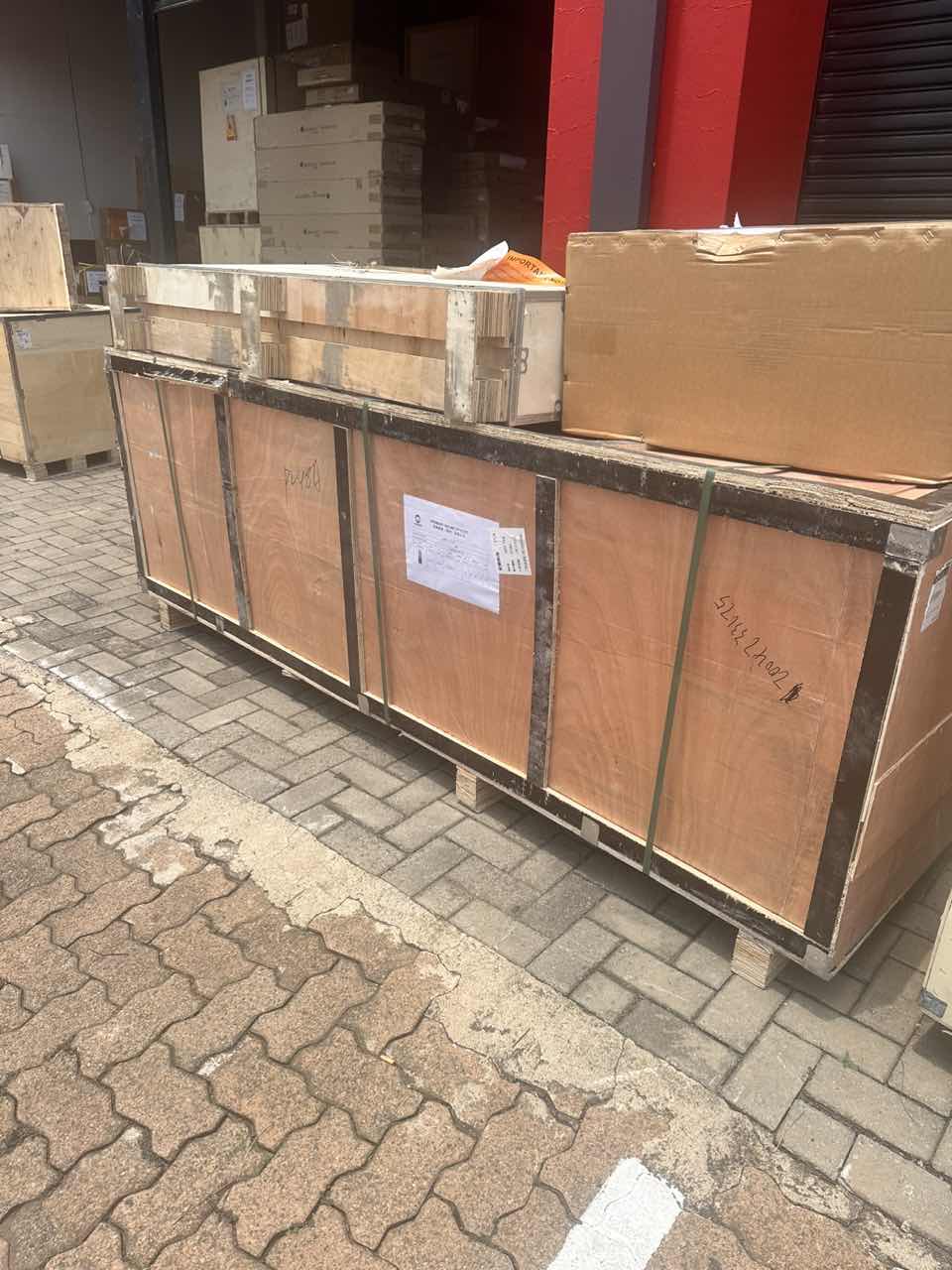
Pre Orders Offloading
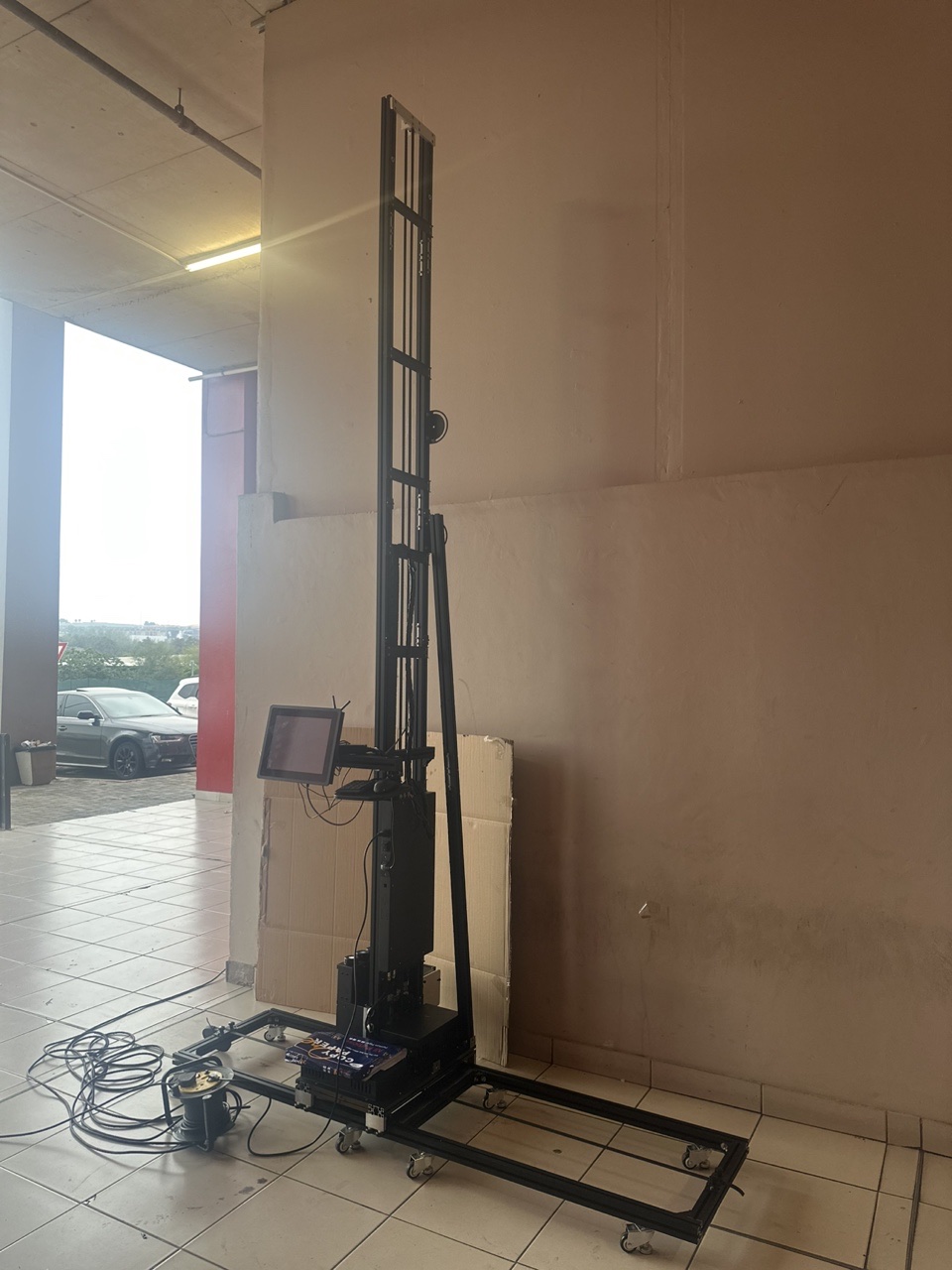
Latest Arrivals
Latest Arrivals
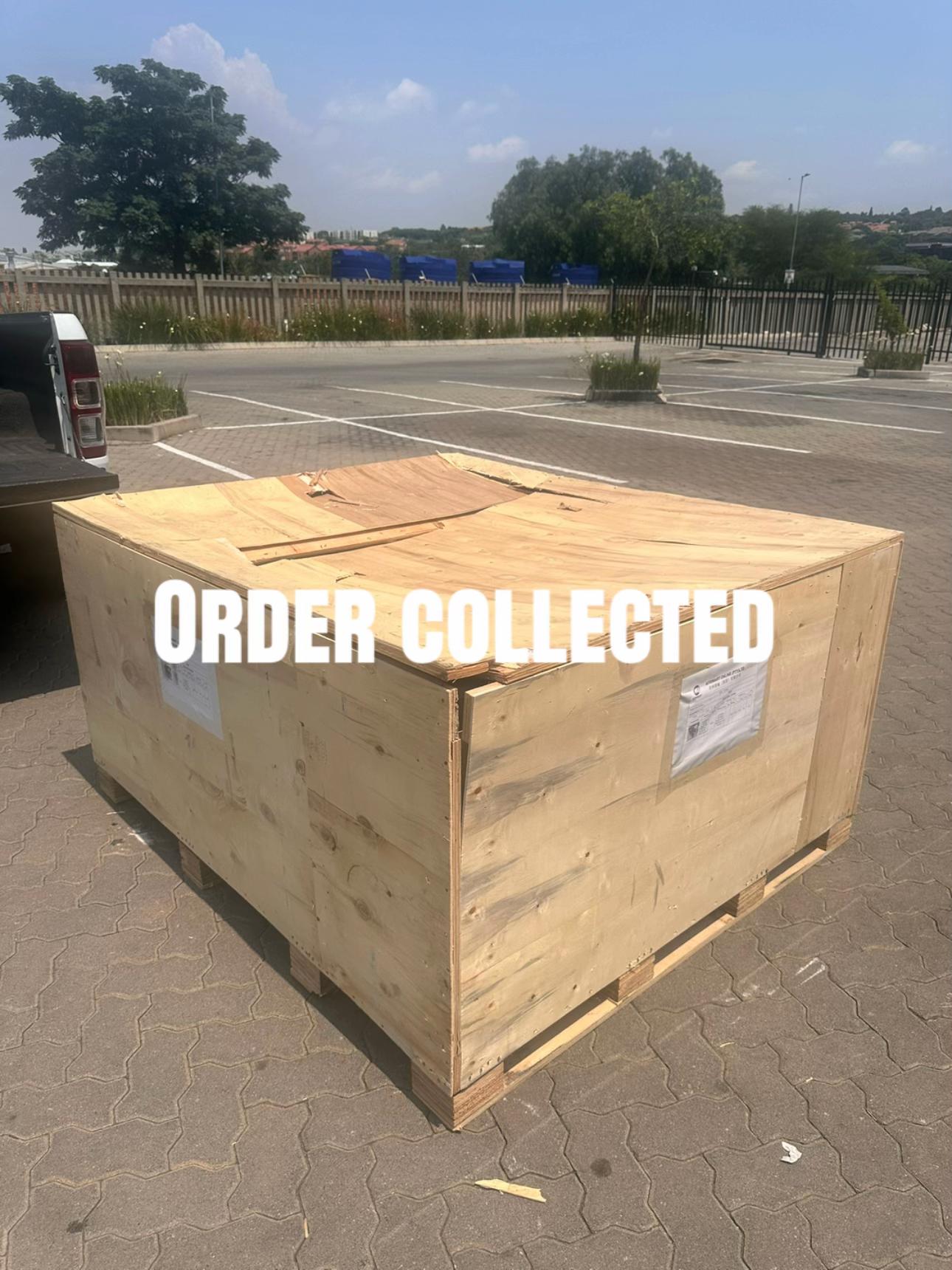
Latest Arrivals
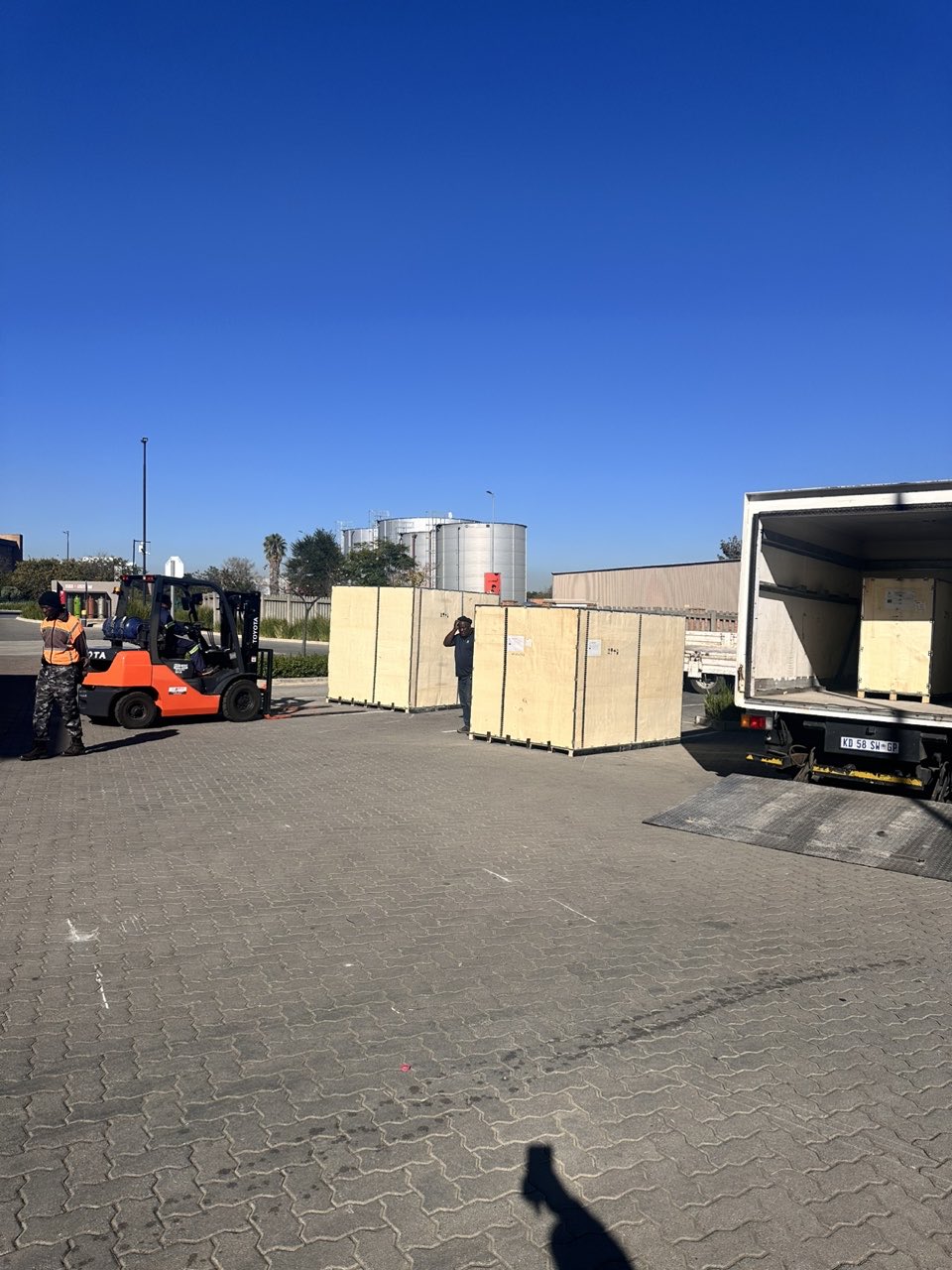
Loading
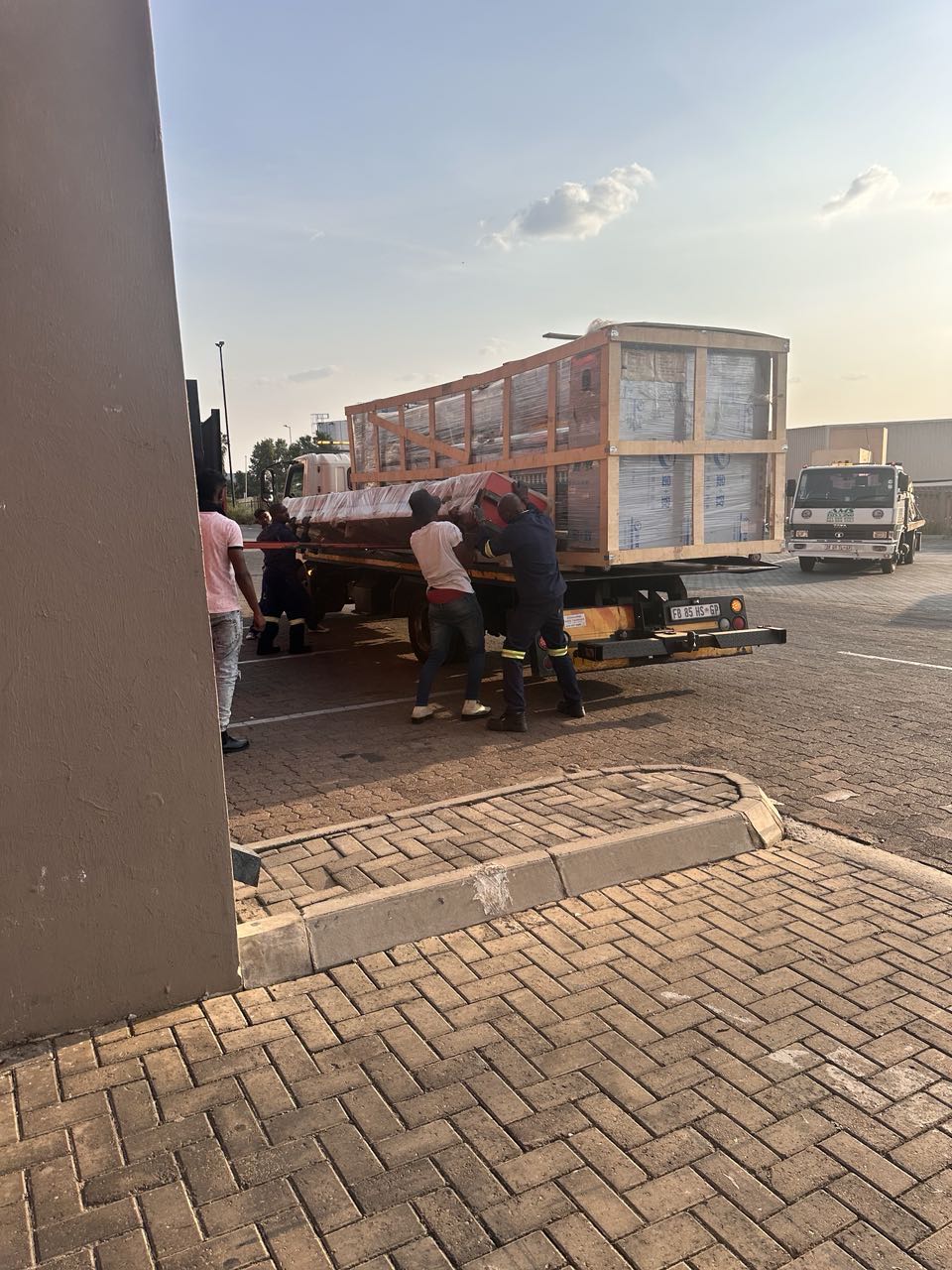
Toilet paper making machine
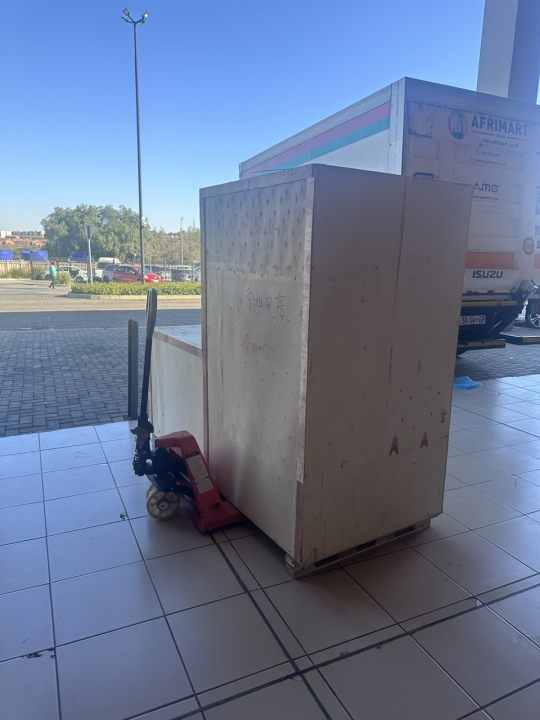
Toilet paper making machine
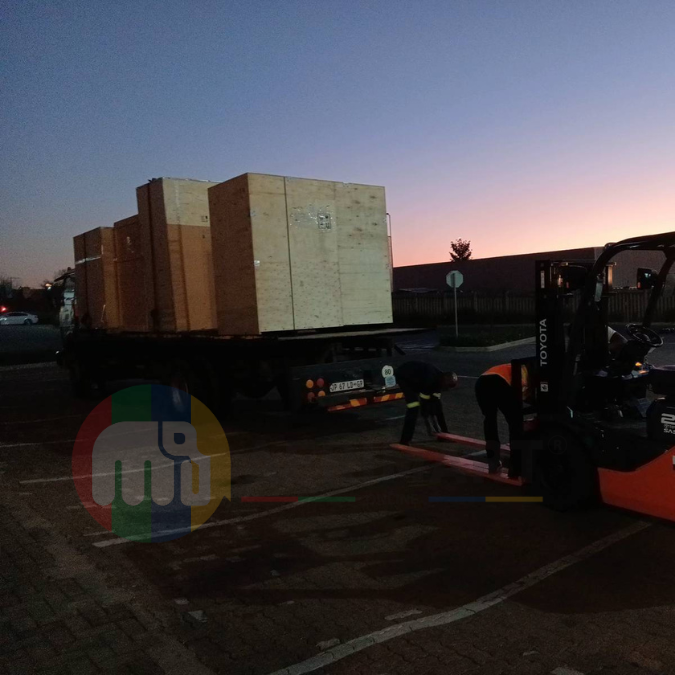
Toilet paper Rewinding Machine
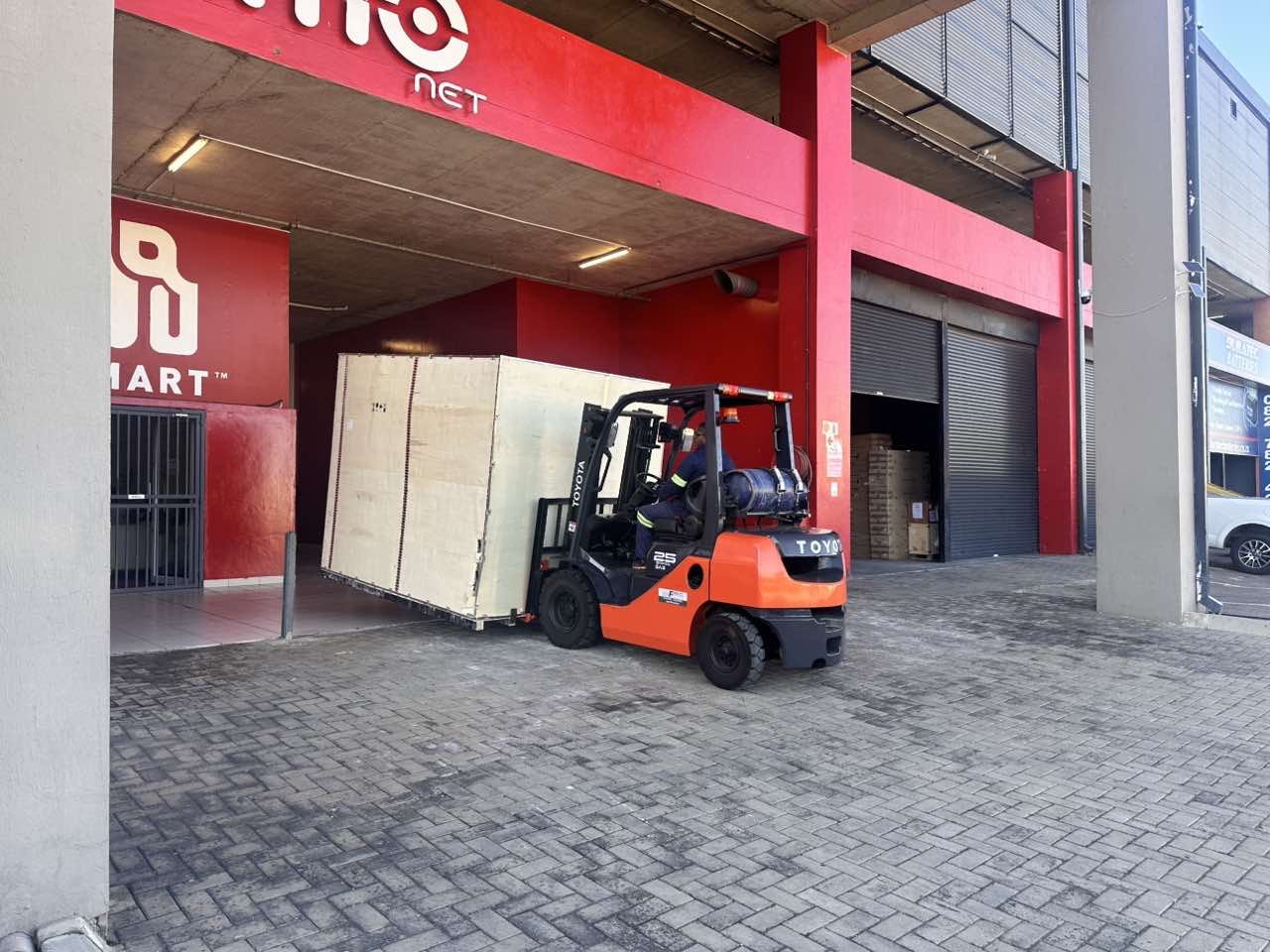
latest arrivals
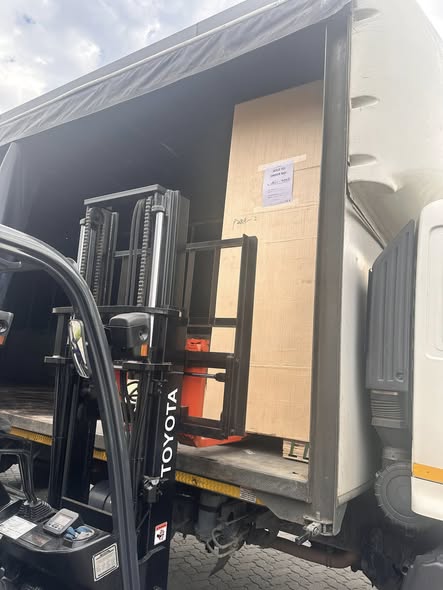
offloading
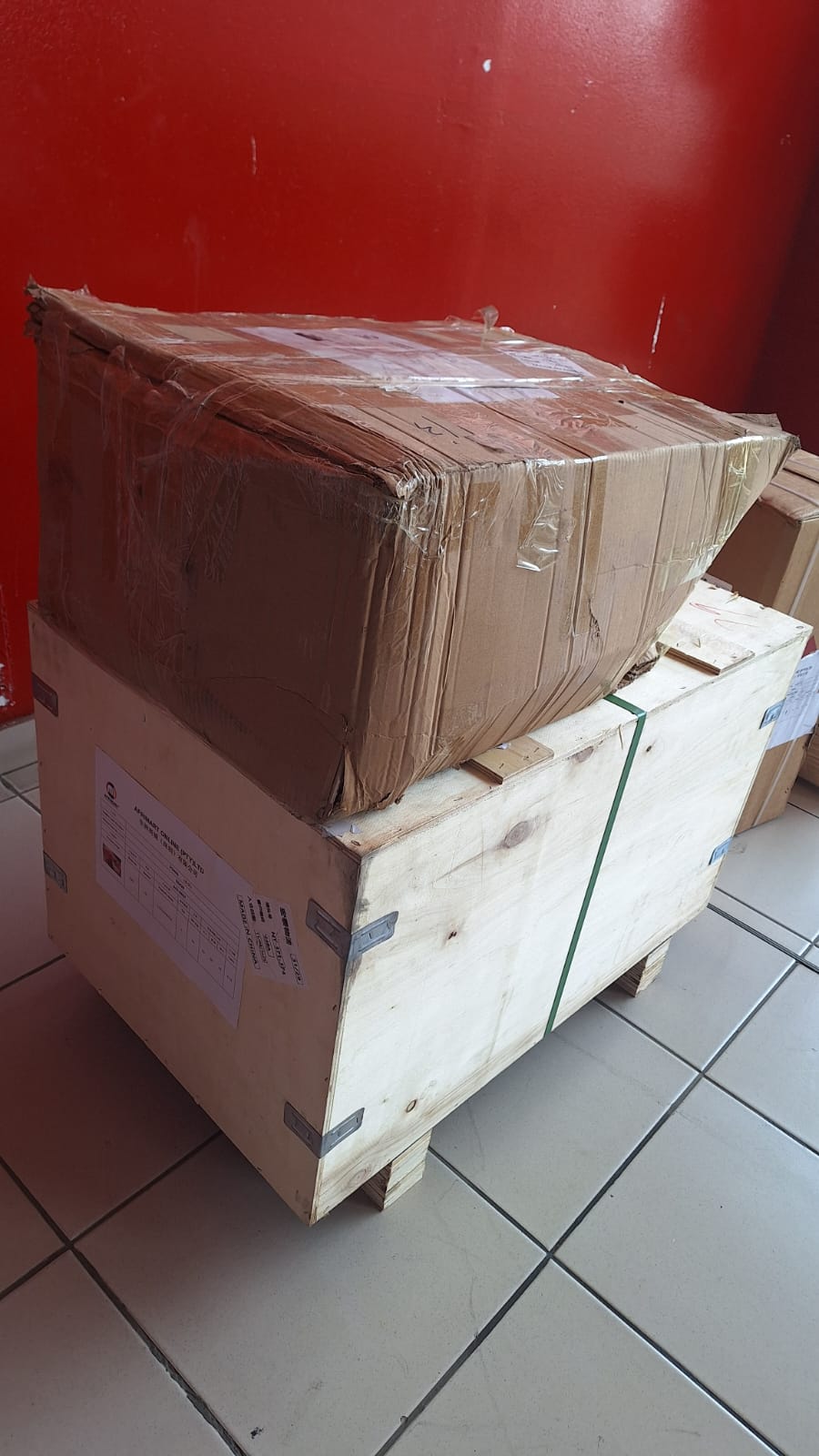
order success
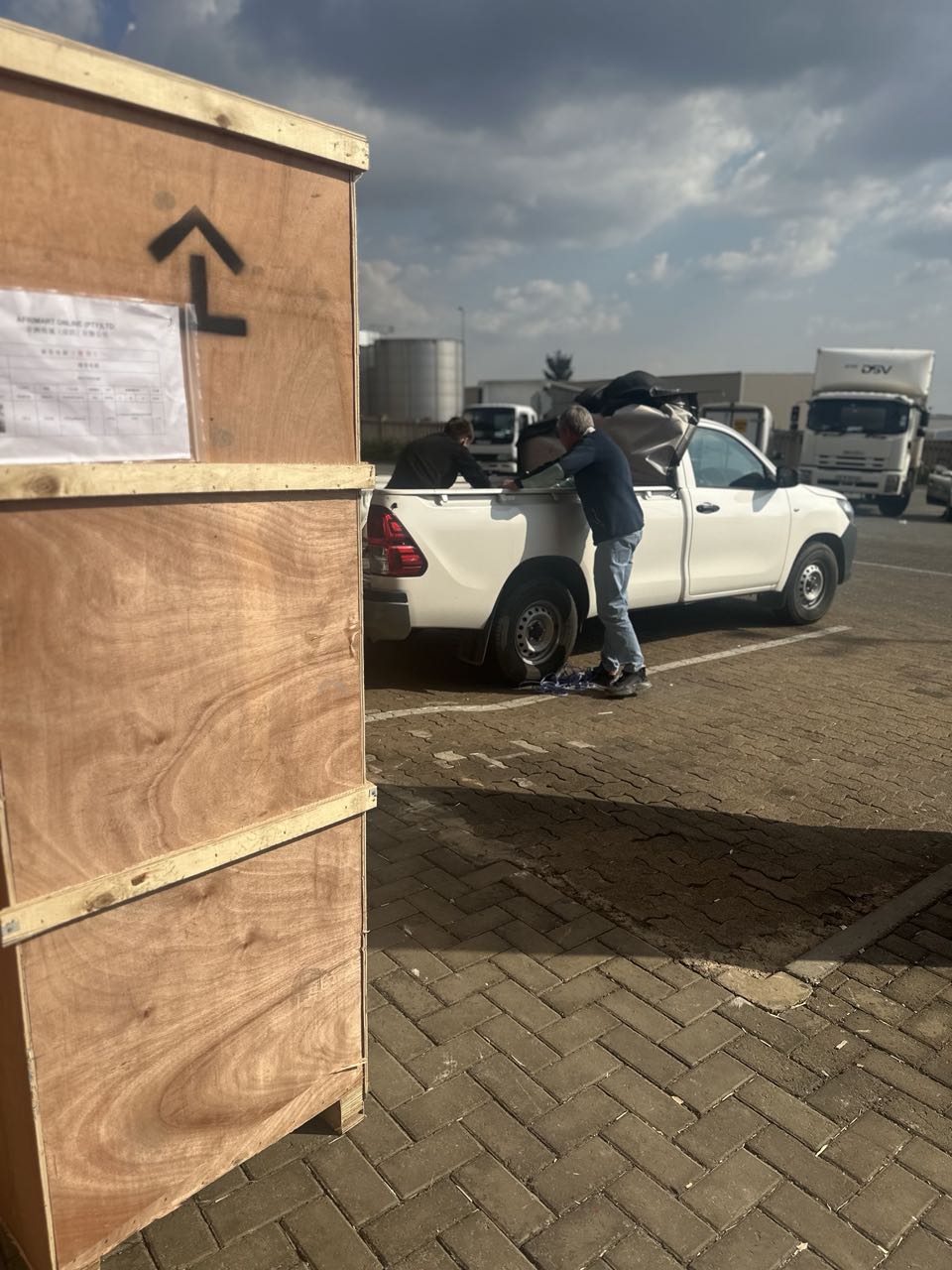
order collection
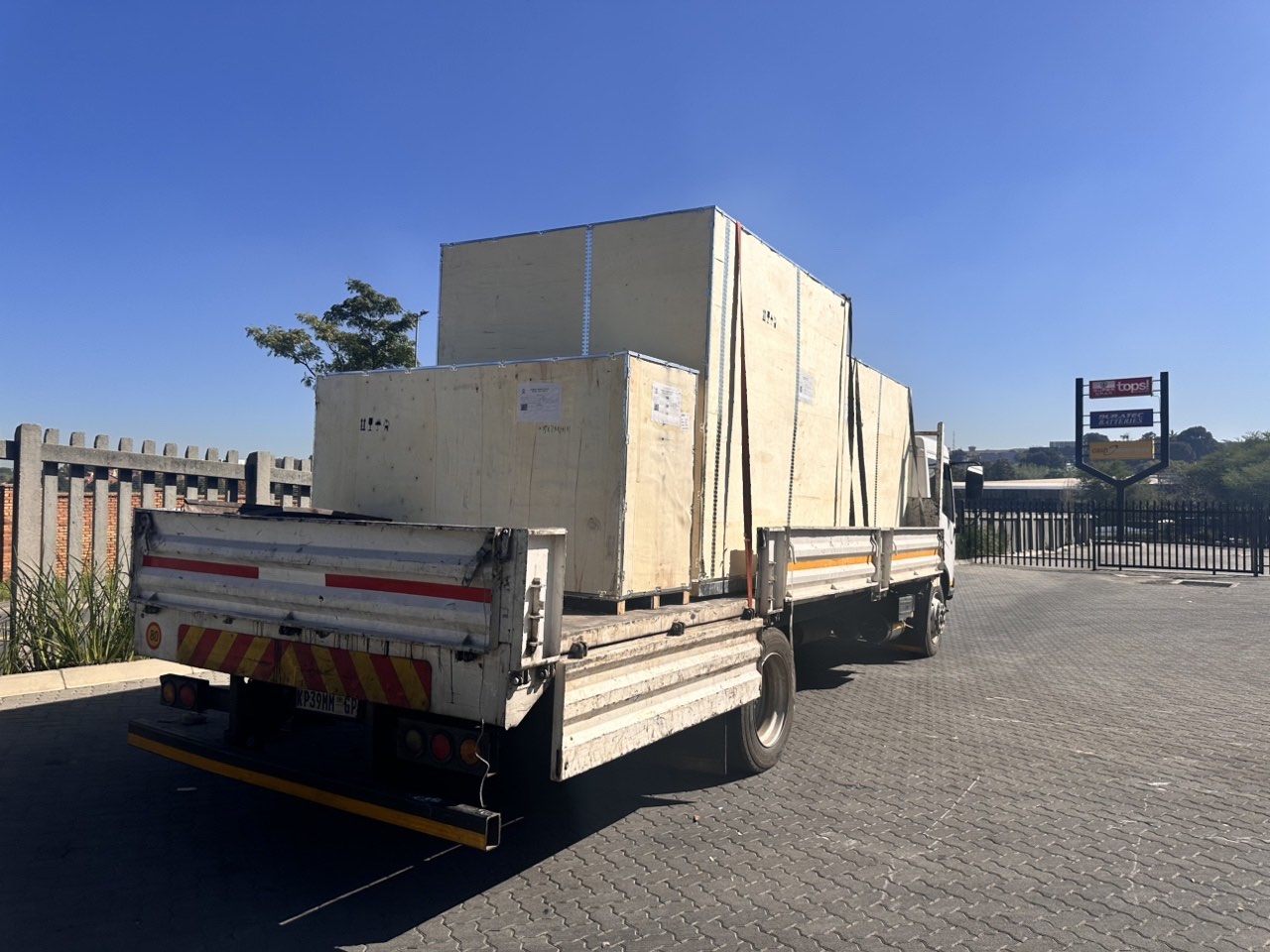
order offloading