B21, China Town Mall, Midrand


Emergency Medical Equipment Medical Tourniquets Digital Tourniquet Automatic Tourniquet Machine
Asset finance available
Do you want funding for this equipment?
Afrimart can connect you with trusted funding partners who specialise in asset finance for businesses like yours. Compare options and apply in minutes — final approval is subject to provider review.
Check funding options
Secure & no obligation

- Section : Medical Supplies
- Category : Emergency & Clinics Apparatuses
- SKU : 1600716887079

Products Description

Application
The electric pneumatic hemostasis device mainly forms pressure by inflating the hemostatic cuff and compresses the blood vessel to achieve the purpose of stopping bleeding. It is used to hinder the blood flow of the limbs during limb surgery (not suitable for femoral artery hemostasis).
Features and Advantages
Safety
Battery back-up, visual and audio alarms, positive locking connectors, and other proprietary features help ensure patient safety.
Reliability
Advanced microprocessor technology includes self-diagnostic tests and continuous monitoring for consistently
dependable performance.
Convenience
Fast inflation and deflation save time for busy operating room personnel. Ergonomic contours facilitate handling and operation for positive, confident control.
High Quality Inflation
The Tourniquet System addresses important concerns in medical tourniquet system design, providing the features that healthcare facilities demand for safety, reliability and convenience.
Patient Safety
Dual cuffs provide precise, independent monitoring and performance for bilateral or Bier Block procedures. Accuratepressure monitoring for patient safety and confidence.
User Friendly
Large LED display is adjustable and easy to read, even from a distance.
Simple setup includes user-defined default pressure and time settings.
Lightweight, portable unit can be mounted on an I.V. pole or placed on a table.


| Product Name | Display Automatic Tourniquet System(double channel) |
| Mounting options | able or Moving bracket |
| Battery Type and Duration | Lithiumlon / 4 hrs |
| User Interface | Touchscreen User Interface |
| Working Conditions | a) Ambient temperature: 5 ℃-40 ℃ |
| b) Relative Humidity: ≤ 85% | |
| c) Atmospheric Pressure: 860hPa- 1060hpa | |
| d)PowerSupply :AC100-240V 50Hz/60Hz | |
| e)rated input power: 90VA | |
| Performance | The pressure range of the rated output air pressure can be controlled from 30 mmHg to 650 mmHg; |
| Inflation time at maximum rated air pressure (from pressure less than30 mmHg) should be ≤ 60 s | |
| Work noise ≤ 80dB | |
| The pressure is controllable, and the pressure can be stabilized at ± 10 mmHg. | |
| Continuous | 240min |
| Package | 620*620*430mm, 13KGS |
Electric tourniquet system cuff size
| Size | Width (mm) | Length (mm) |
| 8” | 203 | 63 |
| 12” | 305 | 89 |
| 15” | 381 | 101 |
| 18” | 457 | 101 |
| 24” | 610 | 101 |
| 30” | 762 | 101 |
| 34” | 863 | 101 |
| 38” | 965 | 101 |
| 44” | 1117 | 101 |
| 14” | 355 | 101 |
| 20” | 508 | 152 |
| 26” | 660 | 152 |
| 32” | 812 | 152 |
- Shipping Timeframes: All orders are processed within 2-5 business days (excluding weekends and holidays). After your order has been processed, the estimated delivery time is before 24 Jun, 2026, depending on customs, Please note that due to high demand, some items may experience longer shipping times, which will be communicated at order confirmation email.
- Order Processing Time: Please allow 2-5 business days for us to process your order before it is shipped . Orders placed after 16:00 on Fridays, or during weekends and public holidays, will begin processing on the next business day. Processing times may be extended during peak seasons or sales events.
- Manufacturing Time: Some products needs manufacturing time, the manufacturing process will take approximately 10-30 business days depending on the product. This timeframe may vary depending on the complexity of the product and current demand. but this will be communicated with you during order confirmation.
- Returns and Exchanges: We offer a 30-day return policy for most items. If you are not completely satisfied with your purchase, you may return it within 30 days of receipt for a refund or exchange. Items must be unused, in their original packaging, and accompanied by proof of purchase. Return shipping costs are the responsibility of the customer, unless the item was damaged or defective upon arrival.
1. What is the main purpose of the Emergency Medical Equipment Medical Tourniquet?
The primary purpose of the Emergency Medical Equipment Medical Tourniquet is to stop bleeding by inflating a hemostatic cuff to compress blood vessels during limb surgeries.
2. Is this tourniquet suitable for use on the femoral artery?
No, the electric pneumatic hemostasis device is not suitable for femoral artery hemostasis; it is designed for use on the limbs.
3. What safety features does the tourniquet system include?
The tourniquet system includes battery backup, visual and audio alarms, positive locking connectors, and self-diagnostic tests to ensure patient safety.
4. How does the digital tourniquet ensure reliable performance?
It utilizes advanced microprocessor technology that includes continuous monitoring and self-diagnostic tests for dependable performance.
5. What are the mounting options for the automatic tourniquet machine?
The automatic tourniquet machine can be mounted on an I.V. pole or placed on a table, providing flexibility in usage.
6. What is the inflation time for the tourniquet at maximum pressure?
The inflation time at maximum rated air pressure (from less than 30 mmHg) should be 60 seconds or less.
7. What is the weight of the tourniquet system?
The package weight of the tourniquet system is 13 kg.
8. What is the pressure range that the tourniquet can control?
The tourniquet can control a rated output air pressure from 30 mmHg to 650 mmHg.
9. How user-friendly is the interface of the digital tourniquet?
The touchscreen user interface is large and adjustable, making it easy to read from a distance and simple to set up with user-defined default pressure and time settings.
10. What is the battery type and duration for this tourniquet?
The tourniquet uses a lithium-ion battery with a duration of approximately 4 hours.
11. What are the working conditions for the automatic tourniquet machine?
The working conditions include an ambient temperature of 5 ℃ to 40 ℃, relative humidity of ≤ 85%, and atmospheric pressure between 860 hPa and 1060 hPa.
12. What is the noise level of the tourniquet during operation?
The work noise level of the tourniquet is ≤ 80 dB.
13. Can the tourniquet be used for bilateral or Bier Block procedures?
Yes, the dual cuffs of the tourniquet allow for precise, independent monitoring and performance for bilateral or Bier Block procedures.
14. What dimensions does the tourniquet system package have?
The package dimensions are 620 mm x 620 mm x 430 mm.
15. How can I ensure accurate pressure monitoring during use?
The tourniquet system provides accurate pressure monitoring, ensuring that the pressure remains stable within ± 10 mmHg for patient safety.
Latest Order Arrivals
Discover our latest orders
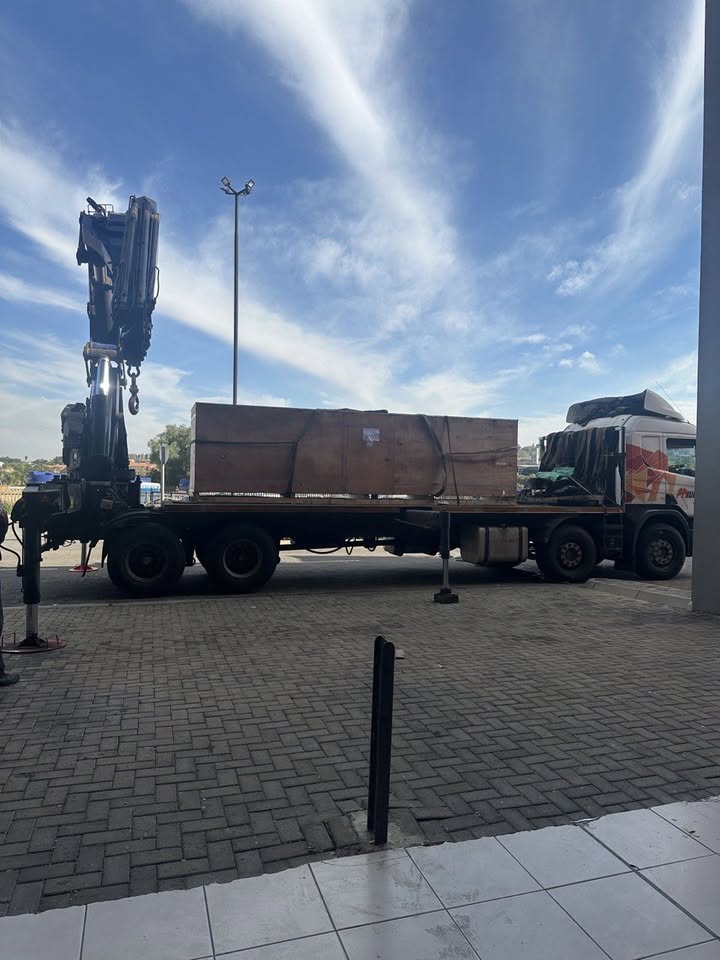
12 Heads Embroidery Machine
Toilet Paper Machine Machine
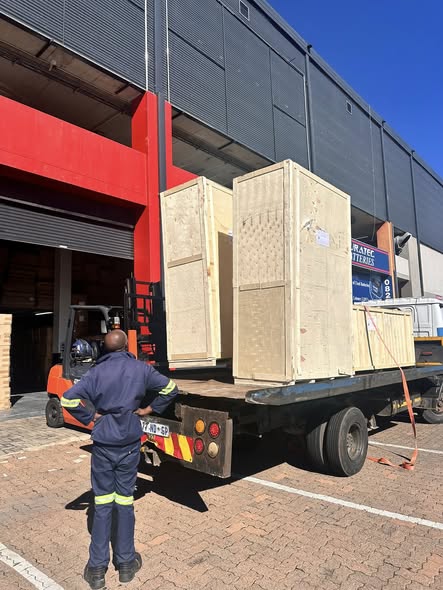
Order Collection
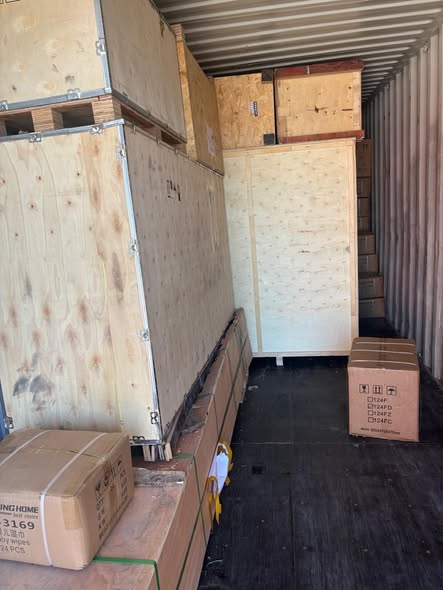
Cross Border Clients
Order cros border countries Collected
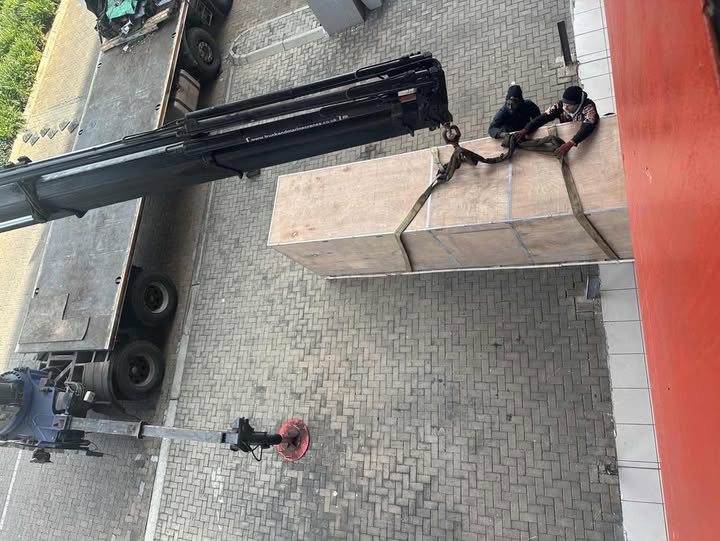
Industrial Machine Cllection
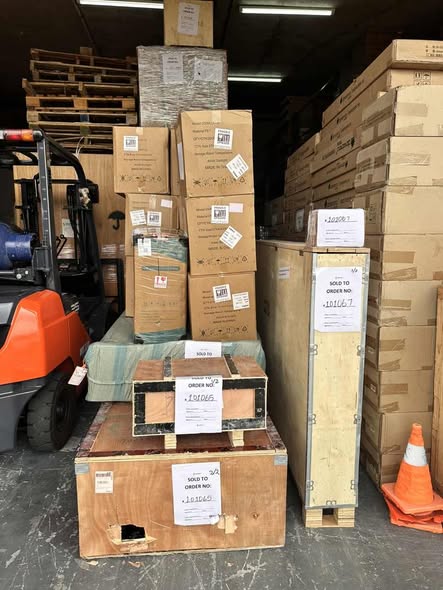
Agriculture Processing Machines
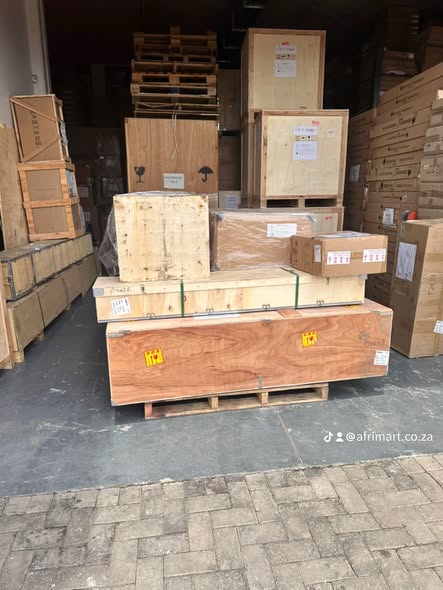
Ready for collection
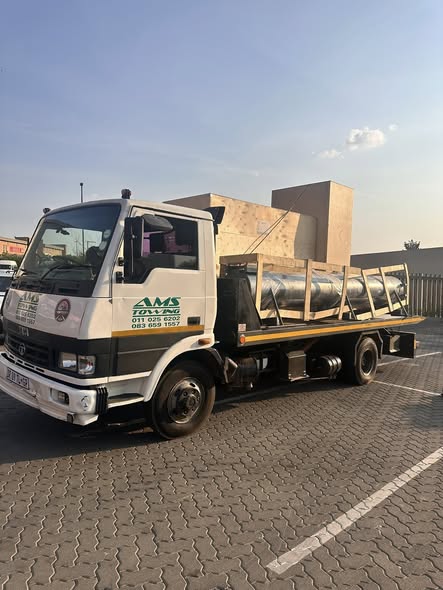
Water Pump Equipment
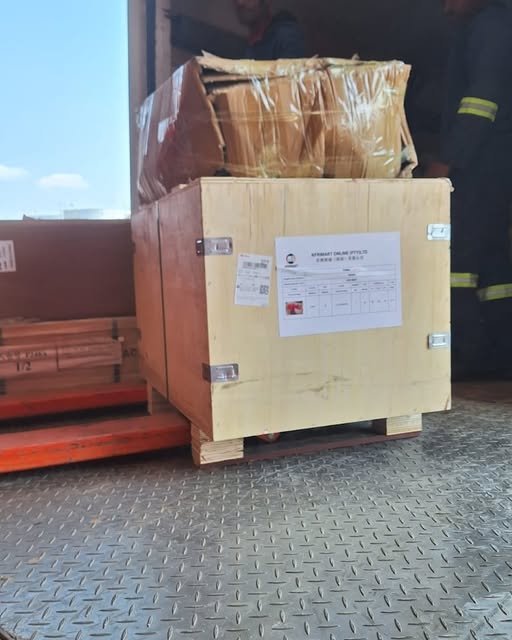
Packaging Machine and accessories
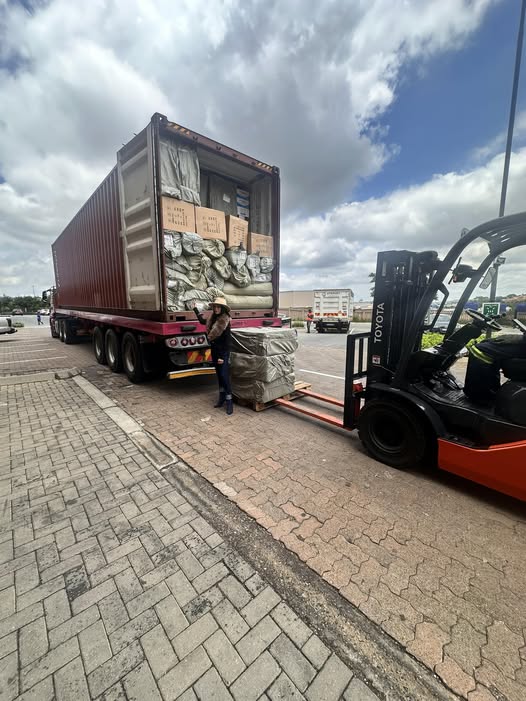
Fabrics Manufacturing Equipment
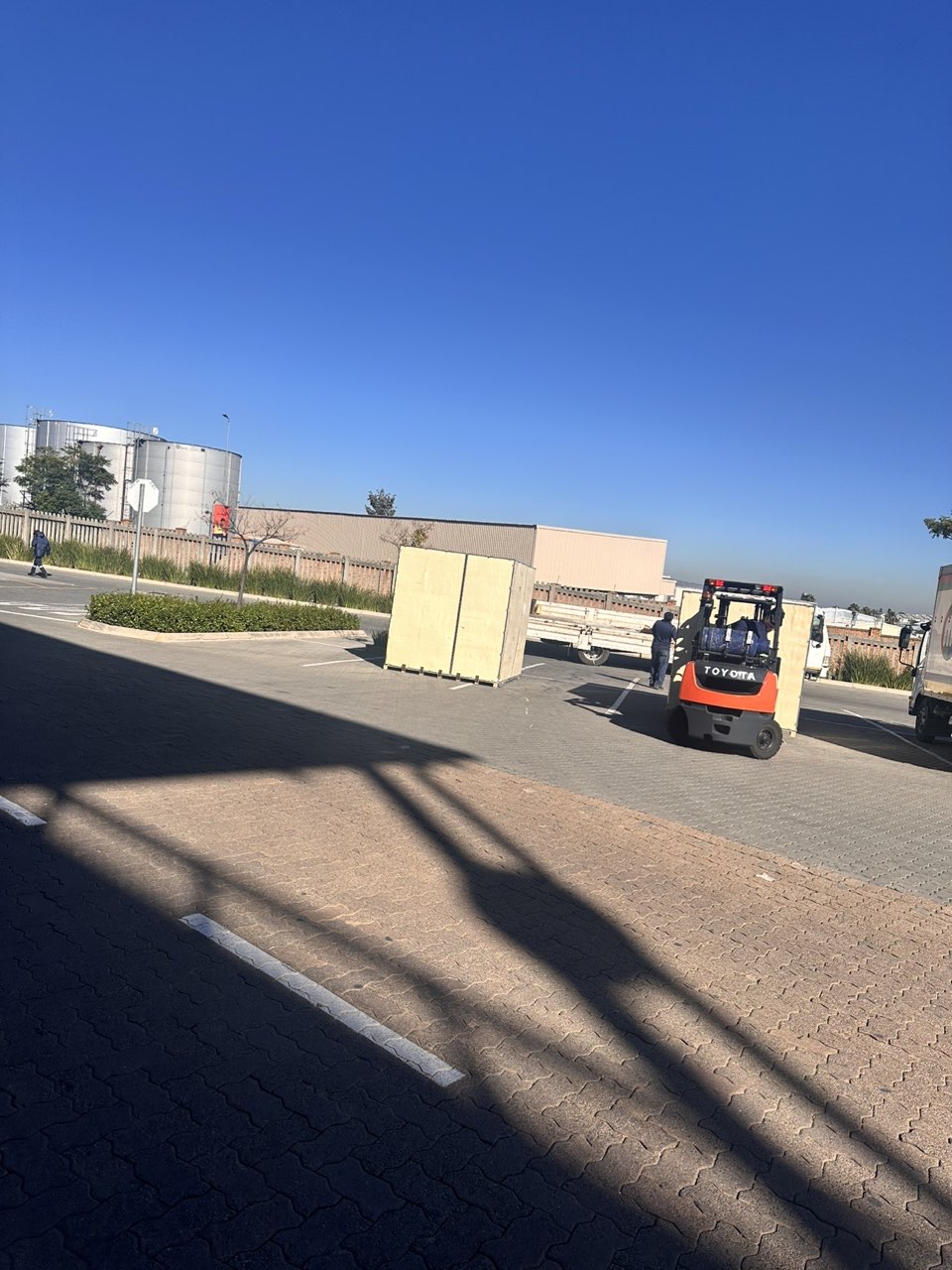
Mining Equipments
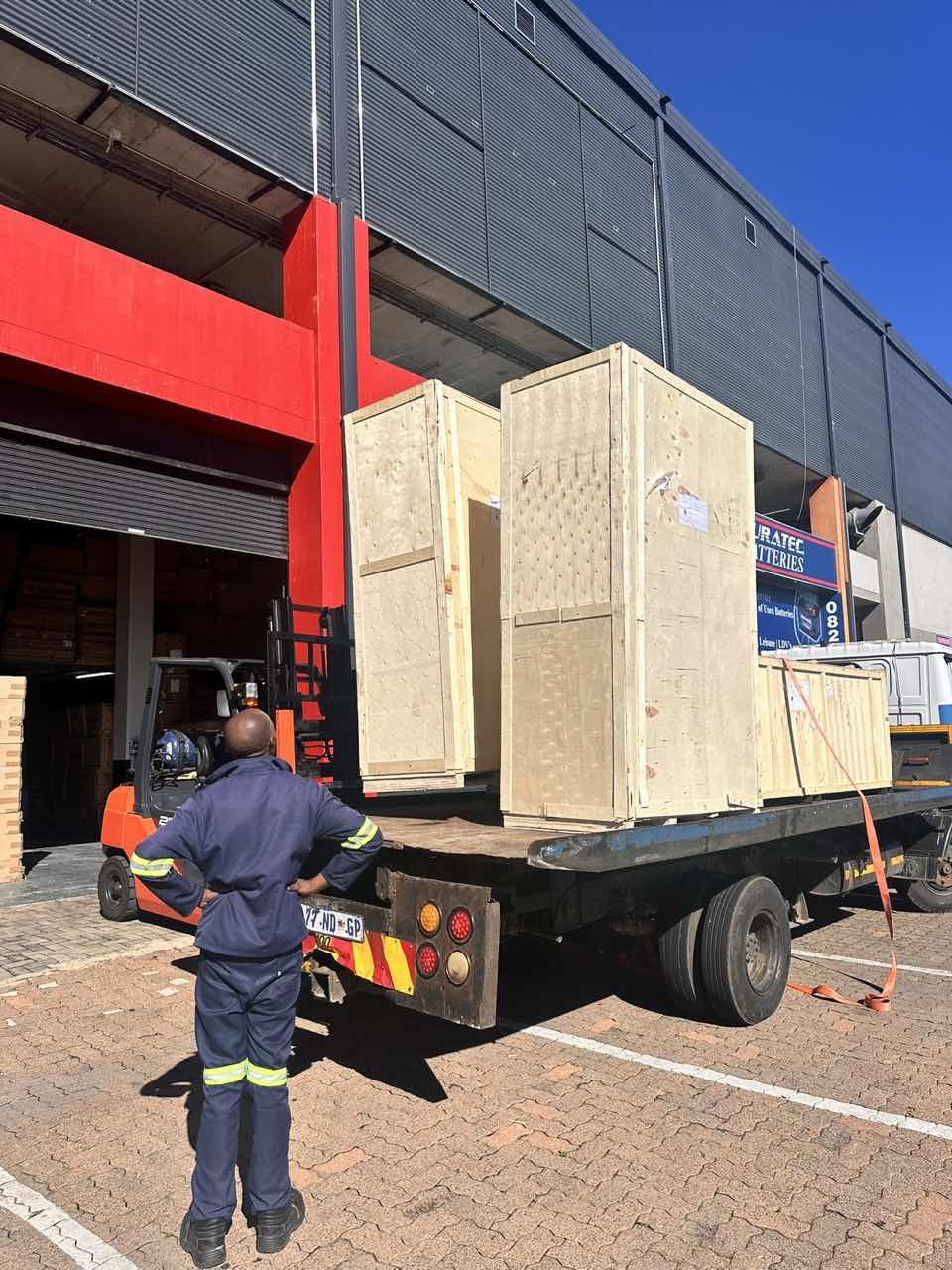
Food Processing Machine
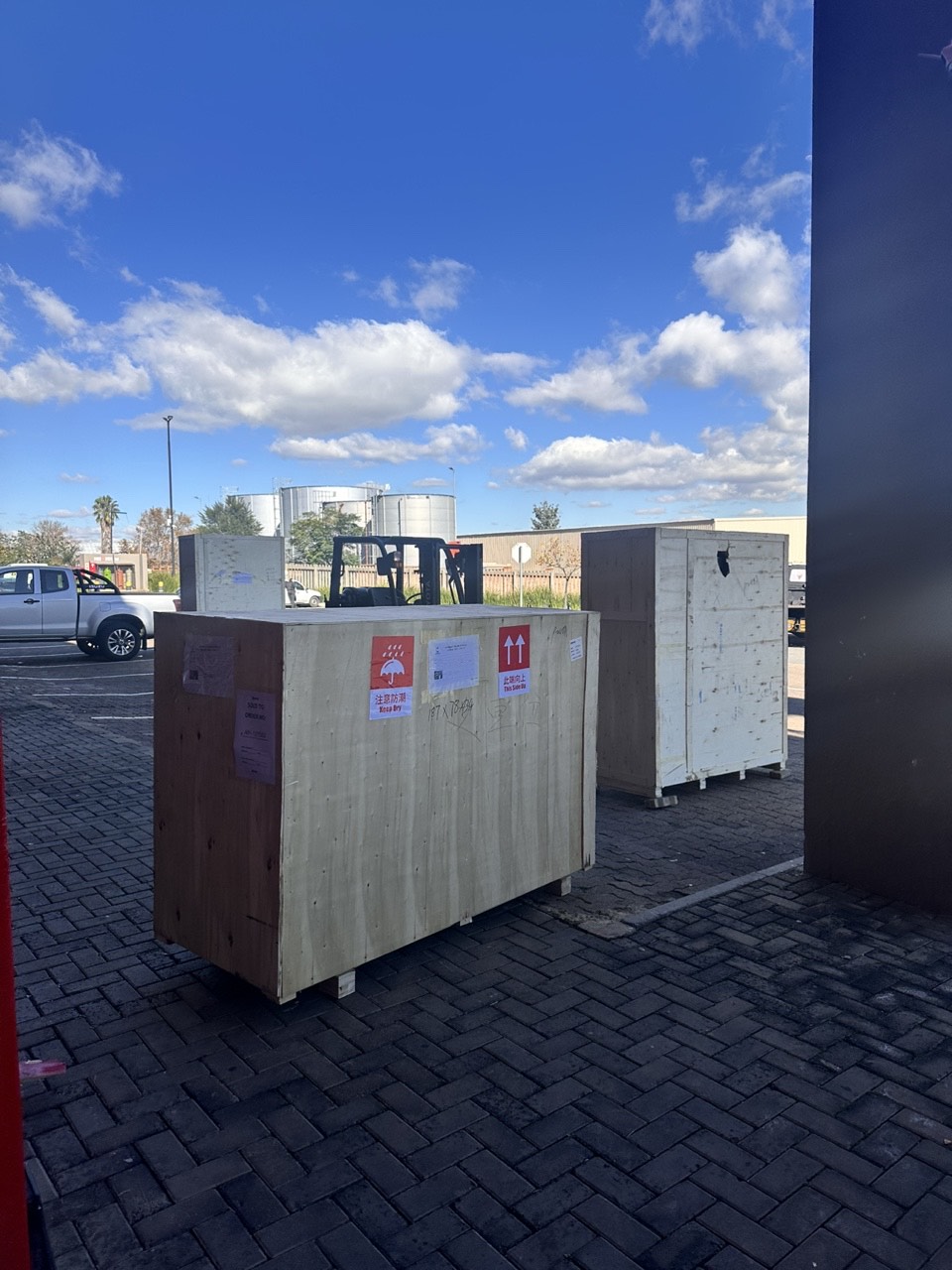
Batch of Orders
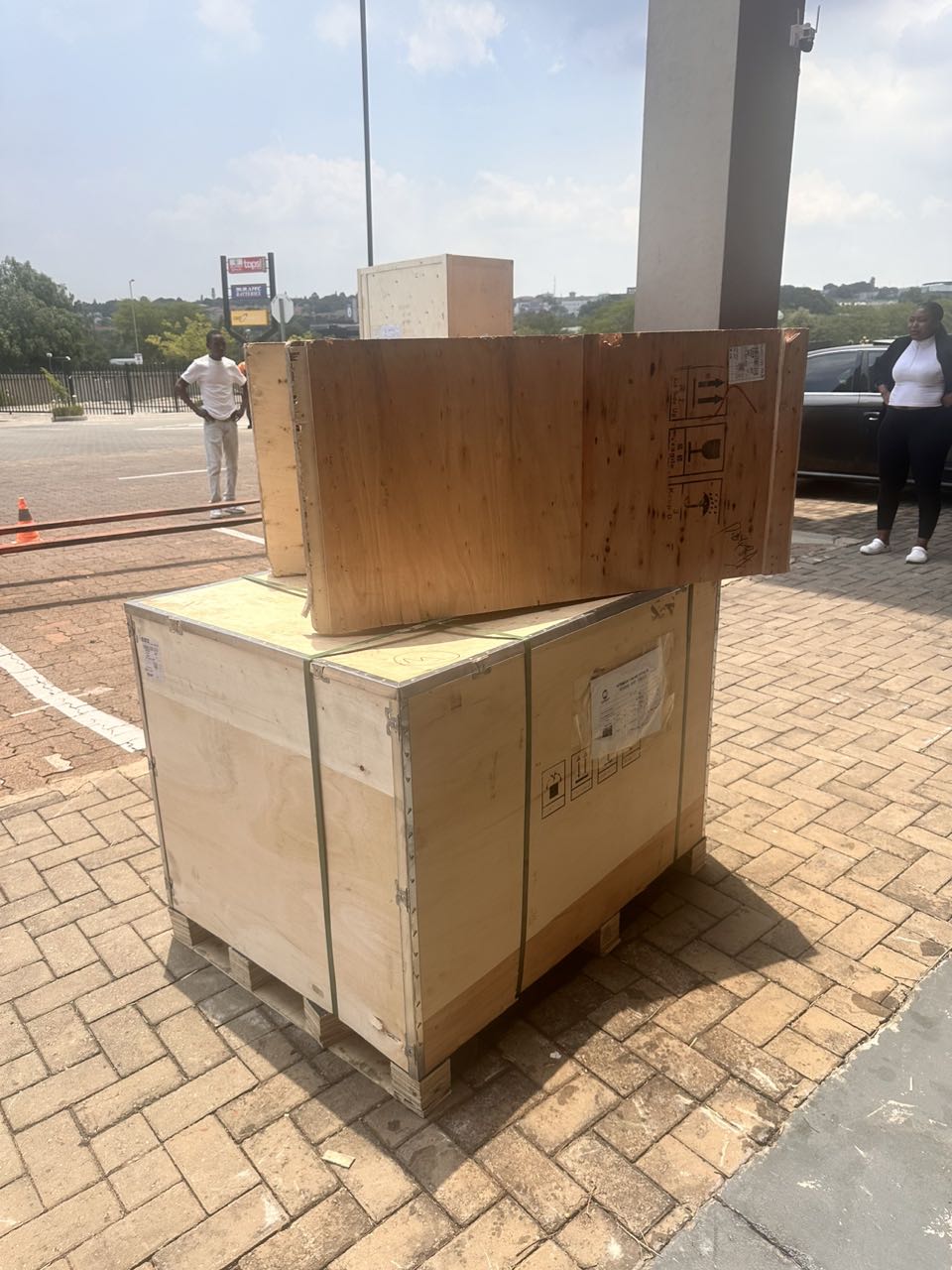
Batch of Orders
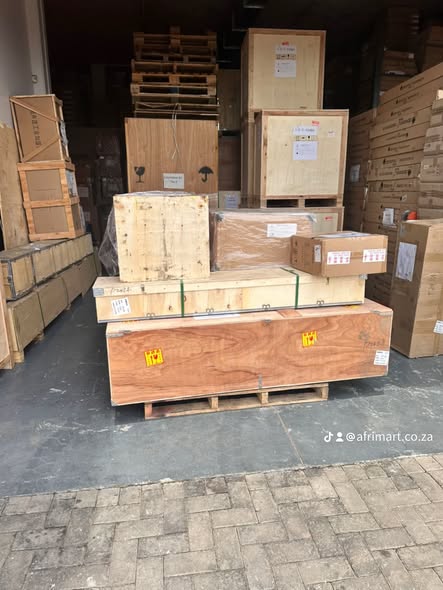
Latest Orders Labelled
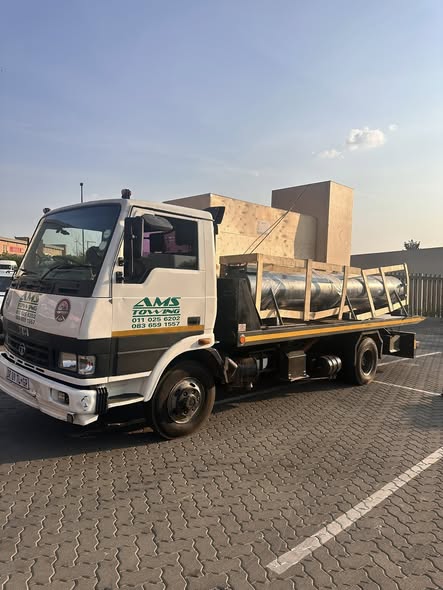
wheel alignment machines
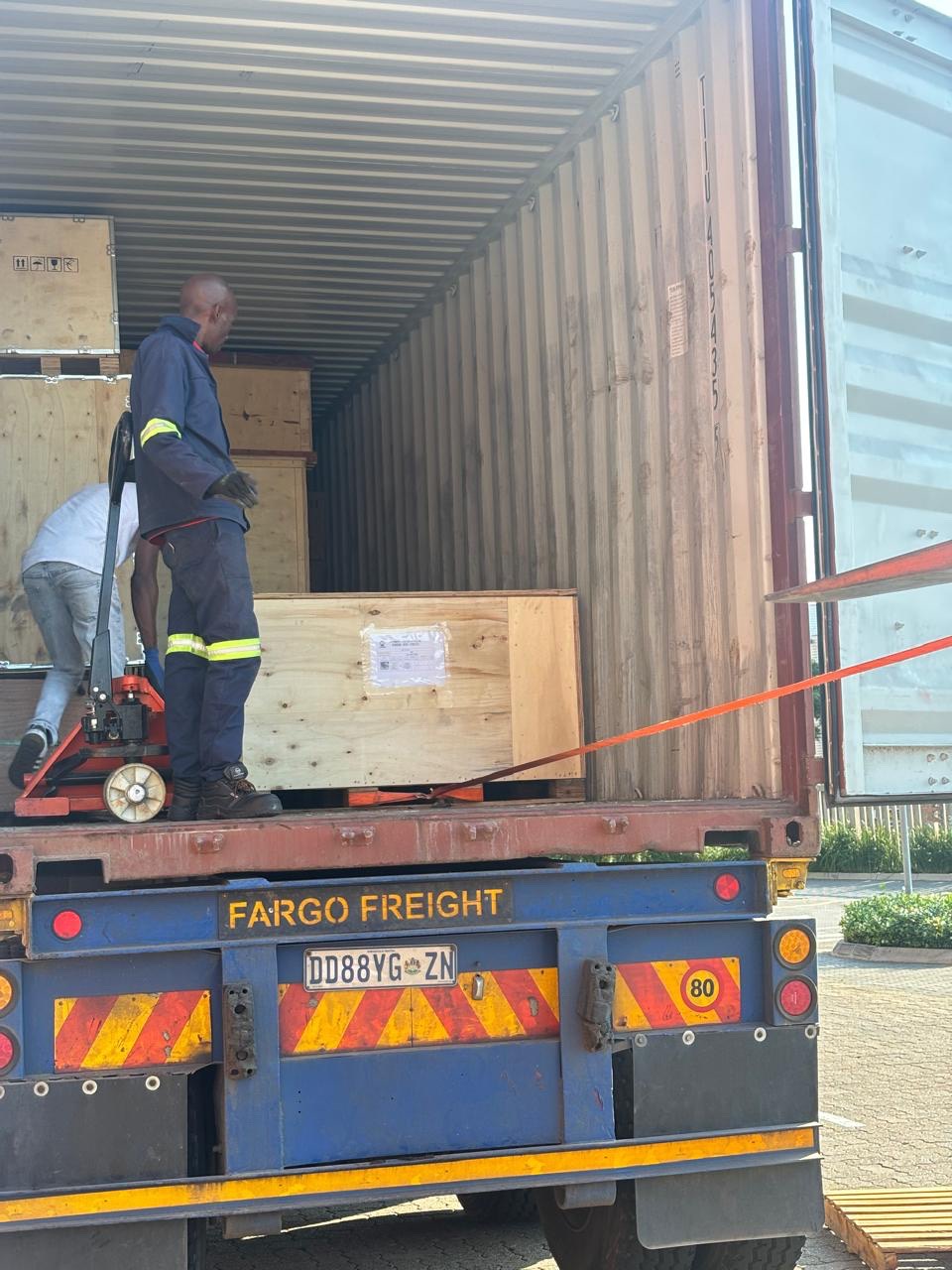
new arrivals
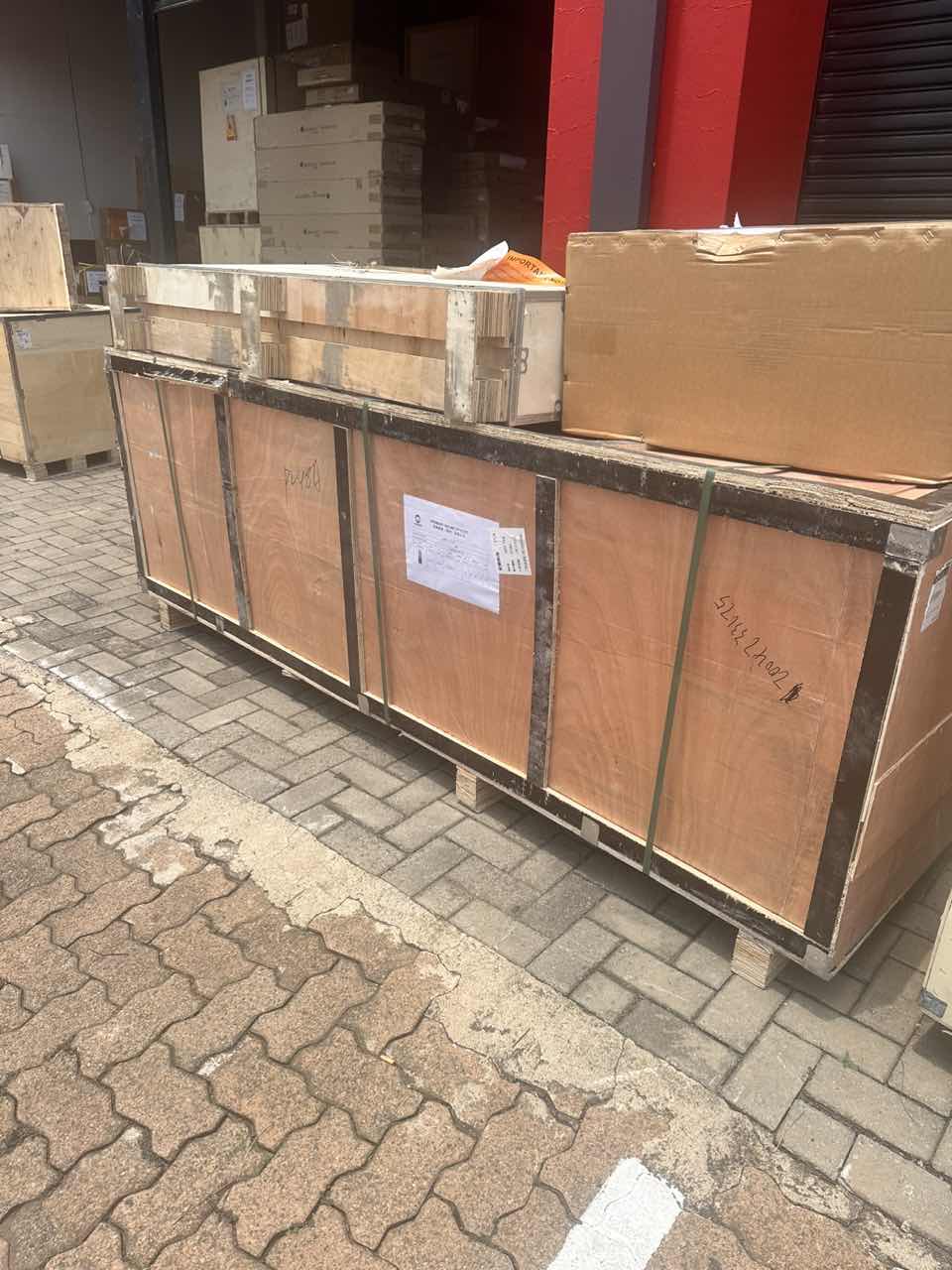
Pre Orders Offloading
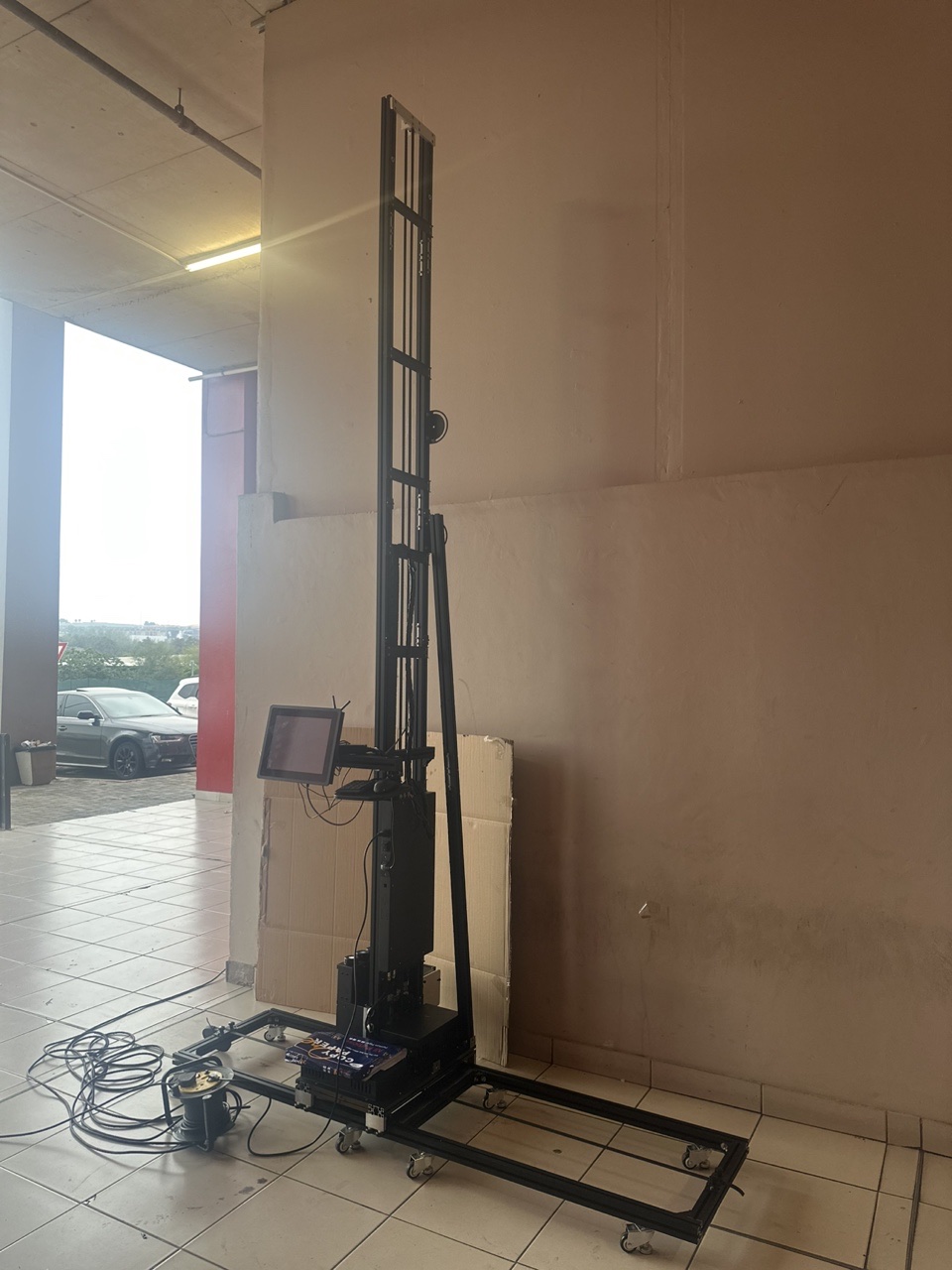
Latest Arrivals
Latest Arrivals
Latest Arrivals
Loading
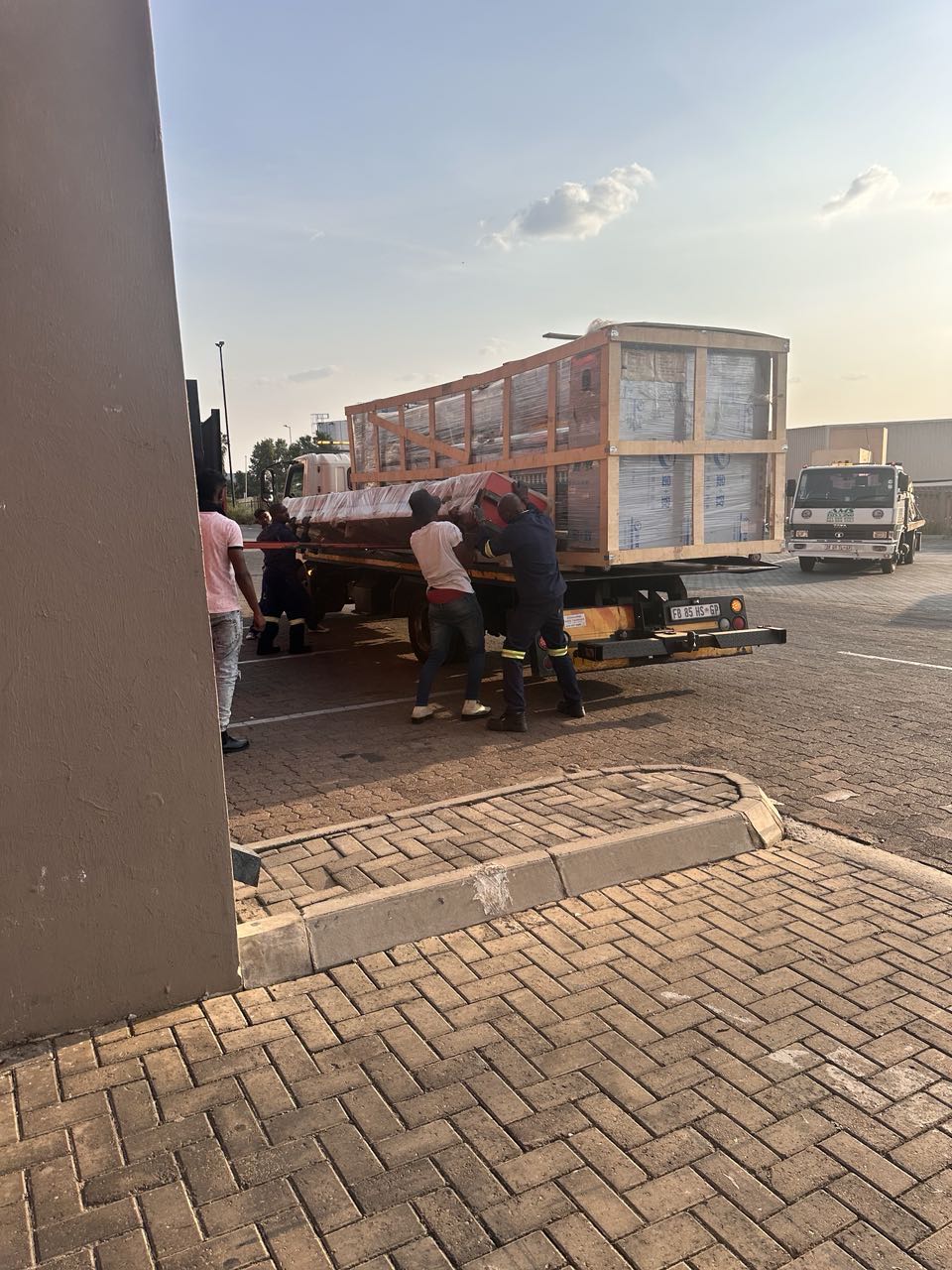
Toilet paper making machine
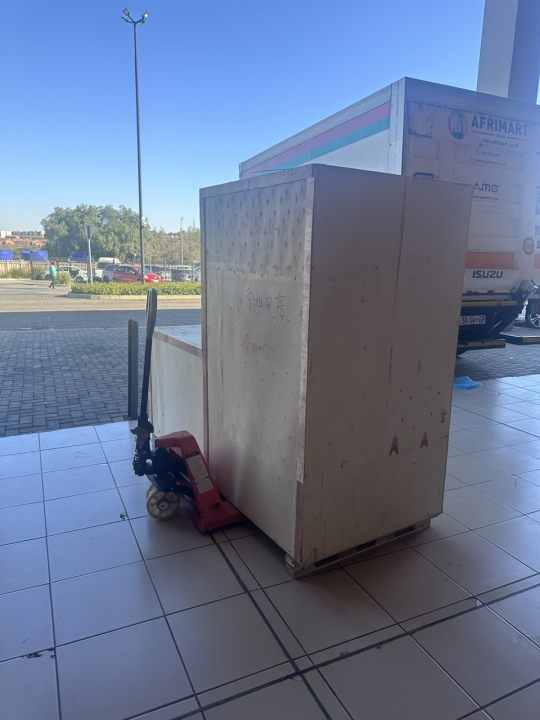
Toilet paper making machine
Toilet paper Rewinding Machine
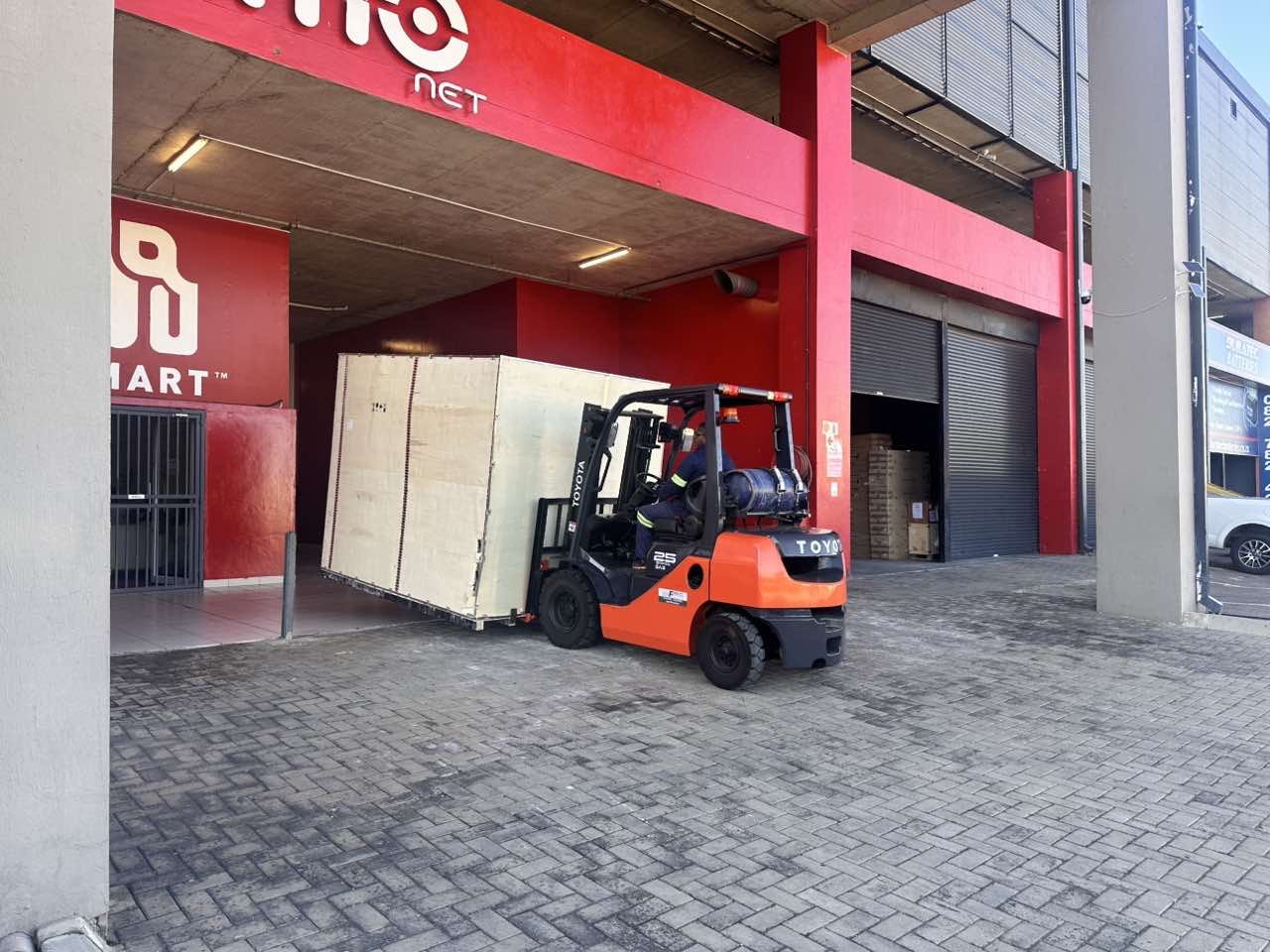
latest arrivals
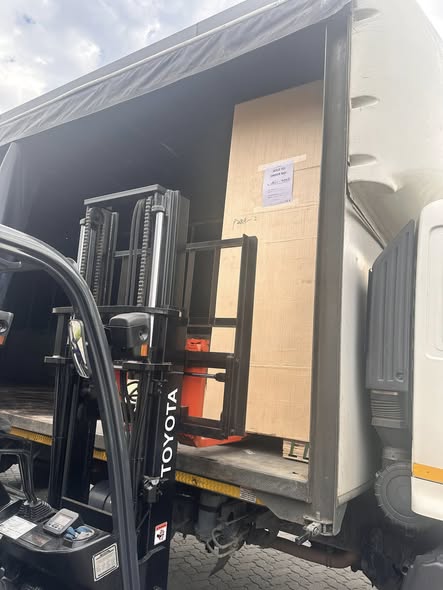
offloading
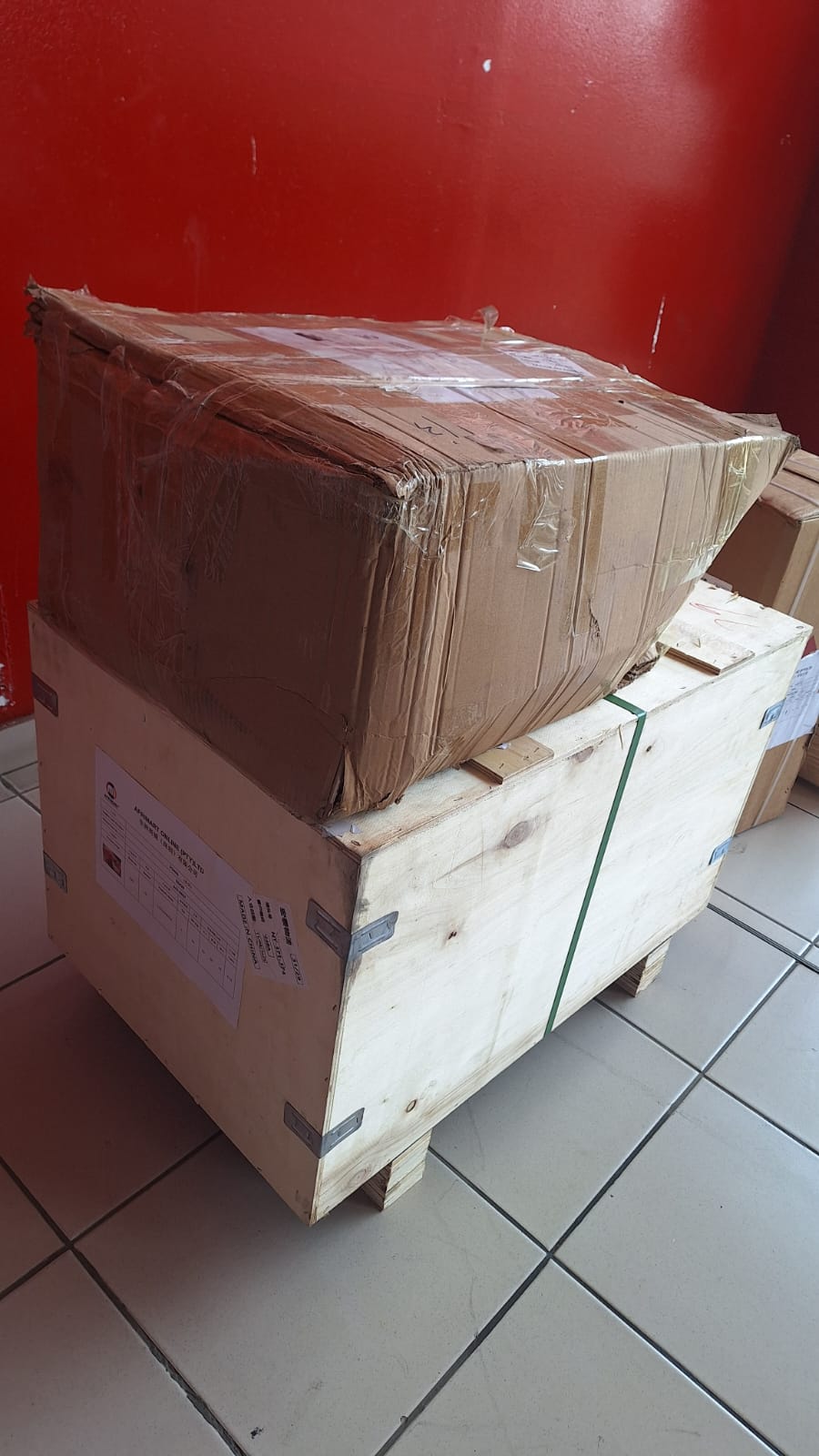
order success
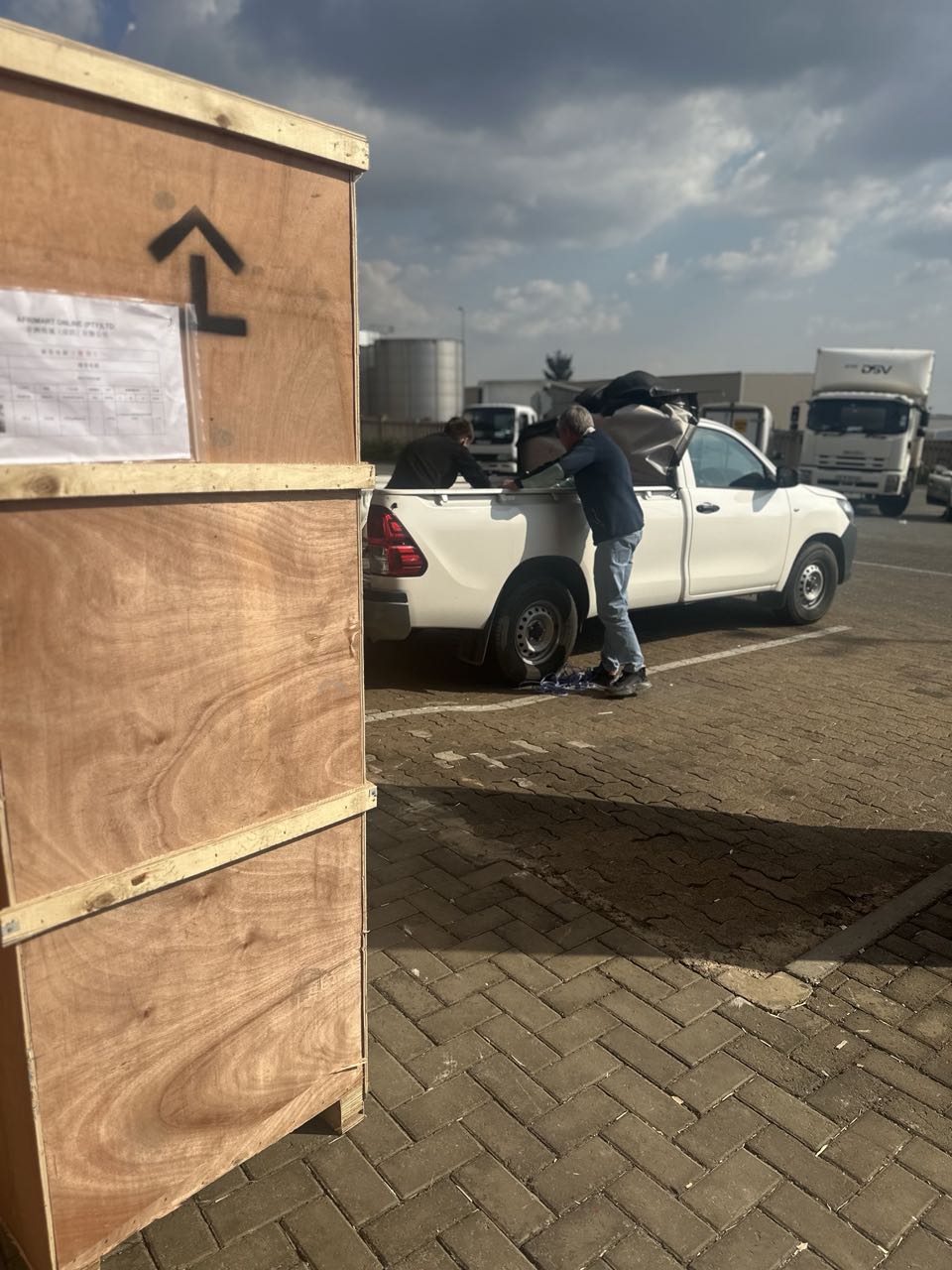
order collection
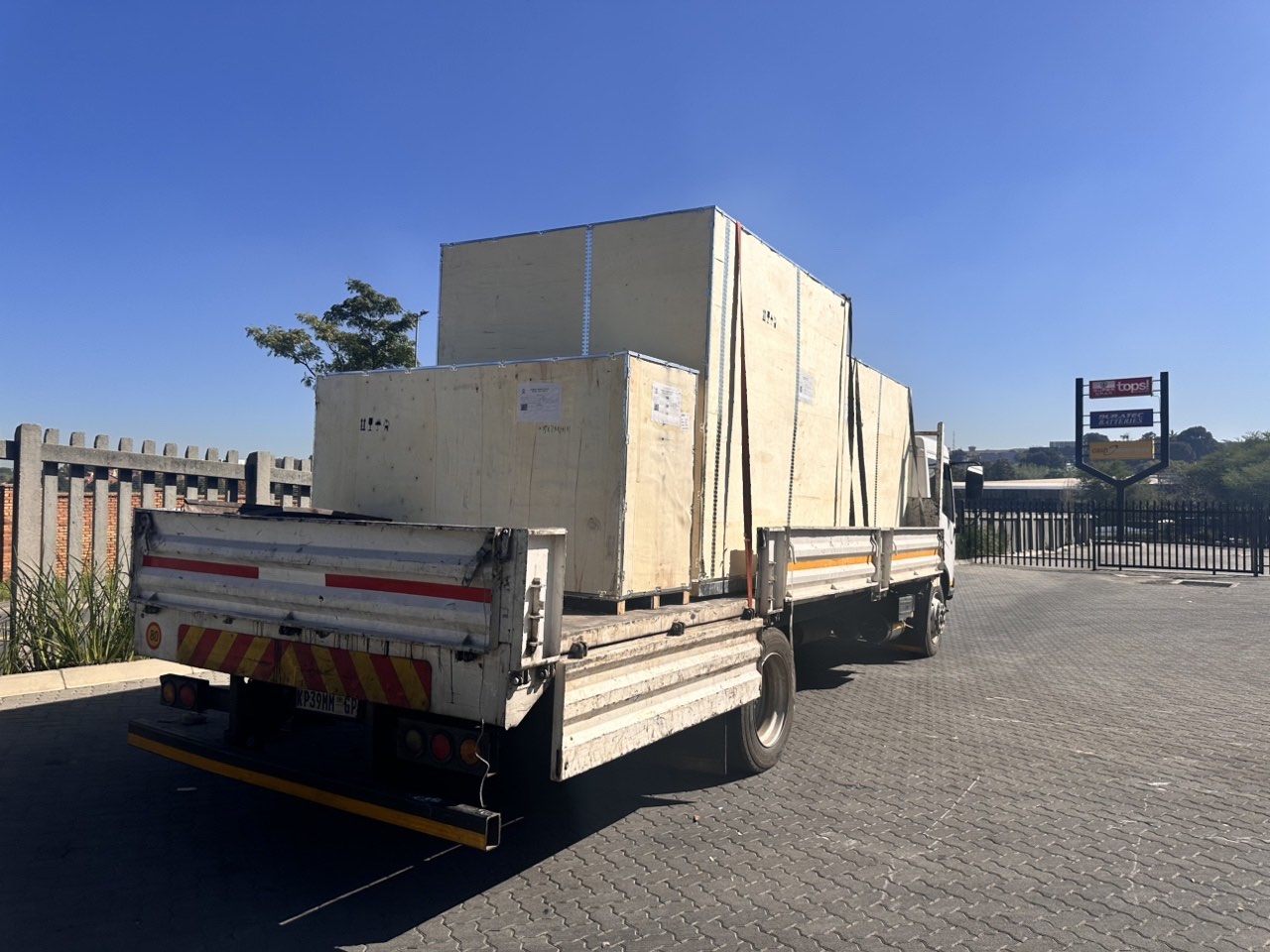
order offloading