B21, China Town Mall, Midrand

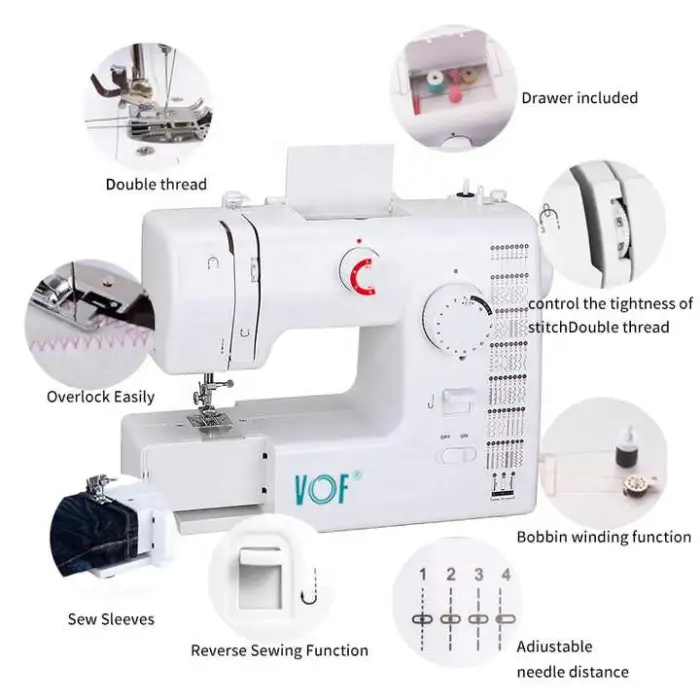
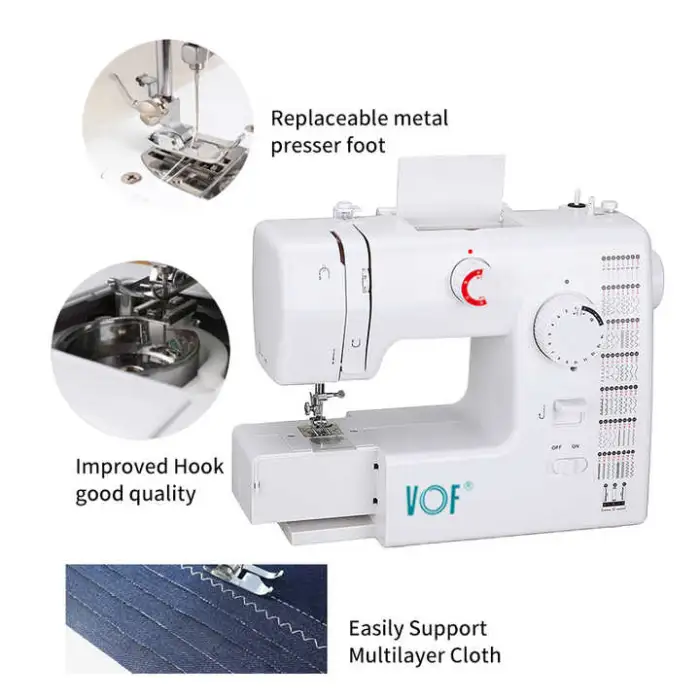
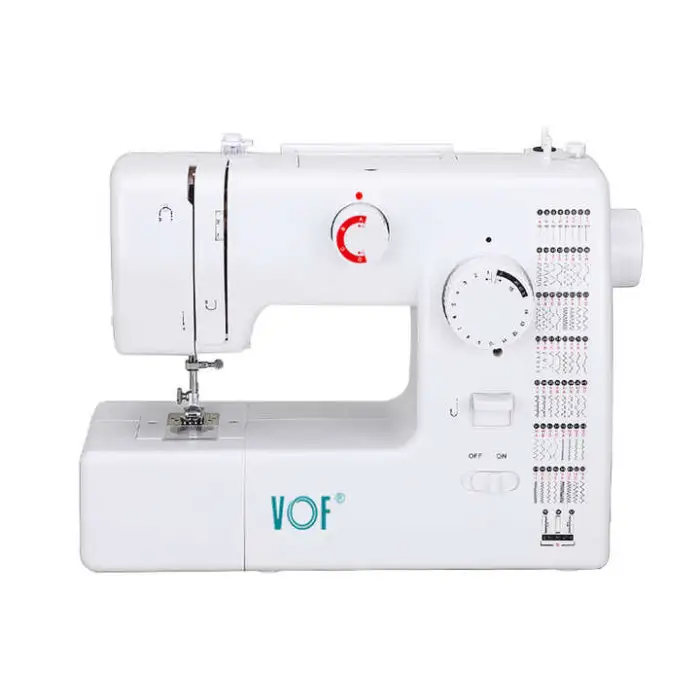
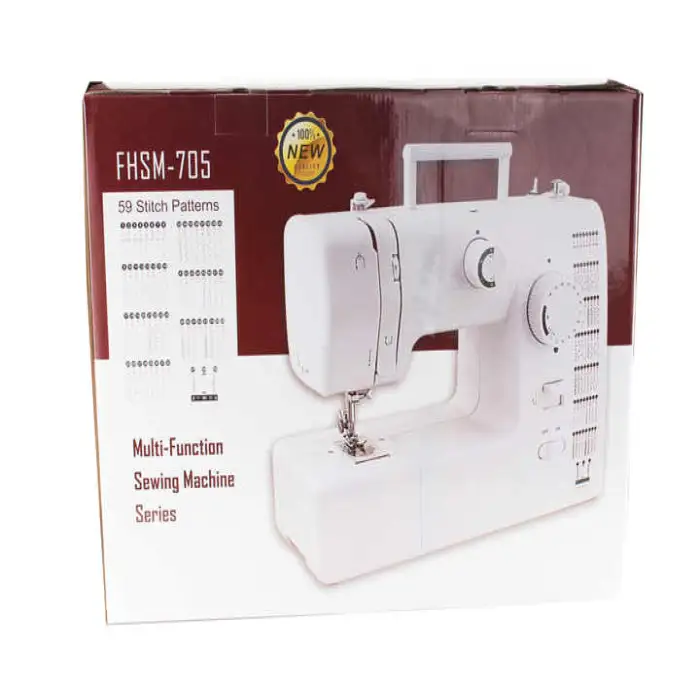
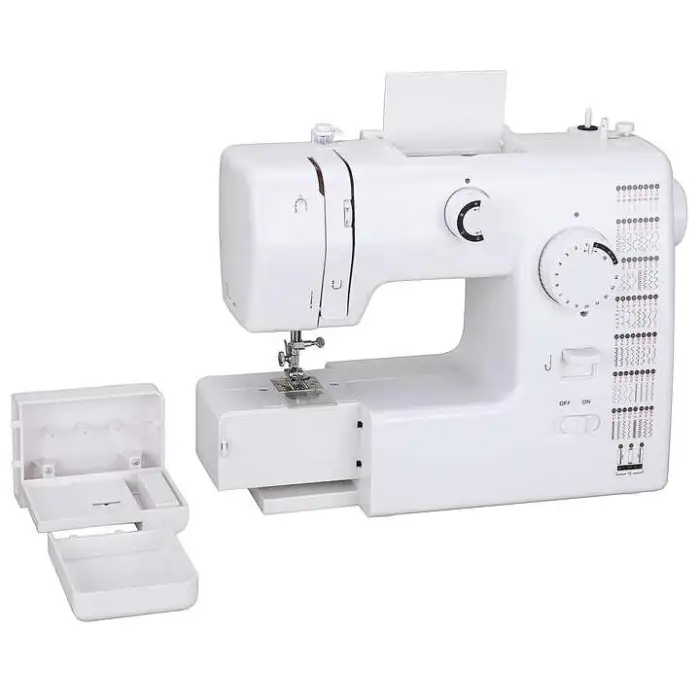
Electronic Sewing Machine Multifunction Overlock Sewing Machine Industrial
- Section : Machinery
- Category : Apparel Machinery
- SKU : 1601094008146

Electronic Sewing Machine Multifunction Overlock Sewing Machine Industrial
The Electronic Sewing Machine Multifunction Overlock Sewing Machine Industrial is designed for both beginners and experienced users. This powerful sewing machine is perfect for household projects and garment shops. It is easy to operate, making it ideal for anyone who loves to sew. With its high-speed capabilities and adjustable settings, you can create beautiful, professional-looking stitches with ease.
Specifications
| Attribute | Details |
|---|---|
| Brand Name | VOF |
| Power | 24W |
| Max Sewing Thickness | 5mm |
| Overall Dimensions | 43 x 15.7 x 33 cm |
| Weight | 5 kg |
| Material | ABS + Metal |
| Style | Simple |
| Certificates | CE / ROHS / GS / BS / SAA |
| Stitch Formation | Lock Stitch |
Key Features
- High-speed operation for quick sewing tasks.
- Easy-to-use foot pedal for smooth control.
- Adjustable stitch length for different projects.
- Flat-bed design for easy fabric handling.
- Lightweight at only 5 kg for easy portability.
Applications
- Perfect for garment shops.
- Great for home use and personal projects.
- Ideal for retail businesses needing sewing solutions.
- Useful for crafting and DIY projects.
With the Electronic Sewing Machine Multifunction Overlock Sewing Machine Industrial, you can unleash your creativity and enjoy sewing like never before!
Product Info Gallery
- Shipping Timeframes: All orders are processed within 2-5 business days (excluding weekends and holidays). After your order has been processed, the estimated delivery time is before 25 Feb, 2026, depending on customs, Please note that due to high demand, some items may experience longer shipping times, which will be communicated at order confirmation email.
- Order Processing Time: Please allow 2-5 business days for us to process your order before it is shipped . Orders placed after 16:00 on Fridays, or during weekends and public holidays, will begin processing on the next business day. Processing times may be extended during peak seasons or sales events.
- Manufacturing Time: Some products needs manufacturing time, the manufacturing process will take approximately 10-30 business days depending on the product. This timeframe may vary depending on the complexity of the product and current demand. but this will be communicated with you during order confirmation.
- Returns and Exchanges: We offer a 30-day return policy for most items. If you are not completely satisfied with your purchase, you may return it within 30 days of receipt for a refund or exchange. Items must be unused, in their original packaging, and accompanied by proof of purchase. Return shipping costs are the responsibility of the customer, unless the item was damaged or defective upon arrival.
1. What type of stitches does the Electronic Sewing Machine produce?
The machine forms a lock stitch, providing strong straight seams. It also offers overlock-style finishing for trimming and neatening raw edges—check the user manual for instructions on switching or using the finishing functions.
2. Is this machine suitable for beginners?
Yes. The machine is designed for both beginners and experienced users with easy-to-use controls, a foot pedal for intuitive speed control, and adjustable stitch length for simple operation.
3. What fabrics and thicknesses can it handle?
It is ideal for light to medium-weight fabrics and general garment work. Maximum sewing thickness is 5 mm; very thick materials (heavy leather, multiple layers of thick denim) may exceed its capacity.
4. How fast does the sewing machine sew?
The unit is described as high-speed for quick sewing tasks. Exact stitches-per-minute are not listed—refer to the product manual or seller listing for the specific SPM rating for your model.
5. What are the power requirements?
The machine draws 24 W during operation. Voltage and plug type can vary by region—check the label on the unit or the user manual for the correct voltage and adapter requirements before use.
6. Is a foot pedal included and how does it work?
Yes. The product highlights an easy-to-use foot pedal. Pressing the pedal controls sewing speed (press more for faster sewing, release to slow/stop). Follow the manual for safe start/stop operation.
7. How portable is the machine?
The machine is lightweight at approximately 5 kg and compact (43 x 15.7 x 33 cm), making it easy to move between rooms or bring to small workshops and craft events.
8. What maintenance is required?
Regular maintenance includes cleaning lint from the bobbin area and feed dogs, checking and replacing needles when dull, and light oiling of metal moving parts if specified in the manual. Always unplug before servicing and follow the maintenance schedule in the user guide.
9. What accessories and consumables do I need?
Typical accessories include needles, bobbins, thread, a foot pedal (usually included), and possibly different presser feet or trimming blades depending on the model. Verify the included accessories in the product listing and purchase compatible needles and bobbins as needed.
10. Can this machine be used in garment shops and light industrial settings?
Yes. The machine is marketed for garment shops and retail sewing needs as well as home use. For heavy continuous industrial production, confirm your workflow requirements against the machine's duty cycle and specifications.
11. What certifications does the machine have?
This product lists CE, RoHS, GS, BS, and SAA certifications, indicating compliance with various international safety and quality standards. Always confirm certification marks on the unit or packaging for your region.
12. How do I thread the machine and wind the bobbin?
Threading paths and bobbin winding procedures vary by model. Follow the step-by-step instructions and diagrams in the included user manual. If no manual is available, request it from the seller or manufacturer.
13. What warranty or support is provided?
Warranty details are not listed in the product description. Check the seller’s listing or contact the manufacturer for warranty period, terms, and after-sales support options before purchase.
14. Is the machine noisy or does it vibrate a lot?
The machine is designed for household and shop use and should operate with typical sewing noise levels. Actual noise and vibration depend on sewing speed, surface, and maintenance. Proper setup on a stable table and regular maintenance will minimize vibration and noise.
15. What should I do if the machine skips stitches or thread breaks?
Common causes include a dull or bent needle, incorrect needle type, improper threading, incorrect tension settings, or poor-quality thread. Turn off the machine, replace the needle, rethread following the manual, check bobbin placement and tension, and test on scrap fabric. If problems persist, consult the manual or contact customer support.
Latest Order Arrivals
Discover our latest orders
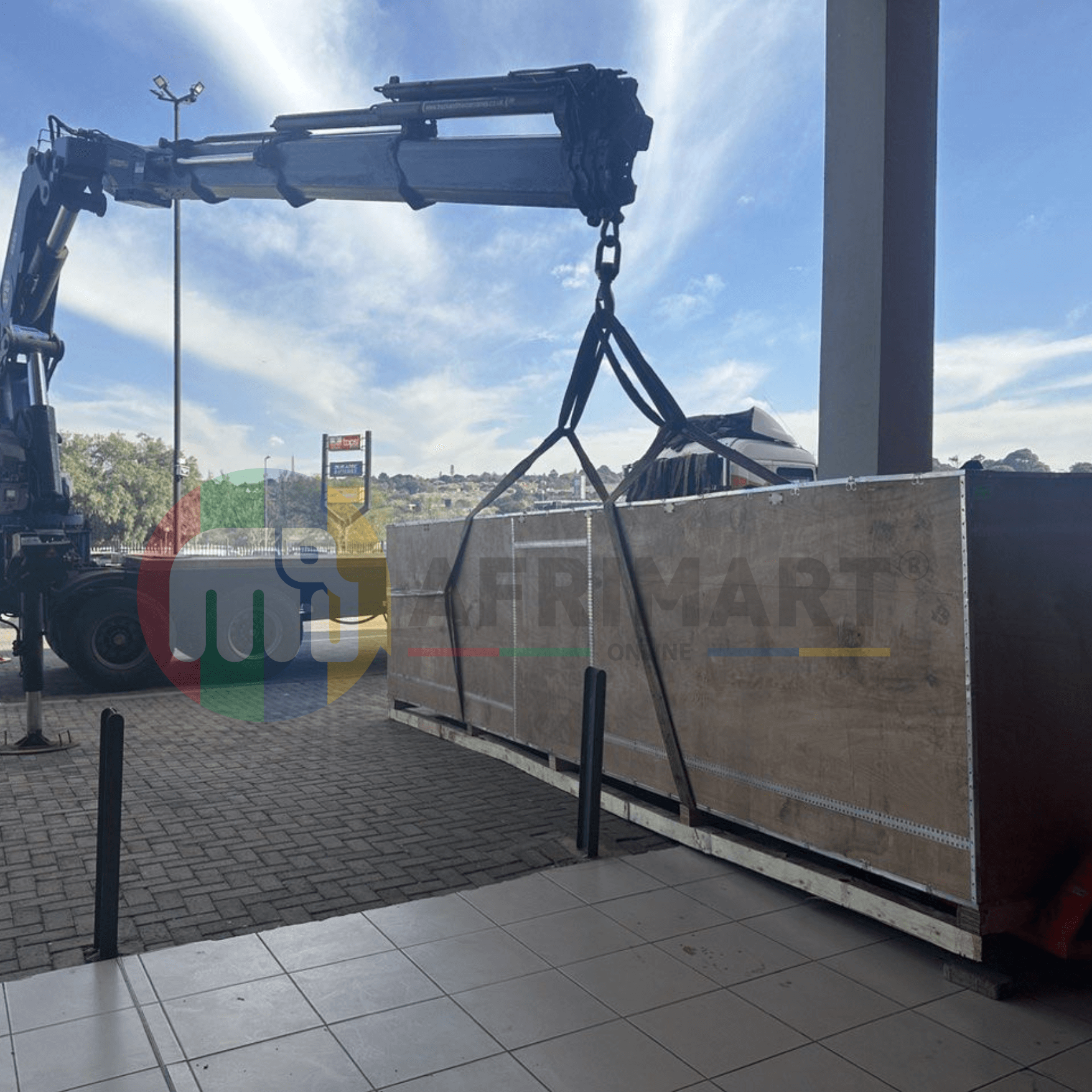
12 Heads Embroidery Machine
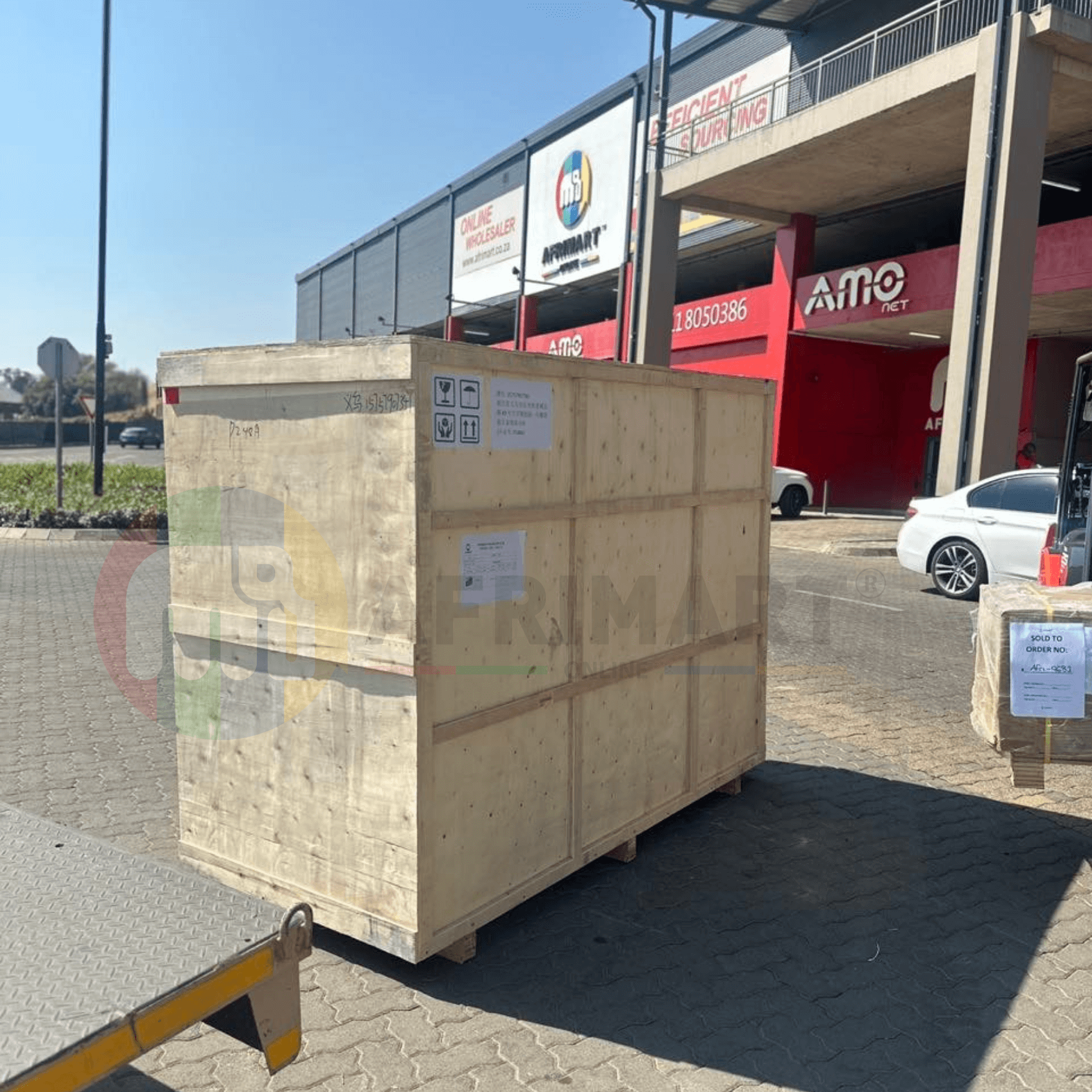
Dewatering Pump Machine
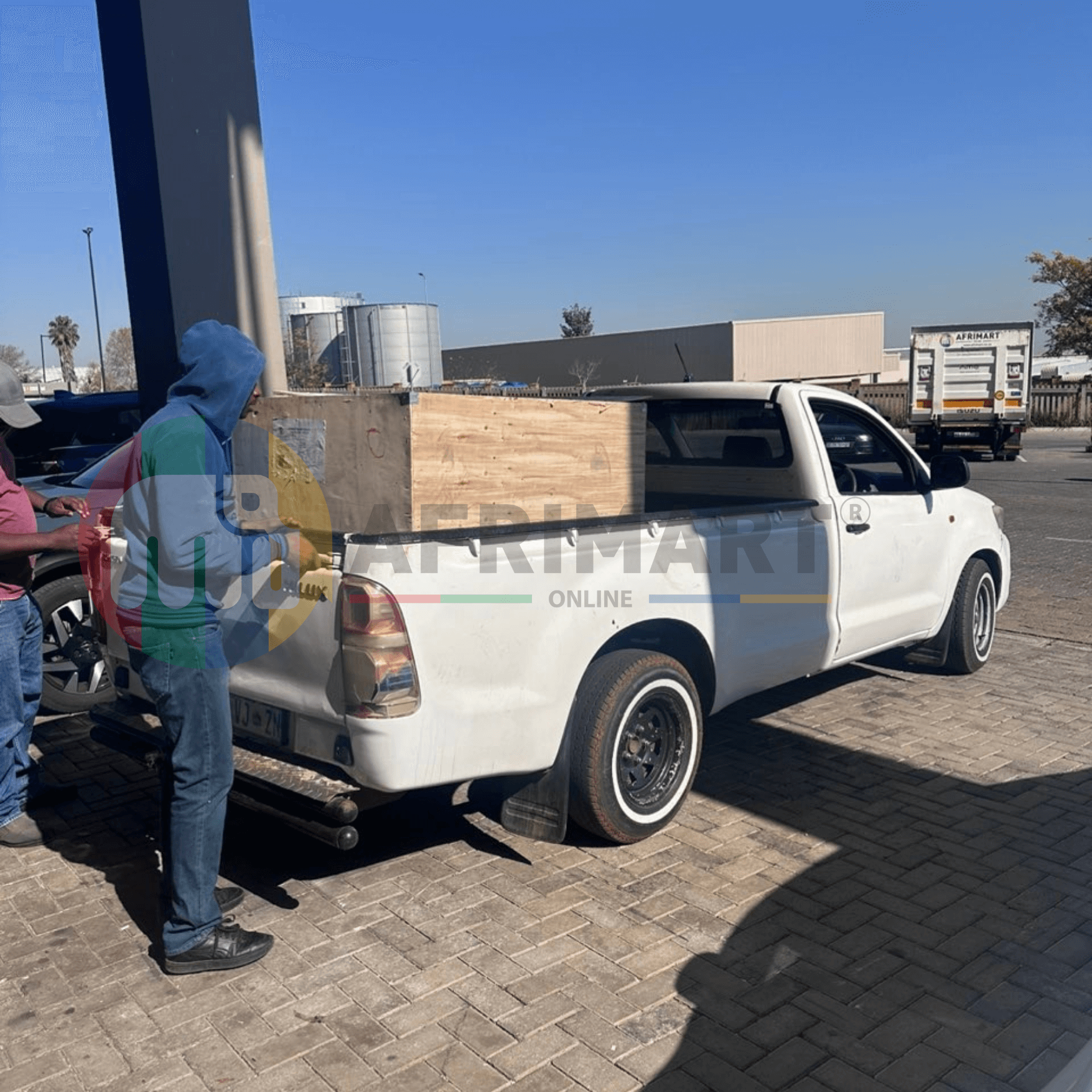
Order Collection
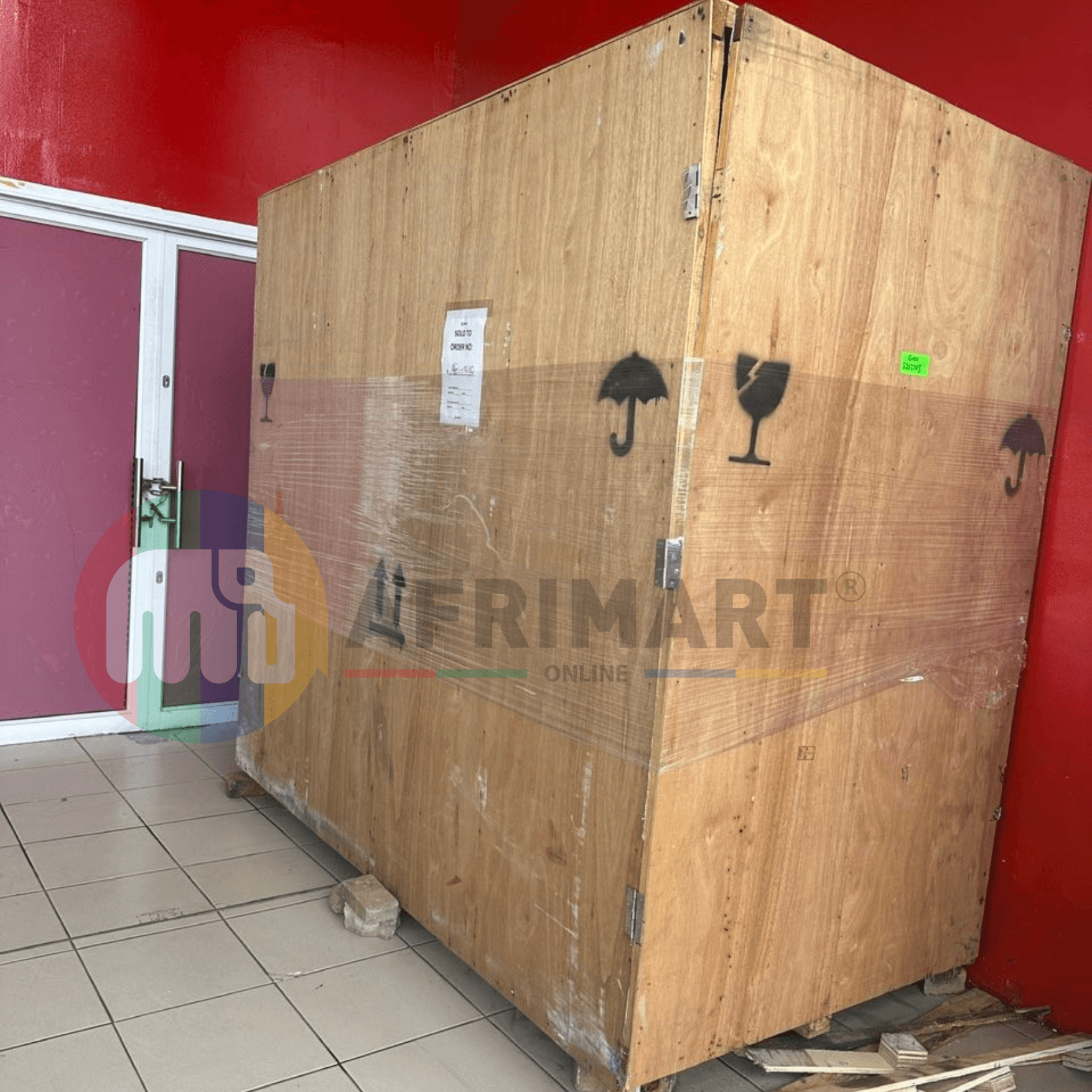
Portable Water Drilling Rig
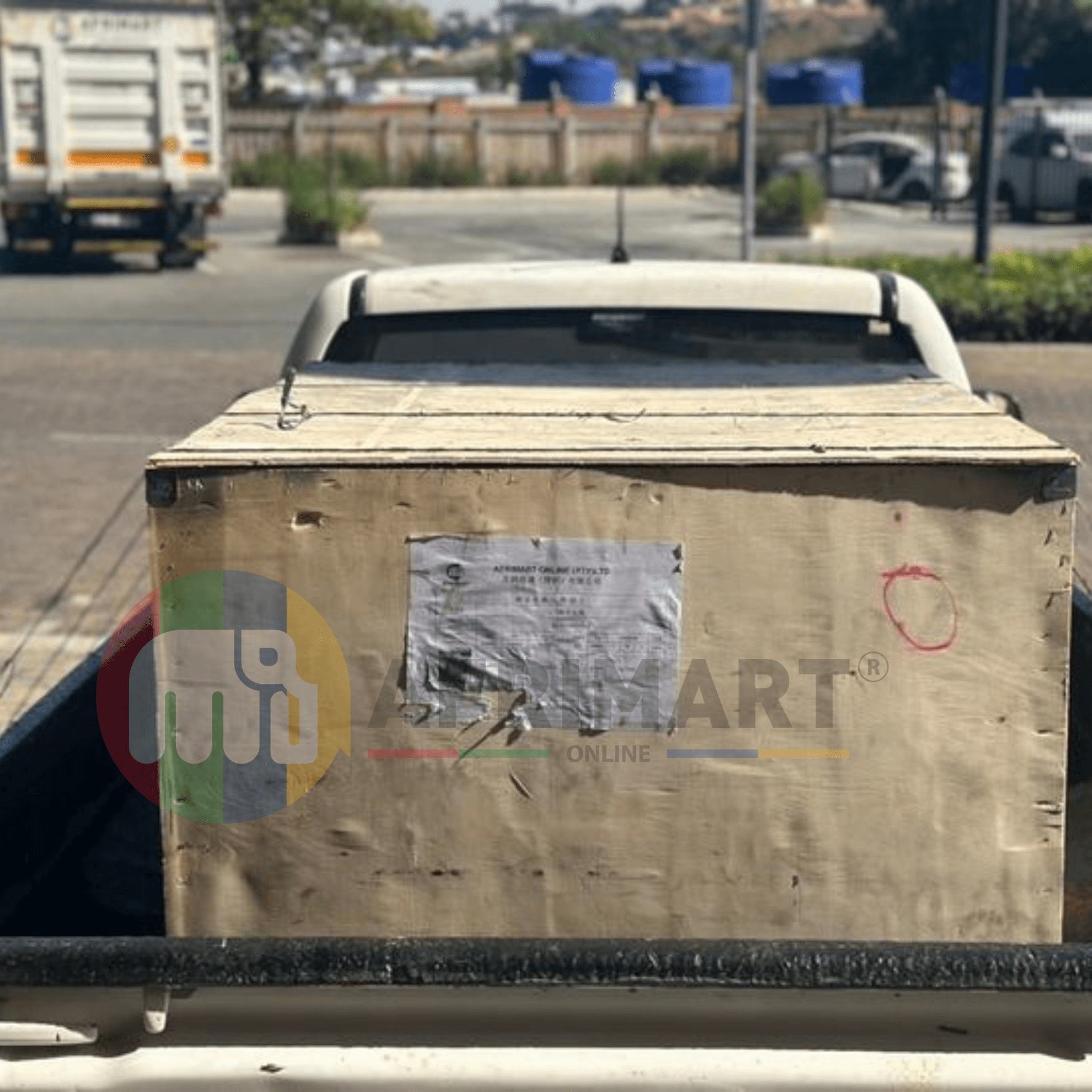
Order Usefully Collected
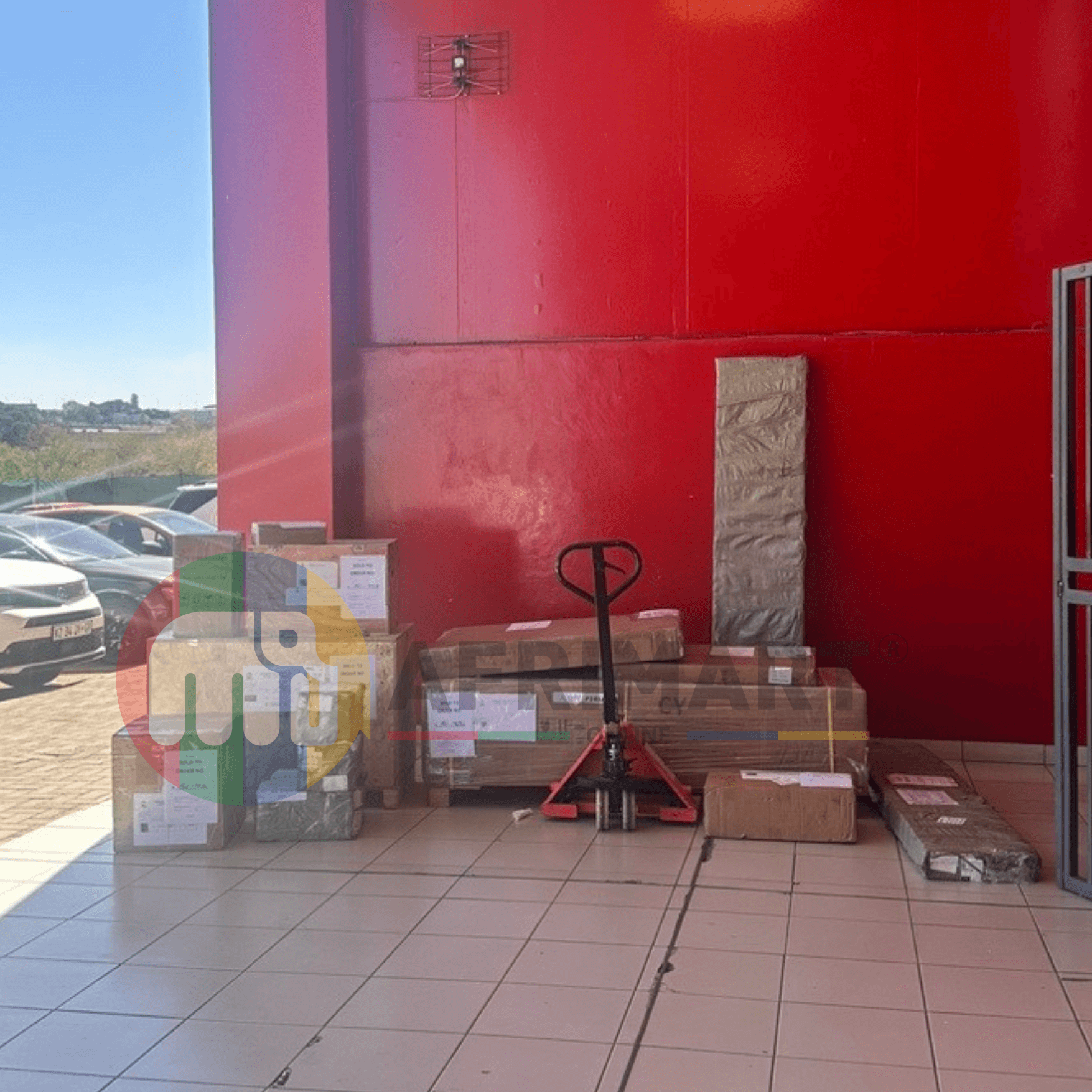
Batch of Orders
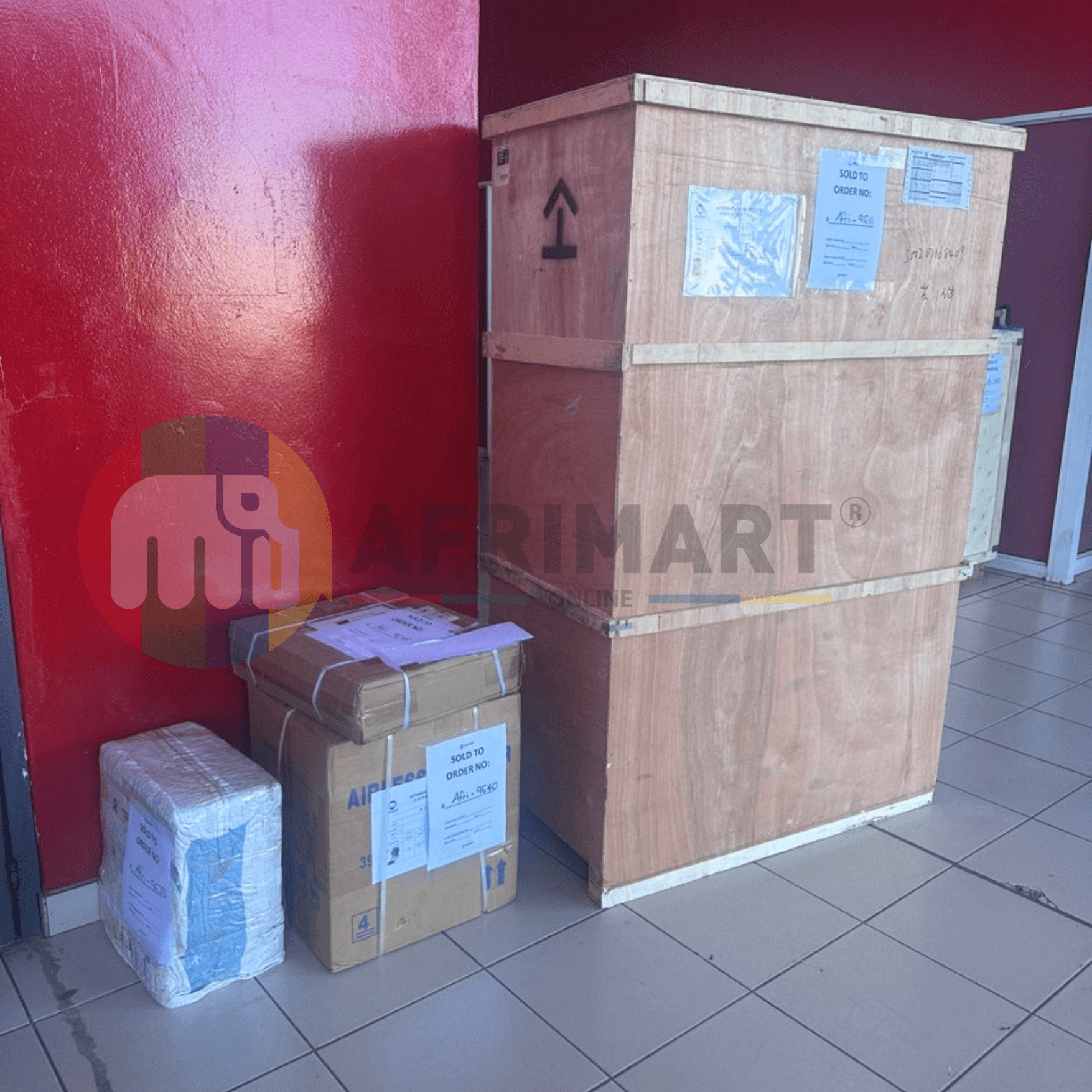
Agriculture Processing Machines
Meat Grinder Machine
Water Pump Equipment
Packaging Machine and accessories
Fabrics Manufacturing Equipment
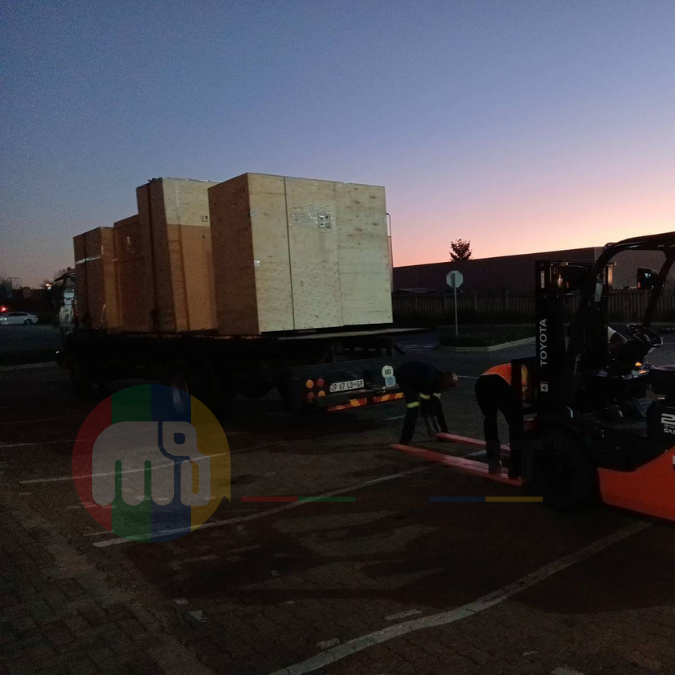
Mining Equipments
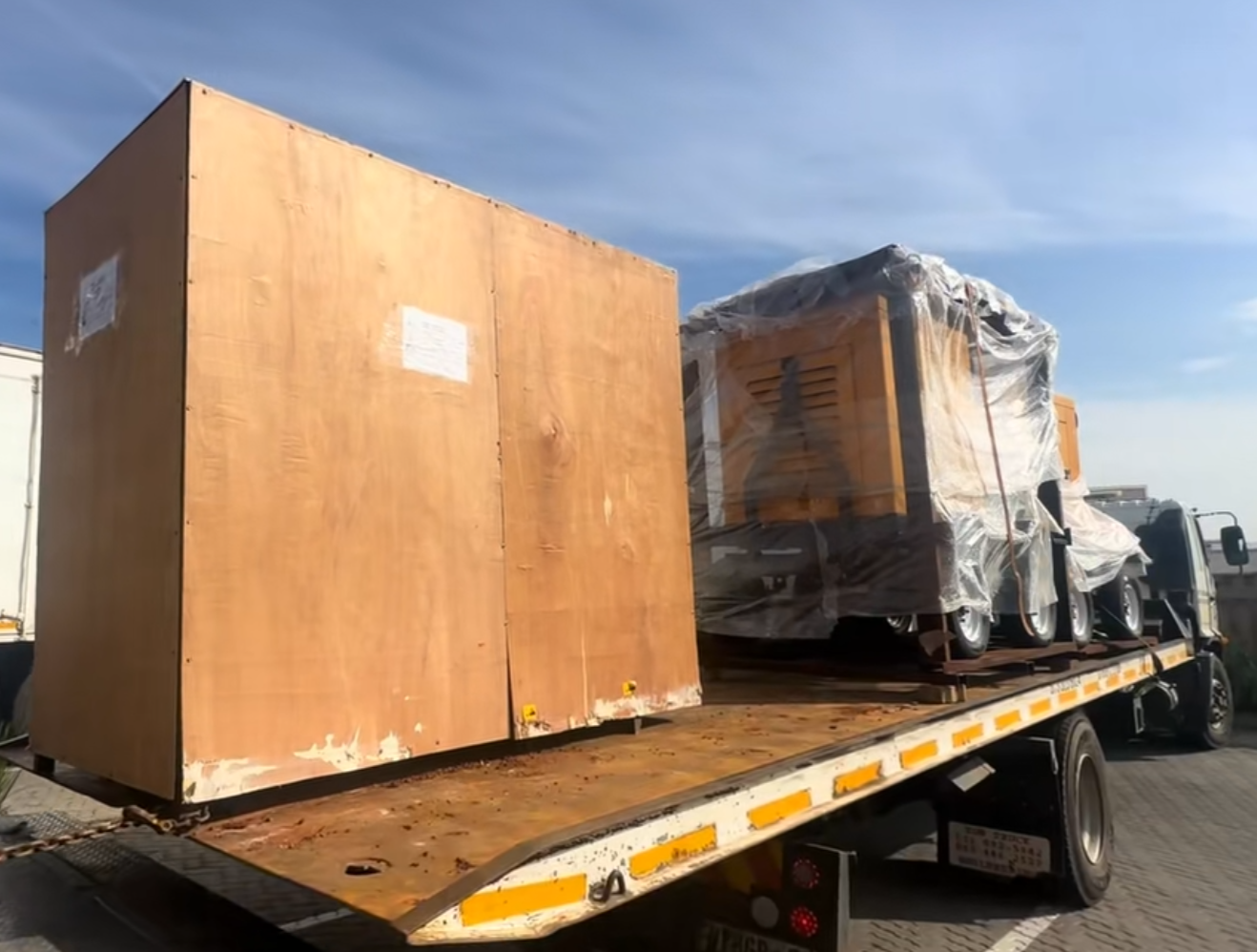
Food Processing Machine
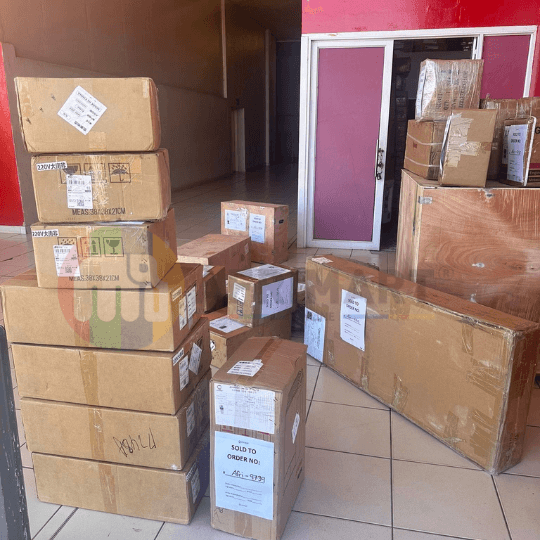
Batch of Orders
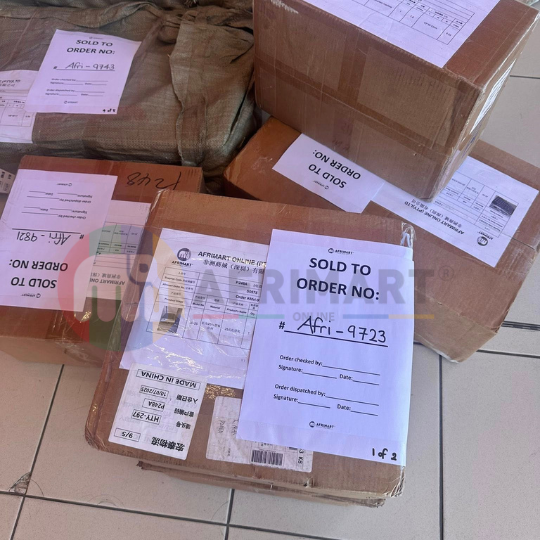
Batch of Orders
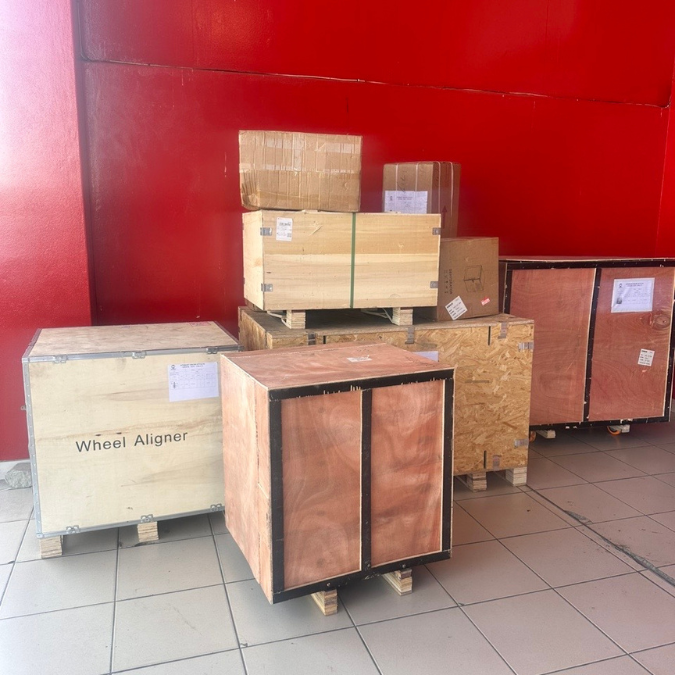
Latest Orders Labelled
wheel alignment machines
new arrivals
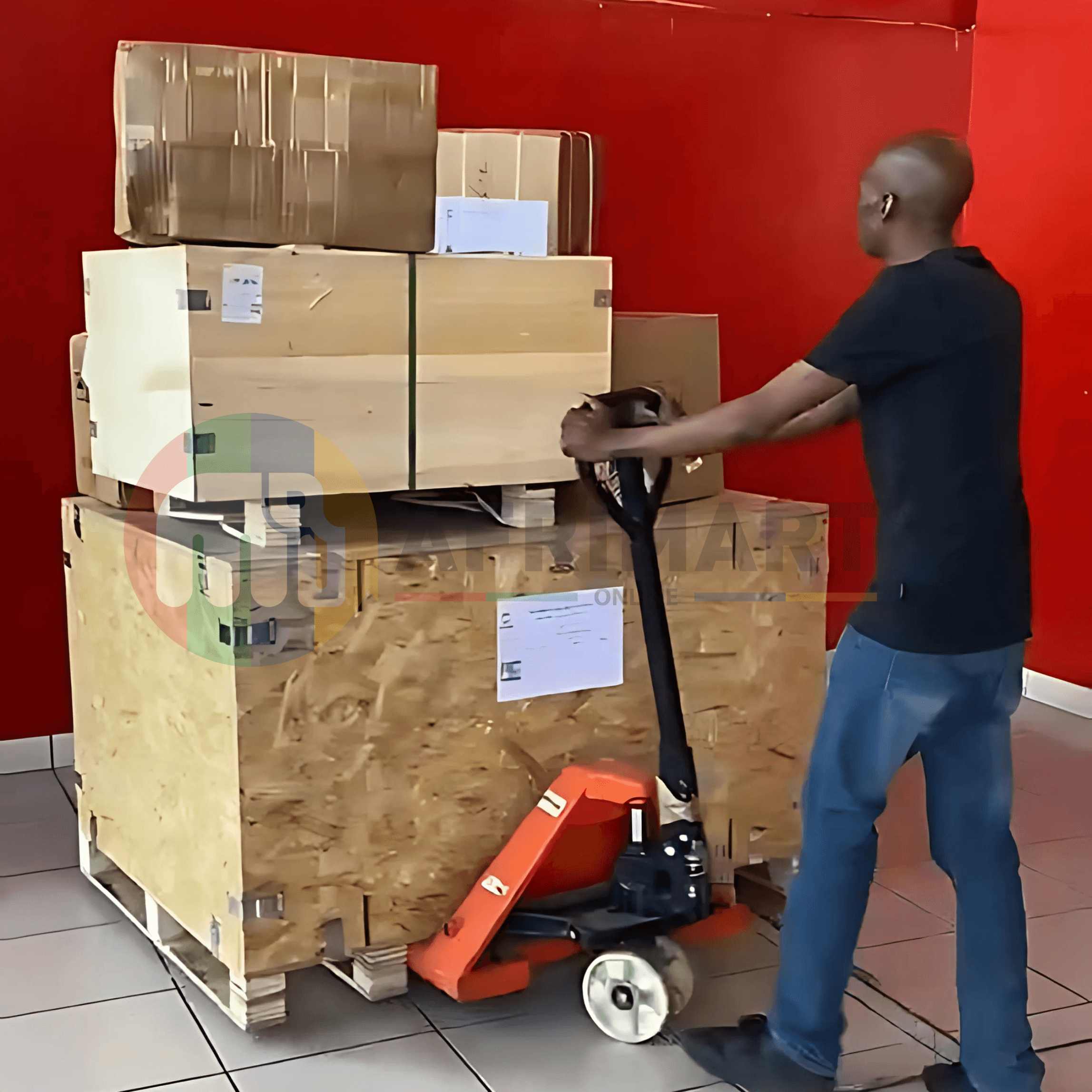
Pre Orders Offloading
Latest Arrivals
Latest Arrivals