B21, China Town Mall, Midrand

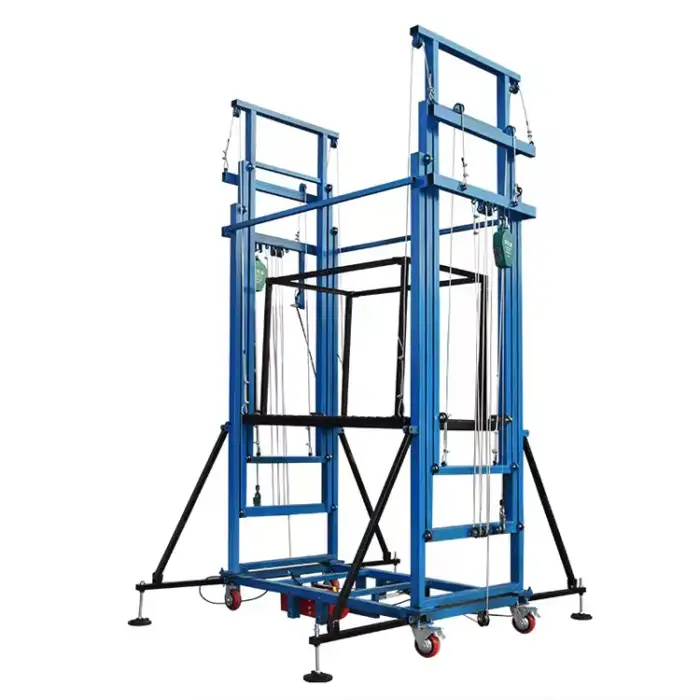
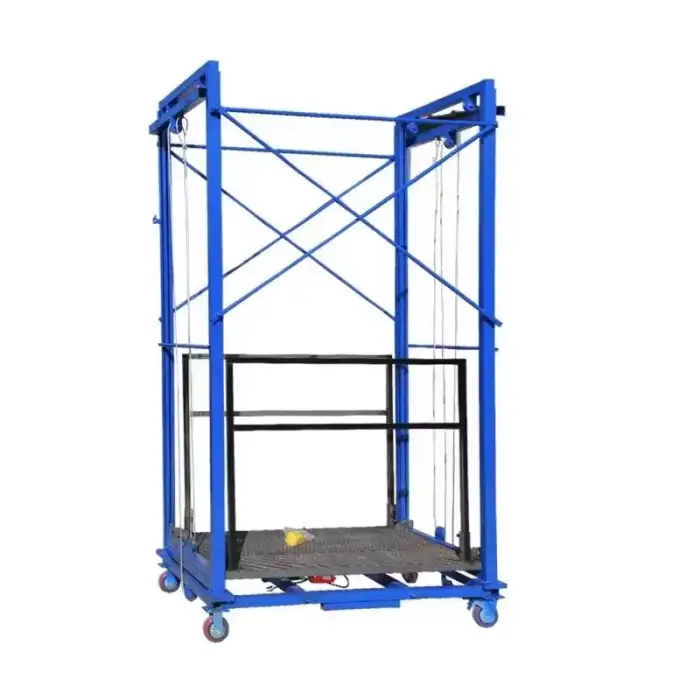
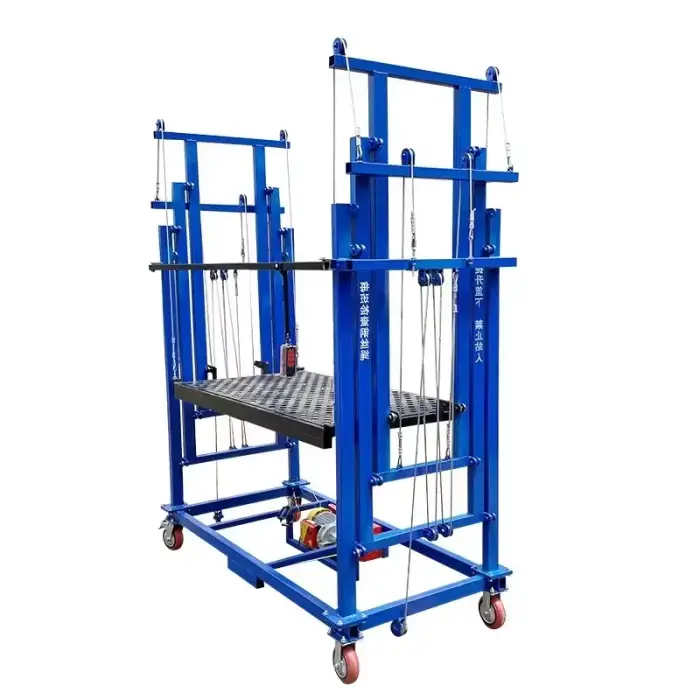
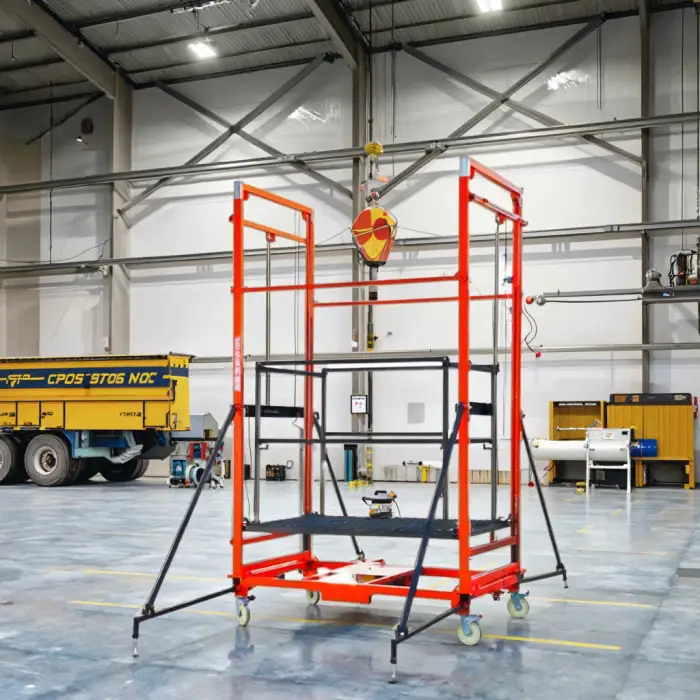
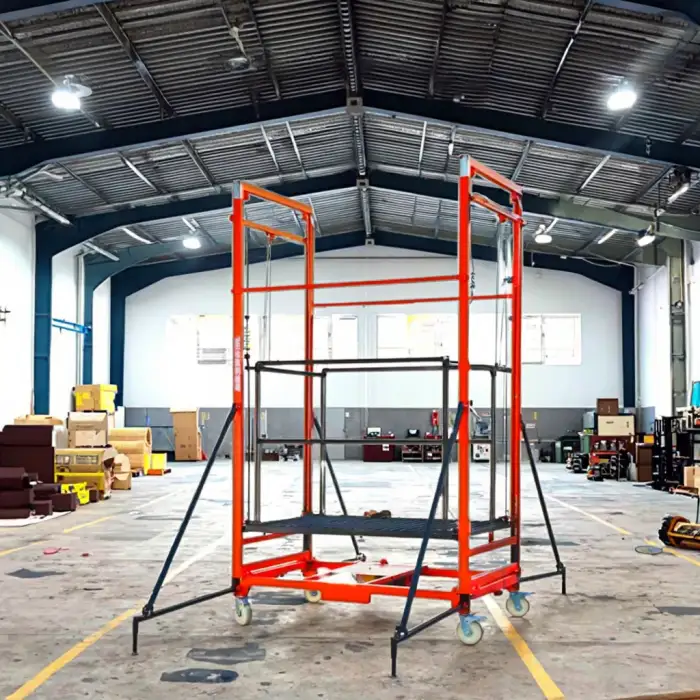
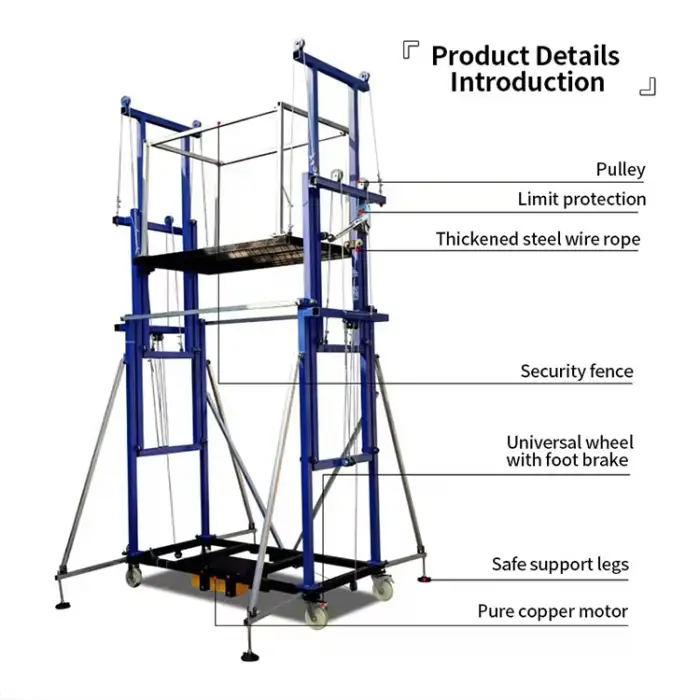
Electrician Scaffold Ringlock Building Lift Power Ladder Elevators 6m

- Section : Machinery
- Category : Hoists
- SKU : 1601380538040

Electrician Scaffold Ringlock Building Lift Power Ladder Elevators 6m
The Electrician Scaffold Ringlock Building Lift Power Ladder Elevators is an innovative lifting solution designed for various construction needs. This powerful and durable scaffolding system uses a wire rope and electric power to lift heavy loads easily. With a load capacity of up to 500 kg, it is perfect for both professional and home use. Its robust steel construction ensures safety and reliability during operation, making it an essential tool for any construction site.
Specifications
| Attribute | Details |
|---|---|
| Power Source | Electric |
| Weight (KG) | 15.5 |
| Material | Steel |
| Load Capacity | 500kg |
| Lifting Speed | 10m/min |
| Platform Size | 0.9x0.7m |
| Lifting System | Hydraulic Lift Cylinders |
| Core Components | Motor |
| Condition | New |
Key Features
- High lifting speed of 10m/min
- Strong steel construction for durability
- Electric power for easy operation
- Double controller for enhanced control
- Compact platform size of 0.9x0.7m
Applications
- Construction sites for lifting materials
- Manufacturing plants for heavy lifting tasks
- Home improvement projects
- Maintenance work at height
- Event setups requiring elevated access
Product Info Gallery
- Shipping Timeframes: All orders are processed within 2-5 business days (excluding weekends and holidays). After your order has been processed, the estimated delivery time is before 15 Jun, 2026, depending on customs, Please note that due to high demand, some items may experience longer shipping times, which will be communicated at order confirmation email.
- Order Processing Time: Please allow 2-5 business days for us to process your order before it is shipped . Orders placed after 16:00 on Fridays, or during weekends and public holidays, will begin processing on the next business day. Processing times may be extended during peak seasons or sales events.
- Manufacturing Time: Some products needs manufacturing time, the manufacturing process will take approximately 10-30 business days depending on the product. This timeframe may vary depending on the complexity of the product and current demand. but this will be communicated with you during order confirmation.
- Returns and Exchanges: We offer a 30-day return policy for most items. If you are not completely satisfied with your purchase, you may return it within 30 days of receipt for a refund or exchange. Items must be unused, in their original packaging, and accompanied by proof of purchase. Return shipping costs are the responsibility of the customer, unless the item was damaged or defective upon arrival.
1. What is the Electrician Scaffold Ringlock Building Lift Power Ladder Elevators 6m?
It is an electric-powered scaffold/lift system designed to raise materials and personnel up to 6 meters. It features a steel platform (0.9 x 0.7 m), a 500 kg maximum load capacity, a lifting speed of 10 m/min and is intended for construction, maintenance, manufacturing and home-improvement tasks.
2. What is the maximum lifting height?
The model name specifies a 6 m lifting height.
3. What is the maximum load capacity?
The lift supports loads up to 500 kg.
4. What are the platform dimensions?
The platform size is 0.9 m by 0.7 m.
5. How fast does the lift operate?
The lifting speed is 10 meters per minute.
6. What is the power source and what electrical requirements are needed?
The unit is electrically powered. Specific voltage, phase and current requirements are not listed in the provided specs — check the product manual or contact the supplier for the exact electrical requirements for your region and model.
7. What lifting system does the unit use?
There is a discrepancy in the provided information: the description mentions a wire rope driven by an electric motor, while the specifications list hydraulic lift cylinders. For an exact explanation of the lifting mechanism used on the specific model you will receive, please consult the manufacturer or the product technical manual.
8. What does 'double controller' mean?
Double controller typically means there are two control points (for example, one at the platform and one at ground level) so operations like up/down can be controlled from either location. Confirm exact control layout and functions with the supplier or manual.
9. Is the lift safe to use on construction sites?
The unit is built from robust steel and rated for heavy loads, but safe operation depends on correct installation, adherence to load limits, proper use of controls, regular inspections, and trained operators. Always follow the manufacturer's safety instructions and local regulations, and use appropriate fall protection and PPE.
10. Can I use the lift outdoors in bad weather?
Weather suitability is not specified in the provided data. As a general rule, avoid operating lifts in high winds, heavy rain or icy conditions. Check the product manual for any IP/weather ratings and recommended operating conditions.
11. How heavy is the unit and is it portable?
The listed weight is 15.5 kg. Verify whether this refers to the entire assembled unit or a component/section before planning transport. For portability, ask the supplier about modularity, wheels, or fixtures that aid moving and storage.
12. What installation and setup are required?
Installation should follow the manufacturer’s instructions and is normally carried out by trained personnel. Typical requirements include secure anchoring or bracing, electrical hookup to the correct supply, verification of controls and safety devices, and a test run prior to use.
13. What maintenance does the lift require?
Regular maintenance generally includes visual inspections, checking wire ropes or hydraulic components for wear, lubrication of moving parts, testing controls and brakes, and replacement of worn components. Follow the maintenance schedule in the product manual and keep maintenance records.
14. Are certifications, standards or inspections provided with the product?
No certifications are listed in the provided description. If you require CE, ISO, ANSI, or other compliance documentation or third‑party inspection reports, request them from the manufacturer or supplier before purchase.
15. What spare parts, accessories and after-sales service are available?
Common spare parts include replacement ropes, motors, controllers and platform components. After-sales service and warranty details are not included in the provided information — contact the seller for available spare parts, recommended service plans, and warranty terms.
Latest Order Arrivals
Discover our latest orders
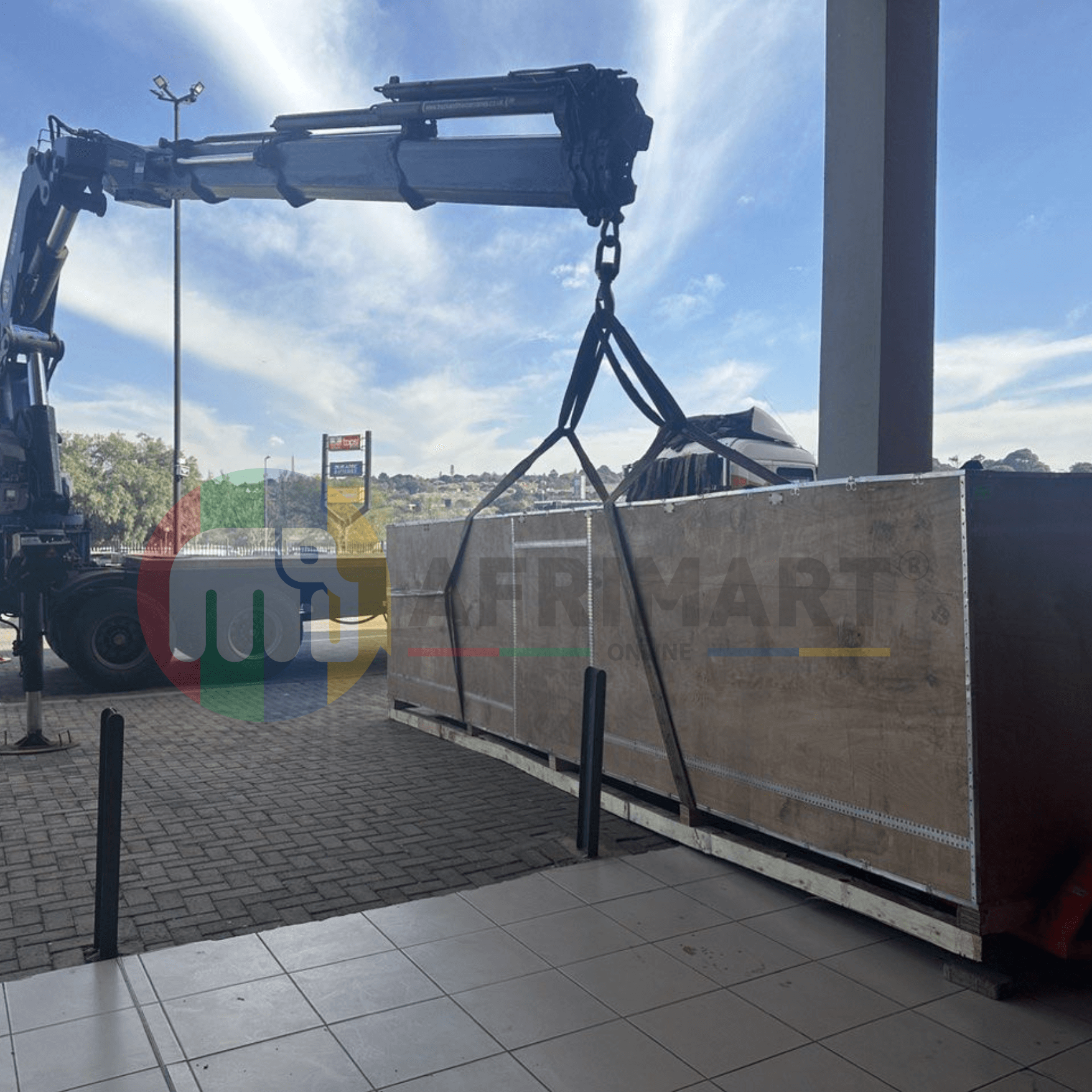
12 Heads Embroidery Machine
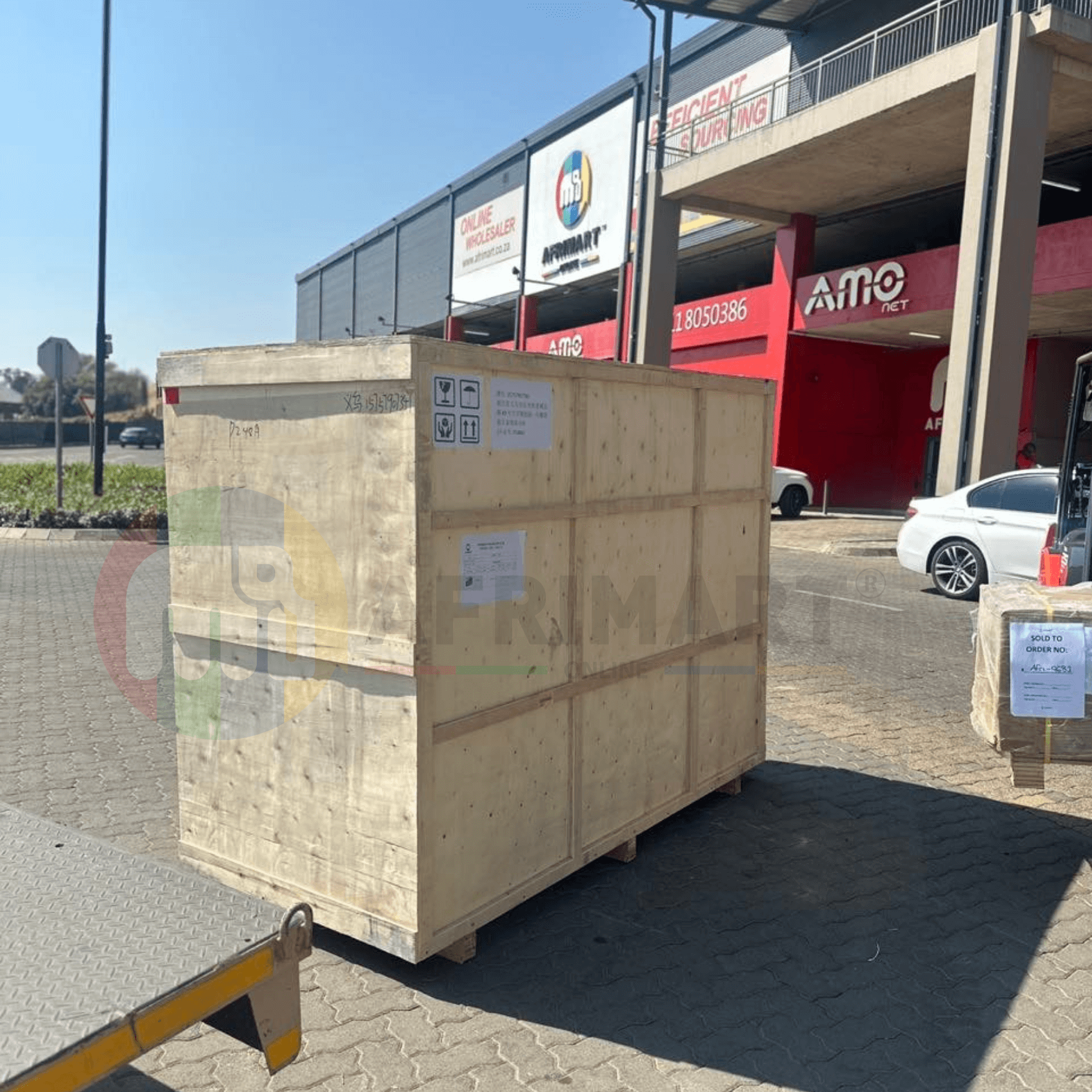
Dewatering Pump Machine
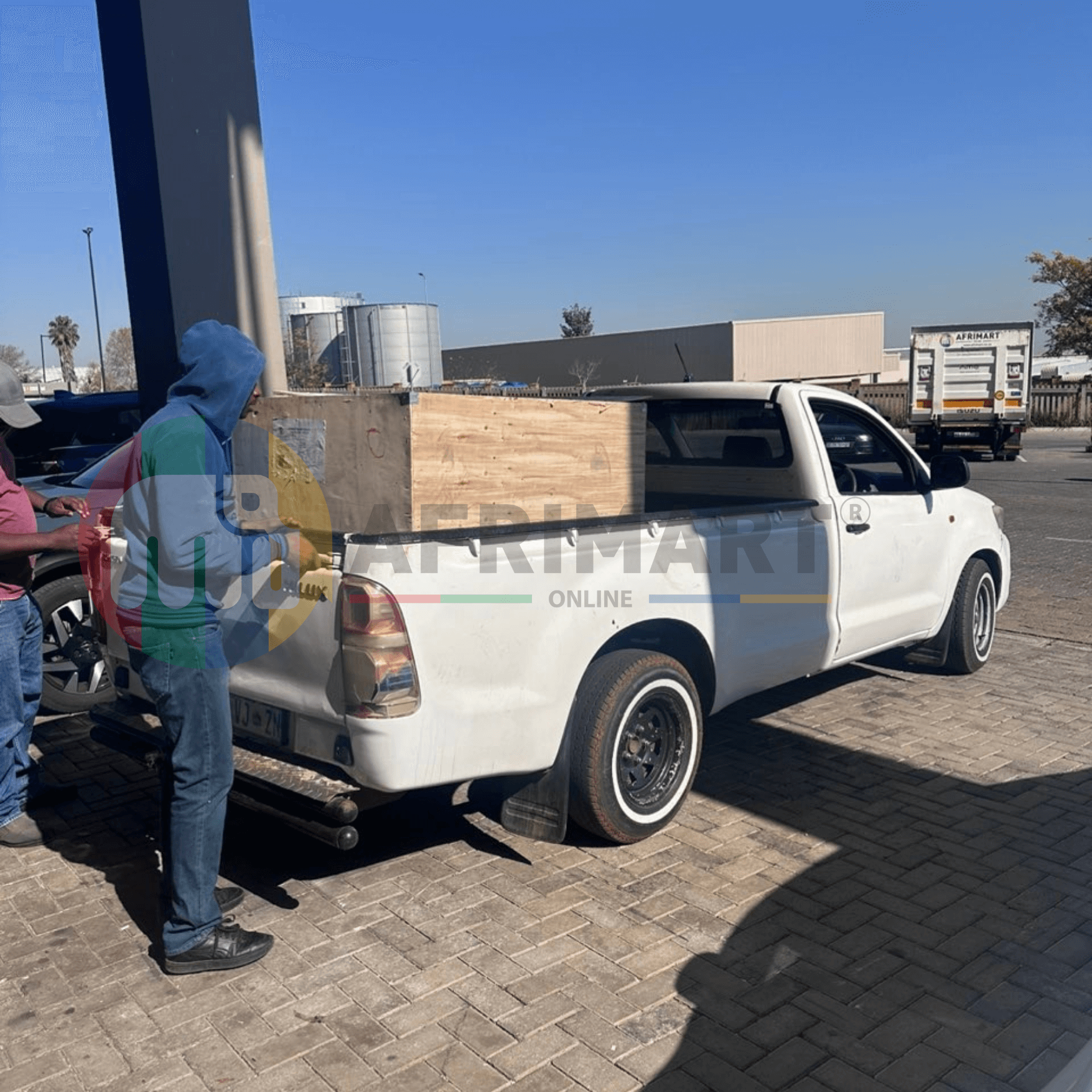
Order Collection
Portable Water Drilling Rig
Order Usefully Collected
Batch of Orders
Agriculture Processing Machines
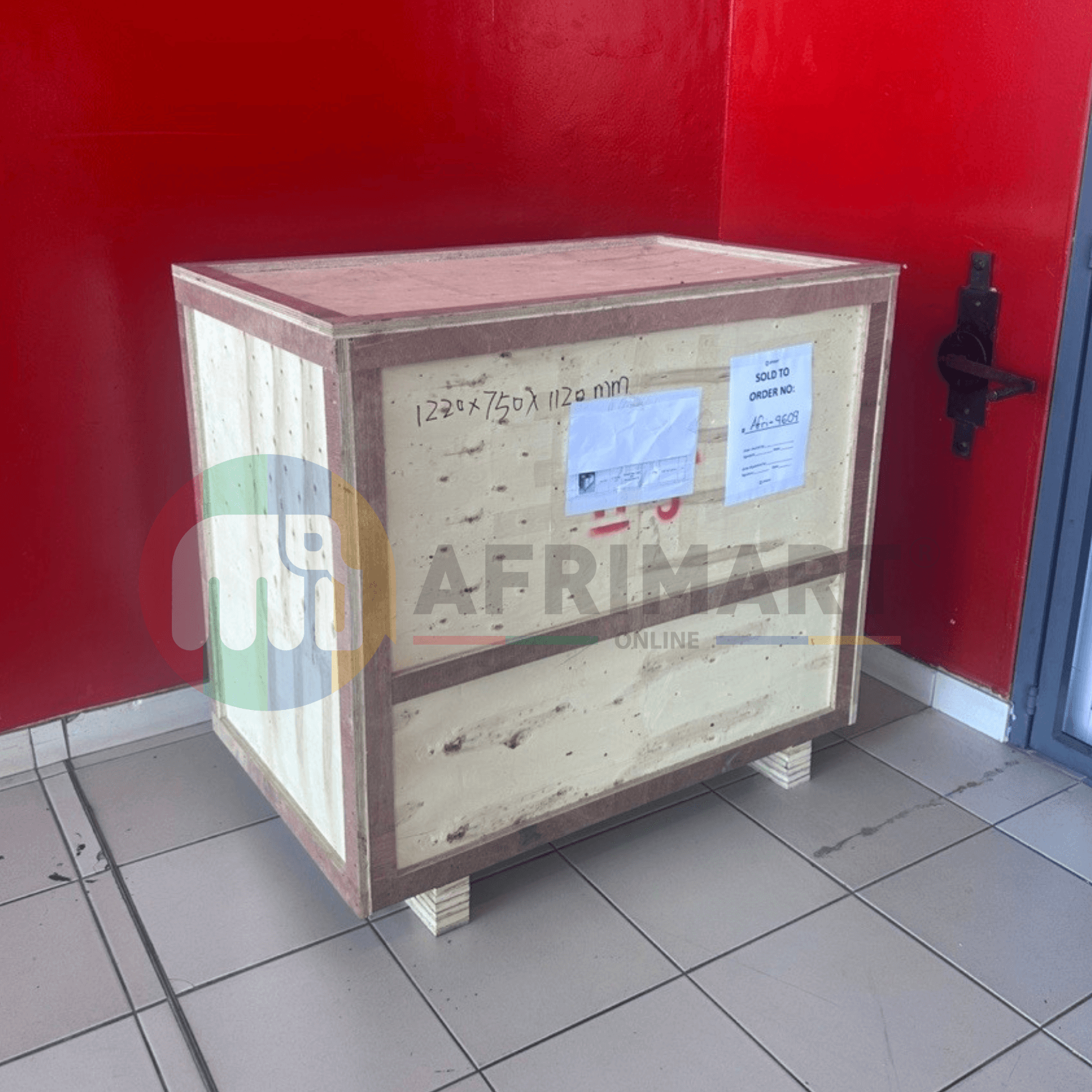
Meat Grinder Machine
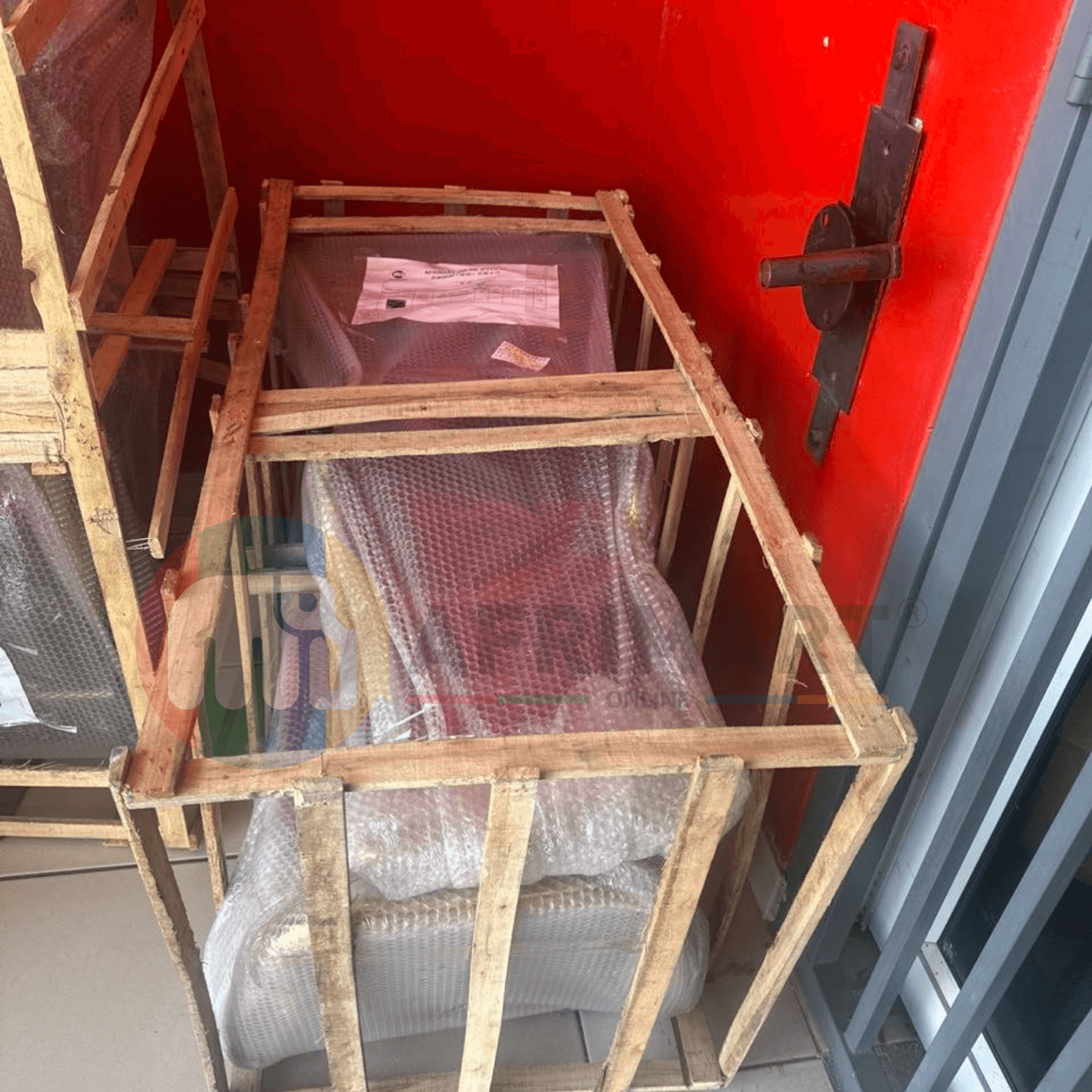
Water Pump Equipment
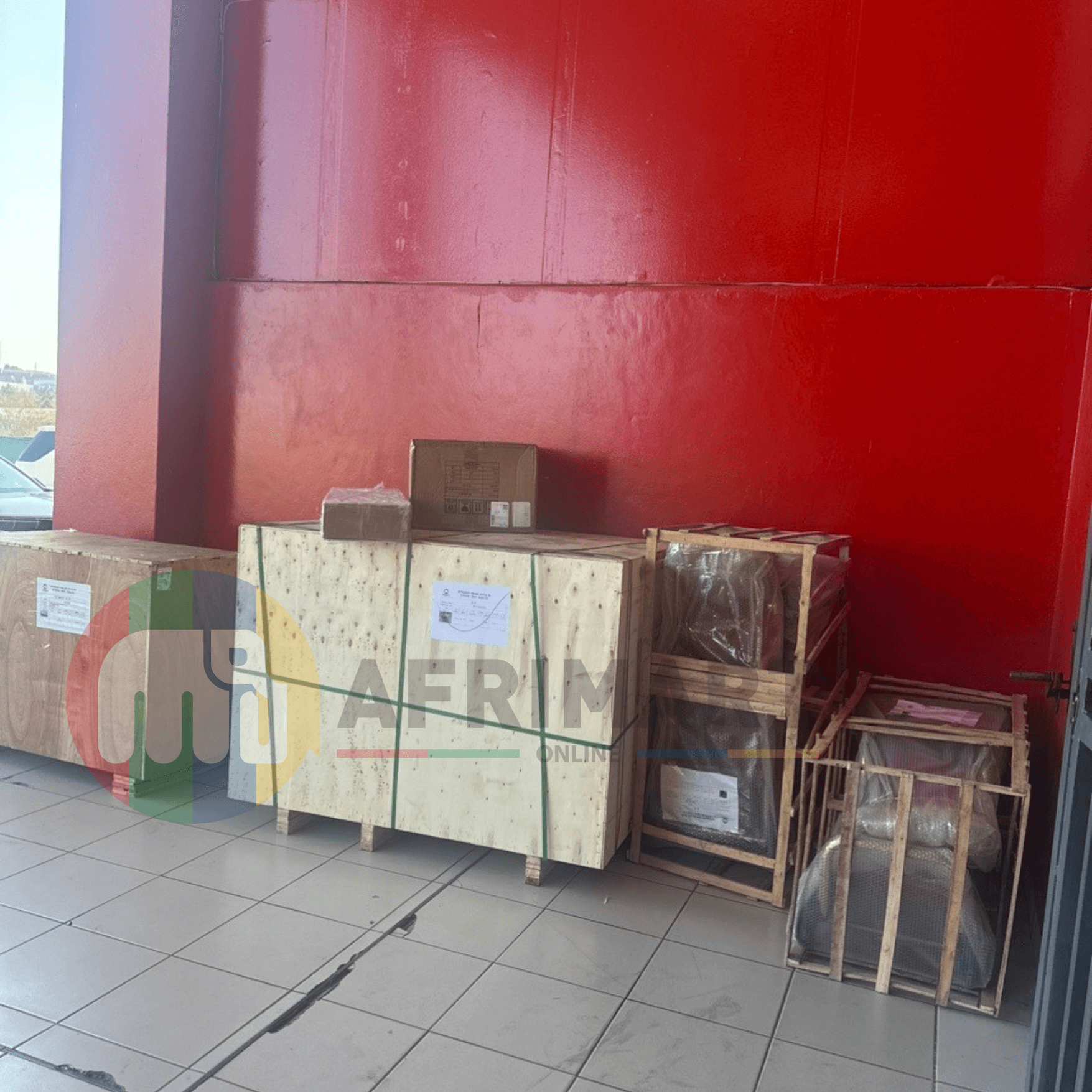
Packaging Machine and accessories
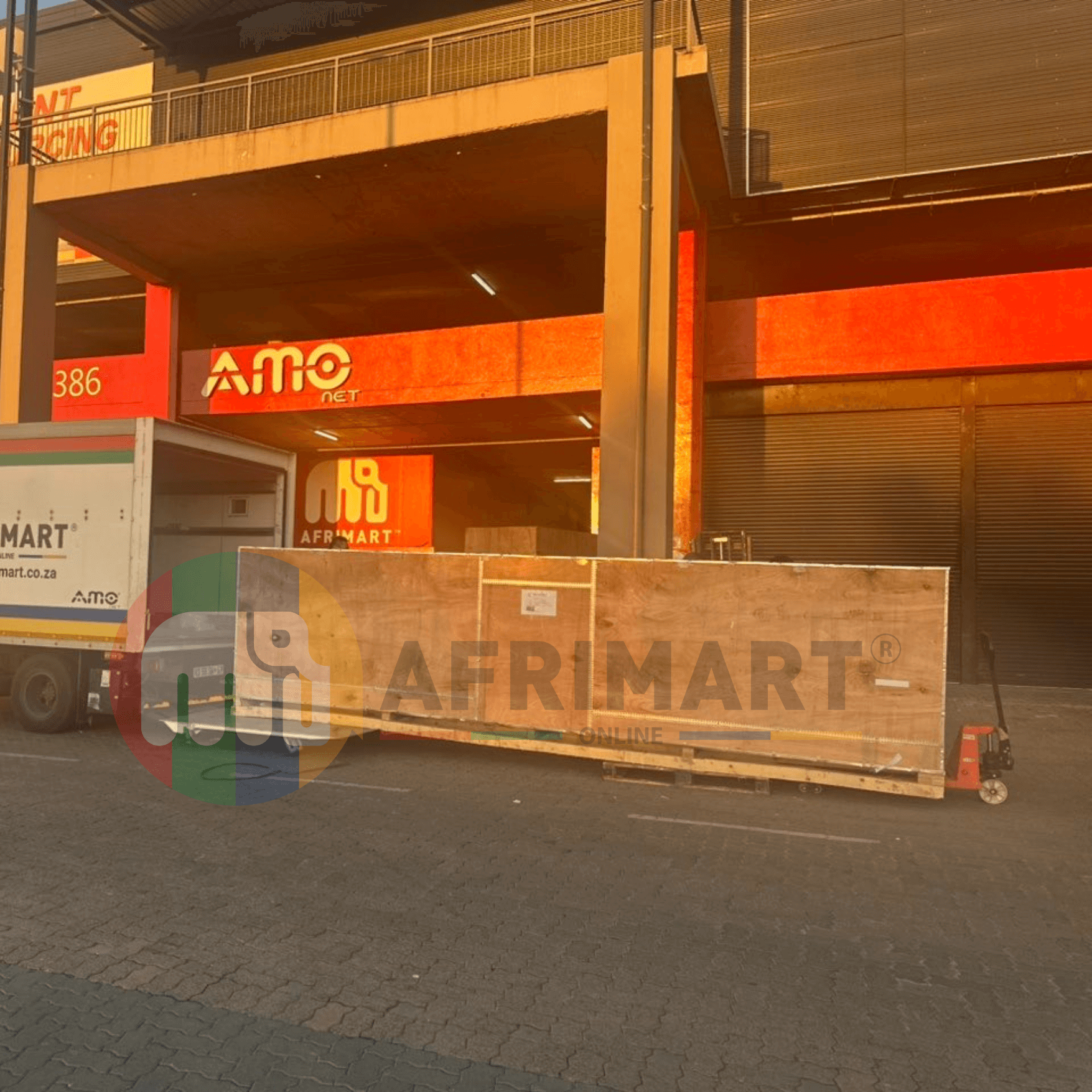
Fabrics Manufacturing Equipment
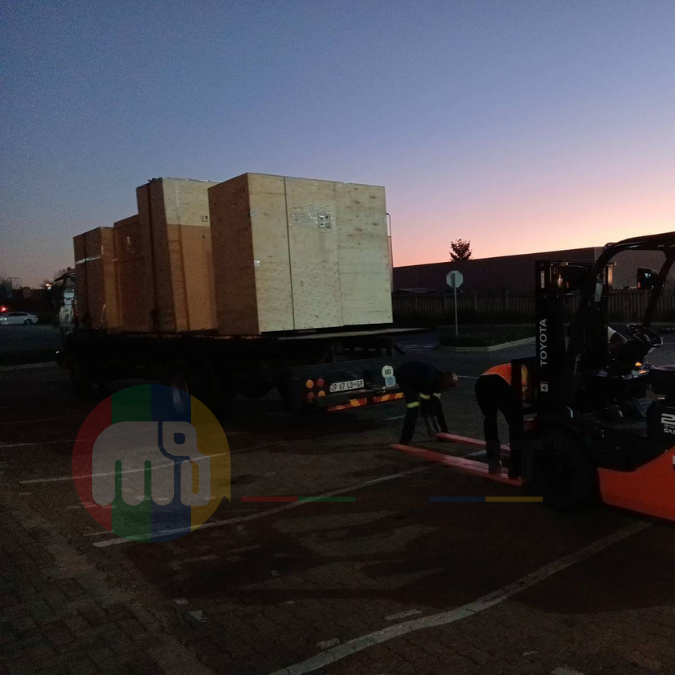
Mining Equipments
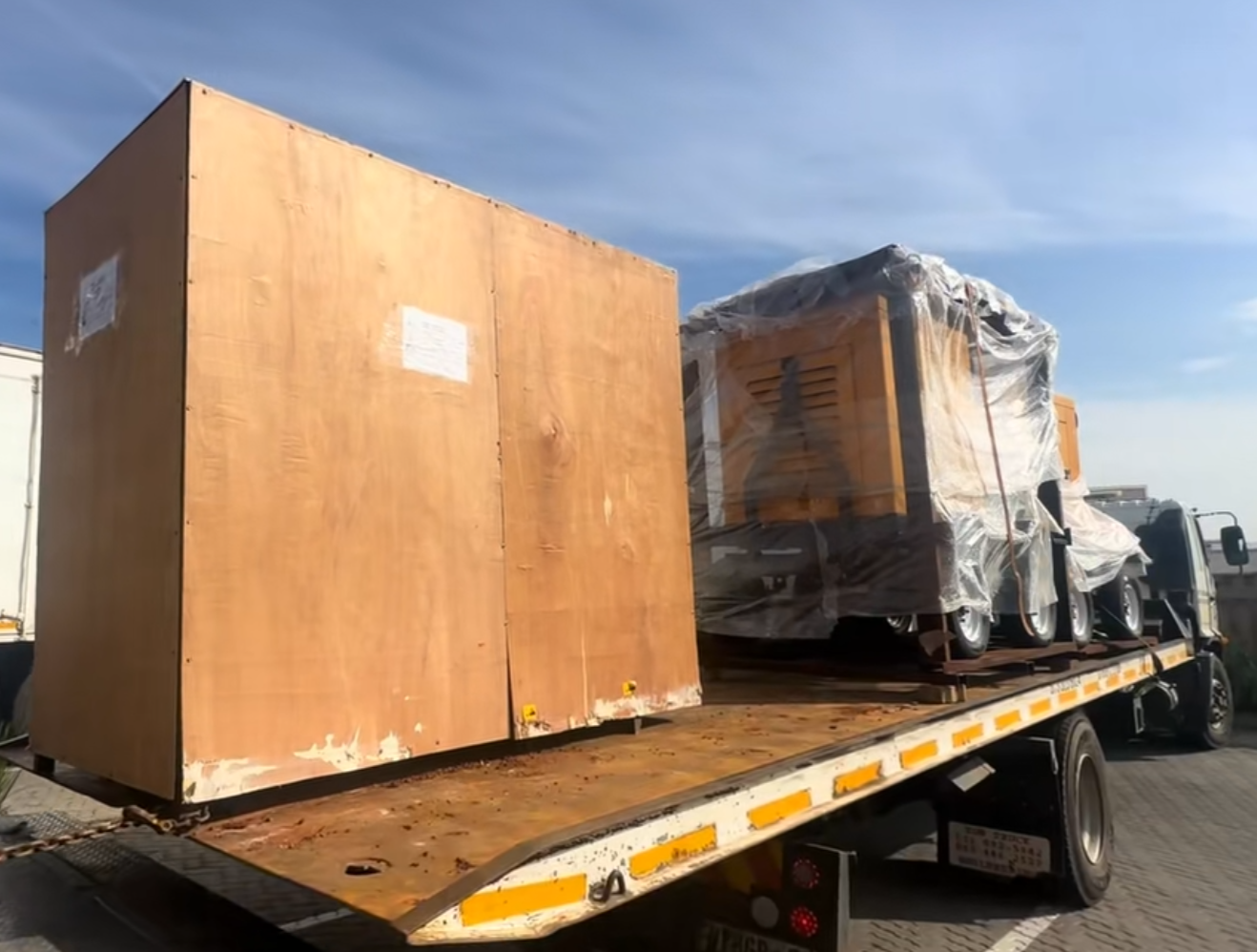
Food Processing Machine
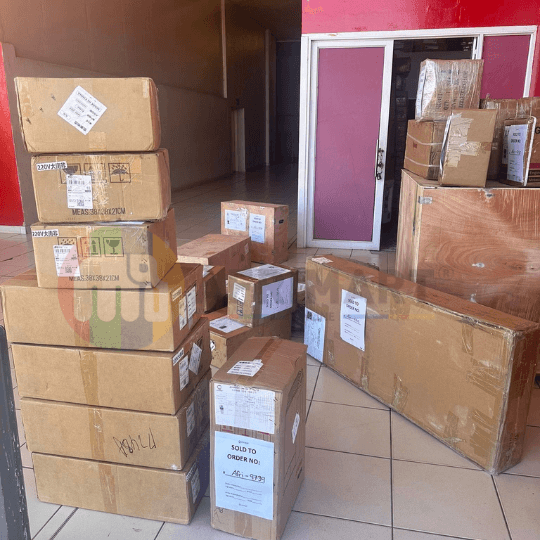
Batch of Orders
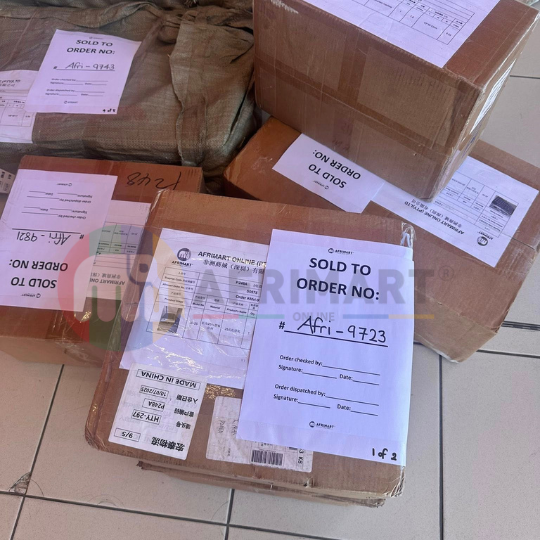
Batch of Orders
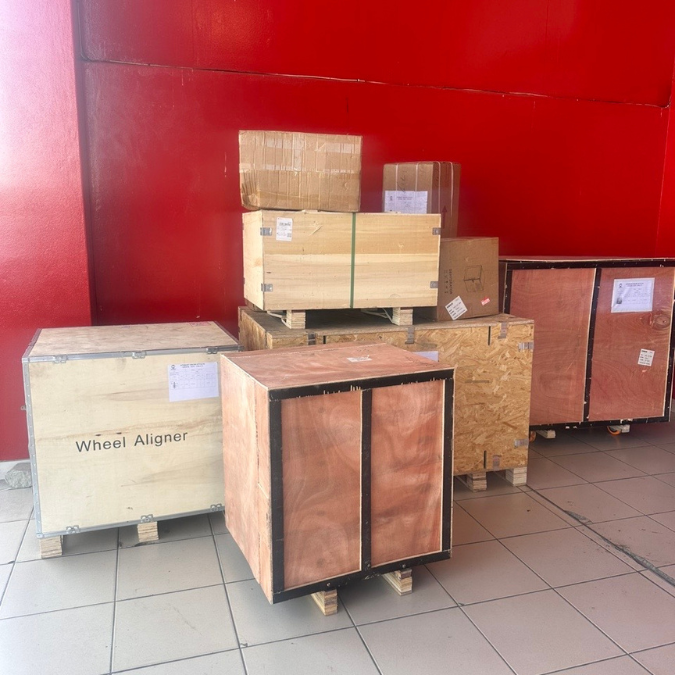
Latest Orders Labelled
wheel alignment machines
new arrivals
Pre Orders Offloading
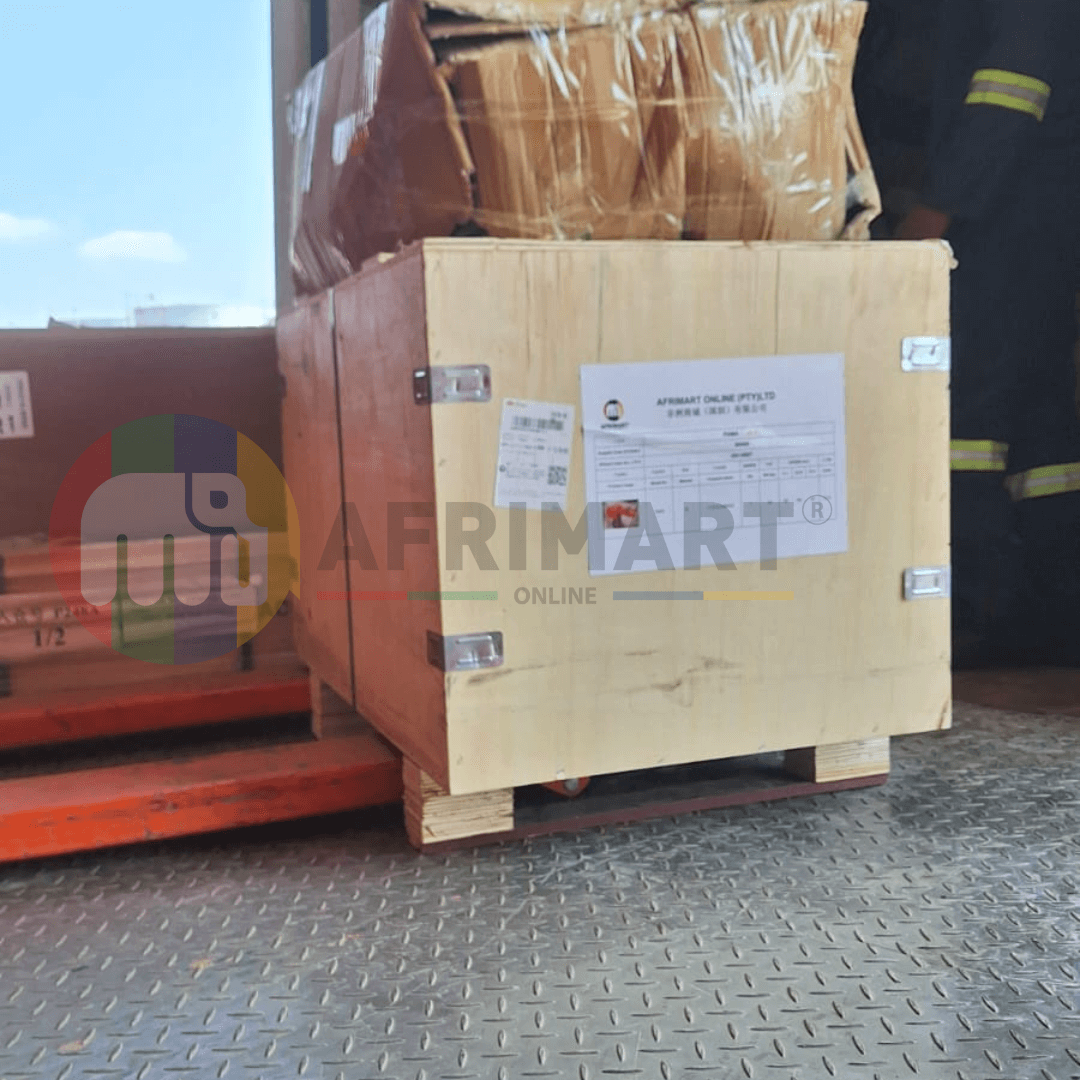
Latest Arrivals
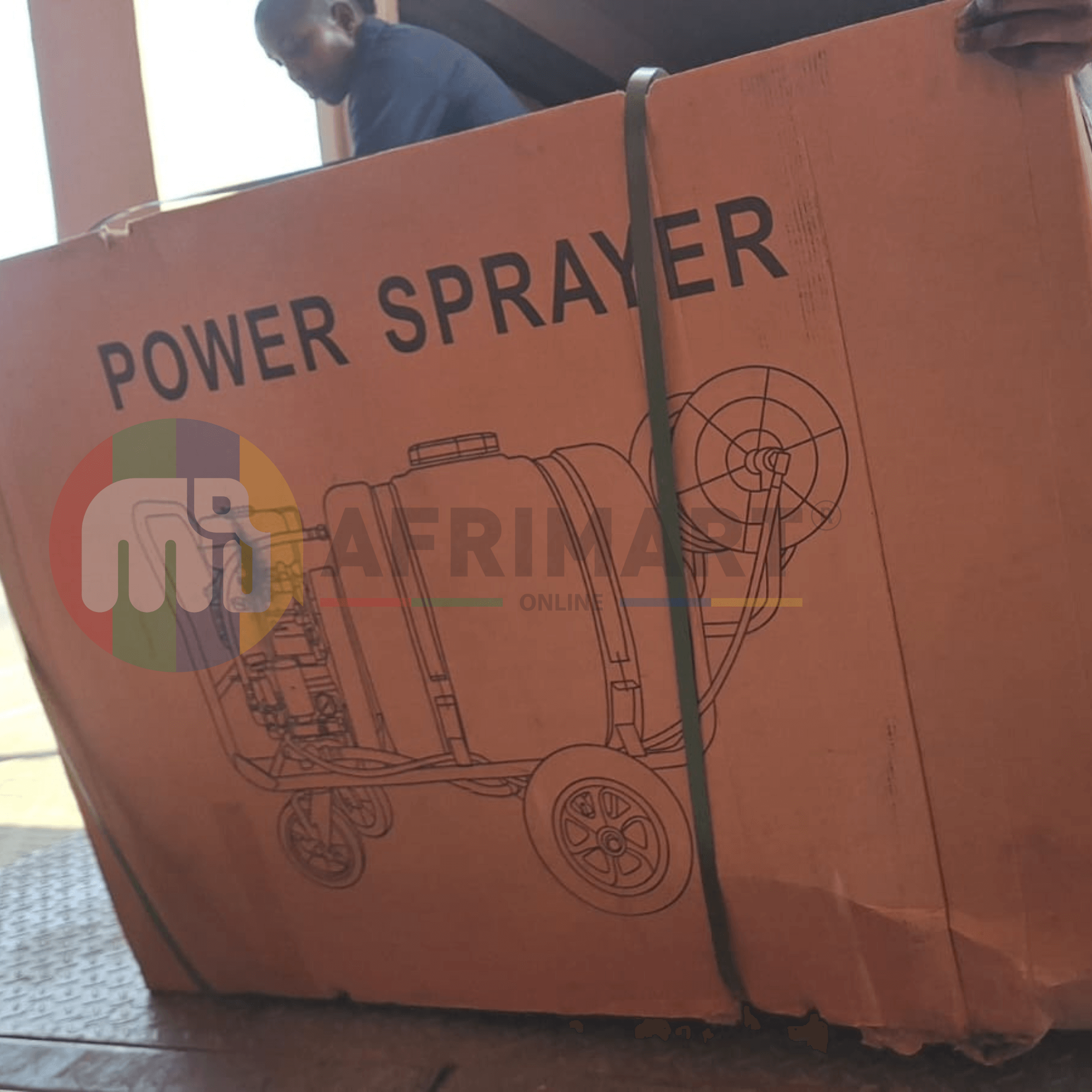
Latest Arrivals
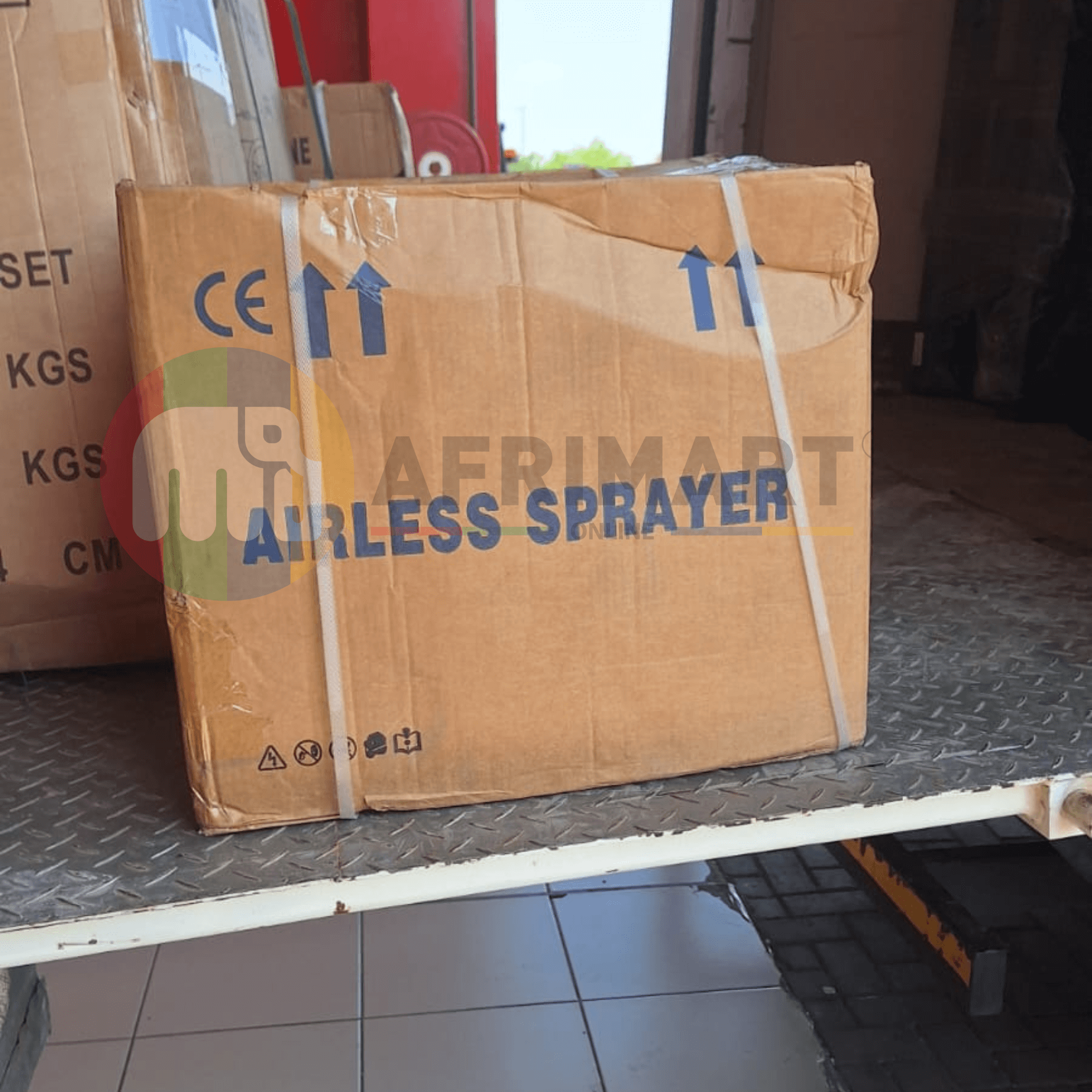
Latest Arrivals
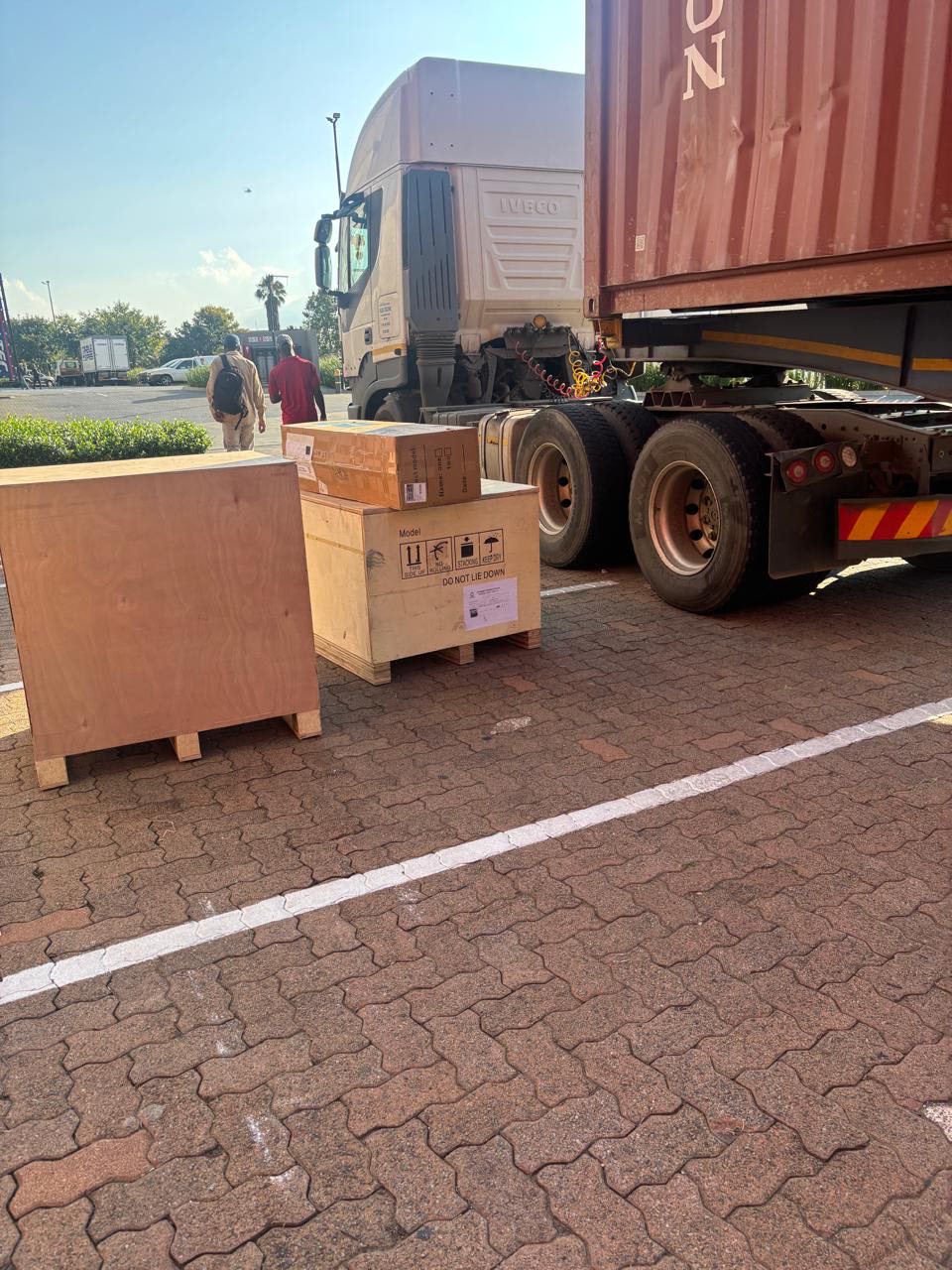
26 January 2026
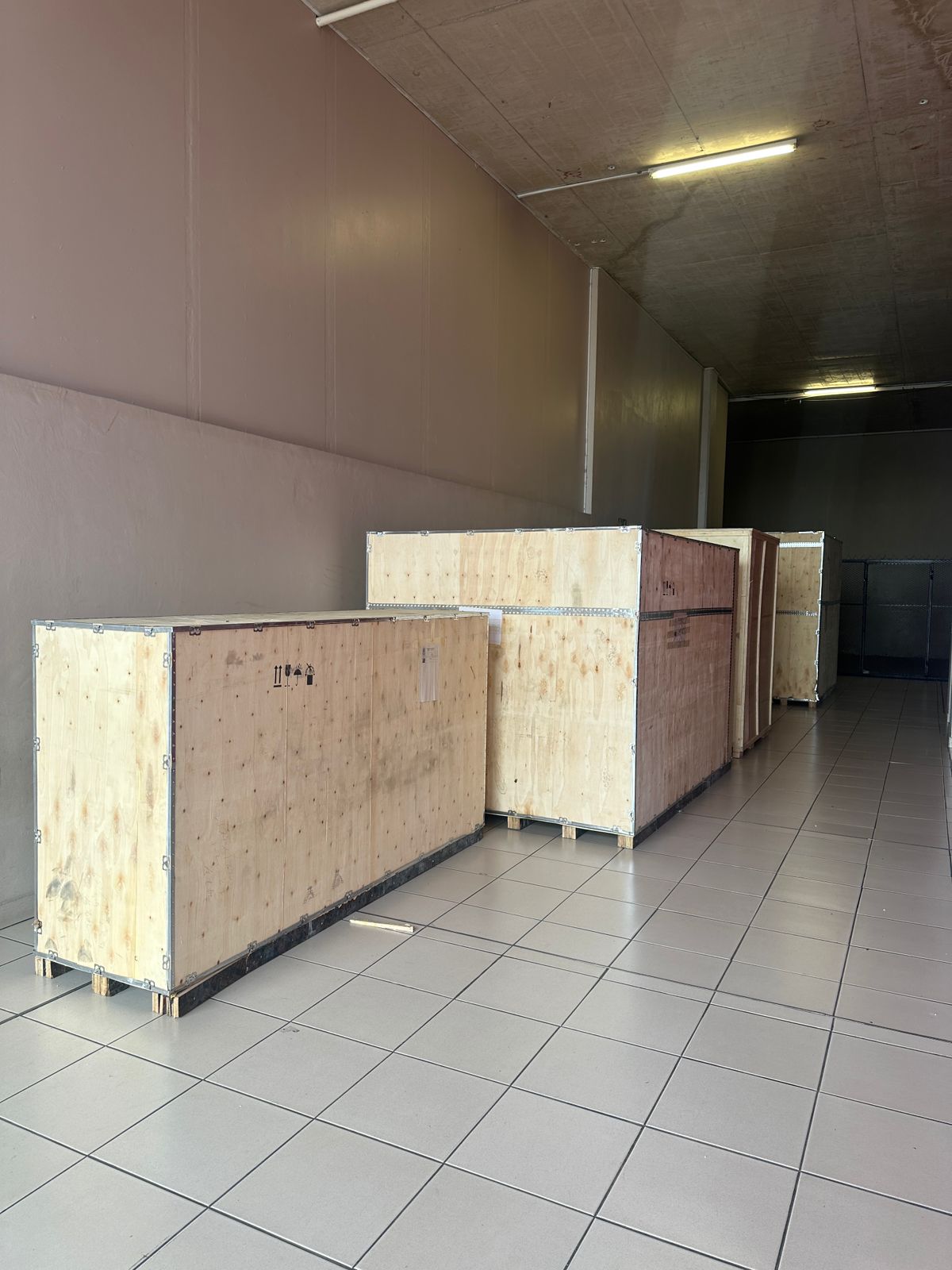
Toilet paper making machine
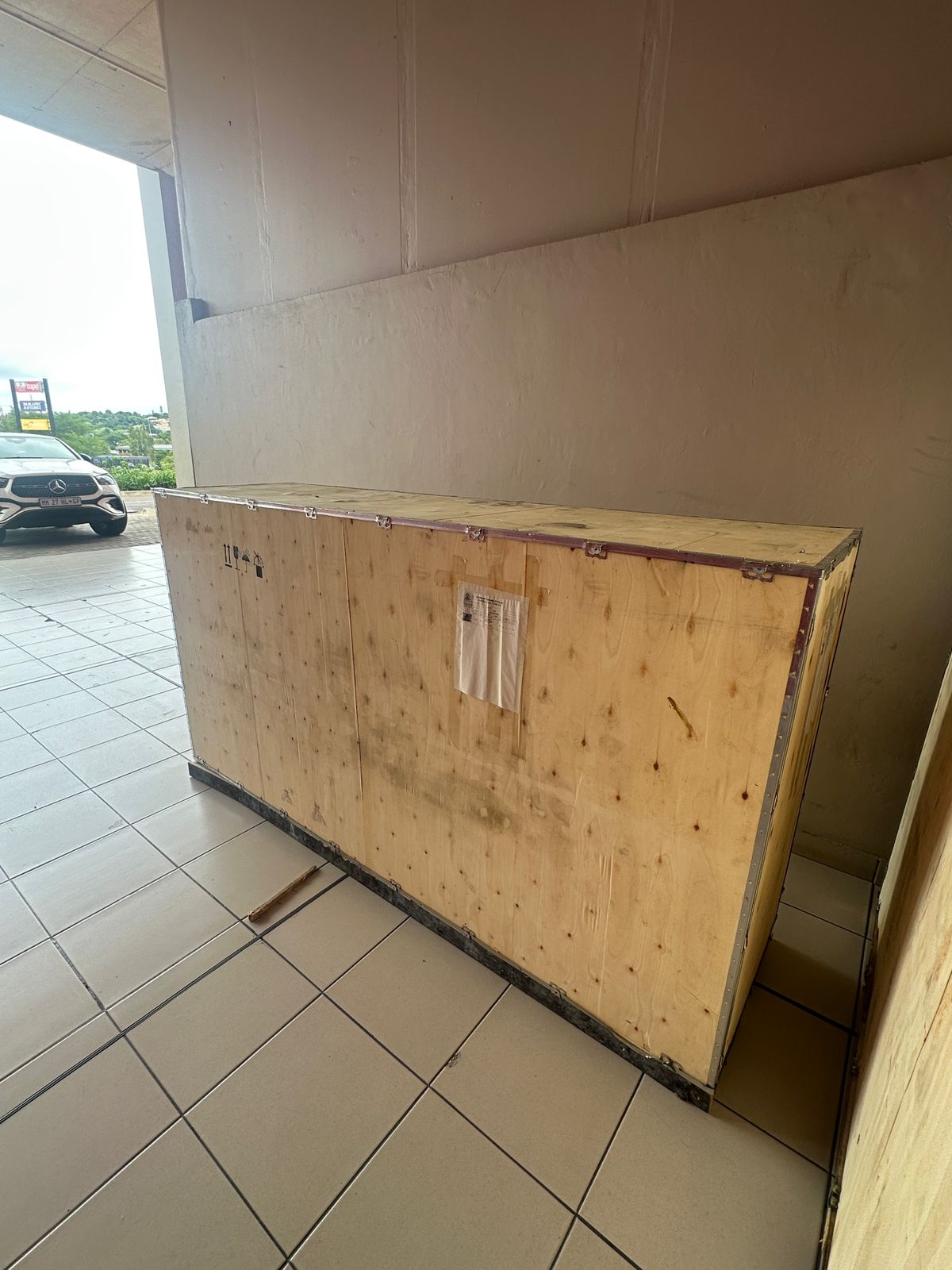
Toilet paper making machine
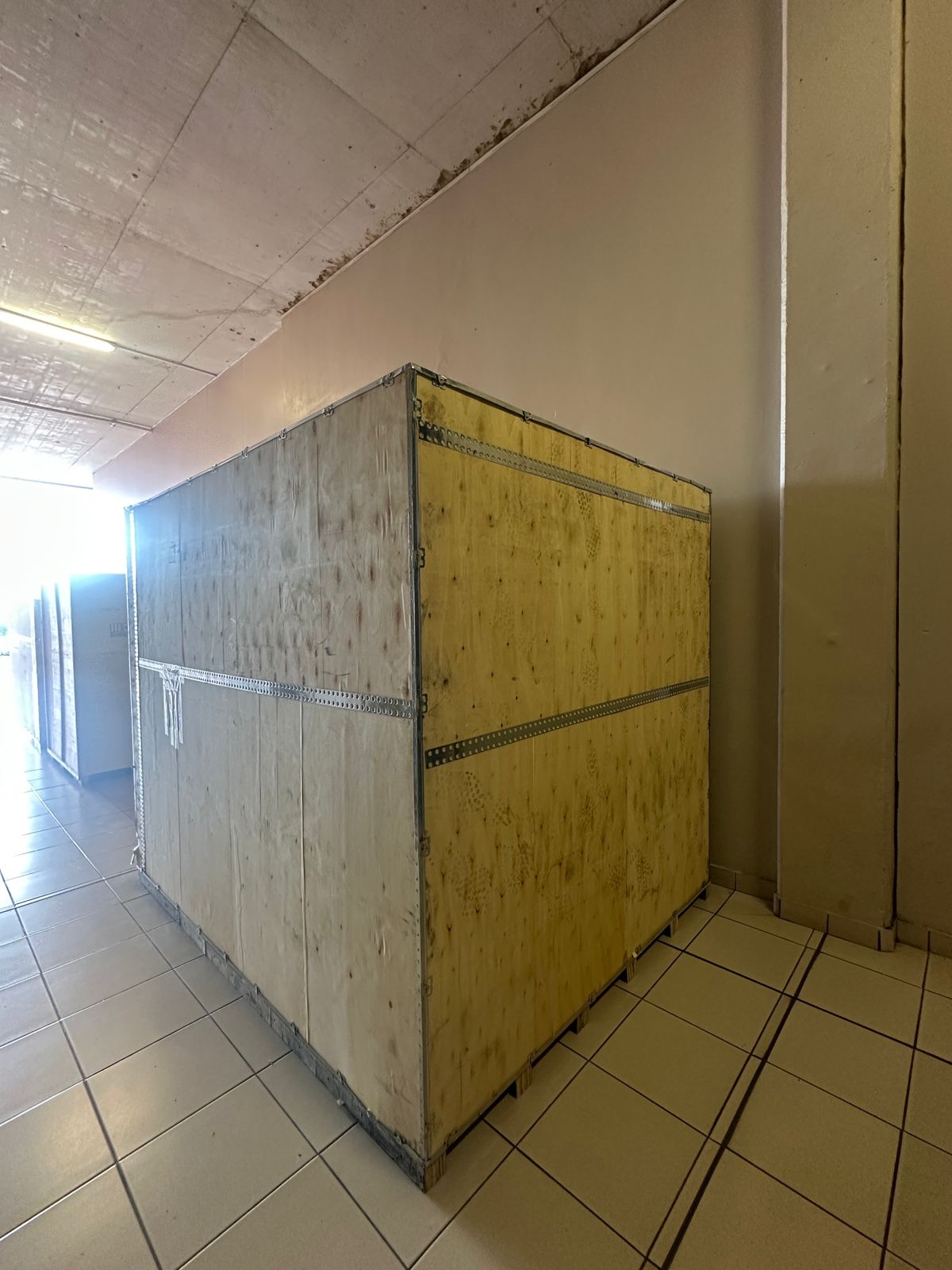
Toilet paper Rewinding Machine
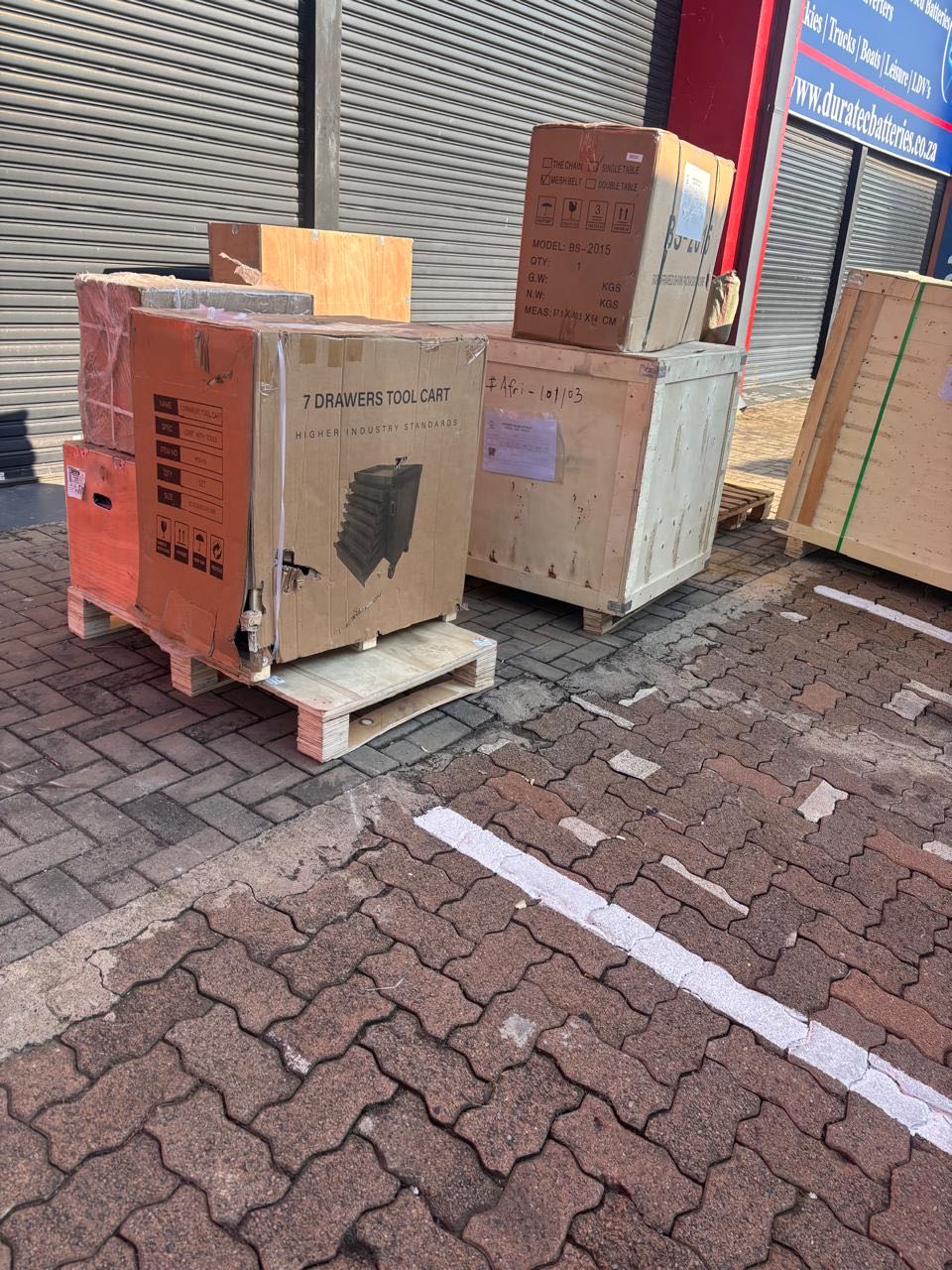
latest arrivals
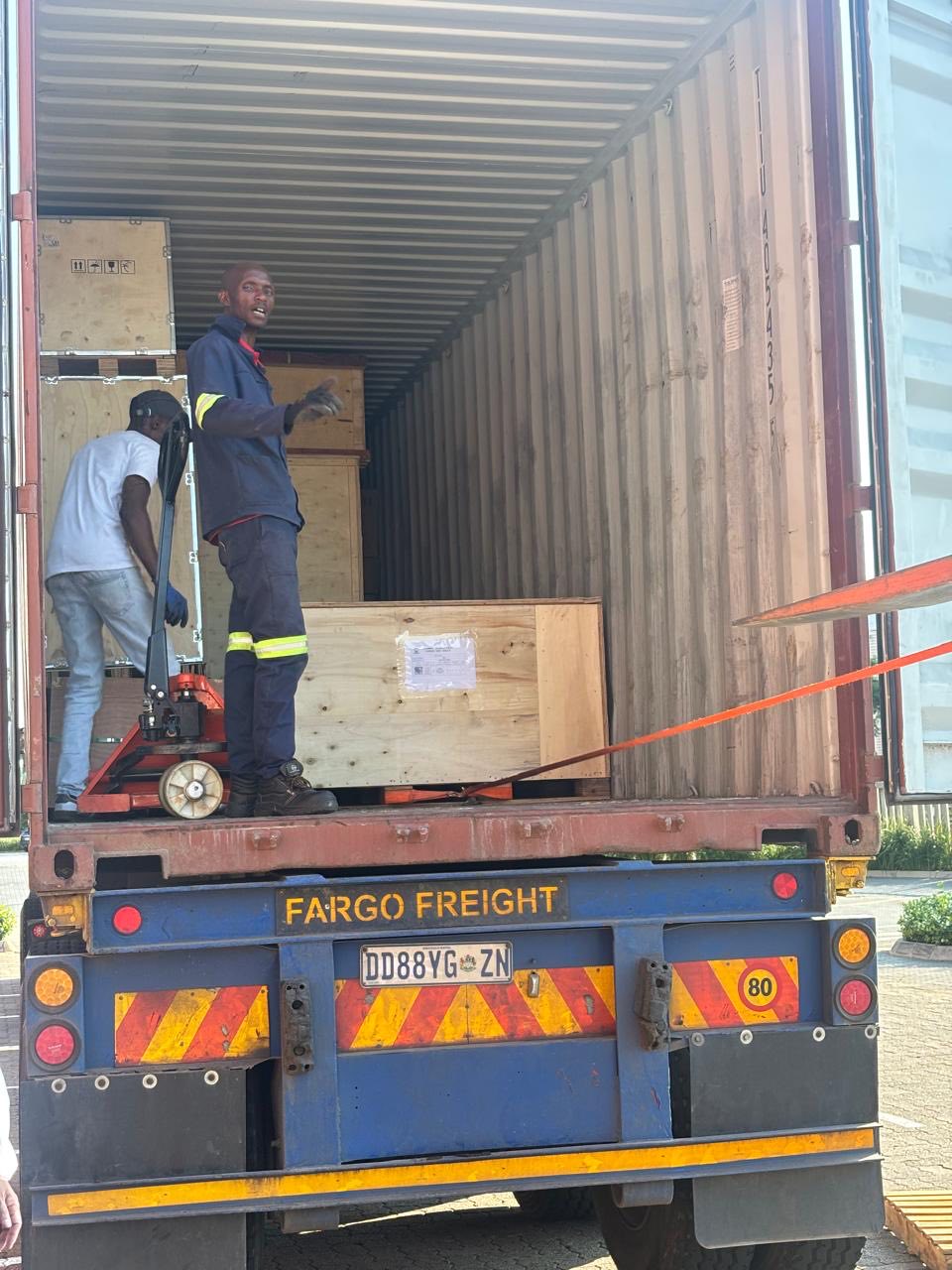
offloading
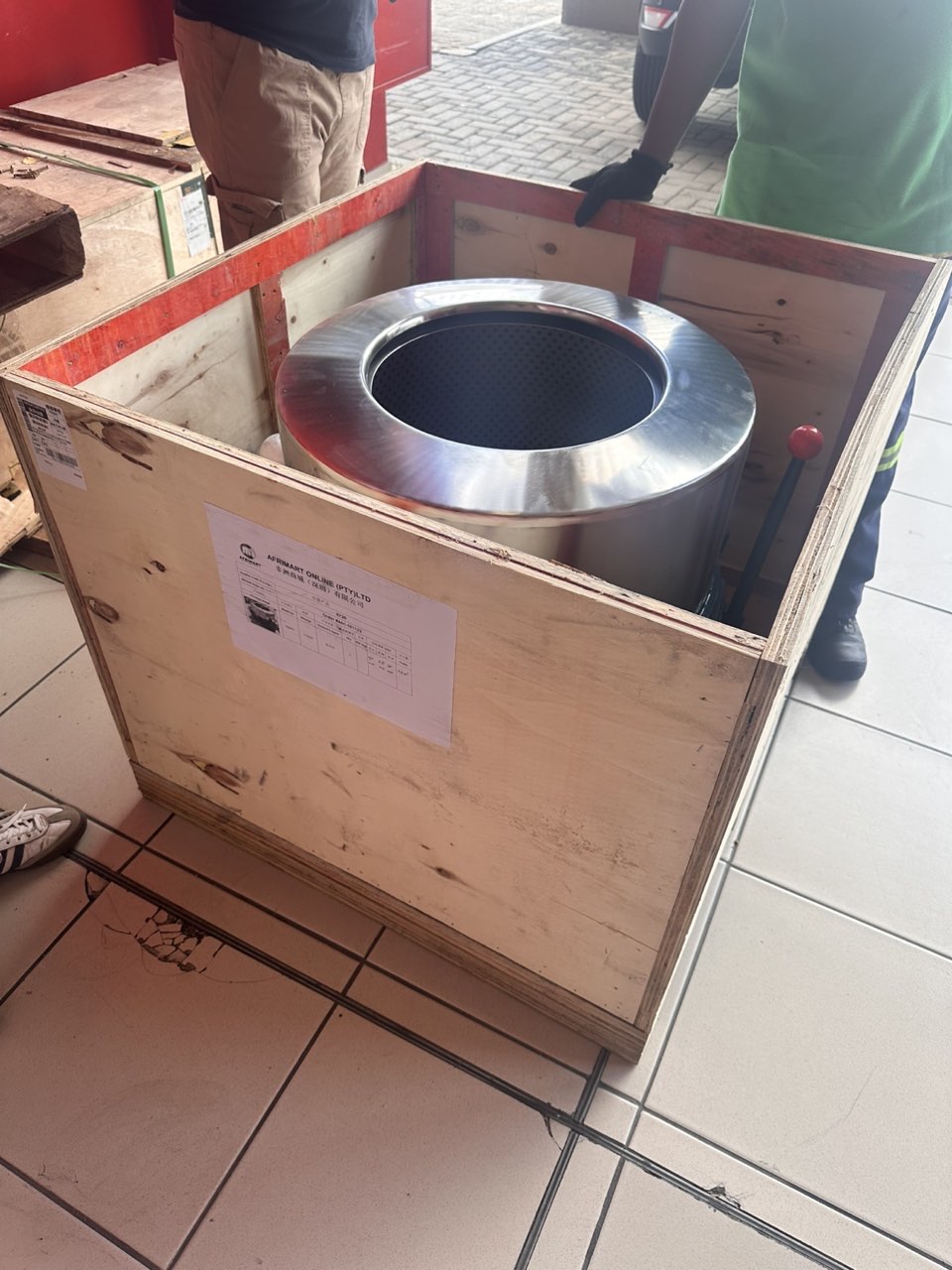
order success
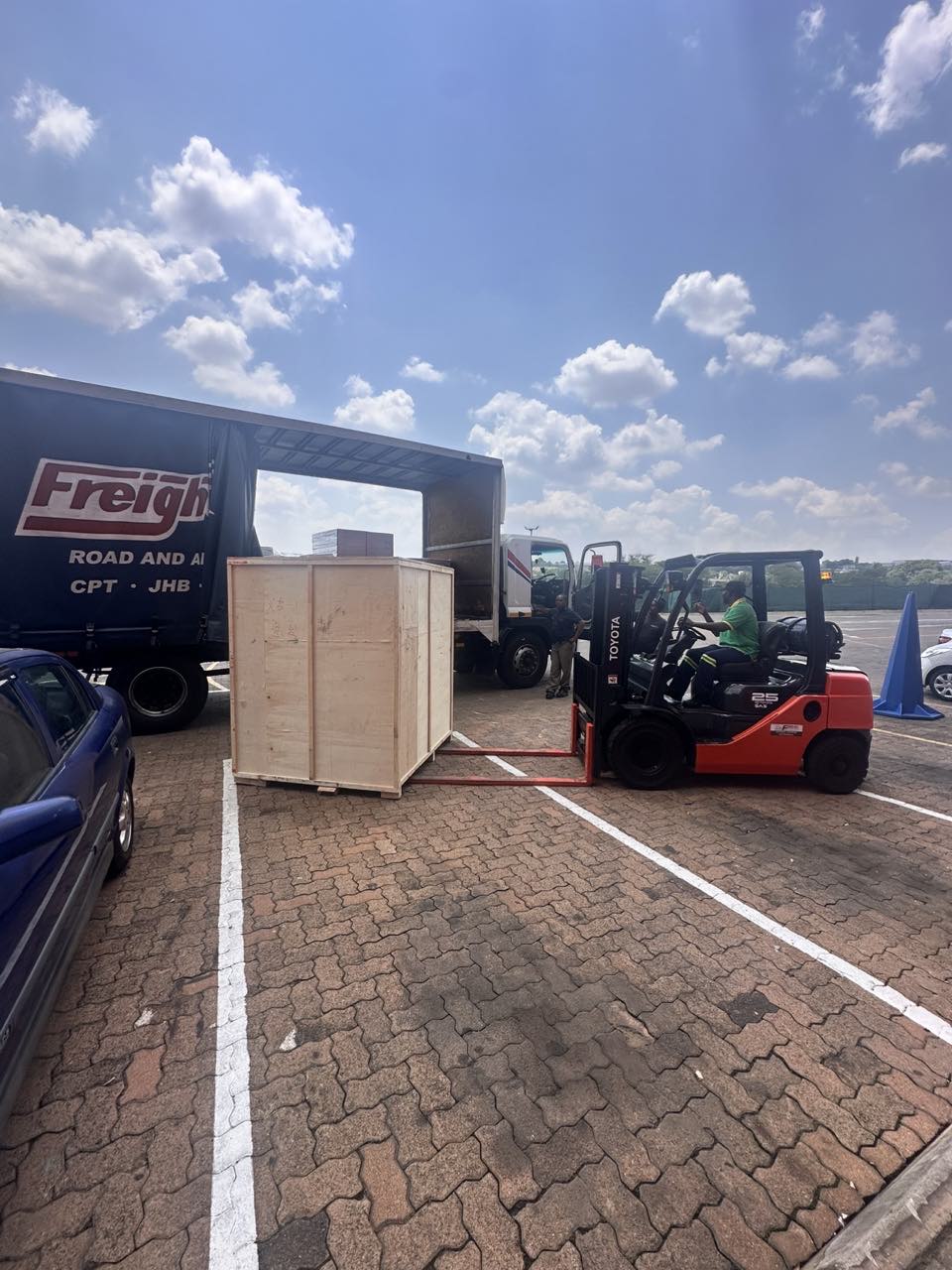
order collection
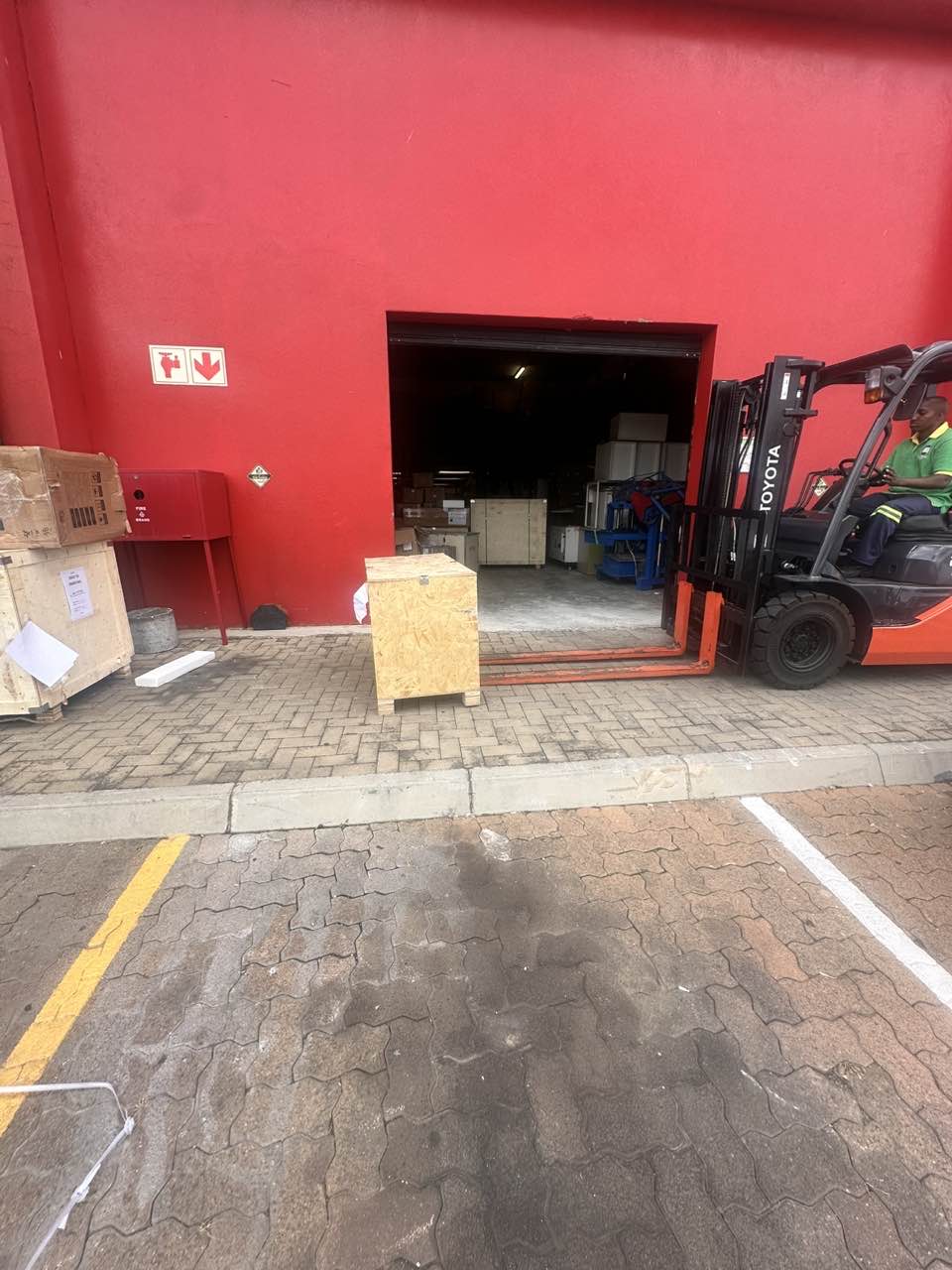
order offloading