B21, China Town Mall, Midrand

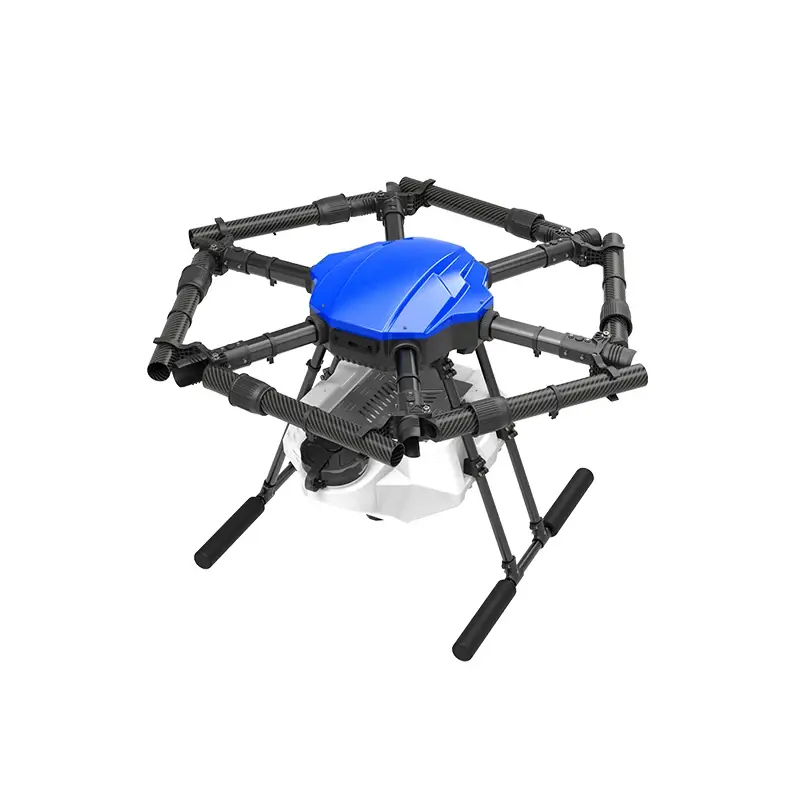
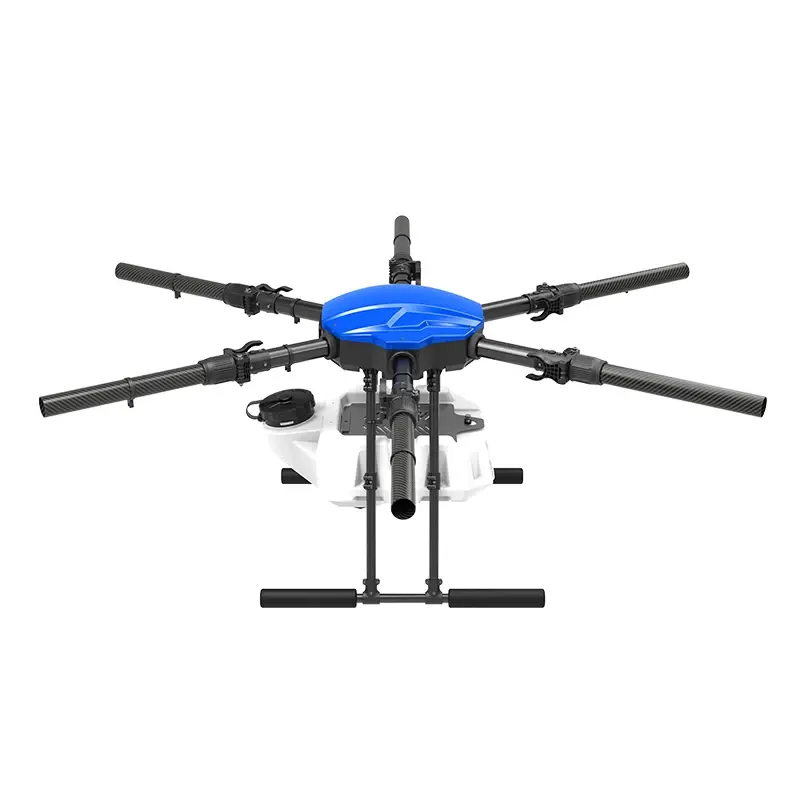
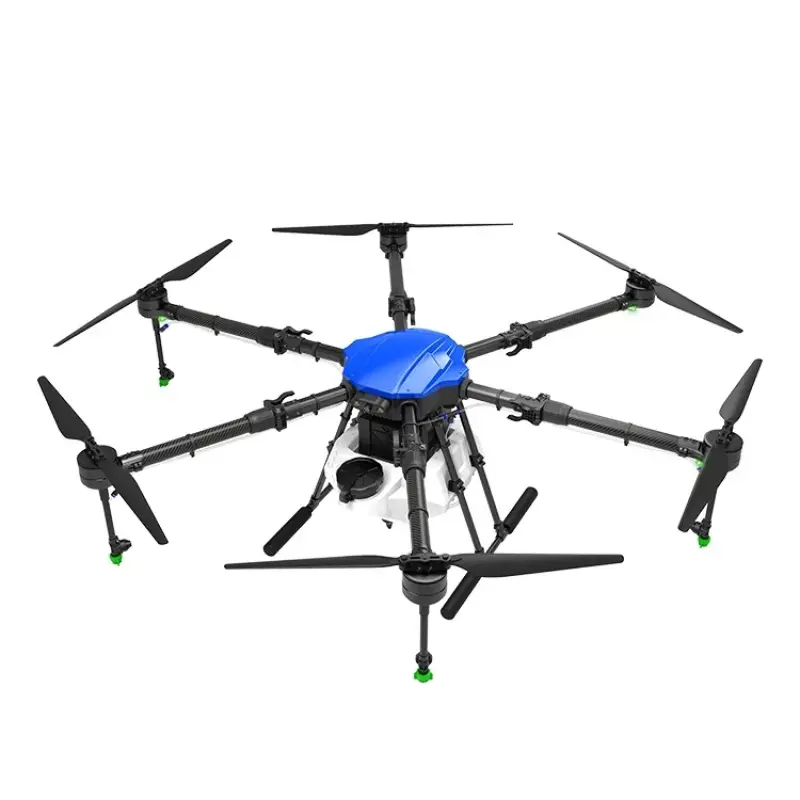
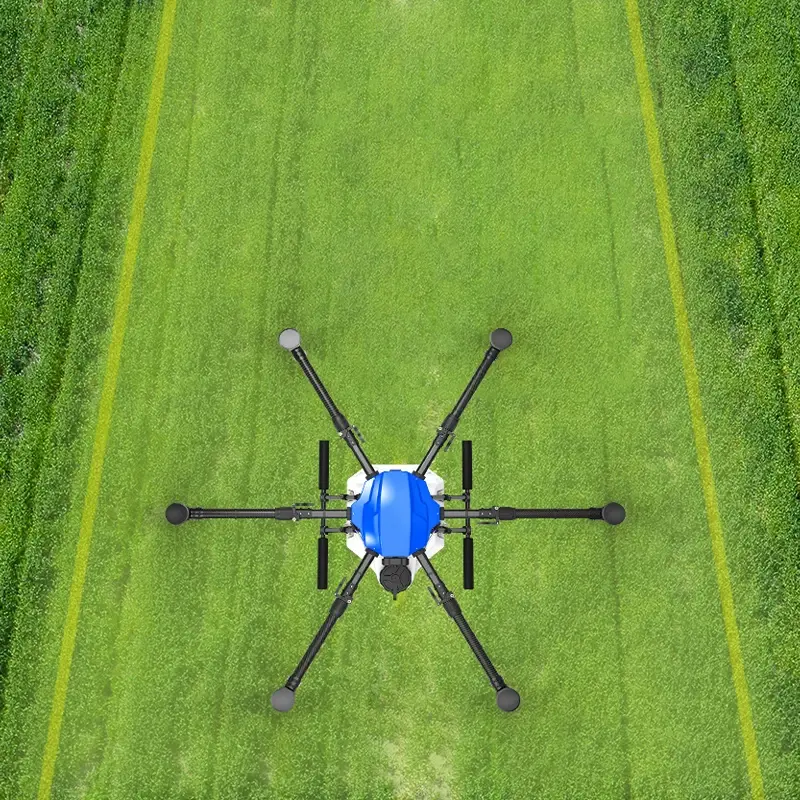
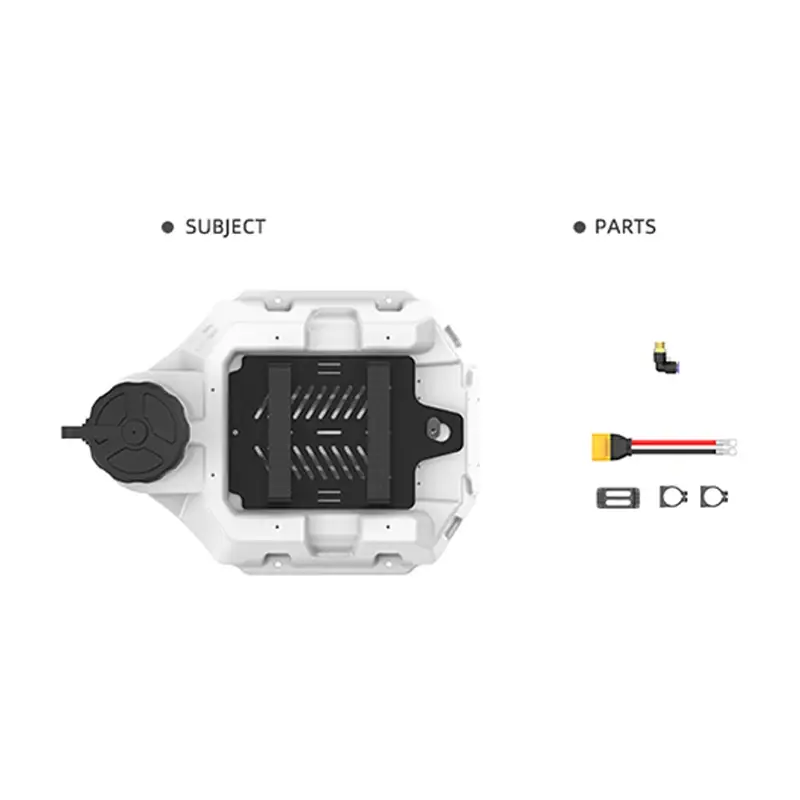
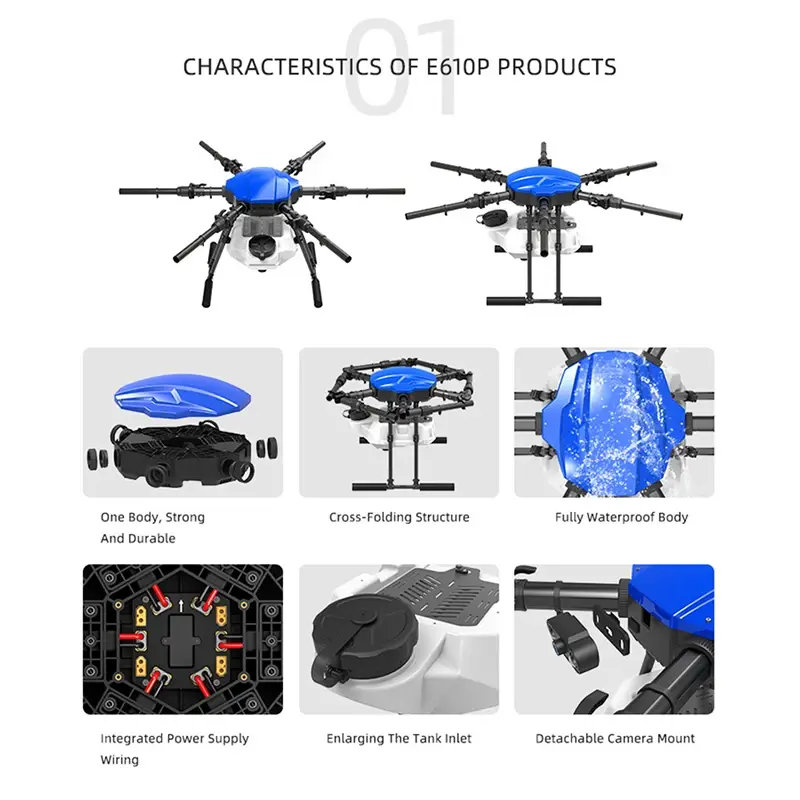
E610P Agricultural Sprayers Drone
Asset finance available
Do you want funding for this equipment?
Afrimart can connect you with trusted funding partners who specialise in asset finance for businesses like yours. Compare options and apply in minutes — final approval is subject to provider review.
Check funding options
Secure & no obligation

- Section : Machinery
- Category : Agriculture Machinery
- SKU : 1601013562106



- Shipping Timeframes: All orders are processed within 2-5 business days (excluding weekends and holidays). After your order has been processed, the estimated delivery time is before 03 Aug, 2026, depending on customs, Please note that due to high demand, some items may experience longer shipping times, which will be communicated at order confirmation email.
- Order Processing Time: Please allow 2-5 business days for us to process your order before it is shipped . Orders placed after 16:00 on Fridays, or during weekends and public holidays, will begin processing on the next business day. Processing times may be extended during peak seasons or sales events.
- Manufacturing Time: Some products needs manufacturing time, the manufacturing process will take approximately 10-30 business days depending on the product. This timeframe may vary depending on the complexity of the product and current demand. but this will be communicated with you during order confirmation.
- Returns and Exchanges: We offer a 30-day return policy for most items. If you are not completely satisfied with your purchase, you may return it within 30 days of receipt for a refund or exchange. Items must be unused, in their original packaging, and accompanied by proof of purchase. Return shipping costs are the responsibility of the customer, unless the item was damaged or defective upon arrival.
1. What is the E610P Agricultural Sprayers Drone?
The E610P is a purpose-built agricultural spraying drone designed to apply pesticides, herbicides and foliar nutrients efficiently across farms. It integrates a liquid tank and pump system with flight controls and agricultural spray nozzles for precise coverage.
2. What is the tank capacity and maximum payload of the E610P?
Typical configurations of the E610P use a dedicated liquid tank in the 8–12 L range and a maximum payload around 8–12 kg. Exact capacity depends on the model variant and optional accessories—check the official datasheet for your unit.
3. How long can the E610P fly on a single battery charge?
Flight time depends on payload and operating conditions; with a full tank the E610P typically achieves 10–20 minutes per battery. Lighter loads and favorable conditions extend flight time. Many operators use multiple batteries to maintain continuous spraying.
4. What is the typical spraying width and application rate?
Spray width depends on nozzle selection, altitude and forward speed; common configurations achieve a 4–8 meter swath. Application rate is adjustable via pump flow and flight speed; always calibrate nozzle flow to meet target L/ha rates for the product and crop.
5. What type of nozzles and spray modes are supported?
The E610P supports standard agricultural spray nozzles (flat-fan, hollow-cone and air-assisted types) and usually offers variable flow control for coarse to fine droplet application. Nozzle choice should match the chemical, crop and drift-management requirements.
6. Does the E610P have GPS and auto-flight features?
Yes. The drone includes GNSS-based navigation and supports waypoint planning and automated flight missions. Some configurations offer RTK for centimeter-level positioning—verify whether your supplied unit includes RTK modules.
7. Does the drone have obstacle avoidance or safety sensors?
Many E610P units include front and downward sensors for basic obstacle detection and altitude hold. Level of autonomy varies by configuration; always keep visual line-of-sight and be prepared to take manual control if needed.
8. What is the remote-control range and communication method?
Control range depends on the radio module and local regulations; typical control links are in the 1–5 km range in open areas using proprietary RF telemetry. Interference, topology and legal limits can reduce range—confirm your unit's specs and comply with local rules.
9. How do I calibrate spray flow and ensure accurate application?
Calibration involves measuring nozzle flow at a given pressure and adjusting flight speed to achieve the desired L/ha. Perform a static flow test before each mission, input the values into the mission planner, and run a short test strip to verify coverage and droplet size.
10. What batteries does the E610P use and how long does charging take?
The E610P typically uses high-discharge lithium batteries (e.g., LiPo packs). Charge time varies by charger and battery capacity—expect 45–120 minutes. Use only the recommended charger and follow safe charging/storage procedures.
11. How much area can the E610P cover in an hour?
Area coverage depends on tank size, application rate, flight speed and mission efficiency (including battery swaps). With a 10 L tank and moderate application rates, a single battery sortie may cover a few hectares; using multiple batteries and rapid refill procedures increases hourly coverage. Calculate coverage using your actual L/ha and sortie cycle time.
12. What maintenance is required to keep the E610P operating safely?
Regular checks include cleaning and flushing the tank and lines after each use, inspecting nozzles and filters, checking motors and propellers for damage, verifying firmware updates, and testing battery health. Follow the manufacturer's maintenance schedule for more detailed tasks and intervals.
13. Are spare parts and consumables available for the E610P?
Yes. Common spare parts include propellers, nozzles, filters, pumps, tanks and batteries. Purchase genuine replacement parts from the manufacturer or authorized dealers to ensure compatibility and reliability.
14. What safety and legal requirements should I be aware of when operating the E610P?
Operators must comply with local aviation regulations (pilot certification, line-of-sight rules, altitude limits), pesticide handling and applicator laws, and environmental guidelines to minimize drift. Use proper PPE, secure permits when required, and follow label instructions for any chemicals applied.
15. Is training available for new E610P operators?
Yes. Manufacturers and authorized dealers commonly offer training that covers safe flight operations, mission planning, spray calibration, maintenance and regulatory compliance. Hands-on training is strongly recommended before commercial use.
Latest Order Arrivals
Discover our latest orders
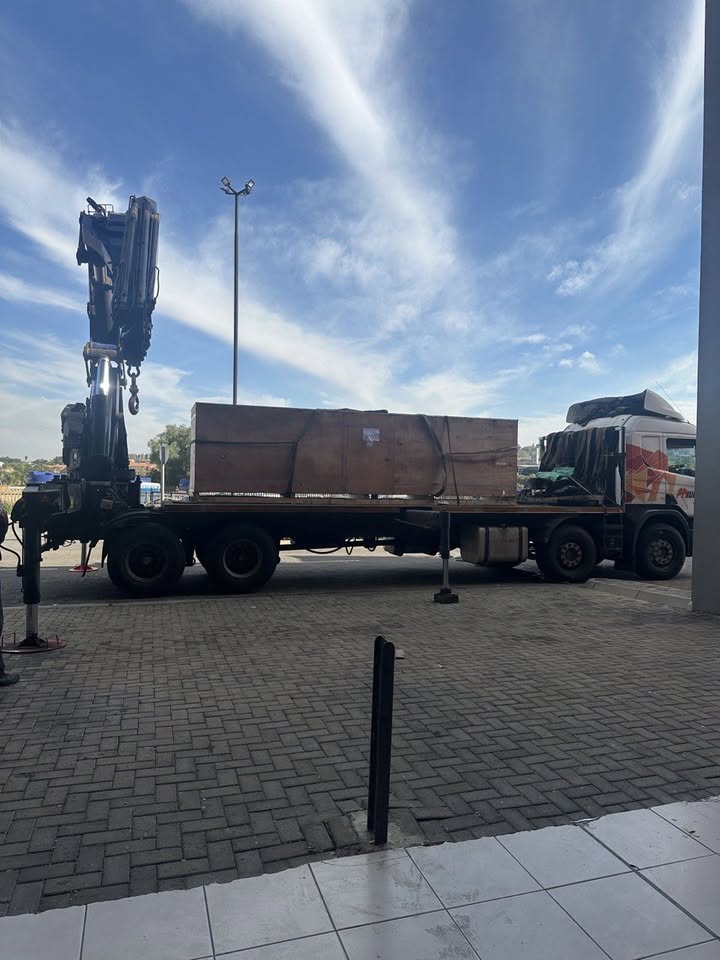
12 Heads Embroidery Machine
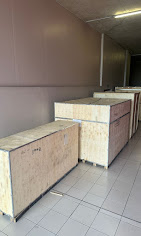
Toilet Paper Machine Machine
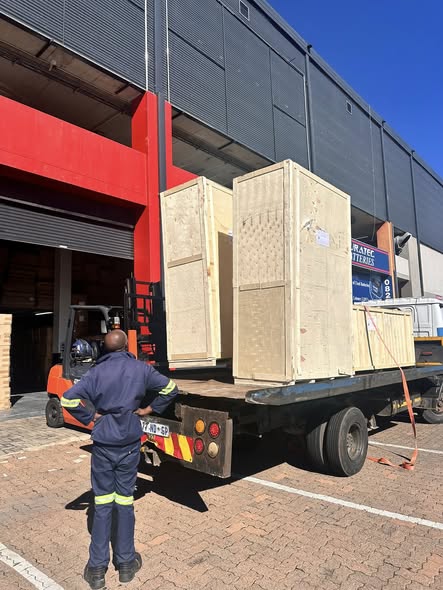
Order Collection
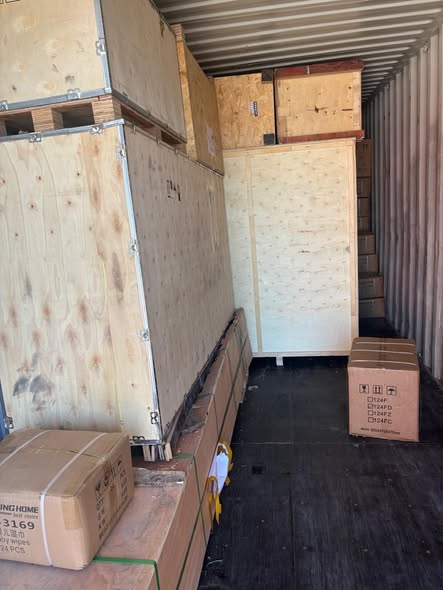
Cross Border Clients
Order cros border countries Collected
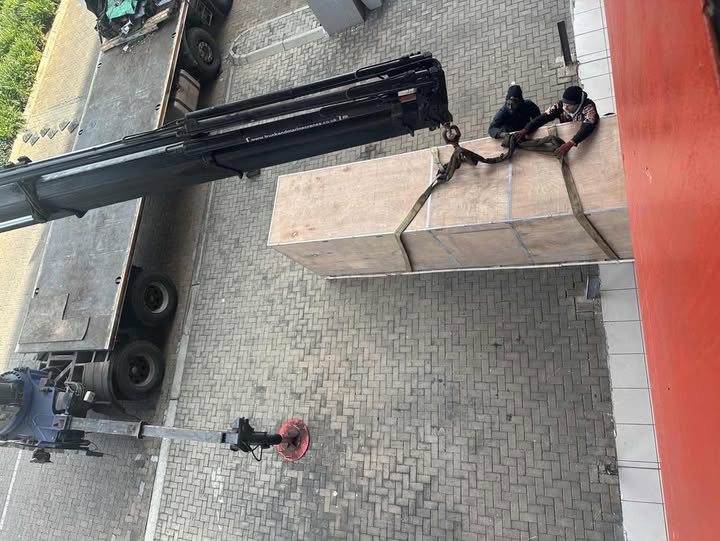
Industrial Machine Cllection
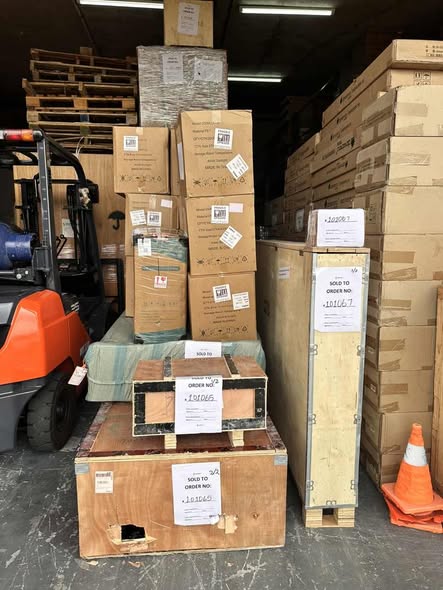
Agriculture Processing Machines
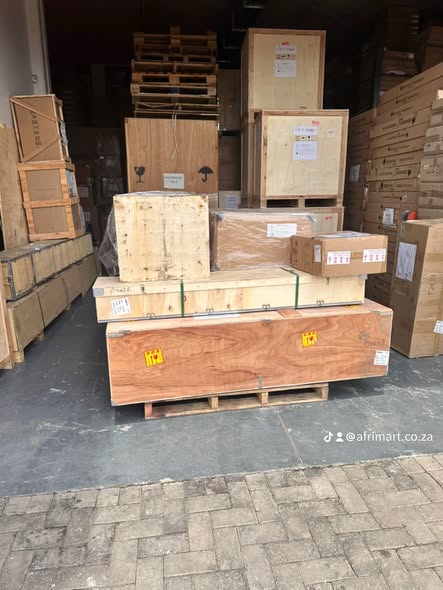
Ready for collection
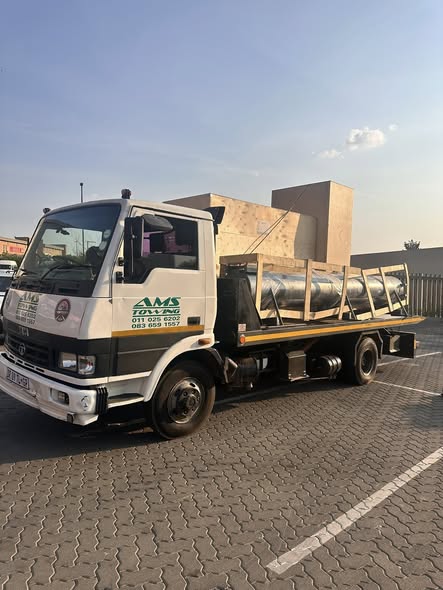
Water Pump Equipment
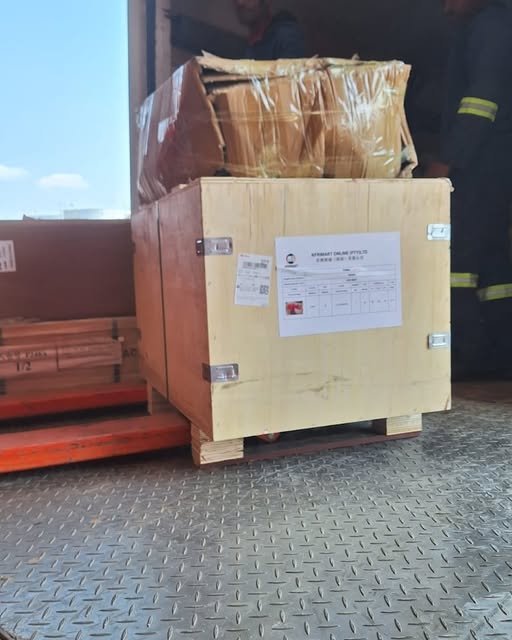
Packaging Machine and accessories
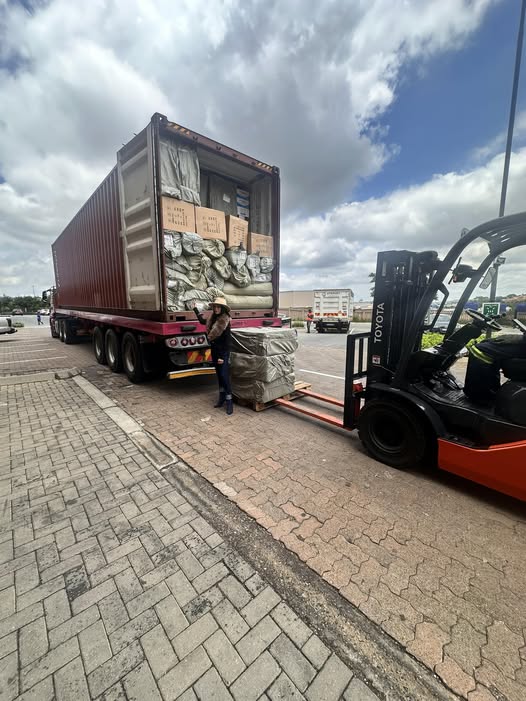
Fabrics Manufacturing Equipment
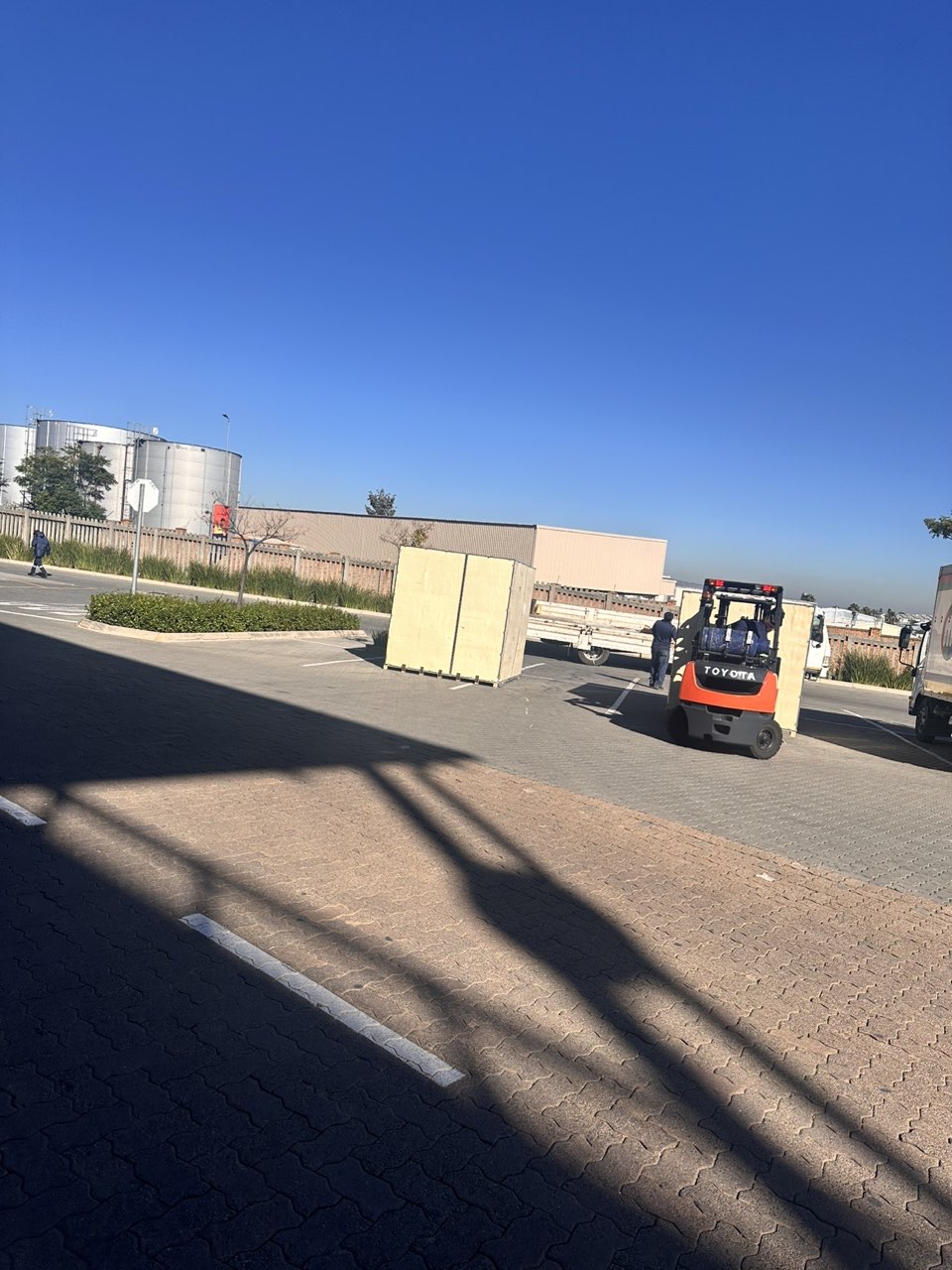
Mining Equipments
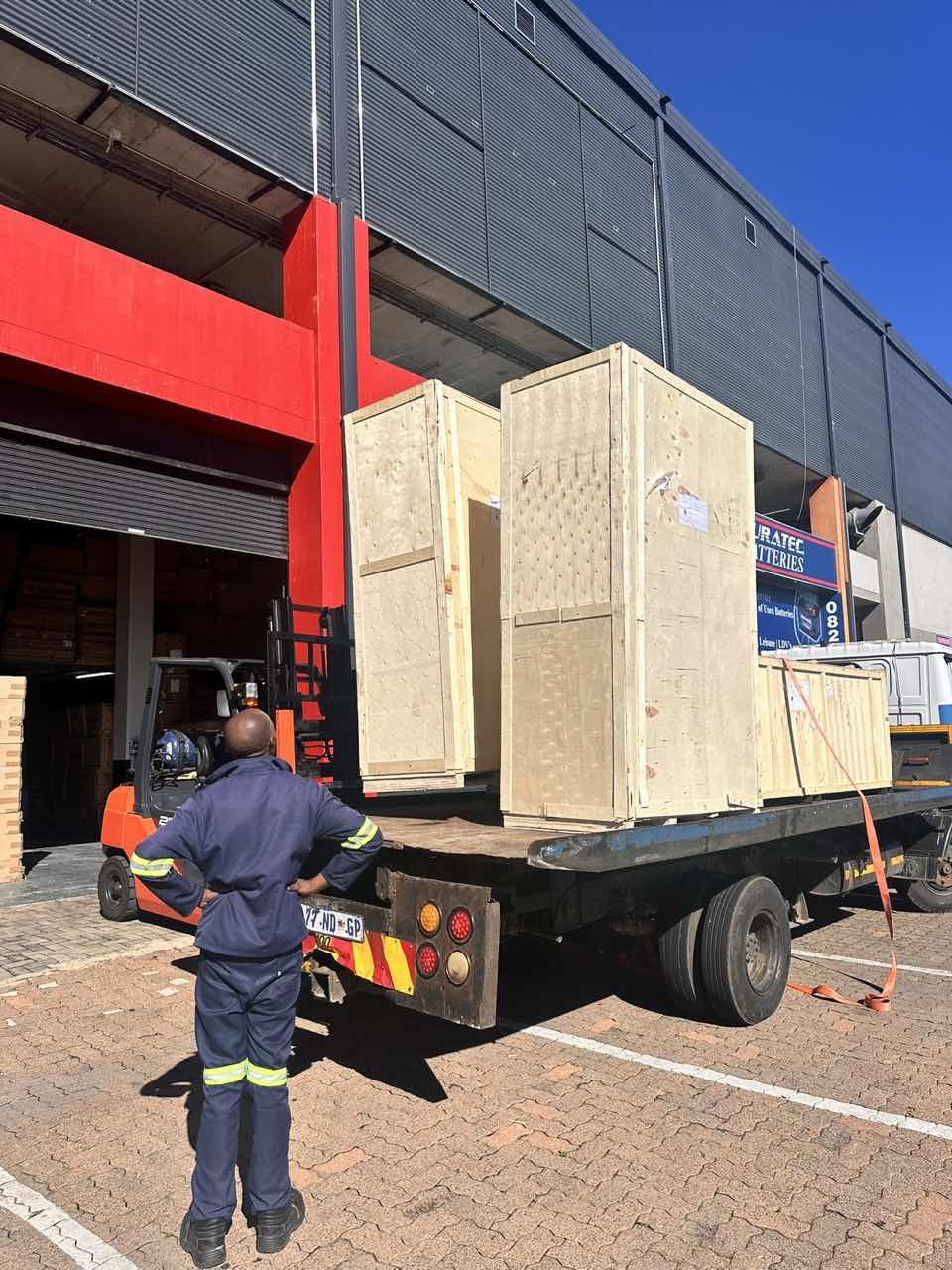
Food Processing Machine
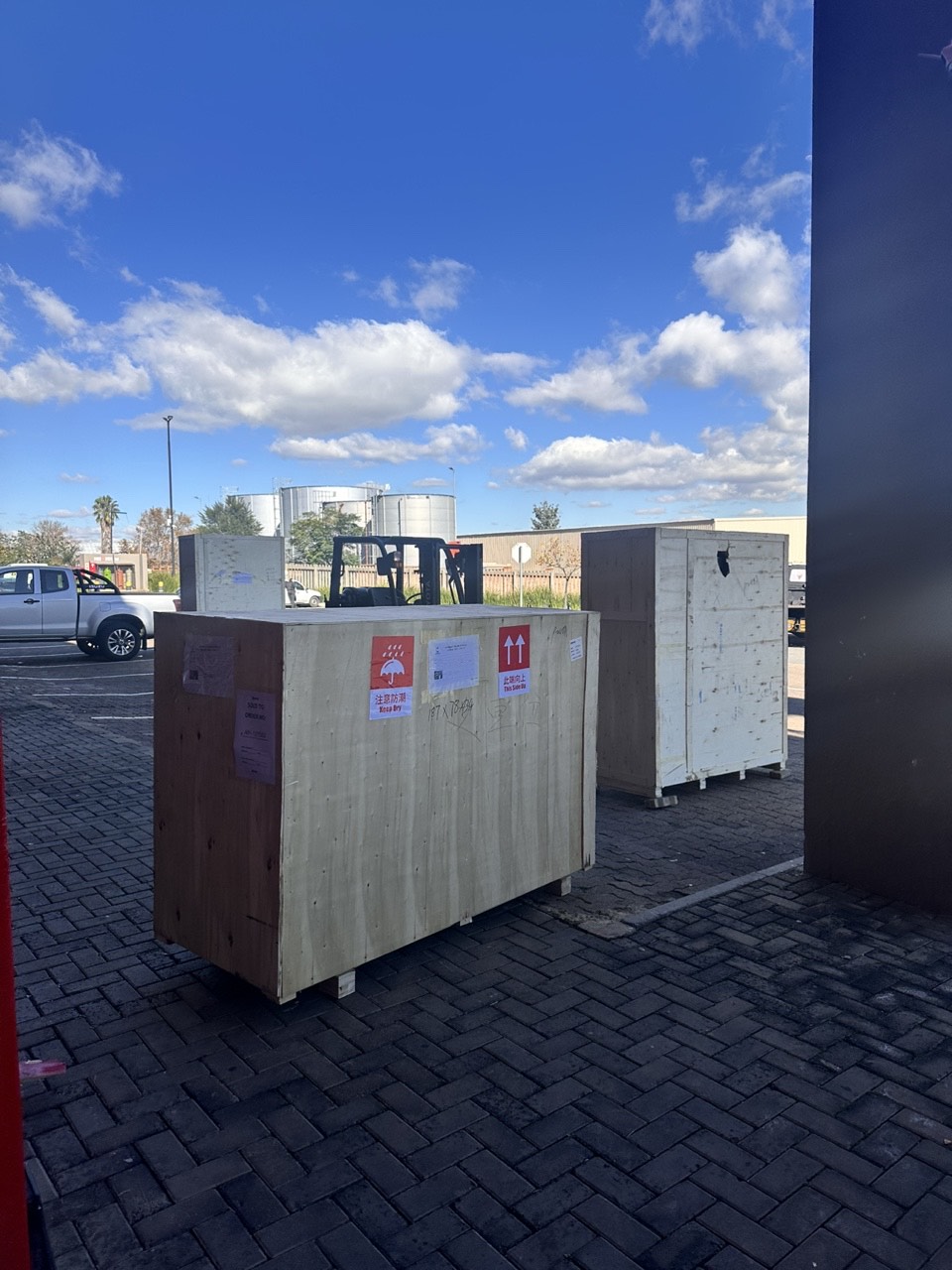
Batch of Orders
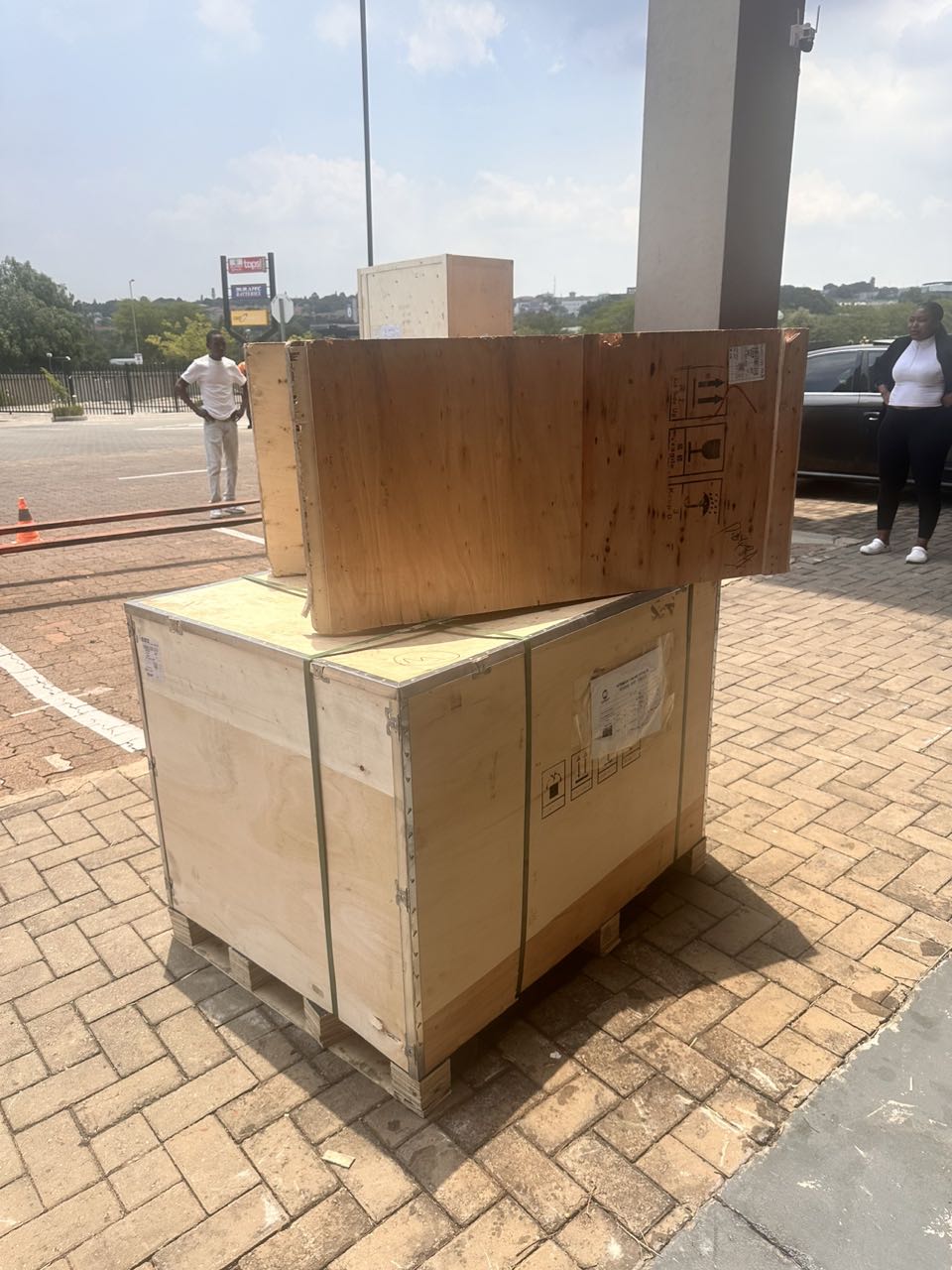
Batch of Orders
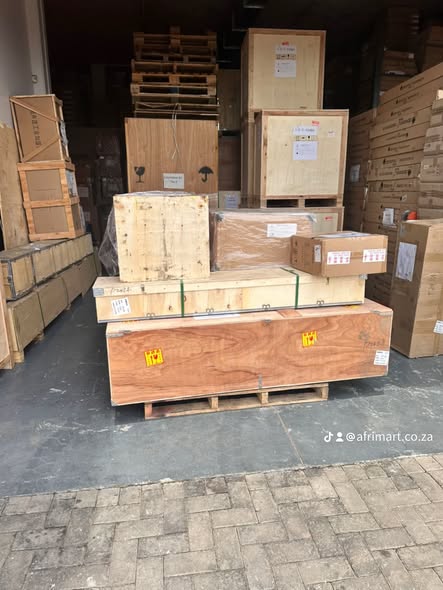
Latest Orders Labelled
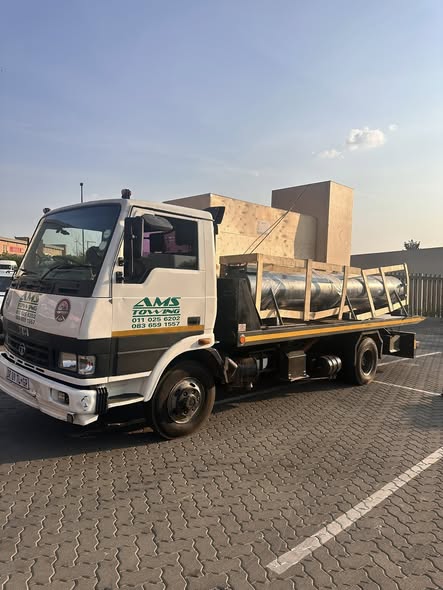
wheel alignment machines
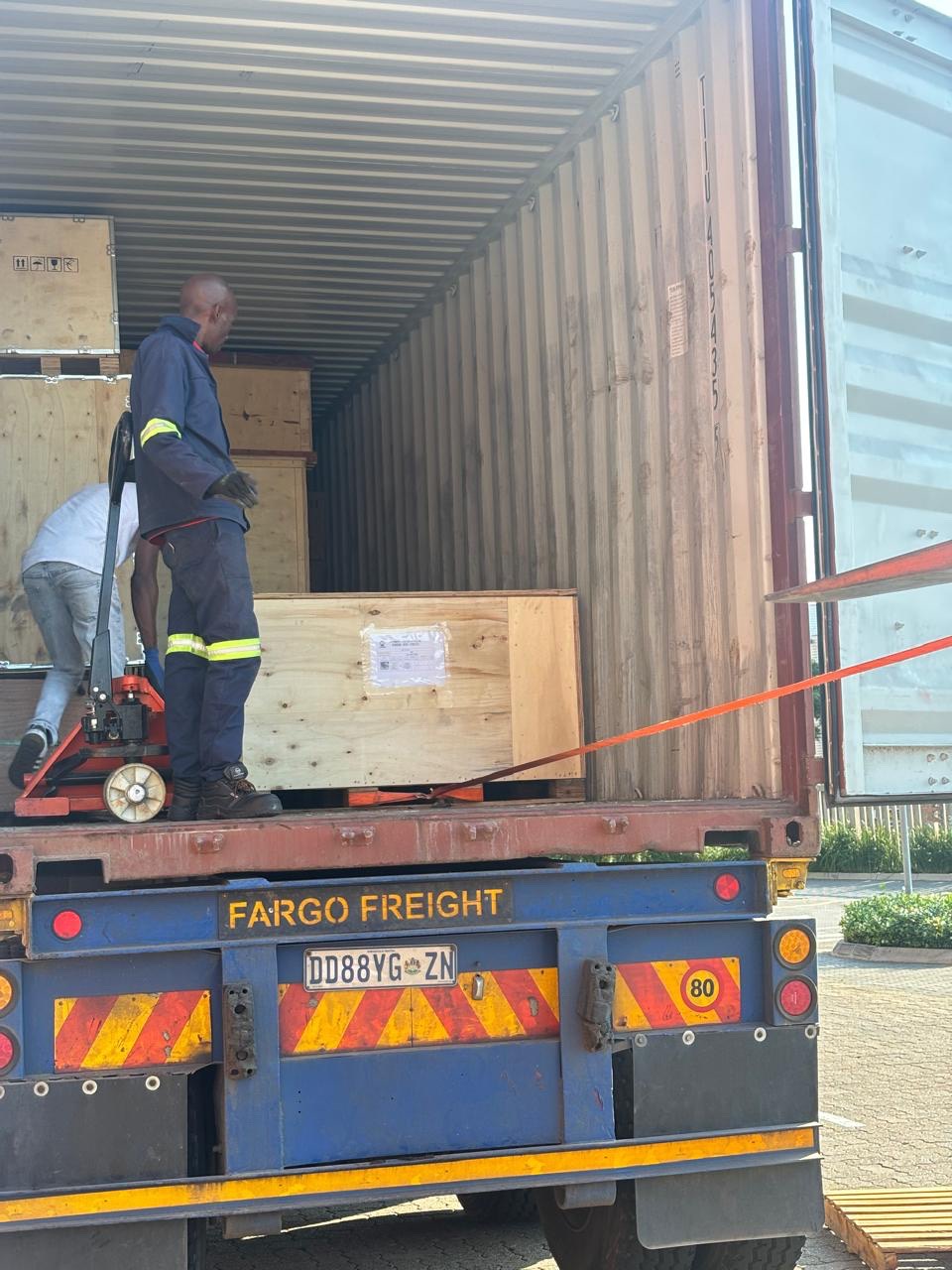
new arrivals
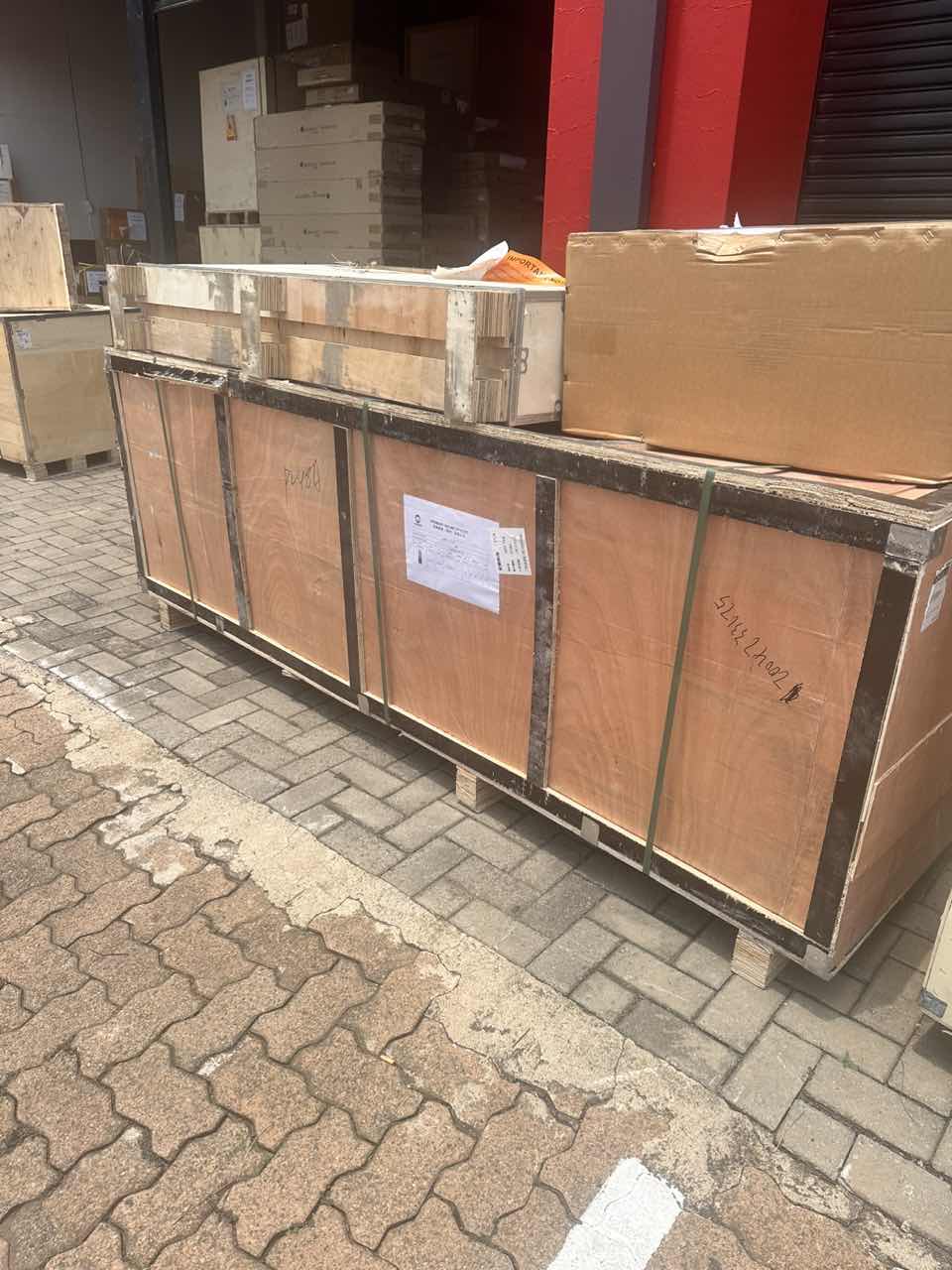
Pre Orders Offloading
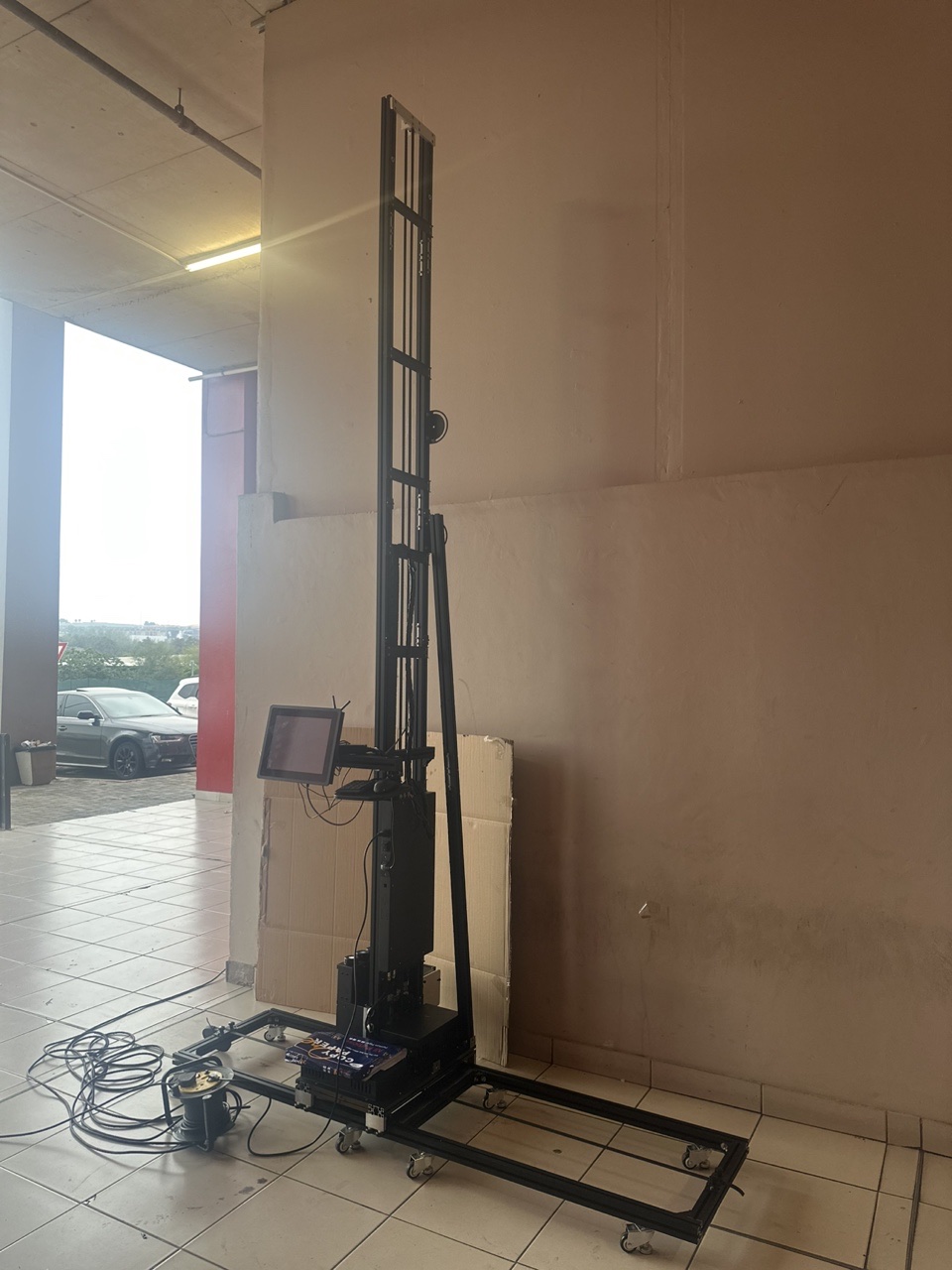
Latest Arrivals
Latest Arrivals
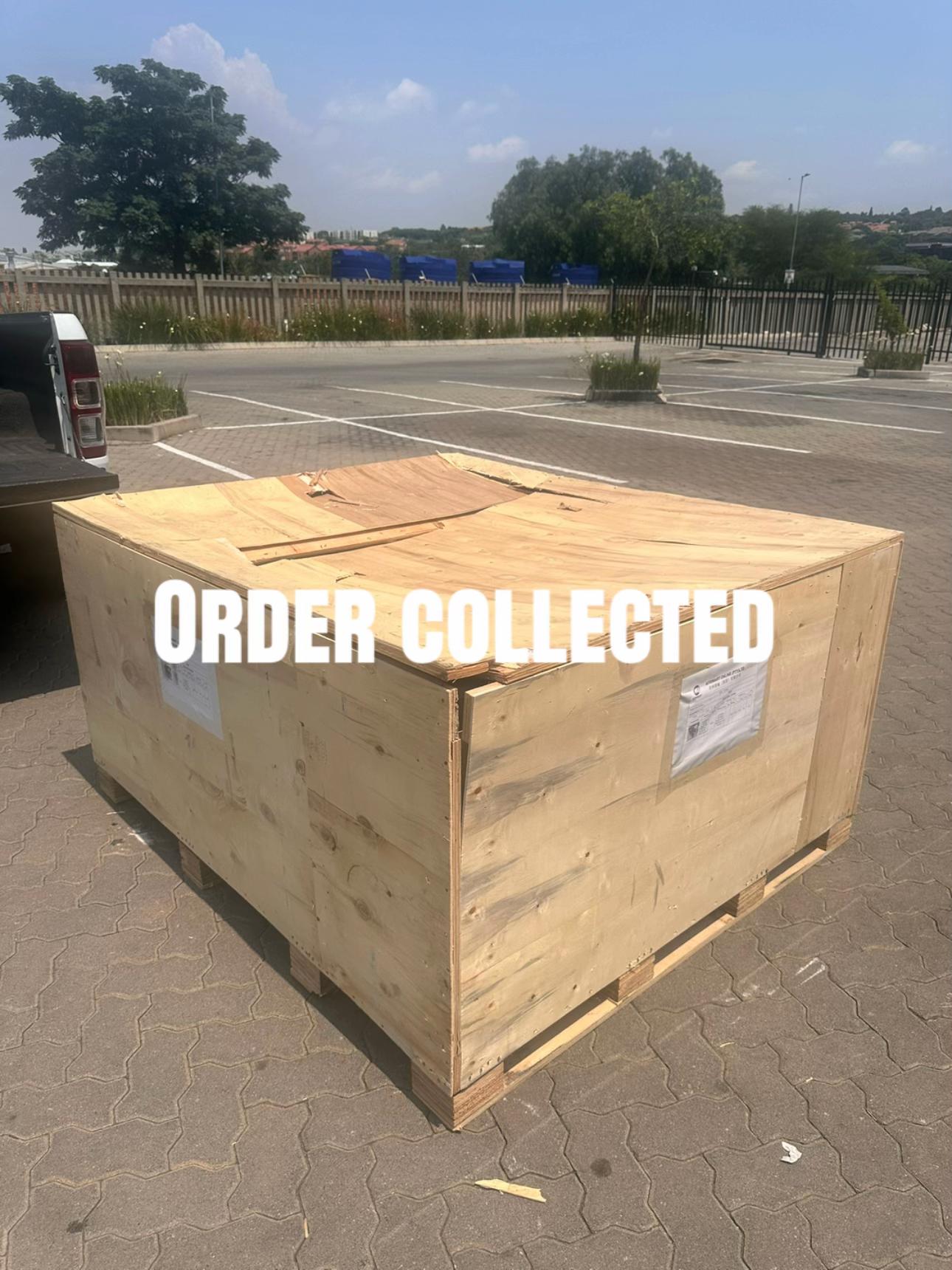
Latest Arrivals
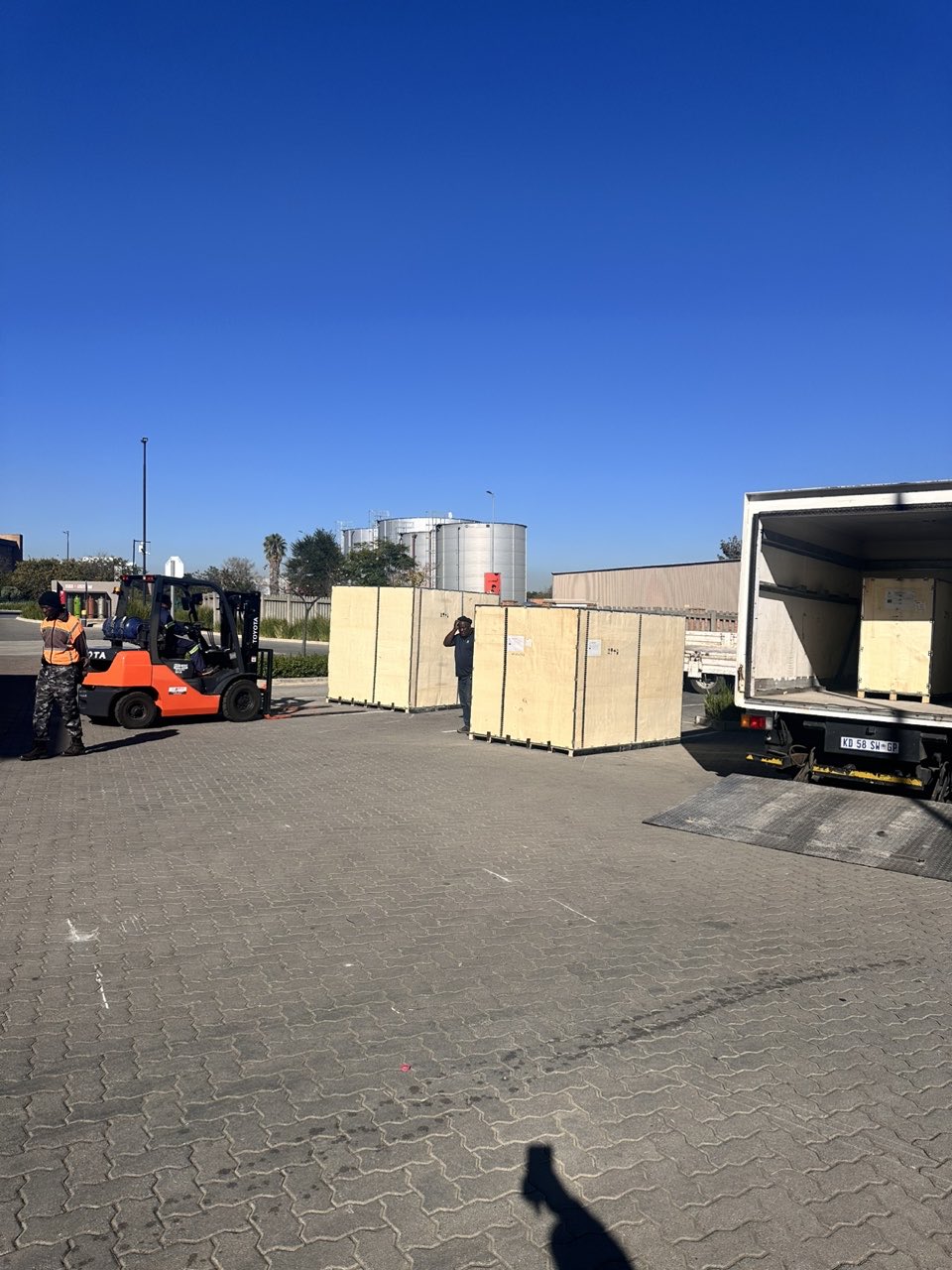
Loading
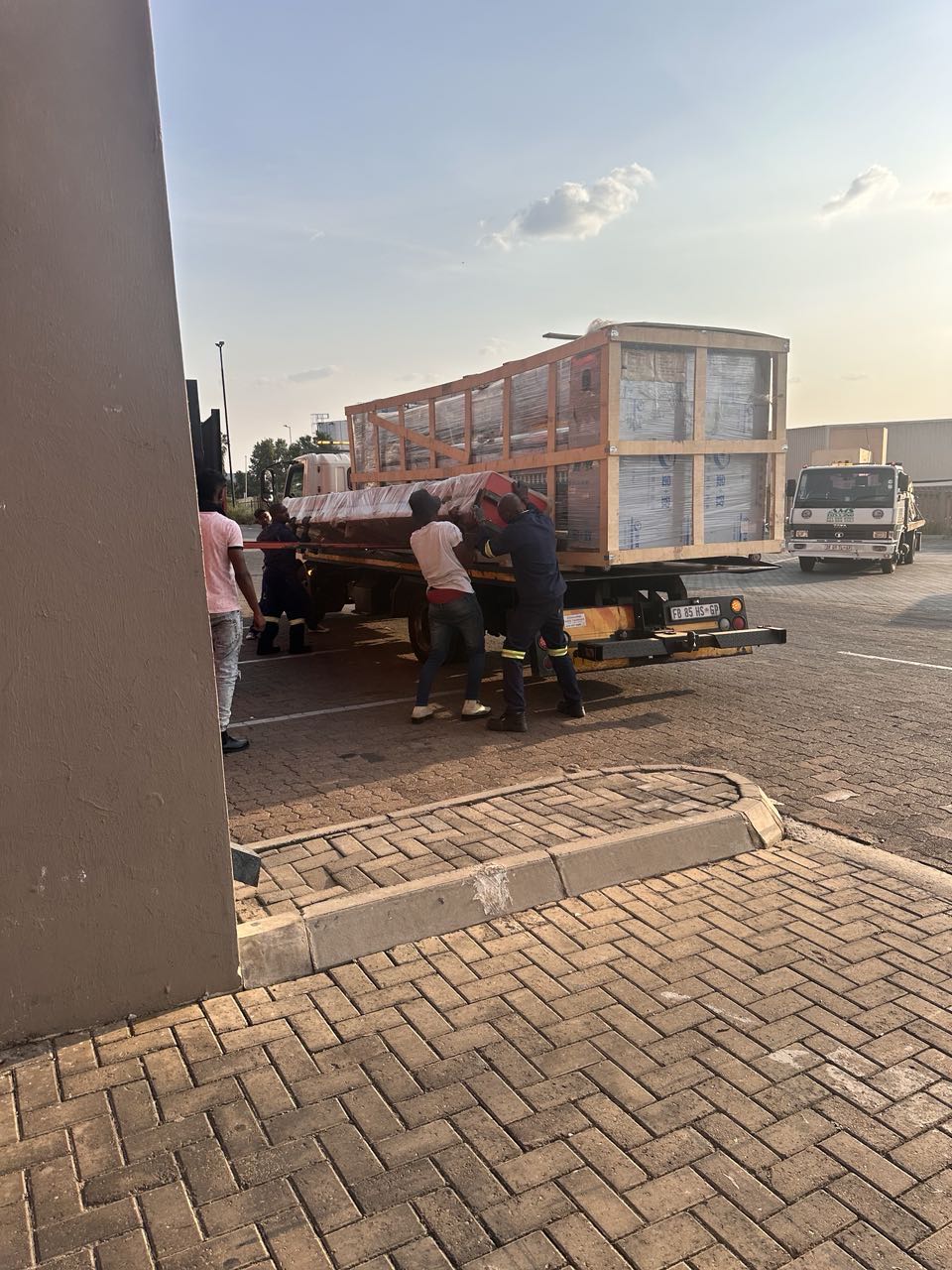
Toilet paper making machine
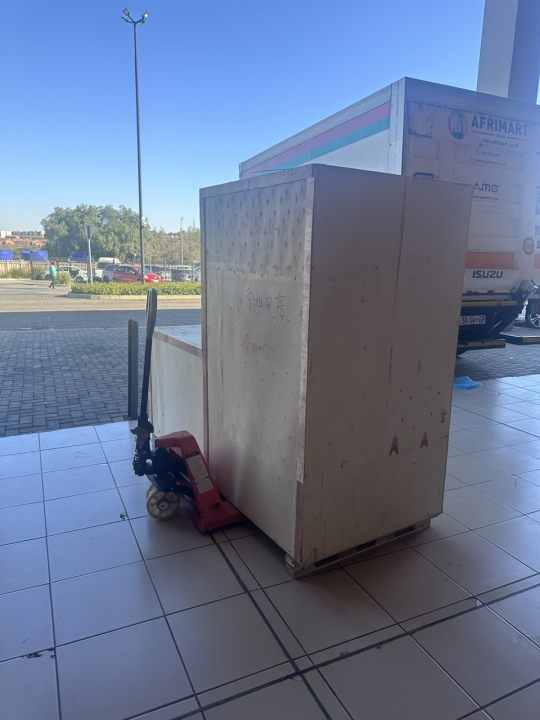
Toilet paper making machine
Toilet paper Rewinding Machine
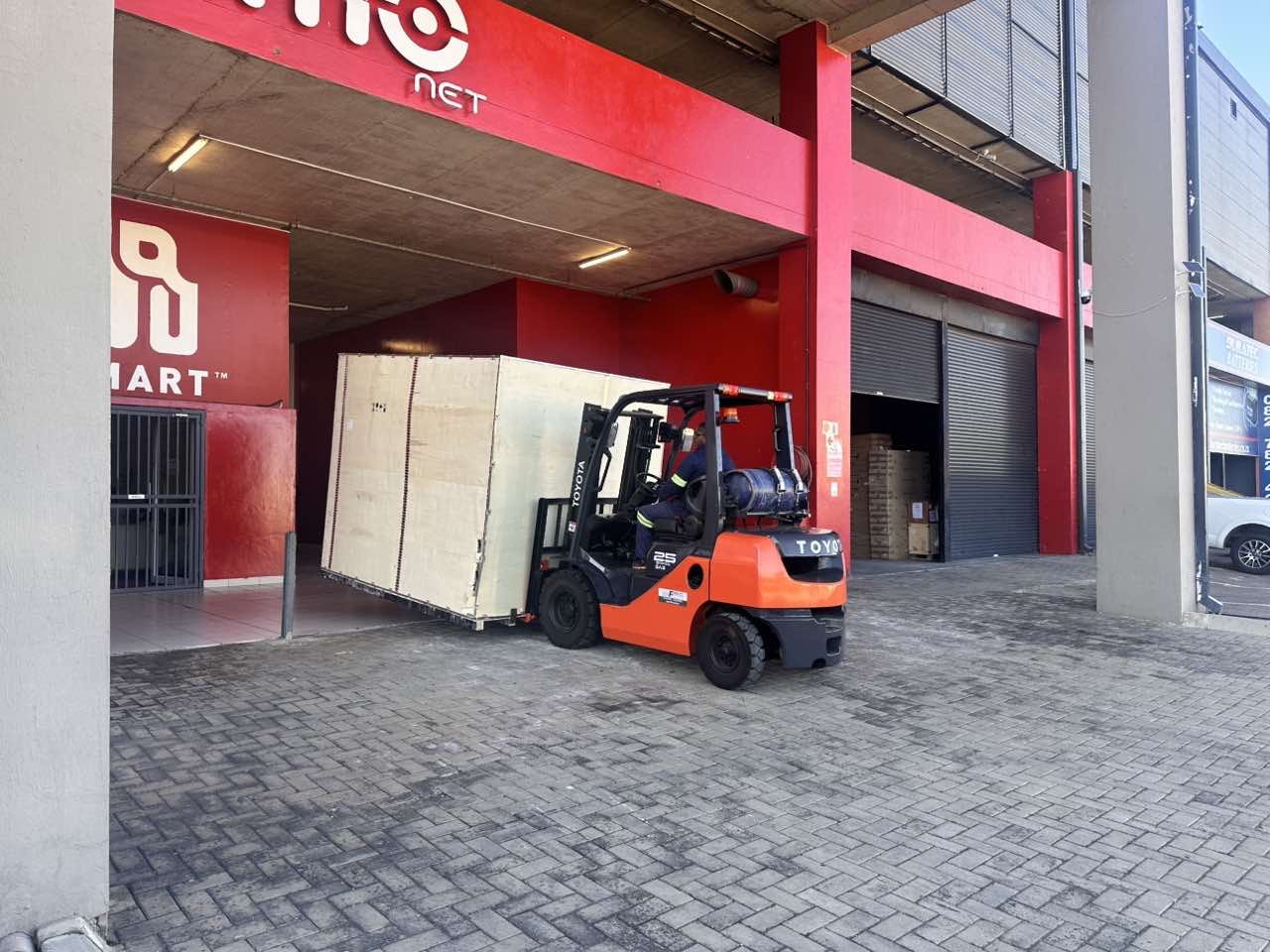
latest arrivals
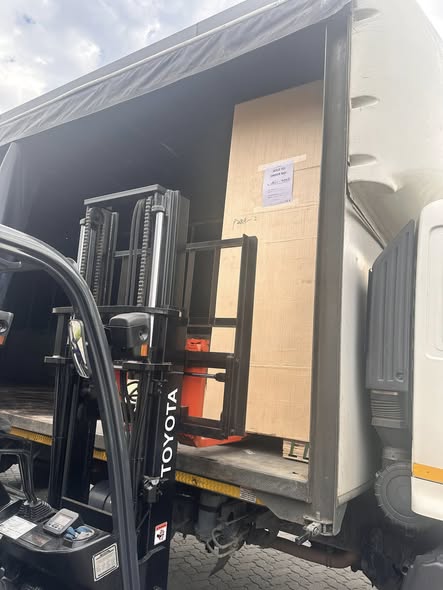
offloading
order success
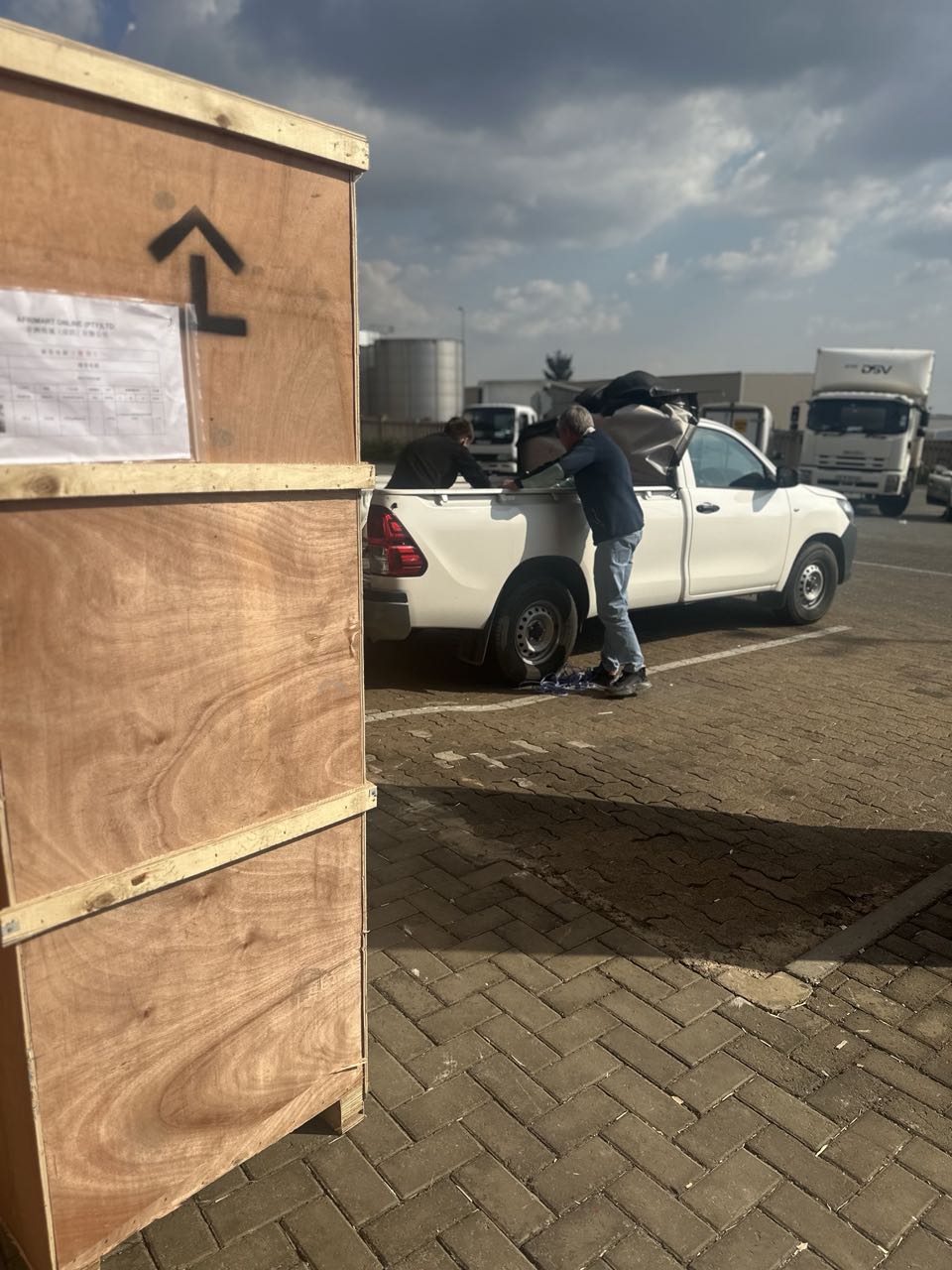
order collection
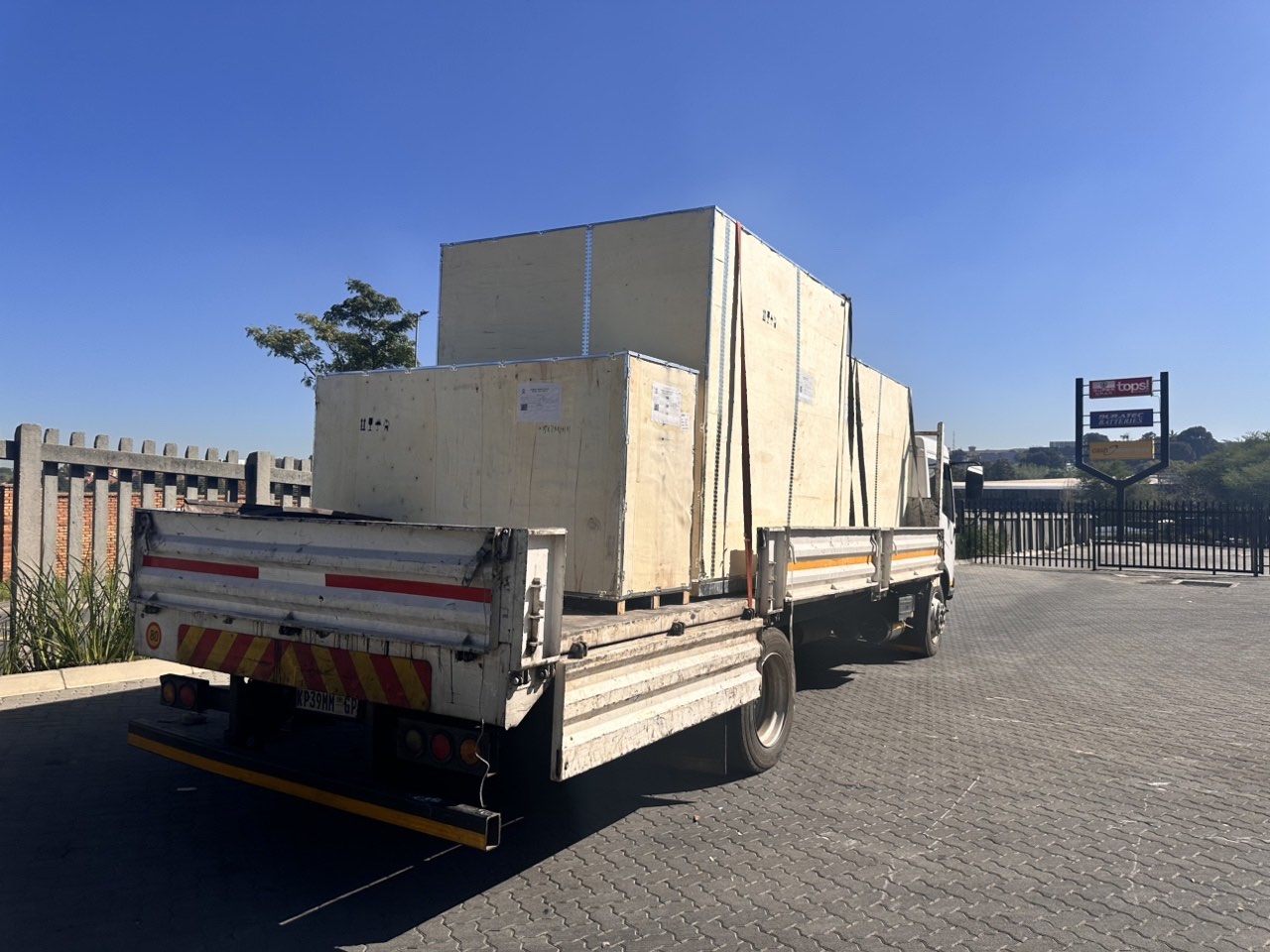
order offloading