B21, China Town Mall, Midrand


DW89CNC Mandrel Hollow Pipe Bending for Gym Equipment, Hydraulic Bending Tools, CNC Pipe Bending Machine.
Asset finance available
Do you want funding for this equipment?
Afrimart can connect you with trusted funding partners who specialise in asset finance for businesses like yours. Compare options and apply in minutes — final approval is subject to provider review.
Check funding options
Secure & no obligation

- Section : Machinery
- Category : CNC industrial Machinery
- SKU : 1600700161781

DW89CNC Mandrel Hollow Pipe Bending for Gym Equipment, Hydraulic Bending Tools, CNC Pipe Bending Machine.
Product Description
| No | Item | Data |
| 1 | Min bending R for carbon pipe is:1.5D | 115*6.0t |
| 2 | Min bending R for S.S pipe is:1.5D | 88.9*3.0t |
| 3 | Availability length of bending pipe | 3500mm |
| 4 | Max R for bending | 300mm |
| 5 | Bending process for every pipe | 16 |
| 6 | Oil pressure | 14mpa |
| 7 | Max angle for bending | 185° |
| 8 | Electrical motor power | 11kw |
| 9 | Weight | 3050kg |
| 10 | Size | 4800*120*130 |

Details Images

Product Application
THE UNIT RECOMMENDED TO USE
Auto parts (brake tubing, bumper, muffler, seat, etc.), motorcycle manufacturing, fitness equipment, air conditioning and refrigeration, bicycle industry, steel furniture, sanitary equipment and other industries.

Product Display

- Shipping Timeframes: All orders are processed within 2-5 business days (excluding weekends and holidays). After your order has been processed, the estimated delivery time is before 03 Aug, 2026, depending on customs, Please note that due to high demand, some items may experience longer shipping times, which will be communicated at order confirmation email.
- Order Processing Time: Please allow 2-5 business days for us to process your order before it is shipped . Orders placed after 16:00 on Fridays, or during weekends and public holidays, will begin processing on the next business day. Processing times may be extended during peak seasons or sales events.
- Manufacturing Time: Some products needs manufacturing time, the manufacturing process will take approximately 10-30 business days depending on the product. This timeframe may vary depending on the complexity of the product and current demand. but this will be communicated with you during order confirmation.
- Returns and Exchanges: We offer a 30-day return policy for most items. If you are not completely satisfied with your purchase, you may return it within 30 days of receipt for a refund or exchange. Items must be unused, in their original packaging, and accompanied by proof of purchase. Return shipping costs are the responsibility of the customer, unless the item was damaged or defective upon arrival.
1. What is the DW89CNC Mandrel Hollow Pipe Bending machine?
The DW89CNC is a CNC-controlled, hydraulic mandrel pipe bending machine designed for bending hollow pipes used in gym equipment and other applications. It combines mandrel support with hydraulic power and CNC control for accurate, wrinkle-free bends.
2. What does 'mandrel hollow pipe bending' mean?
Mandrel bending uses an internal support (mandrel) inserted into the hollow pipe during bending to prevent collapse, wrinkling or ovality — ideal for thin-walled or hollow sections such as tubing used in fitness equipment.
3. Is the DW89CNC hydraulic and CNC controlled?
Yes. The machine uses a hydraulic system for bending force and a CNC control system for programmable, repeatable bending sequences.
4. Which materials and pipe sizes can it bend?
The specification lists carbon pipe and stainless steel (S.S.) examples. Minimum bending radius is given as 1.5D with sample sizes shown (e.g., carbon pipe 115×6.0 and S.S. 88.9×3.0). It is intended for common hollow pipes used in auto parts, motorcycles, fitness equipment, bicycles, steel furniture and sanitary equipment. For other materials or specific diameters/wall-thickness combinations, confirm with the manufacturer.
5. What is the minimum bending radius?
Minimum bending radius is specified as 1.5D (1.5 times the tube diameter). Example entries in the spec include carbon pipe (115×6.0) and stainless steel (88.9×3.0).
6. What is the maximum bending radius and angle?
Maximum bending radius listed is 300 mm. Maximum bending angle listed is 185°.
7. What is the maximum pipe length the machine can handle?
The availability (maximum) length of bending pipe is listed as 3500 mm.
8. What are the hydraulic and electrical power specifications?
Hydraulic oil pressure is specified at 14 MPa. Electrical motor power is specified as 11 kW.
9. What are the machine's weight and footprint?
Weight is listed as 3050 kg. Size is given as 4800 × 120 × 130 (units are likely millimetres as supplied in the specification). Confirm exact footprint and required clearance with the supplier before installation.
10. What does 'bending process for every pipe: 166' mean?
That line appears in the specification but is ambiguous. It may refer to an internal program count or a process code. Please confirm with the manufacturer or sales representative for the precise meaning.
11. What industries and applications is the DW89CNC recommended for?
The machine is recommended for auto parts (brake tubing, bumper, muffler, seat frames), motorcycle manufacturing, fitness equipment, air conditioning and refrigeration piping, bicycle industry, steel furniture and sanitary equipment manufacture.
12. Can tooling and mandrels be changed for different pipe sizes and profiles?
Yes. Mandrel-type benders typically use interchangeable tooling (bending dies, mandrels, clamps, wipers). Specific tooling options and changeover procedures should be discussed with the supplier to match your pipe diameters and wall thicknesses.
13. What maintenance and service are required?
Regular maintenance typically includes hydraulic oil checks and changes, filter replacement, lubrication of moving parts, periodic inspection of tooling and mandrels, and CNC/controller backups. For detailed schedules and spare parts, refer to the manufacturer's maintenance manual or contact their service team.
14. What support is available for installation, training and spare parts?
Installation, commissioning and operator training are commonly offered by the manufacturer or distributor. Spare parts and after-sales support availability vary by supplier—confirm lead times, warranty coverage and local service options when ordering.
15. How can I get exact performance data (accuracy, repeatability, power supply, lead time and price)?
The public specification lists key mechanical parameters, but exact figures for bending accuracy/repeatability, required power supply configuration, lead time, packaging, shipping and price are not provided. Contact the manufacturer or authorized dealer with your pipe sizes, material and production requirements to obtain detailed performance data and a formal quotation.
Latest Order Arrivals
Discover our latest orders
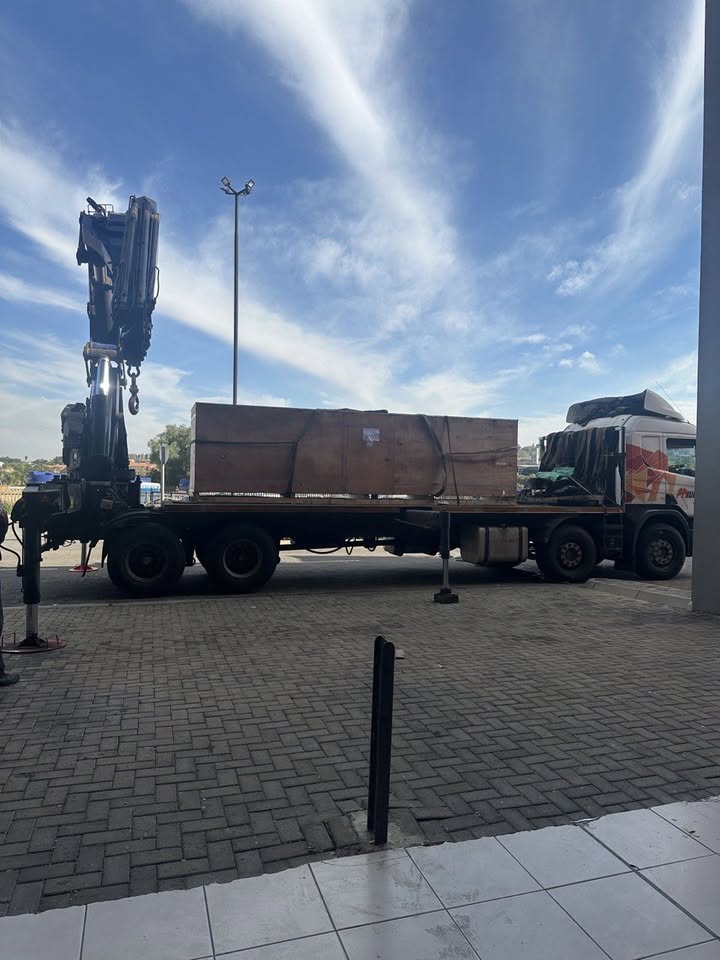
12 Heads Embroidery Machine
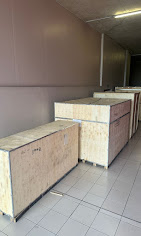
Toilet Paper Machine Machine
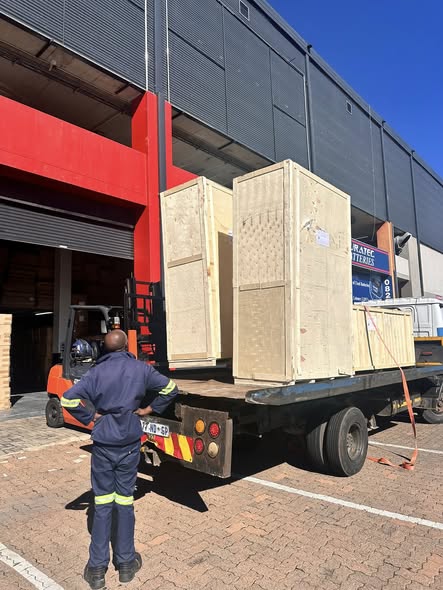
Order Collection
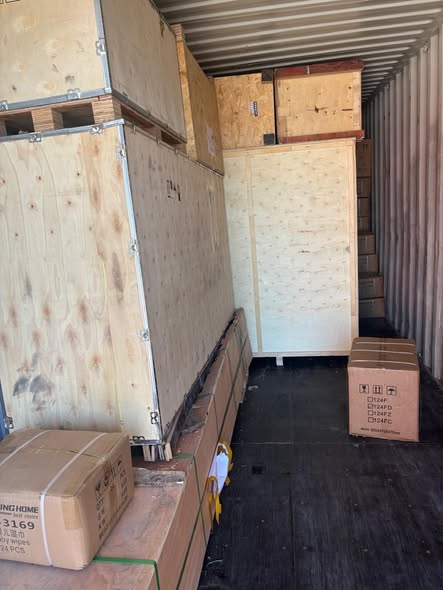
Cross Border Clients
Order cros border countries Collected
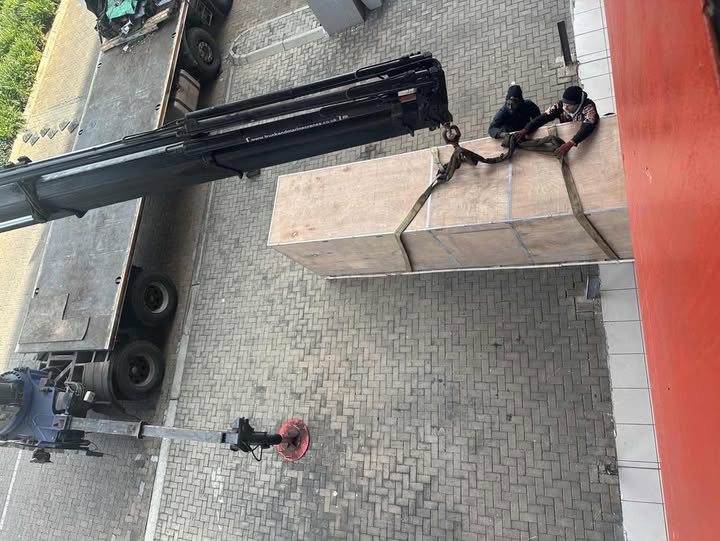
Industrial Machine Cllection
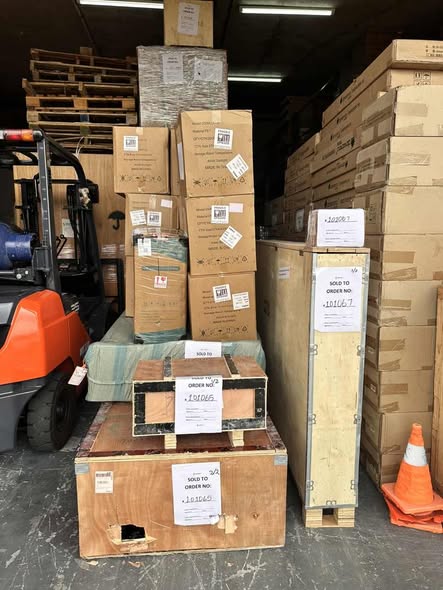
Agriculture Processing Machines
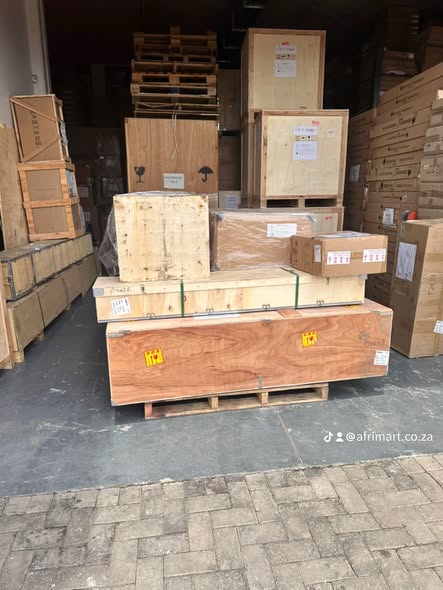
Ready for collection
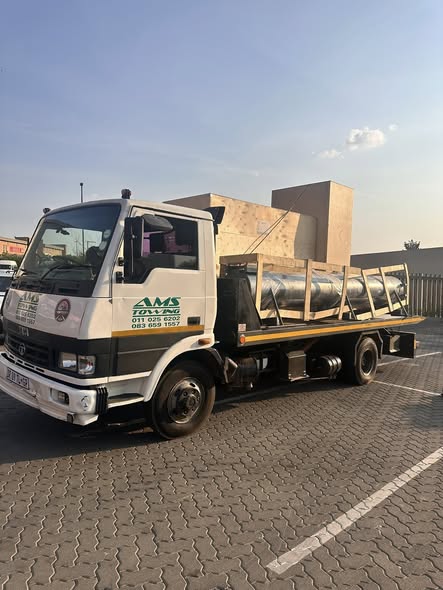
Water Pump Equipment
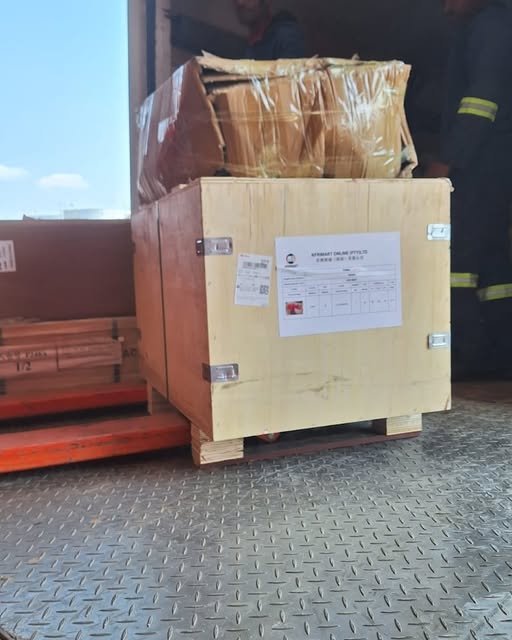
Packaging Machine and accessories
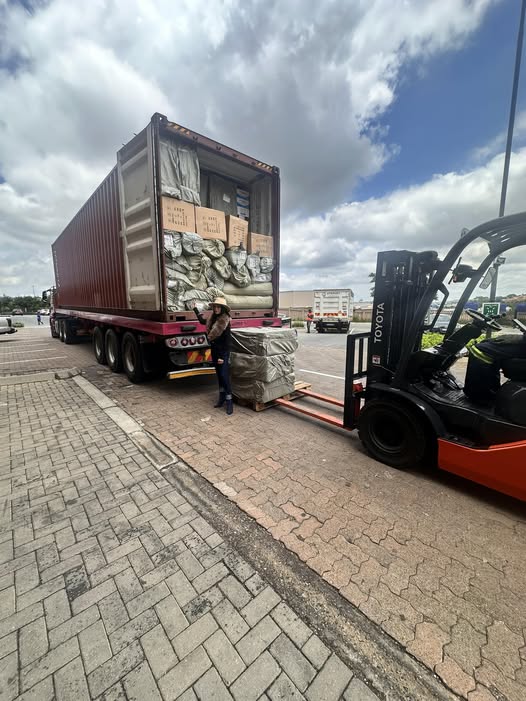
Fabrics Manufacturing Equipment
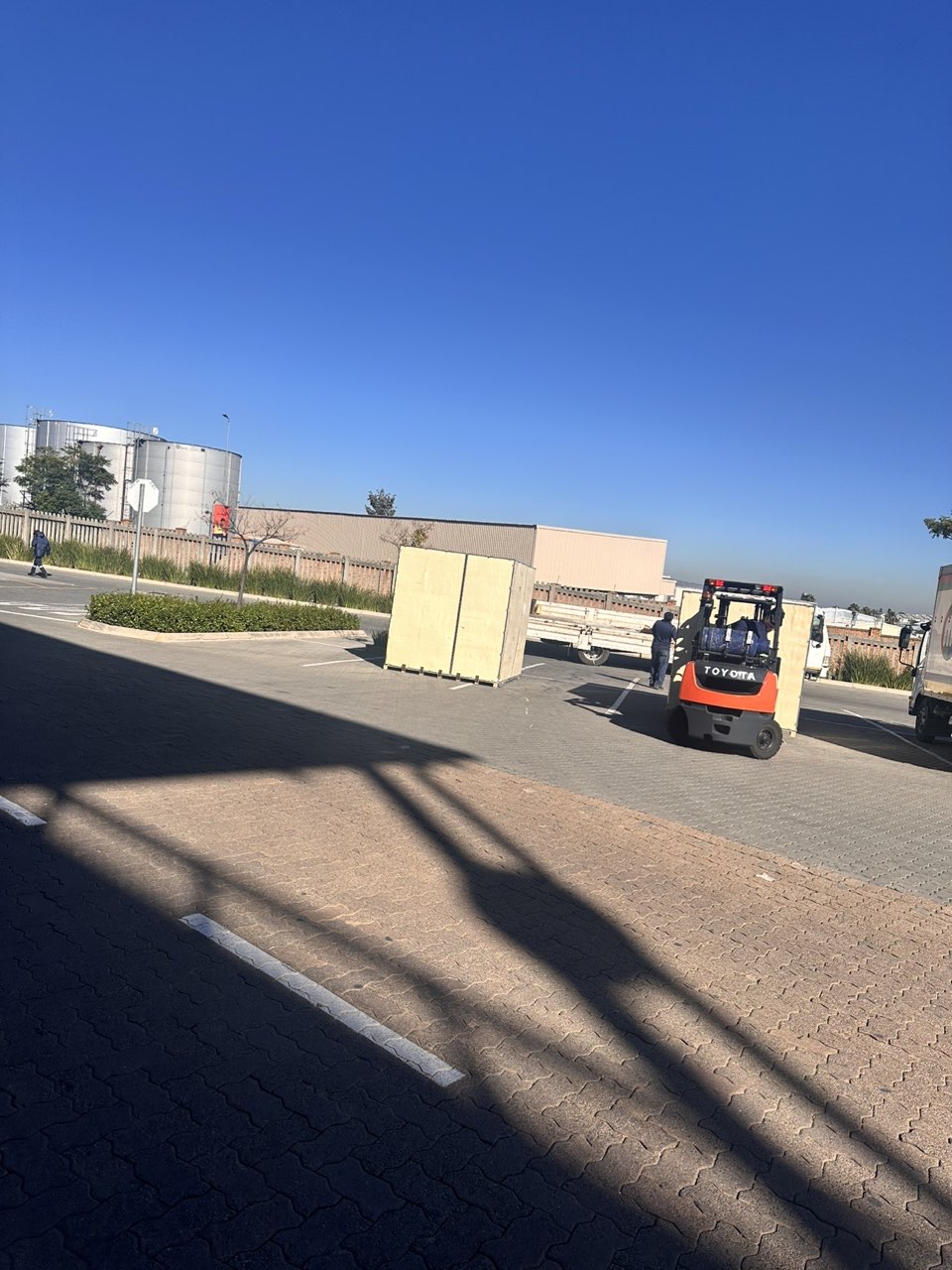
Mining Equipments
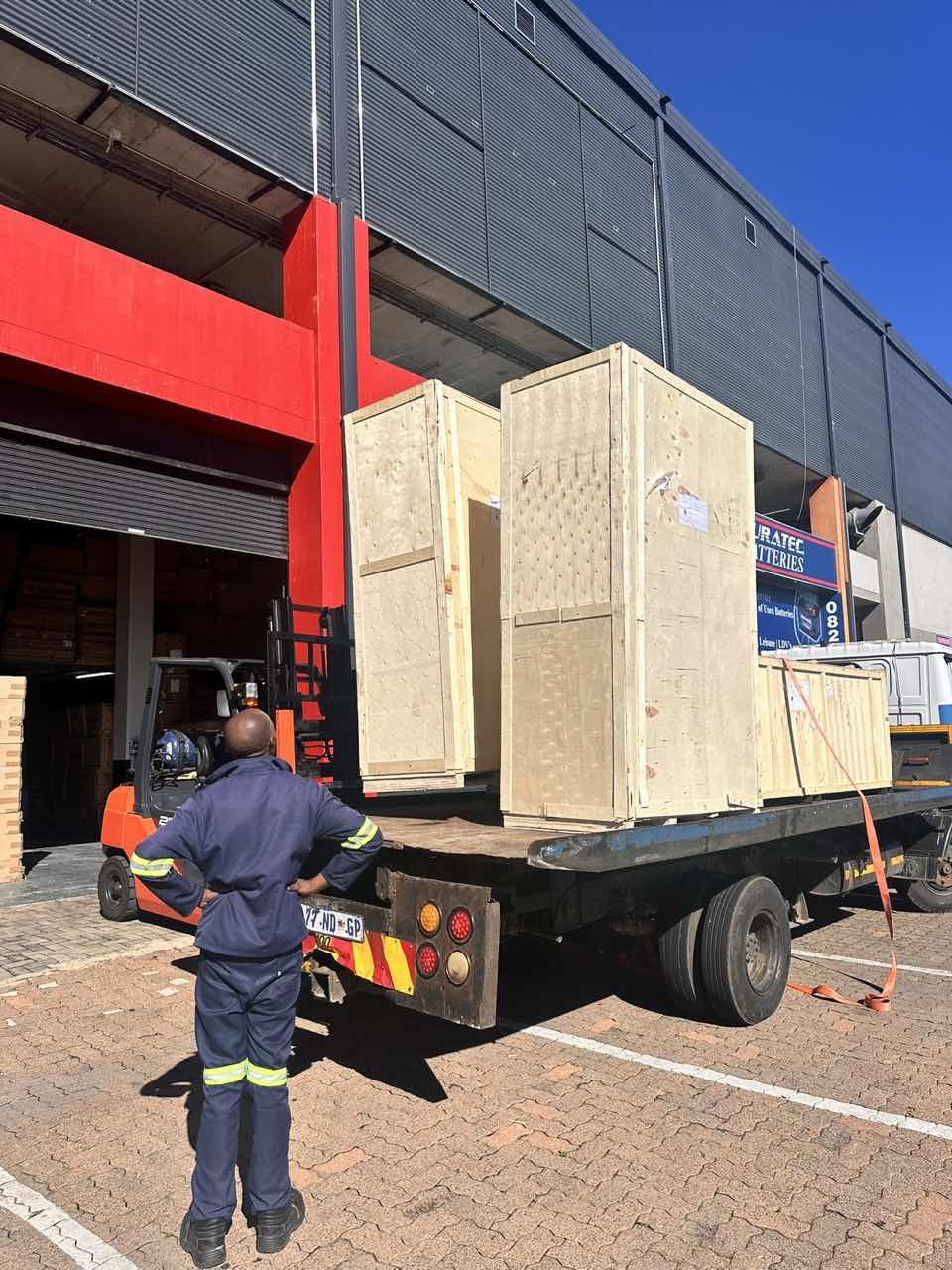
Food Processing Machine
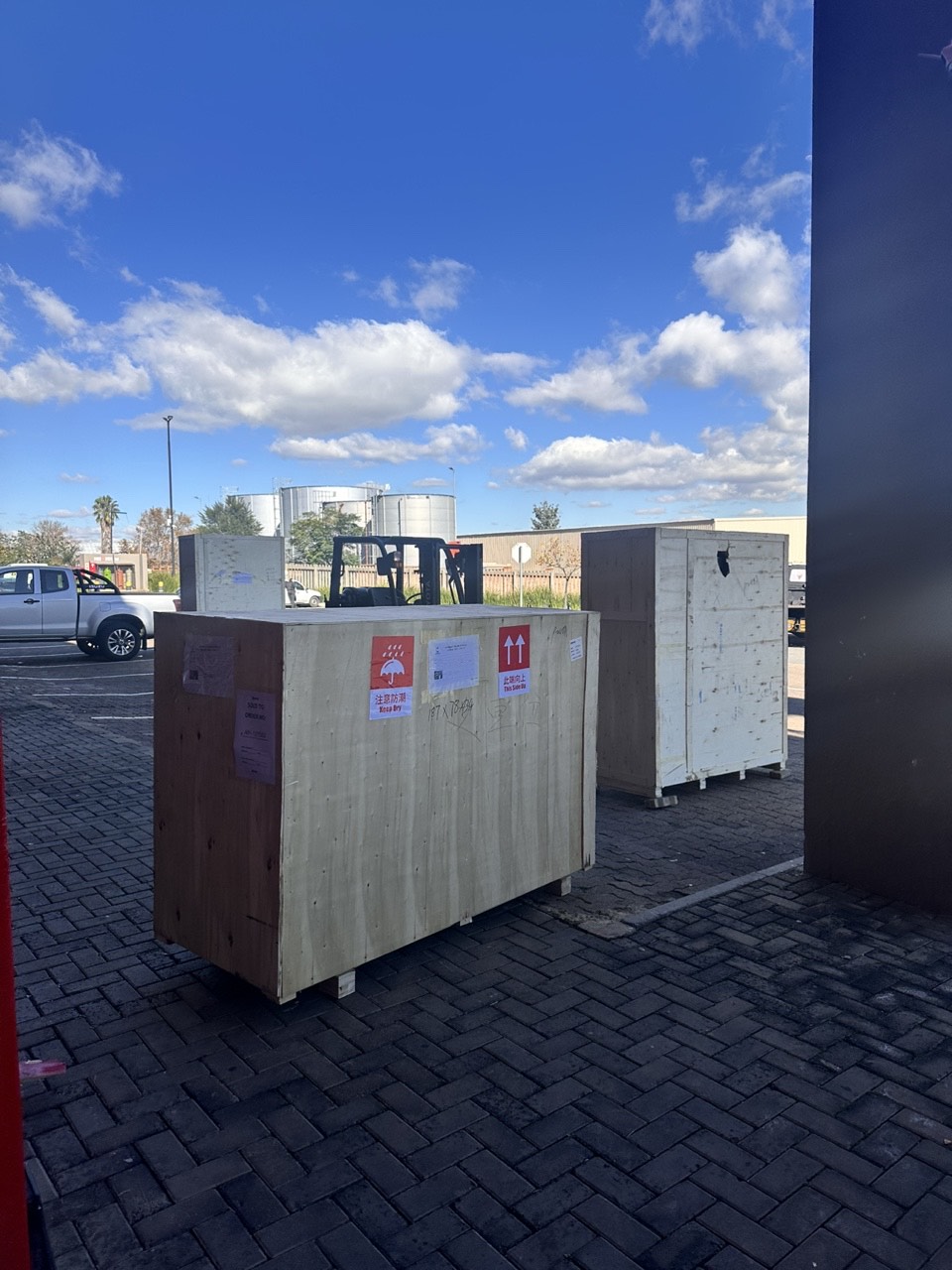
Batch of Orders
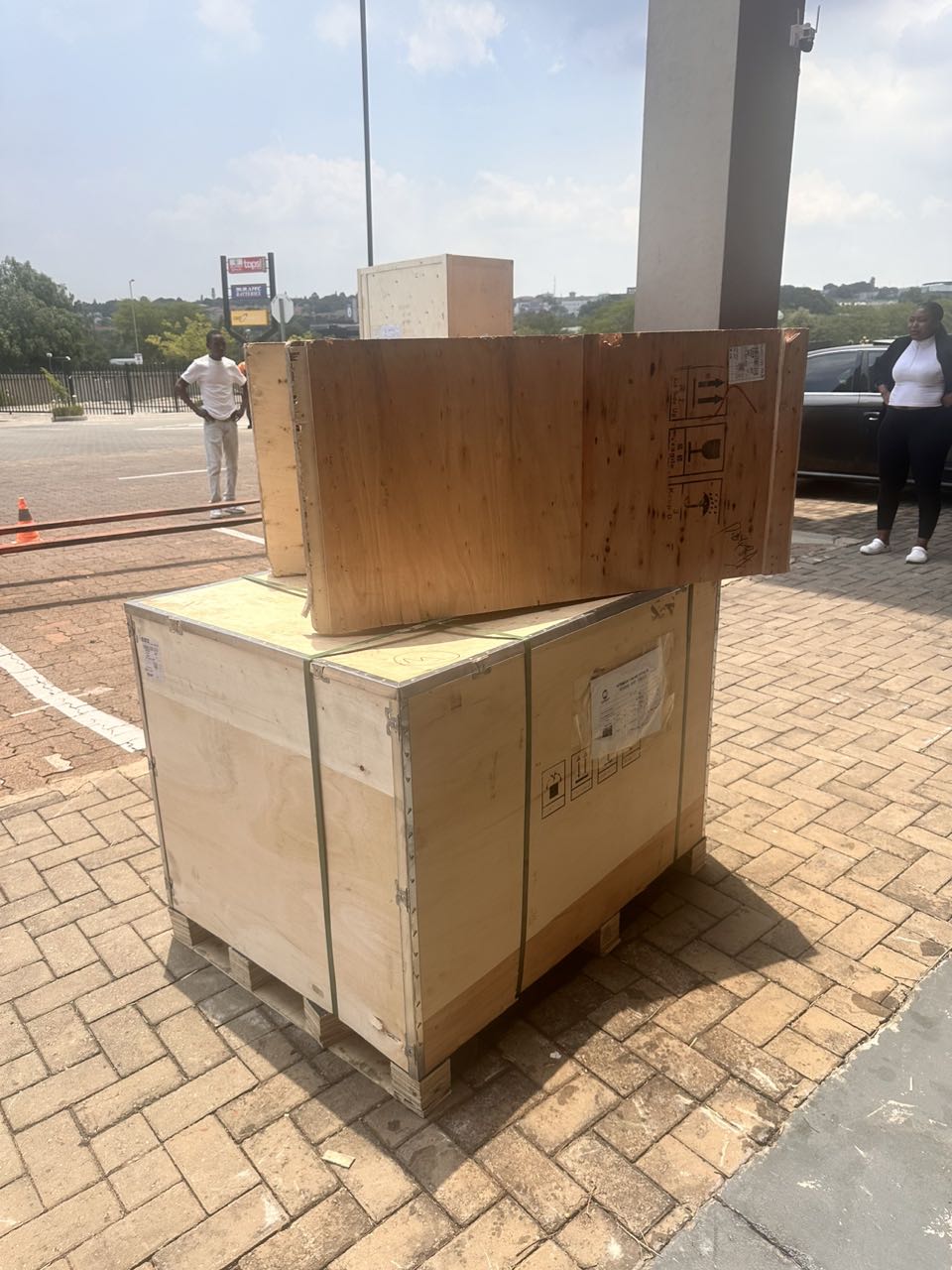
Batch of Orders
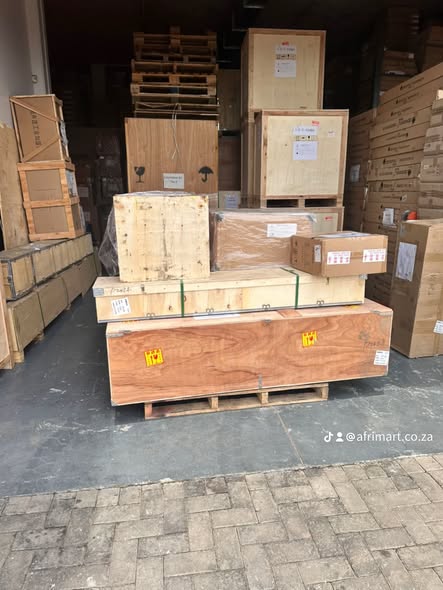
Latest Orders Labelled
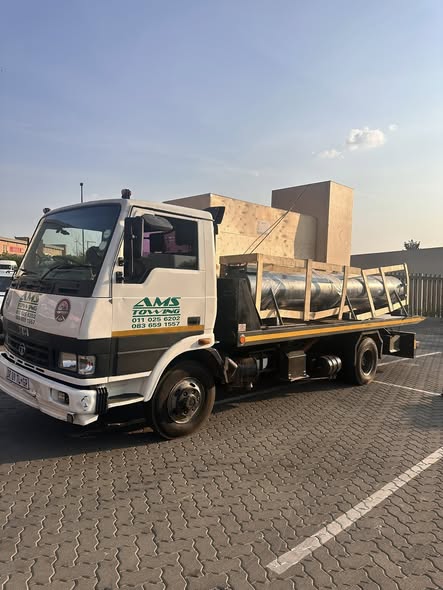
wheel alignment machines
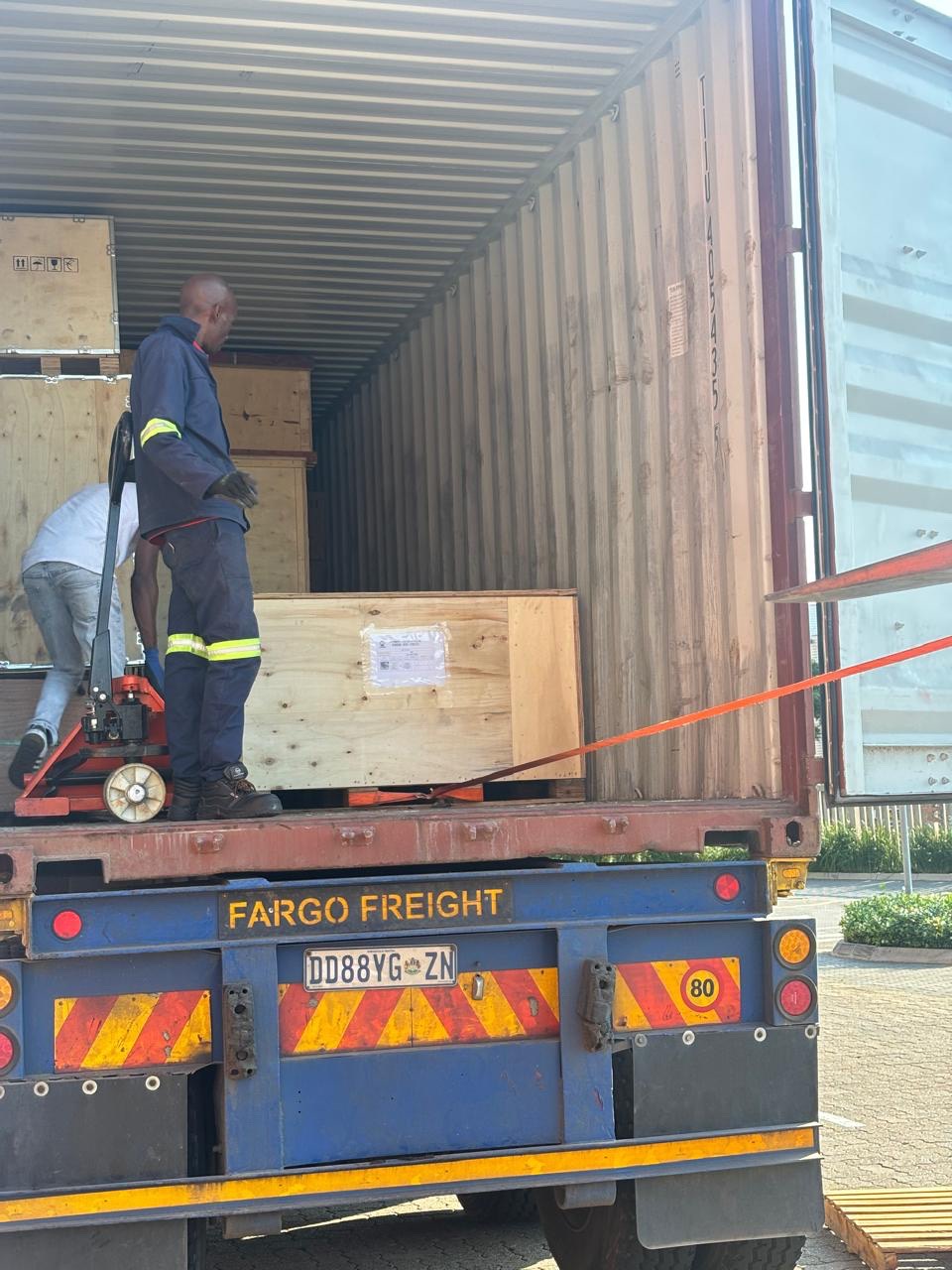
new arrivals
Pre Orders Offloading
Latest Arrivals
Latest Arrivals
Latest Arrivals
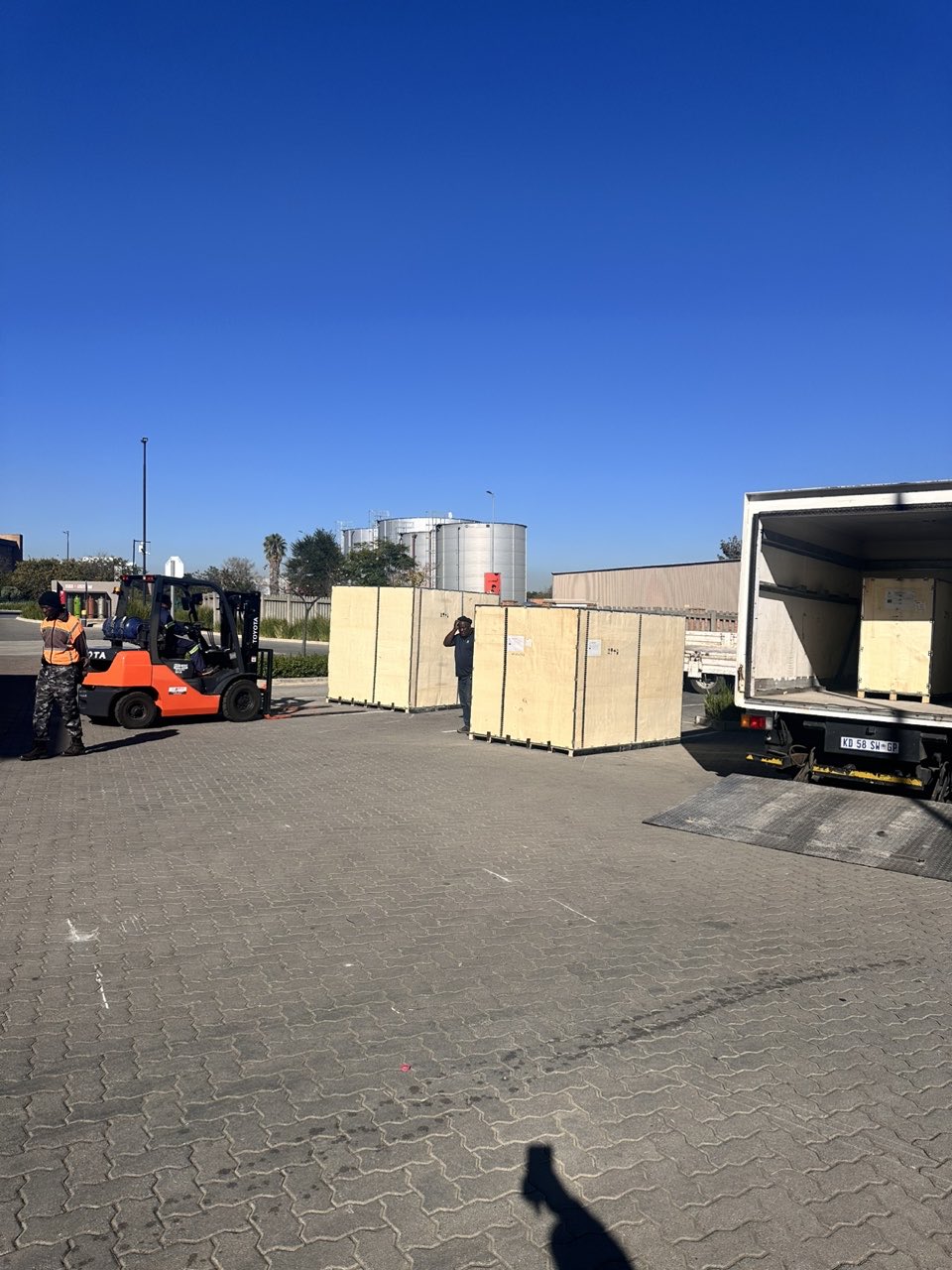
Loading
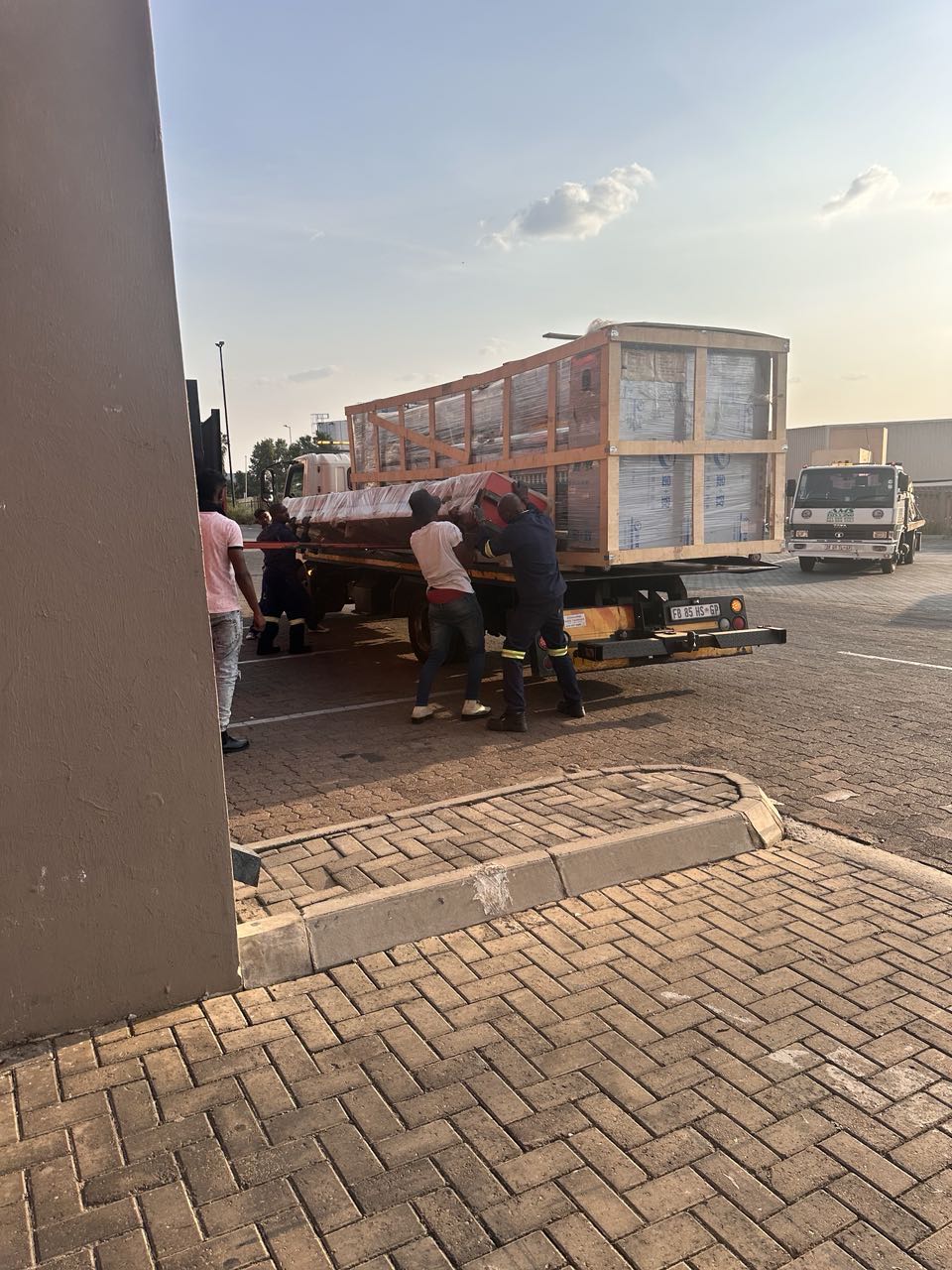
Toilet paper making machine
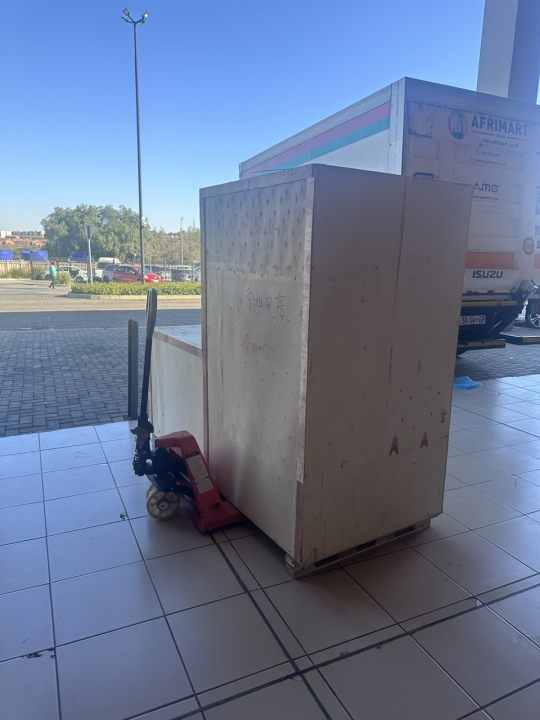
Toilet paper making machine
Toilet paper Rewinding Machine
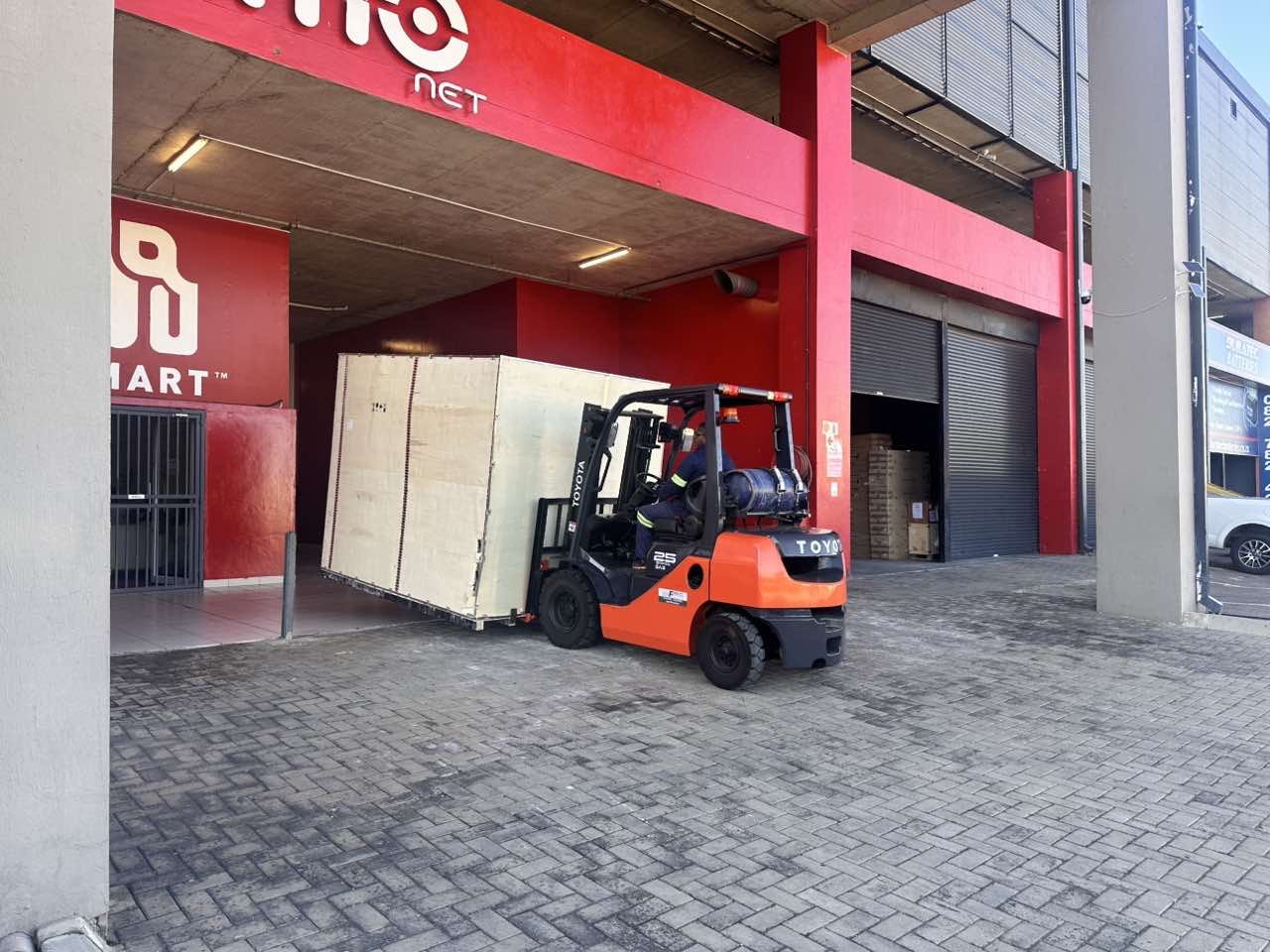
latest arrivals
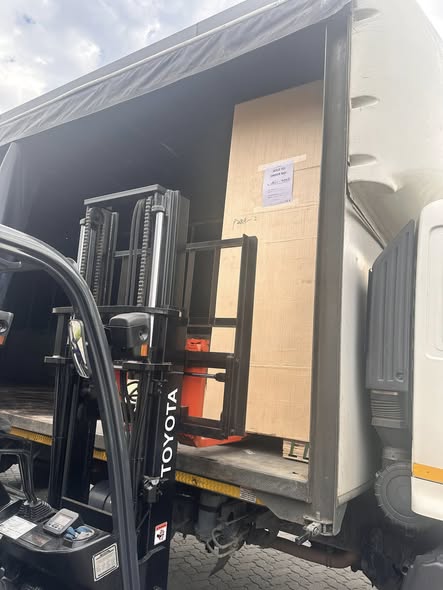
offloading
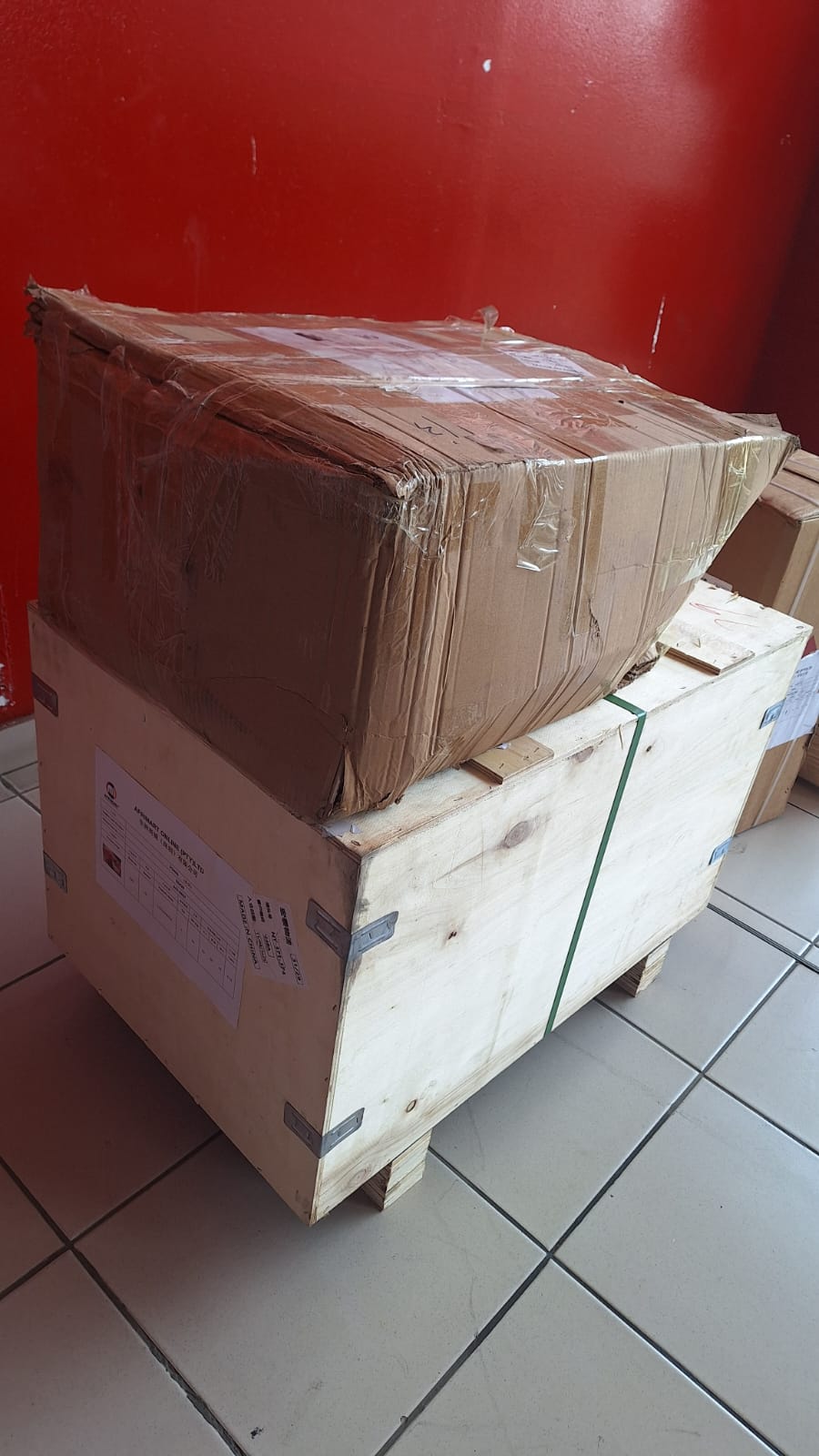
order success
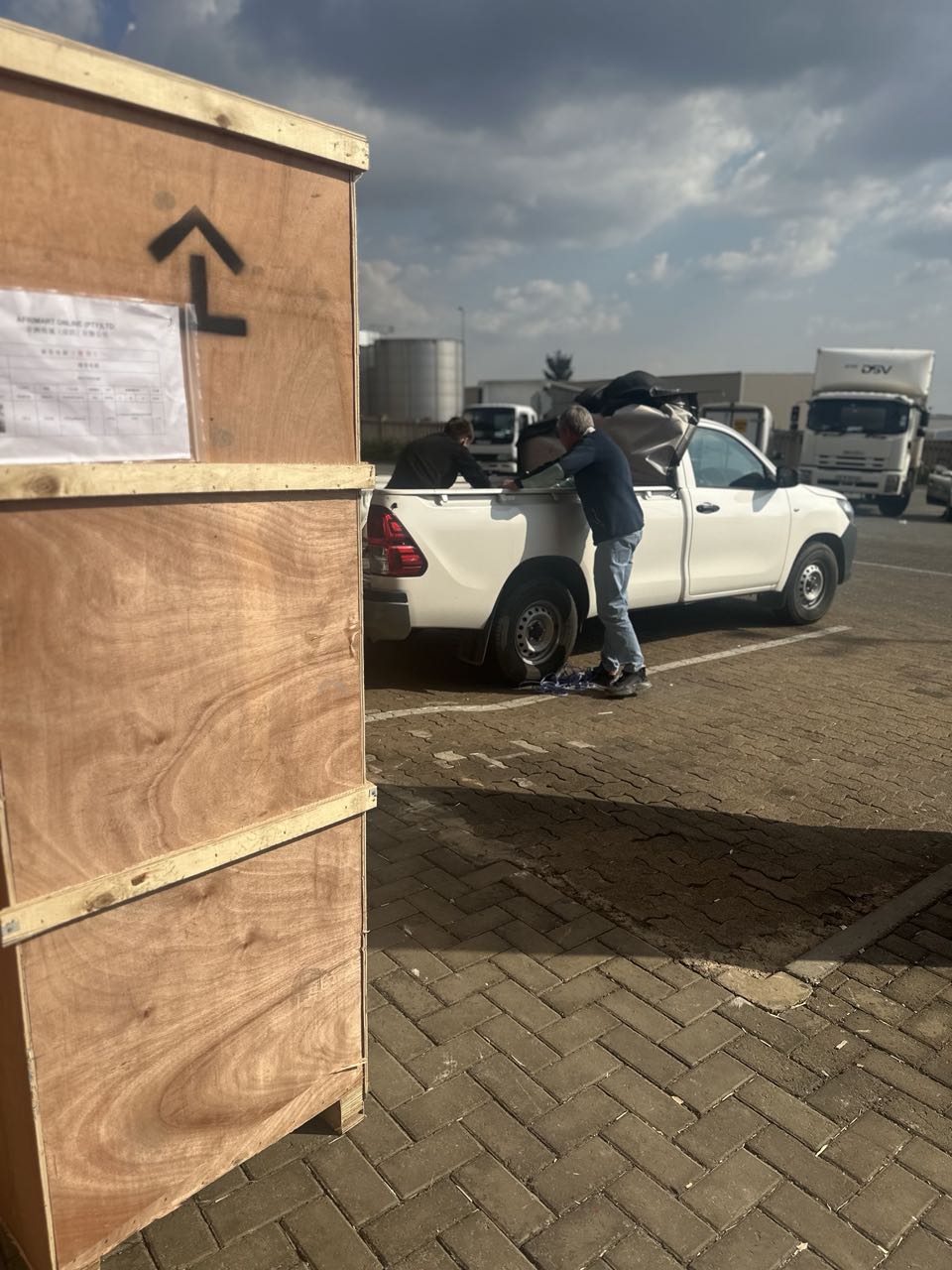
order collection
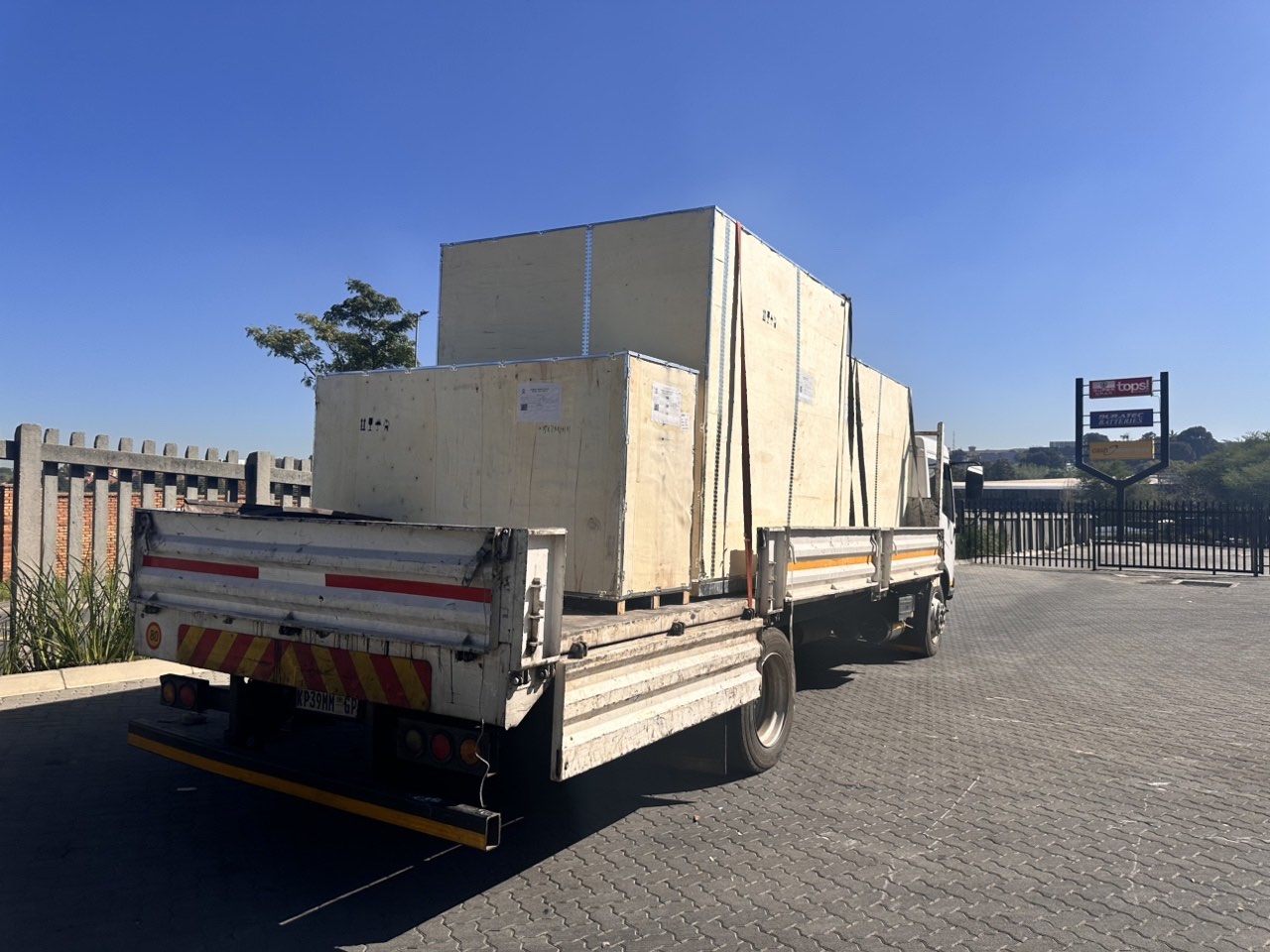
order offloading