B21, China Town Mall, Midrand

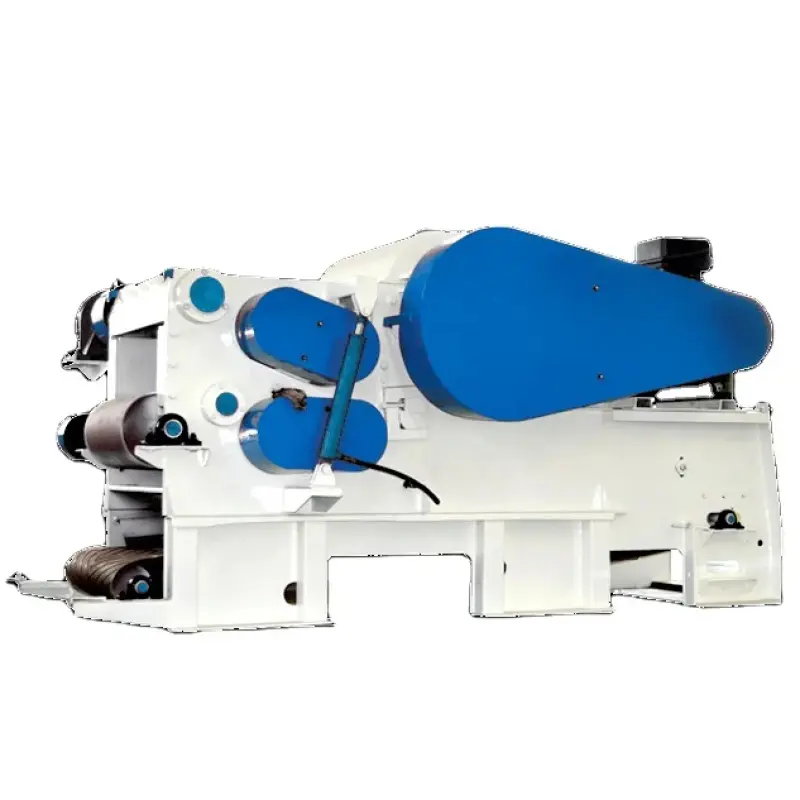
Drum Wood Chipper
Asset finance available
Do you want funding for this equipment?
Afrimart can connect you with trusted funding partners who specialise in asset finance for businesses like yours. Compare options and apply in minutes — final approval is subject to provider review.
Check funding options
Secure & no obligation

- Section : Machinery
- Category : Forestry Machinery
- SKU : 1600127324071

ROTEXMASTER Electric Drum Wood Chipper – High-Efficiency Wood Chipping
The ROTEXMASTER Electric Drum Wood Chipper is designed for industrial wood chipping, offering efficient and reliable operation for energy and mining industries. With its robust build and advanced features, it is perfect for large-scale wood chipping operations, producing high-quality wood chips.
Key Features:
- Powerful Electric Motor: The wood chipper is powered by a 55+3+3+1.5+1.5kW electric motor, providing strong performance for large-scale wood chipping.
- Durable Construction: Built to handle tough wood materials, the chipper features Siemens Beide motors and HRB standard bearings for long-lasting durability and minimal downtime.
- Rotary and Fixed Knives: The chipper is equipped with 2/4/6 rotary knives and 1 fixed knife, ensuring precise wood chipping for different material sizes.
- Large Inlet Size: The 23*50 cm inlet accommodates large branches and logs, while the max feeding diameter of 18 cm ensures versatility in the types of wood it can process.
- Wood Chip Size: The machine produces wood chips with a finished size of 331 cm, ideal for energy and biomass production, as well as other industrial applications.
- Compact and Efficient Design: Designed for efficiency, the chippers offer high throughput, converting large logs and branches into manageable wood chips for various uses in mining, energy, and agriculture.
- After-sales Service: ROTEXMASTER provides engineers available for overseas service, ensuring continuous operation and support wherever the machine is deployed.
Warranty and Support:
- 1-Year Warranty: The machine comes with a 1-year warranty on both the core components and overall performance, ensuring peace of mind for industrial users.
- Machinery Test Report and Video: Every unit is accompanied by a machinery test report and an outgoing inspection video to verify the quality before delivery.
Applications:
- Energy & Mining: Ideal for the energy and mining industries, the chipper processes wood into usable chips for energy production or other industrial needs.
- Wood Chipping: Perfect for large-scale wood chipping applications, especially in settings where high volumes of wood waste need to be processed efficiently.
Dimensions:
- Varies by Model: Dimensions differ according to the specific model, ensuring that the machine fits different industrial requirements for space and throughput.
Product Info Gallery

ROTEX Wood Chipper Machine mainly used to chip wood logs, wood pallets, wood branches, bamboo, building templates, wood waste etc.Hot selling in biomass power plant, boiler plant and pellet plant. Chipping wood to small wood chips, widely used in forest, industry.

When Wood Logs Chipper Machine runs, materials in the crushing system can be fully crushed, high capacity, low consumption, discharging evenly. Moreover, it has the following features, such as low noise, no pollution, easy operation and simple maintenance.
Technical Parameters of Wood Chipper
| Model | YGX216 | YGX218 | YGX2113 |
| Power(kw) | 55+3*2+1.5+1.5 | 110+5.5*2+1.5+1.5 | 220+7.5*2+1.5+1.5 |
| Capacity(t/h) | 4-6 | 8-15 | 15-30 |
| Inlet size (cm) | 23*50 | 30*68 | 45*70 |
| Feeding conveyor (m) | 4 | 4 | 6 |
| Rotary knife qty. | 2 | 2 | 4 |
| Fixed knife qty. | 1 | 1 | 1 |
| Finished wood chips | 3*3 | 3*3 | 3*3 |
| Feeding roller qty. | 4 | 4 | 6 |
 |  |
 |  |
- Shipping Timeframes: All orders are processed within 2-5 business days (excluding weekends and holidays). After your order has been processed, the estimated delivery time is before 02 Jul, 2026, depending on customs, Please note that due to high demand, some items may experience longer shipping times, which will be communicated at order confirmation email.
- Order Processing Time: Please allow 2-5 business days for us to process your order before it is shipped . Orders placed after 16:00 on Fridays, or during weekends and public holidays, will begin processing on the next business day. Processing times may be extended during peak seasons or sales events.
- Manufacturing Time: Some products needs manufacturing time, the manufacturing process will take approximately 10-30 business days depending on the product. This timeframe may vary depending on the complexity of the product and current demand. but this will be communicated with you during order confirmation.
- Returns and Exchanges: We offer a 30-day return policy for most items. If you are not completely satisfied with your purchase, you may return it within 30 days of receipt for a refund or exchange. Items must be unused, in their original packaging, and accompanied by proof of purchase. Return shipping costs are the responsibility of the customer, unless the item was damaged or defective upon arrival.
1. What applications is the ROTEXMASTER Electric Drum Wood Chipper designed for?
It is designed for industrial wood chipping in energy, mining, biomass power plants, boiler and pellet plants, and large-scale wood-waste processing (wood logs, pallets, branches, bamboo, building templates, etc.).
2. What models and capacities are available?
Common models include YGX216, YGX218 and YGX2113. Capacities vary by model: YGX216 ~4–6 t/h, YGX218 ~8–15 t/h, YGX2113 ~15–30 t/h. Inlet sizes also differ by model (23×50 cm, 30×68 cm, 45×70 cm respectively).
3. What does the power rating “55+3+3+1.5+1.5 kW” mean?
The composite rating lists the main chipping motor plus auxiliary motors (for feeding rollers, conveyors, blowers, etc.). For example, the first number is typically the main rotor motor (55 kW) and the smaller values are the auxiliary motors. Exact motor breakdown is supplied in the technical documentation for each model.
4. What is the maximum feeding diameter and inlet size?
Maximum recommended feeding diameter is approximately 18 cm for typical operation (verify by model and material). Inlet dimensions are model-dependent: 23×50 cm (YGX216), 30×68 cm (YGX218) and 45×70 cm (YGX2113), allowing large branches and logs to be fed.
5. What finished wood chip size does the machine produce?
Finished chip size is approximately 3×3×3 cm (model and configuration dependent). Chip size can be influenced by knife type, screen (if fitted) and rotor configuration, so it can be adjusted to meet specific downstream requirements.
6. How many knives does the chipper use and can this be changed?
Rotary knife options include 2, 4 or 6 knives combined with one fixed knife (depending on model). Different rotary knife counts change throughput and chip quality; consult the supplier to select the best configuration for your material and capacity needs.
7. What are the electrical and installation requirements?
The machine requires an industrial three-phase electrical supply sized to match the model's total motor power. Specific voltage/frequency and starting equipment (soft starter/VFD) should be confirmed with the supplier. A proper concrete foundation, space for feed and discharge conveyors, and safe access for maintenance are also required.
8. What safety features are included?
Standard safety measures include guarded rotor and knife housings, emergency stop controls, feed-roller protections and mechanical covers. Safe operation also requires trained operators, lockout/tagout procedures for maintenance and use of recommended PPE.
9. What maintenance is required and how often?
Daily checks (visual inspection, clear blockages), routine lubrication of bearings and moving parts, periodic inspection and sharpening/replacement of knives and bearings. Frequency depends on feedstock abrasiveness and throughput — heavy use may require knife attention weekly to monthly. Follow the manufacturer maintenance schedule for intervals and service actions.
10. What bearings and components are used to ensure durability?
The chipper uses HRB standard bearings and high-quality motors (Siemens-type in the specification) to reduce downtime and extend service life. Critical components are chosen for heavy-duty industrial use.
11. What warranty and after-sales support are offered?
A 1-year warranty covers core components and overall machine performance. ROTEXMASTER provides an outgoing machinery test report and inspection video with each unit. Engineers are available for overseas service and commissioning support as needed.
12. How are spare parts handled and are they available internationally?
Spare parts (knives, bearings, belts, etc.) are available from ROTEXMASTER. It’s recommended to keep a small inventory of high-wear parts (knives, bearings). Contact the sales or service team for lead times and international shipping options.
13. What environmental and noise performance can I expect?
The machine is designed for efficient chipping with low noise and no direct pollution from mechanical operation; however, actual noise levels depend on installation, load and environment. Additional acoustic enclosures or barriers may be recommended for noise-sensitive sites.
14. What installation and commissioning support is provided?
ROTEXMASTER provides pre-delivery testing, an outgoing inspection video and machinery test report. On-site installation and commissioning support are available — engineers can be dispatched overseas to assist with setup, alignment, electrical hookup and operator training.
Latest Order Arrivals
Discover our latest orders
12 Heads Embroidery Machine
Dewatering Pump Machine
Order Collection
Portable Water Drilling Rig
Order Usefully Collected
Batch of Orders
Agriculture Processing Machines
Meat Grinder Machine
Water Pump Equipment
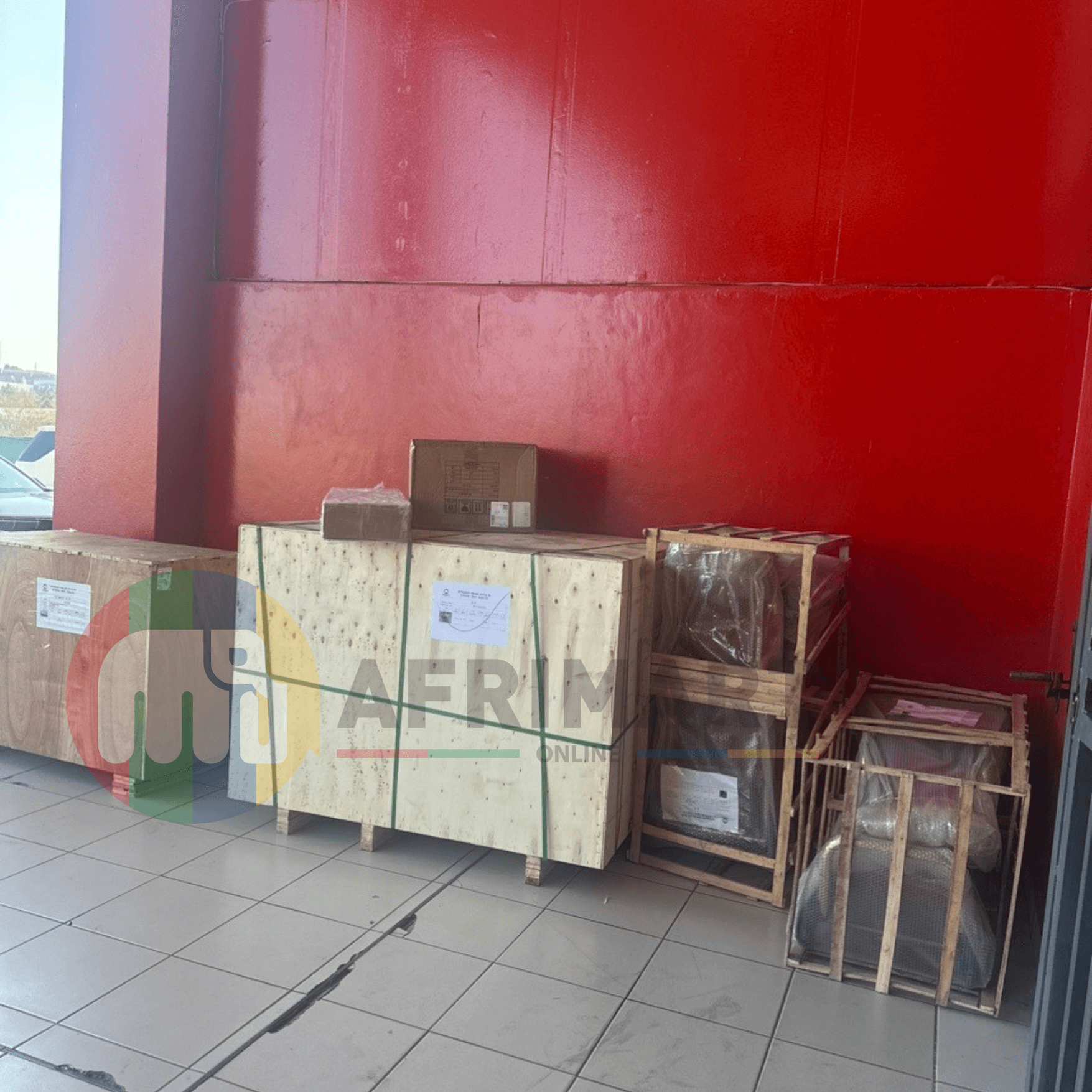
Packaging Machine and accessories
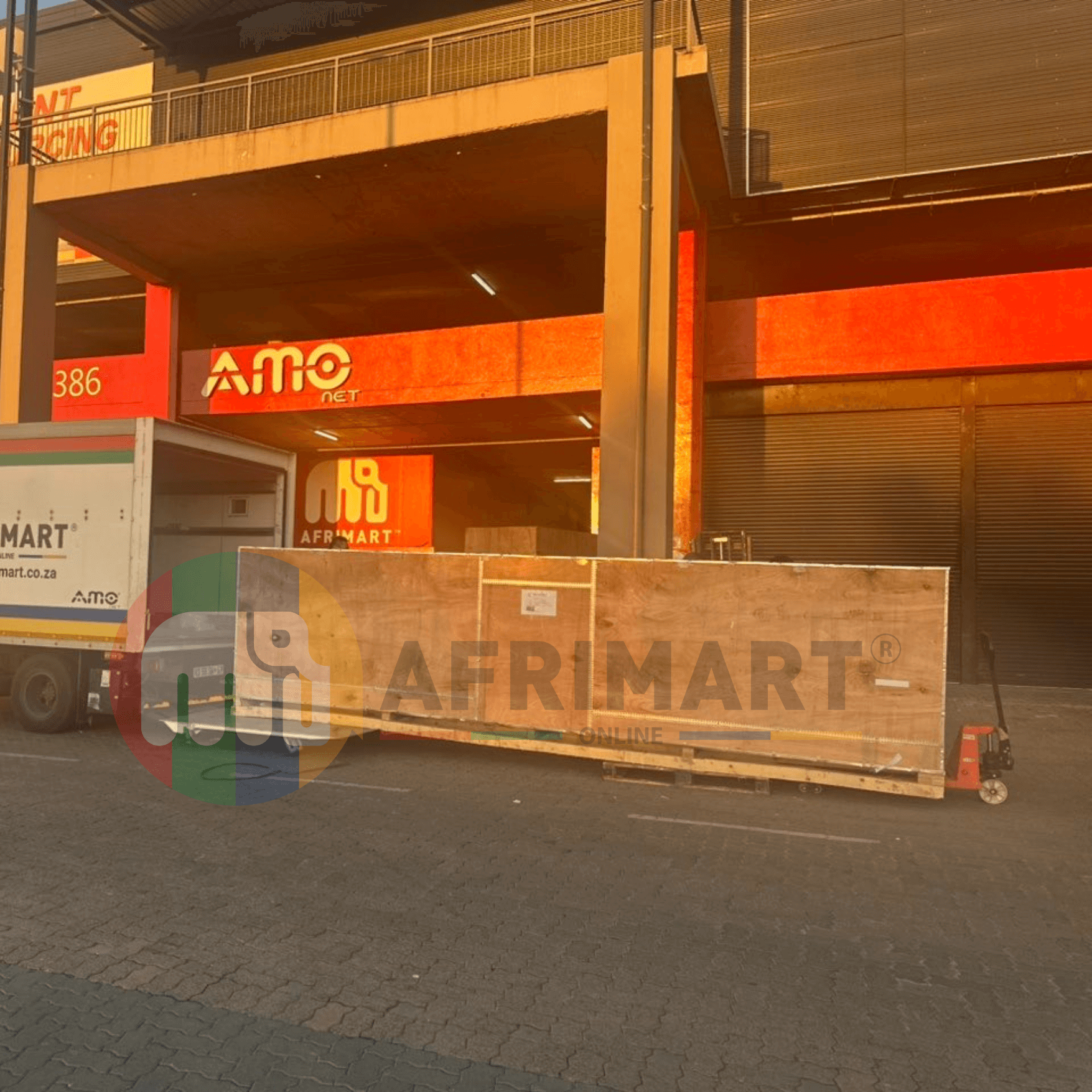
Fabrics Manufacturing Equipment
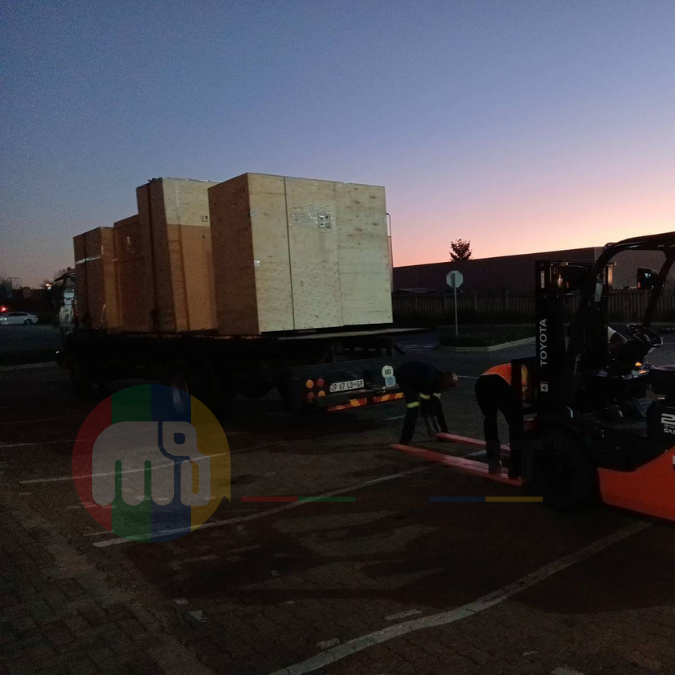
Mining Equipments
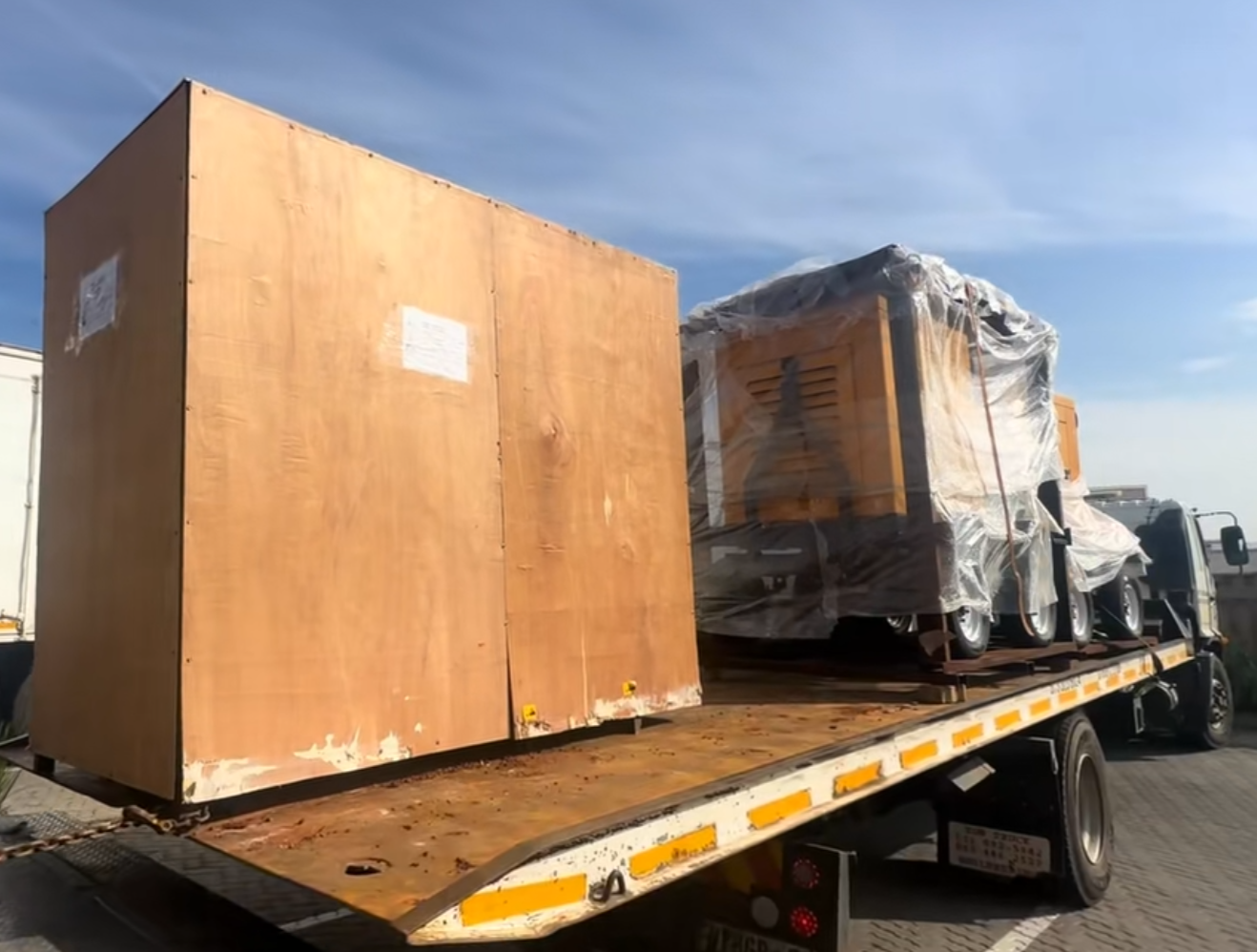
Food Processing Machine
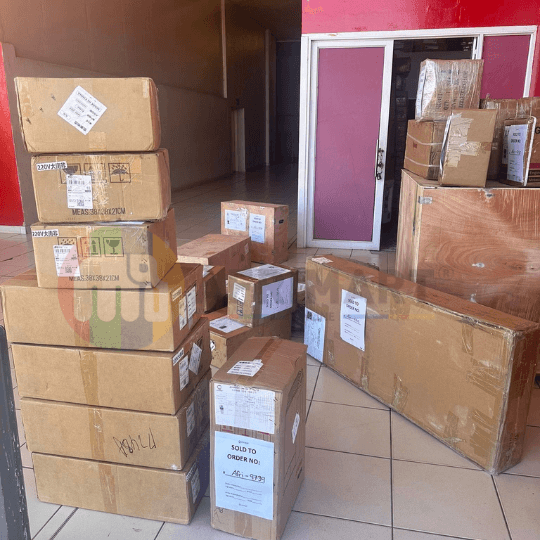
Batch of Orders
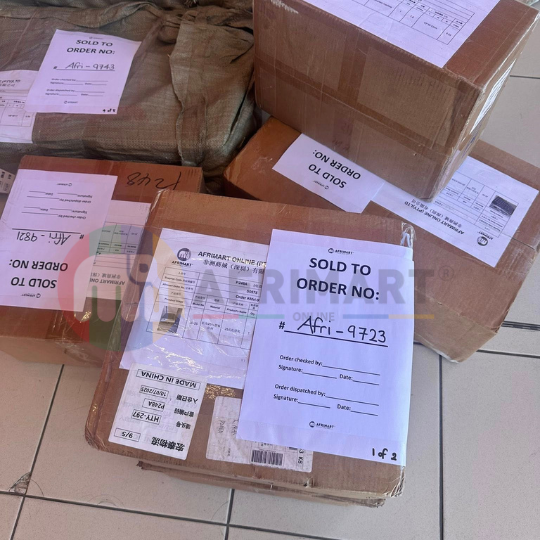
Batch of Orders
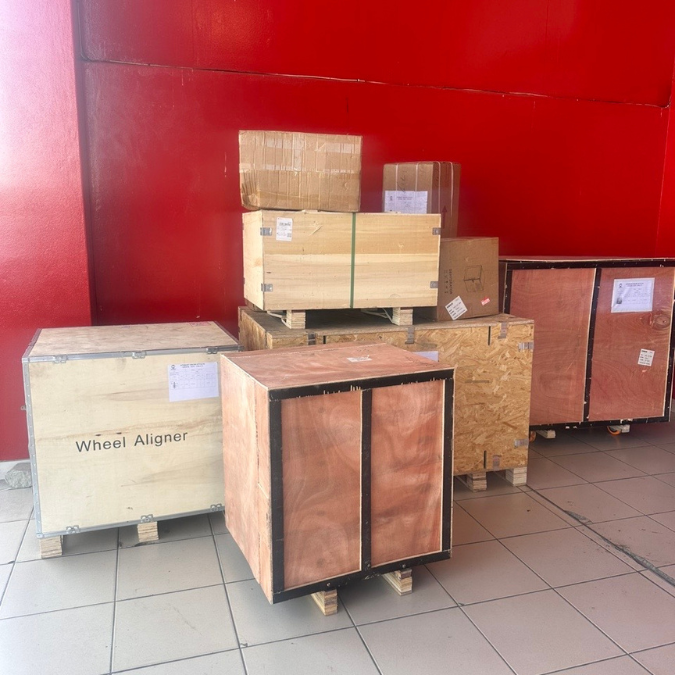
Latest Orders Labelled
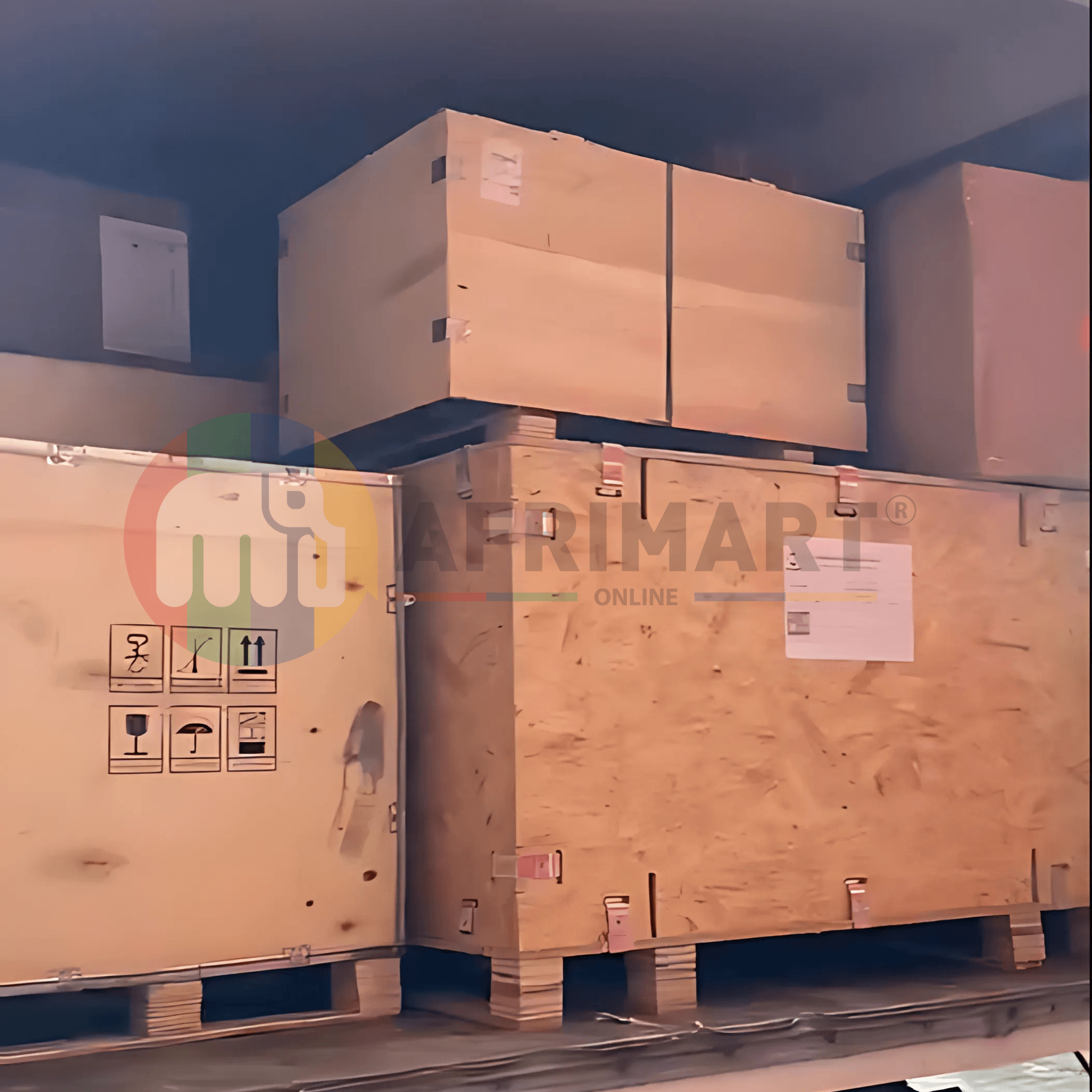
wheel alignment machines
new arrivals
Pre Orders Offloading
Latest Arrivals
Latest Arrivals
Latest Arrivals
26 January 2026
Toilet paper making machine
Toilet paper making machine
Toilet paper Rewinding Machine
latest arrivals
offloading
order success
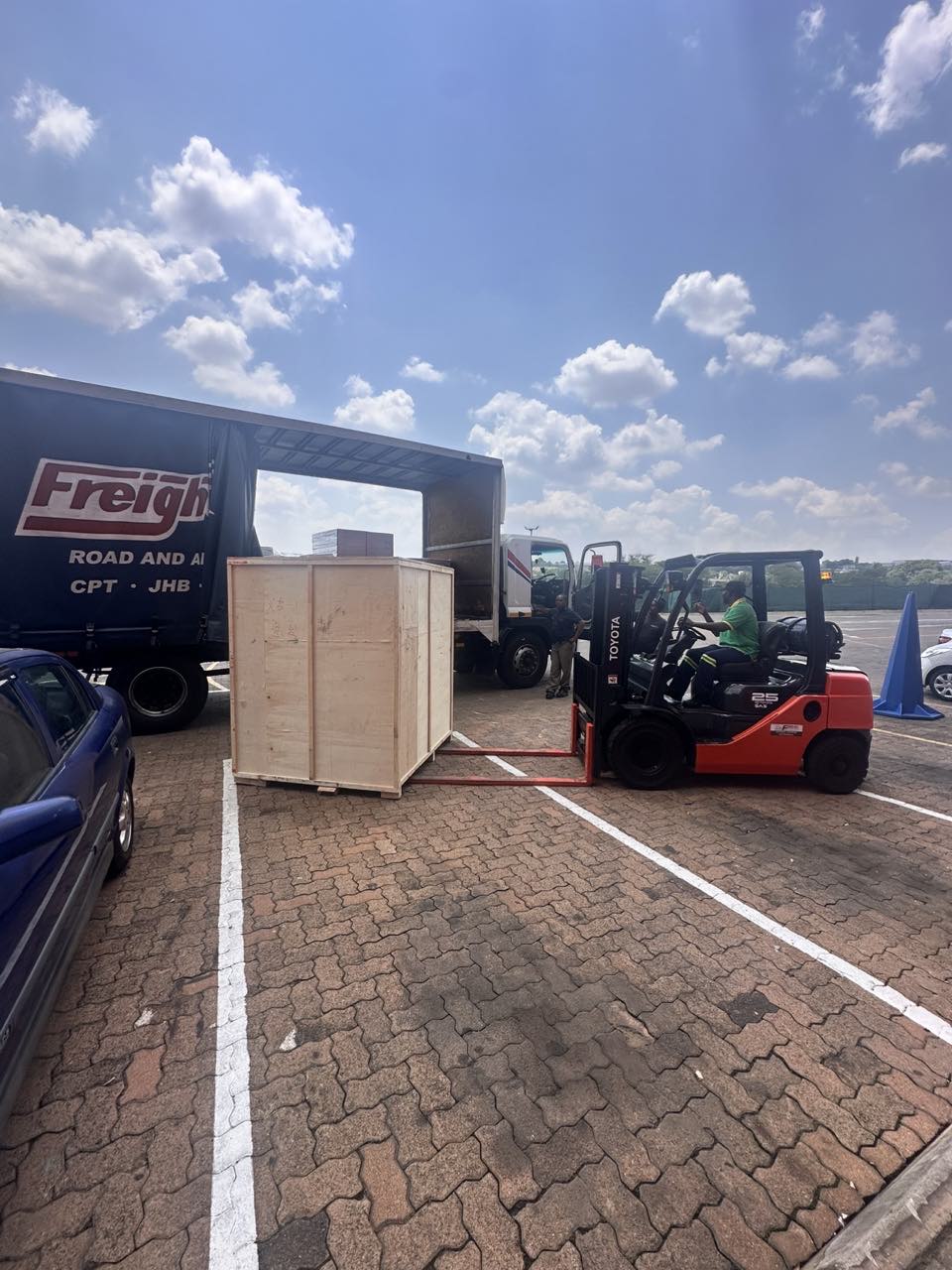
order collection
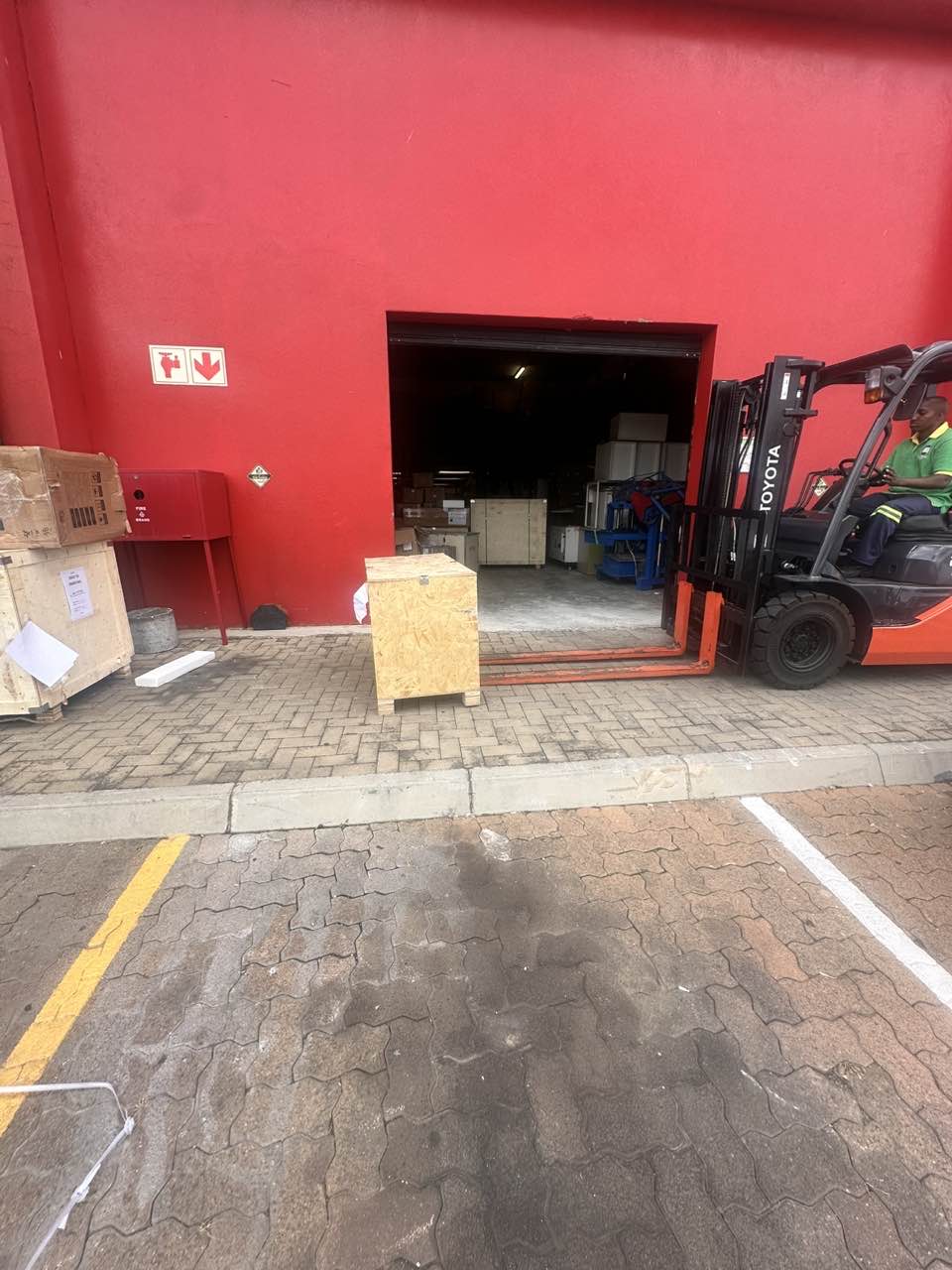
order offloading