B21, China Town Mall, Midrand

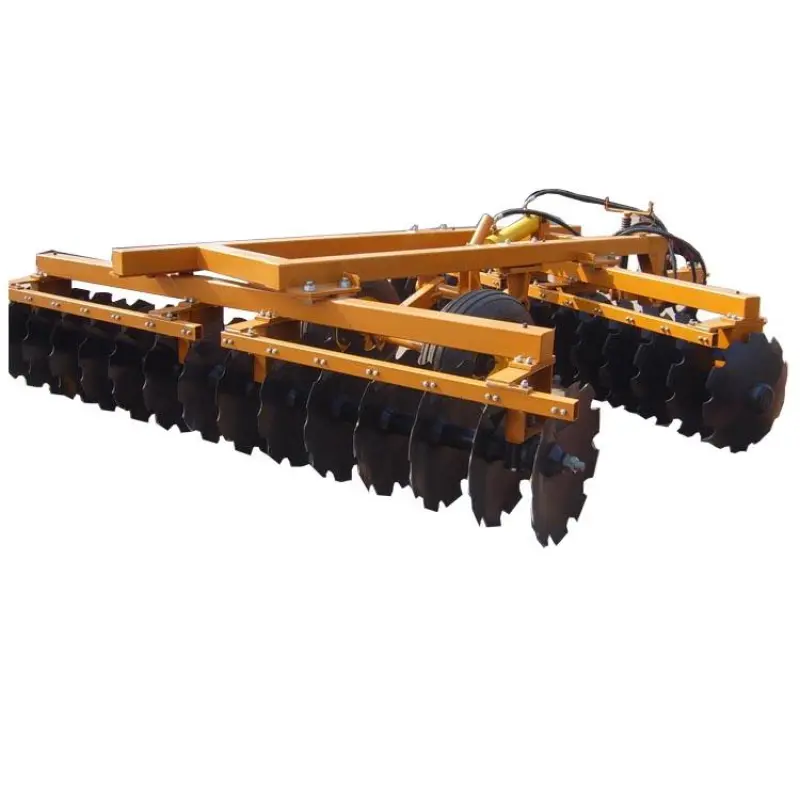
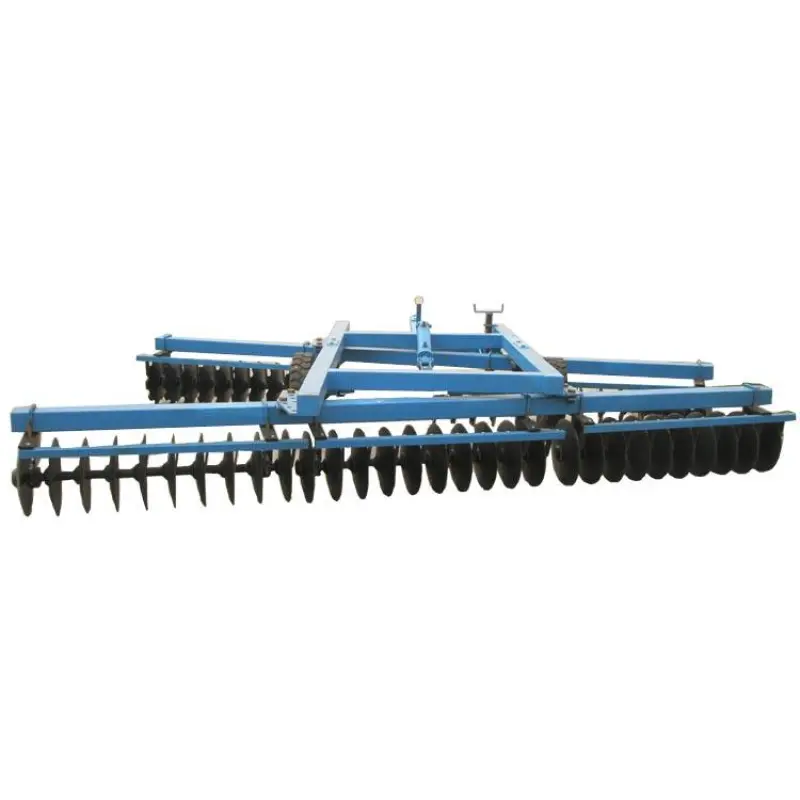
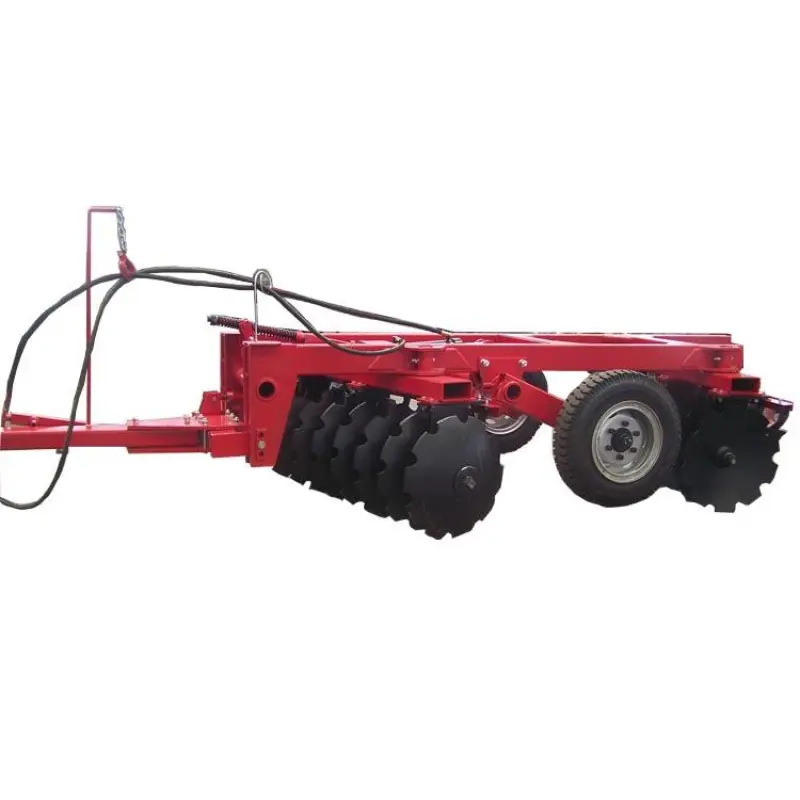
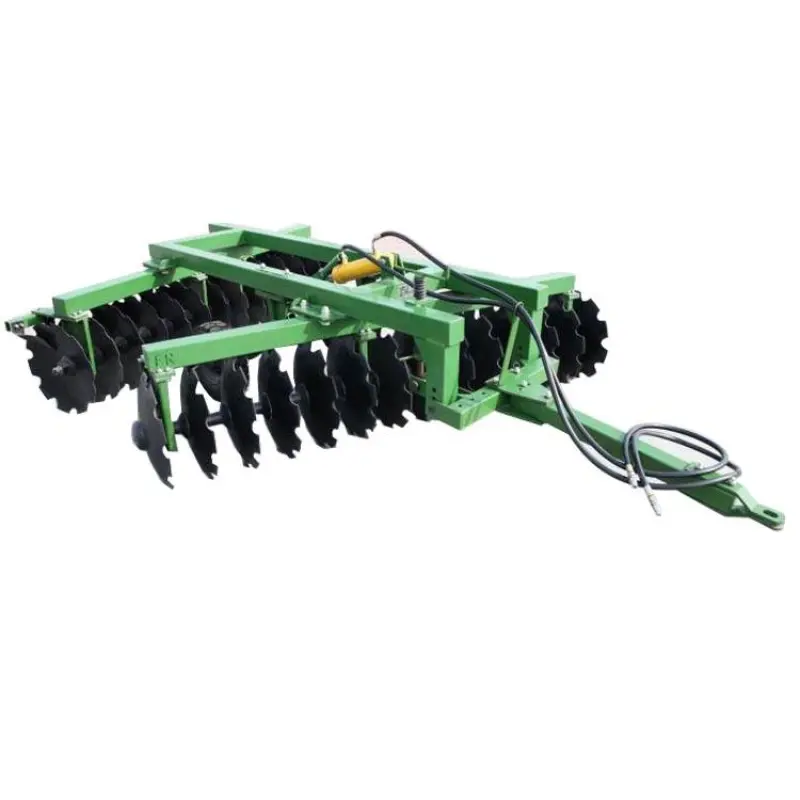
Disc Offset Trailing Heavy-Duty Harrow
Asset finance available
Do you want funding for this equipment?
Afrimart can connect you with trusted funding partners who specialise in asset finance for businesses like yours. Compare options and apply in minutes — final approval is subject to provider review.
Check funding options
Secure & no obligation

- Section : Machinery
- Category : Agriculture Machinery
- SKU : 60724850981

Disc Offset Trailing Heavy-Duty Harrow
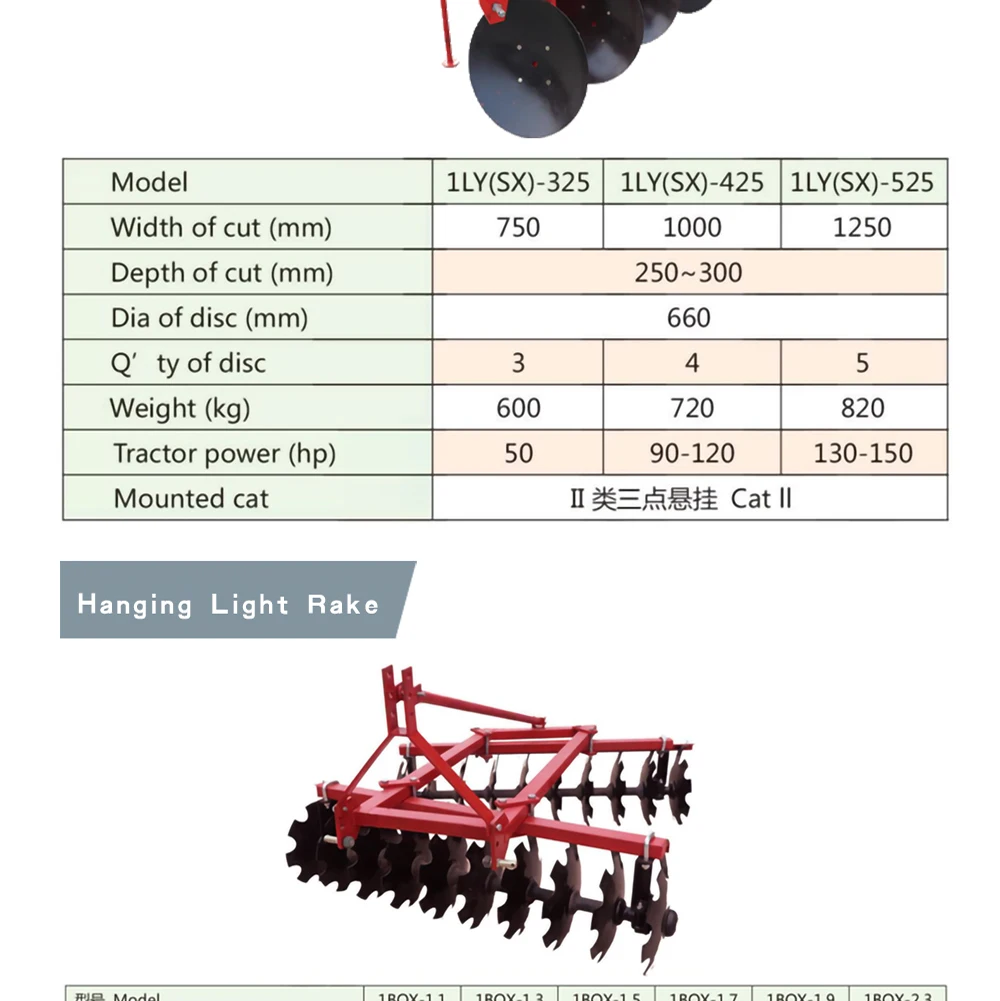
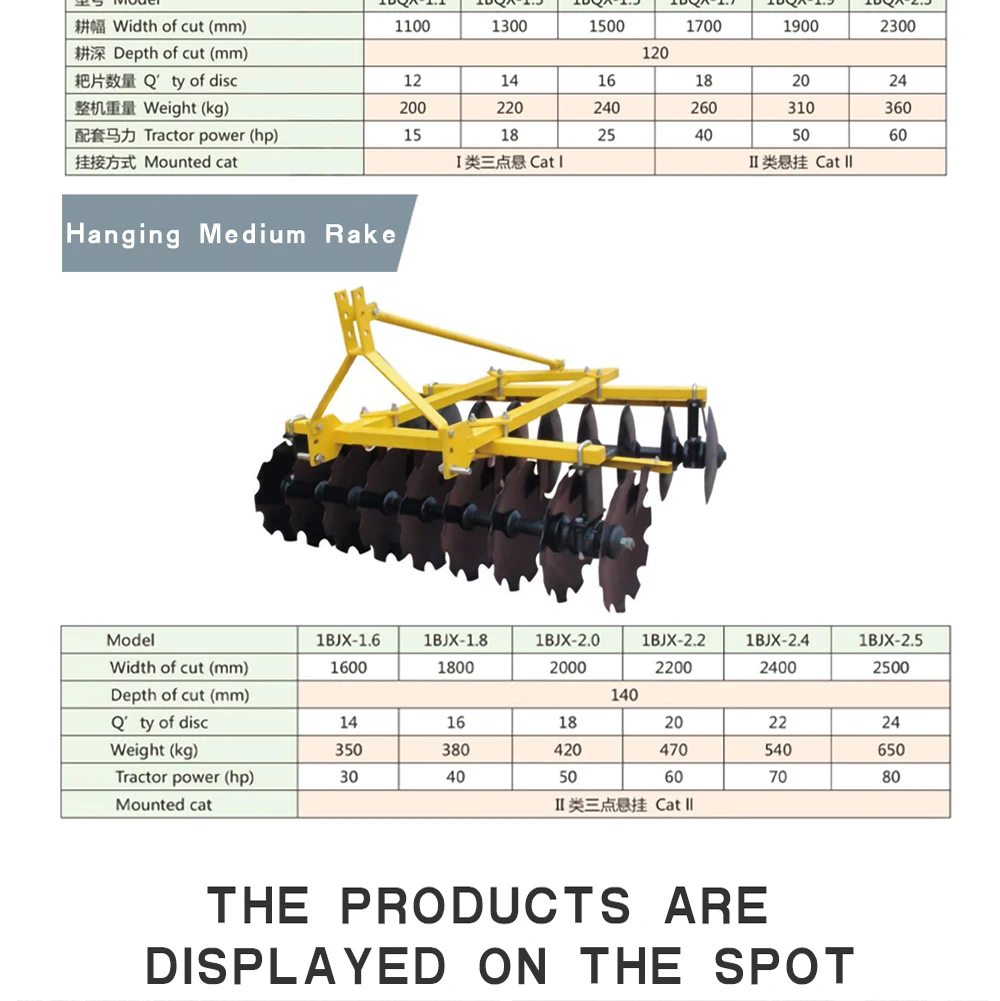
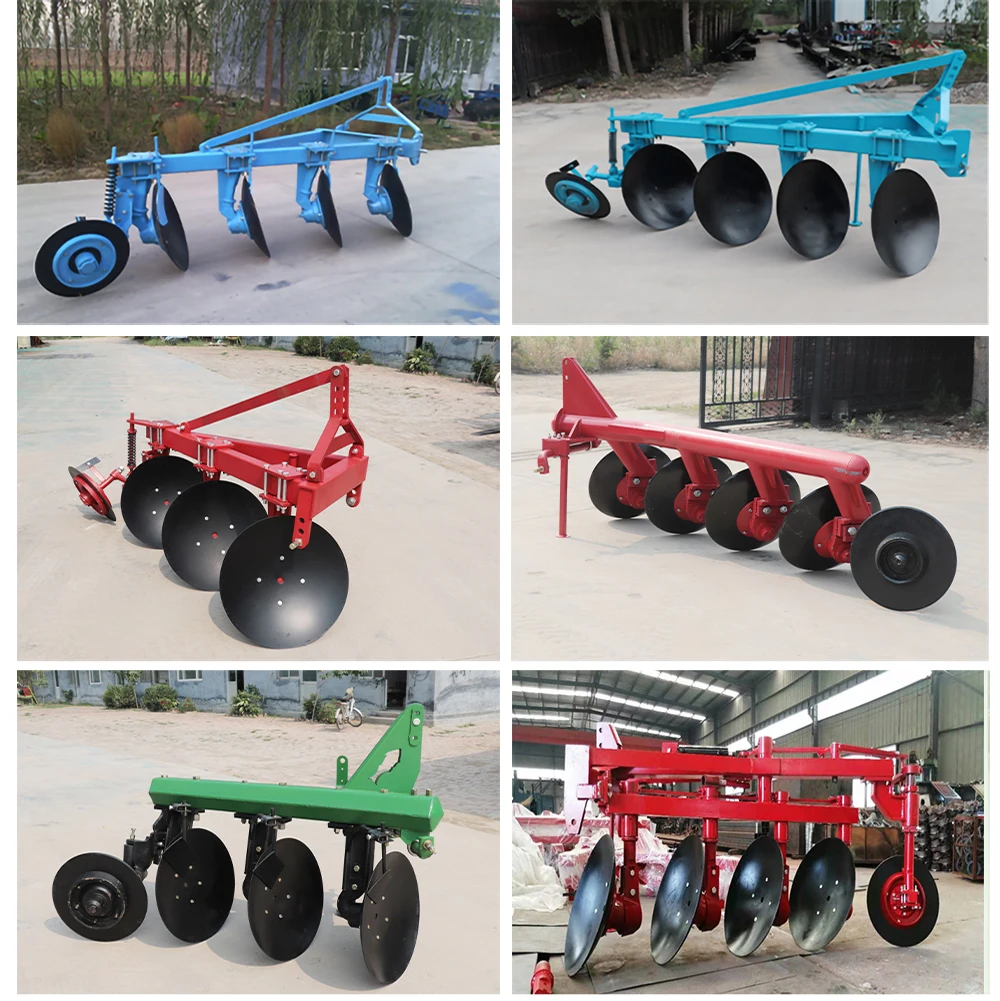
The Disc Offset Trailing Heavy-Duty Harrow is engineered for fieldwork, specifically for processing crop residues before tilling, breaking hardened soil surfaces, and improving soil conditions. It excels at crushing and spreading straw, shattering soil after tillage, preparing land for planting, and preserving soil moisture. This harrow is ideal for cultivated land, providing a powerful alternative to plowing with efficient tillage and harrowing capabilities.
Key Features
- High Harrowing Capacity: Offers great power utilization and the ability to penetrate heavy soils, making it suitable for clay-heavy land, wastelands, and weedy fields.
- Versatile Performance: Performs multiple tasks, such as tillage, harrowing, and residue processing, improving soil health and preparing fields for planting.
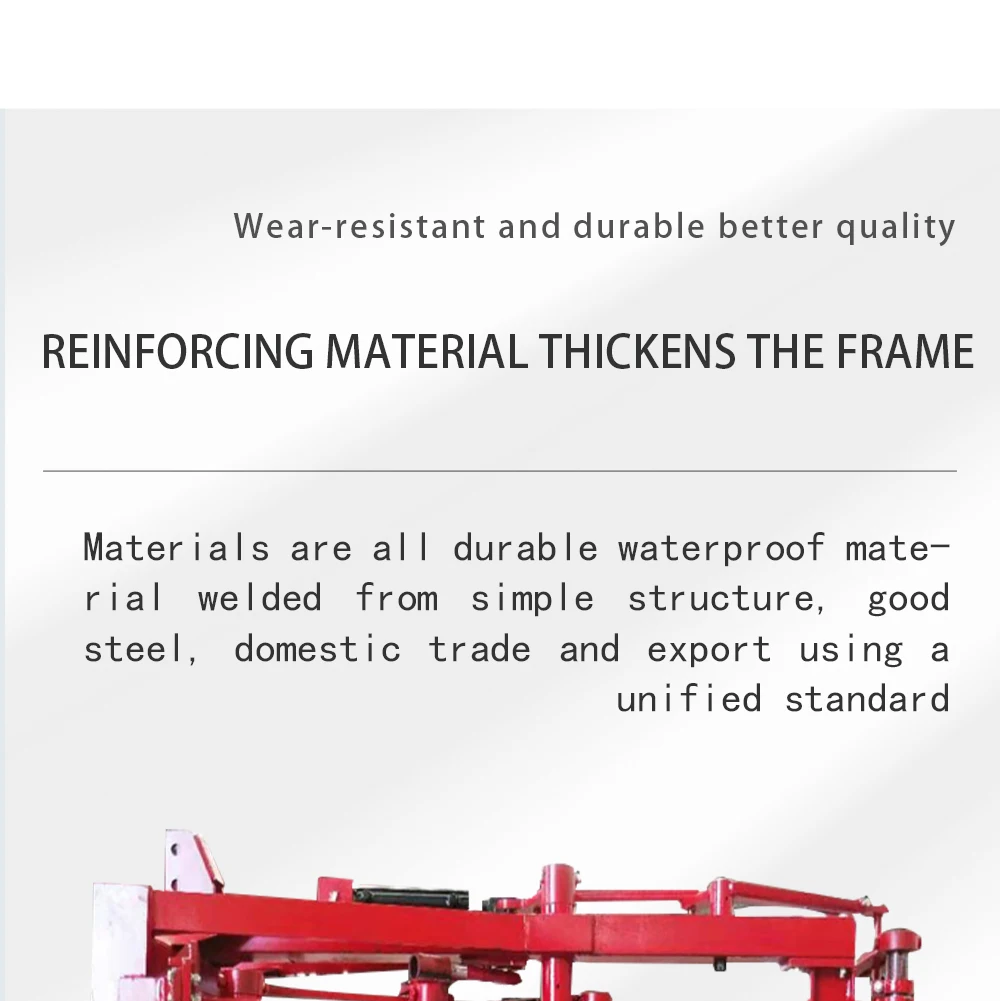
- Heavy-Duty Construction: The harrow features a rigid frame welded with a rectangular tube, ensuring durability and strength for demanding agricultural environments.
- Hydraulic Control: Equipped with hydraulic up-and-down road wheels for easier operation and better control during fieldwork.
- Optimized for Heavy Soil: Well-suited for handling tough conditions like clay soil and weedy fields.
This Disc Offset Trailing Heavy-Duty Harrow combines advanced design features with robust construction, making it an excellent choice for farmers needing high-performance equipment for land preparation and soil management.
Specifications
- Working Width: Available in various sizes, ranging from 1600 mm to 4400 mm.
- Working Depth: 200 mm for effective soil penetration.
- Number of Discs: Available in multiple configurations from 14 to 40 discs, depending on the model.
- Disc Diameter: 660 mm for efficient soil processing.
- Weight: Models range from 1100 kg to 2300 kg, depending on the size and capacity.
- Matched Power (HP): Models designed for tractors ranging from 65 HP to 160 HP.
| Type | 1BZ-1.6 | 1BZ-1.8 | 1BZ-2.0 | 1BZ-2.2 | 1BZ-2.5 |
| Working width(mm) | 1600 | 1800 | 2000 | 2200 | 2500 |
| Working depth(mm) | 200 | ||||
| No. of disc (pc) | 14 | 16 | 18 | 20 | 24 |
| Dia. Of disc(mm) | 660 | ||||
| Weight (KG) | 1100 | 1200 | 1300 | 1350 | 1450 |
| Linkage | Trailed | ||||
| Matched power (hp) | 65-70 | 75 | 80-100 | 90-100 | 90-100 |
Product Info Gallery
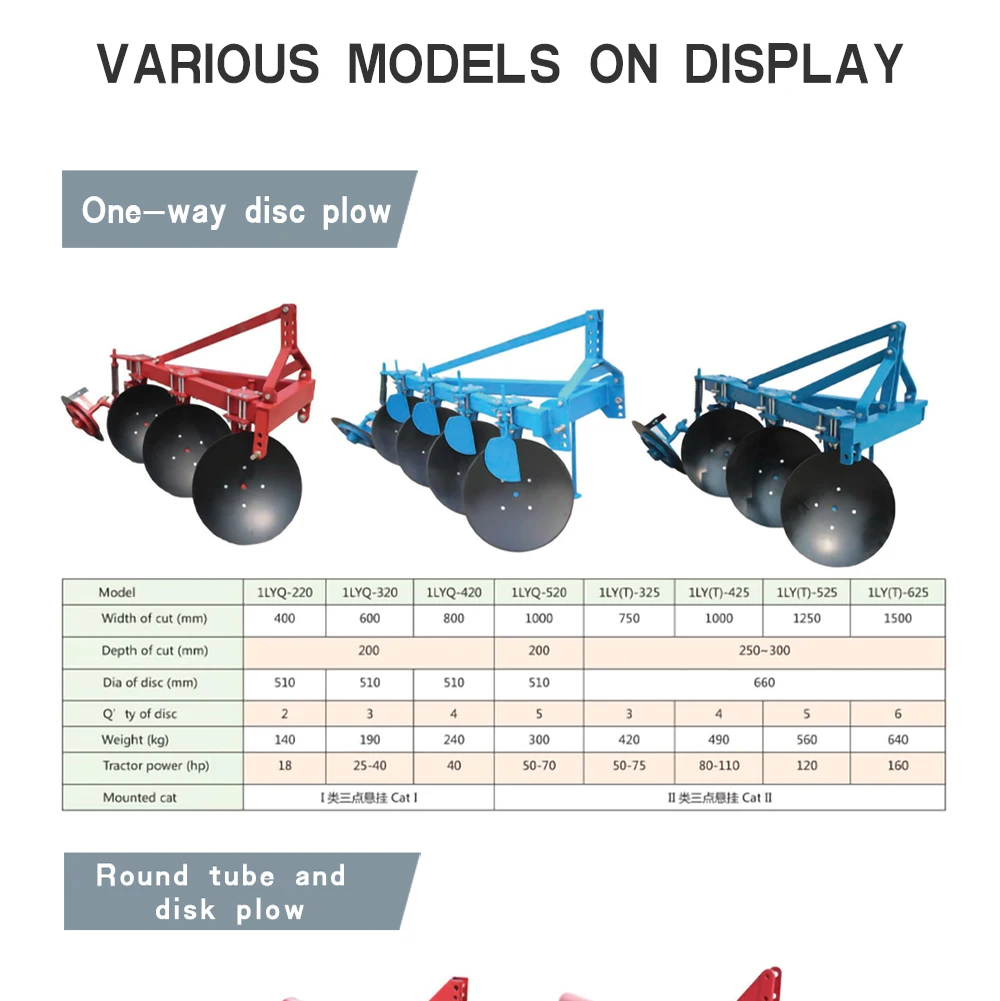
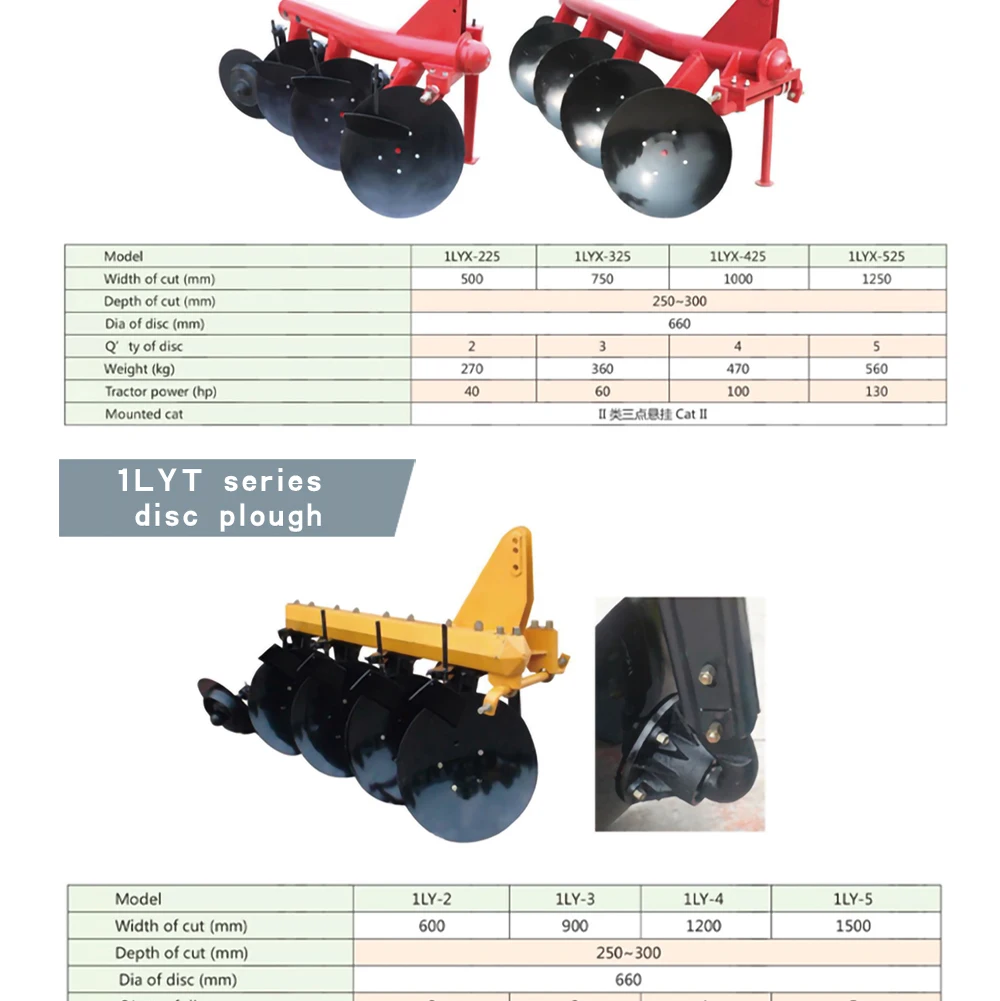
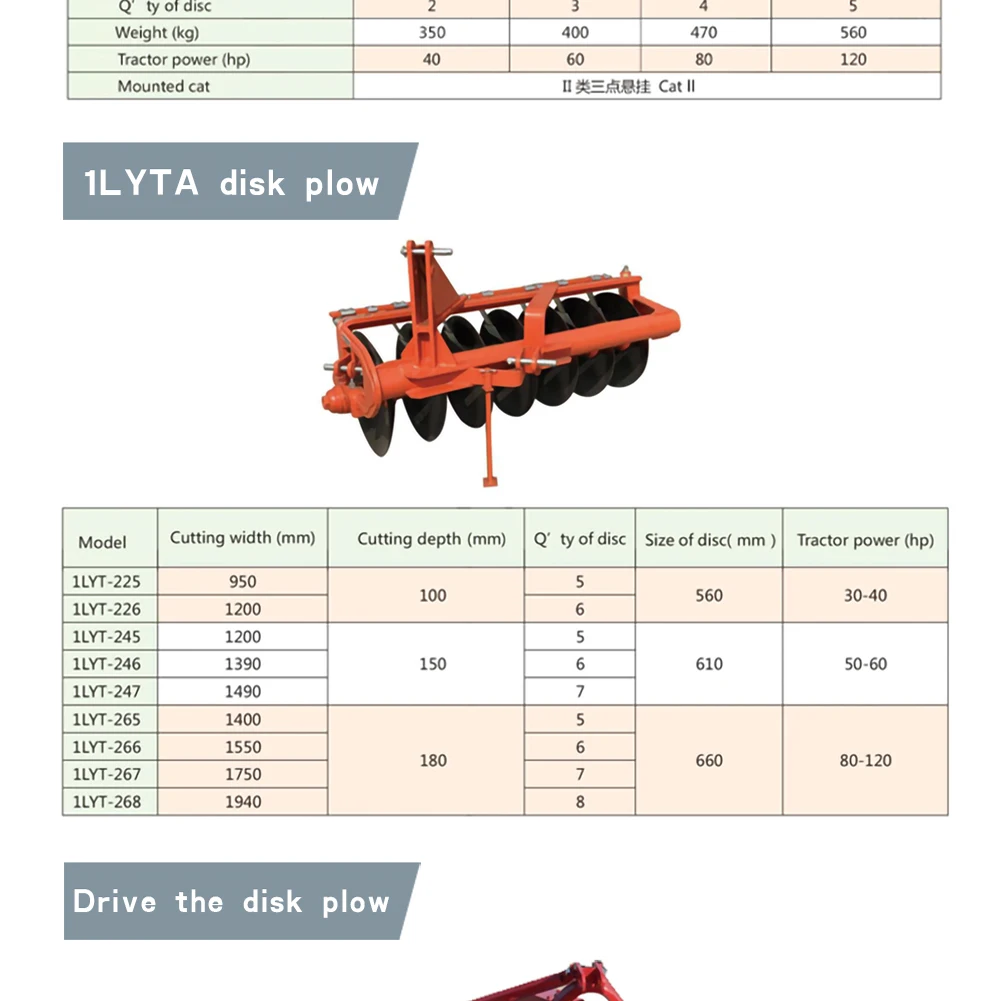
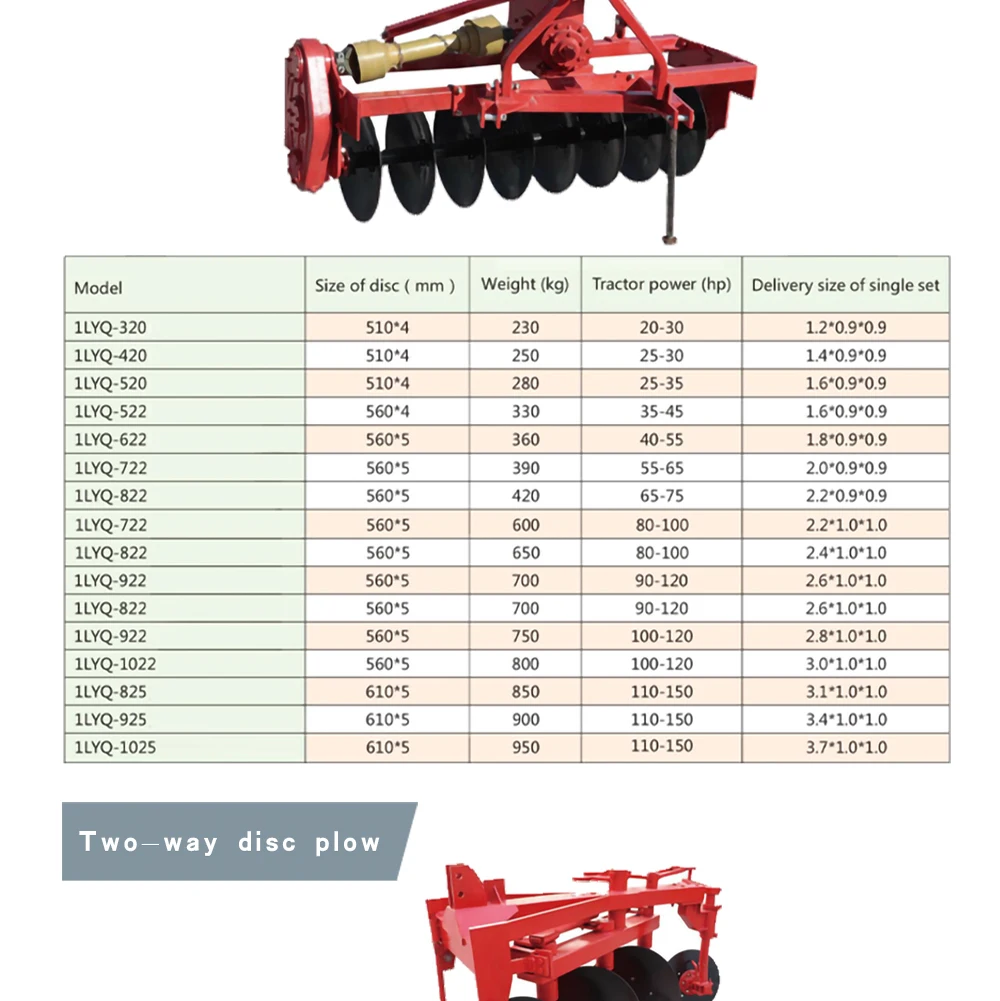
- Shipping Timeframes: All orders are processed within 2-5 business days (excluding weekends and holidays). After your order has been processed, the estimated delivery time is before 12 Jul, 2026, depending on customs, Please note that due to high demand, some items may experience longer shipping times, which will be communicated at order confirmation email.
- Order Processing Time: Please allow 2-5 business days for us to process your order before it is shipped . Orders placed after 16:00 on Fridays, or during weekends and public holidays, will begin processing on the next business day. Processing times may be extended during peak seasons or sales events.
- Manufacturing Time: Some products needs manufacturing time, the manufacturing process will take approximately 10-30 business days depending on the product. This timeframe may vary depending on the complexity of the product and current demand. but this will be communicated with you during order confirmation.
- Returns and Exchanges: We offer a 30-day return policy for most items. If you are not completely satisfied with your purchase, you may return it within 30 days of receipt for a refund or exchange. Items must be unused, in their original packaging, and accompanied by proof of purchase. Return shipping costs are the responsibility of the customer, unless the item was damaged or defective upon arrival.
1. What is the Disc Offset Trailing Heavy-Duty Harrow designed for?
It is engineered for fieldwork such as processing crop residues before tillage, crushing and spreading straw, breaking hardened soil surfaces, shattering clods after tillage, improving soil structure, and preparing seedbeds while conserving soil moisture.
2. What are the available working widths and depths?
Working widths are available from 1600 mm up to 4400 mm depending on configuration (common factory models include 1600–2500 mm). Working depth is 200 mm for effective soil penetration.
3. How many discs does each model have and what is the disc size?
Disc configurations range from 14 to 40 discs depending on the model. Disc diameter is 660 mm.
4. What tractor power is required to operate the harrow?
Matched tractor power depends on model size — typical ranges are 65 HP up to about 160 HP. Select a model that matches your tractor's horsepower and ballast capacity.
5. What is the weight range of the harrow models?
Model weights range approximately from 1100 kg to 2300 kg depending on working width and disc configuration.
6. How is depth and transport controlled?
The machine is equipped with hydraulic up-and-down road wheels for lifting/lowering during operation and transport. Depth can be fine-tuned via the hydraulic system and adjustable hitch/leveling settings according to model.
7. Is this harrow suitable for heavy clay or weedy fields?
Yes. The heavy-duty construction and disc penetration capability make it well suited for clay-heavy soils, wastelands, and fields with significant weed and residue cover.
8. What kind of frame and construction does it have?
It features a rigid, heavy-duty frame welded from rectangular tube sections for durability and strength in demanding agricultural environments.
9. What maintenance should be performed regularly?
Regular maintenance includes greasing bearings and pivot points, inspecting and tightening disc bolts, checking disc wear and replacing worn discs/scrapers, inspecting hydraulic hoses and fittings, and ensuring hitch and safety chains are in good condition.
10. Which parts are most likely to need replacement?
Common wear items are the discs/blades, bearings, scrapers, mounting bolts, and hydraulic seals. Keeping a set of fast-moving spare parts on hand reduces downtime.
11. How is the harrow transported between fields and on roads?
The trailing design with hydraulic road wheels allows the unit to be lifted and transported behind the tractor. For road travel, follow local transport regulations regarding lighting, marking, and securing the implement.
12. Is assembly required on delivery and is support available?
Units may ship partially assembled. Basic assembly and hitching are required; detailed instructions are provided in the operator manual. Dealers or the manufacturer can provide on-site assembly or technical support if needed.
13. What operating speed should I use for best results?
Optimal forward speed depends on soil type, residue level, tractor power, and disc settings. Work at a steady speed that allows good disc penetration and cutting—consult the operator manual or your dealer for recommended speed ranges for your model and field conditions.
14. What warranty and after-sales support are available?
Warranty terms and after-sales support vary by supplier and region. Contact your local dealer or the manufacturer for specific warranty coverage, service plans, and parts availability.
Latest Order Arrivals
Discover our latest orders
12 Heads Embroidery Machine
Dewatering Pump Machine
Order Collection
Portable Water Drilling Rig
Order Usefully Collected
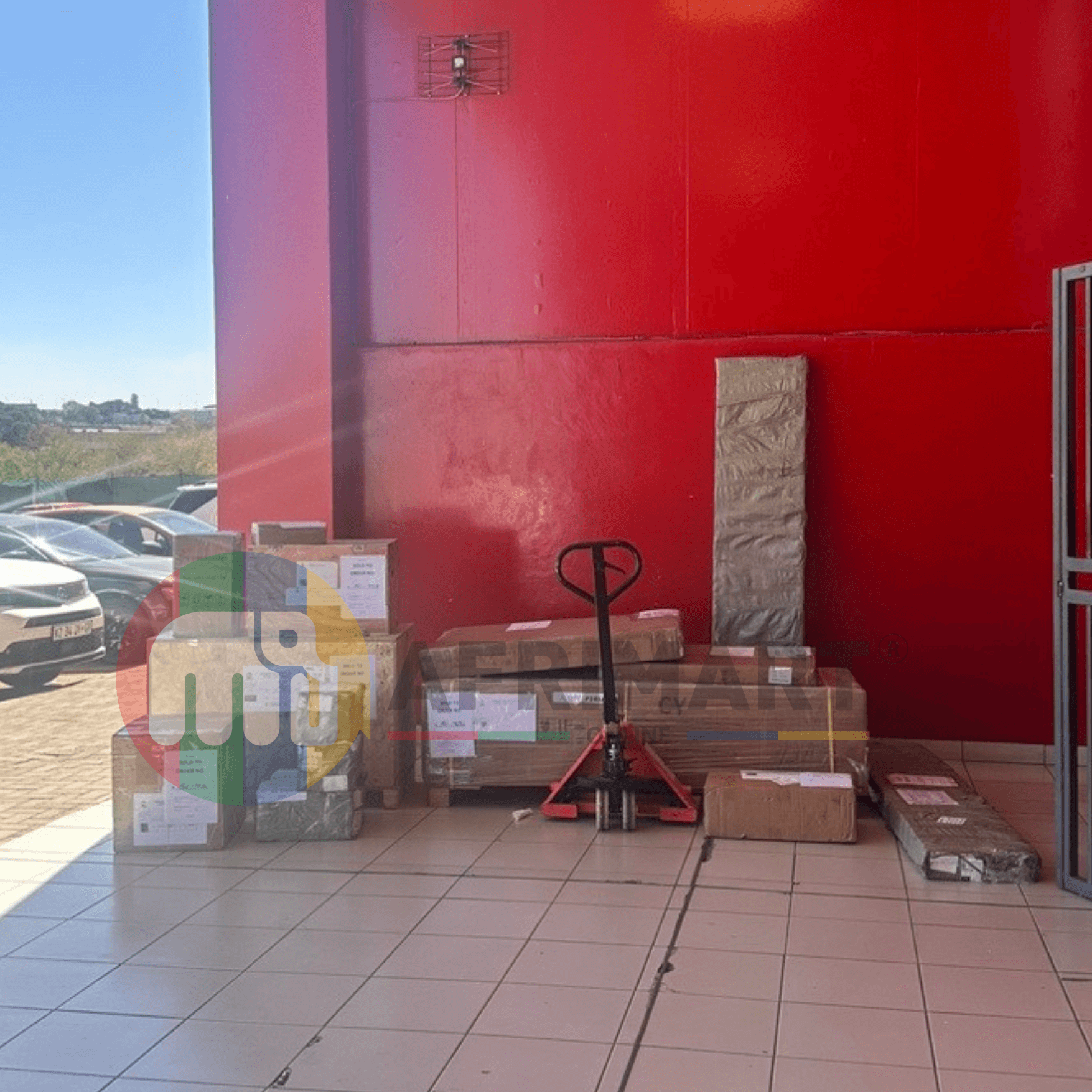
Batch of Orders
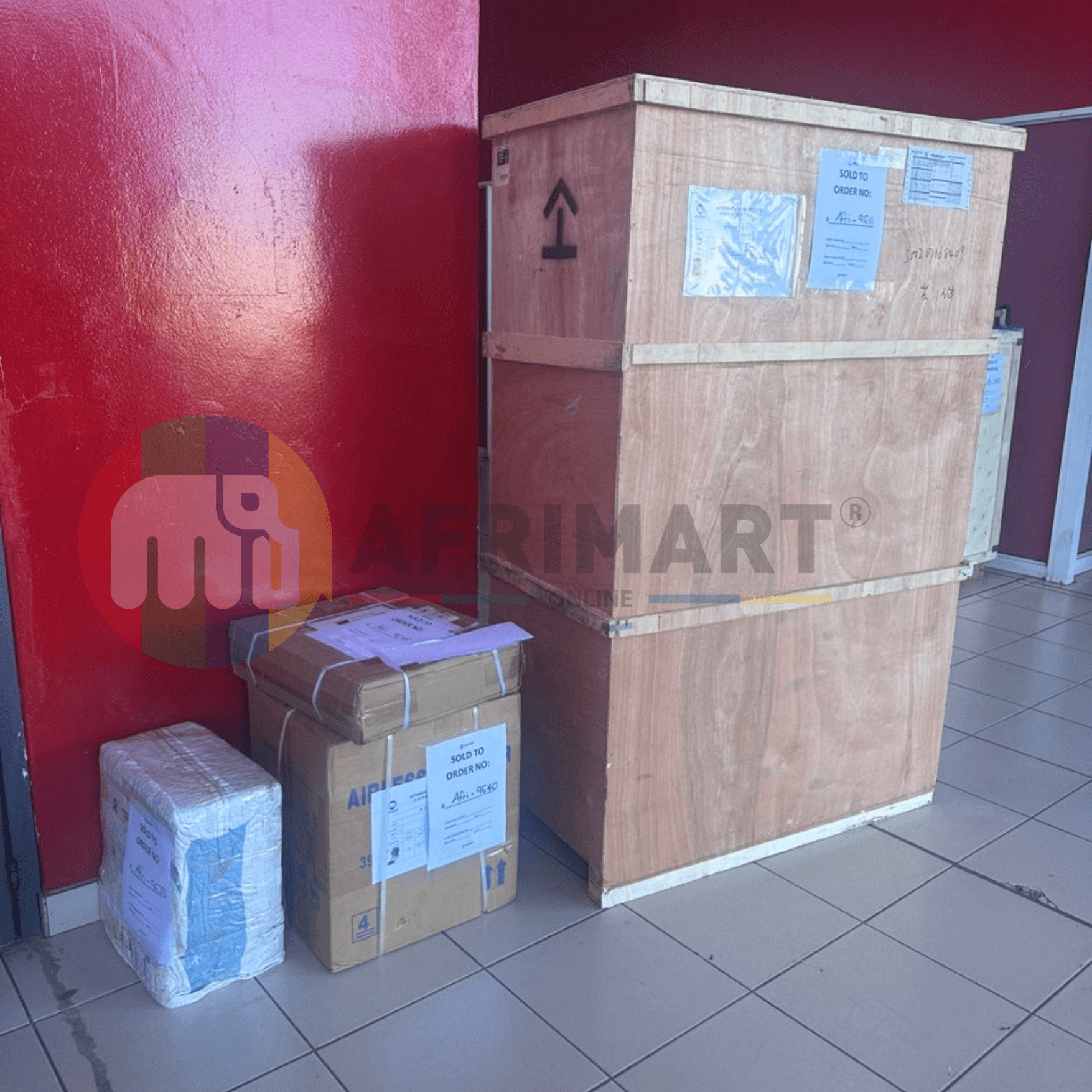
Agriculture Processing Machines
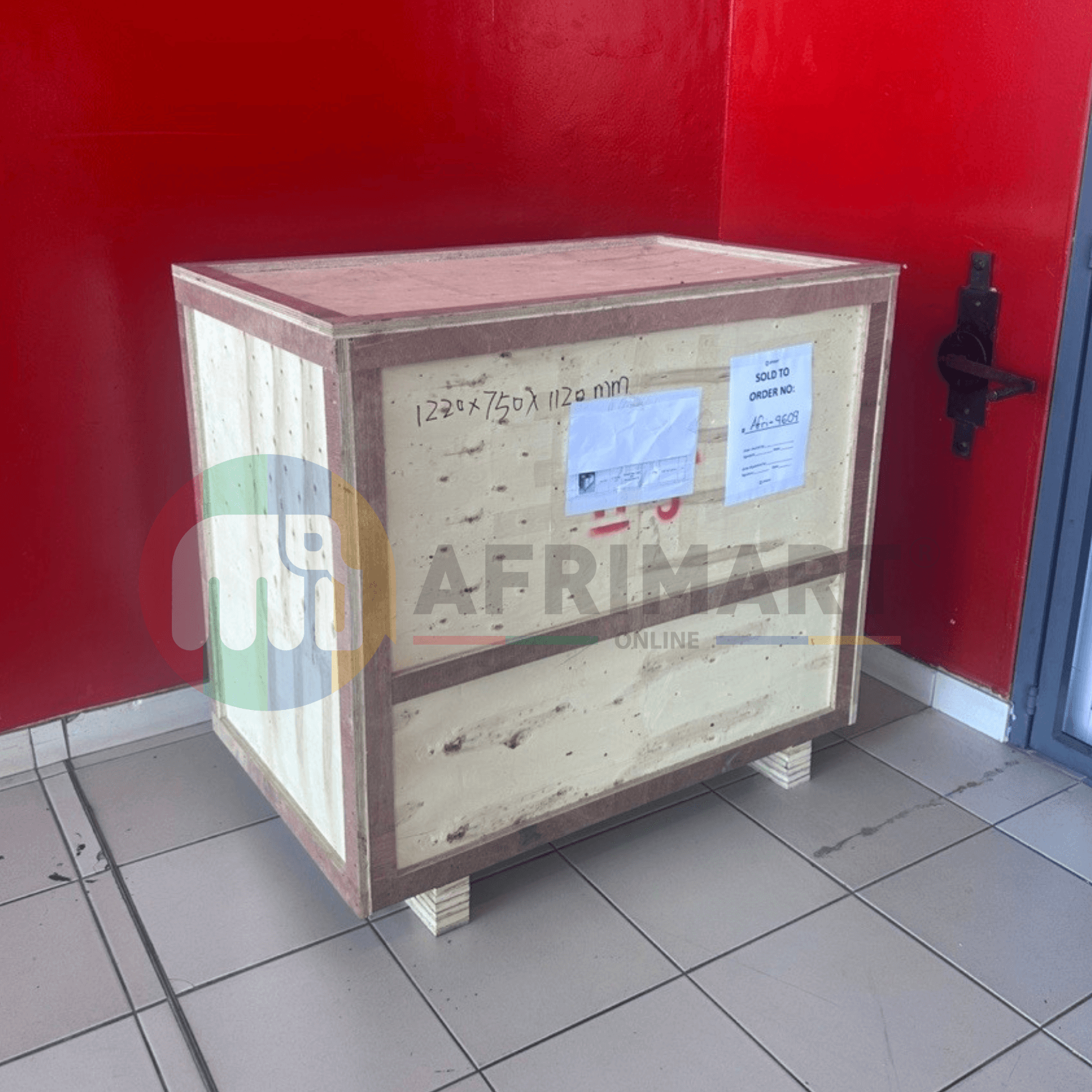
Meat Grinder Machine
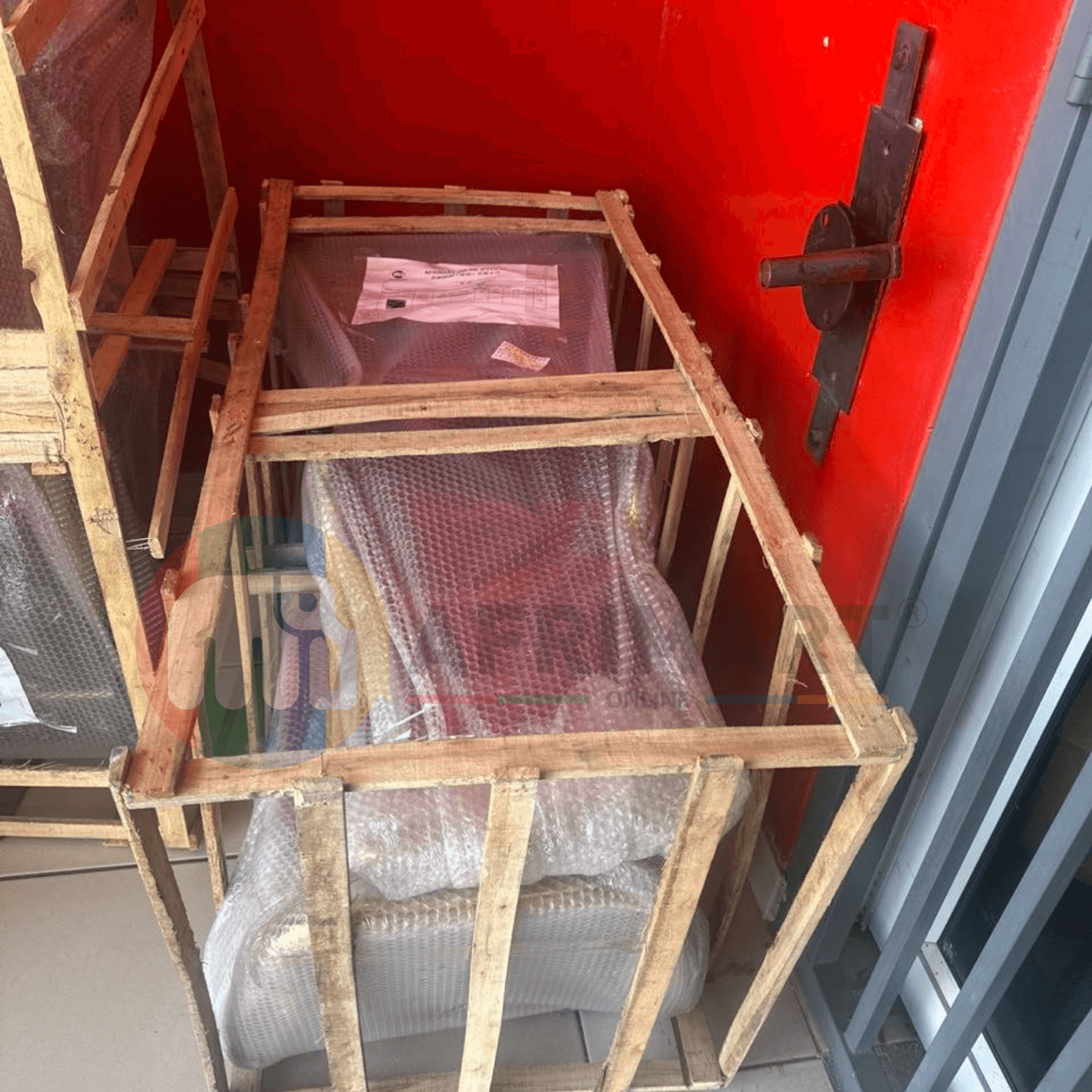
Water Pump Equipment
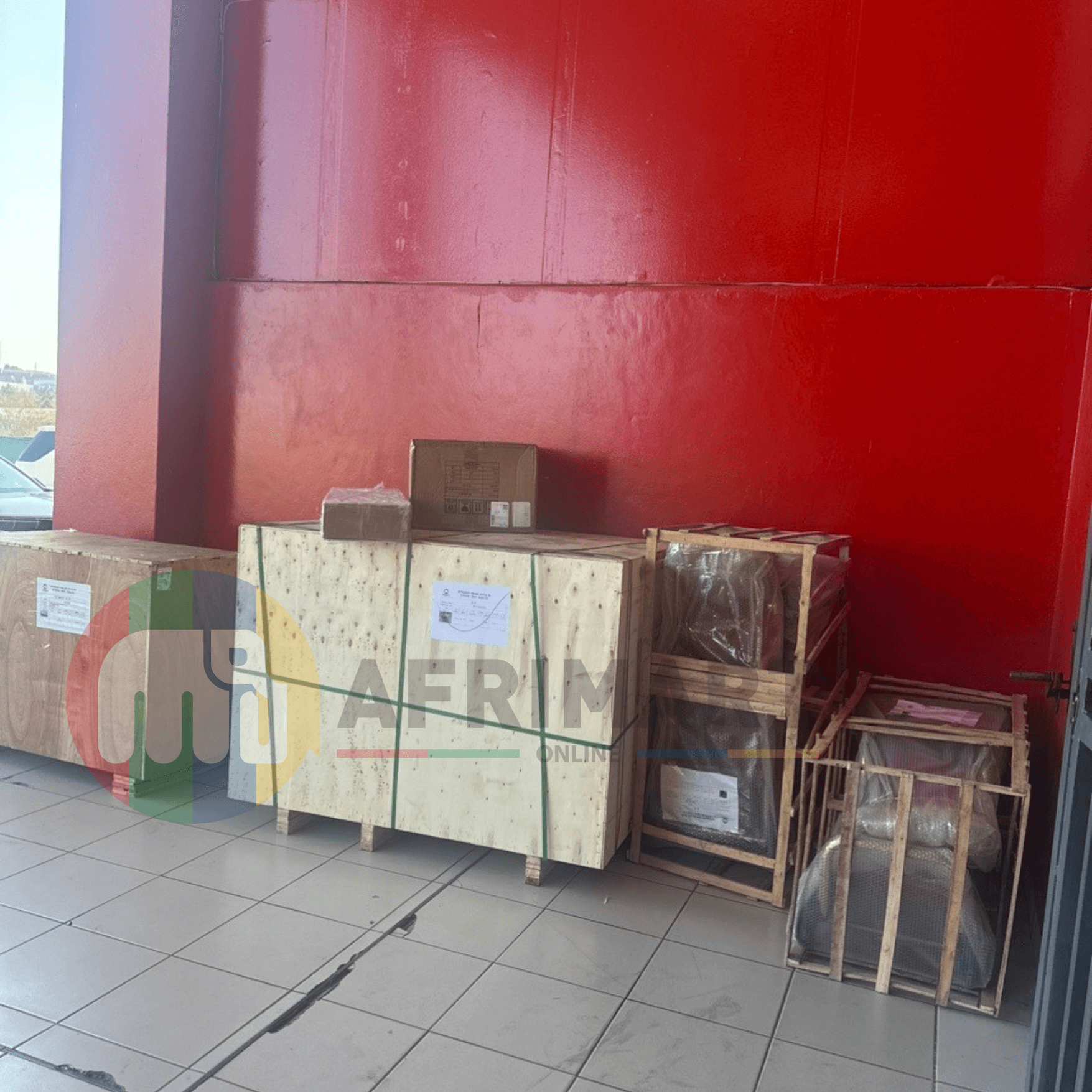
Packaging Machine and accessories
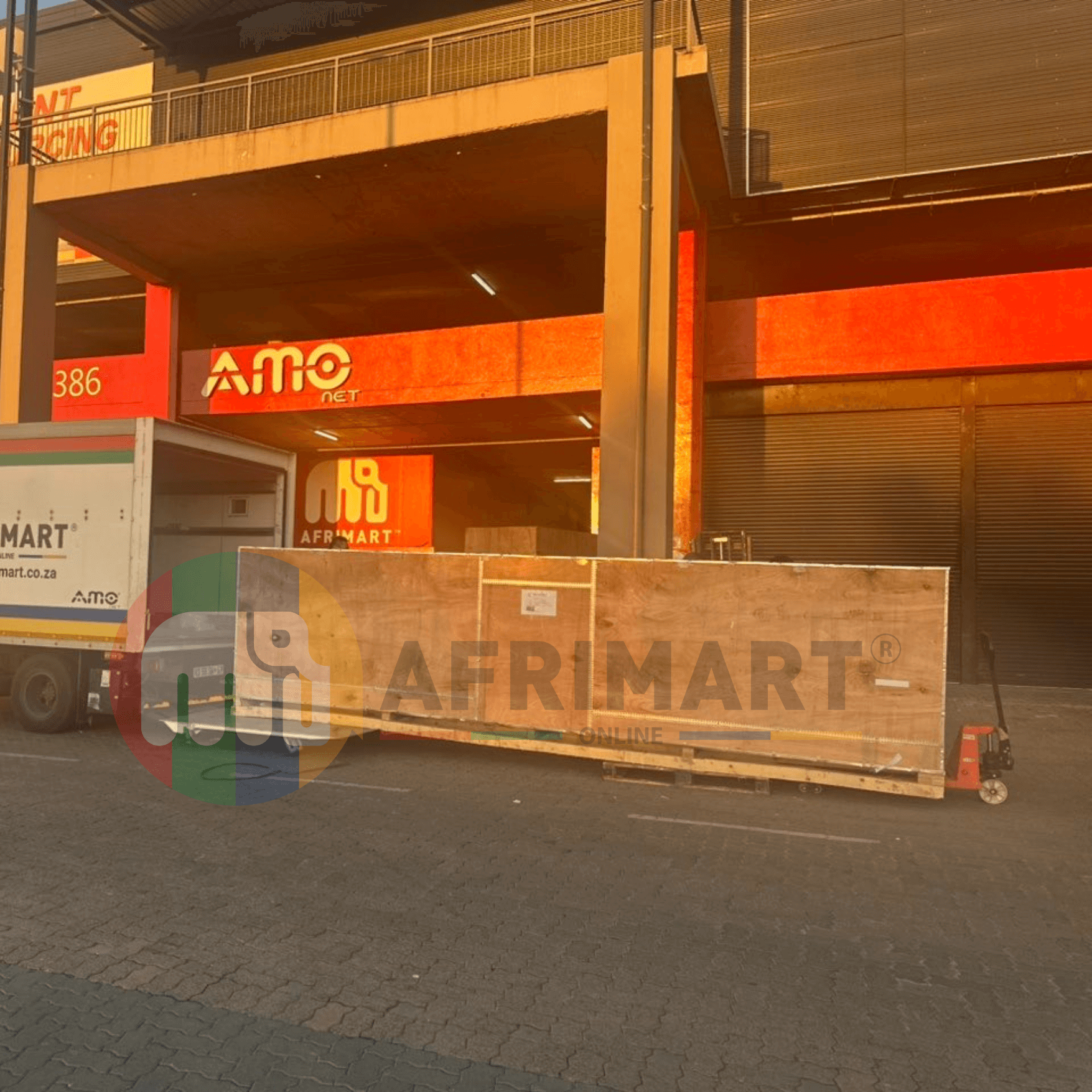
Fabrics Manufacturing Equipment
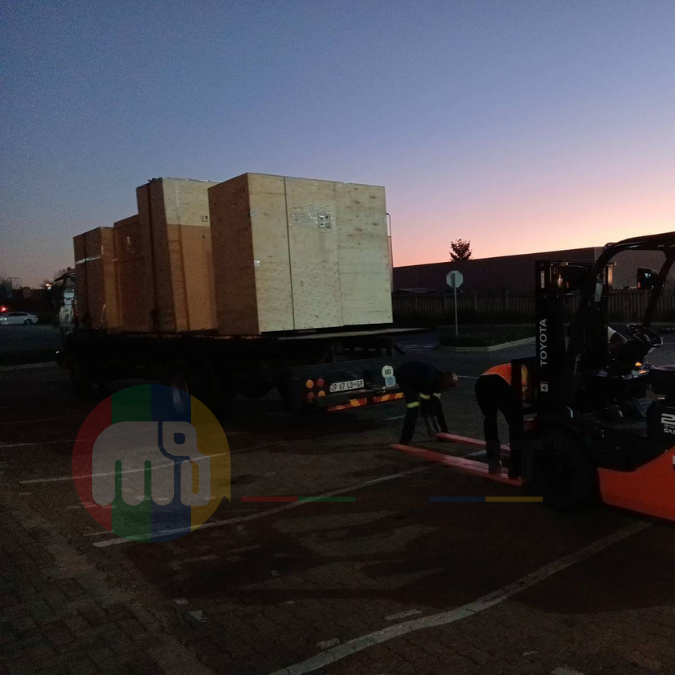
Mining Equipments
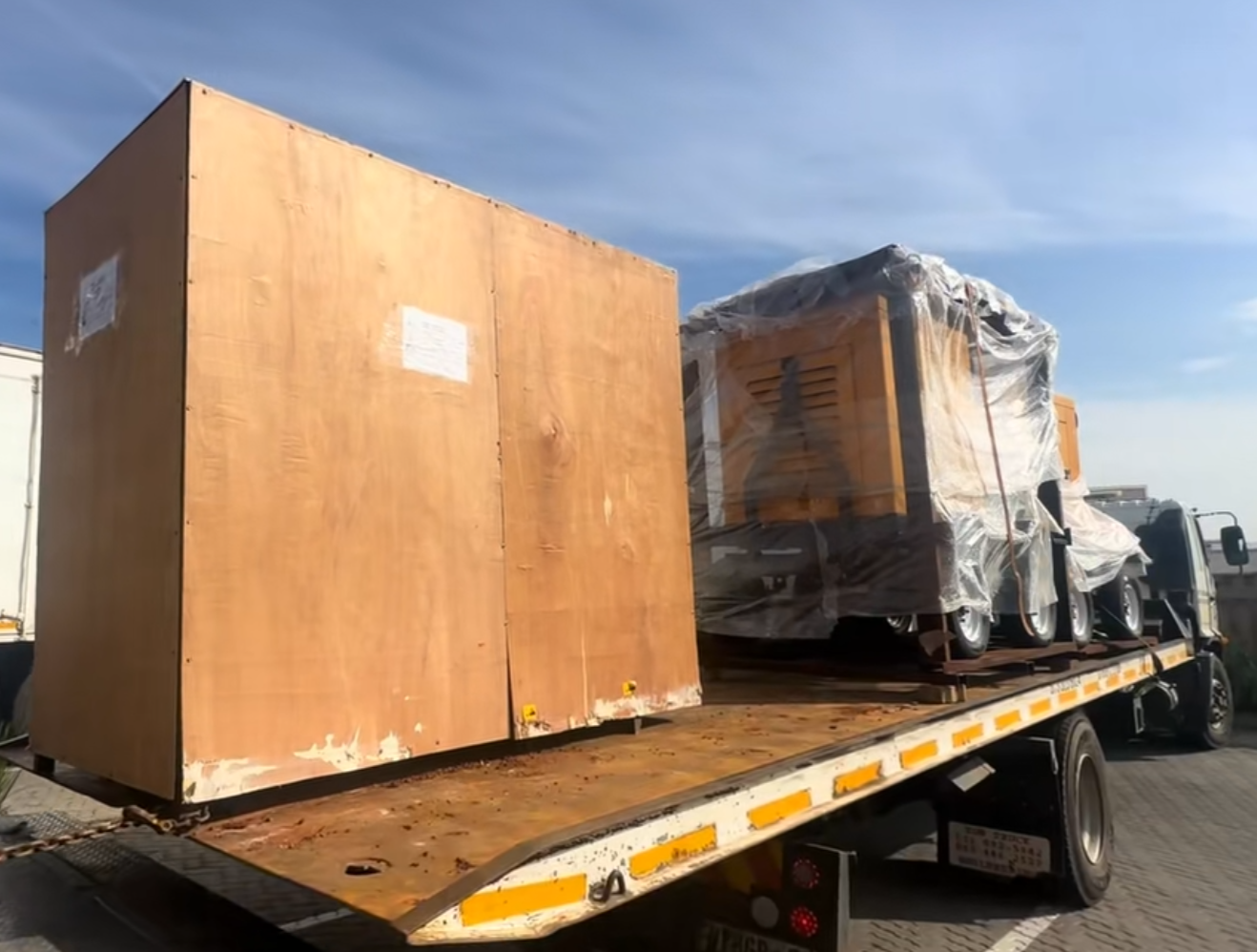
Food Processing Machine
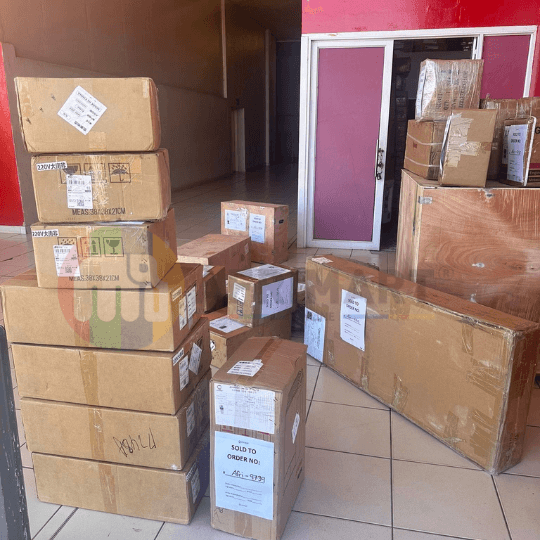
Batch of Orders
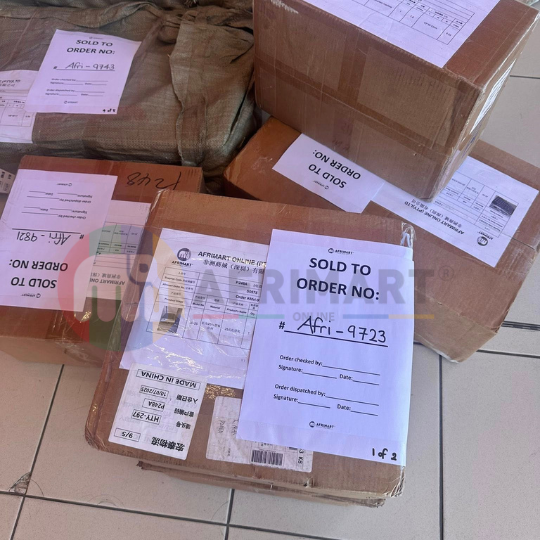
Batch of Orders
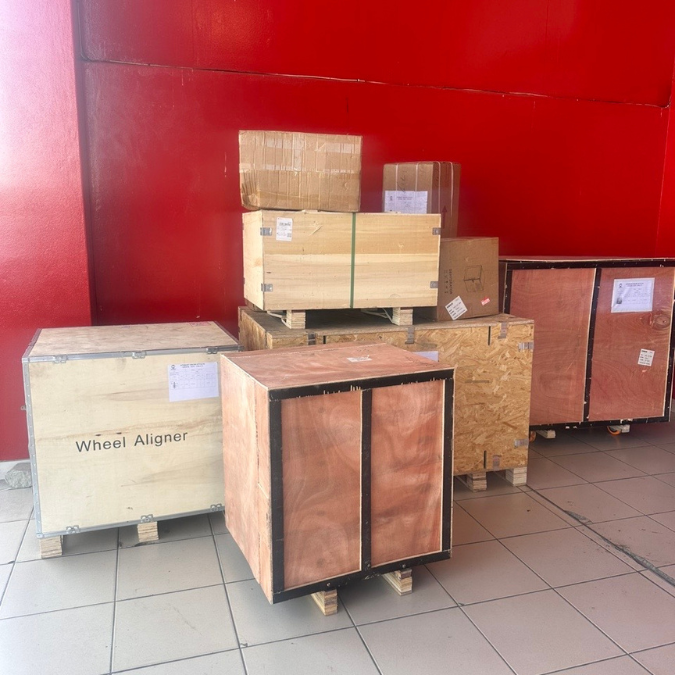
Latest Orders Labelled
wheel alignment machines
new arrivals
Pre Orders Offloading
Latest Arrivals
Latest Arrivals
Latest Arrivals
26 January 2026
Toilet paper making machine
Toilet paper making machine
Toilet paper Rewinding Machine
latest arrivals
offloading
order success
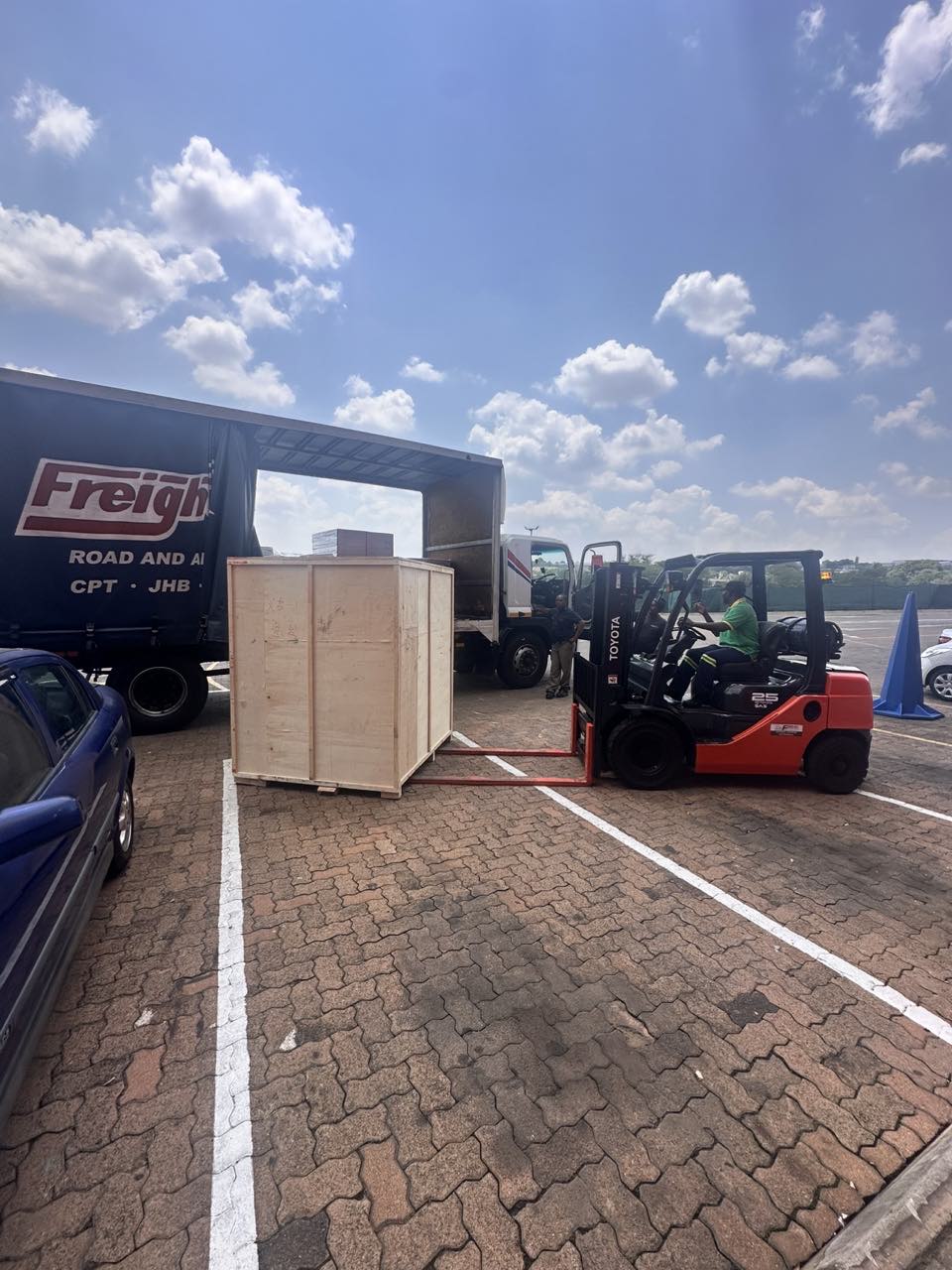
order collection
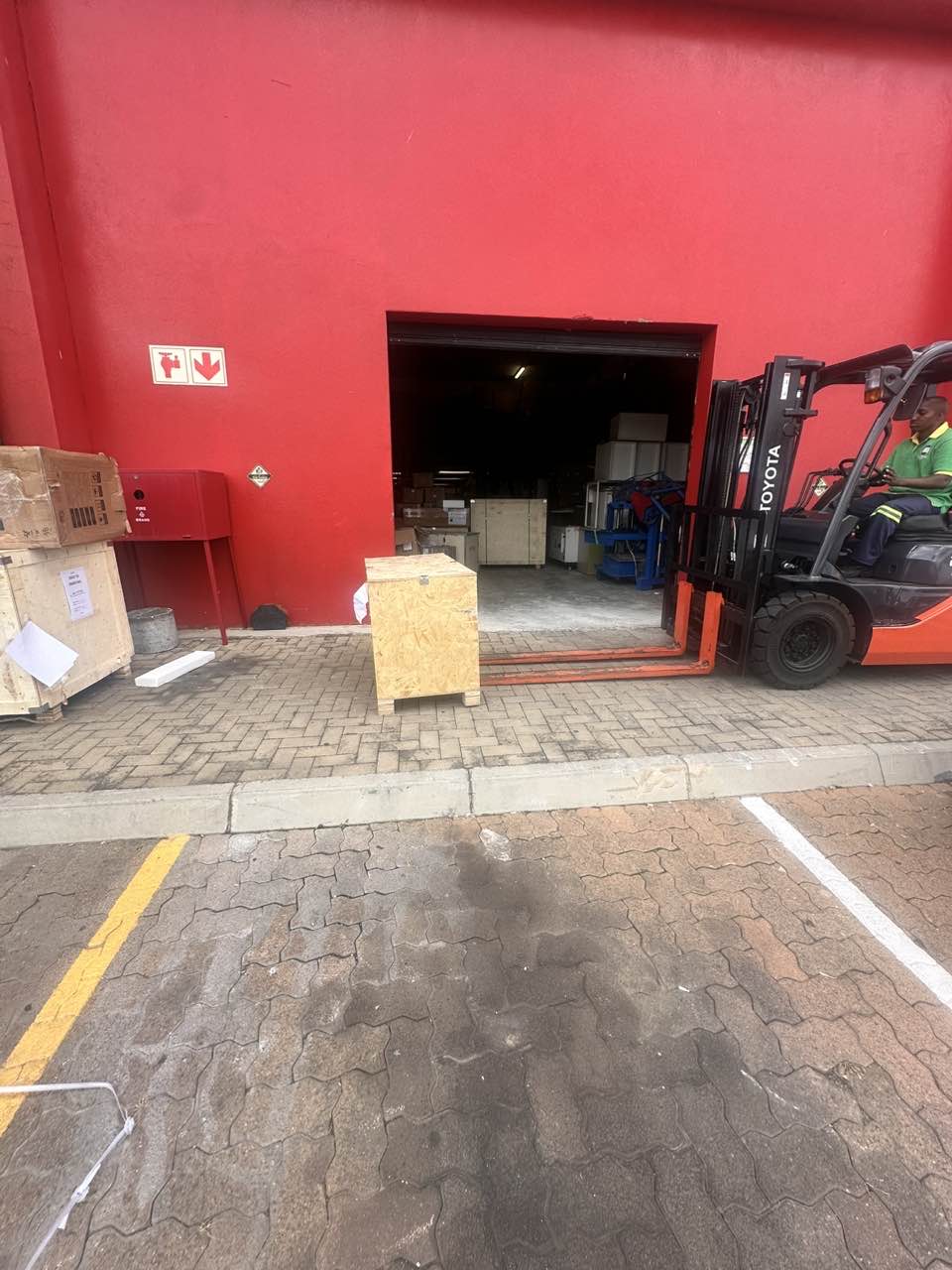
order offloading