B21, China Town Mall, Midrand


Diode Laser Engraver – High Precision for Various Materials
- Section : Machinery
- Category : Industrial Machinery
- SKU : 1600455773492

Diode Laser Engraver – High Precision for Various Materials
The Diode Laser Engraver is a high-performance tool designed for laser engraving on a wide range of materials. Whether you're working with wood, acrylic, glass, or even metal, this machine offers precision and efficiency for all your engraving needs. Ideal for professionals and hobbyists alike, it provides an easy way to create intricate designs with minimal effort.
Key Features:
- Engraving Area: With a large engraving area of 400x410mm, this laser engraver allows you to work on larger projects or multiple items at once, increasing your productivity.
- High-Speed Engraving: Achieve fast results with a maximum engraving speed of 20,000mm/min, allowing you to complete projects in a fraction of the time.
- Wide Graphic Format Support: The engraver supports popular graphic formats like JPG, SVG, PNG, BMP, G-code, and DWG, making it compatible with most design software for easy import and engraving.
- Versatile Material Compatibility: Suitable for engraving on a variety of materials including acrylic, wood, glass, leather, metal, and more. This makes it perfect for creating customized items, gifts, signage, and artistic designs.
- Pulsed Laser Mode: Operates in pulsed mode for precision engraving and cutting, providing fine details on all your projects.
- Air-Cooled System: Designed with an air-cooled laser head for improved performance and longer-lasting durability, this feature ensures that the laser operates at optimal temperatures.
- Easy Connectivity: Connect via USB, WiFi, or TF card to conveniently transfer your designs and start engraving right away.
- Durable Design: With a robust build and 9.5 kg weight, this engraver is built to withstand frequent use while maintaining its high performance.
- Long Laser Head Life: Enjoy over 10,000 hours of operation with the powerful and long-lasting laser head, providing consistent results for years to come.
- Smart Laser Motherboard V3.1: Equipped with the latest smart laser motherboard and firmware for seamless performance and easy operation.
Perfect for personalized gifts, DIY projects, signage, and more, the Diode Laser Engraver brings professional engraving quality to your workspace with ease. Whether you're a beginner or an experienced engraver, this machine provides all the features you need to bring your ideas to life.
Specification
| Available Laser Modules | ||||||
| Product Name | LU2-4-SF | LU2-4-LF | LU2-2 | |||
| Optical Power | 4500- 5500 mW | 4500- 5500 mW | 1000-1600 mW | |||
| Focal Spot | About 0.12x0.15 MM | About 0.1 7x0.25 MM | About 0.07×0.06 MM | |||
| Light Path | Focused Beam | Focused Beam | Focused Beam | |||
| Focal Length | 30 MM | 50 MM | 50 MM | |||
| Electric Current | 3.4-3.6 A | 3.4-3.6 A | 1.1-1.35 A | |||
| Wavelength | 445+10 NM | 445+10 NM | 445±10 NM | |||
| Voltage | 4.2-5.0 V | 4.2-5.0 V | 5-6 V | |||
| Product Size | 40x41x122 MM | 40x41.5x1 10 MM | 40×41.5×96 MM | |||
Product Info Gallery


- Shipping Timeframes: All orders are processed within 2-5 business days (excluding weekends and holidays). After your order has been processed, the estimated delivery time is before 24 Jun, 2026, depending on customs, Please note that due to high demand, some items may experience longer shipping times, which will be communicated at order confirmation email.
- Order Processing Time: Please allow 2-5 business days for us to process your order before it is shipped . Orders placed after 16:00 on Fridays, or during weekends and public holidays, will begin processing on the next business day. Processing times may be extended during peak seasons or sales events.
- Manufacturing Time: Some products needs manufacturing time, the manufacturing process will take approximately 10-30 business days depending on the product. This timeframe may vary depending on the complexity of the product and current demand. but this will be communicated with you during order confirmation.
- Returns and Exchanges: We offer a 30-day return policy for most items. If you are not completely satisfied with your purchase, you may return it within 30 days of receipt for a refund or exchange. Items must be unused, in their original packaging, and accompanied by proof of purchase. Return shipping costs are the responsibility of the customer, unless the item was damaged or defective upon arrival.
1. What materials can the Diode Laser Engraver work on?
The engraver works on a wide range of materials including wood, acrylic, glass, leather and certain metals (e.g., anodized, painted or coated metals). Results on bare metals may require marking paste, pre-treatment or higher-power modules.
2. What is the maximum engraving area and why does it matter?
The machine offers a 400 x 410 mm engraving area, allowing you to engrave larger single pieces or multiple smaller items at once, improving throughput and enabling larger designs.
3. What engraving speed can I expect?
Maximum engraving speed is 20,000 mm/min. Actual usable speed depends on material, laser power, focal lens and the level of detail — faster for light marking, slower for deep engraving or cutting.
4. Which file formats are supported?
The engraver supports common formats including JPG, SVG, PNG, BMP, G-code and DWG, so it is compatible with most design programs and vector/canvas workflows.
5. What are the differences between the available laser modules?
Three modules are available: LU2-4-SF and LU2-4-LF (optical power 4500–5500 mW) and LU2-2 (1000–1600 mW). They differ in focal spot size, focal length and electrical specs — LU2-4 variants offer higher power for deeper marking/cutting; LU2-2 is lower power with a smaller focal spot for finer detail.
6. What are the laser wavelengths, focal lengths and focal spot sizes?
All modules operate around 445 nm (±10 nm). Focal lengths: LU2-4-SF = 30 mm, LU2-4-LF = 50 mm, LU2-2 = 50 mm. Approximate focal spot sizes: LU2-4-SF ~0.12 × 0.15 mm, LU2-4-LF ~0.17 × 0.25 mm, LU2-2 ~0.07 × 0.06 mm.
7. How long does the laser head last?
The laser head is rated for over 10,000 hours of operation under normal use and with proper cooling and maintenance.
8. What cooling system does the machine use?
The unit uses an air-cooled laser head system to maintain optimal operating temperature and prolong component life. Ensure adequate ventilation and keep intake/exhausts clear.
9. How do I connect and send files to the engraver?
You can transfer designs via USB, Wi‑Fi or TF card (microSD). Supported file types include raster and vector formats; some users also send G-code produced by design software like LightBurn, LaserGRBL or other CAM programs.
10. Is the Diode Laser Engraver suitable for cutting as well as engraving?
Yes — in pulsed laser mode the machine can both engrave and cut thinner materials. Cutting performance depends on laser power, focal length, material type and thickness; multiple passes or higher-power modules may be required for thicker materials.
11. What safety precautions should I follow?
Always wear appropriate laser safety eyewear rated for 445 nm, avoid exposure to the beam, work in a well-ventilated area (some materials emit fumes), never leave the machine unattended while running, and avoid engraving hazardous or highly flammable coatings.
12. What routine maintenance is required?
Regularly clean the lens and optics, keep the air-cooling vents and fans free of dust, check electrical connections, and inspect mounts for looseness. Replace consumable parts (e.g., lenses or fans) as needed to maintain performance.
13. What if my engraver is not firing or output is weak?
Check power and data connections, confirm correct firmware and settings, verify the selected laser module and current/power limits, ensure the laser is focused at the proper focal length, and confirm safety interlocks (if present). If issues persist, contact support.
14. What are recommended settings to start with?
Start with lower power and faster speed for test marks on scrap material, then adjust: increase power or reduce speed for deeper marks/cuts, decrease power or increase speed for lighter engraving. Always run a test cut/engrave on a scrap piece before final work.
15. Is the machine suitable for beginners?
Yes. The engraver is designed for both hobbyists and professionals, with broad format support and an easy connectivity workflow. Beginners should follow safety guidelines, perform test runs, and learn basic focus and material settings before tackling large projects.
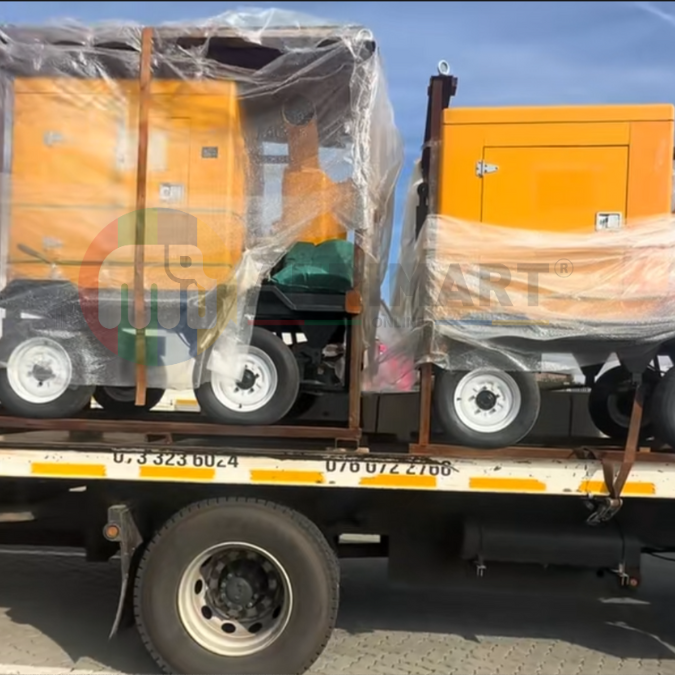
Latest Order Arrivals
Discover our latest orders
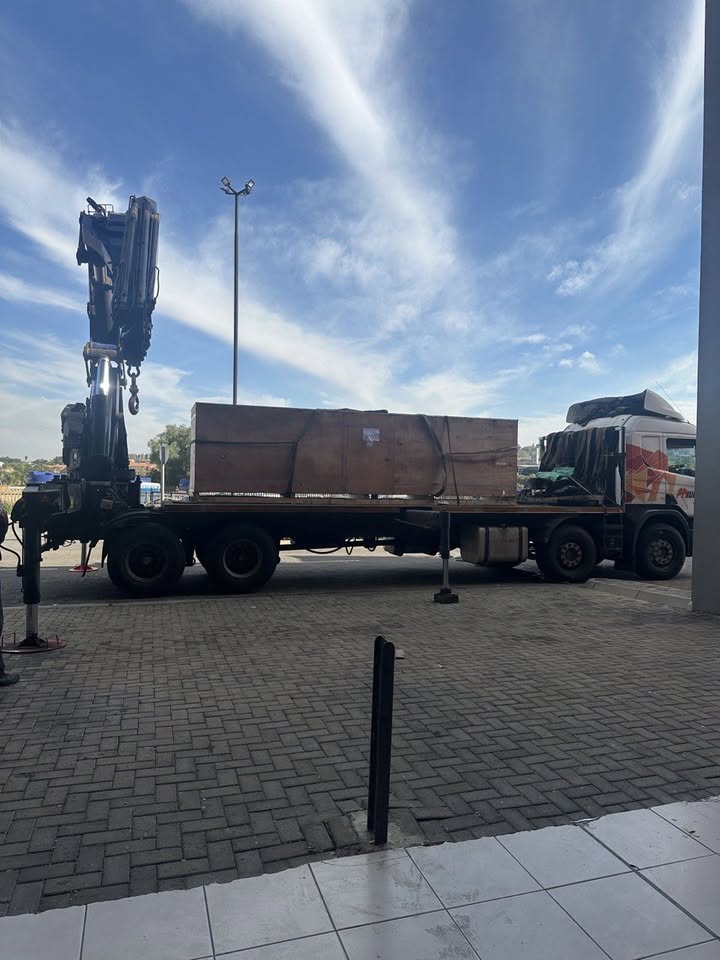
12 Heads Embroidery Machine
Toilet Paper Machine Machine
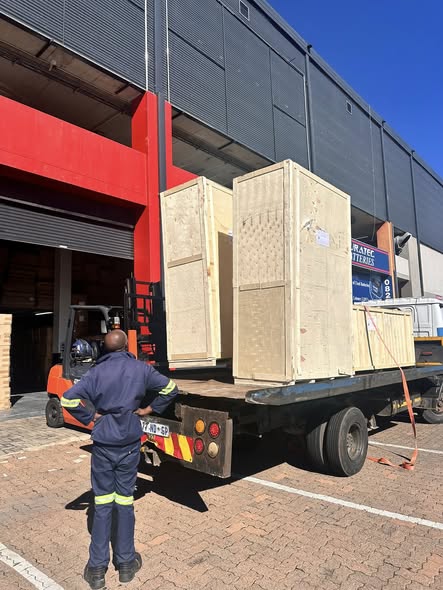
Order Collection
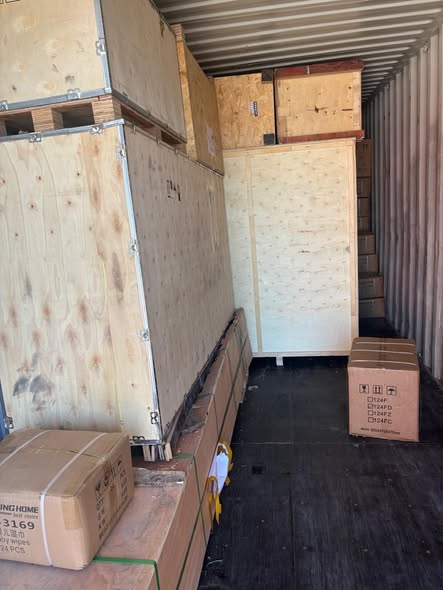
Cross Border Clients
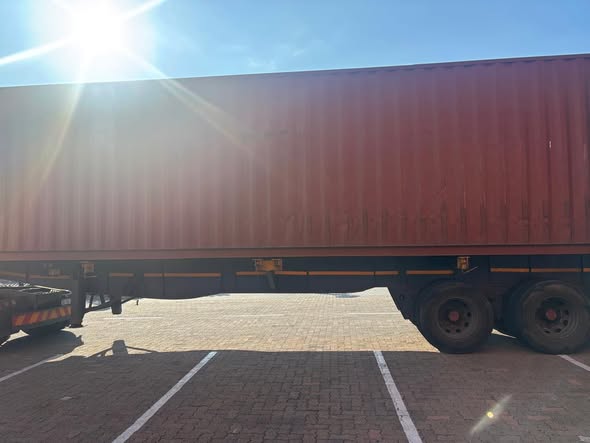
Order cros border countries Collected
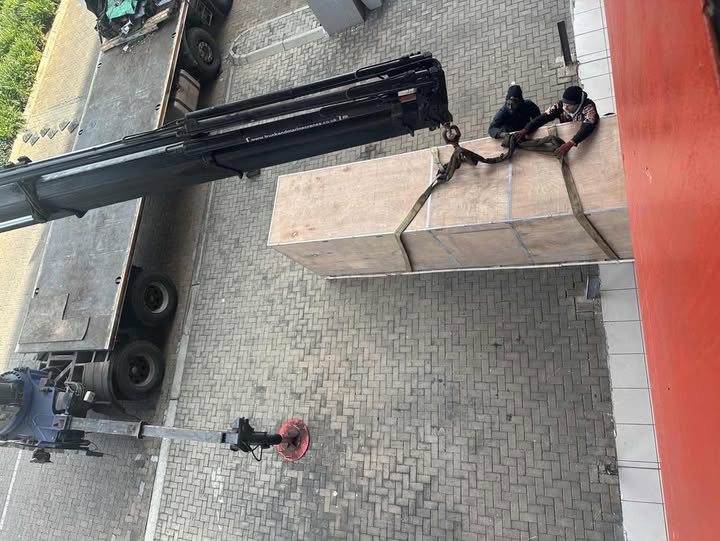
Industrial Machine Cllection
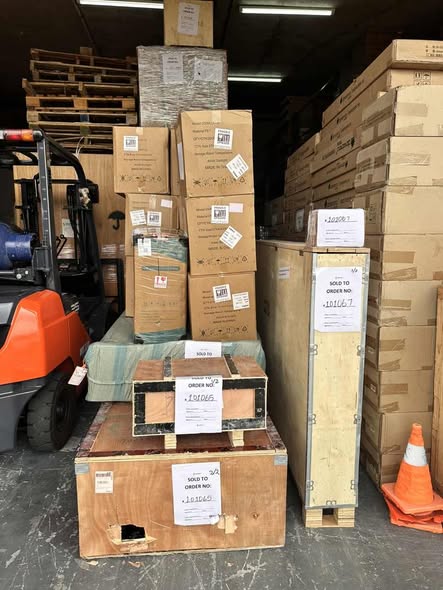
Agriculture Processing Machines
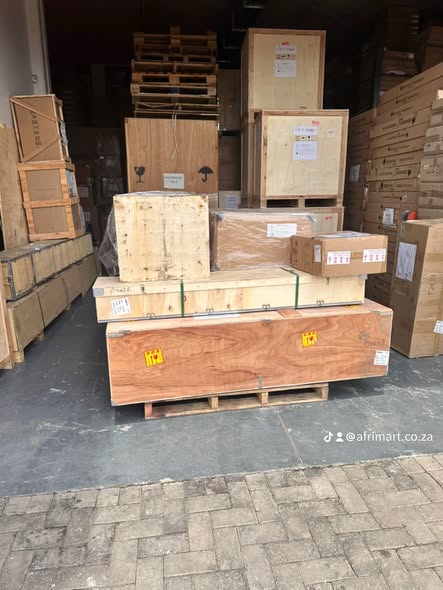
Ready for collection
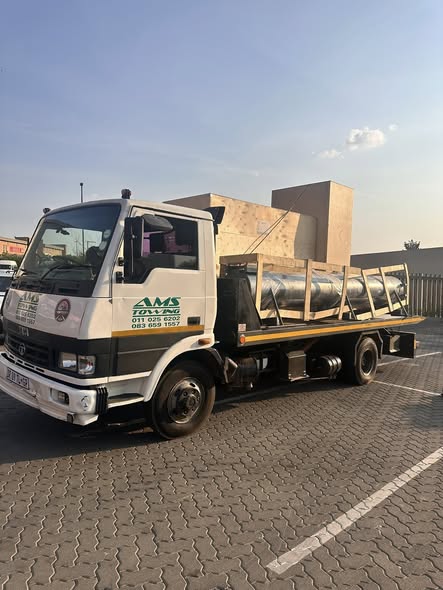
Water Pump Equipment
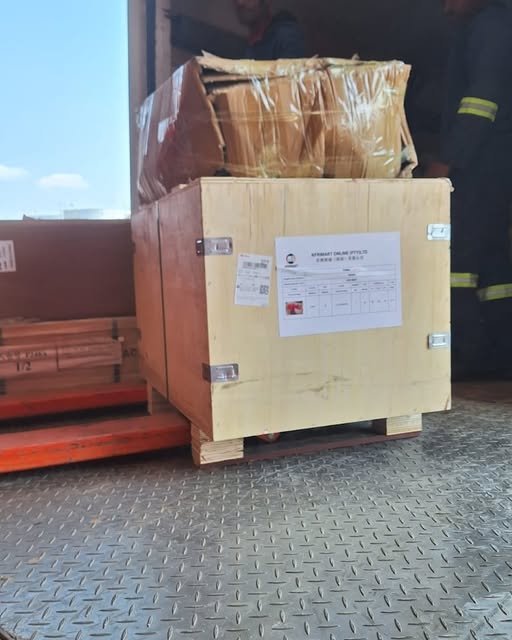
Packaging Machine and accessories
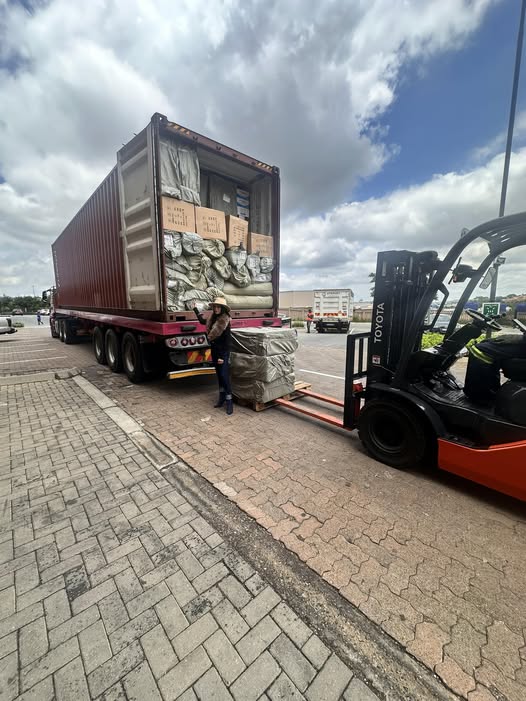
Fabrics Manufacturing Equipment
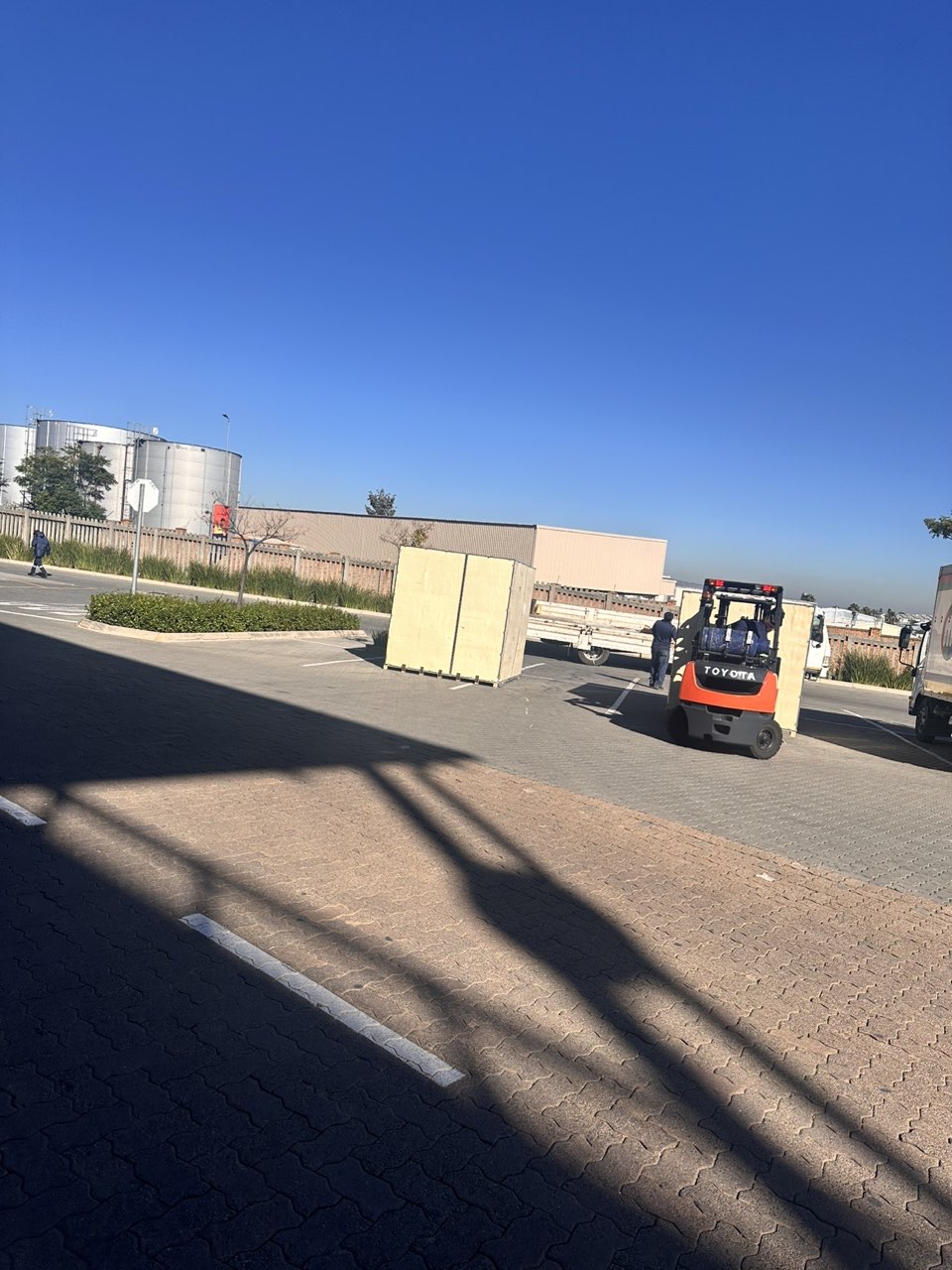
Mining Equipments
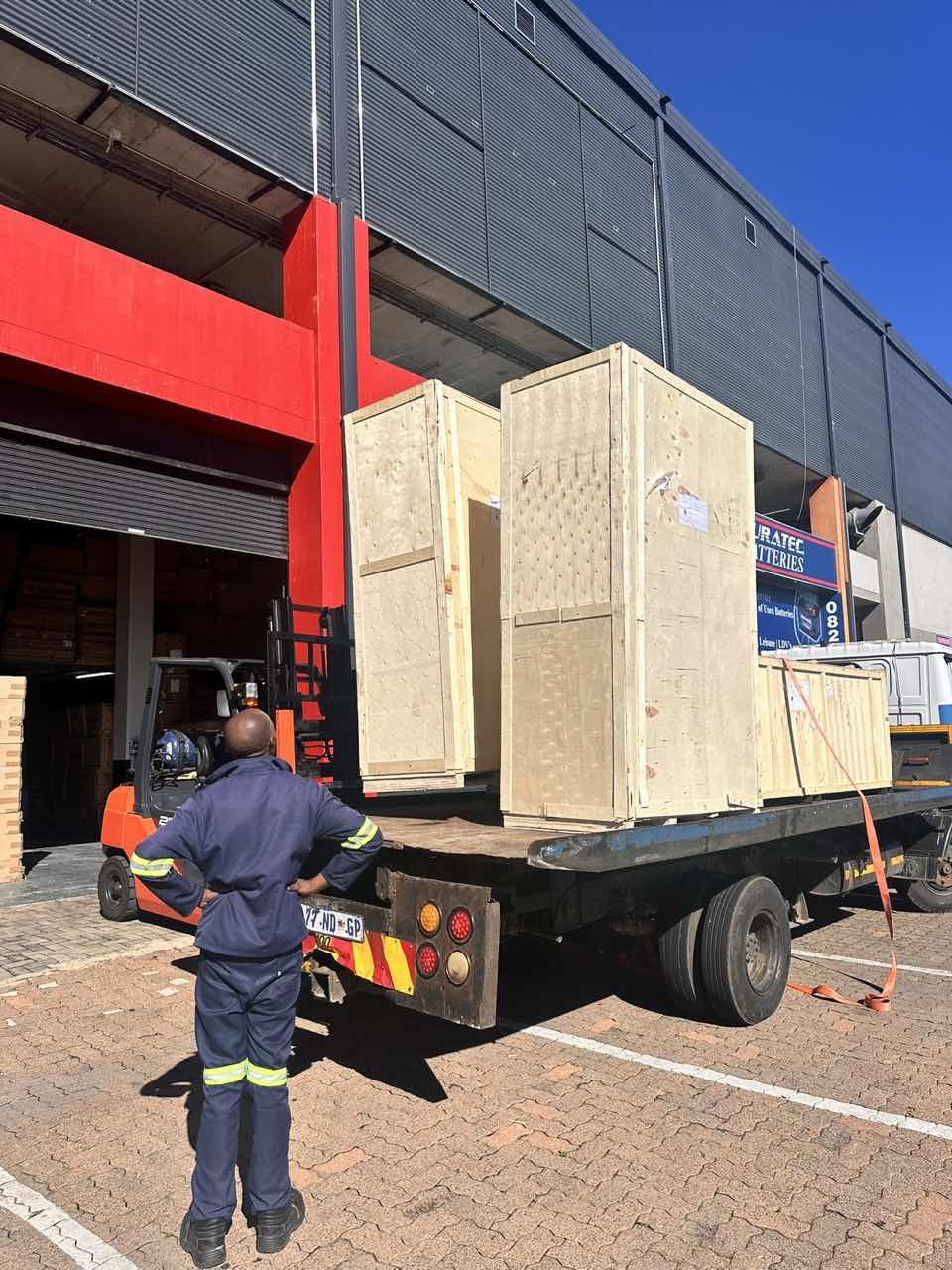
Food Processing Machine
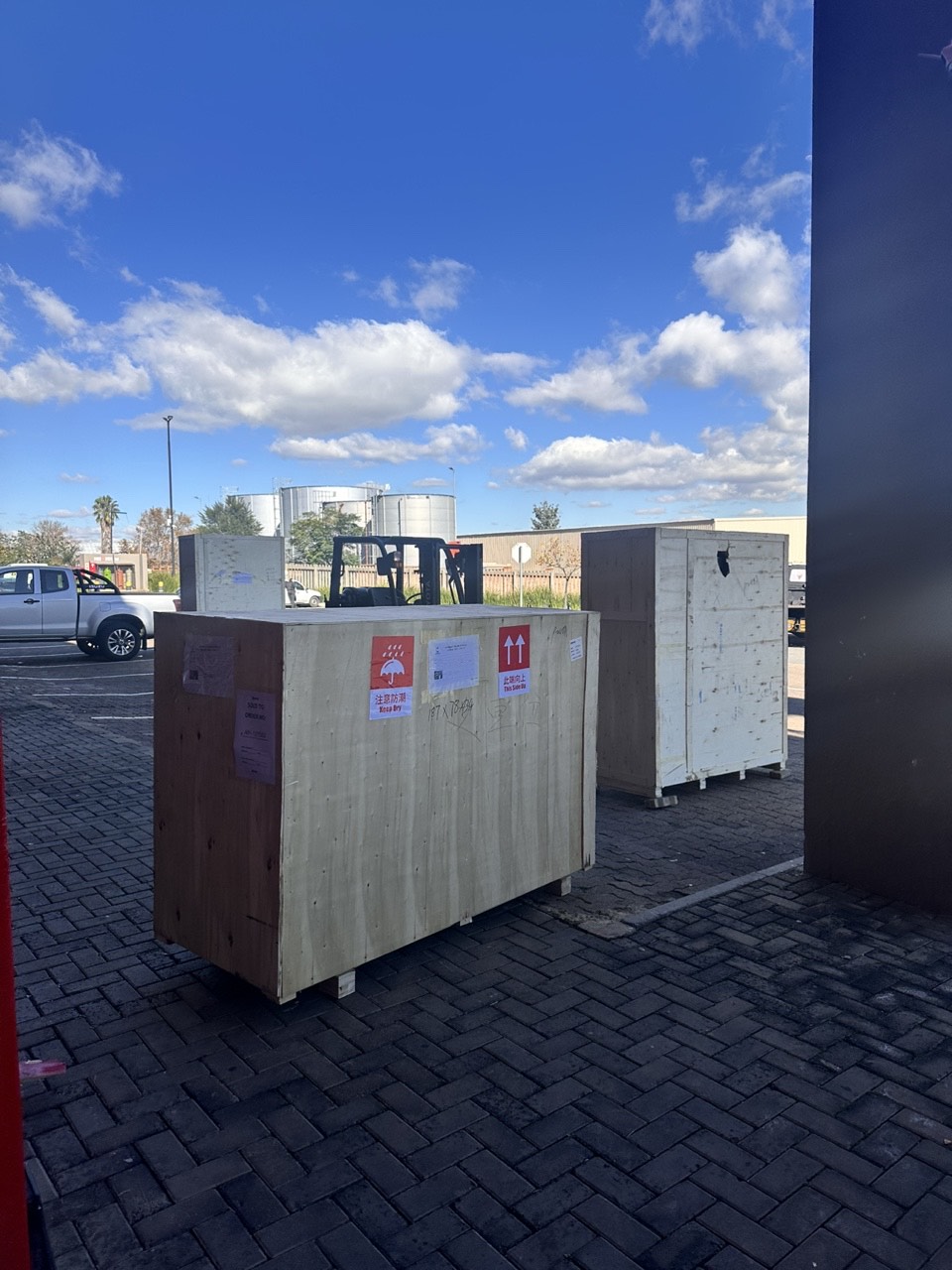
Batch of Orders
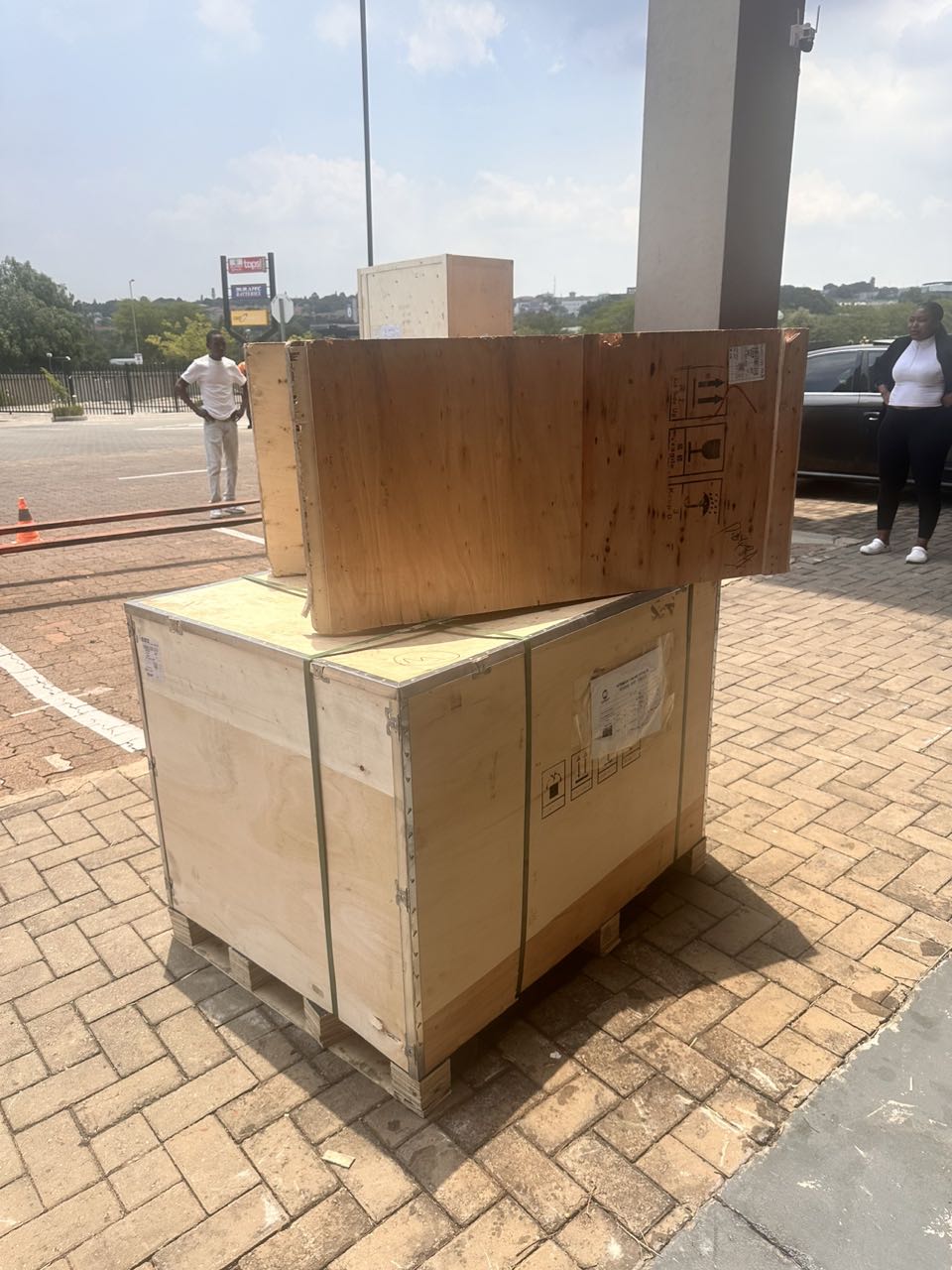
Batch of Orders
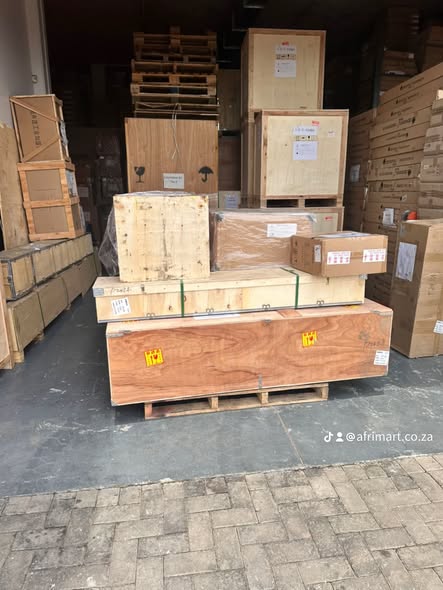
Latest Orders Labelled
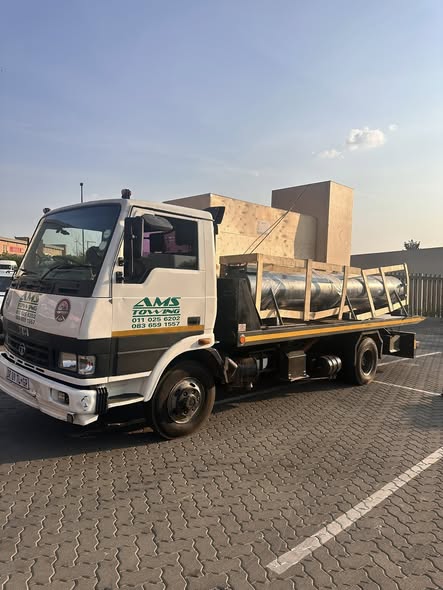
wheel alignment machines
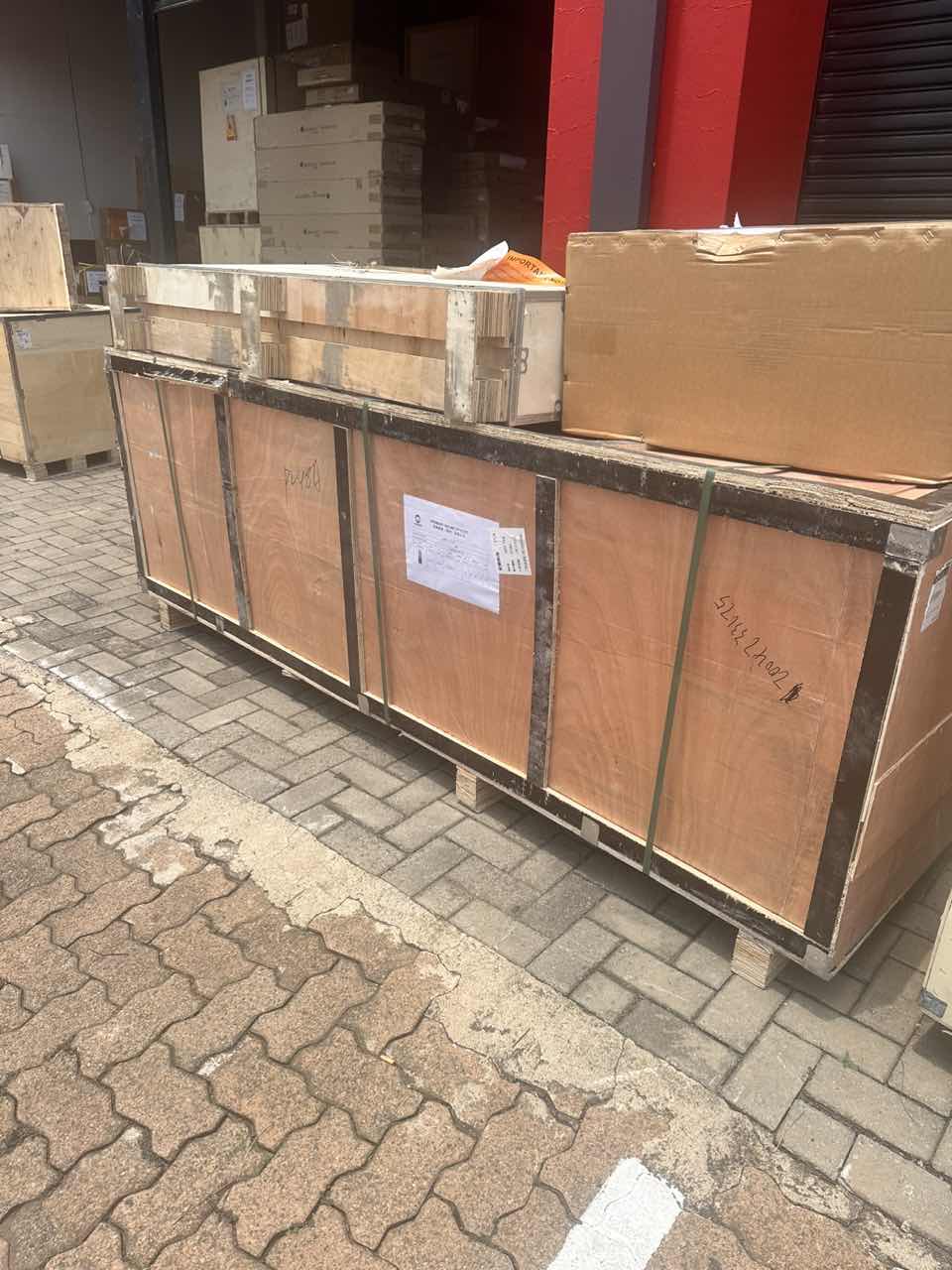
new arrivals
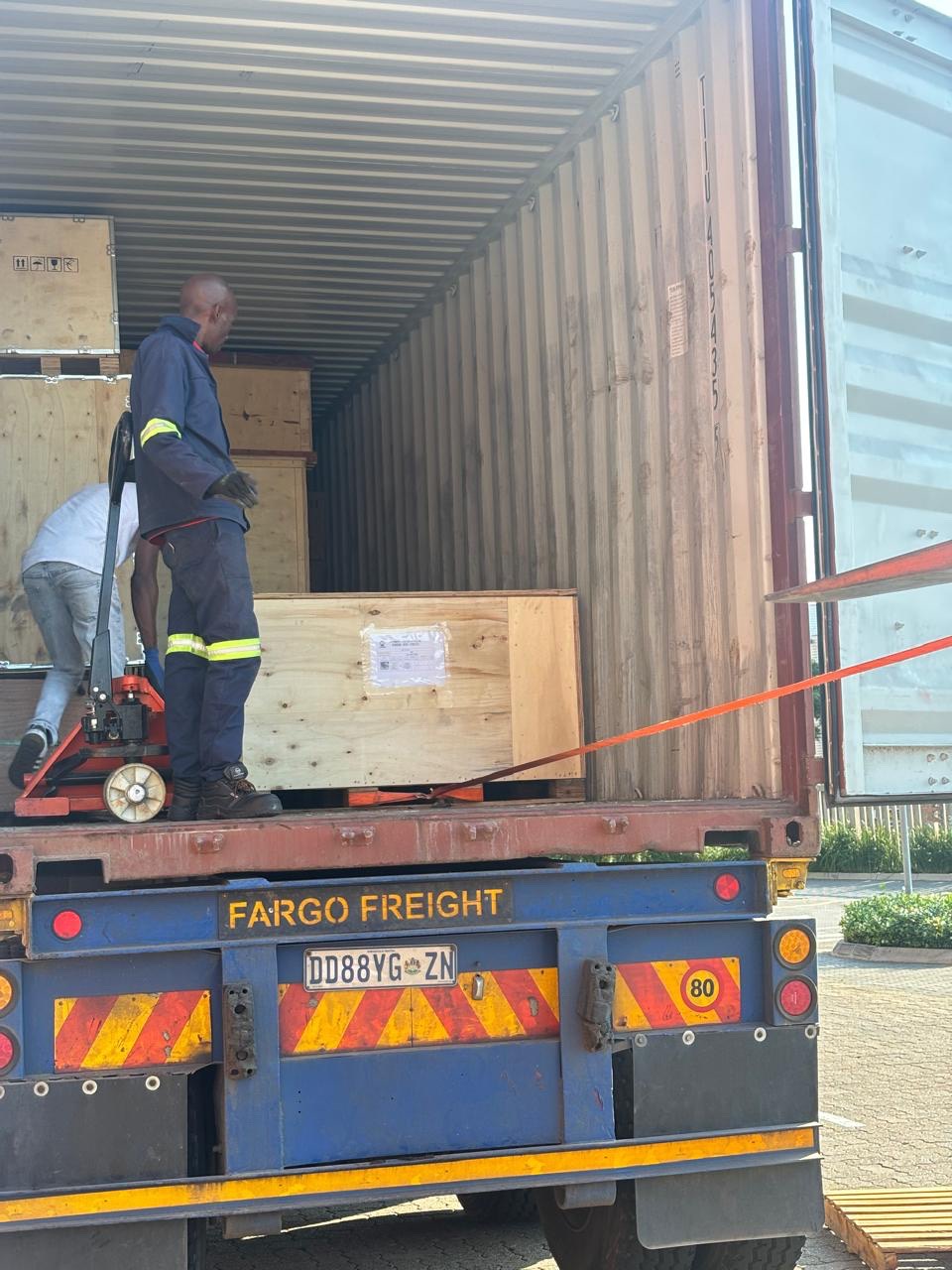
Pre Orders Offloading
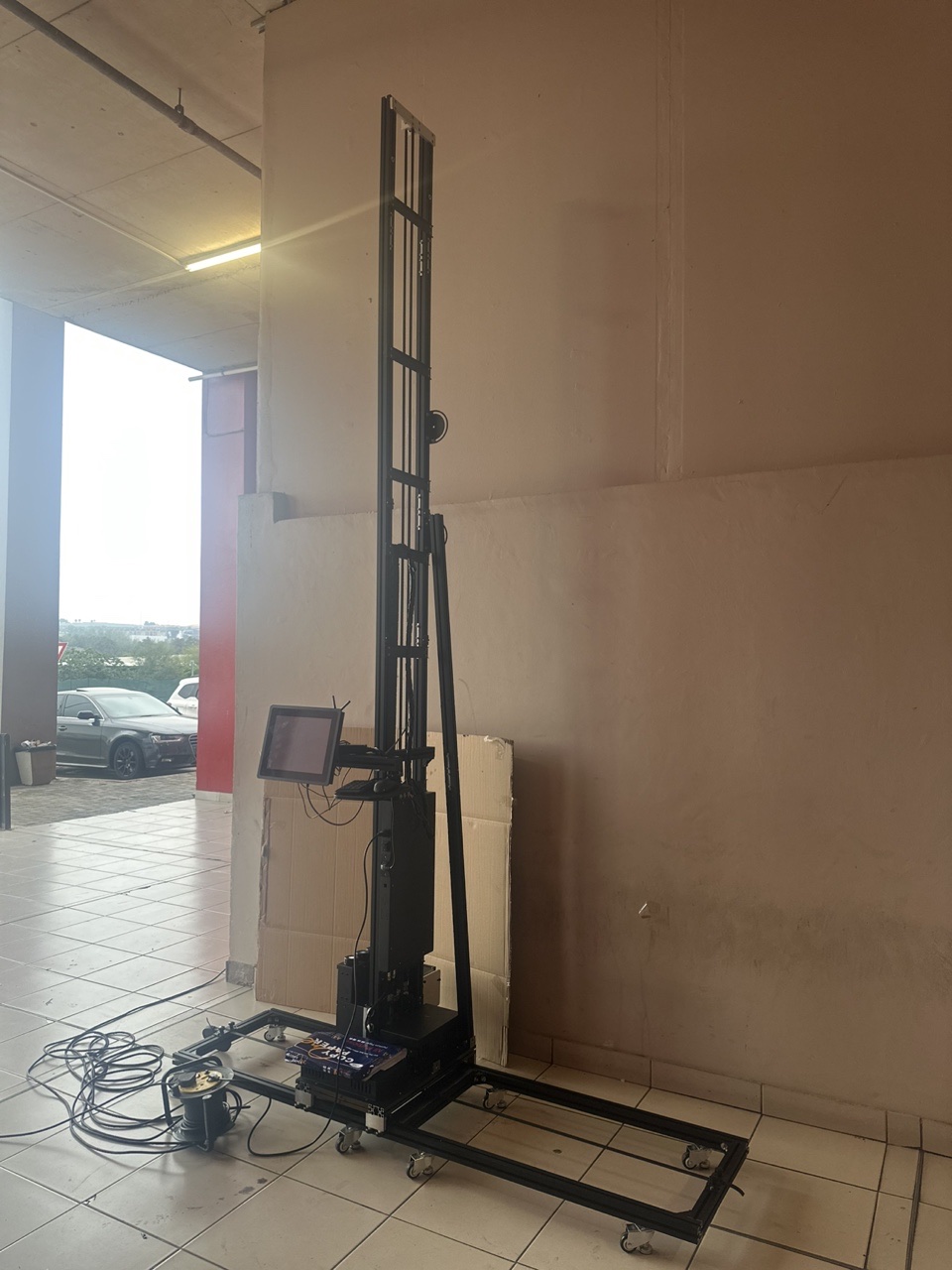
Latest Arrivals
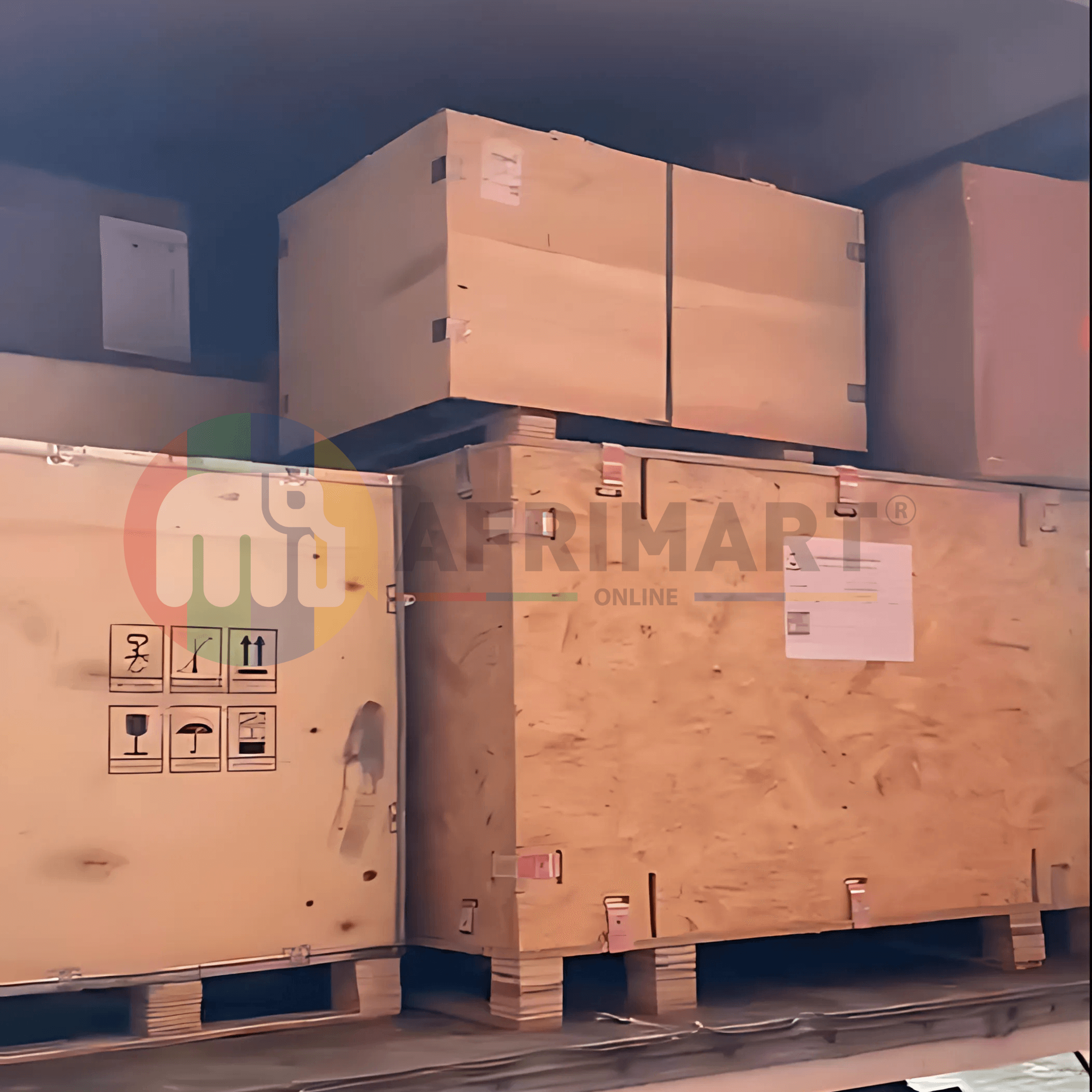
Latest Arrivals
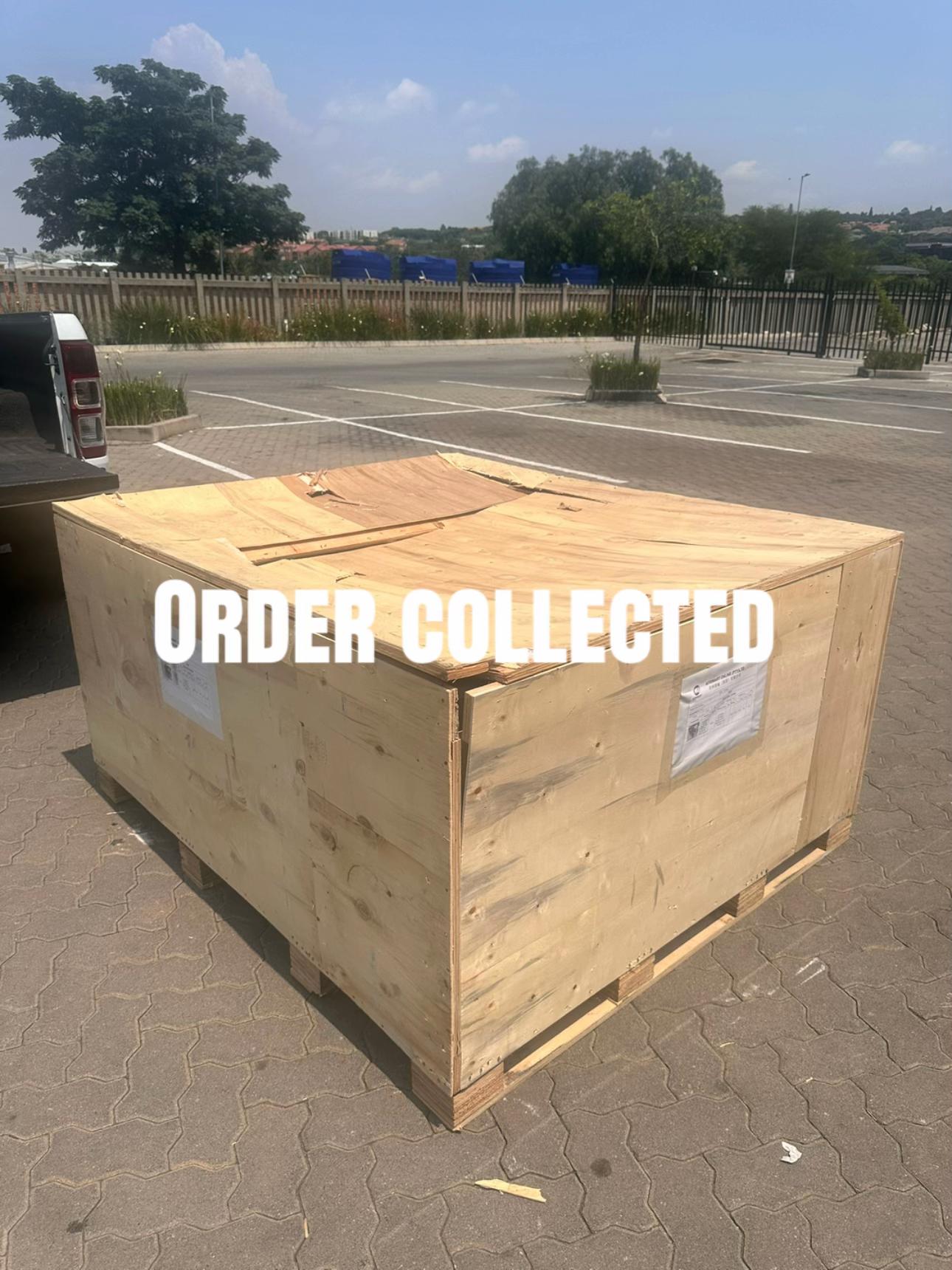
Latest Arrivals
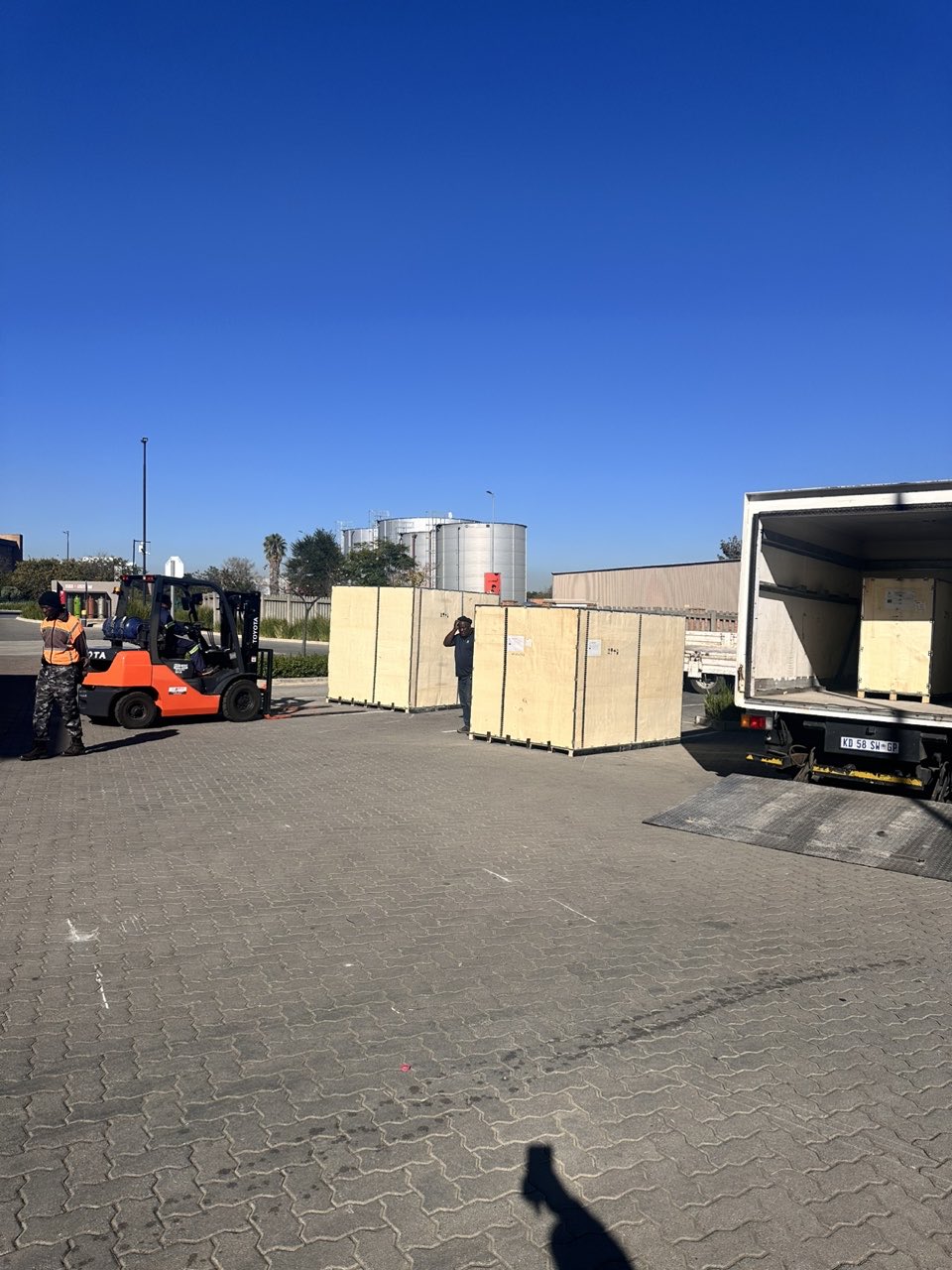
Loading
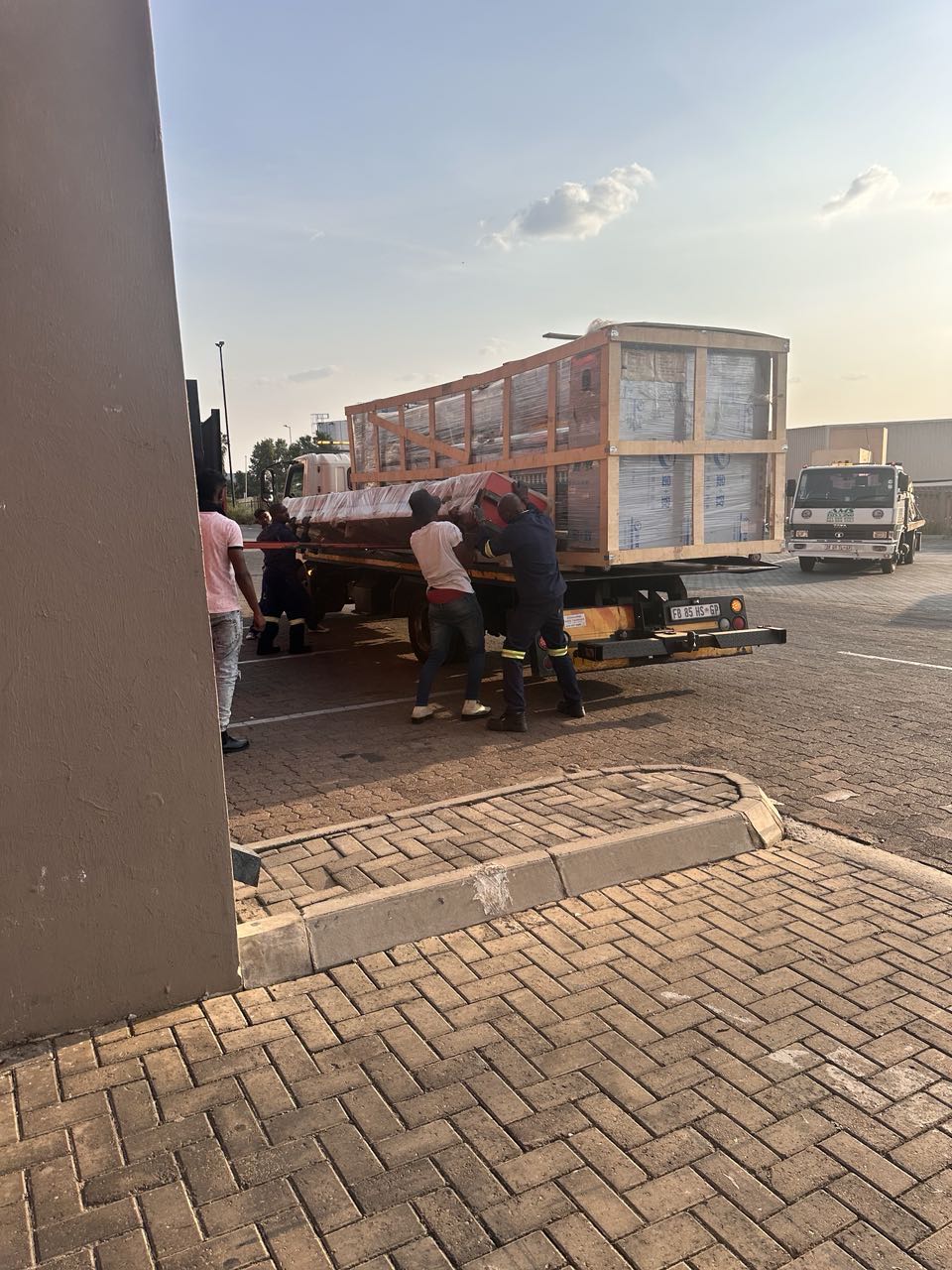
Toilet paper making machine
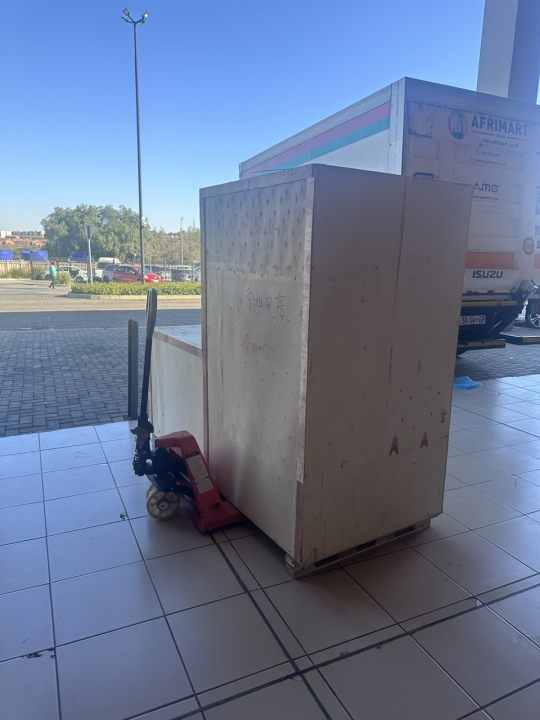
Toilet paper making machine
Toilet paper Rewinding Machine
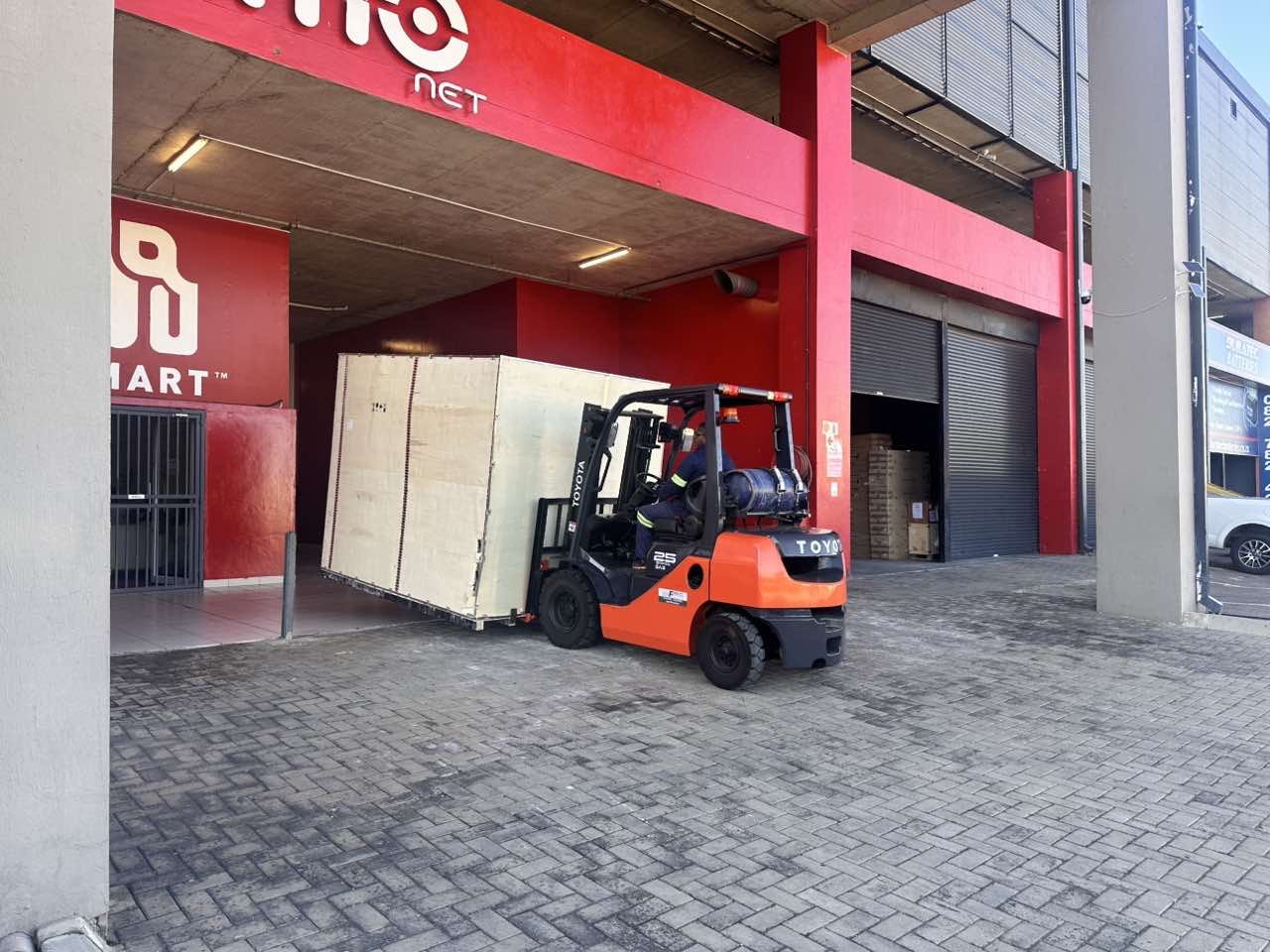
latest arrivals
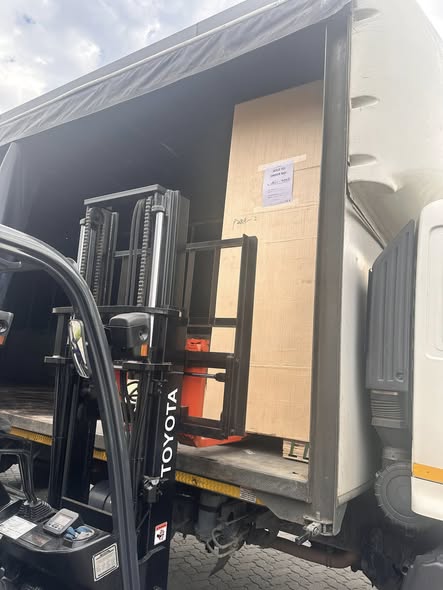
offloading
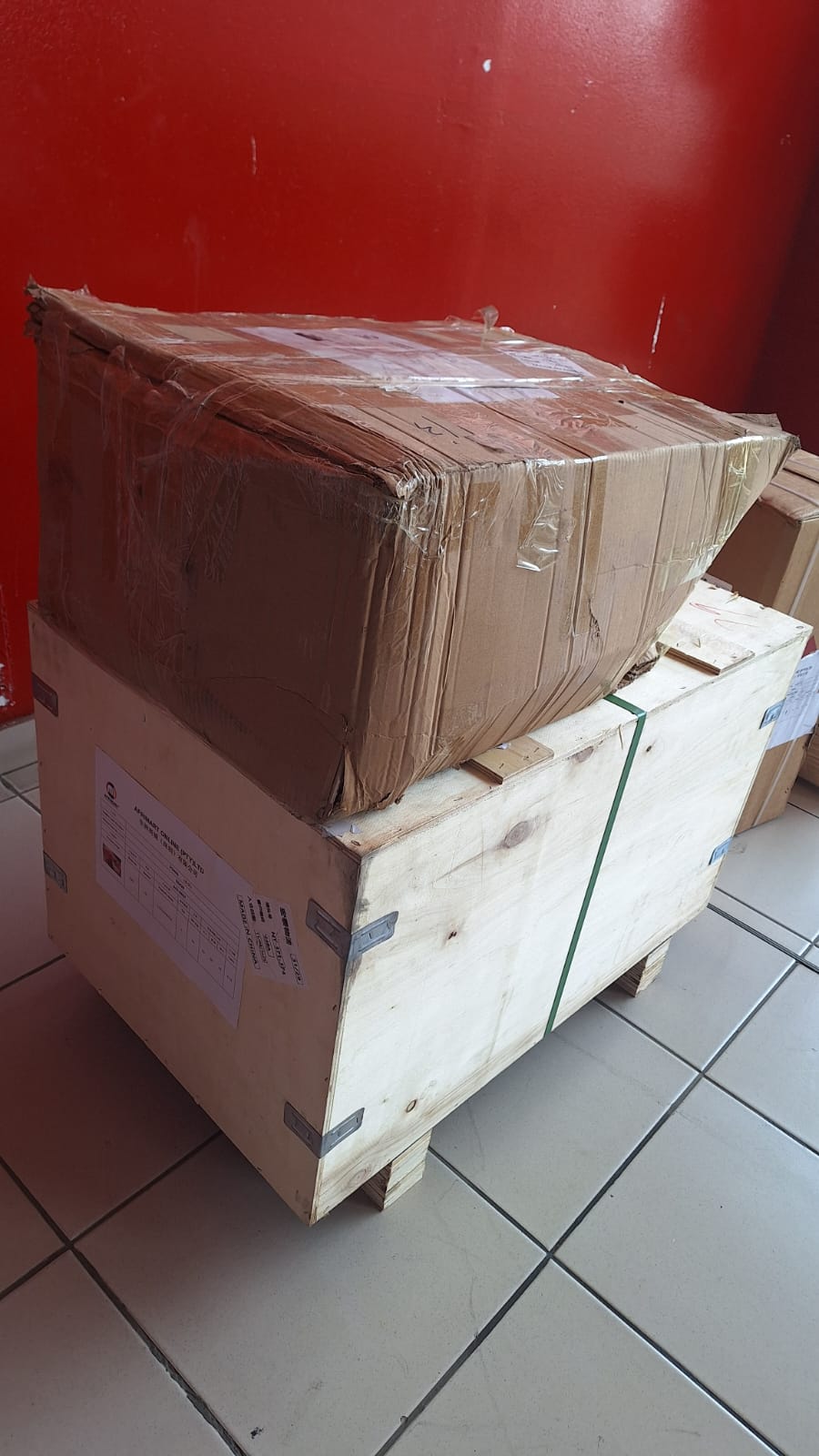
order success
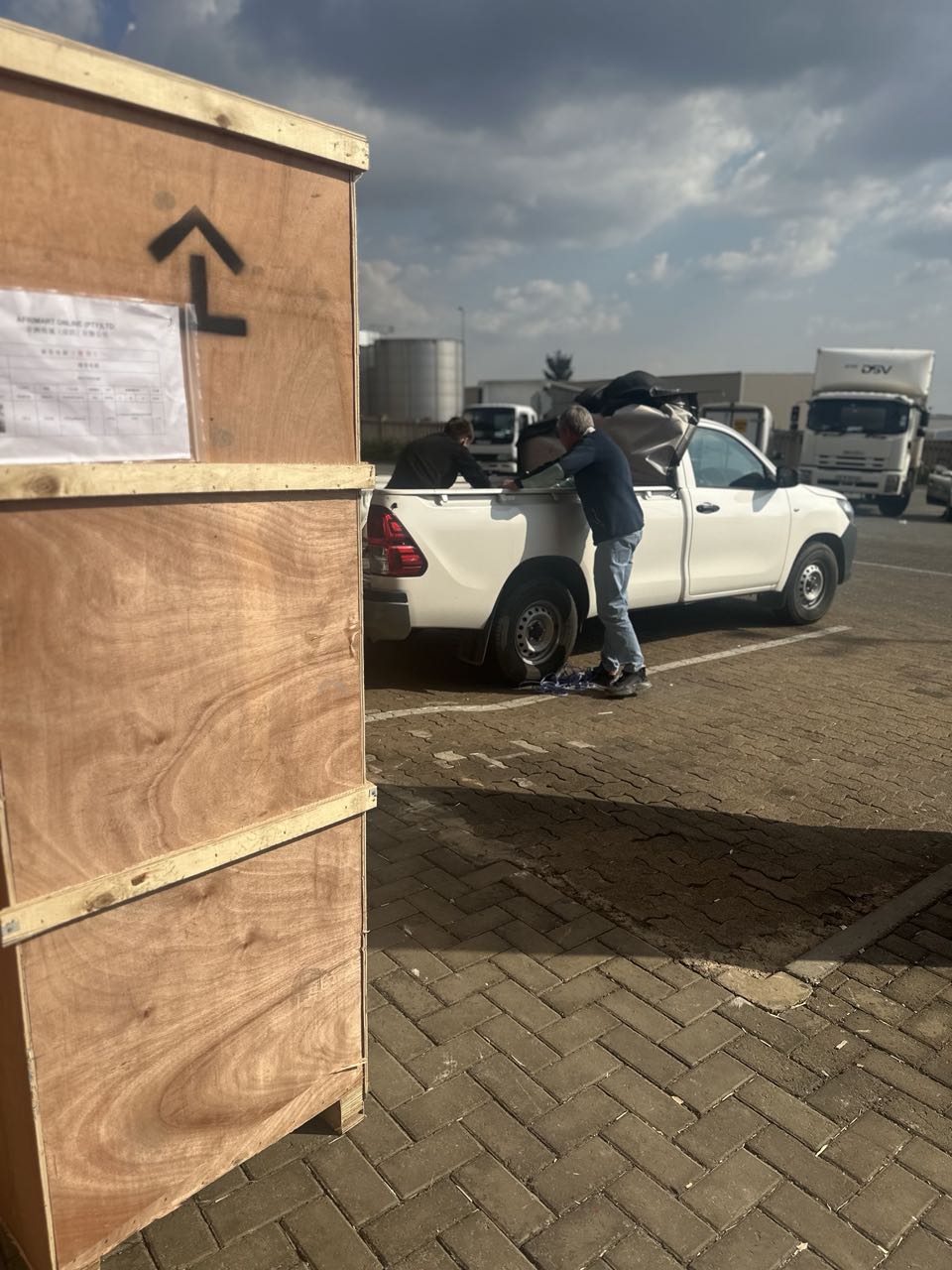
order collection
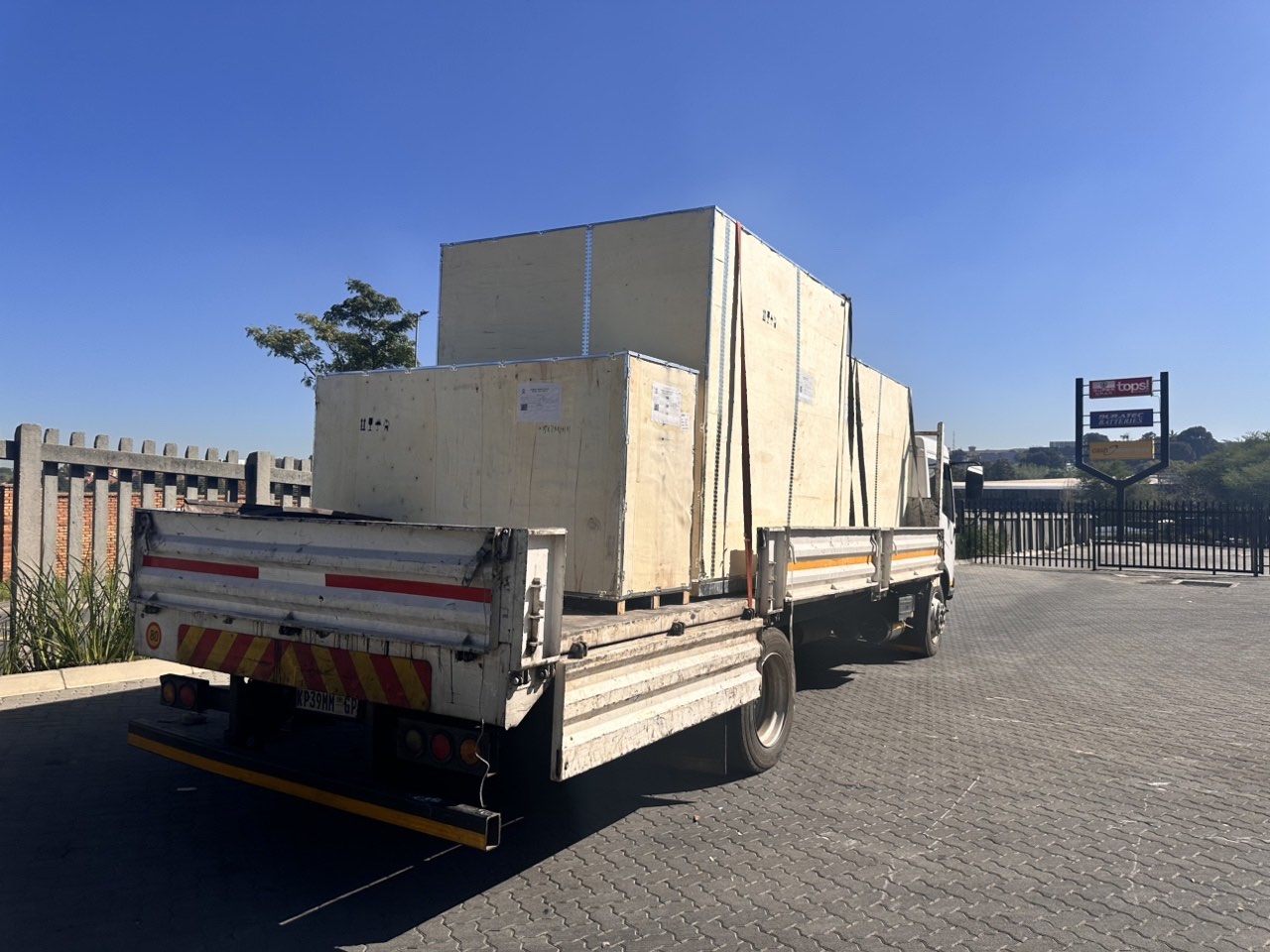
order offloading