B21, China Town Mall, Midrand


Diode Laser Cutter – Precision Cutting for Various Materials

- Section : Machinery
- Category : Industrial Machinery
- SKU : 1600828346812

Diode Laser Cutter – Precision Cutting for Various Materials
The Diode Laser Cutter is designed to provide high precision and versatility in cutting a variety of materials. Whether you are working with acrylic, wood, metal, or other materials, this machine delivers professional-grade results. Perfect for industries such as manufacturing, advertising, and retail, it ensures efficient and accurate cuts for all your projects.
Key Features:
- Cutting Area: With a large cutting area of 425x415mm, this laser cutter can handle a wide range of materials, making it suitable for both small and large projects.
- High-Speed Cutting: The laser cutter boasts a cutting speed of up to 30,000mm/min, allowing you to work quickly and efficiently on your projects.
- Wide Material Compatibility: Capable of cutting a variety of materials, including acrylic, wood, metal, leather, glass, and more. This versatility makes it ideal for creating customized products, signage, and industrial applications.
- Air-Cooled System: Designed with an air-cooling feature, the laser head operates efficiently and remains cool during long working sessions, extending the machine's life and improving performance.
- Pulsed Laser Mode: The pulsed mode allows for precise cutting, producing fine details and clean edges on your materials.
- High Laser Power: Equipped with a working optical power of 40W, this laser cutter provides strong cutting capabilities, allowing it to handle thicker materials, such as 50mm acrylic.
- Intuitive Control Software: Supports popular control software such as Laser GRBL, LightBurn, and Algolaser 3.5” touch screen, making it easy to operate and customize your cutting designs.
- Durable Design: The frame is made from high-quality aluminum alloy, ensuring a sturdy and reliable build that can handle frequent use.
- Long Laser Head Life: With a laser head life of over 10,000 hours, you can trust this machine to deliver consistent and high-quality results over time.
- Laser Wavelength: Operates at a wavelength of 450±5nm, providing precise and accurate cutting on a wide variety of materials.
Whether you are working in a manufacturing plant, advertising company, or just for personal use, the Diode Laser Cutter is a powerful tool for achieving precise cuts on various materials. Its high-speed cutting, versatile capabilities, and easy operation make it an essential tool for professionals in various industries.
| Product Parameter |
| Engraving Area : X400*Y400mm |
| Engraving Speed : O-2000Omm/min |
| Gross Weight : 6.5KGS |
| Machine Size: 580*550*150mm |
| Laser Wavelength : 455+-15nm |
| Spot Size : About 0.05*0.1mm |
| Motors : 42x60Y Stepper Motor x142x40X Stepper Motor x1 |
| Motherboard : OLM-ESP-PRO-V2.4 |
| Product material : 70%Aluminum + 15% Steel + 5% Plastic + 5% Brass + 5% Others |
| Available Luminous Power: LU2-10A (9500-10500mw) |
| File Format : JPG/JPEG /PNG /BMP / SVG / ETC |
Product Info Gallery


 .
.


- Shipping Timeframes: All orders are processed within 2-5 business days (excluding weekends and holidays). After your order has been processed, the estimated delivery time is before 24 Jun, 2026, depending on customs, Please note that due to high demand, some items may experience longer shipping times, which will be communicated at order confirmation email.
- Order Processing Time: Please allow 2-5 business days for us to process your order before it is shipped . Orders placed after 16:00 on Fridays, or during weekends and public holidays, will begin processing on the next business day. Processing times may be extended during peak seasons or sales events.
- Manufacturing Time: Some products needs manufacturing time, the manufacturing process will take approximately 10-30 business days depending on the product. This timeframe may vary depending on the complexity of the product and current demand. but this will be communicated with you during order confirmation.
- Returns and Exchanges: We offer a 30-day return policy for most items. If you are not completely satisfied with your purchase, you may return it within 30 days of receipt for a refund or exchange. Items must be unused, in their original packaging, and accompanied by proof of purchase. Return shipping costs are the responsibility of the customer, unless the item was damaged or defective upon arrival.
1. What materials can the Diode Laser Cutter cut and engrave?
The cutter supports a wide range of materials including acrylic, wood, leather, glass (engraving), many plastics, and thin metals (usually for engraving or very thin cuts). Performance varies by material, thickness and finish — reflective metals are difficult to cut with diode lasers and often require coatings, multiple passes or alternative laser types. Always test a sample before production.
2. What is the usable cutting/engraving area?
The product listing shows a large working area; two values appear in the specs (425 × 415 mm and 400 × 400 mm). Usable area may vary by model and by toolhead travel. Confirm the exact usable travel with your supplier or the product datasheet before planning large jobs.
3. What is the maximum material thickness the laser can cut?
Maximum thickness depends on material, power, focus and number of passes. The listing cites strong cutting capability and references cutting thicker acrylic (claims up to ~50 mm in some instances), but real-world results will vary. Typical practical ranges: acrylic and wood — several mm to a few cm (often multiple passes for thicker pieces); leather — a few mm; metals — usually limited to thin foils or engraving. Perform test cuts for your specific material and thickness.
4. What is the laser power and wavelength?
The description includes multiple values: a stated working optical power of 40 W in one place and an 'available luminous power' LU2-10A of ~9.5–10.5 W in another. Wavelength is specified around 450 nm (listed as 450±5 nm and 455±15 nm in different places). These differences likely reflect different model variants or measurement methods — confirm the exact model specification with the vendor before purchase.
5. What cutting and engraving speeds can I expect?
Max cutting speed is cited up to 30,000 mm/min. An engraving speed range is also shown (0–20,000 mm/min). Actual achievable speed depends on material, thickness, power settings and desired cut/edge quality. Higher speed reduces heat input but may require more power or additional passes.
6. Which file formats and control software are supported?
The cutter supports common raster and vector formats such as JPG/JPEG, PNG, BMP and SVG. It is compatible with popular control software including LaserGRBL, LightBurn and the included Algolaser 3.5" touch-screen interface (software availability may vary by model).
7. How is the laser head cooled and what maintenance does cooling require?
The machine uses an air-cooled system to keep the laser head operating at safe temperatures. Regular maintenance includes keeping air vents and fans free of dust and debris, ensuring good airflow around the machine, and replacing or cleaning filters if fitted. Proper cooling prolongs diode life and maintains performance.
8. What is the expected laser head lifespan?
The specification lists a laser head life of over 10,000 hours. Actual lifespan depends on operating conditions (duty cycle, cooling, power settings) and maintenance.
9. What is the spot size and how does it affect cut precision?
The listed spot size is approximately 0.05 × 0.1 mm. A smaller spot size yields finer detail and narrower kerf, which is helpful for precision engraving and detailed cuts. Proper focus and stable mechanics also affect final detail and edge quality.
10. What are the machine dimensions and weight?
The listed machine dimensions are 580 × 550 × 150 mm. Gross weight is shown as 6.5 kg in the spec sheet, but this seems light for a bench laser of this size; confirm the shipping and net weight with the supplier prior to purchase.
11. What connectivity and motion hardware does it use?
The product lists stepper motors (e.g., 42×60 Y / 42×40 X) and a controller board (OLM-ESP-PRO-V2.4). It supports control via common PC-based software (LaserGRBL, LightBurn) and the built-in 3.5" touch screen. Confirm available ports (USB, SD, etc.) with the vendor for your desired workflow.
12. What safety precautions should I follow when using the laser cutter?
Always wear appropriate laser safety eyewear for the laser wavelength, operate the machine in a well-ventilated area or use an exhaust system to remove fumes, never leave the machine unattended while cutting, avoid cutting PVC or other materials that produce toxic gases, keep a fire extinguisher nearby, and ensure the machine is properly grounded and installed per local electrical codes.
13. What maintenance and consumables should I expect?
Routine tasks include cleaning lenses and mirrors (if applicable), checking and aligning the laser beam, keeping the cooling fans and vents clean, inspecting belts and motion components for wear and tension, and replacing the diode module or optics as they age. Keep a set of spare belts, mirrors/lenses and replacement diodes (if available) on hand for production environments.
14. Is there warranty, technical support or spare parts available?
Warranty and support terms are not specified in the product description. Contact the seller or manufacturer for details about warranty length, coverage, technical support options, and availability of spare parts and consumables before purchase.
15. How can I get the best cut quality and repeatability?
Key tips: ensure correct focal distance, secure material flat and stable, use proper focus and small spot settings for fine detail, optimize speed and power for material and thickness, use air assist or extraction to remove heat and smoke, perform test cuts to dial-in settings, and keep optics clean. Document successful settings for repeat jobs to improve repeatability.
Latest Order Arrivals
Discover our latest orders
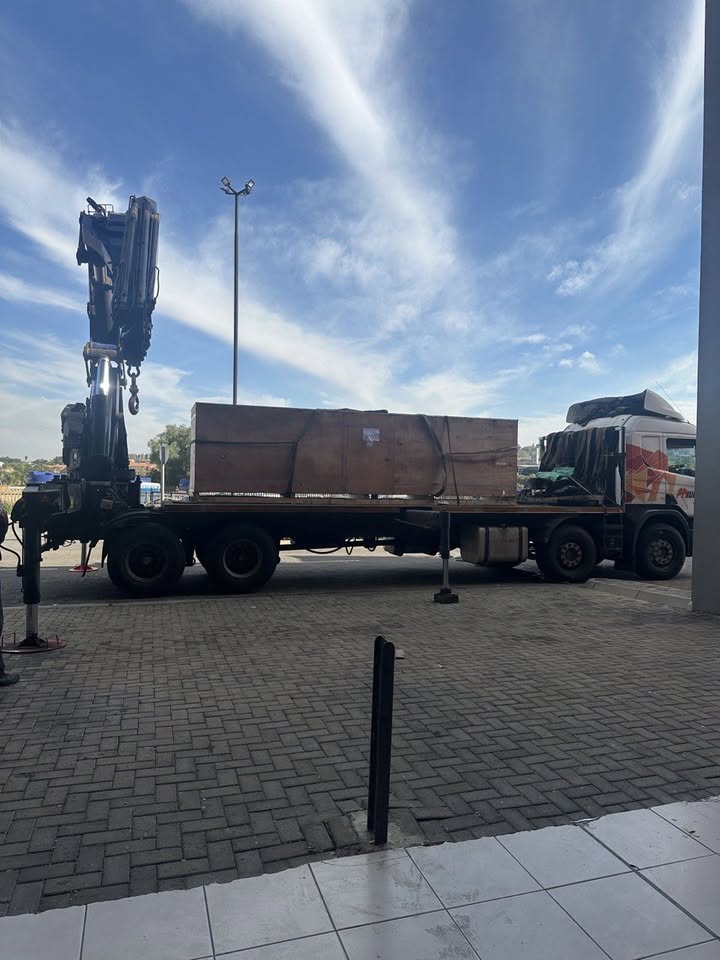
12 Heads Embroidery Machine
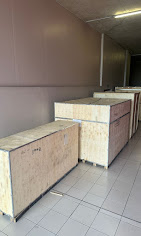
Toilet Paper Machine Machine
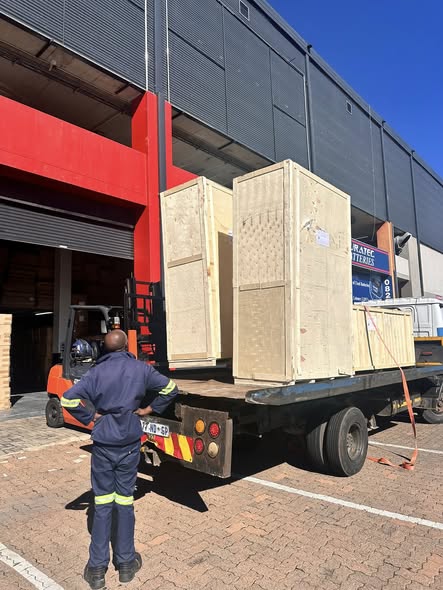
Order Collection
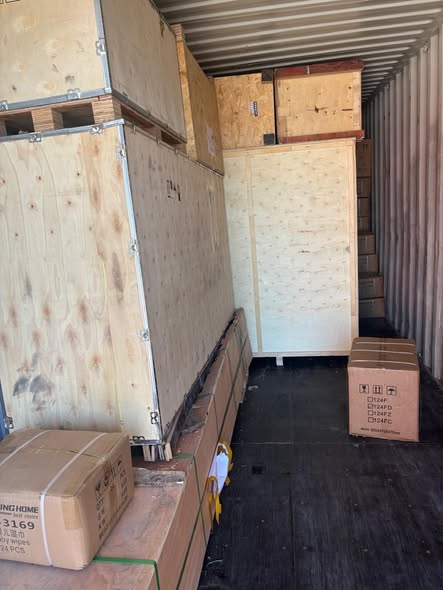
Cross Border Clients
Order cros border countries Collected
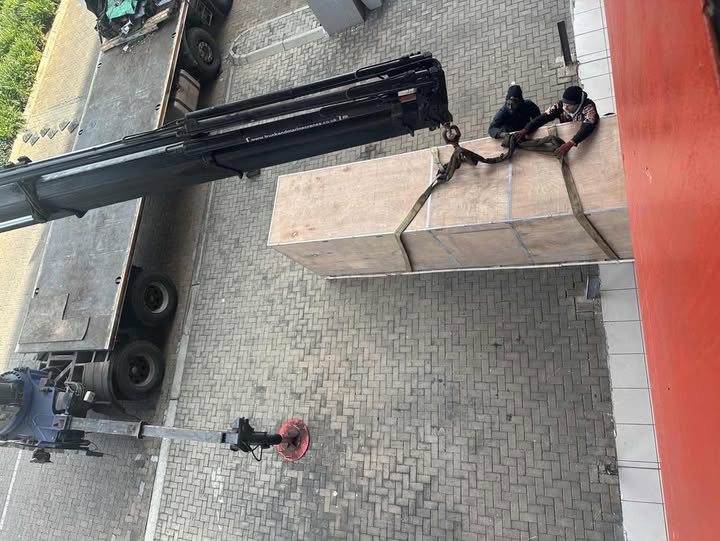
Industrial Machine Cllection
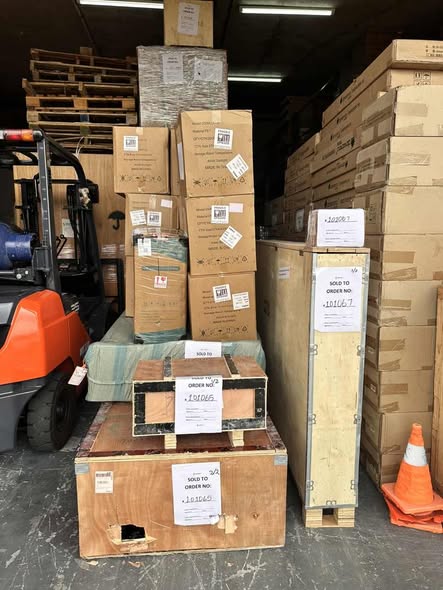
Agriculture Processing Machines
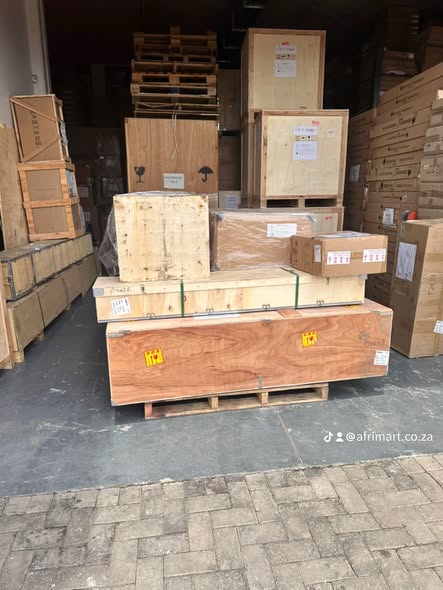
Ready for collection
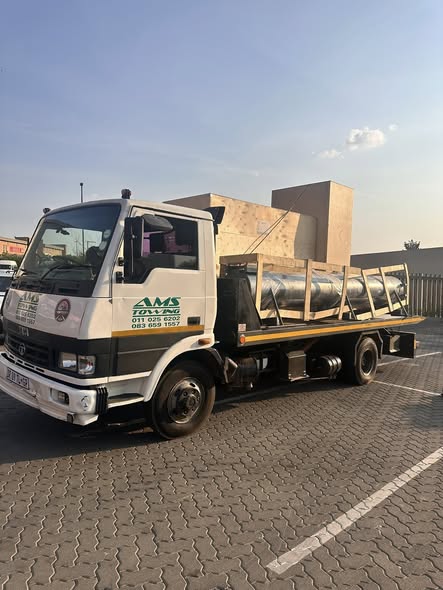
Water Pump Equipment
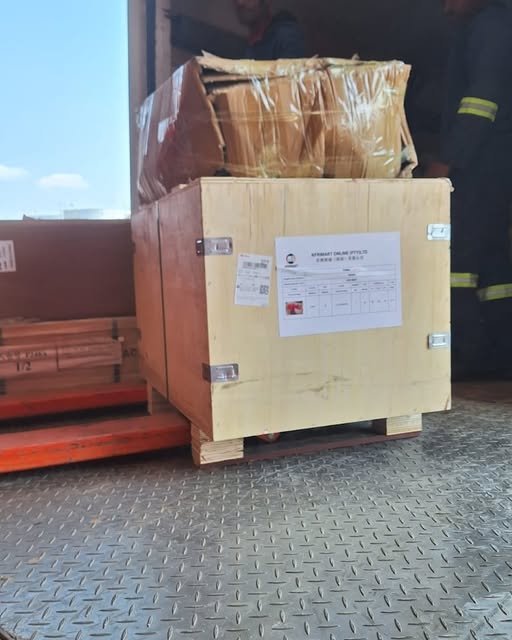
Packaging Machine and accessories
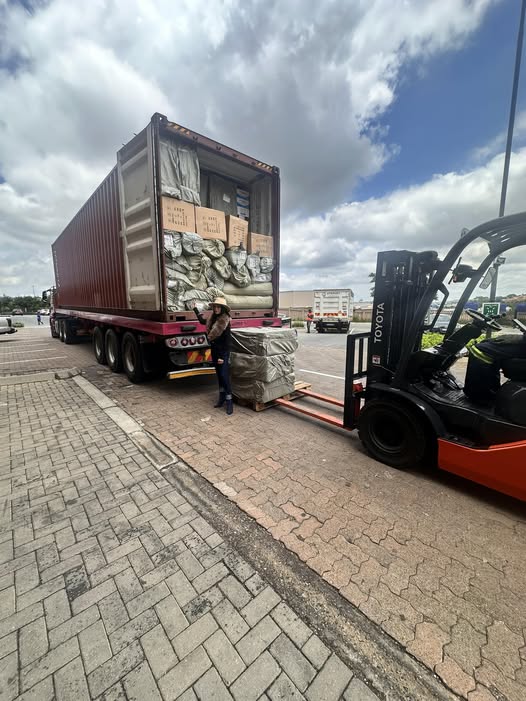
Fabrics Manufacturing Equipment
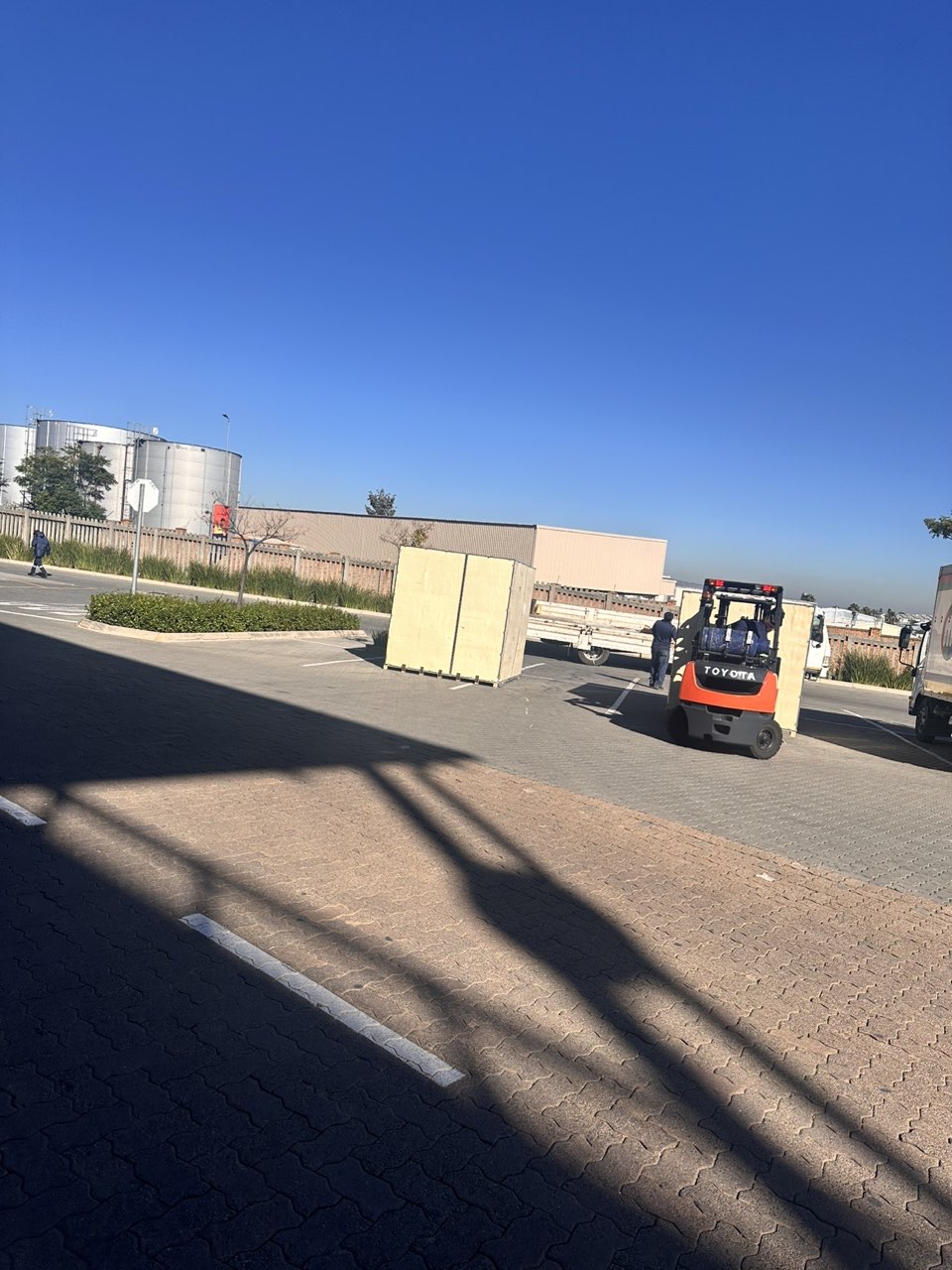
Mining Equipments
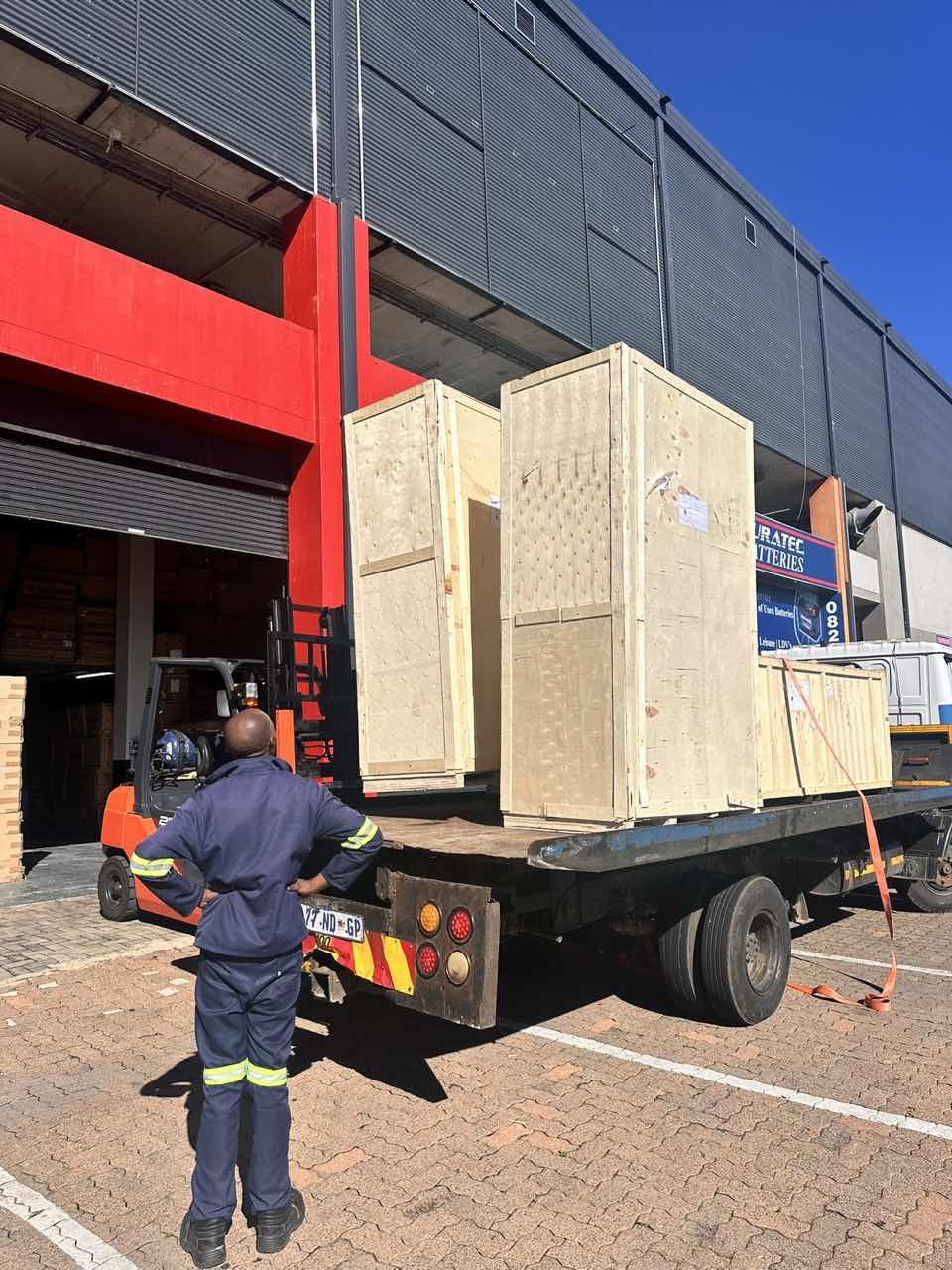
Food Processing Machine
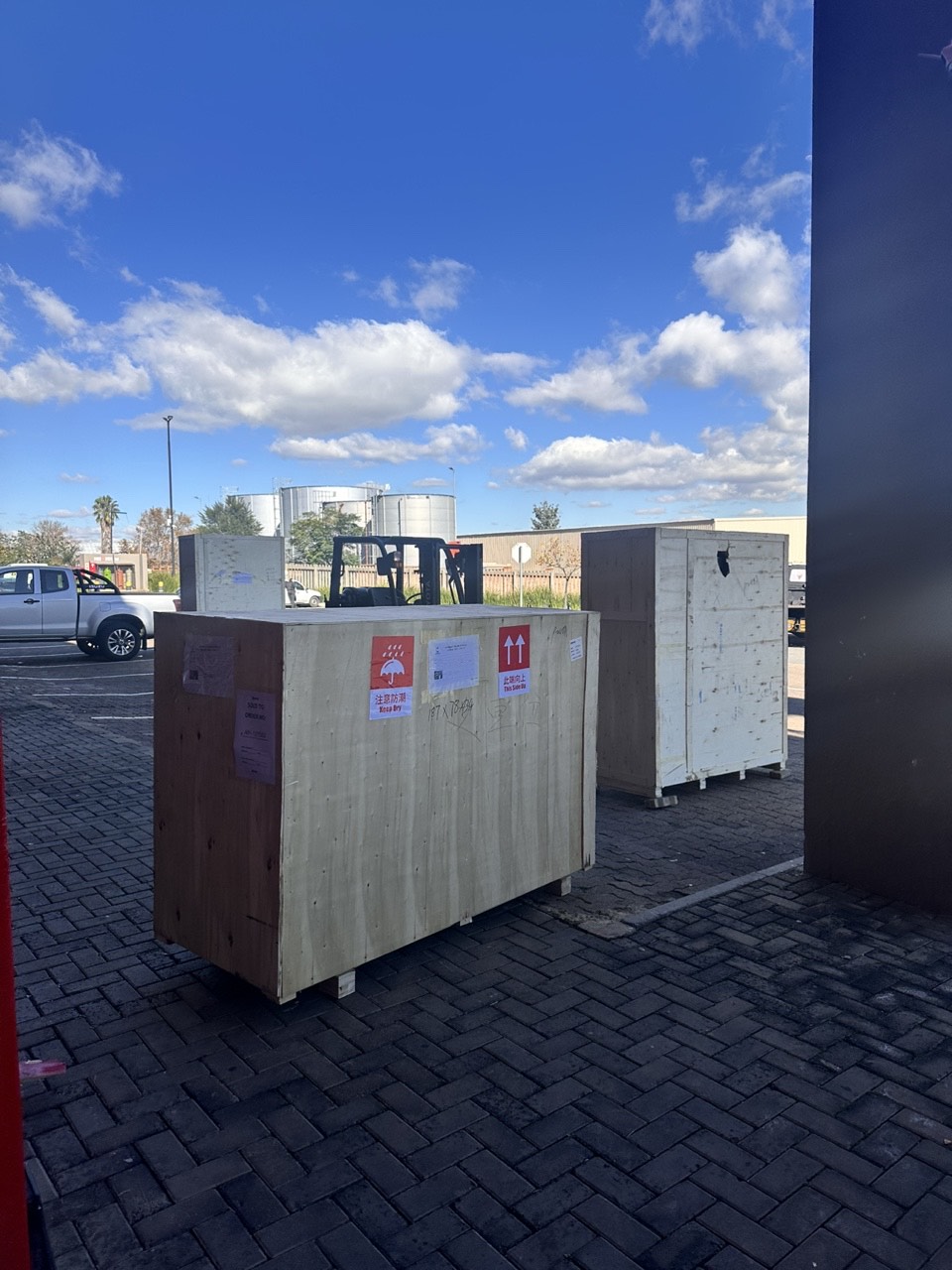
Batch of Orders
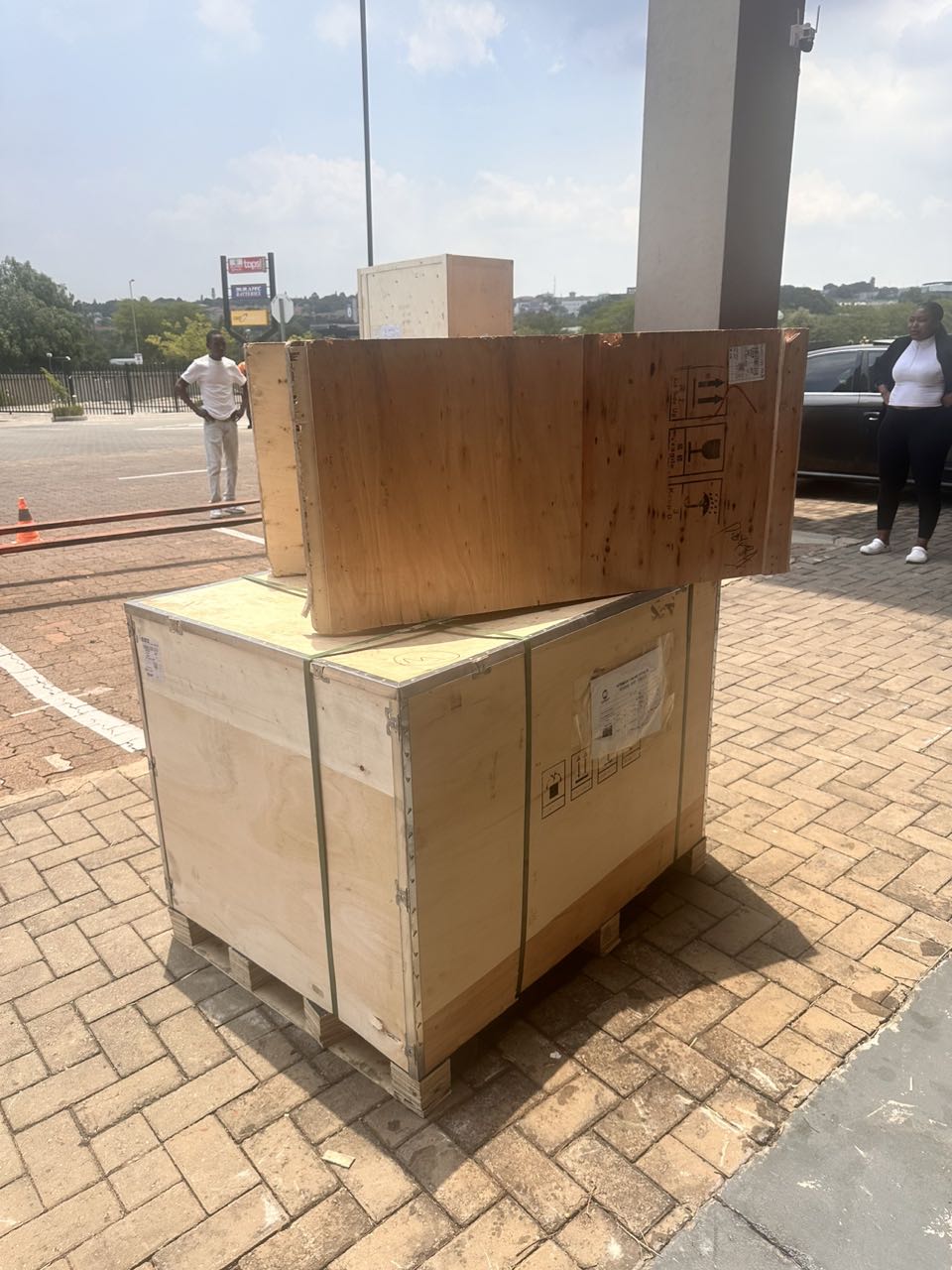
Batch of Orders
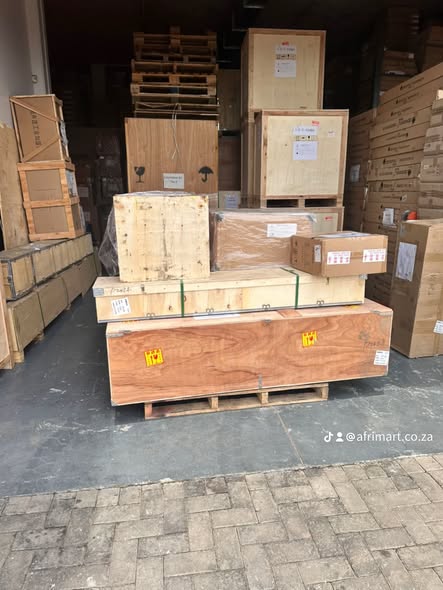
Latest Orders Labelled
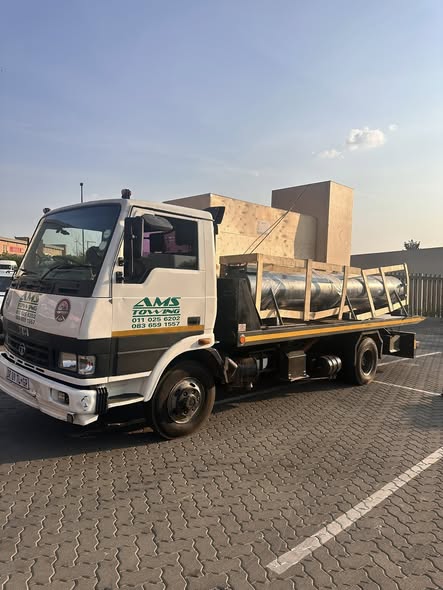
wheel alignment machines
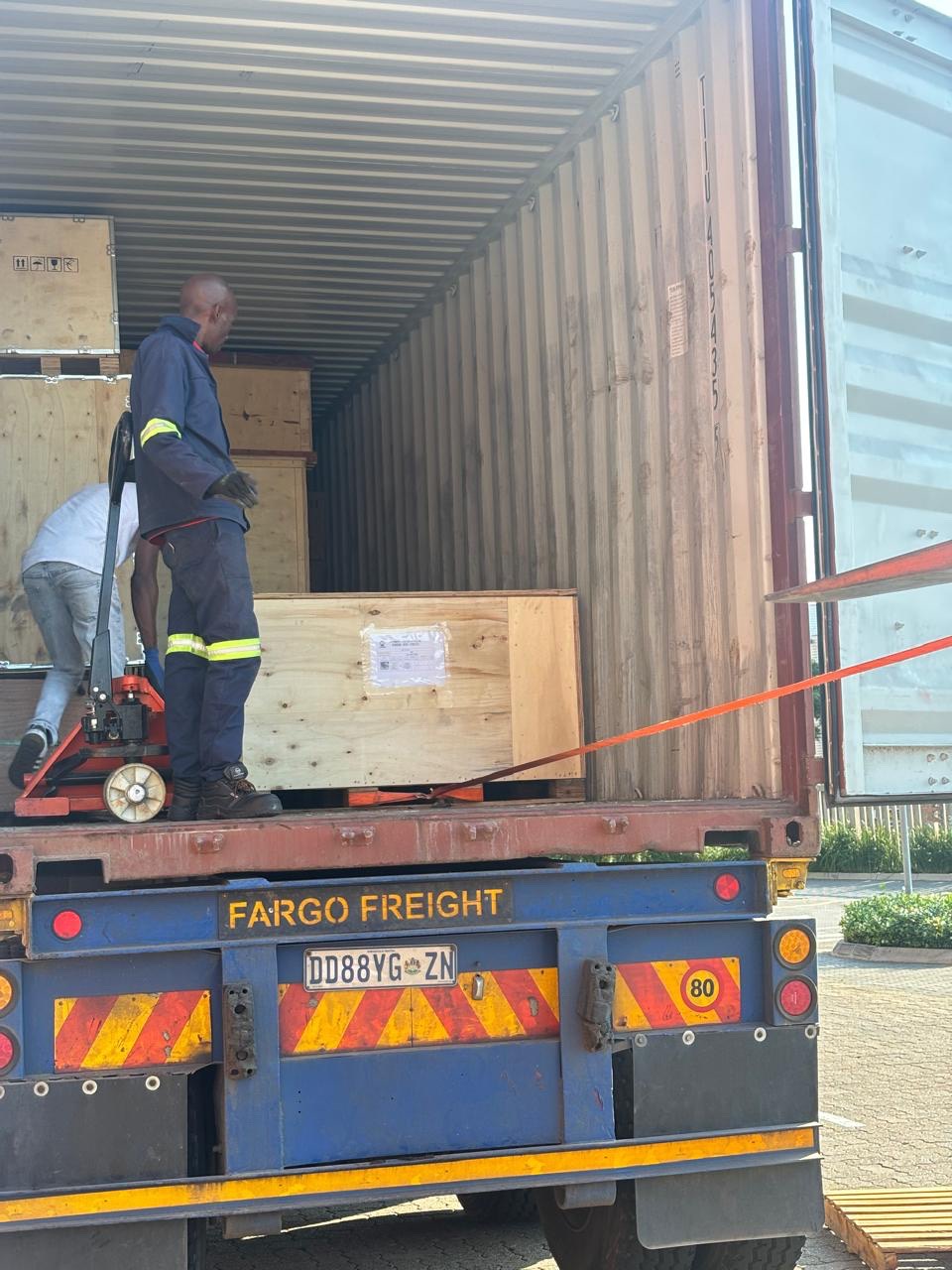
new arrivals
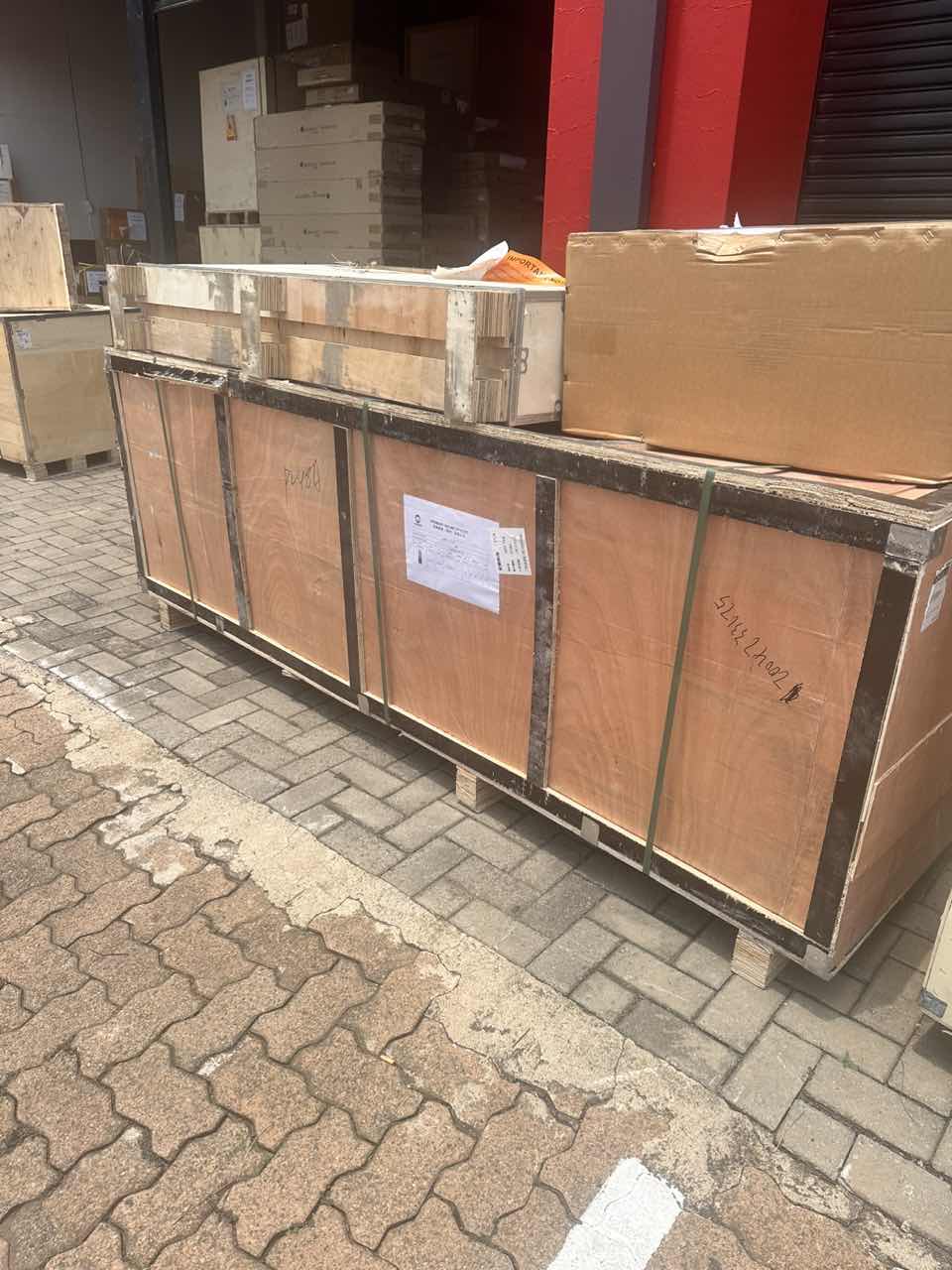
Pre Orders Offloading
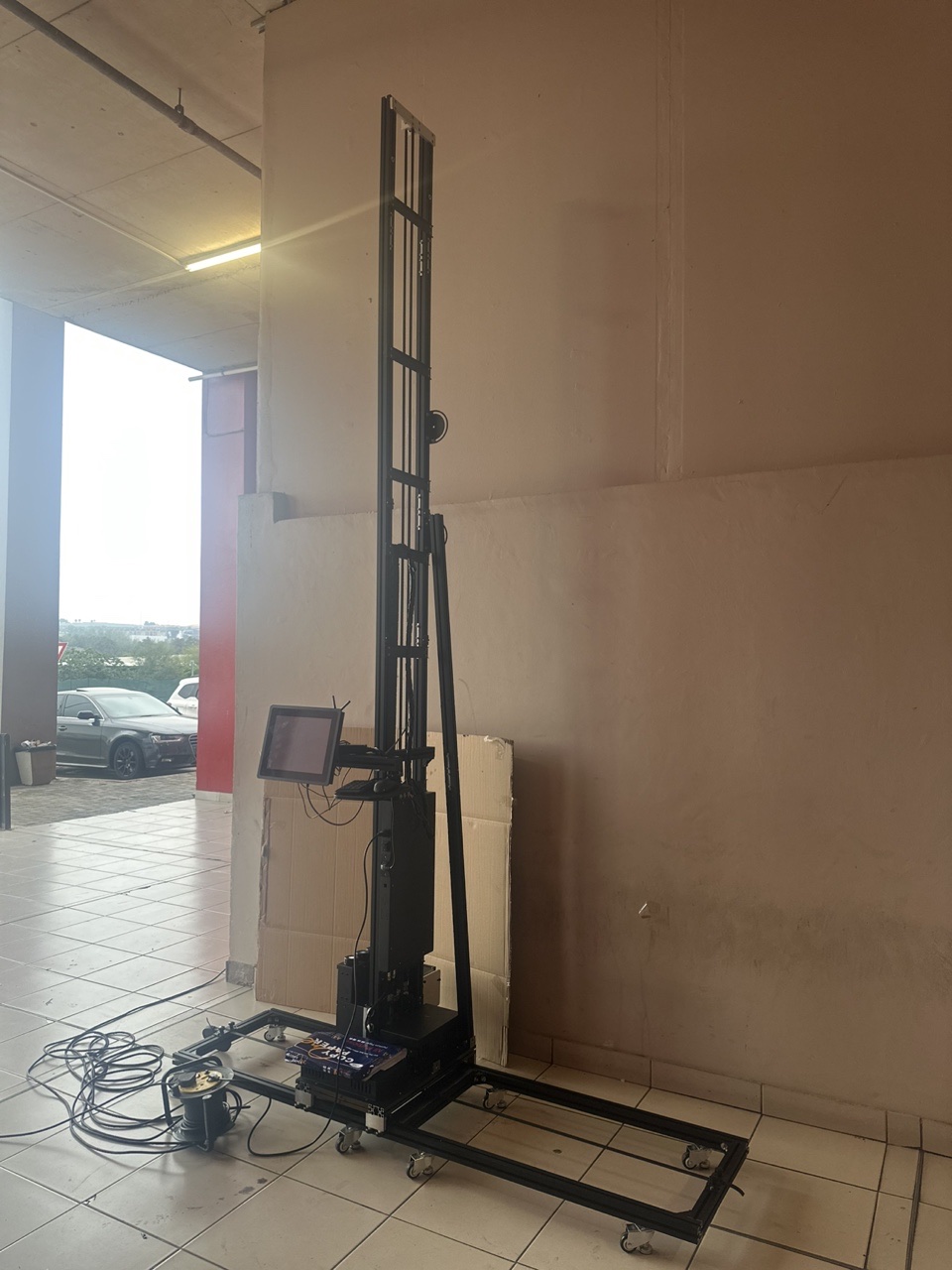
Latest Arrivals
Latest Arrivals
Latest Arrivals
Loading
Toilet paper making machine
Toilet paper making machine
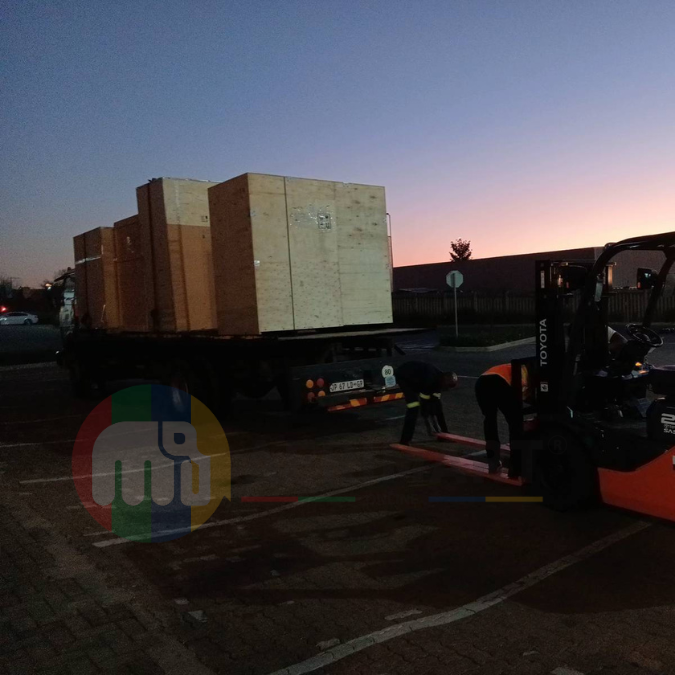
Toilet paper Rewinding Machine
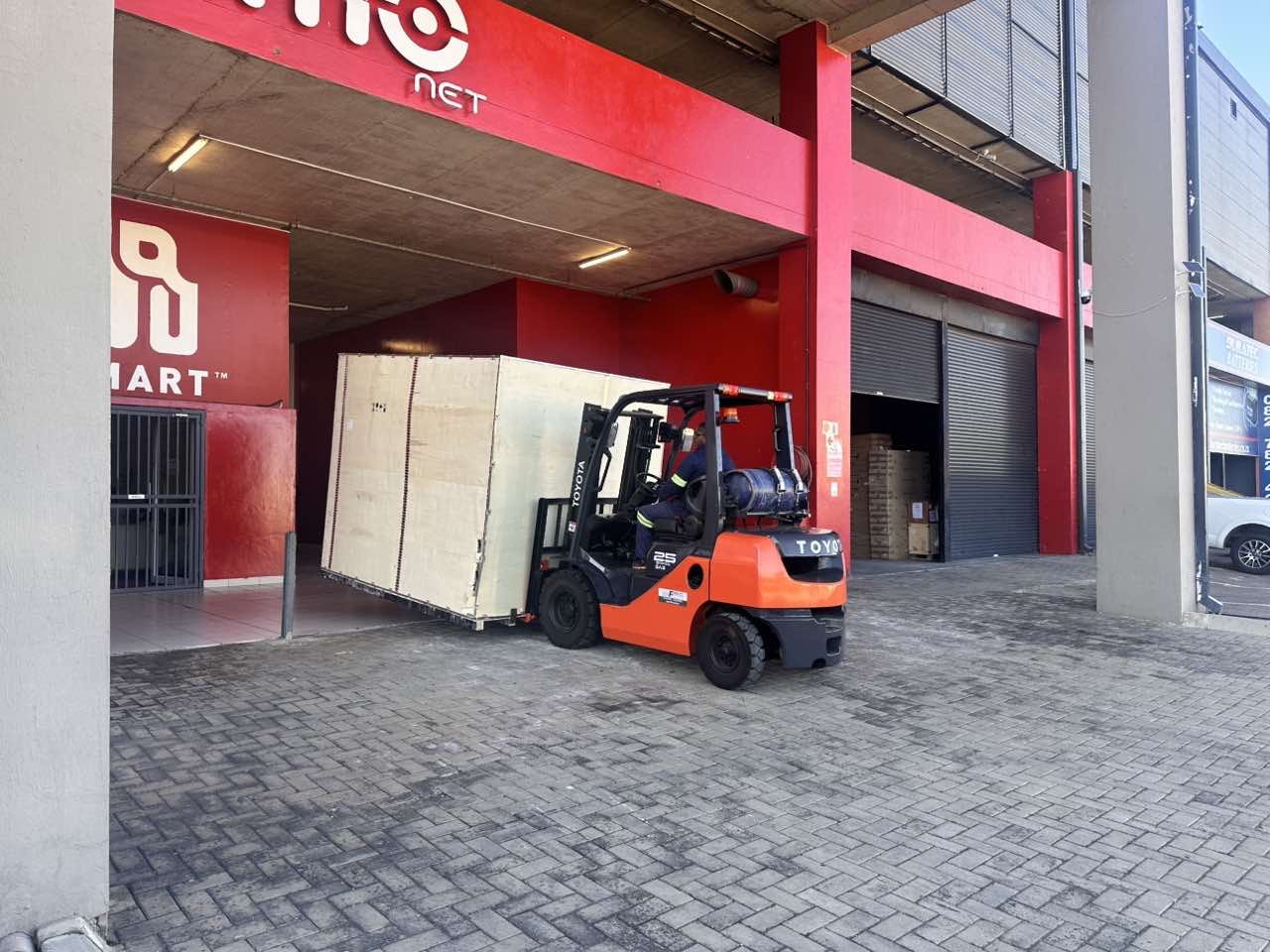
latest arrivals
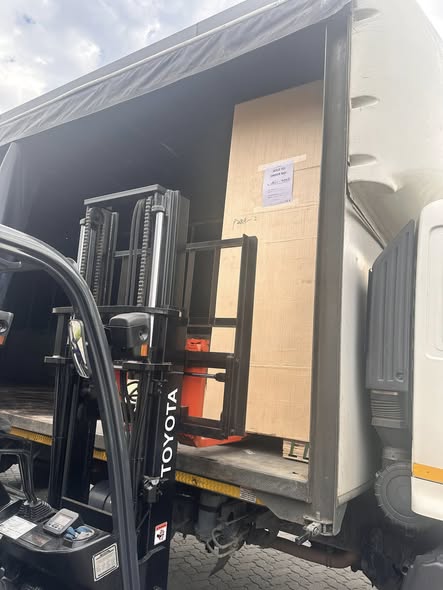
offloading
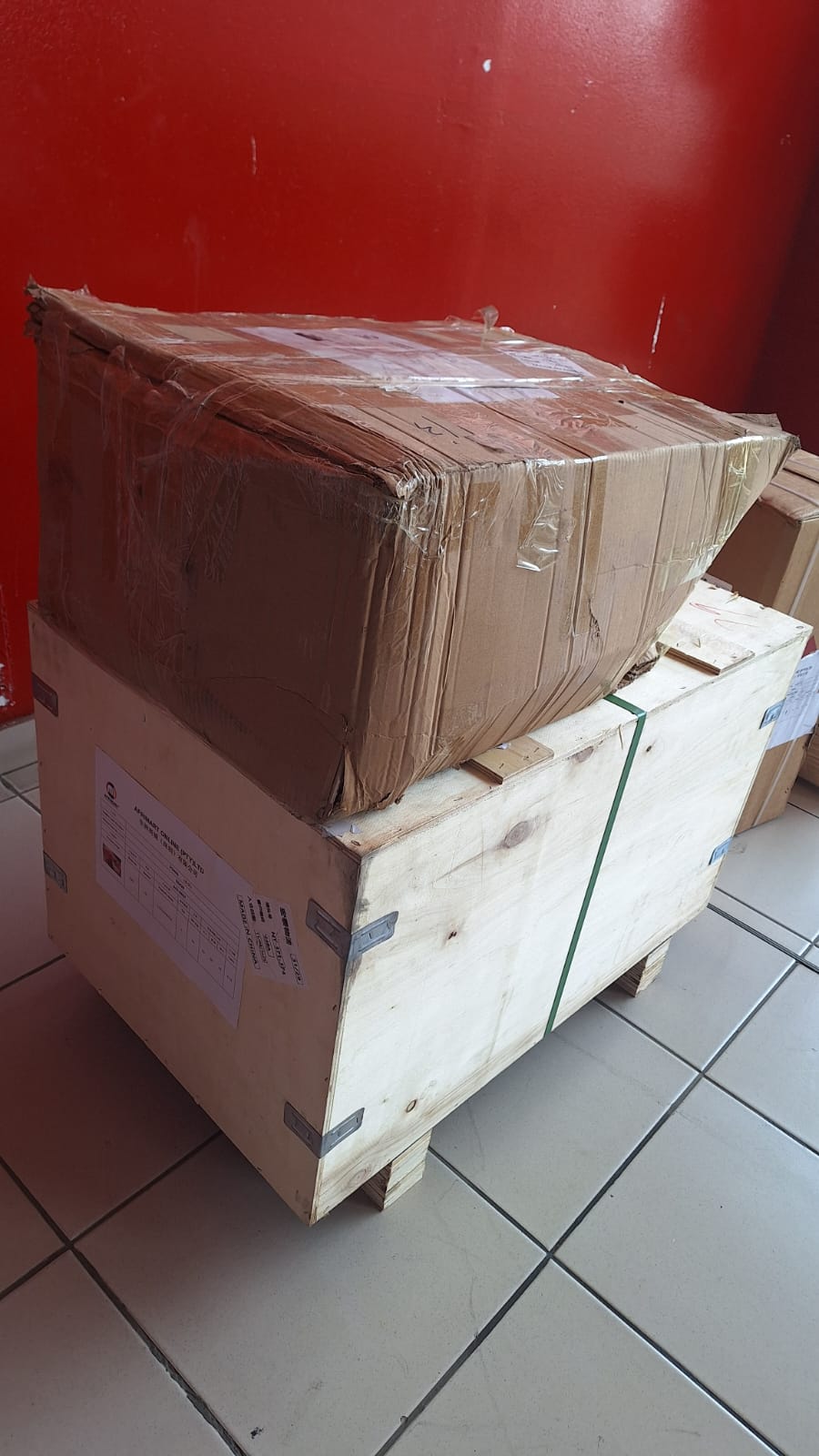
order success
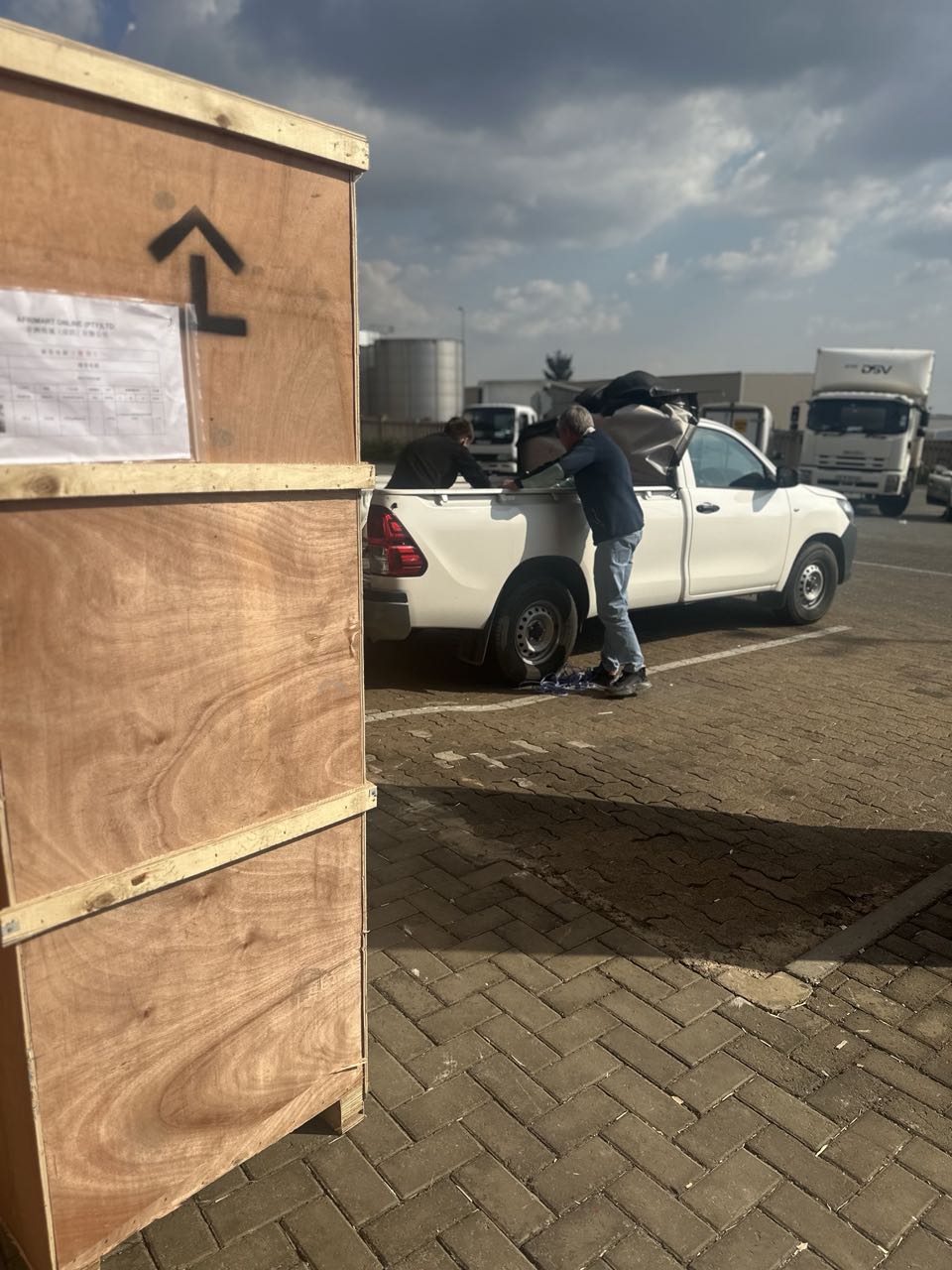
order collection
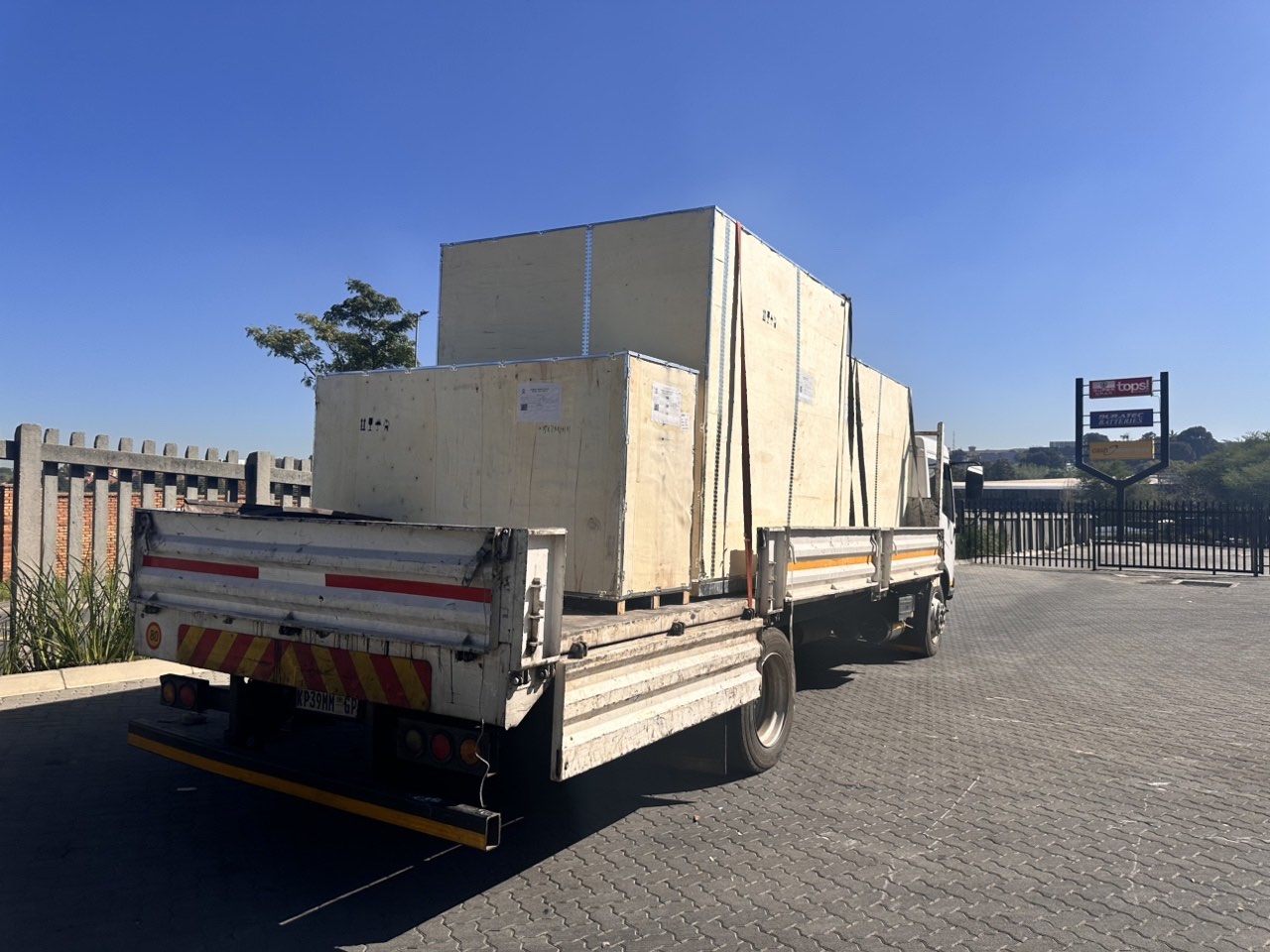
order offloading