B21, China Town Mall, Midrand


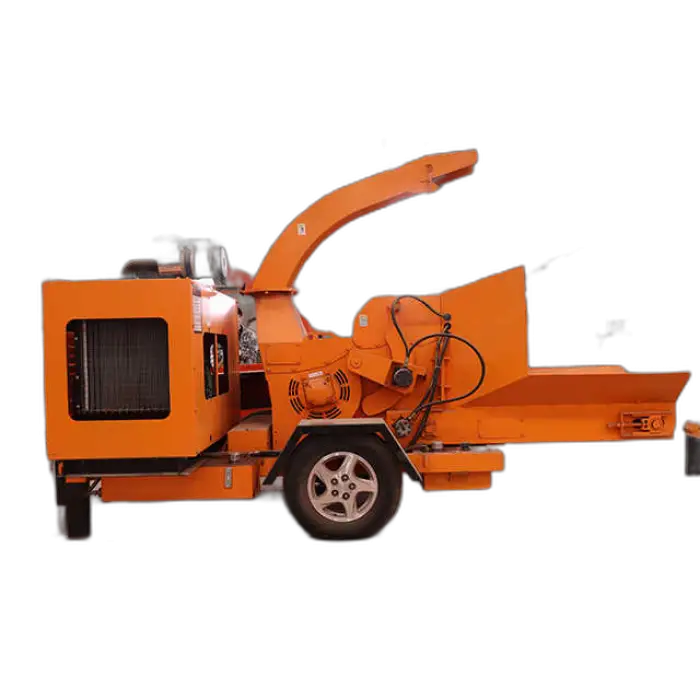
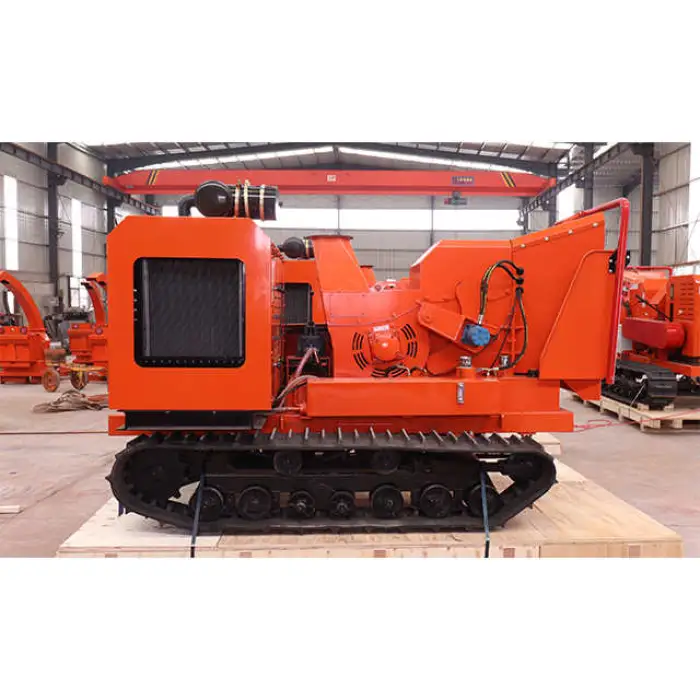
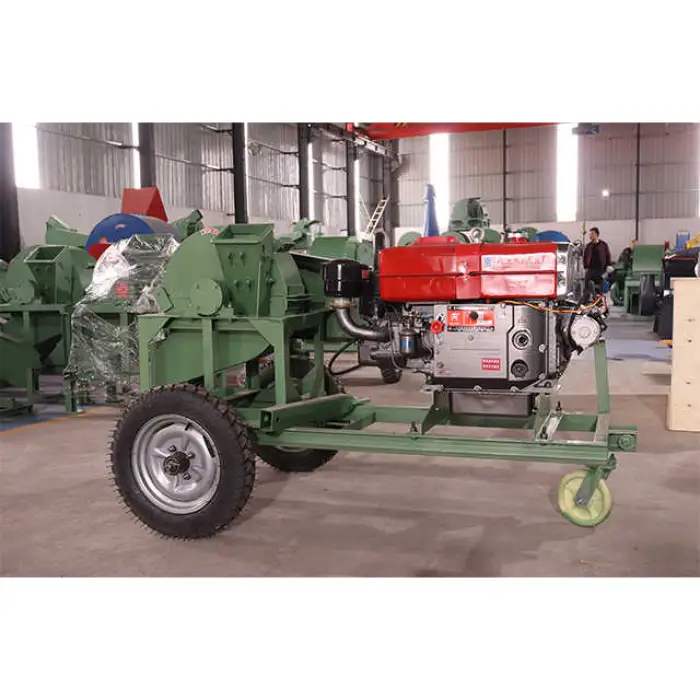
Diesel/Electric Mobile Wood Chipper Log Splitter 7.5 Ton - 25 Ton Horizontal and Vertical
Asset finance available
Do you want funding for this equipment?
Afrimart can connect you with trusted funding partners who specialise in asset finance for businesses like yours. Compare options and apply in minutes — final approval is subject to provider review.
Check funding options
Secure & no obligation

- Section : Machinery
- Category : Woodworking Machinery
- SKU : 1601163982475

Diesel/Electric Mobile Wood Chipper Log Splitter 7.5 Ton - 25 Ton Horizontal and Vertical
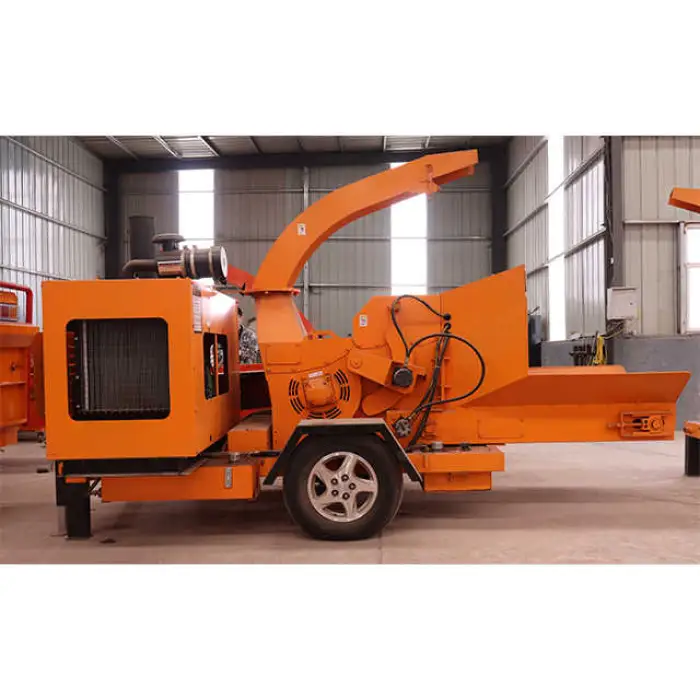
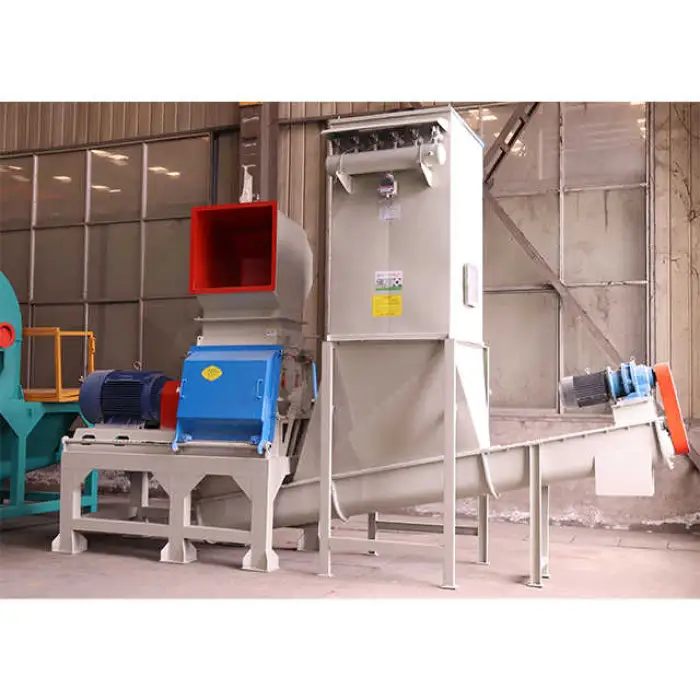
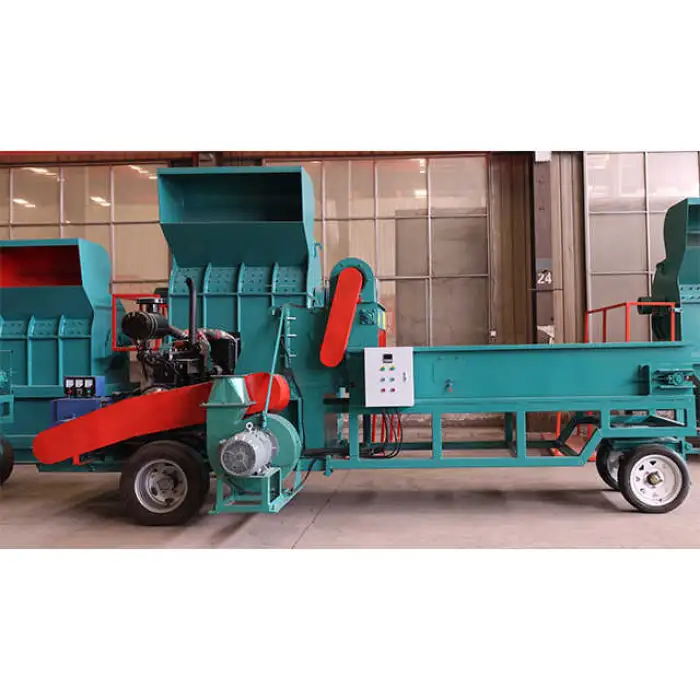
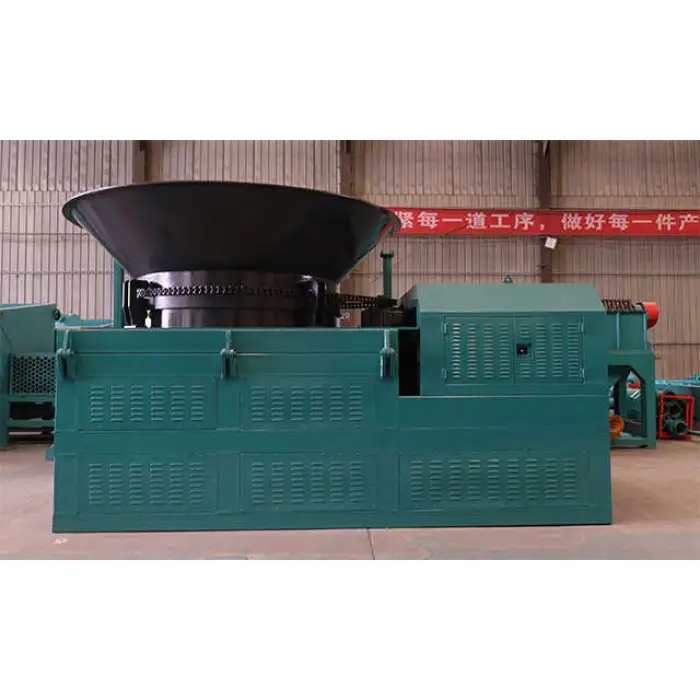
The Diesel/Electric Mobile Wood Chipper Log Splitter is a powerful machine designed for crushing wood logs and making sawdust efficiently. With a capacity of 800-1200 kg/h, it can handle various materials like branches, bamboo, and waste wood. This machine is easy to operate and built for high productivity, making it an excellent choice for both commercial and personal use.
Specifications
| Attribute | Details |
|---|---|
| Power Type | Diesel Engine/Electric |
| Capacity | 800-1200 kg/h |
| Final Product Size | 2-30 mm |
| Productivity | 1-10 t/h |
| Weight | 150 kg |
| Dimensions (L*W*H) | 1250*550*750 mm |
| Power | 7.5 kW |
| Raw Material | Wood logs, branches, bamboo, straw, wheat stalks, waste wood |
| Blades Material | Alloy Steel |
Key Features
- High productivity with a capacity of 800-1200 kg/h.
- Dual power options: Diesel and Electric.
- Easy operation for quick wood processing.
- Efficiently crushes various types of wood materials.
- Compact design for easy mobility.
Applications
- Ideal for wood processing industries.
- Great for landscaping and garden maintenance.
- Useful for farms and agricultural waste management.
- Perfect for making sawdust for various uses.
- Excellent for recycling waste wood materials.
Product Info Gallery
- Shipping Timeframes: All orders are processed within 2-5 business days (excluding weekends and holidays). After your order has been processed, the estimated delivery time is before 03 Aug, 2026, depending on customs, Please note that due to high demand, some items may experience longer shipping times, which will be communicated at order confirmation email.
- Order Processing Time: Please allow 2-5 business days for us to process your order before it is shipped . Orders placed after 16:00 on Fridays, or during weekends and public holidays, will begin processing on the next business day. Processing times may be extended during peak seasons or sales events.
- Manufacturing Time: Some products needs manufacturing time, the manufacturing process will take approximately 10-30 business days depending on the product. This timeframe may vary depending on the complexity of the product and current demand. but this will be communicated with you during order confirmation.
- Returns and Exchanges: We offer a 30-day return policy for most items. If you are not completely satisfied with your purchase, you may return it within 30 days of receipt for a refund or exchange. Items must be unused, in their original packaging, and accompanied by proof of purchase. Return shipping costs are the responsibility of the customer, unless the item was damaged or defective upon arrival.
1. What is the difference between "capacity" (800–1200 kg/h) and "productivity" (1–10 t/h) listed in the specifications?
Capacity (800–1200 kg/h) refers to typical continuous throughput under normal working conditions with average feed material. The broader "productivity" range (1–10 t/h) reflects the potential output variance depending on material type, feed size, moisture content, operator technique and machine settings. Actual throughput will depend on your specific material and operating conditions.
2. Can the machine run on both diesel and electric power?
Yes. The unit is available with dual power options — either a diesel engine or an electric motor. The listed 7.5 kW rating applies to the electric version; diesel engine output is comparable but may vary by engine model. Confirm the specific powertrain when ordering.
3. What types of raw material can this chipper/splitter process?
It is designed to handle wood logs, branches, bamboo, straw, wheat stalks and general waste wood. Very large or extremely hard logs may need pre-cutting or pre-splitting for best results.
4. What final product sizes can I get?
Final product size is adjustable in the range of approximately 2–30 mm, typically by changing screens, sieves or adjusting the feed and blade configuration. Different sizes are suitable for animal bedding, sawdust, mulch or biomass fuel.
5. Is the machine suitable for both horizontal and vertical splitting?
Yes. The model supports horizontal and vertical orientations for log splitting, allowing you to process different log configurations and to choose the orientation that is safest and most efficient for your task.
6. What is the maximum feed size or maximum log diameter the machine can accept?
Maximum acceptable feed size depends on the model configuration and the material type. For larger logs you should pre-cut to a size recommended by the manufacturer. Contact the supplier or refer to the operator manual for exact maximum feed dimensions for your unit.
7. How portable is the machine and what are its dimensions and weight?
The machine is compact and designed for mobility. Specified dimensions are 1250 × 550 × 750 mm and the listed weight is 150 kg, making it transportable on a small trailer or by forklift. Check with the seller if you need factory-fitted wheels or towing options.
8. What safety features and precautions should I follow when operating this machine?
Always wear appropriate PPE (safety glasses, gloves, hearing protection, steel-toe boots). Keep hands and clothing away from the feed and blade areas, use the feed chute or push tools rather than hands, ensure emergency stop is functional, operate on stable level ground, and keep bystanders at a safe distance. Follow the operator manual for specific safety procedures.
9. What routine maintenance does the machine require?
Regular maintenance includes inspecting and sharpening or replacing blades, checking and topping up engine/motor oil and hydraulic fluids (if applicable), cleaning screens and chutes, tightening fasteners, inspecting belts and bearings, and following the service schedule in the manual. Frequency depends on usage intensity and material abrasiveness.
10. What material are the blades made of and are replacement blades available?
The blades are made from alloy steel for durability and wear resistance. Replacement blades and service parts are typically available from the manufacturer or authorized dealers; confirm availability and lead times when purchasing.
11. What electrical supply is required for the electric version?
The electric motor is rated at 7.5 kW. Specific supply requirements (single-phase vs. three-phase and voltage) depend on the model configuration and your local power standards. Confirm required voltage and amperage with the supplier before purchase or installation.
12. How noisy and polluting is the machine?
The diesel version will produce engine noise and exhaust emissions typical of small diesel engines; the electric version is quieter and emission-free at the point of use. Regardless of power type, ear protection is recommended, and local emission/noise regulations should be observed.
13. Are there accessories available (screens, collectors, trailers)?
Common accessories include interchangeable screens for different output sizes, collection boxes or conveyors, trailer or wheel kits for mobility, and extra blade sets. Availability varies by supplier — ask the dealer about compatible accessories for your unit.
14. What is the expected service life and is there a warranty?
Service life depends on operating conditions, maintenance and material processed. Warranty terms vary by manufacturer and seller. Ask your supplier for specific warranty coverage and recommended maintenance to maximize service life.
15. How do I start and operate the machine safely for best performance?
Basic steps: inspect the machine and clear obstructions; ensure fuel or electrical supply is ready; check blades and fasteners; start the diesel engine or electric motor per the manual; feed material steadily without overloading the inlet; monitor output and machine temperature; stop and clear any jams using recommended procedures. Always follow the detailed start-up and operating instructions provided in the operator manual.
Latest Order Arrivals
Discover our latest orders
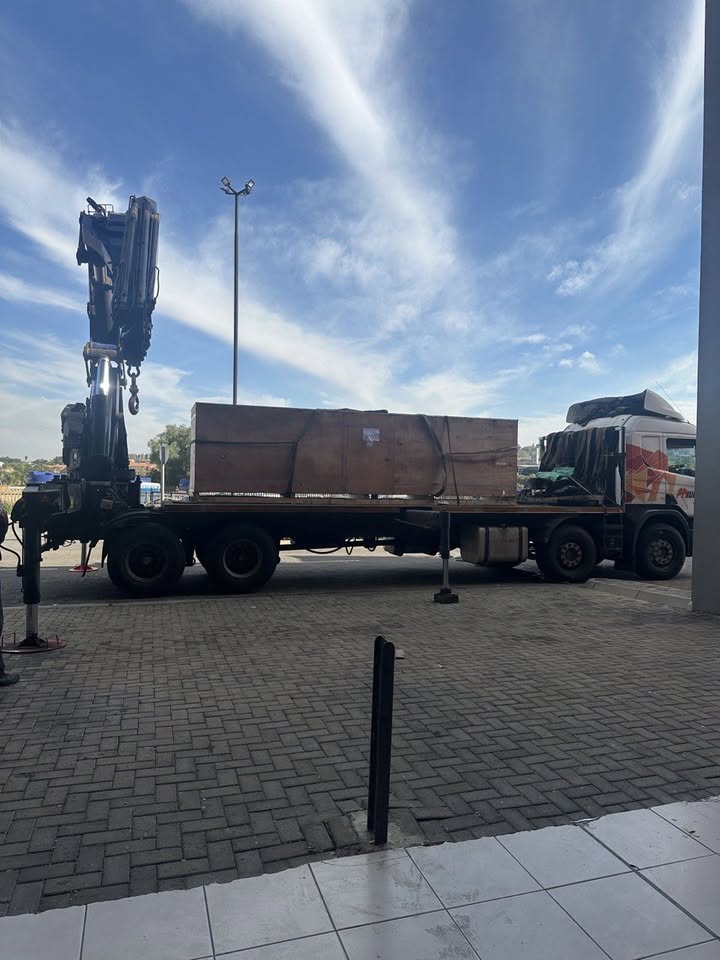
12 Heads Embroidery Machine
Toilet Paper Machine Machine
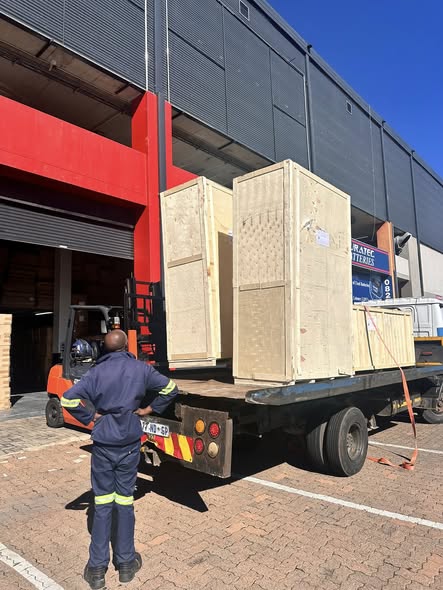
Order Collection
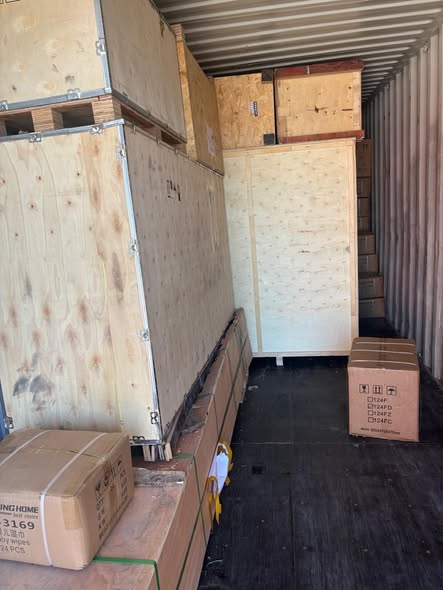
Cross Border Clients
Order cros border countries Collected
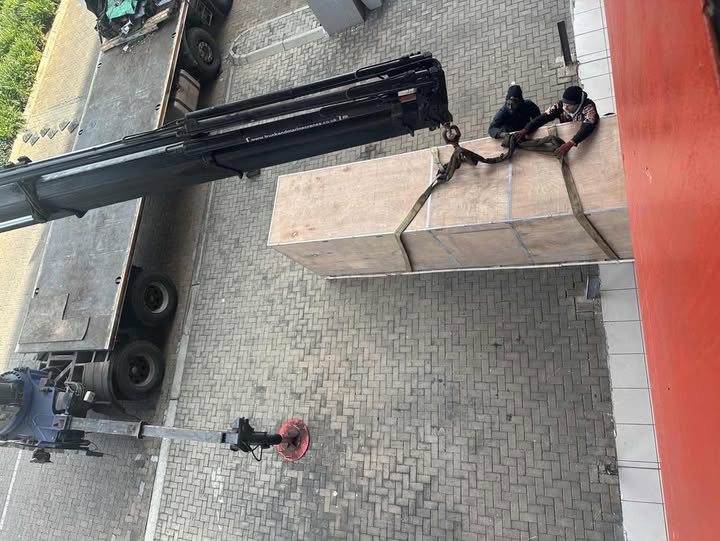
Industrial Machine Cllection
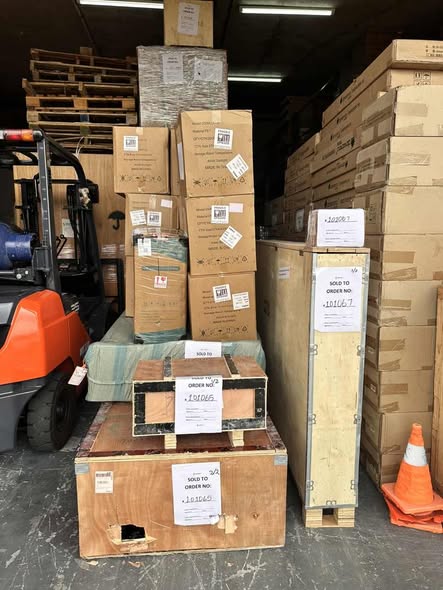
Agriculture Processing Machines
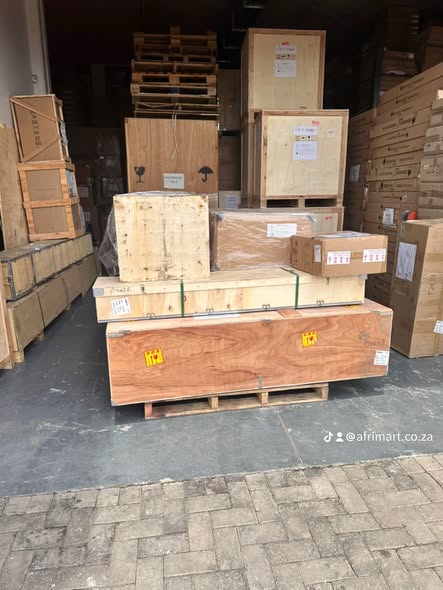
Ready for collection
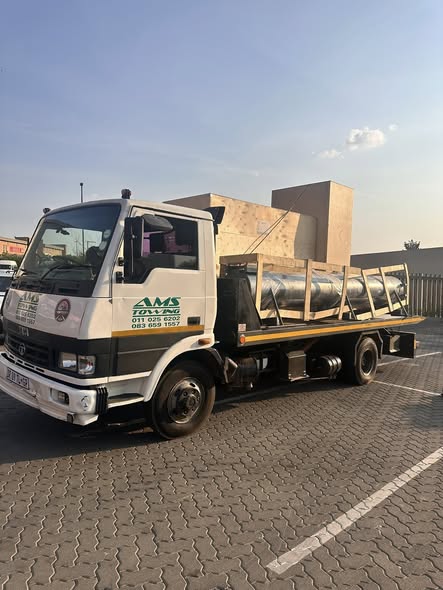
Water Pump Equipment
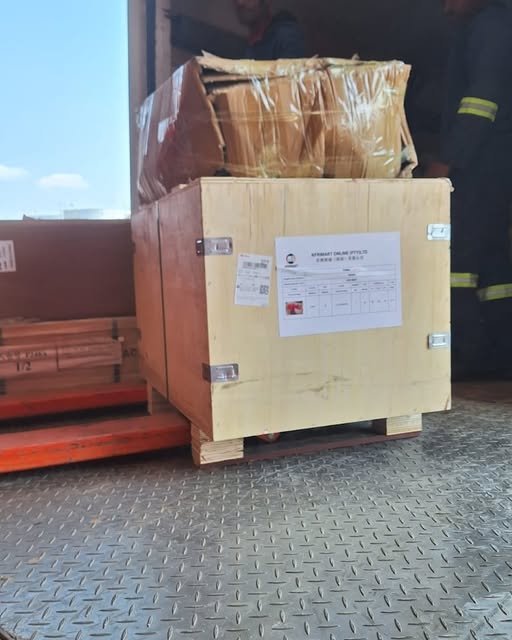
Packaging Machine and accessories
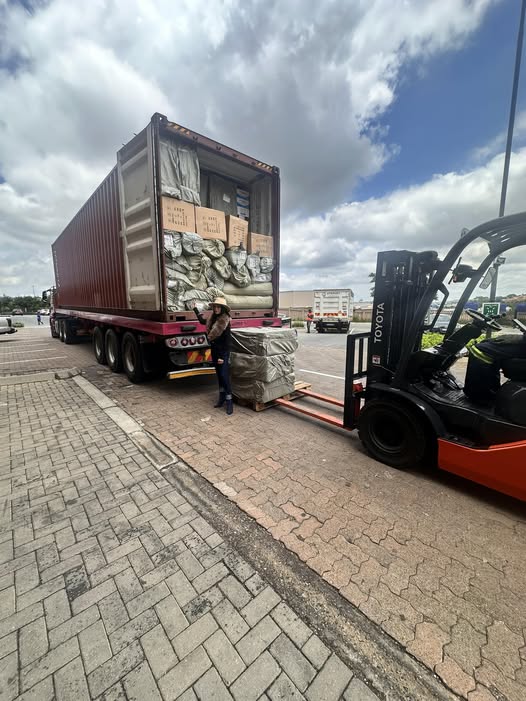
Fabrics Manufacturing Equipment
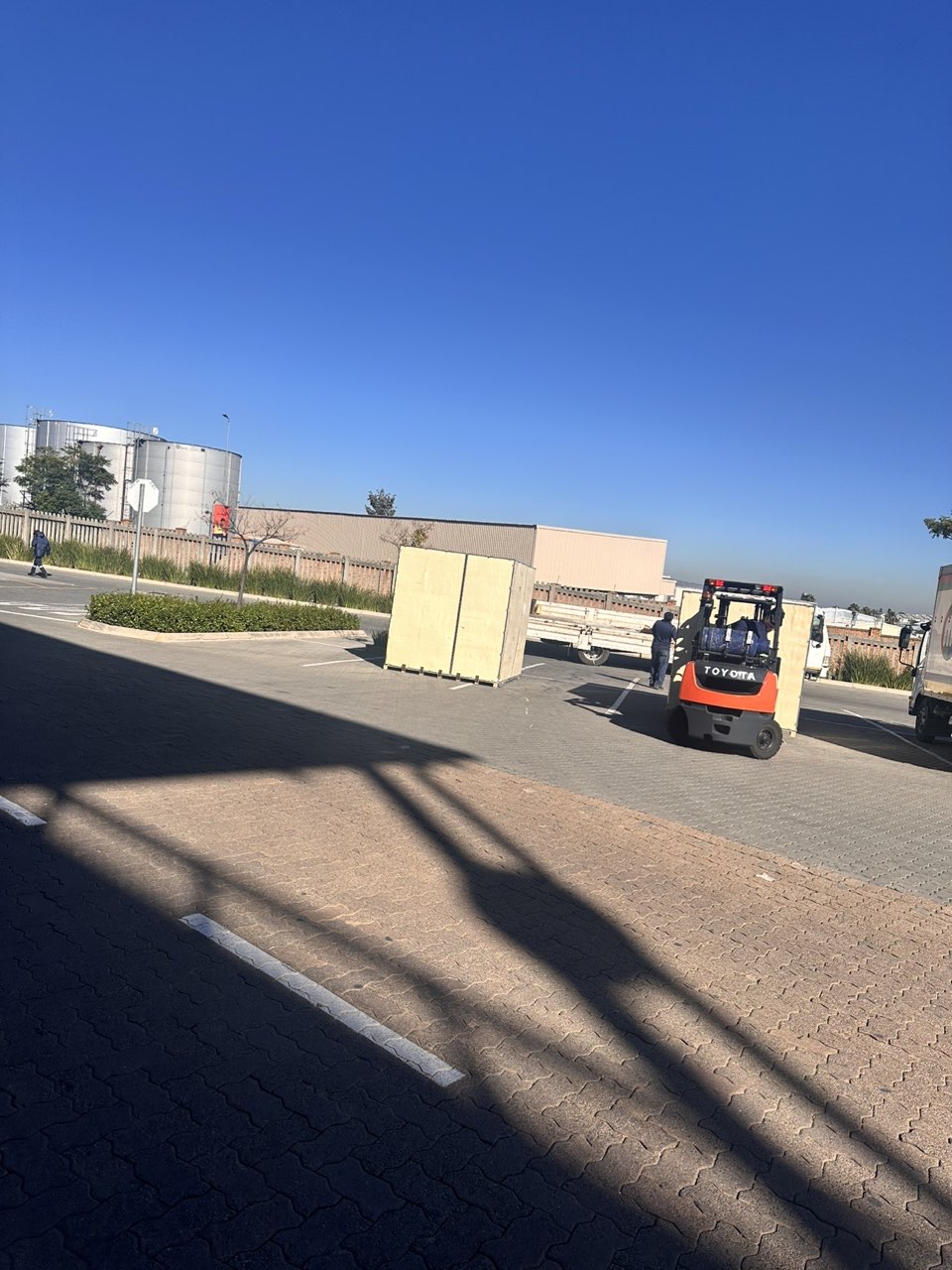
Mining Equipments
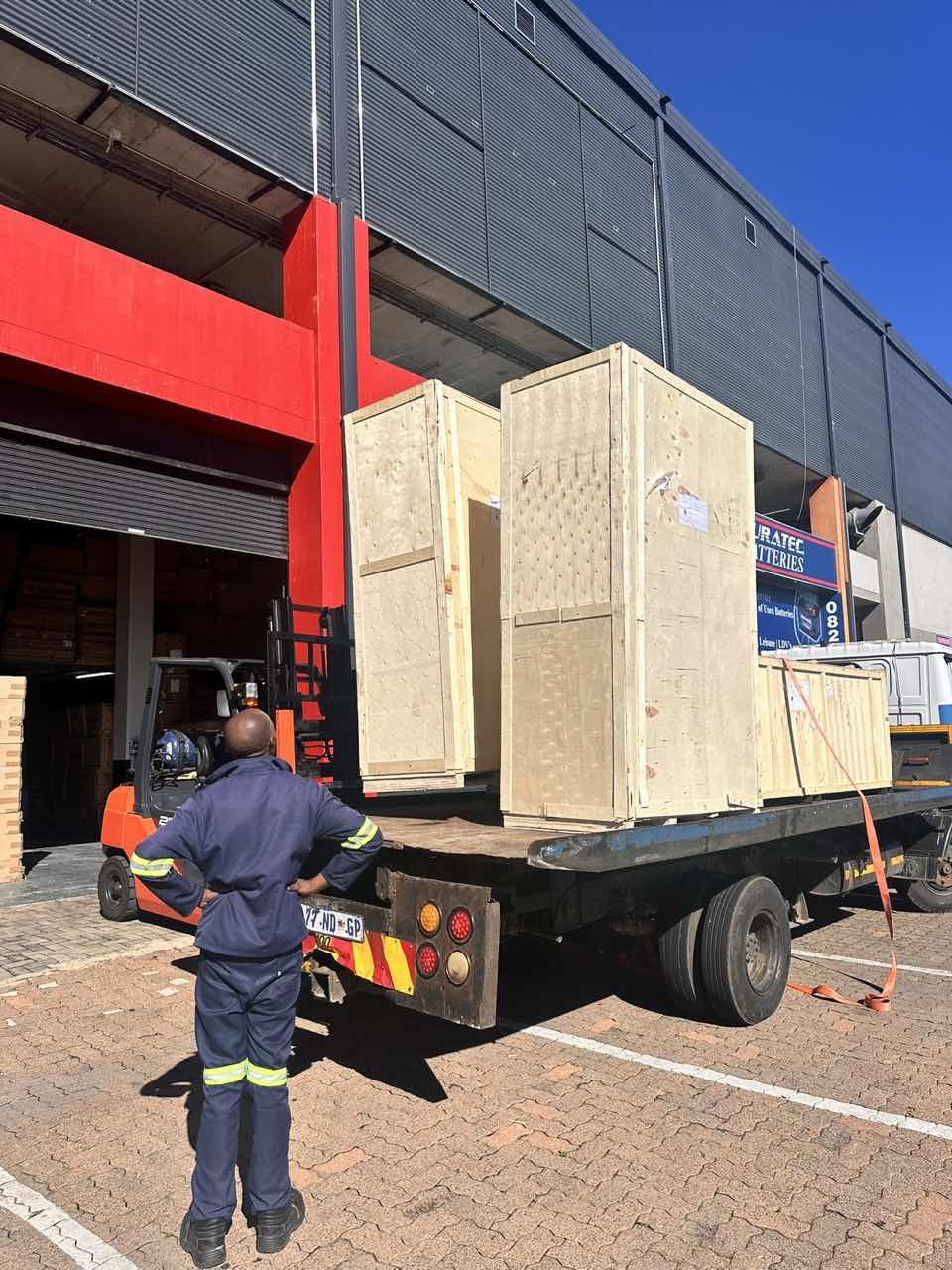
Food Processing Machine
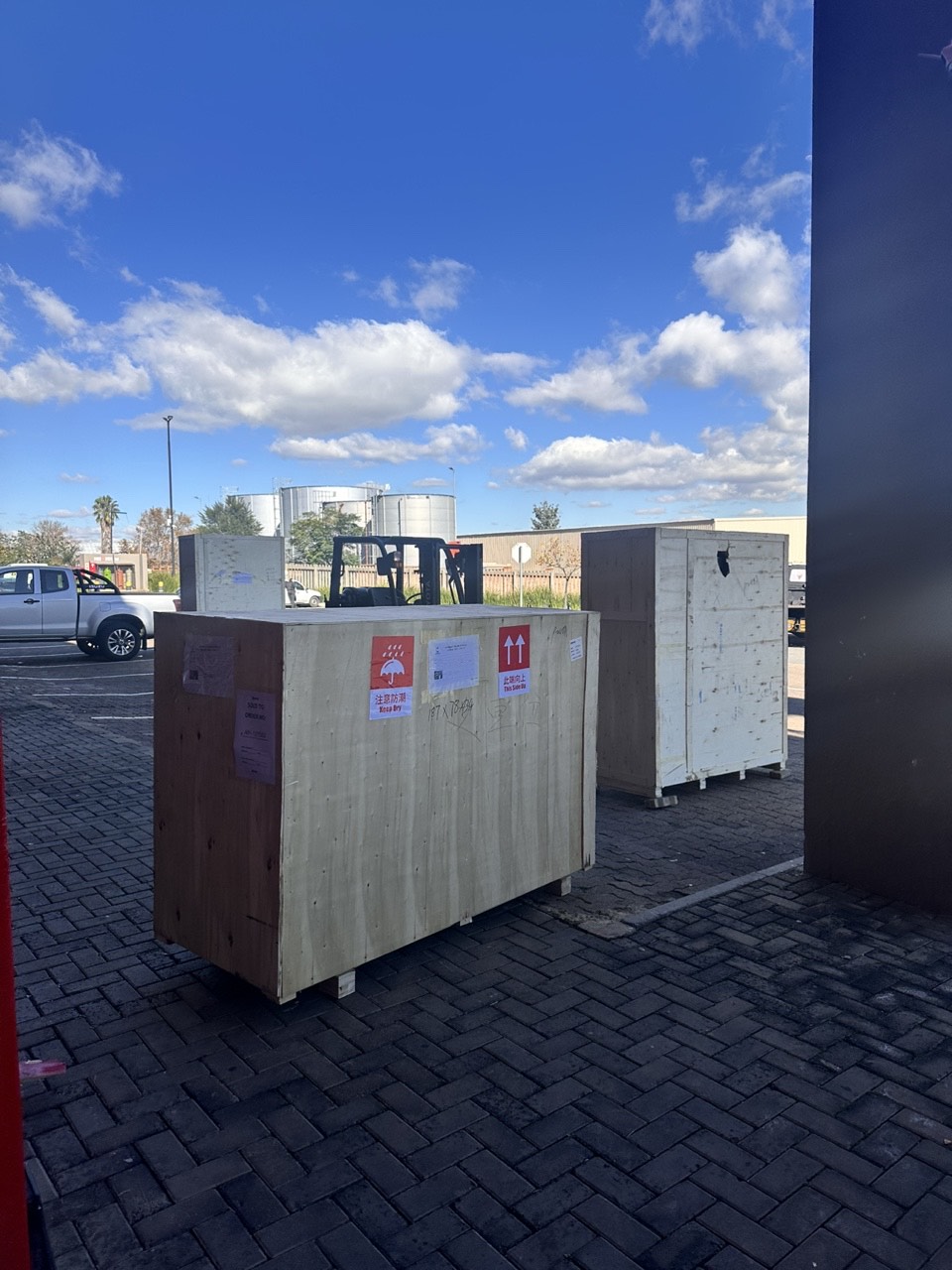
Batch of Orders
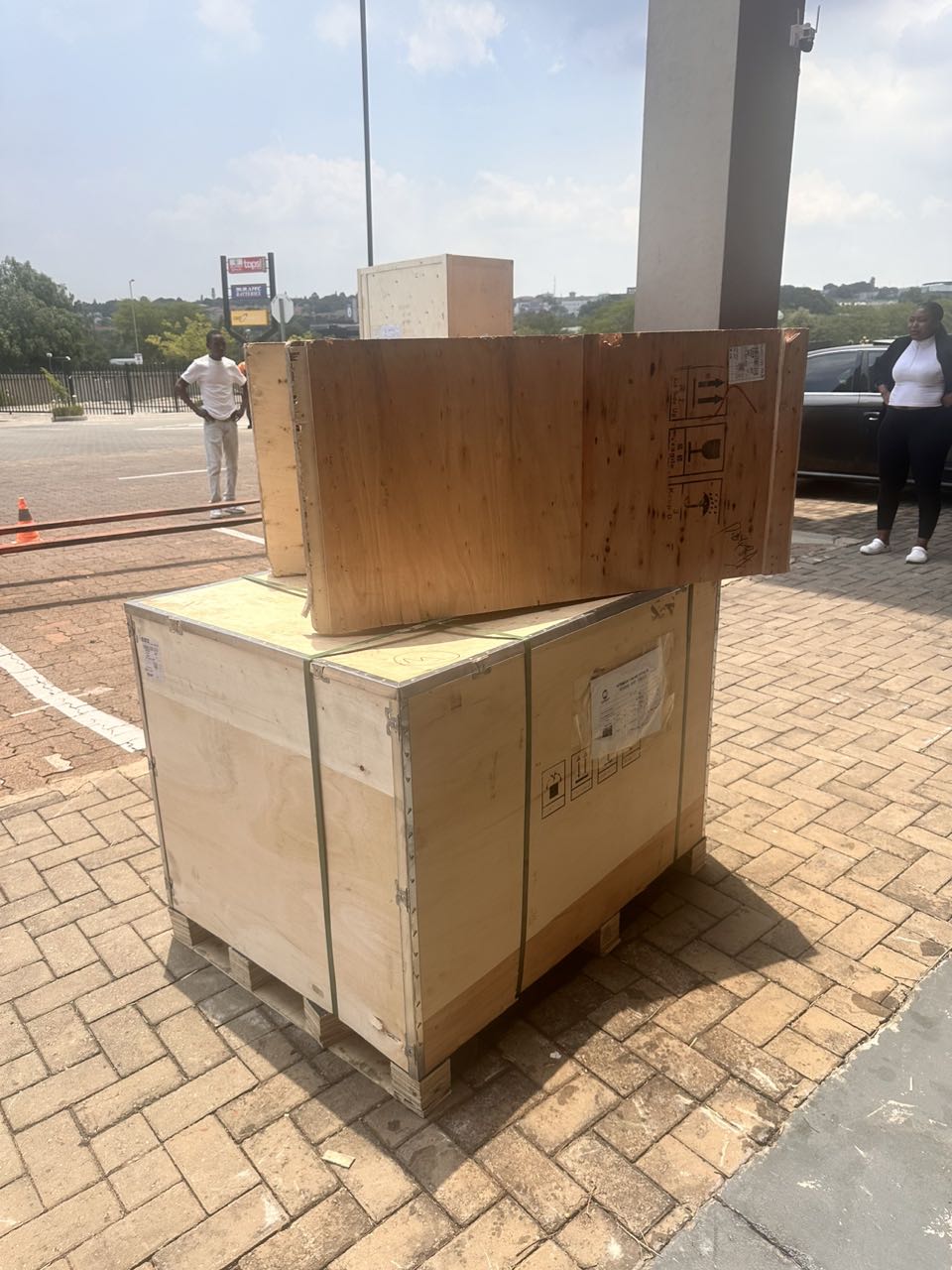
Batch of Orders
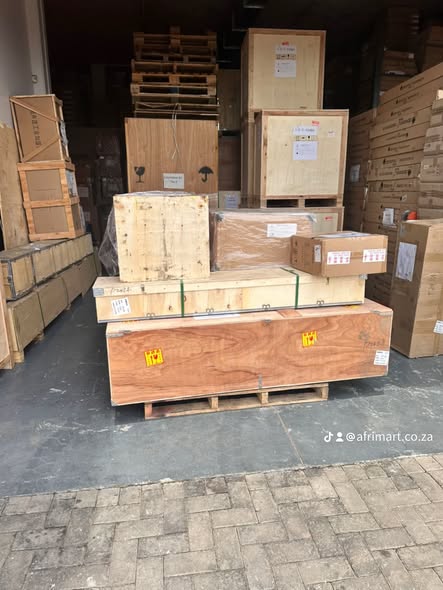
Latest Orders Labelled
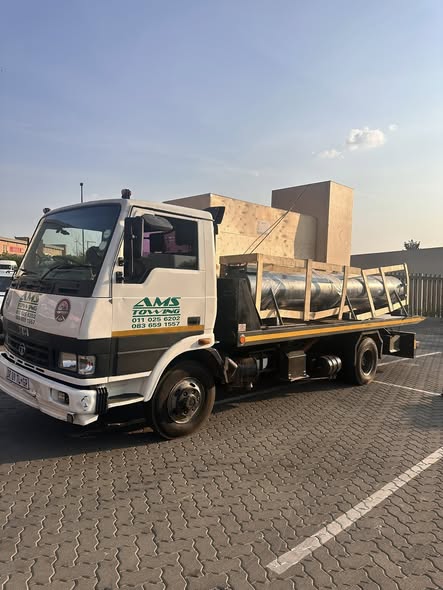
wheel alignment machines
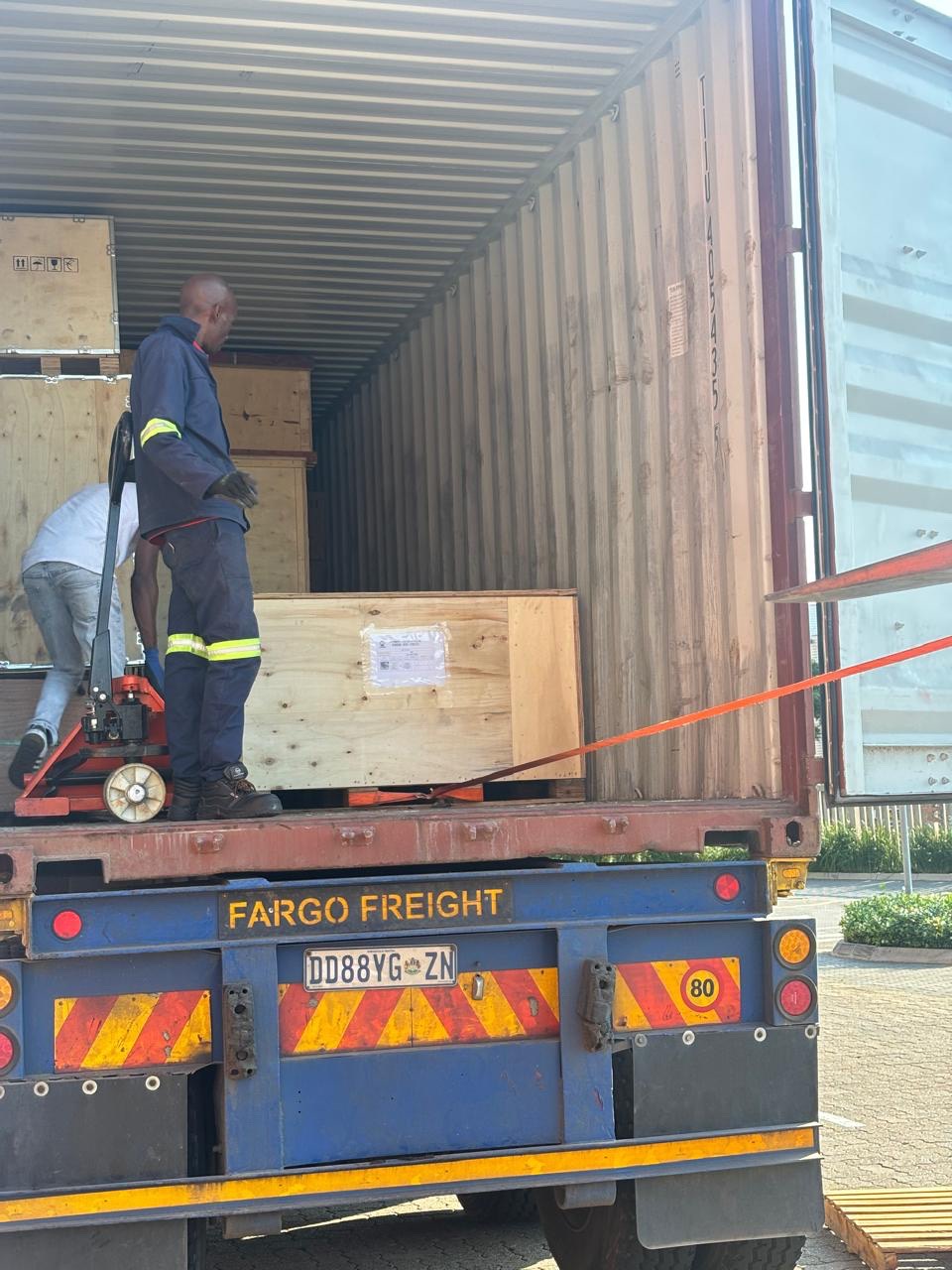
new arrivals
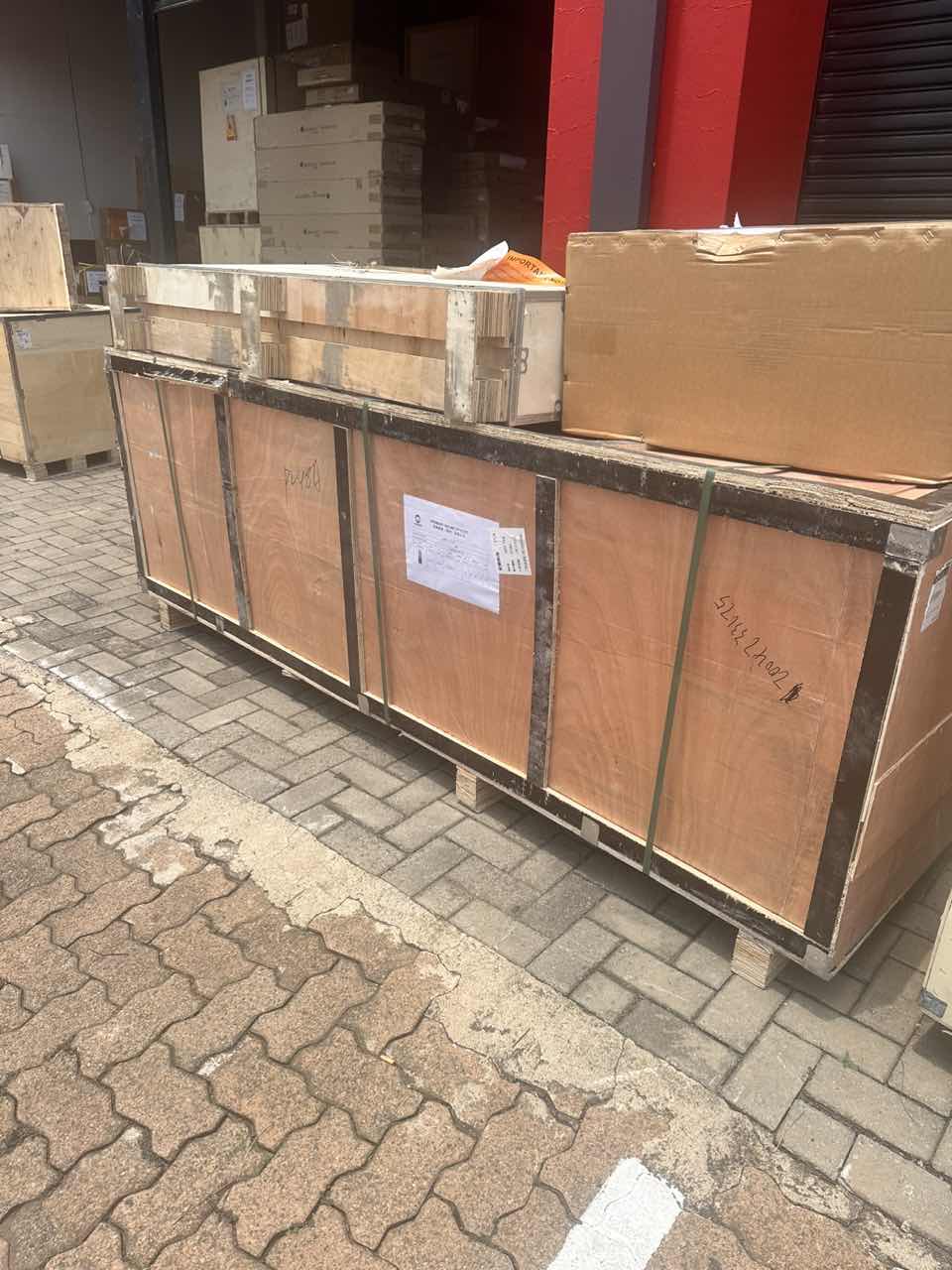
Pre Orders Offloading
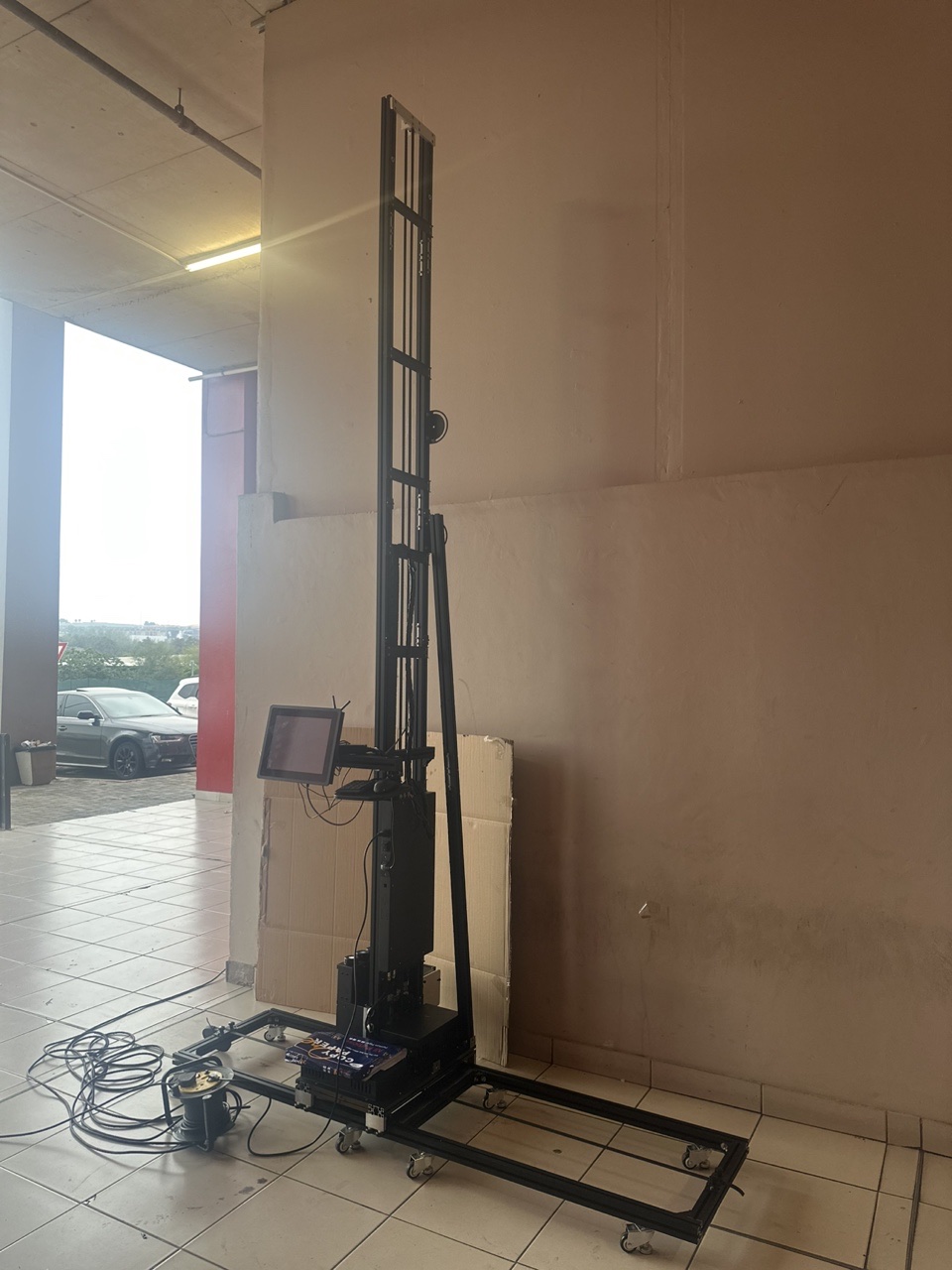
Latest Arrivals
Latest Arrivals
Latest Arrivals
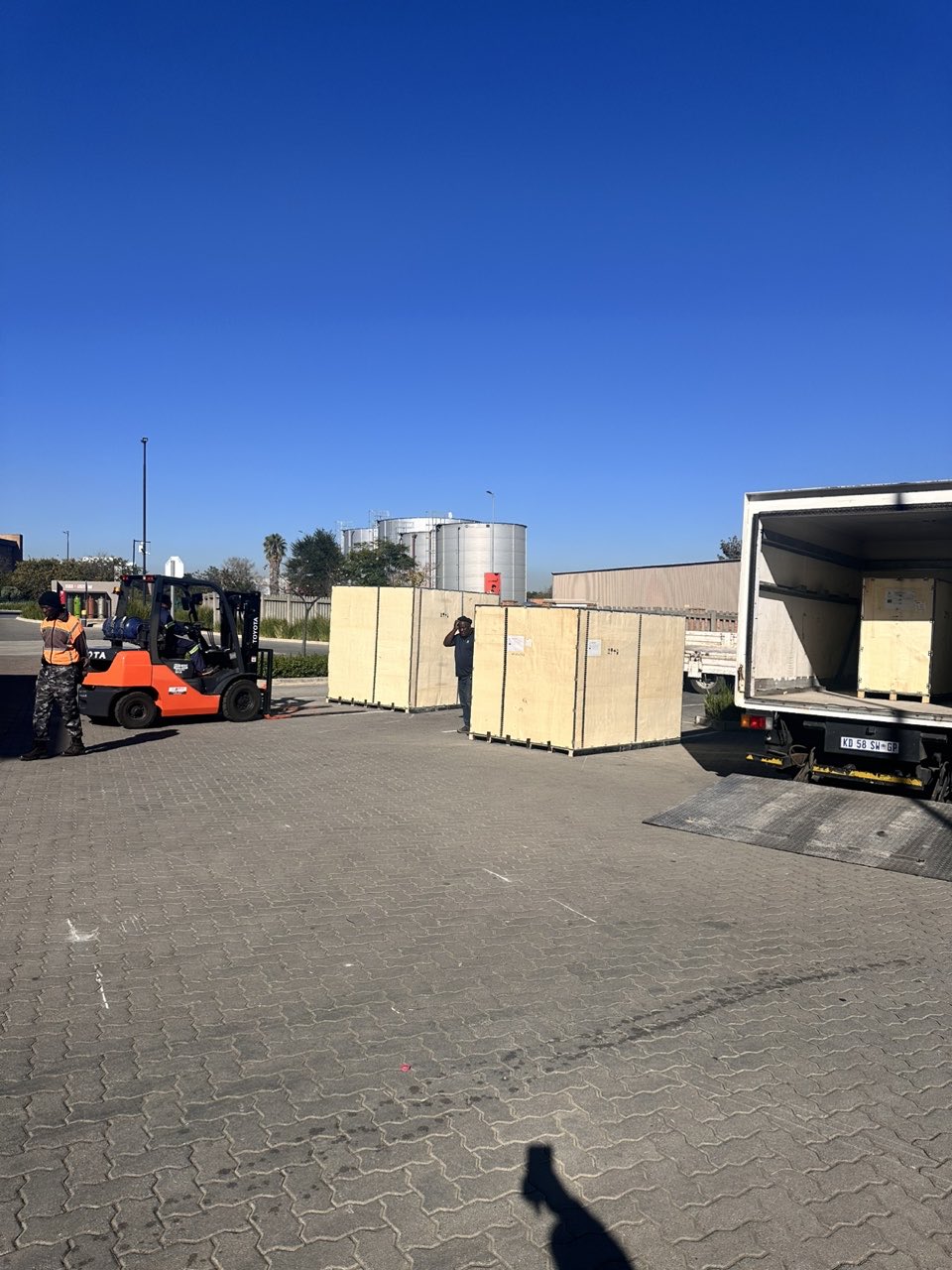
Loading
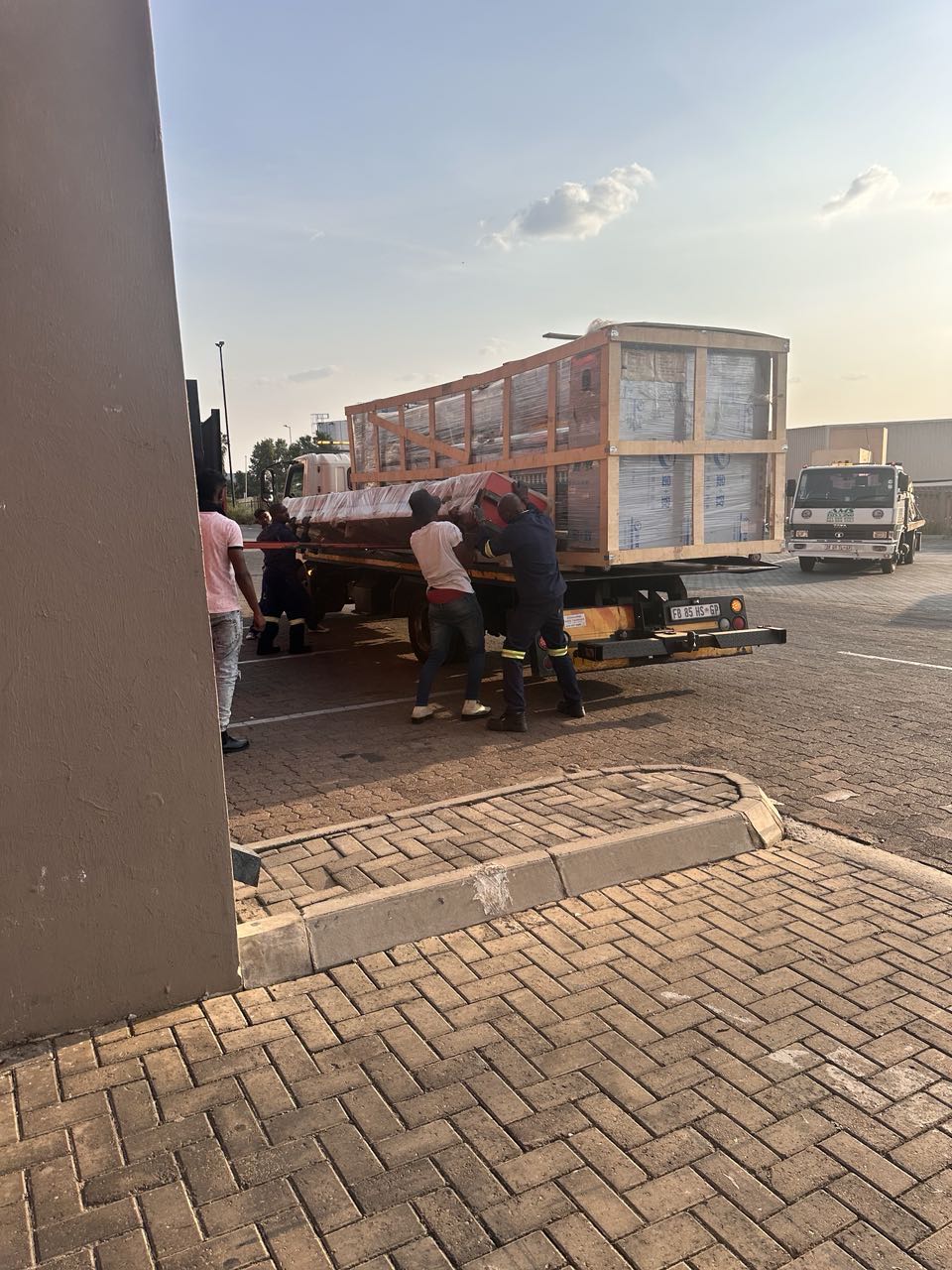
Toilet paper making machine
Toilet paper making machine
Toilet paper Rewinding Machine
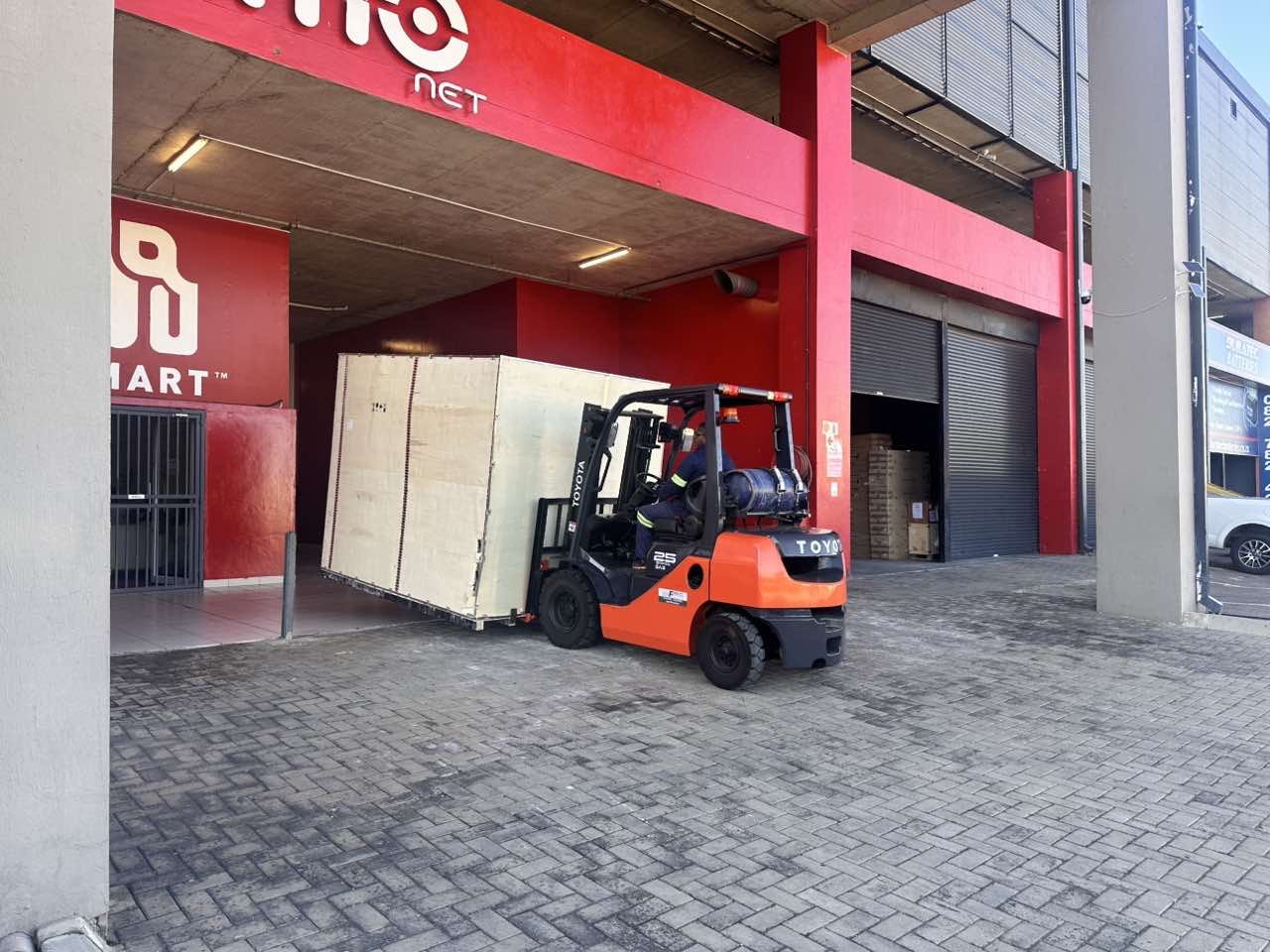
latest arrivals
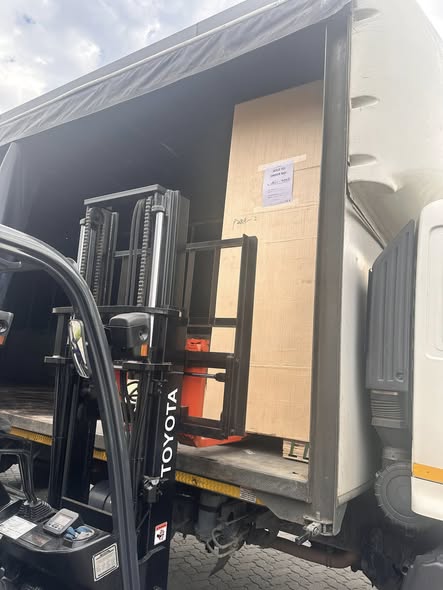
offloading
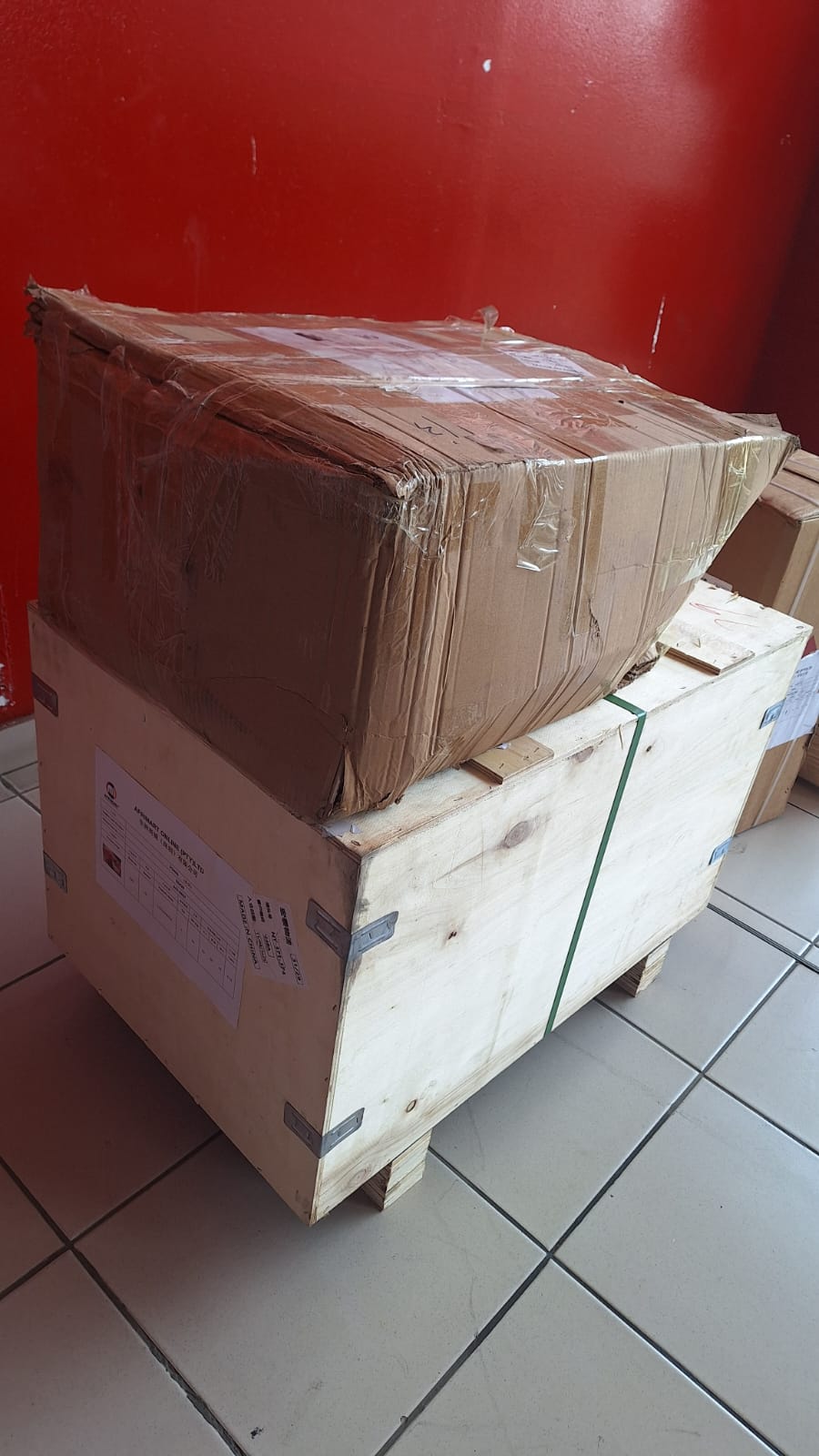
order success
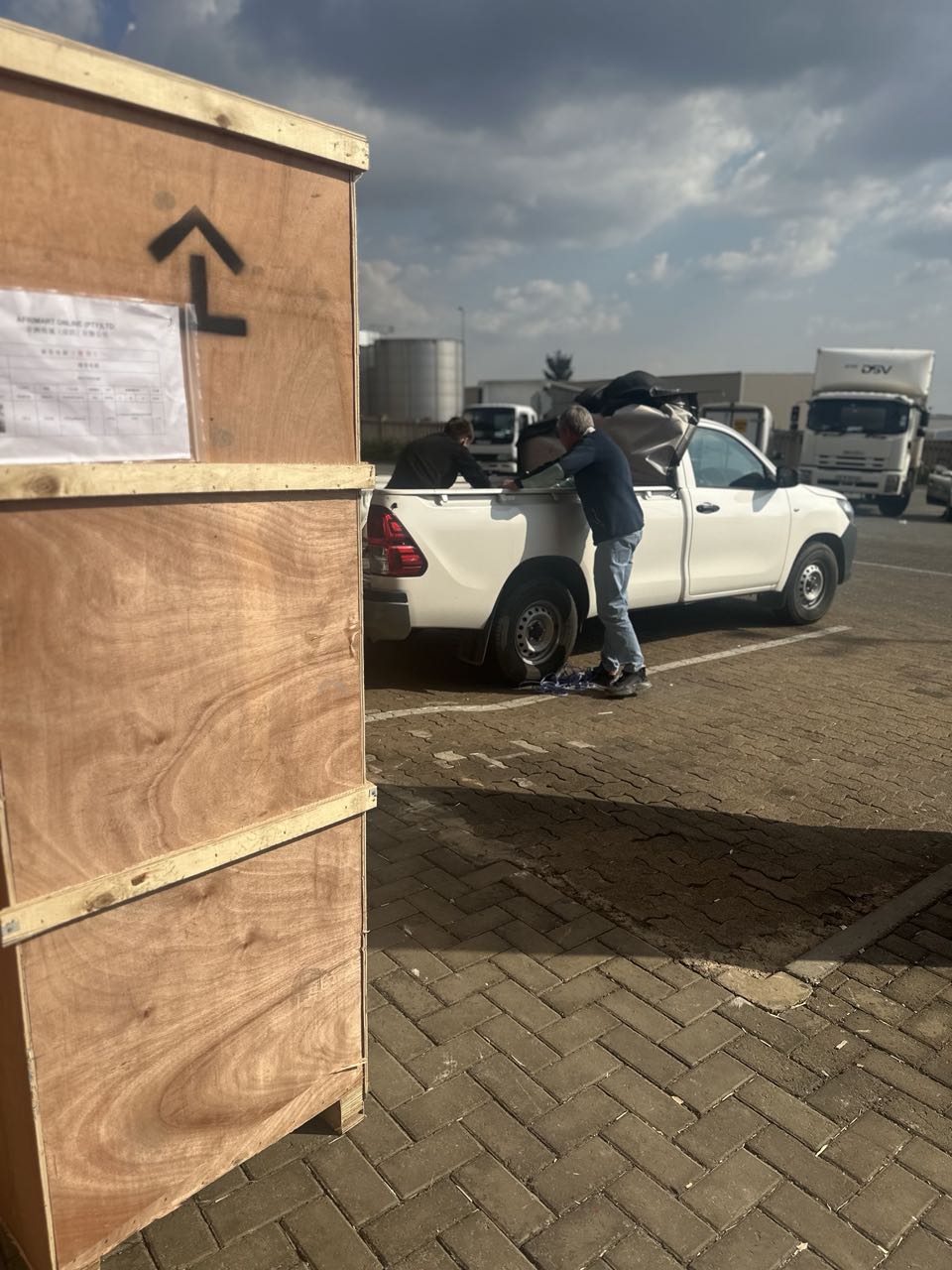
order collection
order offloading