B21, China Town Mall, Midrand

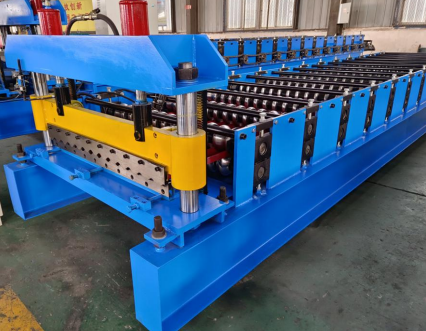
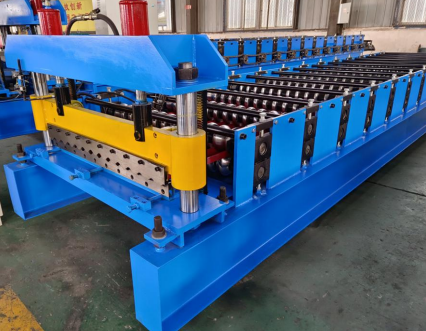
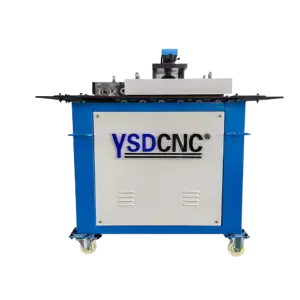
Corrugated Roof panel roll forming machine
- Section : Machinery
- Category : Construction Machinery
- SKU : 1600824082151

Corrugated Roof panel roll forming machine

- Shipping Timeframes: All orders are processed within 2-5 business days (excluding weekends and holidays). After your order has been processed, the estimated delivery time is before 12 Jun, 2026, depending on customs, Please note that due to high demand, some items may experience longer shipping times, which will be communicated at order confirmation email.
- Order Processing Time: Please allow 2-5 business days for us to process your order before it is shipped . Orders placed after 16:00 on Fridays, or during weekends and public holidays, will begin processing on the next business day. Processing times may be extended during peak seasons or sales events.
- Manufacturing Time: Some products needs manufacturing time, the manufacturing process will take approximately 10-30 business days depending on the product. This timeframe may vary depending on the complexity of the product and current demand. but this will be communicated with you during order confirmation.
- Returns and Exchanges: We offer a 30-day return policy for most items. If you are not completely satisfied with your purchase, you may return it within 30 days of receipt for a refund or exchange. Items must be unused, in their original packaging, and accompanied by proof of purchase. Return shipping costs are the responsibility of the customer, unless the item was damaged or defective upon arrival.
1. What is a Corrugated Roof panel roll forming machine?
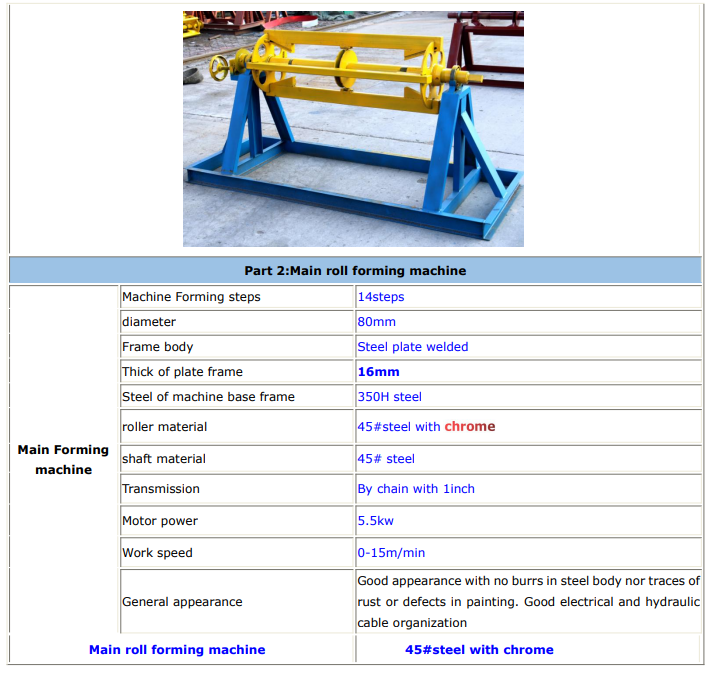
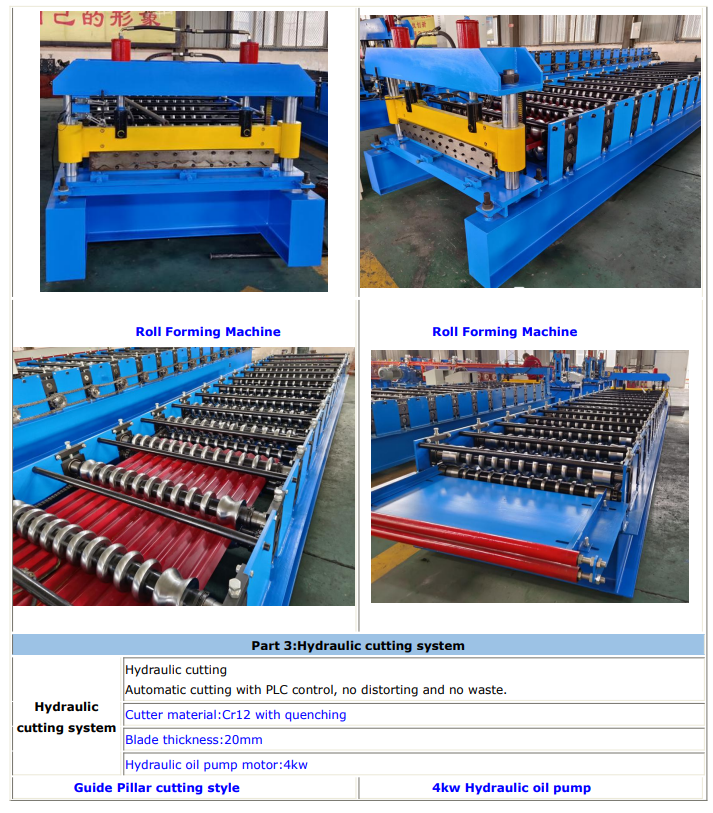
A roll forming machine that continuously shapes metal coil into corrugated roofing panels by passing the material through a series of matched rollers to produce consistent profiles for roof cladding and siding.
2. What materials can it process?
Common materials include pre-painted galvanized steel (PPGI), galvalume, cold-rolled steel, aluminum, and sometimes stainless steel, typically supplied as coil material.
3. What thickness and coil width ranges does it support?
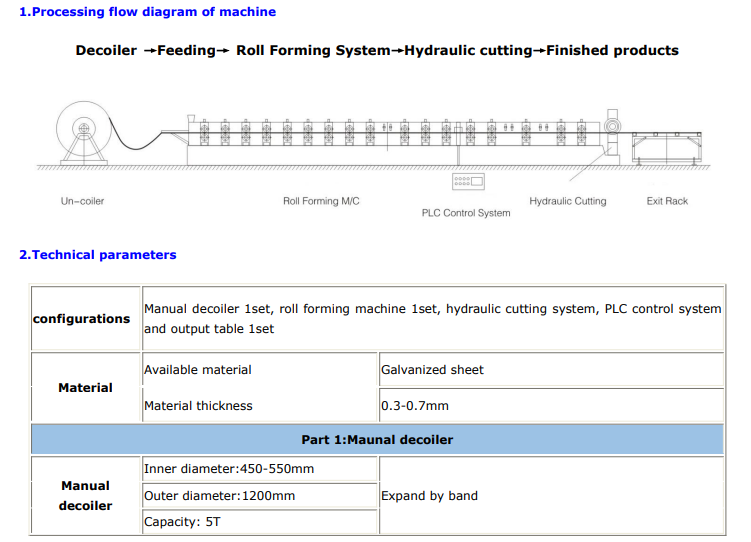
Typical thickness ranges are 0.3–1.2 mm for steel, and coil widths commonly 600–1250 mm, though exact ranges depend on machine configuration and customer requirements.
4. What production speed can I expect?
Production speed varies by profile complexity and material, but typical forming speeds are from 6 to 20 m/min. Some simplified profiles can run faster; precise speed is specified per machine.
5. What cutting methods are available?
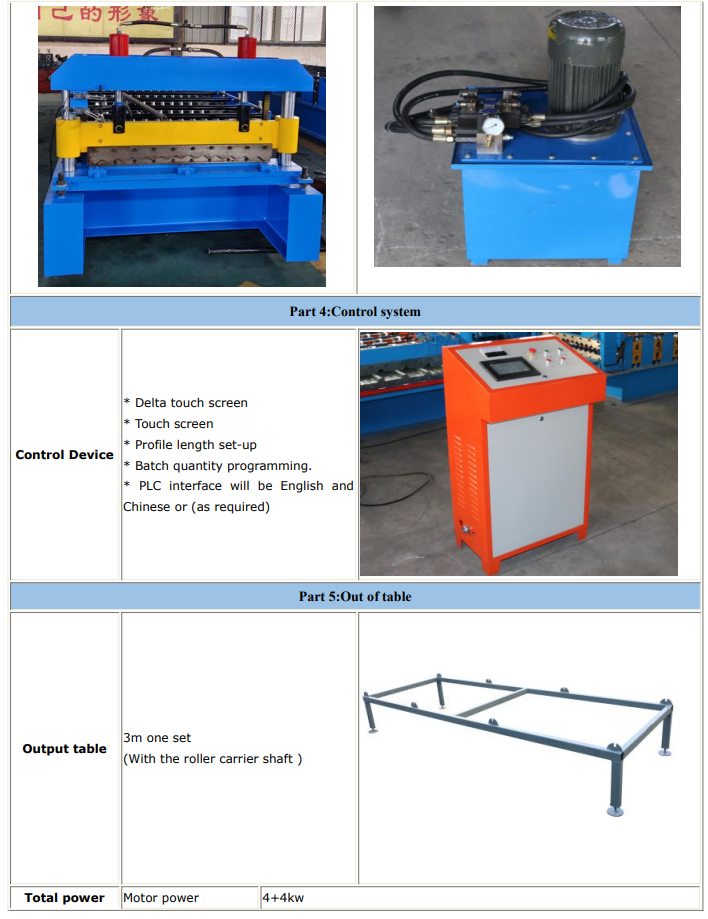
Common cutting options include hydraulic shears (cut-to-length) and flying shears for continuous cutting without stopping the line; choice depends on required accuracy and production speed.
6. Is the machine customizable?
Yes. Profile shape, forming stations, coil width, PLC controls, cutting system, decoiler capacity, and ancillary equipment can be customized to meet specific production and site requirements.
7. What level of automation and controls does it have?
Most modern machines include PLC control with an HMI/touchscreen for recipe management, automatic length counting, material runout detection, and optional servo drives for precise cutting and control.
8. What are typical power and floor space requirements?
Power consumption depends on machine size and accessories (typically a few kW to tens of kW). Floor space varies by configuration but usually ranges from 6–20 meters in length; exact requirements are provided on the technical drawing.
9. How long does installation and commissioning take?
Simple installations can be completed in a few days; full installation and commissioning with alignment, electrical hookup, and operator training typically takes 1–2 weeks depending on site conditions.
10. What routine maintenance is required?
Regular tasks include cleaning, lubrication of bearings and chains, checking roller alignment, inspecting cutting blades, and monitoring hydraulic oil and electrical connections. A preventive maintenance schedule should be followed.
11. Do you provide spare parts and after-sales support?
Most suppliers offer spare parts packages, technical support, remote troubleshooting, and on-site service or training. Confirm specific spare parts availability and lead times with the supplier.
12. What safety features are included?
Typical safety features include emergency stop buttons, safety guards around moving parts, interlocked access doors, overload protection, and safety PLC or relays to meet local regulations.
13. Can the machine produce different corrugated profiles?
Yes. By changing roll sets and sometimes minor tooling adjustments, a machine can produce various corrugated profiles, pitch heights, and panel widths within its design limits.
14. What factors affect the machine price?
Price is influenced by production speed, material thickness range, automation level, cutting system, decoiler capacity, brand, customization, and included accessories or spare parts packages.
15. Is training provided for operators?
Yes. Reputable manufacturers usually provide operator and maintenance training during commissioning, along with user manuals and sometimes remote training or video tutorials.
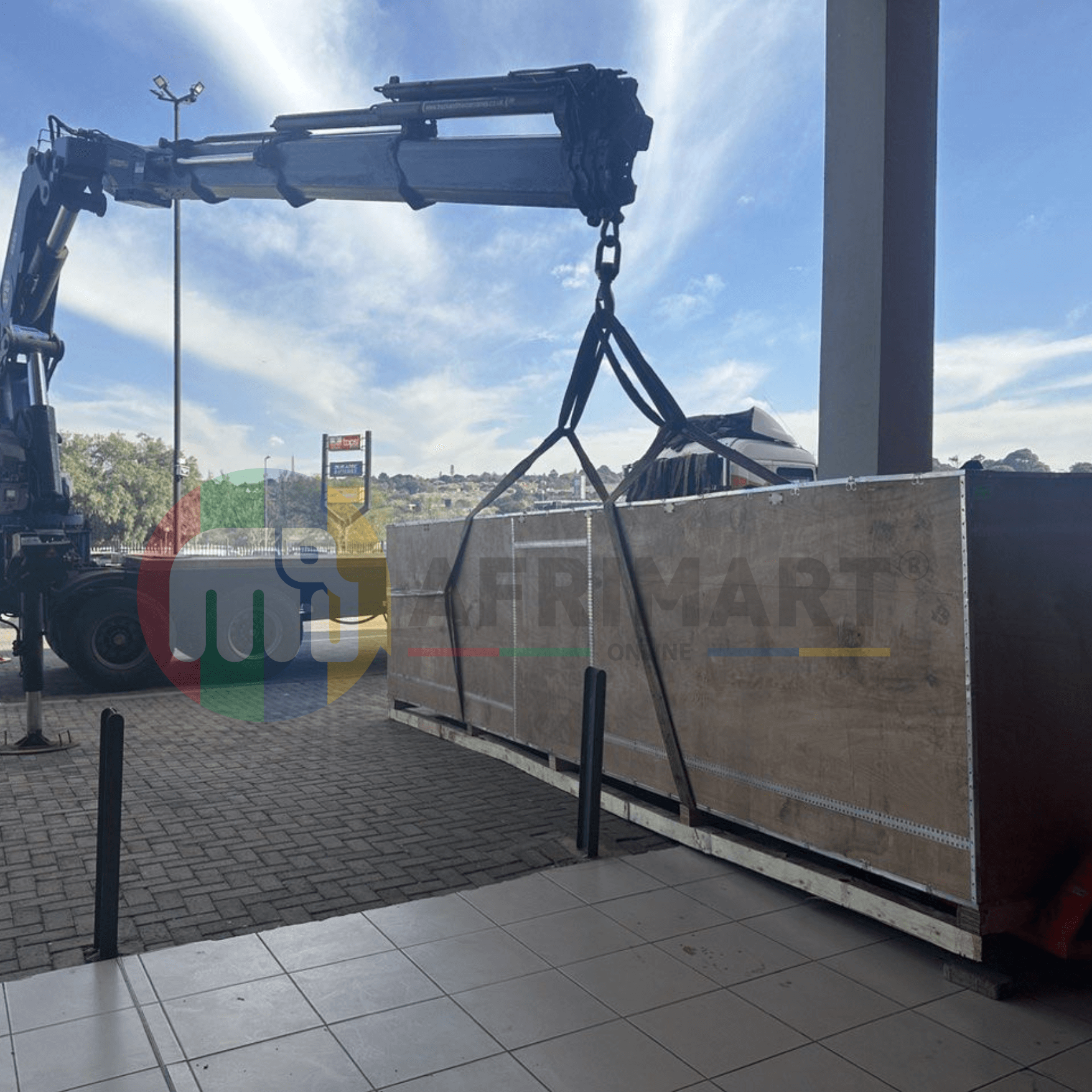
Latest Order Arrivals
Discover our latest orders
12 Heads Embroidery Machine
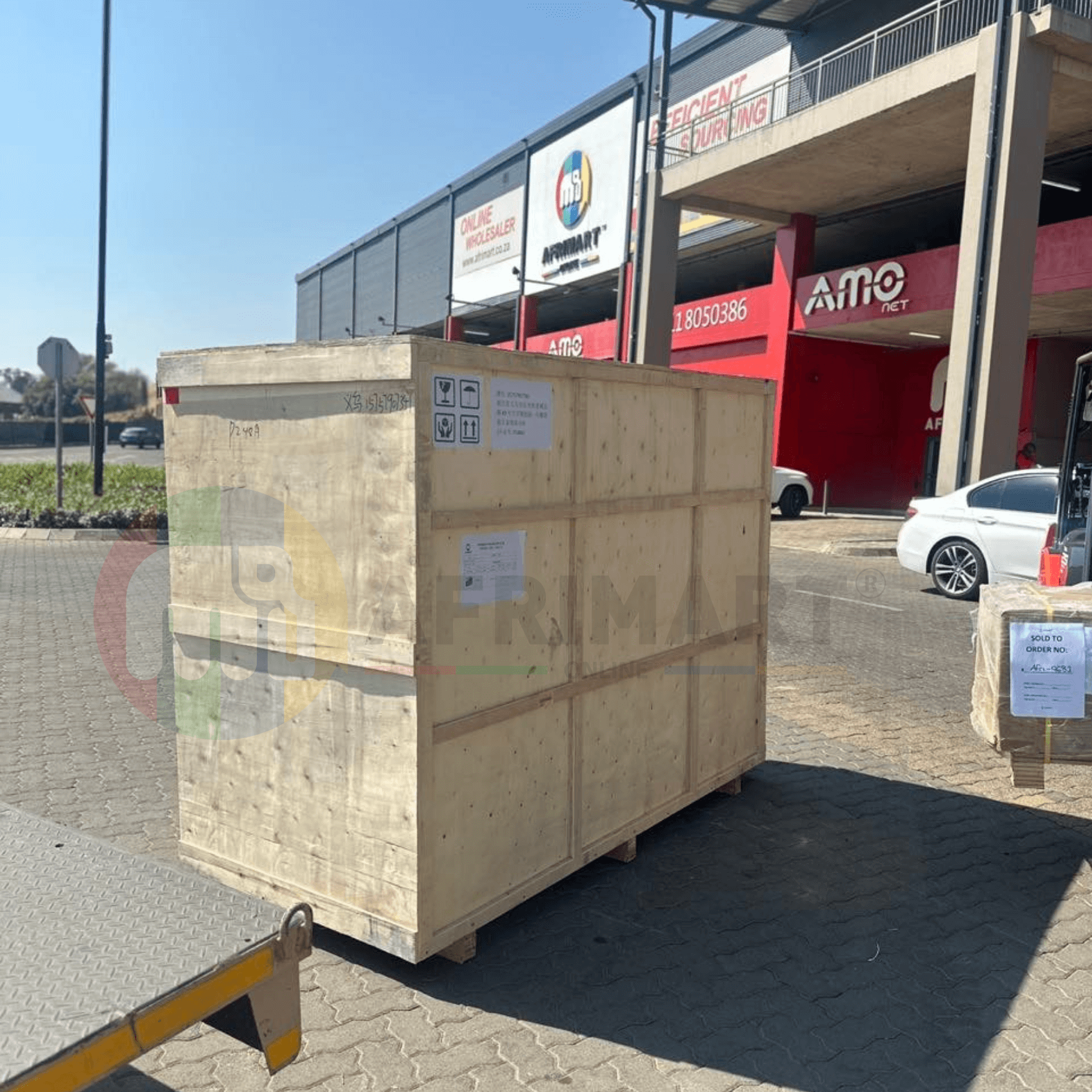
Dewatering Pump Machine
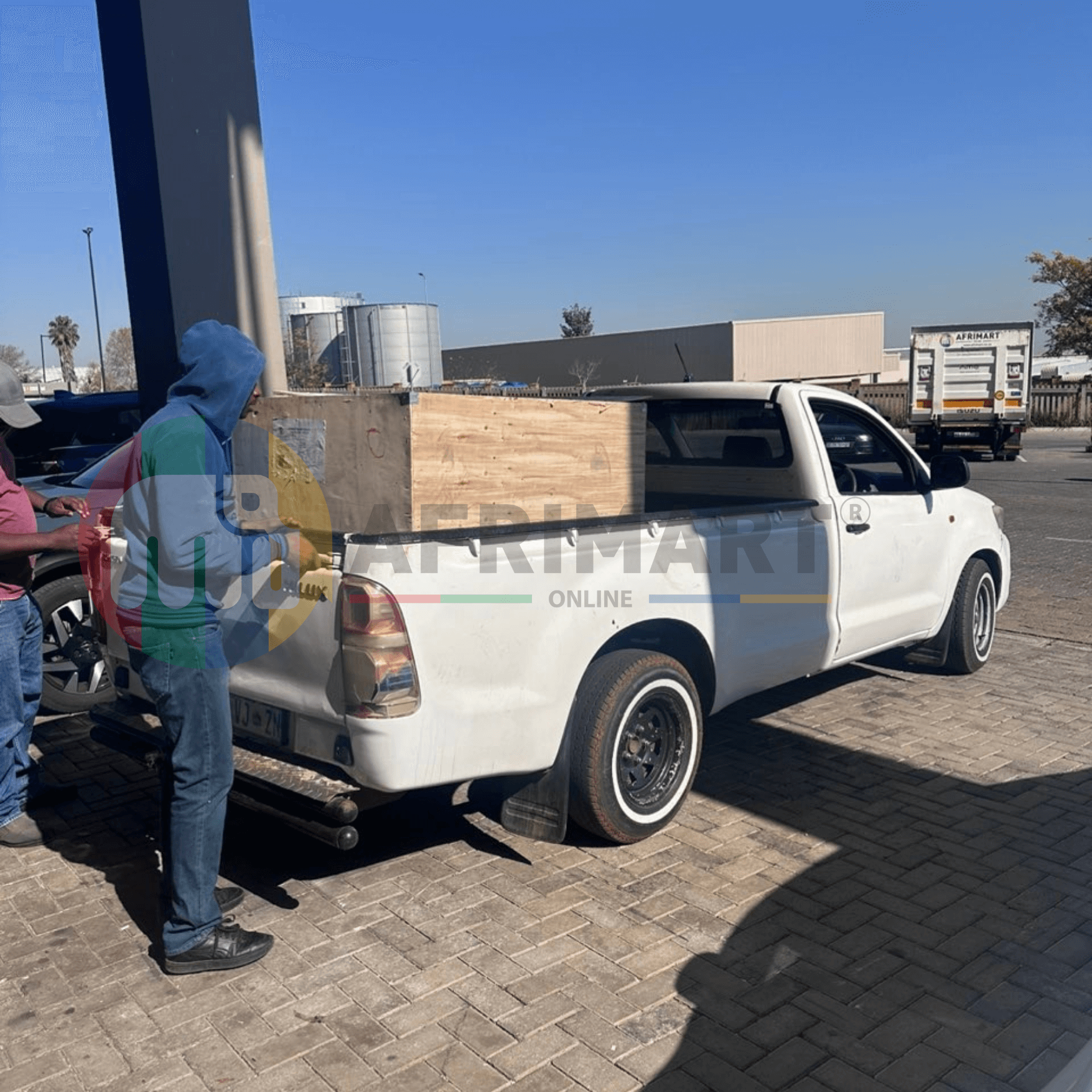
Order Collection
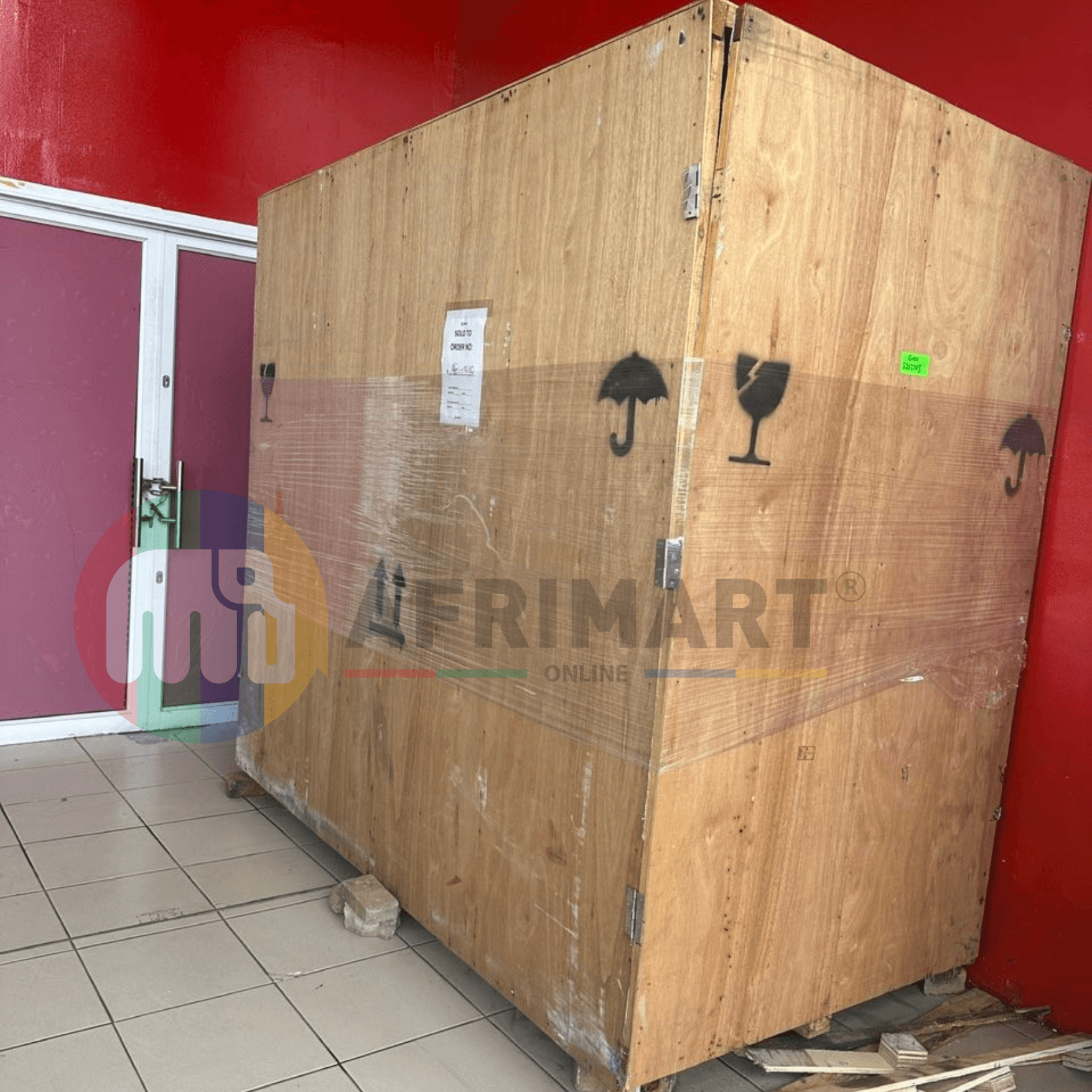
Portable Water Drilling Rig
Order Usefully Collected
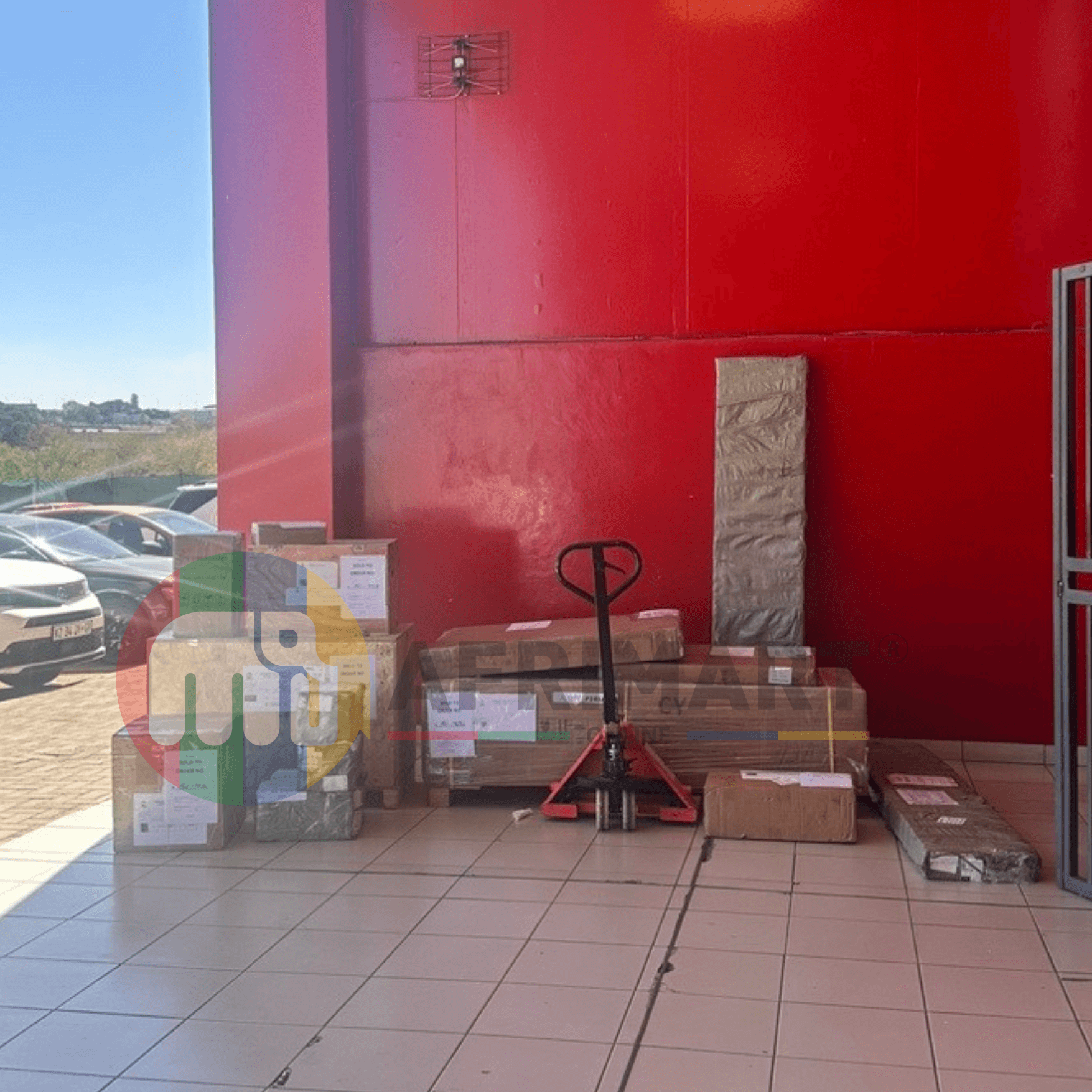
Batch of Orders
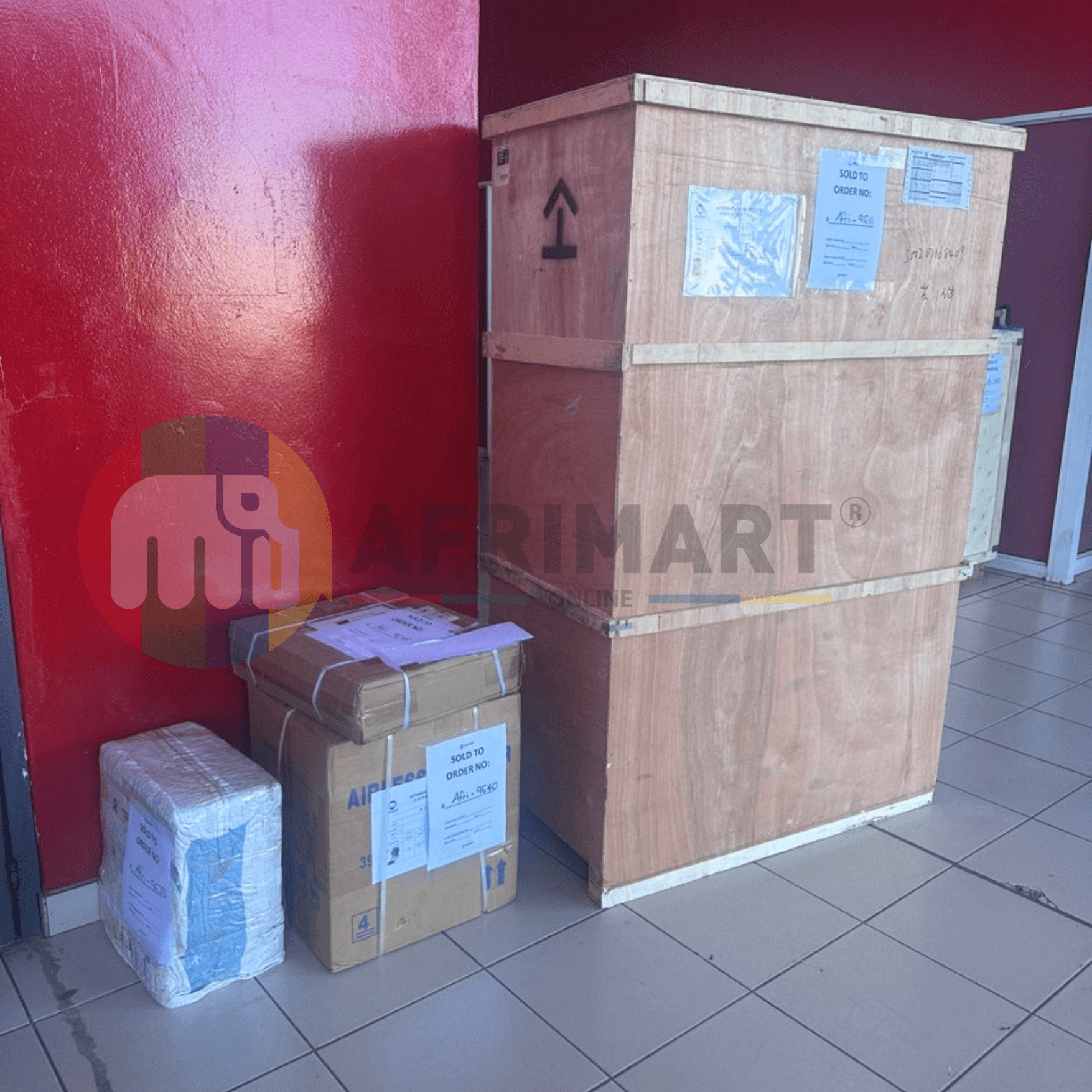
Agriculture Processing Machines
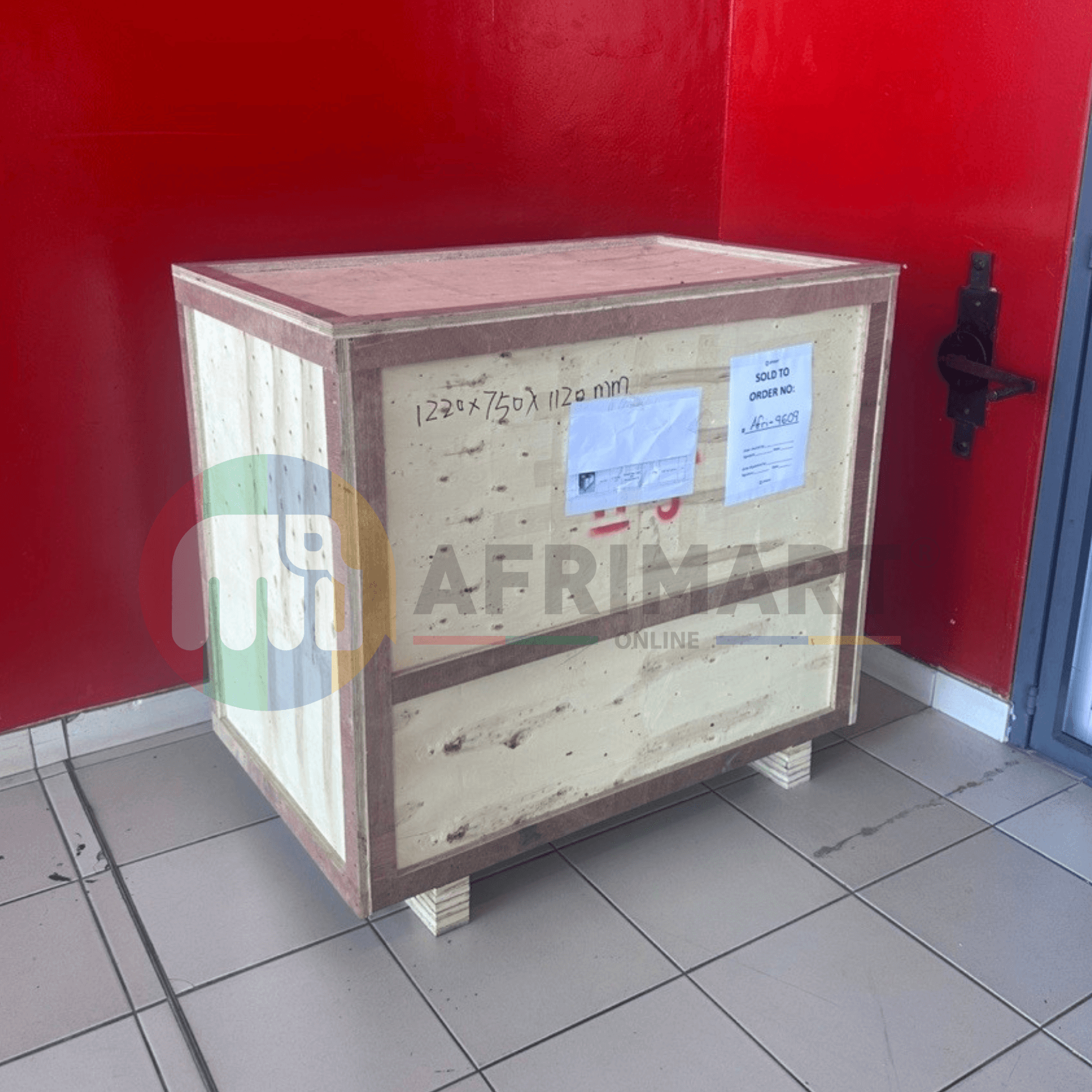
Meat Grinder Machine
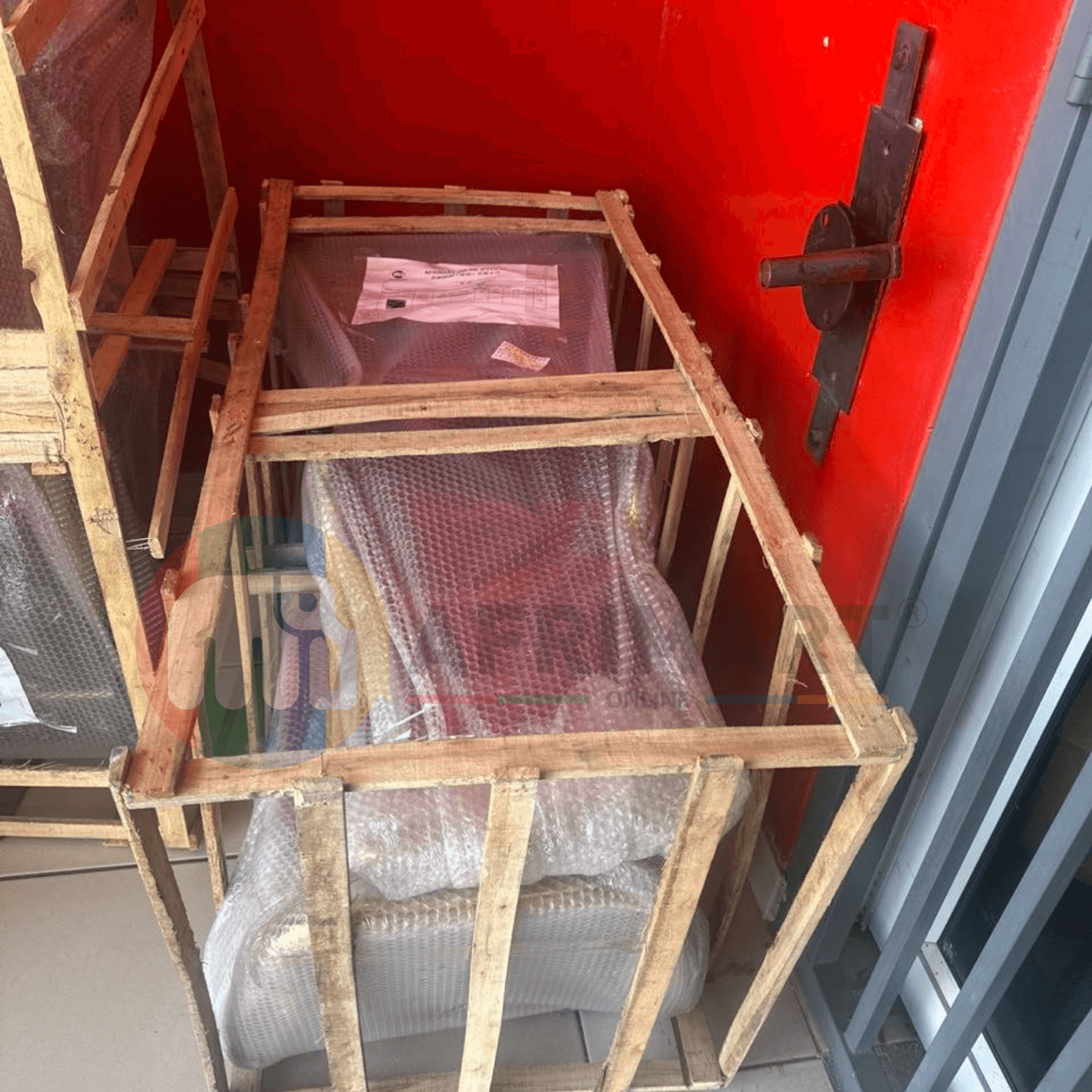
Water Pump Equipment
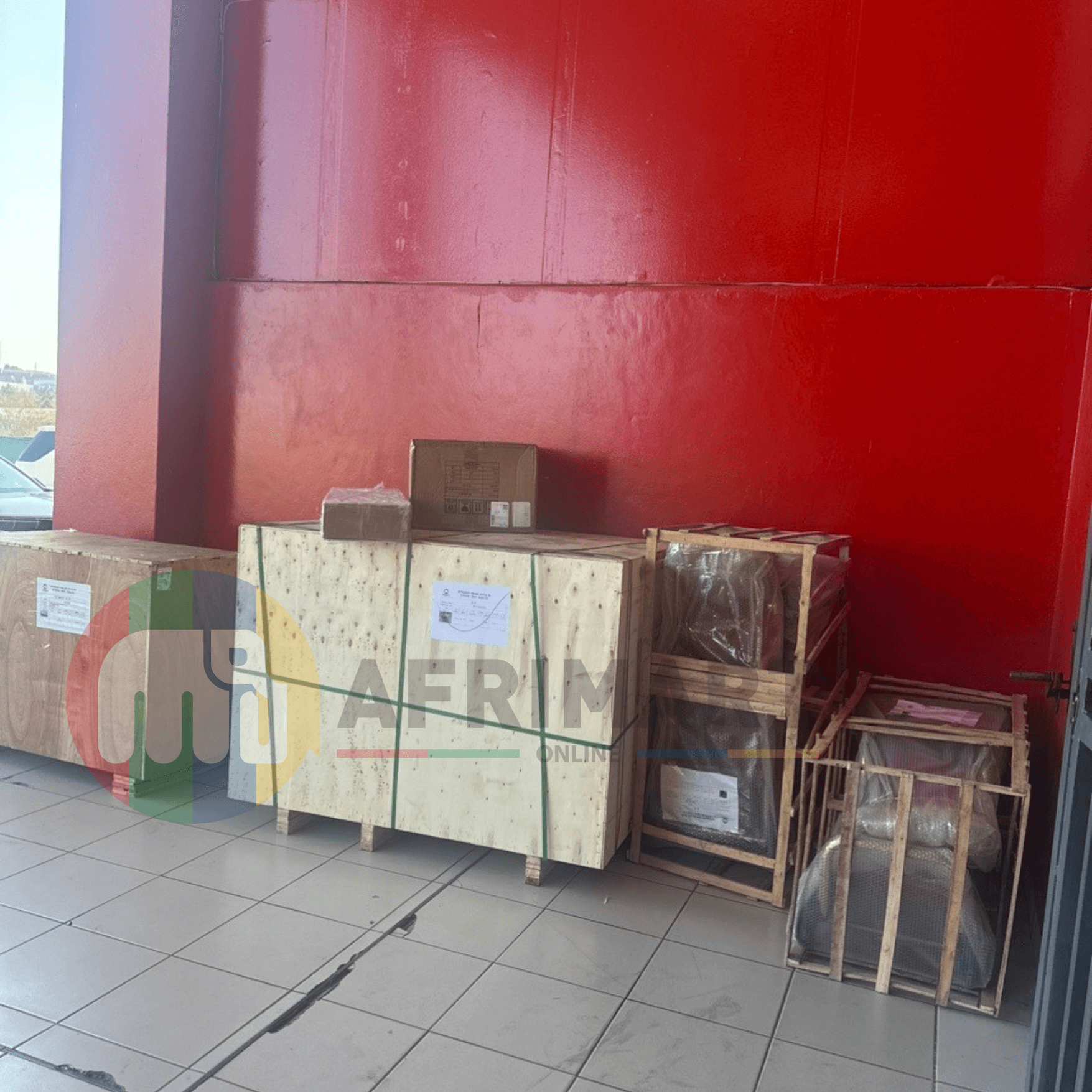
Packaging Machine and accessories
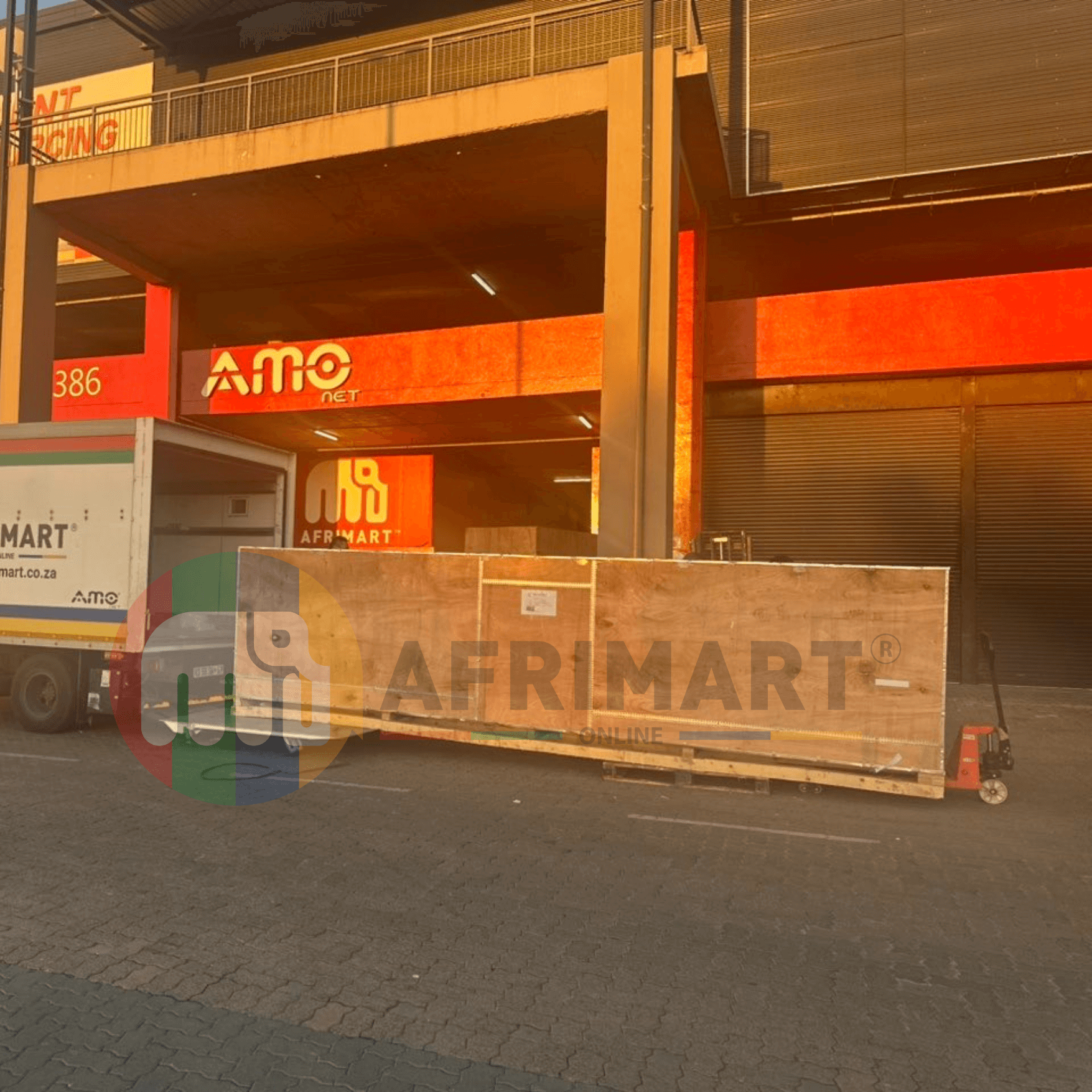
Fabrics Manufacturing Equipment
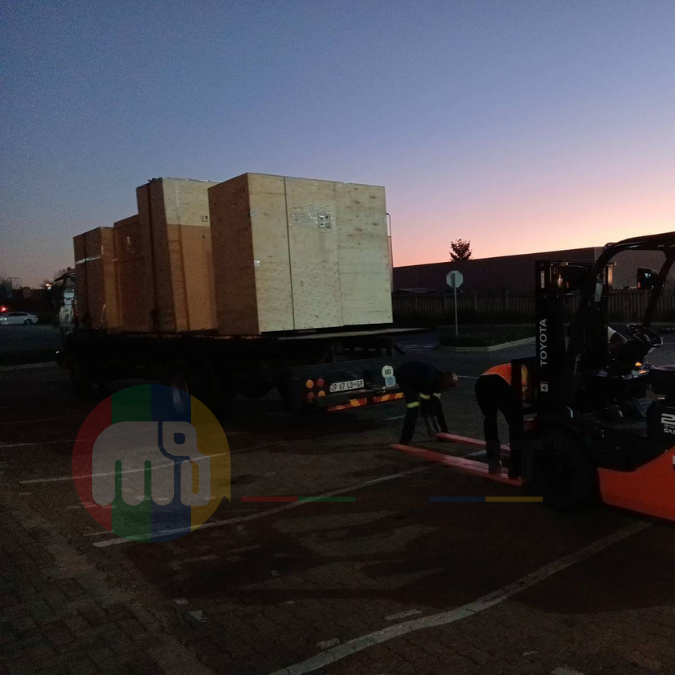
Mining Equipments
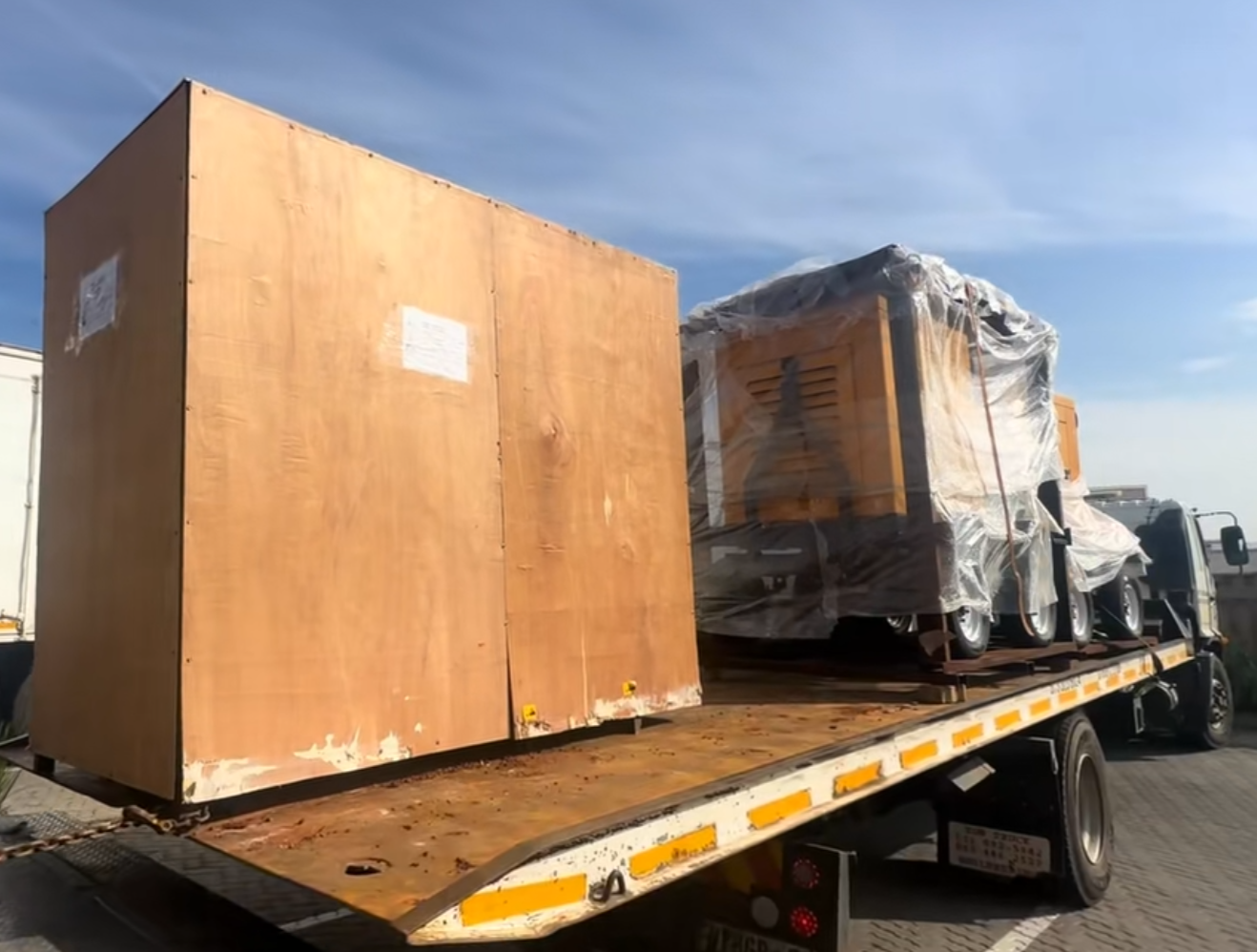
Food Processing Machine
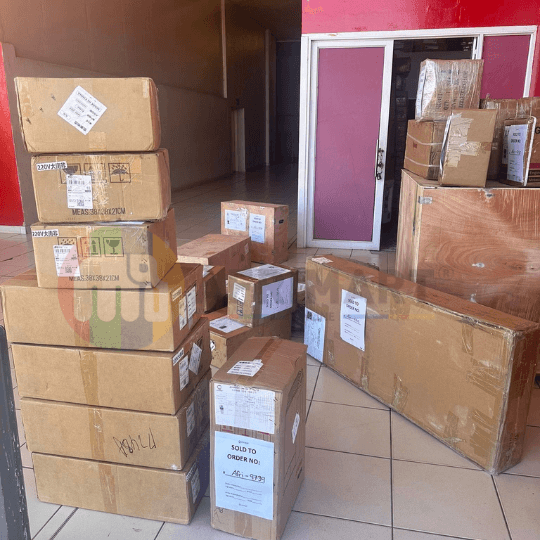
Batch of Orders
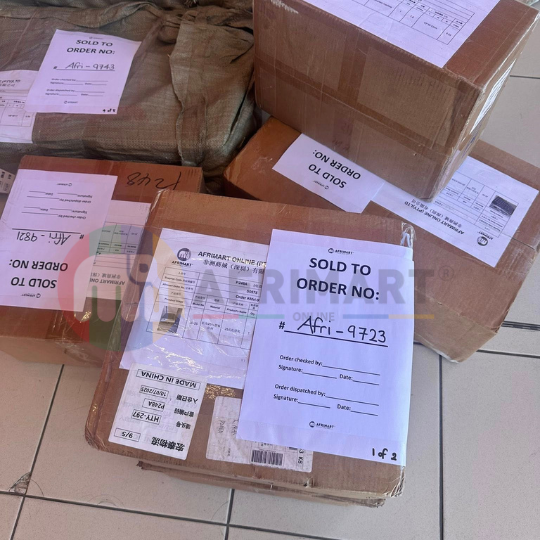
Batch of Orders
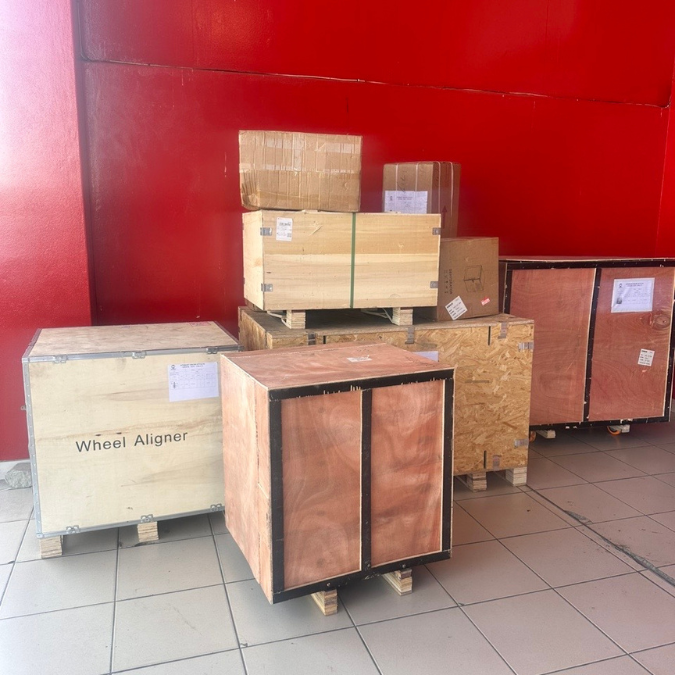
Latest Orders Labelled
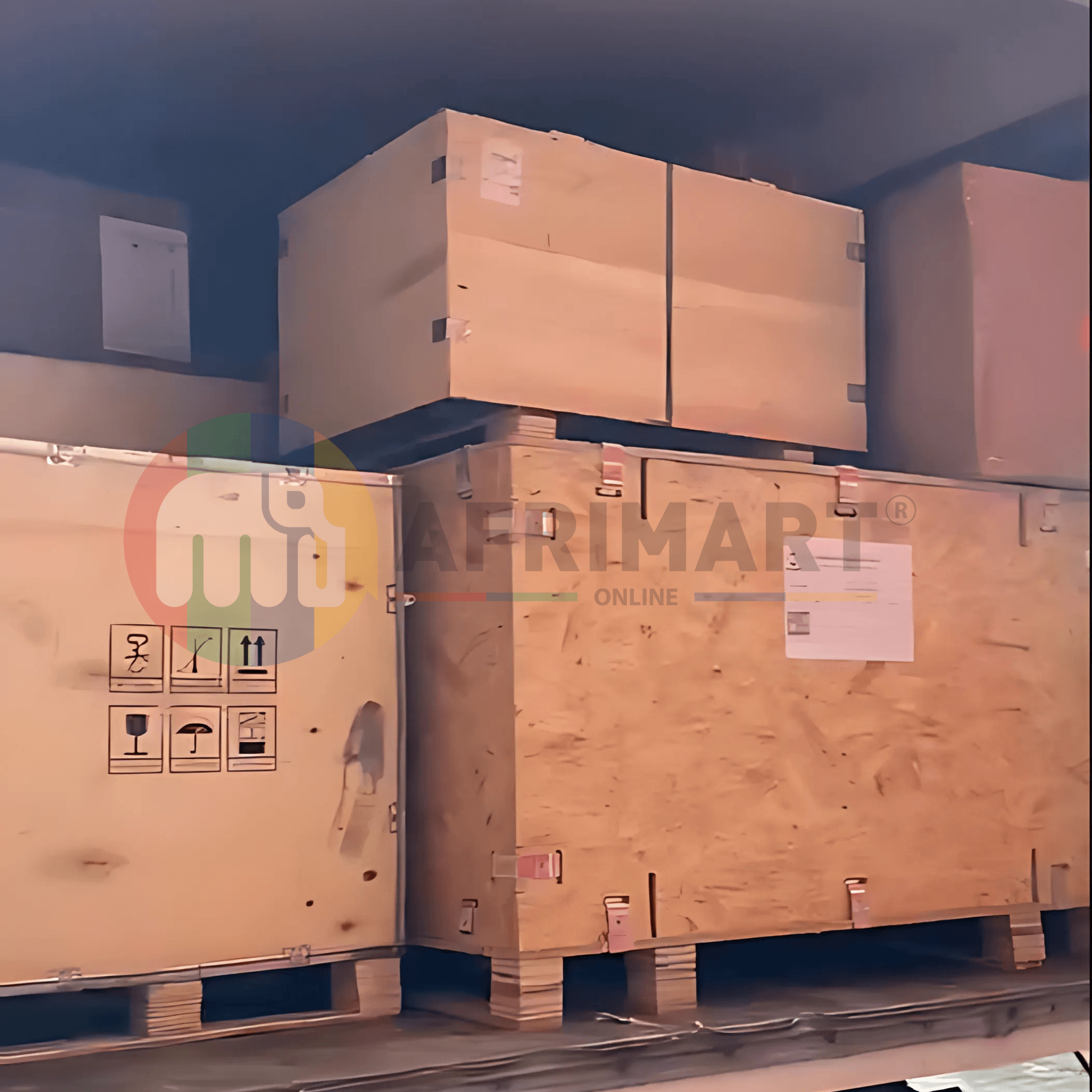
wheel alignment machines
new arrivals
Pre Orders Offloading
Latest Arrivals
Latest Arrivals
Latest Arrivals
26 January 2026
Toilet paper making machine
Toilet paper making machine
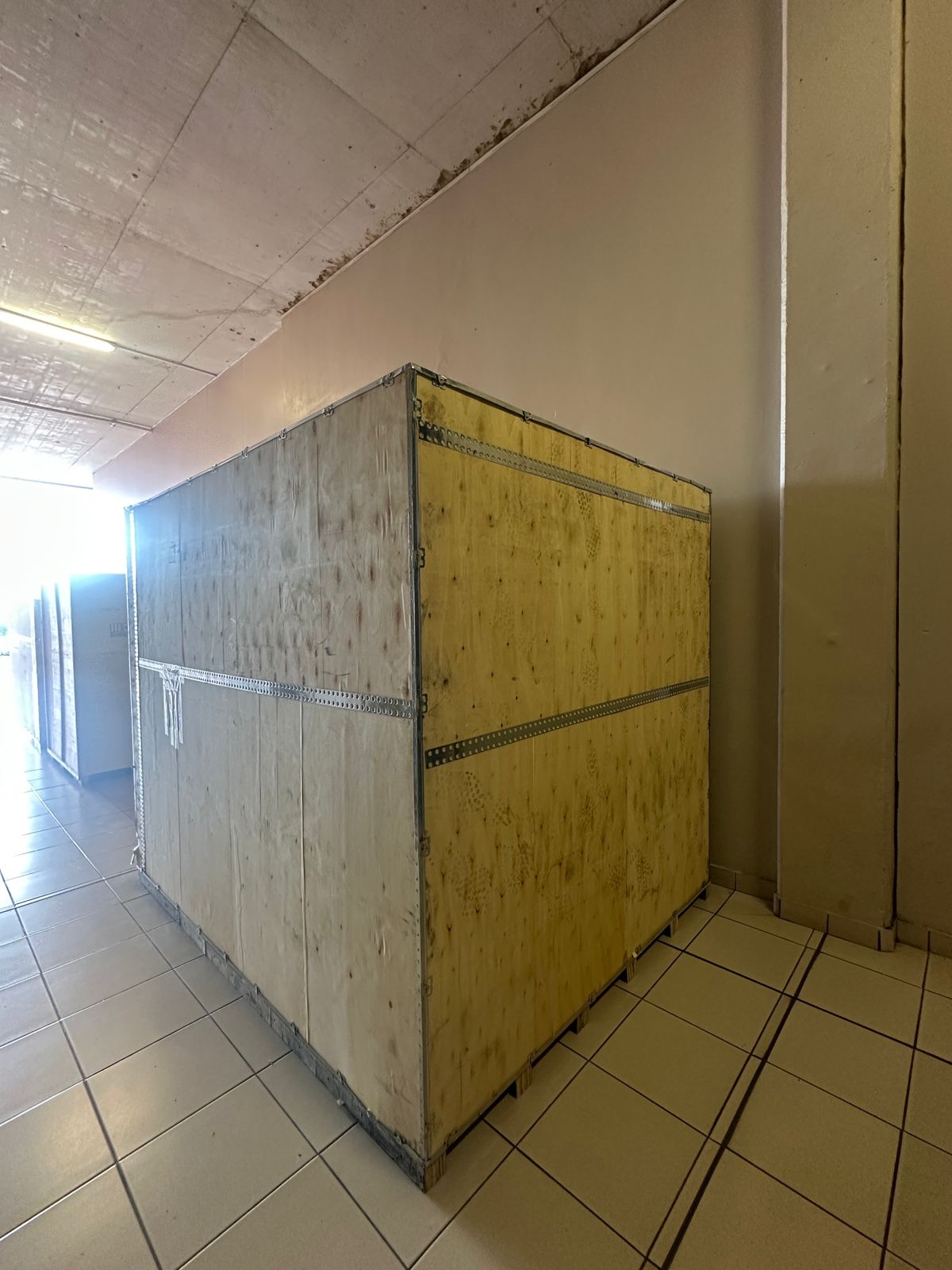
Toilet paper Rewinding Machine
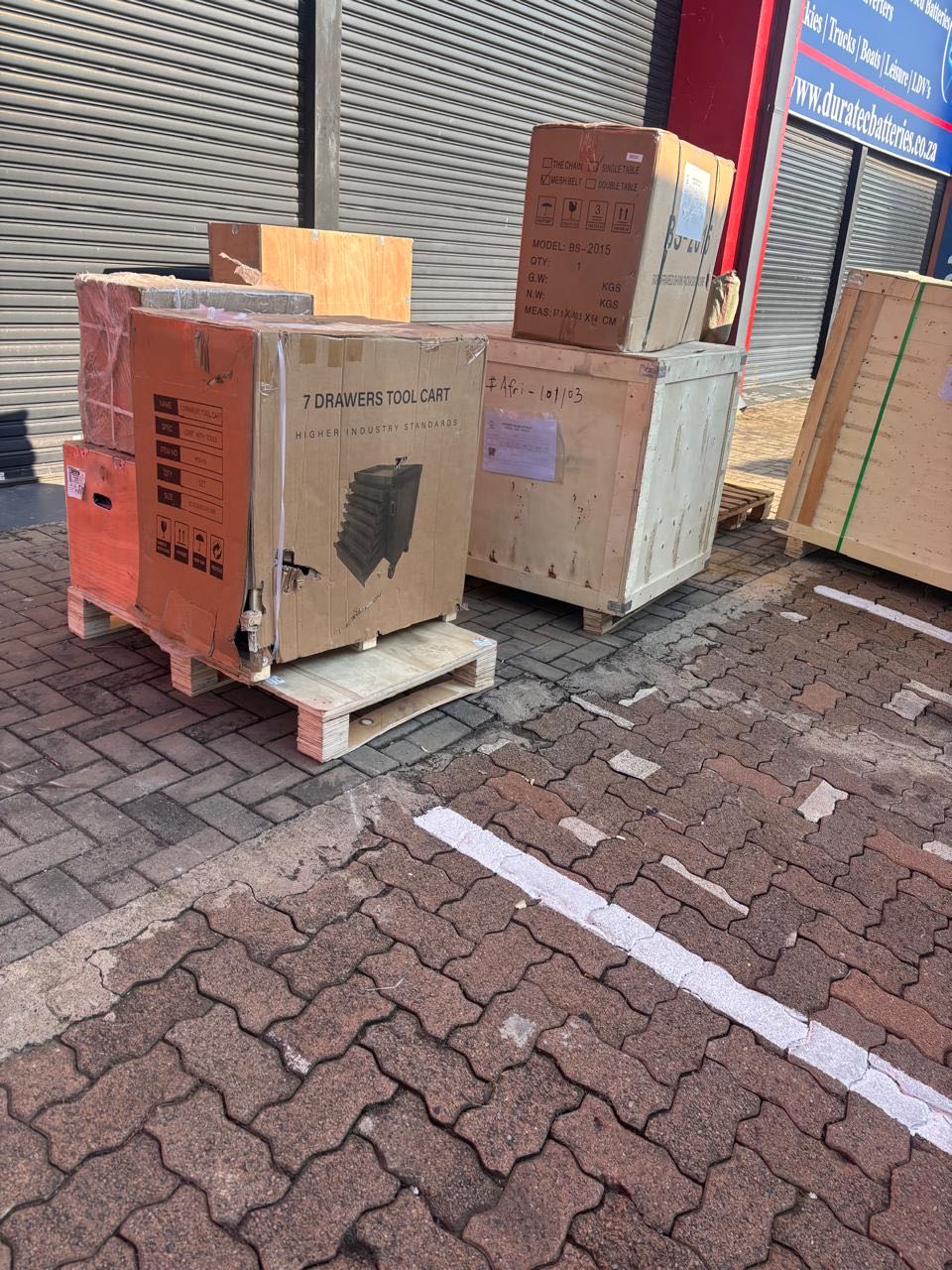
latest arrivals
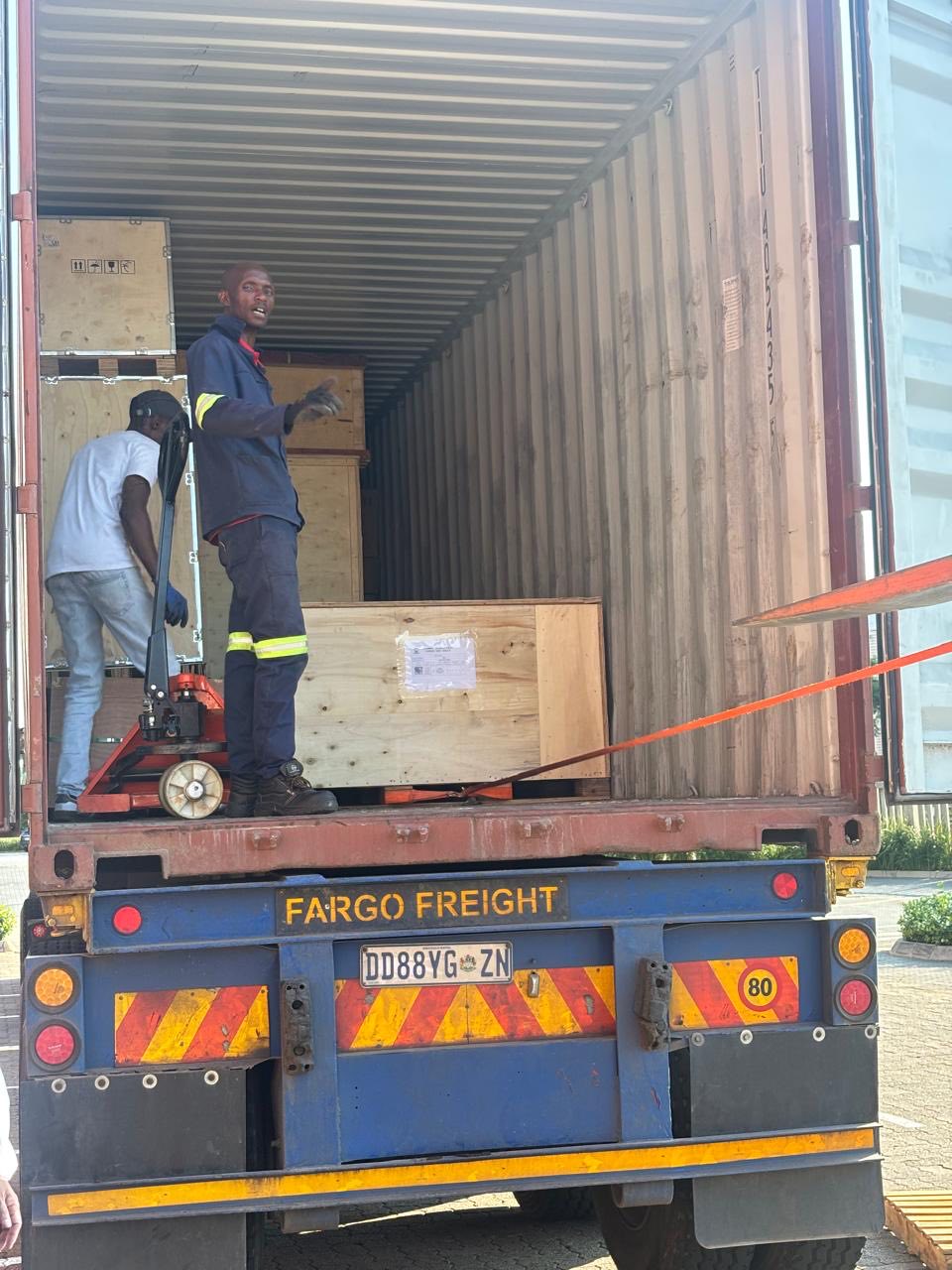
offloading
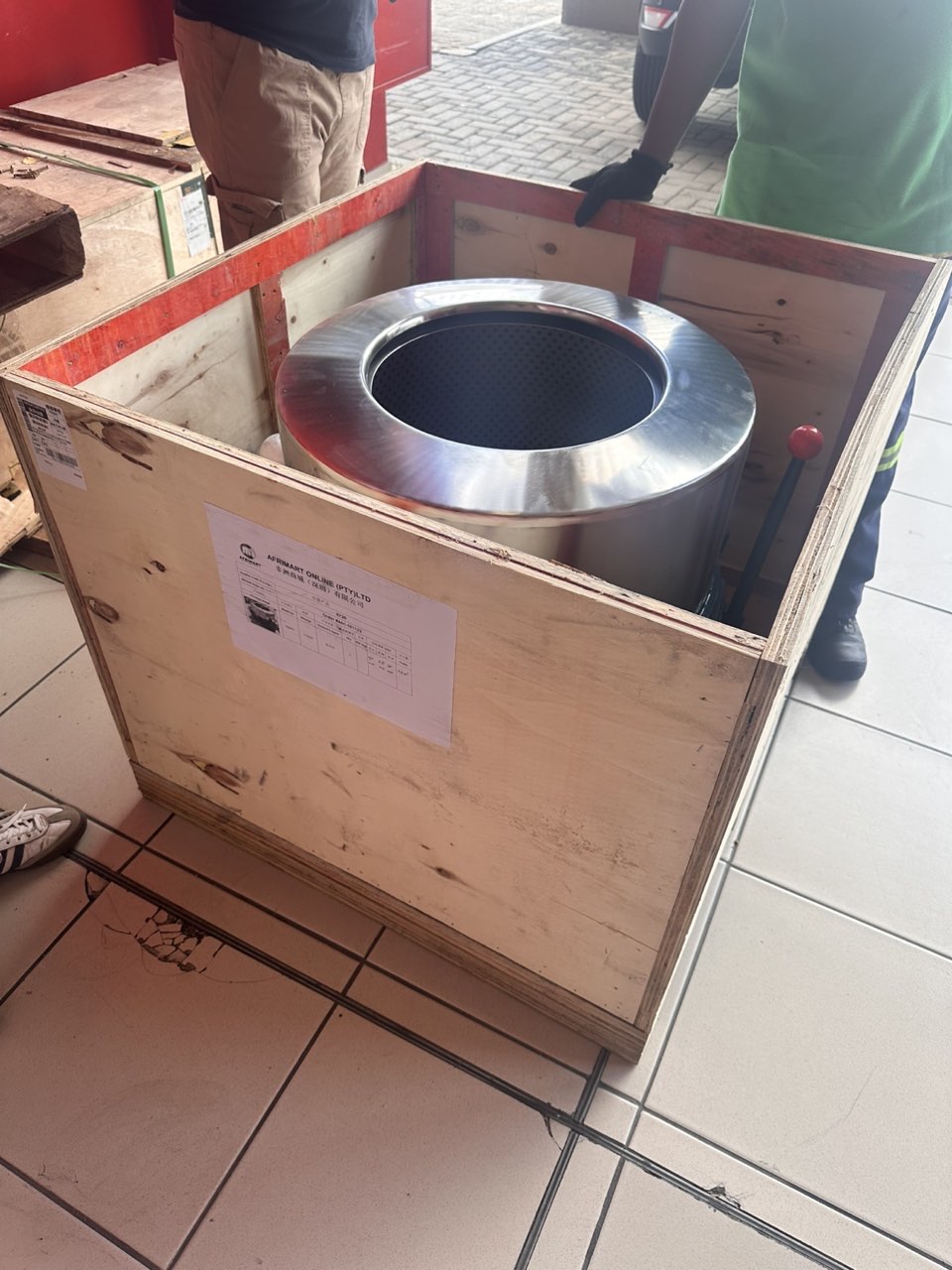
order success
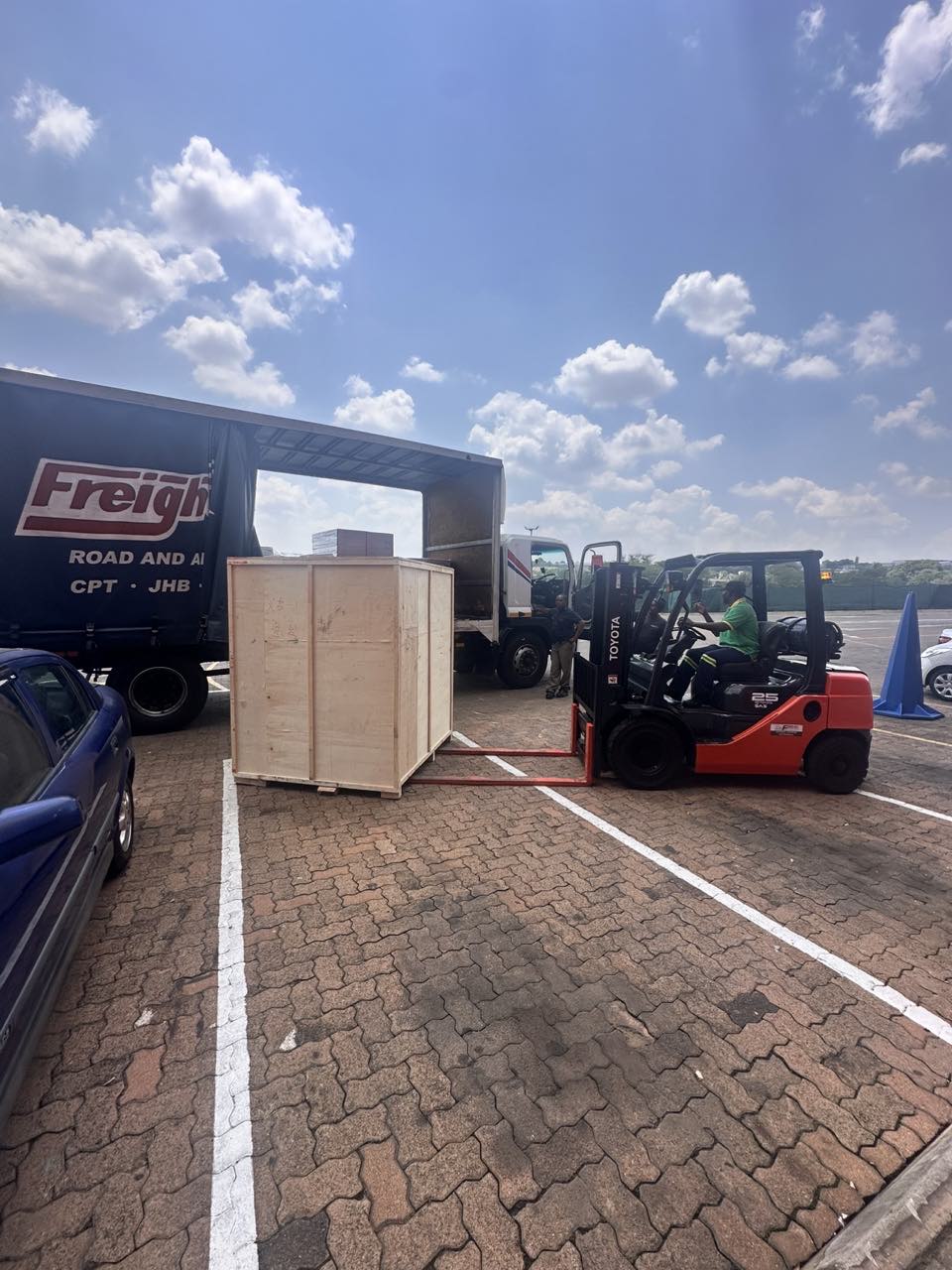
order collection
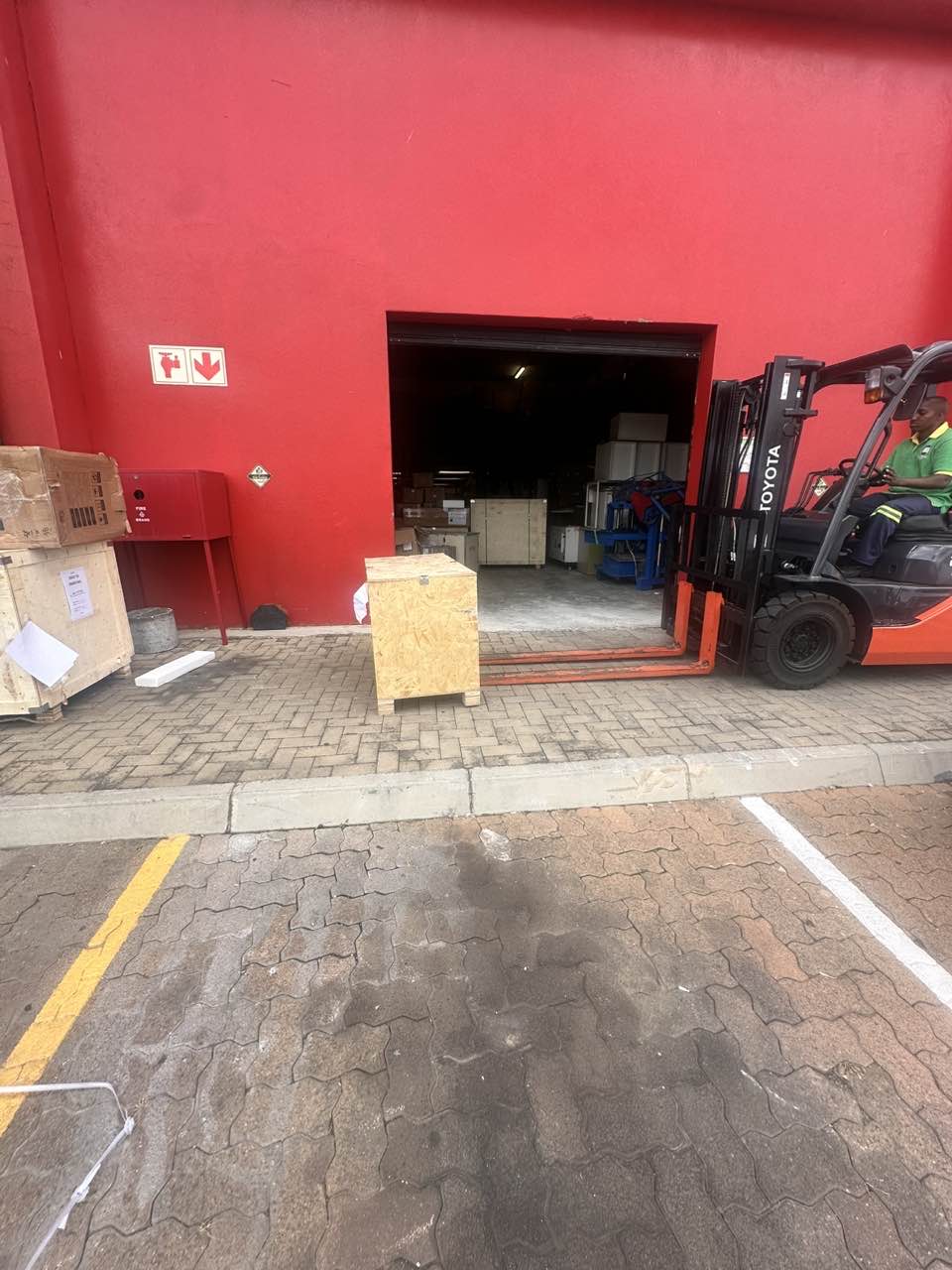
order offloading