B21, China Town Mall, Midrand


Copper Mining Machinery Zinc Lead Ore Flotation Machine Mineral Processing Plant
Asset finance available
Do you want funding for this equipment?
Afrimart can connect you with trusted funding partners who specialise in asset finance for businesses like yours. Compare options and apply in minutes — final approval is subject to provider review.
Check funding options
Secure & no obligation

- Section : Machinery
- Category : Mining Machinery
- SKU : 1600538535110

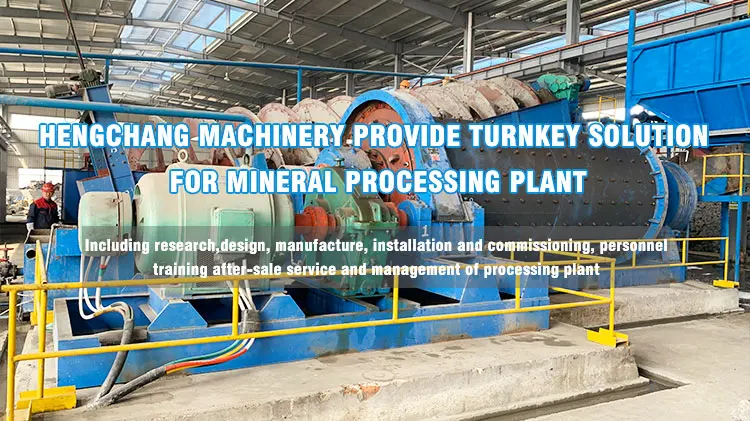
Mineral Processing Plant Copper Mining Machinery Zinc Lead Ore Flotation Machine
Hengchang machinery flotation machine can be used for separating many minerals, such as gold, copper, tantalum, lead and zinc ore and so on. When you find us, you find a best mining machinery manufacturer.

Lead Ore Flotation Machine Introduction:
Flotation machine can be used to separate non-ferrous metal, ferrous metal, noble metal, non-metallic mine, chemical material. It can be used in roughing,scavenging, selection or reverse flotation.In the flotation process, after being mixed with drug, some qualified mineral attaches on bubble, floats on the surface of slurry and is scraped out, other mineral still stays in the slurry, so the separating purpose is finished.
Lead Ore Flotation Machine Working Principle:
Flotation machine adopts creative forward tank,double side blades of water wheels, draft tube and the false bottom device. The slurry in tank takes upper and lower circulation according to the fixed flow mode, which is conducive to suspension of coarse particle.
Lead Ore Flotation Machine Application:
Flotation machine can be used to separate non-ferrous metal, ferrous metal, noble metal, non-metallic mine, chemical material. It can be used in roughing,scavenging, selection or reverse flotation.In the flotation process, after being mixed with drug, some qualified mineral attaches on bubble, floats on the surface of slurry and is scraped out, other mineral still stays in the slurry, so the separating purpose is finished.





| Category | Specification model | Effective cubage (m³) | Processing capcity (m³/min) | Main shaft loam board | |||
| Power (kw) | Rotate speed (r/min) | Rotate speed (r/min) | Power (kw) | ||||
| XJK type | XJK-0.35 | 0.35 | 0.18-0.4 | 1.5 | 483 | 25 | 1.1 |
| XJK-0.62 | 0.62 | 0.3-0.9 | 3 | 400 | 25 | 1.1 | |
| XJK-1.1 | 1.1 | 0.6-1.6 | 5.5 | 330 | 25 | 1.1 | |
| XJK-2.8 | 2.8 | 1.5-3.5 | 11 | 280 | 25 | 1.1 | |
| XJK-5.8 | 5.8 | 1.1-2.9 | 22 | 240 | 25 | 1.5 | |
| SF type | SF-0.37 | 0.37 | 0.2-0.4 | 1.5 | 386 | 25 | 1.1 |
| SF-0.7 | 0.7 | 0.3-0.9 | 3 | 400 | 25 | 1.1 | |
| SF-1.2 | 1.2 | 0.6-1.6 | 5.5 | 330 | 25 | 1.1 | |
| SF-2.8 | 2.8 | 1.5-3.5 | 11 | 268 | 25 | 1.1 | |
| SF-4 | 4 | 2.0-4 | 15 | 220 | 25 | 1.5 | |
| SF-8 | 8 | 4.0-8 | 30 | 191 | 25 | 1.5 | |
| SF-16 | 16 | 5.0-16 | 30 | 191 | 25 | 1.5 | |
| SF-20 | 20 | 5.0-20 | 45 | 186 | 25 | 1.5 |





- Shipping Timeframes: All orders are processed within 2-5 business days (excluding weekends and holidays). After your order has been processed, the estimated delivery time is before 03 Aug, 2026, depending on customs, Please note that due to high demand, some items may experience longer shipping times, which will be communicated at order confirmation email.
- Order Processing Time: Please allow 2-5 business days for us to process your order before it is shipped . Orders placed after 16:00 on Fridays, or during weekends and public holidays, will begin processing on the next business day. Processing times may be extended during peak seasons or sales events.
- Manufacturing Time: Some products needs manufacturing time, the manufacturing process will take approximately 10-30 business days depending on the product. This timeframe may vary depending on the complexity of the product and current demand. but this will be communicated with you during order confirmation.
- Returns and Exchanges: We offer a 30-day return policy for most items. If you are not completely satisfied with your purchase, you may return it within 30 days of receipt for a refund or exchange. Items must be unused, in their original packaging, and accompanied by proof of purchase. Return shipping costs are the responsibility of the customer, unless the item was damaged or defective upon arrival.
1. What is the primary use of the Copper Mining Machinery Zinc Lead Ore Flotation Machine?
The primary use of this flotation machine is to separate various minerals such as gold, copper, tantalum, lead, and zinc ore through the flotation process.
2. How does the flotation process work?
In the flotation process, the mixture is combined with a reagent which causes certain minerals to attach to bubbles and float to the surface, while others remain in the slurry, allowing for separation.
3. What types of materials can this flotation machine process?
This flotation machine can process non-ferrous metals, ferrous metals, noble metals, non-metallic minerals, and chemical materials.
4. What are the different application methods for this flotation machine?
The flotation machine can be used in roughing, scavenging, selection, or reverse flotation.
5. Can this machine be used for small-scale mining operations?
Yes, the flotation machine comes in various models with different processing capacities, making it suitable for both small and large-scale mining operations.
6. What are the specifications of the XJK type flotation machines?
The XJK type flotation machines range from models with effective cubage of 0.35m³ to 5.8m³ and varying processing capacities, power, and rotating speeds.
7. What power supply is required for the flotation machine?
The power requirements vary by model, ranging from 1.1 kW to 1.5 kW depending on the specific flotation machine type.
8. What maintenance does the flotation machine require?
Regular maintenance includes checking the mechanical parts, ensuring proper lubrication, and inspecting the flotation mechanism for wear and tear.
9. Is the flotation machine suitable for separating heavy metals?
Yes, the flotation machine is effective for separating heavy metals such as lead and zinc from other materials.
10. What is the role of the draft tube in the flotation machine?
The draft tube helps in the circulation of slurry within the flotation tank, enhancing the suspension of coarse particles.
11. Are there any safety precautions to consider while operating the flotation machine?
Yes, operators should wear appropriate personal protective equipment (PPE) and follow safety guidelines to handle chemicals and machinery safely.
12. How do I know which model of flotation machine to choose?
The choice of model depends on your specific processing capacity needs and the type of minerals you intend to separate.
13. Can the flotation machine be customized for specific mineral processing needs?
Yes, many manufacturers, including Hengchang machinery, offer customization options to meet specific requirements for mineral processing.
14. What is the expected lifespan of the flotation machine?
The lifespan of the flotation machine can vary based on maintenance and usage, but with proper care, it can last several years.
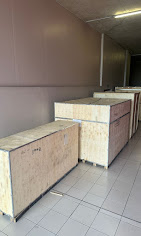
Latest Order Arrivals
Discover our latest orders
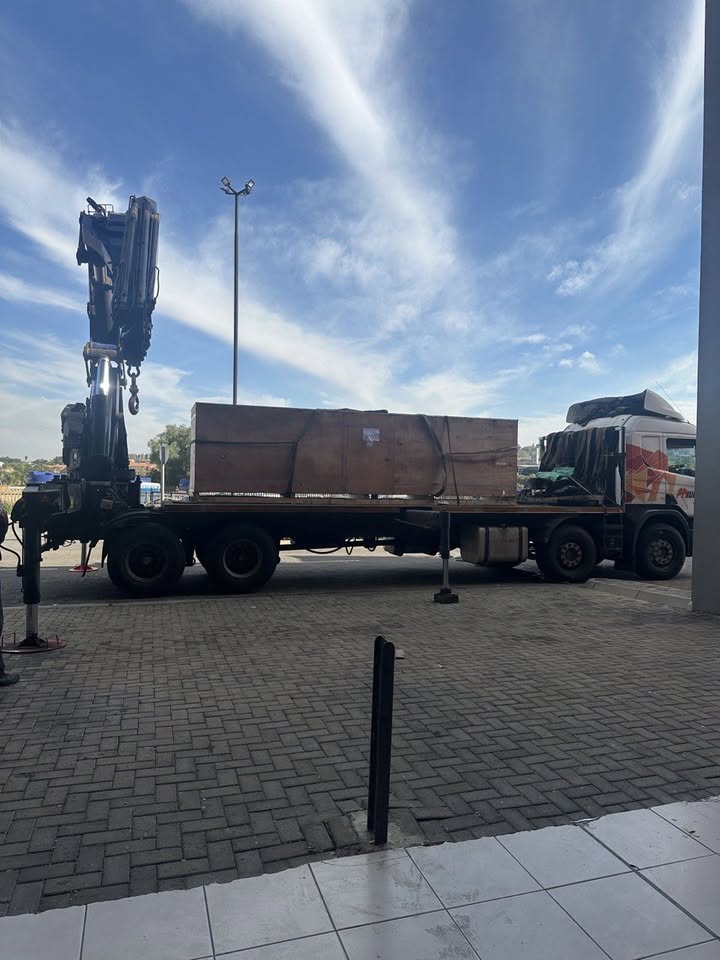
12 Heads Embroidery Machine
Toilet Paper Machine Machine
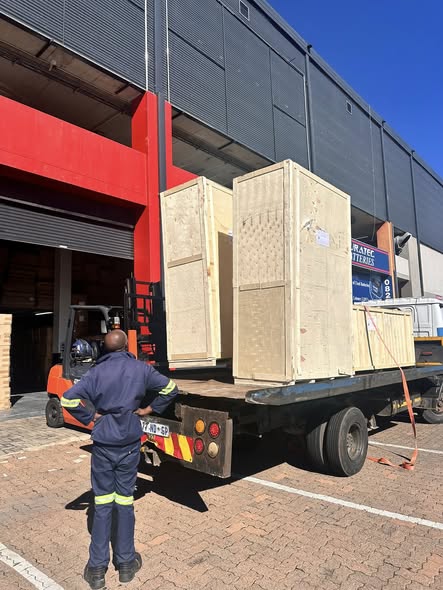
Order Collection
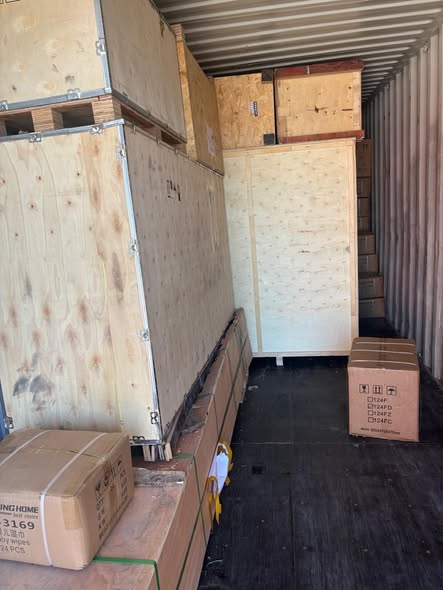
Cross Border Clients
Order cros border countries Collected
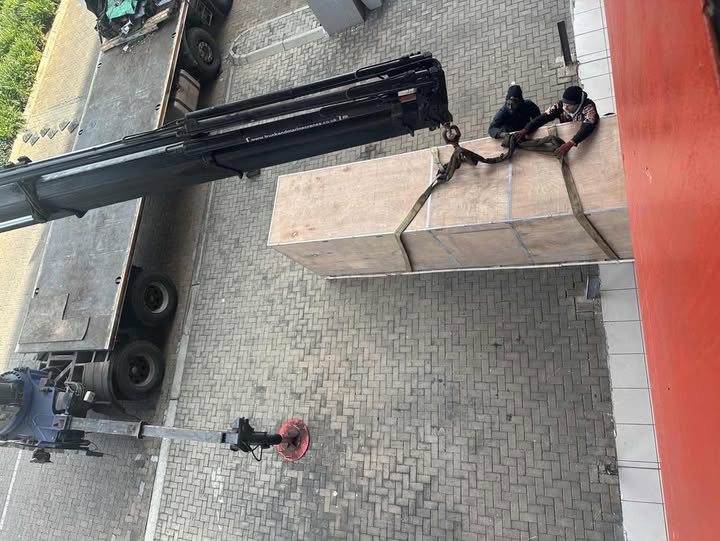
Industrial Machine Cllection
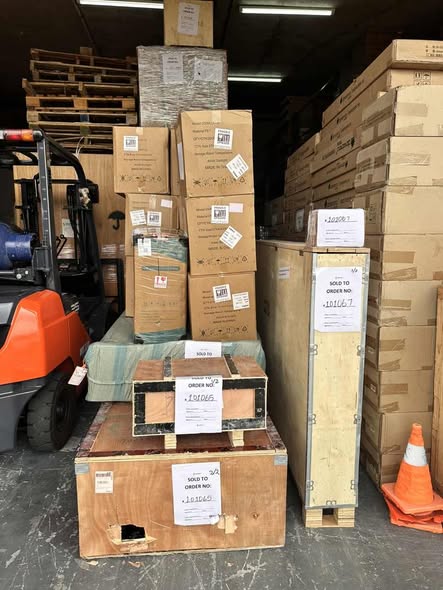
Agriculture Processing Machines
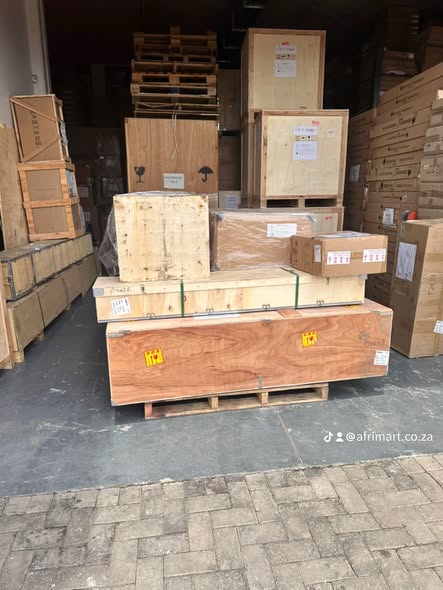
Ready for collection
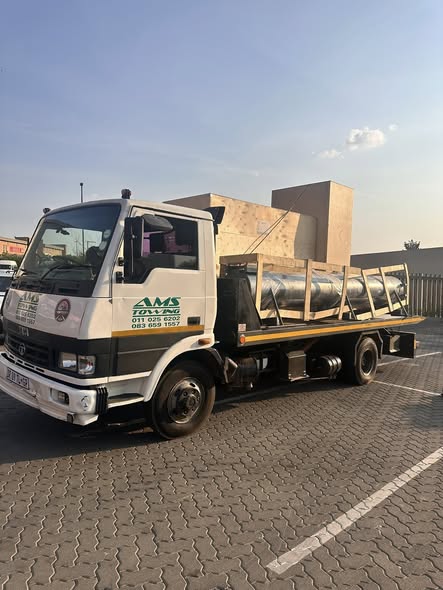
Water Pump Equipment
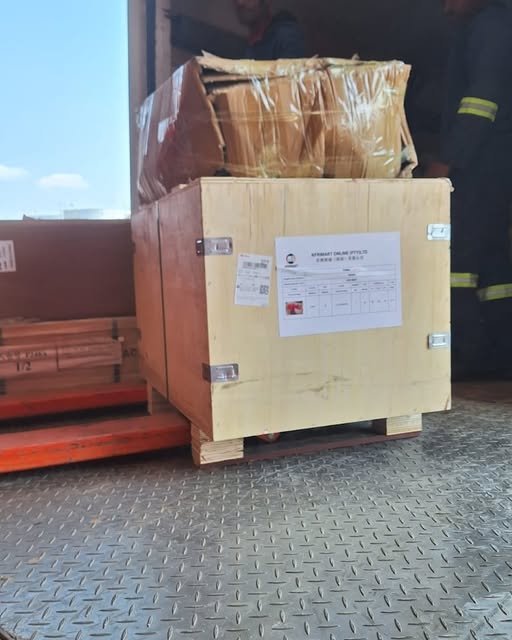
Packaging Machine and accessories
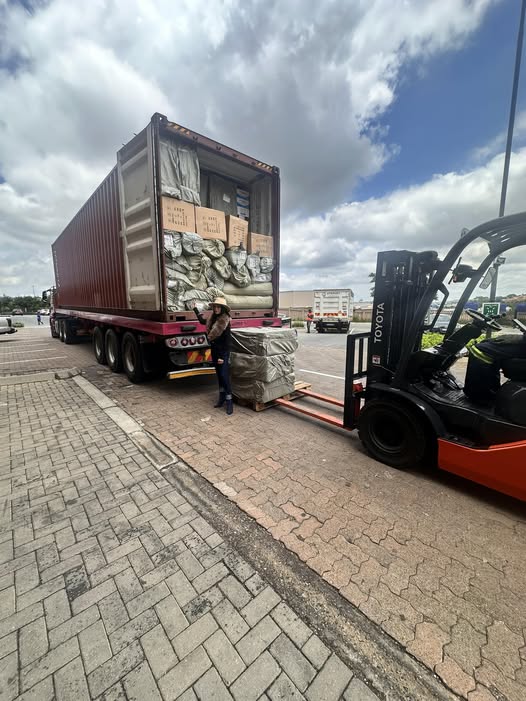
Fabrics Manufacturing Equipment
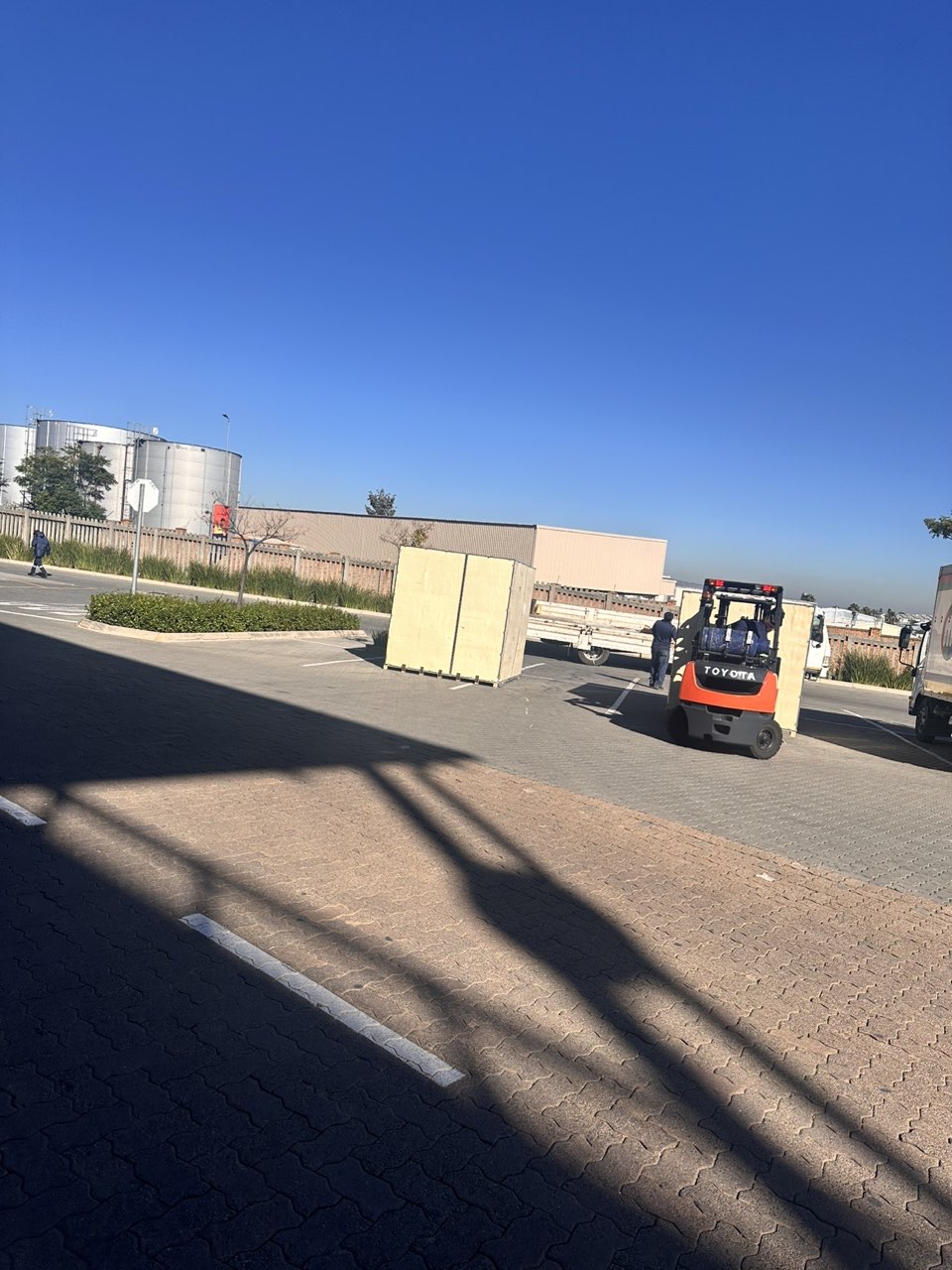
Mining Equipments
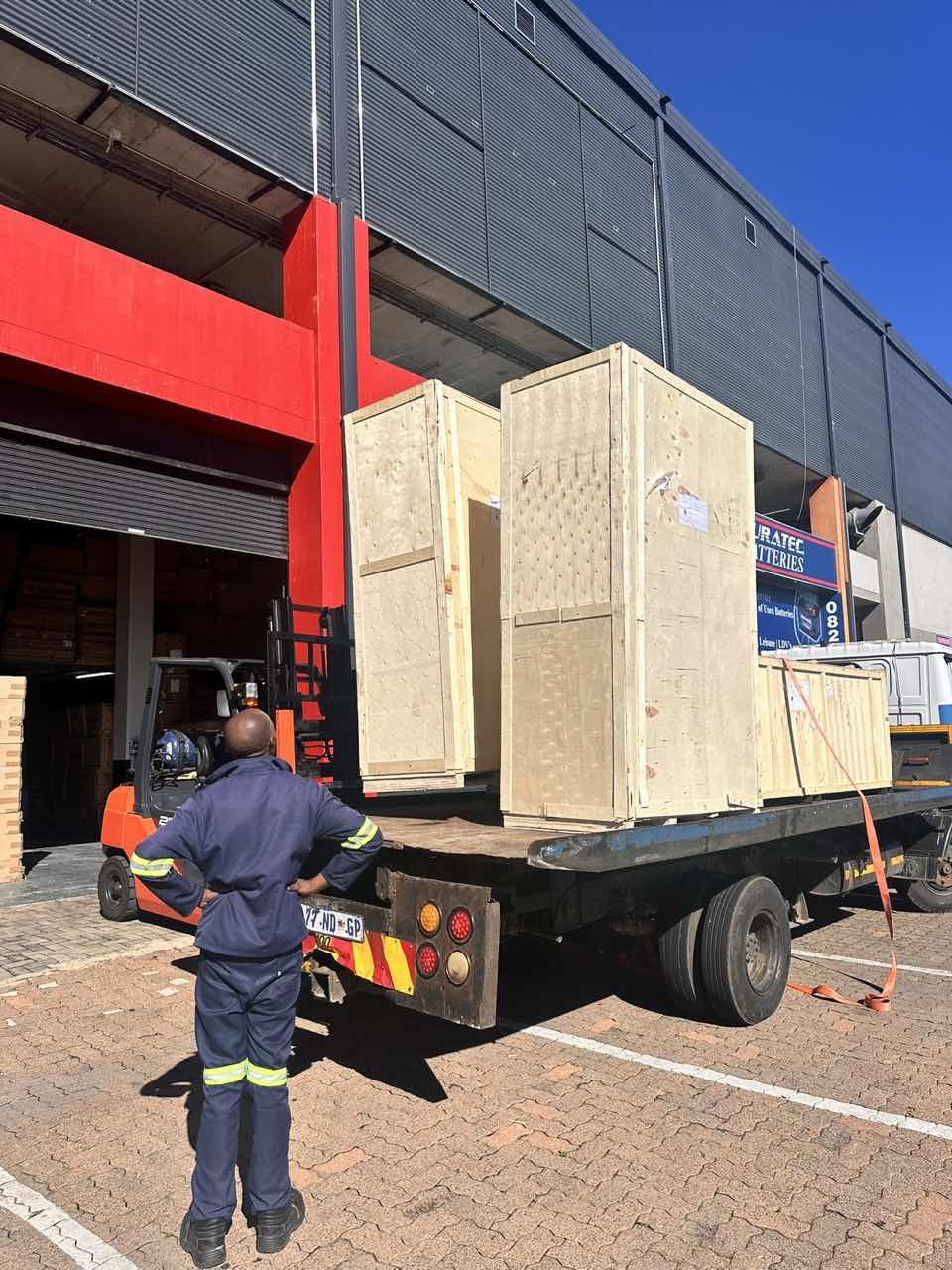
Food Processing Machine
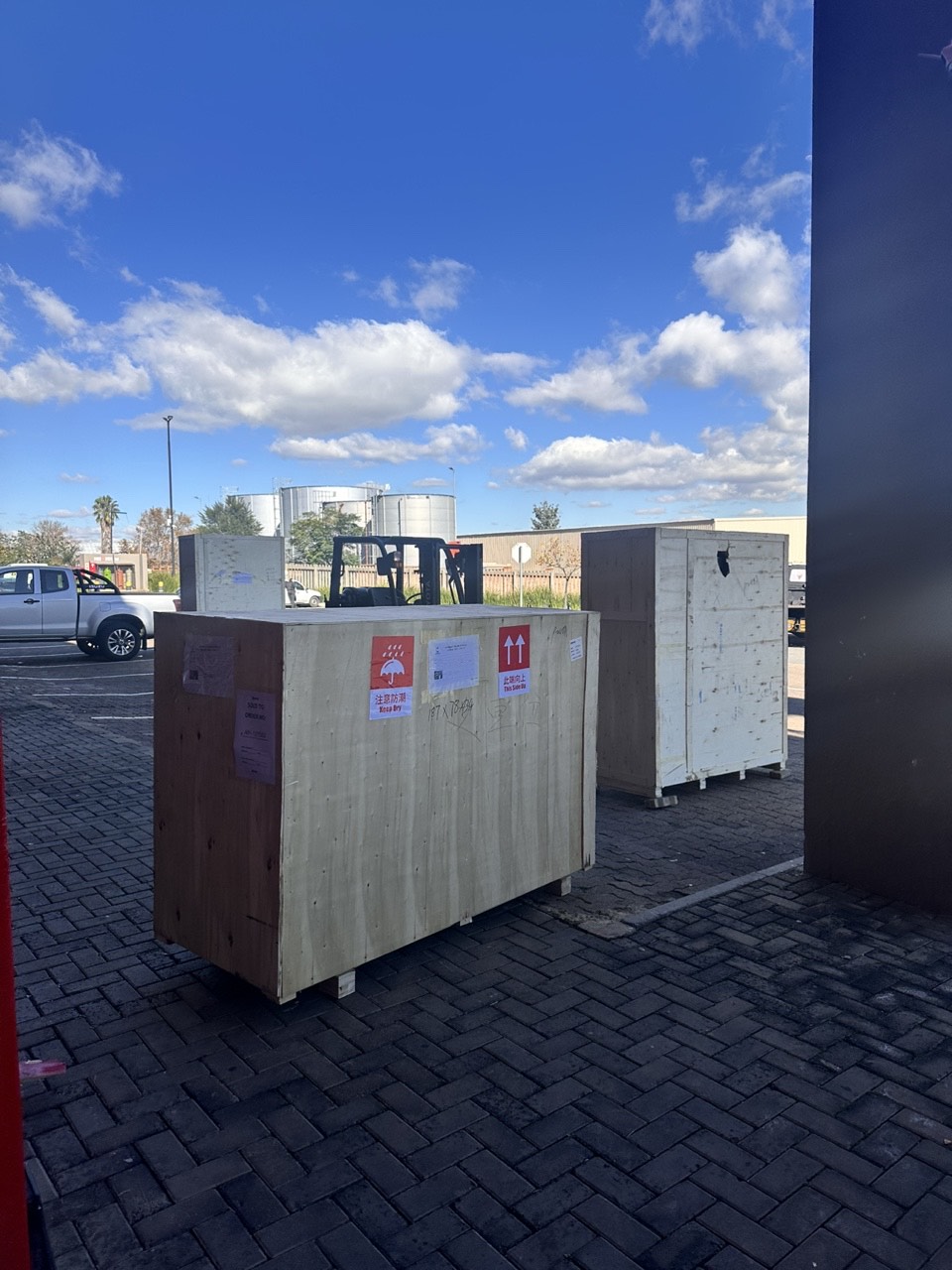
Batch of Orders
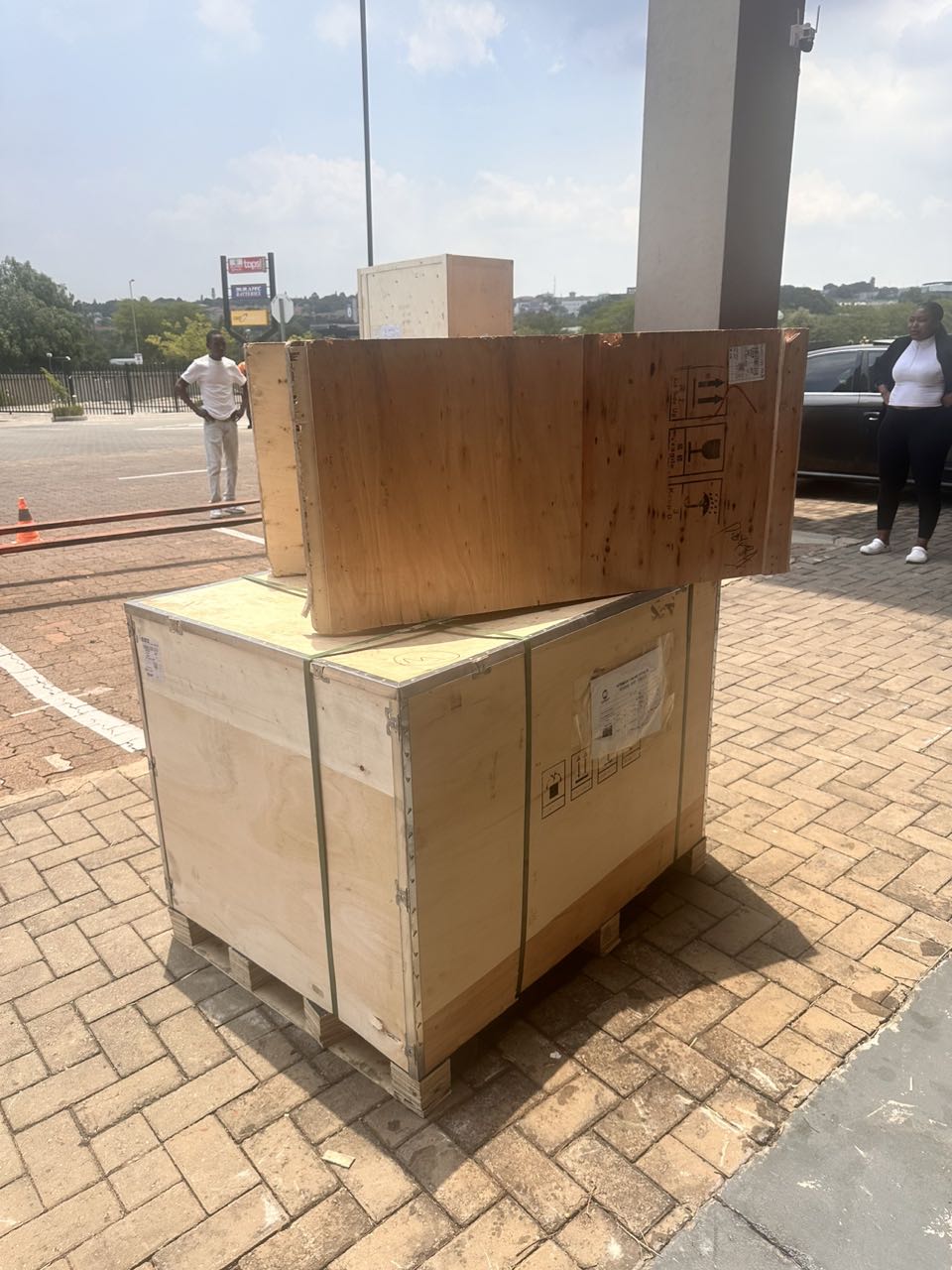
Batch of Orders
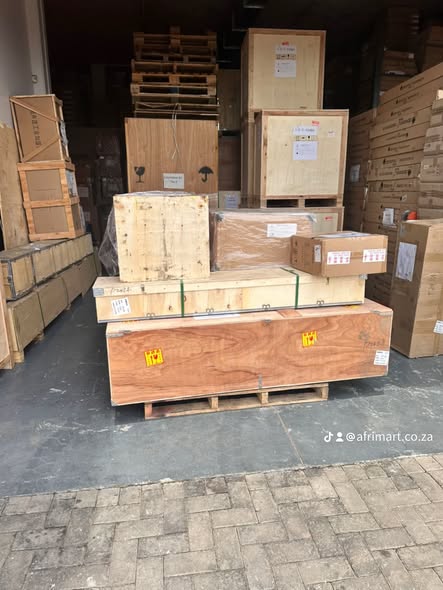
Latest Orders Labelled
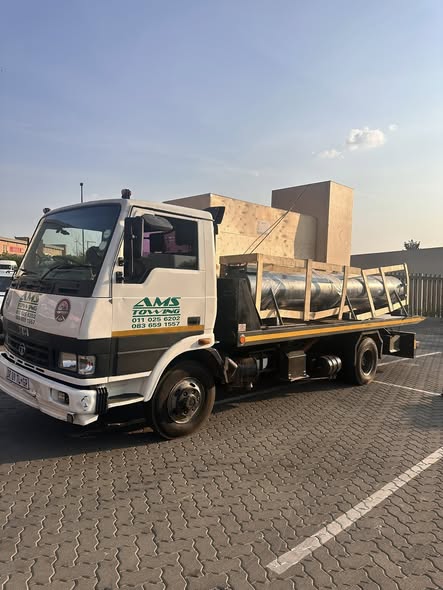
wheel alignment machines
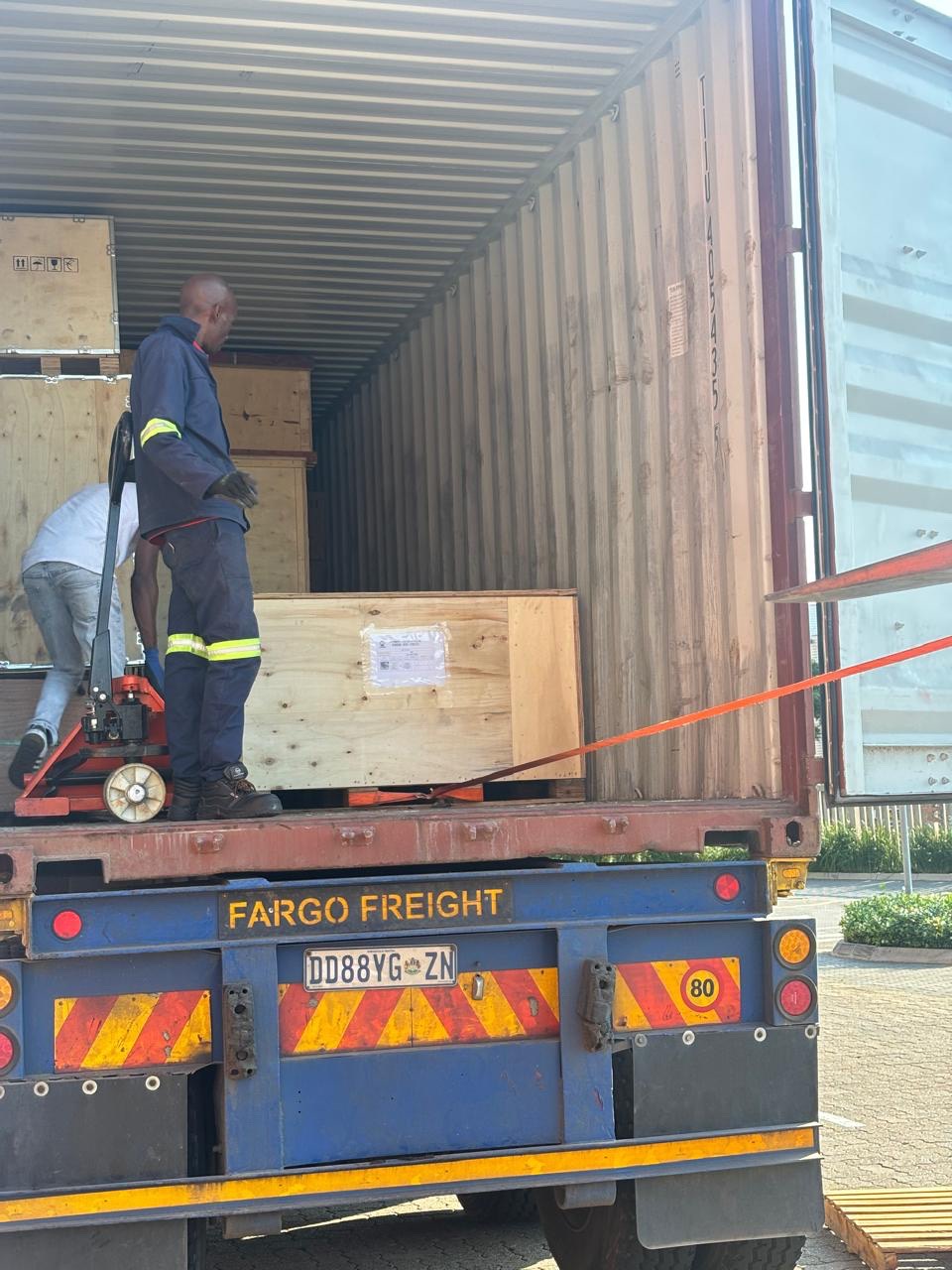
new arrivals
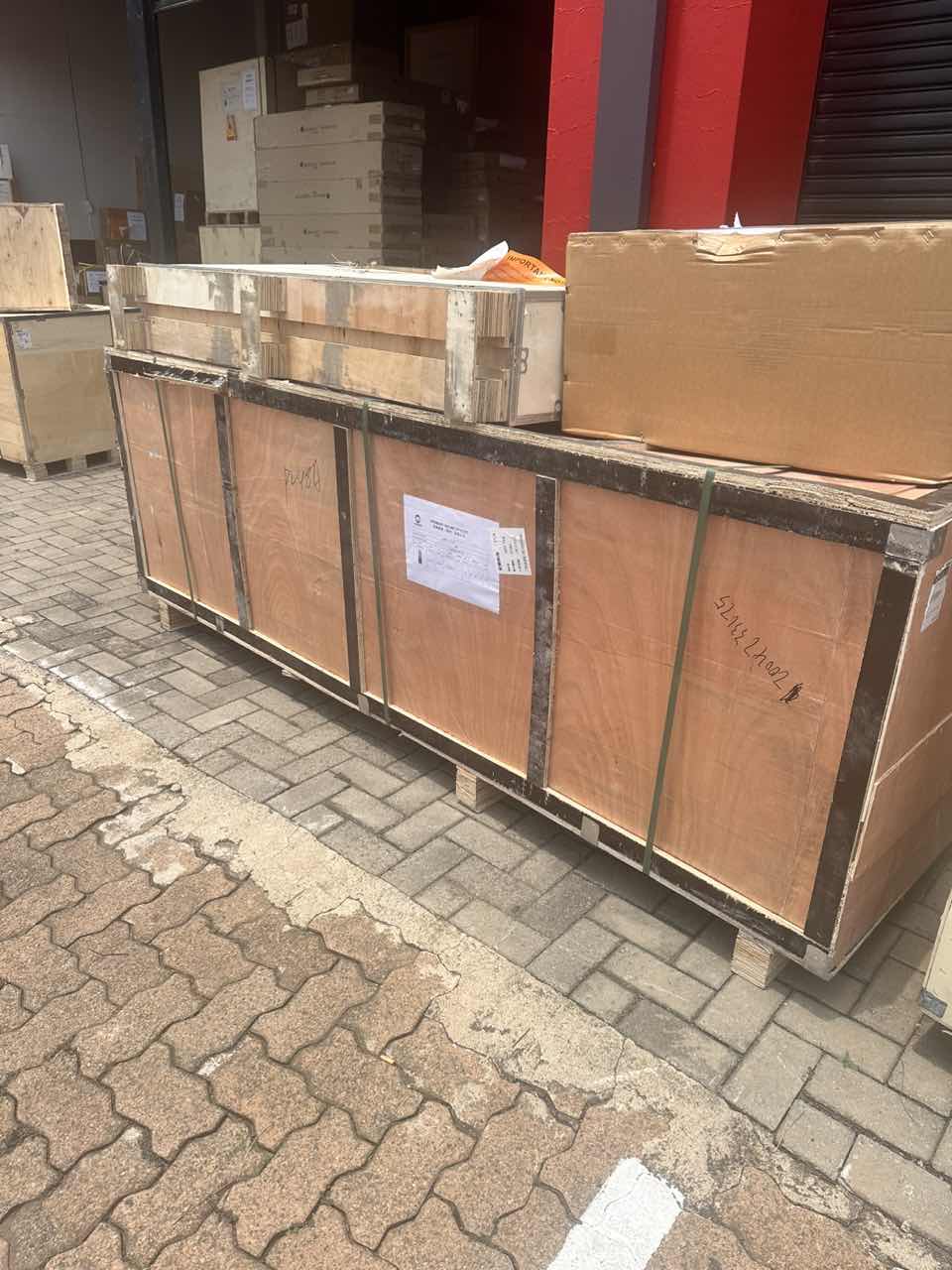
Pre Orders Offloading
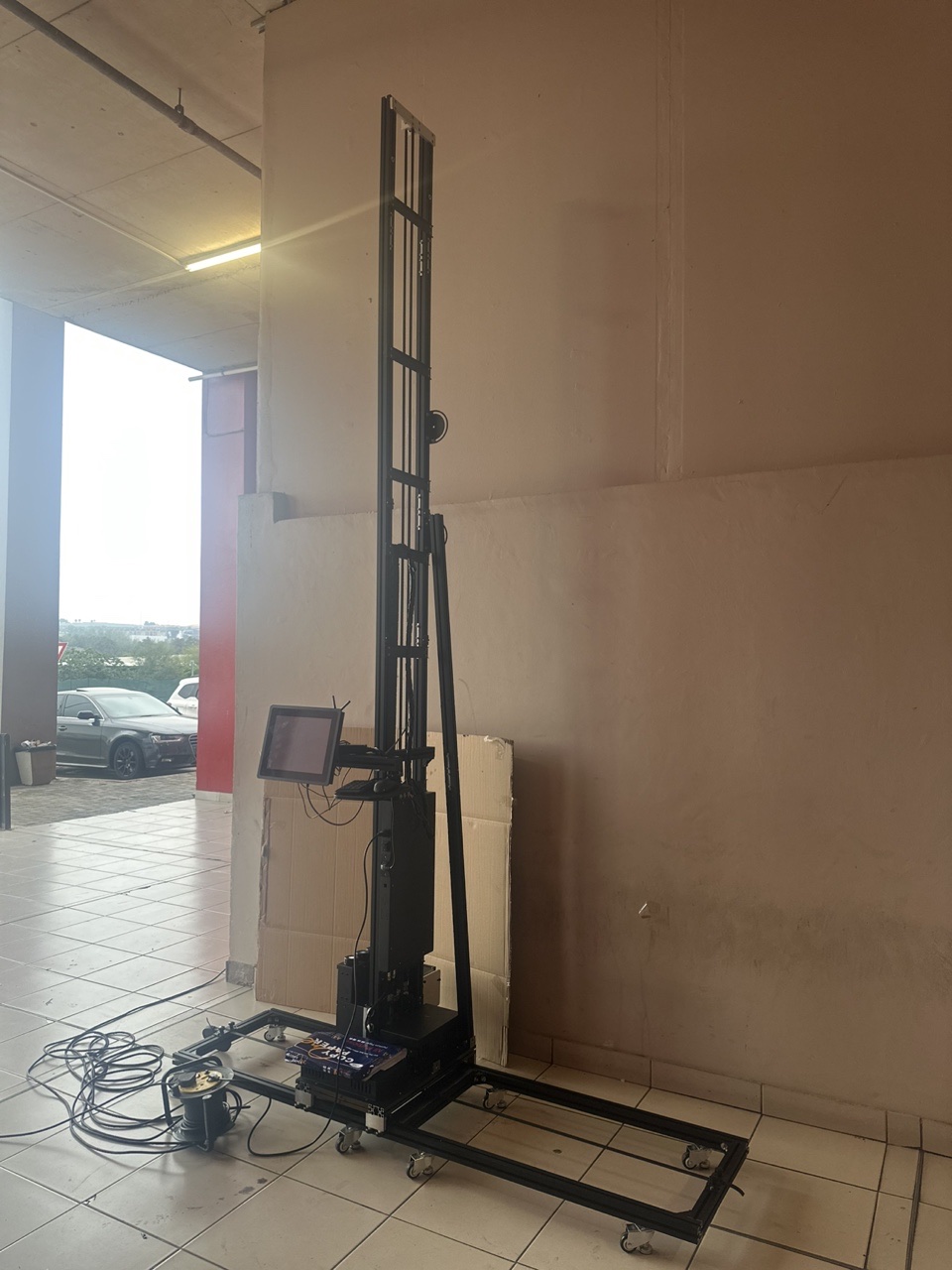
Latest Arrivals
Latest Arrivals
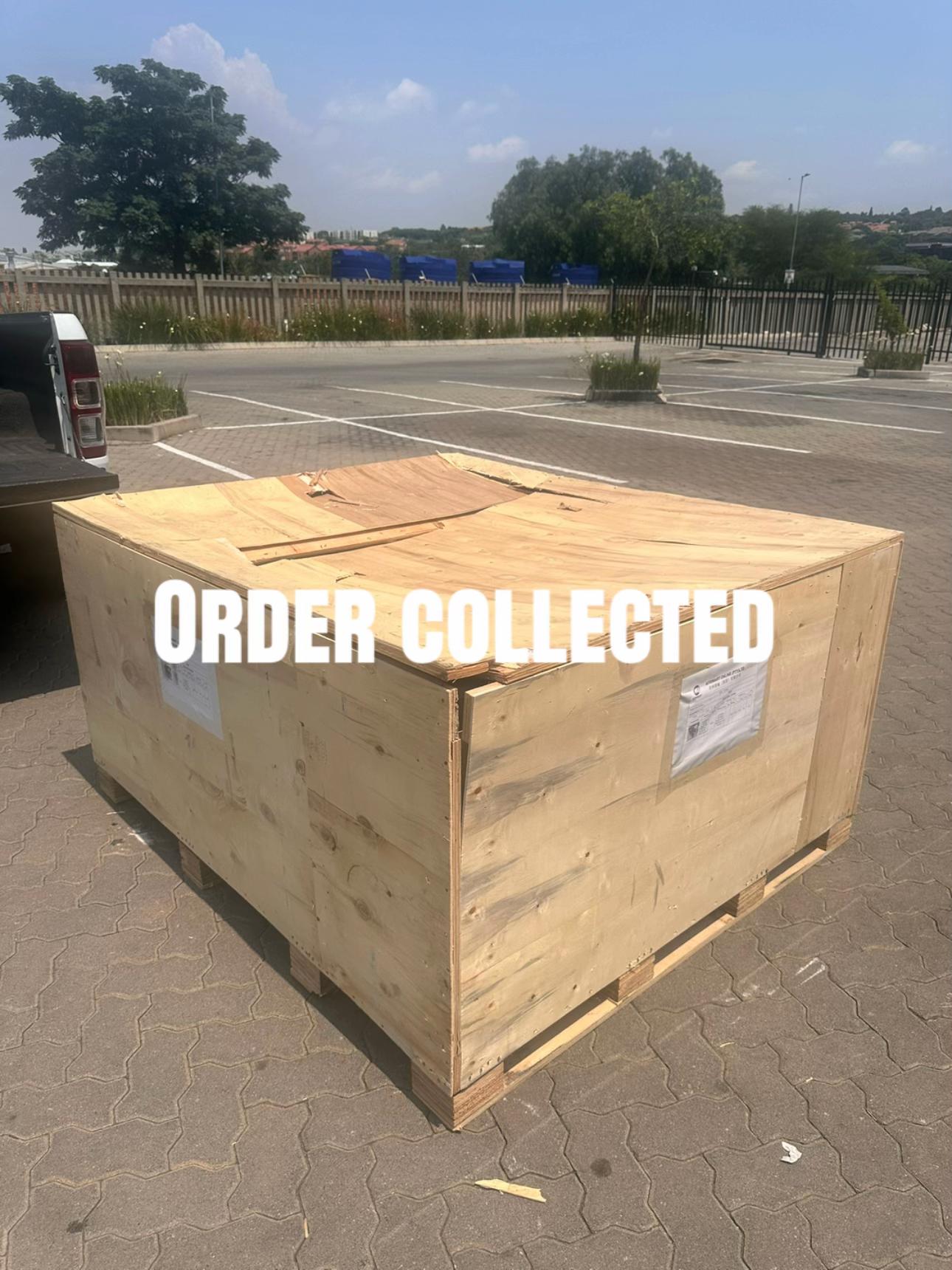
Latest Arrivals
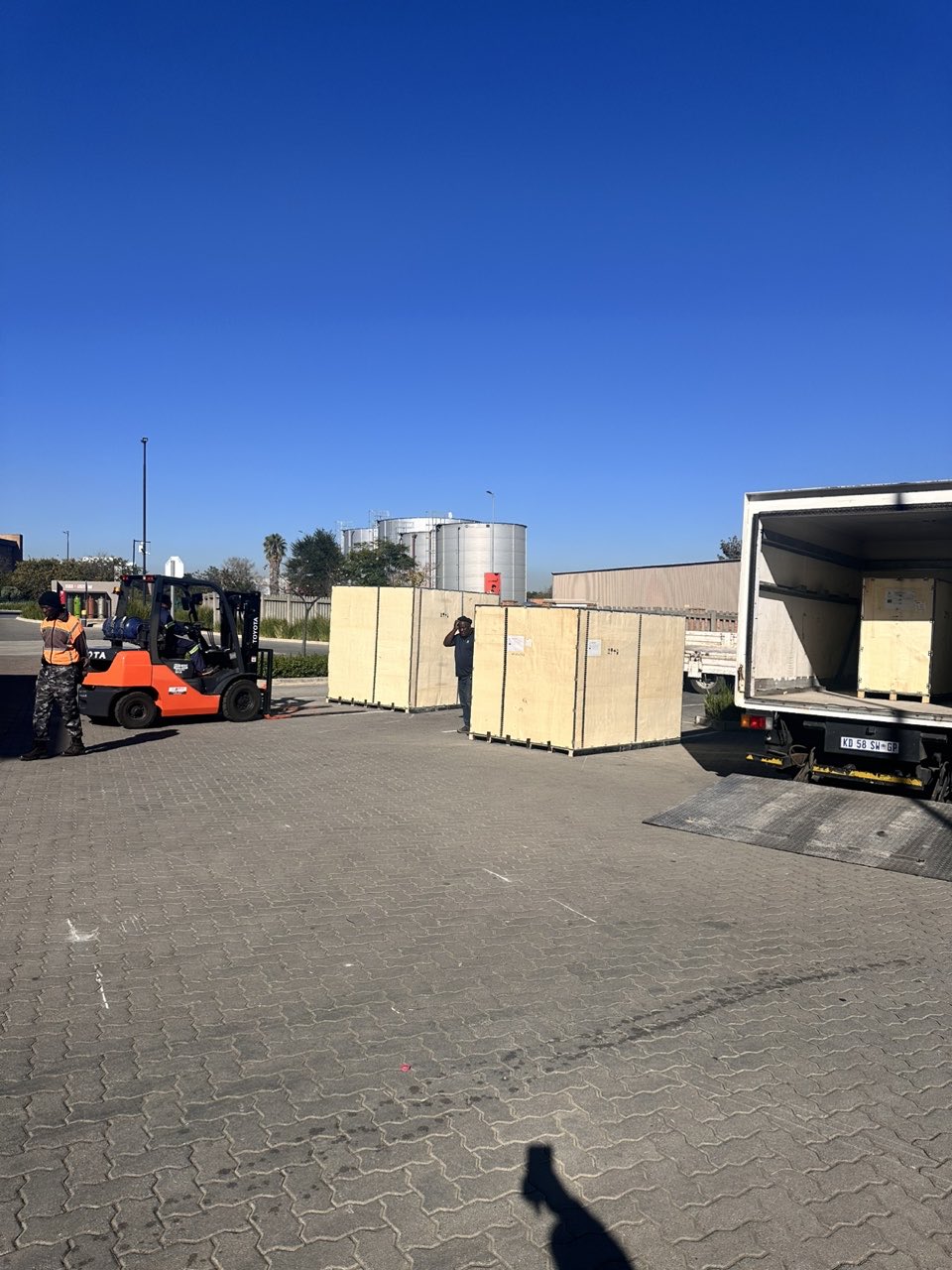
Loading
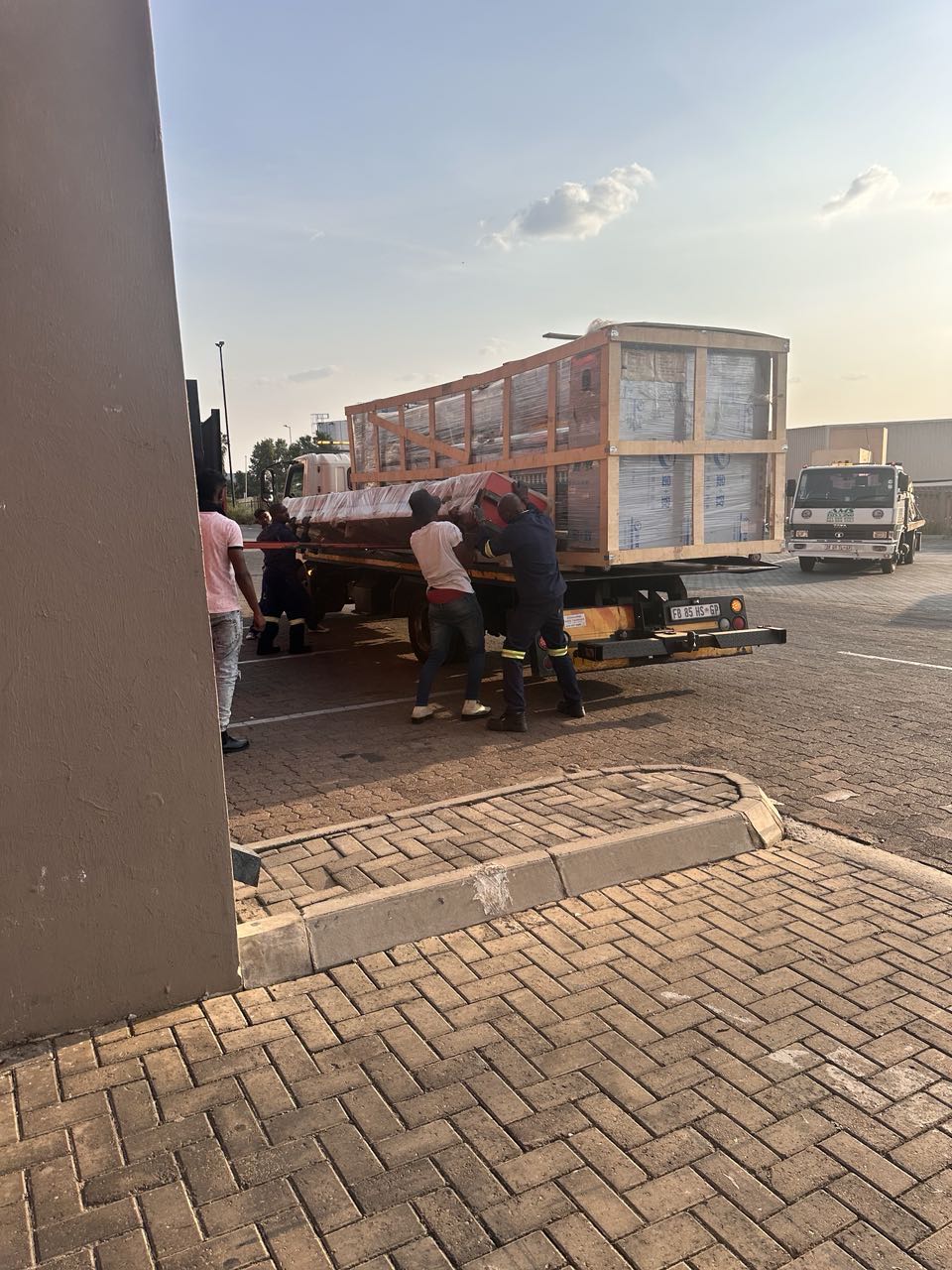
Toilet paper making machine
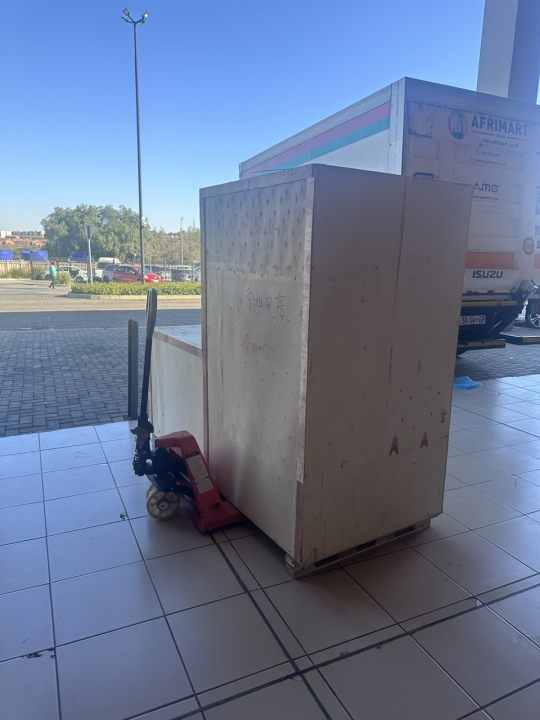
Toilet paper making machine
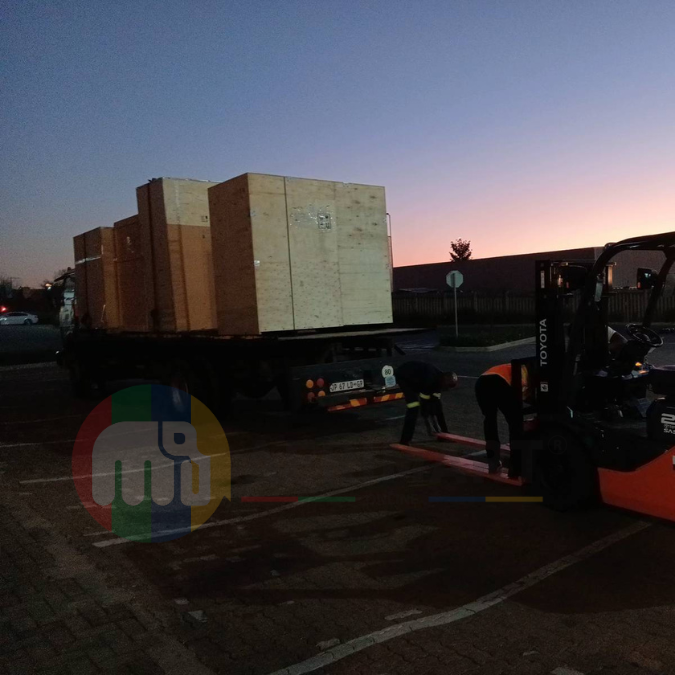
Toilet paper Rewinding Machine
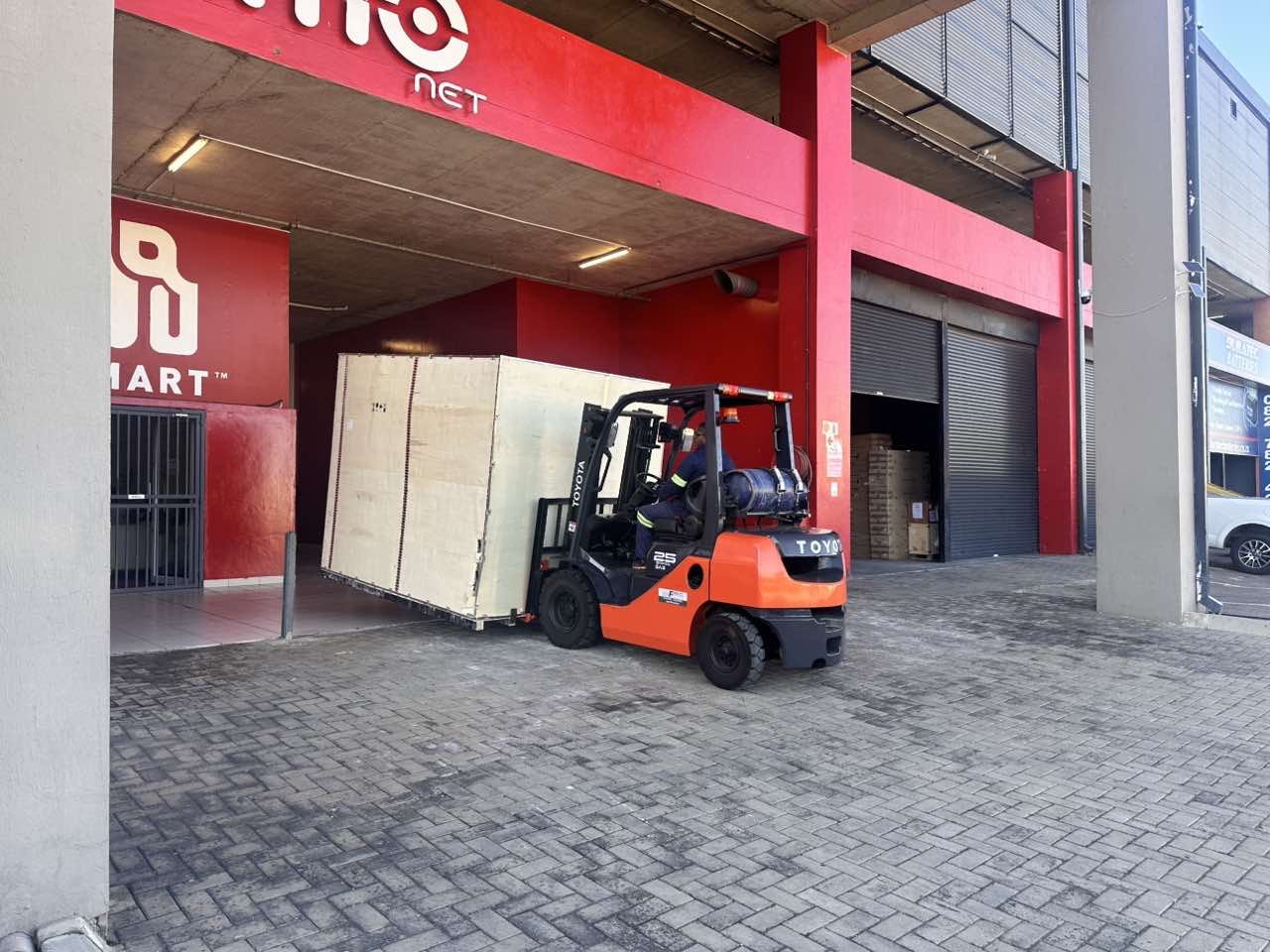
latest arrivals
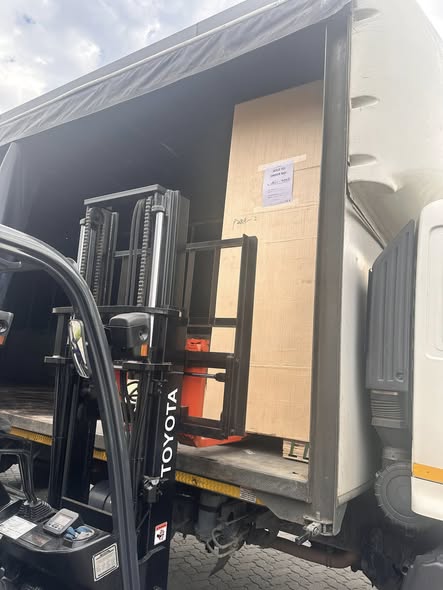
offloading
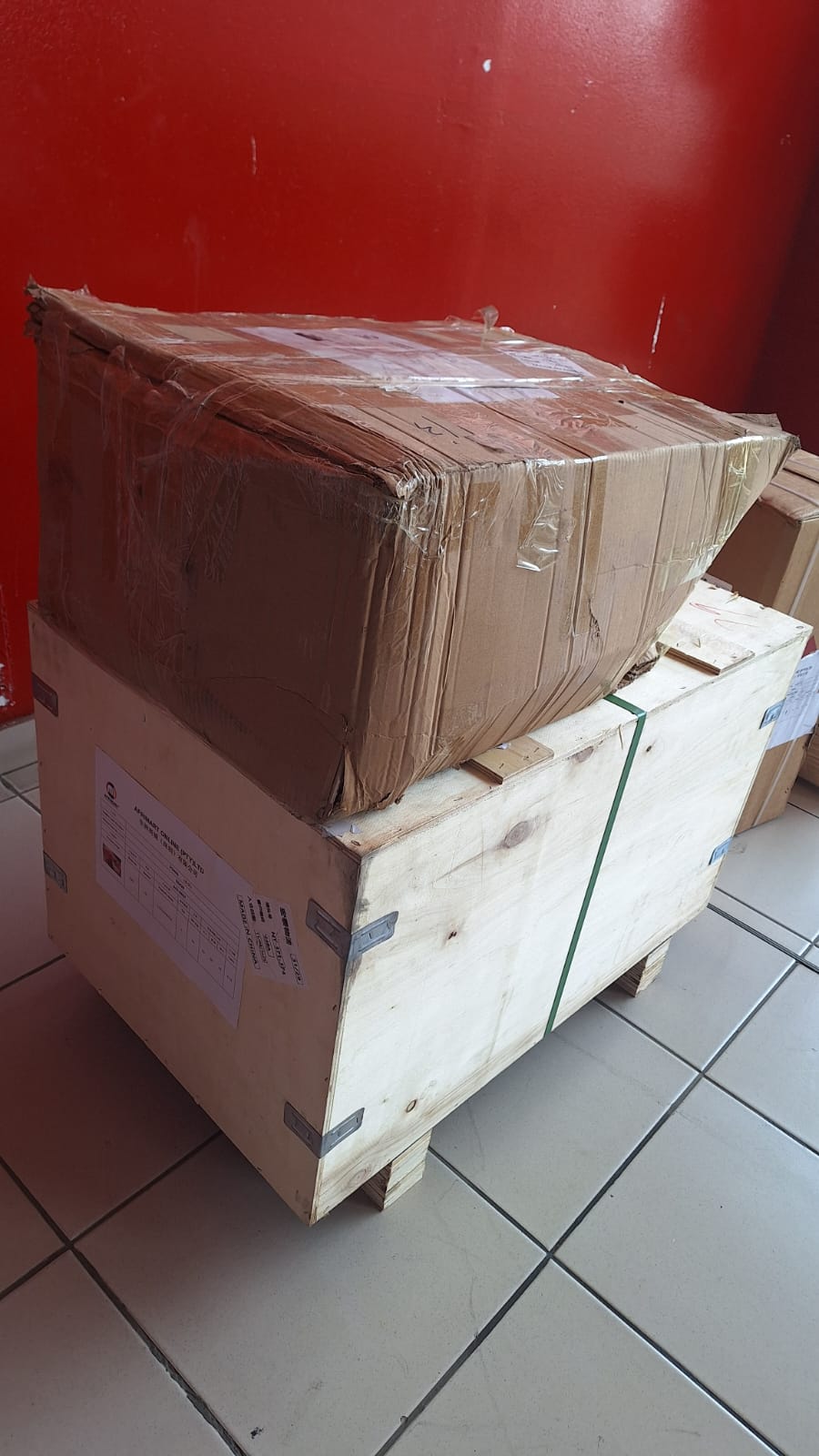
order success
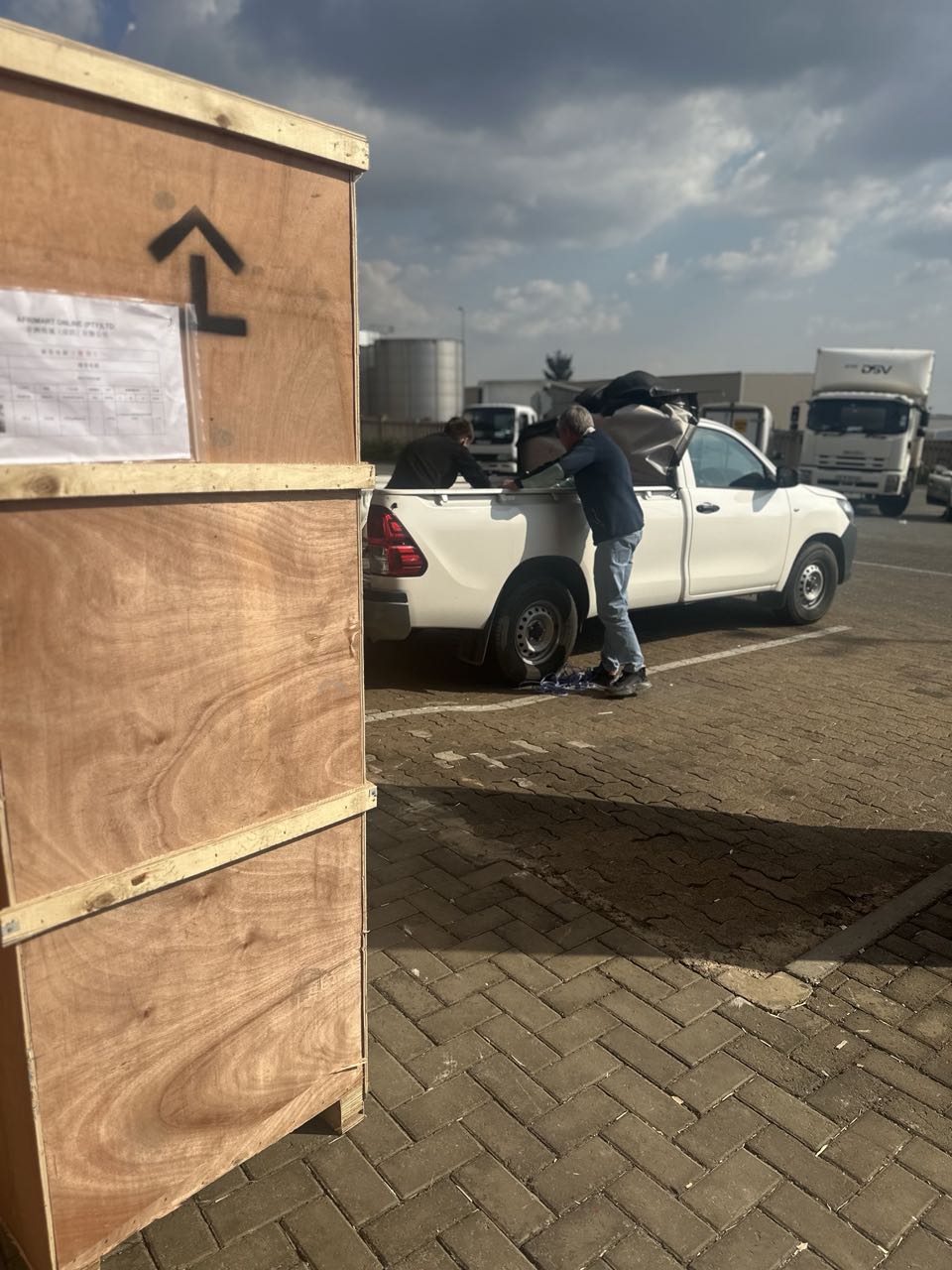
order collection
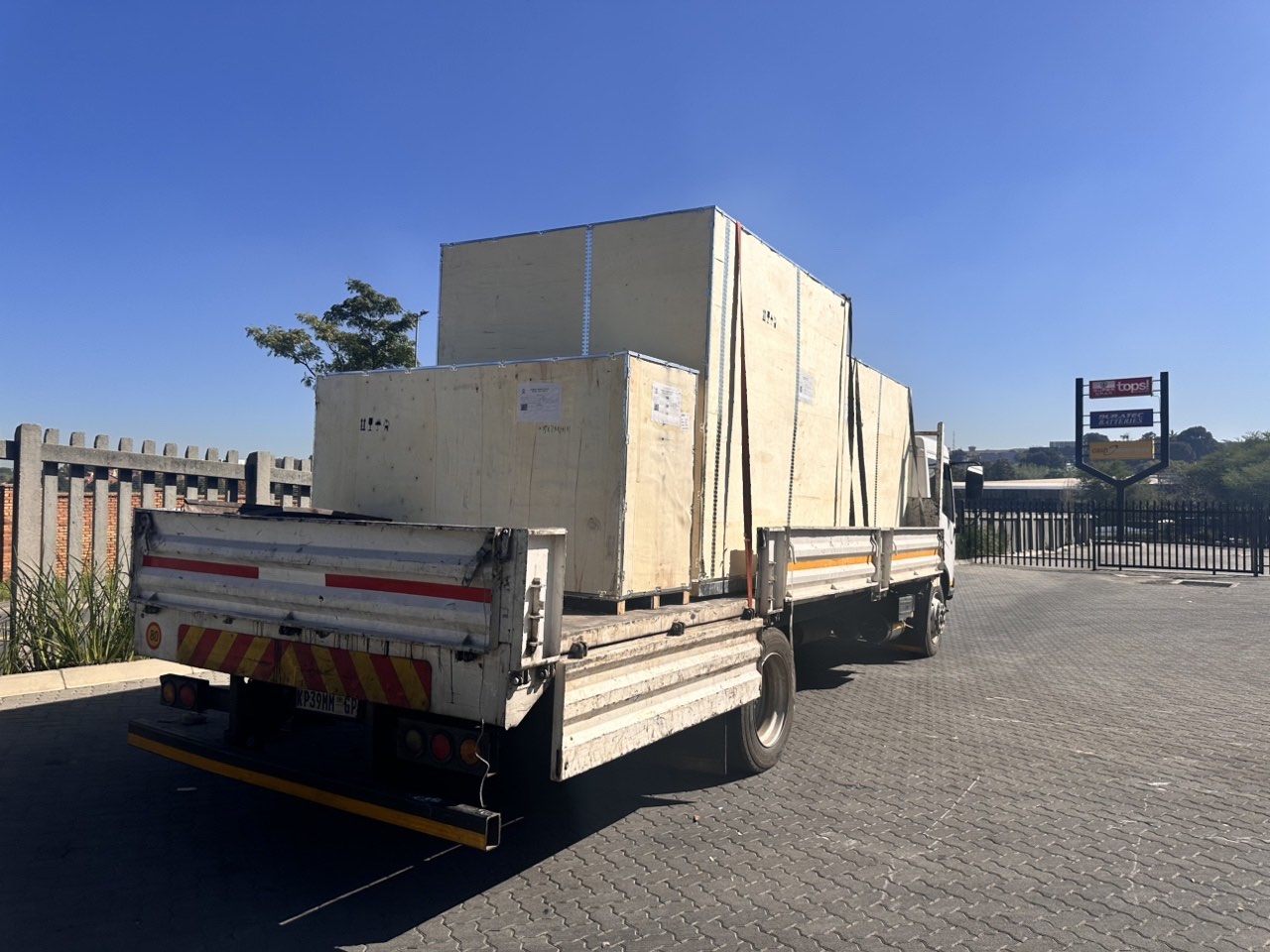
order offloading