B21, China Town Mall, Midrand


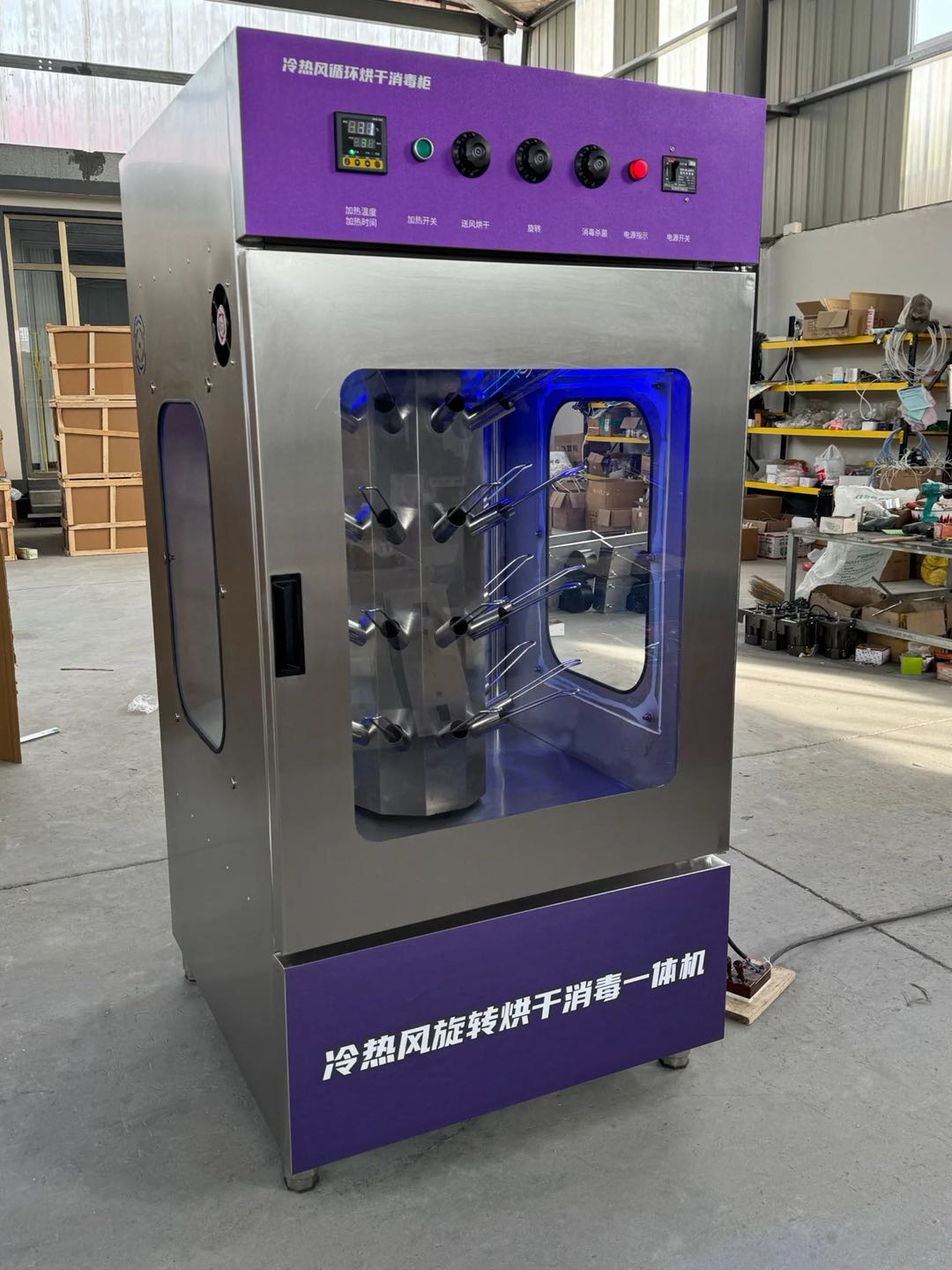
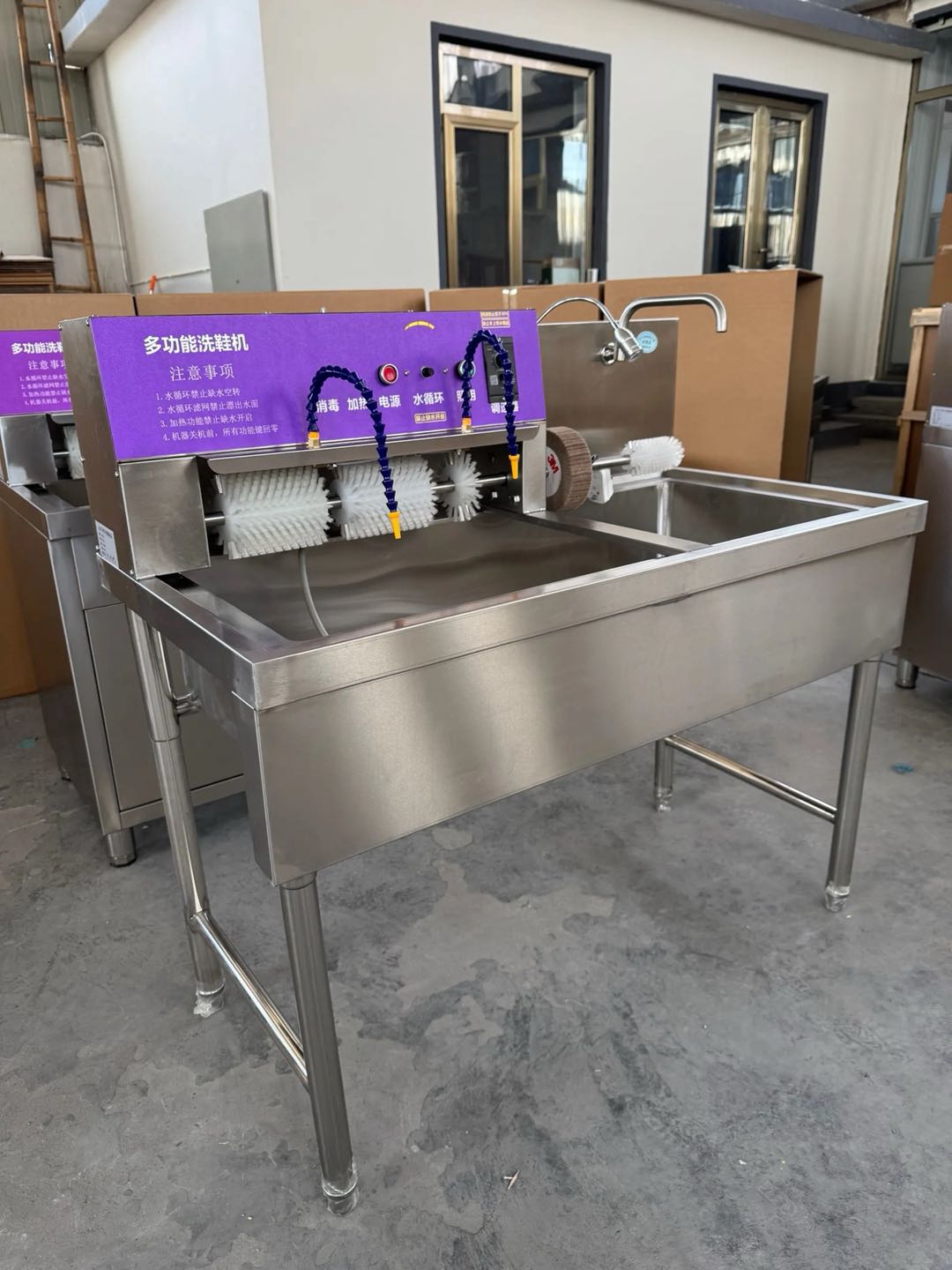
Commercial Stainless Steel Steam Cleaning Shoe Washer Washing Machine with rotating type dryer for Shoes Sneakers 20 pair shoe dryer
Asset finance available
Do you want funding for this equipment?
Afrimart can connect you with trusted funding partners who specialise in asset finance for businesses like yours. Compare options and apply in minutes — final approval is subject to provider review.
Check funding options
Secure & no obligation
- Section : Machinery
- Category : Cleaning Equipment
- SKU : 1601322316711

Commercial Stainless Steel Steam Cleaning Shoe Washer Washing Machine with Dryer for Shoes Sneakers
The Commercial Stainless Steel Steam Cleaning Shoe Washer Washing Machine with Dryer for Shoes Sneakers is an essential tool for keeping your footwear clean and dry. This machine is designed for heavy-duty cleaning, making it perfect for commercial use. With its powerful steam cleaning capabilities, it ensures that your shoes and sneakers look their best, while the built-in dryer ensures they are ready to wear in no time.
Specifications
| Attribute | Details |
|---|---|
| Weight (kg) | 150 |
| Voltage | 220v/380v |
| Function | Washing and Drying |
| Cleaning Process | Water Cleaning |
| Core Components | Motor, Gearbox |
| Machinery Test Report | Provided |
| Video Outgoing-Inspection | Provided |
| Cleaning Agent | Dry Cleaning Agent |
Key Features
- Durable stainless steel construction
- Powerful steam cleaning for deep cleaning
- Quick drying feature for convenience
- Easy to operate with user-friendly controls
- Ideal for commercial settings like shoe stores and gyms
Applications
- Shoe stores for cleaning display models
- Gyms and fitness centers for maintaining cleanliness
- Sports teams for keeping athletic shoes fresh
- Household use for families with active lifestyles
- Any business needing efficient shoe cleaning solutions
Keep your shoes and sneakers looking great with the Commercial Stainless Steel Steam Cleaning Shoe Washer Washing Machine with Dryer for Shoes Sneakers. This machine is reliable and efficient, making it a smart choice for all your shoe cleaning needs.
Product Info Gallery
- Shipping Timeframes: All orders are processed within 2-5 business days (excluding weekends and holidays). After your order has been processed, the estimated delivery time is before 03 Aug, 2026, depending on customs, Please note that due to high demand, some items may experience longer shipping times, which will be communicated at order confirmation email.
- Order Processing Time: Please allow 2-5 business days for us to process your order before it is shipped . Orders placed after 16:00 on Fridays, or during weekends and public holidays, will begin processing on the next business day. Processing times may be extended during peak seasons or sales events.
- Manufacturing Time: Some products needs manufacturing time, the manufacturing process will take approximately 10-30 business days depending on the product. This timeframe may vary depending on the complexity of the product and current demand. but this will be communicated with you during order confirmation.
- Returns and Exchanges: We offer a 30-day return policy for most items. If you are not completely satisfied with your purchase, you may return it within 30 days of receipt for a refund or exchange. Items must be unused, in their original packaging, and accompanied by proof of purchase. Return shipping costs are the responsibility of the customer, unless the item was damaged or defective upon arrival.
1. What types of shoes can this machine clean?
The machine is designed for a wide range of footwear including sneakers, athletic shoes, canvas, rubber, and many casual shoes. Avoid using on very delicate or water-sensitive materials (such as untreated suede or some fine leathers) unless you first confirm with the manufacturer or perform a small spot test.
2. What are the machine's power and electrical requirements?
The unit is offered for 220V or 380V supply. 380V models are typically three-phase. Exact phase, amperage and breaker requirements depend on configuration—have a qualified electrician verify your site and order the correct voltage option.
3. How heavy is the machine and what are the installation requirements?
The machine weighs 150 kg. Installation requires a stable, level floor capable of supporting that weight, access to water supply and drainage, proper electrical hookup with grounding, and adequate ventilation for steam and drying exhaust. Professional installation is recommended.
4. What is the cleaning method and what cleaning agents should I use?
The primary cleaning process is water-based steam cleaning. The specification lists compatibility with the manufacturer's recommended cleaning agents (noted as a 'dry cleaning agent' in the spec). Always use cleaning products approved by the supplier and test agents on a small area first.
5. How long does a typical wash-and-dry cycle take?
Cycle time depends on shoe type, load size and selected program. Commercial steam-clean and dry cycles are usually adjustable; typical ranges are from short refresh cycles to longer deep-clean/dry cycles. Ask the supplier for the exact cycle times for your chosen model.
6. What is the throughput or capacity per cycle?
Capacity varies by model and loading arrangement. These machines are engineered for commercial throughput, allowing repeated cycles throughout the day. Contact the manufacturer or dealer for precise pair-per-cycle and pairs-per-hour figures for the specific model you plan to purchase.
7. Is the dryer built into the machine effective for immediate wear?
The built-in dryer is designed for quick drying to make footwear usable soon after cleaning. Drying effectiveness depends on shoe material, thickness and selected drying program. Very thick or heavily soaked footwear may require longer drying or additional ventilation time.
8. What safety precautions should operators follow?
Operators should avoid opening access panels during operation, beware of high-temperature steam and hot surfaces, use gloves when handling hot or chemically-treated footwear, do not overload the machine, ensure proper grounding, and follow all lockout/tagout procedures during maintenance. Refer to the operator manual for complete safety instructions.
9. What maintenance is required and how often?
Routine maintenance includes daily visual checks, emptying and cleaning traps/filters, removing debris, descaling steam components as required by local water hardness, inspecting seals and hoses, and periodic lubrication and inspection of the motor and gearbox. Follow the manufacturer's maintenance schedule and arrange professional servicing for major components.
10. Are spare parts and service readily available?
Core components (motor, gearbox, sealing parts, heaters) are standard items; availability depends on the supplier and your region. Ask the vendor about spare-parts kits, recommended spares to keep on hand, and available service agreements before purchase.
11. Does the machine come with quality verification or documentation?
Yes — the specification indicates a machinery test report and a video of outgoing inspection are provided. Request these documents with your order and verify any additional certifications you require (CE, UL, local approvals) with the supplier.
12. Can this machine be used in a household setting?
While the machine can be used by households (especially active families), it is a heavy-duty commercial unit (150 kg) that requires sufficient space, proper electrical supply and plumbing. For typical home use, consider whether installation and operating requirements are appropriate for your location.
13. Is the stainless-steel construction fully corrosion resistant?
Stainless steel offers strong durability and corrosion resistance suitable for wet, steam environments. Long-term corrosion resistance depends on grade of stainless steel, local water chemistry and maintenance (regular cleaning and descaling). Confirm the stainless-steel grade with the manufacturer if you have specific corrosion-resistance needs.
14. How user-friendly is the machine and what training is required?
The unit features user-friendly controls designed for commercial operation. Basic operator training should cover loading techniques, program selection, safety procedures and routine maintenance. The supplier can provide operational manuals and training resources; consider on-site training for staff in busy commercial settings.
15. What should I do if I have questions about noise, energy consumption or certification?
Noise levels, detailed energy consumption and third-party certifications may vary by model and configuration. Request the technical datasheet and test reports from the supplier for exact figures, and ask for any applicable certification documents (CE, safety or energy ratings) before purchase.
Latest Order Arrivals
Discover our latest orders
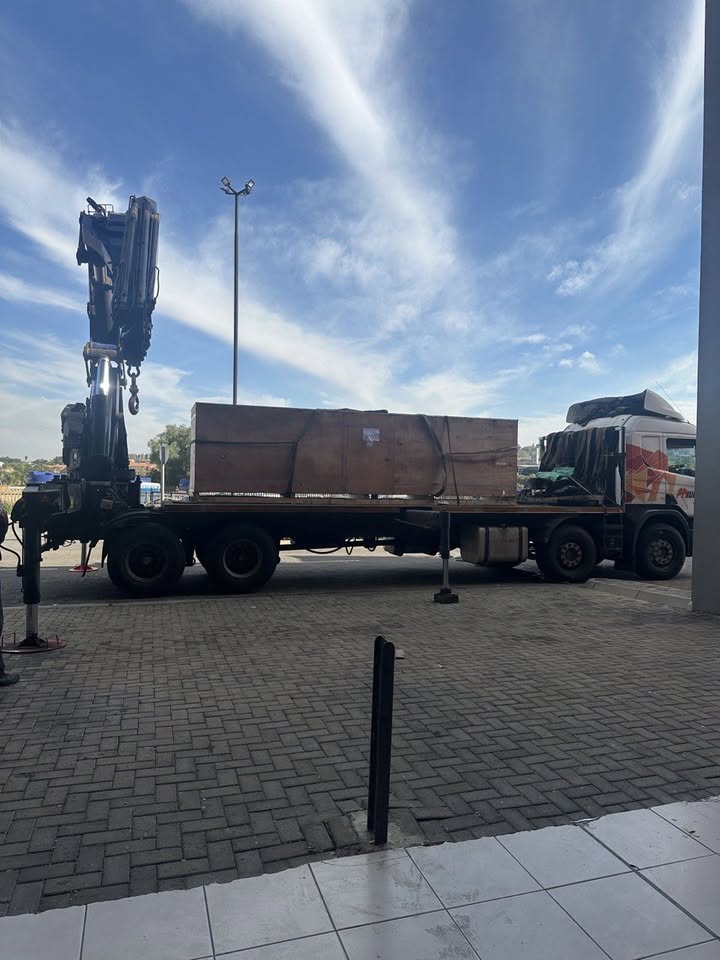
12 Heads Embroidery Machine
Toilet Paper Machine Machine
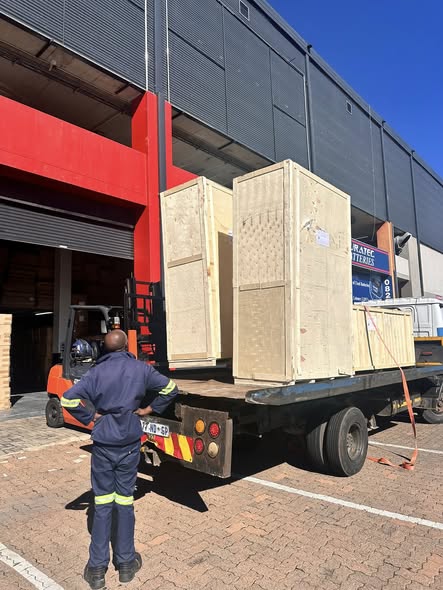
Order Collection
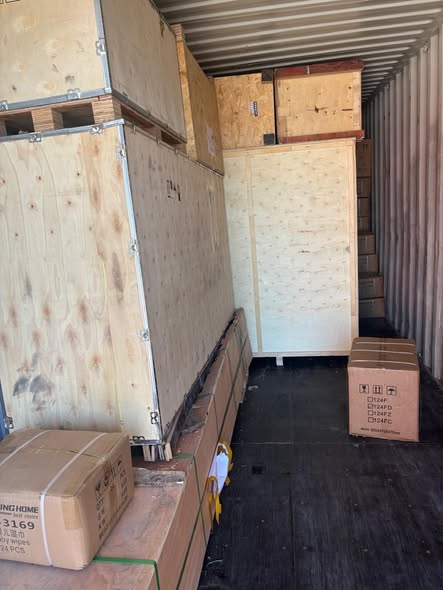
Cross Border Clients
Order cros border countries Collected
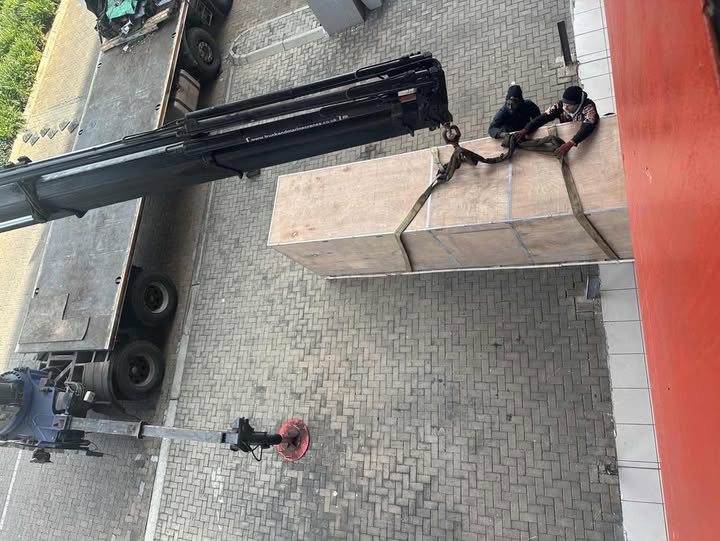
Industrial Machine Cllection
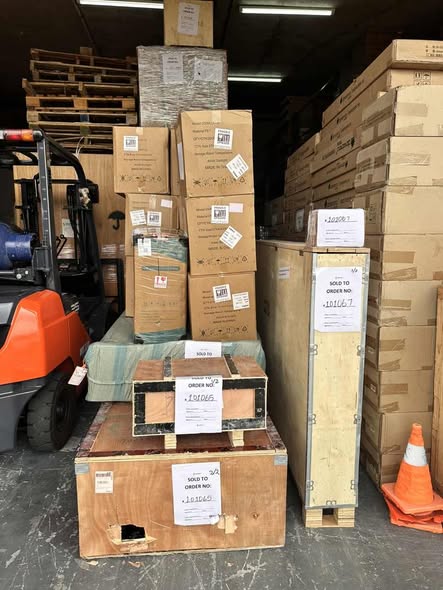
Agriculture Processing Machines
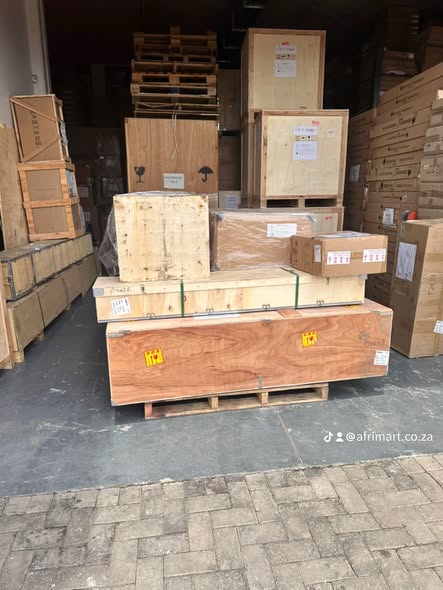
Ready for collection
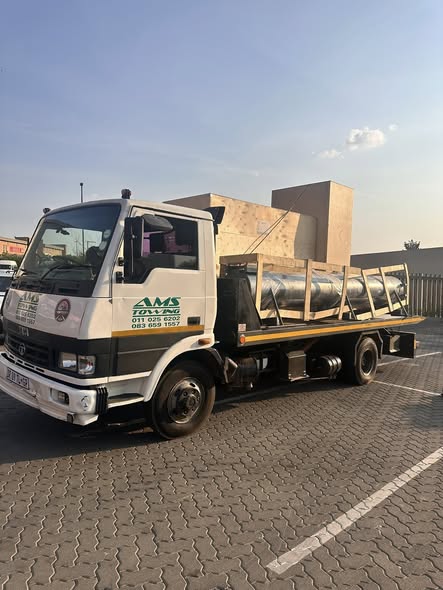
Water Pump Equipment
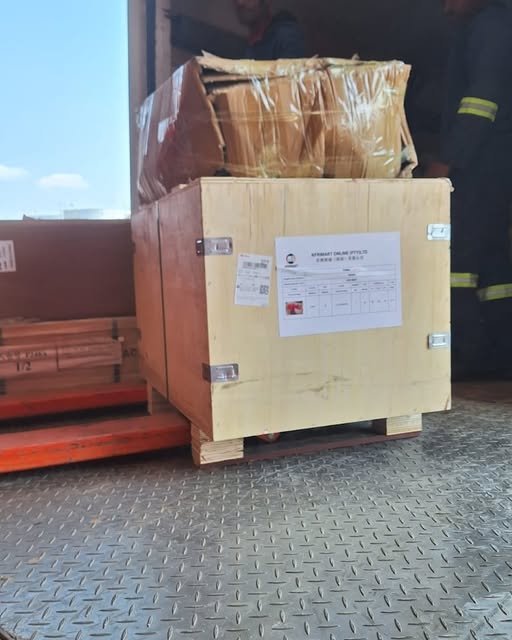
Packaging Machine and accessories
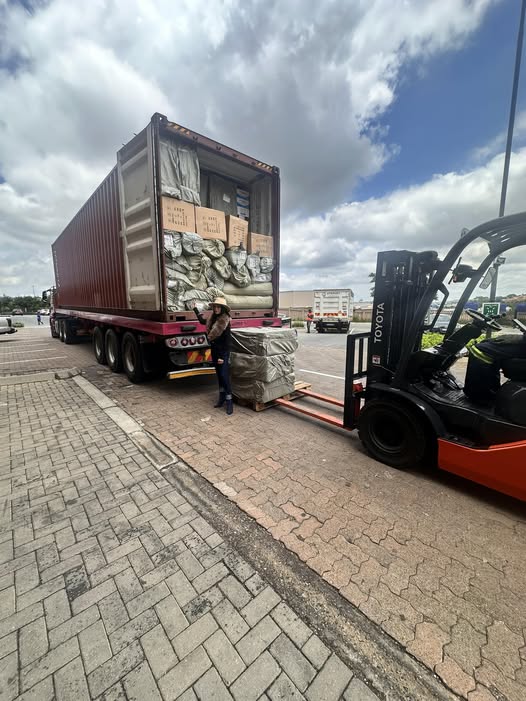
Fabrics Manufacturing Equipment
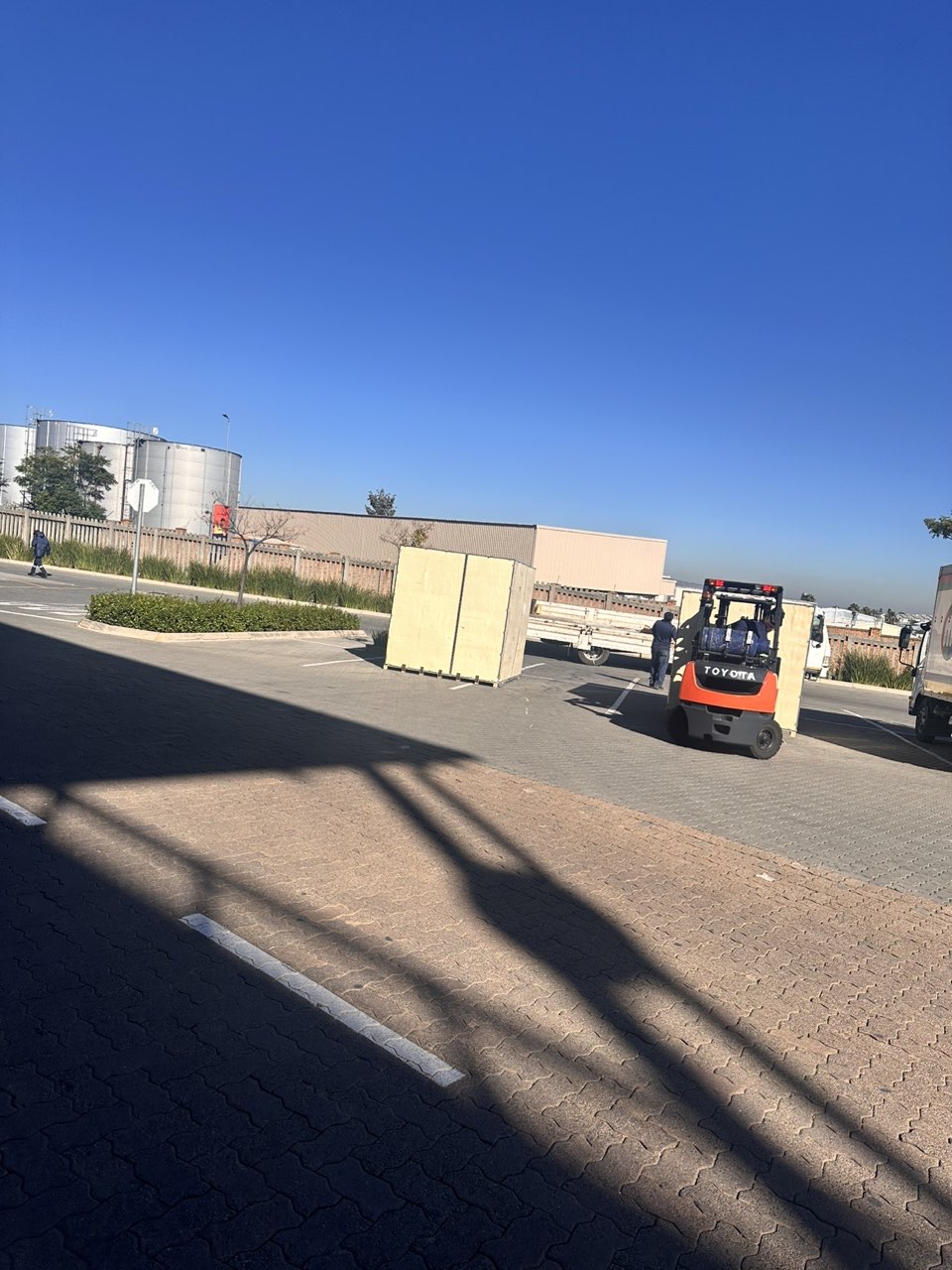
Mining Equipments
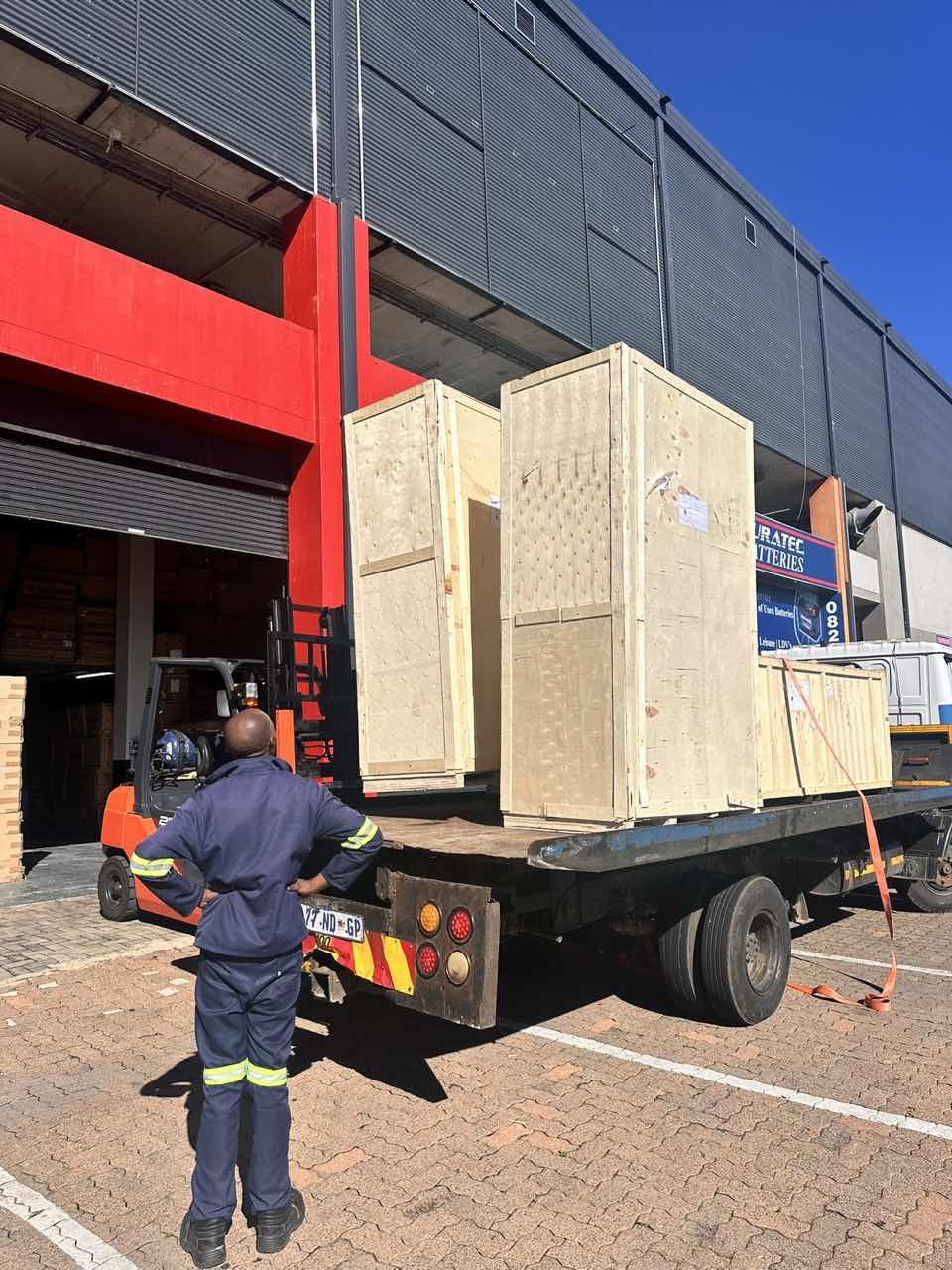
Food Processing Machine
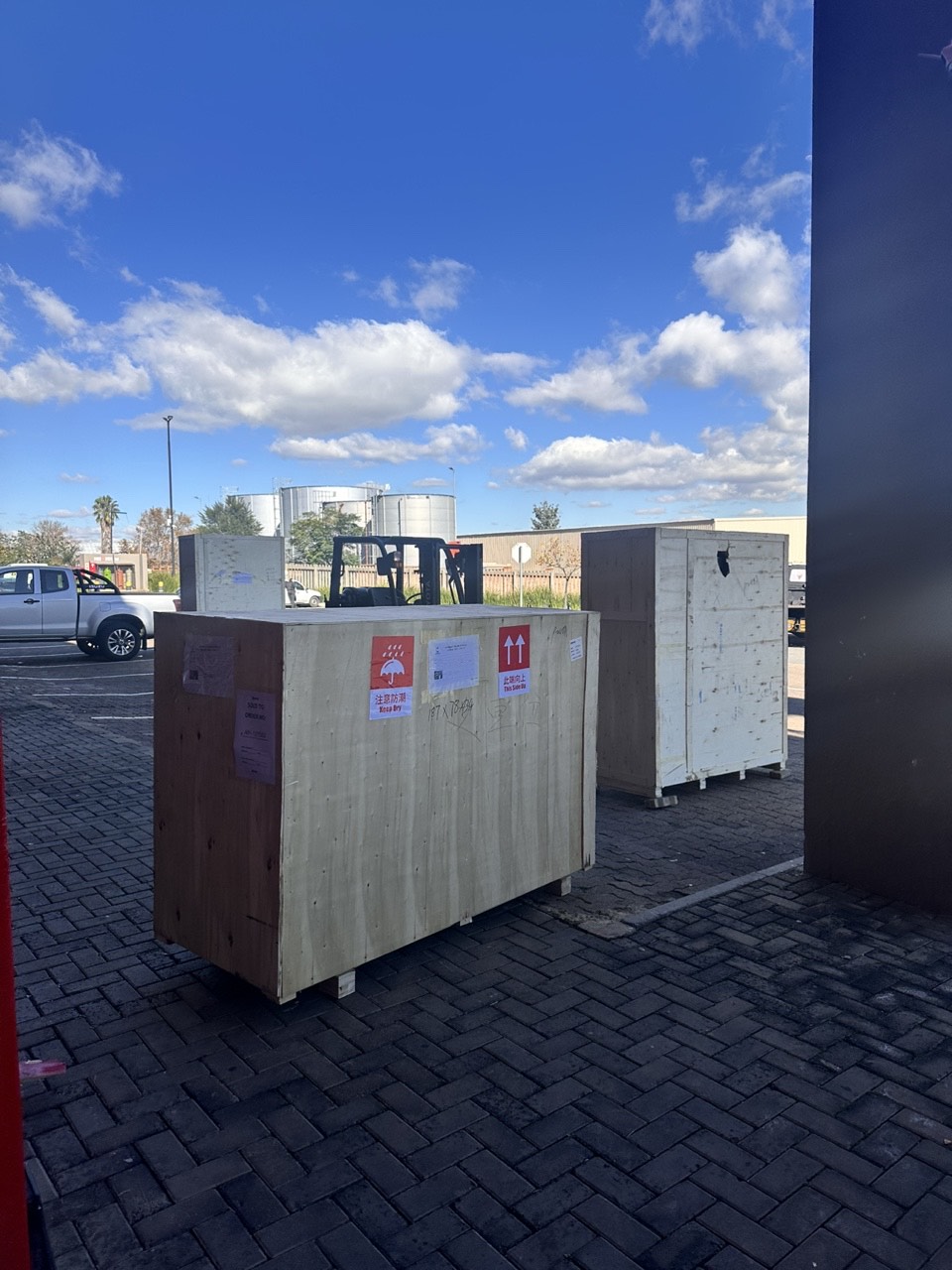
Batch of Orders
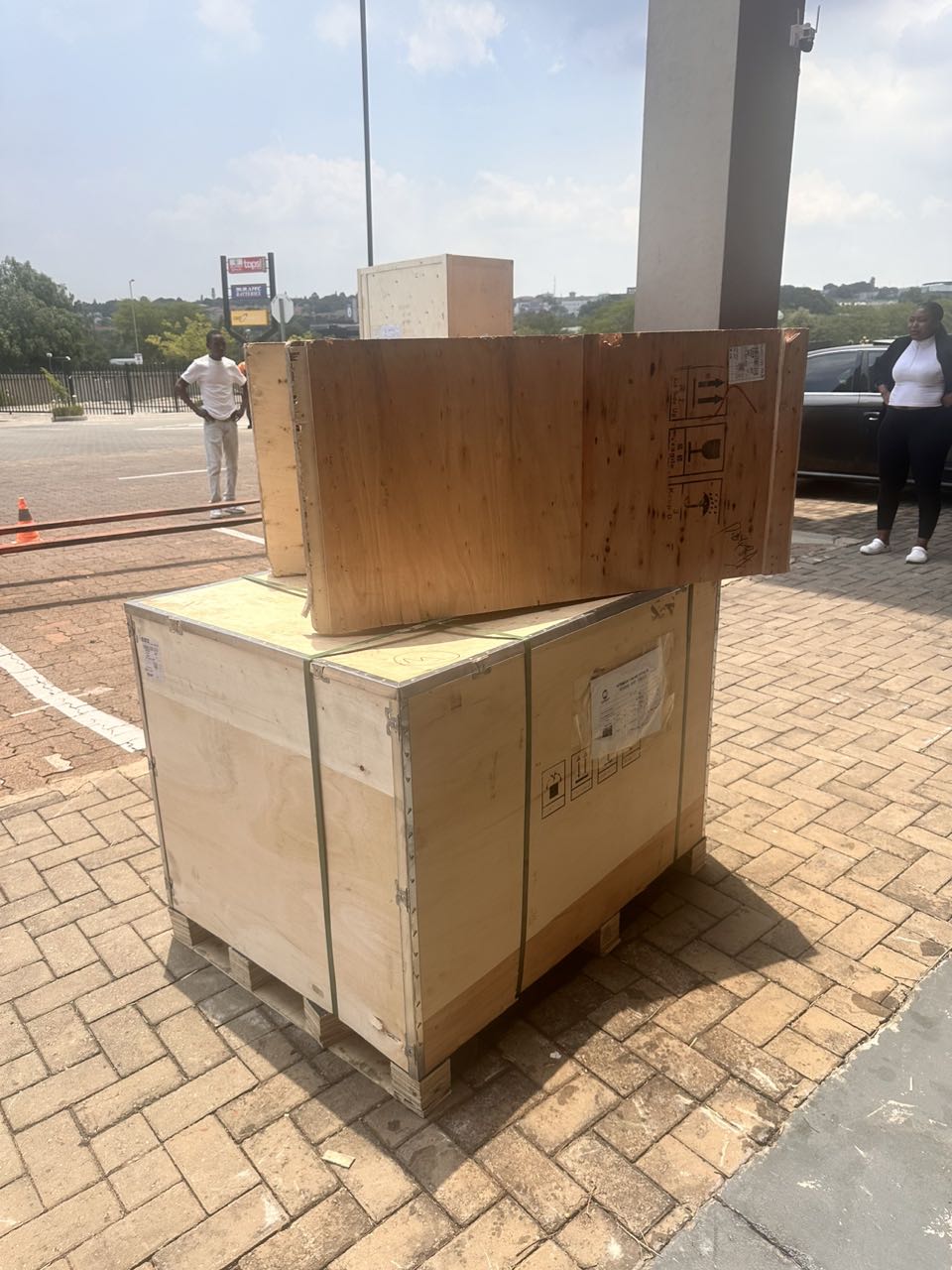
Batch of Orders
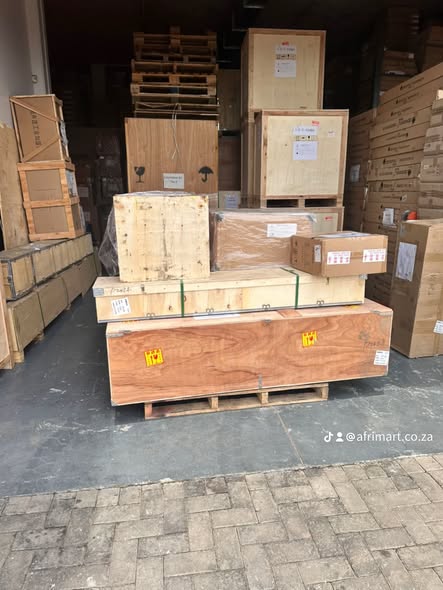
Latest Orders Labelled
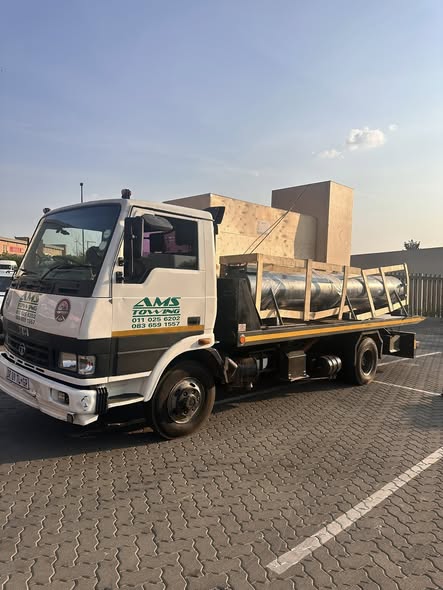
wheel alignment machines
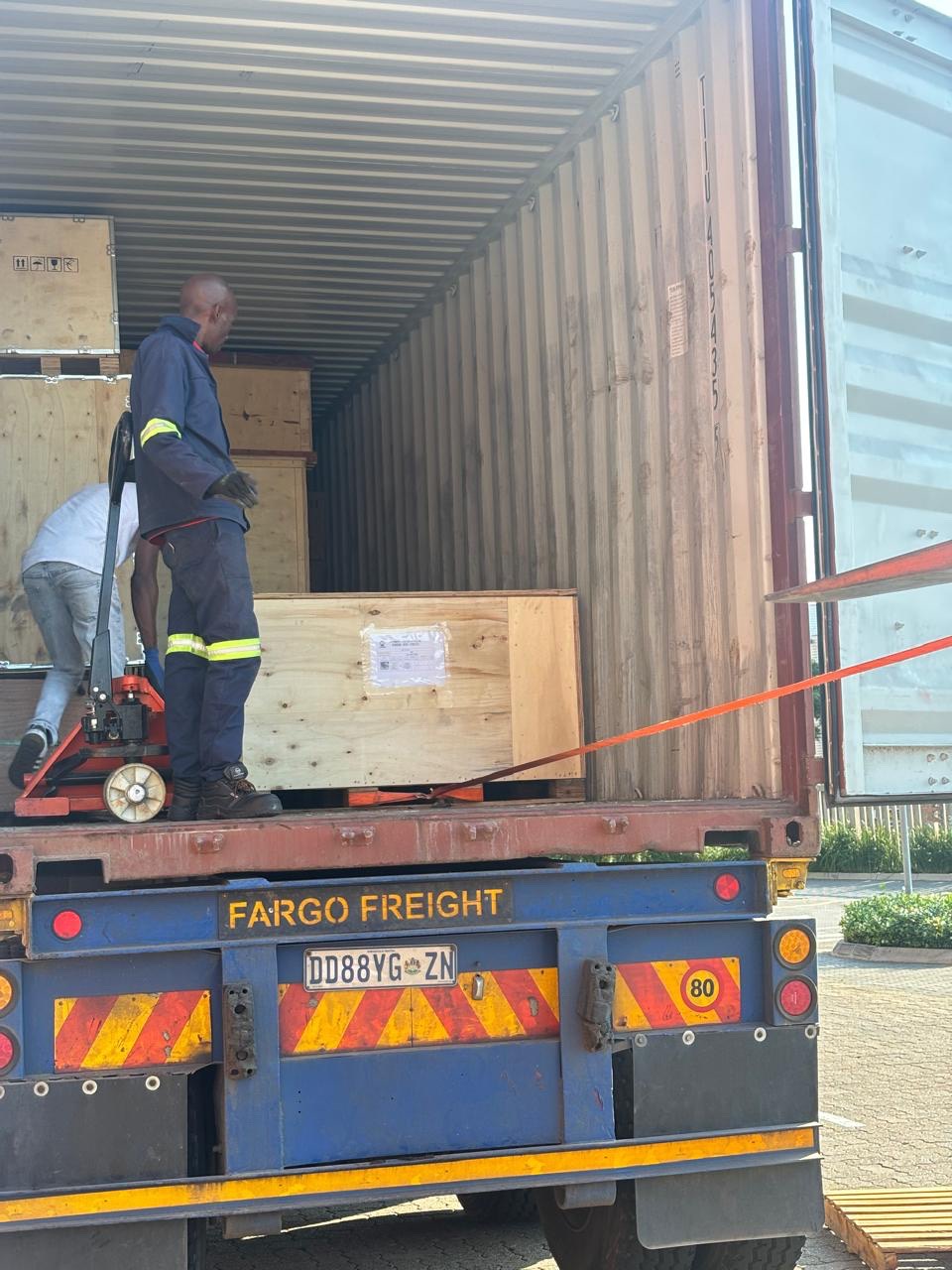
new arrivals
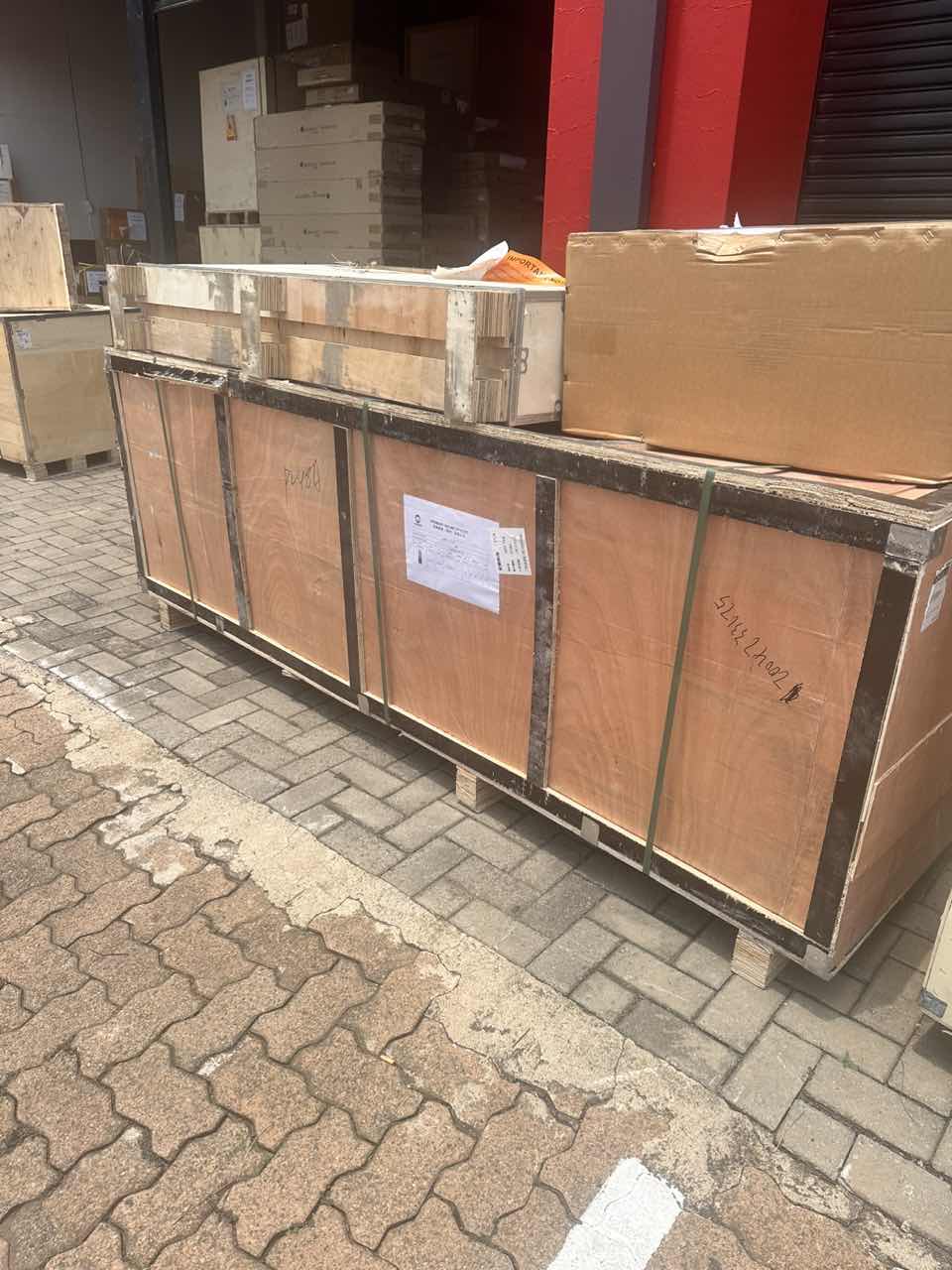
Pre Orders Offloading
Latest Arrivals
Latest Arrivals
Latest Arrivals
Loading
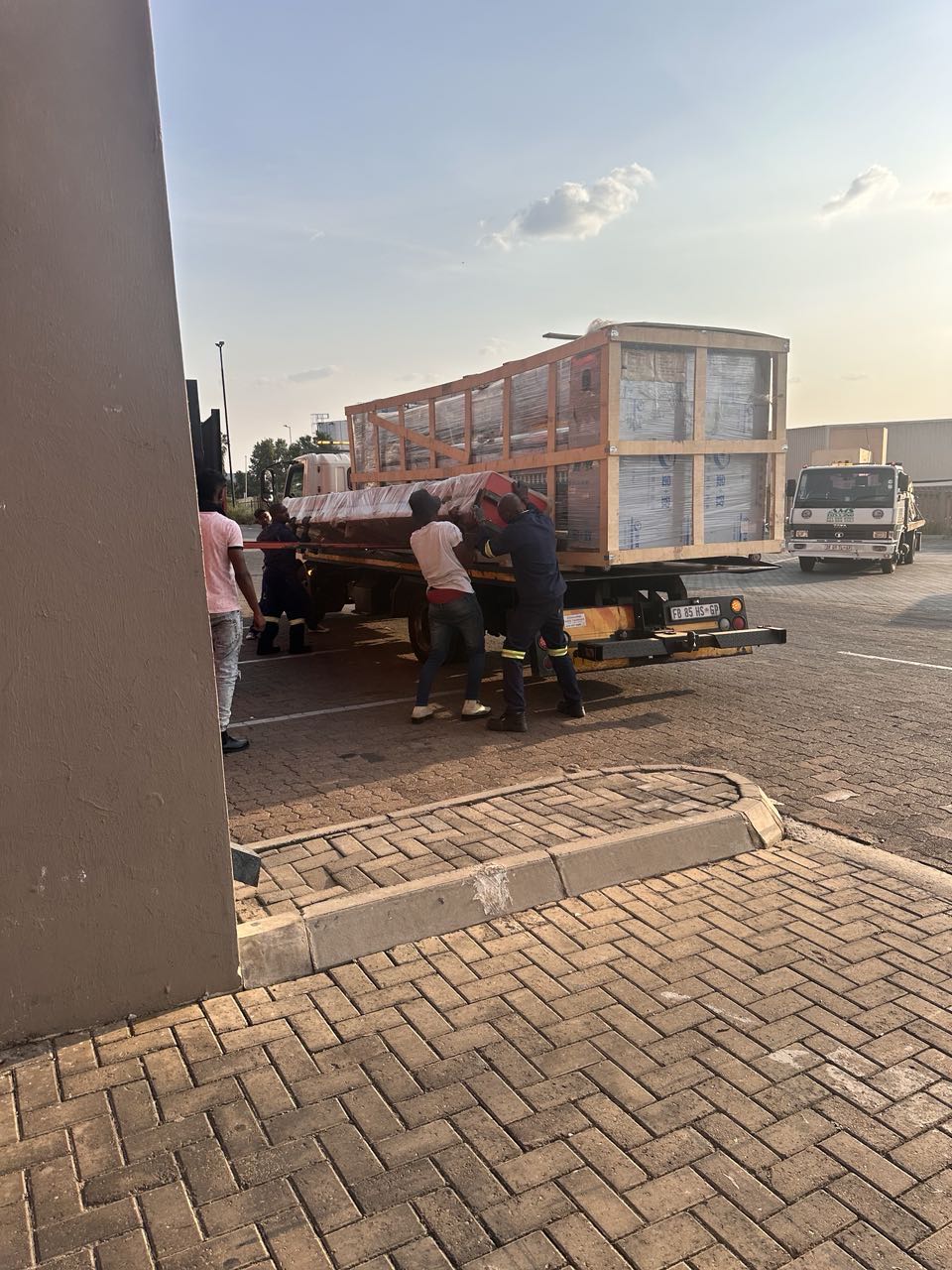
Toilet paper making machine
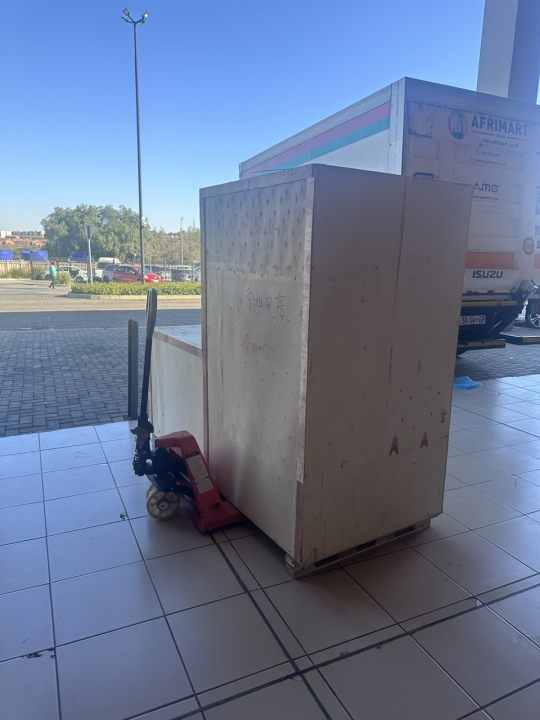
Toilet paper making machine
Toilet paper Rewinding Machine
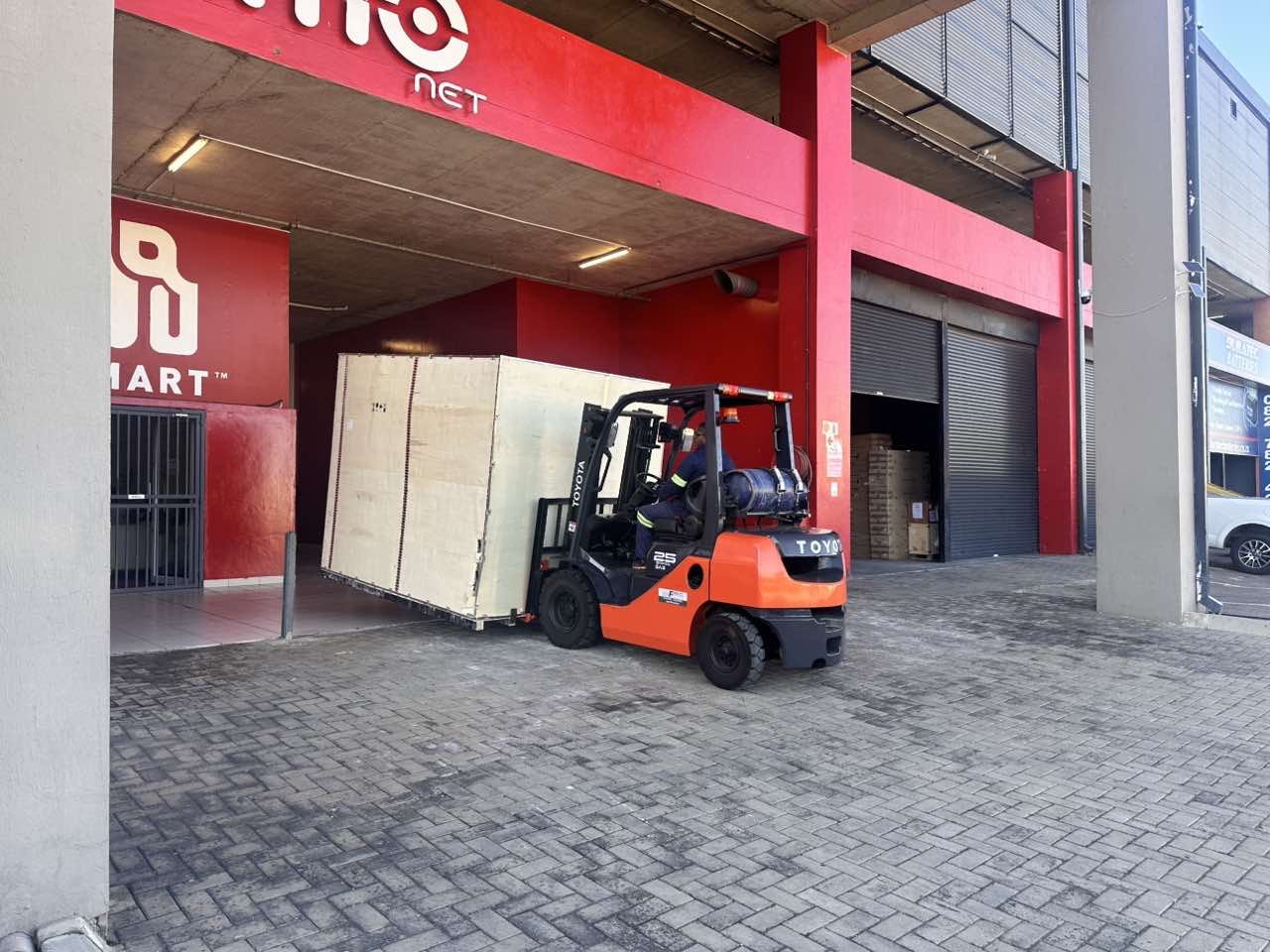
latest arrivals
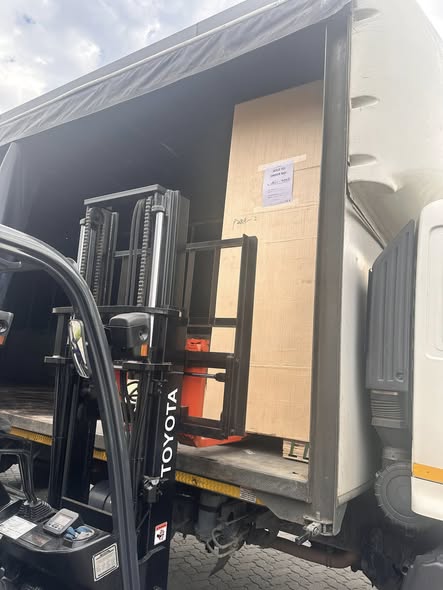
offloading
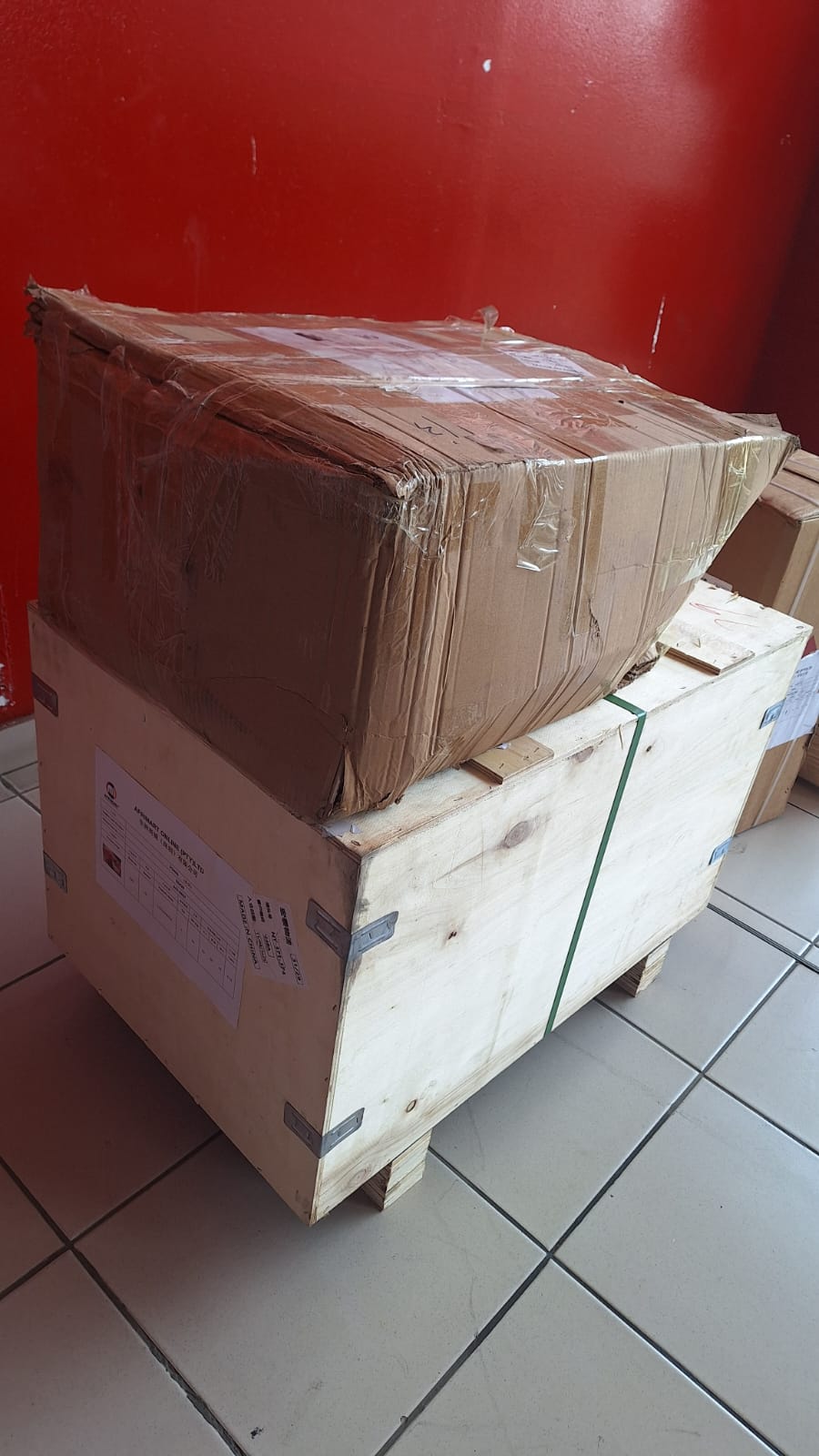
order success
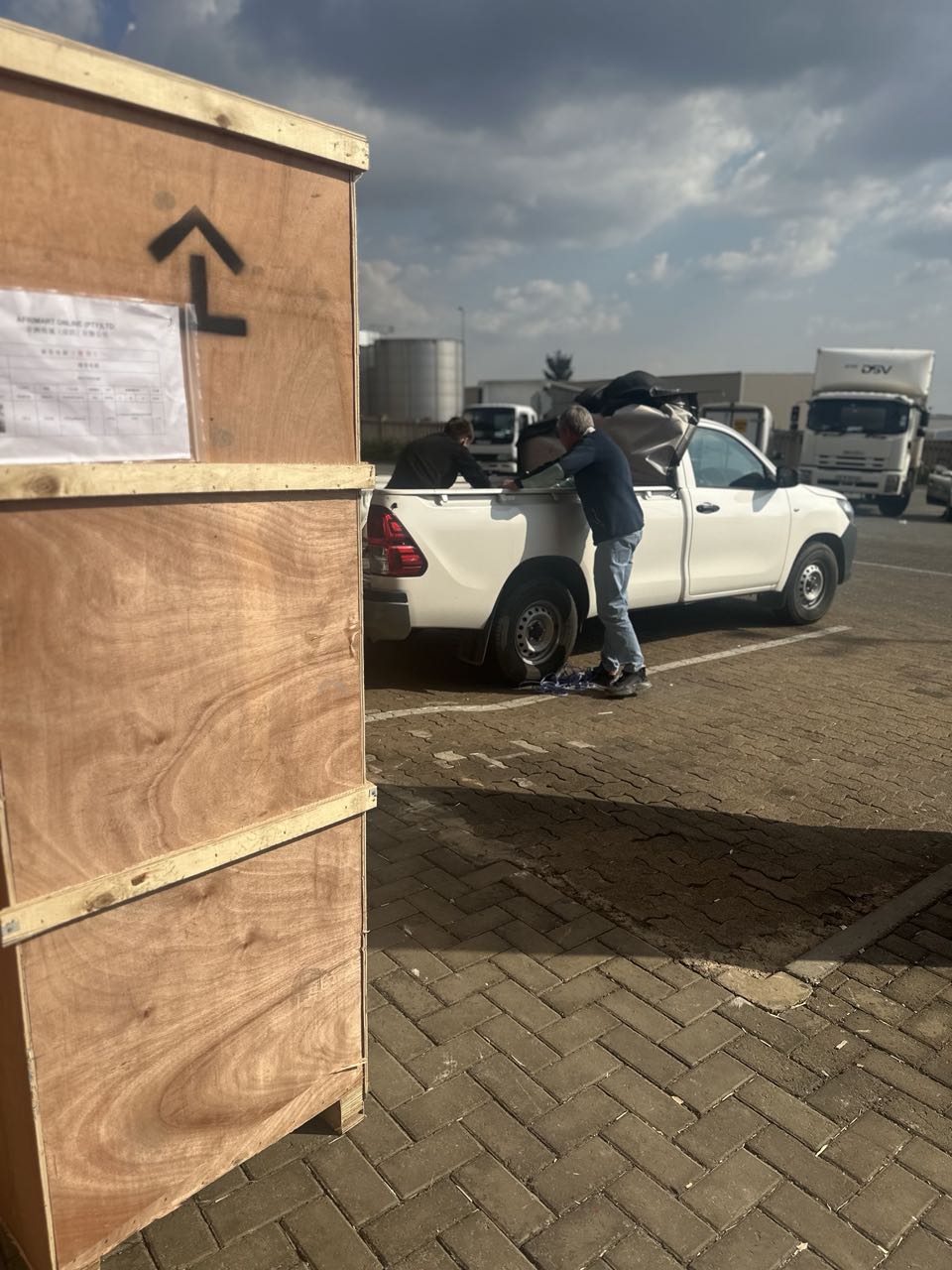
order collection
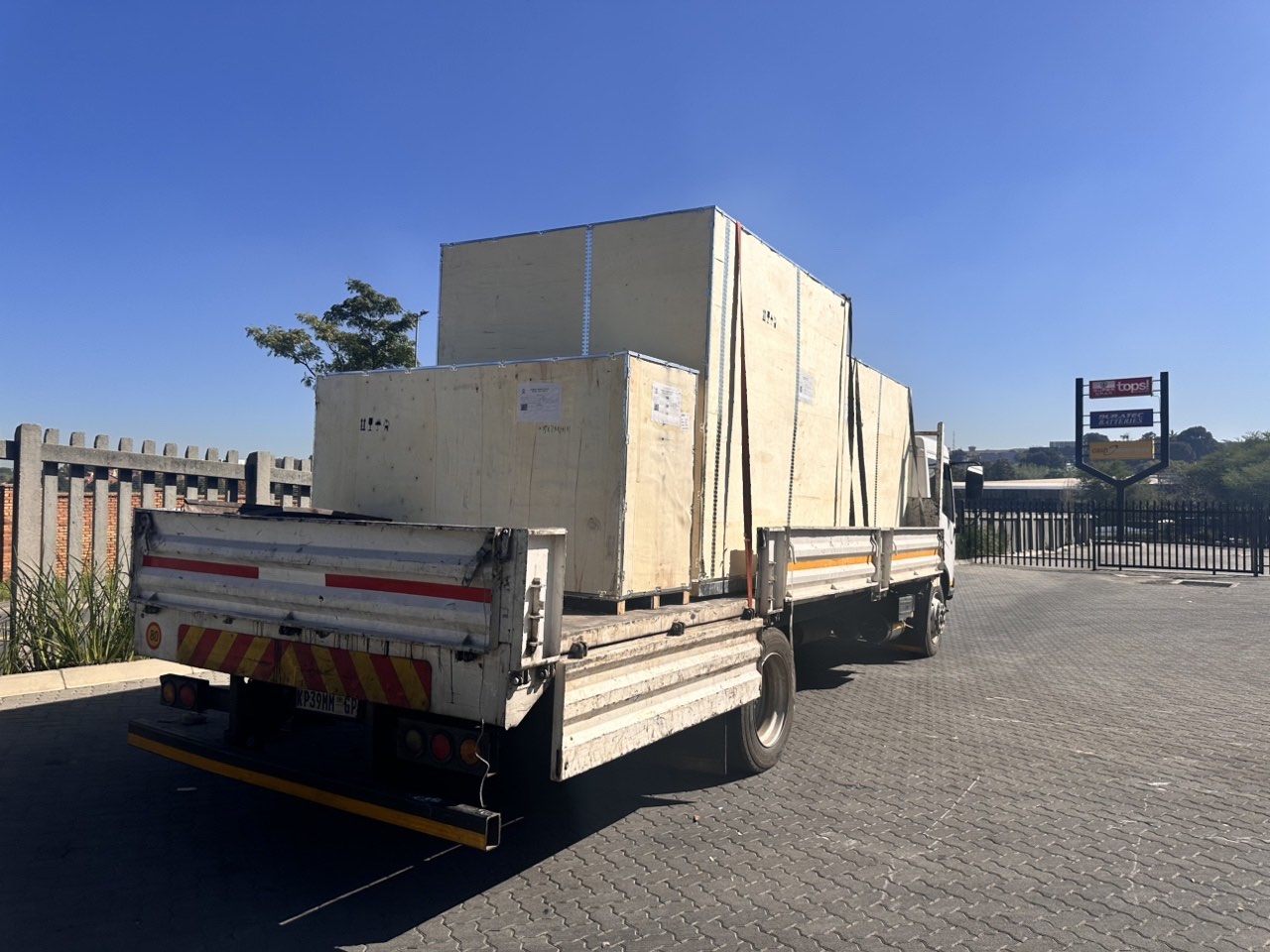
order offloading