B21, China Town Mall, Midrand

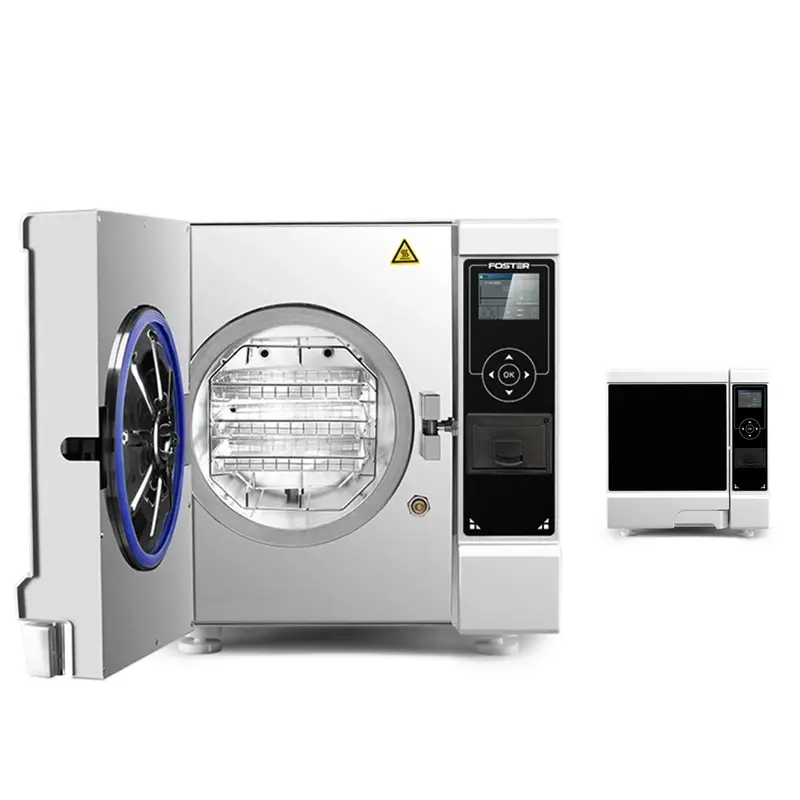
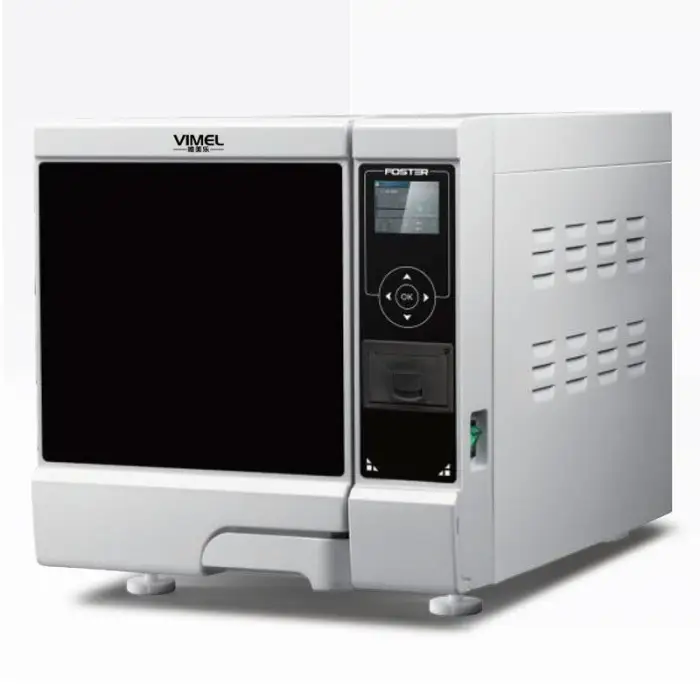
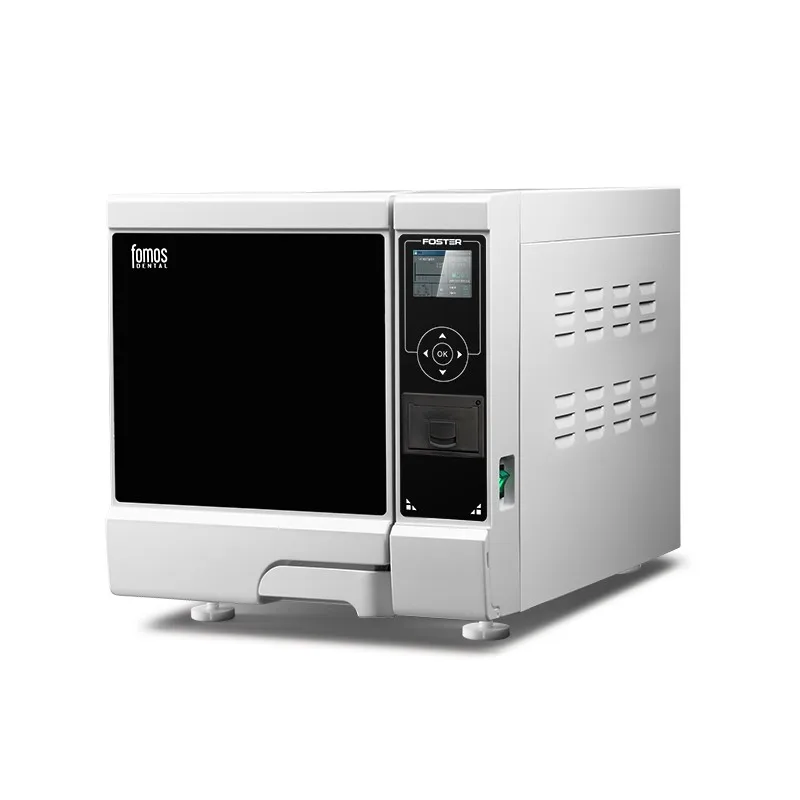
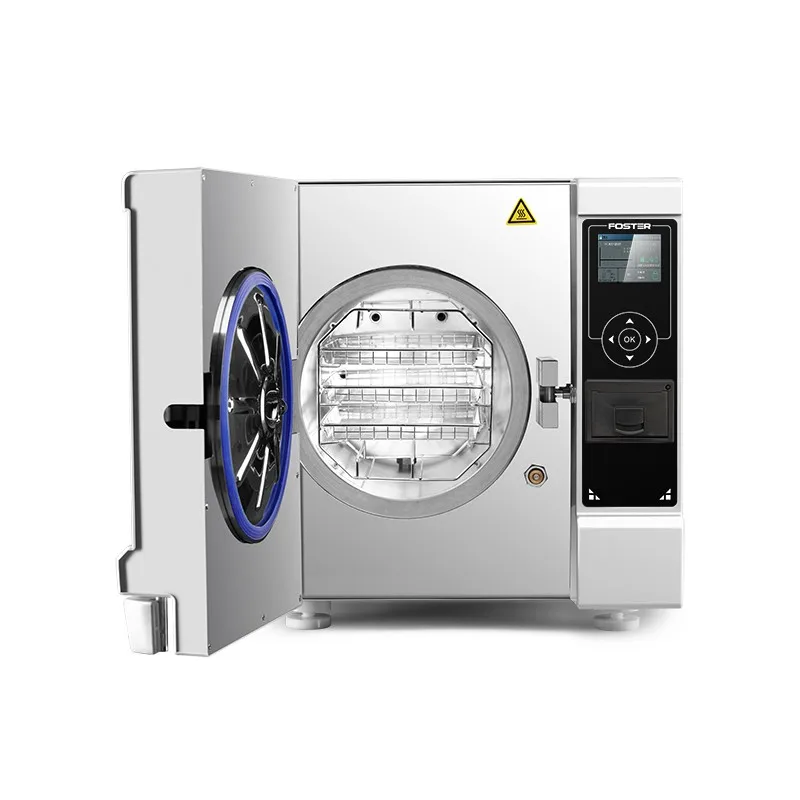
Class B 8L 12L Steam Sterilizer Medical Dental Autoclave for dental clinic Hospital Equipment

- Section : Medical Supplies
- Category : Professional Medical Devices
- SKU : 1600981090194

Product Description
1. Using wide-angle LED color screen with soft light
2. Safety first,double door locking-system
3. One-click program upgrade
4. One-click components fault self-test fuction
5. Program running curve dot matrix trend,clearly view the sterilization process in real time
6. Humanized appointment fuction making use more efficient and easier
7. 99% saturated steam makes sterilization more thorough
8. All-inclusive heating loop makes sterilized instruments drier
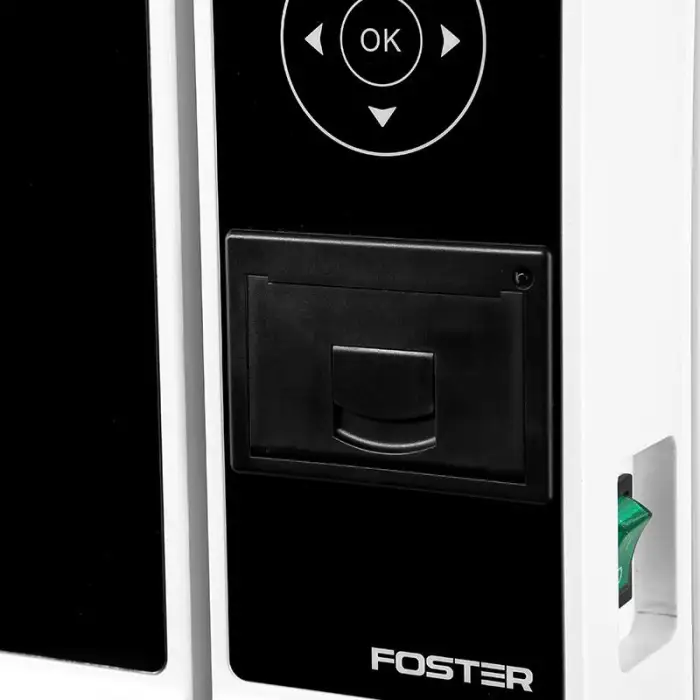
9. Built-in printer
specification
| Product name | Dental Autoclave Sterillization Machine | |
| Sterilization level | Class B | |
| Voltage/ Power | 110-240v/1800w | |
| Model | Foster 8L | Foster 12L |
| Capacity | 8L | 12L |
| Chamber inner dimensions(mm) | ∅170x320 | ∅200x368 |
| Unit dimensions(mm) | 566x408x42 | 566x408x425 |
| Pack size(mm) | 700x540x550 | 700x540x550 |
| Depth (cm) | 60 | 60 |
| Net weight/Gross weight(kg) | 40/42 | 44/47 |
Details Images
- Shipping Timeframes: All orders are processed within 2-5 business days (excluding weekends and holidays). After your order has been processed, the estimated delivery time is before 03 Aug, 2026, depending on customs, Please note that due to high demand, some items may experience longer shipping times, which will be communicated at order confirmation email.
- Order Processing Time: Please allow 2-5 business days for us to process your order before it is shipped . Orders placed after 16:00 on Fridays, or during weekends and public holidays, will begin processing on the next business day. Processing times may be extended during peak seasons or sales events.
- Manufacturing Time: Some products needs manufacturing time, the manufacturing process will take approximately 10-30 business days depending on the product. This timeframe may vary depending on the complexity of the product and current demand. but this will be communicated with you during order confirmation.
- Returns and Exchanges: We offer a 30-day return policy for most items. If you are not completely satisfied with your purchase, you may return it within 30 days of receipt for a refund or exchange. Items must be unused, in their original packaging, and accompanied by proof of purchase. Return shipping costs are the responsibility of the customer, unless the item was damaged or defective upon arrival.
1. What does 'Class B' mean for this 8L/12L steam sterilizer?
Class B denotes a vacuum autoclave capable of sterilizing solid, hollow, porous and wrapped instruments. It performs pre-vacuum and post-vacuum cycles to ensure steam penetration into complex loads and meets higher sterilization requirements for dental and medical use.
2. What are the main differences between the Foster 8L and Foster 12L models?
The primary difference is chamber capacity and size: the Foster 8L has an 8-liter chamber (inner dimensions ∅170 x 320 mm) while the Foster 12L has a 12-liter chamber (inner dimensions ∅200 x 368 mm). Both share the same external footprint (unit dimensions 566 x 408 x 425 mm) and similar features and power rating.
3. What are the electrical requirements and power consumption?
The autoclave accepts 110–240 V and consumes up to 1800 W. Ensure the outlet and circuit can safely supply this power and follow local electrical codes when installing.
4. How does the sterilizer ensure effective sterilization?
It uses saturated steam (up to 99% saturation) combined with Class B pre- and post-vacuum cycles to achieve deep steam penetration. The device also provides real-time program curves so you can monitor temperature/pressure profiles and cycle progress.
5. Can I sterilize wrapped instruments, hollow items and handpieces?
Yes. As a Class B autoclave, it is designed to sterilize wrapped goods, porous materials, and hollow instruments, including many dental handpieces — provided you follow the instrument manufacturer's instructions for pre-cleaning and heat/steam compatibility.
6. What user-interface and monitoring features are included?
The unit features a wide-angle LED color screen with soft lighting, real-time dot-matrix trend curves of the running program, one-click program upgrades, a built-in printer for cycle records, and an appointment (timer) function for scheduling cycles.
7. What safety features are built in?
Safety features include a double door locking system to prevent accidental opening under pressure, automatic self-test of components, and built-in safeguards that prevent cycle start if door or water conditions are unsafe. Follow on-screen prompts and error codes if an issue occurs.
8. What type of water should I use and how often should I change it?
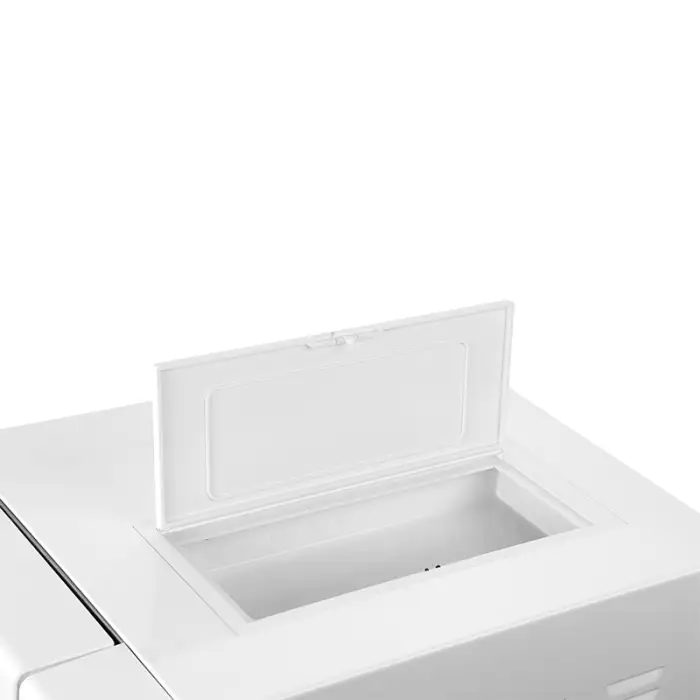
Use distilled or demineralized water to prevent scale and deposits in the chamber and heating loop. Drain and replace water daily in clinical use or according to your facility's protocol; also follow the manufacturer's maintenance schedule for deeper cleaning and descaling.
9. How does the drying function work and are instruments fully dry at cycle end?
This model uses an all-inclusive heating loop that assists in drying sterilized instruments after the sterilization phase. Dryness depends on load type and packing; porous or heavily wrapped loads may require additional cooling/drying time. Verify dryness before storage.
10. What records does the built-in printer produce and how long are cycle logs kept?
The built-in printer outputs cycle parameters such as program type, temperature, pressure and time for each run. The length and format of printed records depend on the selected program. For electronic/archival retention, follow your clinic's documentation policy—some units may also support external data export when specified.
11. What routine maintenance does this autoclave require?
Regular maintenance includes daily draining and refilling with distilled water, cleaning the chamber and door gasket, periodic descaling depending on water hardness, checking and replacing filters and seals as needed, and annual professional servicing and calibration per regulatory requirements.
12. What should I do if the sterilizer shows an error or won't start?
First check power supply, water level and that the door is fully closed and latched. Use the one-click components fault self-test to identify issues and consult the on-screen error code. If the problem persists, refer to the service manual or contact authorized service—do not attempt repairs that could void warranty or compromise safety.
13. Are there instructions on what materials or items should not be sterilized in this autoclave?
Yes. Do not autoclave heat-sensitive materials (certain plastics, optics, electronic devices) unless explicitly approved by the instrument manufacturer. Always consult the manufacturer's cleaning and sterilization instructions to avoid damage to instruments or ineffective sterilization.
14. Is installation or calibration required before first use?
Yes. Have the unit installed on a stable, level surface with proper electrical supply. Perform initial calibration/validation cycles per local healthcare regulations and the manufacturer's start-up checklist. Many facilities require a service technician to perform initial validation and training.
15. What are the unit and package weights and dimensions for shipping and placement planning?
Unit dimensions are approximately 566 x 408 x 425 mm (W x D x H). Pack size is about 700 x 540 x 550 mm. Net/gross weights are roughly 40/42 kg for the 8L model and 44/47 kg for the 12L model. Verify clearance for ventilation and service access when siting the unit.
Latest Order Arrivals
Discover our latest orders

12 Heads Embroidery Machine

Toilet Paper Machine Machine

Order Collection

Cross Border Clients

Order cros border countries Collected

Industrial Machine Cllection

Agriculture Processing Machines

Ready for collection

Water Pump Equipment

Packaging Machine and accessories

Fabrics Manufacturing Equipment

Mining Equipments

Food Processing Machine

Batch of Orders

Batch of Orders

Latest Orders Labelled

wheel alignment machines

new arrivals

Pre Orders Offloading

Latest Arrivals

Latest Arrivals

Latest Arrivals

Loading

Toilet paper making machine

Toilet paper making machine

Toilet paper Rewinding Machine

latest arrivals

offloading

order success

order collection

order offloading