B21, China Town Mall, Midrand

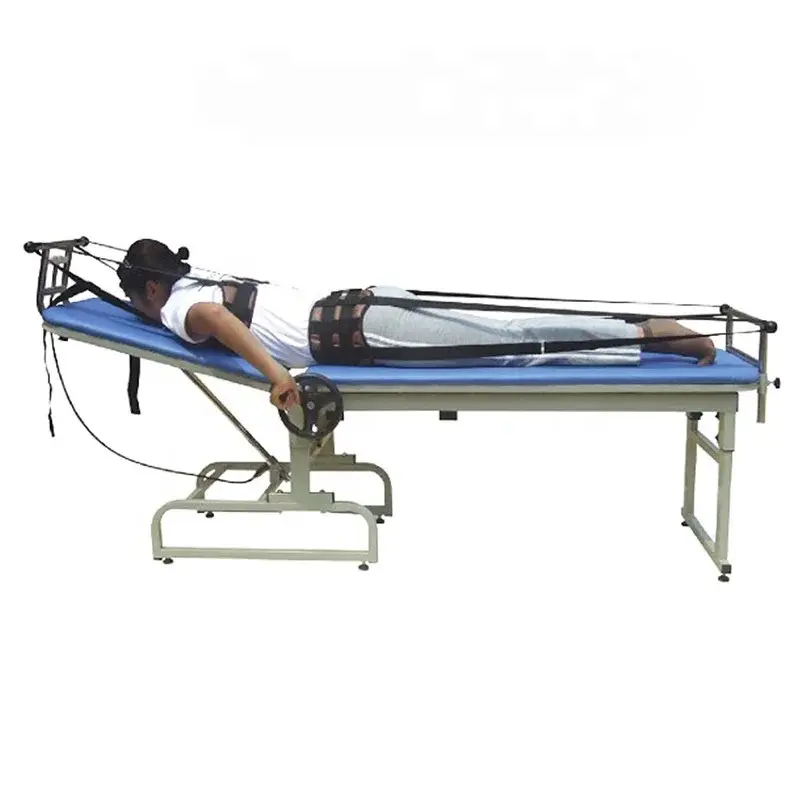
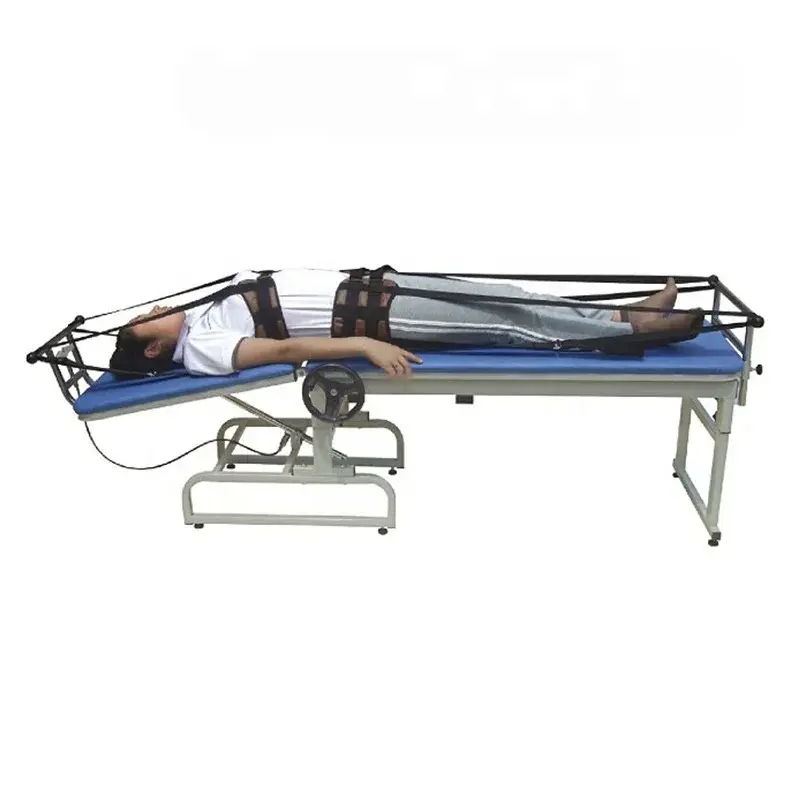
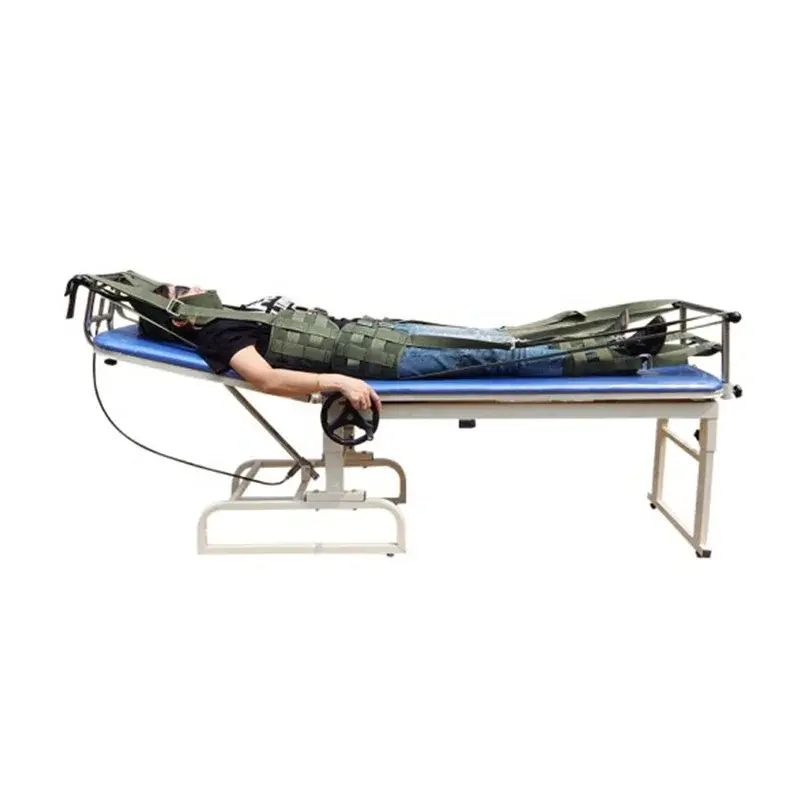
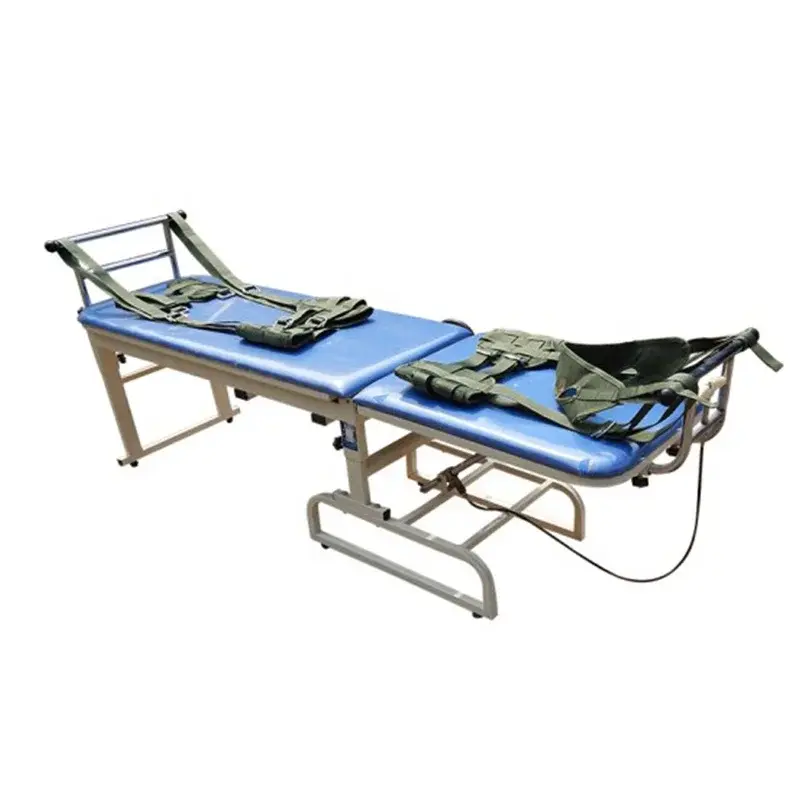
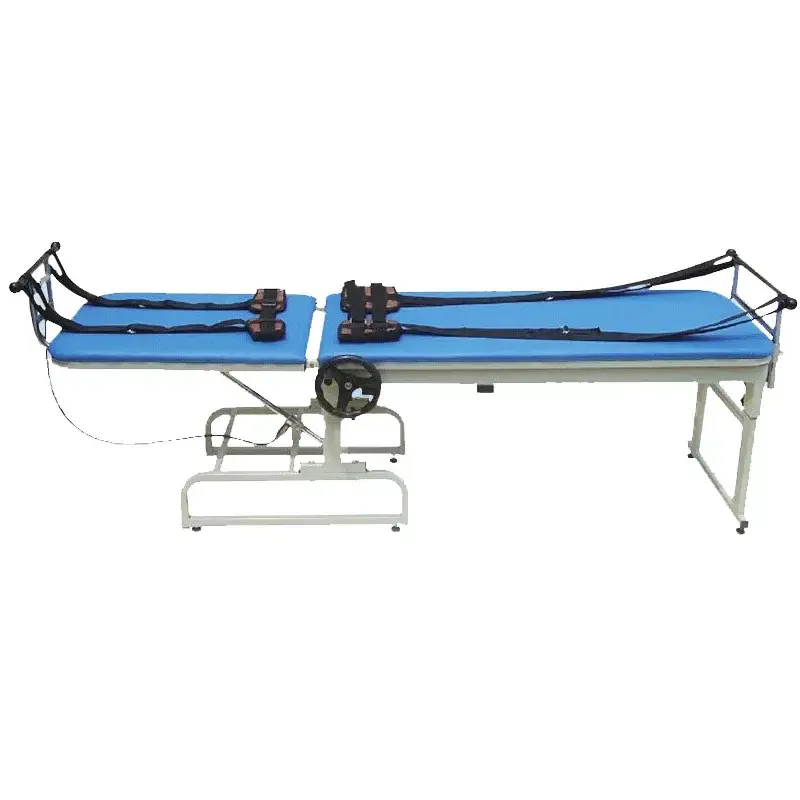
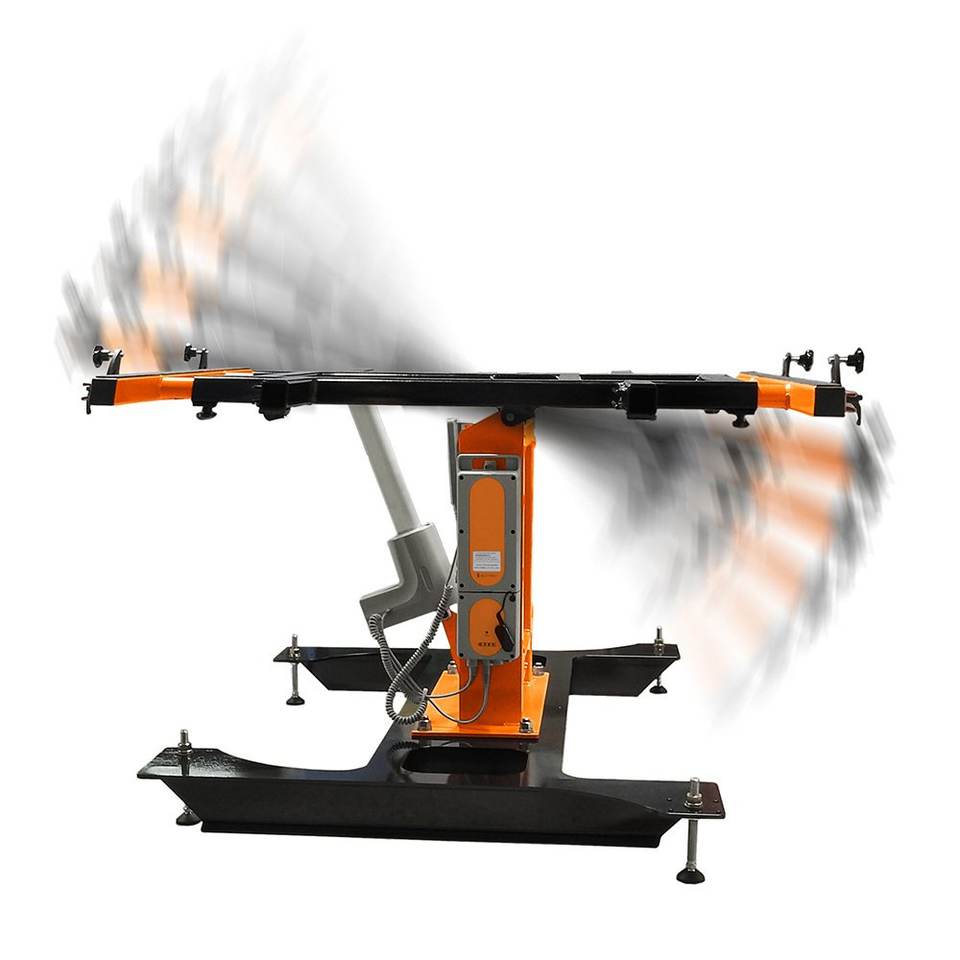
Cervical Neck Lumbar Traction Bed

- Section : Medical Supplies
- Category : Hospital Beds
- SKU : 1600591469009

Product Description
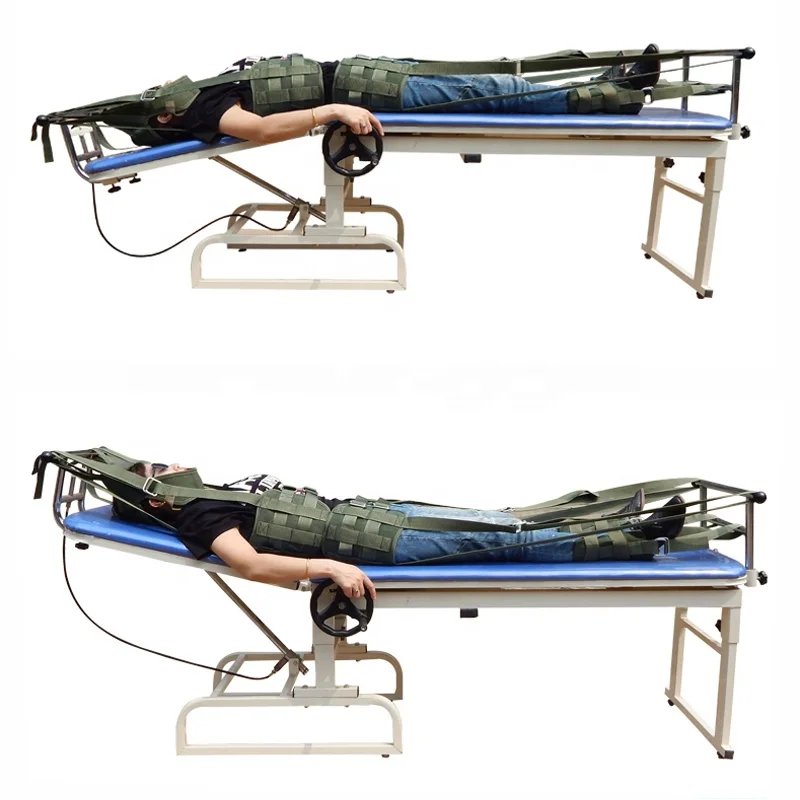
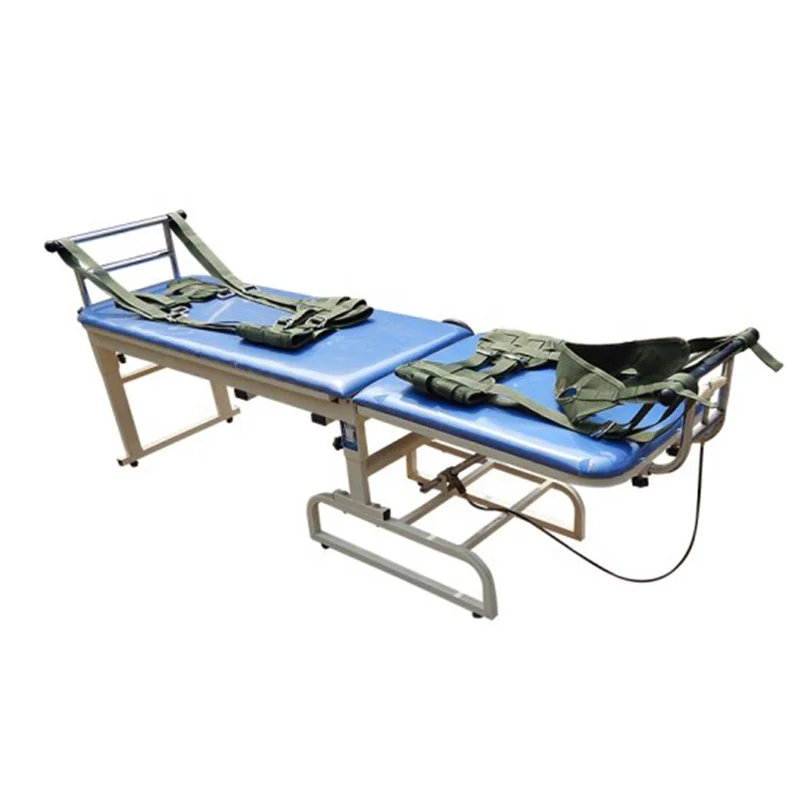
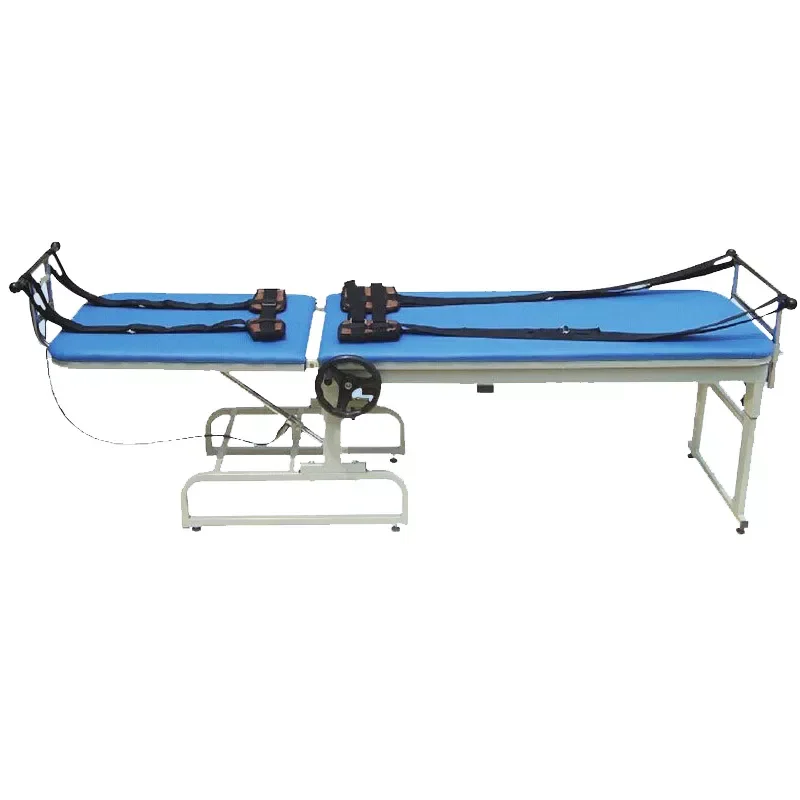
Size: 2060mm*510mm*550mm
Traction stroke of traction bed: 0-240mm
the maximum traction force : 490N
weight support: about 200kgs
- Shipping Timeframes: All orders are processed within 2-5 business days (excluding weekends and holidays). After your order has been processed, the estimated delivery time is before 12 Mar, 2026, depending on customs, Please note that due to high demand, some items may experience longer shipping times, which will be communicated at order confirmation email.
- Order Processing Time: Please allow 2-5 business days for us to process your order before it is shipped . Orders placed after 16:00 on Fridays, or during weekends and public holidays, will begin processing on the next business day. Processing times may be extended during peak seasons or sales events.
- Manufacturing Time: Some products needs manufacturing time, the manufacturing process will take approximately 10-30 business days depending on the product. This timeframe may vary depending on the complexity of the product and current demand. but this will be communicated with you during order confirmation.
- Returns and Exchanges: We offer a 30-day return policy for most items. If you are not completely satisfied with your purchase, you may return it within 30 days of receipt for a refund or exchange. Items must be unused, in their original packaging, and accompanied by proof of purchase. Return shipping costs are the responsibility of the customer, unless the item was damaged or defective upon arrival.
1. What is a Cervical Neck Lumbar Traction Bed?
A medical traction table designed to apply controlled pulling force to the cervical (neck) and lumbar (lower back) regions to relieve pressure on spinal structures, reduce pain, and improve mobility.
2. What are the key specifications of this traction bed?
Overall size 2060mm x 510mm x 550mm (approximately 81.1" x 20.1" x 21.7"). Traction stroke: 0–240mm (0–9.45"). Maximum traction force: 490 N (≈50 kgf, ≈110 lbf). Weight support: about 200 kg (≈440 lb).
3. What conditions is this bed typically used for?
Used for spinal disc herniation, nerve root compression, chronic neck or low back pain, postural problems and as part of physical therapy regimens under clinician supervision.
4. Who should not use this traction bed (contraindications)?
Contraindications include unstable spinal injuries, certain fractures, recent spinal surgery (unless cleared by surgeon), severe osteoporosis, active infections, tumors of the spine, or any condition where traction is contraindicated — always consult a physician before use.
5. Is the traction stroke adjustable for both cervical and lumbar use?
Yes — the stroke range is 0–240mm, which covers both cervical and lumbar traction adjustments. The exact setup for cervical versus lumbar positioning depends on the accessory configuration and clinician protocol.
6. How much pulling force can the bed deliver and what does that mean?
Maximum traction force is 490 N (about 50 kgf or 110 lbf). This indicates the peak pulling force the mechanism can apply. Actual clinical settings are typically much lower and determined by a treating professional.
7. What is the maximum patient weight the bed supports?
The bed supports about 200 kg (approximately 440 lb). Do not exceed this limit for safety and equipment longevity.
8. How is the traction controlled and set up?
The product description lists stroke and force but does not specify the control interface. Typical systems use a hand controller or built-in control panel; confirm the exact control method and included accessories with the supplier or product manual.
9. Does the bed require professional operation?
Traction therapy should be prescribed and supervised by a qualified healthcare professional. Operators should be trained in setup, belt placement, force progression, and emergency procedures.
10. Is assembly required and what is involved?
Assembly requirements are not specified in the brief description. Many traction beds require minimal assembly (attaching legs, headrest or accessories). Ask the seller for assembly instructions, included tools, and whether on-site setup or training is offered.
11. What safety features should I expect or verify before using?
Verify safety stops or limits, emergency release or stop function, secure patient restraints or belts, and that the control system has clear force and stroke readouts. Always inspect the bed for wear, proper function, and secure fastenings before each use.
12. How should the bed be cleaned and maintained?
Clean the upholstery with manufacturer-recommended disinfectants, avoid harsh solvents, routinely check mechanical components for wear, lubricate moving parts per the manual, and have periodic professional maintenance as recommended by the manufacturer.
13. What materials is the bed made from?
The brief spec does not list materials. Medical traction beds are commonly built with a steel frame and padded, medical-grade upholstery. Contact the manufacturer or supplier for detailed material and flame/safety specifications.
14. Is there a warranty and available service/support?
Warranty and service details are not included in the provided information. Check with the seller or manufacturer for warranty length, what it covers (parts, labor), and availability of spare parts and technical support.
15. How do I purchase accessories or replacement parts?
Contact the manufacturer or authorized dealer to order belts, cushions, control units, or spare mechanical parts. Provide the model/specifications to ensure compatibility.
Latest Order Arrivals
Discover our latest orders
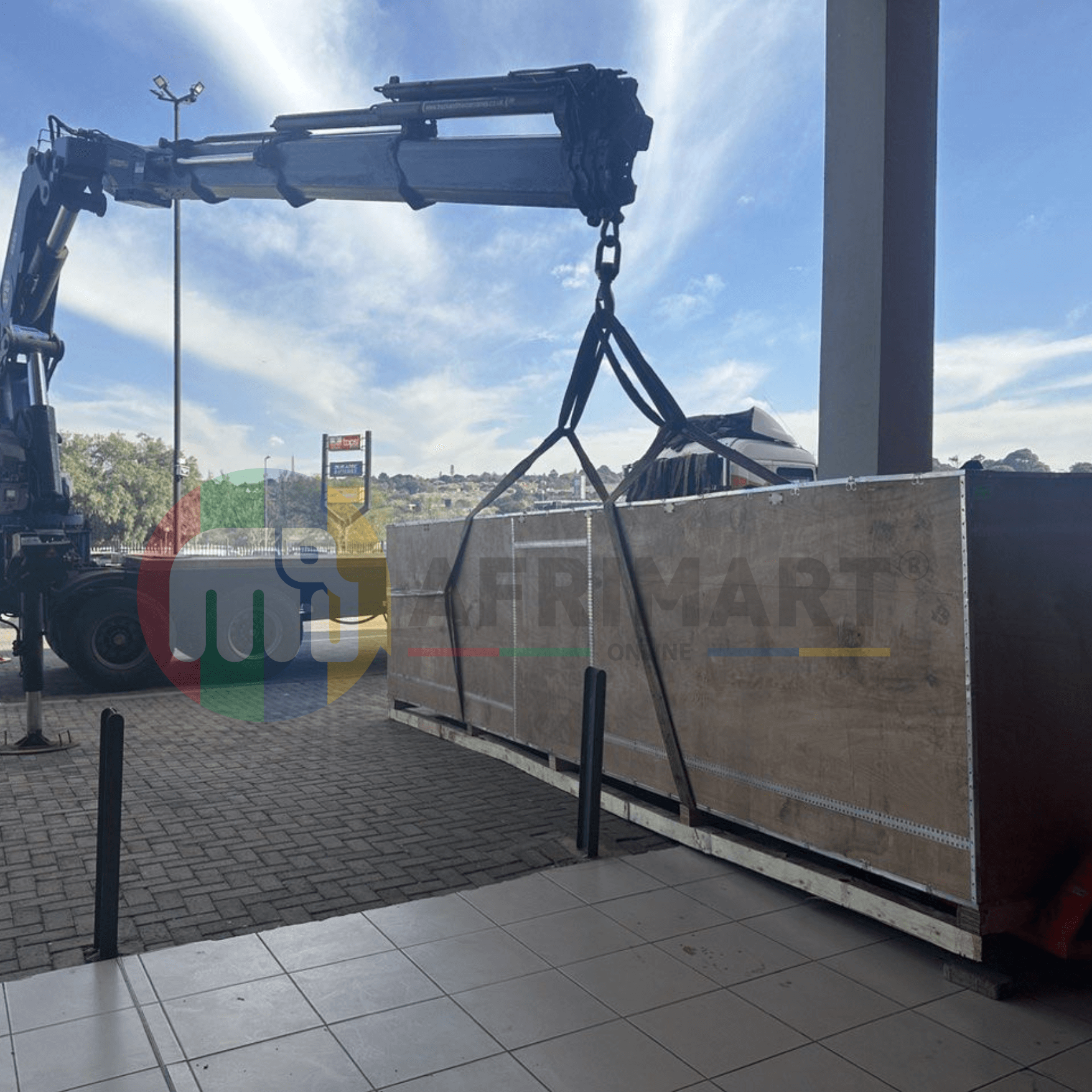
12 Heads Embroidery Machine
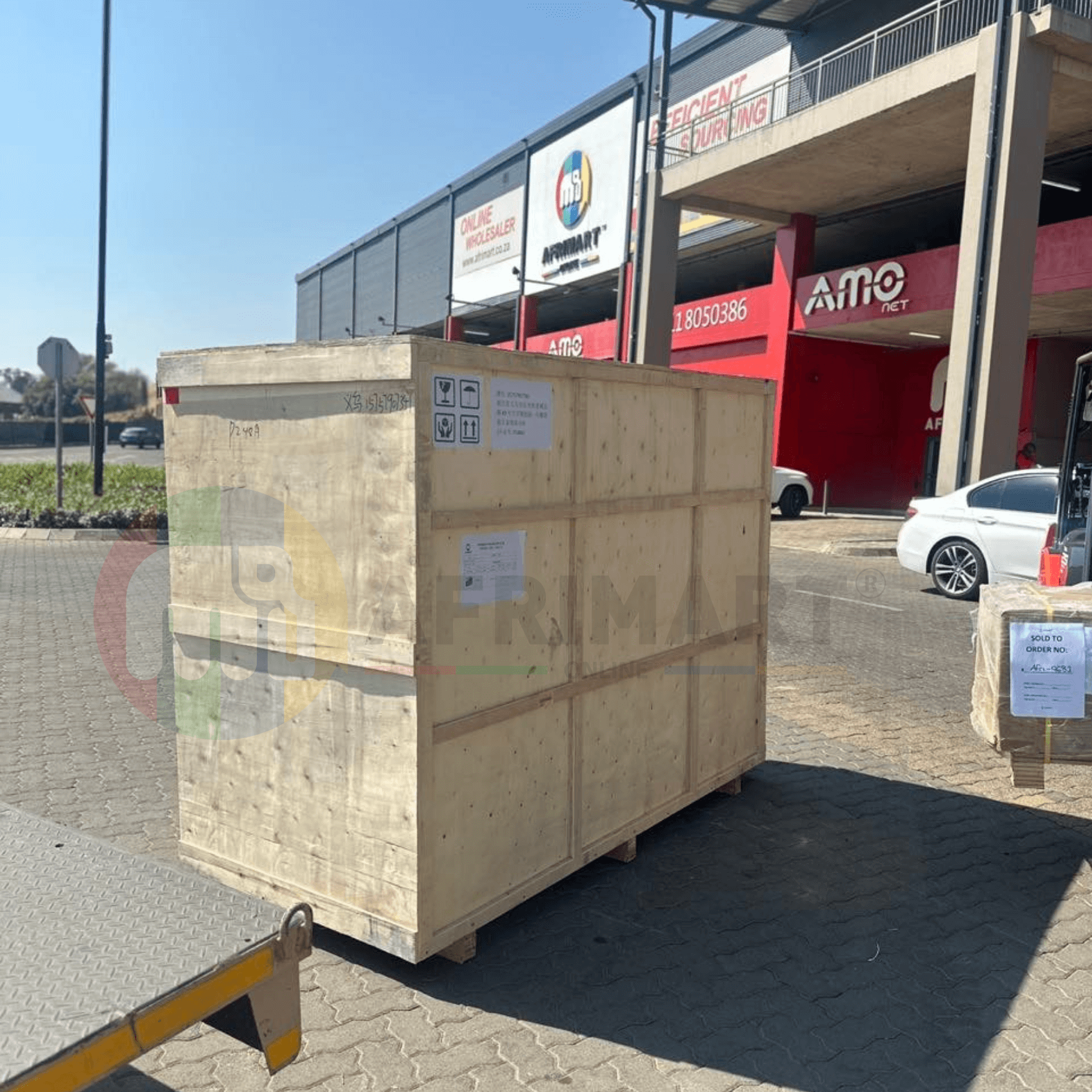
Dewatering Pump Machine

Order Collection
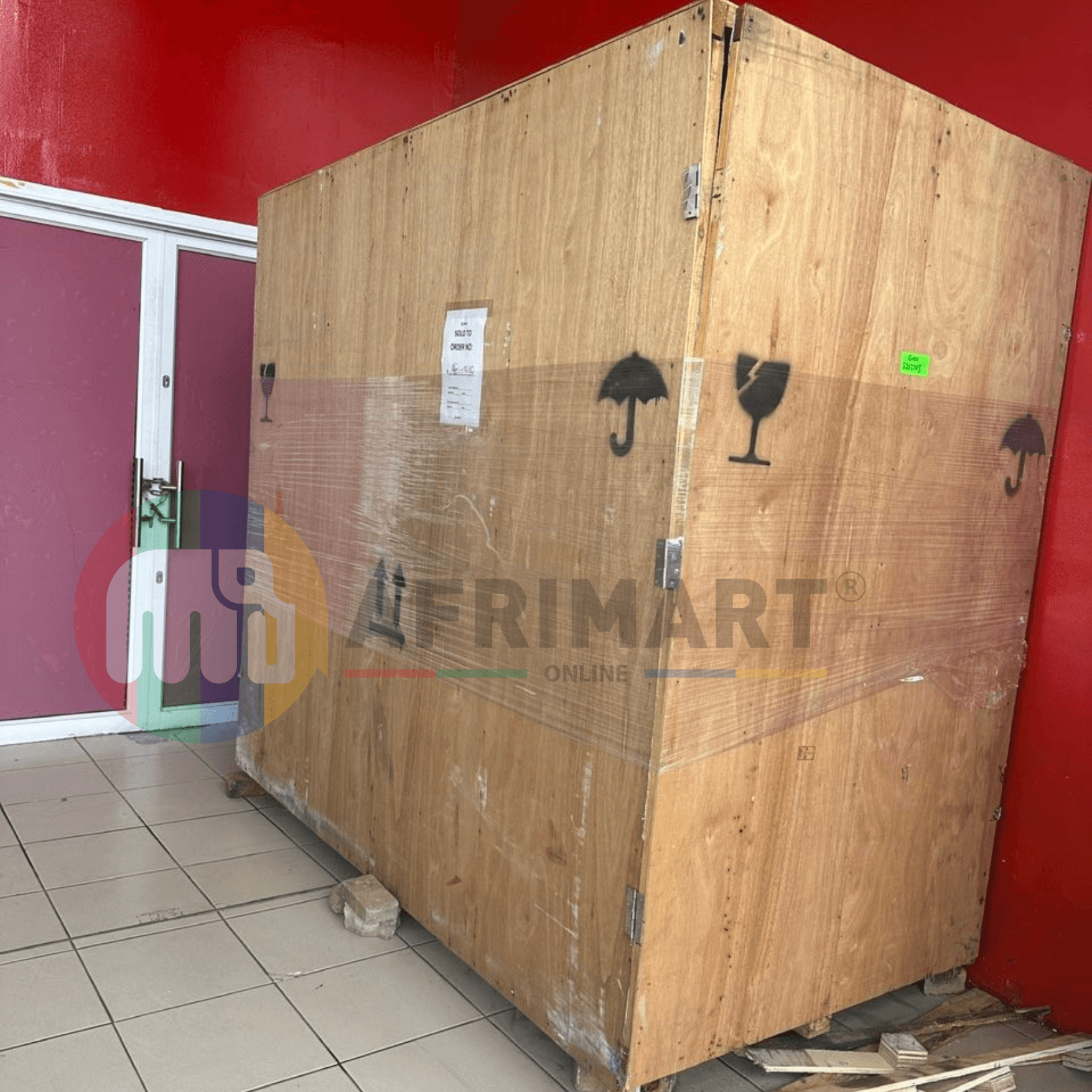
Portable Water Drilling Rig

Order Usefully Collected

Batch of Orders
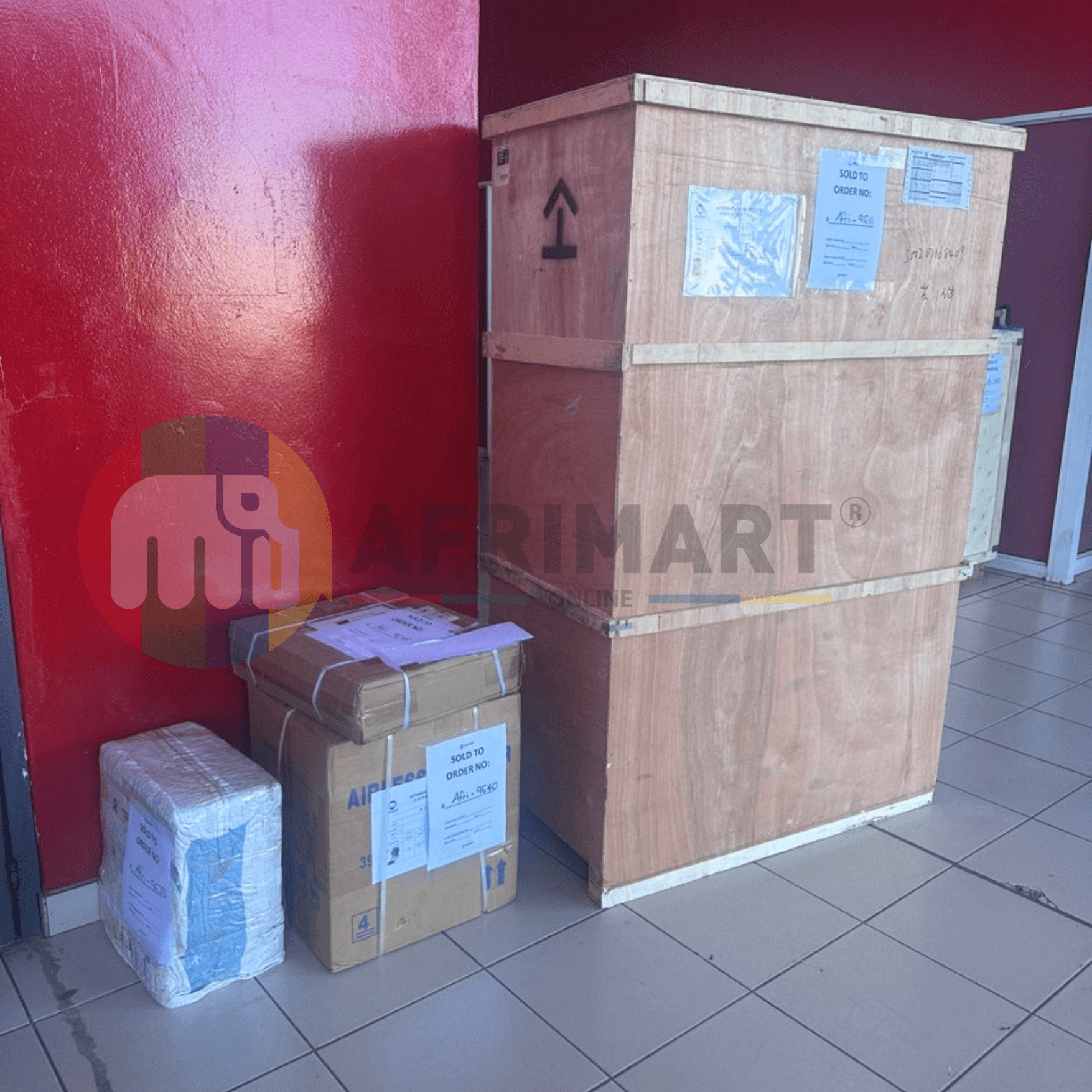
Agriculture Processing Machines
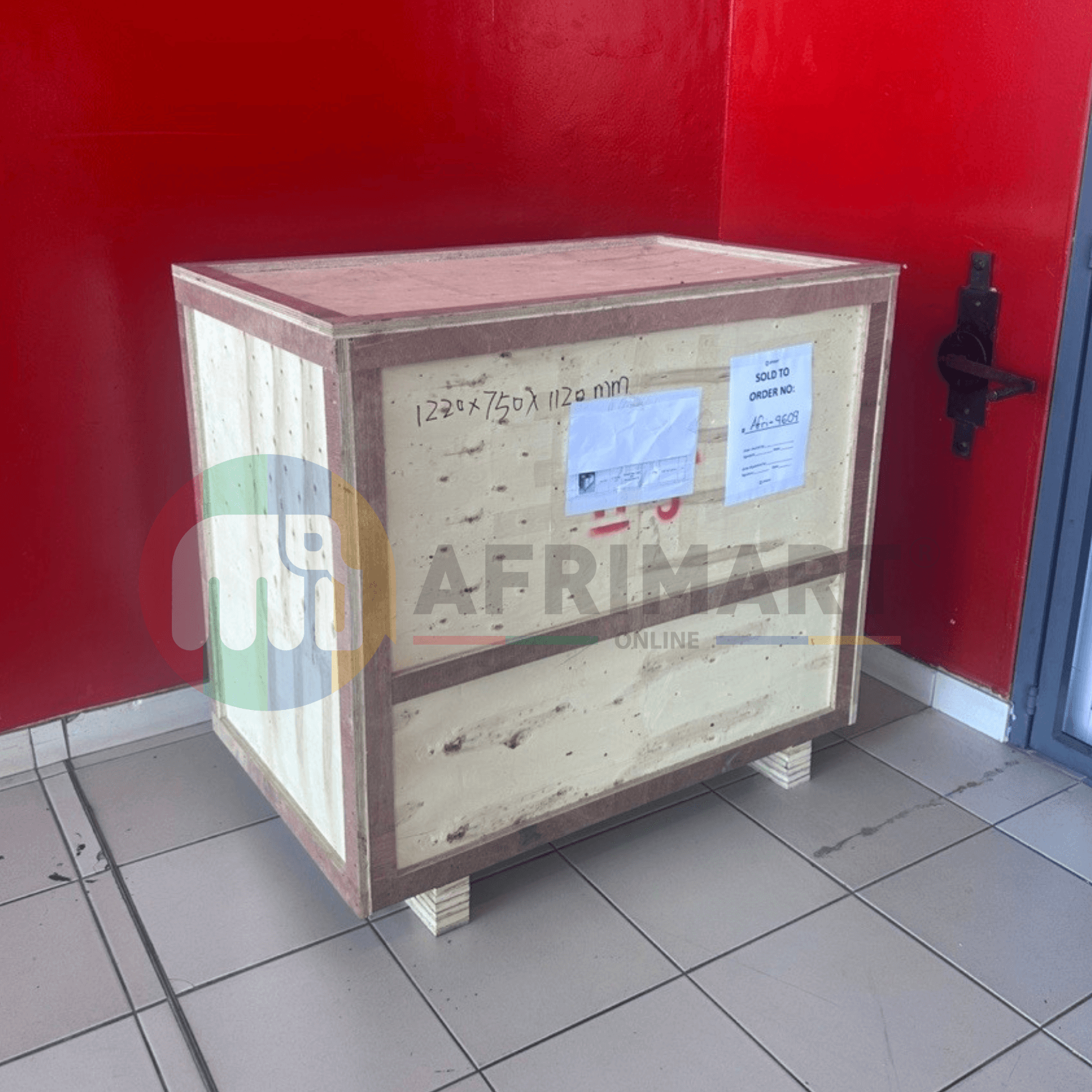
Meat Grinder Machine
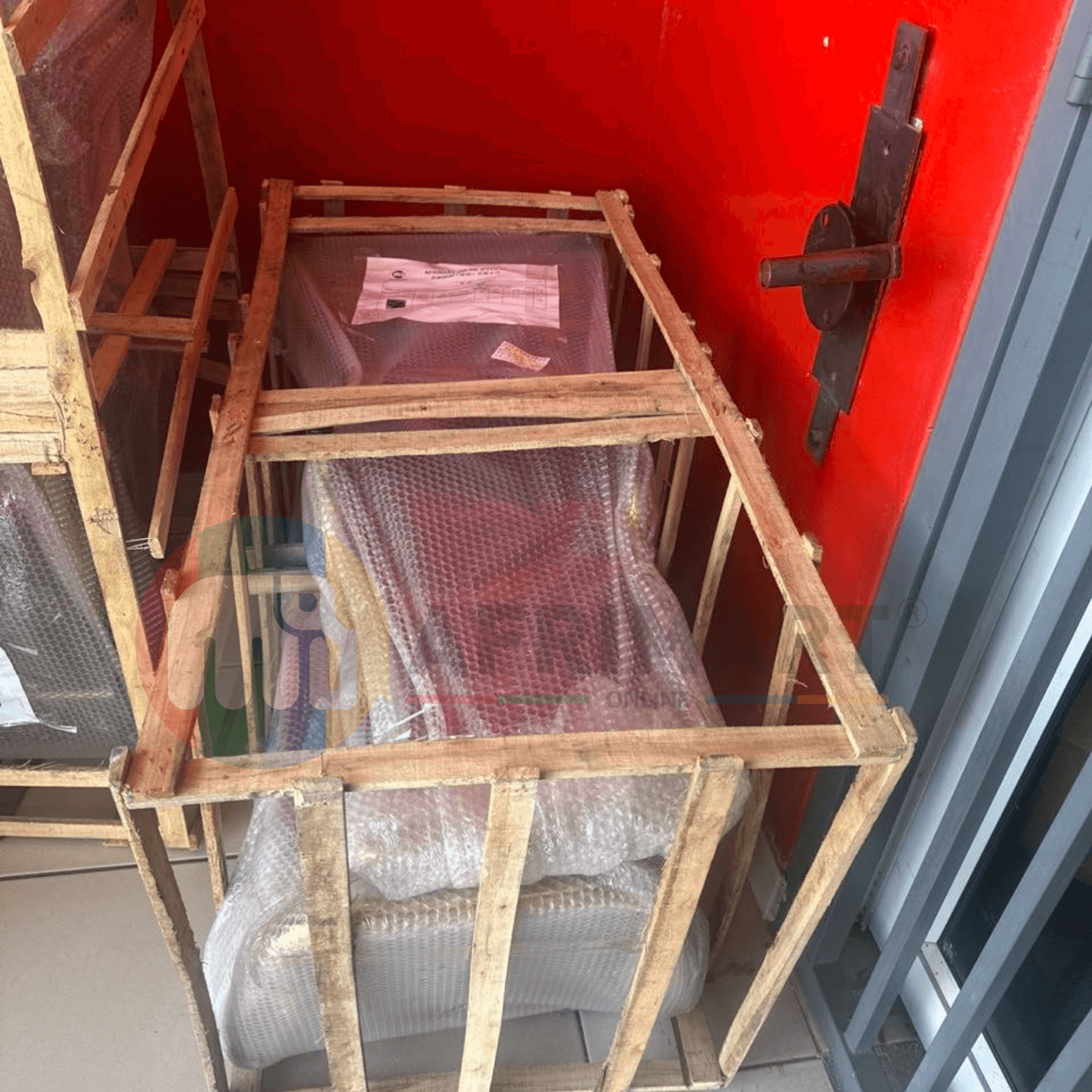
Water Pump Equipment
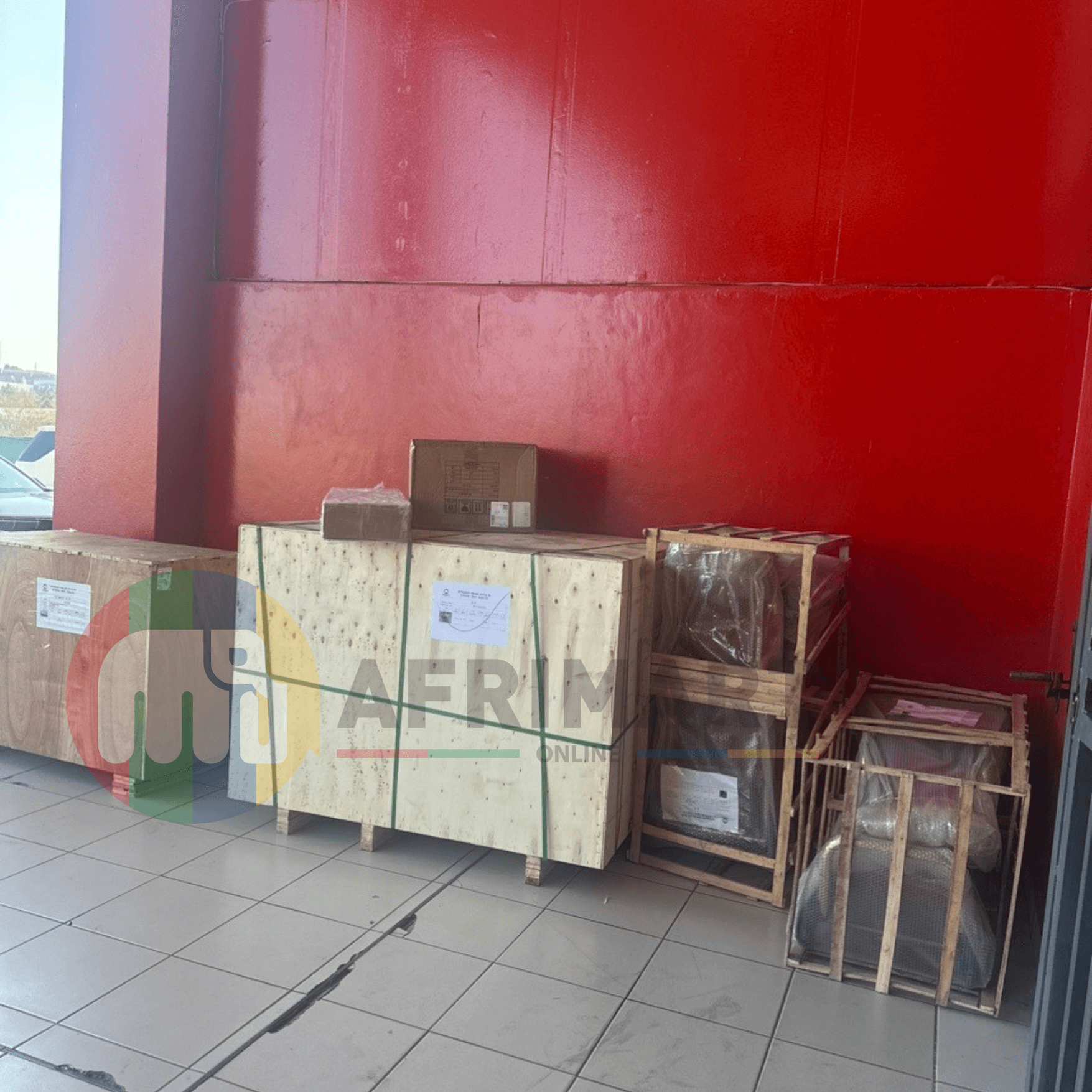
Packaging Machine and accessories

Fabrics Manufacturing Equipment
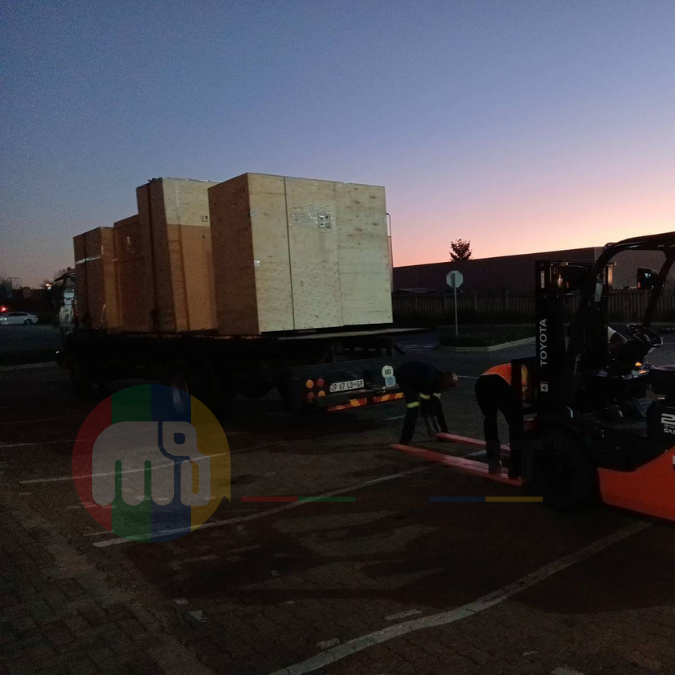
Mining Equipments
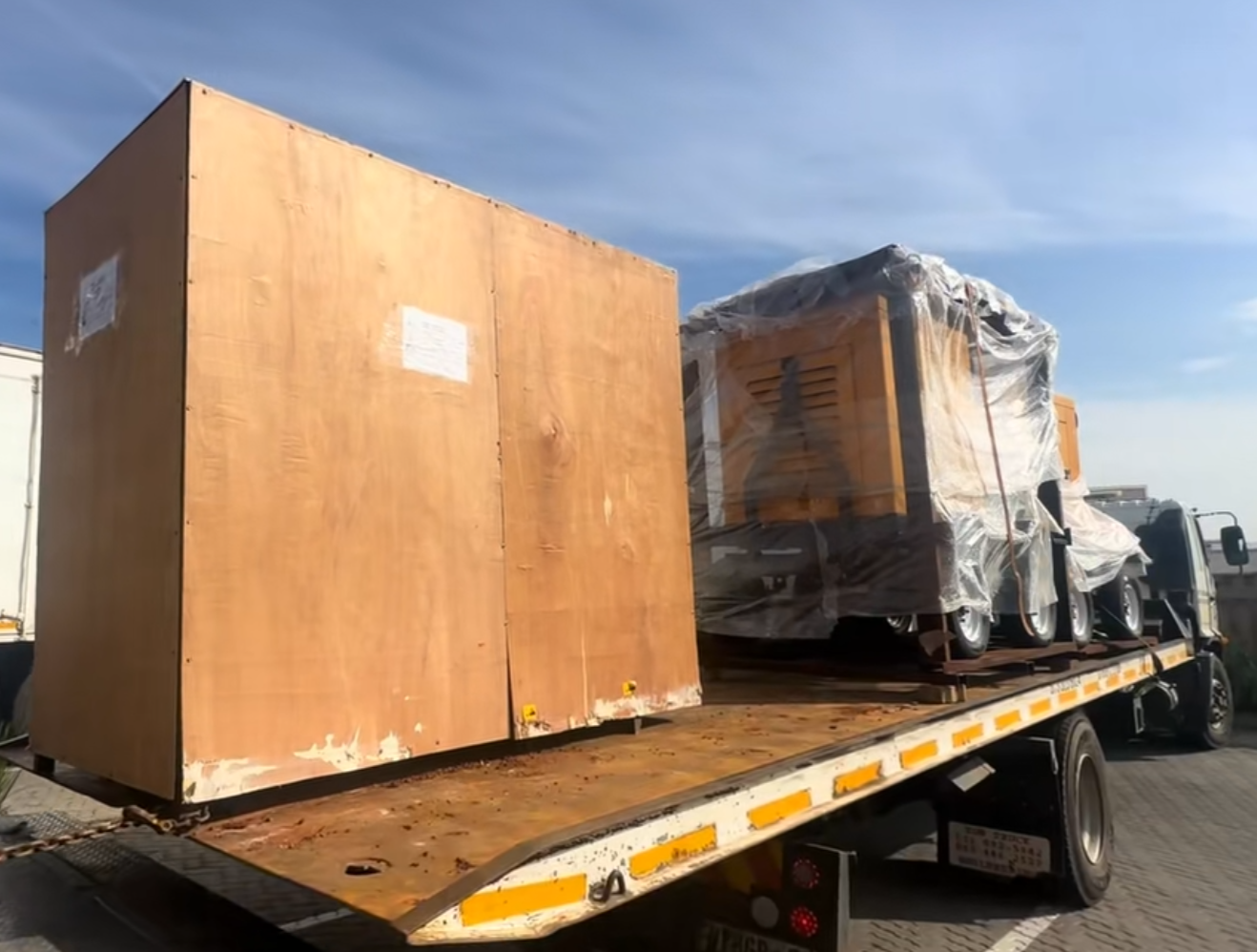
Food Processing Machine
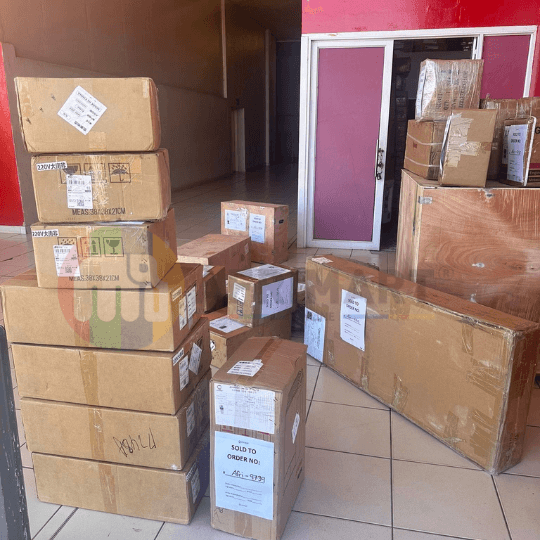
Batch of Orders

Batch of Orders
Latest Orders Labelled
wheel alignment machines
new arrivals
Pre Orders Offloading
Latest Arrivals
Latest Arrivals