B21, China Town Mall, Midrand

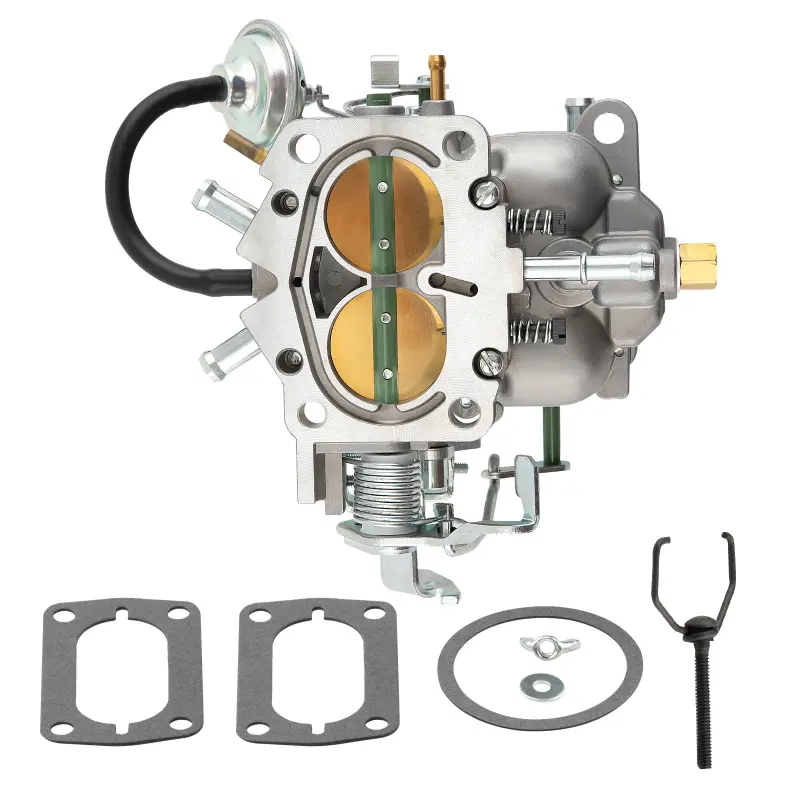
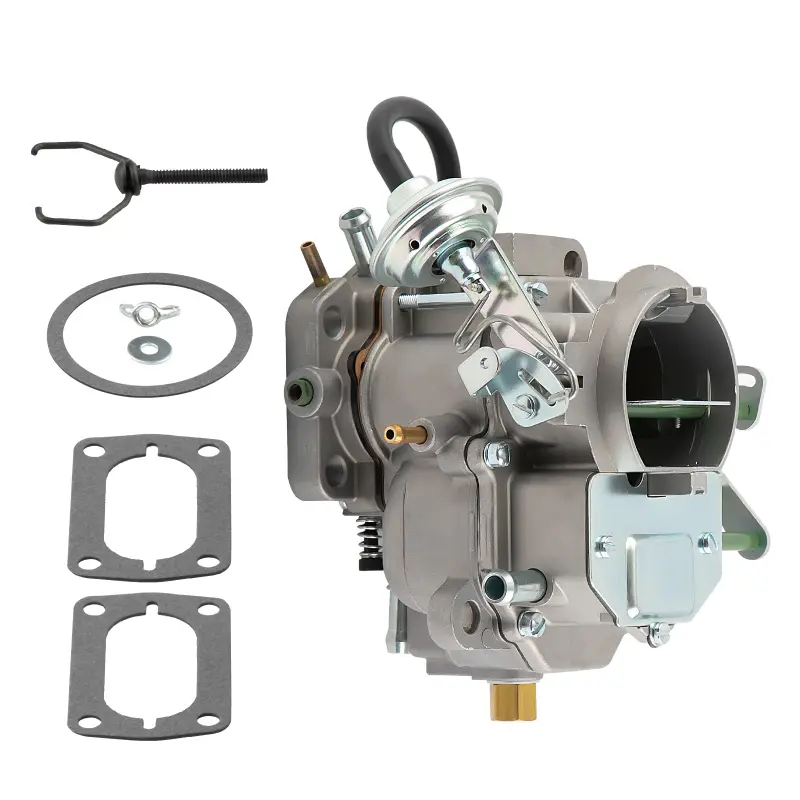
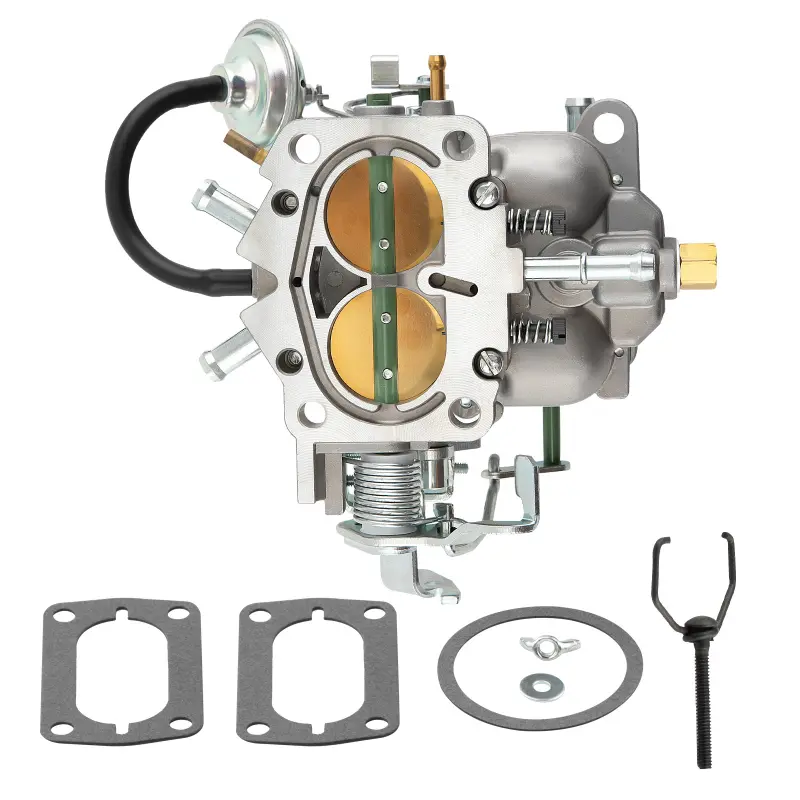
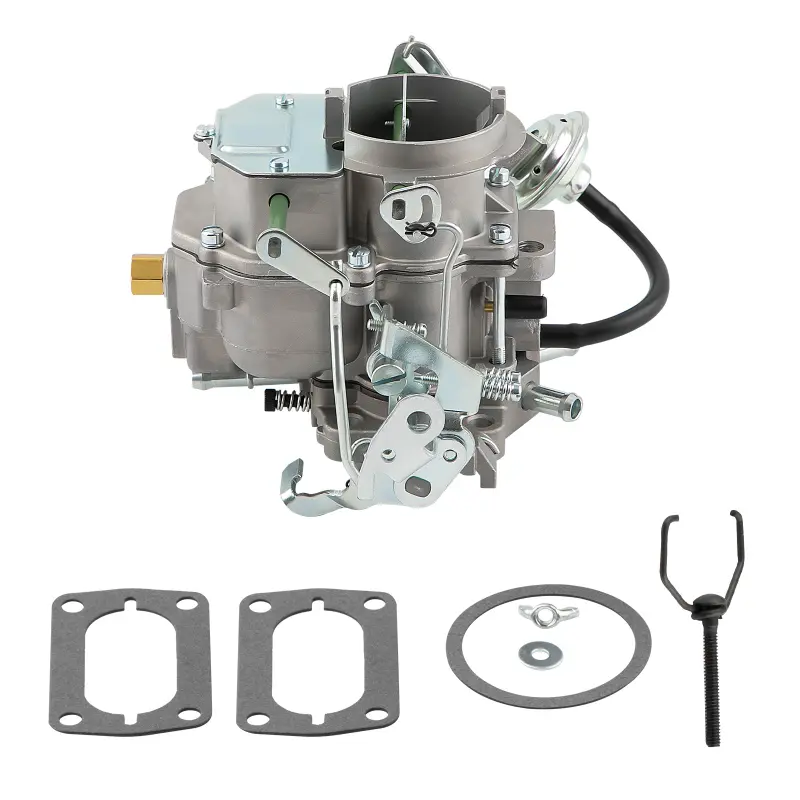
Carburetor Carb for Dodge Plymouth Truck 1966-1973 273-318 C2-BBD Barrel Carb

- Section : Sports & Entertainment
- Category : Vehicle Parts & Accessories
- SKU : 1600275451432

Product Description


- Shipping Timeframes: All orders are processed within 2-5 business days (excluding weekends and holidays). After your order has been processed, the estimated delivery time is before 03 Feb, 2026, depending on customs, Please note that due to high demand, some items may experience longer shipping times, which will be communicated at order confirmation email.
- Order Processing Time: Please allow 2-5 business days for us to process your order before it is shipped . Orders placed after 16:00 on Fridays, or during weekends and public holidays, will begin processing on the next business day. Processing times may be extended during peak seasons or sales events.
- Manufacturing Time: Some products needs manufacturing time, the manufacturing process will take approximately 10-30 business days depending on the product. This timeframe may vary depending on the complexity of the product and current demand. but this will be communicated with you during order confirmation.
- Returns and Exchanges: We offer a 30-day return policy for most items. If you are not completely satisfied with your purchase, you may return it within 30 days of receipt for a refund or exchange. Items must be unused, in their original packaging, and accompanied by proof of purchase. Return shipping costs are the responsibility of the customer, unless the item was damaged or defective upon arrival.
1. What vehicles does this carburetor fit?
This carburetor is intended for Dodge and Plymouth trucks from approximately 1966 through 1973 that used the 273 or 318 cubic inch V8 engines. Confirm fitment with your vehicle's model year, engine size and intake manifold pattern before purchase.
2. What does C2-BBD mean?
C2-BBD is the cast/model code used by Chrysler for a specific 2-barrel carburetor family. 'C2' indicates a mid-1960s design series and 'BBD' identifies the particular model and configuration. Exact internal parts and calibration can vary by casting date.
3. Is this a 2-barrel or 4-barrel carburetor?
This is a 2-barrel (dual venturi) carburetor designed to replace the factory 2-barrel units used on the listed 273 and 318 engines.
4. Is the carburetor new, rebuilt, or remanufactured?
Product descriptions vary by seller. Some listings offer fully rebuilt or remanufactured units while others sell new-old-stock. Check the specific listing or contact the seller to confirm the condition and whether a machining or rebuilding certificate is included.
5. Does it include gaskets, mounting hardware, or a rebuild kit?
In many cases gaskets and hardware are not included and must be purchased separately. Some sellers add a rebuild kit or gasket set as part of a complete supply. Always verify the included parts in the product listing before ordering.
6. Will this carb bolt directly onto my intake manifold?
If your intake manifold uses the same flange pattern for the original C2-BBD-style 2-barrel carb (common on 273/318 applications), it should be a direct bolt-on. However, variations in aftermarket manifolds, spacer plates, or emissions equipment can require modifications or adapters.
7. Do I need to change jets or mixtures for my engine?
Carb jetting may need adjustment based on engine condition, cam profile, altitude and ignition timing. The carb may come with standard jets; you might need richer or leaner main/idle jets during tuning. A professional tune or a carburetor specialist is recommended if you're not experienced.
8. What tools and skills are required for installation?
Basic mechanical skills and common hand tools (wrenches, screwdrivers, pliers) are typically sufficient for bolt-on installation. For proper tuning you may need a vacuum gauge, tachometer, and knowledge of distributor timing and idle mixture adjustment. If you aren't comfortable, have a qualified mechanic install and tune it.
9. Is the choke manual or automatic?
Choke configuration can vary. Many C2-BBD carbs used a heat-controlled automatic choke, but some late or aftermarket versions may be manual. Confirm choke type with the seller if automatic/manual operation matters to you.
10. Can this carburetor run on modern unleaded gasoline?
Yes, mechanically there is no difference in running on unleaded gasoline. However, prolonged use of modern ethanol-blended fuels (E10, etc.) can accelerate deterioration of some rubber, cork and plastic components in older carbs. Consider replacing seals and gaskets with ethanol-resistant parts when rebuilding or installing.
11. Will this carburetor meet emissions requirements?
Vehicles originally equipped with this carb type were certified under 1960s–1970s emissions standards. If your vehicle is subject to modern emissions inspections or regulations, check local laws—some jurisdictions require original equipment or specific emissions controls. This carb itself does not add modern emissions controls.
12. How do I maintain this carburetor for reliable performance?
Regular maintenance includes keeping fuel filters clean, using fresh fuel, checking and replacing gaskets/seals as needed, cleaning the idle and main passages, and periodic adjustment of idle speed and mixture. If running on ethanol fuels, replace soft parts with ethanol-safe materials.
13. Does this carburetor include a rebuild warranty or return policy?
Warranty and return policies vary by seller. Many rebuilt/remanufactured carbs include a limited warranty (e.g., 30–90 days) against defects. Review the seller's listing for warranty length, return window and any requirements (such as core returns or proof of installation).
14. What should I do if the carb floods, leaks or runs rich after installation?
Common causes include incorrect float level, stuck float needle, wrong jets, vacuum leaks, or incorrect ignition timing. Start by checking for fuel leaks, proper float height, correct vacuum connections, and distributor timing. If problems persist, have the carb inspected by a professional rebuilder.
15. Can this carburetor be upgraded or modified for performance?
Yes — performance modifications can include rejetting, changing the accelerator pump, installing a different air cleaner or spacer, and modifying secondary circuitry where applicable. Be sure modifications are matched to your engine's cam, exhaust and intake to avoid drivability problems.
Latest Order Arrivals
Discover our latest orders
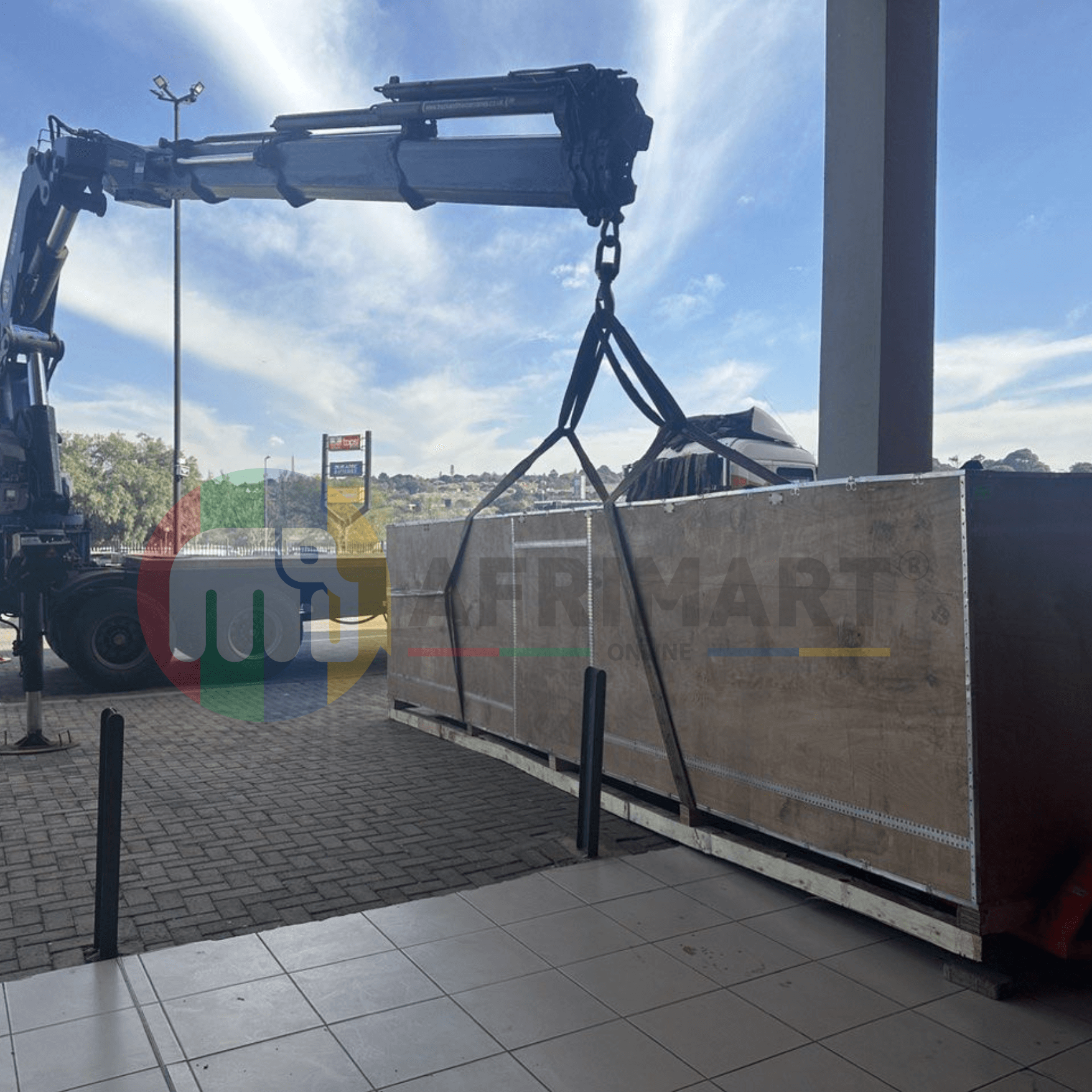
12 Heads Embroidery Machine
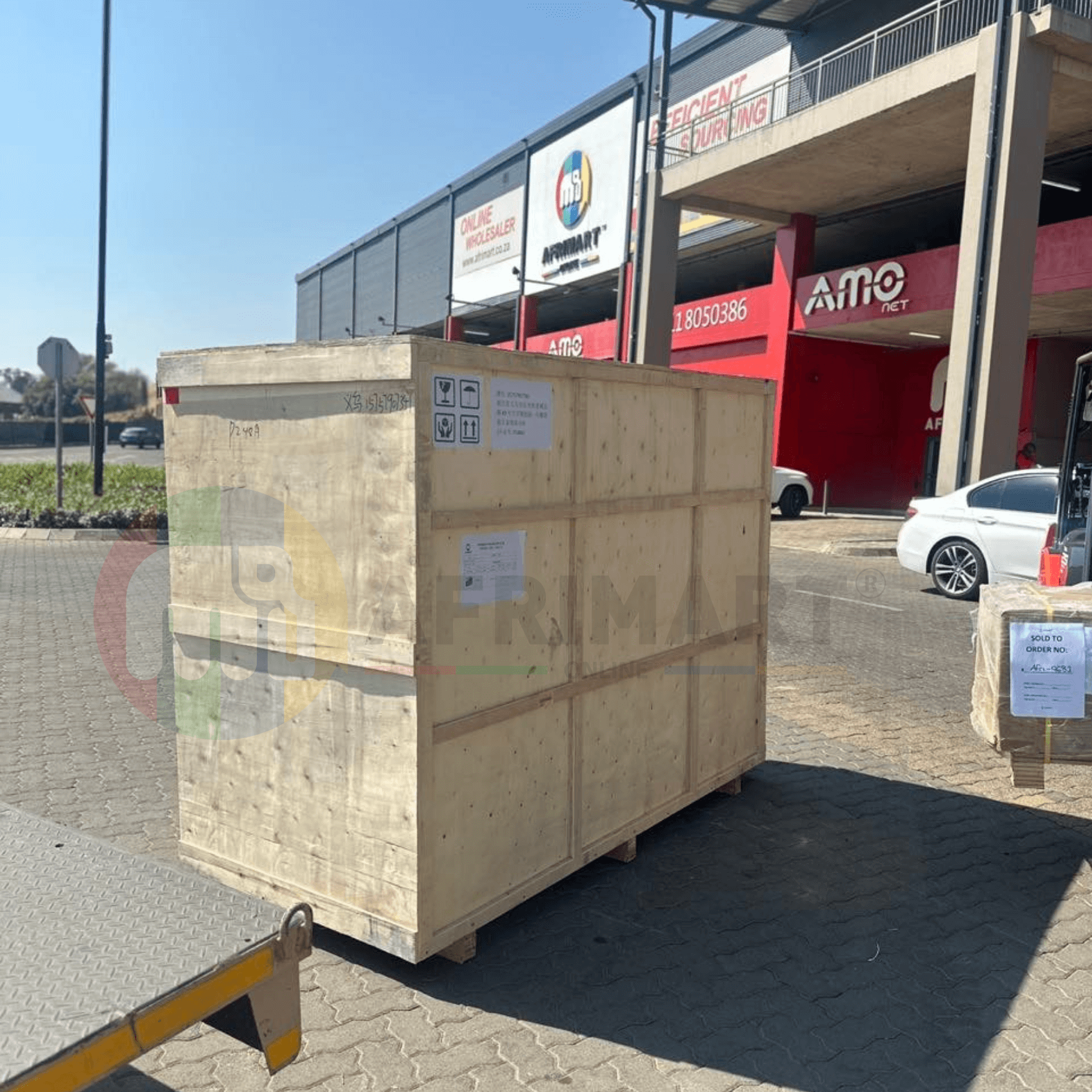
Dewatering Pump Machine
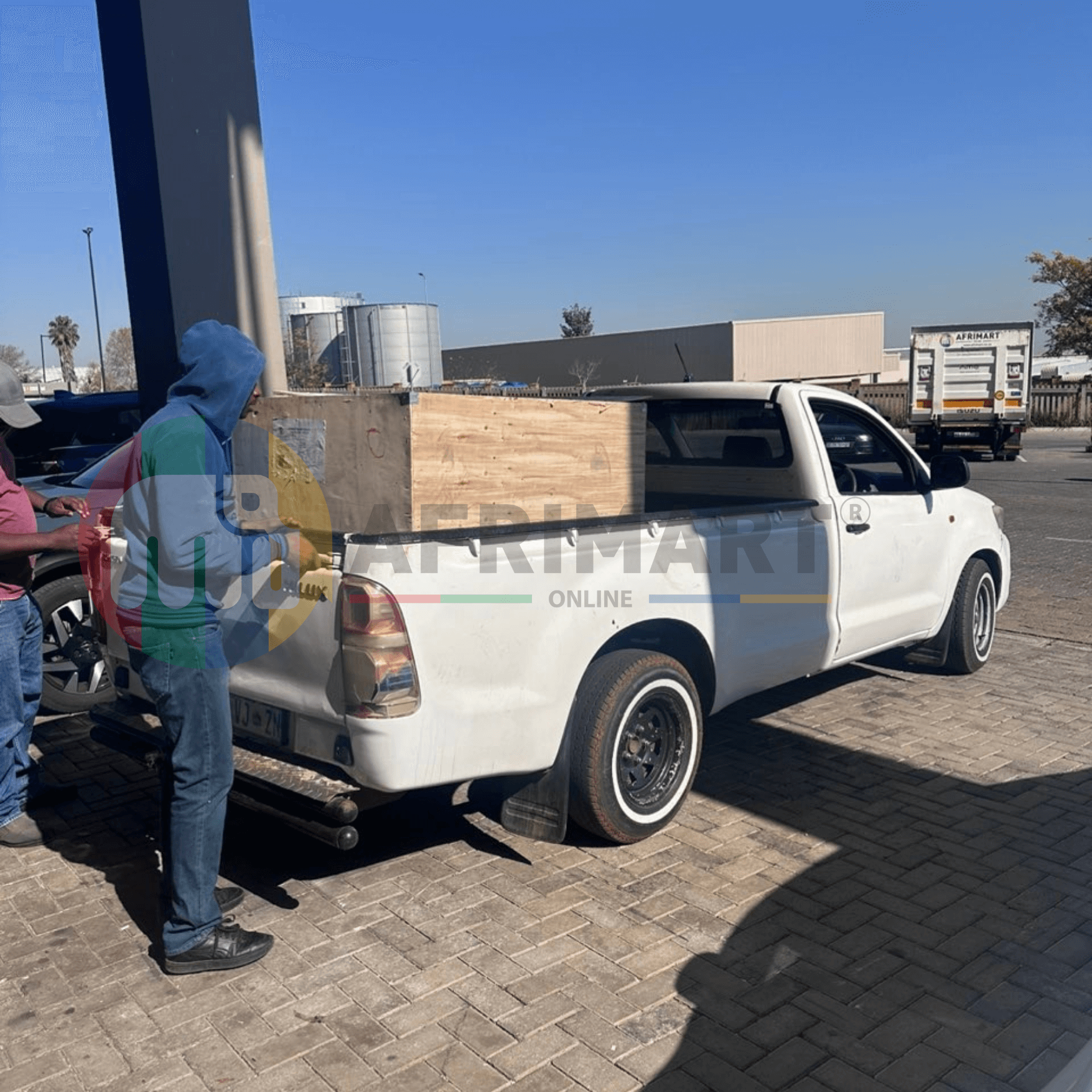
Order Collection
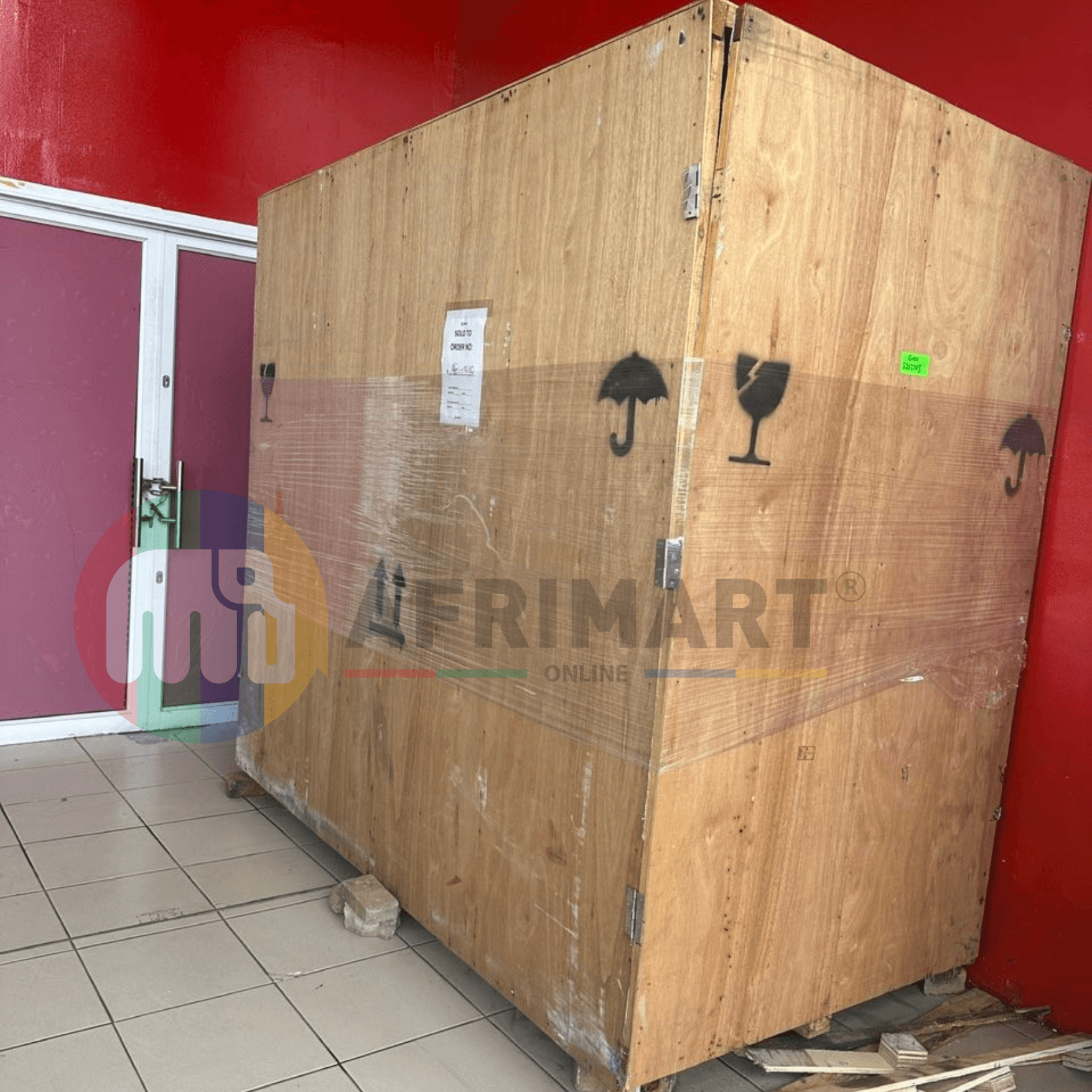
Portable Water Drilling Rig
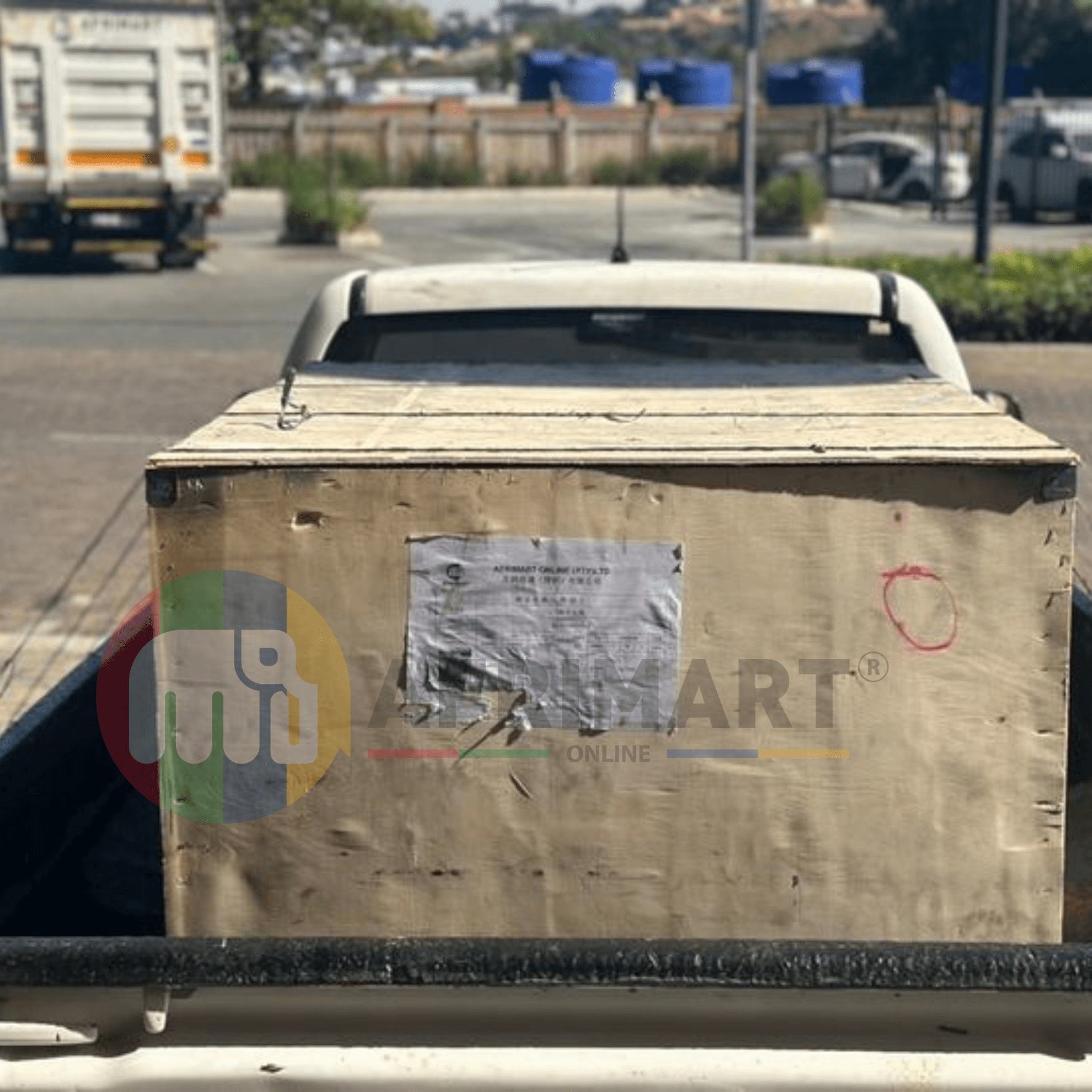
Order Usefully Collected
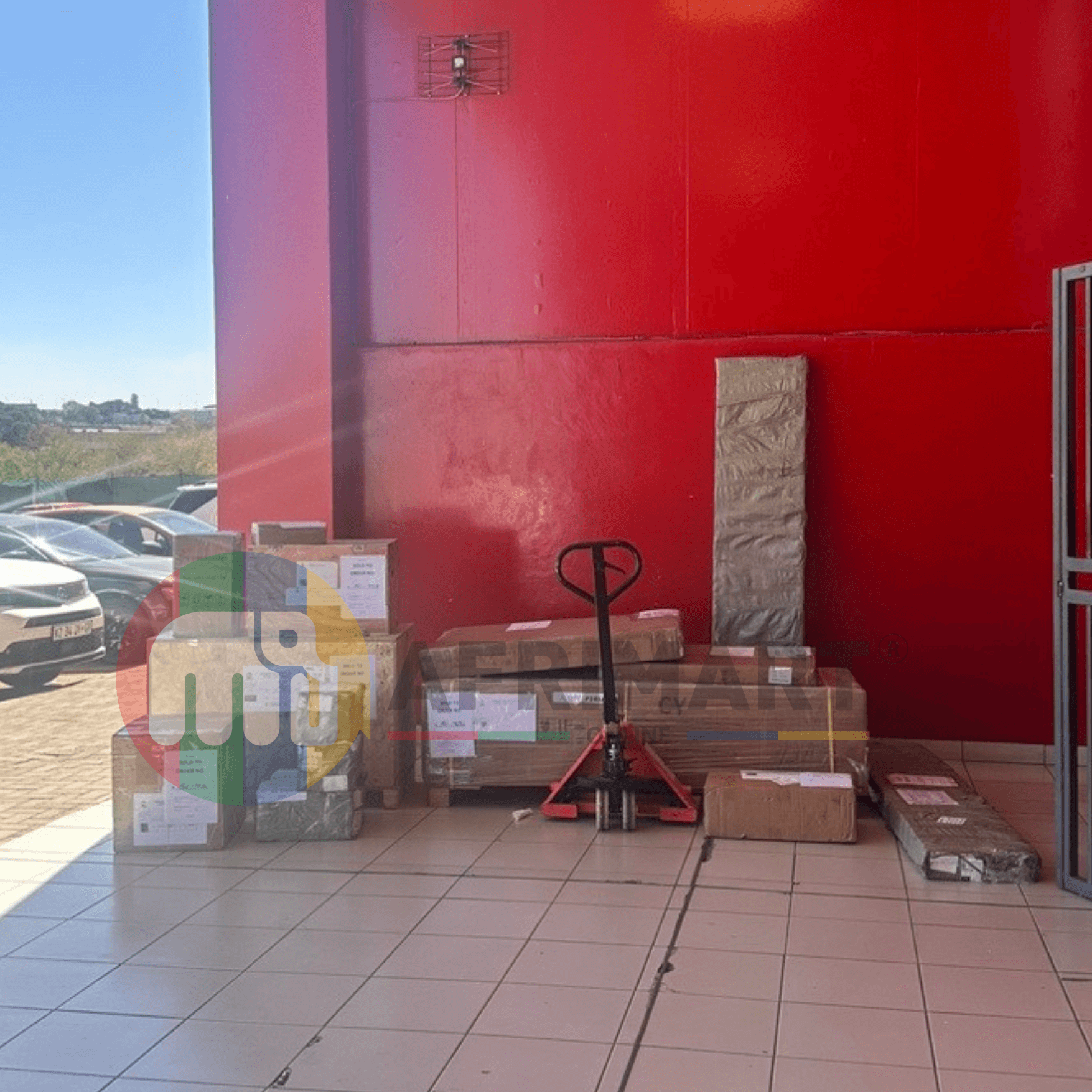
Batch of Orders
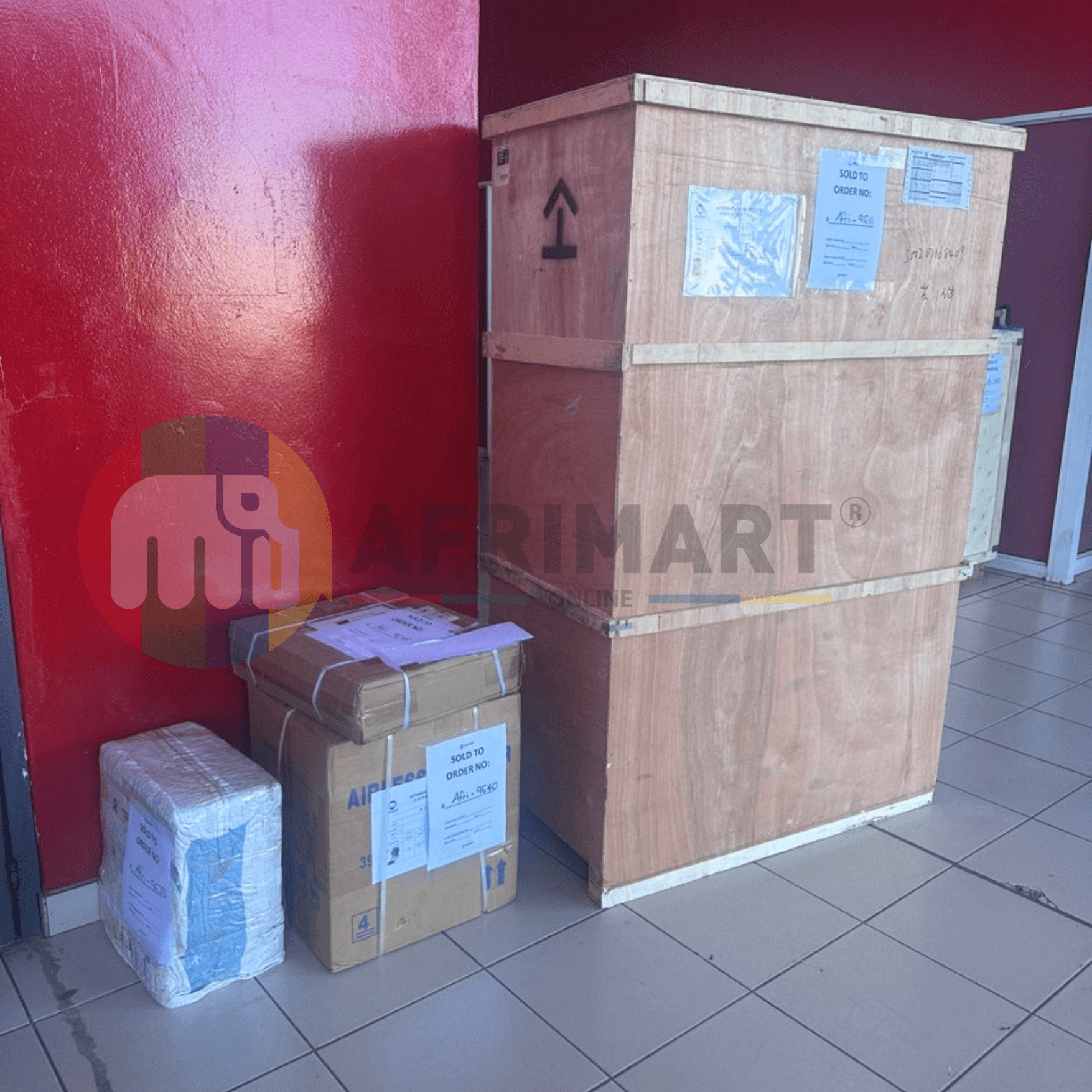
Agriculture Processing Machines
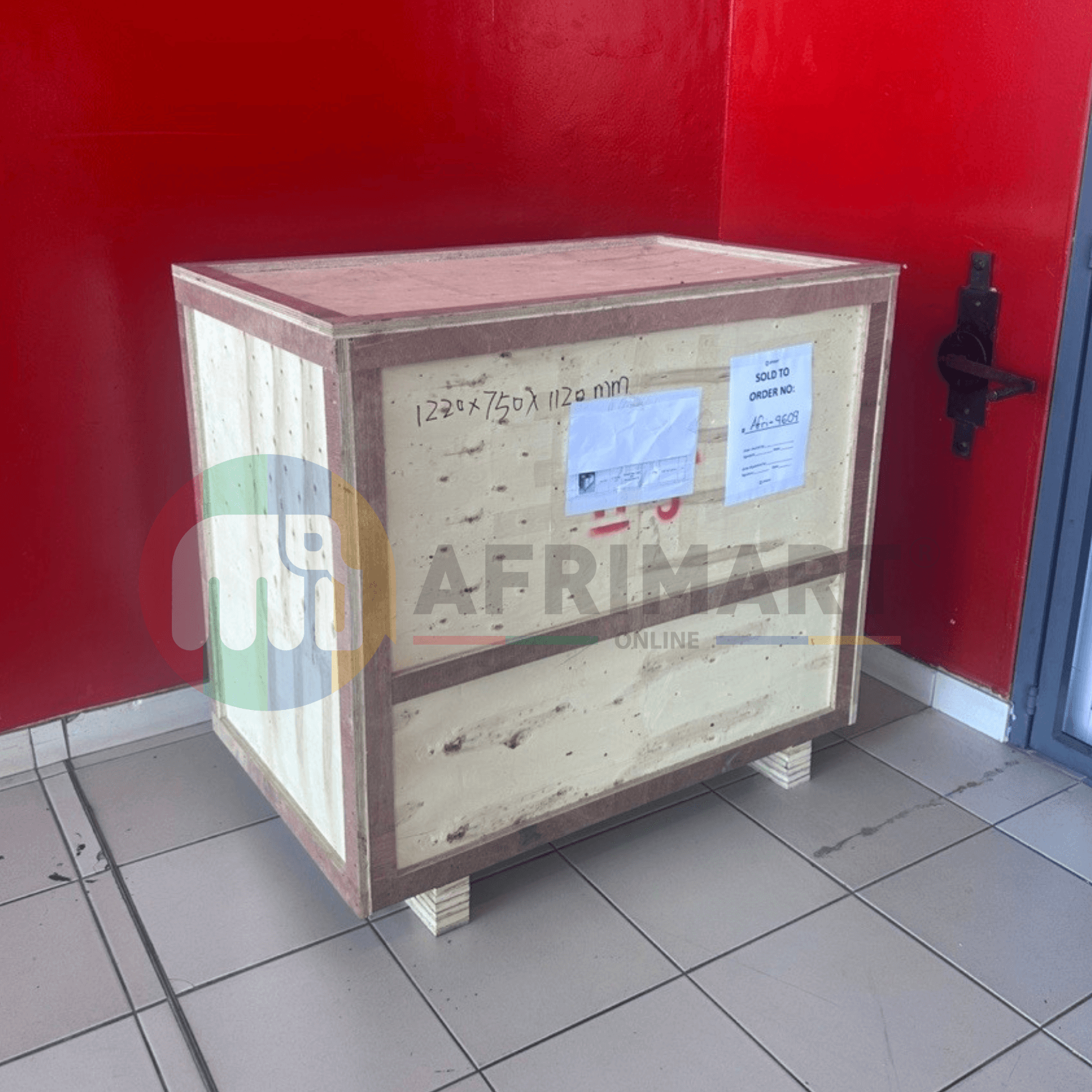
Meat Grinder Machine
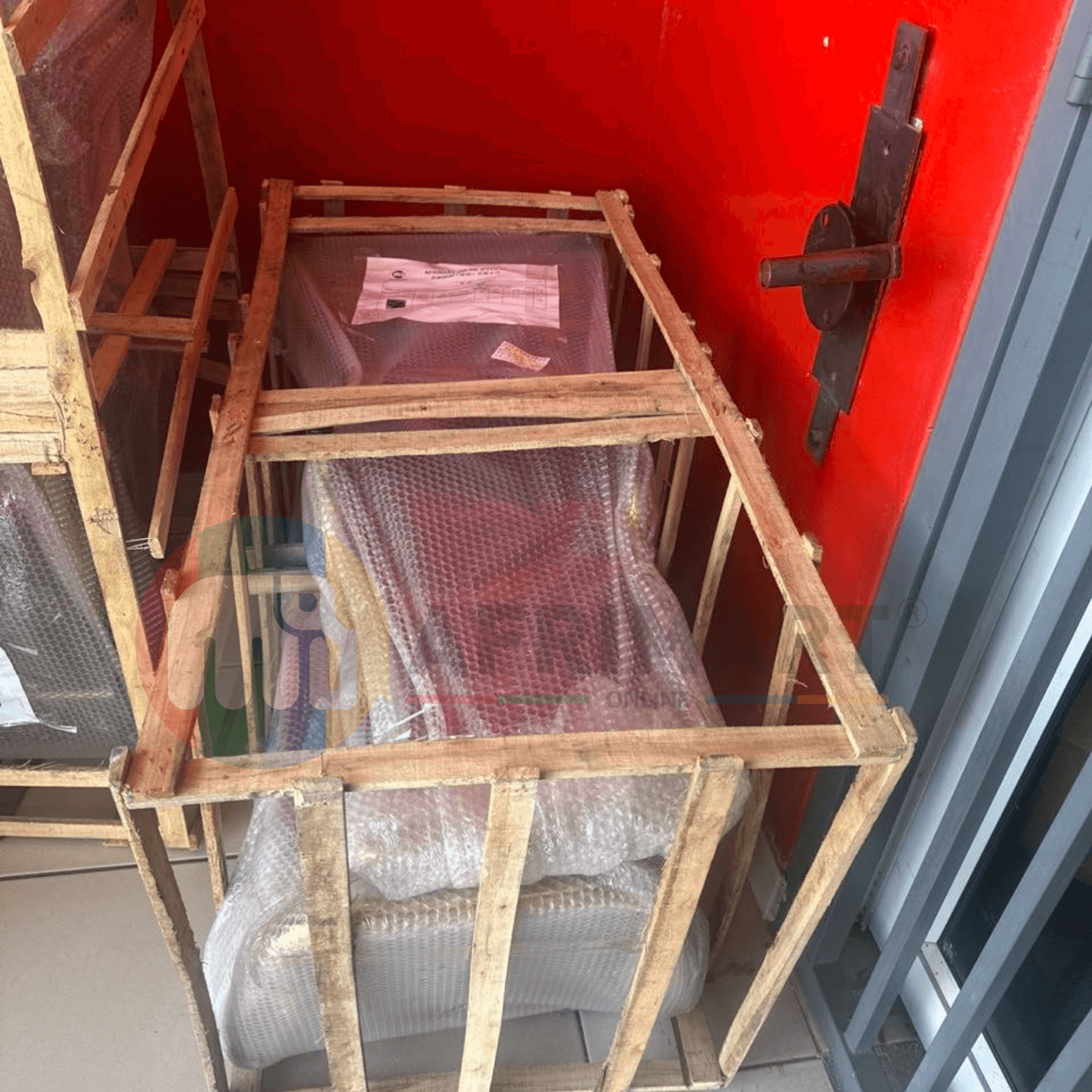
Water Pump Equipment
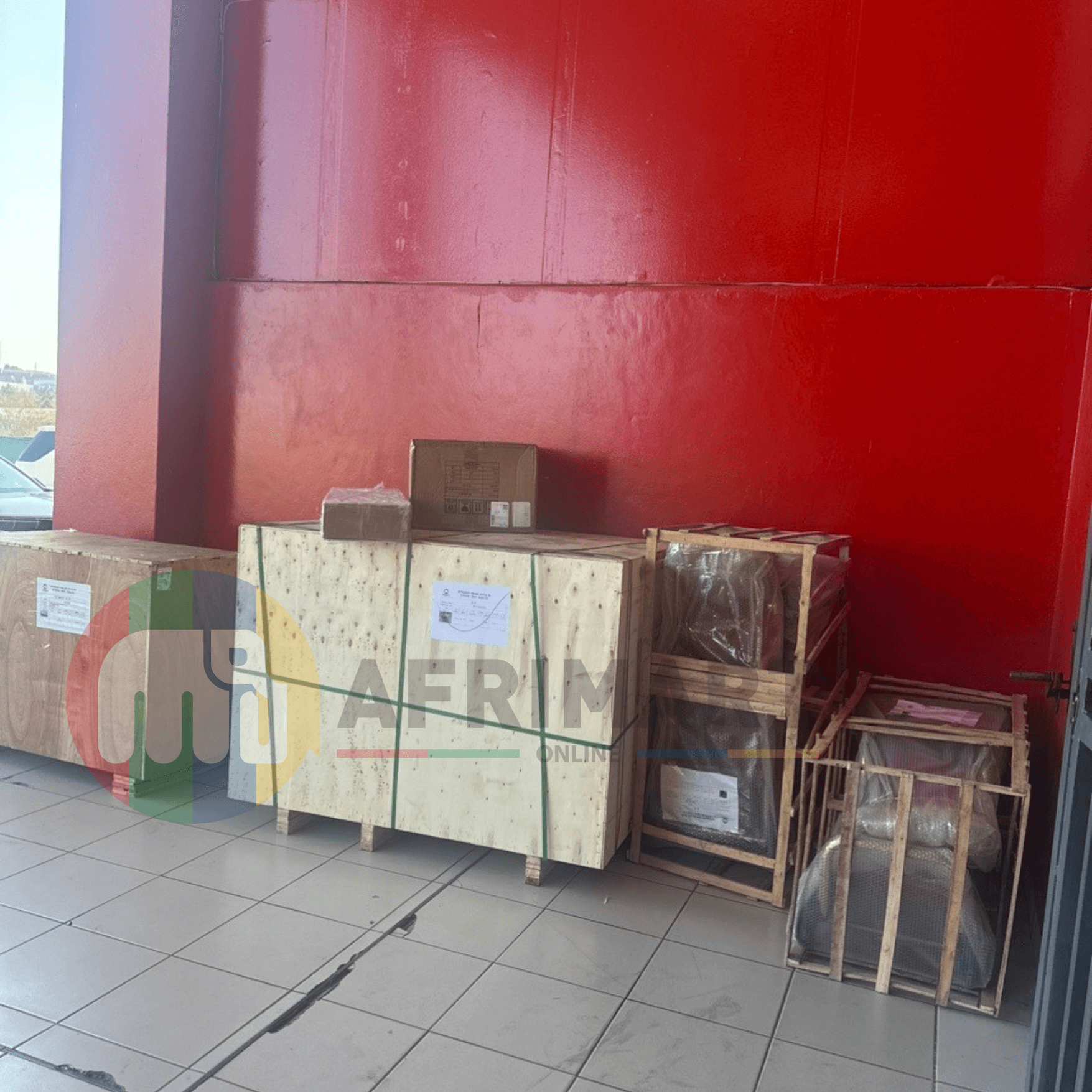
Packaging Machine and accessories
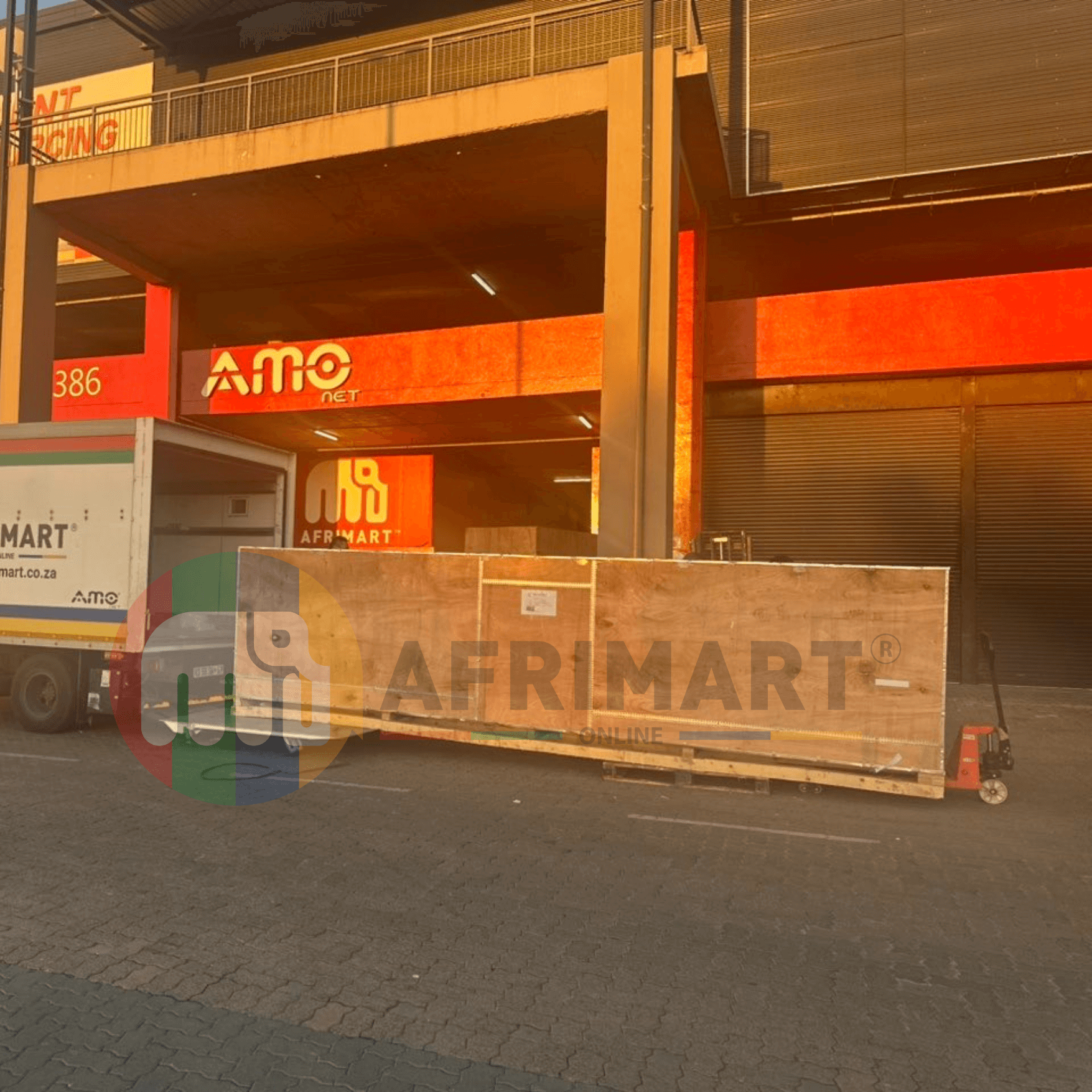
Fabrics Manufacturing Equipment
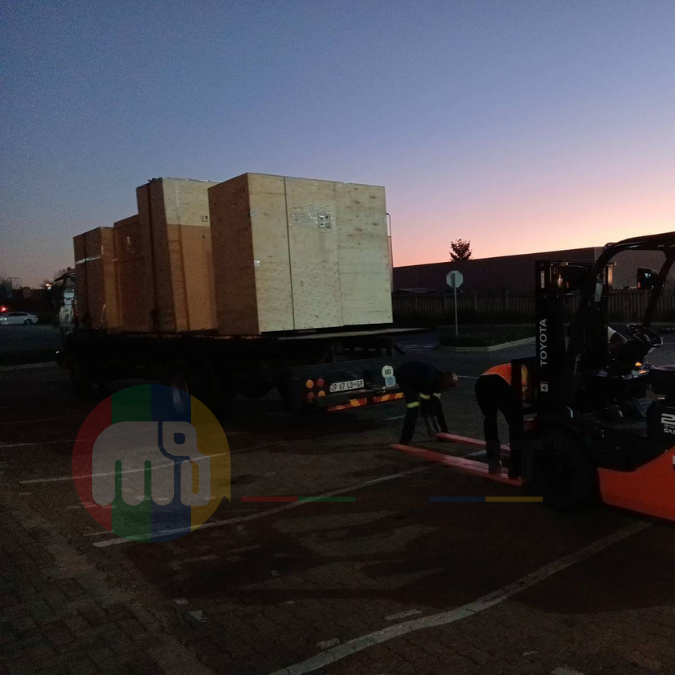
Mining Equipments
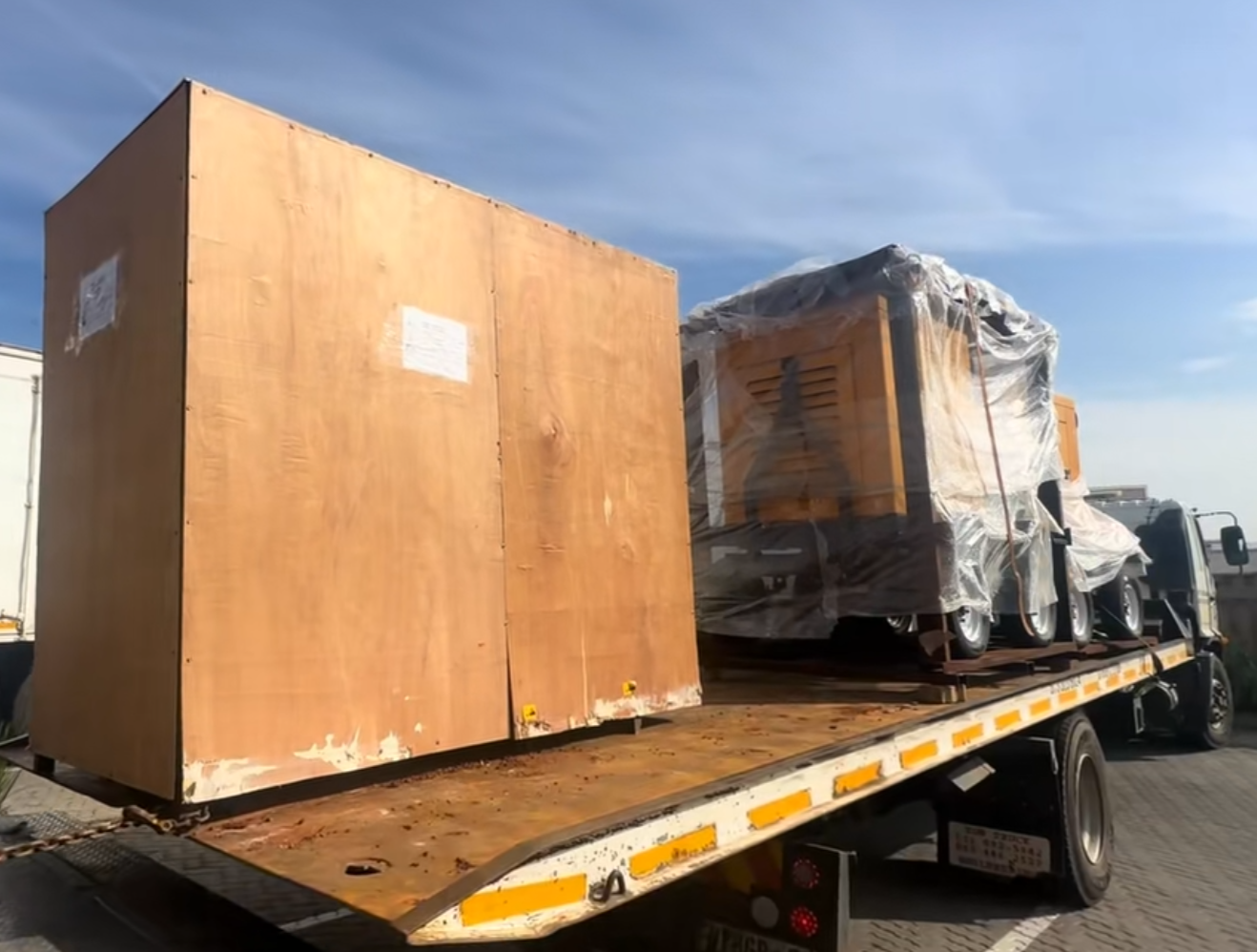
Food Processing Machine
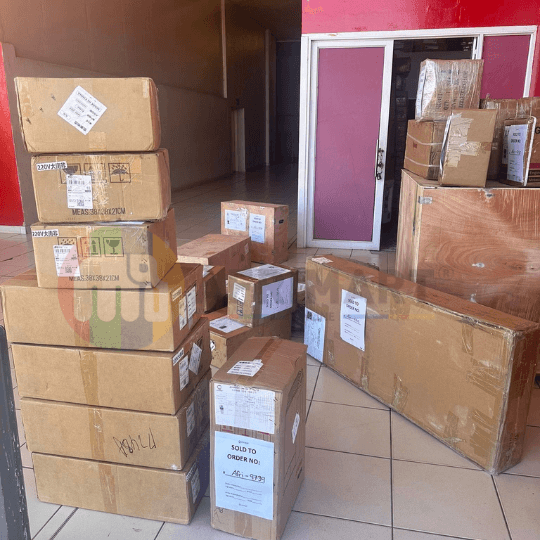
Batch of Orders
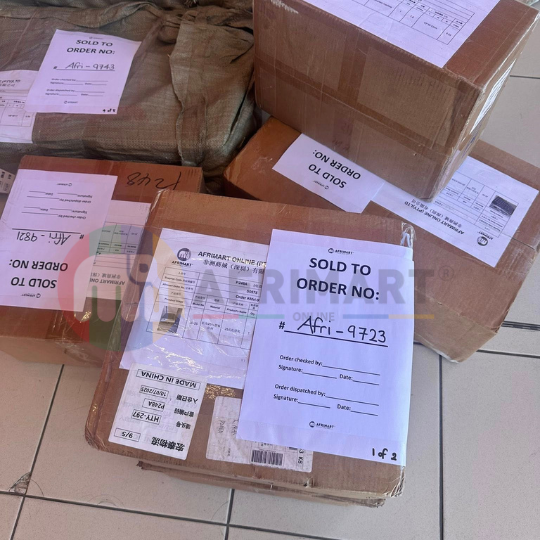
Batch of Orders
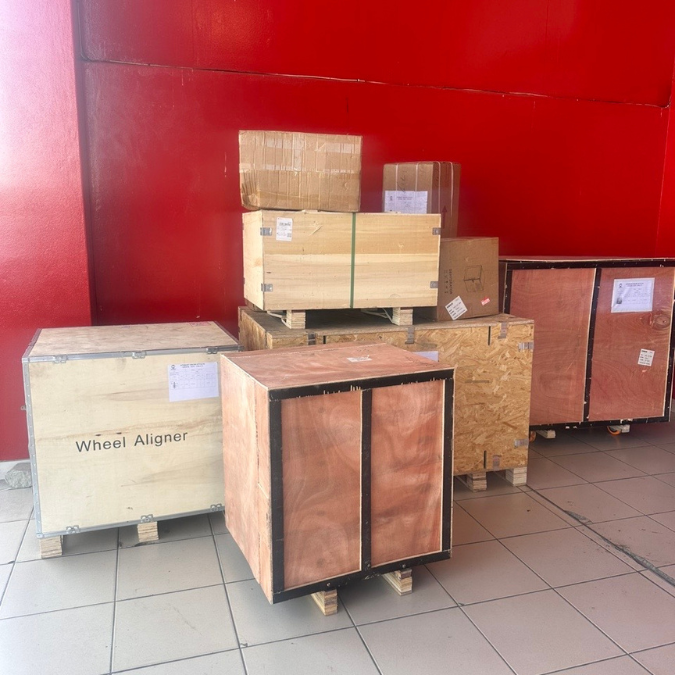
Latest Orders Labelled
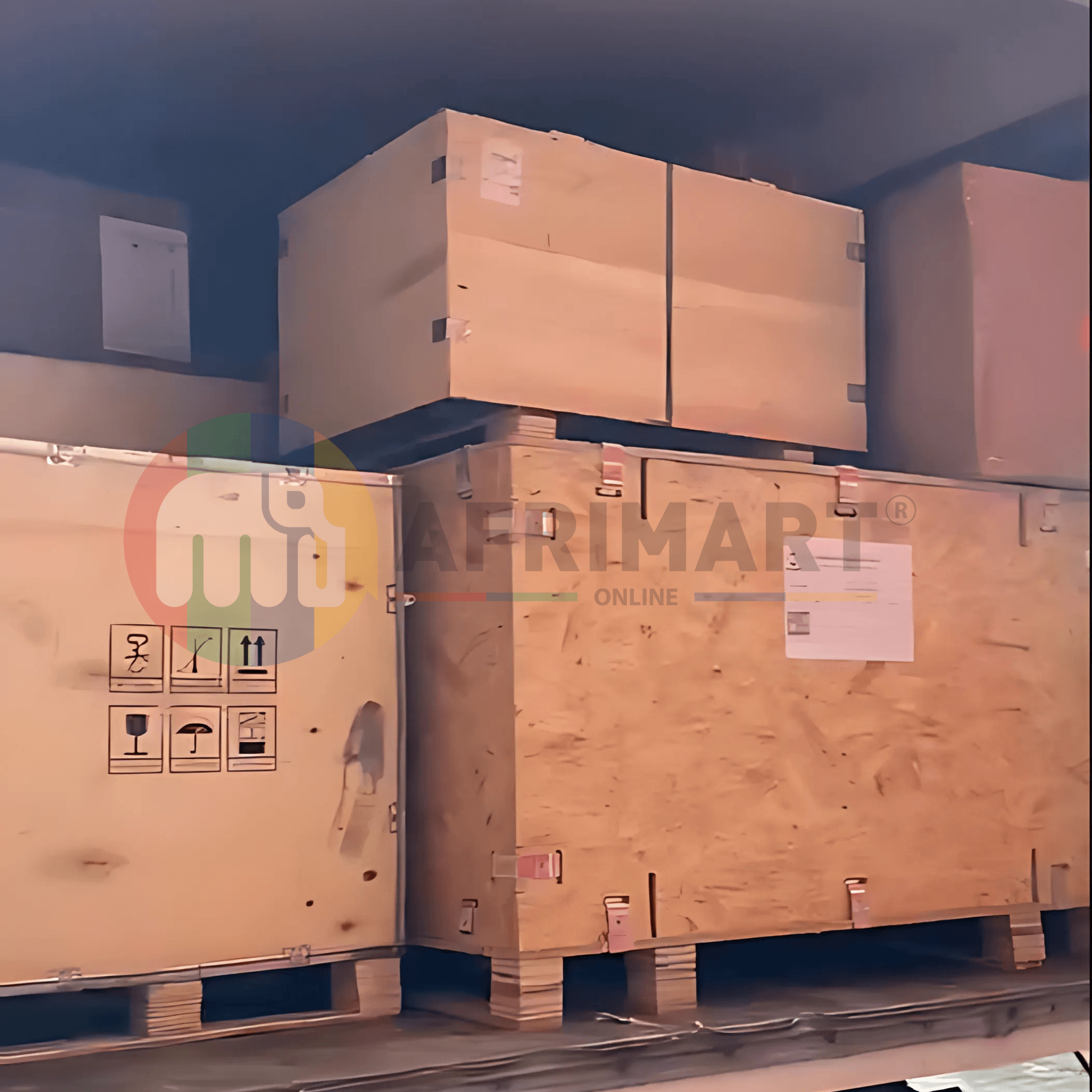
wheel alignment machines
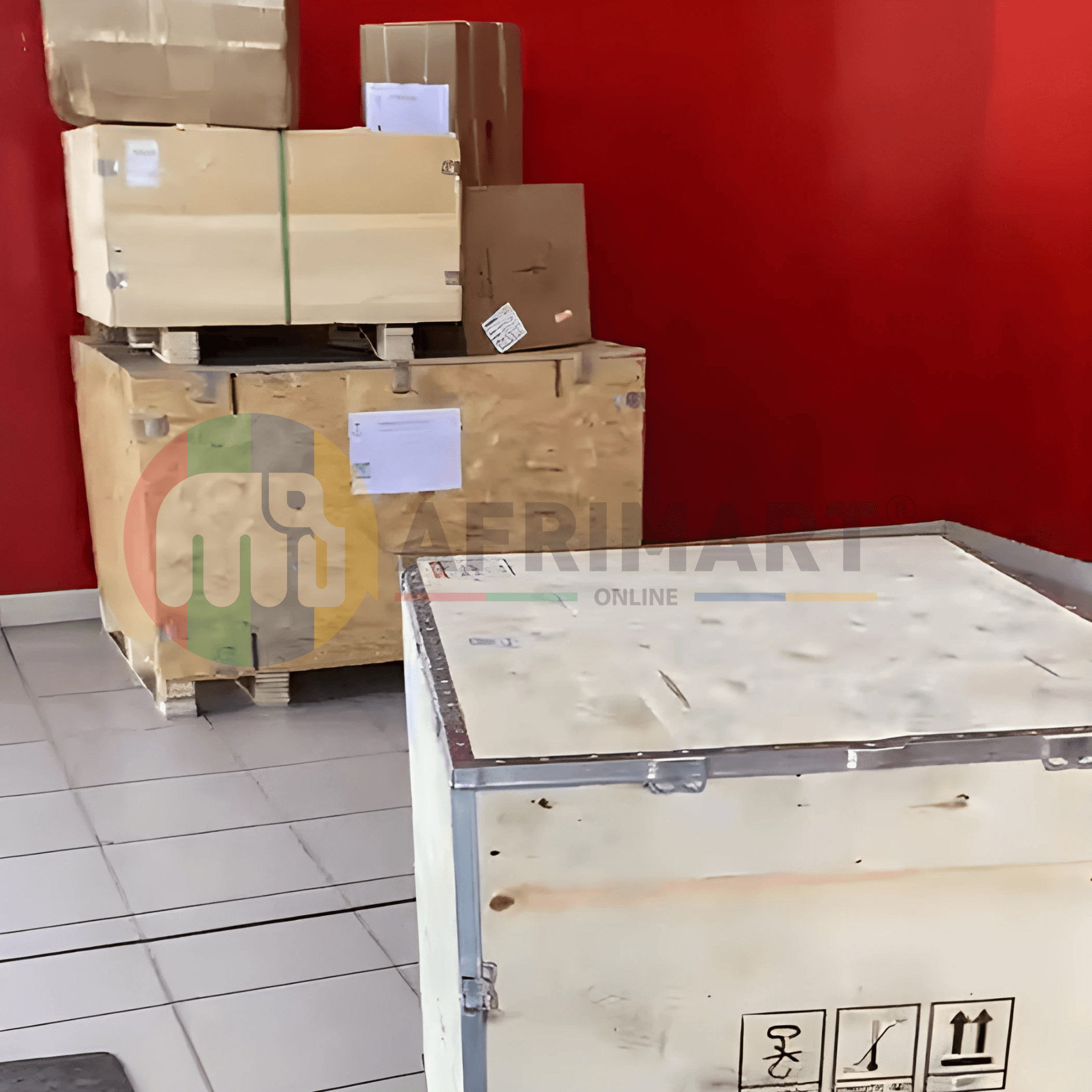
new arrivals
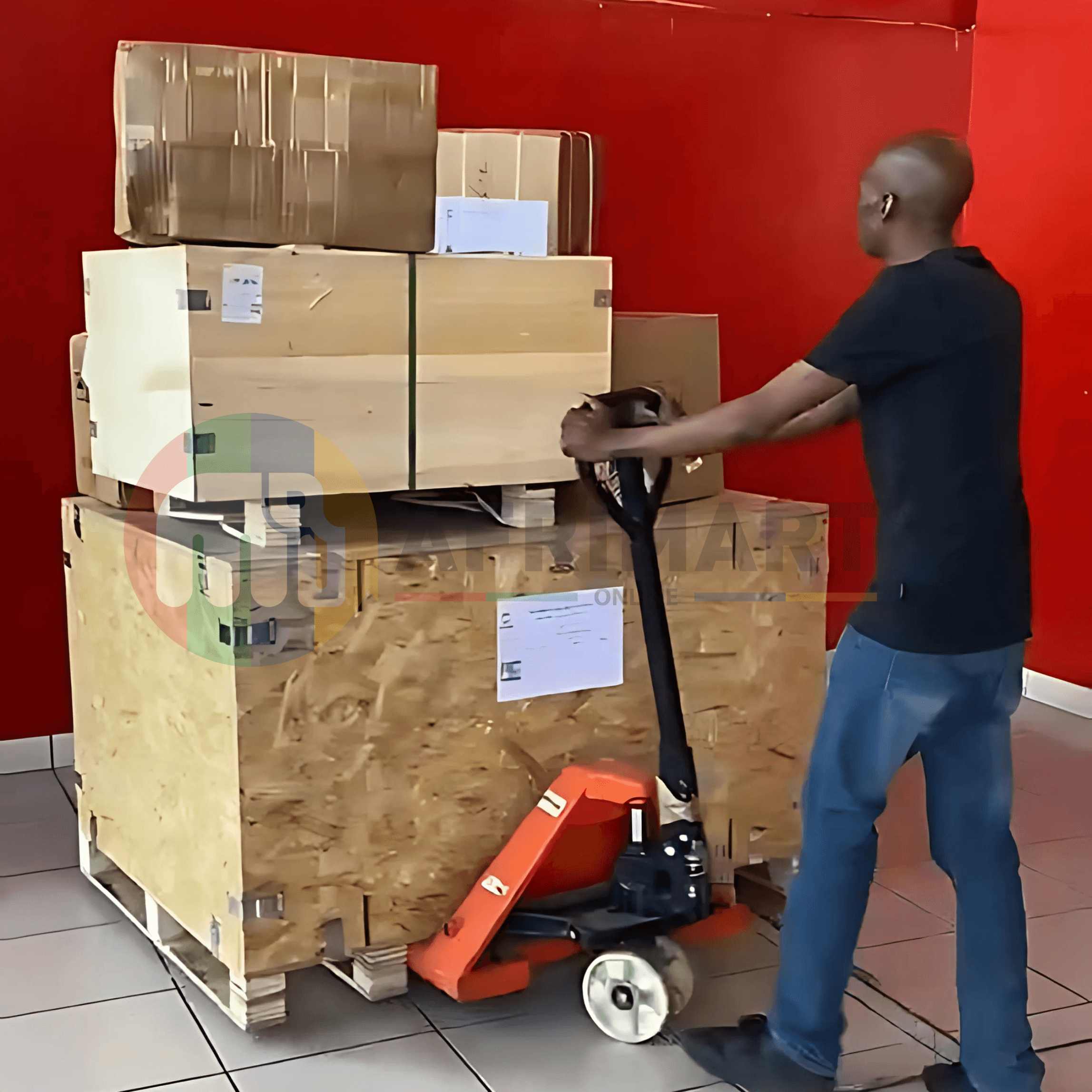
Pre Orders Offloading
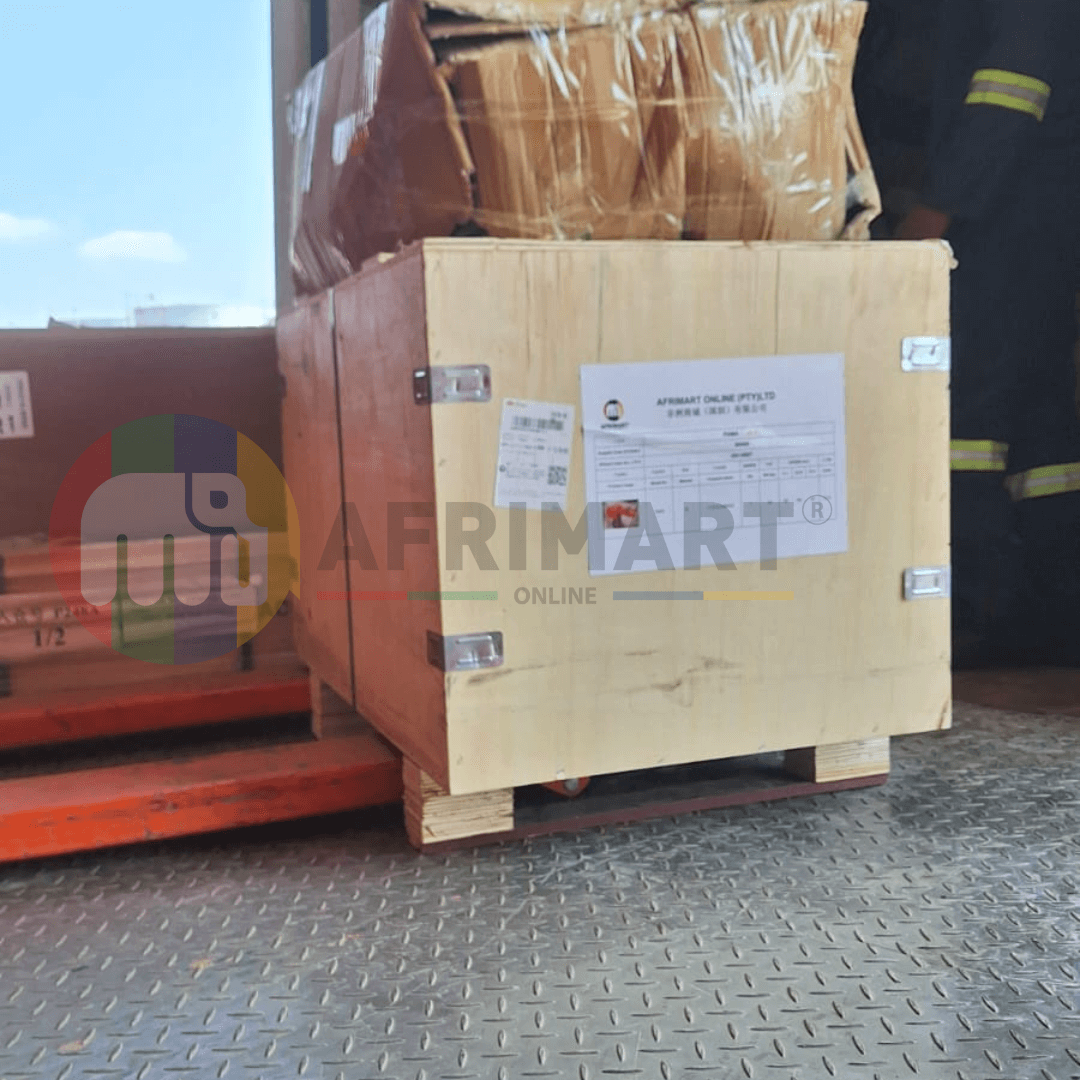
Latest Arrivals
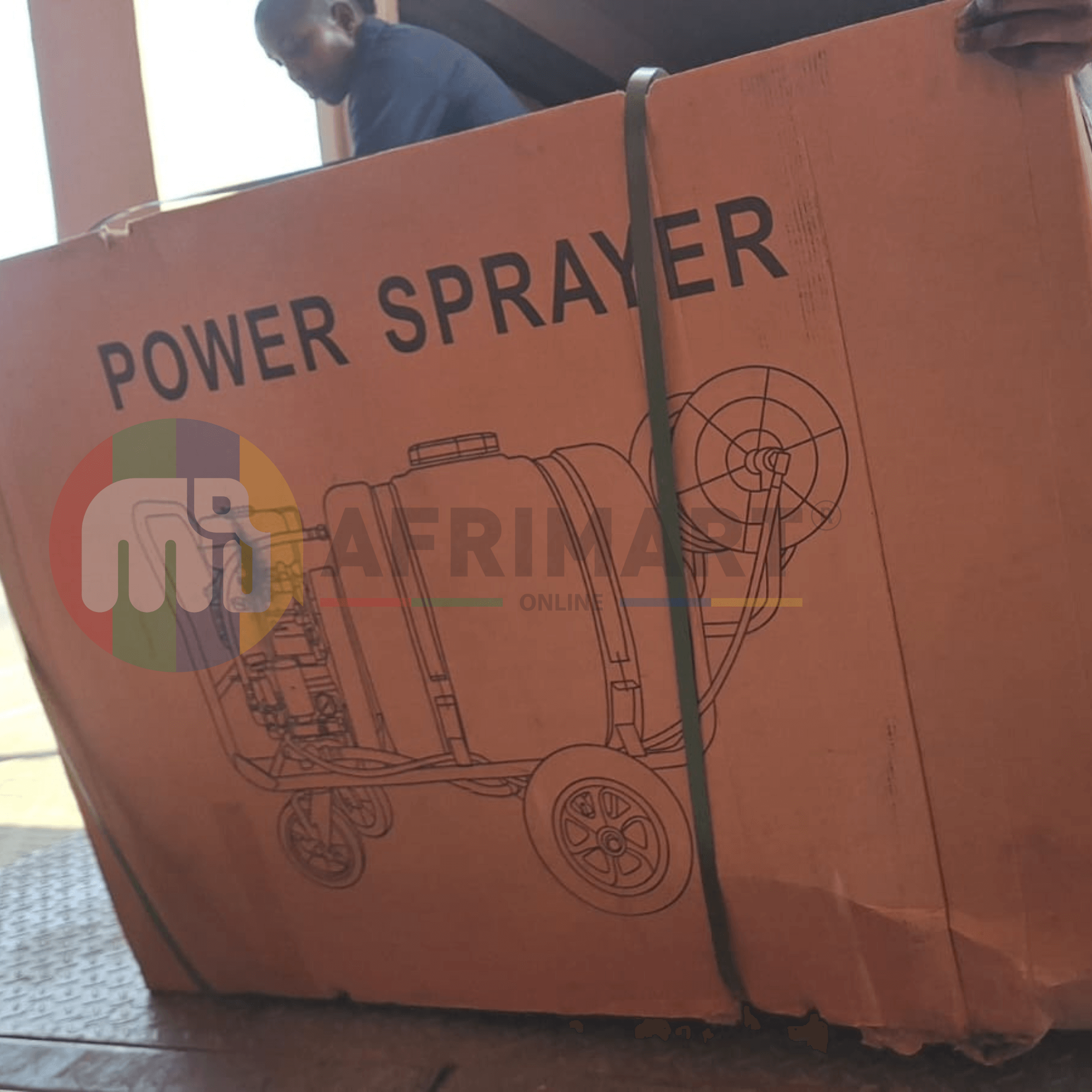
Latest Arrivals