B21, China Town Mall, Midrand


Ball Mill with Steel Balls
Asset finance available
Do you want funding for this equipment?
Afrimart can connect you with trusted funding partners who specialise in asset finance for businesses like yours. Compare options and apply in minutes — final approval is subject to provider review.
Check funding options
Secure & no obligation

Model:
- Section : Machinery
- Category : Mining Machinery
- SKU : 1601216009563

Ball Mill with Steel Balls
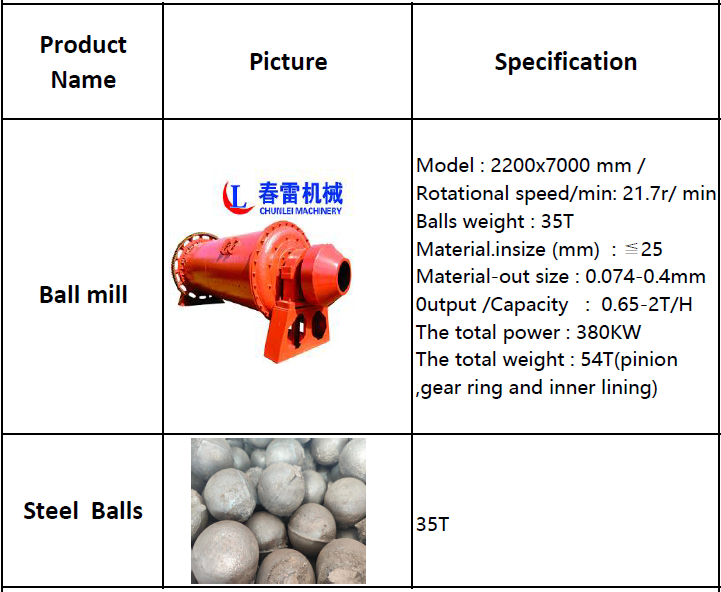
Ball mill is a widely used equipment in the mining and building materials industries for grinding materials. It achieves fine crushing by using steel balls and other grinding media to grind materials inside a rotating cylinder.
| Model | Cylinder speed (RPM) | Ball load (t) | Feed size (mm) |
| Ф900×1800 | 36-38 | 1.5 | ≤20 |
| Ф900×3000 | 36 | 2.7 | ≤20 |
| Ф1200×2400 | 36 | 3 | ≤25 |
| Ф1200×3000 | 36 | 3.5 | ≤25 |
| Ф1200×4500 | 32.4 | 5 | ≤25 |
| Ф1500×3000 | 29.7 | 7.5 | ≤25 |
| Ф1500×4500 | 27 | 11 | ≤25 |
| Ф1500×5700 | 28 | 12 | ≤25 |
| Ф1830×3000 | 25.4 | 11 | ≤25 |
| Ф1830×4500 | 25.4 | 15 | ≤25 |
| Ф1830×6400 | 24.1 | 21 | ≤25 |
| Ф1830×7000 | 24.1 | 23 | ≤25 |
| Ф2100×3000 | 23.7 | 15 | ≤25 |
| Ф2100×4500 | 23.7 | 24 | <25 |
| Ф2100×7000 | 23.7 | 26 | <25 |
| Ф2200×4500 | 21.5 | 27 | <25 |
| Ф2200×6500 | 21.7 | 35 | <25 |
| Ф2200×7000 | 21.7 | 35 | <25 |
| Ф2200×7500 | 21.7 | 35 | <25 |
| Ф2400×3000 | 21 | 23 | <25 |
| Ф2400×4500 | 21 | 30 | <25 |
| Ф2700×4000 | 20.7 | 40 | <25 |
| Ф2700×4500 | 20.7 | 48 | <25 |
| Ф3200×4500 | 18 | 65 | <25 |
| Ф3600×4500 | 17 | 90 | <25 |
| Ф3600×6000 | 17 | 110 | <25 |
| Note: Yields will vary depending on material, feed size and other factors. |
Product Info Gallery

Working Principle:
The transmission device drives cylinder to rotate. Materials and water are fed from the feeding end of cylinder and materials are grinded by impact and grinding of steel balls and ores into fine particles. The continuous grinding compels the slurry to move from feeding end to discharging end. The grinded particles with proper size and water mix to slurry which flows out of the discharge end of the ball mill.

- Shipping Timeframes: All orders are processed within 2-5 business days (excluding weekends and holidays). After your order has been processed, the estimated delivery time is before 02 Oct, 2026, depending on customs, Please note that due to high demand, some items may experience longer shipping times, which will be communicated at order confirmation email.
- Order Processing Time: Please allow 2-5 business days for us to process your order before it is shipped . Orders placed after 16:00 on Fridays, or during weekends and public holidays, will begin processing on the next business day. Processing times may be extended during peak seasons or sales events.
- Manufacturing Time: Some products needs manufacturing time, the manufacturing process will take approximately 10-30 business days depending on the product. This timeframe may vary depending on the complexity of the product and current demand. but this will be communicated with you during order confirmation.
- Returns and Exchanges: We offer a 30-day return policy for most items. If you are not completely satisfied with your purchase, you may return it within 30 days of receipt for a refund or exchange. Items must be unused, in their original packaging, and accompanied by proof of purchase. Return shipping costs are the responsibility of the customer, unless the item was damaged or defective upon arrival.
1. What is a ball mill with steel balls used for?
A ball mill with steel balls is primarily used for grinding materials in the mining and building materials industries. It achieves fine crushing by utilizing steel balls and other grinding media within a rotating cylinder.
2. How does the ball mill operate?
The ball mill operates by using a transmission device that drives the cylinder to rotate. Materials and water are fed into the cylinder, and the impact and grinding action of the steel balls grind the materials into fine particles.
3. What are the specifications of the ball mill models?
The specifications vary by model and include details such as cylinder speed (RPM), ball load (t), and feed size (mm). For example, the Ф900×1800 model operates at 36-38 RPM with a ball load of 1.5 tons and a feed size of ≤20mm.
4. Can I use the ball mill for different types of materials?
Yes, the ball mill can be used to grind various materials, but the yield will vary depending on the specific material, feed size, and other factors.
5. What is the maximum feed size for the ball mill?
The maximum feed size varies by model, but generally, it can be up to 25mm for larger models. For instance, the Ф1500×300 model can handle a feed size of ≤25mm.
6. What is the typical grinding process in a ball mill?
In a typical grinding process, materials are fed into the ball mill, where they are grinded by the impact of steel balls and the movement of the slurry, which flows from the feeding end to the discharge end.
7. Are there different sizes of ball mills available?
Yes, there are various sizes of ball mills available, ranging from Ф900×1800 to Ф3600×600, each with different specifications and capacities.
8. What is the expected yield of the ball mill?
The yield of the ball mill can vary significantly based on the material being processed, its feed size, and other operational factors. It's important to consider these elements when evaluating performance.
9. Is maintenance required for the ball mill?
Yes, regular maintenance is essential for the ball mill to ensure optimal performance and longevity. This includes checking for wear on the grinding media and inspecting the drive mechanism.
10. What type of grinding media is used in the ball mill?
The primary grinding media used in the ball mill are steel balls, which provide the necessary impact and grinding action required to achieve fine particle sizes.
11. How does the ball mill ensure uniform particle size?
The ball mill ensures uniform particle size through the continuous grinding process, where materials are repeatedly impacted and ground by the steel balls until they reach the desired fineness.
12. What safety precautions should be taken when using a ball mill?
Safety precautions include wearing protective gear, ensuring the mill is properly maintained, and following operational guidelines to prevent accidents and ensure safe handling of materials.
13. Can the ball mill be used for both wet and dry grinding?
Yes, the ball mill can be configured for both wet and dry grinding processes, depending on the requirements of the specific application.
14. What is the role of water in the ball milling process?
Water is added to the ball mill to create a slurry, which helps to facilitate the grinding process by reducing friction and preventing the buildup of heat.
15. What industries commonly use ball mills?
Ball mills are commonly used in the mining, construction, and building materials industries for grinding ores, cement, and other materials.
Latest Order Arrivals
Discover our latest orders
12 Heads Embroidery Machine
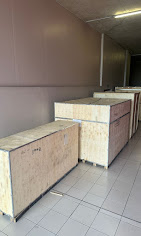
Toilet Paper Machine Machine
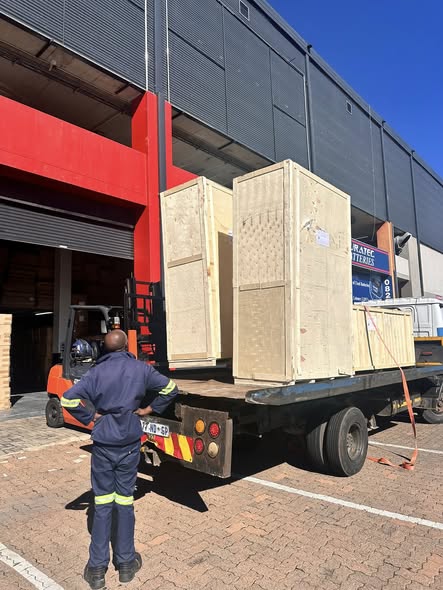
Order Collection
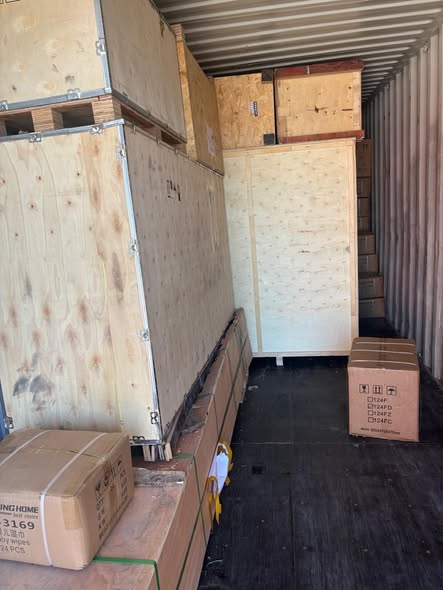
Cross Border Clients
Order cros border countries Collected
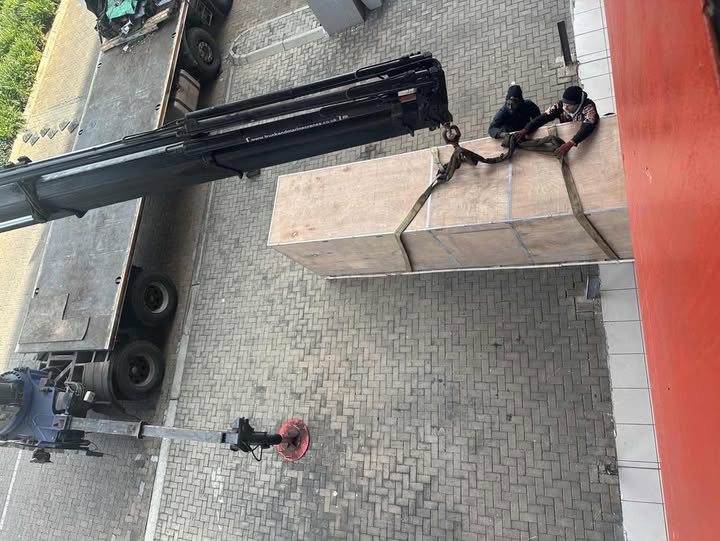
Industrial Machine Cllection
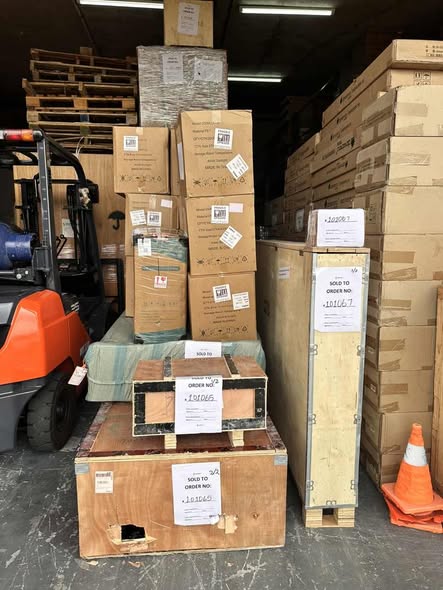
Agriculture Processing Machines
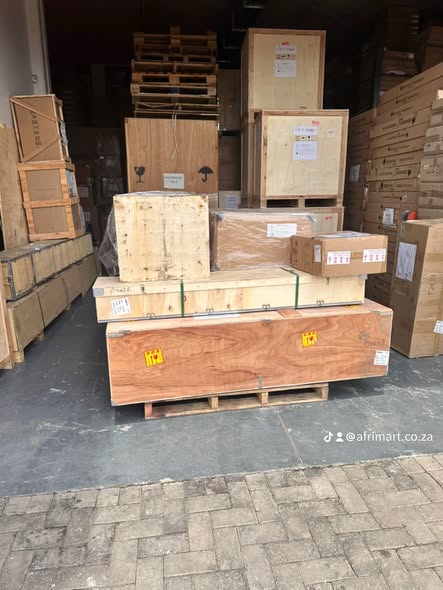
Ready for collection
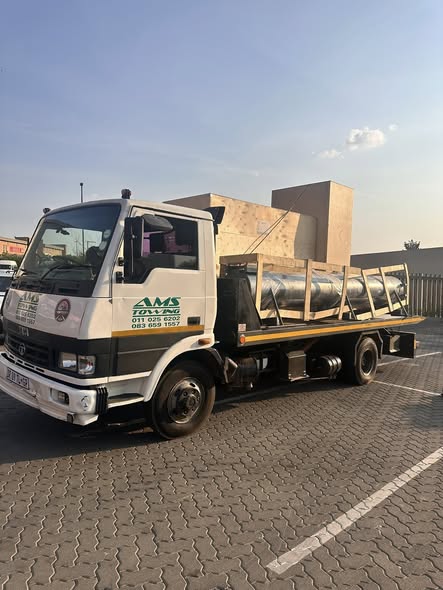
Water Pump Equipment
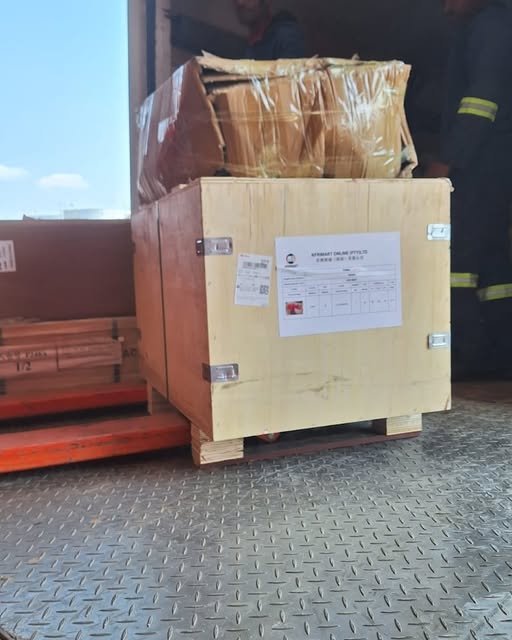
Packaging Machine and accessories
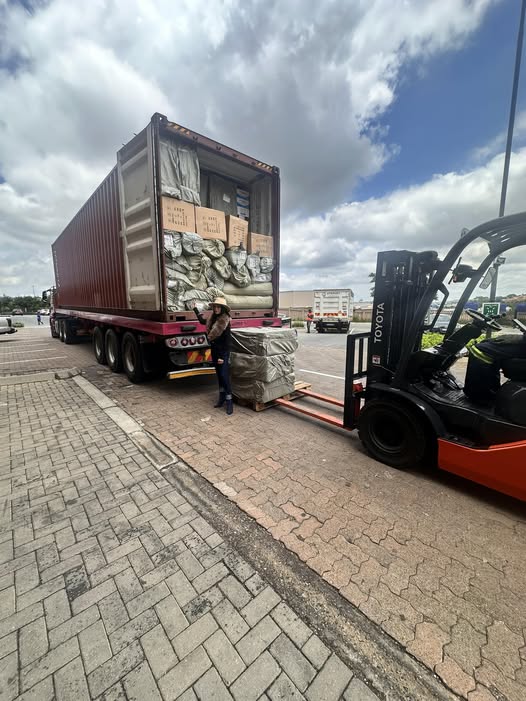
Fabrics Manufacturing Equipment
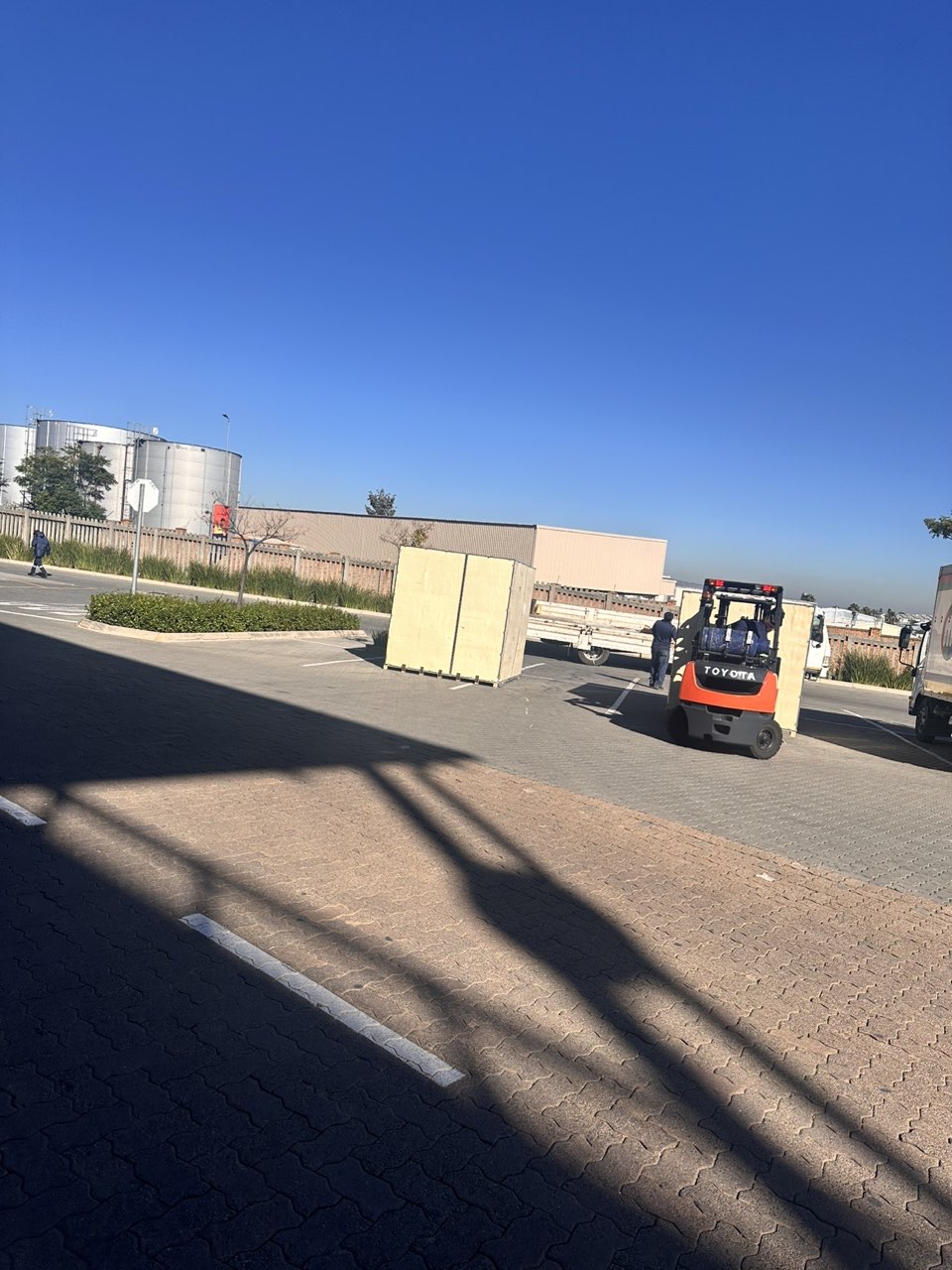
Mining Equipments
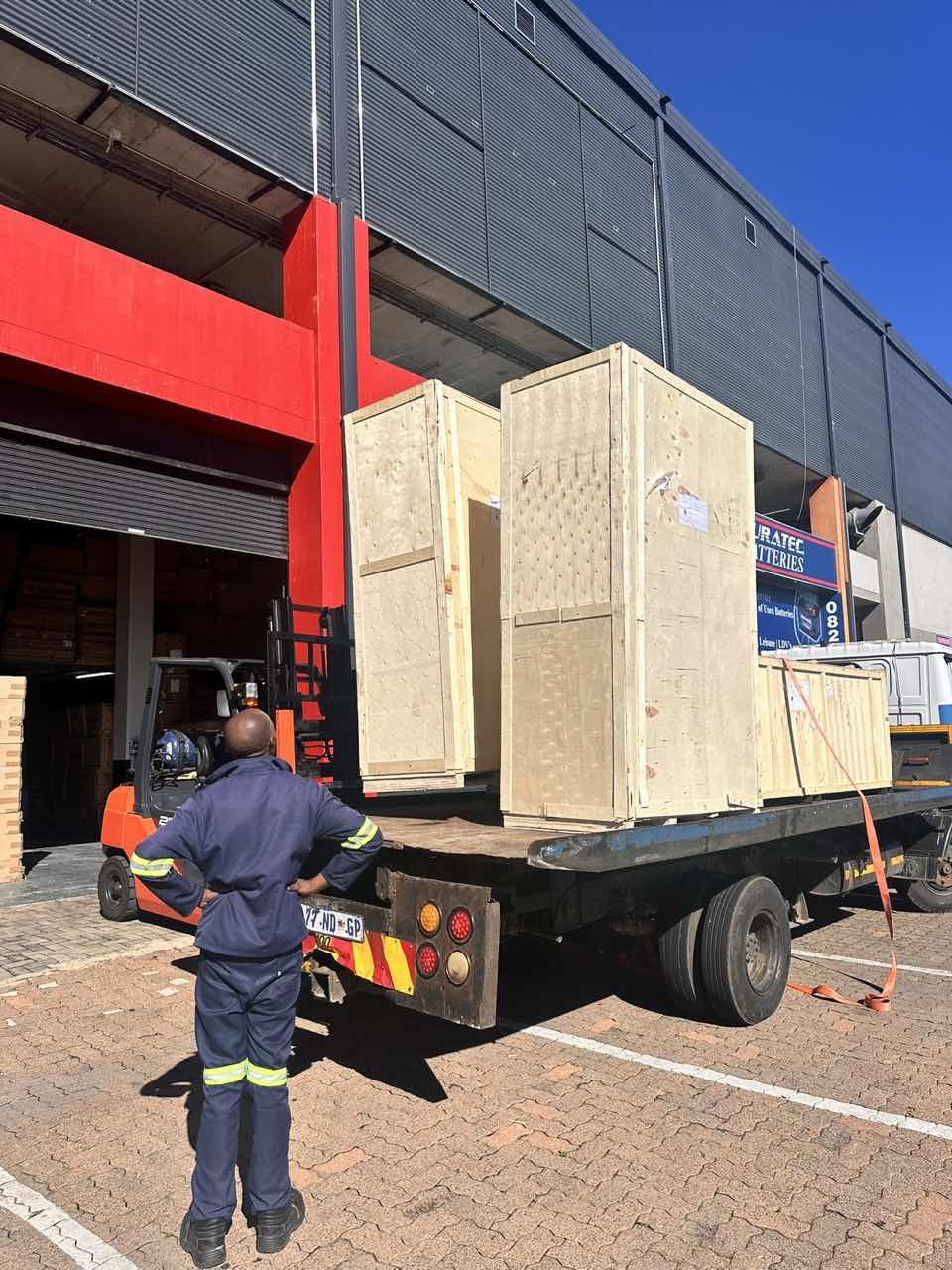
Food Processing Machine
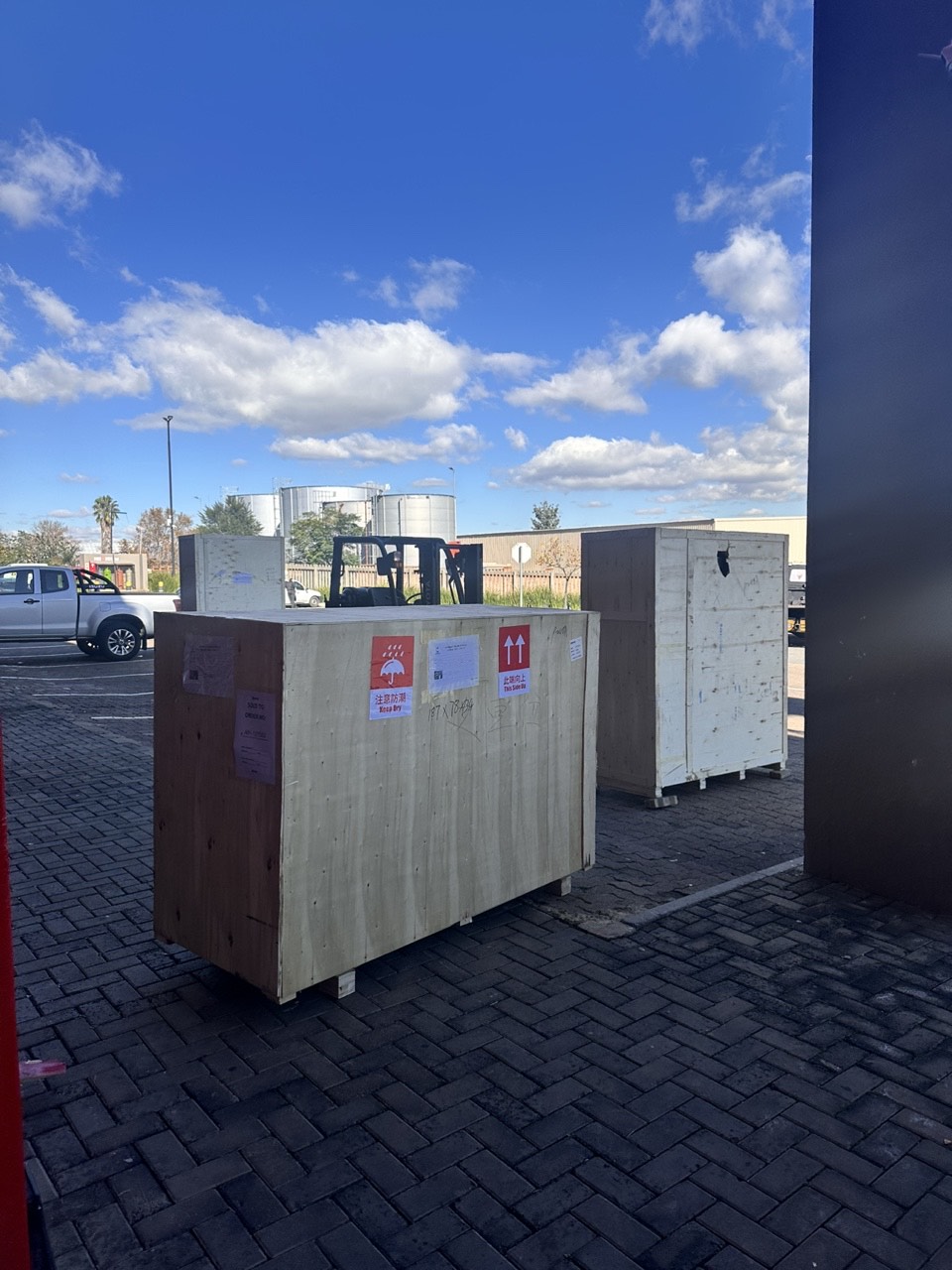
Batch of Orders
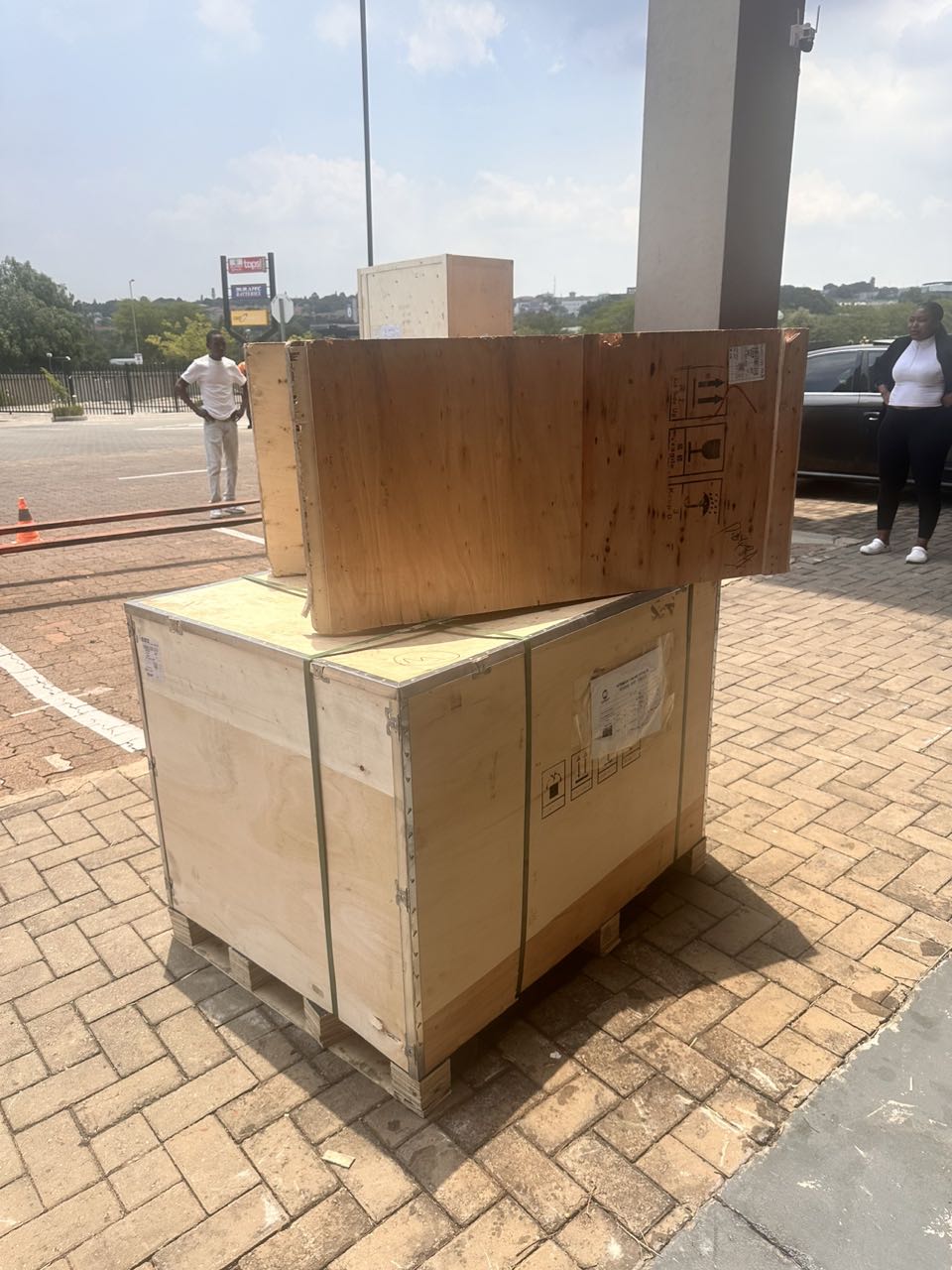
Batch of Orders
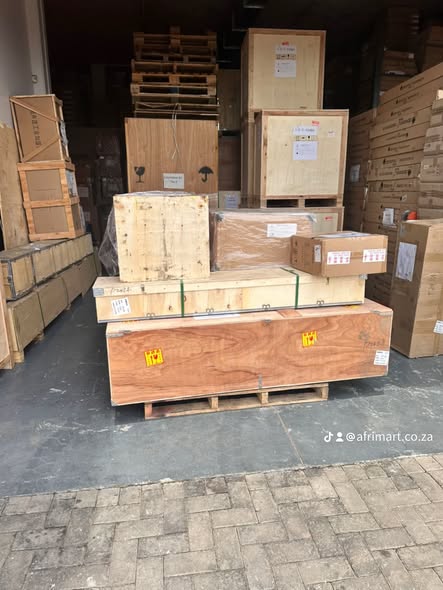
Latest Orders Labelled
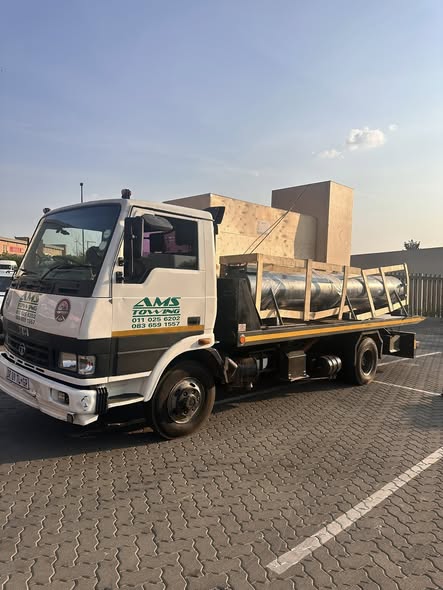
wheel alignment machines
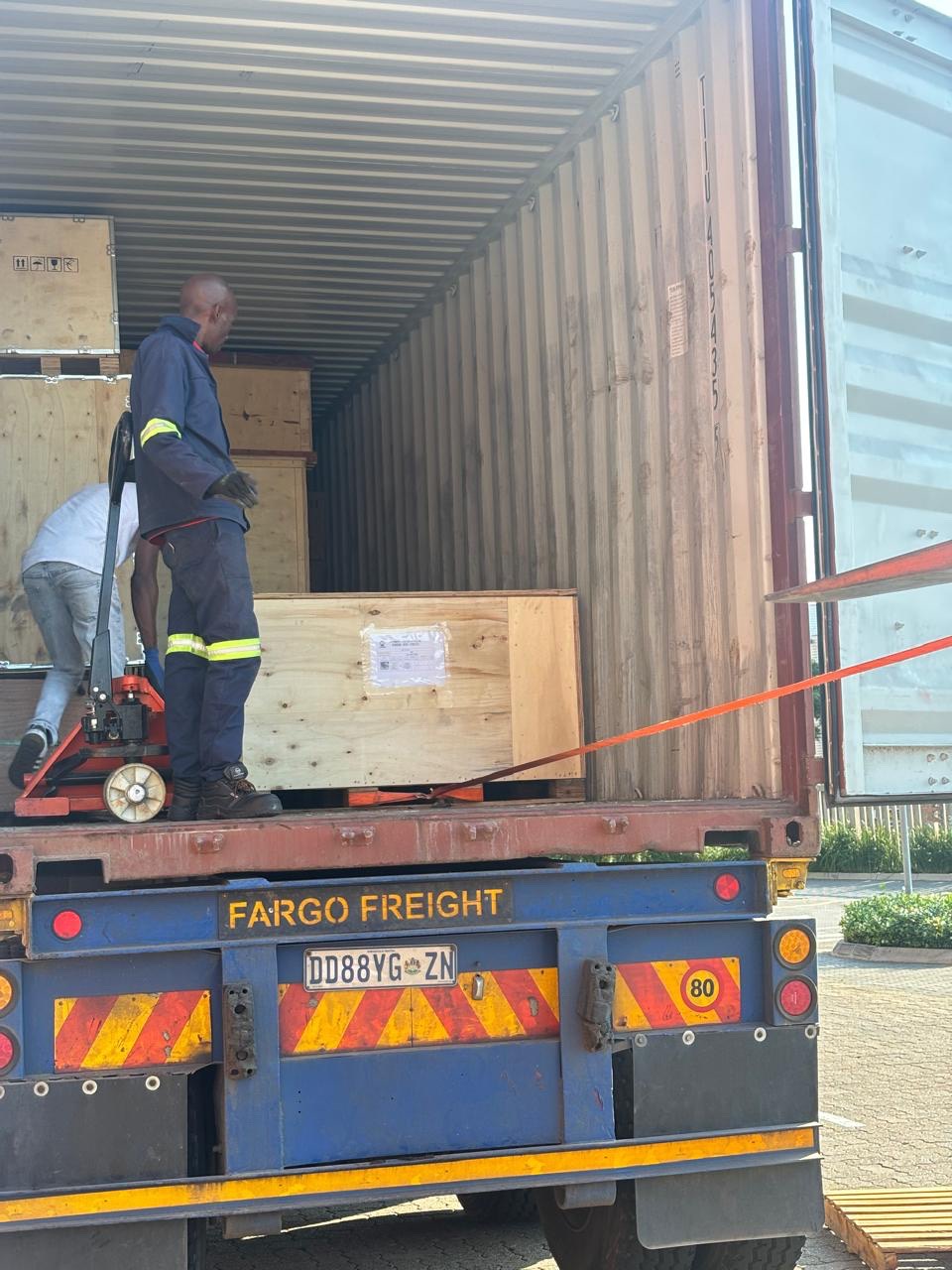
new arrivals
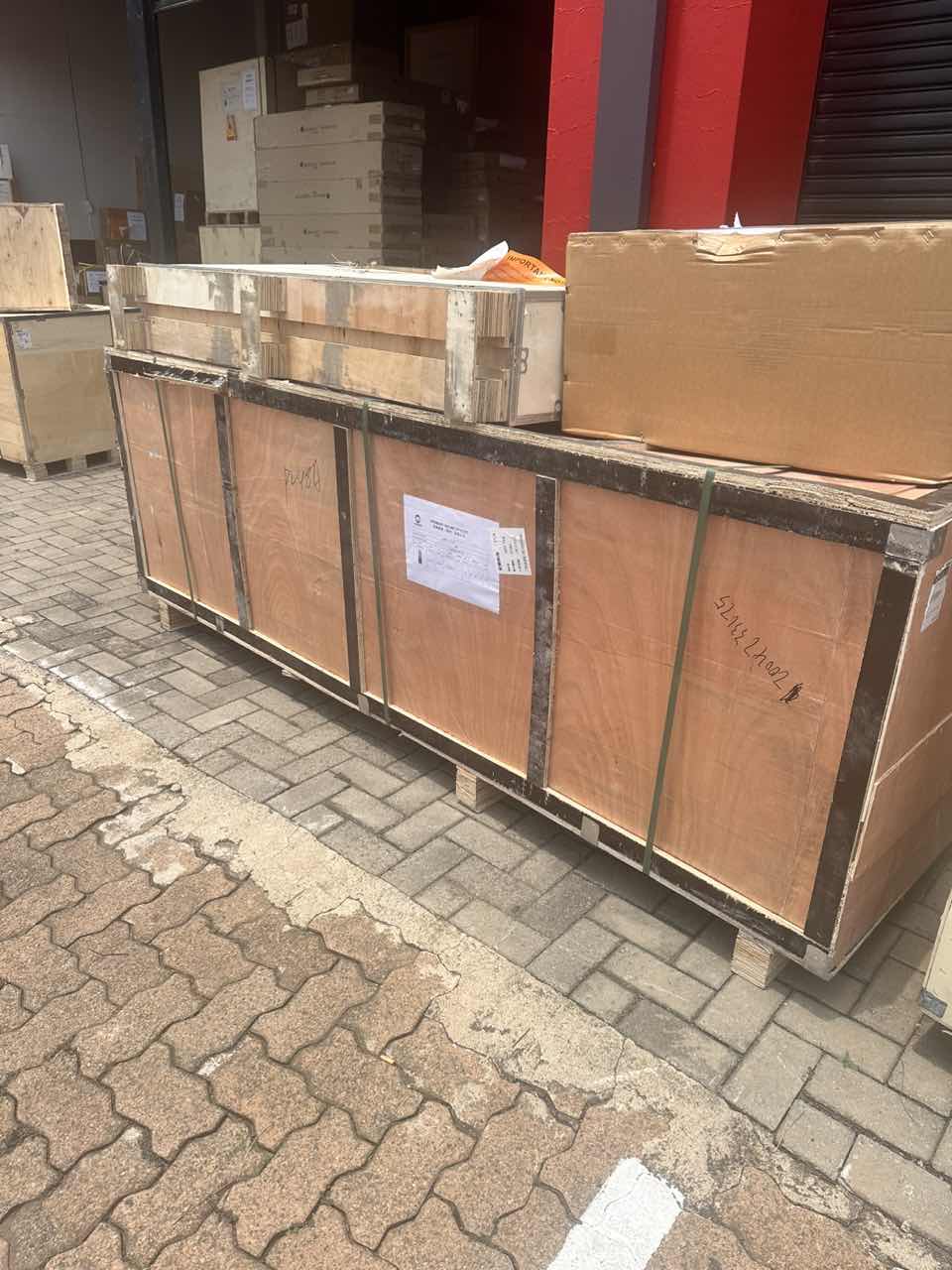
Pre Orders Offloading
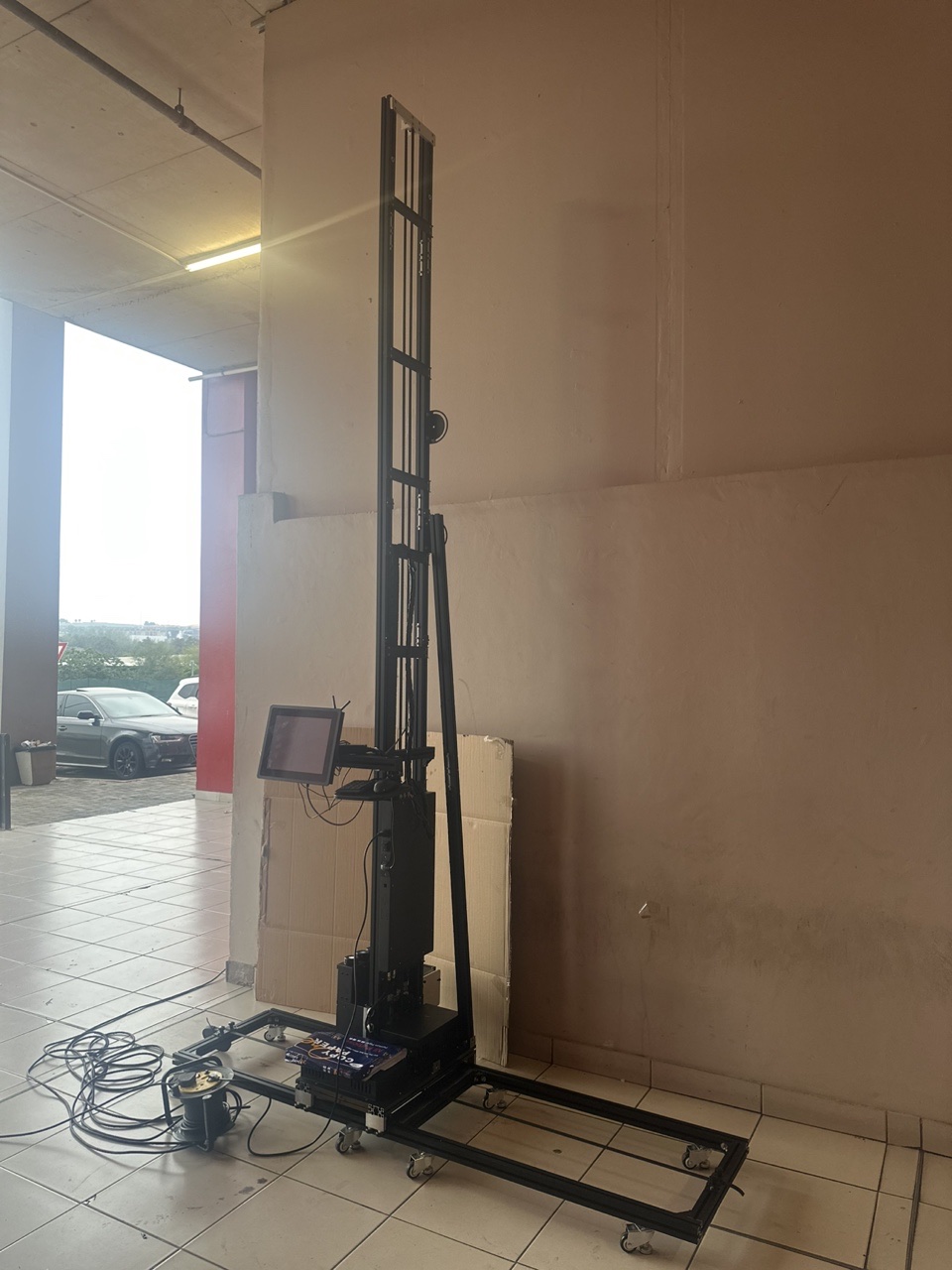
Latest Arrivals
Latest Arrivals
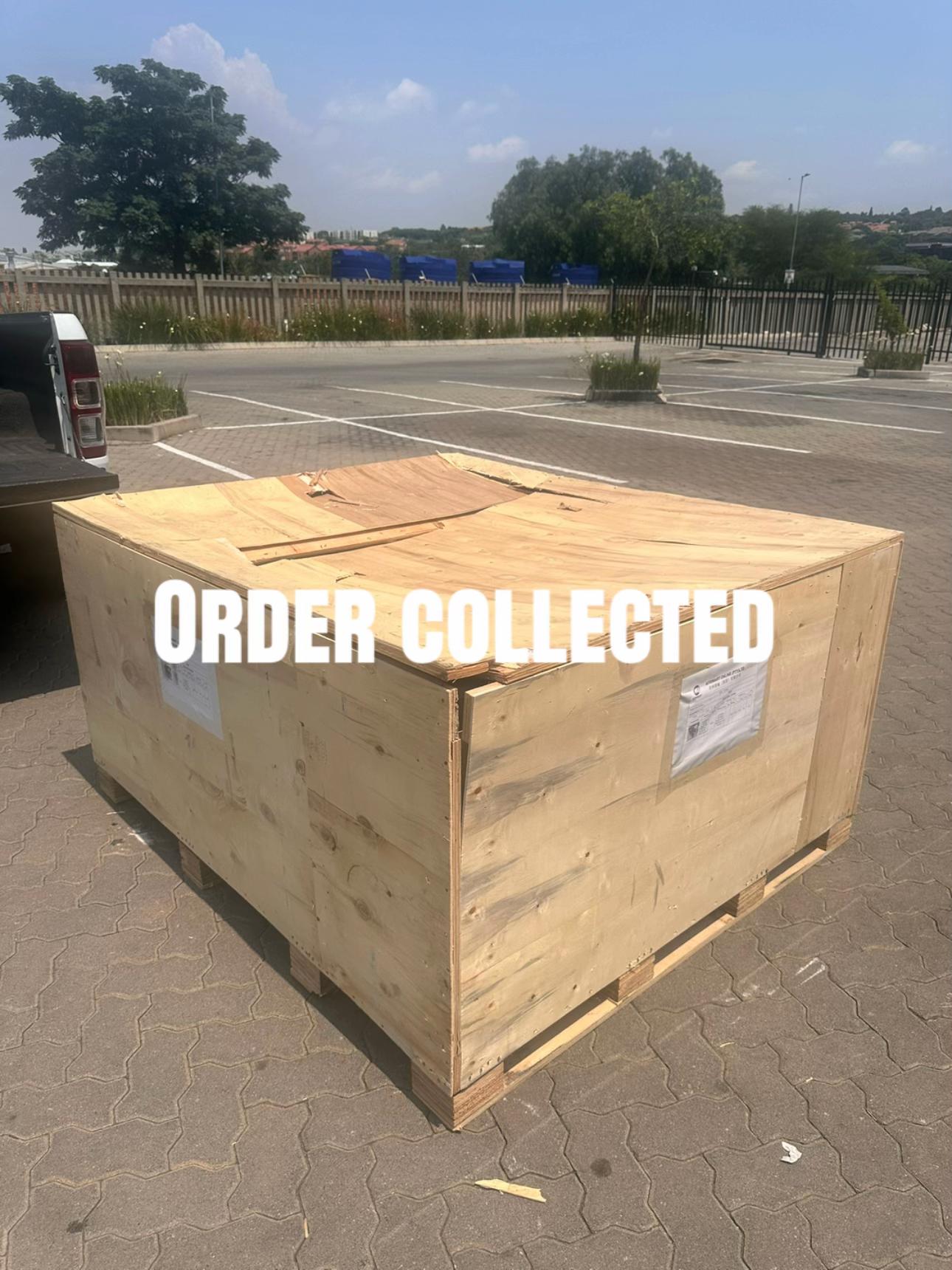
Latest Arrivals
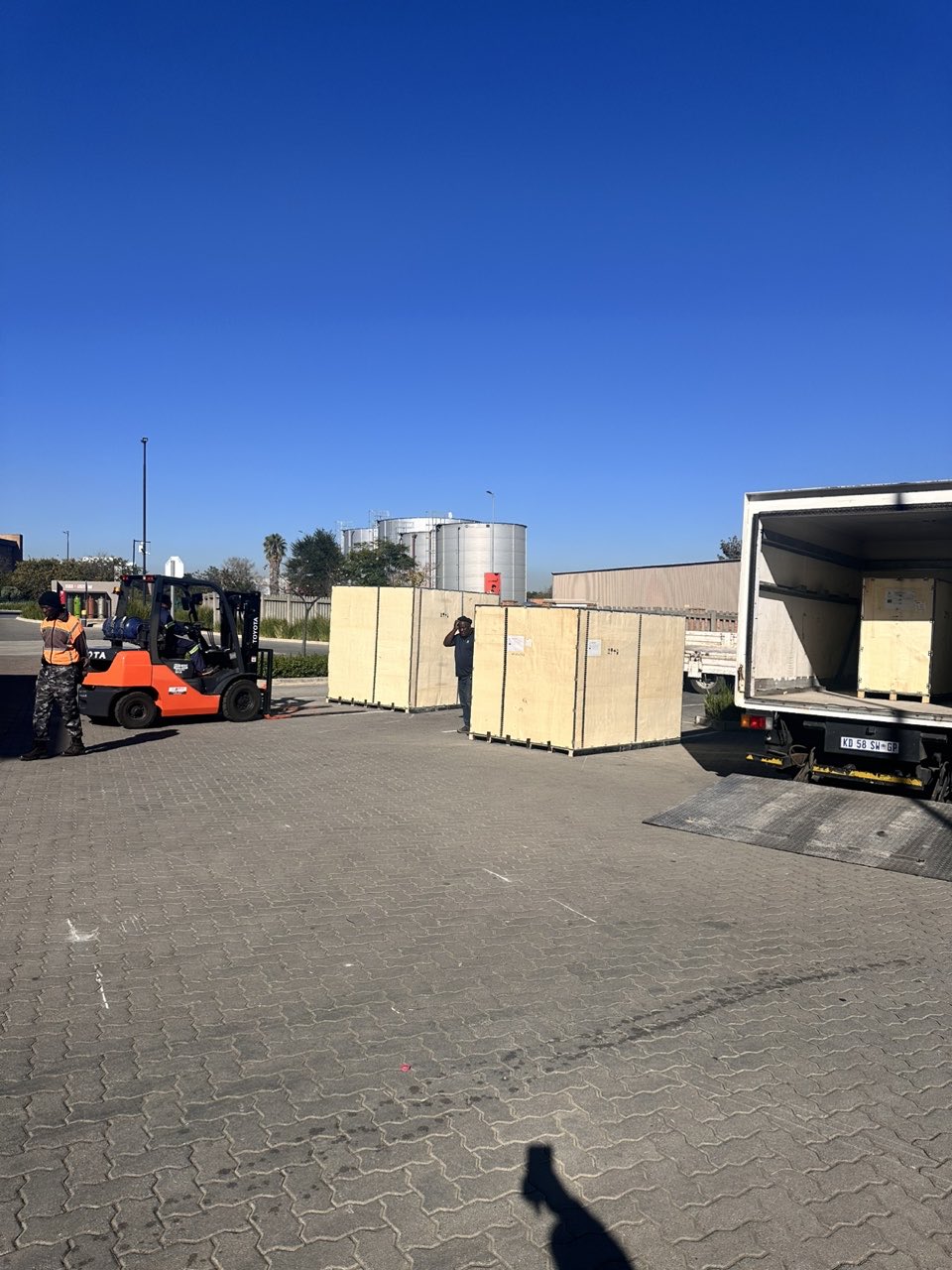
Loading
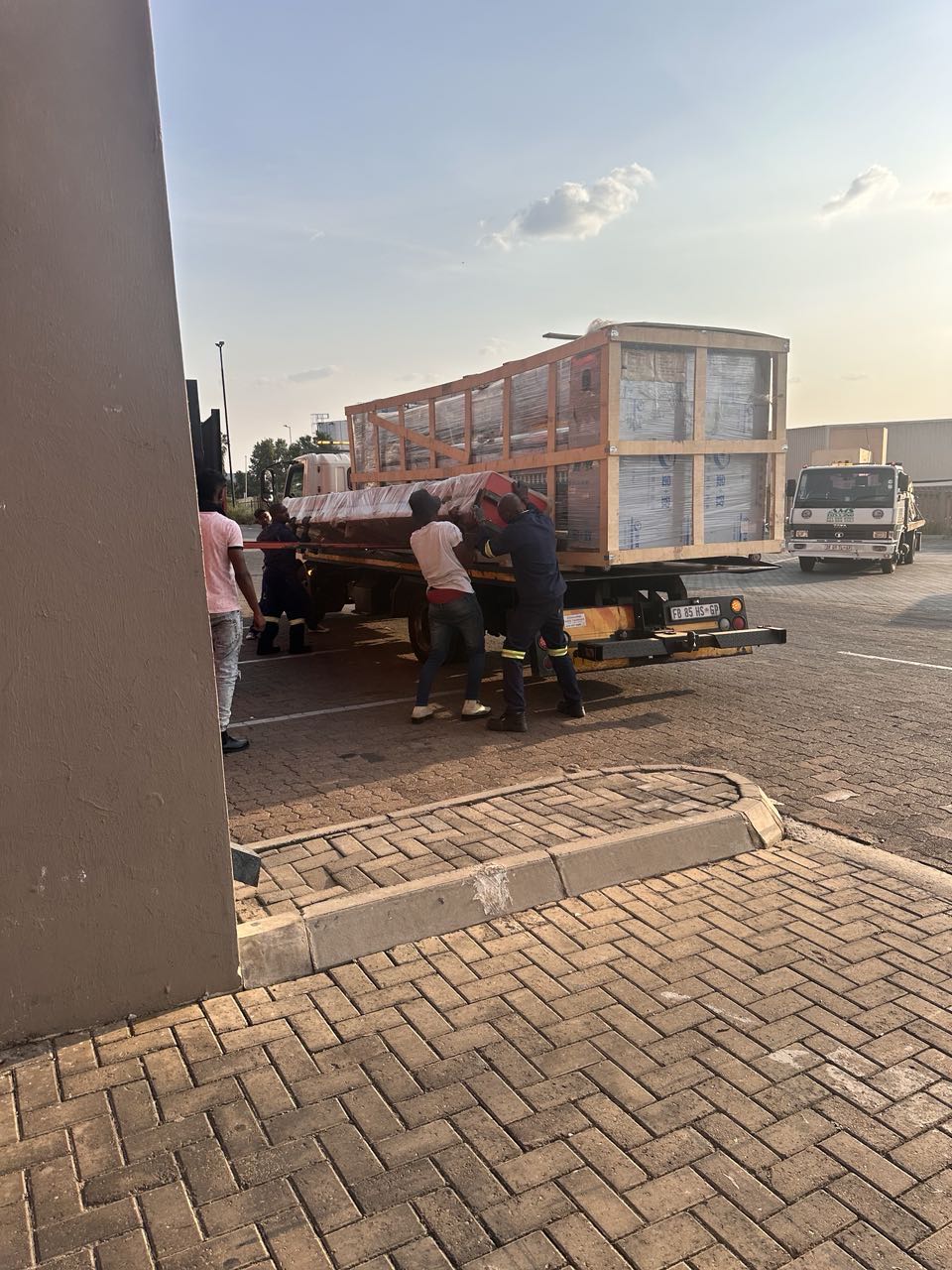
Toilet paper making machine
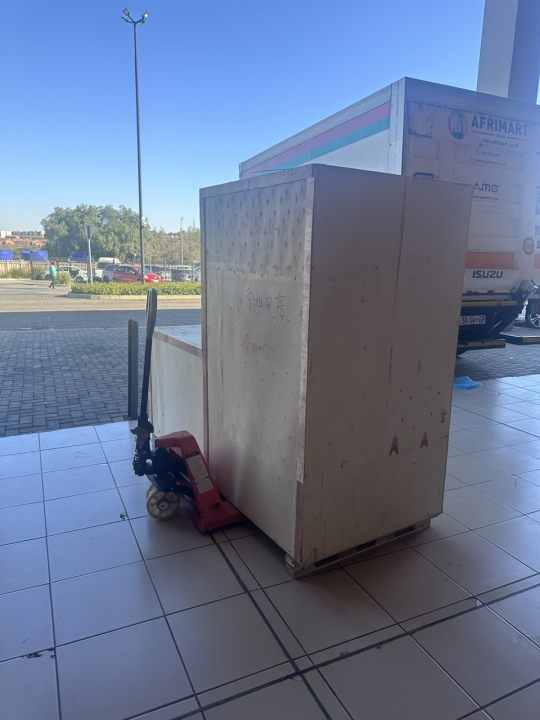
Toilet paper making machine
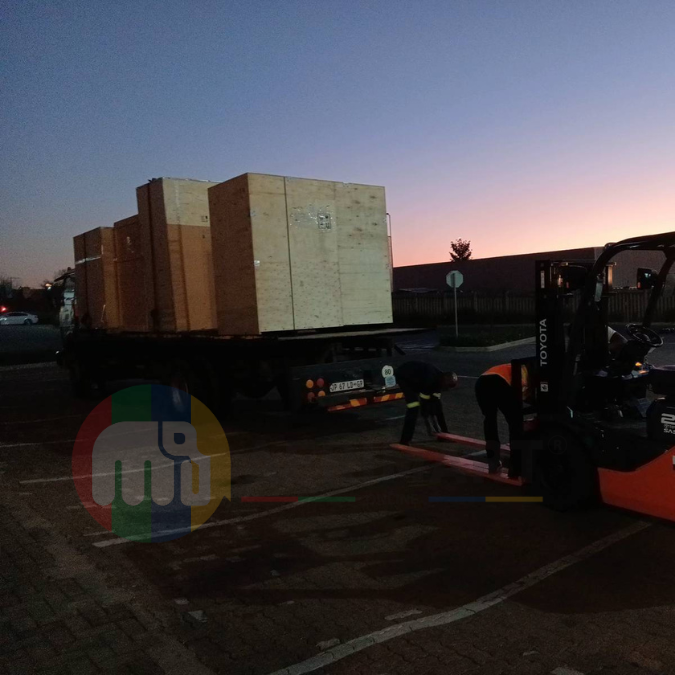
Toilet paper Rewinding Machine
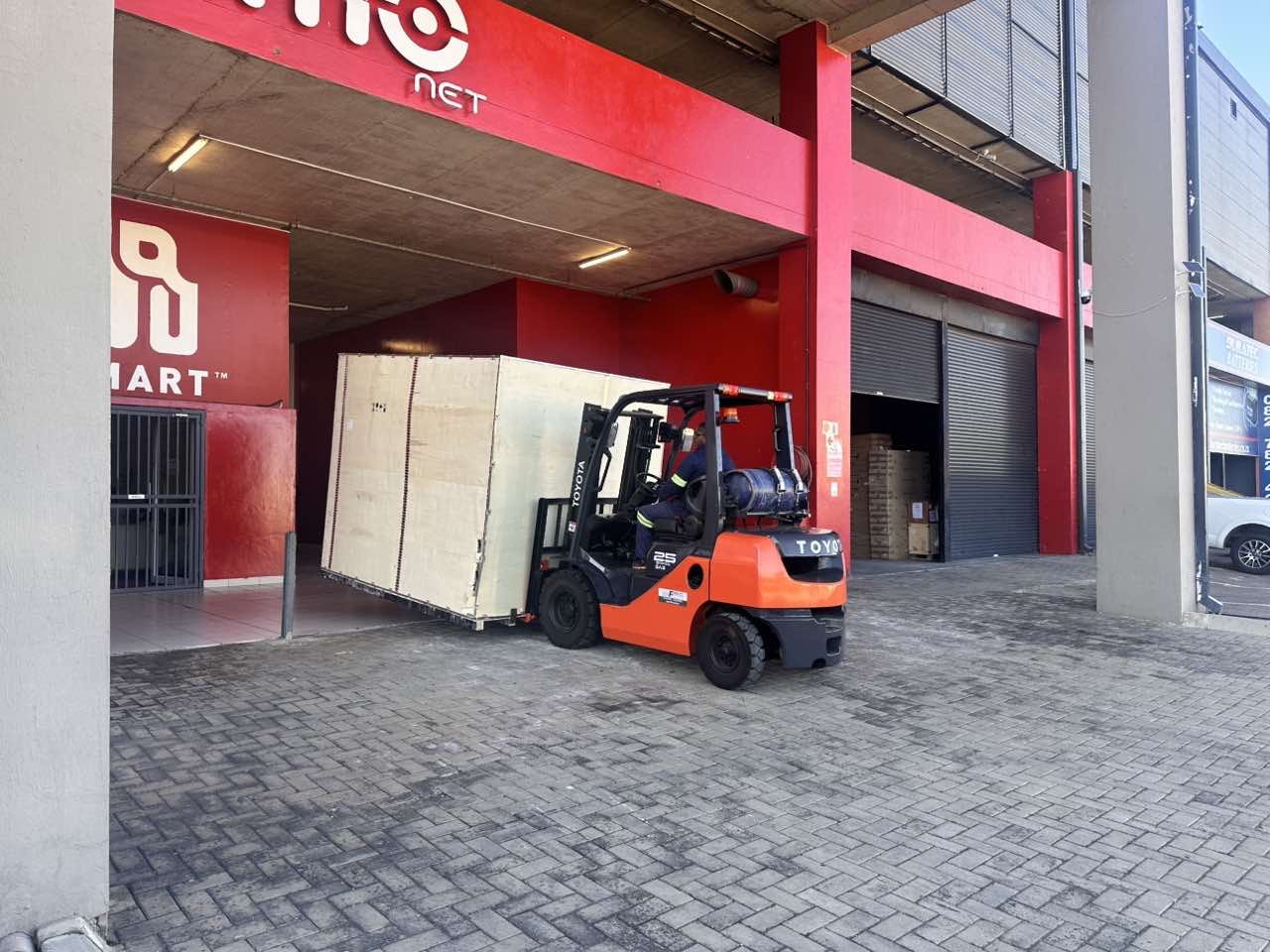
latest arrivals
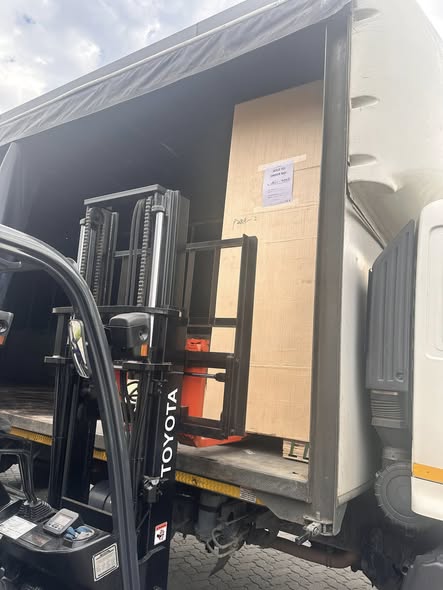
offloading
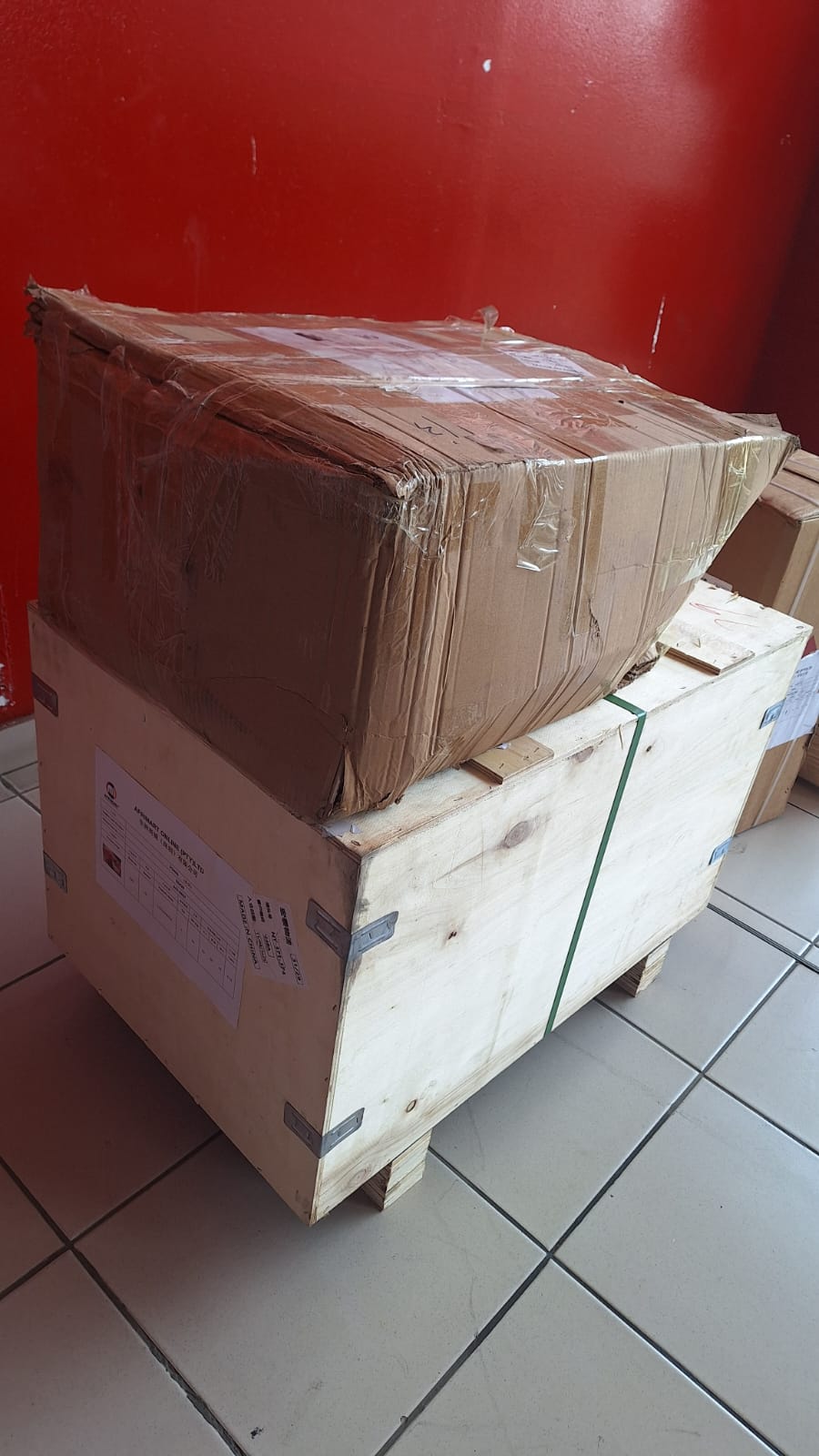
order success
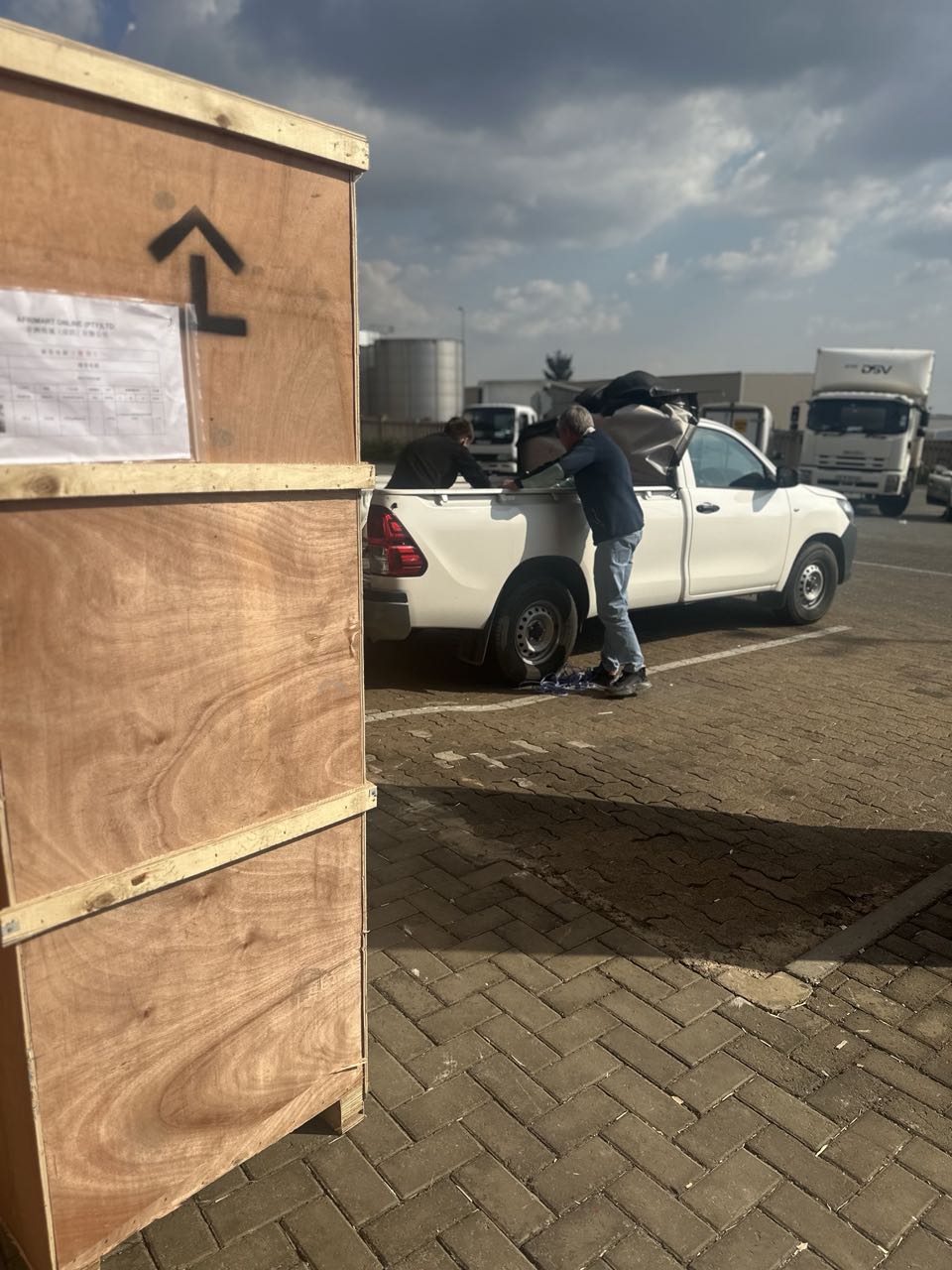
order collection
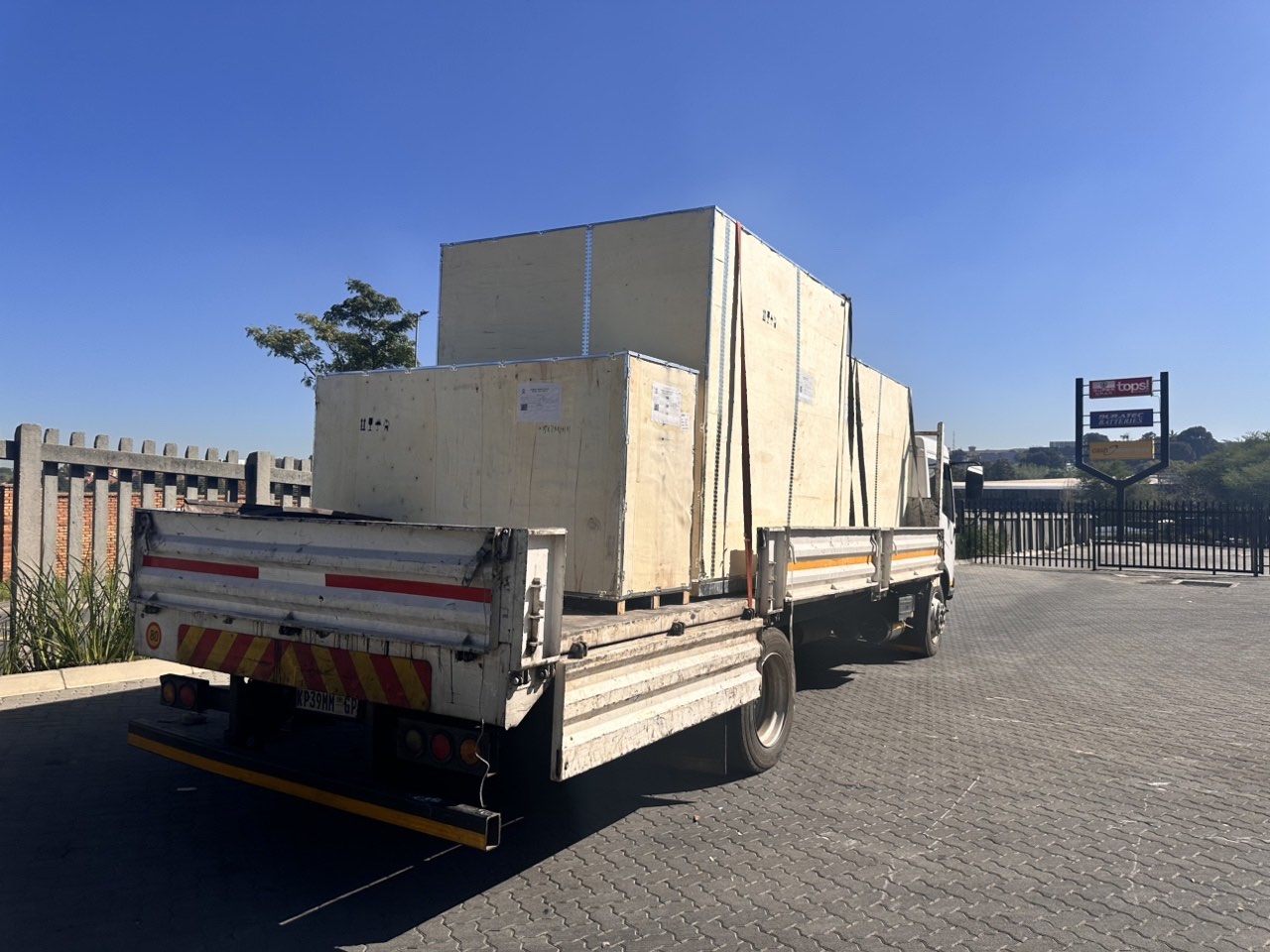
order offloading