B21, China Town Mall, Midrand


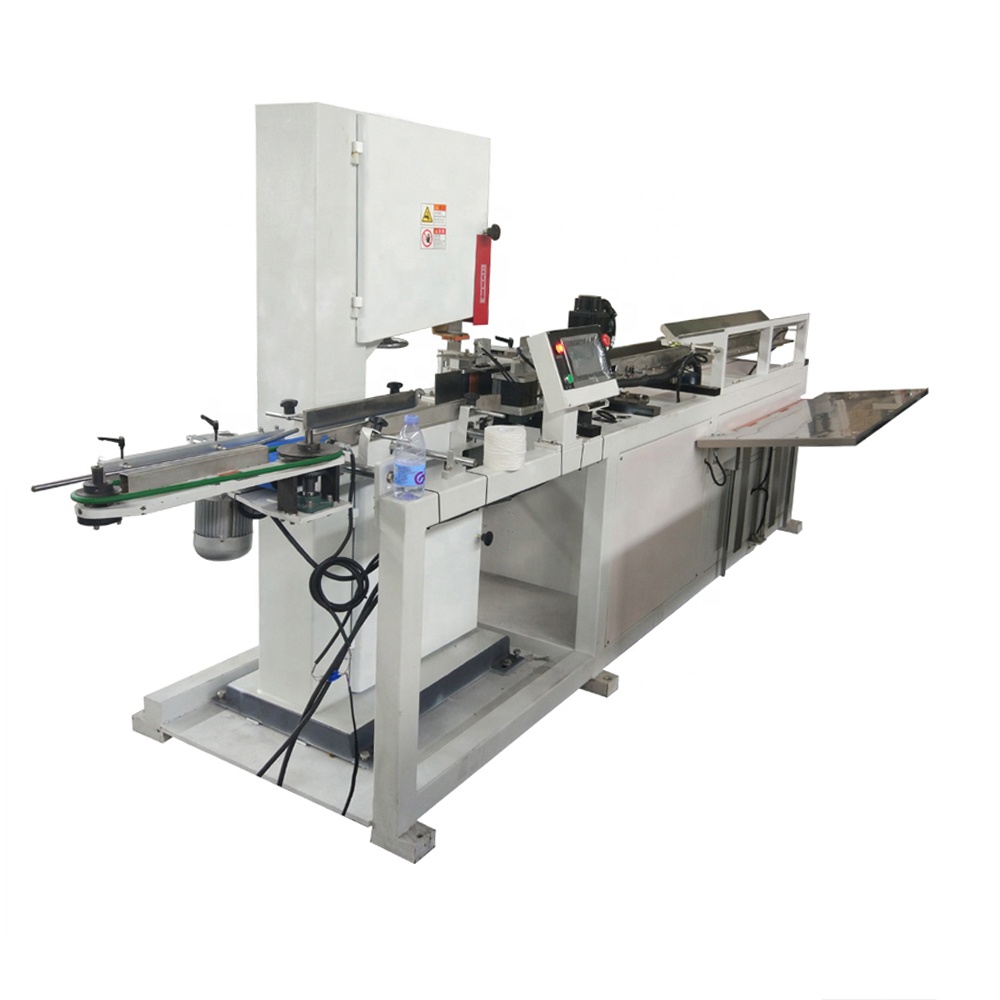
Automatic Toilet Paper Roll Cutting Machine
Asset finance available
Do you want funding for this equipment?
Afrimart can connect you with trusted funding partners who specialise in asset finance for businesses like yours. Compare options and apply in minutes — final approval is subject to provider review.
Check funding options
Secure & no obligation

- Section : Machinery
- Category : Paper Production Machinery
- SKU : 60775773438-1

Manual Toilet Paper Roll Cutting Machine
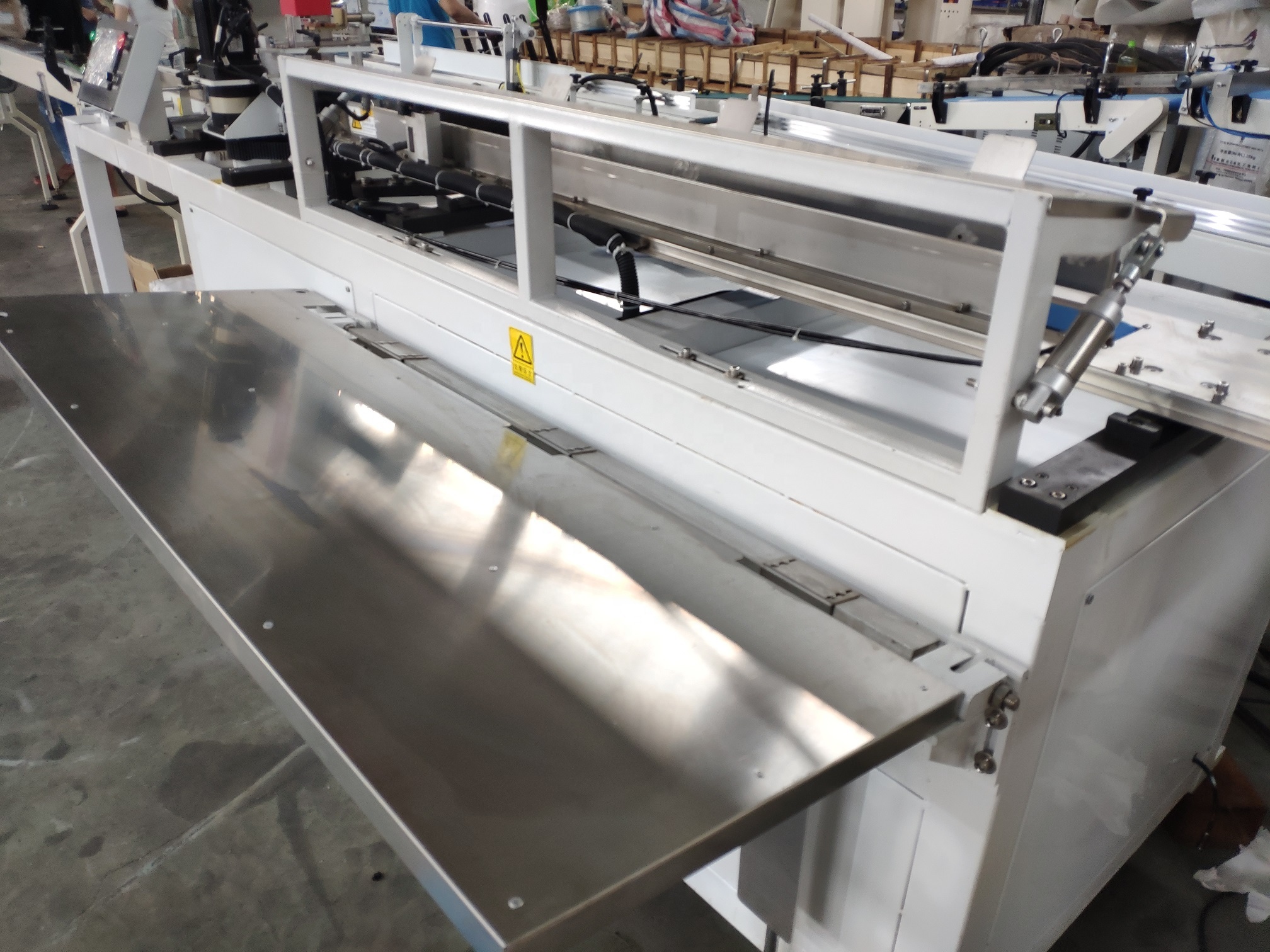
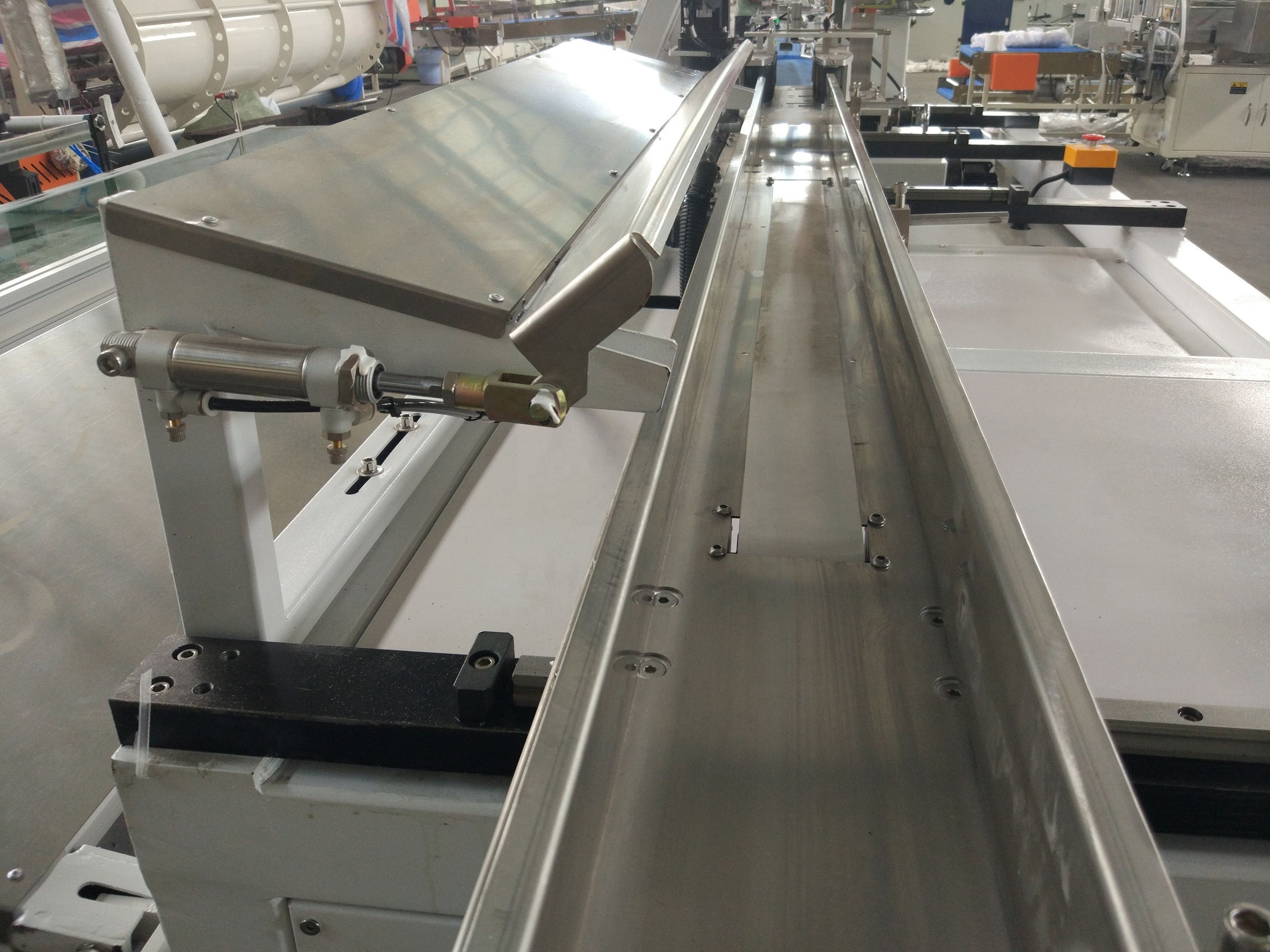
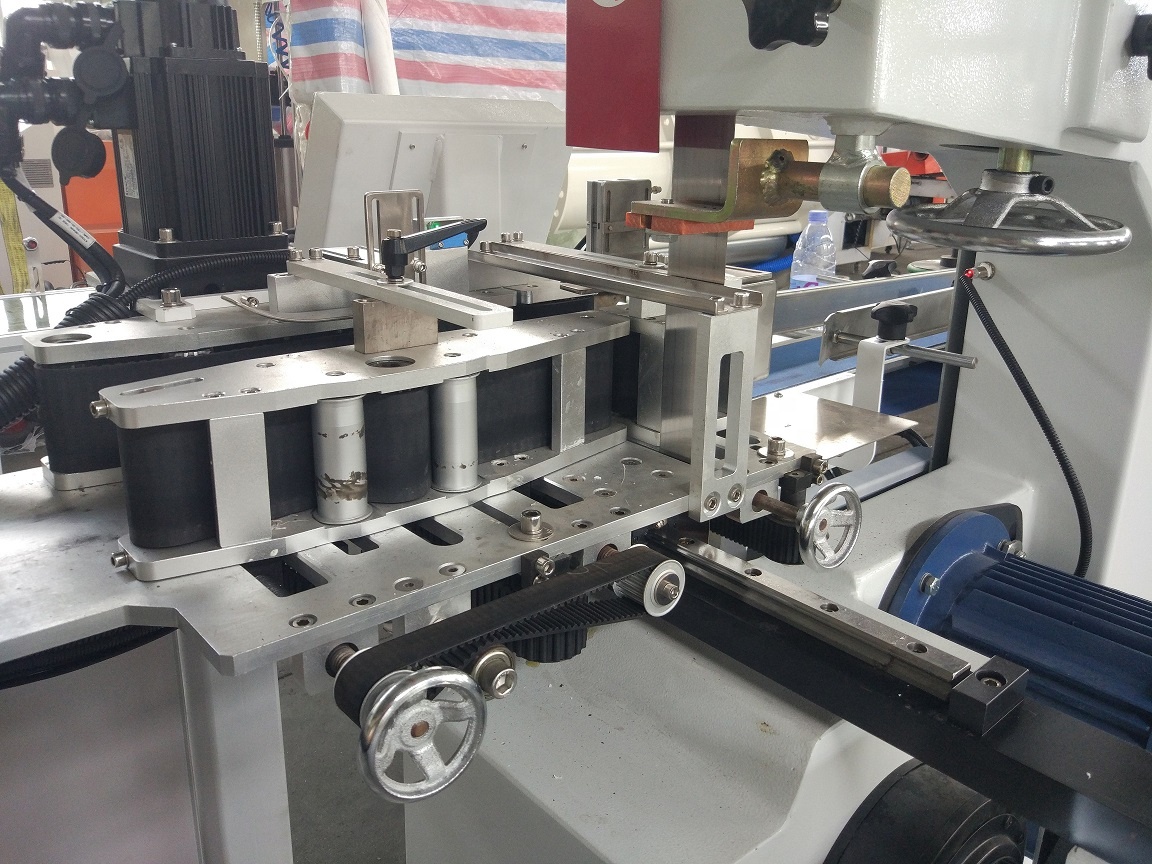
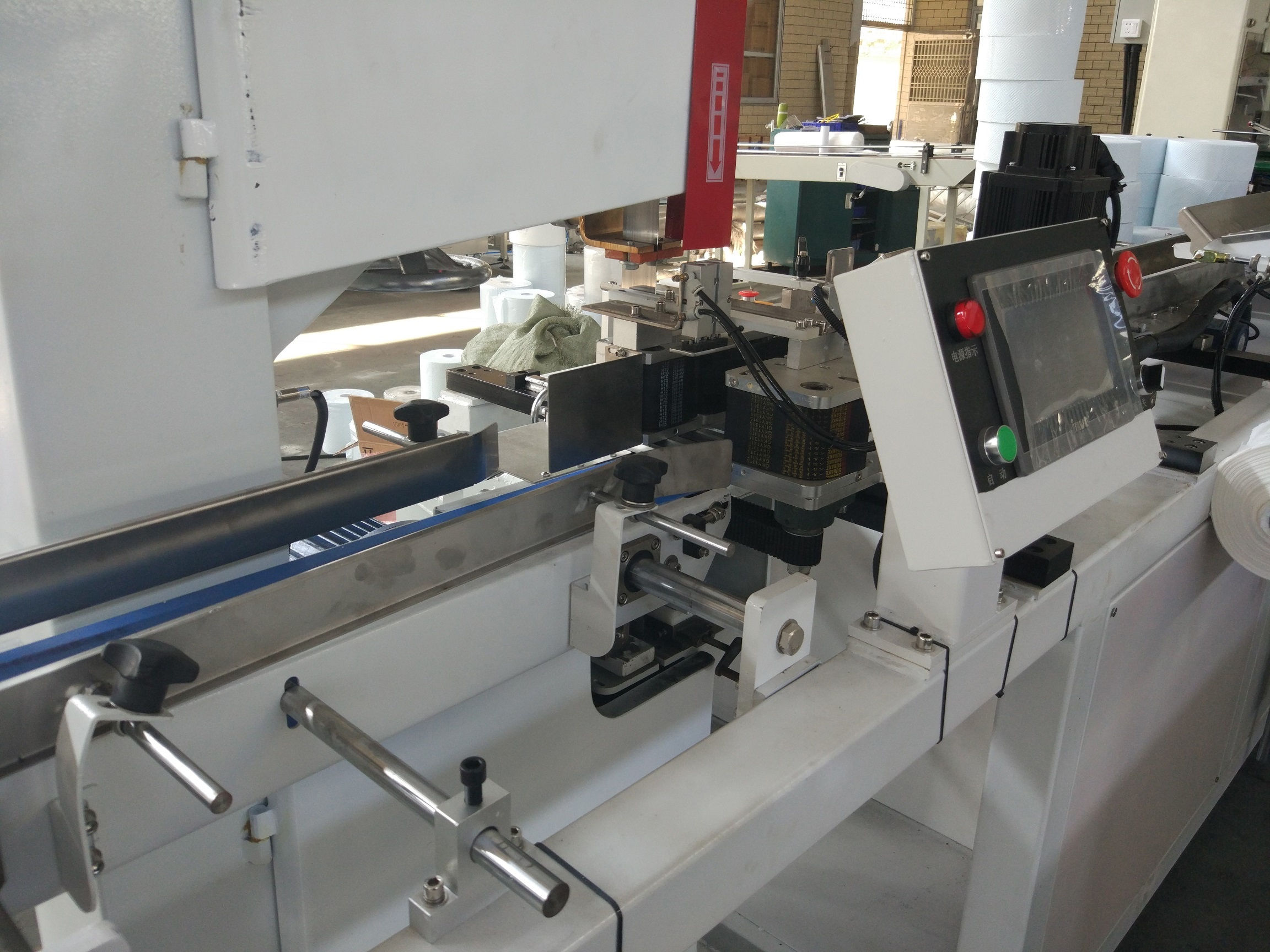
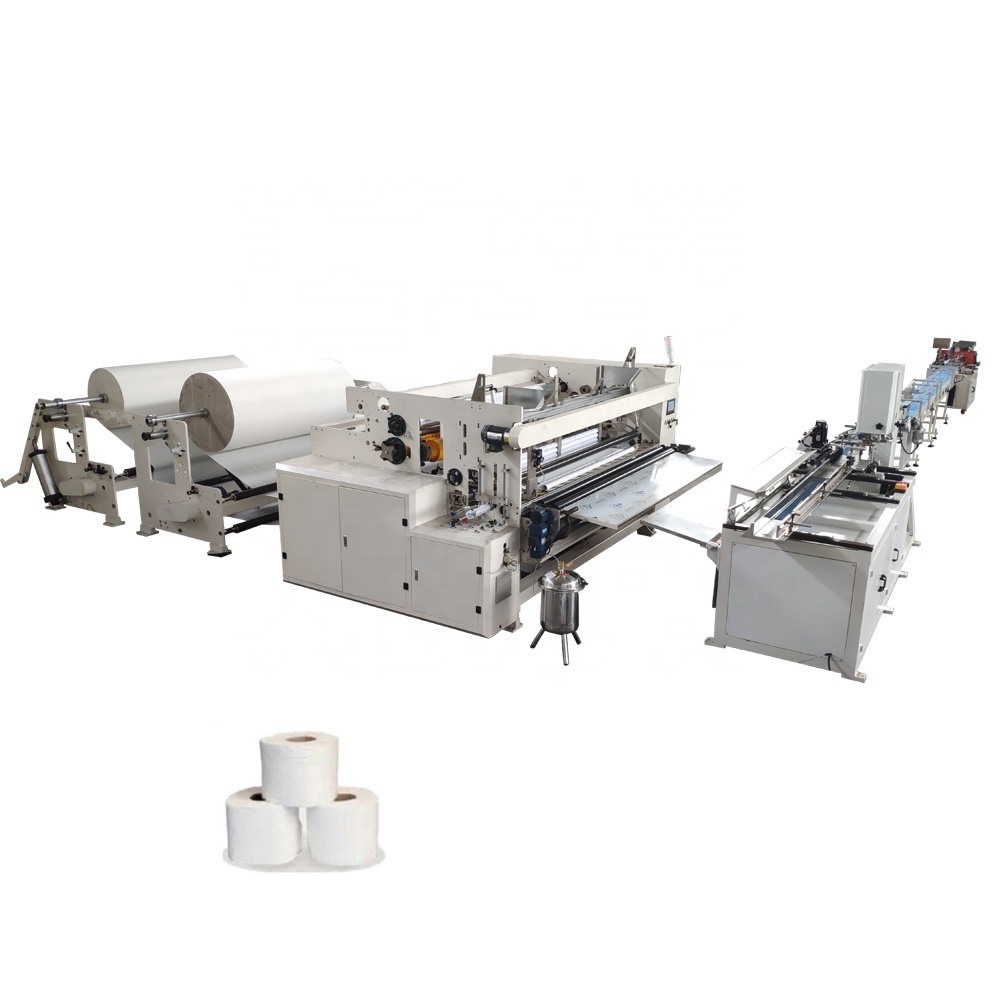
The Manual Toilet Paper Roll Cutting Machine is a reliable and efficient tool designed for cutting toilet paper rolls. This machine can help you produce high-quality toilet paper quickly and easily. With its advanced features and robust design, it is perfect for businesses that need to keep up with demand.
Specifications
| Attribute | Details |
|---|---|
| Voltage | 380V |
| Core Components | PLC, Engine, Motor |
| Processing Type | Cutting Machine |
| Product Type | Toilet Paper Roll Cutting Machine |
| Production Capacity | 60 pcs/Min |
| Brand Name | MAYJOY |
| Power (W) | 1.5kw |
| Dimension (L*W*H) | 1330*800*1800mm |
| Single Package Size | 600X235X235 cm |
| Single Gross Weight | 2700.000 KG |
Key Features
- High efficiency with a production capacity of 60 rolls per minute.
- Durable construction for long-lasting use.
- Easy to operate with a user-friendly design.
- Equipped with advanced PLC technology for precise cutting.
- Compact size fits well in any workspace.
Applications
- Manufacturing toilet paper rolls for commercial use.
- Cutting rolls for retail packaging.
- Producing toilet paper for hospitals and hotels.
- Use in small businesses and factories specializing in paper products.
Product Info Gallery
- Shipping Timeframes: All orders are processed within 2-5 business days (excluding weekends and holidays). After your order has been processed, the estimated delivery time is before 03 Aug, 2026, depending on customs, Please note that due to high demand, some items may experience longer shipping times, which will be communicated at order confirmation email.
- Order Processing Time: Please allow 2-5 business days for us to process your order before it is shipped . Orders placed after 16:00 on Fridays, or during weekends and public holidays, will begin processing on the next business day. Processing times may be extended during peak seasons or sales events.
- Manufacturing Time: Some products needs manufacturing time, the manufacturing process will take approximately 10-30 business days depending on the product. This timeframe may vary depending on the complexity of the product and current demand. but this will be communicated with you during order confirmation.
- Returns and Exchanges: We offer a 30-day return policy for most items. If you are not completely satisfied with your purchase, you may return it within 30 days of receipt for a refund or exchange. Items must be unused, in their original packaging, and accompanied by proof of purchase. Return shipping costs are the responsibility of the customer, unless the item was damaged or defective upon arrival.
1. Is this machine automatic or manual?
The product name lists it as an "Automatic Toilet Paper Roll Cutting Machine," but the provided description also refers to a "Manual" unit. The machine includes PLC control and a motor, which indicates automated functions. Please confirm with the supplier which model/version you are purchasing (manual, semi-automatic, or fully automatic).
2. What is the production capacity?
The machine is rated at up to 60 rolls per minute (which equals about 3,600 rolls per hour under continuous operation). Actual output will depend on roll size, operator setup, and material characteristics.
3. What are the electrical requirements and power consumption?
Rated voltage is 380V (typically three-phase). Rated power is 1.5 kW. Confirm local power compatibility and whether a dedicated circuit, fusing, or an isolation switch is required.
4. What are the machine dimensions and weight?
Machine dimensions are listed as 1330 × 800 × 1800 mm (L×W×H). A gross weight figure of 2700 kg and a large packaged size are shown in the specification — these values seem unusually high; confirm packaging and shipping weights with the manufacturer before ordering.
5. What core components does the machine include?
Key components listed are PLC (programmable logic controller), engine (drive system), and motor. The PLC provides automated control and precise cutting; the motor and drive provide motion for cutting and feeding.
6. What types and sizes of toilet paper rolls can it cut?
The specification does not list exact supported roll diameters, core sizes, or widths. Many cutters handle standard commercial and retail roll sizes; contact the supplier with your target roll dimensions so they can confirm compatibility or offer configuration options.
7. How easy is it to operate?
The machine is described as easy to operate and user-friendly, thanks to PLC control and a compact design. Typical operation involves loading parent rolls, setting parameters via the control panel, and starting the cutting cycle. Supplier-provided training is recommended.
8. What safety features does the machine have?
While specific safety features are not fully detailed, machines with PLC control typically include emergency stop, safety guards, and interlocks. Confirm the safety package (E-stop locations, guarding, lockouts) with the vendor and ensure compliance with your facility's safety standards.
9. What maintenance is required?
Routine maintenance generally includes cleaning paper dust, lubricating moving parts, inspecting belts and bearings, checking and tightening fasteners, and monitoring PLC and motor performance. Cutting blades should be inspected regularly and sharpened or replaced as needed.
10. How are blades and wear parts replaced, and are spares available?
Blade replacement procedures vary by model. Typically blades are replaceable with basic tools; wear parts such as blades, belts, and bearings should be stocked. Ask the supplier for a spare-parts list and availability of replacement blades.
11. Is installation and commissioning included?
The listing does not explicitly state inclusion of installation or commissioning. Many suppliers offer on-site commissioning, setup assistance, or remote support for an additional fee. Confirm with the seller what services are included and whether training is provided.
12. Can the machine be customized for different production needs?
Customization (cutting length ranges, feeding mechanisms, or integration with rewinding/packaging lines) is commonly offered by manufacturers. Provide your production requirements to the supplier to discuss available custom options.
13. What applications is the machine best suited for?
It is intended for manufacturing toilet paper rolls for commercial use, retail packaging, and institutions such as hospitals and hotels, and for small businesses or factories specializing in paper products.
14. What after-sales support and warranty are provided?
Warranty terms and after-sales support are not specified in the provided description. Ask the supplier for warranty duration, what is covered (parts/labor), response times, and availability of technical support or spare parts.
15. How can I get a quote, lead time, and shipping information?
Contact the supplier or distributor directly with details such as required capacity, roll dimensions, destination, and any customization needs. Request a pro forma quote that includes price, lead time, packaging dimensions/weight, and shipping/incoterms.
Latest Order Arrivals
Discover our latest orders
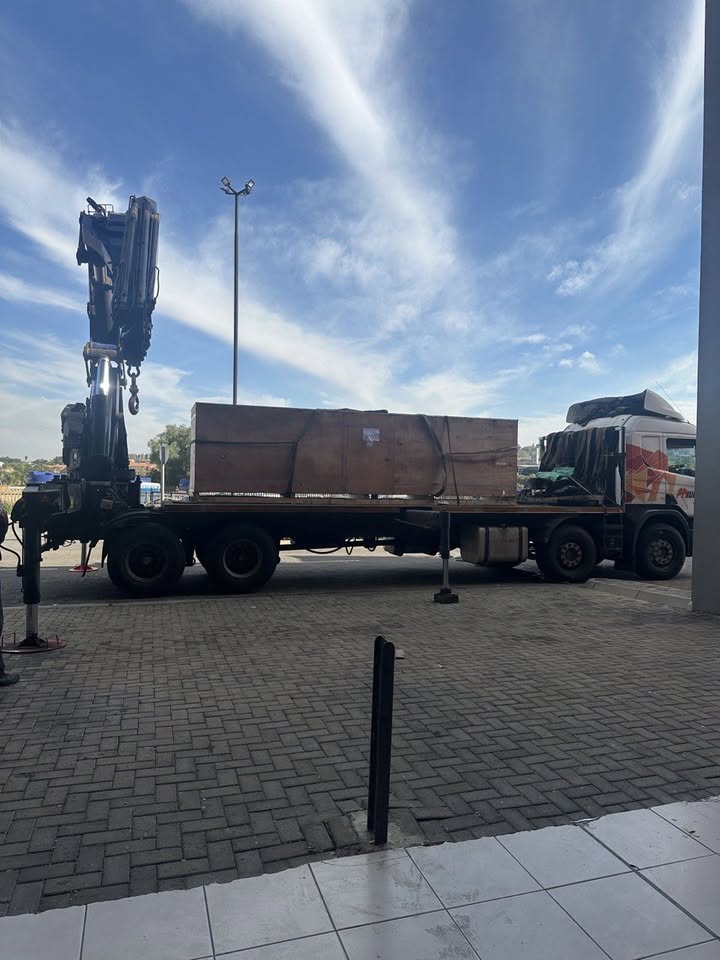
12 Heads Embroidery Machine
Toilet Paper Machine Machine
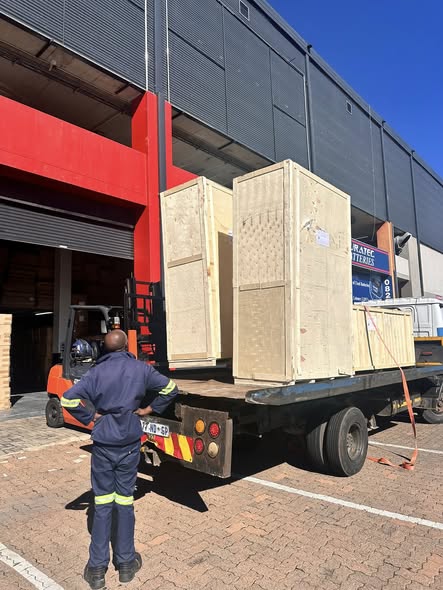
Order Collection
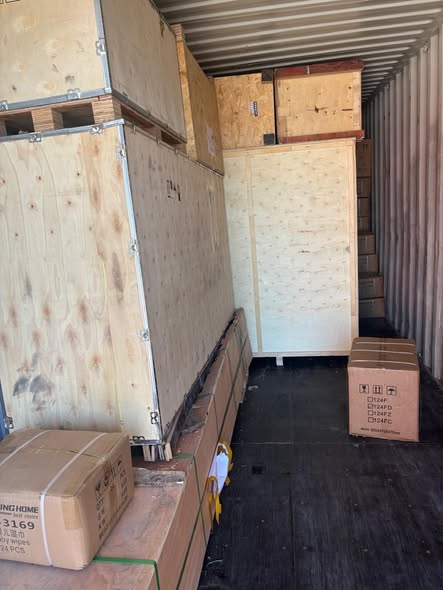
Cross Border Clients
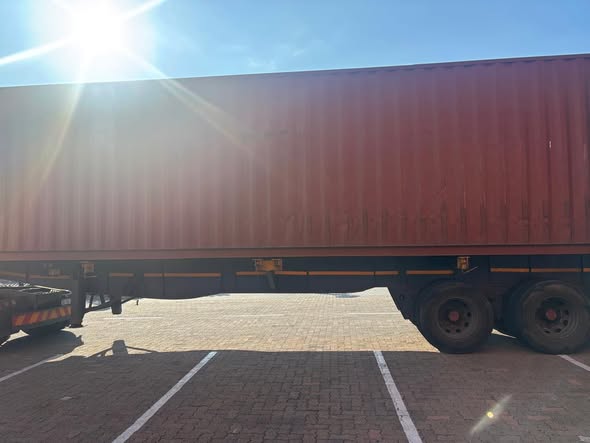
Order cros border countries Collected
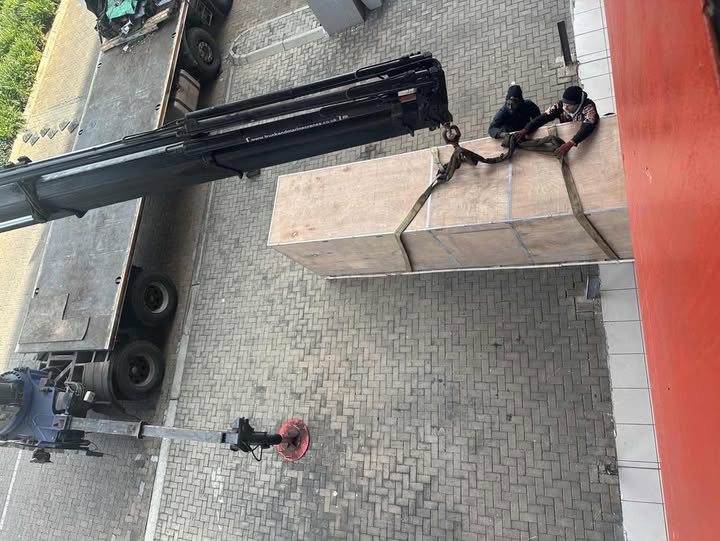
Industrial Machine Cllection
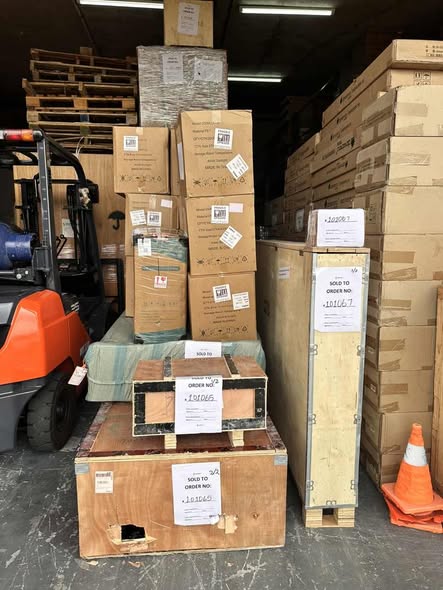
Agriculture Processing Machines
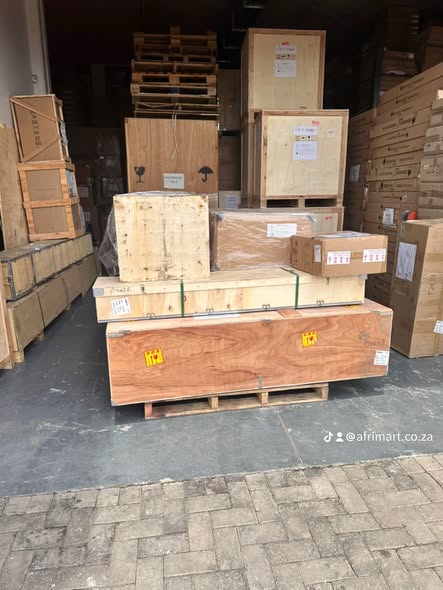
Ready for collection
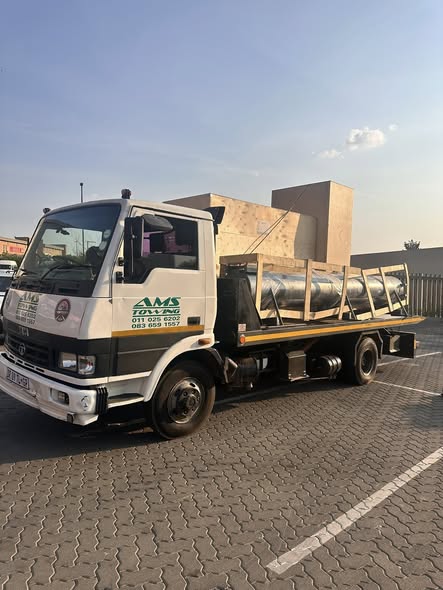
Water Pump Equipment
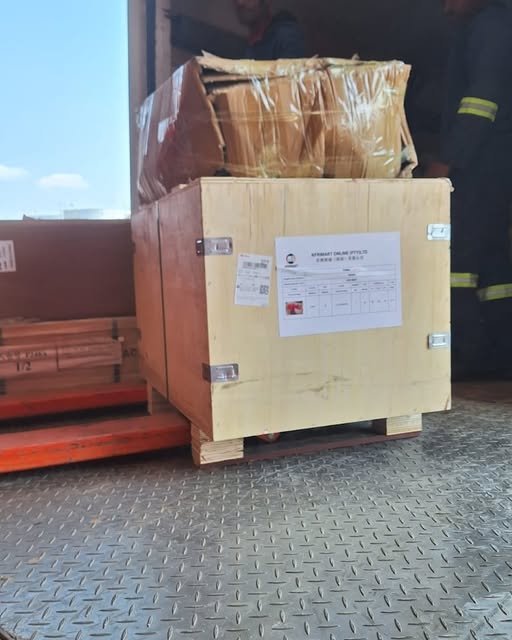
Packaging Machine and accessories
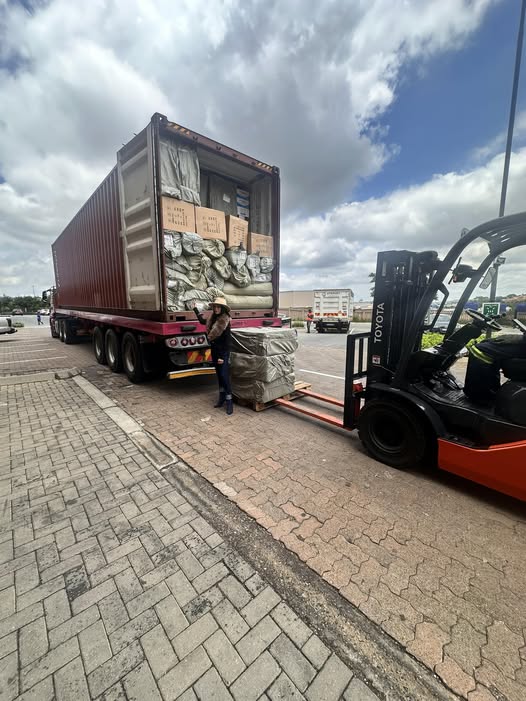
Fabrics Manufacturing Equipment
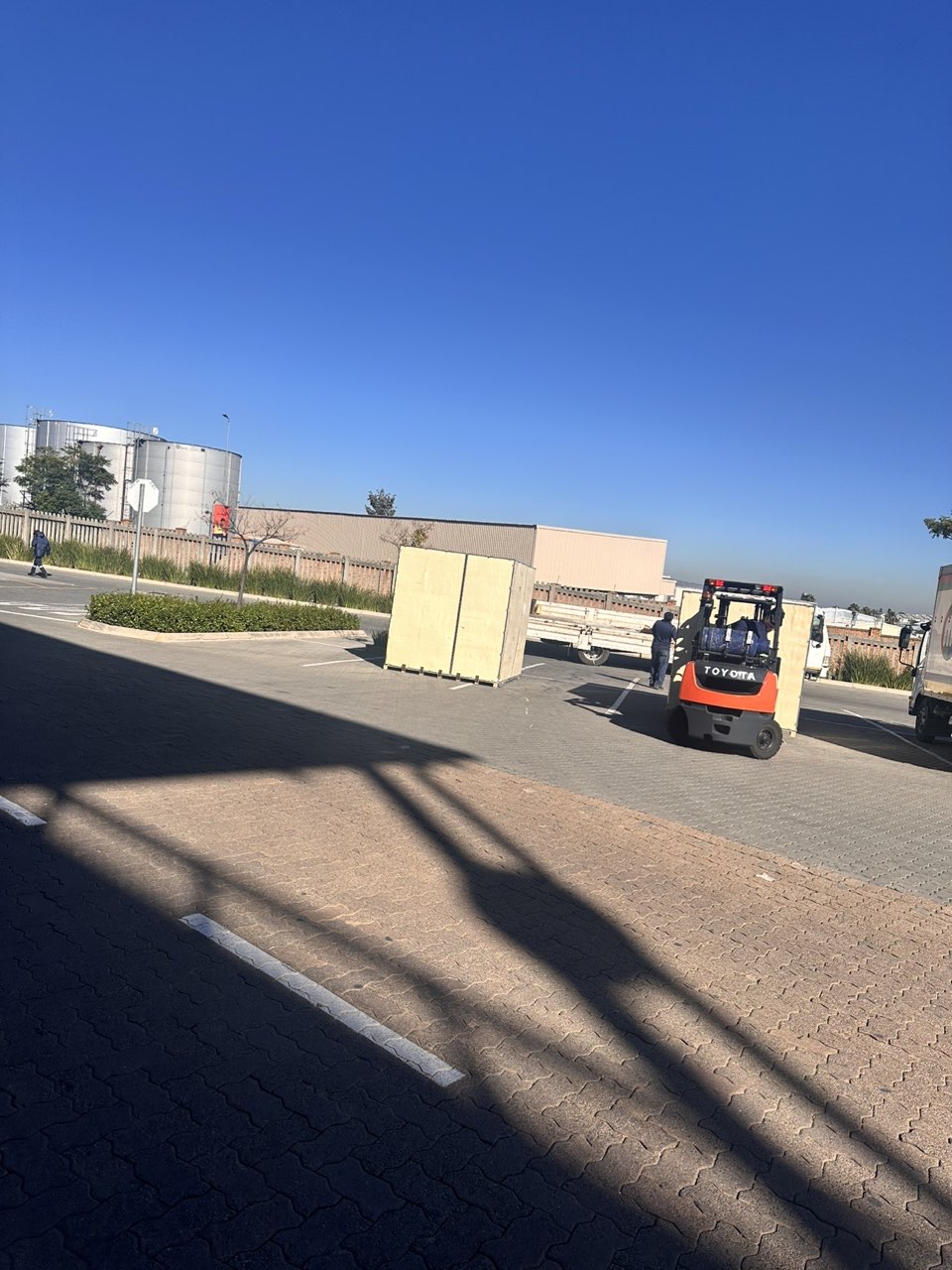
Mining Equipments
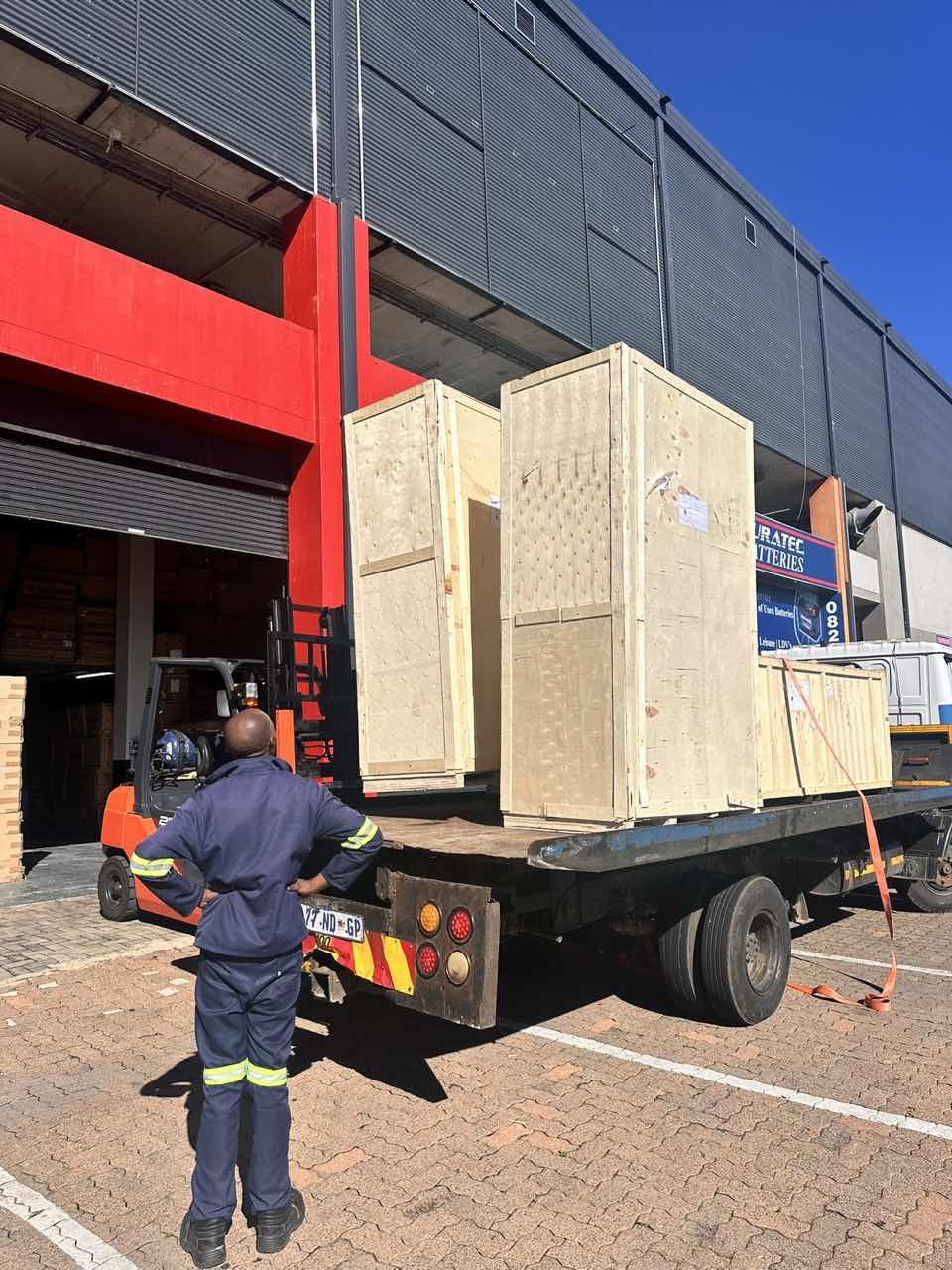
Food Processing Machine
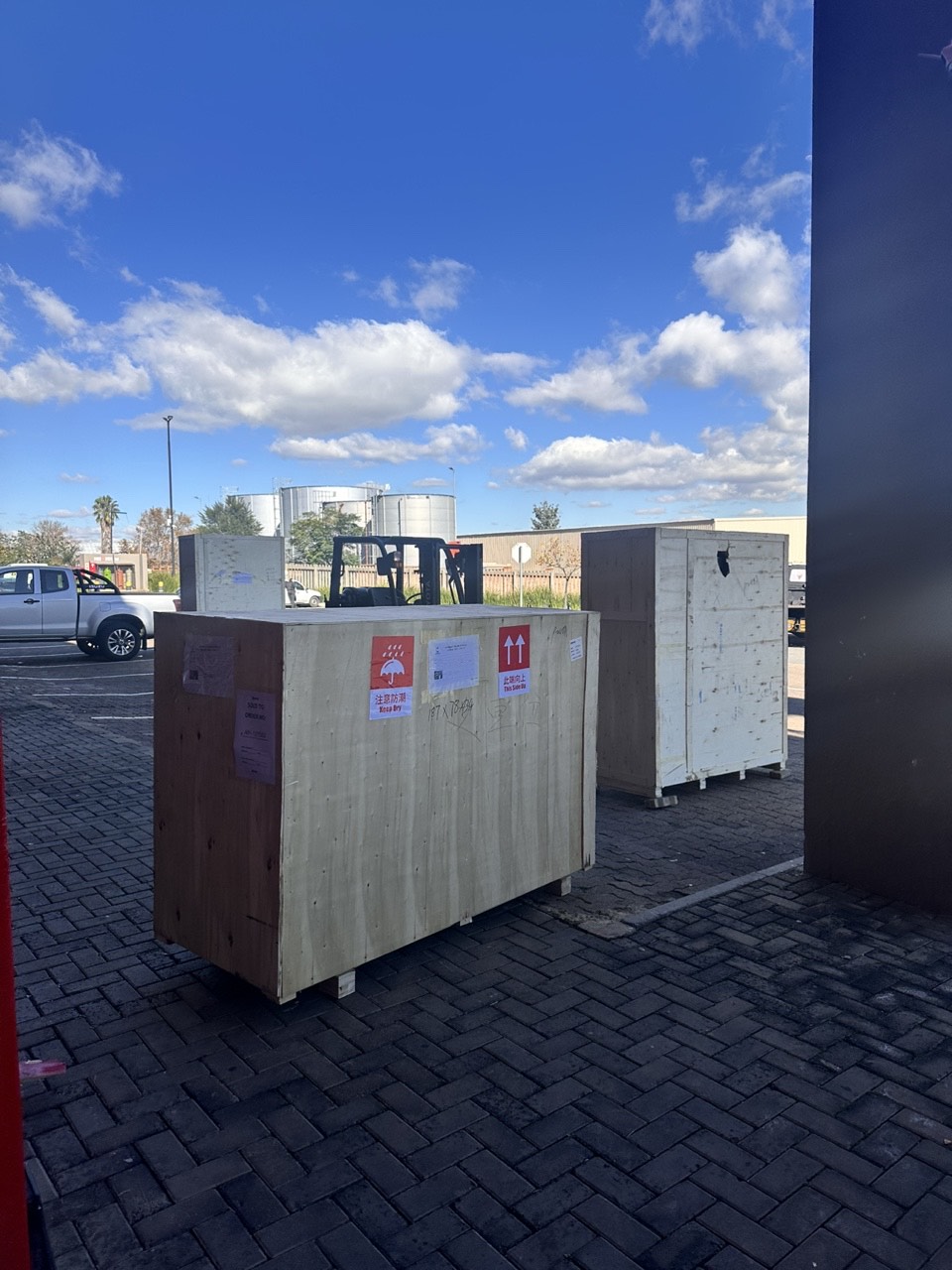
Batch of Orders
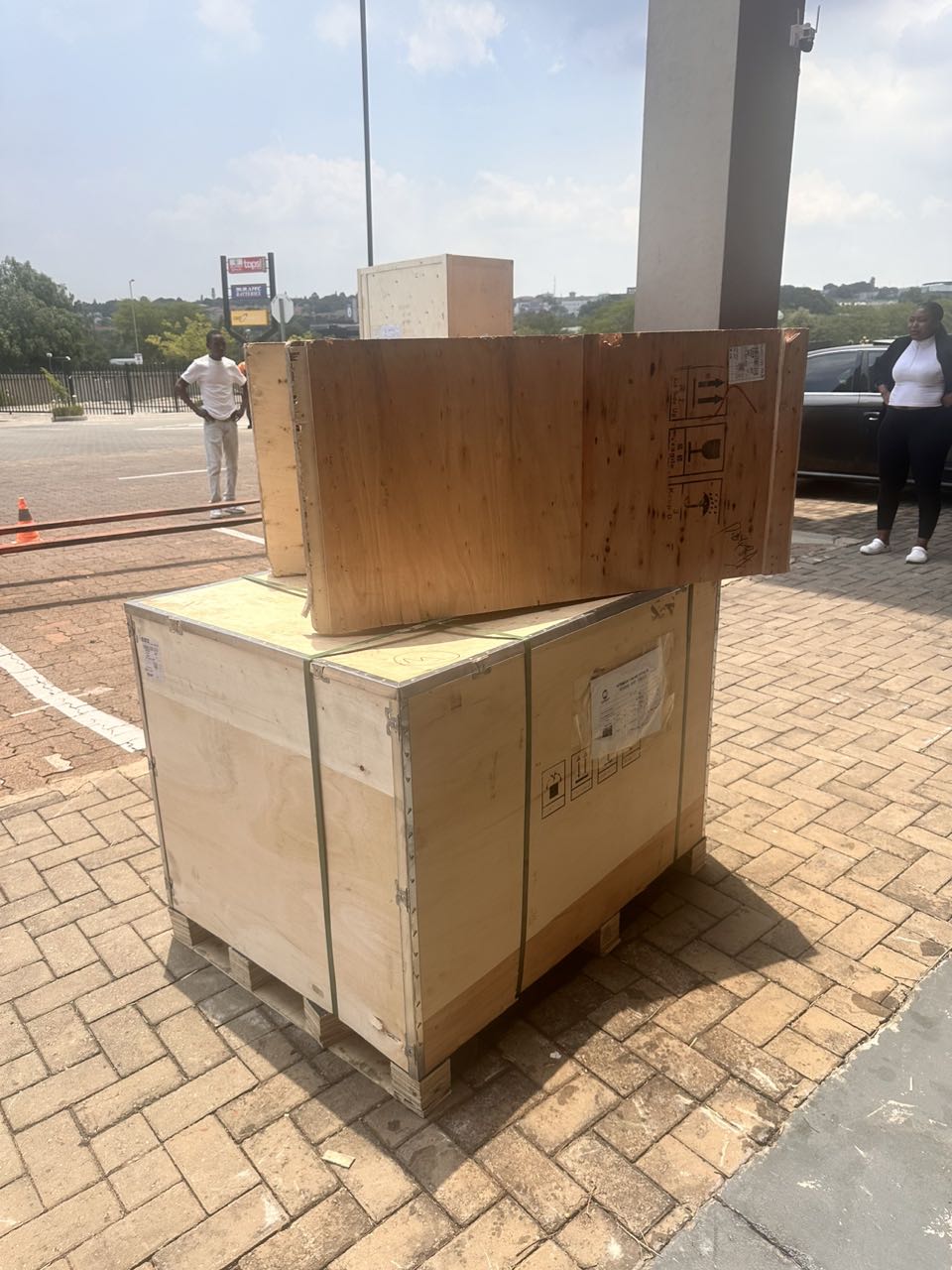
Batch of Orders
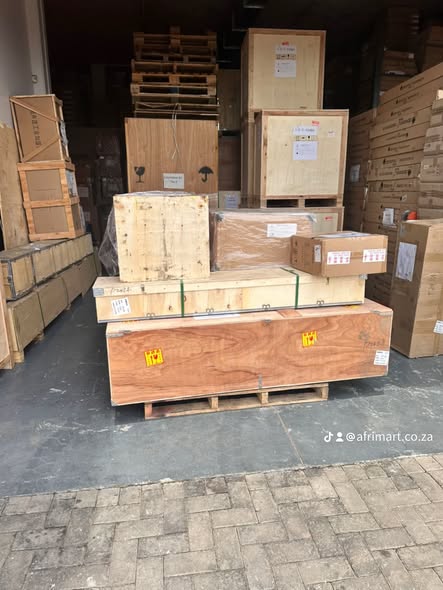
Latest Orders Labelled
wheel alignment machines
new arrivals
Pre Orders Offloading
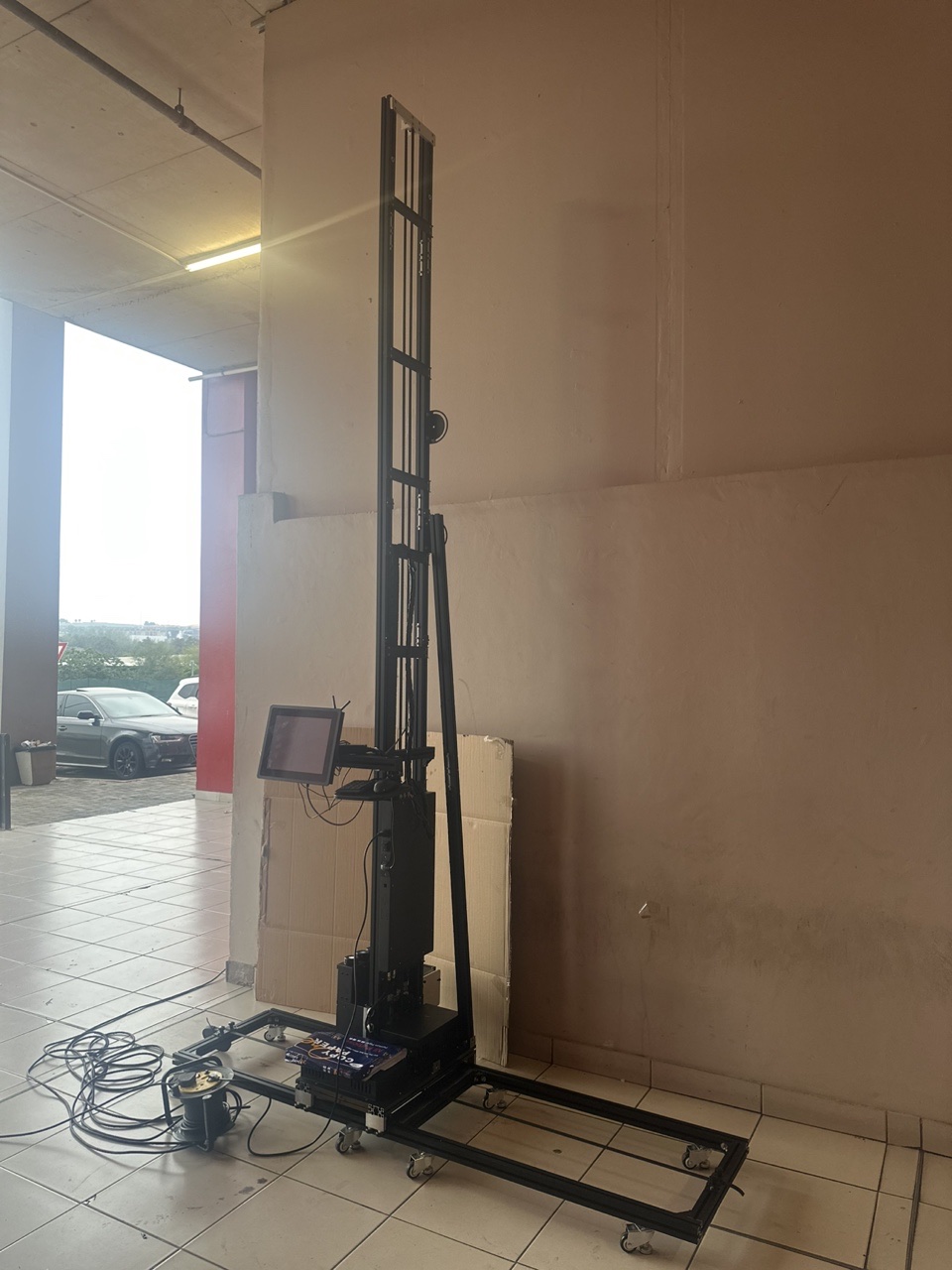
Latest Arrivals
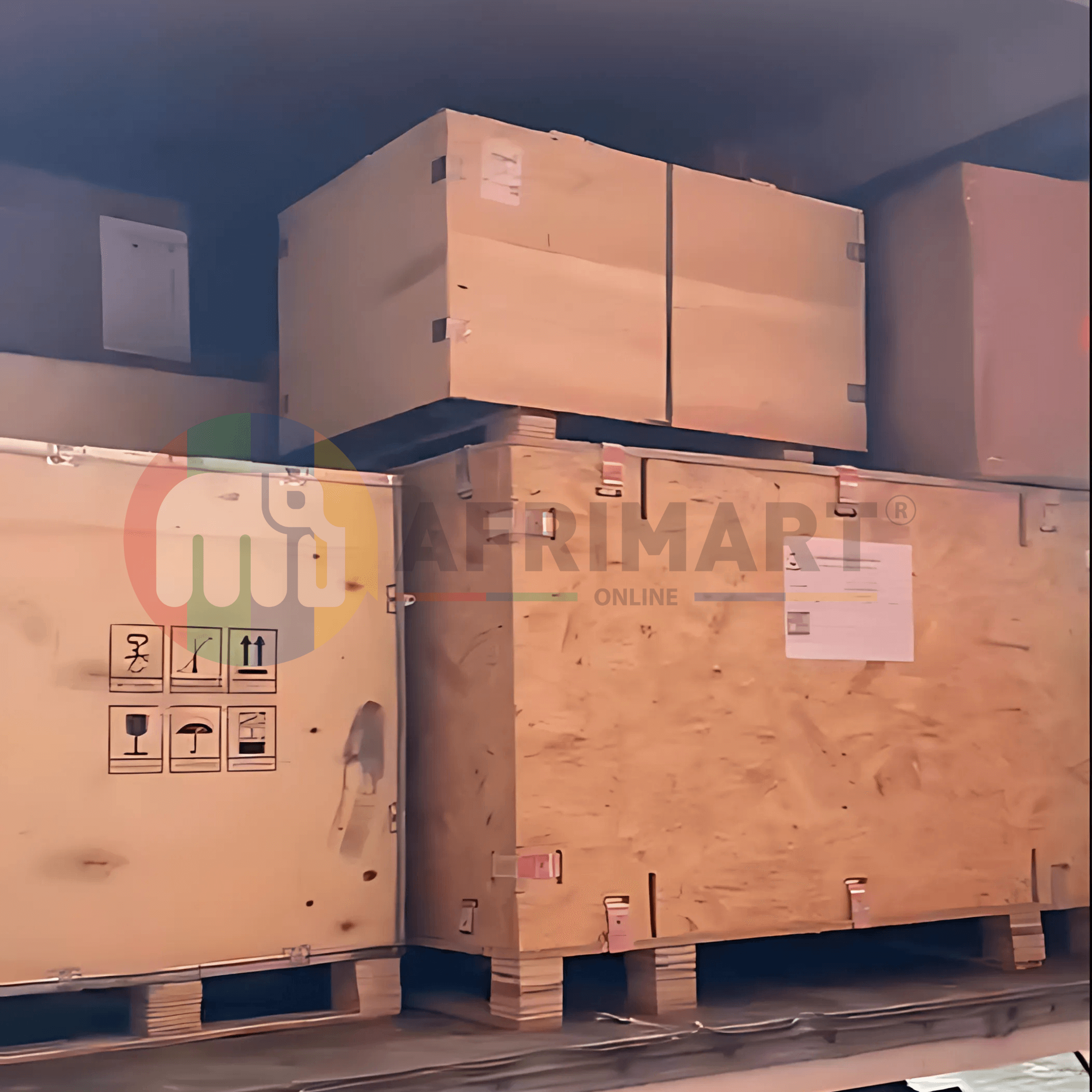
Latest Arrivals
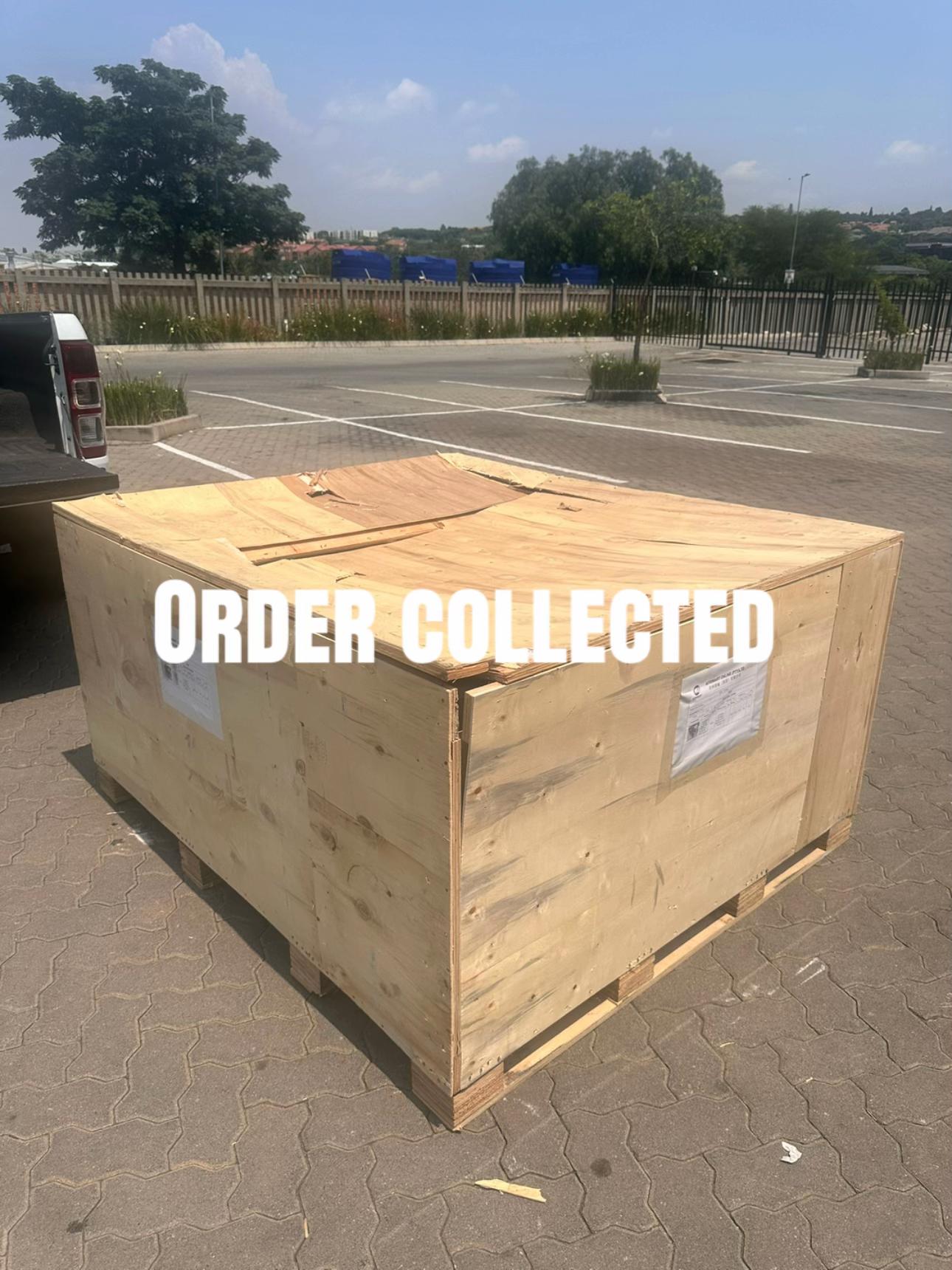
Latest Arrivals
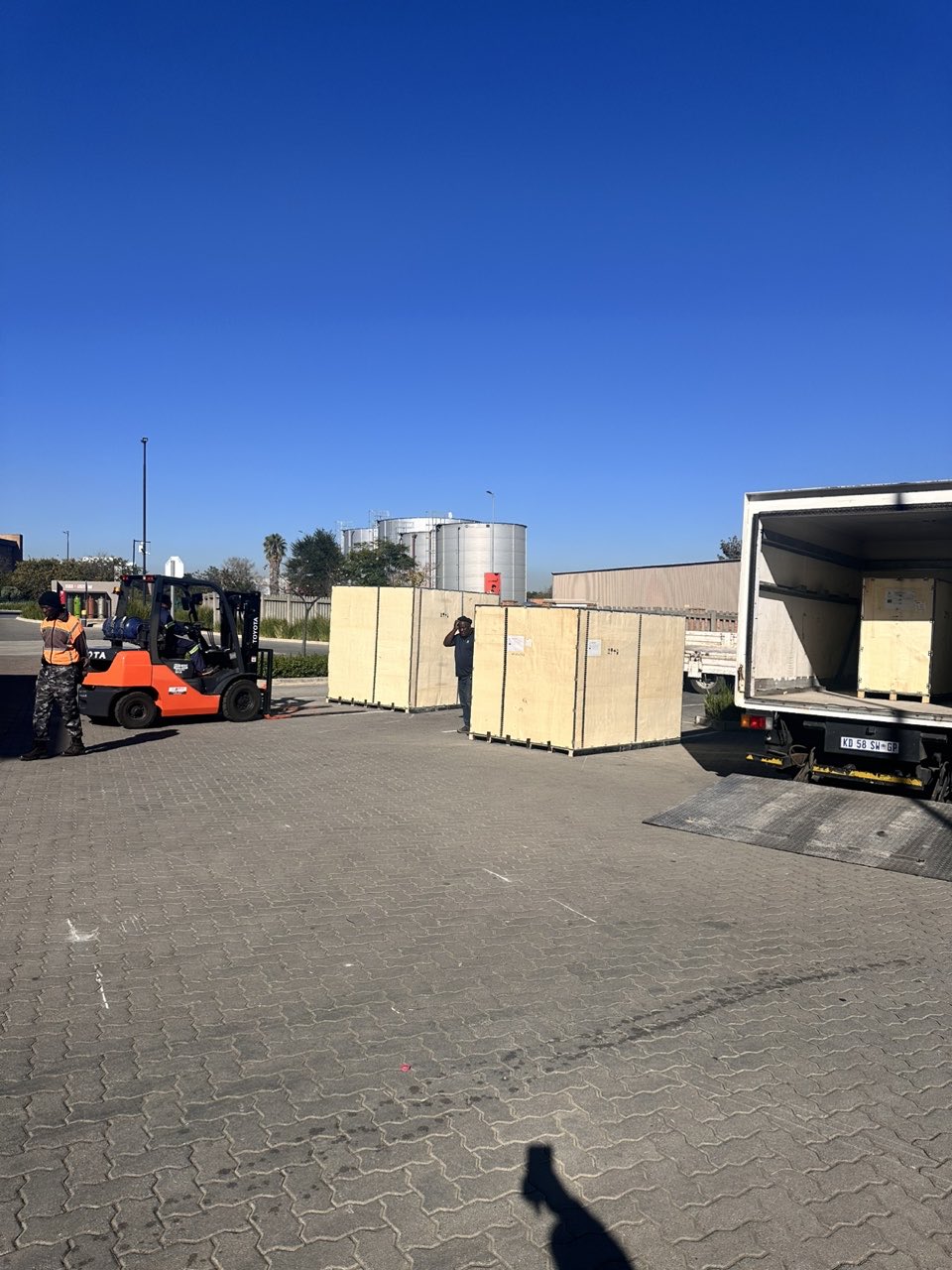
Loading
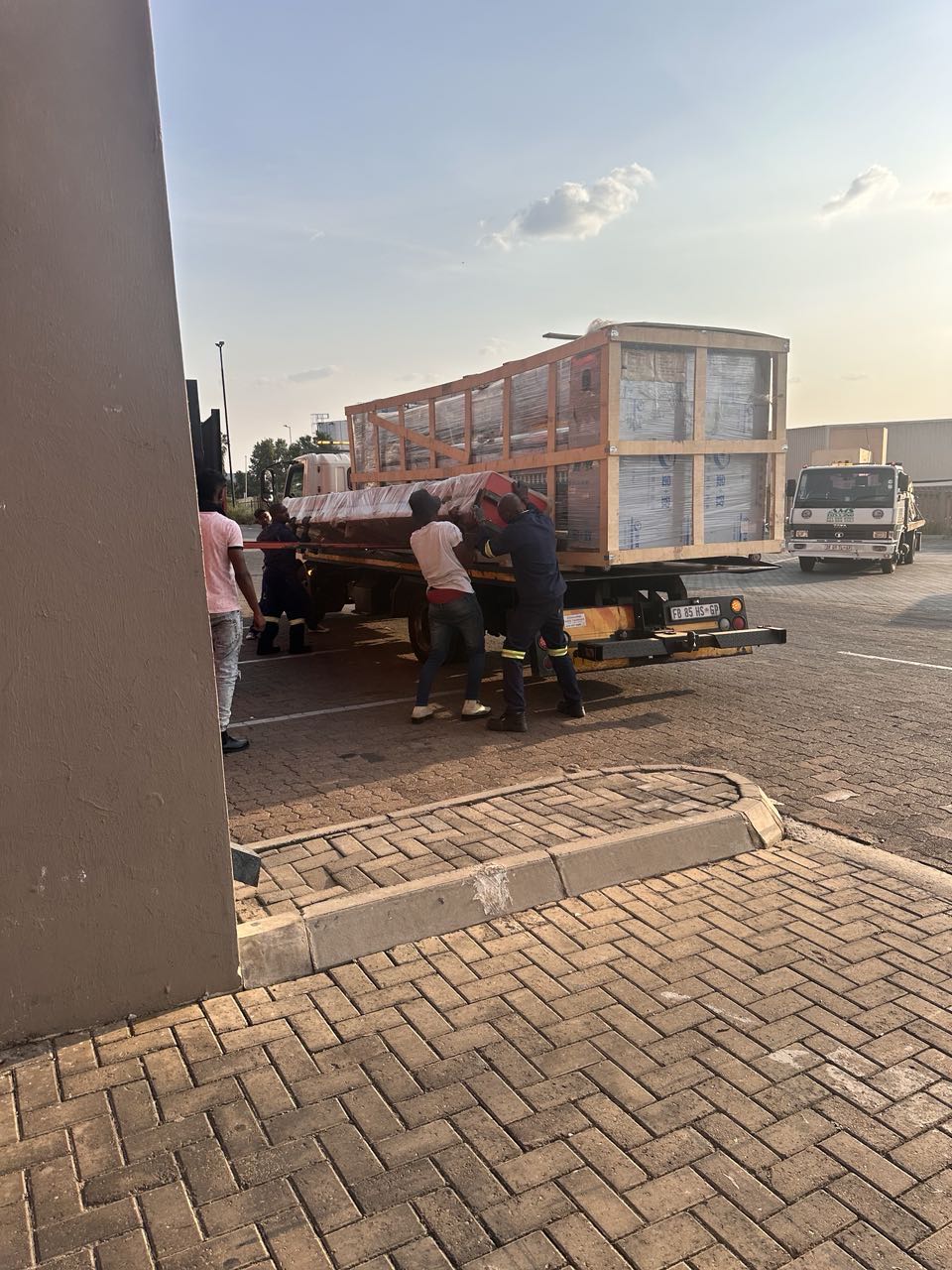
Toilet paper making machine
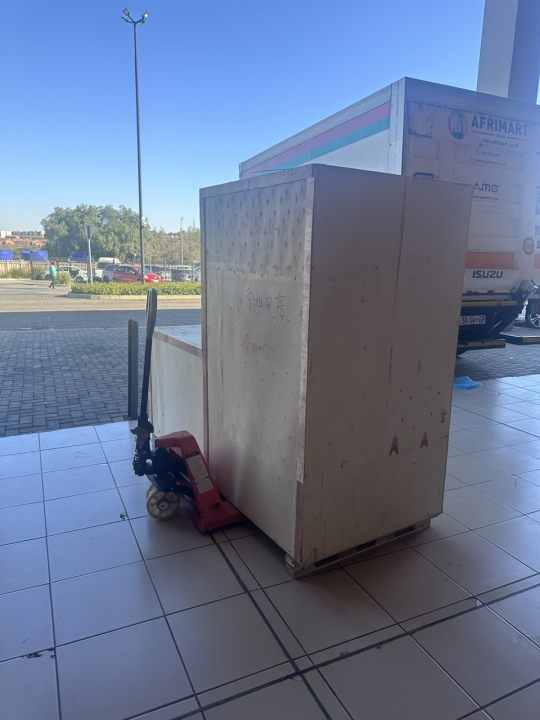
Toilet paper making machine
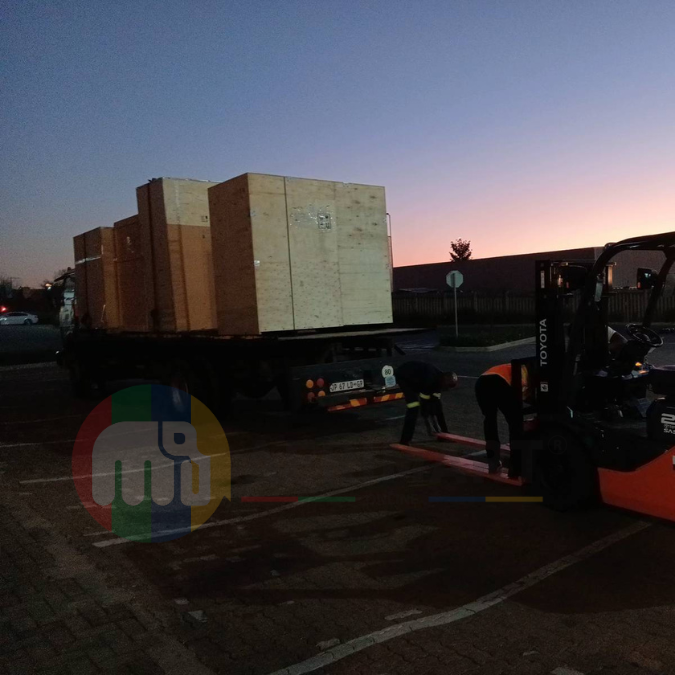
Toilet paper Rewinding Machine
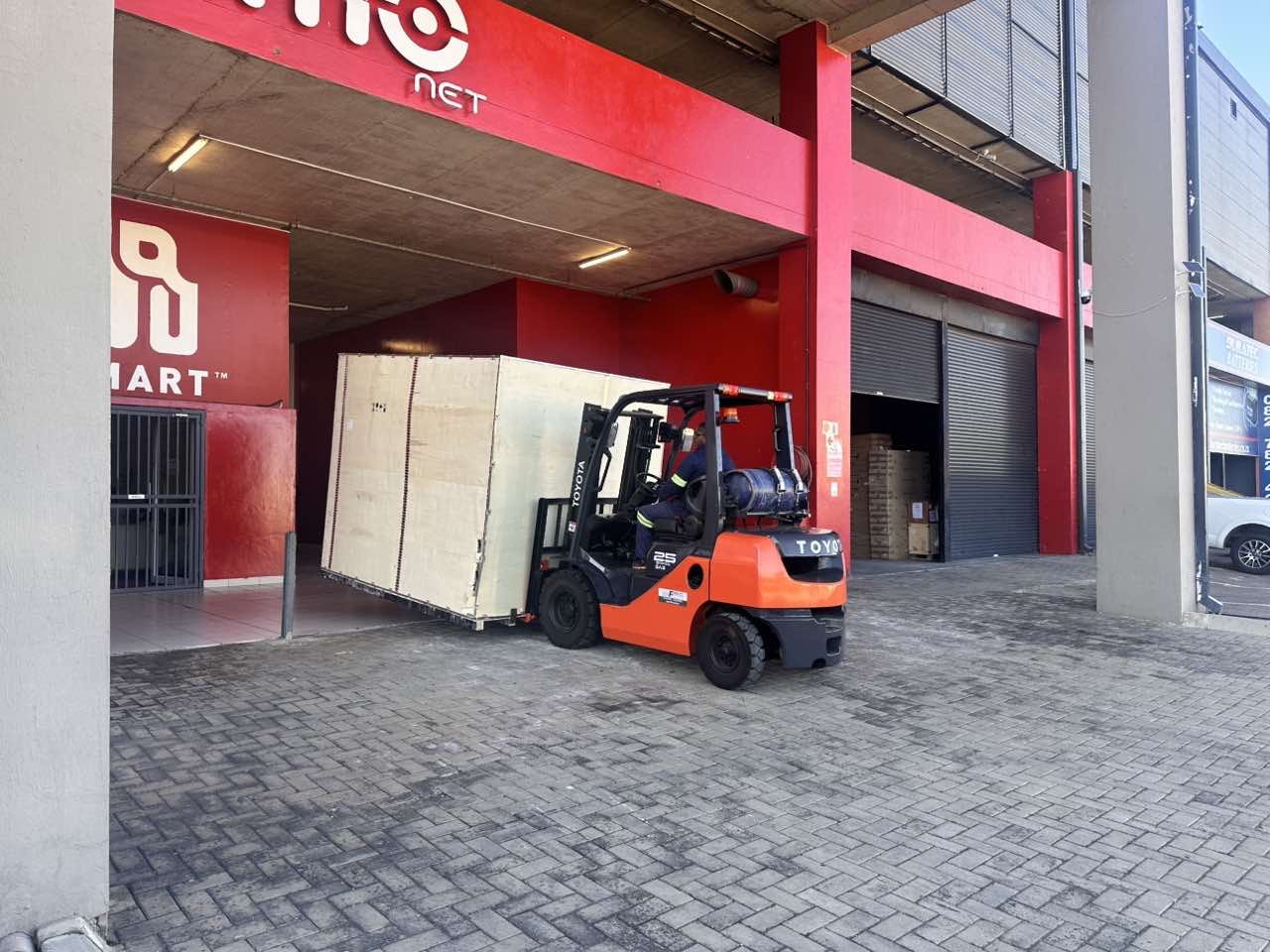
latest arrivals
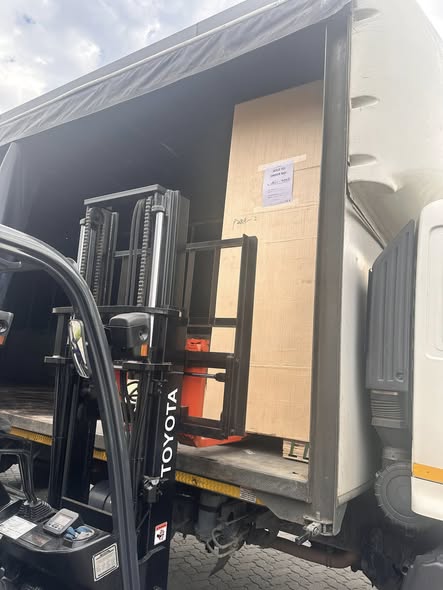
offloading
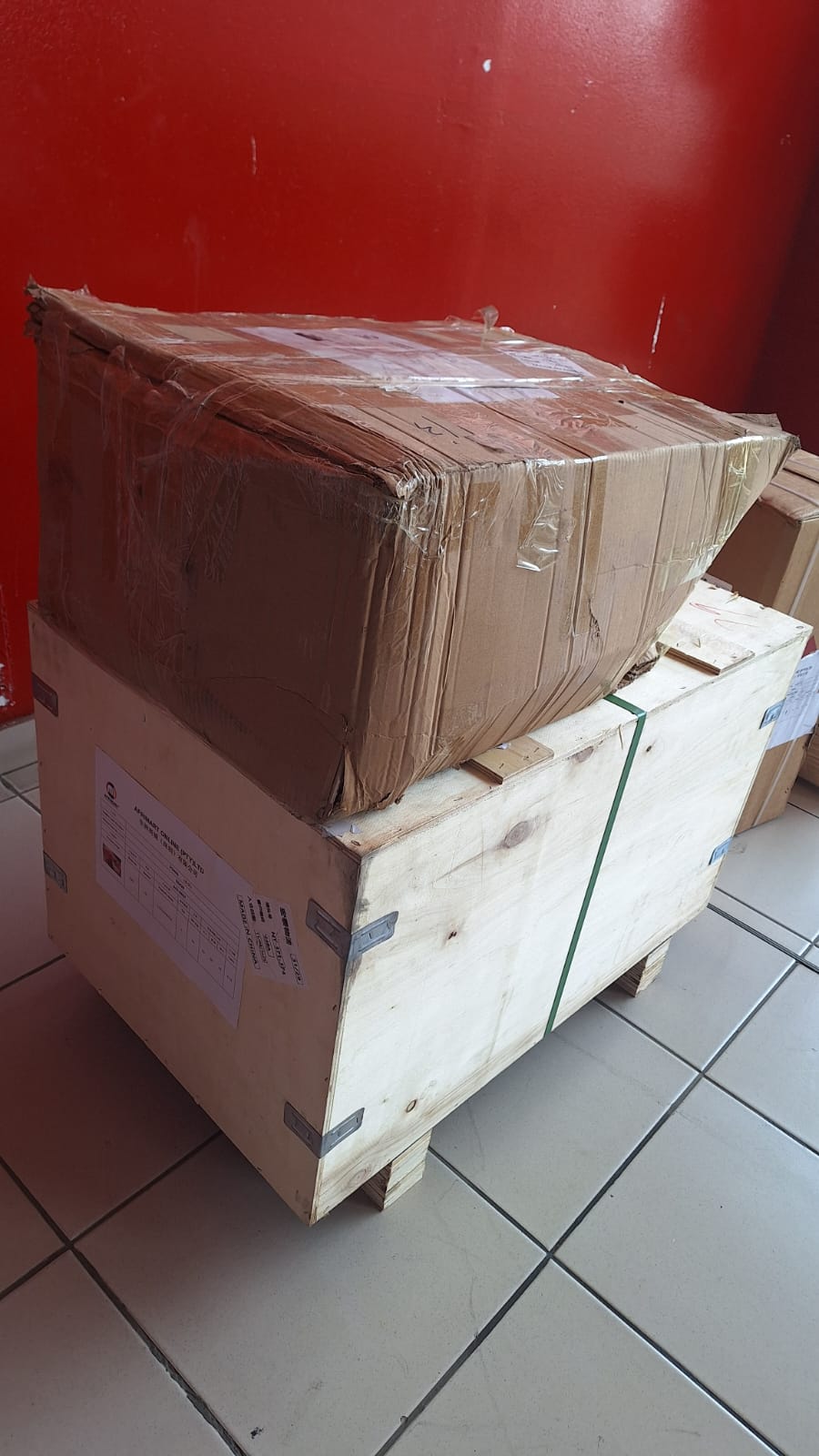
order success
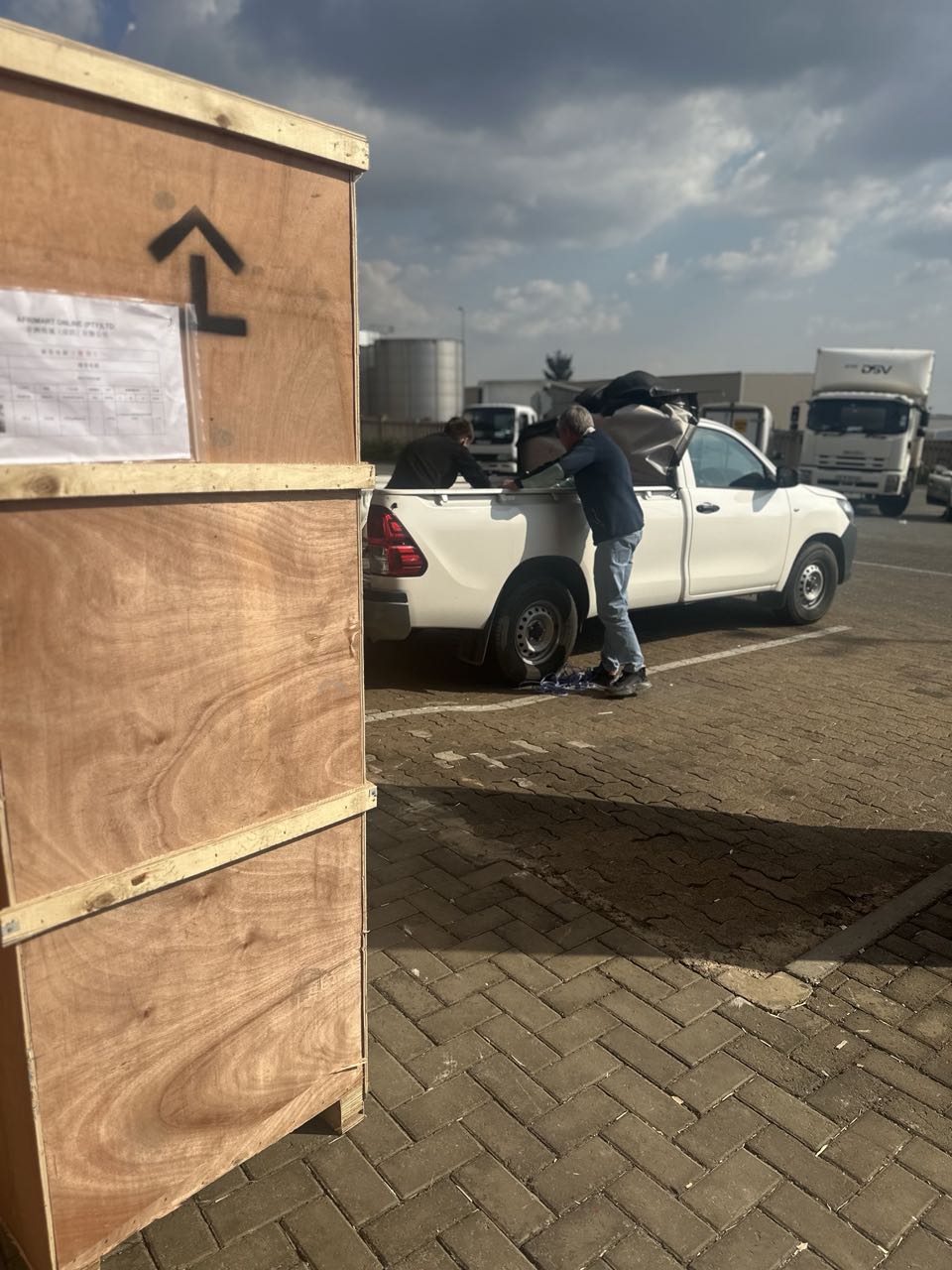
order collection
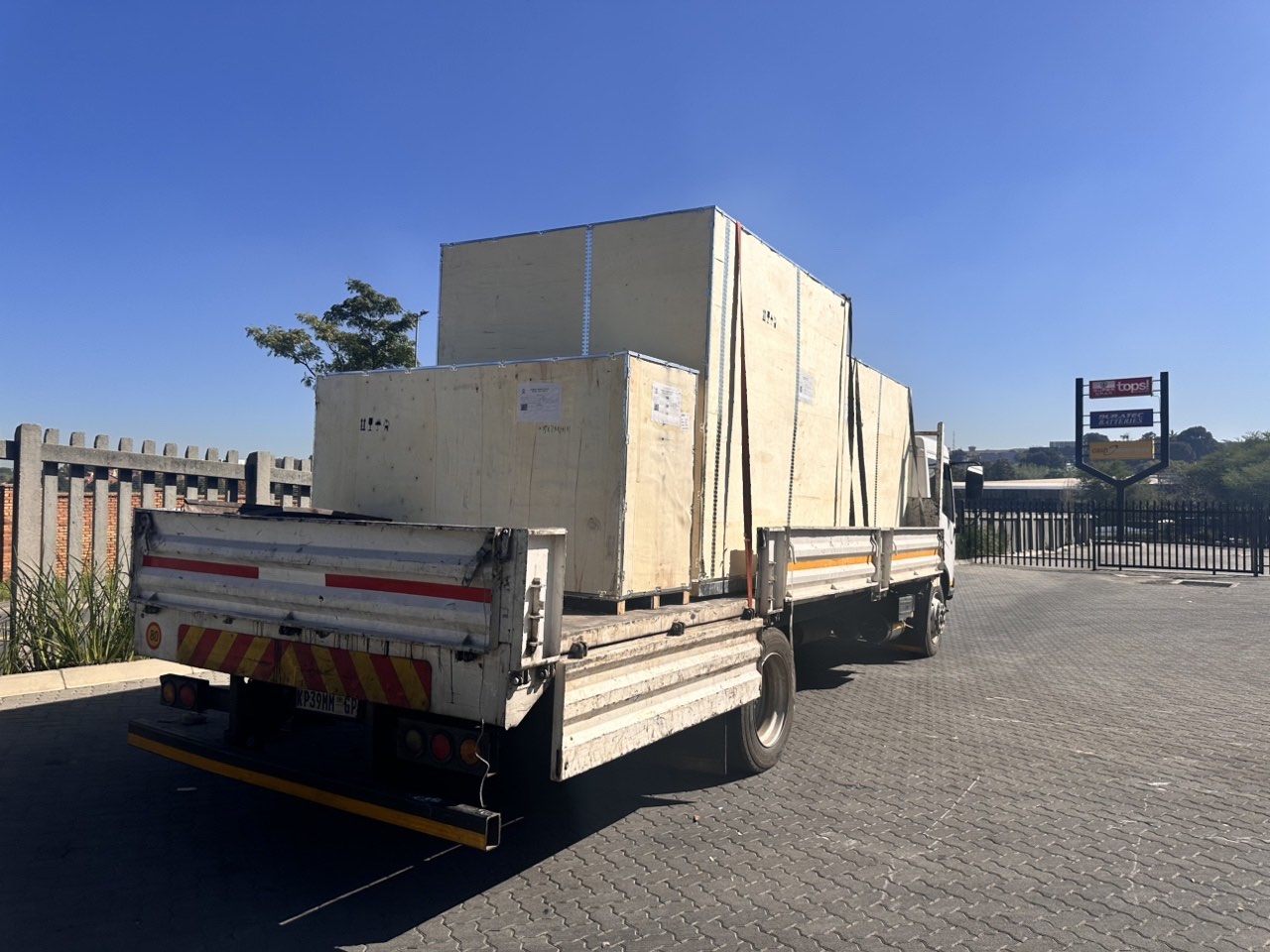
order offloading