B21, China Town Mall, Midrand

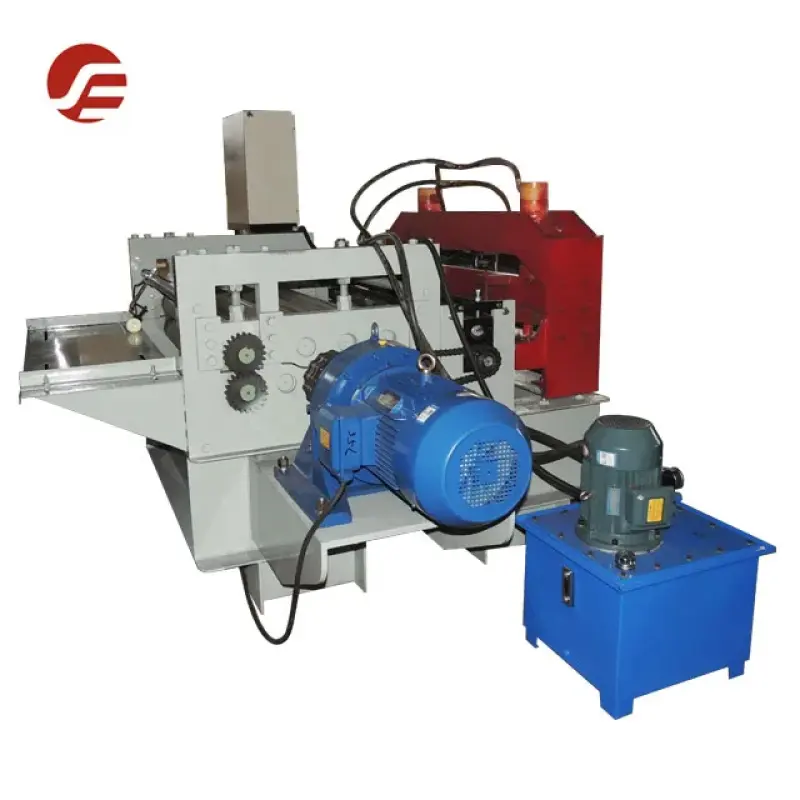
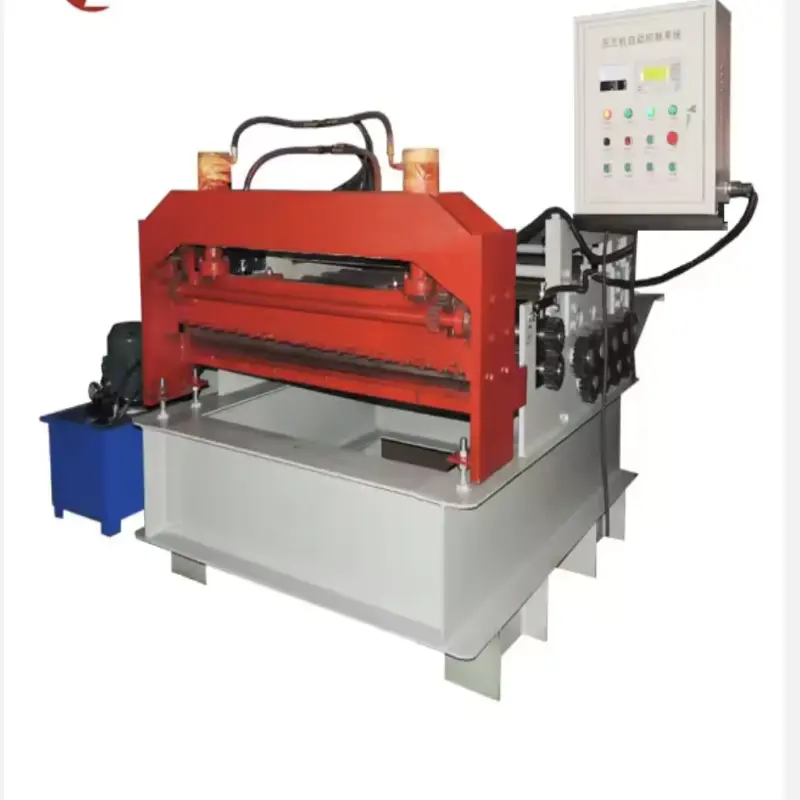
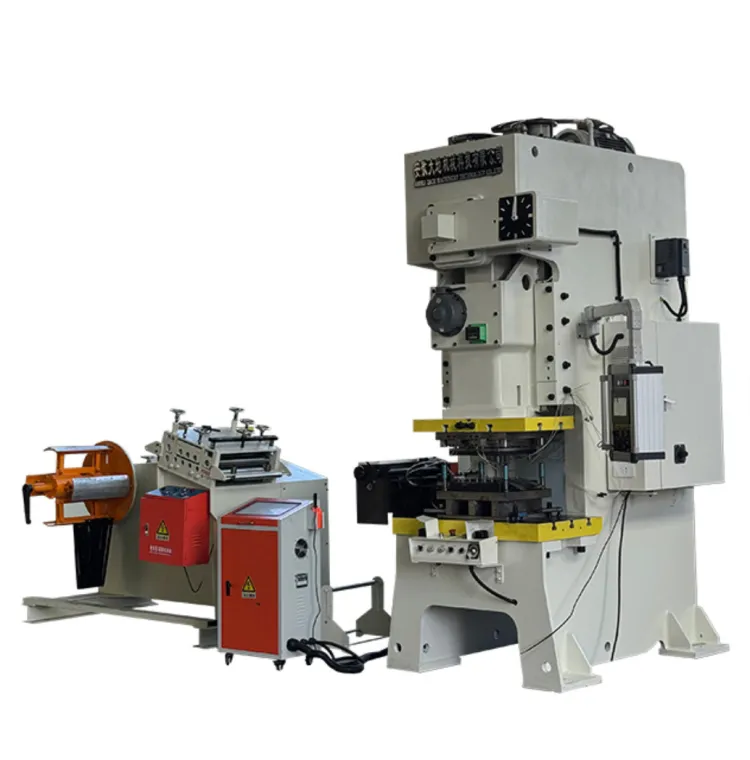
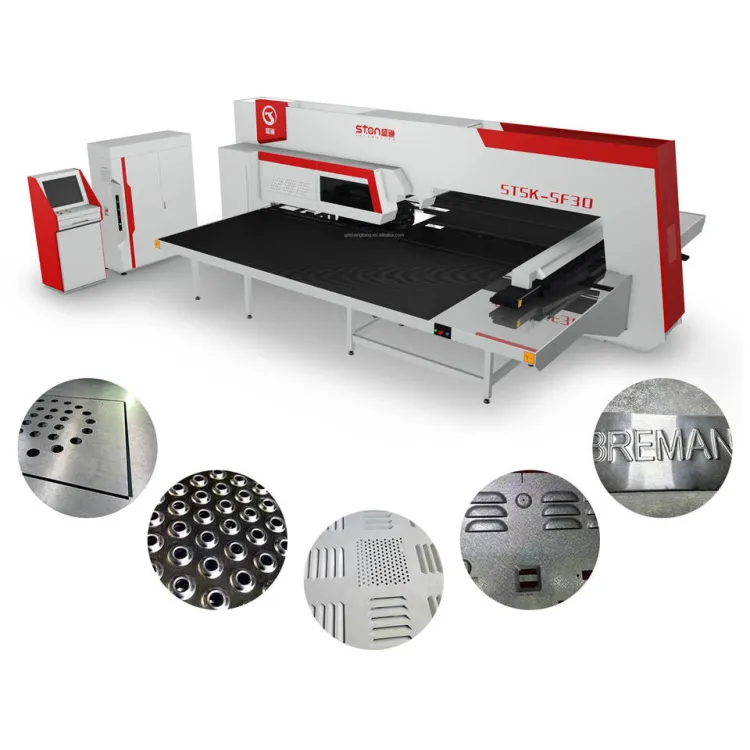
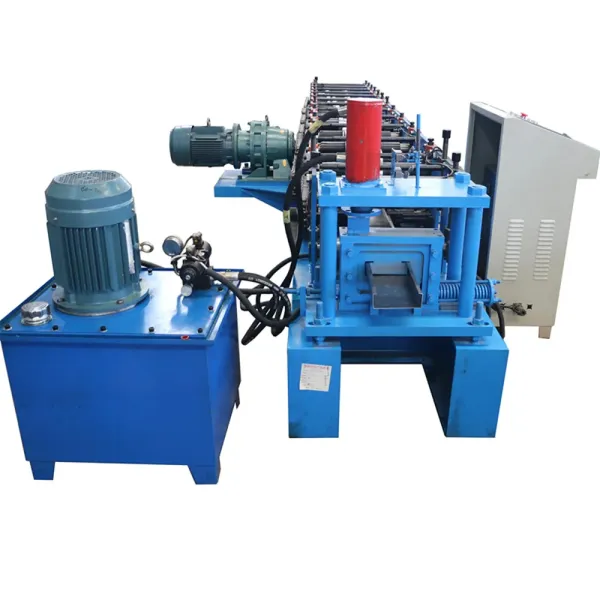
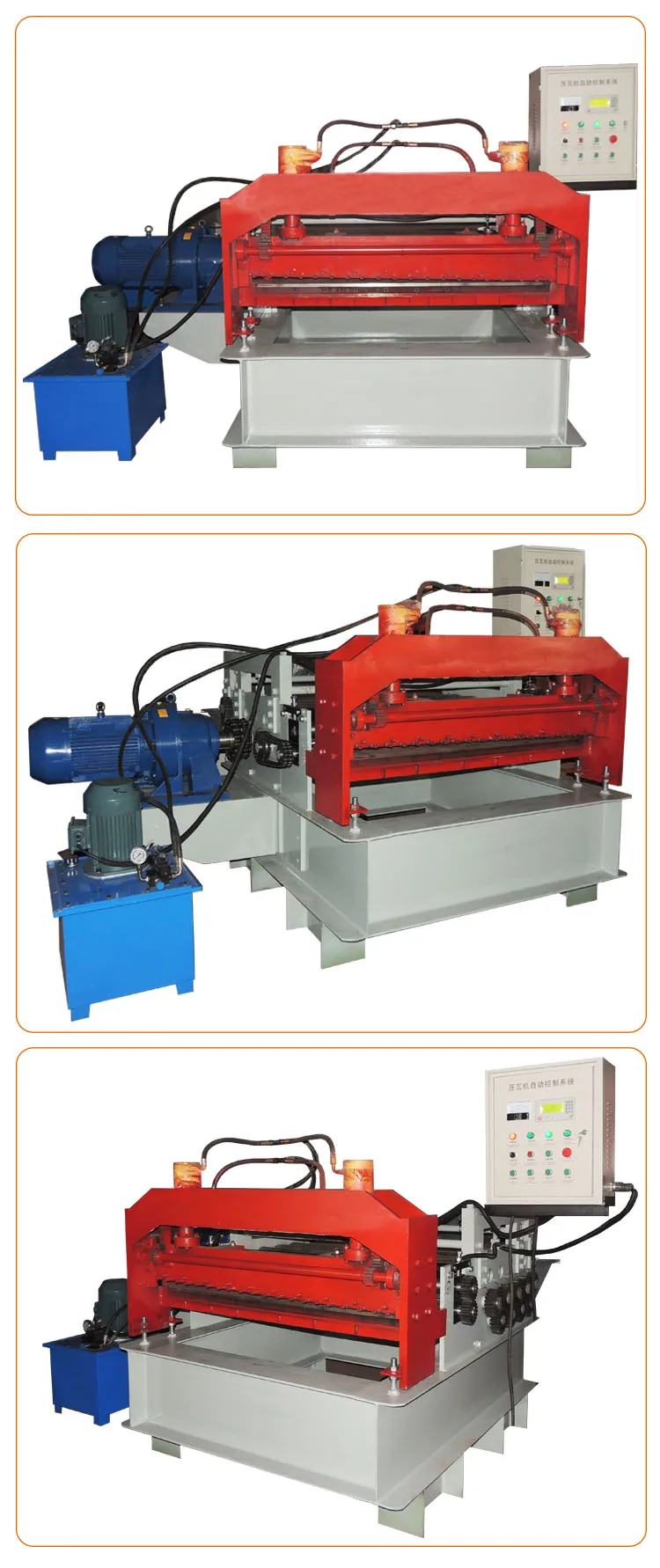
Automatic Slitting Cutting to Length Metal Steel Sheet Shearing Machine
Asset finance available
Do you want funding for this equipment?
Afrimart can connect you with trusted funding partners who specialise in asset finance for businesses like yours. Compare options and apply in minutes — final approval is subject to provider review.
Check funding options
Secure & no obligation
- Section : Machinery
- Category : Tile Making Machinery
- SKU : 1601048499984

Product Description
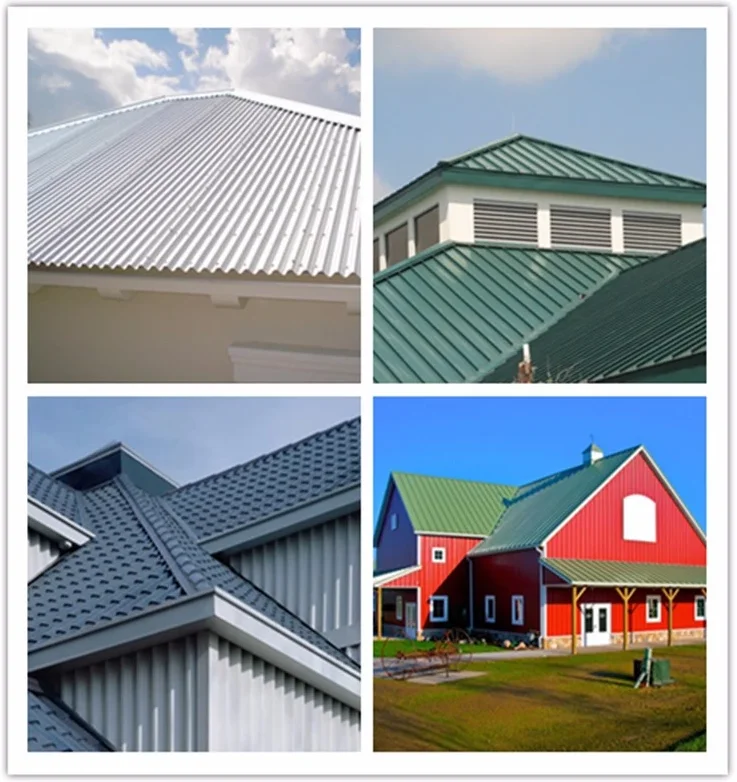
| High efficient automatic cut to length line cut to length roll forming machine stainless steel cut to length machine | |
| Feeding material | PPGI |
| Thickness of the plate | 0.3-0.8mm |
| Coil width | within 1250mm |
| Machine size | about3500mmX1600mmX1000mm |
| Diameter of the axle | Φ90mm |
| Rolling stages | 9 rolls |
| Productivity | 8-12m/min |
| Total power | 5.5kw machine motor +4 kw pump station motor |
| Voltage | 220V 60Hz 3phase or as requirement |
| Weight | about 1.5T |
| Base frame | 350H steel |
| Side board thickness | 25mm |
| Cutting blade | Cr12 with heat treatment |
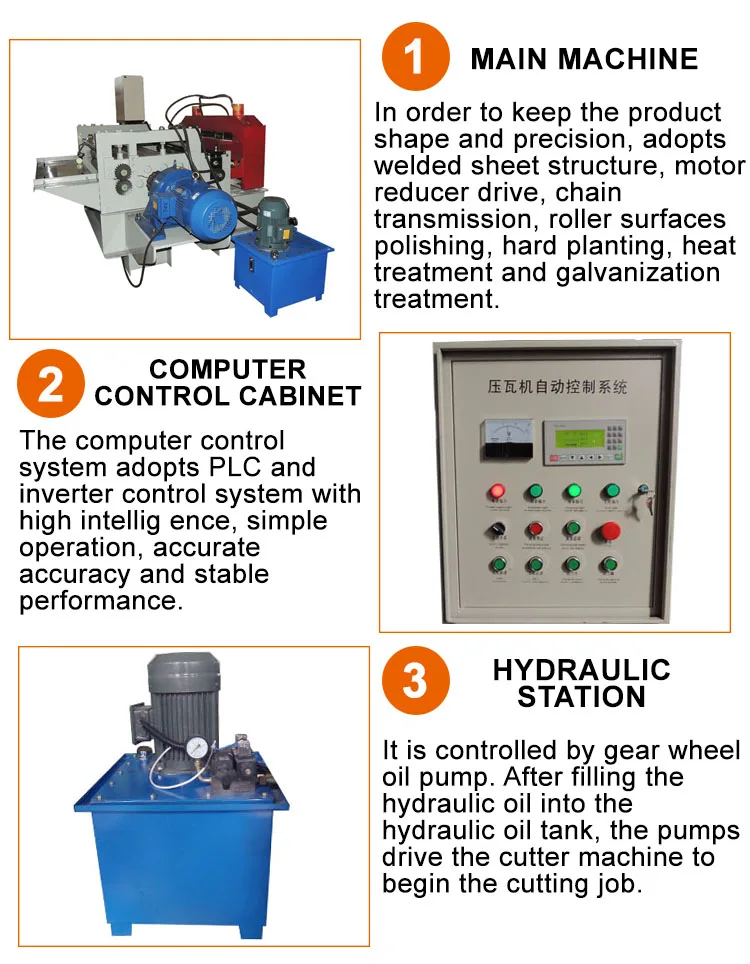
| Cutting system | Hydraulic cutting system after forming |
| Control cabinet | PLC and frequency changer in it |
- Shipping Timeframes: All orders are processed within 2-5 business days (excluding weekends and holidays). After your order has been processed, the estimated delivery time is before 12 Jul, 2026, depending on customs, Please note that due to high demand, some items may experience longer shipping times, which will be communicated at order confirmation email.
- Order Processing Time: Please allow 2-5 business days for us to process your order before it is shipped . Orders placed after 16:00 on Fridays, or during weekends and public holidays, will begin processing on the next business day. Processing times may be extended during peak seasons or sales events.
- Manufacturing Time: Some products needs manufacturing time, the manufacturing process will take approximately 10-30 business days depending on the product. This timeframe may vary depending on the complexity of the product and current demand. but this will be communicated with you during order confirmation.
- Returns and Exchanges: We offer a 30-day return policy for most items. If you are not completely satisfied with your purchase, you may return it within 30 days of receipt for a refund or exchange. Items must be unused, in their original packaging, and accompanied by proof of purchase. Return shipping costs are the responsibility of the customer, unless the item was damaged or defective upon arrival.
1. What is the Automatic Slitting Cutting to Length Metal Steel Sheet Shearing Machine used for?
It is an automatic line for slitting and cutting coils into sheets of specified length. The machine feeds metal coil, performs slitting (if fitted), roll-forming stages and hydraulic cut-to-length shearing to produce flat cut sheets for PPGI, stainless steel and similar metal coils.
2. What materials and thicknesses can this machine process?
Standard specification supports PPGI and similar coated or bare steel with thickness from 0.3 mm to 0.8 mm. Other materials may be possible—confirm with the supplier for stainless or thicker materials.
3. What maximum coil width does the machine accept?
The machine accepts coil widths up to 1,250 mm (within 1250mm). Custom widths may be available on request.
4. What is the production speed / capacity?
Typical line productivity is 8–12 meters per minute, depending on material, cut length, operator settings and optional equipment.
5. What cutting system and blade materials are used?
Cutting is performed by a hydraulic shear located after the forming section. The cutting blades are made of Cr12 steel with heat treatment for durability.
6. Does the machine perform slitting as well as cut-to-length?
Yes — the machine name indicates slitting plus cut-to-length capability. Slitting configuration (number of slitting knives, minimum slit width) is model-dependent; please specify required slit widths/quantities when ordering.
7. What control system does the machine use?
The control cabinet includes a PLC and a frequency inverter (frequency changer) to control forming speed, feeding and length measurement. Automatic length setting and integrated control functions are provided.
8. What are the machine's power and electrical requirements?
Total installed power is approximately 5.5 kW for the machine motor plus 4 kW for the hydraulic pump station motor. Standard supply can be 220 V, 60 Hz, three-phase, or configured to other voltages/frequencies per customer requirements.
9. What are the machine dimensions and weight?
Approximate footprint is 3500 mm × 1600 mm × 1000 mm, and the machine weight is about 1.5 tonnes. Final dimensions depend on optional equipment and configurations.
10. What is the expected cutting accuracy / tolerance?
Typical cut-to-length accuracy depends on material, line speed and setup. A commonly achievable tolerance is around ±1 mm for standard running conditions. Exact tolerance should be confirmed for your material and length requirements.
11. What are the key structural components and their specifications?
The base frame is built from 350H steel for rigidity; side board thickness is 25 mm. The axle diameter is Φ90 mm and the roll section uses 9 rolling stages (9 rolls) in the described model.
12. What routine maintenance is required?
Regular maintenance includes checking and replacing hydraulic oil and filters per supplier schedule, inspecting and sharpening/replacing blades, lubricating bearings and rollers, checking roller alignment, and periodic inspection of electrical connections and PLC parameters.
13. What safety features are provided?
Typical safety items include emergency stop switches, protective guards and covers around moving parts, hydraulic safety valves, and PLC interlocks. Additional local safety requirements and guarding can be added per customer request.
14. Are spare parts and consumables available?
Yes. Consumables and wear parts include Cr12 cutting blades, hydraulic seals, bearings, rollers and PLC components. Suppliers usually offer spare parts kits and can advise recommended spares to keep on hand.
15. Can the machine be customized and what after-sales support is offered?
Yes — common customizations include modified coil width, different thickness ranges, voltage/frequency, extra slitting knives, decoilers/recoilers and automatic stackers. After-sales support typically includes installation guidance, operator training, commissioning, spare parts supply and warranty service (term and scope vary by supplier—confirm when ordering).
Latest Order Arrivals
Discover our latest orders
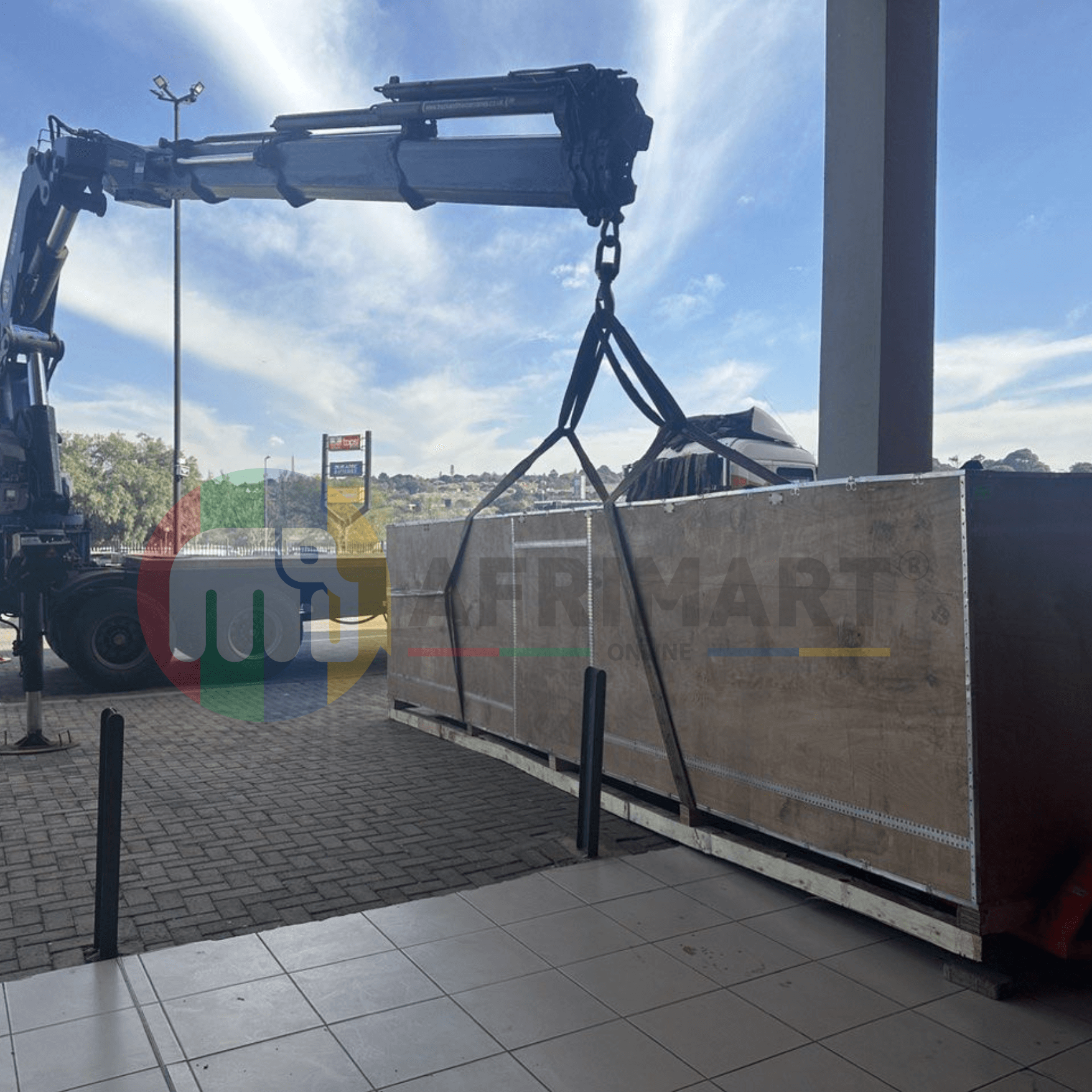
12 Heads Embroidery Machine
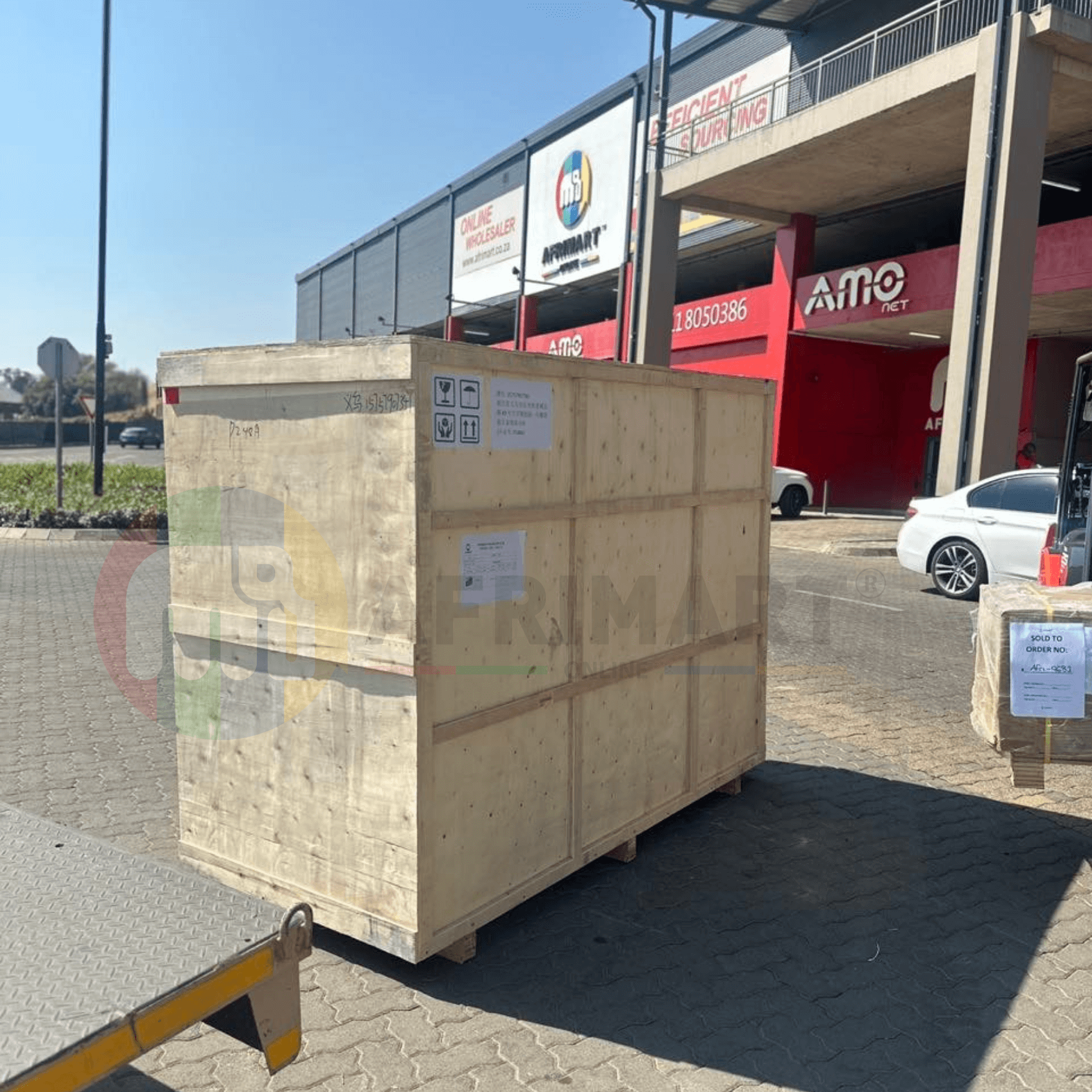
Dewatering Pump Machine
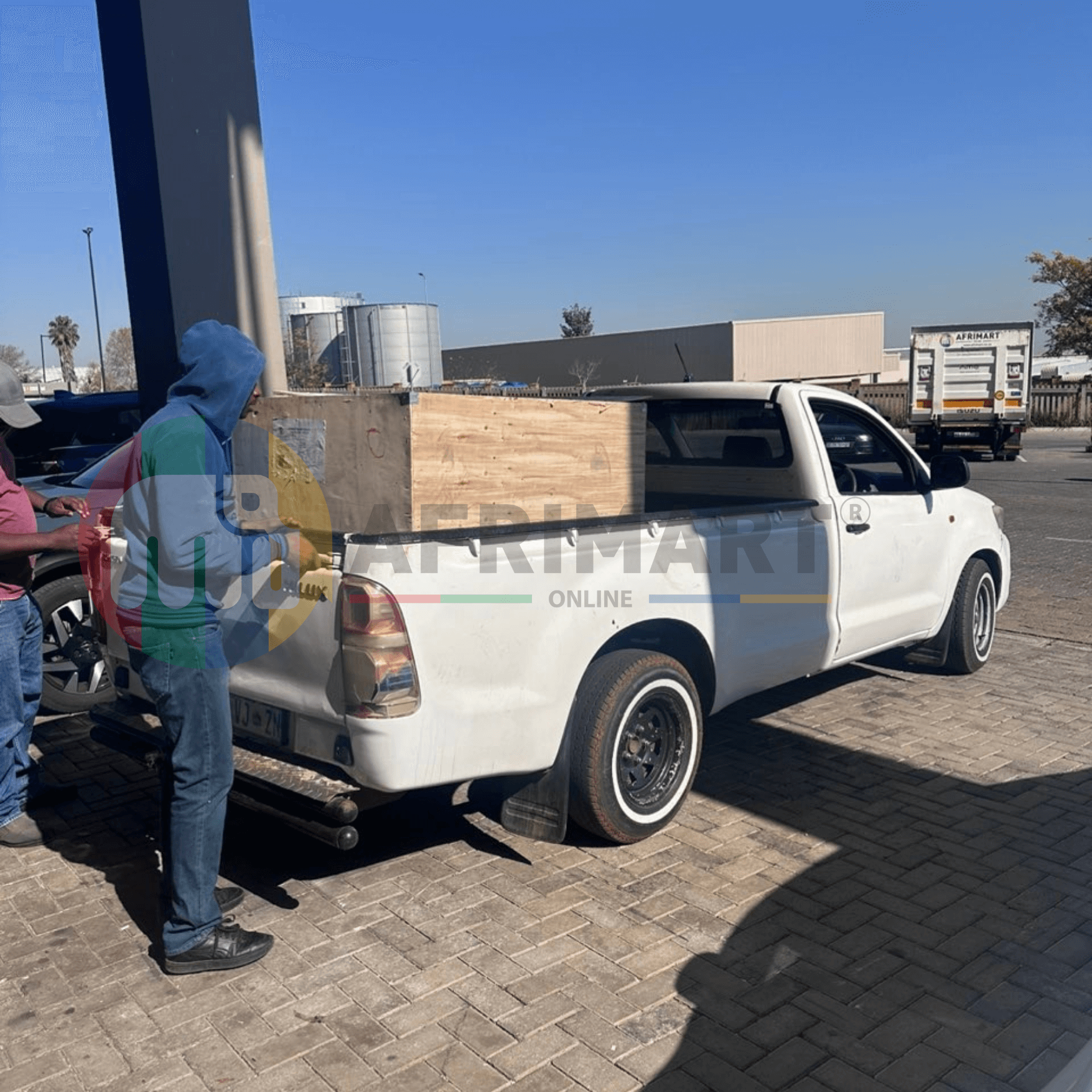
Order Collection
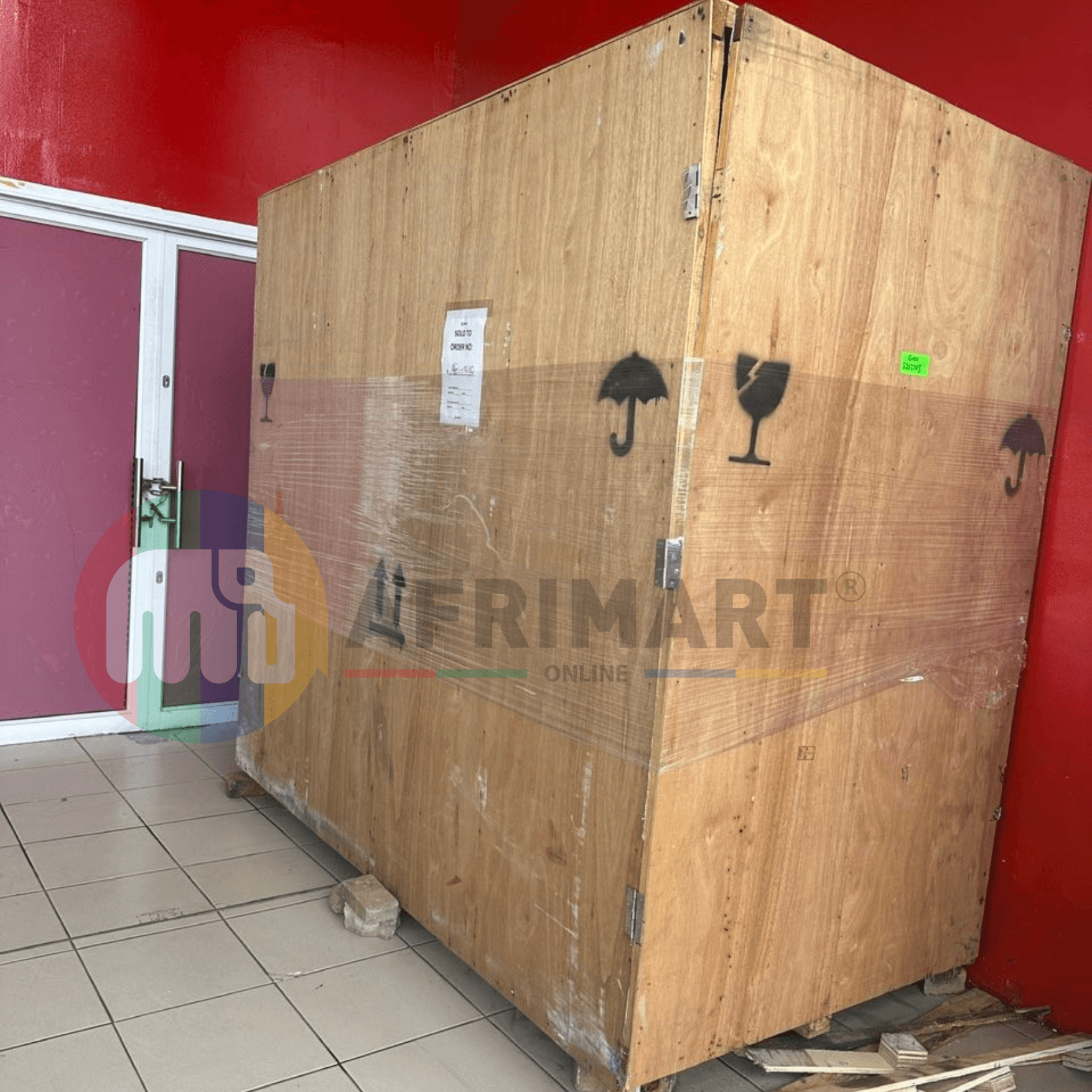
Portable Water Drilling Rig
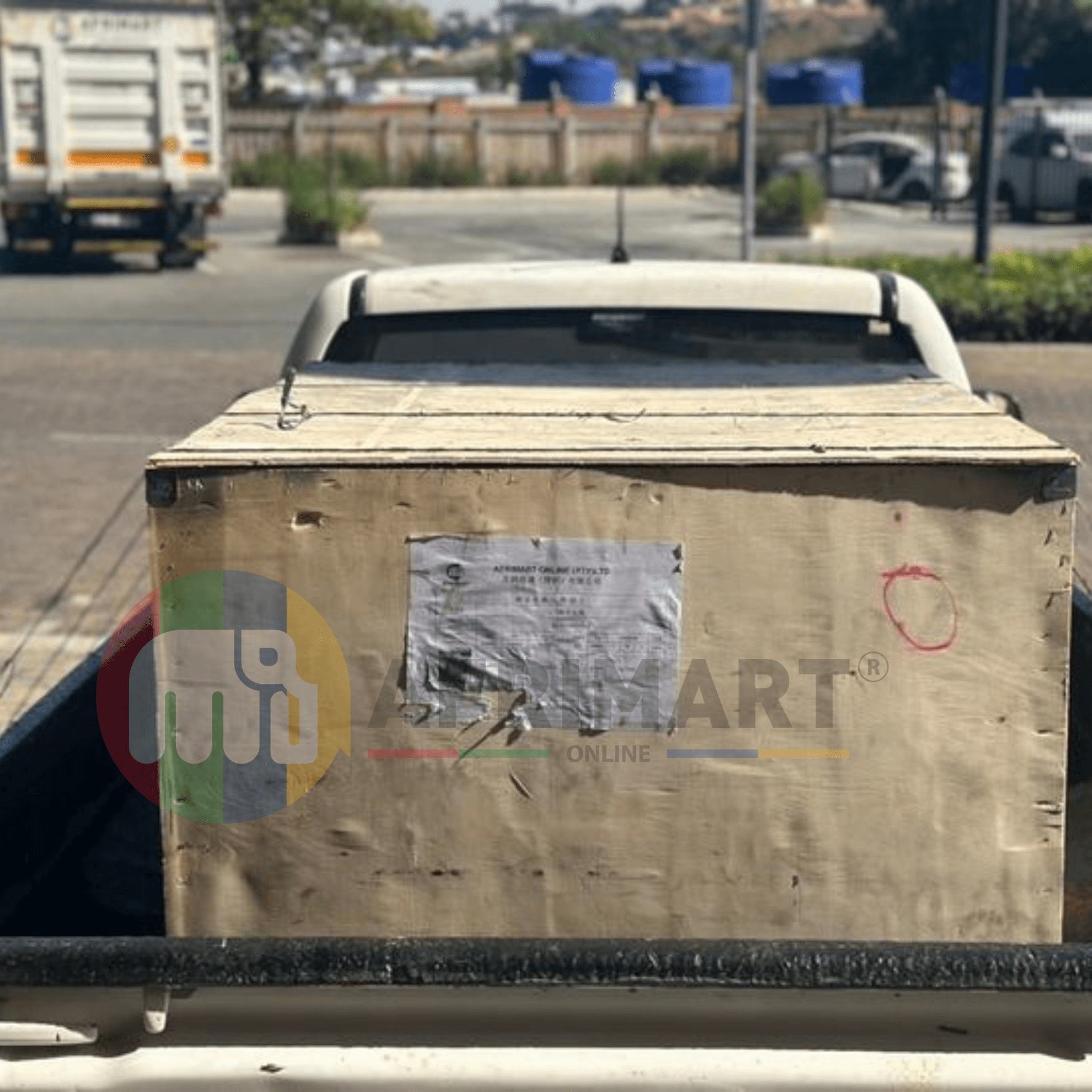
Order Usefully Collected
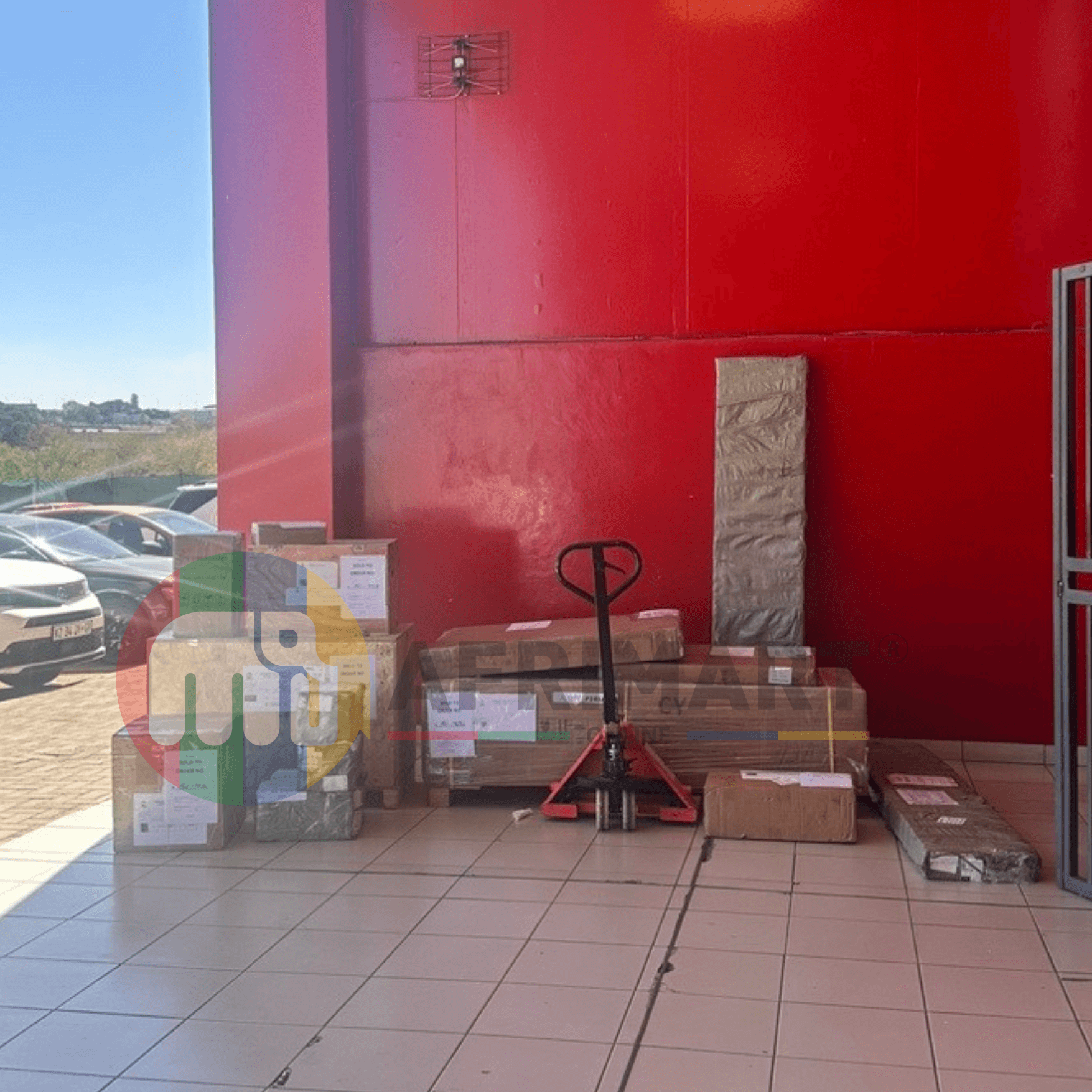
Batch of Orders
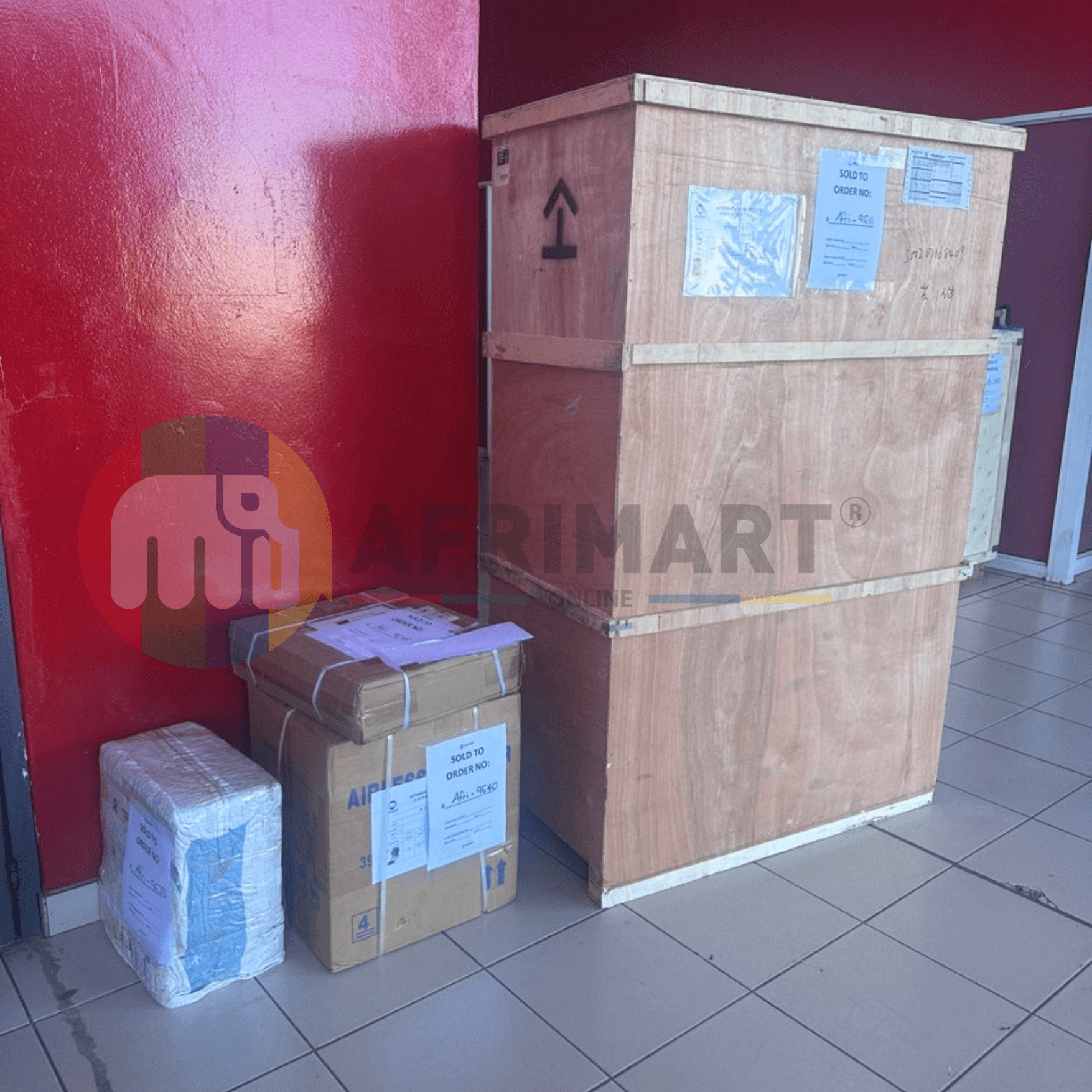
Agriculture Processing Machines
Meat Grinder Machine
Water Pump Equipment
Packaging Machine and accessories
Fabrics Manufacturing Equipment
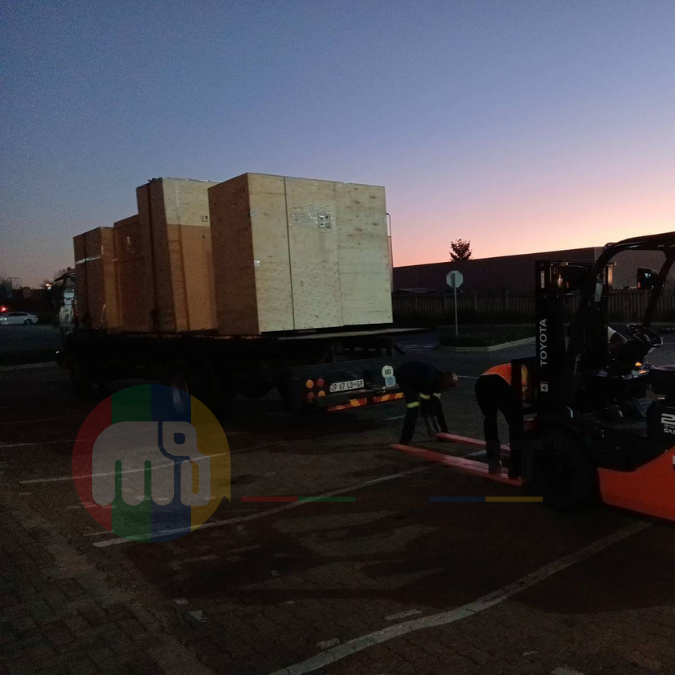
Mining Equipments
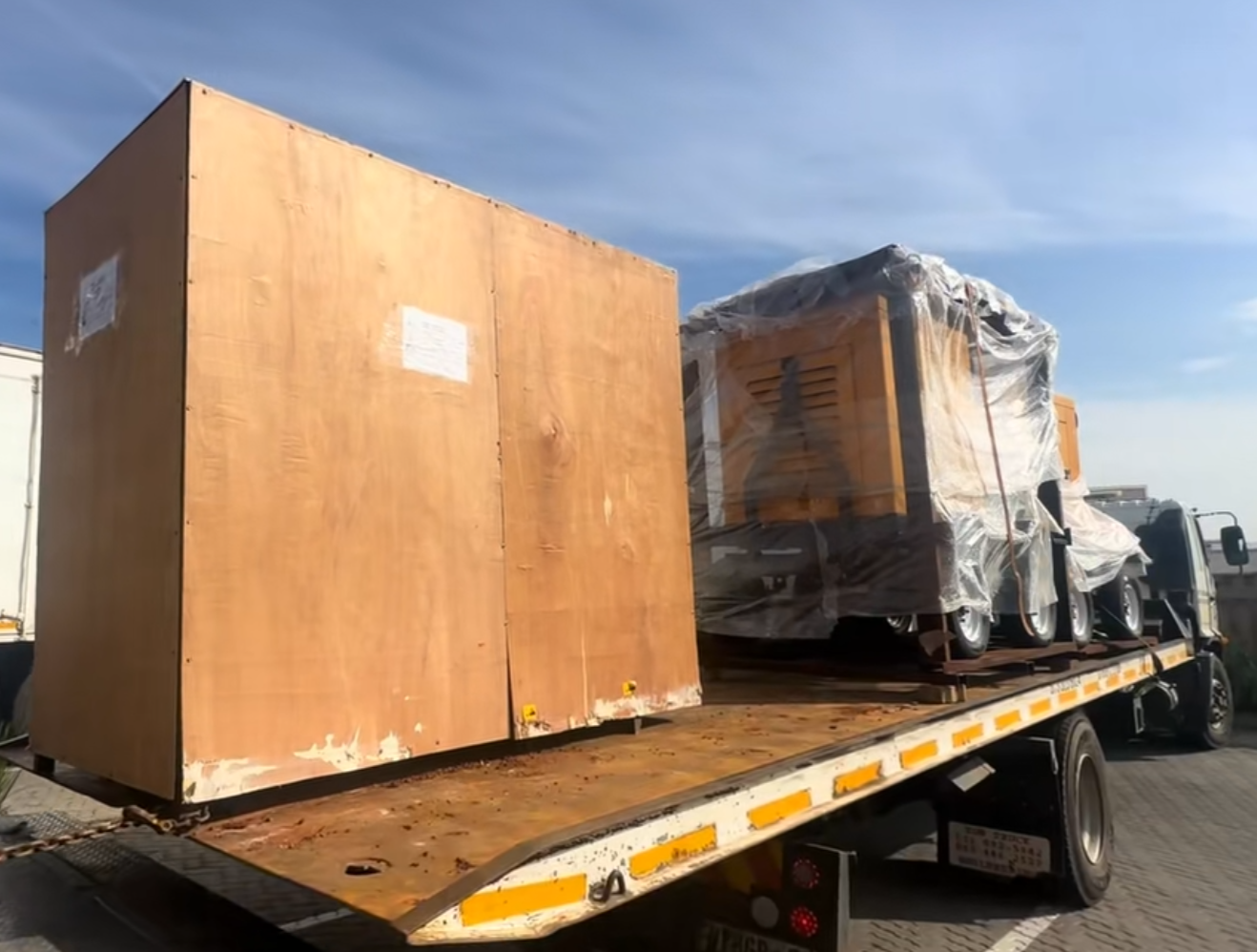
Food Processing Machine
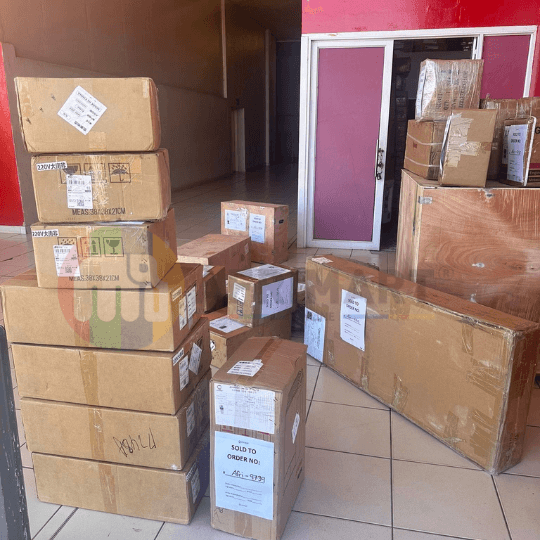
Batch of Orders
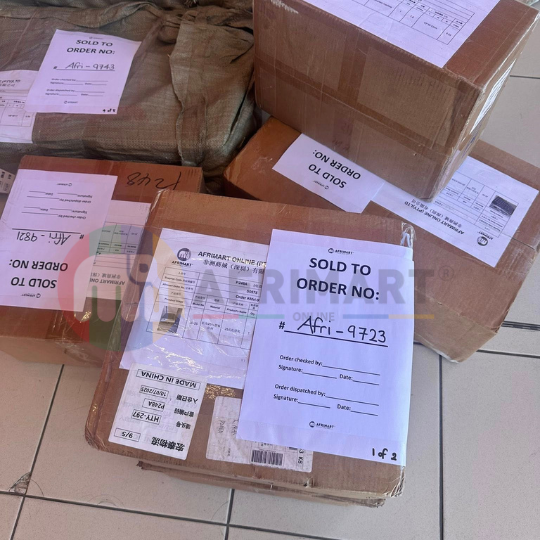
Batch of Orders
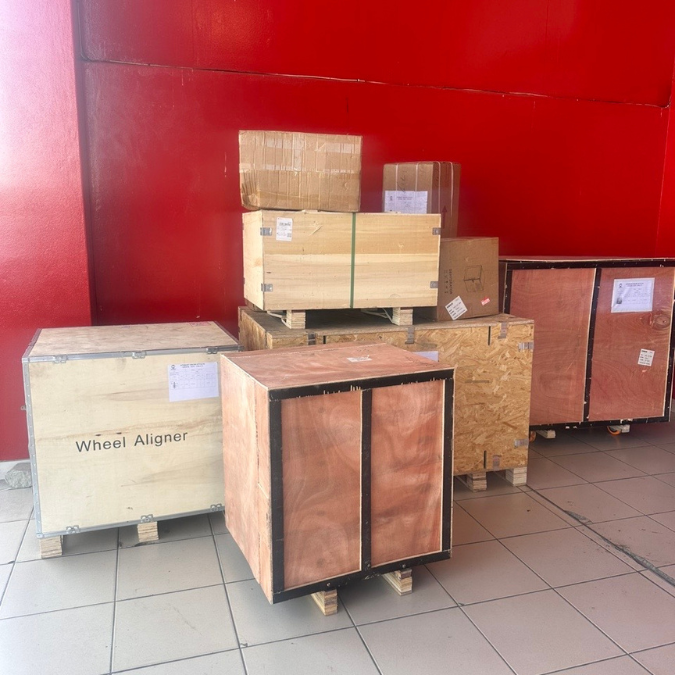
Latest Orders Labelled
wheel alignment machines
new arrivals
Pre Orders Offloading
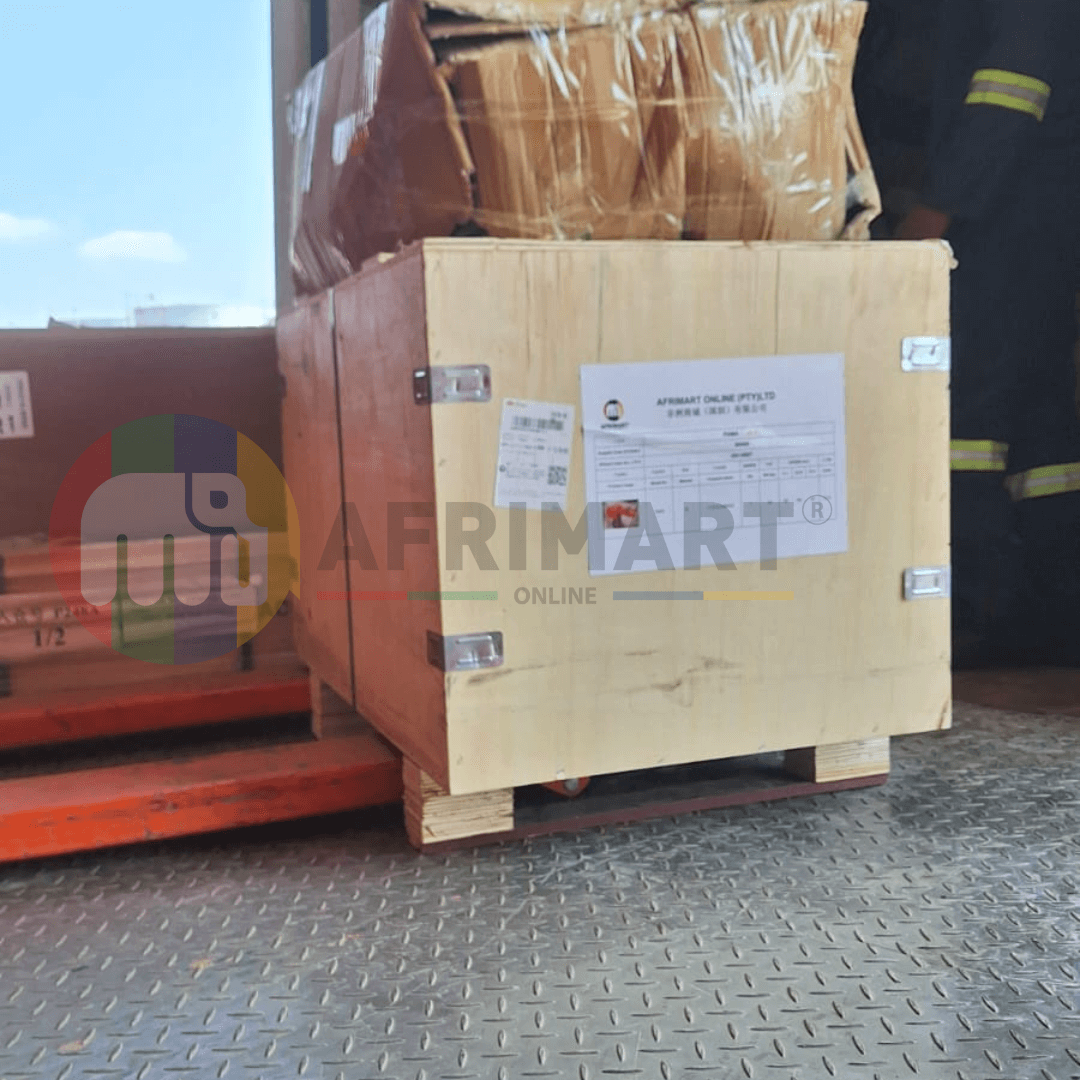
Latest Arrivals
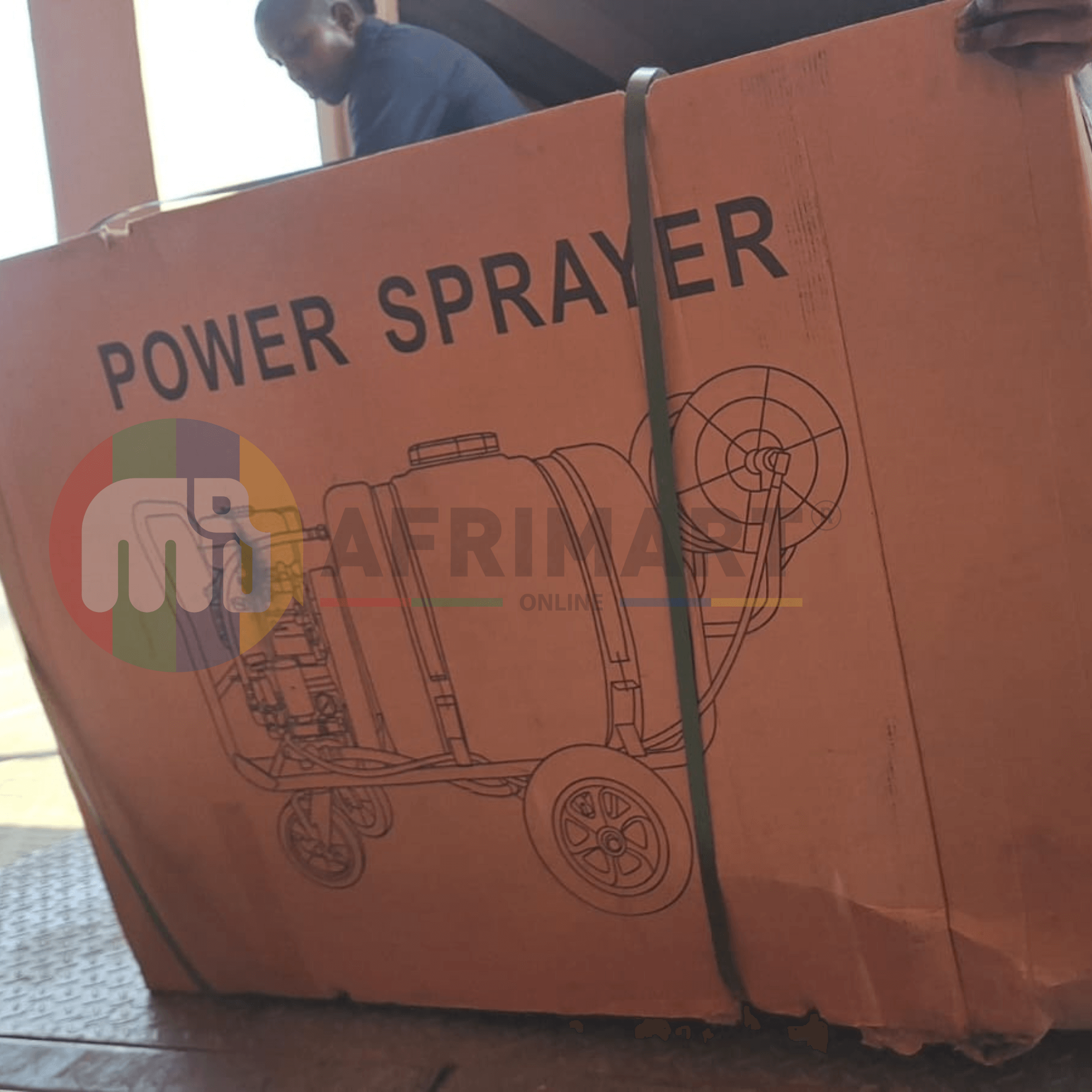
Latest Arrivals
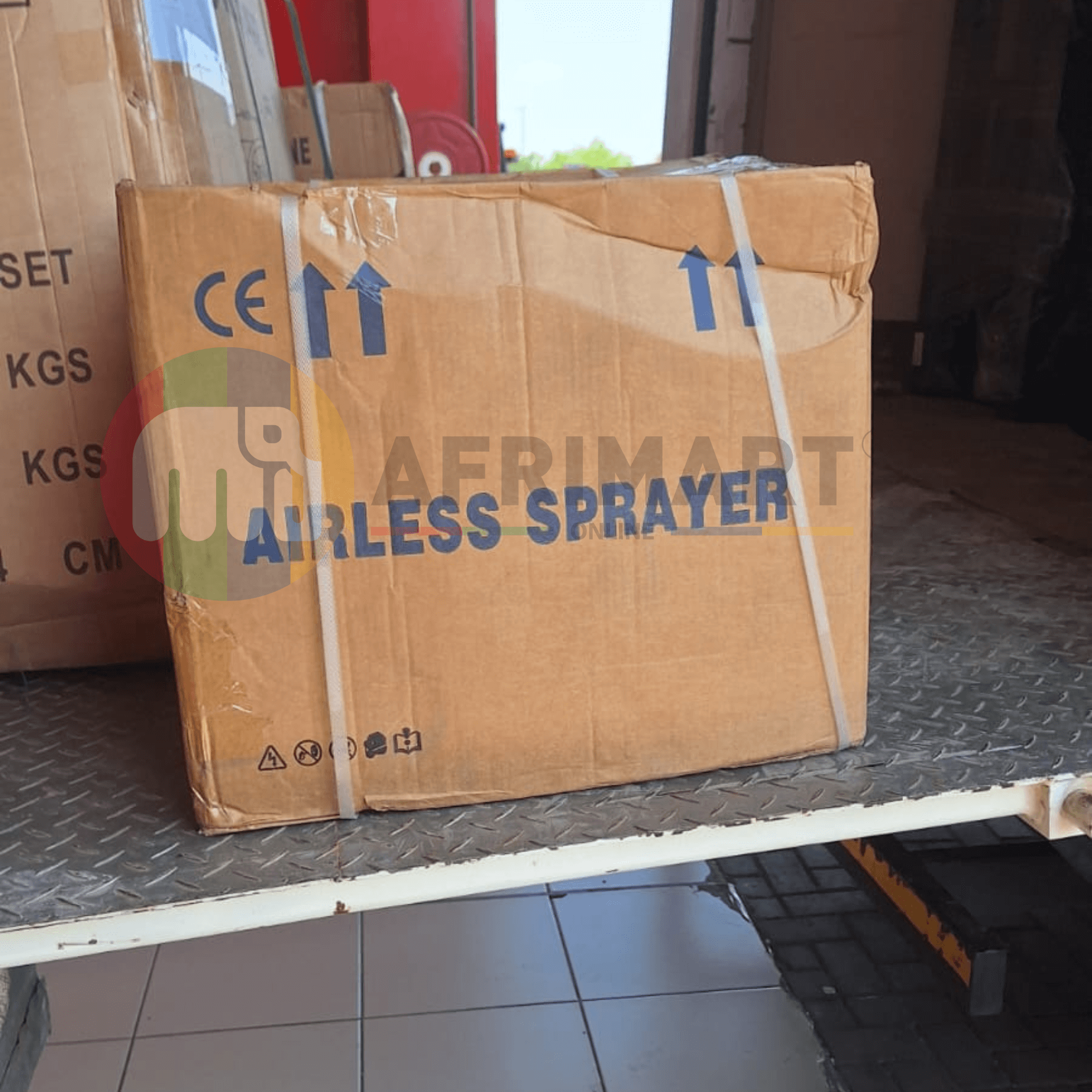
Latest Arrivals
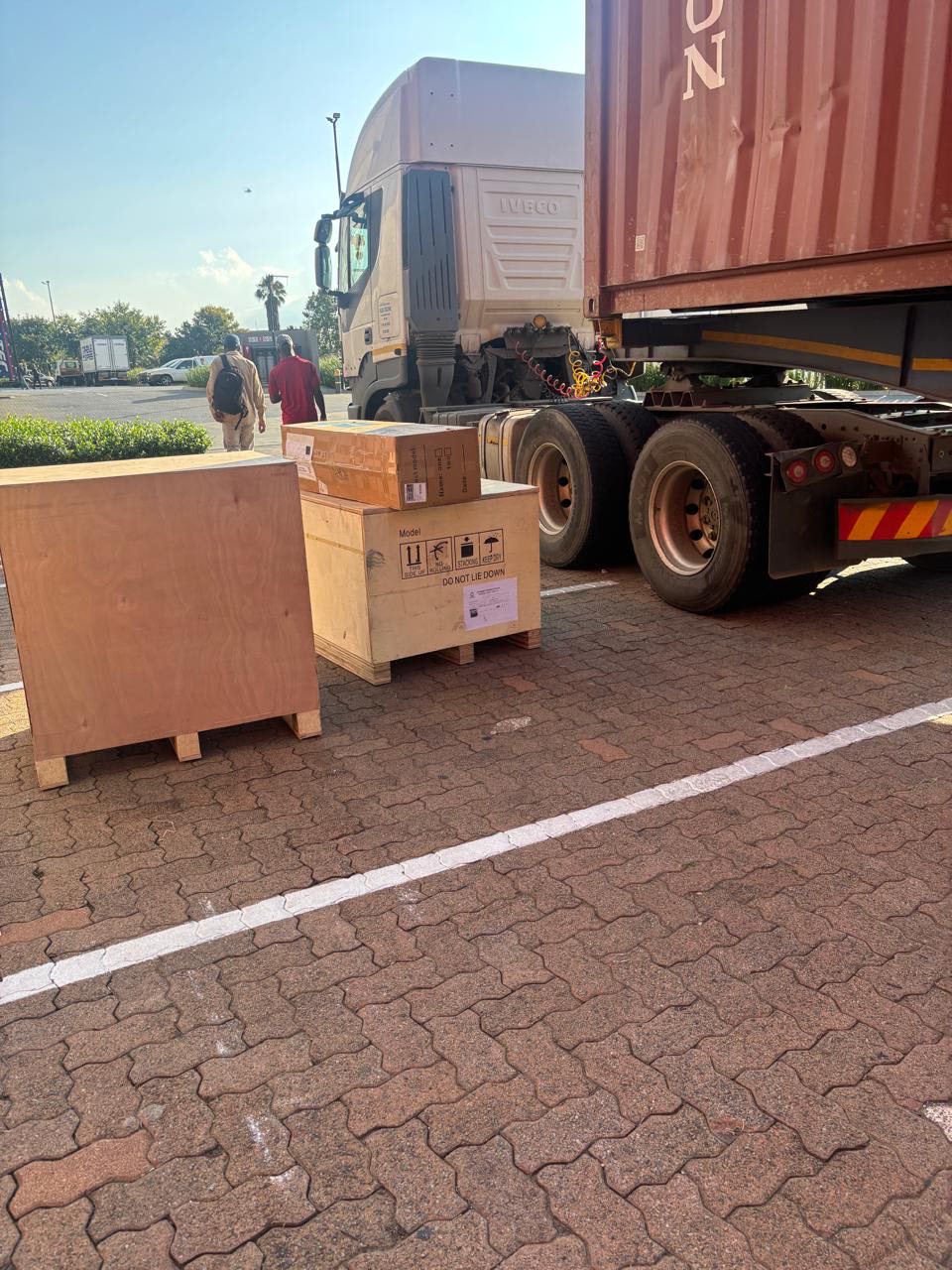
26 January 2026
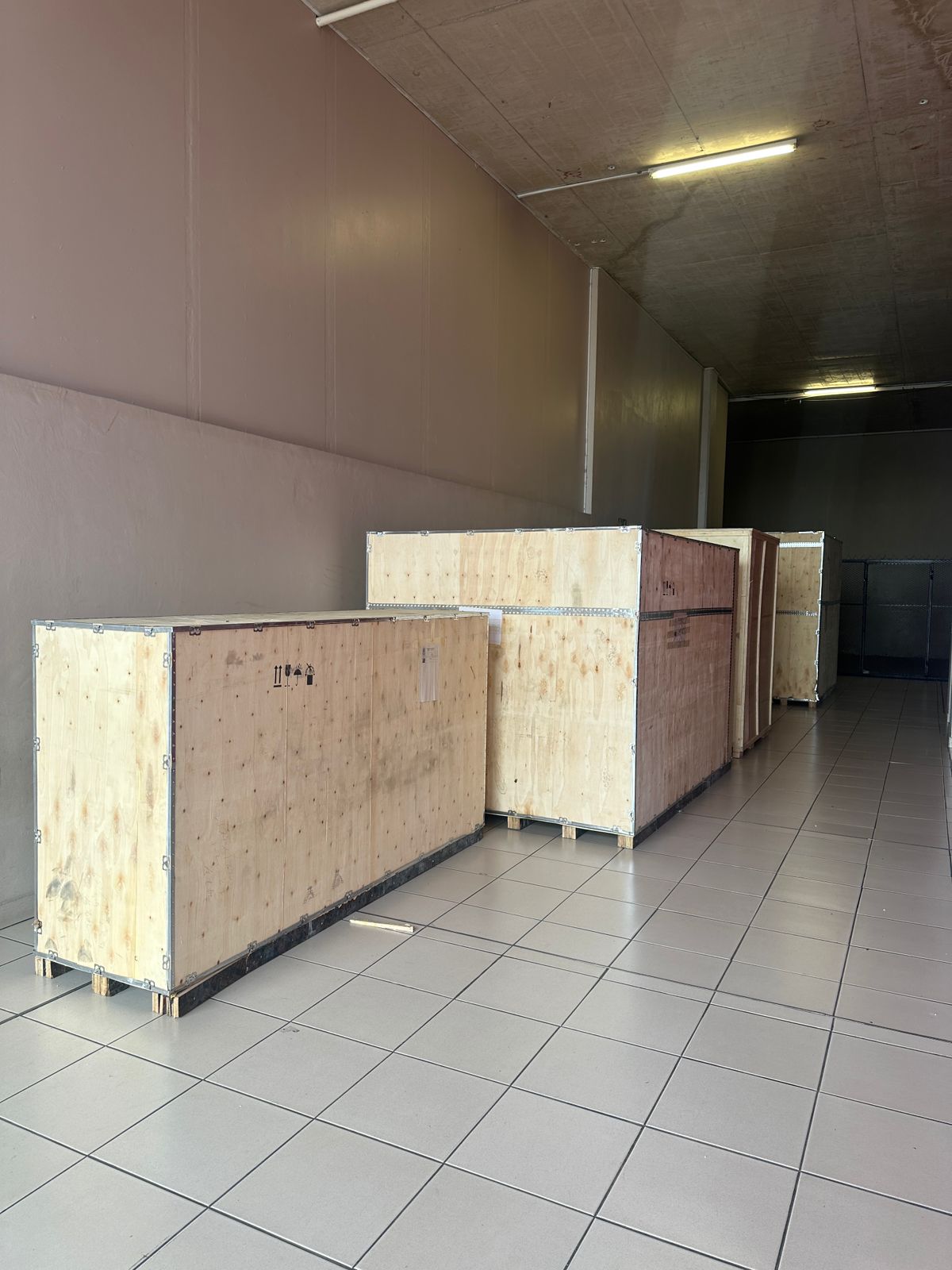
Toilet paper making machine
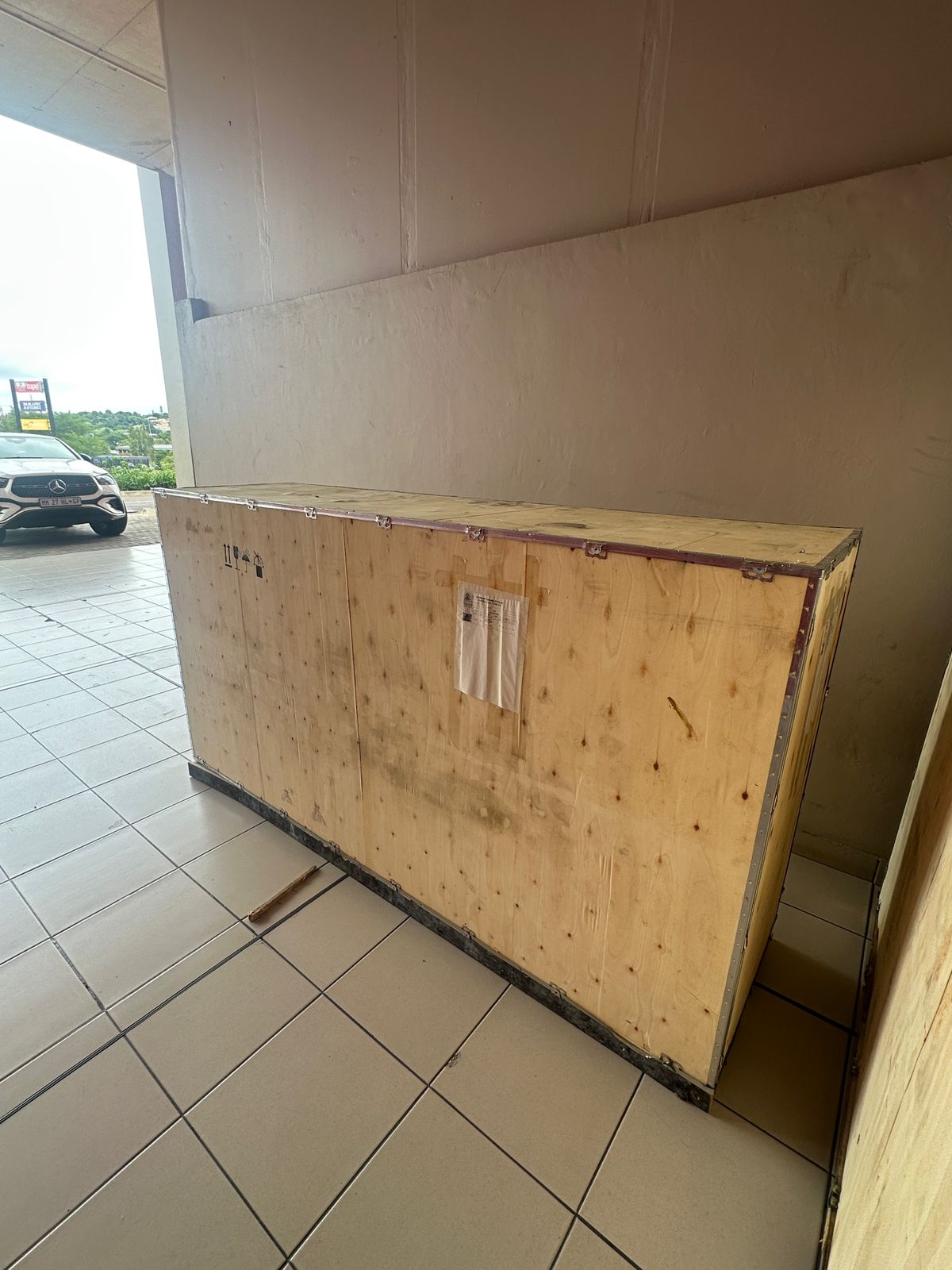
Toilet paper making machine
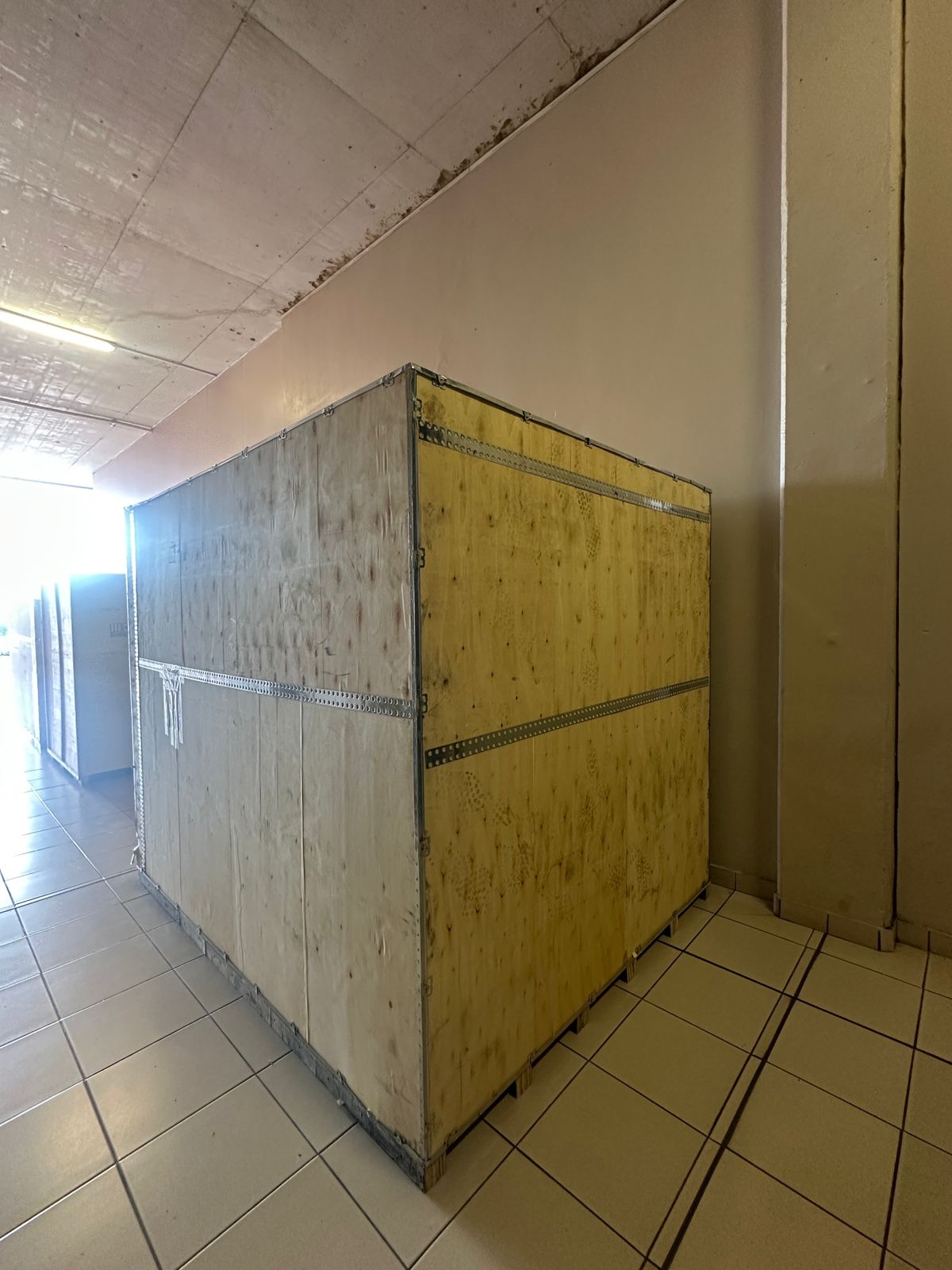
Toilet paper Rewinding Machine
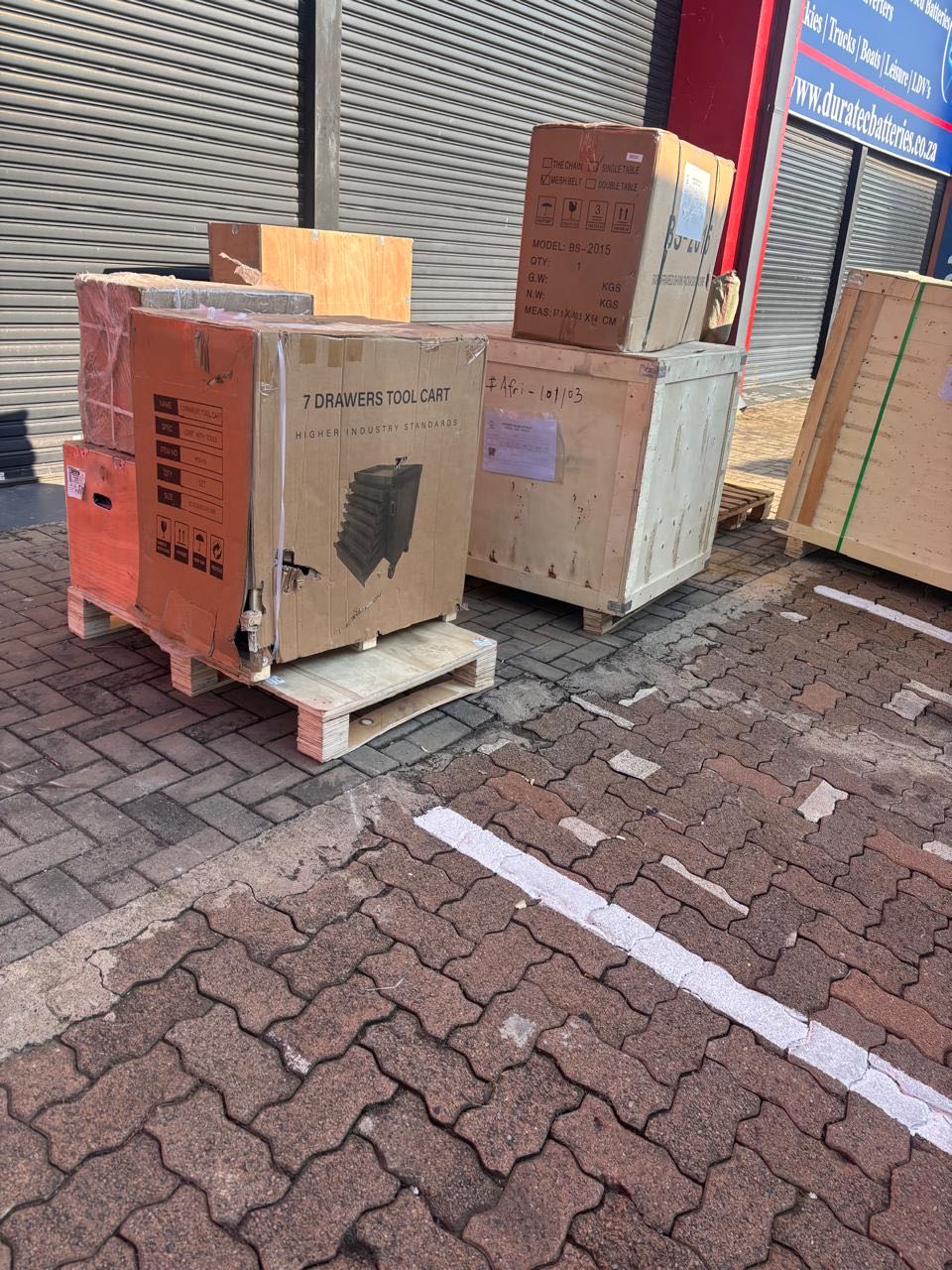
latest arrivals
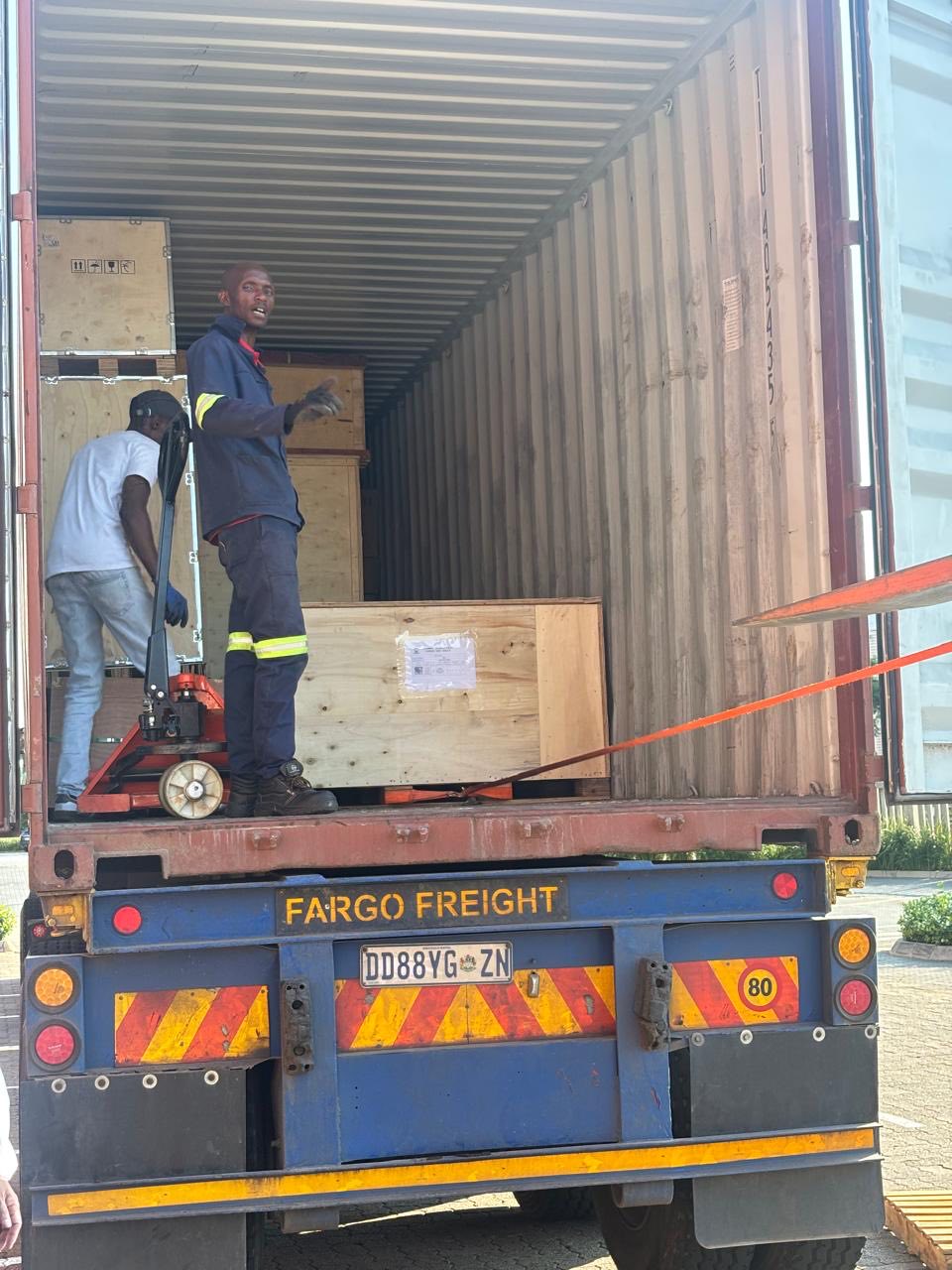
offloading
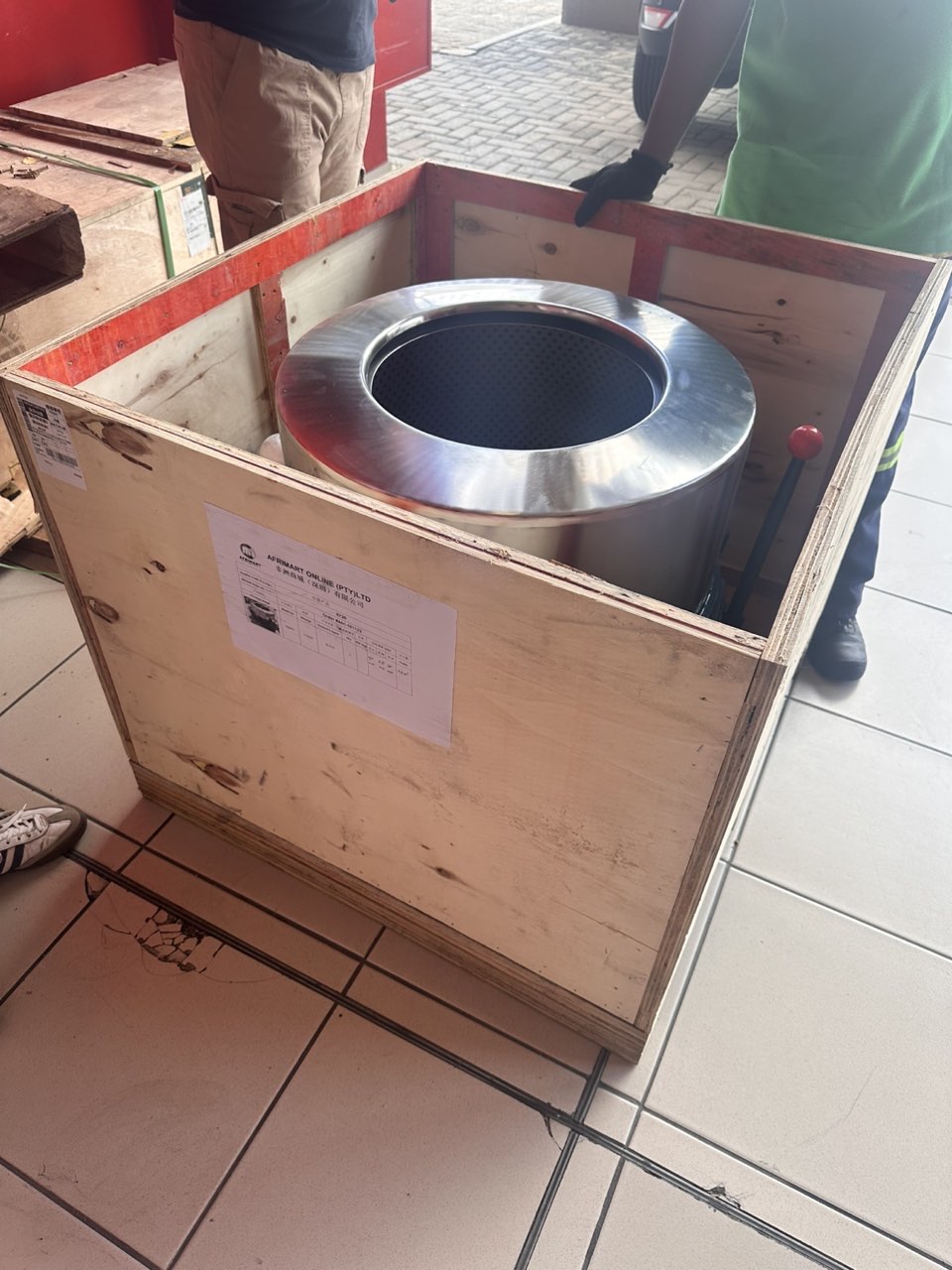
order success
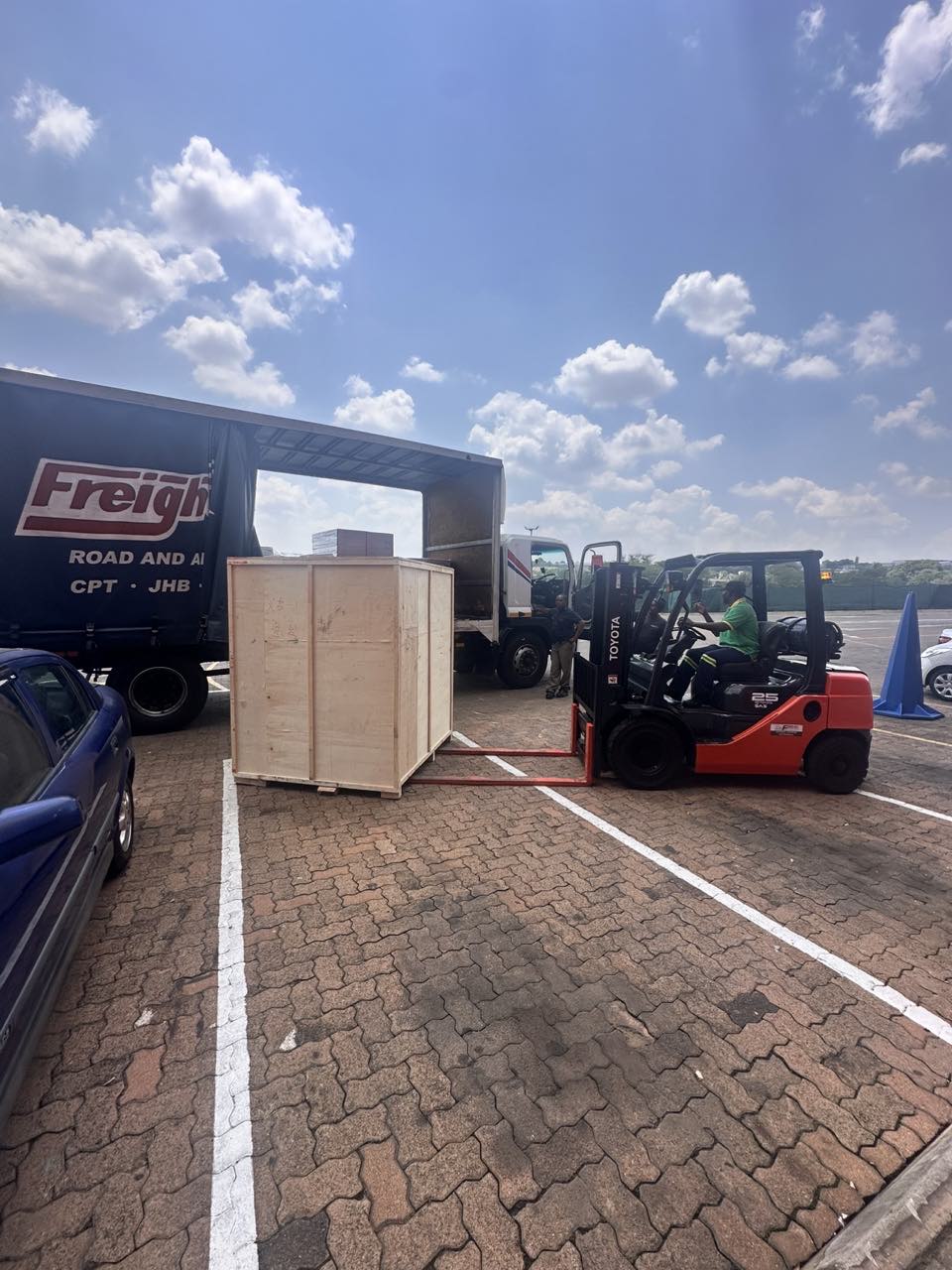
order collection
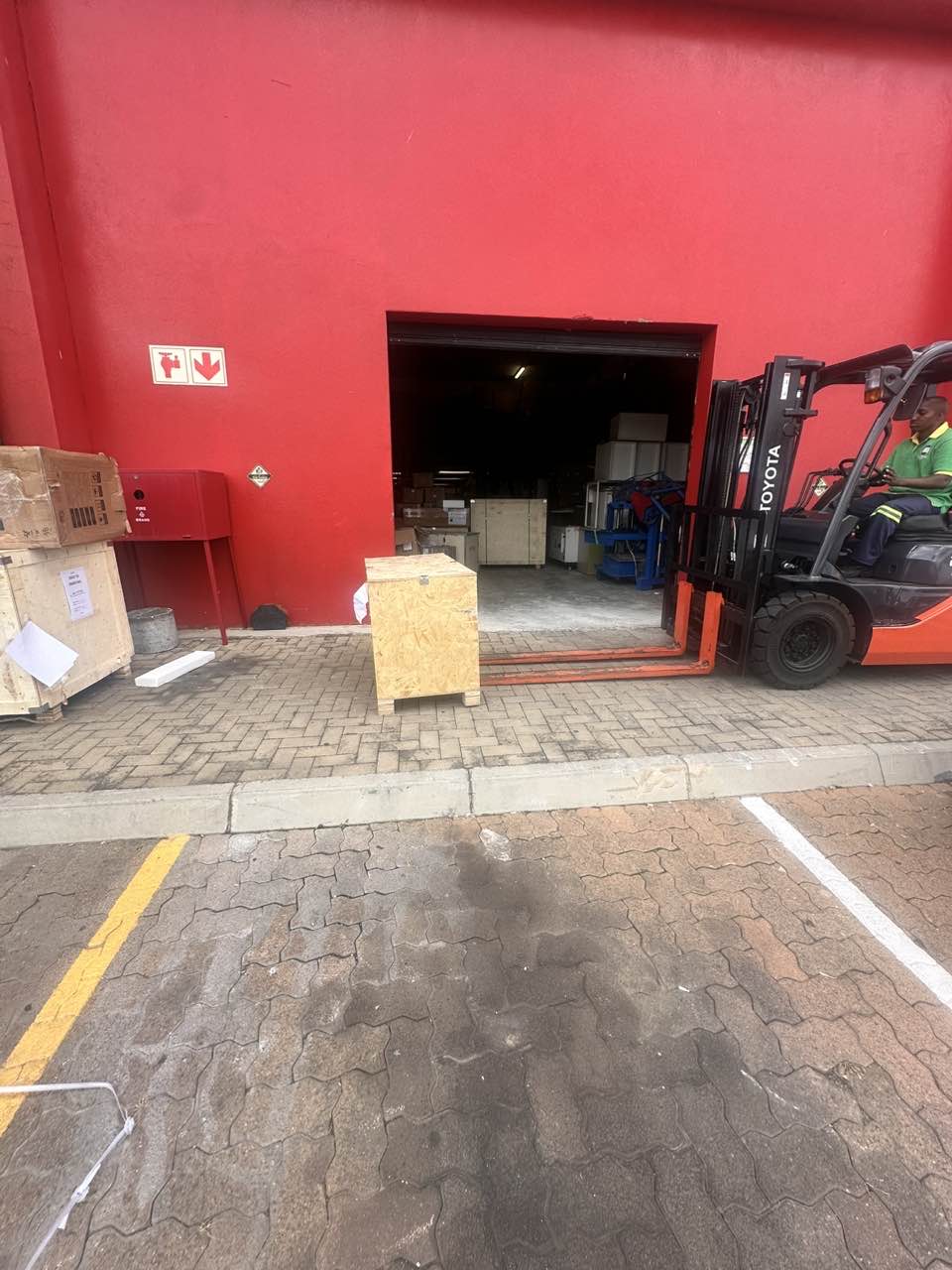
order offloading