B21, China Town Mall, Midrand


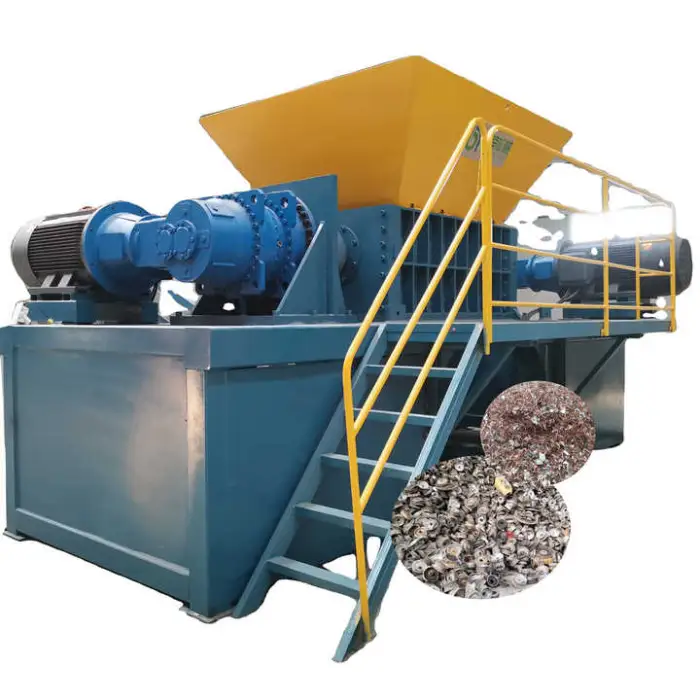
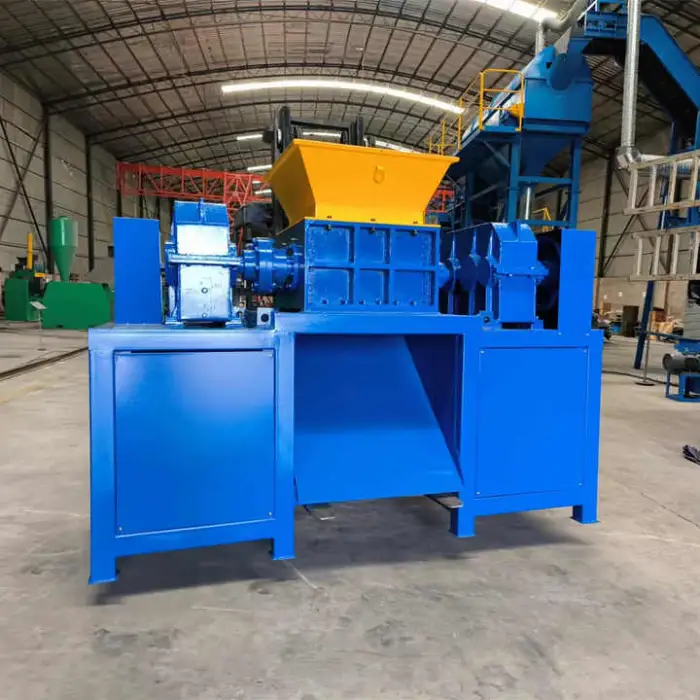
Automatic Large Capacity Scrap Metal Shredder Machine
Asset finance available
Do you want funding for this equipment?
Afrimart can connect you with trusted funding partners who specialise in asset finance for businesses like yours. Compare options and apply in minutes — final approval is subject to provider review.
Check funding options
Secure & no obligation

- Section : Machinery
- Category : Metal & Metallurgy Machinery
- SKU : 1601405742548

Automatic Large Capacity Scrap Metal Shredder Machine
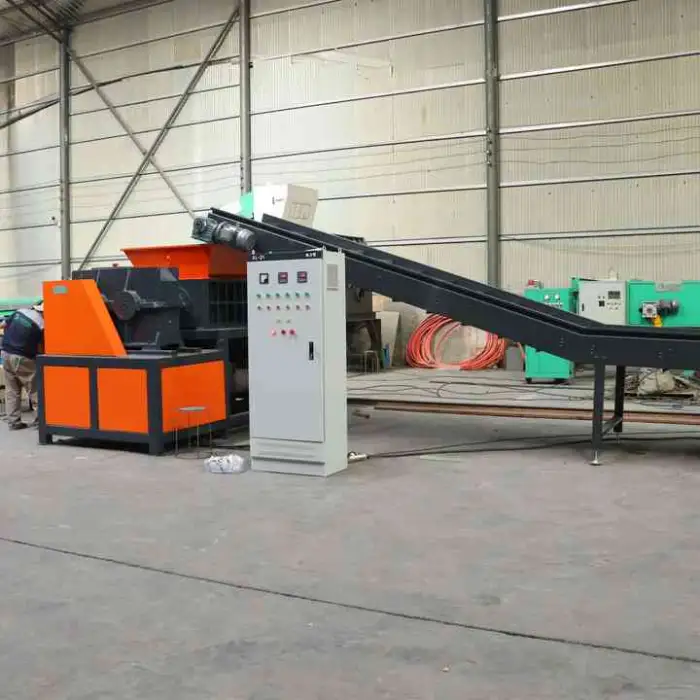
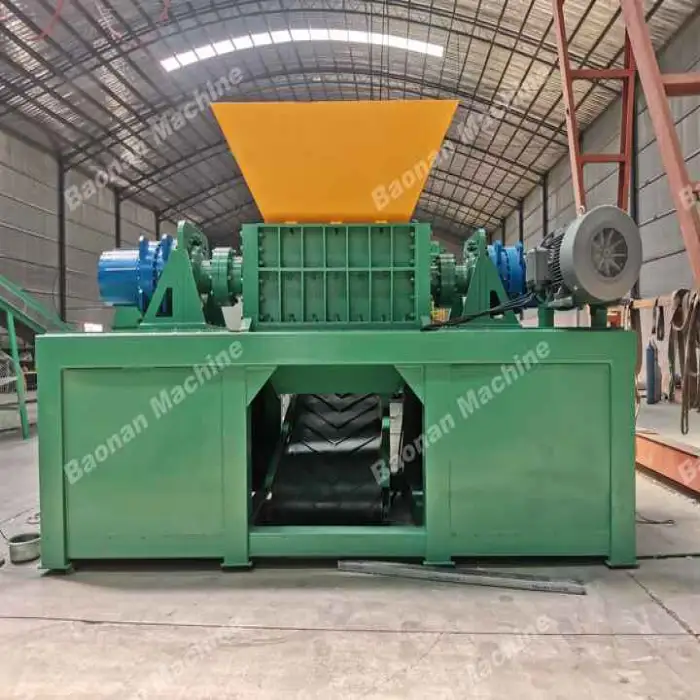
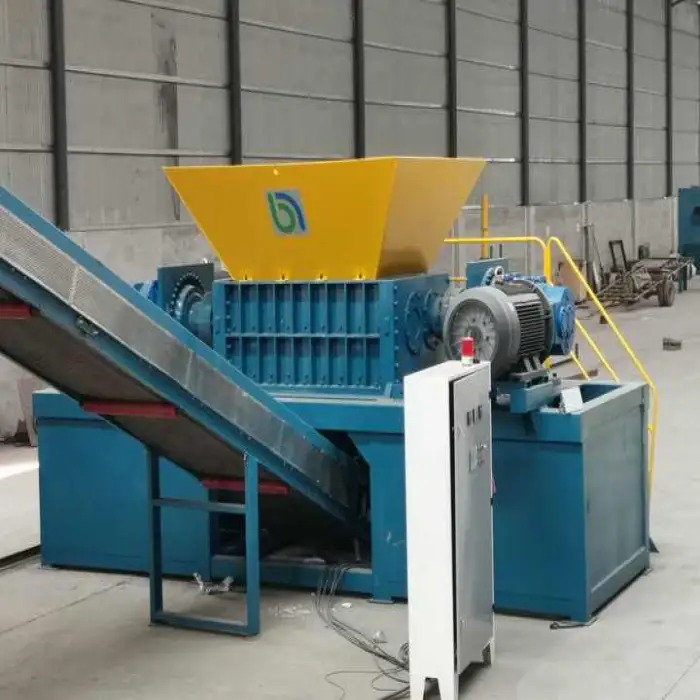
The Automatic Large Capacity Scrap Metal Shredder Machine is designed to efficiently shred various types of scrap metals. It offers high performance and reliability with its powerful motor and durable construction. This machine is perfect for recycling businesses looking to process large volumes of metal quickly and effectively.
Specifications
| Attribute | Details |
|---|---|
| Power (kw) | 45 |
| Weight (kg) | 4000 |
| Capacity | 1-3t/h |
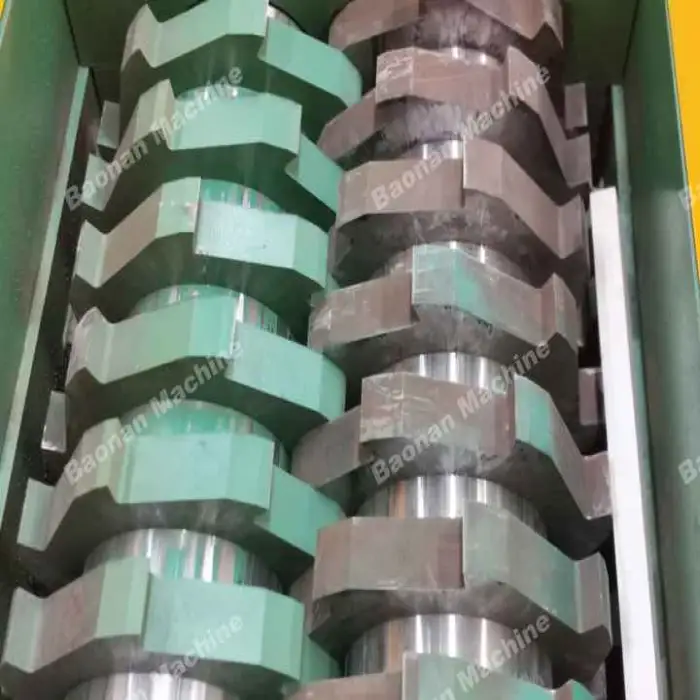
| Blade Material | SKD-11 |
| Voltage | 380V 50HZ / 220V 60HZ / customized |
| Certification | CE |
| OEM | Yes |
| Function | Scrap Metal Crushing |
Key Features
- Multifunctional design for different scrap metals.
- Heavy-duty double shaft for effective shredding.
- High-quality bearings from renowned brands.
- Easy to operate with a powerful 45 kW motor.
- Complies with CE certification standards.
Applications
- Recycling centers for scrap metal processing.
- Industrial applications for metal waste disposal.
- Metal fabrication shops for managing off-cuts.
- Automotive industry for recycling car parts.
- Manufacturing facilities for reusing metal materials.
Product Info Gallery
- Shipping Timeframes: All orders are processed within 2-5 business days (excluding weekends and holidays). After your order has been processed, the estimated delivery time is before 03 Aug, 2026, depending on customs, Please note that due to high demand, some items may experience longer shipping times, which will be communicated at order confirmation email.
- Order Processing Time: Please allow 2-5 business days for us to process your order before it is shipped . Orders placed after 16:00 on Fridays, or during weekends and public holidays, will begin processing on the next business day. Processing times may be extended during peak seasons or sales events.
- Manufacturing Time: Some products needs manufacturing time, the manufacturing process will take approximately 10-30 business days depending on the product. This timeframe may vary depending on the complexity of the product and current demand. but this will be communicated with you during order confirmation.
- Returns and Exchanges: We offer a 30-day return policy for most items. If you are not completely satisfied with your purchase, you may return it within 30 days of receipt for a refund or exchange. Items must be unused, in their original packaging, and accompanied by proof of purchase. Return shipping costs are the responsibility of the customer, unless the item was damaged or defective upon arrival.
1. What types of scrap metal can the Automatic Large Capacity Scrap Metal Shredder Machine process?
The machine is designed to shred a wide range of scrap metals including steel, iron, aluminum, copper, car parts, metal off‑cuts and other industrial metal wastes. Material hardness and size affect throughput and blade wear.
2. What is the shredding capacity (throughput) of this machine?
The rated capacity is 1–3 tonnes per hour (t/h). Actual throughput depends on feed material type, feed size, and operating parameters.
3. What are the main technical specifications?
Key specs: 45 kW motor power, weight approx. 4,000 kg, capacity 1–3 t/h, blade material SKD‑11, standard voltages 380V 50Hz or 220V 60Hz (can be customized).
4. What is the blade material and why is it used?
Blades are made from SKD‑11, a high‑carbon, high‑chromium tool steel known for excellent wear resistance and toughness, giving longer life when shredding metal.
5. Does the machine come with certification?
Yes. The machine complies with CE certification standards. For other certifications or documentation, please contact the supplier.
6. Is OEM or customization available?
Yes. OEM services and customization (such as voltage configuration, feeding system, rotor layout, and control options) are available to meet specific customer requirements.
7. What power supply is required?
Standard options are 380V 50Hz and 220V 60Hz. Customized voltage/frequency configurations can be provided—confirm your local electrical supply when ordering.
8. What are the installation requirements and space considerations?
The machine is heavy (approx. 4,000 kg) and requires a reinforced foundation, adequate floor space for feeding and discharge, and lifting equipment for installation. A stable 45 kW power supply and proper grounding are also required.
9. How is the machine operated and how automatic is it?
The shredder is designed for automatic operation with a hydraulic/electromechanical feeding and control system (PLC controls are typical). Operators monitor the process and perform routine interventions like clearing jams and maintenance.
10. What safety features does the machine have?
The unit is designed to meet CE safety standards and typically includes safety guards, emergency stop(s) and interlocks. Exact safety features may vary by configuration—verify details with the supplier.
11. What maintenance is required and how often should blades be serviced?
Regular maintenance includes lubrication of bearings and moving parts, inspection and tightening of fasteners, and routine blade checks. Blade life depends on material type and usage; inspect blades frequently and regrind or replace as needed. A preventive maintenance schedule from the manufacturer is recommended.
12. Can output particle size be controlled?
Yes. Output size is controlled by knife configuration and any screening or grate system used after shredding. Specific output size options should be discussed with the supplier for your application.
13. What factors affect shredding performance and throughput?
Throughput is influenced by metal type and hardness, incoming part size and shape, feed rate, blade condition, rotor speed, and screen/knife configuration.
14. Is spare parts and after‑sales support available?
Yes. Spare parts (blades, bearings, belts, etc.) and after‑sales support are normally available. Contact the supplier for parts lists, lead times and service agreements.
15. What about noise, dust and environmental controls?
Shredding operations generate noise and some dust or metal particulates. Noise levels depend on installation and material; sound enclosures and PPE are recommended. Dust and particle control (extraction or filtering systems) can be added as part of a customized solution.
Latest Order Arrivals
Discover our latest orders
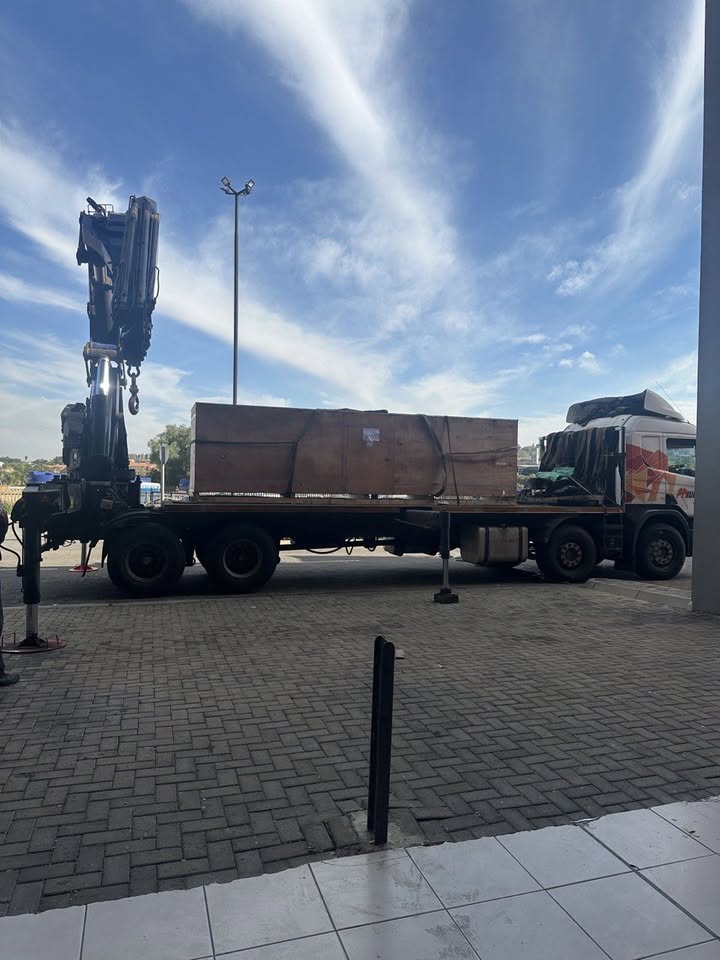
12 Heads Embroidery Machine
Toilet Paper Machine Machine
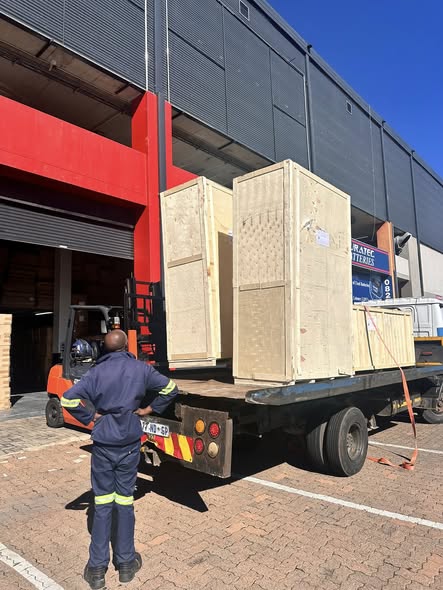
Order Collection
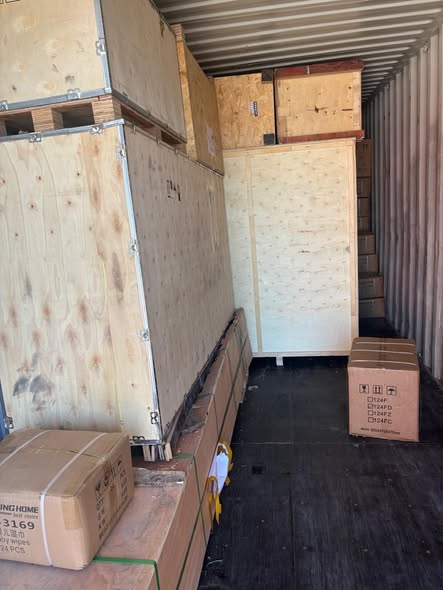
Cross Border Clients
Order cros border countries Collected
Industrial Machine Cllection
Agriculture Processing Machines
Ready for collection
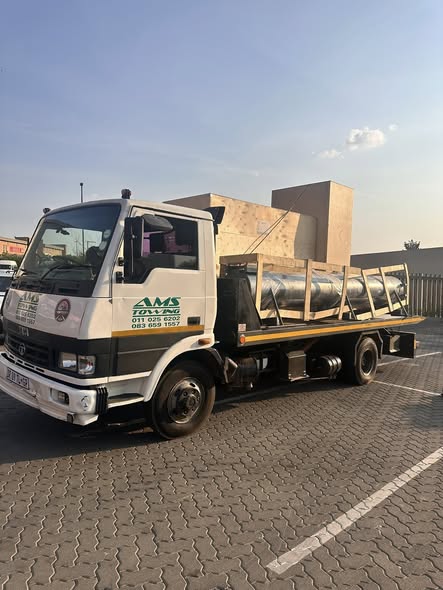
Water Pump Equipment
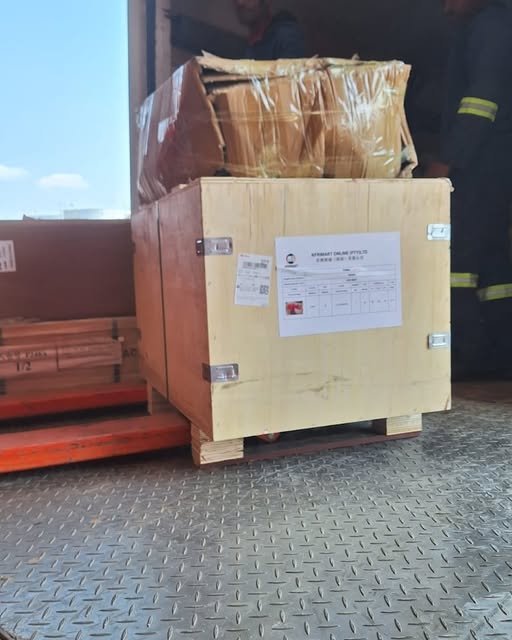
Packaging Machine and accessories
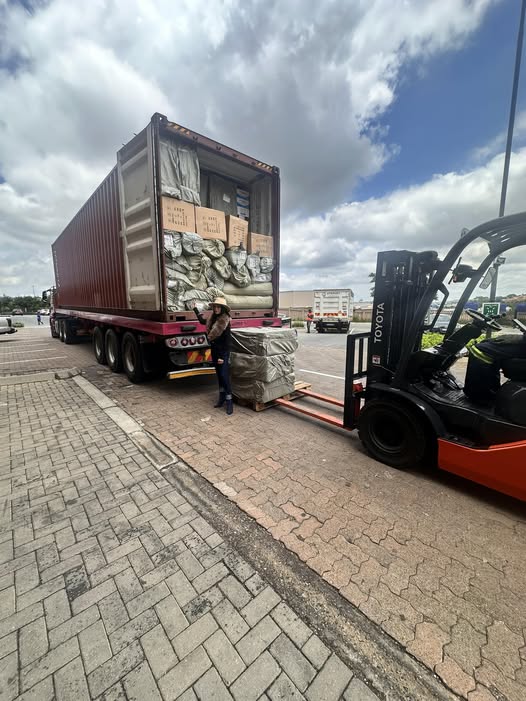
Fabrics Manufacturing Equipment
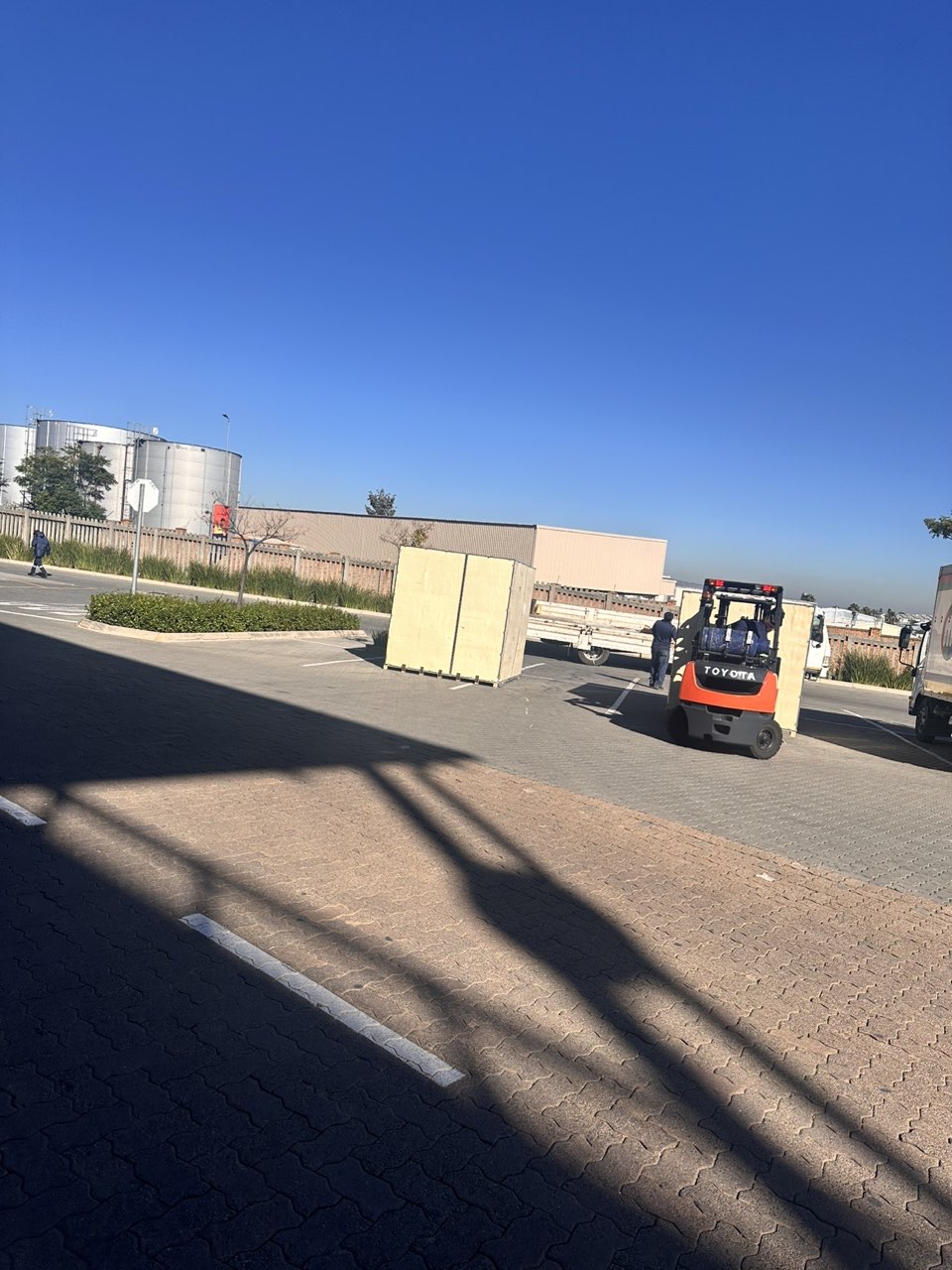
Mining Equipments
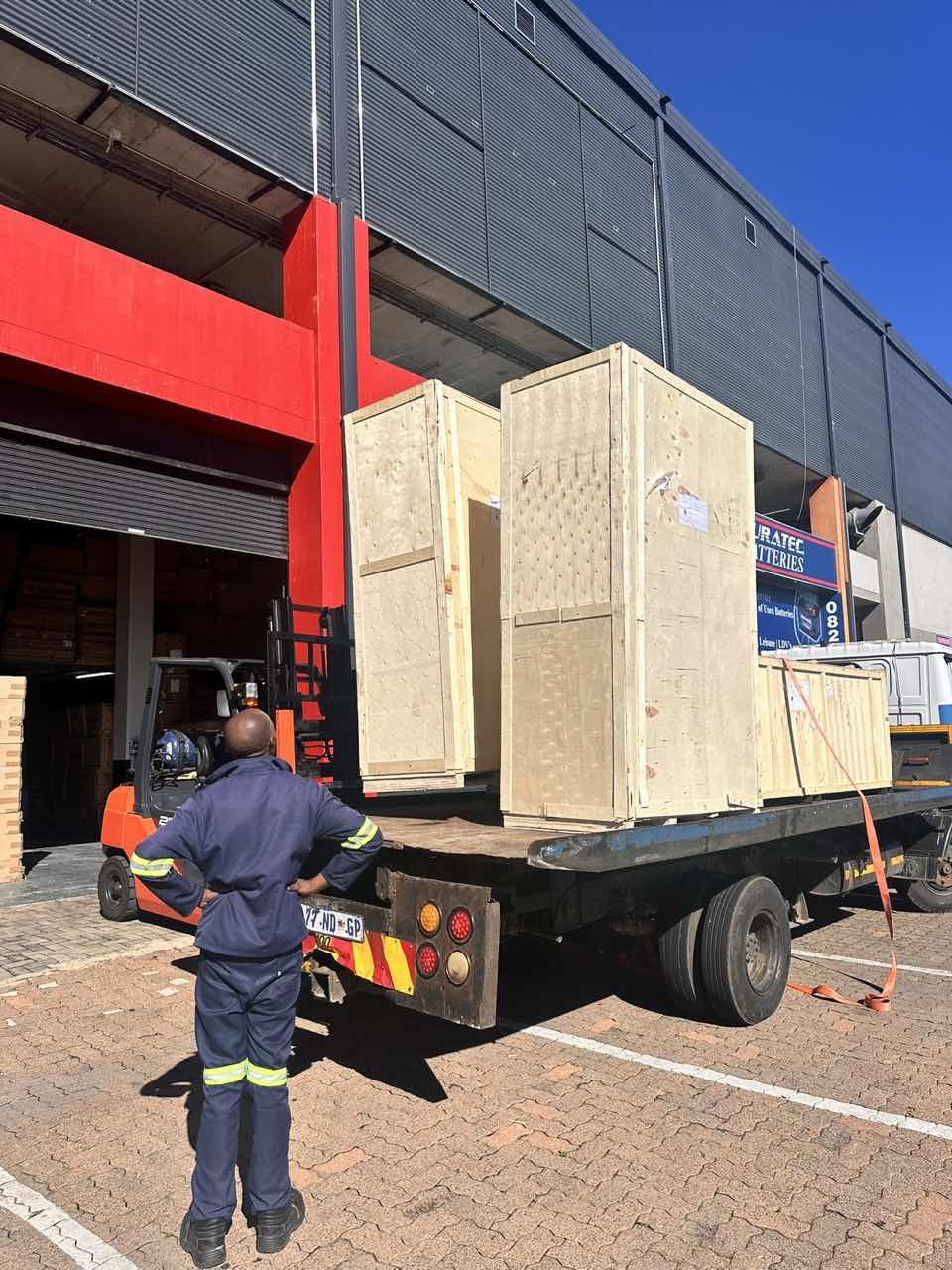
Food Processing Machine
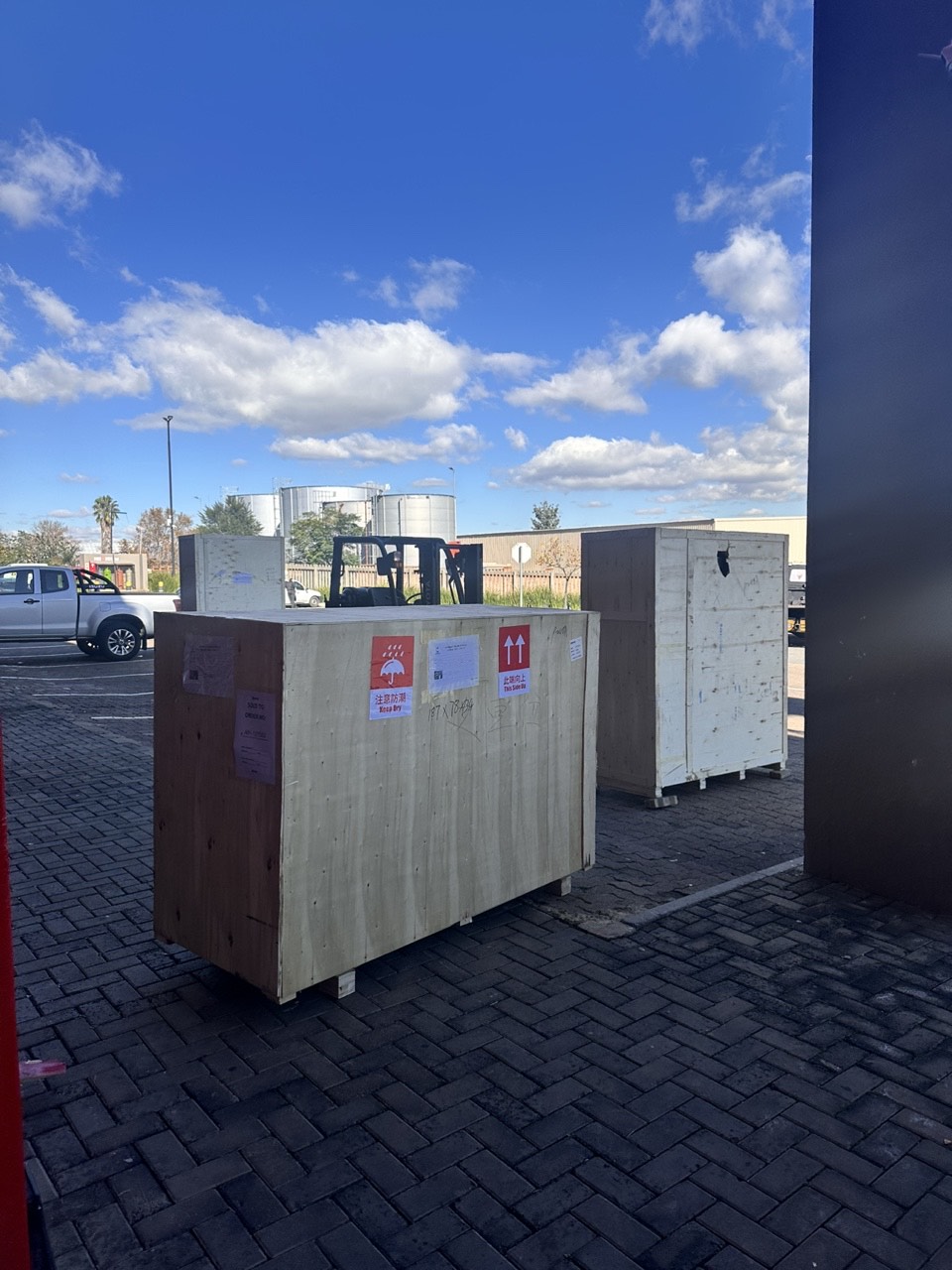
Batch of Orders
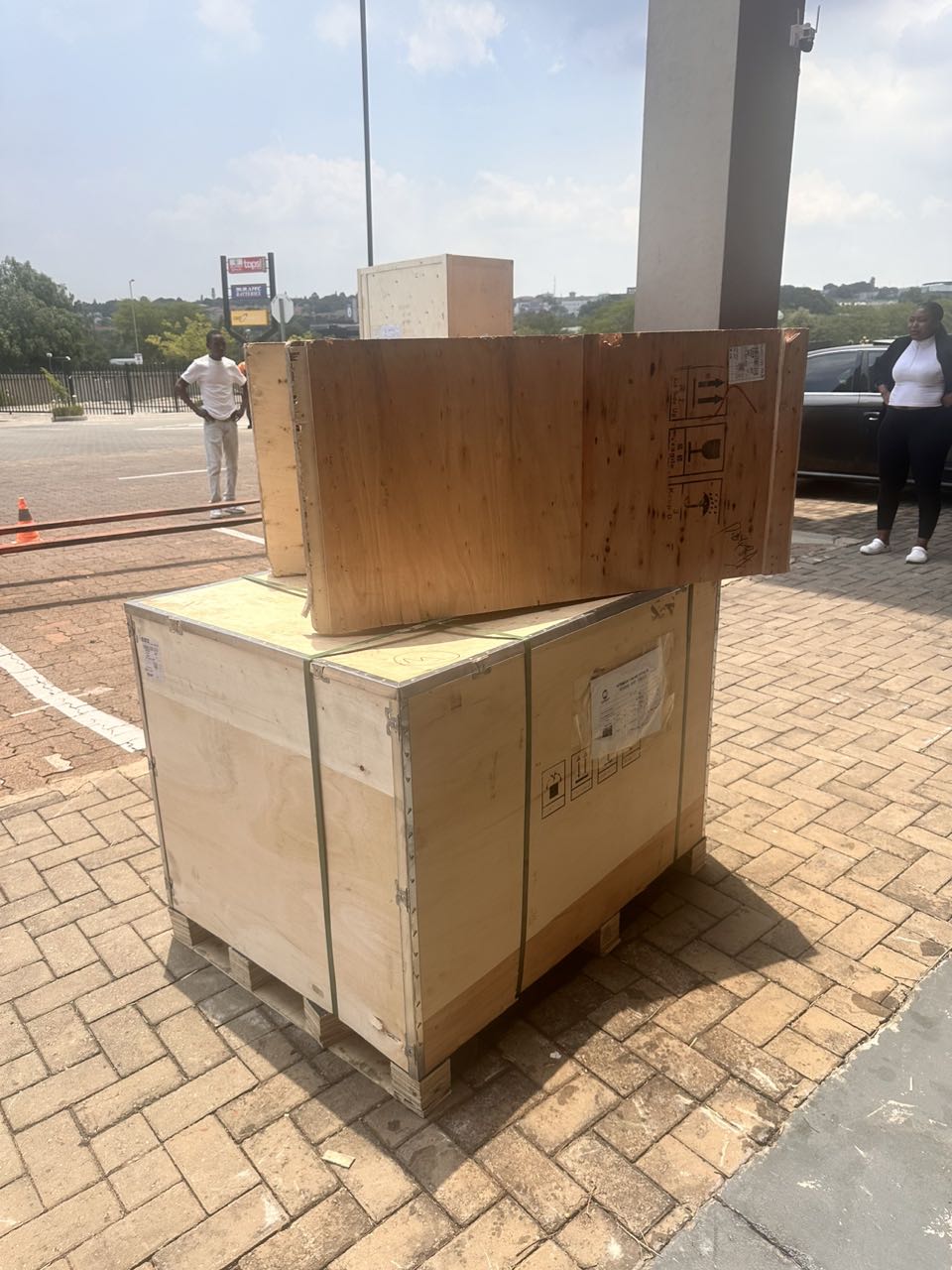
Batch of Orders
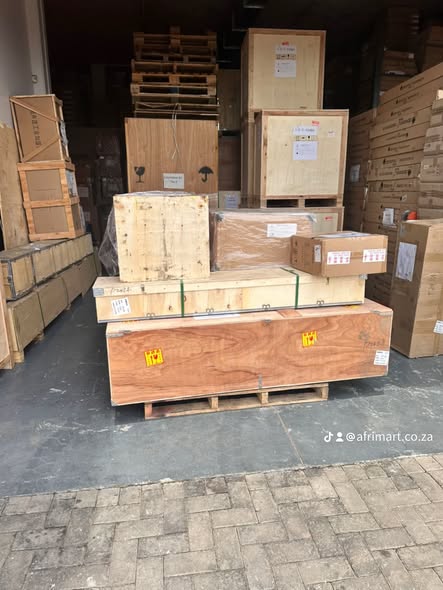
Latest Orders Labelled
wheel alignment machines
new arrivals
Pre Orders Offloading
Latest Arrivals
Latest Arrivals
Latest Arrivals
Loading
Toilet paper making machine
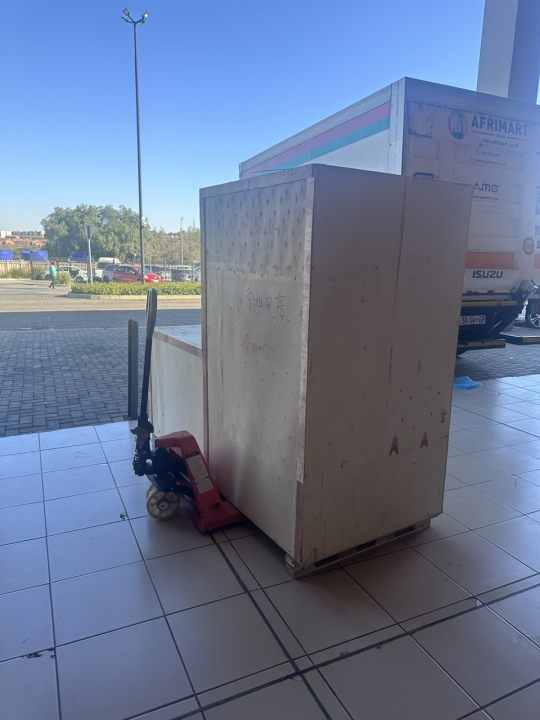
Toilet paper making machine
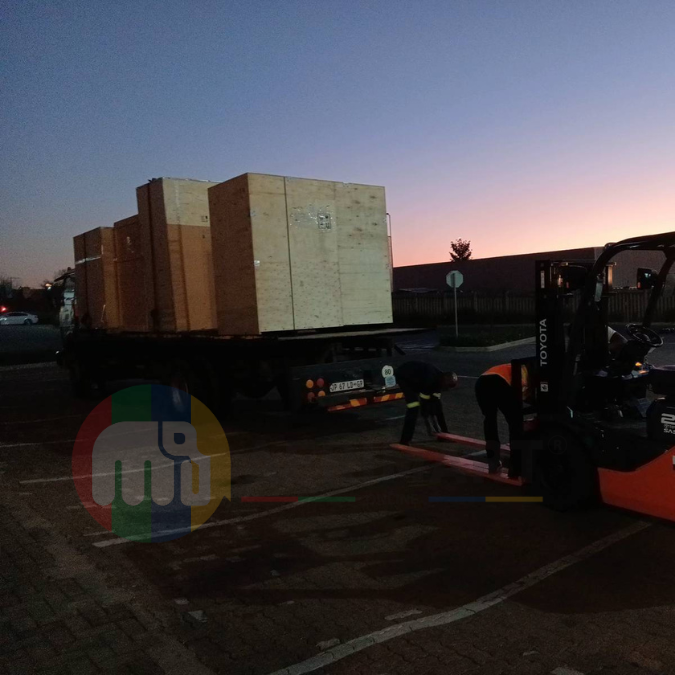
Toilet paper Rewinding Machine
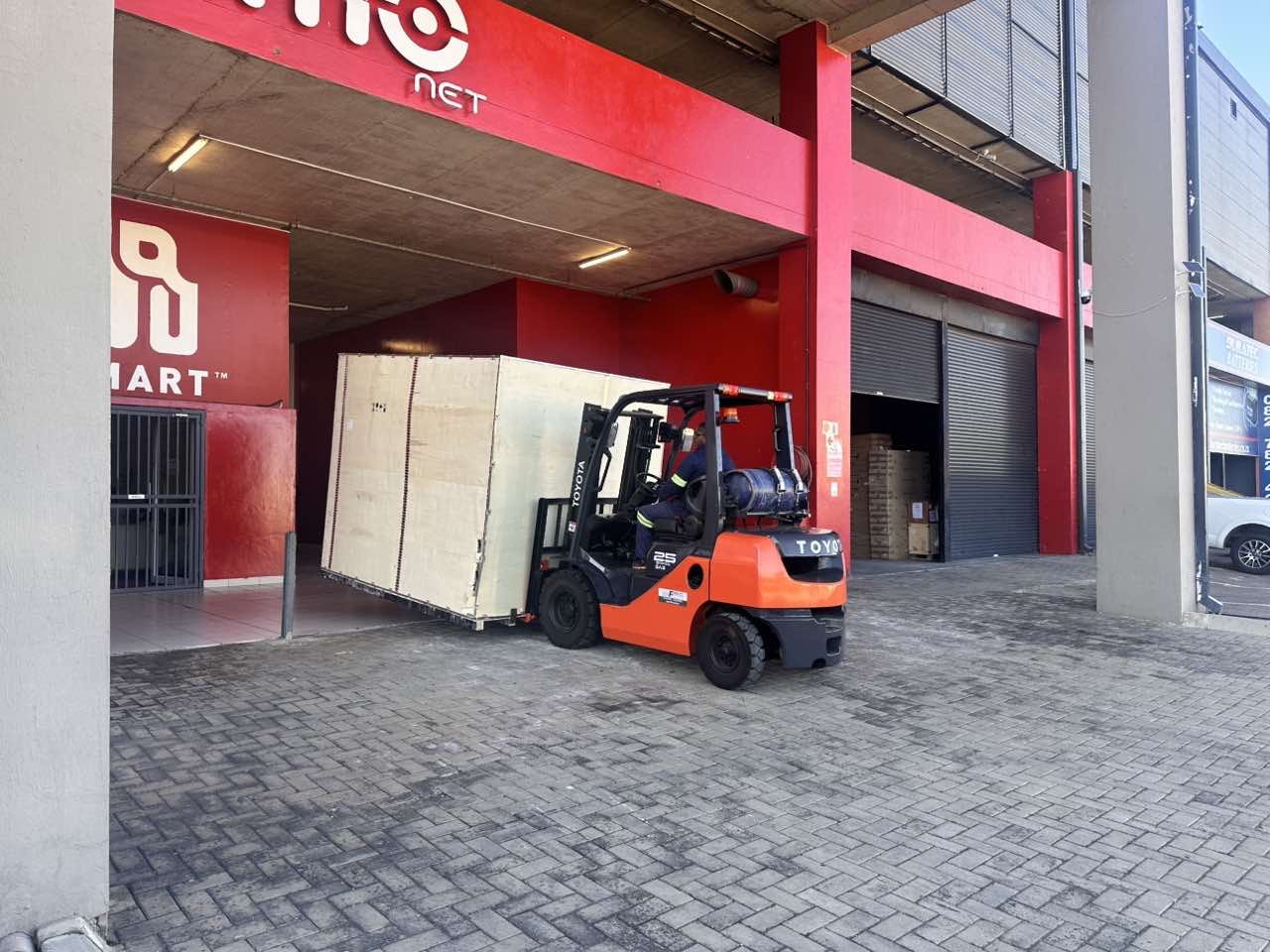
latest arrivals
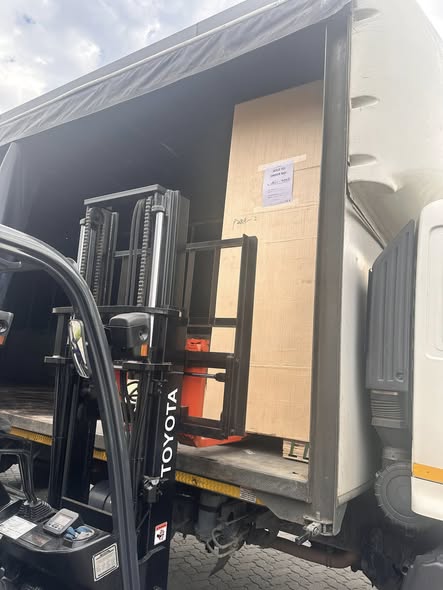
offloading
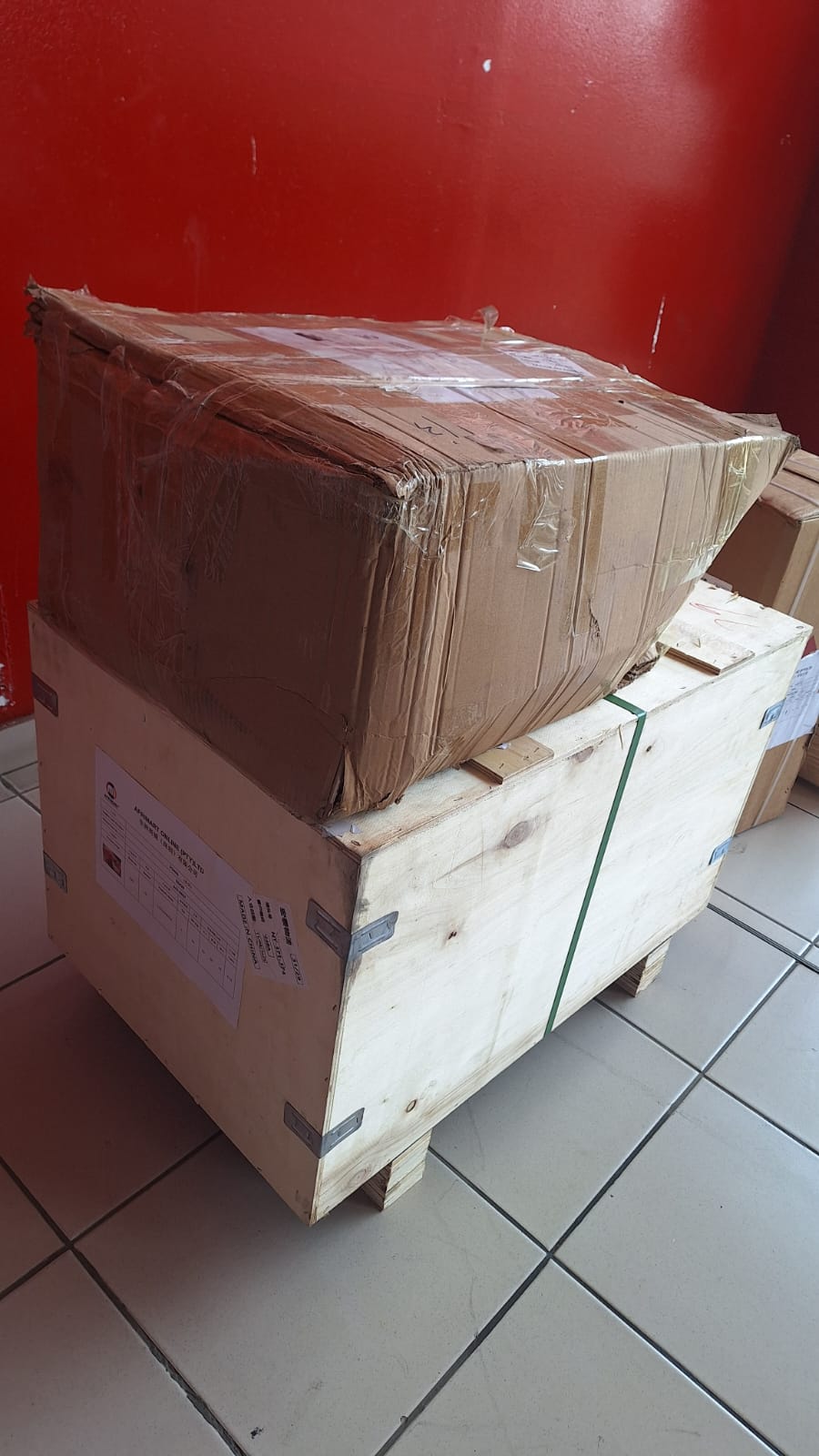
order success
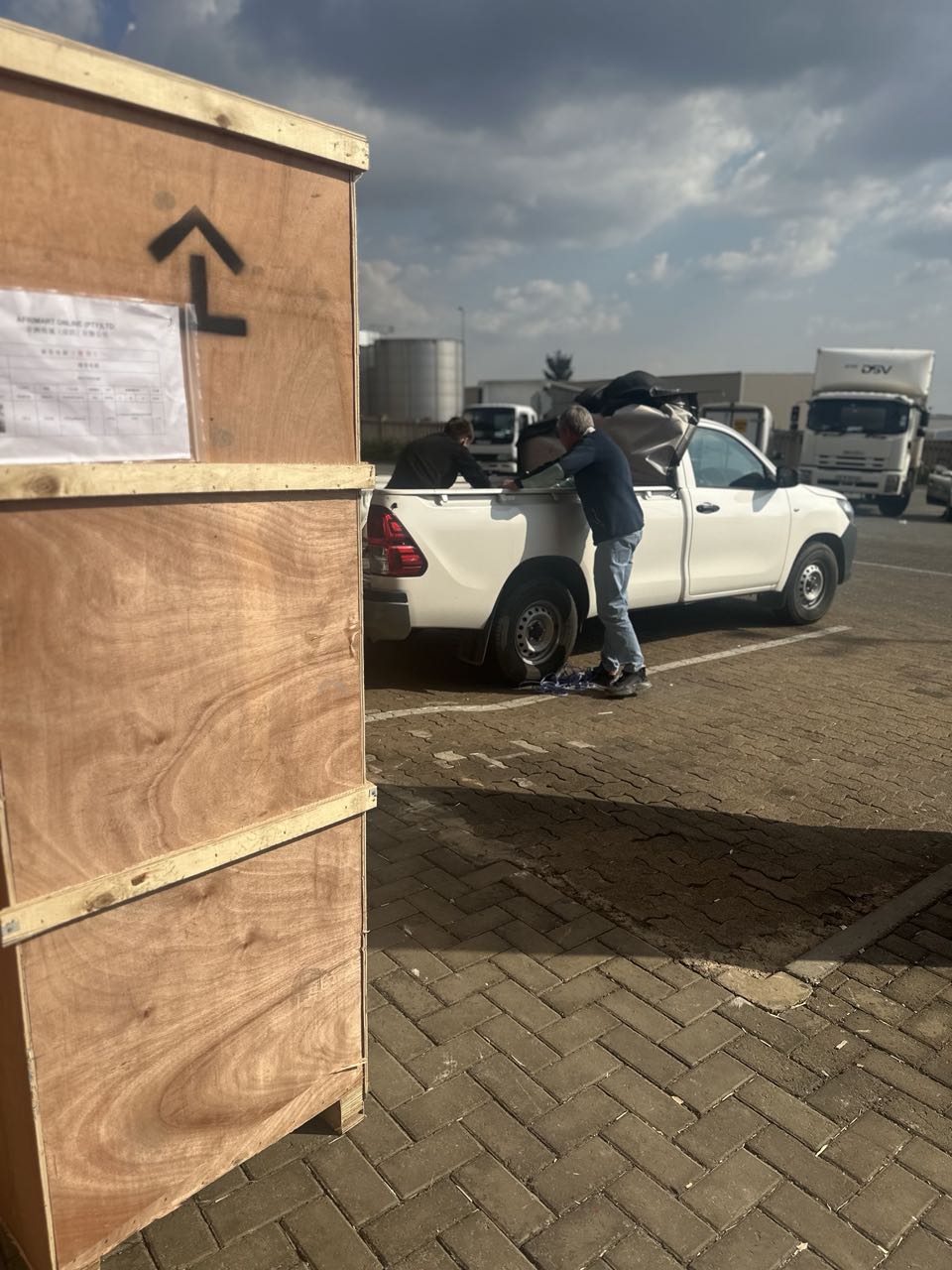
order collection
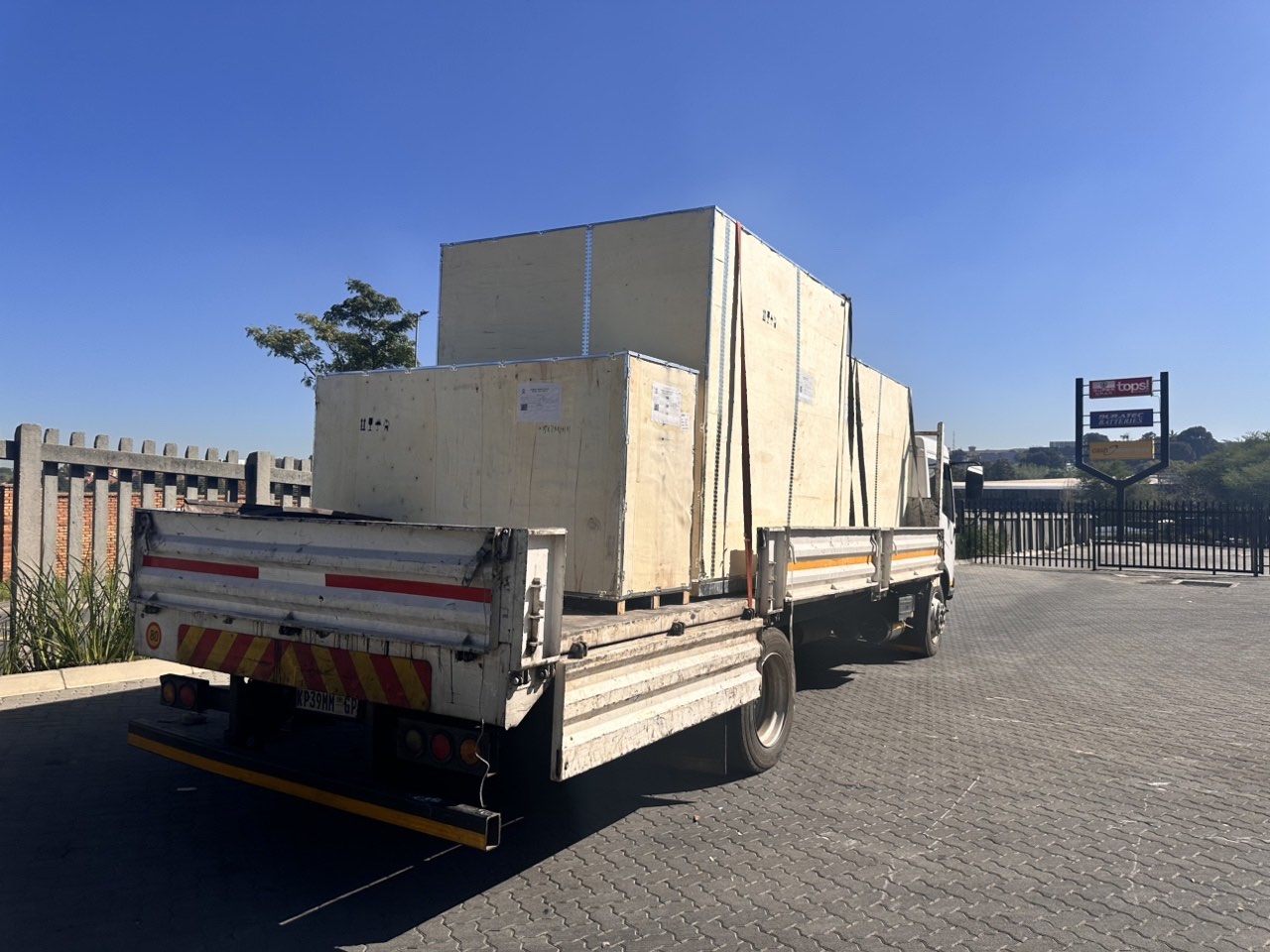
order offloading