B21, China Town Mall, Midrand


Automatic Doughnut Making Machine with Fryer Gas 2 Row
Asset finance available
Do you want funding for this equipment?
Afrimart can connect you with trusted funding partners who specialise in asset finance for businesses like yours. Compare options and apply in minutes — final approval is subject to provider review.
Check funding options
Secure & no obligation
- Section : Machinery
- Category : Food & Beverage Machinery
- SKU : 62447688497

Automatic doughnut making fryer / machine mini donuts

Products Description
1. The doughnut is a type of fried dough confection or dessert food. It is popular in many countries as a sweet snack that can be homemade or purchased in bakeries, supermarkets, food stalls, and franchised specialty vendors.
2. It uses precision rail device, high-quality motor, to maintain the minimum vibration equipment. , the use of screw adjustable device, the discharge port can be adjusted according to the height of any up and down. The size of the donut can also be adjusted.

Main Features
1. Made of stainless steel with high efficiency and accuracy, automatic molding, automatic temperature control function.
2. Digital thermostat and mechanical counter makes operation very convenient and easy to supervise the process.
3. Oil temperature and conveyor speed can be adjustable, longer oil rail, safe and energy-saving
4. High-efficient heating element, easy operation and cleaning.
5. All sizes of donuts(3cm,5cm,7cm,8cm, 12cm) for your choice.
Product details

Product Paramenters
| Model | Power | Energy | Capacity | Dimension | Weight | Work Mode |
| MY-1001 | 3Kw | Electric | 450pcs/h | 1100*400*650mm | 25Kg | Single |
| MY-1002 | 3Kw | Electric | 600pcs/h | 1200*405*650mm | 30Kg | Single |
| MY-1003 | 6Kw | Electric | 1000pcs/h | 1200*550*720mm | 48-58Kg | Double |
| MY-1004 | 6Kw | Electric | 1200pcs/h | 1050*600*850mm | 65Kg | Double |
| MY-1005 | 0.04Kw | Gas | 1200pcs/h | 1100*600*850mm | 54Kg | Single |
| MY-1006 | 6Kw | Gas | 1200pcs/h | 1100*600*850mm | 80Kg | Single |
- Shipping Timeframes: All orders are processed within 2-5 business days (excluding weekends and holidays). After your order has been processed, the estimated delivery time is before 03 Aug, 2026, depending on customs, Please note that due to high demand, some items may experience longer shipping times, which will be communicated at order confirmation email.
- Order Processing Time: Please allow 2-5 business days for us to process your order before it is shipped . Orders placed after 16:00 on Fridays, or during weekends and public holidays, will begin processing on the next business day. Processing times may be extended during peak seasons or sales events.
- Manufacturing Time: Some products needs manufacturing time, the manufacturing process will take approximately 10-30 business days depending on the product. This timeframe may vary depending on the complexity of the product and current demand. but this will be communicated with you during order confirmation.
- Returns and Exchanges: We offer a 30-day return policy for most items. If you are not completely satisfied with your purchase, you may return it within 30 days of receipt for a refund or exchange. Items must be unused, in their original packaging, and accompanied by proof of purchase. Return shipping costs are the responsibility of the customer, unless the item was damaged or defective upon arrival.
1. What is the Automatic Doughnut Making Machine with Fryer Gas 2 Row?
A stainless-steel automatic machine that forms, fries and conveys mini and regular doughnuts. It integrates automatic molding, temperature control, adjustable conveyor and oil temperature, and is offered in electric and gas heating versions and single- or double-row (two-row) layouts for commercial production.
2. What production capacities are available?
Capacities vary by model from about 450 to 1,200 pieces per hour depending on model, row configuration and donut size. (See model list in the next FAQ for details.)
3. Which models, power types and capacities are offered?
Available models in the product sheet include: MY-1001 (1.3 kW, Electric, 450 pcs/h, single row), MY-1002 (3 kW, Electric, 600 pcs/h, single), MY-1003 (6 kW, Electric, 1000 pcs/h, double), MY-1004 (6 kW, Electric, 1200 pcs/h, double), MY-1005 (0.04 kW, Gas, 1200 pcs/h, single), MY-1006 (6 kW, Gas, 1200 pcs/h, single). Contact the supplier if you need a specific gas 2-row configuration.
4. Can the machine make different donut sizes?
Yes. The machine supports multiple sizes commonly offered (3 cm, 5 cm, 7 cm, 8 cm and 12 cm) and the discharge port and mold settings are adjustable to change donut size.
5. How do I adjust donut size and output speed?
Donut size is adjusted via the molding settings and the screw adjustable discharge port height. Output is controlled by adjusting the conveyor speed and oil temperature, using the machine's digital controls and mechanical counter.
6. What type of oil should I use and what frying temperature is recommended?
Use a good-quality frying oil (commonly refined vegetable oil). The machine has digital temperature control and is suitable for standard donut frying temperatures (typically around 160–190 °C). Adjust exact temperature according to your recipe and oil manufacturer recommendations.
7. Is the fryer gas model truly available in a two-row version?
Gas heating is offered (see MY-1005 and MY-1006). If you specifically need a gas-heated two-row (double) fryer, please consult the supplier—they can confirm availability, custom configurations or advise on the closest equivalent model.
8. What safety and build features does the machine have?
Key features include stainless-steel construction, precision rail device and a high-quality motor for minimal vibration, automatic temperature control, longer oil rail for safety, and adjustable discharge hardware. Standard safety practices such as proper ventilation and following operator instructions are required.
9. How do I clean and maintain the machine?
General cleaning steps: power off and allow oil and components to cool, drain fryer oil properly, remove detachable parts (where applicable), wipe and clean stainless-steel surfaces with appropriate cleaners, filter or replace oil as recommended, and inspect belts/motor for wear. Follow supplier maintenance schedule for lubrication, belt/motor checks and electrical/gas inspections.
10. What are the installation and utility requirements?
Requirements depend on the model: electric models need the specified power supply (refer to model kW values) and correct voltage wiring; gas models require a compatible gas connection and safe ventilation. Exact electrical voltage, amperage and gas type/regulator details should be confirmed with the supplier and installed by a qualified technician.
11. Can this machine produce other fried products besides donuts?
Yes — with appropriate batter/dough recipes and minor adjustments, the machine can produce other ring-shaped or small fried items. For nonstandard products you may need to test batter consistency and adjust temperature/conveyor speed.
12. Are spare parts and technical support available?
Spare parts (molds, belts, heating elements, motors, etc.) and technical support are typically available through the supplier or manufacturer. Ask your vendor for spare-part lists, lead times and after-sales service or local service partnerships.
13. What warranty, training or user documentation is provided?
Warranty periods, operator training and documentation vary by seller. Most suppliers provide an operator manual, basic training and a limited warranty — contact the vendor to confirm the exact terms, available training (onsite or remote) and included documentation.
Latest Order Arrivals
Discover our latest orders
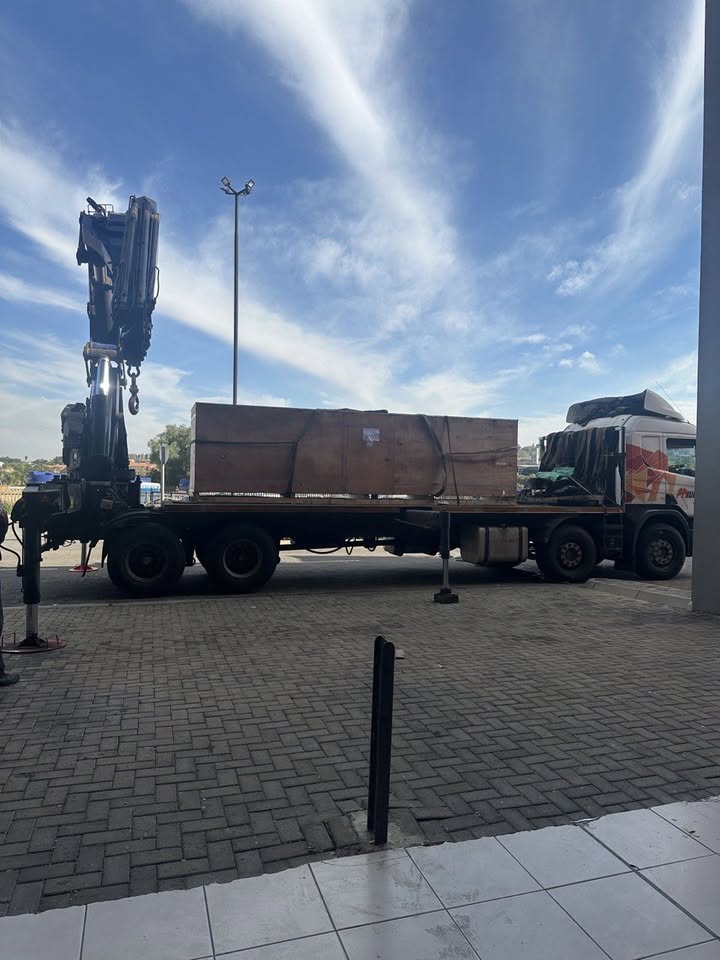
12 Heads Embroidery Machine
Toilet Paper Machine Machine
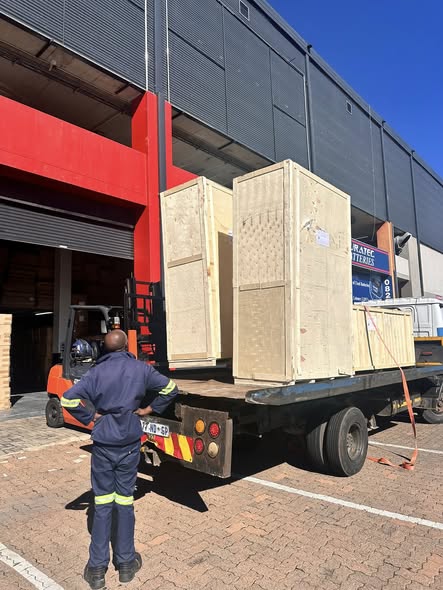
Order Collection
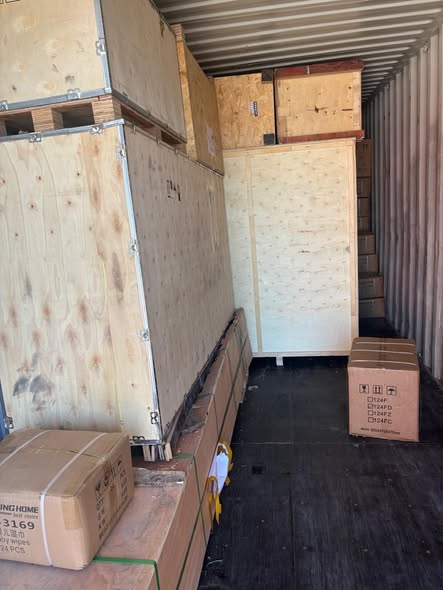
Cross Border Clients
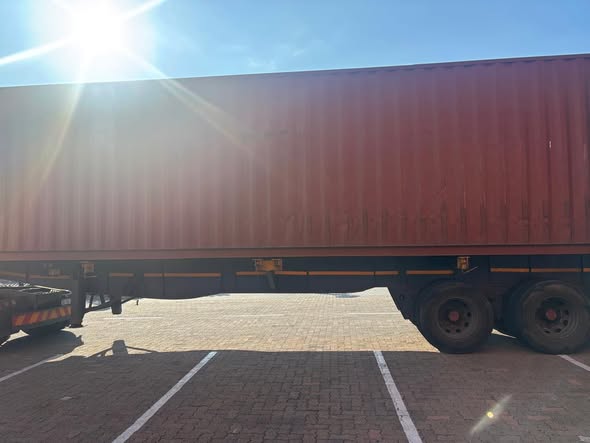
Order cros border countries Collected
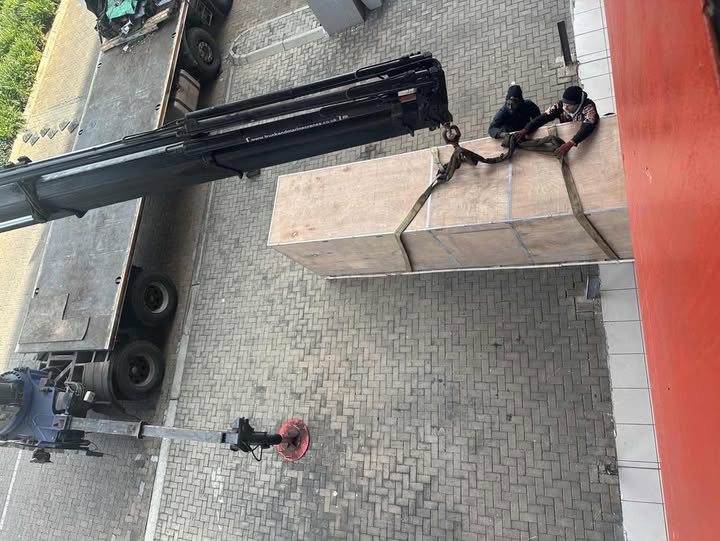
Industrial Machine Cllection
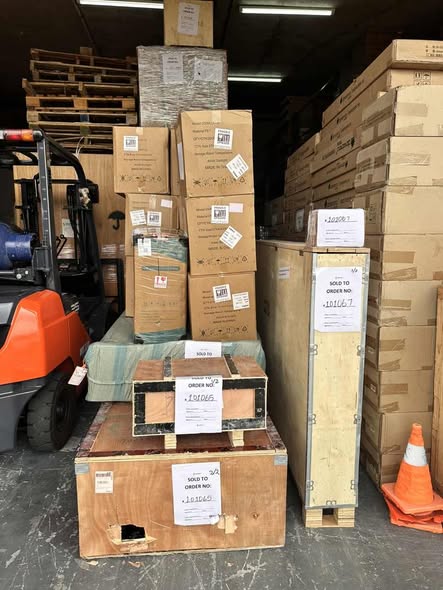
Agriculture Processing Machines
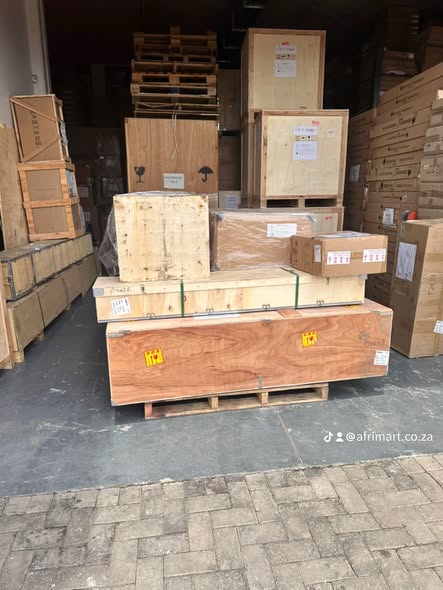
Ready for collection
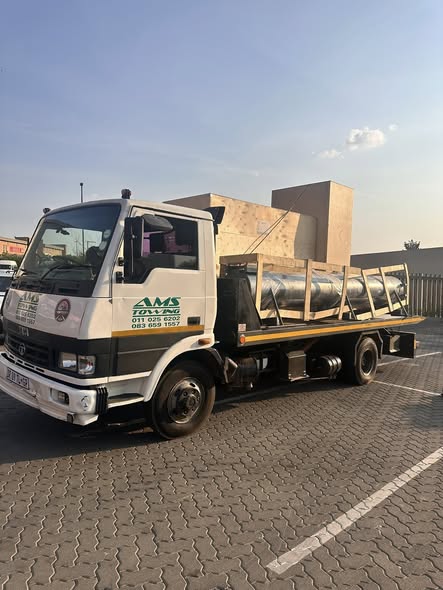
Water Pump Equipment
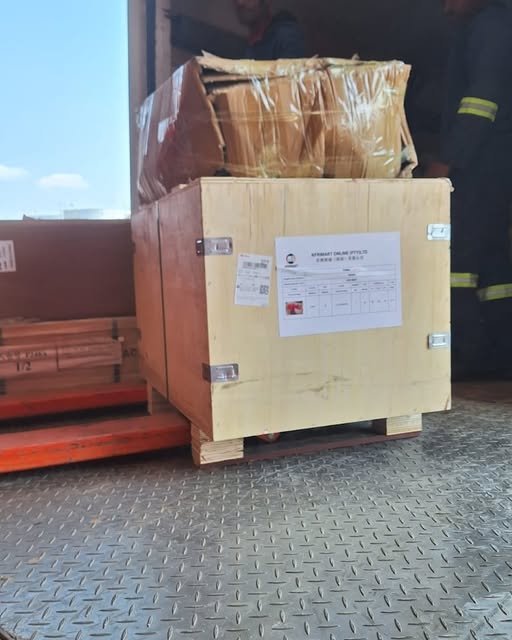
Packaging Machine and accessories
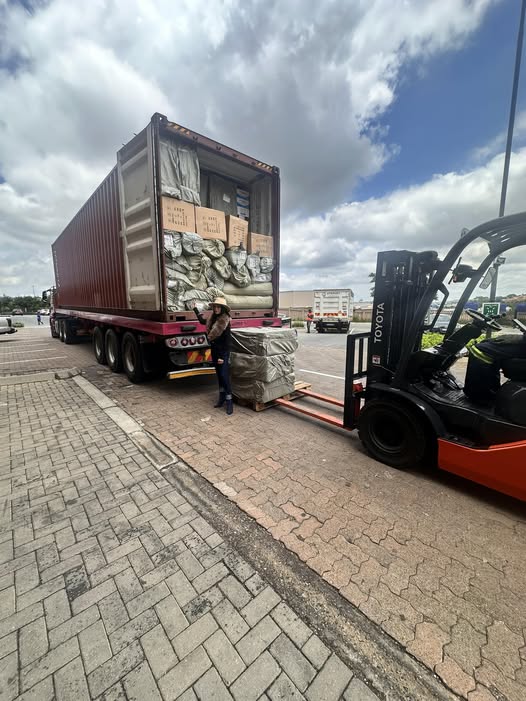
Fabrics Manufacturing Equipment
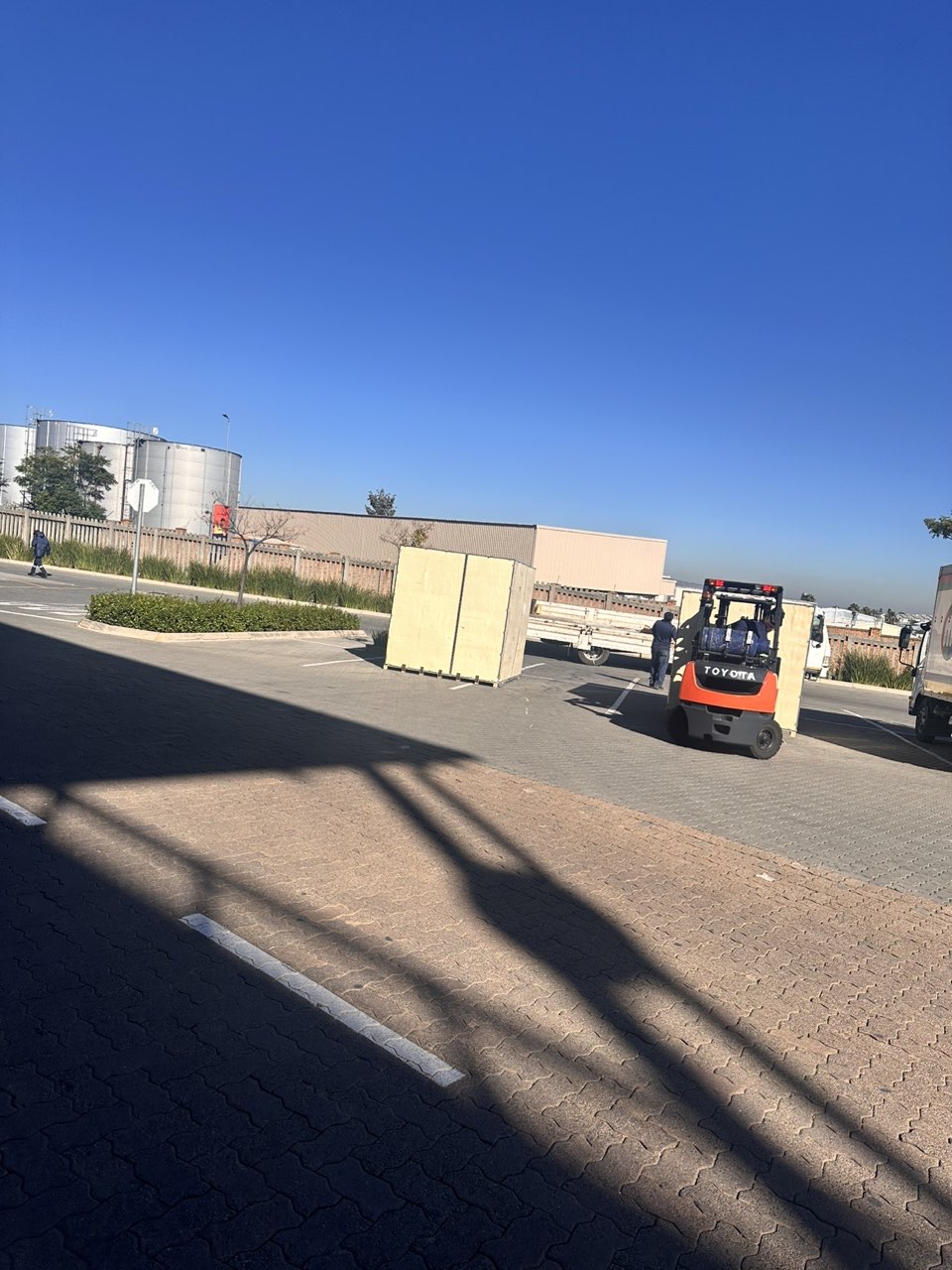
Mining Equipments
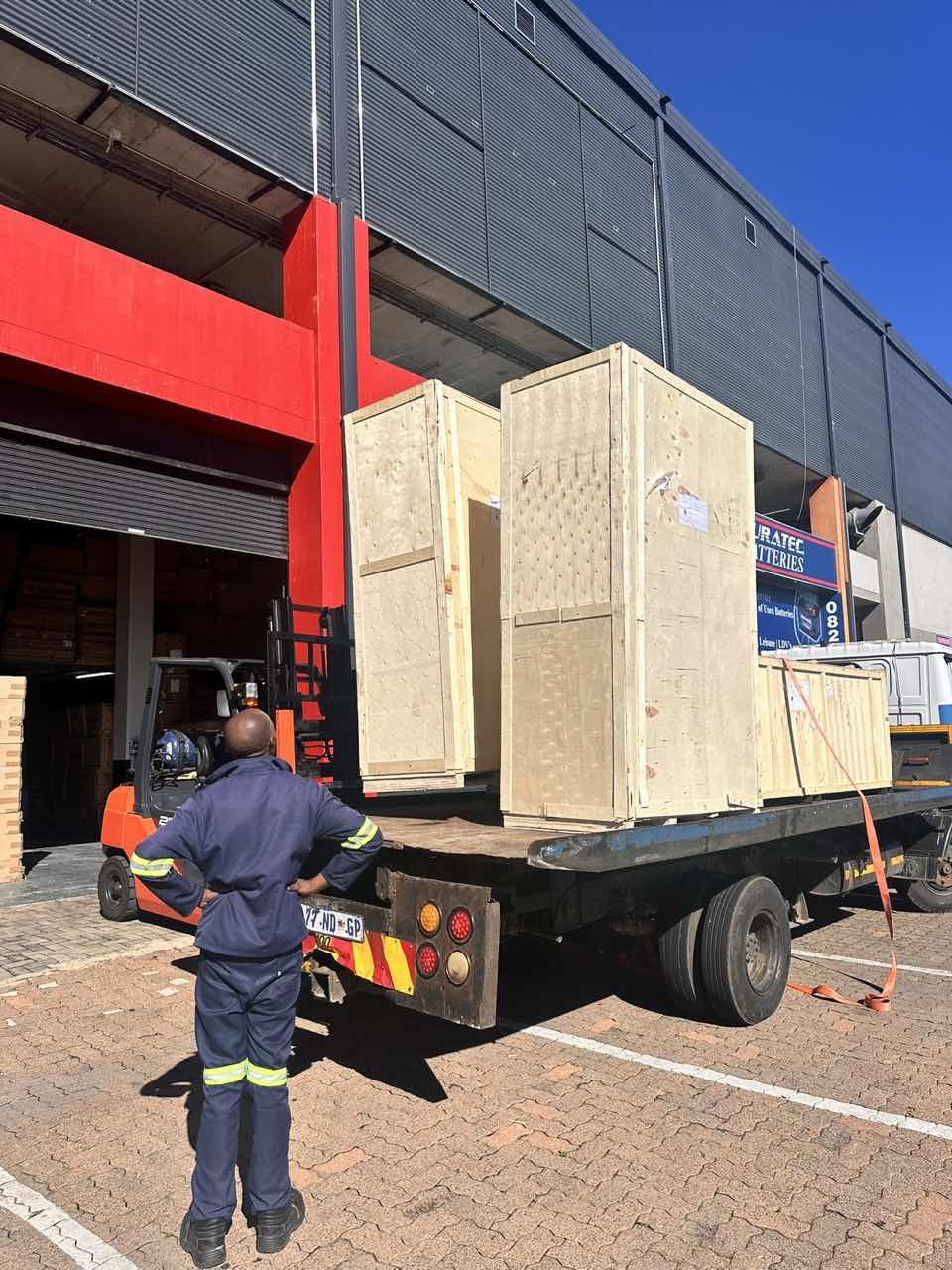
Food Processing Machine
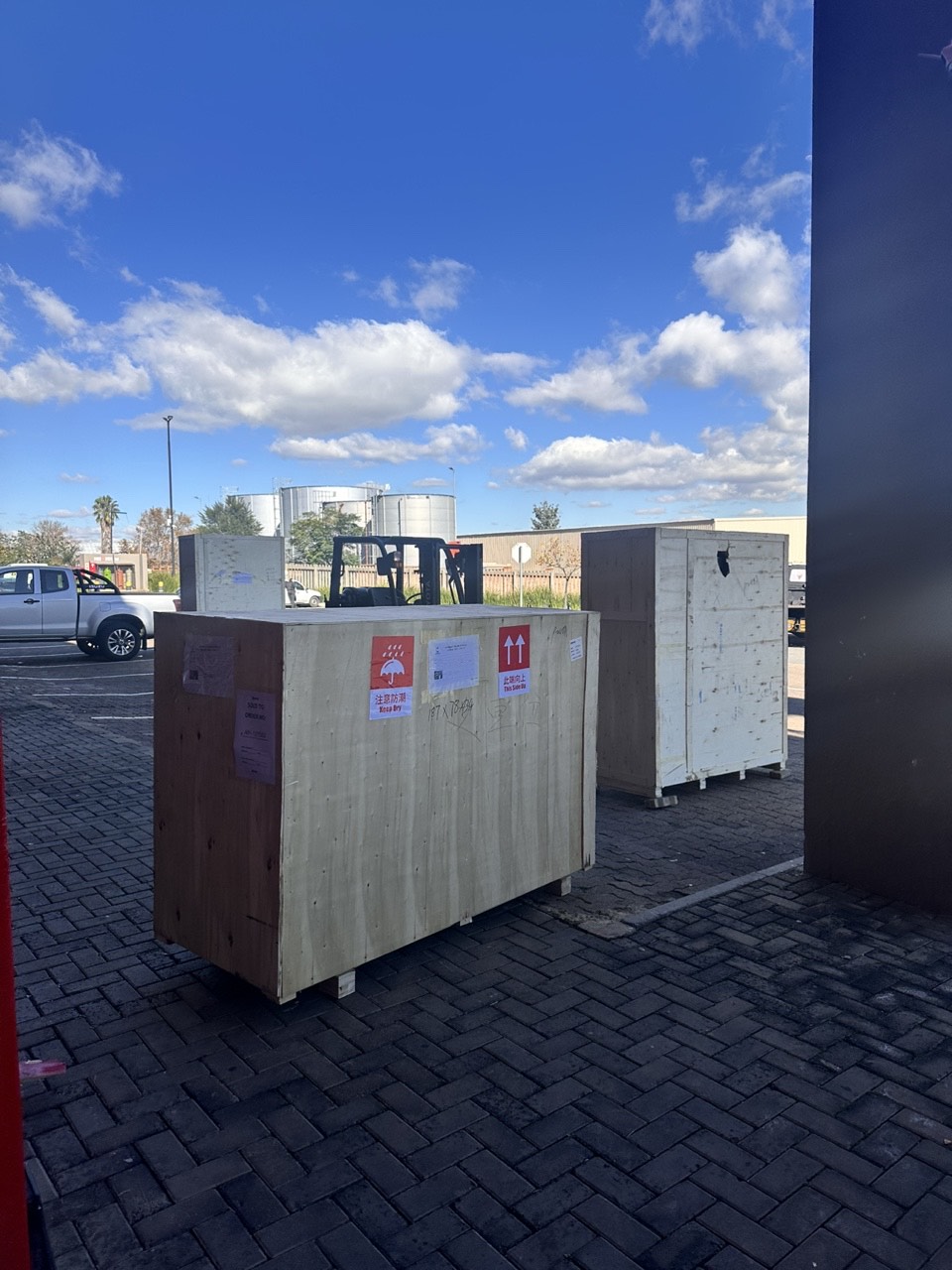
Batch of Orders
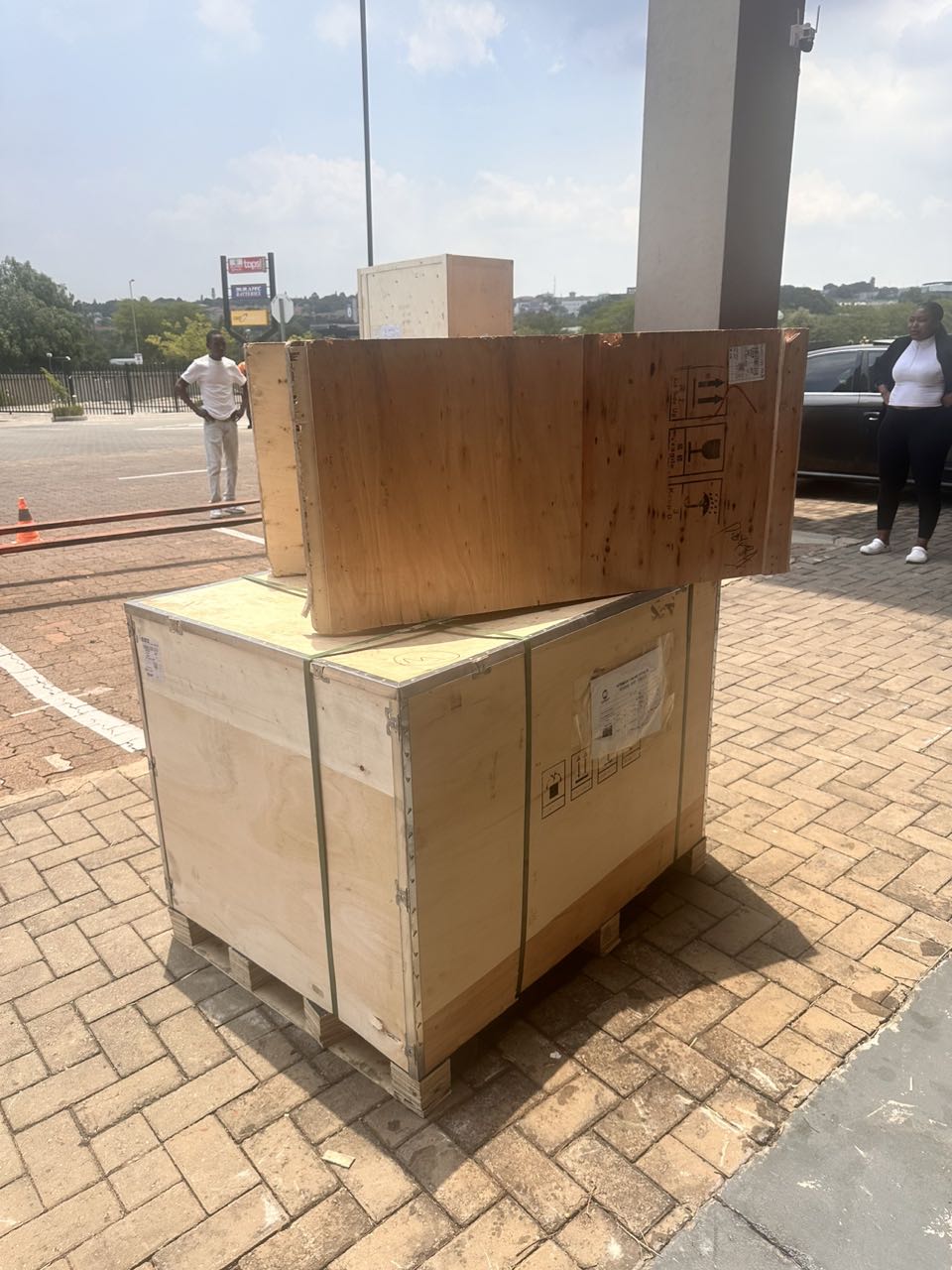
Batch of Orders
Latest Orders Labelled
wheel alignment machines
new arrivals
Pre Orders Offloading
Latest Arrivals
Latest Arrivals
Latest Arrivals
Loading
Toilet paper making machine
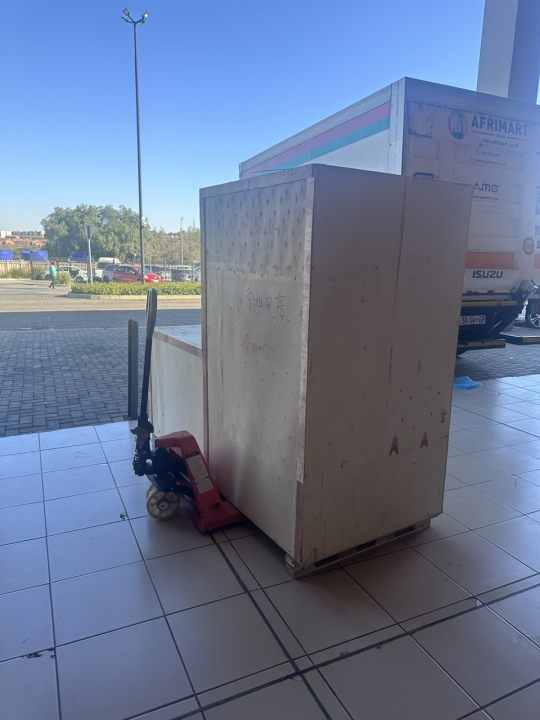
Toilet paper making machine
Toilet paper Rewinding Machine
latest arrivals
offloading
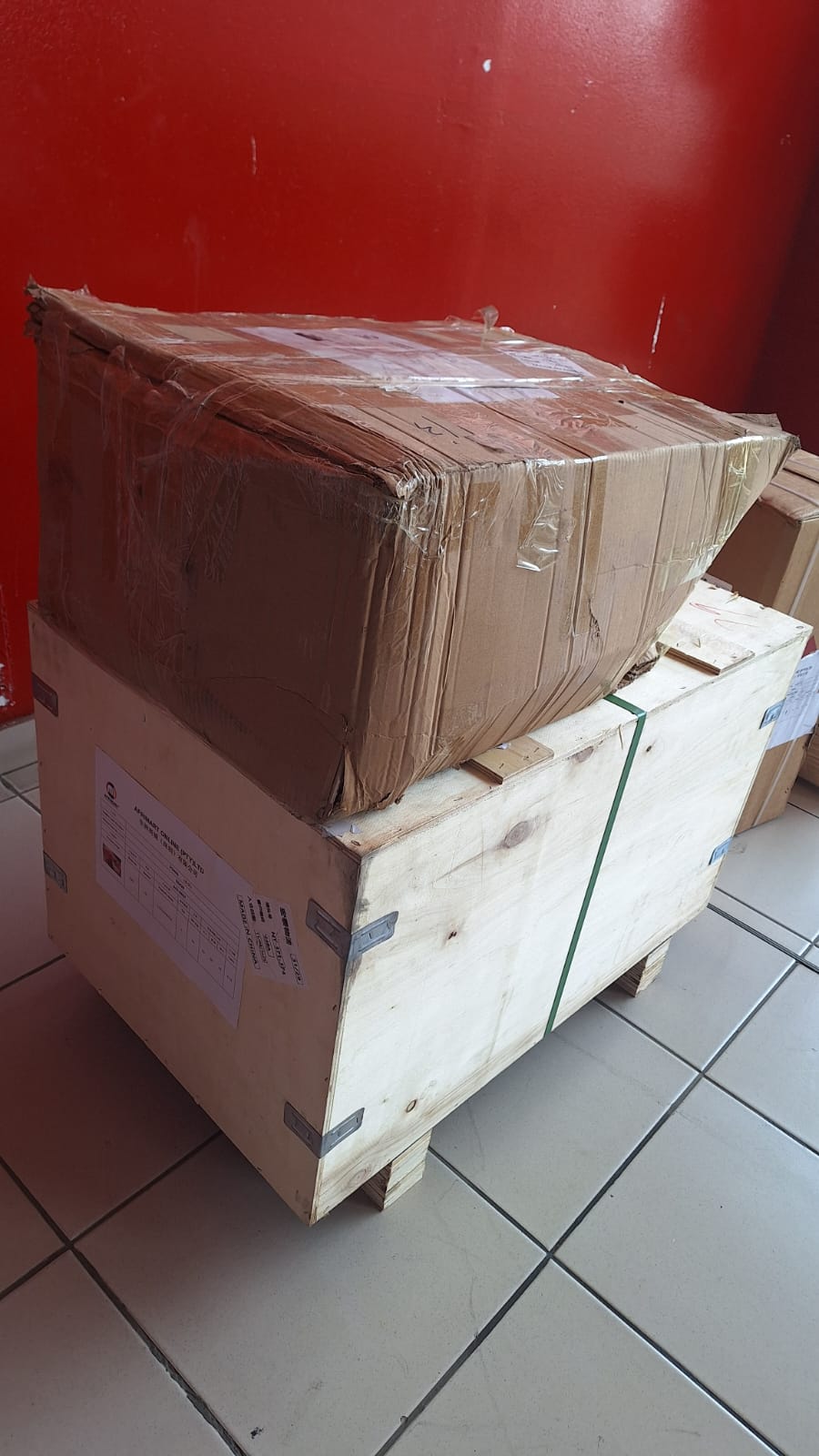
order success
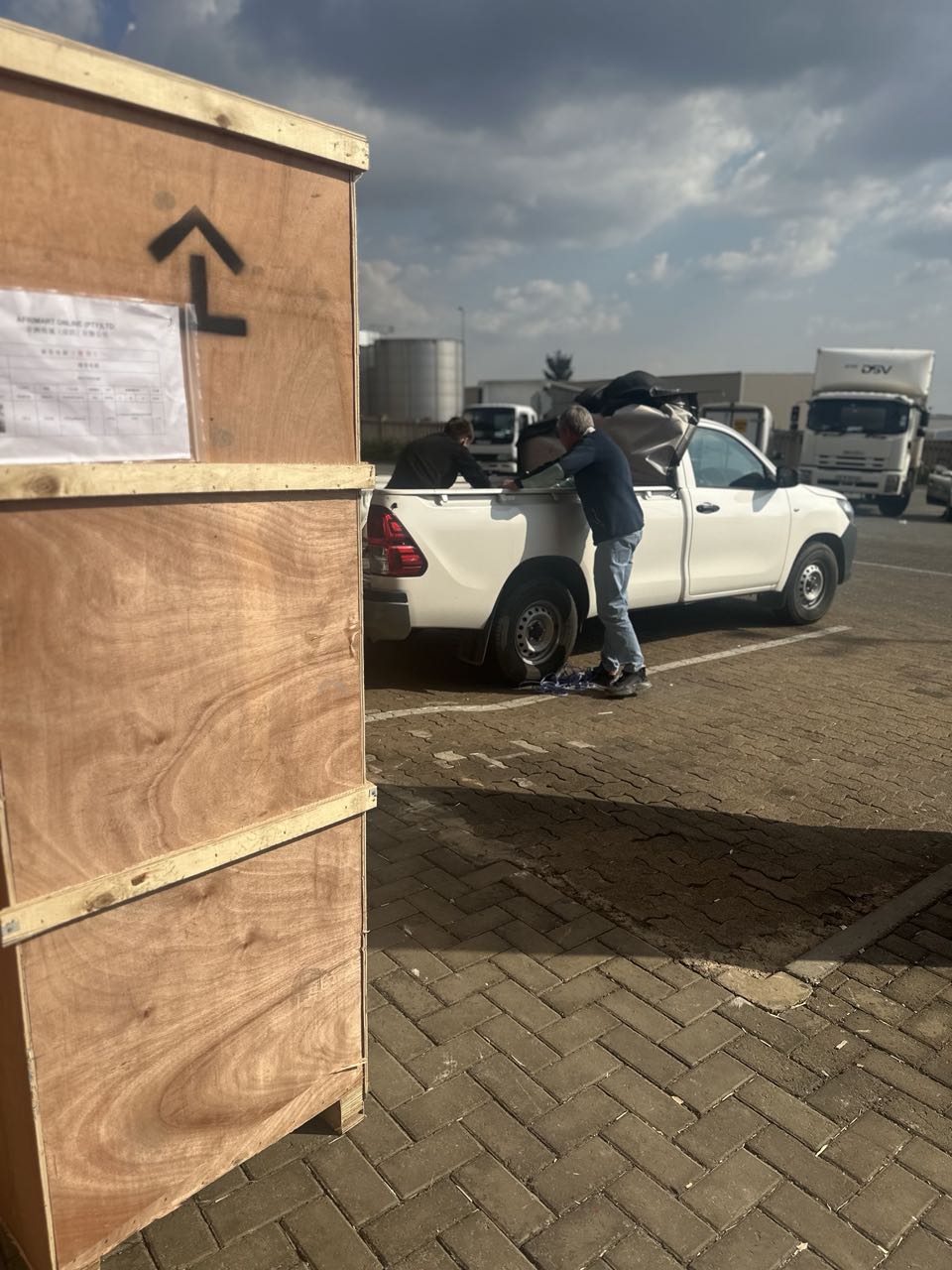
order collection
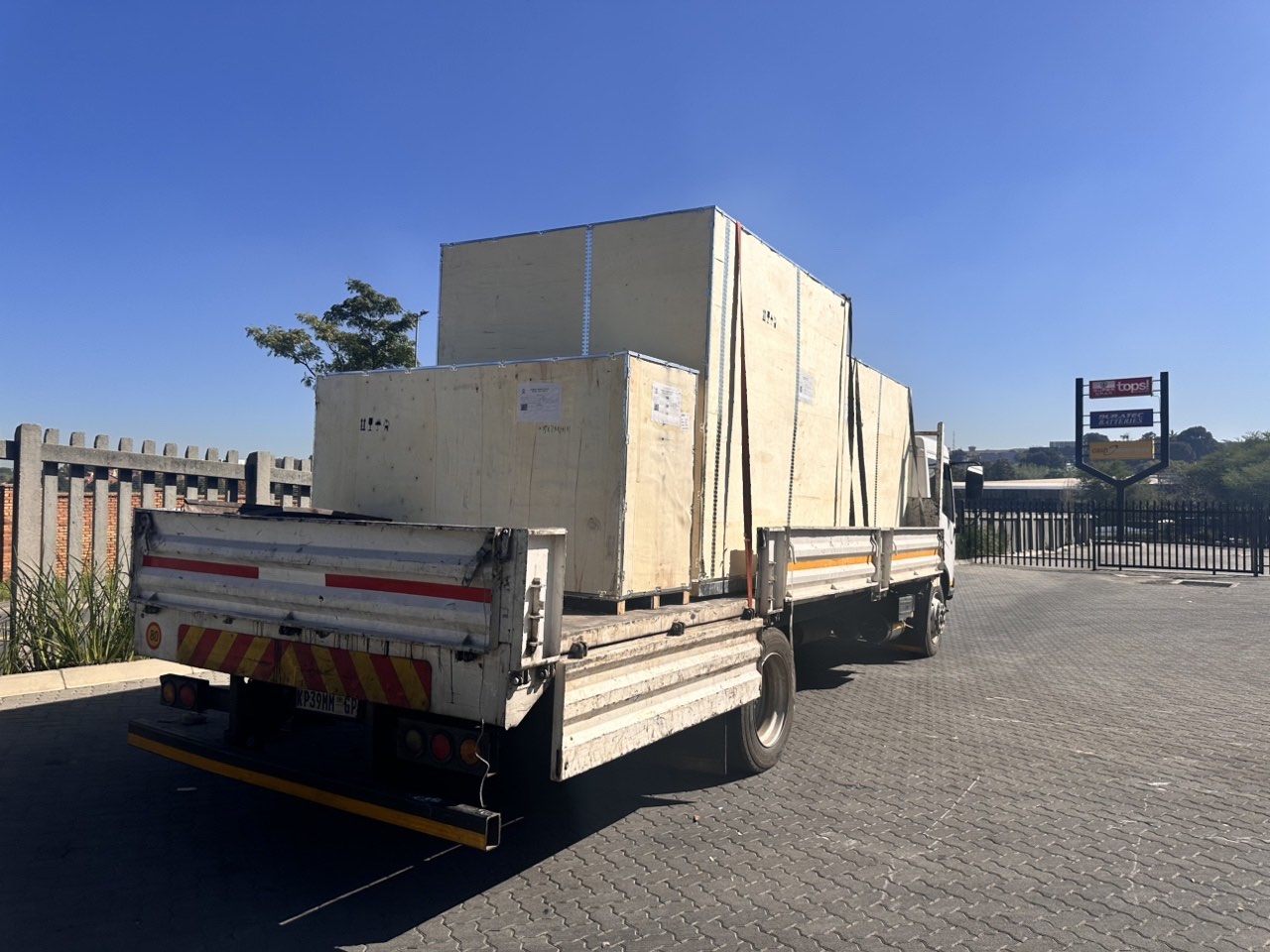
order offloading