B21, China Town Mall, Midrand

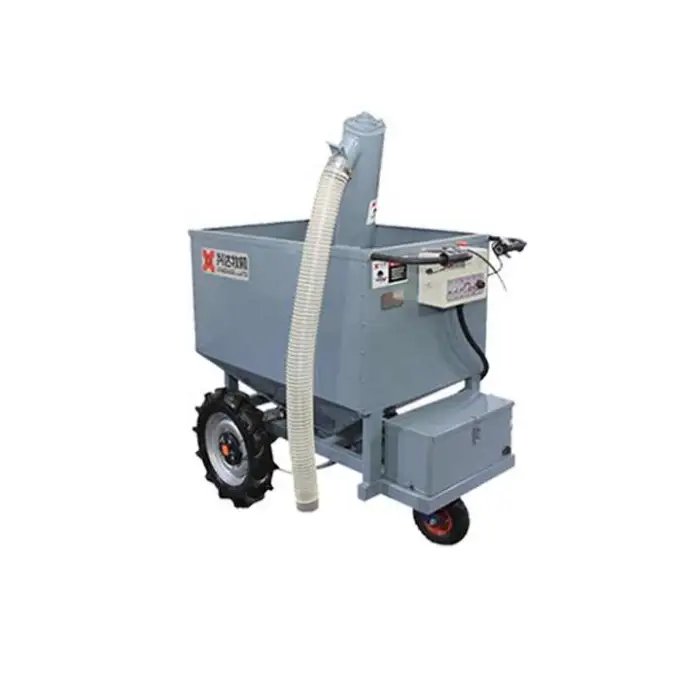
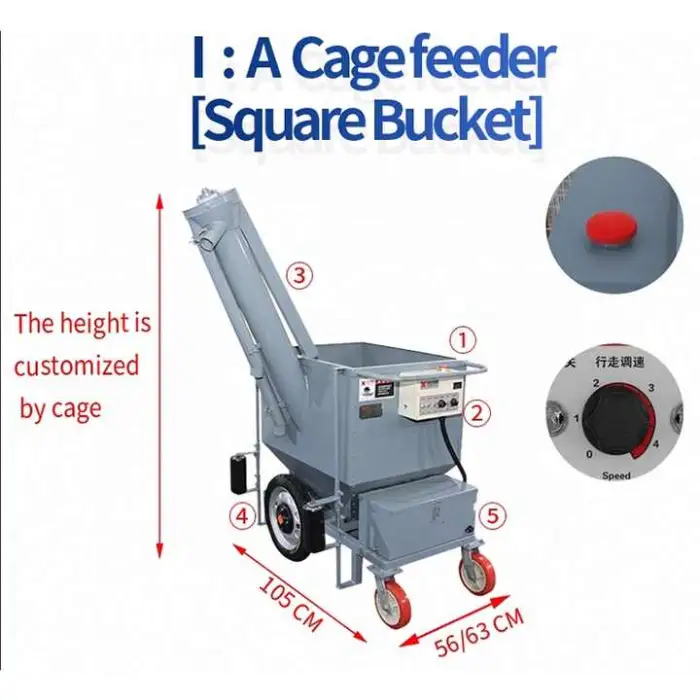
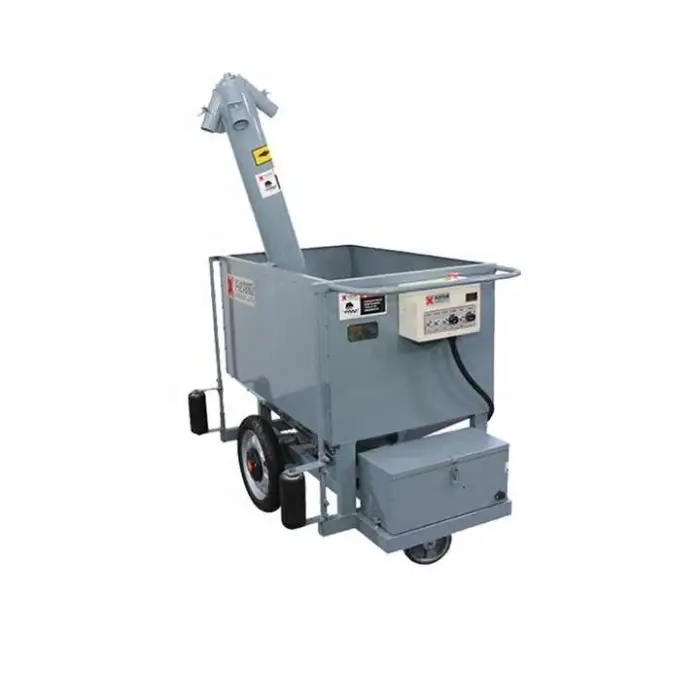
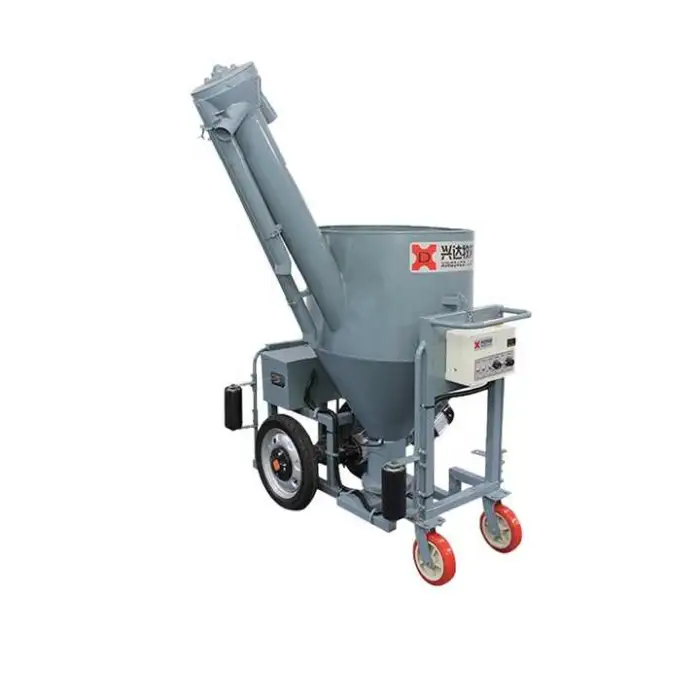
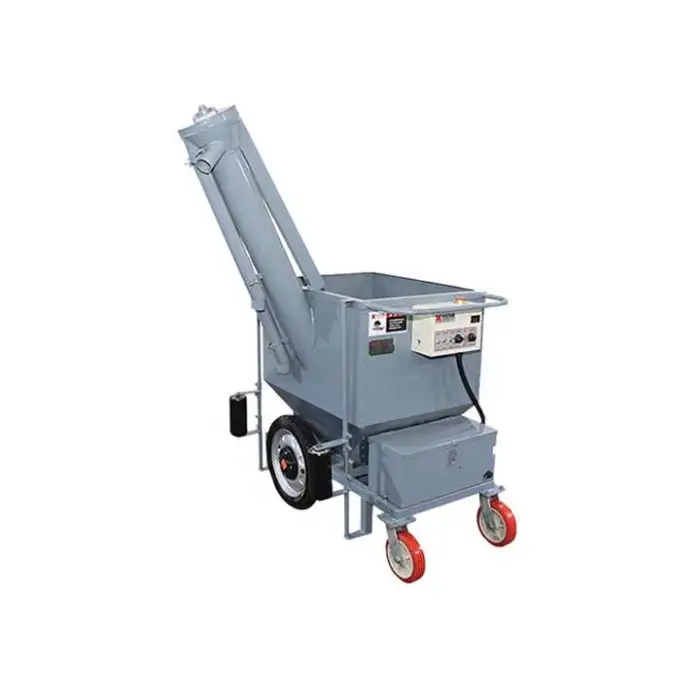
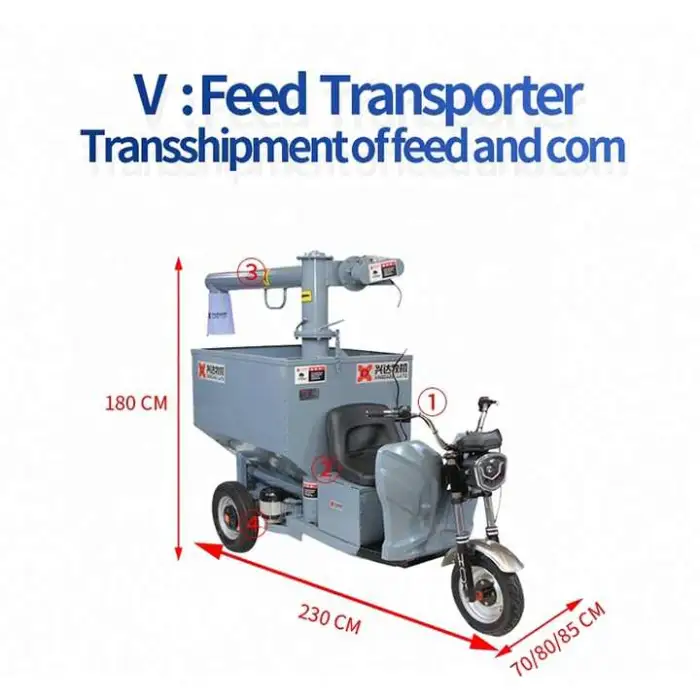
Automatic Chicken Farm Equipment Feeding and Water Line for Poultry House
- Section : Machinery
- Category : Other Food Processing Machinery
- SKU : 1601029166171

Automatic Chicken Farm Equipment Feeding and Water Line for Poultry House
The Automatic Chicken Farm Equipment Feeding and Water Line is designed to make feeding and watering your chickens easy and efficient. This innovative system operates automatically, saving you time and effort while ensuring that your poultry always has access to food and water. It is perfect for livestock farms that want to streamline their operations.
Specifications
| Attribute | Details |
|---|---|
| Condition | New |
| Key Selling Points | Automatic |
| Weight | 140 |
| Brand Name | Xingdamuji |
| Application | Livestock Farm |
| Color | Customized Color |
| Function | Feeding Machine |
| Operation | Simple Automatic Operation |
| Selling Units | Single item |
Key Features
- Fully automatic feeding system
- Easy to set up and operate
- Durable and reliable construction
- Customizable color options
- Efficient water supply system
Applications
- Ideal for poultry farms
- Suitable for raising chickens, ducks, and other birds
- Perfect for large-scale livestock operations
- Useful for farmers looking to automate their feeding and watering process
- Great for enhancing overall farm productivity
Product Info Gallery
- Shipping Timeframes: All orders are processed within 2-5 business days (excluding weekends and holidays). After your order has been processed, the estimated delivery time is before 12 Jul, 2026, depending on customs, Please note that due to high demand, some items may experience longer shipping times, which will be communicated at order confirmation email.
- Order Processing Time: Please allow 2-5 business days for us to process your order before it is shipped . Orders placed after 16:00 on Fridays, or during weekends and public holidays, will begin processing on the next business day. Processing times may be extended during peak seasons or sales events.
- Manufacturing Time: Some products needs manufacturing time, the manufacturing process will take approximately 10-30 business days depending on the product. This timeframe may vary depending on the complexity of the product and current demand. but this will be communicated with you during order confirmation.
- Returns and Exchanges: We offer a 30-day return policy for most items. If you are not completely satisfied with your purchase, you may return it within 30 days of receipt for a refund or exchange. Items must be unused, in their original packaging, and accompanied by proof of purchase. Return shipping costs are the responsibility of the customer, unless the item was damaged or defective upon arrival.
1. What is the Automatic Chicken Farm Equipment Feeding and Water Line?
It is an integrated automatic feeding and watering system designed for poultry houses. It delivers feed and water automatically to birds, reducing labor and ensuring constant access to food and water for chickens, ducks and other poultry.
2. What are the key features and benefits of this system?
Fully automatic operation, easy to set up and operate, durable construction, efficient water supply, customizable colors, and suitability for large-scale livestock operations. Benefits include labor savings, more consistent feed/water delivery, and improved farm productivity.
3. Which types of poultry is the system suitable for?
It is suitable for chickens, ducks and other small-to-medium-sized poultry commonly raised on commercial and large-scale farms. For very small birds or specialty species, check compatibility with feed/water delivery components.
4. What are the basic specifications?
According to the listing: condition: new; brand: Xingdamuji; weight: 140 (confirm units with supplier); color: customizable; selling unit: single item. For detailed dimensions, power and capacity specs, contact the manufacturer or seller.
5. How does the automatic feeding mechanism work?
Feed is stored in a hopper and delivered automatically via a powered feed line or conveyor to troughs or pans along the house. Delivery is controlled by the system timing or sensors to maintain a consistent feed level.
6. How does the automatic water line work?
The water line supplies water through pipes to drinker units (e.g., nipples or cups) along the house. It maintains steady water availability and usually connects to the farm's water source with inline filters and pressure regulation as needed.
7. What power or utility connections are required?
The listing indicates simple automatic operation but does not list exact power specs. Models may require electrical power (voltage varies by market) and a clean water supply. Confirm voltage, amperage and water-pressure requirements with the supplier before purchase.
8. Is the system easy to install and expand?
Yes — it is advertised as easy to set up. Typical installation requires mounting feed lines and water pipes, connecting to a water source and power, and adjusting outlets. Systems are usually modular and can be extended by adding additional lines or runs for larger houses.
9. What types of feed are compatible with the feeding system?
Most automatic feeders handle common poultry feed forms such as pellets, crumbles and coarse mash. Extremely fine powder or very large coarse blocks may require special augers or screens — confirm feed-size compatibility with the supplier.
10. How should I clean and maintain the feeding and water lines?
Regular cleaning is important: flush water lines and clean drinker units weekly or per farm protocol, clean feed hoppers and lines periodically to prevent caking and mold, inspect for wear or blockages, and replace seals or parts as needed. Follow the manufacturer’s maintenance schedule.
11. Are spare parts and after‑sales service available?
The listing does not specify warranty or spare-part availability. Most suppliers provide spare parts (nipples, valves, motors, belts) and technical support — confirm warranty terms, spare-part catalogs and lead times with the seller before purchase.
12. Can the system be customized for my farm?
Yes — color customization is offered. Other customizations such as line length, number/type of drinkers, hopper capacity, control options and mounting specifics are likely possible; discuss your farm layout and requirements with the supplier.
13. What water pressure or filtration is required?
Appropriate water pressure and filtration depend on the drinker type and system length. Many systems require a steady, moderate pressure and an inline filter to prevent clogging. Ask the supplier for recommended pressure range and filtration options for your layout.
14. How can this system help with biosecurity and flock health?
Automatic delivery reduces human traffic into houses, lowering disease introduction risk. Consistent feed and water availability supports steady bird growth. To maximize biosecurity, maintain clean lines, use filters, regularly disinfect components and follow farm hygiene protocols.
15. How do I order, and what are typical lead times and shipping considerations?
Ordering, lead time and shipping depend on the supplier, your location and any customizations. Contact the seller or dealer for quotes, production lead times, shipping costs, and installation support. Ask about packaging, handling requirements and local dealer installation services if needed.
Latest Order Arrivals
Discover our latest orders
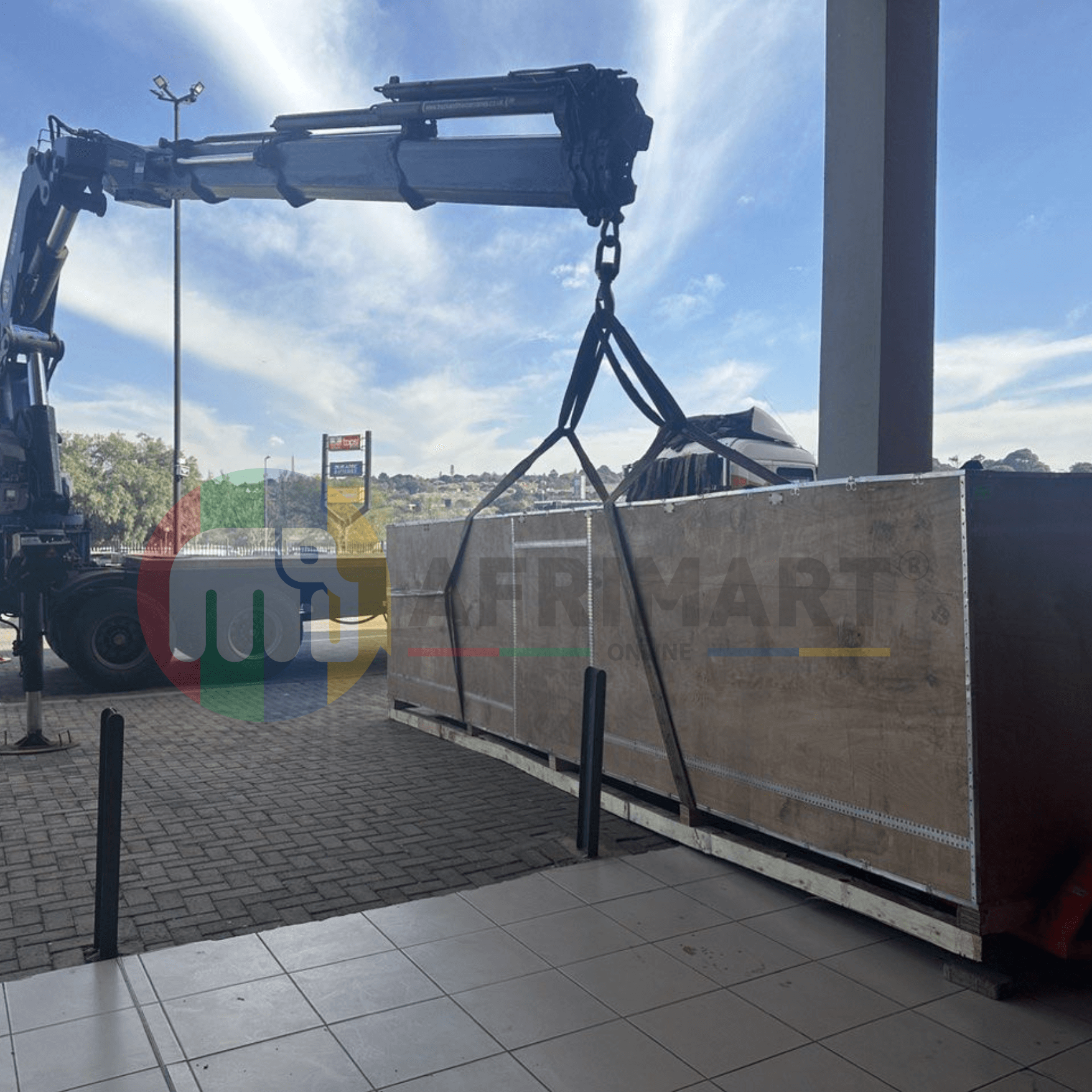
12 Heads Embroidery Machine
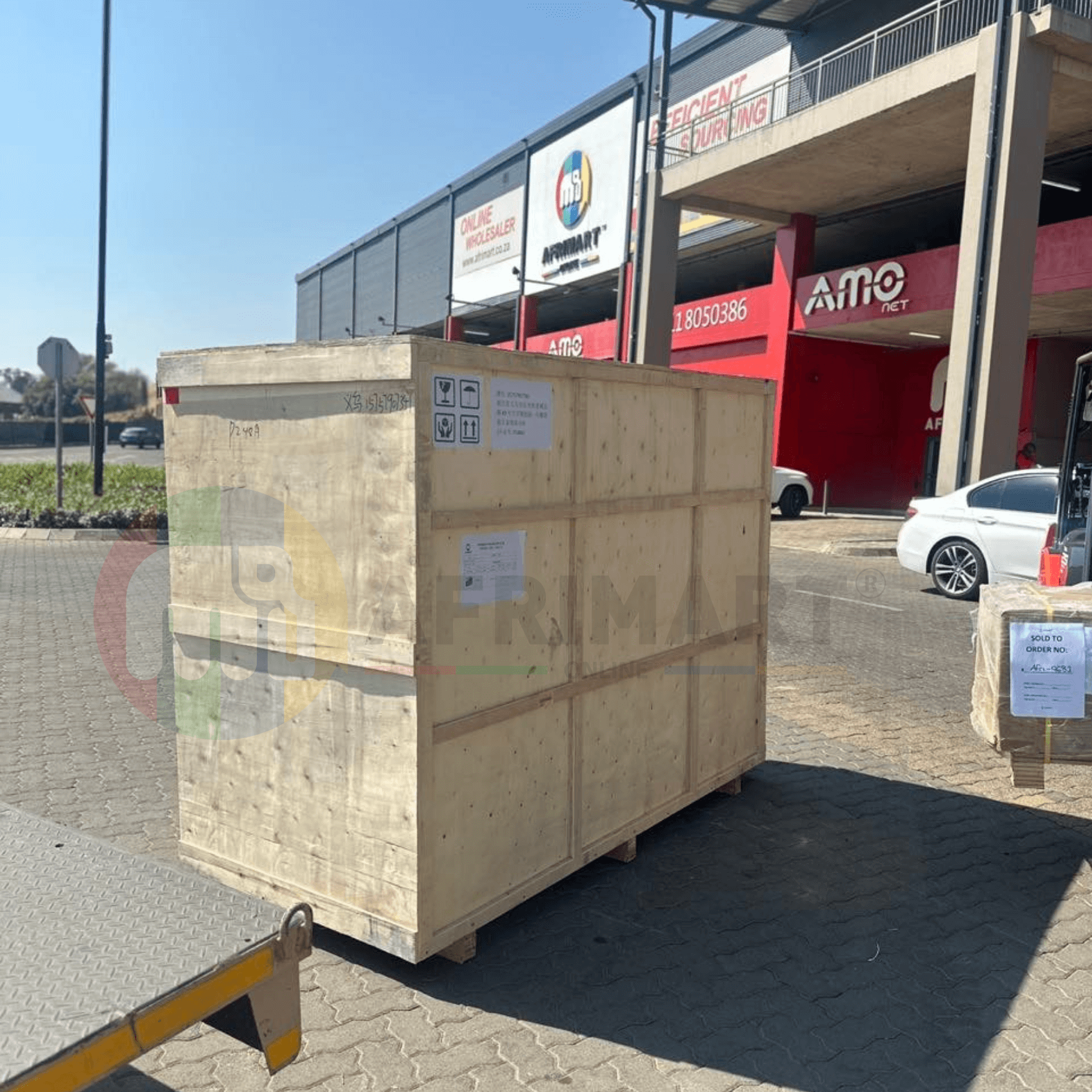
Dewatering Pump Machine
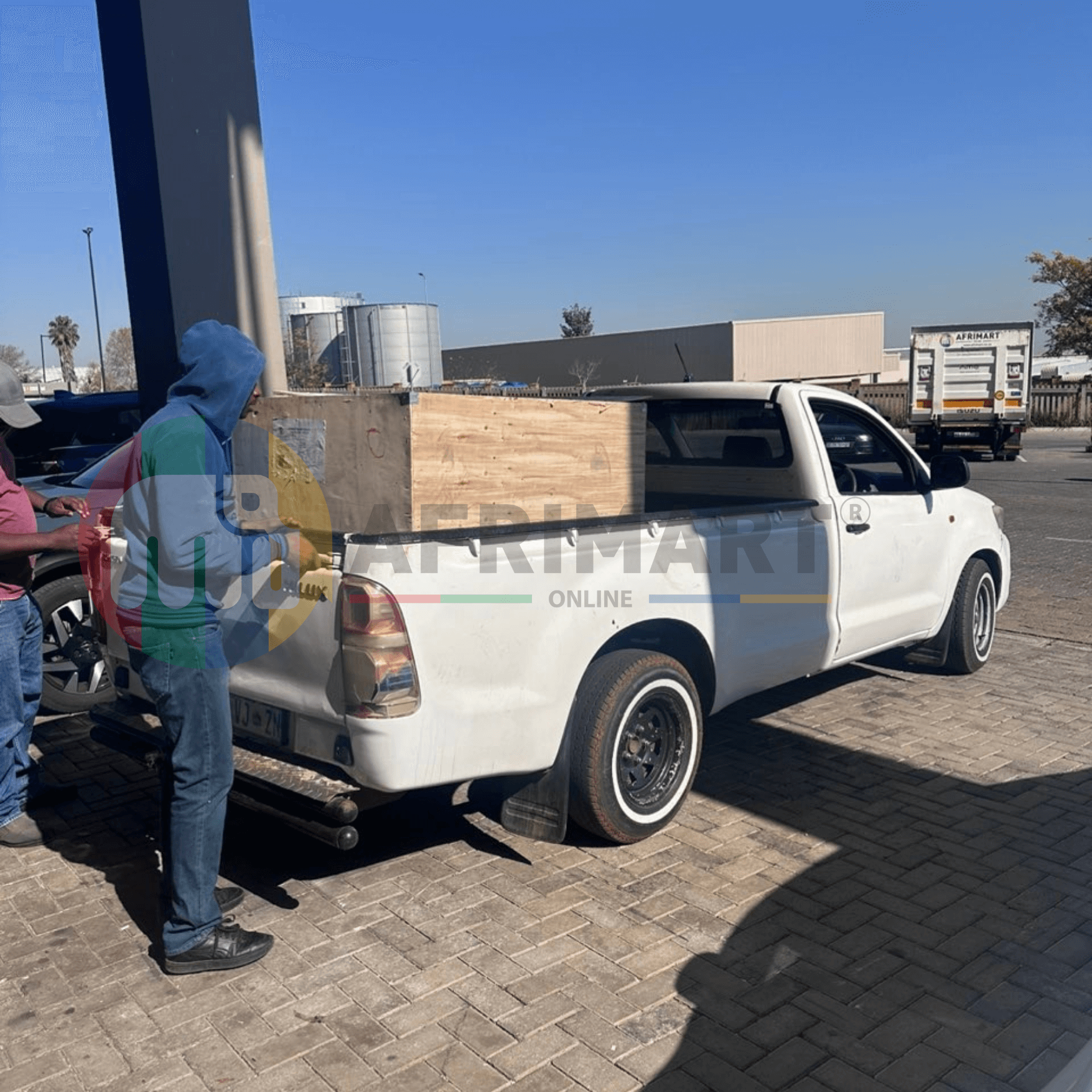
Order Collection
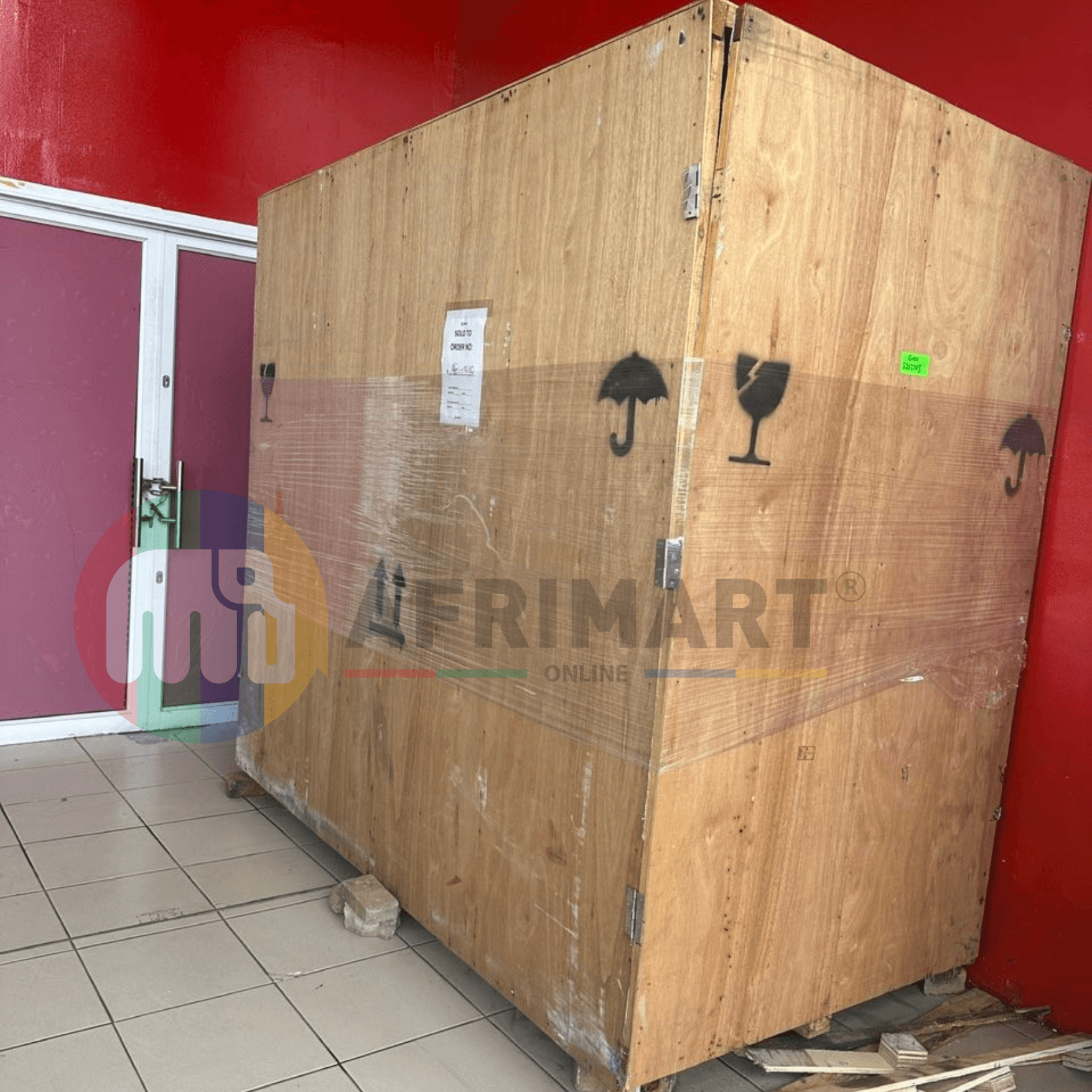
Portable Water Drilling Rig
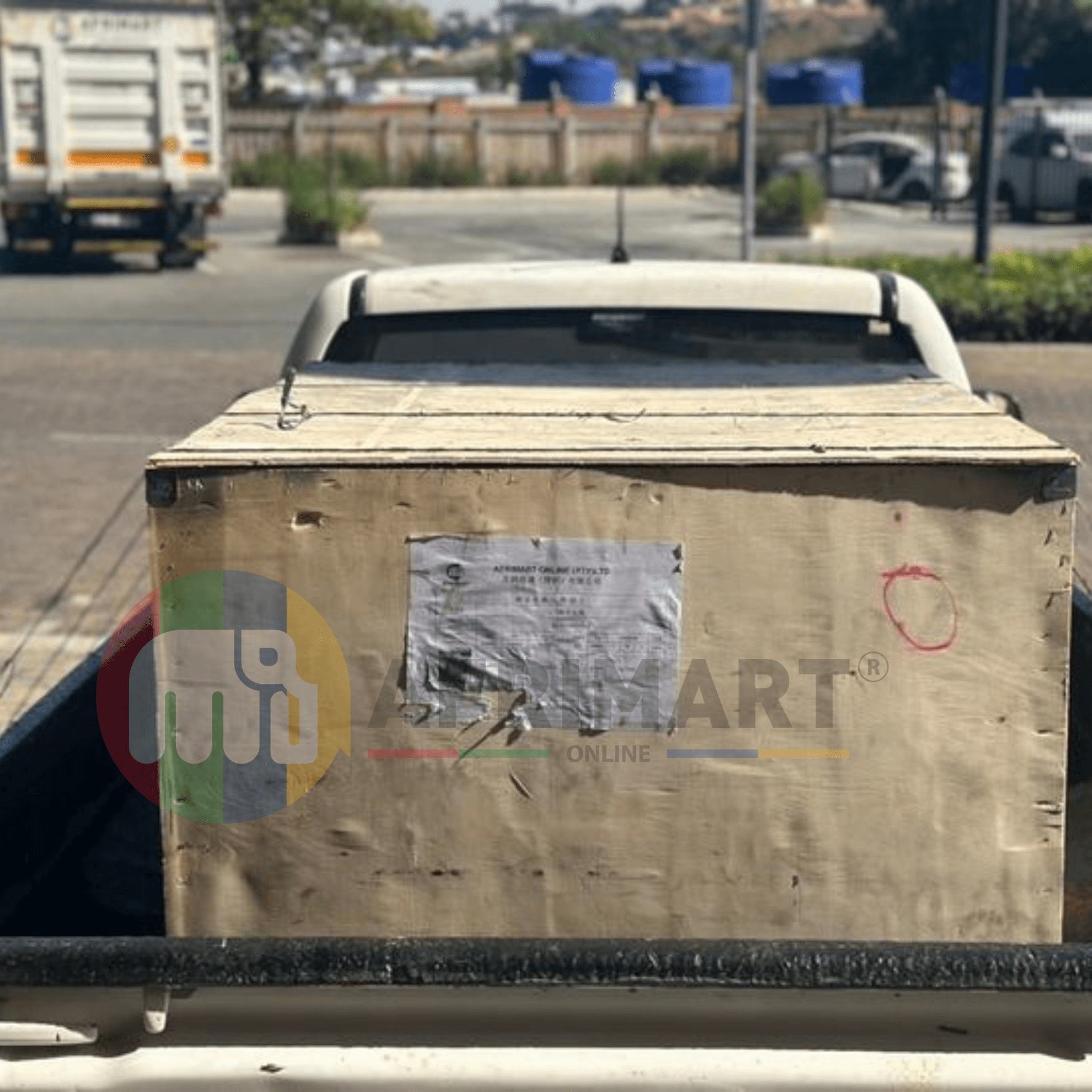
Order Usefully Collected
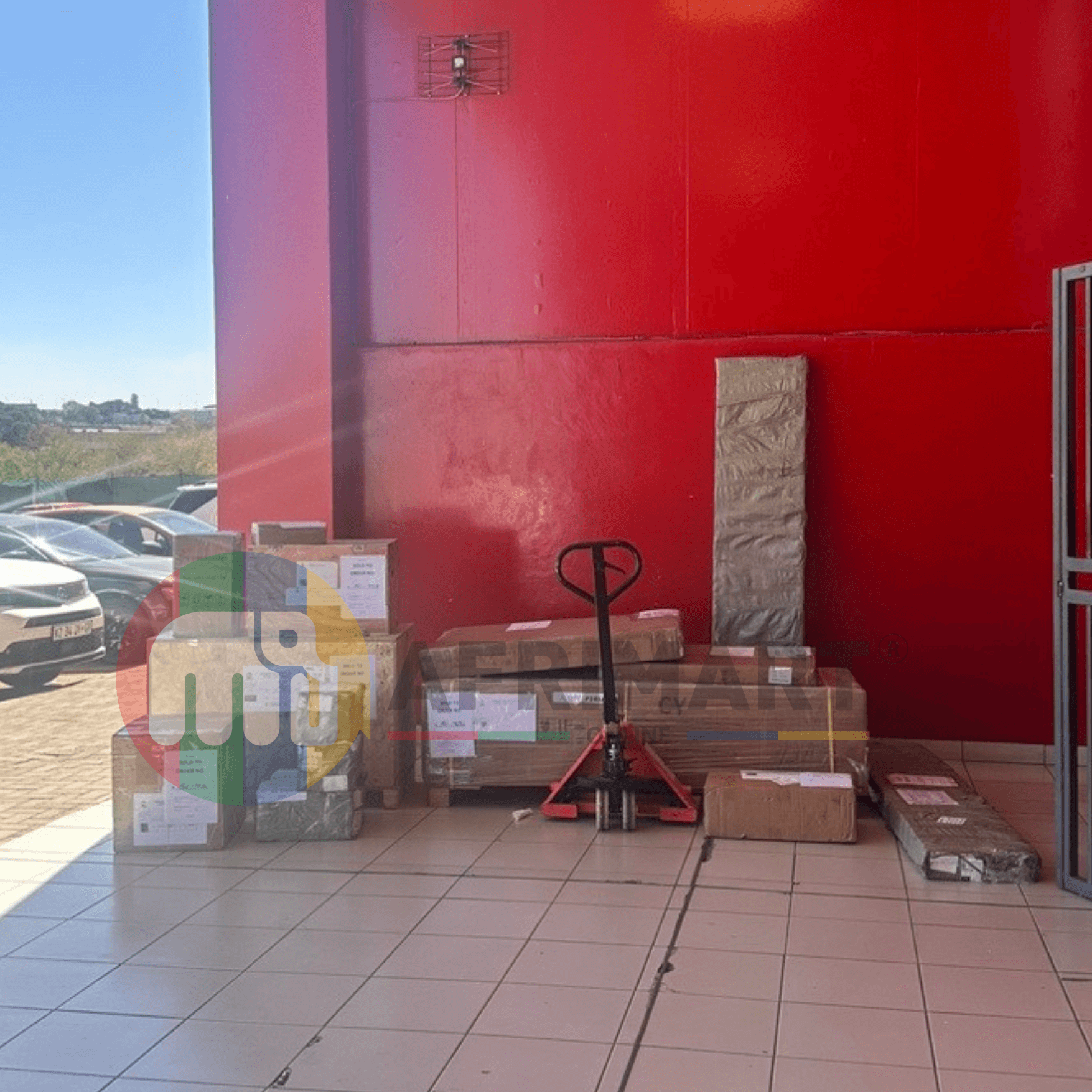
Batch of Orders
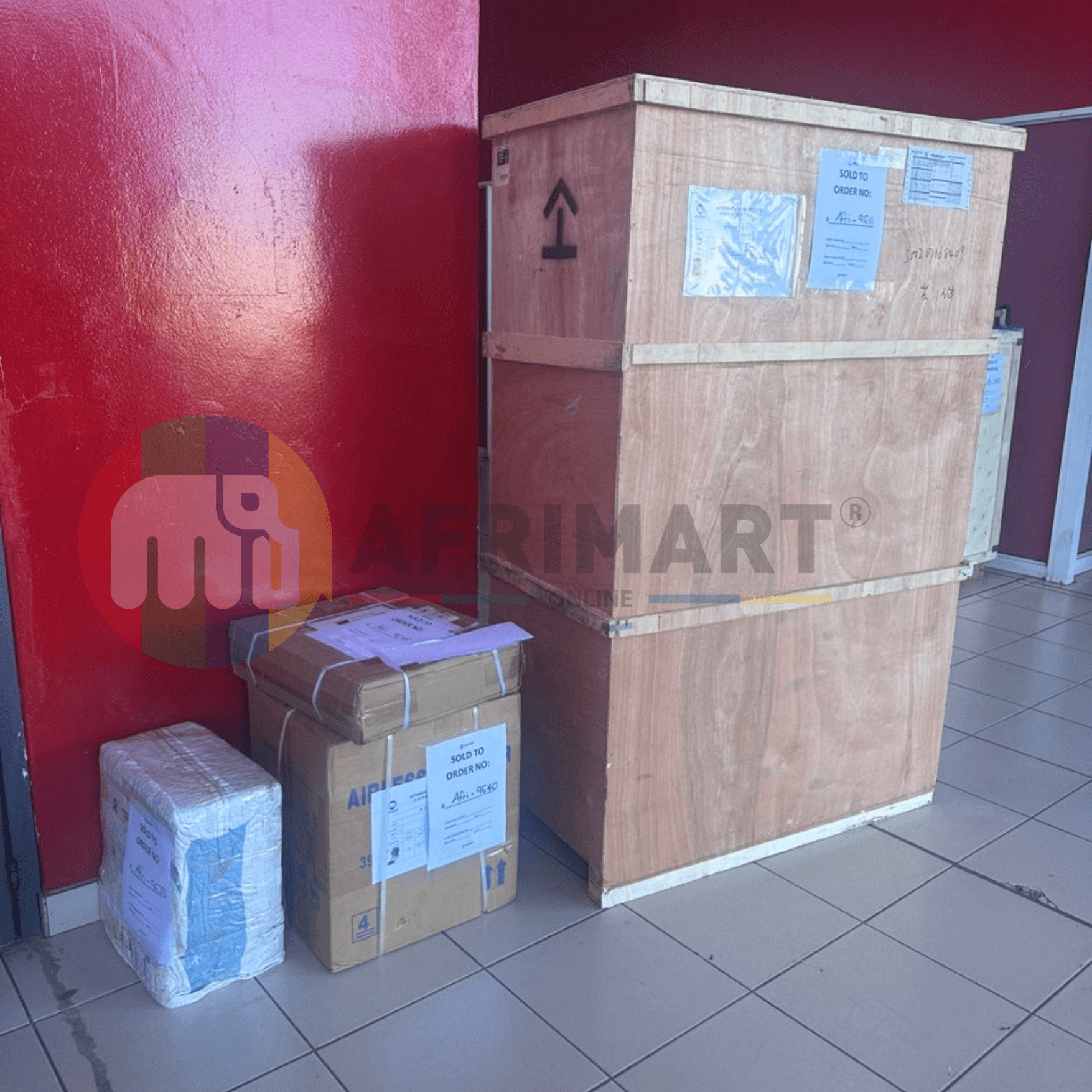
Agriculture Processing Machines
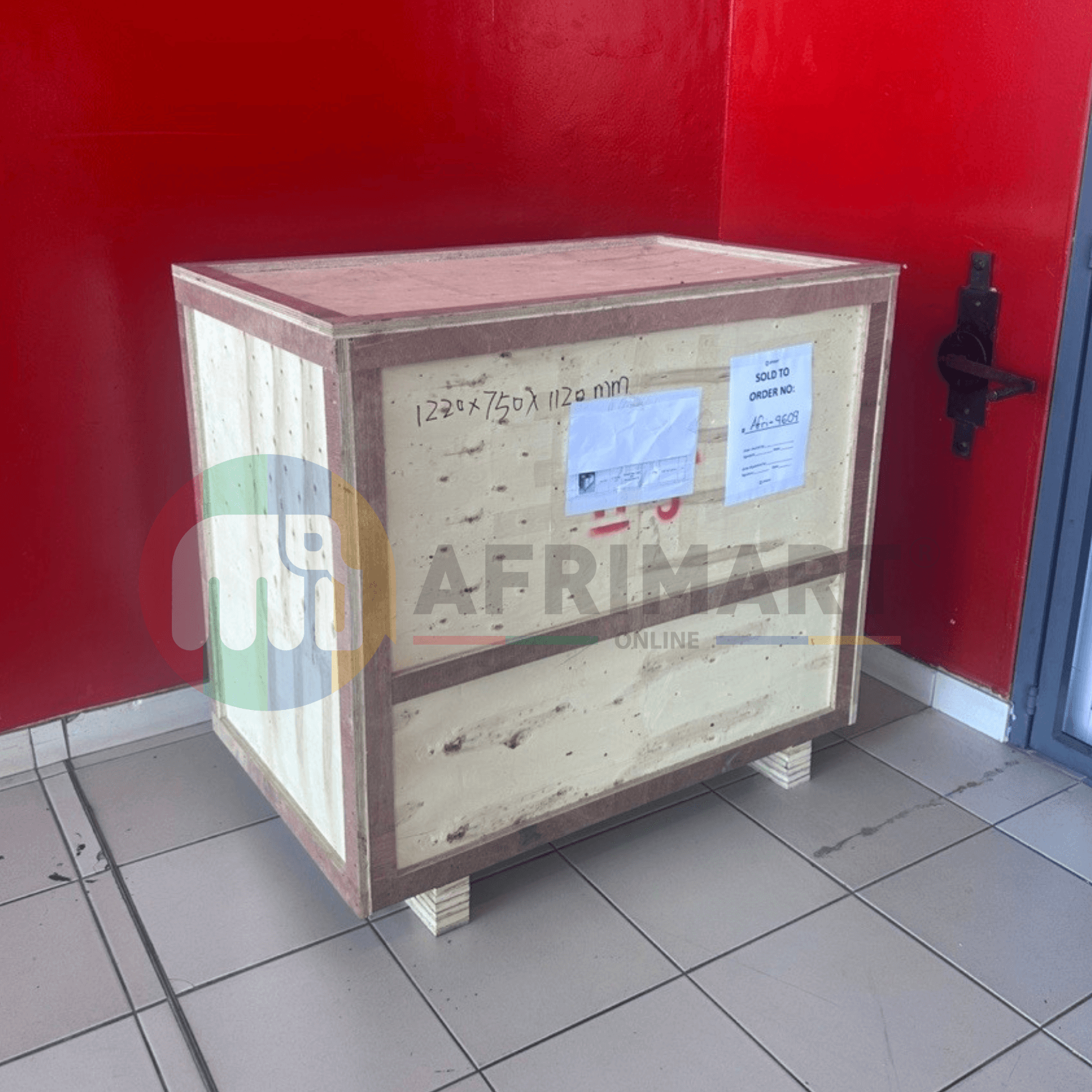
Meat Grinder Machine
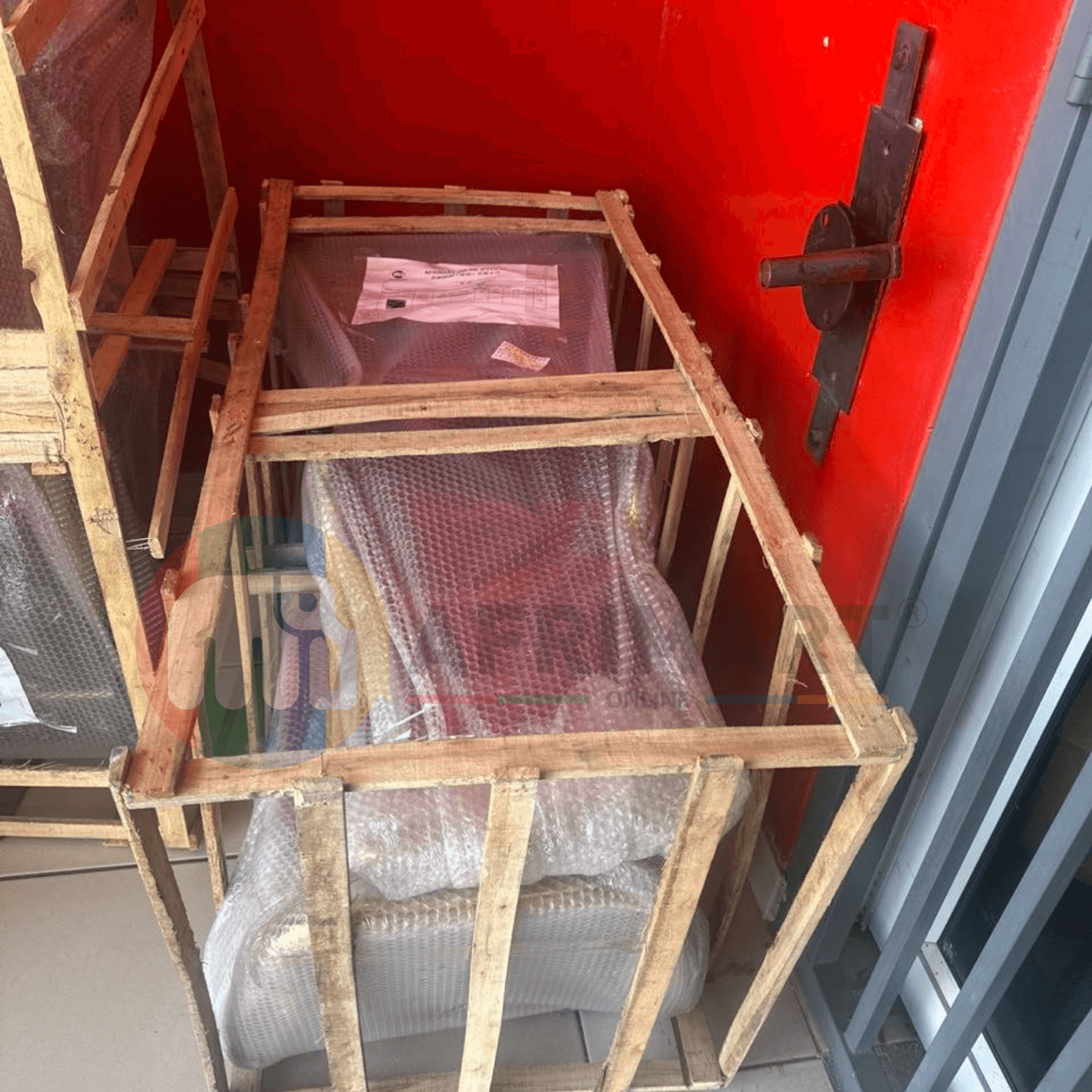
Water Pump Equipment
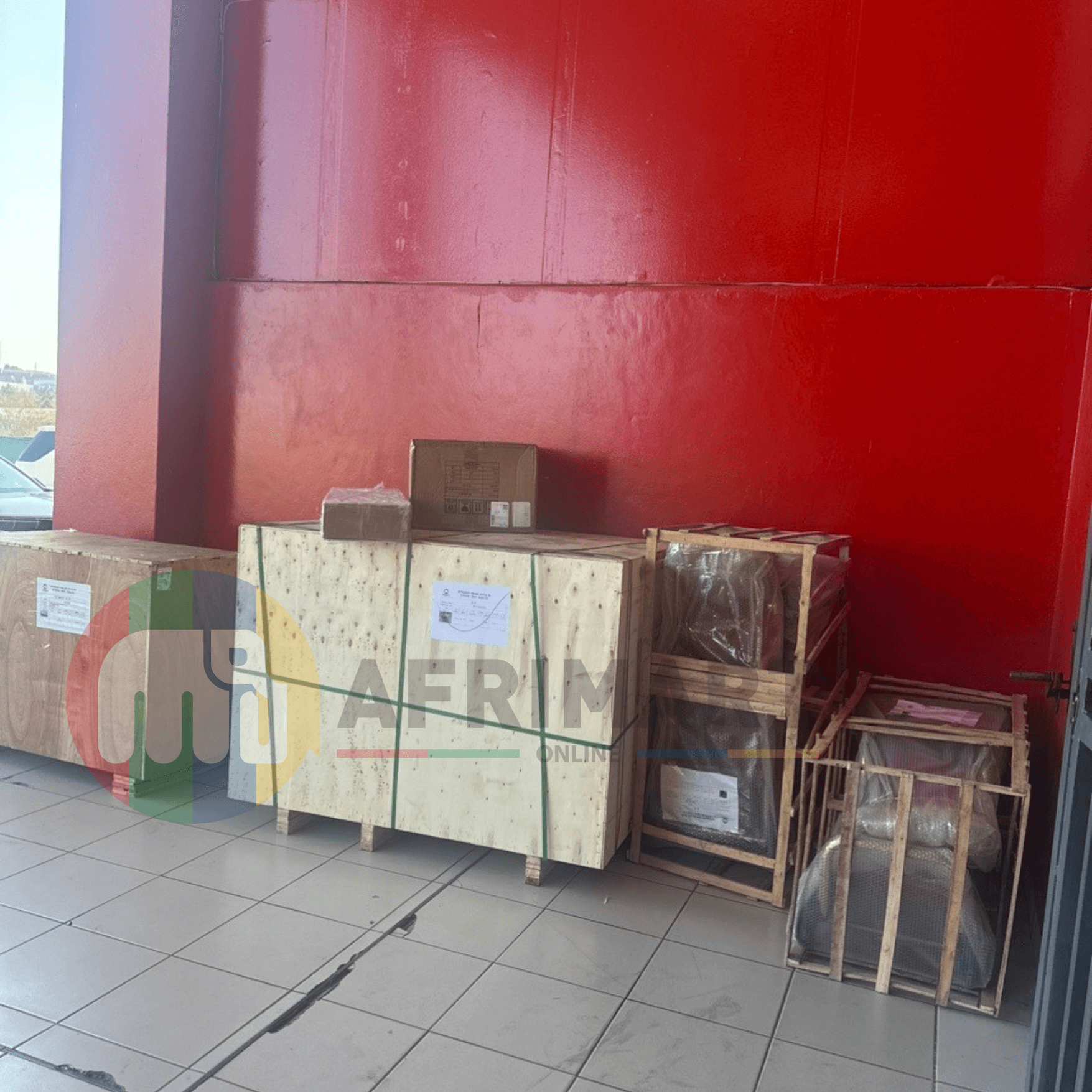
Packaging Machine and accessories
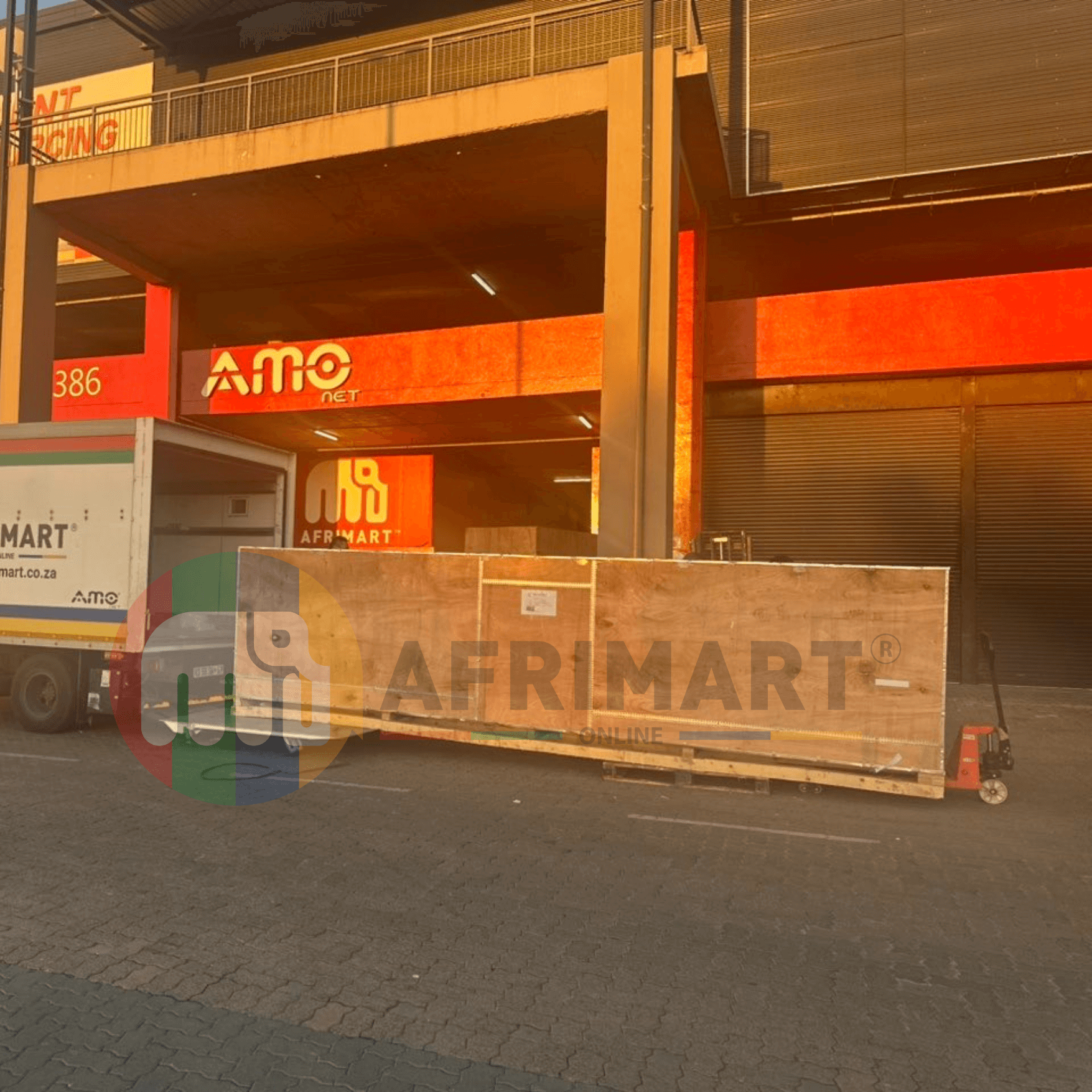
Fabrics Manufacturing Equipment
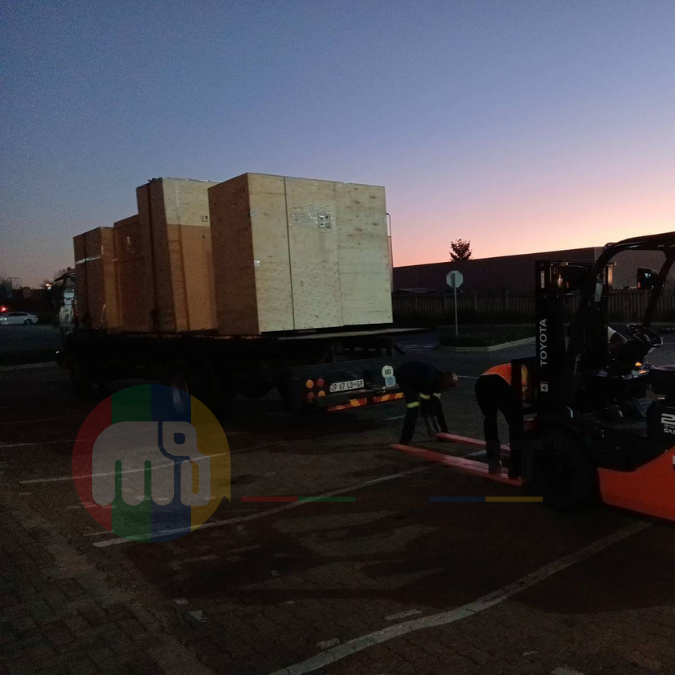
Mining Equipments
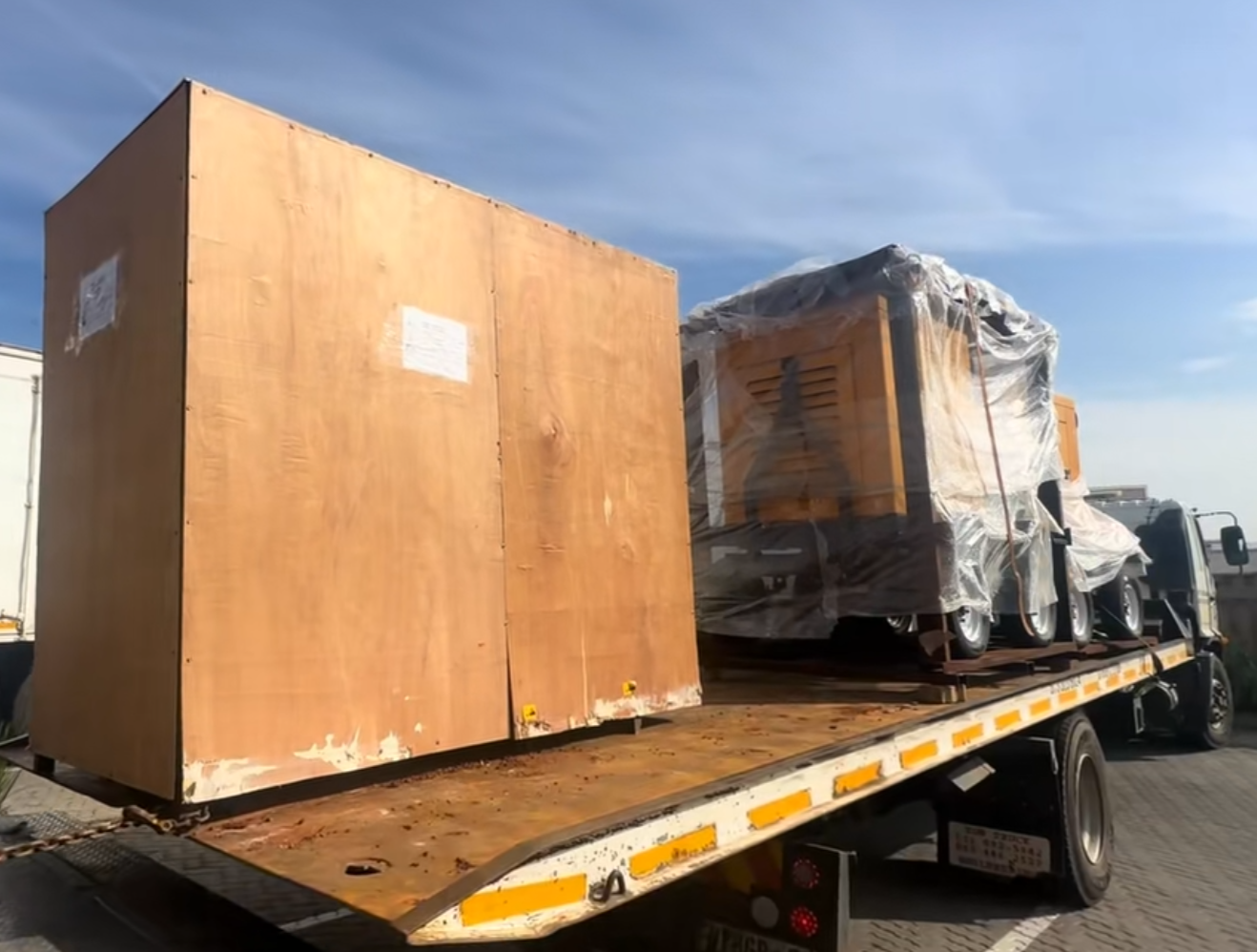
Food Processing Machine
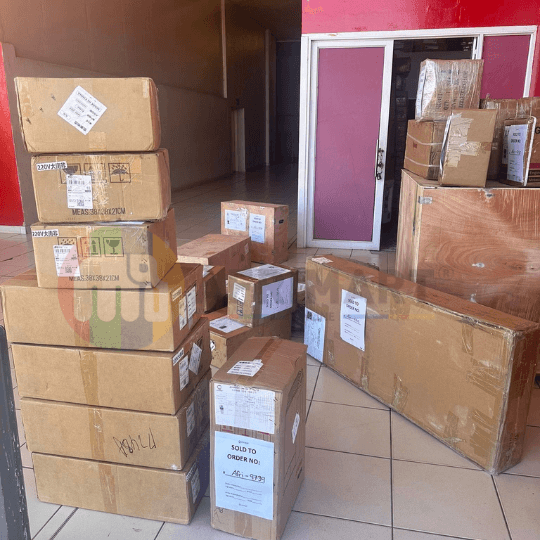
Batch of Orders
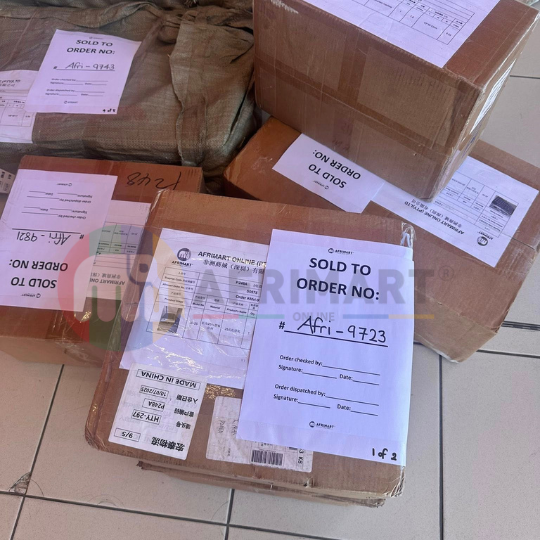
Batch of Orders
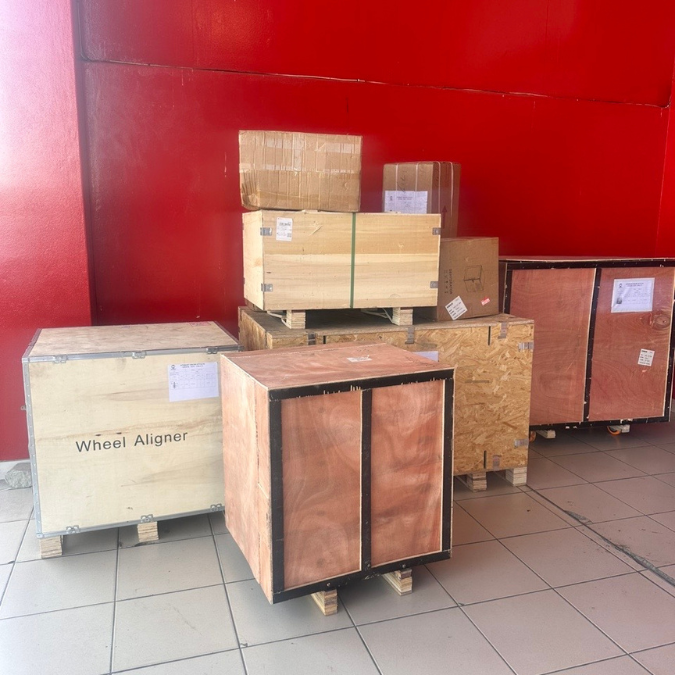
Latest Orders Labelled
wheel alignment machines
new arrivals
Pre Orders Offloading
Latest Arrivals
Latest Arrivals
Latest Arrivals
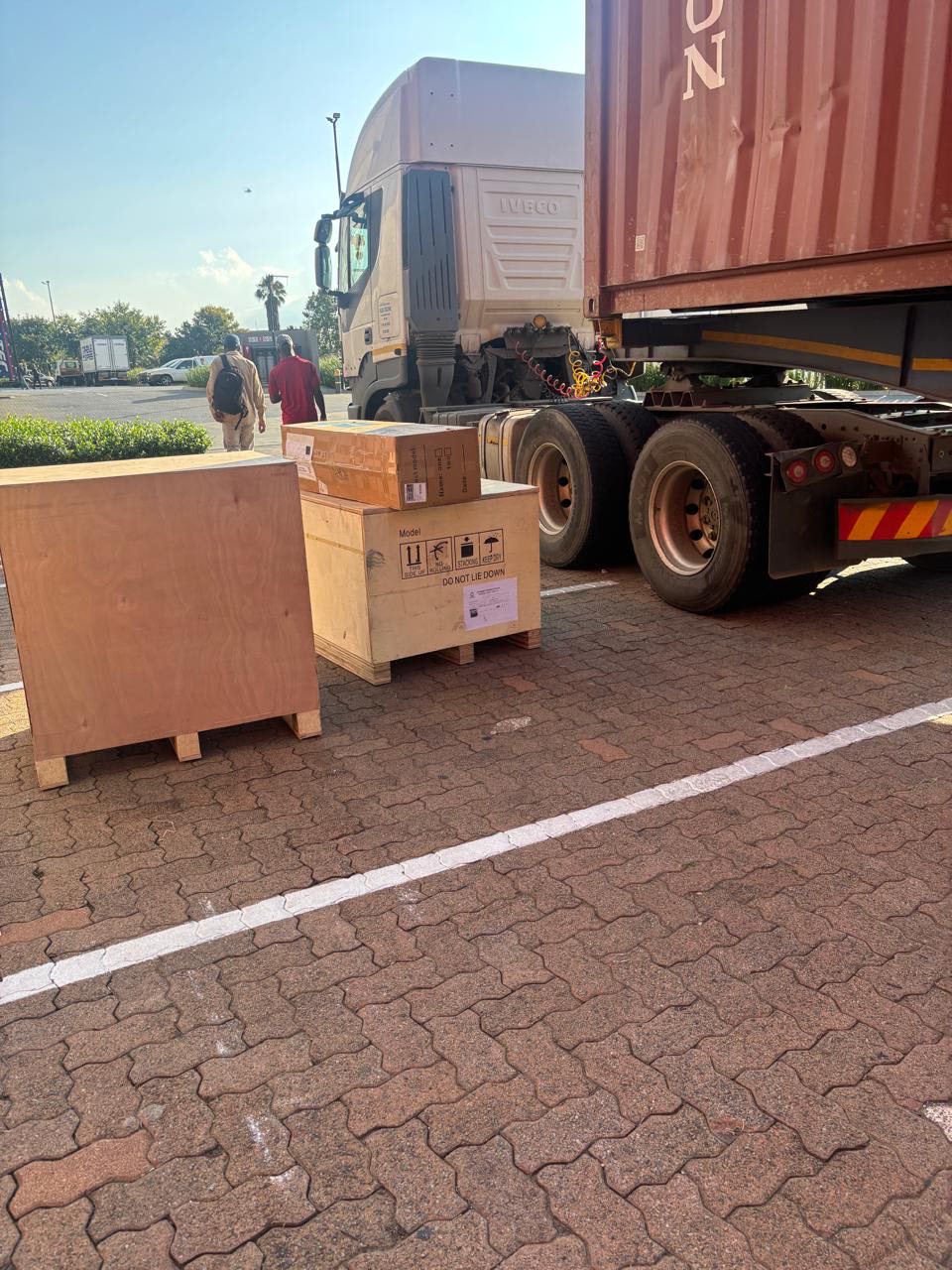
26 January 2026
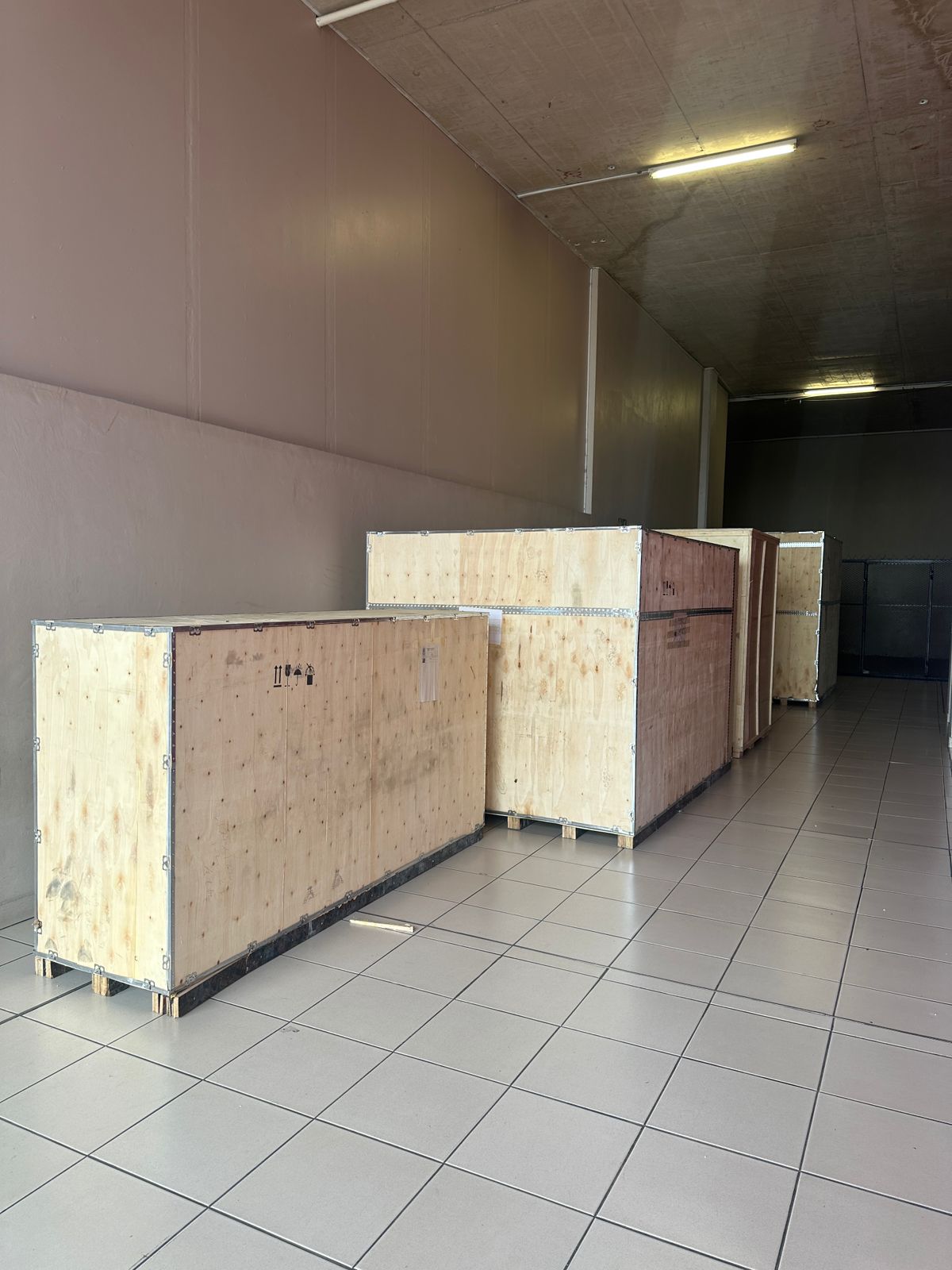
Toilet paper making machine
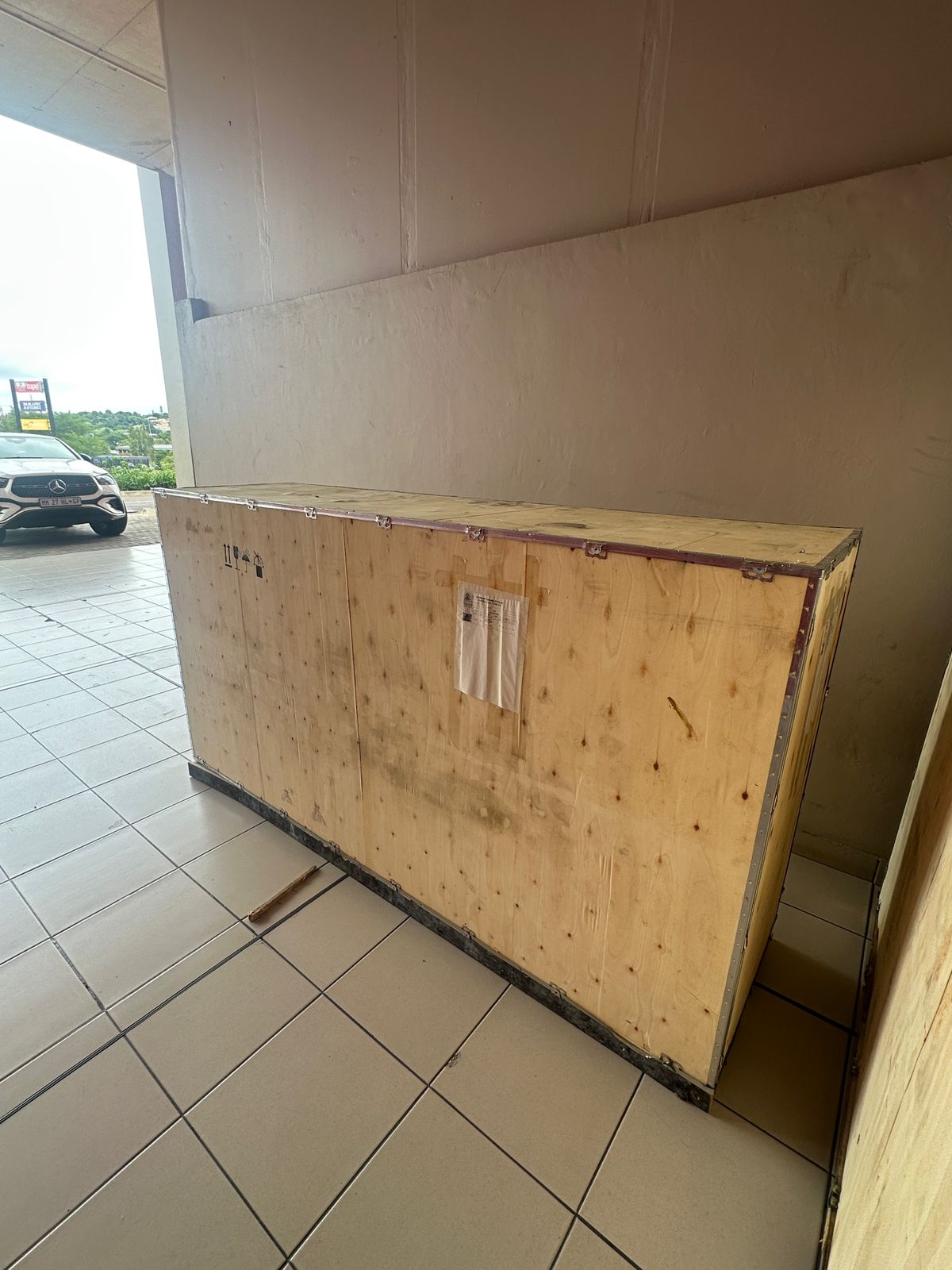
Toilet paper making machine
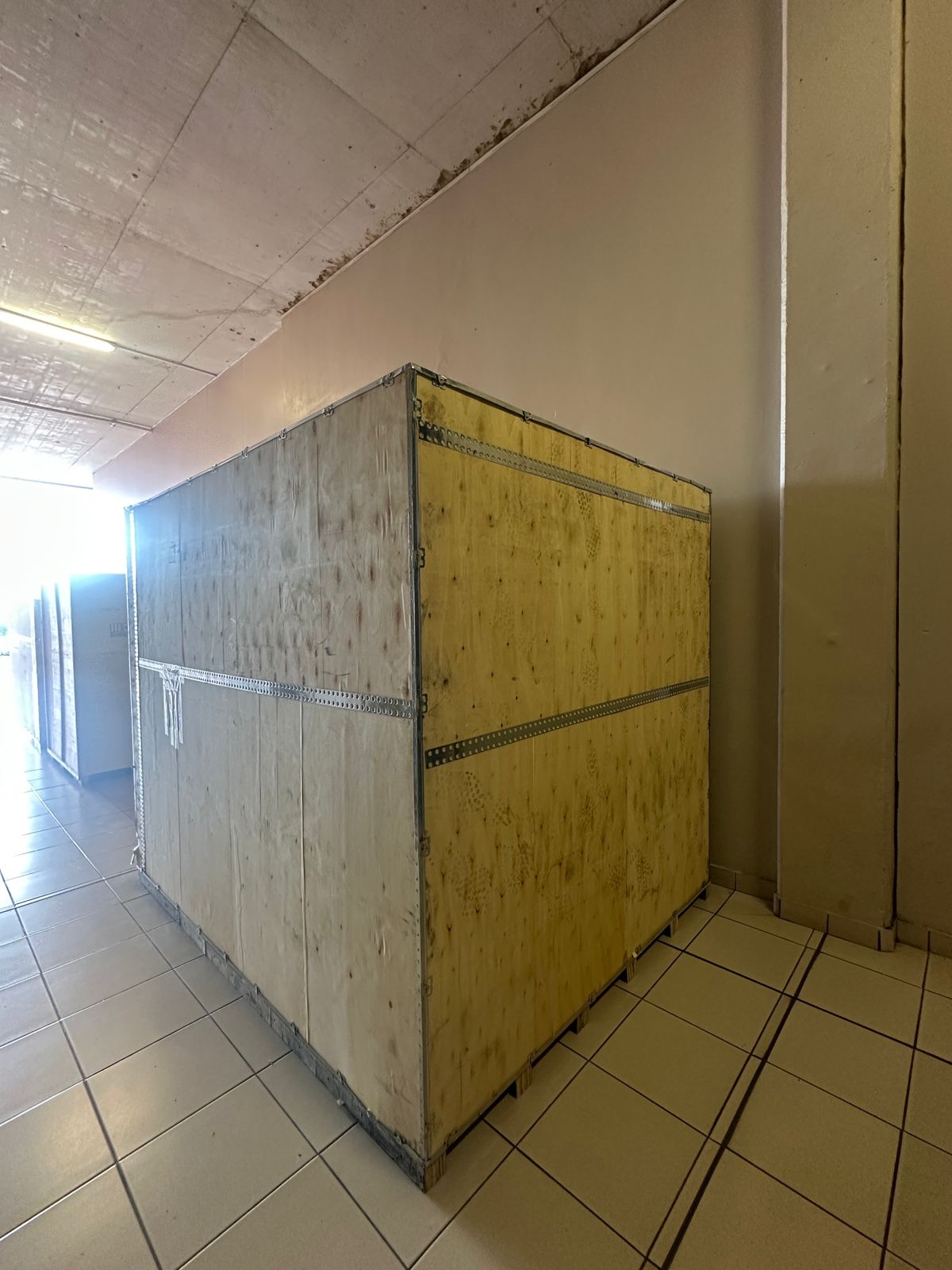
Toilet paper Rewinding Machine
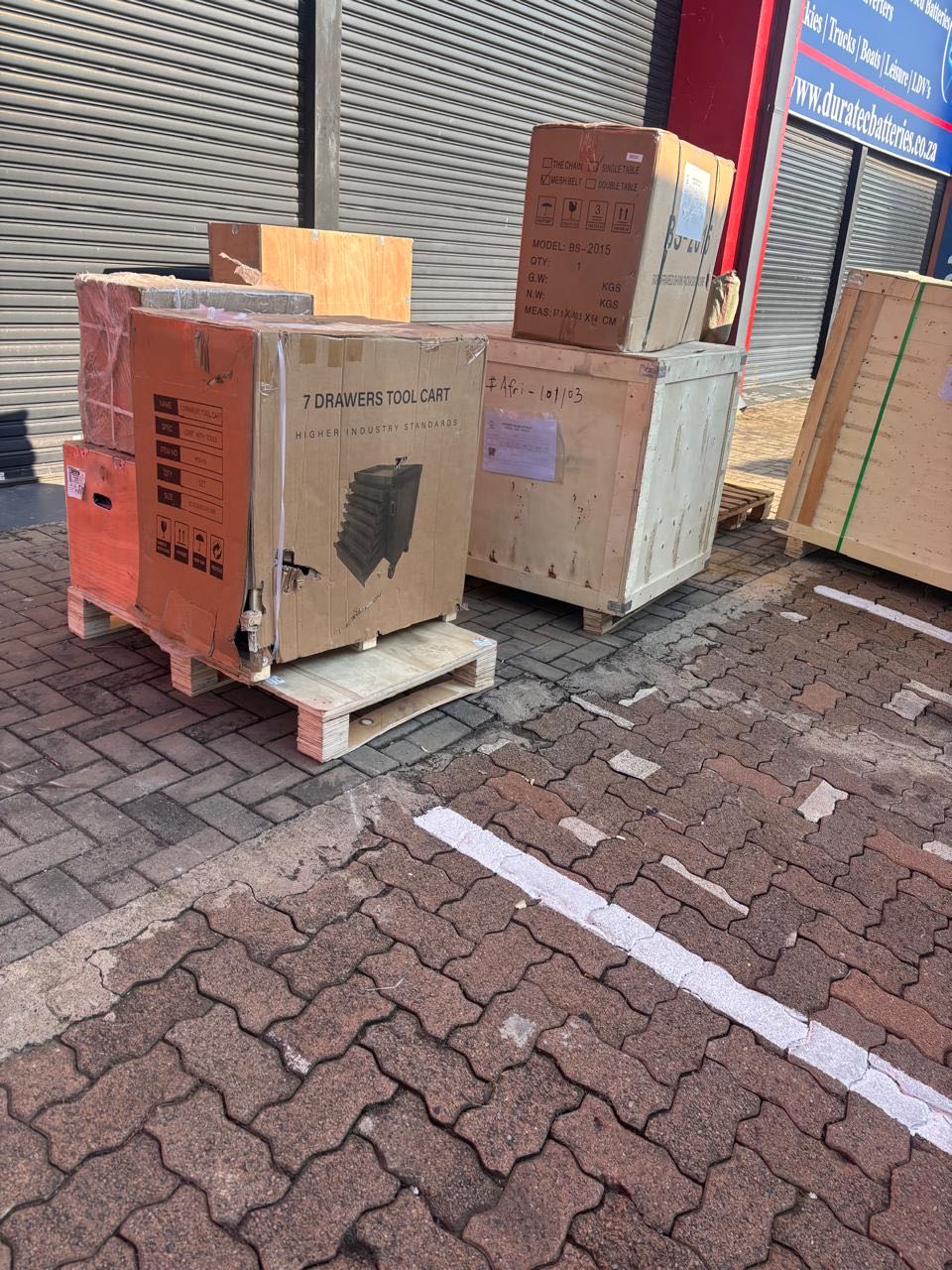
latest arrivals
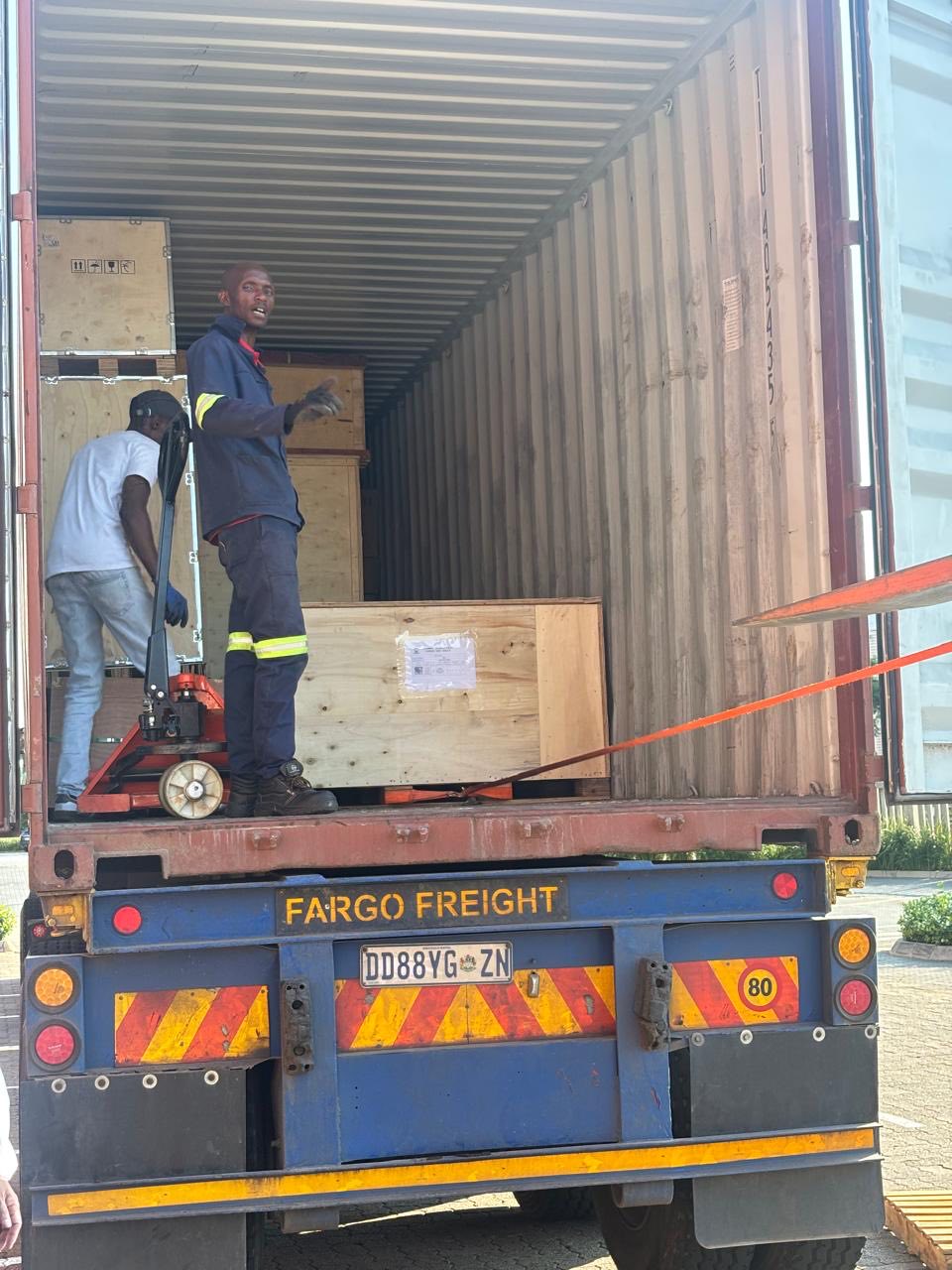
offloading
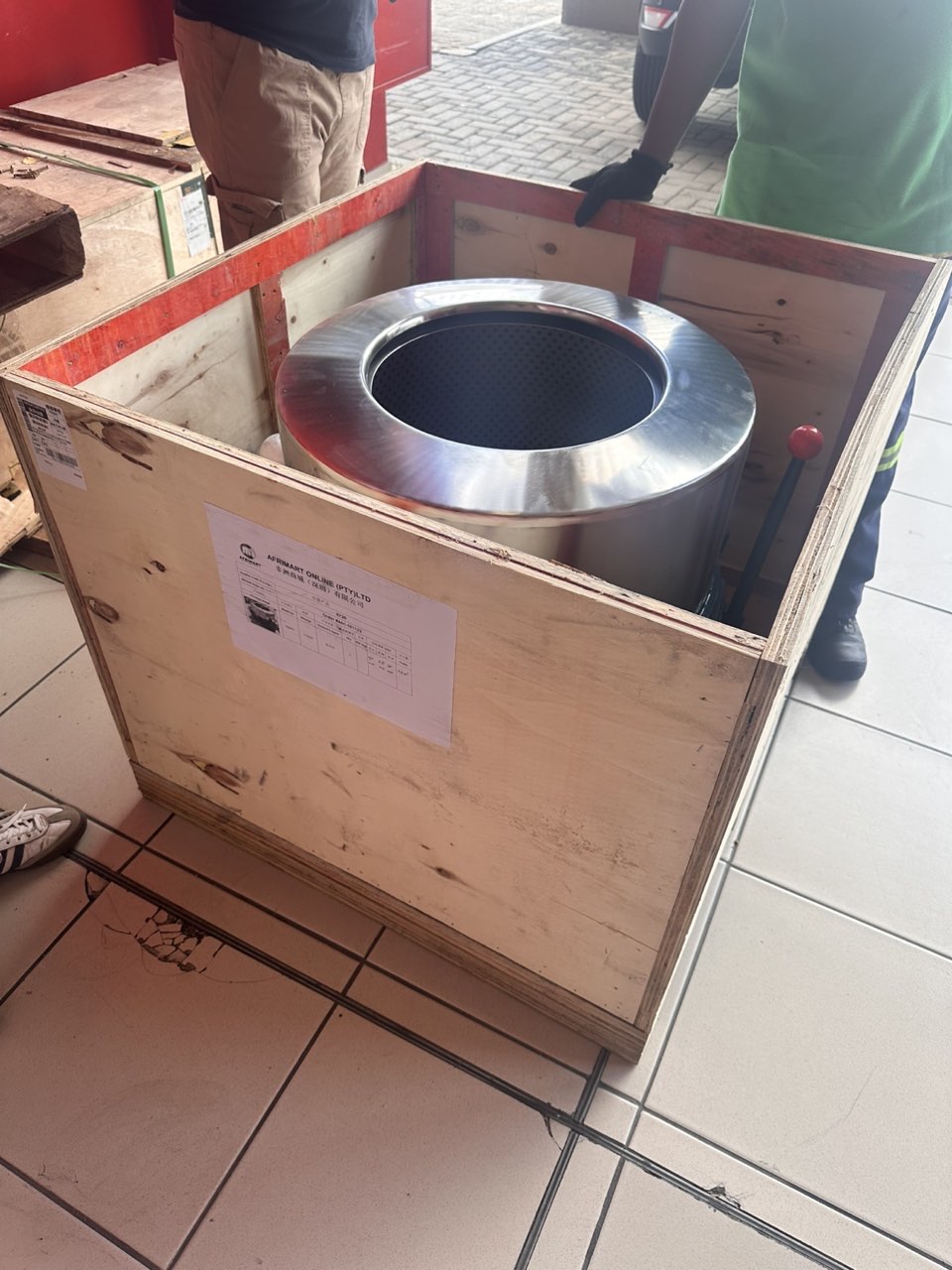
order success
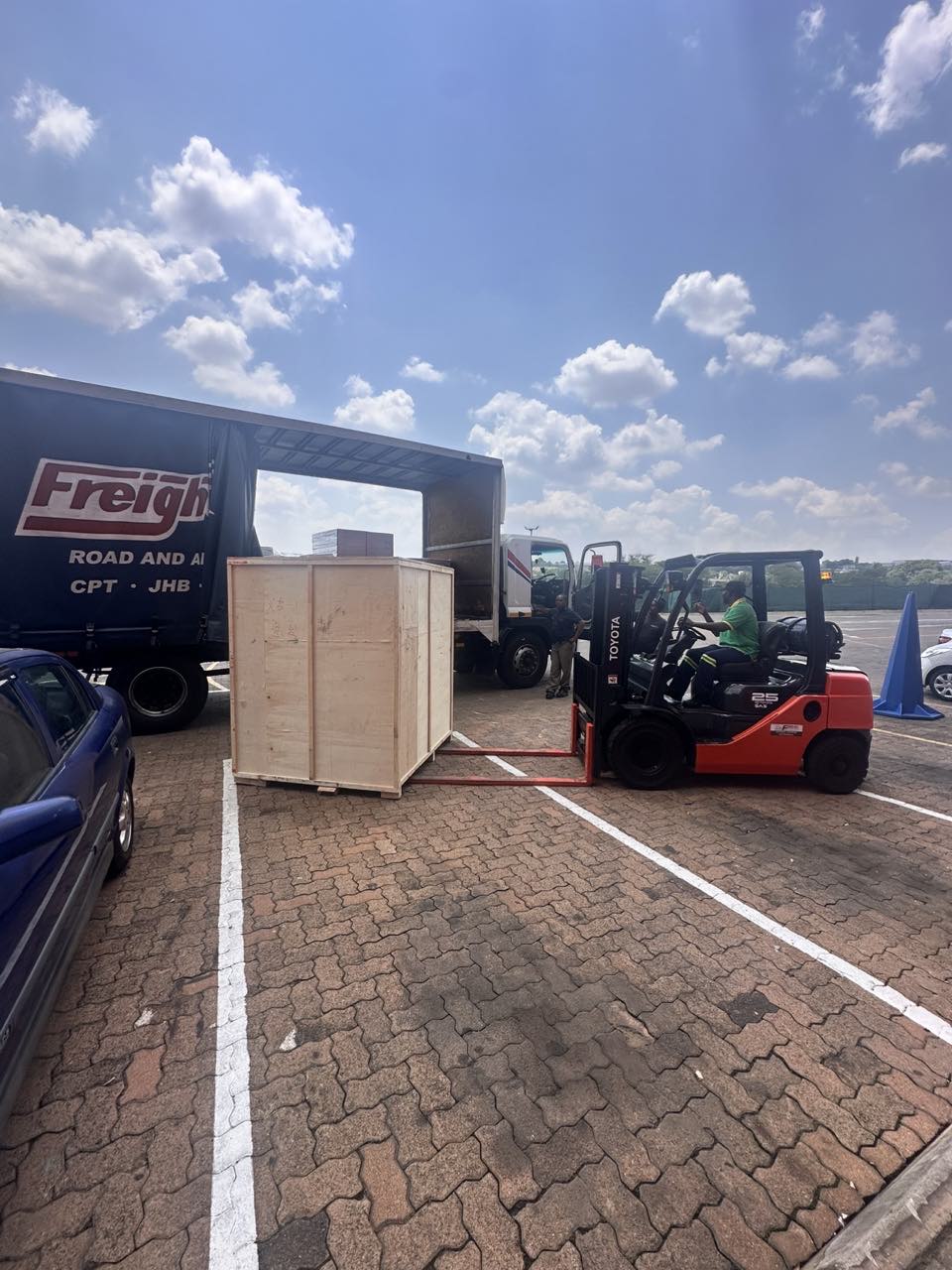
order collection
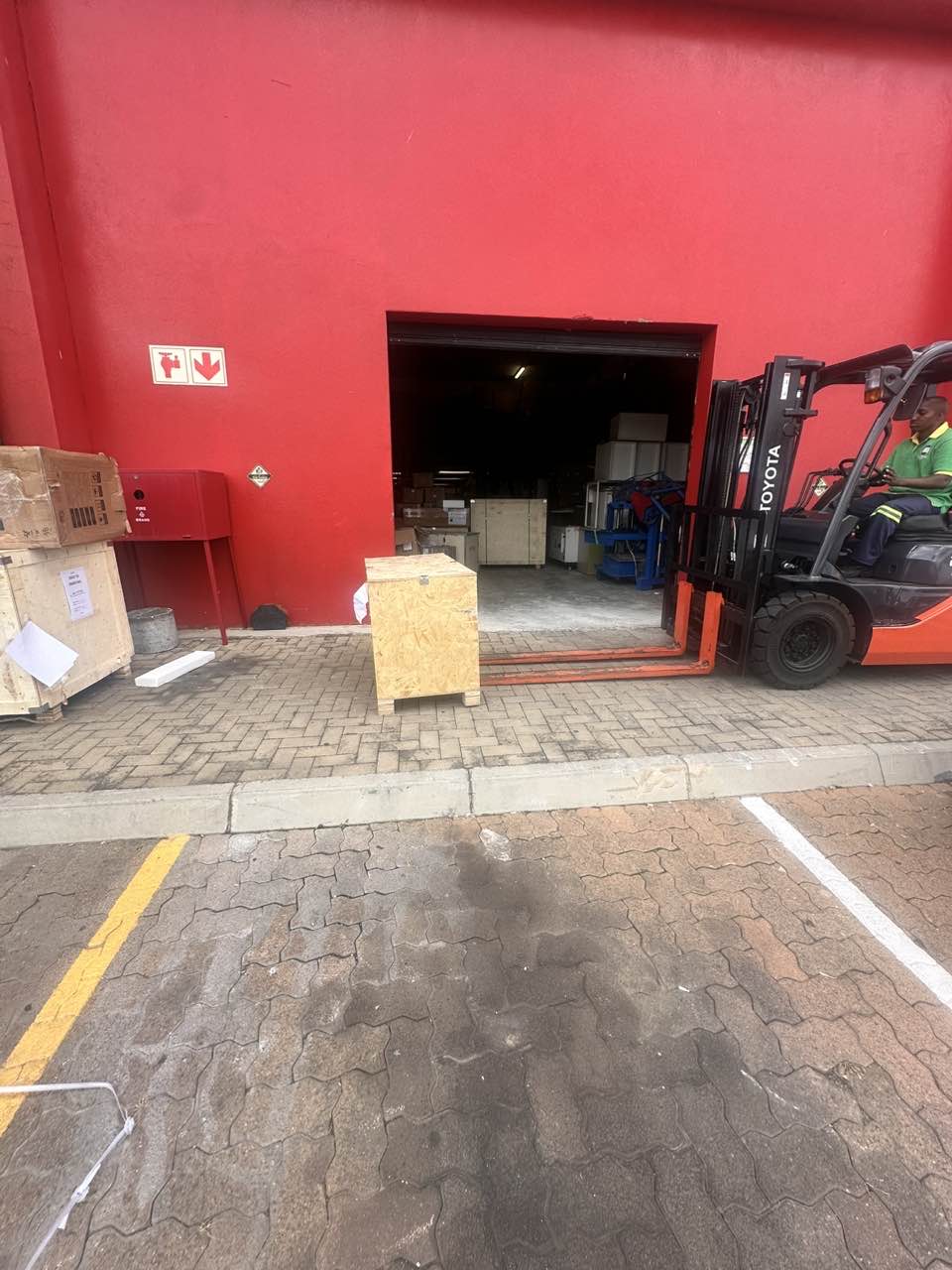
order offloading