B21, China Town Mall, Midrand


Automatic 25T Die Casting Machine for Zipper Slider
Asset finance available
Do you want funding for this equipment?
Afrimart can connect you with trusted funding partners who specialise in asset finance for businesses like yours. Compare options and apply in minutes — final approval is subject to provider review.
Check funding options
Secure & no obligation
- Section : Machinery
- Category : Metal & Metallurgy Machinery
- SKU : 1600416808960

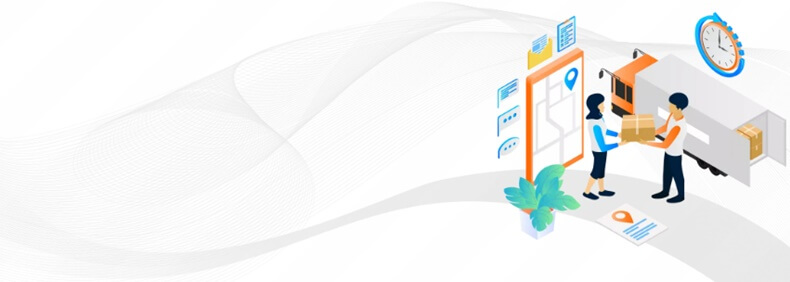
Automatic 25T Die Casting Machine for Zipper Slider
The Automatic 25T Die Casting Machine for Zipper Slider is a powerful and efficient tool designed for producing high-quality zipper sliders. This machine is perfect for manufacturers looking to streamline their production process while ensuring precision and durability in their products. With its advanced features and sturdy design, it is an excellent choice for your die casting needs.
Specifications
| Attribute | Details |
|---|---|
| Machine Type | Hot Chamber Die Casting Machine |
| Core Components | Motor |
| Voltage | 380V |
| Power (kw) | 6.7 |
| Weight (kg) | 1500 |
| Max Thickness of Die Block (mm) | 200 |
| Min Thickness of Die Block (mm) | 120 |
| Ejection Force (kN) | 19 |
| Ejection Stroke (mm) | 25 |
| Dimension (l*w*h) | 250*104*180 cm |
Key Features
- Automatic operation for increased efficiency.
- Robust hot chamber design for durability.
- Comprehensive testing with video outgoing inspection.
- Includes a machinery test report for quality assurance.
- Compact size with a weight of 1500 kg for easy integration.
Applications
- Production of zipper sliders for clothing and accessories.
- Manufacturing components for bags and luggage.
- Creating parts for various industrial applications.
- Suitable for mass production of metal components.
- Ideal for businesses looking to enhance production capabilities.
Product Info Gallery
- Shipping Timeframes: All orders are processed within 2-5 business days (excluding weekends and holidays). After your order has been processed, the estimated delivery time is before 04 Aug, 2026, depending on customs, Please note that due to high demand, some items may experience longer shipping times, which will be communicated at order confirmation email.
- Order Processing Time: Please allow 2-5 business days for us to process your order before it is shipped . Orders placed after 16:00 on Fridays, or during weekends and public holidays, will begin processing on the next business day. Processing times may be extended during peak seasons or sales events.
- Manufacturing Time: Some products needs manufacturing time, the manufacturing process will take approximately 10-30 business days depending on the product. This timeframe may vary depending on the complexity of the product and current demand. but this will be communicated with you during order confirmation.
- Returns and Exchanges: We offer a 30-day return policy for most items. If you are not completely satisfied with your purchase, you may return it within 30 days of receipt for a refund or exchange. Items must be unused, in their original packaging, and accompanied by proof of purchase. Return shipping costs are the responsibility of the customer, unless the item was damaged or defective upon arrival.
1. What is the Automatic 25T Die Casting Machine for Zipper Slider used for?
It is a hot-chamber die casting machine designed to produce high-quality zipper sliders and other small metal components for clothing, bags, luggage and similar industrial applications.
2. What type of die casting machine is it?
This is a hot chamber die casting machine, optimized for low‑melting-point alloys commonly used for zipper sliders.
3. Which alloys can I cast with this machine?
Hot chamber machines are suitable for zinc, tin and lead‑based alloys (for example Zamak/zinc alloys). They are generally not suitable for aluminum or other high‑melting‑point alloys.
4. What are the machine's electrical and power requirements?
The machine requires a 380V supply and has a rated power of 6.7 kW. Confirm local supply compatibility and required breakers with your electrical contractor.
5. What are the machine dimensions and weight?
Overall dimensions are 250 × 104 × 180 cm (L × W × H) and the machine weight is approximately 1500 kg.
6. What are the die block thickness limits I need to know?
The machine accommodates die blocks with a thickness between 120 mm (minimum) and 200 mm (maximum). Ensure your tooling falls within this range.
7. What are the ejection force and ejection stroke specifications?
The ejection force is 19 kN and the ejection stroke is 25 mm, suitable for ejecting small parts such as zipper sliders.
8. Is the machine fully automatic and what level of automation is included?
The machine supports automatic operation to increase production efficiency. For full line automation (part feeding, trimming, packing, or robotic handling) integration with external conveyors/robots is possible—please discuss integration needs with the supplier.
9. What quality assurance documentation and testing are provided?
The machine comes with a machinery test report and a video of the outgoing inspection to demonstrate machine function and performance prior to shipment.
10. What is the expected production capacity or cycle time for zipper sliders?
Cycle time depends heavily on die design, alloy, part complexity and secondary operations. The machine is suitable for mass production, but please contact the supplier with part drawings for a realistic cycle time and output estimate.
11. What installation requirements should I prepare for?
Prepare a stable, level concrete floor capable of supporting the machine weight, a 380V power connection, adequate ventilation/exhaust for fumes, and space for operator access and maintenance. Anchor points and clearance should follow supplier installation guidelines.
12. What routine maintenance does this machine require?
Typical maintenance includes daily cleaning of the chamber and shot sleeve, regular lubrication of moving parts, checking hydraulic/electrical connections, monitoring alloy level/quality, and periodic inspection/replacement of seals and wear parts per the supplier's maintenance schedule.
13. What safety features and operator protections are recommended?
Follow standard die‑casting safety: machine guarding, emergency stop, interlocks, proper ventilation and fume extraction, PPE for operators, and training on safe operation. The supplier can advise required guards and safety options for your installation.
14. Are spare parts, training and warranty available?
Spare parts and operator training are typically available—please contact the manufacturer or distributor for details on parts availability, training packages and warranty terms for this model.
Latest Order Arrivals
Discover our latest orders

12 Heads Embroidery Machine

Toilet Paper Machine Machine

Order Collection

Cross Border Clients

Order cros border countries Collected

Industrial Machine Cllection

Agriculture Processing Machines

Ready for collection

Water Pump Equipment

Packaging Machine and accessories

Fabrics Manufacturing Equipment

Mining Equipments

Food Processing Machine

Batch of Orders

Batch of Orders

Latest Orders Labelled

wheel alignment machines

new arrivals

Pre Orders Offloading

Latest Arrivals

Latest Arrivals

Latest Arrivals

Loading

Toilet paper making machine

Toilet paper making machine

Toilet paper Rewinding Machine

latest arrivals

offloading

order success

order collection

order offloading