B21, China Town Mall, Midrand

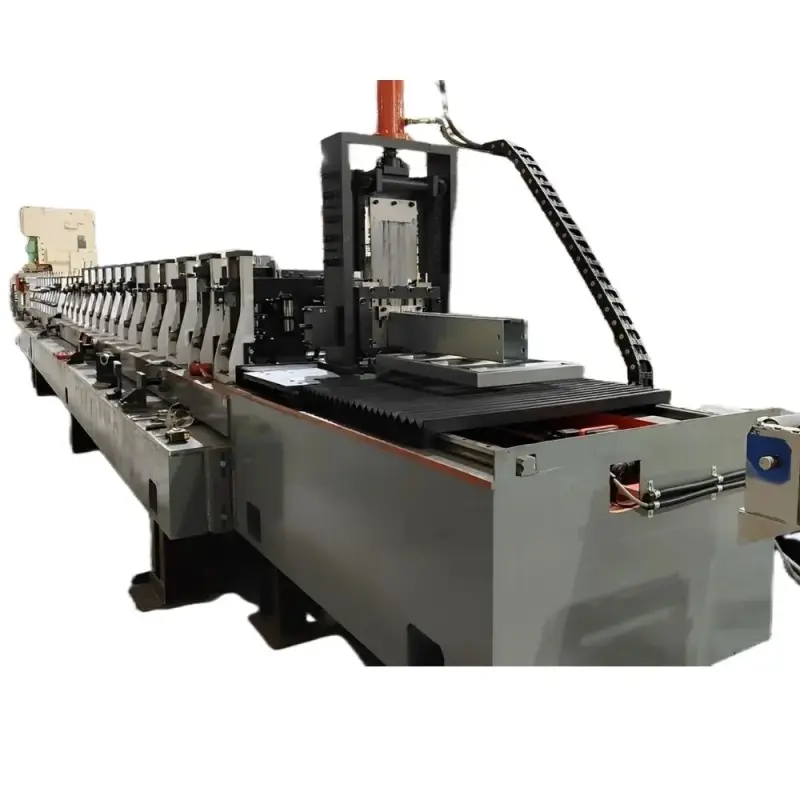
Auto-Adjustable Solar Panel PV Rack Making Machine
Asset finance available
Do you want funding for this equipment?
Afrimart can connect you with trusted funding partners who specialise in asset finance for businesses like yours. Compare options and apply in minutes — final approval is subject to provider review.
Check funding options
Secure & no obligation

- Section : Machinery
- Category : Tile Making Machinery
- SKU : 1600892456803

Auto-Adjustable Solar Panel PV Rack Making Machine
The Width Height Auto-Adjustable Solar Panel PV Rack Making Machine is designed to simplify the production of high-quality solar panel supports. With user-friendly features and advanced technology, this machine is perfect for efficient operation in any manufacturing setting.
Key Features
Easy Operation: This machine is built for straightforward use, allowing operators to produce solar panel supports with minimal effort.
High-Quality Components: It includes reliable parts such as a pressure vessel, motor, bearing, gear, pump, gearbox, engine, and PLC, ensuring durability and consistent performance.
Customizable Options: Available in various configurations, including 380V 50Hz 3-phase or tailored voltage to fit specific customer requirements.
High-Speed Production: With a production speed of 8-9m/min, it delivers impressive output, making it suitable for large-scale manufacturing needs.
Comprehensive Support: The machine is backed by a 1-year warranty on both the machine and its core components, giving users confidence in their investment.
In conclusion, the Width Height Auto-Adjustable Solar Panel PV Rack Making Machine is an ideal solution for businesses looking to enhance their solar panel support production efficiently.
Product Info Gallery
| Forming stations | About 20-22 stations or according to you profile drawings |
| Machine structure | cast iron structure |
| Rollers material | GCr15,quenching treatment:HRC58-62; Cr12, SKD11(optional) |
| Way of drive | Gearbox drive |
| Raw material request | Cold rolled or hot rolled steel, galvanized steel,SS316L, Mild Steel |
| Whole line working speed | 8-10m/min |
| Length precision | 6+-1.0mm |
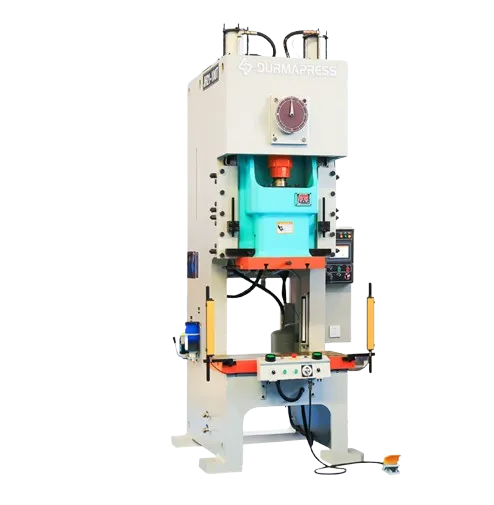
| Punching system | 110 tons punching press machine(option) |
| Cutting system | servo Tracking cutting |
| Inverter | Siemens, Mitsubishi, Panasonic (option Brand) |
| PLC | Siemens, Mitsubishi, Panasonic (option Brand) |
| Main Power with reducer | 22KW WH Chinese Famous |
| Cutting holder | Servo following cutting |
| Motor power of hydraulic station | 5.5KW |
| Cutting type | Hydraulic drive, cut after forming |
| Material of cutting blade | Cr12Mov , quenching process |


Product Display


Application

Strut Channel systems are used for light and medium-duty application, generally for support of pipework, ventilation systems, air-condition systems, wiring, plumbing, electrical conduits, cable trays, rooftop installations, etc.


- Shipping Timeframes: All orders are processed within 2-5 business days (excluding weekends and holidays). After your order has been processed, the estimated delivery time is before 12 Jul, 2026, depending on customs, Please note that due to high demand, some items may experience longer shipping times, which will be communicated at order confirmation email.
- Order Processing Time: Please allow 2-5 business days for us to process your order before it is shipped . Orders placed after 16:00 on Fridays, or during weekends and public holidays, will begin processing on the next business day. Processing times may be extended during peak seasons or sales events.
- Manufacturing Time: Some products needs manufacturing time, the manufacturing process will take approximately 10-30 business days depending on the product. This timeframe may vary depending on the complexity of the product and current demand. but this will be communicated with you during order confirmation.
- Returns and Exchanges: We offer a 30-day return policy for most items. If you are not completely satisfied with your purchase, you may return it within 30 days of receipt for a refund or exchange. Items must be unused, in their original packaging, and accompanied by proof of purchase. Return shipping costs are the responsibility of the customer, unless the item was damaged or defective upon arrival.
1. What is the typical production speed of the Auto-Adjustable Solar Panel PV Rack Making Machine?
The line delivers a typical forming speed of 8–10 m/min. Actual throughput depends on profile complexity, material thickness, cutting frequency and operator workflow.
2. Which raw materials can this machine process?
It is compatible with cold-rolled and hot-rolled steel, galvanized steel, stainless steel (SS316L) and mild steel. Material thickness and coating requirements should be confirmed for specific profiles.
3. How is the machine auto-adjustable for different widths and heights?
The machine uses adjustable forming stations and PLC-controlled mechanisms to change roll positions and forming parameters, enabling quick changeovers for different width/height profiles without extensive manual retooling.
4. How many forming stations does the machine have, and can this be customized?
Standard configurations offer about 20–22 forming stations. The number of stations can be customized according to your profile drawings and production requirements.
5. What are the main drive and control components used?
Key components include a gearbox drive, reducer, hydraulic station, servo cutting holder, and a PLC. Available brands for PLC and inverters include Siemens, Mitsubishi and Panasonic as options.
6. What are the machine power requirements?
Standard supply is 380V, 50Hz, 3-phase, but the system can be configured for other voltages to match customer electrical standards. Main motor power with reducer is 22 kW; the hydraulic station motor is 5.5 kW.
7. What cutting and punching options are available?
The line offers servo tracking cutting (cut-after-forming) driven hydraulically, and an optional 110-ton punching press for holes or slots. Cutting blades are typically Cr12 with quenching treatment.
8. What level of length precision and dimensional accuracy can I expect?
Length precision is typically around 6 ± 1.0 mm. Final tolerances depend on material properties, profile complexity and correct machine setup.
9. What materials are used for rollers and what is their hardness?
Standard rollers are made of GCr15 with quenching treatment and hardness around HRC58–62. Optional tool steels such as Cr12 or SKD11 are available for higher wear resistance.
10. What warranty and after-sales support are provided?
The machine and core components come with a 1-year warranty. Additional after-sales services typically include technical support, spare parts supply and optional on-site commissioning and training—contact the supplier for specific service packages.
11. Do you provide installation and operator training?
Yes. On-site installation and operator training are available as part of the after-sales service or can be arranged as an additional service. Details and costs should be confirmed with the supplier.
12. What routine maintenance is required to keep the machine running reliably?
Recommended maintenance includes daily cleaning and lubrication of moving parts, periodic inspection of rollers, blades and hydraulic systems, checking gearbox oil levels, and scheduled replacement of wear parts per operating hours or production volumes.
13. What safety features are included with the machine?
Typical safety features include guarded moving parts, emergency stop buttons, PLC safety interlocks and standard electrical protections. Additional safety upgrades can be specified to meet local regulations.
14. Are spare parts and consumables readily available?
Yes. Common wear parts such as rollers, cutting blades and hydraulic components are available through the manufacturer or authorized distributors. It is recommended to keep a spare parts kit on hand for critical items.
15. How do I get a quote, lead time or custom configuration?
Contact the sales team with your profile drawings, material specifications, desired production speed and electrical supply. Lead time and price depend on configuration and order quantity—your supplier will provide a detailed quote and delivery schedule.
Latest Order Arrivals
Discover our latest orders
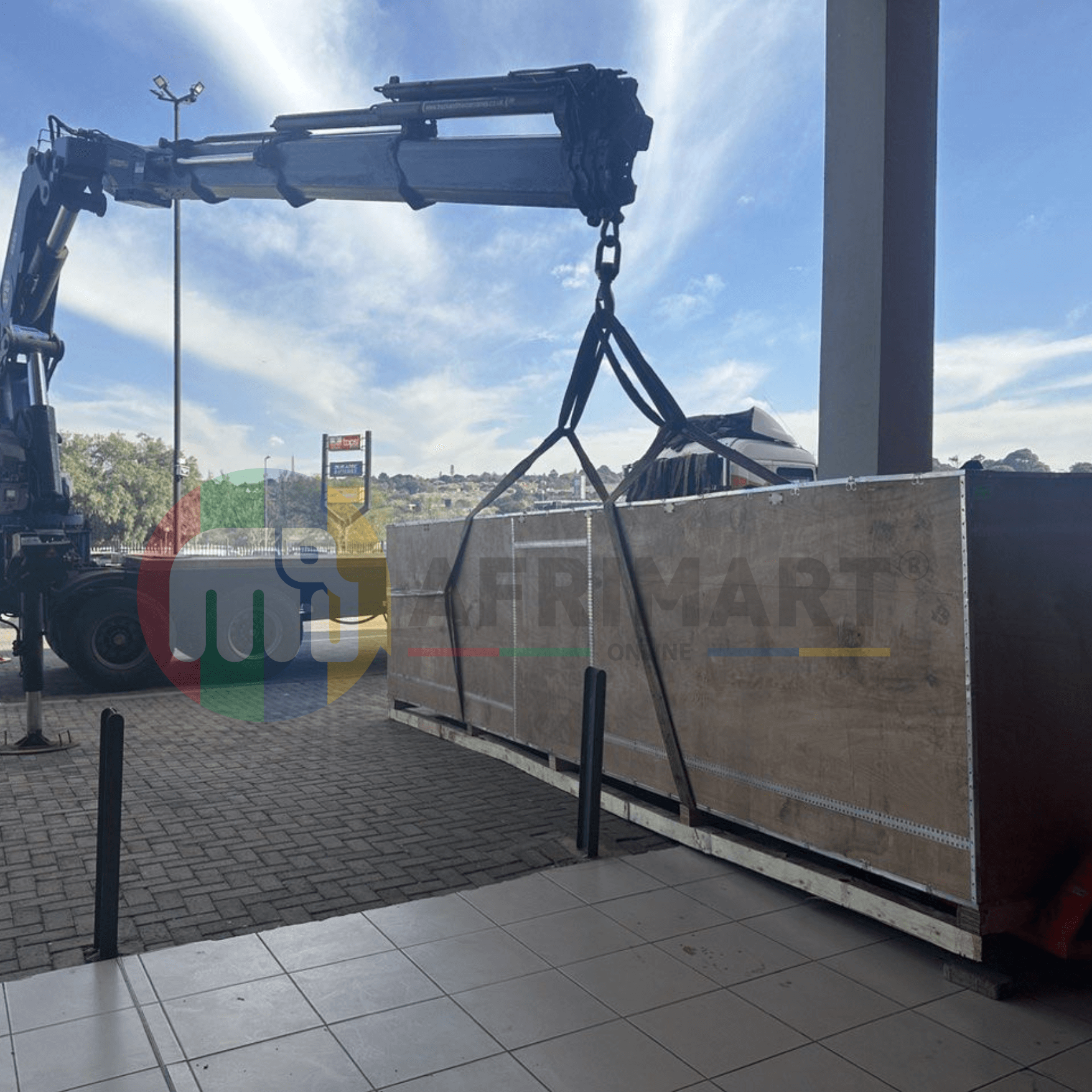
12 Heads Embroidery Machine
Dewatering Pump Machine
Order Collection
Portable Water Drilling Rig
Order Usefully Collected
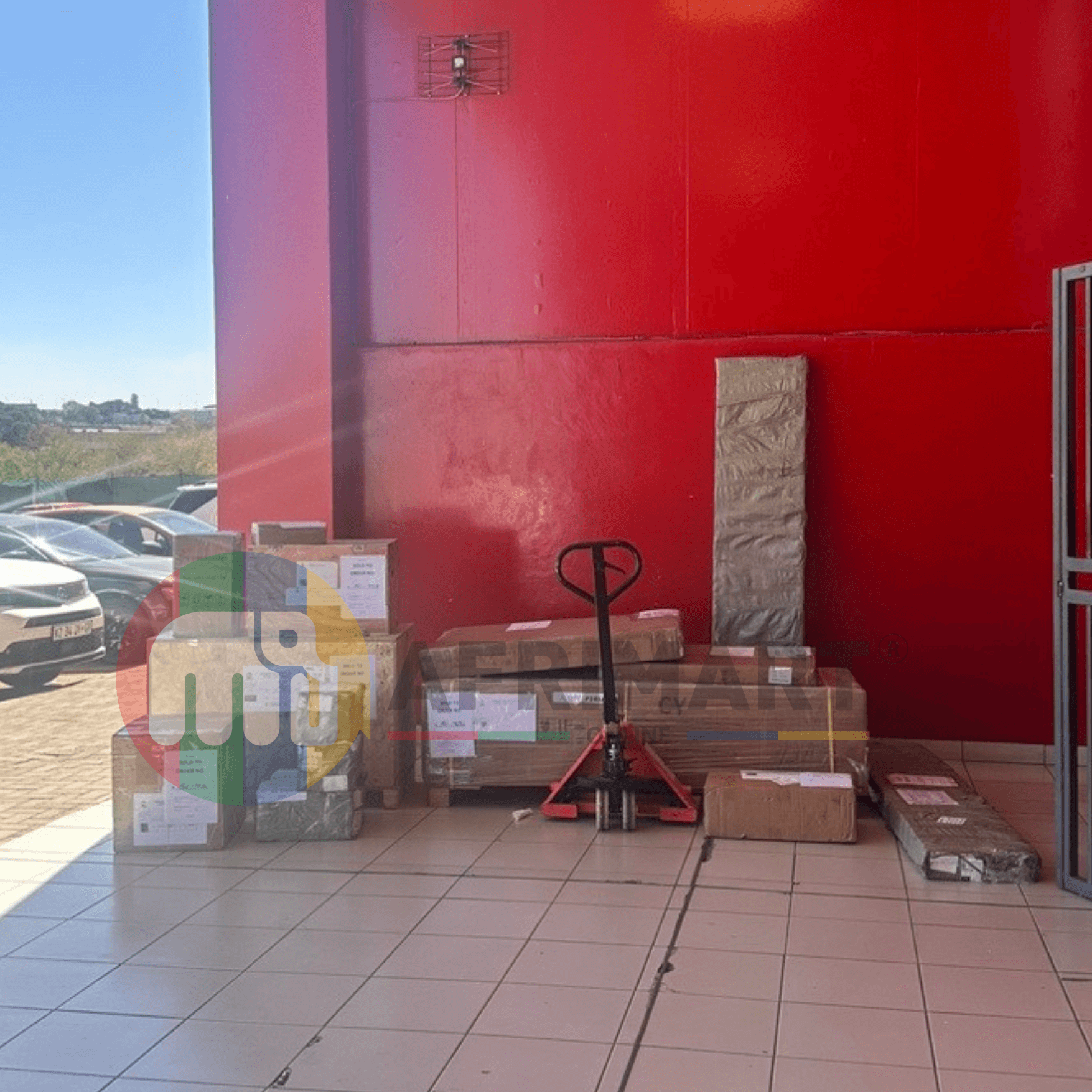
Batch of Orders
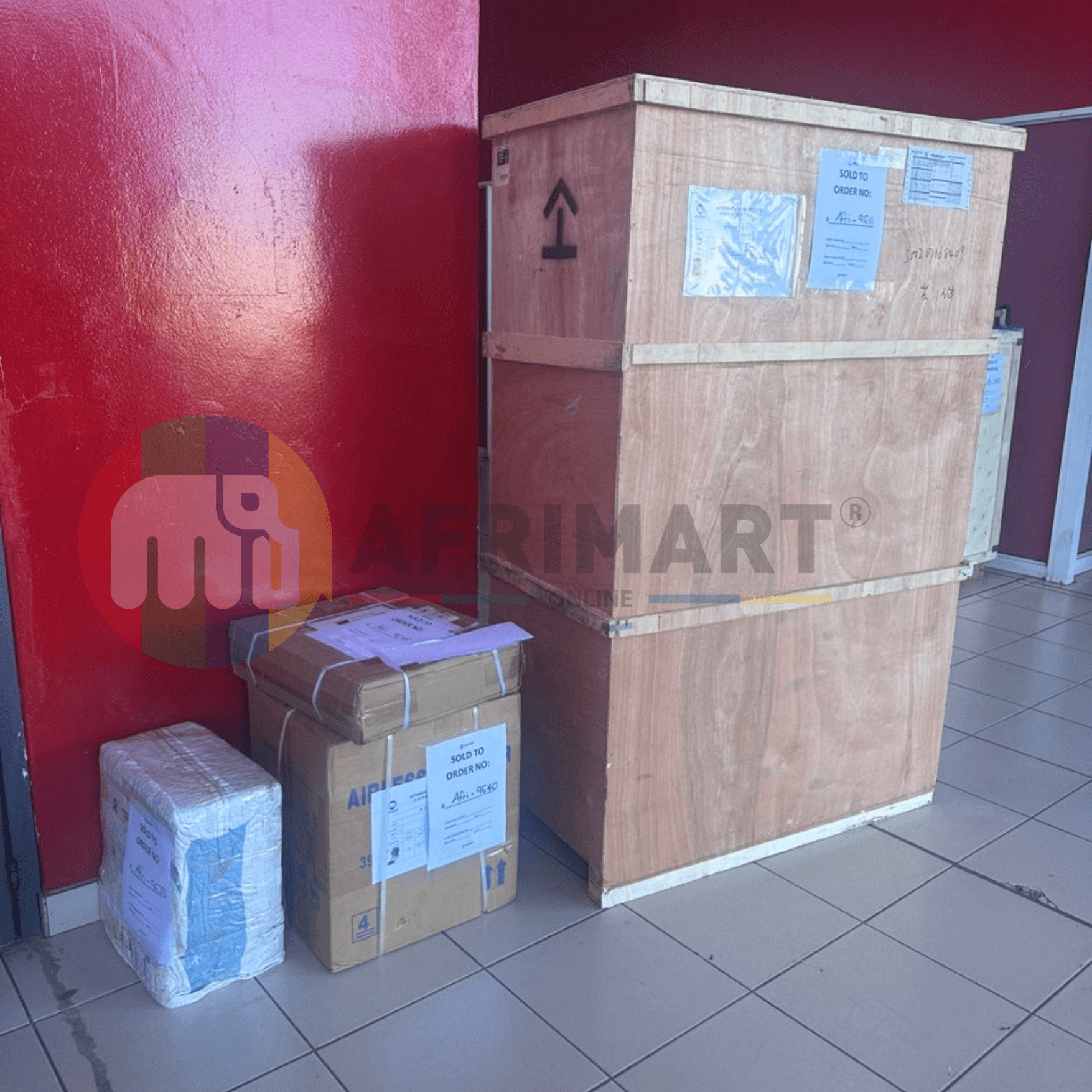
Agriculture Processing Machines
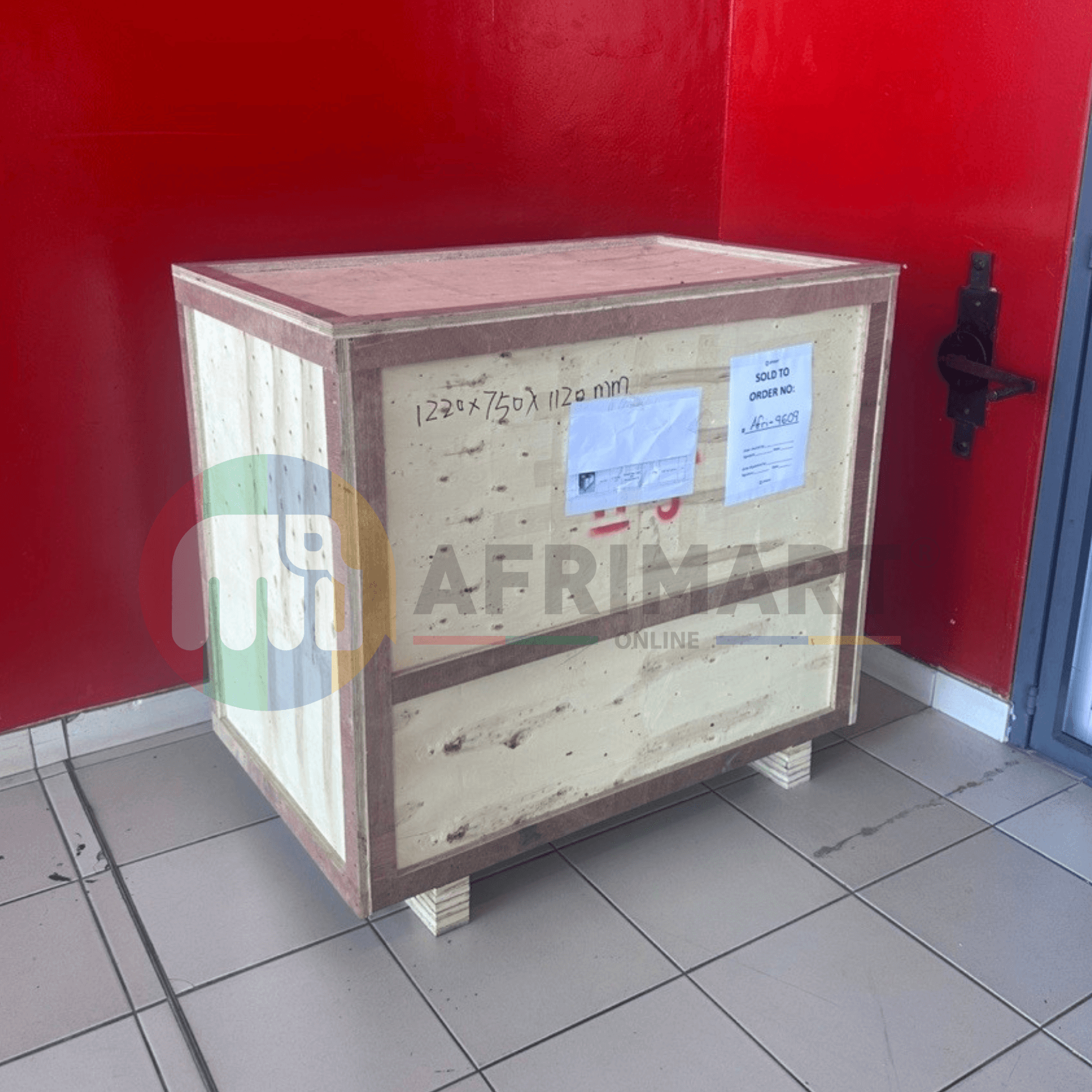
Meat Grinder Machine
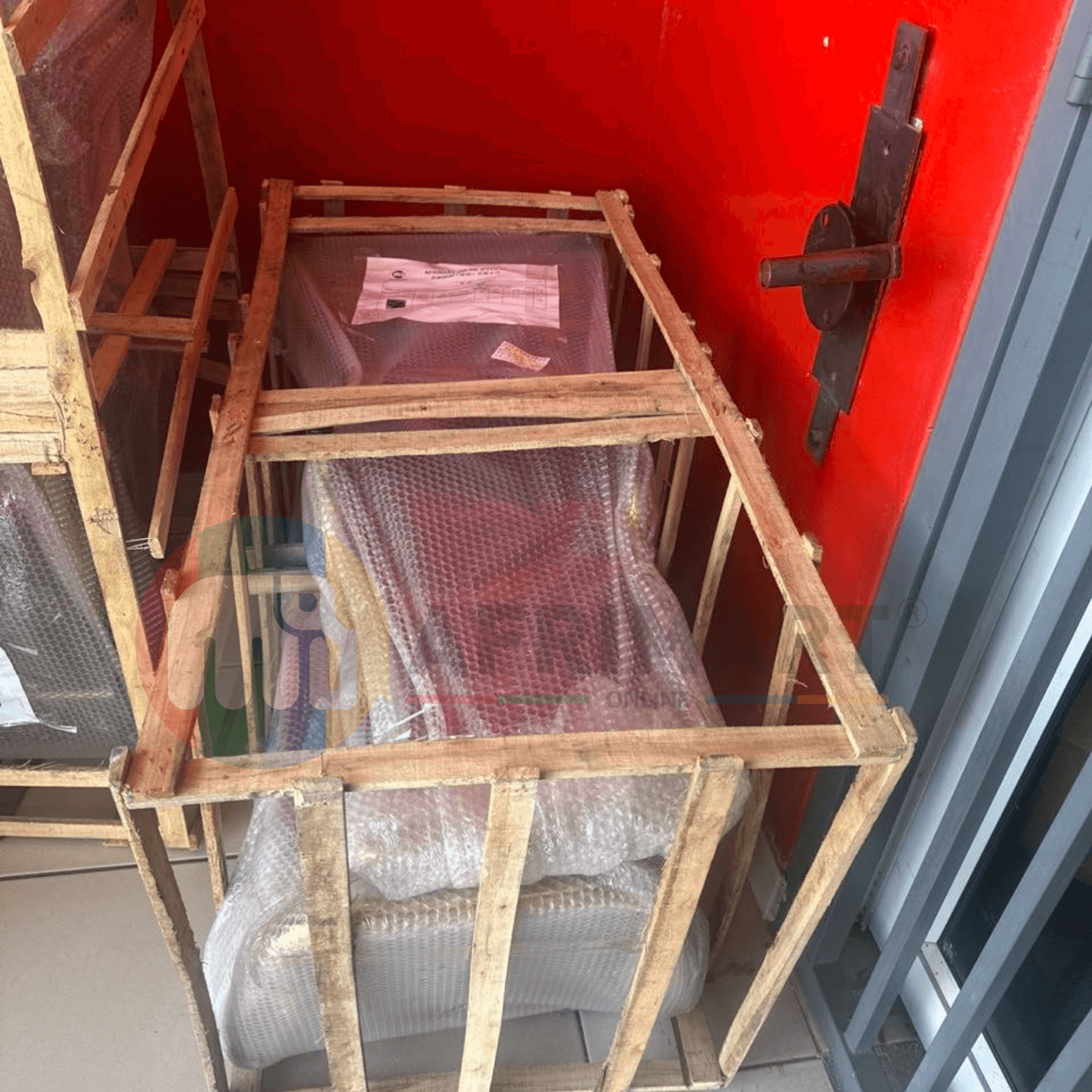
Water Pump Equipment
Packaging Machine and accessories
Fabrics Manufacturing Equipment
Mining Equipments
Food Processing Machine
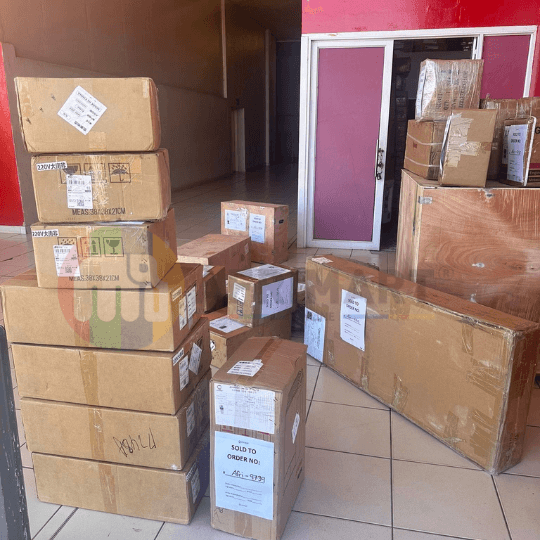
Batch of Orders
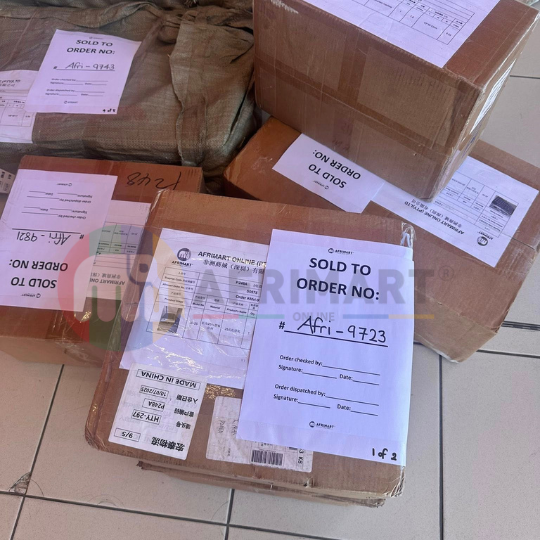
Batch of Orders
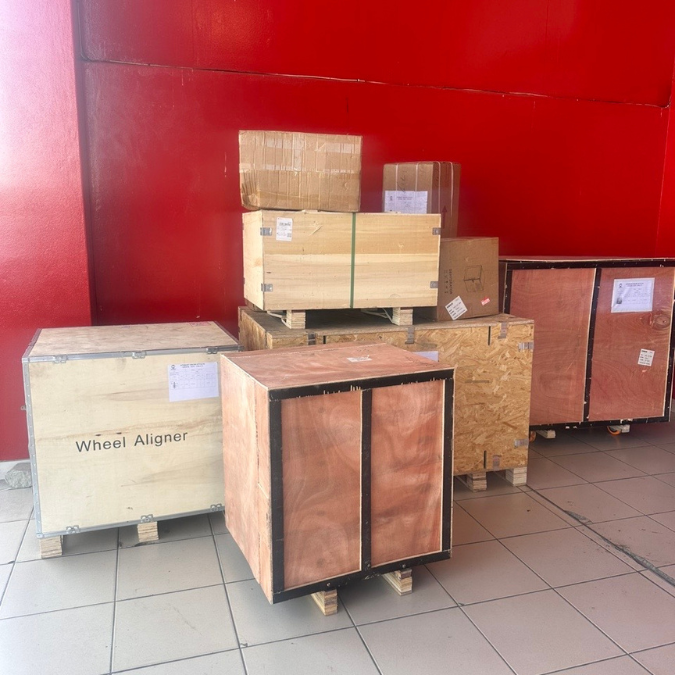
Latest Orders Labelled
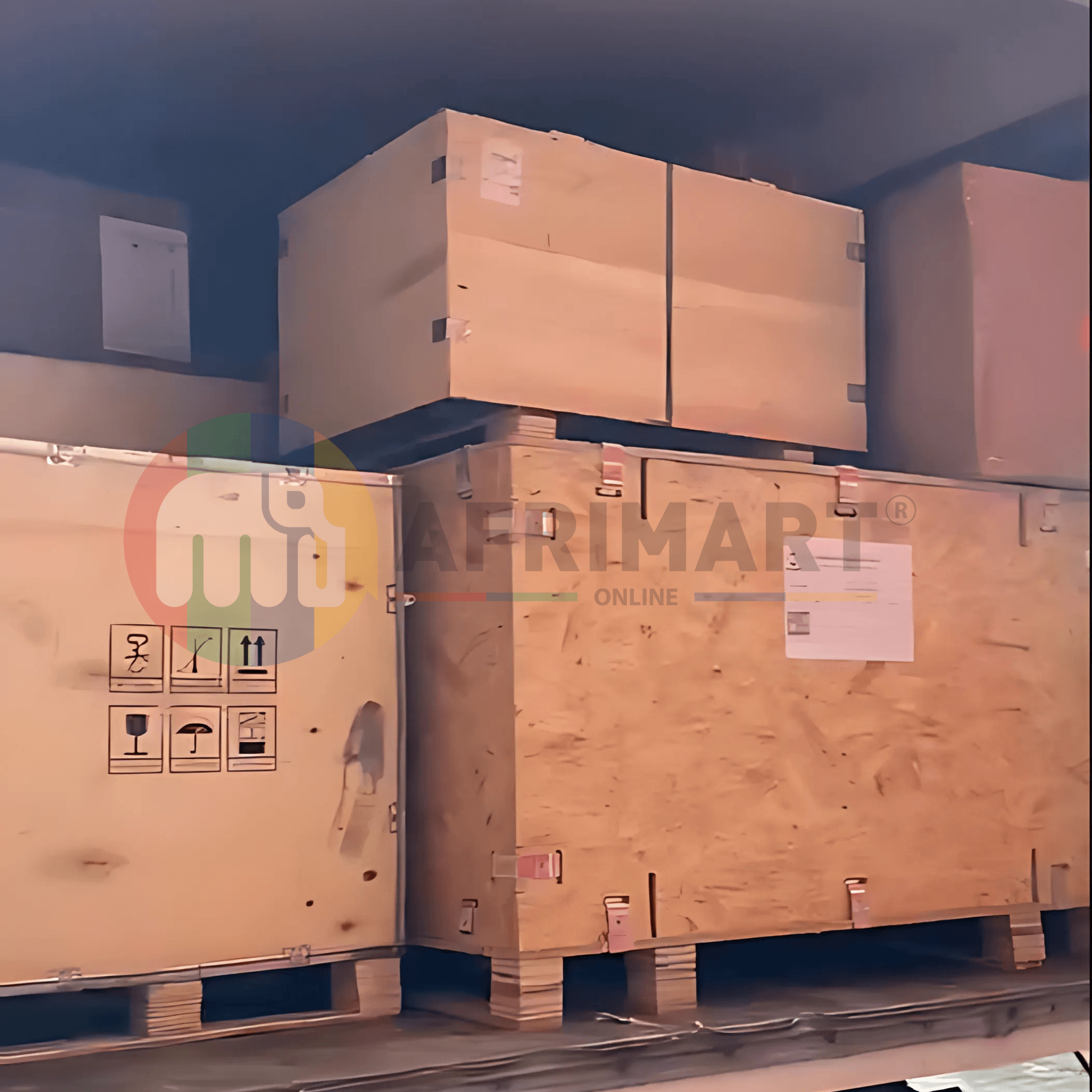
wheel alignment machines
new arrivals
Pre Orders Offloading
Latest Arrivals
Latest Arrivals
Latest Arrivals
26 January 2026
Toilet paper making machine
Toilet paper making machine
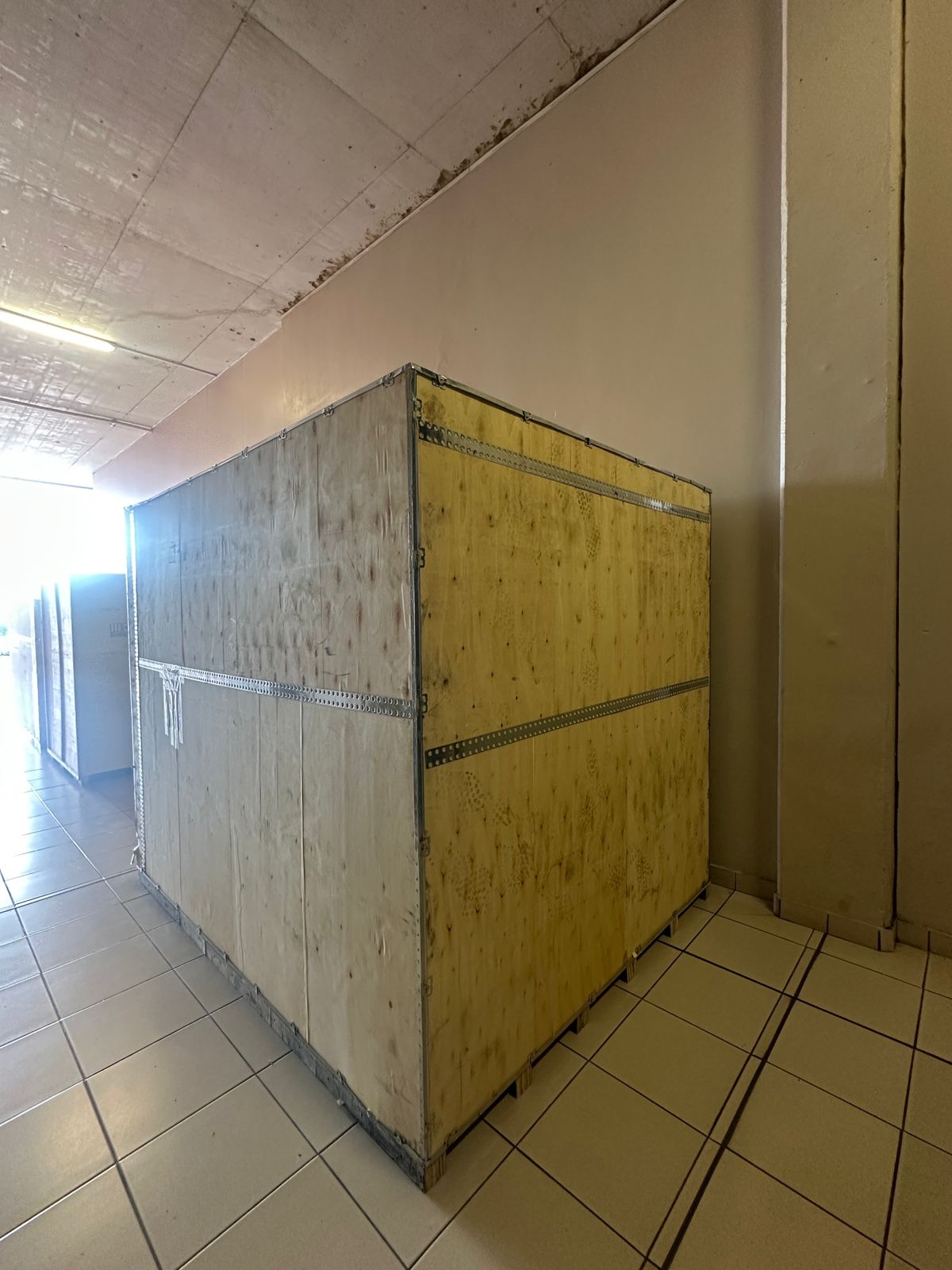
Toilet paper Rewinding Machine
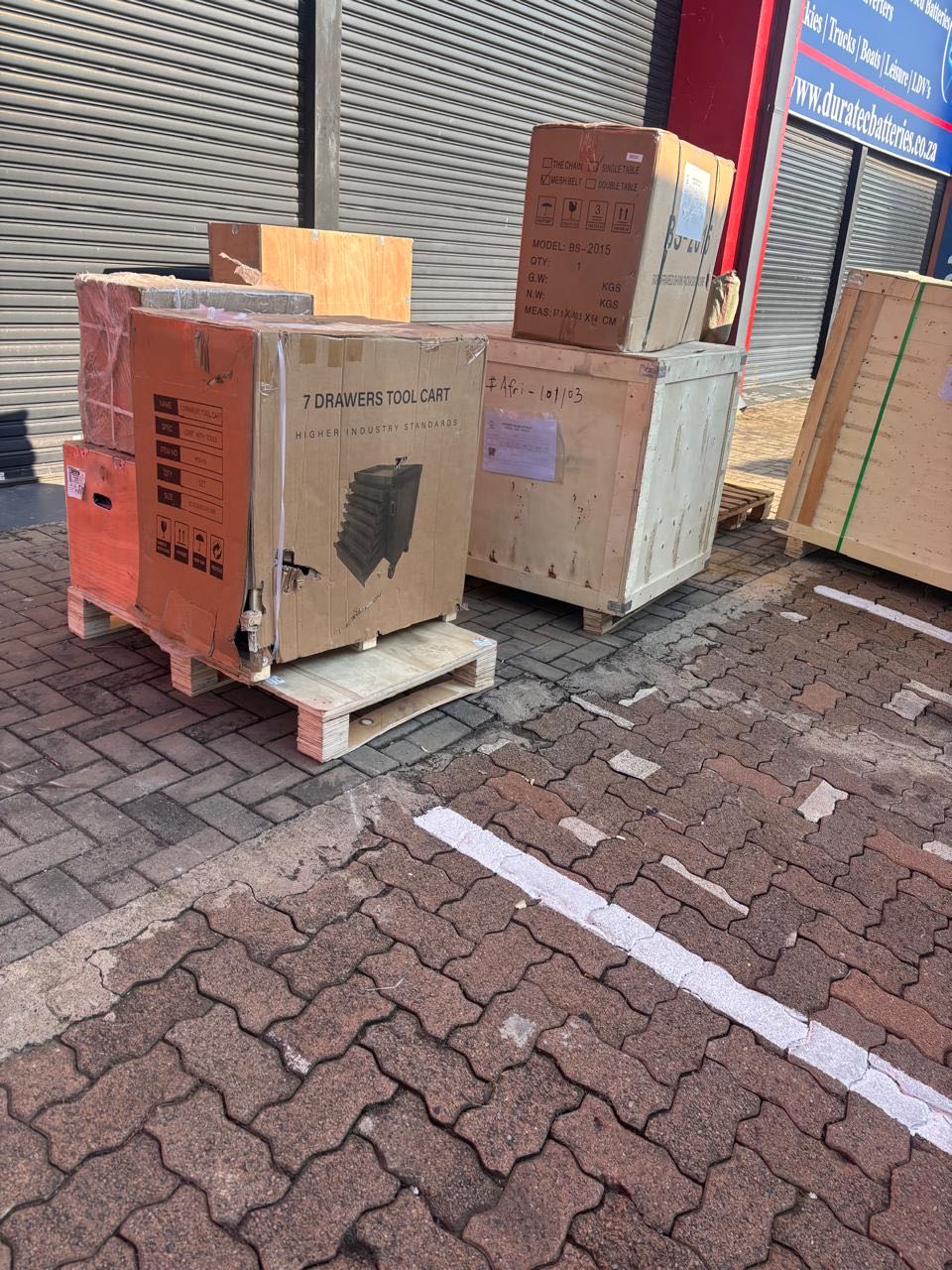
latest arrivals
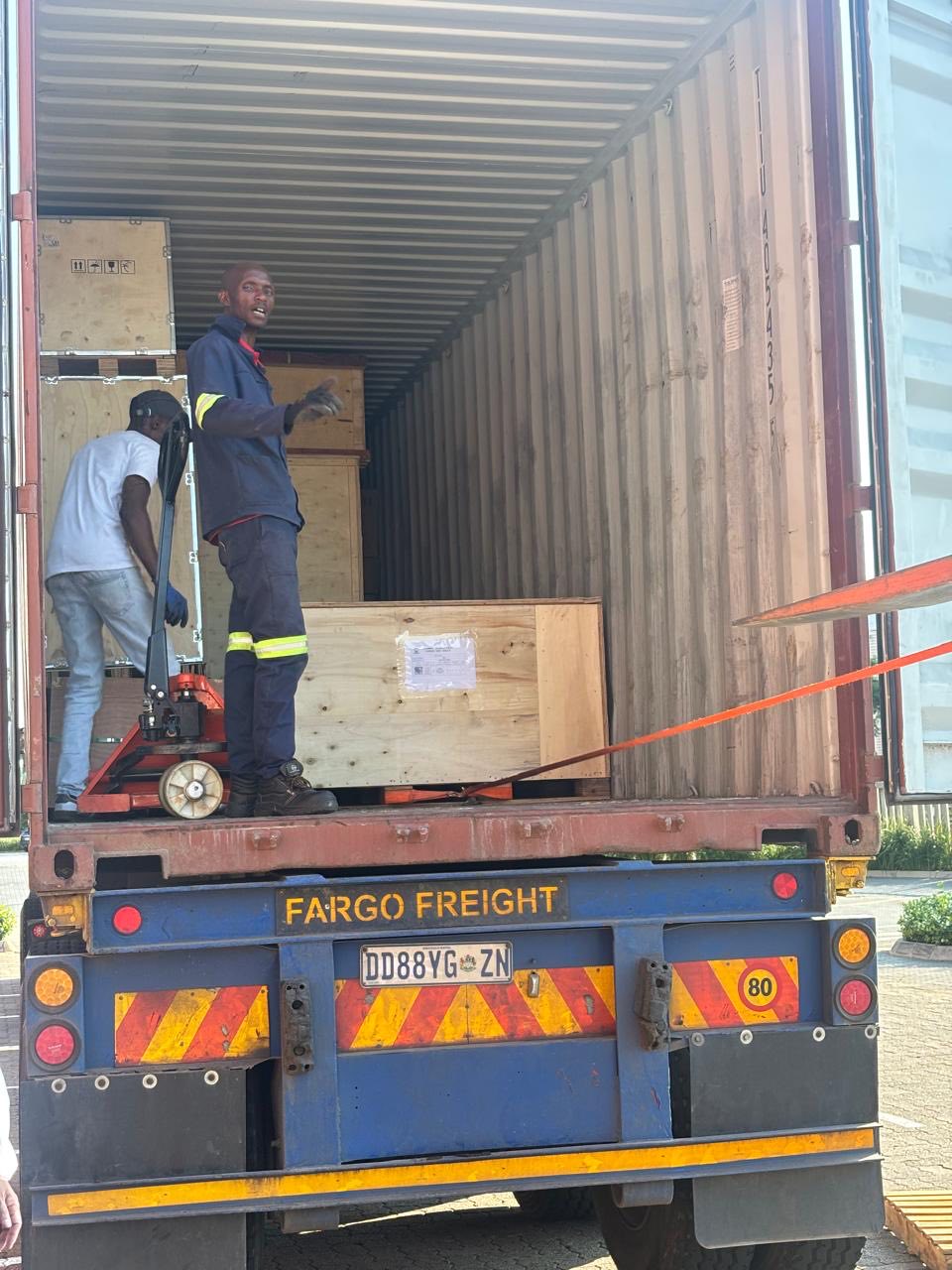
offloading
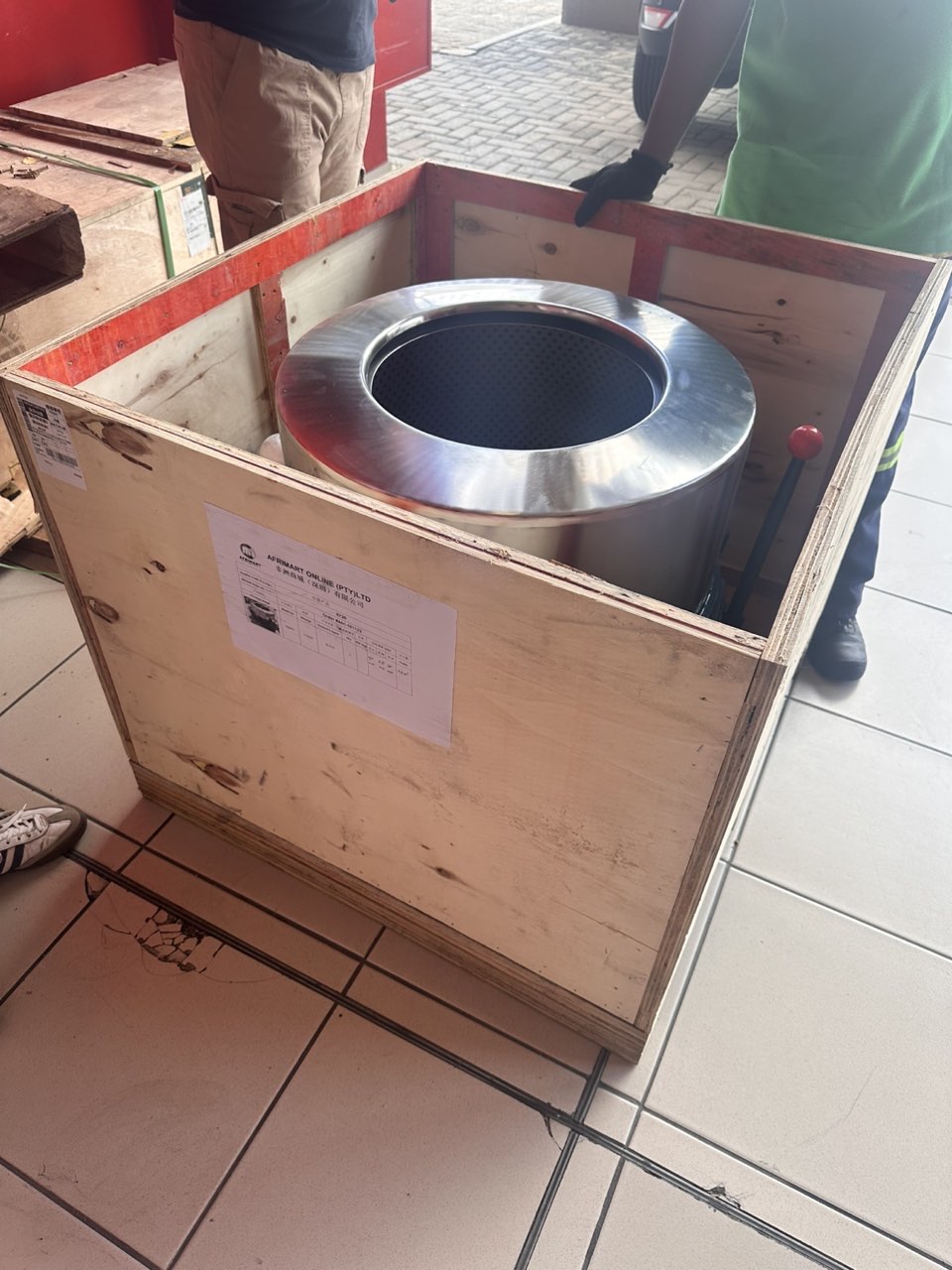
order success
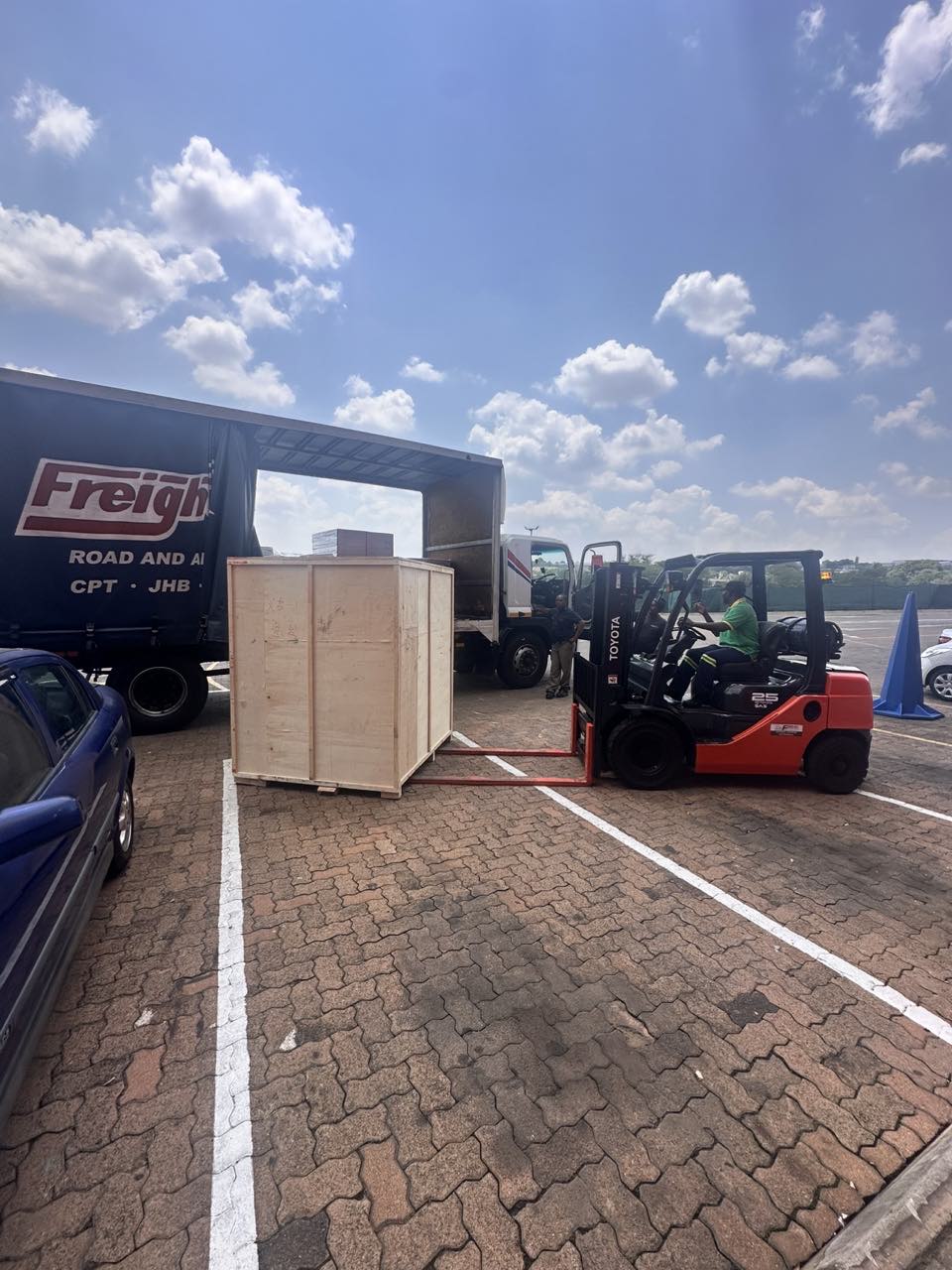
order collection
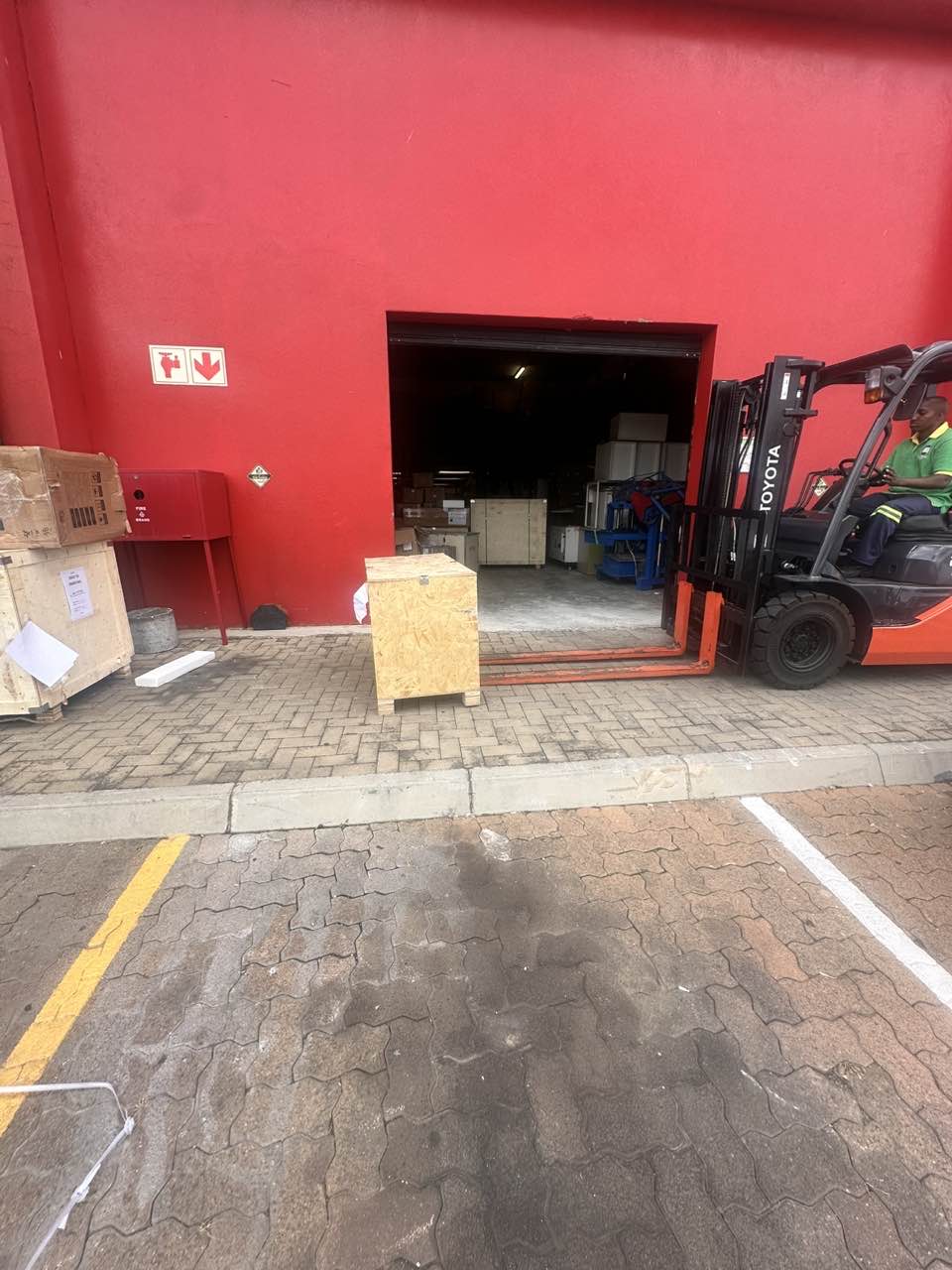
order offloading