B21, China Town Mall, Midrand


Aquarium Pond Fish, Recirculating Deep Water Culture Hydro System
Asset finance available
Do you want funding for this equipment?
Afrimart can connect you with trusted funding partners who specialise in asset finance for businesses like yours. Compare options and apply in minutes — final approval is subject to provider review.
Check funding options
Secure & no obligation

- Section : Machinery
- Category : Agriculture Machinery
- SKU : 1600189020770

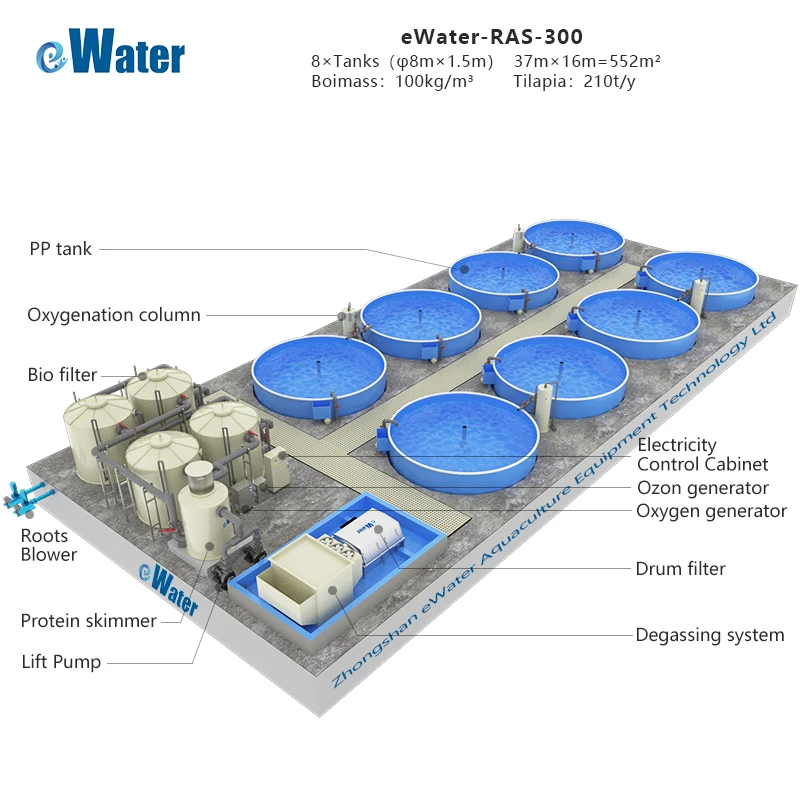
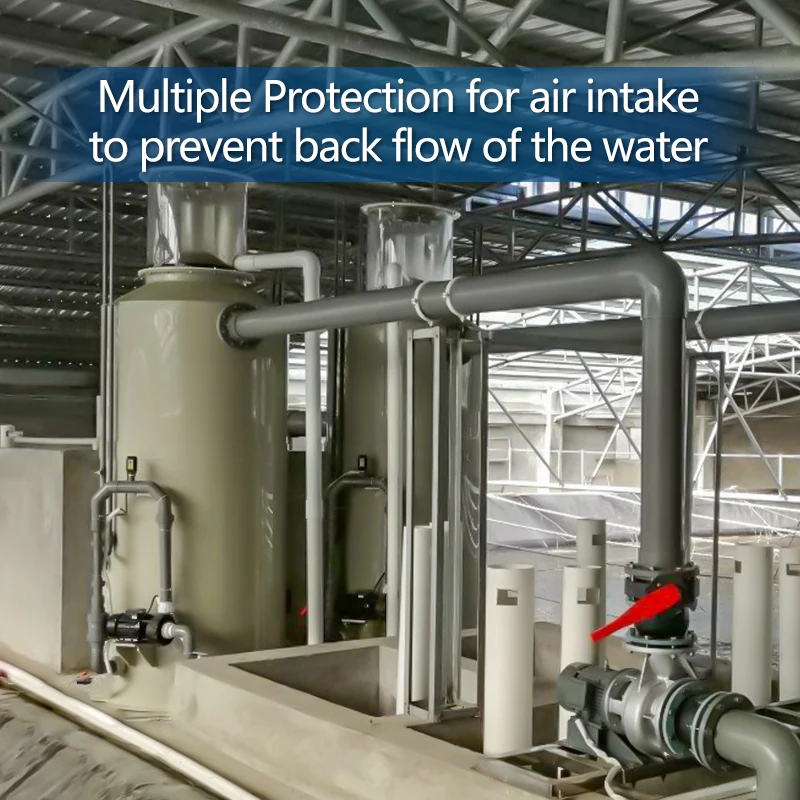
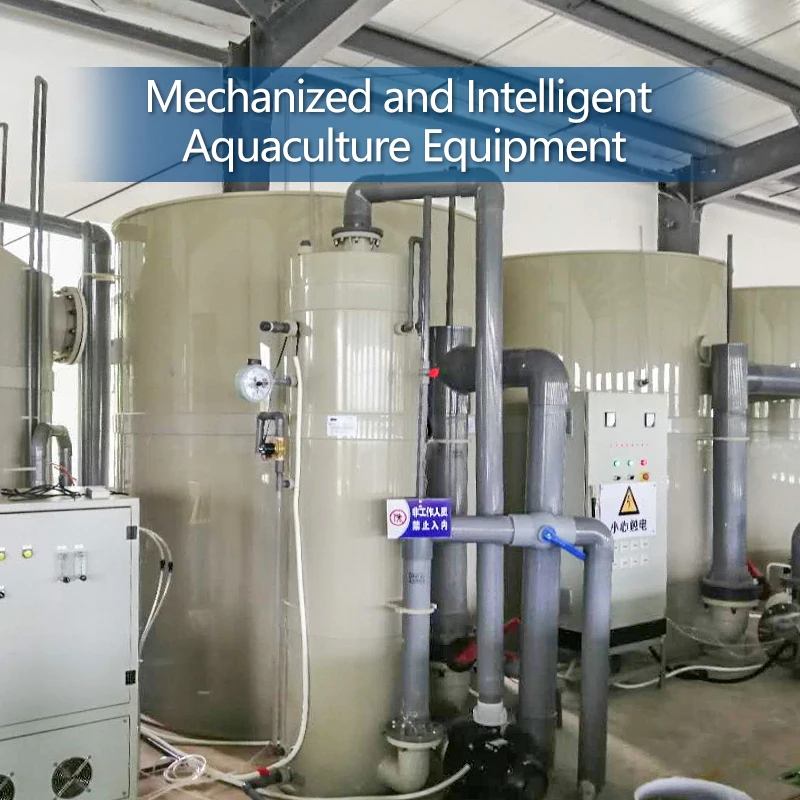
RAS are used in home aquaria and for fish production where water exchange is limited and the use of biofiltration is required to reduce ammonia toxicity. Other types of filtration and environmental control are often also necessary to maintain clean water and provide a suitable habitat for fish.
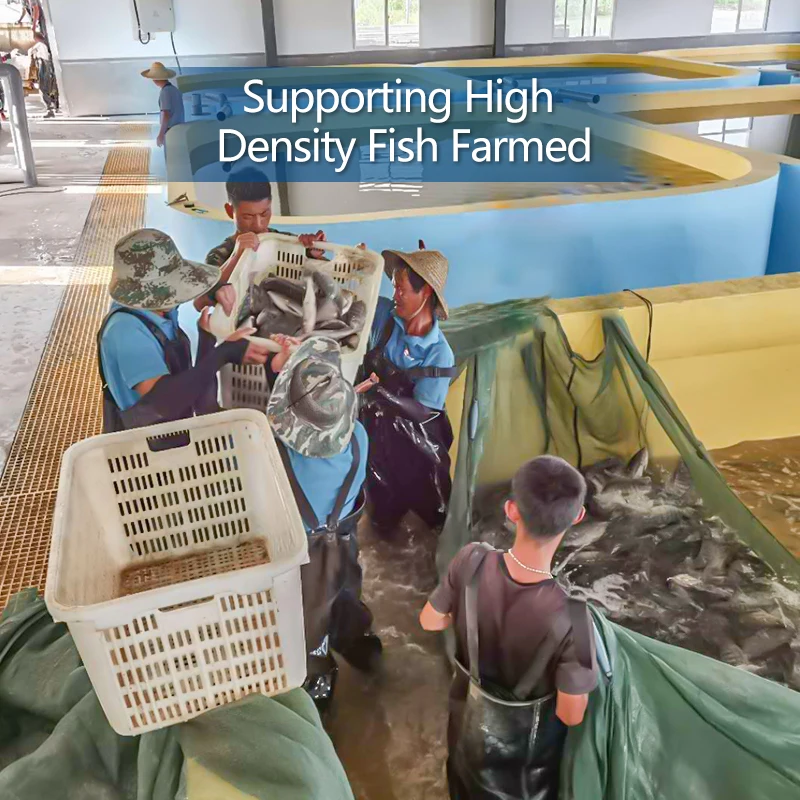
The main benefit of RAS is the ability to reduce the need for fresh, clean water while still maintaining a healthy environment for fish. RAS have high fish stocking densities and can be operated economically commercial.
All our eWater researchers are currently conducting studies in RAS and we have many successful indoor fish farming projects all over the world.


Advantages
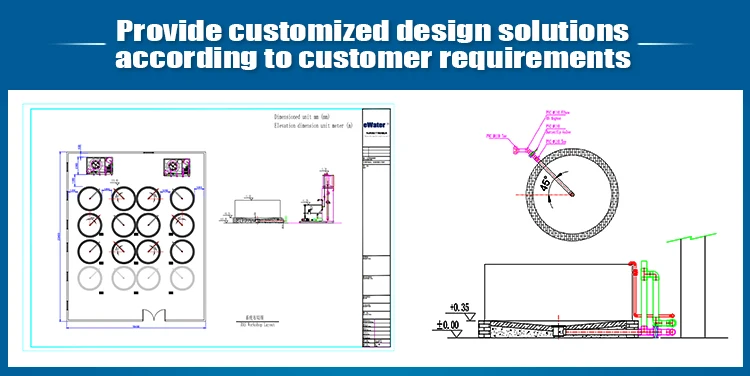
* To optimize the water quality environment, reduce pathogens, increase the density of aquaculture products and improve survival.
* Improve the quality of aquaculture products and reduce the breeding cycle
* Precise feeding, using water cycle to reduce feed and water consumption
* RAS systems consume less energy, reducing power consumption
* Use less land, improve land utilization rate
- Shipping Timeframes: All orders are processed within 2-5 business days (excluding weekends and holidays). After your order has been processed, the estimated delivery time is before 03 Aug, 2026, depending on customs, Please note that due to high demand, some items may experience longer shipping times, which will be communicated at order confirmation email.
- Order Processing Time: Please allow 2-5 business days for us to process your order before it is shipped . Orders placed after 16:00 on Fridays, or during weekends and public holidays, will begin processing on the next business day. Processing times may be extended during peak seasons or sales events.
- Manufacturing Time: Some products needs manufacturing time, the manufacturing process will take approximately 10-30 business days depending on the product. This timeframe may vary depending on the complexity of the product and current demand. but this will be communicated with you during order confirmation.
- Returns and Exchanges: We offer a 30-day return policy for most items. If you are not completely satisfied with your purchase, you may return it within 30 days of receipt for a refund or exchange. Items must be unused, in their original packaging, and accompanied by proof of purchase. Return shipping costs are the responsibility of the customer, unless the item was damaged or defective upon arrival.
1. What is a Recirculating Aquaculture System (RAS)?
A Recirculating Aquaculture System (RAS) is a method of fish farming that minimizes water exchange by recycling water through filtration and biofiltration processes. It helps maintain water quality while supporting high fish stocking densities.
2. What are the main benefits of using an RAS for fish farming?
The main benefits of RAS include reduced need for fresh water, improved water quality, increased fish stocking densities, and enhanced survival rates of fish. It also allows for precise feeding and efficient use of land and energy.
3. How does the RAS system maintain water quality?
The RAS system maintains water quality by using biofiltration to reduce ammonia toxicity and employing various filtration methods to keep the water clean. Additionally, environmental controls help create a suitable habitat for the fish.
4. Can I use this system for indoor fish farming?
Yes, the RAS is ideal for indoor fish farming as it can be effectively managed in a controlled environment, making it suitable for various indoor aquaculture projects.
5. What types of fish can I raise using this system?
You can raise a variety of fish species in a RAS, including tilapia, trout, catfish, and many others, depending on your local regulations and market demand.
6. How much energy does the RAS consume?
RAS systems are designed to be energy-efficient, consuming less power compared to traditional aquaculture methods. The exact energy consumption will depend on the system size and specific components used.
7. What is the typical water turnover rate in an RAS?
The water turnover rate in an RAS can vary, but it is generally designed to recirculate water multiple times per hour, ensuring optimal water quality for the fish.
8. How does RAS help reduce feed and water consumption?
RAS optimizes feeding practices by allowing precise control over feed distribution and reducing waste. The recycling of water further decreases the overall water usage compared to non-recirculating systems.
9. Is this system suitable for commercial aquaculture?
Yes, RAS systems can be economically operated for commercial aquaculture, allowing for high fish stocking densities and efficient production methods.
10. What maintenance is required for an RAS?
Maintenance for an RAS includes regular monitoring of water quality parameters, cleaning filters, and ensuring that all equipment is functioning properly. Routine checks are essential for the health of the fish.
11. How does RAS improve product quality?
RAS improves aquaculture product quality by maintaining optimal water conditions, reducing stress on fish, and allowing for controlled feeding practices, which contribute to healthier and more robust fish.
12. Can I grow plants along with fish in this system?
Yes, RAS can be integrated with aquaponics, allowing you to grow plants alongside fish. The fish waste provides nutrients for the plants, and the plants help filter the water for the fish.
13. What is the role of biofiltration in RAS?
Biofiltration in RAS plays a crucial role in converting harmful ammonia produced by fish waste into less toxic substances, thereby maintaining a safe and healthy environment for the fish.
14. How much land do I need for a RAS?
One of the advantages of RAS is that it requires less land compared to traditional aquaculture methods. The specific land requirement will depend on the scale of your operation and design of the system.
15. Is professional installation necessary for the RAS?
While DIY installation is possible, professional installation is recommended for optimal performance, ensuring that all components are properly set up and functioning together effectively.
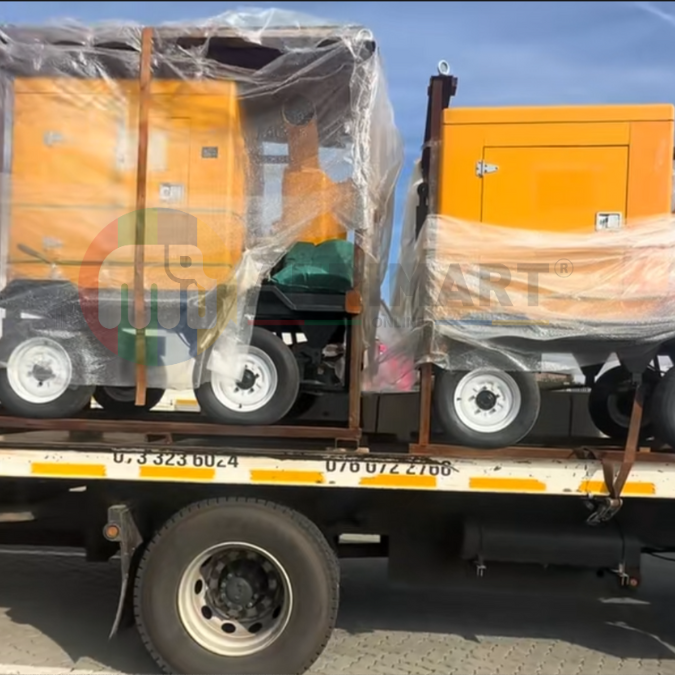
Latest Order Arrivals
Discover our latest orders
12 Heads Embroidery Machine
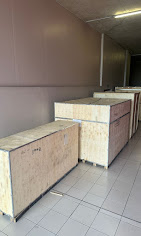
Toilet Paper Machine Machine
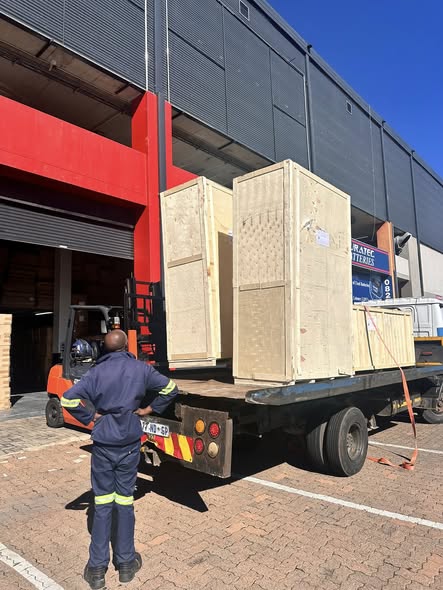
Order Collection
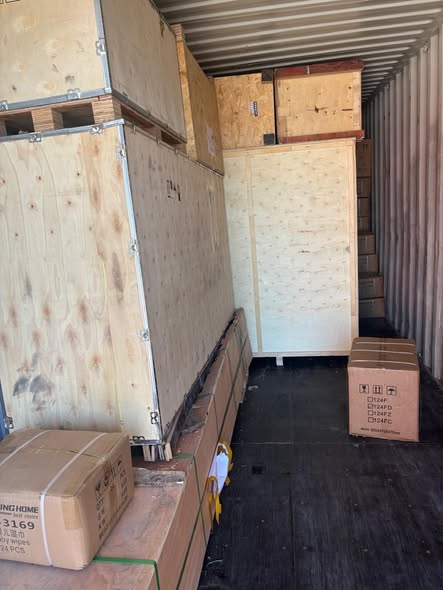
Cross Border Clients
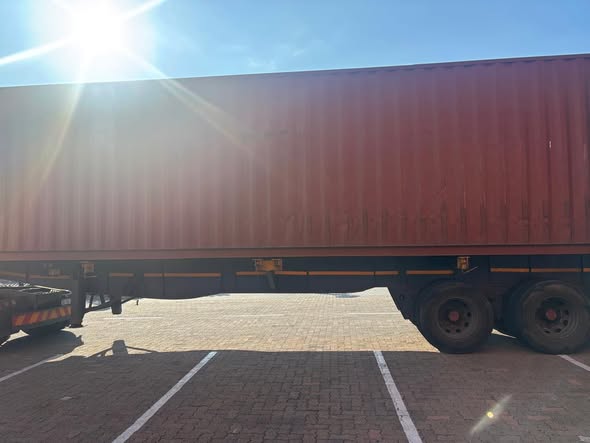
Order cros border countries Collected
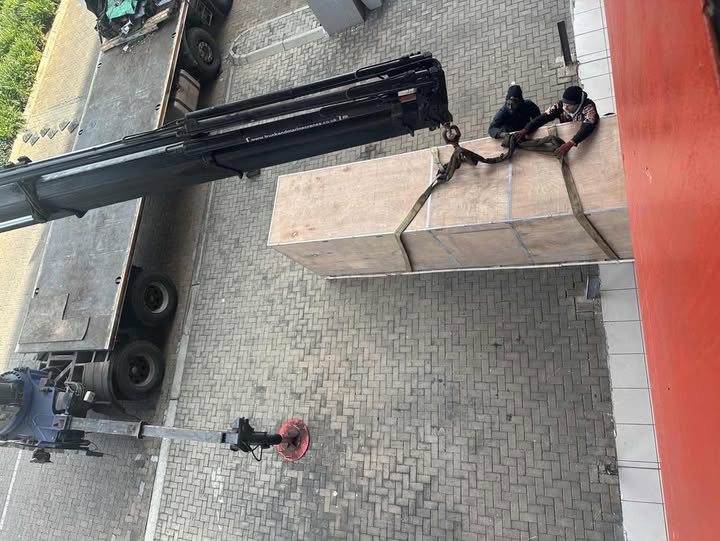
Industrial Machine Cllection
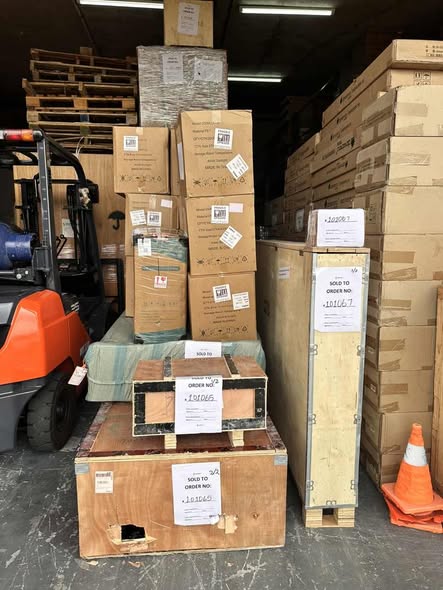
Agriculture Processing Machines
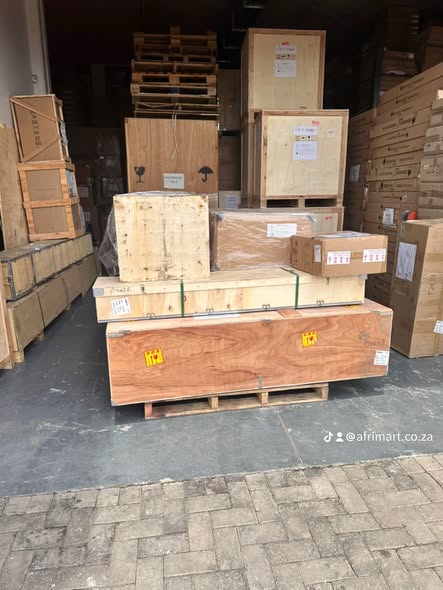
Ready for collection
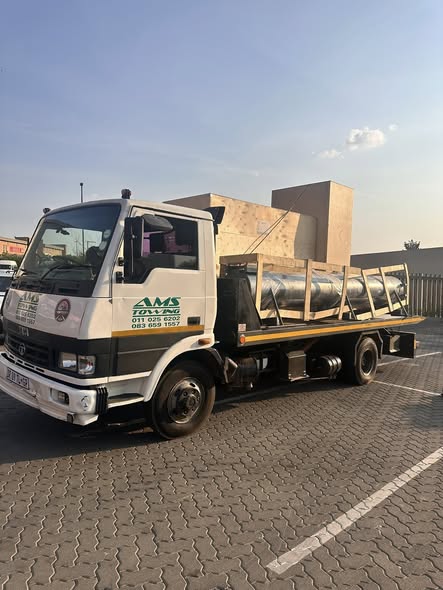
Water Pump Equipment
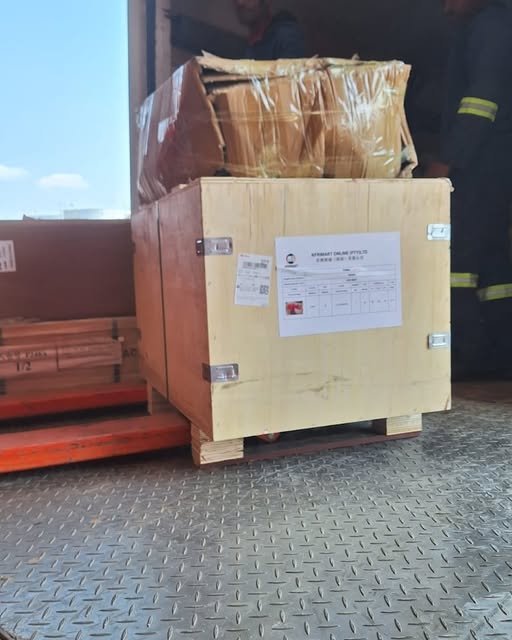
Packaging Machine and accessories
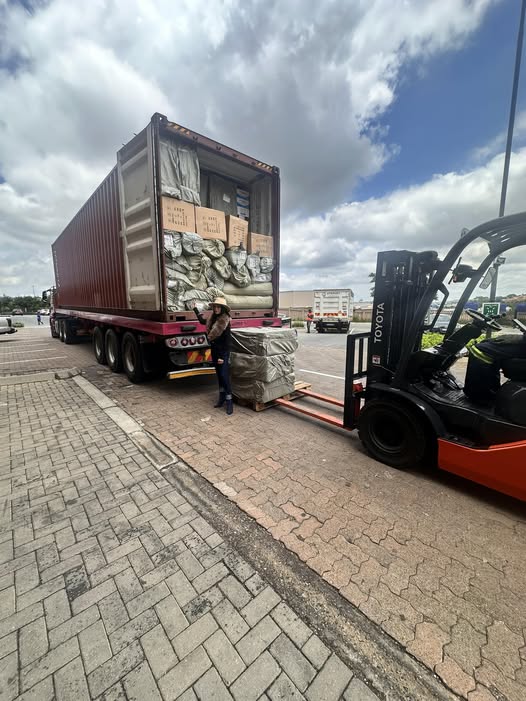
Fabrics Manufacturing Equipment
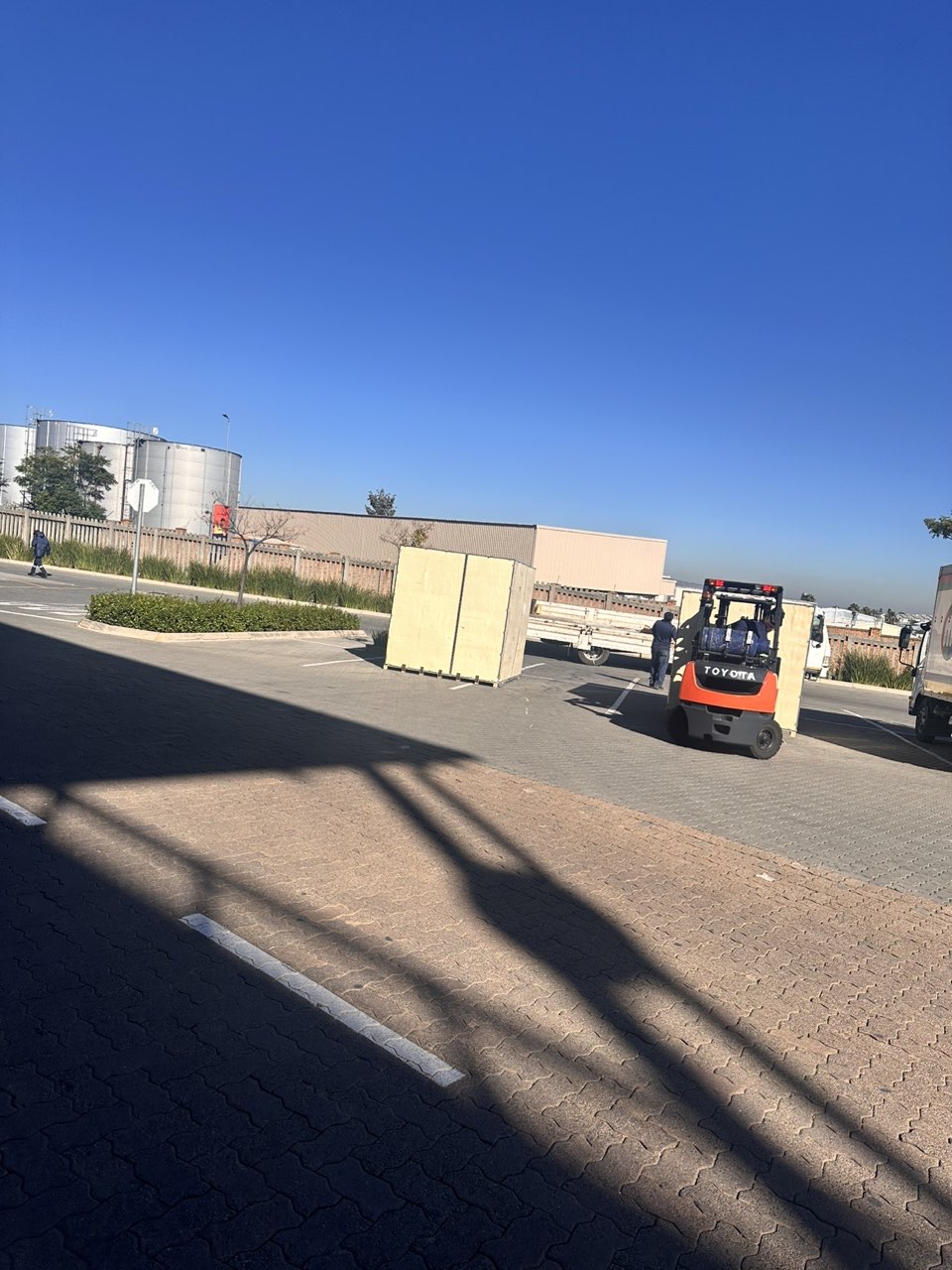
Mining Equipments
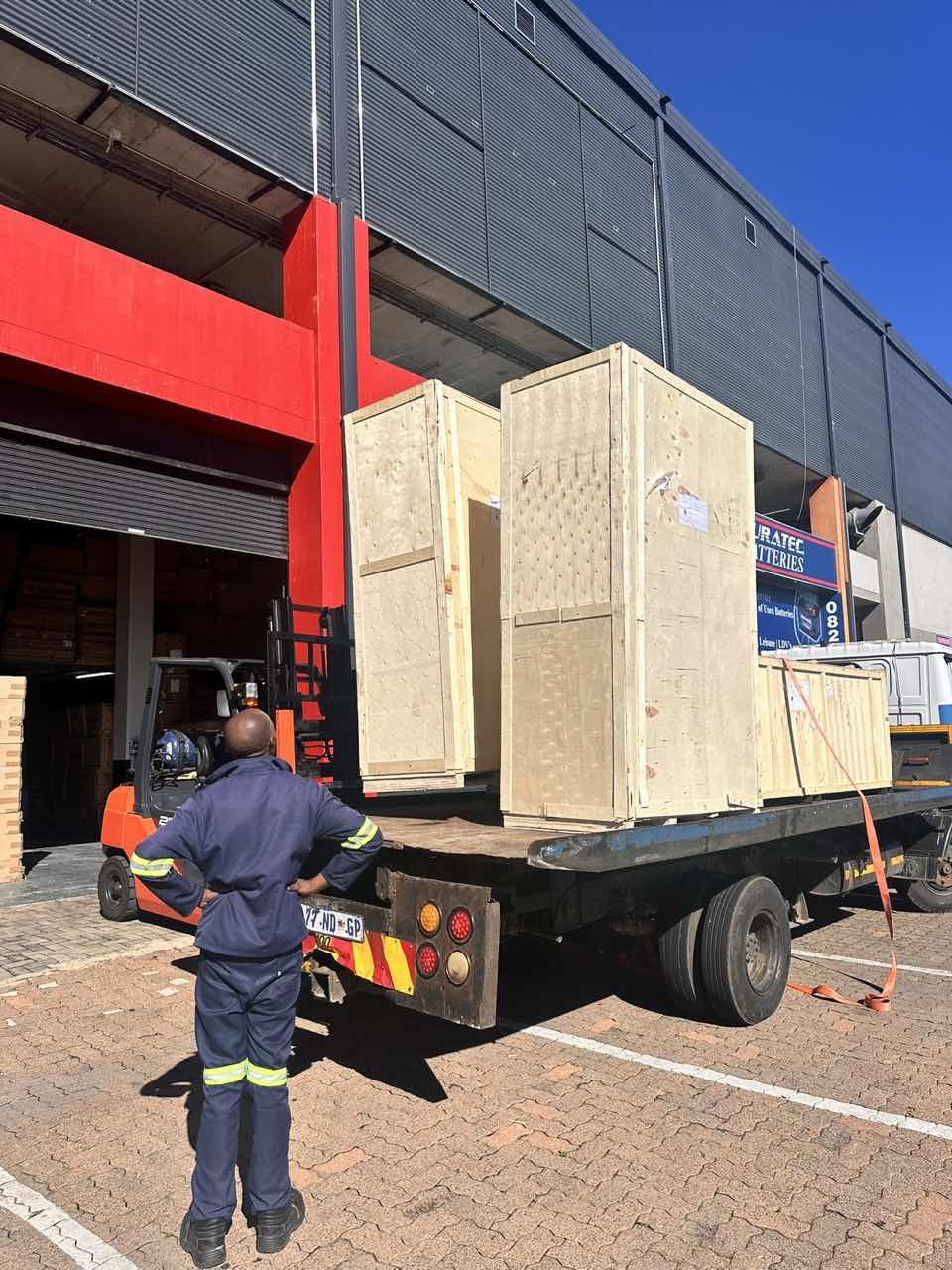
Food Processing Machine
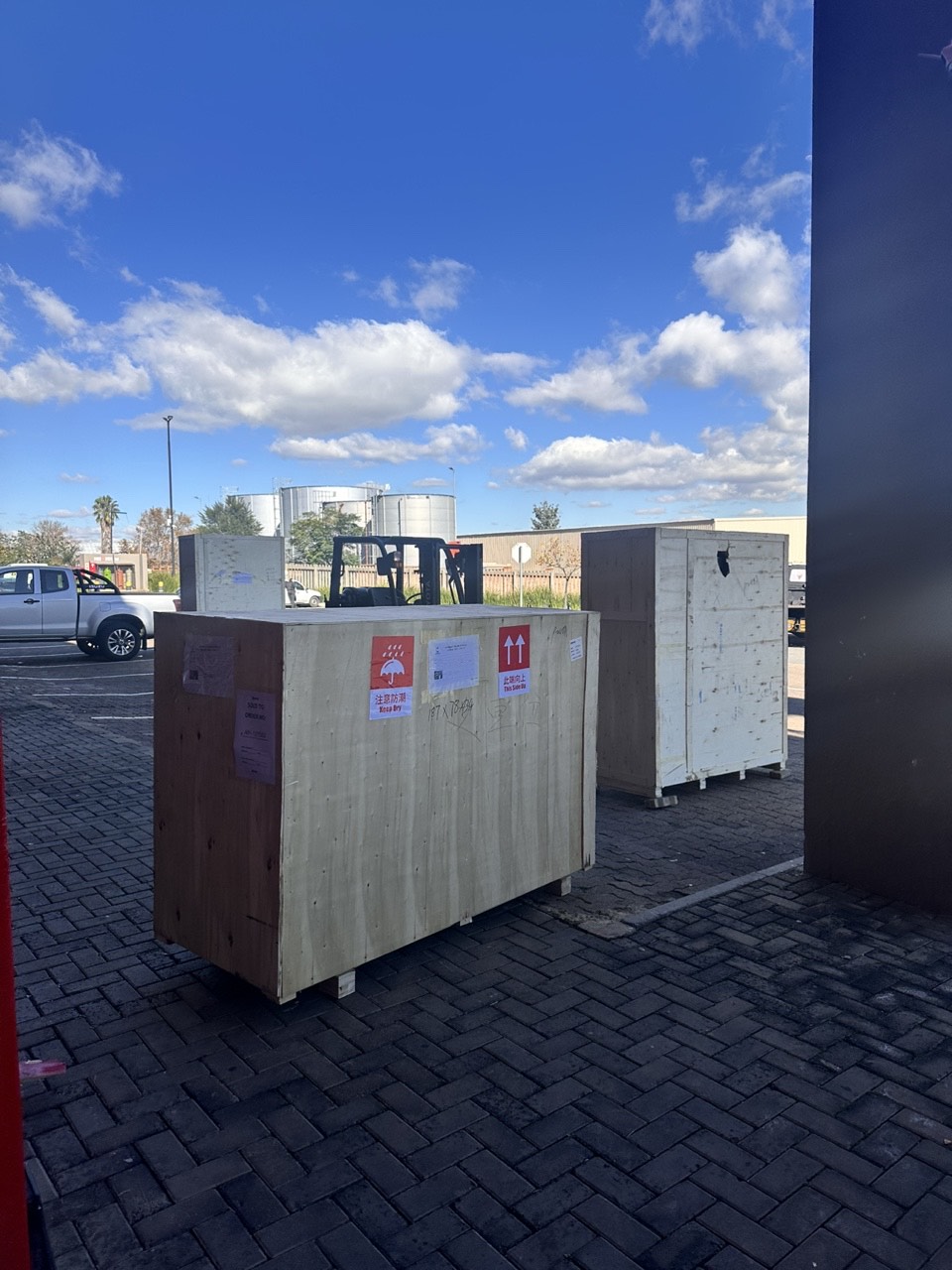
Batch of Orders
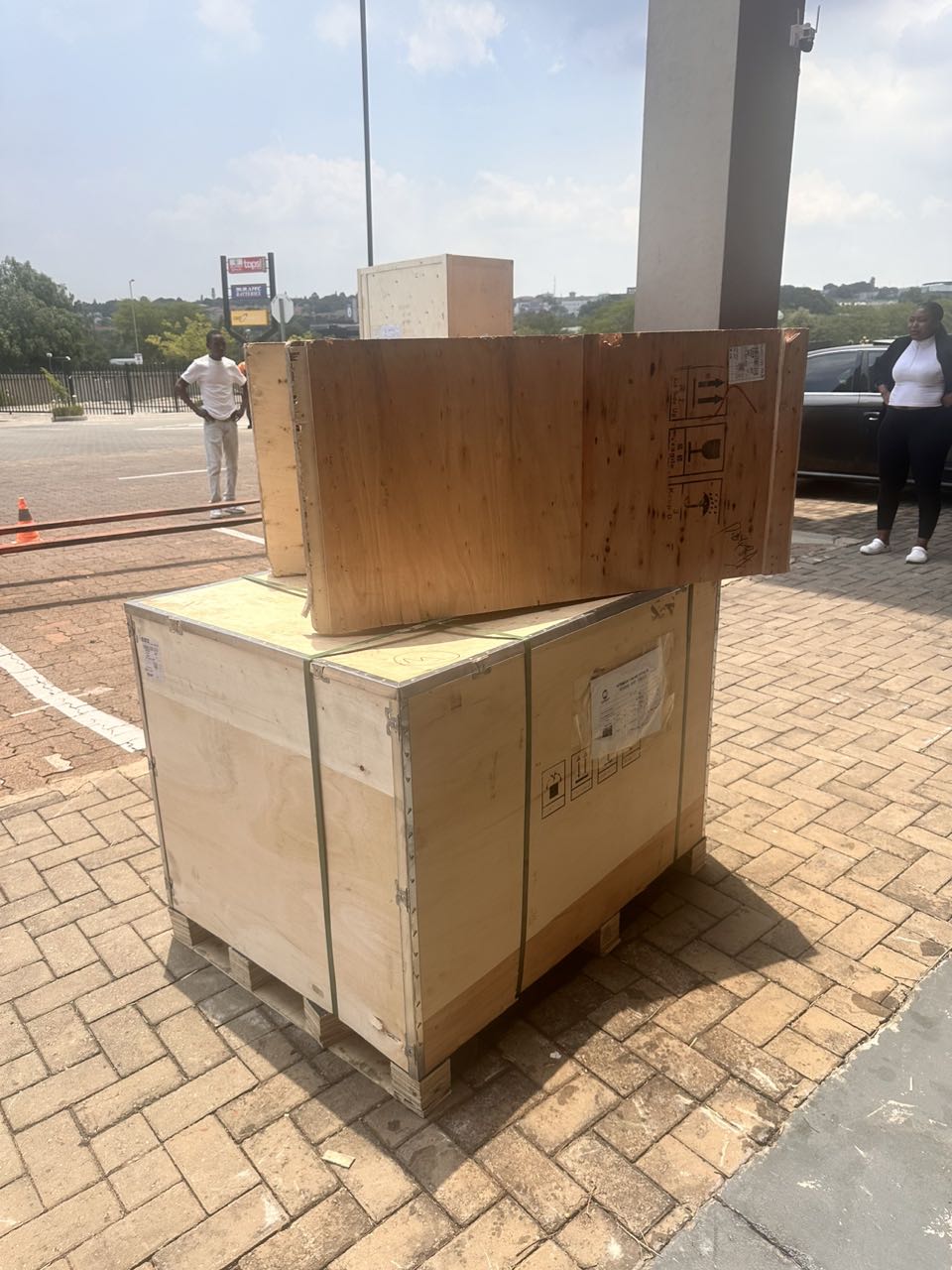
Batch of Orders
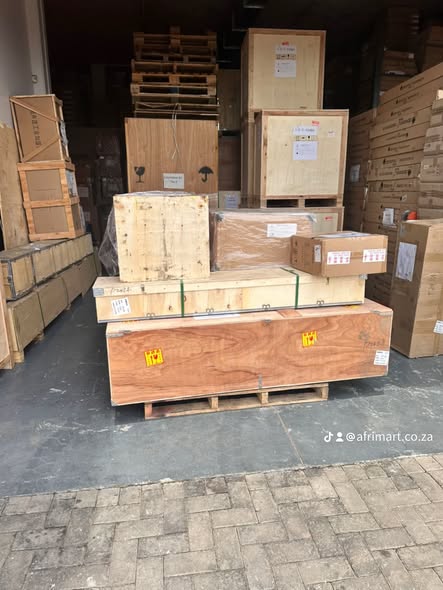
Latest Orders Labelled
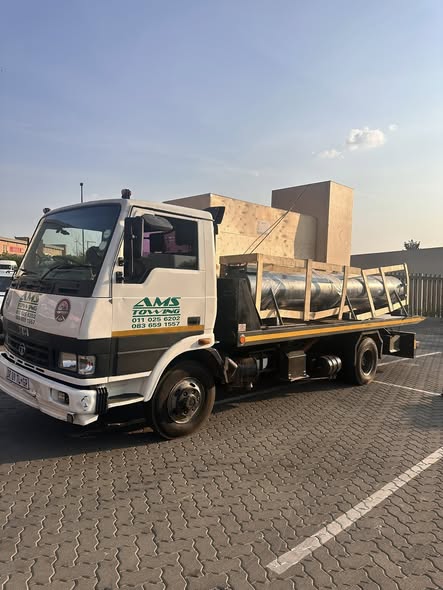
wheel alignment machines
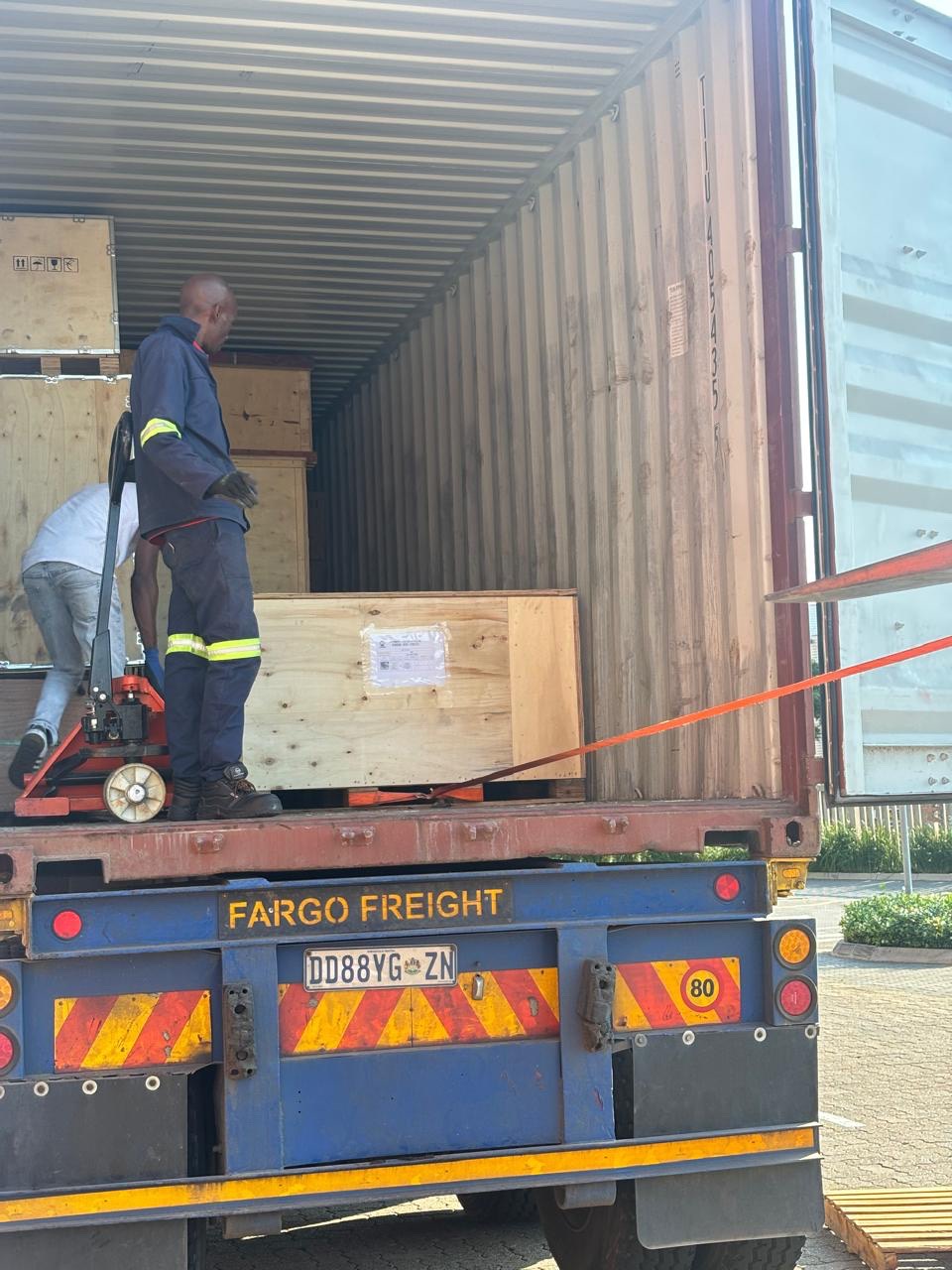
new arrivals
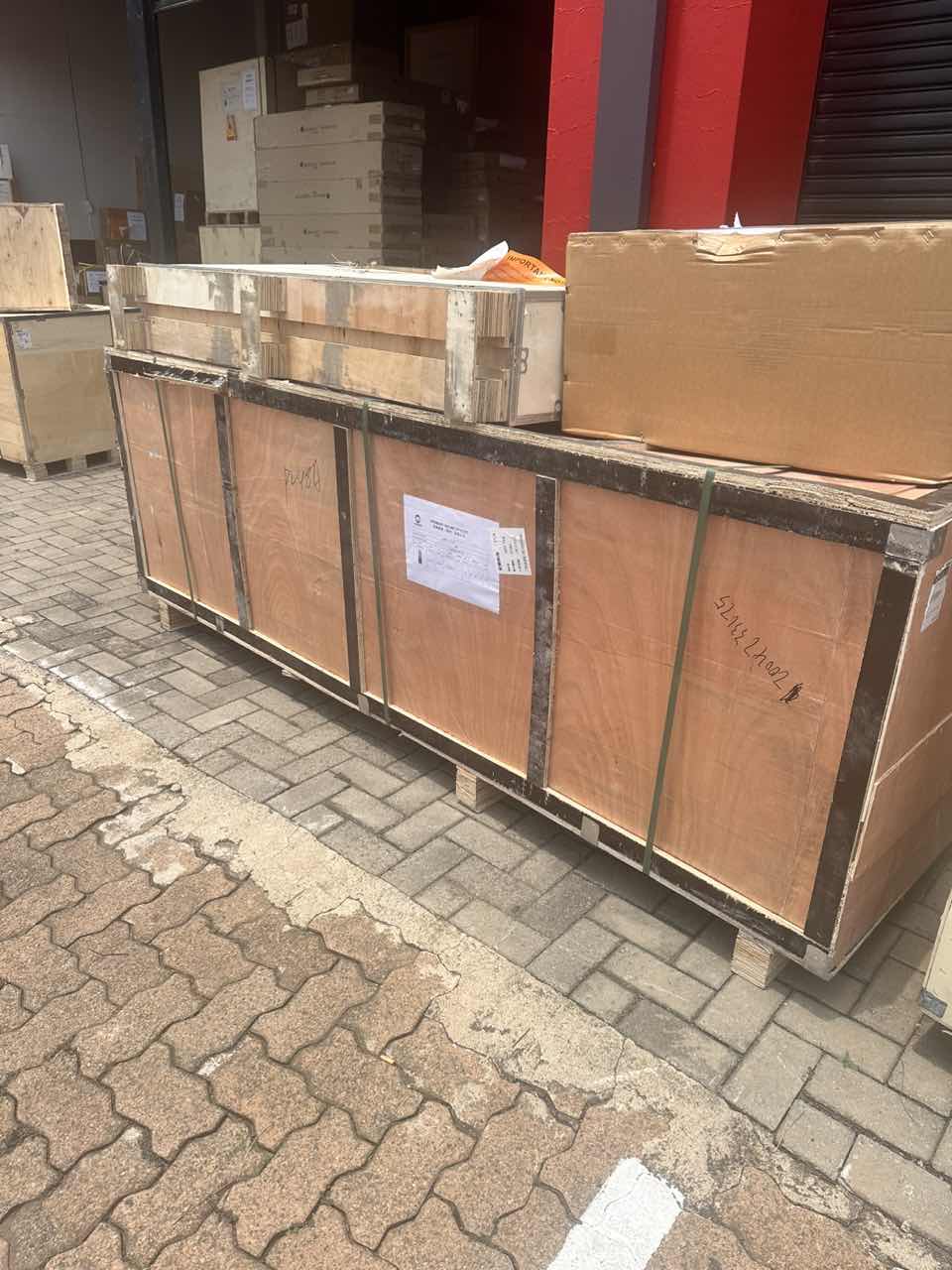
Pre Orders Offloading
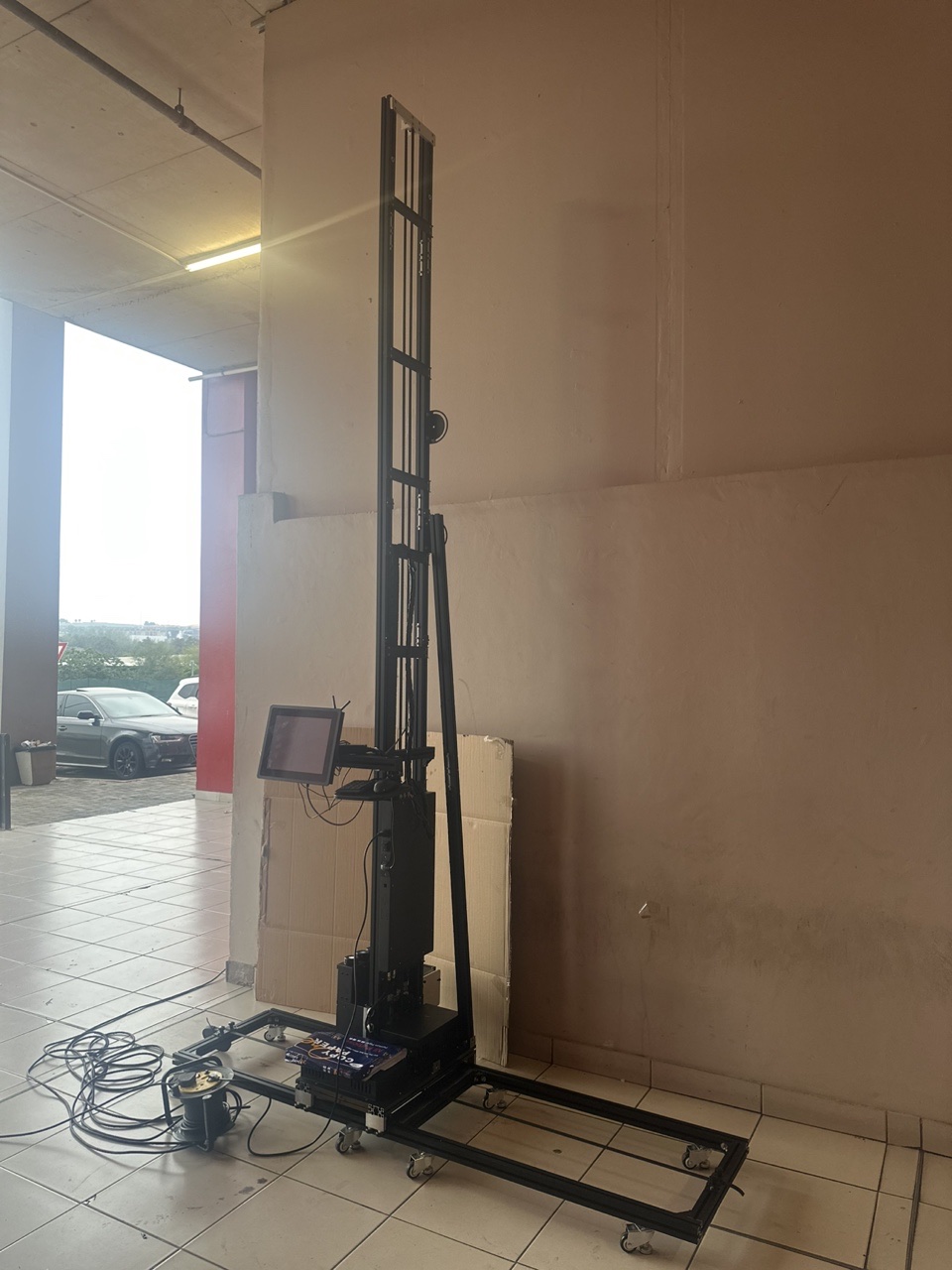
Latest Arrivals
Latest Arrivals
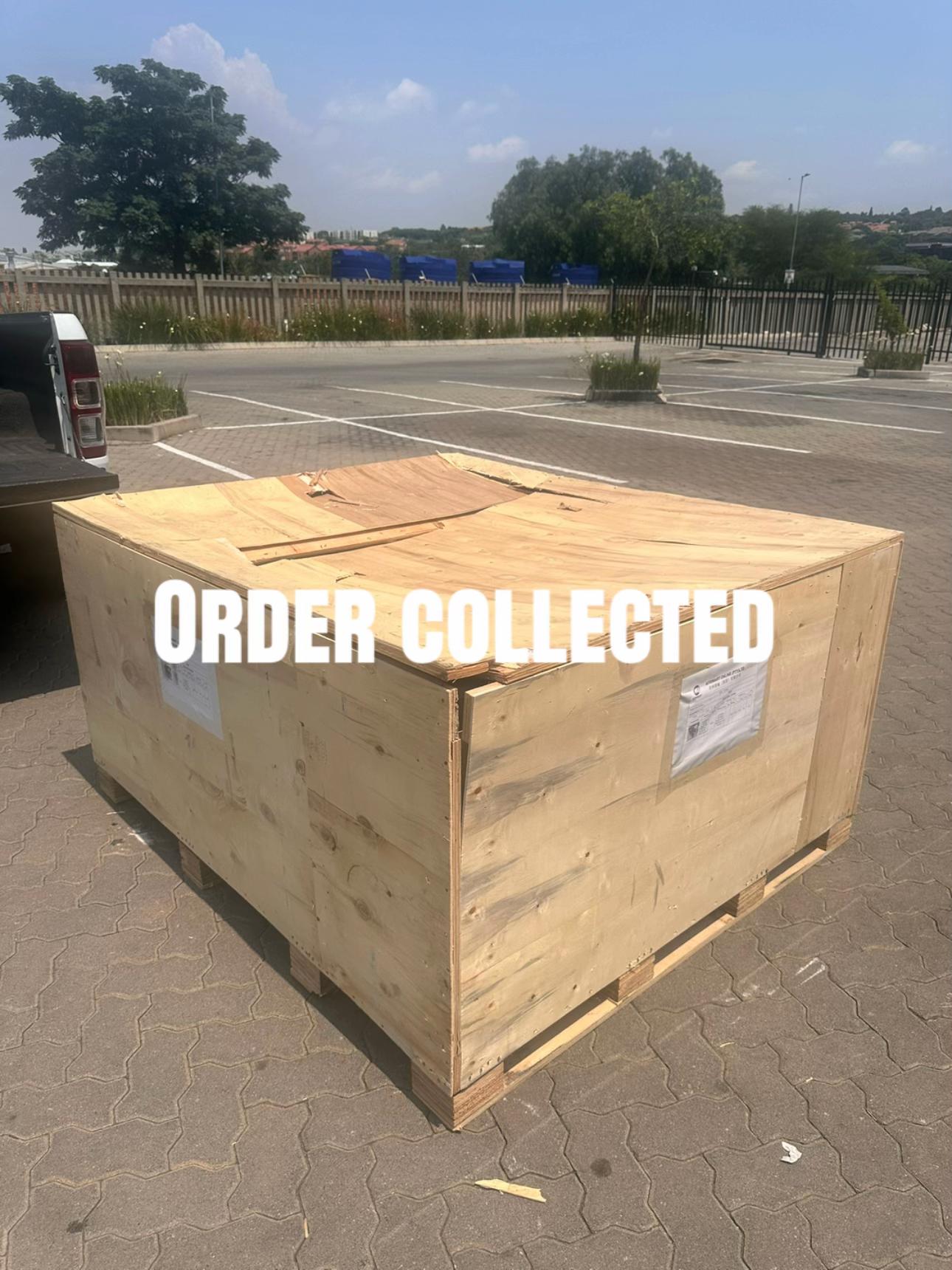
Latest Arrivals
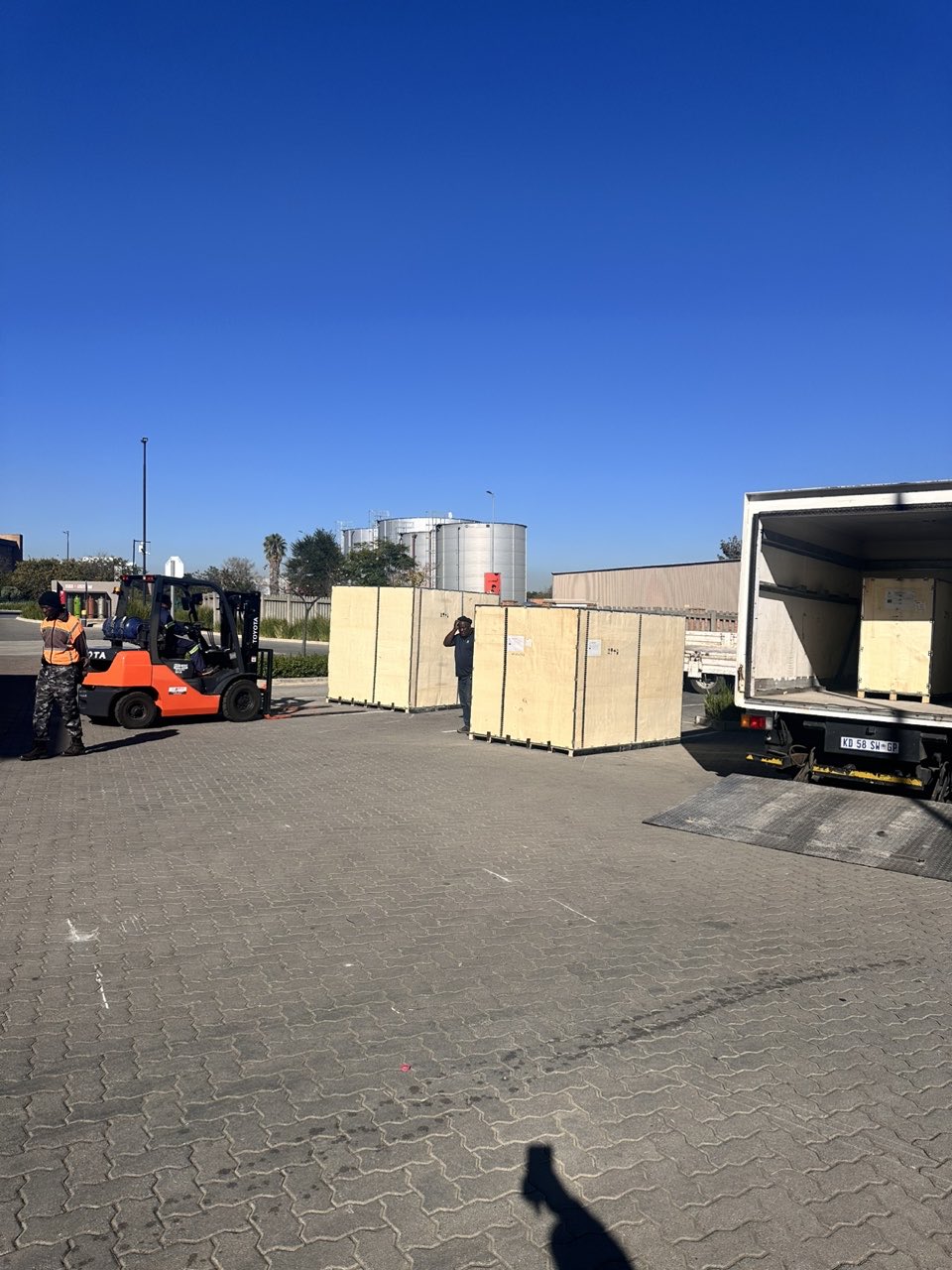
Loading
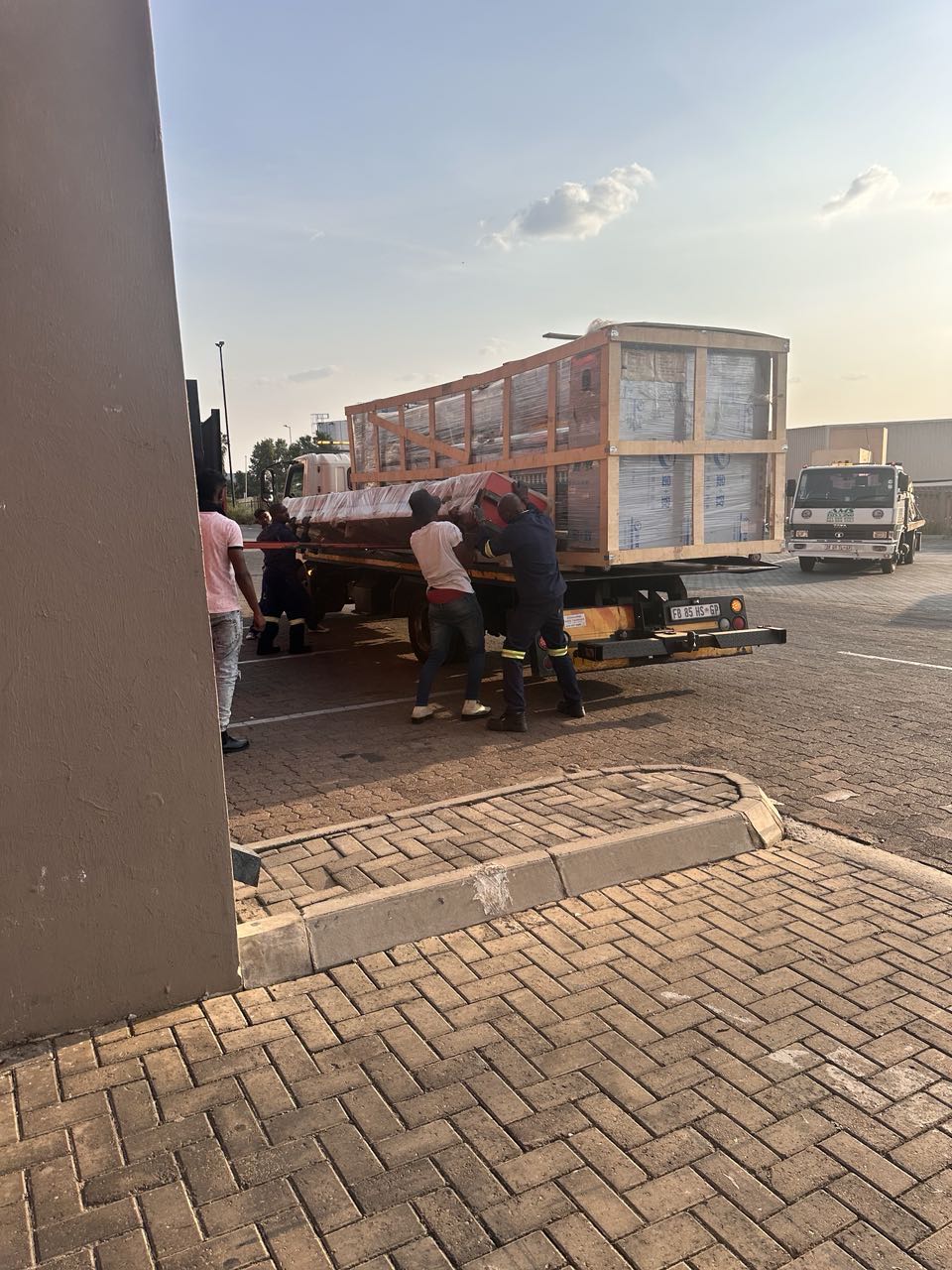
Toilet paper making machine
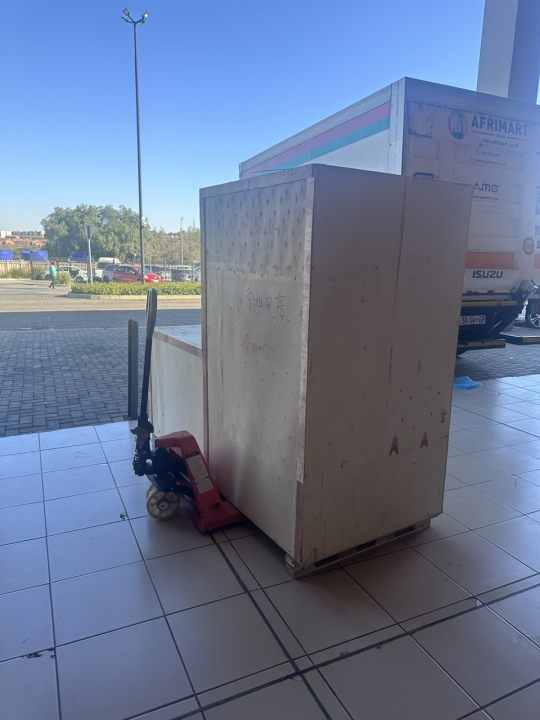
Toilet paper making machine
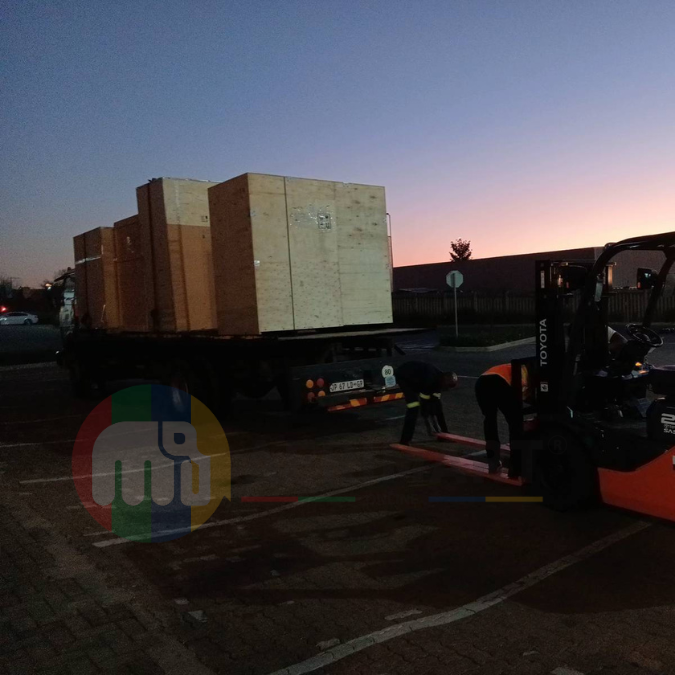
Toilet paper Rewinding Machine
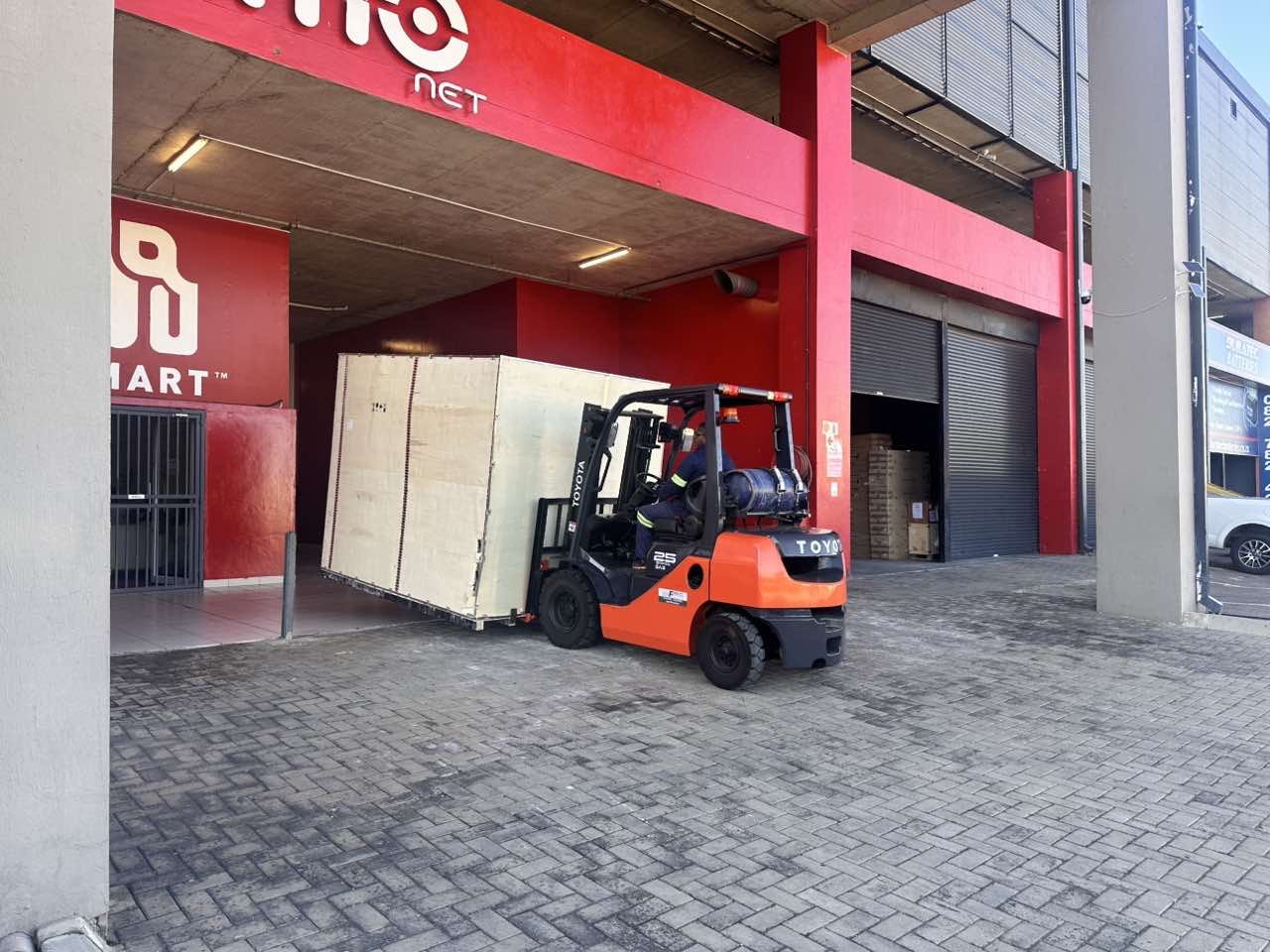
latest arrivals
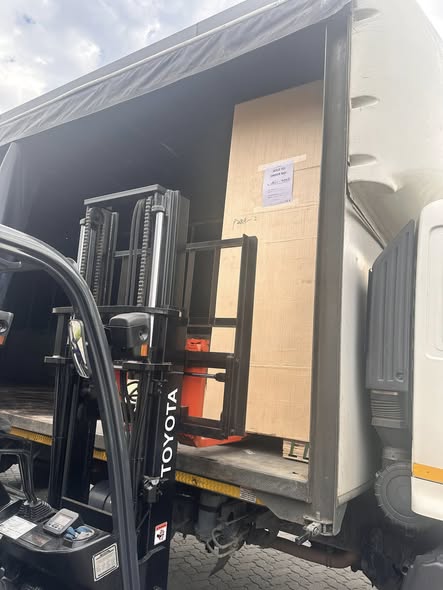
offloading
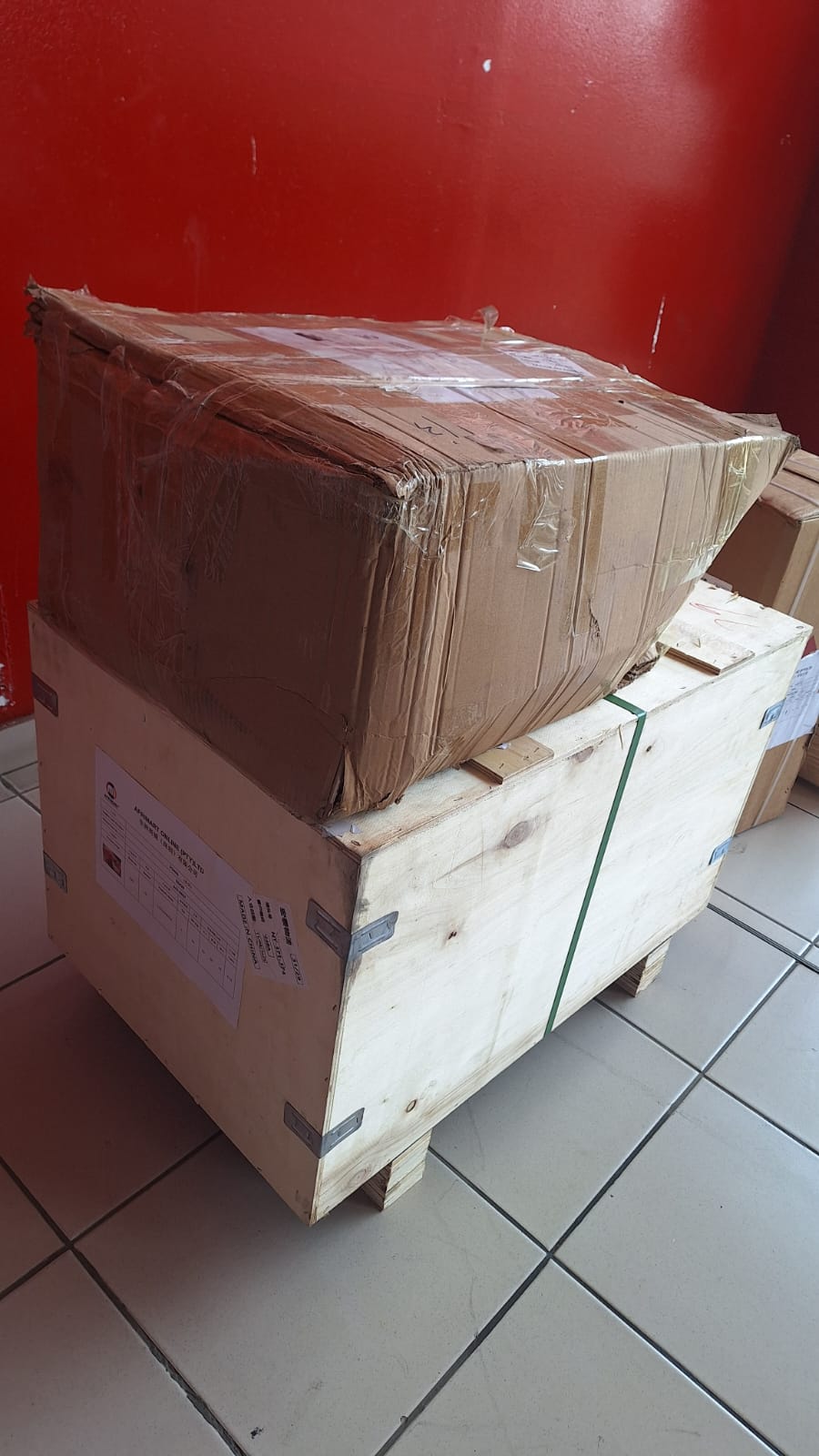
order success
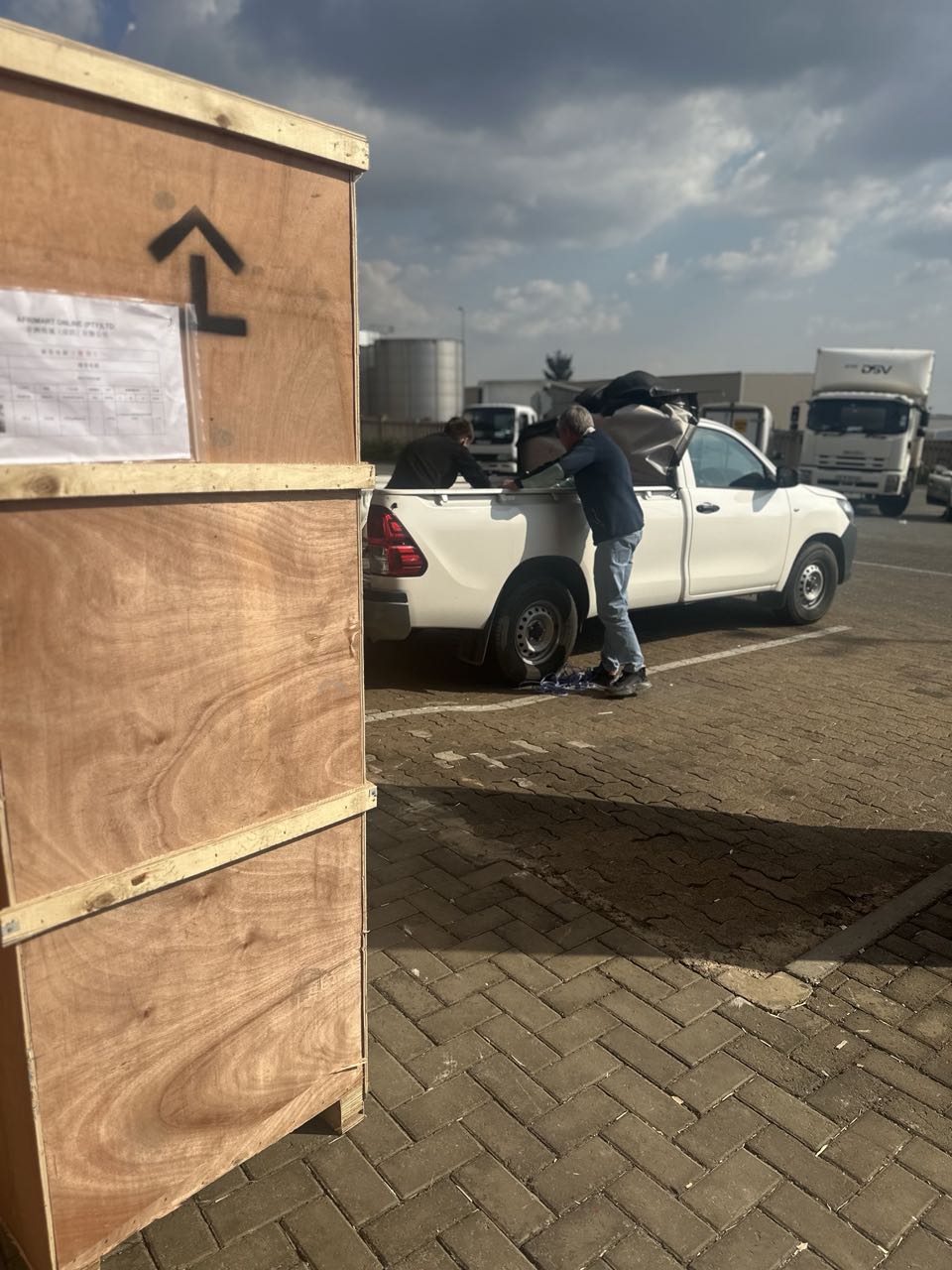
order collection
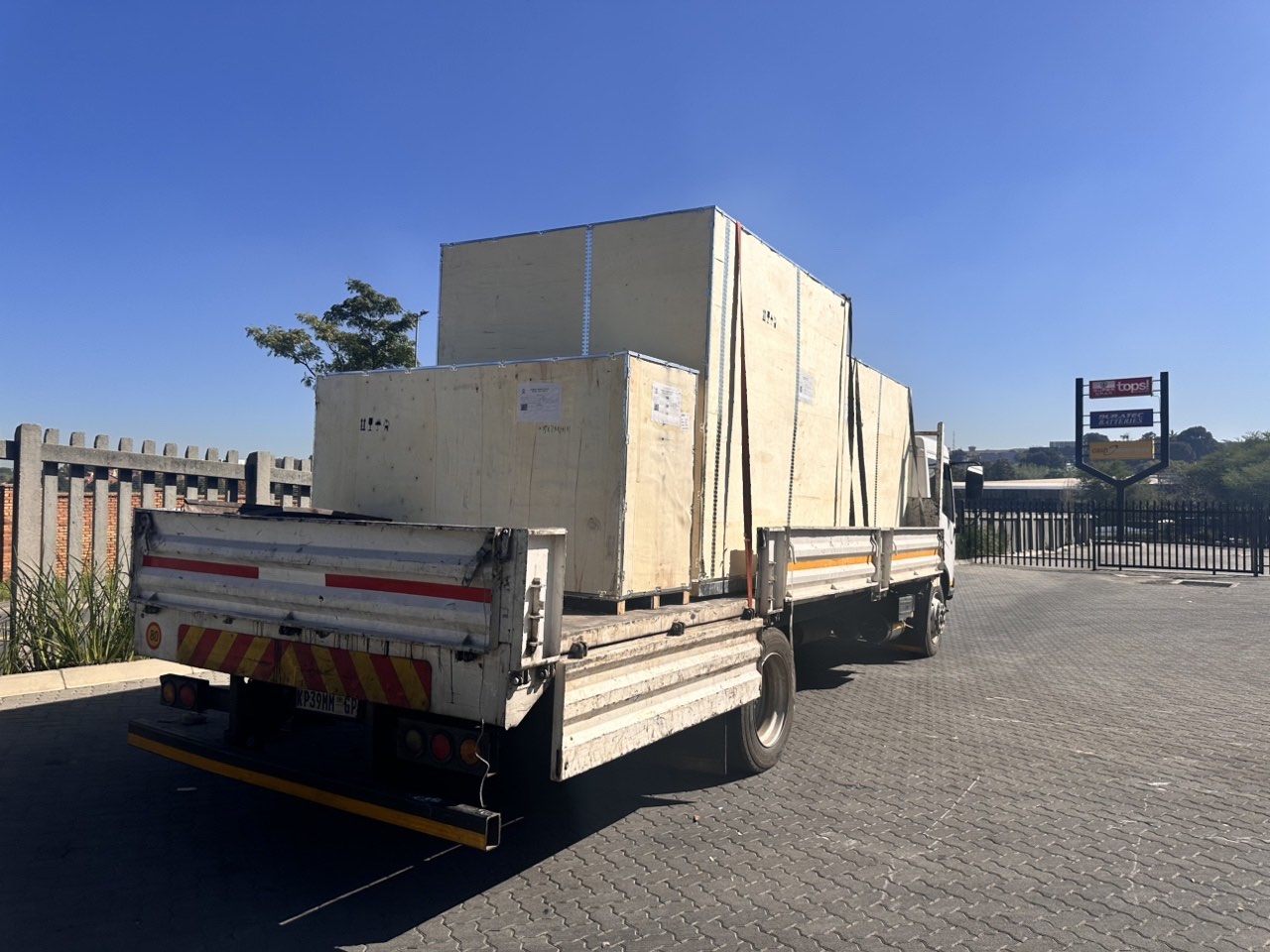
order offloading