B21, China Town Mall, Midrand

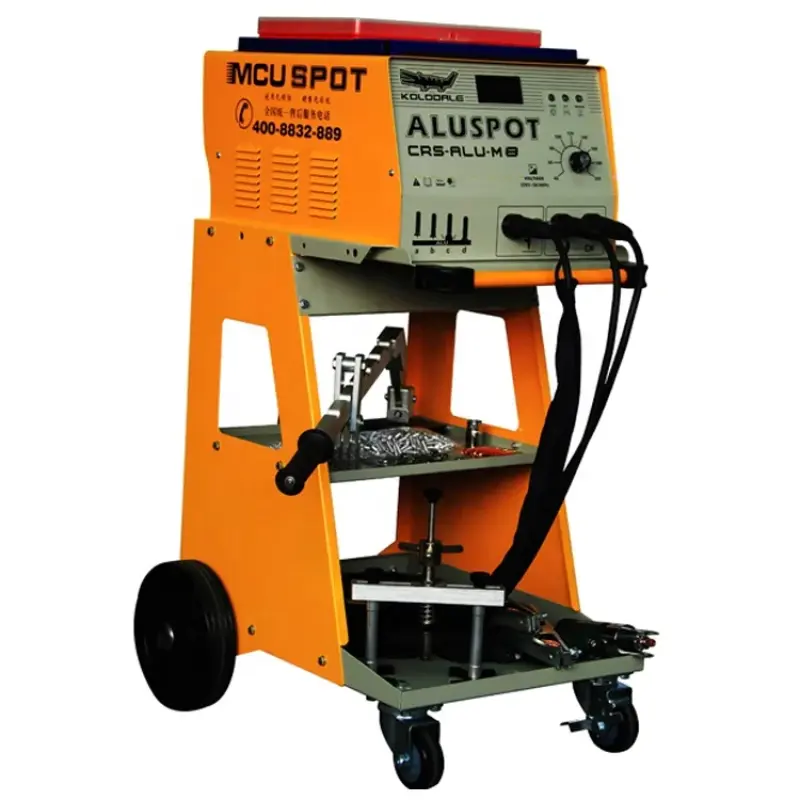
Aluminum Auto body repair Dent pulling machine for collapsed car body

- Section : Sports & Entertainment
- Category : Vehicle Body Kits
- SKU : 60705162365

Product Description
Aluminum Auto body repair Dent pulling machine
Features:
1, suitable for aluminum alloy body repair, including dent repair, longitudinal scratch repair, damage caused by collision and defective aluminum rivets.
2, It uses capacitor discharge and pole welding technology to weld the aluminum stud on the deformation point in aluminum body, then use the lever stud tensioner to stretch to repair the body deformation. All work is done entirely in the outside of car body.
3, Weld full section fusion, improve the stability of the welding parts, conducive to the smooth pulling and stretching. In
principle, the shorter the welding time, the more clean the working surface, the better the welding effect can be obtained.
4, The welding heat affected area is small, welding damage is very small, almost no welding damage at the back side of car body,
5, Manual knob stepless adjust voltage, single phase of electricity is enough.
6, High welding efficiency. Welding is completed instantaneously, and 40 studs can be welded maximum every minute.
7, Energy saving effect is remarkable, welding a M4 aluminum alloy stud, the energy consumption is equivalent to a 40W of electric light work for two seconds.
8, Built-in thermal safety control, due to overload and other reasons lead to abnormal temperature rise, the Indicator flashing to alarm.
10, welding torch cable and ground cable and host connection adopt European fast connector, very quick to install, disassemble .
11, small size, light weight, easy to operate.
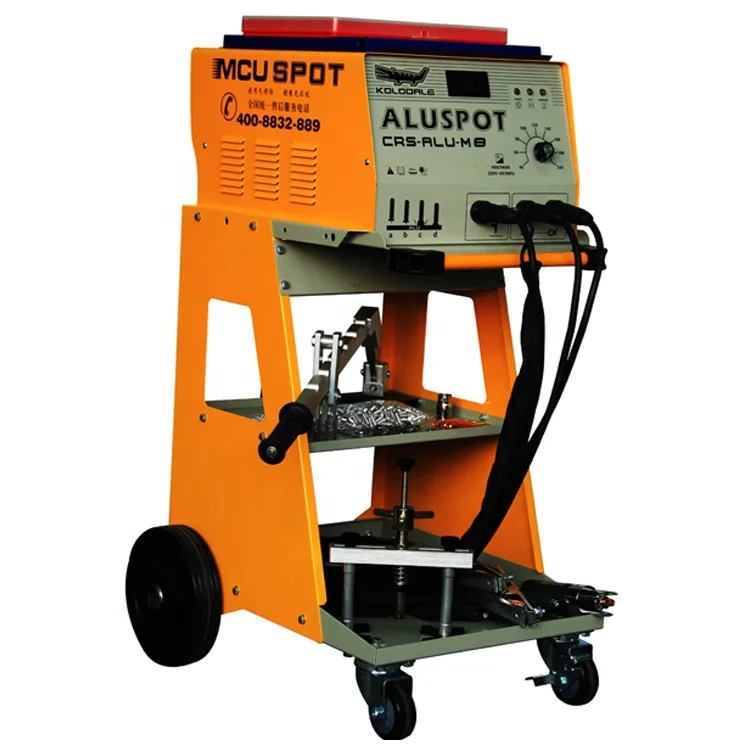
Specification
| item | value |
| Weight | 56/57KGS |
| Bench Height | 940MM |
| Max. Lifting Capacity | NM |
| Worktable Length | 615MM |
| Worktable Width | 435MM |
| Place of Origin | China |
| Guangdong | |
| Brand Name | NM |
| Model Number | CRS-M6/CRS-M8 |
| Warranty | 1Years |
| Voltage Input | 110-240V/50HZ/60HZ |
| Current Output Way | Capacitor Energy Storage Discharge |
| Capacitor Size(UF) | 66000/99000 |
| Control Way | Microprocessor |
| Control Model | Stepless control by button |
| Charging Voltage Range(V) | 40-200 |
| Voltage control accuracy | 5V |
| Maximum Welding Speed(pcs/minute) | 40 |
| Welding discharge cycle(millisecond) | 1-3 |
| Length of Weld Stud | 6-35 |
- Shipping Timeframes: All orders are processed within 2-5 business days (excluding weekends and holidays). After your order has been processed, the estimated delivery time is before 06 Aug, 2026, depending on customs, Please note that due to high demand, some items may experience longer shipping times, which will be communicated at order confirmation email.
- Order Processing Time: Please allow 2-5 business days for us to process your order before it is shipped . Orders placed after 16:00 on Fridays, or during weekends and public holidays, will begin processing on the next business day. Processing times may be extended during peak seasons or sales events.
- Manufacturing Time: Some products needs manufacturing time, the manufacturing process will take approximately 10-30 business days depending on the product. This timeframe may vary depending on the complexity of the product and current demand. but this will be communicated with you during order confirmation.
- Returns and Exchanges: We offer a 30-day return policy for most items. If you are not completely satisfied with your purchase, you may return it within 30 days of receipt for a refund or exchange. Items must be unused, in their original packaging, and accompanied by proof of purchase. Return shipping costs are the responsibility of the customer, unless the item was damaged or defective upon arrival.
1. What is this machine used for?
This machine is designed for repairing aluminum alloy auto body panels — including pulling dents, fixing collision damage, repairing longitudinal scratches and defective aluminum rivets — by welding aluminum studs to the damaged area and pulling the deformation from the outside.
2. How does the dent pulling process work?
A capacitor-discharge/pole-welded aluminum stud is welded to the deformation point, then a lever stud tensioner or puller stretches the deformation. All operations are performed from the outside of the car body, avoiding panel removal.
3. What types and sizes of studs does the machine support?
The machine supports weld studs with lengths from 6 mm to 35 mm. Common stud thread/sizes used for aluminum alloy repairs (for example M4) are compatible; confirm stud type with your consumable supplier.
4. What power supply does the machine require?
It accepts single-phase AC input across 110–240 V at 50/60 Hz, making it usable in most workshop environments without three-phase power.
5. How fast can it weld studs?
Maximum welding speed is up to 40 studs per minute. The welding discharge cycle is very short (1–3 milliseconds), allowing high throughput.
6. Is the welding heat damaging to the car body or the backside of panels?
The machine uses very short capacitor-discharge weld times and full-section fusion to minimize the heat-affected zone. Welding damage to the backside is described as very small or almost none when used correctly.
7. Does the machine require special grounding or connectors?
Yes — the machine uses a ground cable and European fast connectors for quick installation and disassembly. Always ensure a good ground connection to the vehicle for safe and effective welding.
8. What safety features are included?
Built-in thermal safety control monitors temperature and triggers an indicator alarm/flash if an abnormal temperature rise or overload occurs. Standard safe-work practices (PPE, ventilation, checking for fuel lines/airbags) must also be followed.
9. How is welding power and output controlled?
The unit uses a microprocessor control with a manual knob for stepless voltage adjustment. Charging voltage range is 40–200 V and voltage control accuracy is +/-5 V, allowing fine tuning for different panel conditions.
10. What are the main specifications and physical dimensions?
Typical specifications: weight about 56–57 kg, bench height 940 mm, worktable length 615 mm, worktable width 435 mm. Capacitor sizes referenced are 66,000 µF or 99,000 µF depending on model. Confirm exact model specs before purchase.
11. What maintenance is required?
Regularly inspect welding torch cable, ground cable and connectors for wear or damage; keep the machine and venting clean; replace consumables (studs, tips) as needed; follow manufacturer's service intervals and store dry when not in use.
12. What should I do if the machine’s thermal indicator is flashing?
A flashing thermal indicator signals overheating or overload. Stop work, allow the unit to cool down, check for blocked ventilation or excessive duty cycle, inspect connections, and retry after cooldown. If flashing persists contact service.
13. Is any special training required to operate the machine?
Operators should be trained in capacitor-discharge/stud welding safety and techniques for aluminum body repair. Training helps ensure correct parameter selection, proper grounding, safe welding practices, and optimum repair quality.
14. What warranty and support are provided?
The product carries a 1-year warranty against manufacturing defects. Wear-and-tear items and consumables are typically excluded. Contact the supplier or manufacturer for support, spare parts and warranty service details.
15. What consumables and accessories will I need?
You will need aluminum weld studs (appropriate lengths), replacement welding tips/nozzles, a stud tensioner/puller, and possibly spare ground clamps and connector leads. Confirm which consumables are included with the unit at purchase.
Latest Order Arrivals
Discover our latest orders
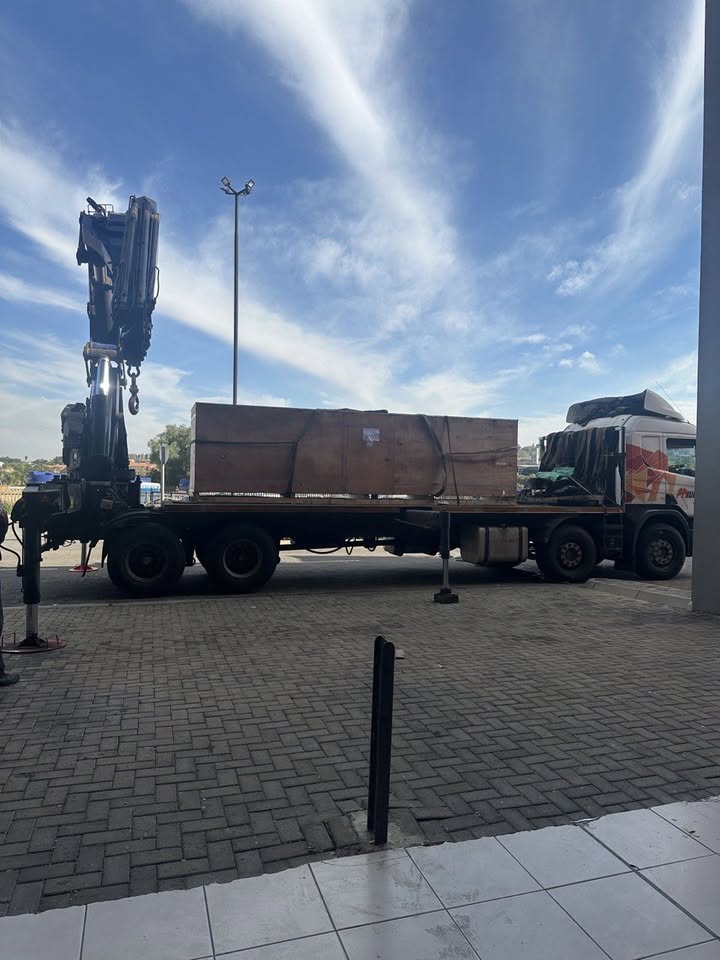
12 Heads Embroidery Machine
Toilet Paper Machine Machine
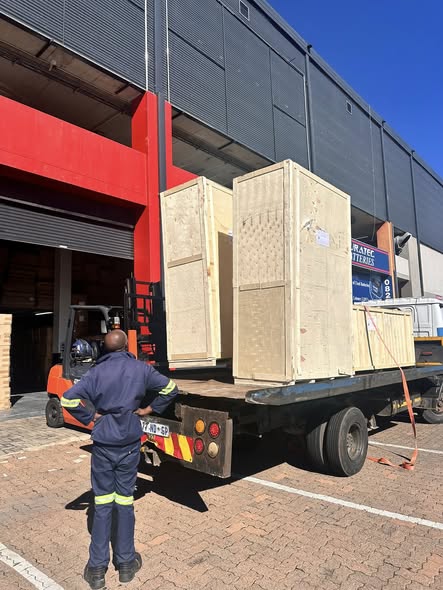
Order Collection
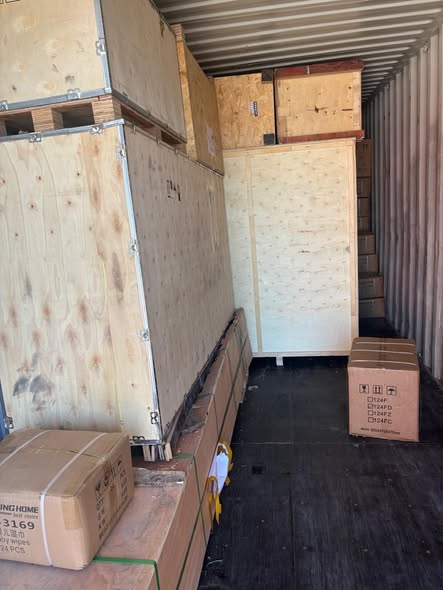
Cross Border Clients
Order cros border countries Collected
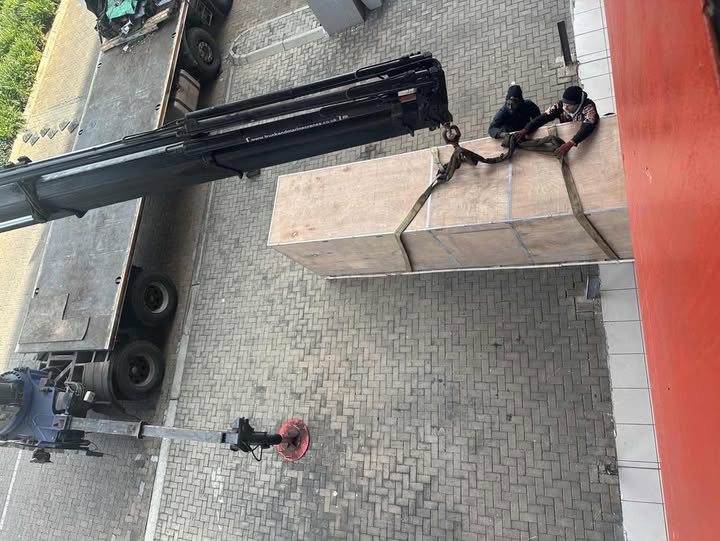
Industrial Machine Cllection
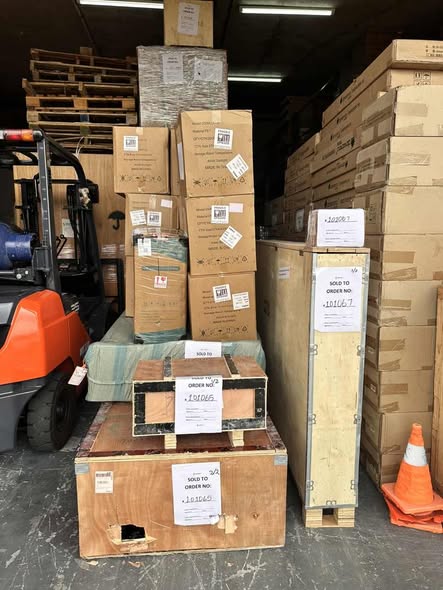
Agriculture Processing Machines
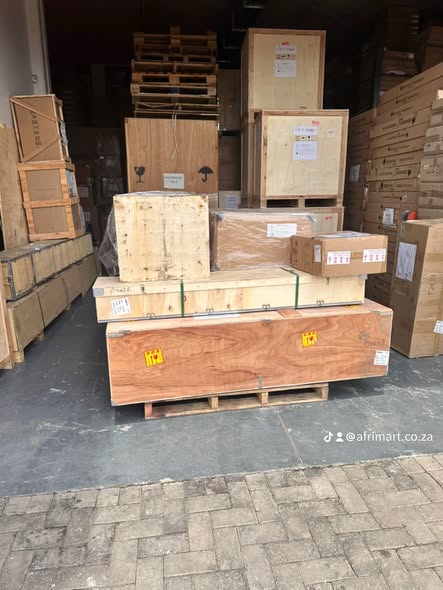
Ready for collection
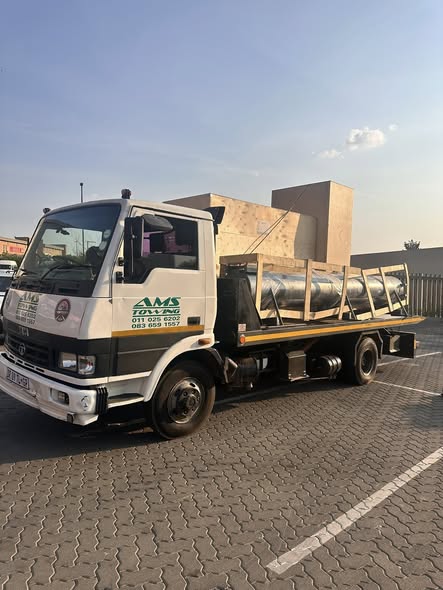
Water Pump Equipment
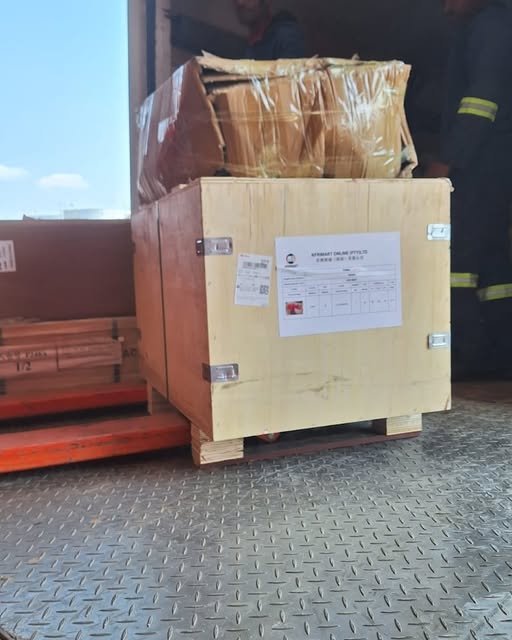
Packaging Machine and accessories
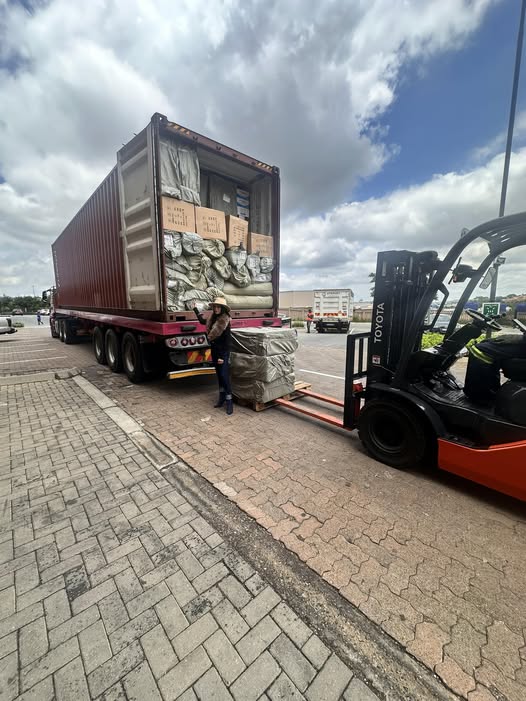
Fabrics Manufacturing Equipment
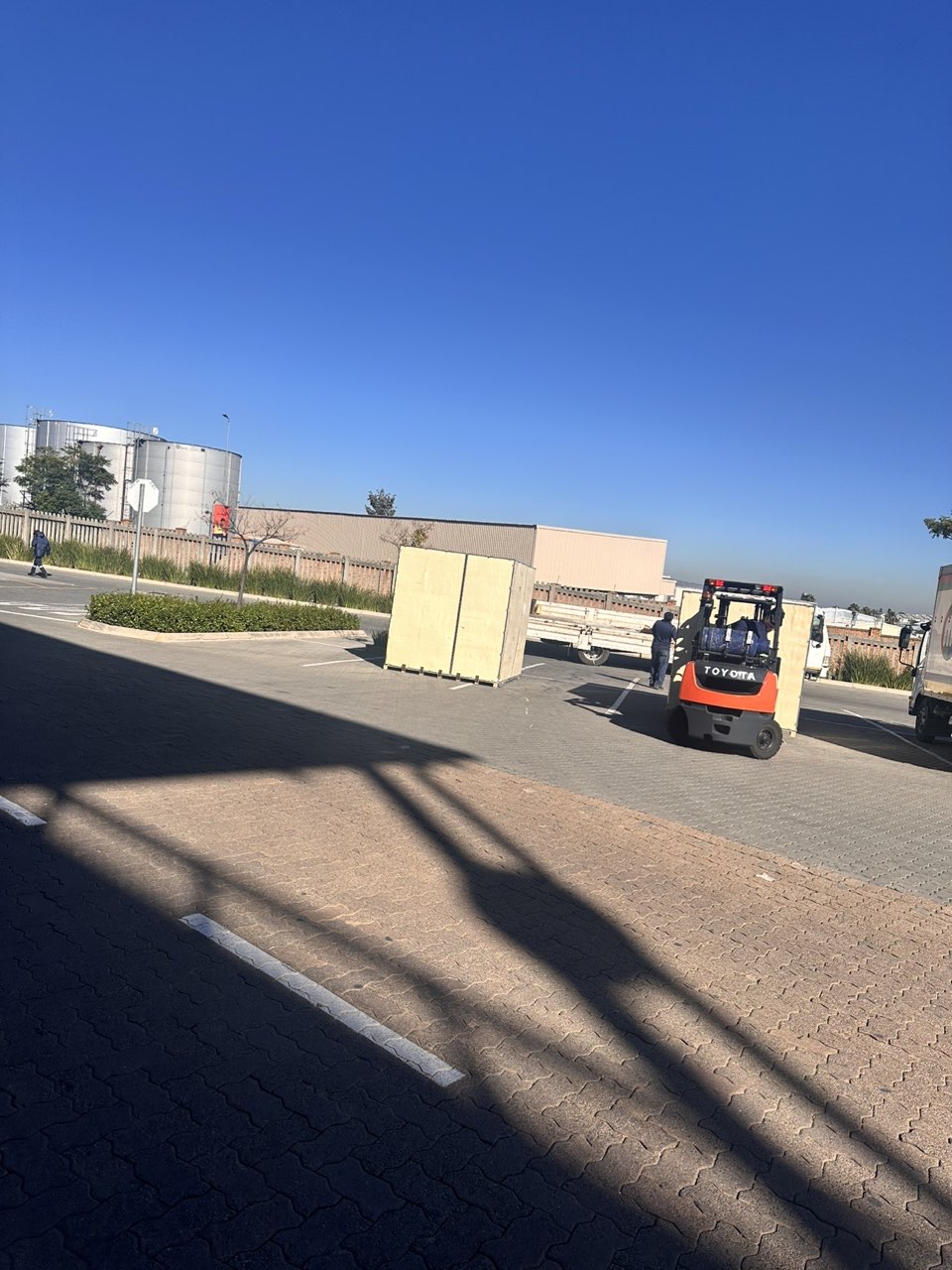
Mining Equipments
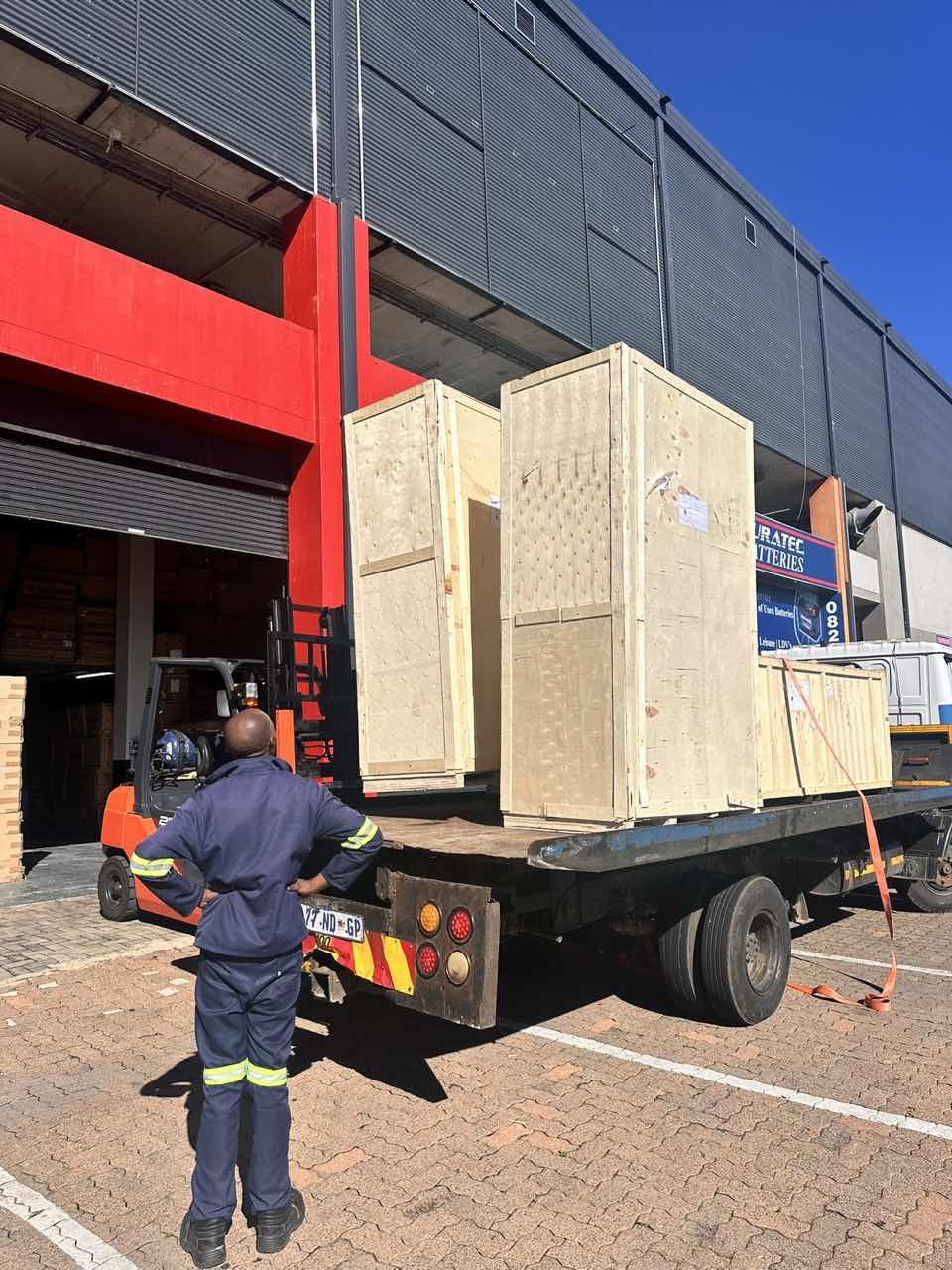
Food Processing Machine
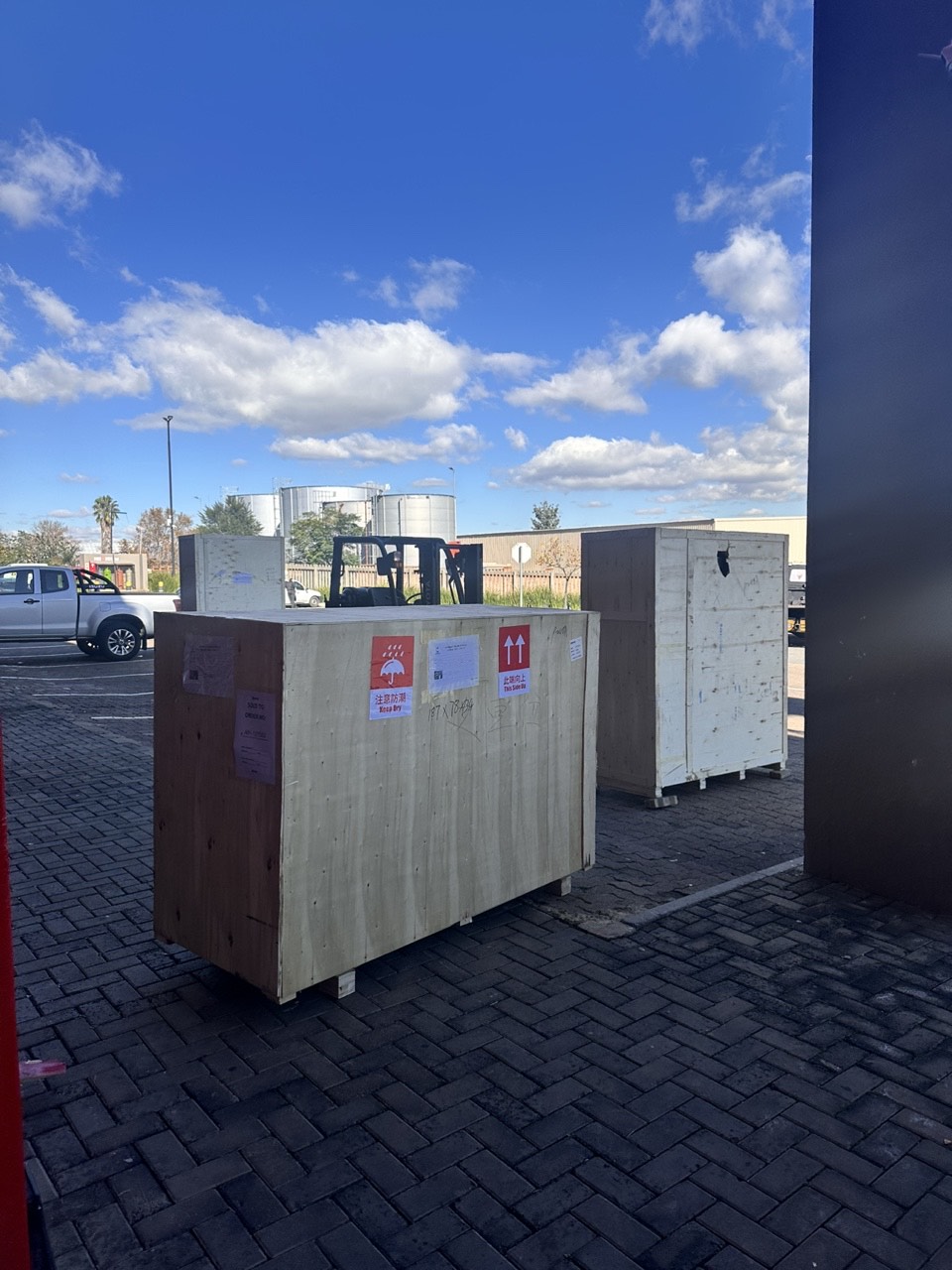
Batch of Orders
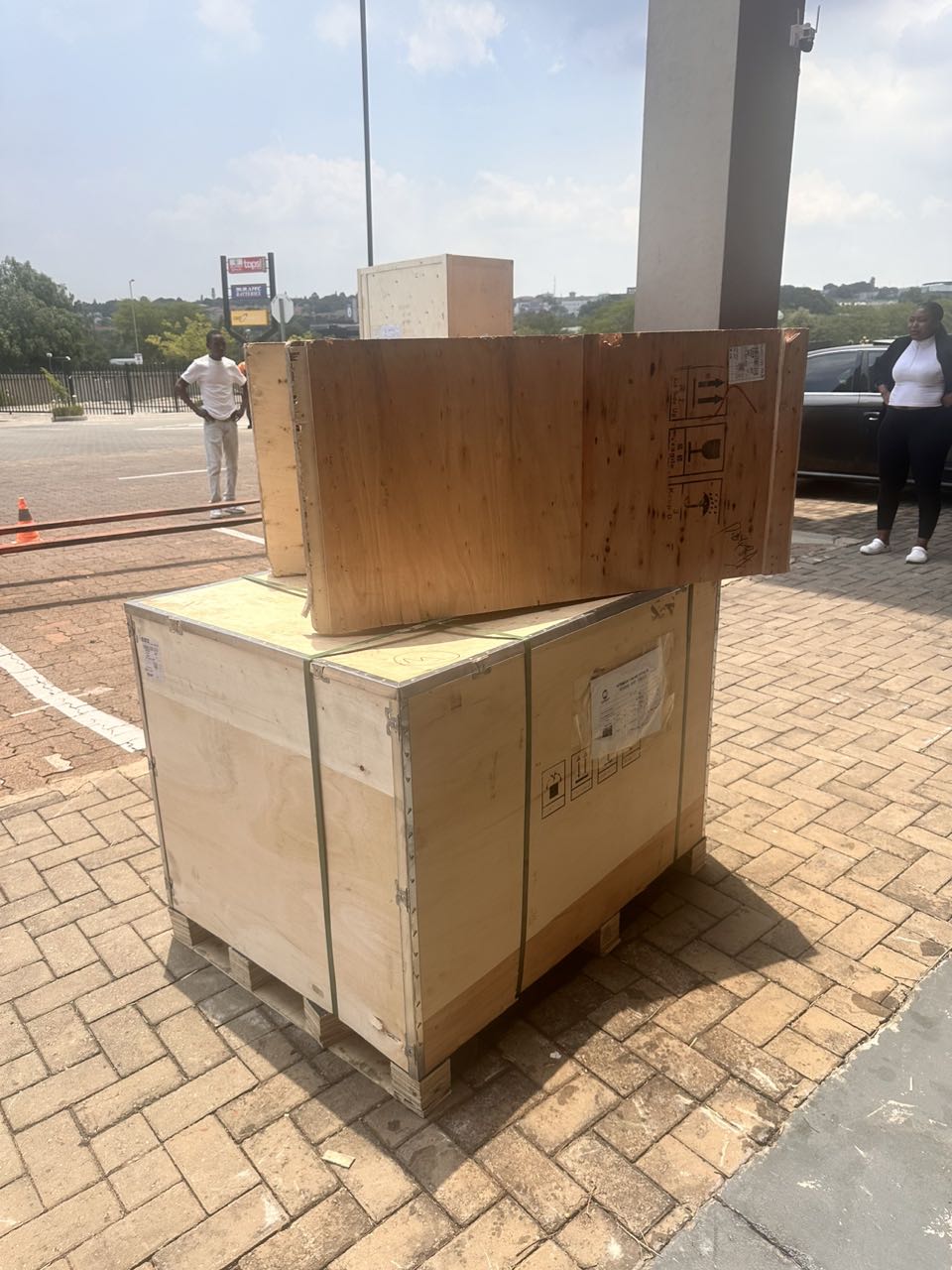
Batch of Orders
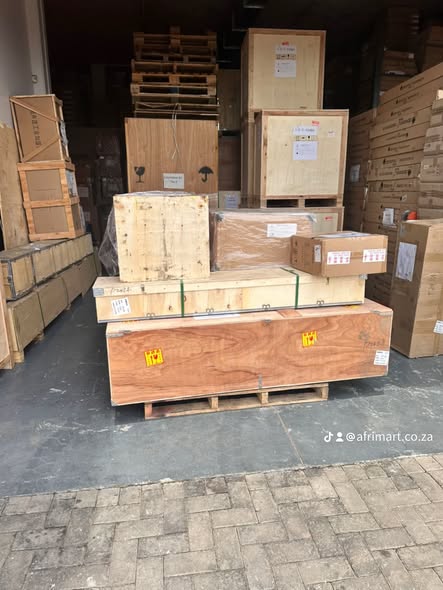
Latest Orders Labelled
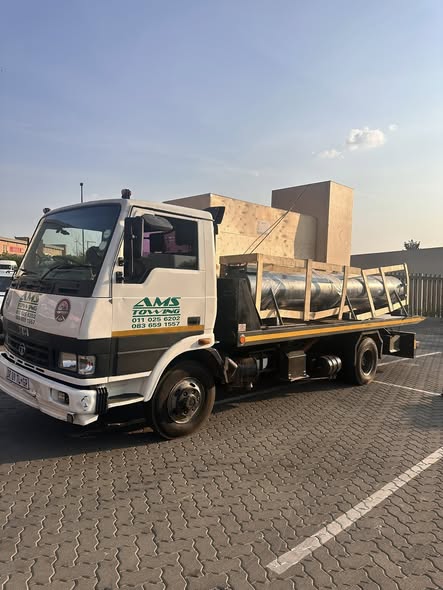
wheel alignment machines
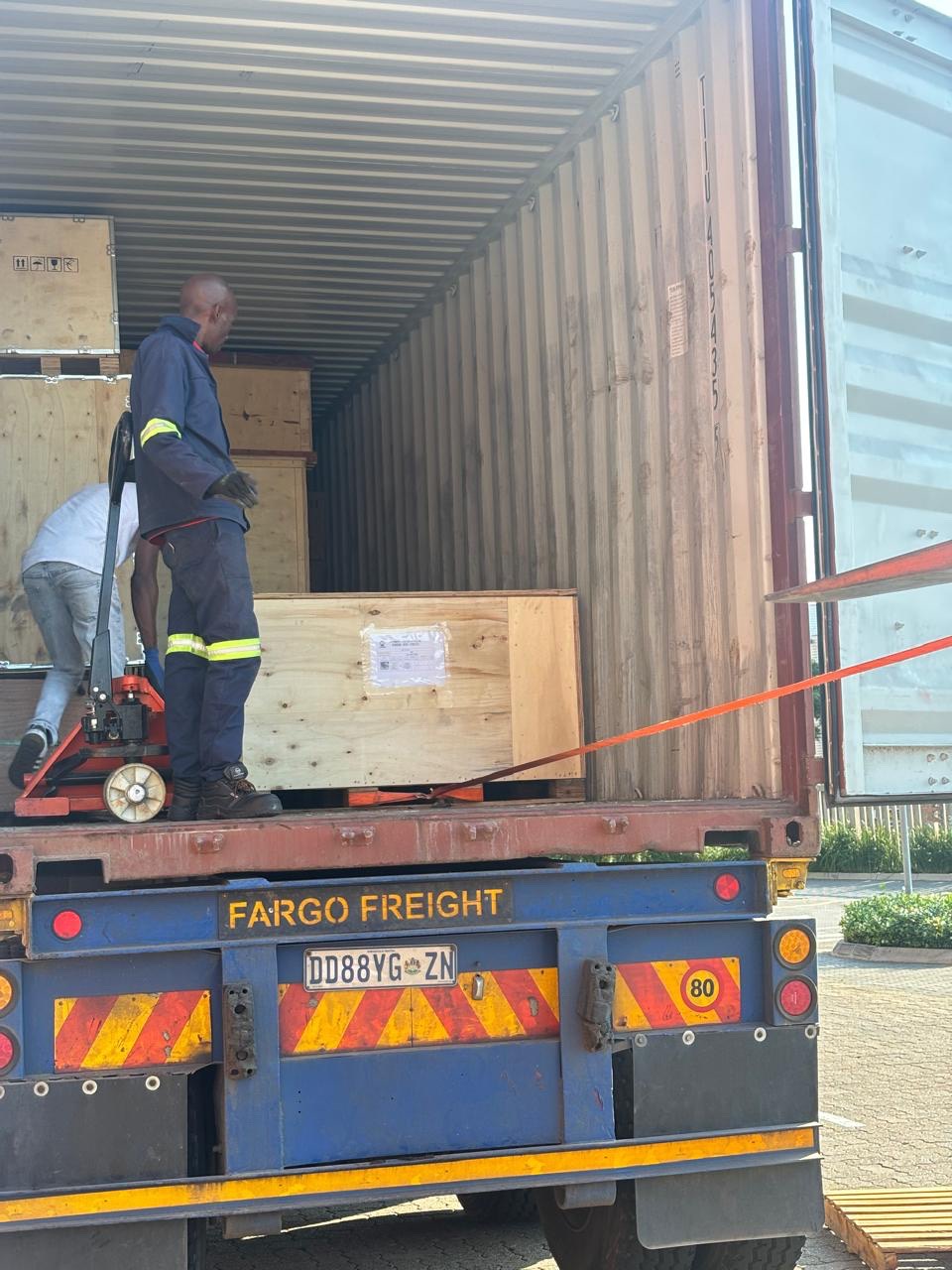
new arrivals
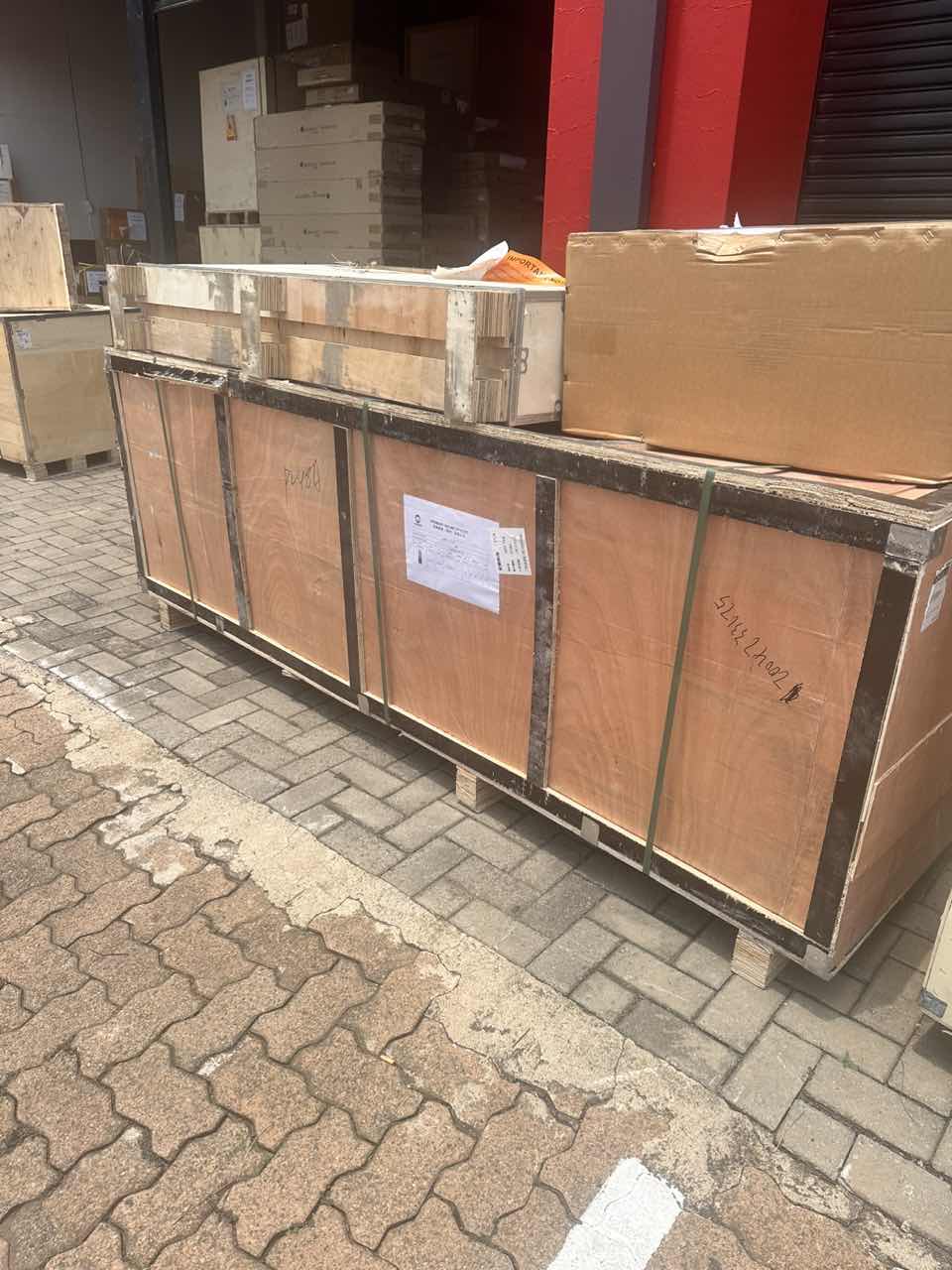
Pre Orders Offloading
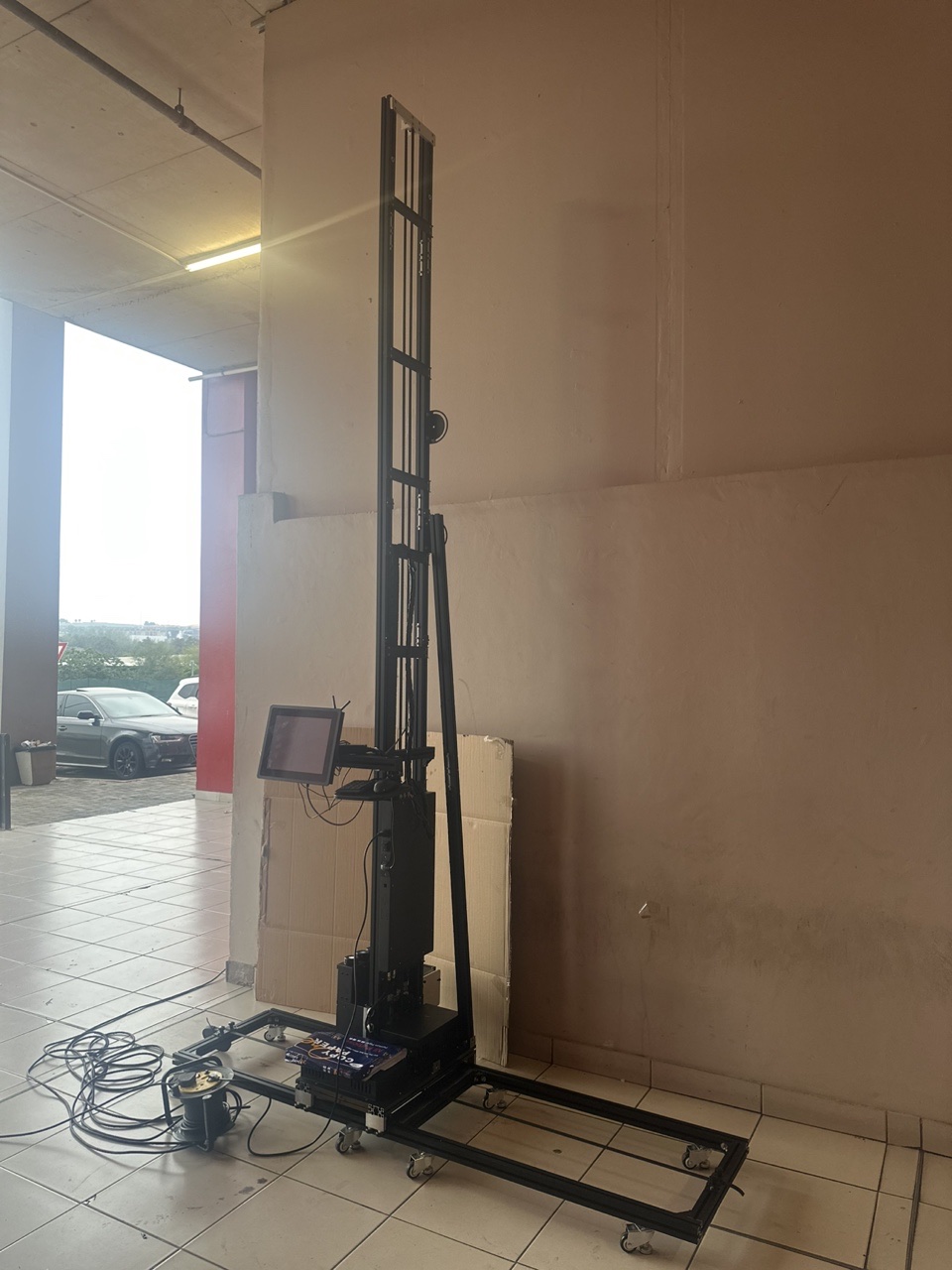
Latest Arrivals
Latest Arrivals
Latest Arrivals
Loading
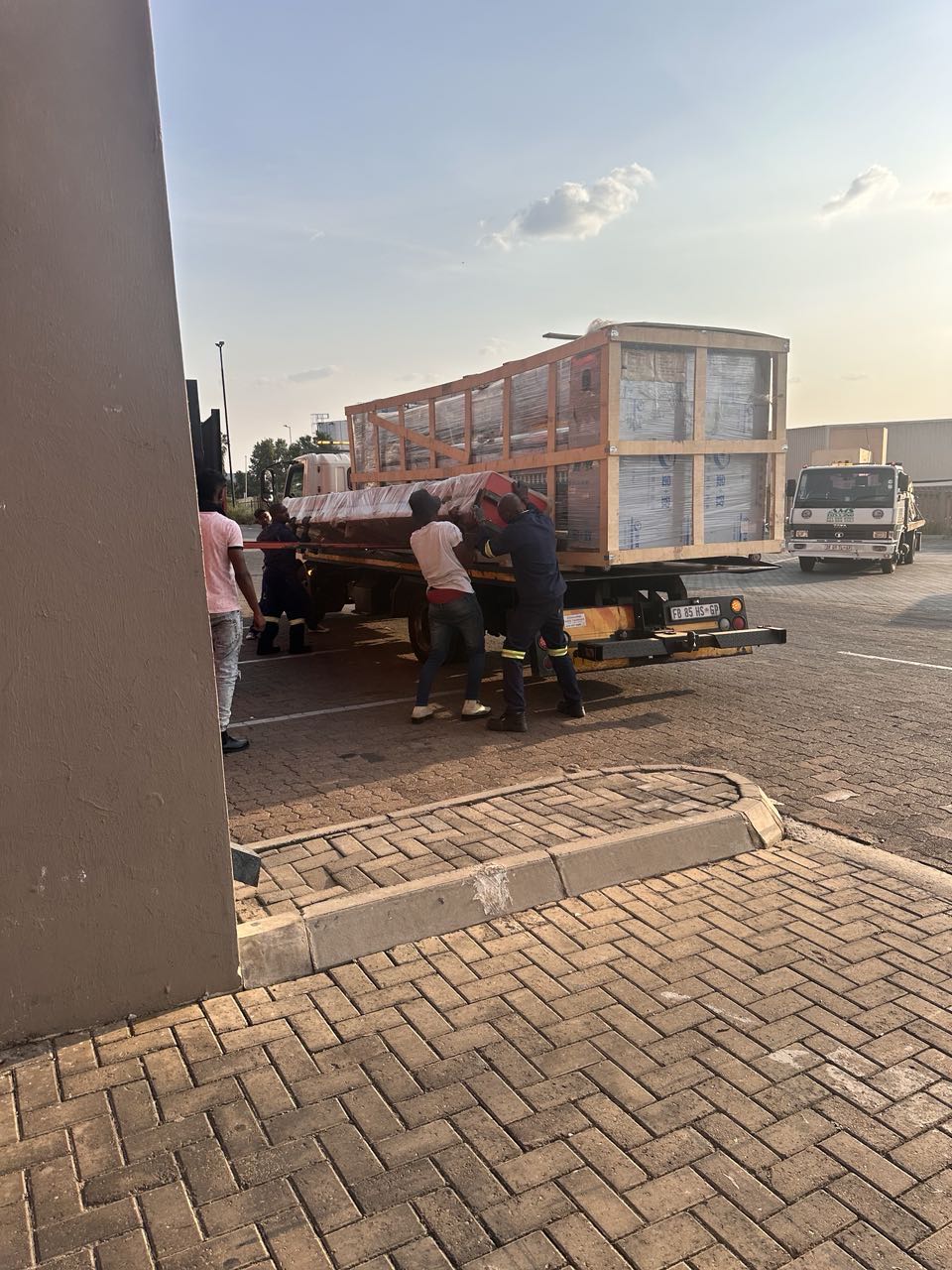
Toilet paper making machine
Toilet paper making machine
Toilet paper Rewinding Machine
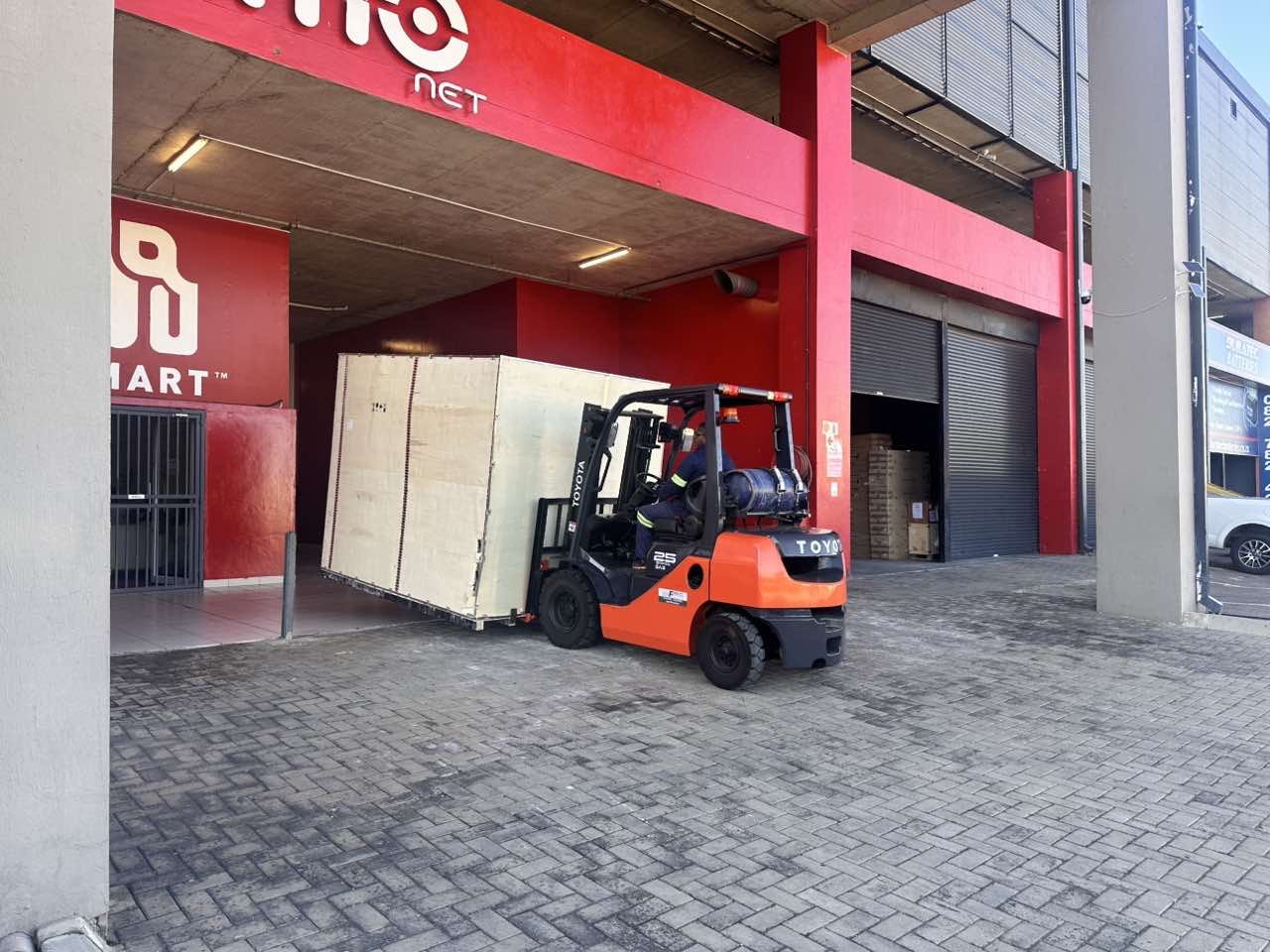
latest arrivals
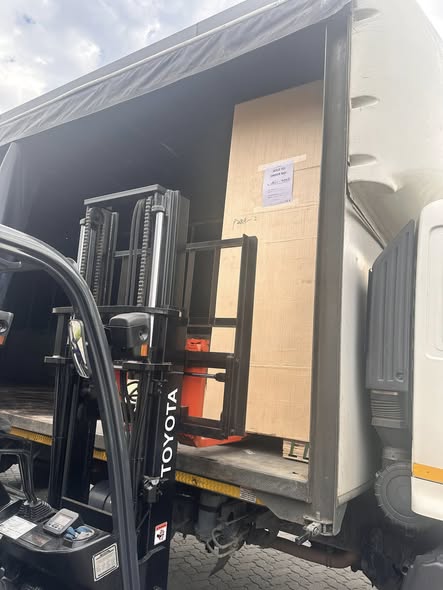
offloading
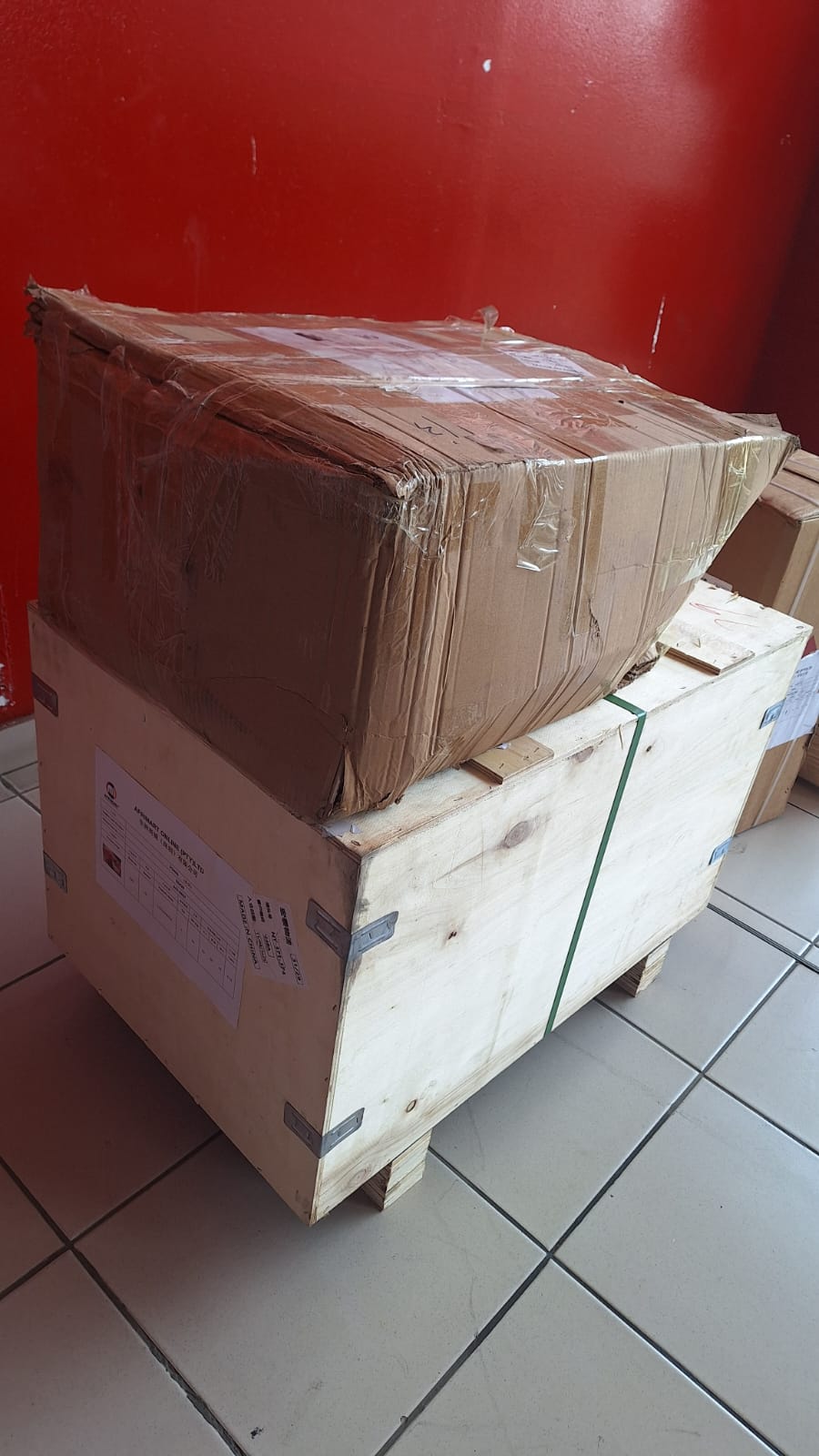
order success
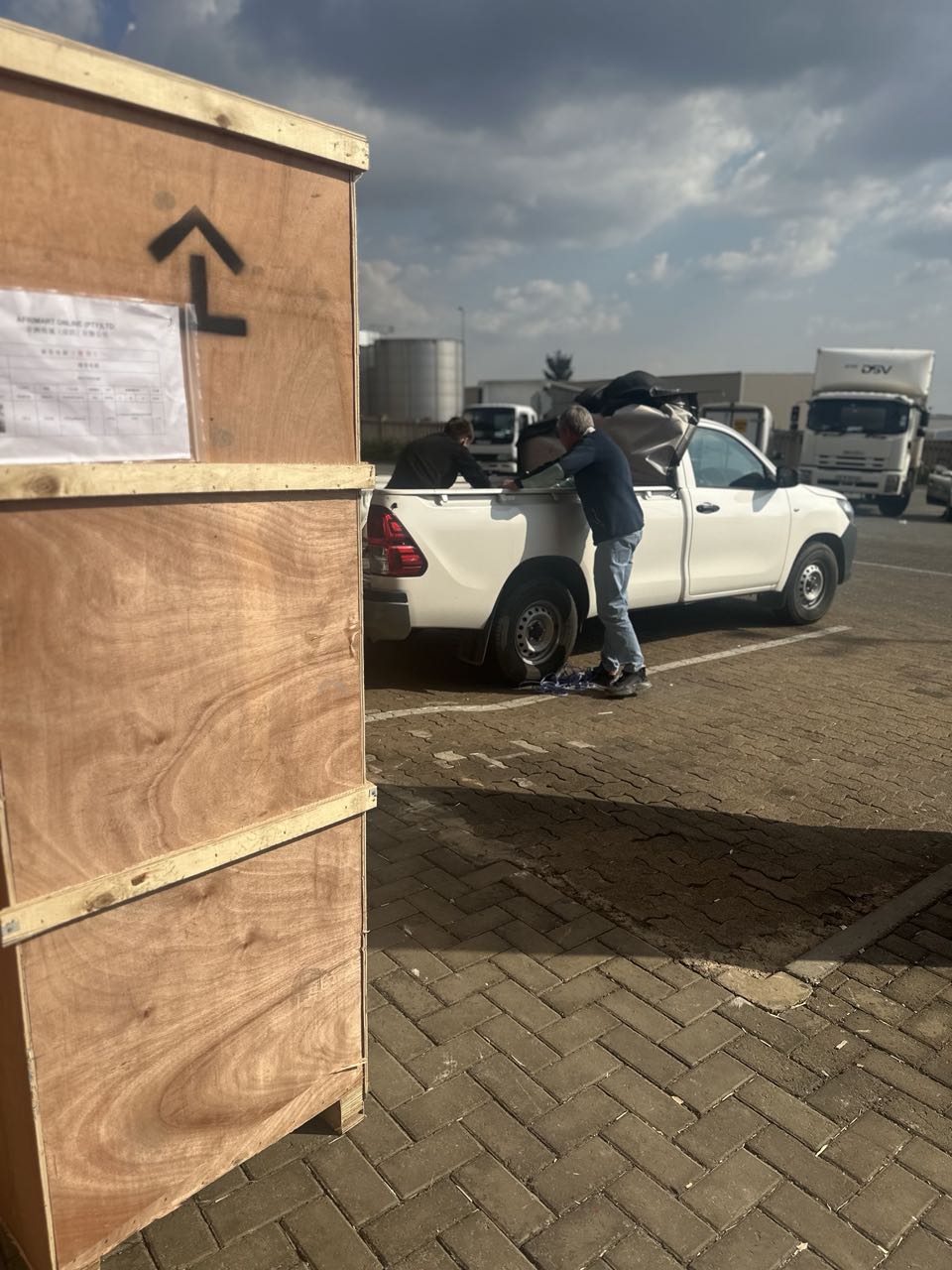
order collection
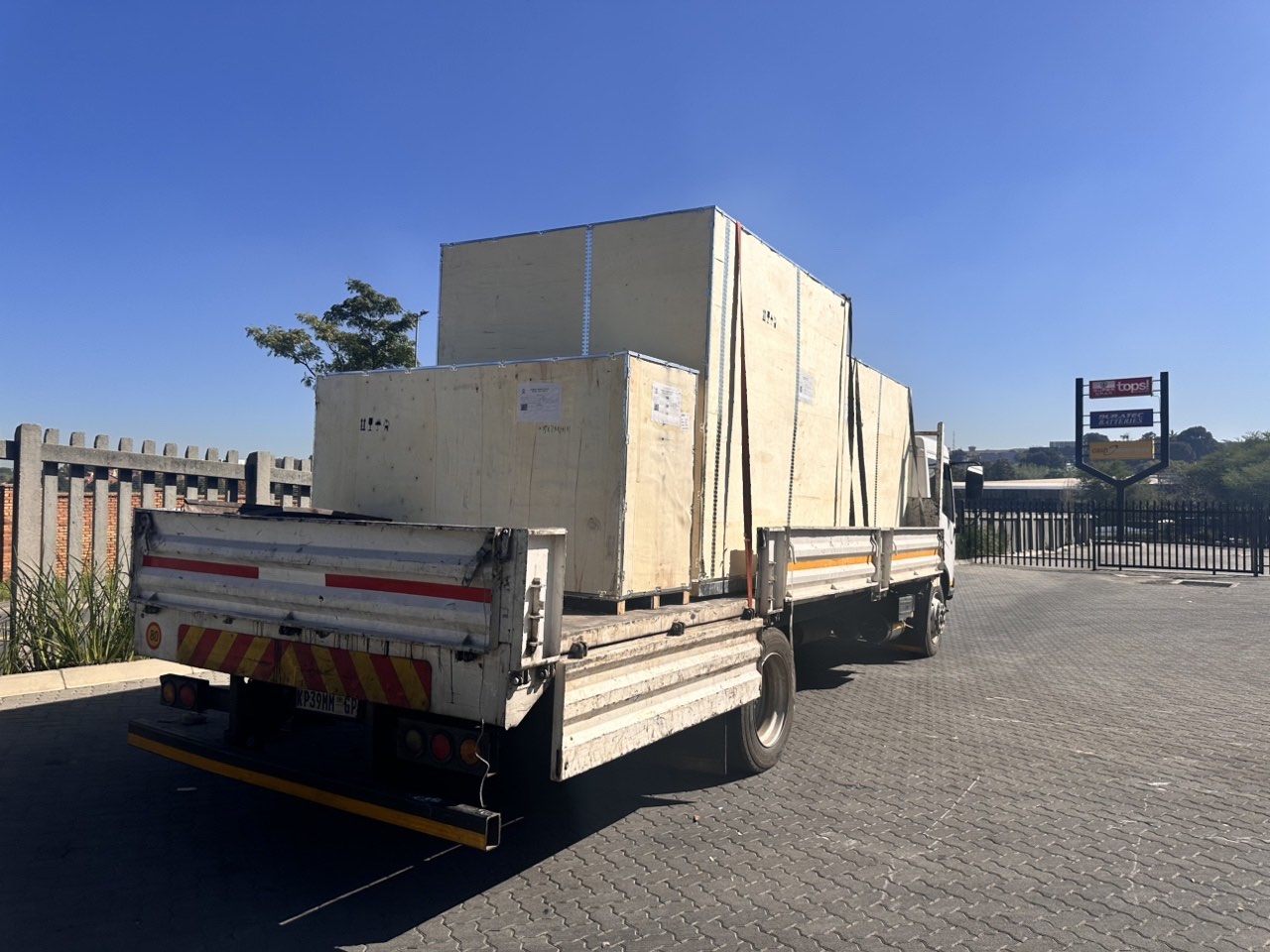
order offloading