B21, China Town Mall, Midrand

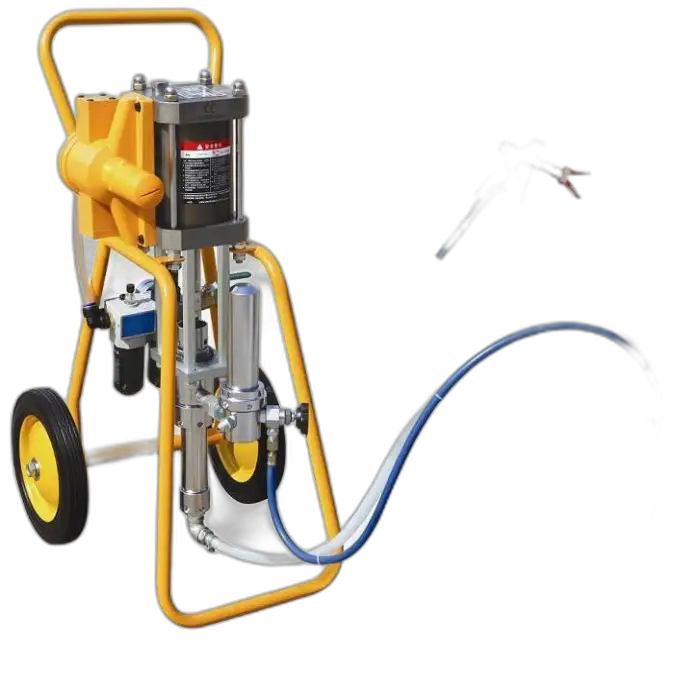
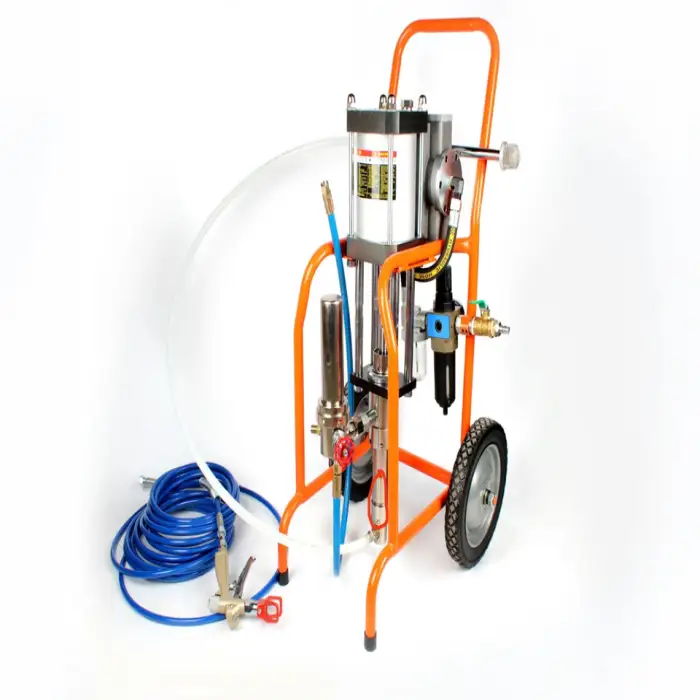
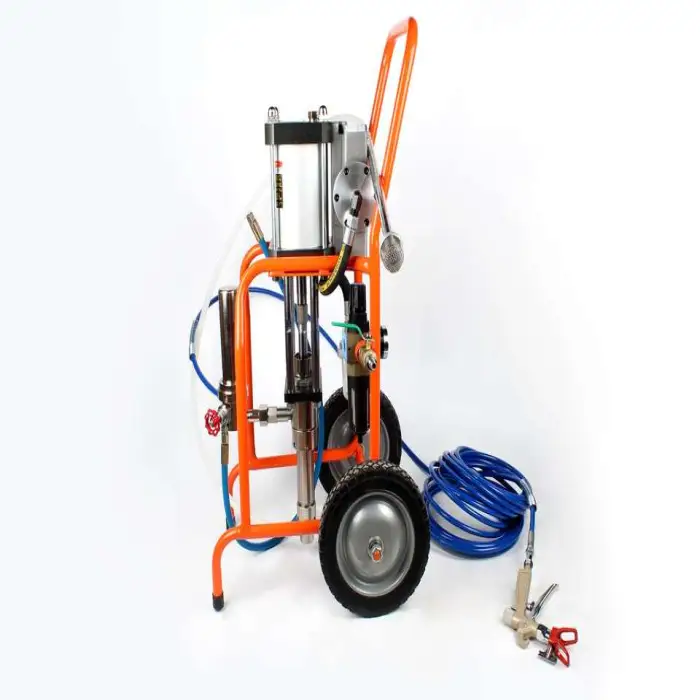
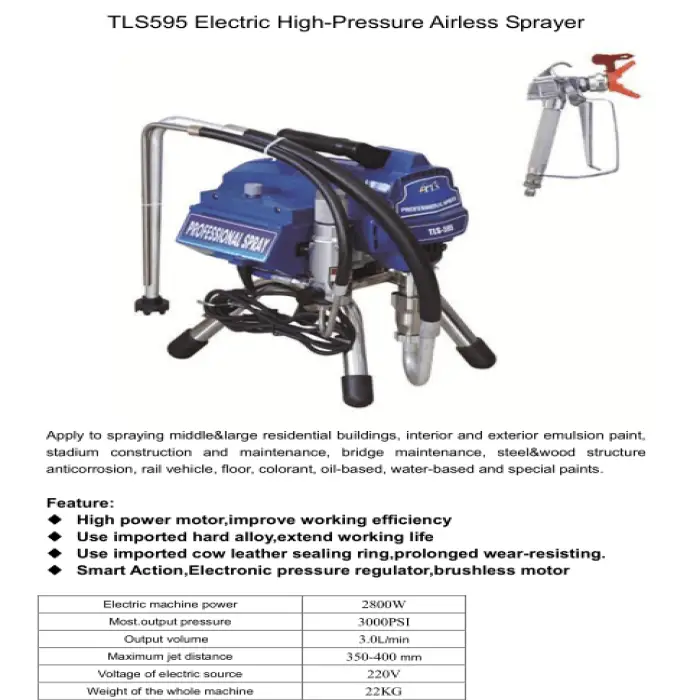
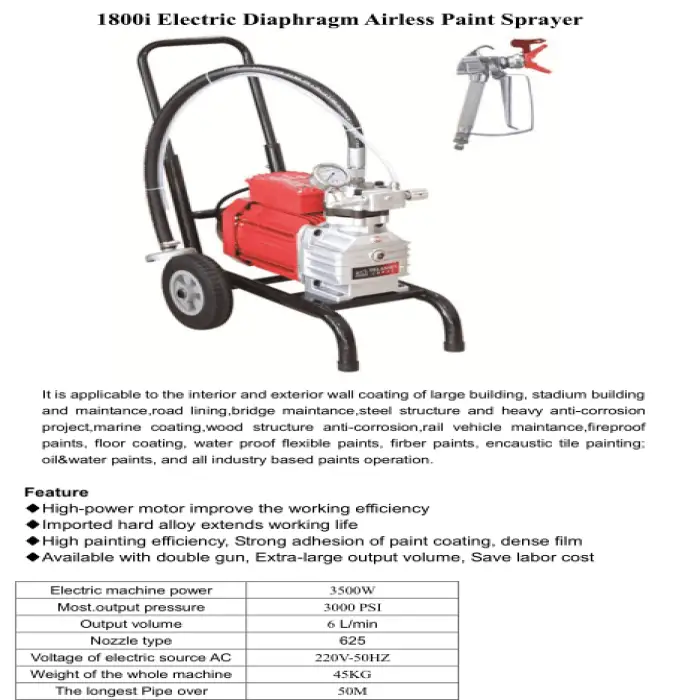
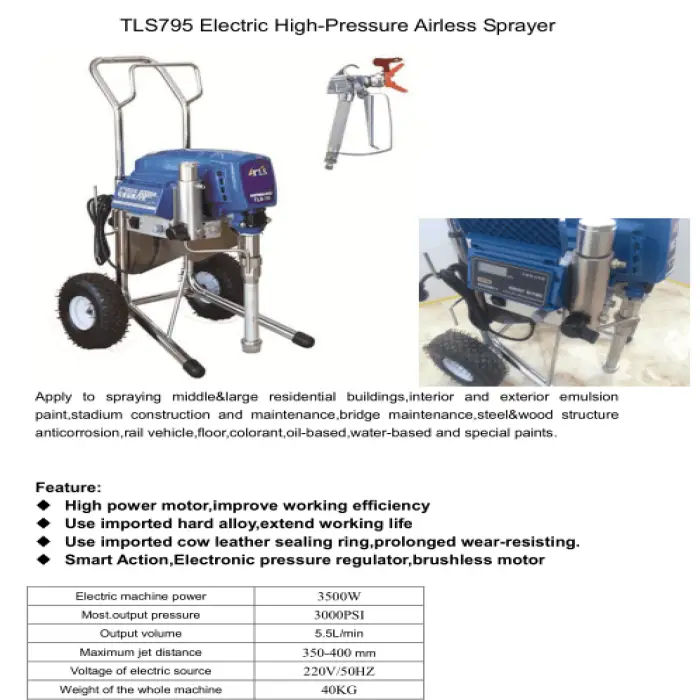
Air-Powered Airless Paint Sprayers Power Spray Guns for Convenient Painting

- Section : Electrical & Tools
- Category : Other Power Tools
- SKU : 1601324474696

Air-Powered Airless Paint Sprayers Power Spray Guns for Convenient Painting
The Air-Powered Airless Paint Sprayers Power Spray Guns are designed for easy and efficient painting. These spray guns use pneumatic power to deliver a smooth, even coat of paint. They are perfect for both professionals and DIY enthusiasts looking for a reliable painting solution.
Specifications
| Attribute | Details |
|---|---|
| Power Source | Pneumatic |
| Type | Airless Paint Sprayers |
| Application | Paint Spray Gun |
| Cup Capacity | Cup |
| Brand Name | OEM |
| Model Number | Air-Powered / Electric Powered |
| Product Name | Airless Paint Sprayers |
| Color | Customerized |
| Port | Shanghai |
| Weight | 20 - 111KG |
| Type | Air-Powered |
| Selling Units | Single item |
Key Features
- Pneumatic power for efficient painting.
- Lightweight and easy to handle.
- Customizable cup capacity.
- Airless design for a smooth finish.
- Suitable for various painting tasks.
Applications
- Home improvement projects.
- Commercial painting jobs.
- Furniture refinishing.
- Automotive painting.
- Art and craft projects.
Product Info Gallery
- Shipping Timeframes: All orders are processed within 2-5 business days (excluding weekends and holidays). After your order has been processed, the estimated delivery time is before 03 Aug, 2026, depending on customs, Please note that due to high demand, some items may experience longer shipping times, which will be communicated at order confirmation email.
- Order Processing Time: Please allow 2-5 business days for us to process your order before it is shipped . Orders placed after 16:00 on Fridays, or during weekends and public holidays, will begin processing on the next business day. Processing times may be extended during peak seasons or sales events.
- Manufacturing Time: Some products needs manufacturing time, the manufacturing process will take approximately 10-30 business days depending on the product. This timeframe may vary depending on the complexity of the product and current demand. but this will be communicated with you during order confirmation.
- Returns and Exchanges: We offer a 30-day return policy for most items. If you are not completely satisfied with your purchase, you may return it within 30 days of receipt for a refund or exchange. Items must be unused, in their original packaging, and accompanied by proof of purchase. Return shipping costs are the responsibility of the customer, unless the item was damaged or defective upon arrival.
1. What is an air-powered airless paint sprayer and how does it work?
An air-powered airless paint sprayer uses a pneumatic motor to drive a high-pressure piston or diaphragm pump that forces paint through a fine spray tip. It is 'airless' at the nozzle (no added atomizing air) so it produces a high-pressure, uniform spray for smooth, even coats while the compressed air only powers the pump mechanism.
2. What is the difference between the air-powered and electric-powered models?
Air-powered models use compressed air to drive the pump and typically offer high durability and long duty cycles for industrial use, but require a compatible air compressor. Electric-powered models have an integrated motor, are simpler to set up (no compressor), and are often better for smaller jobs or mobile use. Choice depends on job size, mobility needs and available equipment.
3. Which types of paint and coatings can I use with this sprayer?
Most latex, acrylic, enamel, stains, primers and many solvent-based coatings can be used. Very high-viscosity or heavily filled materials may require thinning or a larger tip. Always check the paint manufacturer's recommendations and the sprayer's manual for compatibility and required thinning.
4. How do I choose the correct spray tip/nozzle size?
Tip selection depends on material viscosity and desired finish: smaller tips (fine) for thin coatings and finish work, medium tips for general use, and larger tips for heavy coatings or stains. Refer to the sprayer's tip chart (provided by the manufacturer) and test on scrap material to dial in flow and finish.
5. What air compressor specifications are required for the air-powered model?
Requirements vary by model. Typical industrial air-powered units need a compressor that can deliver sufficient continuous CFM at the operating pressure (many units operate around 60–120 psi range). For reliable performance choose a compressor with adequate continuous CFM and a suitable pressure regulator. Always consult the specific model's technical sheet for exact CFM/psi requirements.
6. What are the cup capacity options?
Cup capacity is customizable. The product supports a range of cup sizes to suit different job types — from small cups for detail work to larger containers for commercial jobs. Contact the supplier to select the cup size appropriate for your application.
7. How should I clean and maintain the sprayer?
After use, relieve pressure, flush the system thoroughly with the appropriate cleaning solvent (water for water-based paint, solvent for solvent-based paint), remove and clean the tip/filters, inspect and clean seals and packing, and lubricate moving parts per the manual. Store components dry and protected from dust. Regular inspection of seals, filters and hoses prolongs life.
8. Do I need to thin paint before spraying?
Some paints may need slight thinning to flow properly through the pump and tip. Follow the paint manufacturer's guidelines and the sprayer's recommendations. Strain paints through a mesh filter or paint strainer to remove debris before filling the cup to prevent clogs.
9. What surfaces and applications are these sprayers suitable for?
They are suitable for home improvement, commercial building exteriors and interiors, furniture refinishing, automotive refinishing, and many art and craft projects. Surface prep (cleaning, sanding, priming) should be done according to the coating and substrate for best adhesion and finish.
10. How portable and heavy are these units?
Weight varies by model from about 20 kg up to 111 kg. Lighter models are easier to carry for DIY and small jobs; heavier models are intended for industrial or continuous use and may require carts or fixed installation. Choose a model that fits your portability needs and job scale.
11. What safety precautions should I follow when using the sprayer?
Wear appropriate PPE (respirator, goggles, gloves, coveralls), ensure good ventilation, keep away from open flames and ignition sources when spraying flammable coatings, relieve system pressure before maintenance, and never point the spray gun at people or animals. Follow all local safety and fire codes.
12. Are replacement parts and consumables available (tips, seals, filters)?
Yes — common consumables such as spray tips, filters, seals, and packing kits are typically available. Because this product is offered as OEM, availability and part numbers are provided by the supplier — contact them to order replacements or spares.
13. Does the product come with accessories like hoses, wands or a compressor?
Included accessories vary by SKU and supplier. Many basic units include the spray gun, cup and standard tip; hoses, wands and compressors are often optional or sold separately. Confirm the package contents with the seller before purchase.
14. What customization options are available (color, branding, configuration)?
The product supports customization (color, branding and some configuration choices). As an OEM product, custom orders are typically accepted — contact the manufacturer or supplier with your requirements and lead times for a quote.
15. What warranty and technical support are provided?
Warranty and support terms depend on the supplier or OEM seller. Standard coverages often include limited warranty on defects and availability of technical support and spare parts. Check the seller's warranty policy and request documentation prior to purchase.
Latest Order Arrivals
Discover our latest orders
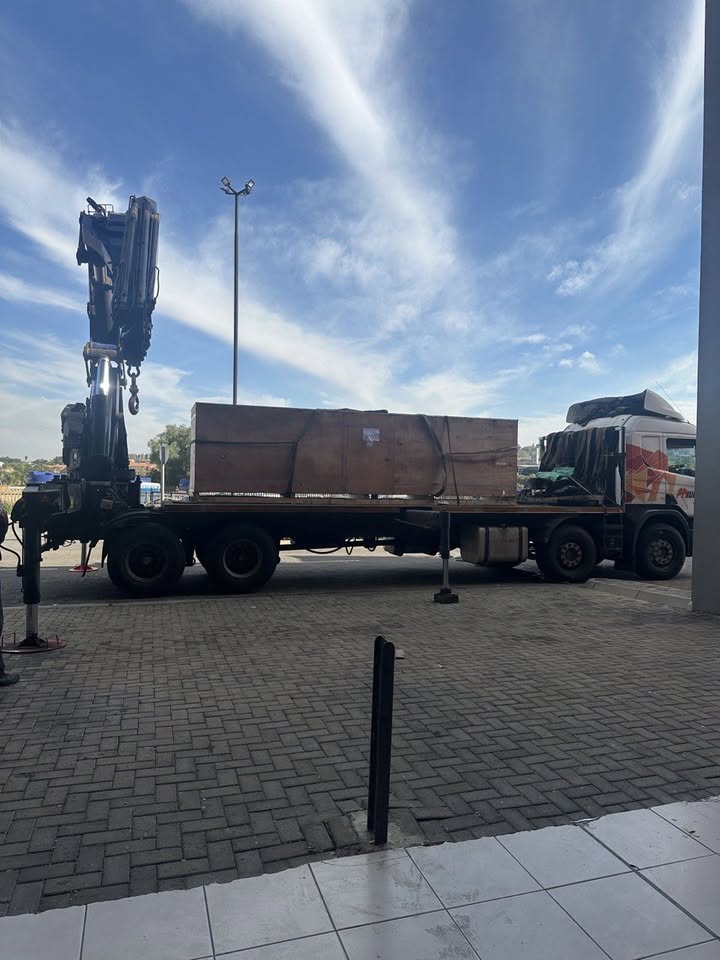
12 Heads Embroidery Machine
Toilet Paper Machine Machine
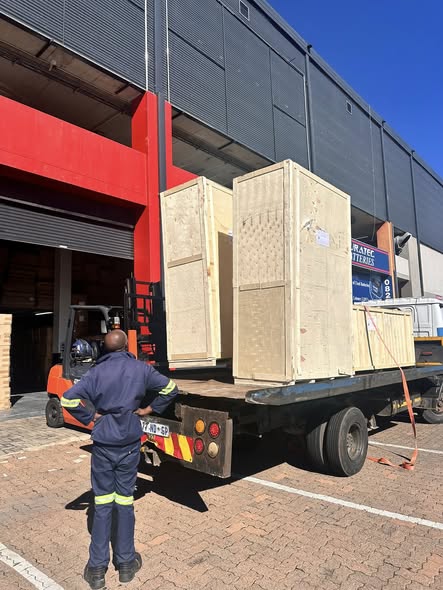
Order Collection
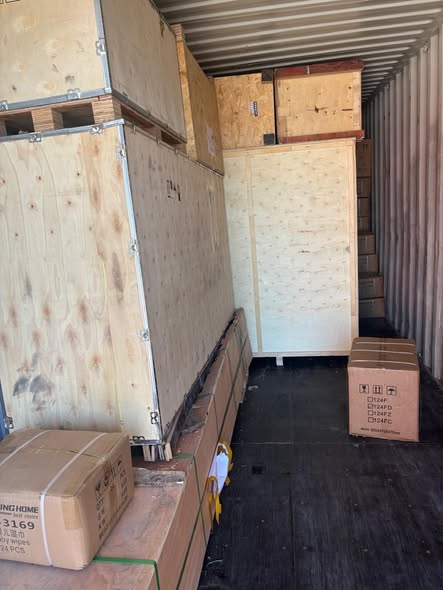
Cross Border Clients
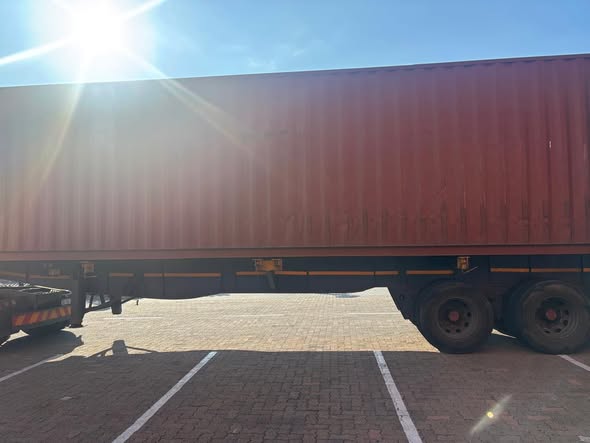
Order cros border countries Collected
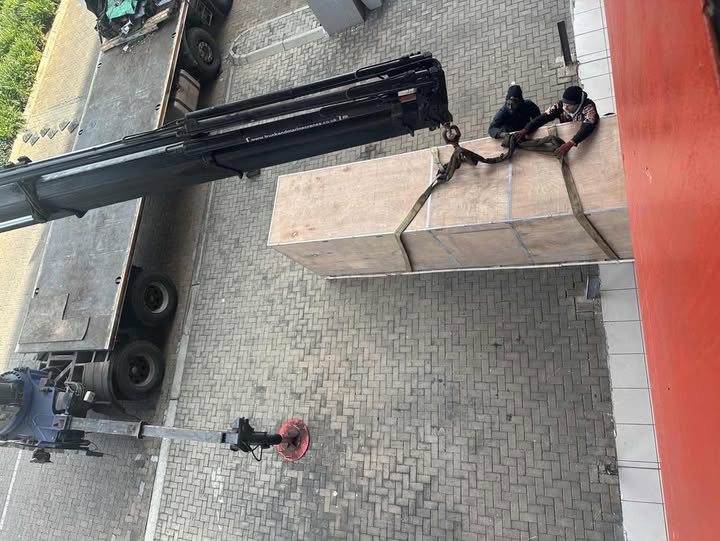
Industrial Machine Cllection
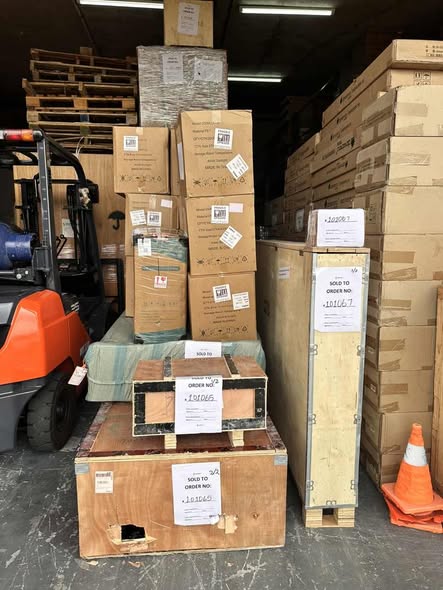
Agriculture Processing Machines
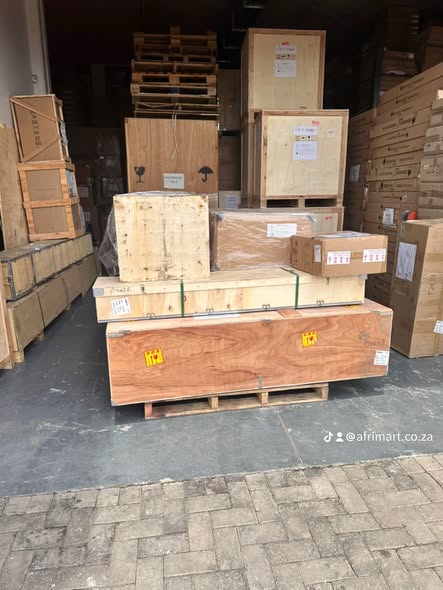
Ready for collection
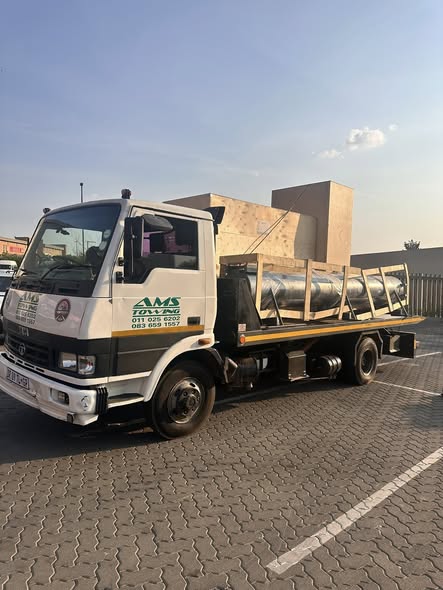
Water Pump Equipment
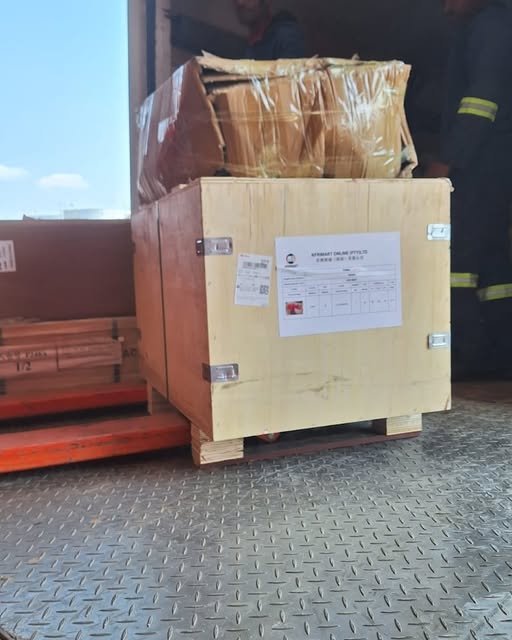
Packaging Machine and accessories
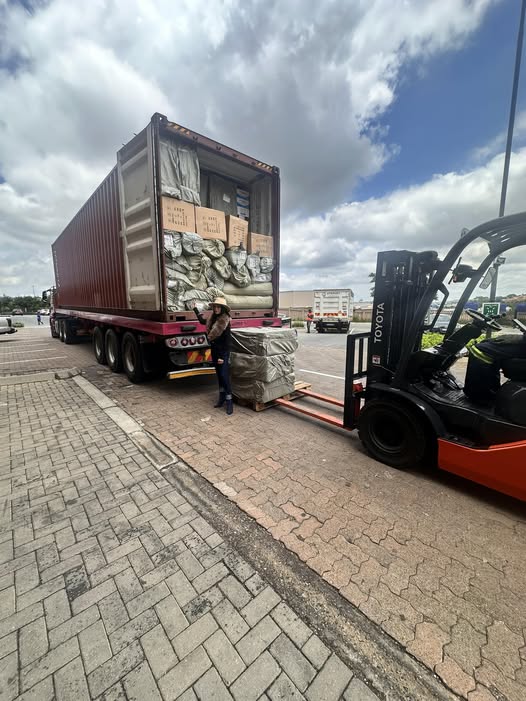
Fabrics Manufacturing Equipment
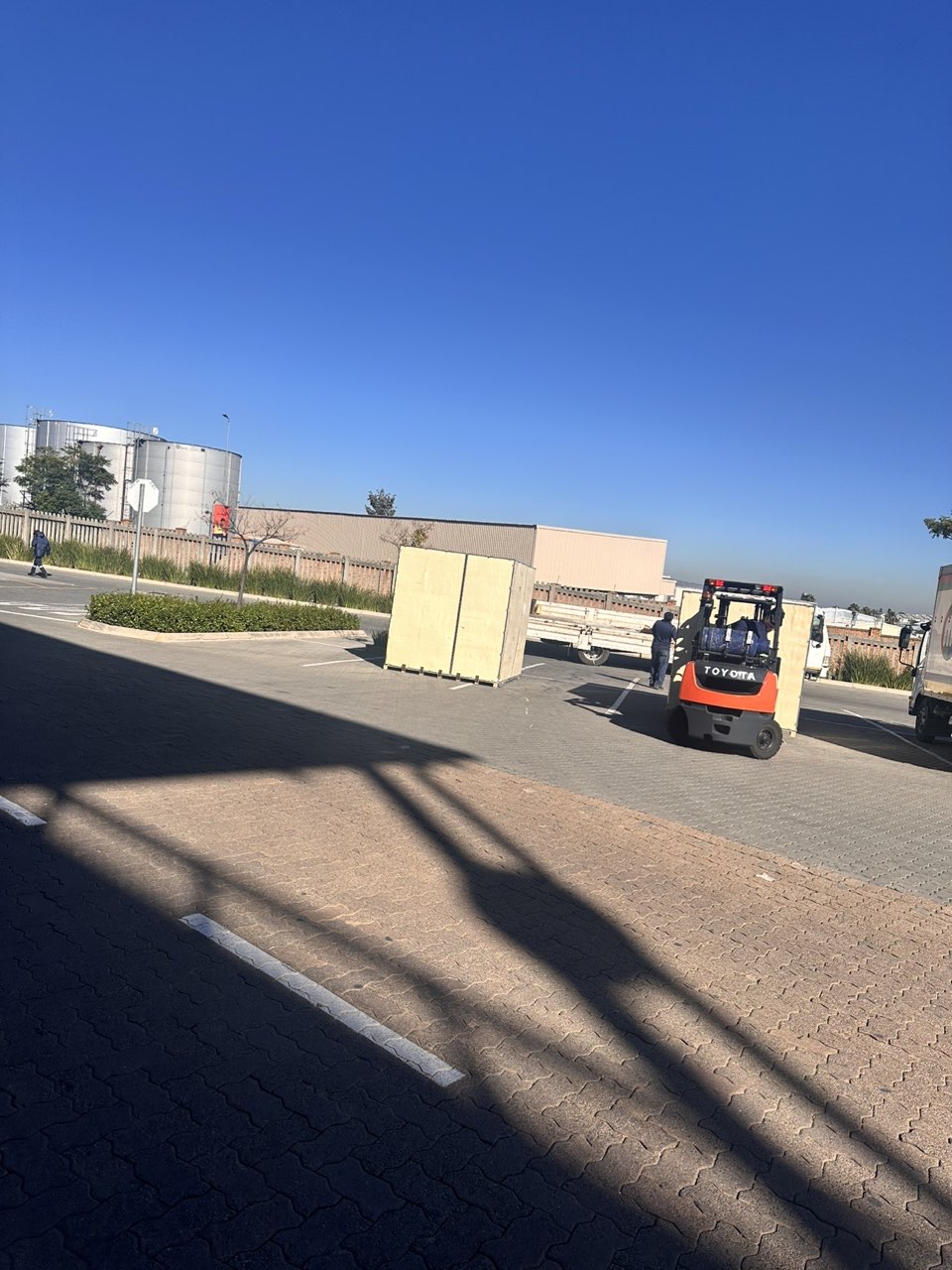
Mining Equipments
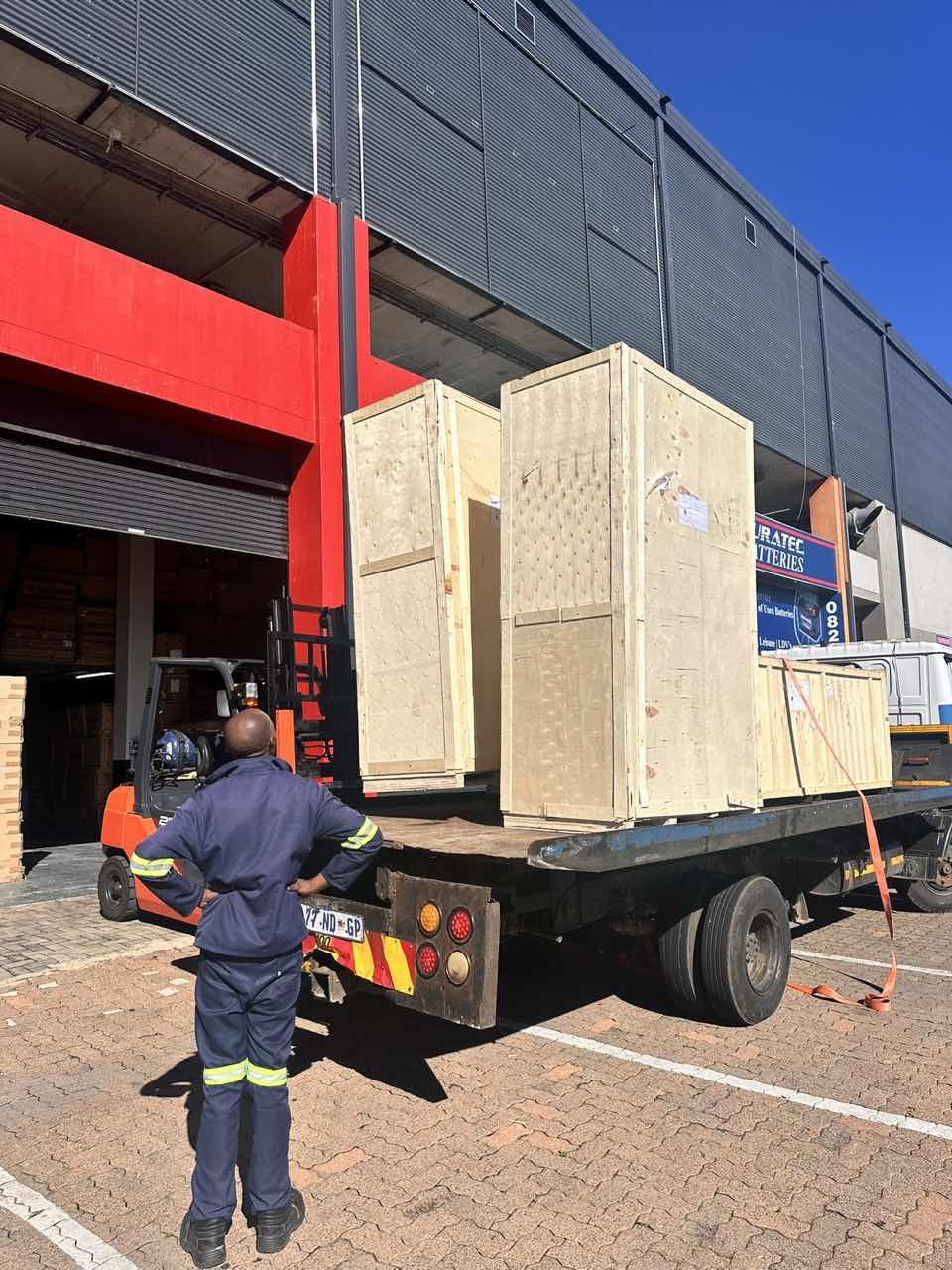
Food Processing Machine
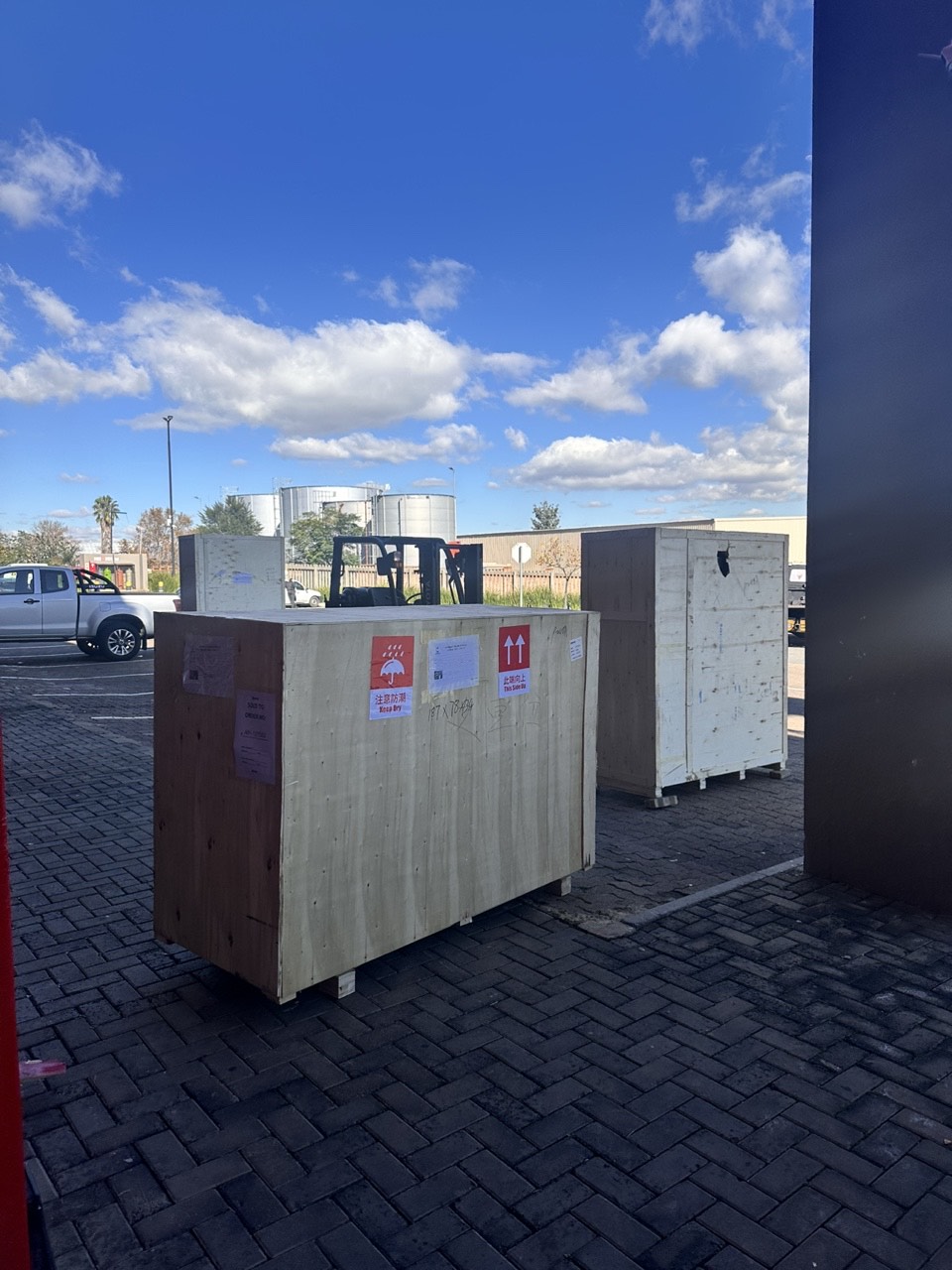
Batch of Orders
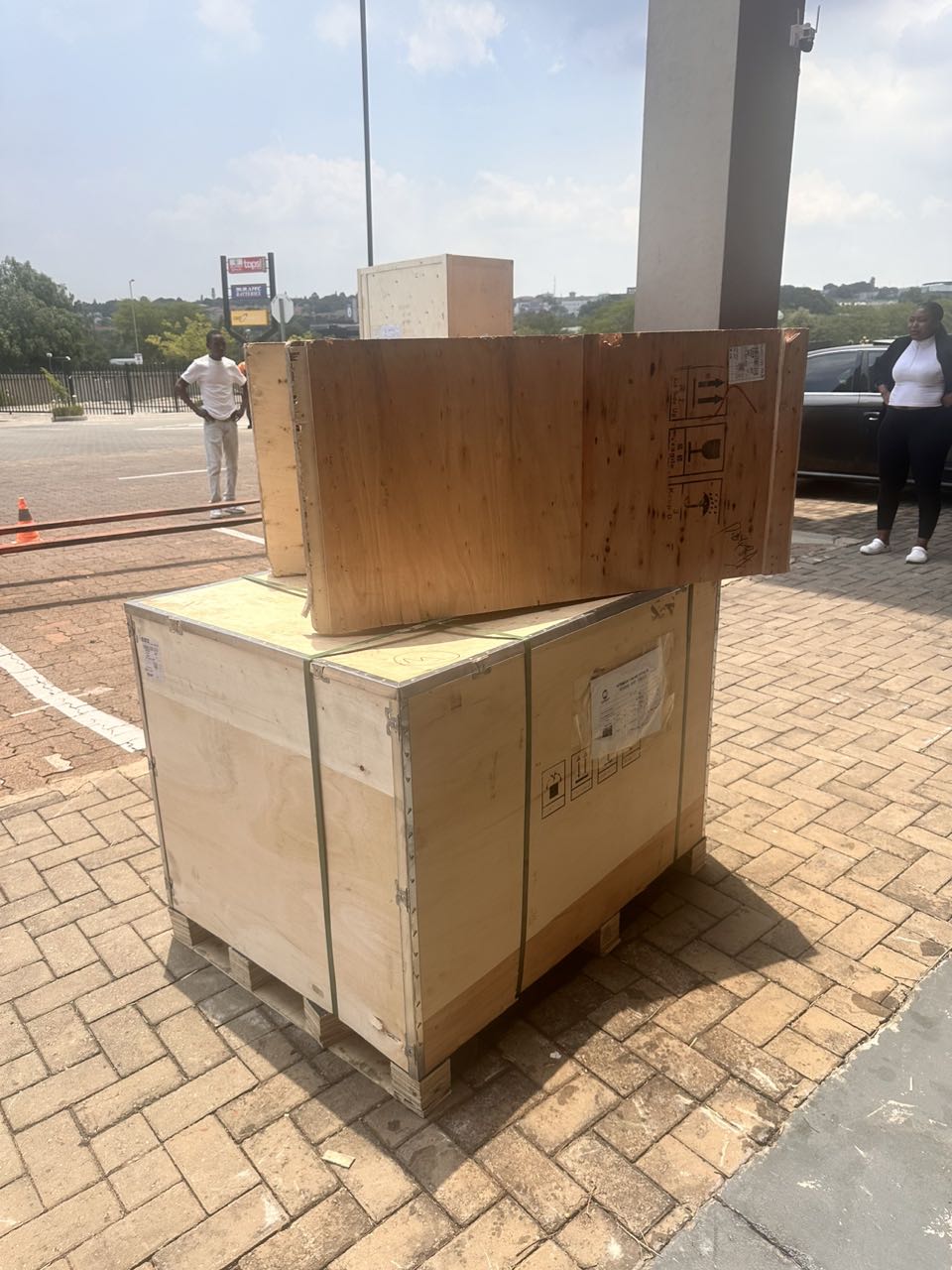
Batch of Orders
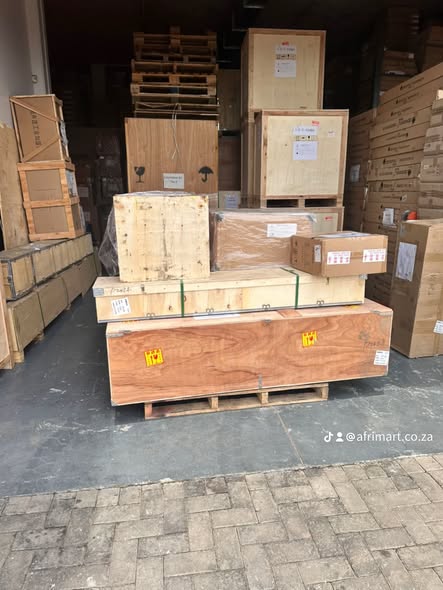
Latest Orders Labelled
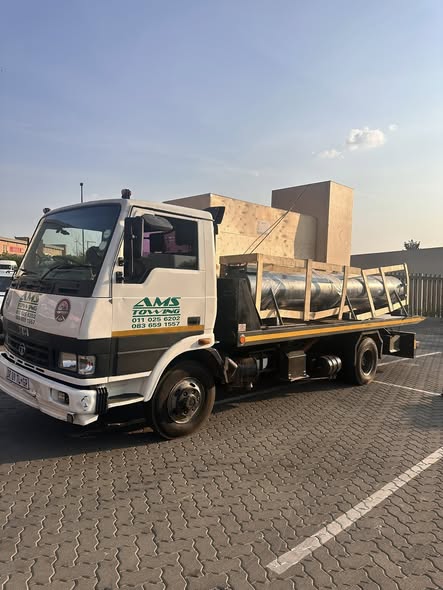
wheel alignment machines
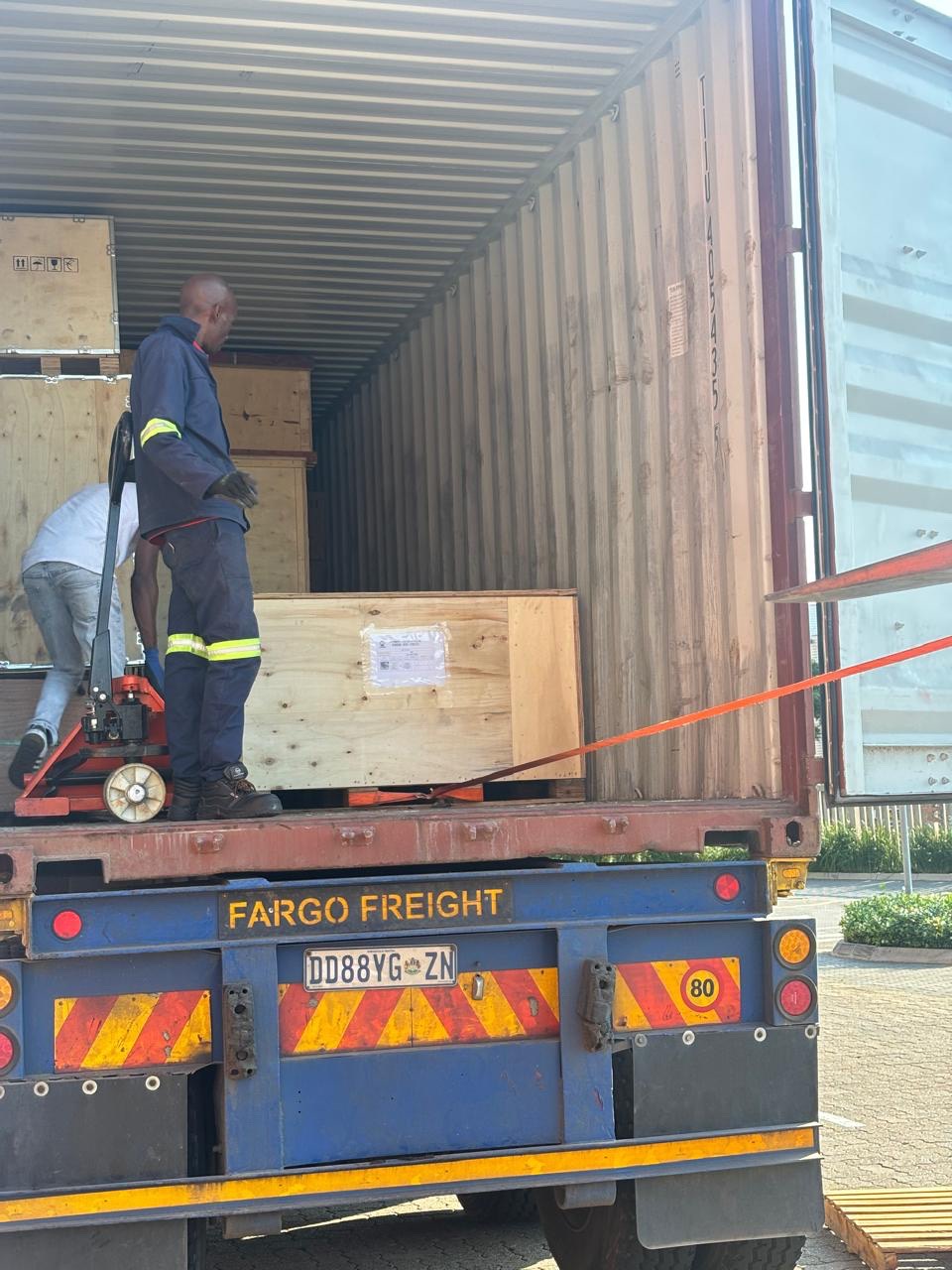
new arrivals
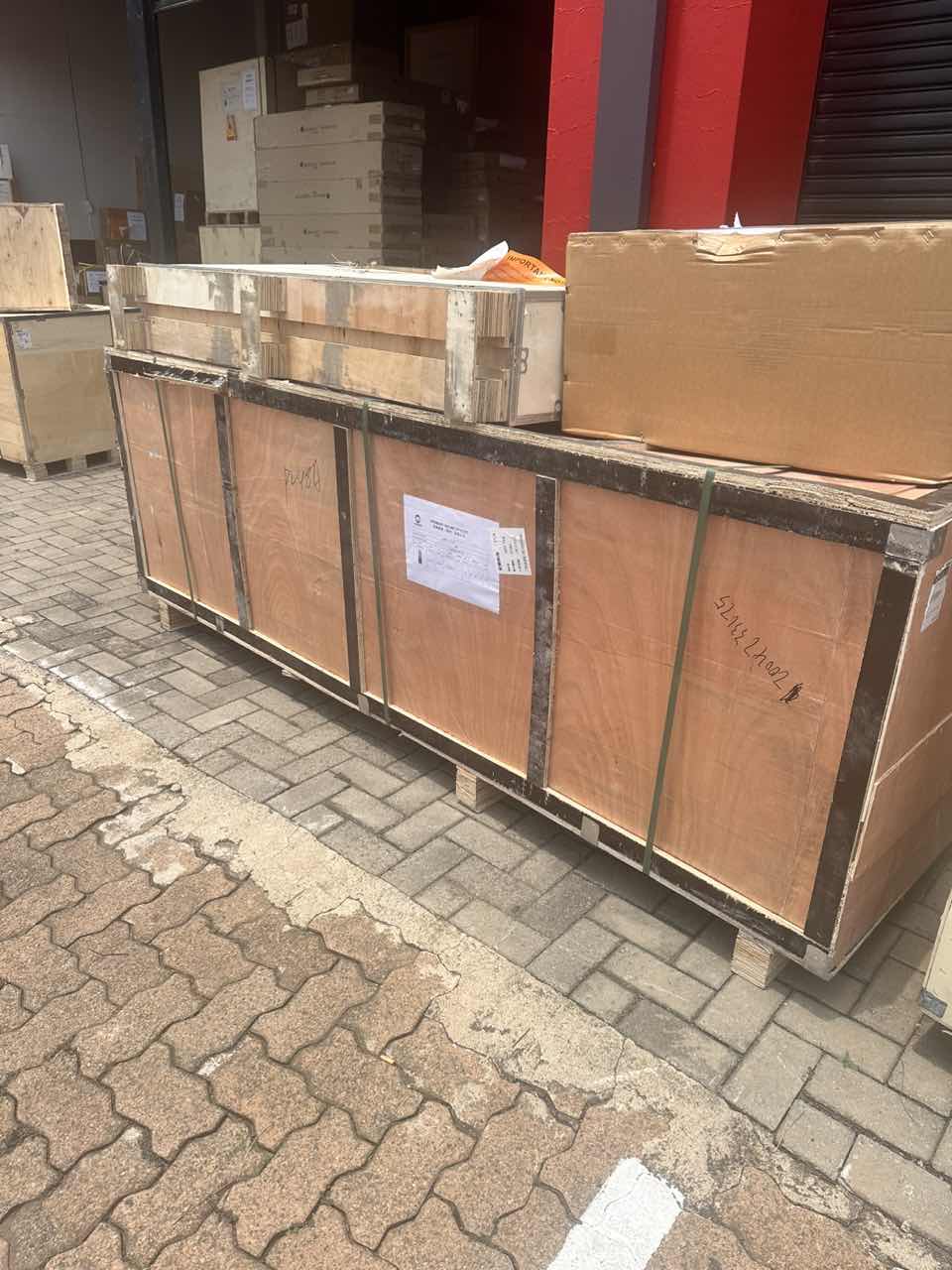
Pre Orders Offloading
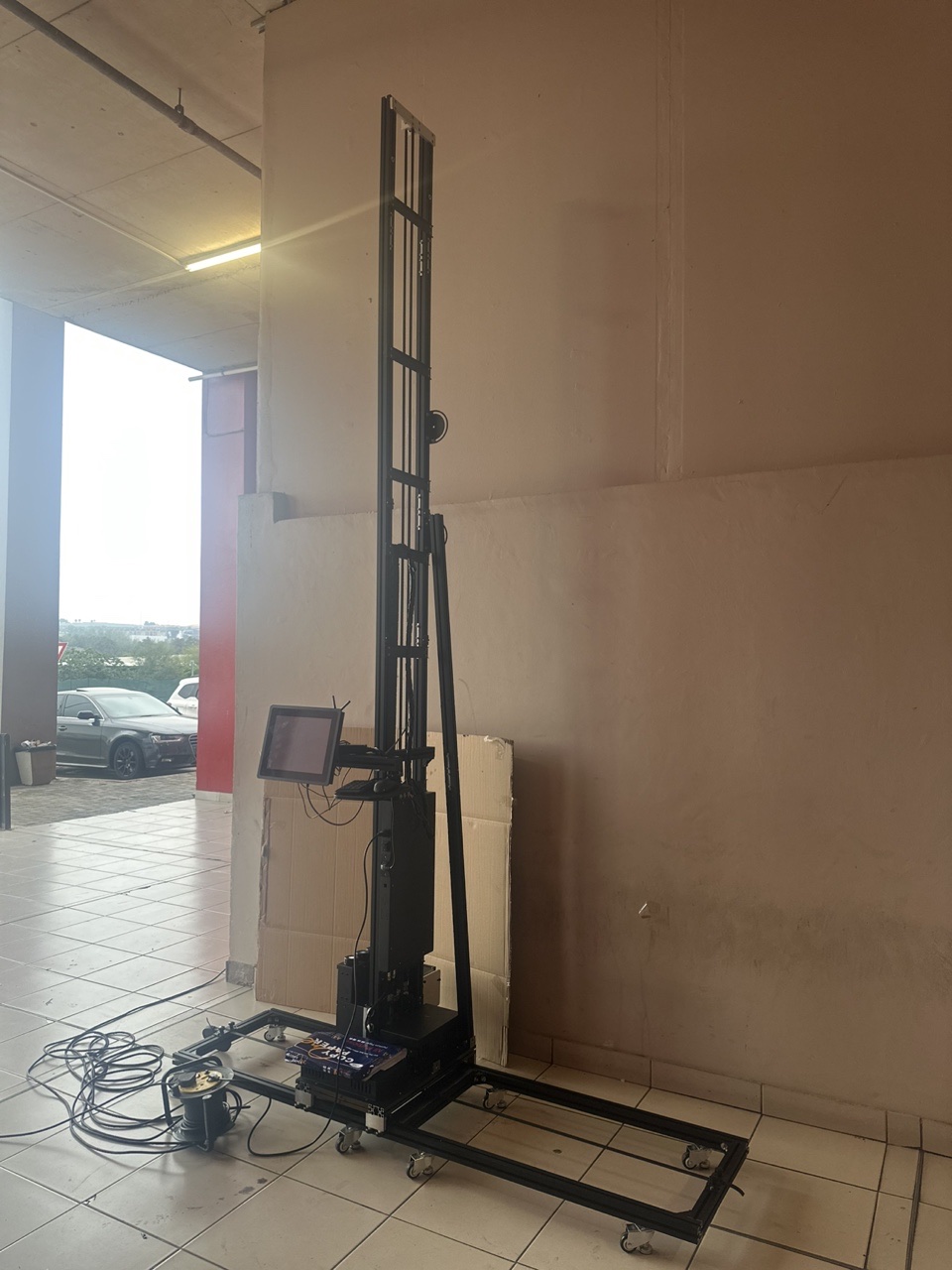
Latest Arrivals
Latest Arrivals
Latest Arrivals
Loading
Toilet paper making machine
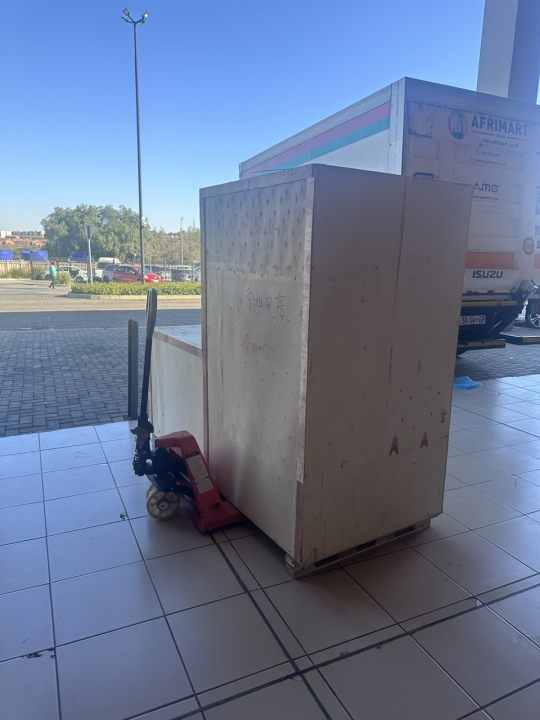
Toilet paper making machine
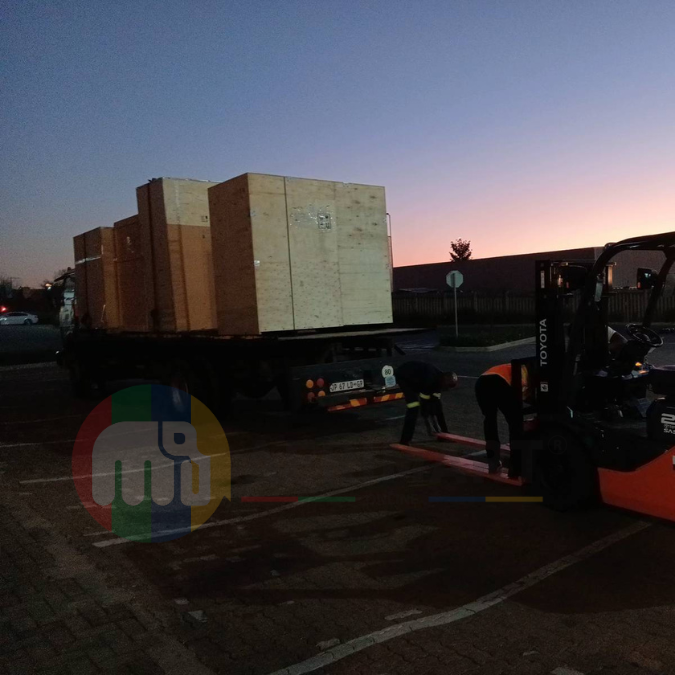
Toilet paper Rewinding Machine
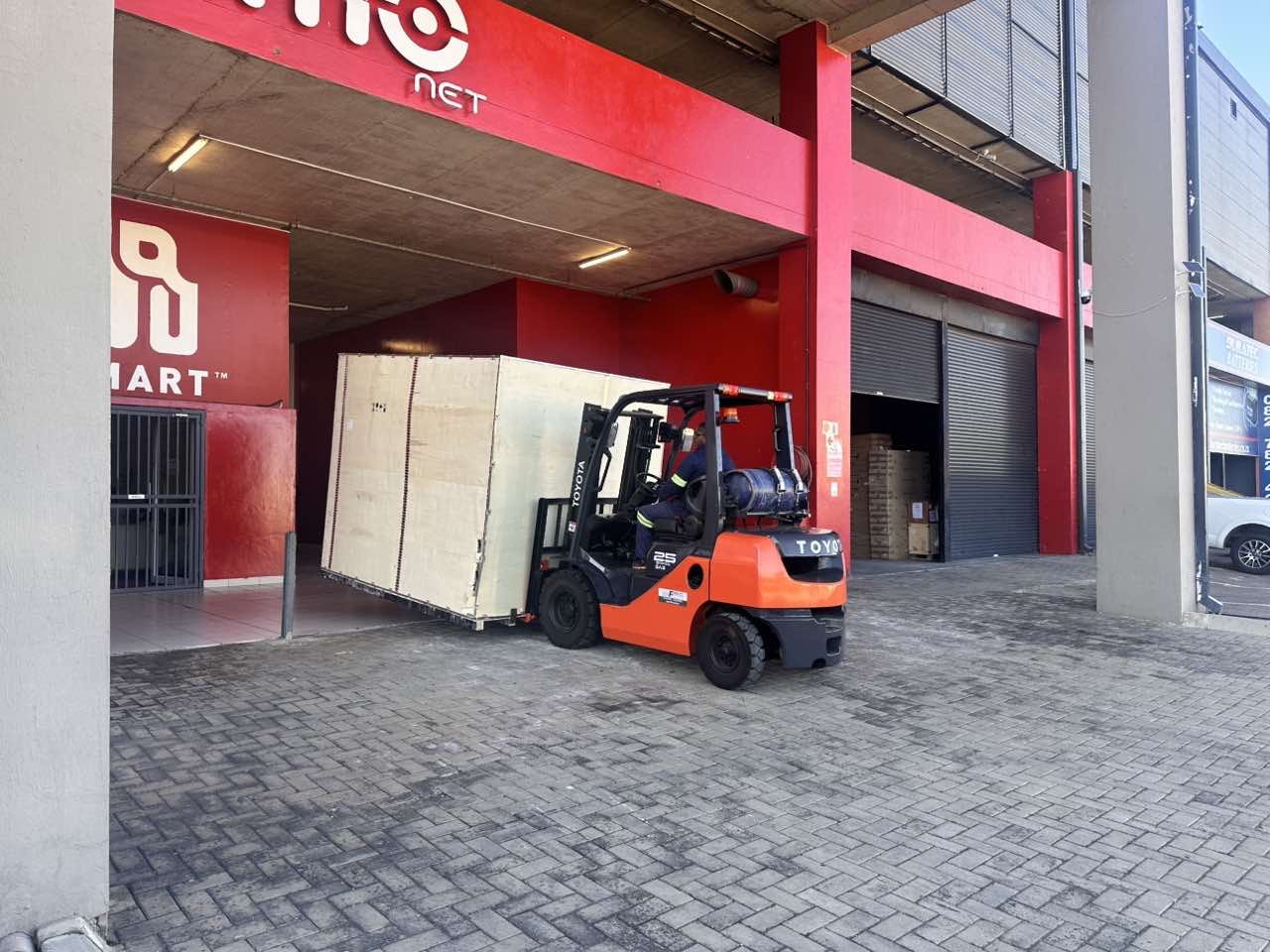
latest arrivals
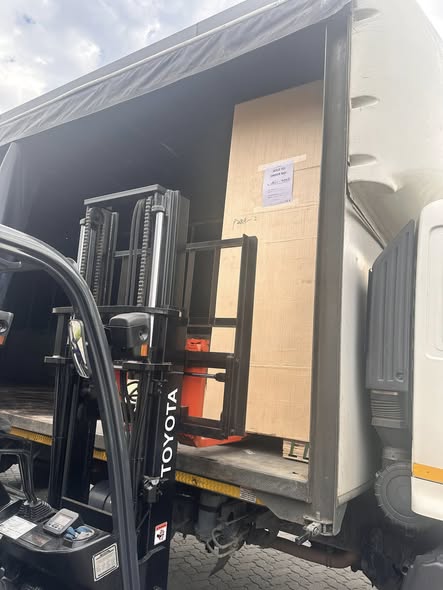
offloading
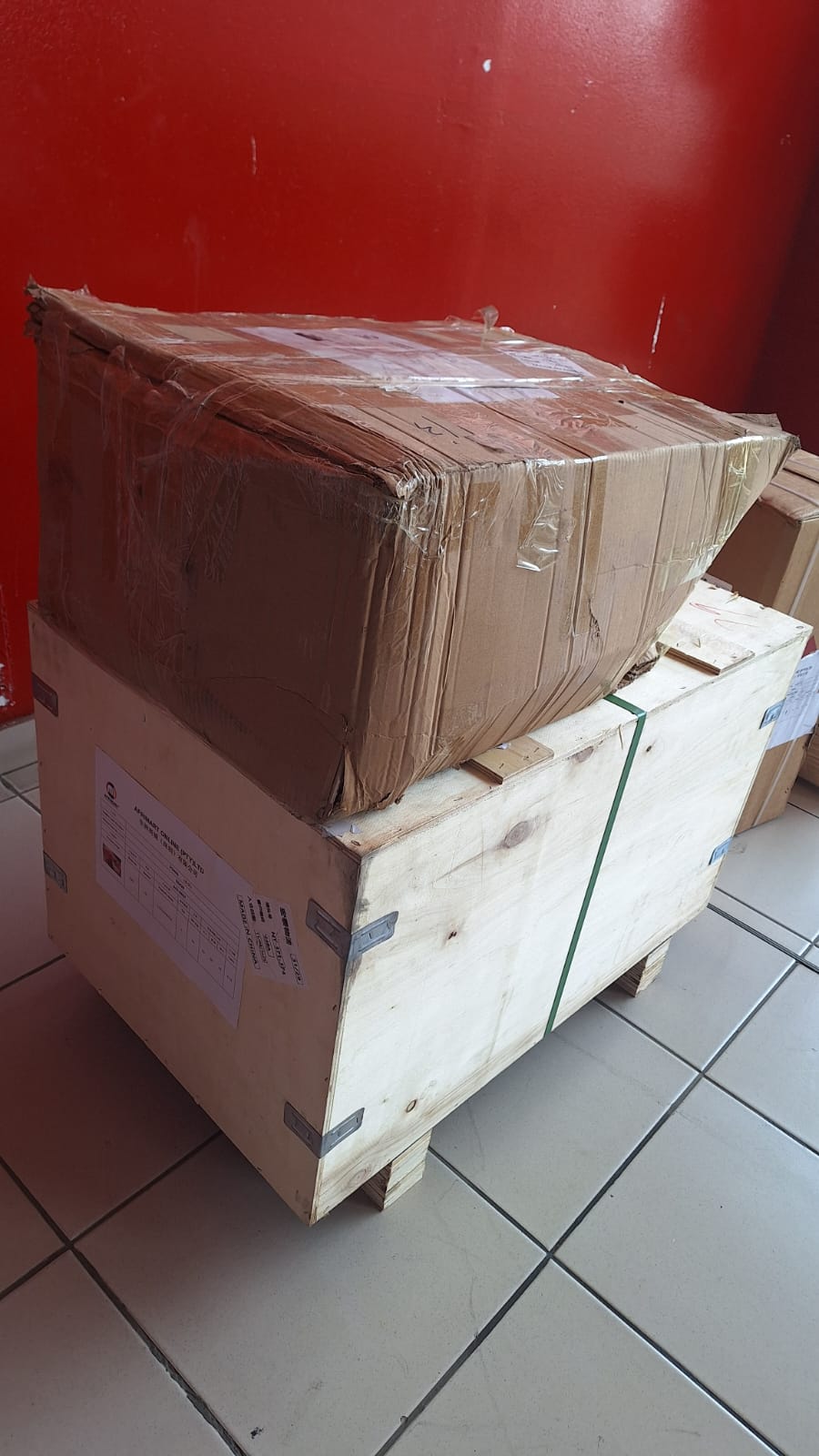
order success
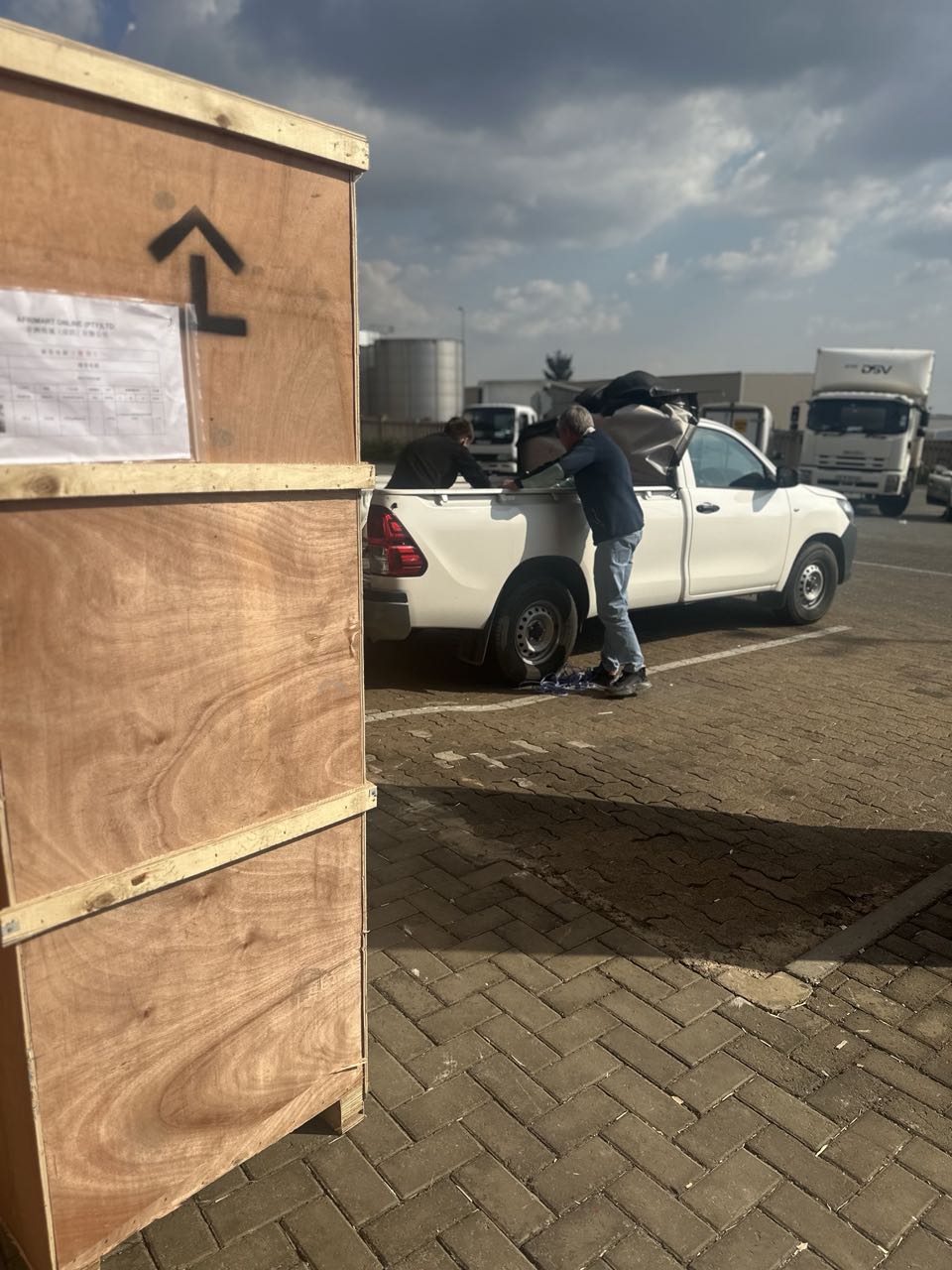
order collection
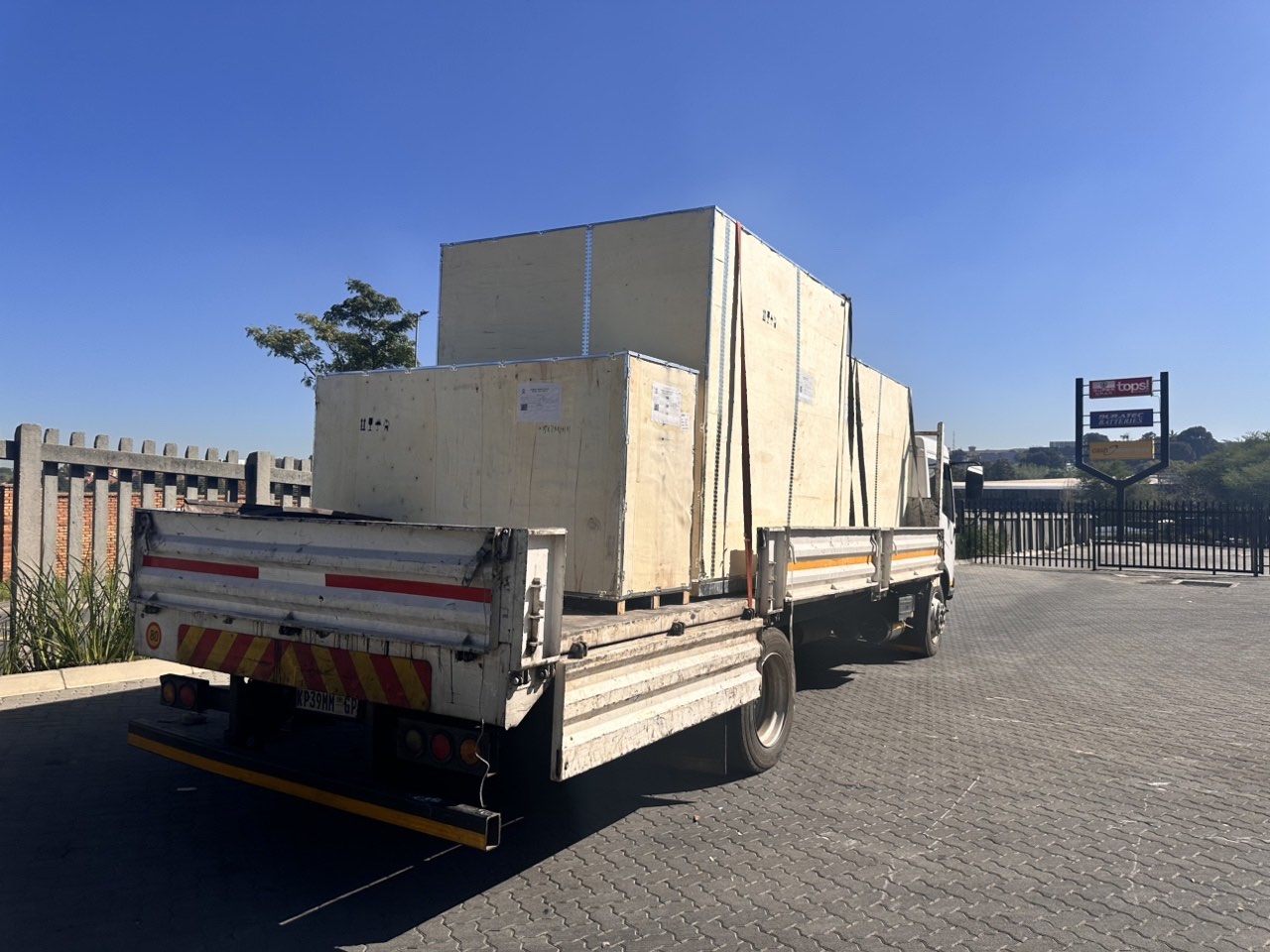
order offloading