B21, China Town Mall, Midrand

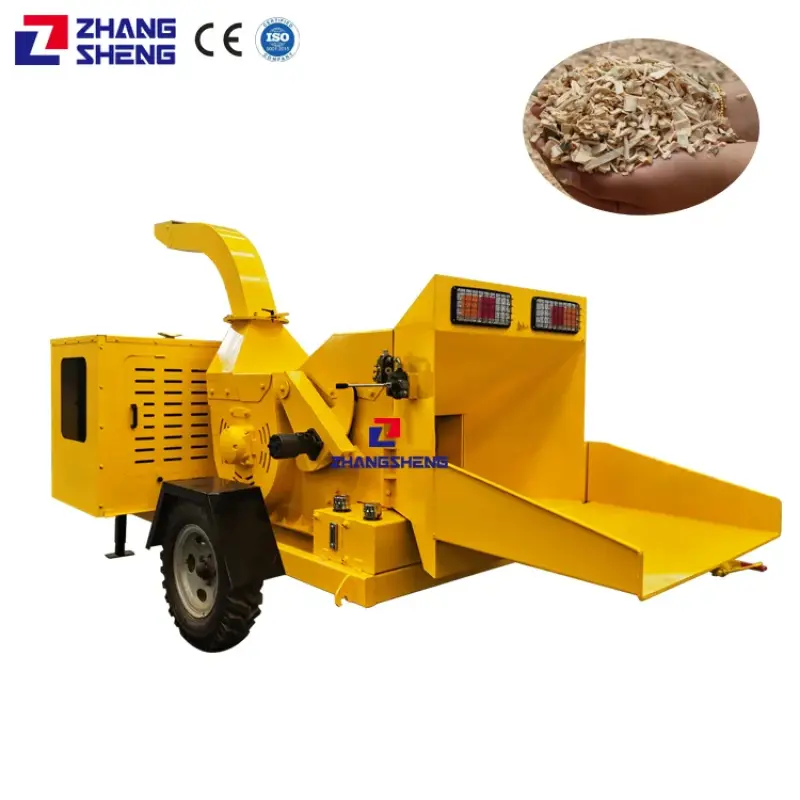
Agricultural Self Feeding Hydraulic Forestry machinery Model: 1063
Asset finance available
Do you want funding for this equipment?
Afrimart can connect you with trusted funding partners who specialise in asset finance for businesses like yours. Compare options and apply in minutes — final approval is subject to provider review.
Check funding options
Secure & no obligation

- Section : Machinery
- Category : Forestry Machinery
- SKU : 1600483879226

Drum Branch Crusher Organic Fertilizer Diesel Wood Chipper Shredder
The Drum Branch Crusher Organic Fertilizer Diesel Wood Chipper Shredder is a high-performance machine designed to efficiently cut forestry wood logs, branches, and other organic materials. This powerful machine is ideal for industries such as manufacturing, farming, and energy and mining. It is built for heavy-duty tasks, delivering exceptional cutting performance while minimizing power consumption.
Key Features
Diesel Power Engine
The Drum Branch Crusher is powered by a robust diesel engine, offering reliable performance and efficiency. Its power ensures it can handle large volumes of materials like wood logs, branches, and straw with ease.
High Capacity
With a capacity range of 4000-5000 kg/h, this wood chipper shredder is capable of processing large quantities of wood and other organic materials quickly. This makes it an excellent choice for high-volume operations in forestry and manufacturing industries.
Durable Alloy Steel Blades
Equipped with 6 high-quality alloy steel blades, this machine ensures precise and effective chipping. These durable blades are designed to withstand tough materials, providing long-lasting performance and reducing maintenance requirements.
Large Log Diameter Capacity
The Drum Branch Crusher can handle logs with a maximum diameter of 30 cm, making it versatile enough to chip both small and large branches or logs. This capability ensures that you can process a wide range of forestry waste without limitations.
Efficient Chip Size
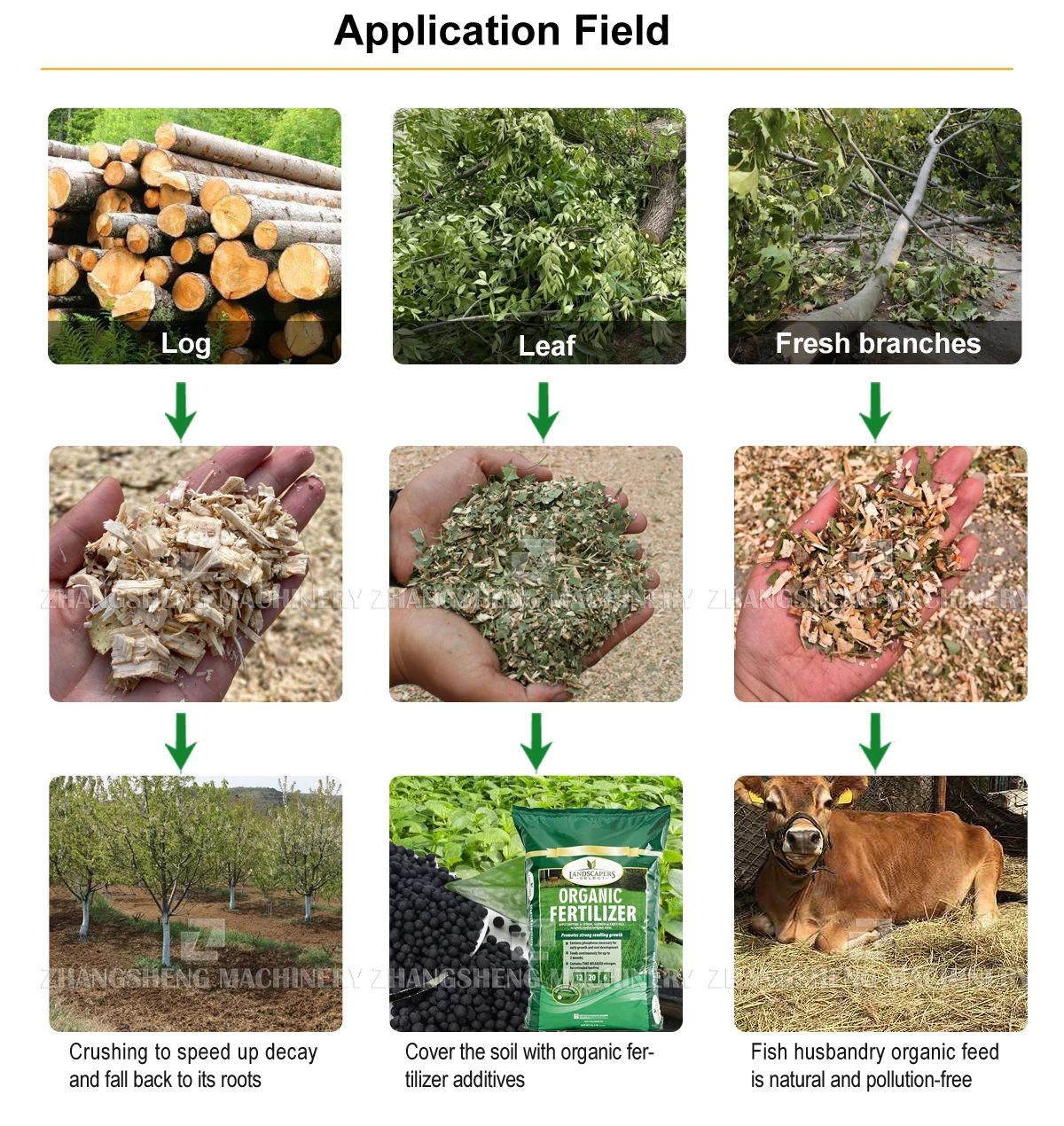
The machine produces chips ranging in size from 1-3 cm, making it ideal for creating uniform wood chips for use in organic fertilizer production or as fuel for energy generation.
Low Power Consumption
Despite its high capacity and powerful engine, the Drum Branch Crusher is designed to consume less power, offering cost-effective operation. This makes it a great choice for businesses looking to reduce energy costs while maintaining high output.
Compact Design
The machine has a manageable size of 4250 x 1900 x 2700 mm, making it easy to transport and fit into different work environments. Its compact design ensures efficient use of space without sacrificing functionality.
Reliable Core Components
Featuring reliable components such as a pump and PLC, the Drum Branch Crusher ensures consistent and smooth operation. These high-quality parts help reduce downtime and keep the machine running efficiently for long periods.
In conclusion, the Drum Branch Crusher Organic Fertilizer Diesel Wood Chipper Shredder is a powerful, efficient, and versatile machine that is perfect for handling large volumes of wood, branches, and other organic materials. With its durable construction, low power consumption, and high-capacity output, this wood chipper is an essential tool for businesses in forestry, farming, and energy industries.
Product Info Gallery
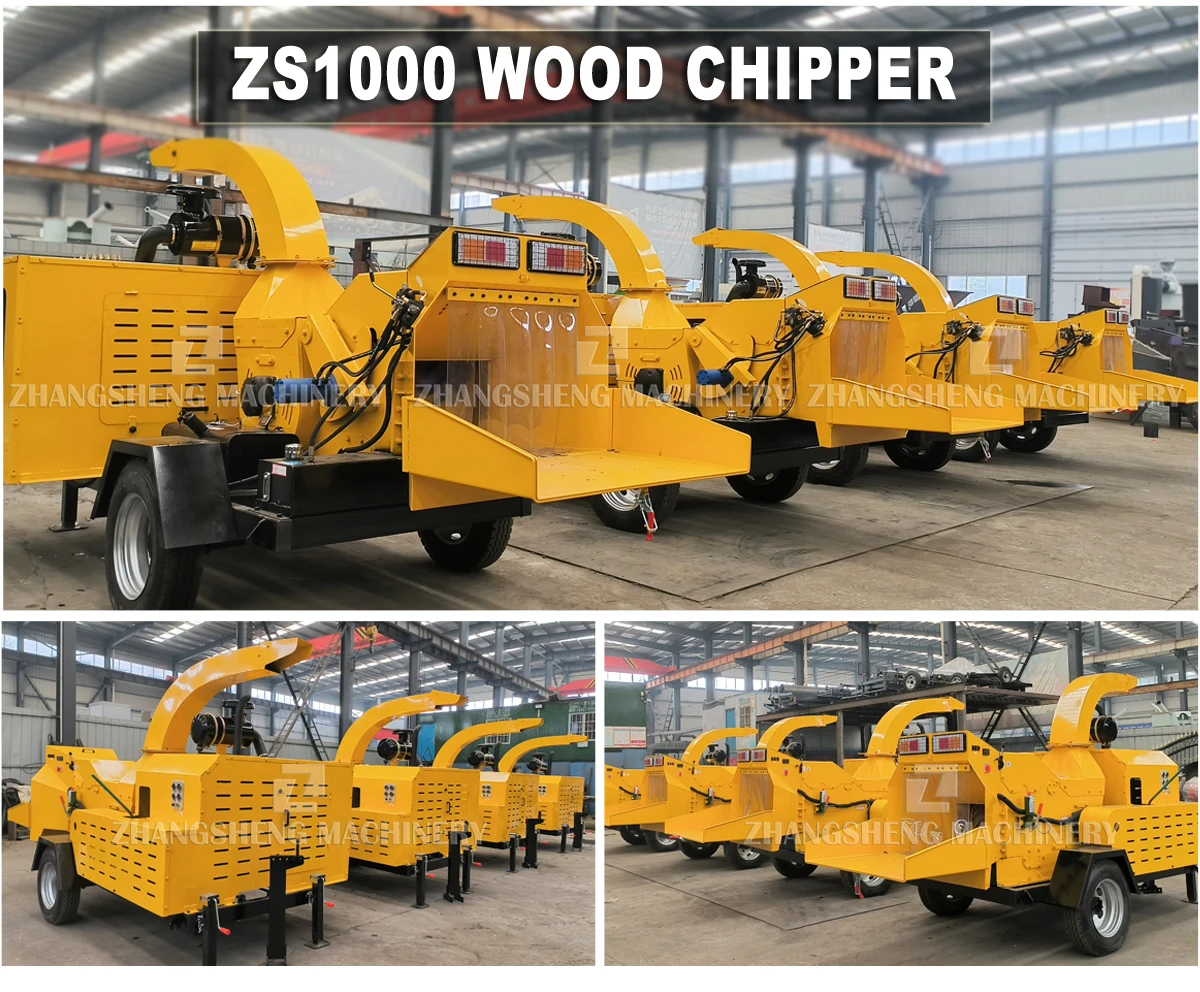
As one of our best sellers, this 1050/1063 model wood chipper has a large diameter drum rotor, which can directly process wood near to 30cm diameter. The discharge port can be adjusted to face any direction within 360 degrees, and the discharge spray distance can reach 3m. Finished wood chips can be sprayed directly onto trucks. Equipped with a 2-inch tow ball and all-steel car wheels, a 4ton equipment can be easily towed by a small car. The hydraulic feeding system can reduce the occurrence of feeding phenomenon and make feeding safer and more efficient. The 1000 model wood chipper can produce wood chips up to 5 tons per hour.
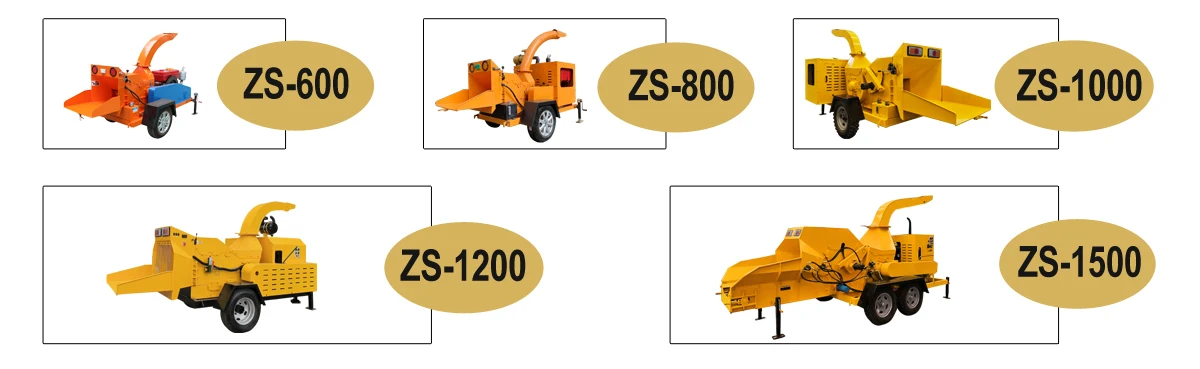
| Items | 800 | 1050 | 1063 | 1263 | 1585 | 1585X |
| Max. wood log diameter (mm) | 150 | 250 | 300 | 350 | 430 | 480 |
| Engine type | Diesel engine/Motor | |||||
| Diesel Engine Power | 54HP4 cyl. | 102HP 4 cyl. | 122HP 4 cyl. | 184HP 6 cyl. | 235HP 6 cyl. | 336HP 6 cyl. |
| Cutting Drum Size(mm) | Φ350*320 | Φ480*500 | Φ630*600 | Φ850*700 | ||
| Blades qty. on cutting drum | 4pcs | 4pcs | 6pcs | 6pcs | 9pcs | 9pcs |
| Feeding Type | Manual feed | Metal conveyor | ||||
| Shipping way | 5.8 cbm by LCL | 9.7 cbm by LCL | 10.4 cbm by LCL | 11.5 cbm by LCL | 20ft container | |
| Packing way | plywood case | Heavy Plywood case+steel frame | no | |||
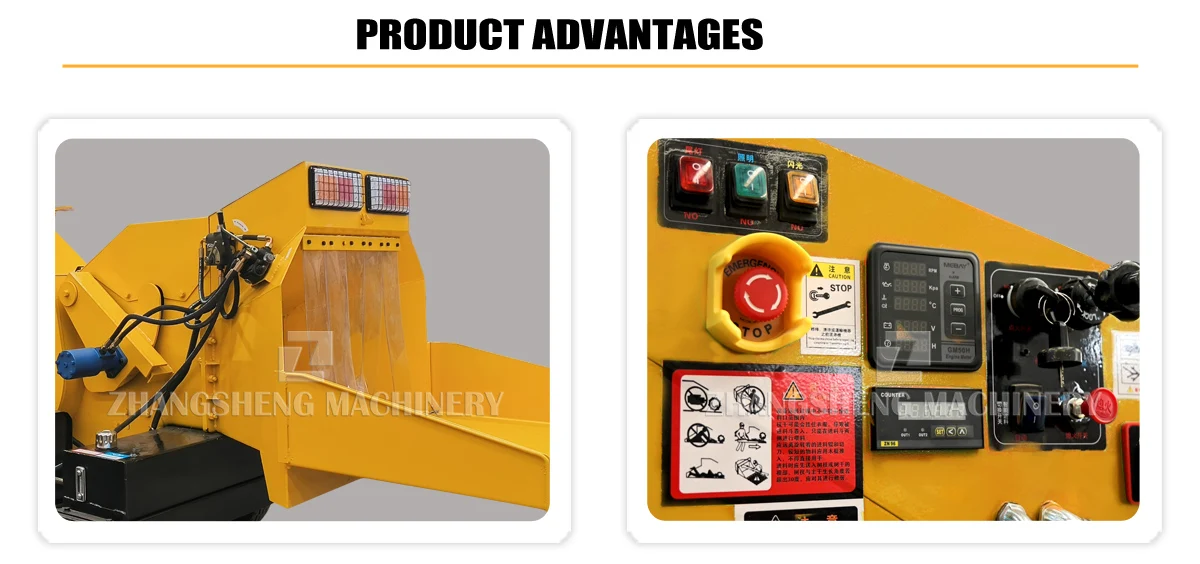
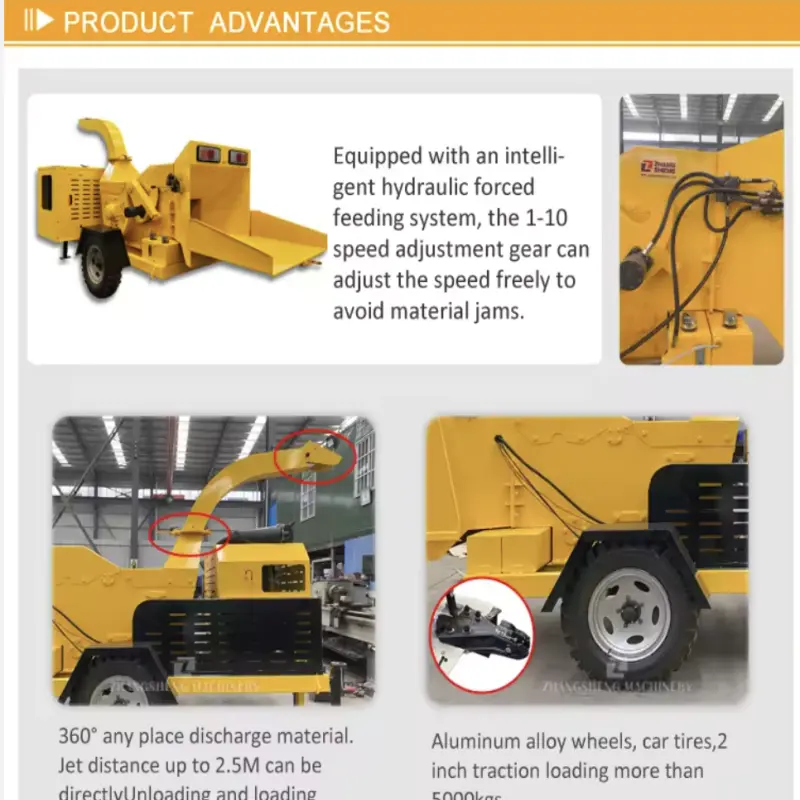
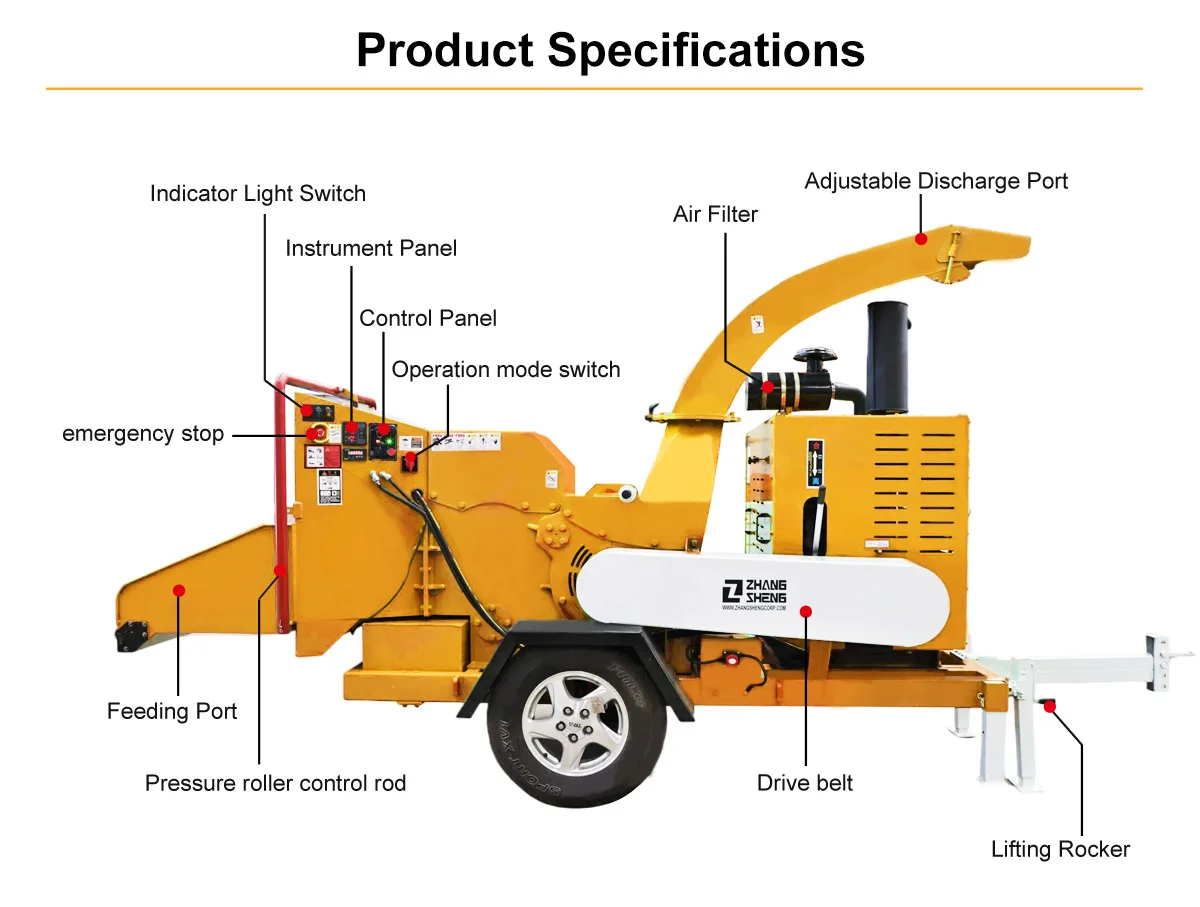
With hydraulic forced feeding system, The feeding speed can be adjusted to meet the crushing of materials with different diameters. The higher the gear, the faster the speed and the higher the output
Automatically monitor the work load of crushing mechanisms. When the load exceeds the alarm value, automatically reduce the feeding speed or stop feeding to avoid the stuck.
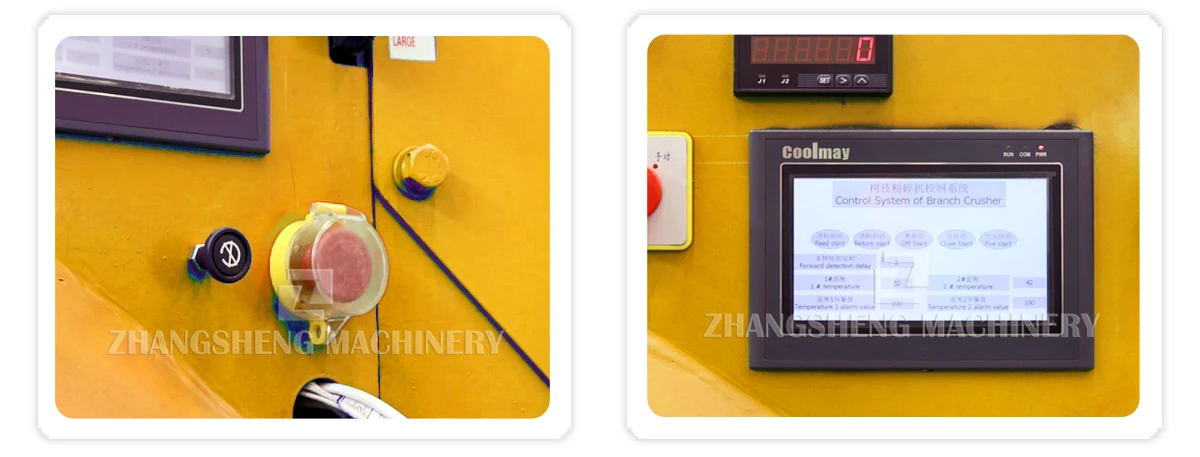
Through the operating lever, you can manually control the press roll forward, backward and stop. If plugging occurs in the crushing work, the feed can be stopped at any time or spit/backward discharge, to ensure the safety of use
The intelligent operation panel displays the operating conditions of the whole machine (oil volume, water temperature, working hours, etc.) in time to find abnormalities and reduce maintenance. Reliable and convenient starting at the turn of a key.
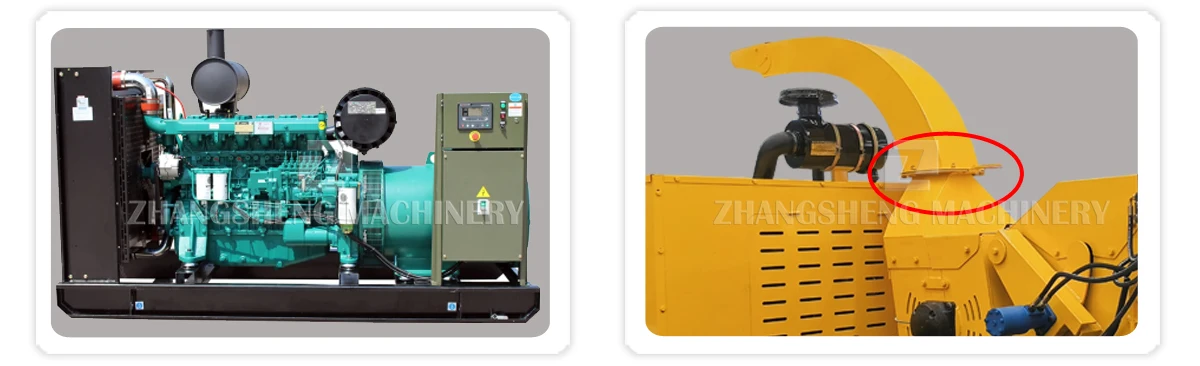
Equip good Chinese local brand 102 HP, 4 cyl. diesel engine. We also support Cummins & Perkins brand diesel engine. EPA Tier 3 or tier 4 also available.
Equipped with 360°adjustable chute and 2.5m discharge distance, allowing users to directs the flow of chips where they want.
- Shipping Timeframes: All orders are processed within 2-5 business days (excluding weekends and holidays). After your order has been processed, the estimated delivery time is before 02 Jul, 2026, depending on customs, Please note that due to high demand, some items may experience longer shipping times, which will be communicated at order confirmation email.
- Order Processing Time: Please allow 2-5 business days for us to process your order before it is shipped . Orders placed after 16:00 on Fridays, or during weekends and public holidays, will begin processing on the next business day. Processing times may be extended during peak seasons or sales events.
- Manufacturing Time: Some products needs manufacturing time, the manufacturing process will take approximately 10-30 business days depending on the product. This timeframe may vary depending on the complexity of the product and current demand. but this will be communicated with you during order confirmation.
- Returns and Exchanges: We offer a 30-day return policy for most items. If you are not completely satisfied with your purchase, you may return it within 30 days of receipt for a refund or exchange. Items must be unused, in their original packaging, and accompanied by proof of purchase. Return shipping costs are the responsibility of the customer, unless the item was damaged or defective upon arrival.
1. What materials can the Agricultural Self Feeding Hydraulic Forestry machine process?
It is designed to cut forestry wood logs, branches, straw and other organic materials for use as mulch, organic fertilizer feedstock or fuel.
2. What is the machine's processing capacity?
Typical capacity ranges from about 4,000–5,000 kg/hour (the 1000 model can reach up to ~5 tons/hour). Actual throughput depends on material type, feed size and model selected.
3. What maximum log diameter can it handle?
Depending on model, the machine can process logs from ~150 mm up to 480 mm. Popular drum models can directly process logs near 300 mm (30 cm) diameter.
4. What chip size does the machine produce?
Finished chip size is generally uniform in the 1–3 cm range, suitable for organic fertilizer production or as fuel.
5. What power options and engine choices are available?
Models are available with diesel engines (examples: 54HP, 102HP, 122HP, 184HP, 235HP, 336HP) and can also be supplied with electric motor options. Engines can be local Chinese brands or premium brands such as Cummins or Perkins. EPA Tier 3/4 compliant engines are available on request.
6. How does the hydraulic feeding system work and what are the benefits?
The hydraulic forced feeding system automatically drives material into the cutting drum with adjustable speed (higher gears increase feed speed and output). It reduces manual feeding, improves safety and lowers the chance of blockages.
7. What anti-jam and safety features are included?
The machine has automatic load monitoring that reduces or stops feeding when load exceeds a set threshold. A manual feed control lever allows forward, reverse and stop actions so operators can clear jams safely.
8. Tell me about the cutting drum and blades.
Cutting drums are large-diameter rotors with high-quality alloy steel blades. Blade counts vary by model (typically 4–9 blades). Blades are hardened for durability and are replaceable when worn.
9. How is the chip discharge handled and can I direct the flow?
The discharge chute is 360° adjustable and has a discharge spray distance of about 2.5–3 m, allowing you to direct chips onto trucks, piles or conveyors as needed.
10. Is the machine towable and what are its transport dimensions?
Yes — models come with a 2-inch tow ball and all-steel wheels. A 4-ton unit can be towed by a small car. Overall compact size is around 4250 x 1900 x 2700 mm (may vary by model).
11. What control and monitoring features are provided?
The machine includes a PLC-based intelligent operation panel that displays key parameters (oil volume, water temperature, working hours, etc.) and supports reliable key start for convenient operation and fault finding.
12. What maintenance is required?
Regular maintenance includes inspecting and replacing or sharpening blades when worn, checking and topping hydraulic and engine fluids, lubricating bearings and linkages, inspecting belts and fasteners, and following the engine supplier's service schedule. Keep the feeding area clean and check the PLC alarms regularly.
13. How is the machine packaged and shipped?
Smaller units ship LCL in plywood cases (volumes shown per model). Heavier units may ship in heavy plywood cases with steel framing or in containers depending on size and customer requirements.
14. Can the machine be customized for different applications?
Yes. Different drum sizes, blade counts, engine powers and feed systems are available across model variants. Options such as premium engines (Cummins/Perkins), EPA-compliant engines, and customized discharge or mounting configurations can be discussed with the supplier.
15. What are common applications for this wood chipper shredder?
Typical uses include forestry waste processing, producing raw material for organic fertilizer, biomass fuel preparation, farm and orchard pruning cleanup, and pre-processing material for composting or energy generation.
Latest Order Arrivals
Discover our latest orders
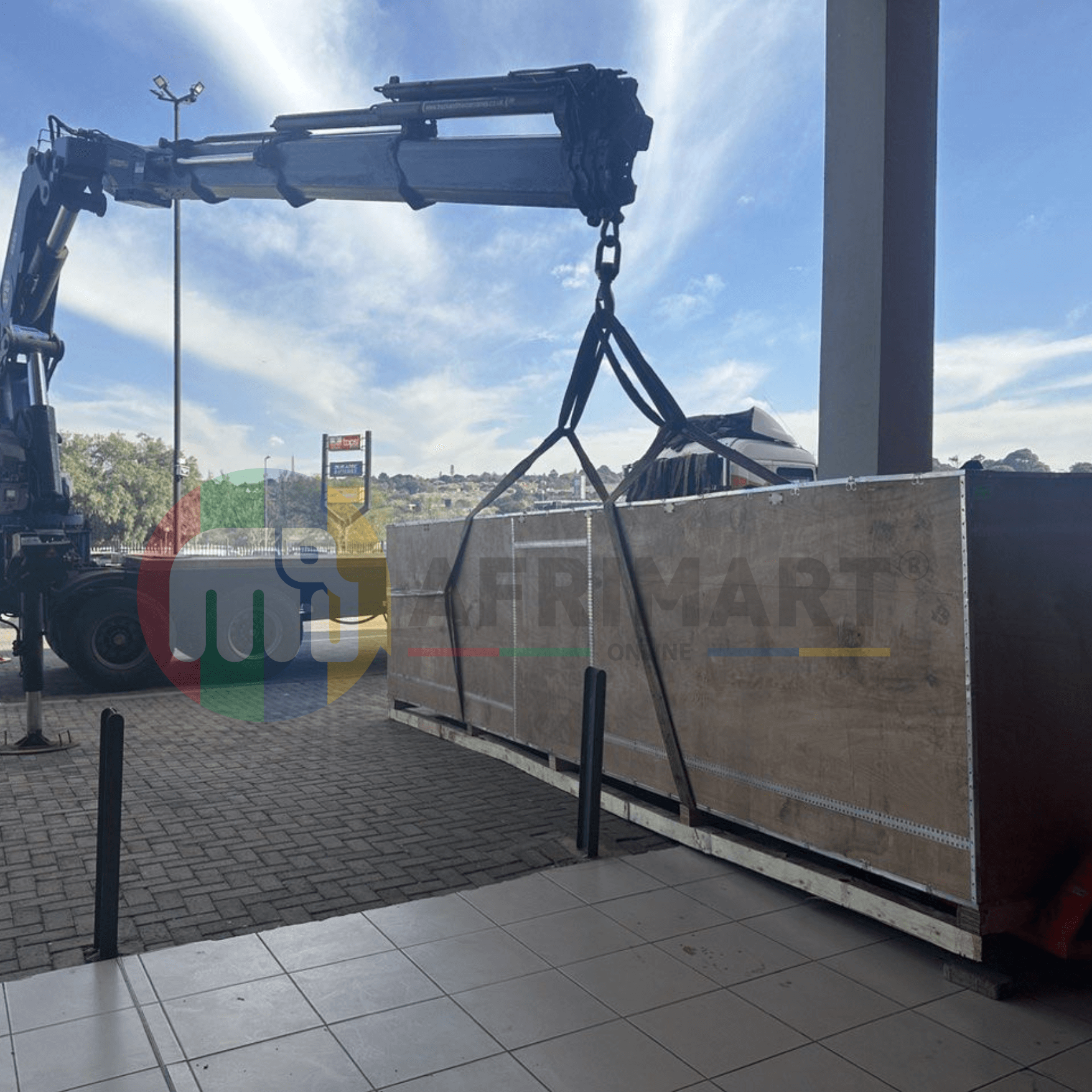
12 Heads Embroidery Machine
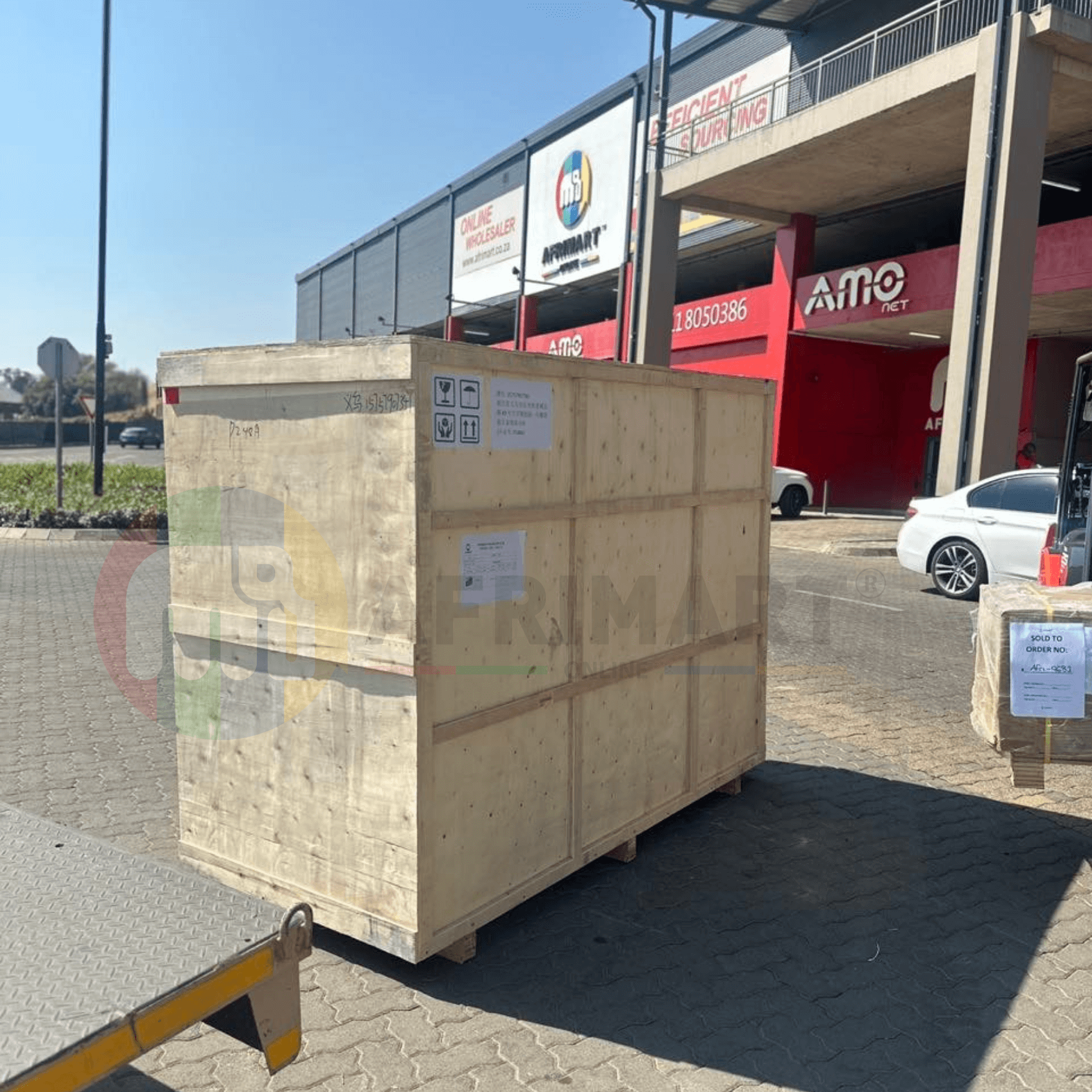
Dewatering Pump Machine
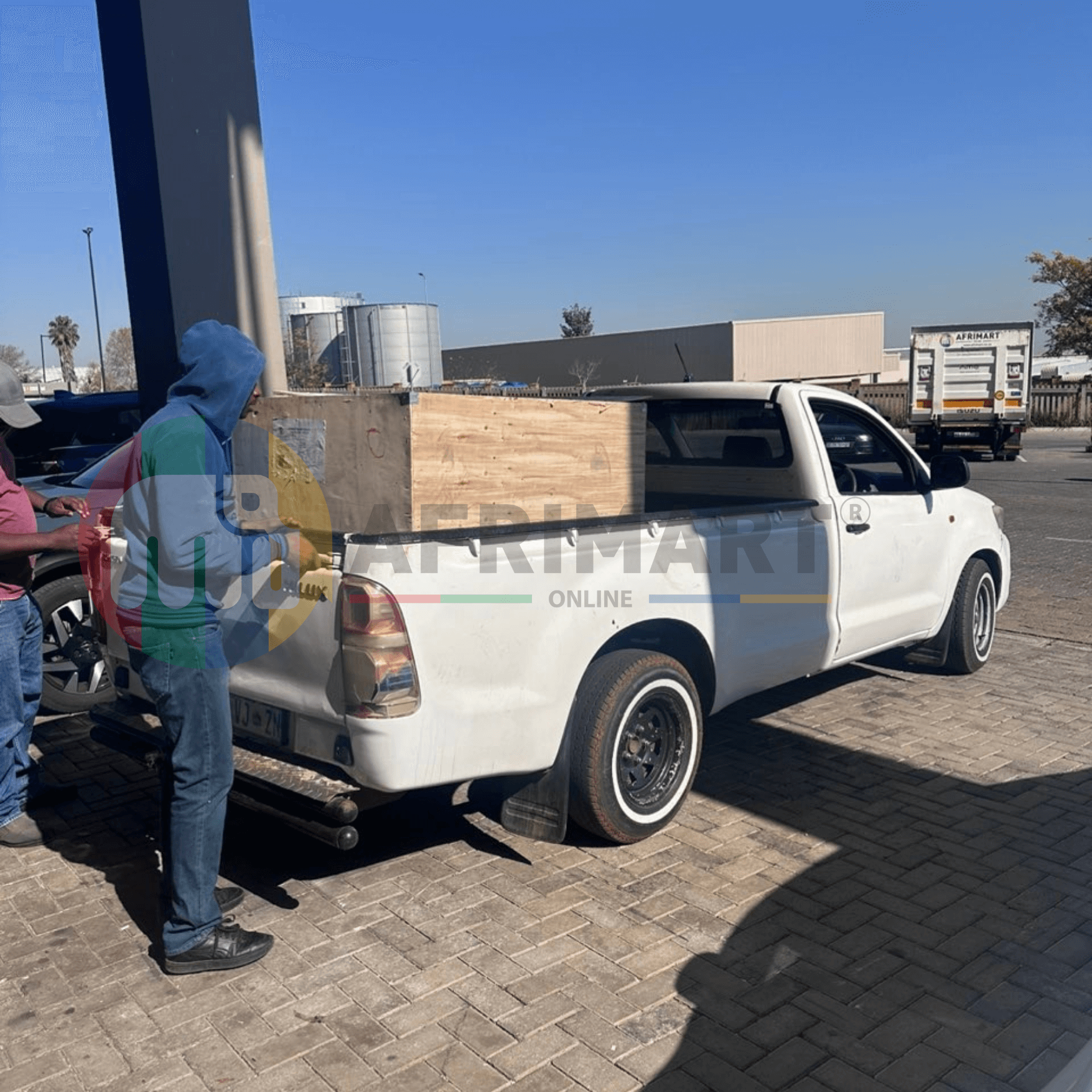
Order Collection
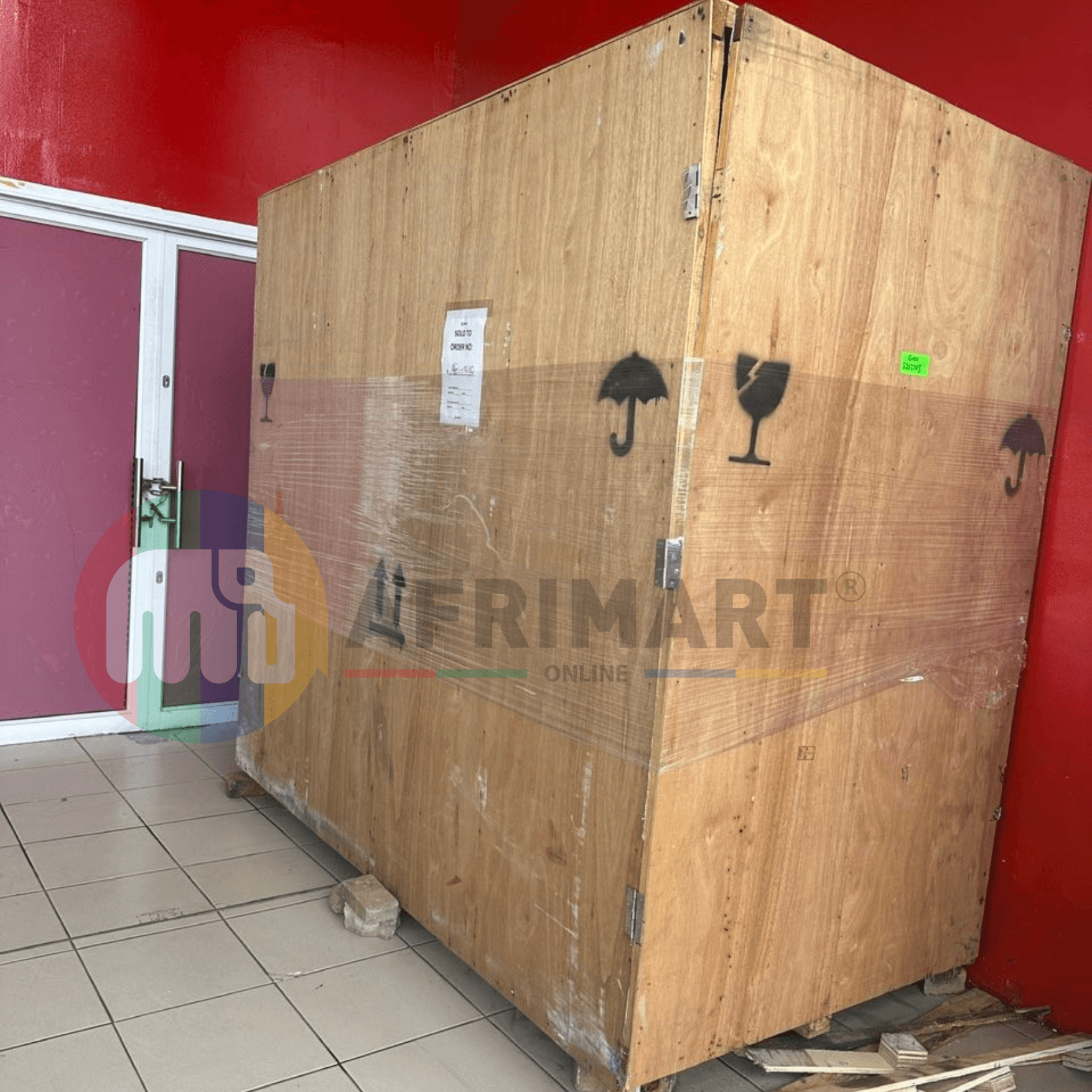
Portable Water Drilling Rig
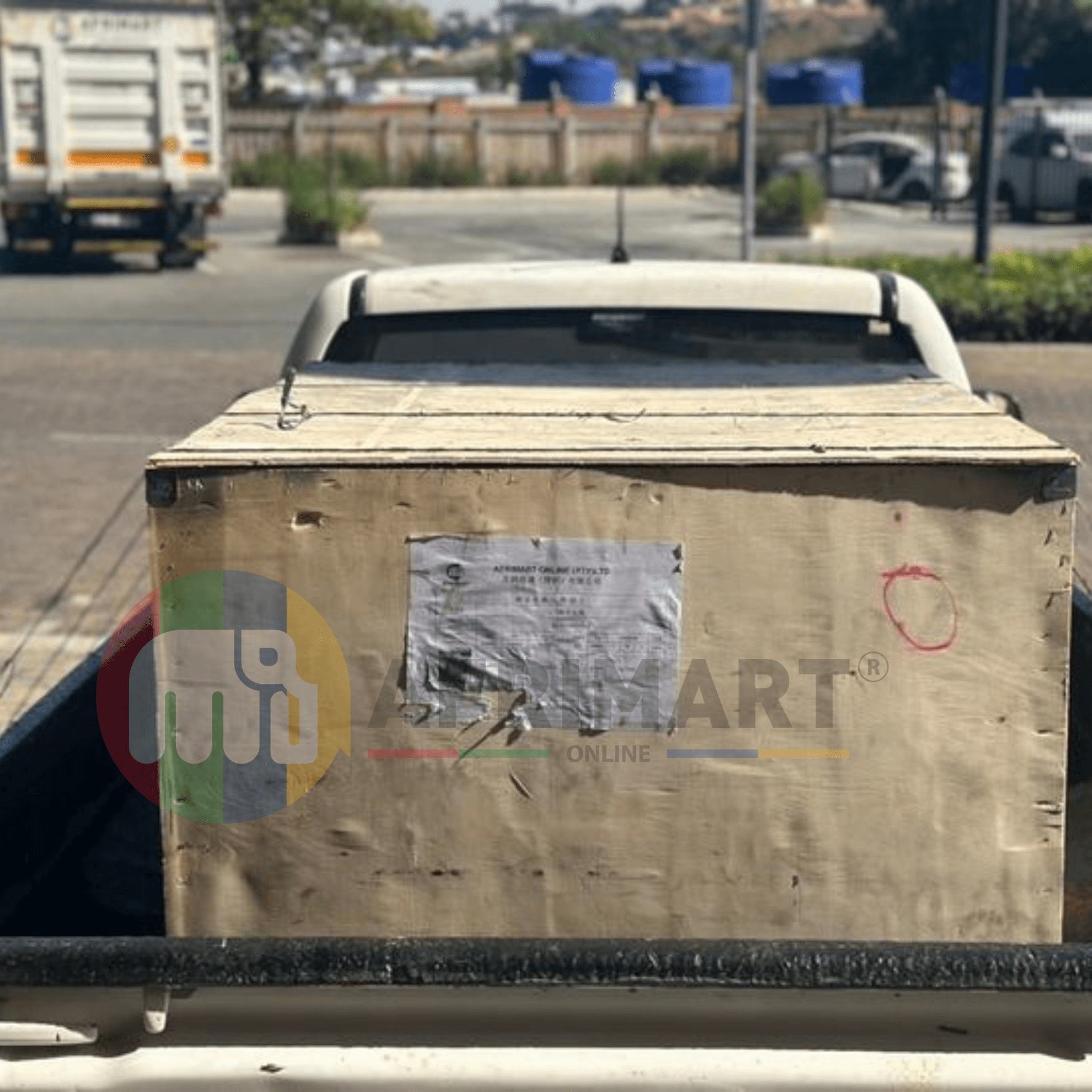
Order Usefully Collected

Batch of Orders
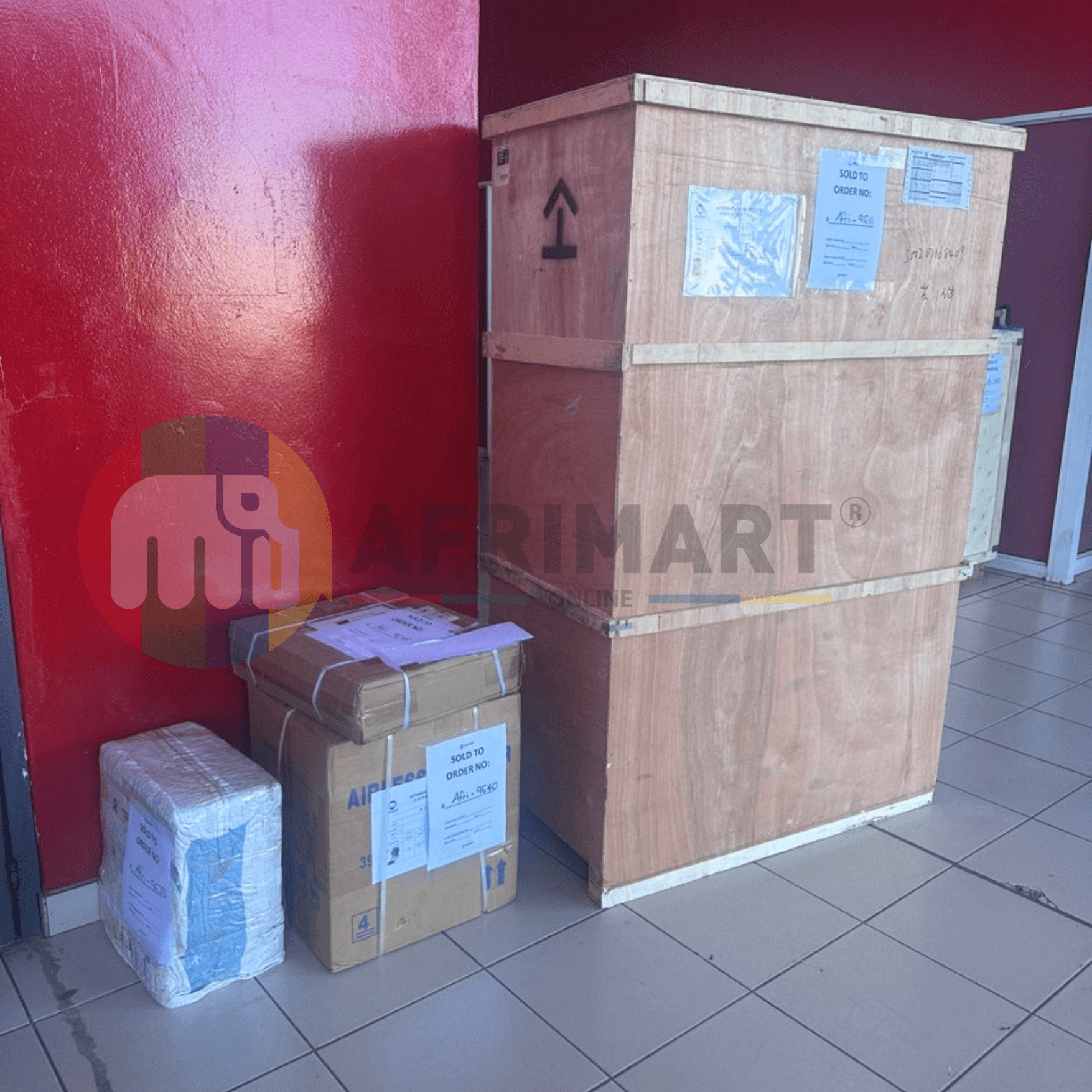
Agriculture Processing Machines
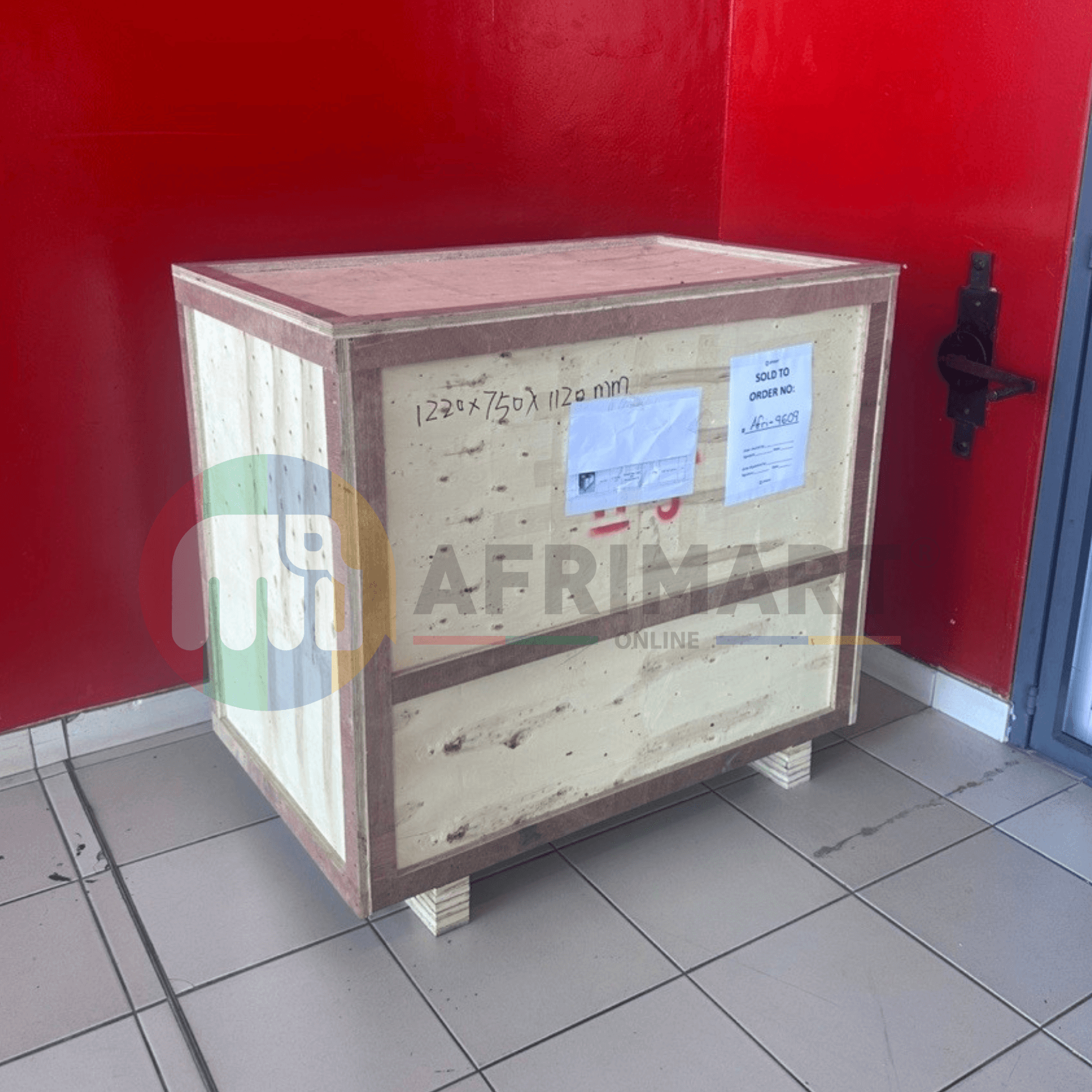
Meat Grinder Machine
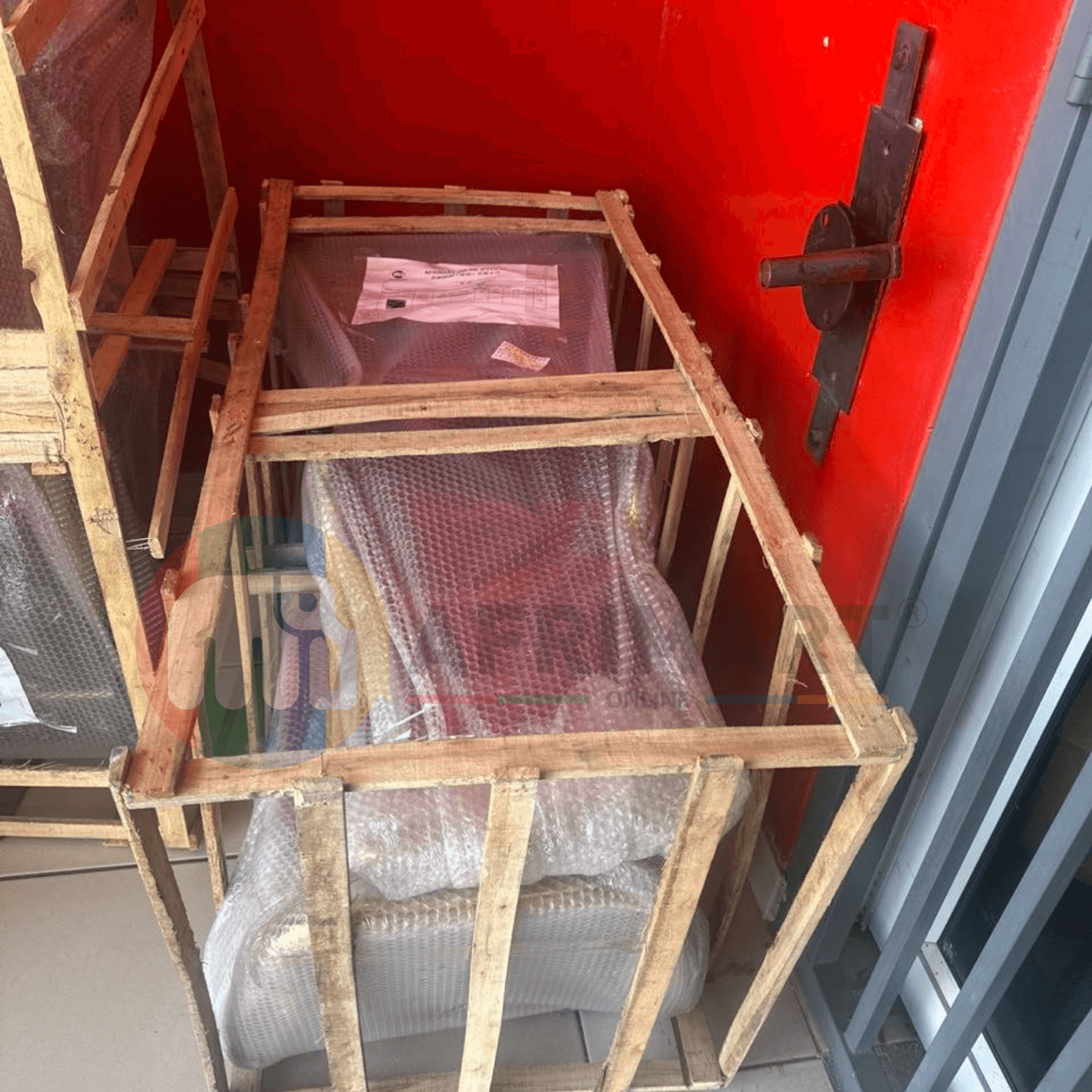
Water Pump Equipment
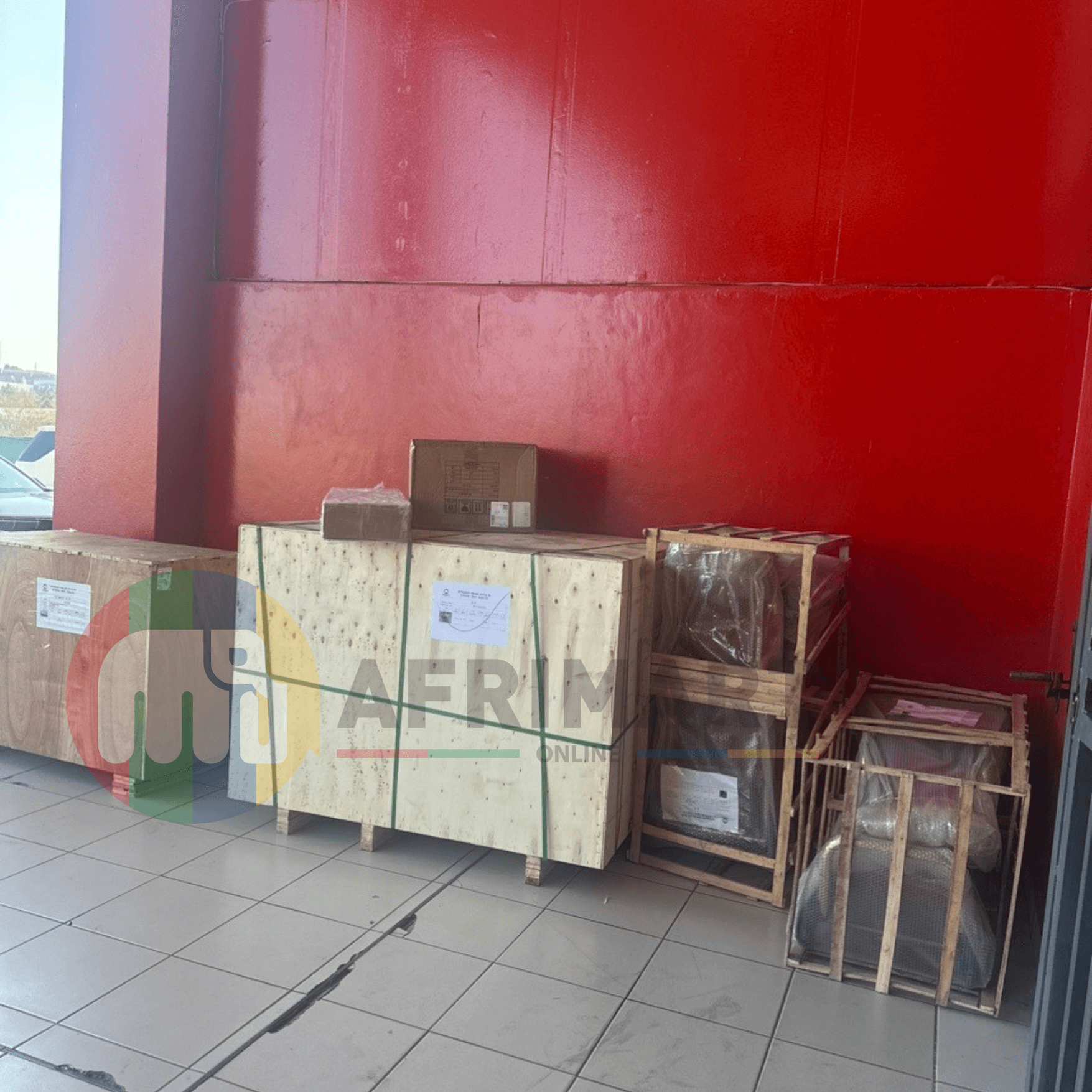
Packaging Machine and accessories
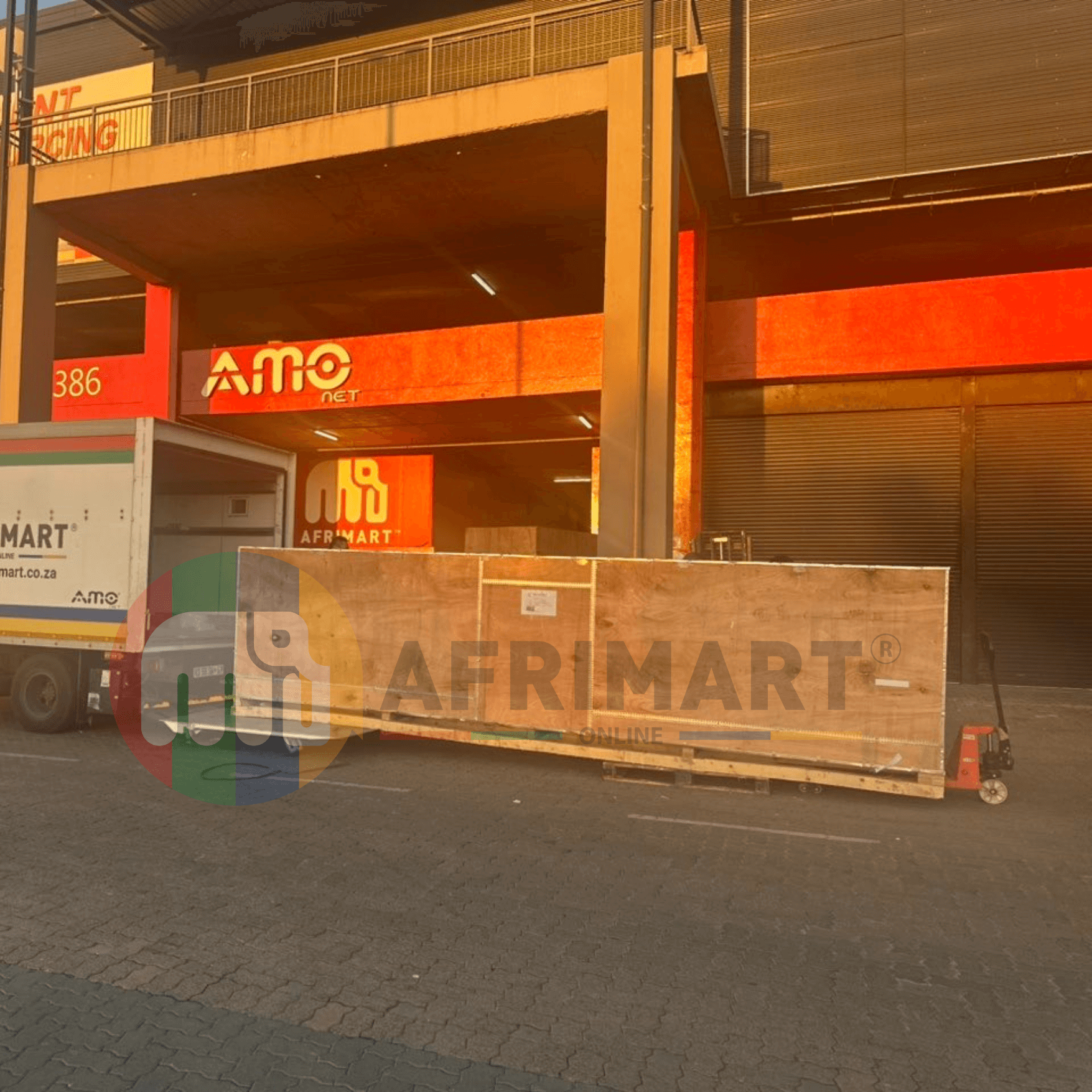
Fabrics Manufacturing Equipment
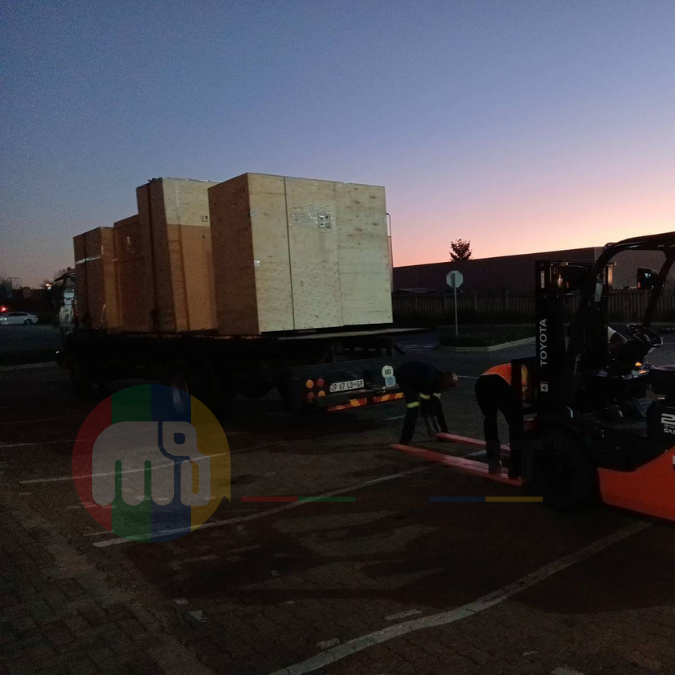
Mining Equipments
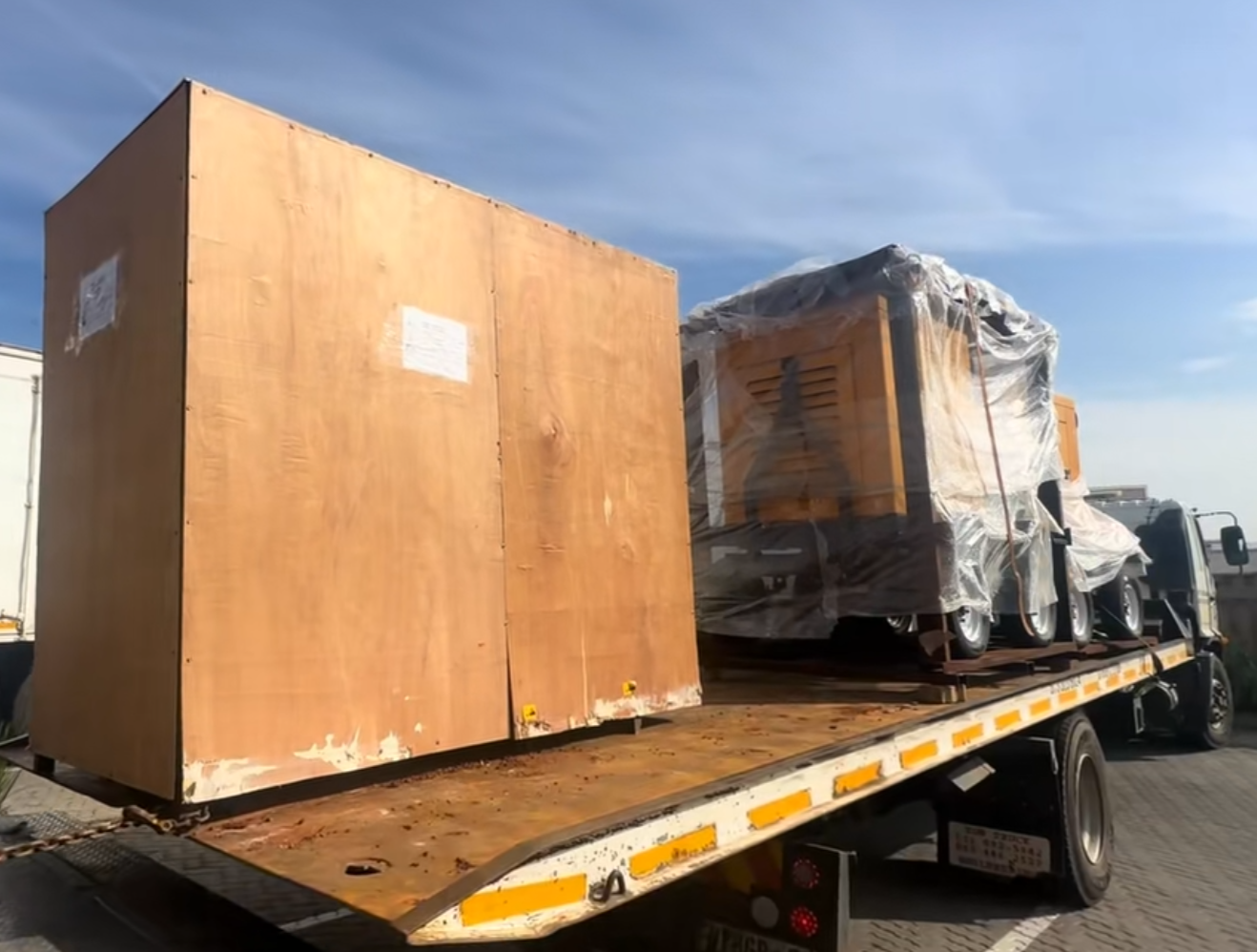
Food Processing Machine
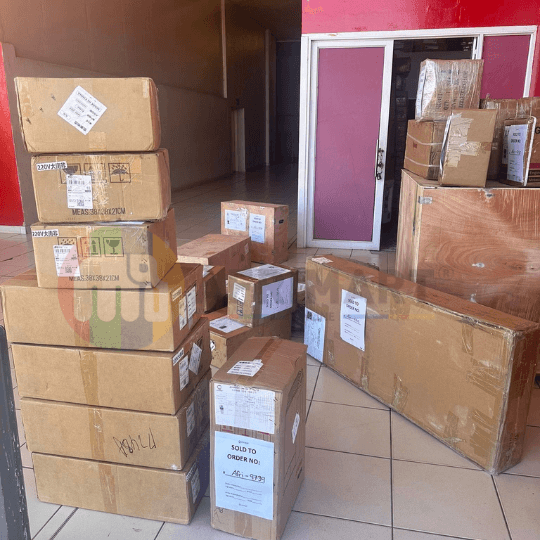
Batch of Orders
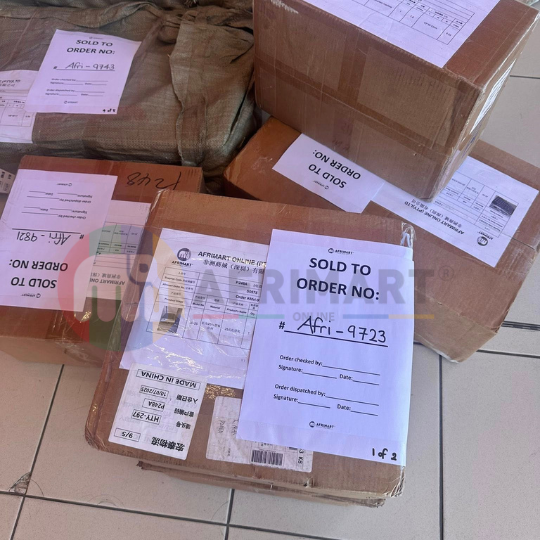
Batch of Orders
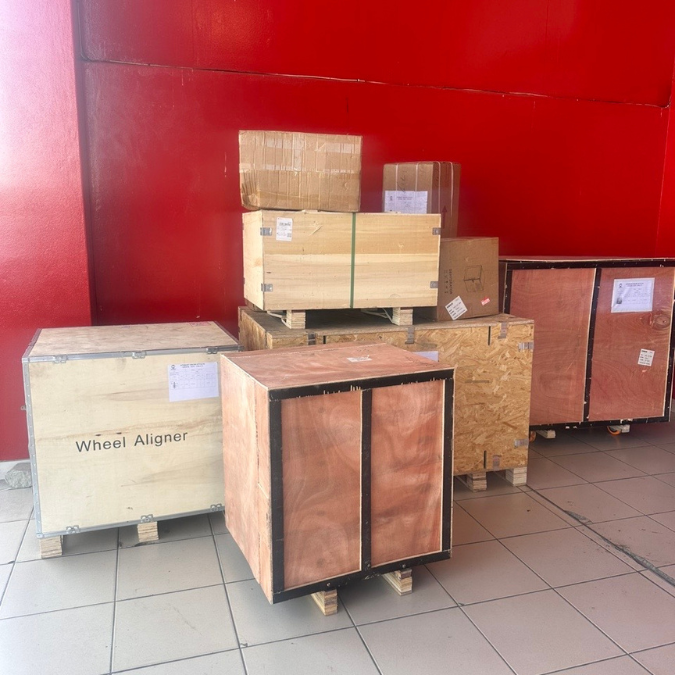
Latest Orders Labelled
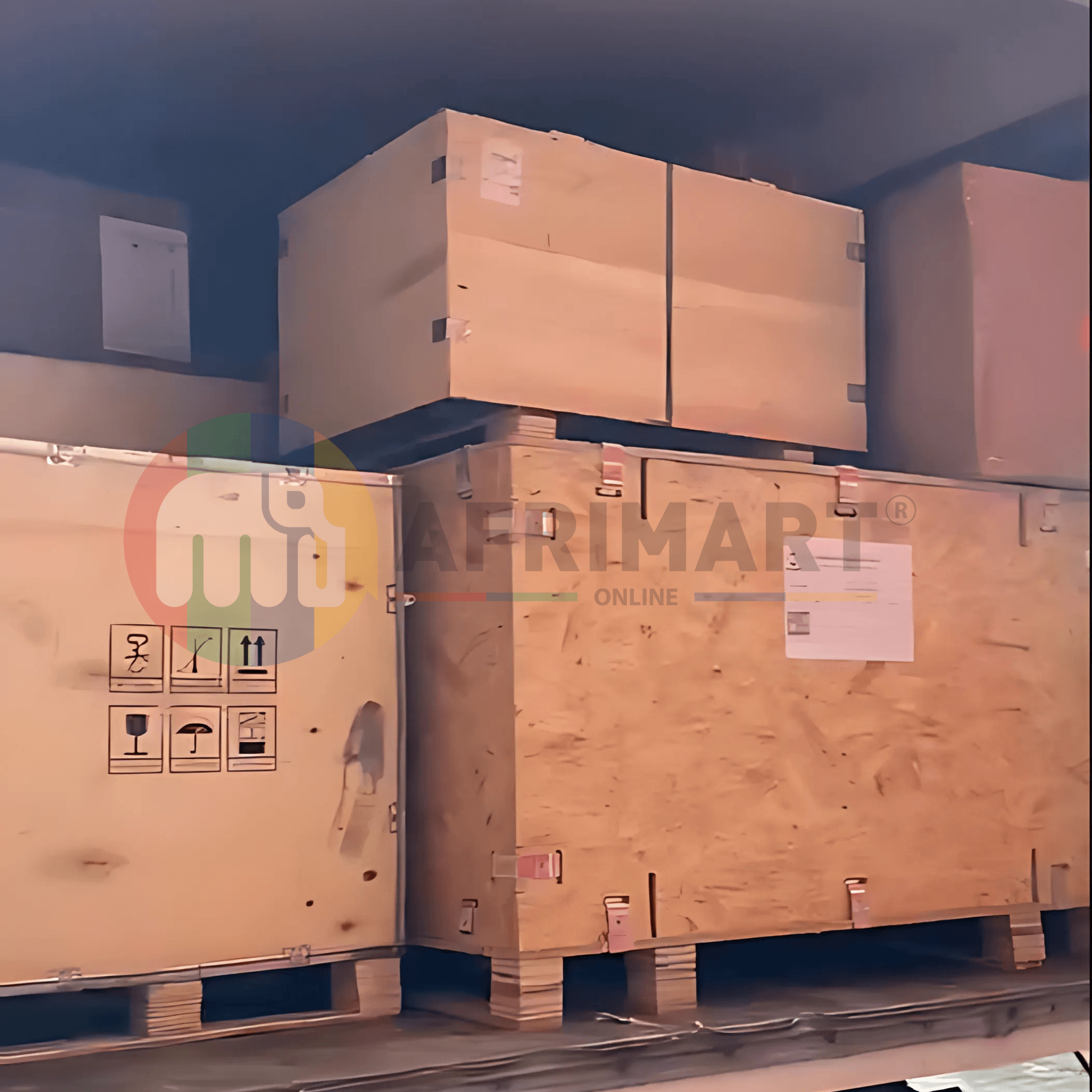
wheel alignment machines
new arrivals
Pre Orders Offloading
Latest Arrivals
Latest Arrivals
Latest Arrivals
26 January 2026
Toilet paper making machine
Toilet paper making machine
Toilet paper Rewinding Machine
latest arrivals
offloading
order success
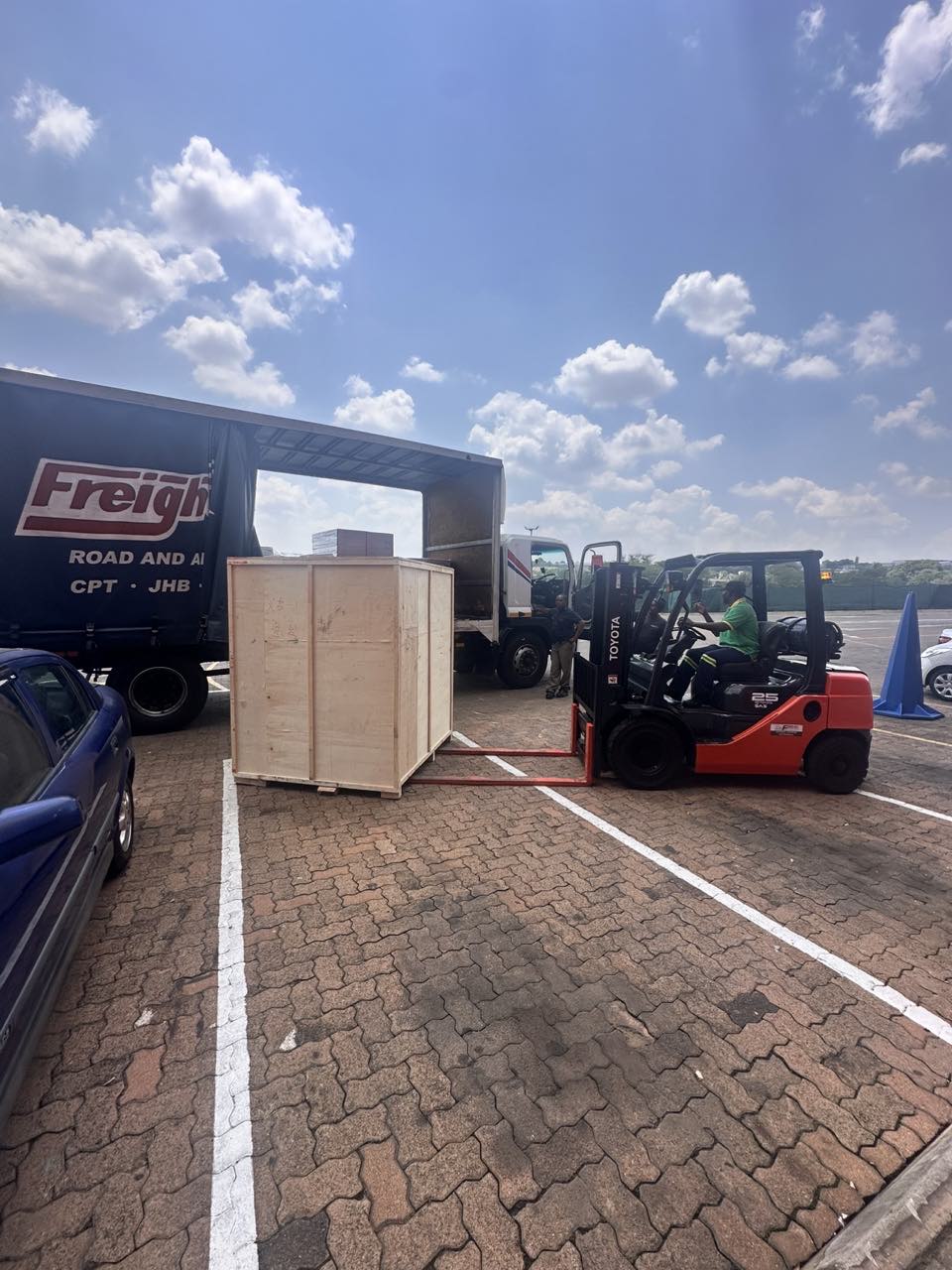
order collection
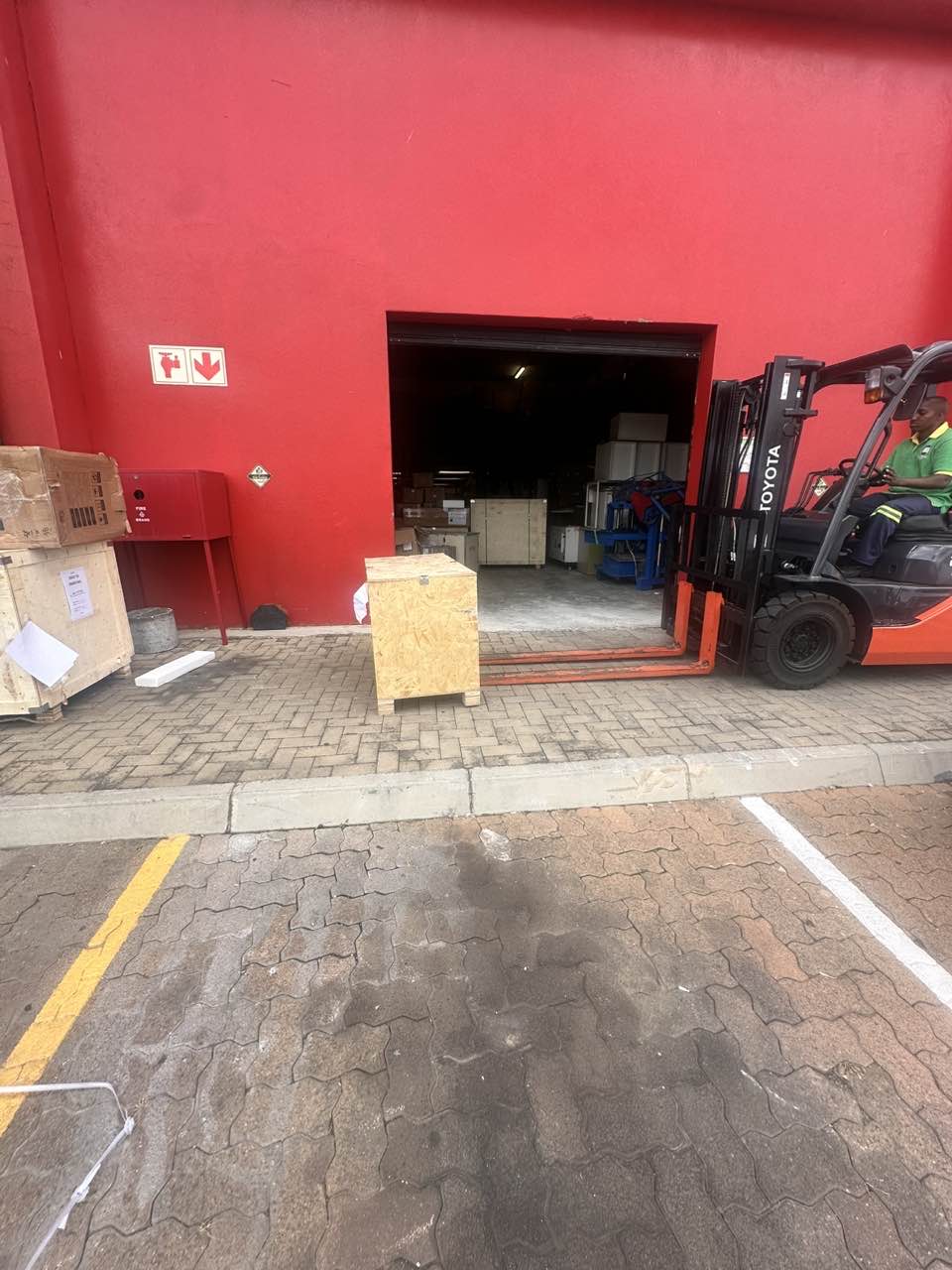
order offloading