B21, China Town Mall, Midrand

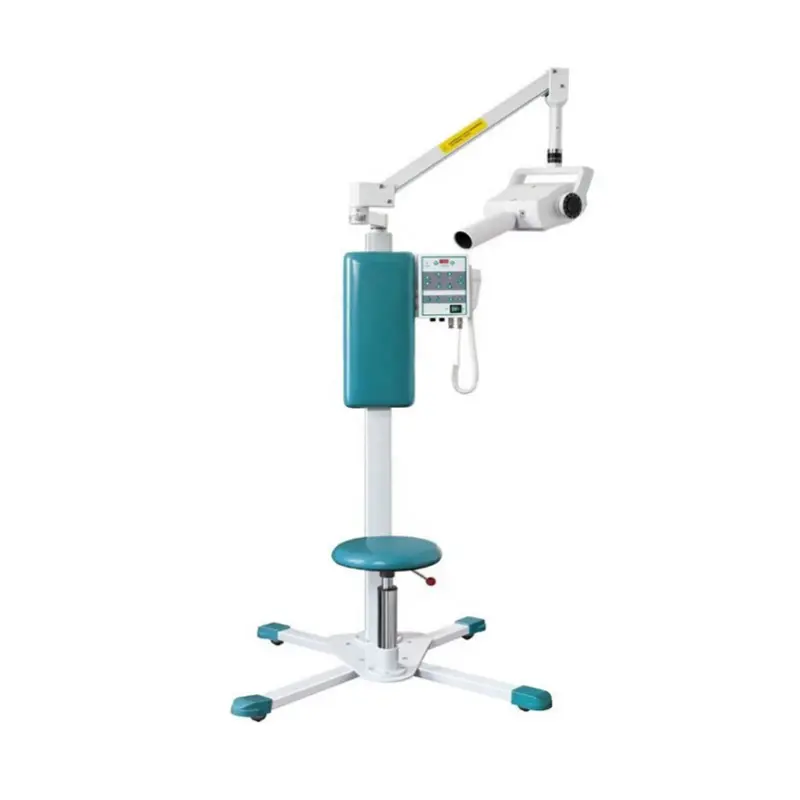
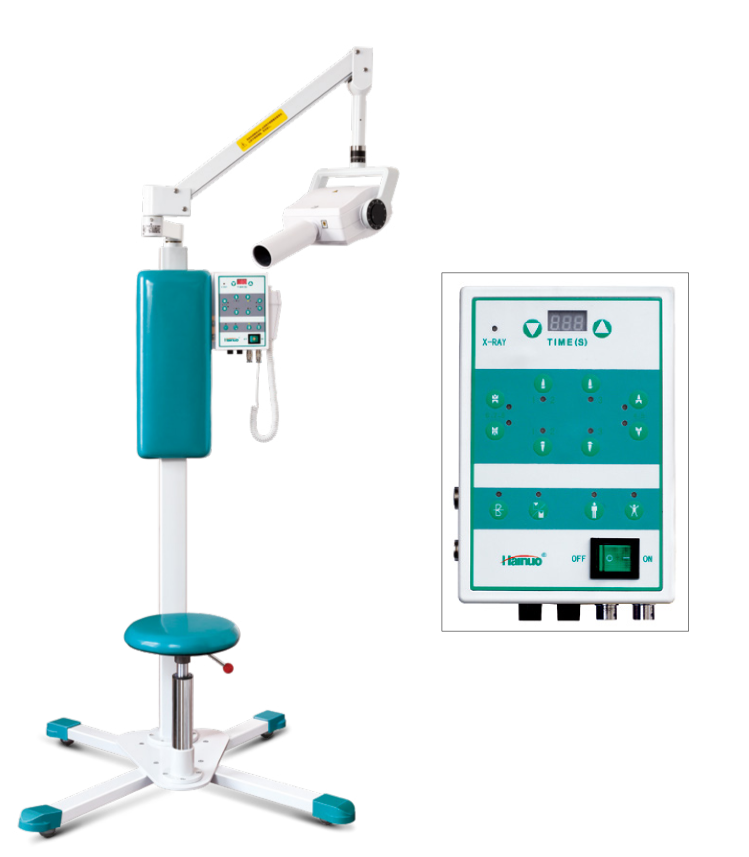
ADM-10D Mobile Dental X-Ray Unit

- Section : Medical Supplies
- Category : Dental Consumables
- SKU : 1600383239988

Product Description
- Shipping Timeframes: All orders are processed within 2-5 business days (excluding weekends and holidays). After your order has been processed, the estimated delivery time is before 22 Jun, 2026, depending on customs, Please note that due to high demand, some items may experience longer shipping times, which will be communicated at order confirmation email.
- Order Processing Time: Please allow 2-5 business days for us to process your order before it is shipped . Orders placed after 16:00 on Fridays, or during weekends and public holidays, will begin processing on the next business day. Processing times may be extended during peak seasons or sales events.
- Manufacturing Time: Some products needs manufacturing time, the manufacturing process will take approximately 10-30 business days depending on the product. This timeframe may vary depending on the complexity of the product and current demand. but this will be communicated with you during order confirmation.
- Returns and Exchanges: We offer a 30-day return policy for most items. If you are not completely satisfied with your purchase, you may return it within 30 days of receipt for a refund or exchange. Items must be unused, in their original packaging, and accompanied by proof of purchase. Return shipping costs are the responsibility of the customer, unless the item was damaged or defective upon arrival.
1. What is the ADM-10D Mobile Dental X-Ray Unit?
The ADM-10D is a portable, cart- or hand-held dental X-ray unit designed to provide intraoral radiographs in clinics, mobile practices and outreach settings. It combines a compact X-ray head with controls for exposure and positioning accessories for dental imaging.
2. Is the ADM-10D suitable for intraoral and extraoral imaging?
The ADM-10D is optimized for intraoral dental radiography (bitewing, periapical, occlusal). For extraoral modalities such as panoramic or cephalometric imaging, dedicated stationary systems are generally required.
3. How portable is the ADM-10D and what are its typical dimensions and weight?
The unit is designed for mobility and typically features a compact X-ray head and optional wheeled cart. Exact dimensions and weight vary by configuration — check the product specification sheet or contact the supplier for precise measurements.
4. What power sources does the ADM-10D support (battery/AC)?
Many mobile X-ray units offer AC power operation and an internal rechargeable battery for cordless use. Confirm whether the ADM-10D includes a battery option and rated runtime in the official technical specifications.
5. What exposure controls are available on the ADM-10D?
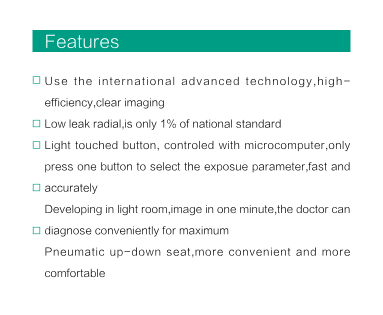
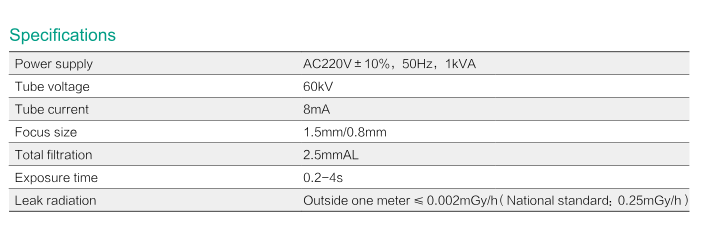
The ADM-10D typically provides selectable exposure time and may offer adjustable kV and mA or preset exposure programs for adults and children. Exact control options and ranges should be verified in the product manual.
6. What image receptors are compatible with the ADM-10D?
The unit is compatible with standard intraoral receptors including digital sensors (CCD/CMOS), phosphor plate systems (PSP), and conventional film. Sensor compatibility depends on positioning and collimation—confirm with the sensor manufacturer as needed.
7. What is the radiation dose and how safe is the ADM-10D for patients and operators?
Radiation dose depends on exposure settings and receptor sensitivity. The ADM-10D is designed to meet relevant safety standards; operators should use appropriate collimation, the lowest effective exposure settings, and shielding or distance to minimize exposure. Always follow ALARA principles.
8. What safety features does the ADM-10D include for operator and patient protection?
Typical safety features include a beam-limiting cone (collimator), shielding around the X-ray head, key switch or interlock, exposure indicator, and timer. Operators should also use protective garments and maintain recommended distances during exposure.
9. Is the ADM-10D certified or compliant with regulatory standards (FDA, CE)?
Regulatory approvals vary by region and model. Check the product labeling or supplier documentation for specific certifications such as FDA 510(k) clearance (U.S.) or CE marking (EU) and compliance with IEC standards for dental X-ray equipment.
10. How do I perform routine maintenance and cleaning on the ADM-10D?
Routine maintenance generally includes cleaning the exterior surfaces with manufacturer-approved disinfectants, inspecting cables and connectors, checking mounting hardware, and verifying exposure accuracy via test tools. Refer to the user manual for detailed maintenance procedures and schedules.
11. What accessories are available for the ADM-10D?
Common accessories include positioning rings/cones, alignment tools, wheeled carts or stands, batteries and chargers, protective aprons, sensor holders, and transport cases. Availability depends on the supplier and package options.
12. Does the ADM-10D integrate with dental imaging software or PACS?
Integration depends on the imaging workflow. The unit itself produces X-ray exposures; digital receptor and imaging software handle acquisition and DICOM/PACS connectivity. Confirm compatibility with your digital sensors and imaging software vendor.
13. What warranty and service options are offered for the ADM-10D?
Warranty terms and service plans vary by manufacturer and reseller. Typical offerings include a limited warranty for parts and labor and optional extended service contracts. Ask the supplier for the specific warranty period and available maintenance/service packages.
14. What training or user support is available for new ADM-10D users?
Manufacturers or distributors commonly provide user manuals, quick-start guides, online resources, and training sessions (onsite or remote). Confirm what training is included with purchase and whether additional training or certification is available.
15. How do I order replacement parts or request repairs for the ADM-10D?
Contact the authorized dealer or the manufacturer's service department to order replacement parts or schedule repairs. Provide the unit model, serial number and a description of the issue. Use only approved parts and authorized service centers to maintain safety and warranty coverage.
Latest Order Arrivals
Discover our latest orders
12 Heads Embroidery Machine
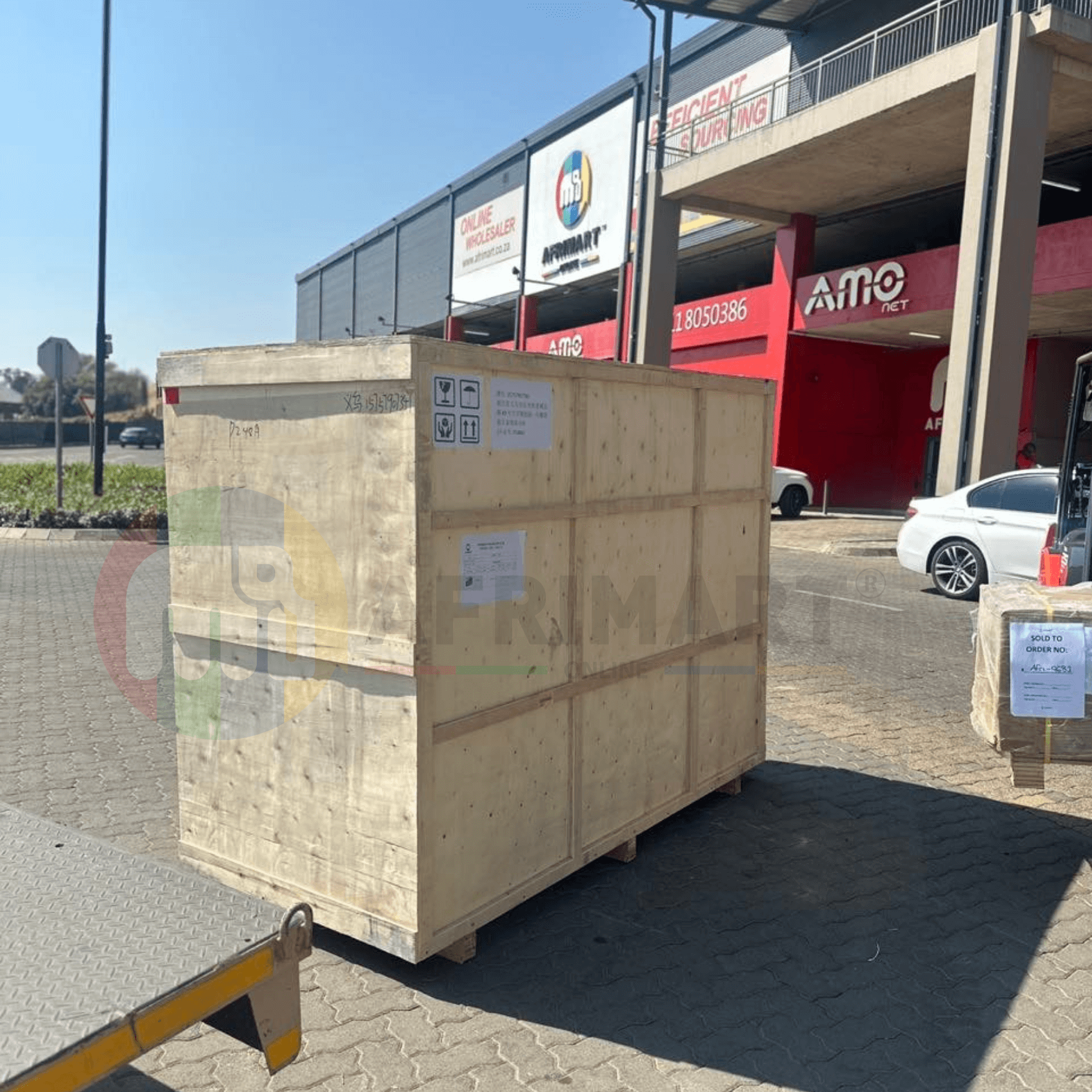
Dewatering Pump Machine
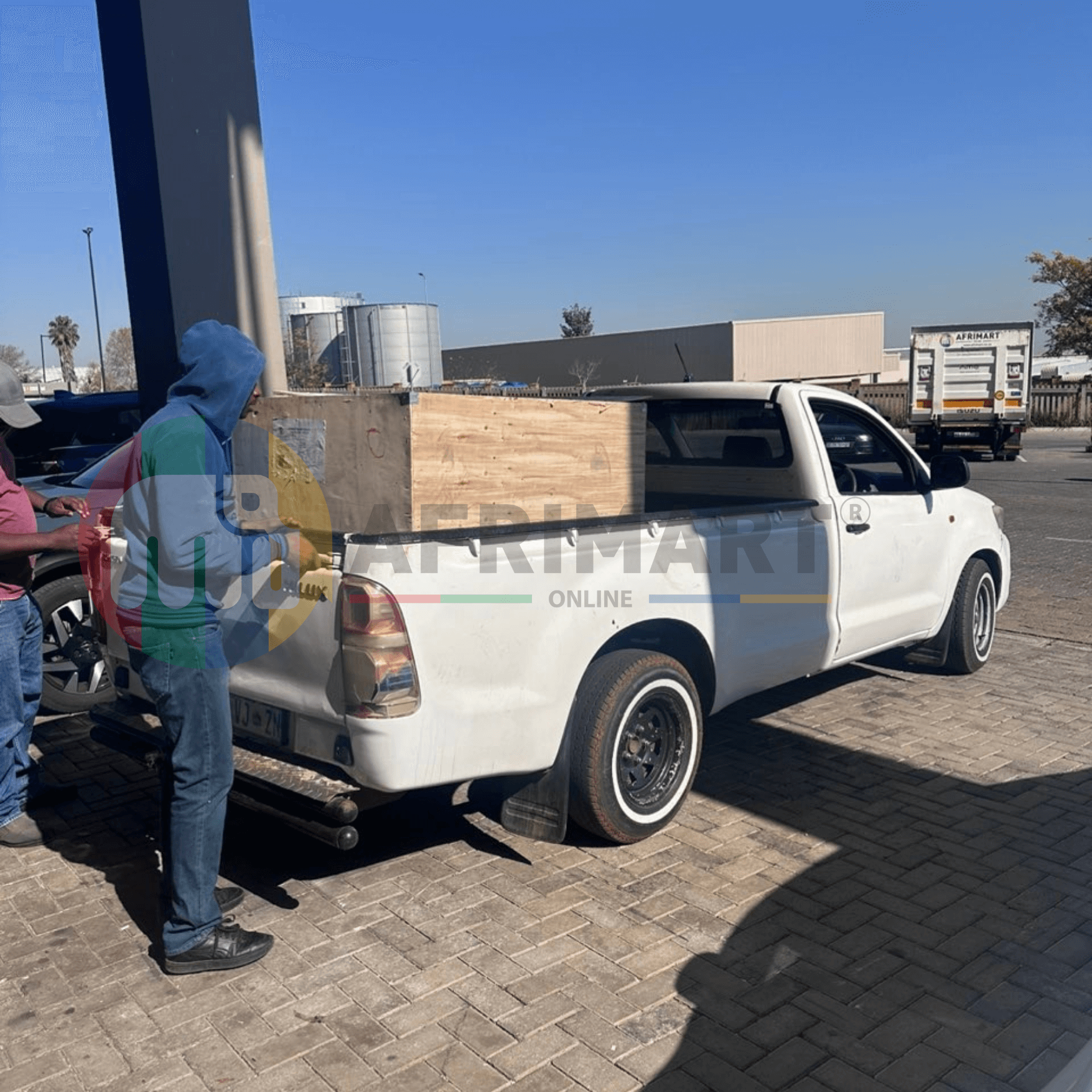
Order Collection
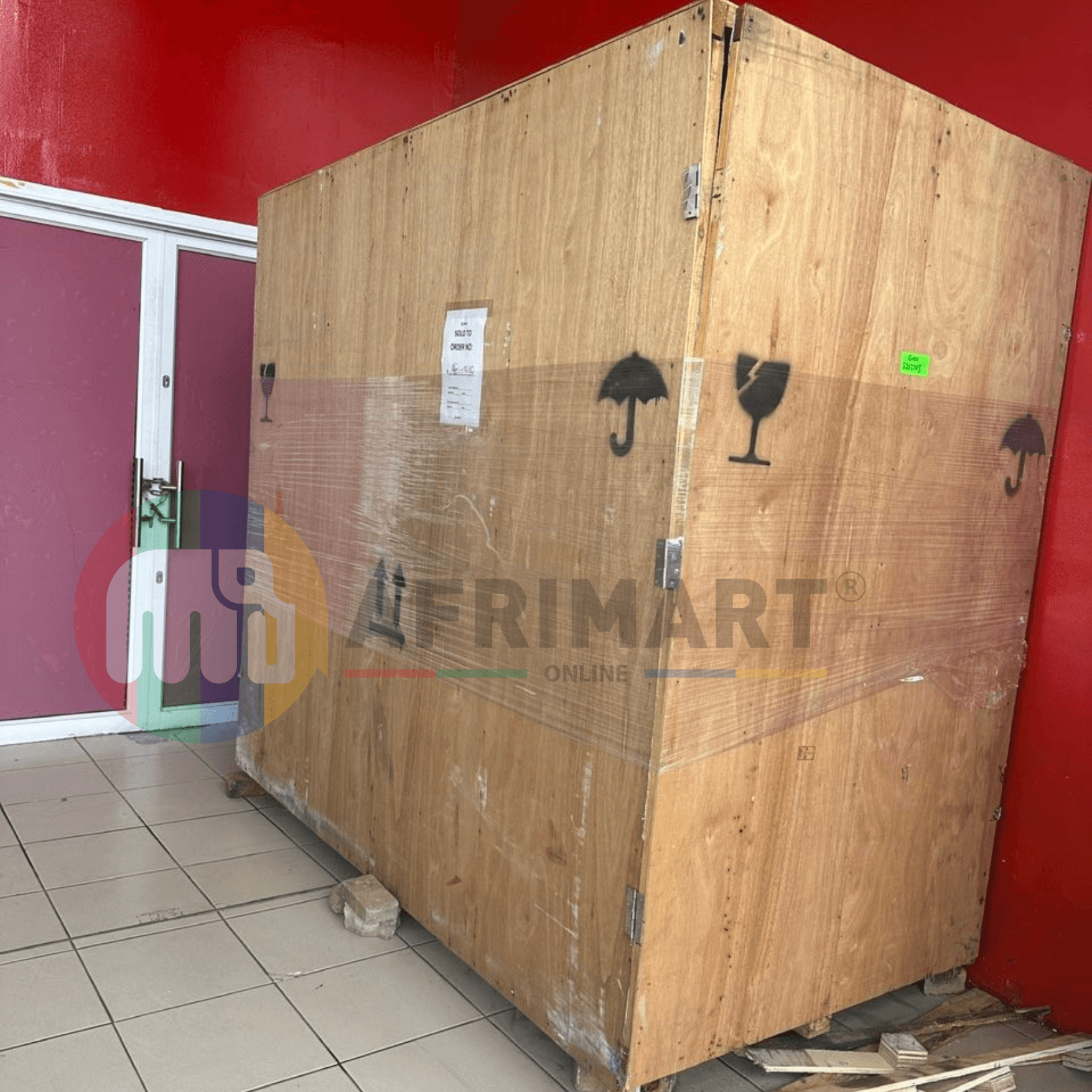
Portable Water Drilling Rig
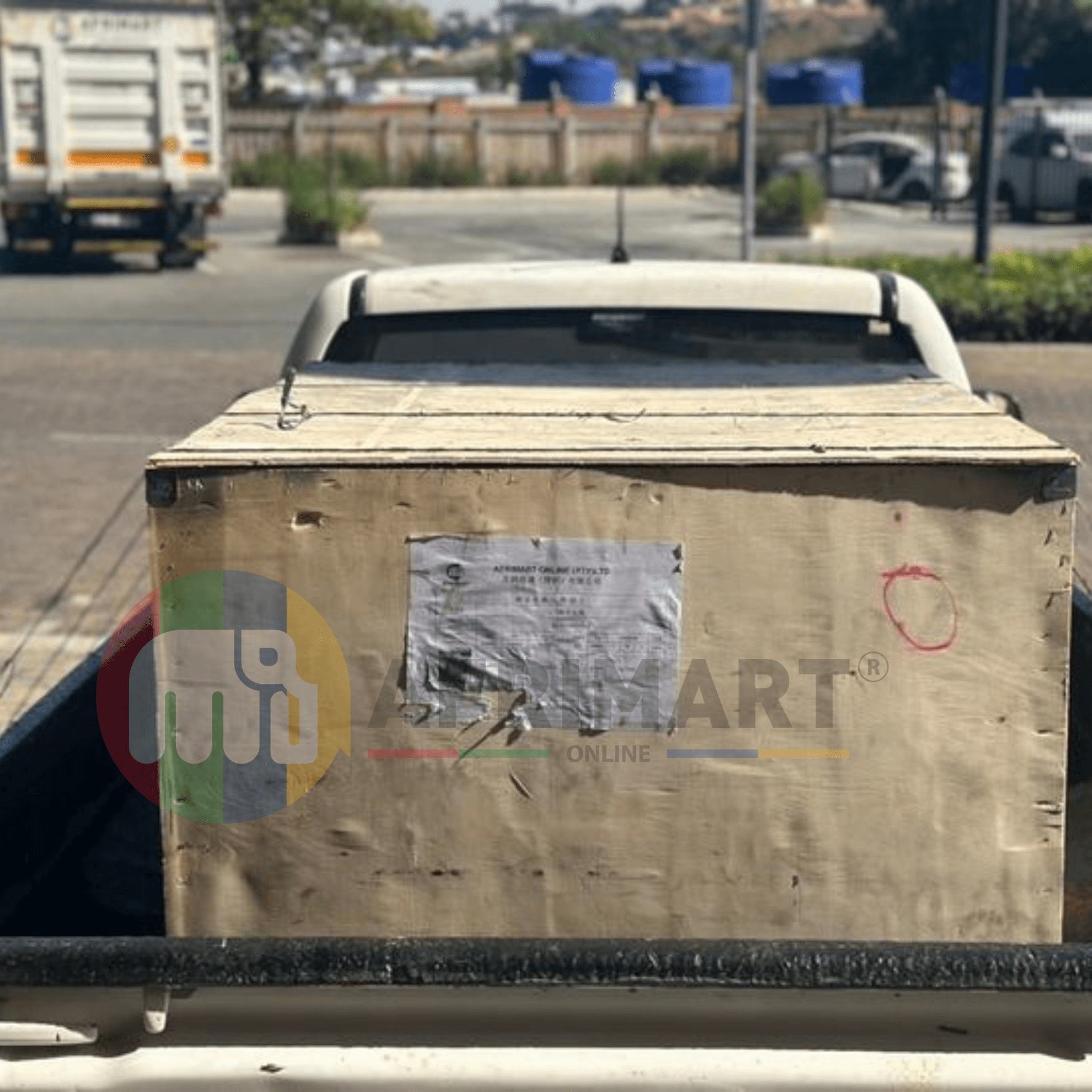
Order Usefully Collected
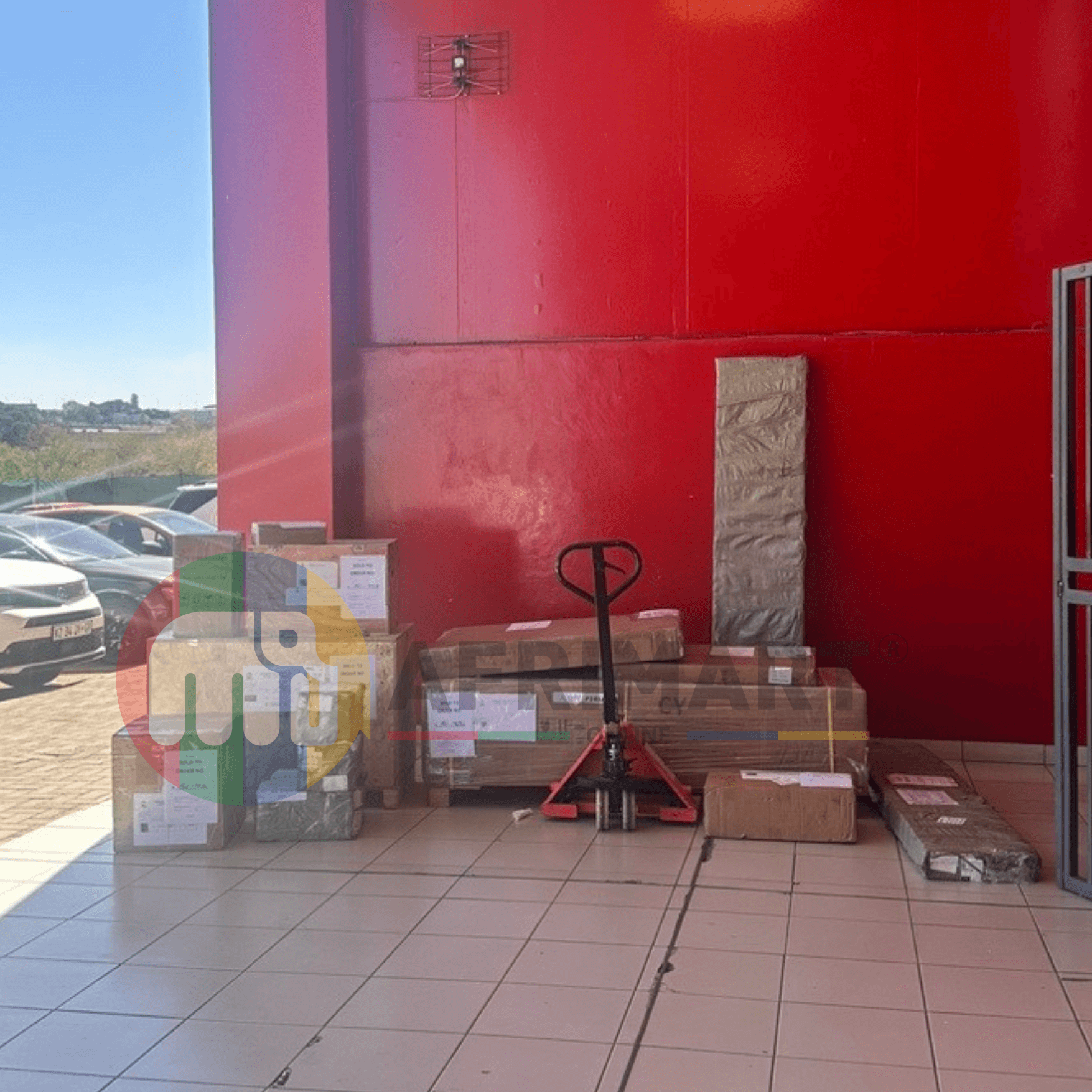
Batch of Orders
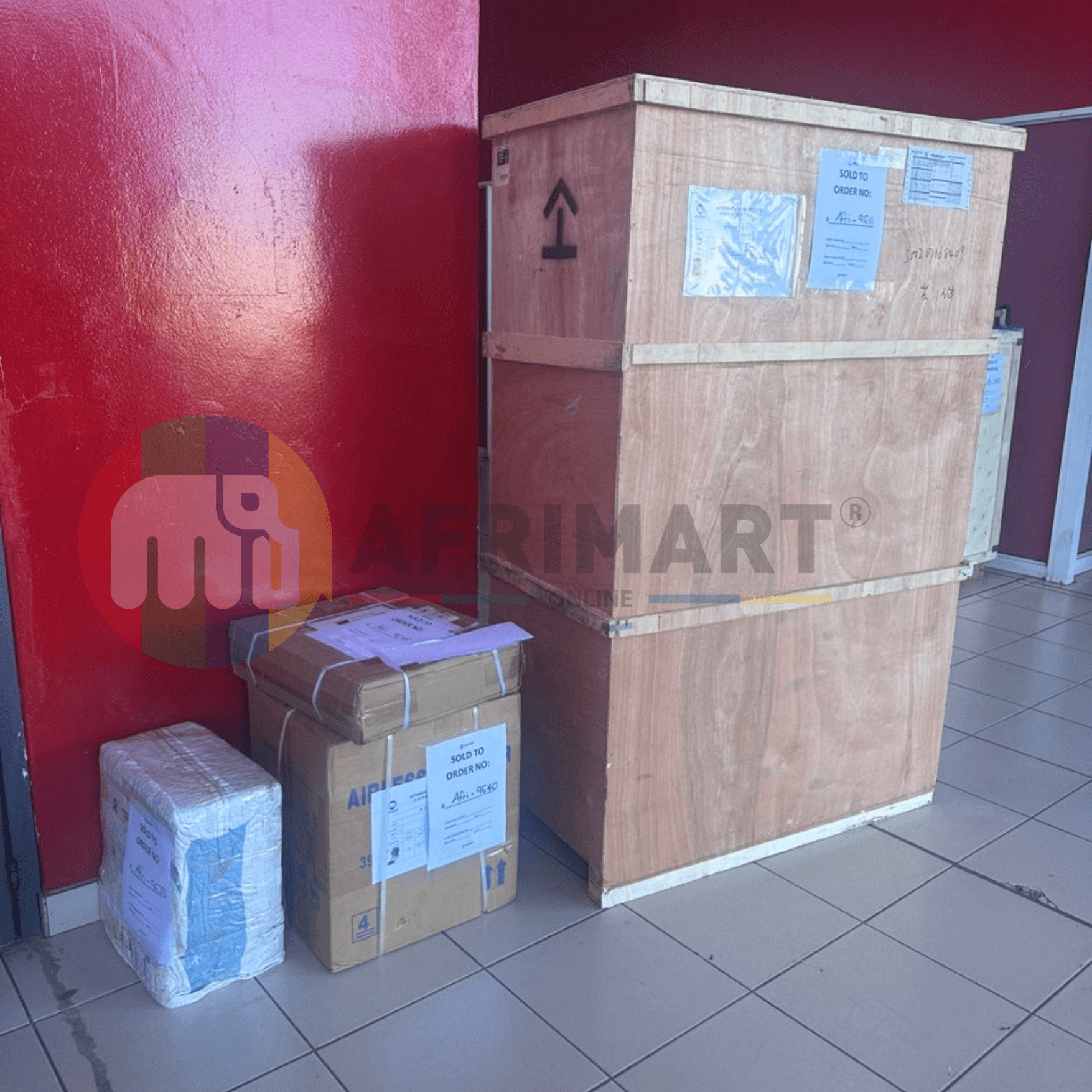
Agriculture Processing Machines
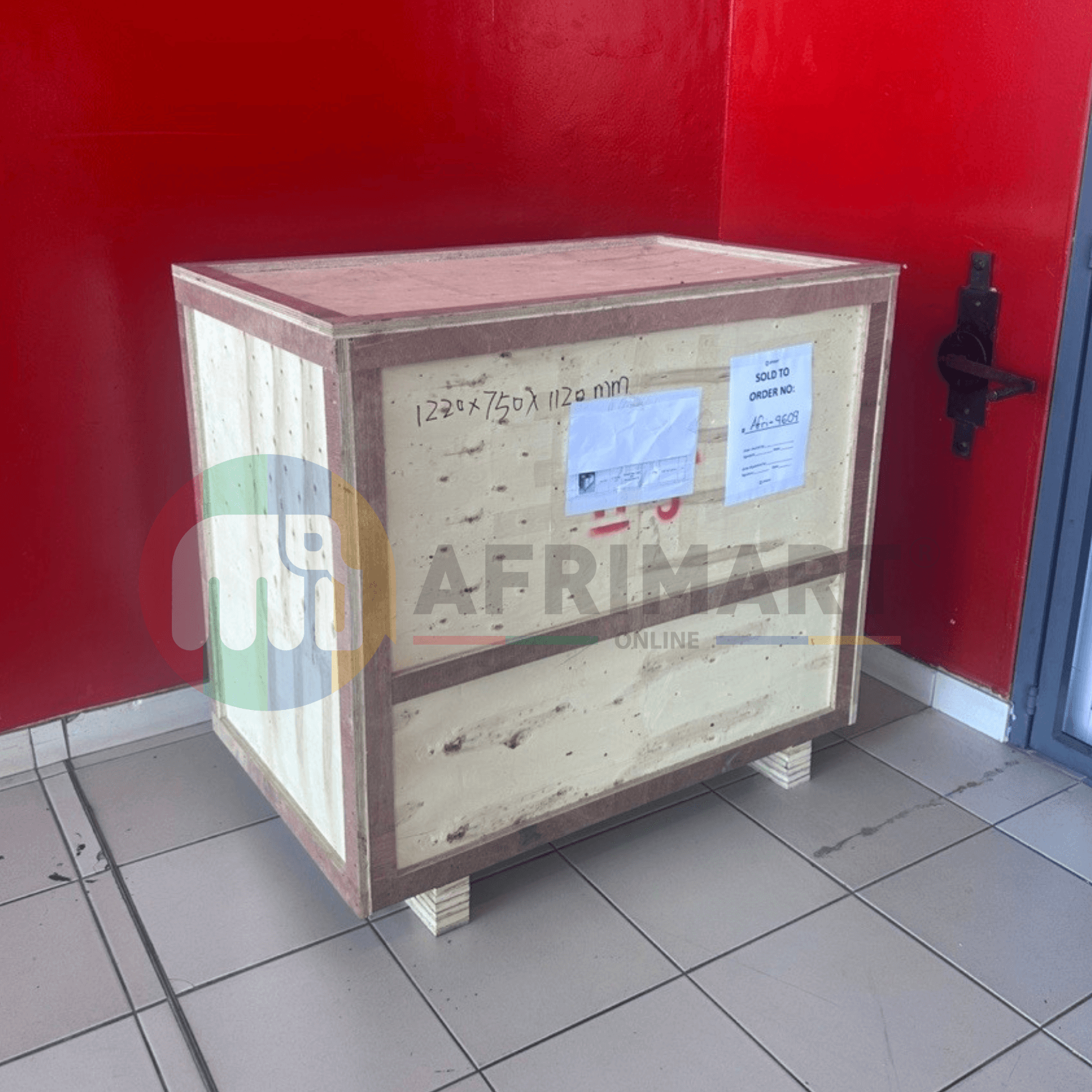
Meat Grinder Machine
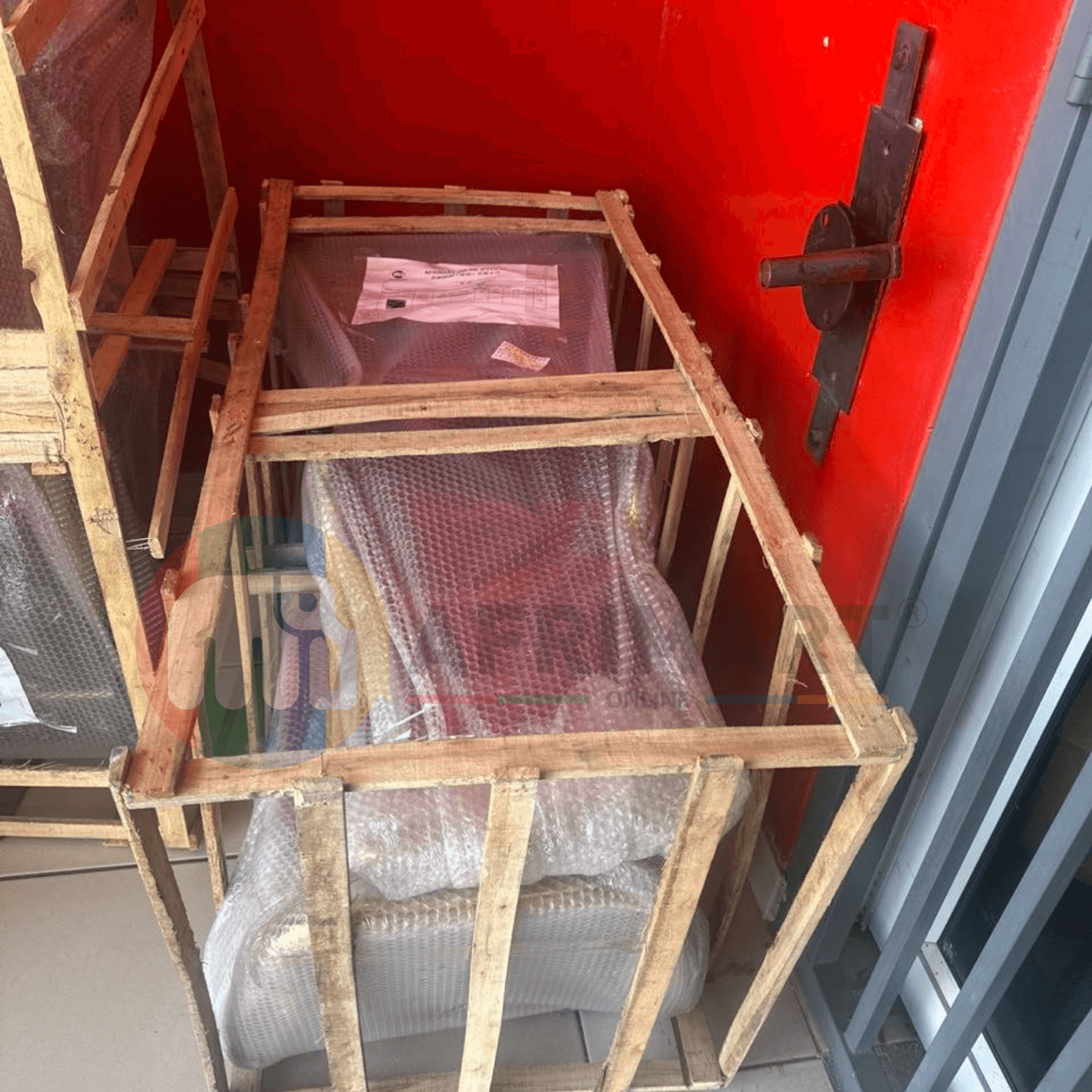
Water Pump Equipment
Packaging Machine and accessories
Fabrics Manufacturing Equipment
Mining Equipments
Food Processing Machine
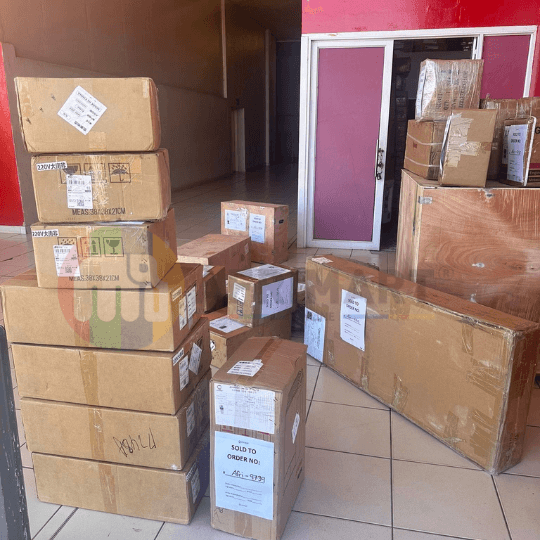
Batch of Orders
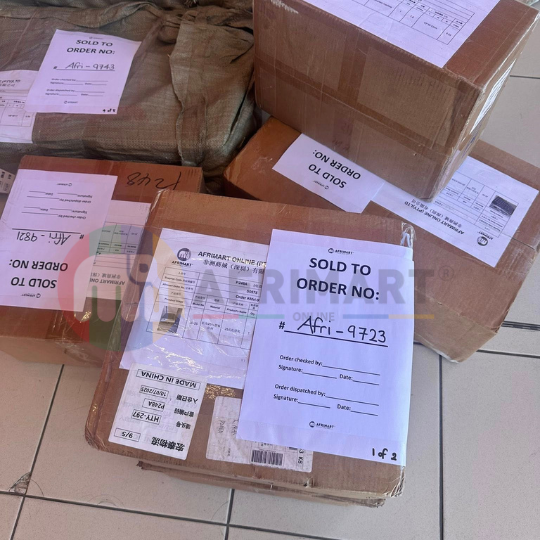
Batch of Orders
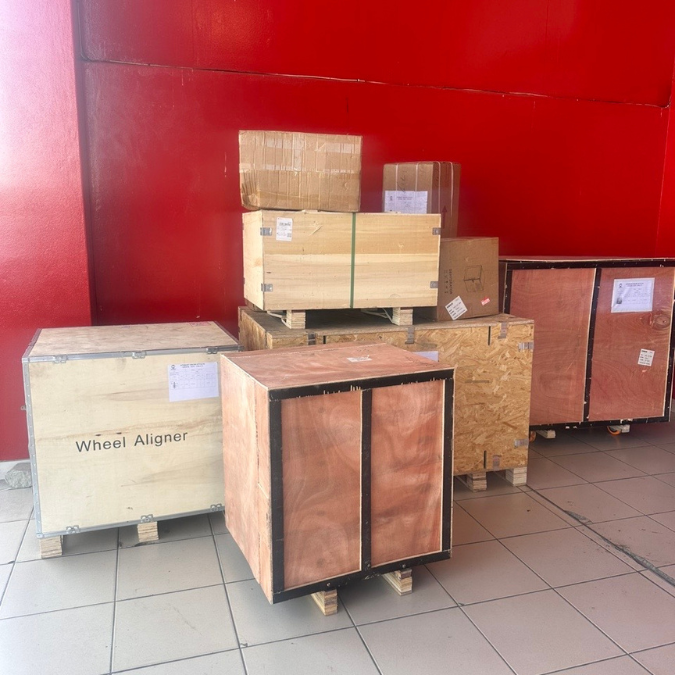
Latest Orders Labelled
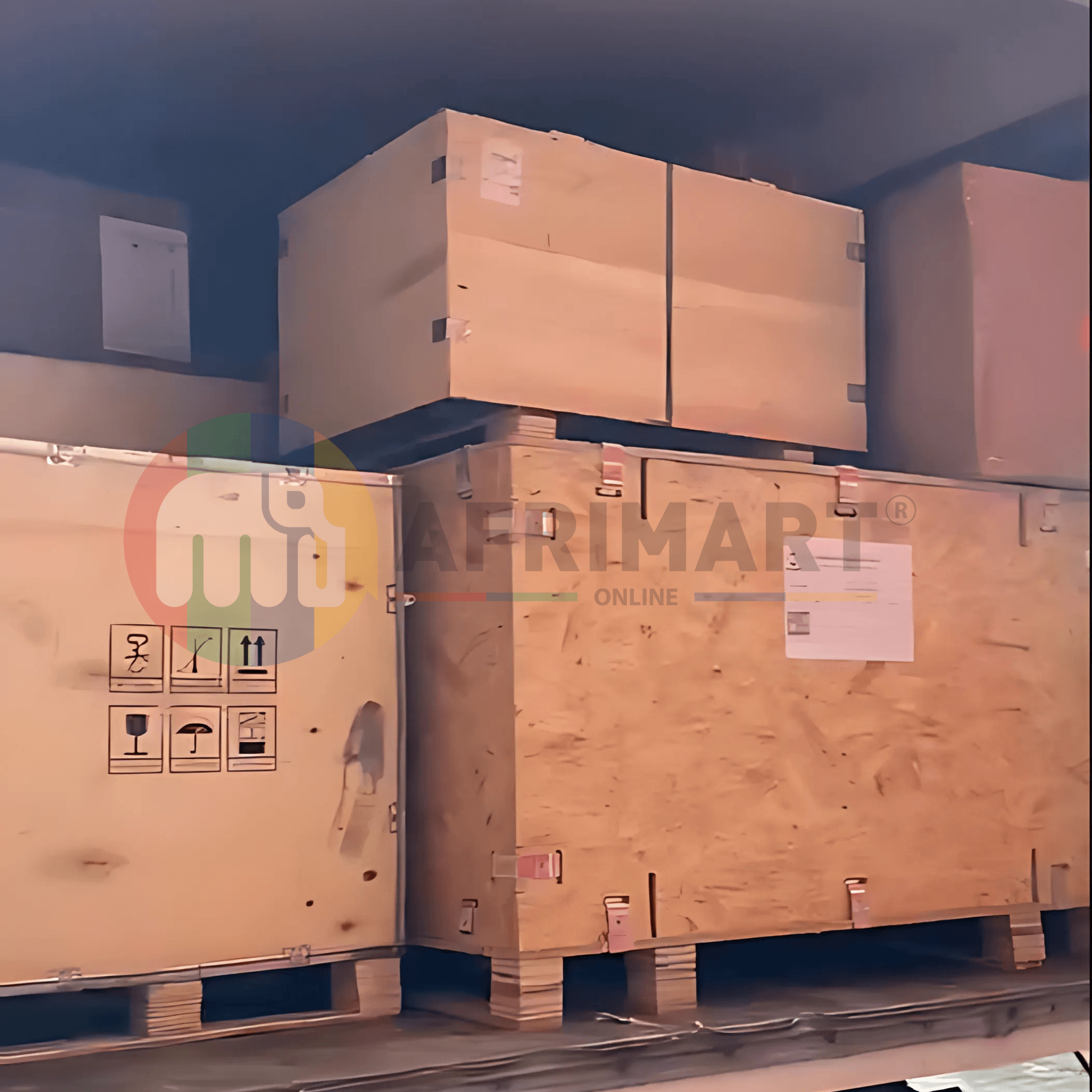
wheel alignment machines
new arrivals
Pre Orders Offloading
Latest Arrivals
Latest Arrivals
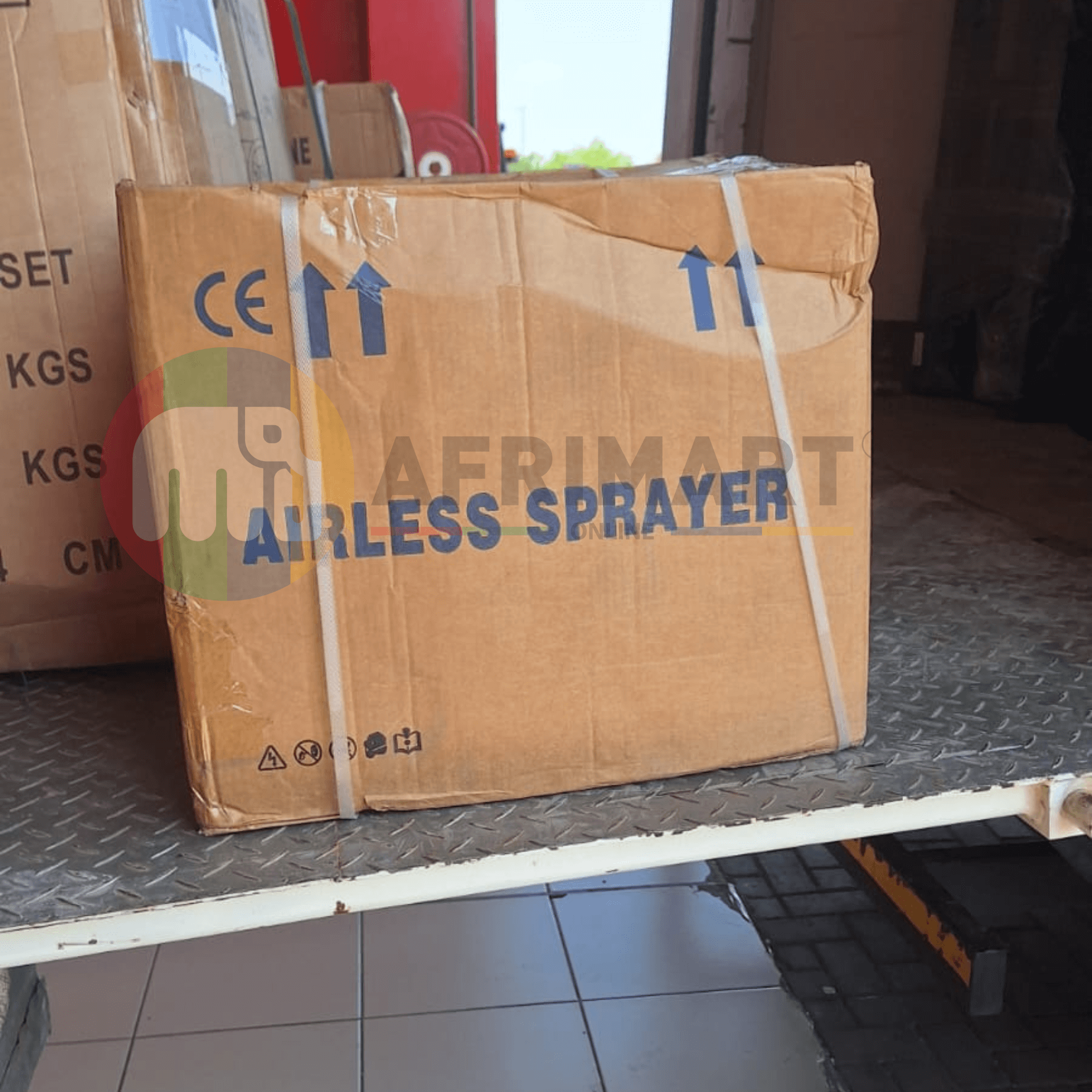
Latest Arrivals
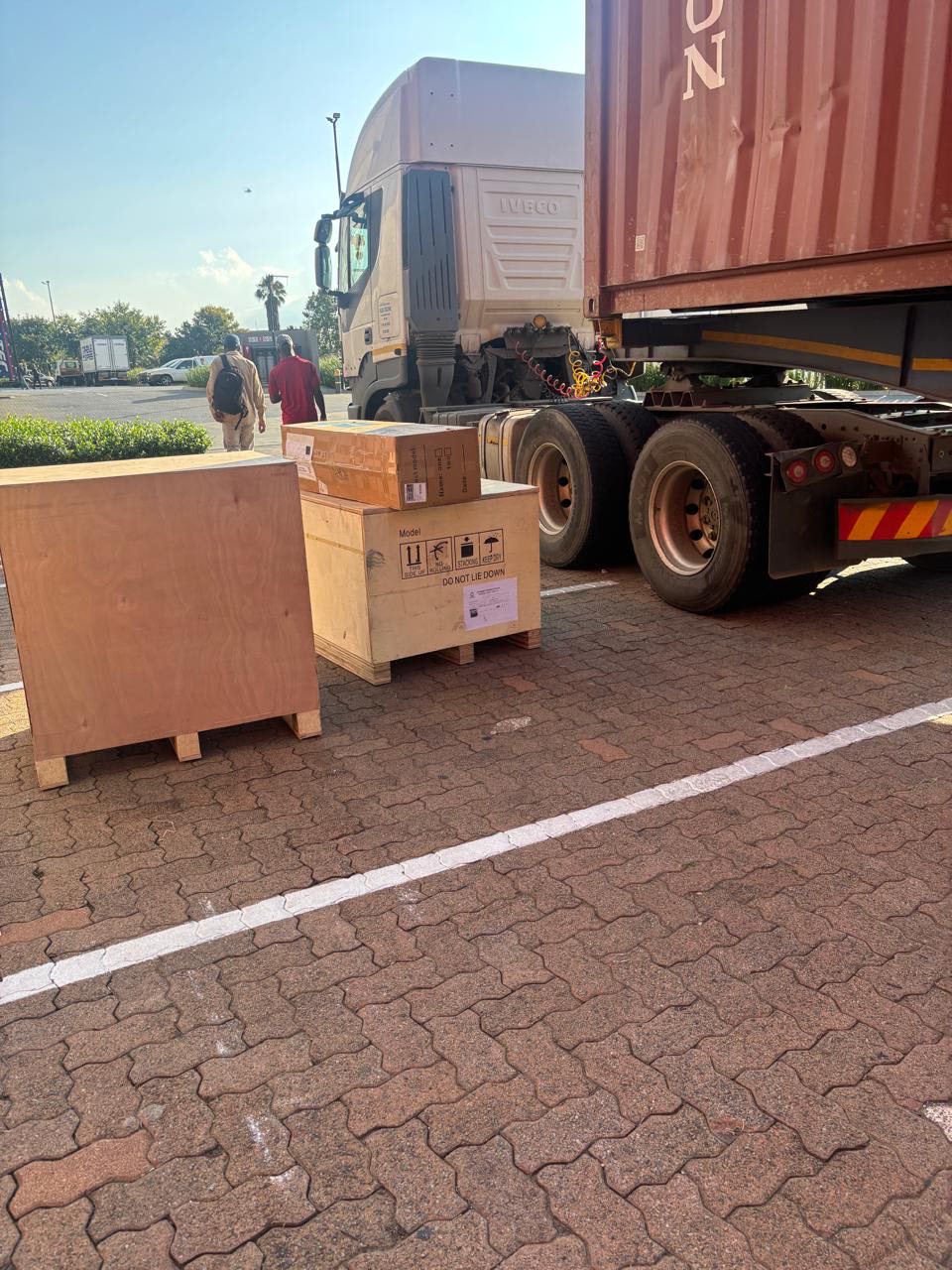
26 January 2026
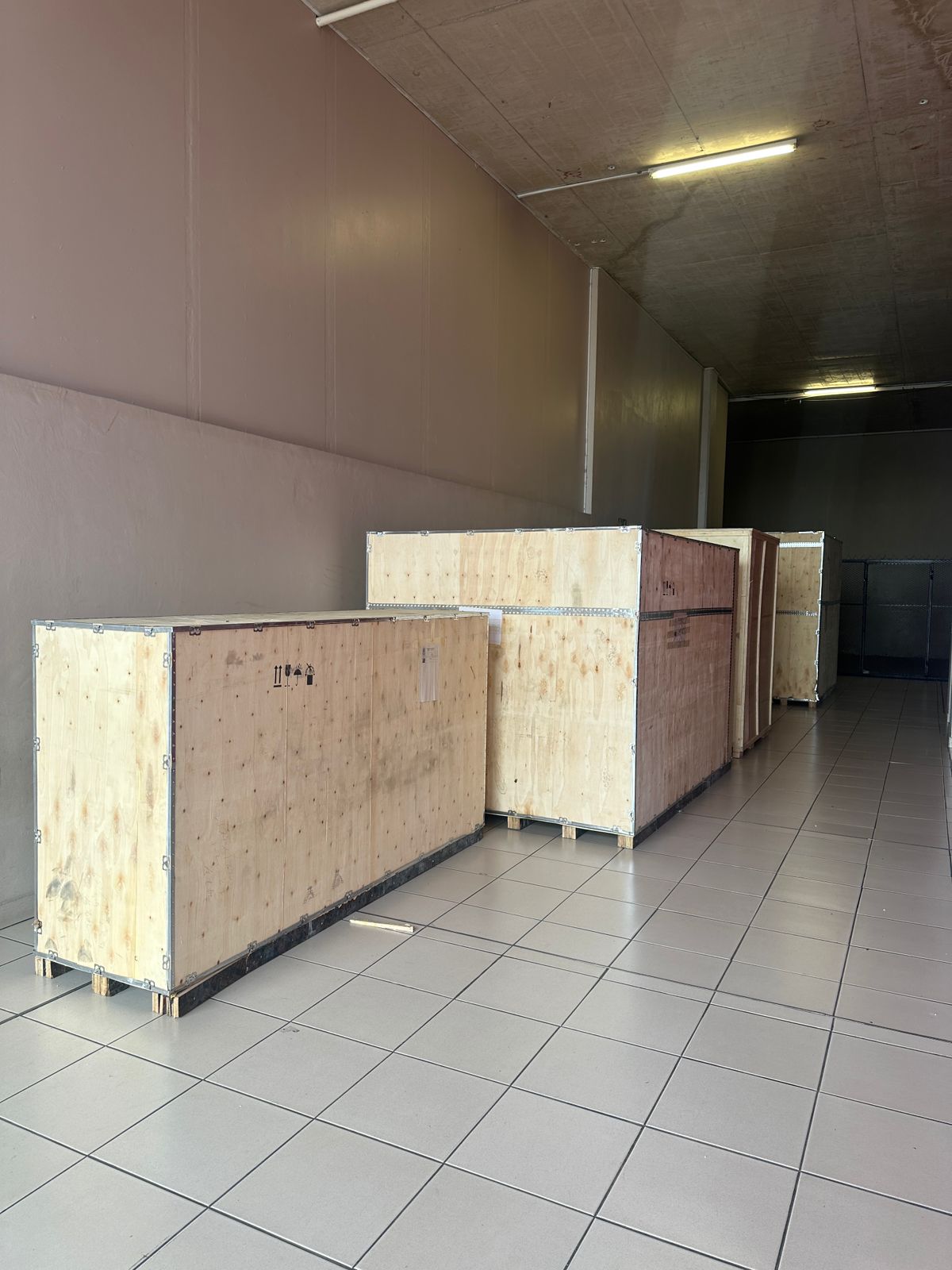
Toilet paper making machine
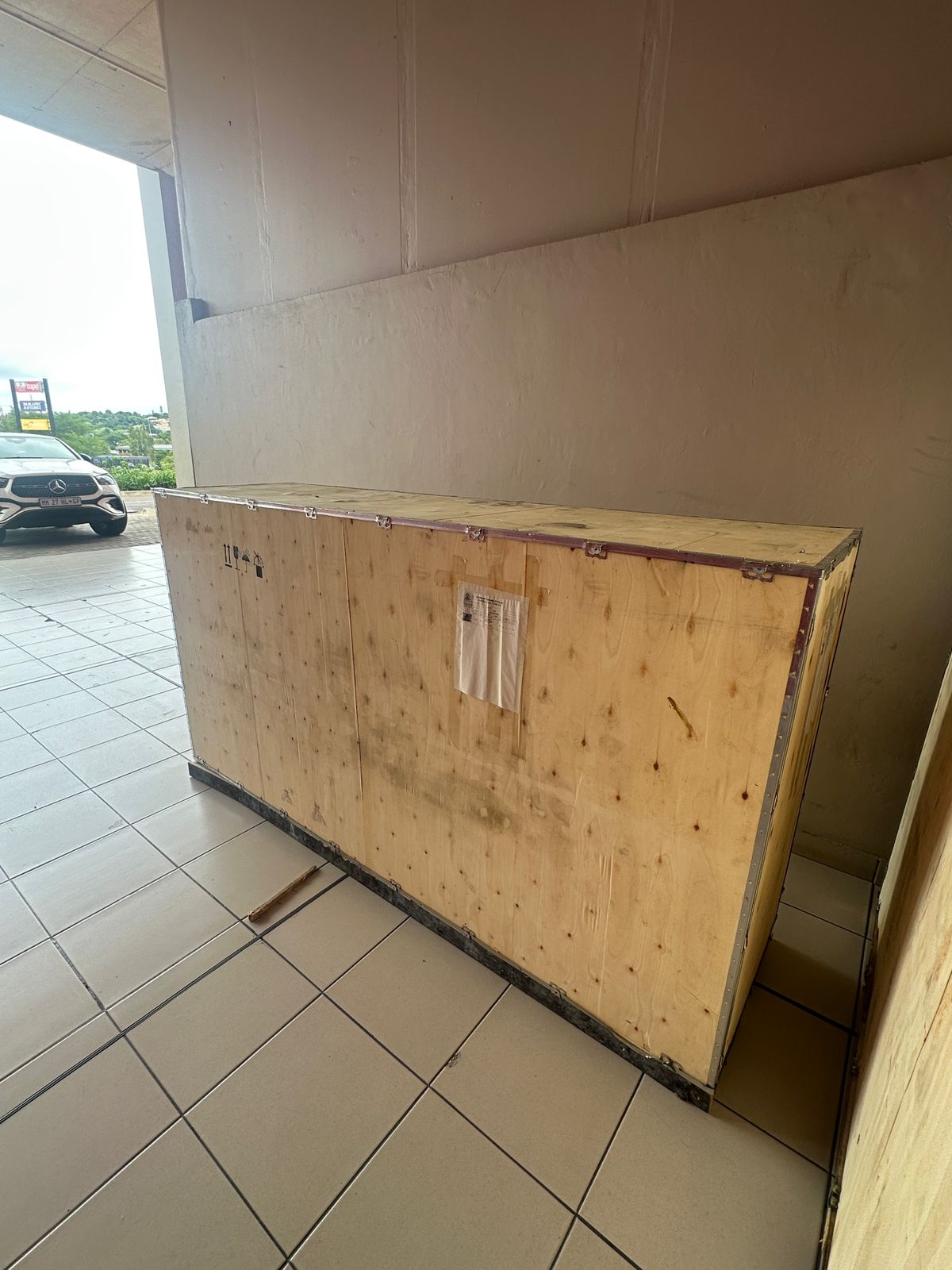
Toilet paper making machine
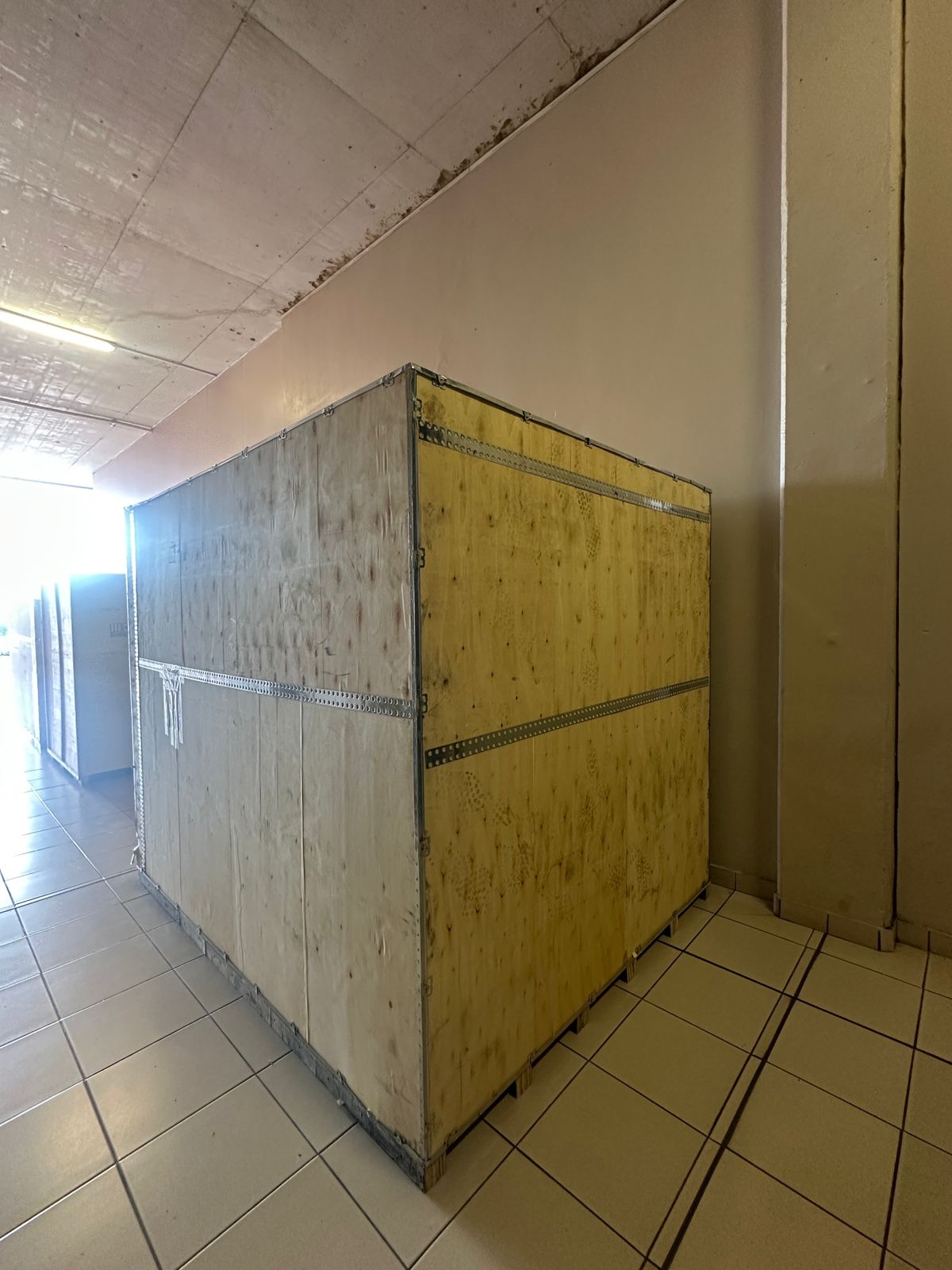
Toilet paper Rewinding Machine
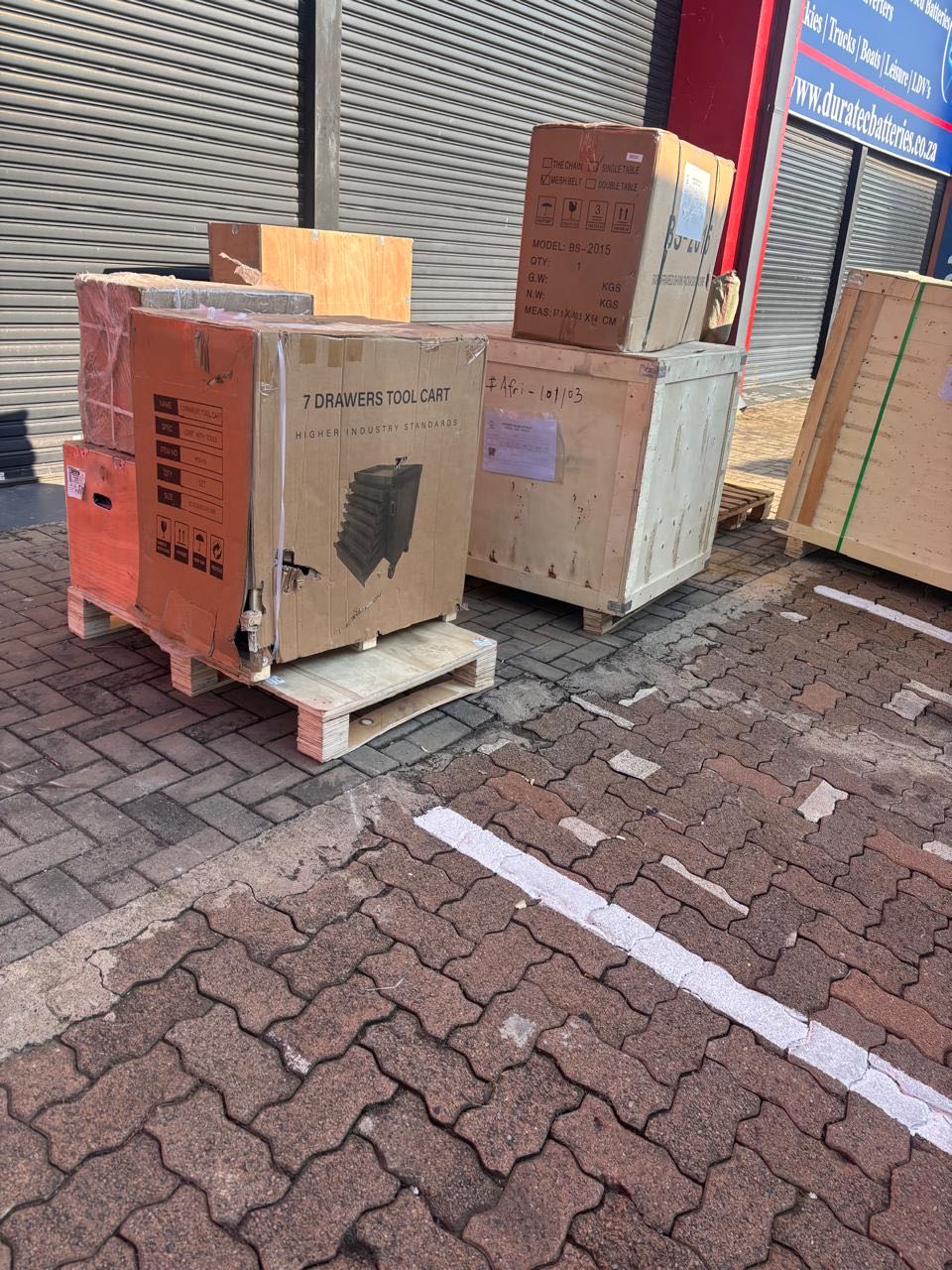
latest arrivals
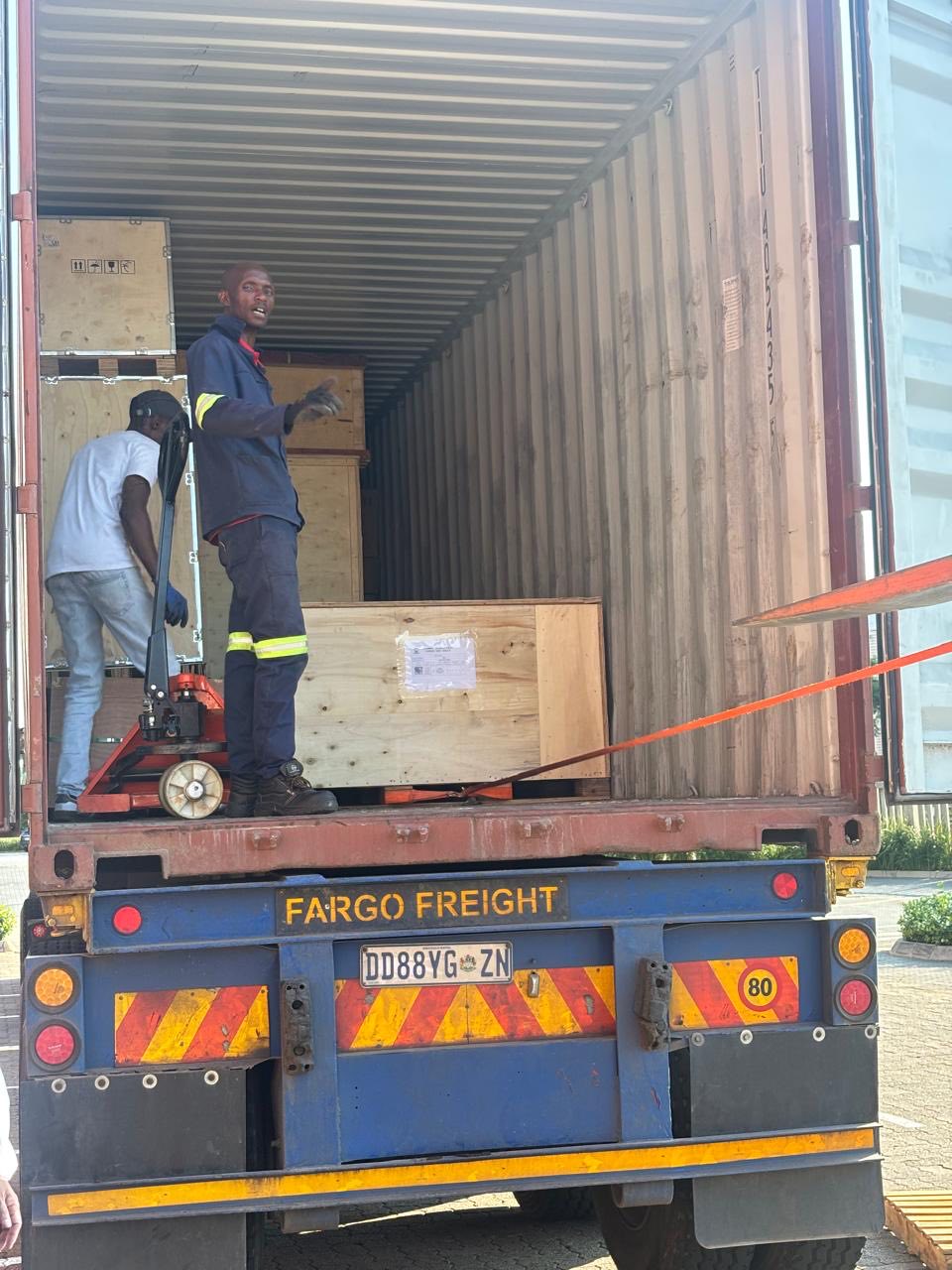
offloading
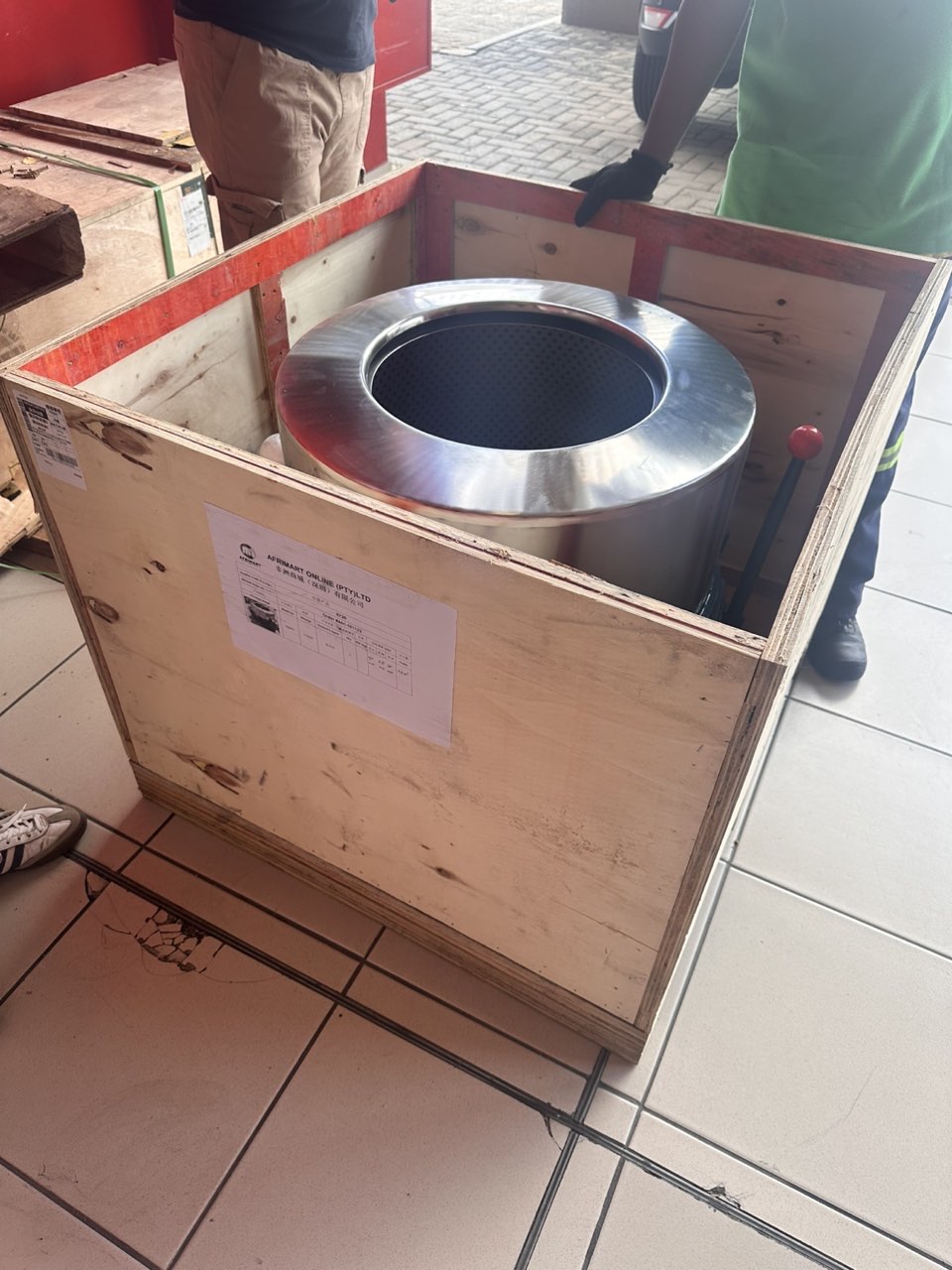
order success
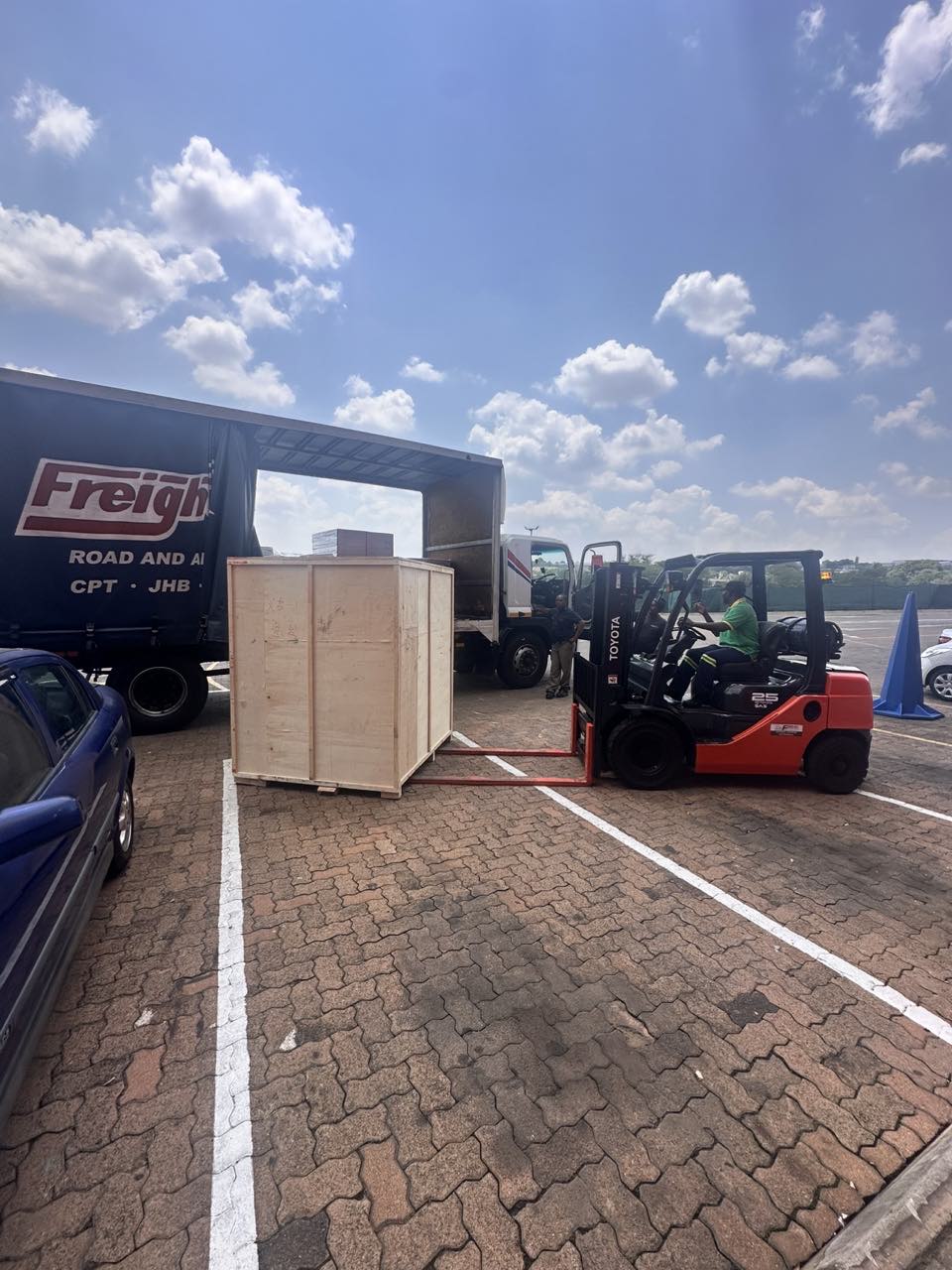
order collection
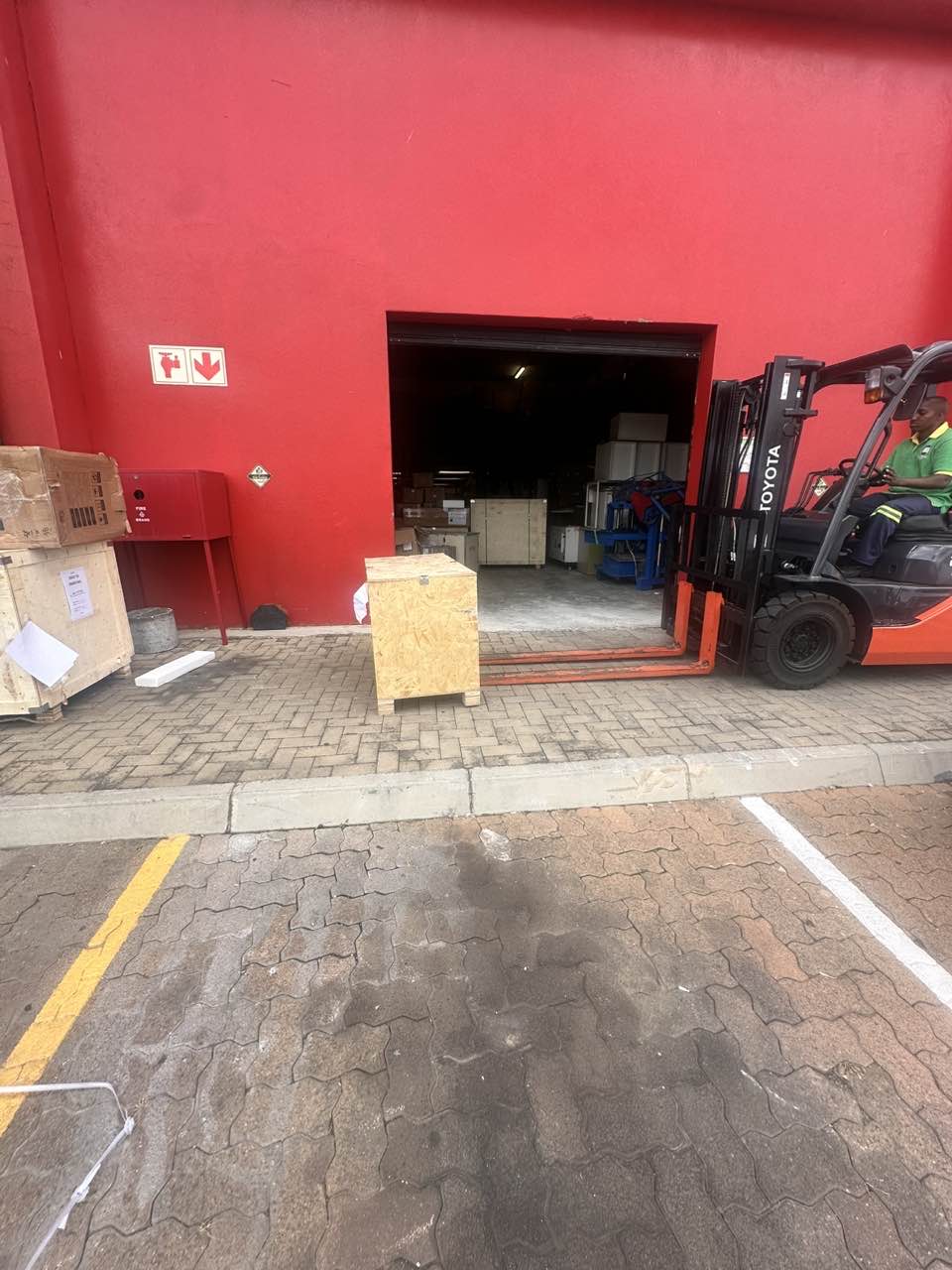
order offloading