B21, China Town Mall, Midrand

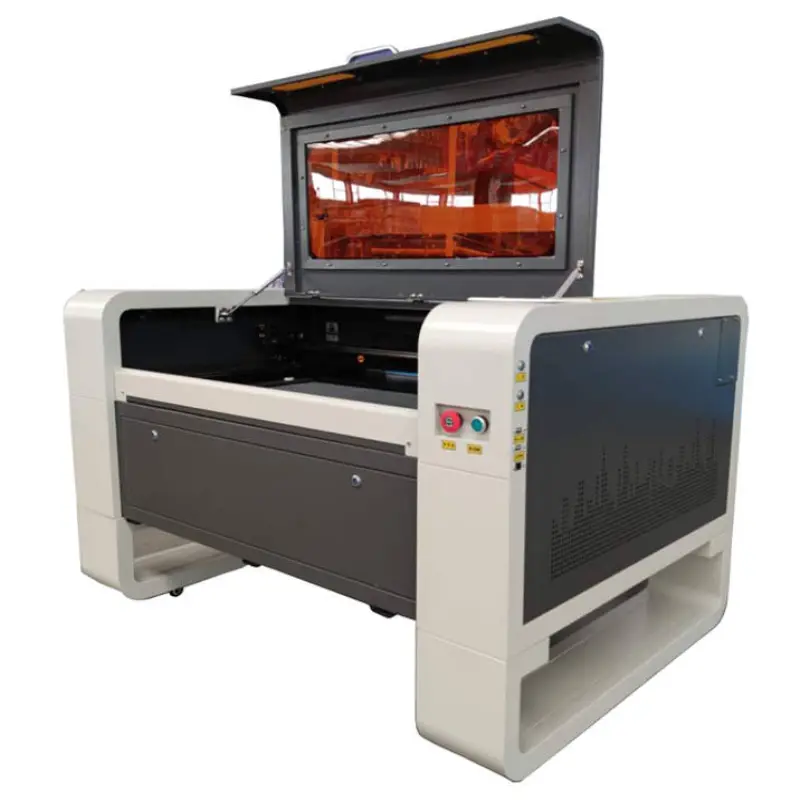
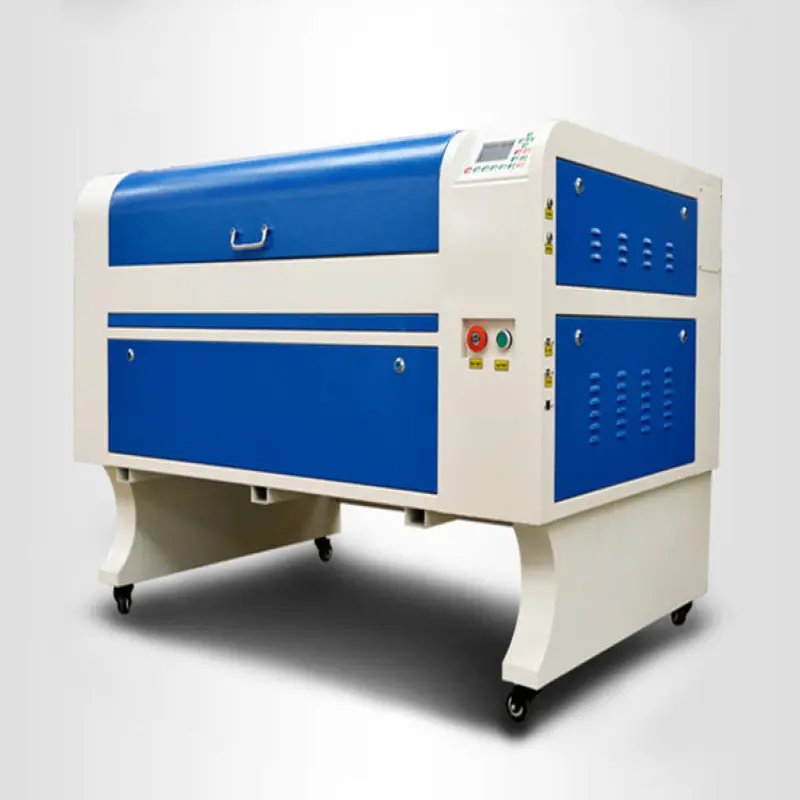
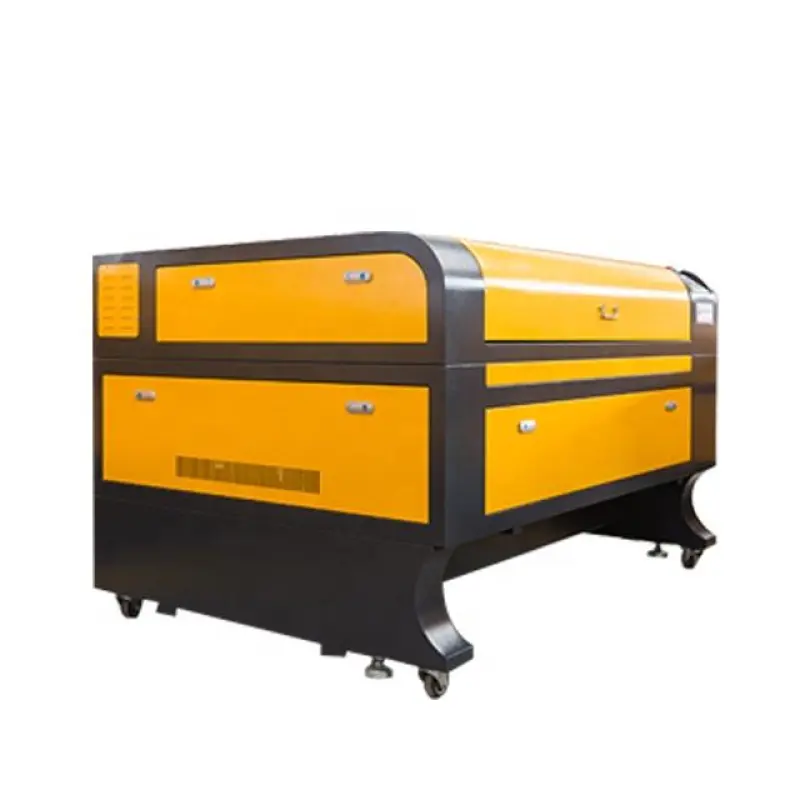
9060 Laser Engraving Cutting Machine (60W) Industrial Laser Equipment

- Section : Machinery
- Category : Industry Laser Equipment
- SKU : 62358506464



Our products can be selected according to the customer's work needs.


| Water chiller | Water chiller has a better cooling effect, which will let machine and laser tube have a longer service life. |
| Blade work platform | It can reduce the reflection of light and make the engraving effect better. |
| Chuck | Chuck Rotary is for irregular objects, like tapered, etc.Non-standard Chuck Rotary is for regular objects, like rounded, cylindrical, etc. |


Applicable Material
♦Acrylic ♦Crytal ♦Glass ♦Leather ♦MDF ♦Paper ♦Plastic ♦Plexiglass ♦Plywood ♦Rubber
♦Stone ♦Wood ♦Other non-metal
Engraving effect
Our products are widely applicable and well carved.


Detailed Images
The main parts of our products are high-quality industrial-grade accessories.
1. Laser Head
-- Laser head can stop focus lens from polluting.-- Laser head will make effect of engraving and cutting better.
2.Sealed-off Glass CO2 Laser Tube
-- Longer service life.-- More steady.
-- Higher efficiency.-- High precision.-- Small facula.


3. Electric Up-down Work Table.
-- Work table can be Up and Down freely to put higher objects in this machine.
4. Stepper Motor
-- Leadshine brand.-- High torque.-- Low heat.-- Low running noise.-- Stable operation .


5. X-Y Plotter
-- Taiwan HIWIN brand.
-- Linear square guideway.
-- High speed and high precision.
-- Long service life.
6. Control Panel and Mainboard
-- RuiDa brand. It's famous and popular.
-- It has their own system for engraving and cutting. Don't need to install extra work software.
-- It has multi-language function.
-- It has an ability to choose intelligently a good work path to engrave and cut.


Size Information
Cutting depth of different power and material.Please choose the product according to your needs.

- Shipping Timeframes: All orders are processed within 2-5 business days (excluding weekends and holidays). After your order has been processed, the estimated delivery time is before 19 Feb, 2026, depending on customs, Please note that due to high demand, some items may experience longer shipping times, which will be communicated at order confirmation email.
- Order Processing Time: Please allow 2-5 business days for us to process your order before it is shipped . Orders placed after 16:00 on Fridays, or during weekends and public holidays, will begin processing on the next business day. Processing times may be extended during peak seasons or sales events.
- Manufacturing Time: Some products needs manufacturing time, the manufacturing process will take approximately 10-30 business days depending on the product. This timeframe may vary depending on the complexity of the product and current demand. but this will be communicated with you during order confirmation.
- Returns and Exchanges: We offer a 30-day return policy for most items. If you are not completely satisfied with your purchase, you may return it within 30 days of receipt for a refund or exchange. Items must be unused, in their original packaging, and accompanied by proof of purchase. Return shipping costs are the responsibility of the customer, unless the item was damaged or defective upon arrival.
1. What materials can the 9060 Laser Engraving Cutting Machine process?
The 9060 works with a wide range of non-metal materials, including acrylic, crystal, glass, leather, MDF, paper, many plastics, plexiglass, plywood, rubber, stone, wood and other non-metal materials. It is not intended for cutting or engraving bare metals.
2. What cutting and engraving performance can I expect from the 60W laser?
Cutting depth and engraving detail depend on the material type, density, thickness and machine settings. The 60W CO2 laser is suitable for fine engraving and mid‑thickness cutting on many non‑metal materials. For reliable numbers, please refer to the cutting‑depth chart/spec sheet for each material or contact sales with your material and thickness for recommended parameters.
3. What optional accessories are available and what do they do?
Available options include a water chiller (for improved laser tube cooling and longer life), a blade work platform (reduces back reflections and improves cutting/engraving quality), and rotary chucks for cylindrical or irregular objects. Choose accessories based on your material shapes and production needs.
4. What is the difference between the Chuck Rotary and Non‑standard Chuck Rotary?
The standard rotary chuck is designed for irregular or tapered objects, while the non‑standard (sometimes called regular) rotary is optimized for regular rounded or cylindrical items. Choose the type that matches the shape of parts you intend to mark or engrave.
5. What cooling system does the machine require?
The CO2 tube requires active cooling. We recommend using a water chiller for the best cooling effect; this stabilizes tube temperature, improves cutting consistency and extends laser tube life. Never run the tube without adequate cooling.
6. What type of laser tube is used and how long does it last?
The machine uses a sealed‑off glass CO2 laser tube, which offers stable output, high efficiency and fine beam spot. Service life depends on usage, cooling quality and maintenance. Proper cooling and regular maintenance significantly extend tube life. Contact support for expected lifetime estimates based on your operating profile.
7. What controller and software does the machine use?
The 9060 is equipped with a RuiDa control system. It includes a built‑in interface (multi‑language) and intelligent path planning for cutting/engraving, so no additional control software is strictly required. RuiDa controllers commonly accept standard raster/vector files — check the machine manual or contact us for exact supported file formats.
8. What motion and drive components are installed?
The machine uses Leadshine stepper motors for high torque, low heat and quiet operation, and Taiwan HIWIN linear guides for high precision, speed and long service life. These industrial components improve accuracy and reliability.
9. How does the laser head improve performance?
The laser head protects the focus lens from contamination and helps maintain consistent focus and beam quality, which improves engraving detail and cutting results while reducing lens maintenance frequency.
10. What safety and ventilation measures should I use?
Always operate the machine in a well‑ventilated area with an appropriate exhaust system to remove smoke and fumes. Use proper laser safety (protective eyewear if required by your local safety rules), ensure correct grounding and avoid processing highly flammable materials without proper precautions. Follow local regulations on ventilation and waste disposal.
11. What maintenance is required?
Regular maintenance includes cleaning lenses and mirrors, checking and replacing cooling water periodically, inspecting belts and rail lubrication, verifying beam alignment, and monitoring the condition of the laser tube. Follow the maintenance schedule in the user manual to maintain performance and extend component life.
12. What are the machine's installation and power requirements?
Exact installation and electrical requirements vary by configuration and region. The machine requires a stable AC power supply and proper grounding. We provide a specification sheet with voltage, current and site preparation details — contact sales for the correct configuration for your country and factory.
13. Do you provide warranty, spare parts and technical support?
Yes — warranty terms, spare parts availability and support options are provided with purchase. Specific warranty length and coverage depend on the sales agreement. Contact your sales representative for exact warranty terms, spare parts pricing and available service contracts or training.
14. How do I choose the right model or accessories for my application?
Choose based on the materials you will process, maximum thickness to cut, required engraving detail, production volume and part geometry (e.g., need for a rotary). If you are unsure, provide sample materials and typical part dimensions to our sales or technical team and we will recommend an optimal configuration and accessories.
15. What file formats and connectivity options are supported?
The RuiDa controller typically supports common raster and vector formats used in laser systems and offers multiple transfer methods (USB, offline controllers, or network depending on the model). For a definitive list of supported file formats and connectivity options for your machine, consult the product spec sheet or contact support.
Latest Order Arrivals
Discover our latest orders
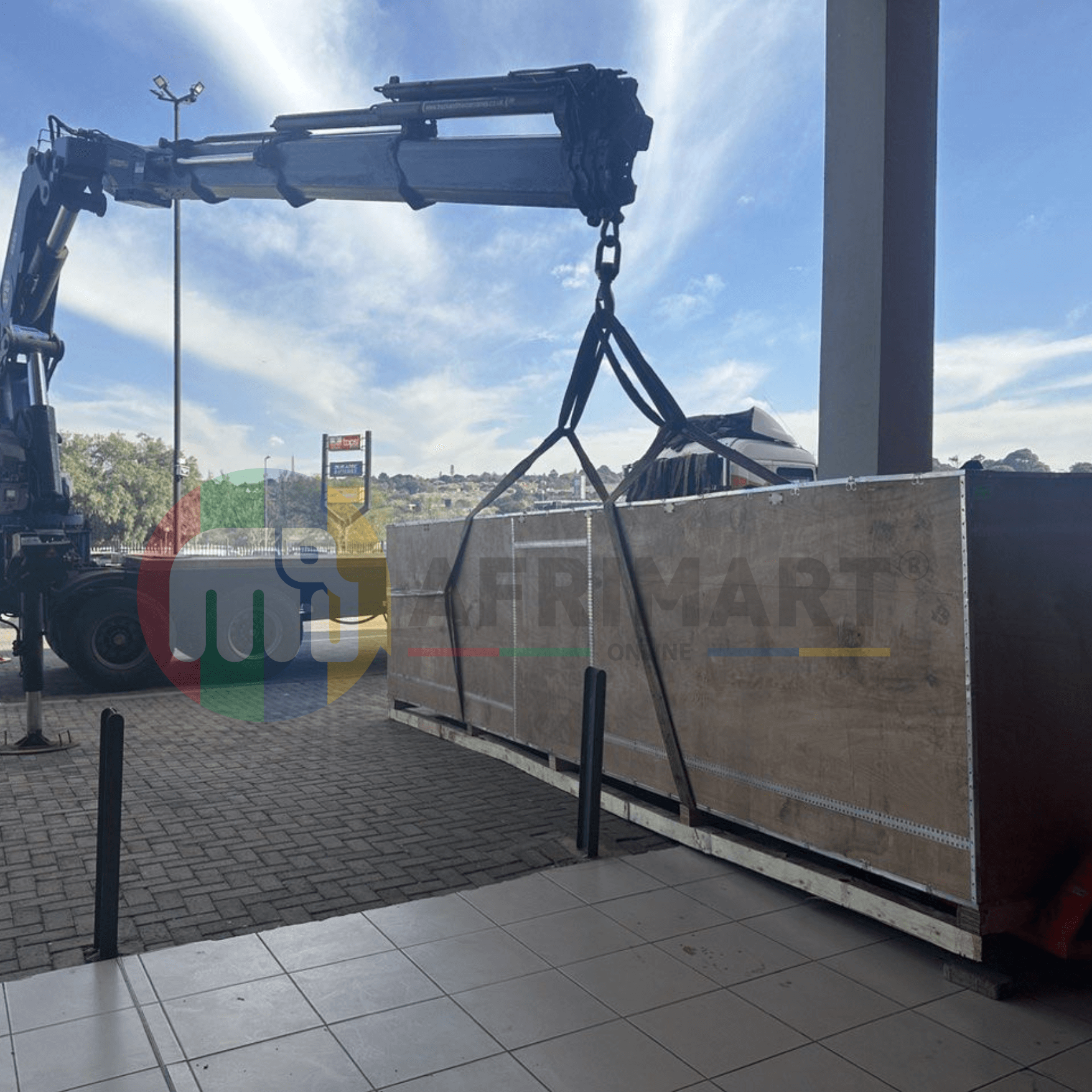
12 Heads Embroidery Machine
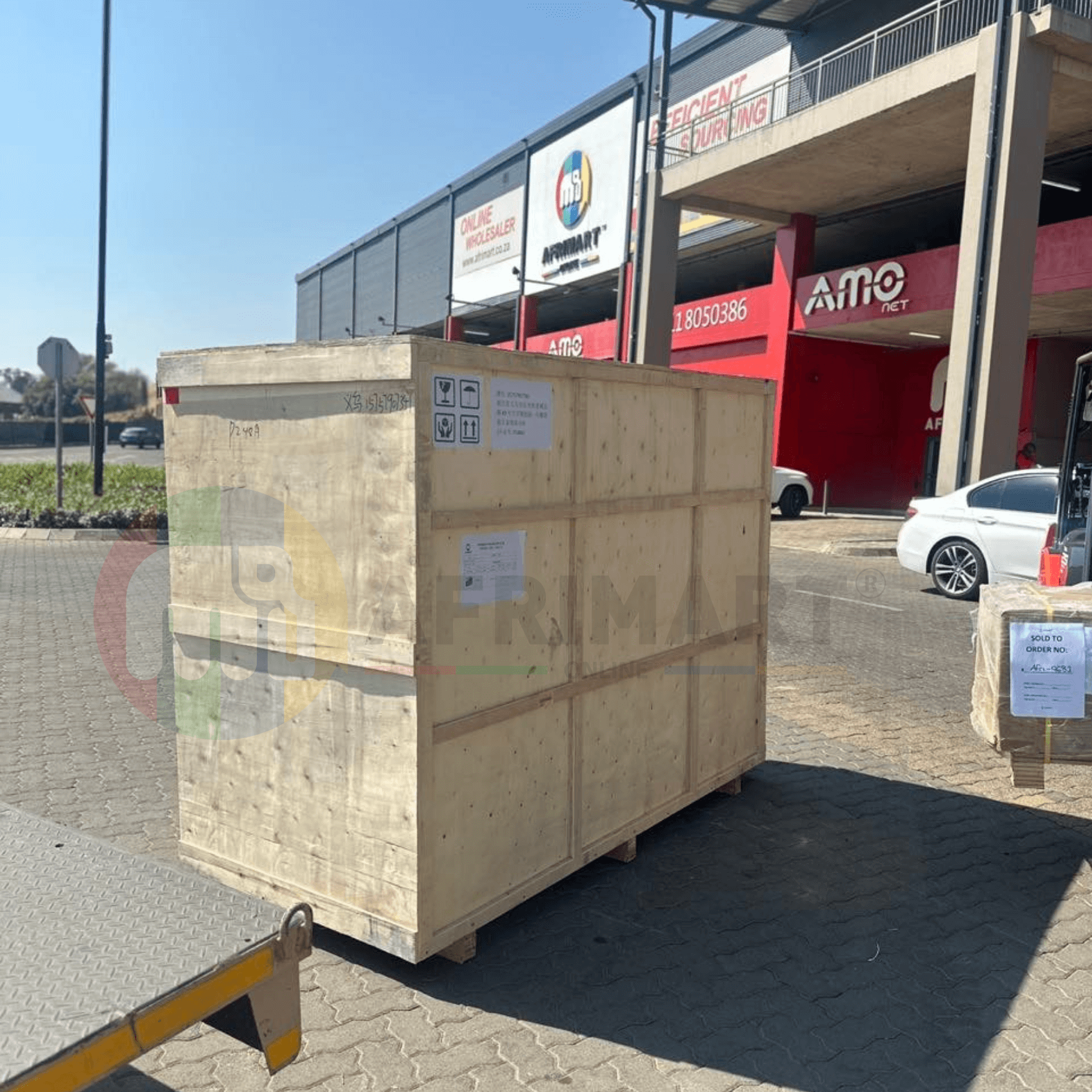
Dewatering Pump Machine
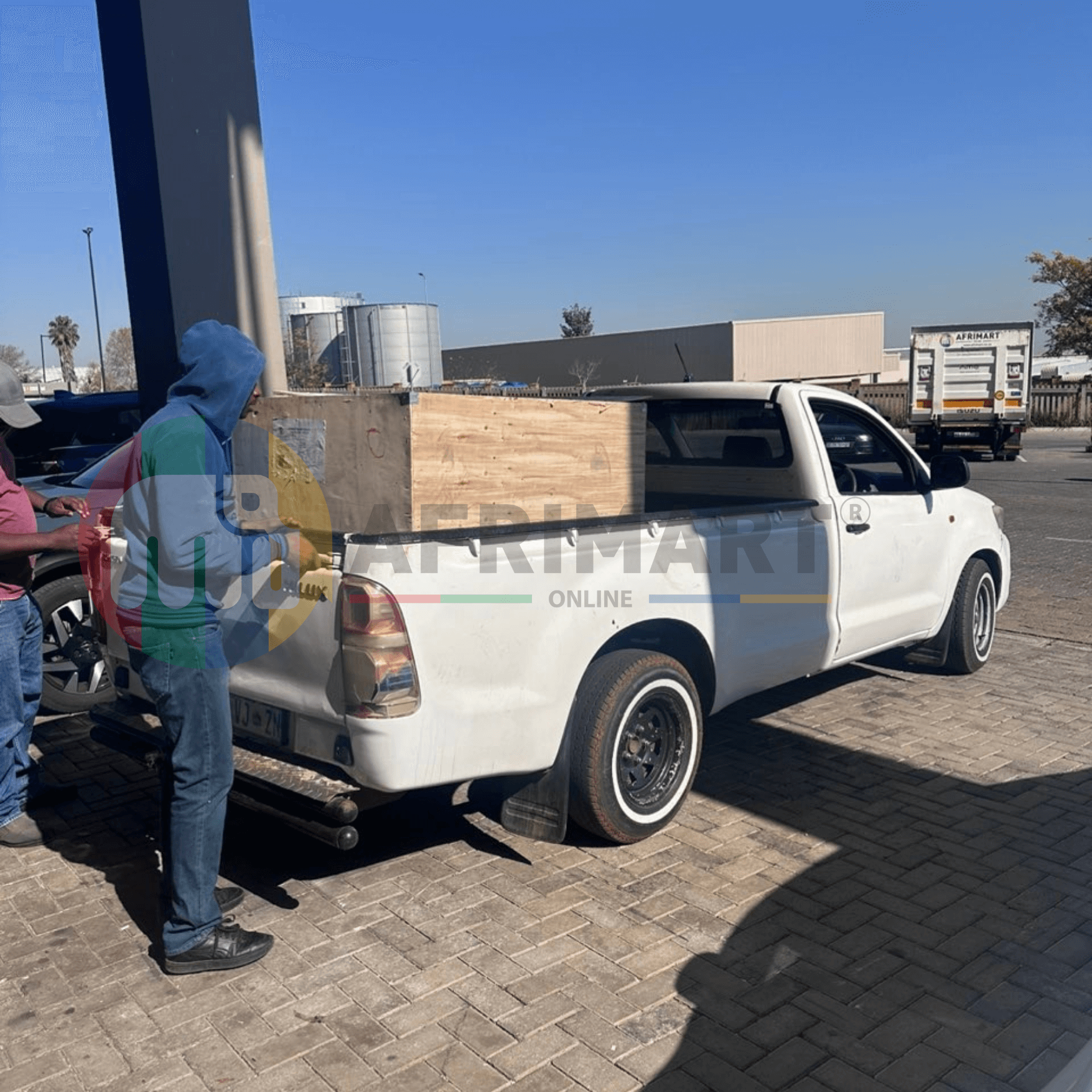
Order Collection
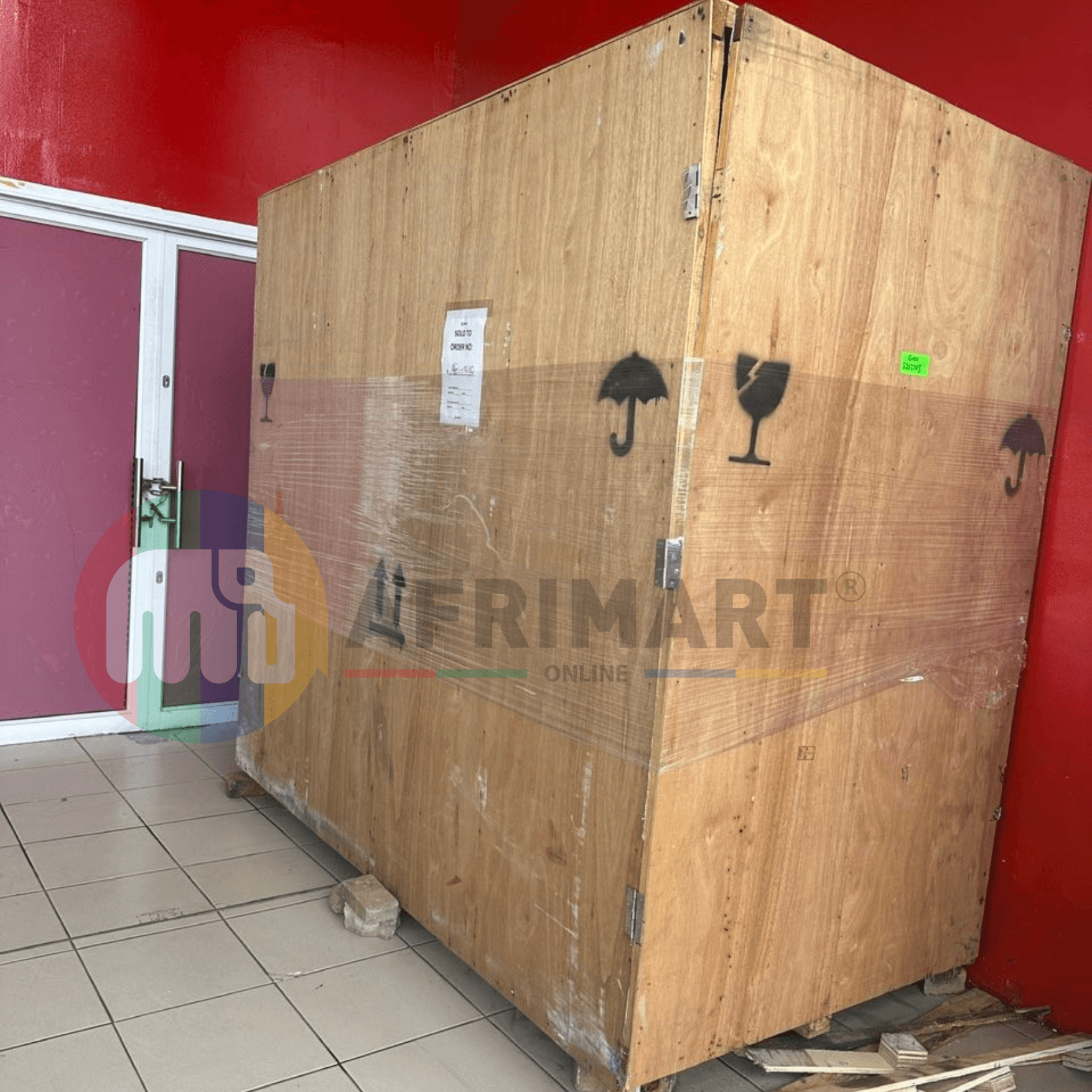
Portable Water Drilling Rig
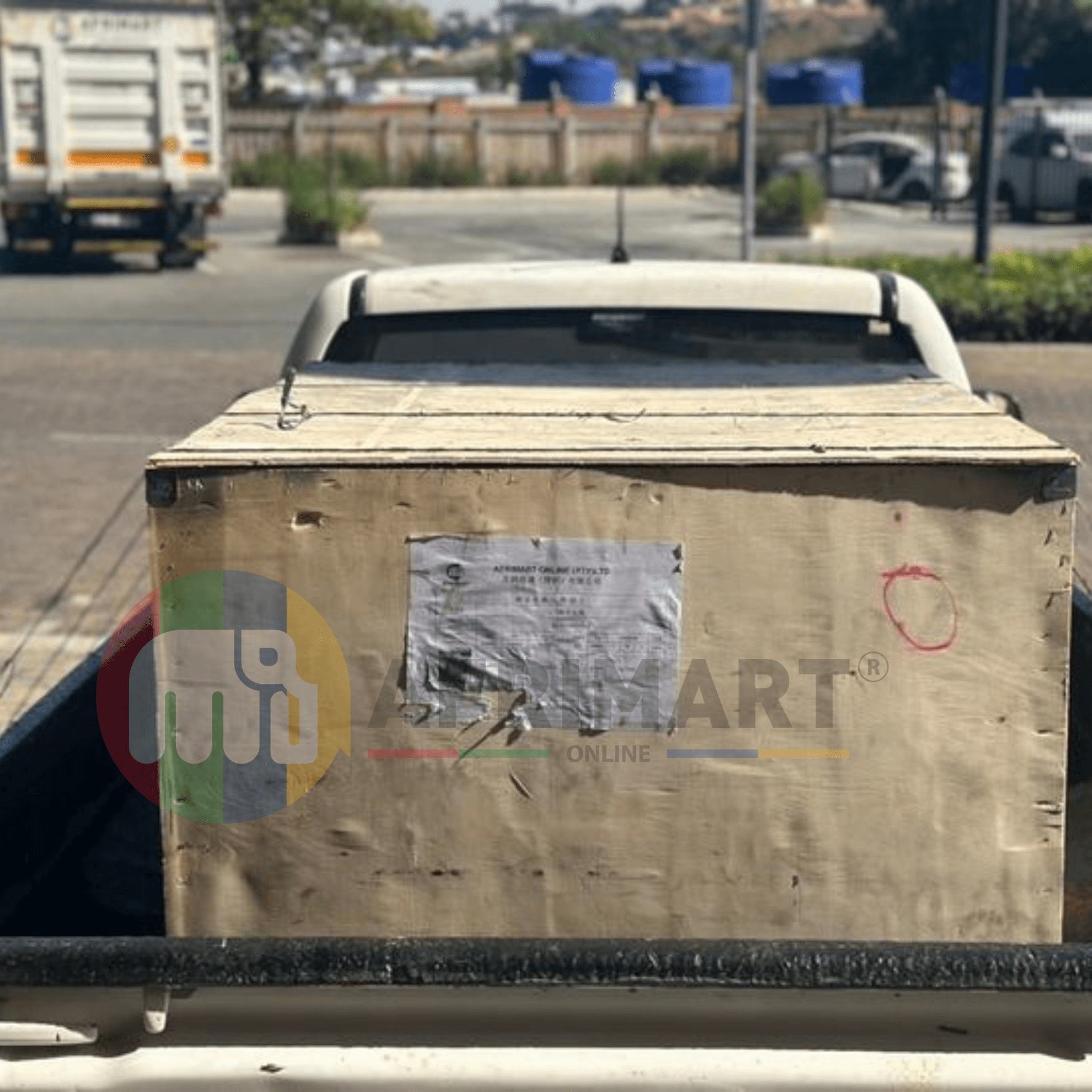
Order Usefully Collected
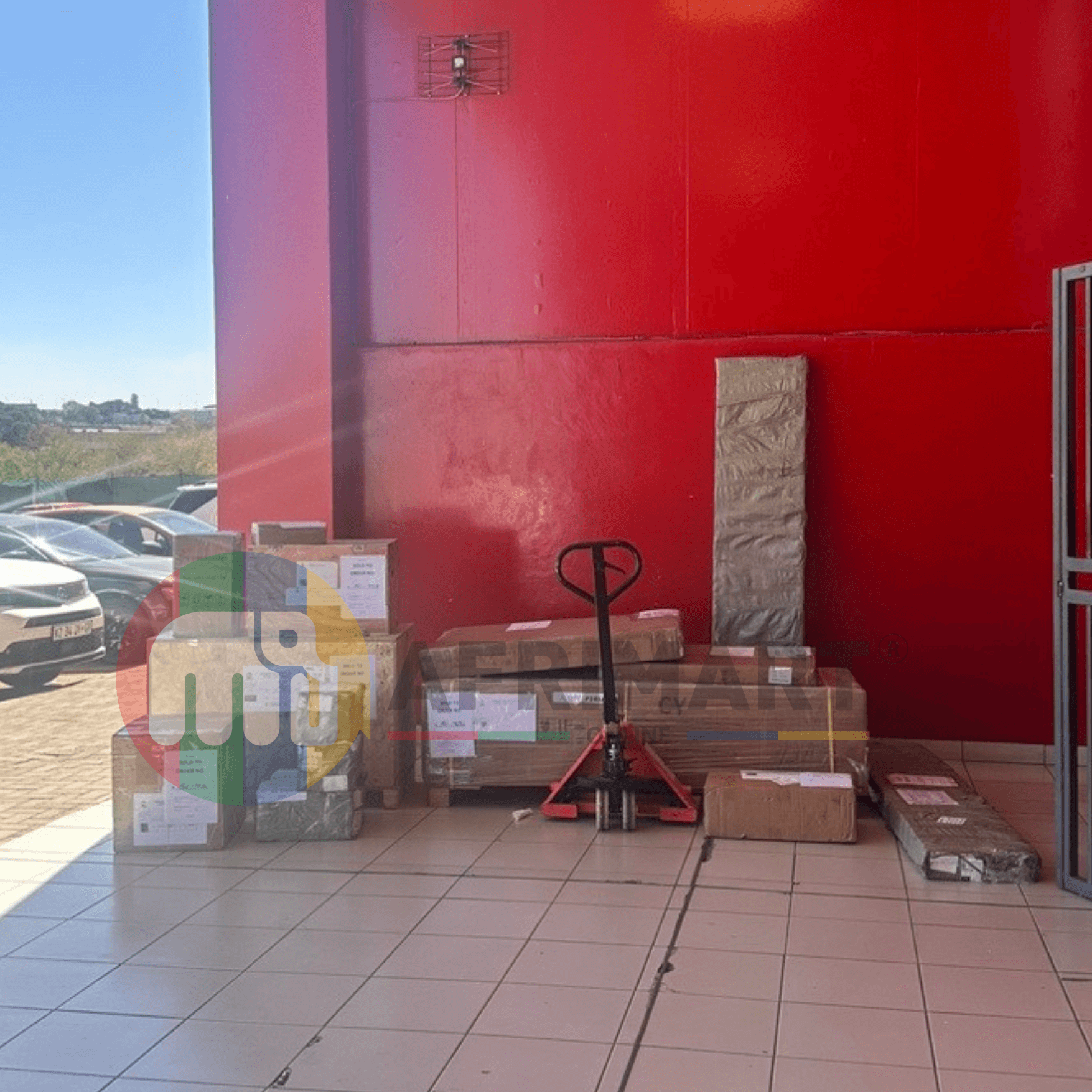
Batch of Orders
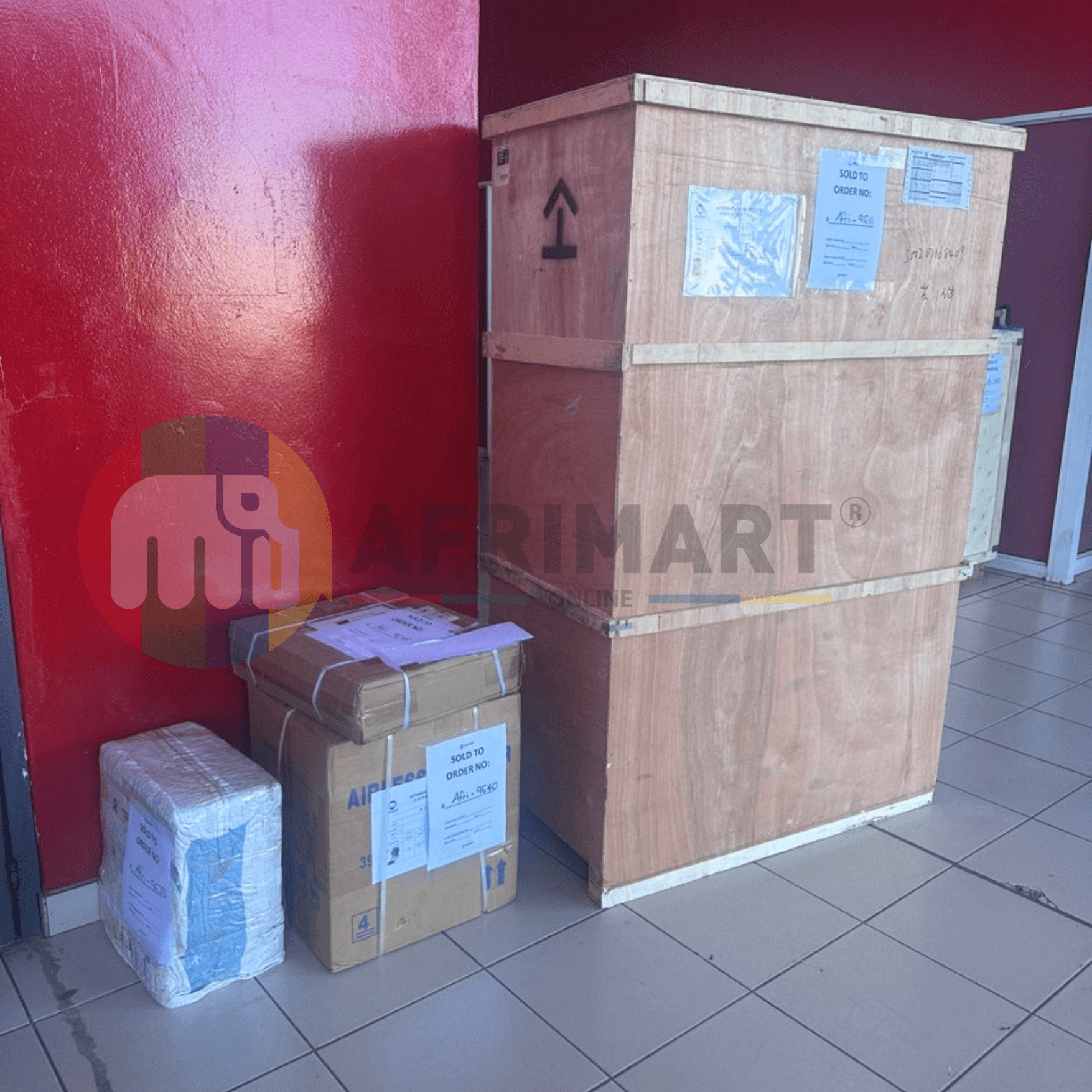
Agriculture Processing Machines
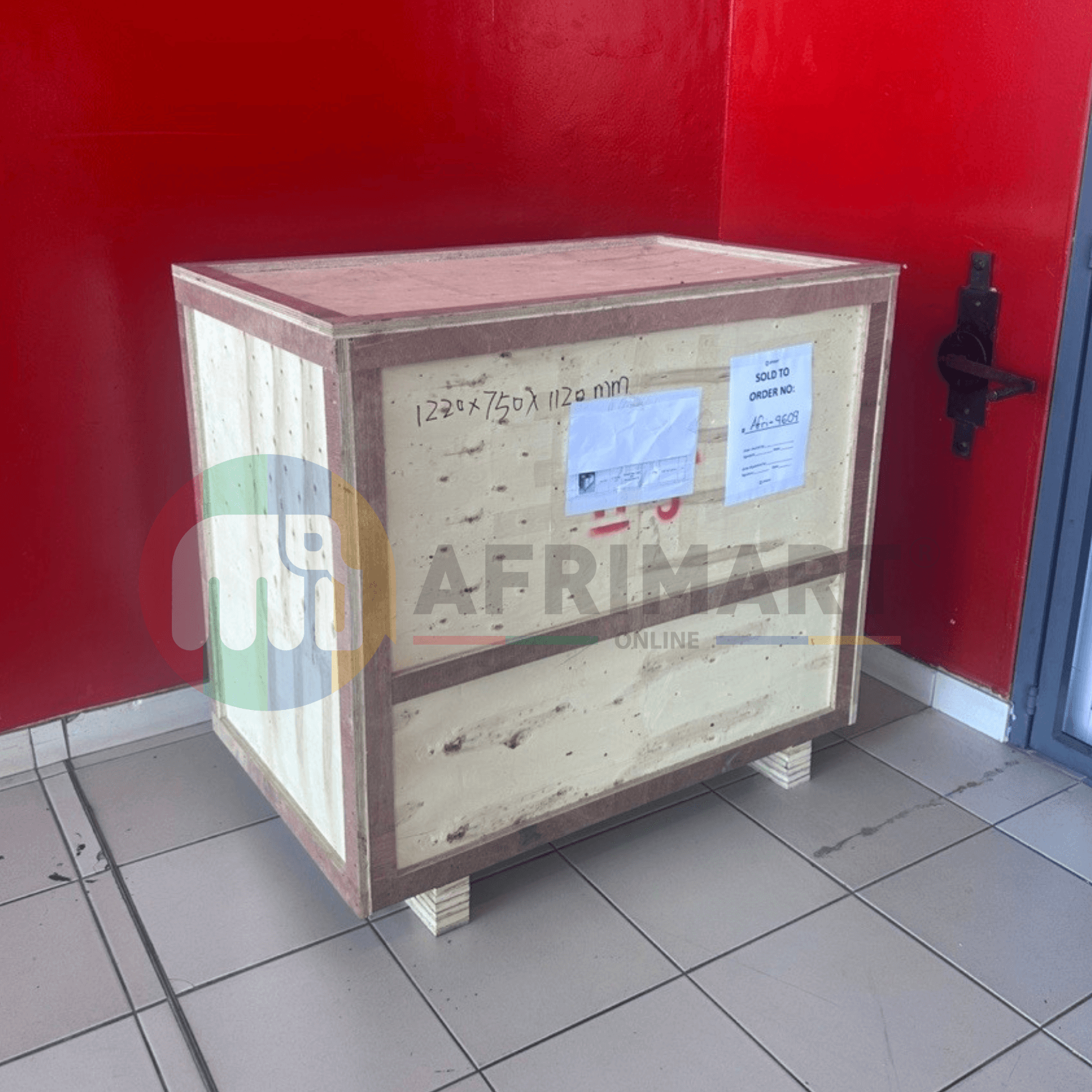
Meat Grinder Machine
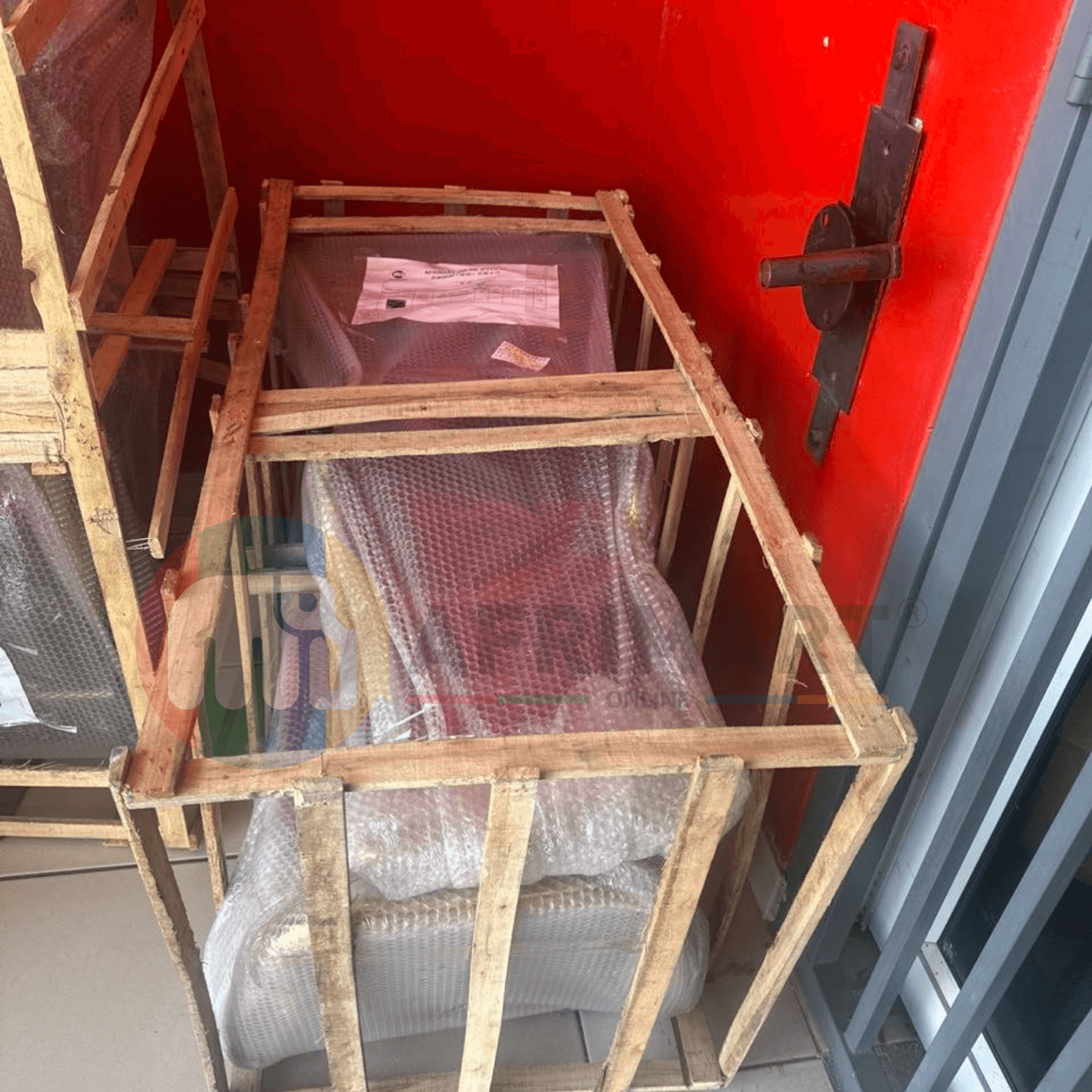
Water Pump Equipment
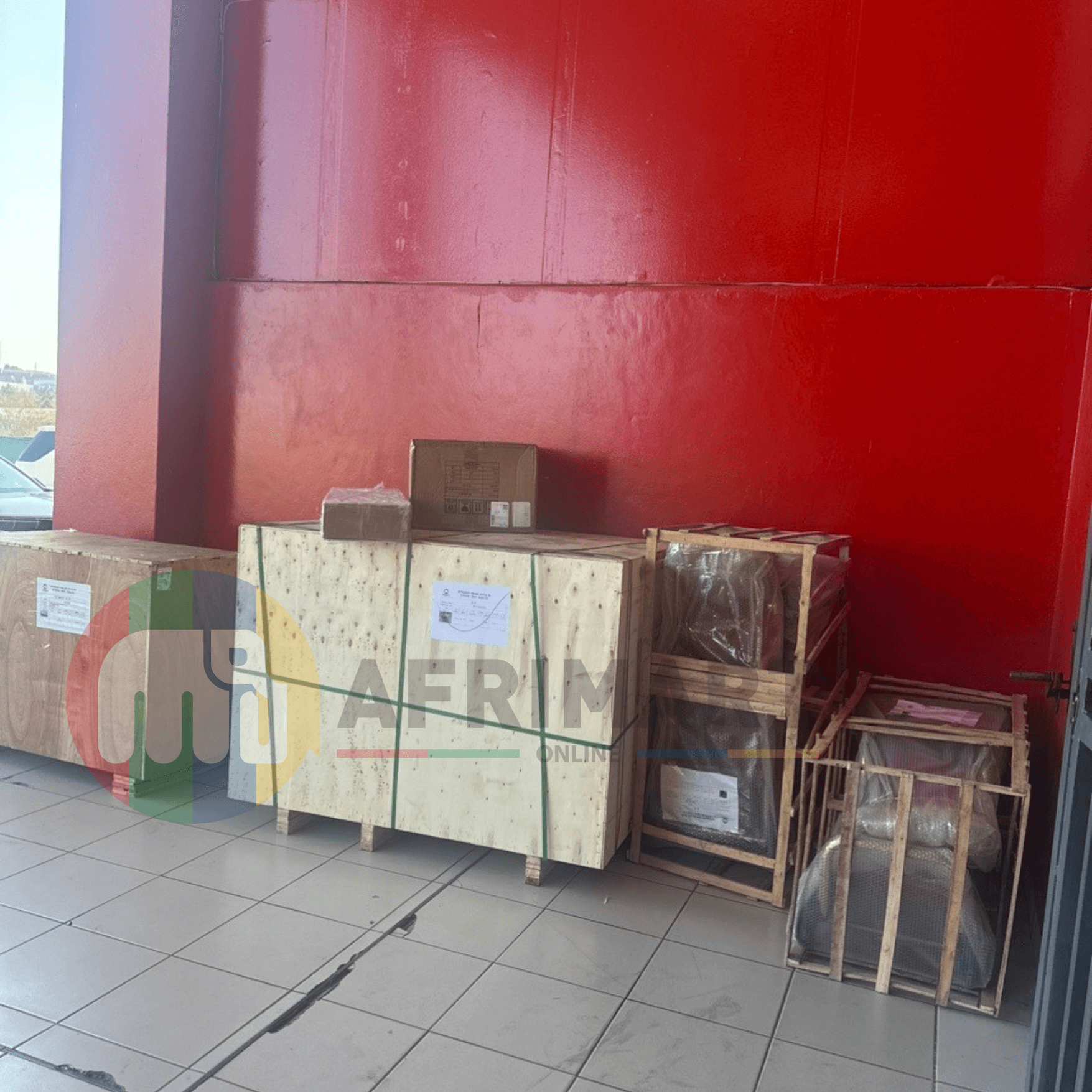
Packaging Machine and accessories
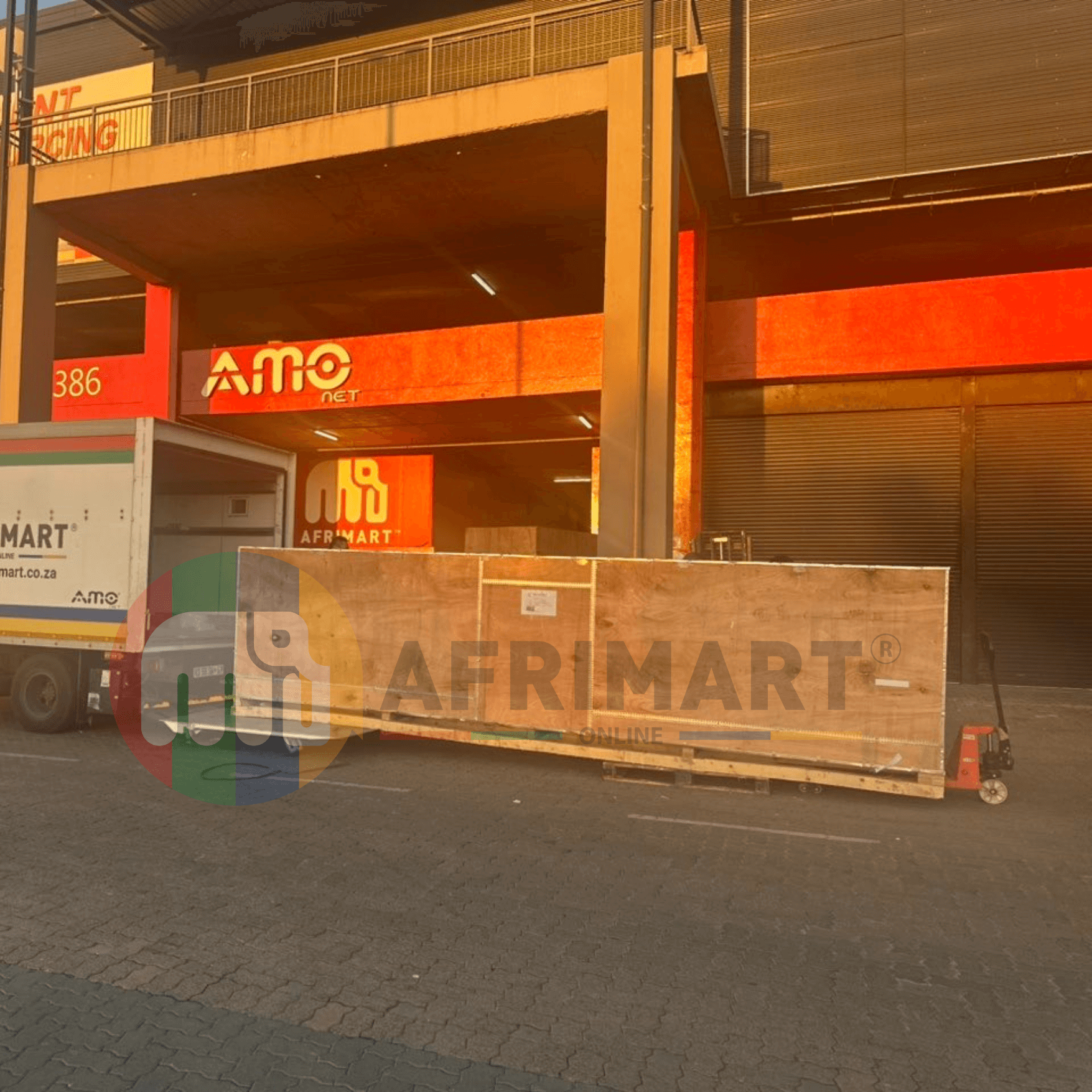
Fabrics Manufacturing Equipment
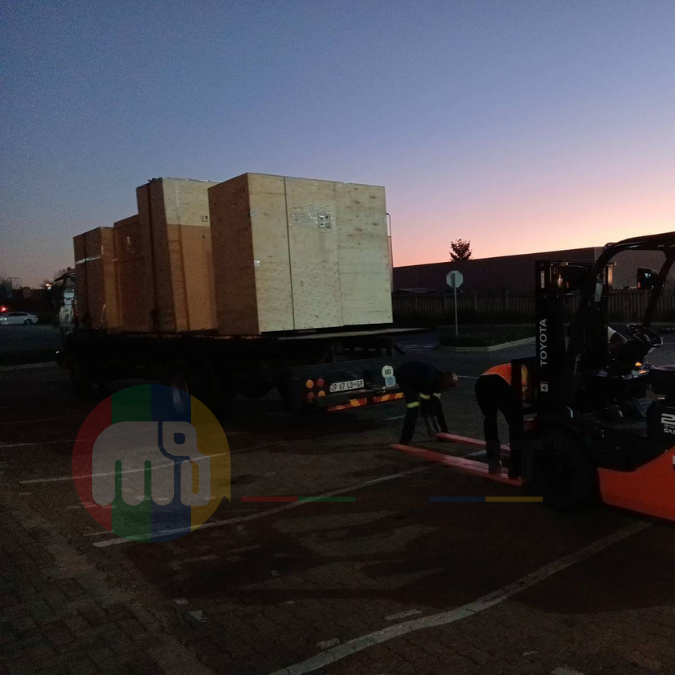
Mining Equipments
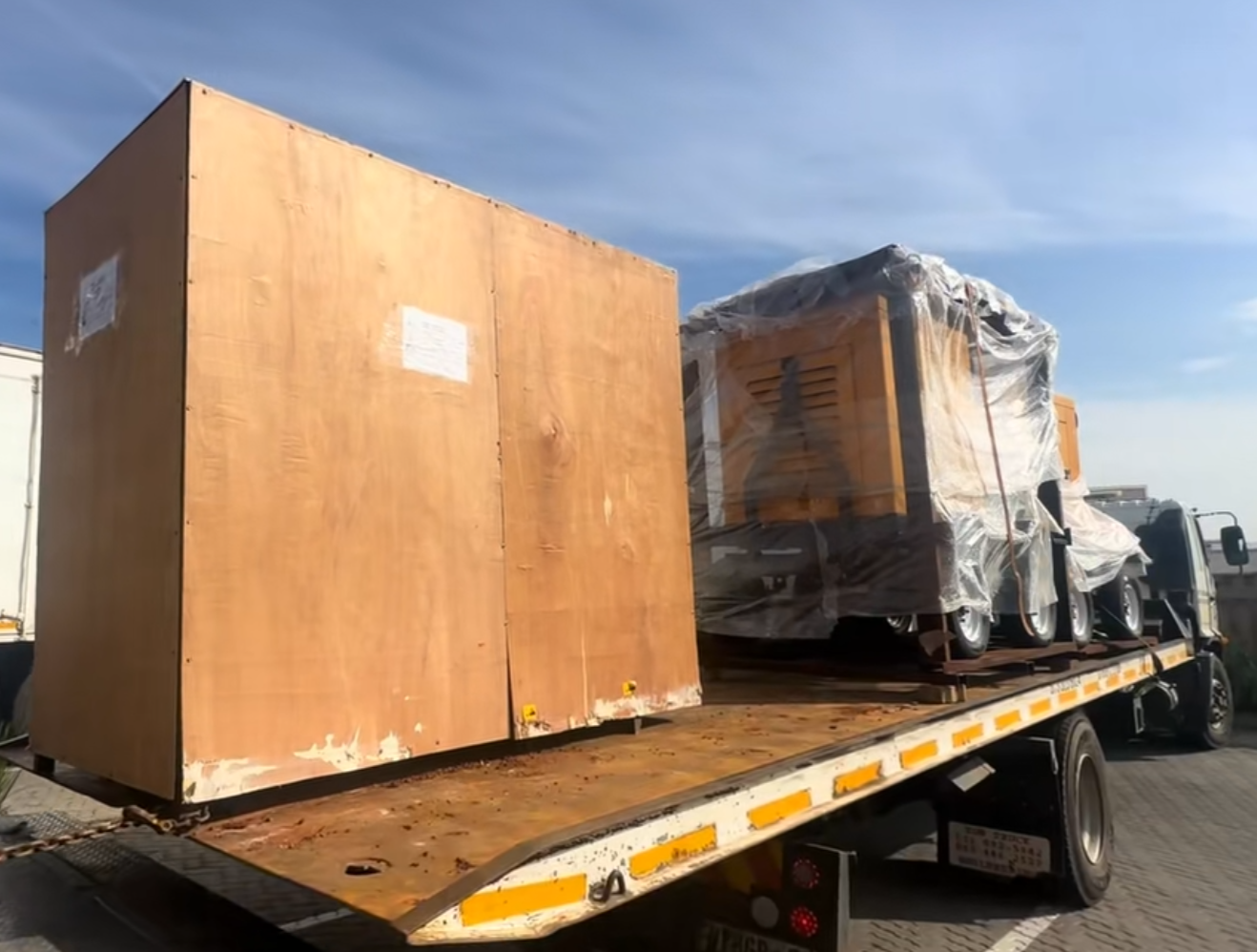
Food Processing Machine
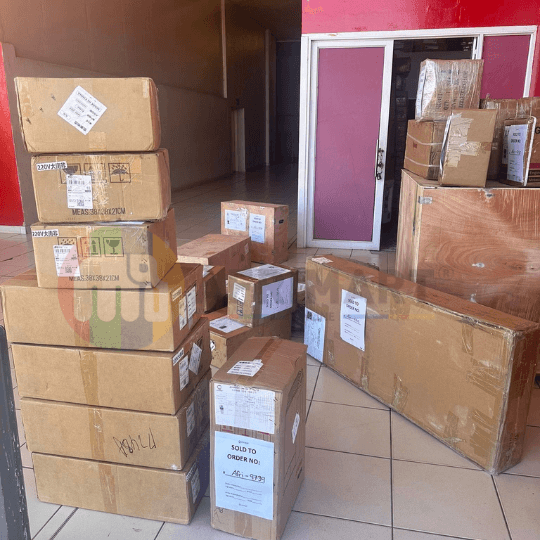
Batch of Orders
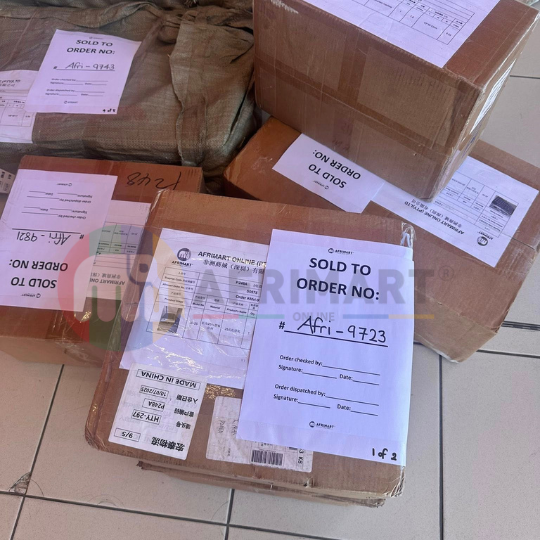
Batch of Orders
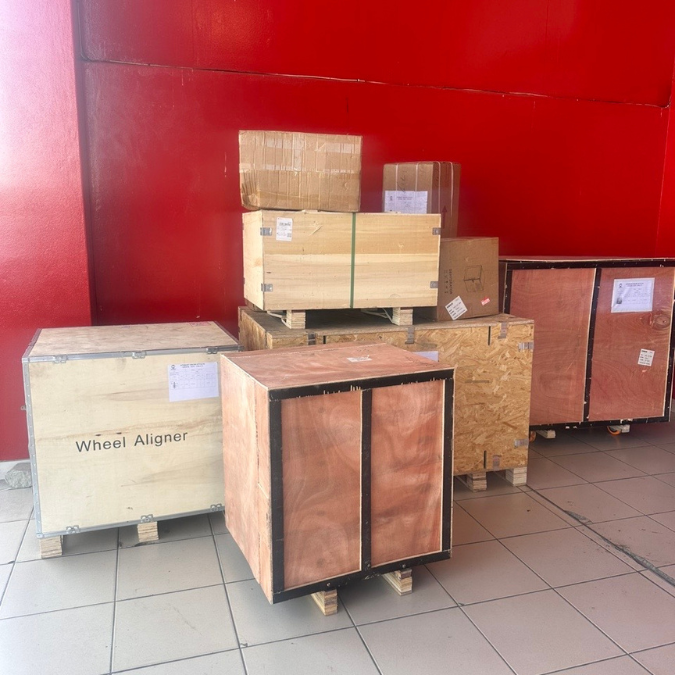
Latest Orders Labelled
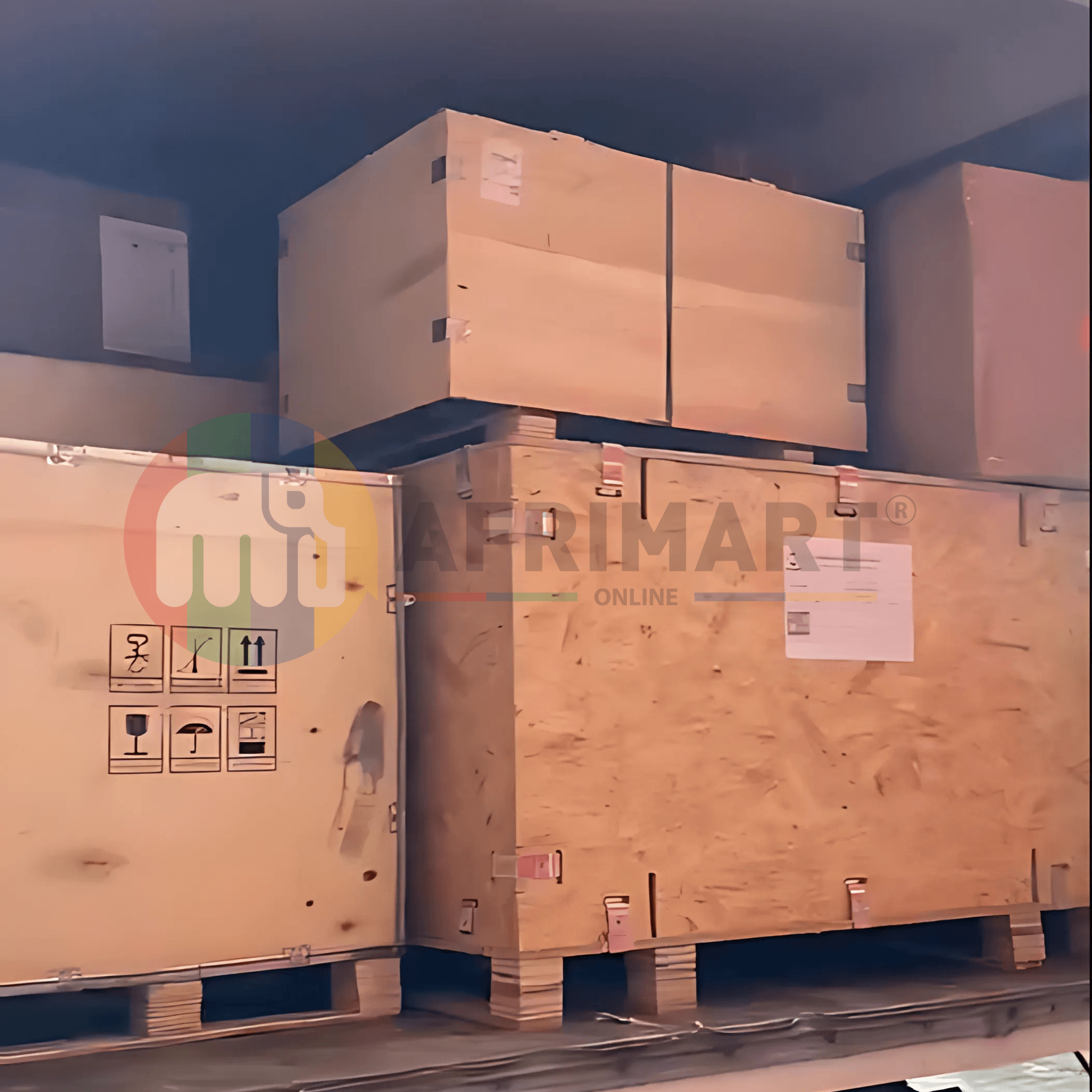
wheel alignment machines
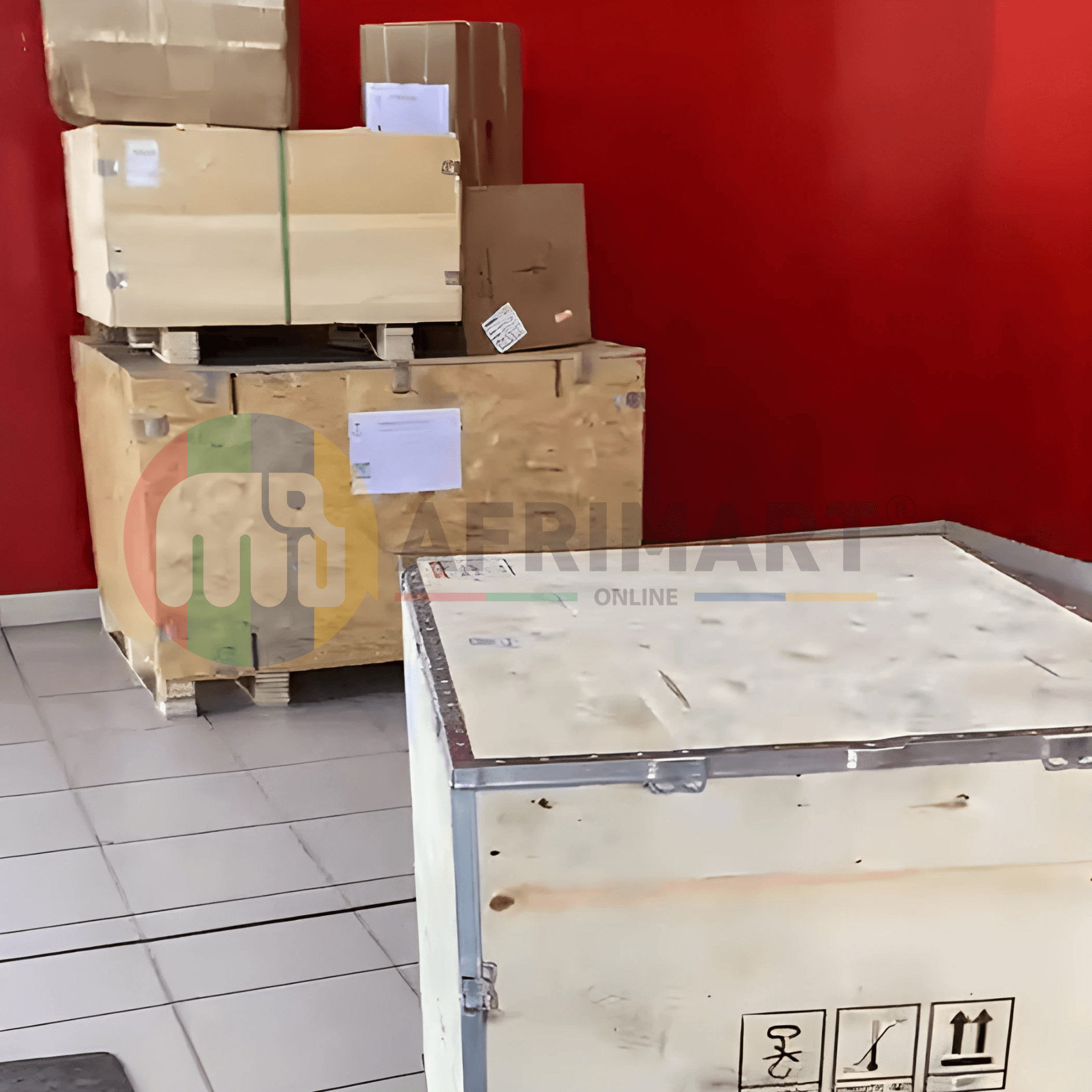
new arrivals
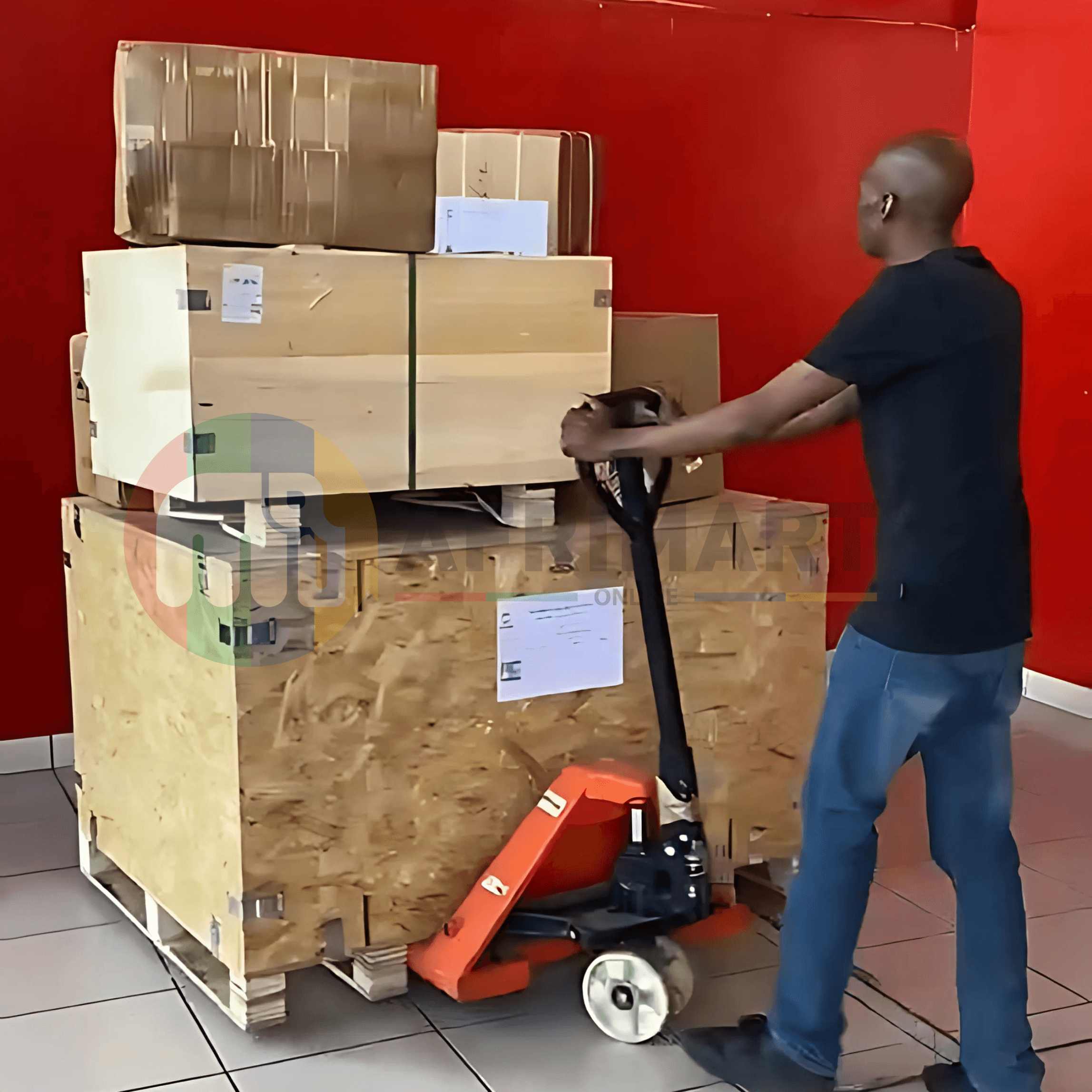
Pre Orders Offloading
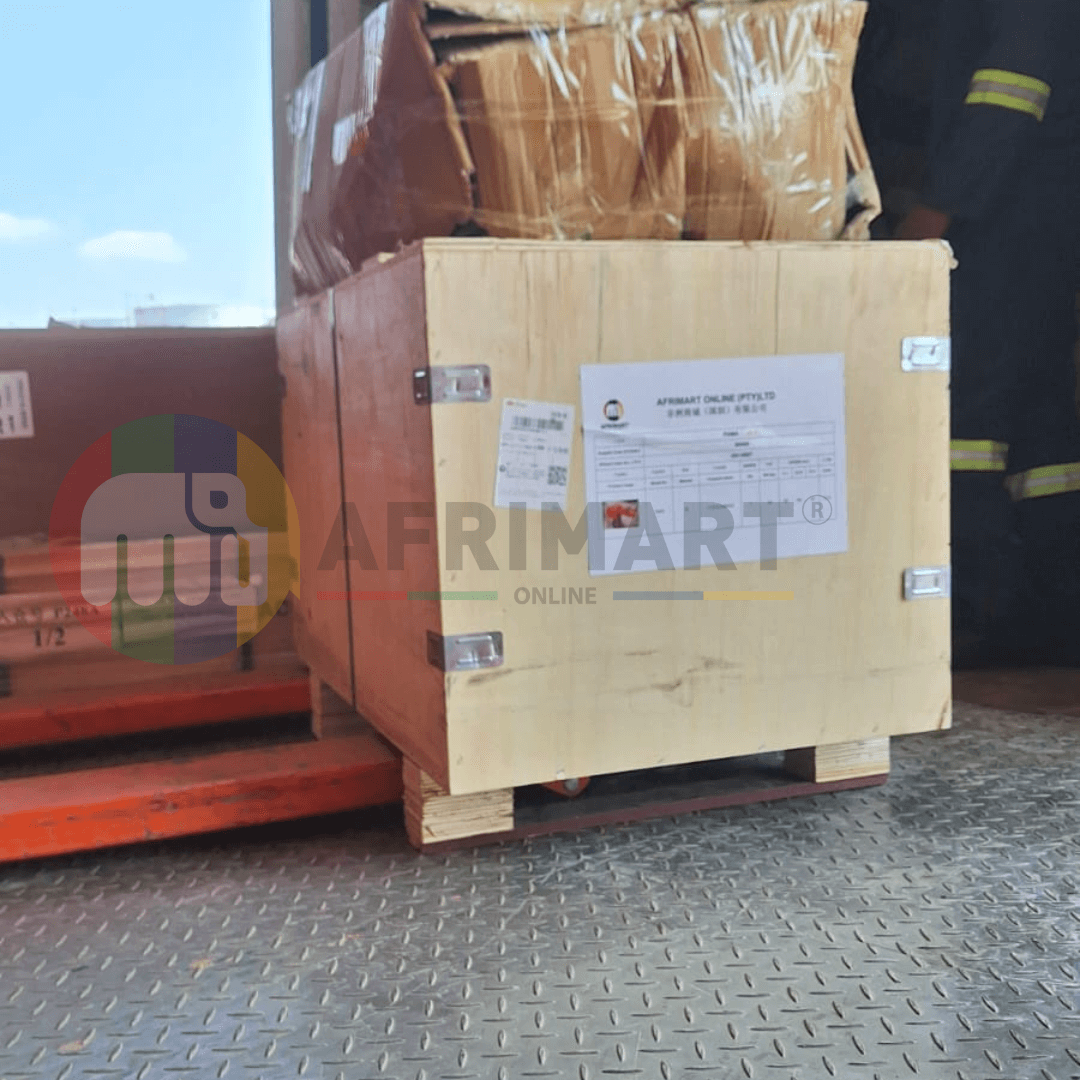
Latest Arrivals
Latest Arrivals