B21, China Town Mall, Midrand

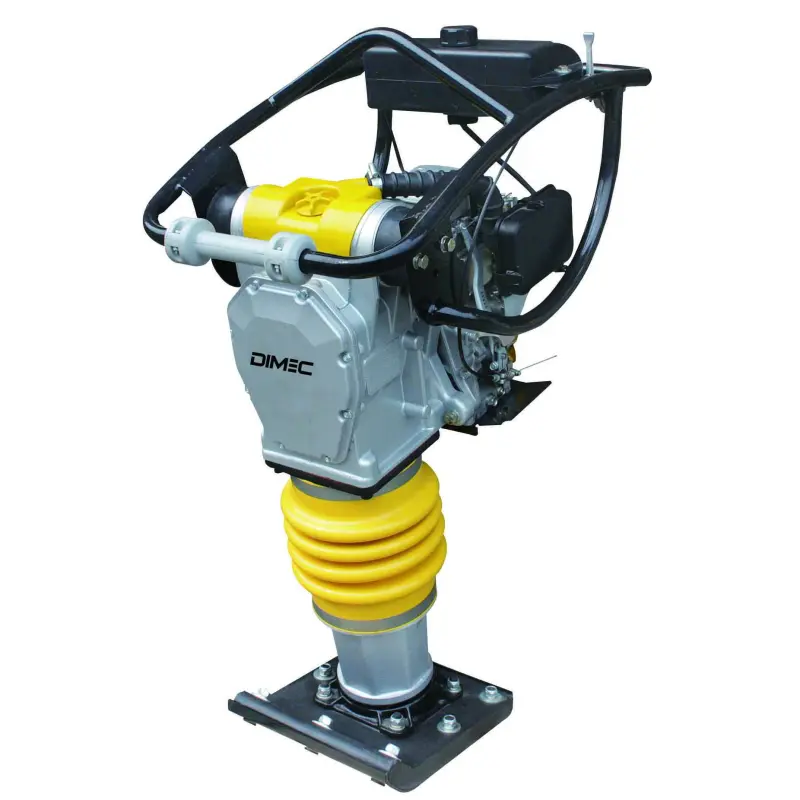
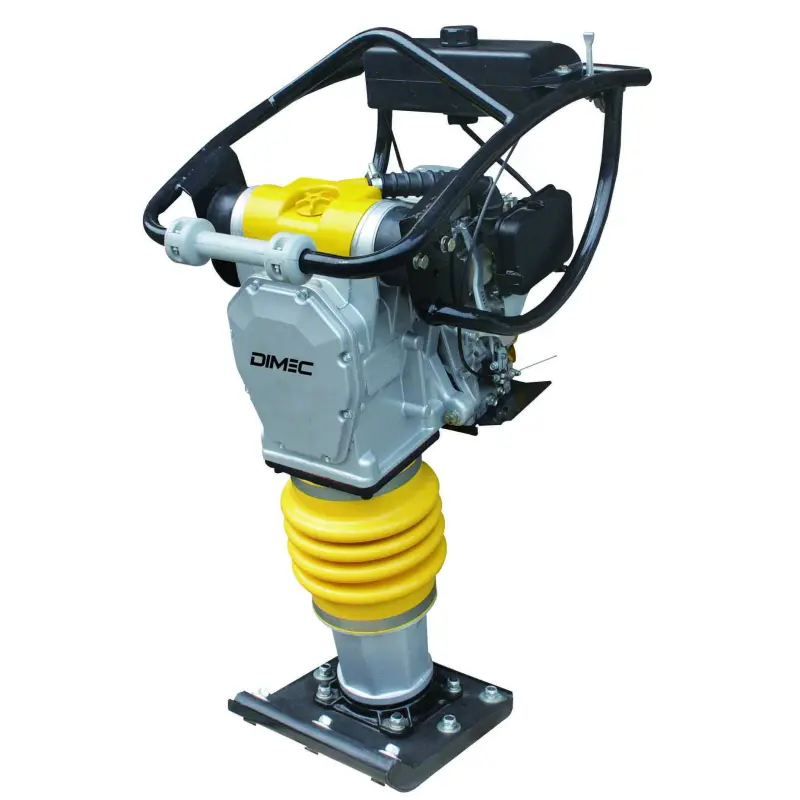
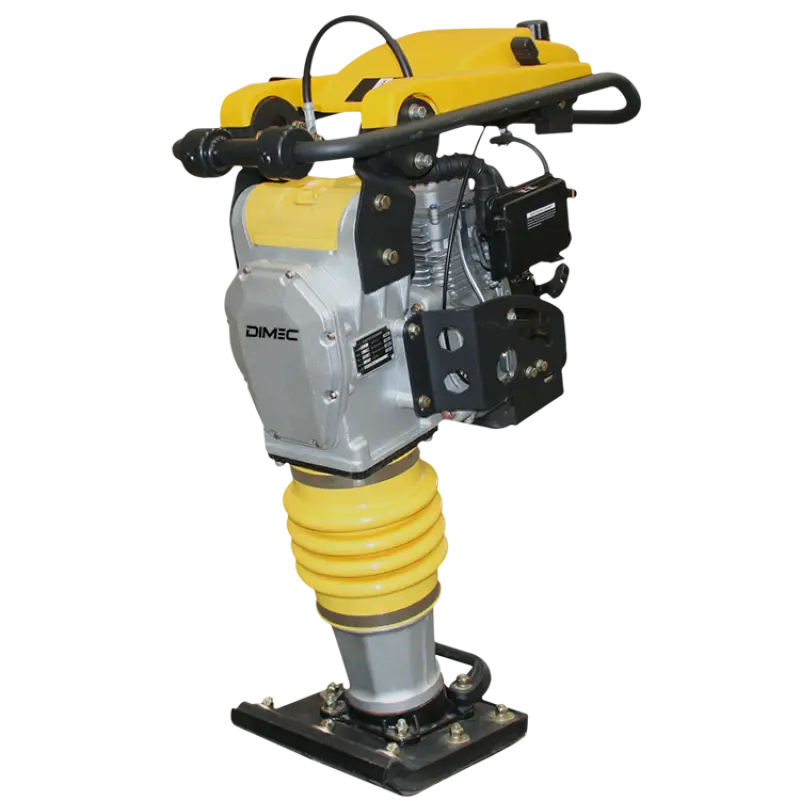
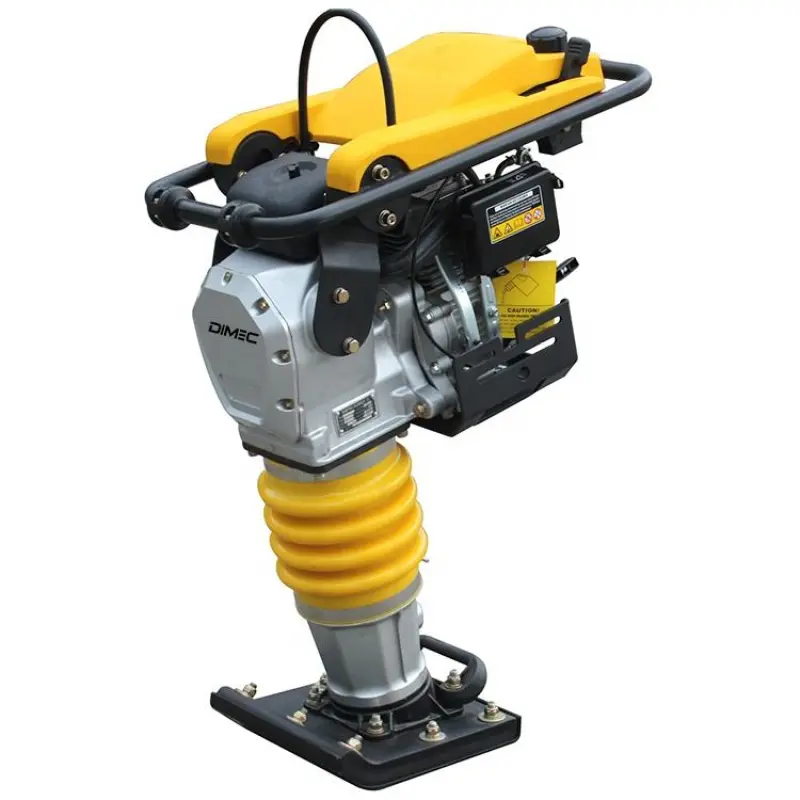
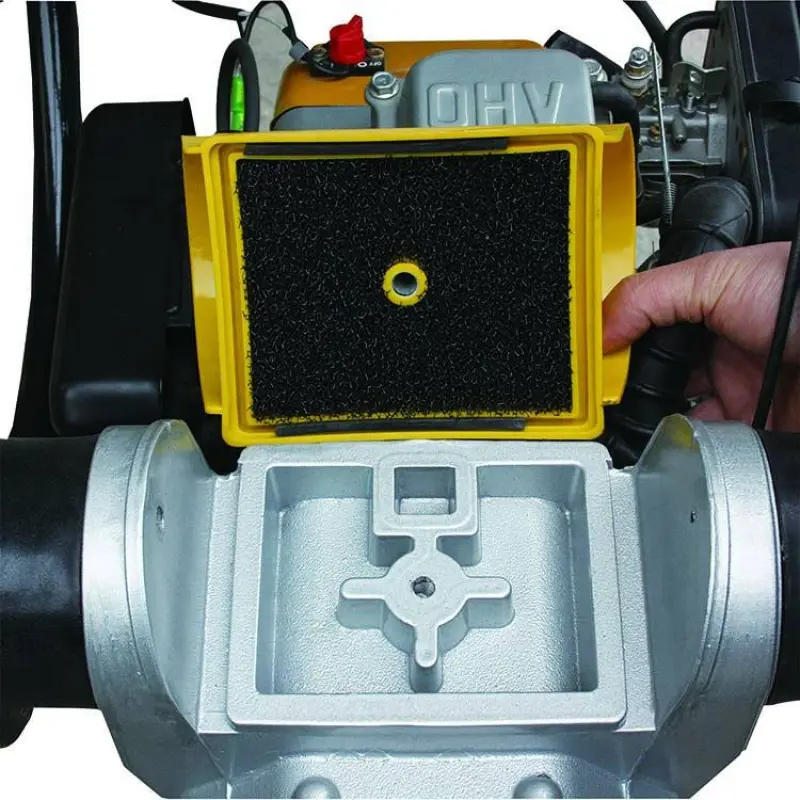
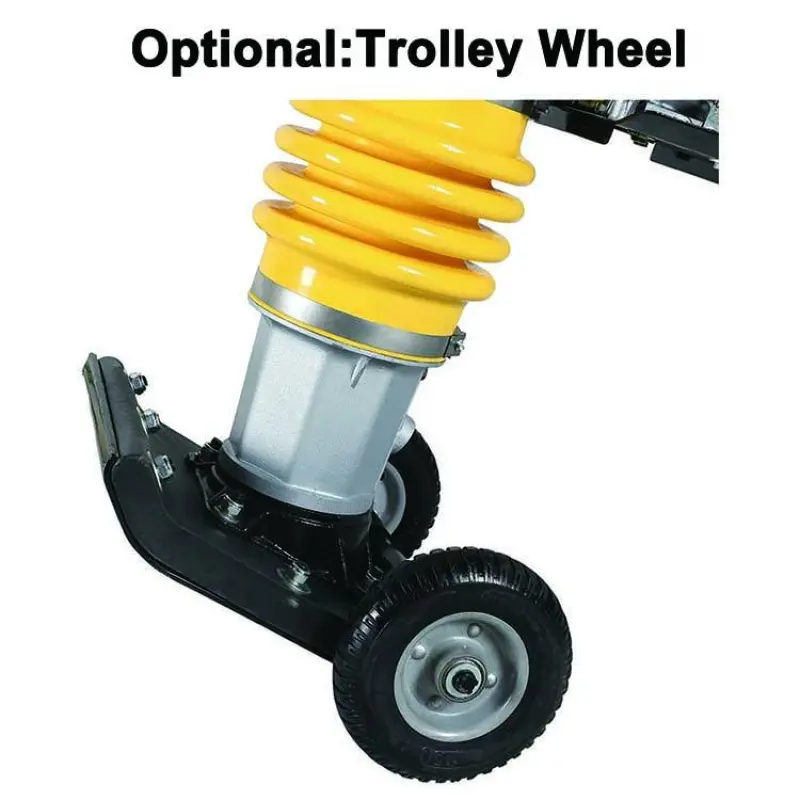
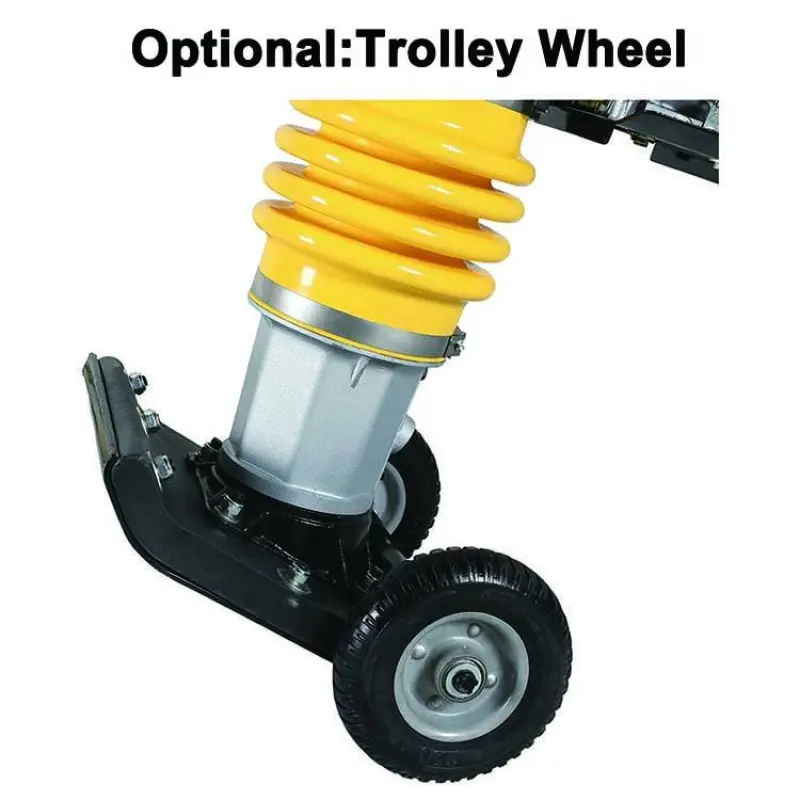
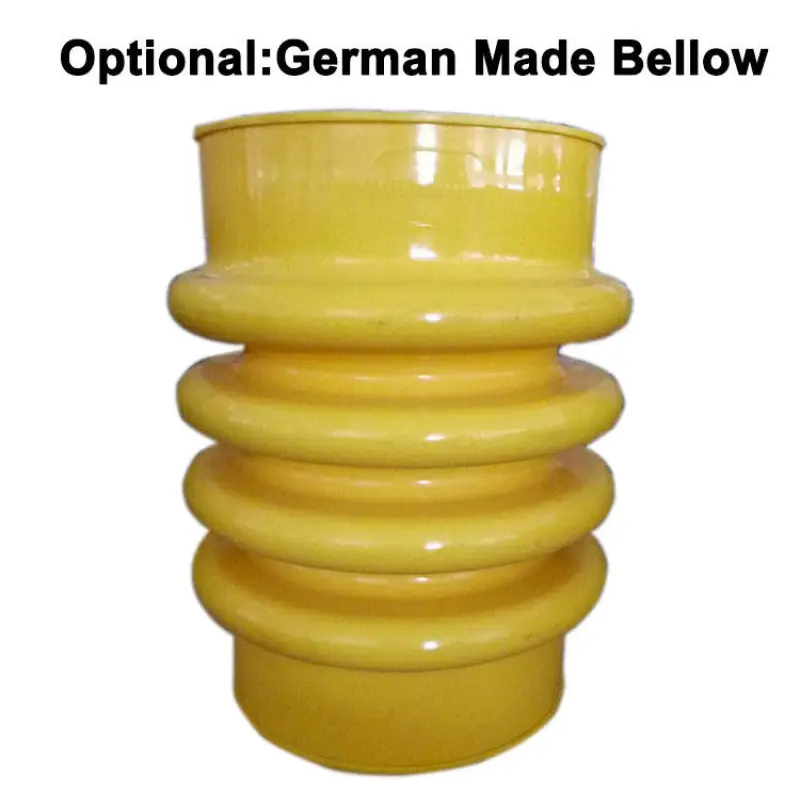
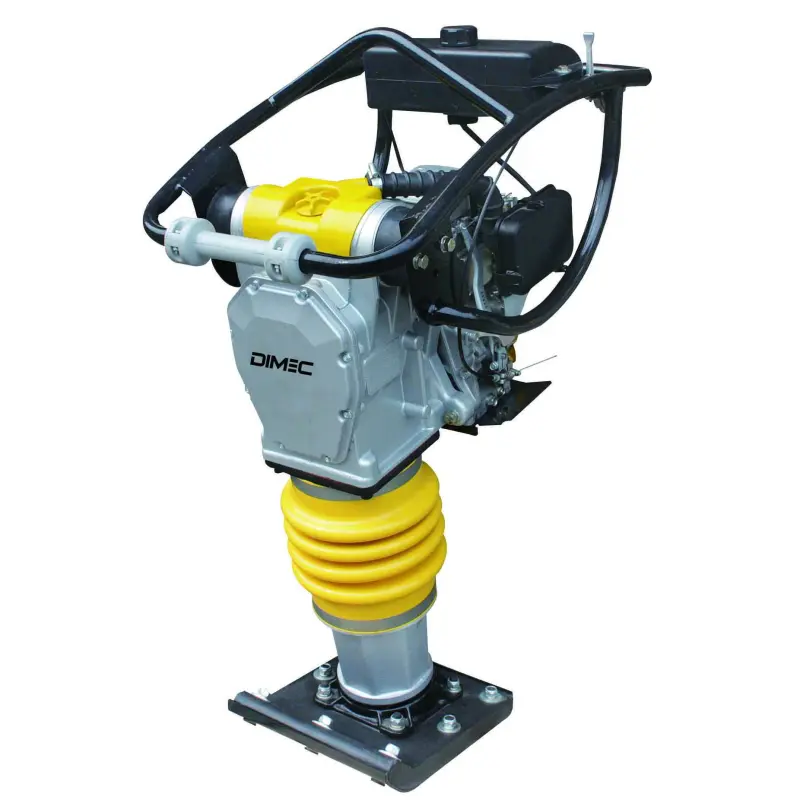
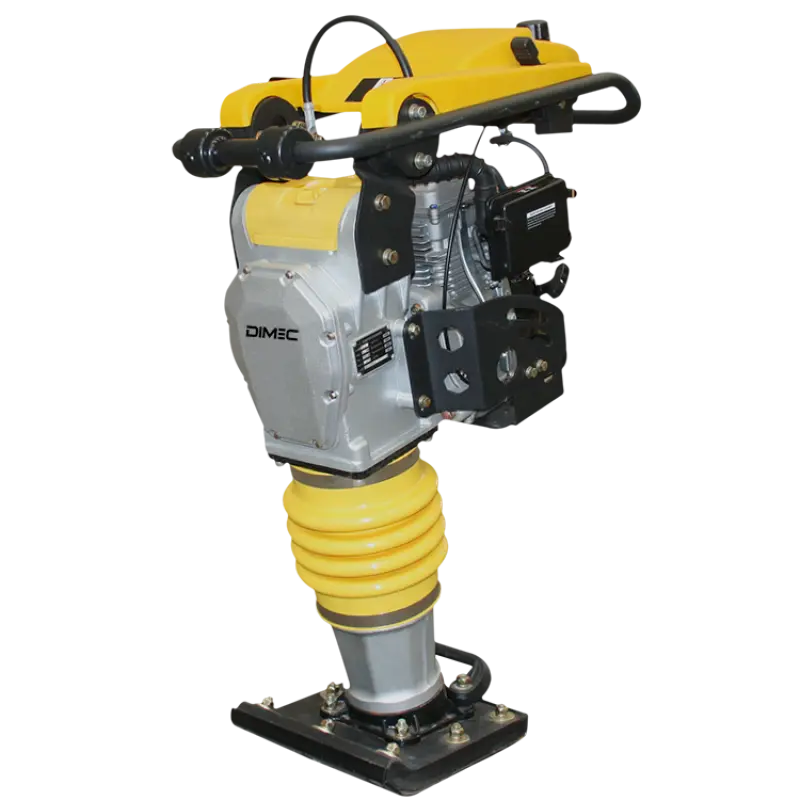
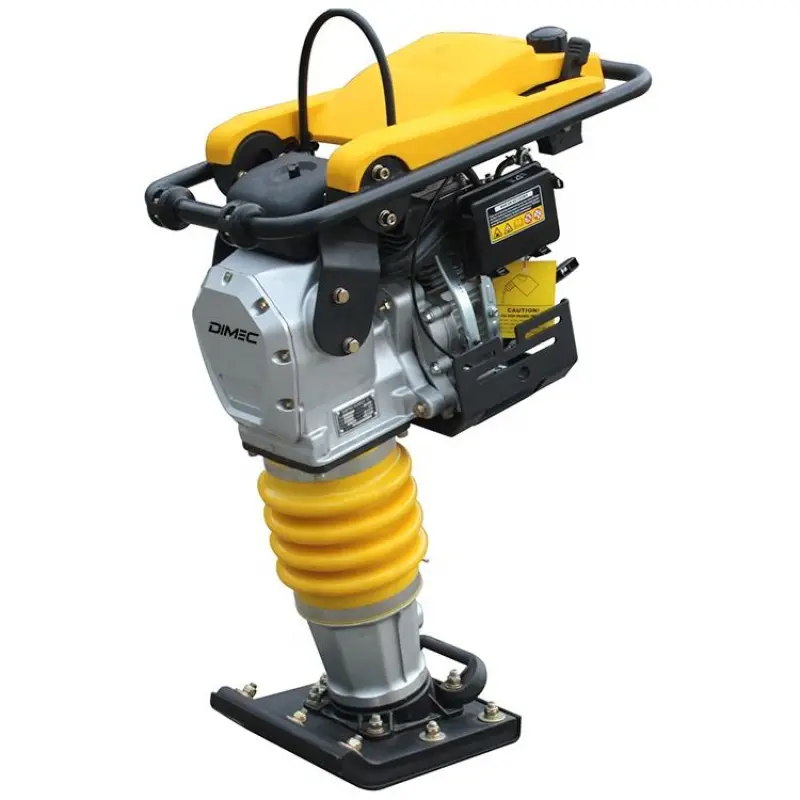
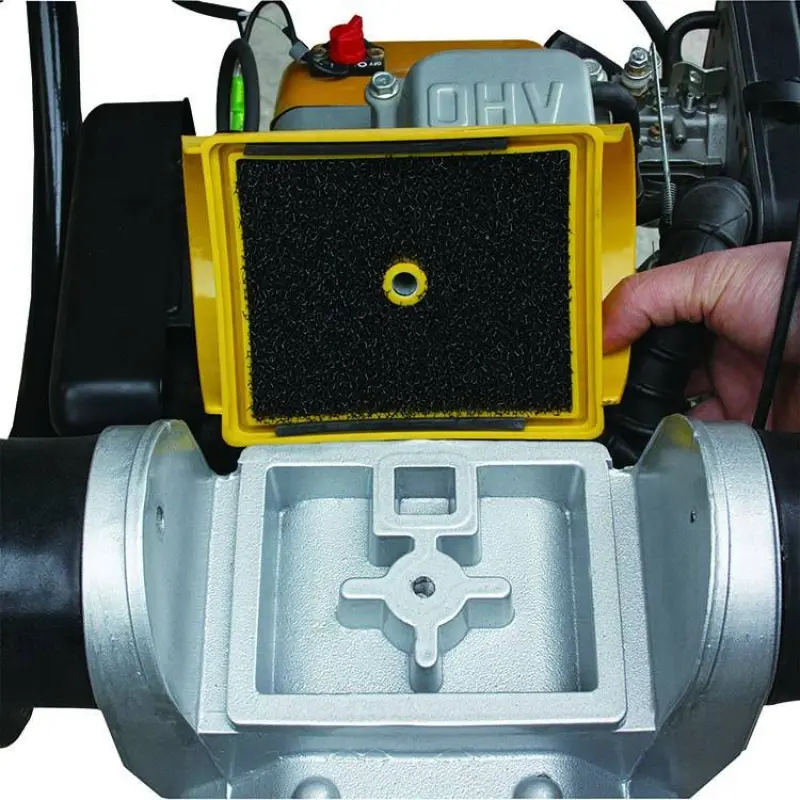
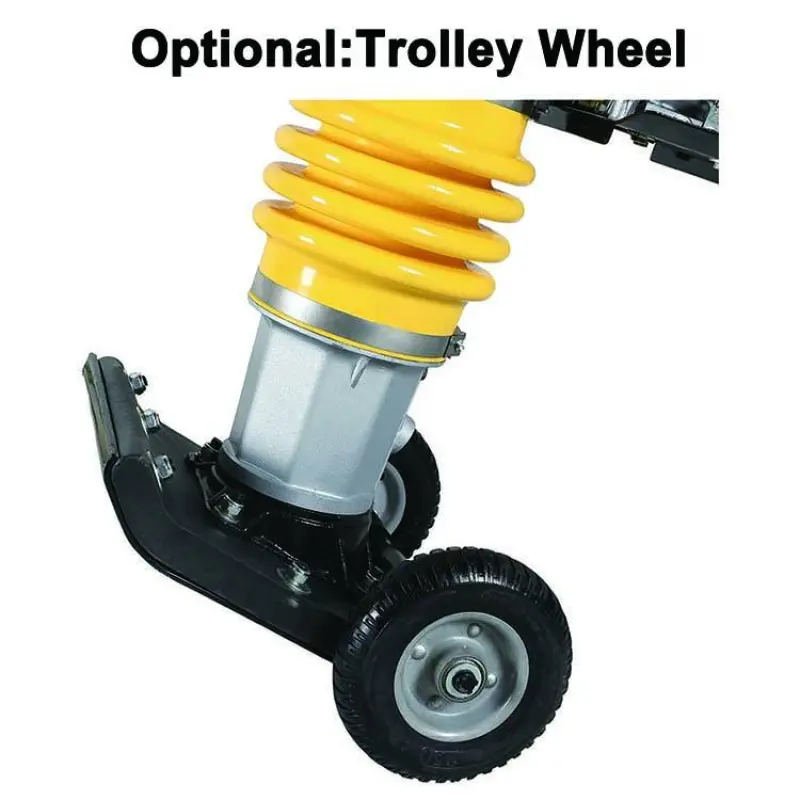
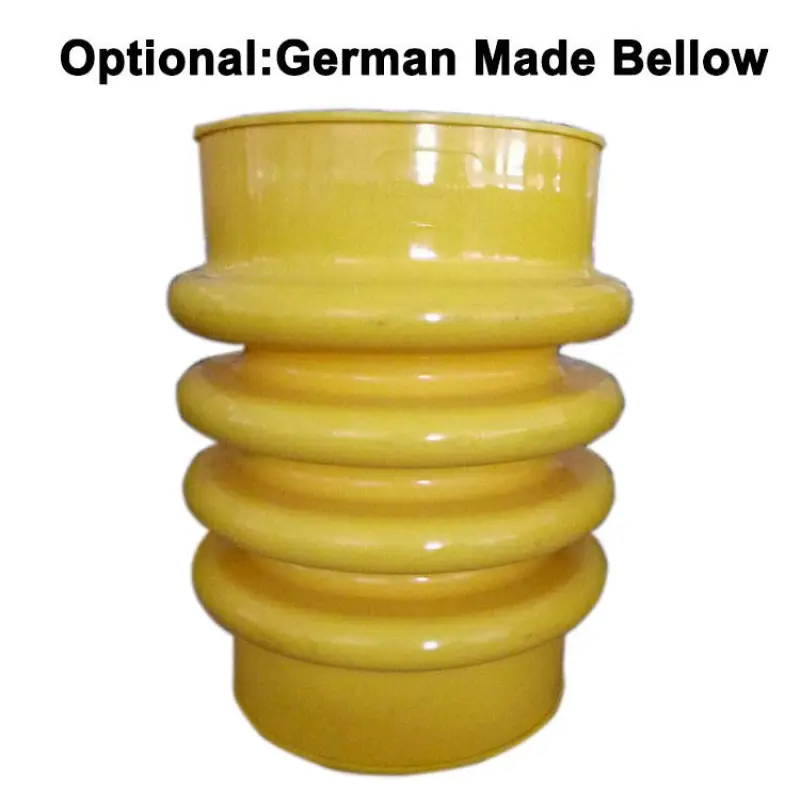
70KG 14KN Double Air Filter Concrete Vibratory Soil Compactor Tamping Rammer Machine

- Section : Electrical & Tools
- Category : Power Concrete Vibrators
- SKU : 60837319081


- Shipping Timeframes: All orders are processed within 2-5 business days (excluding weekends and holidays). After your order has been processed, the estimated delivery time is before 12 Jul, 2026, depending on customs, Please note that due to high demand, some items may experience longer shipping times, which will be communicated at order confirmation email.
- Order Processing Time: Please allow 2-5 business days for us to process your order before it is shipped . Orders placed after 16:00 on Fridays, or during weekends and public holidays, will begin processing on the next business day. Processing times may be extended during peak seasons or sales events.
- Manufacturing Time: Some products needs manufacturing time, the manufacturing process will take approximately 10-30 business days depending on the product. This timeframe may vary depending on the complexity of the product and current demand. but this will be communicated with you during order confirmation.
- Returns and Exchanges: We offer a 30-day return policy for most items. If you are not completely satisfied with your purchase, you may return it within 30 days of receipt for a refund or exchange. Items must be unused, in their original packaging, and accompanied by proof of purchase. Return shipping costs are the responsibility of the customer, unless the item was damaged or defective upon arrival.
1. What does "70KG 14KN" mean in the product name?
"70KG" is the machine's approximate operating weight (about 70 kilograms), and "14KN" is the nominal impact/ramming force (14 kilonewtons). These numbers indicate the unit's mass and compaction force — useful for comparing power and portability against other rammers.
2. What is a "double air filter" and why is it useful?
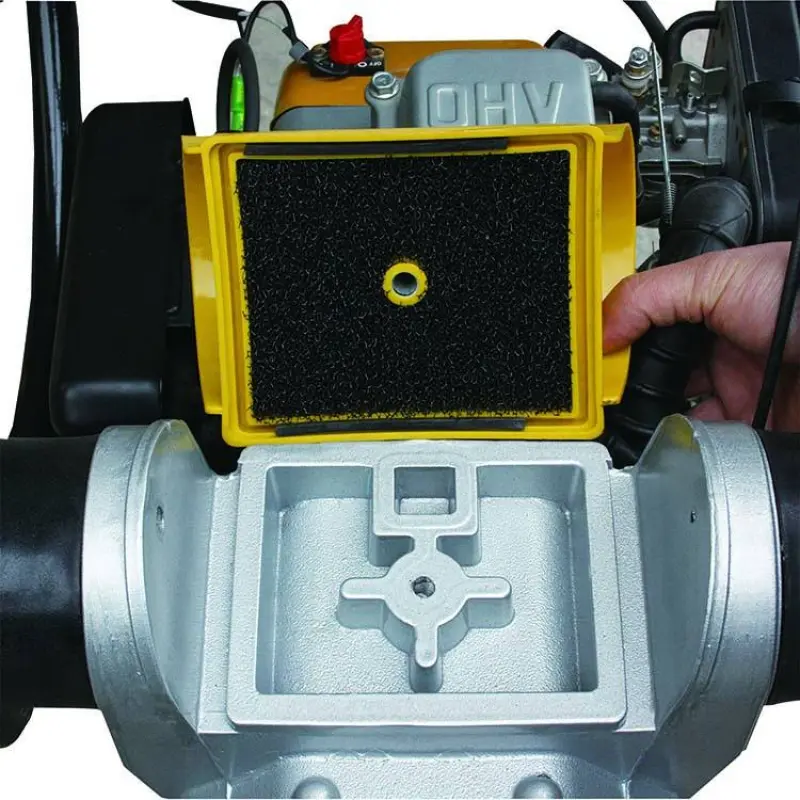
A double air filter uses two stages of filtration (typically a primary and a secondary element) to remove more dust and particles before air reaches the engine. This improves engine longevity and reliability, especially in dusty jobsite conditions.
3. What kind of soils and applications is this rammer suitable for?
Tamping rammers are ideal for cohesive and mixed soils (clay, silt, sand with fines) and for trenches, around foundations, backfills, and paving preparations. They are especially effective in confined areas where plate compactors cannot reach.
4. What engine/fuel does this machine use and how is it started?
Specific engine and start method depend on the model/configuration supplied. Many rammers use a small gasoline engine (2- or 4-stroke) with recoil start; some models offer electric start or diesel variants. Check the seller's specification for exact engine type and starting system.
5. How deep can this rammer compact soil effectively?
Effective compaction depth depends on soil type and number of passes. Rammers typically compact to depths of several tens of centimeters per pass (commonly up to ~200–400 mm in loose fill when using multiple passes). For accurate depth predictions, run field tests on your soil type.
6. How portable is a 70 kg rammer — can one person lift and transport it?
At about 70 kg, the unit is relatively heavy. Transport between sites is usually done with a vehicle; on-site movement can require two people or the use of a lifting/transport bracket or wheeled trolley accessory. Follow safe lifting practices and local regulations.
7. What routine maintenance does the rammer need?
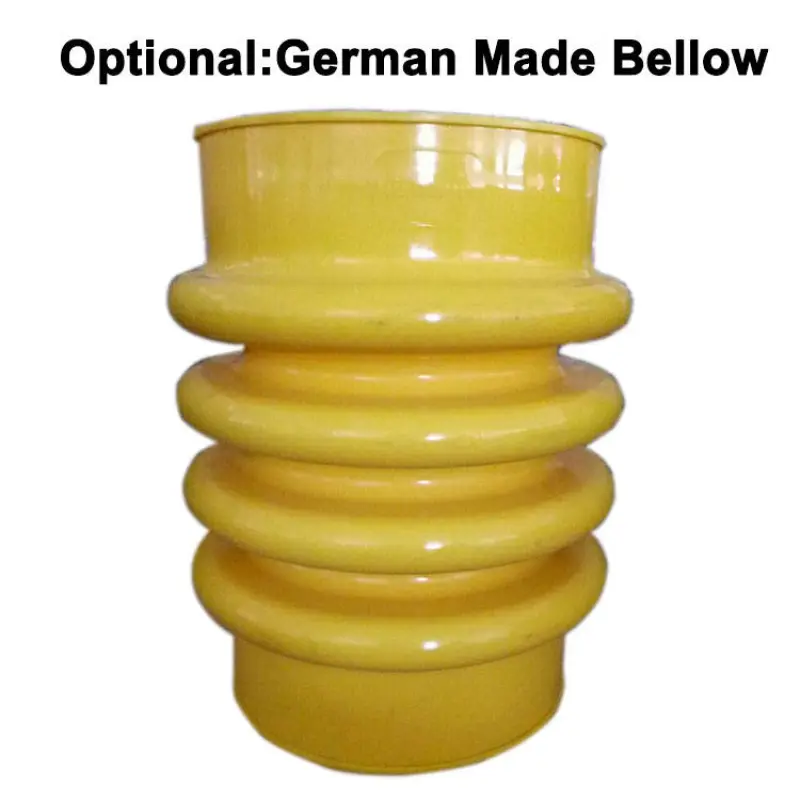
Typical maintenance includes daily checks (fuel, oil, visible damage), cleaning or replacing the air filter (double-filter element), inspecting the foot and bellows, checking and tightening fasteners, and changing engine oil/spark plugs at manufacturer-recommended intervals. Always follow the supplied service manual.
8. Are spare parts and consumables (like filters and foot plates) readily available?
Most common spare parts — air filters, foot/tamping plates, bellows, spark plugs, carburetor parts — are widely available for popular rammer engines and models. Confirm spare-part availability with the supplier or manufacturer for the exact model you purchase.
9. What safety equipment and precautions are recommended when operating this rammer?
Wear hearing protection, safety boots, eye protection, gloves, and a dust mask as needed. Ensure stable footing, keep bystanders away, use vibration-dampening handles if equipped, and take regular breaks to reduce operator fatigue and vibration exposure. Follow local regulations regarding PPE and vibration exposure limits.
10. How noisy is a tamping rammer and how can noise be mitigated?
Rammers generate significant noise (typical of small internal-combustion compaction equipment). Use hearing protection and, where possible, operate during hours that minimize disturbance. Some models offer mufflers or quieter engine options — check the spec sheet.
11. Can this machine be used on finished paving or delicate surfaces?
Rammers produce a concentrated impact suitable for soils and sub-bases but are not intended for finished asphalt or delicate surfaces. Use protective measures or choose a different compactor type (e.g., plate compactor) for final surface works.
12. What accessories are commonly available for a tamping rammer?
Common accessories include replacement and specialty tamping feet (different shapes/sizes), transport trolleys or wheel kits, lifting brackets, spare bellows, and protective covers. Availability varies by supplier.
Latest Order Arrivals
Discover our latest orders
12 Heads Embroidery Machine
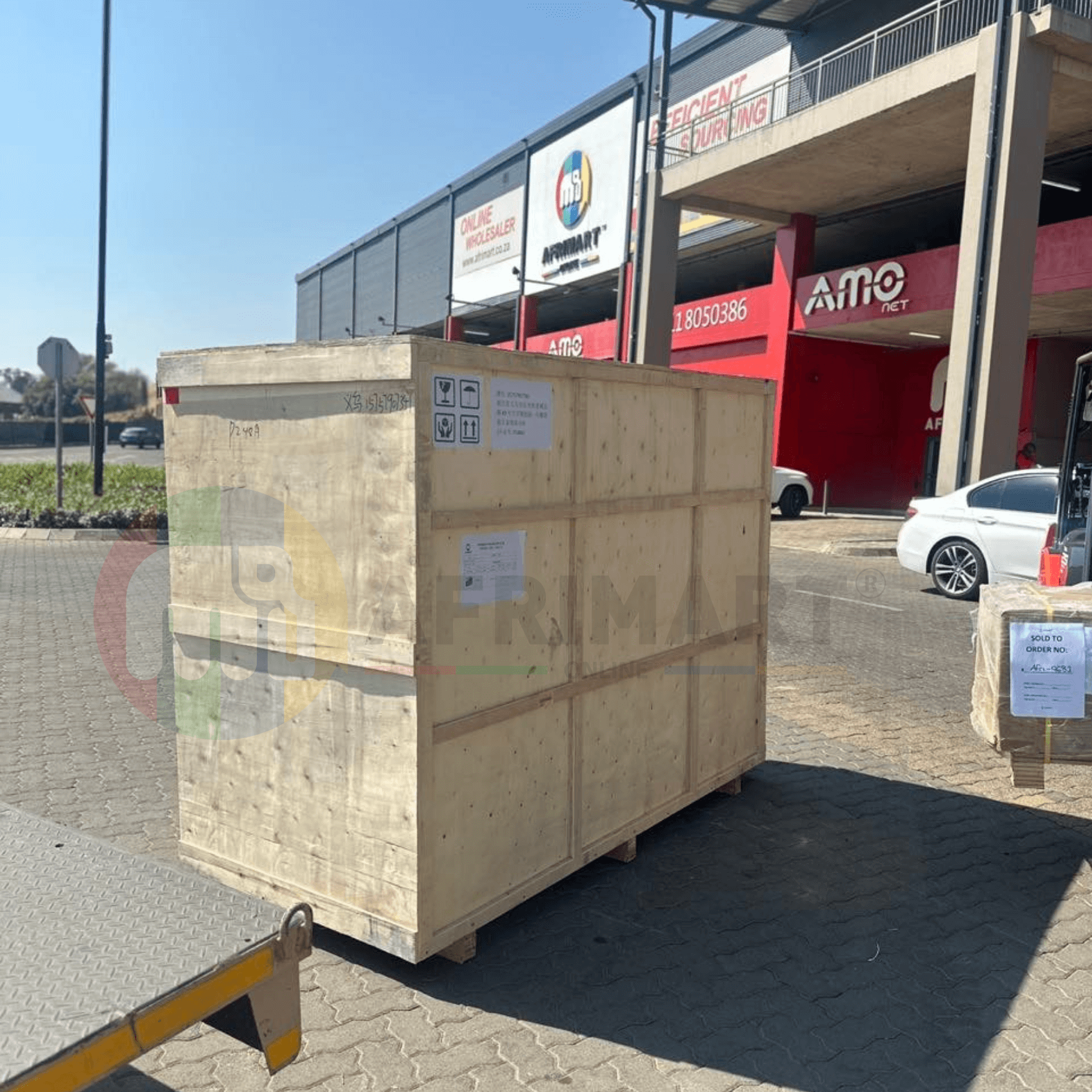
Dewatering Pump Machine
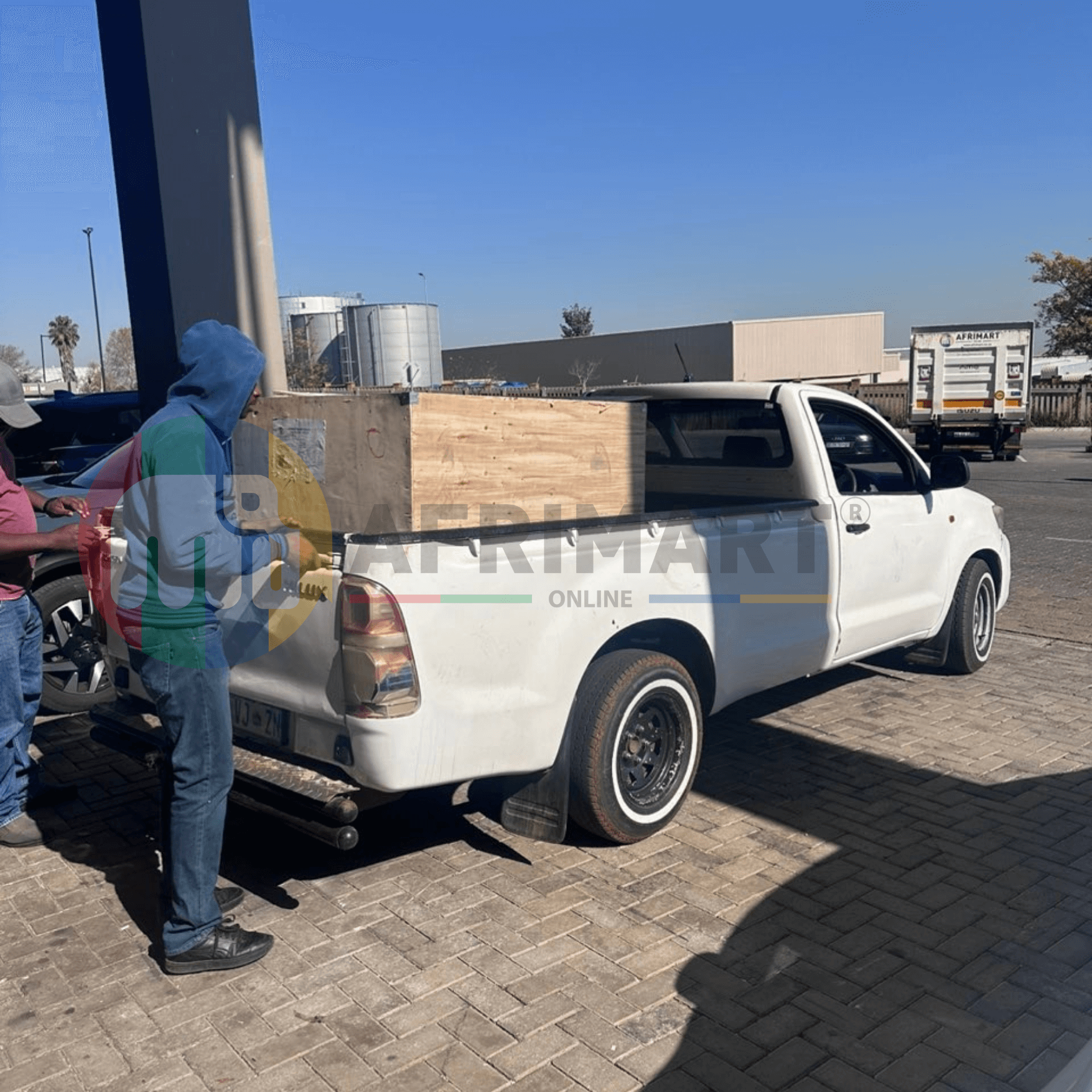
Order Collection
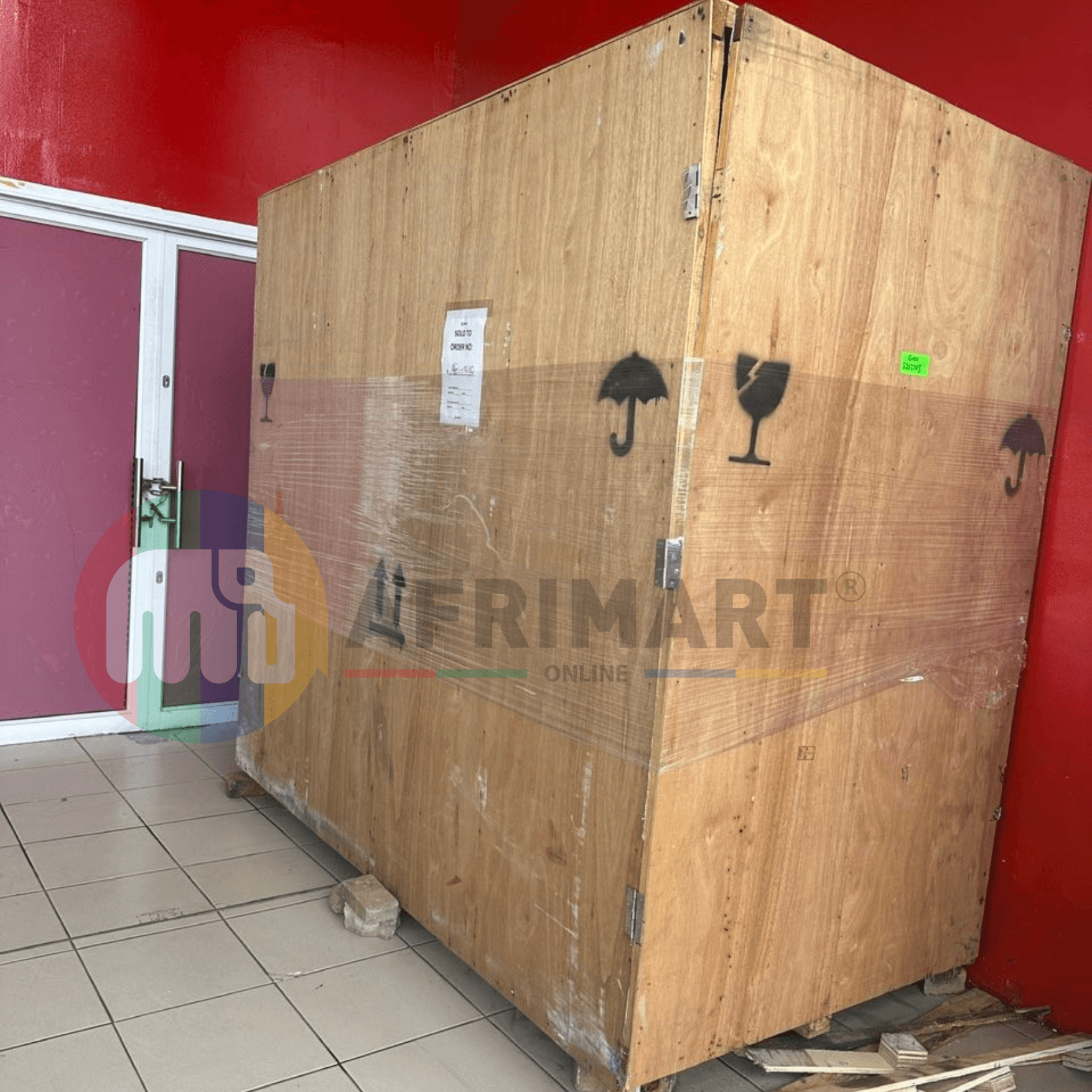
Portable Water Drilling Rig
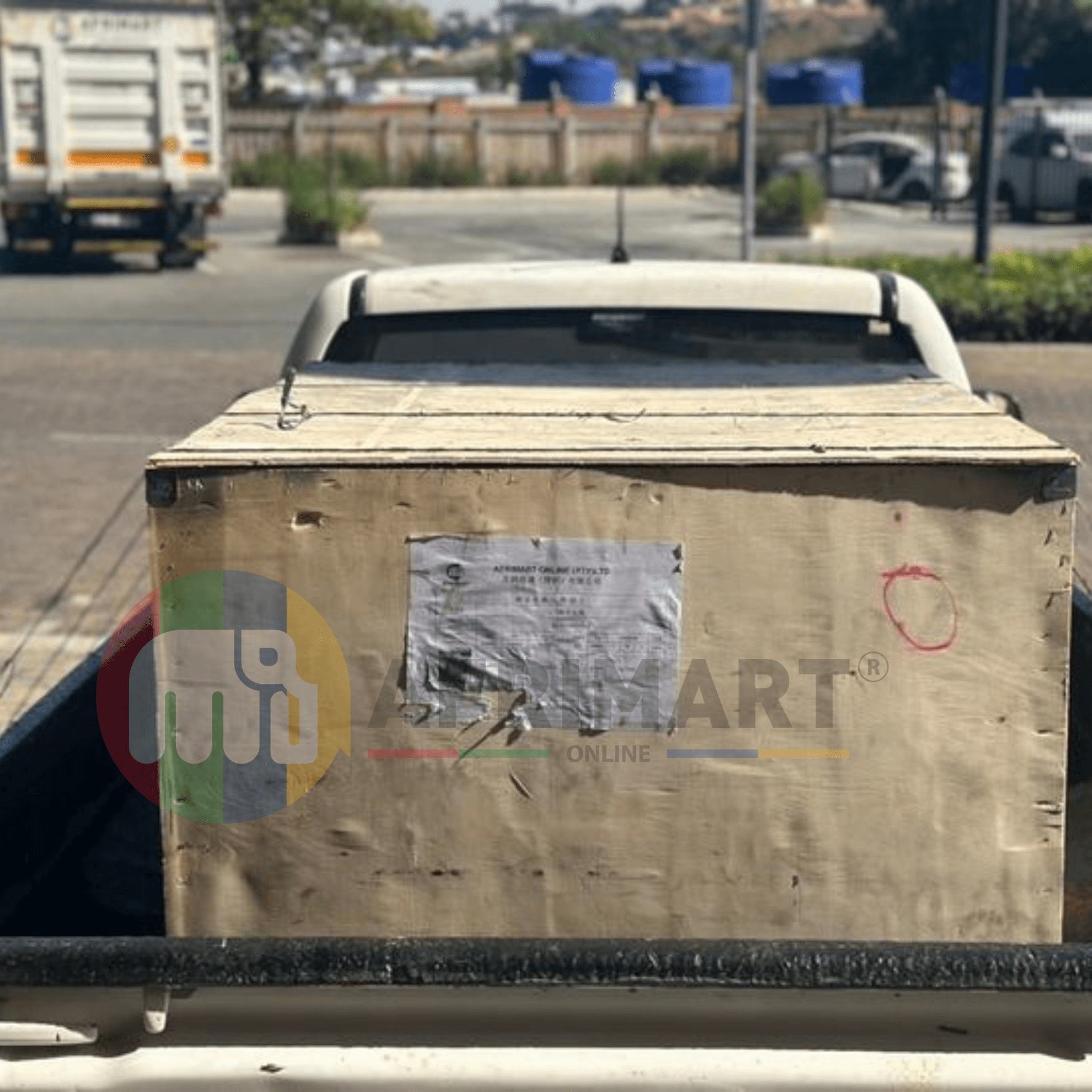
Order Usefully Collected
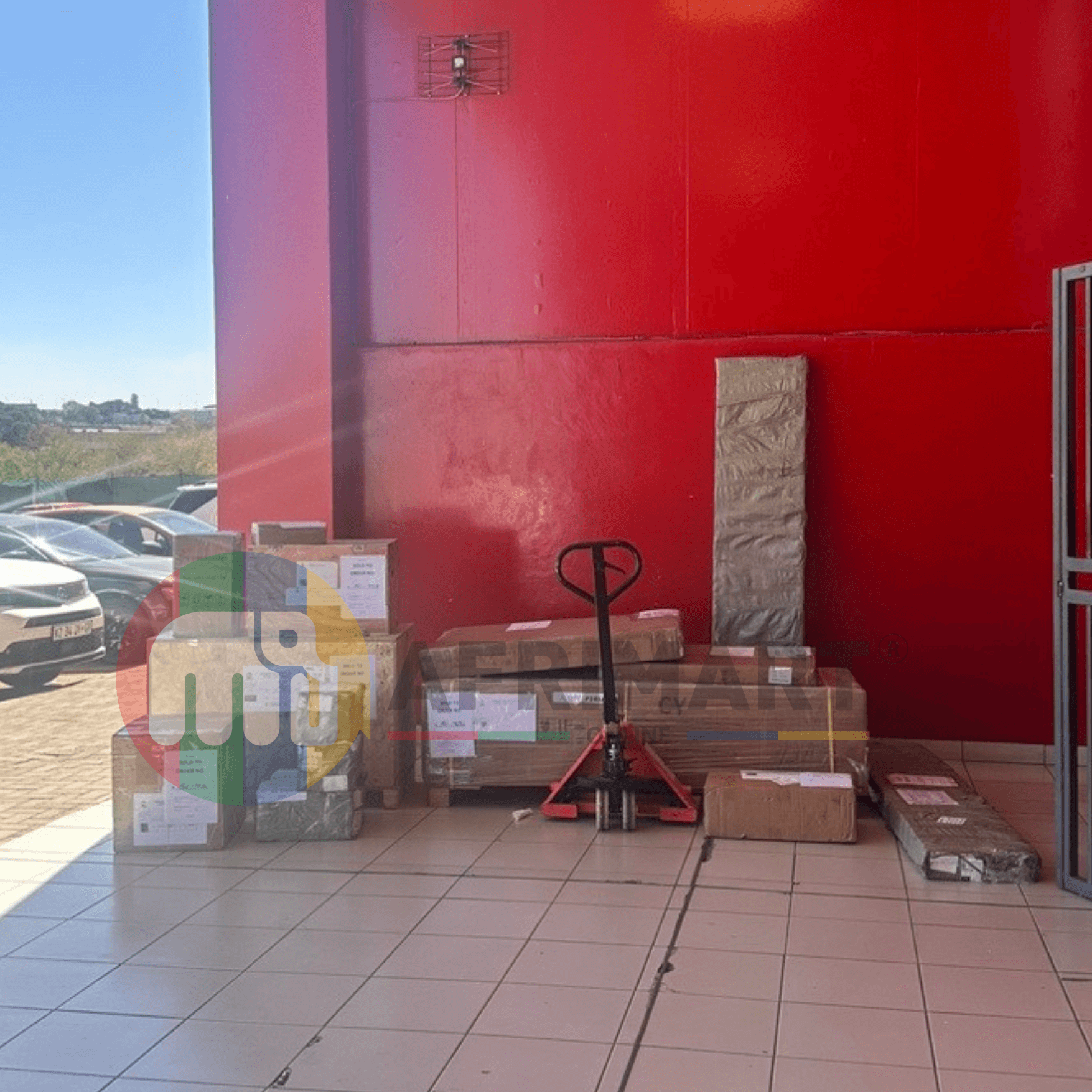
Batch of Orders
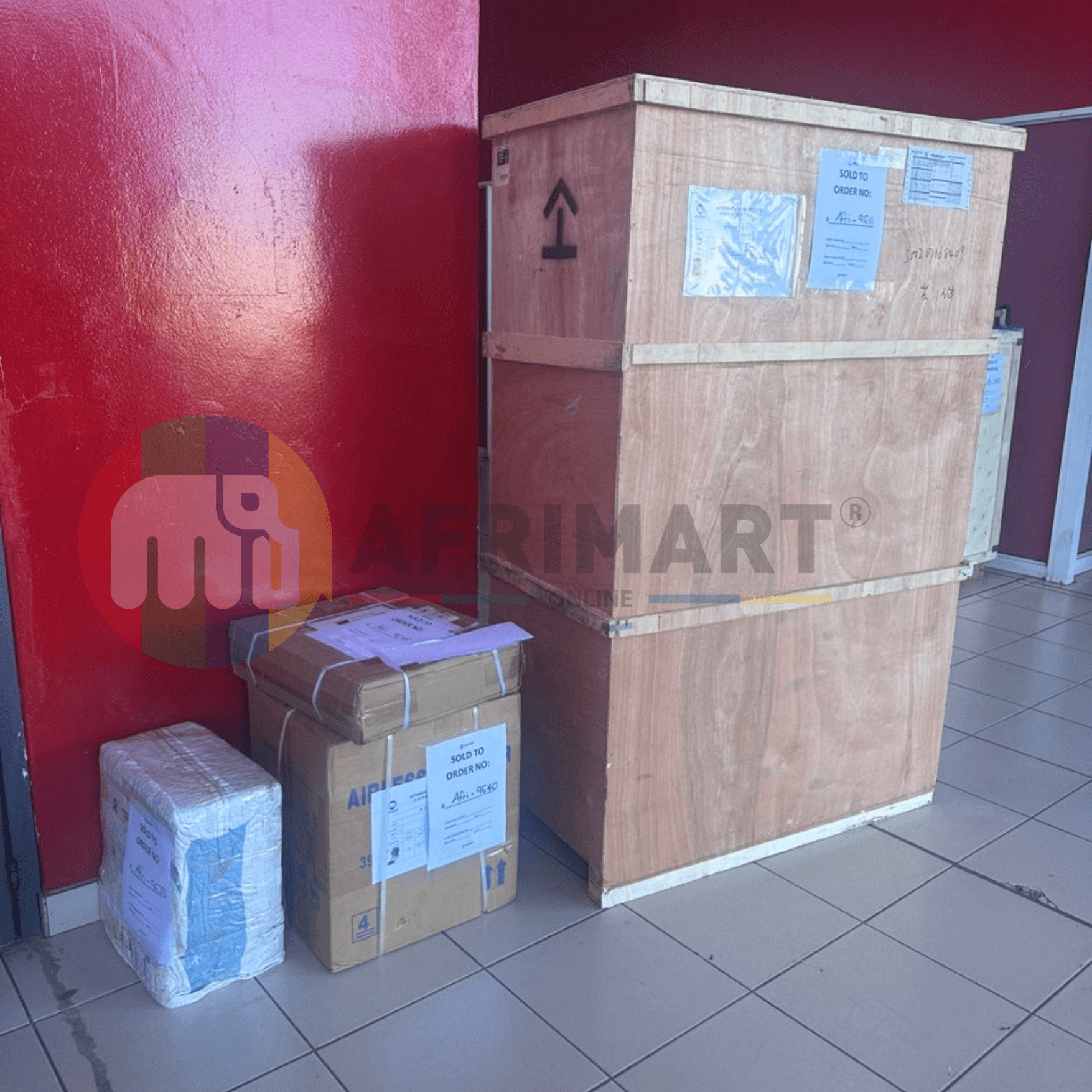
Agriculture Processing Machines
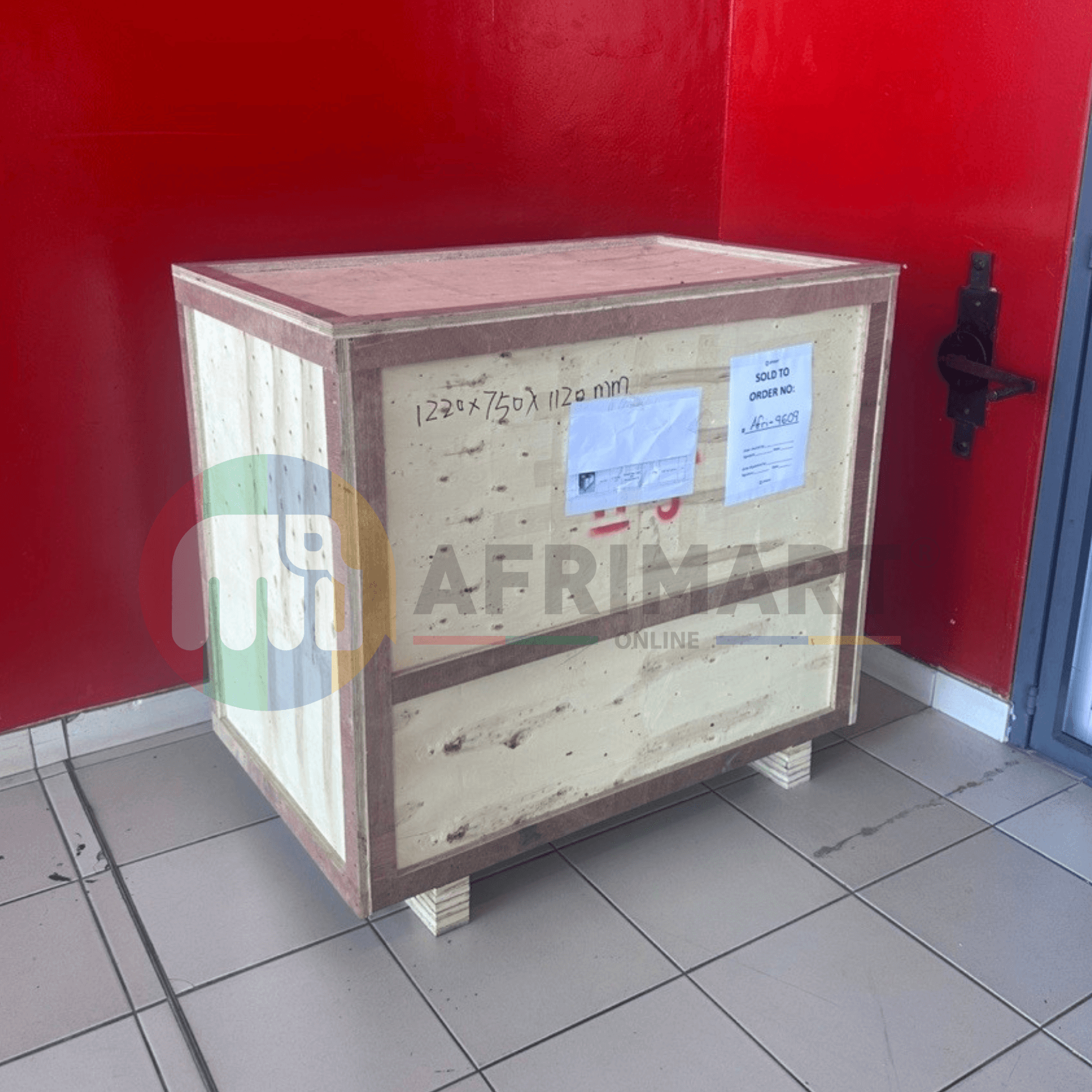
Meat Grinder Machine
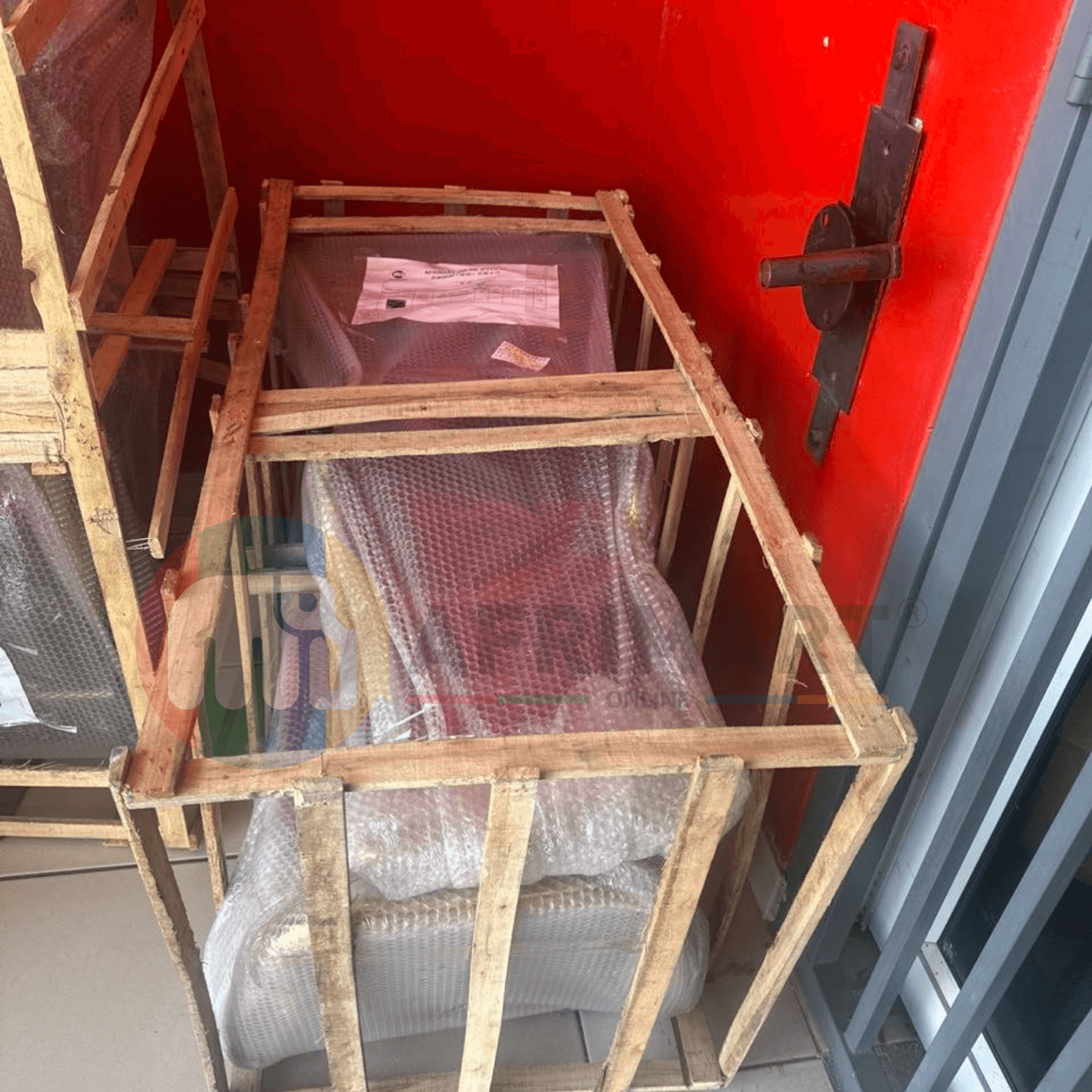
Water Pump Equipment
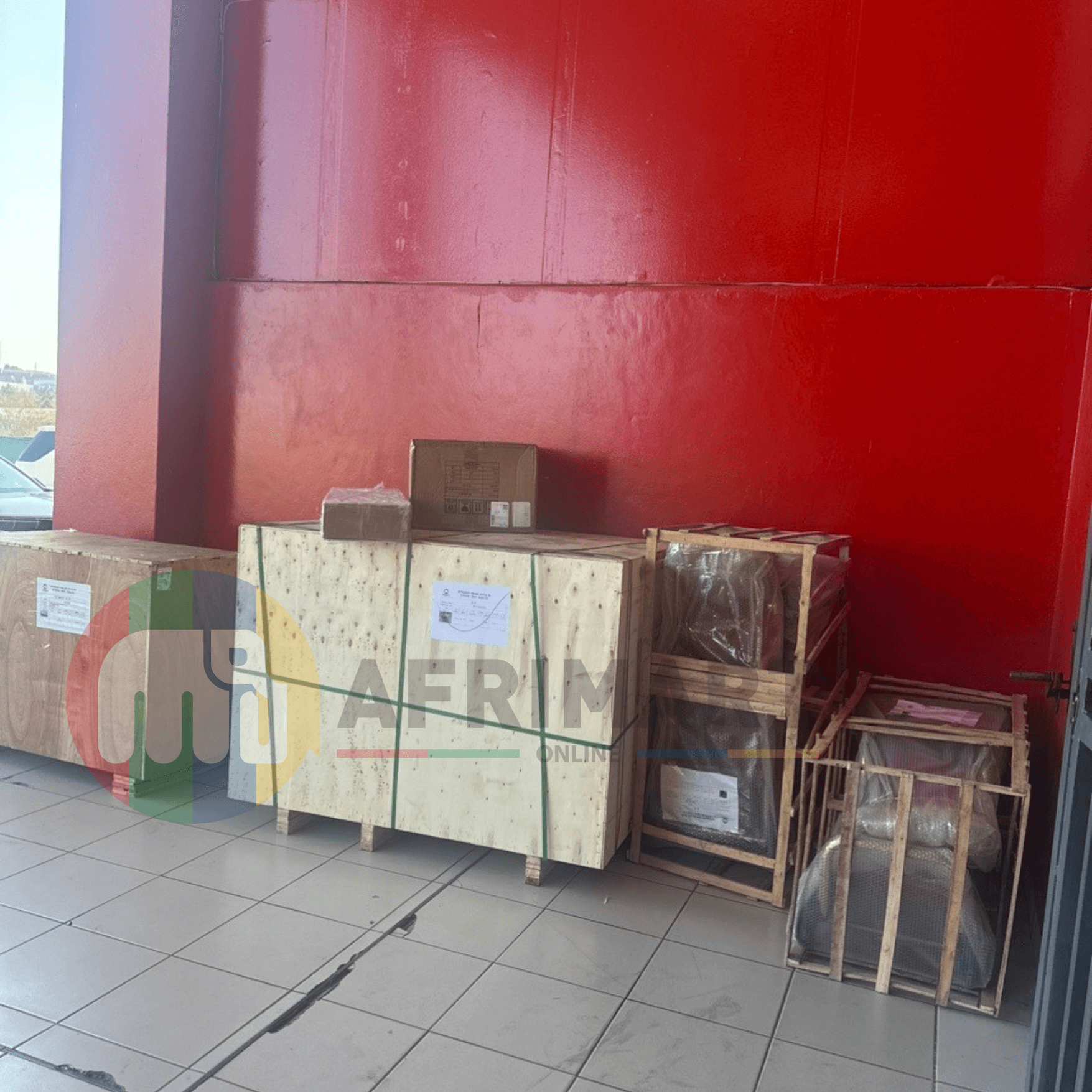
Packaging Machine and accessories
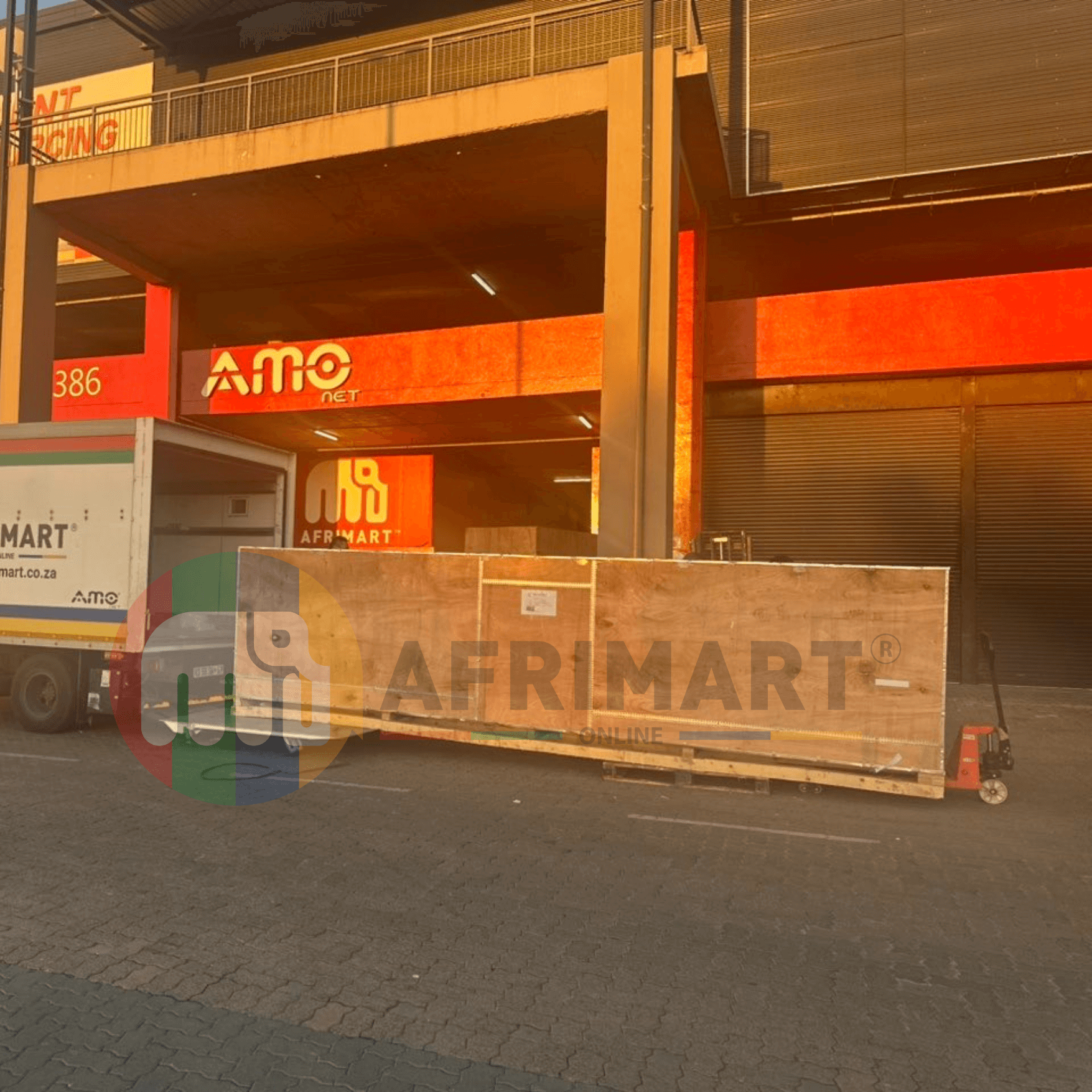
Fabrics Manufacturing Equipment
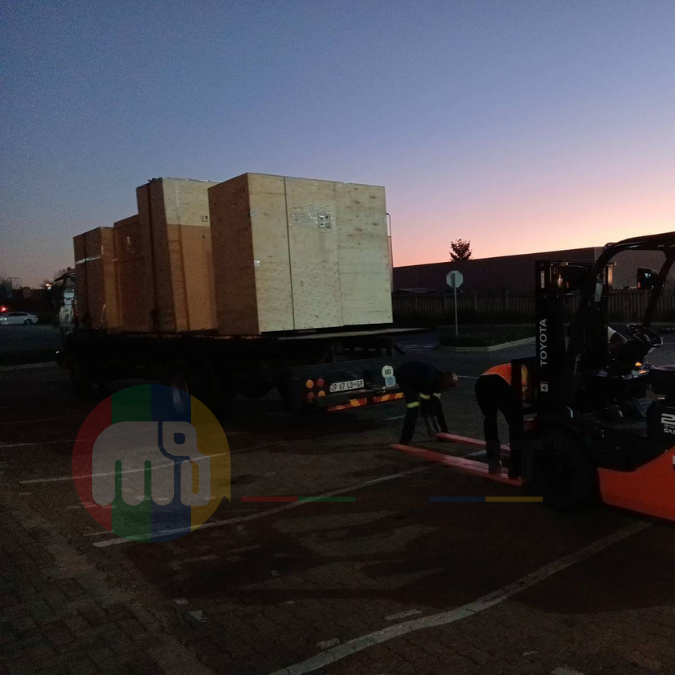
Mining Equipments
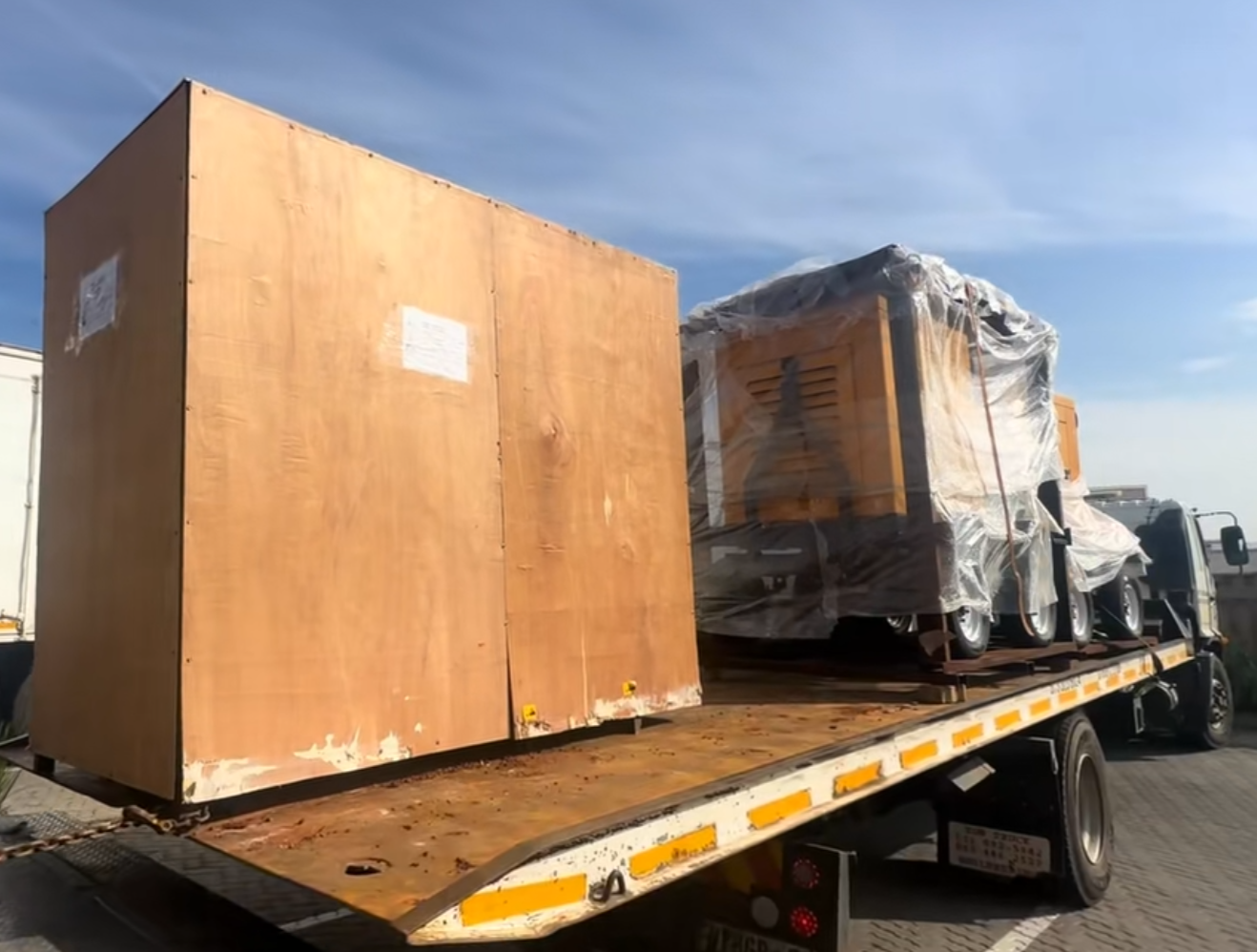
Food Processing Machine
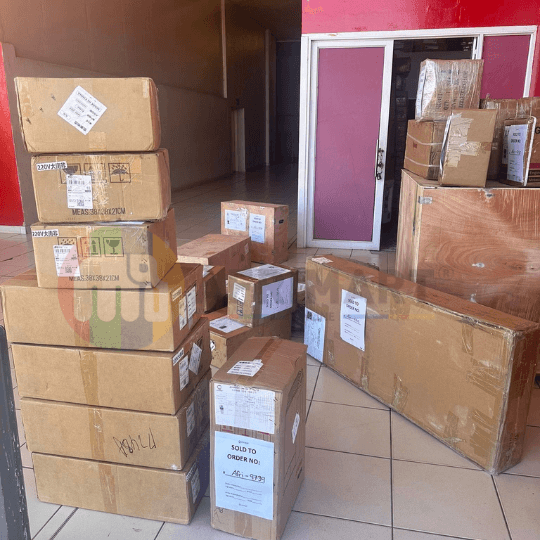
Batch of Orders
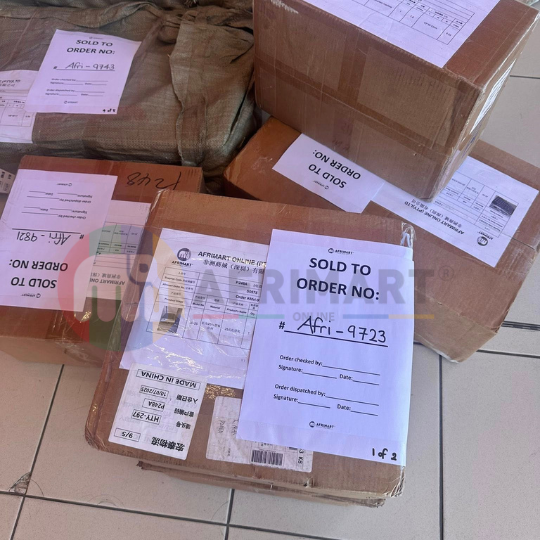
Batch of Orders
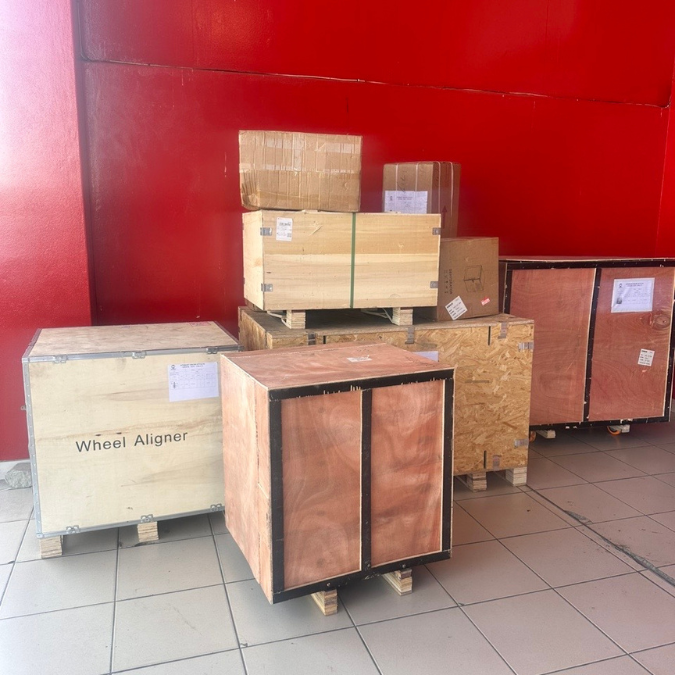
Latest Orders Labelled
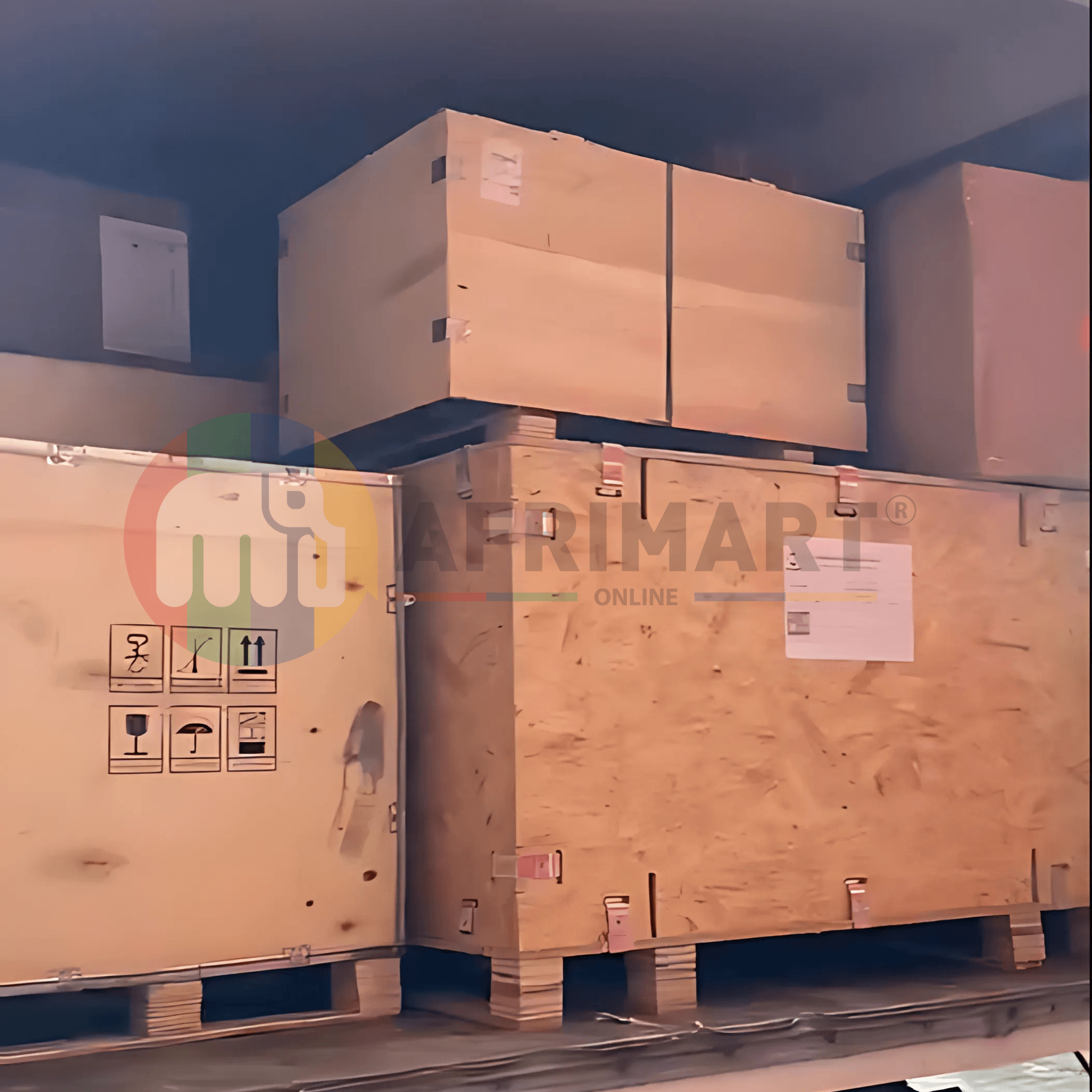
wheel alignment machines
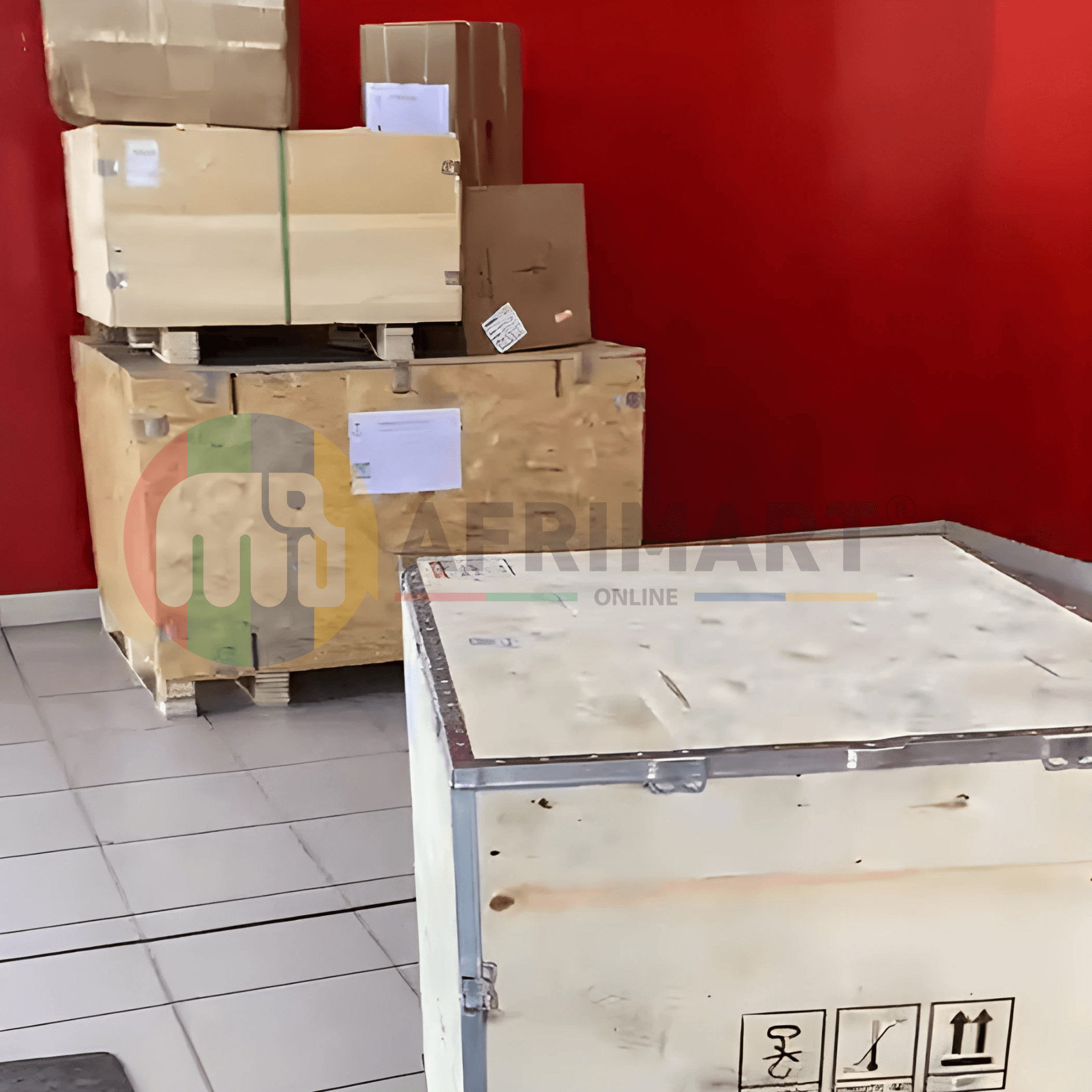
new arrivals
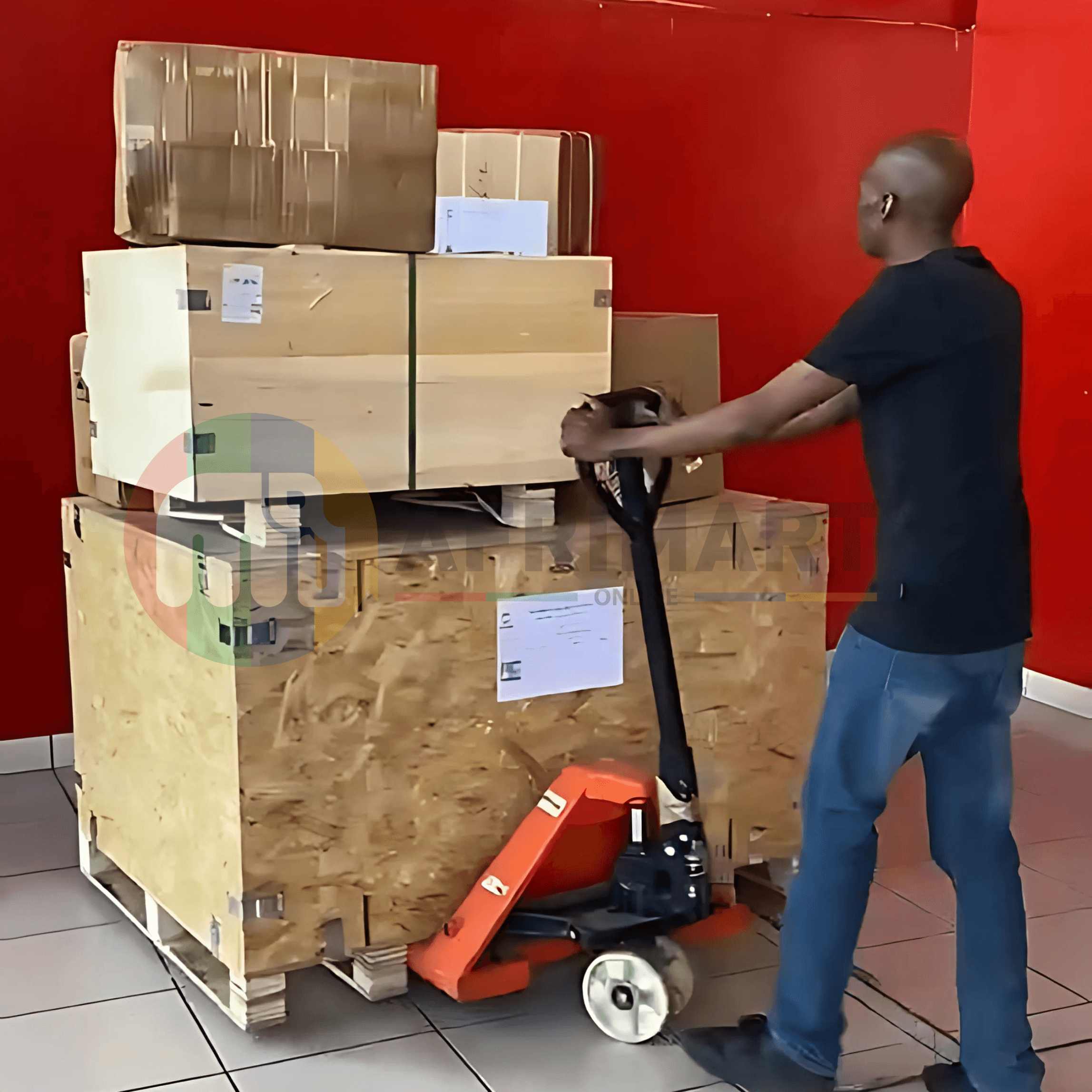
Pre Orders Offloading
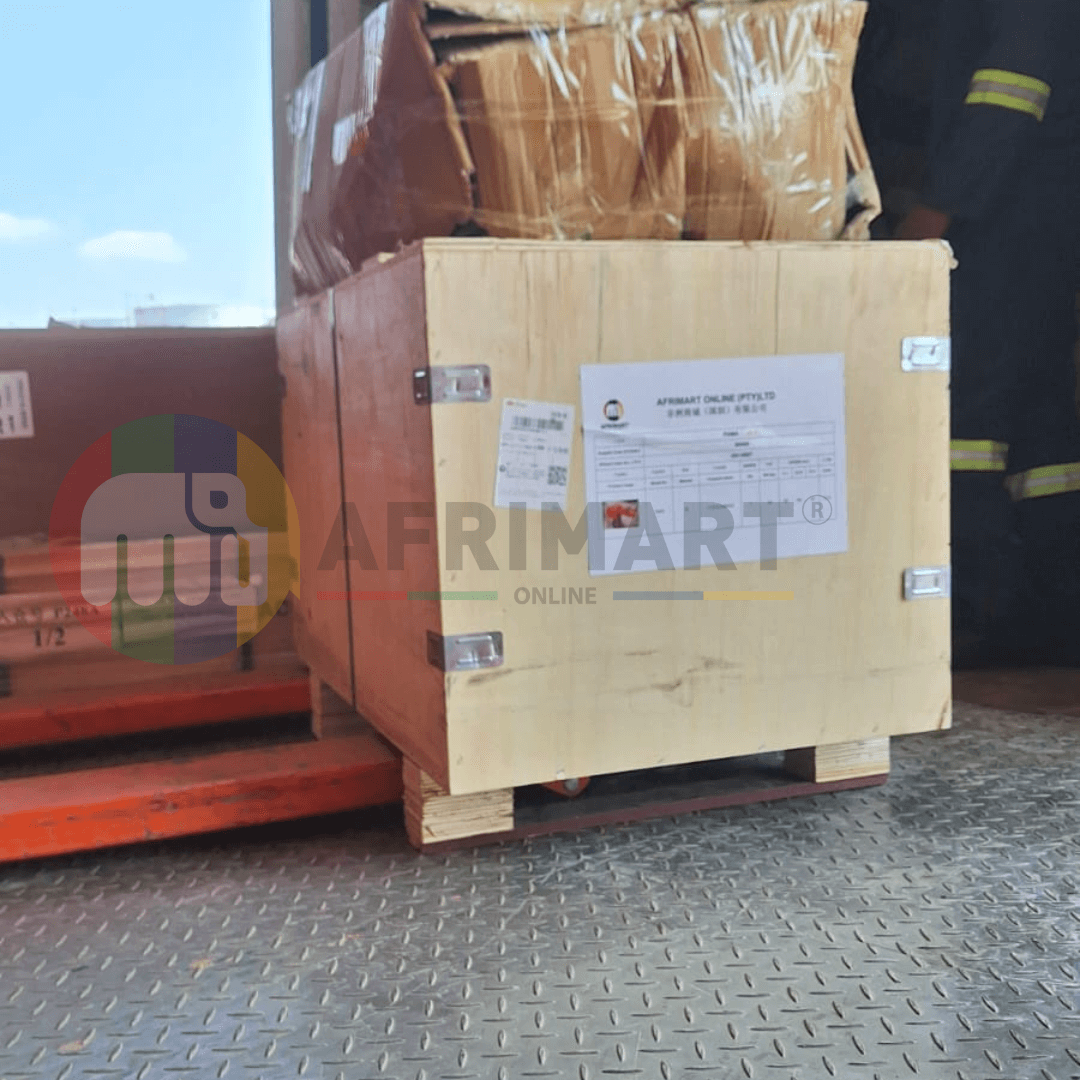
Latest Arrivals
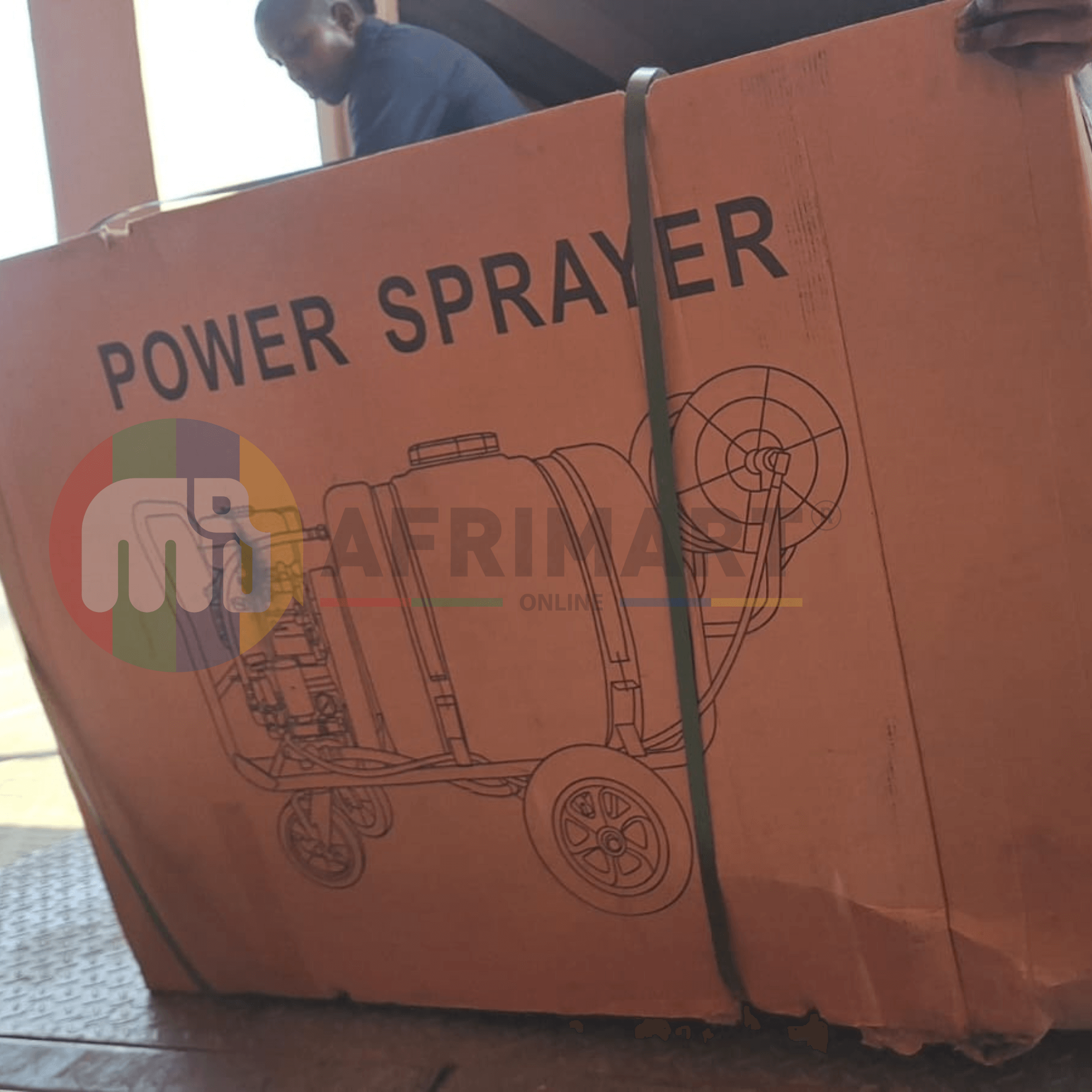
Latest Arrivals
Latest Arrivals
26 January 2026
Toilet paper making machine
Toilet paper making machine
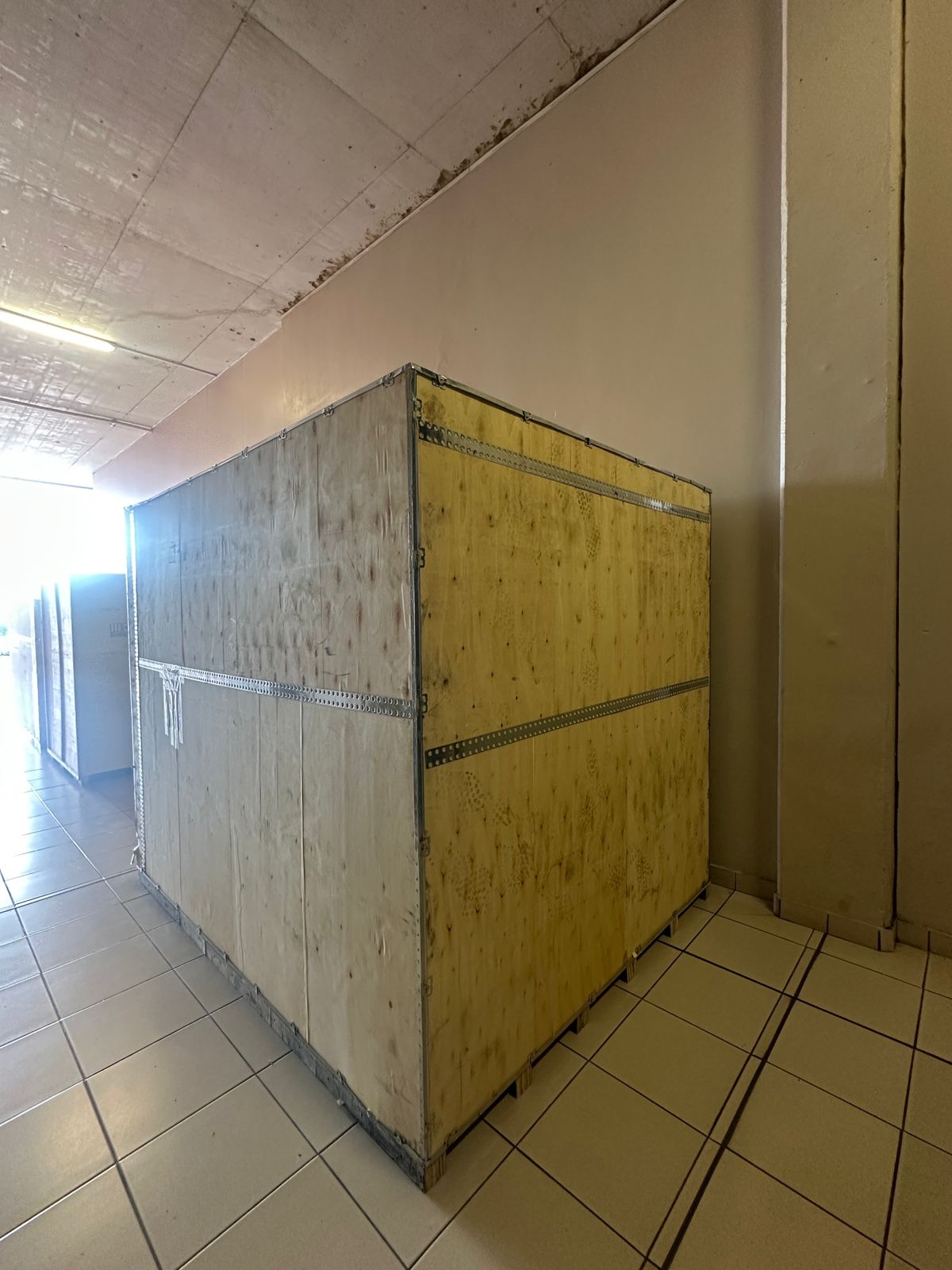
Toilet paper Rewinding Machine
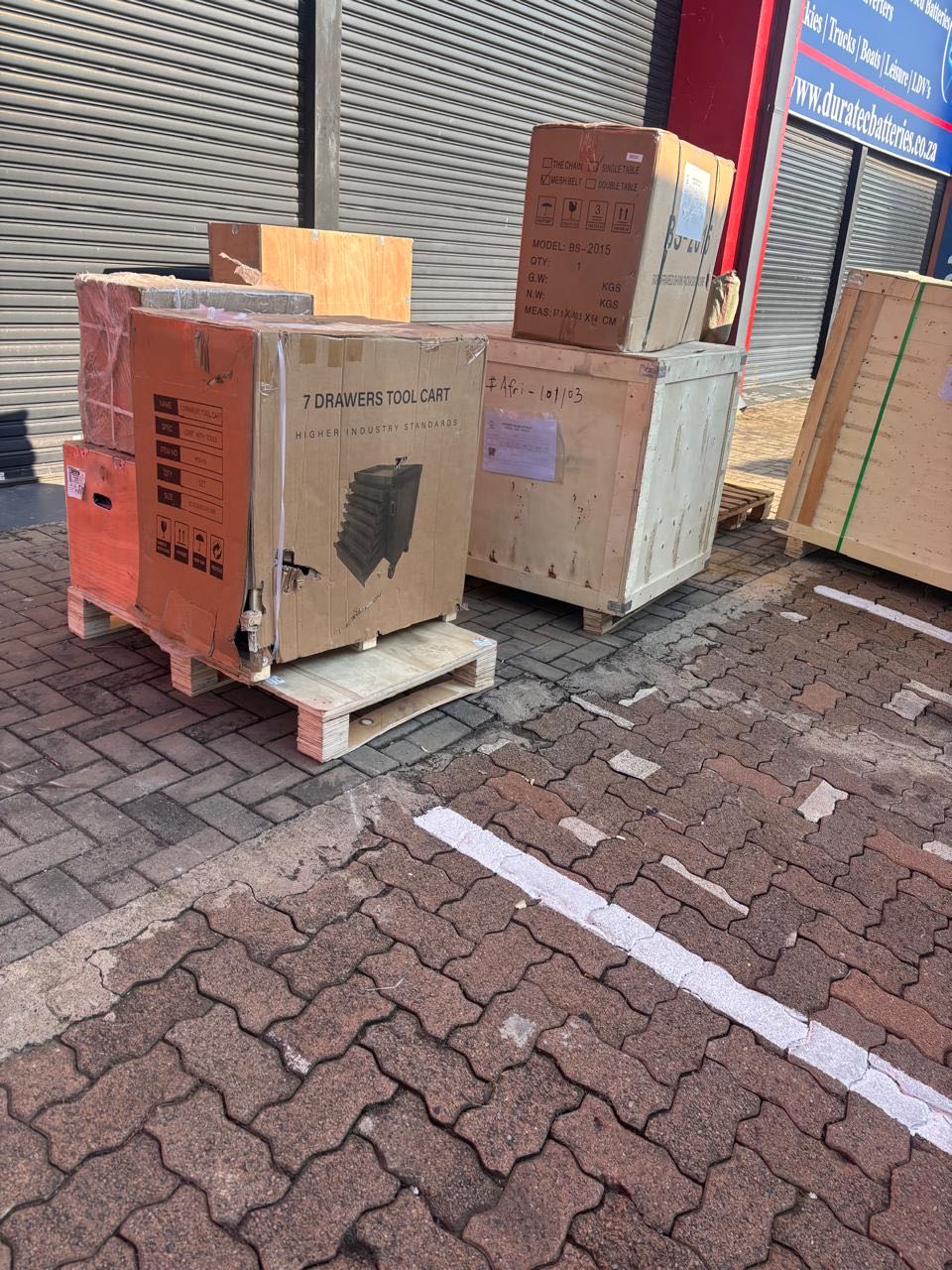
latest arrivals
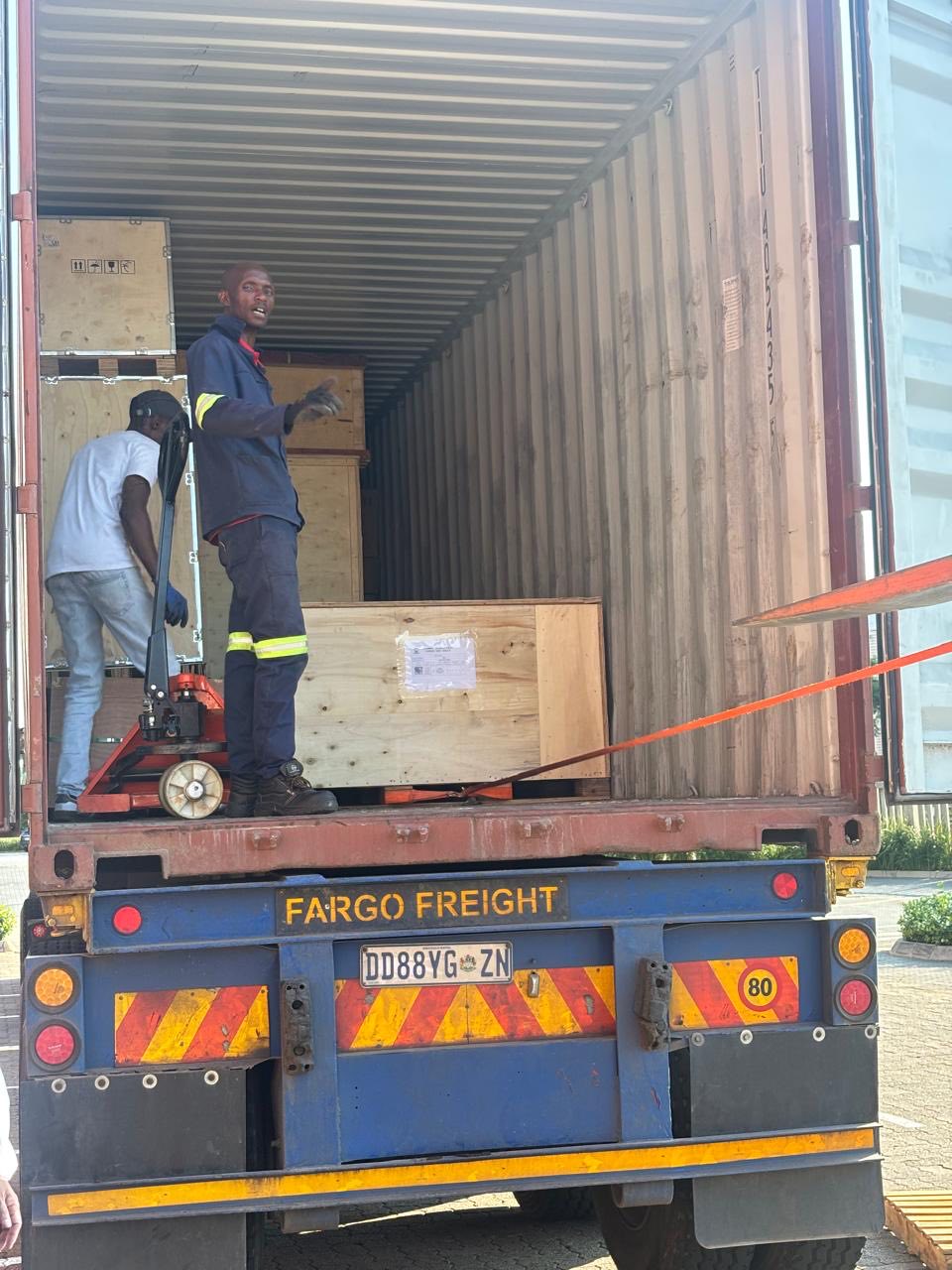
offloading
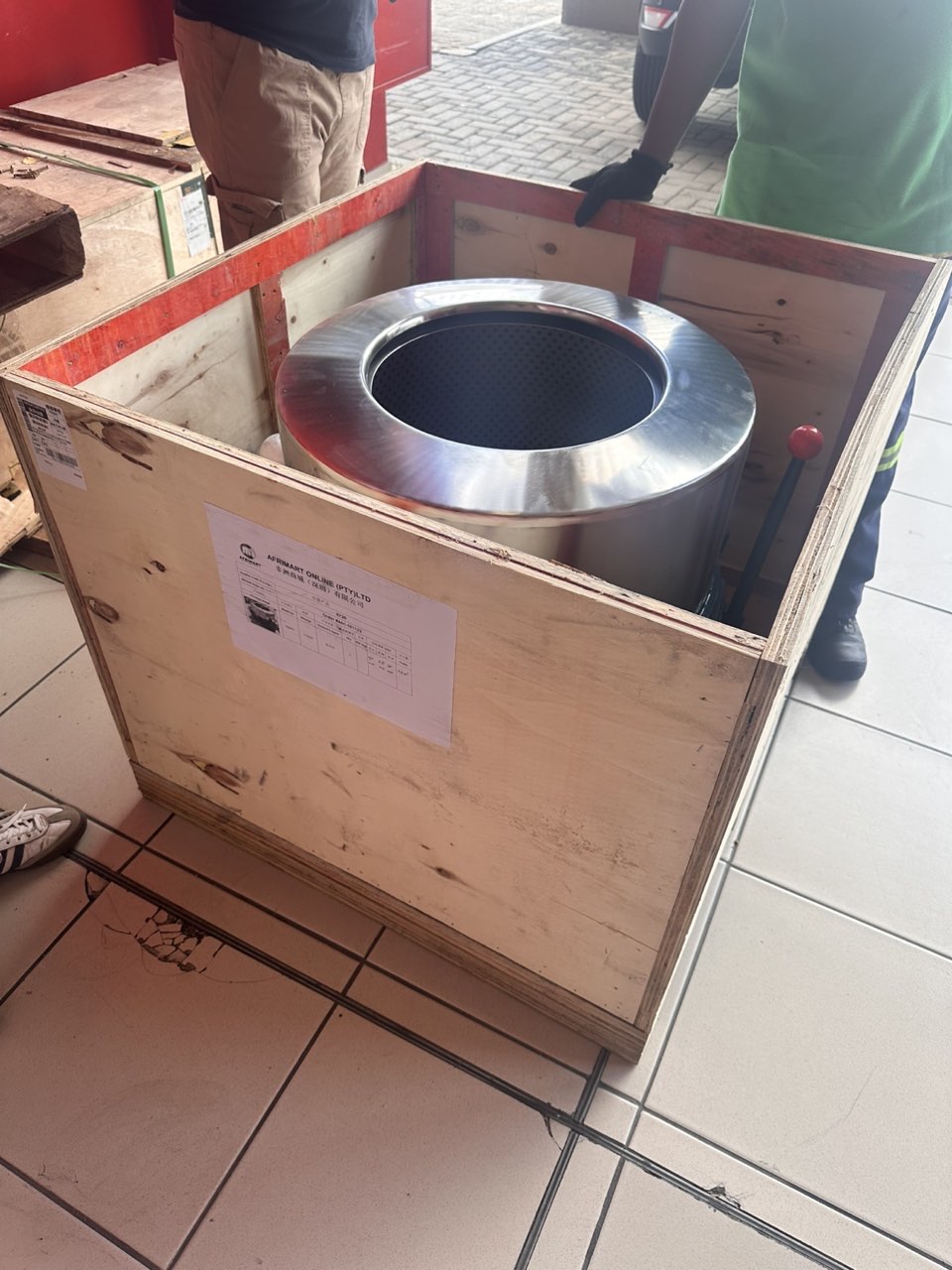
order success
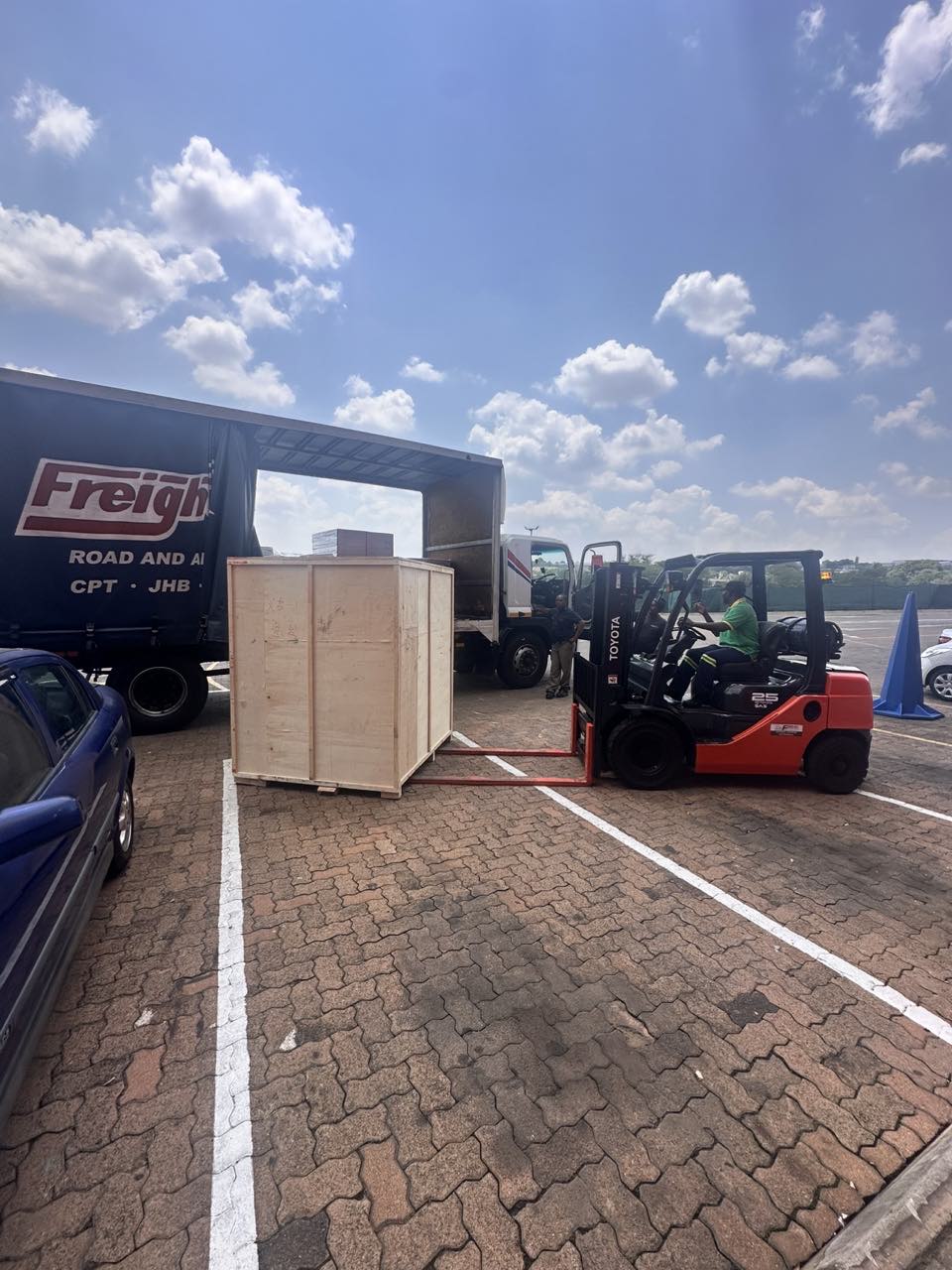
order collection
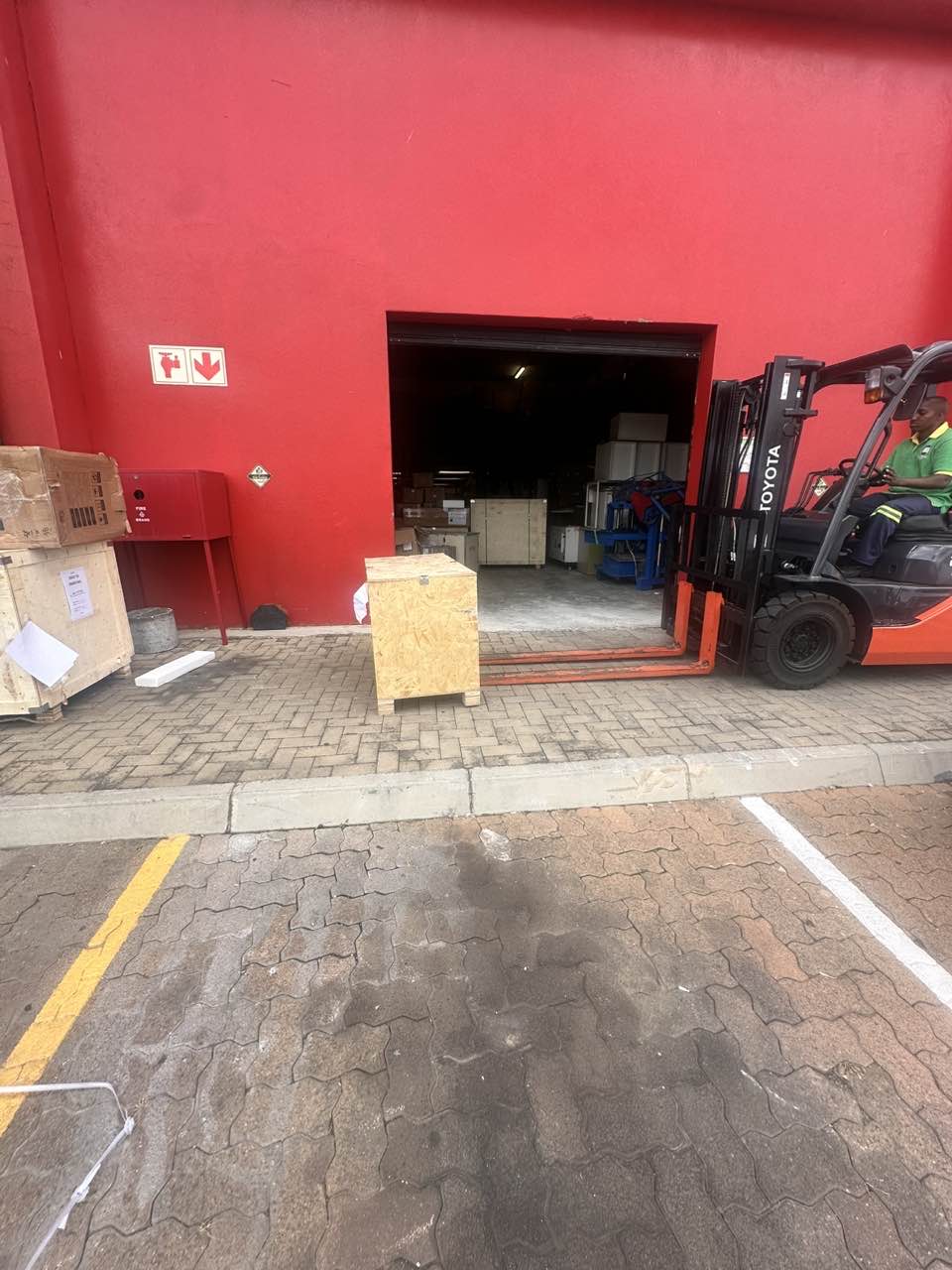
order offloading