B21, China Town Mall, Midrand

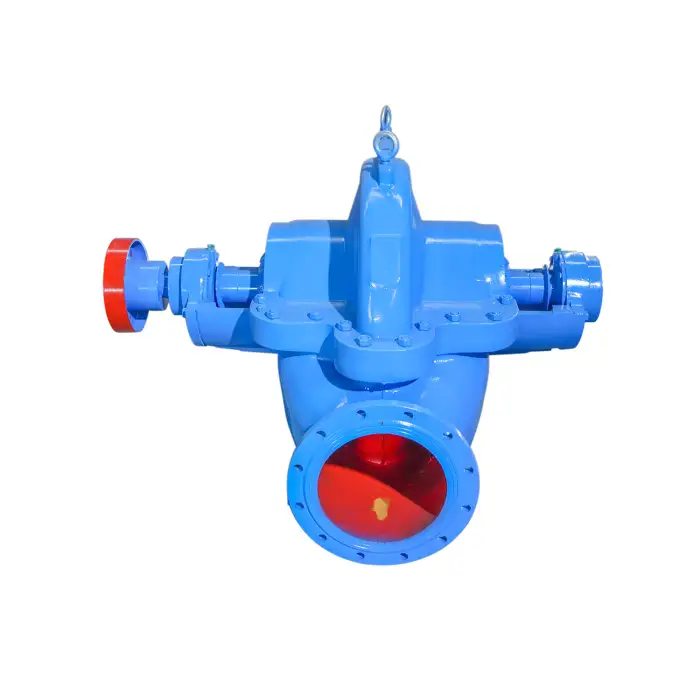
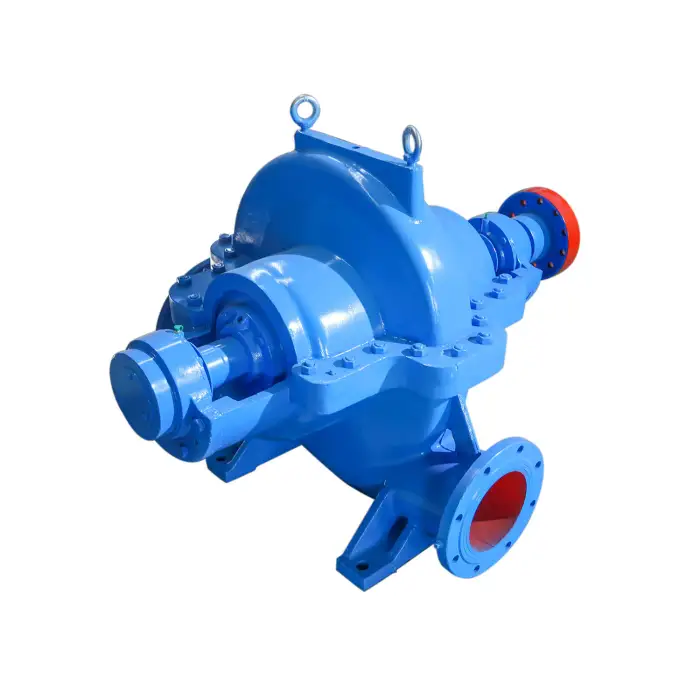
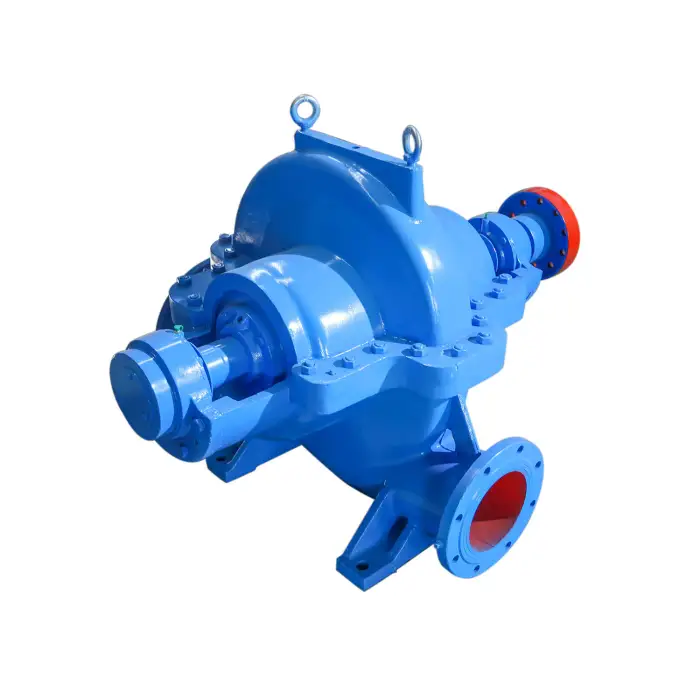
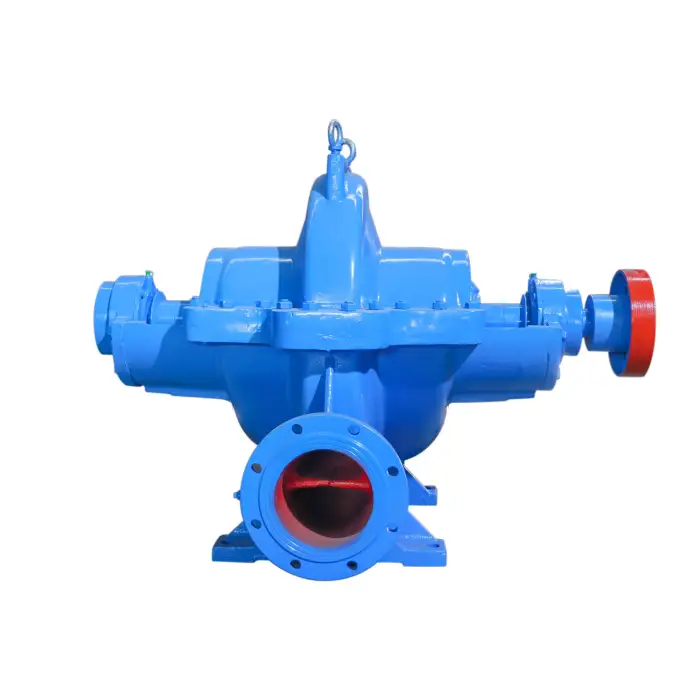
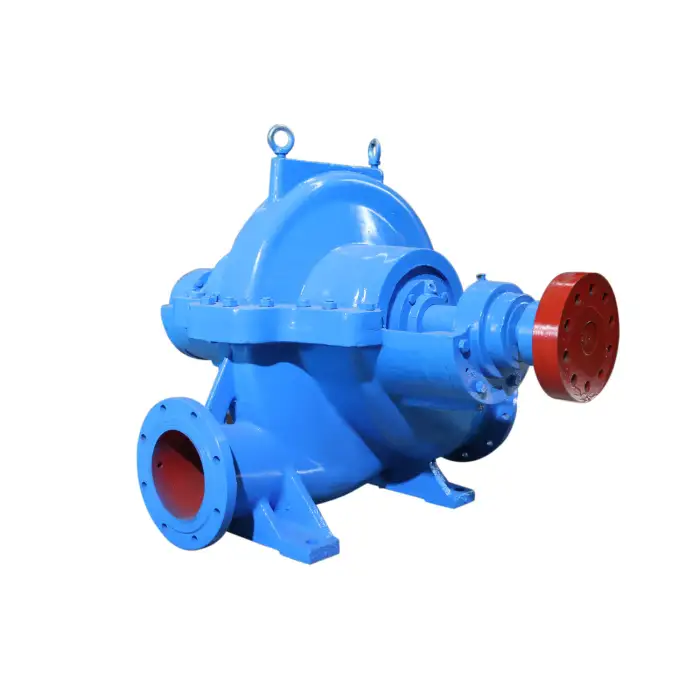
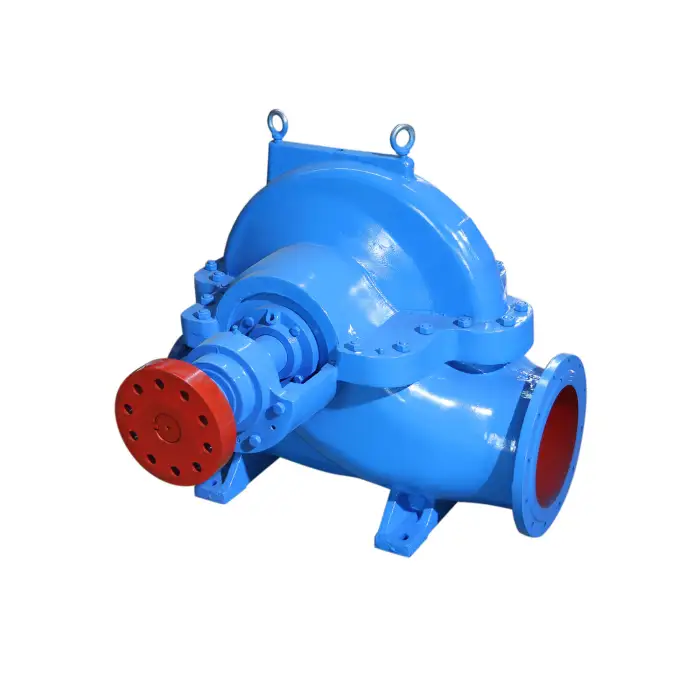
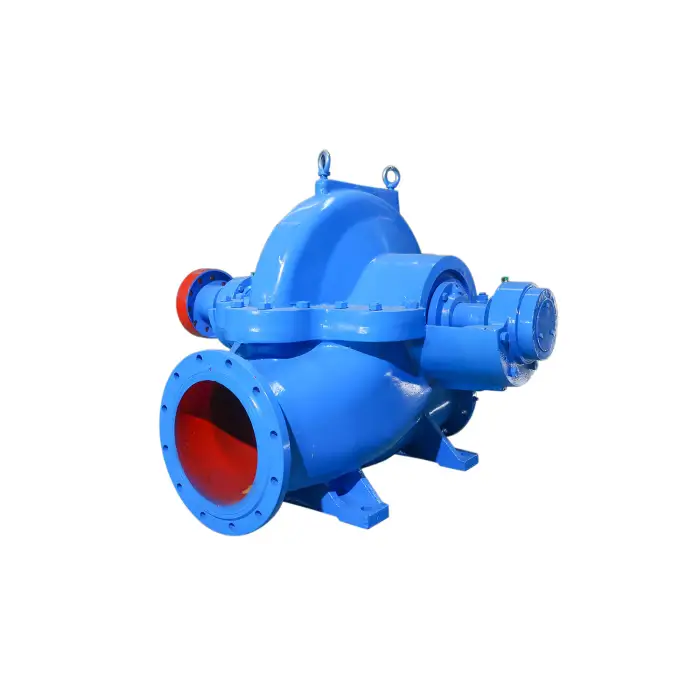
576m3/h Flow 65m Head 200kw Split case Double Suction Pump for Farmland Irrigation

- Section : Electrical & Tools
- Category : Pumps & Parts
- SKU : 1601467295180

576m3/h Flow 65m Head 200kw Split Case Double Suction Pump for Farmland Irrigation
The 576m3/h Flow 65m Head 200kw Split Case Double Suction Pump is a powerful and reliable solution for farmland irrigation. Designed to handle various liquids, this pump ensures efficient water management for agricultural needs. With its high flow rate and robust build, it is perfect for farms looking to optimize their irrigation systems.
Specifications
| Attribute | Details |
|---|---|
| Flow Rate | 576 m3/h |
| Head | 65 m |
| Power | 200 kW |
| Voltage | 380 V |
| Speed | 1450 r/min |
| Efficiency | 80% |
| Max Temperature | 80℃ |
| Inlet Size | 300 mm |
| Outlet Size | 200 mm |
| Material | Cast Iron |
| Shaft Seal | Soft Packing Seal or Mechanical Seal |
| Cable Length | Customer Requirement |
| Horsepower | 270 hp |
| Liquid Compatibility | Wastewater, Sewage, Hot Water, Clean Water, Dirty Water, Saltwater |
Key Features
- High flow rate of 576 m3/h for efficient irrigation.
- 65 m head for powerful water lifting.
- 200 kW electric power for reliable operation.
- Customizable designs to meet specific needs.
- Durable cast iron construction for long-lasting performance.
- Can handle various liquid types, including clean and dirty water.
Applications
- Farmland irrigation for crops and plantations.
- Water management in agricultural fields.
- Pumping wastewater for treatment facilities.
- Handling sewage in agricultural setups.
- Utilizing hot water for various agricultural processes.
- Supporting irrigation systems for greenhouses.
Product Info Gallery
- Shipping Timeframes: All orders are processed within 2-5 business days (excluding weekends and holidays). After your order has been processed, the estimated delivery time is before 31 May, 2026, depending on customs, Please note that due to high demand, some items may experience longer shipping times, which will be communicated at order confirmation email.
- Order Processing Time: Please allow 2-5 business days for us to process your order before it is shipped . Orders placed after 16:00 on Fridays, or during weekends and public holidays, will begin processing on the next business day. Processing times may be extended during peak seasons or sales events.
- Manufacturing Time: Some products needs manufacturing time, the manufacturing process will take approximately 10-30 business days depending on the product. This timeframe may vary depending on the complexity of the product and current demand. but this will be communicated with you during order confirmation.
- Returns and Exchanges: We offer a 30-day return policy for most items. If you are not completely satisfied with your purchase, you may return it within 30 days of receipt for a refund or exchange. Items must be unused, in their original packaging, and accompanied by proof of purchase. Return shipping costs are the responsibility of the customer, unless the item was damaged or defective upon arrival.
1. What are the main specifications of the 576m3/h Flow 65m Head 200kW split case double suction pump?
Key specifications: flow 576 m3/h, head 65 m, motor power 200 kW (≈270 hp), voltage 380 V, speed 1450 r/min, efficiency ~80%, max liquid temperature 80°C, inlet 300 mm, outlet 200 mm, cast iron construction, shaft seal options: soft packing or mechanical seal.
2. What liquids can this pump handle?
The pump is designed for clean water, dirty water, wastewater, sewage and saltwater, and can handle hot water up to 80°C. For highly abrasive, highly corrosive or very viscous fluids, material upgrades or special coatings may be required.
3. Is this pump suitable for farmland irrigation?
Yes. With a high flow rate (576 m3/h) and 65 m head, it is suitable for large-scale farmland irrigation, greenhouse systems and other agricultural water management tasks.
4. Is the pump self-priming and what suction conditions are required?
This is a horizontal split case double-suction pump and is not self-priming. It performs best with flooded suction (positive inlet pressure). If suction lift is required, a foot valve and priming arrangement or auxiliary priming system must be provided.
5. Can the pump handle solids and sewage?
The pump can handle dirty water and sewage, but solids handling capacity depends on impeller design and clearances. For heavy solids or high debris load, specify a solids-handling impeller or use pre-screening/strainers to protect the pump.
6. Is the pump suitable for saltwater use?
Standard cast iron construction is acceptable for limited saltwater exposure but will corrode over time. For continuous saltwater service, request corrosion-resistant materials (e.g., stainless steel, duplex or protective coatings) when ordering.
7. What sealing options are available and how do they compare?
Two shaft seal options: soft packing and mechanical seal. Soft packing is simple and economical but requires more maintenance; mechanical seals provide better leak control and lower maintenance for higher-pressure or cleaner-service applications.
8. What electrical requirements and motor options are available?
Standard motor is 200 kW at 380 V three-phase and 1450 rpm. Other voltages, motor enclosures and ratings can be supplied on request. Cable length is made to customer requirements.
9. Can I use a variable frequency drive (VFD) with this pump?
Yes. A VFD is commonly used for flow control, soft starting and energy saving. Ensure the motor and pump are sized for the intended operating range and install proper protections (e.g., anti-cavitation, minimum speed limits).
10. What is the expected efficiency and how can I optimize energy use?
Nominal efficiency is about 80% at best efficiency point. To optimize energy use, operate the pump near its BEP (best efficiency point), use VFDs for off-design conditions, minimize system head losses and ensure piping and valves are correctly sized.
11. What installation considerations are important for a split case double suction pump?
Important items: solid concrete foundation, correct shaft alignment and coupling, proper piping support to avoid strain on pump flanges, provision for suction priming/flooding, adequate access for maintenance, and correct rotation during commissioning.
12. What routine maintenance does the pump require?
Routine maintenance includes checking and topping up lubrication for bearings, inspecting mechanical seals/packing, monitoring vibration and temperature, checking coupling alignment, cleaning strainers/screens and inspecting impeller clearances. Frequency depends on service conditions—typically monthly visual checks and scheduled servicing every 6–12 months.
13. What are the noise and vibration characteristics?
Split case double suction pumps are generally stable and lower-vibration when correctly installed and aligned. Actual noise and vibration depend on installation, foundation and operating point. Excessive noise or vibration usually indicates misalignment, cavitation or bearing/wear issues and should be inspected.
14. Are spare parts and after-sales support available?
Yes. Spare parts (impellers, seals, bearings, wear rings, gaskets) and technical support are available. It is recommended to keep critical spares on hand for fast field repairs—contact the supplier for recommended spares list.
15. What warranty and customization options are available?
Warranty terms and customization (materials, impeller type, motor/VFD options, cable length, accessories) vary by supplier. Contact the manufacturer or distributor to discuss warranty length, service packages and any required modifications for your application.
Latest Order Arrivals
Discover our latest orders
12 Heads Embroidery Machine
Dewatering Pump Machine
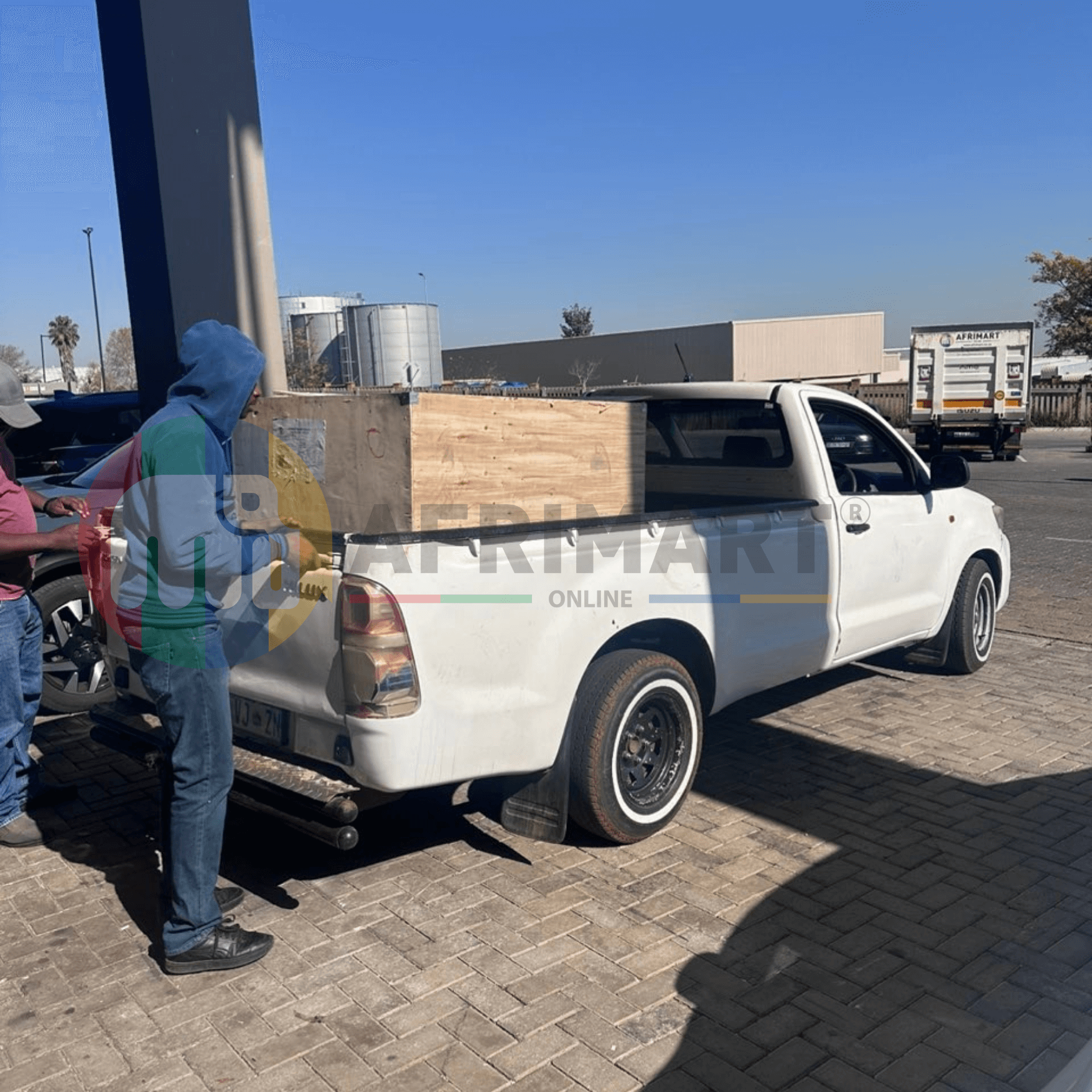
Order Collection
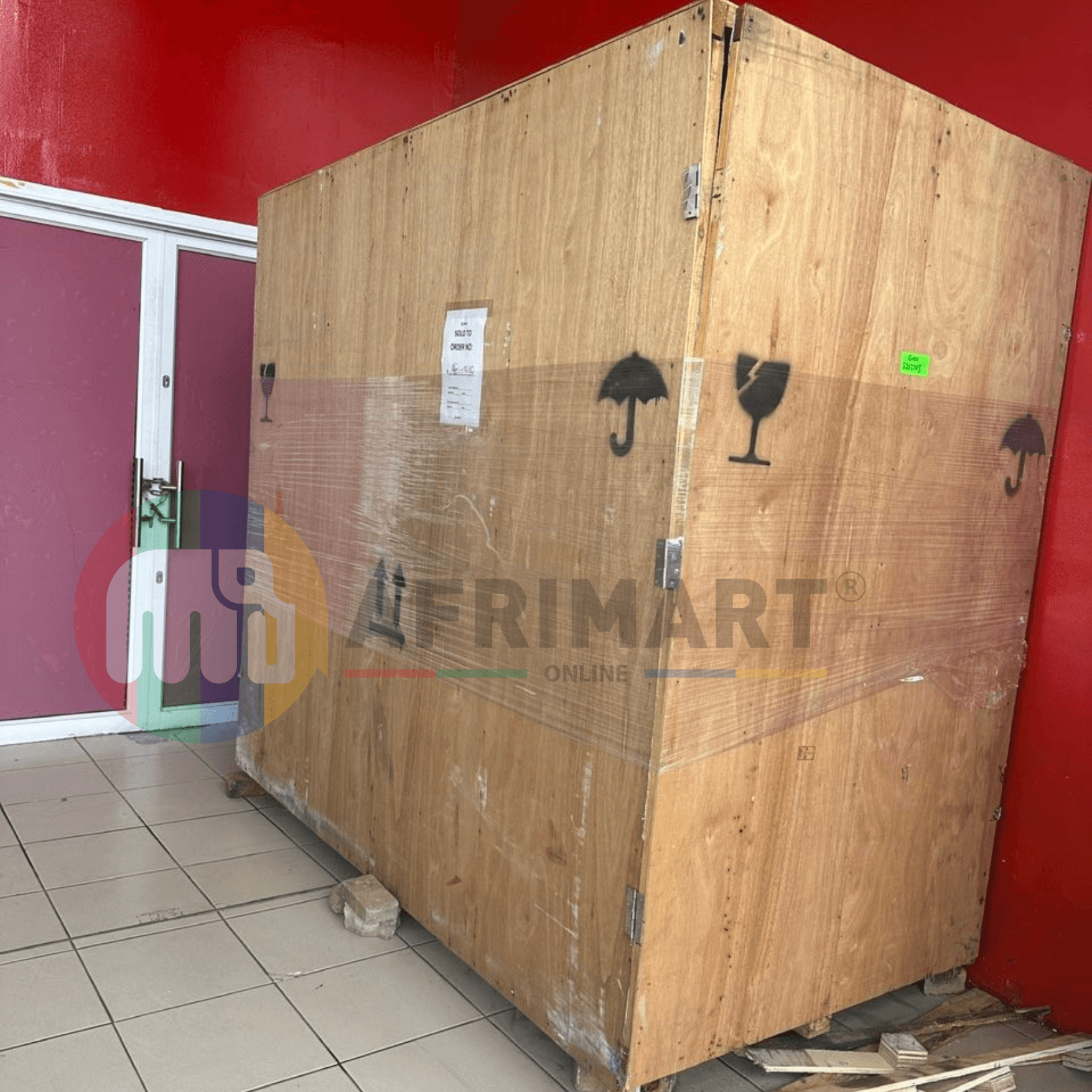
Portable Water Drilling Rig
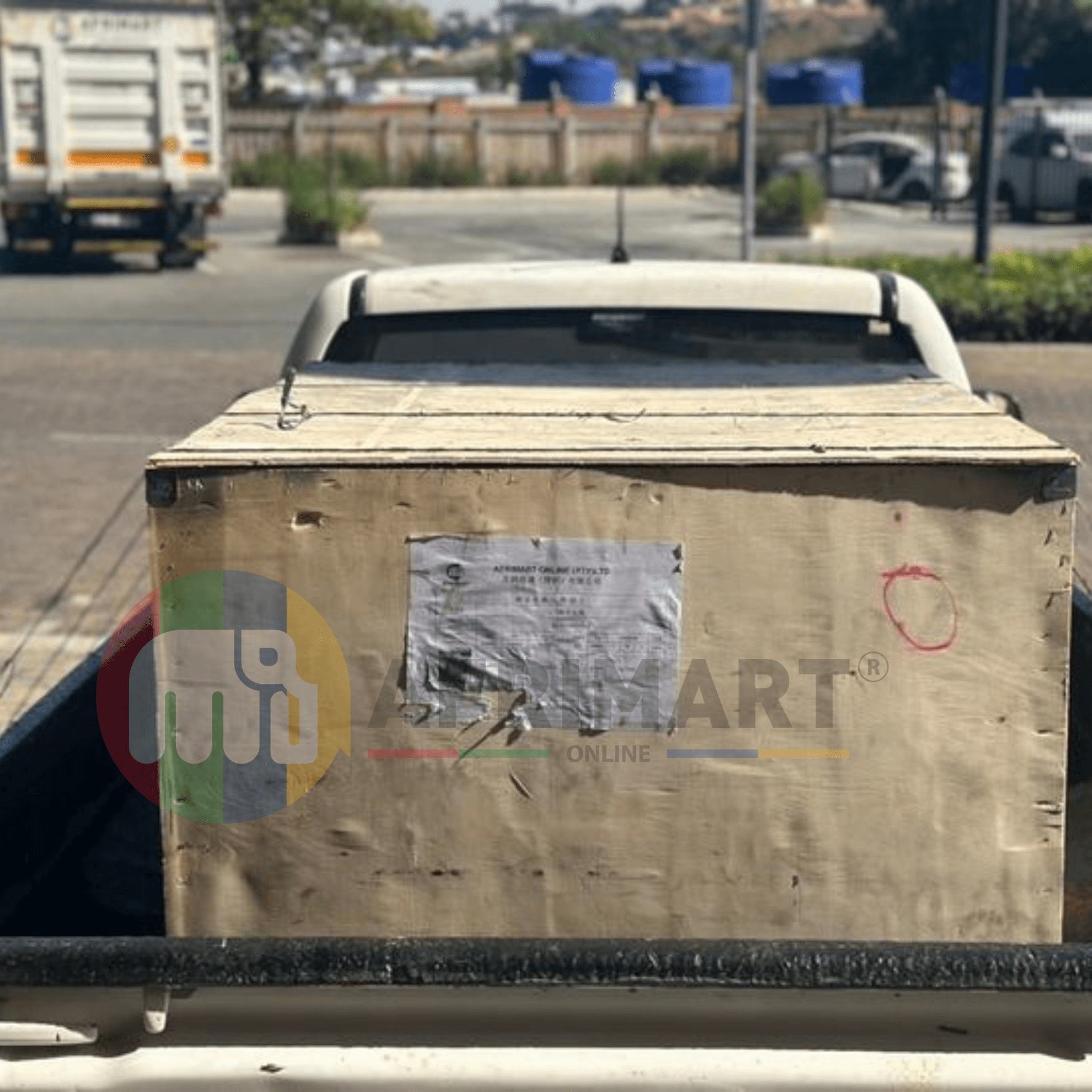
Order Usefully Collected
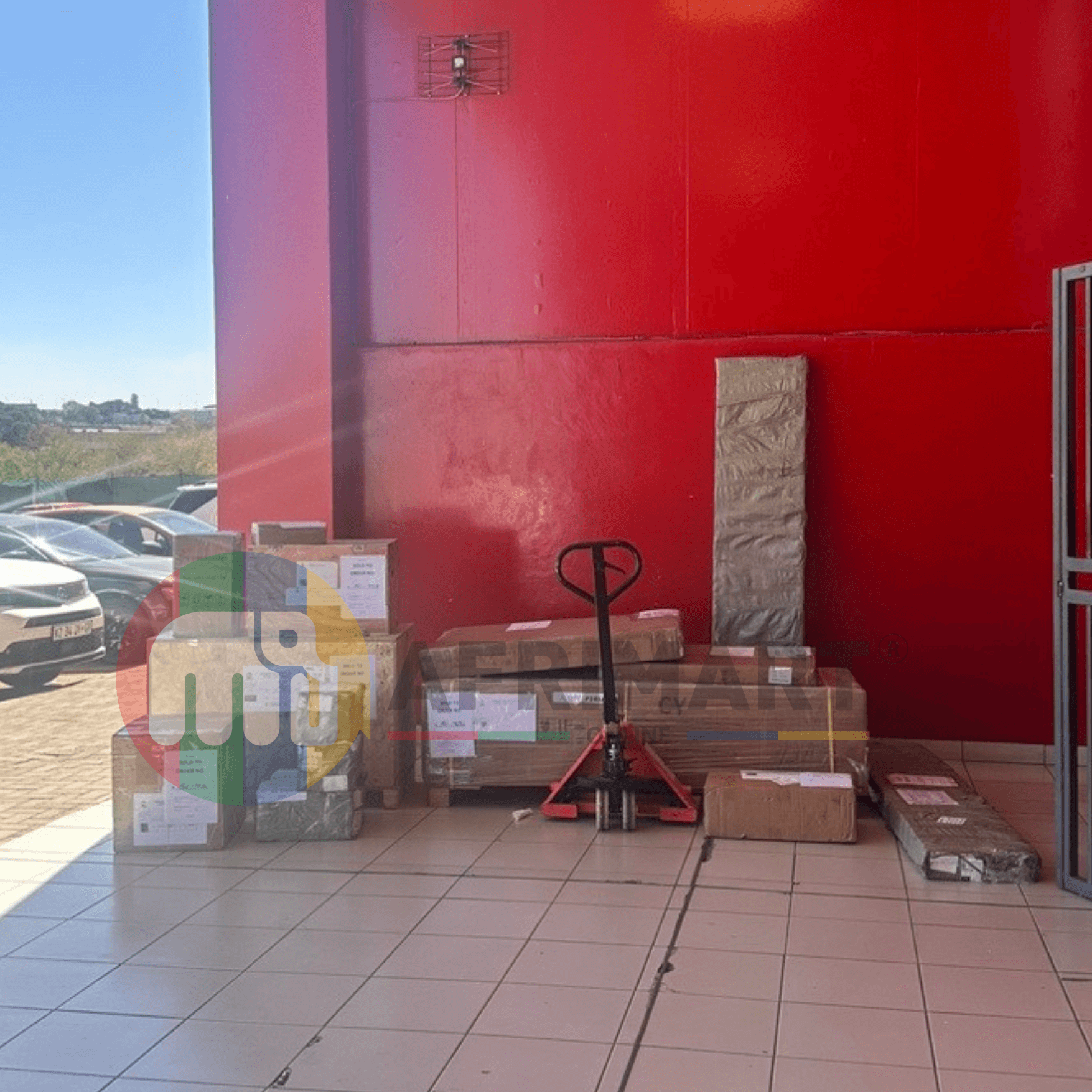
Batch of Orders
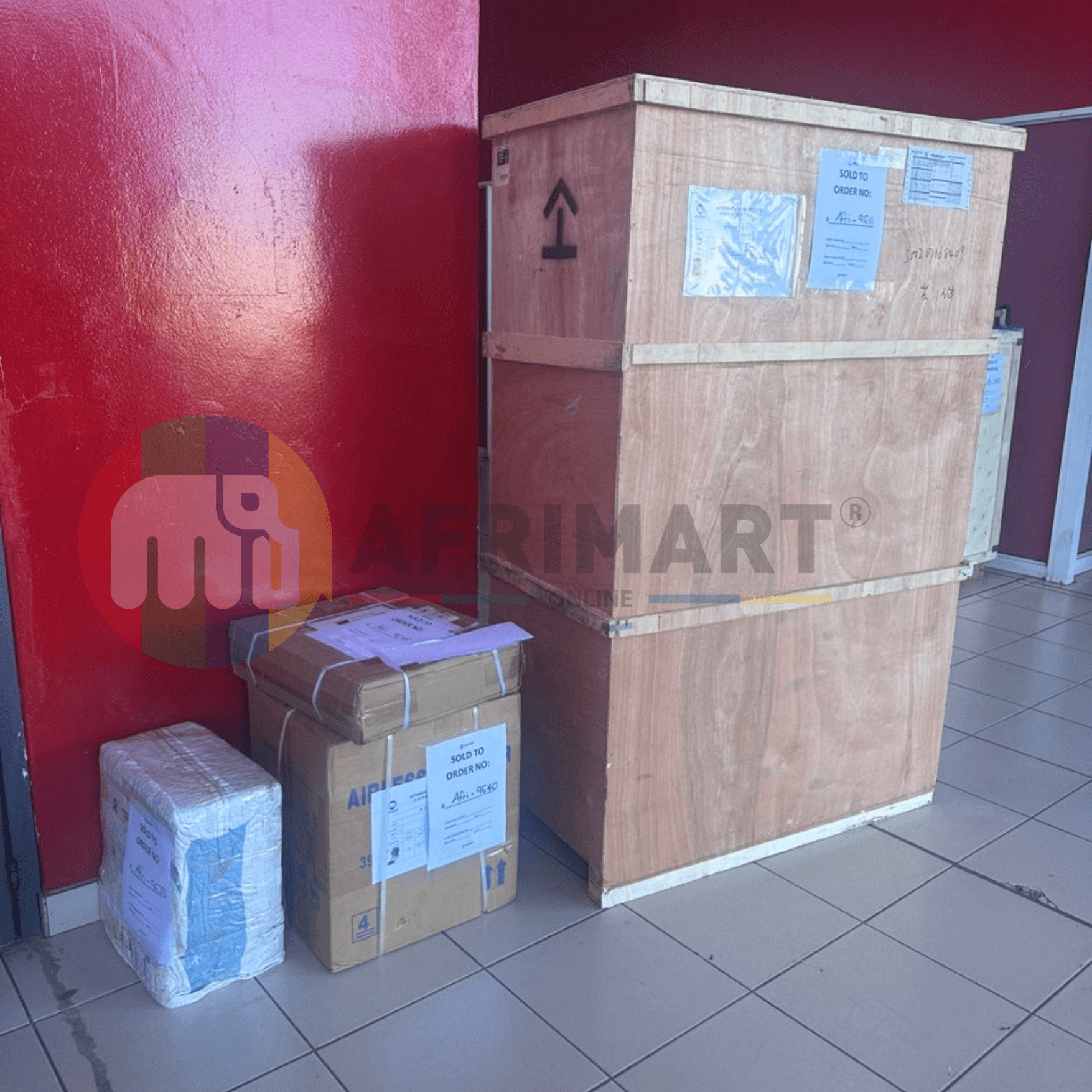
Agriculture Processing Machines
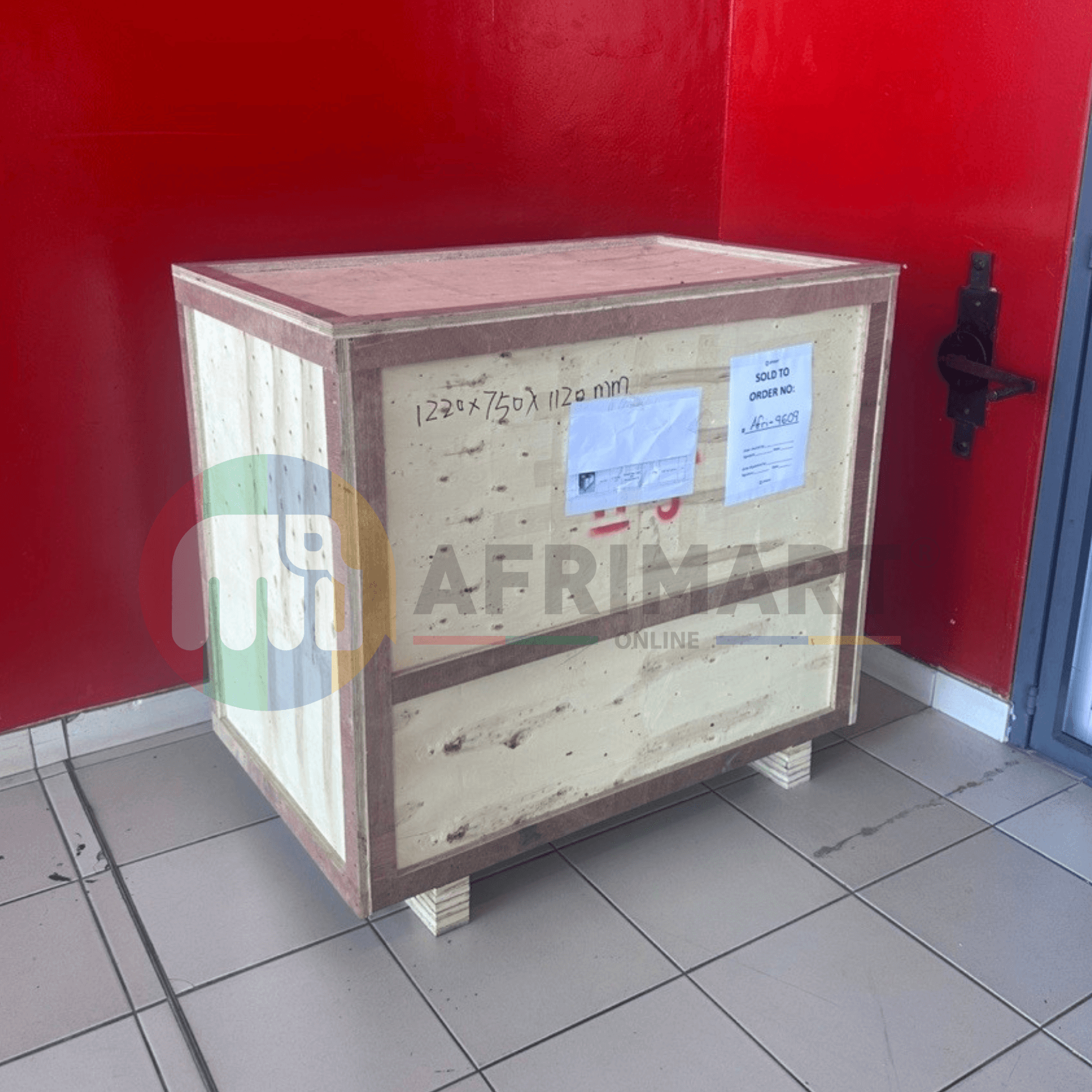
Meat Grinder Machine
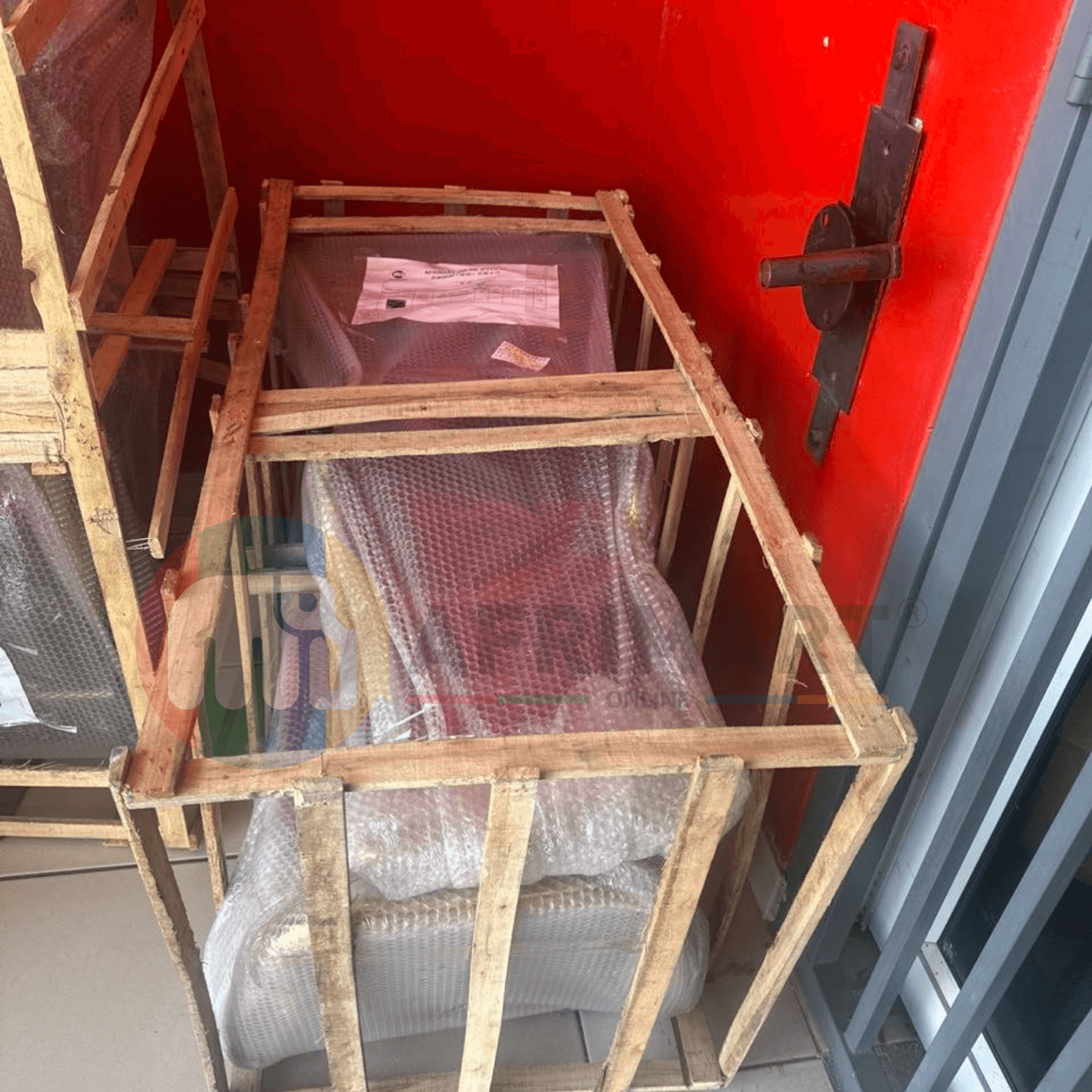
Water Pump Equipment
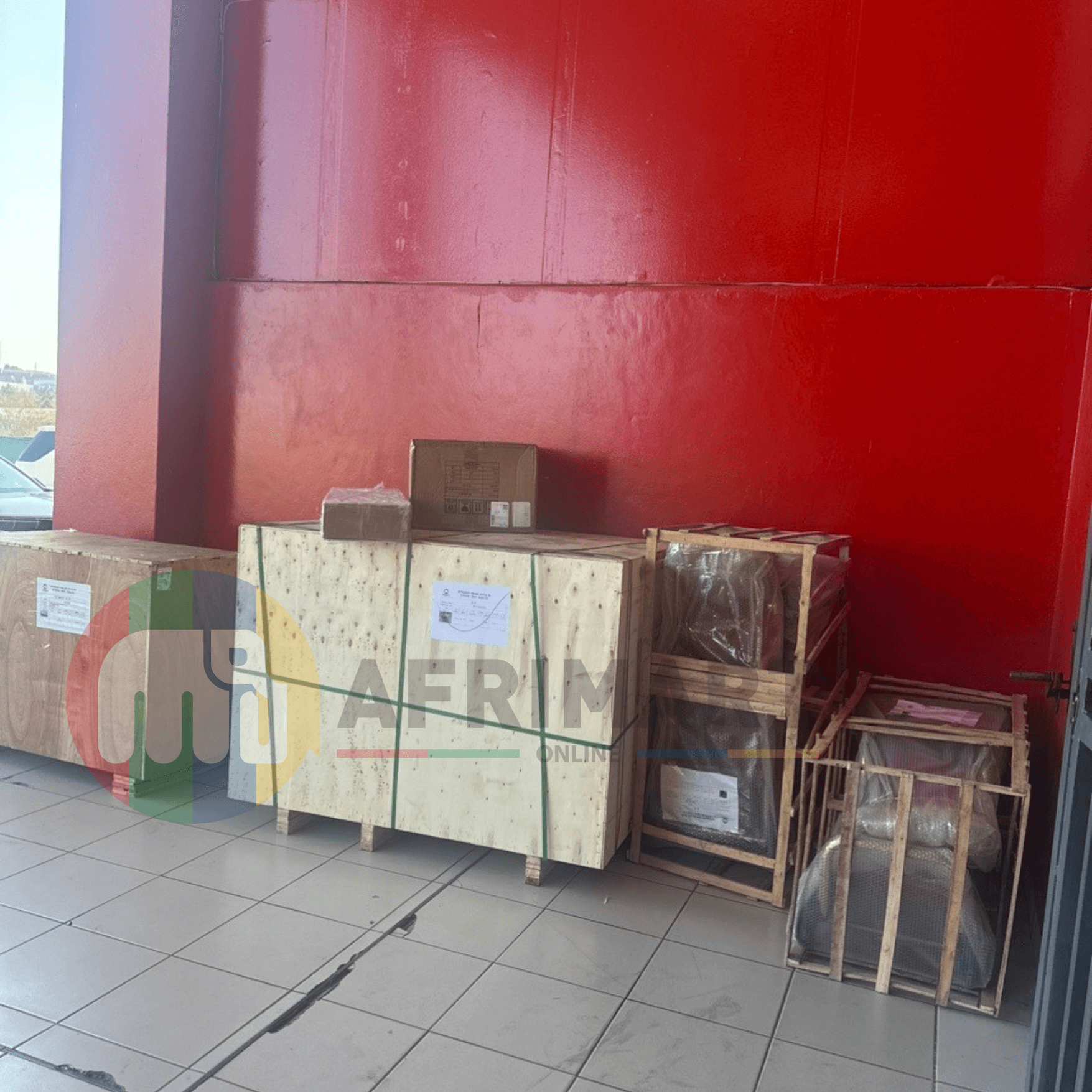
Packaging Machine and accessories
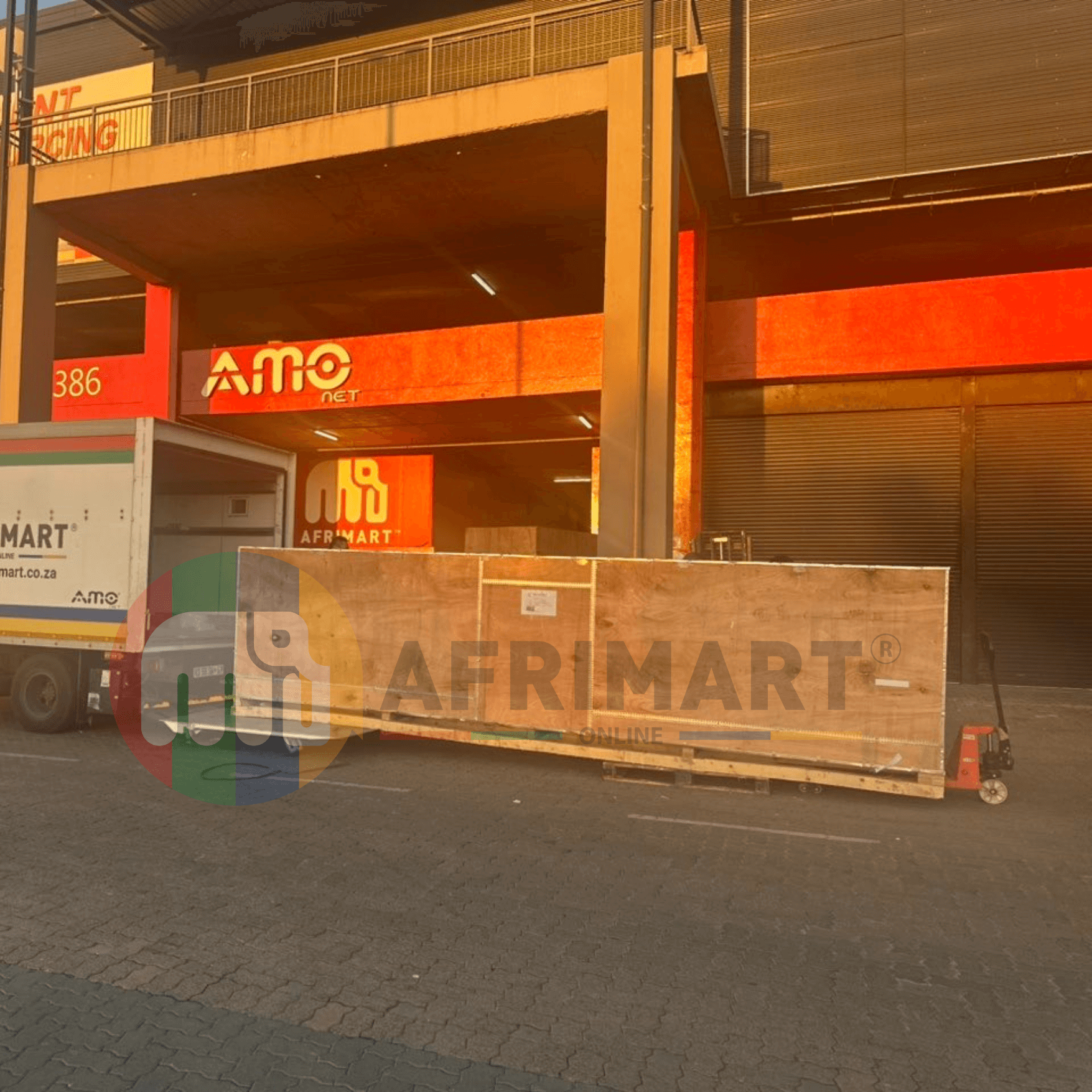
Fabrics Manufacturing Equipment
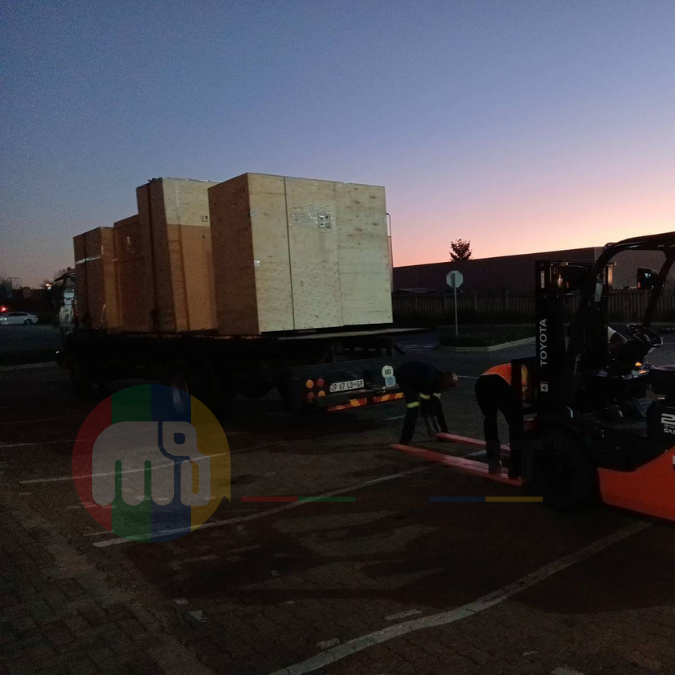
Mining Equipments
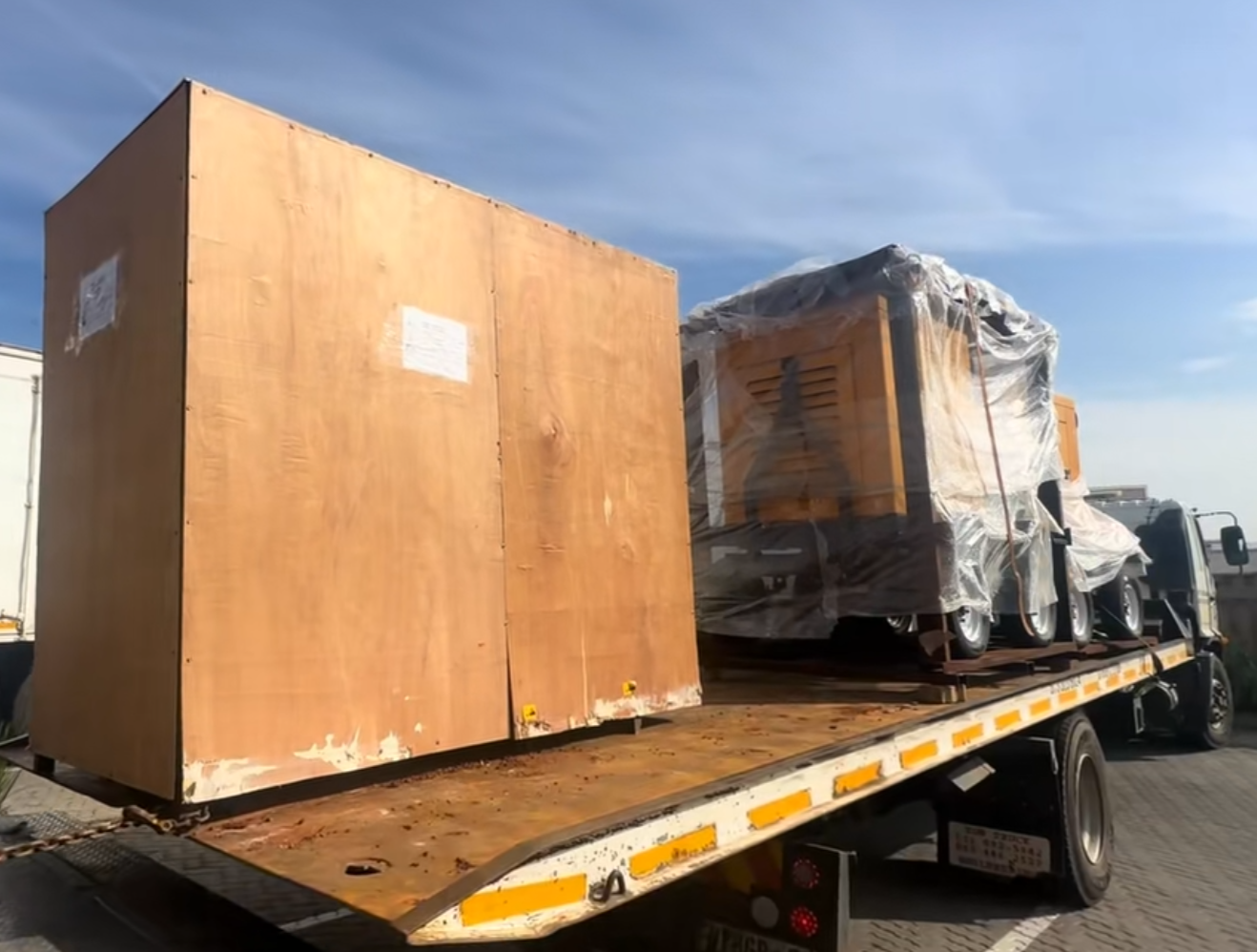
Food Processing Machine
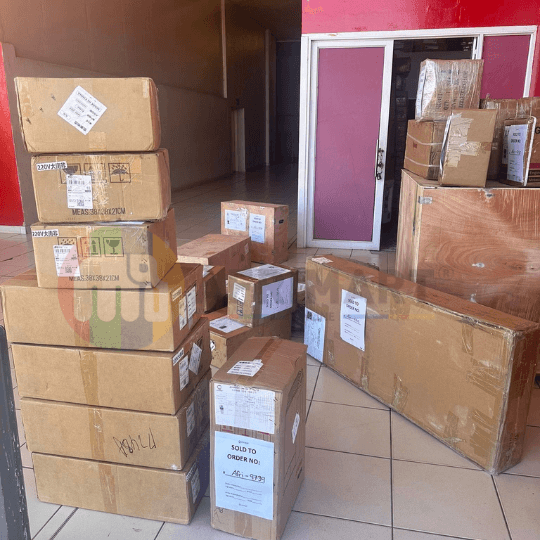
Batch of Orders
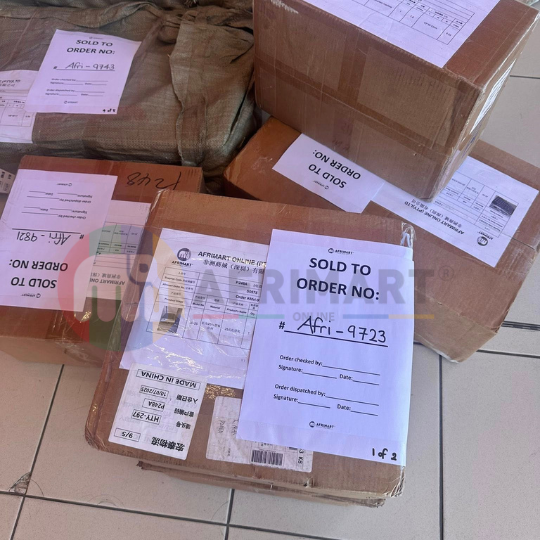
Batch of Orders
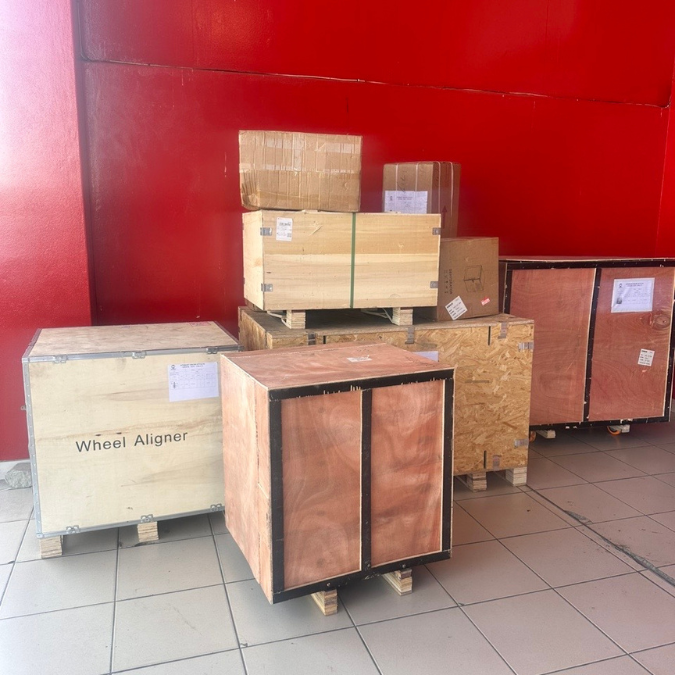
Latest Orders Labelled
wheel alignment machines
new arrivals
Pre Orders Offloading
Latest Arrivals
Latest Arrivals
Latest Arrivals
26 January 2026
Toilet paper making machine
Toilet paper making machine
Toilet paper Rewinding Machine
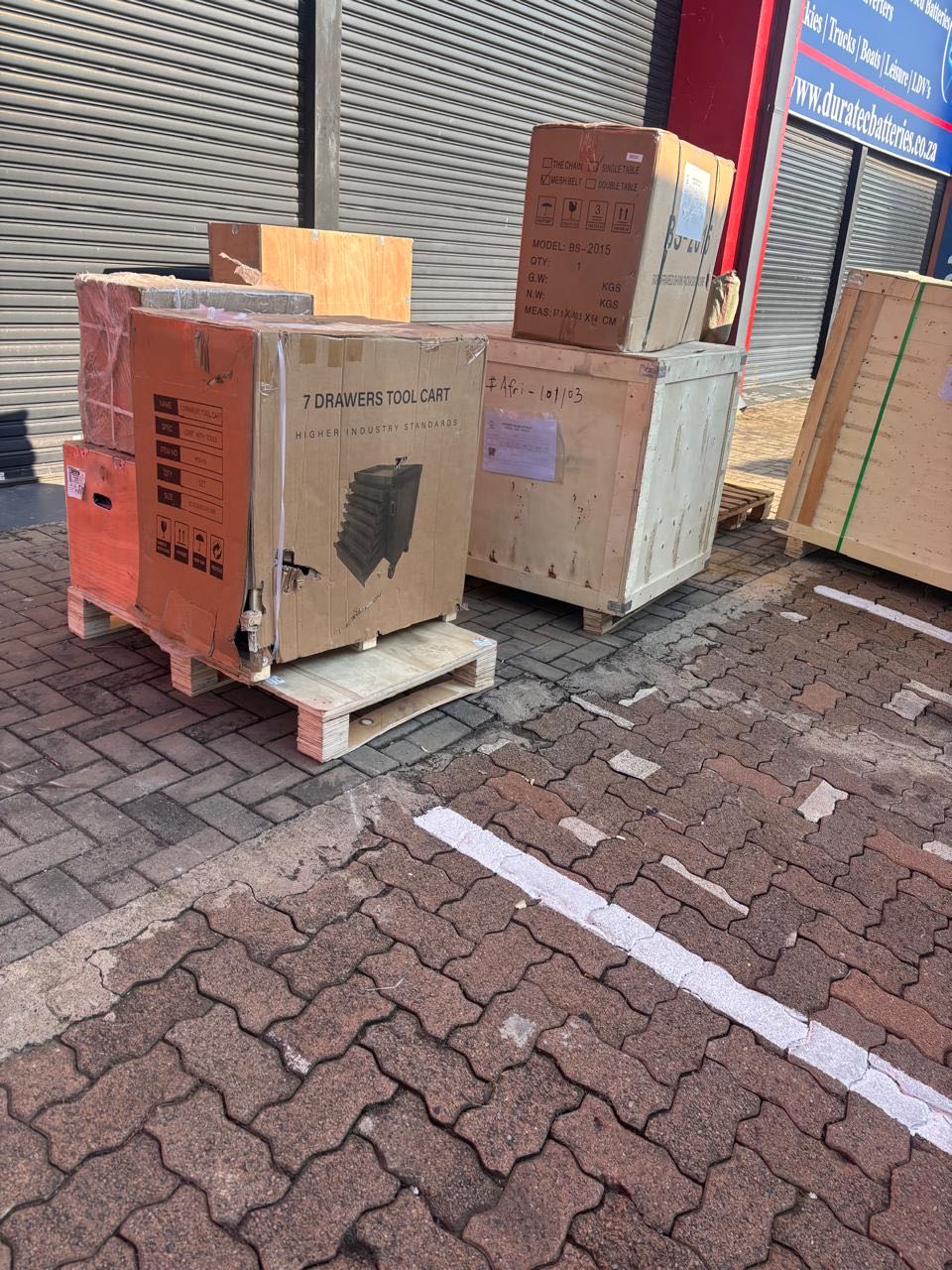
latest arrivals
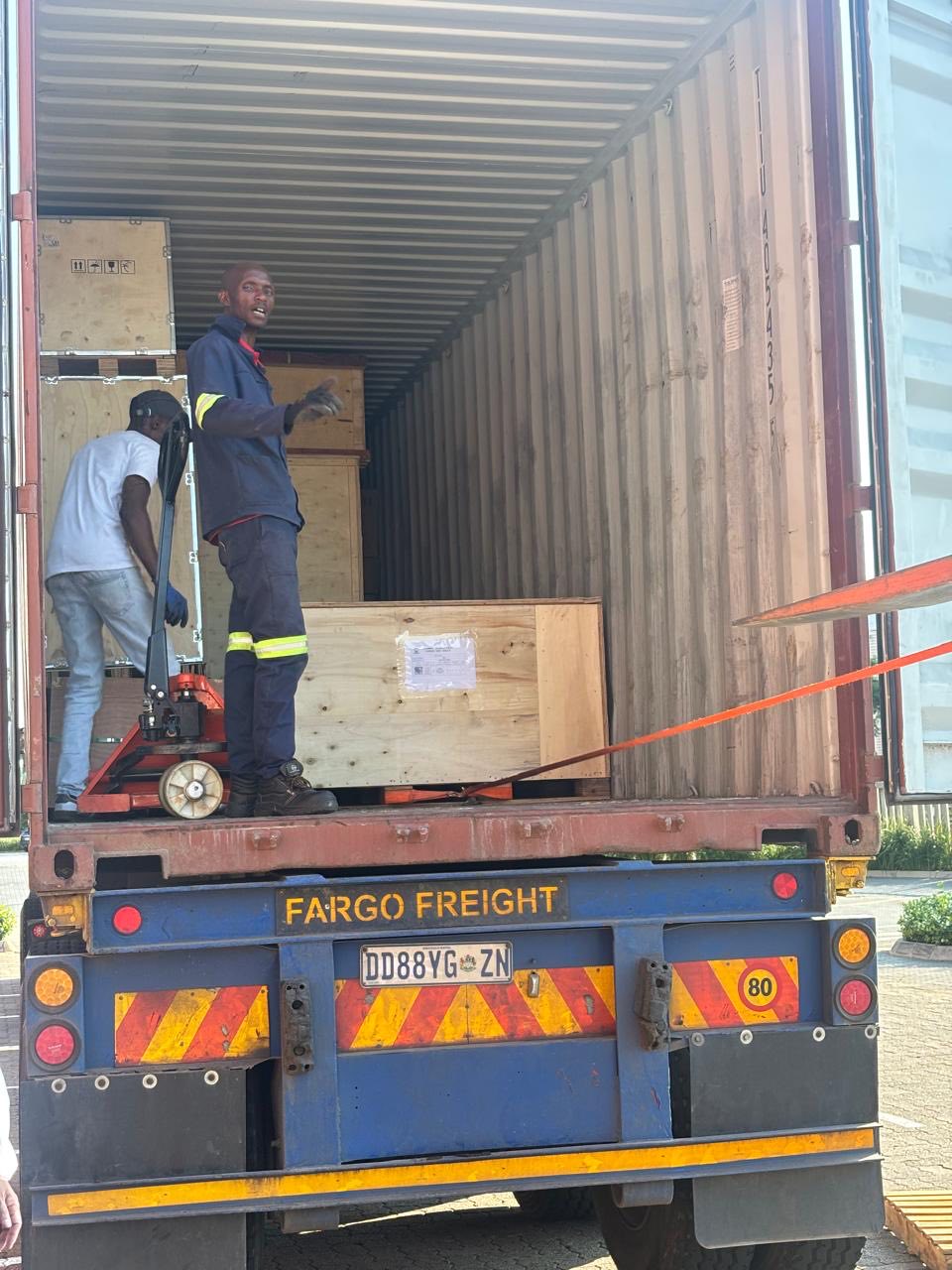
offloading
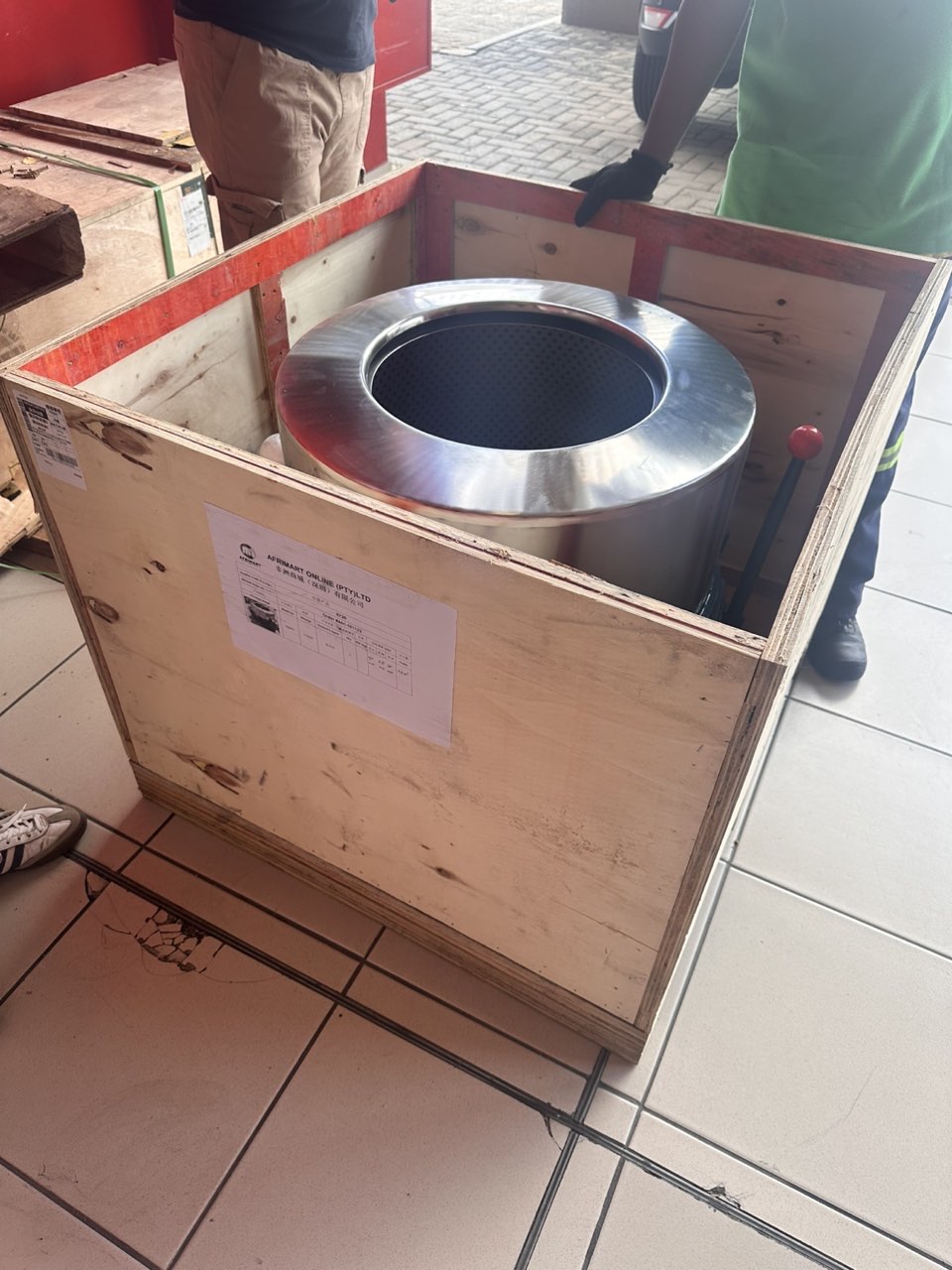
order success
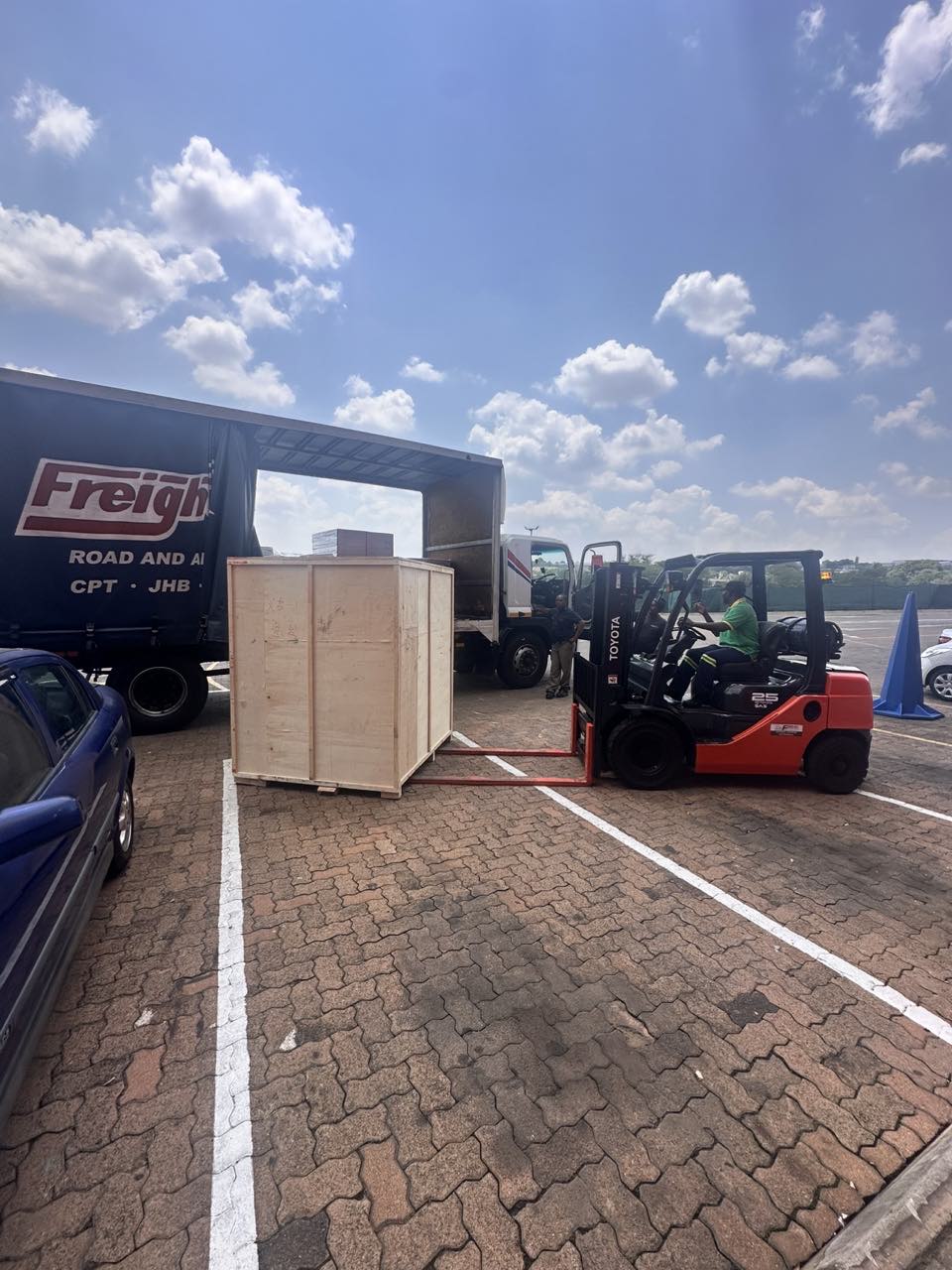
order collection
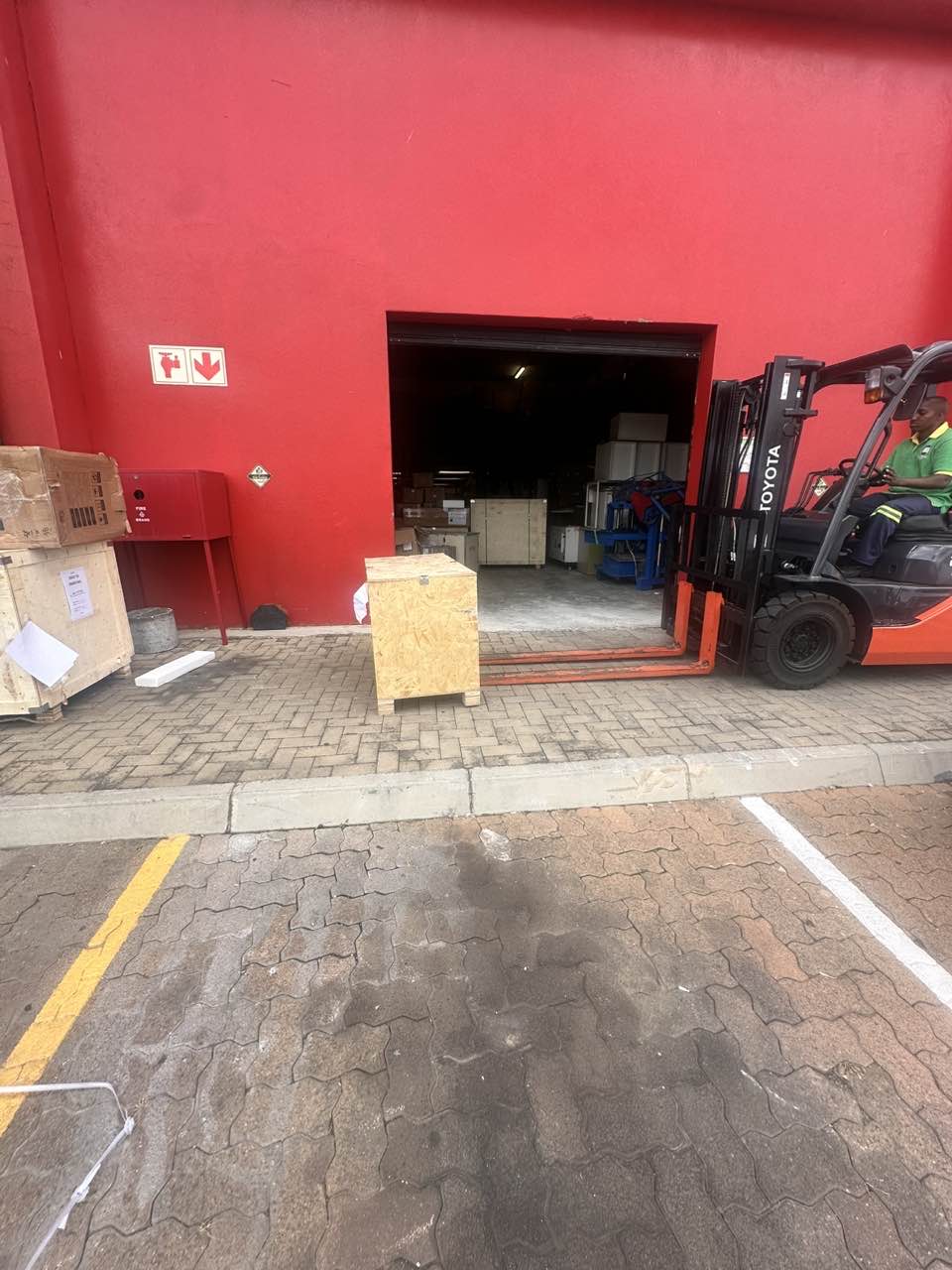
order offloading