B21, China Town Mall, Midrand


5-16mm Wire Rib Angle Iron Rod Cold Roll Ribbed bar Making Machine
Asset finance available
Do you want funding for this equipment?
Afrimart can connect you with trusted funding partners who specialise in asset finance for businesses like yours. Compare options and apply in minutes — final approval is subject to provider review.
Check funding options
Secure & no obligation
- Section : Machinery
- Category : Metal & Metallurgy Machinery
- SKU : 11000015194124

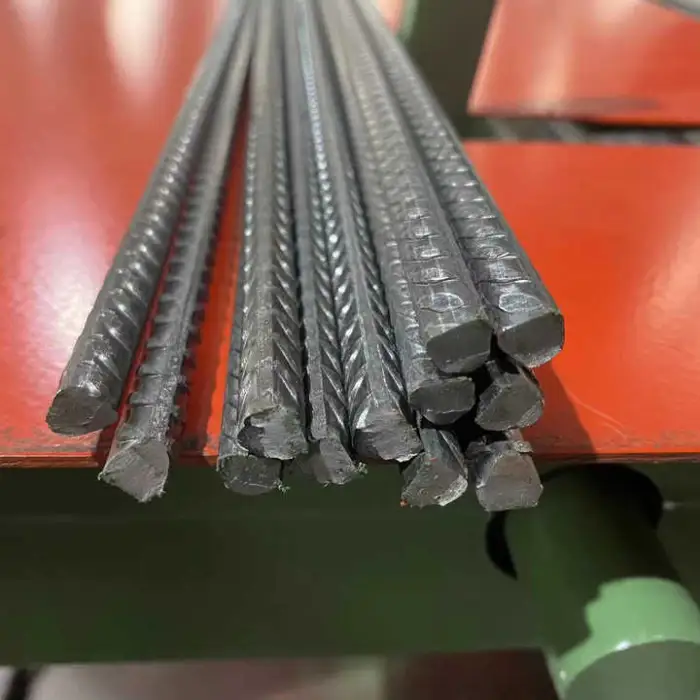
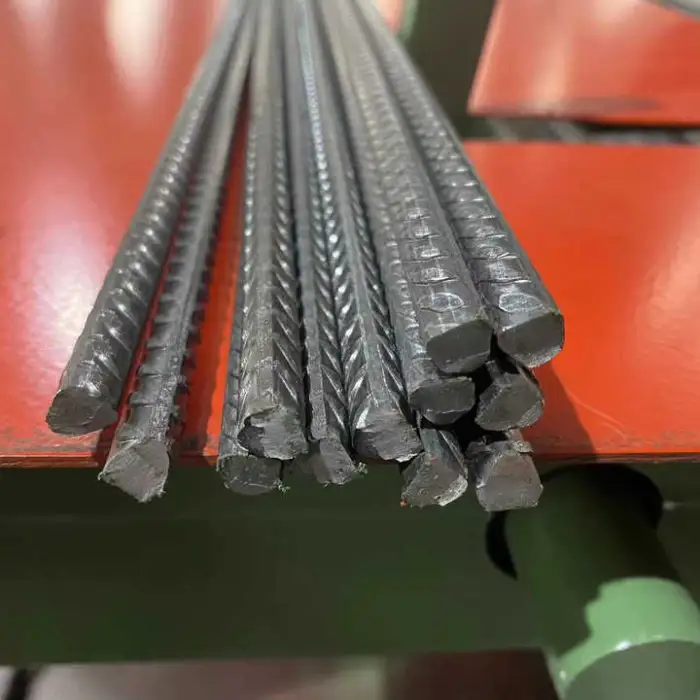
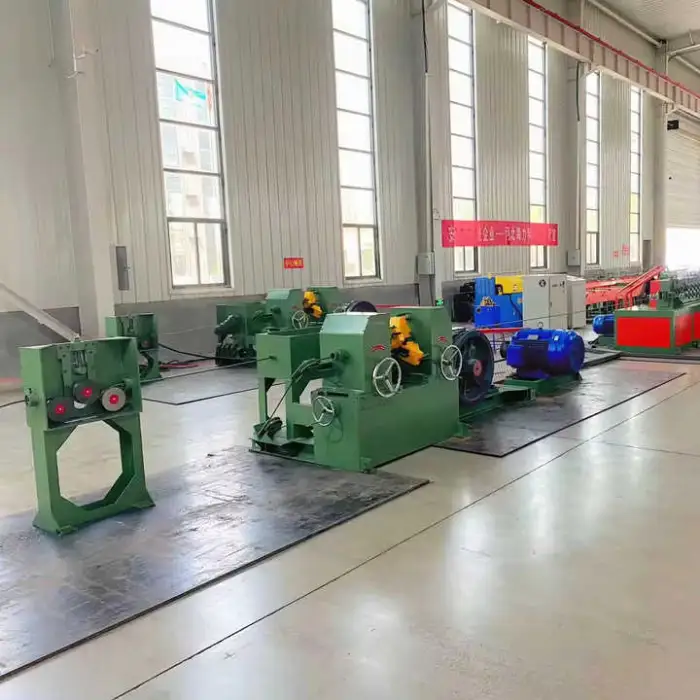
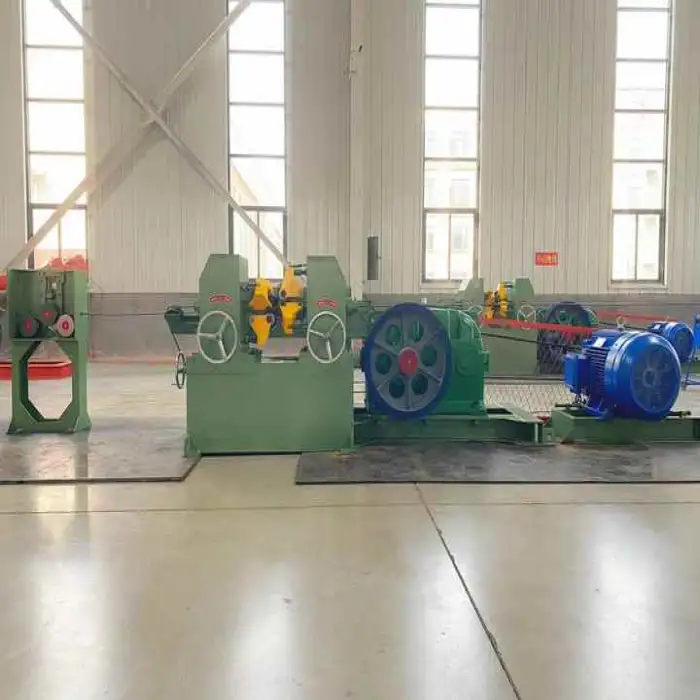
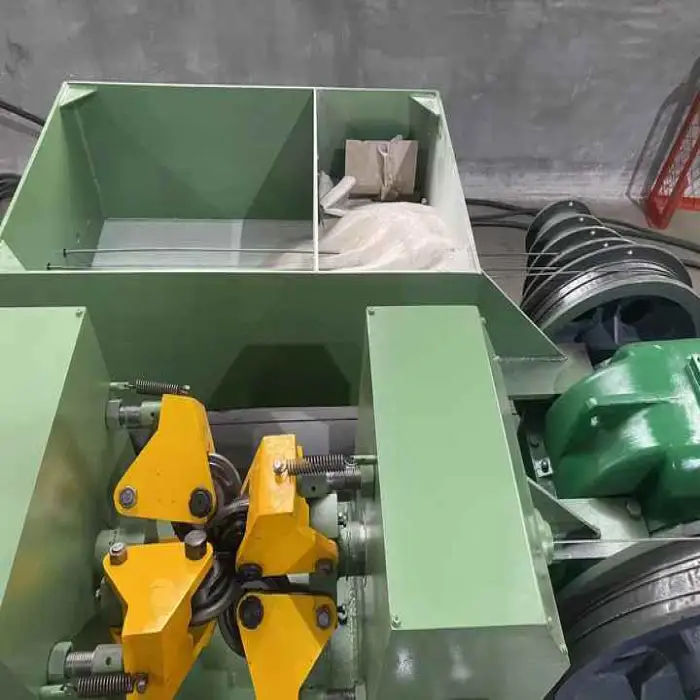
5-16mm Wire Rib Angle Iron Rod Cold Roll Ribbed Bar Making Machine
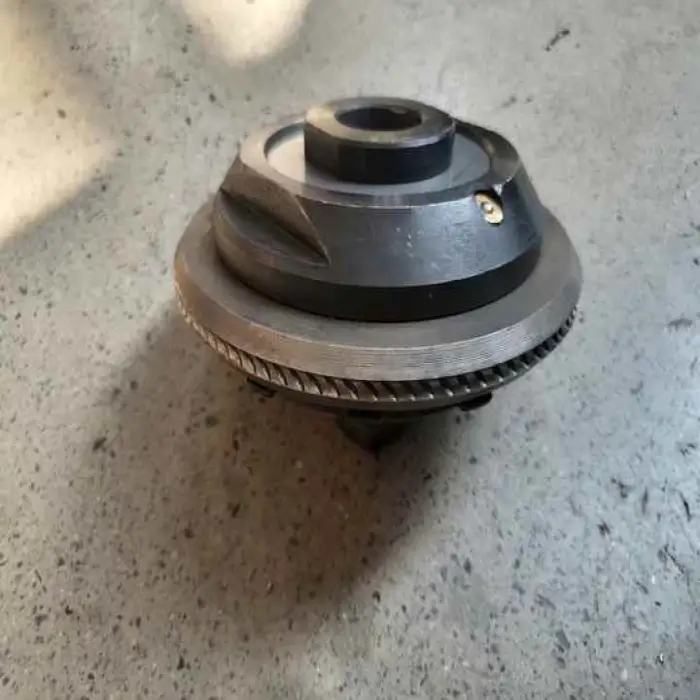
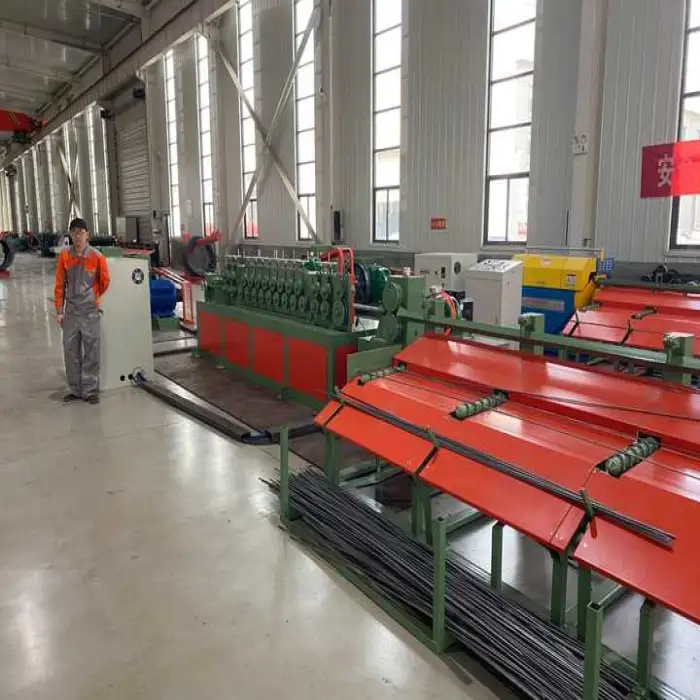
The 5-16mm Wire Rib Angle Iron Rod Cold Roll Ribbed Bar Making Machine is a reliable and efficient tool for producing high-quality ribbed bars. This machine is designed to handle wire rods ranging from 5.5mm to 16mm. With advanced technology, it ensures precision and consistency in the manufacturing process. Its robust construction guarantees high rigidity, making it a perfect choice for industrial applications.
Specifications
| Attribute | Details |
|---|---|
| Voltage | 380V |
| Power (W) | 55kW |
| Weight (kg) | 6000 |
| Dimension (L*W*H) | 20*1.5*1.6 m |
| Energy Saving | 30%-40% |
| Condition | New |
| Core Components Warranty | 2 years |
Key Features
- High rigidity construction for durability.
- Video outgoing inspection for quality assurance.
- Includes machinery test report for reliability.
- Equipped with a straightening device for precision.
- Energy-efficient design, saving 30%-40% energy.
Applications
- Manufacturing ribbed bars for construction.
- Production of angle iron rods for various industries.
- Used in the automotive and machinery sectors.
- Ideal for reinforcing materials in building projects.
- Suitable for metal fabrication companies.
Product Info Gallery
- Shipping Timeframes: All orders are processed within 2-5 business days (excluding weekends and holidays). After your order has been processed, the estimated delivery time is before 03 Aug, 2026, depending on customs, Please note that due to high demand, some items may experience longer shipping times, which will be communicated at order confirmation email.
- Order Processing Time: Please allow 2-5 business days for us to process your order before it is shipped . Orders placed after 16:00 on Fridays, or during weekends and public holidays, will begin processing on the next business day. Processing times may be extended during peak seasons or sales events.
- Manufacturing Time: Some products needs manufacturing time, the manufacturing process will take approximately 10-30 business days depending on the product. This timeframe may vary depending on the complexity of the product and current demand. but this will be communicated with you during order confirmation.
- Returns and Exchanges: We offer a 30-day return policy for most items. If you are not completely satisfied with your purchase, you may return it within 30 days of receipt for a refund or exchange. Items must be unused, in their original packaging, and accompanied by proof of purchase. Return shipping costs are the responsibility of the customer, unless the item was damaged or defective upon arrival.
1. What wire diameters does the machine support?
The machine is designed for wire/ribbed bar diameters from 5–16 mm (note: many customers use a practical lower limit of about 5.5 mm depending on material and surface condition). For exact performance at a specific diameter, confirm with sales.
2. What are the main electrical and power specifications?
Standard electrical supply is 380 V (three-phase). Installed power is 55 kW; final requirements may vary with optional equipment and local electrical standards.
3. What is the machine's physical size and weight?
Overall dimensions are approximately 20 m (L) × 1.5 m (W) × 1.6 m (H) and the machine weight is about 6,000 kg. Site planning should allow additional clearance for access and maintenance.
4. What production capacity or output can I expect?
Output depends on wire diameter, material, and selected line speed. Capacity is normally expressed in tons/hour or meters/minute for a given diameter. Please provide intended wire sizes and target speed so we can quote realistic capacity figures.
5. What materials can be processed by this cold roll ribbed bar machine?
It is primarily designed for common carbon steel wire rods used for ribbed/bar reinforcement and angle iron rods. It can process various steel grades; stainless or hardened steels may require special tooling and parameter adjustments—discuss requirements with the supplier.
6. How does the machine save energy (30%–40%)?
Energy savings come from an optimized drive train, efficient electric motors, precision cold-rolling tolerances that reduce rework, and modern control algorithms. Actual savings depend on operating conditions and comparison baseline.
7. What quality controls and reports are provided?
The machine comes with video outgoing inspection, a machinery test report, and can be supplied with factory acceptance testing documentation. Additional inspection or third-party certification can be arranged on request.
8. What warranty and after-sales support are included?
Core components carry a 2-year warranty. Wear parts, improper use, and consumables are typically excluded. After-sales services such as commissioning, operator training, spare parts supply, and remote/onsite technical support can be provided—confirm scope with your sales contact.
9. Is installation and commissioning included?
Installation and commissioning are normally offered as an optional service. Many buyers choose on-site installation and commissioning by factory engineers—please request a quotation for those services.
10. How many operators are needed and is training provided?
Typical operation requires 1–2 trained operators plus periodic maintenance staff. Operator and maintenance training can be provided during commissioning or as a separate training package.
11. What routine maintenance does the machine need?
Regular maintenance includes lubrication of bearings and moving parts, inspection and timely replacement of wear components (rollers, guides), checking electrical connections, and calibration of the straightening and rolling systems. Follow the supplier's maintenance schedule for best results.
12. Are spare parts available and how quickly can they be shipped?
Common spare parts and wear components are stocked or can be produced. Lead times depend on part availability and shipping location—discuss critical spares with the supplier to establish supply timelines and recommended spares inventory.
13. Can the machine be customized (different sizes, automation, tooling)?
Yes. The line can be customized for specific wire diameters, rib profiles, automation level (PLC/HMI, automatic threading), and tooling. Provide your product specifications so the manufacturer can propose the appropriate configuration.
14. What safety features are provided?
Typical safety features include emergency stop switches, guarding around moving parts, interlocks, and compliance with local safety regulations. Additional safety systems can be added per customer or regulatory requirements.
15. What are typical lead time and shipping/packaging arrangements?
Lead time depends on configuration and order size; typical manufacturing lead times can range from several weeks to a few months. Machines are usually packed for export in wooden crates or containers suitable for sea/land transport. Confirm the exact lead time and packing method with sales at time of order.
Latest Order Arrivals
Discover our latest orders
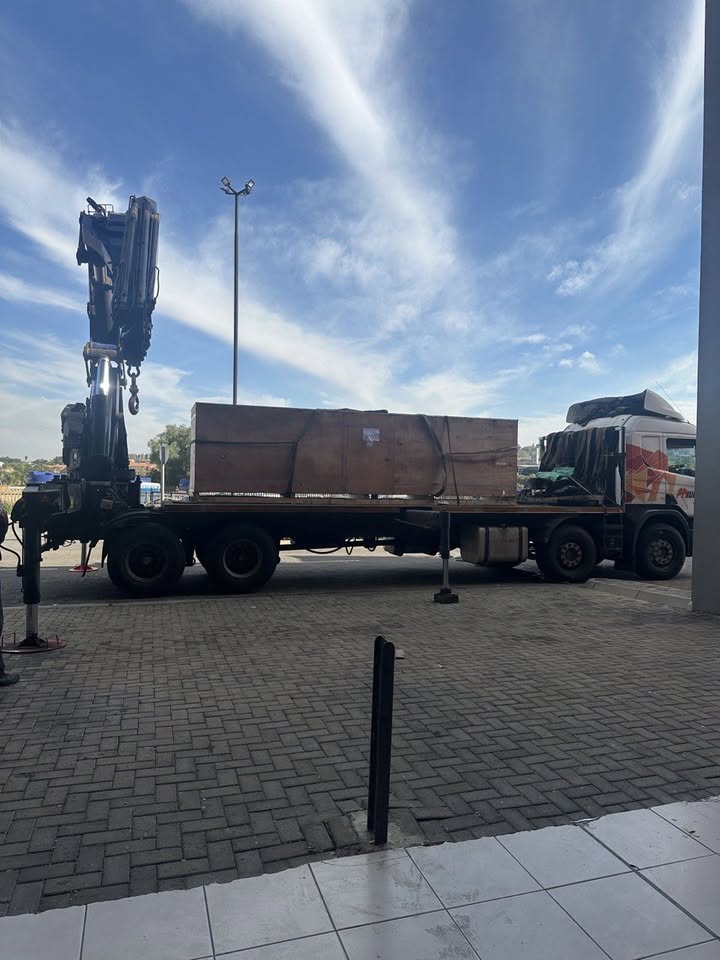
12 Heads Embroidery Machine
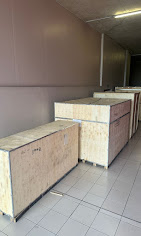
Toilet Paper Machine Machine
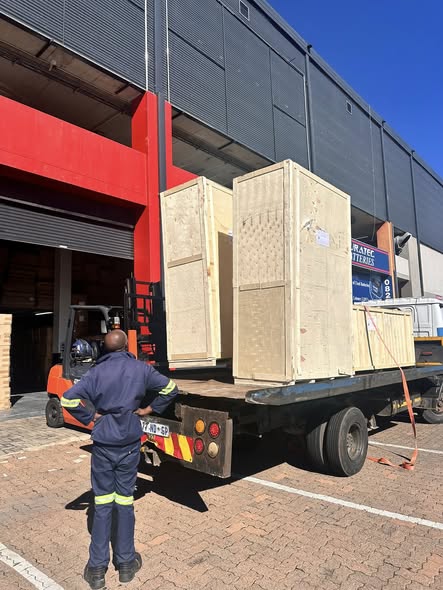
Order Collection
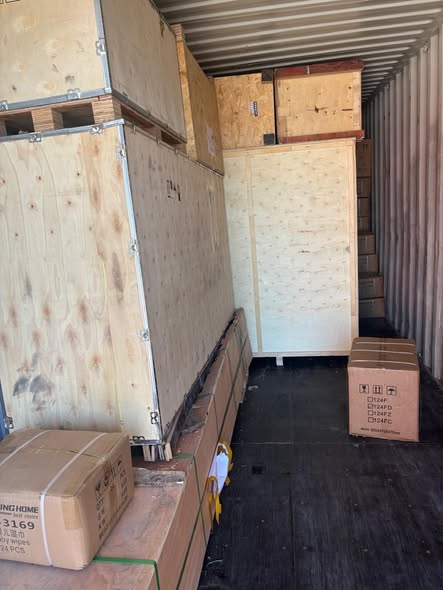
Cross Border Clients
Order cros border countries Collected
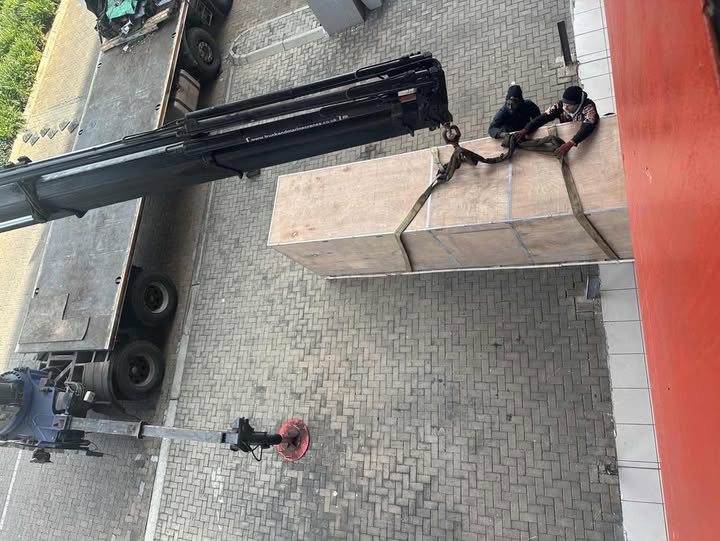
Industrial Machine Cllection
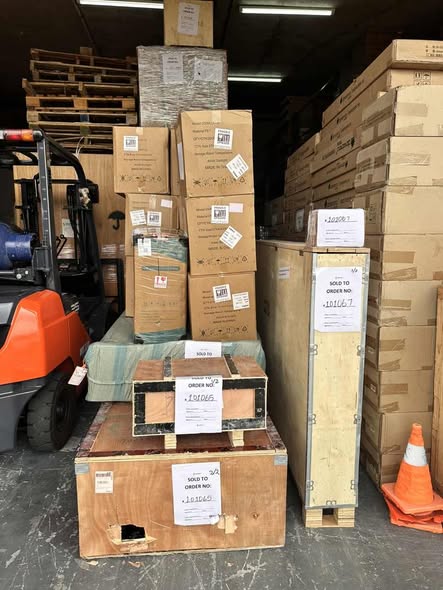
Agriculture Processing Machines
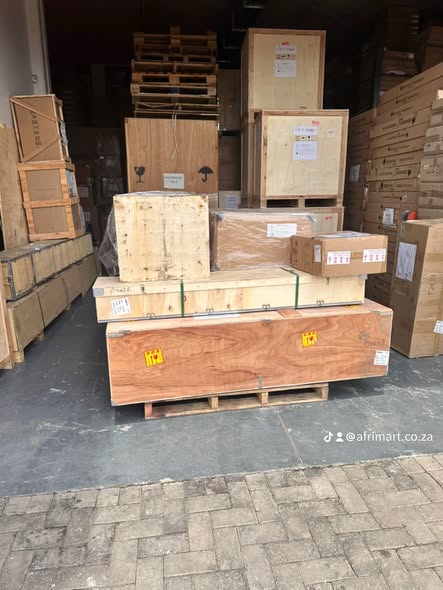
Ready for collection
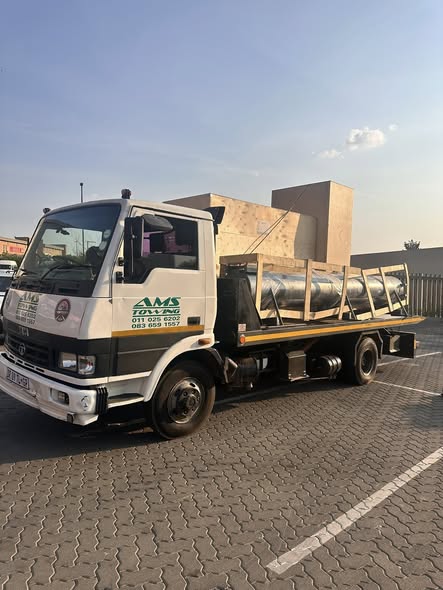
Water Pump Equipment
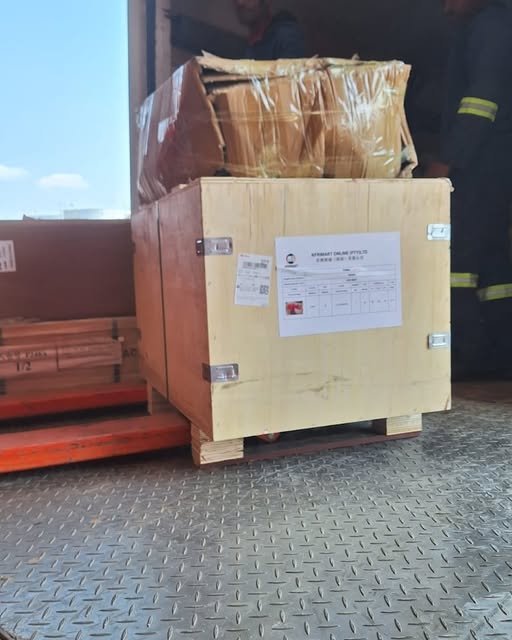
Packaging Machine and accessories
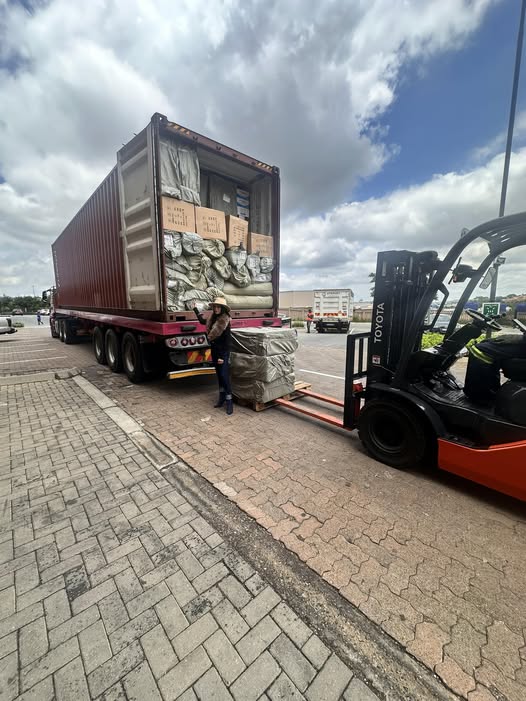
Fabrics Manufacturing Equipment
Mining Equipments
Food Processing Machine
Batch of Orders
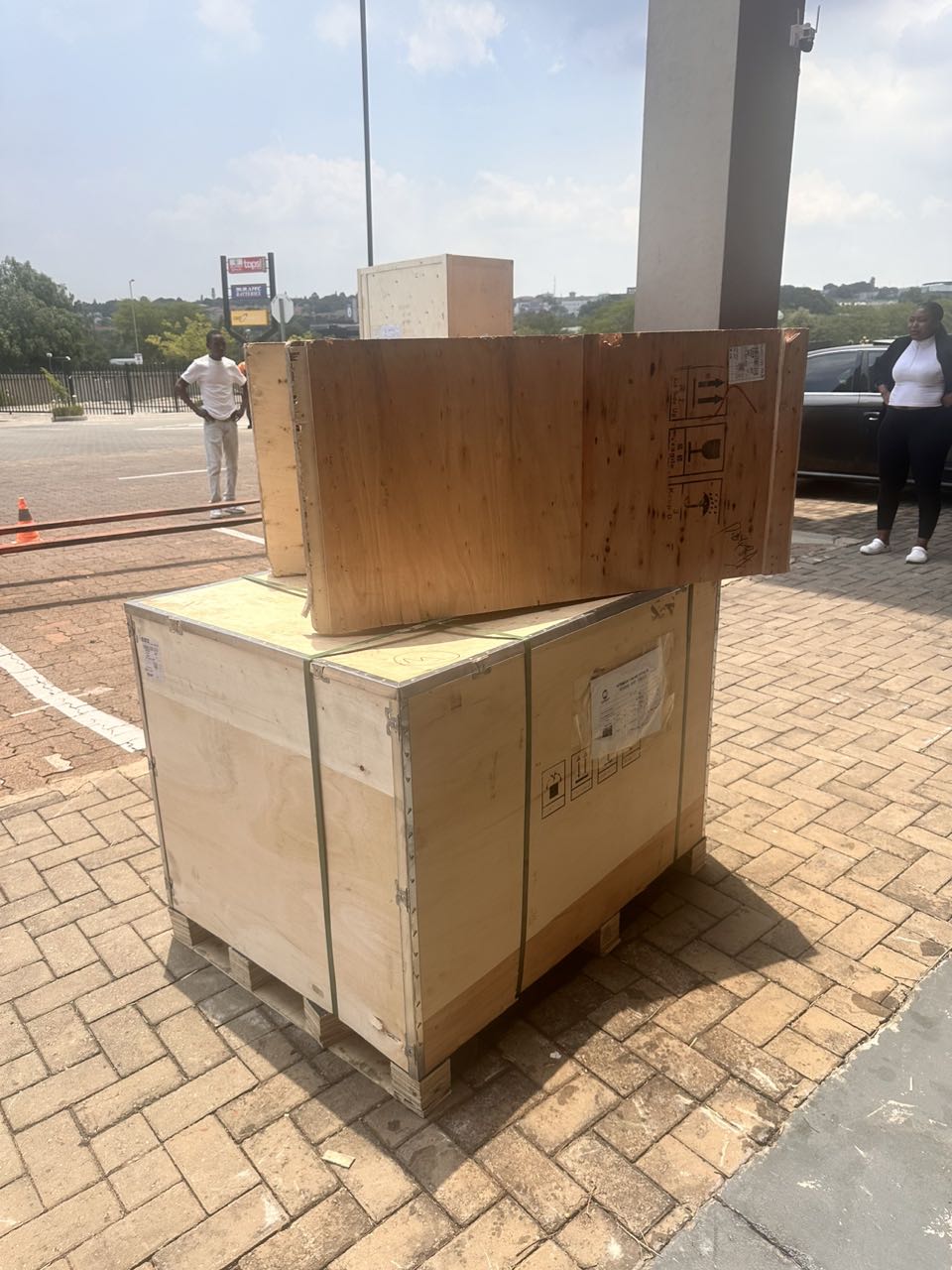
Batch of Orders
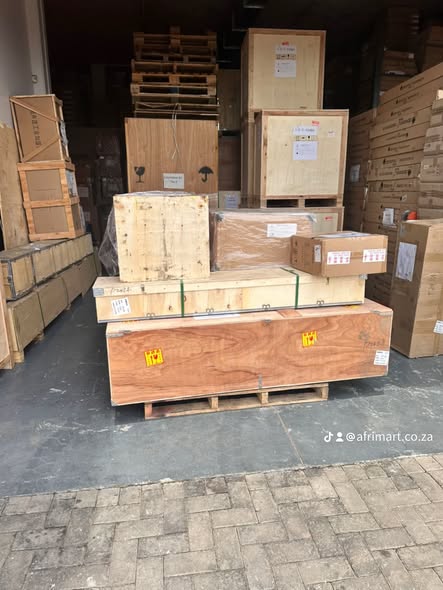
Latest Orders Labelled
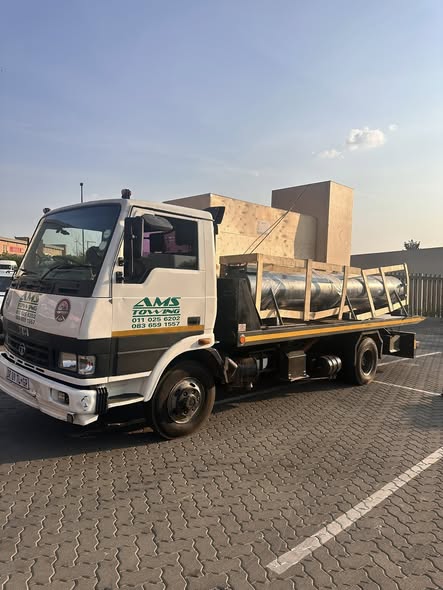
wheel alignment machines
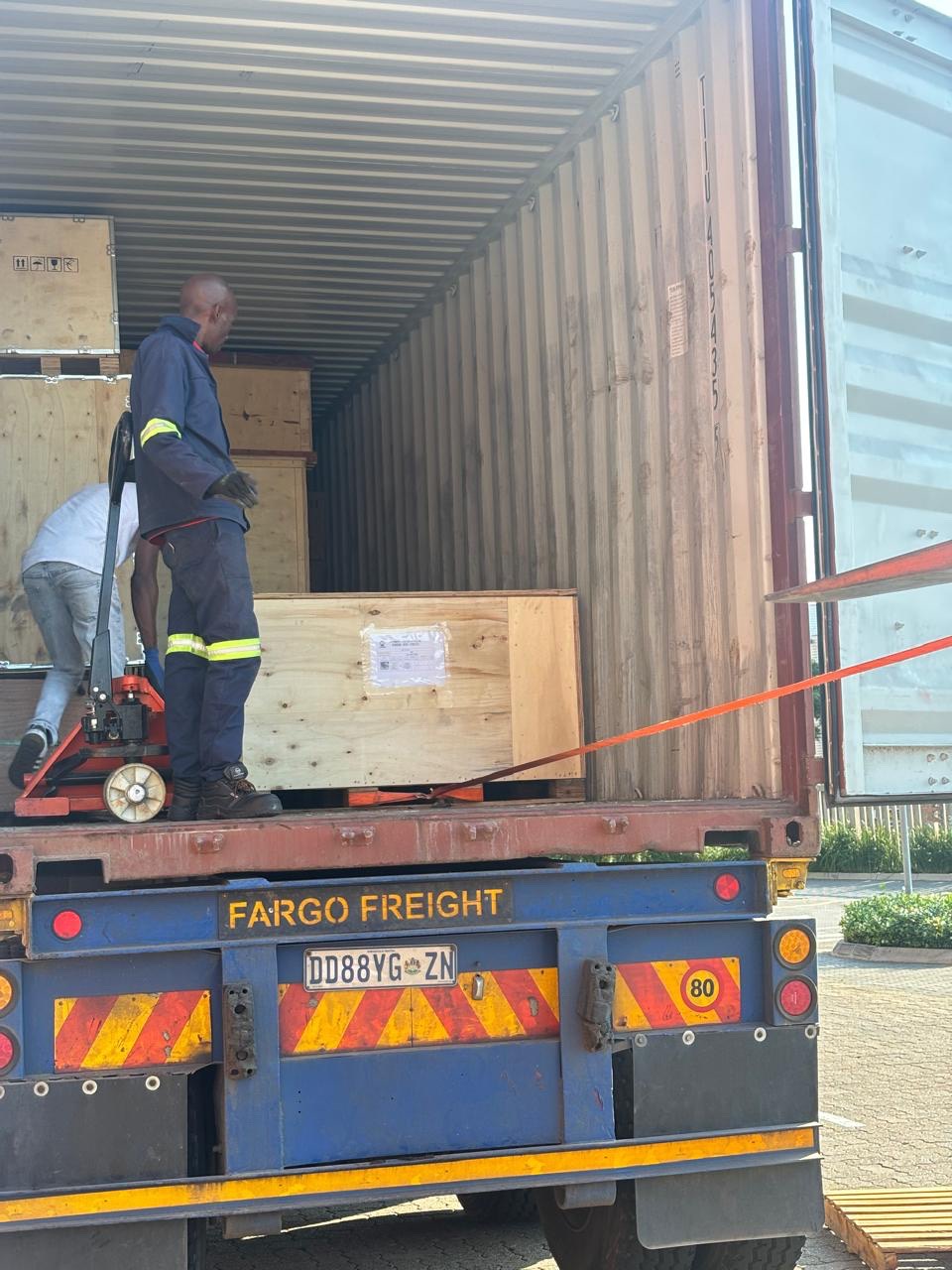
new arrivals
Pre Orders Offloading
Latest Arrivals
Latest Arrivals
Latest Arrivals
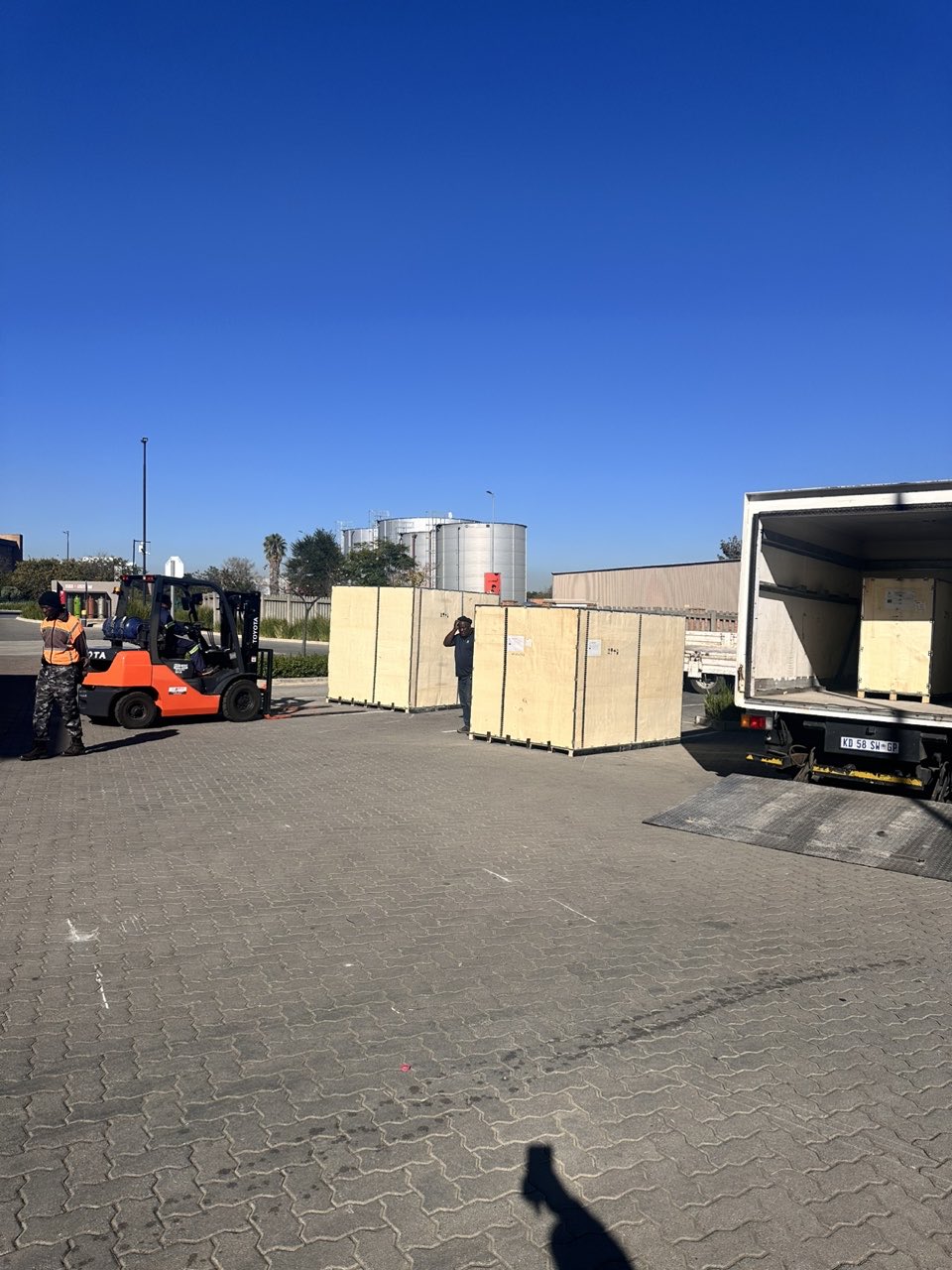
Loading
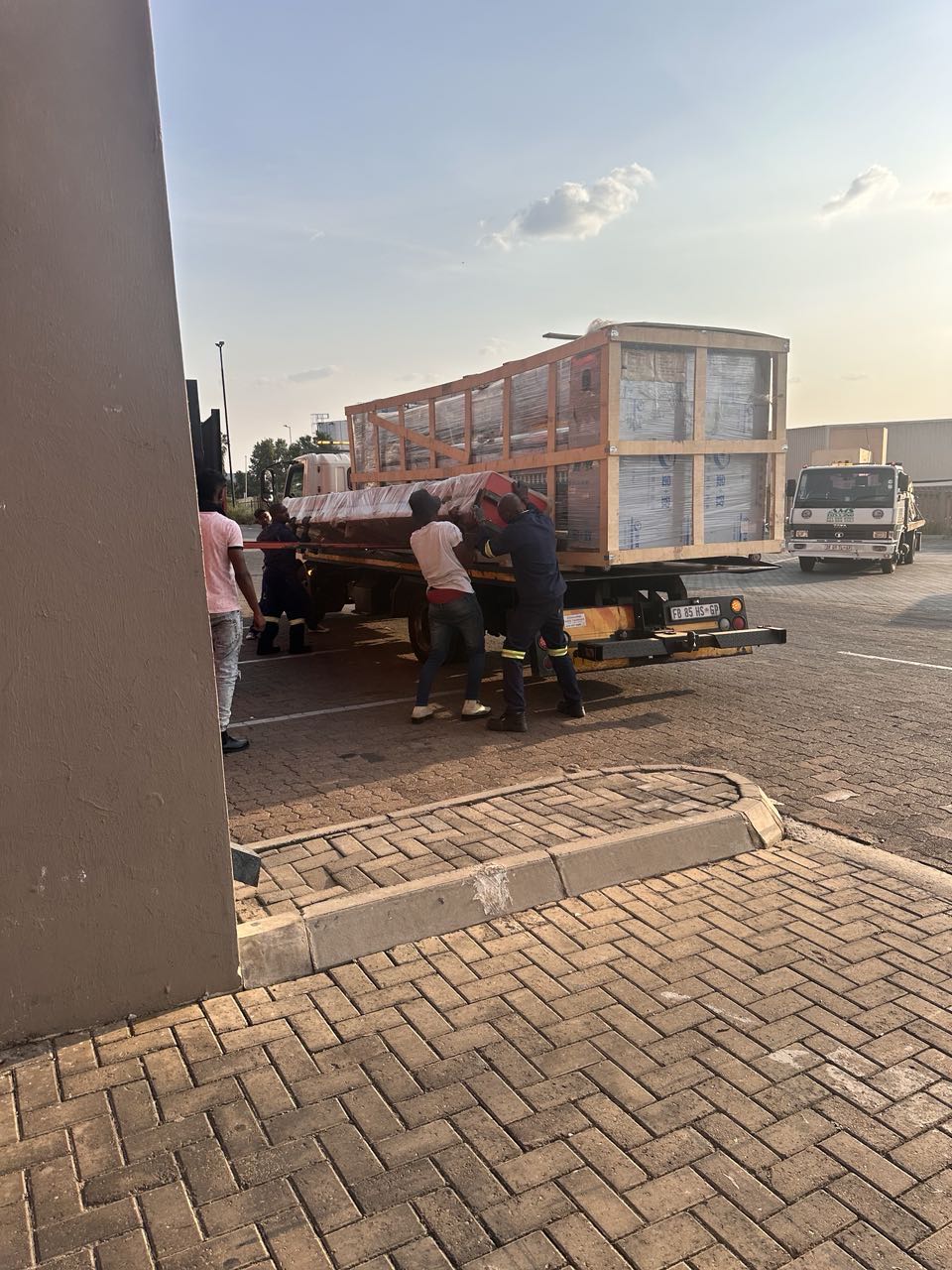
Toilet paper making machine
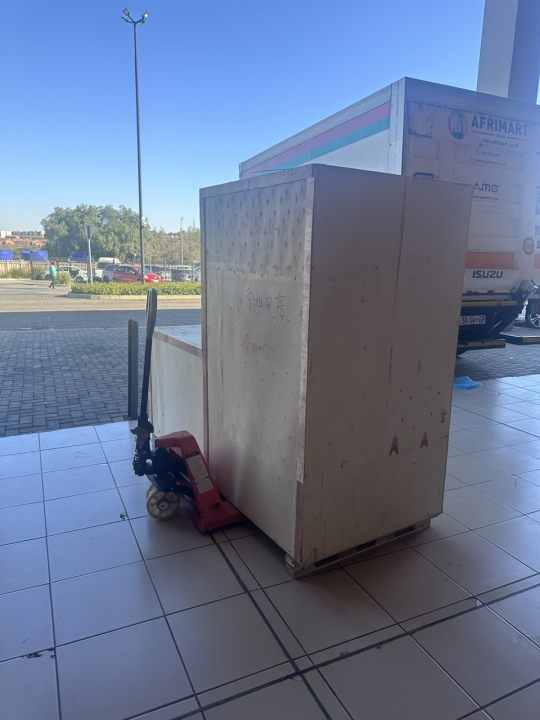
Toilet paper making machine
Toilet paper Rewinding Machine
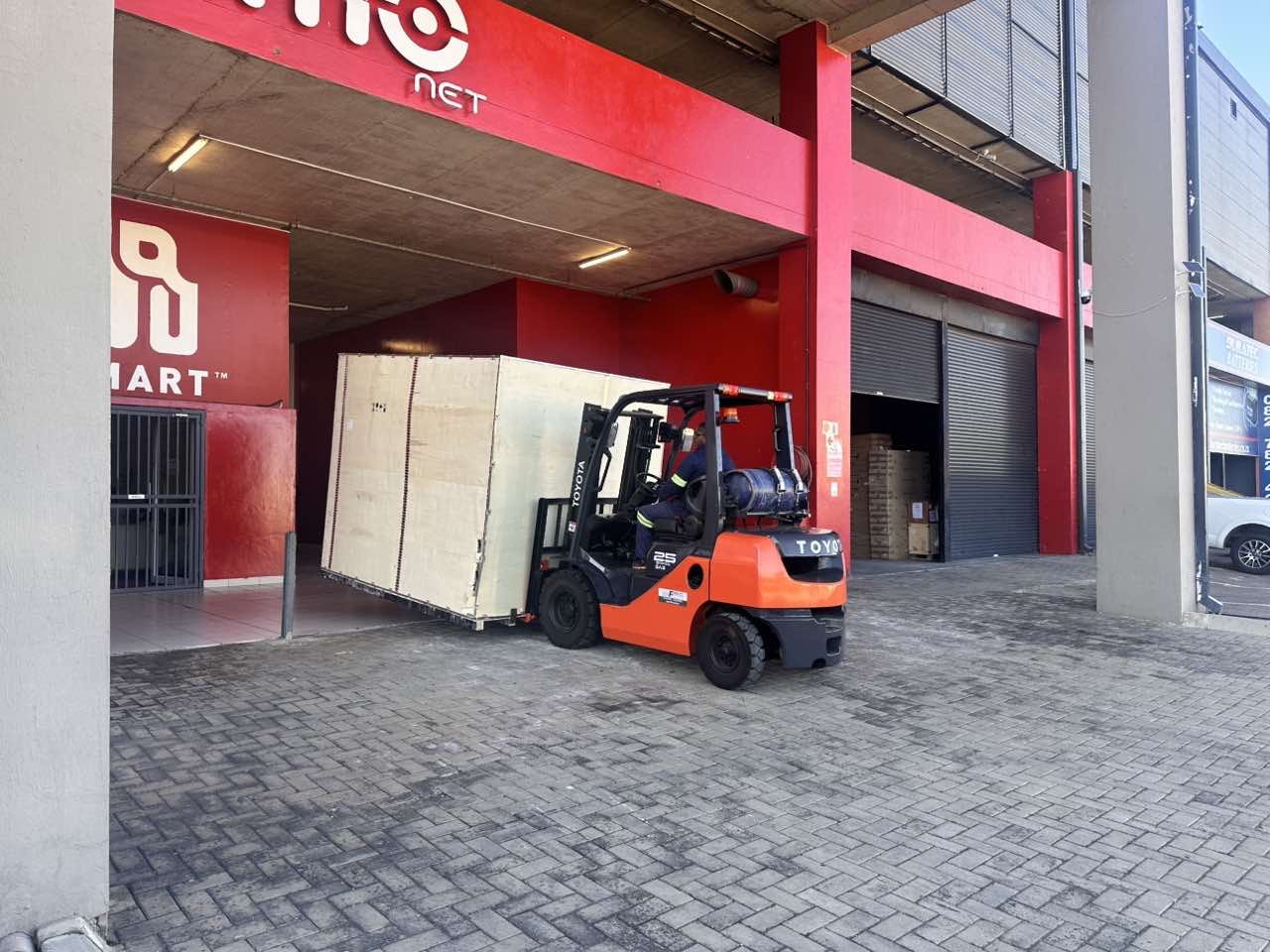
latest arrivals
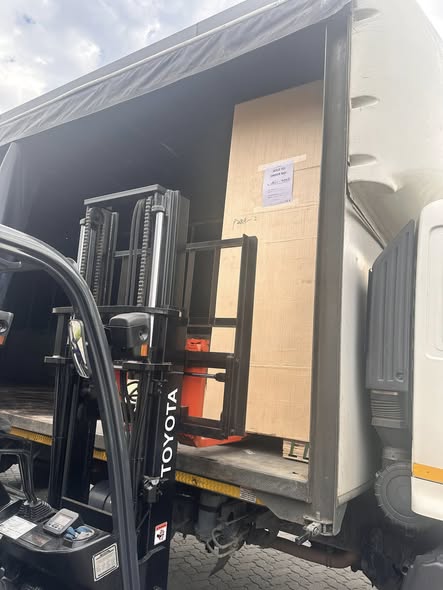
offloading
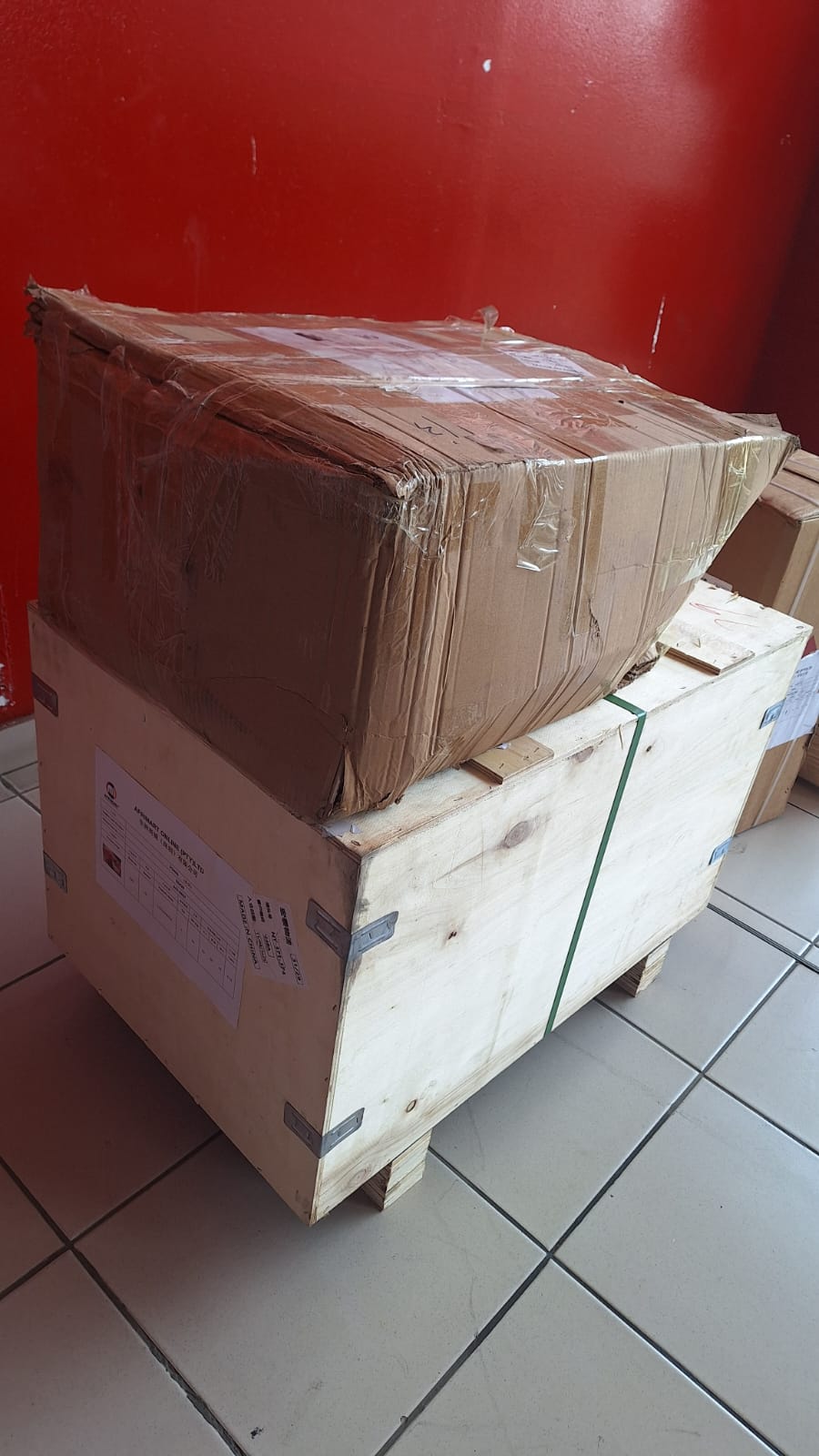
order success
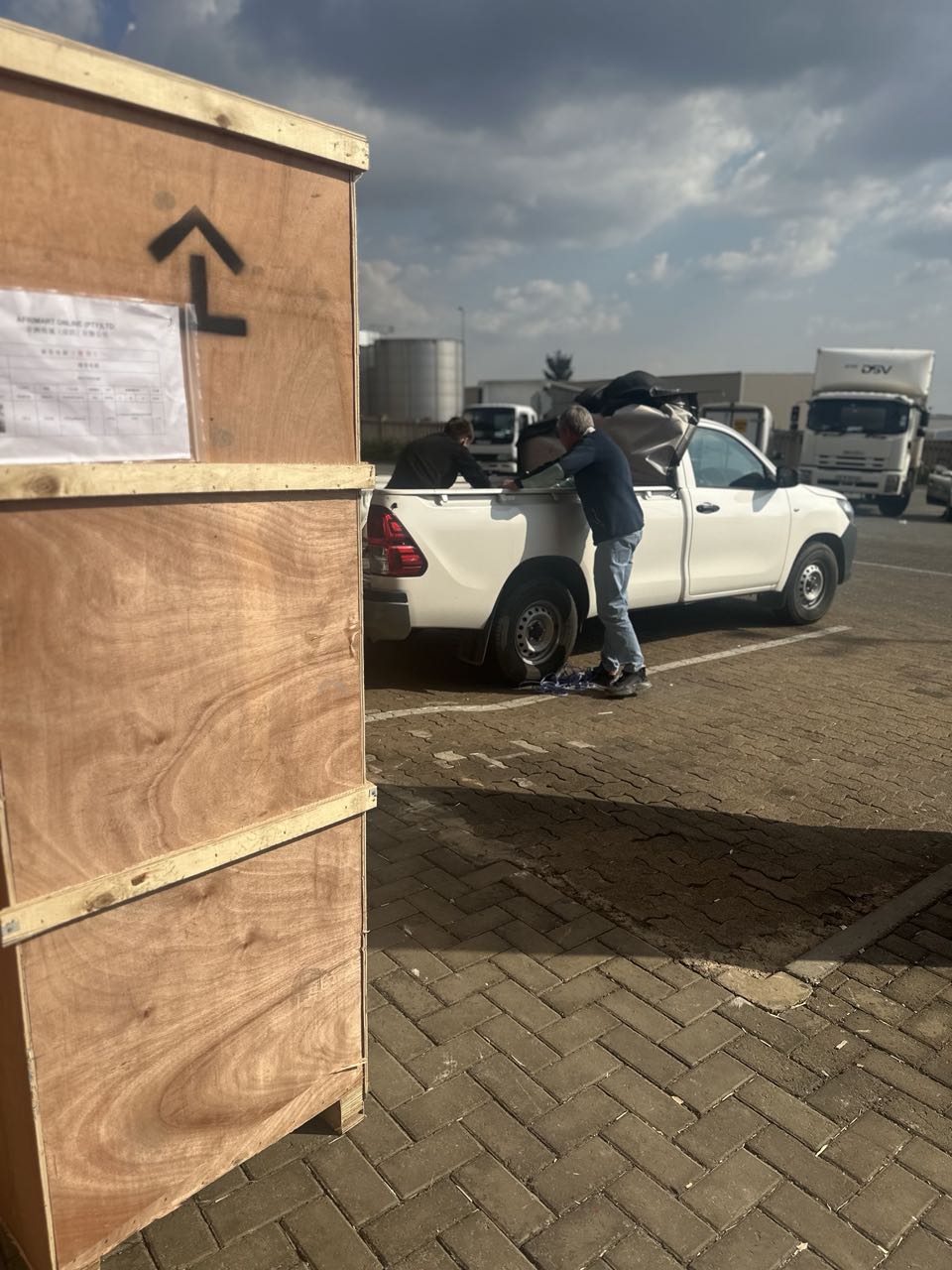
order collection
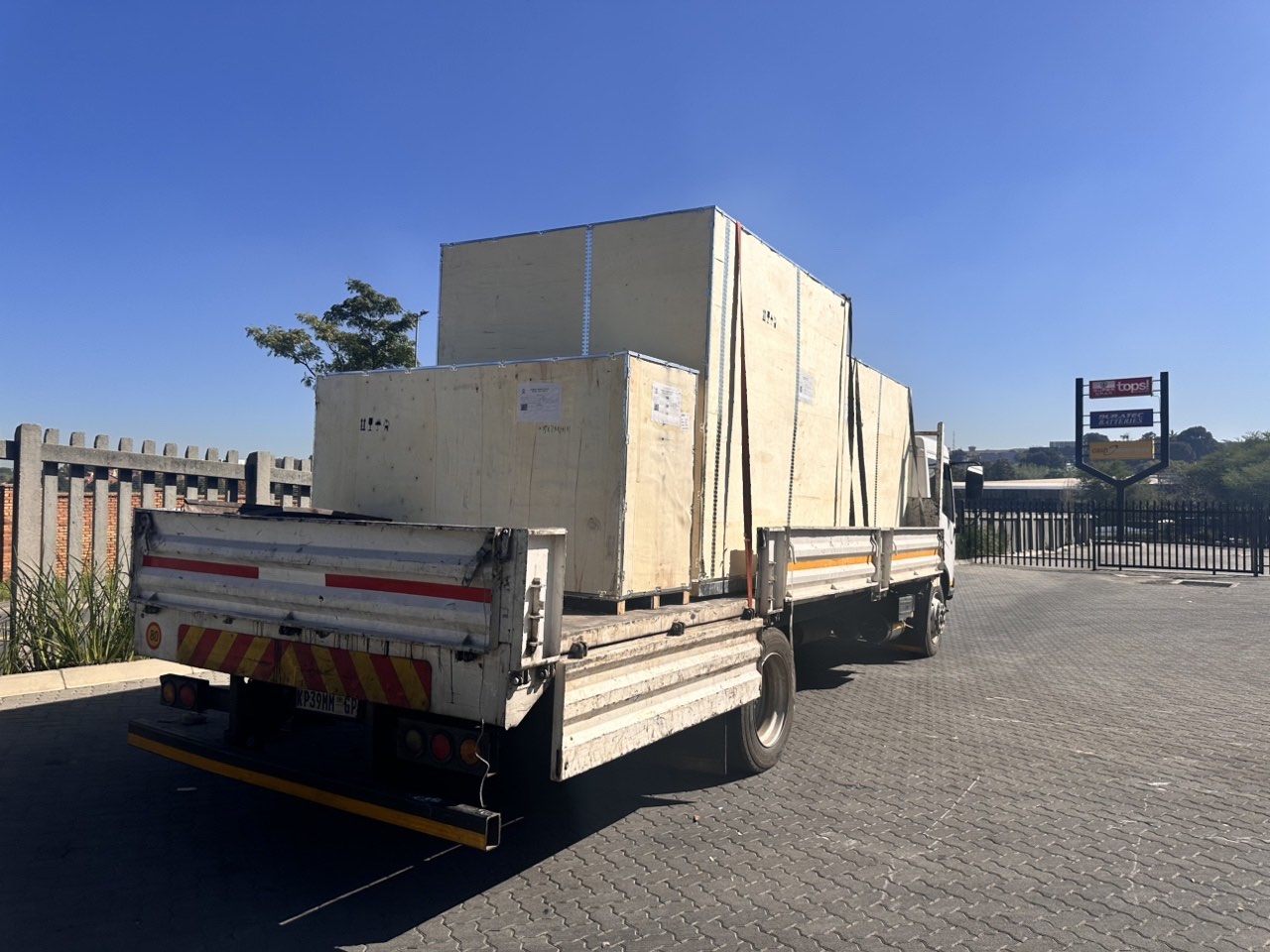
order offloading