B21, China Town Mall, Midrand

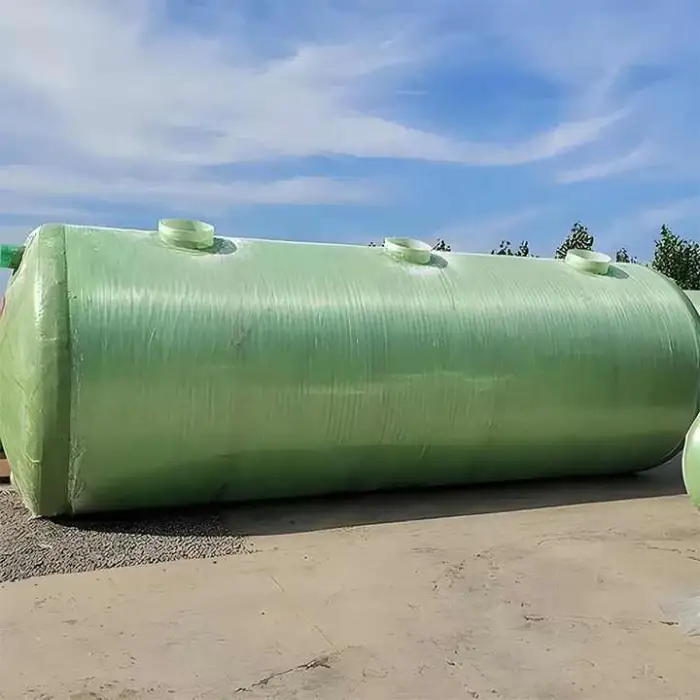
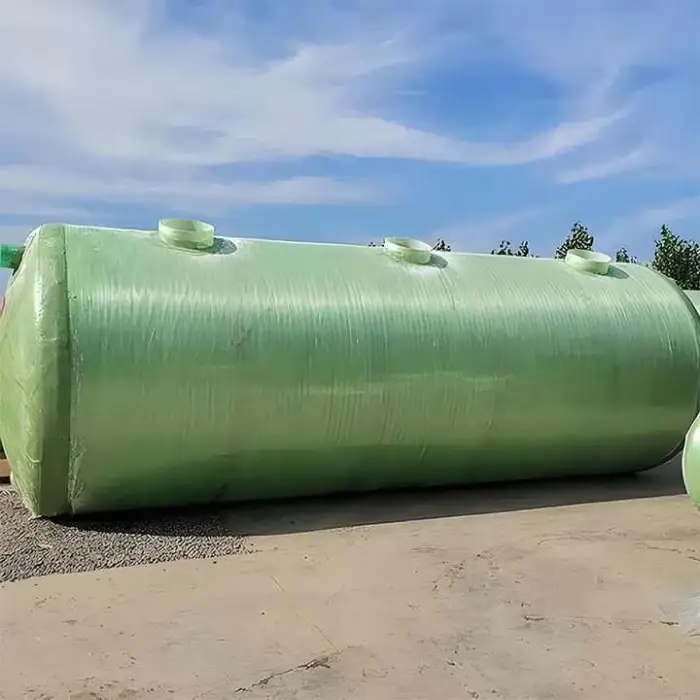
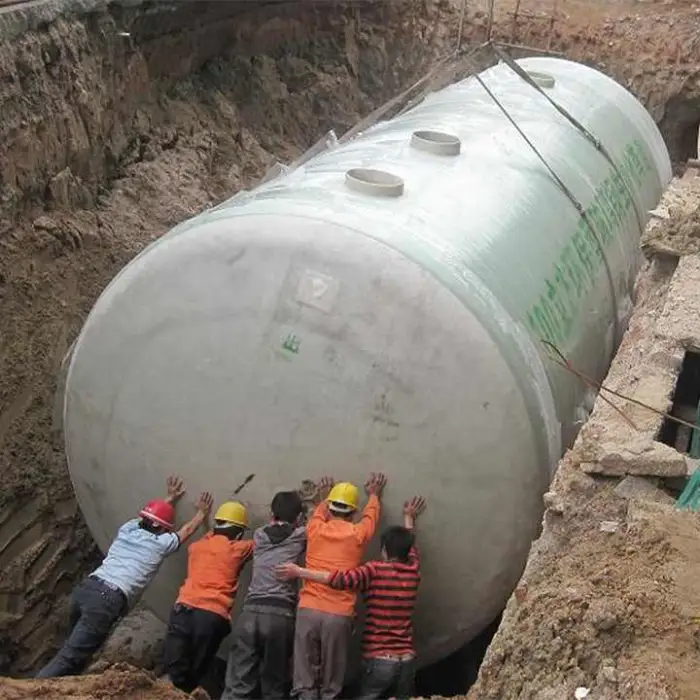
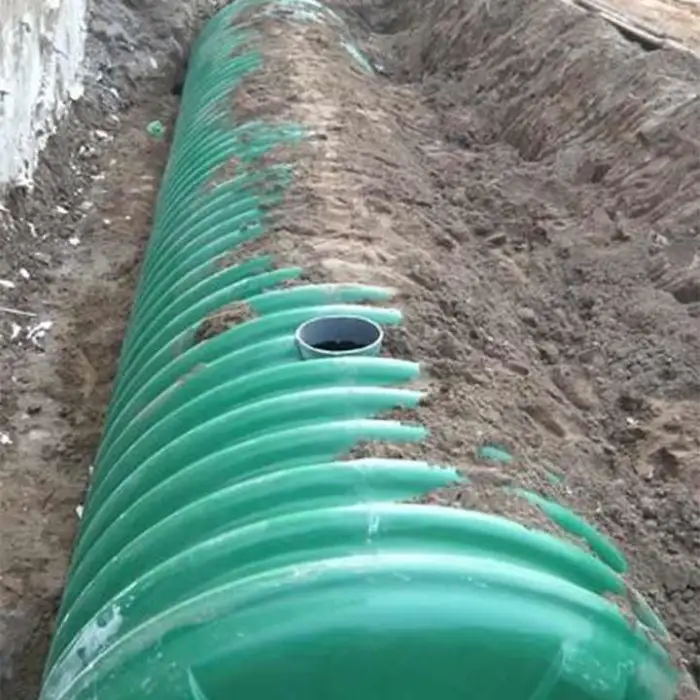
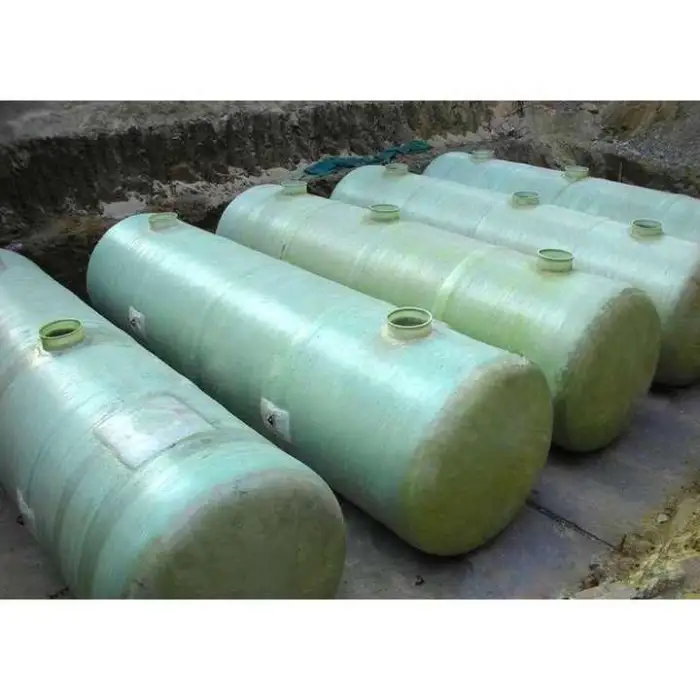
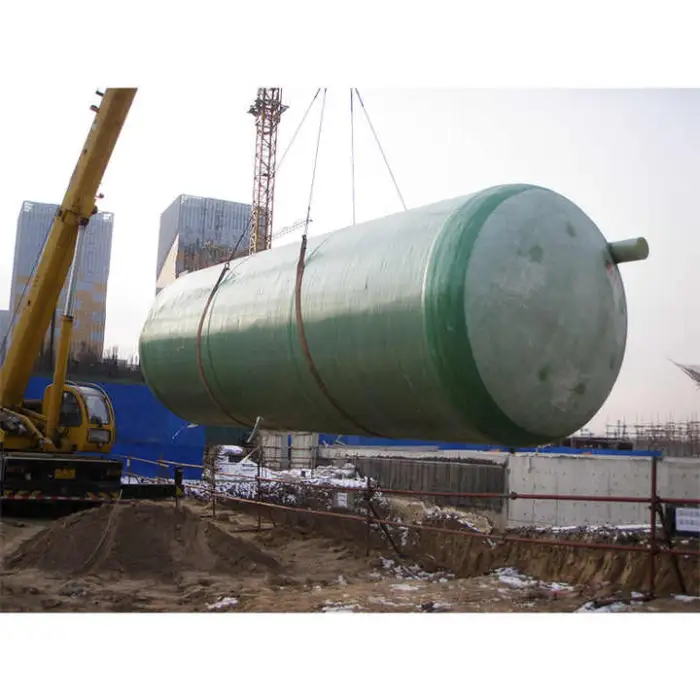
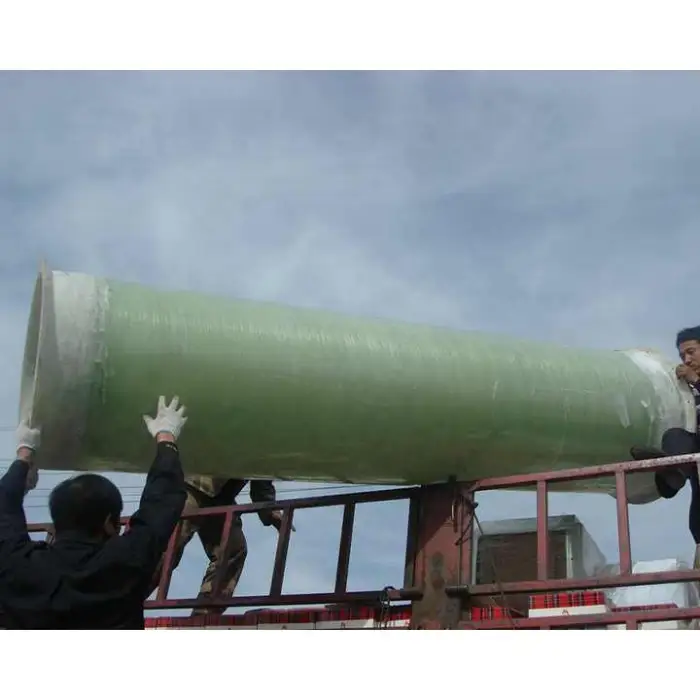
500 - 5000 Litre Mini Fiberglass Septic Tank SMC Septic Tanks

- Section : Machinery
- Category : Environmental Machinery
- SKU : 1601215661826

- Shipping Timeframes: All orders are processed within 2-5 business days (excluding weekends and holidays). After your order has been processed, the estimated delivery time is before 03 Aug, 2026, depending on customs, Please note that due to high demand, some items may experience longer shipping times, which will be communicated at order confirmation email.
- Order Processing Time: Please allow 2-5 business days for us to process your order before it is shipped . Orders placed after 16:00 on Fridays, or during weekends and public holidays, will begin processing on the next business day. Processing times may be extended during peak seasons or sales events.
- Manufacturing Time: Some products needs manufacturing time, the manufacturing process will take approximately 10-30 business days depending on the product. This timeframe may vary depending on the complexity of the product and current demand. but this will be communicated with you during order confirmation.
- Returns and Exchanges: We offer a 30-day return policy for most items. If you are not completely satisfied with your purchase, you may return it within 30 days of receipt for a refund or exchange. Items must be unused, in their original packaging, and accompanied by proof of purchase. Return shipping costs are the responsibility of the customer, unless the item was damaged or defective upon arrival.
1. What is a fiberglass septic tank?
A fiberglass septic tank is a type of sewage treatment system made from fiberglass-reinforced plastic. It is durable, lightweight, and resistant to corrosion, making it suitable for various soil and environmental conditions.
2. What sizes are available for the Mini Fiberglass Septic Tank?
The Mini Fiberglass Septic Tank is available in sizes ranging from 500 to 5000 litres, allowing you to choose the right capacity based on your household or commercial needs.
3. How long does a fiberglass septic tank last?
With proper maintenance, a fiberglass septic tank can last 30 years or more. Its resistance to rust and corrosion contributes to its longevity.
4. What are the benefits of using a fiberglass septic tank over concrete?
Fiberglass septic tanks are lighter than concrete tanks, resistant to cracking, and easier to install. They also do not corrode, which can extend their lifespan and reduce maintenance costs.
5. How do I determine the correct size of septic tank for my needs?
The size of the septic tank needed depends on the number of people in your household and your water usage. A typical guideline is to allocate 150-200 litres per person per day.
6. What is the installation process for a fiberglass septic tank?
Installation typically involves excavating a hole, ensuring proper grading, placing the tank, connecting inlet and outlet pipes, and backfilling. It is recommended to hire a professional for installation.
7. Do I need a permit to install a septic tank?
Yes, most areas require a permit for installing a septic tank. It's important to check local regulations and obtain the necessary permits before installation.
8. How often should I pump my septic tank?
It is generally recommended to pump your septic tank every 3 to 5 years, but this may vary based on usage and tank size. Regular inspections can help determine the right schedule.
9. Can I use a fiberglass septic tank for commercial applications?
Yes, fiberglass septic tanks can be used for both residential and commercial applications. The larger capacities (up to 5000 litres) are suitable for higher demand situations.
10. What maintenance is required for a fiberglass septic tank?
Maintenance includes regular pumping, inspecting the tank for leaks or damage, and ensuring proper drainage and flow. Avoid flushing non-biodegradable items to extend tank life.
11. Are fiberglass septic tanks environmentally friendly?
Yes, fiberglass septic tanks are considered environmentally friendly as they do not leach harmful substances into the soil and can effectively treat wastewater when properly maintained.
12. What should I do if my septic tank is backing up?
If your septic tank is backing up, it may indicate a full tank or a blockage. It is advisable to stop using water and contact a professional for inspection and pumping.
13. Is a fiberglass septic tank more expensive than a concrete tank?
Generally, fiberglass septic tanks can be more expensive upfront compared to concrete tanks. However, their longevity and lower maintenance costs can make them more cost-effective in the long run.
14. Can I install a fiberglass septic tank myself?
While it is possible to install a fiberglass septic tank yourself, it is recommended to hire a professional to ensure proper installation and compliance with local regulations.
15. What factors can affect the performance of my septic tank?
Factors affecting septic tank performance include the size of the tank, the number of users, the types of waste being disposed of, soil conditions, and maintenance practices.
Latest Order Arrivals
Discover our latest orders
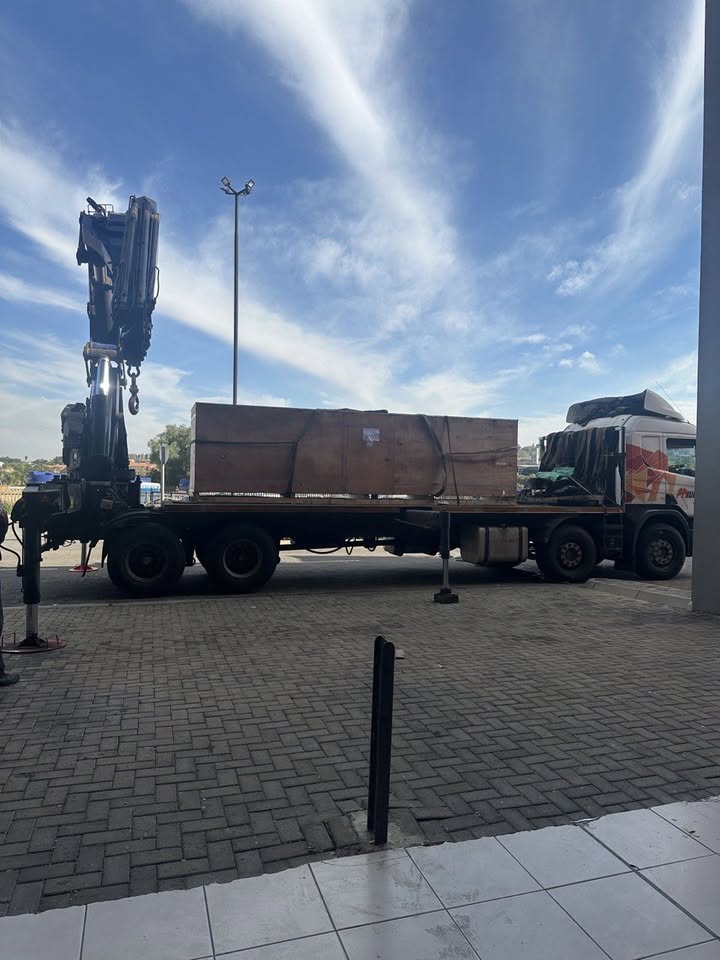
12 Heads Embroidery Machine
Toilet Paper Machine Machine
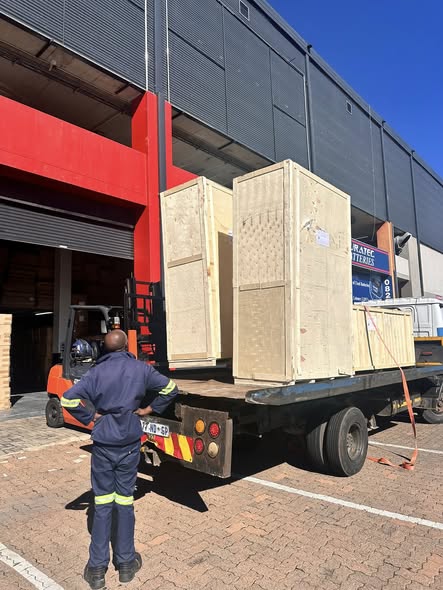
Order Collection
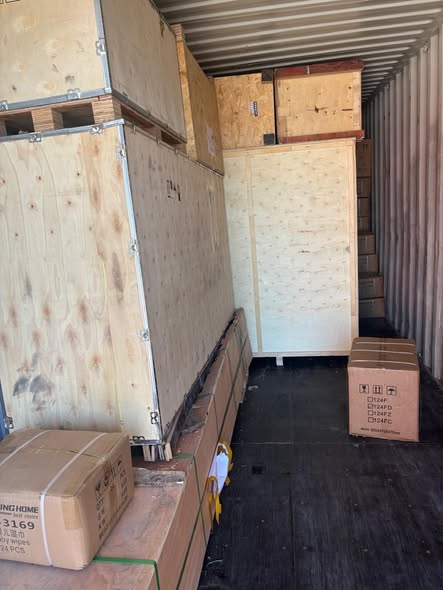
Cross Border Clients
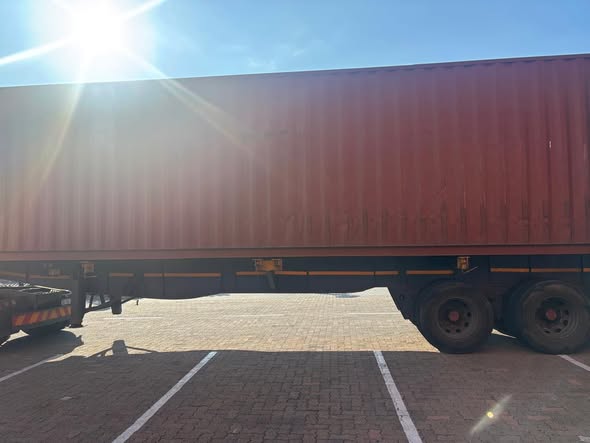
Order cros border countries Collected
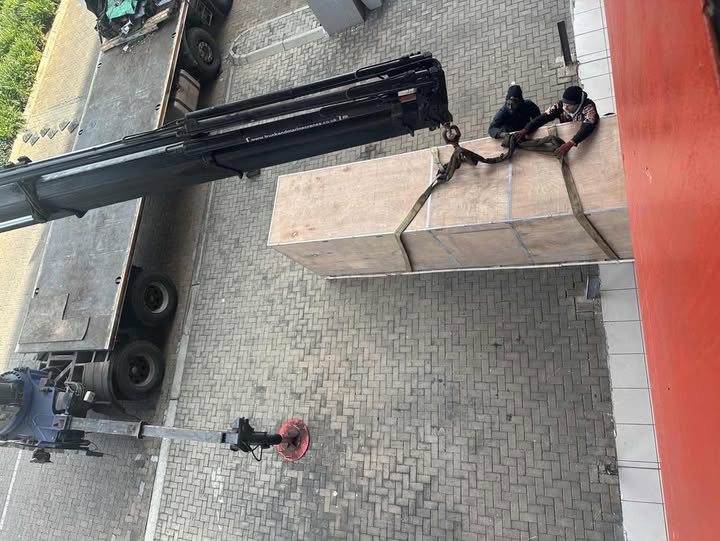
Industrial Machine Cllection
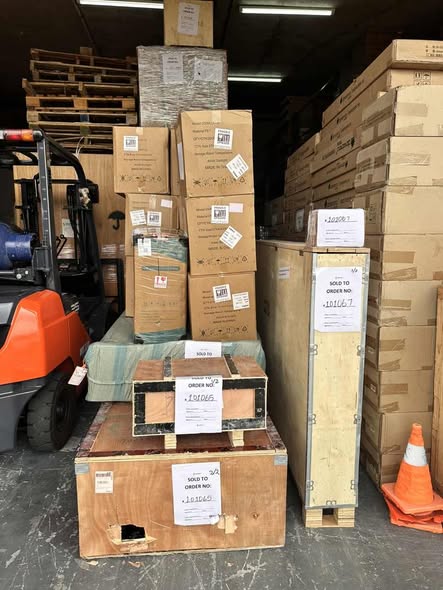
Agriculture Processing Machines
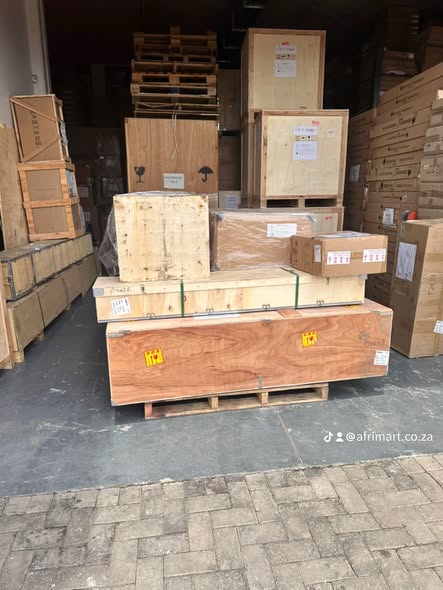
Ready for collection
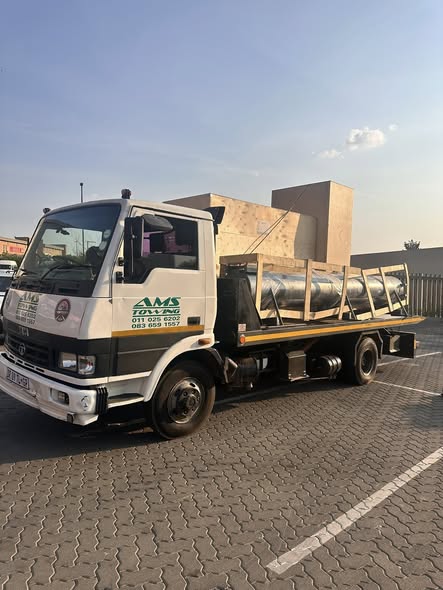
Water Pump Equipment
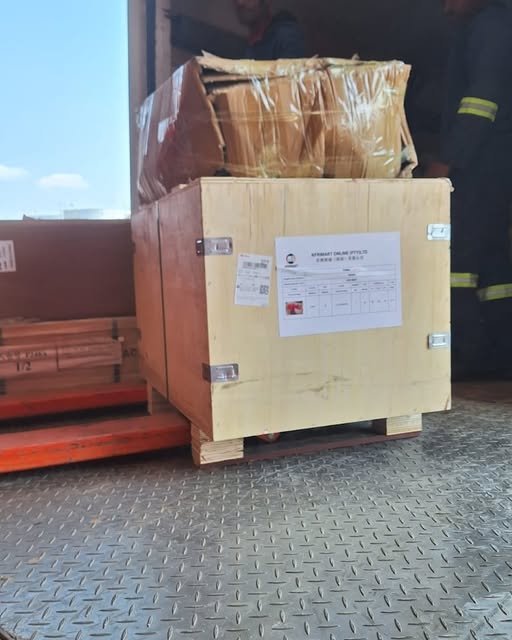
Packaging Machine and accessories

Fabrics Manufacturing Equipment
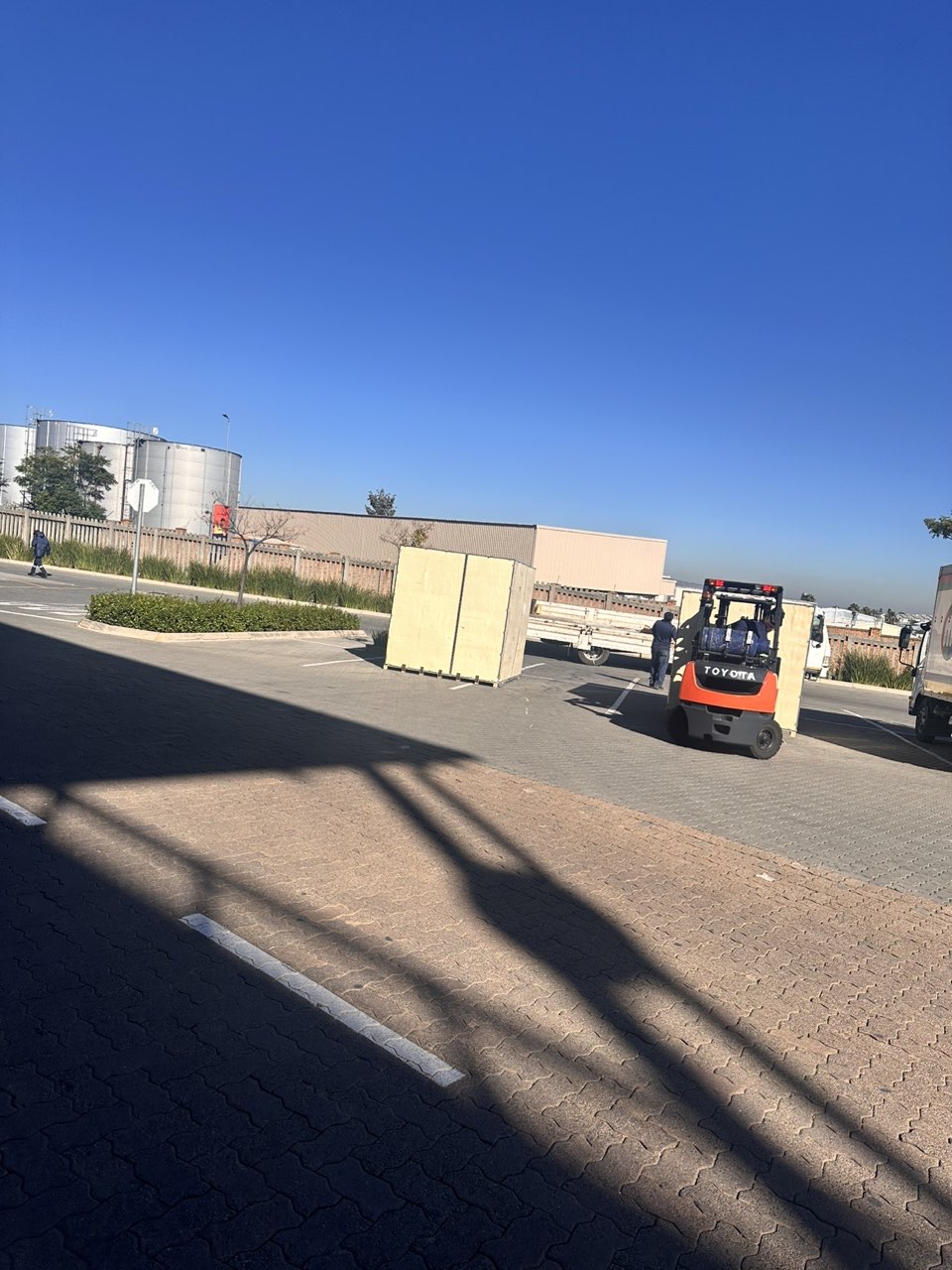
Mining Equipments
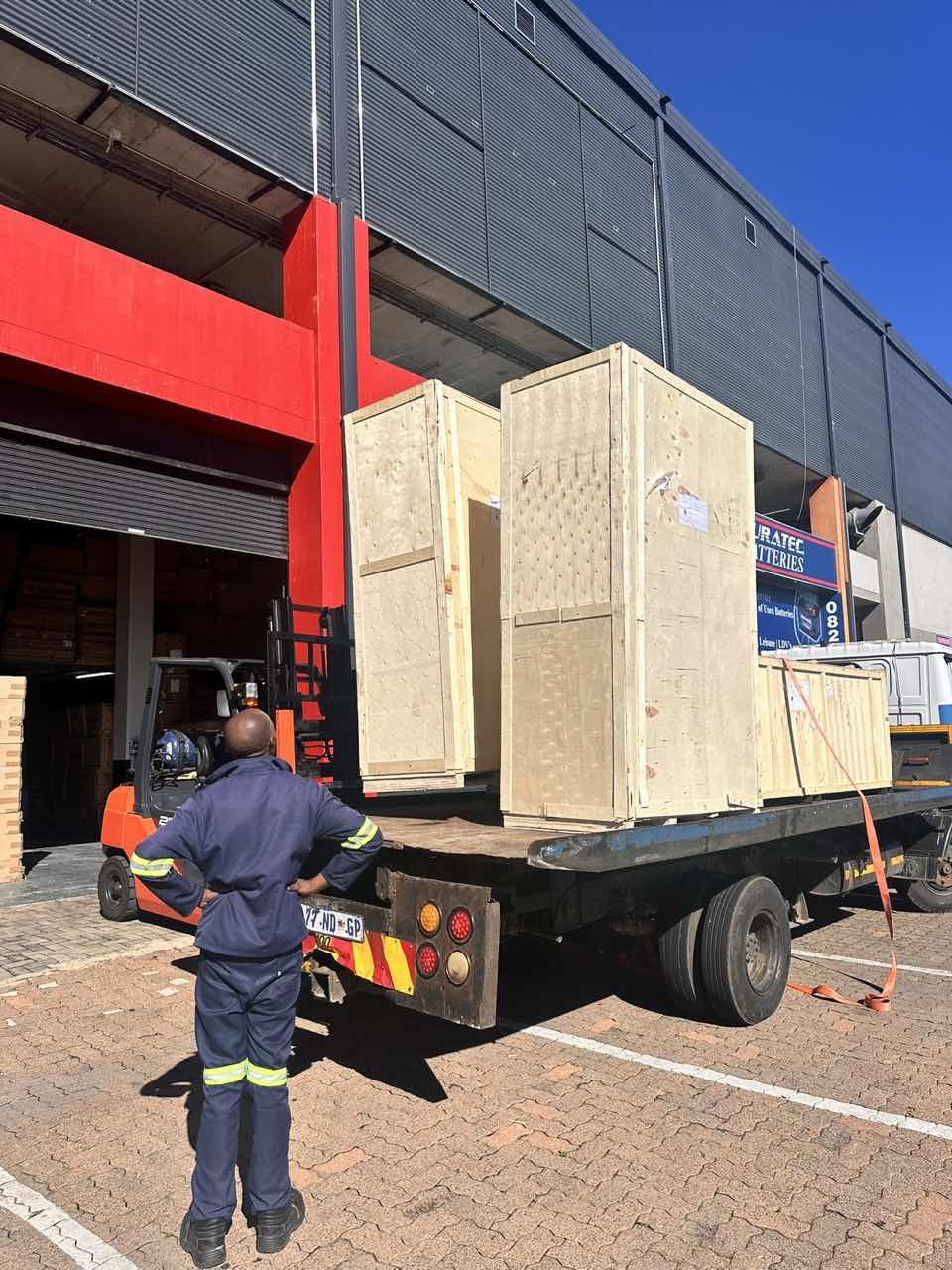
Food Processing Machine
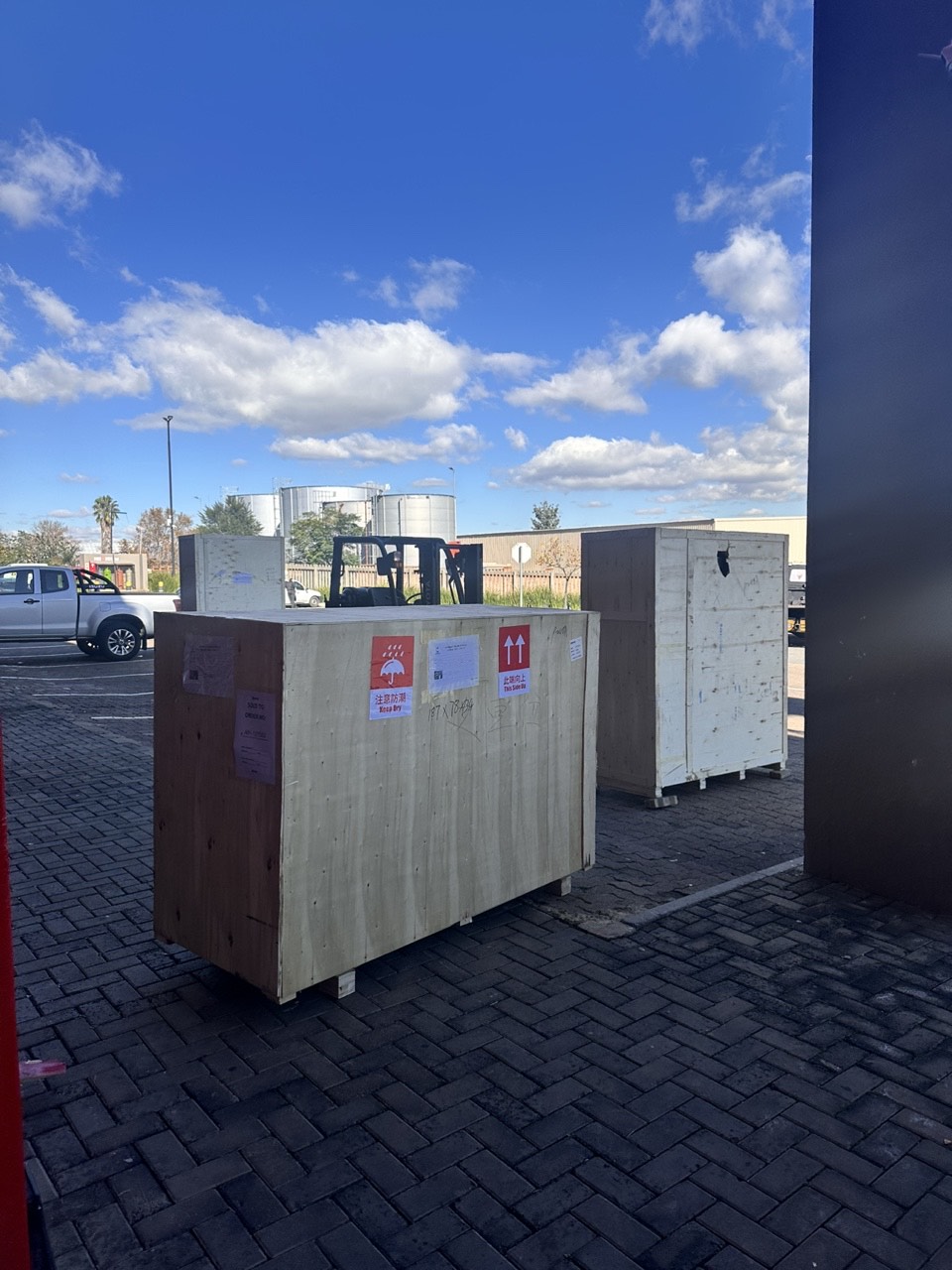
Batch of Orders

Batch of Orders
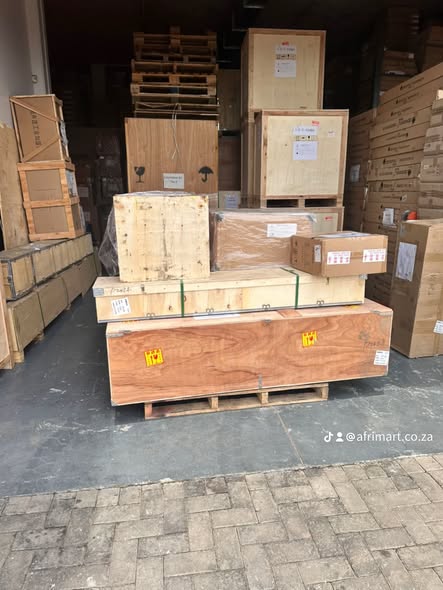
Latest Orders Labelled
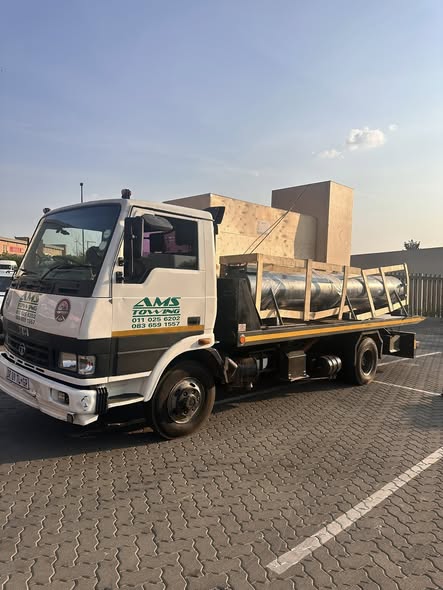
wheel alignment machines

new arrivals
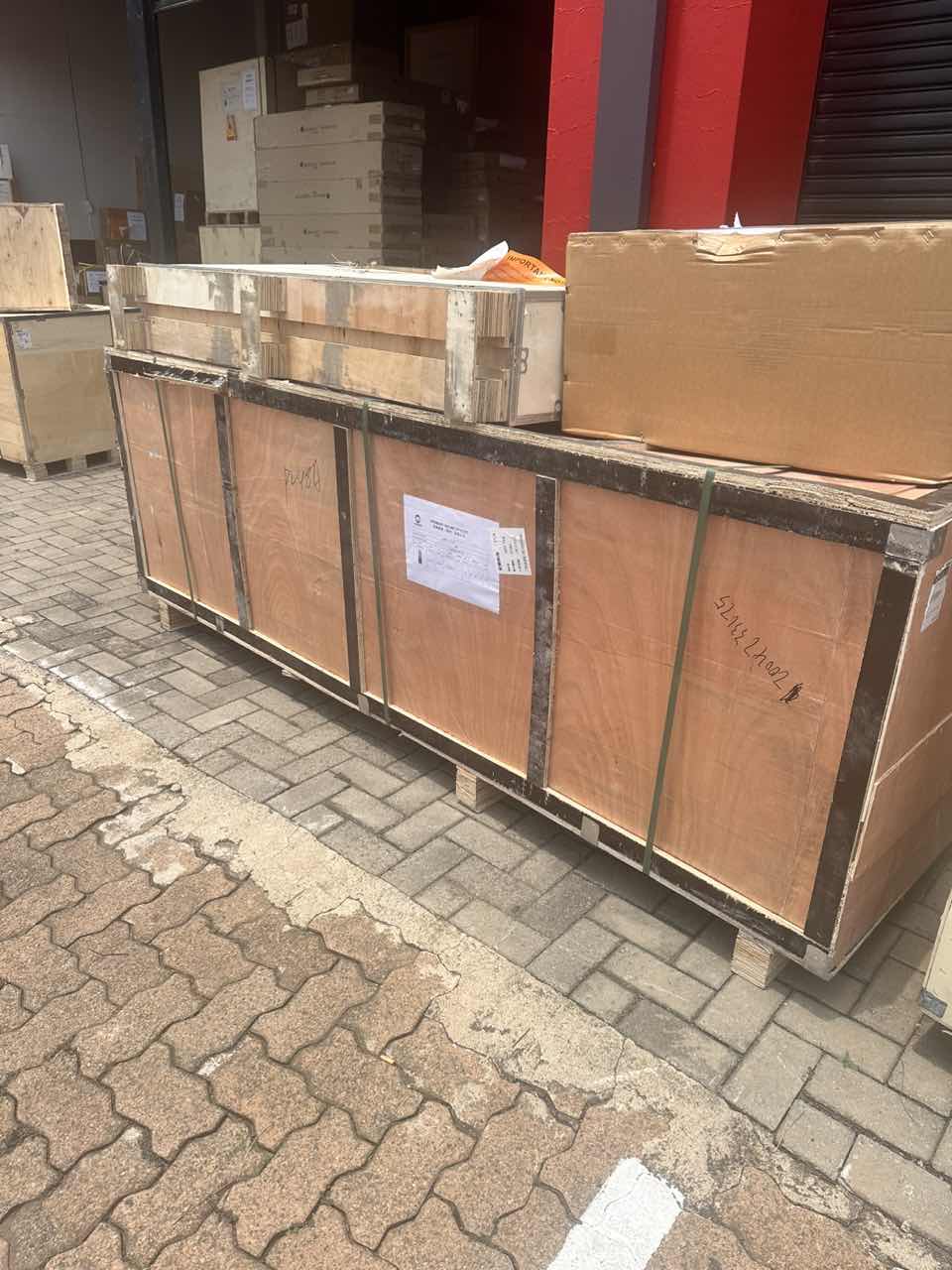
Pre Orders Offloading
Latest Arrivals
Latest Arrivals

Latest Arrivals
Loading
Toilet paper making machine
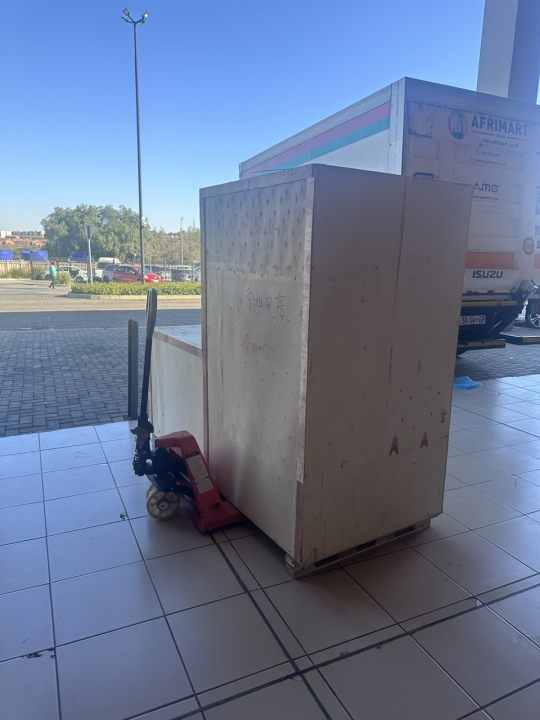
Toilet paper making machine
Toilet paper Rewinding Machine
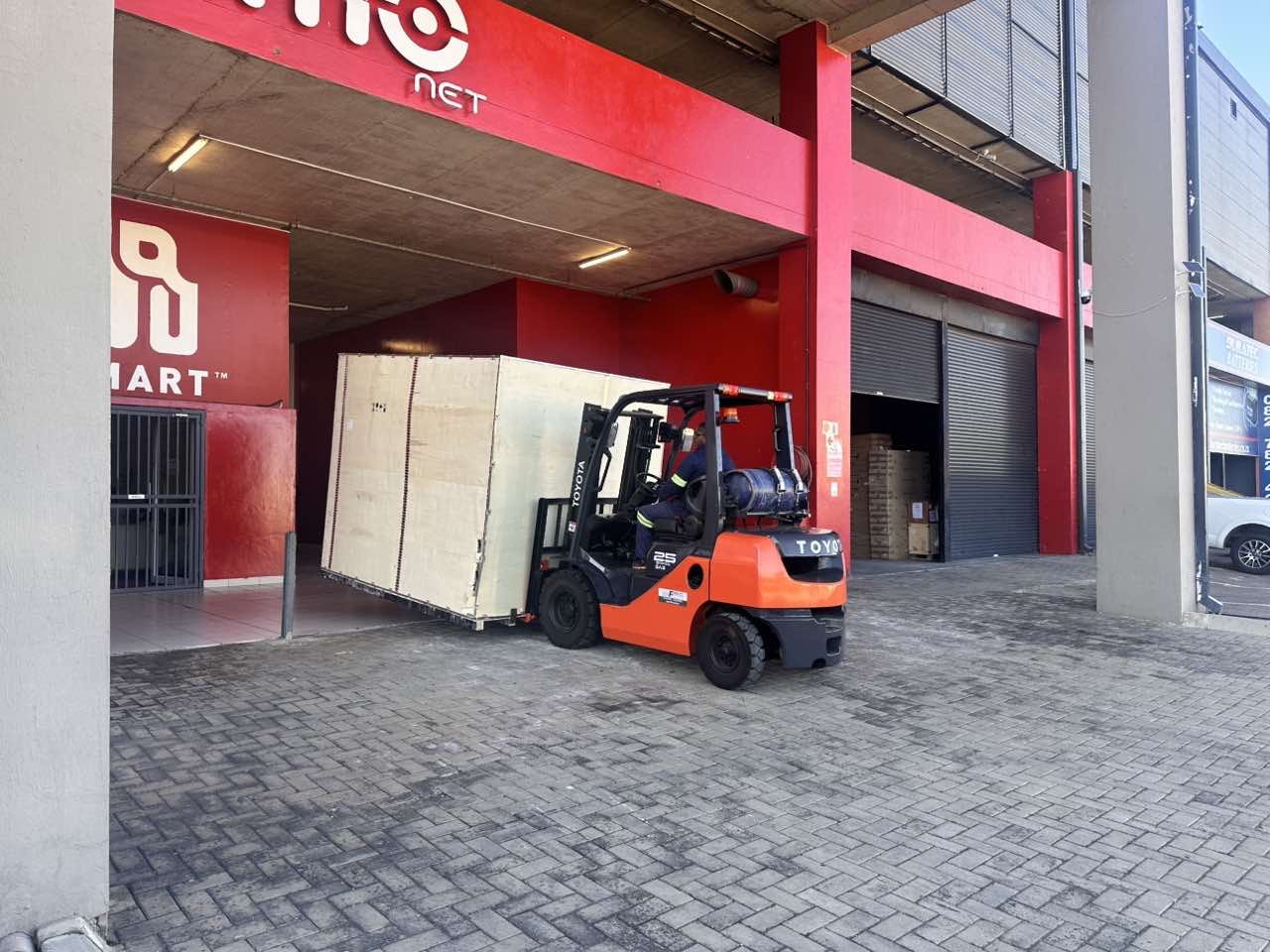
latest arrivals

offloading
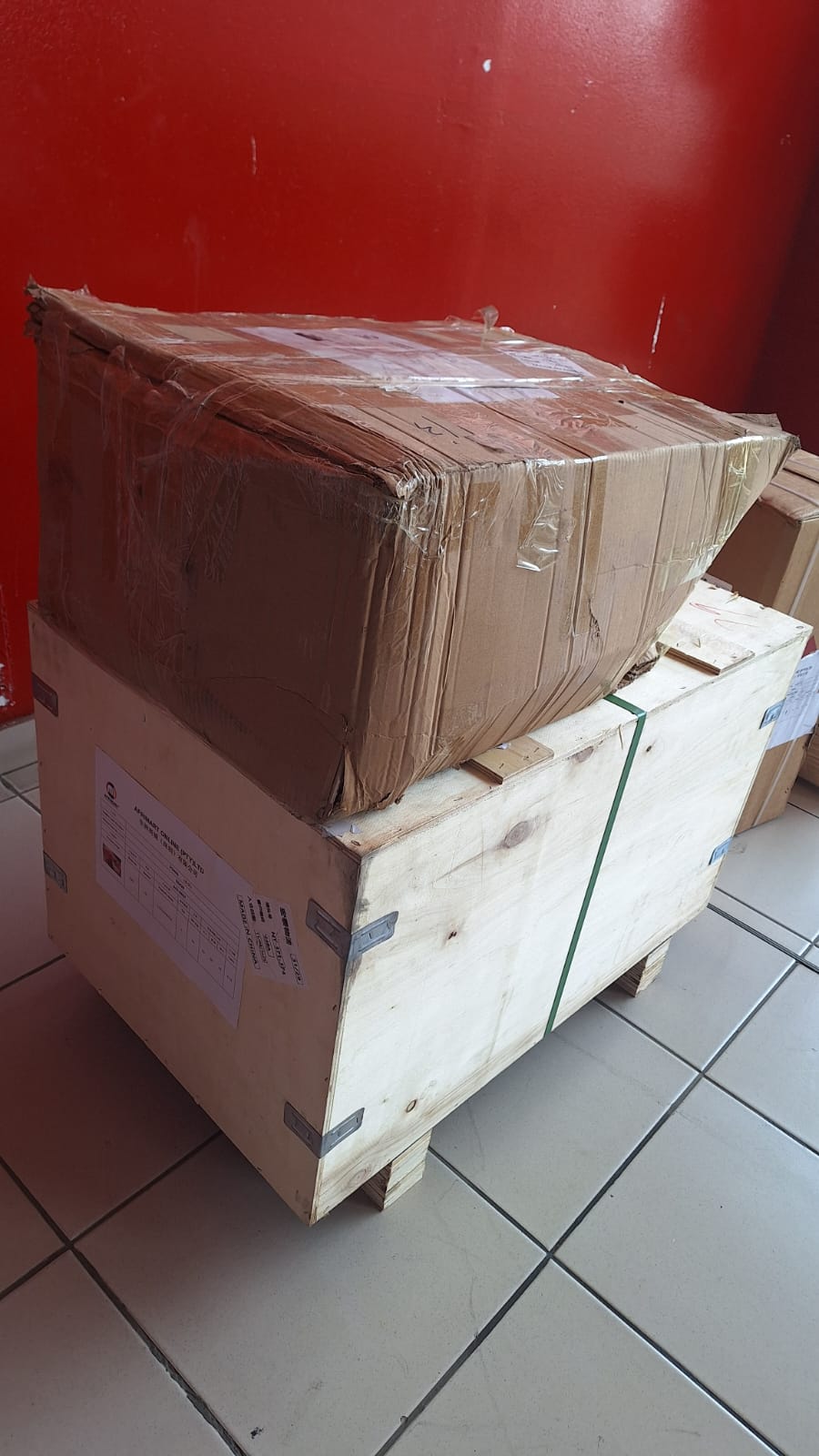
order success

order collection

order offloading